8 Independence Days Around the World 

The U.S. is not the only country that celebrates freedom from colonial rule. These eight countries have their own vibrant traditions to commemorate their independence days. 
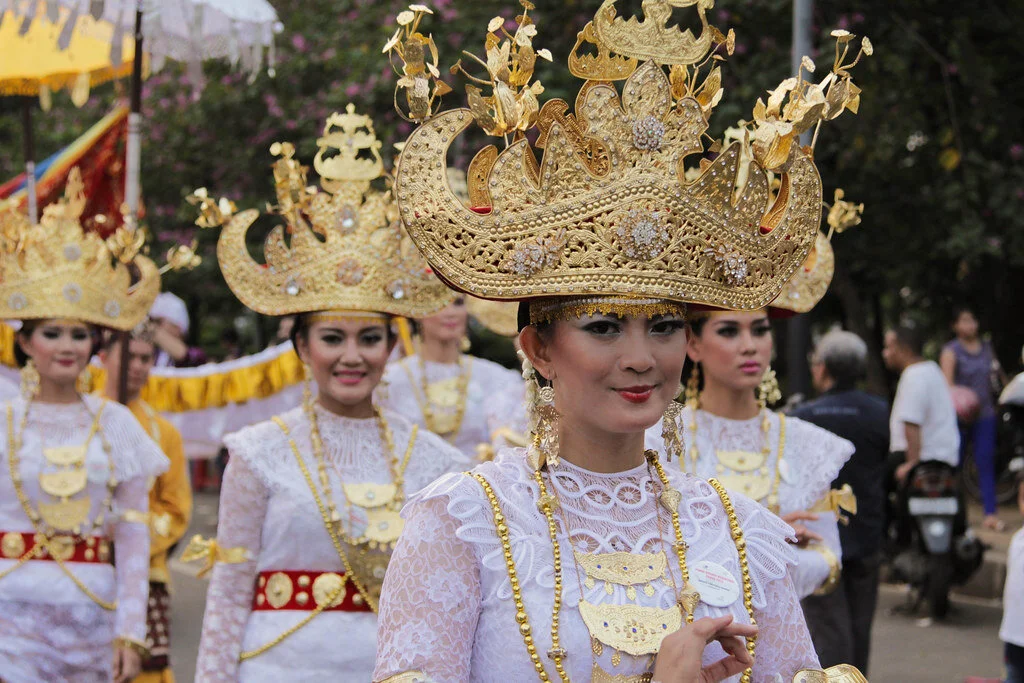
Women at an Independence Day parade in Jakarta, Indonesia. World Resources Institute. CC BY-NC-SA 2.0 

The Fourth of July is celebrated with parades, cookouts, fireworks displays and red-white-and-blue decorations as a way  to commemorate the 1776 signing of the Declaration of Independence, which declared independence from British colonial rule. Although most people in the U.S. know the story of the Revolutionary War and the fight for independence, the U.S. is far from the only nation to struggle for autonomy under colonialism. Colonialism, typically perpetrated by large European powers like the British, Spanish and Portuguese empires, continued long after the U.S. won its independence. Many of the countries on the list below did not receive freedom from their colonial rulers until the end of World War II. Like the U.S., these eight countries each have their own traditions to honor their journey to independence. 

When reading about independence, it is important to note that colonialism is not just a thing of the past; he UN reports that nearly 2 million people still live under colonialism in the 21st century. It is important that world media continue to advocate for political equality and self-government. 
1. Mexico 

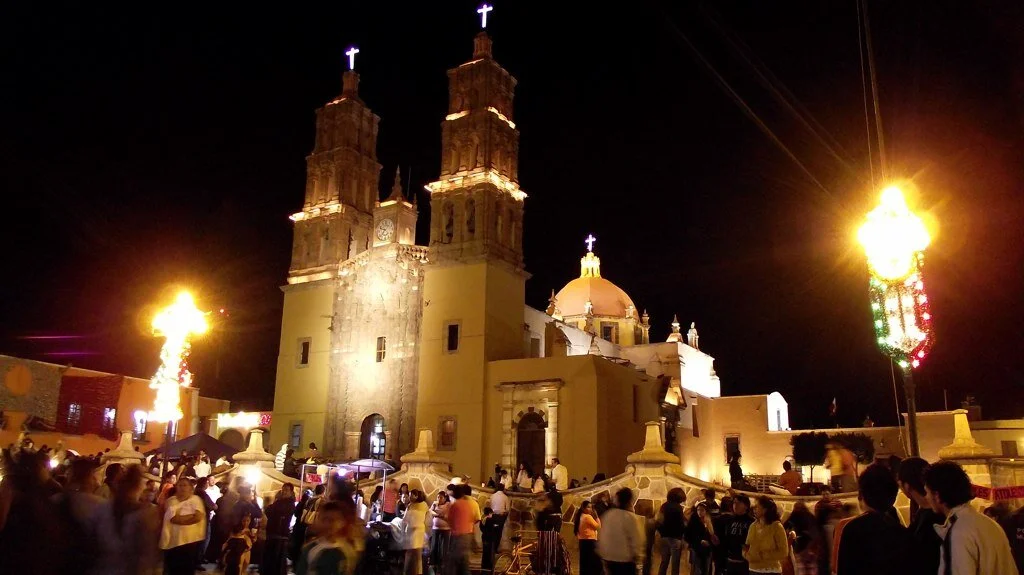
Contrary to common belief, Cinco de Mayo is not Mexico’s independence day. Cinco de Mayo commemorates Mexico’s victory over France in the May 5, 1862 Battle of Puebla during the Franco-Mexican War. Mexico’s independence day falls on September 16 and celebrates the country’s liberation from Spain, which ruled Mexico as a colony for over 300 years. The day marks the anniversary of “El Grito de Dolores” (The Cry of Dolores), a rallying speech made in 1810 by Father Miguel Hidalgo y Costilla, a Catholic priest advocating for revolution. It is said that on the night of September 16, 1810, Father Hidalgo rang the church bell in the town of Dolores and urged the assembled villagers to revolt. He then took up the banner of the Virgin of Guadalupe, the patron saint of Mexico. Father Hidalgo’s cry began the Mexican War of Independence, a bloody fight which raged until August 24, 1821, when Spain officially withdrew and recognized Mexico as an independent country.  

Today, Father Hidalgo is known as the Father of Mexican Independence; each year on September 16, his rallying cry is celebrated with fireworks, parades and live music. Also,  the president of Mexico reenacts “El Grito” by ringing the church bell of Dolores and reciting the speech made by Father Hidalgo over two hundred years ago. The event draws massive crowds eager to honor Mexico’s fight for independence. 
2. South Korea 

Korea’s National Liberation Day, or “Gwangbokjeol”, is celebrated in both South and North Korea annually on August 15, the date of the official establishment of the Republic of Korea. Korea struggled under Japanese imperial rule for 35 years until the end of World War II  in 1945. Beginning in 1910, Korea was a Japanese colony. Korea’s social, political and economic policies were controlled by Japan, and many Koreans faced forced assimilation into Japanese culture, such as being made to take Japanese names. During Japan’s occupation, there were many movements that attempted to gain independence for Korean. The most notable of these began on March 1, 1919, when a group of Korean nationalists started a series of demonstrations calling for Korean independence. The demonstrations continued for a year and approximately 2 million people participated in over 1,500 demonstrations before they were quashed by Japanese forces. Despite continuous efforts from Korean independence groups, the country did not earn its independence until August 15, 1945. Exactly three years later, on August 15, 1948, the Republic of Korea was established. South Korea also celebrates Foundation Day, which falls on October 3 each year. It commemorates the foundation of Gojoseon, the first Korean kingdom, in 2333 B.C.

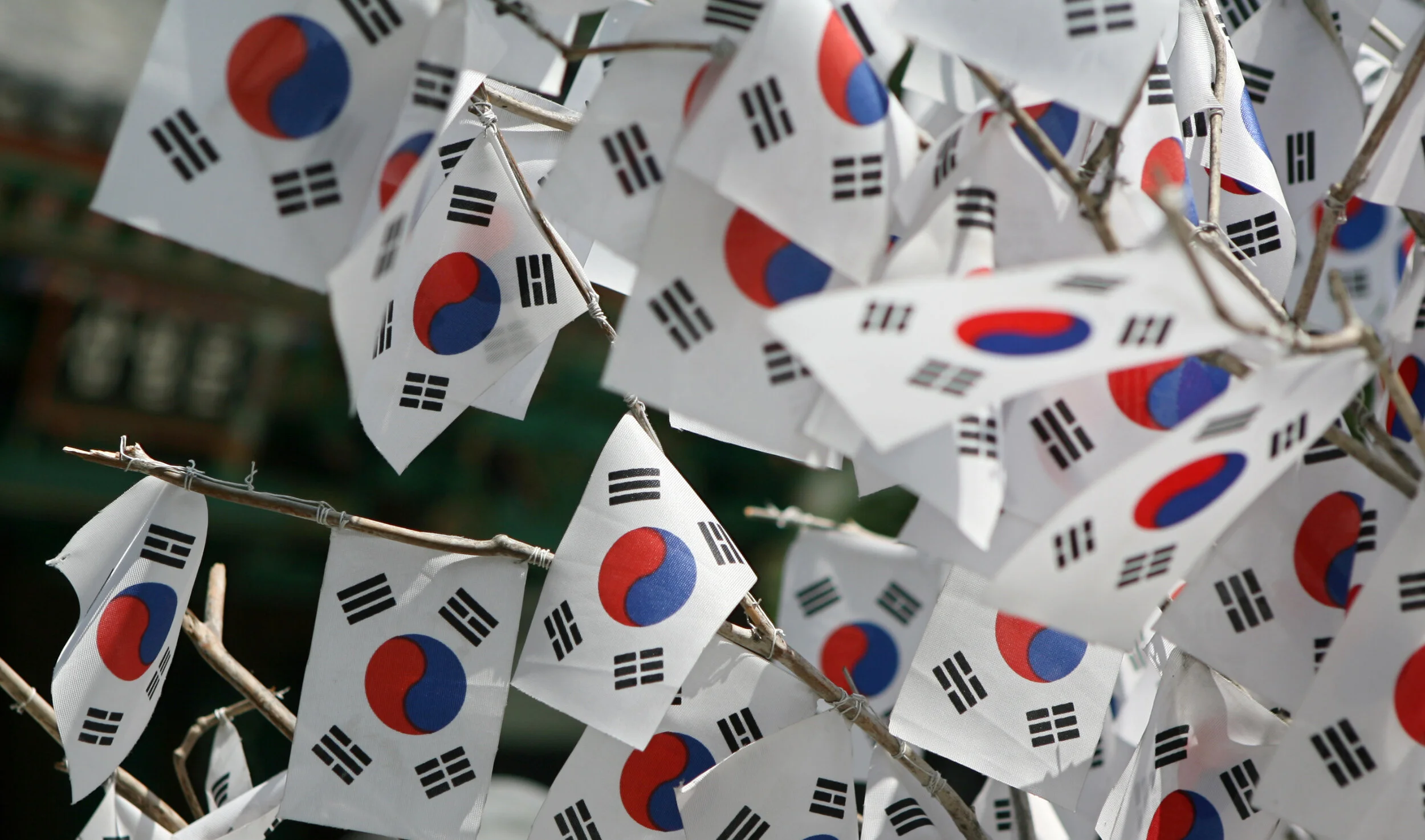
The South Korean flag is flown across the country on National Liberation Day, from streetlights and outside public buildings to private residences. The South Korean government holds an official celebration, and the day even has an official song. On National Liberation Day, the descendants of independence activists can ride public transport and visit museums for free, and the government can grant special pardons to prisoners. National Liberation Day is occasionally celebrated with fireworks, but South Korea’s larger fireworks displays are reserved for Foundation Day. 
3. Cambodia

Full Cambodian independence came on November 9, 1953, when France officially gave up control of the region. The region that is now Cambodia became part of the French protectorate of Indochina in 1863 and remained under French influence for nearly a century. In 1941, France installed Norodom Sihanouk, from Phnom Penh, Cambodia, on the throne. As King under the French protectorate, Sihanouk had little power; France was still the main force controlling Cambodia. However, toward the end of World War II  in March 1945, Sihanouk declared Cambodia’s independence after realizing, similarly as had the South Koreans with Japan, that France’s involvement in the war had left it weaker in the colony. When the war ended, France regained military control of the region, but Sihanouk’s declaration had ignited a push for independence within Cambodia. In 1953, France finally agreed to recognize Cambodia as an independent state with Sihanouk as its leader. The French military finally withdrew in 1954, and Sihanouk founded the People’s Socialist Community in 1955. Sihanouk remained involved in Cambodian politics for years, serving as prime minister, foreign minister, UN representative and later as King again. 

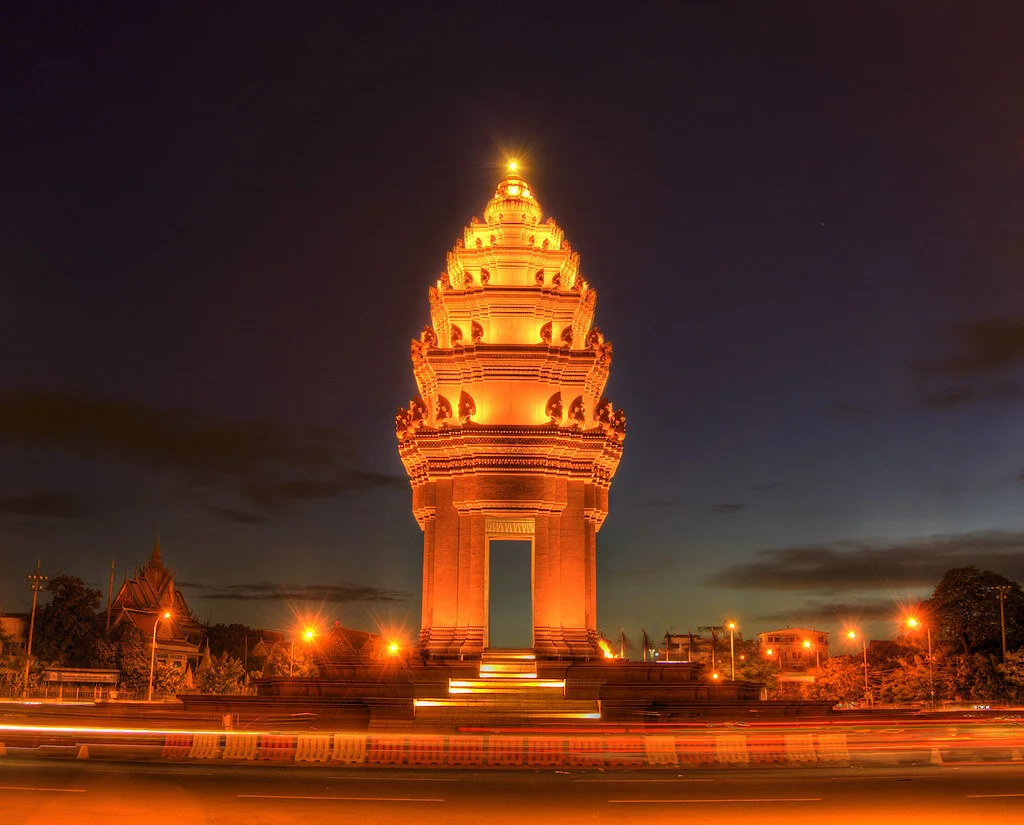
Each year on November 9, people flock to Phnom Penh to gather around the independence monument. Members of the Cambodian government, including the monarch, assemble at the monument as well and speeches are made. The gathering is followed by a colorful parade outside the Royal Palace, complete with floats and live music from marching bands. At night, the Royal Palace and many other buildings are brilliantly lit up and there is a large fireworks display. 

4. Bolivia 

Bolivian independence took more than 15 years to achieve, but it finally occurred on August 6, 1825, after centuries of Spanish control. What is now Bolivia was known as Charcas or Upper Peru, as it was part of the Spanish Viceroyalty of Peru. The Viceroyalty of Peru was established in 1543 during the beginnings of Spain’s exploration of the New World,, and included nearly all of South America. Bolivia was a particularly lucrative part of the viceroyalty, as its silver mines were the Spanish Empire’s main source of revenue. Most of the mines were staffed by Bolivian natives who were extorted for labor by the Spanish Empire—the workers were ill-treated and ill-compensated, which began to sow seeds of dissent against the Spanish. In 1776, Bolivia became part of the Viceroyalty of Rio de la Plata, still under Spanish control. It was not until 1809, when Napoleon attacked Spain, that Bolivia’s independence movements were able to truly begin. Taking advantage of Spain’s focus on the home-front, Simon Bolivar and Antonio Jose de Sucre led Bolivian nationalists in a campaign for Bolivian independence. After years of fighting, on August 6, 1825, Bolivia’s Declaration of Independence was signed. 

August 6 is celebrated as a national holiday known as “Dia de la Patria.” Throughout the country there are parades, gun salutes, street dances and carnivals, as well as events memorializing the nation’s history.   
5. India 

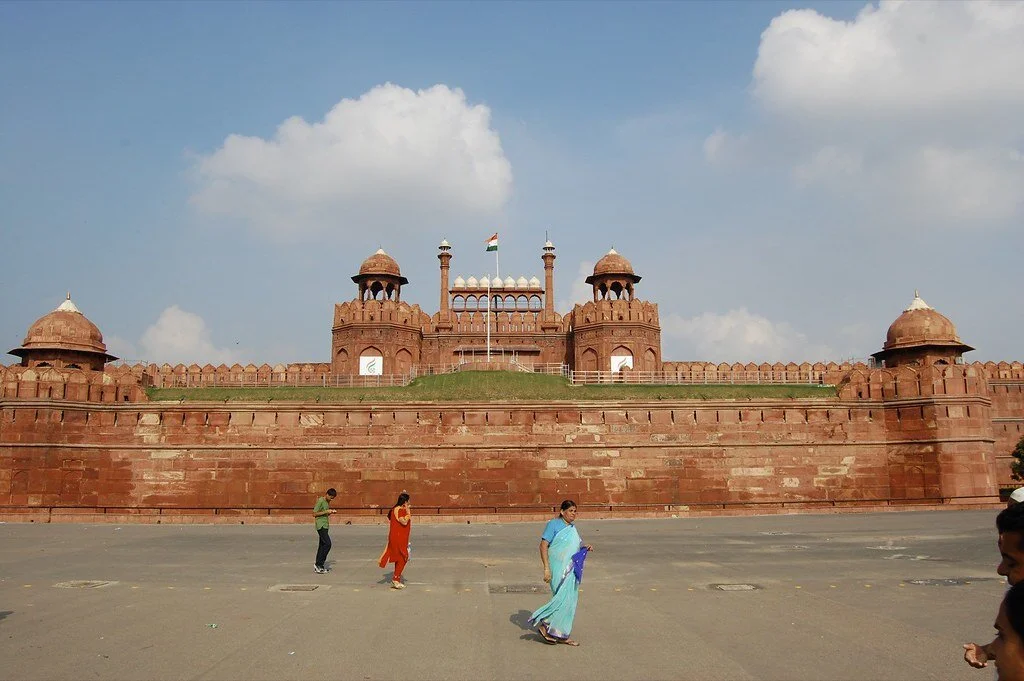
India celebrates its independence from British rule on August 15. On this day in 1947, after over 200 years of British colonial rule, India officially gained independence. August 15, 1947 also marks the day that the Indian subcontinent was partitioned into two countries: India and Pakistan. Britain assumed control of India in 1757 through the British East India Company. 100 years later, in 1857, the first significant push towards Indian independence occurred during the Indian Mutiny, or the Revolt of 1857.  While the revolt was ultimately unsuccessful, it did lead to a transfer of power from the trading company to the British government, but it also sparked continued protests against Britain’s exploitation of India. During World War I , the Indian independence movement grew, led by Mahatma Gandhi and political organizations like the Indian National Congress. In 1947, India finally became an independent nation. Jawaharlal Nehru became the first Prime Minister of the newly independent India, and during a speech at the Red Fort of Delhi, he hoisted an Indian National flag high above the Lahori Gate. 

In homage to this moment, India’s prime minister delivers a speech at the Red Fort of Delhi each year on August 15. State capitals host flag hoisting ceremonies and cultural programs, and buildings are decorated with the flag and strings of lights. In north and central India, the day’s main festivity is kite flying, as Indian revolutionaries used to fly kites with slogans protesting British rule.  

6. Costa Rica

Costa Rica’s journey to independence is a bit different from the other countries on this list. Central America is one of the few areas where there was no large-scale fight for independence. On the heels of its defeat by Mexico, Spain realized that keeping colonies in the region was no longer lucrative. On September 15, 1821, a Central American congress signed “The Act of Independence” declaring Central America’s independence from Spain. Although the declaration was signed in September, news of their newfound independence didn’t reach Costa Rica until nearly a month later—on October 13, 1821—because the message was carried on horseback from Guatemala. 

To celebrate the anniversary of their independence, Costa Ricans throw large parades each September 15. The festivities stretch beyond just one day, though. Starting days prior to the main celebration, an Independence Torch is lit and carried by a series of runners from Guatemala to Cartago, Costa Rica’s colonial capital, by September 14, as a way to commemorate the news of independence traveling the same route. School children spend the days leading up to independence making and decorating faroles, or lanterns, and parade through the streets with them on the night of September 14. 
7. Brazil 

Brazil officially became its own nation on September 22, 1822, after almost 300 years of Portuguese colonial rule. However, Brazil celebrates its independence day on September 7, the anniversary of Portuguese Regent Prince Dom Pedro’s declaration of Brazil’s independence. The Portuguese Empire colonized Brazil in the 16th century, and it was not until the early 1800s that Brazil began to find success in its push for independence. When Napoleon invaded Portugal in 1807, the Portuguese royal family fled to Brazil. The Portuguese Court remained in Brazil until 1820 when a revolution in Portugal forced the King to return. Since Brazil was then a kingdom, the King’s son, Prince Dom Pedro, remained in Brazil as its ruler. In 1822, the King issued a court order recalling Dom Pedro back to Portugal, but the Prince instead declared his allegiance with Brazil and remained there, calling for freedom from Portuguese rule. Dom Pedro became the first emperor of the independent Brazil. 

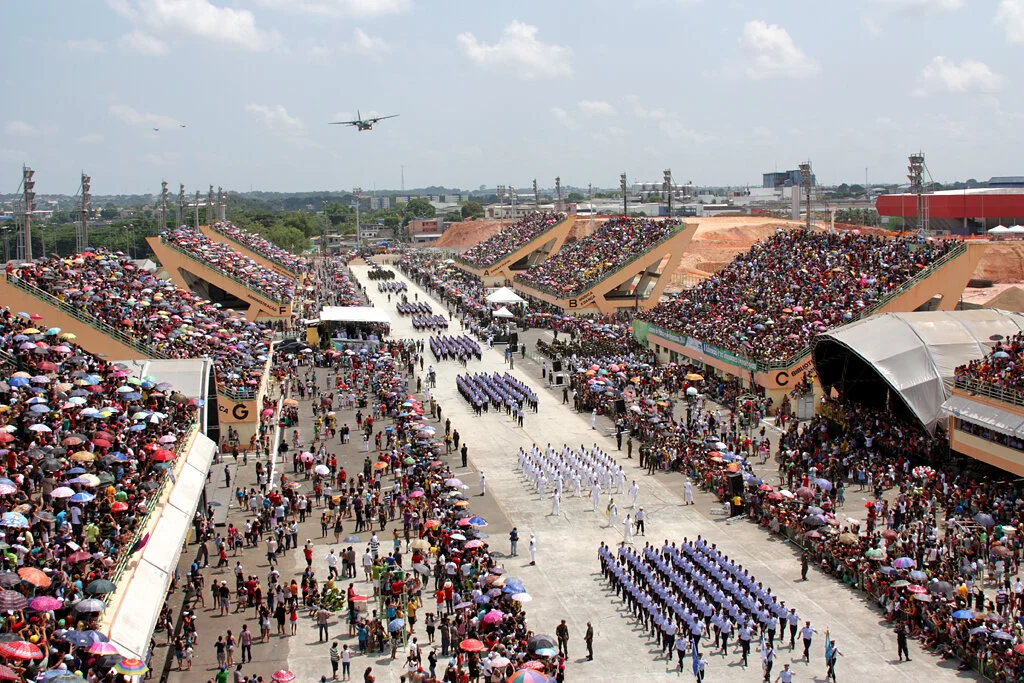
On September 7, Brazilians around the world celebrate Brazil’s independence. In Brazil, there are parades, concerts, fireworks and air shows. The largest celebration takes place in the capital, Brasilia, and is attended by the President of the Republic along with around fifty-thousand other people. 
8. Indonesia 

Independence day in Indonesia falls on August 17, the day its Declaration of Independence was signed in 1945. The Declaration freed Indonesia, then known as the Dutch East Indies, from oppressive Dutch colonial rule under which Indonesians were forced into labor and exploited. The Dutch actually lost control of the colony in 1942 when Japan invaded Indonesia and took over. After Japan surrendered at the end of WWII on August 17, 1945, Indonesian nationalists seized their opportunity to declare independence before the area was once again occupied by the Dutch. The Dutch government refused to recognize this independence, launching two major military campaigns between 1947 and 1948 to reclaim control. Indonesiansheld their ground and Indonesia received support from the U.N. and the U.S. In December of 1949, the Dutch finally released their hold and recognized the independence of Indonesia. 

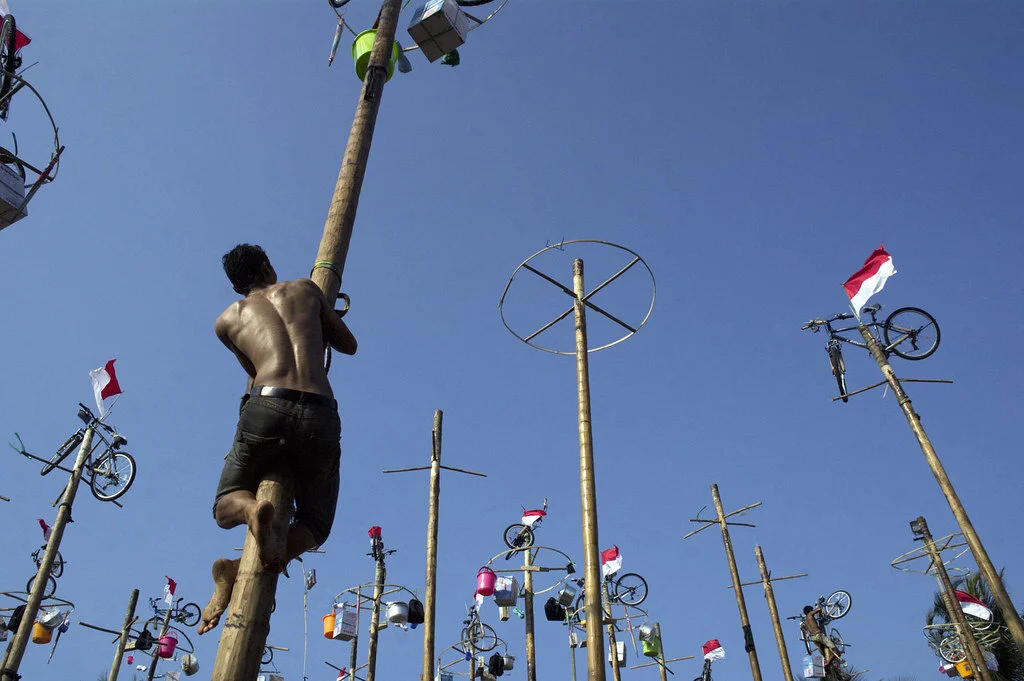
Like in India, Indonesia’s independence day is celebrated each year with a flag-raising ceremony at the National Palace. The fun celebrations, however, are organized by local neighborhoods. Across the country, people take part in traditional games and contests. One of the most popular is panjat pinang, where a palm trunk is erected in a public area and greased with a mixture of clay and oil. The goal is simple: make it to the top to win the prize hung there. Other traditions include races, cooking contests and krupuk eating contests. 



Rachel Lynch

Rachel is a student at Sarah Lawrence College in Bronxville, NY currently taking a semester off. She plans to study Writing and Child Development. Rachel loves to travel and is inspired by the places she’s been and everywhere she wants to go. She hopes to educate people on social justice issues and the history and culture of travel destinations through her writing.
Hidden Afghanistan

From the apricot and walnut groves of the beautiful Panjshir valley, to the strips of cultivated green set against the dry pink and tan of the mountains in Bamyan, to the glittering sapphire blue lakes of Band-e Amir, I went in search of the real Afghanistan.

The country’s rich cultural history, rugged landscape, and the legendary generosity of Afghan people, have long been a draw for adventurers and travellers alike, but for now, still struggling with deep-rooted insurgency, Afghanistan remains firmly off the radar for most. Plagued by terrorism and war, the most recent cycle of bloodshed and instability has left the country with a reputation for violence and little good ever makes our TV screens in the West. For too many, our narrative around countries like Afghanistan has been reduced to a single story.

As part of my work on a book called Life in the Himalayas — looking at people’s everyday working lives throughout this diverse and magnificent mountain range, from the high plateau of Tibet to the foothills of Myanmar — I spent three weeks documenting the lives of agropastoralists in Afghanistan, and exploring this battered but beautiful country. I set out to focus on rural areas, everyday life and culture, going in search of the real Afghanistan, away from the vestiges of war and terror.

Kabul

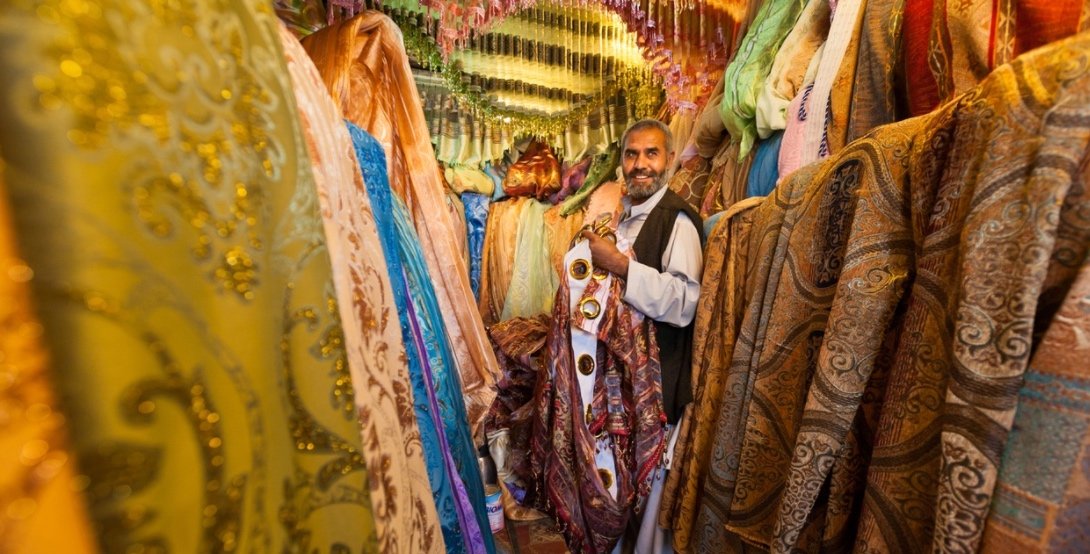
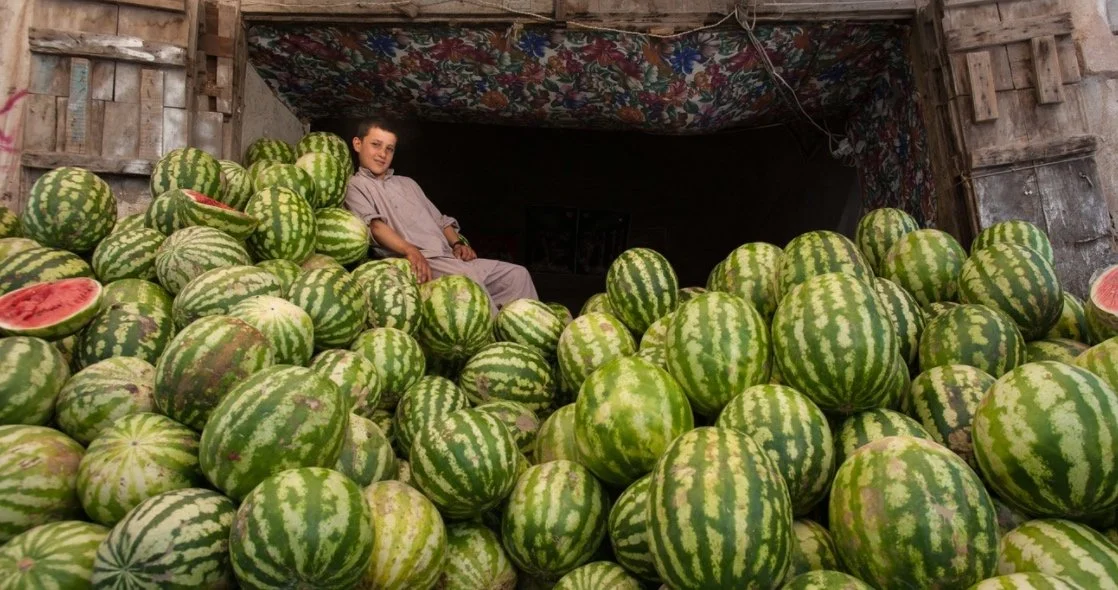
I started off in the bustling markets in the country’s capital, Kabul, a chaotic little jungle of trinket shops, carpet sellers and giant chunks of Lapis filling windows. Occasionally I felt uneasy under the stares of watchful eyes as I poked my way through the dusty streets. Mostly it felt like any other vibrant bazaar in Asia, people going about their busy day.
 

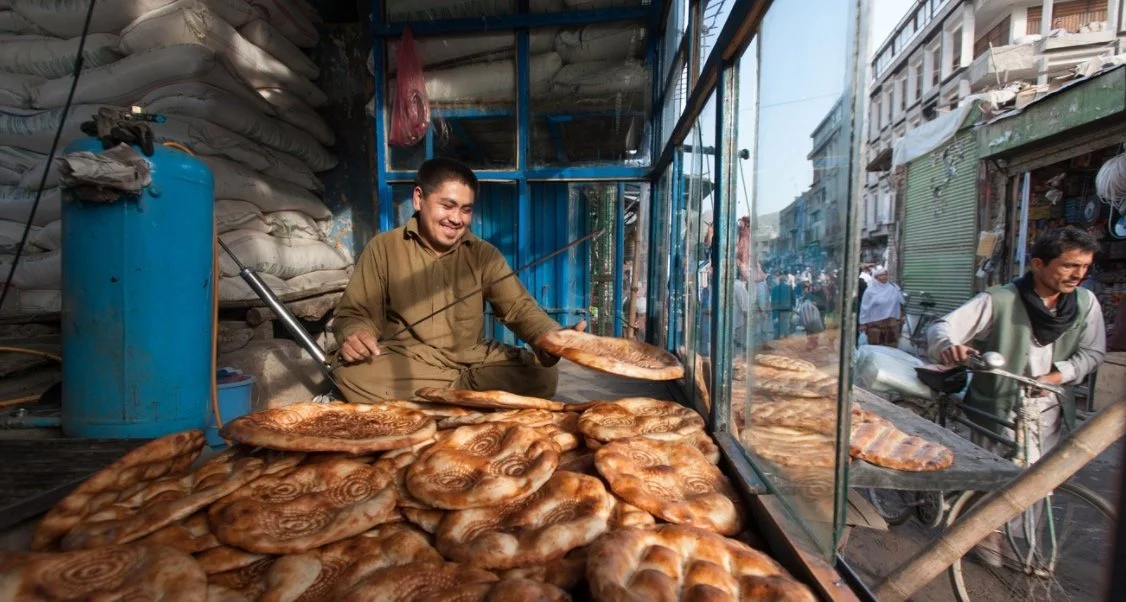
I ate in smoke filled restaurants sitting cross-legged on cushions. Whole sheep carcasses are hung directly above the stove and the cook simply butchers off the bits he needs and throws them into a big black pot, along with fistfuls of fresh herbs and spices. Huge roundels of hot naan breads are piled high on the tables and you pay for what you eat. There is a genuine old-world feeling in Kabul that is rare to find these days.
 

Panjshir Valley

From Kabul I travelled to Istalif, a district famous for its distinctive blue pottery, and then by road to the stunning Panjshir Valley, one of the most celebrated places in Afghanistan, located in the heart of the Hindu Kush mountains. Its name means ‘Valley of the Five Lions,’ which according to local legend refers to five spiritual protectors or ‘wali’ who built a dam here during the early 11th century AD for Sultan Mahmud of Ghazni.
 

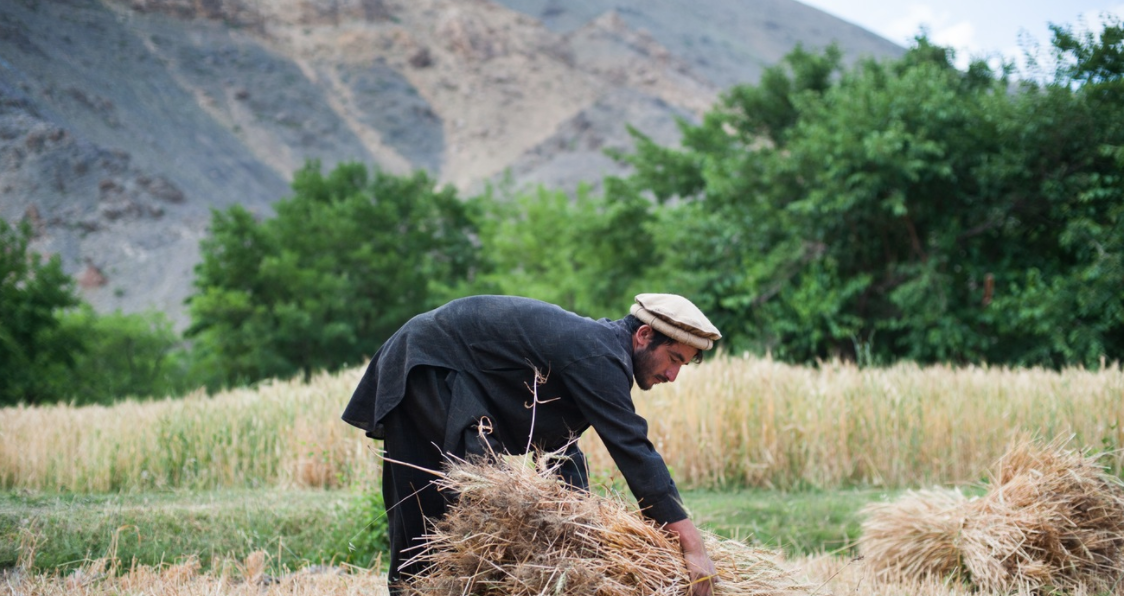
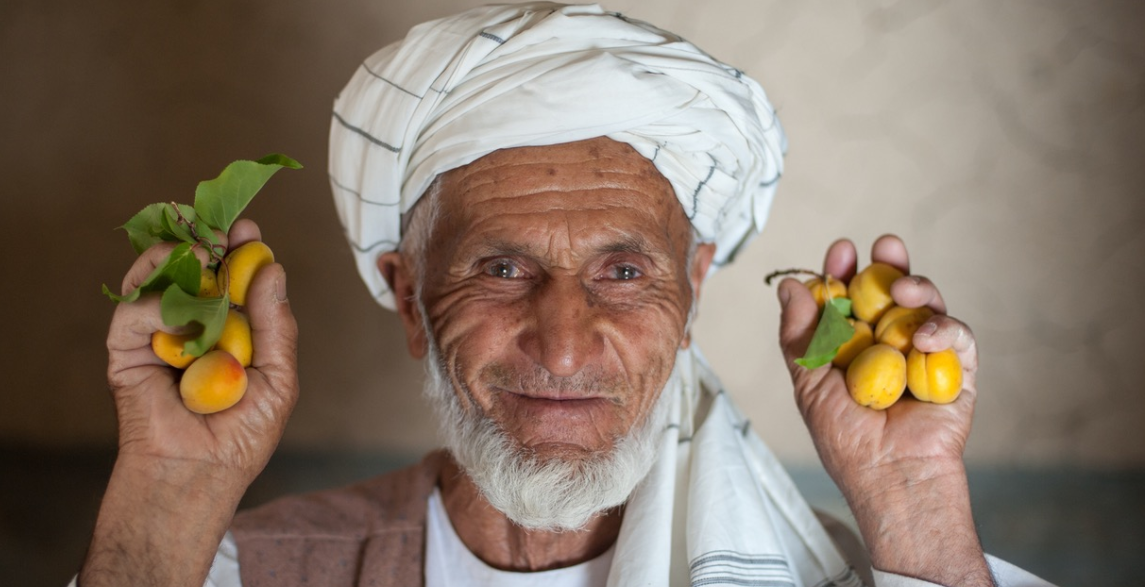
The Panjshir river starts from a narrow gorge where snowmelt turn the river into a torrent, rich with fish. It gradually widens into the valley to reveal carefully irrigated fields of wheat and maize dotted with walnut, apricot and mulberry groves. 90 percent of farmers in Panjshir Province practice subsistence agriculture, and the war has destroyed irrigation canals and orchards, making many aspects of farmers’ lives a challenge.
 

In recent years, however, international initiatives have assisted local and regional government leaders to introduce improved varieties of wheat and educate farmers on methods for improving yields and irrigation.
 

Bamiyan

In the heart of the Hazarajat, Bamiyan is surely one of the most beautiful parts of the whole country. It was a popular tourist destination during the 1970s, but a decade later became a symbol of resistance to the Soviets. Today, although the valley is still dominated by the gaping cavities in the cliff face, and the rubble is a constant reminder of the Taliban’s rage and destruction of the two ancient Buddha, there is far more to Bamiyan.
 

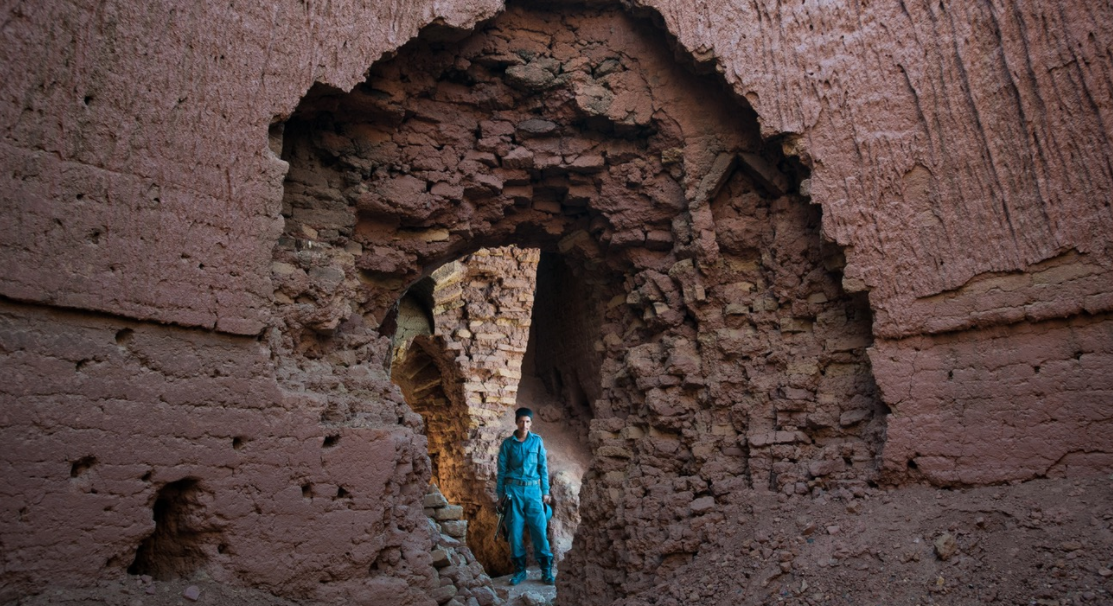
Guarding the entrance to Bamiyan valley, the ruins of Shahr-e Zohak form a dramatic citadel — perched high on the cliffs at the confluence of the Bamiyan and Kalu rivers. The towers here are some of the most imposing in all of Afghanistan, and are made of mud-brick on stone foundations, with intricate geometric patterns built into their walls. With no doors, they were accessed by ladders that the defenders pulled up behind them.
 

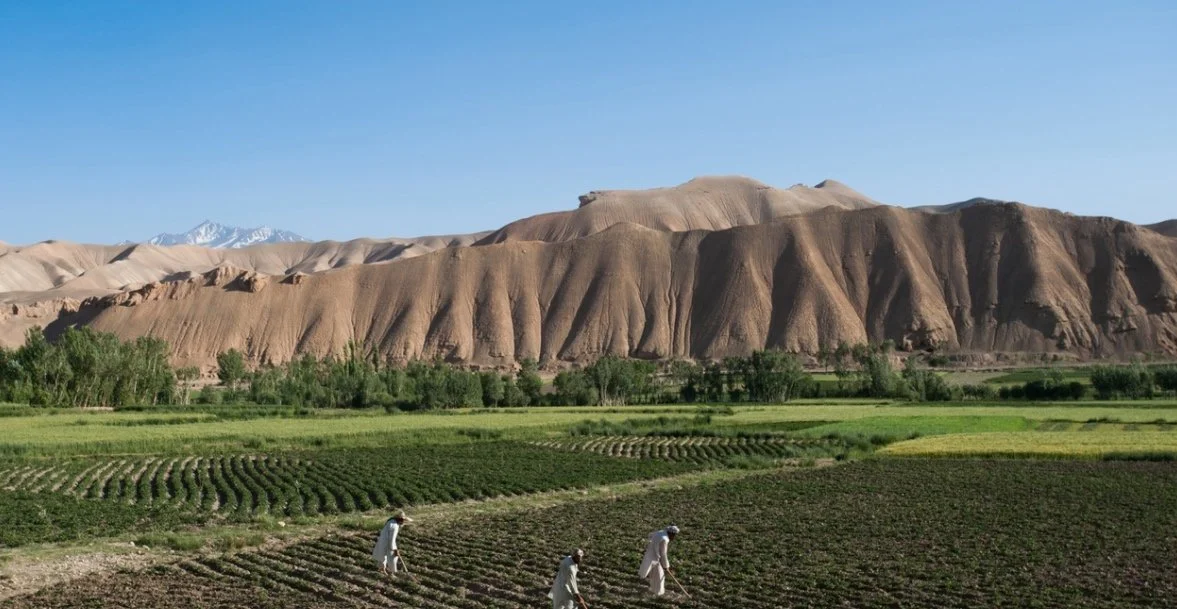
Looking down from the citadel, the views are incredible, with the thin strips of cultivated green in neighbouring valleys like Fulladi providing a striking contrast to the dry pink and tan of the Koh-i Baba mountains.
 

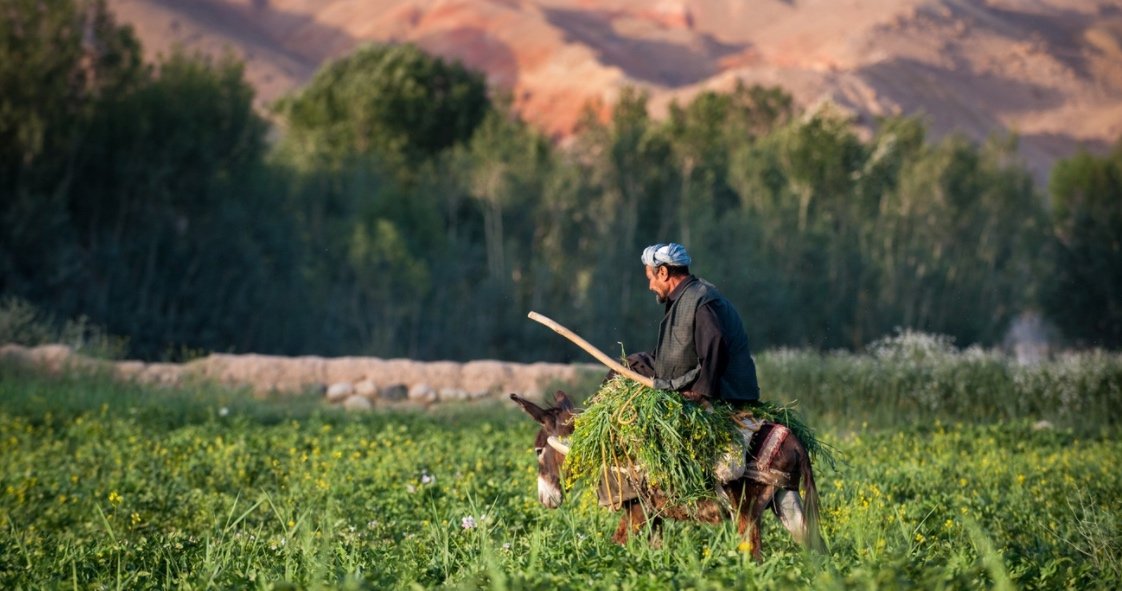
At first glance, the barren hills of the Bamiyan valley appear to promise little, but the snowmelt that issues from them each spring allows the farmers here to irrigate the valley floor and grow crops like potatoes.
 

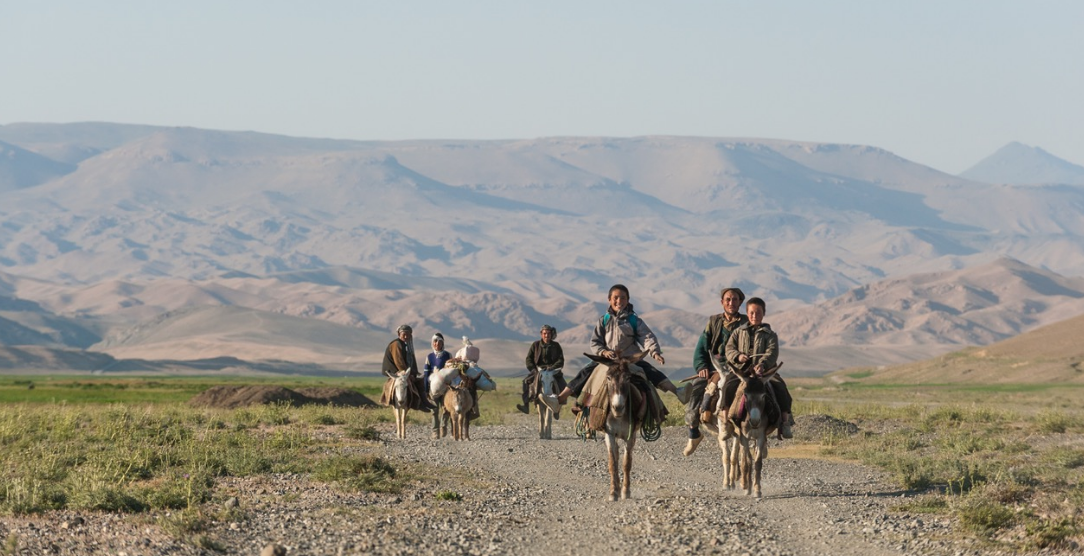
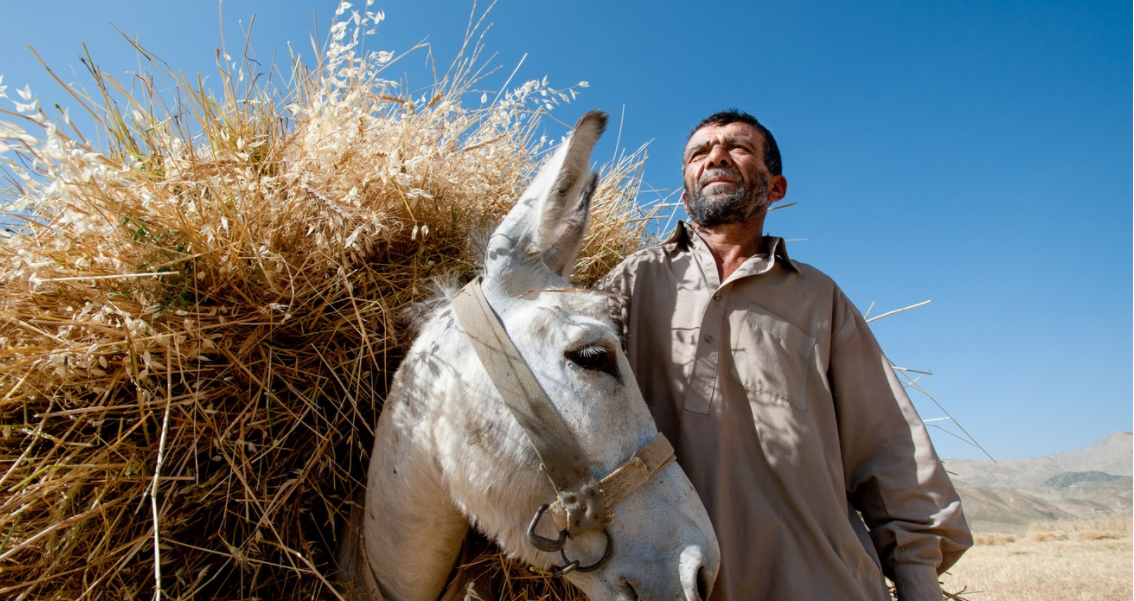
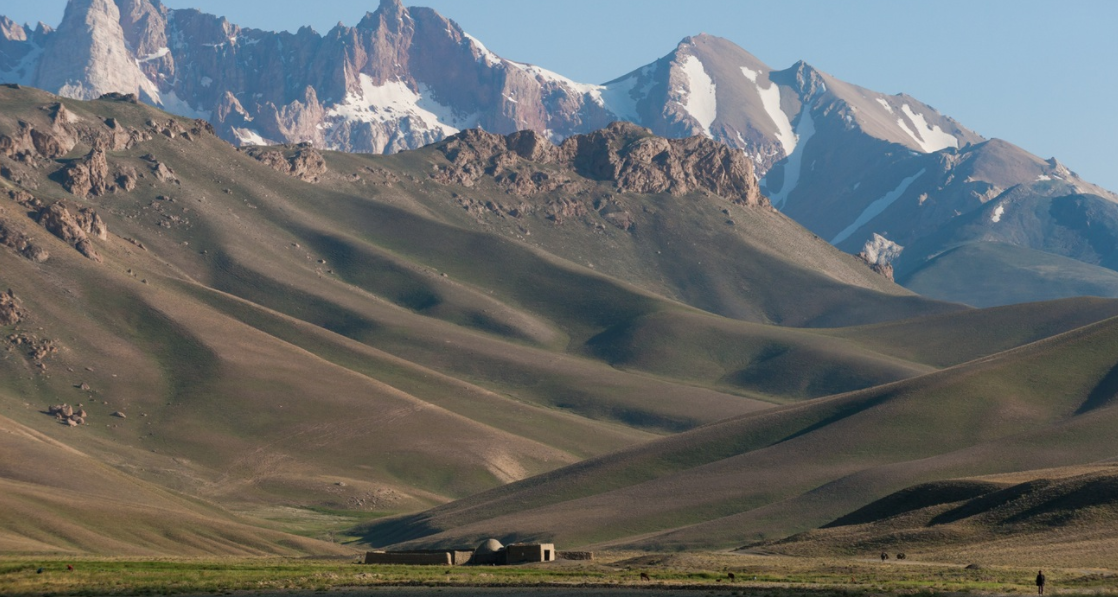
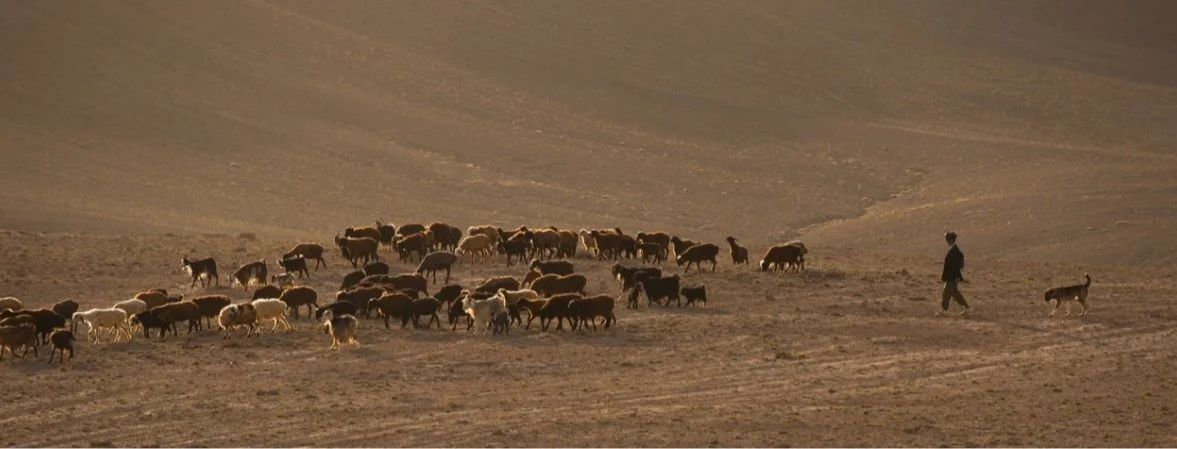
Donkeys are still the main source of transport in this rural province, and shepherds and their flocks are often compelled to walk long distances.
 

Band-e Amir

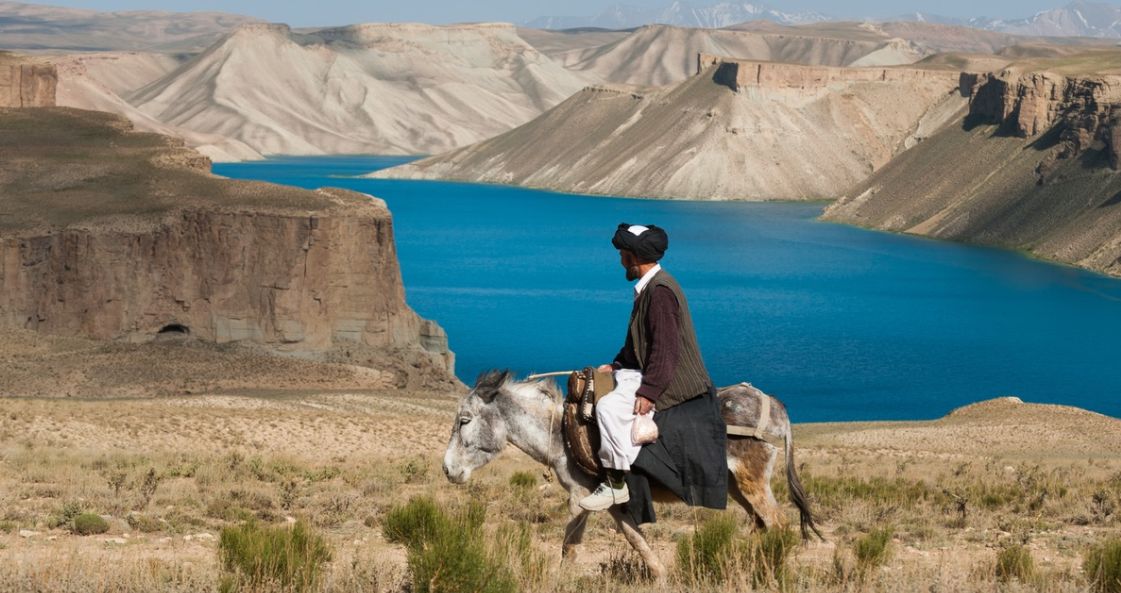
Meanwhile, the glittering sapphire blue lakes of Band-e Amir are one of Afghanistan’s most astounding natural sights. In April 2009, Band-e Amir was named the country’s first national park, 36 years after a previous attempt to do so was interrupted by decades of political strife and war.

Formed by the mineral-rich water that seeps out of faults and cracks in the rocky landscape, the six linked lakes of Band-e Amir sparkle like jewels against the dusty mountains that surround them.

Over time layers of hardened mineral deposits called travertine have built up on the shores, to create the dramatic sheer sides that now hold the lakes in place. Local lore tells a different story, asserting that these natural dams were thrown into place by Hazrat Ali, the prophet Muhammad’s son-in-law, during the reign of the infidel king Barbar.

Before gaining its status as a national park this region experienced significant habitat destruction for firewood and farmland, overgrazing and overhunting — the snow leopard has now vanished here — and also damaging fishing practices that involved using hand grenades. Today Band-e-Amir is protected by a small group of park rangers, and is still home to ibex (wild goats), urials (wild sheep), and wolves. Although numbers of visitors to the park remain small, it is hoped that in time, this region will become an important area for tourism in Afghanistan.
 

Herat

Finally in Herat, the country’s old cultural heart, I felt more welcome than anywhere else in the country. Chatting to passing nomads on the outskirts of the city, inside its little bazaars, visiting the Friday Mosque — one of Islam’s great buildings — I spoke openly with burqa sellers about the state of the country. Here I discovered an Afghanistan most people simply don’t know exists. Afghans are proud of their culture, they are welcoming, generous and have a sharp sense of humour.

On my last day, insurgents attacked one of the big hotels in Kabul. I could hear helicopters and sirens all day and was advised that it was best not to leave the house. The next morning a gunfight broke out beside the road on the way to the airport. Sand bags and gun turrets occupy every corner and the frequent security checks are a sobering reminder of how unstable and precarious daily life is for the people of Afghanistan, whose resilience remains under great strain in these troubled times.

Let us hope that one day, a lasting peace will come to this battered, but proud and ancient country, allowing travellers to experience its beauty and welcome, and to step onto the fabled silk route once more.
 

THIS ARTICLE WAS ORIGINALLY PUBLISHED ON MAPTIA.


Driven by his passion for travel, the environment and remote cultures, Alex Treadway has travelled to dozens of countries around the world on assignment.

Stargazing in Scotland’s Cairngorms National Park

Scotland’s Cairngorms National Park, which has been awarded the status of “International Dark Sky Park” for its low levels of light pollution, is a hot spot for stargazing in the UK.

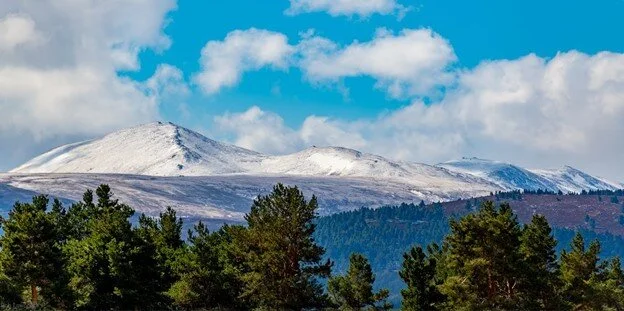
Looking out over the Cairngorms National Park. Rab Lawrence. CC BY-NC-ND 2.0.

Tomintoul and Glenlivet in Cairngorms National Park (which were awarded international Dark Sky Park status in November 2018) are known for their location as the most northerly Dark Sky Park in the world. And, as one of the darkest skies in the UK, it is the perfect place to see the Perseid meteor showers, making it a hot spot for nighttime photographers and those interested in observing the night sky.

Away from street residential lights, the Cairngorms’ clear skies and northern latitude (the same latitude as Norway and Alaska) means that it’s also one of the best places in the world to see the Aurora Borealis, or the Northern Lights. But for normal stargazing, the best time to visit is during the darker months of the year from October to March.

Although it may be easier to see the stars with a telescope or camera, no equipment is necessary to see the vast expanse of stars in the Cairngorms’ night sky. Even neighboring galaxies and the Milky Way can be seen with just your eyes.

The Cairngorms offer a network of waymarked paths through Glenlivet Estate to guide photographers to many vantage points with big skies and distant horizons. There are also three designated Dark Sky discovery sites in the area.

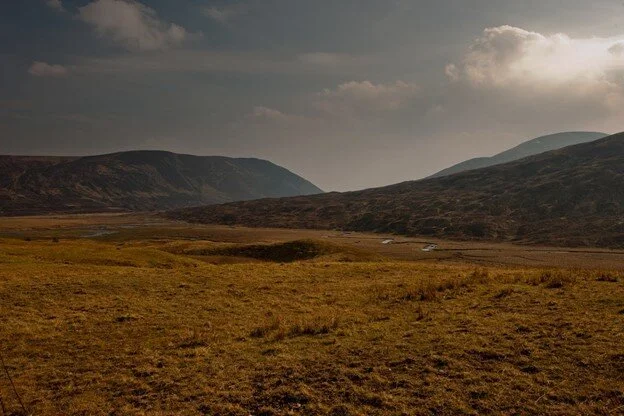
Cairngorms National Park. Cliff Hellis. CC BY-NC-ND 2.0.

The main reason that such stargazing is possible from the Cairngorms is because of its low light pollution—something that some communities in the park have worked hard to achieve. The Tomintoul and Glenlivet area has even been awarded the desired International Dark Sky Gold Tier status.

Local volunteers in the Tomintoul and Glenlivet area are committed to reducing light pollution through their Dark Skies Project. Volunteers work with farms, distilleries, Moray District Council and households to reduce light pollution by promoting environmentally responsible lighting. Their efforts will bring many benefits to wildlife, energy consumption and human health while preserving the beauty of the night sky.

In addition, Cairngorms’ designation as an International Dark Sky Park will help promote dark skies to a wider audience and bring astro-tourism business to the remote areas of Tomintoul and Glenlivet during the off-season when stargazing is at its best.

Funding for the Dark Skies Project comes from The National Lottery with support from the Cairngorms National Park Authority and Crown Estate Scotland.

Read more about the Dark Skies Project here.


Isabelle Durso

Isabelle is an undergraduate student at Boston University currently on campus in Boston. She is double majoring in Journalism and Film & Television, and she is interested in being a travel writer and writing human-interest stories around the world. Isabelle loves to explore and experience new cultures, and she hopes to share other people's stories through her writing. In the future, she intends to keep writing journalistic articles as well as creative screenplays.

Australia’s Underground Town

In the 100-year-old mining town of Coober Pedy, Australia, more than half of the population lives underground, escaping the heat. 

An underground bookstore in Coober Pedy, Australia. Smart Encyclopedia. CC BY-NC 2.0 

Over half of the few thousand residents of Coober Pedy, Australia, live underground. The town was founded over 100 years ago, in 1915, when a teenage boy out prospecting for gold discovered opals. A settlement was quickly established and miners began to flock to the area. Coober Pedy became one of the largest opal mining operations in the world, producing around 70% of the world’s opal and earning the title “Opal Capital of the World.” 

But the settlers of Coober Pedy had a problem: Coober Pedy is hot, with temperatures in the summer rising to over 113 degrees Fahrenheit in the shade. The opposite extreme is true during winter nights when the desert becomes very cold—considering this, life aboveground is greatly impacted by the weather. Rather than moving to a more temperate climate where opportunities for mining work would be more difficult to find, the settlers took inspiration from the mining industry itself, carving underground and hillside dugouts. In these cooler dugouts, the temperature stays at 75 degrees Fahrenheit year-round. 

The inhabitants’ subterranean lifestyle earned Coober Pedy its name, a corruption of the Aboriginal phrase “kupa piti,” which is often translated as “white man in a hole.” The name Coober Pedy was made official in 1920, but the settlement was not declared a town until the 1960s, after which it underwent another population boom and further development. 

Today, the underground residences have all the amenities that a regular home would on the surface, such as internet, water and electricity, as well as multiple bedrooms, bathrooms and living areas. Some homes, like the one carved by Faye Nayler and two of her friends, even have a swimming pool and bar. A large portion of the population live most of their life underground, and it is a comfortable and relatively normal lifestyle—aside from the lack of sunlight. There are stores, churches and museums underground alongside the residences; the town truly is an underground community. Coober Pedy’s inhabitants do have to venture aboveground for food, however, because both of the town’s grocery stores are located on the surface. 

An underground church in Coober Pedy. Werner Bayer. CC BY 2.0 

Coober Pedy is still a worldwide hub for precious opal, but mining is no longer its only major industry. The town has become a popular attraction for visitors hoping to experience subterranean life. Visitors can stay in hotels with underground accommodations, like the Desert Cave Hotel. Another lodging option is a homestay in family-operated underground apartment-style accommodations like Di’s Dugouts or the Underground B&B. There are also underground campgrounds available to book. 

A hotel in Coober Pedy. Smart Encyclopedia. CC BY-NC 2.0 

While the underground lifestyle is Coober Pedy’s main draw, visitors can also explore other attractions such as the Centenary Mosaic Garden; Kanku Breakaways Conservation Park, which is an Aboriginal heritage site; and can even try their hand at mining for opal using a digging technique called noodling. Faye Nayler’s house is now open to visitors as Faye’s Underground Home, where visitors can pay a small entrance fee to receive a guided tour of the house. There are a number of other tours available around Coober Pedy for visitors to learn more about the town’s unique history.  


Rachel Lynch

Rachel is a student at Sarah Lawrence College in Bronxville, NY currently taking a semester off. She plans to study Writing and Child Development. Rachel loves to travel and is inspired by the places she’s been and everywhere she wants to go. She hopes to educate people on social justice issues and the history and culture of travel destinations through her writing.

Cultural Significance of the Summer Solstice in Greece

For the past 2,500 years, Greece has been celebrating the summer solstice as a time of equality. Today, some Greeks have carried these traditions forward. 

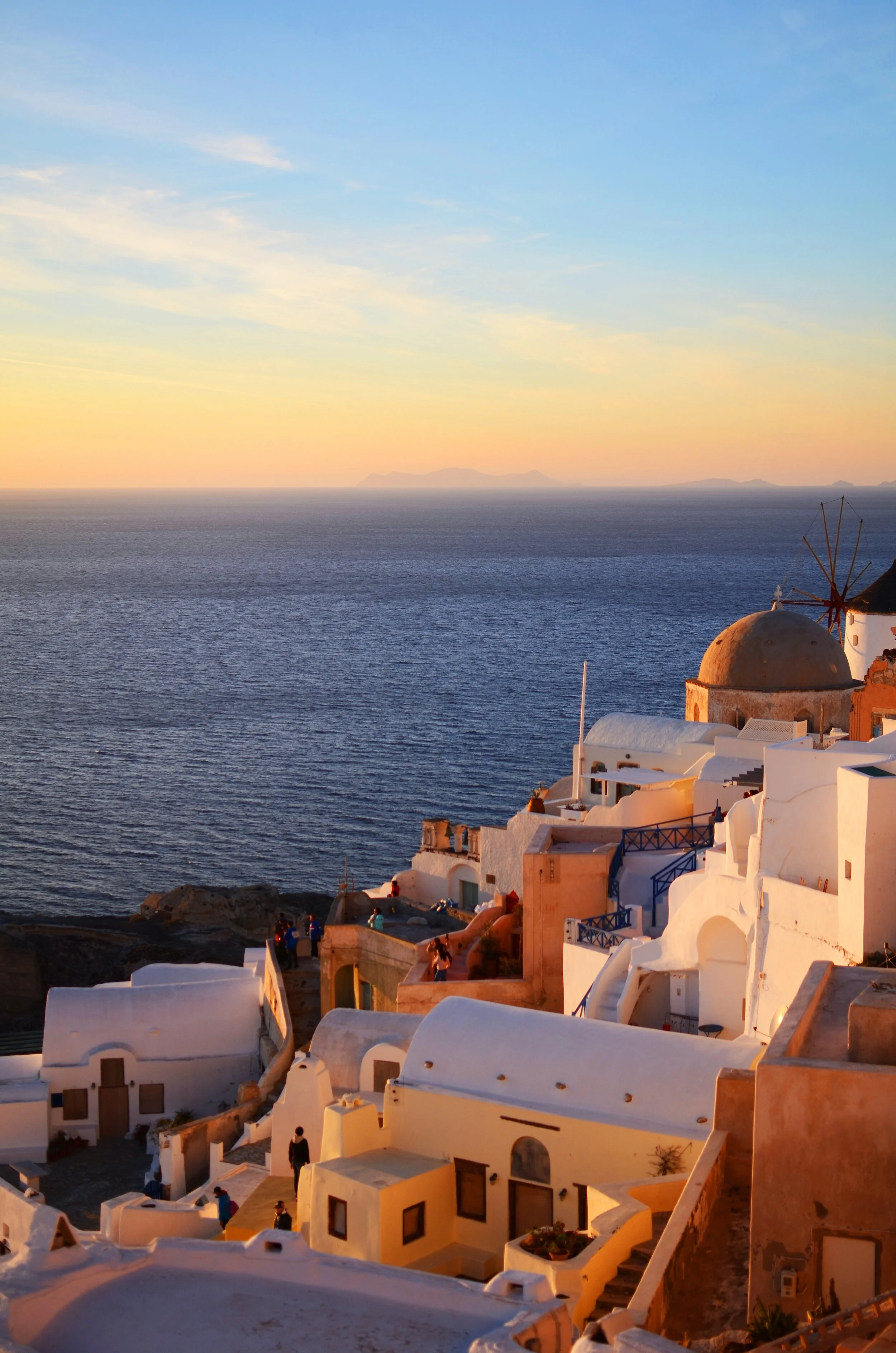
Sunset over Oia, Greece. Eugene Chan. Unsplash. 

The summer solstice marks the longest period of daylight in the calendar year, as well as the official beginning of summer. The exact date of the solstice changes by a few days each year depending on the Earth's position in orbit around the sun. This year, it is expected to fall on June 20th in the Northern Hemisphere. While many countries have specific celebrations of the summer solstice, Greece has some of the most unique and meaningful traditions to commemorate the event in modern times. 

The importance of the summer solstice to the Greeks dates back to the creation of calendar systems, many of which were developed based on geographical region. For example, the Athenian calendar spanned from summer solstice to summer solstice, and the Delphic calendar began around the first new moon after the solstice. 

This solar orientation led ancient Greek communities to develop new year celebrations around the summer solstice, the most prominent being the festival of Kronia. The celebration was devoted to Kronos, the father of Zeus, and was a harvest festival. 

The festival of Kronia was unique because it temporarily diverged from the ancient Greek rigid social hierarchy. It marked a momentary freedom from class restraints where slaves and lords celebrated together, sometimes even reversing roles, in order to mimic Kronos’  “Golden Age” of equality and peace. 

The solstice was also preserved through rituals and routines, such as lighting fires at crossroads. This practice allowed communities to purge their homes of waste by discarding items into the fire, and was representative of renewal. Furthermore, it was believed that jumping over these fires would allow hopes and dreams to come true. 

Many summer solstice festivities revolve around the themes of purifying and rebirth, and serve as an opportunity for communities to cleanse themselves of the past—similar to New Year's resolutions. Many of these traditions are still practiced today by some Greek communities. However, the equality represented in the ancient festival of Kronia is exemplified differently today, due to the abolition of the ancient Greek rigid social hierarchies 

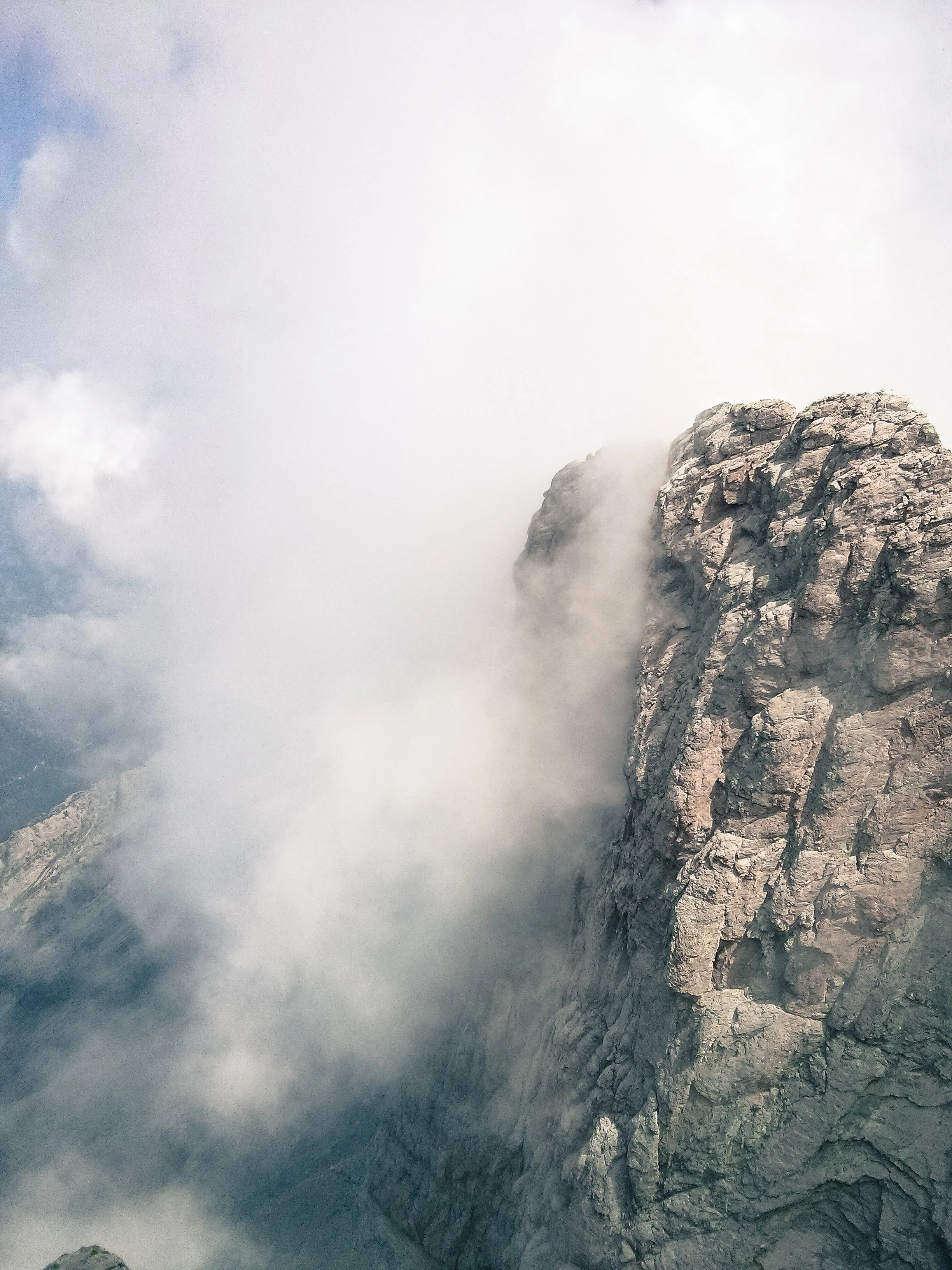
Rather than physical equality between social levels, equality is represented through social harmony and peace. This is most prevalent in the annual trek to the peak of Mt. Olympus which celebrates the summer solstice and is believed to emulate a similar sense of harmony. 

The peak of Mt. Olympus in Greece. Billy Onjea. Unsplash.

Over the years, the Greeks have continued to recognize the rich cultural significance of the summer solstice. They have not only adapted old customs to fit modern times, but have also developed new ones which continue to honor the renewal and revitalization that a new cycle of time brings. 


RELATED CONTENT:

PHOTO ESSAY: Wolves of the Sea

Greece’s Lifejacket Graveyard


Zara Irshad

Zara is a third year Communication student at the University of California, San Diego. Her passion for journalism comes from her love of storytelling and desire to learn about others. In addition to writing at CATALYST, she is an Opinion Writer for the UCSD Guardian, which allows her to incorporate various perspectives into her work.

The Perils in Preparing for Cross-Country Van Travel

While idyllic van life has become increasingly popular on social media, there are many challenges when it comes to the preparation for a cross-country van trip which are not commonly discussed.  

Jacob Raillon building the van. Maddie Durso.

Van life seems appealing and idyllic on TikTok, but there are many challenging aspects people don’t think about when it comes to cross-country van travel. Here’s how two people are preparing for their trip in a tiny home and planning for each day on the road.

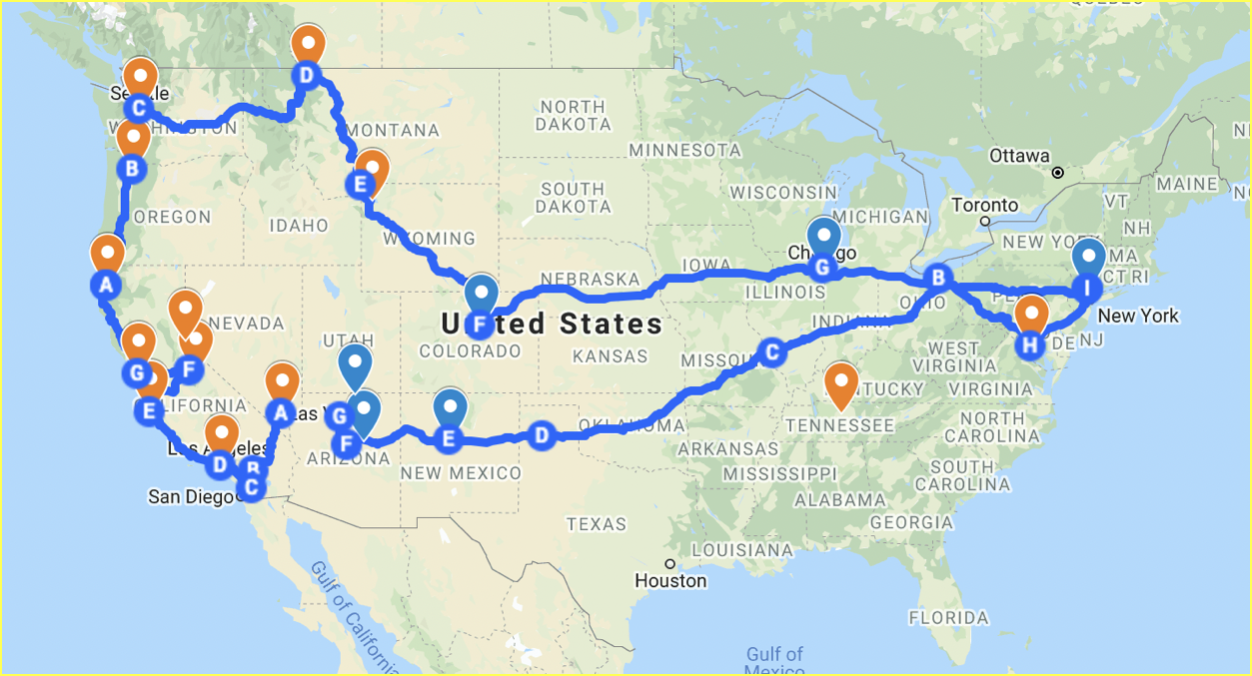
Maddie Durso and Jacob Raillon, based in Boston and collectively @maddieandjacobontour on Instagram, are eager to begin their cross-country journey. Maddie, an art advisor from New Jersey, and Jacob, a recent college graduate from Germany, will be heading west from New Jersey. Along their route, they will be hitting major stops like Cleveland, St. Louis, Oklahoma City, Amarillo, Albuquerque, Sedona and the Grand Canyon. They then plan to head up the West Coast from Los Angeles to Seattle, from there visiting major national parks such as Glacier National Park and Yellowstone National Park. A map of their trip is included below.

Maddie and Jacob’s route. Google Maps.

Purchasing and renovating a van is difficult and expensive in and of itself. While some move into a vehicle they already own, others pay up to $45,000 for a new van, with an additional cost of up to $15,000 for conversions. However, Maddie and Jacob were able to buy a used van for $4,000. 

After purchasing and renovating their van (which cost in total about $5,000), they had to focus on the necessary amenities for van travel, such as showering, going to the bathroom, sleeping, working, getting Internet or signal, fueling up on gas, etc.

These tasks are much easier said than done, and Maddie and Jacob worked on these issues up until their departure. They purchased a weBoost to boost their signal on the road, an extra battery in case of any problems, a water tank for showering and drinking water, and much more.

Another thing they had to think about is gas prices. It costs about $70 to fill up the tank of their van, and their trip will be a maximum of 10,000 miles. Constantly stopping and starting their van wastes gas, so they plan to be careful about how many times they pull over to use a bathroom, take a shower, or see a beautiful site.

They also must plan for how much food will cost, how much food they can initially pack and how they will cook on the road. Many van travelers find that they stop at fast food restaurants more often than expected, which is neither nutritious nor cost-effective.

According to the U.S. Bureau of Labor Statistics, food costs in the U.S. are 5.76% higher in 2020 than in 2015, so Maddie and Jacob will have to budget for any extra or unexpected food costs.

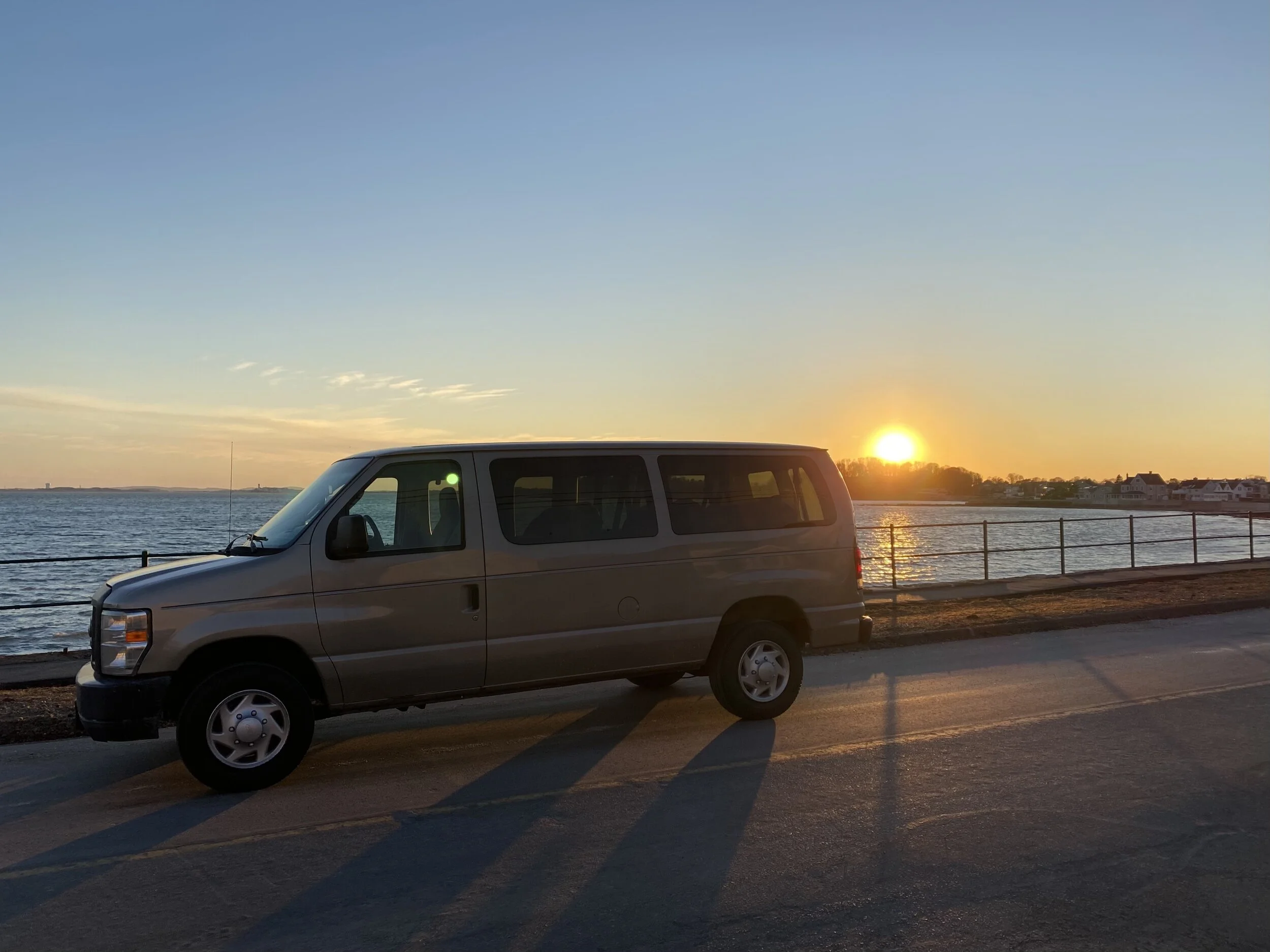
Maddie and Jacob’s van. Maddie Durso.

But possibly the biggest obstacle they have faced in planning their trip was finding campsites to stay in overnight. Many campsites cost between $25 and $80 per night depending on the state. Furthermore, many are hard to access, so locating a campsite is extremely tricky and requires considerable research and preparation. Luckily, there are many websites and apps that are helpful in finding overnight campsites.

Roadtrippers is a company that helps travelers plan road trips and find destinations “off the beaten path,” connecting users with some of the country and world’s most interesting locations. Roadtrippers helps users plan, book and navigate throughout their trip.

Much like Roadtrippers, The Dyrt is committed to helping users have the best camping experience possible. Once the user decides on a  route, The Dyrt will find campgrounds to help build the ultimate camping trip experience. With these websites, Maddie and Jacob have been able to plan for the first half of their trip.

It generally costs approximately $2,200 per month for two people to live and travel in a van. However, as Jacob said, “if time and effort aren’t constraints and you don’t need more than a bed, gas, stove and some storage, you can spend less than $400 on everything.” Jacob even said that he was able to manage the whole conversion in less than 20 hours since he had everything in one place. 

While Maddie and Jacob were able to save money through careful research, there is still the issue of finding free campsites. iOverlander is a mapping app that shows users free campsites—whether they are random places off the road or in parking lots. “I’ve been cross-referencing places on the iOverlander app with the Roadtrippers website, which has more legitimate camping places and attractions in specific areas,” Maddie said.

However, they have found that even with all of these resources, it is still difficult to find campsites. “It’s still hard to find campsites that are free and at the same time have really beautiful sites and nature, which is basically what this trip is all about,” Maddie said. “The places listed on apps tend to just be in parking lots, which isn’t really what we want.”

Maddie Durso and Jacob Raillon in their van. Maddie Durso.

As aesthetic and enticing as van life appears on social media, there are so many factors not commonly talked about online that can become annoyances when planning a trip.

When asked if all of the preparation, worrying and research was worth it, Maddie said, “Yes. The research is all super worth it because the last thing you want to do is spend the whole trip finding places to sleep. And with all the research, I have discovered places that I wouldn’t have known about otherwise.”


Isabelle Durso

Isabelle is an undergraduate student at Boston University currently on campus in Boston. She is double majoring in Journalism and Film & Television, and she is interested in being a travel writer and writing human-interest stories around the world. Isabelle loves to explore and experience new cultures, and she hopes to share other people's stories through her writing. In the future, she intends to keep writing journalistic articles as well as creative screenplays.

5 Famous Japanese Flowers and Their Cultural Significance

Japan is home to many incredible feats of nature, but arguably one of the most beautiful parts of Japan’s landscape is its flowers—many of which can only be found in Japan.

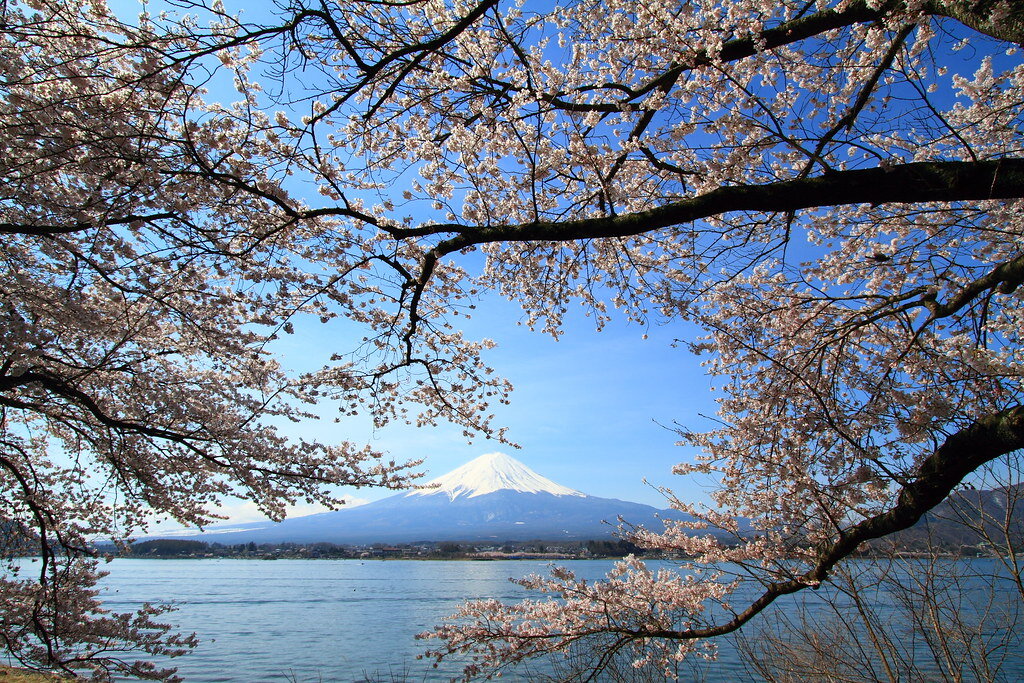
Sakura and Mt. Fuji. Skyseeker. CC BY 2.0.

Flowers are national symbols of Japan. They represent specific emotions or sentiments and are often given as gifts to express unspoken feelings. In Japan, flowers communicate emotions in place of words; the Japanese “say it with flowers.” The Japanese proverb, “Iwanu ga hana 言わぬが花,” literally translates as “not speaking is the flower.” It means that some things are better left unsaid. This language of flowers is called “Hanakotoba,” with each flower conveying a very specific meaning and sentiment in Japanese culture. This tradition stems from Japan’s strong ties to Buddhism, which teaches the value of appreciating the present moment and connecting with nature. Below are five famous and culturally important Japanese flowers.  

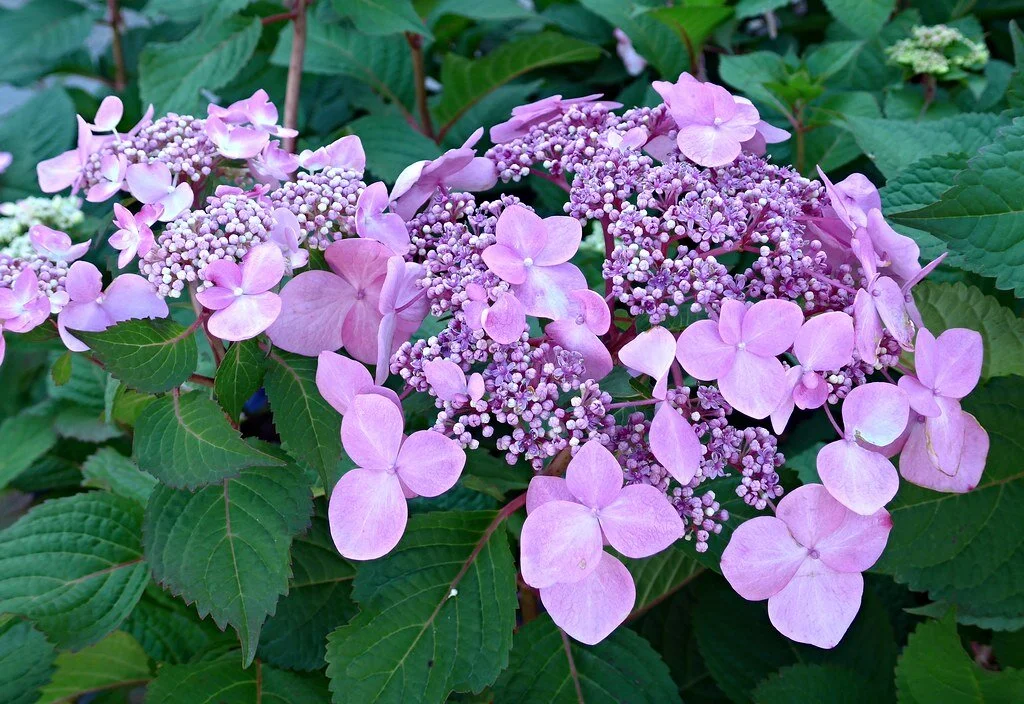
Lacecap Hydrangea. Ali Eminov. CC BY-NC 2.0.

1. Lacecap Hydrangea

Hydrangea macrophylla is a species of flower in the Hydrangeaceae family, native to Japan. There are many components to this plant, but they all come together to form one beautiful flower. The flowers are white and purple with four wide petals and small blue bulbs in the center—a feature of regular hydrangeas. In the middle of these flowers is a bunch of smaller blooms in shades of blue, purple and green. The flowers on the outside grow into large petals, while the bunch in the center remains as smaller flowers and buds. The Japanese name for this flower is Gaku, meaning “frame,” and representing the formation of the flower. In Hanakotoba, hydrangeas represent pride; this flower is gifted to someone the giver is proud of.

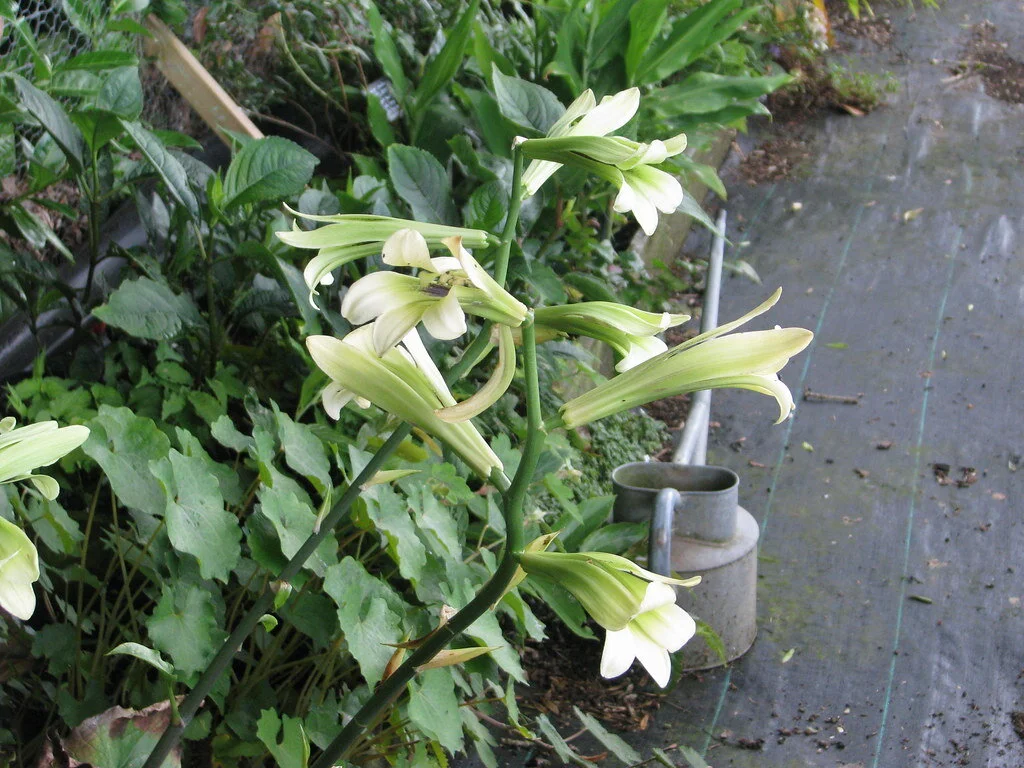
A red-veined cardiocrinum cordatum flower. Peganum. CC BY-SA 2.0.

2. Cardiocrinum cordatum

Cardiocrinum cordatum is a species of flowers in the lily family that is native to Japan and specific Russian islands. This flower resembles a lily, but its leaves are different in that they are shaped like a heart. The pale green flower blooms to the side, and is often used ornamentally due to its large, showy leaves. In Hanakotoba, white lilies represent purity and chastity.

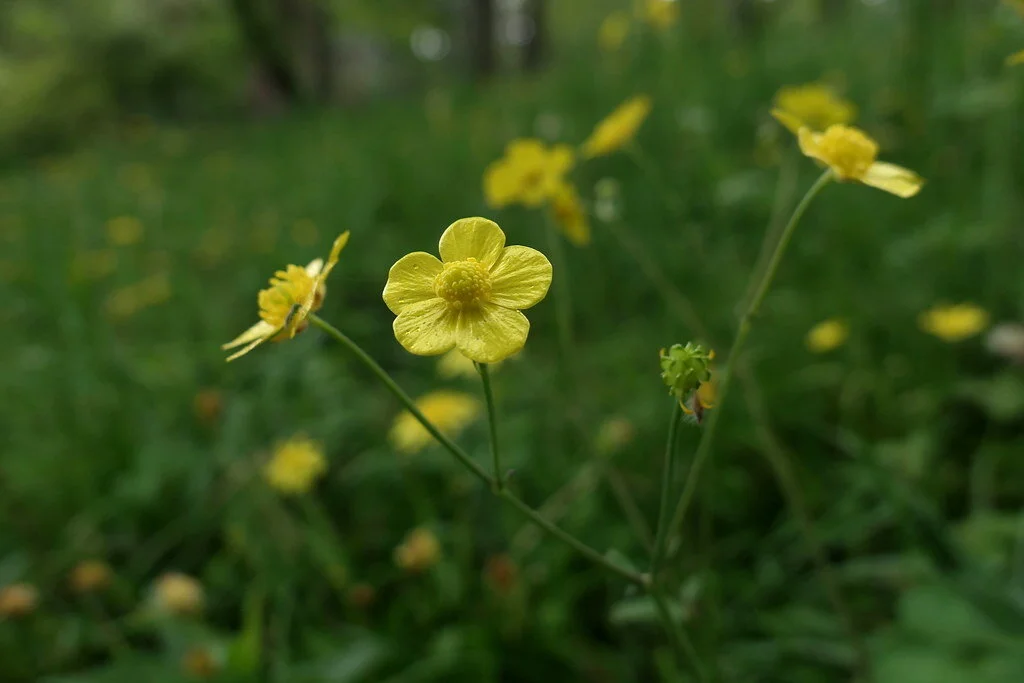
Ranunculus japonicus flowers. Greg Peterson. CC BY-NC-SA 2.0.

3. Ranunculus japonicus

Also known as the Japanese Buttercup, this flower is a perennial from the family Ranunculaceae and is of Chinese and Japanese origin. Mainly growing in mountains and fields from Hokkaido to Okinawa, the Japanese Buttercup is an abundant, wild grass. In terms of appearance, these flowers are a bright yellow, with five rounded petals and a ring of yellow fringe around the small green bulbs in the center. According to the Japanese meaning, its leaves resemble horse hoofprints in the grass. Although very small, these flowers are bright and bring happiness to those who see them.

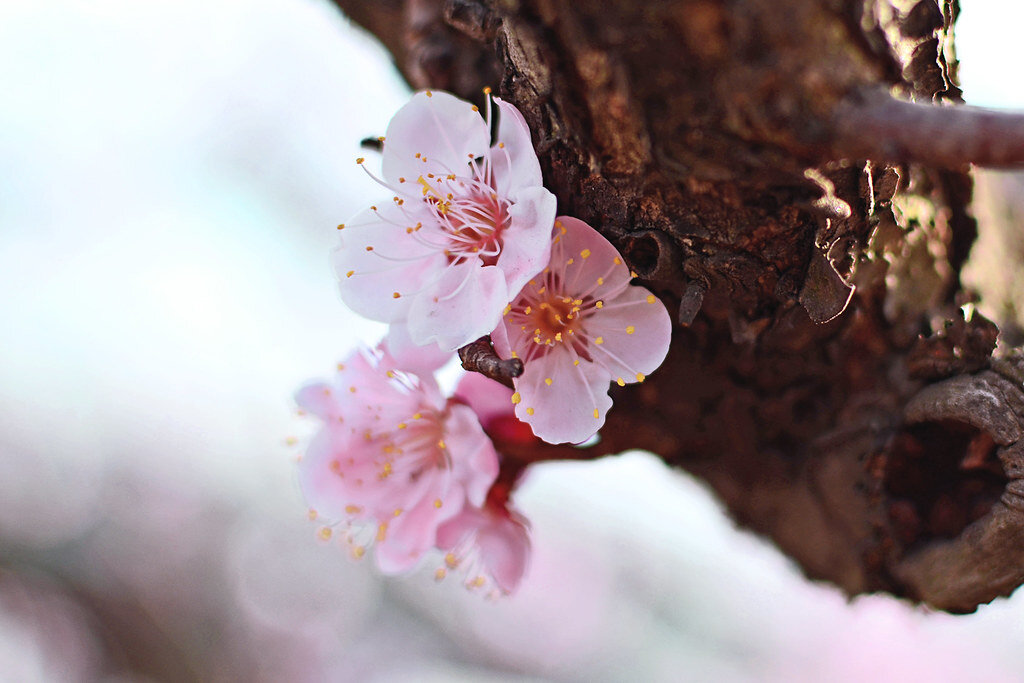
Japanese Apricot (Plum Blossom). Toshihiro Gamo. CC BY-NC-ND 2.0.

4. Prunus mume

Also known as Ume or Japanese apricot, these blossoms are from an East Asian and Southeast Asian tree species in the Armeniaca section of the genus Prunus (plums). They grow on the branches of the Japanese apricot tree and are incredibly fragrant with the smell of sweet honey. These flowers are also edible and make for stunning houseplants with their beautiful color and texture. The blossom’s buds are a dark pink, but they eventually bloom into a light pink when fully grown. In Japanese culture, this plant represents elegance, faithfulness and pure heart.

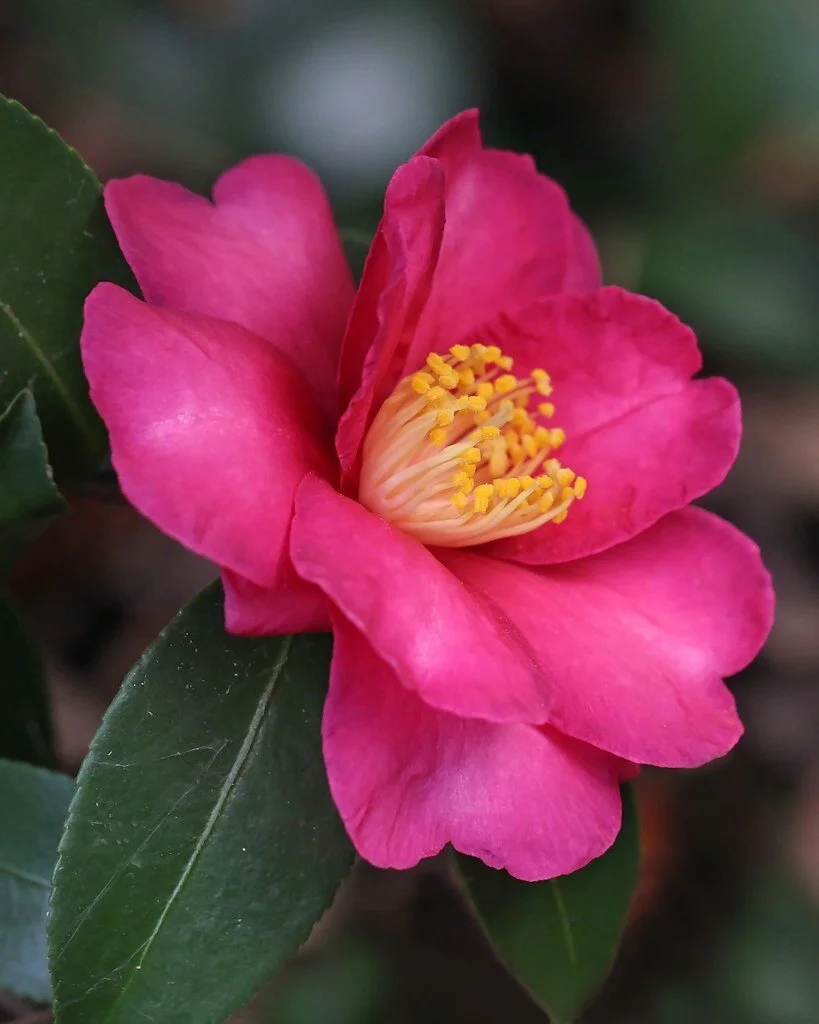
Camellia sasanqua, a November treat. Vicki DeLoach. CC BY-NC-ND 2.0.

5.  Camellia sasanqua

Sasanqua is a species of Camellia native to both China and Japan, although it mostly grows in southern Shikoku, Kyushu and farther islands such as Okinawa. These bright pink and red flowers wilt one petal at a time, blooming from the end of autumn into the winter. In Hanakotoba, these flowers signify being in love or perishing with grace. Symbolizing the union between two lovers in the Chinese meaning, the delicate camellia petals represent the woman while the green leaves on the stem represent the man who protects her. The two components join together, even after death.


Isabelle Durso

Isabelle is an undergraduate student at Boston University currently on campus in Boston. She is double majoring in Journalism and Film & Television, and she is interested in being a travel writer and writing human-interest stories around the world. Isabelle loves to explore and experience new cultures, and she hopes to share other people's stories through her writing. In the future, she intends to keep writing journalistic articles as well as creative screenplays.

A Sweet Stop: The Philippines’ Chocolate Hills

Yet again, Mother Nature has shown us that she is the most skilled artist. In the Chocolate Hills of the Philippines, she demonstrates a mastery of symmetry, balance and color theory.

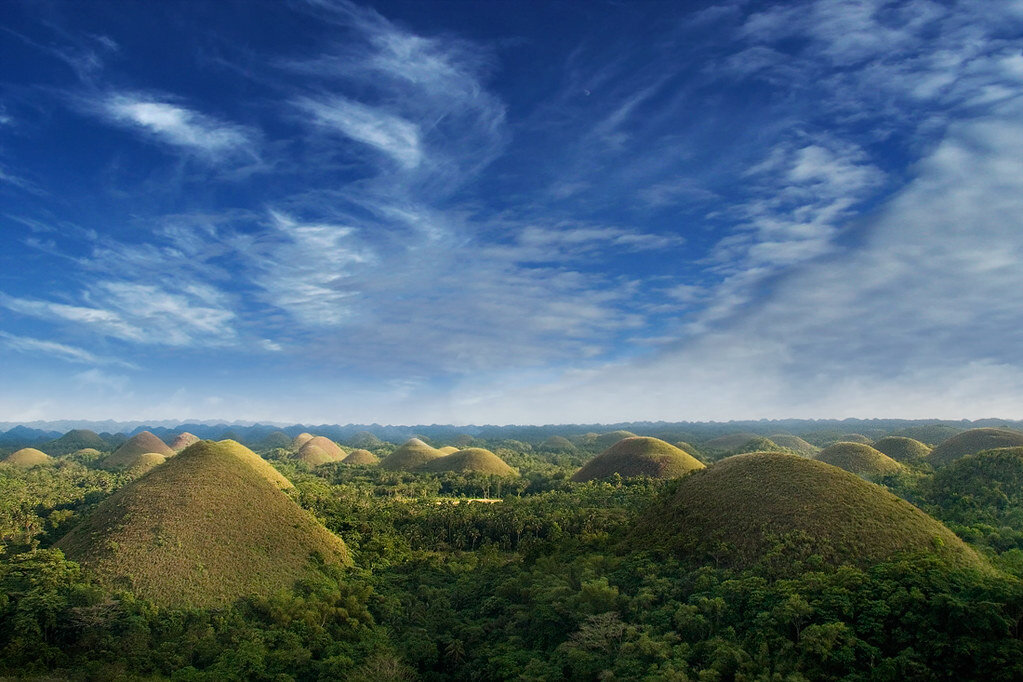
The Philippines’ Chocolate Hills. An diabhal glas. CC BY-NC-SA 2.0.

Spread out over the verdant landscape of Bohol, an island in the Philippines, lies a series of funky natural monuments called the Chocolate Hills. The hills cover about 20 square miles of dense forest, heading through the towns of Batuan, Carmen and Sagbayan. The range consists of well over 1,000 different hills, with some estimates claiming nearly 2,000 in total. Upon close examination, the hills appear to vary notably; most sit between 100 and 150 feet, while the tallest is almost 400 feet. 

As sweet as it would be, the hills have no relation to real chocolate, but rather are called “chocolate” for their majestic shade-shifting. During the rainy season, the grassy hills appear soft; the lush layer of short grass gives them a bright, bouncy appearance. However, the dry season bleeds all vibrancy from the grass, washing over the land with a rich chocolate brown. The dry season mutes the vividness of the hills, but looks equally beautiful under the island’s semi-cloudy cobalt skies. 

Up close, it is apparent that some of the hills display a more angular appearance, while others seem more compactly round. However, from far away, the hills look completely symmetrical. The result is a view of an expansive landscape marked by natural cones. 

Legends of the Land

The abundant greenery finds a parallel in the local folklore; the rich legends of the Chocolate Hills attempt to answer the mysterious origins of the land. Some claim that the legends were purely conjured up as entertainment for children. Others say there’s some truth to the stories.

One story speaks of two giants who engaged in a ferocious fight, in which they threw rocks and sand at each other. The debris of their fight thus resulted in the peculiar sample of the hills seen today. 

Another story speaks of immense heartbreak. It is said that a giant fell in love with a woman, who in her inevitable mortality, eventually died. Terribly broken, the giant cried countless tears that solidified into the array of hills. 

Lastly, a less popular though comical legend claims that the hills are just piles of dried water buffalo manure. 

The Science Behind the Hills

Scientists, too, disagree on how these hills came to be. 

One theory claims that the hills are a result of the erosion of underwater limestone; tectonic shifts then broke up these seafloor plates and raised them to land. 

The second theory states that the Chocolate Hills are shifted pieces of what was once a series of coral reefs. 

Although people may never settle on one solution, it is fair to say that the Chocolate Hills make for a beautiful sight with an equally rich background.


Ella Nguyen

Ella is an undergraduate student at Vassar College pursuing a degree in Hispanic Studies. She wants to assist in the field of immigration law and hopes to utilize Spanish in her future projects. In her free time she enjoys cooking, writing poetry, and learning about cosmetics.

On the Rocks, Please: Exploring Spain’s Setenil de las Bodegas

Spain’s cliffside town of Setenil de las Bodegas stands as a prime example of how humans can dance harmoniously with the rugged wonders of Mother Nature. 

Rocks on top of the Spanish town of Setenil de las Bodegas. maesejose. CC BY 2.0.

Often the media finds itself focusing on hot-topic debate frenzies; climate change is a primary theme. . Usually hidden, though, are the situations in which humans and nature work together. Spain’s southern region of Andalusia houses one such place, a town known as Setenil de las Bodegas. 

View of the rocky hillside. manuelfloresv. CC BY 2.0. 

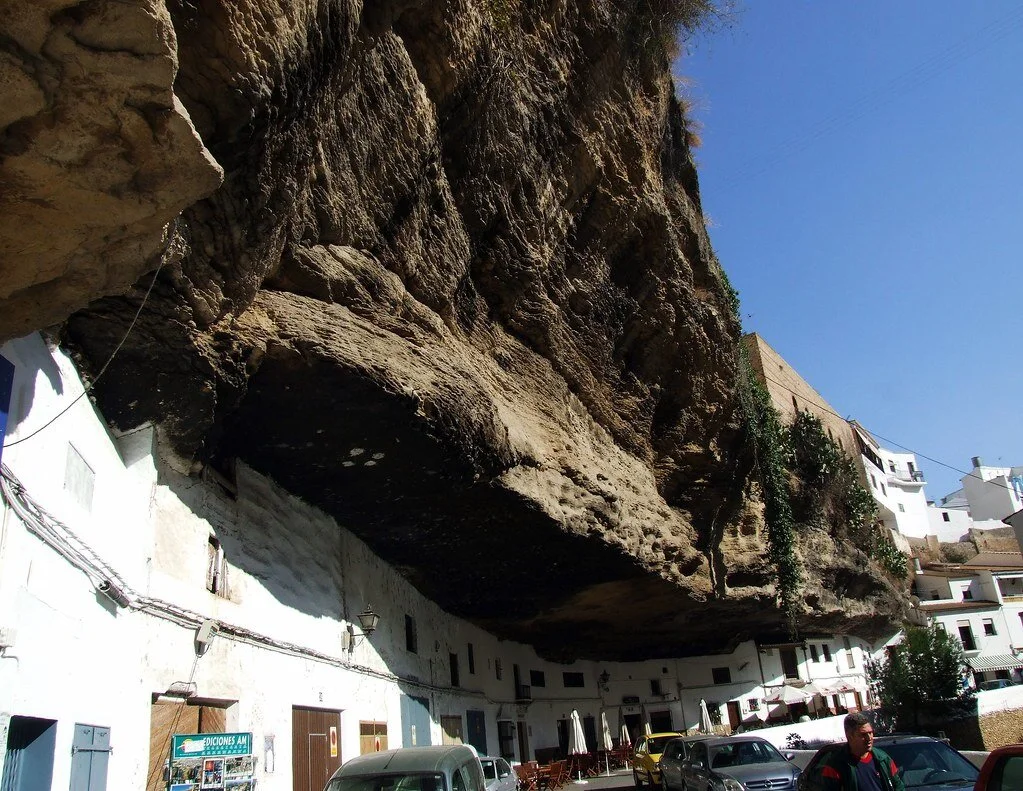
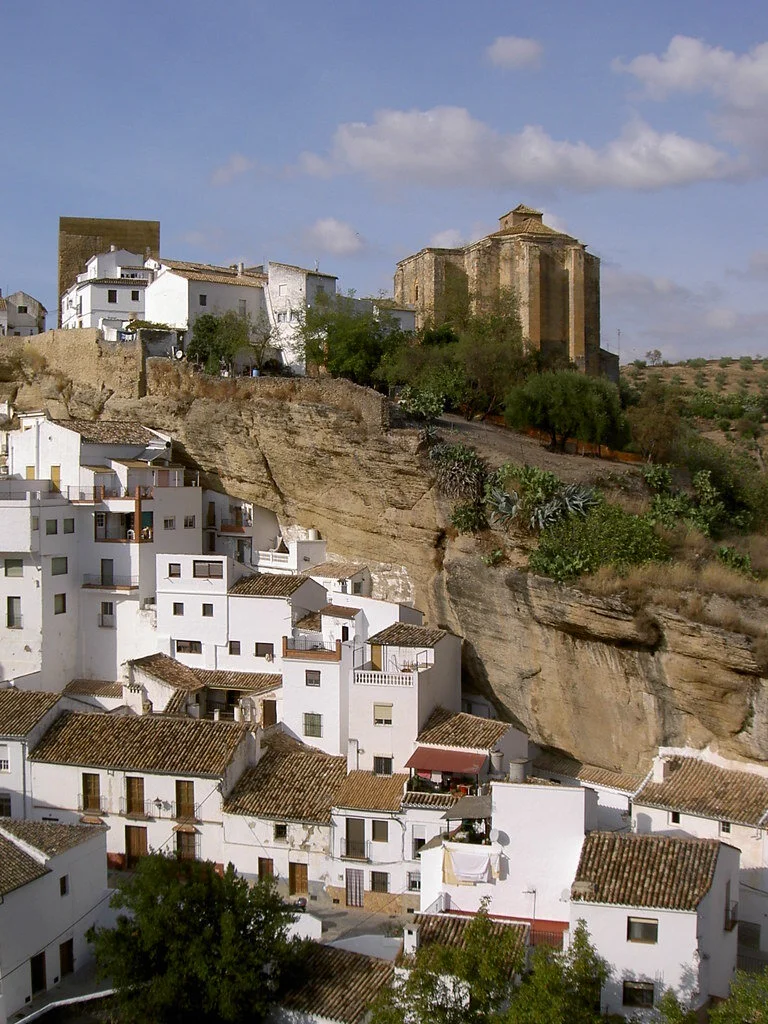
At first glance, photos of the town communicate quaint and quiet living—whitewashed buildings sit nestled within rocky hillsides. Upon closer inspection, however, it becomes apparent that the construction of Setenil de las Bodegas is unique. The town is not built on the rocks of the mountain, but rather among the gargantuan boulders themselves. The large stones sit atop the buildings, acting as roofs and providing massive cooling canopies to the streets below. The small town of about 3,000 residents has found a peculiar haven, believing that the practicality of construction that nature provided makes it worth settling in the region.

Although Setenil de las Bodegas’ population is small, the town possesses a deep history and equally rich cultural activities. The town’s name itself holds a fascinating story; the word “setenil” meaning “seven times nothing” refers to the seven times it took for Spain to recapture this area from the Moors. The other part of the name, “de las bodegas,” refers to the way the boulders acted as a reliable cooling function for the town’s early wineries. Now, the town holds some of the best wine in Andalusia, alongside other rich delicacies of the region such as honey and chorizo. A few times a year, visitors can expect lively street parades filled with local cuisine, concerts and flamenco dancing. 

Setenil de las Bodegas endures blisteringly hot summers but enjoys moderate winters, providing most visitors with a relatively pleasurable climate to enjoy the town. 

Every once in a while, humans find a way to become one with nature instead of fighting against it. In Setenil de las Bodegas, this idea is not just a reason to visit, but rather plays a major role in the very lifeblood of the town. 


Ella Nguyen

Ella is an undergraduate student at Vassar College pursuing a degree in Hispanic Studies. She wants to assist in the field of immigration law and hopes to utilize Spanish in her future projects. In her free time she enjoys cooking, writing poetry, and learning about cosmetics.

Belgium’s Centuries-Old Procession of the Holy Blood Suspends its March

For over 700 years, Catholics have been gathering in Belgium to watch the Procession of the Holy Blood. The event features reenactments of biblical stories and centers around a holy relic, a scrap of cloth said to be stained with the blood of Christ. 

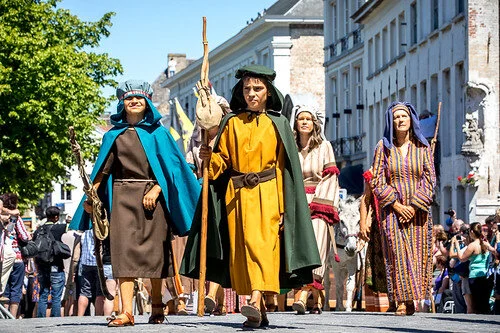
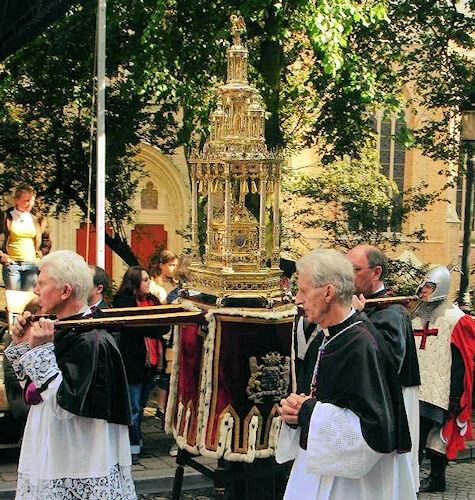
Each spring, thousands gather in the streets of Bruges, Belgium, to witness the Procession of the Holy Blood. The procession centers around a vial containing an ancient cloth said to be stained with the blood of Christ, which is paraded through the streets by more than 1,700 religious leaders who sing, dance and act out biblical scenes. 

The “Relic of the Holy Blood,” as the cloth is known, has been kept in Bruges’ Basilica of the Holy Blood since the 1200s. According to legend, the blood liquefies on Fridays, the day of the crucifixion. The church is open on Fridays for believers to come through and worship. Once a year, the relic is removed from the church and paraded through the streets. 

The Procession of the Holy Blood takes place 40 days after Easter, on Ascension Day, which is marked by Christians as the day that Christ ascended to heaven before his disciples. The first Procession of the Holy Blood took place in 1304, and the story of the relic itself dates back even further, to when the cloth stained with Christ’s blood is said to have come to Bruges. 

According to the story, Joseph of Arimathea used a cloth to wipe drops of blood from Christ’s body at the crucifixion. During the Second Crusade, Count Thierry of Flanders came into possession of the bloodstained cloth and brought it back to Bruges in around 1150. There is no record of the relic until the mid-1200s, however, leading some to believe that it actually came to Bruges following the sack of Constantinople by the army of Count Baldwin IX. Regardless of how the relic made its way to Bruges, it has become the heart of an annual procession for over 700 years. 

In modern times, the Procession of the Holy Blood is divided into four parts, intended to tell the story of the holy relic to observers. First, volunteers perform stories from the Old Testament, then from the New Testament. The third part of the procession details how the holy blood came to Bruges. Finally, at the end of the procession comes the Relic of the Holy Blood itself, held in a shrine and accompanied by the members of the Noble Brotherhood of the Holy Blood. 

Though the subject matter of the procession is somewhat somber, the event itself is a festive one, with costumes and music reminiscent of medieval times. The Procession of the Holy Blood draws anywhere from 30,000 to 45,000 spectators from around the world eager to catch a glimpse of an important religious relic. In 2009, the procession was added to the UNESCO List of the Intangible Cultural Heritage of Humanity. 

In 2021, for the second consecutive year, the centuries-old Procession of the Holy Blood did not take place. Though the event was initially scheduled for May 13, it was canceled due to the ongoing pandemic and the large crowds the procession typically attracts. The last time the procession was unable to proceed for more than a year at a time was during World War II. 


Rachel Lynch

Rachel is a student at Sarah Lawrence College in Bronxville, NY currently taking a semester off. She plans to study Writing and Child Development. Rachel loves to travel and is inspired by the places she’s been and everywhere she wants to go. She hopes to educate people on social justice issues and the history and culture of travel destinations through her writing.
Mud Madness: Getting Down and Dirty at South Korea’s Mud Festival

South Korea’s Boryeong Mud Festival is popularly known for the mud’s enriching properties for skin, resulting in a messy yet enjoyable experience for all its visitors. 

Giant mud bath at the Boryeong Mud Festival. Hypnotica Studios Infinite. CC BY 2.0

Although South Korea is widely renowned for its frenetic cities and for birthing K-pop, many people may not know that it's also home to many unusual festivals, from body painting to bullfighting to ice fishing. However, among them all, the Boryeong Mud Festival, better known as the “Mudfest,” stands out as one of the most popular.

This festival was first established in 1998, when it was meant to spread awareness about the unique qualities of the mud at Daecheon Beach. Although initially intended to promote beneficial skin care products made from the mud, the festival’s mission soon transitioned from a marketing scheme to a more pleasurable and exciting experience.

Inflatable playground at the mud festival. Hypnotica Studios Infinite. CC BY 2.0

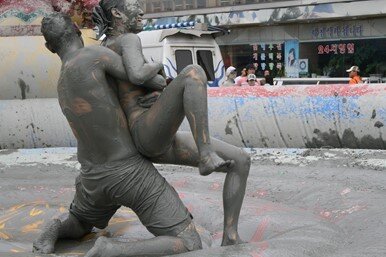
The mudfest takes place in the city of Boryeong on the western coast of South Korea, and can be experienced across two weeks in mid-July. With an amusement park-like vibe, visitors can purchase a one-day ticket where they can experience everything: “mud pits, mud fountains, mud pools, mud massage zones and even a mud prison.” On top of this, attendees can enjoy obstacle courses, mudslides and races, and even inflatable playgrounds. In the mud self-massage zone, visitors apply mud on themselves and wash it off after 10 minutes once the mud turns white. Applying the mud onto one’s body is believed to result in more radiant and clean skin. The mudslide, on the other hand, provides visitors with a thrilling experience which can be accentuated by applying mud on one’s body beforehand to increase speed. 

For those looking to further show off their athleticism, the Beach Mud Football Competition is an event held at the Citizen’s Tower beach on a specific day every July, where one can put their soccer skills to the test while fighting through the mud. However, as a break from all this mud madness, visitors can also enjoy the beautiful fireworks show and live performances during the festival’s opening and closing ceremonies


Swati Agarwal

Swati is a sophomore at University of California, San Diego, where she is studying Environmental Sciences and Theatre. Although born in India, she was raised in Tokyo, which gave her the opportunity to interact with diverse people from distinct cultures. She is passionate about writing, and hopes to inspire others by spreading awareness about social justice issues and highlighting the uniqueness of the world.

A Look at Germany’s Quirky but Quaint Ore Mountains

Germany’s Ore Mountains offer bucolic scenery and countless Christmas traditions, all wrapped up into one charming package.

Seiffen, Germany. abejorro34. CC BY-NC 2.0. 

Along the German-Czech border lie the Ore Mountains, one of nature’s grand masterpieces. Stretching over 100 miles, the Ore Mountains appear like a scene out of Narnia: long strips of deep woods sit sprinkled among patches of bright wildflowers, often blanketed in thick snow. The area’s splendid scenery presents itself as the ideal inspiration for painters in search of inspiration.

The history of the region is just as fascinating. Up until their expulsion after World War II, German miners worked the mountain range for its many minerals such as copper, silver and lead. Thus, the range gained its name: the Ore Mountains. After World War II, the small towns that peppered the range lost most of their German populations. These towns were later filled by Czech residents who developed uranium and coal mining. Now, the range’s travel industry has brought much attention to the quaint lifestyle found today in these small towns. 


For guests eager for a gorgeous view or photographers looking for the perfect shot, Fichtelberg Mountain stands as one of the Ore Mountains’ top stops. Fichtelberg Mountain is the second-tallest peak of the Ore Mountains; it sits in the middle of the range and stands nearly 4,000 feet tall. The icy conditions found in the winter attract throngs of alpine skiers, bobsledders and other snow sporters. When the weather warms toward summer, the crowds of snow sporters are replaced by hikers and photographers; trails through patches of woods make for calm hiking opportunities, while the peak itself provides a 360-degree view of the surrounding mountain range.

Snow in the Ore Mountains. VicunaR. CC BY-SA 2.0. 

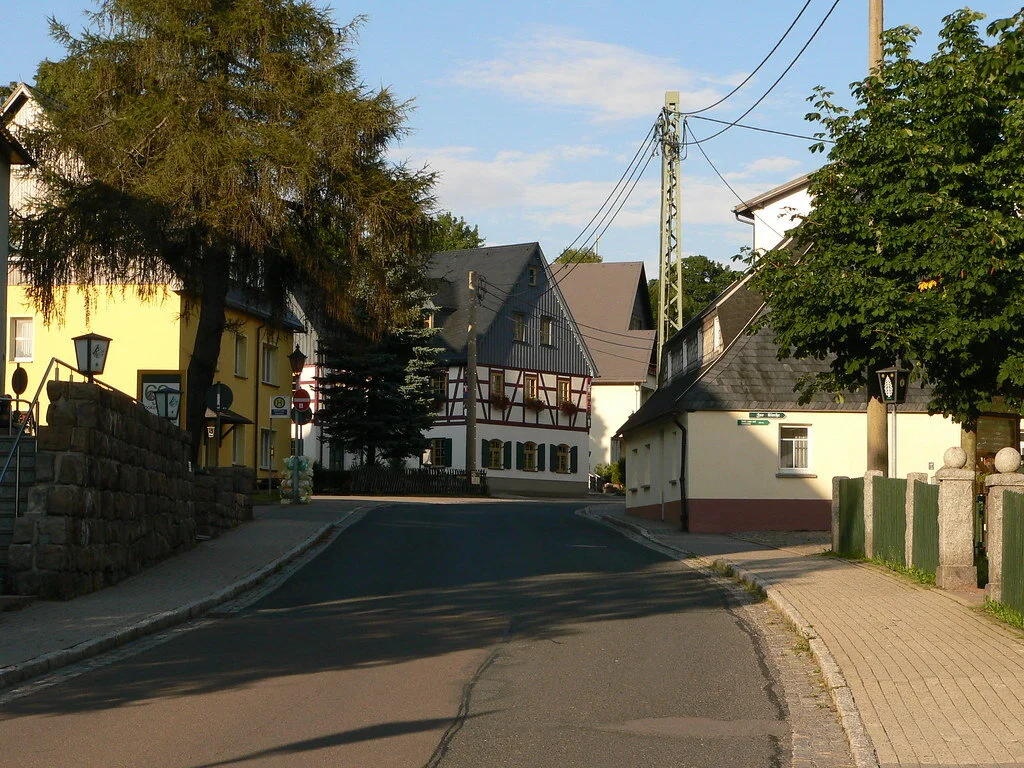
Another destination sure to pique anyone’s interest is the small town of Seiffen, Germany. Seiffen holds only around 3,000 people, but its influence as a stronghold of local culture makes up for it. The town is famous for its role in the toymaking industry, with over 100 craftsmen living in it alone. Seiffen often appears like something out of Christmastime folklore, as it is known for its top-notch toymaking and stellar artisan Christmas decorations. For the woodmakers of this town, their craft is far more than just a profession. It is common that the artisans of Seiffen pass their craft down from generation to generation, making their work not just a form of income, but a lifestyle. 

Although at first glance the Ore Mountains may appear to be just another mountain range, the wide variety of activities and rich history make it a fascinating spot to explore. 


Ella Nguyen

Ella is an undergraduate student at Vassar College pursuing a degree in Hispanic Studies. She wants to assist in the field of immigration law and hopes to utilize Spanish in her future projects. In her free time she enjoys cooking, writing poetry, and learning about cosmetics.