
One French couple filed a lawsuit against the owners of Maurice, a rooster, whose piercing call at 6:30 am disturbed their peace. The case sparked outcry all over the French countryside.
Read MoreIndigenous Mexican Language isn’t Spoken– it’s Whistle
While Spanish is the official language of Mexico, its many Indigenous cultures still thrive and speak their own languages within their communities.
Read More6 Offbeat Travel Destinations in Mexico
Skip the crowded beaches of Cabo and Puerto Vallarta and discover Mexico’s rich history and diverse culture through its hidden gems
Read MoreHeartwarming Video Tracks Down a Long-Lost Photograph Across Cultures
Photography has played a large part in Chinese culture, adding a unique facet to memory documentation that is not often known to most outsiders. One vintage photo with an incredible back story exemplifies this. This mini documentary tells the tale of this photo through Chinese amateur photographer Xu Zhen and French photo archivist Thomas Sauvin; these two men helped create and preserve a timeless piece of history. This video is heartwarming, eye-opening and will change your view about Chinese photography and culture.
Thai Magical Tattoo and Wai Kru Festival: A Short Documentary
With beautiful temples, artwork, and monasteries dating back to the 17th century, the influence of Buddhism on Thai culture cannot be understated. Although Buddhism is the country’s primary religion, its rich history is influenced by Hinduism and Animism — shaping the people’s relationship with religion.
One physical manifestation of these influences comes in the form of Sak Yant tattoos — intricate tattoos believed to be powerful symbols for protection against evil influences. While a traditionally Buddhist practice, these tattoos’ use of magic is a clear sign of Thailand’s other religions shaping its traditions.
The tattoos are blessed by monks every year at the Wai Kru festival, documented in this video. Filmed by Gennaro Ambrosino, this mini-documentary details the spiritual practices behind the tattoos, the rituals of the Wai Kru festival and the altered state of consciousness its attendees often slip into. The transformative nature of the festival mirrors the impact of religion on Thai culture and identity, something still present today.
Vienna Rocks On at the World’s Largest Music Festival
Austria’s Danube Island Festival attracts around 3 million visitors annually. The festival spans three days, offers all kinds of music, and is completely free to attend.

Crowd at Danube Island Festival 2018. Andreas Jakwerth posted by Donauinselfest. CC BY-SA 2.0
Each year at the end of June, millions of people flock to an island in Vienna for a three-day musical event. The Danube Island Festival, as the event is known, is the world’s biggest open-air music festival, attracting over 3.3 million visitors every year. The festival hosts more than 2,000 musicians across three days and 19 stages, contains numerous food and souvenir stalls, and essentially turns the island into a giant, booming party—and admission is free.
The Danube Island Festival is held on Danube Island, a 13-mile man-made island located between the Danube River and a parallel, excavated channel known as the New Danube. When the island was created in 1972, its primary function was to serve as part of Vienna’s flood prevention system; the Danube crosses the city, so flooding is a major concern. Now Danube Island is a hub of recreation, complete with beaches, a trampoline center, a climbing park, a network of trails, and a few bars and restaurants. Danube Island is also full of wide green spaces, which easily become the venues for the Danube Island Festival. The island is located only a few minutes away from Vienna’s city center, making it a wonderful venue, as festivalgoers can stay in the city and sightsee while still having quick access to the festival grounds.
What would grow into the world’s biggest music festival began as a promotional event for Danube Island. In 1983, Austrian politician Harry Kopietz introduced the idea of a one-day party on Danube Island to demonstrate its value as a recreational area. Event organizers expected around 15,000 people to show up and were stunned when the party had over 160,000 attendees. Since the event was wildly successful, it was held again the following year, and the number of visitors nearly doubled. The Danube Island Festival has been an annual event ever since, and has steadily grown in popularity to reach the millions of visitors it has today. The festival also increased in length from one day to three, to accommodate the number of visitors and to provide more performances.
The festival offers music for everyone, from little-known local bands to world-famous headliners and everything in between, in a multitude of genres. In past years, there have even been performances from the Vienna Symphony Orchestra. Headliners have also included the Backstreet Boys and Simple Minds, as well as a number of artists famous among German speakers.
Even the COVID-19 pandemic couldn’t put a stop to the Danube Island Festival, which occurred in alternate form in 2020. Instead of one large three-day event, the 2020 festival took place over 80 days and throughout Vienna; a double-decker bus with an open-air stage on top toured the city, bringing over 200 live performances to the Viennese people. For 2021, the festival is scheduled to take place from Sept. 17-19 in a hybrid format. The double-decker performance bus will be back roaming the city from August to September, and festival organizers hope to hold a scaled-down version of the festival with mostly local acts if public health permits.

Rachel Lynch
Rachel is a student at Sarah Lawrence College in Bronxville, NY currently taking a semester off. She plans to study Writing and Child Development. Rachel loves to travel and is inspired by the places she’s been and everywhere she wants to go. She hopes to educate people on social justice issues and the history and culture of travel destinations through her writing.
5 Places to Visit for Lovers of Philosophy and Literature
For travelers who enjoy a good book or like to study the teachings of ancient thinkers, experiencing the places where those writers and philosophers lived (or died) is often at the top of their bucket lists. Here are five places to visit if you love philosophy, literature or both.
1. Davy Byrne’s Pub, Dublin, Ireland
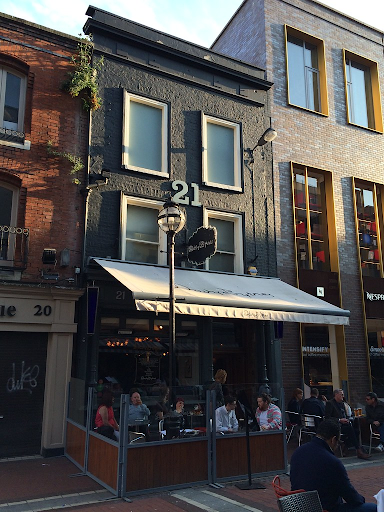
The exterior of Davy Byrne’s pub in Dublin. Flickr. John Logue. CC BY-NC-SA 2.0
The Irish capital has always been a popular European destination for visitors. Some come to Dublin to take in its historic architecture, while others go on journeys to trace their Irish ancestry. Some literature enthusiasts come for the city’s connection to James Joyce, the famed Irish author best known for his 1922 modernist novel “Ulysses.” The novel follows the story of Leopold Bloom as he wanders the streets of Dublin in a manner reminiscent of Odysseus’ journey in Homer’s “Odyssey.” In Chapter 8 of the novel, Bloom visits Davy Byrne’s pub for a Gorgonzola sandwich and some Burgundy before returning to his travels through Dublin. While Bloom is a character of fiction, the pub is not, and is still operating to this day. According to the pub’s website, Joyce frequently visited and was close to the pub’s founder, Davy Byrne. Joyce fans still stop by the pub while traveling through Dublin, enjoying a sandwich and some wine during their own Irish odyssey.
2. The Tomb of Karl Marx, London, England
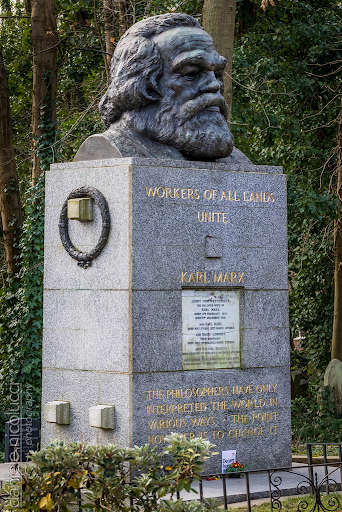
The headstone of Karl Marx’s grave in Highgate Cemetery, which reads “Workers of all lands unite.” Flickr. Daniele Nicolucci. CC BY-NC-ND 2.0
Cemeteries aren’t usually at the top of travelers’ bucket lists, especially of those visiting London. Yet, Highgate Cemetery in north London is visited by philosophy lovers for being the resting place of one notable 19th-century thinker— Karl Marx, the controversial German philosopher best known for writing “The Communist Manifesto” and “Das Kapital.” Almost 140 years after his death, his grave is sought out by fans of his work and of the school of thought that he inspired. However, the tomb of Karl Marx is also targeted by those who disagree with his philosophy, often being subject to acts of vandalism.
3. Kurt Vonnegut Museum and Library, Indianapolis, United States

The entrance to the Kurt Vonnegut Museum and Library in Indianapolis. Flickr. Martin Kalfatovic. CC BY-NC-SA 2.0
American novelist and satirist Kurt Vonnegut is known for his darkly humorous yet oddly lighthearted stories filled with eccentric characters representative of post-World War II America. Vonnegut, who was born and raised in Indianapolis, often referenced his home state in his novels. The Rosewaters, a fictitious American political family at the center of Vonnegut’s 1965 novel “God Bless You, Mr. Rosewater,” are even from Indiana. Fitting for a Midwesterner at heart, the Kurt Vonnegut Museum and Library is located in Indianapolis and is dedicated to his life and works. Vonnegut fans can sit in front of a model of the typewriter he used to write his stories with, look at pictures of his life and family, and even read his numerous rejection letters from editors.
4. Plato Academy Digital Museum, Athens, Greece
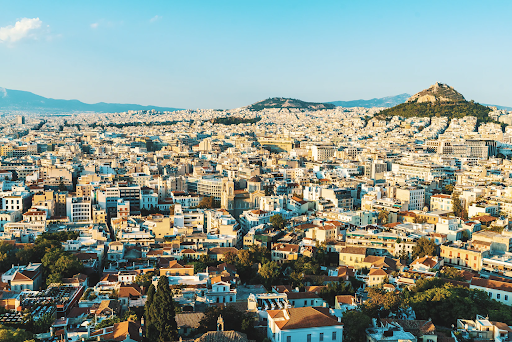
The Athens skyline. Unsplash. Evan Wise.
For those with a passion for classical history, ancient epics and philosophy, there’s no city with a connection to all three like the Greek capital of Athens. The city is considered the birthplace of many philosophical schools of thought and traditions, and was home to some of humanity’s most important thinkers. Yet one museum, dedicated to the philosopher Plato, is making ancient teachings accessible for a 21st-century audience. The Plato Academy Digital Museum was built in 2015 on the ancient grounds of Plato’s academy in Athens, and features interactive installations where visitors can learn about the teachings of Plato and his role in shaping Western philosophy. One can even take a quiz to see if they have what it takes to be a student of Plato.
5. Konigsberg Cathedral, Kaliningrad, Russia
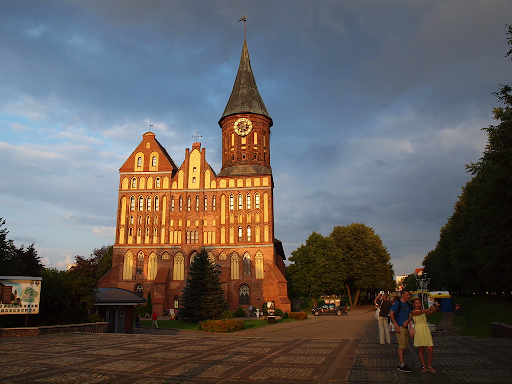
Konigsberg Cathedral, where Immanuel Kant is buried. Flickr. Anita. CC BY-NC-ND 2.0
Located in the Russian exclave of Kaliningrad, this Gothic cathedral looms over the surrounding city, a reminder of the region’s Prussian history. It is also the resting place of German philosopher Immanuel Kant, best known for his contributions to the fields of ethics, aesthetics and metaphysics, who was born in the city when it was still part of the kingdom of Prussia. Much of Kaliningrad, which was called Konigsberg when it was part of Prussia, was destroyed during Allied air raids in World War II. The cathedral was also heavily damaged during the war, before reconstruction efforts began in the early 1990s. Kant was buried inside the cathedral after his death in 1804, and now rests in a mausoleum located to the side of the building.

Aerex Narvasa
Aerex is a current student at Occidental College majoring in Diplomacy and World Affairs with a minor in East Asian Studies. He is passionate about sharing people’s stories through writing, and always strives to learn about new places and cultures. Aerex loves finding new music and exploring his hometown of Los Angeles in his free time.
From Everest to Kathmandu: The Wonders of Nepal
Nepal is most famous for being the home of Mount Everest, one of the 7 natural wonders of the world. However, you don’t have to be a mountaineer to appreciate the beauty of this remote country, which boasts much more than its high peaks and rocky slopes. The monasteries of Nepal demonstrate the deep spirituality of many of its people and their decision to live in harmony with the natural world. Nepal’s main religions are Hinduism and Buddhism, and it has historical significance for both of these faiths. As the world’s only Hindu kingdom, as well as the birthplace of Buddha, Nepal’s religious history is rich and vibrant. This can be seen today in its people, architecture, and majesty of the natural world.
A Trippy Trip: The Psychedelic Salt Mines of Russia
The salt mines of Russia are as dizzying in person as they appear in photos. Although a visit is not for the faint of heart, the mines stand as yet another testament to the gentle, artistic hand of nature.
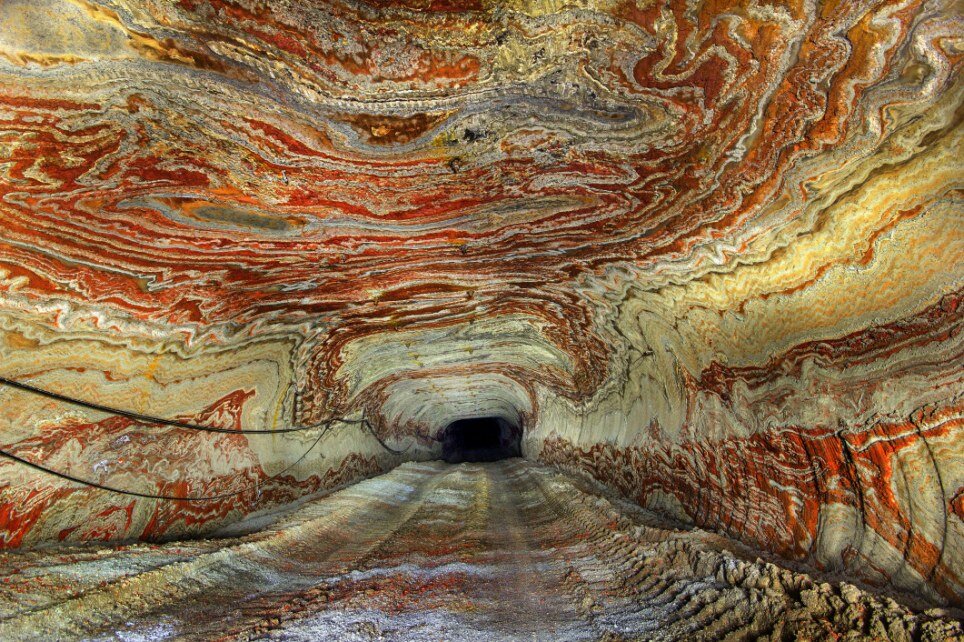
Red swirls cover the walls of this Russian salt mine. Mikhail Mishainik. Daily Mail.
Along the eastern edge of Russia’s Ural Mountains lies the city of Yekaterinburg, an industrial giant currently experiencing an explosion in population and construction. Although the city itself overflows with its buzzing nightlife scene and hectic economic sector, a nearby site also attracts curious eyes and aspiring photographers. 650 feet below Yekaterinburg lies a peculiar system of salt mines often known as the “psychedelic salt mines.”
These mines earned the name “psychedelic” for the hypnotizing pattern that covers the entirety of the caves. Any visitor would be easily mesmerized by the sight; the walls display a magnificent swirling pattern that mimics sound waves or animated gusts of wind. How the caves came to be such a fascinating art show is equally interesting, as the rich, almost electric swirls of blue, yellow, red and orange are entirely natural. They exist due to large deposits of the mineral carnallite, which is commonly used in fertilizer. The mineral showcases its vibrant range in the caves, but can also be found in a colorless state. Unlike most popular caves, the psychedelic salt mines are not narrow passages requiring extreme flexibility to squeeze through; the winding channels stretch for many miles and are truly spacious.
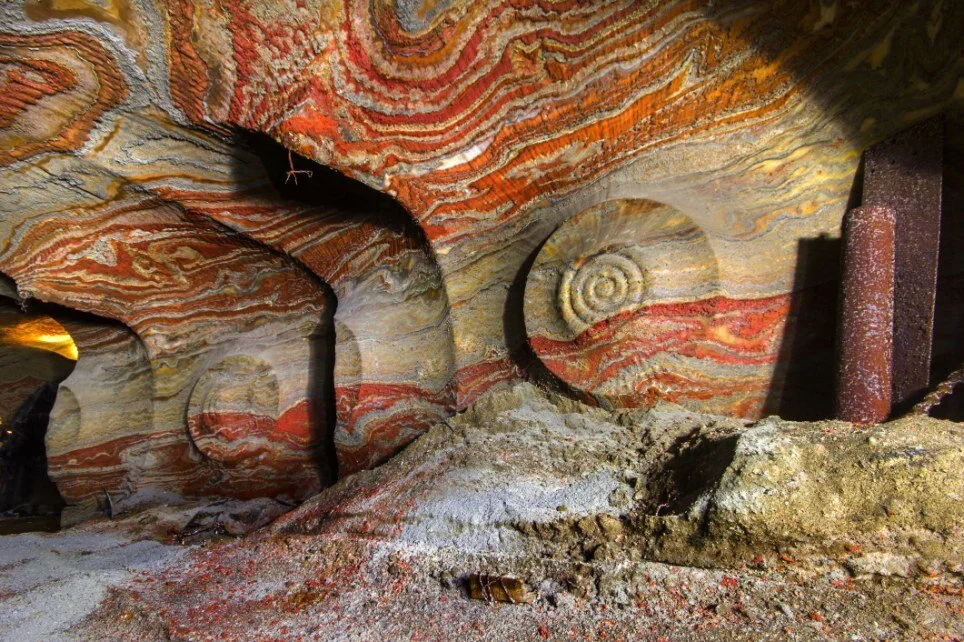
Cave walls underneath Yekaterinburg. Mikhail Mishainik. Daily Mail.
The caves date back 280 million years to the Permian period, and are a result of the Perm Sea having dried up. These rich salt deposits were largely forgotten for many years until around the second millennium B.C., when Russia began salt mining.
Additionally, only recently have photos of the cave even been shown to the public. Although the attractive site seems ideal for family-friendly adventures and novice photographers, the caves are closed off to the public. Only a small section of the caves are still in use, and the other parts require a special government permit to access.
However, a photographer named Mikhail Mishainik is credited with the awe-inspiring photos we now see. Along with some friends, Mishainik spent many hours exploring the caves, being sure to capture the magnificence of their artwork along the way. Mishainik stayed overnight in the pitch-black caves and chronicled his uncomfortable yet exciting experience. Due to the mineral deposits, the air inside is salty and dry, creating a constant feeling of unquenchable, perpetual thirst. Mishainik also claims that the lingering sense of instability in the caves is part of the excitement, since the caves face the threat of gas leaks and landslides.
It is uncertain whether any more than a select few will ever lay their eyes on the rainbow swirls of these caves, but one thing is sure: if such magnificence lies hidden under this one city, there are limitless other gems waiting to be uncovered by unsuspecting travelers.
RELATED CONTENT:
VIDEO: RUSSIA: Kamchatka Volcanoes
7 Stunning Caves Worth Exploring
VIDEO: A Diamond Mine in the Rough

Ella Nguyen
Ella is an undergraduate student at Vassar College pursuing a degree in Hispanic Studies. She wants to assist in the field of immigration law and hopes to utilize Spanish in her future projects. In her free time she enjoys cooking, writing poetry, and learning about cosmetics.
New Zealand: Innovation Meets Nature
Despite its small size and remote location in the southwest Pacific Ocean, New Zealand boasts diversity of all kinds and is exploding with culture, innovation, and beauty. Although today most of its inhabitants are of European descent, its Maori culture shines through, as well as the influences of recent immigrant groups. Additionally, while New Zealand is incredibly developed, with populous cities, it still has incredible geographic diversity. A traveler can find mountains, marshes, valleys, and coastal cliffs all without leaving a single island. The preservation of New Zealand’s nature is a testament to its people’s dedication to maintaining a balance between technological innovation and preserving the climate. Any traveler there will enjoy the best of both worlds and get a taste of a life unlike any other.
The Mexican Street Cart: A Culinary World on Wheels
Mexican street foods, like birria tacos and elote, have gained widespread attention on social media recently for their complex flavors and vivid colors. Some dishes have gone so viral that Americans are driving hours in search of truly authentic carts! Mexican street carts are essential to the people of Mexico, providing a convenient meal during a busy day, and more are popping up all over the United States as well.
Read MorePeru and Bolivia: A Short Film Capturing the Beauty of the Mountains
High in the Andes mountains, the people of Peru and Bolivia inhabit one of the most unique landscapes in the world. From rainforests to rocky slopes, towns and cities coexist with the wildlife and the natural topography in a way that seems as though they were created by nature as well as human innovation.
The people living in these cities blend historical traditions with the technological advancements of the modern age— retaining the beauty of their culture, dress, and craftsmanship and passing it down to the next generation. This video, directed and edited by Baptiste Lanne, highlights the beauty of both Peru and Bolivia’s varied climate, geography, and people, illustrating the complex balance of humanity and nature. The breathtaking scenes are interspersed with shots of people’s daily lives; both are equally beautiful.
Trapped in Time: Antarctica’s Secret Blood Falls
With technology advancing at a record pace, few wonders remain that puzzle scientists. However, deep in the frigid tundra of Antarctica lies one marvel that has attracted photographers and skeptics alike.
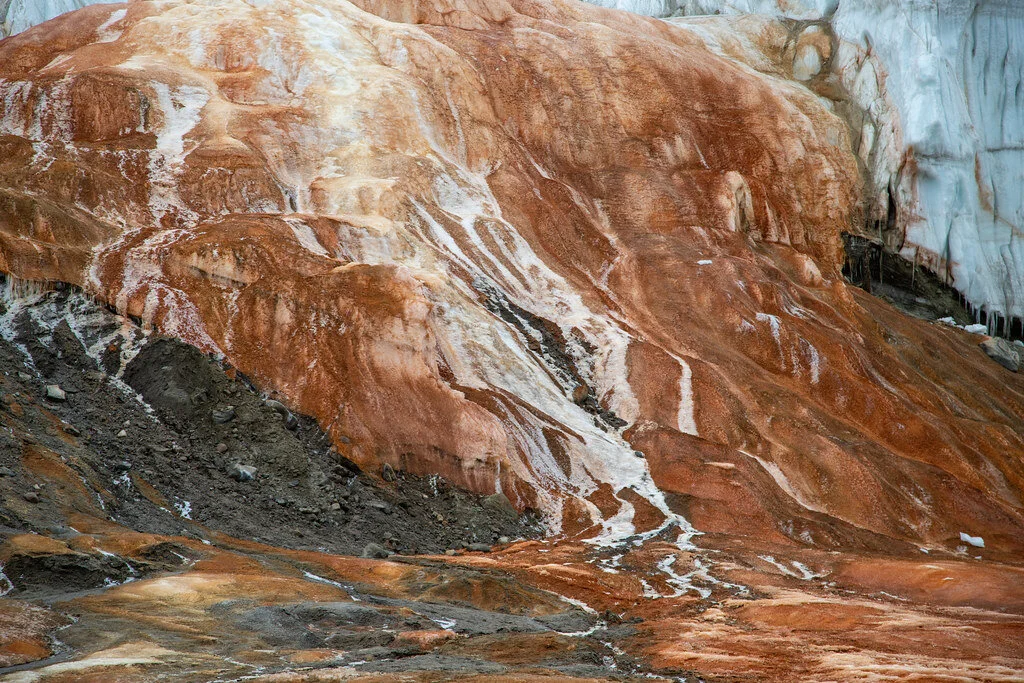
Antarctica’s Blood Falls. arielwaldman. CC BY-NC 2.0.
In the Taylor Valley of Antarctica lies a mighty natural wonder called the Taylor Glacier. Although a spectacle in and of itself, the glacier is only an opening to an even more magnificent miracle. Sandwiched between Taylor Glacier and the underlying bedrock is a “lake” that leads to a “waterfall” known as Blood Falls. The spectacle earned its name due to the deep, murky red color of the water; the glacier releases a beautiful, bloody fountain where it has burst open. Photos of the site capture winding streams of water, which are painted with endless stripes of crimson and cream, flowing over the rocky landscape.
Geologist Thomas Griffith Taylor, for whom the Taylor Valley is named, first discovered the Blood Falls on a voyage in 1911; he was alarmed by the scarlet hue spilling from what is normally a monochrome, colorless landscape. For the remainder of the 20th century, explanations for the vermilion wonder came up short. It was not until 2015 that scientists finally concluded that the waterfall’s maroon color is due to the presence of iron oxides. Cracks in the glacier expose the iron to oxygen, causing it to turn red in the same way rusting bike spokes produce a brick-red hue. Previously, the long-standing theory for the coloring had been the presence of reddish algae, although the theory lacked sufficient evidence.

Taylor Glacier. Mike Martoccia. CC BY-SA 2.0.
However, Blood Falls still presented two seemingly insurmountable scientific dilemmas: how did the water get there in the first place, and why did the water not freeze under the weight of an enormous glacier? Luckily, researchers at the University of Alaska Fairbanks soon answered these questions: water channels brought it from an underground reservoir, and the heat released from the freezing of the glacier kept the lake in a liquid state.
In addition to the striking red color, researchers found the water to be very salty, but the source of this brine truly stumped scientists.
The team applied radio-echo sounding, the use of sound waves to measure the location of a distant object, to construct an extensive map of underground water channels. They concluded that the brine reached the falls through the channels after about 1.5 million years. The “lake” from which the brine is sourced was found to sit underneath the glacier, and has slowly absorbed iron from the bedrock. The brine seeps into the ice due to the high pressure of the glacier’s weight. Researchers concluded that the concealed lake never froze over due to the heat produced from the process of glacial freezing.
Finally, scientists stumbled upon a remarkable discovery: the lake houses microbial ecosystems that live off of sulfate in the water’s oxygen-depleted environment. The presence of the ecosystem gives scientists a vital clue to the processes of Earth’s early life forms, and provides a picture of what life could be like on oxygen-depleted planets.
To the untrained eye, Antarctica’s Blood Falls may appear to be just another facet of Mother Nature’s artistry, but any digging quickly reveals a complicated puzzle that scientists are still working to piece together.
RELATED CONTENT:
ANTARCTICA: In Search of Beauty
TRIP: ANTARCTICA: Quest to the Antarctic Circle
VIDEO: Antarctica

Ella Nguyen
Ella is an undergraduate student at Vassar College pursuing a degree in Hispanic Studies. She wants to assist in the field of immigration law and hopes to utilize Spanish in her future projects. In her free time she enjoys cooking, writing poetry, and learning about cosmetics.
All the Way to Timbuktu: Exploring the Cultural Riches of Mali
Look beyond what the Western media says to appreciate Mali’s rich cultural heritage.
WARNING: As of February 2021, the U.S. Department of State advises against all travel to Mali due to risk of crime, terrorism and kidnapping. For the time being, enjoy the country from your computer screen. Do not visit Mali.
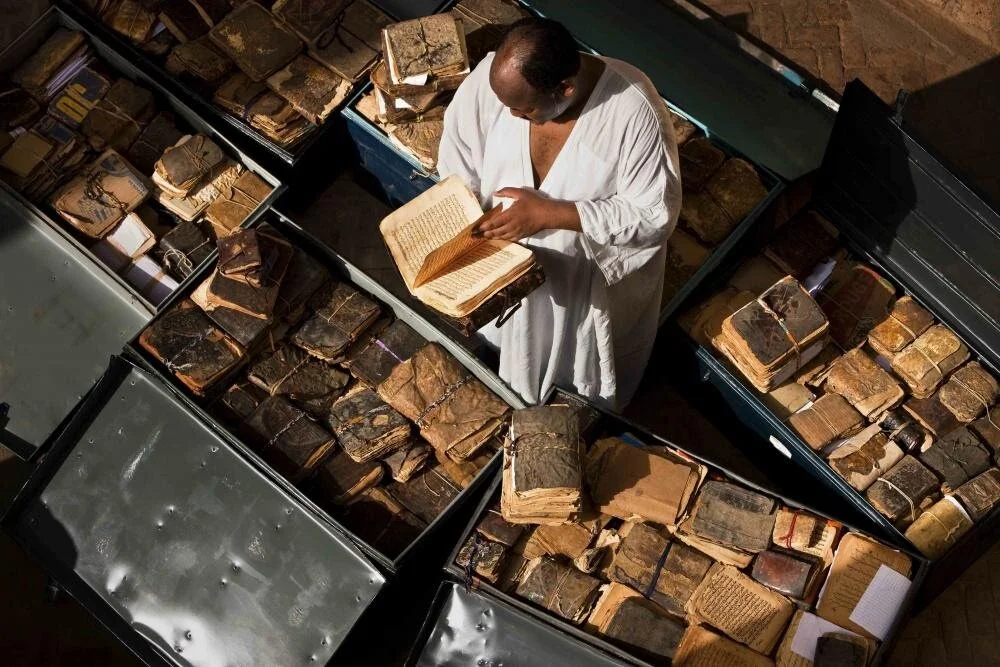
A man reading historical manuscripts from West Africa. Jermaine Johnson. CC2.0
Mali is a landlocked country located in the heart of West Africa. Mali’s rich history dates back to the 11th century, when the empire of Mali controlled vast swaths of the Niger River valley. Known as a beacon for Islamic scholarship and trade from the 13th to the 16th century, things took a turn when the French colonized the country in 1898. Since achieving independence in 1960, Mali has suffered from coups, droughts, corruption and insurgencies by Islamic extremists in the country’s north.
Despite Mali’s negative reputation in Western media coverage, the country has a fascinating history and vibrant culture that deserves to be celebrated—from afar, until safety returns. Here are some of the stunning historical and cultural sites in Mali:
Djenne
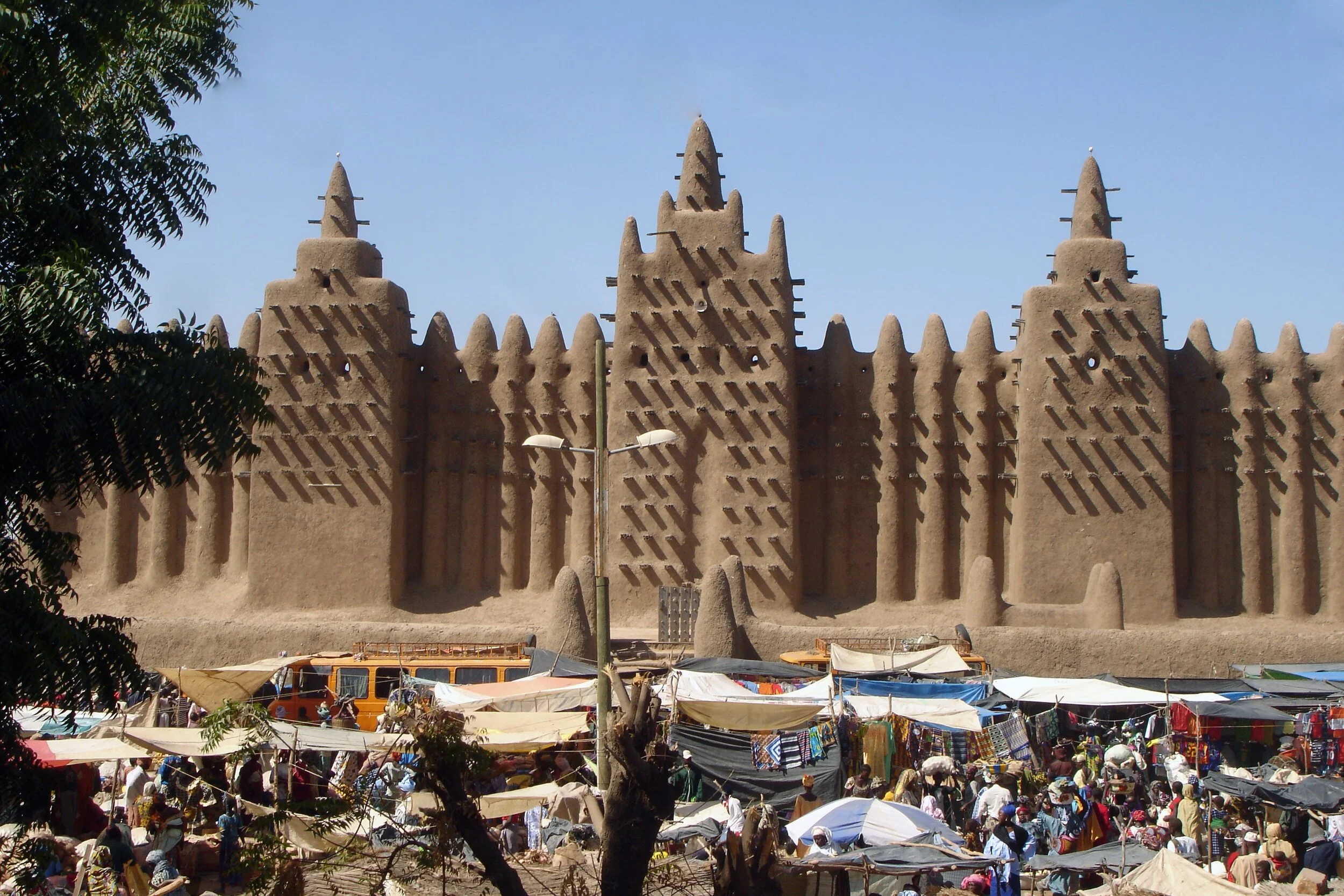
The Great Mosque and market in Djenne, Mali. Carsten ten Brink. CC2.0
Located in central Mali on a seasonal island in between the Niger and Bani rivers, Djenne is one of sub-Saharan Africa’s oldest towns and has been inhabited since 250 B.C. The town was a stopping point for traders in the trans-Saharan gold trade and was known as a hub of Islamic learning during the 15th and 16th centuries. The stunning Great Mosque in Djenne is the world’s largest adobe structure, containing three turrets. Interestingly, adobe structures are very common in Mali due to the lack of wood in the desert. The area in front of the mosque makes a great spot for people-watching and is the site of a colorful market every Monday.
Cliffs of Bandiagara
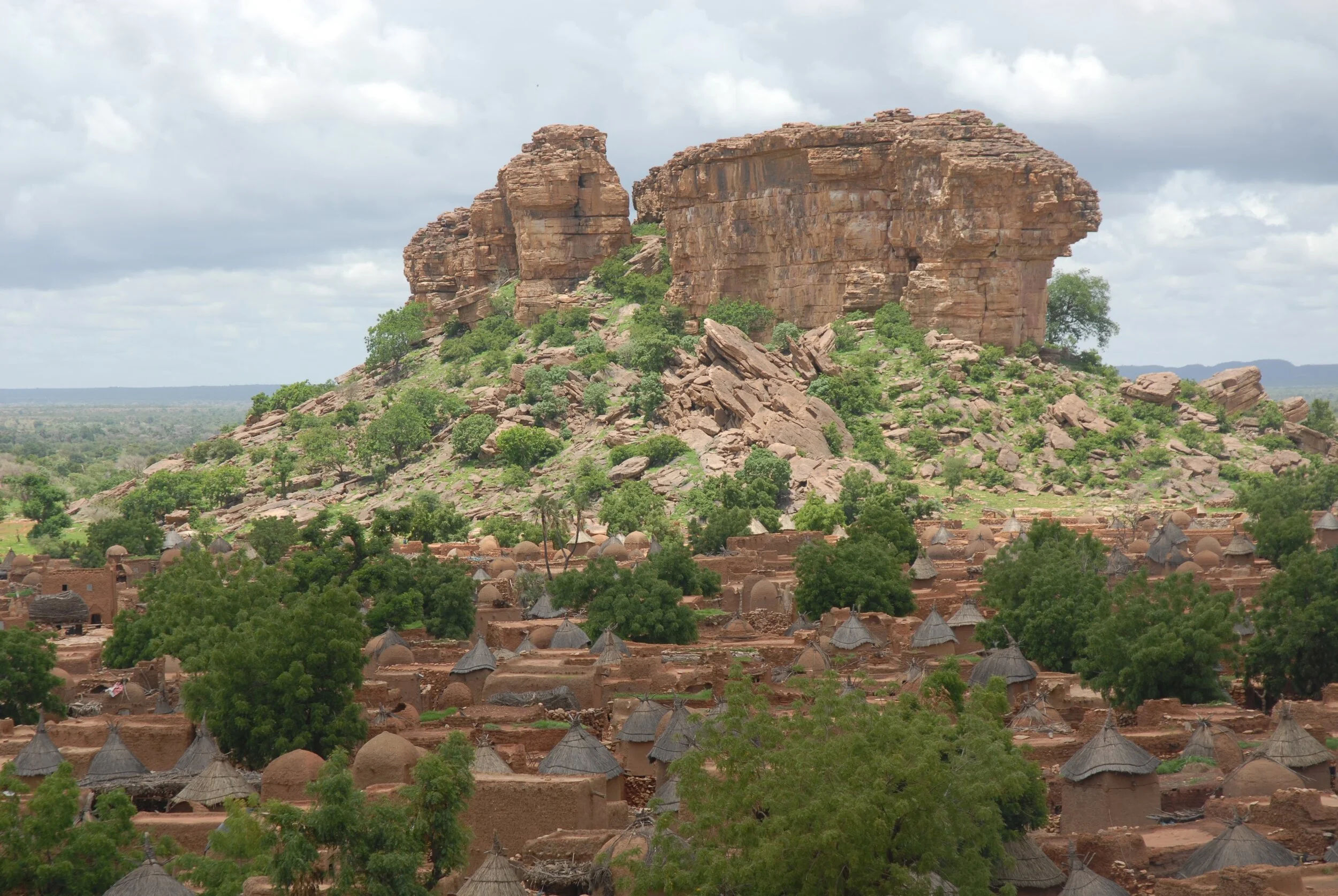
A village in Mali’s Dogon region. Emilio Labrador. CC2.0
A UNESCO World Heritage Site, the cliffs of Bandiagara are home to the Dogon people, who continue to carry on age-old traditions. Carved into tall sandstone cliffs, the Dogon region stretches for over 125 miles and provides a fascinating place for travelers. Due to the region’s remote nature, the culture of the Dogon people has been mostly left unchanged for centuries. Dogon cultural festivals take place from April to May and contain beautiful Dogon masks, dance and art. Travelers in the Dogon region often stay overnight in Mopti, a town located along the Niger River.
Timbuktu
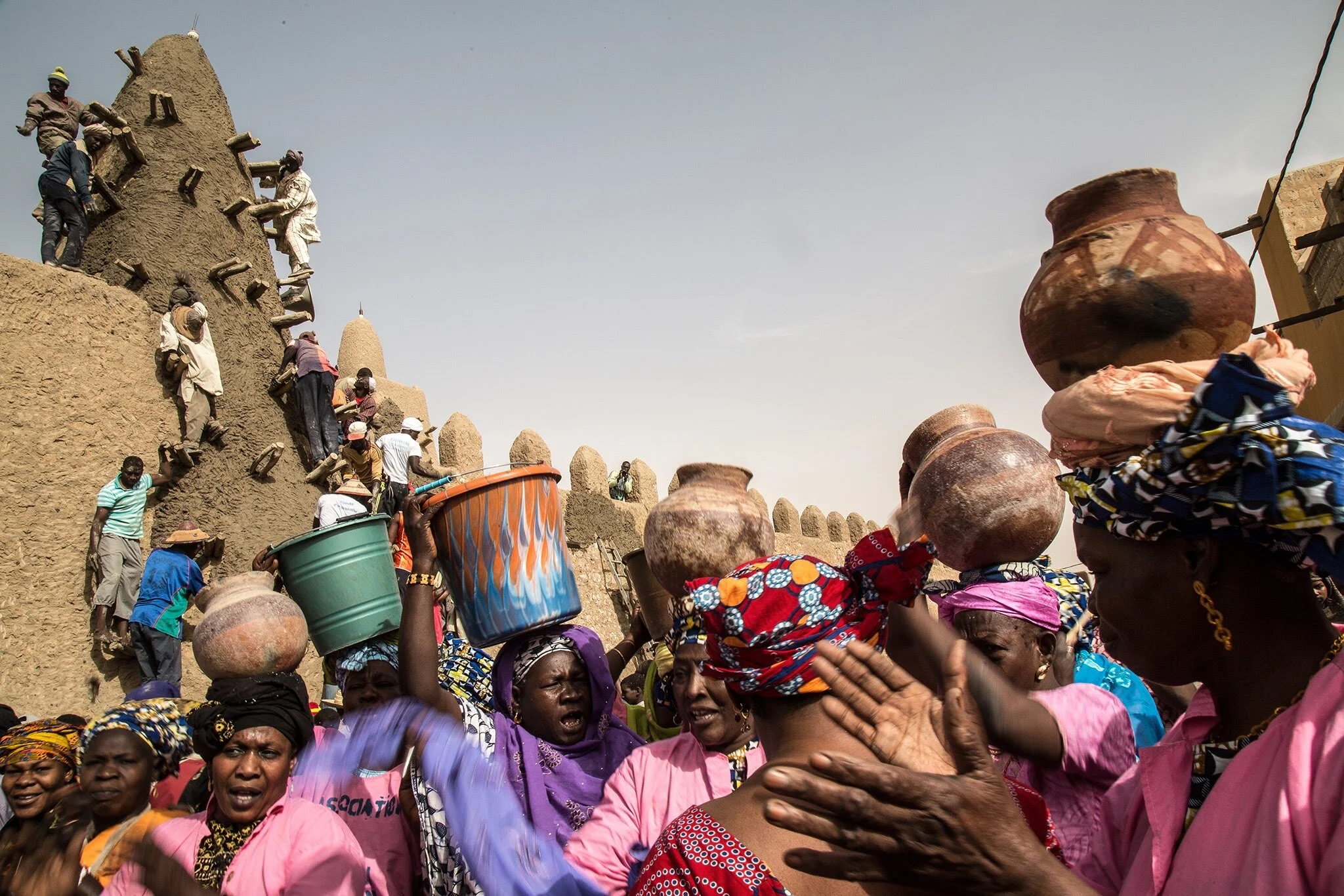
Conducting maintenance at Djingareyber Mosque in Timbuktu. United Nations. CC2.0
A city fabled for its rich heritage as a trading center, Timbuktu is still a crucial point for salt caravans traveling across the Sahara desert. From the 13th to 16th centuries, Timbuktu was a center of Islamic scholarship, with its teachings and sacred texts disseminated across the Muslim world as far as Cairo, Persia and Baghdad. The city was home to a 25,000-student university and several magnificent mosques, including Djingareyber, Sankore and Sidi Yahia. Many manuscripts are now in danger of falling apart or being sold on the black market. Due to recent conflicts in northern Mali, Timbuktu was proclaimed an endangered World Heritage Site by UNESCO in 2012. Thus, preserving Timbuktu’s historical legacy is of utmost concern.
Bamako
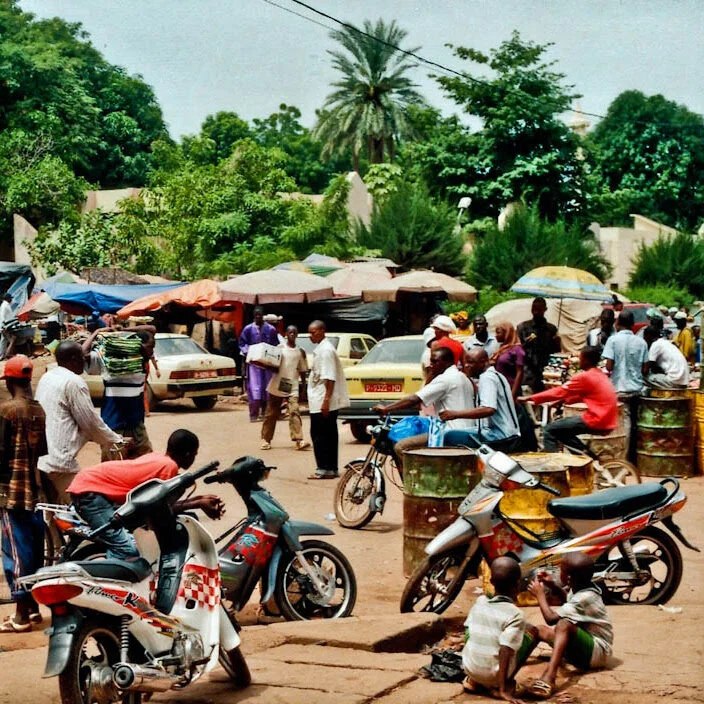
A market in Bamako. Aene gespinst. CC2.0
Mali’s capital is a vibrant city located on the Niger River in the southern part of the country. Translated as “crocodile river” in the Bambara language, it is an exciting place to acclimate to Malian life and culture, whether by trying the local cuisine, visiting bustling markets or exploring Mali’s music scene, which is well known throughout Africa.
Mali’s rich historical legacy is often overshadowed in the Western media by stories of violence caused by religious extremists, but there is much more to the story. One must be willing to look beyond the country’s negative portrayal to appreciate Mali’s true cultural heritage.

Megan Gürer
Megan is a Turkish-American student at Wellesley College in Massachusetts studying Biological Sciences. Passionate about environmental issues and learning about other cultures, she dreams of exploring the globe. In her free time, she enjoys cooking, singing, and composing music.
Sharjah: A City Full of Culture in UAE
The streets of Sharjah, UAE, are filled to the brim with magnificent architecture, delicious cuisine, and vibrant communities. The city is a living, breathing relic still standing in the modern world with old temples across the street from construction sites. The inhabitants have learned to navigate this liminal world and express their love for their complex, unique city. This video, shot and directed by Mike Beech, explores the different facets of Sharjah, entrancing the eye, making it hard to look away.
7 Dazzling Light Festivals
What better time to explore a new city than during a magnificent festival of lights? These seven festivals are annual events sure to immerse visitors in vivid lights and unique cultures.
Lights are an important part of culture and art around the world. They symbolize new beginnings, celebrate historic traditions and are glimmering, eye-catching sources of entertainment. Many countries host annual festivals with lights at their center. These seven light festivals display floating lanterns, light sculptures, intricate projections and even raging bonfires. The lights on display vary from festival to festival, as does the history behind each event, but every event is sure to dazzle visitors.
1. Las Fallas de Valencia, Spain
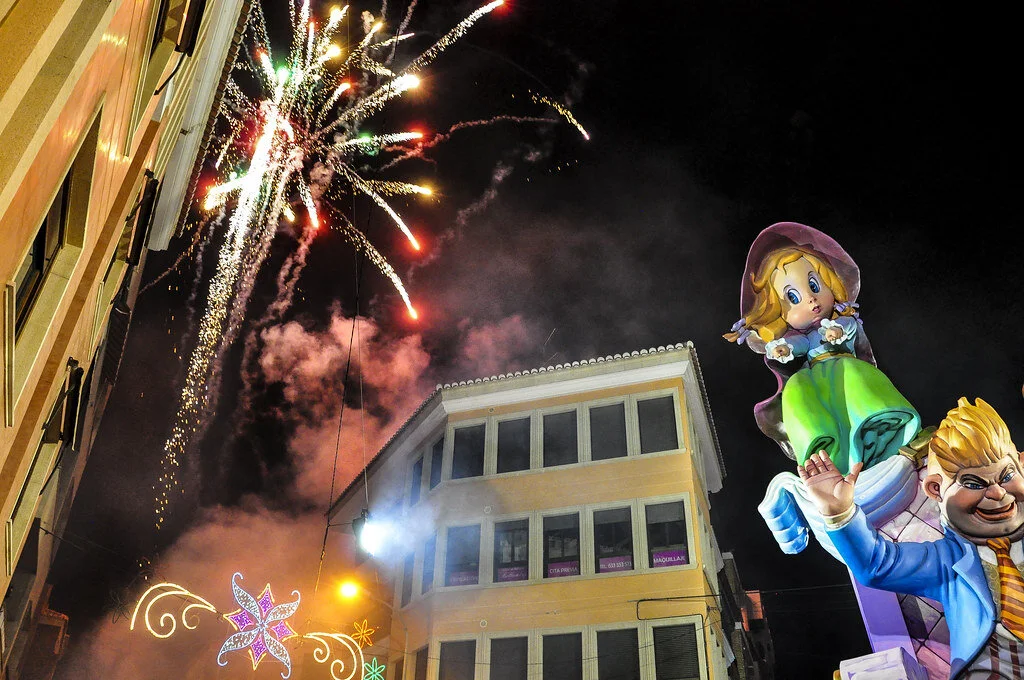
Each year over a million revelers gather in Valencia, Spain, for this five-day fire festival. Las Fallas begins on March 15, when more than 700 “ninots,” towering statues made of cardboard, papier mache, wood or plaster, are set up around the city. The ninots are eye-catching: often multiple stories tall, colorful and exaggerated depictions of current events and satirical scenes. Las Fallas originates from an old carpenter's tradition of burning materials on March 19 to celebrate the arrival of spring. The carpenters’ bonfires of old wood and rags developed into the elaborate ninots seen today. On the final day of the festival, March 19, all but one of the ninots are set ablaze in the festival's dramatic climax. The ninot that is spared from the fire, known as the “ninot indultat,” is chosen by popular vote and preserved in Valencia’s Fallas Museum alongside ninot indultats from years past. While the ninots and their burning are the festival’s main attraction, they are far from all that Las Fallas has to offer. Daily firework shows light up the sky, and music, parades and delicious authentic food are sure to keep visitors entertained.
2. Festival of Lights, France
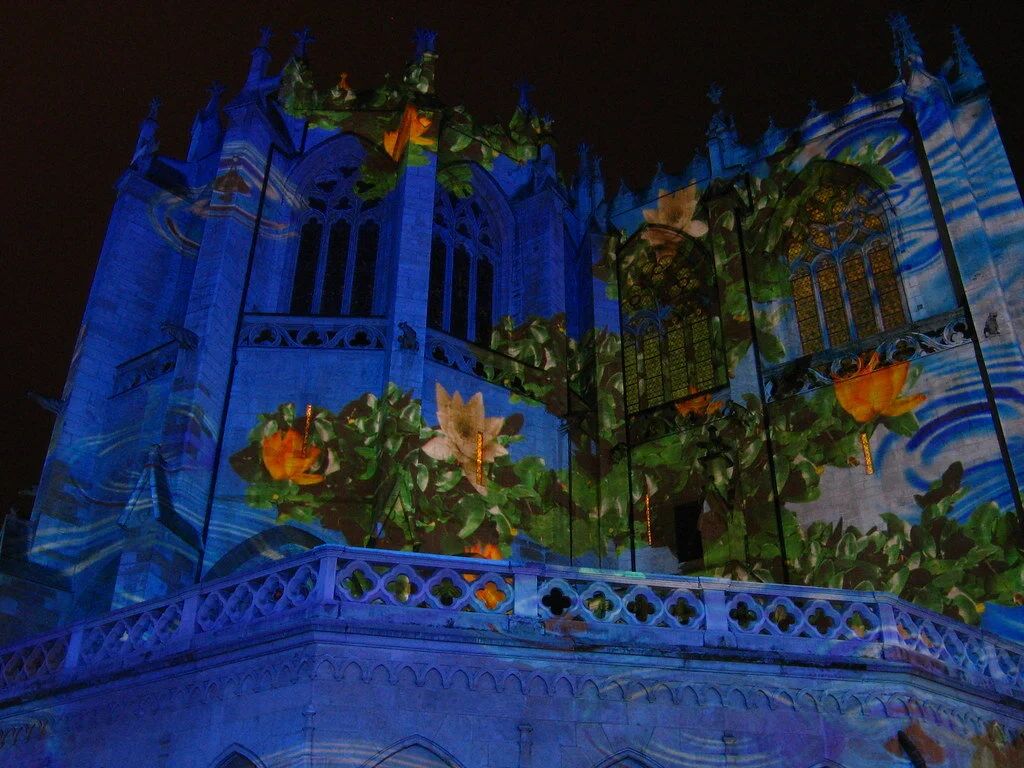
France’s Festival of Lights, a tradition in the city of Lyon, is a pre-Christmas celebration dating back to 1852. In 1852, a statue of the Virgin Mary was scheduled to be erected on Sept. 8, but the statue’s delivery was delayed by flooding. The event was postponed to Dec. 8, the date of the Feast of the Immaculate Conception. Due to inclement weather, the official ceremonies again had to be postponed. But as night fell, the weather cleared, and citizens of Lyon placed lit candles on their windowsills and balconies in a show of unity. Since then, Dec. 8 has become a day known for illumination in Lyon. The tradition escalated in the 1960s, when shops began window-lighting competitions, making the lights in Lyon more elaborate and widespread. The illumination of the city has spread in the years since, and every year around Dec. 8, light displays spotlight city squares, streets, bridges and even rivers. Much of the light at the festival comes in the form of projections on building facades, created by visual artists, that transform Lyon into a dreamlike world of glittering color.

3. Lantern Festival, China
China’s Lantern Festival, held on the 15th day of the first lunar month, typically falling in February or March, marks the end of the Chinese New Year (Spring Festival). As the name suggests, glowing lanterns are the centerpiece of the festival. During the festival, lanterns in all shapes and sizes adorn China’s cities. The lanterns display artwork depicting traditional Chinese images like animals, fruits, flowers and people. The lighting of lanterns represents illuminating the future. The Lantern Festival dates back over 2,000 years, to the Western Han dynasty. Emperor Wen made the 15th a national holiday in celebration of the return to peace, and every household began to light candles and lanterns. A later ruler, Emperor Ming of the Eastern Han, was a devout Buddhist, and learned that monks would light candles for the Buddha on the 15th. Emperor Ming ordered that the palace and temples light candles on the 15th as well, and that citizens hang lanterns. The two events combined to form the Lantern Festival that is celebrated today. In addition to the lighting and admiration of the lanterns, visitors to China’s Lantern Festival can watch lion dances, eat “tangyuan” traditional dumplings, and try to solve riddles affixed to lanterns in order to win a prize.
4. St. Martin’s Day, Netherlands
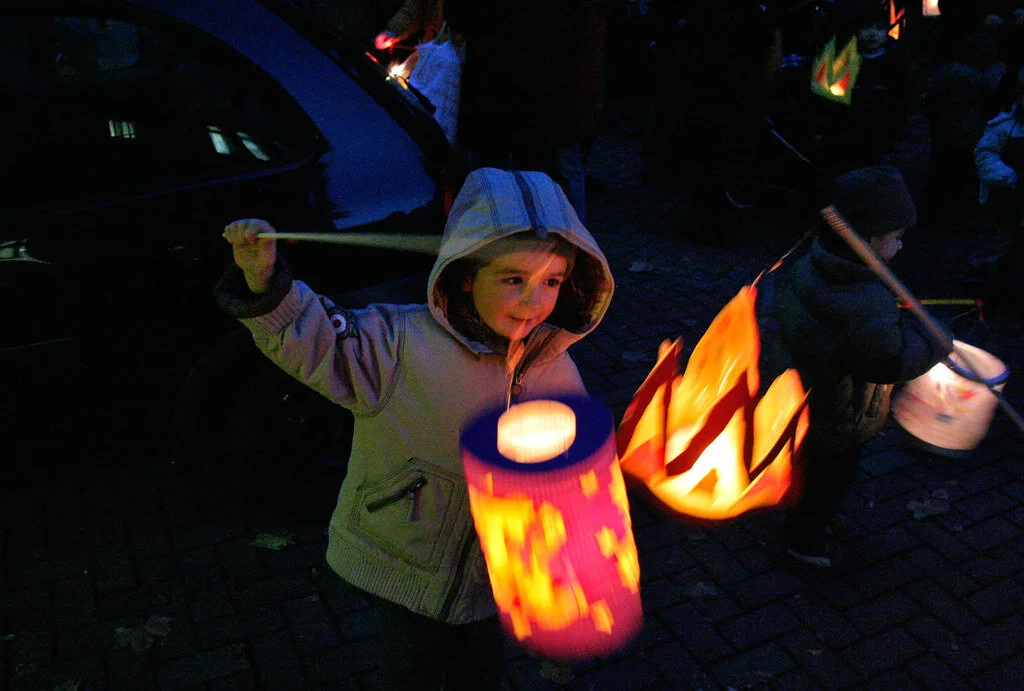
St. Martin’s Day is a children’s festival celebrated every Nov. 11 in honor of St. Martin, who was traditionally regarded as the patron saint of the poor and a friend to children. Nov. 11 is the day of St. Martin’s passing, but the atmosphere of the festival is joyful, not somber. The festival is similar to American Halloween, with children going door to door to collect treats such as candy, fruits or pancakes. Unlike Halloween, however, children do not dress up in costumes. Instead, they carry lanterns and parade around the neighborhood. Adults place similar lanterns outside their homes to show that they are offering treats to the revelers. Historically, children’s lanterns were made out of hollowed-out turnips and sugar beets hanging from a stick. These days, most children make and decorate their own paper lanterns at home or school, or lanterns can be purchased at grocery stores. Rather than saying “trick or treat,” children in the Netherlands sing songs to earn their treats. There are a few common songs for the festival, but children can sing any song they like, even ones of their own creation.
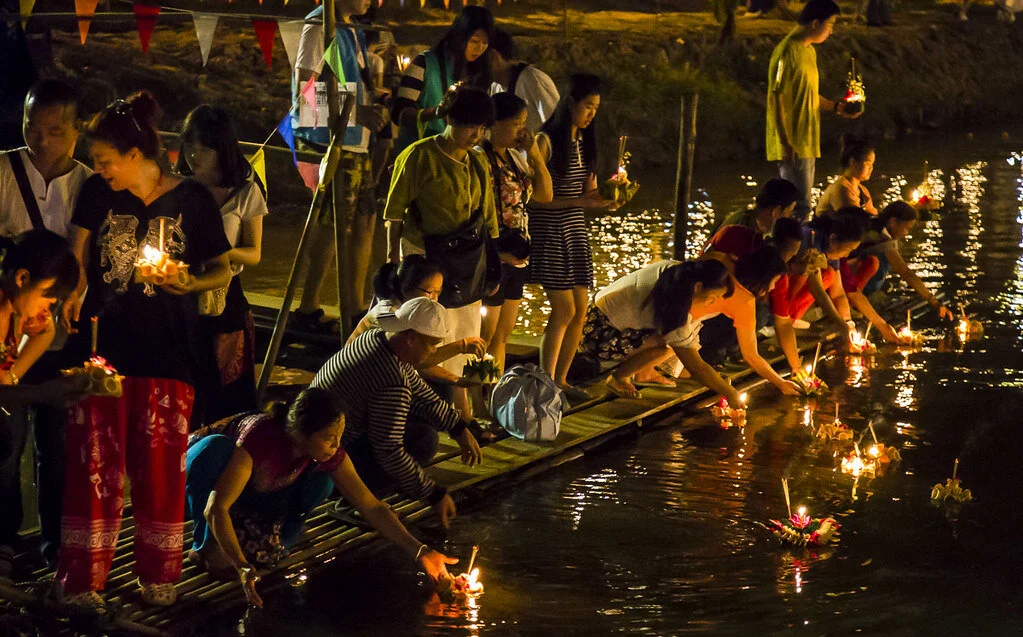
5. Loi Krathong, Thailand
On the evening of the 12th lunar month, which usually falls toward the beginning of November, the whole country celebrates Loi Krathong, Thailand's Festival of Lights. Loi Krathong translates to “floating basket,” and it is a celebration of renewal, leaving behind the old and welcoming in the new. Thousands of lotus-shaped boats made from banana leaves called “krathong” are lit with candles and set afloat in waterways. In the north of Thailand, the krathong are joined by lanterns released into the sky for another light festival, Yi Peng, which often coincides with Loi Krathong. Most Loi Krathong celebrations are concentrated around waterways, since they are necessary to float the krathong. According to legend, Loi Krathong originated with Nang Nopphamat, a beautiful lady of the court in an ancient city. Wanting to catch the attention of the king, Nopphamat constructed a boat out of lotus leaves, placed a candle inside, and floated it down the river, creating the krathong. Today, the festival includes beauty contests in honor of Nopphamat, as well as parades, fireworks and, of course, the floating of the krathong.
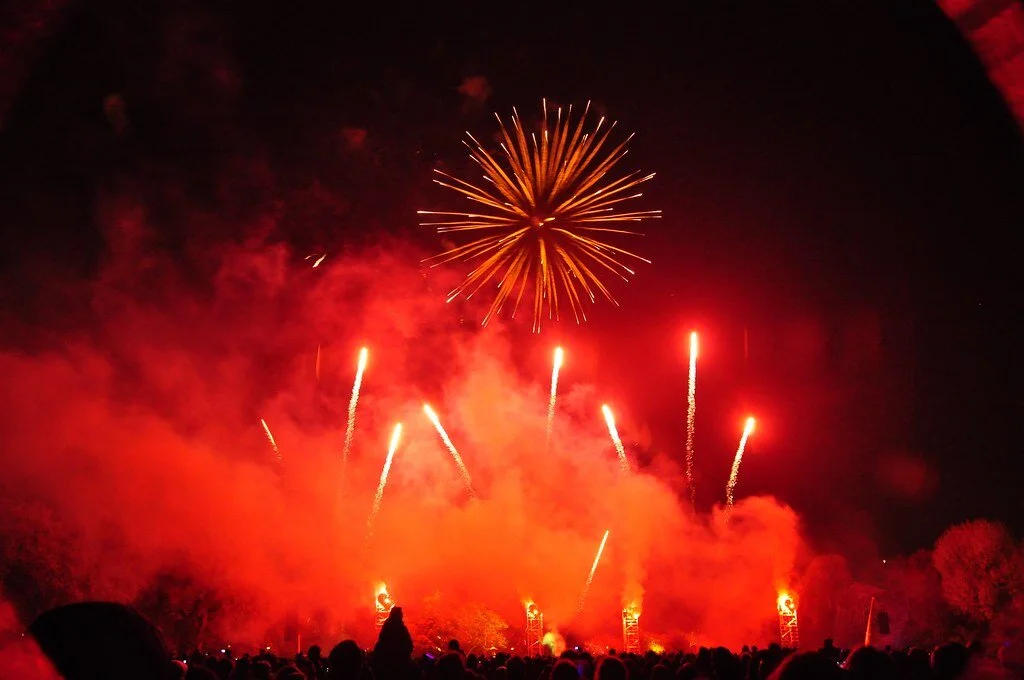
6. Bonfire Night, England
This celebration, also known as Guy Fawkes Day, takes place each year on Nov. 5. Bonfire Night marks the anniversary of the discovery of the Gunpowder Plot of 1605, a plan by Catholic conspirators to blow up the British Houses of Parliament. Guy Fawkes was one of the conspirators. He was captured and taken into custody the night before the attack and eventually tried, convicted and executed. The other conspirators met the same fate, or were killed resisting arrest. Today, Guy Fawkes Day is celebrated with fireworks, food, parades and bonfires, hence why the celebration is also called Bonfire Night. Effigies of Guy Fawkes, made from old clothes stuffed with paper and straw and commonly called “The Guy,” are thrown on the bonfires. The bonfires are also used to heat soup and cook potatoes to feed the crowds that gather to watch the brilliant fireworks displays.

7. Vivid Sydney, Australia
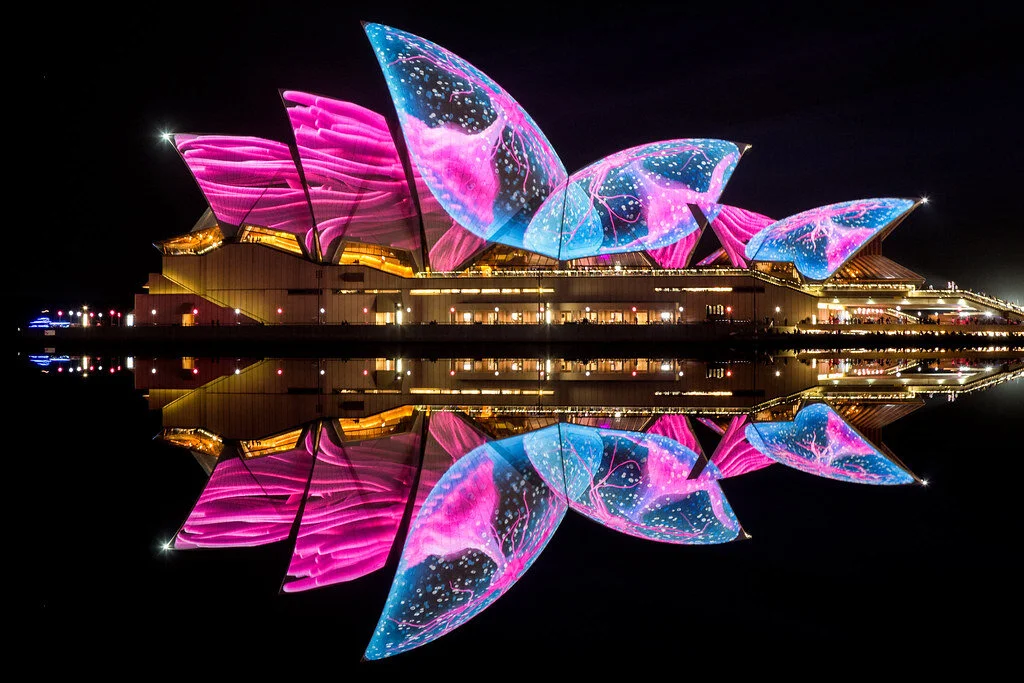
Vivid Sydney is billed as a festival of light, music and ideas. Each year, more than 2 million visitors flock to Sydney to watch live music performances, attend creative workshops, talks and conferences, and see some of the city’s historic sites go up in lights. The festival lasts for 23 days, and the Sydney Opera House, Customs House and Taronga Zoo, among others, are all illuminated nightly at 6 p.m. Over the course of the festival, Sydney becomes a work of art, displaying light sculptures, large-scale projections and light installations. To best take in the massive array of lights, visitors to Vivid Sydney can follow the Vivid Light Walk, a route that stretches from The Rocks, a historic neighborhood by the Sydney Harbour Bridge, to the Sydney Opera House, winding through a number of attractions on the way. Several of the light installations are typically interactive, adding another dimension to the fun.

Rachel Lynch
Rachel is a student at Sarah Lawrence College in Bronxville, NY currently taking a semester off. She plans to study Writing and Child Development. Rachel loves to travel and is inspired by the places she’s been and everywhere she wants to go. She hopes to educate people on social justice issues and the history and culture of travel destinations through her writing.
Beyond Bora Bora: 7 Lesser-Known Islands in French Polynesia
Although French Polynesia conjures up images of honeymooners and overwater bungalows, the region’s less-visited islands abound in natural beauty and warm hospitality.
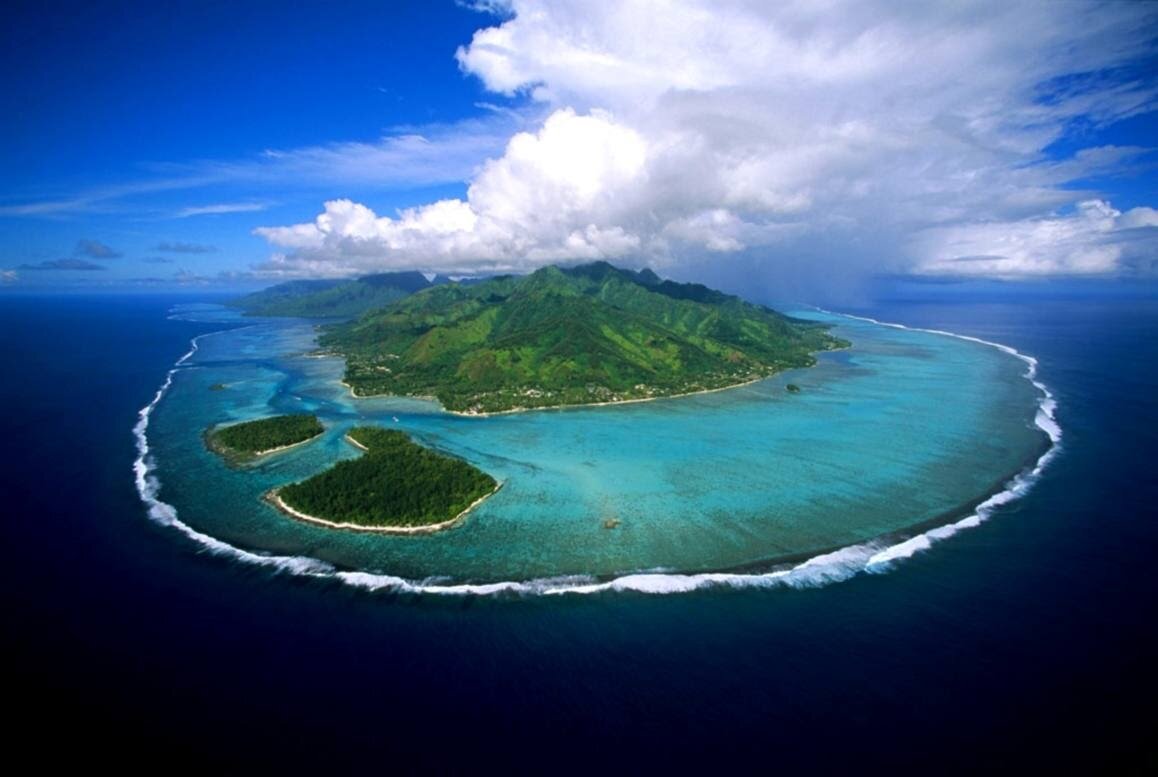
Stunning views in French Polynesia. Dany13. CC2.0
French Polynesia is a South Pacific collectivity under French jurisdiction made up of five island groups: the Society, Tuamotu, Marquesas, Austral and Gambier islands. The region’s history goes back as early as 500 B.C., when Polynesians traveling east from Tonga and Samoa reached the islands. Once explorers arrived in the 16th century, European fascination with the South Pacific began to grow. As a result, the islands became a French colony in 1880. French Polynesia developed quickly in the 1960s and eventually gained more political autonomy, becoming an autonomous overseas country of France in 2004.
Polynesian culture and traditions are an essential part of life on the islands. Locals appreciate their heritage and proudly showcase their vibrant culture to visitors. Examples of exemplary Polynesian craftsmanship include wood carving, weaving and tattooing, a practice deeply rooted in Polynesian mythology. Mesmerizing songs and dance embody the Polynesian spirit and allow islanders to pass down their culture and history from generation to generation.
The islands of Tahiti, Moorea and Bora Bora are the most sought-after destinations in French Polynesia due to their world-renowned resorts with overwater bungalows. However, there is much more to the islands than simply a luxury vacation. Visiting these seven French Polynesian islands will allow travelers to gain an insight into Polynesian life and the islands’ rich culture.
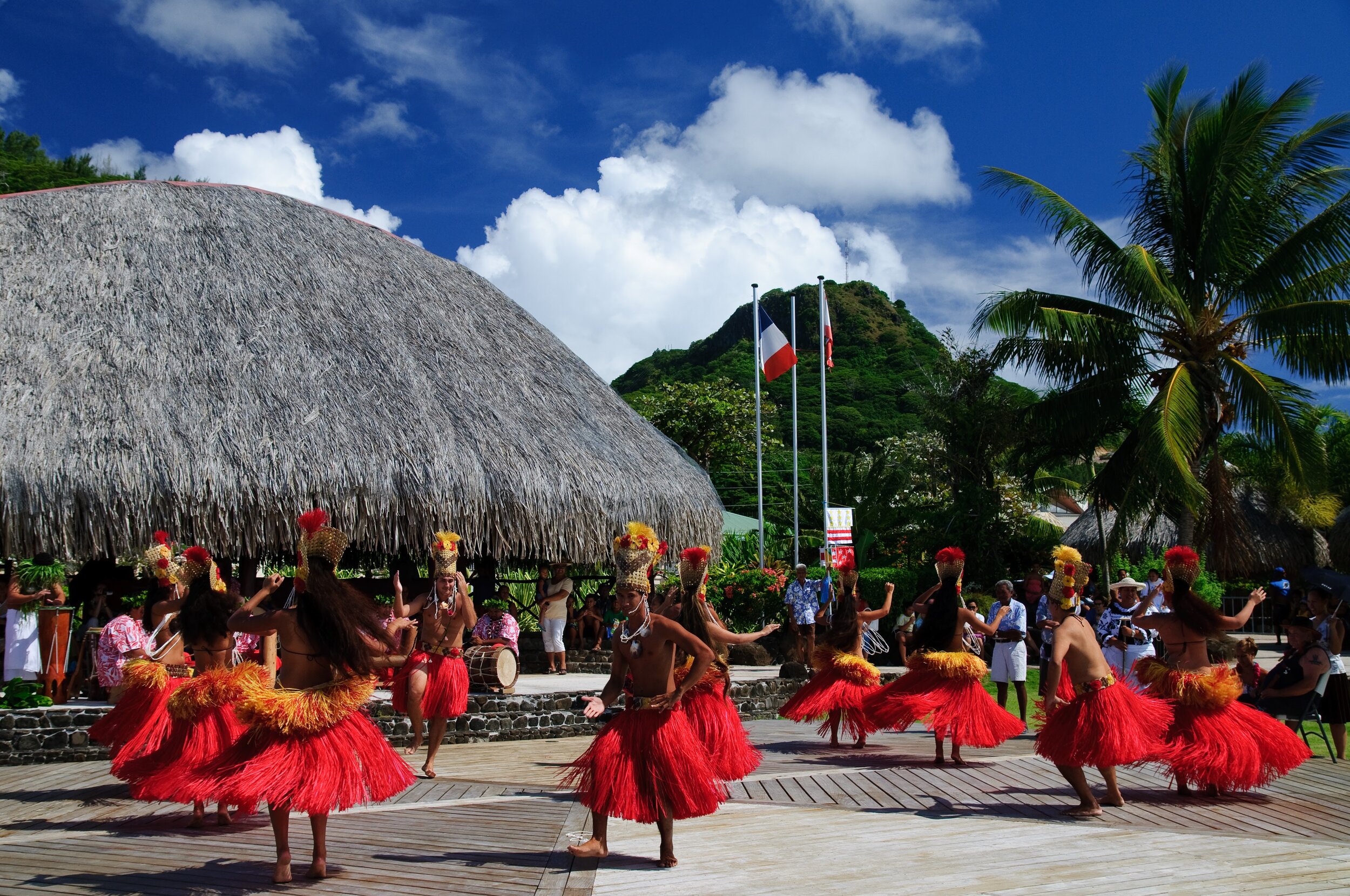
Polynesian dancers in Raiatea. Caproni. CC2.0
Raiatea
Known as the “sacred island,” Raiatea is the birthplace of Polynesian culture. Polynesians first gathered at the marae of Taputapuatea, as the sacred site was the political and religious center of Polynesia in ancient times. From Taputapuatea, Polynesians set off in outrigger canoes traveling west to New Zealand and north to Hawaii. Taputapuatea is a UNESCO World Heritage Site and can be visited with the accompaniment of a guide. Communities from Hawaii, New Zealand and the Cook Islands travel here as part of a pilgrimage to connect with their rich cultural heritage.
Raiatea is also the only place in the world where the tiare apetahi grows. A beautiful white flower with five petals, it has become a symbol of the island itself. Faaroa River on Raiatea is French Polynesia’s only navigable river and was said to be the starting point for outrigger canoes heading across the ocean. Raiatea is also one of the top yachting destinations in French Polynesia with a vast lagoon and excellent sailing conditions.
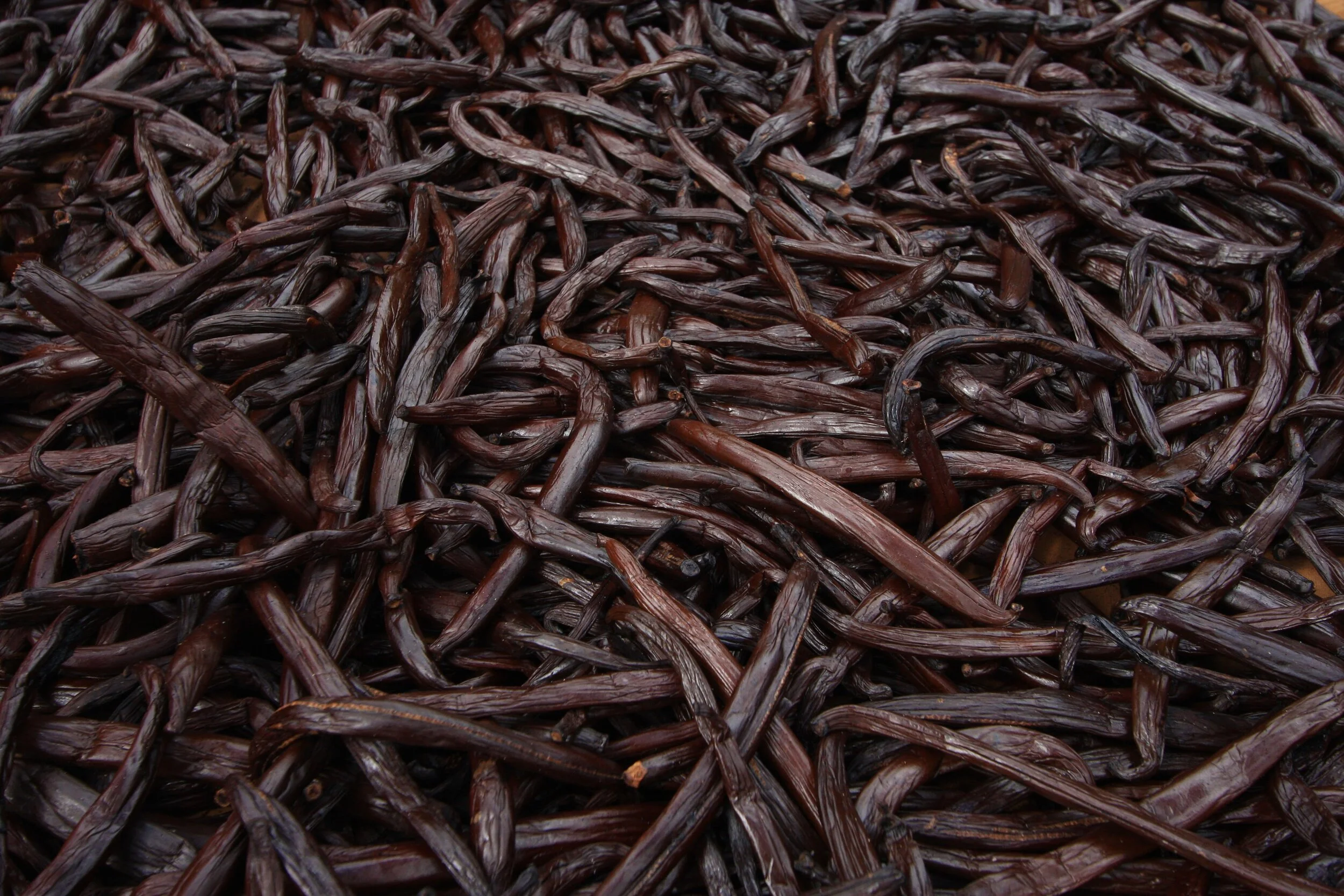
Vanilla pods. Hcabral. CC2.0
Tahaa
Accessible by ferry from neighboring Raiatea, Tahaa is one of the most beautiful of French Polynesia’s islands. The island has a rugged and untouched feel, dotted with lush tropical greenery and tiny villages. Known as the “vanilla island,'' Tahaa produces more than 70% of French Polynesian vanilla. Travelers can check out La Vallee de la Vanille, which is the only organic vanilla production on the island. Tahaa’s lagoons have many small islets (known as motus) which provide numerous opportunities for snorkeling in vibrant coral gardens. Tahaa also provides stunning views of neighboring Bora Bora, especially at sunset.
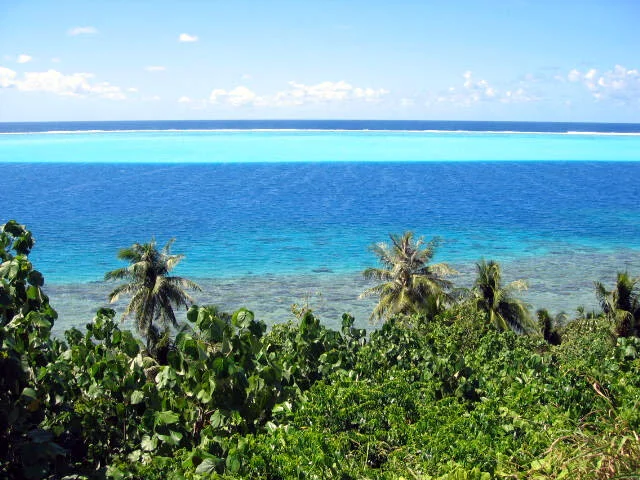
Views of Huahine’s lagoon. Tiarescott. CC2.0
Huahine
Huahine is one of French Polynesia’s least-visited islands, often referred to as “the secret island.” Containing Huahine Nui (Big Huahine), Huahine Iti (Little Huahine) and eight villages, Huahine provides a break from the stresses of the modern world. As the island receives few tourists, visitors can expect to be welcomed to Huahine with great hospitality. The island is known for its lush greenery and landscape dotted with fruit and vanilla plantations. Huahine abounds in cultural sites, containing the largest number of marae temples in all of Polynesia. Huahine is also home to blue-eyed eels, sacred fish ranging from 4 to 6 feet long that live in a stream near the village of Faie.
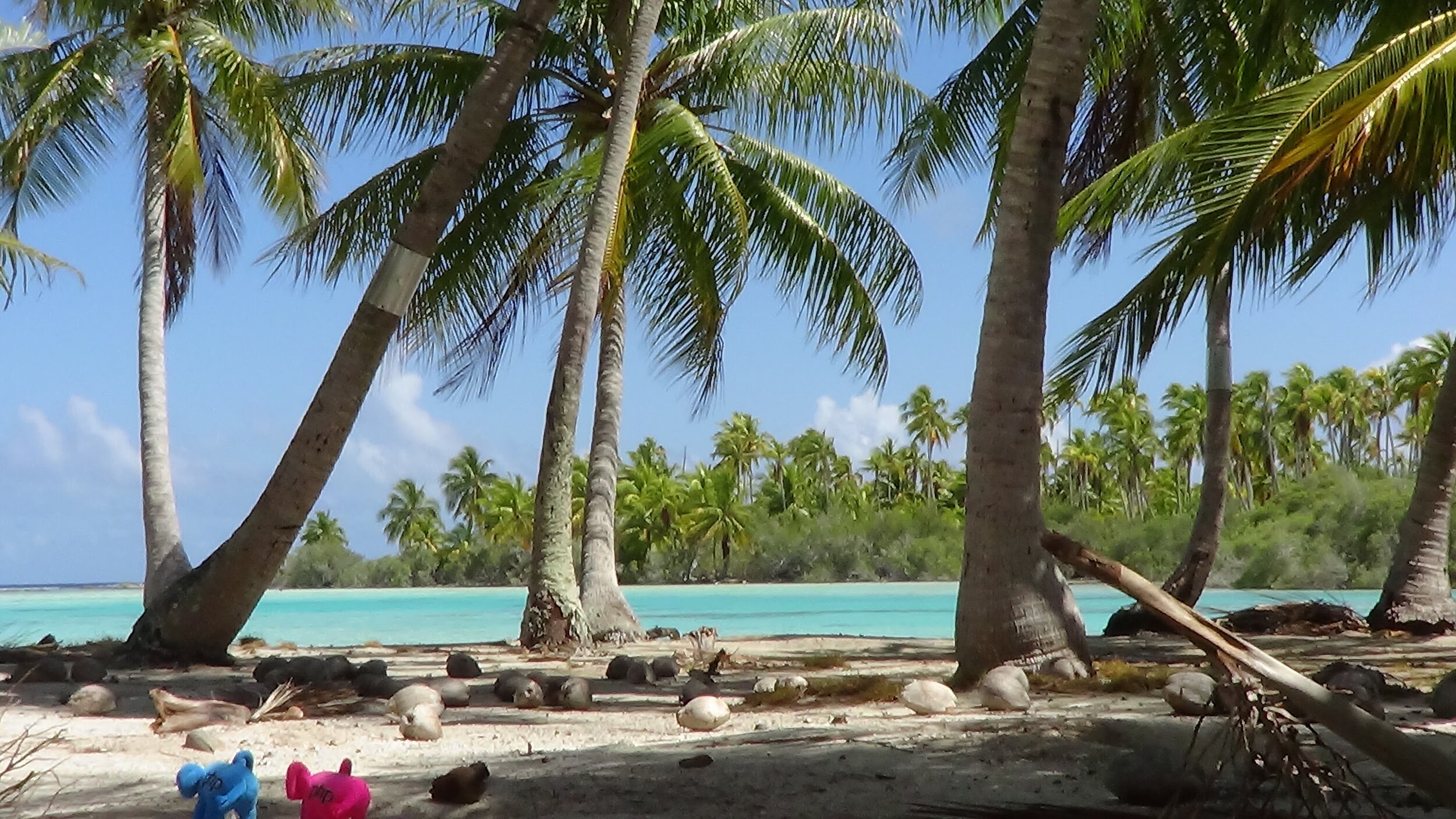
Palm trees in Fakarava. Villenueve. Public domain
Fakarava
Located in the Tuamotu archipelago, the largest group of atolls in the world, Fakarava is known throughout French Polynesia for its stunning natural beauty. Meaning “beautiful” or “making things superb” in Tahitian, Fakarava is a designated UNESCO Biosphere Reserve for its abundant marine life. There are many conservation efforts underway here, including educational outreach programs and monitoring of the island’s flora and fauna. The French artist Henri Mattise visited Fakarava in 1930 and was said to be blown away by the countless shades of blue in the lagoon, inspiring many of his later creations.

Rangiroa atoll from the air. Keats. CC2.0
Rangiroa
Also located in the Tuamotu archipelago, Rangiroa is the second-largest atoll in the world. Containing over 240 islets surrounding an enormous lagoon, there is no shortage of places to visit. The Rangiroa atoll is also one of the best places in the world for scuba diving. The waters near the villages of Tiputa and Avatoru provide excellent opportunities to see sharks, dolphins, manta rays and more. Other noteworthy sights in Rangiroa include Le Sable Roses, a pink sand beach located on the atoll’s southern rim, and Blue Lagoon, a spot that’s often referred to as a natural aquarium for its abundance of fish.
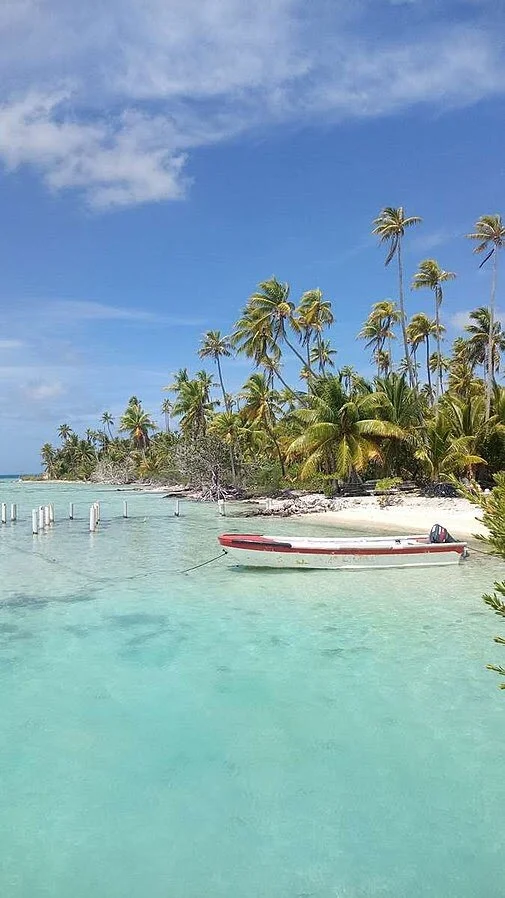
Manihi’s lagoon. Cyriljouin. CC4.0
Manihi
With less than 1,000 residents, the island of Manihi provides an opportunity for travelers to experience slow-paced island life. The first black pearl farm in French Polynesia began in Manihi in 1965, a practice that has since become widespread across the islands. Today, pearl farming remains a crucial part of Manihi’s economy and culture. Travelers can visit these farms to learn about this fascinating process while supporting local businesses.
Views of Rurutu. Burckel. CC2.0
Rurutu
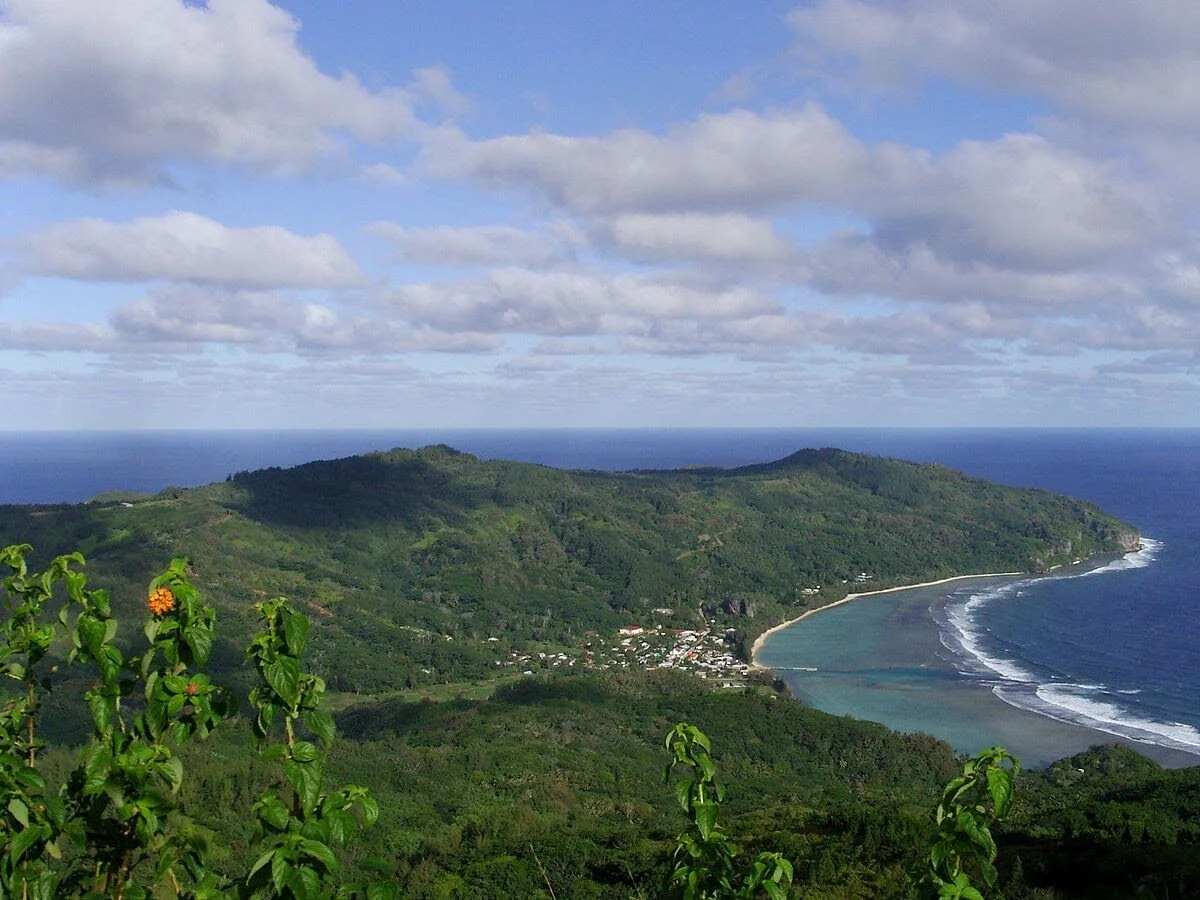
Rurutu is in French Polynesia's Austral Islands about 370 miles south of Tahiti. The island has stunning mountains and fertile landscapes dotted with fruit and coffee plantations. Humpback whales are Rurutu’s main attraction and can be found from August to October. Moerai, the largest village and home to most of Rurutu’s 2,400 people, provides a great insight into the island’s unique culture. Skilled female artisans known as mamas are renowned for their exquisite handwoven goods, including hats, mats and patchwork blankets called “tifaifai.” Moerai was also home to the famous Tiki statue of Aa, although only a replica remains on the island. The original statue is in the British Museum in London.
In this time of global uncertainty, small island nations that depend heavily on tourism feel the impacts of the pandemic the hardest. By appreciating the unique customs and cultures of small island communities such as those in French Polynesia, their way of life can be preserved for generations to come.

Megan Gürer
Megan is a Turkish-American student at Wellesley College in Massachusetts studying Biological Sciences. Passionate about environmental issues and learning about other cultures, she dreams of exploring the globe. In her free time, she enjoys cooking, singing, and composing music.
New Brunswick Provides Unique Experiences on the Road Less Traveled
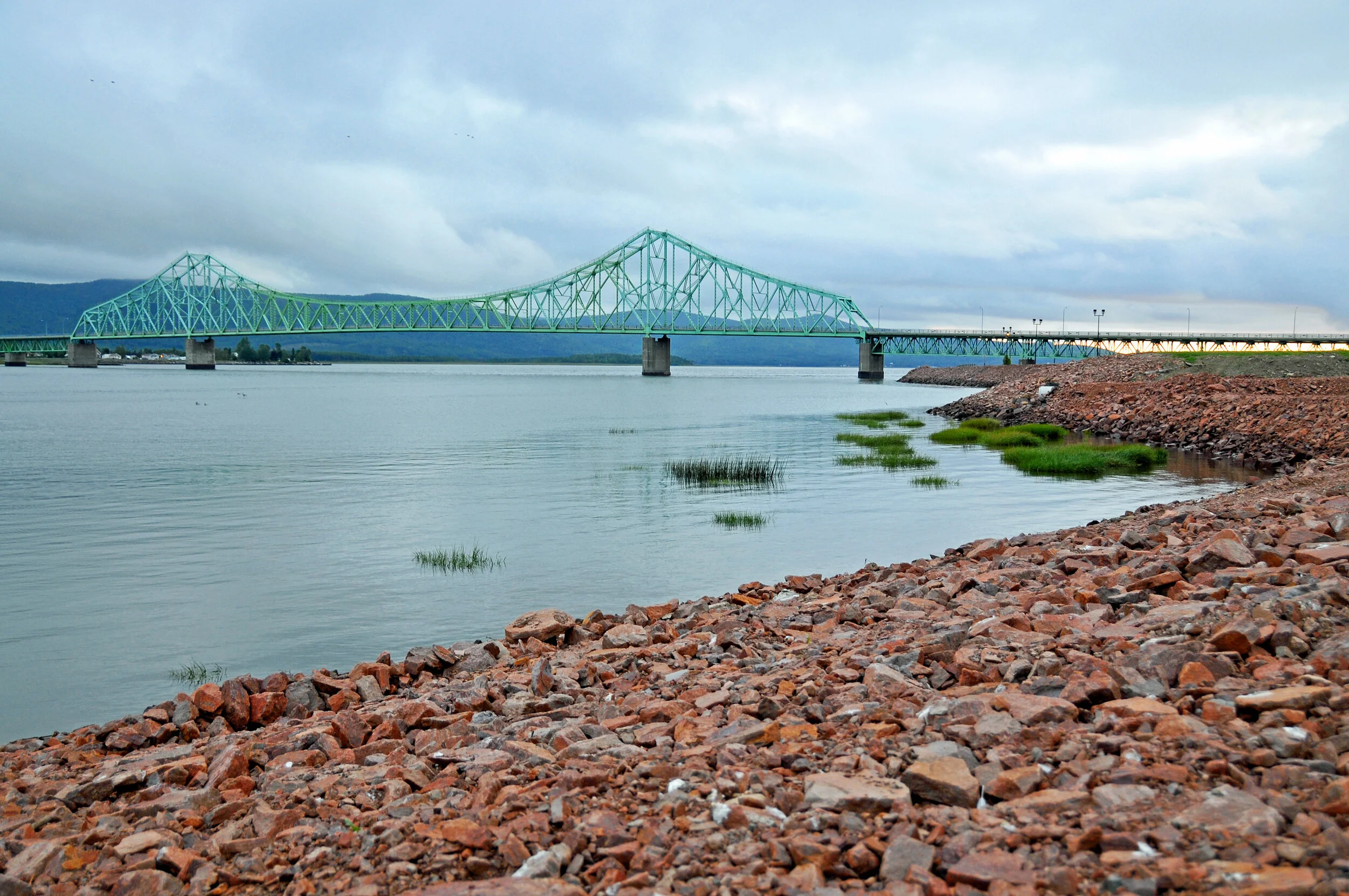
The J.C. Van Horne Bridge in Campbellton, New Brunswick. Dennis Jarvis. CC BY-SA 2.0.
When visiting Canada, travelers often opt for the cosmopolitan scenes of Toronto, the French culture of Quebec, or the beauty of Vancouver. But when planning a post-pandemic trip up north, one would be remiss to overlook the Maritime province of New Brunswick.
Located on the Eastern Seaboard between Nova Scotia and Quebec, and immediately north of Maine, is New Brunswick. The province of roughly 780,000 is Canada’s only officially bilingual province, with roughly two-thirds of New Brunswickers speaking English, one-third speaking French, and 34% being bilingual. This split is physically noticeable, with the English speakers living predominantly in the south and the French speakers living predominantly in the north.
The province is home to a rich cultural history as well as a number of world-renowned parks, beaches, and food and entertainment options.
A Brief History of Acadian Expulsion

A painting by Thomas Davies depicting the burning of the city of Grimross, a pivotal moment in the mass deportation of the Acadians by the British. Public Domain
The cultural split in New Brunswick is due to the province’s history of colonialism. In 1604, the first French colonizers arrived in what is now modern-day Nova Scotia and New Brunswick. The region became known as “Acadia,” and ownership was contested for several decades due to the growing influence of British provinces in New England, Prince Edward Island and the northernmost part of modern-day Nova Scotia.
After numerous wars, the British took control of Acadia in 1710. Many Acadians, descendents of the original French colonizers, were expelled from the region beginning in the 1750s after refusing to swear an oath of loyalty to the British monarchy. Many were deported back to France, while others were expelled to Louisiana and the Caribbean.
Many descendants of the original Acadians would slowly return to what is now New Brunswick throughout the following centuries, primarily in the villages along the province’s northern coast. In 2003, at the urging of Acadian representatives, Queen Elizabeth II issued a proclamation acknowledging the mass deportation, and established July 28 as a commemoration of what is now referred to as the Great Upheaval.
A Plethora of Experiences for All to Enjoy

A view of Centennial Park in Moncton, New Brunswick. James Mann. CC BY 2.0.
One of the most popular attractions in New Brunswick is the Acadian Coastal Drive. This roughly 450-mile route is marked with signs depicting an image of a sea star, an homage to the sea creatures that live in the warm waters off the Acadian Coast.
In driving along the route, travelers will be able to satisfy their wanderlust to its full extent. A stop at the Kouchibouguac National Park brings beaches with the warmest saltwater north of Virginia. The Village Historique Acadian is a large, open-air museum that showcases Acadian history for the French Canadians who historically resided in New Brunswick and neighboring Nova Scotia.
Additionally, no trip along the Acadian Coastal Drive would be complete without a stop for seafood. Lobster rolls at La Homard Mobile, raw oysters at La Maison Beausoleil and sushi at Mitchan Sushi provide some of the best food in the province.
But the Acadian Coastal Drive is merely one of many amazing experiences available to travelers in New Brunswick. The province is home to some of Canada’s best performing arts outlets, including Music New Brunswick, an organization that hosts concerts and festivals around the province, Symphony New Brunswick, an orchestra that has run for 36 seasons, and Theatre New Brunswick, one of Canada’s most prominent regional theater companies.
A visit to the Mount Carleton Provincial Park in New Brunswick’s interior is a must for any nature lover. The park’s 42,000 acres of untouched wilderness are home to over 100 species of birds and 30 species of mammals, as well as a number of rare plants. The park is also a popular spot for hiking, with Mount Carleton, Mount Head and Mount Sagamook being the highest peaks in Canada’s Maritime provinces.
Further south is the city of Saint John. Located along the Bay of Fundy, Saint John has historically been the cultural hub of New Brunswick. The city is home to a number of performing arts venues, including the aforementioned Symphony New Brunswick, and numerous museums such as the New Brunswick Museum and the Saint John Jewish Historical Museum. It also houses historical sites including the Carleton Martello Tower, one of the oldest buildings in the city, and Fort Howe, a British fort constructed during the American Revolutionary War.
Another historical site, the Saint John City Market, is a popular spot for food lovers. Visitors to the market can try fresh naan from Naan-ya Business, fresh lobster, oysters and crab from Billy’s Seafood Company, and the ever-popular Canadian treat poutine from North Market Seafood.
While often overlooked for the more populated provinces, New Brunswick represents a new frontier for travelers eager to find an alternative spot in Canada. The province’s history, nature, culture and food offerings allow everyone who visits to have a memorable journey.
RELATED CONTENT:
VIDEO: Alberta
7 Off-The-Beaten-Path Adventures in Iceland
Photo-essay: TALES OF A FEMALE SOLO ADVENTURER: Getting Off the Beaten Path

Jacob Sutherland
Jacob is a recent graduate from the University of California San Diego where he majored in Political Science and minored in Spanish Language Studies. He previously served as the News Editor for The UCSD Guardian, and hopes to shed light on social justice issues in his work.
A Glimpse at Ethiopia’s Medieval Rock-Hewn Churches
A group of 11 churches in Lalibela, Ethiopia, has been known for centuries as the “New Jerusalem.” The churches were carved from the natural rock of the landscape during medieval times and are a popular pilgrimage site for Ethiopian Orthodox Christians.
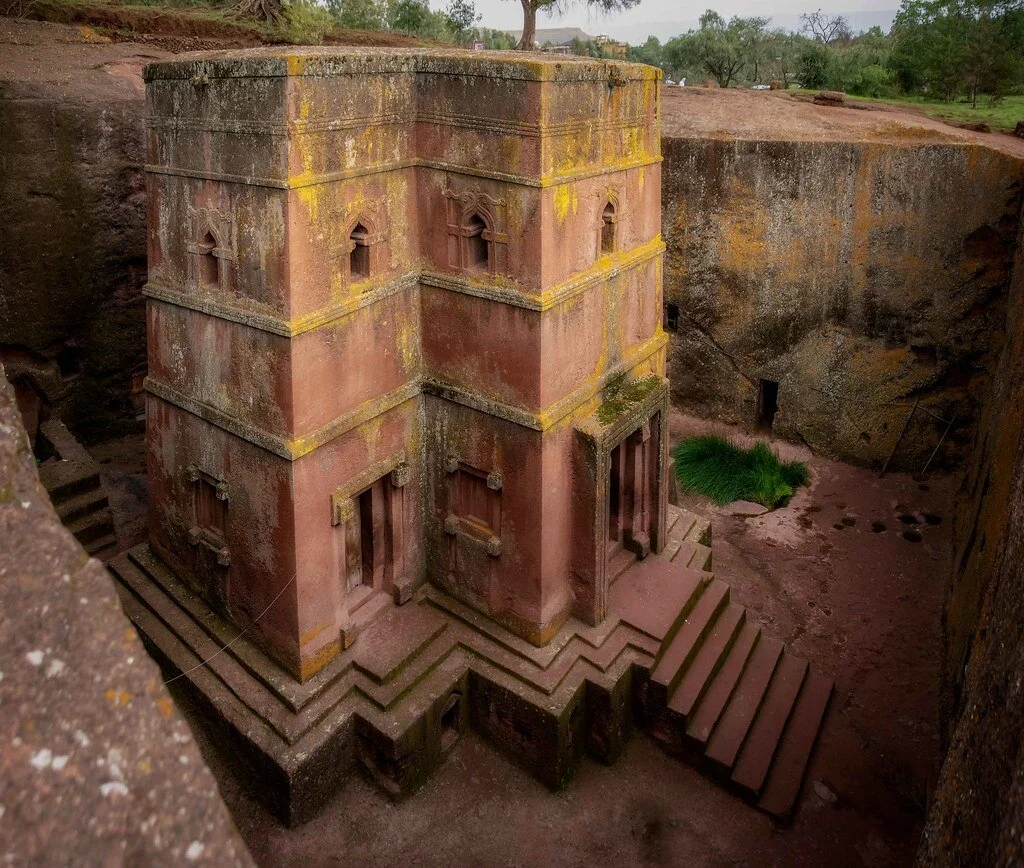
Lalibela, located in the northern highlands of Ethiopia, is home to 11 monolithic churches, each carved from the rocky landscape. The square and rectangular churches burrow more than 150 feet into the ground. Tall walls of rock rise around the churches on all sides, with their roofs sitting at the height of the natural rock. Worshippers and visitors at the churches access them through narrow, sloping staircases, and series of tunnels and passageways connect the churches to each other and to other religious areas like catacombs. Everything in each church is carved from the same rocky mass, including windows, doors, pillars, stairways and all decorative elements. Ethiopia is home to over 200 rock-hewn churches, but these 11, which make up a UNESCO World Heritage Site, are some of the best maintained and most impressive examples of this type of architecture.
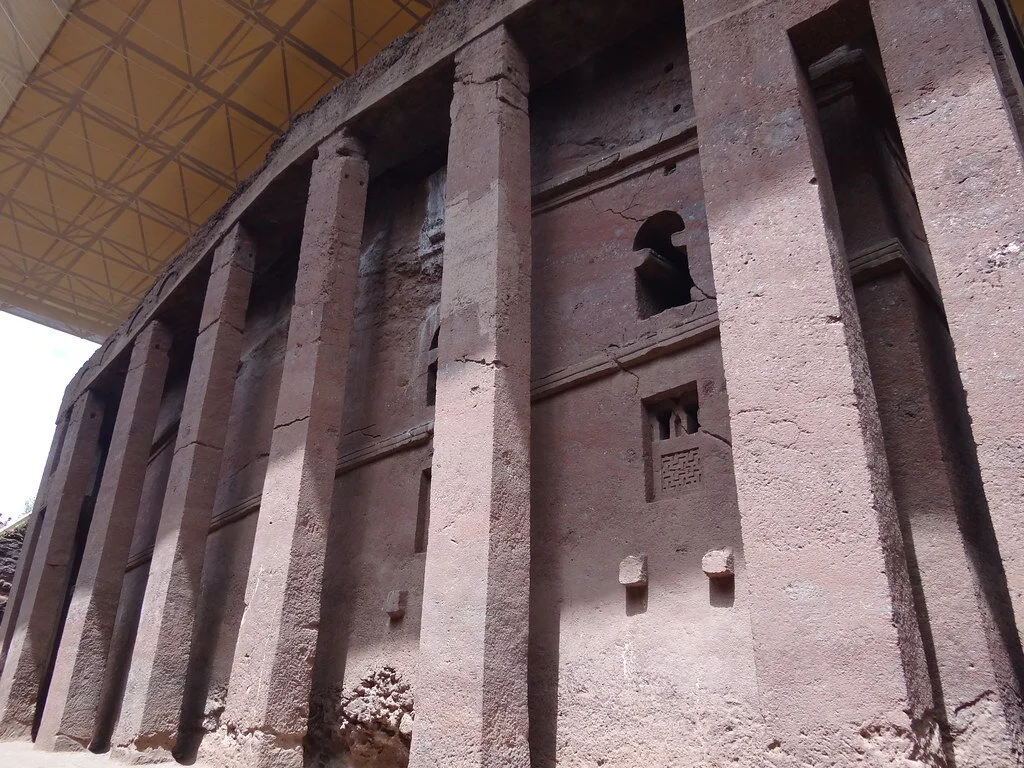
Lalibela’s churches are intricate, awe-inspiring structures. Situated at the base of Mount Abuna Yosef is a rocky massif, a large, rigid section of the Earth’s crust. Ancient workers carved the 11 churches out of the rock from the top down, first isolating the outline of each structure and then sculpting the inside and the fine, ornamental details of the outer walls. The Lalibela church complex is divided into two sections of five churches separated by the River Jordan, one group on the north side and one on the south, and a lone church farther to the west. The churches date to the medieval era, and scholars agree that they were likely constructed in four or five phases between the seventh and 13th centuries.
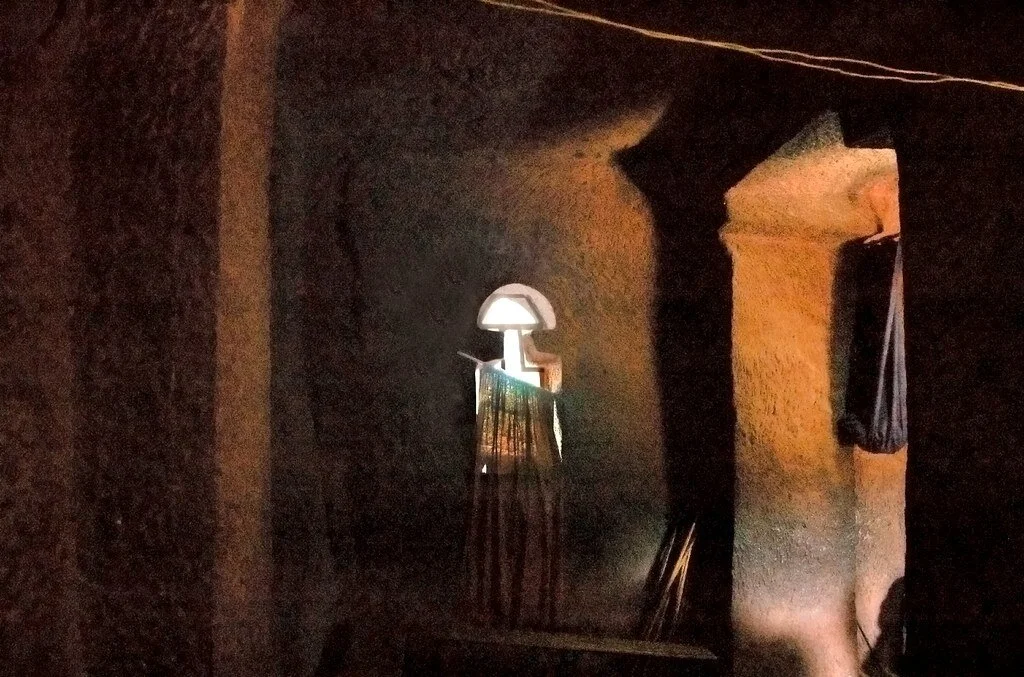
Ethiopian tradition credits King Lalibela, who ruled during the 12th century, with the creation of the churches. In the king's laudatory biography, it is written that angels helped him carve the churches over a period of 24 years. According to tradition, King Lalibela ordered the construction of the churches as a “New Jerusalem.” He is said to have visited Jerusalem just before the city was overtaken by Muslim forces, halting Christian pilgrimages to the Holy Land. Ethiopia has been officially Christian since 330 A.D. and claims to be the oldest Christian country in the world, so the story of King Lalibela and the rock-hewn churches fits into the country’s history.
In reality, the earlier structures in the Lalibela complex were most likely constructed for civic rather than religious purposes, serving as royal palaces or fortresses before later being converted into churches. Though not all of the Lalibela churches initially served as churches, the complex became known as a “New Jerusalem” and has been a popular pilgrimage site since the late 12th century. The churches remain a pilgrimage site today, and host daily religious services.
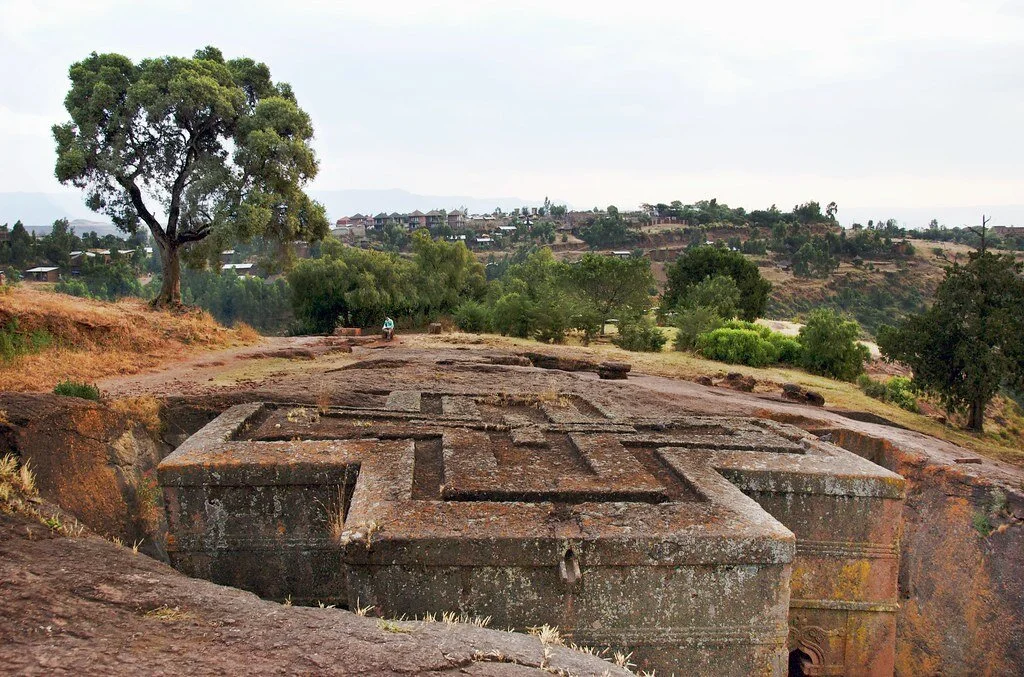
Aside from the large numbers of worshippers that gather each day, Lalibela’s phenomenal churches draw curious visitors. Guided tours of the complex are available, and travelers can also explore on their own. The most popular church among visitors to Lalibela is Bete Giyorgis, the Church of St. George, which forms the shape of a cross when viewed from above. Bete Giyorgis is the church that stands alone, not part of the northern or southern groups, but it can be accessed from the other churches through the system of carved passages. The wonders of Lalibela’s 11 churches contain centuries of Ethiopian history and remain magnificent examples of a very unique architectural feat.

Rachel Lynch
Rachel is a student at Sarah Lawrence College in Bronxville, NY currently taking a semester off. She plans to study Writing and Child Development. Rachel loves to travel and is inspired by the places she’s been and everywhere she wants to go. She hopes to educate people on social justice issues and the history and culture of travel destinations through her writing.
10 Nigerian Artists Redefining Africa’s Music Scene
From influencing the #EndSARS protests to confronting the commodification of African culture, these artists have unique approaches to their art.

DaVido performing. Wikimedia user Rasheedrasheed. CC BY-SA 4.0.
Nigerian musicians have been spreading their influence all over the world for the past few decades. Following in the footsteps of Fela Kuti, contemporary artists experiment with a plethora of genres, fine-tuning their style as they progress. Renowned artists such as Burna Boy, DaVido and Cruel Santino are the driving forces of the Afrobeats movement, which combines African subgenres, American hip-hop, and R&B. Here are 10 influential Nigerian musicians to listen to.
1. Tony Allen

Tony Allen. Pierre Priot. CC BY-NC-ND 2.0.
Tony Allen is the father of the Afrobeat genre. Allen passed away in April 2020 after releasing his final album, “Rejoice,” in collaboration with the late South African jazz artist, Hugh Masekela. Allen’s polyrhythmic drumming complements Masekela’s trumpet in this riveting jazz album. From his earlier days of performing with Fela Kuti to his more recent collaborations with Skepta and Oumou Sangare, Allen has pioneered the combination of American jazz with African beats. After a career which explored a multitude of scenes in the music world, Allen falls back into his Afrobeat roots in his very last album.
2. Naira Marley
Rapper Naira Marley is a contentious figure in Nigeria. Marley is known as a founder of the genre Afro-bashment, a combination of Caribbean influences, American trap rap, West African beats and British rap. Naira Marley is known for his controversial beliefs and ideas; in “Am I a Yahoo Boy,” he offers an unabashed critique of the Nigerian government, higher education and social conservatism. His single “Koleyewon,” which was released in December 2020, is a fast-paced trap song in Yoruba.
3. DaVido

DaVido performing. Wikimedia user Rasheedrasheed. CC BY-SA 4.0.
American-born musician DaVido is a world-renowned Afrobeats artist who synthesizes elements of R&B, rap and Afropop to build up his discography. His heavily auto-tuned vocals and his simple audio production make up his signature sound. DaVido’s most recent album, “A Better Time,” featured Nicki Minaj, Chris Brown and Lil Baby. Despite its famous featured artists, the album’s first track, “FEM,” received the most attention globally. “FEM,” which means “shut up” in Nigerian slang, was labeled the anthem of the #EndSARS protests in Nigeria, which called for the dissolution of the Special Anti-Robbery Squad. Although the artist himself didn’t intend to express a politically charged message, he was nonetheless impassioned by his country’s fight against police brutality.
4. Cruel Santino
Up-and-coming musician Cruel Santino came to the world stage in 2019 with his debut album “Mandy & The Jungle.” Although he is one of the younger artists of the Nigerian music renaissance, Cruel Santino offers an impressive range of styles in his first album. The mellow, laid-back beat of “Sparky” contrasts with the country twang of “Diamonds / Where You Been.” His new single “End of The Wicked” showcases his maturation as a musician and an artist: the solemn piano is redeemed by a syncopated jungle beat, which accompanies his verbose rap.
5. Odunsi (The Engine)
Odunsi (The Engine) is a master of his craft. His discography is all-encompassing: church choirs and spoken word start off his 2018 album “Rare”; an orchestra plays over his verse in his greatest hit “Tipsy”; a vaporwave synth paints “Luv In a Mosh” blue. Odunsi (The Engine)’s album covers visually harmonize with his music. The ethereal blue moon in “Everything You Heard Is True,” which was released in May 2020, mirrors Odunsi’s experimentation with atonal melodies and distortions. On top of this hypnotic album, the musician released two singles in 2020: “Decided” and “Fuji 5000.” Both are dramatically different from each other; the only constant is Odunsi’s effortless flow.
6. Simi

Simi at NdaniTV. NdaniTV. CC BY 3.0.
Simi’s distinctly sweet voice is the honey that binds her music together. Less is more in her 2017 album “Simisola,” where her vocals and the acoustic guitar are the only elements that matter. The Nigerian singer started off as a gospel singer in 2008, but transformed her career in 2014 after the success of her singles “Tiff” and “E No Go Funny.” Simi released “Restless II” in 2020, which is a change of pace from her slow crooning. In an interview with OkayAfrica, the singer admits that, “This project is a risk as well, it’s even more of a risk because it’s R&B and Nigeria is not necessarily the biggest R&B market.” As Simi continues to dabble in hip-hop, she comes out with more powerful hits like “No Longer Beneficial” and “There for You.”
7. Niniola

Niniola. Wikimedia user Naijareview. CC BY-SA 4.0.
Often regarded as the “Queen of Afro-House,” Niniola is a global star who fights to find her footing as an empowered Yoruba woman. Niniola rose to fame from her 2017 hit “Maradona,” a seemingly light pop tune which dealt with the traumas of her upbringing. As a girl growing up in a polygamous household, Niniola experienced the double standards of a patriarchal family. Reckoning with her womanhood, Niniola recounts the experiences of a woman who is cheated on by her husband, woes which are usually kept secret. With an album and a couple of huge hits under her belt, Niniola comes back strong with her new album “Colours and Sounds,” which includes a refreshing take on reggae, pop and dancehall.
8. Burna Boy
Burna Boy’s album “Twice as Tall” covers a variety of topics, from how the artist grapples with the reality of colonialism to the frenzy of a night out. Burna Boy is a household name in the music industry, and this album attests to the singer’s mastery over songwriting and producing. In his song “Monsters You Made,” Burna Boy addresses Western imperialism and how its consequences are still felt today. His song “Alarm Clock” begins with voice recordings, opera and a saxophone, and quickly switches to an upbeat rap song.
9. Deto Black
Model and rapper Deto Black refuses to be labeled as an Afrobeats musician. The feminism and sex positivity of her music is obvious and brought to the forefront of her message as an “alté,” or alternative, artist. As a Lagos-based rapper who lived in the U.K. and the U.S. growing up, Deto Black navigates the different worlds by calling for gender equality in Nigeria.
10. Zlatan Ibile
Zlatan is a new Nigerian singer and dancer who found fame through his viral song “Zanku” (Legwork), which was accompanied by a famous dance. Since 2019, the singer has released three albums, started a record label, and released the successful single “Lagos Anthem.” “Lagos Anthem” is an energetic dance song with darker lyrics criticizing the government for its flawed policies.
These Nigerian musicians are beginning to impact American and British pop music. Although each of these individuals comes from a different discipline and background, they all have a commitment to experimenting in their craft. Some thrive in and renovate the Afrobeats movement, while others resist the umbrella term. The common ground between alté musician Deto Black’s tackling of gender inequality and DaVido’s propelling of the #EndSARS revolution is their commitment to the well-being of Nigeria.

Heather Lim
Heather recently earned her B.A. in Literatures in English from University of California, San Diego. She was editor of the Arts and Culture section of The Triton, a student-run newspaper. She plans on working in art criticism, which combines her love of visual art with her passion for journalism.