The Human Cost of Sustainable Energy

While wealthy nations and corporations benefit from the shift to renewable energy, the poorest and most disenfranchised communities are left to suffer the consequences.
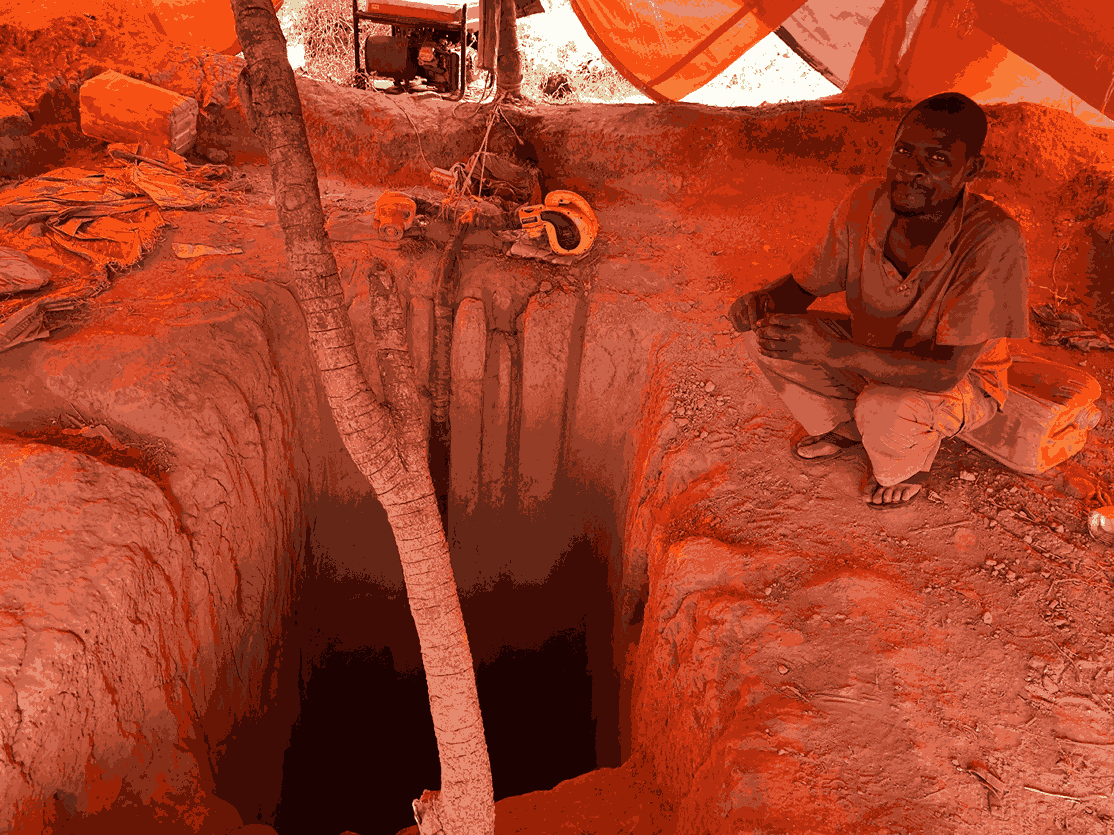
A man crouching next to a deeply dug pit with a large tree branch sticking out. Red light reflecting under a canvas tent and machinery lying around on the ground

Cobalt Mine. Afrewatch. CC BY-NC-ND 2.0

As the demand for renewable energy increases, industrialized countries are racing to obtain metals like lithium, cobalt, zinc, manganese and nickel. These metals are used to make batteries, solar panels and wind turbines—technologies that will ideally enable a transition away from fossil fuels. However, procuring and processing the materials necessary to support these sustainable infrastructures comes with a price that is often overlooked: the human and environmental toll of mining these resources is anything but sustainable for communities worldwide. 

Continents rich in these resources— like Africa, Latin America, and Asia—are facing a surge in mining activities, which has in turn led to widespread human rights violations and environmental degradation, particularly among Indigenous communities. According to the Transition Mineral Tracker, there have been 631 human rights abuse allegations against companies involved in the extraction of transition minerals between 2010 and 2022, with 46% of the allegations originating in South America.
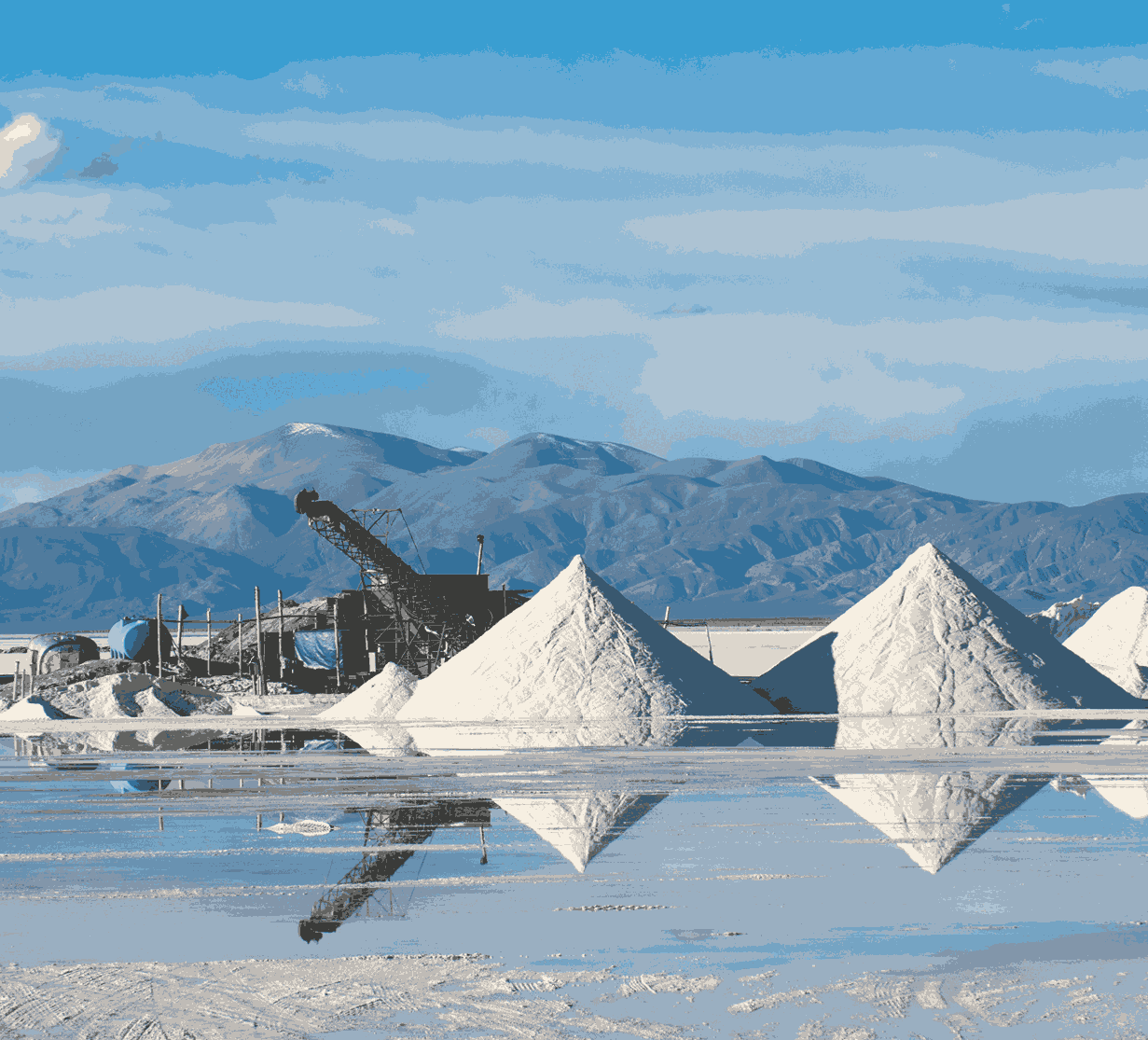
Majestic mountains as a backdrop to heavy machinery digging and creating large piles of a white sandy substance. The image is reflected in the standing water on the salt flats.

Lithium Mine in Argentina. EARTHWORKS. CC BY-NC 2.0

Human Rights Watch has documented a litany of abuses in mining sectors, from child labor and hazardous working conditions to chemical pollution and forced displacement. The Democratic Republic of the Congo (DRC) is the world's biggest producer of cobalt, a critical component of lithium-ion batteries, which power everything from electric vehicles to smartphones. Child labor remains an issue in the DRC, with more than 40,000 children working in the hazardous conditions of the Katanga province’s cobalt mines, according to data from the United Nations.

These children, victims of trafficking and of necessity, are subjected to horrendous conditions, including frequent mine collapses and prolonged exposure to toxic dust. Their work is grueling, often lasting for 12 hours a day, with little to no protective gear. Some children work with their bare hands. Many suffer from chronic health problems, such as respiratory issues and musculoskeletal disorders, as a result of the substandard working conditions.
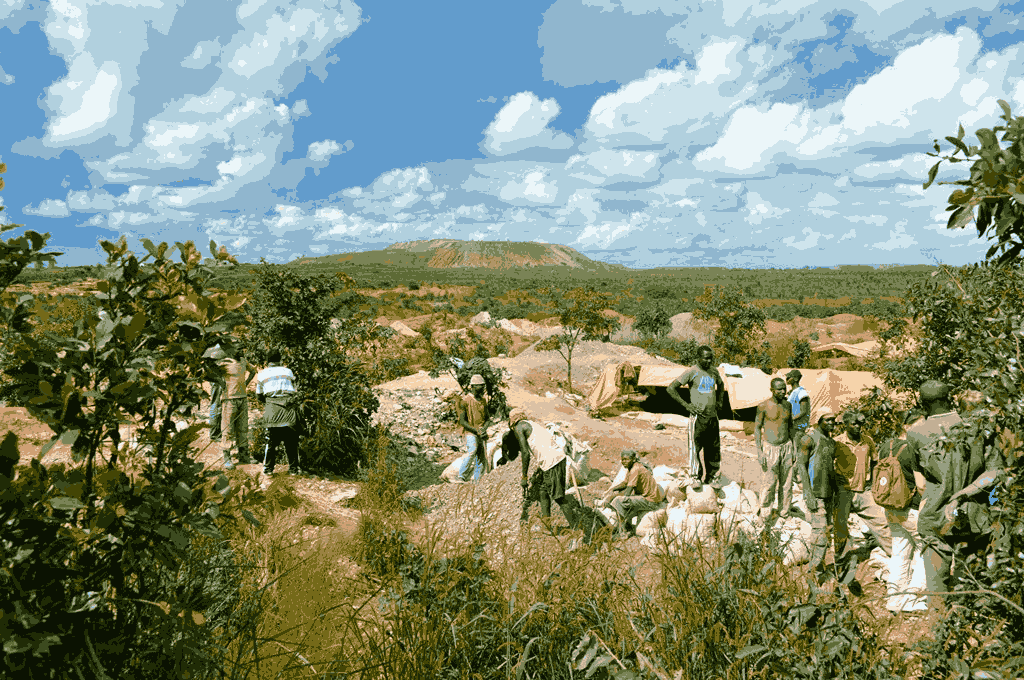
A group of men working around the mining site under the hot sun in the large grassy and arid expanse.

Cobalt Mining Site. Fairphone. CC BY-NC-SA

Adults suffer in the mines as well, laboring in slave-like conditions. Cobalt mining tunnels often reach lengths and depths far greater than the legal maximum of 98 feet, an already dangerous level. Poor regulation, governance and lack of incentive to adhere to the law means tunnels can reach lengths of up to 295 feet, a level that threatens extreme risk of collapse, landslides and death for miners. 

Conditions underground are hot and dusty, as miners rely on generators for oxygen during their 12-hour shifts, six days a week. Though cobalt is toxic to touch and breathe, miners are constantly exposed to the substance. Exposure to polluted water and air can lead to several health problems, including respiratory illnesses, skin conditions and even cancer. In some mining areas, the rate of birth defects and infant mortalities has increased, raising alarm among local and international health organizations.
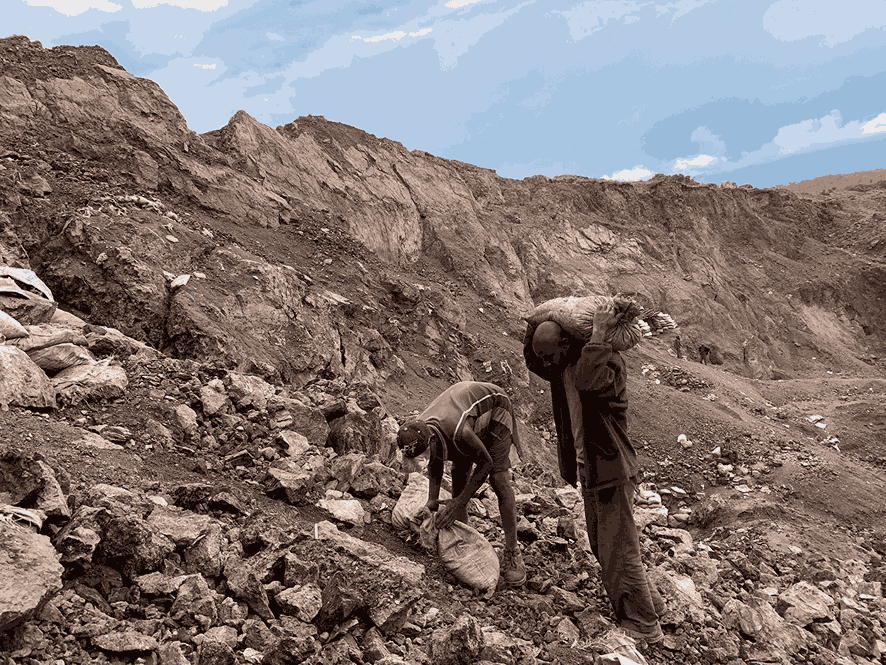
Two miners lifting bags among a rocky, dusty, and dry crater-like setting.

Cobalt Miners in the DRC. The International Institute for Environment and Development. CC BY-NC-ND 2.0

The environmental impact of mining is another major concern. The mining industry has ravaged the landscape of the DRC. Millions of trees have been cut down and the air surrounding the mines is hazy with dust and grit. The mining process often involves the use of hazardous chemicals to separate the desired minerals from the ore. These chemicals can seep into the soil and water, contaminating local water supplies and agricultural land. “In this stream, the fish vanished long ago, killed by acids and waste from the mines,” one Congo resident reported of his childhood fishing hole. In some cases, mining operations have dried up rivers and lakes, devastating local ecosystems and the livelihoods of those who depend on them. 

The expansion of mining activities often causes the displacement of entire communities, whether by pollution or force. Data from the Business & Human Rights Resource Center points to widespread violations of Indigenous peoples’ rights—such as forced relocation, water pollution and denial of access to traditional land—as well as attacks on human rights defenders and workers’ rights abuses. In countries like Indonesia, Peru, Columbia and Bolivia, mining operations have displaced Indigenous peoples from their ancestral lands. These displacements not only disrupt the social fabric of communities but also erode cultural identities that are deeply tied to the land. 

In many cases, those who resist displacement or speak out against mining abuses face retaliation. In Indonesia, local officers were accused of breaching police ethics through the use of intimidation tactics, carrying around weapons to compel people to leave their ancestral village. There have been numerous reports of police violence and arbitrary arrests of activists who oppose mining projects. In Colombia, a mine was built within the sacred territory of the Embera people, without any consultation with Indigenous locals. The community faced forced displacements, the territory was militarized, and leaders who spoke out about human rights violations became targets of harassment. 

As the demand for green energy continues to rise, companies that rely on these materials must ensure that supply chains are free from exploitation. This includes due diligence, supporting fair labor practices, and investing in cleaner and more sustainable mining technologies. Governments also have a role in regulating the mining industry and protecting the rights of vulnerable communities. Stronger international regulations, greater transparency and accountability are essential in preventing abuses and ensuring that the beneficiaries of the green energy transition are not limited to corporations.

GET INVOLVED

GoodWeave: Founded in 1994 by Nobel Peace Prize laureate Kailash Satyarthi, GoodWeave is a leading nonprofit organization in the fight to stop child labor in global supply chains. The institution partners with companies and local producer communities to bring visibility to hidden supply chains, protect workers’ rights, provide assurance that products are free of child or forced labor, and support exploited children.

Good Shepherd International Foundation: Good Shepherd International Foundation works to support women, girls and children living in vulnerable and impoverished conditions. They protect and promote the rights of people affected by poverty, human trafficking, child labor, and other human rights violations in over than 30 countries.

Global Witness: Global Witness works to hold companies and governments accountable for ecological destruction and the failure to protect human rights. The organization campaigns to end corporate complicity in environmental and human rights abuses, end corporate corruption,  hold companies in the natural resource sector to the law, and protect activists standing up to climate-wrecking industries.


Rebecca Pitcairn

Rebecca studies Italian Language and Literature, Classical Civilizations, and English Writing at the University of Pittsburgh. She hopes to one day attain a PhD in Classical Archeology. She is passionate about feminism and climate justice. She enjoys reading, playing the lyre, and longboarding in her free time.
Stopping AAPI Hate: Checking in on the Lead Asian Hate Prevention Group

With Anti-Asian hate on the rise, see what Stop AAPI Hate is doing to combat it and how you can help.

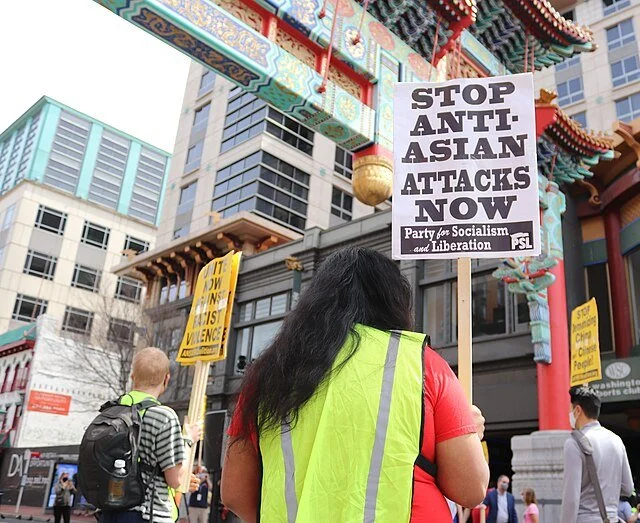
A Stop Asian Hate protest in the city and close up on one protester and her sign to "Stop Asian Attacks Now"

A Stop Asian Hate demonstration in Washington, DC. Elvert Barnes. CC BY 2.0

In the wake of the COVID-19 pandemic, the United States saw a dramatic increase in anti-Asian hate crimes and attacks. According to the FBI’s data reports, the number of recorded hate crimes exploded to 424 in 2020, up almost 175% from 2019. A survey by the Pew Research Center showed 1 in 3 Asian Americans knew someone who had been attacked or threatened because of their race. Many believed that Sinophobic rumors placing the origin of the COVID-19 virus in China fueled this sharp increase in violence.

Out of this crisis arose the organization Stop AAPI Hate. Initially meant to document anti-Asian hate in the US, Stop AAPI Hate has become a full-fledged advocacy group. The organization has several ongoing campaigns, such as the wildly successful No Place for Hate movement. The group also advocates for policy changes (such as a law in California that aims to prevent harassment on public transit), working to strengthen civil rights protections across the board. In 2023, Stop AAPI Hate fought to stop a potential Texas law that would prevent AAPI (Asian Americans and Pacific Islanders) immigrants from purchasing houses.

More recently, Stop AAPI Hate has moved towards bolstering the confidence and security of AAPIs across the country. In May 2024, a national survey by the organization showed the value of pride and supportive narratives in combating the fear spread by hate crimes. In response to this data, Stop AAPI Hate has announced a new program, Spread AAPI Love, which aims to foster supportive and celebratory connections between AAPIs across the country.

Stop AAPI Hate’s progress has been somewhat restricted by a seemingly unending rise in anti-Asian hate. The organization’s annual survey this year revealed that almost half of all AAPIs in the US were subject to some form of racism or hate. In 2024, there have been a number of reports documenting anti-Asian violence. In February, a man assaulted a Filipino woman on the street in New York. In April, a Massachusetts man ran over a Vietnamese man with his car. In August, a 26-year-old Korean girl calling for medical assistance was instead shot dead by police. The government has acknowledged these crimes and the systems preventing them from being properly reported, but bureaucracy has prevented true justice.

Stop AAPI Hate is doing its best to call attention to these cases as instances of anti-Asian violence continue to rise since the COVID-19 pandemic. Although they have made great progress, their mission is far from complete.

How You Can Help

Stop AAPI Hate is always accepting donations and support, both in general and for their specific campaigns. Many other organizations also dedicate themselves to stopping the spread of hate, including Asian Americans Advancing Justice, Red Canary Song, and the National Asian Pacific American Women’s Forum.


Ryan Livingston

Ryan is a senior at The College of New Jersey, majoring in English and minoring in marketing. Since a young age, Ryan has been passionate about human rights and environmental action and uses his writing to educate wherever he can. He hopes to pursue a career in professional writing and spread his message even further.

Why Oil Rigging is So Bad for the Environment

Posing significant risks to both human health and the environment, the impact of oil rigging could threaten potential ecological, social and economic devastation if left unaddressed.

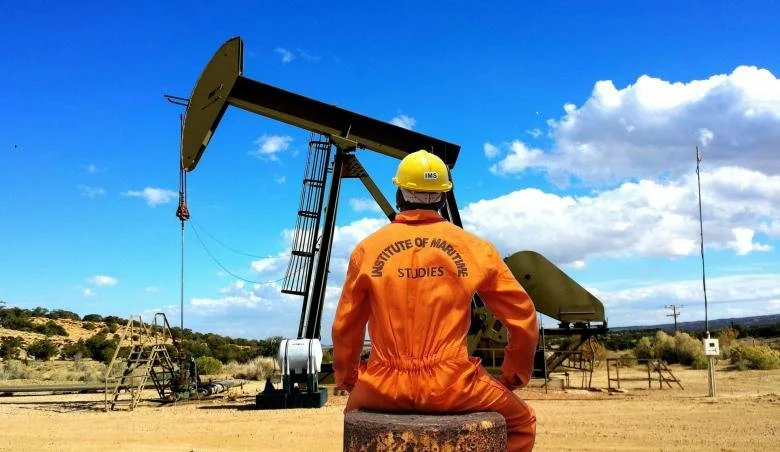
An engineer sits and looks up at a large oil rig in a desert ecosystem

Oil rig engineer. Mohamed Hassan. CC0

Oil rigs operate everywhere—along highways, on remote islands, in the middle of the ocean, maybe even next door to your own home. Over the years, the oil industry has caused considerable environmental harm, generating air and light pollution while disrupting wildlife habitats and migration patterns. A report by The Guardian revealed that 17 of the 20 biggest carbon emitters are oil companies, with household names like Chevron, Mobil, and Shell making the list. Contributing to carbon emissions and climate change, oil rigs are directly linked to environmental damage.

As of 2022, the oil and gas industry controlled over 34,000 leases on public lands, totaling over 23.7 million acres. The industries also held leases on over 12 million acres of public waters. Gas and oil companies have been repeatedly accused of unethical practices, including defrauding taxpayers and compromising employee safety. Between 2008 and 2017, there were more than 1,500 oil rig-related deaths in America. Pollutants generated by oil and gas wells are also linked to health problems like asthma, heart damage, stunted growth and premature death. The pipelines and steel platforms used in oil rigging disrupt wildlife habitats, causing distress to animals like deer and buffalo displaced by land development. Given these issues, stricter regulations are necessary. Currently, environmentalists are urging the Bureau of Land Management (BLM) to revise oil and gas regulations and hold oil companies accountable for misconduct. Oil companies have a history of abandoning wells without proper cleanup, avoiding royalty payments (federal law requires companies to pay landowners a percentage of profits from sales accrued), and failing to address unsafe working conditions. Oil rigs leak tons of pollutants into the environment, degrading the air and water humans and animals depend on to survive. Solutions include using less toxic organic and biodegradable additives in oil rigging and converting gas-operated equipment to electric or solar.

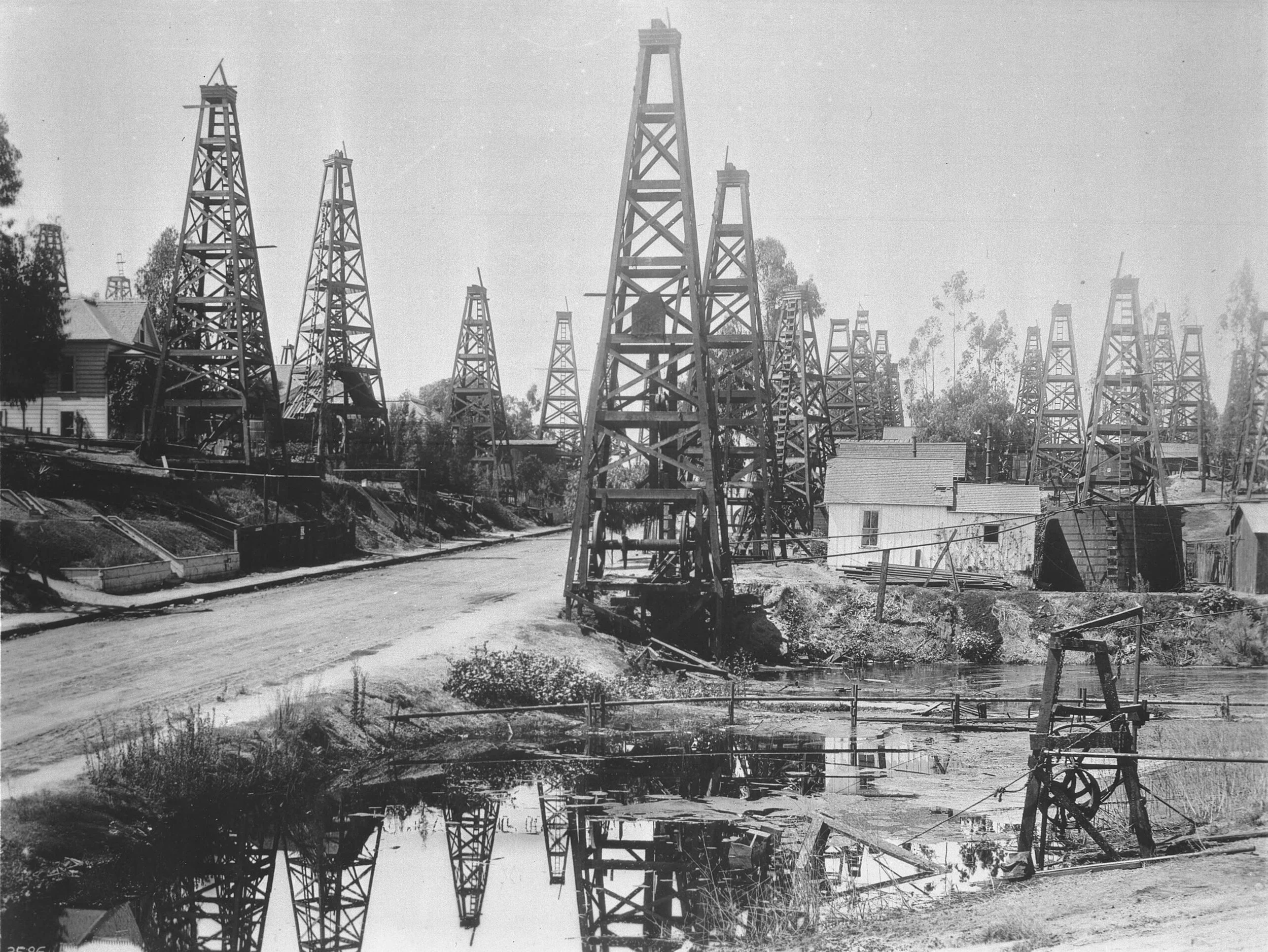
A black-and-white image of an oil district in Los Angeles, there are over a dozen oil towers lining the street

Oil district in L.A. USC Digital Library. CC0

Urban oil rigging has contributed to pollution in major cities like Los Angeles, operating in close proximity to schools, parks and malls. In the 1920s, Los Angeles was a major player in the global oil industry. However, as local opposition grew due to spills and deteriorating air quality, oil companies began to obscure the reality of their operations. They began to disguise production facilities within buildings and set up oil islands off the Long Beach coast. With many active wells located in predominantly Black and Hispanic neighborhoods in South Los Angeles, oil drilling has disproportionately affected BIPOC communities. It wasn’t until Jan. 23, 2024, that the LA County Board of Supervisors voted to ban new oil extraction and phase out existing rigs.

Production and gas prices have a dependent relationship: when production increases, gas prices tend to fall, and when production decreases, gas prices usually drop. In the first half of 2023, the number of new wells increased by 12% (624 wells) compared to the same period in 2022. No U.S. president has slowed down the oil boom. As the 2024 presidential election approaches, the candidates’ stances regarding the oil industry’s environmental, social and economic impacts will be important.

The pervasive presence of oil rigs, especially offshore and in urban areas, underscores the extensive environmental damage wrought by the industry. As politicians confront oil’s complex legacy, the future of regulation will depend on balancing environmental expectations with economic realities.


Agnes Volland

Agnes is a student at UC Berkeley majoring in Interdisciplinary Studies and minoring in Creative Writing, with a research focus on road trip culture in America. She currently writes for BARE Magazine and Caravan Travel & Style Magazine. She is working on a novel that follows two sisters as they road trip down Highway 40, from California to Oklahoma. In the future, she hopes to pursue a career in journalism, publishing, or research.

Is Climbing Everest Ethical? Why the World’s Highest Peak is in Danger

Pollution and overcrowding are making it increasingly controversial to climb the world's highest summit.

Tourists take photos of the dramatic snowy peaks as they stand on rocky terrain covered in prayer flags

Tourists photographing Everest. Peter West Carey. CC BY-NC-SA 3.0

Mount Everest, the tallest peak in the world, attracts thousands of mountaineering tourists each year. Each of these travelers takes on significant personal risk, however, as climbers ascend the mountain its limited oxygen and the cold can lead to life-threatening conditions including frostbite, exhaustion and altitude sickness. Although approximately 4,000 people have successfully reached the top, Mount Everest continues to claim victims. The death toll varies annually; eighteen climbers died on the mountain in 2023 alone. Over the last century, more than 330 people have died on Everest. Not only is climbing Everest dangerous, but it has also become the subject of an increasingly controversial debate. A surge in climbers has led to overcrowding and significant pollution, with tons of waste left behind each season.

Climbing Everest has become more accessible in recent years, with 90% of climbers now participating in guided tours. These tours, often guided by members of the local ethnic Sherpa population, allow tourists without professional climbing experience to ascend Everest. The two most popular routes, the Northeast Ridge and the Southeast Ridge, are now notoriously crowded during climbing season in April and May. 

Climbing Everest is costly. An $11,000 permit is required from the government, and total expenses typically range from $30,000 to $100,000. Despite the high costs, the revenue generated from this tourism does not substantially benefit the local community. The Nepalese government claims that Sherpa guides may earn around $6,000 per trip, cooks $2,500, and lead Sherpa guides up to $10,000. However, many believe that the Sherpa mountaineers are underpaid relative to the risks they undertake. Efforts are also underway to mitigate the environmental impact of Everest expeditions. Climbers are now required to pay a $4,000 deposit, which is refunded upon their return if they collect eighteen pounds of garbage. The economic debate surrounding Everest is nuanced. Though some argue that the Nepalese government should limit how many people can climb Everest yearly, the country relies significantly on Everest tourism for economic income.

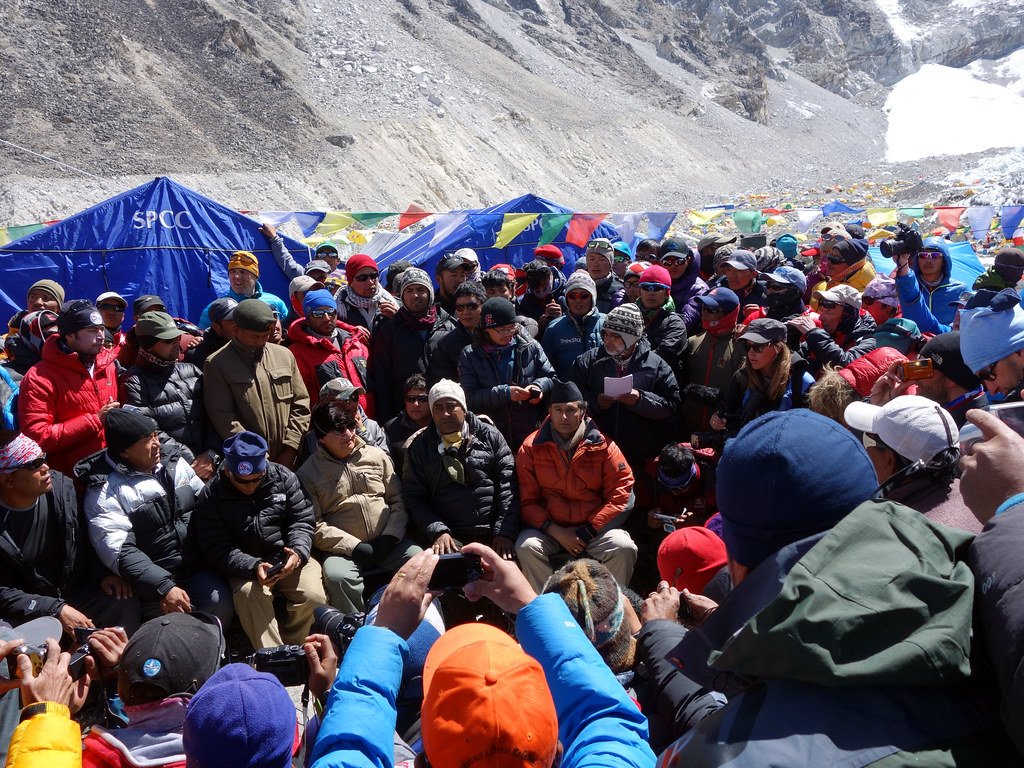
A crowd gathers at a camp at Everest photographing seated government officials. Prayer flags hang in the background.

Government officials assembled at Everest. Mark Horrell. CC BY-NC-SA 2.0

Everest has been dubbed “the world’s largest rubbish dump” due to the substantial waste accumulated over the decades. The Himalayan mountains are ecologically sensitive, and while the exact amount is unclear, thousands of tons of waste have been discarded on Everest. The mountain has also become a macabre resting place for deceased climbers. Roughly 200 bodies, many belonging to native Sherpa guides who died on the mountain, still remain on the path, and mountaineers must walk over them to reach the summit.

Get Involved:

Mount Everest Biogas Project aims to eliminate human waste at Everest, as well as convert waste into renewable energy (methane), which can be used to power local communities. Learn more about their work and donate here.

The Sagarmatha Pollution Control Committee (SPCC),founded by the local Sherpa people, aims to manage waste in the Khumbu Region. Learn more about their work here.


Agnes Moser Volland

Agnes is a student at UC Berkeley majoring in Interdisciplinary Studies and minoring in Creative Writing, with a research focus on road trip culture in America. She currently writes for BARE Magazine and Caravan Travel & Style Magazine. She is working on a novel that follows two sisters as they road trip down Highway 40, from California to Oklahoma. In the future, she hopes to pursue a career in journalism, publishing, or research.

Zambian Women Fight Poaching with Jewelry

Mulberry Mongoose, a Zambian woman-run jewelry shop, turns poaching snares into art. 

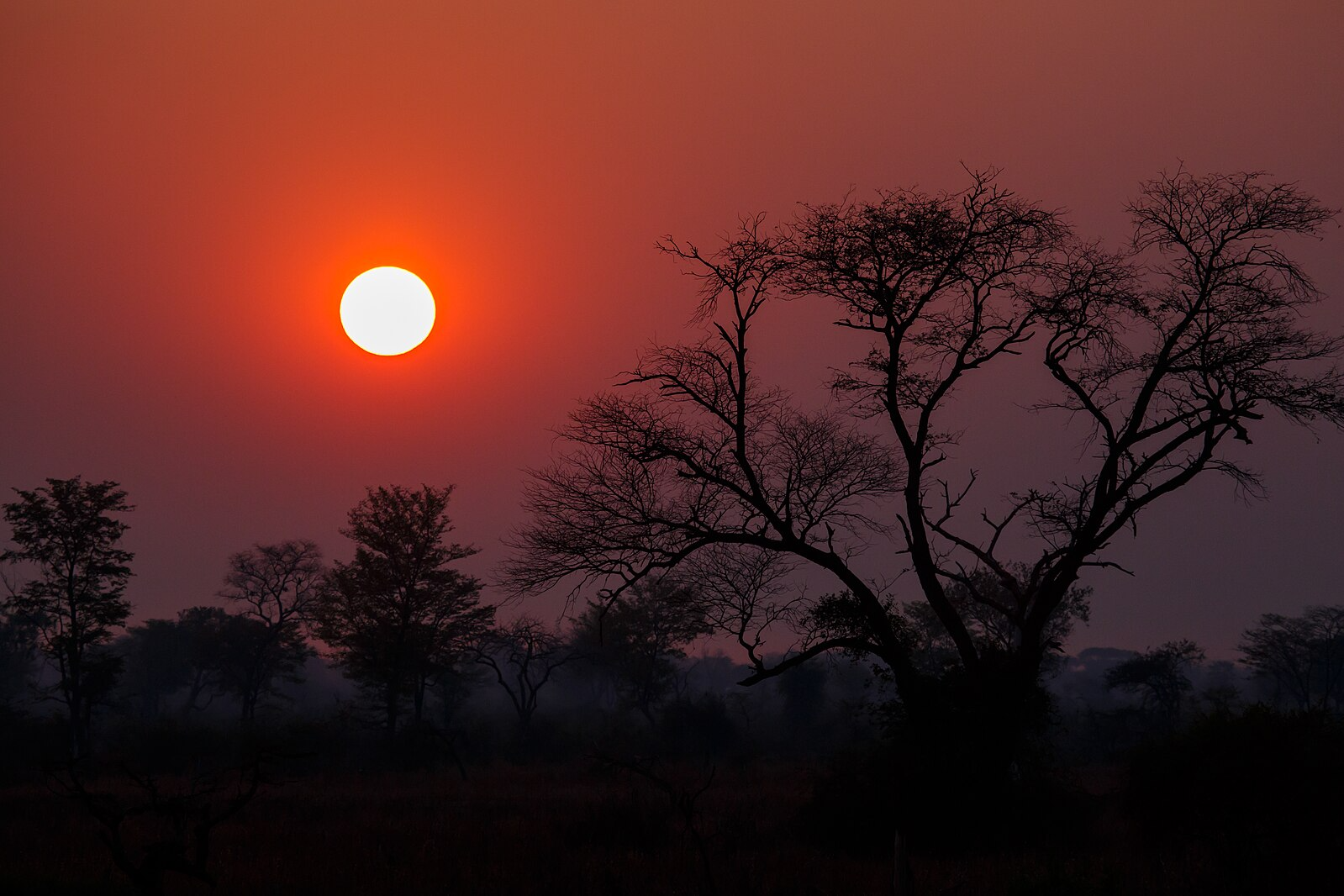
A red sun setting over silhouetted trees.

South Luangwa National Park. Thomas Fuhrmann. CC BY-SA 4.0

Located just 15 minutes from the South Luangwa National Park's main gate in Zambia, Mulberry Mongoose is not just a jewelry brand; it's a movement of conservation, empowerment and creativity. The enterprise's business model is to transform poachers' snare wires into intricate jewelry. The workshop team is composed of 80% women and 100% locals born and raised in Zambia, and has become famous for its innovative methods of production. So far the company has raised over $150,000 for conservation. The story of Mulberry Mongoose is a testament to the power of turning adversity into art, with the motto of "creating beauty from brutality." 

A close-up display of a statement silver necklace, with metal tabs linked on the chain, fanning out in two sizes.

Original Snare Necklace. Courtesy of Mulberry Mongoose.

The shop was founded by the English entrepreneur Kate Wilson, who married Dave, a native of Zimbabwe. Before meeting her husband she had never stepped foot on African soil, but given his passion for the African bush, she ended up moving with him to South Luangwa. It was there that she realized her perspective of Africa was fundamentally flawed. Inspired by her own Zambia journey of self-actualization and realization, she decided to set up an ethical craft business that reflected her core values of growth, discipline, care, transparency and joyful bravery

South Luangwa National Park is famed for its wildlife, having one of the highest concentrations of leopards in Africa. Like many parks in Africa, it struggles to protect its wildlife against poachers. Snare traps are an especially brutal method of hunting used by illegal wildlife poachers. They are the biggest killer of iconic wildlife in Southern Africa, killing tens of thousands of animals each year, including elephants, lions, leopards, giraffes and wild dogs. The traps are set by areas of high wildlife movement such as watering holes to catch antelopes, which are consumed by locals mainly for purpose of selling it on the illegal bushmeat trade. Unfortunately, snare traps are dreadful tools of destruction, they also do not discriminate, and often other animals can trigger the snare, leading to a slow and painful death by strangulation, dislocation, or near decapitation Without veterinary intervention, the animals are certain to perish.

Snare wire traps are collected by rangers and stored in containers across the continent. Mulberry Mongoose has been granted special permission to access the containers. Its team carefully extracts, untangles and cuts the wire into strips, which are then transformed into the materials they use to create their signature jewelry, a process requiring incredible strength and precision. This transformation not only prevents the wires from causing further harm but also turns them into symbols of hope and resilience.

A model showcasing a metal hollow circle linked necklace, with pearls inside each circle.

Snare Chain Necklace with White Pearl. Courtesy of Mulberry Mongoose. 

The team worked with a Mfuwe carpenter to train the shop’s female artisans to work with the difficult materials. Grace Mwanza, one of the artisans, told National Geographic how the skills she learned at her job enabled her to build her own house. “The process requires incredible strength,” said Kate Wilson, the business’ founder. “We course through nearly 5 steel drill bits per week!” 

The project supports conservation efforts as well as local communities. Mulberry Mongoose gift bags are made with colorful chitenge material bought from businesswomen and turned into beautiful gift pouches by Mfuwe tailors. Its artisans use unique materials bought from local entrepreneurs, such as hand-carved wooden beads, seeds, vintage coins, and farmers’ feathers to ensure that their designs are authentically African and benefit their rural communities, while also showcasing the unique beauty of the African bush and the dexterity and ingenuity of African artisans. A portion of the proceeds from their jewelry sales go to NGOs dedicated to protecting wildlife and supporting rangers. The shop has removed 27,000 snare traps from circulation and transformed over 164,000 feet of snare wire into works of art.

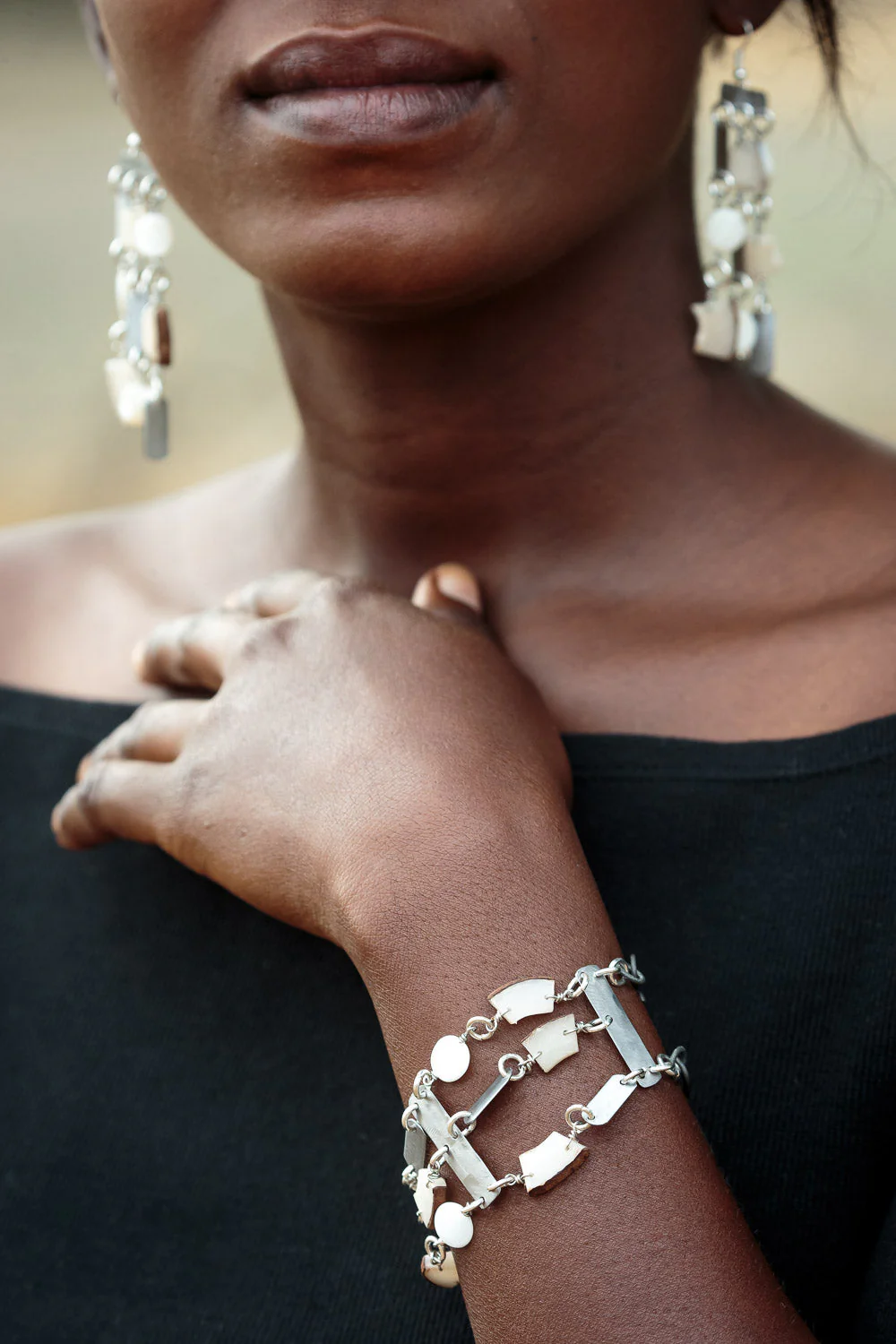
A close-up of a silver linked bracelet, made with pieces of vegetable ivory and metal.

Rhino Conservation Snare & Vegetable Ivory Bracelet. Courtesy of Mulberry Mongoose.

The Mulberry Mongoose team is renowned for its passion and hospitality. You can drop into their "Shop Less Ordinary: between 7:00 a.m. and 4:30 p.m. any day of the week. Visitors will receive a warm welcome and a free guided tour of the team's purpose-built workshop and learn their story of conservation, female empowerment, rural African employment and ingenuity. You can even try coiling or hammering poachers’ snare wire yourself! Their shop is a beautiful space with an extraordinary variety of designs, worn by the likes of supermodel Doutzen Kroes, businessman Richard Branson, former president Bill Clinton, and former Secretary of State Hillary Clinton.

“On a typical day, a package will leave our shop for the Mfuwe airport, where the truck drives by a watering hole for hippopotamus and a natural basin where giraffes and elephants meet,” said Wilson. “It may take a bit longer to receive our jewelry, but I want to take people on the journey of why we do what we do—to conserve the species of this pristine wilderness we call home.”

TO GET INVOLVED

Mulberry Mongoose: Visit the website to learn more about Mulberry Mongoose’s team and story and to shop online. If you are lucky enough to travel to the South Luangwa you can visit the shop itself to learn firsthand from the passionate members. Their site also includes an online shop, with the proceeds benefiting the local community and conservation efforts. They ship orders from their remote workshop anywhere in the world in under 14 days. They also stock ethical retail businesses including conservation shops and safari boutiques. Last you can follow them on Instagram or Facebook as Mulberry Mongoose.

Conservation South Luangwa: This organization’s mission is to work with community and conservation partners in the protection of the wildlife and habitats of the South Luangwa ecosystem. Their goal is to ensure the long-term survival of wildlife and habitats in South Luangwa under the custodianship of the Zambian people. Their site includes information about getting involved and donating.

Zambian Carnivore Programme: This organization seeks to conserve Zambia’s large carnivores and the ecosystems they reside in through science, action and strengthening local leadership. ZCP hopes to create restored and thriving ecosystems that are collaboratively conserved by local communities, scientists and policy-makers through evidence-based approaches. Its website includes information about getting involved and donating.

Conservation Lower Zambezi: Conservation Lower Zambezi is an NGO committed to the conservation of wildlife and the environment in Lower Zambezi, Zambia, and was founded in 1994 to provide support to the Department of National Parks and Wildlife and help it fulfill its mandate to mitigate threats to wildlife from poaching in the region. The organization's website has information about getting involved and donating.


Rebecca Pitcairn

Rebecca studies Italian Language and Literature, Classical Civilizations, and English Writing at the University of Pittsburgh. She hopes to one day attain a PhD in Classical Archeology. She is passionate about feminism and climate justice. She enjoys reading, playing the lyre, and longboarding in her free time. 
Political Tourism in America’s Swing States

Volunteers play a crucial role in mobilizing key electorates by traveling to swing states, whose voters will ultimately decide the presidential election.

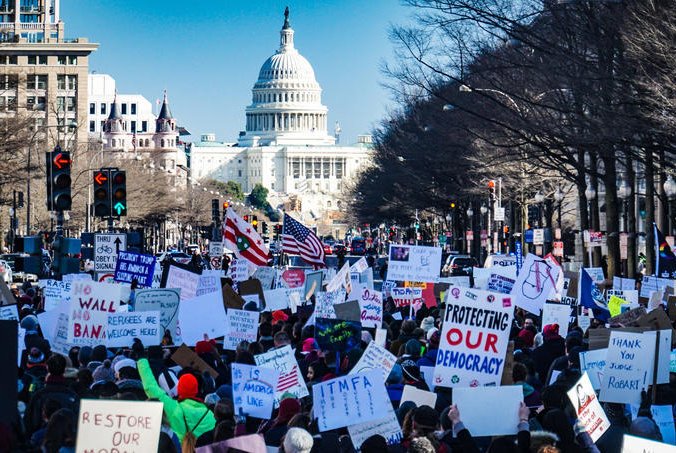
Protestors rally in front of the US Capitol, holding an American flag high in the air and a multitude of different political messages on signs, spanning from "Protecting our Democracy" to "Refugees are welcome here"

Protestors rally in front of the Capitol in DC. Ted Eytan. CC BY-SA 4.0

With the U.S. presidential election fast approaching, politically minded Americans are turning their attention to swing states, where Democratic or Republican victory often hinges. Volunteers play a crucial role in these states, engaging in grassroots efforts to sway voters and educate communities on policies and candidates. This is often achieved by speaking with locals directly, typically through door-to-door visits, made possible through non-profits.

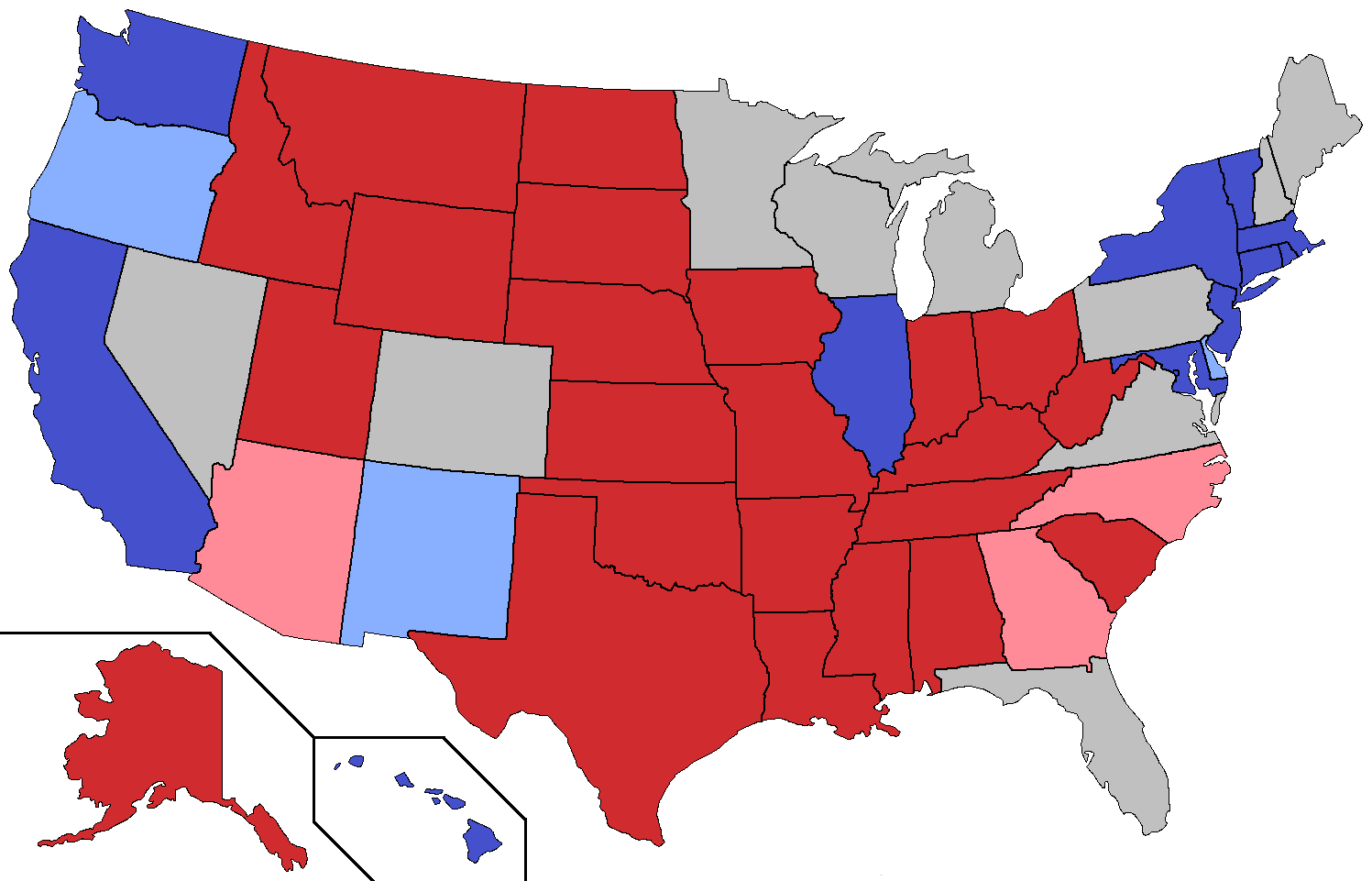
Organizations such as Common Power and the Swing States Action Fund aim to mobilize Democratic voters by providing clear information on when, where and why to vote. Common Power, based in Seattle, allows volunteers to either travel to swing states or contribute remotely through activities like writing postcards and making calls. Common Power allows you to choose volunteer opportunities based on location, activity or date. For the 2024 general election, their tentative travel dates are from September to November, with most trips lasting five days. You can sign up for State Teams here, and the volunteer travel guide is available here. Volunteers travel in teams and take part in a virtual training event before their trip. The estimated total cost for a five-day State Team trip is $2,500 (includes lodging, meals, and transportation). However, volunteers are typically responsible for their own transportation, so the final cost can vary depending on their starting location. The Swing States Action Fund operates a little differently; the organization specializes in encouraging recent graduates or retirees to relocate to swing states. They then connect these individuals with a network of volunteers involved in outreach efforts like voter drives and postcarding. These organizations are crucial in combating voter suppression, especially in historically BIPOC communities, ensuring fair access to the democratic process. Organizations like the Progressive Turnout Project pay volunteers, offering up to $125 for completing a door-knocking list, which typically takes about three hours. The Progressive Turnout Project organization operates in key swing states such as Arizona, Georgia, Michigan, Pennsylvania, North Carolina and Wisconsin.

Map of the US with each state colored in corresponding to its political alignment, with swing states in gray.

Map of swing states (in gray and light colors) in the 2020 U.S. Presidential Election. A Red Cherry. CC BY 4.0

Overcoming voter suppression has roots tracing back to the 1950s. During the Civil Rights Movement, volunteers traveled to Southern states to confront segregation and rally Black community members to participate in voting. In the South, Black individuals faced barriers such as poll taxes, rigged literacy tests and fraud when attempting to register. In June 1964, the Freedom Summer Project aimed to register a significant number of Black voters in Mississippi. This effort eventually led to the enactment of the Voting Rights Act of 1965, a landmark legislation that outlawed racial discrimination in the electoral process. Despite this progress, however, voter suppression continues to persist in the South today. In 2021, Georgia and Florida enacted SB 202 and SB 90 respectively, imposing stricter voter identification requirements, particularly for those voting by mail.

Following Kamala Harris's nomination as the Democratic presidential candidate, her campaign claims a recent surge in support, particularly in key swing states such as Florida, Pennsylvania and Georgia. Volunteers will take direct action through advertisements, demonstrations, and fundraising, as well as by encouraging individuals to submit opinions to government officials.


Agnes Moser Volland

Agnes is a student at UC Berkeley majoring in Interdisciplinary Studies and minoring in Creative Writing, with a research focus on road trip culture in America. She currently writes for BARE Magazine and Caravan Travel & Style Magazine. She is working on a novel that follows two sisters as they road trip down Highway 40, from California to Oklahoma. In the future, she hopes to pursue a career in journalism, publishing, or research.

Fighting FGM: Meet the Woman Activist Standing Up to Mutilation

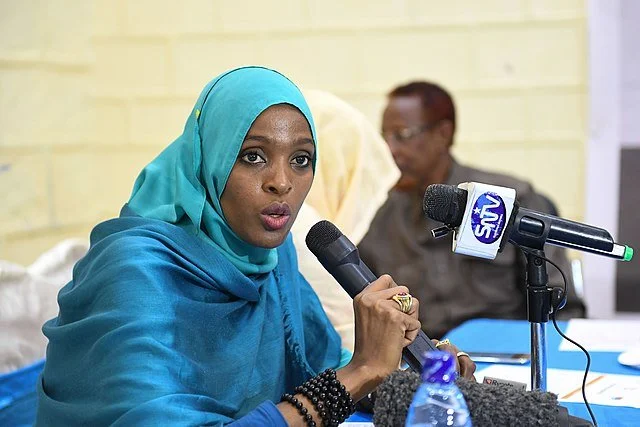
Meet Ifrah Ahmed, the brave woman taking a stand against a brutal practice that still affects millions of women.

Close up of Ifrah Ahmed speaking at a desk into several microphones

Ifrah Ahmed speaking at a training workshop in Mogadishu, Somalia. AMISOM Public Information, CC0

FGM, or female genital mutilation, is the violent and forcible removal of the external female genitalia. This practice usually takes place at a young age, as the belief systems of those who promote FGM believe it to be the best way to preserve a woman’s “purity.” Although modern medicine has proven that there are no benefits of any kind connected to the practice, women around the world continue to suffer from the procedure.

FGM opens the door to a variety of immediate and long-term health complications, including infections, diseases and potential complications during childbirth. The mental effects are also damaging; according to the limited number of studies investigating the psychological impact of FGM, the vast majority of women who have been mutilated by the procedure exhibit symptoms of depression, anxiety and PTSD, among other disorders.

Although FGM has been condemned as a violation of human rights and globally banned by the World Health Organization (WHO), as of 2012 a number of countries still engage in the practice. While cases of FGM are concentrated mostly in the Middle East and sub-Saharan Africa, instances have also been documented in Latin America, Asia and eastern Europe. Since 2012, the WHO has been working with local organizations to devise more effective ways to enforce the global ban. In the meantime, however, over 230 million women have undergone FGM, with more being mutilated every day. The victims of this procedure have started to take action into their own hands.

Enter Ifrah Ahmed. As a young girl in Mogadishu, Somalia, Ahmed was subjected to FGM. In 2006, she escaped from the Ethiopian War and made her way to Ireland, where her doctor struggled to understand what had happened to her. In the following years, Ahmed discovered that FGM, despite its near ubiquity in Somalia, was entirely absent in Ireland. This drove her to begin speaking out against FGM, becoming one of the first women to publicly share her experience with the mutilation.

In 2010, Ahmed established the Ifrah Foundation, an NGO devoted to the total elimination of FGM around the world. There are many misconceptions regarding FGM (groups who practice it make use of parents’ ignorance to sell the procedure), such as the belief that it provides benefits for the woman or that it is required under Islamic law. Ahmed, through the Ifrah Foundation, has worked tirelessly to deconstruct these misunderstandings.

The Ifrah Foundation has collaborated with several international nonprofits such as UNICEF, UNFPA and Amnesty International. The organization has also formed partnerships with various governmental agencies on legislation addressing FGM. Additionally, in 2018, Ahmed collaborated with the Global Media Campaign to end FGM to release a short documentary detailing a 10-year-old girl’s death as a result of complications from FGM.

Today, Ahmed works to promote her cause in her home country of Somalia, where she was appointed the Gender Advisor to the Prime Minister in 2016. She is also the Human Rights advisor to the Somali government. In these positions, and with the help of the Somali prime minister and the Ifrah Foundation, Ahmed managed to implement an FGM abandonment program across the entire country.

How You Can Help

Readers who wish to contribute to the Ifrah Foundation can do so here. The Foundation has recently begun a new campaign titled “Dear Daughter," which focuses on educating and empowering women against genital mutilation. Interested readers can visit the campaign and make donations here.


Ryan Livingston

Ryan is a senior at The College of New Jersey, majoring in English and minoring in marketing. Since a young age, Ryan has been passionate about human rights and environmental action and uses his writing to educate wherever he can. He hopes to pursue a career in professional writing and spread his message even further.

Long, Strange Trip: Psychedelic Drug Use and Legalization

With psychedelic drug reform still underway, research indicates that microdosing may be useful for medical and therapeutic treatment.

Music record cover using very psychedelic imagery of a face with vibrant colors, text, and swirls

Capitol Records Cover. Daniel Yanes Arroyo on Flickr. CC BY-NC 2.0

In the 1960s, psychedelic drugs became central to counter cultural identity, as they were believed to expand human consciousness and helped inspire the era’s writing, art and music scene. Their acceptance only went so far, however, the war on drugs led to the ban of psychedelic drug use in 1968. These drugs include psilocybin mushrooms (magic mushrooms), MDMA (ecstasy, molly), and LSD (acid). But recent studies show that psilocybin may be used to treat alcohol and tobacco dependence, as well as mood disorders like anxiety, depression and OCD. The U.S. Food and Drug Administration has already declared psilocybin as a “breakthrough therapy,” with growing evidence for its efficacy in treating cases of depression that have proven resistant to psychotherapy and traditional antidepressants.

Close up of psychedelic mushrooms growing in the ground.

Psilocybin mushrooms. Mushroom Observer on Wikipedia Commons. CC BY-SA 3.0

Some argue that the legalization of psychedelic drugs would be positive, with regulated companies outcompeting the black market and manufacturing safer drugs (e.g., there would be little risk of products being laced with fentanyl). The status of drug policy reform varies across the U.S. Some states—including Washington, Texas and Connecticut—are actively studying the medical effects of psilocybin. In California, several cities, including Oakland, Santa Cruz, Arcata, Berkeley and San Francisco, have already passed resolutions to decriminalize the possession of psychedelic drugs, excluding peyote. The use of peyote in Native American ceremonies and sacraments is protected under the First Amendment of the Constitution as a form of Free Exercise of Religion. Despite this, the supply of Peyote is severely limited, to the point of being listed as vulnerable to extinction on the IUCN Red List. In several states, including New York, Florida and Utah, legislators have introduced bills to legalize psilocybin for clinical use that ultimately failed to pass. Psychedelic drugs remain illegal under the Controlled Substances Act at the federal level in the U.S. 

Legislation varies even more worldwide, but many countries have less stringent laws than the United States. In Australia, MDMA and psilocybin may be prescribed for PTSD for depression. In the Bahamas and British Virgin Islands, psilocybin is legal to possess but not to sell. In Mexico, citizens cannot be prosecuted or charged if psilocybin is used for spiritual or religious purposes. Most of Europe has either decriminalized or deregulated aspects of the use or trade of psychedelic drugs, including countries like Portugal, Spain, the Netherlands, and Switzerland. The definition of “decriminalization” varies, but usually implies that one can possess a certain amount of a substance avoiding fines or other penalties, despite it being illegal.

While concerns regarding the safety of psychedelic drugs are and will continue to be raised, statistics show that emergency room visits related to psilocybin and LSD are infrequent. Legalizing psychedelic drugs would signify for advocates a stride toward personal autonomy, enabling individuals to make informed choices about what they put in their bodies. This shift mirrors a growing global interest in investigating the therapeutic and medical potential of psilocybin, prompting a reevaluation of 20th century policies.


Agnes Moser Volland

Agnes is a student at UC Berkeley majoring in Interdisciplinary Studies and minoring in Creative Writing, with a research focus on road trip culture in America. She currently writes for BARE Magazine and Caravan Travel & Style Magazine. She is working on a novel that follows two sisters as they road trip down Highway 40, from California to Oklahoma. In the future, she hopes to pursue a career in journalism, publishing, or research.

Aboriginal Australians: Ancient Roots and Modern Struggles

Centuries after British Settlement and mass destruction of their culture, Aboriginal Australians continue to be discriminated against by the Australian government. 

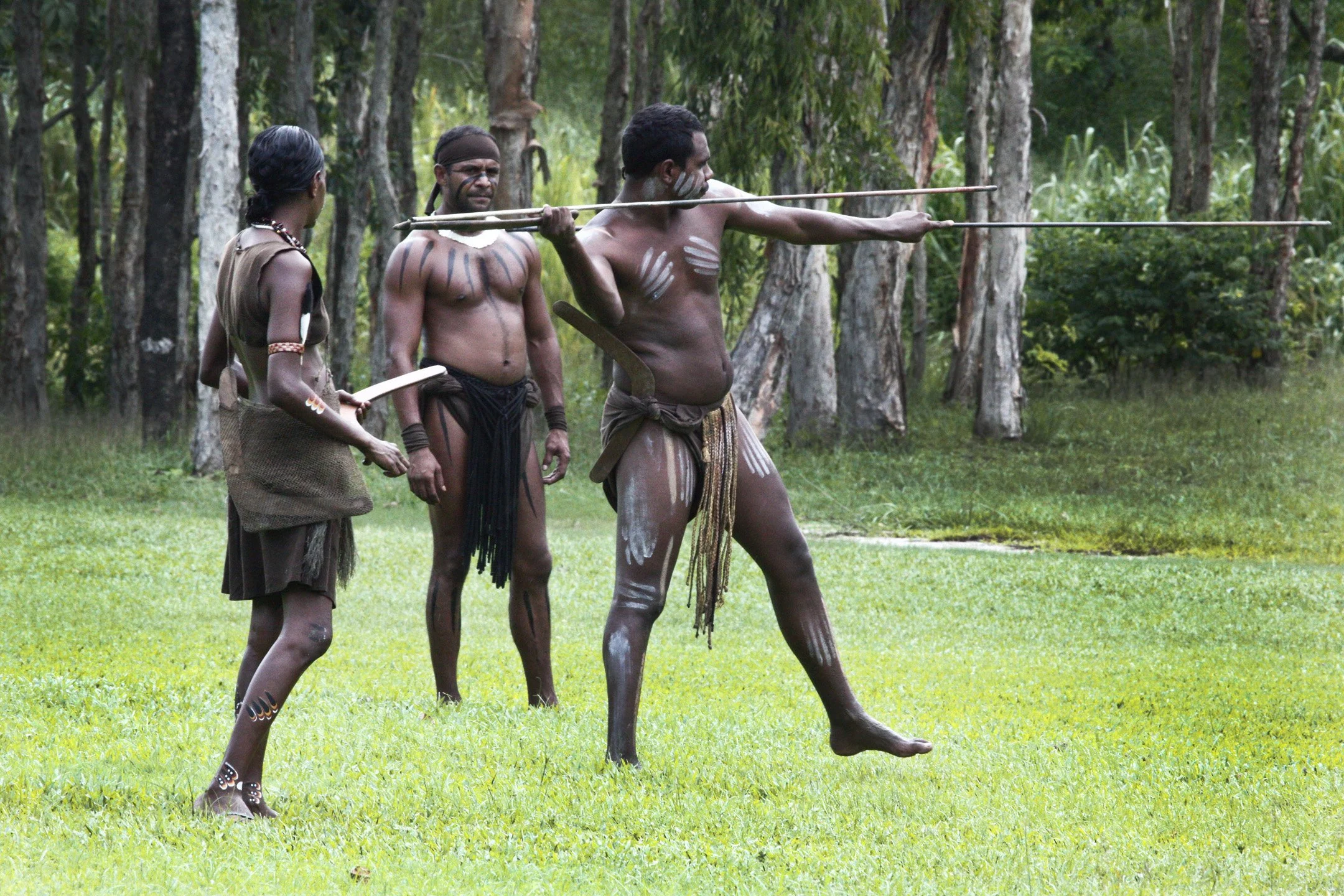
Three Aboriginal men together in traditional dress aiming a throw.

Aboriginal Men in 2011. Steve Evans. CC BY 2.0

Aboriginal Australians have experienced systemic disadvantages throughout Australia’s history. Noted as one of the oldest Indigenous communities living outside of Africa, Aboriginal Australians led an advanced lifestyle in precolonial times. According to an article in The Conversation, Indigenous Australians are noted for “establishing complex religions, burying their dead with elaborate rituals, engaging in long-distance trade, making jewelry, and producing magnificent works of art” when Europe was still home to Neanderthals. 

The ancestors of Indigenous Australians migrated to the continent from Southeast Asian countries like Malaysia, Singapore, Brunei, Indonesia and the Philippines. Numerous studies investigating the Indigenous group conclude that Aborigines have lived in Australia for approximately 65,000 years. Across the country, Aborigines speak more than 250 distinct languages. There are two classifications of Indigenous people in Australia—the Aboriginal peoples and the Torres Strait Islanders. Aboriginal Australians are those whose ancestors lived in mainland Australia before the arrival of European colonists, while Torres Strait Islanders have traditionally lived in an archipelago between the continent and Papua New Guinea to the north. 

Over time, Australia’s Aboriginal presence has fallen to just 3% of the national population due to colonization and legal restrictions. When British Settlement began in 1788, 750,000 to 1.25 million Aboriginal Australians were living in the country at the time. The British brought epidemics, land seizures, and violent conflict, subjecting most Aboriginal Australians to poverty and massacres. According to National Geographic, “[t]hough the term ‘genocide’ remains controversial, people related to the continent’s first inhabitants are widely considered to have been wiped out through violence.” 

From 1910 to 1970, the Australian government created assimilation policies for Aboriginal Australian children, resulting in the Stolen Generations. Successive administrations took Indigenous children away from their families and put them into adoptive families or institutions, forbidding them from speaking their native languages or even keeping their original names.

Today’s Aborigines still face various hurdles as a result of settlement, one being accessible maternal healthcare.  Edie, an Aboriginal woman interviewed by BBC, explains her recent involvement with a movement called Birthing on Country following the birth of her fourth child and observations about the dearth in Indigenous mother healthcare in Australia. Her colleague and co-director of the Molly Wardahuha Research Centre Yvette Roe explains that the organization is, “a concept with key elements: when we talk about ‘Country,’ we’re talking about ancestral connection to the country where we’re born. We’re talking about 60,000 years of connection to the land and sky.” Lack of proper maternal care for Indigenous mothers results in them being three times more likely to die during childbirth than non-Indigenous mothers, and their babies almost twice as likely to die in the first year. The maternal health crisis reflects general disparities that exist for Australia’s Indigenous population. Aboriginal Australians and Torres Strait Islander people face high levels of discrimination, unemployment, poor housing and poor education compared to their counterparts. Concentration in remote locations has also limited access to life-saving services.

Additionally, Aboriginals continue to fight for general recognition and restitution by the Australian government. As the only country in the Commonwealth of Nations country to not make a treaty with its Indigenous population, Australia's Parliament attempted to recognise Aboriginals in its Constitution and create an Indigenous advisory board that would weigh in on national, relevant issues along with Parliament. In the fall of 2023, Australia rejected the referendum. While most of the Indigenous voters were in favor of the referendum, 60% of Australian voters said no. The Aboriginal community took a week of silence and reflection following the decision. In the Queensland Parliament, the "Path to Treaty Act 2023" was legislated with an 88 out of 92 member majority. Truth and Treaty Queensland described it as a, “Historic piece of legislation … the Act provides the legislative framework for the Truth-telling and Healing Inquiry and the First Nations Treaty Institute to be established.”

Since the late 1700’s,  Aboriginal Australians have struggled at the hands of foreign settlers. Whether it is maternal healthcare or incorporation into Australia’s Constitution, their rights and needs have been and continue to be disregarded in numerous ways across the country. 

TO GET INVOLVED

Australians are encouraged to get involved with their local Aboriginal communities by attending community events and participating in local Aboriginal tours. Residents can also explore local Aboriginal Land Councils to learn about what actions are currently being taken in their communities. Creativespirits.info explains what land councils do to help Indigenous Australians and has a comprehensive list of Aboriginal land councils in Australia. Activist groups such as Australians for Native Title and Reconciliation (ANTaR) and Stop the Intervention Collective Sydney (STICS) are actively working to help remediate the injustices Aboriginals are facing across Australia.


Aanya Panyadahundi

Aanya is a student at the University of Michigan studying sociology and journalism on a pre-law path. She loves to travel the world whenever she can, always eager to learn more about the different cultures and societies around her. In her free time, she likes to play the violin, ski, and listen to podcasts.

Fanning the Flames: Heat Waves Across America Set to Get Worse

An unending barrage of heat waves has pummeled North America in 2024, with climate change the likely culprit.

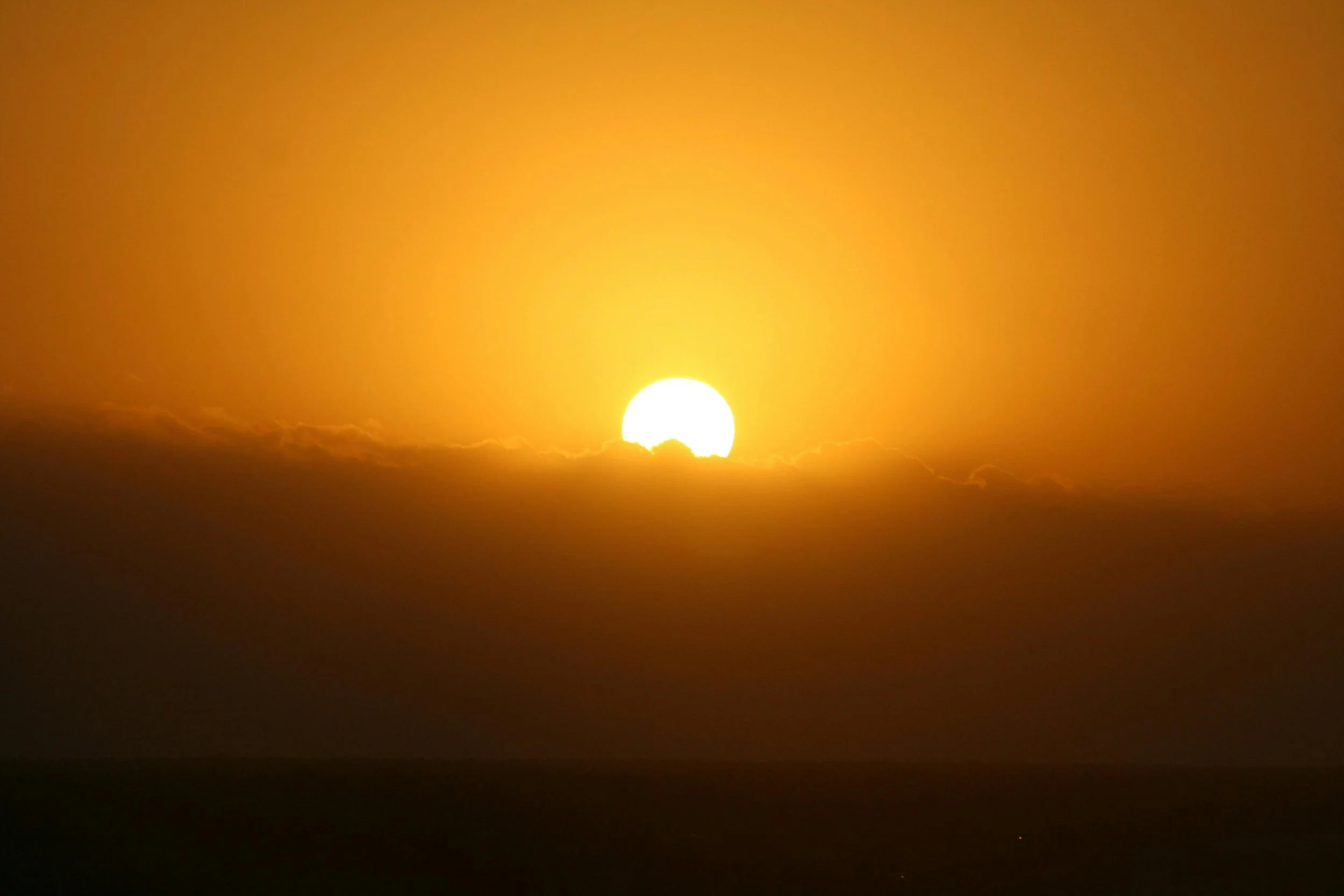
Golden sun rising through clouds in the sky

The sun rises on another 100-degree day in California. Pixabay. CC0

Climate change is an ongoing and severe crisis that is affecting all parts of the globe in different ways. From rising sea levels to increasingly chaotic weather patterns, every part of human society is at risk of some adverse effects.

North America has been suffering droughts on the west coast and frequent hurricanes and tornadoes on the east, but the entire continent is united in facing historically high temperatures. Almost the entire month of July has seen a solid string of heat waves, appearing in every corner of the continent. According to the United States Environmental Protection Agency (EPA), these heat waves have become far more frequent in the last few years, rising from two waves yearly in the 1960s to around six annually in the 2010s. In addition, heat waves have become more intense over the last few decades, with temperatures in Mexico and Central America brushing 125 degrees Fahrenheit in a historic first. Las Vegas also recently witnessed a record-breaking 115 degree day on July 12th, topping off a seven-day streak of broken records.

And these heat waves are only set to continue. As of the time of writing, heat waves are expected to renew their assault on the west coast, with temperatures projected to reach up to 110 degrees Fahrenheit and effect Washington, Nevada, Oregon, Arizona, Idaho and California. In 2023, Las Vegas never dropped from 100 degrees during the entire month of July, while this year’s forecast suggests that the average will have risen to 103 degrees by the end of the month. In addition, July 20th saw parts of Florida setting daily temperature records at around 97 degrees. This is a solid increase across the board for this time of year, with those same parts of Florida sitting at around a mean temperature of 84.9 degrees last year.

The biggest immediate threats presented by the rising temperatures, however, are wildfires. Hot and dry conditions naturally portend fires, and the already dangerous wildfire seasons in California and Canada have only gotten worse as the heat steadily increases. As of July 21st, several wildfires are raging in Oregon and western Canada, and incoming thunderstorms are predicted to make things substantially more difficult for the firefighters struggling to contain the blazes.

Although official statements stop short of absolute certainty, the vast majority of organizations are pinning the blame for these heat waves squarely on climate change. A series of incidents—the rising frequency and intensity of heat waves across the globe over the last few years, reports from 2022 about sidewalks melting in Europe, and 2023's historically devastating Canadian wildfire season—have raised concerns about the damage climate change can do even in the short term. That 2024's heat waves have been worse are suggestive of what is to come.

According to the Canadian Climate Institute, climate change has been proven to raise the frequency of severe heat waves, as well as slowing them down and causing them to linger over certain areas. Additionally, a statement released by the World Weather Attribution suggests that wildfire risk has become significantly higher as a result of climate change, making 2023’s wildfire season in Quebec close to 50% more intense.

It is becoming increasingly clear how rapidly climate change is altering the planet. Heat waves have been increasing in severity for the past few years, with 2023 setting global heat records and 2024 looking to blow even those historic numbers out of the water. These events are becoming increasingly common as time goes on, and it is possible that global average temperatures will rise five  degrees by 2050, and around 10 degrees by the end of the century. Even the deviations we’re experiencing now are severe, but it looks like the world is going to get even hotter—and fast.


Ryan Livingston

Ryan is a senior at The College of New Jersey, majoring in English and minoring in marketing. Since a young age, Ryan has been passionate about human rights and environmental action and uses his writing to educate wherever he can. He hopes to pursue a career in professional writing and spread his message even further.

UAE Activists Sentenced on Terrorism Charges

The United Arab Emirates has sentenced 43 activists to life in prison for their alleged participation in terrorist organizations.

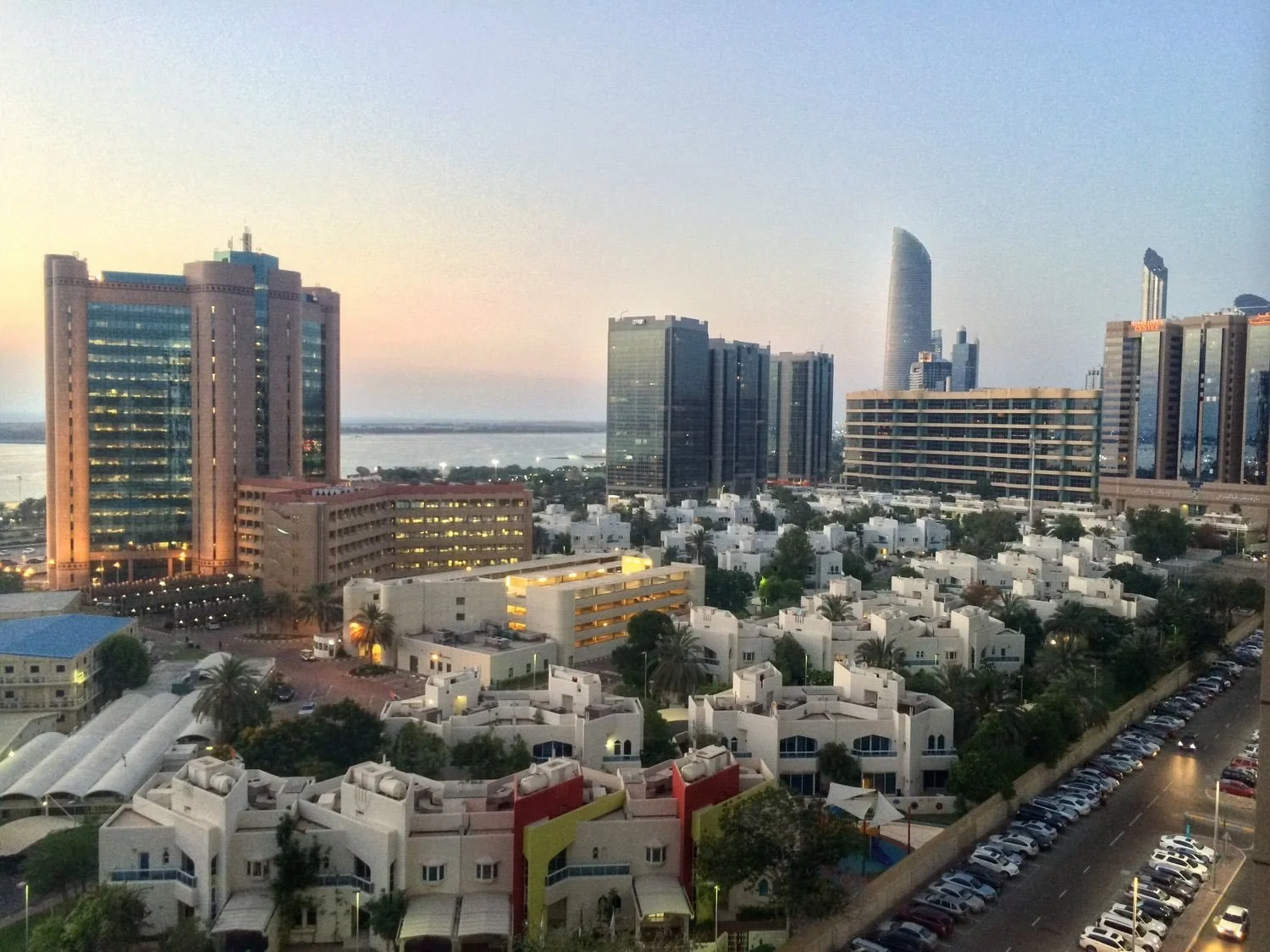
An aerial view of Abu Dhabi in the evening, with a varied skyline and luxury apartments and residences.

Khalidiya, Abu Dhabi. Thomas Galvez. CC BY 2.0

In 2024, the UAE tried 84 defendants for terrorism charges for  "co-operating with al-Islah" and money laundering, individuals human rights groups have determined are activists and not terrorists. Al-Islah is considered to be the Emirati version of the Muslim Brotherhood, a pan-Islamic organization declared a terrorist group by the Emirates. In 2014, the UAE passed Terrorism Law No. 7. The law defines terrorism as, among other things, “stirring panic among a group of people” and “antagonizing the state,” a broad definition that makes it possible for peaceful dissent to be labeled terrorism. “Terrorist organizations” are defined as groups that act to create “direct or indirect terrorist outcome regardless of the … place of establishment of the group or the place where it operates or exists, or the nationality of its members or places.” Along with the passage of the law, the UAE state news agency announced that the cabinet had “approved a list of designated terrorist organizations and groups in implementation of Federal Law No. 7 for 2014.” Muslim organizations that operate legally in the United States and Norway were included on the list.

On July 10, 43 of the defendants were sentenced to life in prison, while 10 received 10 to 15 years in prison. Human rights organizations, including Human Rights Watch and Amnesty International, insist that the defendants are innocent and that the UAE is abusing its justice system to punish activists, government critics and democracy advocates for forming an independent advocacy group in 2010. In the UAE, these groups mainly advocate for freedom of expression and assembly, the right to a healthy environment and workers' rights, as well as an end to arbitrary detention, torture and the death penalty. 

The indictment, the charges, the defense lawyers and the defendants' names have all been kept secret by the government. They are known only partially through leaks. One of the known defendants, Ahmed Mansoor, is on the Board of the Gulf Centre for Human Rights (GCHR) and the MENA Division Advisory Committee for Human Rights Watch, and was arrested on charges relating to his human rights activities. Another, Mohammed al-Roken, is a human rights lawyer who was arrested on charges related to his peaceful criticism of the Egyptian and Emirati authorities. Yet another three, Nasser bin Ghaith, Abdulsalam Darwish al-Marzouqi and Sultan Bin Kayed al-Qasimi, are academics.

The mass sentencing marks the UAE’s second-largest trial of this nature. The proceedings and the verdict were criticized for the lack of transparency and fairness, along with various other allegations of violations of justice, including but not limited to torture, solitary confinement, withholding evidence from lawyers and the removal of key witnesses. Joey Shea, a UAE researcher at Human Rights Watch, called the sentencing a “mockery of justice”, saying, “The UAE has dragged scores of its most dedicated human rights defenders and civil society members through a shamelessly unfair trial riddled with due process violations and torture allegations.”

Authorities launched the new mass trial during COP28, the international climate gathering held in Dubai in 2023. The case had been ongoing since 7 December 2023, yet the UAE only acknowledged the trial was taking place a month after human rights groups and journalists first uncovered and reported it. A number of the defendants had already spent ten years behind bars after being convicted in 2013 for their alleged involvement with the Justice and Dignity Committee, a branch of the al-Islah movement. This has sparked protests that the Emirati authorities are violating the principle of double jeopardy, which prohibits trying people twice for the same offense after receiving a final verdict.

The mass trial reflects a broader trend of the UAE using its anti-terrorism laws to stifle dissent and suppress political opposition. Devin Kenney, Amnesty International’s UAE Researcher, said in a statement, “Trying 84 Emiratis at once, including 26 prisoners of conscience and well-known human rights defenders is a scarcely disguised exercise in punishing dissenters…This case should be the nail in the coffin of the UAE’s attempts to disguise its horrendous human rights abuses behind a progressive façade.”

The UAE government, however, has staunchly defended its judicial process, maintaining that the convictions were based on solid evidence of terrorism-related activities. Officials have argued that the country’s stringent laws are necessary to combat extremism and ensure national security. The court ruled that those convicted “have worked to create and replicate violent events in the country, similar to what has occurred in other Arab states—including protests and clashes between the security forces and protesting crowds—that led to deaths and injuries and to the destruction of facilities, as well as the consequent spread of panic and terror among people.”

Critics argue that the country’s use of anti-terrorism laws to quash political dissent is part of a wider pattern of repression. They point to other cases where activists, journalists and opposition figures have been detained and sentenced under similar charges, calling for greater scrutiny of the UAE’s legal practices and human rights record. The recent trial is a stark reminder of the ongoing struggle for human rights and justice in the UAE and the broader Arab world. The international community’s response to this case will likely shape the future of human rights advocacy in the region and beyond, as activists continue to call for greater transparency, accountability and fairness in the UAE’s judicial system.

TO GET INVOLVED

Emirates Detainees Advocacy Center: Emirates Detainees Advocacy Centre (EDAC) is a non-profit organization founded in 2021 by a group of human rights activists to support detainees of conscience in the UAE and shed light on their cases. Their website contains important information on cases in the UAE.

Amnesty International: Amnesty International is a global organization whose mission is to undertake research and action focused on preventing and ending grave abuses of these rights. Their website provides information on their projects and how to join their organization.

Human Rights Watch: Human Rights Watch (HRW) is an organization that investigates and reports on abuses happening in all corners of the world. They work to protect the most at risk, from vulnerable minorities and civilians in wartime to refugees and children in need. They direct their advocacy toward governments, armed groups and businesses, pushing them to change or enforce their laws, policies and practices. HRW's website provides information on their projects and how to join the organization.


Rebecca Pitcairn

Rebecca studies Italian Language and Literature, Classical Civilizations, and English Writing at the University of Pittsburgh. She hopes to one day attain a PhD in Classical Archeology. She is passionate about feminism and climate justice. She enjoys reading, playing the lyre, and longboarding in her free time. 
Big Brother is Watching: China’s Social Credit System

The nuanced nature of China’s social credit system has sparked global debate.

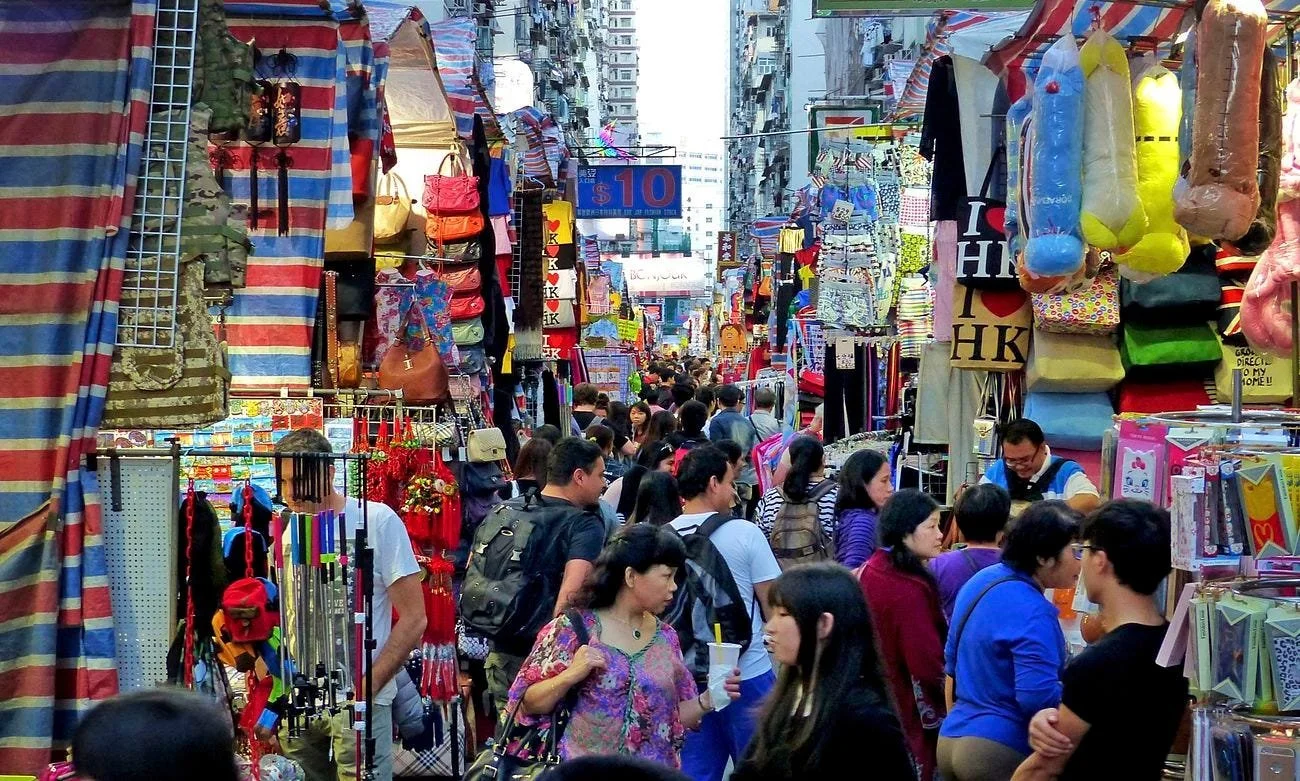
People walking through a crowded market street in Shanghai. Items of all kinds for purchase hang from the stall walls with a glimpse of skyscrapers in the background.

People walking through crowded streets in Shanghai. Rawpixel. CC0 1.0

Amid social and political turmoil, many are fascinated by order, hierarchy and control. One of China’s long-term goals is technological self-reliance, reflected in the country’s controversial social credit system. Millions of citizens are defined by and reduced to a numeric value, which is generated as their daily interactions and purchases are closely monitored. The system was predominantly economic—similar to a FICO score—until 2004, when President Jian Zemin expanded the system by adding a social aspect. The current social credit system was formally introduced in 2014, and by 2022, 80% of China’s cities, counties and regions had instituted some version of it.

The social credit system varies geographically. Some citizens receive a numeric score between zero and 1,000, while others are marked by a letter score from A to Z. The system is divided into four categories: business, social, government, and judicial. It operates punitively, rewarding citizens for good behavior and punishing them for bad behavior. A drop in one's score can come from traffic violations, littering and gossiping, while good deeds like donating to charity and assisting the elderly can increase it. The more points accrued, the more preferential treatment one receives, including discounts and travel perks. However, if a citizen's score is too low, they can be prevented from traveling or landing work. In 2019, millions of Chinese citizens were banned from buying plane tickets due to low social credit scores. China’s social credit system has been compared to the Black Mirror episode "Nosedive," which depicts dystopian society in which one’s worth is defined in relation to their portrayal on social media.

Looking up at the corner of a building with two surveillance cameras looking out

Surveillance equipment. Rawpixel. CC0 1.0

The government claims that the social credit system was instituted to “build trust” amongst citizens. However, the lack of privacy and blacklist perpetuated by the system has sparked global concern. Even by criticizing the government, your social credit score is lowered, and in some cities, the government pays citizens to report good or bad behavior. Recent studies suggest that the portrayal of China’s social credit system in the media is exaggerated. According to the MIT Technology Review, the system primarily functions as a comprehensive record of data, documenting companies’ financial histories. It is therefore less important as a single score than as a record.

The social credit system is only one aspect of government surveillance in China. The country’s firewall limits internet searches, and there are at least 200 million surveillance cameras installed that can use facial recognition software. China’s government operates without rule of law, leading to the abuse of power. Surveillance capitalism ultimately poses a threat to individual autonomy and democratic governance. The question remains as to how far it will spread in the coming years.


Agnes Volland

Agnes is a student at UC Berkeley majoring in Interdisciplinary Studies and minoring in Creative Writing, with a research focus on road trip culture in America. She currently writes for BARE Magazine and Caravan Travel & Style Magazine. She is working on a novel that follows two sisters as they road trip down Highway 40, from California to Oklahoma. In the future, she hopes to pursue a career in journalism, publishing, or research.

2024 Paris Olympics: Challenges, Protests and Controversies

From transportation and public safety concerns in Paris to discontent in Tahiti, the 2024 Paris Olympic Games are riddled with contention.

Looking up at the Eiffel Tower decorated with the olympic rings.

The Eiffel Tower with the logo of the Olympic Games. Ibex73. CC BY 4.0 via Wikimedia Commons

As the countdown to the 2024 Olympic Games in Paris reaches its final days, anticipation is building among the estimated 15 million visitors set to descend upon the city. However, this year’s games are not without their share of controversies. Unrest and protests have begun to surface, not just from within the borders of France but also among the vast number of international travelers and athletes. These contentious issues are casting a shadow over the upcoming Games, adding a layer of uncertainty and complexity to an event traditionally associated with unity and the celebration of athleticism.

Security Concerns, Congested Transportation, Unhoused Parisians

The opening ceremony, scheduled to take place in the open air along the historic Seine River, has raised a number of security concerns. These concerns are particularly acute because of the memory of the terrorist attacks in Paris in 2015. Furthermore, ongoing geopolitical unrest, notably the war between Gaza and Israel and Russia’s continued aggression towards Ukraine, adds to the apprehension. In anticipation of potential protests, the French government has reduced the number of tickets for the public from 600,000 to 300,000 and plans to deploy around 45,000 French police and security forces. During the opening ceremony, an additional 35,000 security agents are expected to be on duty alongside the military to safeguard against security threats. The recent stabbing of a French counter-terrorism soldier over a week before the games are set to begin has only increased tensions.

Along with security concerns come concerns over the expected additional congestion of the city’s already packed public transport system. Many Parisians believe the transportation is largely underprepared for the influx of tourists as they already deal with poor frequency of trains, overcrowding, and general uncleanliness. Those who are financially able are electing to leave the city for the period of the games, while others will be forced to turn to alternative modes of transport and access such as biking, walking or telecommuting. Those who are unable to consider alternative transportation will have to endure long commutes with few alternatives. In response to criticism over transportation concerns, the French president of the Ile-de-France region, Valérie Pécresse, made a statement to worried citizens, "Don't be afraid to walk a little, it's good for your health". 

The Olympics have also brought the plight of the city’s unhoused population to the forefront. The Olympic Village has been constructed in one of Paris’s most impoverished suburbs, an area where thousands of individuals reside in street encampments, shelters and derelict buildings. In a controversial move, the French government transported thousands of these unhoused individuals on buses to other French cities such as Marseille and Lyon. They were removed from the city under the pretext of promising housing elsewhere, only to find themselves living on unfamiliar streets far from their original homes. This action has drawn widespread criticism as it is in no way a permanent solution, but rather a means to conceal the city’s homelessness issue and present a more idyllic image of Paris. While the government denies any connection between this relocation and the Olympics, an email obtained by the New York Times and initially reported by L’Equipe reveals a government housing official stating the objective to “identify people on the street in sites near Olympic venues” and relocate them prior to the Games.

Water Sport Events

The Seine River, the chosen venue for the opening ceremony, will also host the triathlon and marathon swimming events. This decision has ignited controversy, as many Parisians view the river as polluted and unsafe. Swimming in the Seine has been illegal for over a century. In an effort to clean the river, Paris has invested $1.5 billion in infrastructure to prevent bacteria-laden wastewater from entering the river. Despite the clean up, experts are still uncertain if the river’s E. coli levels will be safe for swimming in time for the events, and no backup plan has been announced. In a show of confidence, President Emmanuel Macron and Paris Mayor Anne Hidalgo have vowed to swim in the river themselves to demonstrate its safety. Just this past Saturday, French Sports Minister Amélie Oudéa-Castéra took the plunge into the river.

In an unusual display of public anger, a distinctive form of protest seemed to be in the works for several weeks. Known colloquially as the ‘poop protest’, it called for citizens to deposit their waste into the Seine on June 23, 2024, strategically timed to coincide with the President’s original planned swim. Remarkably, an unidentified engineer had developed a website that calculates the exact moment for the waste drop-off, ensuring it aligns with the President’s swim based on the individual’s distance from the river. This protest concept was not merely a reflection of skepticism regarding the cleanliness of the Seine, but also a broader expression of French dissatisfaction with the President’s recent election gambit and the anticipated disruptions the Olympic Games are expected to bring to the city. The protestors seem to have been more bark than bite, however, because after Macron canceled his originally planned dip Oudéa-Castéra's swim took place nearly without incident; the Sports Minister slipped while getting in the water.

Meanwhile, in French Polynesia, Tahiti is set to host this year’s Olympic surfing events. Tahiti is a well-known destination for surfing competitions, and has been so for many years. The International Surfing Association (ISA) voiced its opposition to the construction of a new aluminum judges’ tower for the 2024 Olympics in Tahiti, amid concerns from locals and environmentalists about potential damage to the local coral reef. Despite the continued use of a wooden tower at Teahupo’o, one of the world’s most famous surf breaks, for the past 20 years, Olympic organizers and government leaders greenlit construction on a new tower due to safety concerns. The ISA had proposed more environmentally friendly solutions, such as building the tower on land and using digital cameras on the wooden tower, but these were rejected in favor of the new structure.

The controversy escalated from the first peaceful protest in October, with over 200,000 people signing an online petition against the tower and prominent surfers lending their support. An incident where a barge being used in the construction got stuck on the offshore reef further fueled local anger. Despite apologies from the president of French Polynesia, Moetai Brotherson, and assurances from Barbara Martins-Nio, general manager of the 2024 Paris Olympic committee based in Tahiti, that the barge incident was a mistake, the new tower was still deemed necessary for the competition. However, many locals, including the mayor of Taiarapu Ouest, stood by the belief that building the tower outweighed the costs. The protests failed, and the tower has since been completed.

As the 2024 Olympic Games in Paris approach, they carry the weight of numerous controversies and the hopes of millions of spectators, eager to participate in a global event of this magnitude for the first time since the COVID-19 pandemic. From security concerns and transportation issues to the treatment of the city’s unhoused population and environmental concerns, these Games are a testament to the complex interplay of sports, politics and society. Despite the controversies, the essence of the Olympics remains—unity, athleticism and global camaraderie. As the world tunes in, these Games will be a reminder of our shared love for sport and competition, and the collective challenges we need to address.


Julz Vargas

Julz is a student at Wellesley College studying Anthropology and Spanish. She grew up in Los Angeles, CA, and has studied all around the world in places such as Costa Rica, Greece, Iceland, and Spain. She is passionate about employing writing as a tool to explore human connection and diversity. Julz aspires to foster cross-cultural connections through community-based research, amplifying inclusive and diverse media about global cultures, foods, and people, to encourage individuals to engage more wholly with the world.

Italian Women Take Action Against Femicide

A family tragedy turns into a political movement in Italy, a country that saw over 100 femicides in 2023.

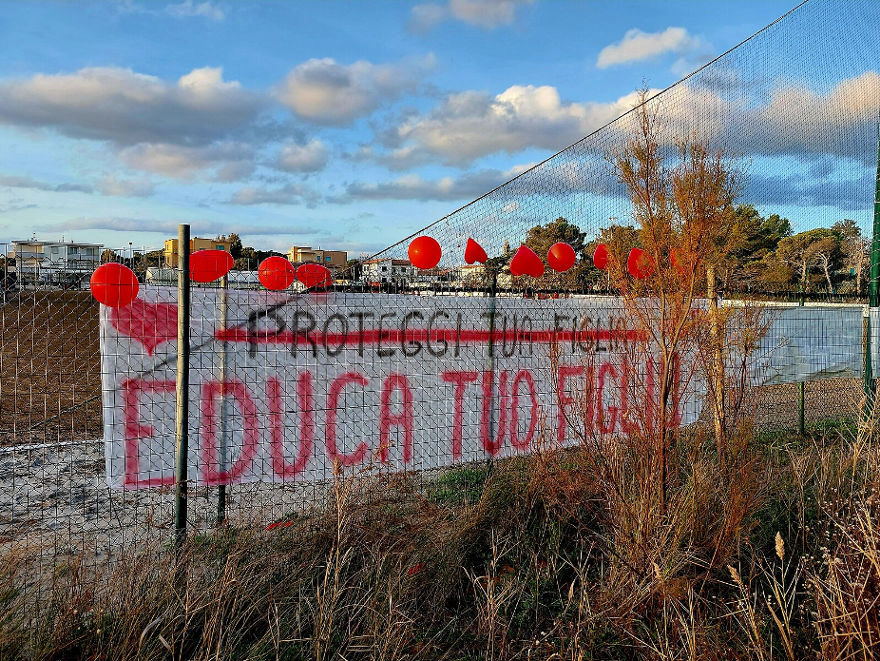
Behind a chainlink fence, a large wall is grafittied with a large protest slogan, the first line crossed out and the second part larger in red. Red ballons float above the wall.

Statement for the femicide of Giulia Cecchetin and for all women victims of femicide. "Instead of protecting your daughter, educate your son." Anna Massini. CC BY-SA 4.0

Giulia Cecchettin was 22 years old and only days away from attaining her college degree when her life was brutally ended by her ex-boyfriend, Filippo Turetta. Turetta was enraged that Cecchettin had decided to end their romantic relationship. He had been controlling while the two were together, to the extent that he had installed a spy app on Cecchettin’s phone to monitor her movements. On November 11th, 2023, Cecchettin disappeared after going to buy her graduation outfit with Turetta. After a search that lasted a week, her body was found wrapped in black plastic bags and covered in more than twenty stab wounds. A week later, Turetta was arrested near Leipzig, Germany. He was extradited to Italy to face trial for the murder and is now serving time in prison. 

The murder gained international coverage thanks in part to the efforts of Giulia’s sister, Elena Cecchettin, who turned her family tragedy into a political movement. The day that Turetta was extradited from Germany, Elena posted a letter on social media. In the letter, Elena condemned the culture of violence against women that pervades Italy. “Turetta is often referred to as a monster, but he is not a monster,” she says in the letter. "A monster is an exception, a person outside society. The ‘monsters’ are not sick, they are healthy children of patriarchy, of rape culture. Don't take a minute's silence for Giulia, burn everything for Giulia.”

A poster with a depiction of Giulia drawn, half of her alight in flame, and a speech bubble protest slogan

Poster for Giulia Cecchettin in Naples, "For you we will burn everything." Rebecca Pitcairn.

A video of Elena reading her statement received millions of views. Elisa Ercoli, director of Differenza Donna, a women’s rights organization, told BBC that the killing was "the last straw, after a string of high-profile cases of femicides,” and that “Italy is a deeply patriarchal country.” Until 1981 honor killings were punished less stringently than other murders, and only in 1996 did rape start to be considered a crime against the person assaulted rather than a crime against “public morality.” As of 2024, only 58 percent of Italian women own a bank account, and in 2022, 44,669 women left their jobs due to the challenge of reconciling working and family life. According to statistics, a woman is murdered in a femicide every 72 hours. Giulia Cecchettin’s murder was the 105th of 120 femicides that occurred in Italy in 2023. 

After Giulia’s murder, women took to the streets and the piazzas of Italy in massive numbers to defend their right to live and to create awareness about Italy’s epidemic of violence against women. More than 500,000 people attended a protest in Rome by the Non Una Di Meno, (Not One Less) women’s rights movement, which hosted marches all across Italy in 2023. Students at the University of Padua (where Giulia studied), when asked to hold a minute of silence in Giulia’s honor, instead spent the minute making noise, clapping, reading poetry and singing.

Women at a protest in the city, holding up their signs.

Protest Organized by Non Una di Meno, Firenze, "Neither God, nor husband, nor master." Valentina Ceccatelli. CC BY-NC-SA 2.0

Feminists and student collectives in other cities organized torchlight walks and “angry walks” in response to the moments of silence requested by schools in a culture where insidious silence already envelops the topic of violence against women. Non Una di Meno led students from multiple universities and hundreds of thousands of protestors across Italy in a “moment of noise” for Giulia on November 25, 2023, the International Day for the Elimination of Violence Against Women.

Many women, inspired by Elena Cecchettin, adopted the poem “Si manana me toca, quiero ser la ultima” (“If it's my turn tomorrow, I want to be the last”) by Peruvian poet and activist Cristina Torres Cáceres. The poem was written in 2011 to honor women and the victims of violence in Latin America after the murder of Mara Castilla. “If tomorrow it’s me, if I don’t come back tomorrow, mother, destroy everything./If it’s my turn tomorrow, I want to be the last,” Castilla wrote.

Thousands attended Giulia’s funeral, which was broadcast live on television. In a eulogy delivered by Giulia’s father, Gino Cecchettin, he called for men to stand against patriarchy. “We should be the first to show ourselves as agents of change against sexual violence,” he said as he addressed the crowd, “Let us speak to other men we know, let us challenge the culture that tends to play down violence by men who appear to be normal.” As Giulia’s coffin was taken out of the church, members of the crowd shook their keys in a symbolic call for violence against women to not be tolerated in silence.

TO GET INVOLVED

Non Una di Meno: This organization’s website has information about demonstrations and campaigns against violence against women that are currently active in Italy. 

Differenza Donna: This organization provides legal assistance, a hotline and shelter for victims of gendered violence. Their website includes a link to donate to their fight to protect women. 

Centro Antiviolenza Artemesia: A shelter for victims of domestic abuse that accepts donations and volunteers.


Rebecca Pitcairn

Rebecca studies Italian Language and Literature, Classical Civilizations, and English Writing at the University of Pittsburgh. She hopes to one day attain a PhD in Classical Archeology. She is passionate about feminism and climate justice. She enjoys reading, playing the lyre, and longboarding in her free time. 
Hunger War: Sudan is Starving

Constant violence is keeping humanitarian aid from entering Sudan.

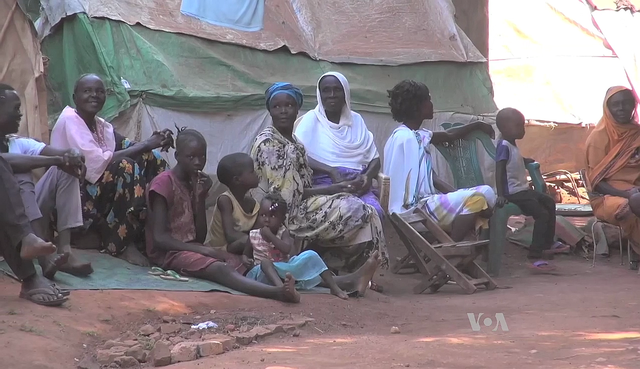
Refugees seated on the sandy ground outside of a makeshift tent

Refugees from South Sudan. Jill Craig. CC 0

The civil war in Sudan has only sped up after entering its second year. After fighting broke out between the two warring factions in Khartoum in April of 2023, the conflict has spread to all corners of the country as the official Sudanese Armed Forces (SAF) and the paramilitary Rapid Support Forces (RSF) vie for control of the nation.

The rest of the country has been forced to either flee their homeland or suffer through increasingly dire conditions. Chad, South Sudan, and Ethiopia have taken in roughly 1.8 million refugees, but tens of millions of people are still trapped within Sudan, enduring acute food insecurity and outright starvation amid intensely destructive violence.

The United Nations World Food Programme (WFP) has stated that almost nine in ten people living in Sudan are trapped in “relentless violence,” which is fueling unprecedented levels of food insecurity. This crisis has been declared the largest hunger crisis in history, as most of the citizens facing starvation are stuck in completely inaccessible areas as a result of the ongoing conflict.

Several nations have attempted to send humanitarian aid to Sudan and to the countries to which refugees have fled. However, the fighting that is keeping citizens trapped in the country is also effectively barring supplies from entering Sudan.

This often takes the form of direct military assaults on citizens and local responders, suggesting that the RSF and SAF are both using starvation as a weapon against each other. In addition, many attempted aid drops have been looted and destroyed by the warring armies.

As of July 2024, over 26 million people in Sudan are facing food insecurity, with an additional 9 million having been driven out of the country by the war. These refugees have triggered smaller but no less serious hunger crises in neighboring Egypt, Chad, South Sudan and Ethiopia.

Currently, over $2.2 billion has been allocated to humanitarian aid and recovery, with roughly $1 billion coming from the United States. However, as the crisis stretches on into 2024, donations have begun to dry up. Estimates suggest that around $200 million is still needed to counteract the rampant starvation, and even that does not account for the total value of all looted and destroyed supplies.

How You Can Help

Humanitarian aid organizations across the country are constantly accepting donations to send to the Sudanese citizens. Groups such as World Food Programme USA and Save the Children aim to provide food, health supplies, and other necessary resources to those trapped in the middle of the war. On an international scale, Doctors Without Borders and the UN Refugee Agency are providing humanitarian aid to Sudanese displaced people and refugees in the surrounding nations


Ryan Livingston

Ryan is a senior at The College of New Jersey, majoring in English and minoring in marketing. Since a young age, Ryan has been passionate about human rights and environmental action and uses his writing to educate wherever he can. He hopes to pursue a career in professional writing and spread his message even further.

Gambia's Controversial Bid to Reverse FGM Ban

In 2015, female genital mutilation was made a criminal offense in Gambia, but in March of 2024, a bill was introduced to overturn the ban.

A close up of Jaha Dukureh as she speaks seated on a panel

Jaha Dukureh, Gambian Anti-FGM Activist, Speaks at UNHQ. Ryan Brown. CC BY-NC-ND 2.0

Female genital mutilation, or FGM, refers to the practice of partially or completely removing the external female genitalia for non-medical and often religious reasons. In addition to psychological trauma, the procedure can cause a variety of medical issues for the victim, including bleeding, problems with urination, cysts, infections, complications in childbirth, and shock or death. According to the World Health Organization, as of 2024 more than 230 million women have undergone FGM. It is most often practiced on girls between infancy and age 15. Data collected by UNICEF in 2024 reveals a 15% increase in the number of survivors compared to data released eight years ago.

Gambia has one of the highest rates of FGM worldwide. Around 46% of girls age 14 and younger and 73% of girls and women between ages 15 and 49 have undergone FGM in the country, according to UNICEF. In 2015, Gambia passed the Women’s (Amendment) Act, which criminalized FGM. The law did little to end the practice, however. Only two case of FGM have been prosecuted since the law was passed, and the first conviction for performing FGM was not made until August of 2023. 

Calls to overturn the ban on FGM began in earnest after the 2023 conviction, in which three women were indited. Many supporters of the practice were outraged by the womens’ fate. One of Gambia’s most vocal religious leaders, Islamic cleric Imam Abdoulie Fatty, who believes that FGM is prescribed by Islam, raised funds to pay the womens’ fines. From that point on the movement began to gain traction. 

A bill proposing to overturn the ban was officially introduced to Gambia’s parliament in March of 2024. Of the 58 members of Gambia’s parliament, 4 legislators voted to preserve the ban, 42 legislators voted to legalize FGM and one abstained. Although it passed by a majority, the bill still needs to be approved by a final committee before it becomes law. Notably, only five of Gambia's parliamentary seats are currently held by women. 

Activists fear that the bill represents a threat to more than just the ban on FGM; it is representative of a broader struggle for gender equality in Gambia. The widespread support that the bill has received suggests that many Gambians still hold deeply patriarchal values, a revelation that could embolden religious conservatives to take advantage of the moment to set back other steps that have been taken towards gender equality. It could also inspire other countries in Africa, especially Muslim-majority West African countries like Kenya or Guinea, to repeal their bans on FGM, says Satang Nabaneh, a human rights law professor at the University of Dayton. “There has been an uptick in [attempts to reverse] anti-FGM laws within the continent,” she told TIME, “and what happens in the Gambia will be a signal to other West African countries or conservative actors to roll back women’s sexual and reproductive rights, as well as to allow for gender-based violence.”

Gambian President Adama Barrow said in June that his government would abide by the ban, though he faces increasing pressure from traditionalists as a parliamentary commission considers the new bill. "While awaiting its outcome, government remains committed to enforcing the prohibition of FGM in The Gambia," Barrow said in a statement, although he has yet to suggest a plan for preventing the ban from being overturned if the bill is passed.

GET INVOLVED 

The Five Foundation: The Five Foundation was established to combat FGM. They have launched multiple projects aimed at supporting women all across Africa who have been affected by FGM. 

Safe Hands for Girls: This organization is dedicated to ending FGM and child marriage in Africa. Their website offers a link for donations and information on their various initiatives.


Rebecca Pitcairn

Rebecca studies Italian Language and Literature, Classical Civilizations, and English Writing at the University of Pittsburgh. She hopes to one day attain a PhD in Classical Archeology. She is passionate about feminism and climate justice. She enjoys reading, playing the lyre, and longboarding in her free time. 

Dirty Water: The Frantic Rush to Clean the Seine Before the 2024 Olympics

Officials of the French government are trying to clean the Seine, which has been deemed unswimmable for a century, in time for the 2024 Summer Olympics swim competition.

Ornate bridge over the green River Seine.

Pont Alexandre III on the River Seine, Billy Wilson, CC BY-NC 2.0

With the 2024 Olympics set for Paris, the French government has faced backlash for its efforts to quickly clean the Seine, the main river that runs through Paris. The Seine is approximately 13 kilometers long and, in Paris, accompanied by 37 bridges. The staple has promoted water travel and inspired classic French songs such as, “Sous le Pont Mirabeau” and “Sous les Ponts de Paris.” The Seine also has a long history of supplying water to Parisians. In Medieval Paris, citizens and street vendors would collect water from the Seine before they had access to running water. In 1802, Napoleon constructed the Canal St Martin connecting the Seine to the Bassin de La Villette with the goal of supplying water via public fountains throughout the city. The River Seine was in wide use, with people engaging in walks along its banks and recreational swimming, until a decree was passed in 1923 that banned such activities due to pollution and waste runoff. News Writer Olivia Craighead explains that, “The city is old as hell, and as such, sometimes sewage ends up in the Seine.” While people are still allowed to visit its banks, the River Seine has been closed to swimmers since the decree. Until the announcement of the 2024 Olympics.

Since the 2008 Olympics, there have been two open water swimming events: the triathlon and the 10k marathon swim. Pierre Rabadan, the deputy mayor in charge of sports, Olympics, and Paralympics, has said that, “Our objective is an Olympic legacy.” In 2015, Paris introduced the "Plan Baignade" (“Swimming Plan” in English), a plan to make the river swimmable for the Olympics and regular citizens by 2024. As a result, the government has invested upwards of $1.5 billion to make their plan a reality. Despite their efforts, test results from the week of June 10 reveal that E. coli levels in the river are over twice the maximum allowed in water for Olympic events. Marc Guillame, a top government official for Paris, says that these recent readings “are not in line with the standards we will have in the summer.” With the Seine, most bacteria is killed with sunlight and warm temperatures, both of which Paris has seen very little of at this point in the summer. Instead, it has endured heavy rain and cloudy conditions. Phillippe Leclercq, an 18 year old living on a houseboat on the River Seine, notes that, “When it’s good, it’s a nice green color, lately it’s just been brown.”

To ease concerns citizens and athletes have about the River Seines’ cleanliness, President Emmanuel Macron and Mayor of Paris Anne Hidalgo have pledged to be the first swimmers. Originally scheduled to take a dip on June 23, the two have moved their swim back to July 14. Hidalgo stresses that this was not due to the condition of the water, but the current weather and political atmosphere: “Yes, I will swim in the River Seine, not now because the weather is not so well in Paris, but also because we have an election. It is not possible to organize the jump to the river during the election.”


Aanya Panyadahundi

Aanya is a student at the University of Michigan studying sociology and journalism on a pre-law path. She loves to travel the world whenever she can, always eager to learn more about the different cultures and societies around her. In her free time, she likes to play the violin, ski, and listen to podcasts

Afghanistan is Starving: The Ongoing Food Crisis Under Taliban Rule

Millions of Afghan children will suffer crisis-level hunger by the end of 2024.

Women holding buckets among an arid landscape. Cows graze in the background with sandstone buildings.

Arid landscape in Afghanistan. Unsplash. CC0

Afghanistan has had no shortage of crises so far this year. Frequent flooding in the north and west in May and severe drought in January have triggered a monumental inflow of humanitarian aid, but despite the world’s best efforts, it appears that the fallout from these events will be seriously damaging for the already impoverished and oppressed citizens for the rest of the year.

Studies by Integrated Food Security Phase Classification, an independent global hunger monitoring organization, suggest that around 12.4 million Afghan citizens will be faced with food insecurity between June and October of 2024. Of those affected, just over half are children. In addition, 2.4 million citizens will experience starvation at emergency levels; this categorization is just above outright famine.

A variety of causes have been listed for the crisis. Back in May, flooding devastated many northern towns, affecting 60,000 citizens and reducing farmland to fields of mud. Based on weather patterns, these floods are expected to continue throughout the year, preventing any recovery of the farmland and causing a major decrease in domestic food production.

Additionally, an unexpectedly warm and dry winter has led to a lasting drought across the southern and western parts of the country. Although rainfall has increased somewhat in recent months, the arrival of the La Nina weather pattern in the fall is expected to bring even more dry, warm days. Although some farmland is recovering thanks to the brief respite provided by El Nino, much of the land is about to be confronted with a second round of drought conditions, further cutting down food production.

The most prominent cause of food insecurity, however, is the ever-present and ever-controversial Taliban government. Local currency has taken an alarming plunge while food prices, thanks to scarcity caused by the aforementioned environmental catastrophes, continue to soar. The Taliban’s apparent lack of concern for Afghanistan’s economy suggests that there will be no serious action towards rectifying the crash. Economic aid from foreign countries helps somewhat to avert the biggest fallout from the crisis, but the problem is virtually unfixable without changes in the regime's policies.

Regardless of how it began, the food crisis in Afghanistan is only getting worse—and fast. The country is alarmingly unequipped to pull itself out of poverty and hunger; action by charities and foreign governments is helping, but more is needed to prevent the looming threat of starvation. Hundreds of thousands of families are actively struggling to find their next meals, and millions of children will soon be forced to endure near-famine levels of food insecurity.

How You Can Help

Organizations such as the World Food Programme and UN Crisis Relief are actively supplying food to communities most impacted by the crisis. Estimates show that around $600 million are needed to ease the burden across the entire country. Other groups, such as UNICEF, are specifically aiming to feed and protect the millions of starving children and their families. There is no way to fix Afghanistan’s economic and political crises from the outside, but these organizations have already helped to feed and house countless citizens facing down these disasters head-on.


Ryan Livingston

Ryan is a senior at The College of New Jersey, majoring in English and minoring in marketing. Since a young age, Ryan has been passionate about human rights and environmental action and uses his writing to educate wherever he can. He hopes to pursue a career in professional writing and spread his message even further.