Affirmative Action: An International Perspective

The US Supreme Court struck down affirmative action in college admissions, but across the world other countries maintain programs to diversify higher education.
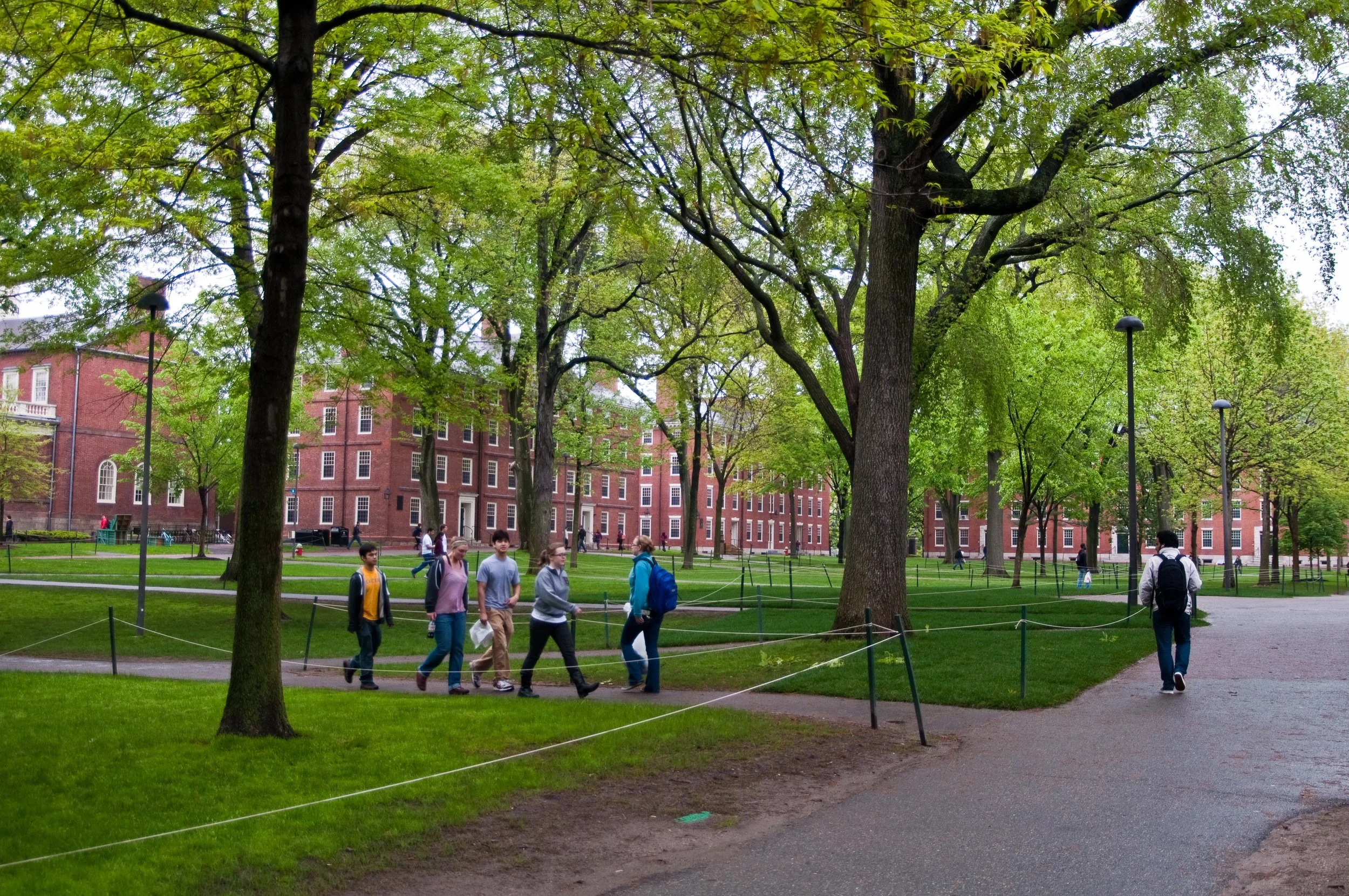
Harvard campus. Anne Helmond. CC BY-NC-ND 2.0

On June 29, 2023, the U.S. Supreme Court, led by a conservative majority, struck down the use of affirmative action in college admissions. The ruling prevents colleges from considering race as a factor when deciding whether to admit applicants. The Supreme Court ruled in favor of The Students For Fair Admission, which sued Harvard and University of North Carolina on the claim that the schools' affirmative action policies discriminate against Asian Americans. The case was seen by supporters of affirmative action as an example of using Asian Americans as a wedge group for a conservative agenda, and a poor representation of the wide spectrum of Asian Americans’ views on affirmative action. 

The story of affirmative action in the U.S. is a fraught one, emerging from generations of racial inequality and discrimination. However, it is not a story that exists in a vacuum. About 25% of all countries have some form of affirmative action with the goal of opening up higher education to students from different backgrounds.

History of Affirmative Action in The U.S.

Affirmative action encompasses any program that actively improves job and educational opportunities for minorities or women. The belief was adopted by president Kennedy in 1961 through Executive Order 10925, which sought to use "affirmative action to ensure that applicants are treated equally without regard to race, color, religion, sex, or national origin,” and established the Committee on Equal Employment Opportunity. President Johnson’s 1965 Executive Order 11246 helped cement affirmative action by requiring government and contractors and subcontractors to expand opportunities to minorities.

During the Civil Rights movement, and following the assassination of Dr. Martin Luther King Jr., student groups and advocates implored universities to make education more accessible, and to establish class demographics that were indicative of American society. In the weeks following Dr. King’s death, the Dean of Admissions at Harvard announced his commitment to enroll more Black students, a decision that led to a 76% increase in black students enrolled at Harvard between 1968 and 1969. Harvard’s stance was soon followed by other elite institutions including Princeton, Yale and Columbia. 

While universities individually pledged to embrace student diversity and increase enrollment among racial minorities, it wasn’t until a 2003 Supreme Court case that affirmative action became established as a national precedent. The 2003 case of Grutter v. Bollinger determined that affirmative action did not violate the Constitution’s Equal Protection Clause, and created a precedent in which a desire for increasing diversity could be used as a means of using racial preferences within admissions. 

India
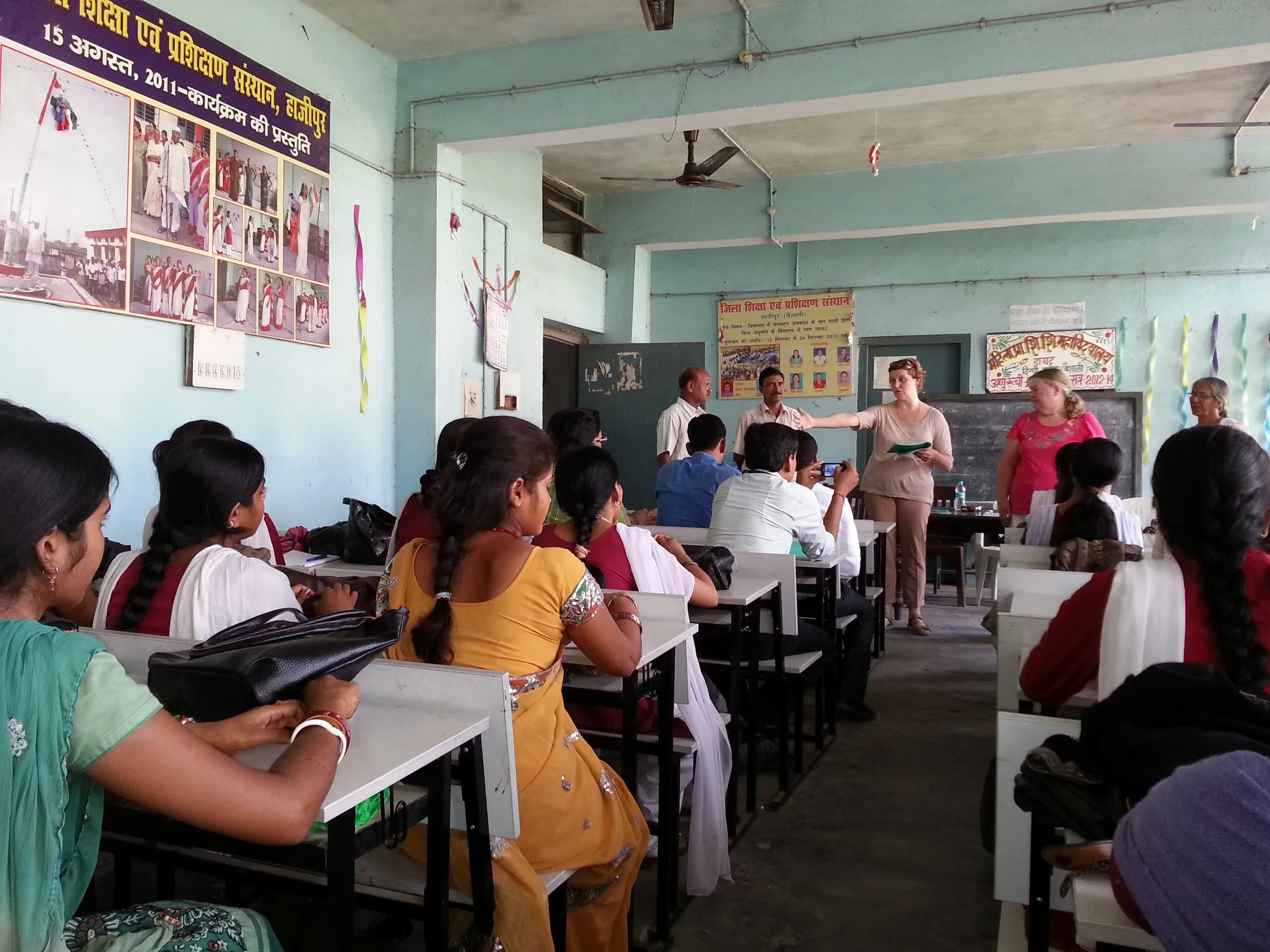
Classroom in Patna, India. TESS India. CC BY-SA 2.0

One of the earliest examples of affirmative action was adopted in India during British colonial rule in the 19th century. Under the programs, reservations were created as a means of establishing educational opportunities for the Dalit, commonly (and offensively) known as the “untouchables.” India’s modern affirmative action program seeks to expand opportunity by reserving 22.5% of all spots in educational institutions for lower caste youth. In 2005 the program was expanded to include private higher education institutions as well. These programs have led enrollment by targeted low caste disadvantaged groups to increase by three times

India’s affirmative action system has contributed to a national increase in Dalit’s social and economic standing. In 1965, only 1.6% of the most senior service positions were held by Dalits, a number that rose to 11% by 2019, making it more representative of India’s demographics as 25% of the country is Dalit. 

France
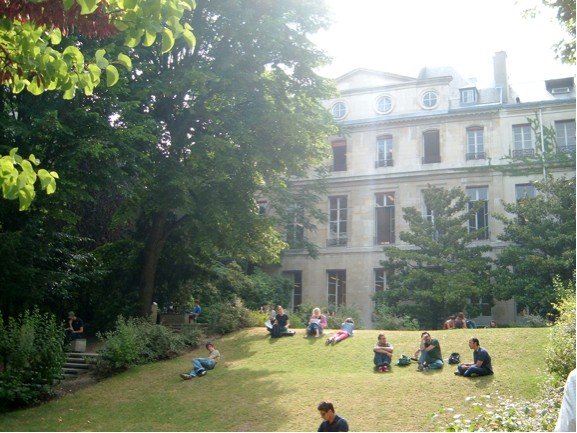
Garden at the Sciences Po. that ambitious girl. CC BY-NC 2.0

In France, affirmative action measures target specific neighborhoods as priority education areas, or Zones d’Education Prioritaires, which are often characterized by low income, many residents of immigrant background, and a high percentage of the population for whom French is a second language. In place of quotas some elite institutions, including Sciences Po, have sought to reach out directly to students coming from these disadvantaged neighborhoods, asking secondary schools in these areas to send over their best applicants, with the university providing necessary financial aid. The program seems to have had limited effects, and since its establishment in the early 2000s only 860 students have been admitted in through this specific channel. However, the number of students on financial aid has increased by roughly 20% in recent years. 

Brazil

Students in Brazil. World Bank Photo Collection. CC BY-NC-ND 2.0

In 2012, the Brazilian government adopted a bill to reserve half of the spots in elite federal education institutions for students from state schools. The bill, supported by President Dilma Rousseff, also set up racial quotas for universities to allocate spots for black, mixed race, and indigenous populations according to the demographics of each state. The bill was proposed with the aim of combatting education and economic inequalities, as only about 10% of Brazilian students graduate from the elite private schools that act as feeders for the country’s top universities; the majority of private school students are White, despite the country’s racial diversity. 

The use of such affirmative action policies in Brazil have been met with criticism, in part because the country’s demographics are racially mixed, with many seeing themselves unreflected in Black and White binary. Despite this, racial inequality is widespread, and a 2021 survey found that White Brazilians earned an average of 75% more than Black Brazilians and 70% more than Brown Brazilian workers. 

In 2023, President Luiz Inácio Lula da Silva signed a decree that reserves 30% of federal government positions for candidates who are Black or of mixed race.

Jessica Blatt

Jessica Blatt graduated from Barnard College with a degree in English. Along with journalism, she is passionate about creative writing and storytelling that inspires readers to engage with the world around them. She hopes to share her love for travel and learning about new cultures through her work.
5 Wildfires Around the World in 2023

The increasing temperatures and drier conditions created by climate change have caused bigger and more dangerous wildfires.

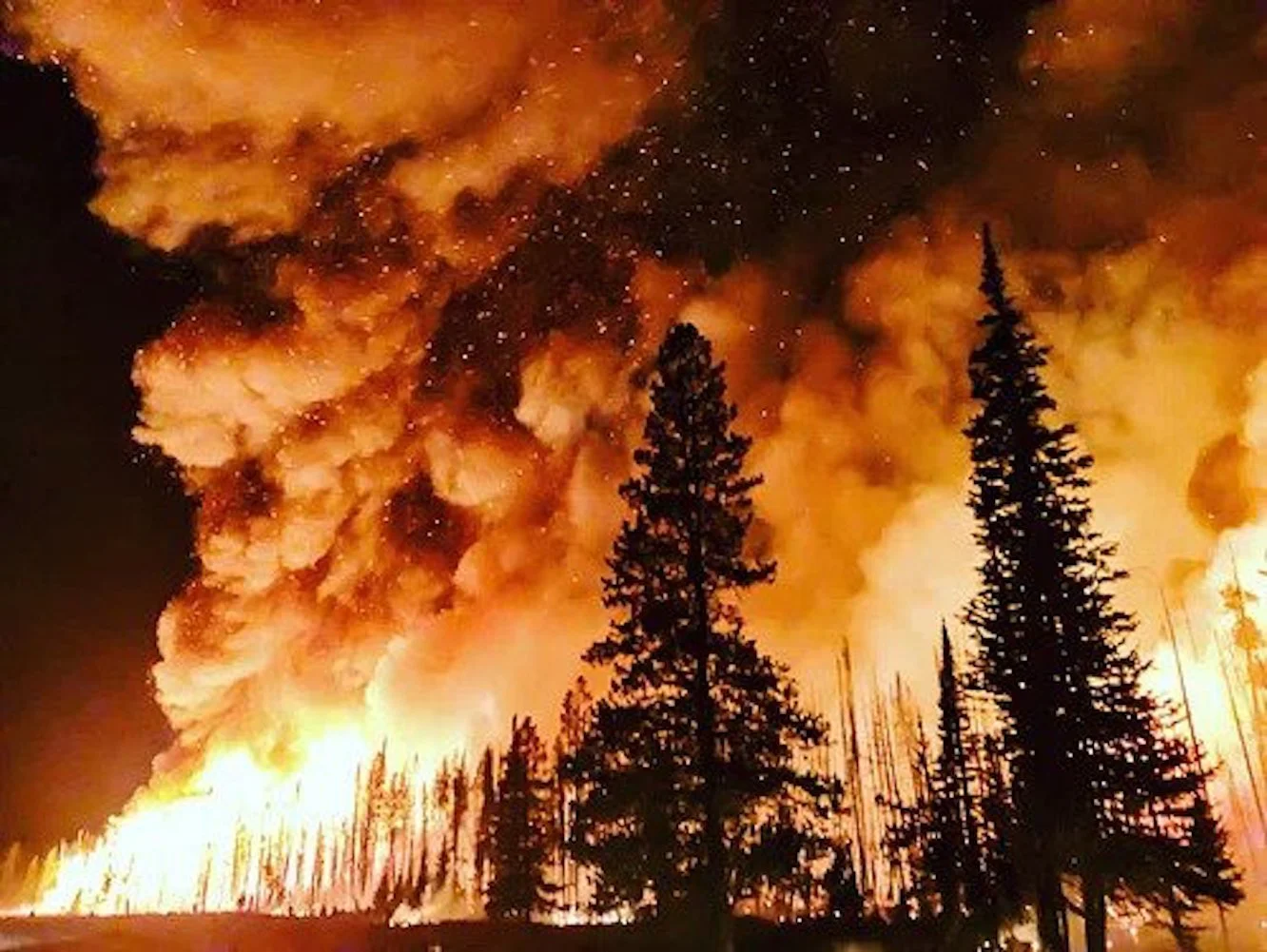
Wildfire. Rawpixel. CC0 1.0.

Wildfires are occurring more frequently, burning hotter and causing more destruction than ever before. In the US alone, the top five years for the largest acreage burned have occurred since 2007, with the top three all within the last eight years. Climate change causes warmer and drier atmospheric conditions, leading to more intense and longer-lasting wildfires. The years with the most burned acreage tend to also be the years of the warmest temperatures on record, suggesting the role of climate change-induced aridity in the intensity of these natural disasters. Here are examples of wildfires that have occurred in 2023 so far.

Chile - February 2023

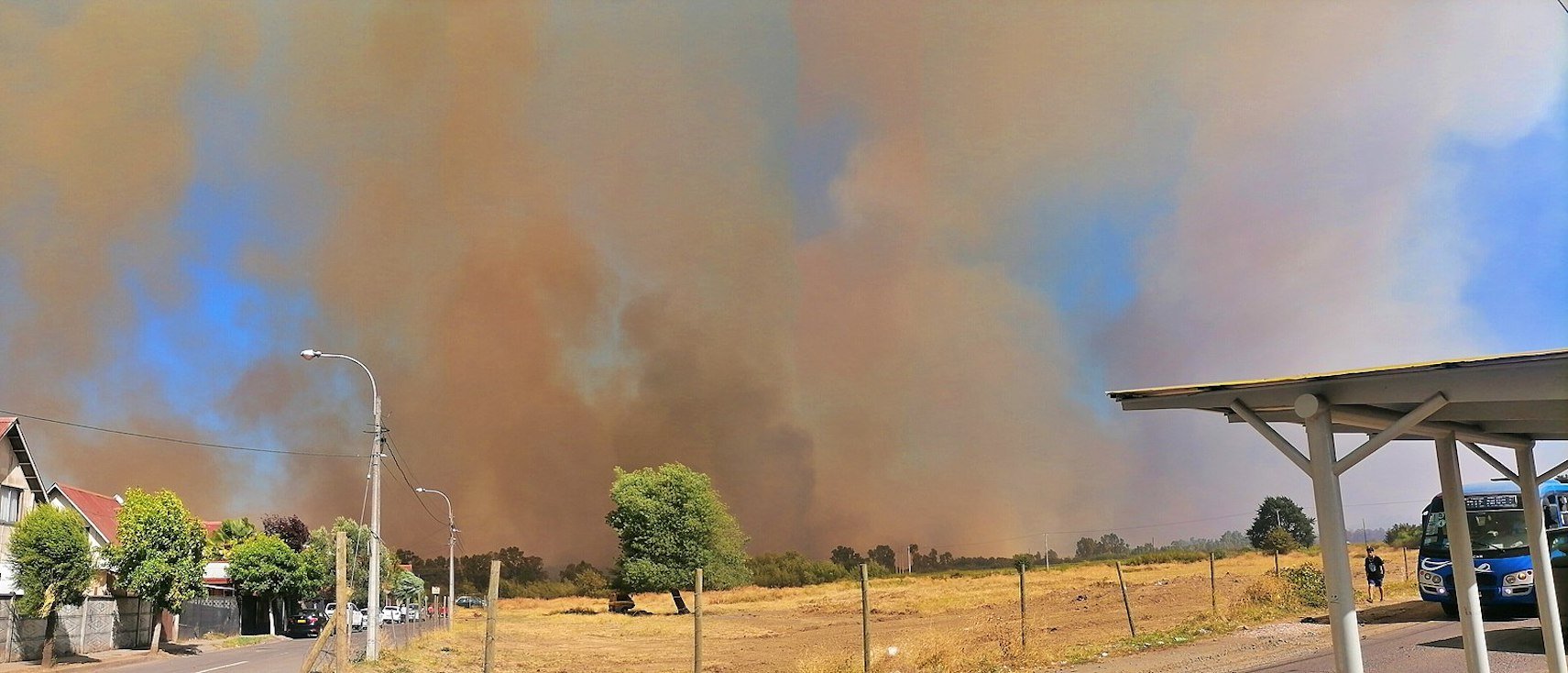
Wildfire smoke in Chile. Lacasadeljotta. CC BY-SA 4.0.

Wildfires in south-central Chile led to 24 deaths and about two thousand injuries, burning over 800,000 acres of land. These fires arose from a phenomenon referred to as “La Nina,” which explains the occasional cooling of ocean temperatures, leading to rainier and colder conditions in the north as well as drier and warmer conditions in southern regions, such as Chile.

Spain - March 2023

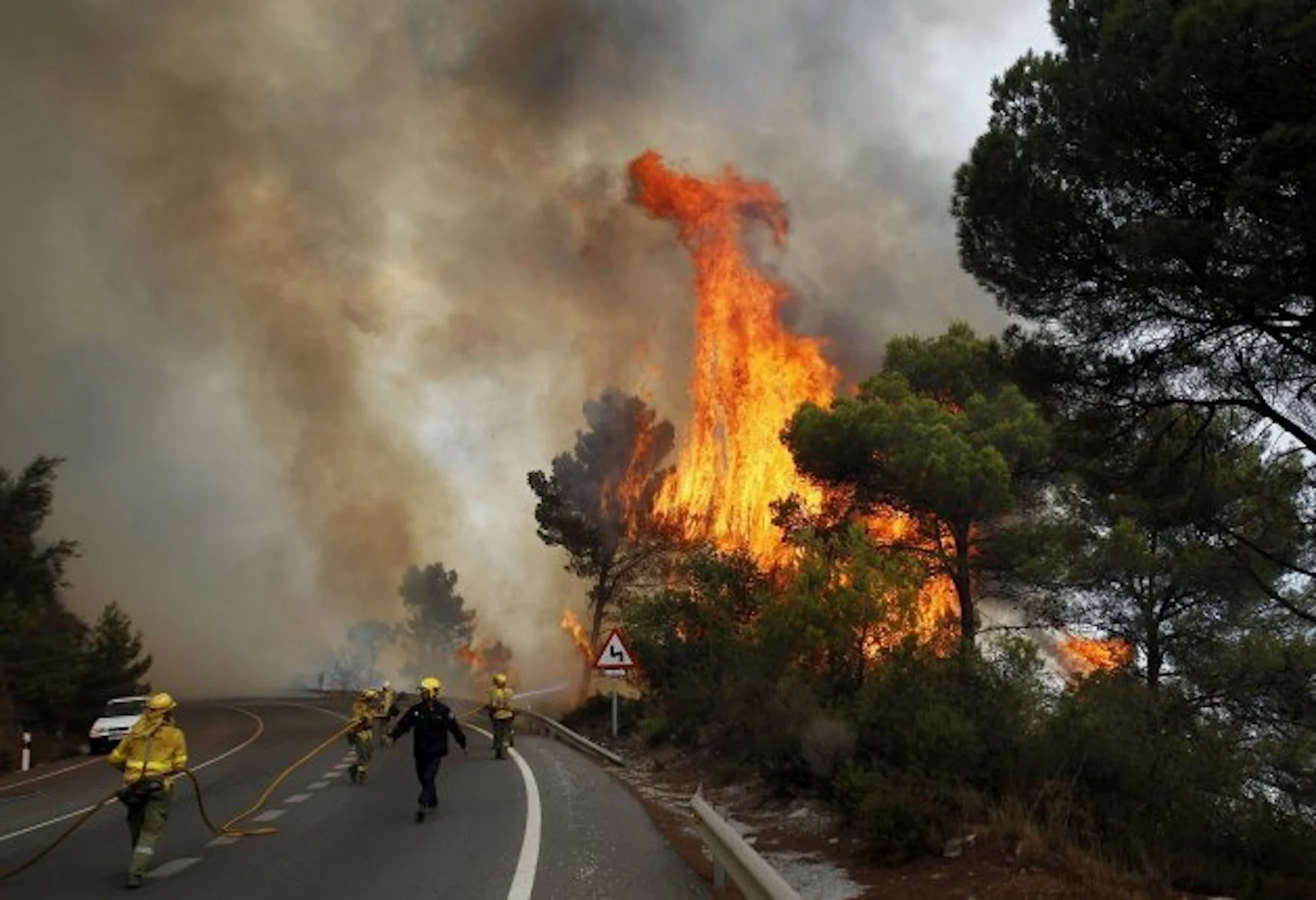
Wildfire in Spain. Sergio Torres. CC BY-SA 4.0.

Fires originating in the province of Castellón marked the beginning of this year’s wildfire season for Spain. Forcing over 1,800 people to evacuate, the blaze spanned over 10,500 acres of land. Though these fires were destructive, the country experienced even more devastation last year, with about 500 wildfires and the burning of about 756,000 acres of land.

Russia - May 2023

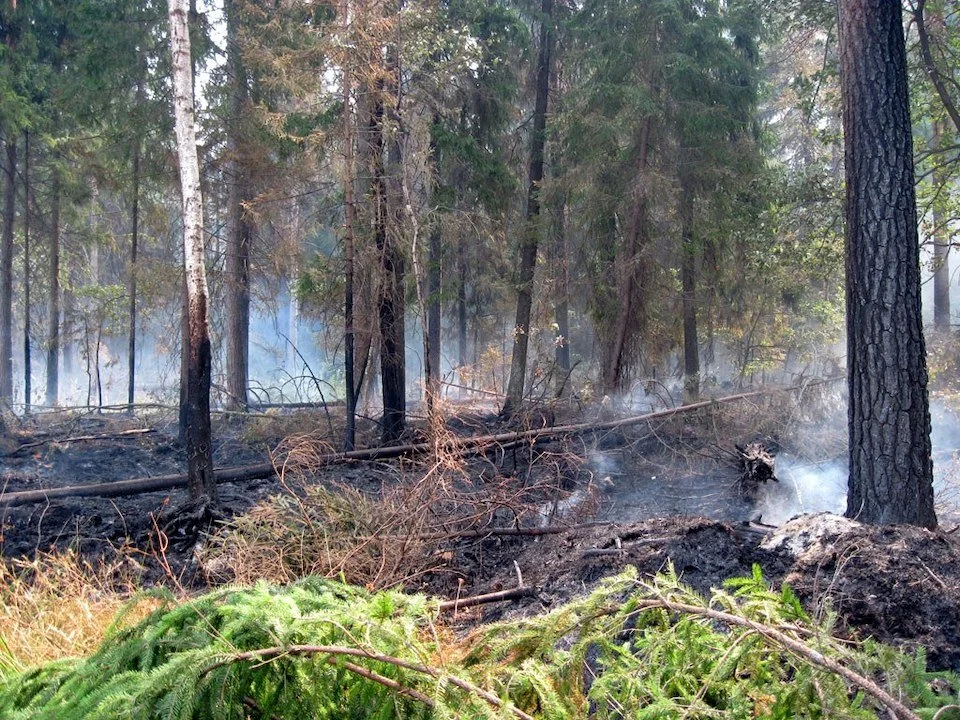
Wildfire damage in Russia. Ivan Simochkin. CC BY-SA 3.0.

Wildfires in the Russian Ural Mountains and Siberia have led to at least 21 deaths and many injuries. These inferno covered 280,000 acres of land, destroying hundreds of homes. The cause of these fires was a heat wave likely caused by climate change, and the degree of destruction has been attributed to lack of resources and in and the sheer isolation of in the locations of these fires’ origins.

United States - June 2023

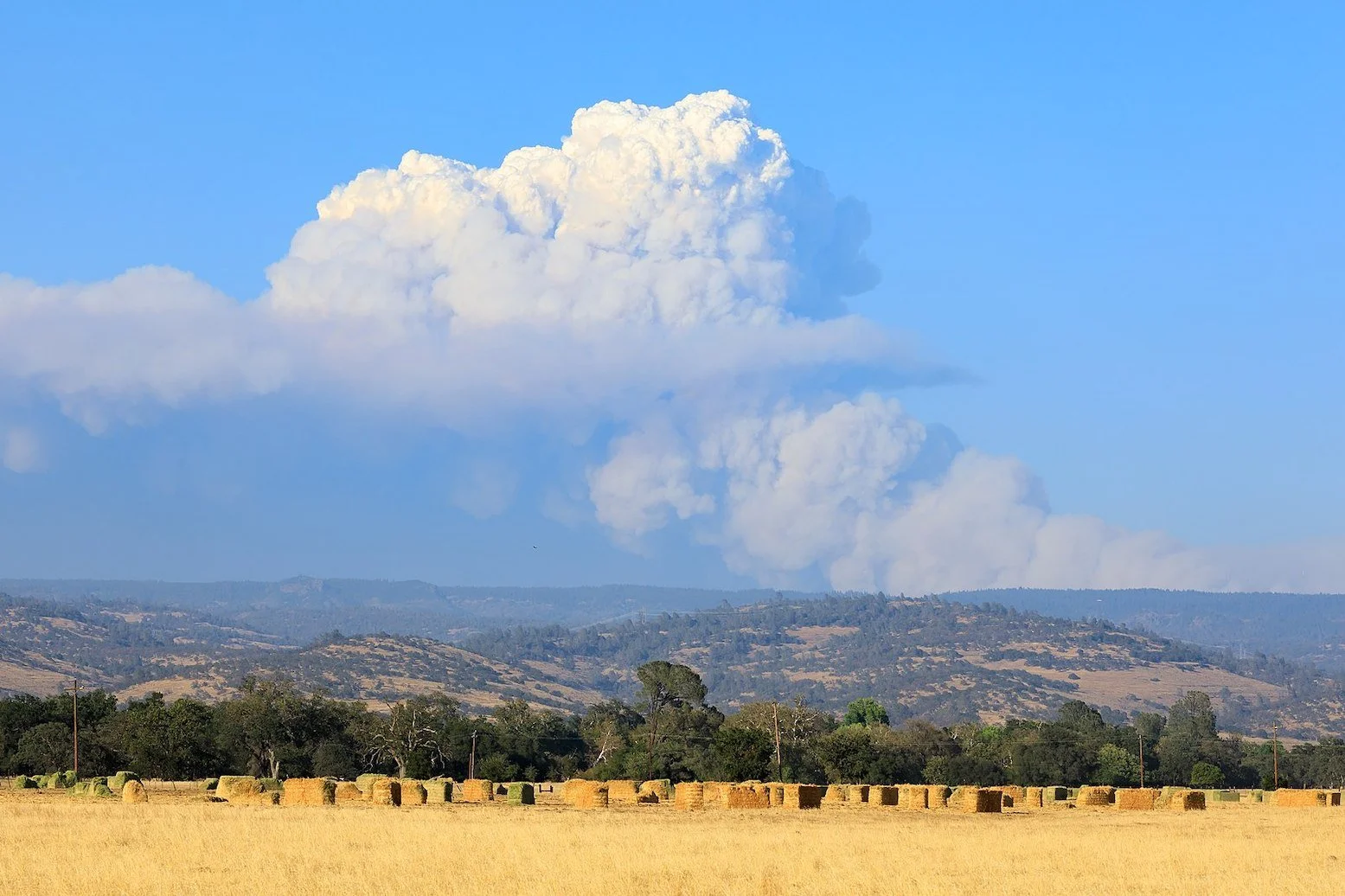
Smoke from California wildfires. Frank Schulenburg. CC BY-SA 4.0.

Like Spain, the United States experienced a brutal wildfire season in 2022, especially in western states. For example, fires in the state of Oregon burned over 400,000 acres of land in 2022 alone. So far in 2023, Oregon has experienced 18 wildfires and the burning of over 17,000 acres of land. Other US states, such as Arizona and California, have also had multiple wildfires recently.

Canada - June 2023

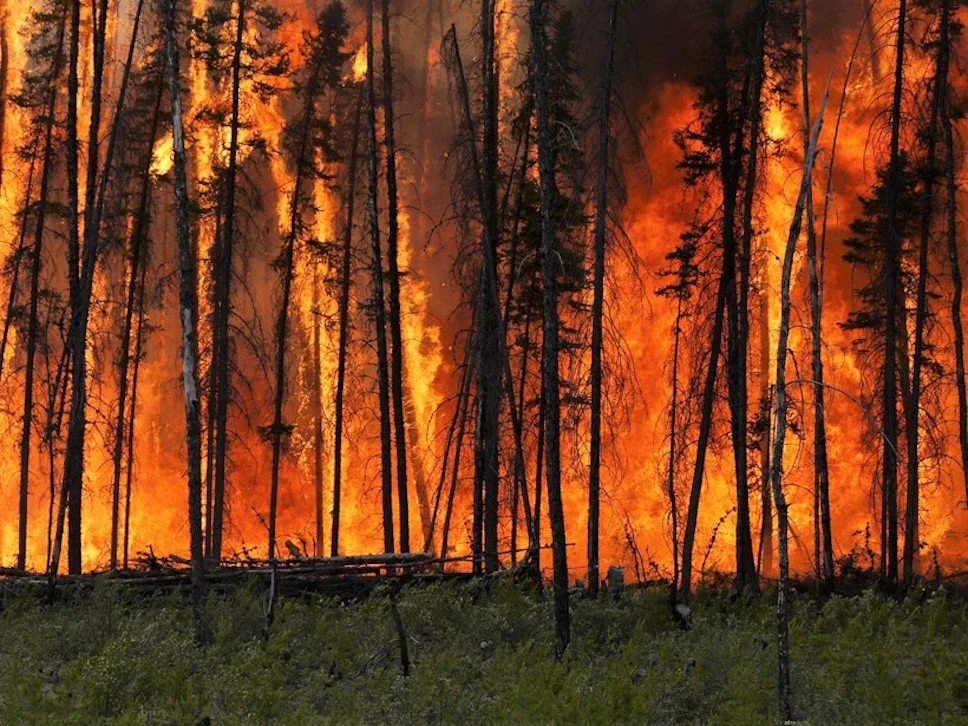
Forest fire in Canada. Stefan Doerr. CC BY-ND 3.0.

The Canadian province of British Columbia experienced its worst wildfire on record this June. The fire occurred in Donnie Creek, burning 2,063 square miles of land. The summer of 2023 is projected to be the worst wildfire season ever for Canada in terms of damage, as the country experiences warmer and drier conditions than usual.

In recent years, the most wildfire damage has occurred in the month of July, with an average of 1.7 million acres burned in this month between 2002 and 2020. With this statistic, it can be inferred that there will be even more destruction to come from wildfires in 2023. More than 80 percent of wildfires are caused by humans, often through cigarettes, campfires, and other common products and activities. Fires are becoming deadlier due to atmospheric conditions resulting from climate change, as drier and warmer temperatures make the environment more flammable and induce larger fires. Indeed, the wildfires in Chile, Spain, and Oregon were likely caused by human activity. With this information, it is important to spread awareness about wildfires and to be cognizant of possible environmentally-harmful behaviors.

Here are some ways you can help prevent wildfires:

Ensure that you properly extinguish your camp fire.

Douse your camp fire with a bucket of water twice, stirring it in between. Before leaving, check to make sure the ground is cold.

Avoid engaging in fire-related activities during dry conditions

Dry atmospheric conditions increase flammability. Avoid building fires, using fireworks, or engaging in any other fire-related activities on dry days.

Avoid driving or parking on dry grass.

The exhaust of one vehicle alone can exceed one thousand degrees. As dry grass is highly flammable, it is best to not park or drive in these areas.

Put used matches in a cup of water or closed container.  

Ensure that you are being conscious of how you dispose of your matches to avoid accidentally igniting them. Put used matches in a cup of water or a closed container (to starve any embers of oxygen) before disposing of them.

Another way of making an impact is to donate to wildfire relief organizations. Many organizations help revitalize areas that have been devastated by wildfires. 

Click here to donate to the American Red Cross Disaster Relief .

Click here to donate to the UN Crisis Relief.


Alexandra Copeland

Alexandra is a student at The College of New Jersey studying psychology and journalism. She is a lover of coffee, dancing, and visiting new places. Being raised with her Greek culture has inspired her interest in cultural customs around the world. She is a passionate writer and hopes that her work will make an impact in the future.

Thrill-Seekers Turned Activists: How Urban Explorers Reshape Our Cities

Dive headfirst into the vibrant and rebellious world of urban exploration.

An abandoned building in Dallas, TX, USA. CC0 Photo by Jamison Riley

A clandestine movement has taken root in the heart of the concrete jungle, where towering skyscrapers cast long shadows and the city’s pulse beats relentlessly. Urban explorers, audacious pioneers of the metropolitan underworld, have transcended the realm of mere thrill-seeking to become a force of exploration and social change. With a fervor matched only by their insatiable curiosity, these modern-day adventurers navigate our cities’ forgotten nooks and crannies, unearthing hidden stories and breathing life into the abandoned.

Venturing beyond the metropolis’s surface, urban explorers are more than mere adrenaline junkies. They don headlamps and sturdy boots, equipped not only with a passion for the forbidden and abandoned but also a profound desire to expose the secrets that lie dormant, just out of view. These intrepid souls are the custodians of forgotten spaces, the keepers of memories that time and progress threaten to erase. But what sets many of these thrill seekers apart is their mission to harness these spaces to advocate for change and ignite the fires of awareness.

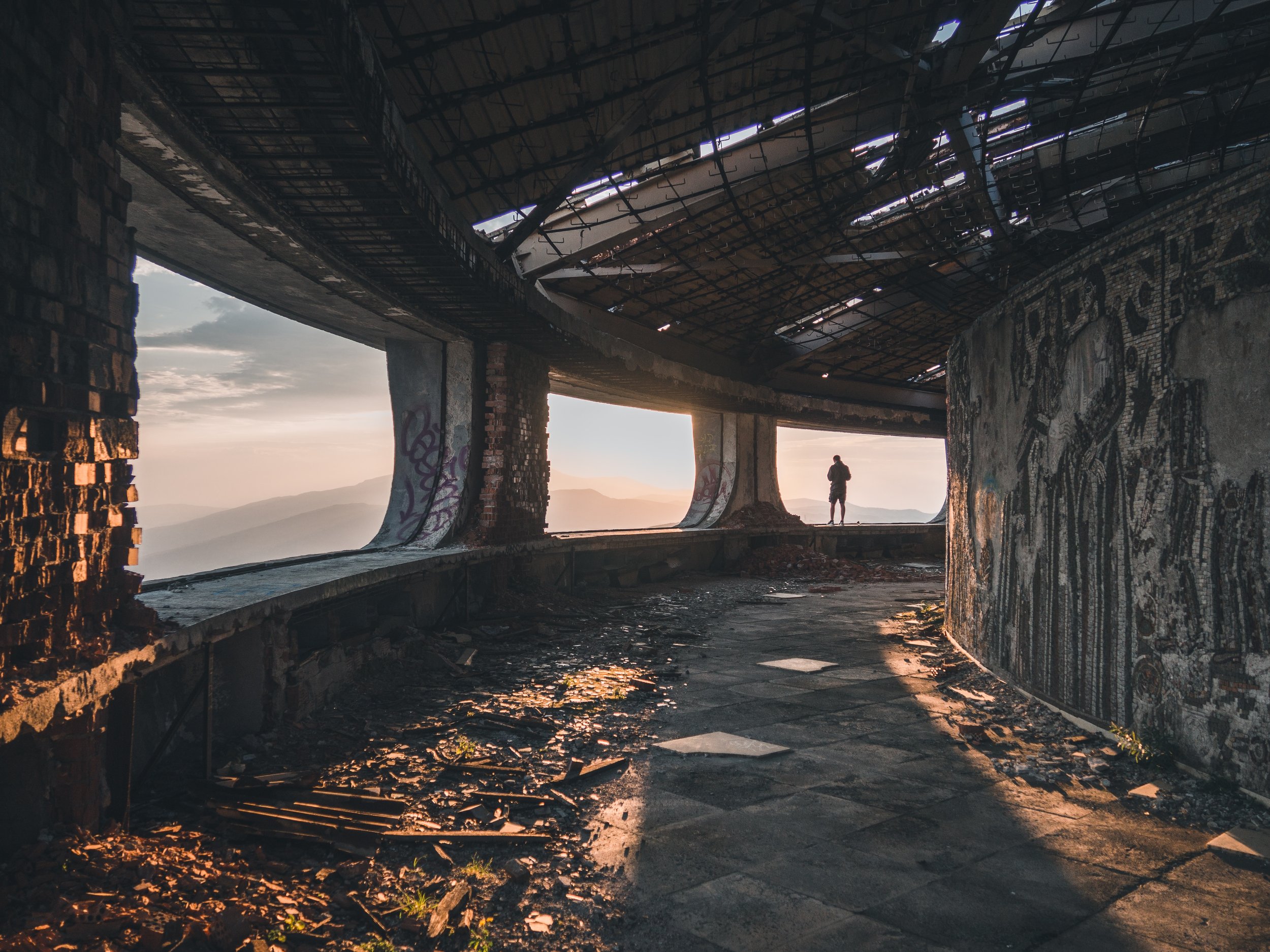
Exploring an abandoned building in Buzludzha, Bulgaria. Photo by Natalya Letunova. 

In urban exploration, unearthing hidden gems is an art form. With meticulous research, cunning and bit of audacity, explorers infiltrate abandoned factories, derelict warehouses, and silent asylums that once teemed with life. Their discoveries often yield fascinating historical tidbits that lurk in the shadows of our urban landscapes, waiting to be rediscovered.

Did you know that beneath the bustling streets of New York City, a hidden network of tunnels snakes its way, unseen by the masses above? These forgotten catacombs were once arteries of the city's subway system, now frozen in time. Urban explorers, torches in hand, venture into this subterranean labyrinth, weaving through tracks forgotten by the city above. Through their daring expeditions, they expose the forgotten arteries of the past, awakening a collective sense of awe and inspiring us to question the evolution of our cities.

Catacombs of Paris. 1ivia CC BY 2.0

One early example comes from the Catacombs of Paris, a vast underground ossuary housing the remains of millions of people. In the late 18th century, the catacombs were initially explored by a group of quarry workers; subsequent ventures by early urban explorers brought attention to a massive hidden underworld. Their expeditions and documentation highlighted the historical and cultural significance of the catacombs, which were at risk of being forgotten and destroyed. Their efforts led to the catacombs being officially opened to the public in 1809, ensuring their preservation and creating a unique tourist attraction that continues to this day.

The Spreepark Ferris wheel is overgrown with vines. Björn O. CC BY-ND 2.0 

Similarly, a remarkable instance of urban exploration leading to tangible change can be found in the case of Berlin's iconic Spreepark. Once a bustling amusement park in East Germany, it fell into disrepair after the fall of the Berlin Wall. Urban explorers were among the first to return to its abandoned rides and dilapidated structures. Their documentation and artistic endeavors drew attention to the park's unique history and architectural significance. This, in turn, sparked public interest and led to grassroots movements advocating for its preservation. Eventually, the city recognized the cultural value of Spreepark, and it is now being renovated and revitalized as a cultural hub and public space, thanks in part to the efforts of urban explorers.

Today, urban explorers, armed with cameras and a flair for the arts, transform abandoned spaces into living, breathing works of art. With strokes of creativity, they paint vivid pictures of urban decay, capturing the beauty in the broken and turning dilapidated factories into canvases that scream for attention. By juxtaposing the modern world with the remnants of the past, they challenge the status quo and force us to confront the transient nature of our surroundings.

In fact, urban exploration has played a crucial role in shedding light on neglected neighborhoods and highlighting social issues. In the 1960s and 1970s, urban explorers in New York City, known then as "street historians," ventured into abandoned buildings and derelict neighborhoods. Their photographs and documentation exposed the city's neglect of these areas and the struggles faced by marginalized communities. Their work drew attention to urban decay, inequality, and the urgent need for urban revitalization. This activism paved the way for grassroots movements, policy changes, and community involvement in transforming neglected neighborhoods into vibrant, inclusive spaces.

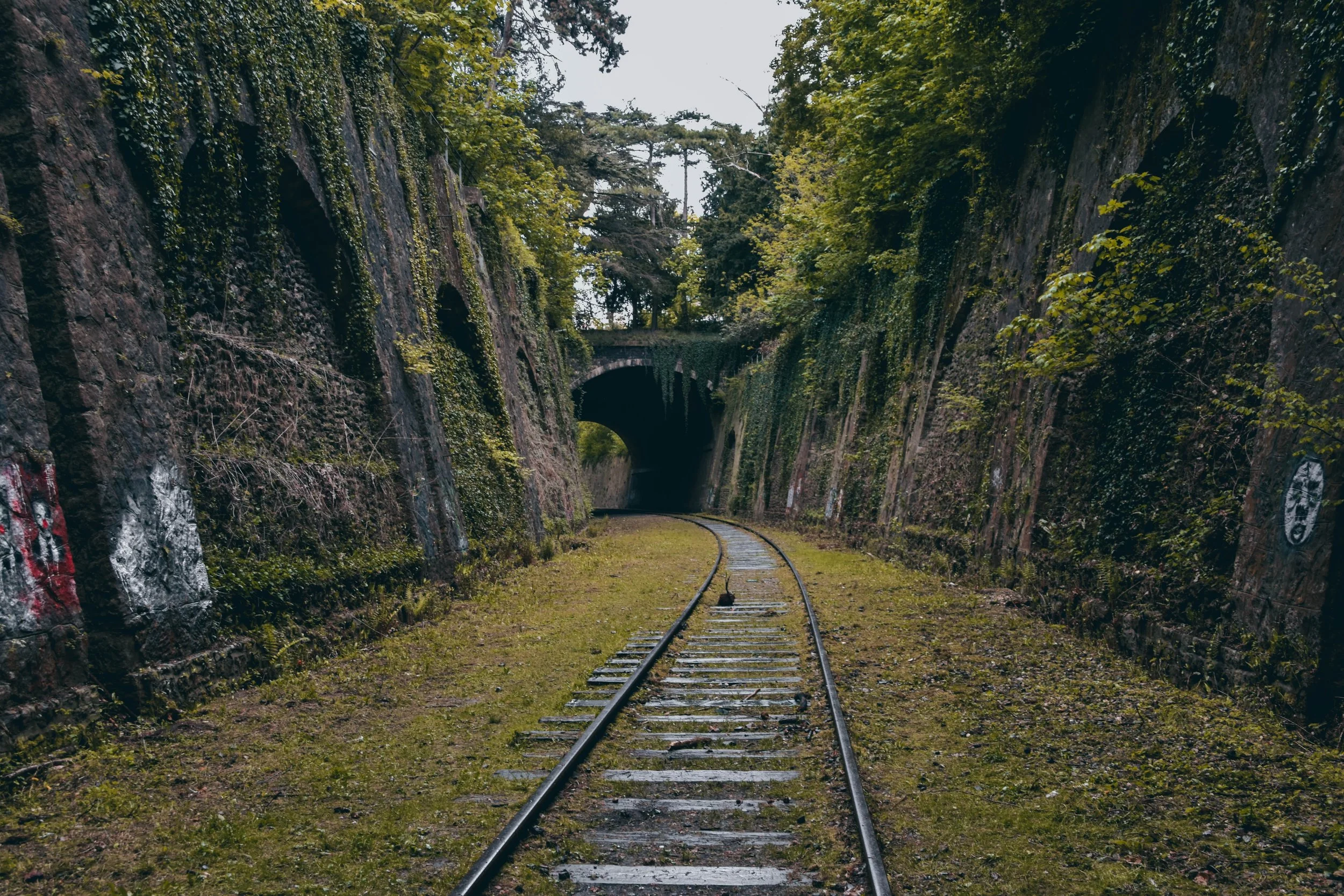
Le Petite Ceinture. Photo by Florian Olivo.

Beyond artistic endeavors, urban exploration is rooted in a more profound purpose – preserving cultural heritage and pursuing environmental consciousness. Many urban spelunkers strive to save architectural relics from the clutches of demolition, advocating for the conservation of our shared history. By documenting these forgotten spaces and shedding light on their plight, they ignite a collective sense of responsibility, prompting us to question the blind march of progress and contemplate alternative paths for urban development.

Take, for instance, the case of the Centralia Mine Fire in Pennsylvania, USA. This underground coal mine fire has been burning since 1962, releasing toxic gasses and pollutants into the air and soil. Urban explorers, recognizing the environmental impact and danger posed by the fire, have documented its effects and brought attention to the ongoing issue. By sharing their findings and raising awareness, they have contributed to the push for environmental remediation and the implementation of measures to mitigate the harmful effects of the fire on the surrounding ecosystem.

Similarly, urban explorers have also played a crucial role in exposing and advocating for the cleanup of contaminated industrial sites, such as abandoned factories and chemical plants. Their explorations and documentation draw attention to these neglected spaces’ potential hazards and environmental risks. By highlighting the presence of pollutants, hazardous materials, and the need for cleanup, they contribute to the dialogue surrounding environmental conservation and encourage responsible remediation efforts.

Once relegated to the fringes of society, urban exploration has evolved into a powerful movement and is even the focus of several social media accounts like Decaying Midwest and Martin Horton who explores South Yorkshire. In the footsteps of these fearless adventurers, a new narrative of urban development is being written. They challenge the status quo, champion the forgotten, and reawaken our senses to the untapped potential of our cities. As modern-day explorers, they continue to rewrite the story of our cities, one forgotten space at a time, bridging the gap between past and present.


Raeann Mason

Raeann is an accomplished traveler, digital storyteller, and guide writer with a degree in Mass Communication & Media. Her work as the Content Manager with CATALYST focuses on reshaping travel culture to be ethically sound and sustainable, while promoting social and environmental reform through cultural exchange. With over a decade of experience crafting unforgettable adventures, she creates and reports on experiences that leave a lasting impact.

4 Stunning Coral Reefs: Their Threats and Beauty

Coral reef systems are home to some of the largest concentrations of biodiversity in the world, but climate change is putting them at risk. 

Fish swimming through coral reefs in Panama. Thinkpanama. CC BY-NC 2.0

Home to countless fish and vibrant aquaflora, these awe-inspiring reefs are feeling the impacts of climate change. 

To dive into the world of coral reefs is to experience an underwater garden defined by vibrant colors, rare plant life, and unparalleled biodiversity. Not only are coral reefs visually stunning and awe-inspiring, but they serve an important role in food systems and economic growth, as approximately one billion people rely on coral reefs across their world for food and income.

However, the effects of climate change are damaging the health and vitality of reef systems. One major effect of rising water temperatures on coral reefs is coral bleaching. Coral bleaching occurs as an adaptive response to warming waters, during which corals shed their symbiotic algae, or zooxanthellae, in the hopes of replacing it with algae that is more heat tolerant, a process that leads the corals to take on a white color and appear ‘bleached.’ This doesn’t immediately kill the coral, but the environmental keystone is left vulnerable and its death rate increases. With so many species relying on reefs as a source of nutrients and shelter, bleaching not only affects the health of the coral itself but the entire network of life that the reefs support.

The impacts of coral bleaching are increasing steadily alongside rising temperatures, with an ocean heat wave causing roughly 75% of the world’s reefs to experience bleaching between 2014 and 2017.  

As reefs around the world feel the effects of climate change, now more than ever is it crucial to understand and appreciate the beauty and significance of coral reef systems around the world, as well as the efforts being made to protect them.

Great Barrier Reef, Australia

The Agincourt Reef in the Great Barrier Reef. Robert Linsdell. CC BY 2.0

Perhaps the most famous of all coral reefs, the Great Barrier Reef is also the largest coral reef system in the world, stretching some 348,000 square kilometers along the Australian coast. Home to distinct ecology and biodiversity, the reef holds roughly 400 distinct types of coral, 1,500 different species of fish, and around 240 different species of birds. The Great Barrier Reef is one of the most popular tourism destinations in Australia, with some 2 million people visiting the Marine Park each year.

Around  344,400 square kilometers or about 99% of the reef is included as part of the Great Barrier Reef Marine Park. As part of The Reef 2050 Long-Term Sustainability Plan, the Australian government invested  $260 million into the park in an effort to aid reef protection and conservation efforts. The Great Barrier Reef Marine Park Authority has also taken strides to acknowledge Indigenous communities’ relationships to the reef and reserves specific marine tourism permits that offer opportunities for Indigenous people to build tourism businesses and collaborate with other operators to share their cultural connection with the reefs.

In 1981, the Great Barrier Reef became a World Heritage Site, an area that is granted legal protection by the United Nations Education, Scientific and Cultural Organization (UNESCO), making it the most biodiverse ecological area to be included in the category. 

Despite such protections, the Great Barrier Reef is vulnerable to harmful bleaching practices, with nearly 400,000 hectares disappearing due to bleaching between 2015 and 2016 alone. As outlined in The Reef 2050 Plan, the Australian Government aims to reduce the nutrients loads entering the ocean via rivers by 80% by 2025

The Great Barrier Reef is one of the most popular diving destinations, and offers travelers the experience to glimpse a range of marine life, from whitetip sharks to yellow snappers. The town of Cairns is a popular entry point and has a bustling hostel season in peak diving season during which day boats take divers out to nearby reefs. If travelers want to escape the crowds they can venture farther north to Port Douglas and utilize the town's diving resort options.  Because the quality of reefs increases as one moves further from the mainland, divers frequently utilize liveaboard trips, which allow them to spend multiple days and nights living on a boat that transports them to different diving sites. While diving is possible year-round, Australia’s summer months between December and February bring in warmer and clearer water to talk in the stunning vibrancy of the corals. However, during the winter months from March to November (the Southern Hemisphere’s de facto summer), divers are more likely to come across large marine mammals. The Great Barrier Reef is suitable for divers at all levels, though degrees of difficulty vary depending on the site, with spots such as the Osprey and Ribbon Reef being more suitable for advanced divers.

Raja Ampat, Indonesia

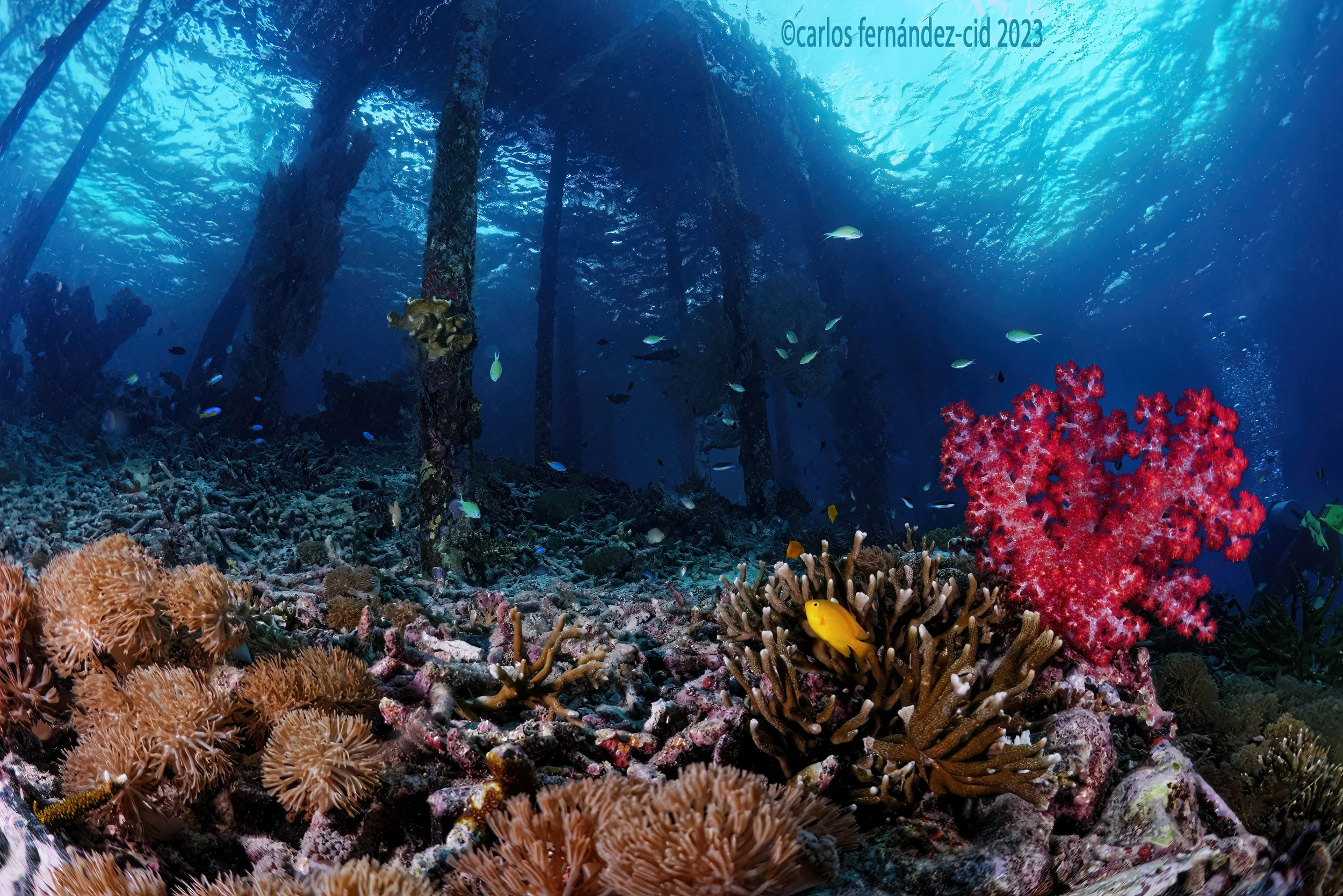
Colorful corals and fish at the Raja Ampat. Carlos Fernandez-Cid. CC BY 2.0

As part of The Coral Triangle, an oceanic ecological area in Southeast Asia and the Pacific, the Raja Ampat reef stretches nearly 4 million square miles. The rich nutrients and biodiversity of this area makes it home to 1,600 different fish species and 75% of the world’s coral species. The diversity in the area in part stems from the area's proximity to the “Ring of Fire”, a range of underwater volcanoes that extends for some 25,000 miles along the Pacific Ocean. Stretching along the boundaries of several tectonic plates, the area is rich in volcanic activity, and holds 75% of the Earth’s volcanoes, of which it has more than 450

Parts of the Raja Ampat are included in the network of Marine Protected Areas that was established by local communities and governments along with Conservation International, The Nature Conservancy, and Worldwide Fund For Nature, to provide conservation and zone regulations to a total of 2,000,109 hectares.   

The Raja Ampat has proven widely resilient to the effect of climate change and warming waters. The reef’s unique location has rendered it adaptable to a variety of different climates, with low tide reefs heated by the sun and deep ocean reefs that experience oceanographic upwellings which bring in cold, nutrient rich water. Temperatures across The Raja Ampart can range between 66 degrees to 96 degrees Fahrenheit. Because coral bleaching is a stress response to climate change, The Raja Ampat reefs resilience to intense warm water temperatures also means that the reef system has exhibited few signs of bleaching. 

Due to its remote locale, the Raja Ampat is less popular with divers than some of the other major reef systems. But those who choose to embark on the journey will not be disappointed. Liveaboarding is the most popular way to see the reefs, with around 40 liveaboards in the area, and trips are on offer from October to May.  Dive resorts are also popular for visitors who want a land-based option.  Some of the most popular diving spots include Sardine's Reef, Mike's Point and Blue Magic, located at the Dampier Strait. Along with its coral, the Raja Ampat contains a plethora of rich marine life including reef sharks, barracudas, and octopuses. With such diversity, it's no wonder the Raja Ampat reef holds the record for the largest number of different species recorded in a single dive. 

Red Sea Coral Reefs, Indian Ocean

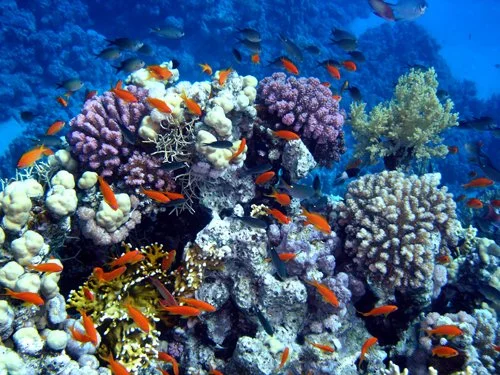
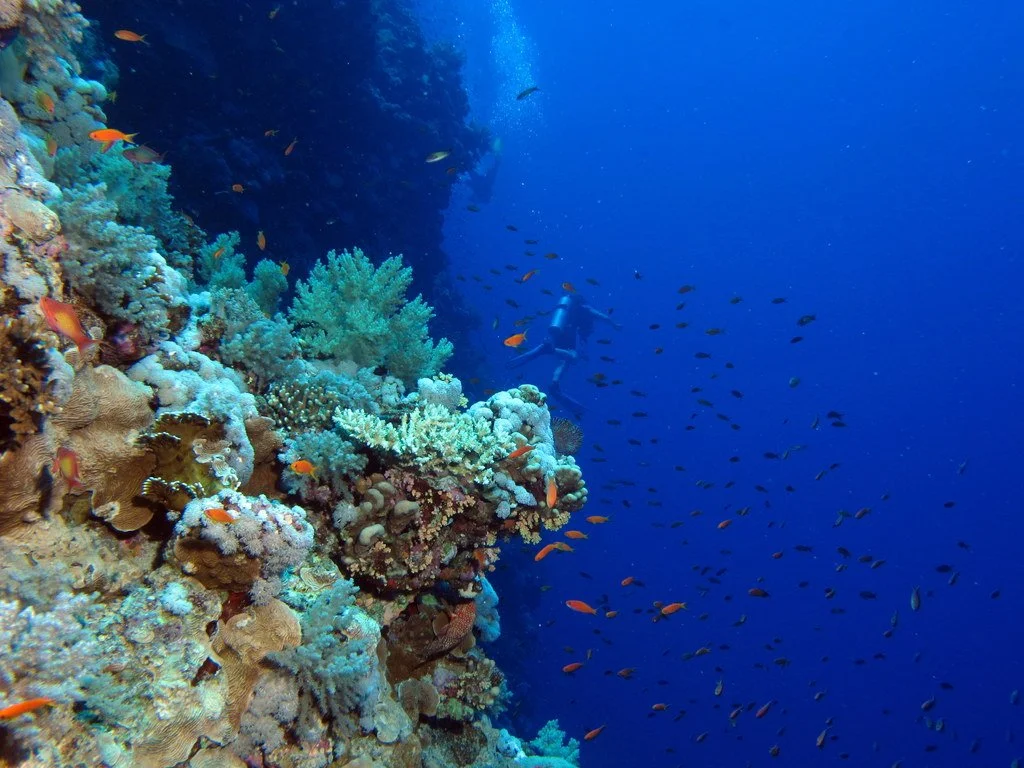
Divers in the Red Sea near Big Brother Island. Derek Keats. CC BY 2.0

The Red Sea Coral Reefs are defined by their distinct location and geological history. The reef platforms are over 5,000 years old and extend for some 1,240 miles (2,000 km). Due to its unique location and regional climate, the Red Sea reefs are tolerant to extreme climates, including high temperatures, salinity, and frequent turbidity from seasonal dust storms. A lack of river discharge, combined with low rainfall in the region helps make the water exceptionally clear and free of heavy sediments. This unique geology makes the Red Sea Reefs an ideal home for rare species, with roughly 10% of its 1,200 recorded fish species being endemic, meaning that they are found nowhere else. 

The Red Sea Coral reefs are unique in their resistance to climate change and ocean bleaching. This resistance is in part due to the fact that many of the reefs in the Red Sea actually migrated to their current location from the south, an area with significantly higher temperatures. Relying on their historical comfort with extreme heat, today, reefs in the Red Sea seem to be actively thriving as water temperatures rise, with algae doubling the amount of oxygen they produce. In order to learn more about the Red Sea reefs’ ability to thrive in such extreme weathers, scientists have built a Red Sea Stimulator to try and mimic the conditions of the area and understand how the specific environment in the Red Sea can be used to help protect other reef systems that are not as resistance to climate change. 

While the Red Sea coral reefs have proven resilient to climate change, they face the threat of degradation from nearby urban expansion that can create runoff and debris harmful to the water quality. In 1994, the governments of Israel and Jordan collaborated to found the Red Sea Marine Peace Park, in the Gulf of Aqaba. The park offers a groundbreaking example of a cross-national collaboration to preserve and protect coral reefs.  

Diving the Red Sea allows an opportunity not just to see the coral, but also large marine mammals such as sharks and dolphins, unique underwater environments including labyrinths and lagoons, and remnants of past shipwrecks, including the SS Thistlegorm, a British cargo steamship that sunk in 1941. Most dive resorts can be found in the coastal towns of Sharm el Sheikh and Dahab. The Red Sea’s high evaporation rates and infrequent rainfall and isolated location make it a nearly year-round diving destination. Diving in the northern region allows opportunities to explore the lagoons of El Gouna and shipwrecks found in the Straits of Gubal. In the South, the Fury Shoals is perfect for gentle drift dives, and the Zabargad and Rocky Islands house shallow reefs and black coral trees. The St. John’s Reef on the border of Sudan is one of the more isolated regions of the Red Sea. Divers can explore pristine caves and tunnels, however choppy winds between October and April can cause harsh conditions. 

Rainbow Reef, Fiji

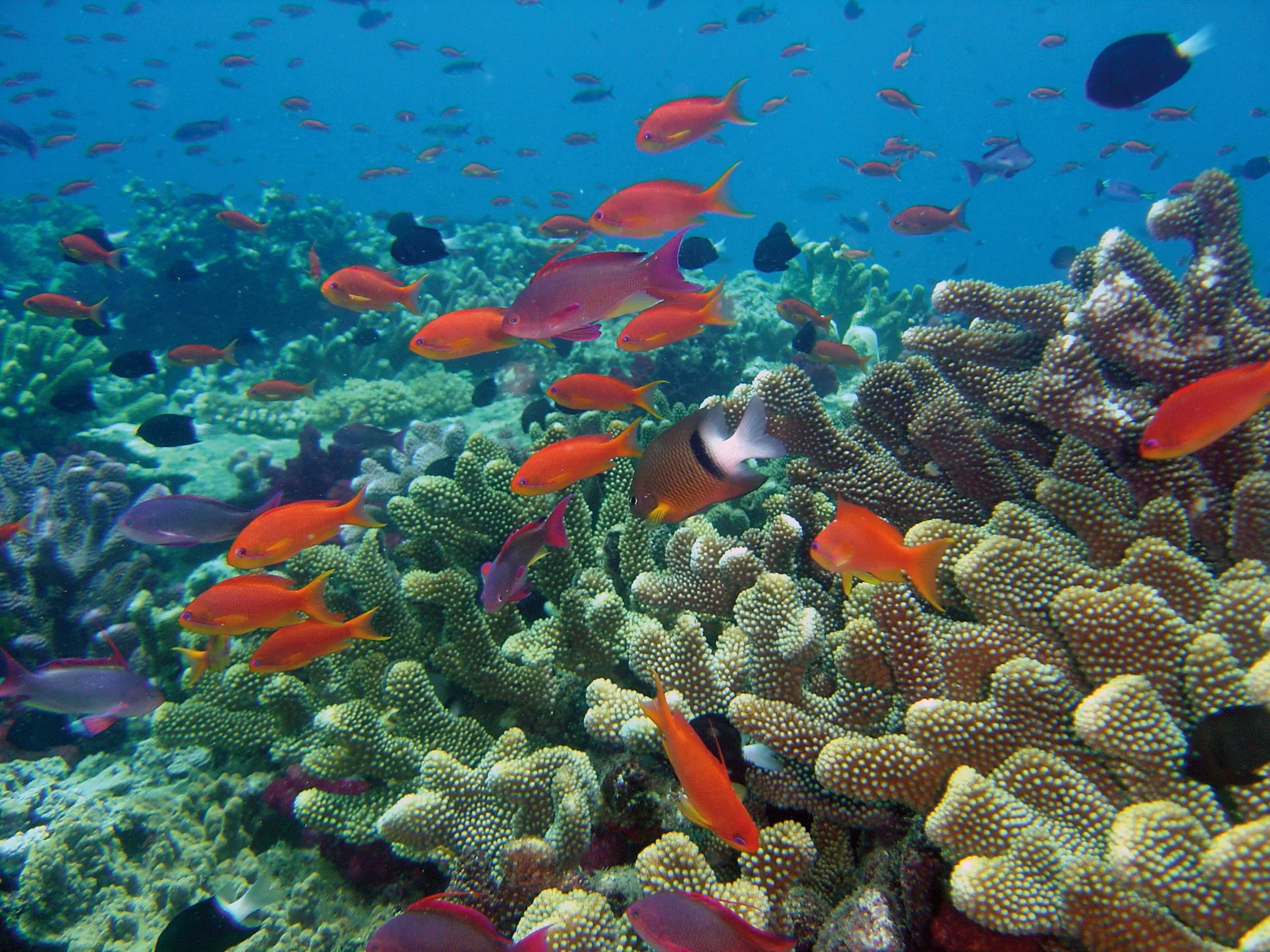
Fish swimming in Fiji’s Rainbow reef. David Burdick. CC BY-NC-ND 2.0

Located in the Somosomo Strait, a passageway that separates the Taveuni and Vanua Levu islands in Fiji, the Rainbow Reef offers a striking spectrum of colors that live up to its name. The Rainbow Reef is often called the soft coral capital of the world, and one of its most popular reefs is the Great White Wall, an underwater slope covered in a tapestry of soft white corals and home to countless colorful anthias as well as reef sharks and manta rays. 

Fiji’s reefs have also been impacted by rising temperatures and bleaching. In 2017, a major bleaching event killed nearly half of Australia’s Great Barrier Reef and affected almost all of the reef’s protected by UNESCO as World Heritage Sites. As a reaction to the devastating bleaching, Fijian Prime Minister Frank Bainimarama called for greater protection of reefs as they face the triple manmade threats of ocean acidification, rising temperatures, and harmful fishing practices. In January 2018, the Fijian government banned the sale of live coral, in an effort to provide further protection of the coral systems and recognize the important role these reefs play for local Fijians who rely on them for food and economic stability.

The Rainbow Reef is a popular diving spot, with the Great White Wall being included as one of the top 10 diving destinations by U.S. Divers Magazine  and there are a few different diving resorts in the area. Most diving is done through resorts as there is only one liveaboard in Fiji.  One of the most popular diving spots is Annie's Bommies, located between the Taveuni and Vanua Levu islands. The ‘bommies’ refer to the three submerged coral reefs that provide the perfect passageways for divers to weave between and catch a glimpse of the schools of fish, eels, leopard sharks and the stunning hues of the opal bubble coral.  The best visibility for diving along the Somosomo Strait occurs from April to October, with the winter season from July to September ushering in choppier water conditions.


Jessica Blatt

Jessica graduated from Barnard College with a degree in English. Along with journalism, she is passionate about creative writing and storytelling that inspires readers to engage with the world around them. She hopes to share her love for travel and learning about new cultures through her work.
Where Are All the Women Pastors?

The Southern Baptist Convention’s recent rule to prohibit women ministers is part of a long history of gender exclusion in Christian churches.

Men being ordained at the Cathedral of the Holy Cross, Boston. Roman Catholic Archdiocese of Boston. CC BY-ND 2.0

On June 14, 2023 the Southern Baptist Convention met in New Orleans for its annual conference and voted in favor of the church’s long-standing prohibition of women serving as pastors. The vote ruled overwhelmingly in favor of upholding the rule, a decision that led two congregations with women pastors to be expelled from the denomination: Saddleback Church in Southern California and Fern Creek Baptist Church in Louisville, Kentucky.

The vote reaffirms the Southern Baptists’ conservative focus and comes at the heels of a 2022 report detailing the church’s attempt to cover up sexual abuse by staff and pastors.

With 47,000 churches and 13.7 million members, the Southern Baptist Convention is the largest Protestant denomination in the United States. However, SBC’s decision to continue its exclusion of women from pastoral roles within the church is not unique within the Christian world. The Roman Catholic Church, along with the Church of Latter Day Saints (commonly called Mormons), and the Orthodox Church, all prohibit women’s ordination

The question centered at the debate around female ordination is a complicated one. While many women make up a majority of congregants and are often heavily involved in Church life and activities, taking on secondary leadership roles, there remains a stark cut-off in women’s degree of power in these religious spaces, a phenomenon that has been dubbed the “stained-glass ceiling.”  

In 2021, Duke University published research examining the reality of these “stained-glass ceilings.” Their findings highlighted a disproportionate lack of female leaders across a survey of Catholic, Evangelical, Black Protestant, Mainline Protestant, and Non-Orthodox Jewish communities. The study found that women lead only 14% of American congregations. The numbers varied across communities, with women leading 30% of white evangelical congregations and 16% of Black Protestant congregations. Contrastingly, within predominantly white Evangelical congregations only 3% were led by women, and only 2% of Roman Catholic Churches had female leadership. 

However, even when women are able to serve as church clergy, they lag behind men when it comes to equal pay. Female clergy earn 76 cents to each dollar made by their male counterparts. The Church Law and Tax Compensation Handbook reported that male senior pastors earned a salary that was 40% higher– or $25,000 more– than female senior pastors between 2014 and 2015. While the pay gap appears to be shrinking, it is still present. From 2016 to 2017 men who worked as full-time senior pastors received 27% more earnings and benefits, or approximately $15,000 more, than their female counterparts. 

Along with a measurable pay gap, women clergy members also face the same insidious sexism that harasses all women in leadership roles, leaving female clergy in a position of intense scrutiny through which through their authority, intelligence, and ability are routinely questioned and mocked.  

Despite being barred from top roles, women play a crucial role in supporting the structures and community of the church. Out of all secondary ministerial staff, 35% of full-time and 46% of part-time staffers were female

Women have long played a crucial role in religious life, serving as nuns, teachers, religious teachers, and deacons. But the very top positions are still out of reach. 

A study found that only four out of nine major U.S. religious organizations that ordain women had a woman in the top leadership role. Those four churches– The American Baptist Churches, The Episcopal Church, The Evangelical Lutheran Church in America, and the United Methodist Church– each had only one woman in a top position. 

In many ways women still serve as the backbone of the church, leading the charge behind community organizing, childcare, and volunteer services. When Pope Francis formally allowed women to serve in lay ministerial roles such as lectors and acolytes, he failed to acknowledge that women have been informally taking on the work and responsibilities of these positions for some time. Instead, he emphasized the difference between these positions and the ordained roles open only to men.

While women are the vital essence powering many churches, when it comes to access to the podium or microphone, they face categorical silencing. 

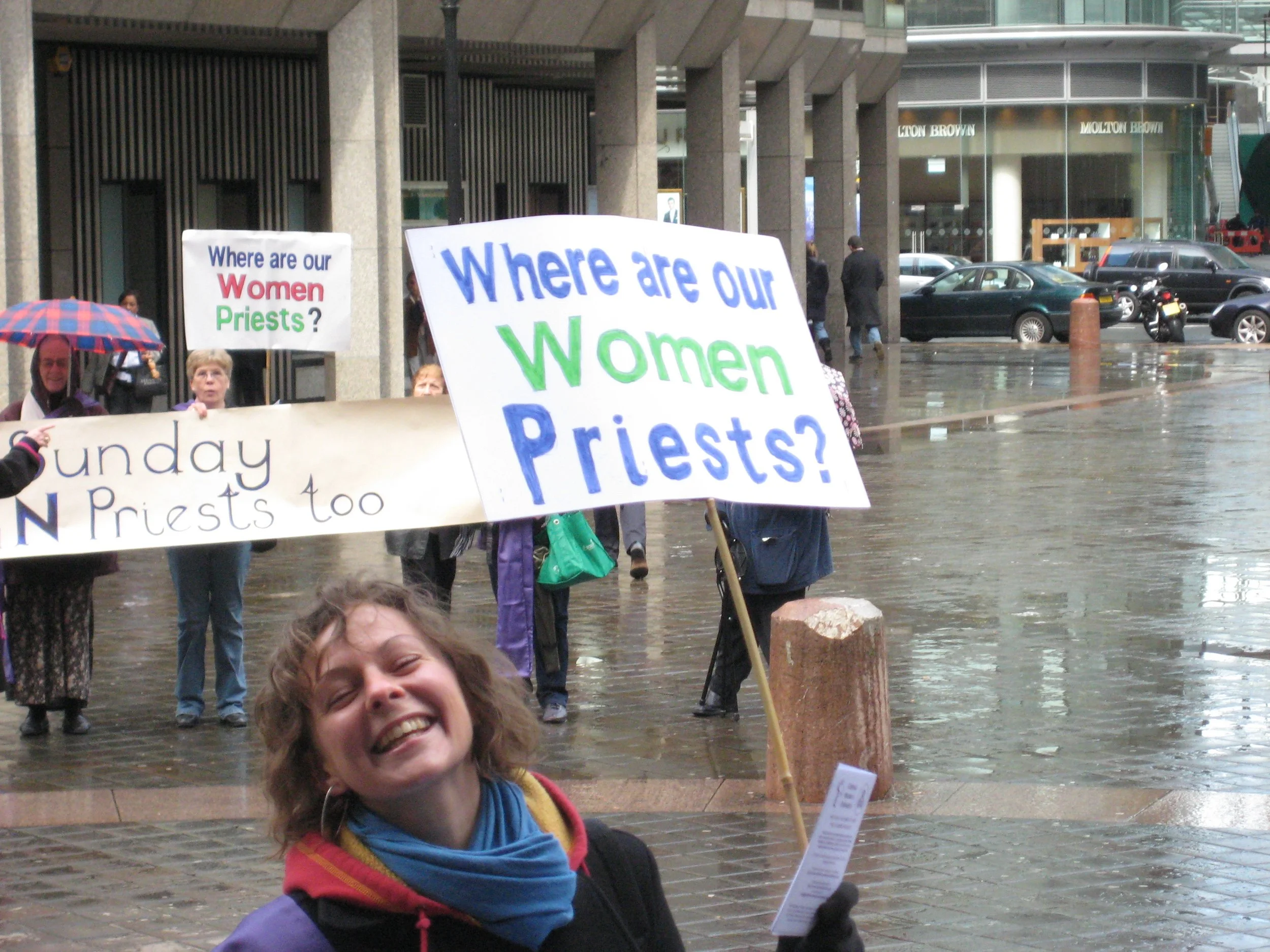
Protest outside Westminster Cathedral. Catholic-womens-ordination.org.uk. CC BY-NC-ND 2.0

Why does female religious leadership matter?

Female leadership in the church not only allows religious spaces to better serve the specific spiritual needs of their congregation, but the opportunity to see examples of women in positions of power and respect also has a significant impact on young girls. 

A 2018 study found that the presence of female congregational leaders can lead to better self esteem in the young girls who grow up in their church, an impact that reverberates into adulthood. Compared to women who had grown up with some female clergy members, women who had never had female congregational leaders were 10% less likely to agree and 30% less likely to strongly agree to having high self esteem. 

Additionally, the study found a link between young girls' access to female congregational leaders and their future employment opportunities. Women who grew up with a female role model as their most influential leader were just as likely to be employed full time as men, in contrast to those who did not.

Female leadership in church marks an important benchmark of gender equality that extends beyond religious divisions into social and political life as well. Church leaders oftentimes serve as influential figures in their communities, with the opportunity to serve as a powerful voice in discussions on timely social issues, including abortion and LGBTQ+ rights. Elevating women’s pastorship would also elevate women’s roles as community leaders, local activists, and engaged political informers. 

Stained glass from from the Basilique de Sacré Couer in Paray-le-Monial. Lawrence OP. CC BY-NC-ND 2.0

Get Involved

Harnessing the power and advocacy of their women congregants, there are many organizations working tirelessly to advocate for women’s ordination and religious empowerment. 

Women’s Ordination Conference (WOC) is a grass-roots movement that has been working to increase female leadership opportunities within the Catholic Church since 1975. The activist group advocates for women’s ordination and increased power within the Catholic Church. In 2018, WOC members protested outside the Vatican in order to advocate for women’s right to vote in synods, a body that makes up the advisory board to the Pope. Along with advocacy work, the organization provides a network aimed at building a community of empowerment for young women in the Catholic Church. Working alongside their goals for gender equality, WOC also seeks to dismantle systems of oppression through anti-colonialism and anti-racist work that champions inclusivity.

For over 100 years, the International Association of Women Ministers has been supporting women’s ministry and advocating for women’s ordination, with members across 22 countries. IAWM offers annual assemblies that have been hosted both within the United States and abroad in Canada, England, Cuba, New Zealand, Germany, Scotland, and Hungary, with the mission of cultivating an international forum for female ministers from all backgrounds, countries, and cultures to develop relationships and provide a community of support for women’s professional growth within ministry.


Jessica Blatt

Jessica Blatt graduated from Barnard College with a degree in English. Along with journalism, she is passionate about creative writing and storytelling that inspires readers to engage with the world around them. She hopes to share her love for travel and learning about new cultures through her work.
ART REVIEW: Ai Wei’s New Exhibit Highlights Activism and Mass Production

Not one to shy away from political statements, Chinese artist and activist Ai Weiwei’s recent exhibition questions mass production and highlights human rights tragedies around the world.

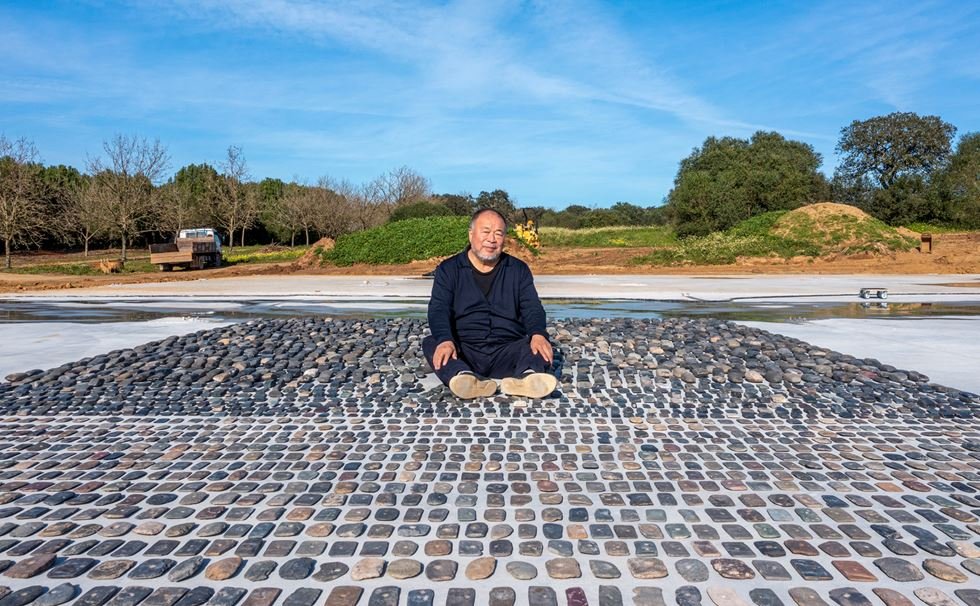
Ai sits atop “Still Life,” one of the works presented in Making Sense consisting of 1,600 tools from the late Stone Age. Ai Weiwei Studio. CC BY-NC 2.0

Internationally renowned Chinese artist Ai Weiwei is known for his ability to present political opinions and insights through artwork that relies heavily on everyday objects, and his latest exhibit is no different. Titled “Making Sense,” the exhibit, which has been on display at London’s Design Museum since April 7 and will remain there until July 30, includes a number of Ai’s decommissioned artworks as well as a handful of new pieces. This exhibit marks the first time Ai has offered commentary on the practice of design and what it means for the value society places on objects.

Ai Weiwei pictured talking to reporters outside of his studio soon after his release from detainment in 2011. Getty Images. CC BY-SA 2.0

While Ai is most widely known as an artist, he is also an internationally recognized human rights activist due to the strong political statements he makes both through his art and his speech. He has long been openly critical of the Chinese government’s stance on the democratic process and human rights, which led to a stint under house arrest in 2010. The government claimed that he had built his Shanghai studio illegally and scheduled it to be demolished, although many believed that this was simply an excuse to further crackdown on dissent.

Ai has also regularly conducted investigations into government corruption and scandals which were covered up, resulting in his arrest in April of 2011 due to “economic crimes”. He was detained for a total of 81 days without ever being charged, and upon release, was hailed as the father of modernism in China. His clashes with the Chinese government have meant that freedom of expression and free speech are central themes to a lot of his work, and he often tries to draw parallels between his experiences in China with what he sees happening in the US, Europe, and elsewhere.

Photographs from the “Study of Perspective” collection are displayed above the stone age tools. Ed Reeve. CC BY-NC-ND 2.0

In “Making Sense,” many of the works are large collections of objects both ordinary and rare, meant to probe his audience’s views on mass production and consumption, from lego bricks to stone-age tools, pottery shards to porcelain cannonballs from the Song dynasty (960 - 1279 CE). True to his activism, there are also a number of works highlighting various human rights and social justice issues, such as the poor response of the Mainland Chinese government after the Sichuan earthquake in 2008 and the ongoing refugee crisis in Southern Europe.

Among the decommissioned works in the exhibit is a collection of photographs titled “Study of Perspective,” in which only Ai’s hand is seen emerging from behind the camera, holding up his middle finger before a variety of backgrounds including the Eiffel Tower, Tiananmen Square, and the White House. Shot between 1995 and 2017, these photographs were meant to mimic those taken by tourists in front of these popular landmarks, while simultaneously presenting a sharp statement of opposition to the political institutions they represent.

A sea of donated lego bricks makes up the “Untitled (Lego Incident)” Work in the exhibit. Ed Reeve. CC BY-NC-ND 2.0

Another work, “Untitled (Lego Incident),” comprises hundreds of Lego pieces donated to Ai after Lego refused to sell him any of their products in 2014. He had been previously been using Lego bricks to create portraits of imprisoned human rights activists to display as part of his “@Large” exhibit displayed in the infamous prison on Alcatraz Island, but Lego blacklisted Ai, announcing that their products are not meant to be used for political messages. His response on social media resulted in these donations, with this exhibition the first time the Legos will be part of a formal production. This field of bricks lies in front of another Lego based artwork in which Ai has reinterpreted the famous Monet painting of water lilies, using over 650,000 individual bricks to create a wall piece which stretches for almost 50 feet (roughly 15.2 meters). 

Some of the works are of a much more personal nature, such as “Left Right Studio Material,” a carpet of blue glazed pottery shards leftover from when the Chinese government raided Ai’s studio in 2018 demolishing everything they could find. At the time Ai had been experimenting with the ceramics, trying to create the largest possible sphere that would fire in his kiln without shattering. One such bubble is visible to the right of the shards, a lone survivor of the studio raid. This work is one of a handful that speak to Ai’s fascination and appreciation of artisanal Chinese craftwork, porcelain making being among many that are quickly dying out thanks to automated mass manufacturing processes.

A close-up view of the porcelain teapot shards that comprise “Spouts”. Ian Mansfield. CC BY-SA 2.0

In this vein, the two works “Untitled (Porcelain Balls)” and “Spouts” also pay homage to Chinese porcelain, the former a field of over 200,000 porcelain cannonballs from the Song Dynasty; Ai was shocked by  the use of such a delicate material to make ammunition. The latter is a collection of over 250,000 porcelain spouts broken off of teapots that were not perfect enough to be sold. These massive collections have been curated by Ai himself since the 90s and aim to question how we decide what objects are worthy of value: each of the cannonballs or stone age tools could be placed in a museum given their historical significance, but Ai was able to find them for next to nothing in Chinese flea markets.

“Backpack Snake” (left) and “Life Vest Snake” (right) adorn the back wall of the exhibit. Ed Reeve. CC BY-NC-ND 2.0

Conversely, the two winding snakes on the back wall of the exhibit are dedicated to the victims of the Sichuan earthquake in 2008 and the refugees who lost their lives making the journey to Europe from Syria. Titled “Backpack Snake” and “Life Vest Snake” respectively, each work uses items the artist found at the site of both crises: children’s backpacks collected from the rubble of the earthquake and life jackets left on shores of Lesbos by Syrian refugees. Ai painted over and repurposed these objects into the two 55 feet (roughly 16.8 meters) long serpents, which, to Ai, symbolize the complexity and unpredictability of crises both natural and man-made.

As of 2021, Ai has been living in Portugal and is still working in his new home in Montemor-o-Novo, a small countryside town near the Southwest Coast. His new work continues to draw inspiration from his Chinese roots as he collaborates with local ceramicists and porcelain makers to produce new art.


Tanaya Vohra

Tanaya is an undergraduate student pursuing a major in Public Health at the University of Chicago. She's lived in Asia, Europe and North America and wants to share her love of travel and exploring new cultures through her writing.

The Peace Walls in Belfast and the Politics of Separation

Today, there are efforts to take down the walls that have separated the loyalist and nationalist neighborhoods in Belfast for over fifty years. 

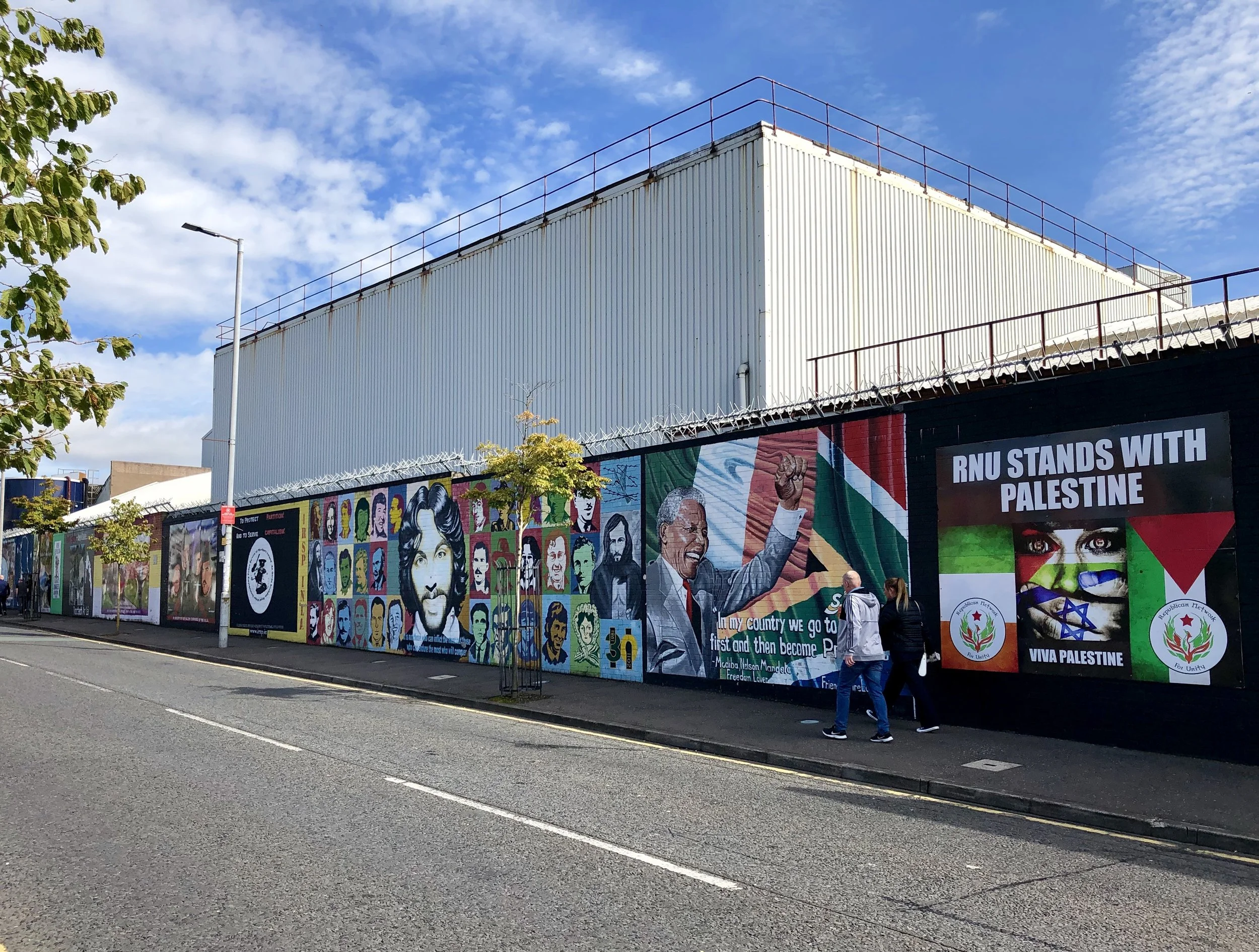
Murals along the Falls Road side of Belfast’s Peace Walls. Megan Coughlin. CC BY-ND 2.0

The Walls are not only a reminder of a violent history, but a medium for artistic expression and international solidarity.

The origin of the partition that defines Ireland today can be traced back to the early 1920’s, when a successful Irish rebellion from British rule led the island to be broken up into two countries. The Irish Free State gained independence from the United Kingdom, while Northern Ireland remained part of the British state. Irish Nationalists, who generally support an island-wide Irish republic, are predominantly Catholic, while British Loyalists/Unionists are mostly Protestants.

The 1960s saw the beginning of ‘the Troubles’ in Northern Ireland. The Troubles refer to the period of violence, riots, and unconventional warfare between the British state and Loyalists paramilitaries, who believed Northern Ireland should remain part of the United Kingdom, and Irish Nationalist paramilitaries, who wanted Northern Ireland to join the rest of the island as a United Ireland. 

It was within the context of the Troubles that the first Northern Ireland peace walls were built in 1969, after days of intense rioting in Belfast and Derry/Londonderry. Originally constructed as a temporary structure to ensure peace between the two sides, the walls have hardened into semi-permanent lines that continue to divide the cities today. 

The signing of the Good Friday Agreement in 1998, marked the end of the Troubles. The agreement set up an autonomous legislature and government that could legally only be governed by a coalition of  Unionist and Nationalist political parties. Furthermore, while still recognizing Northern Ireland as a part of the U.K., the agreement also acknowledged the possibility for the area to one day unite with the rest of Ireland should a majority vote to do so.

The Good Friday Agreement was a pivotal marker of peace and cooperation between the two sides. However today, some 25 years after its signing, peace walls continue to divide Catholic and Protestant neighborhoods in Belfast. 

One of the largest of these peace walls runs along the Falls and Shankill Roads in West Belfast and divides two major Catholic and Protestant neighborhoods. The wall is interrupted by stretches of metal gates, several of which still maintain a curfew, including the Townsend Street gates which closes every weekday night and throughout the weekend. The enduring curfew speaks to the continued tensions between Belfast’s Catholic and Protestant communities, which have been reinforced by the 2016 Brexit referendum. 

But today, the walls are not just borders of separation. They’re also a canvas of artistic expression. 

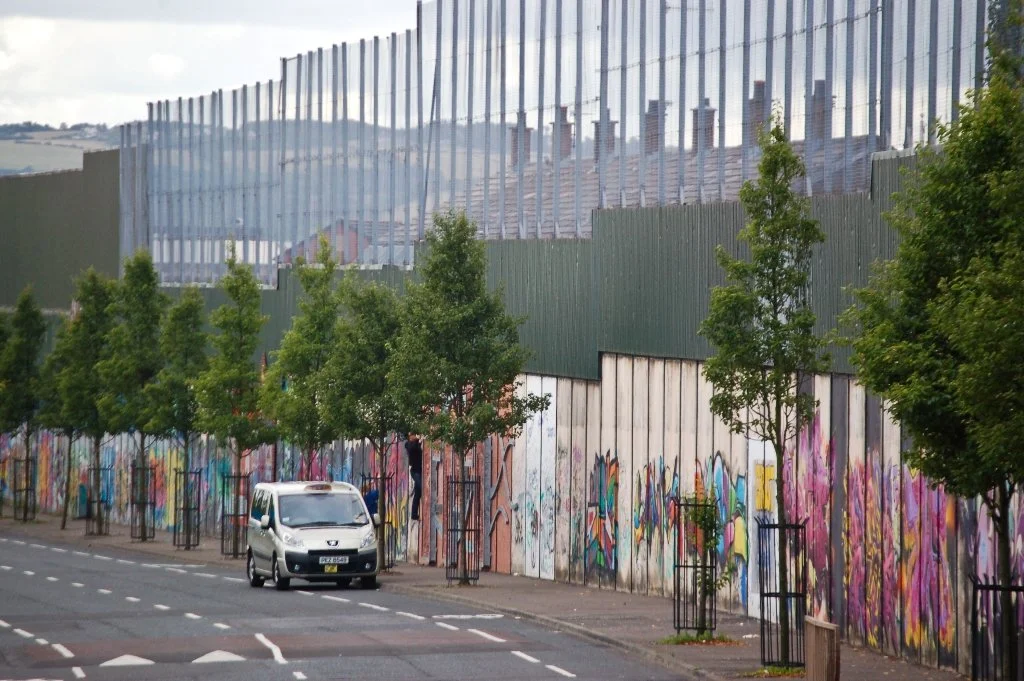
The Shankill and Loyalist side of the divide depicts memorializations of those killed by the Irish Republican Army (IRA) and tributes to the Ulster Defense Association, a Loyalist paramilitary organization founded in 1971. A portrait of King WIlliam, known as William of Orange, looks out upon the neighborhood where Union Jacks decorate the streets.

In contrast, the Falls Road and Irish nationalist side of the divide touts the orange and green Irish tricolor. Here, murals celebrate national pride with depictions of Gaelic sports and memorializations to national heroes, including a large portrait painted on the side of Sinn Fein Political Party Press Office of Bobby Sands, a popular IRA leader and elected MP who died of hunger strike while imprisoned. 

It is also on the Falls side that one can see the famous International Wall, depicting images of global civil rights leaders the likes of which include Fredrick Douglass, Nelson Mandela, Harriet Tubaman, the Rev. Martin Luther King Jr., and Bob Marley. In this neighborhood, it is common to Palestinian flags hanging in people’s windows, aligning a mission to free Irish land from British rule with that of occupied territory in Palestine. A mural on the International Wall depicts hands clasped between prison bars, one of which is draped in an Irish national flag, the other in a Palestinian flag. 

Murals along the peace wall that runs through Shankill and Falls Road. Mike McBride. CC BY-NC 2.0

In 2013, a project called Together: Building a United Community was launched by the Northern Ireland Executive. The project called for the removal of all walls in Northern Ireland by 2023, but progress has been slow and in January of 2023, about 60 walls still remain. In a 2015 survey by Ulster University on public attitudes towards the peace walls, about 35% of respondents wanted the peace walls  ‘come down some time in the future’ with 40% of Catholics and 25% of Protestants surveyed sharing this position, while 44% of Protestants and 23% of Catholics ‘would like things left the way they are now’.

While the future of the peace walls remains uncertain, their presence serves as a striking visual reminder of division within a city that is increasingly embracing a global economy and multiculturalism, the very extent of which is exemplified by the international calls for peace and solidarity in the artwork that lines the divided city. 

To Get Involved

The Social Change Initiative (SCI) is working to support peacebuilding and dialogue between Nationalists and Unionists. Based in Northern Ireland, SCI partners with local activists and publishes articles and reports that detail the strategies and reflections of those working directly within divided communities. SCI also connects local leaders to a global community of human rights activists through fellowships and mentoring programs, in an effort to create an international network through which individuals can share communication and advocacy tactics as well as strategies for peacebuilding and conflict disruption.

How To Visit

One of the most popular ways for travelers’ to experience and learn about Belfast’s peace walls is through Black Taxi Cab tours. 

The tours began in the 1970s and are recognized for their effort to provide a balanced and unbiased history of Belfast. The black taxis were first employed as a kind of bus service in the midst of the Troubles in order to transport working class people from their neighborhoods to the city center. The tours are notably co-run by Catholics and Protestants, allowing visitors to hear perspectives from both communities as they travel across the Falls and Shankill roads.


Jessica Blatt

Jessica Blatt graduated from Barnard College with a degree in English. Along with journalism, she is passionate about creative writing and storytelling that inspires readers to engage with the world around them. She hopes to share her love for travel and learning about new cultures through her work.
Rewriting Constitutions: An Un-American Art

What the United States can learn from the world’s newest Constitutions.

We the People' by Nari Ward -- Sun Splashed Exhibit at the Barnes Foundation Philadelphia (PA) June 2016, Ron Cogswell, CC BY 2.0.

When the United States Constitution was first written only white landowning men had the right to vote, African Americans were legally considered two-thirds of a person, and there was no guarantee from year to year that the United States would continue to exist. Despite these shortcomings, among many others, the United States Constitution was revolutionary for its time, paving the way and serving as an example for virtually all the world’s early democracies. For this, it is and should be revered, and deserves a place in history books across the globe.

Today, the United States Constitution is over 230 years old and is the oldest functioning national constitution in the world. The document hasn’t remained untouched, with new additions such as a universal right to vote and other significant changes saving the constitution from becoming obsolete over the centuries. In total, the Constitution has been amended 27 times. The most recent change technically came in 1992 with the 27th amendment, which made it more difficult for Senators to change their salary. However, the last major change occurred 21 years before that with the 26th amendment, which lowered the voting age to 18. Back then, Richard Nixon was president, the US was still mired in the Vietnam War, and the internet did not yet exist.

March For Our Lives student protest for gun control, Fibonacci Blue, CC BY 2.0.

While some parts of the Constitution have managed to stay relevant, others have become detached from their original purpose. The second Amendment of the constitution, the right to bear arms as part of a well-regulated militia, was designed at a time when the strongest weapon available was a musket that could fire once every 15 or 20 seconds. Today, US citizens can buy weapons that can fire up to 45 times per minute. A well-regulated militia was allowed in case a need arose to fight back against a potentially tyrannical new government, a fear that, in the nascent weak United States unsure of its future, was justified. With the government and its democratic institutions now being well established, and the US military arsenal harboring thousands of planes, tanks, missiles, and many other deadly weapons, overthrowing the US government is not necessary or realistic.

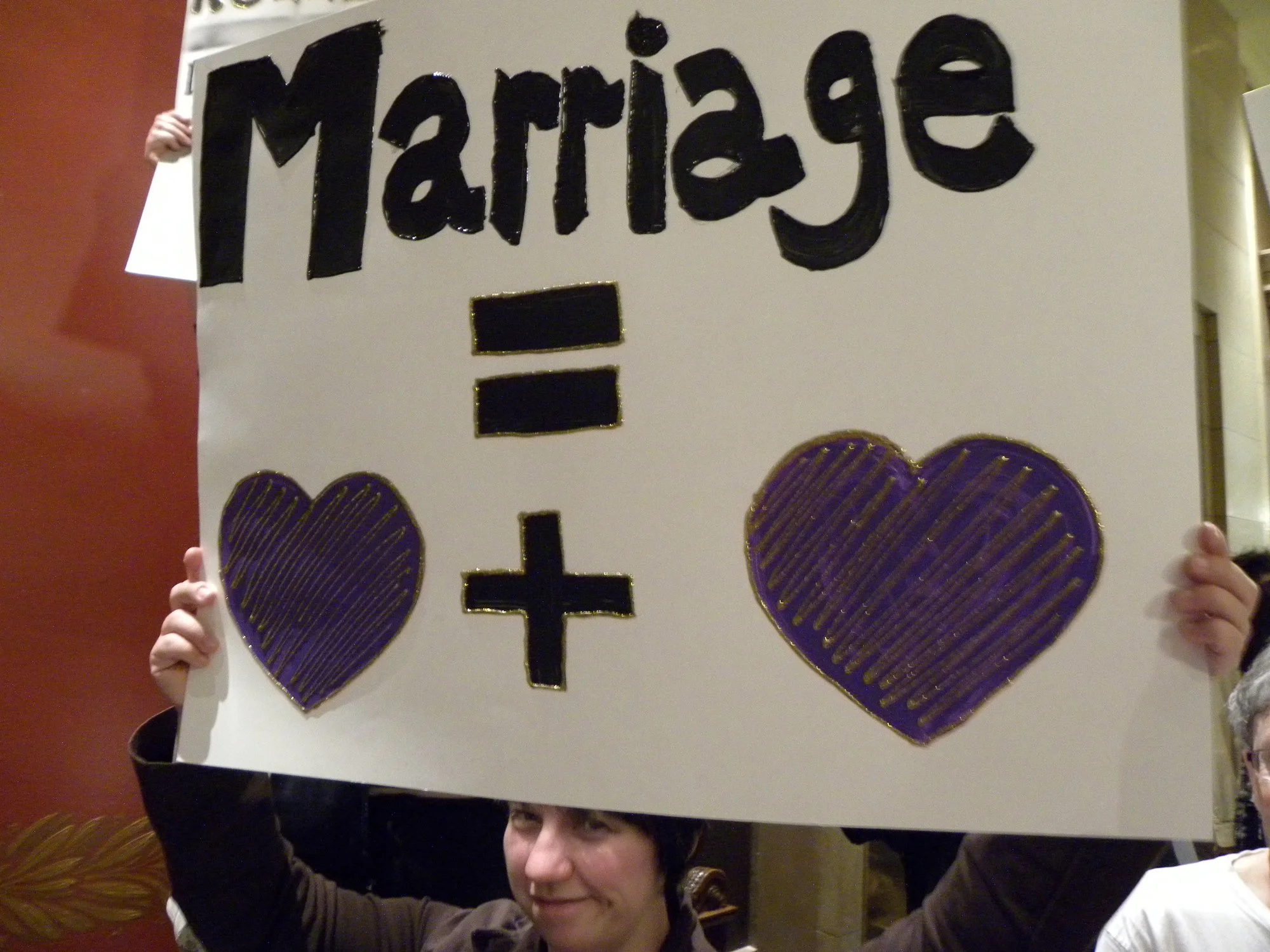
Protest against a constitutional amendment banning same sex marriage, Fibonacci Blue, CC BY 2.0.

Beyond this, several critically important human rights are not included in the US Constitution. The United States Constitution is one of 28 in the world that does not guarantee gender equality. Moreover, the constitutions of 142 countries protect the right to universal health care and of 160 countries guarantee the right to education. The United States Constitution does not do either of these things.

The idea of a constitution as a sacred untouchable object is a uniquely American one. Many countries around the world either completely rewrite or heavily edit their constitutions quite frequently. Most nations will create a new constitution if their old one starts to become obsolete. This practice, over the past 3 decades, has led to some of the most liberal constitutions in the world.

Ecuador

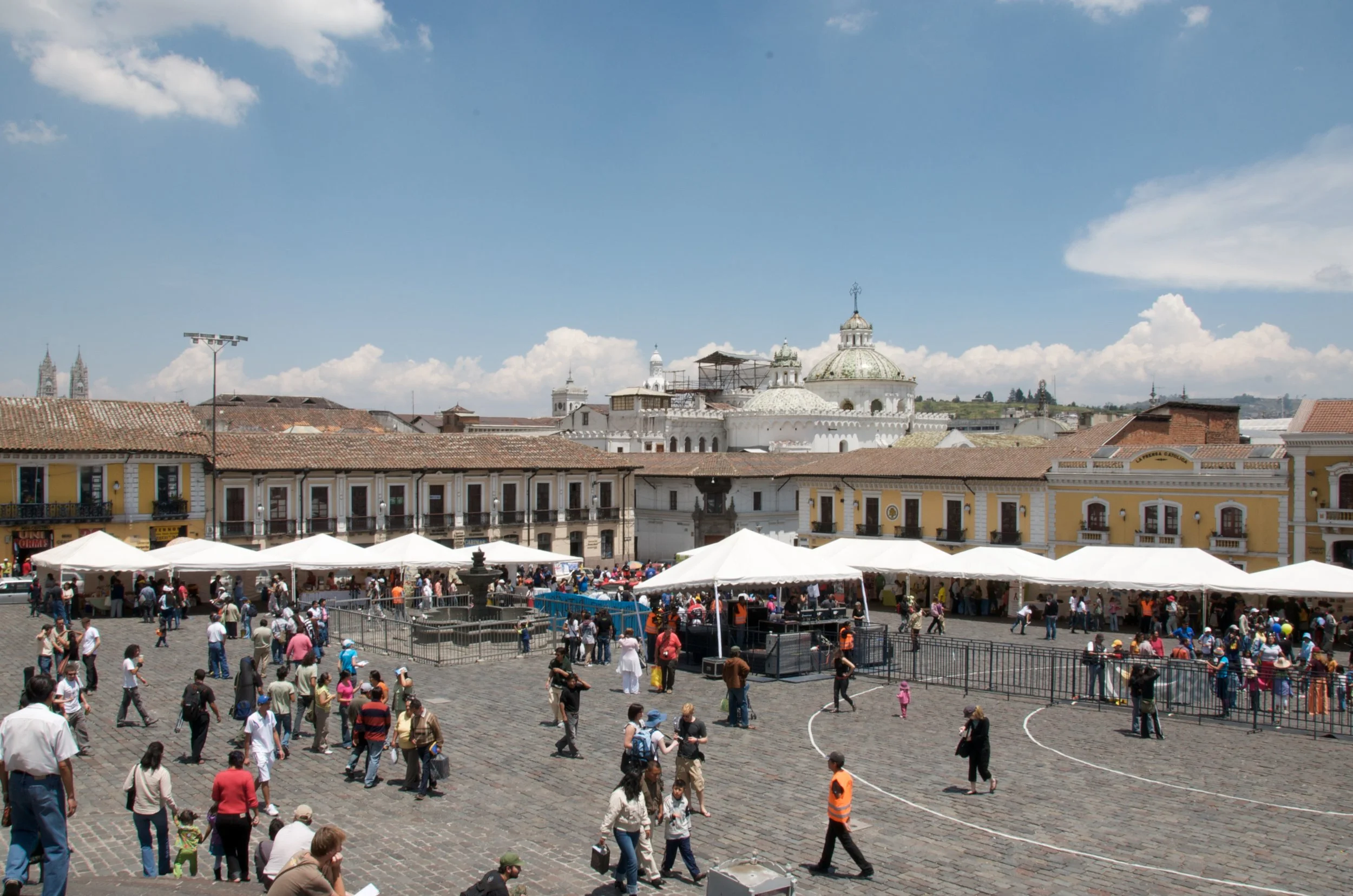
Scenes around Quito, Ecuador, A.Davey, CC BY 2.0.

Ecuador rewrote its constitution in 2008, its government riding a political wave to create one of the most liberal constitutions in the world. This constitution became the first in the world to recognize that the environment has rights, a landmark moment in the international environmental movement. It also was one of the first constitutions to extend rights to people of any gender identity or sexuality. Beyond these progressive changes, Ecuador established an immigration grace period, allowing anyone to enter the country for 90 days without a Visa. The Comparative Constitution Project, an organization devoted to studying constitutions, says the Ecuadorian constitution guarantees 99 rights to its citizens. The next closest constitution only guarantees 88.

South Africa

Joburg Pride, Zoo Lake, Johannesburg, Gauteng, South Africa, South African Tourism, CC BY 2.0.

The South African Constitution was ratified on December 4, 1996, two years after the end of Apartheid. This constitution is well-known for being the first in the world to ban discrimination based on gender identity. This led to South Africa becoming one of the most progressive nations in protecting the rights of gender minorities. The constitutional law has had tangible results. Most notably in 2019, a transgender woman in a male prison was unable to express her identity, which the courts ruled was unconstitutional. In addition, similar to the Ecuadorian Constitution’s environmental protections, the South African constitution guarantees the right to a healthy environment.

Tunisia

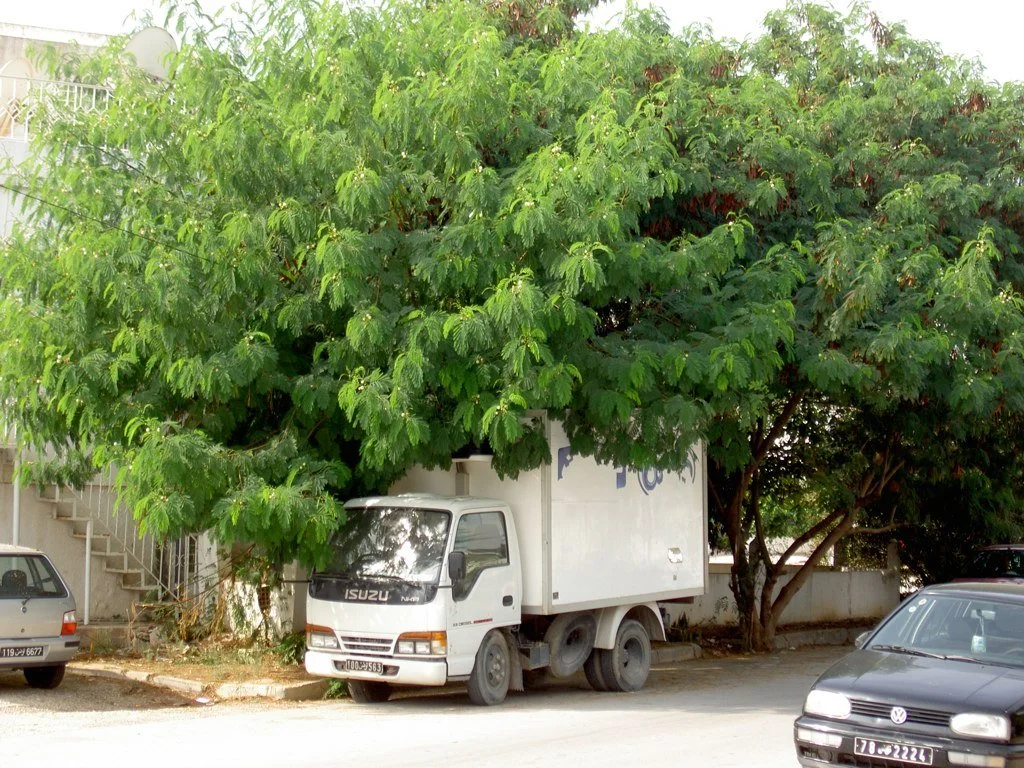
Summer-heat in Tunis, Tunisia, Dag Endresen, CC BY 2.0.

The newest constitution of the Republic of Tunisia was passed in 2014 and is most notable for its advanced environmental laws. Like Ecuador and South Africa, the Tunisian Constitution gives citizens the right to a safe and healthy environment. However, the Tunisian constitution goes further, guaranteeing its citizens the right to participate in environmental protection. Finally, it even promises government support to ecological causes, noting that “the state shall provide the necessary means to eradicate pollution of the environment”. 

First Amendment to the US Constitution, elPadawan, CC BY-SA 2.0.

This is not to say the US Constitution should be rewritten. In fact, this article is not recommending a particular course of action. Rather, it is simply posing the idea that the constitutions are not as untouchable as they seem.


Jeremy Giles

Jeremy is a Writing Seminars and International Studies major at Johns Hopkins University. He is an avid writer and the Co-Founder of Writers’ Warehouse, Johns Hopkins’ first creative writing group. He is an advocate for Indigenous rights, and studies how Indigenous philosophies can be used to help prevent climate change. Using his writing, he hopes to bring attention to underrepresented voices in today’s world.

Kazakhstan's Journey From Nuclear Devastation to Disarmament

The harrowing story of Soviet nuclear testing in Semipalatinsk, Kazakhstan, and the wrangling with its legacy.

The center of the Semipalatinsk nuclear test site.Alexander Liskin.CC BY-SA 3.0.

It was the summer of 1953. Valentina Nikonchik was outside playing in Semey, a village in eastern Kazakhstan, then part of the Soviet Union. The ground suddenly trembled, and the air filled with a deafening boom that shook Nikonchik to her core. Little did she know that she had witnessed the first detonation at “the Polygon” of a thermonuclear device, a monstrous weapon of mass destruction that released a force equivalent to 400 kilotons of TNT.

West of Nikonchik’s hometown of Semey lies Semipalatinsk, the testing location where the Soviet Union’s nuclear visions were accomplished. A once-thriving region, now a desolate wasteland, has a dark history. In this Central Asian Soviet Republic, the Soviets conducted nearly 400 nuclear tests, blasting a lethal storm of radioactive isotopes into the environment and soil from 1949 to 1989. Even now, the consequences of these tests are still felt, with environmental damage and public health risks ongoing in the area. 

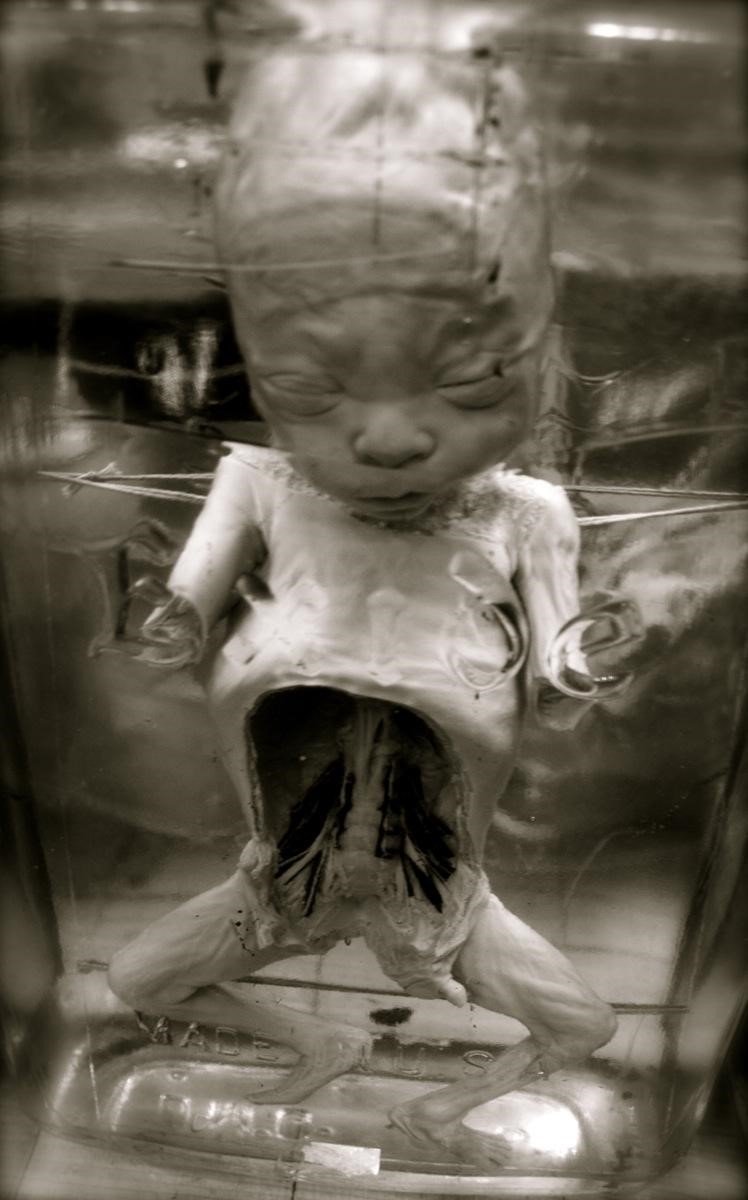
At a conference commemorating the ninth anniversary of the Nevada-Semipalatinsk movement, the first anti-nuclear protest movement in the USSR, statistics showing that between 500,000 and 8 million people were directly impacted by the test site’s operations were presented. The detonations, with their tragic and predictable repercussions, represent one of the twentieth century’s major ethical violations. Altogether, the total force of the nuclear explosions at Semipalatinsk equals more than 2,500 Hiroshima bombs. The long-term health effects for the region were harrowing, including an alarming spike in health issues such as miscarriages, birth deformities, and suicides blamed on “unsanitary conditions” in the area by Soviet military scientists in the following decades. What is so disturbing about these dismissals is that the same medical professionals had been performing creeping radiation tests on the villagers for years. 

The testing site, despite being uninhabited, is encircled by villages, and the major hub of Semipalatinsk lies just 160 km away. But the testing was kept secret, known only to top Communist Party officials, while anyone who spoke out against the detonations was immediately silenced. Russian scientists confessed that they failed to follow burial and nuclear material protection protocols, as they thought that no one would be in the area. The newly independent Kazakh government officially acknowledged 1,323,000 people as negatively affected by nuclear testing in 1992. However, just 1,057,000 of them received radiation passports, leaving over a quarter of those affected without the requisite documentation. From 2003 to 2017, a $30.5 million reimbursement was intended to give relief to over 700,000 passport holders. Divided between them, a pittance of only only $40 was allocated to each individual each year.

Map of Semipalatinsk Nuclear Test Range, Area “N”. Martin Trolle Mikkelsen.CC BY 2.0.

In 1990, a year before independence, the International Physicians for the Prevention of Nuclear War (IPPNW) and Kazakh poet Olzhas Suleimenov’s Nevada-Semipalatinsk Movement banded together and pushed Soviet leader Mikhail Gorbachev’s to issue declaration of a nuclear testing moratorium. Kazakhstan seized the opportunity to declare independence the same year and promptly closed down the infamous Semipalatinsk plant. Then, the nation went further, renouncing its inherited position as the world's fourth-largest nuclear weapons owner, and relinquishing its stockpile.

Despite this, the inhabitants go about their regular lives, seemingly unaware of the danger that surrounds them. They swim and fish in the lakes, graze their herds and pick wild strawberries all while being exposed to the poison lurking in the ground and air. However, the danger does not end there. The area will remain a bleak wasteland for millennia, poisoned with plutonium, strontium, and cesium, unfit for human habitation. Residents continue to graze their animals and collect contaminated scrap metal on the polluted land as the 7,065 square mile region is devoid of barriers, fencing, and warnings reminding people of its radioactive status.

Semey, once a thriving city, has suffered the brunt of the devastation. While acute blasts of radiation produced immediate harm, repeated modest doses of radiation over time can accumulate to cause great damage. The wind on the Kazakh steppe has brought the radioactive fallout to nearby settlements, amplifying the impact. The repercussions of nuclear testing have been passed down to future generations as a result of radiation-induced mutations in the population’s chromosomes. As a result, the region’s life expectancy is seven years lower than the national average due to a rise in the prevalence of cancer, thyroid sickness, and birth abnormalities. Tolkyn Bulegenov, Vice President of Semey Medical University, confirms that “in the zones adjacent to the test site, one can encounter 10 to 15% more malignant thyroid and blood malignancies - hematological blastoma, leukosis, lymphoma, and chronic leukemia - than in other regions of Kazakhstan.”

Semipalatinsk Nuclear Test, the effect of radiation on the fetus. Perrona Patrick André Perron.CC BY 3.0.

The late 1980s saw a glimmer of hope for the people of Kazakhstan. As the world was introduced to Gorbachev’s nuclear testing moratorium, the Nevada-Semey movement was born on Kazakh soil with a mission to shut down the Semipalatinsk polygon. Kazakhstan destroyed its inherited weapons testing infrastructure and disposed of the remaining vulnerable nuclear material with the cooperation of foreign partners, including the United States.

On August 29, 1991, President Nursultan Nazarbayev signed the proclamation closing the test site, popularly known as the Polygon, which marked a watershed point in Kazakhstan’s recent history. As part of the Nunn-Lugar Cooperative Threat Reduction Program, the United States collaborated with Kazakhstan between 1995 and 2001 to seal 13 boreholes and 181 tunnels at the test site. From 2012 to 2019, the National Nuclear Security Agency and the Netherlands led two major radiological security operations in Kazakhstan, securing approximately 13,000 radioactive sources from the National Nuclear Center and the Mangystau Atomic Energy Complex. Kazakhstan confirmed its commitment to a nuclear-free world in 2021, in accordance with the Treaty on the Prohibition of Nuclear Weapons.

Kazakhstan’s commitment to disarmament has allowed the nation to serve as an example of a responsible state that has relinquished its nuclear weapons, setting a global precedent for responsible statehood. Kazakhstan has created an environment conducive to the formulation of a multifaceted foreign policy by abandoning its nuclear weapons and closing the world's most extensively used nuclear test site, allowing the country to collaborate with China, Central Asia, Europe, and the United States. While each nuclear-armed state faces unique problems, Kazakhstan’s peaceful approach to disarmament has encouraged many, and its lessons serve as a guide for other countries seeking a similar path.

TO GET INVOLVED:

The Nuclear Threat Initiative (NTI) is a nonprofit global security organization focused on reducing nuclear and biological threats imperiling humanity. You can learn more about NTI and its records on nuclear disarmament in Kazakhstan here.

Togzhan Kassenova’s Atomic Steppe: How Kazakhstan Gave up the Bomb explains Kazakhstan’s denuclearization process in detail. Kassenova’s book explains how Kazakhstan’s leadership considered security interests as well as economic, political, and diplomatic priorities when making the decision to give up nuclear weapons. You can learn more about Atomic Steppe on Amazon here.


Hope Zhu

Hope is a Chinese international student at Wake Forest University in North Carolina studying sociology, statistics, and journalism. She dreams of traveling around the globe as a freelance reporter while touching on a wide range of social issues from education inequality to cultural diversity. Passionate about environmental issues and learning about other cultures, she is eager to explore the globe. In her free time, she enjoys cooking Asian cuisine, reading, and theater.

A Brighter Future Emerges 29 Years After Rwanda's Genocide

Rwanda's unwavering determination and spirit shine as a source of optimism for the rest of the world.

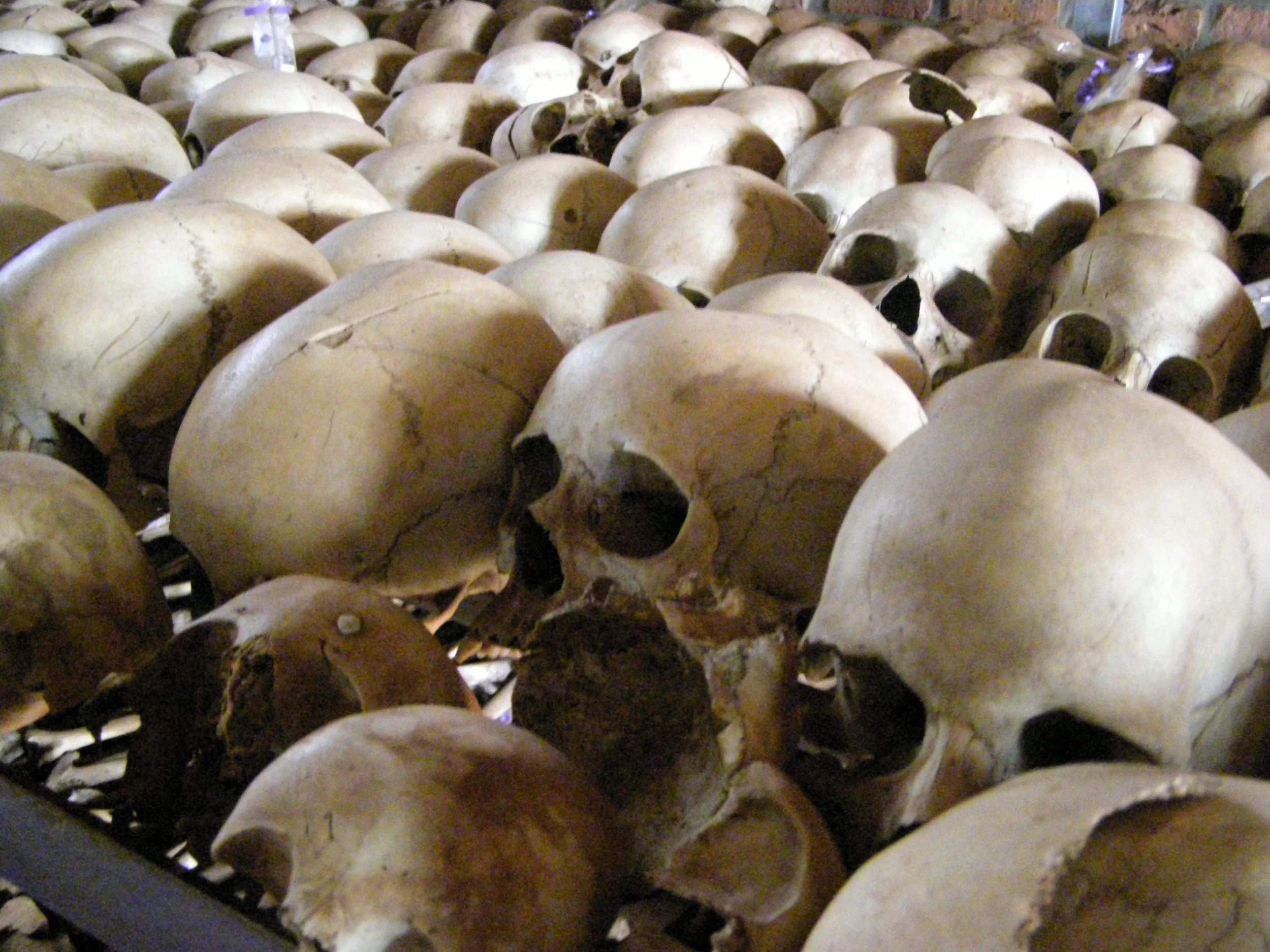
Rwanda Genocide Memorial. config manager.CC BY 2.0.

This week marks the 29th anniversary of the Rwandan Genocide, a 100-day period of violence in 1994 in which more than 800,000 people were killed. The repercussions of this tragedy continue to linger, leaving survivors and their family members with deep emotional traumas. Almost 30 years have passed since the devastating genocide in Rwanda, and the country has made some commendable progress in rebuilding its economy and mending its relationships with other nations, while also acknowledging its past mistakes and the sacrifices made during the massacre. The scars of the past may still be visible, but they no longer define Rwanda. Its developments shed light on the country’s journey toward healing and growth, with infrastructure, technology, and education driving its transformation.

The genesis of the Rwanda Genocide three decades ago can be attributed to years of systemic oppression that eventually culminated in one of the most devastating conflicts in modern history. Surprisingly, the two primary ethnic groups involved in this conflict, the Hutus and Tutsis, shared no religious or linguistic differences at the outset. A deep dive into their origins reveals that the Hutus migrated to the Great Lakes region of Central Africa between 500 and 1000 BC, while the Tutsis arrived four centuries later, migrating from the highlands of Ethiopia. The Hutus primarily worked as land cultivators, while the Tutsis were cattle herders, thus creating an economic divide that eventually led to a hierarchical system. In a strange colonial mythology, Tutsi cattle herders were labeled Hamites — a separate and exceptional group — who hailed from an ancient Christian tribe supposedly linked to people of old Palestine. This system placed the Tutsis, as a minority ethnic group, in a position of disproportionate power over the majority Hutus. 

Colonial powers subscribed to this concept of racial hierarchy and origin stories, believing the Tutsi to be natural leaders and granting them preferential treatment. After taking Rwanda as a colonial possession in 1897, the German Empire built a power structure that firmly established a hierarchy that favored the Tutsis. They bestowed upon the Tutsis a superior status, owing to their taller stature and lighter skin, giving them greater influence over the Hutus. However, in the aftermath of Germany’s defeat in World War I, Belgium took over the reins of Rwanda’s governance, and, rather than attempting to bridge the cultural divide, exacerbated it. The Belgian administration continued to uphold the Tutsis’ superior status while disregarding the Hutus, creating a further chasm of inequality that only grew wider with time. The introduction of identification cards during the 1930s that explicitly listed one’s ethnicity, for example, further polarized the population, and the stage was set for the tragic events that culminated in the Rwanda Genocide.

In 1973, Rwanda witnessed an event that would forever alter the course of its history. General Juvenal Habyarimana, a Hutu tribe member, rose to power and established the National Revolutionary Movement for Development (NRMD) party to secure his authority. Meanwhile, in Uganda, a group of Rwandan exiles in Uganda who had tasted victory in Yoweri Museveni’s National Resistance Army during the Ugandan Civil War formed the Rwandan Patriotic Front (RPF). This organization was largely dominated by Tutsi figures and posed a challenge to the incumbent regime. The Rwandan Civil War began, which pitted the Hutu-dominated NRMD government against the primarily Tutsi RPF, while social tensions began to simmer. It was midsummer in 1993 when Hutu extremists hatched their plan, creating a platform for propagating their racist ideology and spewing hatred against the Tutsi people. Thus, Radio Télévision Libre des Mille Collines (RTLM) came into being, which soon became a tool to incite violence and hatred against the Tutsi, using propaganda and malicious rhetoric. 

Radio Télévision Libre des Mille Collines broadcasted from this office during the Rwanda Genocide. kigaliwire.CC BY-NC 2.0.

April 6, 1994, was the beginning of a nightmare for Rwanda and Burundi. The presidential plane, which was carrying the heads of state of both countries, was hit by gunfire. The news of their deaths, broadcasted by the radical Hutu RTLM radio station, served as a call to arms, sparking a wave of violence against the Tutsi population. The initial attack was planned by a group of military leaders, politicians, and business owners, who were later joined by an increasing number of supporters. This resulted in a devastating genocide, with Tutsis flocking to ostensibly safe havens like churches and administrative centers only to find them transformed into places of horror. 75% of the Tutsi population was wiped out, including many children who were labeled “little rats” and killed alongside adults. The perpetrators killed people of all ages indiscriminately, committing rape and torture on a regular basis. With nowhere to call home, over 2 million people fled the country, including many Hutu ethnic group members, while a million more were internally displaced, leaving 75,000 children orphaned.

The aftermath was massive destruction, with infrastructure reduced to ruins and hundreds of thousands of citizens dead, dealt a crippling blow to progress and development. Rwanda, however, refused to give in to despair.  The RPF won the Civil War and took power after four months of horror, ending the genocide. The nation embarked on a journey of healing and reconciliation by embracing a deliberate strategy of transitional justice and transformative programs, characterized by the visionary “Rwanda Vision 2020” campaign launched in 2000. Rwanda embraced a path of renewal through initiatives such as “I am Rwandan,” which encouraged deep reflection on the nation's painful history, acknowledgment of past atrocities, and promotion of healing and reconciliation among all its people. Another example is “Umuganda,” a day of community service in which people from all walks of life work together to improve their communities. Though challenges remained, these initiatives instilled a renewed sense of vigor and solidarity, bringing new life to the difficult task of rebuilding Rwanda. 

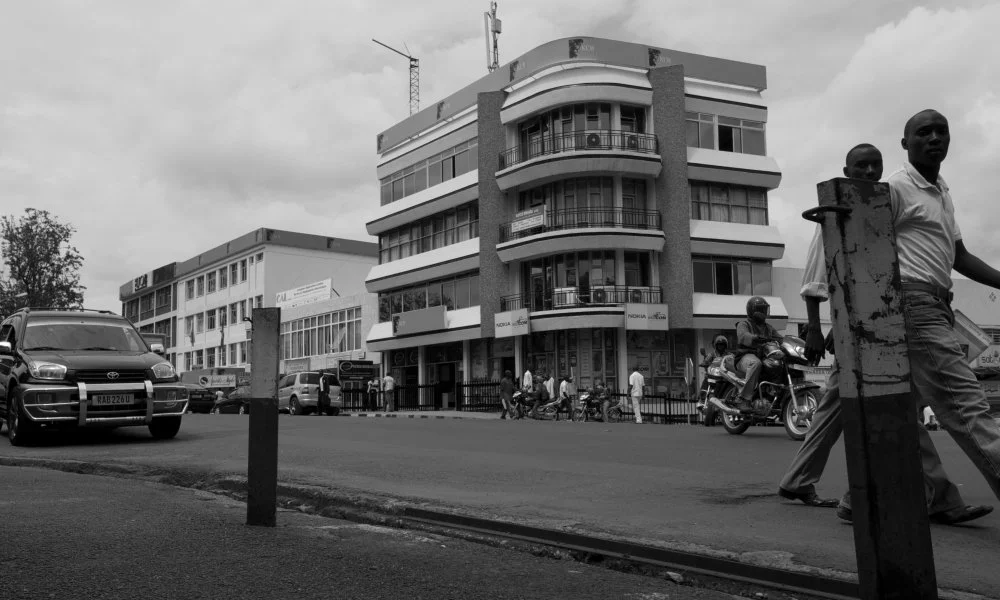
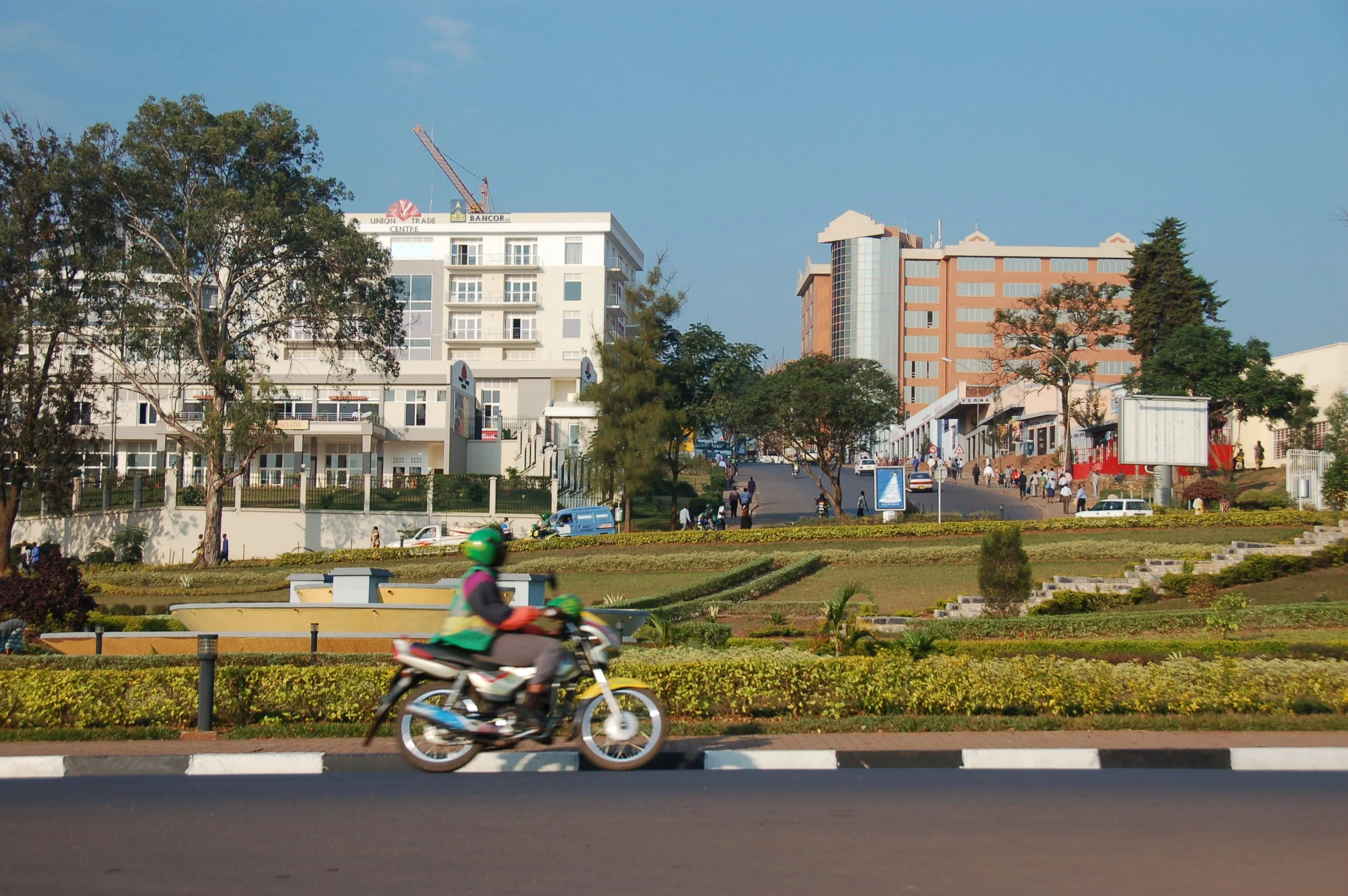
The modern capital of Kigali is safe, clean, and orderly. Dylan Walters. CC BY 2.0.

Rwanda also undergoes significant changes in its economy. The government has introduced the “Girinka” program, which provides one cow per poor family to combat poverty, with the first female calf being passed on to another family. Poverty has decreased by 23.8 percent from 2000 to 2010, and Rwanda has emerged as one of the fastest-growing economies in Central Africa, with four years of eight percent GDP growth between 2011 and 2014. These developments are positive indicators for Rwanda’s future.

Despite the indelible mark of shame left by the horrific acts, Rwanda has sought reconciliation by embracing its rich heritage of traditional pre-colonial Rwandese customs and values, while also welcoming contributions from the international community. The genocide has prompted profound reflections on critical issues such as the efficacy of peace operations, the urgency of ending international crimes, and the delicate nature of maintaining civility. These pressing issues necessitate international attention and are still relevant today.

TO GET INVOLVED:

World Help: Over the last decade, World Help has worked to bring healing and restoration to Rwandan communities through initiatives like trauma counseling, children’s homes, child sponsorship, construction projects, clean-water wells, sustainable agriculture, vocational training, and more. To learn more and get involved, click here.

IBUKA: IBUKA is an umbrella organization supporting survivors in Rwanda. Representatives from institutions like IBUKA and the National Commission for the Fight Against Genocide are invited to speak at commemorations to provide expert histories and testimonies. To learn more and get involved, click here.


Hope Zhu

Hope is a Chinese international student at Wake Forest University in North Carolina studying sociology, statistics, and journalism. She dreams of traveling around the globe as a freelance reporter while touching on a wide range of social issues from education inequality to cultural diversity. Passionate about environmental issues and learning about other cultures, she is eager to explore the globe. In her free time, she enjoys cooking Asian cuisine, reading, and theater.

The True Culprits of Poaching

The causes and consequences of the illegal wildlife trade.

Elephant Calf - Madikwe, South Africa, Vince O'Sullivan, CC BY-NC 2.0.

In 2019, a man and his four companions entered South Africa’s Kruger National Park, dead set on killing a rhino. They botched the job- the man was trampled by an elephant and killed. His four companions fled the scene. Later, the man’s body was found eaten by lions. For many, this was a story of nature’s revenge on an aggressor. Some even took to social media to celebrate his death, claiming that “It’s a shame all five didn’t die.”

But the digital peanut gallery likely did not know that this man was from South Africa’s Eastern Cape, the country’s poorest region where the average annual income per year is less than $3,700. And, they probably didn’t know that even if he and his companions had successfully killed the rhino, taken its horn, and bolted, they would have remained in poverty, having sold the horn for a tiny fraction of its value on the international market. From there, the horn would go through multiple stages of middlemen to hide its origin and be shipped to a foreign nation, likely Vietnam or China. There, poaching kingpins such as Vietnam’s Nguyen Mau Chien would receive the horn and sell it to consumers for a huge profit.

Unwrapped Rhino Horn, cropped, ukhomeoffice, CC BY 2.0

This story is not unique. The United Nations estimates the  poaching market to be worth a minimum of $7 billion per annum. The poaching kingpins who lead these operations are akin to drug lords. With few moral qualms, they are making millions, exploiting those working lower on the food chain and putting the environment in danger, all while taking very few risks themselves.

Over the past few years, dozens of species have gone extinct largely due to poaching, with hundreds more being driven to the brink of extinction. They range from smaller, lesser known species to large, iconic megafauna such as the Western Black Rhinoceros, a subspecies that went extinct in 2011. 

Black Rhino, corrieb, CC BY 2.0

The impact of these extinctions goes far beyond the animals themselves. The world exists as a closely connected ecosystem. When one species becomes endangered, it affects every other species in that ecosystem. One clear example of this is the North American Gray Wolf. The wolf’s regional near-extinction caused a surge in the elk population in Yellow Stone, which nearly ate the aspen tree into extinction. 

Poaching also is detrimental to countries, like South Africa, that heavily rely on animal-based tourism. When iconic animals become extinct and ecosystems are damaged, ecotourism becomes much less successful. Even worse, poaching is incredibly dangerous to those working in conservation. Each year, across Africa, 600 rangers' lives are lost in the line of duty.

Ranger and rhinos, Kruger National Park, South Africa, anoukpilon, CC BY-SA 2.0.

In addition, poaching poses a huge risk to the world at large. COVID-19, Ebola, and SARs all started in animals. In fact, 60% of all infectious diseases are thought to have begun in non-human animals. Whether through the murder of animals directly or the transfer and consumption of illegal animal products, poaching puts thousands of hands and bodies in contact with wildlife, and therefore at risk.

TO GET INVOLVED

The International Anti-Poaching Federation (IAPF), founded in 2009, aims to hire 2,000 women by 2030 to work in anti-poaching units in their local communities, as part of the all-female Akashinga Project. The IAPF has managed to reduce poaching by over 80% in the 8.5 million acres it manages, making them one of the most successful anti-poaching organizations in the world. If you want to help stop the poaching epidemic, you can donate to the IAPF here.

The David Sheldrick Wildlife Fund has been Operating in Kenya since 1977. Over the past 45 years, they have become one of the best Elephant rehabilitation organizations in the world, raising over 300 orphan elephants. Beyond this, the Fund has 23 anti-poaching teams working with the Kenya Wildlife Service, employing both Aerial and Canine Units. If you want to support them, you can donate here.


Jeremy Giles

Jeremy is a Writing Seminars and International Studies major at Johns Hopkins University. He is an avid writer and the Co-Founder of Writers’ Warehouse, Johns Hopkins’ first creative writing group. He is an advocate for Indigenous rights, and studies how Indigenous philosophies can be used to help prevent climate change. Using his writing, he hopes to bring attention to underrepresented voices in today’s world.

9 Activist Movements You Might Not Know About

From Australia to Bolivia, social movements are paradigms of collective power and triumphs of the human spirit.

Sudanese Protesters Welcome 'Positive Steps' Taken By Ruling Military Council, demonstrators rally near the military headquarters in Khartoum, Sudan, Monday, April 15, 2019. Omer. Public Domain Mark 1.0

It's easy to brush off textbook knowledge as outdated, but academic theories of social movements can provide a powerful lens to understand the changes happening in the world. The 21st-century witnesses social movements erupting all over the world, led by activists fighting to bring about change. Sociologists categorize social movements as a form of collective behavior that emerges during the political, cultural, or economic upheaval. It is precisely this decentralization that gives activists immense power to effect change, leading the masses in protest against the upper crust. With that in mind, below is a list of nine groundbreaking social movements of the 21st century that you might have missed.

1. Equality Australia, Australia

Reason Party (Australia) supporters with placards at Yes Marriage Equality rally Sydney Town Hall 10 Sept 2017.Robert.CC BY-SA 4.0.

Despite progress in other western countries, Australia still faces criticism for a dearth of LGPTQ representation in politics. For example, in 2021, the Australian government under Scott Morrison almost passed a deceptively named religious discrimination bill that in reality had the potential to legalize discrimination based on sex, disability, and age under the disguise of religious freedom. This bill not only undermines the rights of the LGBTQ community but also perpetuates stereotypes and biases. The bill was shelved after religious lobby groups withdrew support and, due to Scott Morrison’s defeat to the Australian Labor Party in 2022, seems unlikely to be reintroduced.

To compensate for the lack of legal protection for the sexual minority population, Equality Australia, an organization dedicated to improving the lives and circumstances of the LGBTQ community in Australia, has launched multiple initiatives. It tackles the pressing issues that gay, trans and queer Australians face, from being able to freely express their identity to receiving adequate healthcare and support.

2. “Great March of Return” Protests, Palestine

Child survivors of Israeli massacres gather on the Gaza beach to finish an incomplete match.Catron.CC BY-NC 2.0.

In the Gaza Strip, a Palestinian exclave on the eastern coast of the Mediterranean Sea, 70% of the population are refugees suffering from the blockade by the Israeli military occupation. Essential needs like electricity, sanitation, and healthcare are a luxury for these refugees, who live constantly under the shadow of military clashes between Hamas and Israel.

The Great March of Return demonstrations (GMR), which began on March 30, 2018, brought a glimmer of hope to the Palestinian refugees in the Gaza Strip. The GMR was a call to end the Israeli blockade and the right of return for Palestinian refugees through non-violent protest at the Gaza border.

But while most refugees marched peacefully, Israeli forces have taken a brutal toll, killing at least 210 Palestinians and injuring over 18,000 since 2018, according to Gaza health officials. The aftermath of these marches has left many with life-long physical and psychological scars from generation to generation. A staggering 80% of all children treated by the United Nations Relief and Works Agency for Palestine Refugees in the Near East were injured by gunshot wounds. In contrast to the aggressive response from Israel, the largely nonviolent Great March of Return “restored credence to the concept of peaceful struggle”, according to Palestinian journalist and peace activist Ahmed Abu Artema.  

3. EndSARS, Nigeria

Protesters at the endSARS protest in Lagos, Nigeria 92. CC BY-SA 4.0.

Nigeria's history of police brutality and unjust criminal investigations reached a boiling point in 2020 when the world was shocked by a viral video of two men being dragged out of a hotel and shot by members of the Special Anti-Robbery Squad (SARS). Despite being established in 1992 to arrest and prosecute those involved in violent crimes, SARS quickly became known for its human rights violations, including arbitrary detention, torture, extortion, and murder.

As the hashtag “EndSARS” quickly spread across social media, fueled by the support of high-profile celebrities like footballer Marcus Rashford and actor John Boyega, the movement transitioned from an online trend to a physical reality. Peaceful protests erupted in cities across Nigeria, from capital Abuja to metropolis Lagos, and in major centers like Ibadan and Osun, as the people took to the streets to demand an end to the police brutality and human rights violations. Though the Nigerian authorities made empty promises to disband SARS, the movement continues to fight for justice and accountability to this day.

4. India's Farmer Protest, India

Protests outside Odisha Bhawan New Delhi. Brick. CC BY-NC-SA 2.0.

In September 2020, as the pandemic and economic woes plagued the country, the Indian government passed three farm acts that many farmers regard as a breakdown of the existing, stable relationship with agricultural small businessmen.

The farmers were furious and took to the streets, shutting down railways, taking over highways, and protesting en masse in Delhi, Punjab, Haryana, and Western Uttar Pradesh to demand change. On Nov 26, 2020, millions struck in Delhi, calling for a change in labor laws, but were met with violence and teargas. The protests coincided with the Covid outbreak, leading some to view the government's social distancing requirement as a conspiracy to shut down its critics.

After ten rounds of talks, the government agreed to grant farmers’ unions a rare concession in January 2021, with the Prime Minister allowing the repeal of the controversial reform due to public pressure. The Indian farmer protest highlighted the deep frustration with the government's handling of the agriculture sector, which 60% of rural households depend on for their livelihoods.

5. Subway Fare Protests, Chile

Students take part in violent Protests in Santiago de Chile. C64-92. CC BY 2.0.

In Chile, a tiny $0.0 was all it took to ignite social upheaval in 2019. What started as a protest over a 30 peso, equivalent to $0.04, exposed the massive wealth inequality in the country, where the per capita income of the bottom quintile is $140 a month.

During the height of the protests, high school students started to overrun the turnstiles, using the hashtag “Mass Evasion” on social media to encourage others to join the cause. The young protesters soon joined in mass demonstrations by many other Chileans who are frustrated with rising living costs, low wages, and an inadequate education system. 

The protests and counterforce led to the death of at least 18 civilians, the burndown of 21 metro stations, and the destruction of several trains, buses, and buildings, including 200 supermarkets. Eventually Chile’s militarized national police managed to suppress the October riots, but the protests and their aftermath  shed light on the ongoing fight against wealth inequality in Chile.

6. Velvet Revolution, Armenia

Velvet Revolution in Armenia. Armineaghayan.CC BY-SA 4.0.

The Velvet Revolution, otherwise known as the “Reject Serzh” civic initiative, is the archetype of a social movement that succeeded in overthrowing an entire regime without a single bullet fired. In 2018, the protest called for the removal of former President Serzh Sargsyan from his third consecutive term. Sargsyan took office as president in 2008, following a violent suppression of anti-government protests in which at least 10 people were killed. A youth movement was established soon after, contributing to the formation of current Prime Minister Nikol Pashinyan’s Civil Contract party.

This peaceful protest was politically motivated, with support from human rights advocates, journalists, and information organizations. The demonstration started on March 18, 2018 when Pashinyan began his protest walk in Gyumri. It reached the peak when over 250,000 protesters gathered in Republic Square for the largest demonstration in Armenia's post-Soviet independence period. The movement was able to unite all Armenians regardless of political views and sparked hope for a lasting democratic government.

7. “Slipper uprising”, Belarus

Protests in Minsk, Belarus. Shnipelson. CC0 1.0.

The “Slipper Uprising” broke out in Belarus in 2021, as protesters used the simple yet powerful symbol of a slipper to push for change. The series of protests followed a controversial presidential election that declared Alexander Lukashenko, the incumbent Belarusian President, as the winner. 

The call, “stop the cockroach” came from popular blogger Sergei Tikhanovsky's video, in which an elderly woman compared Lukashenko to the main character of the children’s poem “The Mighty Cockroach.” This nickname, combined with opposition supporters’ demand for Lukashenko's resignation, fueled mass protests in the streets.

Demonstrators showed their defiance against Lukashenko’s rule by waving slippers high in the air. Over 360 people were taken into custody for protesting in just one weekend, but the fire of dissent continued to burn. The “Slipper uprising” proved that even the simplest of symbols can be a catalyst for change.

8. Wildfire protest, Bolivia

March in favor of Evo Morales. Santiago Sito.CC BY-NC-ND 2.0.

The heat is on in Bolivia as hundreds of thousands of protesters took to the streets to voice their outrage over President Evo Morales’ government's response to the wildfires that ravaged the country’s forests in October 2019. 

Many of the protesters were residents of Santa Cruz, Bolivia's largest city and home to vast areas of the biodiverse Chiquitano dry forests. Protesters called for a “punishment vote” against Morales in the upcoming presidential election. The rallies have drawn massive crowds, with an estimated 350,000 people marching through Santa Cruz in late October, according to reporting from Reuters. The growing public anger and frustration highlight the urgent need for action to address environmental justice and protect the country's precious forests.

9. “Million-man March”, Sudan

Demonstrators hold placards against the Khartoum regime, April 28, 2013. Sari Omer. Public Domain Mark 1.0.

Sudan’s "Marches of the Millions" was a massive demonstration held in the capital city of Khartoum on June 30, 2019. The nationwide protests were orchestrated by the Sudanese Professional Association (SPA), an influential activist coalition. The protesters had six demands, including a swift transfer of power to a civilian government and aid to the victims of government-initiated attacks. 

The nationwide protest also exposed the danger of police crackdown, as national security agencies used violent tactics, such as teargas, to confront the marching citizens. Despite the violence, the protest movement continued, leading to the agreement between the military and its opposition in August 2019. The agreement marked the first step towards a democratic transition for Sudan.

From trending hashtags and posts that amplify the voice of activism on social media, to throngs of individuals marching in the streets and rallying for a shared goal, social movements embody the spirit of resistance against oppression and tyranny. It is through the eruptive energy of collective action that humans can truly exhibit their strength and determination in the face of injustice.


Hope Zhu

Hope is a Chinese international student at Wake Forest University in North Carolina studying sociology, statistics, and journalism. She dreams of traveling around the globe as a freelance reporter while touching on a wide range of social issues from education inequality to cultural diversity. Passionate about environmental issues and learning about other cultures, she is eager to explore the globe. In her free time, she enjoys cooking Asian cuisine, reading, and theater.

US Lags Behind Other Nations in Recycling

Germany, Austria and South Korea recycle 20% more trash than the US. Can they lead the US to a new era of recycling?

Landfill in Danbury, Connecticut, United Nations Photo, CC BY-NC-ND 2.0.

The United States recycles 32.1% of its trash, meaning the other 67.9% of U.S. waste ends up in landfills, is incinerated, or gets lost somewhere else in the environment. Moreover, only 5 to 6 % of plastic ends up being recycled, while 85% of plastic American plastic goes to the landfills, and another 10% is incinerated. These numbers are especially concerning given that plastic is the one of the most difficult types of waste to biodegrade.

Nationally, there are few to no laws in the U.S. that mandate recycling. There have been efforts to change that. On March 5, 2021, Democratic Senator Jeff Merkley and Representative Alan Lowenthal reintroduced the Break Free from Plastic Pollution Act, a bill that would ban single use plastic bags and discourage the use of plastic utensils and straws. In addition, it would increase post consumer recycling minimums to 25% by 2025 and 80% by 2040. However, like many similar bills in the United States, it has not been passed.

While the federal government lags behind, certain states have been considerably more active in promoting recycling. Since 2022, New York has passed two important laws; one demanding that the carpet industry becomes more responsible for its waste and the other allowing consumers to fix their own electronics. California has banned certain types of produce bags, and Michigan has committed to overhauling its recycling system, striving for a 45% recycling rate, albeit without a clear deadline as to when this needs to be achieved.

With that said, even with state efforts, the US still remains far behind the world’s leaders in recycling; Germany, Austria, and South Korea. They recycle 56.1%, 53.8%, and 53.7% of their waste, respectively, each of which is over 20% more than the current US figure and around 10% more than Michigan's new recycling goal. This largely is due to enhanced recycling laws, as well as cultures and practices in those countries that incentivize and engage their populations to be environmentally conscious.

Germany

German Recycling Bins, 3268zauber, CC BY-SA 3.0

The first pillar of Germany’s recycling success is its Deposit Refund System (DRS). In Germany, when consumers purchase a bottle that can be recycled, they must pay a deposit between 0.08 and 0.25 euros. Single use plastic bottles and more environmentally harmful products tend to have a higher deposit. Once the items are returned to a retail store, the consumer will be reimbursed for their deposit. This system has proven to be incredibly successful, reaching a 98.4% return rate. In 2024, Germany plans to expand their DRS to include all milk and dairy product containers.

Germany also has a mandatory recycling system. Each household has four different recycling bins: yellow bins for lightweight packaging, green or blue bins for waste and cardboard, black or gray bins for residual and household waste, and brown bins for compostable kitchen and garden waste. If the waste is not sorted correctly, workers at the recycling plant will go through the waste and sort it manually, and the household that failed to sort the waste will be fined. 

Austria

Plastic Bags Package, zeevveez, CC BY 2.0.

Three major policies contribute to Austria’s high recycling rate. First, like Germany, Austria has a rigorous recycling sorting system. Second is the country’s blanket landfill ban. This policy instructs that any item with a total organic carbon emission rate of more than 5% is banned from going into landfills, meaning that the most harmful products have to be recycled. Finally, in 2020, Austria prohibited the use of plastic bags, completely removing one of the longest lasting products in landfills, with a decomposition time of 200-500 years.

South Korea

Recycling bin in South Korea, ProjectManhattan, CC BY-SA 3.0

South Korea’s “pay-as-you-throw” recycling system requires consumers to buy specialized food waste bags, costing about 20 cents. The profits from the food waste bags goes straight back into the recycling market, greatly minimizing the cost of recycling to the government. When these bags are full, consumers leave the bag in a special bin. These bags are then picked up and composted, leading South Koreans to recycle almost 100% of their food waste. 

In 2022 Keppel, a Singapore-based company, spent about 600 million dollars to buy EMK Co, South Korea’s biggest waste management and recycling company. Keppel expects the value of their investment in EMK to almost double in five years. South Korea has created a system in which private companies are able to make a profit buying and selling waste, greatly increasing the percentage of their waste being recycled. 

It's important to recognize that while all these systems are successful in their own countries, the cultural, political, and economic environment in the US is very different from that of Germany, Austria or South Korea. Additionally, the US has a population about four times the size of Germany, the biggest of the three countries, meaning any recycling measures are much more difficult to implement. Yet, with the US lagging so far behind the world leaders in recycling, it would be foolish to not at least consider the solutions that have worked so well for these other countries.

GET INVOLVED

Keep America Beautiful was founded in 1953. Since then, they have created many different recycling programs, including recently a Cigarette Litter Prevention Program. Within a ten year period, they earned their communities over a billion dollars in economic value, have planted millions of plants, flowers, and bulbs, cleaned over 500 kilometers of roads, and collected over 750 million pounds of litter. You can donate to Keep America here.

Ample Harvest Inc. was founded in 2009 by Gary Oppenheimer as a way to reduce food waste by having gardeners donate their surplus food. Beyond this, they have created an Emergency Food Assistance Program to help food insecure families. Currently, they are working with over 62 million gardeners, spread over all 50 states, allowing them to generate billions of pounds of food they donate to over 8,000 different charities. This has given 4,200 different communities a sustainable food supply free of charge and, in 2020 alone, saved 1.6 million pounds of produce from being discarded. You can donate money to Ample Harvest Inc. here and give your excess food produce to your local food pantry here.

The Container Recycling Institute functions much like a Think Tank, researching recycling so they can provide recycling options and insights to local communities and governments. With a perfect 100% score for Finance and Accountability on Charity Navigator, The Container Recycling Institute, since its founding in 1991, has grown into an incredibly trustworthy Institution. As a leading recycling resource, they helped expand the Connecticut recycling Bottle Bill, the largest expansion of this kind in 10 years. In California, they helped raise the annual consumer recycling budget to over 100 million dollars. You can donate to The Container Recycling Institute here and become a member here.


Jeremy Giles

Jeremy is a Writing Seminars and International Studies major at Johns Hopkins University. He is an avid writer and the Co-Founder of Writers’ Warehouse, Johns Hopkins’ first creative writing group. He is an advocate for Indigenous rights, and studies how Indigenous philosophies can be used to help prevent climate change. Using his writing, he hopes to bring attention to underrepresented voices in today’s world.

Japan’s Population Crisis Hits a Record Low

Japanese birth rates are falling exponentially, and it could have major effects on the country’s economy. 

Harajuku District in Japan. @paulkrichards. Instagram

Many around the world consider Japan a futuristic country, a view drawn from its creative technology and its unique culture. A popular destination for tourists all around the world, this East Asian country makes up 1.6% of the world’s population with its approximately 125 million residents. 

However, this number is set to rapidly decline as Japan teeters on the precipice of a population crisis. Its Prime Minister has issued a dire warning, saying that the country is “on the brink of not being able to maintain social functions” due to the falling birth rate. Japan has one of the highest life expectancies in the world, which means that most will grow old and require care from others, but the workforce is shrinking as  aren’t enough young people to fill the gaps in Japan’s stagnating economy.

Why is this? To use simple terms, Japanese people are having fewer babies. Women are postponing their marriages and rejecting traditional paths to focus on their professional lives, and the percentage of women who work in Japan is now higher than ever. However, there are also fewer opportunities for young people, especially men, in the country’s economy. Since men are still widely viewed as the breadwinners of the family, a lack of good jobs would also mean the men would avoid having children — and settling down — knowing they can’t afford it. With Japan’s high cost of living, it adds more reason for couples to steer clear of having a family.

The problem has only gotten worse since the Covid pandemic. In 2021, the birth rates in Japan declined to around 805,000 — a figure that was not expected until 2028. With much of the population choosing to focus on their careers instead, this number will only continue to fall. 

In the early stages of the pandemic, there were jokes circulating that the lockdowns would cause another baby boom. However, the opposite came true. Japan experienced a reduction in birth rates, as well as other countries such as Taiwan and China — to an estimated 1.07 children per woman.

Japan’s population pyramid in October 2021. Kaj Tallungs. CC BY-SA 4.0 

There are more and more elderly people in the country and not enough working-age adults to support them. The economy is at risk. But Japan’s Prime Minister Fumio Kishida promises to combat the low birth rate.

With Japan “standing on the verge of whether we can continue to function as a society,” Kishida urges the national government to focus on policies regarding children and ramp up child-related programs, saying it “cannot wait and cannot be postponed.” He wants the government to double its spending on child-related programs and in April, he will launch a new Children and Families government agency to help in the endeavor.

This agency will unify policies across multiple government ministries to better deal with issues that concern children, such as declining birth rates, child poverty, and sex crimes. Kishida has plans to double the budget if necessary, without elaborating.

In the mid 1990s, the Japanese government launched a series of programs addressing their country’s low fertility, hoping to provide parenting assistance through increasing provision of childcare services and advocating for a better work-life balance. And in the 2010s, fertility policies were incorporated into Japan’s macroeconomic policy, national land planning, and regional and local planning.

Despite all these efforts, however, Japan’s goal to boost population remains unsuccessful. By forming the new agency, Kishida hopes these problems will be taken more seriously.

One thing remains clear, though — Japan is facing a population crisis. And if birth rates keep falling, the country’s economy will struggle under its effects.


Michelle Tian

Michelle is a senior at Boston University, majoring in journalism and minoring in philosophy. Her parents are first-generation immigrants from China, so her love for different cultures and traveling came naturally at a young age. After graduation, she hopes to continue sharing important messages through her work.

The Forgotten Chinese History of Vladivostok

A brutal campaign of ethnic cleansing against the Chinese community in the 1930s had a lasting impact on the Russian Far East.

31st Infantry on a practice march near Vladivostok, Siberia about Dec. 1, 1918. Lane Genealogy. CC BY-NC-SA 2.0.

The coastal city of Vladivostok, in the easternmost reaches of Russia, harbors a secret past with Chinese laborers who helped construct its famous naval base before being discarded. Once brimming with the bustle of Chinese workers, today’s Vladivostok features a mere handful of Chinese-owned establishments despite being fairly close to the Chinese border, in contrast to other Russian cities far to the west, such as Moscow, that have sizable Chinese communities. Across a vast expanse of nearly 250,000  square miles in northern China's Heilongjiang province, this forgotten chapter of history remains shrouded in controversy, while the city’s development and the contribution of Chinese laborers are waiting to be uncovered.

But while Vladivostok’s history may be veiled in mystery, the roots of Chinese presence in the region extend back centuries. The Treaty of Peking, signed in 1860 and one of a series of Russo-Chinese boundary settlements, officially transferred ownership of what is now Vladivostok from China to Russia after the former’s disastrous defeat to England and France in the Second Opium War. The treaty saw Russia gain control over all territory north and east of the Amur River, with the Chinese Qing Dynasty retaining sovereignty over the area to the south and West. Russia had not been involved in the conflict, but acted opportunistically to force the Qing government to hand over 133,000 square miles of territory. However, before the establishment of Vladivostok, the region was sporadically inhabited by Chinese fishermen, hunters, fugitives, and collectors of ginseng and wild sea cucumbers, tube-like animals distantly related to starfish that are far less appetizing than the land variety. The place was known as the “Sea Cucumber Cliffs” in Chinese due to the abundance of the creatures in that region. Under Russian control Vladivostok would get its current name and become a vital naval base, connected to European Russia by the Trans-Siberian Railway and Chinese cities thanks to the Chinese Eastern Railway. The city remains the hub of Primorsky Krai, a region in Russia’s Far East with a complex history shaped by geopolitical machinations

Territories that have become part of Russia under the: Aigun Treaty and the Beijing Treaty of 1860, Library of Congress Geography and Map Division, CIA. Public domain via Wikimedia Commons.

The treaty gave Russia de jure control over Vladivostok, but Chinese migrants continued to move into the region en masse. Chinese laborers continued to move to the area, working on a variety of projects, from building the Trans-Siberian Railway to developing ports in Vladivostok and engaging in agriculture, forestry, and mining in smaller towns and rural areas. By 1910, there were nearly 100,000 Chinese living in the region, while Russian newspapers commented on the prevalence of Chinese merchants selling paper flowers and other inexpensive products at every train station from Vladivostok to St Petersburg on the Baltic Sea.

Morphine use in the Millionka. State Archive of Primorsk Region (Gosudarstvennyi arkhiv Primorskogo kraia) in Vladivostok. Obtained by Austin Jersild.

Things changed after the 1917 Revolution. Throughout the 1920s, the new Soviet authorities in the Vladivostok region implemented increasingly aggressive policies towards ethnic minorities, including Koreans, Germans, Estonians, and Chinese. Driven by xenophobia, these policies were designed to eliminate foreign influence in the region. By 1938, the situation had escalated to the point where the Politburo, the highest governing authority in the Communist Party of the Soviet Union, had authorized a massive campaign of terror against various non-Russian nationalities, including Chinese settlers. In total, an estimated 800,000 individuals of all ethnicities were arrested, deported, or executed as part of this brutal ethnic cleansing campaign.

While the exact number of Chinese victims is unknown, the legacy of this brutal purge has had a lasting impact on the Chinese community in Vladivostok and beyond. By 1936, the Soviet Union began deporting Chinese expatriates in groups, causing panic among local Chinese and eventually leading the Chinese Embassy to intervene. However, the purges in the Soviet Union intensified, leading to the mass relocation and deportation of “unreliable elements” from the border areas, including minority ethnic groups living in the Soviet Union. In December 1937, Soviet repression was directed against the Chinese in the Far East, leading to the arrests of Chinese in various parts of the region, including the largest concentration of arrests made in Vladivostok and the surrounding areas. Soviet authorities issued a secret order to arrest all Chinese individuals who committed provocative acts or had terrorist intentions, allegations which were themselves of dubious veracity. The first mass arrest of 853 Chinese individuals, known as the “Chinese Operation”, occurred in Primorsky Oblast on December 29 and 30, 1937. In February 1938, more than 200 Chinese individuals were arrested in Vladivostok, Ussuriysk, and Spassk, and they were tortured to make them confess to the crime of espionage. 

Chinese in Vladivostok, Collection of the Primorsky Krai Museum, Russia

Still recovering from the Soviet horrors inflicted on their ancestors, many Chinese today hold on to the hope that Vladivostok will one day be returned to China and become Haishenwai once again. Chinese visitors to the city have expressed similar sentiments, with some believing that the land was unjustly taken from China. This view has been amplified by a social media campaign against Russia following a tweet by the Russian embassy in India in 2020, which touted the founding of Vladivostok. Chinese internet users criticized what they saw as Russia's glorification of its unlawful annexation, expressing discomfort and resentment.

Regardless of its tumultuous history of Chinese immigration and labor, Vladivostok’s intricate Chinese legacy remains a poignant reminder of the city’s multicultural past. The arrests and deportations of Chinese and other diaspora nationalities have transformed the city and the region as a whole, leaving scars that have taken decades to heal and for some remain open. However, today there is a growing interest in recovering the multi-ethnic heritage evident in the city’s history even as fears about the geopolitics of Chinese immigration to the Russian Far East continue. As the city moves towards the future, it must grapple with its past and find ways to honor the contributions of Chinese laborers and victims of Soviet repression while addressing the complicated political and social tensions that continue to shape the region.


Hope Zhu

Hope is a Chinese international student at Wake Forest University in North Carolina studying sociology, statistics, and journalism. She dreams of traveling around the globe as a freelance reporter while touching on a wide range of social issues from education inequality to cultural diversity. Passionate about environmental issues and learning about other cultures, she is eager to explore the globe. In her free time, she enjoys cooking Asian cuisine, reading, and theater.