Sri Lanka Strives Toward Gender Equality Through Economic Empowerment

Sri Lanka’s efforts to combat the gender gap allow women to support themselves and their communities. 

Women selling produce at a market in Sri Lanka. imke.sta. CC2.0

Nicknamed the “pearl of the Indian Ocean” and famous for its spices, unique culture and lush ecosystems, Sri Lanka is also known for its advances in gender equality. The island nation became in 1960 the first country in the world to elect a female prime minister, Sirimavo Bandaranaike. Sri Lanka has also long provided free and compulsory education for men and women up to the university level.

Even so, high levels of gender-based violence are present throughout the country and the unemployment rate of women is twice that of men. Most women occupy low-paying positions in agriculture and the garment industry with little chance of economic mobility. Although well-respected in the Asia-Pacific region, Sri Lanka’s educational system often enforces traditional ideological and cultural beliefs, which can perpetuate negative stereotypes about women.  A university-level education does not guarantee women positions of power, with large disparities between men and women in science, technology and political positions throughout the country. Additionally, a 26-year-long civil war (1983-2009) isolated Sri Lanka from the modern world, allowing traditional gender roles to thrive in war-affected areas.

Developing economic opportunities for women has the potential to overcome barriers to gender equality. Here are two organizations working to do just that:
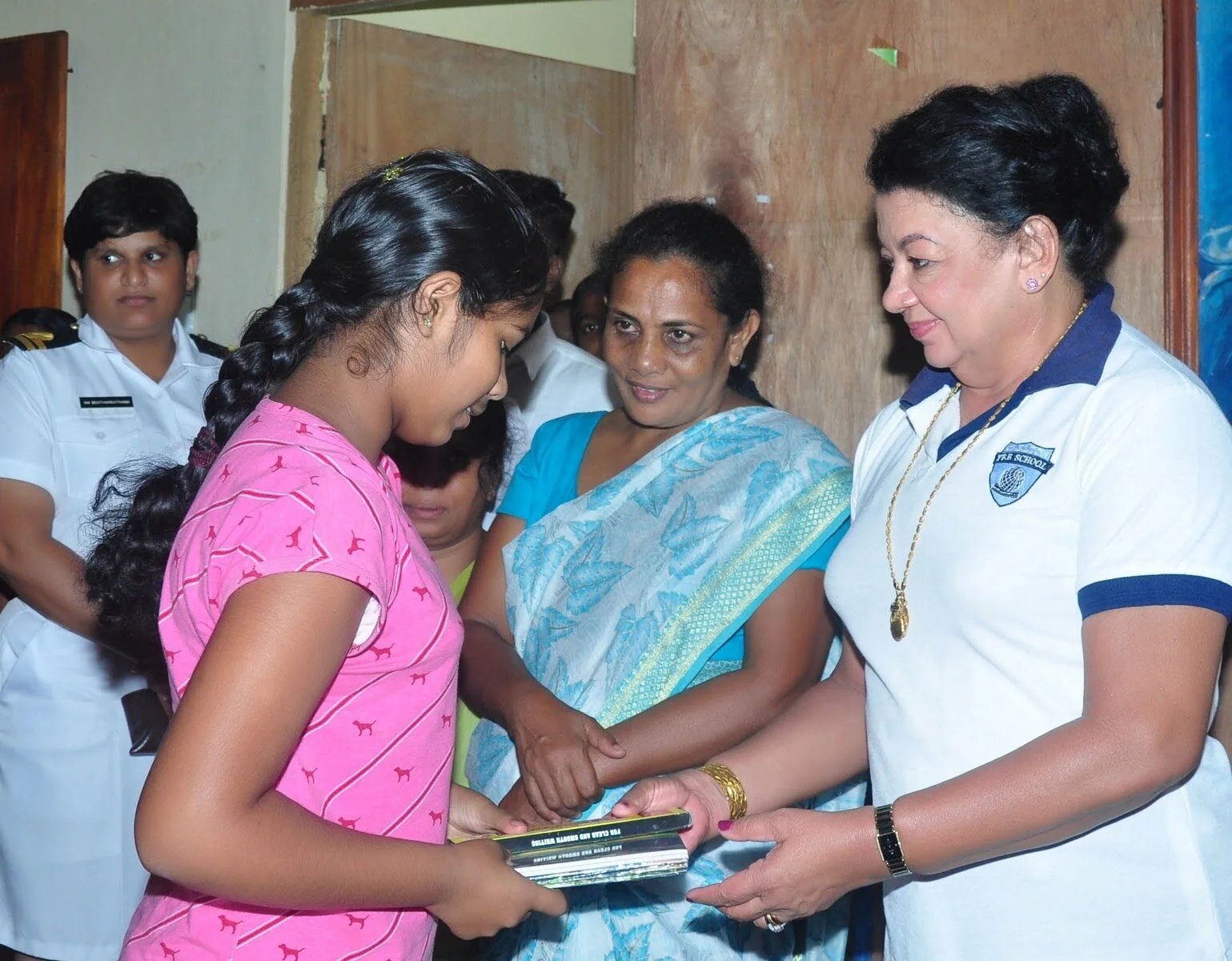
Women receiving medical training provided by the Women’s Development Centre. Rajapaksa. CC2.0

The Women’s Development Center

This Sri Lanka-based nongovernmental organization has made incredible strides in supporting at-risk women, children and people with disabilities since its founding in 1986. With the goal of creating opportunities for marginalized groups, the group is on its way to “creating a just and secure society for women and children.” Although the organization has a multifaceted approach, social enterprises and economic empowerment remain its key goals. The social enterprise “Sthree”, meaning “woman” in Tamil and Sinhala, was founded in 2011 with the goal of empowering women and their local communities. The platform provides a market in Kandy for Sri Lankan women and disabled people to sell handmade products, such as saris, jewelry, decor, snacks and chutneys, recycled paper products and eco-friendly purses and handbags. Sthree also provides training and skill-building workshops for women and disabled individuals. Sthree is beginning to expand to an international clientele, even hosting an international exhibition and sale in Sweden in 2016.

A woman making brooms for a woman’s cooperative in Sri Lanka. Foley. CC2.0

Puthukkudiyiruppu Women Entrepreneurs’ Cooperative Society

The PTK Cooperative, initially founded by Krishnakumar Jeyaranjini and 14 other women in 2012, provides a platform for war-affected women to support themselves and their families economically. The business has expanded over the years, producing detergent, chili powder and rice flour. The organization has the backing of the International Labour Organization (ILO), which helps link it to buyers, markets and social enterprises. The organization enables collaboration between women from different ethnic groups and communities in Sri Lanka, helping to create social cohesion and tolerance. The organization continues to defy gender norms and stereotypes.  “Often the words ‘woman’ and ‘detergent’ bring out gendered images of a woman washing clothes at home, not of a woman owning or running a successful detergent-producing enterprise,” said Simrin Singh, director of the ILO country office for Sri Lanka. “It is stories of our work empowering women like Jeyaranjini, building block by block, that are the essential inspiration so many other women in this country could use to break the barriers to their empowerment.”

Although Sri Lanka has made considerable progress toward gender equality in the last 50 years, many obstacles remain. Empowering women at a grassroots level helps provide women more economic agency while ensuring the well-being of generations to come. 


Megan Gürer

Megan is a Turkish-American student at Wellesley College in Massachusetts studying Biological Sciences. Passionate about environmental issues and learning about other cultures, she dreams of exploring the globe. In her free time, she enjoys cooking, singing, and composing music.
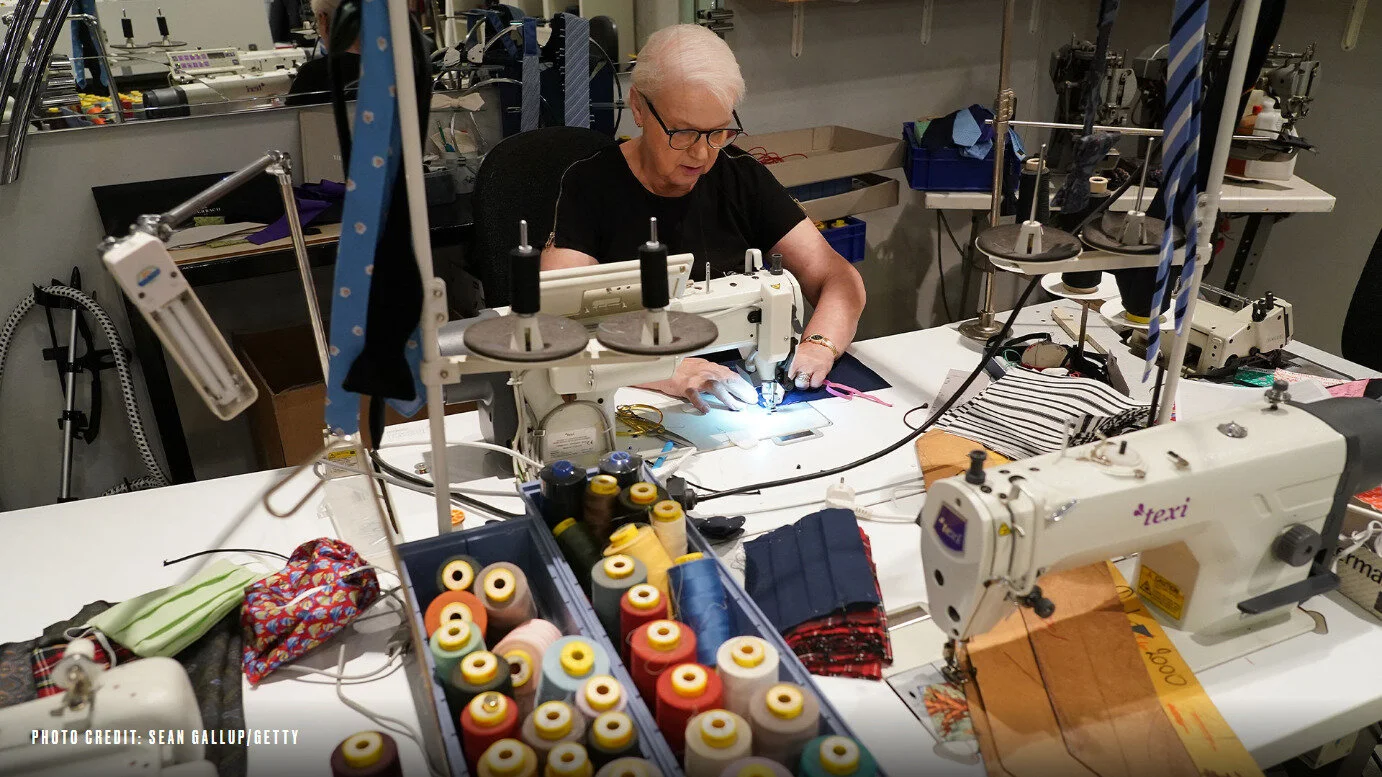
World’s Youngest Prime Minister Will Head Women-Led Government in Finland

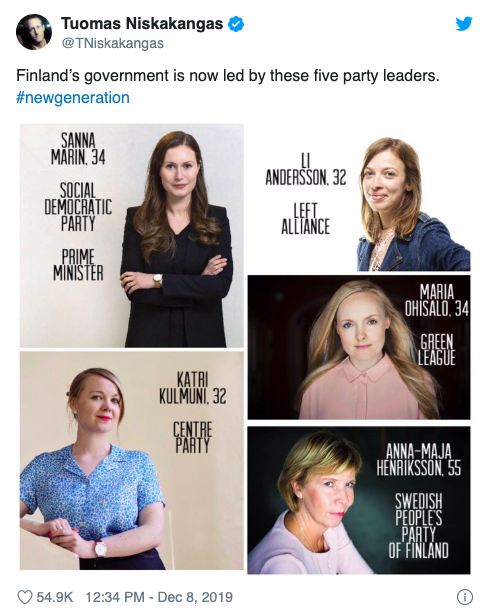
FINLAND IS GETTING a new prime minister, and she’s about to become the world’s youngest leader. Not only that, but she will also head a coalition government of five parties, all of them led by women. Sanna Marin, 34, was nominated by her party on Sunday and will be sworn as prime minister later this week.

Finland’s previous government resigned last week after the Centre Party lost confidence in then-Prime Minister Antti Rinne’s handling of a postal strike.“I myself have never thought about my age or gender,” said Marin, “but rather about the issues for which I took on politics and about the reasons for which we were trusted in the elections.”

For many countries, like the US, electing its first female leader would be a historic occasion. For Finland, however, this isn’t exactly news — the first Finnish female prime minister was elected in 2003 and after elections this year, women make up 47 percent of its parliament. 

Eben Diskin is a staff writer for Matador Network

THIS ARTICLE WAS ORIGINALLY PUBLISHED ON MATADOR NETWORK

Pope Affirms Catholic Church’s Duty to Indigenous Amazonians Hurt by Climate Change

The Catholic Church “hears the cry” of the Amazon and its peoples. That’s the message Pope Francis hopes to send at the Synod of the Amazon, a three-week meeting at the Vatican that ends Oct. 27.

Images from Rome show tribal leaders in traditional feather headdresses alongside Vatican officials in their regalia. They are gathered with hundreds of bishops, priests, religious sisters and missionaries to discuss the pastoral, cultural and ecological struggles of the Amazon.

The densely forested region spans nine South American countries, including Brazil, Colombia and Peru. Its more than 23 million inhabitants include 3 million indigenous people.

The Amazon meeting is part of Pope Francis’s efforts to build a “Church which listens.” Since taking office in 2013, Francis has revitalized the Catholic Church’s practice of “synods” – a Greek word meaning “council” – expanding decision-making in the church beyond the Vatican bureaucracy to gather input from the entire church, including from laypeople.

Voting on synod decisions, however, remains restricted to bishops and some male clergy.

The Amazon synod is the first such meeting to be organized for a specific ecological region. Media coverage of this event has emphasized its more controversial debates – such as the possibility of easing celibacy requirements in the rural Amazon, where priests are in extremely short supply.

But its focus is much broader: listening to the suffering of the Amazon – particularly the environmental challenges facing the region – and discerning how to respond as a global church.

Amazon in crisis

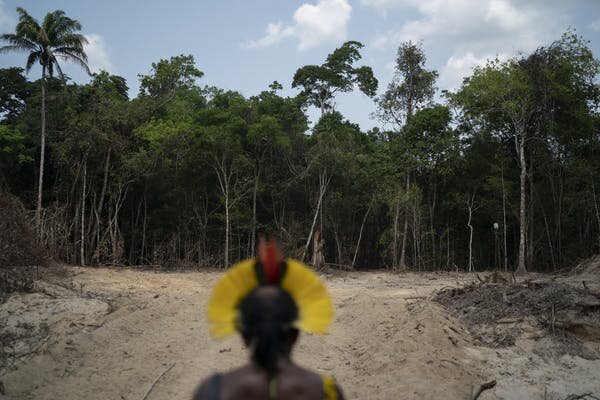
After more than a decade of environmental policies that successfully slowed deforestation in the Amazon, logging and agricultural clearing have begun to increase rapidly again. The fires in the Brazilian rainforest that captured headlines in early September are symptoms of much broader destruction.

Up to 17% of the Amazon rainforest has already been eliminated – dangerously close to the 20% to 40% tipping point that experts say would lead the entire ecosystem to collapse.

Deforestation of the Amazon is rapidly approaching the tipping point that, experts say, could lead to total collapse of the rainforest ecosystem. AP Photo/Leo Correa

Stories of deforestation can seem insignificant against the vastness of the Amazon, a region two-thirds the size of the lower 48 United States.

But for the 390 indigenous ethnic groups who inhabit the region, each burned forest grove, polluted stream or flooded dam site may mark the end of a way of life that’s survived for thousands of years.

Deprived of their land, many indigenous Amazonians are forced into an exposed life on the edge of frontier towns, where they are prey to sex trafficking, slave labor and violence. In Brazil alone, at least 1,119 indigenous people have been killed defending their land since 2003.

The Catholic Church recognizes that it still has to address the “open wound” of its own role in the colonial-era violence that first terrorized the indigenous peoples of the Americas, according to the synod’s working document. The church legitimated the colonial confiscation of lands occupied by indigenous peoples and its missionaries often suppressed indigenous cultures and religions.

For this reason, according to the Vatican, organizers of the synod have sought input through 260 listening events held in the region that reached nearly 87,000 people over the past two years. Indigenous leaders have been invited as observer participants in the meeting itself.

Learning from indigenous peoples

As a theologian who studies religious responses to the environmental crisis, I find the pope’s effort to learn from the indigenous people of the Amazon noteworthy.

The Vatican sees that the Amazon’s traditional residents know something much of humanity has long forgotten: how to live in ecological harmony with the environment.

“To the aboriginal communities we owe their thousands of years of care and cultivation of the Amazon,” the 58-page synod working document reads. “In their ancestral wisdom they have nurtured the conviction that all of creation is connected, and this deserves our respect and responsibility.”

Pope Francis has expressed his respect for indigenous peoples before.

At a meeting of indigenous leaders in Peru in January 2018 he said, “Your lives cry out against a style of life that is oblivious to its own real cost. You are a living memory of the mission that God has entrusted to us all: the protection of our common home.”

Global problems, local solutions

Environmental destruction isn’t the synod’s only concern.

Catholicism – long the dominant religion in Latin America – is rapidly losing members to evangelical Protestantism. Evangelicals are projected to eclipse Catholics in Brazil by 2032.

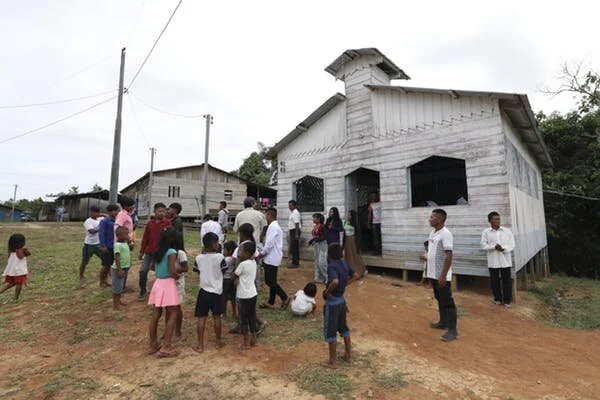
One advantage evangelical churches have in Amazonian countries is that they can appoint local indigenous pastors to minister to their communities. Meanwhile, with less than one priest per 8,000 Catholics in the Amazon, some isolated communities might see a priest only once a year.

Catholic churches are in short supply in rural Brazil, where many people will go a year without seeing a priest. AP Photo/Fernando Vergara

The scarcity of priests in rural Latin America is behind a proposal to the synod to ordain older married men as priests in isolated Amazonian communities.

In the the U.S., the celibacy question is easily mapped onto a familiar divide. Progressive Catholics argue that clerical celibacy should be optional, while conservative Catholics insist this discipline is fundamental to the faith.

The issue is far less politicized in the Amazon, where, in the words of one bishop, the Catholic Church remains a “visiting church” with limited day-to-day presence in indigenous communities.

Some might dismiss this synod as just a meeting. But, in my judgment, it is an attempt to apply Francis’ vision of a “listening Church” to the environmental crisis. The Synod of the Amazon marks a significant shift from high-minded papal exhortations about taking climate action to a global religious community that gives voice to those living on the front lines of ecological destruction.


Vincent J. Miller is a Professor of Religious Studies, University of Dayton

THIS ARTICLE WAS ORIGINALLY PUBLISHED ON THE CONVERSATION

France Banned Food Waste in Supermarkets

Millions more meals can reach those who need them.

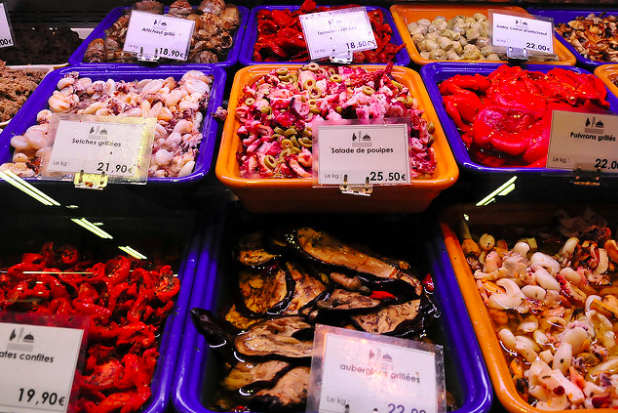
Produce at a market in Nice, France. M-Louis. CC BY-SA 2.0.

In 2016, France banned supermarkets from destroying or discarding unsold food products, requiring them to donate instead to food banks or local charities.

The law was written by Parliamentarian and former food industry minister Guillaume Garot, who believes that food waste is a national health and safety issue, akin to wearing a seatbelt. The campaign itself was the product of a grassroots movement by anti-poverty and food waste activists which eventually became a petition, lead by local councillor Arash Derambarsh.


Now that food waste has been outlawed in French supermarkets, Derambarsh has set his sights on European and ultimately global policy revisions around the issue. “Food is the basis of life, it is an elementary factor in our existence,” he told the Guardian.

While Derambarsh became a councillor to help people, he reports being called “naive and idealistic” because of the policy he hoped to implement surrounding food waste. “Perhaps it is naive to be concerned about other human beings, but I know what it is like to be hungry,” he said.

“When I was a law student living on about €400 a month after I’d paid my rent, I used to have one proper meal a day around 5pm. I’d eat pasta, or potatoes, but it’s hard to study or work if you are hungry and always thinking about where the next meal will come from.”

Now, grocery store managers in France with a 400 sq meter or larger footprint must sign contracts with local charities and food banks promising their edible expired items, or face a €3,750 ($4,500) fine per infringement.

According to Jacques Bailey, head of Banques Alimentaires, a network of french food banks, 5,000 charities rely on food banks, who in turn, receive almost half their donations from grocery stores. Under the law, these food banks are receiving larger amounts of better quality food products, enabling them to better reach the the people they serve. According to Bailey, an increase as small as 15% in donations from supermarkets will result in 10 million more meals served every year.


And yet, required donations are not the only way that France is fighting food waste. In 2014, Intermarche, one of the country’s supermarkets began selling produce that was deemed too “ugly” to sell at other markets. These “ugly” or misshapen produce are perfectly safe to eat, but have blemishes make them less marketable to consumers, resulting in their disposal before even seeing the grocery store isles. This initiative is particularly effective, as fresh fruits and vegetables are the most difficult items for charities and food banks to come by, and are necessary to a healthy diet. Intermarche’s initiative reached 13 million people after only one month of being implemented.


About a third of food produced is wasted worldwide. France has narrowed the food it wastes to 66 pounds per person every year. In comparison, Americans waste 200 billion pounds of food per year - 40% of all food produced in the country. The waste problem in America is partly due to the lack of regulation surrounding expiration dates, which are often selected at random and do not always reflect when items are safe to consume.


The rest of the world has a lot to learn from France’s policy. NPR writes that communities and governments worldwide are now reaching out to Garot, hoping for information that would help them reproduce France’s law in their own countries. Ultimately this change needs to be made, because, as Garot emphasized, supermarkets are not just businesses, they are places where humanity must be respected.


EMMA BRUCE is an undergraduate student studying English and marketing at Emerson College in Boston. While not writing she explores the nearest museums, reads poetry, and takes classes at her local dance studio. She is passionate about sustainable travel and can't wait to see where life will take her. 


Forgotten, but not Gone: Zika’s Return to the Media

Earlier this week the Duchess Sussex of Meghan Markle canceled a trip to Zambia, citing exhaustion and concerns over the presence of Zika virus in the country. The Zika virus had been rather dormant in the media over the last year, all but vanishing in the wake of Trump speeches, trade wars, and Brexit. It had, however, remained a constant concern for those living in certain countries or traveling to them. Markle’s encounter with the Zika virus and the subsequent headlines have helped to push it back into public view, and once again, questions are being raised about its origin, transmission, and what is being done to fight it.

The Duchess of Sussex. Office of the Governor - General - GG.govt.nz. CC BY 4.0.

The Zika virus was first discovered in the Zika Forest in Uganda in 1947. The first recorded carriers were monkeys, but the forest was also home to over 70 species of mosquitoes, and they became the primary source of viral transmission. The disease was eventually discovered in humans in 1952, but for the most part remained confined to animals until 2007, when the first human outbreak was documented on the Island of Yap in the Federated States of Micronesia. In 2015, the virus made international headlines when Latin America and the Caribbean saw an explosion of human-related cases. As was the case in Africa, mosquitoes were the main culprits of transmission. However, in 2016, the virus saw a sharp decline in new cases, and with it a decline in news coverage.

Adults infected with Zika often display no symptoms. Those who do usually report mild fevers, rashes and muscle pain. The impact on unborn babies is far more devastating. Zika infections during pregnancy have resulted in miscarriages and babies being born with microcephaly, a condition in which a child's head is much smaller than it should be (Markle and husband Prince Harry had recently announced that they were expecting a child, and concern for the child’s welfare was thought to be Markle's main concern when she opted out of her trip to Zambia).

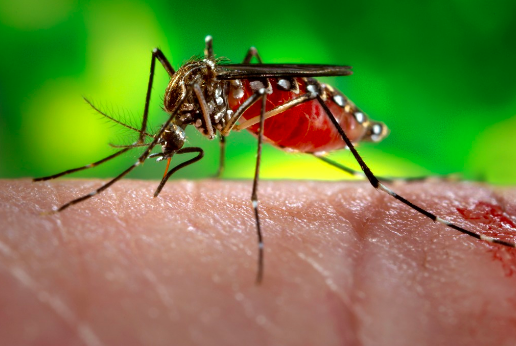
The Zika Virus is spread mainly through mosquito bites. James Gathany - https://phil.cdc.gov/phil/details.asp?pid=9257. Public Domain.

While a full-on cure for the virus remains elusive, health and government officials have been able to curb infections by going after the mosquitoes that carry and transmit the disease. In preparation for the 2016 Olympics in Rio de Janeiro, the Brazilian government launched a large-scale effort to fumigate the city for the insects, while in England a biotech company called Oxitec developed genetically modified mosquitoes, which, when released into the wild, would mate with infected mosquitoes and pass a gene on that would prevent those mosquitoes from reproducing. In the United States, The Centers for Disease Control made a point of advising those traveling to countries with high rates of infection to use insect repellants.

Microcephaly- a birth defect linked to the Zika virus. Centers for Disease Control and Prevention. Public Domain.

Many world issues persist despite the ebbing and flowing of news coverage. Though not the hot story it once was, the Zika virus is still a viable threat and will remain so until a vaccine is found. Those traveling to countries that have been deemed areas of risk should take all necessary precautions to prevent infection, or, like the Duchess of Sussex, simply the put the trip off until another time.


JONATHAN ROBINSON is an intern at CATALYST. He is a travel enthusiast always adding new people, places, experiences to his story. He hopes to use writing as a means to connect with others like himself. 

Mask off: How Beijing is Managing its Smog Problem

Earlier this month, California made national headlines when the worst wildfire in the state’s history covered parts of it in smoke, creating yet another worry for citizens already vexed by the high cost of living and rising homelessness. Some news stations, hoping to illustrate the seriousness of the matter, stressed that the air quality in California was “worse than Beijing’s,” an announcement that prompted many locals to don the air masks that one often sees in images of the Chinese capital. In media, locally, and abroad, Beijing has become synonymous with bad air. The internet is peppered with images of skyscrapers draped in brown or grey fog. But recent efforts by the government have made some headway in the battle with Beijing’s notorious smog and could give us insight into how to battle this problem at home.

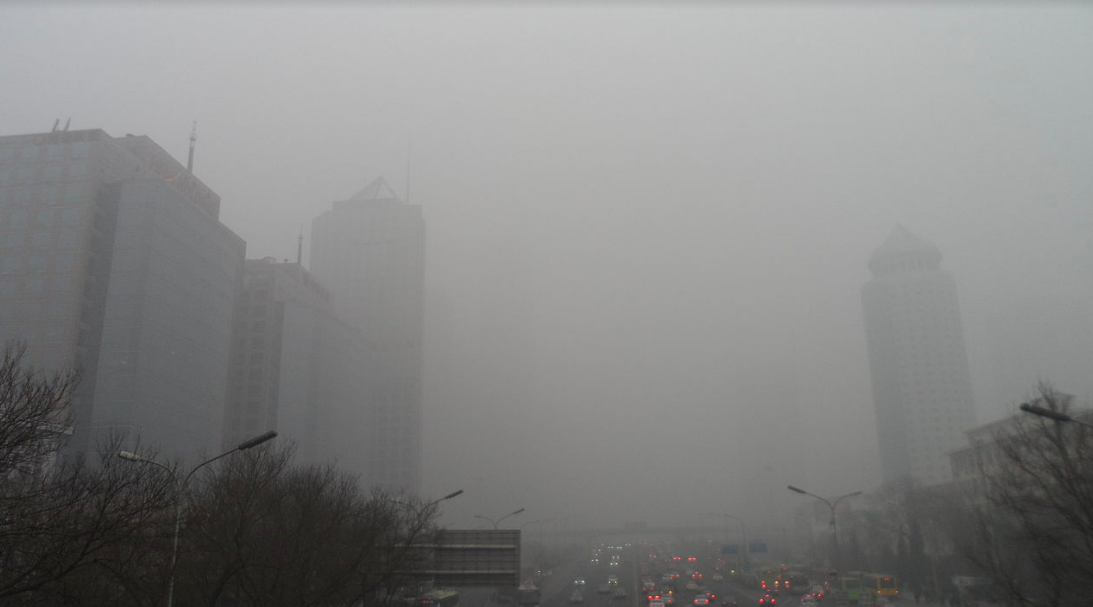
A smoggy day in Beijing. By 螺钉 - Own work, CC BY-SA 3.0, https://commons.wikimedia.org/w/index.php?curid=24944427

Those who have been to Beijing know that air quality is but one of many dangers; crossing an intersection can be like an action movie at times and drinking water out of the tap is generally a bad idea. Smog, however, is the issue most often associated with Beijing in the media. Fortunately, Beijing is aware of its reputation and has taken steps over the last few years to improve its air quality. The city has pledged to shut down 1000 manufacturing factories by 2020 to help reduce smog. It is also experimenting with new technology. Early last year Beijing employed the use a solar-powered air vacuum to help clean up the city’s air. Developed by Dutch designer Daan Roosegaarde, the Smog Free Tower sucks up 30,000 cubic meters of polluted air per hour. The air is then cleaned at a nano level and released back into the city. In a particularly bold move, Beijing's government is investigating the possibility of switching from coal to natural gas as the primary source of heating for millions of households. This shift will be implemented gradually, as concern for the well-being of Beijingers during the winter months supersedes the need for cleaner air.

Dan Roosegaardes's Smog Free Tower. By Bic - Own work, CC BY-SA 4.0, https://commons.wikimedia.org/w/index.php?curid=47801218

People can change, and ideally, their reputations will change as well. Beijing’s efforts to clean its air shows an environmental consciousness that contradicts its reputation as a dirty industrialized city. As smog becomes a more recurrent issue in cities and courtiers around the world, communities that once judged China for its smog may get to learn a thing or two about how to fight it.


JONATHAN ROBINSON is an intern at CATALYST. He is a travel enthusiast always adding new people, places, experiences to his story. He hopes to use writing as a means to connect with others like himself. 

Grappling with Sexism: Female Wrestlers in Mongolia

There’s an old legend in Mongolia: A woman wrestler once dressed up as a man and entered an all-male wrestling competition, defeating all challengers. She then pulled up her jacket and revealed her breasts, shocking everyone in attendance. From them on, all wrestlers were required to compete bare-chested, a failsafe to ensure that Mongolia’s prized “manly” tradition remained that way. While the legend may or may not be true, the practice of bare-chested wrestling in Mongolia is real, as is the practice of banning women from the sport. Despite achieving international fame in grappling, female Mongolian wrestlers are still unable to compete in their own native games.

Mongolian Wrestling. A. Omer Karamollaoglu. CC BY 2.0.

The Nadaam festival is held every year in July and is the single most anticipated sporting event in the country. Short for “Eriin Gurvan Naadam” (the three games of men), it is a celebration of the three traditional sports of Mongolia: wrestling, archery, and horseback riding. Nadaam dates back to the 13th century when Genghis Khan would throw celebrations for soldiers after successful military campaigns. After Kahn’s death, warlords continued the tradition, encouraging combat sports in order to prepare men for military service. Nadaam endured and developed throughout the centuries, and today, it is the Mongolian equivalent of the Super Bowl or World Cup. The games are typically held in July. Hundreds of small, county level events lead up to the main competition, which is held in the Mongolian capital of Ulaanbaatar. Wrestling is often featured as the centerpiece of the competition, and in Mongolian, is referred to as “Bokh,” which means “durability.”

Mongolia experienced a socialist revolution in 1921 that brought with it an emphasis on male-female equality and gradually these values led to women being allowed to compete in Nadaam, but only in archery and horse racing. To fill the void, female grapplers turned their attention to other grappling sports. Soronzonboldyn Battsetseg won a bronze medal for judo in the 2012 Olympics in London, while Sumiya Dorjsuren won a silver medal in judo in the 2016 Olympics and then went on to win gold in the World Judo Championships in 2017. Both women are national heroes in Mongolia, and yet, Nadaam remains closed to them.

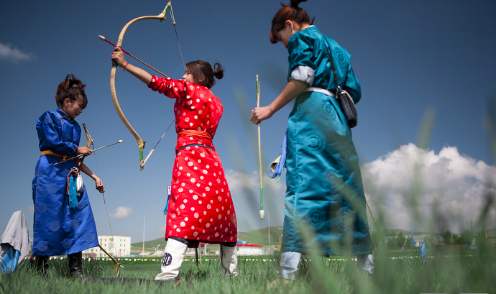
Female archers preparing for Nadaam. Taylor Weidman. CC BY SA-3.0.

The fact that a sport has to be guarded against an entire group people suggests a fear that these people could be competent in the sport. Like the wrestler in the old legend, women grapplers like Soronzonboldyn and Sumiya are barred from competing in Bokh, not because they aren't capable, but because they are. Judo is a widely recognized grappling sport, practiced by professional athletes, law enforcement officials, and ordinary citizens in literally every country on the planet. It would not be a stretch to assume that the grit and skill required to master Judo would translate well to Mongolian Bokh, and that the current barring of women from Bokh in Mongolia seems to be more about maintaining a status quo than anything else. When female grapplers will have a chance to challenge this standard is anyone’s guess.


JONATHAN ROBINSON is an intern at CATALYST. He is a travel enthusiast always adding new people, places, experiences to his story. He hopes to use writing as a means to connect with others like himself. 

Indigenous Women in Canada Have Filed a Class Action Lawsuit Over Coerced Sterilization

This practice has affected over 60 women and is a product of racism in Canada’s medical system.

Royal University Hospital in Saskatchewan, Canada. Wendy Cooper. CC BY-NC-SA 2.0

While Canada is known for its progressive policies surrounding human rights and health care, this assumption can often lead to overlooking the country’s history of institutionalized discrimination against indigenous people.

Recently, sixty women have come forward to join a class action lawsuit against doctors in Saskatchewan demanding compensation for forced sterilization. According to a report in the Guardian, these women have had their fallopian tubes tied, burned, or cut, in public government funded hospitals when they were unable to properly consent. This practice not only violates medical ethics, but Canadian law. Although this practice was exposed in 2015, reported cases have continued up to 2017.

In an interview with NPR, Alisa Lombard, the lawyer representing the women said that, “while they were in the throes of labor, they would be approached, pressured, harassed to sign consent forms [for sterilization] in some cases. In other cases, there was no such signing of a consent form. And in yet other cases, they would revoke consent either on the operating table or shortly after they had actually signed.”

This new occurrence of forced sterilization follows a disturbing trend of forced or coerced sterilization that has disproportionately affected - if not only affected - women of color, women with disabilities, incarcerated women, and indigenous women. It stems from the eugenics movement of the nineteenth and twentieth centuries that used racist and ableist ideology to justify forced sterilization of people that were not seen as ‘fit’ to reproduce. The perpetuation of this warped and inhumane theory has become clearly evident in Canada’s upcoming lawsuit.

According to Lombard, “When Indigenous women go in for these health care services and reproductive health care services in the most vulnerable state, I think, a woman can be - having gone through childbirth myself, I can say that this is not the time to have a conversation about whether you ever want to do that again. There are other better times. And so why it happens in one simple word, I think we can just say discrimination - racism, quite plainly.”

Lombard and her team uncovered that Saskatchewan health cards are embossed with a capital R. She says that the R is part of a historic practice indicating that the person holding it is registered as an indigenous person. Thus, the patient’s identity is readily available to their doctor.

While the lawsuit has yet to be certified, Amnesty International said that they would lobby the UN Committee Against Torture in order to pressure the Canadian government to act. According to Amnesty’s Jacqueline Hansen, the organization has examined comparable instances of coerced or forced sterilization in Mexico, Chile, and Peru.

“It’s always done for a very specific reason. It is clear that it’s been linked to policies around wanting to ensure a group of people doesn’t reproduce,” Hansen told the Guardian. “Ultimately, this is about women who are supposed to have the right to make decisions about their bodies, having that right taken away from them.”


EMMA BRUCE is an undergraduate student studying English and marketing at Emerson College in Boston. While not writing she explores the nearest museums, reads poetry, and takes classes at her local dance studio. She is passionate about sustainable travel and can't wait to see where life will take her.


Greece’s Lifejacket Graveyard

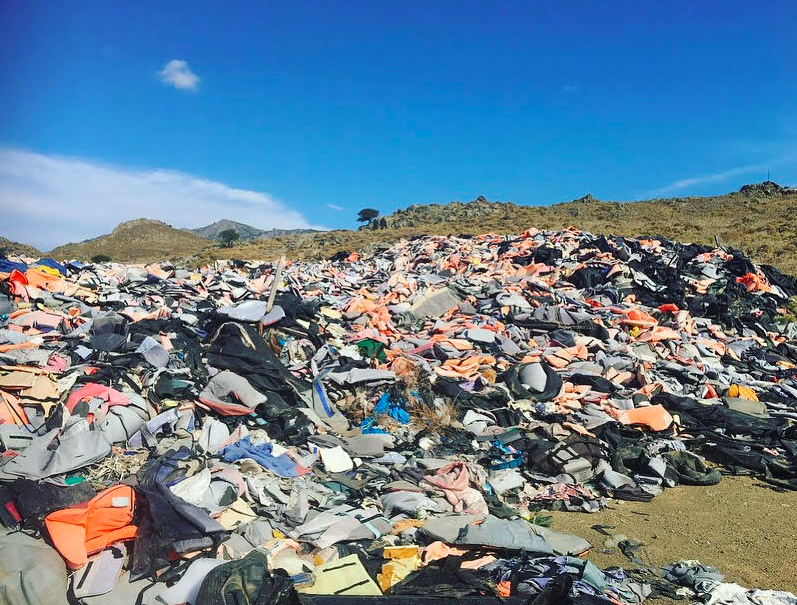
High up in the sunburnt hills of Lesvos, Greece lies a black and orange heap of plastic. It is large, about the size of an Olympic swimming pool, but its vastness pales in comparison to the scope of the reasons why it is there—the half a million and growing masses of displaced refugees who have washed up upon the island’s shores.
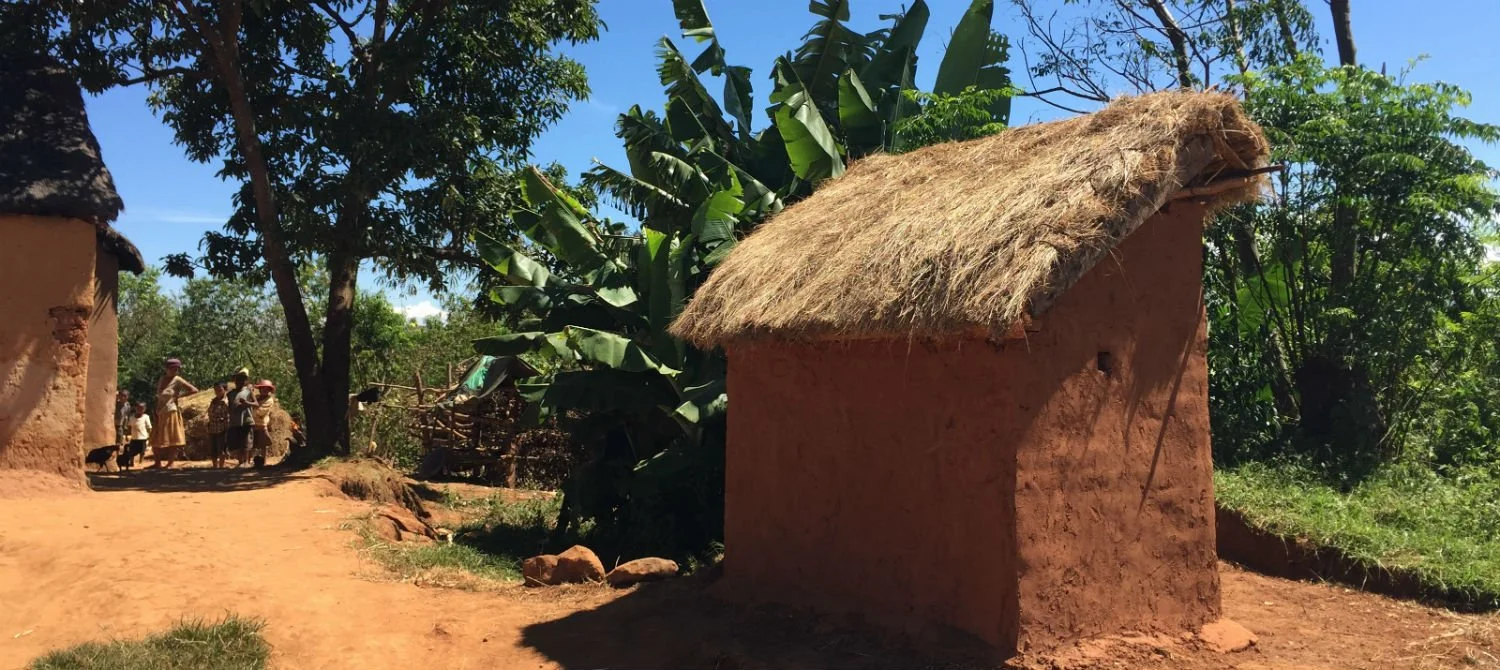

Lesvos is a major port for refugees fleeing chaos in the middle east, mostly from war-torn Afghanistan and Syria. The journey across the sea can be deadly. Refugees often pay over $5000 to smugglers who will bring them across the Mediterranean to supposedly safe ports in Europe, but there is no guarantee that the smugglers have not been bribed for one reason or another, or that the journey will be successful.

The black and orange heaps rotting in the hills of Lesvos are made up of lifejackets and boats that belonged to those who made it over, but in those quiet mountains one can almost hear the whispering of the hundreds of thousands who were lost on the way. A closer look reveals children’s floaties, some painted with princess decals, some emblazoned with the message, This is not a flotation device.

Once in Lesvos, the owners of these lifejackets were carted into packed camps, where many of them have remained for years. Conditions in the Moria camp in particular have been widely maligned by human rights organizations around the world. The camp was made to hold 2,000 people and now holds over 6,000, according to official reports, though many believe that the number has exceeded 8,000. Refugees live in cramped makeshift tents that flood when it rains, and the camps are overrun by disease, mental illness stemming from severe trauma, and chaos.

Following the Arab Spring in 2011, which catalyzed revolutions across the Middle East, Syria and many other countries experienced a mass exodus, leading to the flood of people seeking asylum in Europe that has come to be known as the modern refugee crisis.

Many refugees are university-educated professionals, fleeing in hopes of finding a better life for themselves and their families. But once in Europe, they are often caught up in bureaucratic tangles that keep them stagnant in the camps for years at a time, despite the fact that many already have family members in other parts of the continent.

Thousands of volunteers have flocked to the island in order to help. Nonprofits like A Drop in the Ocean host lessons and English classes for refugees, and facilitate the safe landings of newly arrived boats. Others work to provide hygienic services, like the organization Showers for Sisters, which provides safe showers and sanitary products to women and children.

Lesvos itself still functions in part as a tourist town, though it is mostly populated by volunteers, refugees, and locals. Not far from the lifejacket graveyard is the pleasant seaside town of Molyvos, which boasts sandy beaches and restaurants serving traditional Greek fare.

Much of the island is made up of open space, populated only by olive groves and forests, open plains, and abandoned buildings. The lifejacket graveyard is located in one such empty plain, and except for scavenging seagulls and goats, the area is empty, making the presence of the rotting heaps of plastic even more unnerving.

The only other proof of human presence to be found lies on a wall of graffiti nearby a garbage dump, marked by the sentiment Shame on you, Europe.

The combination of the Greek financial crisis and rising tides of nationalism occurring at the same time as the height of the refugee crisis have caused xenophobic sentiments to allow these horrifically overcrowded camps to mar this beautiful tropical island, which once inspired the Greek poet Sappho to write her legendary love poems.

The lifejacket graveyard has been left standing partly because of island officials’ lack of motivation to clean it up, and partly as a statement, a tribute to the thousands who still wait in limbo on the island.

If you are interested in helping out, organizations mostly need financial contributions, legal aid, medical aid, translators, and publicity. It is also possible to volunteer, and opportunities and detailed information can be found at sites like greecevol.info.


Eden Arielle Gordon

Eden Arielle Gordon is a writer, musician, and avid traveler. She attends Barnard College in New York.