
Meet Dave Aabo, the founder of WAVES for Development, a volunteer surf organization operating in Peru and around the world, in this exclusive CATALYST interview.
Read More
Inside Haidary’s cafe, a female barista poses next to the coffee maker on March 19, 2017.Photos by Ivan Flores
The Unlikely Industry Empowering Women in Afghanistan
The typical depiction of an Afghan woman looks like this: Timid and fearful, she is a victim of her extremely conservative and regressive society, unable to move around or do much without a man. But some Afghan women are busting these stereotypes, creating a niche for women to empower themselves and change the status quo.
A 36-year-old restaurant owner named Laila Haidary walks around the cafe gardens, carefully tending to the colorful foliage that grows generously around Kabul. She narrates her story of building a business in Afghanistan, a country governed by the rules of men. Overlooking the gardens is a midsize structure: a traditional Afghan house, with thick walls, large windows, and ample courtyard space, converted to a cozy restaurant with old tables and chairs and plenty of handmade rugs. The vibe is welcoming.
Haidary explains she wanted to provide a social space for artists and other young Afghans who want to interact with their culture and rich heritage. “This idea in itself had its own challenges because our extremely conservative society does not always approve of artistic expressions. Added to that, the fact it is run by a businesswoman makes many people uncomfortable,” she says.
Haidary’s cafe is among the many newer restaurants in Kabul, and around Afghanistan, that are either owned or managed by women in an otherwise male-dominated industry. Although data measuring this trend wasn’t available at the time of publishing, anecdotally, more women are entering the service industry: Within a two-block radius of my home in Kabul, I can count seven restaurants that have come up in the past year; that wasn’t the case in 2014, when I first came here.
Of course, not every woman in the industry is a business owner. A small but significant number of Afghan women are working jobs in the service sector—a profile that was unimaginable for Afghan women a decade ago and is still considered inappropriate.
“I feel like I’m breaking stereotypes every day by just being here. That makes me feel very proud of myself,” says 20-year-old Mujda Nasiri, who started working at 50/50, a local fast-food restaurant in Kabul, about a year ago. “Initially, my parents were reluctant, but now that they see how independent I have become, financially and personally, they’re happy for me,” she says, adding that she had always been fascinated by the restaurant industry.
In a deeply conservative society such as Afghanistan, women have few avenues to pursue careers. Many of the jobs available—such as manual labor, technical positions, and banking and finance—are not considered suitable for women because traditionally a woman’s priority has been with her family and, especially, their honor. Added to that are the decades of war that have left the Afghan economy enormously dependent on foreign aid, thereby increasing unemployment and competition in the markets. As the rate of unemployment peaked at 40 percent in 2015, it has been even more challenging for women to be considered for jobs in a market that tends to favor men.
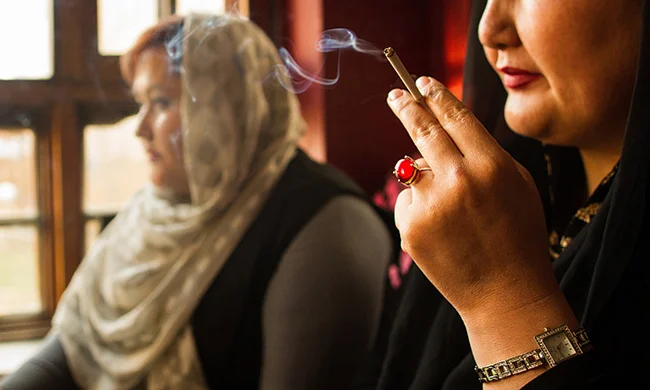
Women smoke inside Laila Haidary's restaurant on March 13 2017 in Kabul, Afghanistan. Smoking is considered a taboo for women, especially in public.
However, restaurants such as 50/50, which strives to be an equal opportunity employer, hires several women in various positions. “We are trying to create an all-inclusive space for our customers, especially for women and families, who can come here without any fear of harassment. Such a place is also good for women to work at,” explains Zahir, 37, the restaurant manager at 50/50 (most Afghans traditionally go by just one name). “We also find that women employees are more professional, timely, and able to work with grace despite pressures—a right fit for this industry.”
Nasiri is one of three waitresses the restaurant hired last year, and the move was welcomed by many of their customers. “I’ve had a very good experience working here; my colleagues are like my family and are very protective of my safety,” she says, recalling an incident where a displeased customer lectured her about how inappropriate such a job was for a woman.
“But I see that there has been a change in attitudes,” Nasiri says. “I find that a lot of our customers are not only happy to see me serve them, but [are] also very encouraging of my work. This one elderly gentleman was so happy to meet a working woman, that he left me a Afs1000 [$15] tip to keep me motivated,” she says, adding that the joy of meeting new people every day is a bigger motivation than money to stay with this job.
Twenty-five-year-old Nikbhakt, a barista at a local coffee shop frequented by the many foreigners and expats in Kabul, would agree with Nasiri. “I’ve been making and serving coffee for the last four years, and the best part of my job is interacting with people from around the world,” she says. There was a time when an Afghan woman couldn’t leave the house without a mahram—a male escort who is a blood relative—let alone talk to other people. Women had few places to engage socially in the extremely conservative and patriarchal society under the Taliban regime in the late 1990s.
Parents have reason to be concerned about their working daughters. Harassment at work and in public is a common sight in Kabul and other Afghan cities. Afghan women have to fight many gender stereotypes and inequalities along with abuse if they choose to pursue a career, any career. As a result, many women prefer jobs that require less mobility because even the act of traveling to work daily can often subject women to street harassment. Added to this the rising insecurity further discourages families from allowing their daughters to go to work.
Last year, the cafe where Nikbhakt works was attacked, and she barely missed the explosion that claimed the lives of two people, including the cafe’s guard. “I was extremely depressed for a long time after that attack. My family didn’t want me to work anymore, and I didn’t want to step out of home, either,” she says. “But now I know that cutting myself from the world isn’t a solution, and decided to come back to work two months ago.”
Since no institutes offer training to work in the service sector, Afghans have to learn on the job, which can be tedious for the employers. “We’ve had to let two of our female staff go because they were unable to cope with the pressure of working in a restaurant, but that isn’t to say that women can’t work in this industry,” Zahir says. “The environment, of course, matters, and it is perhaps up to us as employers to help create working environments that allow women to work comfortably and to their full potential.”
Women customers are drawn to restaurants where women work. “Having women around the restaurant creates a comforting and calm environment that eventually attracts a wide diversity of customers,” says Haidary, who also employs several women as servers, managers, and cooks.
She started her cafe as a way to fund her other initiative: the Mother Camp, a nonprofit drug rehabilitation shelter she opened seven years ago for homeless addicts in Kabul. When the funding to the shelter started to dry up (few in Afghanistan consider donating to rehabilitating drug addicts), Haidary and her volunteers came up with the idea of establishing this cafe. Even today, most of her employees are former or recovering addicts from the Camp, which also continues to help hundreds of Afghans recover every year.

Laila Haidary sits at one of the tables in her restaurant in Kabul, Afghanistan, 2017.
Haidary has been successful as a restaurateur, but the ride hasn’t been smooth. On the contrary, she faced several threats and intimidations, sometimes even from her own customers who would show up drunk or high on hashish to her cafe, breaking her one cardinal rule—no drugs, no alcohol.
Terrorized but not afraid, Haidary would often take these men head-on. “There was a time when she literally pounced on a large Afghan man who was a guard to a local parliamentarian,” recalls a regular customer at Taj Begum who witnessed the attack. “He had come drunk to the cafe, gotten into a brawl, and threatened to have [Haidary] shut down. When [she] protested, and had him kicked out of the cafe, he smashed her car windows.”
Despite that chaos, Haidary persisted because she wanted to be an inspiration to other women in Afghanistan. “Even when the going got tough, I didn’t quit. Not only did I need this to support Mother Camp, but I also wanted to show to our society that a woman can run a successful business,” she says.
The social change, however, will have to be gradual, and Afghan society will need more time to accept working women, especially in the service sector, as a norm. That said, women have come by leaps and bounds, having survived many wars and the brutal and patriarchal Taliban regime, during which they couldn’t even step out of their homes without male escorts. They know they’re more than just victims—they’re survivors who are overcoming odds, every day.
THIS ARTICLE WAS ORIGINALLY PUBLISHED ON YES MAGAZINE.
RUCHI KUMAR
Ruchi is an Indian journalist based in Afghanistan covering developmental, cultural, and political stories from the region.
These photos of girls skating in Kabul will change your perception of Afghanistan.
Meet The Afghan Skate Girls Breaking Barriers
These photos of girls skating in Kabul will change your perception of Afghanistan. AJ+'s Ahmed Shihab-Eldin took a tour with photographer Jessica Fulford-Dobson around her interactive exhibit hosted by Qatar Museums, and got to meet some of the Skate Girls of Kabul.

What are ALL voluntourists good at?
In recent years Voluntourism it has gotten a bad name. There are a lot of valid reasons that people have been turned off by voluntourism, including:
- voluntourism’s potential to foster colonialist attitudes and cause harmful side effects (as in Illich’s thoughts on Peace Corps)
- projects which place unskilled foreign travelers in jobs requiring skilled laborers or taking away local jobs
- short term interactions with children without proper child protection policies (Some argue that English teaching is a great way to engage English-speaking travelers in volunteer work, and perhaps sometimes it is, but I feel that even this is not always a good fit. Often times native speakers know the language, but are not trained teachers and repeated short-term interactions can have harmful side effects for children.)
- volunteer placement agencies charging exorbitant fees from their overseas offices with little to no money reaching the development projects themselves (no need to link to a lot of them for examples, just google “volunteer abroad”!)
These reasons are some of the reasons that I too am skeptical of voluntourism initiatives. I have seen some damaging results of travelers philanthropy which did not embody effective voluntourism or development practices and ended up causing more harm than good. At PEPY, we have made many mistakes ourselves, especially in our first few years of operations where we designed trips for tourists to “teach and give” rather than “learn and support” and where we designed trips around the needs and demands of travelers rather than those of the communities we were working with. Many of our initial mistakes are highlighted in the documentary “Changing the World on Vacation” by Deeda Productions. Although watching some of your mistakes on TV and seeing yourself say some ridiculous things you no longer believe in is not a fun pass time, I appreciative that filmmaker Daniela Kon’s work will serve as a learning tool for many others and reminder to me about the lessons we have learned.
As we have examined at the hands-on service portions of our trips looking to find the most useful way to engage tourists in something they are skilled at, we asked ourselves: What ARE all tourists experts at?
The answer we came up with is this: All tourists are experts at being tourists! Of course!
They know what THEY want when they travel, and that knowledge is often the missing key to successful community based tourism initiatives. Now of course, you and I don’t share the same wants/needs as every tourist and living in Cambodia with a huge child sex tourism industry, I surely wouldn’t want to take the opinions of all tourists to heart when developing new programs. I do though believe that if we find similar minded people looking for an eco-friendly and responsible adventure, one very useful skill they all can bring is the ability to give their feedback and ideas about how to design such a trip.
Tourists can use these skills to help local communities who have a tourism product to offer but are perhaps lacking the experience to market or tailor the trip to tourists. They can also help promote positive environmental practices by highlighting their desire to see natural environments and physical and cultural preservation in the countries they visit.
By matching travelers up with community based tourism initiatives, we hope to improve the whole adventure tourism supply chain by:
- giving thorough feedback and ideas for improvement to community based tourism initiatives and groups looking to offer such products
- offering marketing advice
- promoting positive environmental practices and preservation initiatives
- creating informational and promotional material for the organizations we believe in from signs helping travelers find their way to the site to English language placards or hand-outs describing the locations highlights in areas where English speaking guides might not be available
- Physically helping to improve offerings in the area (constructing signage, cleaning surroundings, beautifying local infrastructure, building safety or protective tools such as fencing or walkways, etc)
We believe that, by designing trips which improve the local adventure tourism supply chain, we can place travelers in a position where both their time and funding are valuable while also helping to ensure that tourism dollars support local initiatives.
We have done some of this in the past, but had not embraced the concept of “using voluntourists as tourists” as much as we currently are in our upcoming tours. Our updated website (coming soon!) will highlight these offerings. In the meantime… what do you think? No, it’s not building a house for a family nor petting kids in an orphanage, so it might not have the same appeal as other offerings, but we believe that if we highlight the added value travelers can bring to responsible (aka. well-vetted) community tourism programs, people will be excited to support these programs.
What do YOU think?
THIS ARTICLE WAS ORIGINALLY PUBLISHED ON LESSONS I LEARNED.
DANIELA PAPI
Daniela is the Deputy Director of the Skoll Centre for Social Entrepreneurship. She has spearheaded student programming initiatives at Saïd Business School including the Leading for Impact programme and had taught on MBA courses including the Entrepreneurship Project and a course on high-impact entrepreneurship. Daniela is a graduate of Saïd Business School's MBA programme and was a Skoll Scholarship recipient.
Prior to coming to Oxford, Daniela spent six years in Cambodia where she grew a youth leadership organization, PEPY, an educational travel company, PEPY Tours, and an advocacy organisation, Learning Service. Daniela is co-authoring a book advocating for a 'Learning Service' approach to philanthropic and volunteer travel and has worked as a consultant to other social impact organizations, typically supporting their strategy redesign by incorporating her experience in social marketing and user-centered programme design. She recently wrote a report called 'Tackling Heropreneurship' focused on fuelling collective impact through an 'apprenticing with a problem' approach.
Check out Learning Service for more.
Vulnerable girls and young women in Africa are being given a unique chance to learn vital technology skills in a safe space through an innovative pilot project launched by the charity Theirworld. Code Clubs are low-cost, sustainable and scaleable safe spaces where girls can build, learn and create through technology, creativity and coding.
Rewriting the Code in Africa
Vulnerable girls and young women in Africa are being given a unique chance to learn vital technology skills in a safe space through an innovative pilot project launched by the charity Theirworld.
Code Clubs are low-cost, sustainable and scaleable safe spaces where girls can build, learn and create through technology, creativity and coding.
Theirworld - the charity behind A World at School - is launching Code Clubs in partnership with Kano, Codeacademy and Africa Gathering.
BANGLADESH/INDIA: From No-Man's Land to the Unknown
For decades, more than 50,000 people have been stranded, without access to basic rights, on tiny islands of no-man’s land locked within India and Bangladesh. 2015 finally saw an end to these enclaves, or ‘chitmahals,’ bringing hope and change to communities living on the world’s most complex border.
The party lasted long into the night across remote patches of northern Bangladesh. As the clock struck midnight people played music, danced and sang using candles for light, and for the first time in their villages they raised a national flag. Similar events were also taking place on the other side of the border in India just a stone’s throw away.
For 68 years, ever since the formation of East Pakistan in 1947 (which later became known as Bangladesh), the residents of one of the world’s greatest geographical border oddities have been waiting for this moment; for their chance to finally become part of the country that has surrounded yet eluded them for so many years.
At 12.01am on July 31st, 2015, India and Bangladesh finally exchanged 162 tracts of land — 111 inside Bangladesh and 51 inside India.
Known in geographical terms as enclaves, or locally as chitmahals, these areas can most easily be described as sovereign pieces of land completely surrounded by another, entirely different, sovereign nation.
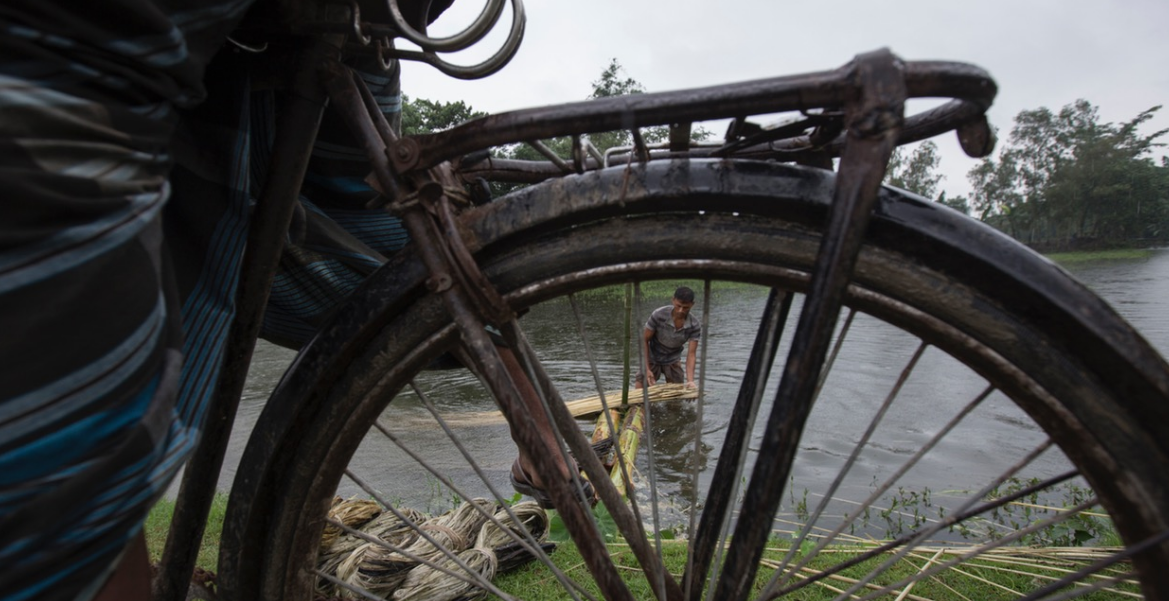
Inside an enclave, a man prepares jute by removing the long, soft vegetable fibres that can be spun into coarse, strong threads, and keeping the sticks. For many enclave dwellers, jute is where most of their income comes from and also what they use to build their houses.
Enclaves aren’t as rare as you may think, and until now this part of South Asia has contained the vast majority. Existing around the world, mostly in Europe and the former Soviet Union, they were once much more prevalent — until modern day cartography and accurately defined borders eliminated many. Some still remain, such as the Belgium town of Baarle-Hertog, which is full of Dutch territory. The locals have turned the unusual border into a tourist attraction. However, for this region of southern Asia, where political and religious tensions run high, the existence of enclaves is not so jovial. Life for those who are from these areas is far harder than in neighbouring villages, only minutes away.
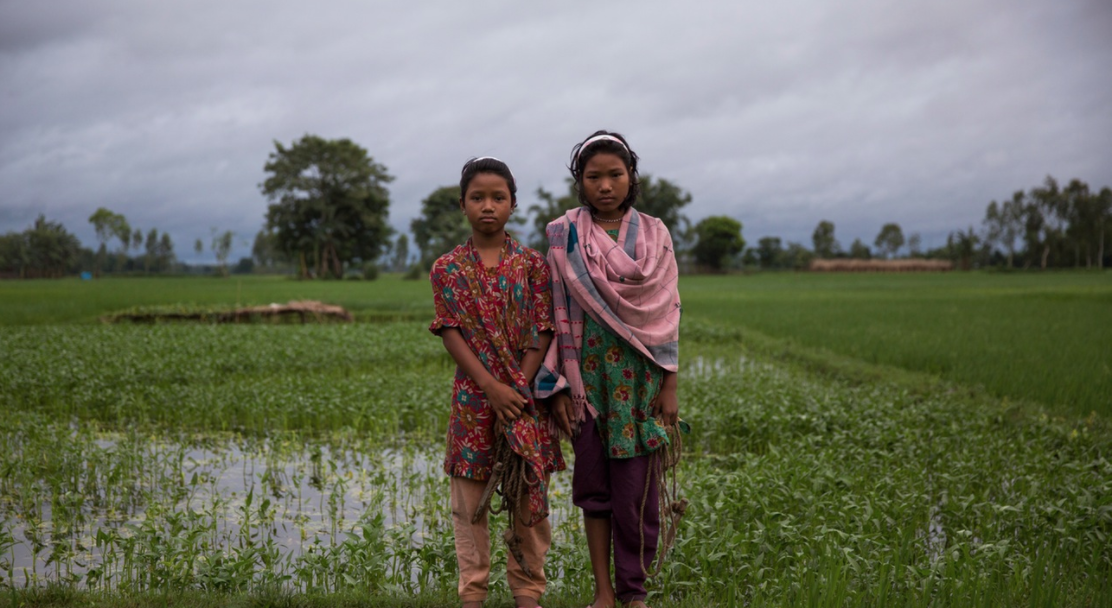
Sisters Lobar Rani Bormoni, 11, and Shapla Rani Bormoni, 12, stand in a paddy field in the enclave in Bangladesh where they born.
“These enclaves are officially recognised by each state, but remain un-administered because of their discontinuous geography. Enclave residents are often described as “stateless” in that they live in zones outside of official administration — since officials of one country cannot cross a sovereign frontier into administered territory,” explains Jason Cons, a Research Assistant Professor at the LBJ School of Public Affairs at the University of Texas, Austin and author of the forthcoming book, ‘Sensitive Space: Fragmented Territory at the India-Bangladesh Border.’
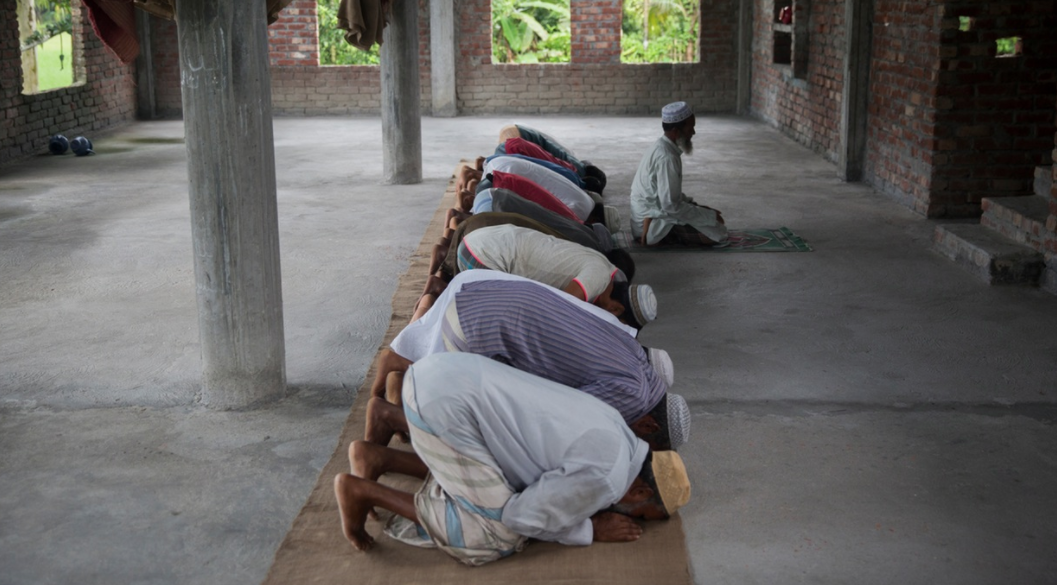
Muslim men from Dhoholakhagrabari enclave pray in their mosque. Mosques are usually the only solid structures that exist inside the enclaves.
Several folktales tell of the origin of these enclaves being the stakes in a game of chess between two feuding maharajas in the 18th century, or even the result of a drunken British officer who spilt spots of ink on the map he drew during partition in 1947. Captivating as these stories are, the most likely explanation dates back to 1711 when a peace treaty was signed between the feuding Maharajah of Coch Behar and the Mughal Emperor in Delhi. After the treaty their respective armies retained and controlled areas of land, where the local people had to pay tax to the respective ruler, thus creating pockets of land controlled by different people.
Prior to 1947, when this region was entirely Indian territory, living in these locally-controlled enclaves made little difference. However, during the drawing of the boundary between India and Bangladesh, the Maharajah of Coch Behar asked to join India — on the condition that he retain all his land, including that inside the newly formed East Pakistan, which his ancestors had rightly won control of over 200 years ago.
So, through no fault of their own, the lives of 50,000 people turned upside down — for decades they have been stranded on islands of no-man’s land.
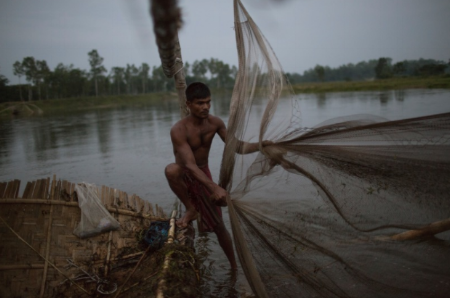
A man fishes at dusk using his large bamboo fish trap. This river exists just outside the enclave but as it’s in Bangladesh territory, enclave dwellers are forbidden to fish here otherwise angering the local fishermen.
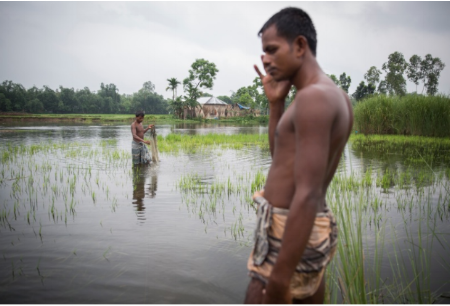
Enclave dwellers fish in a flooded paddy.
During the early 1970s a framework to find a solution to this problem was put in place — called the 1974 Land Boundary Agreement. For forty years, as governments came and went, neither the Indian nor the Bangladeshi politicians were able to agree with their counterparts at the time. And whilst the politicians squabbled, the residents suffered.
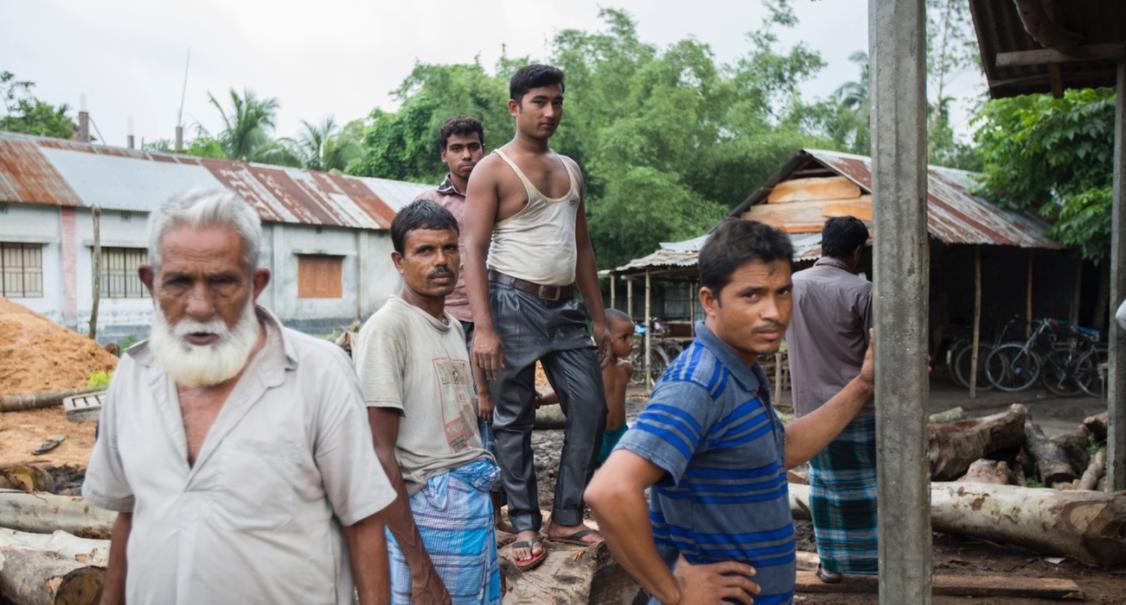
Only informal work, like at this sawmill, is available for enclave dwellers in Bangladesh.
On the ground there are no border fences or security checkpoints, and without realising it, you can walk in and out of India countless times, crossing an international boundary completely obliviously. However, there is a serious lack of infrastructure and this has been one of the most serious problems facing the residents. Paved roads quite literally stop at the boundaries to the chitmahals, as do electricity poles. The enclave inhabitants in Debiganj District of Bangladesh, as non-Bangladeshi citizens, were even barred from sending their children to school, also receiving no state assistance or even the most basic of hospital treatment.
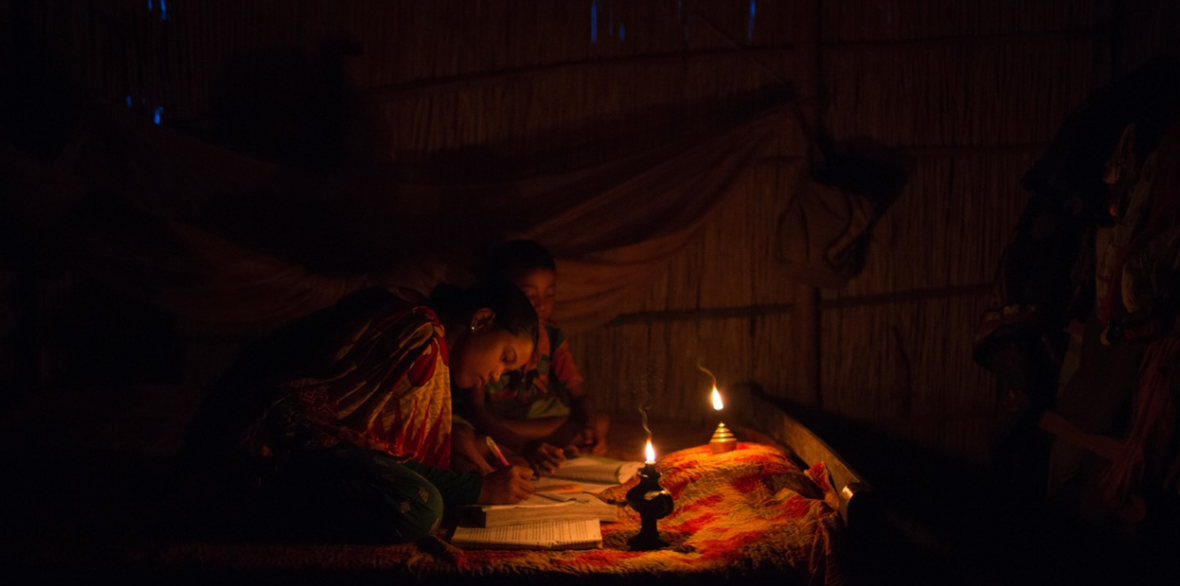
Sheltered within their small bamboo house, located inside the enclave of Dhoholakhagrabari, Eity Rani, 14, and Shobo Rai, 8, carefully do their homework by the light of an oil lamp. Life is much harder for children who are born in enclaves.
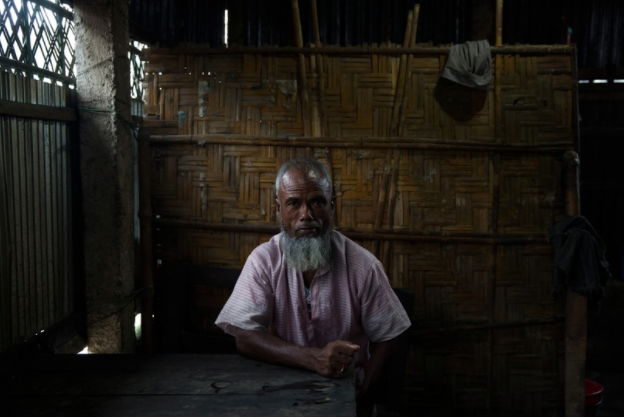
A Bangladeshi man sits in a shop in the market of a small town that sits between enclaves.
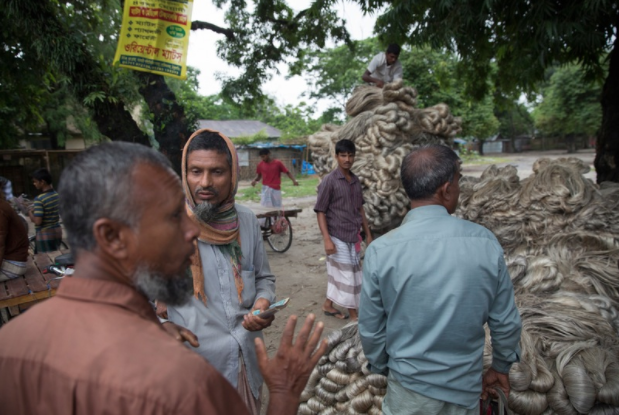
Every Saturday a jute market is held in Debiganj. For the many inhabitants of the enclaves that surround the town, jute is where most of their income comes from.
Wearing just a lungi — a traditional sarong worn around the waist — Sri Ajit Memo is sitting in the middle of a small muddy courtyard, surrounded by houses made of bamboo and jute sticks. At 55 years old, his family have lived in a Dhoholakhagrabari chitmahal for generations. Chewing on the twig of a certain tree that locals here use as an alternative to toothpaste, he explains, “All kinds of problems exist here. The government doesn’t care about us, or our children, and so it’s very difficult for them to even go to school. Honestly, we are Indian, but how can we feel this way when we get no help from them?”
For enclave dwellers on both sides of the Indian-Bangladeshi border, the entitlement to receive even the most basic of rights has eluded them.
Reece Jones, an Associate Professor in Political Geography at the University of Hawai’i Manoa, who has visited many chitmahals on both sides of the border, explains further, “After decades in this situation many people have found ways around it through bribes to officials or through friends who helped them to obtain the documents they needed, such as school enrolment forms for their children. However, the situation was not stable or secure. They were extremely vulnerable to theft and violence because the police had no jurisdiction in the enclaves.”
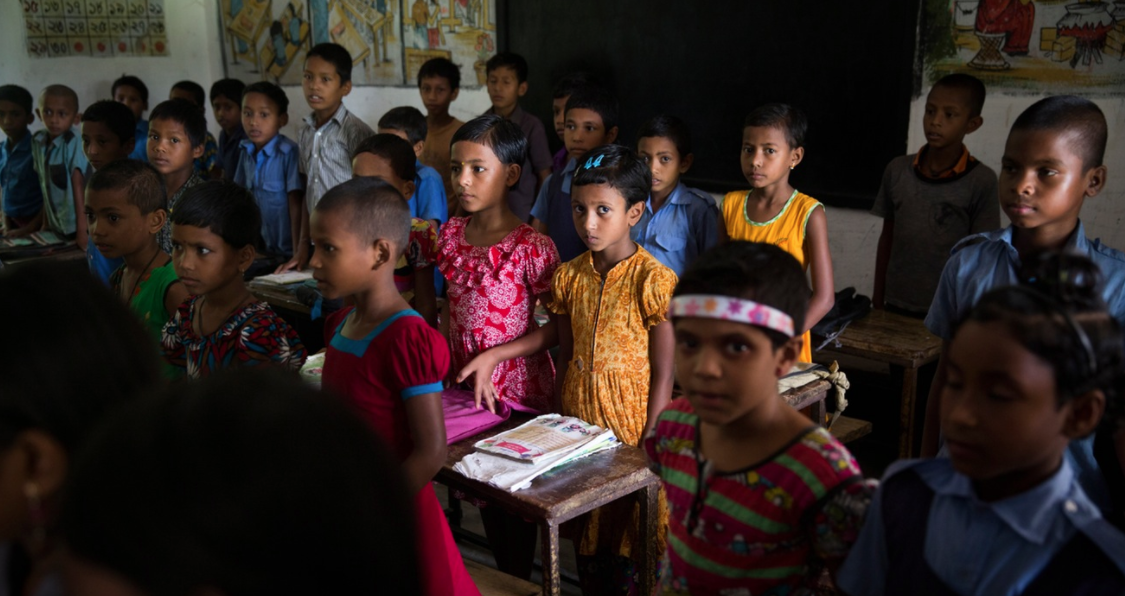
Rupsana Begum, 7, (pink dress) and Monalisa Akter, 7, (orange dress) are from an enclave but were able to come and study at Sher-e-Bangla Government School because their parents managed to acquire fake documents and were able to pay the school.
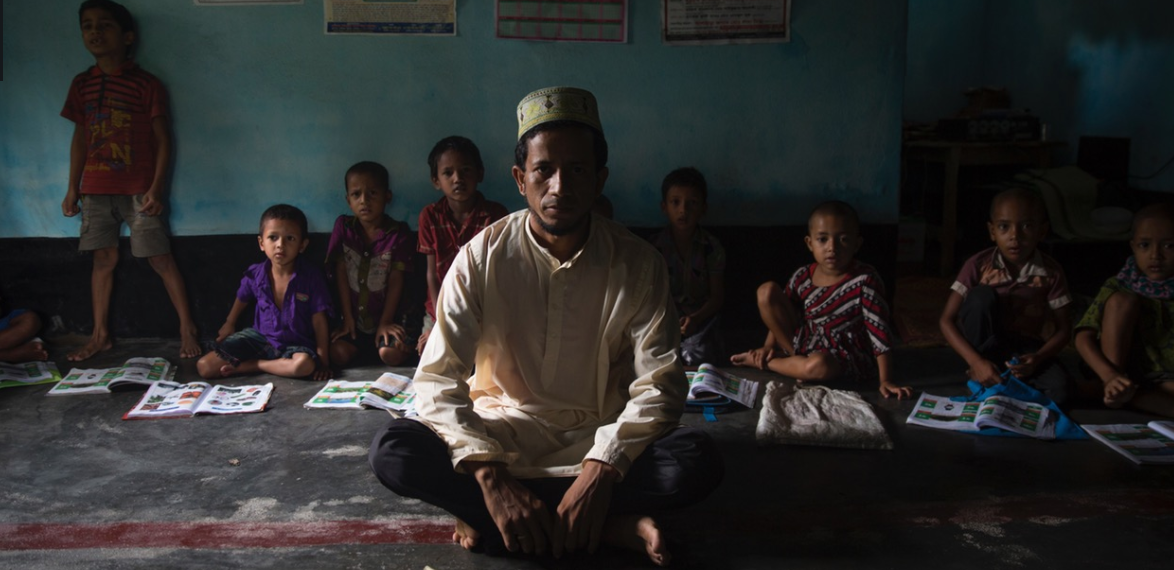
In Dhoholakhagrabari enclave students and their teacher sit in a madrassa class. Because enclave children have a difficult time accessing the education system in Bangladesh the locals of this enclave formed an Islamic Foundation funded on donations.
Today, after decades left living in limbo in these randomly placed no-man’s lands, around 47,000 people on the Bangladeshi side and some 14,000 on the Indian side have finally been given the right make a choice: stay where they have lived for generations with official citizenship of the country that will absorb them, or return to their country of origin.
None of the residents living in Bangladeshi enclaves within India asked to return to Bangladesh and as a result they will now all become Indian citizens. However, on the other side of the border in Bangladesh, whilst the vast majority of the Indian enclave dwellers decided to stay and become Bangladeshi citizens, 979 people requested to return to India. For these families, the enclave saga has yet to end.
Of those 979 individuals, a total of 406 come from Debiganj district. In 2011, a team of Indian officials visited every home in every enclave in Bangladesh and produced the first ever detailed census of all those living within the Indian enclaves. This report formed the basis of all subsequent decisions on the status of each person living in the enclaves.
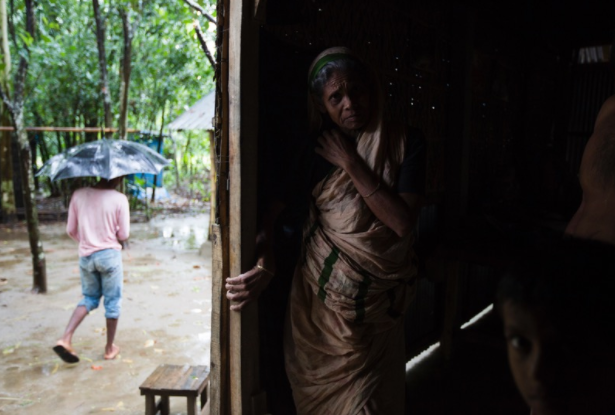
An old lady inside her home, which has no running water or electricity, in Dayuti enclave.
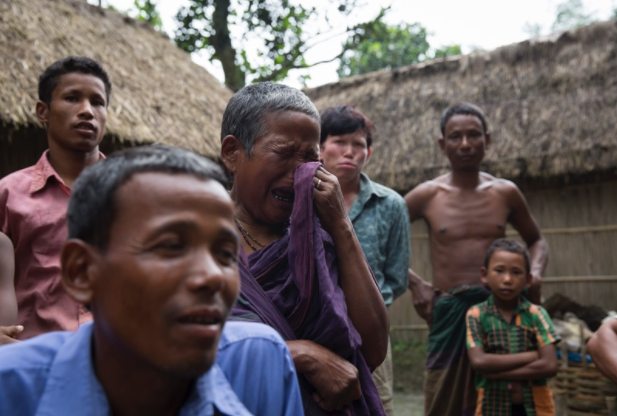
Dhonobala Rani, 70, gets emotional knowing that she has to leave her son (in the blue shirt) behind in Bangladesh, as she takes Indian citizenship.
Several months after my visit to document the enclaves during the final days of their existence, those who had chosen to leave for India finally crossed the border, leaving their homes in Bangladesh forever. In India they were given land and began the process of integrating into Indian society. Those who chose to stay behind in Bangladesh also started to receive such basic rights as eligibility to vote and access to health care.
Let us hope that after decades of struggle on these isolated political islands, the lives of these ex-enclaves dwellers can begin to reach some level of normalcy. In the end, after so many years of uncertainty, the world’s strangest border region has now become a thing of the past.
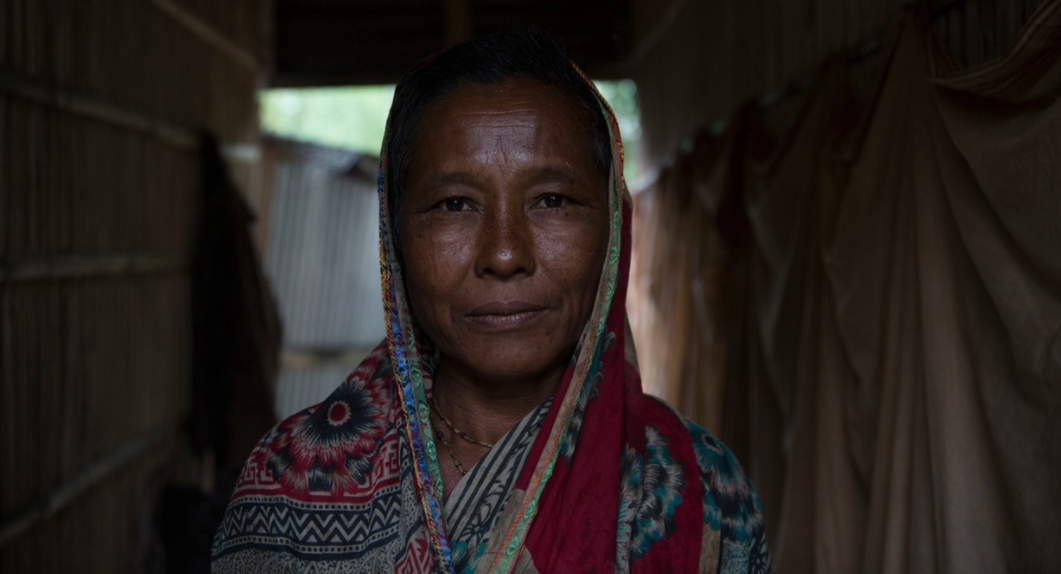
A lady from Ponchoki Bhajini village, in the enclave of Dhoholakhagrabari. She has chosen to leave for India, to start a new life as an Indian citizen.
THIS ARTICLE WAS ORIGINALLY PUBLISHED ON MAPTIA.
LUKE DUGGLEBY
Luke Duggleby is a British freelance documentary and travel photographer living in Bangkok.
Just outside the southern wall of Kibera, the largest urban slum in Africa, is Sadili Oval Sports Academy. Meaning "well-being" in Swahili," Sadili is a social enterprise that uses sports as a means to reach out to children and young people in need - both in the slums and from across East Africa.
"Dirt Court Dreams" centers on Flo - a Kibera resident and tennis coach - and reflects how Sadili has made her life better and through her has, and is, improving the lives of many others.
For more information on Sadili visit http://www.sadili.com
This video was produced on location by an Actuality Media student crew and shot primarily with a Canon XA10.
Producer: Daniel Karnafel
Director: Cassandra Heikkila
Cinematographer: Michael Kuba
Editor: Dean Jacobson
Actuality Media is on the ground with every student crew to oversee production of these short documentaries, providing the services of executive producer, production manager, location scout, additional editing, and whatever else is needed to complete the project.
We are more than a film study abroad program. Actuality Media is a service learning organization that takes students and young professionals abroad to create media on changemakers in developing communities around the world. Our films spread the word about nonprofits, NGOs and social entrepreneurs who are implementing innovative, new ideas to combat chronic social problems. Find out more about our work and adventures at www.actualitymedia.org
VIDEO: Dirt Court Dreams in Africa
Just outside the southern wall of Kibera, the largest urban slum in Africa, is Sadili Oval Sports Academy. Meaning "well-being" in Swahili," Sadili is a social enterprise that uses sports as a means to reach out to children and young people in need - both in the slums and from across East Africa.
"Dirt Court Dreams" centers on Flo - a Kibera resident and tennis coach - and reflects how Sadili has made her life better and through her has, and is, improving the lives of many others.
During the end of 2011, I was in Padang, Indonesia for an Internship in a NGO called AIESEC. I use to live in a local family in a popular neighbourghood called Taruko 1. Most of the shot in this episode was taken in Padang, at the local market, with my family, with neighbors. "Hidup Singkat" (fast life) is a diary of my time there.
INDONESIA: Life Is Short
Explore coastal Indonesia with Etienne Calmelet, who journeyed to West Sumatra with AIESEC, the world’s largest student-run organization, which focuses on providing a platform for youth leadership development. Etienne’s video diary documents the four months he spent in the city of Padang, where he worked at a radio station and lived with a local family. Each day, Etienne was visited by dozens of locals who had never met a foreigner before.
LEARN MORE ABOUT FILMMAKER ETIENNE CALMELET
Education of Girls in the Developing World & How Le Dessein Helps
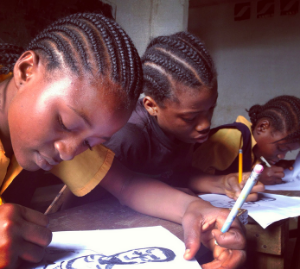
If women in the developing countries completed secondary education, 3 million children under the age of 5 would be saved every year.
This unfortunate statistic by the I.M.F. is just one the many plights young girls and women in general are facing in parts of Africa, Asia and Latin America.
Here are some more startling facts:
1) More than 115 million 6 to 12-year old children are not in school in the developing world; three-fifths of them are girls.
2) When a girl in the developing world receives seven or more years of education, she marries four years later and has 2.2 fewer children.
3) A woman with six or more years of education is more likely to seek prenatal care, assisted childbirth, and postnatal care, reducing the risk of maternal and child mortality and illness.
4) When women and girls earn income, they reinvest 90 percent of it into their families, as compared to only 30 to 40 percent for a man.
5) Today, the U.S. invests in its future by spending about $6,800 a year per primary student on public education. In Iran the figure is $156 per student per year, in India $64, in Laos $30, and in Rwanda, $30.
6) An extra year of primary school boosts girls’ eventual wages by 10 to 20 percent. An extra year of secondary school: 15 to 25 percent.

Young girls in developing nations have not been given the attention they highly deserve in education. Yet they have the undeniable power to help uplift their communities out of poverty through education and the earning power it will generate.
Through fashion, art, and socially responsible actions, we’ve designed a way to get involved. Le Dessein is a fashion line aimed at funding the education of underprivileged girls around the world by featuring their designs on our fashion. We then contribute 25% of our proceeds to the girls’ yearly school tuition.
The nature of our effort is not just monetary – our ultimate vision is to create independence and freedom through the empowerment of our girls. A critical component of this whole vision being self esteem – we were adamant on making sure that our girls would be intimately tied to the creation of the designs which would end up on garments. The success of their artistic journey through their participation and engagement would create a profound sense of OWNERSHIP, which is essential in affecting one’s self-esteem. Indeed, we wanted to demark ourselves from the traditional form of aid towards developing countries, which has consisted mainly of charity, and instead have “ownership” be the driving factor in maintaining this self-sustaining endeavor.
Creating an impact in these young girls’ lives will take collective effort from various committed parties. Inculcating the notion of “Ownership” though noble, can be an arduous task and required collaboration. And we’ve had the fortune and pleasure of being aligned with the More Than Me Foundation – “The More Than Me Foundation is on a mission to make sure education and opportunity, not exploitation and poverty, define the lives of the most vulnerable girls from the West Point Slum of Liberia.” Its motto is: “When she graduates, she will decide what comes next for her life.”
Indeed, for our girls, this is about reclaiming and redefining their own sense of self. For far too long, girls and women from the developing world have been subjected to a strongly patriarchal society – a society where their “value” was unilaterally decided by men – So “Ownership” to us is simply the final destination defined by an effort that consists of arming our girls and presenting them with opportunities susceptible to make this journey a worthy one.
Our fashion linehiis elegant and sophisticated and aims at serving a market that for too long has had to sacrifice quality and design for purpose and mission.

ERIC COLY
Eric is the founder and CEO of Le Dessien. Eric grew up in Dakar, Senegal, where he was influenced by his mother's passion, drive, and fashion sense at a young age. His mother would eventually inspire him to start Le Dessein. He attended UCLA Business School and began his career in investment banking.
The Peace Corps in Rwanda, Part 2
A Peace Corps Christmas in Rwanda
In my last update, I talked a bit about the path that led me to the Peace Corps and the basics of the three-month training program that was my day-to-day life. For a while, most of that remained unchanged. After returning from visiting my final site outside Nyungwe National Park, I was back to the grind of daily Kinyarwanda lessons; classroom management sessions, and any other miscellaneous bit of training that the Peace Corps deemed necessary for its education volunteers.
I mentioned in my first post how the community-based training program, while undeniably effective when it comes to integration and language acquisition, can quickly leave you desperate for just a small taste of the familiar. As soon as we had the chance, we all embraced that ideal wholeheartedly with the help of surprise birthday parties, pumpkin carving for Halloween, a massive collaborative Thanksgiving dinner, and most recently coming back together for Christmas and New Year’s celebrations.
Admittedly, some of the days have felt long and drawn out, but it’s amazing how fast the weeks have flown by. As I write this, my training has finished and I have been officially sworn in as an official Peace Corps Volunteer. After three months of training as a group, we are now scattered around the country in the communities that we will be working in for the next two years. The whole transition is a somewhat bittersweet. While I’m experiencing a freedom that I haven’t had for what seems like an eternity, it also means separating myself from the people, both in my host family and training group, that I’ve grown close to over the past months. In addition, as an education volunteer, I was installed on site during the holiday break. This meant that for a while there was little for me to do but hang out in the school offices or walk around and introduce myself (a bit of a challenge since most of the people in the community assume, at first glance, that I’m the same volunteer that has been working here the past two years).
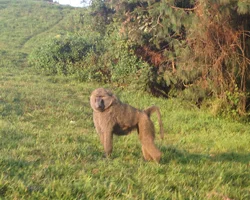
On top of the conflicts that come from simultaneous feelings of freedom, boredom, and missing friends, I’ve been finding that my site is in an unusual limbo of classic Peace Corps life and unexpected luxury. I can start my day with a bucket bath and hand washing a load of laundry, followed by browsing the web in my school’s modern offices. I can then head up a partially eroded hillside staircase past a couple troops of baboons and struggle to light a charcoal stove in order to cook dinner. I can lounge in my tile-floored house and watch a movie, only to be woken up in the middle of night to chase mice out of the room.
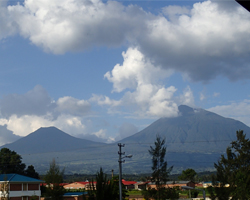
To be clear, none of these are meant as complaints; just the opposite. I was all set to be handling all these things and more, but my assignment here is most definitely not what I was expecting from the Peace Corps (in the best possible way). Just walking around the campus is an experience in itself, with forested hills stretching into the distance as far as the eye can see.
I cannot wait to get started with my work here, although that still seems to be a long way off. While the semester for the rest of my colleagues started last week, I’m here to teach at a school for conservation and environmental management that has the students completing internships around the country for their first month. As a result, I’ve got a nice, long, and quite possibly cabin fever-inducing chunk of time off before I can begin teaching in February.
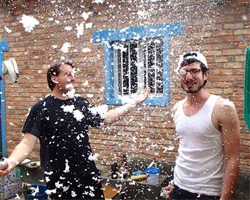
Thankfully, I’ve been able to stave off boredom by traveling for the holidays, visiting friends and getting to see a bit more of Rwanda in the process. The festivities made it a little more like home with the help of cheap Christmas decorations bought in the capital, a tiny plastic tree, and a can or two of white foam marketed as ‘fake snow’ (a surprisingly good substitute for a white Christmas, once you get past the lingering soap smell in the air). But now the holidays have come and gone and everyone is getting to work for the New Year, so it’s back to site for me. With any luck I’ll be able to find some projects to pass the time and supply me with some good stories moving forward.
READ SCOTT'S FIRST UPDATE ON THE PEACE CORPS IN RWANDA.
SCOTT JENKINS
Scott Jenkins grew up in Ridgewood, NJ and graduated from NYU in 2012 with a degree in Anthropology and Linguistics. His passion for travel, adventure, and helping others led him to apply to the Peace Corps in September of 2012. He was invited to teach in Rwanda, where he is currently serving for the next two years.
Solar Mamas — Why Poverty?
Are women better at getting out of poverty than men? The Barefoot College in India is a six-month program that brings together uneducated middle-aged women from poor communities all over the world, and trains them to become solar engineers. In this documentary from WHY POVERTY? meet Rafea, the second wife of a Bedouin husband from Jordan and watch her learn about electrical components and soldering without being able to read, write or understand English. Full documentary airs this Sunday 9 pm GMT in UK on BBC.
LEARN MORE AT WHY POVERTY
Watch Merit, A Clothing Company Helping Kids Go To College
Every 26 seconds in the United States a student drops out of high school. Merit is a clothing company who cares about changing that. Education is their cause, and 20% of all their revenues are dedicated to helping disadvantaged kids get to college. Read more about Merit through David Merrit, the founder's blog here.
VIDEO: Girl Skaters in Kabul
Curious about what's going on in skateboarding classes for girls in Kabul? Watch this. Skateistan is a Kabul-based NGO that has been encouraging youth through skateboarding and education since 2007. Since then, it has grown from a handful of students to more than 400 per week. More than 40% are girls, which is more than any other coed sport in Afghanistan. Go girls!
From Academy Award-nominated director Richard E. Robbins, award-winning Documentary Group, Vulcan Productions and Intel Corporation comes Girl Rising - an innovative new feature film about the power of education to change a girl -- and the world. Visit girlrising.com to learn how to bring Girl Rising to your local theater.
GIRL RISING
GIRL RISING—the innovative feature film about the power of education to change a girl —and the world. The film spotlights unforgettable girls like Sokha, an orphan who rises from the dumps of Cambodia to become a star student and an accomplished dancer; Suma, who composes music to help her endure forced servitude in Nepal and today crusades to free others; and Ruksana, an Indian "pavement-dweller" whose father sacrifices his own basic needs for his daughter's dreams. Each girl is paired with a renowned writer from her native country. Edwidge Danticat, Sooni Taraporevala Aminatta Forna and others tell the girls' stories, each in it's style, and all with profound resonance. These girls are each unique, but the obstacles they faced are ubiquitous. Like the 66 million girls around the world who dream of going to school, what Sokha, Suma, Ruksana and the rest want most is to be students: to learn. And now, And now, by sharing their personal journeys, they have become teachers. Watch Girl Rising, and you will see: One girl with courage is a revolution.
LEARN MORE AT GIRL RISING
CHANGE HEROES: The Trip that Changed the Way to Give
Back in 2009, Taylor Conroy took a trip to Kenya and Uganda in pursuit of a vacation and means of getting himself involved. Little did he know that this decision would cause for him to start a movement; Change Heroes -a friend-funding platform which gives anyone the tools they need to raise $10,000 and build a school, library, or water well anywhere in the developing world. In this video, Taylor talks about that initial, innocent trip, which caused his life, and the lives of thousands of others, to change for the better, forever.
CONNECT WITH CHANGE HEROES
VIDEO: The Kula Project Invests in Farmers to Help the People of Rwanda
The majority of farmers in developing nations like Rwanda are unable to generate enough income to feed and sustain their families. This is due to the lack of basic needs for success. The Kula Project invests in small-scale farmers in Rwanda to create sustainable communities.
CONNECT WITH KULA PROJECT
VIDEO: Changing Girls’s Lives at The More Than Me Academy in Liberia
The More Than Me Academy is on a mission to make sure education and opportunity, not exploitation and poverty, define the lives of the most vulnerable girls from the West Point Slum of Liberia. When she graduates, she will decide what comes next for her life.
CONNECT WITH MORE THAN ME
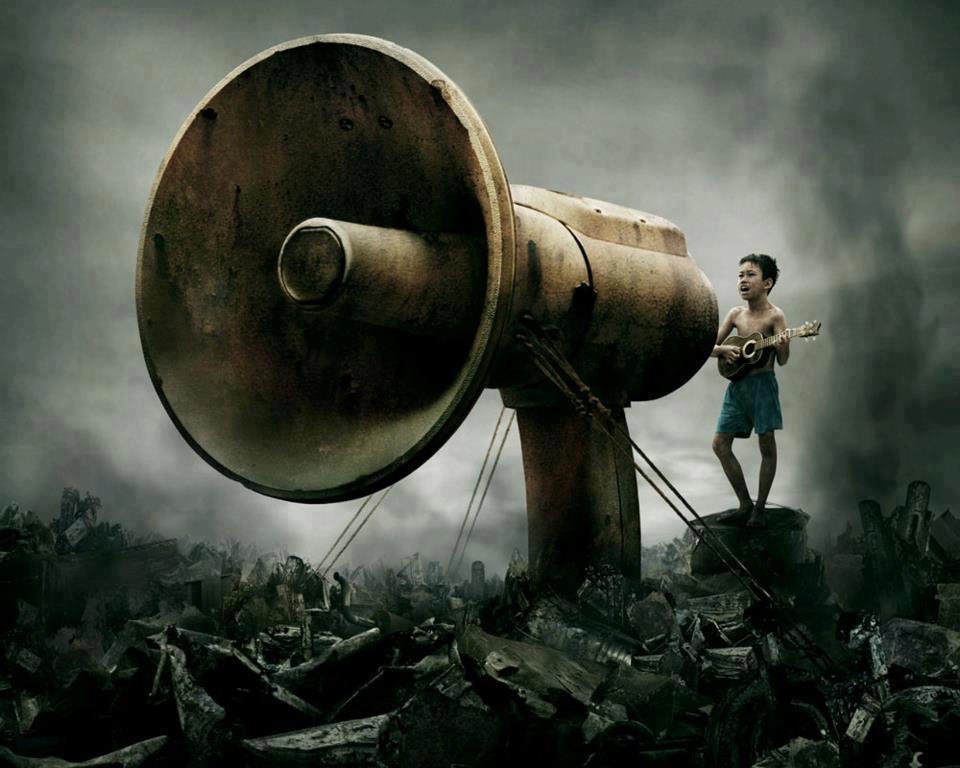
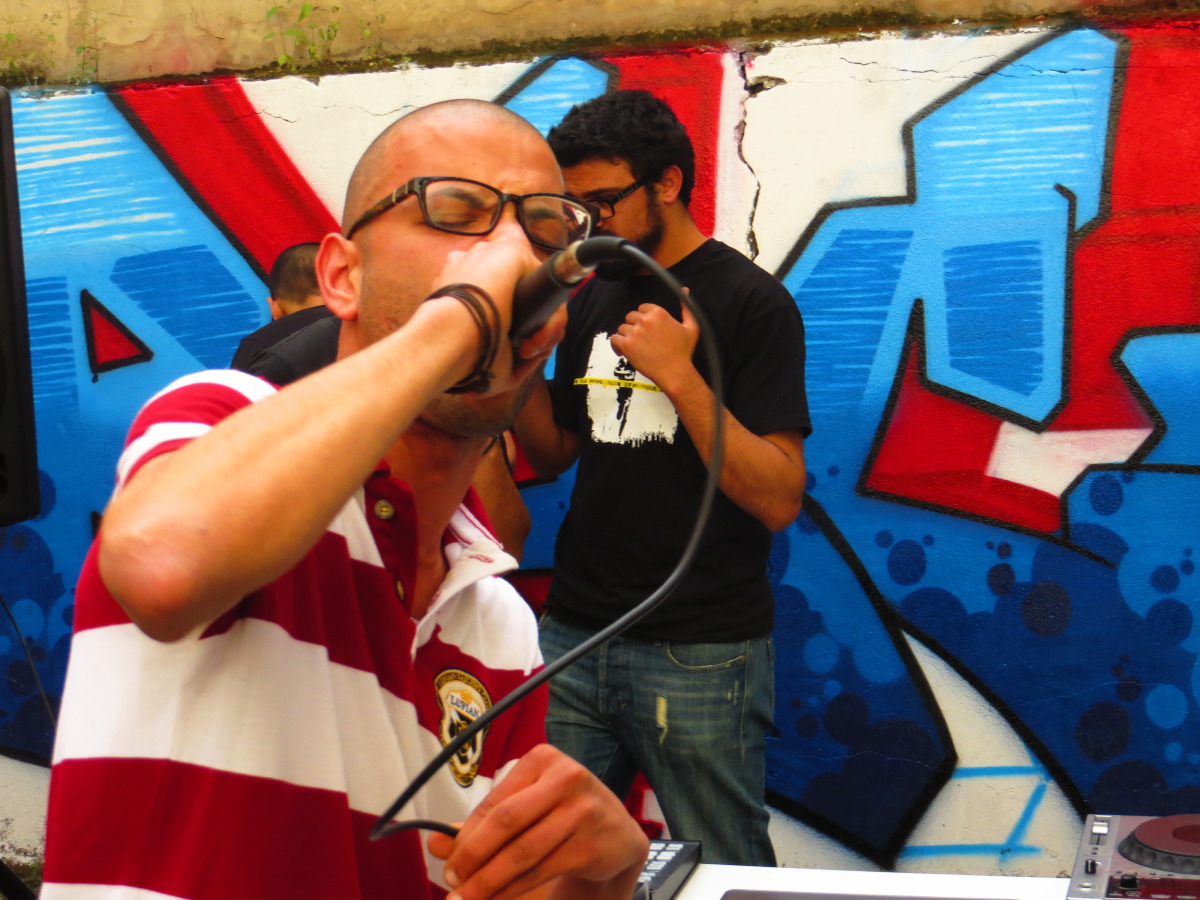
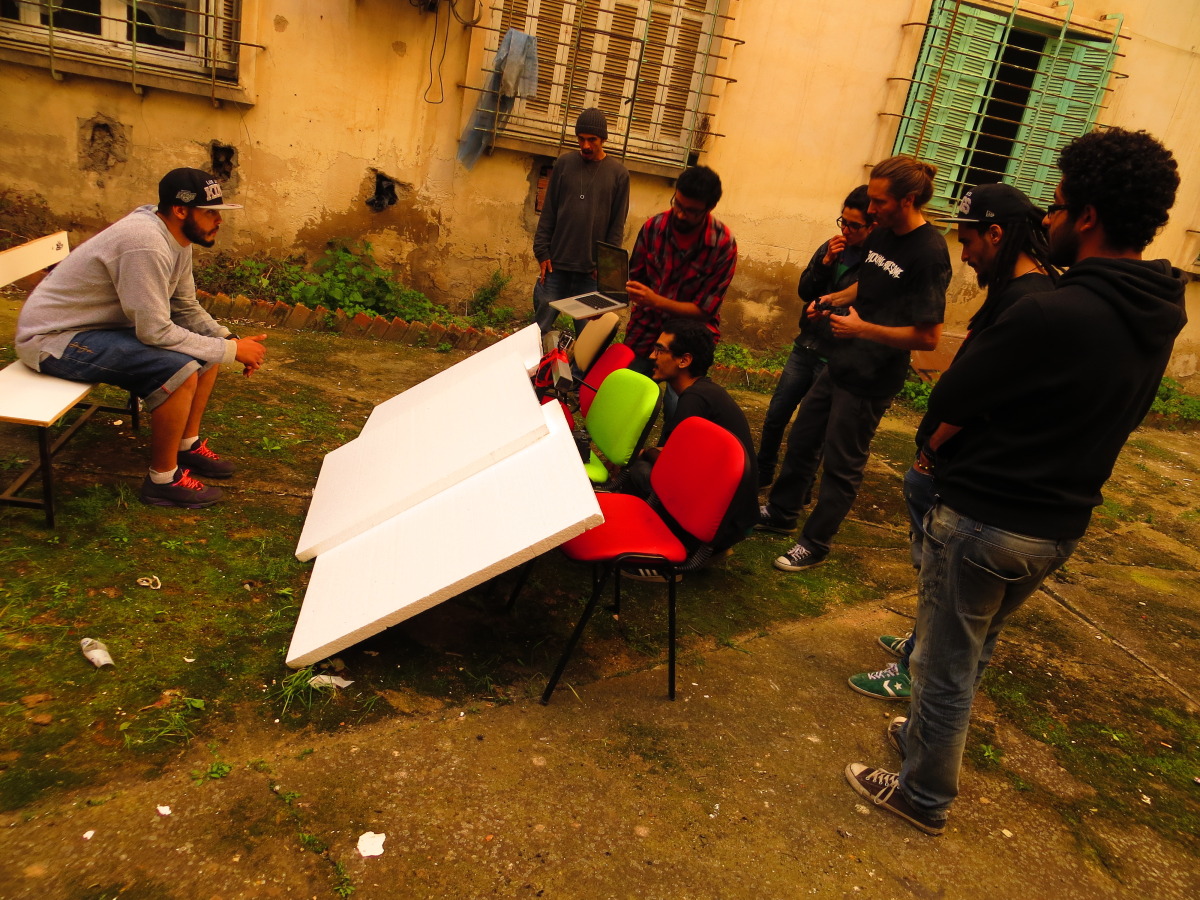
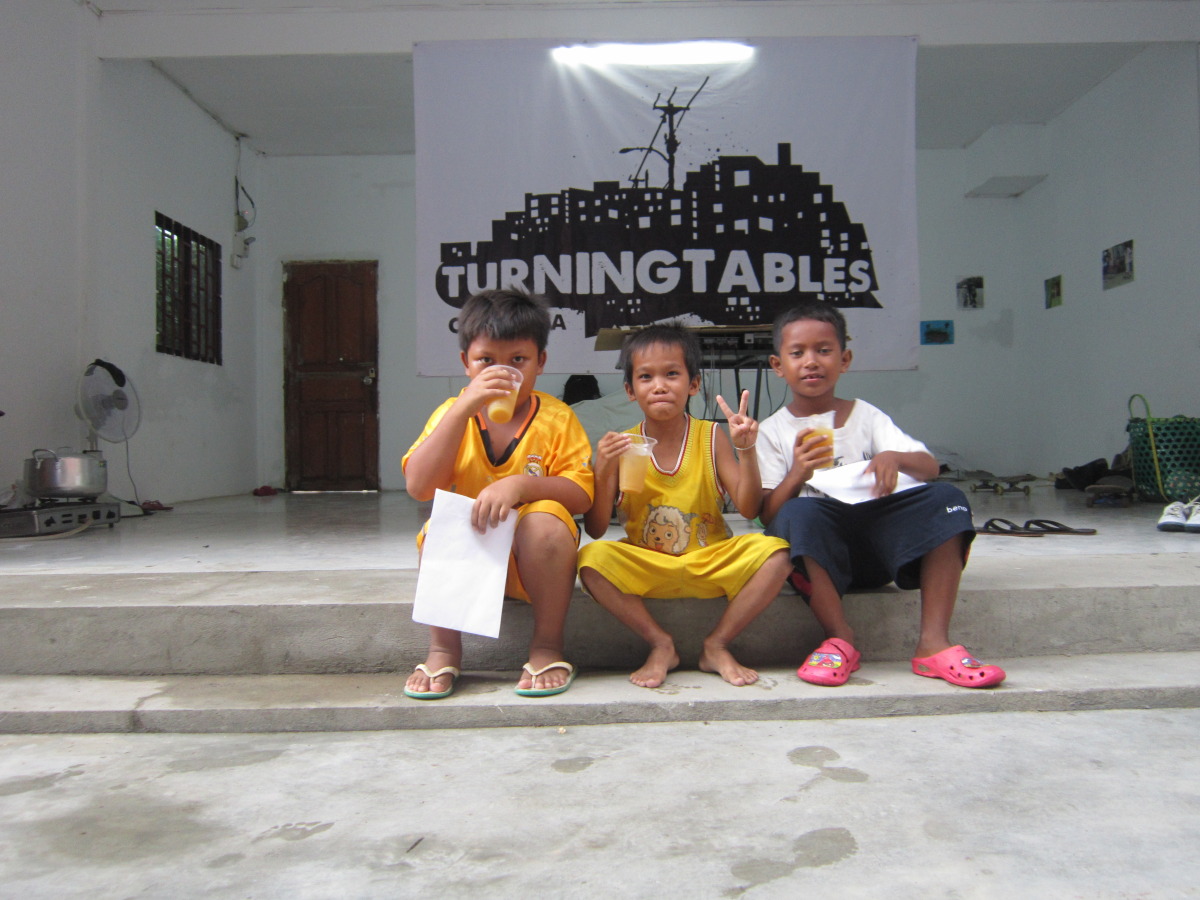
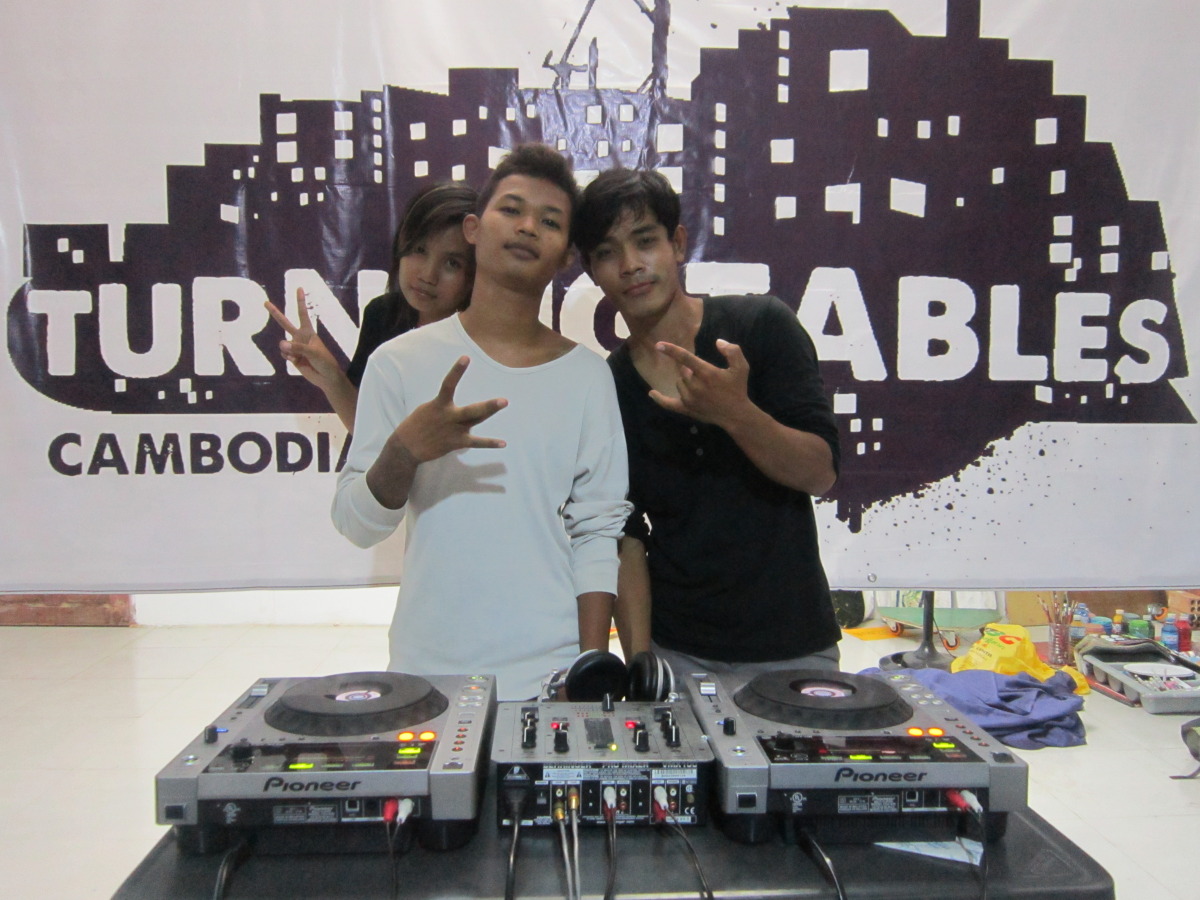
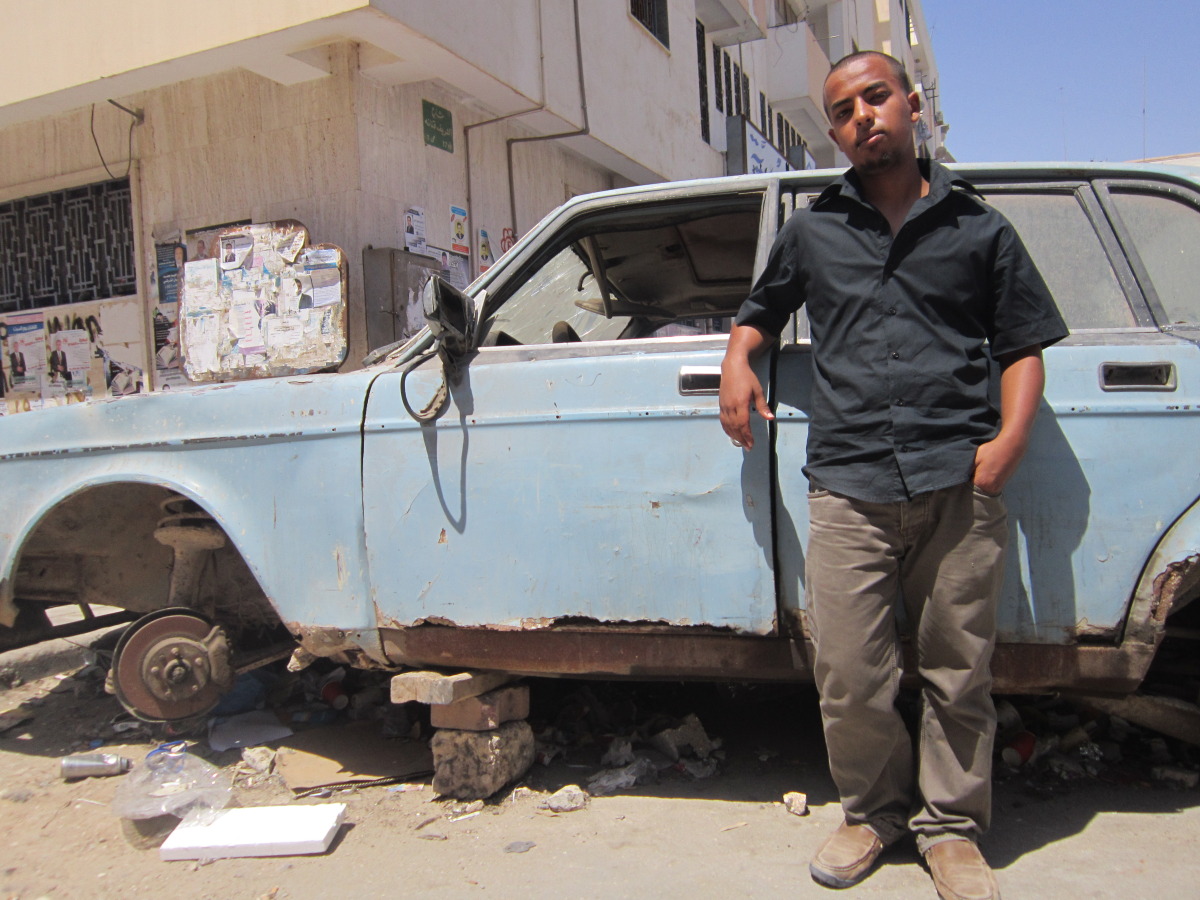
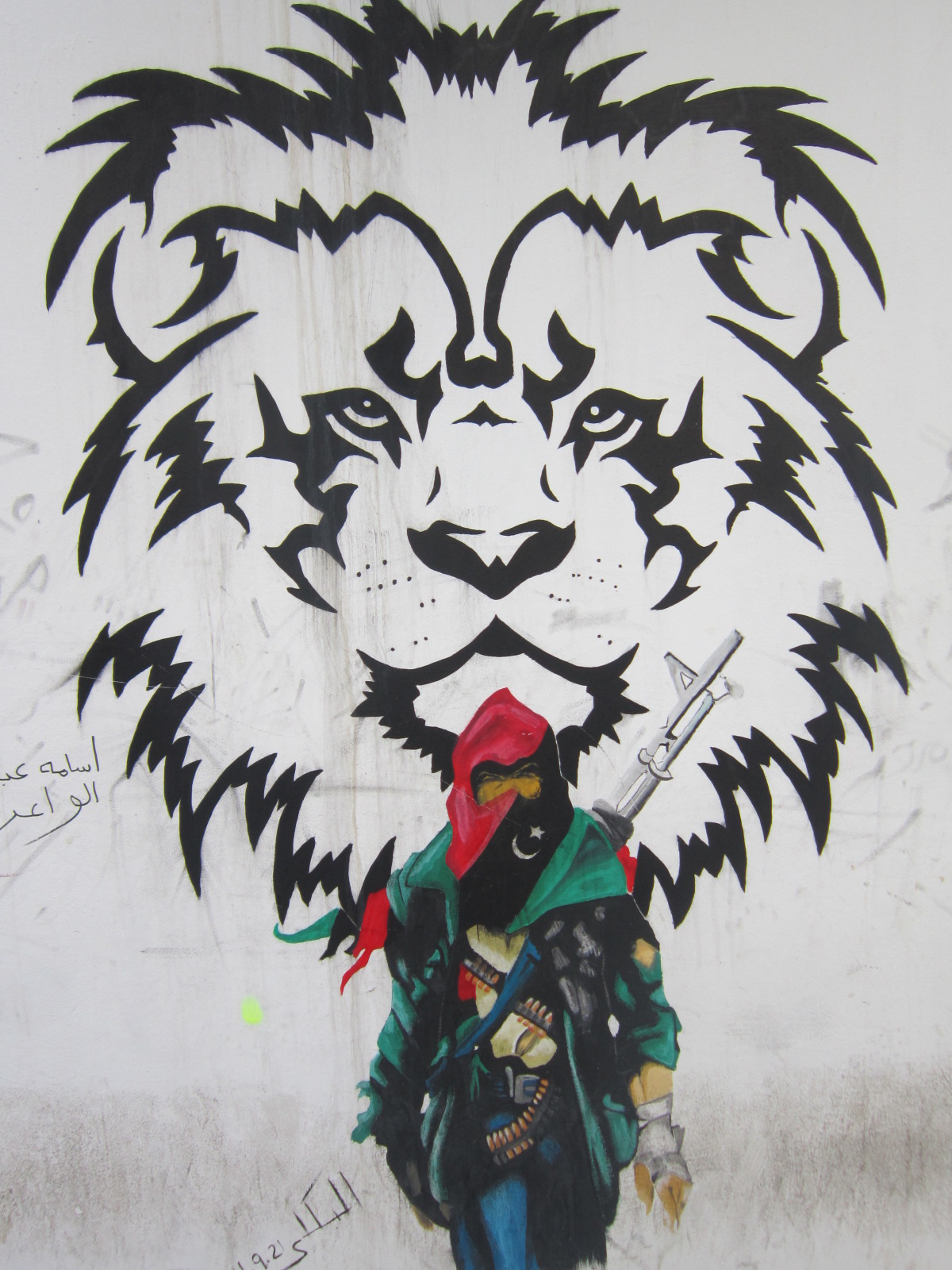
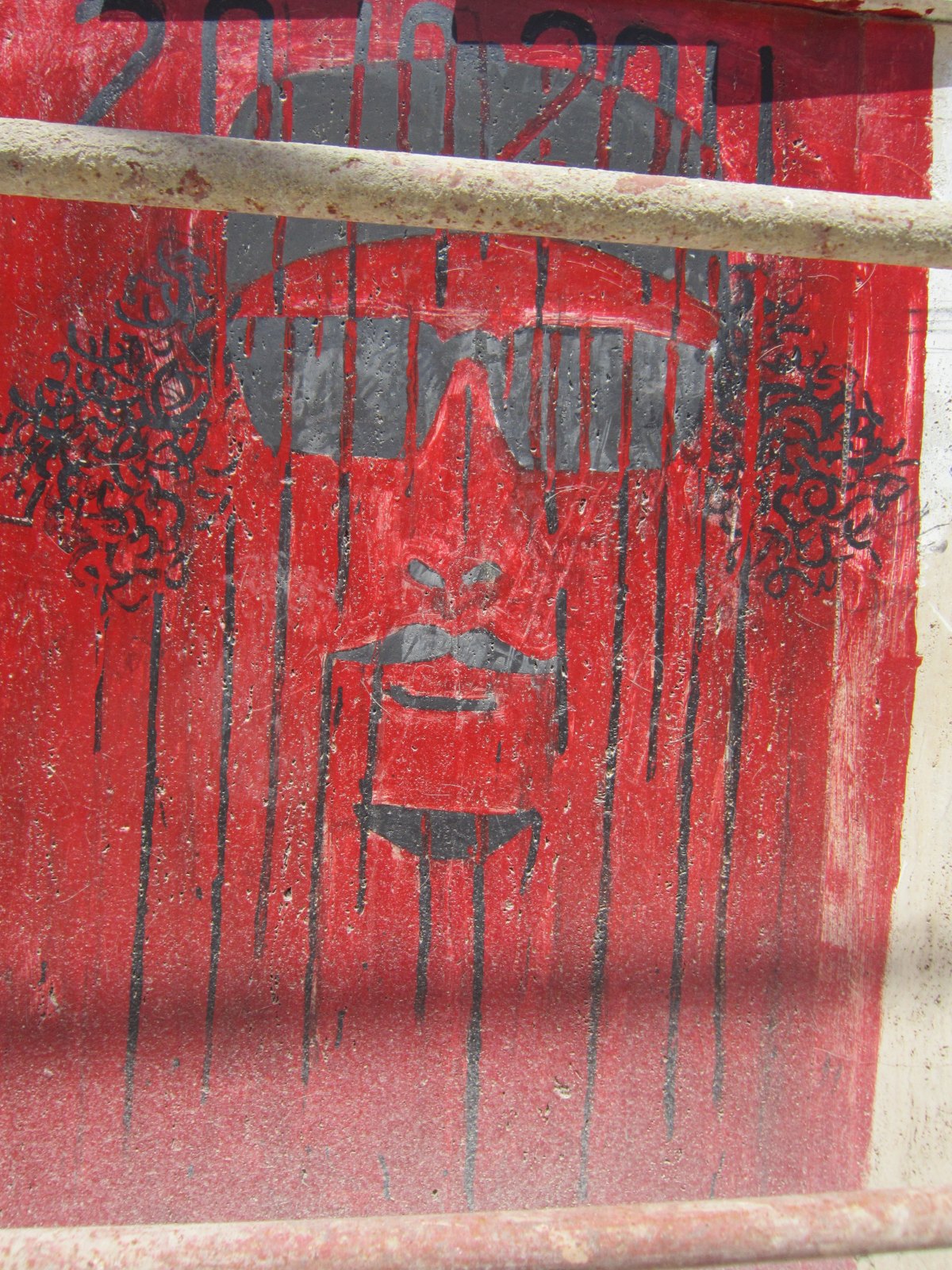
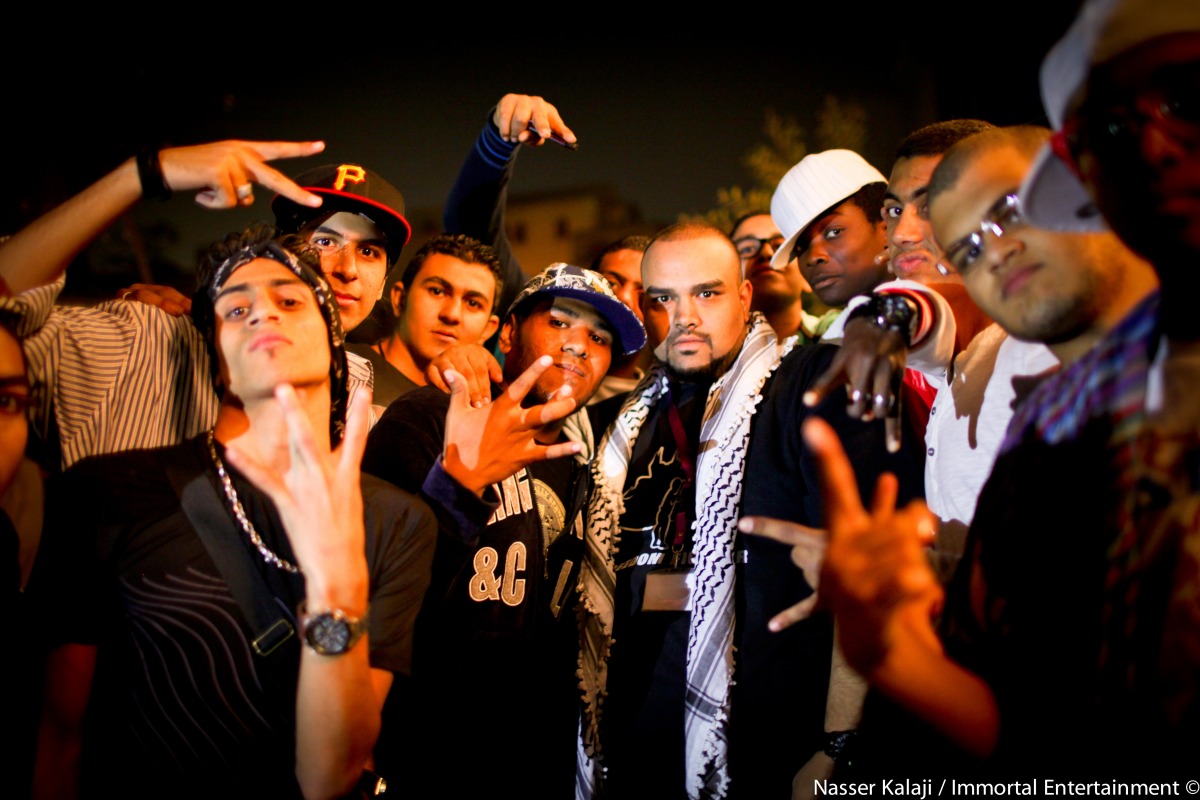
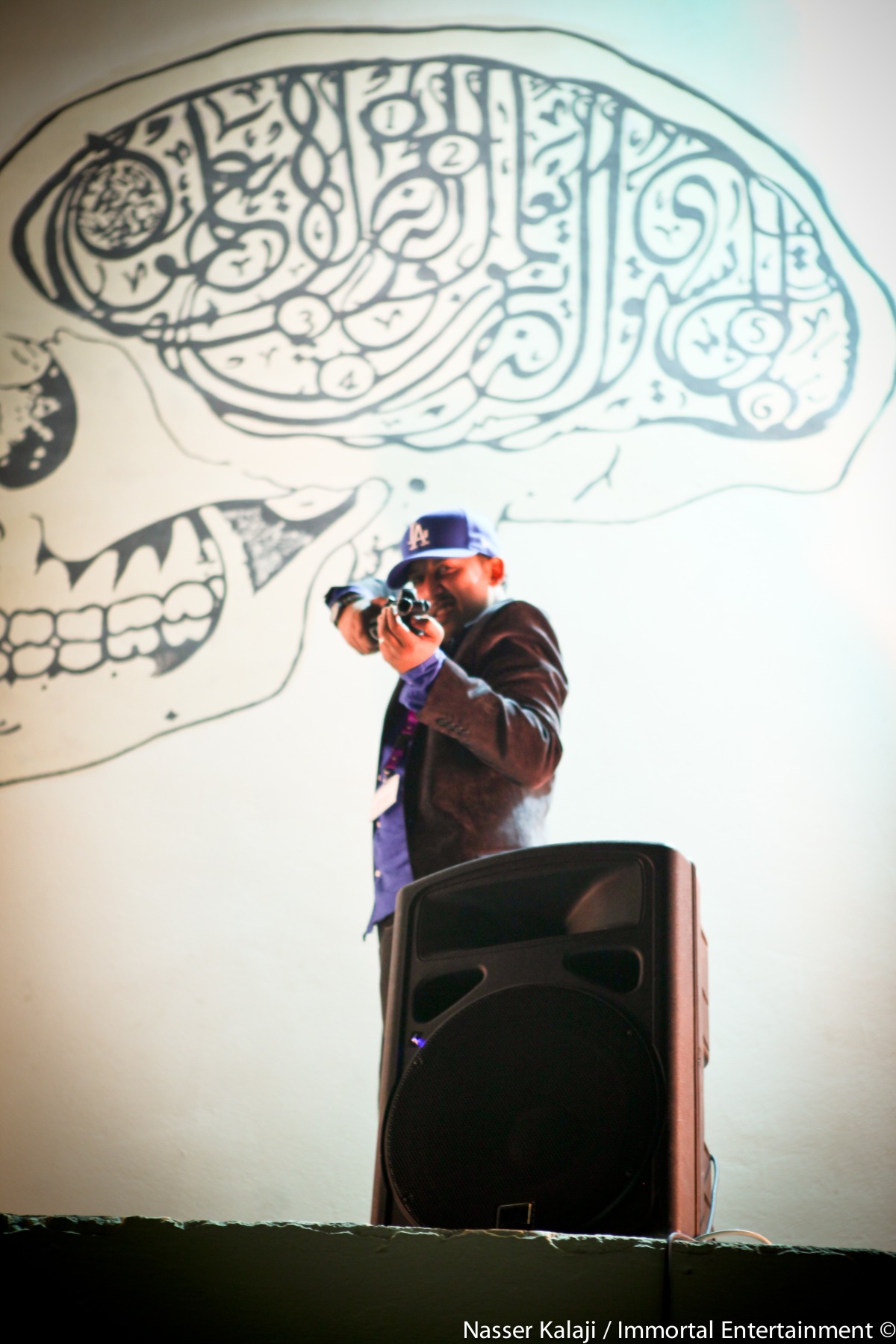
Turning Tables: A Voice for the Voiceless
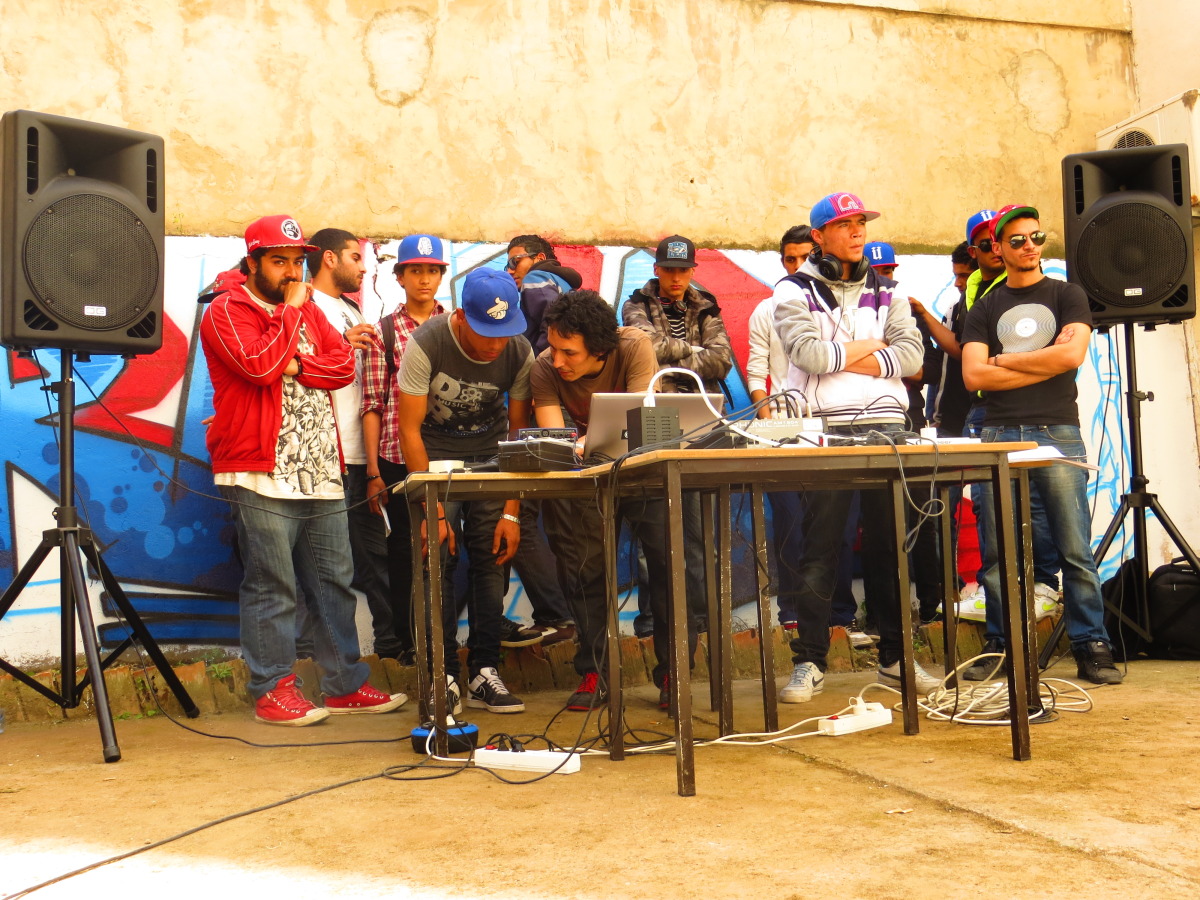
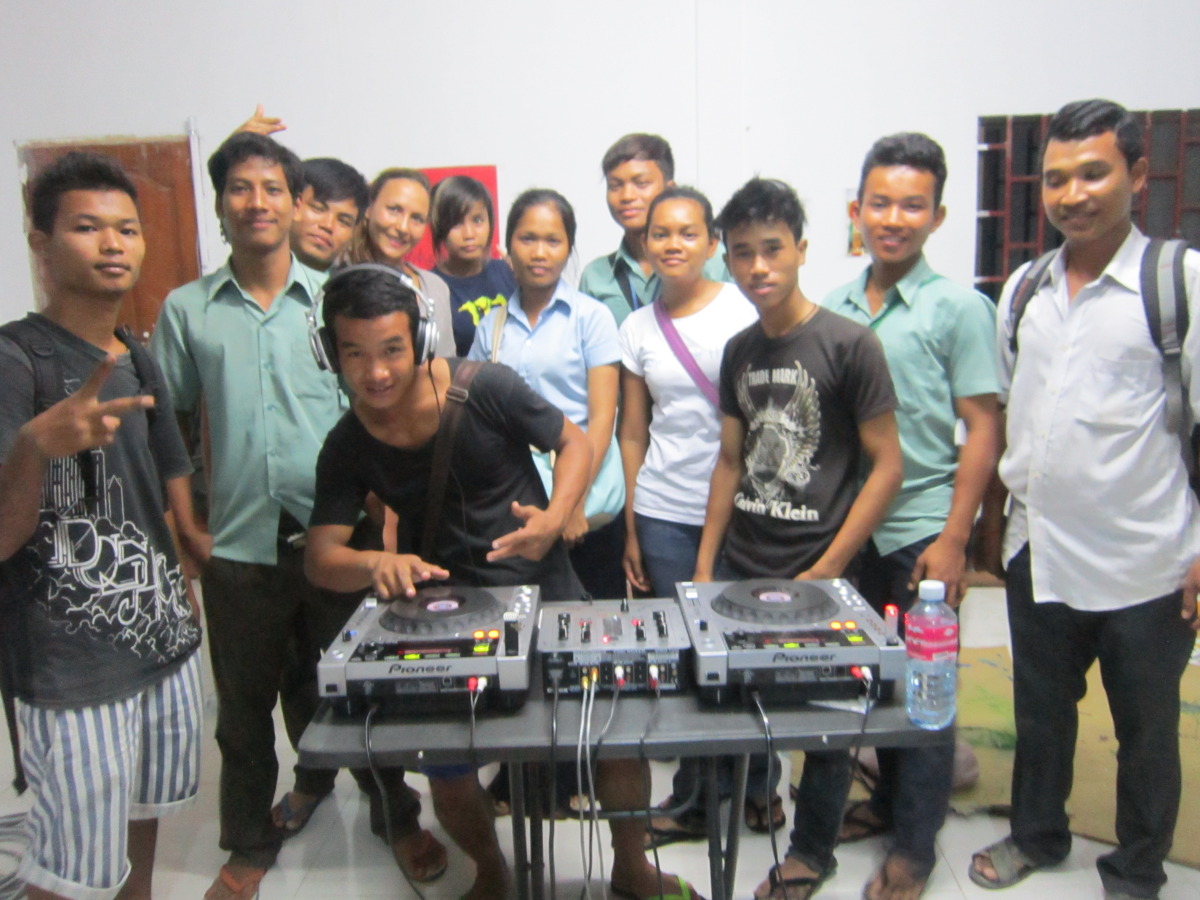
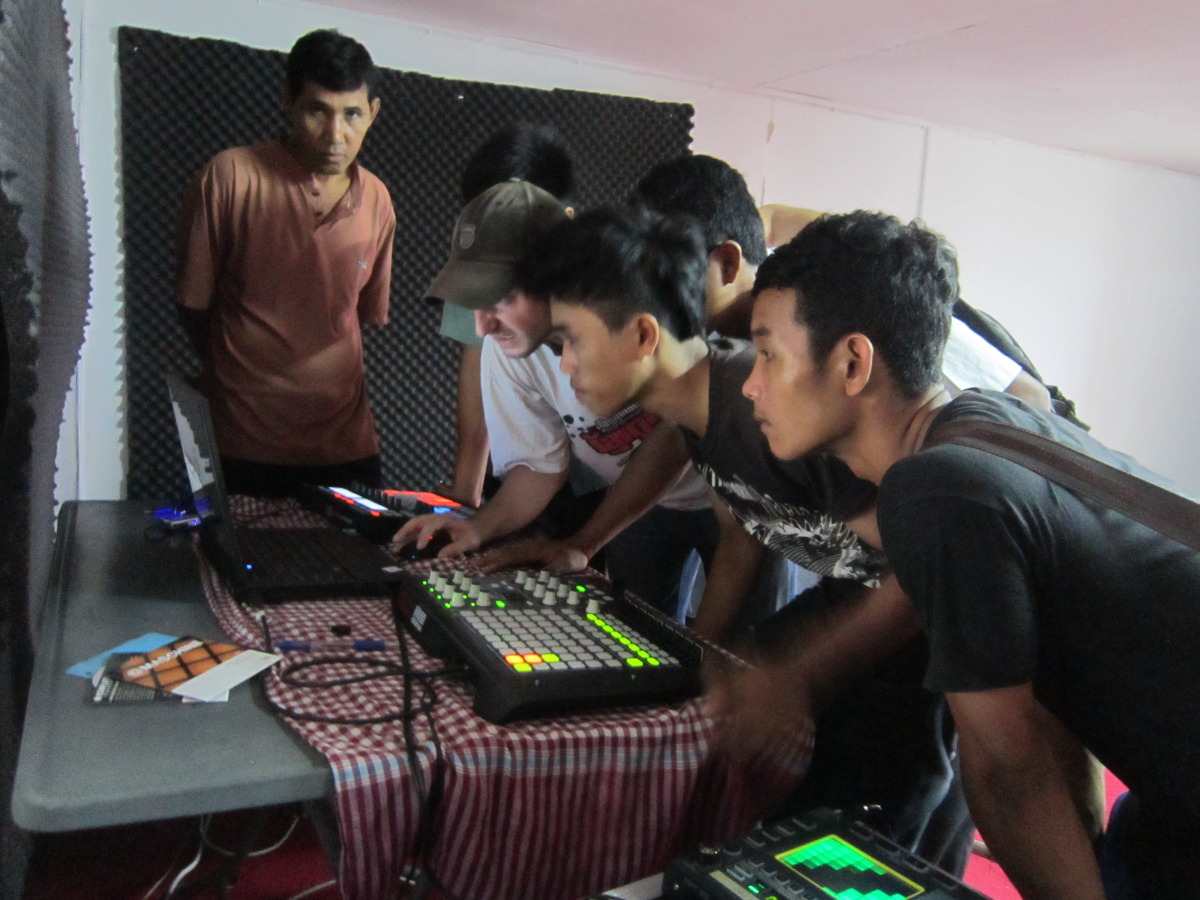
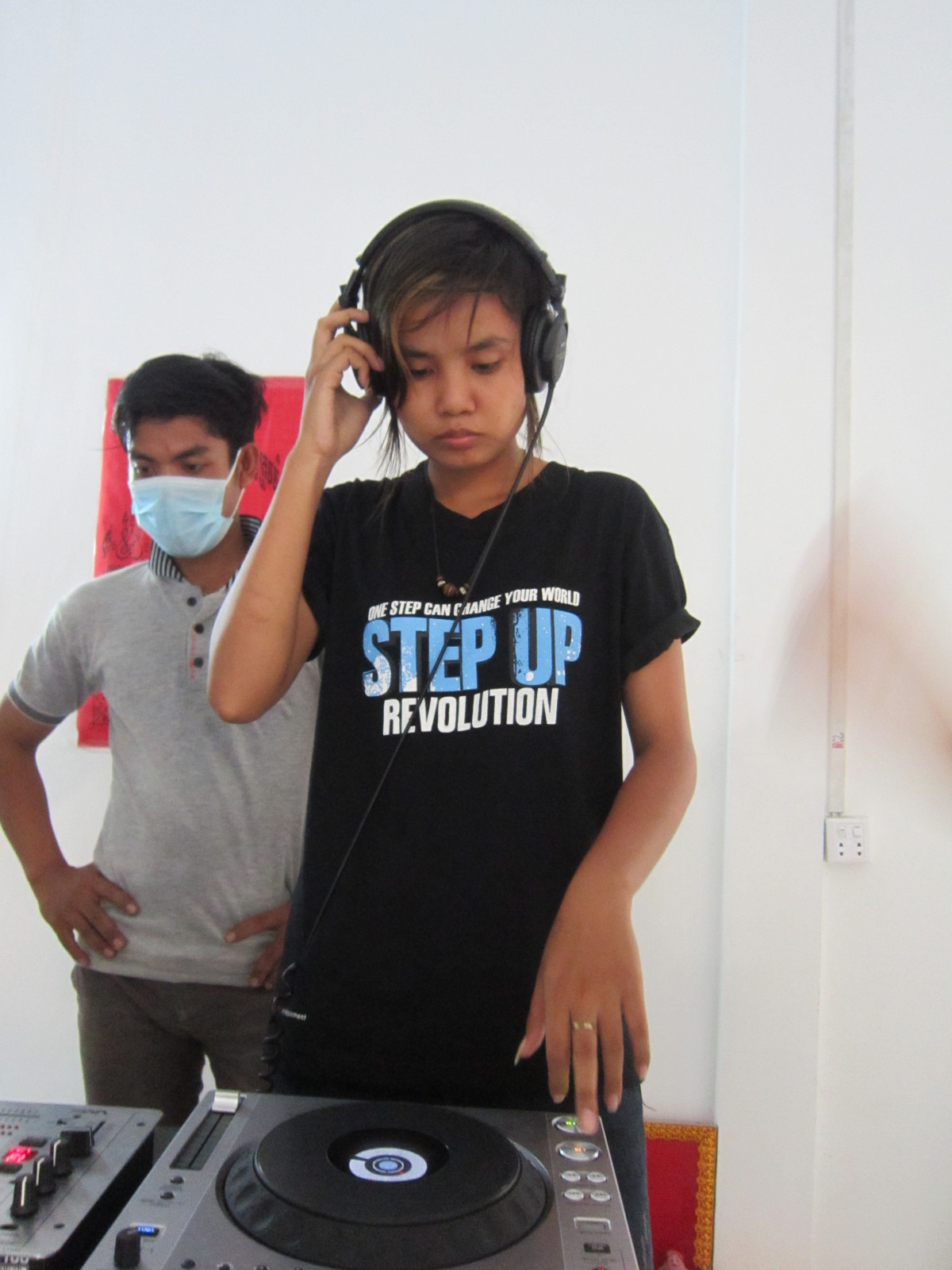
Turning Tables is an international NGO committed to establishing, and maintaining permanent musical production facilities for DJ’ing, rap, and beat making for marginalized youth in the Developing World. “The aim is to start a process of reflection and self-empowerment by giving youth a space where they can express their travesties, hopes, and dreams in a non-violent manner,” says Turning Tables Founder and Director Martin F. Jakobson.
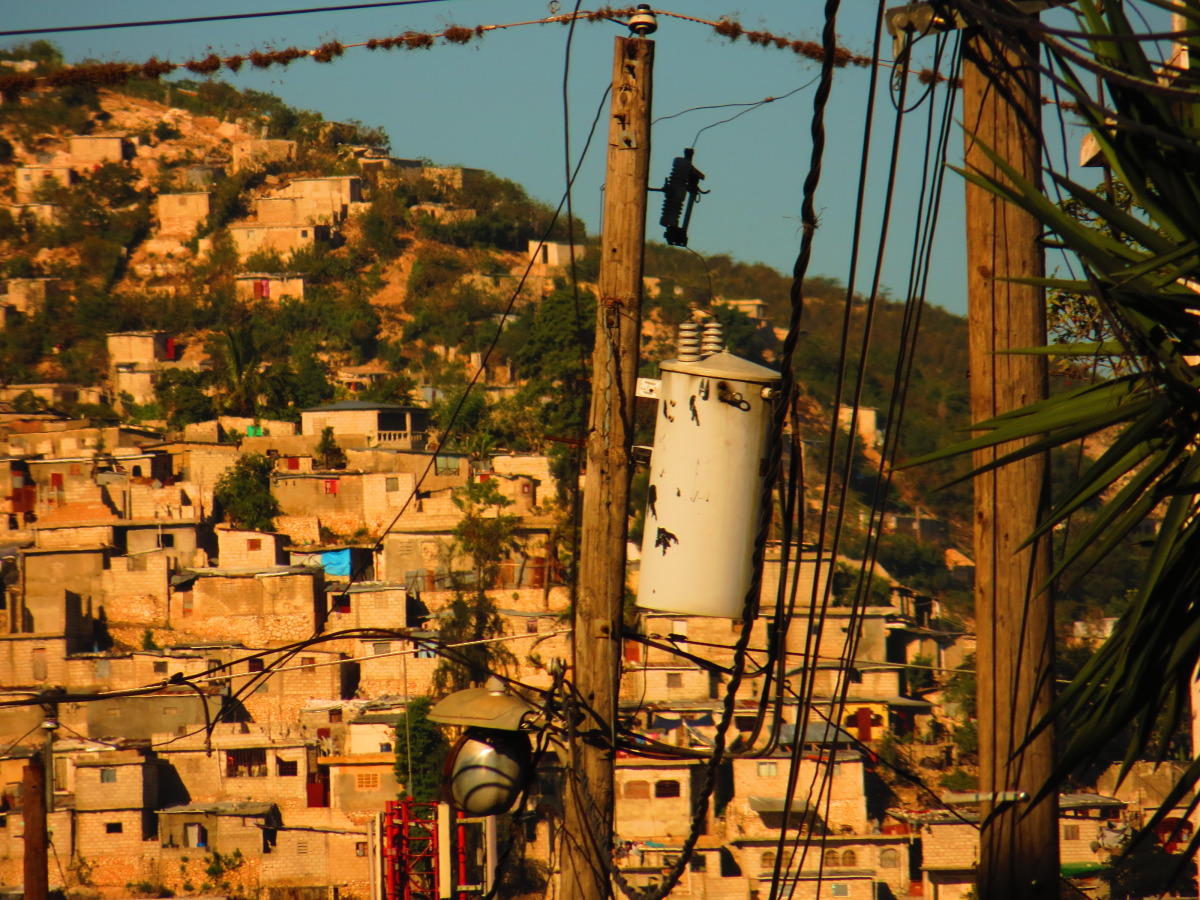
In 2009, Martin was living in Beirut, and began working in several Palestinian refugee camps across Lebanon. Since then, Turning Tables has expanded its work across the Middle East to Tunisia, Jordan, Libya and Cairo, alongside establishing a presence in Haiti and Cambodia.
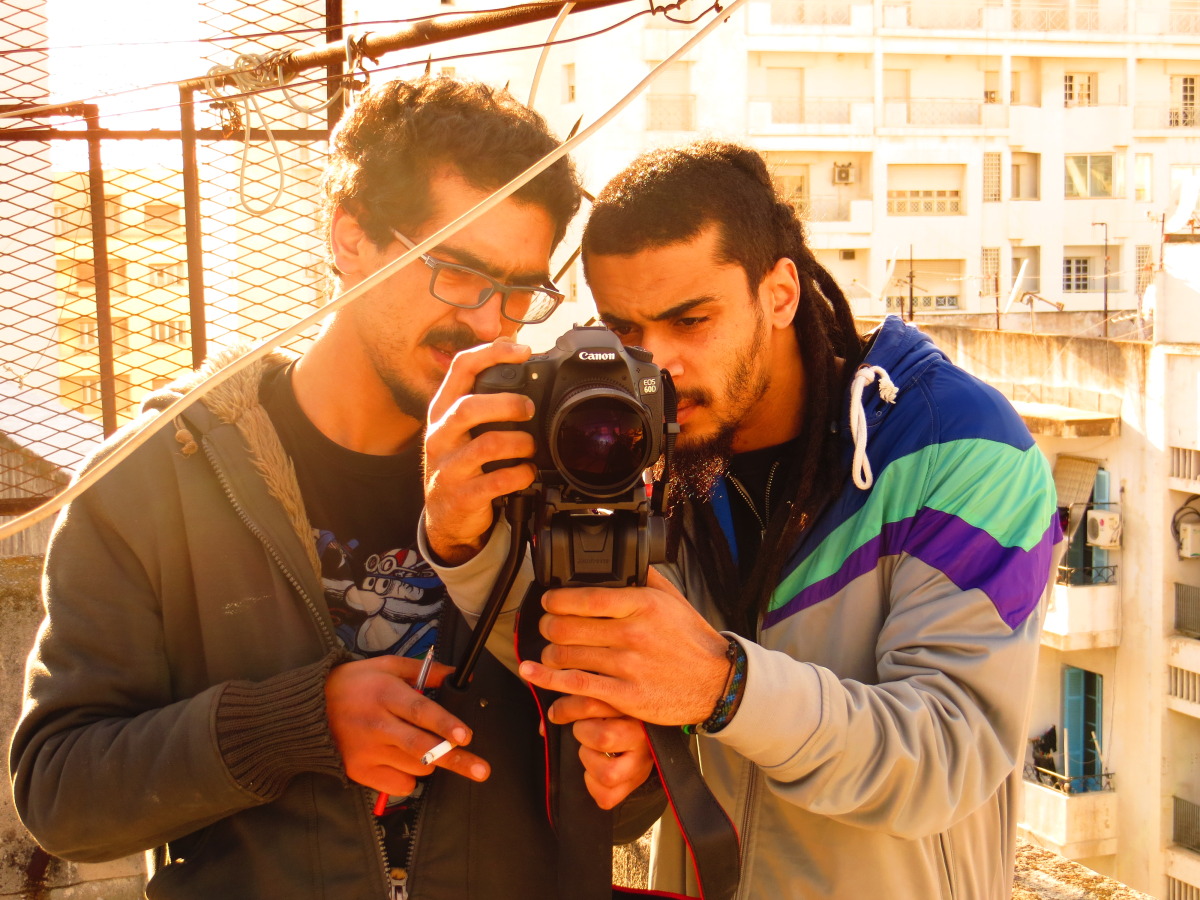
Beyond merely conducting workshops to educate youth about musical production, the organization has branched into workshops video production and has collaborated with local music festivals to further enhance the youth’s experience, and empowerment. Turning Tables also commits itself to the training of local staff, to ensure their facilities remain operational with the intention of self-sufficiency down the road.
Currently, Turning Tables is conducting an international online fundraising campaign for Cambodian street youth, many of whom are former child prostitutes. “Our expectation is that, with the fundraising campaign, will be able to train about 800 vulnerable Cambodian kids for a year, and create a strong outreach program to reach more at-risk youth.” — Martin Jakobson (Founder + Director)
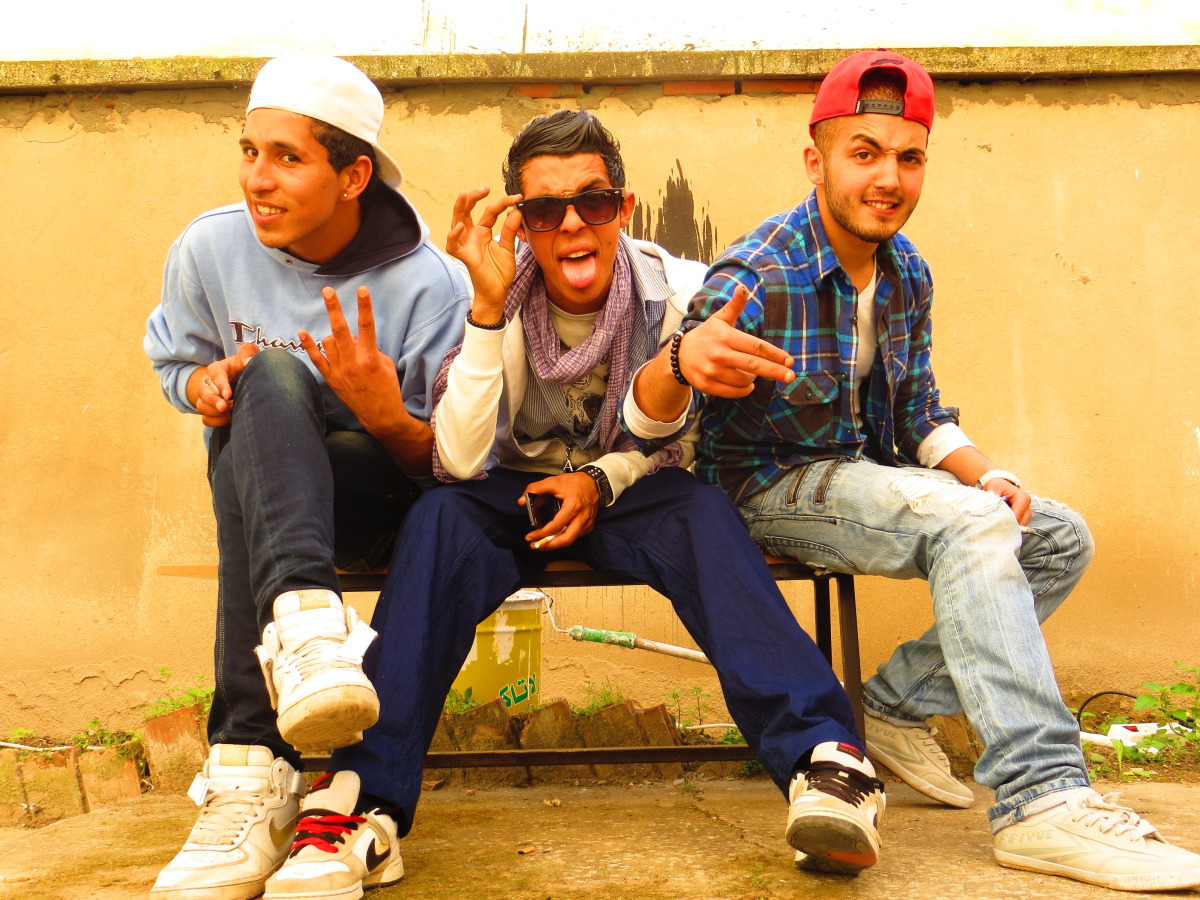
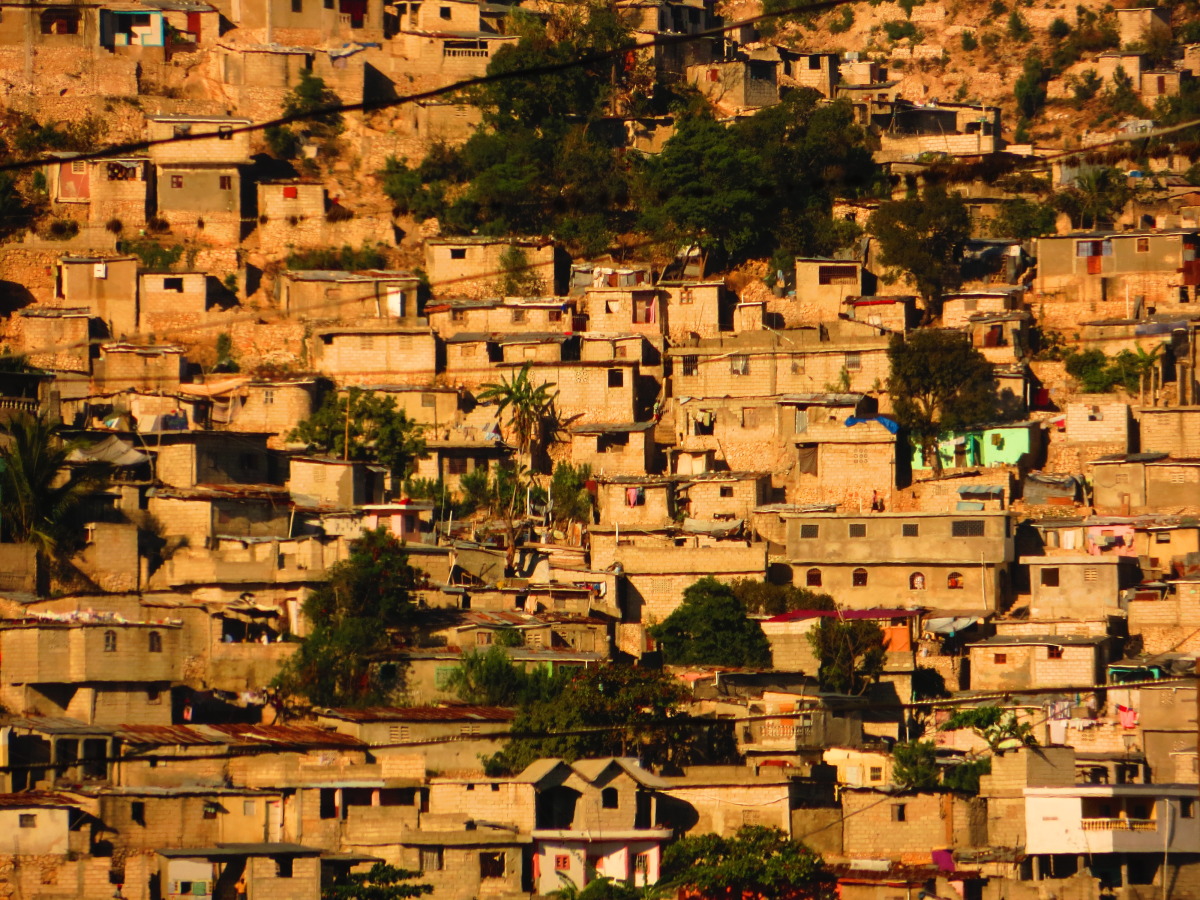
This photo essay takes you to Turning Tables on site locations of Tunisia, Haiti, Libya, Cambodia and Egypt, displaying the many areas, and countless youth who have been powered through their inspired mission. Connect with Turning Tables here, and check out their crowd funded effort for the Cambodian youth on indiegogo.
ANDREW BRIDGE is a global enthusiast with a passion for the road less traveled. As a frequent collaborator with World Hip Hop Market and Nomadic Wax, Andrew has worked with numerous socially conscious artists from around the world in the pursuit of inspiring cultural understanding and exchange through entertainment. This fascination with the world at large has taken him to over 20 countries (so far) through studying, volunteering, and writing about his travels, with no signs of slowing his globetrotting nature down. Connect with Andrew at @Bridgin_TheGap






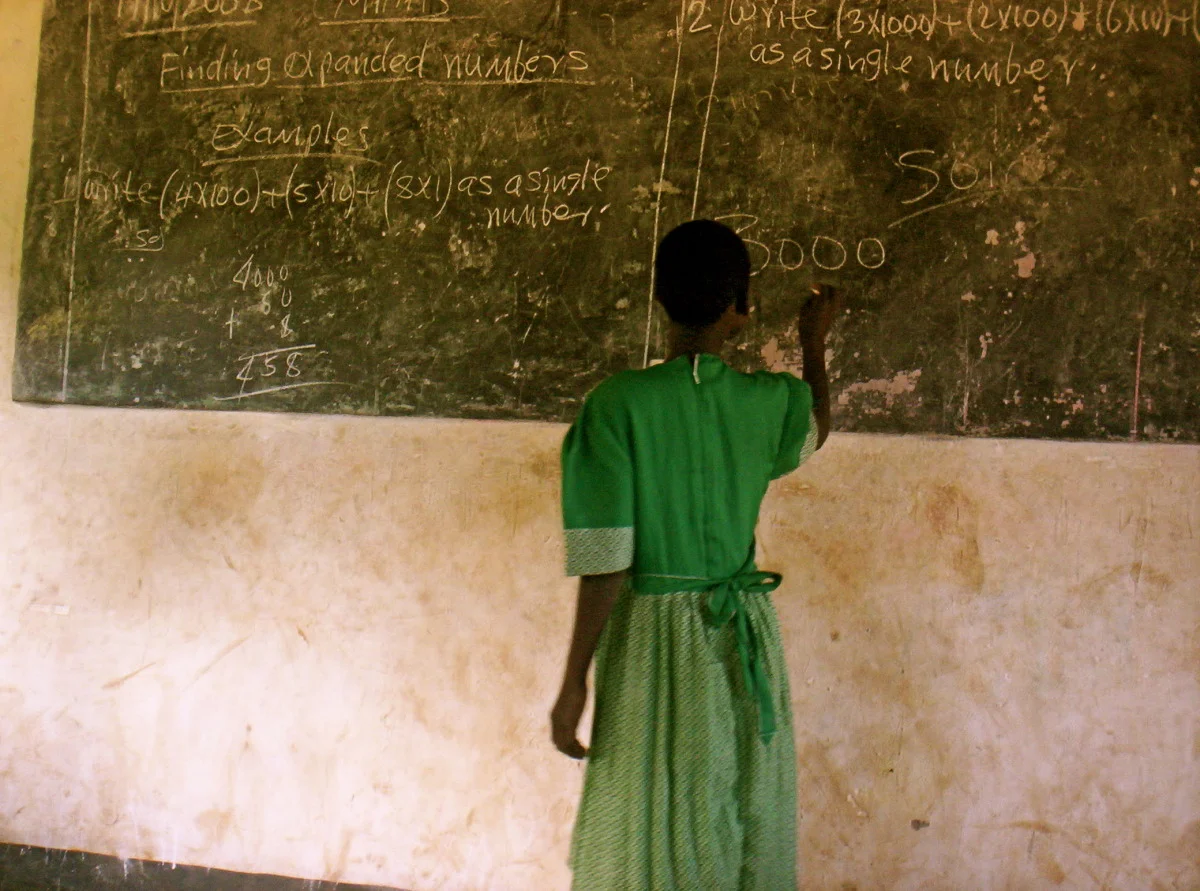

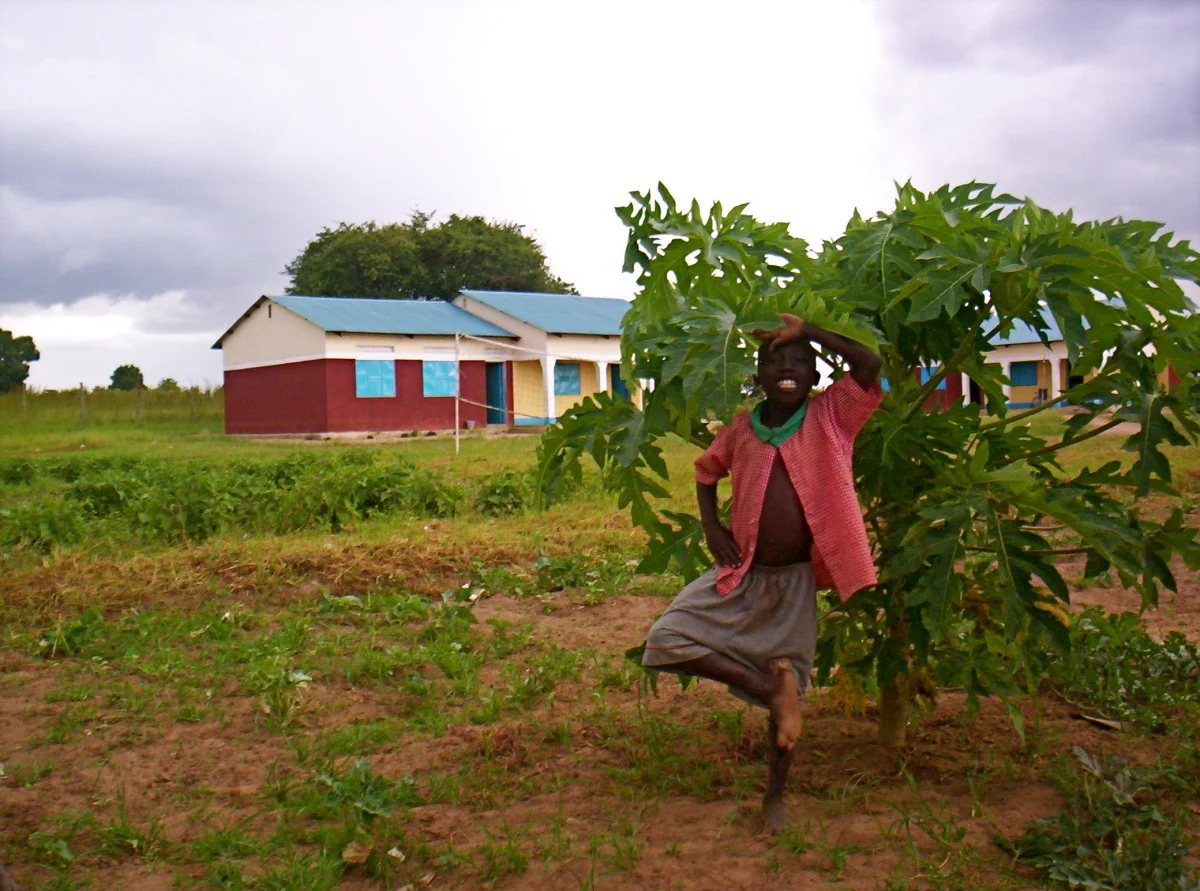





100cameras
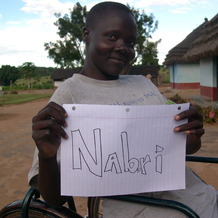
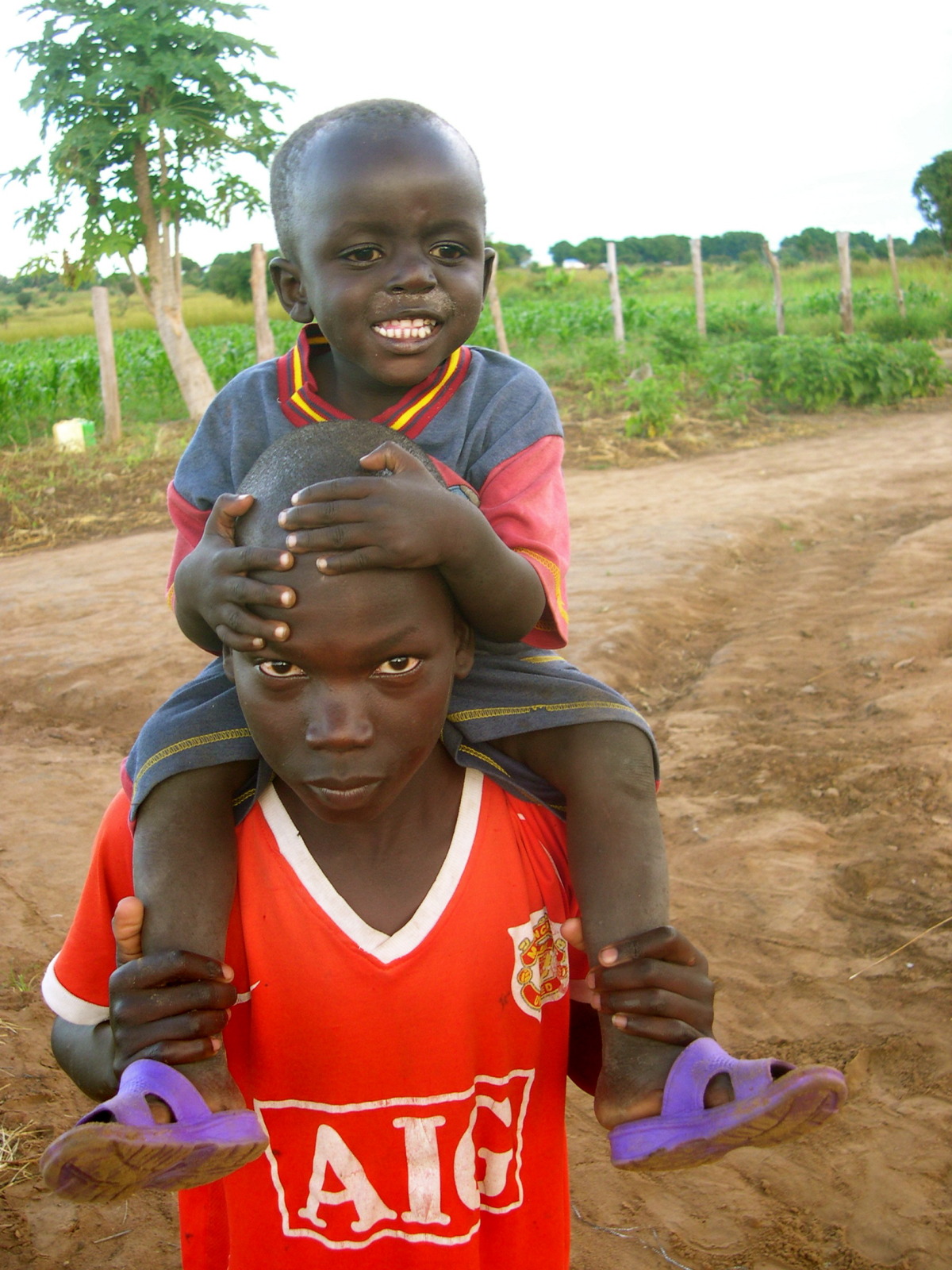
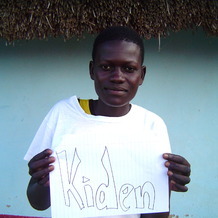
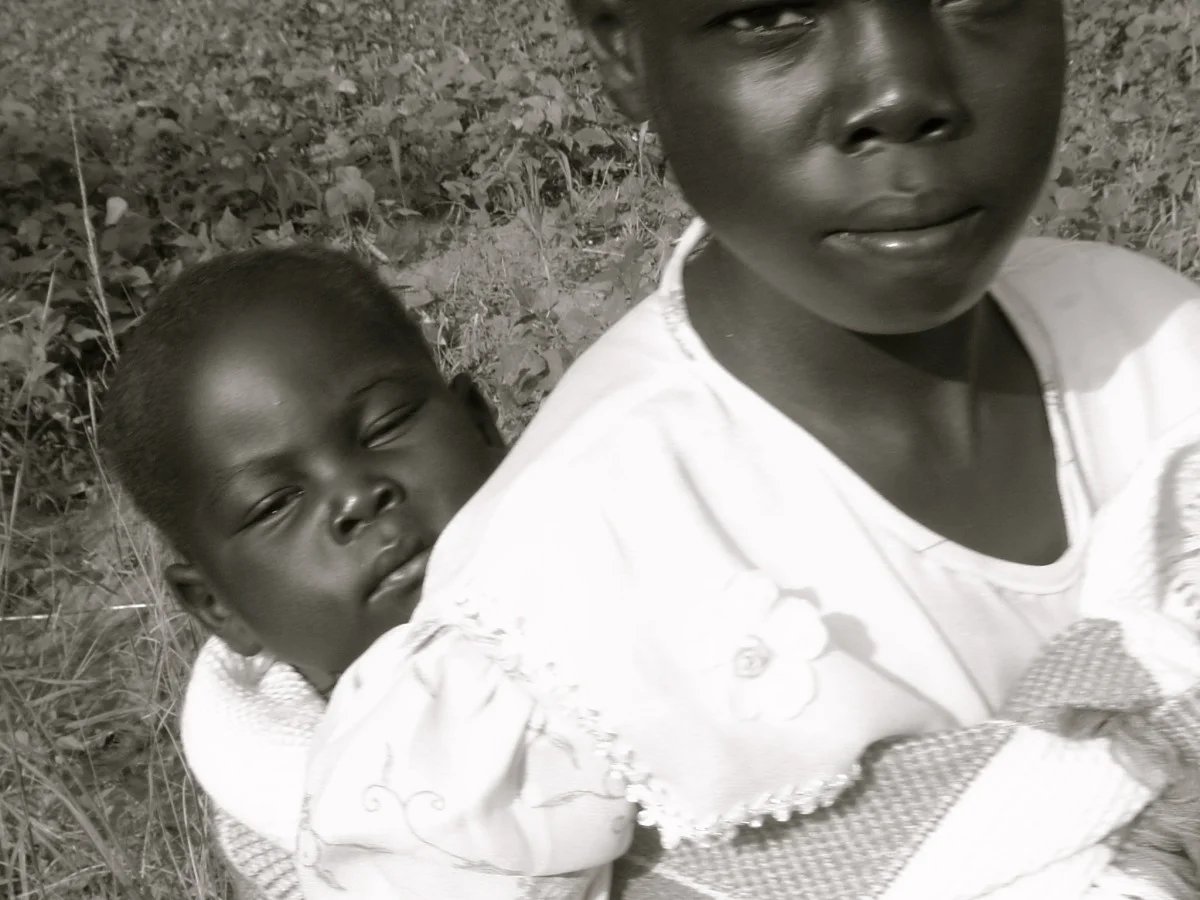
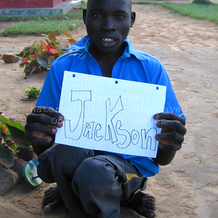
100cameras is an NGO that empowers marginalized children around the world to document their lives through photography, and thereby create positive change in their communities. 100% of the photography sales go back to the children’s communities. Here’s how it works: 100cameras gives a camera to Jackson in South Sudan. Jackson snaps a photo. Then you buy his photo on the 100cameras website. 100% goes back to Jackson and Jackson is empowered.
In 2008, 100cameras launched its first project at St. Bartholomew’s Orphanage in Kajo Keji, South Sudan that serves as a home to 80 children who lost their families during the brutal 21-year civil war. The orphanage was founded by IWASSRU (International Widows Association for Southern Sudanese Refugees in Uganda), a group of Sudanese war widows that banded together to care for refugee orphans. 100cameras funds lifeline supplies, such as protection and access to food, water, and medicine.
To date, the sale of the children’s photography has raised $17,000 that was used to build a fence around the campus, protecting them from the rebel forces in Sudan, and has provided critical maintenance for the truck that transports all food and medicine for the children. $17,000 is four times the average annual income in Sudan!
You can purchase a child's photograph on the 100cameras website and 100% of your purchase will go directly to IWASSRU to provide lifeline supplies and shelter.
This photo essay is a small selection of the more than 200 photographs of South Sudan taken by South Sudanese kids, as well as projects in other countries around the world.
Connect with 100cameras and purchase images of their kid photographers here. Check out their crowdfunding campaign going on now here at WEDIDIT.




Hoops4Hope
There are few elements across the spectrum of humanity that bind and connect us as people, no matter our age, race, or cultural background. They validate our bond as humans and in many cases, drive the most profound change that is occurring across the globe, bringing us together as a global community. The sport’s friendly competition does exactly this.
This is where Hoops 4 Hope (H4H) comes into play. Since 1995, H4H is an international non-profit organization, which has utilized the “power of sport to create sustainable long-term positive impact for youth, equipping them with the tools to manage the social, health and economic related challenges they face.” — Mark Crandall, H4H Founder & Director More
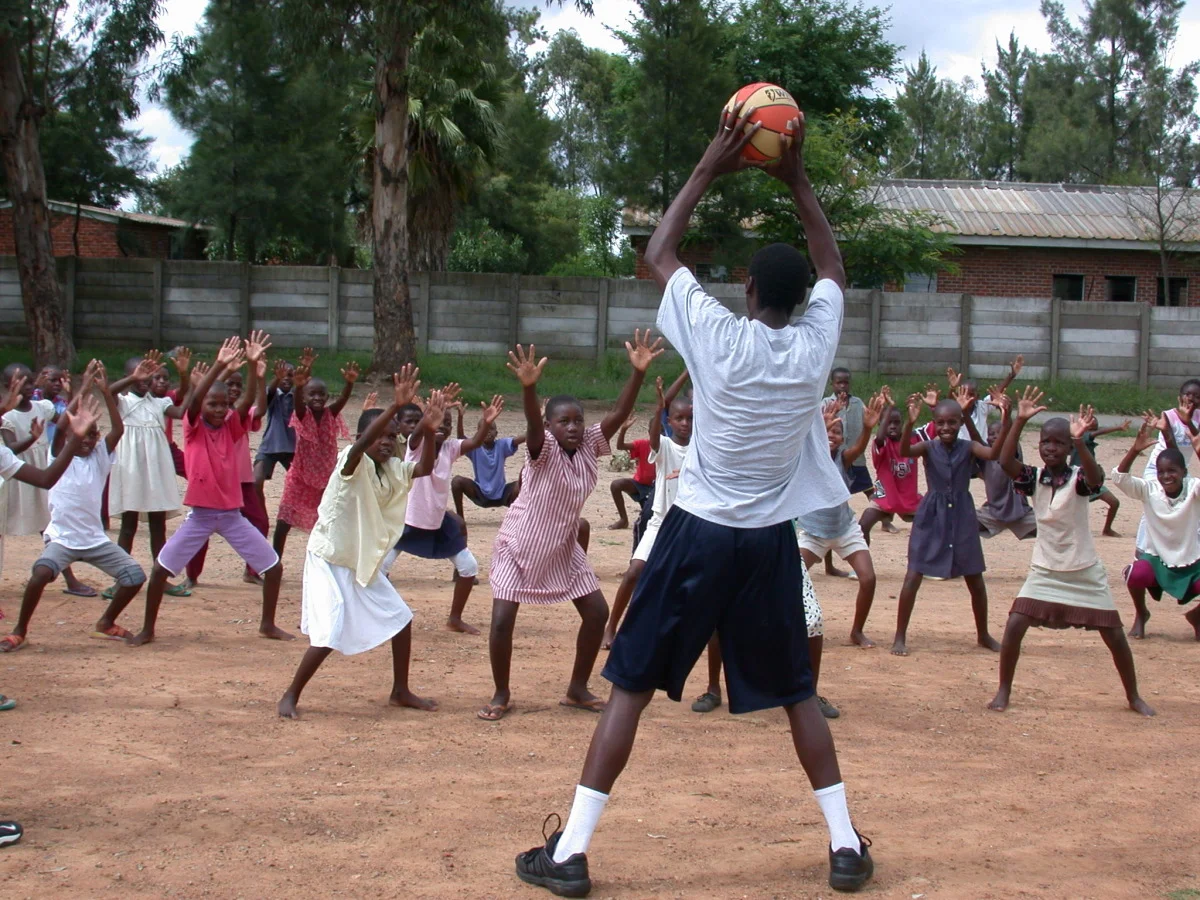
As the sister organization for Soccer 4 Hope, Hoops 4 Hope utilizes the medium of basketball to provide empowering sports programing to youth across Zimbabwe and South Africa. The organization’s mission is to educate youth with life skills necessary to survive; it has flourished in communities that struggle with poverty, unemployment, HIV/AIDS, violence, crime, substance abuse, and gender inequality.
Over its 18 years of existence, H4H has seen many of its youngsters receive sports scholarships to high schools, coaches being chosen for overseas cultural exchanges, and even have a Zimbabwean athlete now playing professionally in the Euro League. Furthermore, various H4H courts have been graced with visits from German Chancellor, Angela Merkel, along with NBA Star and member of the Chicago Bulls, Luol Deng, amongst many others.
This photo essay highlights Hoops 4 Hope as our NGO of the Week, taking you to the on-site project locations throughout Zimbabwe and South Africa, many of which were made possible through collaborations with local schools, shelters, and community organizations.
Connect with Hoops 4 Hope here.
ANDREW BRIDGE is a global enthusiast with a passion for the road less traveled. As a frequent collaborator with World Hip Hop Market and Nomadic Wax, Andrew has worked with numerous socially conscious artists from around the world in the pursuit of inspiring cultural understanding and exchange through entertainment. This fascination with the world at large has taken him to over 20 countries (so far) through studying, volunteering, and writing about his travels, with no signs of slowing his globetrotting nature down. Connect with Andrew at @Bridgin_TheGap