
The annual Guelaguetza festival is one of the largest Indigenous celebrations in Mexico, preserving Oaxaca culture and tradition.
Read MoreGlobal Warming Blankets Turkey’s Waters in “Sea Snot”
Turkey’s Sea of Marmara is covered in a thick blanket of mucus that is suffocating marine life. Global warming is likely the reason.
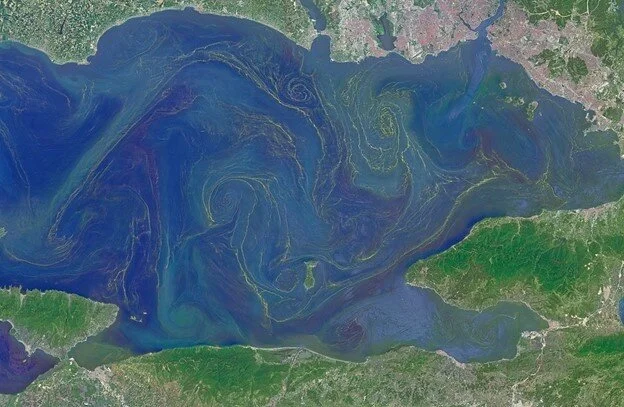
An aerial view of phytoplankton blooming in the Sea of Marmara in 2015. Right now, the sea is covered with a layer of “sea snot” that is harming marine life. NASA Goddard Space Flight Center. CC BY 2.0
Turkey’s Sea of Marmara is covered in a thick layer of a beige, viscous substance known as “sea snot” that is clogging fishing nets, killing corals and disrupting the breeding grounds of fish.
Sea snot—officially known as marine mucilage—comes from phytoplankton, with high levels occurring as a result of prolonged warm temperatures, calm weather and abundant nutrients in the water. An abundance of nutrients like nitrogen and phosphorus lead to a boom in the phytoplankton population. In normal amounts, phytoplankton are an important part of the ocean’s ecosystem; they are microscopic organisms that exude oxygen. During a population boom, however, phytoplankton can become harmful; under conditions of stress they expel mucus that can accumulate on the surface, creating sea snot that can grow to cover many square miles of ocean.
Typically, sea snot on its own is not harmful. In fact, research shows that some deep-sea organisms depend on sea snot to stay alive. It only becomes dangerous when sea snot of large amounts begins to host E. coli and other bacteria and viruses, or forms a layer that covers the surface of the ocean, as in Turkey.
When the sea snot is thick enough to cover the water’s surface, it can act as a blanket, suffocating the marine life below. Immobile organisms like corals are especially vulnerable to damage from sea snot because it can wrap around them, cutting off their ability to breathe or feed. Blankets of sea snot such as the one in Turkey can set off a cyclical chain of events wherein the sea snot suffocates sea creatures, leading to mass die-offs. This in turn leads to mass decomposition, a process that sucks even more oxygen out of the already depleted water, making it more inhospitable for marine life.
Sea snot is not a new phenomenon; it has been periodically blooming in the Mediterranean Sea since the 18th century. However, the frequency and extent of sea snot occurrences along Turkey’s coast since 2007 are unusual, and scientists suggest that global warming may be to blame. Phytoplankton thrive in warmer waters. The average seawater temperature in the Sea of Marmara has increased by 2-3 degrees C since preindustrial times. While that may not seem like a lot, the warmer waters are enough to make a major difference in the phytoplankton populations of the sea, which is already rife with nutrients from wastewater. The higher temperatures make the sea even more hospitable to phytoplankton, which leads to disruptive sea snot events like the one Turkey is currently experiencing.
While the sea snot problem has recently gotten international attention, it has been negatively impacting Turkey’s fishing industry since December, when the bloom began. Fishers have been unable to cast their nets without them getting caught in the sticky mucus, and many of the creatures they do manage to catch are dead, their gills clogged with sea snot.
Dr Neslihan Özdelice, a marine biologist at Istanbul University, urged for a focus on preventing overfishing and limiting waste water discharges into the sea, two factors that scientists have identified as contributing to the sea snot phenomenon. Ultimately, the layer of sea snot that is currently covering the Sea of Marmara, disrupting fishing and threatening biodiversity, is a symptom of a problem that needs to be addressed globally. Major sea snot blooms are an easily visible example of climate change. Global cooperation is necessary to address the root of the problem by working towards mitigating climate change and global warming.

Rachel Lynch
Rachel is a student at Sarah Lawrence College in Bronxville, NY currently taking a semester off. She plans to study Writing and Child Development. Rachel loves to travel and is inspired by the places she’s been and everywhere she wants to go. She hopes to educate people on social justice issues and the history and culture of travel destinations through her writing.
Sexual Assault Prevention: How to Help Yourself and Others
Sexual assault prevention campaigns have been circulating on social media, giving tools to women and men around the world to remove themselves from threatening situations and ward off sexual predators.
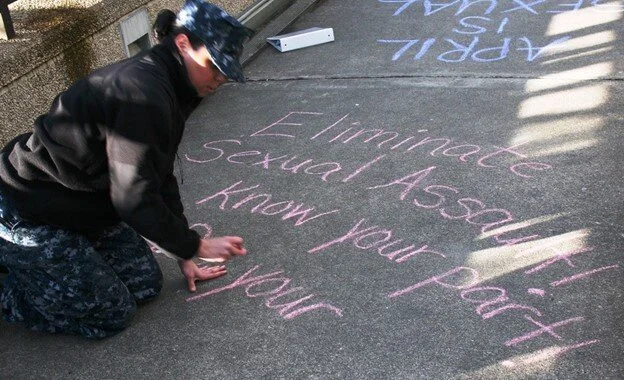
Naval Hospital Bremerton's 'Chalk the Walk' display on a visual reminder that April is Sexual Assault Awareness and Prevention Month. Official U.S. Navy Imagery. CC BY 2.0.
Sexual assault is a major issue across the world. From childhood bedrooms and college parties to first dates and marital beds, both women and men alike experience unwanted sexual attention and violence. According to the World Health Organization, 1 in 3 women experience physical or sexual violence from a partner or non-partner in their lifetime. Similarly, at least 1 in 6 men have experienced sexual abuse or assault.
In the past, survivors and allies frequently shied away from speaking about sexual assault; however, in recent years, the topic that was considered taboo is beginning to be spoken about more frequently and openly. Today, workplaces require sexual assault education courses, educational institutions encourage victims to utilize the resources available to them, and social media keeps the conversation alive with its various sexual assault resources, prevention and discussion accounts. People are now more aware of the severity of sexual assault and the long lasting psychological implications it can have on victims, as well as how to report a sexual attack, cope with an unwanted sexual experience or escape situations in which sexual abuse feels imminent.
In recent years, many sexual assault prevention campaigns have been created, often utilizing social media to share these life-saving tactics. One campaign that gained global traction online is “Ask For Angela,” which was launched in Lincolnshire, England by Hayley Child in 2016. The campaign is named in memory of Angela Crompton, a woman who was abused and killed by her husband in 2012 when an argument about redecorating spiraled out of control. Ask For Angela was created to help people escape uncomfortable and potentially threatening situations. By asking a bartender, waiter or employee of an establishment, “is Angela working tonight?” the employee will be alerted that the patron is uncomfortable and would like to be safely and discreetly escorted home. However, Ask For Angela is only effective if the establishment is aware of the phrase and has trained its staff to respond appropriately.
Not only did this campaign gain a lot of traction, but it even encouraged another code word system based on Ask For Angela. The spin-off exists in the United States where, rather than asking if Angela is working, a customer will ask for an “angel shot” when they feel unsafe. Additional setting-appropriate phrases exist to secretly and specifically identify what type of help the person needs. If the person wants the shot “neat,” they want to be escorted to their car; if they want the shot “on the rocks,” they want the establishment to call a taxi for them; and if they want the shot “with a lime,” they are requesting police assistance.
While #AskforAngela recently resurfaced on social media, it is just one of many sexual assault prevention tactics that exist. TikTok is more than an app to share Gen Z’s trendy short dances, comedy skits and shopping hauls—many people have posted videos that mimic real-time phone calls as a way to ward off threatening Uber drivers or escorts when played aloud. According to Uber’s safety report, out of 1.3 billion trips in 2018, over 3,000 sexual assaults and nine murders occured. These TikTok videos typically include a fictitious friend subtly stating that they have your live location, are tracking your ride and are awaiting your arrival, alerting the driver that whatever potential predatory plans they had in mind will not go uncaught. These videos are especially helpful and reassuring because they can be used at times when friends and family members cannot be reached.
Beyond campaigns like these, there are many social media accounts dedicated to sexual assault awareness and discussion. While there is no evidence to suggest that these social media campaigns are effective in deterring sexual violence, at the very least, these initiatives reassure men and women that they are not powerless in those situations. It is important that these posts continue to circulate on social media and inform people how to help others in danger, as well as how to get help when necessary.
TO GET INVOLVED
While it may seem hard to combat sexual assault as an ally, there are many ways to get involved. The Rape, Abuse & Incest National Network—an American non-profit that aims to raise awareness about sexual assault and provide resources and support for sexual assault survivors—is always looking for volunteers to help with it’s 24/7 live chat and hotline, as well as to lead fundraising efforts for research and support programs.
Similarly to RAINN, NO MORE works toward ending sexual violence by spreading awareness, selling products, accepting donations and spearheading various sexual assault prevenetion campaigns. To support NO MORE in their efforts to prevent sexual violence, take the pledge, buy their products and wear their merchandise to show allyship and raise awareness of their organization and cause.
Ending Rape on Campus is an organization that works to prevent sexual assault by providing educational resources in school environments. Help EROC by signing up for its “Action Alerts,” and stay informed about what petitions to sign, events to attend and protests to support.

Mia Khatib
Mia is a rising senior at Boston University majoring in journalism and minoring in international relations. As a Palestinian-American, Mia is passionate about amplifying the voices of marginalized communities and is interested in investigative and data-driven journalism. She hopes to start out as a breaking news reporter and one day earn a position as editor of a major publication.
Sri Lankan Journalists Revive the #MeToo Movement
Female journalists in Sri Lanka have united under the #MeToo movement to foster change within the newsroom.

An overhead view of Colombo, Sri Lanka. Jalitha Hewage. Unsplash.
The Sri Lankan government has called for an investigation of several media outlets following allegations of sexual harassment from female journalists. This resurgence of the #MeToo movement was sparked on June 18 when Sri Lankan journalist Sarah Kellapatha spoke up on Twitter about her experience with a male colleague who threatened to rape her during her time at a publication from 2010-2017.
Encouraged by Kellapatha’s story, several other female journalists began to speak out about their own experiences with sexual harassment in the workplace. For example, Sahla Ilham spoke out about being sexually abused by an editor who pressured her family to remain silent. Another who shared their experience was Jordana Narin, who was harassed by a senior colleague until he was forced to resign by the chief editor.
The Sri Lankan government appears to be taking these allegations seriously, as the Minister of Mass Media, Keheliya Rambukwella, asked the Government Information Department to further investigate the claims to help ensure that female journalists feel safe at work.
Currently, the only type of law that Sri Lanka has to address sexual harassment is a criminal law, which would result in imprisonment of up to five years, or a mere fine, for those found guilty. However, according to human rights lawyer Ermiza Tegal, the problem is that the criminal law is rarely used and victims are often undermined and invalidated.
This recent movement shares its roots with the global #MeToo campaign which started back in 2017 following numerous sexual assault allegations against Harvey Weinstein. The movement fostered awareness of sexual abuse, as well as a safe space for victims to speak about their experiences. Similarly, the journalists who have come forward in Sri Lanka have shared their own experiences, many of them from different news publications, in hopes of fostering change and reform within newsrooms.
Zara Irshad
Zara is a third year Communication student at the University of California, San Diego. Her passion for journalism comes from her love of storytelling and desire to learn about others. In addition to writing at CATALYST, she is an Opinion Writer for the UCSD Guardian, which allows her to incorporate various perspectives into her work.
Pachuco: A Short History of a Timeless Style
Mexican and Mexican American “Pachuco” culture formed in the late 19th century along the the US-Mexico border. Zoot suits and lowriding cars are popular symbols, but the unique look singled out Pachucos as targets of racial discrimination, such as the Zoot Suit Riots in Los Angeles in 1943.
Read MoreGreenland’s Hot Springs Affecting Glacier Melting
The heat from the Earth’s crust that leads to the creation of hot springs, such as those on the island of Uunartoq in Greenland, may be contributing to sea level rise.
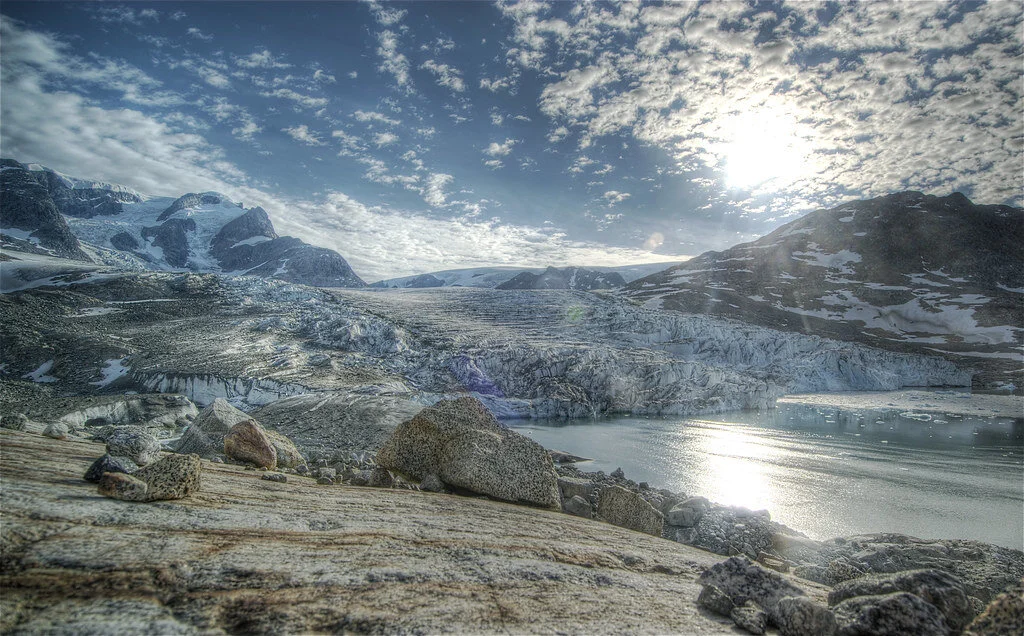
Glacier in Greenland. Ville Miettinen. CC BY-NC 2.0.
Over 1,000 years ago, Southern Greenland’s crystal-clear hot springs were discovered by the Norsemen, who were members of the Scandinavian seafaring warriors—also known as Vikings— who raided and colonized areas of Europe from the 9th to 11th centuries.
Hot springs are pools of naturally heated water that have the same temperature all year and are warmer than the average temperature of the location.
In Greenland, natural hot springs are very common, but the island of Uunartoq is the only place where the hot springs are warm enough to bathe in. There are three naturally-heated springs that run together into a small pool between the land of Alluitsup Paa and Nanortalik. In this pool, people can lie in the water and enjoy the mountains and icebergs around the spring.
The water in the hot spring is heated by deep layers in the Earth’s crust rubbing against each other, as opposed to being created by volcanic activity like the hot springs in Iceland. Uunartoq’s hot springs are a perfectly warm 98 to 100 degrees Fahrenheit (37 to 38 degrees Celsius).
Uunartoq’s hot springs also act as the only heated outdoor spa in Greenland. People can visit the springs all year round and in any weather because the water temperature is always suitable to soak in. Natural hot springs are also high in minerals, including calcium, magnesium, silica and lithium, which help to soothe muscles and promote healing.
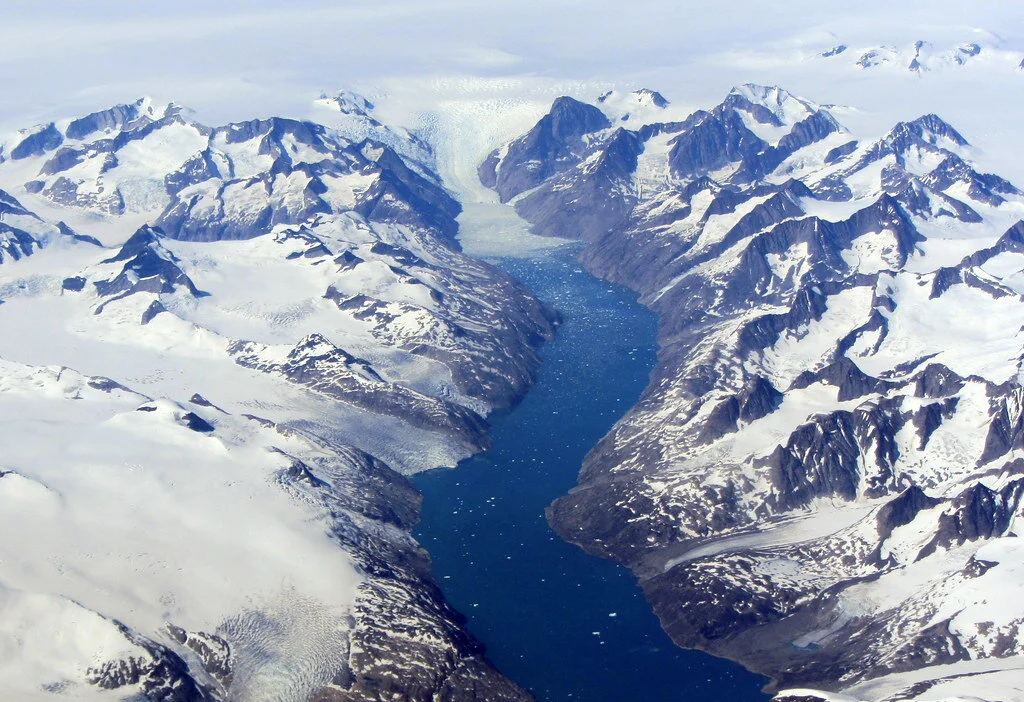
Greenland fjord. Tearbringer. CC BY-NC 2.0.
However, the heat from the friction of Earth’s crust is possibly contributing to Greenland’s glacier retreat. Greenland’s melting glaciers are a large reason why global sea levels are rising in response to climate change.
According to researchers, a significant amount of geothermal activity is bubbling in Greenland beneath the Earth’s surface. The heat radiating from within Earth’s interior—which warms the hot springs—is melting the glaciers above, making it easier for them to slide into the sea and contribute to rising sea levels.
In addition, the Earth’s interior heat flowing outward (in scientific terms, geothermal heat flux) is causing deep-sea temperatures in the fjords to rise significantly, which also results in melting glaciers. It is important to understand the processes by which polar ice is melting in order to predict how soon, and how much, sea levels will rise in the future.
Isabelle Durso
Isabelle is an undergraduate student at Boston University currently on campus in Boston. She is double majoring in Journalism and Film & Television, and she is interested in being a travel writer and writing human-interest stories around the world. Isabelle loves to explore and experience new cultures, and she hopes to share other people's stories through her writing. In the future, she intends to keep writing journalistic articles as well as creative screenplays.
VIDEO: The Sounds of Kenya
Kenya, located in East Africa, is home to a diverse collection of tribes, cultures, and religions that all intermingle to create the country that over 52 million people call home. While it has undergone development in the late 20th and 21st century, it still has vast swathes of untouched land that is as varied as the people that live on it. This video gives viewers a glimpse of the many different people, places, and landmarks in Kenya, with a focus on the daily joy that residents experience and share with those close to them. While the Kenyans appearing in the video may be from different tribes, they all share the same appreciation for their community and the land that surrounds them.
Amazing Styles of African Architecture
Africa is home to many beautiful styles of architecture, each shaped by the region and time when it developed.
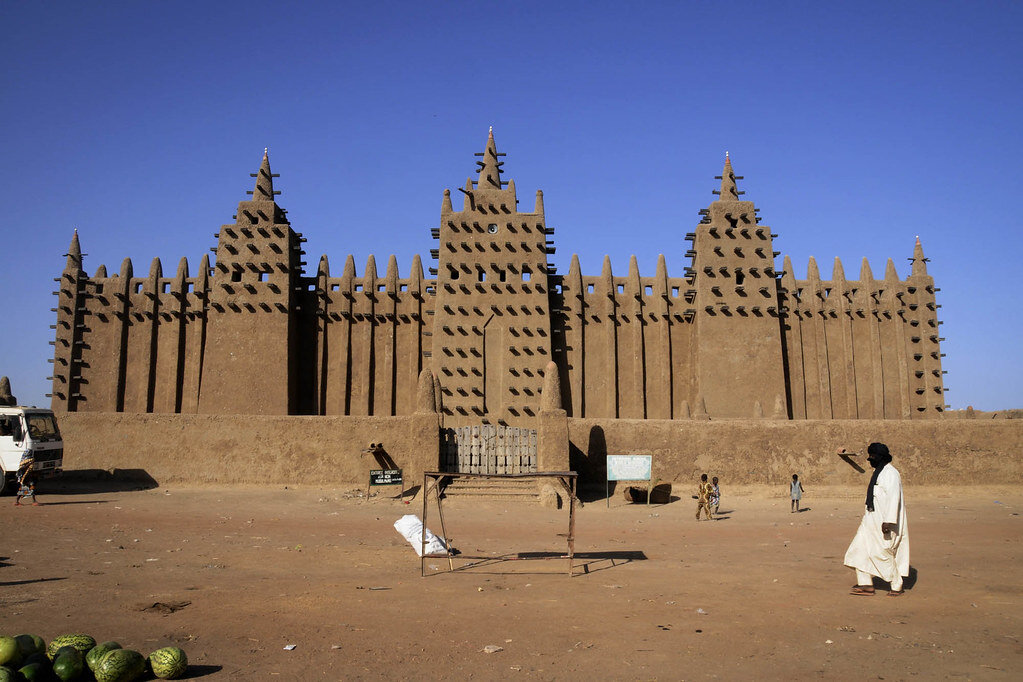
The Great Mosque of Djenné, Mali. UN Mission in Mali. CC BY-NC-SA 2.0
While most people are familiar with European styles of architecture, such as Gothic and Renaissance, African architecture is not as frequently showcased. Other than the Pyramids at Giza, Africa’s architectural marvels are relatively little-known. International media often overlooks the cultural, historical and societal diversity of Africa in favor of news that portrays the continent in a negative light. There are a wide variety of architectural styles across Africa, each influenced by their environment and the time when they developed. Below are just three examples of Africa’s many unique architectural styles: Sudano-Sahelian, Afro-Modernist and Swahili.
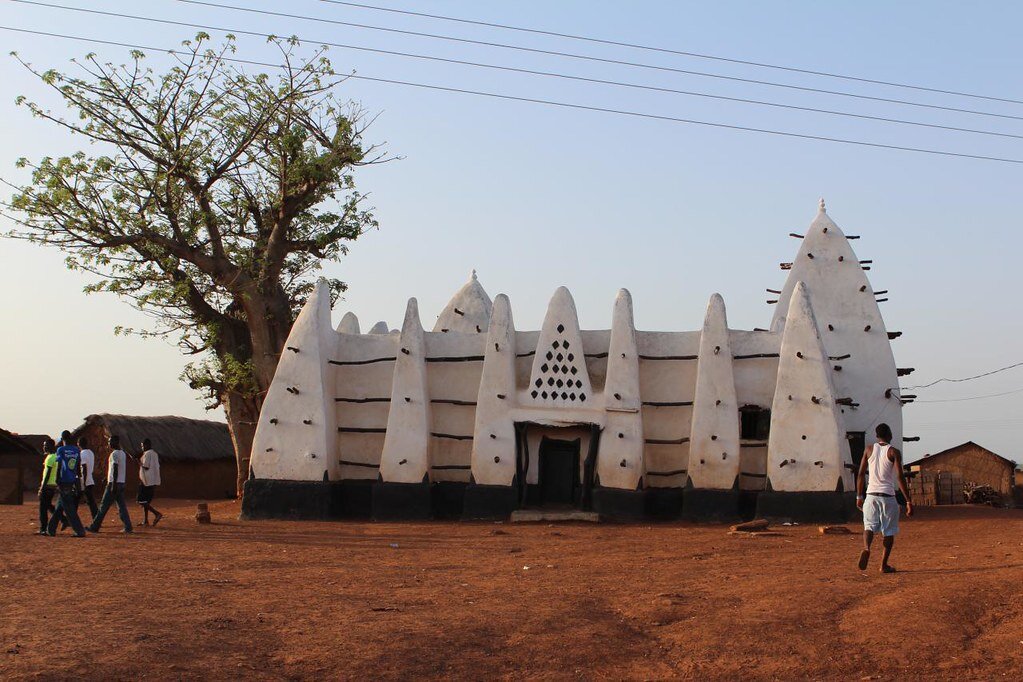
The Larabanga Mosque in Larabanga, Ghana, built in the Sudano-Sahelian style. Carsten ten Brink. CC BY-NC-ND 2.0
1. Sudano-Sahelian
Sudano-Sahelian architecture is characterized by the use of adobe, mud bricks and wooden-log support beams that jut out of the walls, as well as grassy materials like thatch and reeds which are used for roofing, reinforcement and insulation. The name Sudano-Sahelian refers to the indigenous peoples of the Sahel region in Africa—which extends from modern-day Senegal on the West Coast to Eritrea on the East Coast—and the Sudanian Savanna, just south of the Sahel. The Sudano-Sahel region is semi-arid, with an environment that transitions from the Saraha in the north to tropical deciduous forests in the south; there are both trees and wide, grassy plateaus. The earth is a major building resource in the region, which led to the development of the area’s distinct adobe architecture around 250 B.C. Today, ancient Sudano-Sahelian architecture remains a major influence on many contemporary African architects, such as Francis Kéré, who wants to showcase African traditions in his architectural projects.
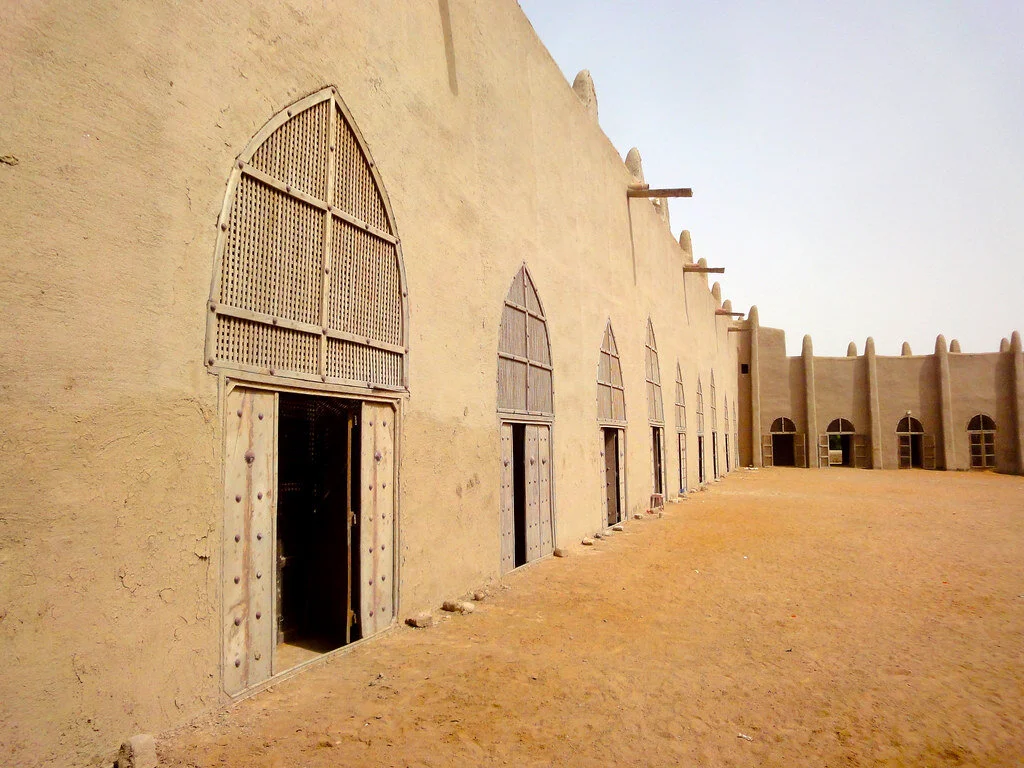
The courtyard of The Great Mosque at Djenné. Johannes Zielcke. CC BY-NC-ND 2.0
One of the most impressive examples of Sudano-Sahelian architecture is The Great Mosque of Djenné in Djenné, Mali. While the mosque was constructed in 1907, there have been a number of mosques on this same site since the 13th century, all built in the traditional Sudano-Sahelian style.

Ghana’s Independence Square. CC Chapman. CC BY-NC-ND 2.0
2. Afro-Modernism
Afro-Modernism refers to Africa’s post-colonial experimental architecture boom of the 1960s and 1970s. Thirty-two African nations declared their independence from European colonial powers between 1957 and 1966. New elected governments ushered in an era of public works projects, including university campuses, banks, hotels and even ceremonial spaces like Ghana’s Independence Square. The architecture of the era largely used concrete, as it was more easily cooled than other materials—a necessity in hot, equatorial climates. Afro-Modernism draws on European styles of architecture; many buildings were designed by European architects. African influence is clearly present as well, though, and African architects like Samuel Opare Larbi were crucial to the movement. Staples of Afro-Modernism include bold shapes and the combination of traditional building materials like adobe with modern materials, such as concrete and steel.

Some examples of Afro-Modernism include the Kenyatta International Conference Centre in Nairobi, Kenya which has a lily-shaped auditorium; the FIDAK exhibition center in Dakar, Senegal, which is made up of a number of triangular prisms; and some buildings at the University of Zambia in Lusaka, Zambia, which has various open-air galleries and exposed staircases.
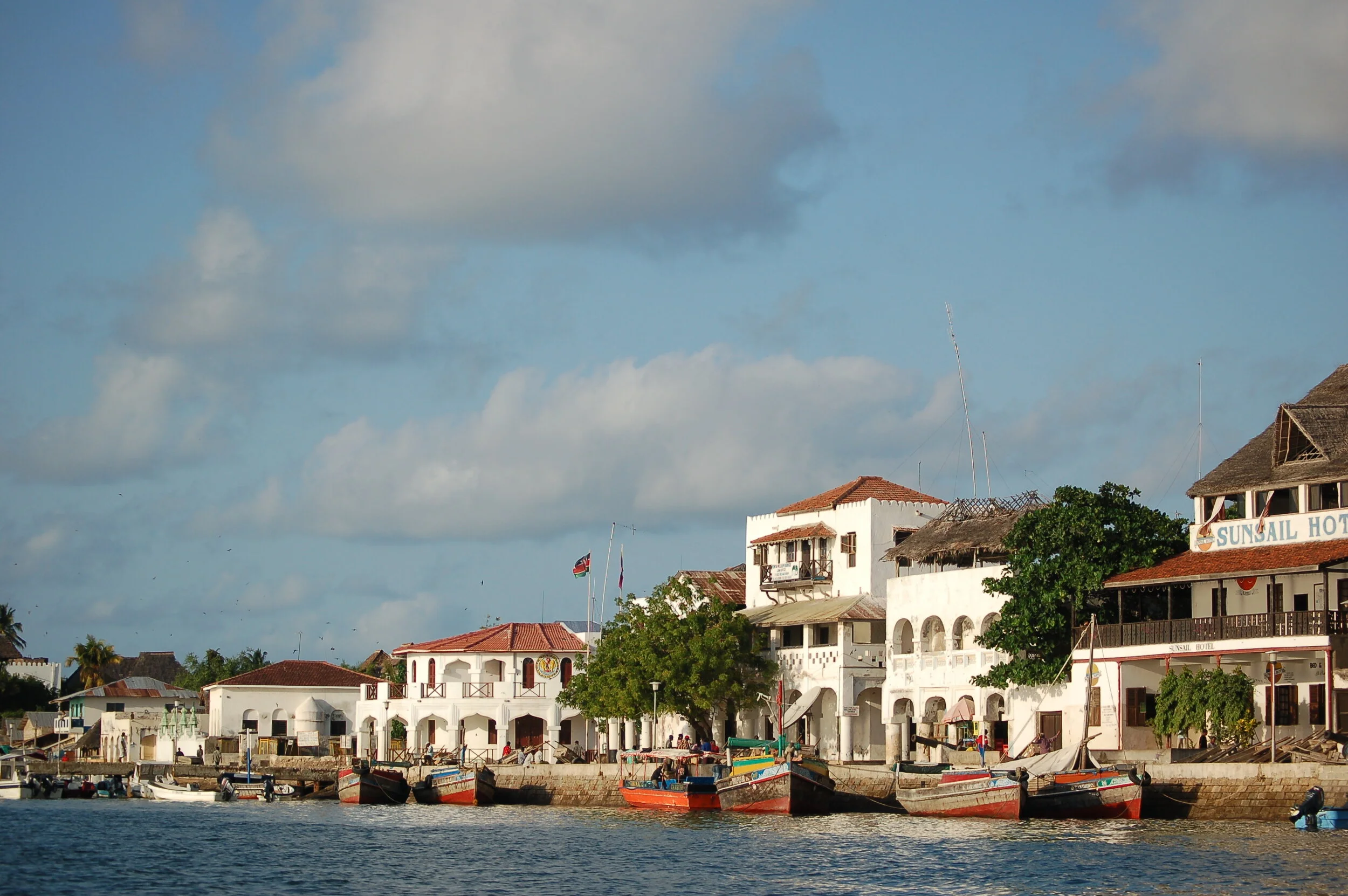
Lamu Old Town in Lamu, Kenya. These stone buildings are made in the Swahili style of architecture. Erik (HASH) Hersman. CC BY 2.0
3. Swahili
Monumental stone structures dating back to at least the 13th century populate the Swahili Coast, an 1,800-mile stretch along the Indian Ocean in modern-day Tanzania and Kenya. The area is rich with coral limestone, which became a crucial building material for the indigenous Swahili people.
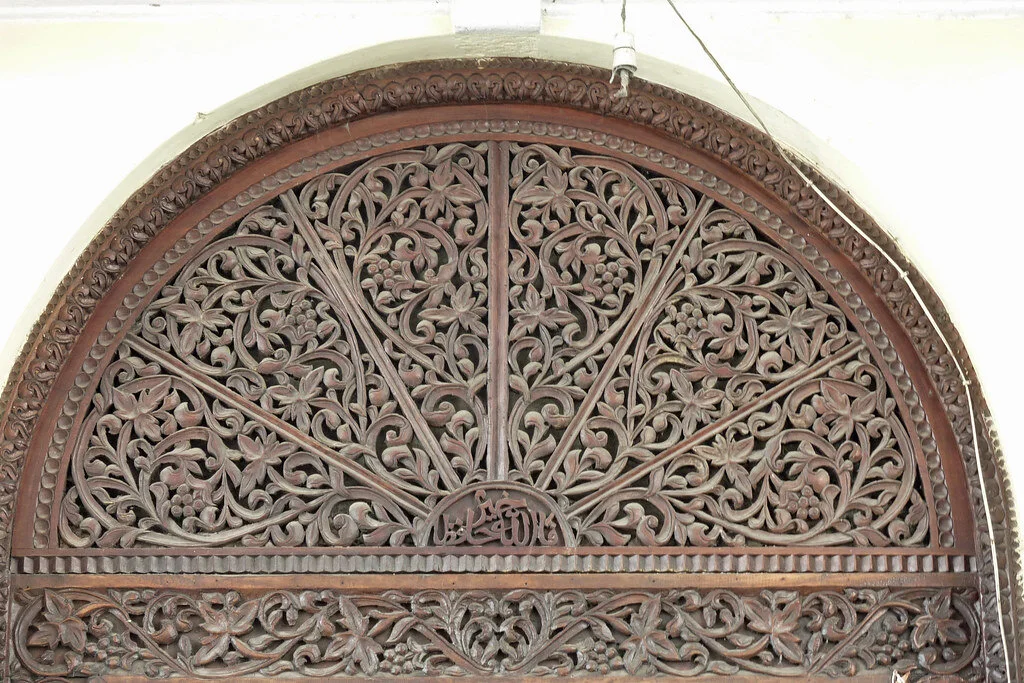
A close-up of Swahili woodwork. Konstantinos Dafalias. CC BY 2.0
The stone architecture evolved over time to include intricate decorative elements, such as carved door frames and windows with natural and geometric designs. The carvings in Swahili architecture date back to the 17th century, with the earliest known example being from 1694. During the 18th and 19th centuries, the practice of stone and wood carving grew more widespread. Carvers drew influence from architecture and art overseas, including neo-Gothic, British Raj and Indian Gujarati styles.
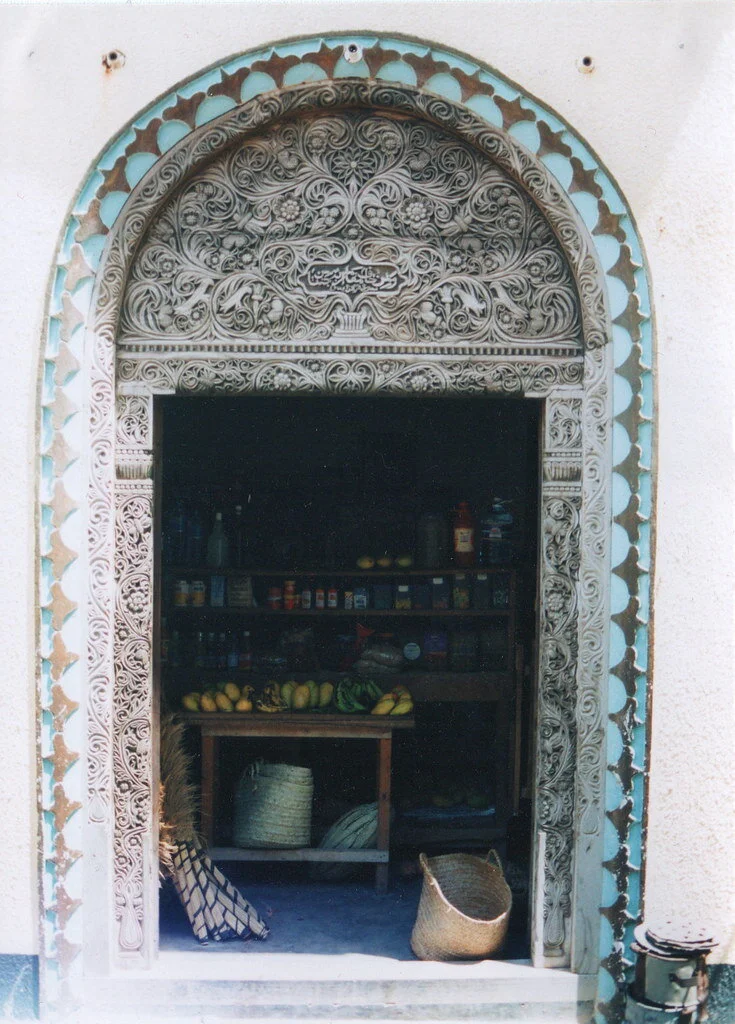
A carved stone door in Lamu, Kenya. Justin Clements. CC BY 2.0
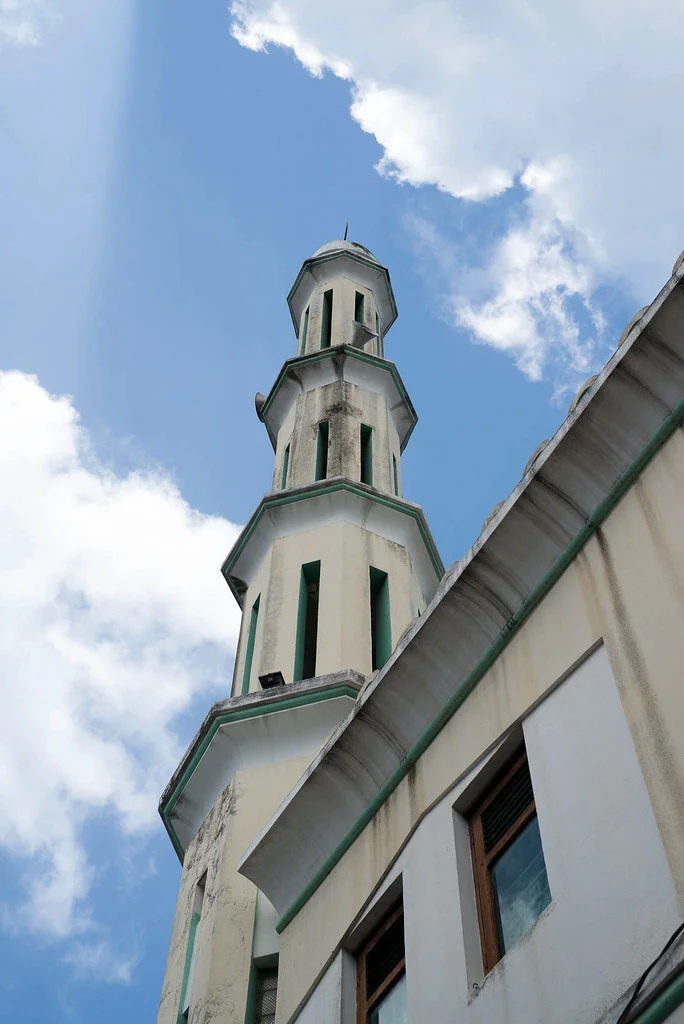
A tower in Stone Town on Unguja Island in the Tanzanian archipelago of Zanzibar. Frans Peeters. CC BY-NC-ND 2.0
Kenya’s Lamu Old Town is the oldest and most well-preserved Swahili settlement on the Swahili Coast. Lamu Old Town is constructed from coral limestone and mangrove timber and has been continuously inhabited for over 700 years. The Stone Town of Zanzibar, on Unguja Island, is another excellent example of Swahili architecture, especially the blending of African, Arabian, Indian and European influences. Both of these towns have been designated as UNESCO World Heritage Sites.
Sudano-Sahelian, Afro-Modernist and Swahili architecture are only three of Africa’s wide variety of architectural styles. Others include Somali, Afro-Federal, Nigerian and Ethiopian. For more stunning pictures of African architecture, visit this Twitter thread.

Rachel Lynch
Rachel is a student at Sarah Lawrence College in Bronxville, NY currently taking a semester off. She plans to study Writing and Child Development. Rachel loves to travel and is inspired by the places she’s been and everywhere she wants to go. She hopes to educate people on social justice issues and the history and culture of travel destinations through her writing.
Battlefield Reenactments Attract Controversy
Reenactments of the Civil War and World War II help educate the public about important historical events, but they also risk glorifying some of history’s most evil societies.

Impersonating a Nazi soldier. virtualwayfarer. CC BY-NC 2.0.
Spring, 1944. The American G.I. hid with the Russian partisans, waiting to ambush the Nazi patrol. The Allies were making short work of Hitler’s war machine on both the eastern and western fronts. Still, these soldiers learned that war involves a lot of waiting around. They scoured the forest for the optimal position for attack. Finding an advantage was crucial when fighting the Waffen SS, the most elite Nazi soldiers. When the first round sounded out, the American hid in the underbrush. He managed one kill from his position. When he started moving, the ambusher became the ambushed. Nazis opened fire and shot him down. He lied gasping on the battlefield.
A while later, he got up and joined the other fallen soldiers, Nazis and partisans alike. They gathered on a dirt path to trade notes on what could have been done to save their lives. Later that night, they enjoyed a hog roast.
His name is Joe Bish, and he’s a reporter for VICE News. For one day, he partook in a controversial pastime with a group of enthusiastic British history buffs: reenacting World War II battles. It seems innocuous enough for a part-time hobby, yet concerns arise when half of them don Nazi uniforms for the sake of historical accuracy.

Nazi reenactors on the move. jcubic. CC BY-SA 2.0.
Such hardcore history buffs brought controversy to an English village in 2018 when a Jewish visitor spotted reenactors moseying through the streets in Nazi uniforms. National media, from The Sun to The Guardian, relayed the visitor’s discomfort and disbelief. Organizers defended the public utility of reenacting history, but reenactors were nonetheless on the defensive. The situation called into question what was thought to be an innocuous, even publicly educational, hobby.
Such controversies are not exclusively British. In 2010, Rich Iott lost a Congressional election in Ohio after The Atlantic unearthed two pictures of him dressed as a Waffen SS soldier. A favorite among Tea Party candidates, Iott defended his reenactments as a harmless pastime and a father-son bonding experience; he also participated in reenactments as a Union soldier in the Civil War and as an American soldier in both World Wars. Predictably, his statements did little to stymie public outrage. Jewish groups denounced his reenactments, and even fellow Republicans distanced themselves from him. It goes without saying that few people could elect a man they saw dressed as a Nazi soldier.
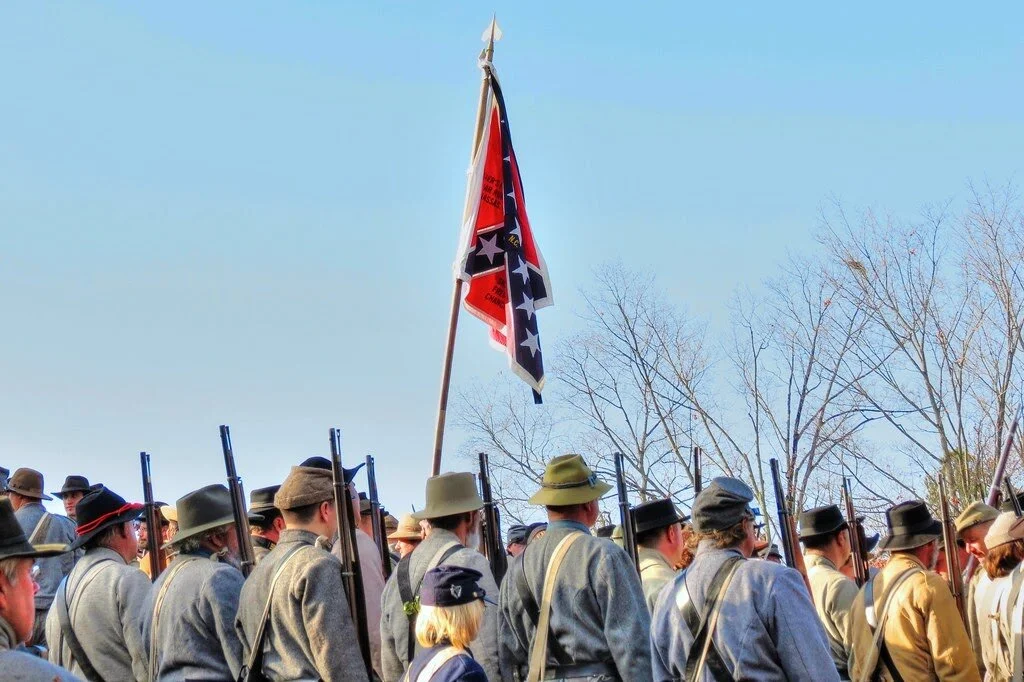
Recreating war or perpetuating racism? Matthew Straubmuller. CC BY 2.0.
But these controversies are also not just Nazi-related. As debate rages in the United States about the legacy of Confederate monuments, many call into question the need for recreations of Civil War battles. Although many participants are just outdoorsy historians, some blur the line between embodying history and living out a fantasy. The Sons of Confederate Veterans have 30,000 members, many of whom play their Confederate ancestors in historical reenactments. They market themselves as a “non-political heritage organization.” Their website calls the Civil War the “War for Southern Independence” and defines their mission as “the vindication of the cause for which we [the Confederates] fought.” One of their slogans is to “Make Dixie Great Again.” In a multicultural and diverse country, their participation makes reenactments difficult to justify.
Confederate symbols worryingly overlap with Nazi ones in many international contexts,especially in Germany. Swastikas are banned there, but Confederate flags appeared in great numbers at anti-lockdown demonstrations. To Germans unfamiliar with its historical context, the flag symbolizes rebelliousness. The Confederate flag also appeared at the fall of the Berlin Wall in 1989.
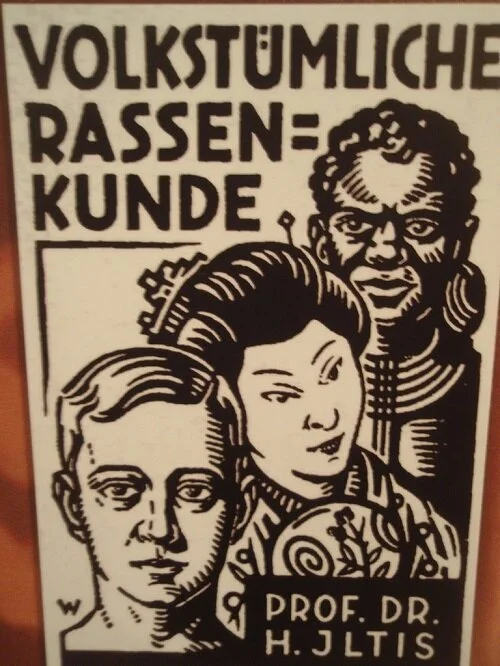
The Nazi’s racial heirarchy. Joelk75. CC BY 2.0.
Anti-Blackness appears elsewhere in German culture. Gone with the Wind was a beloved film and smash hit; the book on which it was based sold 300,000 copies in Germany alone. The film romanticized the antebellum South by chronicling dainty balls and gentlemanly courtships while ignoring the plight of the enslaved. Although the film was banned by the Nazis, it remained an influential cultural artifact. Joseph Goebbels, Reich Minister of Propaganda, wrote of the film in his diary, “We will follow this example.”
Riders of Berlin’s subway encounter Germany’s disturbing nostalgia for the American antebellum South on a daily basis at the station named “Onkel Toms Hutte,” or Uncle Tom’s Cabin. The name comes from Harriet Beecher Stowe’s incendiary anti-slavery novel of 1852. Though advocating for the abolition of slavery, the book spread the myth of the “happy slave” among American and international audiences; the book sold widely in Germany. In the early 20th century, the book was cited to justify the racial hierarchies of German colonialism.
Given the political weight of Confederate flags and Nazi uniforms, historical reenactments remain an embattled practice. COVID-19 caused countless reenactors to forgo battles for the good of public health. Now, many seem reluctant to bring them back. War reenactments serve a valuable function in educating the public about the not-too-distant past, but for some, they don’t tell historic stories—They glorify them. It seems that reenactors, no matter how hard they try to escape into the past, remain bogged down in the present.

Michael McCarthy
Michael is an undergraduate student at Haverford College, dodging the pandemic by taking a gap year. He writes in a variety of genres, and his time in high school debate renders political writing an inevitable fascination. Writing at Catalyst and the Bi-Co News, a student-run newspaper, provides an outlet for this passion. In the future, he intends to keep writing in mediums both informative and creative.
8 Independence Days Around the World
The U.S. is not the only country that celebrates freedom from colonial rule. These eight countries have their own vibrant traditions to commemorate their independence days.
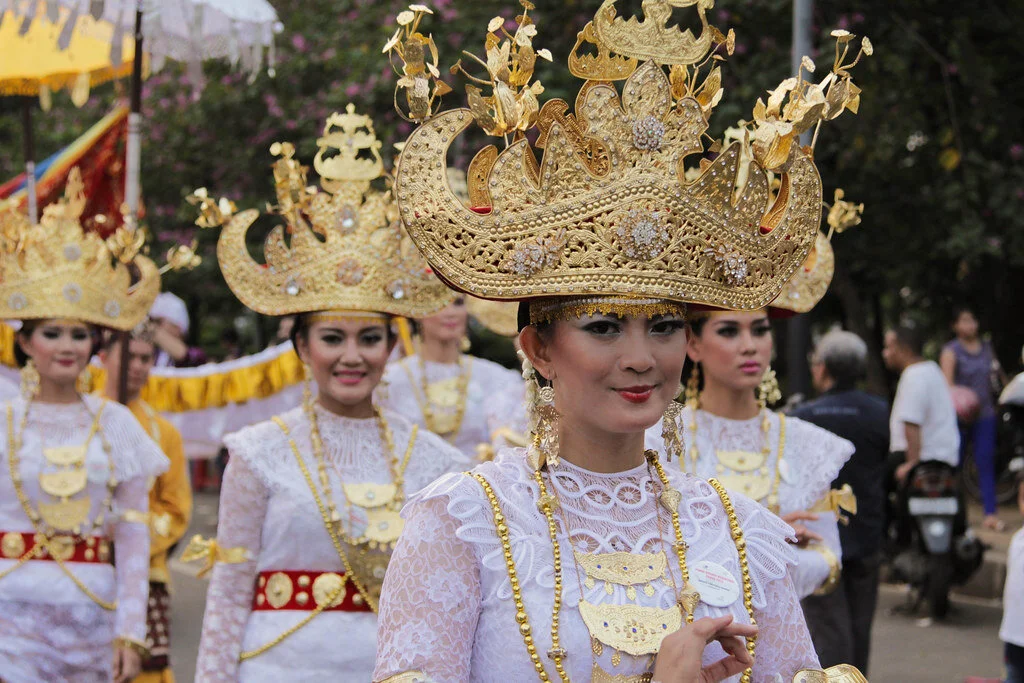
Women at an Independence Day parade in Jakarta, Indonesia. World Resources Institute. CC BY-NC-SA 2.0
The Fourth of July is celebrated with parades, cookouts, fireworks displays and red-white-and-blue decorations as a way to commemorate the 1776 signing of the Declaration of Independence, which declared independence from British colonial rule. Although most people in the U.S. know the story of the Revolutionary War and the fight for independence, the U.S. is far from the only nation to struggle for autonomy under colonialism. Colonialism, typically perpetrated by large European powers like the British, Spanish and Portuguese empires, continued long after the U.S. won its independence. Many of the countries on the list below did not receive freedom from their colonial rulers until the end of World War II. Like the U.S., these eight countries each have their own traditions to honor their journey to independence.
When reading about independence, it is important to note that colonialism is not just a thing of the past; he UN reports that nearly 2 million people still live under colonialism in the 21st century. It is important that world media continue to advocate for political equality and self-government.
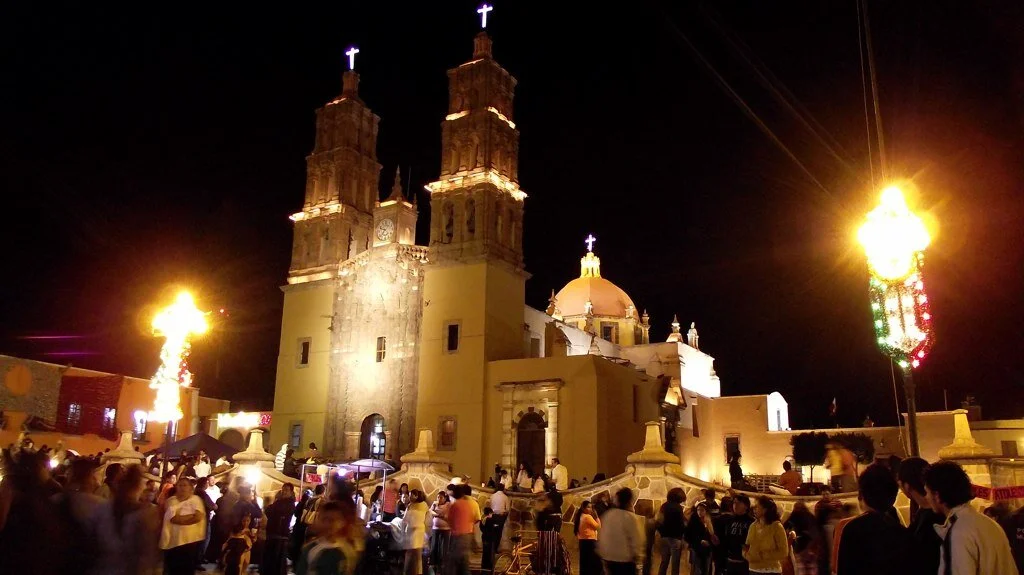
The church in Dolores Hidalgo, Mexico, where Father Hidalgo gave his cry for independence. Alfredo Carrillo. CC BY 2.0
1. Mexico
Contrary to common belief, Cinco de Mayo is not Mexico’s independence day. Cinco de Mayo commemorates Mexico’s victory over France in the May 5, 1862 Battle of Puebla during the Franco-Mexican War. Mexico’s independence day falls on September 16 and celebrates the country’s liberation from Spain, which ruled Mexico as a colony for over 300 years. The day marks the anniversary of “El Grito de Dolores” (The Cry of Dolores), a rallying speech made in 1810 by Father Miguel Hidalgo y Costilla, a Catholic priest advocating for revolution. It is said that on the night of September 16, 1810, Father Hidalgo rang the church bell in the town of Dolores and urged the assembled villagers to revolt. He then took up the banner of the Virgin of Guadalupe, the patron saint of Mexico. Father Hidalgo’s cry began the Mexican War of Independence, a bloody fight which raged until August 24, 1821, when Spain officially withdrew and recognized Mexico as an independent country.
Today, Father Hidalgo is known as the Father of Mexican Independence; each year on September 16, his rallying cry is celebrated with fireworks, parades and live music. Also, the president of Mexico reenacts “El Grito” by ringing the church bell of Dolores and reciting the speech made by Father Hidalgo over two hundred years ago. The event draws massive crowds eager to honor Mexico’s fight for independence.
2. South Korea
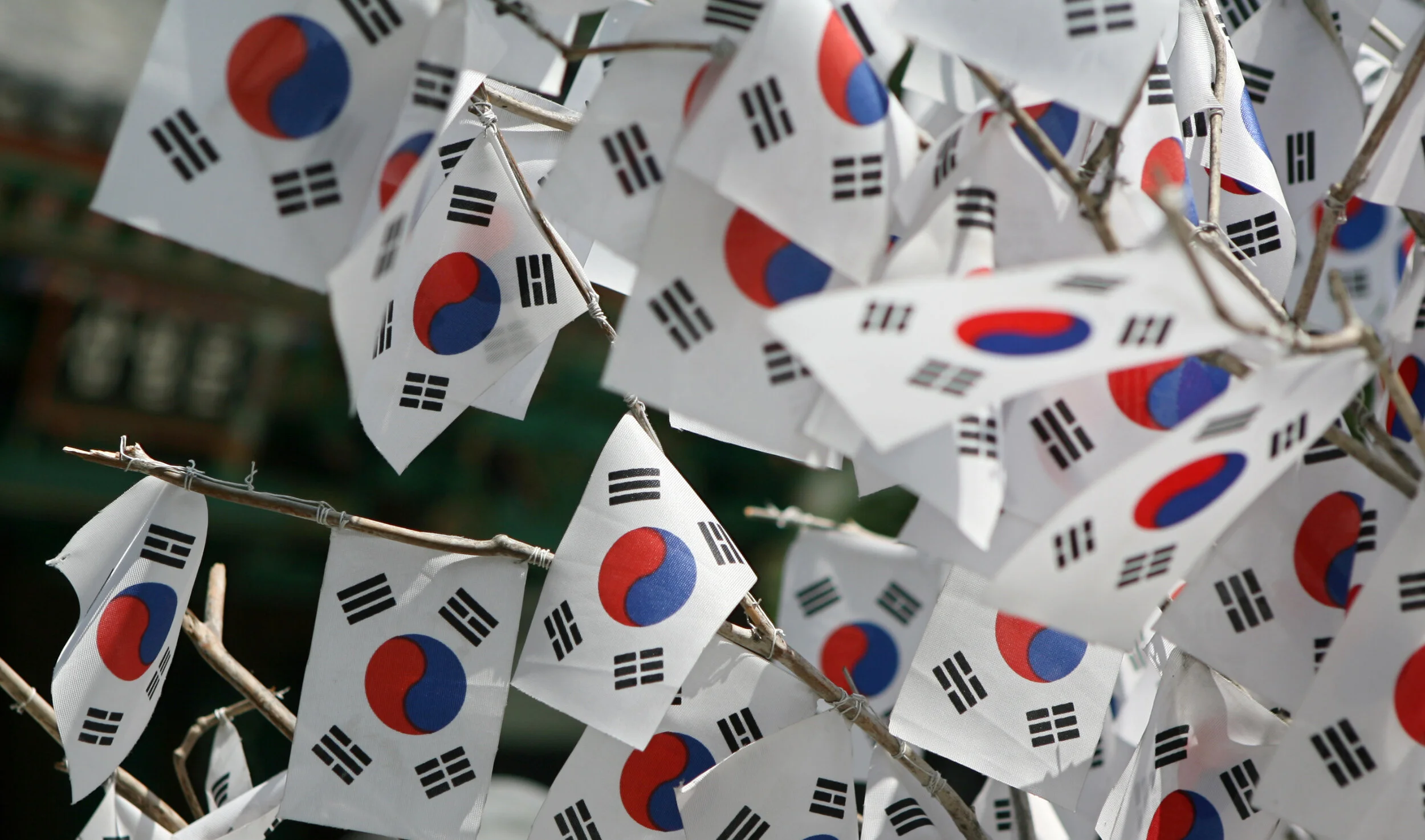
Korea’s National Liberation Day, or “Gwangbokjeol”, is celebrated in both South and North Korea annually on August 15, the date of the official establishment of the Republic of Korea. Korea struggled under Japanese imperial rule for 35 years until the end of World War II in 1945. Beginning in 1910, Korea was a Japanese colony. Korea’s social, political and economic policies were controlled by Japan, and many Koreans faced forced assimilation into Japanese culture, such as being made to take Japanese names. During Japan’s occupation, there were many movements that attempted to gain independence for Korean. The most notable of these began on March 1, 1919, when a group of Korean nationalists started a series of demonstrations calling for Korean independence. The demonstrations continued for a year and approximately 2 million people participated in over 1,500 demonstrations before they were quashed by Japanese forces. Despite continuous efforts from Korean independence groups, the country did not earn its independence until August 15, 1945. Exactly three years later, on August 15, 1948, the Republic of Korea was established. South Korea also celebrates Foundation Day, which falls on October 3 each year. It commemorates the foundation of Gojoseon, the first Korean kingdom, in 2333 B.C.
The South Korean flag is flown across the country on National Liberation Day, from streetlights and outside public buildings to private residences. The South Korean government holds an official celebration, and the day even has an official song. On National Liberation Day, the descendants of independence activists can ride public transport and visit museums for free, and the government can grant special pardons to prisoners. National Liberation Day is occasionally celebrated with fireworks, but South Korea’s larger fireworks displays are reserved for Foundation Day.
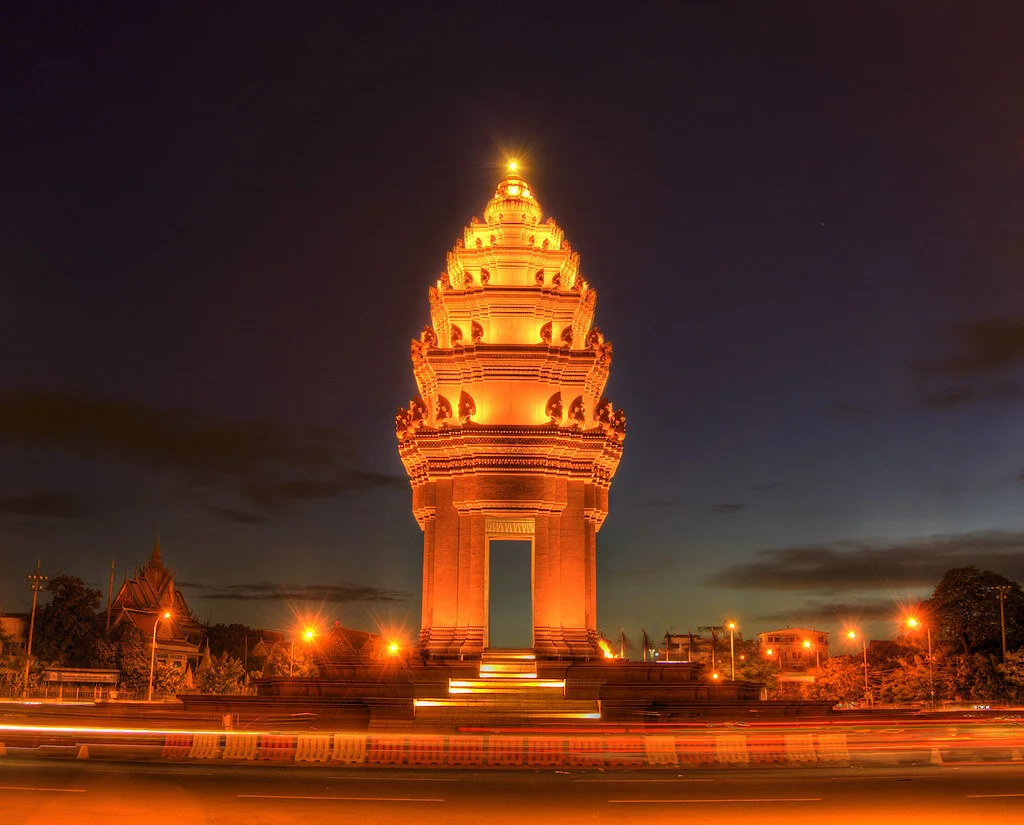
The independence monument in Phnom Penh, Cambodia. Ethan Crowley. CC BY-NC-SA 2.0
3. Cambodia
Full Cambodian independence came on November 9, 1953, when France officially gave up control of the region. The region that is now Cambodia became part of the French protectorate of Indochina in 1863 and remained under French influence for nearly a century. In 1941, France installed Norodom Sihanouk, from Phnom Penh, Cambodia, on the throne. As King under the French protectorate, Sihanouk had little power; France was still the main force controlling Cambodia. However, toward the end of World War II in March 1945, Sihanouk declared Cambodia’s independence after realizing, similarly as had the South Koreans with Japan, that France’s involvement in the war had left it weaker in the colony. When the war ended, France regained military control of the region, but Sihanouk’s declaration had ignited a push for independence within Cambodia. In 1953, France finally agreed to recognize Cambodia as an independent state with Sihanouk as its leader. The French military finally withdrew in 1954, and Sihanouk founded the People’s Socialist Community in 1955. Sihanouk remained involved in Cambodian politics for years, serving as prime minister, foreign minister, UN representative and later as King again.
Each year on November 9, people flock to Phnom Penh to gather around the independence monument. Members of the Cambodian government, including the monarch, assemble at the monument as well and speeches are made. The gathering is followed by a colorful parade outside the Royal Palace, complete with floats and live music from marching bands. At night, the Royal Palace and many other buildings are brilliantly lit up and there is a large fireworks display.

A statue of liberty in Bolivia, with signs made to celebrate independence day. Dan Lundberg. CC BY-SA 2.0
4. Bolivia
Bolivian independence took more than 15 years to achieve, but it finally occurred on August 6, 1825, after centuries of Spanish control. What is now Bolivia was known as Charcas or Upper Peru, as it was part of the Spanish Viceroyalty of Peru. The Viceroyalty of Peru was established in 1543 during the beginnings of Spain’s exploration of the New World,, and included nearly all of South America. Bolivia was a particularly lucrative part of the viceroyalty, as its silver mines were the Spanish Empire’s main source of revenue. Most of the mines were staffed by Bolivian natives who were extorted for labor by the Spanish Empire—the workers were ill-treated and ill-compensated, which began to sow seeds of dissent against the Spanish. In 1776, Bolivia became part of the Viceroyalty of Rio de la Plata, still under Spanish control. It was not until 1809, when Napoleon attacked Spain, that Bolivia’s independence movements were able to truly begin. Taking advantage of Spain’s focus on the home-front, Simon Bolivar and Antonio Jose de Sucre led Bolivian nationalists in a campaign for Bolivian independence. After years of fighting, on August 6, 1825, Bolivia’s Declaration of Independence was signed.
August 6 is celebrated as a national holiday known as “Dia de la Patria.” Throughout the country there are parades, gun salutes, street dances and carnivals, as well as events memorializing the nation’s history.
5. India
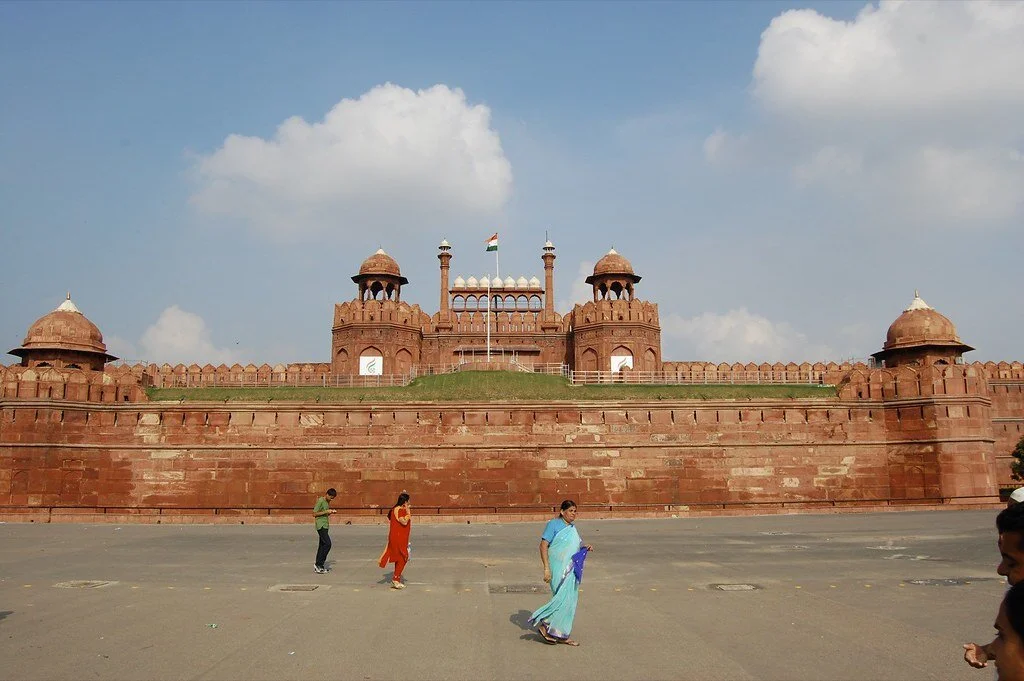
India celebrates its independence from British rule on August 15. On this day in 1947, after over 200 years of British colonial rule, India officially gained independence. August 15, 1947 also marks the day that the Indian subcontinent was partitioned into two countries: India and Pakistan. Britain assumed control of India in 1757 through the British East India Company. 100 years later, in 1857, the first significant push towards Indian independence occurred during the Indian Mutiny, or the Revolt of 1857. While the revolt was ultimately unsuccessful, it did lead to a transfer of power from the trading company to the British government, but it also sparked continued protests against Britain’s exploitation of India. During World War I , the Indian independence movement grew, led by Mahatma Gandhi and political organizations like the Indian National Congress. In 1947, India finally became an independent nation. Jawaharlal Nehru became the first Prime Minister of the newly independent India, and during a speech at the Red Fort of Delhi, he hoisted an Indian National flag high above the Lahori Gate.
In homage to this moment, India’s prime minister delivers a speech at the Red Fort of Delhi each year on August 15. State capitals host flag hoisting ceremonies and cultural programs, and buildings are decorated with the flag and strings of lights. In north and central India, the day’s main festivity is kite flying, as Indian revolutionaries used to fly kites with slogans protesting British rule.

A flag march during Costa Rica’s Independence Day celebrations. Bruce Thomson. CC BY 2.0
6. Costa Rica
Costa Rica’s journey to independence is a bit different from the other countries on this list. Central America is one of the few areas where there was no large-scale fight for independence. On the heels of its defeat by Mexico, Spain realized that keeping colonies in the region was no longer lucrative. On September 15, 1821, a Central American congress signed “The Act of Independence” declaring Central America’s independence from Spain. Although the declaration was signed in September, news of their newfound independence didn’t reach Costa Rica until nearly a month later—on October 13, 1821—because the message was carried on horseback from Guatemala.
To celebrate the anniversary of their independence, Costa Ricans throw large parades each September 15. The festivities stretch beyond just one day, though. Starting days prior to the main celebration, an Independence Torch is lit and carried by a series of runners from Guatemala to Cartago, Costa Rica’s colonial capital, by September 14, as a way to commemorate the news of independence traveling the same route. School children spend the days leading up to independence making and decorating faroles, or lanterns, and parade through the streets with them on the night of September 14.
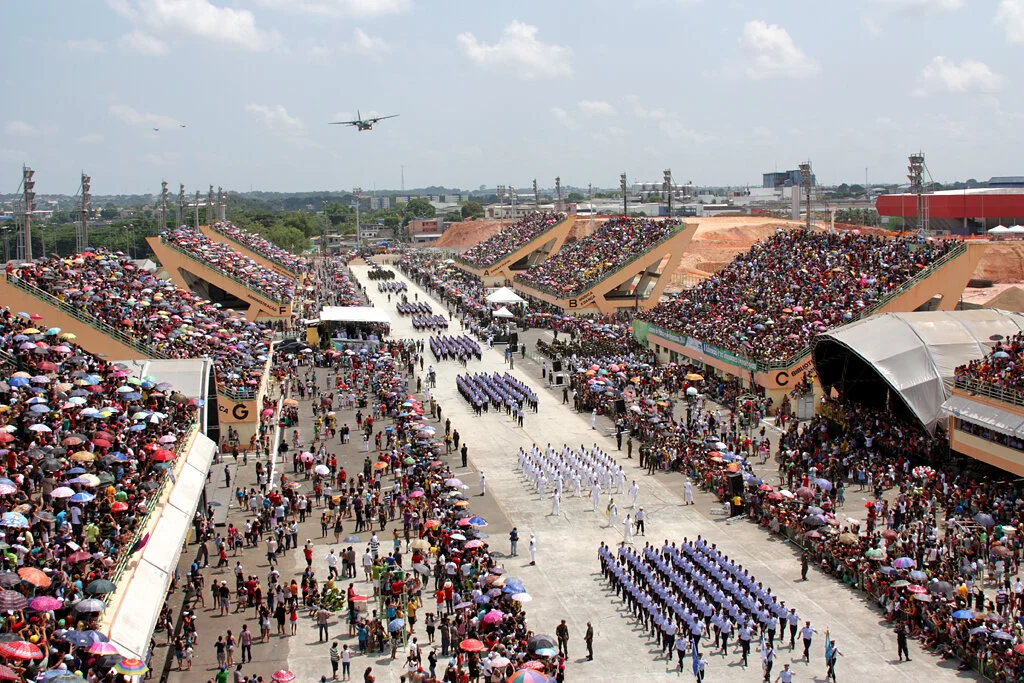
Thousands of people gather to celebrate Brazil’s independence. Ptangokilo. CC BY-NC 2.0
7. Brazil
Brazil officially became its own nation on September 22, 1822, after almost 300 years of Portuguese colonial rule. However, Brazil celebrates its independence day on September 7, the anniversary of Portuguese Regent Prince Dom Pedro’s declaration of Brazil’s independence. The Portuguese Empire colonized Brazil in the 16th century, and it was not until the early 1800s that Brazil began to find success in its push for independence. When Napoleon invaded Portugal in 1807, the Portuguese royal family fled to Brazil. The Portuguese Court remained in Brazil until 1820 when a revolution in Portugal forced the King to return. Since Brazil was then a kingdom, the King’s son, Prince Dom Pedro, remained in Brazil as its ruler. In 1822, the King issued a court order recalling Dom Pedro back to Portugal, but the Prince instead declared his allegiance with Brazil and remained there, calling for freedom from Portuguese rule. Dom Pedro became the first emperor of the independent Brazil.
On September 7, Brazilians around the world celebrate Brazil’s independence. In Brazil, there are parades, concerts, fireworks and air shows. The largest celebration takes place in the capital, Brasilia, and is attended by the President of the Republic along with around fifty-thousand other people.
8. Indonesia
Independence day in Indonesia falls on August 17, the day its Declaration of Independence was signed in 1945. The Declaration freed Indonesia, then known as the Dutch East Indies, from oppressive Dutch colonial rule under which Indonesians were forced into labor and exploited. The Dutch actually lost control of the colony in 1942 when Japan invaded Indonesia and took over. After Japan surrendered at the end of WWII on August 17, 1945, Indonesian nationalists seized their opportunity to declare independence before the area was once again occupied by the Dutch. The Dutch government refused to recognize this independence, launching two major military campaigns between 1947 and 1948 to reclaim control. Indonesiansheld their ground and Indonesia received support from the U.N. and the U.S. In December of 1949, the Dutch finally released their hold and recognized the independence of Indonesia.
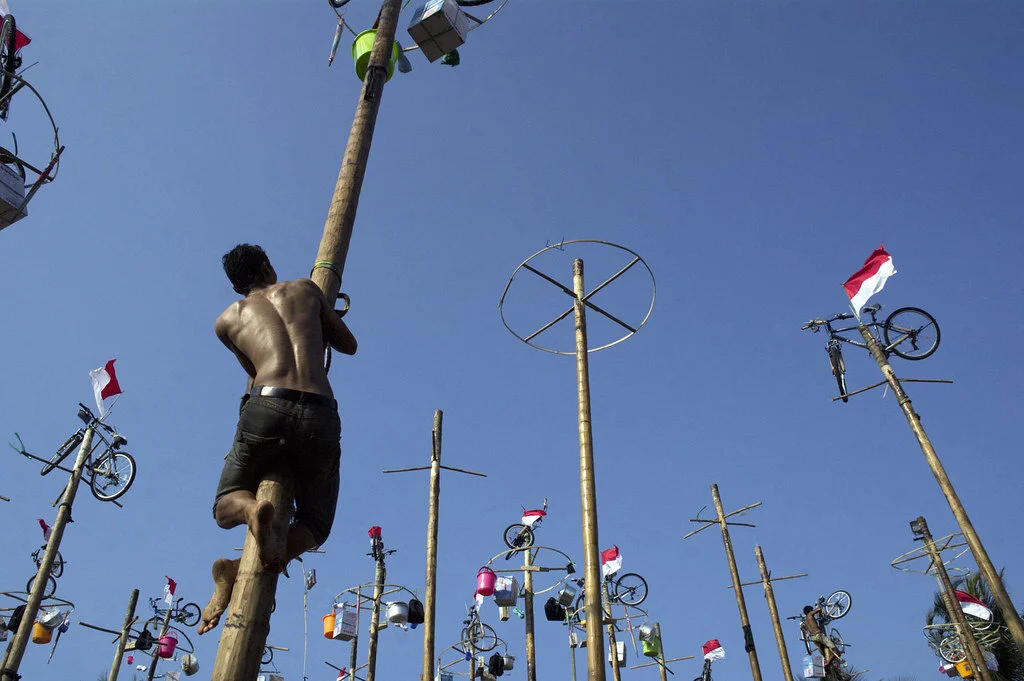
Like in India, Indonesia’s independence day is celebrated each year with a flag-raising ceremony at the National Palace. The fun celebrations, however, are organized by local neighborhoods. Across the country, people take part in traditional games and contests. One of the most popular is panjat pinang, where a palm trunk is erected in a public area and greased with a mixture of clay and oil. The goal is simple: make it to the top to win the prize hung there. Other traditions include races, cooking contests and krupuk eating contests.

Rachel Lynch
Rachel is a student at Sarah Lawrence College in Bronxville, NY currently taking a semester off. She plans to study Writing and Child Development. Rachel loves to travel and is inspired by the places she’s been and everywhere she wants to go. She hopes to educate people on social justice issues and the history and culture of travel destinations through her writing.
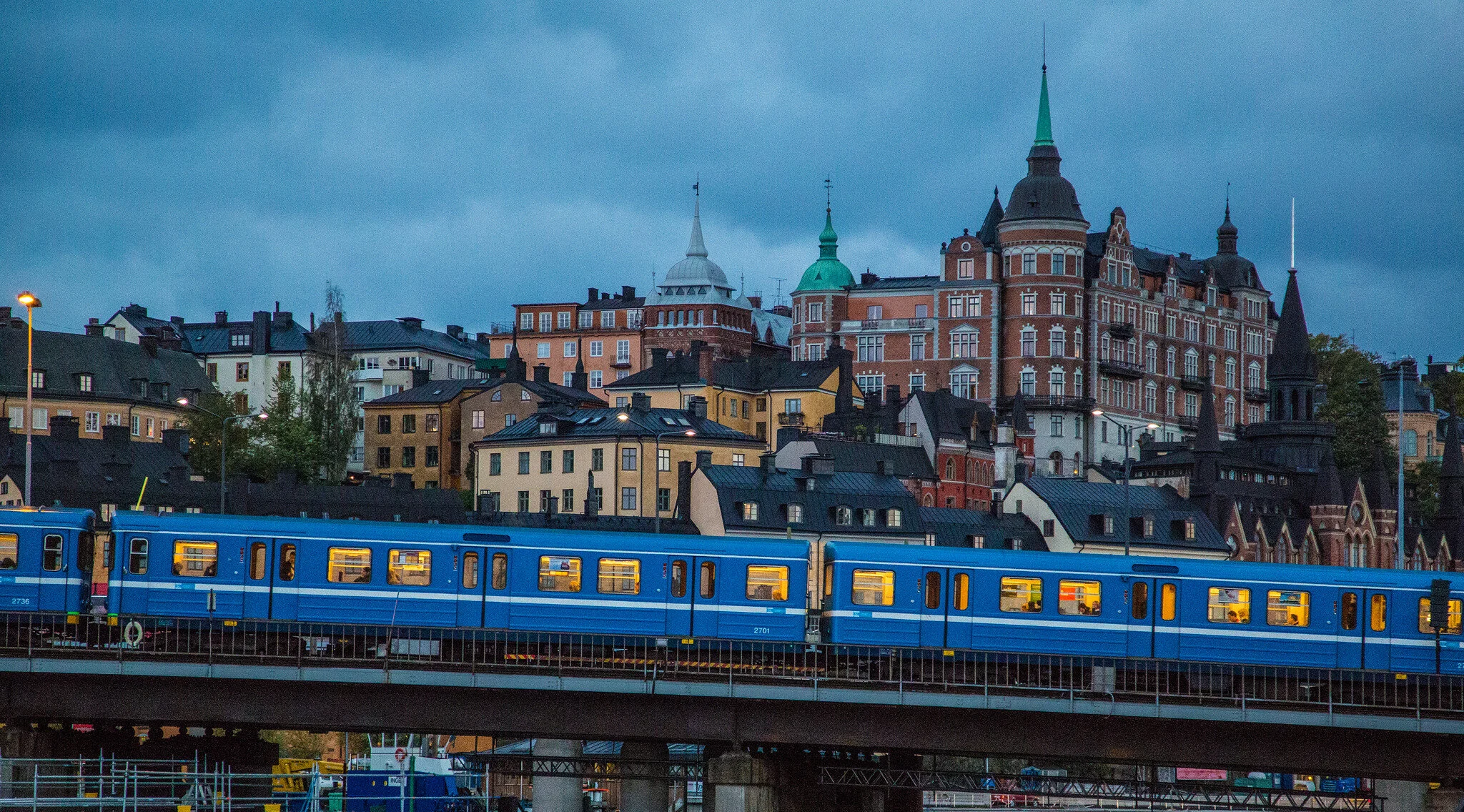
A tunnelbana train in Stockholm. Tony Webster. CC BY 2.0.
10 Metro Systems Around the World to Ride in Your Lifetime
Metro systems exist on every inhabited continent on the planet, being as unique in comparison to one another as are the diverse cultures and communities they serve. Some are highly efficient at moving people from point A to point B, others are rooted in the history of the local community and a few even serve as living art galleries that are ever-expanding. Here is our guide to the 10 must-visit metro systems to ride on in your lifetime.
1. Tunnelbana, Stockholm, Sweden
Serving 100 stations throughout the region, Stockholm’s Tunnelbana, which translates to “tunnel railroad,” is one of the newer metro systems in Europe, opening its first line in 1950. What makes the Tunnelbana unique is that it is considered to be the world’s longest art gallery, featuring an extensive collection of art made by over 150 artists.
2. Buenos Aires Underground, Argentina
The Buenos Aires Underground, known locally as Subte, is the oldest underground railway system in the Southern Hemisphere, dating back to 1913. The system hones in on its historic origins by providing both historic and modern train cars and stations which are spread out across its seven lines.
3. Seoul Metropolitan Subway, South Korea
Featuring 22 lines spread across 728 stations that serve both the heart of the city and rural communities, the Seoul Metropolitan Subway is one of the longest systems in the world. Opening its doors in 1974, Seoul's subway continues to grow, with several line extensions slated to open throughout the decade.
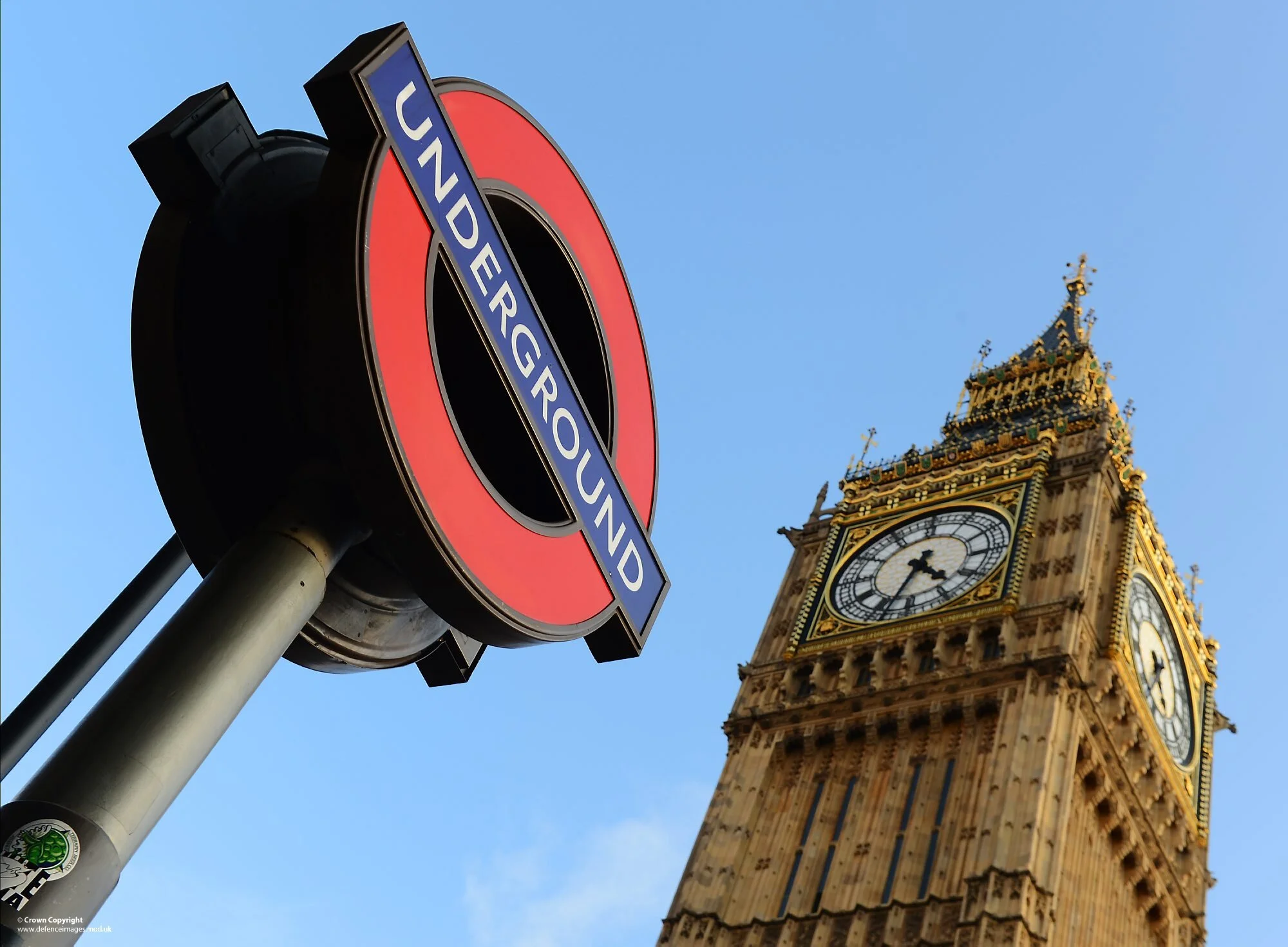
The iconic London Underground sign in front of Big Ben. Defence Images. CC BY-NC 2.0.
4. London Underground, UK
The oldest underground railway in the world, the London Underground began operation in 1863 and has since grown to serve 270 stations. Known in London as “the Tube,” the metro system provides easy access to neighborhoods throughout Central and Greater London, as well as connections to a slew of airports and other transit systems.
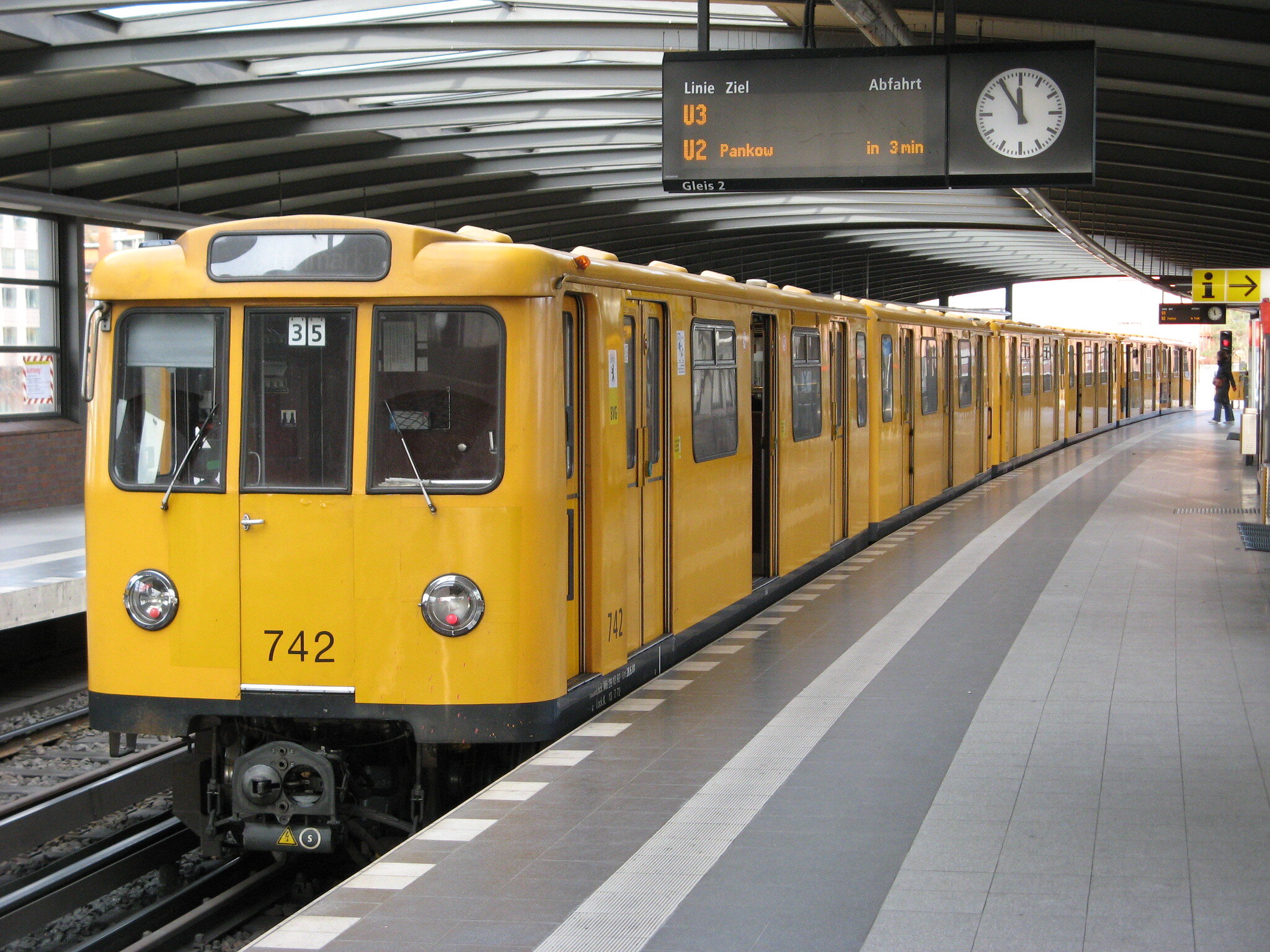
A Berlin U-Bahn train in a station. Michael Day. CC BY 2.0.
5. Berlin U-Bahn, Germany
Famous for its eye-catching yellow trains, the Berlin U-Bahn is one of the oldest and largest metro systems in Europe. The system had been partly severed in two parts during the Cold War due to the divide between East and West Berlin. Today it boasts 10 lines serving 173 stations, with an annual ridership of around 553.1 million.
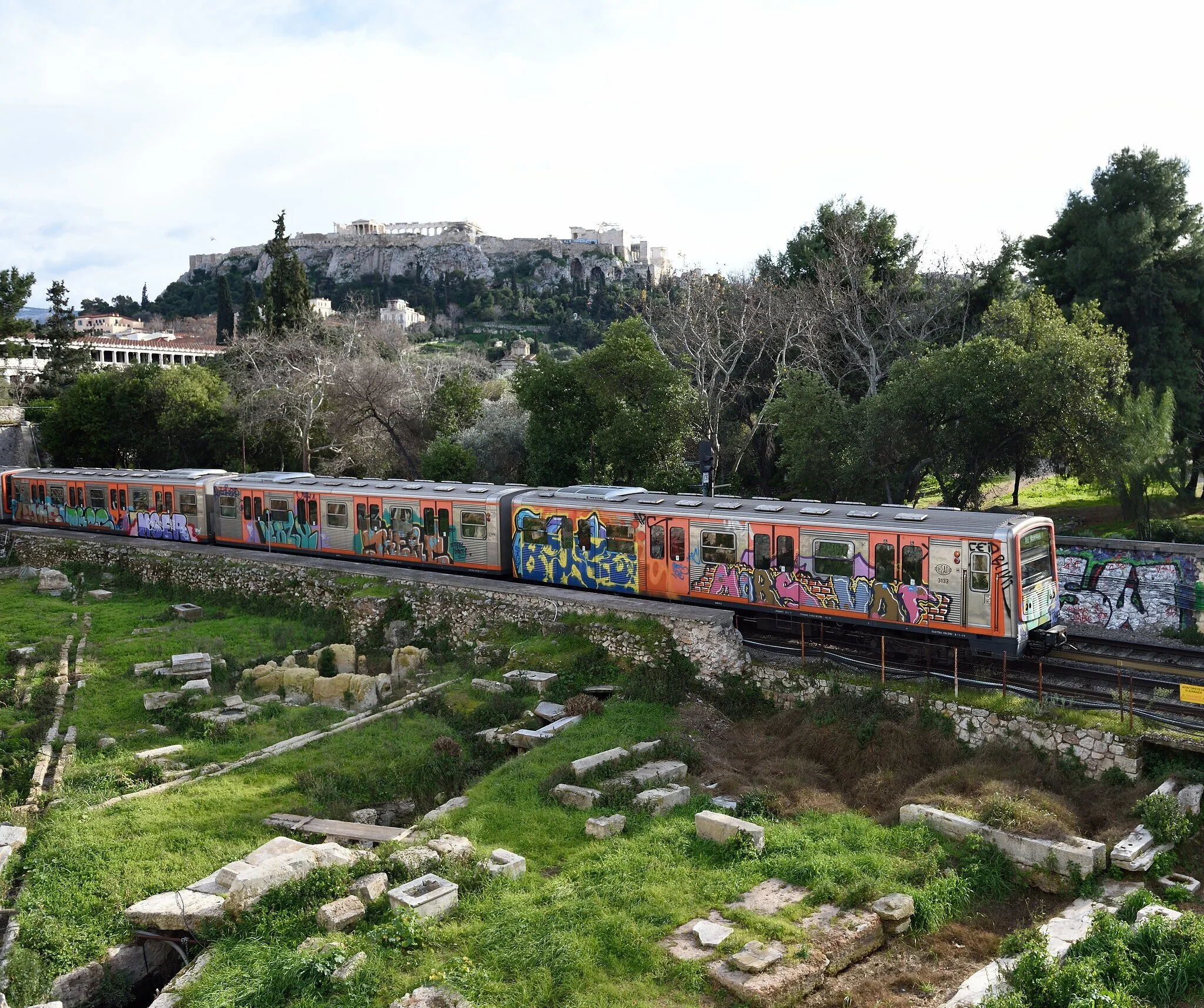
A graffitied metro car in Athens passes in front of the Acropolis. Tim Adams. CC BY 2.0.
6. Athens Metro, Greece
Like Stockholm’s Tunnelbana, the Athens Metro serves as both a rapid transportation system and an extensive museum. In the system’s Syntagma Metro Station is a handful of the nearly 30,000 artifacts from the classical Greek, Byzantine and Roman periods which were excavated during the construction of new system lines in the 1990s.
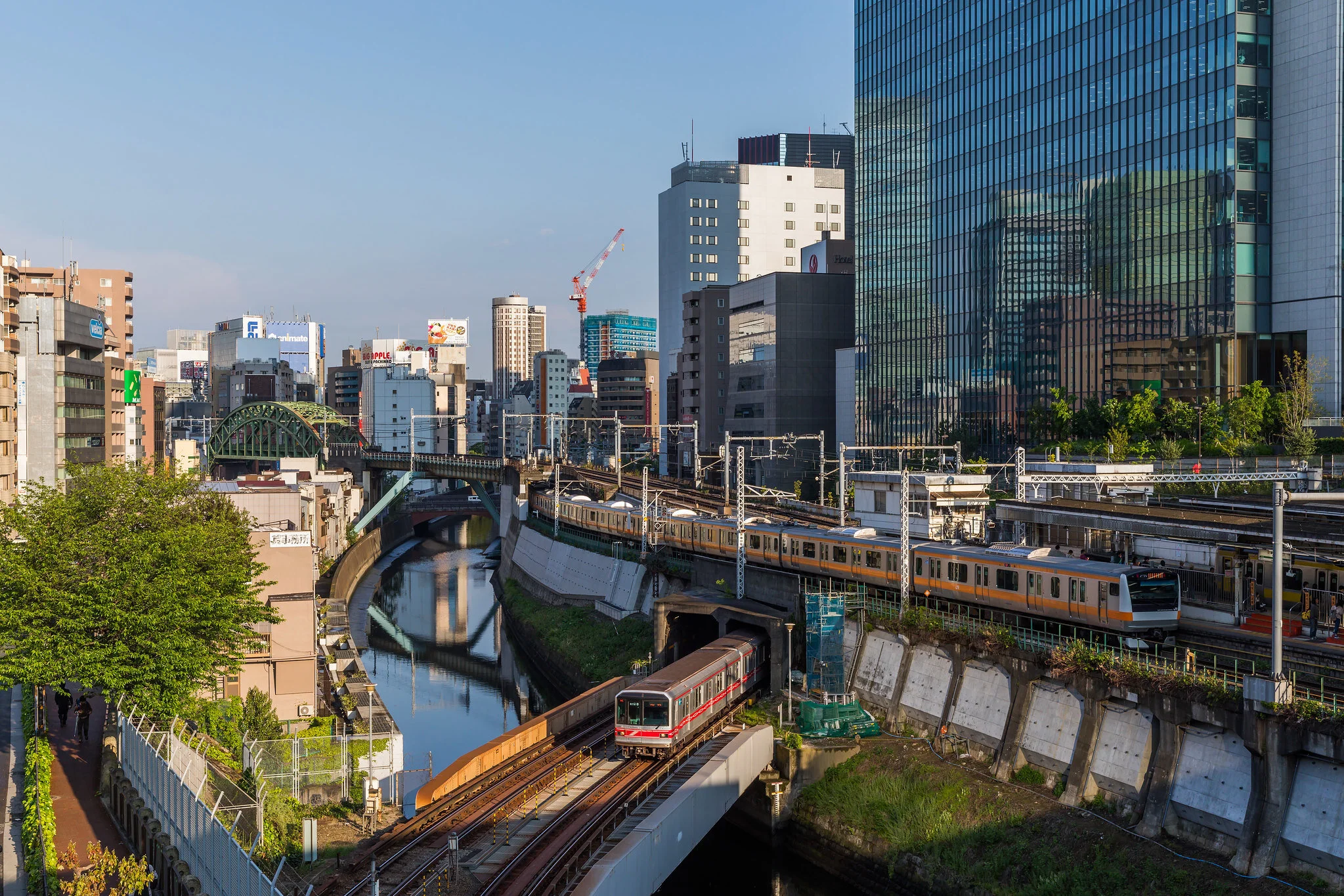
Two trains in Tokyo pass over one another. David Gubler. CC BY-NC-SA 2.0.
7. Tokyo Metro, Japan
Offering seamless transitions between its stations and those of its counterpart, the Toei Subway, the Tokyo Metro is considered by many to be one of the best metro systems in the world for both convenience and cleanliness. Serving 180 stations across 9 lines, the Tokyo Metro has continued to expand as the city has grown to be the largest by population in the world.
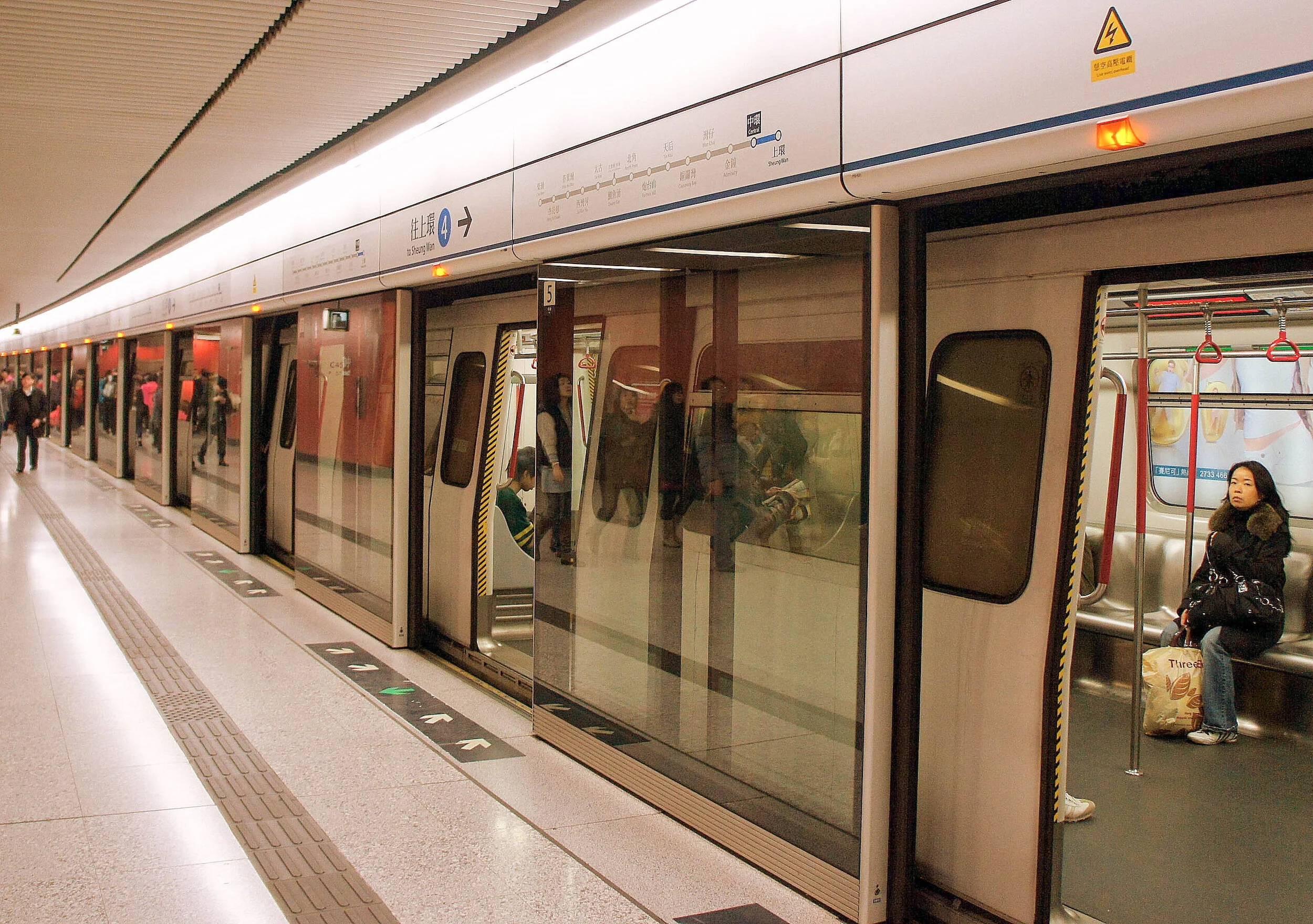
An MTR train in Hong Kong. David Leo Veksler. CC BY 2.0.
8. Mass Transit Railway, Hong Kong
The Mass Transit Railway is a heavily-riden transit system serving Hong Kong Island, Kowloon and the New Territories, with a daily ridership of over 4.9 million. The transit system has a world-renowned reputation for being clean, affordable and reliable, as well as for offering free WiFi at all of the system’s stations.
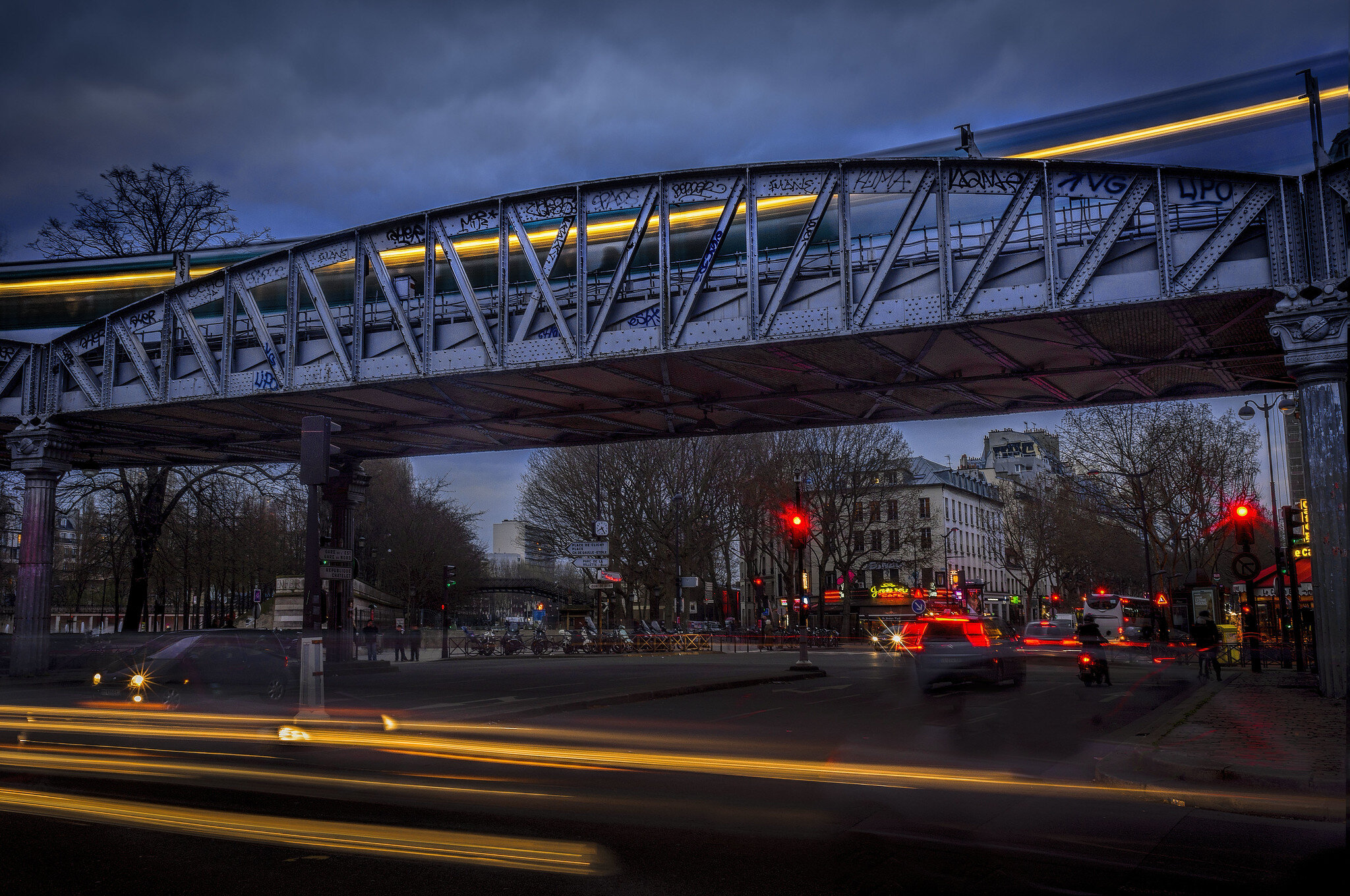
The lights of a Paris Metro train passing over a bridge. Luc Mercelis. CC BY-NC-ND 2.0.
9. Paris Metro, France
The Paris Metro is a cultural landmark of the city, with stations highlighting the unique Art Nouveau architecture style. It is one of the densest metro systems in the world, consisting of 136 miles of track connecting 304 stations . The Paris Metro is also one of the busiest, being the second most traveled in Europe and tenth in the world.
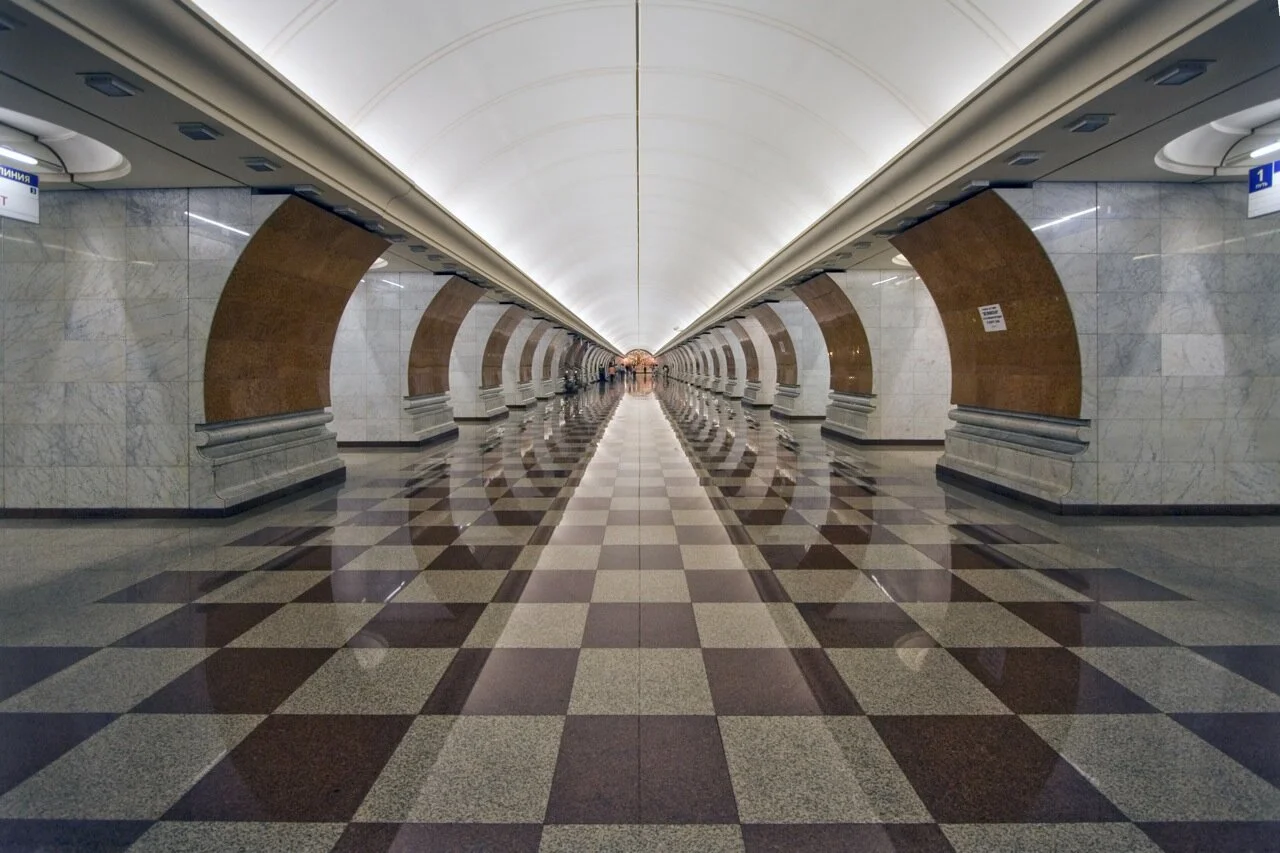
A Soviet-era metro station in Moscow. Tarnya Hall. CC BY-NC-ND 2.0.
10. Moscow Metro, Russia
An extensive metro system with stations highlighting Cold War-era architecture, the Moscow Metro is the busiest system in Europe, serving 2.5 billion riders annually. The system has 241 stations and has connections to other transit systems like the Moscow Central Circle, Moscow Central Diameters and Moscow Monorail.

Jacob Sutherland
Jacob is a recent graduate from the University of California San Diego where he majored in Political Science and minored in Spanish Language Studies. He previously served as the News Editor for The UCSD Guardian, and hopes to shed light on social justice issues in his work.
Hidden Afghanistan
From the apricot and walnut groves of the beautiful Panjshir valley, to the strips of cultivated green set against the dry pink and tan of the mountains in Bamyan, to the glittering sapphire blue lakes of Band-e Amir, I went in search of the real Afghanistan.
The country’s rich cultural history, rugged landscape, and the legendary generosity of Afghan people, have long been a draw for adventurers and travellers alike, but for now, still struggling with deep-rooted insurgency, Afghanistan remains firmly off the radar for most. Plagued by terrorism and war, the most recent cycle of bloodshed and instability has left the country with a reputation for violence and little good ever makes our TV screens in the West. For too many, our narrative around countries like Afghanistan has been reduced to a single story.
As part of my work on a book called Life in the Himalayas — looking at people’s everyday working lives throughout this diverse and magnificent mountain range, from the high plateau of Tibet to the foothills of Myanmar — I spent three weeks documenting the lives of agropastoralists in Afghanistan, and exploring this battered but beautiful country. I set out to focus on rural areas, everyday life and culture, going in search of the real Afghanistan, away from the vestiges of war and terror.
Kabul
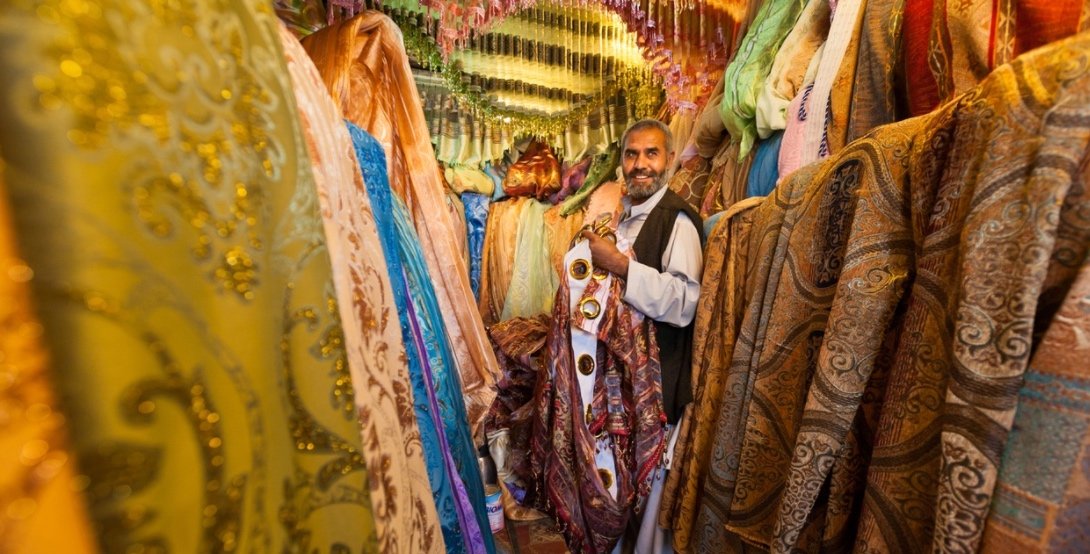
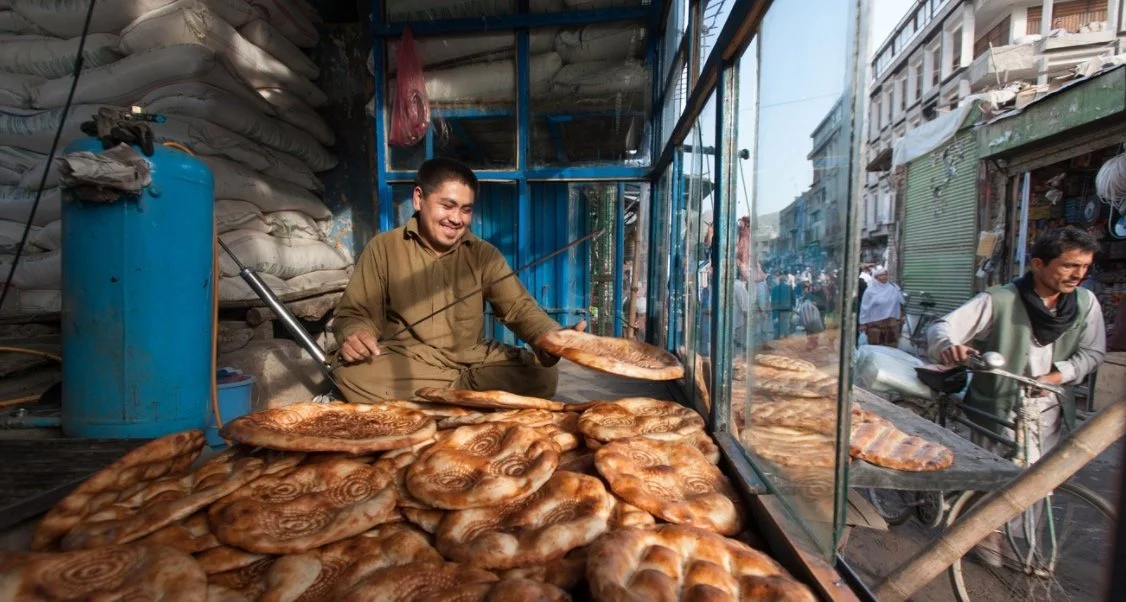
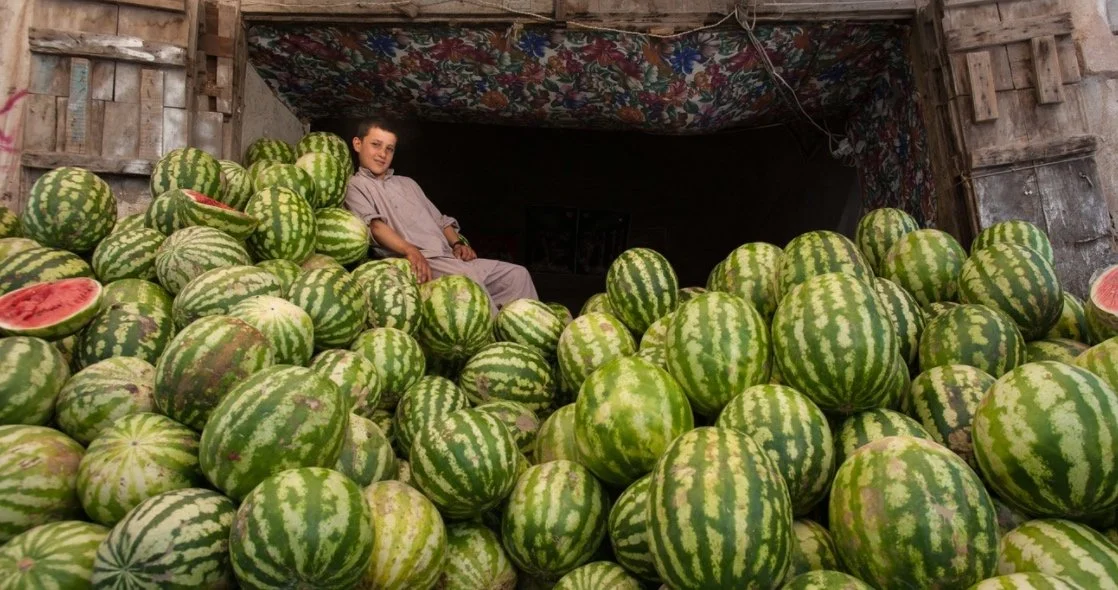
I started off in the bustling markets in the country’s capital, Kabul, a chaotic little jungle of trinket shops, carpet sellers and giant chunks of Lapis filling windows. Occasionally I felt uneasy under the stares of watchful eyes as I poked my way through the dusty streets. Mostly it felt like any other vibrant bazaar in Asia, people going about their busy day.
I ate in smoke filled restaurants sitting cross-legged on cushions. Whole sheep carcasses are hung directly above the stove and the cook simply butchers off the bits he needs and throws them into a big black pot, along with fistfuls of fresh herbs and spices. Huge roundels of hot naan breads are piled high on the tables and you pay for what you eat. There is a genuine old-world feeling in Kabul that is rare to find these days.
Panjshir Valley
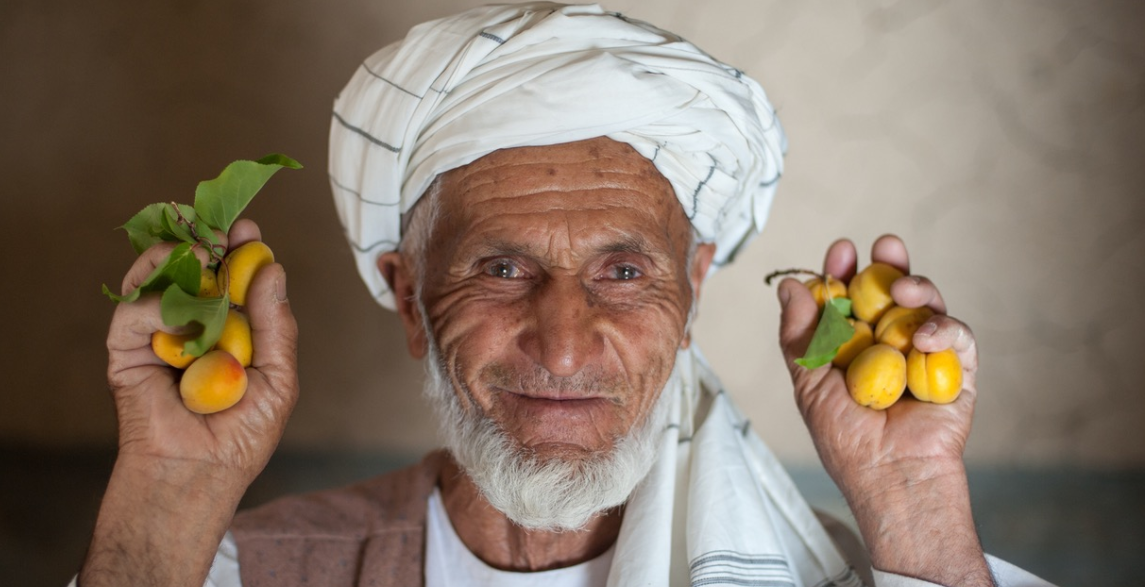
From Kabul I travelled to Istalif, a district famous for its distinctive blue pottery, and then by road to the stunning Panjshir Valley, one of the most celebrated places in Afghanistan, located in the heart of the Hindu Kush mountains. Its name means ‘Valley of the Five Lions,’ which according to local legend refers to five spiritual protectors or ‘wali’ who built a dam here during the early 11th century AD for Sultan Mahmud of Ghazni.
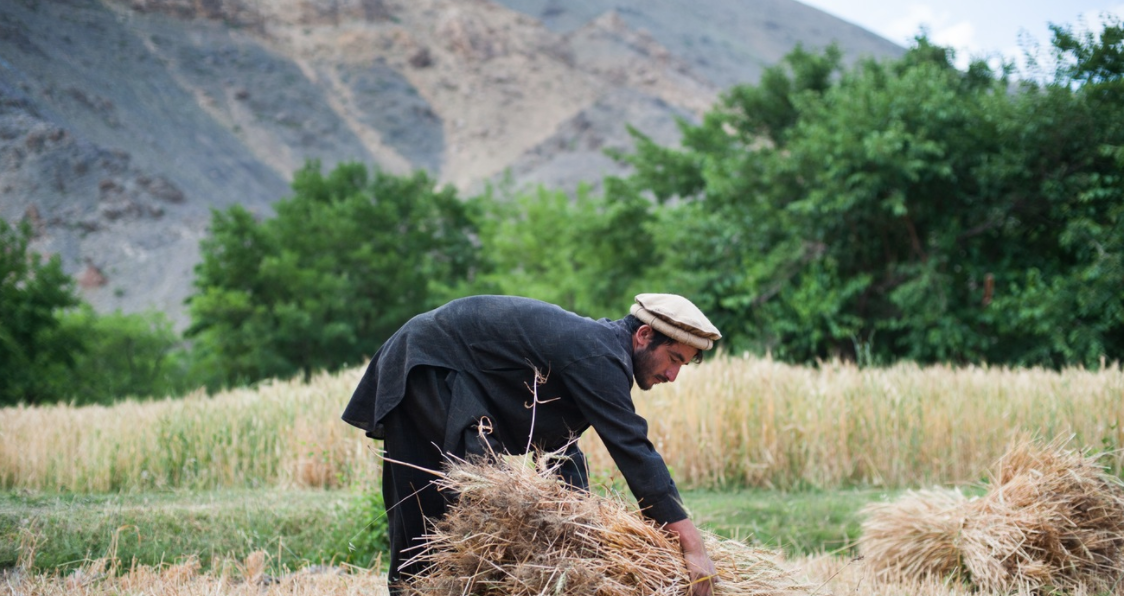
The Panjshir river starts from a narrow gorge where snowmelt turn the river into a torrent, rich with fish. It gradually widens into the valley to reveal carefully irrigated fields of wheat and maize dotted with walnut, apricot and mulberry groves. 90 percent of farmers in Panjshir Province practice subsistence agriculture, and the war has destroyed irrigation canals and orchards, making many aspects of farmers’ lives a challenge.
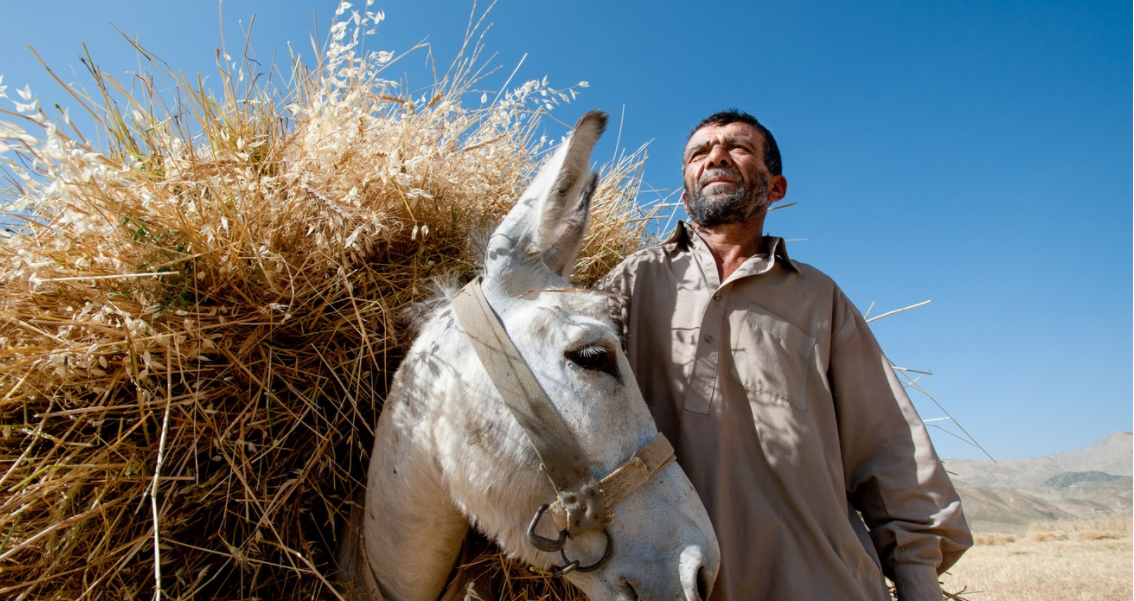
In recent years, however, international initiatives have assisted local and regional government leaders to introduce improved varieties of wheat and educate farmers on methods for improving yields and irrigation.
Bamiyan
In the heart of the Hazarajat, Bamiyan is surely one of the most beautiful parts of the whole country. It was a popular tourist destination during the 1970s, but a decade later became a symbol of resistance to the Soviets. Today, although the valley is still dominated by the gaping cavities in the cliff face, and the rubble is a constant reminder of the Taliban’s rage and destruction of the two ancient Buddha, there is far more to Bamiyan.
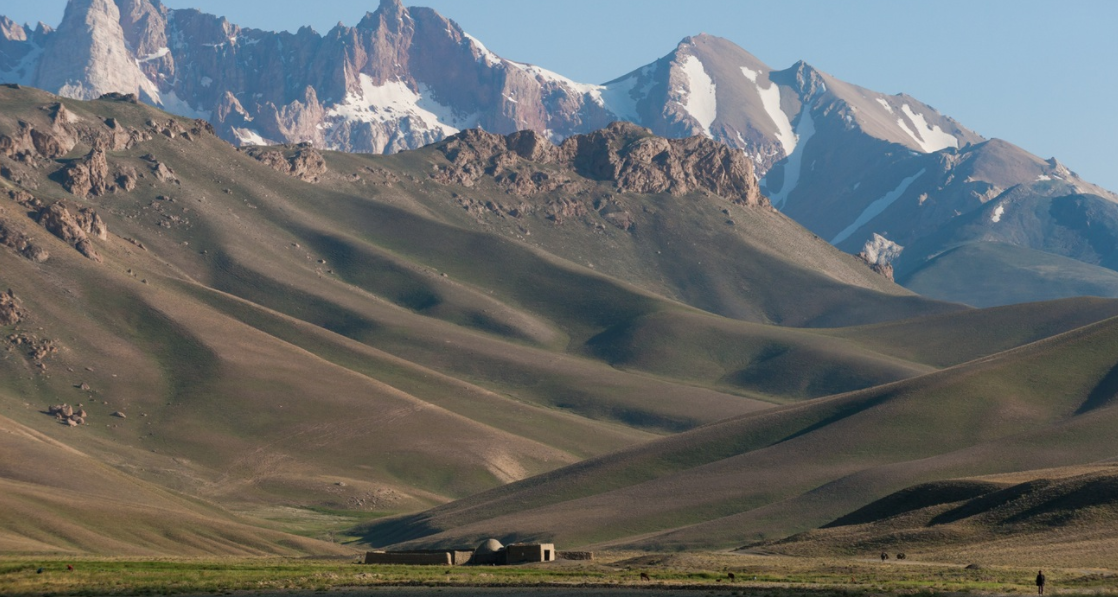
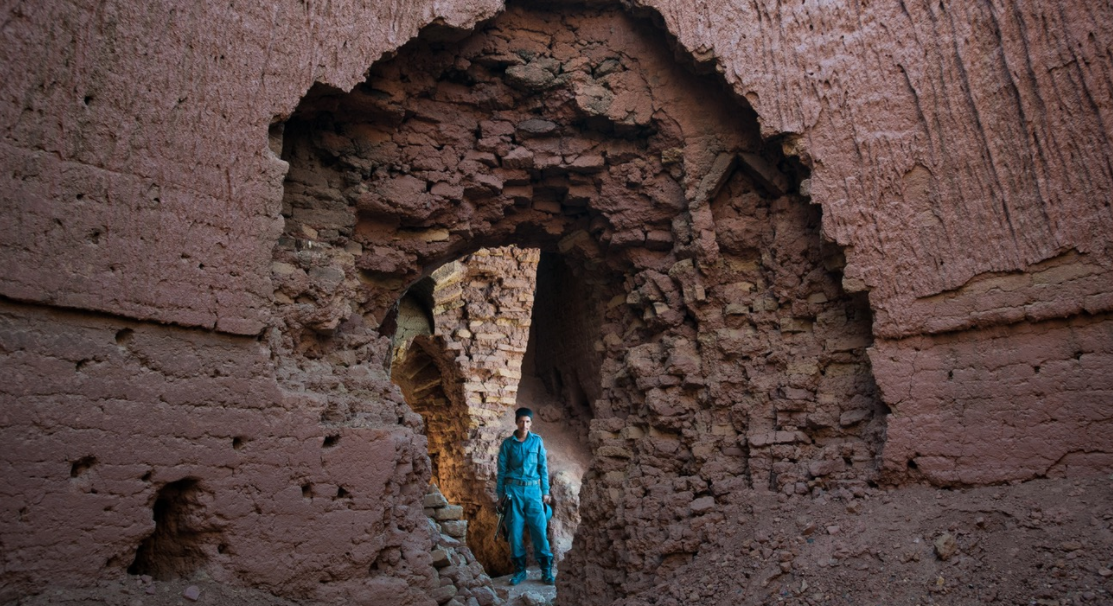
Guarding the entrance to Bamiyan valley, the ruins of Shahr-e Zohak form a dramatic citadel — perched high on the cliffs at the confluence of the Bamiyan and Kalu rivers. The towers here are some of the most imposing in all of Afghanistan, and are made of mud-brick on stone foundations, with intricate geometric patterns built into their walls. With no doors, they were accessed by ladders that the defenders pulled up behind them.
Looking down from the citadel, the views are incredible, with the thin strips of cultivated green in neighbouring valleys like Fulladi providing a striking contrast to the dry pink and tan of the Koh-i Baba mountains.
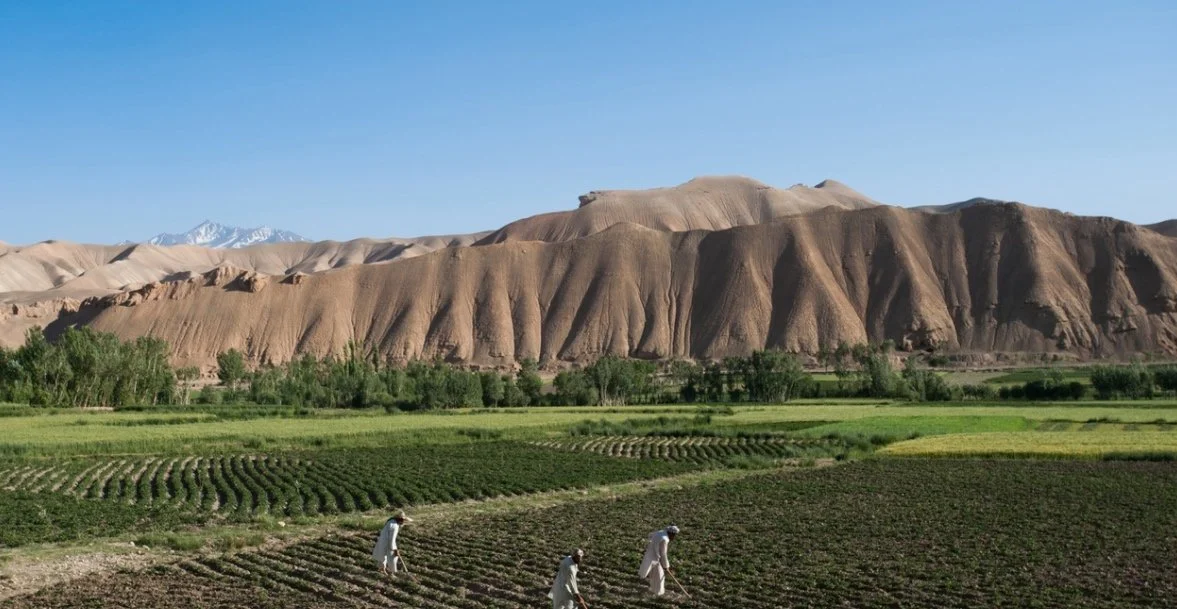
At first glance, the barren hills of the Bamiyan valley appear to promise little, but the snowmelt that issues from them each spring allows the farmers here to irrigate the valley floor and grow crops like potatoes.
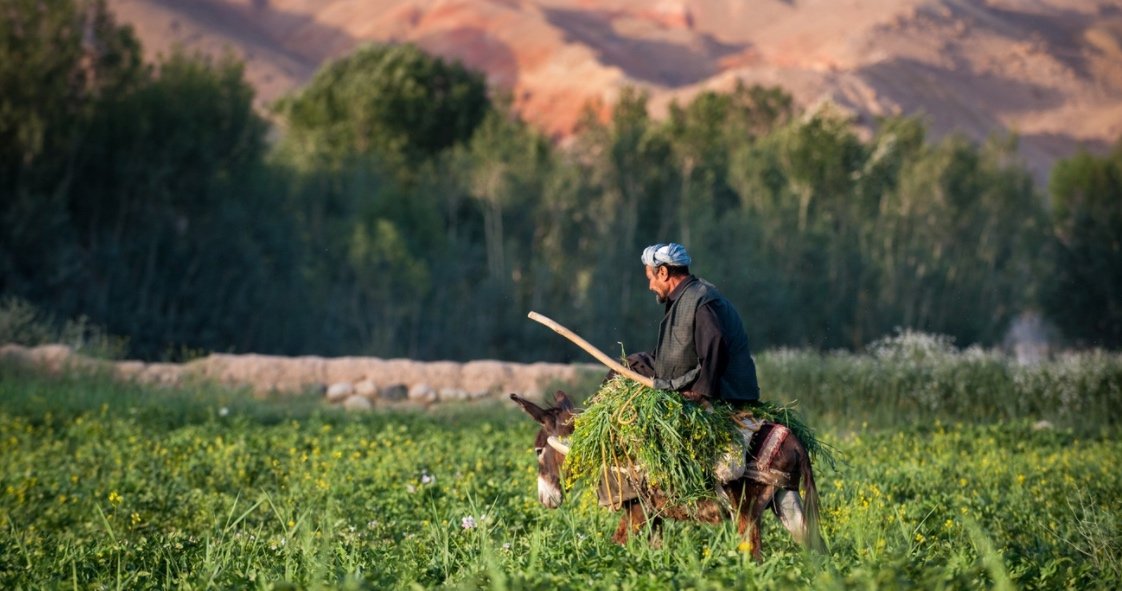
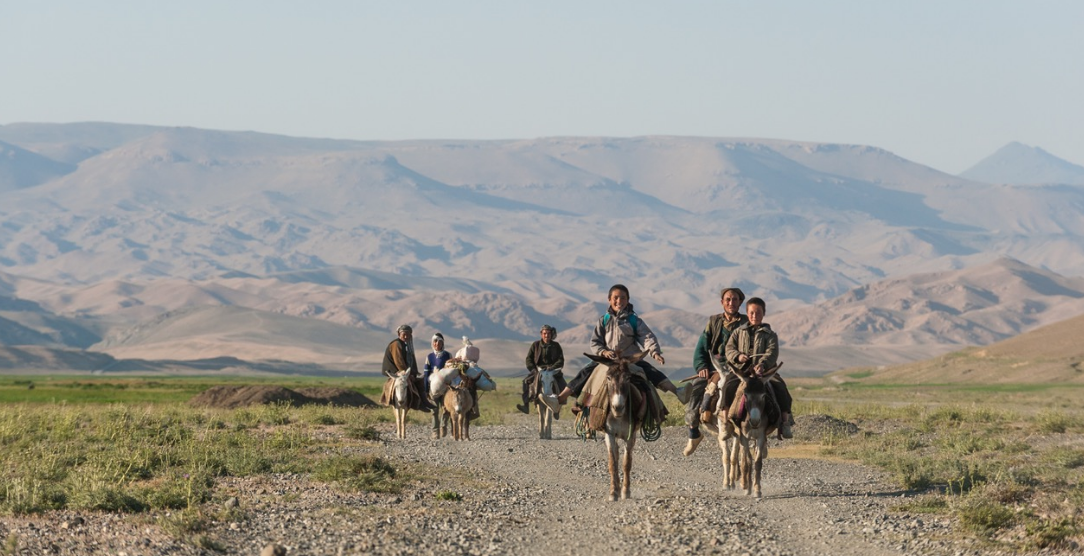
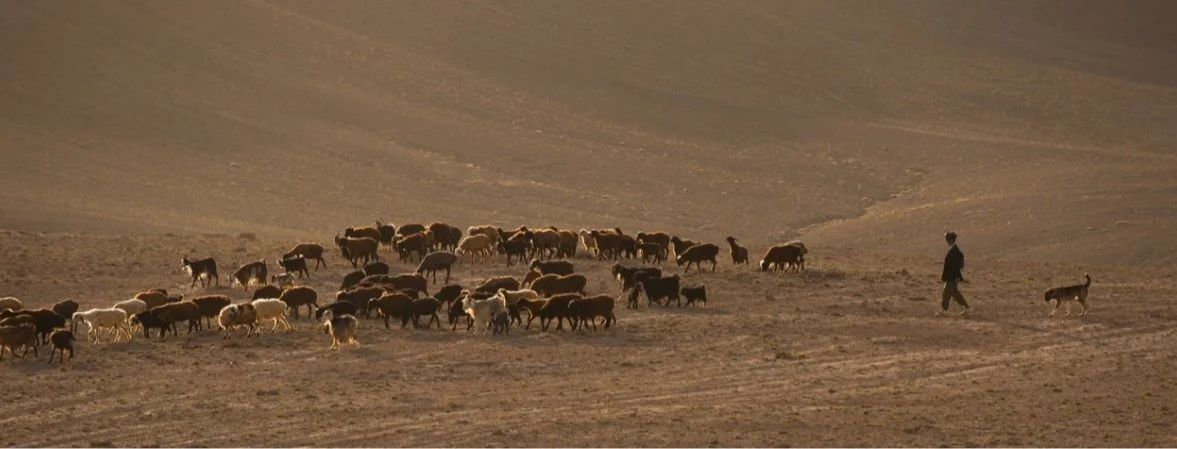
Donkeys are still the main source of transport in this rural province, and shepherds and their flocks are often compelled to walk long distances.
Band-e Amir
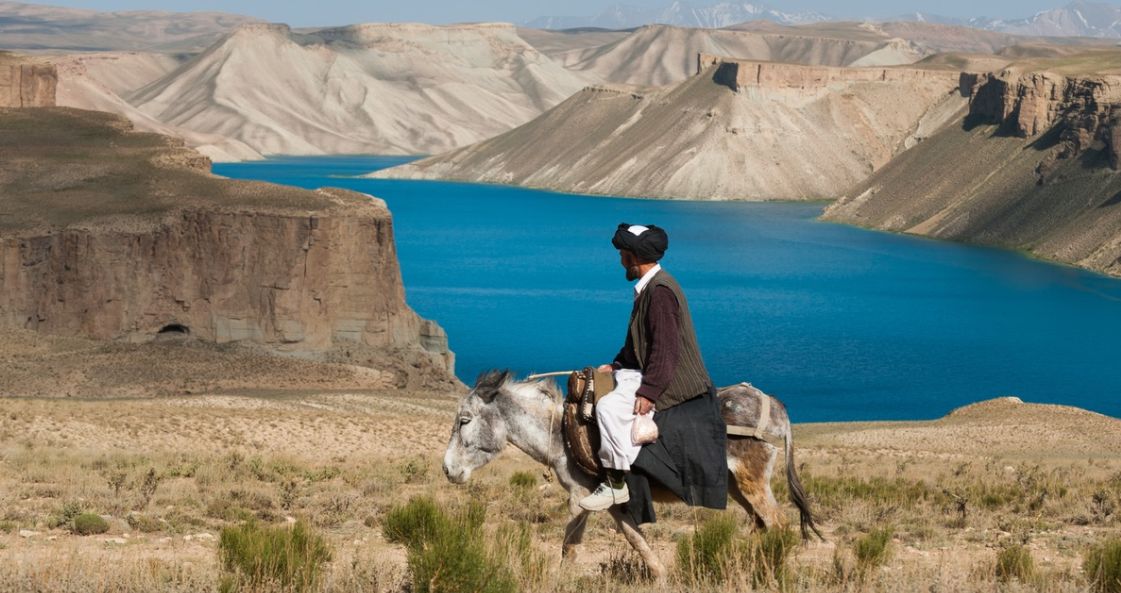
Meanwhile, the glittering sapphire blue lakes of Band-e Amir are one of Afghanistan’s most astounding natural sights. In April 2009, Band-e Amir was named the country’s first national park, 36 years after a previous attempt to do so was interrupted by decades of political strife and war.
Formed by the mineral-rich water that seeps out of faults and cracks in the rocky landscape, the six linked lakes of Band-e Amir sparkle like jewels against the dusty mountains that surround them.
Over time layers of hardened mineral deposits called travertine have built up on the shores, to create the dramatic sheer sides that now hold the lakes in place. Local lore tells a different story, asserting that these natural dams were thrown into place by Hazrat Ali, the prophet Muhammad’s son-in-law, during the reign of the infidel king Barbar.
Before gaining its status as a national park this region experienced significant habitat destruction for firewood and farmland, overgrazing and overhunting — the snow leopard has now vanished here — and also damaging fishing practices that involved using hand grenades. Today Band-e-Amir is protected by a small group of park rangers, and is still home to ibex (wild goats), urials (wild sheep), and wolves. Although numbers of visitors to the park remain small, it is hoped that in time, this region will become an important area for tourism in Afghanistan.
Herat
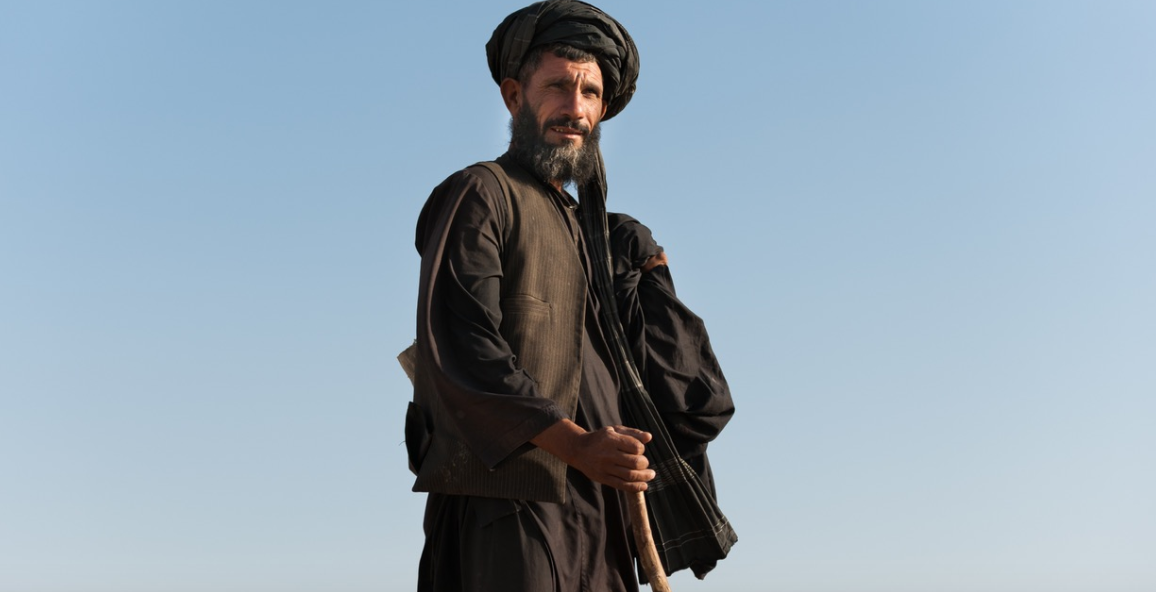
Finally in Herat, the country’s old cultural heart, I felt more welcome than anywhere else in the country. Chatting to passing nomads on the outskirts of the city, inside its little bazaars, visiting the Friday Mosque — one of Islam’s great buildings — I spoke openly with burqa sellers about the state of the country. Here I discovered an Afghanistan most people simply don’t know exists. Afghans are proud of their culture, they are welcoming, generous and have a sharp sense of humour.
On my last day, insurgents attacked one of the big hotels in Kabul. I could hear helicopters and sirens all day and was advised that it was best not to leave the house. The next morning a gunfight broke out beside the road on the way to the airport. Sand bags and gun turrets occupy every corner and the frequent security checks are a sobering reminder of how unstable and precarious daily life is for the people of Afghanistan, whose resilience remains under great strain in these troubled times.
Let us hope that one day, a lasting peace will come to this battered, but proud and ancient country, allowing travellers to experience its beauty and welcome, and to step onto the fabled silk route once more.
THIS ARTICLE WAS ORIGINALLY PUBLISHED ON MAPTIA.
Driven by his passion for travel, the environment and remote cultures, Alex Treadway has travelled to dozens of countries around the world on assignment.
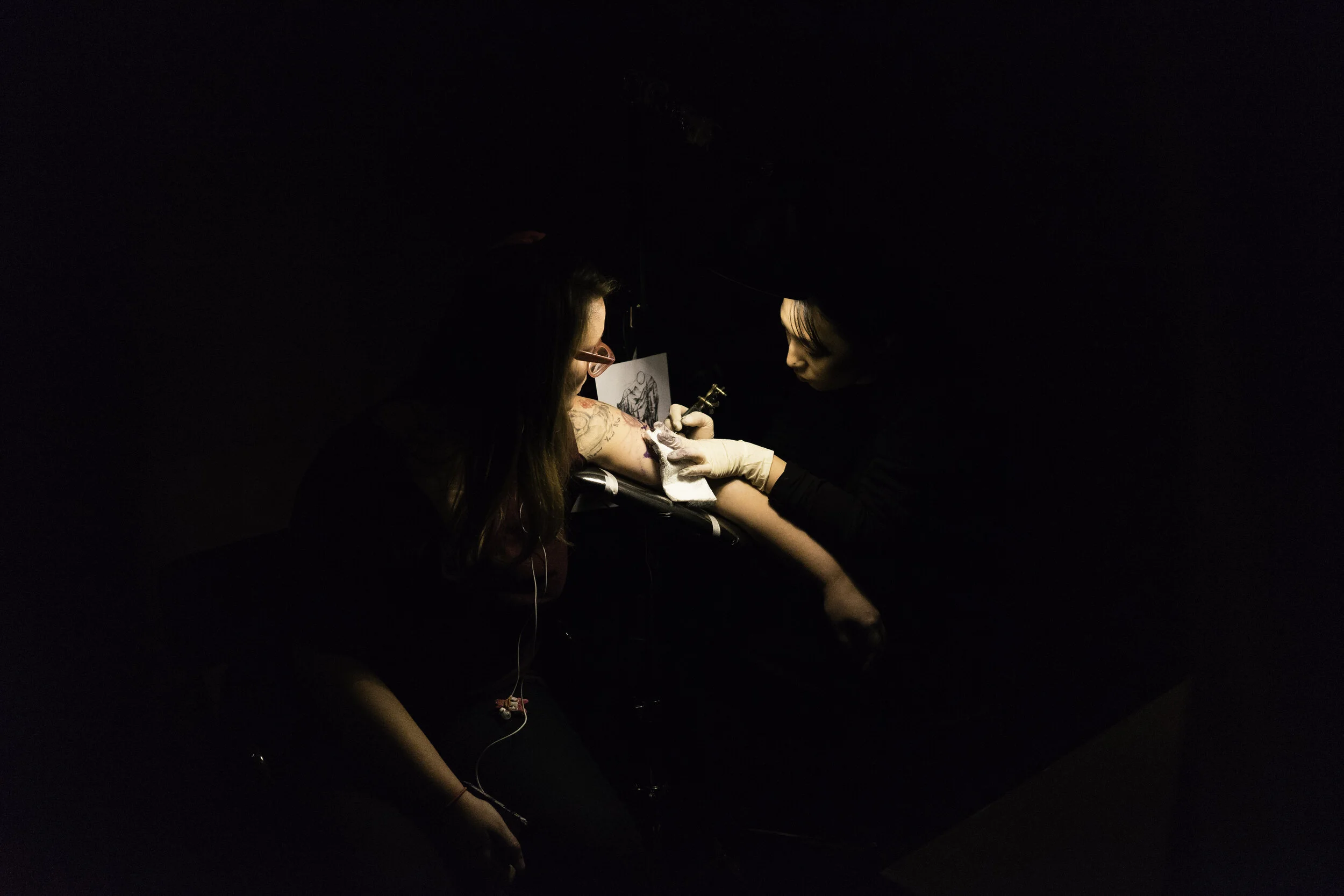
A tattoo artist inking a design at Carpetbombing Ink, a studio in Seonyudo, Seoul, South Korea. Aaron Guy Leroux. CC BY-NC-ND 2.0
South Korea’s Illegal Tattoo Scene is Becoming Mainstream
South Korea is the only country in the world where it is illegal to ink a tattoo without a medical license. Tattoos have historically been linked to crime and viewed as antithetical to Confucian values. But views are changing and South Korean tattoo artists are coming out of the shadows.
Read MoreCOVID-19 Has Fueled Child Labor in Nepal
With the closing of schools due to COVID-19 and insufficient government aid, children in Nepal are being pushed into dangerous labor.
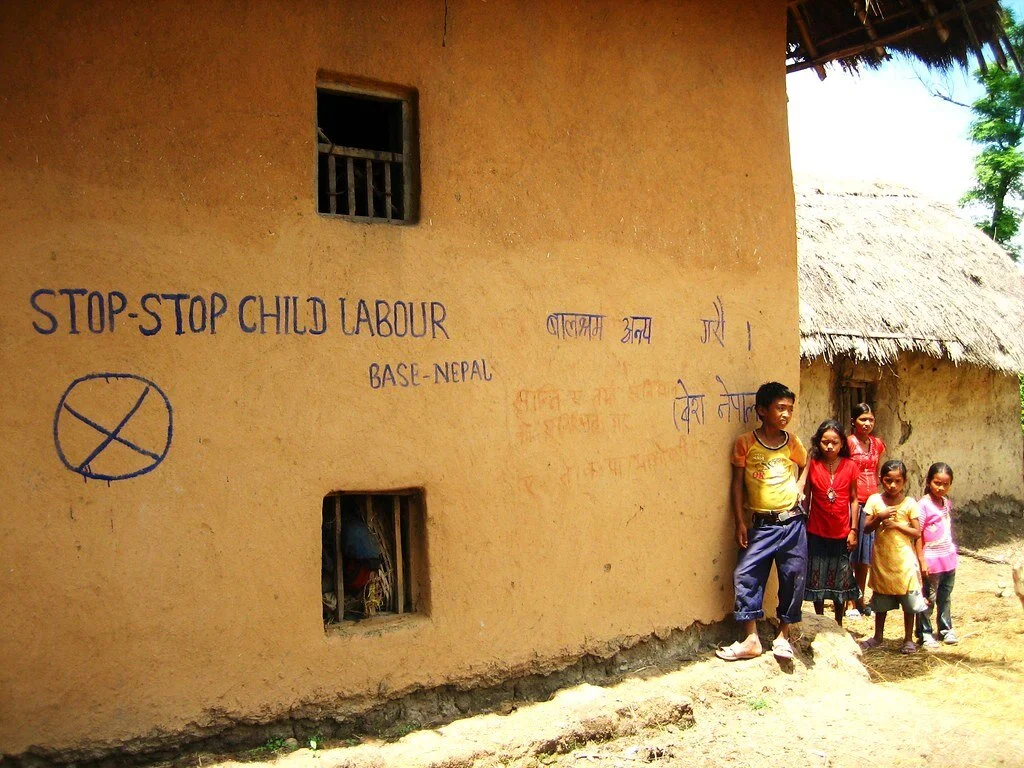
Stop Child Labor Graffiti in Kothari. The Advocacy Project. CC BY-NC-SA 2.0.
The COVID-19 pandemic has affected all aspects of life in Nepal, including education, government assistance, employment and domestic life. Due to adults losing their jobs and income, the rising illness and death rates among caregivers, and even more lockdowns, children are being forced into exploitative labor so they can provide for their families.
The second wave of COVID-19 cases in Nepal continues to put children at risk of child labor. Many children feel that they have no choice in the matter—they work long, grueling hours to help their families survive and provide food.
In Nepal, children work at places like brick kilns, carpet factories and in construction, or as carpenters or vendors selling various items. Some children carry heavy bags at mining sites or crush ore with hammers, all while breathing in dust and fumes from machines and acquiring injuries from sharp objects or particles.
Human Rights Watch interviewed 25 Nepali children between ages 8 and 16, and nearly all of them said that the COVID-19 pandemic had a negative effect on their family income. According to this report, one-third of the children interviewed worked at least 12 hours per day, and some even worked seven days per week. Among the reported side-effects of working long hours, children listed fatigue, dizziness and muscle pain. In addition, many children described hazardous working conditions; many have experienced violence, harassment and pay theft.
A majority of children interviewed also reported that they made less than Nepali minimum wage for their work, which is 517 rupees per day ($4.44 in U.S. dollars). Some children said their employers paid their parents based on a piece rate instead of paying them directly.

Nutrition education seminar in Bandarkharka, Nepal. Bread for the World. CC BY-NC-ND 2.0.
One of the biggest factors contributing to the rise in child labor is the lack of access to education due to COVID-19. In Nepal, school closures began on March 18, 2020, which affected more than 8 million students. A majority of Nepali students were unable to learn online as well, leaving them without education for over a year. In that education gap, children were often forced to work for their families.
Although most schools reopened in Nepal in January and February of 2021, some children continued to work because their families still needed their child’s income to prevent going into debt. However, in April 2021, schools closed again due to a second wave of COVID-19, and children were put back to work.
Several of Nepal’s neighboring countries, including Bangladesh, India and Pakistan, have expanded cash allowances in order to cover more families. However, Nepal has not yet taken this step. Nepal needs to expand cash allowances so children can be taken out of dangerous labor and put back into school, as well as to enable families to maintain adequate standards of living without relying on child labor.
TO GET INVOLVED
To aid in the global fight against child labor, volunteer with Global March Against Child Labor, a wide network of organizations that work together to eliminate and prevent all forms of child labor through volunteering, fundraising and donating. Love 146, an international human rights NGO working to end child trafficking and exploitation, also provides many ways for people to help. Among many opportunities to help, Love 146 encourages people to get active and start a workout or host a 5k to help raise funds for their work.
To learn more about child labor and find more ways to take action, visit UNICEF’s page on global child labor.
Isabelle Durso
Isabelle is an undergraduate student at Boston University currently on campus in Boston. She is double majoring in Journalism and Film & Television, and she is interested in being a travel writer and writing human-interest stories around the world. Isabelle loves to explore and experience new cultures, and she hopes to share other people's stories through her writing. In the future, she intends to keep writing journalistic articles as well as creative screenplays.
Residents of Phnom Penh’s Floating Homes Evicted
In preparation for Southeast Asian Games, Cambodian government officials have mandated the evacuation of floating homes on the Tonle Sap River, displacing hundreds of families.
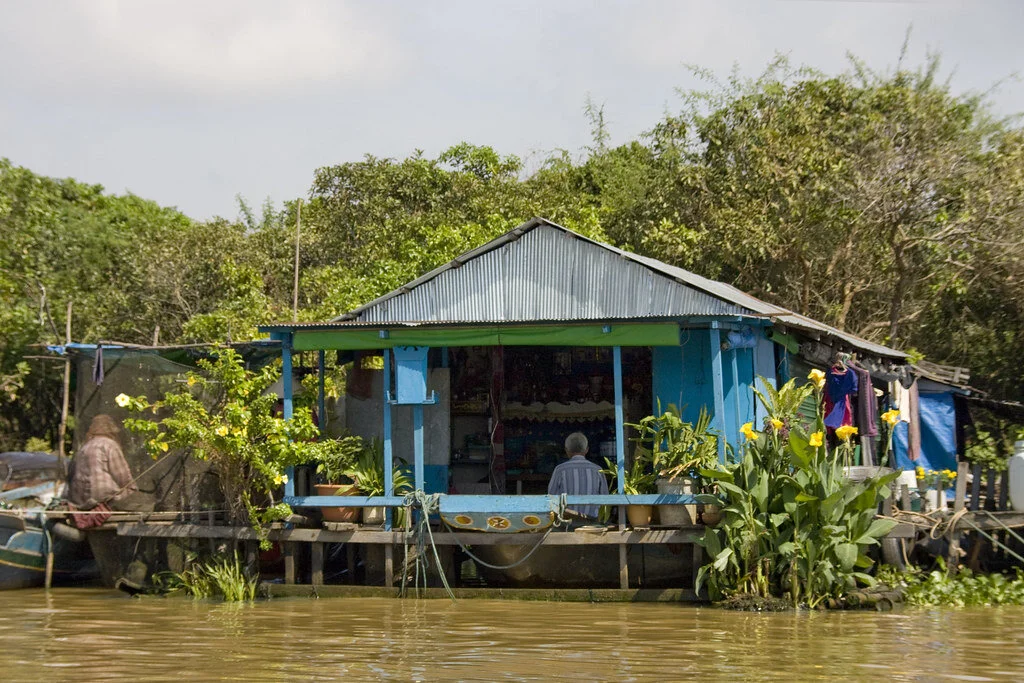
A floating village in Phnom Penh. Anne Roberts. CC BY-NC-SA 2.0
Cambodia's capital city of Phnom Penh has experienced turmoil over the past few weeks following the sudden eviction of the city’s iconic floating homes.
Floating villages have been an integral part of the culture and lifestyle in the community of Phnom Penh for generations, and many homes have been passed down through ancestry. Each individual home is made primarily of wooden planks and hand-built bridges that interconnect the platforms. Many even have small boats on the river alongside their homes to make travel amongst the homes easier. Their location on the banks of the Tonle Sap River, one of the most productive freshwater ecosystems in the world, provides access to around 150 different kinds of fish and allows residents to make a living from fish farming.
The evacuation notices were issued by the Phnom Penh Municipality after it received multiple complaints about litter and sewage polluting the communities. The city is set to host the Southeast Asian Games in 2023 and is currently undergoing a clean-up campaign to prepare the community for the surge of tourism and press that will follow. Rather than investing money into the communities to clean and rebuild this part of the city, the government decided to get rid of them altogether.
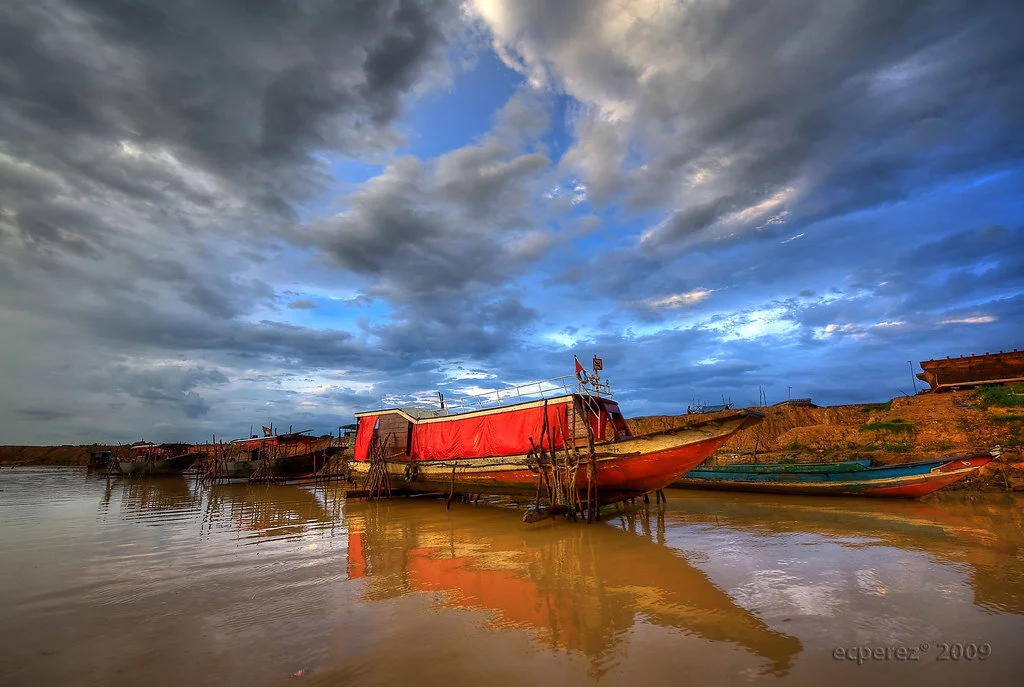
A boat on the Tonle Sap River. Ec Perez. CC BY 2.0
The evacuation of these communities was sudden and gave families little time to relocate, not to mention that many did not have a place to relocate to. The pandemic has not made any of this easier, as moving around puts the citizens at risk of spreading or contracting COVID-19. Furthermore, the closure of Cambodia's shared border with Vietnam leaves them with fewer relocation options.
This situation sheds light onto the large-scale infringement of citizen rights that is common in cities preparing to host large events. Whether it be the 2014 Fifa World Cup in Brazil or the Tokyo Olympics, many cities have sacrificed the well-being of their citizens for the preparation and funding of events. While hosting globally-recognized events is an exciting opportunity, it often comes at the expense of the very people that live there. Citizens are often permanently displaced by the construction of stadiums and plunged into poverty while the host cities pour money into refurbishments and the beautification of the city.
While the evictions are still underway, many citizens of Phnom Penh are now in search of unoccupied land and job opportunities in order to compensate for the stability that they have lost.
Zara Irshad
Zara is a third year Communication student at the University of California, San Diego. Her passion for journalism comes from her love of storytelling and desire to learn about others. In addition to writing at CATALYST, she is an Opinion Writer for the UCSD Guardian, which allows her to incorporate various perspectives into her work.
Stargazing in Scotland’s Cairngorms National Park
Scotland’s Cairngorms National Park, which has been awarded the status of “International Dark Sky Park” for its low levels of light pollution, is a hot spot for stargazing in the UK.
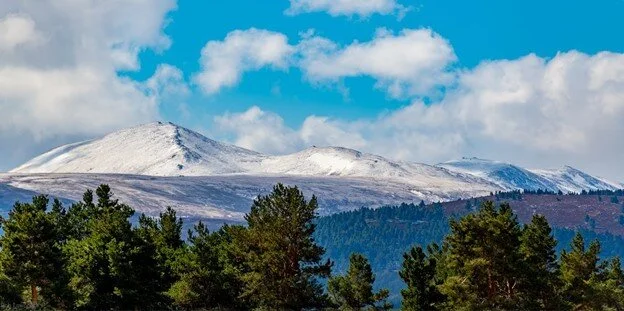
Looking out over the Cairngorms National Park. Rab Lawrence. CC BY-NC-ND 2.0.
Tomintoul and Glenlivet in Cairngorms National Park (which were awarded international Dark Sky Park status in November 2018) are known for their location as the most northerly Dark Sky Park in the world. And, as one of the darkest skies in the UK, it is the perfect place to see the Perseid meteor showers, making it a hot spot for nighttime photographers and those interested in observing the night sky.
Away from street residential lights, the Cairngorms’ clear skies and northern latitude (the same latitude as Norway and Alaska) means that it’s also one of the best places in the world to see the Aurora Borealis, or the Northern Lights. But for normal stargazing, the best time to visit is during the darker months of the year from October to March.
Although it may be easier to see the stars with a telescope or camera, no equipment is necessary to see the vast expanse of stars in the Cairngorms’ night sky. Even neighboring galaxies and the Milky Way can be seen with just your eyes.
The Cairngorms offer a network of waymarked paths through Glenlivet Estate to guide photographers to many vantage points with big skies and distant horizons. There are also three designated Dark Sky discovery sites in the area.
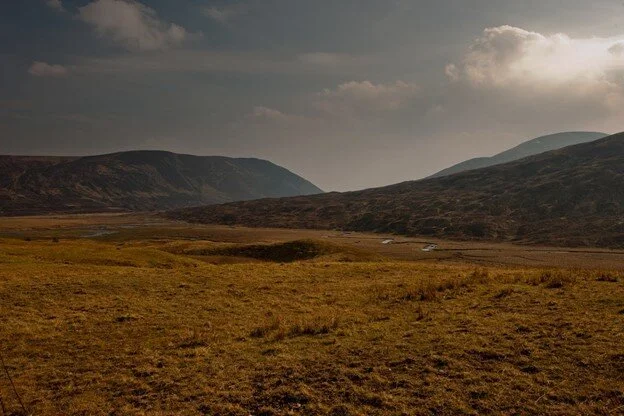
Cairngorms National Park. Cliff Hellis. CC BY-NC-ND 2.0.
The main reason that such stargazing is possible from the Cairngorms is because of its low light pollution—something that some communities in the park have worked hard to achieve. The Tomintoul and Glenlivet area has even been awarded the desired International Dark Sky Gold Tier status.
Local volunteers in the Tomintoul and Glenlivet area are committed to reducing light pollution through their Dark Skies Project. Volunteers work with farms, distilleries, Moray District Council and households to reduce light pollution by promoting environmentally responsible lighting. Their efforts will bring many benefits to wildlife, energy consumption and human health while preserving the beauty of the night sky.
In addition, Cairngorms’ designation as an International Dark Sky Park will help promote dark skies to a wider audience and bring astro-tourism business to the remote areas of Tomintoul and Glenlivet during the off-season when stargazing is at its best.
Funding for the Dark Skies Project comes from The National Lottery with support from the Cairngorms National Park Authority and Crown Estate Scotland.
Read more about the Dark Skies Project here.
Isabelle Durso
Isabelle is an undergraduate student at Boston University currently on campus in Boston. She is double majoring in Journalism and Film & Television, and she is interested in being a travel writer and writing human-interest stories around the world. Isabelle loves to explore and experience new cultures, and she hopes to share other people's stories through her writing. In the future, she intends to keep writing journalistic articles as well as creative screenplays.
Police Brutality Increases Amidst Protests In Columbia
Colombia’s police brutality, economic inequality, unemployment and poor public services have been brought into the spotlight after the April 28 protests against a proposed nationwide tax increase.
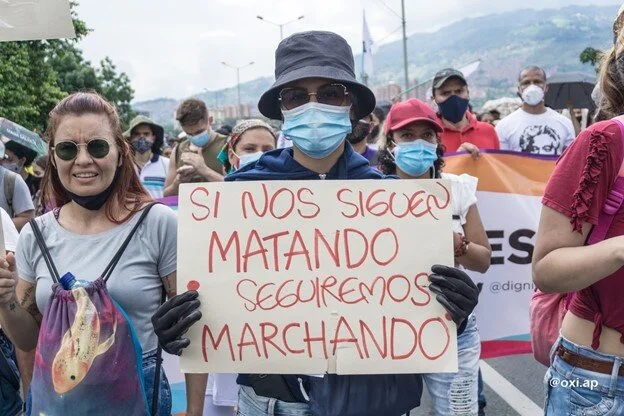
Protesters holding a sign that says “if they keep killing us, we’ll keep marching.” Ox.ap. CC BY 2.0
The COVID-19 pandemic has taken a severe social and economic toll on Colombia; with more than 101,000 deaths and 5 million jobs temporarily affected, Colombia recorded it’s largest recession on record. With many Colombians struggling to find work, the concept of the proposed tax change by the government was immediately protested, later withdrawn by the government after a few days of protest.
The proposed tax increase would have affected anyone making more than $656 a month, and President Iván Duque initially insisted that the tax was needed to fix the country’s economy. After the protests caused deaths, however, he asked the Congress to withdraw the proposed law and created a new law to avoid financial uncertainty. The protests ignited civil unrest that lasted after the withdrawal of the tax increase. On June 15, organizers said that they are temporarily suspending the weekly Wednesday protests.
The earlier protests highlighted the excess of police brutality in Colombia. More than 1,100 protesters and bystanders have been injured since April 28, and the total number is most likely higher as many cases have not been reported to authorities. Human Rights Watch confirmed 34 deaths, including 2 police officers and 31 demonstrators or bystanders, 20 of whom appeared to be murdered by the police.
The Independent Forensic Expert Group of the International Rehabilitation Council for Torture Victims, an international group of forensic experts, explained that live ammunition was used on individuals, causing deaths. Also, IRCTV concluded that tear gas and kinetic impact projectiles are being misused, causing death and severe injury including blunt trauma to eyes.
More specifically, at least 16 protesters or bystanders died from live ammunition of police firearms, at least one other victim died from beatings and three others from inappropriate or excessive use of teargas or flash bangs. Additionally, there were 9 cases of severe eye injuries from either teargas cartridges, stun grenades, or kinetic impact projectiles fired from riot guns. Human Rights Watch, also stated, “Victims included journalists and human rights defenders who were covering the protest, including some who wore vests identifying them as such.”
Furthermore, on May 14, the Ombudsperson’s Office reported 2 cases of rape, 14 cases of sexual assault and 71 other cases of gender-based violence by police officers.. Two cases of sexual violence by police officers against protesters were documented by Human Rights Watch.
In November 2016, the Colombian government and the Revolutionary Armed Forces of Colombia reached a peace accord after a 52-year armed conflict, demobilizing the country’s then-largest armed group. Protection of human rights defenders through specific initiatives was a part of the agreement. As seen with these recent protests, however, the agreement has not been held to the highest accountability. Conflict-related violence has displaced more than 8.2 million Colombians since 1985.
On June 6, President Iván Duque stated that the government would take steps to “transform” the police. The protests continued from the end April untill mid-June; National strike committee spokesman Francicso Maltes said to Al Jazeera that the umbrella of workers unions, student organizations and others decided to “temporarily” pause the Wednesday protests. However, Maltes also stated, “Protest in Colombia will continue because the reasons behind it are still there.”
Unions and business associations will draft bills to share with Congress when it begins a new session on July 20—a protest is expected on that day, stated Maltes. “We hope that Congress, and lawmakers, do not fail Colombians like President Ivan Duque has,” said Maltes.

Kyla Denisevich
Kyla is an upcoming senior at Boston University, and is majoring in Journalism with a minor in Anthropology. She writes articles for the Daily Free Press at BU and a local paper in Malden, Massachusetts called Urban Media Arts. Pursuing journalism is her passion, and she aims to highlight stories from people of all walks of life to encourage productive, educated conversation. In the future, Kyla hopes to create well researched multimedia stories which emphasize under-recognized narratives.
The Natural Beauty of Morocco
The video also shows Moroccan cities’ relationship with nature, juxtaposing busy streets with empty deserts.
Read MoreAustralia’s Underground Town
In the 100-year-old mining town of Coober Pedy, Australia, more than half of the population lives underground, escaping the heat.

An underground bookstore in Coober Pedy, Australia. Smart Encyclopedia. CC BY-NC 2.0
Over half of the few thousand residents of Coober Pedy, Australia, live underground. The town was founded over 100 years ago, in 1915, when a teenage boy out prospecting for gold discovered opals. A settlement was quickly established and miners began to flock to the area. Coober Pedy became one of the largest opal mining operations in the world, producing around 70% of the world’s opal and earning the title “Opal Capital of the World.”
But the settlers of Coober Pedy had a problem: Coober Pedy is hot, with temperatures in the summer rising to over 113 degrees Fahrenheit in the shade. The opposite extreme is true during winter nights when the desert becomes very cold—considering this, life aboveground is greatly impacted by the weather. Rather than moving to a more temperate climate where opportunities for mining work would be more difficult to find, the settlers took inspiration from the mining industry itself, carving underground and hillside dugouts. In these cooler dugouts, the temperature stays at 75 degrees Fahrenheit year-round.

Chimneys rise from underground homes in Coober Pedy. Nicholas Jones. CC BY 2.0
The inhabitants’ subterranean lifestyle earned Coober Pedy its name, a corruption of the Aboriginal phrase “kupa piti,” which is often translated as “white man in a hole.” The name Coober Pedy was made official in 1920, but the settlement was not declared a town until the 1960s, after which it underwent another population boom and further development.
Today, the underground residences have all the amenities that a regular home would on the surface, such as internet, water and electricity, as well as multiple bedrooms, bathrooms and living areas. Some homes, like the one carved by Faye Nayler and two of her friends, even have a swimming pool and bar. A large portion of the population live most of their life underground, and it is a comfortable and relatively normal lifestyle—aside from the lack of sunlight. There are stores, churches and museums underground alongside the residences; the town truly is an underground community. Coober Pedy’s inhabitants do have to venture aboveground for food, however, because both of the town’s grocery stores are located on the surface.

An underground church in Coober Pedy. Werner Bayer. CC BY 2.0
Coober Pedy is still a worldwide hub for precious opal, but mining is no longer its only major industry. The town has become a popular attraction for visitors hoping to experience subterranean life. Visitors can stay in hotels with underground accommodations, like the Desert Cave Hotel. Another lodging option is a homestay in family-operated underground apartment-style accommodations like Di’s Dugouts or the Underground B&B. There are also underground campgrounds available to book.

A hotel in Coober Pedy. Smart Encyclopedia. CC BY-NC 2.0
While the underground lifestyle is Coober Pedy’s main draw, visitors can also explore other attractions such as the Centenary Mosaic Garden; Kanku Breakaways Conservation Park, which is an Aboriginal heritage site; and can even try their hand at mining for opal using a digging technique called noodling. Faye Nayler’s house is now open to visitors as Faye’s Underground Home, where visitors can pay a small entrance fee to receive a guided tour of the house. There are a number of other tours available around Coober Pedy for visitors to learn more about the town’s unique history.

Rachel Lynch
Rachel is a student at Sarah Lawrence College in Bronxville, NY currently taking a semester off. She plans to study Writing and Child Development. Rachel loves to travel and is inspired by the places she’s been and everywhere she wants to go. She hopes to educate people on social justice issues and the history and culture of travel destinations through her writing.
Hong Kong’s Domestic Workers Demand to Be Treated Like Employees, Not Slaves
As COVID-19 exacerbates the discrimination and abuse that domestic workers in Hong Kong face on a daily basis, activists vigorously fight for their rights
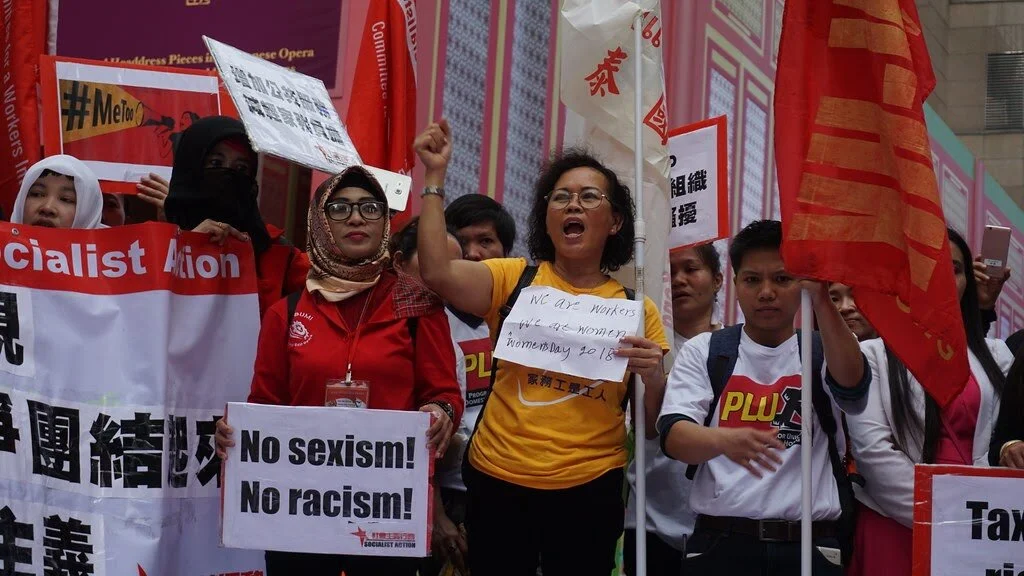
Domestic workers take to the streets. International Domestic Workers Federation. CC BY-NC-ND 2.0.
Erwiana Sulistyaningsih knocked on her neighbor’s door at 2 a.m. She needed food. She was a domestic worker, or “helper,” in Hong Kong for Law Wan-tung, who rarely fed her. By Hong Kong law, helpers are required to live with their employers, so such abuse is not unheard of. Nor was forced starvation the full extent of this abuse. Law once shoved a metal vacuum cleaner tube into Sulistyaningsih’s mouth, causing her lip to bleed. Law even forced her to stand naked in the shower in the middle of the winter while she splashed water on her. That night at 2 a.m., her neighbors saw the result of months worth of abuse.
Long a marginalized group, helpers fuel the economic engine of Hong Kong, completing domestic work so their employers can dedicate time to their careers, often in the lucrative financial sector. They shop, do laundry, help children with homework, cook meals, clean living spaces and do anything else their employers wish. While helpers are employed by both the middle and upper class and have a widespread presence in Hong Kong, they rarely have a voice in public policy debates. Because most helpers are migrants and ethnic minorities, they often endure discrimination and abuse because of their race and social class.
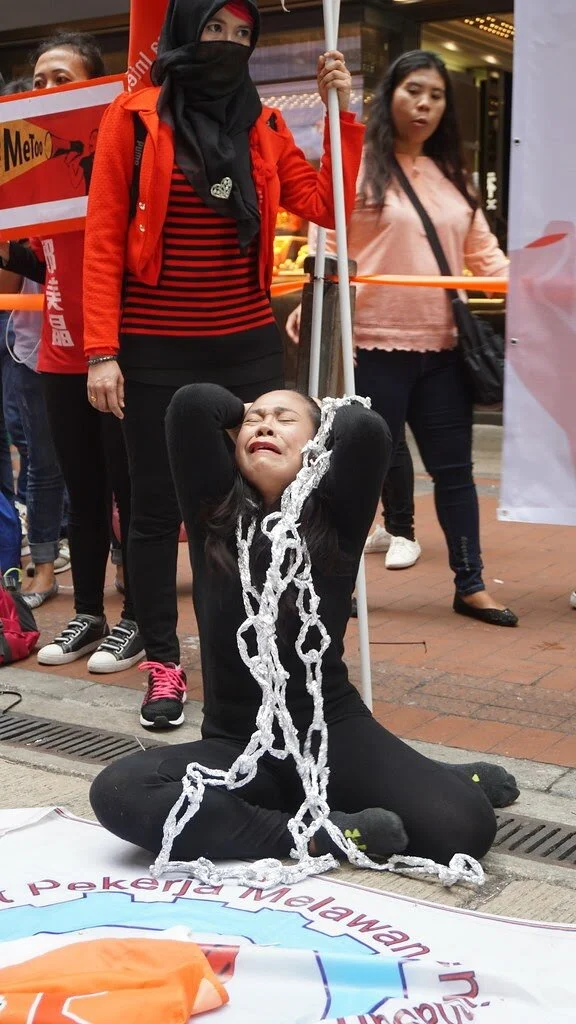
A woman protesting helper abuse. International Domestic Workers Federation. CC BY-NC-ND 2.0.
Helpers suffer in an economic system that leaves almost no space to be human. Minimum wage for helpers is $596 a month. Having employers provide food and housing is intended to compensate for this low pay, but the real consequence of living with their employers is that helpers are effectively on-call all day, every day. Although helpers are required to be given one full day off each week, many are made to work anyway to satisfy their employers. Hong Kong law requires employers to provide helpers with “suitable accommodation” and “reasonable privacy,” but many helpers are forced to sleep on cots behind thin, cloth partitions. Some sleep on the floor.
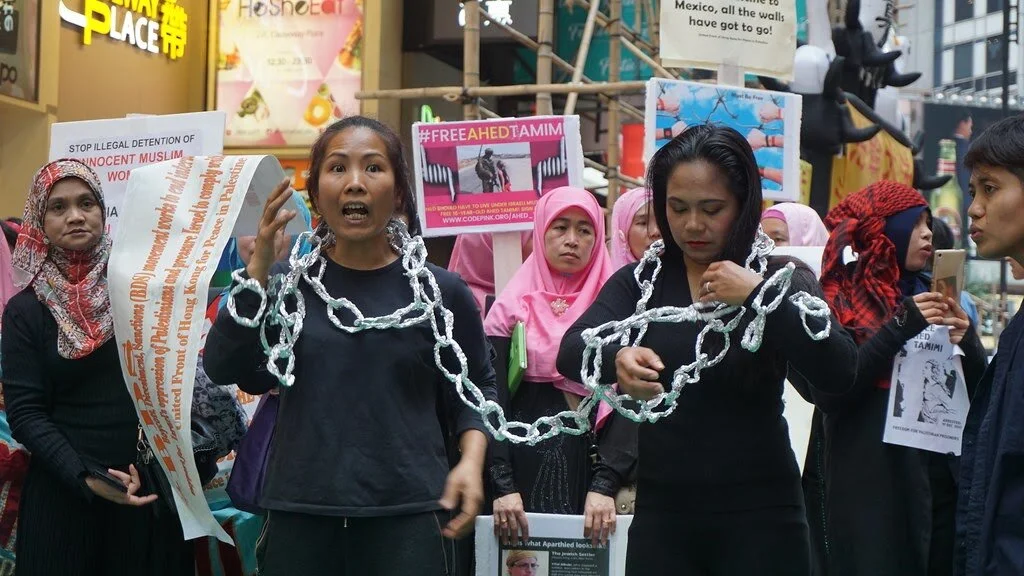
A demonstration for helpers’ rights. International Domestic Workers Federation. CC BY-NC-ND 2.0.
COVID-19 further exacerbated the discimination which they face daily. In late April, the government ordered all 370,000 domestic workers in Hong Kong to take COVID-19 tests or get a vaccine, deeming them “high risk” due to their “mingling” with other migrant workers. However, they rescinded the vaccination requirement after public outcry in May, yet the testing requirement remained. This order prompted accusations of discrimination because it did not apply to migrant workers in white-collar positions or those who employ helpers. In fact, infection rates among helpers are lower than the Hong Kong average. Still, police and passers-by regularly harass people they suspect are helpers for not following COVID-19 guidelines, even if they are.
In particular, the live-in law has caused concern among activists campaigning for the rights of domestic workers in Hong Kong. In 2020, 17% of helpers reported being physically abused, a 2% increase from 2019. Cases of rape and sexual abuse increased to 6%. An astonishing 98% of helpers say they have worked longer hours during the pandemic. This is only the continuation of a trend. A 2016 study found that one in six helpers experienced forced labor at some point in their careers.

Demonstrators hold a flag from the Federation of Asian Domestic Workers Unions. International Domestic Workers Federation. CC BY-NC-ND 2.0.
Erwiana Sulistyaningsih was only one of thousands to experience abuse as a helper. When she became so injured that she could no longer work, Law attempted to sneak her onto a plane to Indonesia, hiding her bruises with makeup and threatening to hurt her family if they were caught—they were. Law enforcement intercepted Law before she could do any more harm, and a Hong Kong court sentenced her to six years in prison. It was a major victory, not just for Sulistyaningsih but for all 370,000 helpers working in Hong Kong.
One positive trend for helpers’ rights has been a more focused public spotlight on their situation, led by a dedicated group of activists documenting and addressing helpers’ concerns. Sulistyaningsih made Time Magazine’s 100 Most Powerful People in 2014 for telling the story of her abuse. Her case serves as a reminder of the abuse that continues to befall helpers, and of how far away justice remains. Law Wan-tung got out of prison early in 2018, but for Sulistyaningsih and countless other domestic workers, physical and mental scars still persist.

Michael McCarthy
Michael is an undergraduate student at Haverford College, dodging the pandemic by taking a gap year. He writes in a variety of genres, and his time in high school debate renders political writing an inevitable fascination. Writing at Catalyst and the Bi-Co News, a student-run newspaper, provides an outlet for this passion. In the future, he intends to keep writing in mediums both informative and creative.