5 Animals that Made it Off of the Endangered List

Conservation efforts are saving biodiversity.
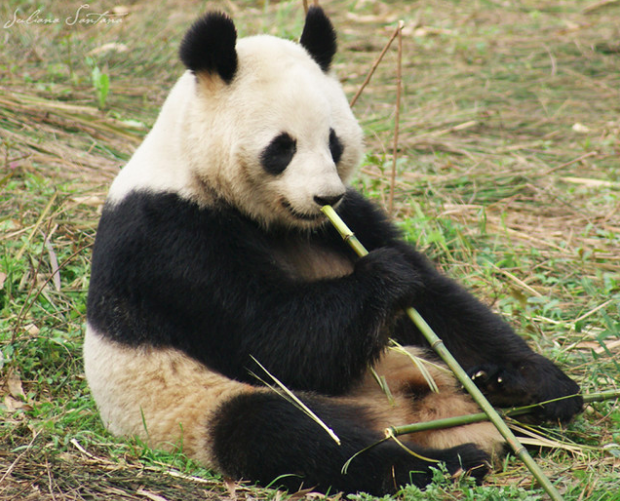
The Panda is an example of a species that was once endangered but is now vulnerable. Photo by Ju Santana C.C. 2.0.

It’s no secret that in order for our planet to survive, we need an array of species to fulfill different niches. However, when humans over hunt animals, destroy their natural habitats, or disrupt their environment, species can die out, or become extinct. This threatens the status quo of our planet, and the safety of all living organisms. 

The International Union for Conservation of Nature (IUCN) created the “Red List” in 1964 to keep track of species that are threatened by extinction. Conservation organizations like the World Wildlife Fund use this list to determine their course of action. 


There are three categories to measure species that are threatened by extinction, from lowest risk to highest risk: Vulnerable, Endangered, and Critically Endangered. Because of the efforts of conservation organizations, as well as government acts (such as the 1973 Endangered Species Act), animals have had their endangered status lessened. Here are five animals that you might recognize.
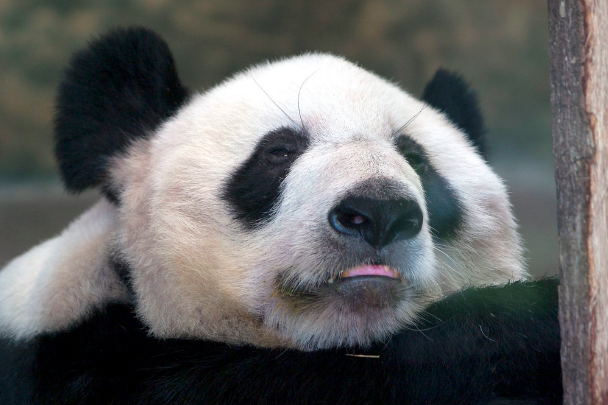
Photo by David Ellis C.C. 2.0.

The Giant Panda: Endangered to Vulnerable 

1. The Giant Panda, native to the bamboo forests of China, was once endangered. They are threatened due to loss of their habitat. Forest destruction to make way for roads in China means that Pandas lose access to bamboo, their main source of nutrients. Additionally, they are threatened by hunters who kill them for their fur. However, now there are more than 50 panda reservations in China, and the population has rebounded. 
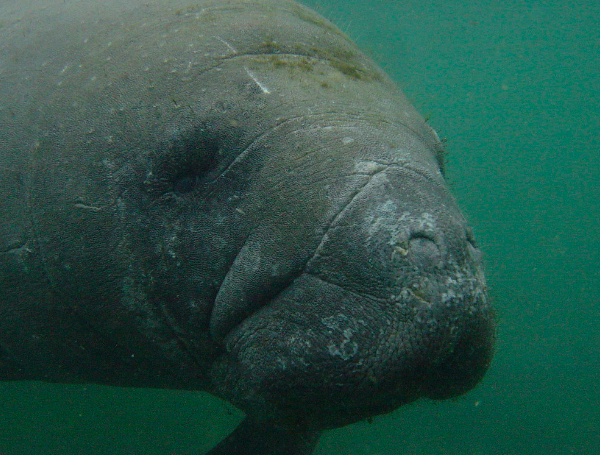
Photo by La Chiquita. C.C. 2.0.

Manatees: Endangered to Vulnerable

2. Manatees were also marked as vulnerable or threatened instead of endangered. Manatees feed on seagrass, which is found in shallow waters. This leaves them vulnerable to boats and jet skies. Conservations have been created to help protect Manatees from trash and boats. However, not everyone was enthused about the reclassification, as advocates think it could undermine the urgency to continue protection efforts for manatees. 
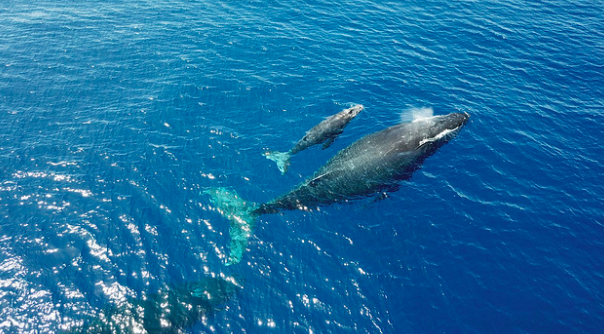
Photo by National Marine Sanctuaries.

Humpback Whales: Delisted

3. Some populations of Humpback Whales were delisted from the US government’s endangered species list. In 2016, 9 out of the 14 populations of Humpback whales were delisted. Most whales are threatened by collisions with ships and entanglements in fishing gear. The entire species wasn’t delisted, as Humpback Whales are geographically separated and face different risks. The Marine Mammal Protection Act, and an international ban on whaling serve to continue protecting the species. 
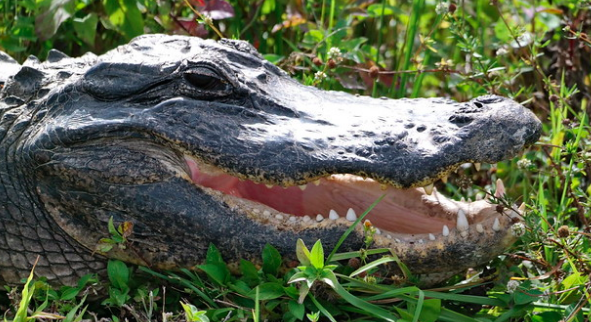
Photo by J. Phillip Krone. C.C. 2.0.

American Alligator: Delisted

4. The American Alligator is found in Southeastern United States. The species was put on the endangered list in the 1960s because of hunters and habitat loss. However, after the Endangered Species Act prohibited hunting, the species was able to recover. In 1987, it was removed from the endangered list. 
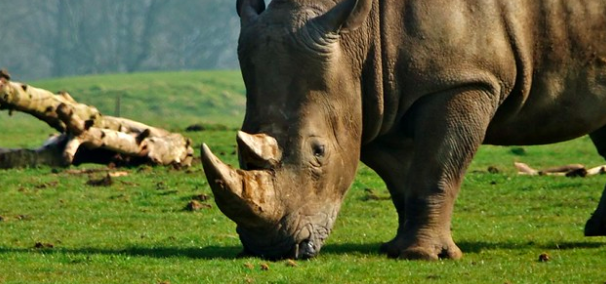
Photo by Clive. C.C. 2.0.

The White Rhino: Delisted

5. The White Rhino is found in South Africa. The species was on the brink of extinction after poachers killed them to take their horns. Due to regulation of poaching and an effort to stop illegal trade, the species has since been removed from the endangered list. 


Even though these species have had their categories lessened, or have been removed from the list entirely, conservation efforts are needed to preserve the species and foster the regrowth of their population. Consider volunteering with organizations like the World Wildlife Fund to get involved. 


ELIANA DOFT loves to write, travel, and volunteer. She is especially excited by opportunities to combine these three passions through writing about social action travel experiences. She is an avid reader, a licensed scuba diver, and a self-proclaimed cold brew connoisseur. 



The Lungs of the Earth are Burning

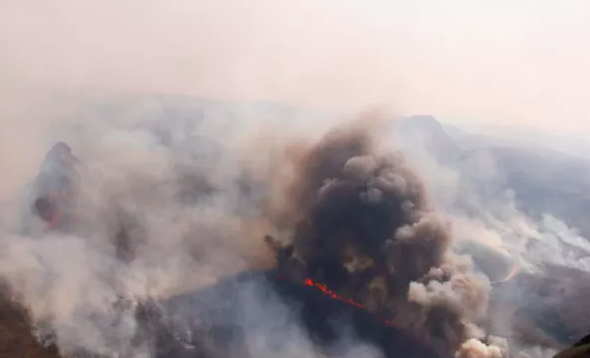
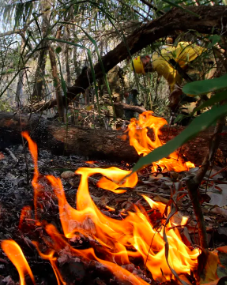
 The Amazon Rainforest is currently burning and has been for weeks, while little to no coverage has been given to the immediate and dire situation. 

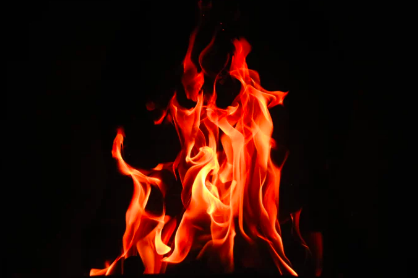
Fire. Cullan Smith. Unsplash.

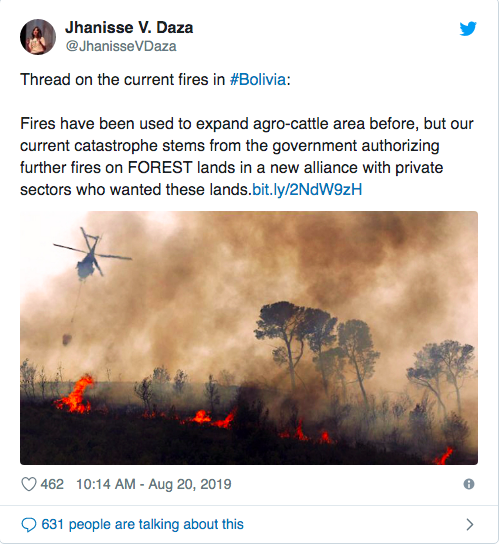
The Amazon is on fire and has been for a little over a month. According to the World Wildlife Fund, “40,000 different types of plants” are estimated to have been affected by the fires raging in the Amazon. The Amazon fires have been burning for a while now, but coverage on the fires has been little to none. Now, though, through the outcry on social media, attention has been brought and countries across the globe are pitching in, trying to do their part in reversing and stopping the fires. 

According to a NY Times article, “Hours after leaders of some of the world’s wealthiest countries pledged more than $22 million to help combat fires in the Amazon rainforest, Brazil’s government angrily rejected the offer, in effect telling the other nations to mind their own business — only to later lay out potential terms for the aid’s acceptance and then, on Tuesday evening, accepting some aid from Britain.”

Denying the aid could prove detrimental to the people and animals living in the Amazon forest. According to a CNN video, Daniel Aristizabel, a member of the Amazon Conservation team, states that the fires are affecting tons of the wildlife in the Amazon, stating “if you lose one species, you cause a chain reaction”. This “chain reaction” can cause a major shift in our ecosystem and possibly put many animals on the endangered species list. 

Being far-removed from the fires makes it difficult to understand the scope and how big of areas the fires are covering. In an ABC video, Andres Ruzo from National Geographic Explorer and Conservationist and also the Director of the Boiling River Project states that “we could be losing, in certain areas, as much as 3 soccer fields of jungle every single minute”. The rate at which the Amazon is burning is huge and will have an impact on ourselves. To put the size in perspective, CNN reporter also adds that the amount of land burning is equivalent to “two thirds the size of the contenential United States”. The Amazon Rainforest has often been called the lungs of the Earth but now they are clogged with smoke. 

Senior VP of Forests, WWF, Kerry Cesareo, states “we have seen a dramatic increase in deforestation in the Amazon, recently, and it is driven by humans and this is happening in part due to demand for food and other resources from the forests and exacerbated by the decline and enforcement of laws”. The apparent need for land for farming is the reason behind the fires. A great need for profit and resources are killing the Earth’s lungs.

If you would like to contribute to the efforts of saving the Amazon rainforest, you can donate to Protect and Acre Fund at https://act.ran.org/page/11127/donate/1 which “has distributed more than one million dollars in grants to more than 150 frontline communities, indigenous-led organizations, and allies, helping their efforts to secure protection for millions of acres of traditional territory in forests around the world.” You can also reduce your wood, paper, and beef consumption as those are the top reasons deforestation is currently happening to the Amazon. 


OLIVIA HAMMOND is an undergraduate at Emerson College in Boston, Massachusetts. She studies Creative Writing, with minors in Sociology/Anthropology and Marketing. She has travelled to seven different countries, most recently studying abroad this past summer in the Netherlands. She has a passion for words, traveling, and learning in any form. 


Sustainable Future: The New Plastic

Life in plastic can be fantastic now that Sandra Pascoe Oritz has created a material that could possibly replace regular plastic and help fight the growing climate conditions.

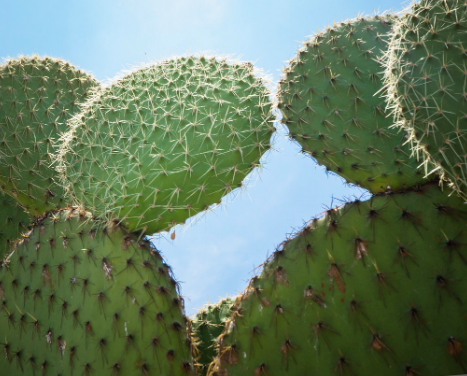
Nopal cactus leaves. genericavatar. CC by-NC 2.0.
Sandra Pascoe Ortiz, a Mexican researcher, has created a “plastic” dupe from cacti. Oritz states, “My idea is to produce a plastic from natural ingredients and substitute it for some of the plastics we use today”. Her invention will not only aid the fight against the growing climate crisis, but provide a more efficient way of mass producing cheaper products that will not affect our future in the long-run. The material Ortiz created takes one month to biodegrade in soil and a few days to biodegrade in water. That ensures that the product will quickly be erased, allowing for no buildup or junk yards to pollute the Earth.

Also, the material she created is so natural that it is edible. “All the materials we use can be ingested both by humans or animals and they wouldn’t cause harm.” This means that when the product does biodegrade, it should not affect the surrounding ecosystem, instead contributing to it. 

But what is her process? First, she cuts the leaves off the cactus - the big round part that we associate with the general look of the cactus. Then, she peels the leaves, shaving off the outside spikey layer. Next, she presses the shaved cacti into juice placing the juice into the fridge. After some time, she takes the juice out of the fridge, mixes the non-toxic formula into the juice and after the concoctions are mixed, she laminates the mixture, letting it dry. 

Oritz is currently testing many different ways the new material can be used. “We can obtain different colours, shapes, thicknesses; we can make plastics that are very smooth or very flexible and we can make others that are more rigid.” The material is malleable enough that it can possibly replace most of the functions that plastic is used for. 

Currently, as Ortiz does everything by hand, the process of creating the new “plastic” takes up to 10 days. Ortiz believes that upgrading the process into an industrial factor, the process can be sped up. 

The best part about the whole process? The substance is made up entirely of renewable resources. “The nopal cactus is a plant endemic in Mexico”. To continue the process, the plant must stay alive to create more leaves, ensuring overcropping will not be the result. Although the material is still in development, it shines a light for a hopeful future filled with less plastic and a more sustainable future. 


OLIVIA HAMMOND is an undergraduate at Emerson College in Boston, Massachusetts. She studies Creative Writing, with minors in Sociology/Anthropology and Marketing. She has travelled to seven different countries, most recently studying abroad this past summer in the Netherlands. She has a passion for words, traveling, and learning in any form.


The Netherland’s New Burqa Ban is a Sign of Hostility Towards the Dutch Muslim Community

The discriminatory law violates both religious freedom and freedom of movement.


Photo of Library Hall in the Rijksmuseum by Will van Wingerden on Unsplash. This is one of many buildings now off limits to people wearing burqas or niqabs.

Last June, the Upper House of Parliament passed a ban on face-covering garmates such as burqas and niqabs by 35 to 40 votes. The law came into effect early this month, banning those wearing such garmates from entering public places including government buildings, public transport, hospitals, and schools.

Amnesty International has released a statement calling the ban an infringement on women's rights to dress as they choose. The ban follows similar laws throughout Europe and will make the Netherlands the 6th country in the EU to ban burqas and niqabs in public buildings. The law does not apply to streets and other outdoor public spaces.

While the exact number of women impacted by the law is unclear, the Guardian writes that according to a 2009 study by University of Amsterdam professor Annelies Moors, an estimated 100 women routinely wear a face veil and less than 400 sometimes wear a veil. Moors, a critic of the bill, states that it has the power to interfere with women's daily lives. It restricts their access to hospitals, police stations, and schools, preventing them from accessing education, reporting crimes, and other necessary abilities.

While the Dutch government has stated that the law is a non-discriminatory effort to ensure public safety, the far-right has been quick to cite the ban as a party victory. "Finally, 13 years after a majority in the Dutch Parliament voted in favor of my motion to ban the burqa, it became law yesterday!" Geert Wilders of the far-right Freedom Party tweeted last June including the telling hashtags #stopislam #deislamize.

Al Jazeera writes that Wilders hopes to go even further with the ban."I believe we should now try to take it to the next step," he told the Associated Press. "The next step to make it sure that the headscarf could be banned in the Netherlands as well."

Under the new law, someone wearing a banned clothing item must either remove it, or face a fine from 150 to 415 euro. Police and transport officials, however, have expressed a reluctance to comply with the ban. 

After a statement from the police saying that enforcing the law is not a priority for them, transportation authorities announced that they would not be enforcing the law as police assistance would not be readily available. 

“The police have told us the ban is not a priority and that therefore they will not be able to respond inside the usual 30 minutes, if at all,” Pedro Peters, a spokesman for the Netherlands transport network told the Guardian. “This means that if a person wearing a burqa or a niqab is challenged trying to use a service, our staff will have no police backup to adjudicate on what they should do. It is not up to transport workers to impose the law and hand out fines.”

Hospitals also stated that they would continue to treat patients regardless of clothing.

The Muslim community has rallied to support those affected by the law. The Nida (Rotterdam’s islamic party) has stated that it will pay all fines imposed on those wearing niqabs. The party even created a community account where people can donate money to be used for fines. Algerian activist Rachid Nekkaz also offered to cover fines.

Despite the lack of enforcement surrounding the ban, its existence alone is a sign of hostility towards the Dutch Muslim community. According to Al Jazeera, Nourdin el-Ouali, who leads the Nida Party, called the ban a “serious violation” of religious freedom and freedom of movement, and warned that it will have far-reaching consequences.


EMMA BRUCE is an undergraduate student studying English and marketing at Emerson College in Boston. While not writing she explores the nearest museums, reads poetry, and takes classes at her local dance studio. She is passionate about sustainable travel and can't wait to see where life will take her.