
Antarctica offers a unique travel experience with its diverse wildlife, extreme climate, and stunning landscapes, making it a must-see destination for adventurous travelers.
Read MoreLondon is a Multicultural Dining Destination
With bustling markets like Borough and Spitalfields, and iconic restaurants such as Dishoom and Chishuru, London proves to be a multicultural dining destination for food lovers worldwide.
Read MoreWWOOF: Live, Work and Farm for Free Around the World
WWOOF (World Wide Opportunities on Organic Farms) connects travelers with organic farms across over 130 countries, offering room and board in exchange for labor.
Read More7 Valentine’s Day Traditions Around the World
Explore unique Valentine’s Day traditions from around the world.
Read More7 Sustainable Alternatives to Overtouristed Destinations
Discover seven sustainable alternatives to over-touristed destinations where you can enjoy nature and culture while supporting eco-friendly practices.
Read MoreDanish Cozy Culture
Explore the cozy, happiness-driven culture of Denmark, where hygge—an intentional pursuit of comfort and joy—has become central to daily life.
Read MoreLights, Camera, Action: 7 of the Best International Films
With the 2024-2025 movie awards season in full swing, let’s look at what filmmakers had the world watching — and discussing — last year. This article highlights seven international films from the past year, each transcending borders and language barriers to tell untold stories, raise global awareness, and reveal universal truths.
Read MoreSolo Female Travel: The Rise and Rage of Traveling Alone
Learn a few tips on how to stay safe as a solo female traveler.
Read More4 Destinations That Are a Bookworm’s Dream
Explore four enchanting destinations where book lovers can step into the pages of their favorite stories, from the misty hills of Hobbiton to the eerie halls of Dracula’s Castle. Whether retracing Mrs. Dalloway’s London stroll or riding the luxurious Orient Express, these literary-inspired journeys bring iconic settings to life.
Read MoreLive Like a Local in Madrid
Skip the tourist traps in this fantastic Spanish city with advice from a traveler who has food, wine, sunset, bars, and dancing recommendations in the city of Madrid.
Read MoreCelebrating Lunar New Year Across China
Falling on Jan. 29, 2025, the Lunar New Year is a time of celebration across China, commemorated by unique traditions found in each of its culturally diverse regions.
Read More5 Ancient Pilgrimages You Can Still Hike Today
Five ancient pilgrimages around the world you can still hike today! Visit them in Spain, Japan, Peru, the Middle East, and Sri Lanka.
Read More6 Tropical Countries To Escape the Winter Chill
Avoid the cold temperatures of winter by taking off to these six tropical destinations around the world, each offering a lush climate and magical adventures.
Read MoreNorth-East India’s Women-Only Market
Manipur’s Mothers’ Market is a world of resilience and resistance, where tradition, activism, and community converge in unexpected ways.
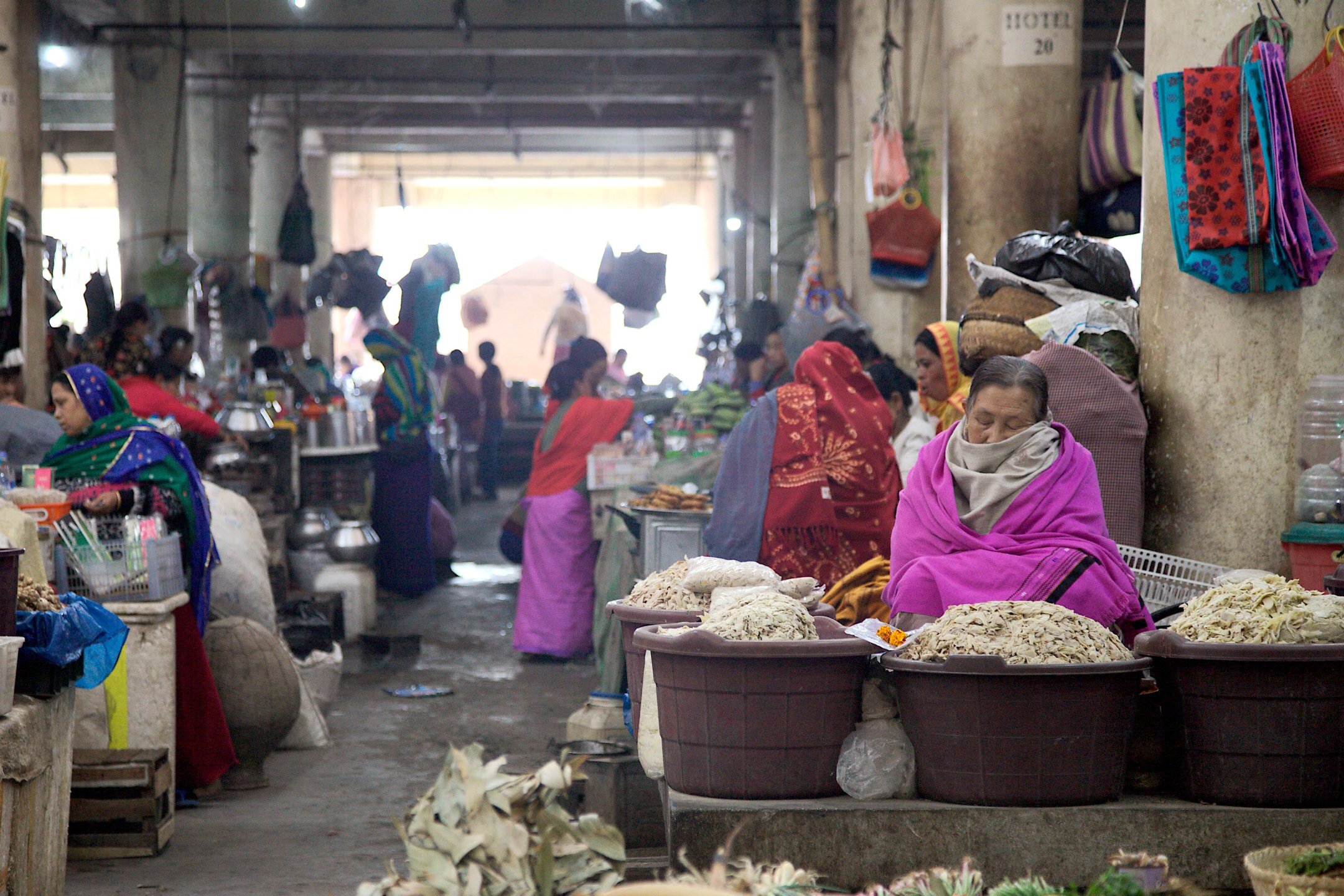
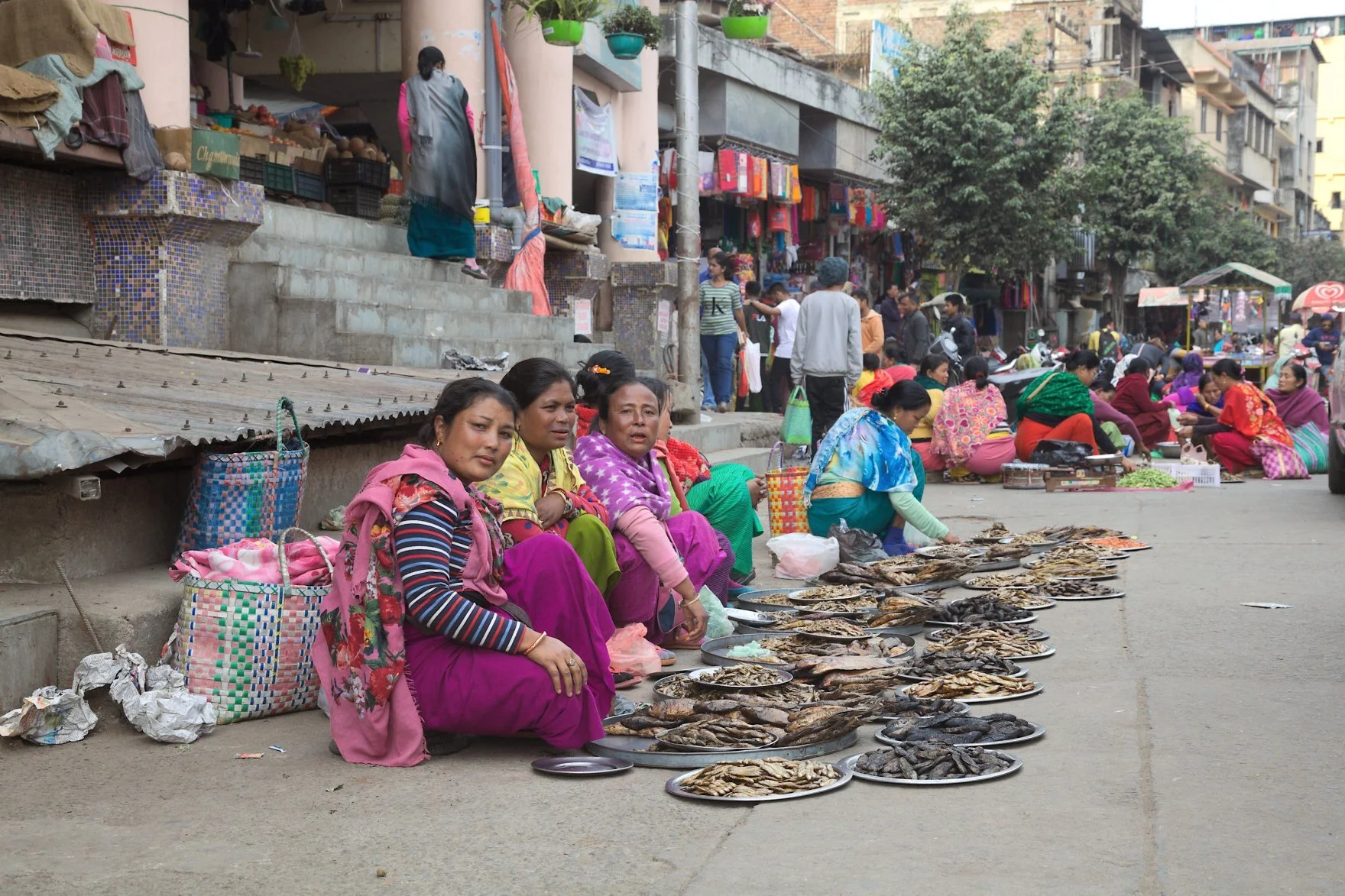
I decide on the Ima frying whiteish dough balls over a stand-alone stove and gas canister. ‘Aloo,’ she smiles and gestures to the wooden bench next to a young man slurping a leafy soup. Seconds later, this plump woman serves me a lunch of grilled fish, unidentifiable green veg, those fried potato balls, banana leaf, rice, and then, despite my protests, several second helpings.
The Imas are lined up behind their gas stoves, enticing the locals with their jokes and salty fish dishes. Sitting opposite, in front of stacked ceramic pots, are two more, warming their hands over the burning embers of a square metal pot. My host, Suporna Devi, is one of over 4000 women who congregate daily, in Ima Keithel, Manipur’s main market, selling everything from temple paraphernalia to locally-caught eels.
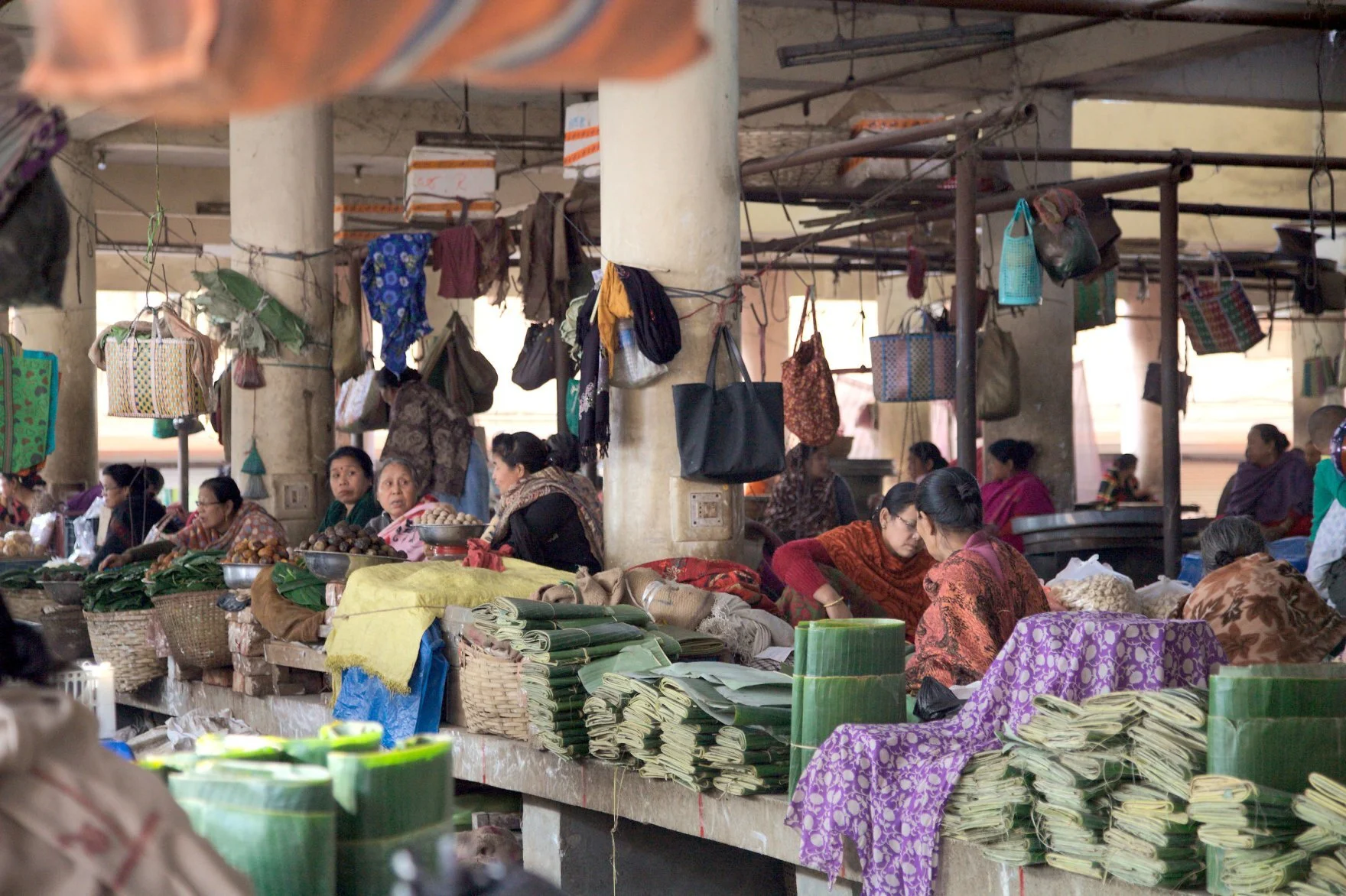
But, unlike the rest of India, here men are forbidden from trading. Passed down the generations, a stall at Ima Keithel, meaning ‘Mothers’ Market’, is highly coveted and provides the local Imas with an important source of income. Spilling out of the market buildings, encroaching on the roads, under the concrete flyovers, women are everywhere, selling produce. Some are eating, some reading, some sleeping. Many are chatting.
Believed to date back to the 16th century, the origins of Ima Keithel are unclear. Sandwiched between Myanmar and the Indian state of Assam, Manipur has long been forced to fight the Burmese and Chinese to retain its autonomy. A forced labour system, called Lallup Kaba, sent the men far from home to fight these wars, leaving the women at home to cultivate the land and sell the produce, possibly fostering this peculiar phenomenon.
For thousands of years Manipur remained an independent kingdom and a crossroads of trade and cultural exchange until it was conquered by the British in 1891. The golden, oval valley fringed by misty blue hills was famously called ‘the Jewel of India’ by India’s first prime minister. It is home to a diverse mix of tribes, who ethnically share more with groups in Burma than with the rest of India. Several hard day’s travel from Delhi, Manipur feels like a faraway land compared to India I’ve come to know; somewhat familiar, but yet not. A unique language and alphabet add to my disorientation.
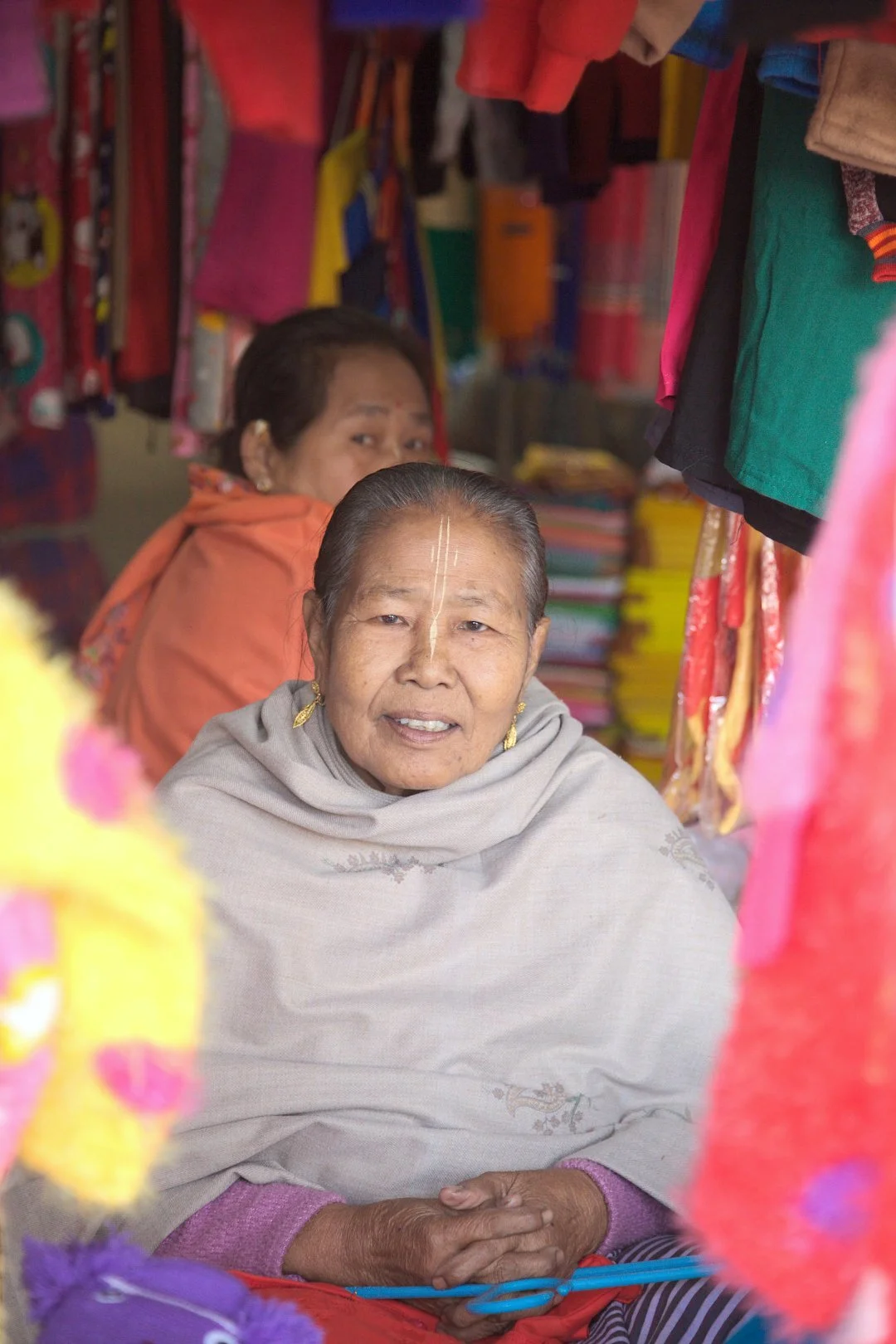
The two large market buildings sit in the commercial heart of Imphal, a dusty, grey city, home to as many motorbikes as people. Mornings see the city enveloped in a heavy, December mist, which she usually manages to shed by lunchtime. Most ladies are sitting under bright shawls: many baring two pale vertical lines on their foreheads, meeting on the nose: the mark of local Hindus. I feel the weight of eyes as I circle the floor. But smiles are soon reciprocated with smiles, and many proudly remove their glasses to strike a poise for my camera. Before long, I fall foul of the sly sales pitch of an unassuming mother and daughter. Several tea-towels later, I note to myself this is still India.
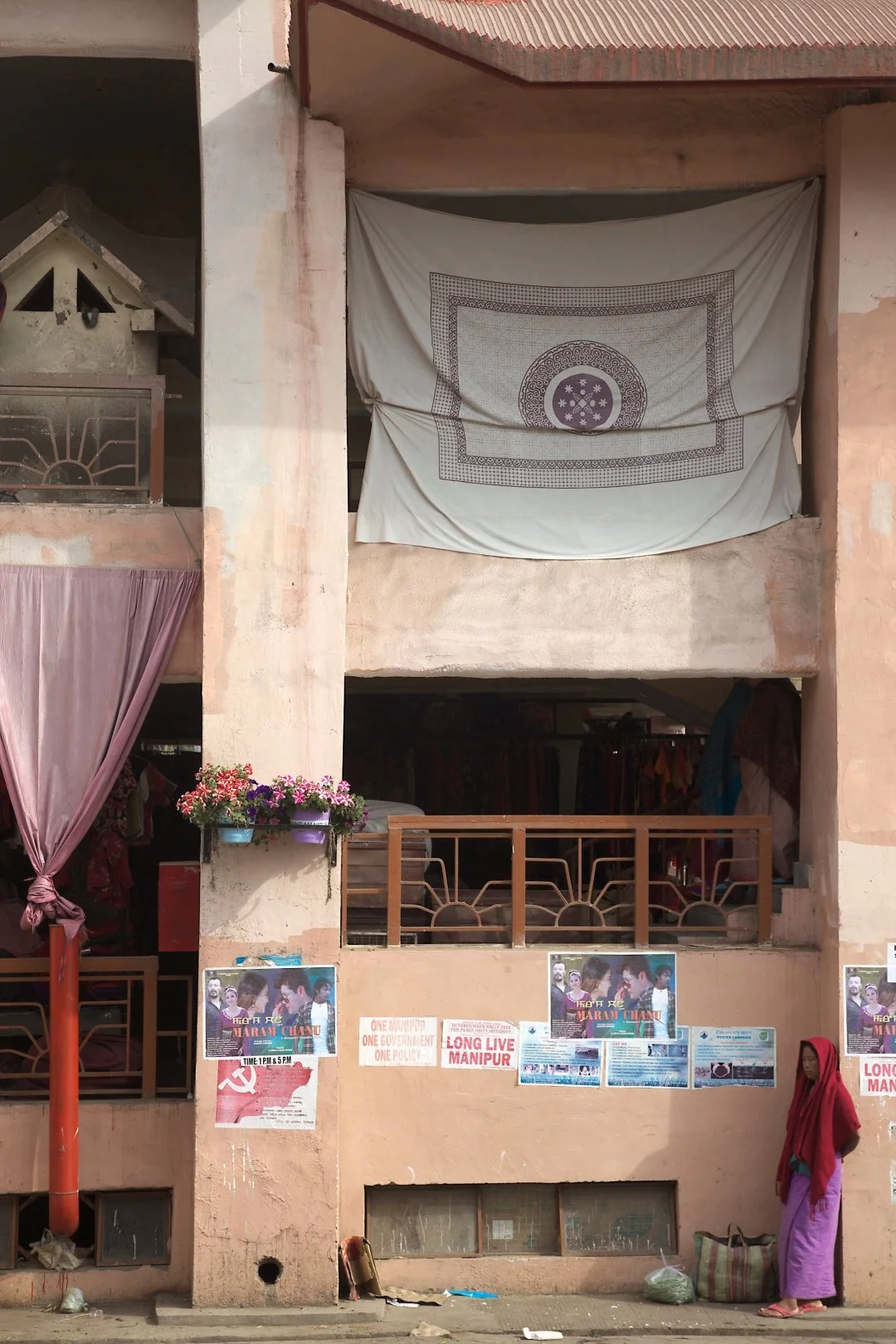
When I reach Suporna Devi’s stall, I am thankful for the rest, and we are soon conversing, in a broken fashion, through Hindi, her third language. She has worked here for over 20 years, she tells me, inheriting the pitch from her aunt. Pointing to a poster, emblazoned with hammer and sickle, she exclaims, “this is not just a marketplace, but also a place of protest!”
The revolutionary slogans spray-painted to the outer walls point to a more complex story, and I have started to research Manipur’s matriarchal society. Since at least the early 20th century, the Manipuri women have been wielding a strong influence over political and social matters of the state, with Ima Keithal at the centre of the movement. The market developed as a place not only of trade, but as a centre for gathering, a source of the latest news, a place to discuss ideas. The mothers of Ima Keithel started credit unions, lending to women who wanted to started businesses, and mentored them in the process.
As she ladles yet more rice onto my plate, Suporna suggests I visit the Nupi Lal (Women’s War) monument in another part of central Imphal. This is a memorial to Imas who fought the British rulers in the 1930s over attempts to export local rice to British battalions in other territories. Locally rice became scarce, the price spiralled and the Manipuris began to suffer. The Imas protested, peacefully, but were met with attempts to sell the market buildings. They refused to relent and eventually military and police forces were unleashed against the unarmed females. Although the export policy was eventually repealed, many women lost their lives in the struggle.
During the Second World War, Manipur became a battleground for the war between the British and Japanese: this part of India is scarred with war graves. With the independence of India, a ravaged Manipur was absorbed into the new country, unleashing a seemingly indefinite cycle of violence and insurgency as anti-Indian and ethnic groups fought over differing visions for the state’s future. From 1980 until today, most of the state has been classified as a ‘disturbed region’ by the Indian government, a ruling designed to give the Indian Army additional powers to help them maintain public order. In practice, it has granted them immunity from prosecution for a range of heinous crimes.
Despite the departure of the British, for the Imas of Manipur, the oppression continues and their imaginative responses evolve. From torching liquor stores and fining drunk men, to protesting, naked, outside an Indian army base against a case of rape and murder by the armed forces, their actions are undoubtedly radical in a country where the majority of women have little say in domestic or societal affairs. Today, they are continuing to hold out against the talons of globalisation: recent attempts by the local government to replace the market with a modern supermarket were derailed by round-the-clock sit-ins by the Imas. Again they succeeded.
After a few days of loitering around Imphal, chatting and drinking chai, I decide it is time to leave the Imas. Several check where I am going, who with, and most importantly, have I eaten yet? I gesture to the fish section at the back of the market and they nod approvingly. After my last meal, I ask Suporna if she enjoys her work in the market. She smiles and says, “This is not just my work. This is my life.” I tell her I am leaving. “Vapis ana,” (come again) she says, and goes on frying her potato balls. I heave on my backpack and head for the bus.
How to get there: I took the bus from Guwahati, Assam. It was an uncomfortable, although beautiful journey that crossed through the hills of Nagaland on the way. There are also direct flights from Delhi, Calcutta and Guwahati. Imphal makes a convenient stop if travelling overland from North-East India into Myanmar through the recently opened Moreh-Tamu border crossing.
Where to stay: The Hotel Nirmala has decent rooms starting at 850 INR. Aheibam Homestay is a good budget option.
Where to eat: The stalls of Ima Keithel, of course. And the Luxmi Kitchen does a mean thali.

Eileen McDougall
After a decade working in London, Eileen swapped flashy buildings for a notepad and camera and set off for Asia. She fell in love with India, and it was here she started to write about her travels and the culture she was becoming immersed in. She is at her happiest on a bus alone heading off to somewhere new but seems to spend most of her time near mountains, mainly the Himalayas.
Train Ride the Sahara: Mauritania’s Hidden Adventure
One of the world’s least-visited countries, Mauritania is home to a travel experience like none other, inviting daring travelers to embark on an unpredictable journey through the desert.
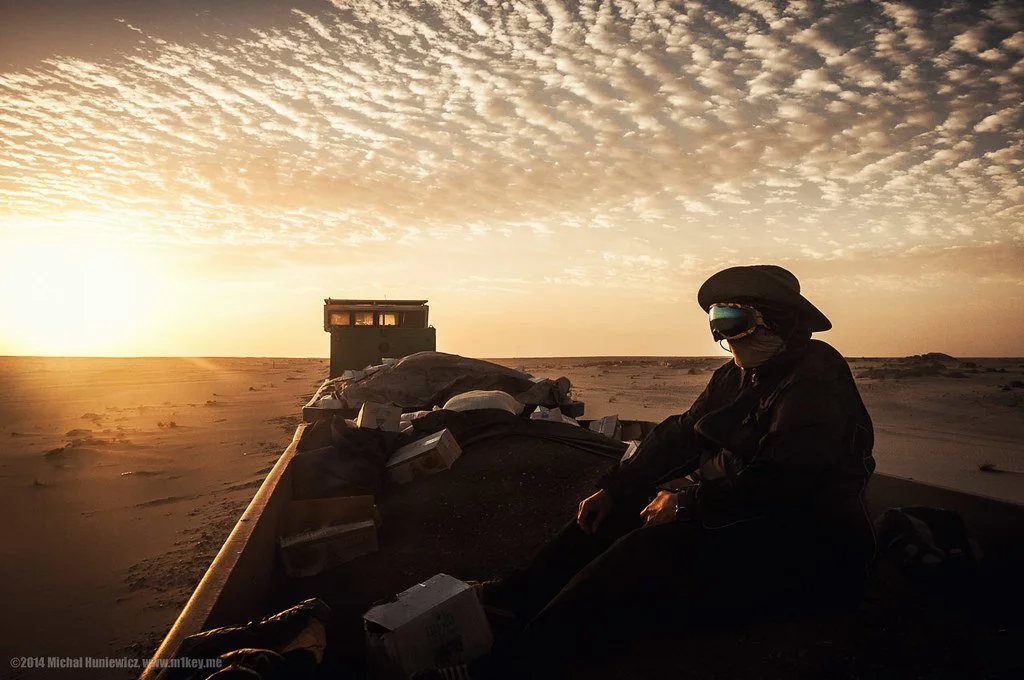
The desert nation of Mauritania attracts only around 30,000 visitors a year, making it one of the least visited countries in Africa and around the world. The country is not seen as a highly desirable travel destination due to the fact that it is only about 0.5% arable land and one of the least densely populated nations in the world. Mauritania is also one of the poorest countries worldwide, unable to provide the infrastructure required to accommodate more traditional forms of tourism.
However, Mauritania boasts a unique attraction that is rising in popularity among thrill-seeking travelers — a famous iron ore train. Its contents — the iron ore — account for half the country’s exports and are critical to its GDP. The train is known as “the Backbone of the Sahara,” due to its national and day-to-day significance in the lives of locals who rely on the train for personal transportation and its goods. The train is one of the longest in the world; the length of the car itself spans around 1.5 miles and the track stretches over 400 miles across the Sahara. Beginning in the mining town of Zouerat, the train stops again in Choum, where most travelers board. Then, across the next 17 hours, laden with iron ore, the train makes its way to the port city of Nouadhibou, where it empties and sets back to Zouerat.
The train runs daily, but not on any sort of fixed schedule, requiring no bookings or tickets. It’s hardly a passenger vehicle, as only one of the three daily trains has a paid passenger car attached. Many climb aboard one of the cargo wagons and ride alongside the ore for free.
The journey has been popularized in recent years by travel blogs and social media. The author of One Step 4Ward, Irish travel blogger Johnny Ward, has even begun to manage trips to Mauritania, leading groups on the train. Ward claims that he has completed the journey seven times, more than any foreigner on the planet. On his blog, he describes the expedition as difficult and cold but also as “one of the best travel experiences of your life.”
Another blogger, the author of Plug Me In Project, described the conditions of riding the train. They emphasize the importance of bringing goggles, gloves, a sleeping bag, a blanket and a face covering — necessary protections against the iron ore dust and frigid nightly temperatures. He wrote about the friendliness of the locals who showed him around the capital city upon arrival and guided him to the station.
The blog Sophie’s World highlights the thrilling yet unpredictable nature of visiting Mauritania as a tourist. She notes that it’s important not to make the journey alone, particularly as a female traveler. She also emphasizes the level of respect required for the locals in order to have an enjoyable experience.
Mauritania is home to one of the most unique travel experiences that the world has to offer, for those who dare to embark on the journey of a lifetime.

Zoe Lodge is a student at the University of California, Berkeley, where she is studying English and Politics, Philosophy, & Law. She combines her passion for writing with her love for travel, interest in combatting climate change, and concern for social justice issues.
10 International New Year Food Traditions that Bring Good Luck
A plethora of ways cultures worldwide celebrate the new year through delicious cuisine.
Read More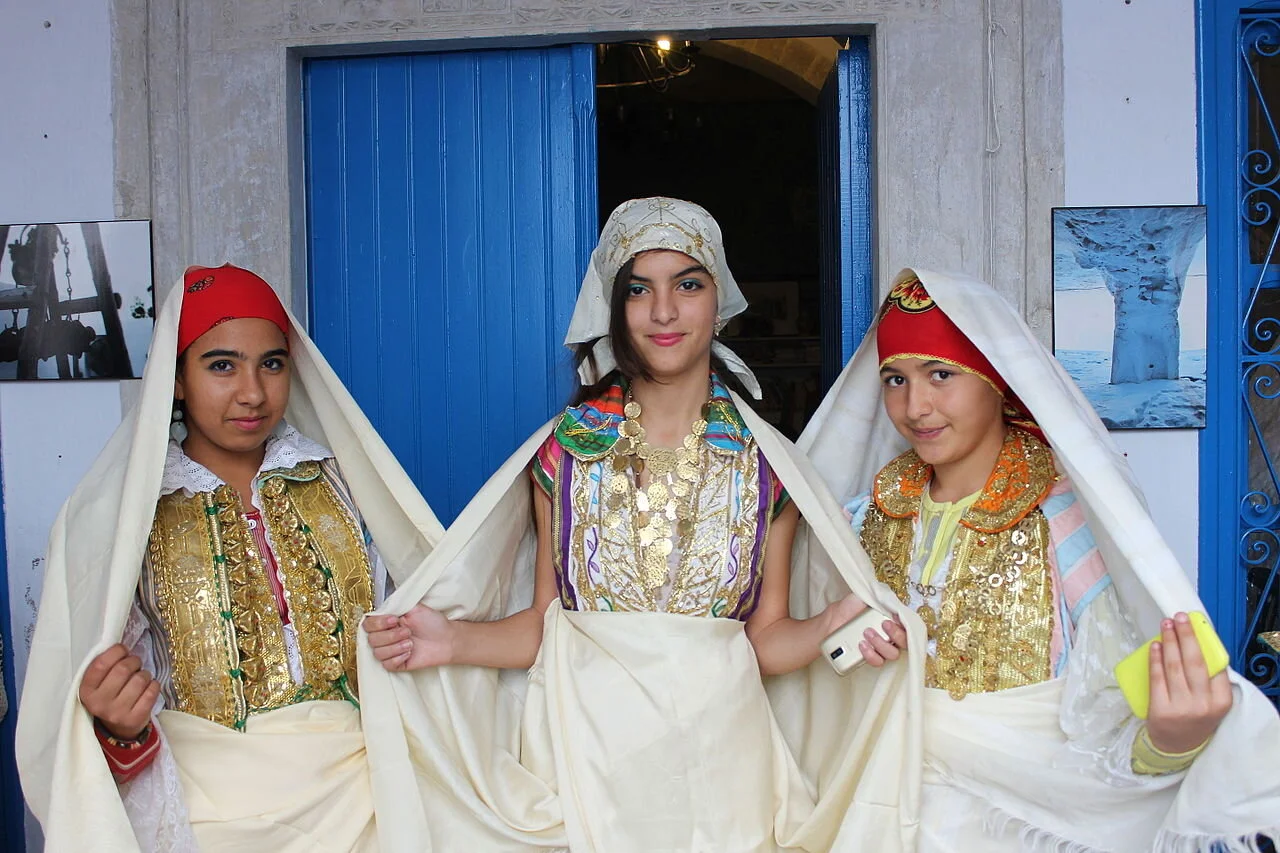
Tunisian girls wearing traditional Tunisian dress including the sefseri, a white veil made of silk or wool. Sami Mlouhi. CC BY-SA 4.0.
6 Treasures of Tunisia, From 'Star Wars' to Desert Oases
Tunisia is a country in North Africa, a region known as the Maghreb, that is similar in culture, history and religion to Morocco and its neighbor, Algeria. Tunisia is one of the most visited countries in Africa – it is a popular vacation destination for Libyans, Algerians, the French, Germans and the British. The country’s official language is Arabic, but the local Tunisian Arabic dialect,darija,, and French are also commonly used. The majority of Tunisians are Muslim, though a small Jewish community lives on Djerba, North Africa’s largest island.
The tiny country offers a variety of landscapes – beaches, mountains, the desert, woods and salt pans – that are sure to appeal to all types of travelers. The museums and ancient Roman ruins are sure to appeal to history buffs, and die-hard “Star Wars” fans will be interested to know that many scenes on the planet Tatooine were filmed in Tunisia. Be ready to enjoy dishes flavored with harissa, a spicy red pepper paste that has recently become popular in the U.S., along with plenty of seafood and Maghrebi staples such as couscous and syrupy doughnut-like bambalouni and zlebia.
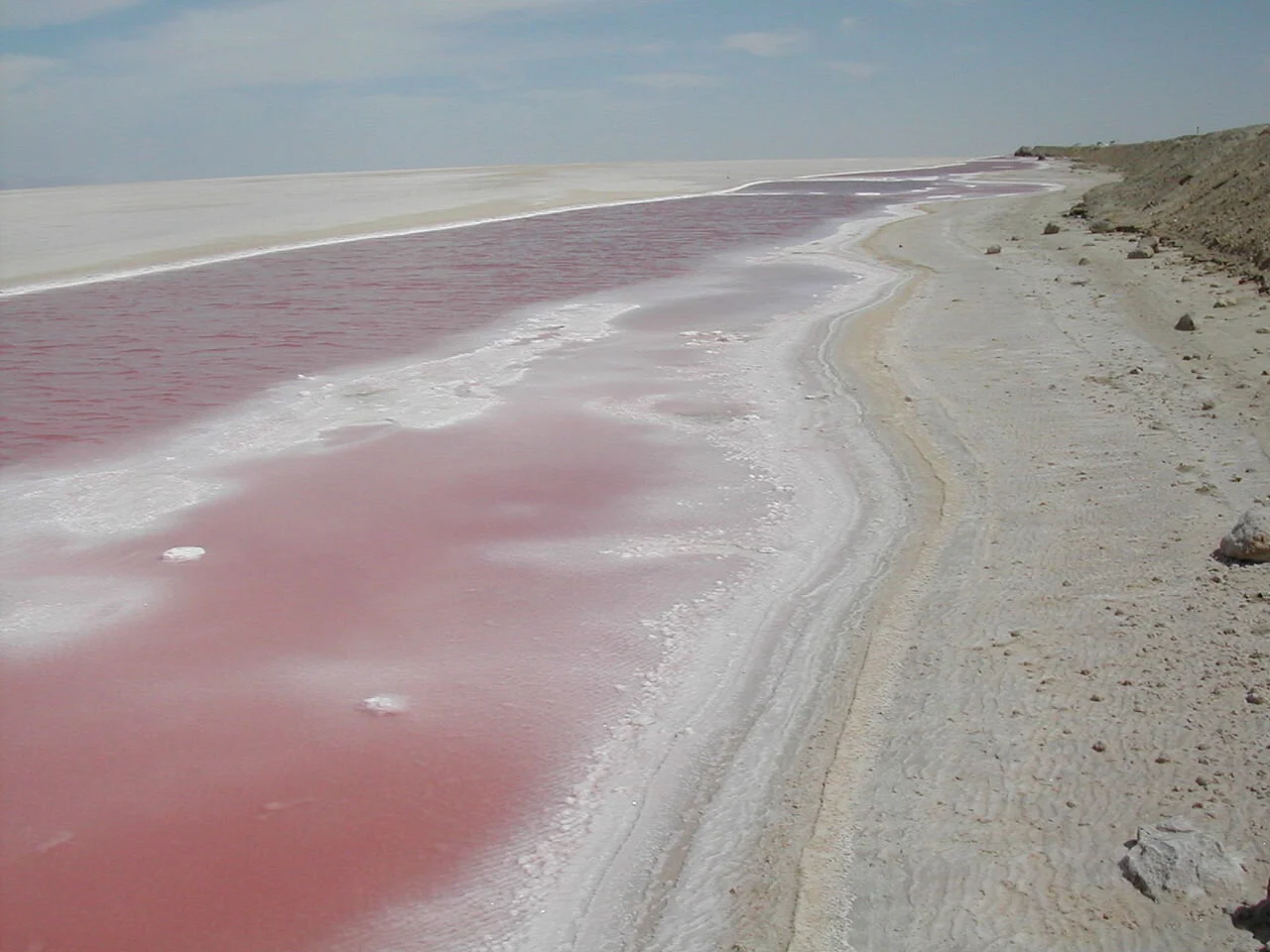
Minerals from Atlas Mountain runoff give Chott el Djerid its pink hue. Vinzenz Mühlstein. Public Domain. CC0
1. Chott el Djerid
The fictional planet Tatooine from the “Star Wars” saga was named after Tataouine, a desert city in Tunisia. Although no scenes were filmed in the real Tataouine, many of the first “Star Wars” film’s scenes were filmed in cities all over Tunisia. One of the most notable scenes of Tatooine is of Luke Skywalker’s home, the exterior of which was filmed in Chott el Djerid, the Sahara’s largest salt pan. A chott, or salt lake, stays dry for the majority of the year but fills intermittently from infrequent rainfall and during the spring thaw when water runoff from the Atlas Mountains floods the basin. The dissolved minerals from the Atlas Mountains give Chott el Djerid its otherworldly cotton candy pink color.
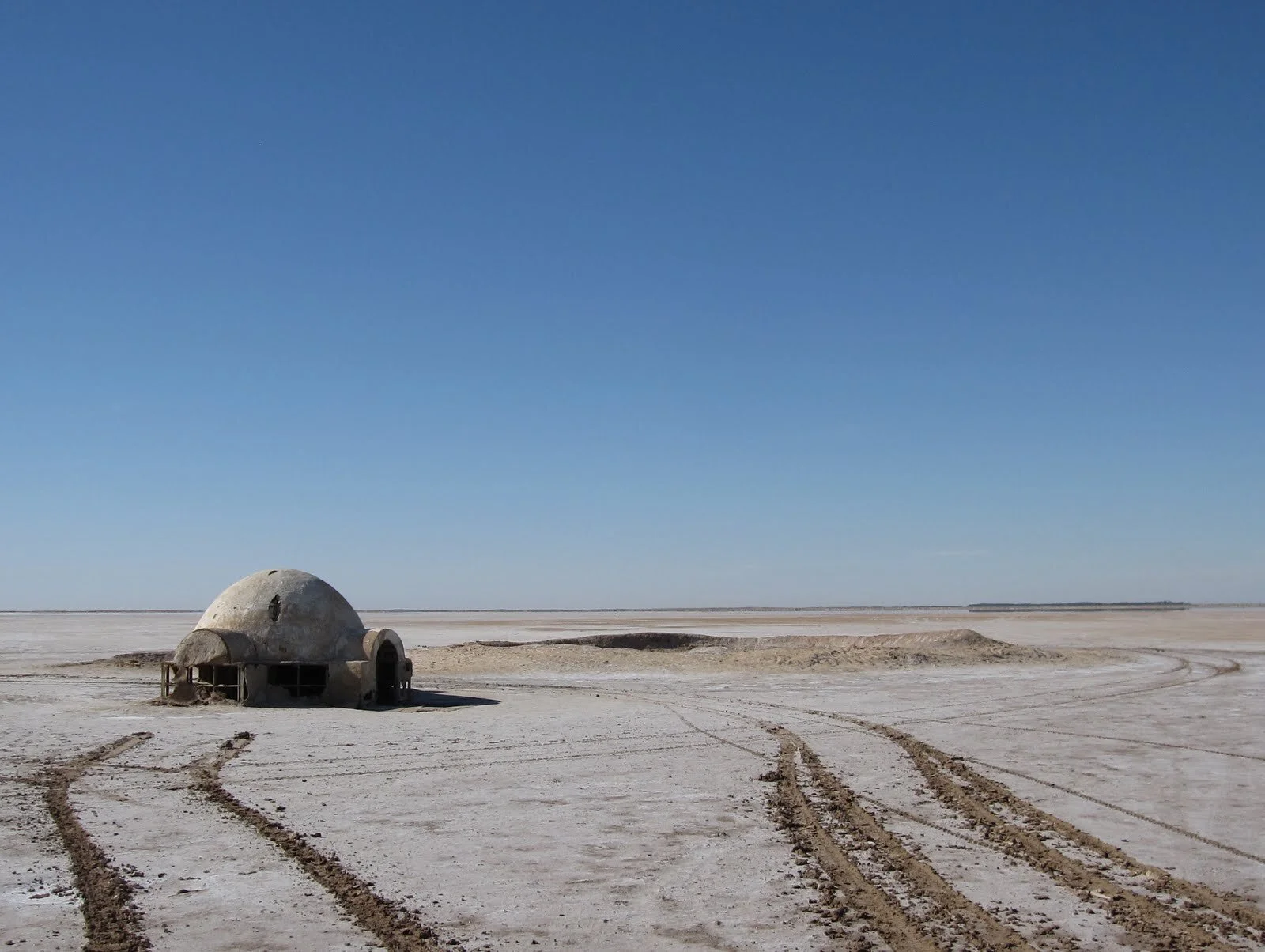
Remains of the Lars Homestead on one of the “Star Wars” movie sets in Chott el Djerid. Stefan Krasowski. CC BY 2.0.
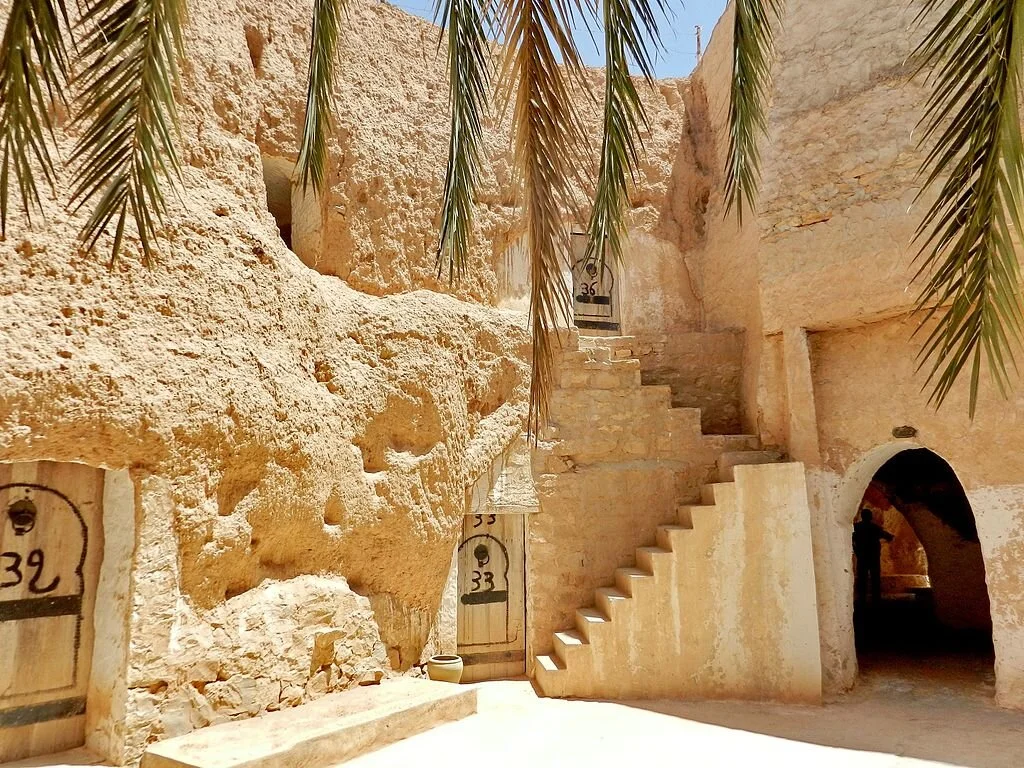
Ancient Berber underground homes in Matmata, Tunisia. Tanya Dedyukhina. CC BY 3.0.
2. Matmata
When “Star Wars: A New Hope” was released in 1977, Matmata, a small Berber village in southern Tunisia, became famous for its underground cavelike homes where some of the local residents still live. (The Berber, or Amazigh, are an ethnic group native to Northwest Africa, particularly the Maghreb.) The interior of Luke Skywalker’s home was filmed in the courtyard of Hotel Sidi Idriss, an underground hotel in Matmata. The hotel is open year-round, and is a must-visit for any die-hard “Star Wars” fan. For those who are not “Star Wars” fans but still want to visit the cave dwellings, the Musée Berbère de Tamezret (about six miles from Matmata) is a great alternative option.
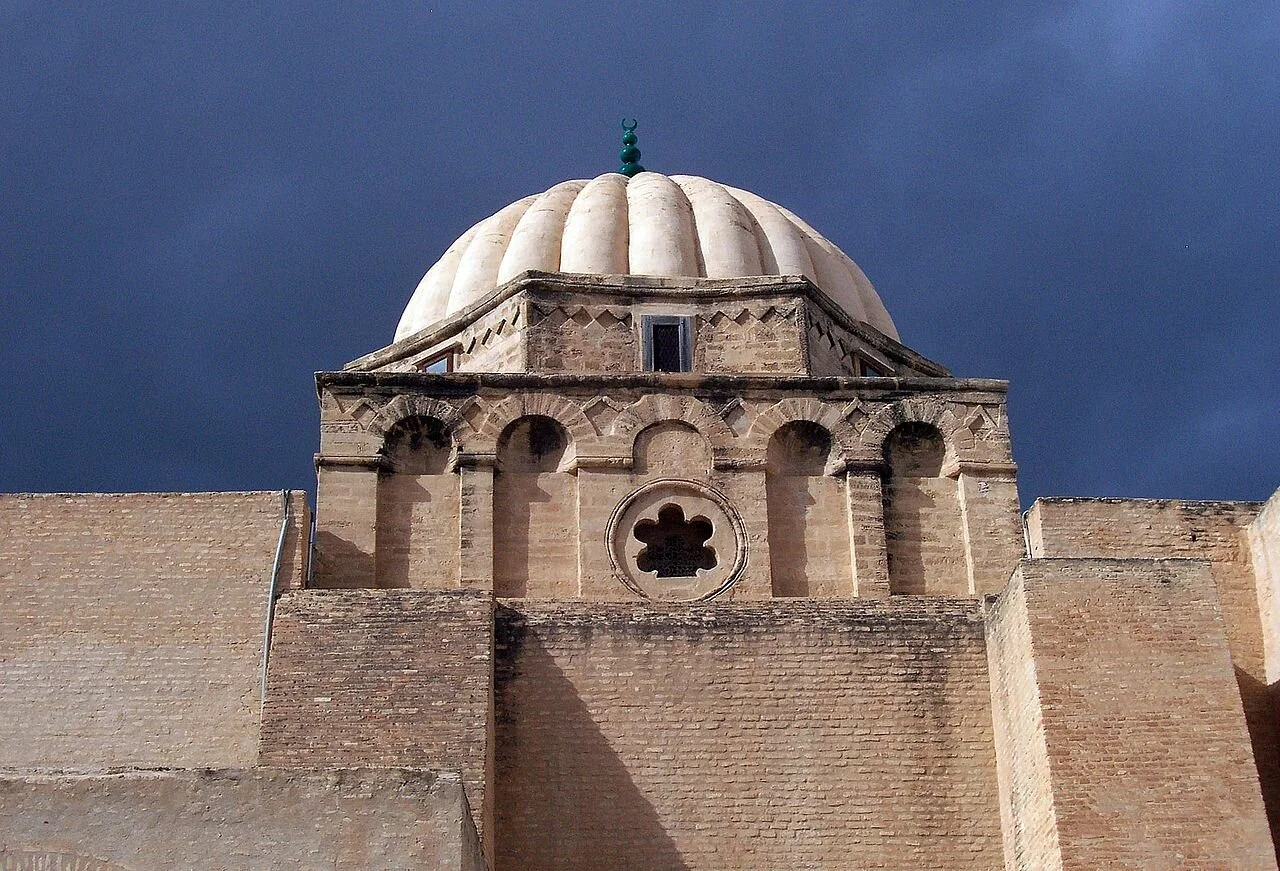
The dome of the Great Mosque of Kairouan houses the mihrab, or structure that points out the direction in which Muslims pray. Colin Hepburn. CC BY-SA 2.0.
3. Kairouan
Kairouan, a UNESCO World Heritage Site, is considered by some to be the fourth holiest site in Islam, after Mecca, Medina and Jerusalem. The city, founded by the Umayyads in 670, is the most ancient Arab-Muslim center in the Maghreb. Kairouan began as a military camp, but soon became an important center for Islamic scholarship, religious sciences, and art. The city contains many mosques, but the most important is the Great Mosque of Kairouan, also known as the Great Mosque of Uqba. The mosque contains a courtyard and a prayer hall, as well as a 105-foot minaret that bears resemblance to a Syrian bell tower or an ancient Roman lighthouse.
Another site that cannot be missed when visiting Kairouan are the Aghlabid Basins, a sophisticated feat of engineering and the largest hydraulic installation of the Middle Ages. Originally, there were 16 pools that provided water for Kairouan, but today only two reservoirs remain. Nearby, Kairouan’s souk has countless vendors who sell everything from snacks and jewelry to carpets and leather goods.
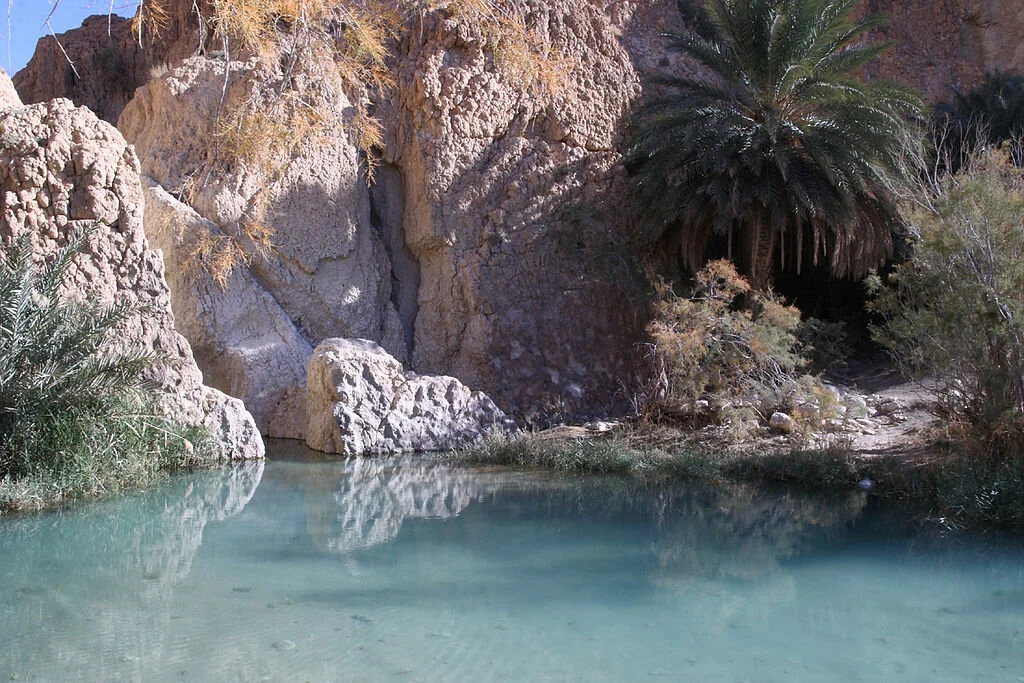
The Chebika oasis lies at the bottom of the Djebel el Negueb Mountains. Remi Jouan. CC BY-SA 3.0.
4. Chebika
Built on what was once a Roman military post, Chebika is a small village that sits right above a palm oasis at the foot of the Djebel el Negueb, which are part of the Atlas Mountains. At the top of the mountain, one can see the oasis, the village, and Chott el Gharsa, a salt lake that lies near the Algerian border (and served as a movie set for “Star Wars: The Phantom Menace” and “The English Patient”). Visitors can hike up the canyon to a small waterfall where they will be greeted by a beautiful view of bright green palm trees standing starkly against the mountainside.
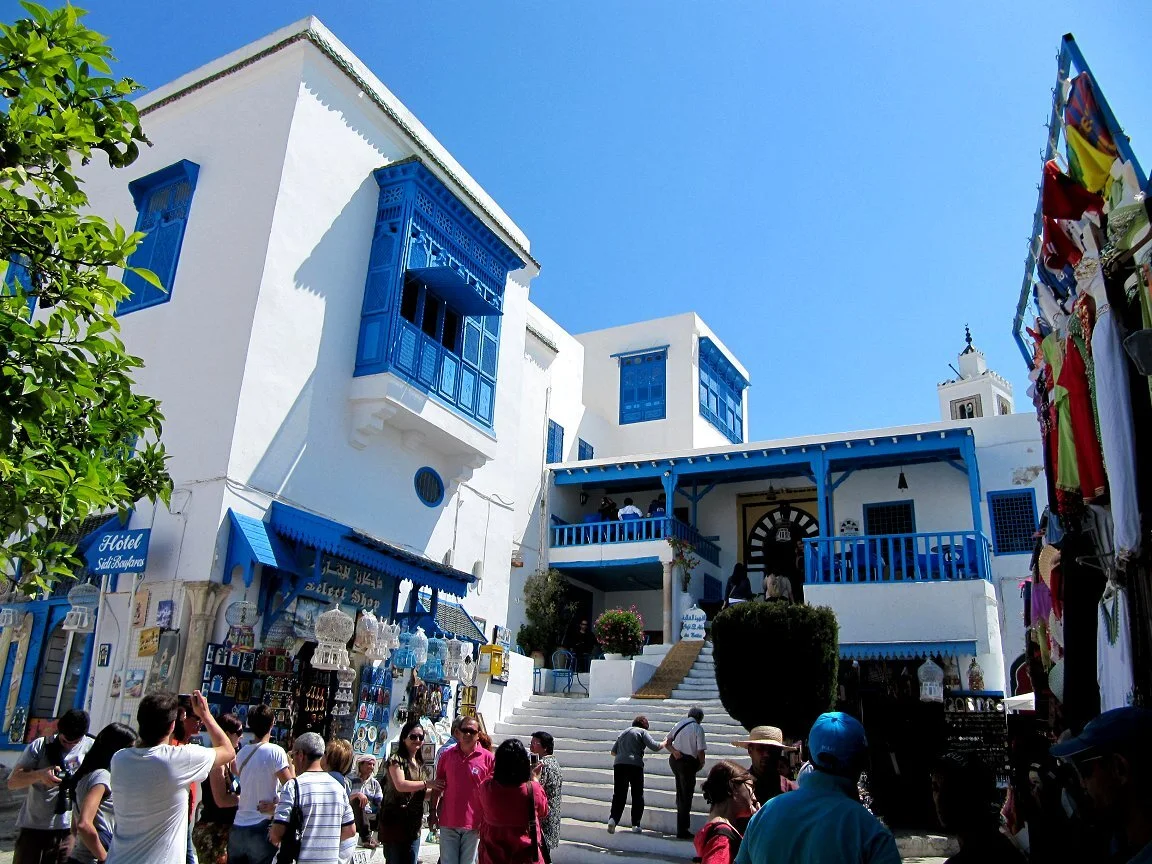
Hôtel Bou Fares and storefront in Sidi Bou Said. Allain Muller. CC BY-SA 2.0.
5. Sidi Bou Said
Sidi Bou Said is known for its blue and white theme, common to other Mediterranean-region cities and towns. The beautiful cerulean doors, shutters, gates and decorative balconies against the whitewashed buildings mirror the bright sky and the Mediterranean Sea which lies below the cliffside town. Sidi Bou Said was established as a religious sanctuary in the 13th century by Abu Said al-Baji, after whom the town was named. The palace Ennejma Ezzahra, finished in 1921 by French painter and musicologist Rodolphe d’Erlanger, is now a museum one can visit to see the beautiful architecture, view paintings by the baron, and see a treasure chest that was reportedly once owned by Suleiman I of the Ottoman Empire. Within the palace is the Centre des Musiques Arabes et Méditerranéennes (Center for Arab and Mediterranean Music), which houses a collection of musical instruments and art, and acts as a concert venue.
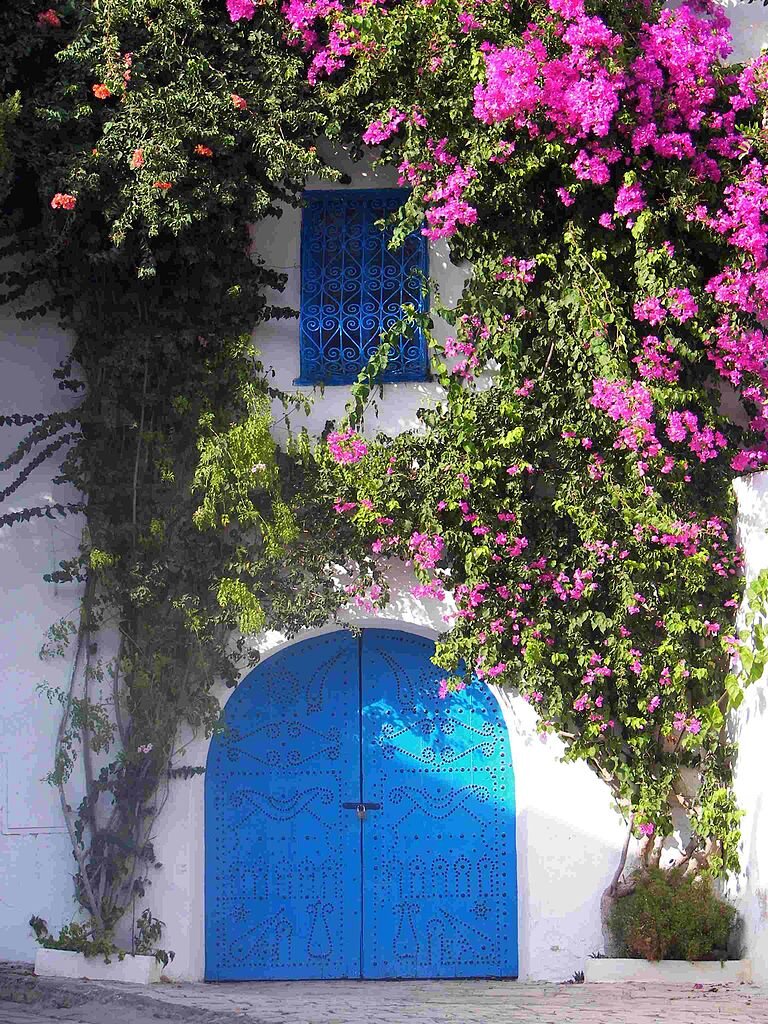
Traditional blue door in Sidi Bou Said surrounded by purple bougainvillea. Benrais. CC BY-SA 3.0.

Korbous was frequented by the ancient Romans of Carthage as a health resort. Patrick Giraud. CC BY 3.0.
6. Korbous
If you enjoy spas and natural hot springs, head for Korbous – a single street clinging to a cliff face on the west coast of Cap Bon. The mineral-rich hot springs of Korbous have been a popular spa and health resort since the time of the ancient Romans of Carthage, as evidenced by an inscription on display in the National Bardo Museum in Tunis. Korbous was not a popular spa destination until the 19th century, when Ahmed Bey, the last Ottoman leader of Constantine, had the hammam, or Turkish bath, built. In addition to the hot springs, mud from Aïn Kanassira, rich with minerals, is used to treat arthritis, various skin diseases and other health issues.

Asiya Haouchine
Asiya is an Algerian-American writer who graduated from the University of Connecticut in May 2016, earning a BA in journalism and English. She was an editorial intern and contributing writer for Warscapes magazine and the online/blog editor for Long River Review. She is currently studying for her Master’s in Library and Information Science. @AsiyaHaou
Beyond the Caribbean, 10 Tropical Escapes the World Over
For those looking to escape frigid winter temperatures, these 10 destinations will satisfy wanderlust while offering tropical climates, beaches, diverse cultures and more.
Read More7 Holiday Foods From Around the World — With Recipes
Spice up this holiday season by preparing one of these mouthwatering global cuisine dishes, recipes included!

Dongzhi (Winter Solstice) Festival Food, Tangyuan. Cats Coming. CC0.
Let’s face it: the holiday season can be stressful. Whether you’re preoccupied with finding the perfect gift for your mother-in-law or figuring out who is hosting your annual family holiday party, sometimes the warmth of this season of festivity gets lost. What won’t be stressful this year, however, is finding a new, unique recipe to try out. These seven holiday foods from around the world will keep everyone’s taste buds happy — even your in-laws! Whether your family prefers the coziness of a sweet treat or a savory dish that packs a punch, there is something on this list for everyone.
France — Buche de Noel

A Buche de Noel Cake with an intricate spiral. Mitantig. CC by 4.0.
Starting off strong with a chocolate lover’s dream, buche de Noel is a sugary confection that hails from France. Also known as a Yule Log, this confection is a rolled chocolate cake filled with rich cream. Both its shape and color are meant to resemble a—you guessed it—log. The dessert’s unconventional shape, however, is completely intentional. The history of the desert can be traced back to feudal taxes in medieval France, whereby peasants would bring logs to the homes of both feudal lords and their own families. Other accounts of the dessert’s history claim that families burned logs in their own home as a pagan rite to ensure a bountiful harvest for the coming year. In any case, Mon Petit Four provides a traditional recipe here.
2. Italy — Feast of the Seven Fishes
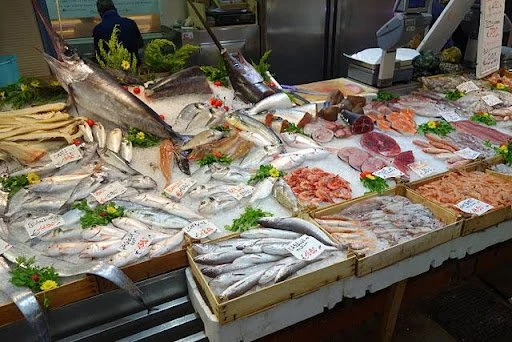
A seafood market in Genoa, Italy. Dade Rot. CC0.
A polar opposite of the sugary-sweet Buche de Noel Cake, Italy’s Feast of the Seven Fishes combines salty and savory flavors to create an elaborate selection of seafood dishes. On Christmas Eve, Italians and Italian-Americans gather around their kitchens and partake in this intergenerational tradition. Although the types of seafood dishes vary from family to family, the bonding and warmth that cooking this meal facilitates is universal. Whether plating more simple shellfish or an elaborate seafood pasta, however, the dishes hold a sense of significance. Both Italy’s long coastlines and large Roman Catholic population (many of whom either do not eat meat on Friday or on the eve of some holidays) have contributed to the beginnings of this tradition. A variety of seafood recipes featured in this iconic feast can be found here.
3. India — Gulab Jamun

Gulab Jamun. Cabeza2000. CC by 4.0.
Although this dessert is eaten on a variety of celebratory occasions—including birthdays and marriages—it is also eaten during Hindu holidays such as Diwali. Although this year's Diwali has already passed, gulab jamun is still the perfect treat to make during the winter months. These sphere shaped sweets are made of deep fried flour and khoya (dried, thickened milk), and can be eaten both cold or hot. Often they are served swimming in a sugar mixture and have a semi-sticky consistency. This dessert is popular in India as well as Pakistan, Nepal and the Maldives. Moreover, the gulab jamun is similar to the Arabic dessert Luqmat-al-Qadi. A simple, yet thorough, recipe to make gulab jamun can be found here.
4. West Africa (Senegal) — Jollof Rice
Jollof Rice Served with Plantains. Bukky658. CC by 4.0.
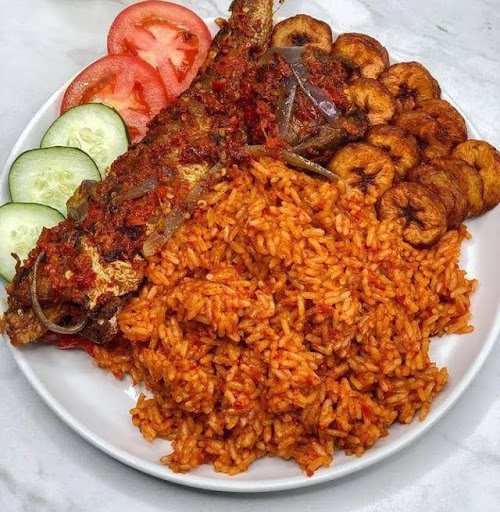
Jollof Rice Served with Plantains. Bukky658. CC by 4.0.
Another versatile dish, jollof rice is eaten during a variety of occasions in many different countries. Although its origin is disputed, the dish is believed to have come from the Wolof people of Senegal in West Africa—the word jollof comes from the Wolof language and can be translated as “one pot.” Indeed, in this meal many vegetables, including bell peppers and tomatoes, are combined with rice and cooking oil in a pot. Jollof's orange tint comes from these vegetables as well as fragrant spices such as turmeric and paprika. During the holiday season, jollof rice is commonly served among families who celebrate Christmas or Kwanzaa. Moreover, the dish is common in many African countries, including (but not limited to) Nigeria and The Gambia. More detailed information about spices and vegetables to include can be found in this recipe here.
5. Mexico — Tamales
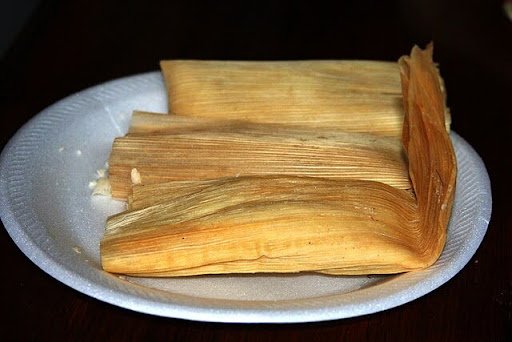
Tamales wrapped in corn husks. Richard Elzey. CC by 2.0.
Cooking tamales isn’t simply about creating food; it also involves forging a sense of togetherness. Many Mexican and Mexican-American families come together every December to make this corn-based dish. Tamales can be traced back to Indigenous people in Mesoamerica, who offered bundles of corn as sacrifices to the gods. Today, families make tamales throughout the month of December leading up to Christmas. Tamales can be stuffed with a variety of meats, such as chicken or beef, as well as vegetarian-friendly beans and cheese. Traditionally, tamales are wrapped and cooked in corn husks or banana leaves, but these wrappings are not eaten. An authentic pork tamale recipe can be found here.
6. Australia — Grilled Prawns
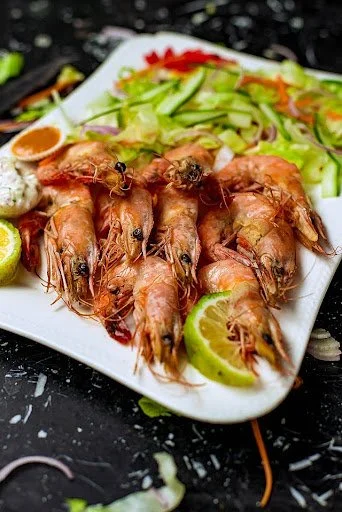
Prawns with a lime garnish. Rasheed Rasheed. CC by 4.0.
In some places around the world, the holiday months trade in snowflakes for seasides and warm temperatures. Down under in Australia, seafood fills festive dinner menus because many winter holidays for those living in the Northern Hemisphere fall during the Southern Hemisphere's summer months. To stay cool, Australians will grill prawns outside rather than using their ovens to cook a traditional, elaborate holiday meal. In fact, during the month of December Australians consume 40% of their yearly prawn intake. Most families like to keep it simple and dress their prawns in garlic, lemon juice or olive oil to keep their feast refreshing and light during sweltering heat. A delicious, garlicky prawn recipe can be found here.
7. China — Tangyuan (Glutinous Rice Balls)
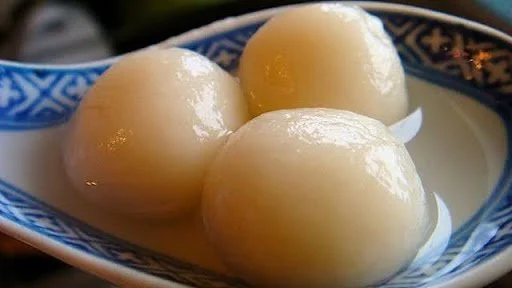
Tangyuan served in syrup. Wu Xiao. CC0.
The Dongzhi, or Chinese Winter Solstice Festival, would not be complete with Tangyuan. These glutinous rice balls are often filled with sesame paste, and have a nutty and semi-sweet flavor. This food has been eaten for at least over 1,000 years, although its origin is disputed; one possible account is that Tangyuan was either created or popularized during the Song dynasty. And, to keep warm during the solstice, the rice balls are always served warm. Their texture is similar to and yet less dense than mochi. A simple, quick recipe can be found here.

Carina Cole
Carina is a Media Studies student with a Correlate in Creative Writing at Vassar College. She is an avid journalist and occasional flash fiction writer. Her passion for writing overlaps with environmentalism, feminism, social justice, and a desire to travel beyond the United States. When she’s not writing, you can find her meticulously curating playlists or picking up a paintbrush.
10 New Year’s Traditions Around the World
From eating 12 grapes before midnight in Spain to drinking champagne with ashes and planting underwater trees in Russia, check out these 10 countries and how they celebrate the New Year in different ways. You might find some new ideas for your own New Years in 2024.
Read More