Just Keep Swimming: 7 Exotic Snorkeling Sites

There are a million places to get a taste of the most beautiful underwater ecosystems on Earth—here are some of the most fascinating.
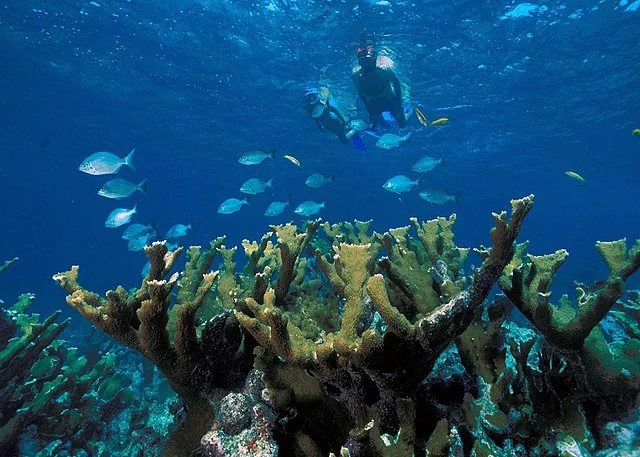
Two snorkelers swimming above a large coral and small group of white fish.

One of the best ways to see the sea. John Brooks. CC 0

There are few environments more captivating than the ocean. Featuring millions of species of life, hundreds of different biomes, and almost infinite ways to experience it, there’s nothing quite like the sea. With a mask, fins and little to no training, snorkeling is the perfect way to see it all.

Of all of the places to snorkel, some are simply unlike any other. This list documents seven of the most mind-blowing experiences you could have underwater and why you should definitely add them to your bucket list.

1. Jellyfish Lake, Palau

The 250-island nation of Palau is dotted with saltwater lakes linked together by a series of underground channels and tunnels. Only one of these lakes can be visited, fittingly named Jellyfish Lake, home to a dizzying number of moon and golden jellyfish. They float around aimlessly in the 1,500-foot lake, bumping and bouncing up against snorkelers like living ping-pong balls. These creatures have evolved in a much different way from their ocean-dwelling cousins— they pose no risk to snorkelers. Unlike most species, they are non-poisonous and have no stinging cells.

Jellyfish Lake provides visitors with the once-in-a-lifetime experience of swimming through an entire world of these unique and fascinating creatures. It is more than worthy of a spot on every ocean lover’s bucket list. Places to stay nearby include the Palau Pacific Resort, priced at around $250 a night. Cheaper options include the Hotel Piccada at $110 a night and LH Porto Rafael Altura Resort at $80 a night.
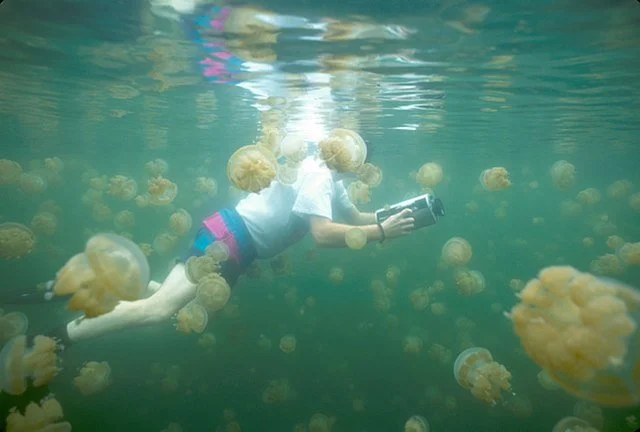
A snorkeler holding a camera underwater, swimming through a group of many pink jellyfish.

A diver in Jellyfish Lake in Palau. Aquaimages. CC SA 2.5

2. Silfra Fissure, Iceland

Created by an earthquake in 1789, the Silfra Fissure is a massive gap between the North American and Eurasian continental plates filled with glacier meltwater. Snorkelers and divers can simultaneously touch two continents while swimming through gorgeously clear waters, where visibility can reach a mindblowing 393 feet.

This unique ravine is almost totally devoid of fish. Instead, the rock walls are lined with vibrant green algae known as “troll hair.” Between these leafy green plants and the almost impossibly clear blue water, Silfra Fissure is one of the most incredibly colorful and exotic dive sites on Earth. Silfra Fissure’s water is extremely cold, sitting at a chilling 35-39 degrees Fahrenheit. To combat this temperature, snorkelers wear a drysuit, a full-body neoprene suit complete with gloves, boots and a hood.

Nearby places to stay include the Bru Country Estate at around $110 a night, as well as several rentable cottages at around $90 per night.
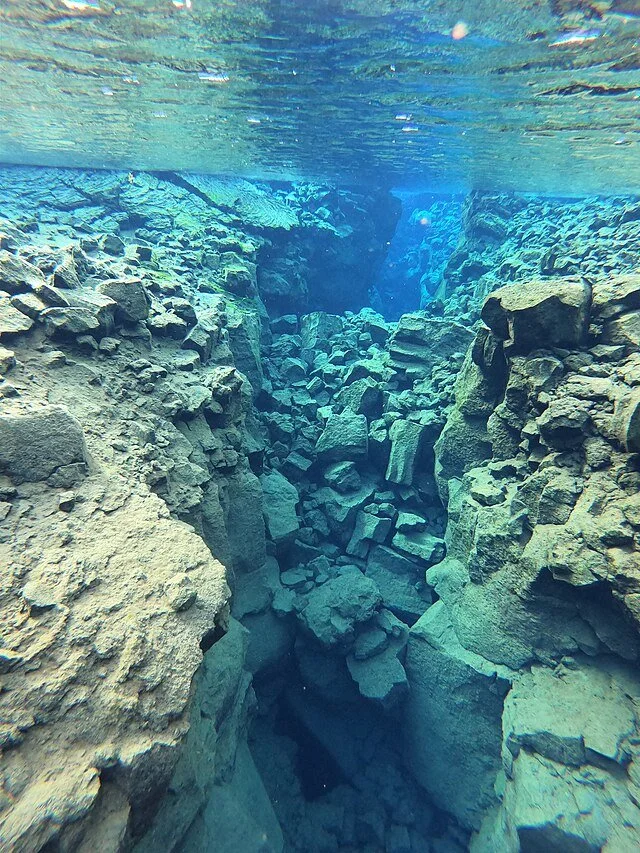
An underwater rocky fissure, the divide between two plates.

An underwater view at the Silfra Fissure. Josephyoon4. CC BY-SA 4.0

3. Mamanuca Islands, Fiji

Called the soft coral capital of the world, Fiji is an absolutely beautiful diving location. Its Mamanuca Islands are home to almost 400 unique species of coral, most of which are still alive despite the ravages of ocean acidification. Many of the islands themselves are also covered up by water when the tide comes in, combining the surface world and the sea in an incredible panorama. Snorkelers can visit these gorgeous reefs from any of the 13 inhabited islands, each lined with fantastic beaches and surrounded by crystal-clear water.

The island’s  amount of healthy and colorful coral can’t be found anywhere else in the world. As climate change worsens, there’s no guarantee it’ll be around forever. Mamanuca is definitely one for the bucket list. Local hotels include First Landing Beach Resort at around $119 a night and Bluewater Lodge at around $60 a night.
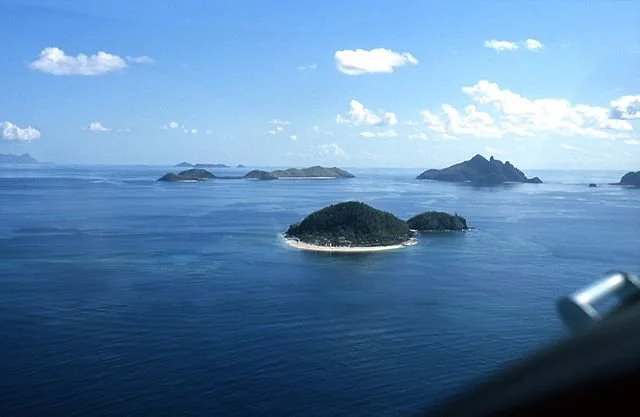
Aerial view of a few tropical mountainous islands dotting the deep blue sea

An aerial view of the Mamanuca Islands. American. CC BY-SA 3.0

4. Whitsunday Islands, Australia

The Whitsundays, as they are locally known, are a series of 74 islands off the coast of Queensland, Australia. The most fascinating part of snorkeling in the Whitsunday Islands snorkeling is the Stepping Stones, a unique series of flat rock cylinders jutting up from almost 80 feet underwater. Swarming with batfish, wrasses and a wide variety of eels, these rocky structures are absolutely covered in coral.

The Stepping Stones are unlike anything else in the world. Of all the beautiful diving locations on the colossal Great Barrier Reef, there are few quite as unique as this. Local hotels include the Mantra Club Croc at $106 a night and the Kipara Tropical Rainforest Retreat at around $105 a night.
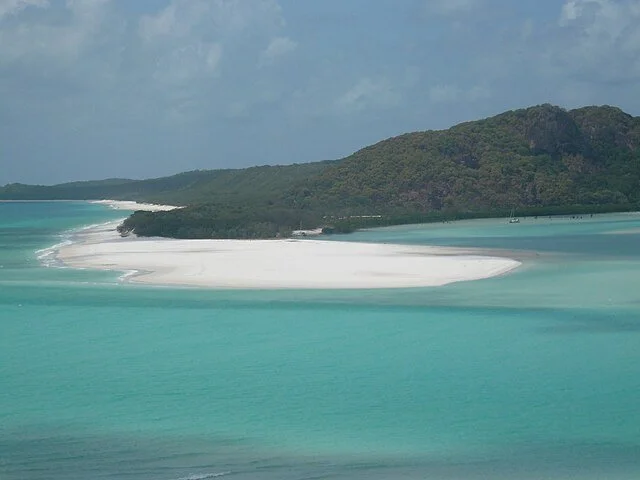
Aerial view of the turquoise water meeting the white sand and deep green mountain landscape

The Whitsunday Islands. eyeintim. CC 2.0

5. Isla Mujeres, Mexico

The biggest shark on Earth and completely harmless to humans, the whale shark swims docilely around feeding on tiny animals filtered through their colossal mouths. There are very few places on Earth where one can swim with these gentle giants, and Isla Mujeres is the best place to do so. Tours of the island are regulated by the government, allowing only a limited number of snorkelers in the water in order to avoid disturbing the creatures.

Isla Mujeres also features the world’s largest underwater museum, with more than 500 sculptures scattered across the ocean floor . From spectral human figures to huge stone grenades and mines, the legendary MUSA Museum provides snorkelers with a once-in-a-lifetime experience that has not been replicated anywhere else on Earth.

Whale sharks are incredible creatures, and Isla Mujeres offers one of the only ways to see them in their natural habitat. Hotels in the area include Hotel La Joya Isla Mujeres at $99 a night and the Ixchel Beach Hotel at around $165 a night.
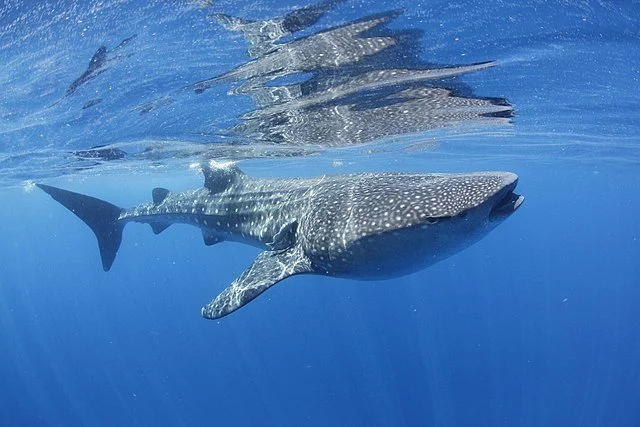
A whale shark swimming close to the surface of the water

A whale shark off the coast of Isla Mujeres. MarAlliance2018. CC BY-SA 4.0

6. Crystal River, Florida

Offering another first-hand experience with marine life, the Crystal River in Florida is the only place in the U.S. where snorkelers can come face-to-face with the endangered manatee. Lucky visitors can swim through hundreds of the bulky mammals as they make their way towards warmer waters for the winter. Many of the animals even choose to remain in parts of the river year-round.

Manatees are one of the most protected aquatic species in the world given how endangered they have become. Tours must be booked in advance through organizations that hold special permits, and snorkelers are strictly forbidden from touching the manatees. However, these animals are as curious as they are goofy— there is every chance that they’ll wind up bumping into you themselves.

There aren’t many manatees left on Earth. Crystal River does its utmost to protect the population that returns to its warm springs every year, and is gracious enough to provide visitors with the chance to meet these amazing creatures. This is a can’t-miss experience for anyone who loves the sea. Local hotels include the Plantation Resort on Crystal River from $113 a night and the Port Hotel and Marina at $105 a night.
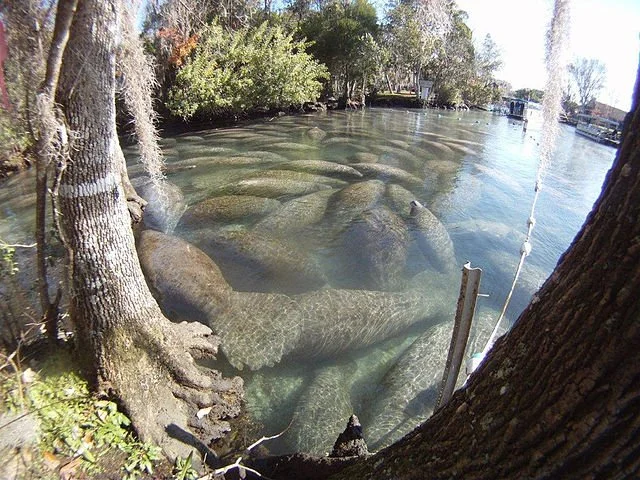
Looking down at the river between two trees, a herd of manatees fills up every inch of the clear water

A herd of manatees in Crystal River. U.S. Fish and Wildlife Service Headquarters. CC 2.0

7. Baa Atoll, Maldives

Dubbed a UNESCO World Biosphere Reserve, Baa Atoll is a nearly perfectly preserved reef. Famed for its unbelievably rich ecosystem, the atoll is home to manta rays, whale sharks and several other endangered species which remain safe and secure in this heavily protected environment.

Coral reefs—and the animals that make their homes there—have been hit hard by climate change. Fortunately, humanity has stepped up to protect what we still can. Baa Atoll is a spectacular example of how we can still save our world and is well worth a visit to inspire others to help where they can as well. Local hotels are around $200/night and up.
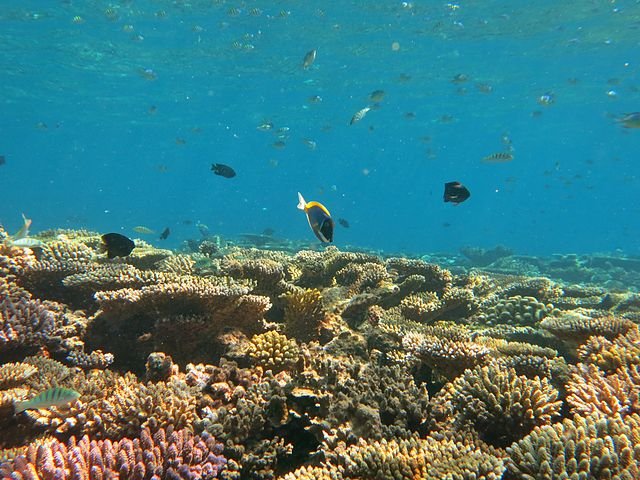
Colorful coral reefs cover the floor of the image, with many fish swimming around and feeding above.

The spectacular reefs of Baa Atoll. Ahmed Abdul Rahman. CC BY-SA 4.0

Largely still unexplored, the ocean is an entirely different world from the one we live in. The sheer amount of environments, animals and experiences that can be found are unparalleled in variety and beauty. Thanks to snorkeling, you can see some of the most gorgeous sights on Earth up close. In a world that’s constantly turning up new and unbelievable discoveries, there’s no telling what you’ll find on any given snorkeling session, no matter where you are.


Ryan Livingston

Ryan is a senior at The College of New Jersey, majoring in English and minoring in marketing. Since a young age, Ryan has been passionate about human rights and environmental action and uses his writing to educate wherever he can. He hopes to pursue a career in professional writing and spread his message even further.
Before Disney: 5 of the Most Elegant Castles in the World

Majestic castles have been a staple of medieval imagery for centuries. Here are some of the most fantastical to ever have been built.

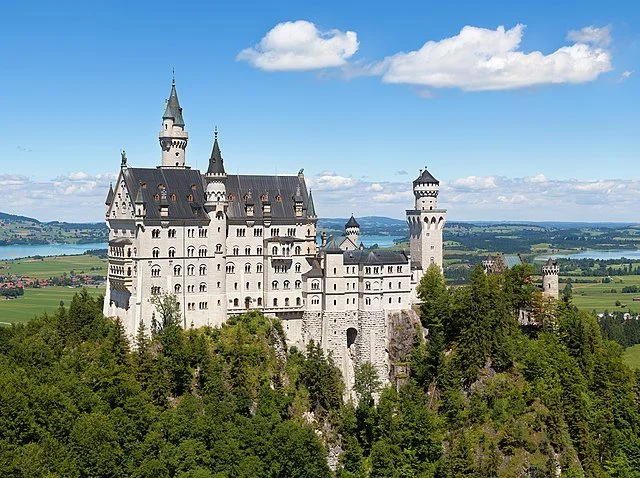
Gray fairytale castle stood atop a pine tree covered hill, overlooking rolling hills and blue lakes.

Neuschwanstein Castle in Germany. Thomas Wolf. CC BY-SA 3.0

Throughout history, numerous cultures have dedicated abundant money and resources to building castles. From soaring towers on scenic cliffs to utilitarian structures, these majestic buildings mark an astonishing amount of land around the world.

But out of all of these castles, there are a few that stand out for their uniqueness — whether it be for their history, architecture, location or one-in-a-million beauty. This list highlights five of the most incredible castles in the world, all of which should be on every traveler’s bucket list.

1. Himeji Castle, Japan

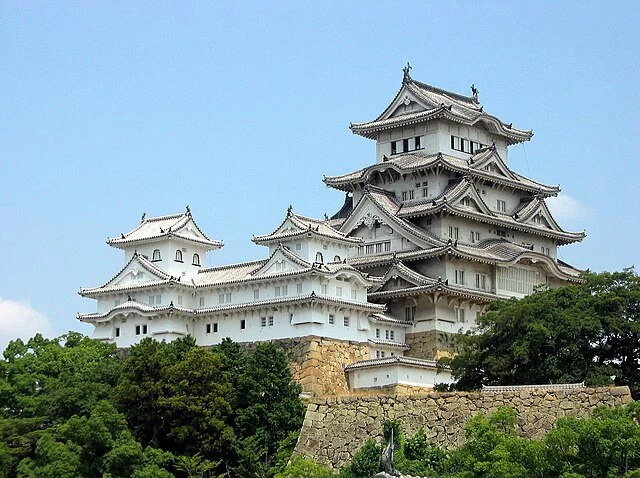
A white castle with red roof accents in Japanese style architecture, standing atop a rock wall.

The main structure of Himeji Castle. Gorgo. CC0

Also known as “White Heron Castle,” Himeji Castle is lauded as Japan’s best-preserved and most beautiful palace. Throughout history, wars, sieges and natural disasters have laid waste to almost every castle in Japan. Himeji is one of only twelve castles that have never been destroyed. Its immense, 80-building structure has remained completely intact since its construction in 1609. The main palace, a colossal wooden building of six stories, provides visitors with an incredible view of the sprawling grounds, a labyrinthine maze of winding paths and defensive barracks.

The city of Himeji, which lies at the foot of the castle, is also a popular spot for viewing Japan’s world-famous cherry blossoms. During Golden Week and the summer holiday, wait times to enter Himeji Castle can rise astronomically. Nonetheless, the view from the top is undoubtedly worth the wait during the seasons when these gorgeous trees are in full bloom.

2. Mont Saint-Michel, France

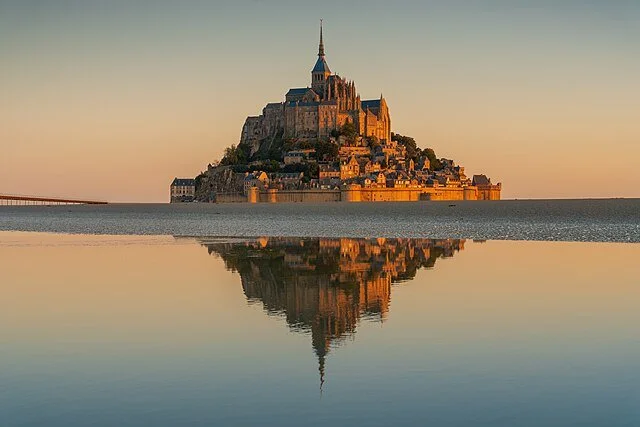
Large walled castle centered and its reflection in body of water during golden hour

Mont Saint-Michel and its reflection in the bay. Lynx1211. CC BY-SA 4.0

Sitting atop an island in the middle of an idyllic bay, Mont Saint-Michel is a destination straight out of a fairy tale. The site was originally built as an abbey, constructed over several centuries with the funds of various French kings and dukes of Normandy. Over time, Mont Saint-Michel attracted monks from all across Europe and continues to remain a major Catholic pilgrimage site. The walls around the base of the island were added in an effort to keep the English out and provide reinforcement against centuries of conflict across the English Channel.

Today, the abbey is open to the public, with its gorgeous architecture and rich history on display. Visitors can explore the monks’ promenade, the refectory in which they took their meals and the glorious central church.

3. Peles Castle, Romania

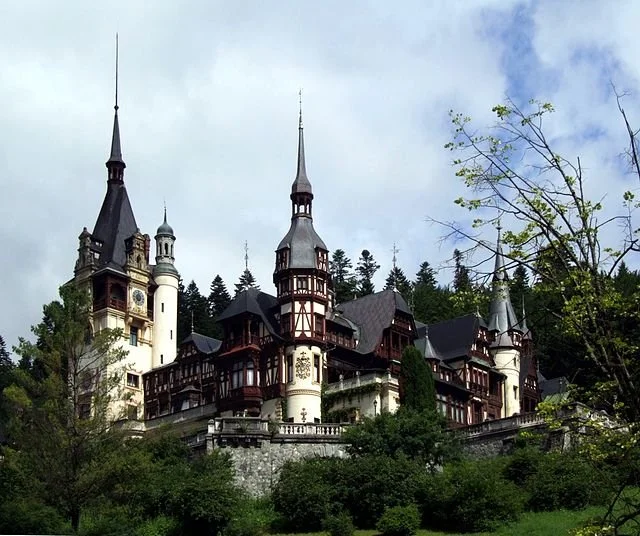
A brown and white castle, surrounded by the tops of pine trees.

A snapshot of Peles Castle. Marcin Szala. CC BY-SA 3.0

In 1872, the king of Romania purchased roughly two square miles to transform into a royal hunting ground. The next year, the king decided to construct what would become one of the world’s most beautiful castles. Situated in a fairy-tale mountain range, Peles Castle was initially used as a summer home for royalty but is now a museum open to the public.

Peles Castle has received many foreign dignitaries to Romania — including several US presidents — and has been featured in a handful of Hollywood movies. Many of the palace’s 170 rooms are dedicated to different cultures and art styles from over the centuries. Whether you’re interested in the architecture, the artistry or the celebrity guest list, Peles Castle is an unmissable sight that deserves a spot on the bucket list.

4. Prague Castle, Czech Republic

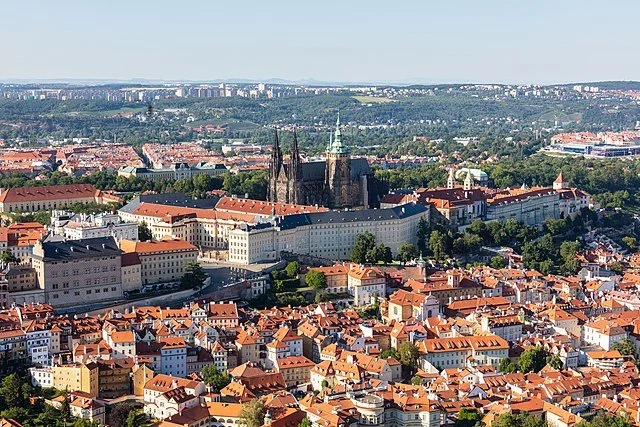
An aerial view of the city of Prague, with the sprawling castle standing out in the skyline.

The massive Prague Castle. Diego Delso. CC BY-SA 4.0

By far the largest ancient castle in the world (a vast 18 square acres), Prague Castle is also one of the most popular tourist destinations in Prague. Construction on the site began back in 870 when the central Church of the Virgin Mary was built. In the 14th century, the grounds were expanded into a fully functional fortress, after which the castle was reconstructed several times. When the nation was divided into the Czech Republic and Slovakia, Communist influence was driven out of the region, and the castle became both the seat of the Head of State and a public museum.

Although visitors can view the grounds on their own, guided tours are the best way to experience Prague Castle. After making a tour reservation well in advance, guests will be taken into the Royal Crypt, the Saint Wenceslas Chapel and a variety of other locations that are normally off-limits.

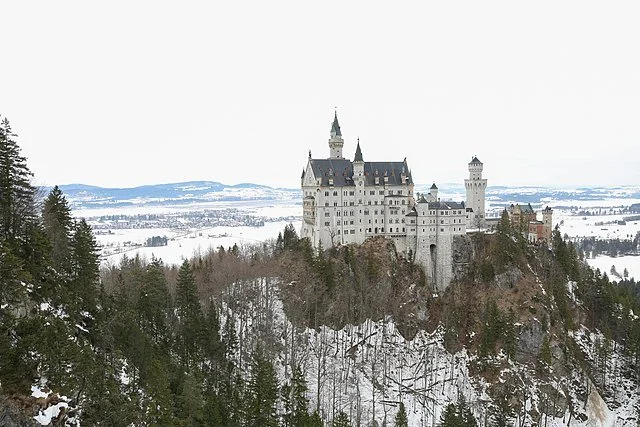
5. Neuschwanstein Castle, Germany

A fairytale white castle with gray roof standing atop a snowy landscape and hill.

Neuschwanstein in the heart of the German winter. Diego Delso. CC BY-SA 4.0

Neuschwanstein Castle, situated just miles from the border between Germany and Austria, is perhaps one of Europe’s most scenic and beautiful castles. Literally translated to “New Swan Stone” in English, Neuschwanstein was initially built both as a summer home and as a tribute to Richard Wagner and his classic opera “Knight of the Swan.” Although the king who commissioned the castle would not live to see its completion, construction continued after his death, and Neuschwanstein became one of the most storied palaces on Earth.

The castle’s biggest claim to fame is its status as the primary inspiration behind Disneyland’s Sleeping Beauty Castle. Due to security reasons, Neuschwanstein can only be accessed through guided tours, and photography of the interior is strictly prohibited. However (speaking from experience), the magnificent beauty of this mountain palace is unforgettable, even without pictures to look back on.

Castles are some of the greatest architectural feats that humanity has ever designed. They retain a majesty and presence that no other architecture can claim, and their status as icons of an entire era of history is unrivaled. If you’ve ever wanted to explore the past or experience the wildest fancies of the royal ruling class, look no further than these incredible destinations.


Ryan Livingston

Ryan is a senior at The College of New Jersey, majoring in English and minoring in marketing. Since a young age, Ryan has been passionate about human rights and environmental action and uses his writing to educate wherever he can. He hopes to pursue a career in professional writing and spread his message even further.
Go Snorkeling Amongst Archaeological Ruins

At Gaiola Underwater Park in Naples, ancient Roman ruins meet vibrant marine ecosystems. Explore this treasure trove beloved by locals. 

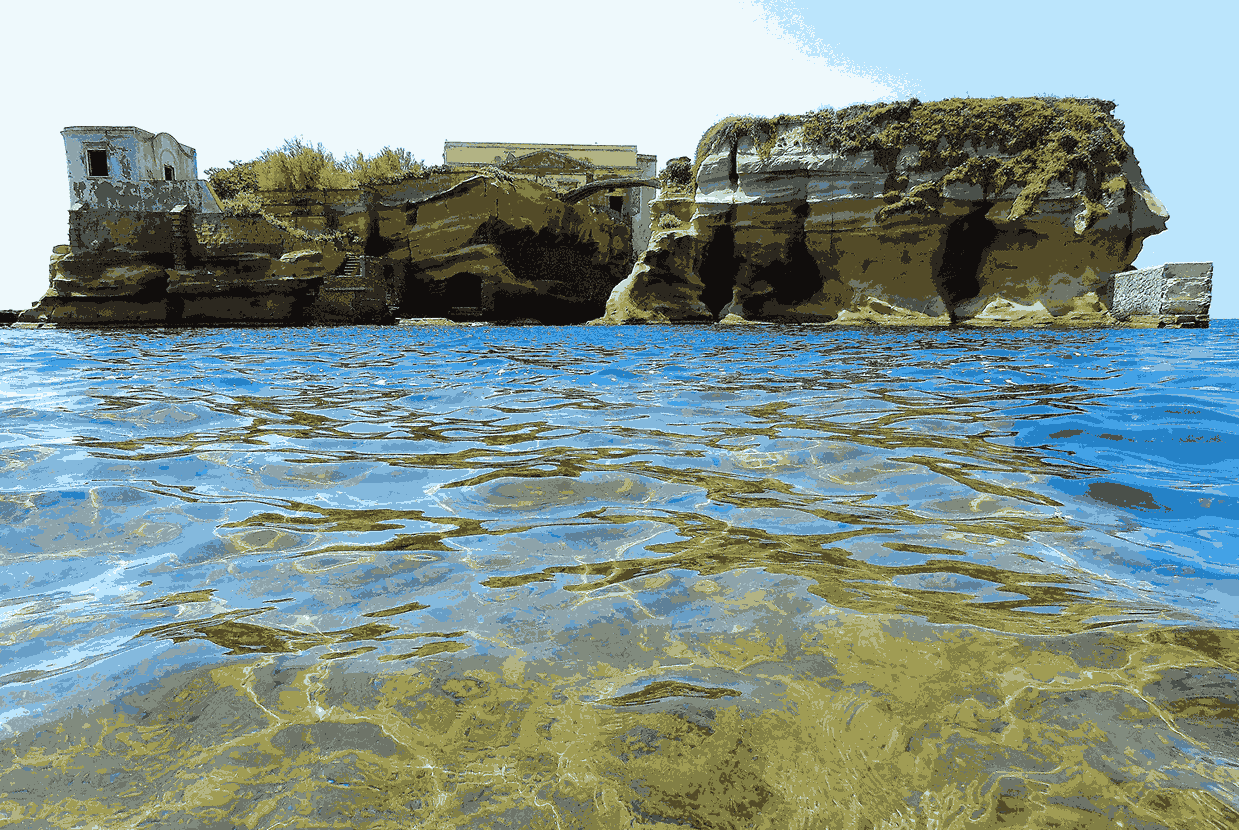
A rocky island of stone building ruins and overgrown vegetation stands above the sea

Gaiola Island. Gianfranco Vitolo. CC BY 2.0

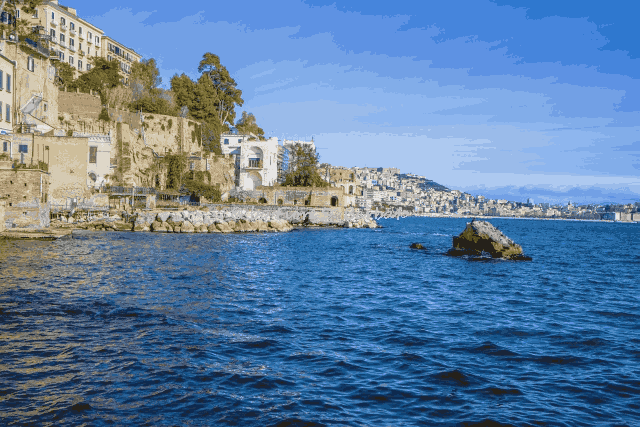
At the foot of Posillipo Hill in Naples, Italy, is a protected marine area stretching over 103 acres. Gaiola Underwater Park was founded in 2002 by Interministerial Decree and is managed by the Gaiola Onlus Interdisciplinary Study Center. Extending from the village of Marechiaro to the Bay of Trentaremi, the park is a treasure trove of biological, historical, and archaeological wonders in one of the most evocative coastal landscapes in the Gulf of Naples.

Renowned for its rich marine biodiversity, the park's waters are home to a range of species, some of which are unique to the Mediterranean. The landscape of the seabed and the favorable circulation of marine currents has allowed the settlement of ​​a rich and varied biological community. It provides a habitat for various fish, crustaceans, and algae, contributing to the overall health of the Mediterranean. Octopuses, white breams, damselfish and moray eels swim amongst ancient ruins, polychrome sponges, and beautiful walls of sea daisies. The park's protection ensures that these species can thrive without the pressures of commercial fishing and pollution.

Beyond marine life, the underwater park is also home to archaeological remains dating back to ancient Roman times. Inspired by Posillipo’s beauty, the Roman aristocracy settled along the coast in 100 BCE. The most significant structure was the Villa of Pausilypon, built by the Imperial official Publio Vedio Pollio. The Villa occupied much of the coastal stretch of the current Park. Remains of the Villa’s maritime structures, such as majestic tuff quarries, landings, mosaic floors, nymphaeums, and fish ponds, are still visible along the coast and below the sea surface, thanks to a local volcano-tectonic phenomenon of slow lifting and lowering of the earth's crust known as “bradyseism.”

The Gaiola Underwater Park is a center for scientific research and environmental education. The park plays a vital role in marine conservation efforts, offering a space for researchers to study marine life and ecosystems. Educational programs and workshops are regularly conducted to raise awareness about marine conservation and the importance of preserving the Bay of Naples’ natural and cultural heritage.

Coastline of an Italian city on the sea. There are rock seawalls separating the city from the sea, and some ocean rocks in the blue water.

Posillipo Naples. Fiore Silvestro Barbato. CC BY-SA 2.0

Once, Gaiola was considered a cursed island. According to local legend, the lives of the island’s previous owners ended in suicide, financial disaster or shipwreck. In 1911, a shipskipper, Captain Gaspare Albenga, crashed his boat into the rocks of the island and drowned while he was examining it for potential purchase, although locals say neither body nor ship was ever found. 

In the 1920s, a Swiss businessman, Hans Braun took possession of the island and was subsequently found murdered and wrapped in a rug. Not long after, his wife drowned at sea. ​​The island was then purchased by Otto Grunback, a German perfume dealer. He suffered a heart attack and instantly died at the Villa. These are only a few examples of the many stories that exist about the misfortune that befalls those who attempt to purchase the island.

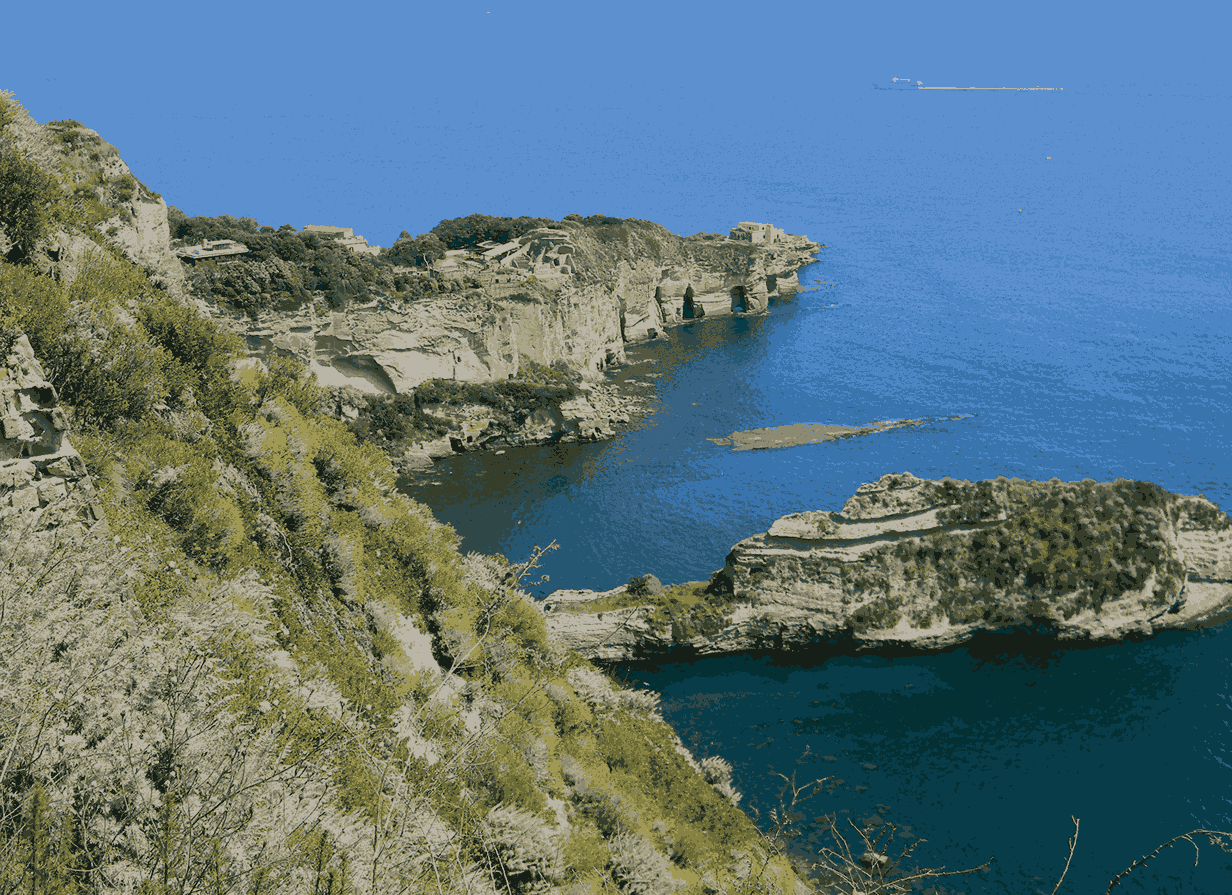
An aerial view of a rocky and vegetated coastline. On the two promontories appear to be eroded building ruins.

Bay of Trentaremi. Giuseppe Guida. CC BY-SA 4.0

After these tragedies, more legends about the area were born. One of the most famous is that the ghost of a faceless woman haunts the area. According to local fishermen, it is the spirit of a woman who died during the San Giorgio cruiser's shipwreck in 1911. Others believe the specter to be the ghost of Hans Braun's late wife.

The origin of the name “Gaiola” is debated. Officially, the namesake derives from two small islands located in the park off the coast of Posillipo. Some think that the name Gaiola comes from the Latin cavea, meaning cave, corral or grotto. In Neapolitan, the word gajola means cage, recalling the cage-like shape of the archipelago. Cavea can also mean amphitheater. Gaiola hosts its own amphitheater in the ancient Villa. 

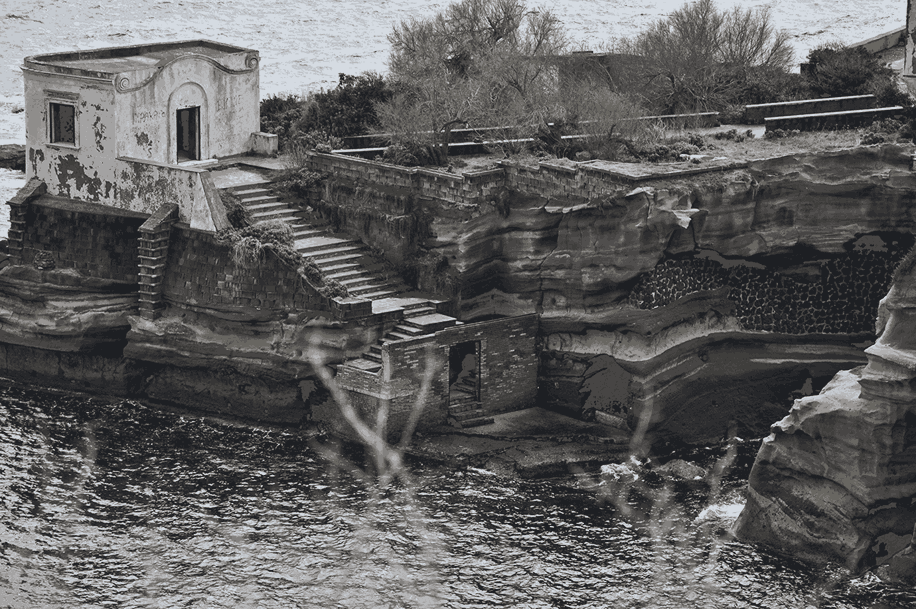
Grayscale image of a ruins site above the sea. Many stairs and eroded sea walls, as well as a small building with chipped paint.

Archaeological Park of Pausilypon. Armando Mancini. CC BY-SA 2.0

Visitors can participate in guided tours that offer exciting activities and insight into the park's ecological and historical significance. To visit the Gaiola Underwater Park, it is essential to make a reservation in advance due to the park's commitment to preserving its delicate ecosystems by maintaining a controlled number of visitors. You can enter the park any day with an online reservation, although hours and restrictions vary depending on the season. Aside from guided tours, there are many activities for visitors to take part in, such as glass-bottomed boats, snorkeling, scientific diving, and kayaking.

GETTING THERE

The park is accessible from Naples’ city center by metro, car or bus. The park’s website features detailed information on activities, visitor guides, and the park’s history.


Rebecca Pitcairn

Rebecca studies Italian Language and Literature, Classical Civilizations, and English Writing at the University of Pittsburgh. She hopes to one day attain a PhD in Classical Archeology. She is passionate about feminism and climate justice. She enjoys reading, playing the lyre, and longboarding in her free time. 

My Road Trip Across The Balkans

Photographer Laura Grier shares her adventures through Bosnia, Croatia, Montenegro and more.

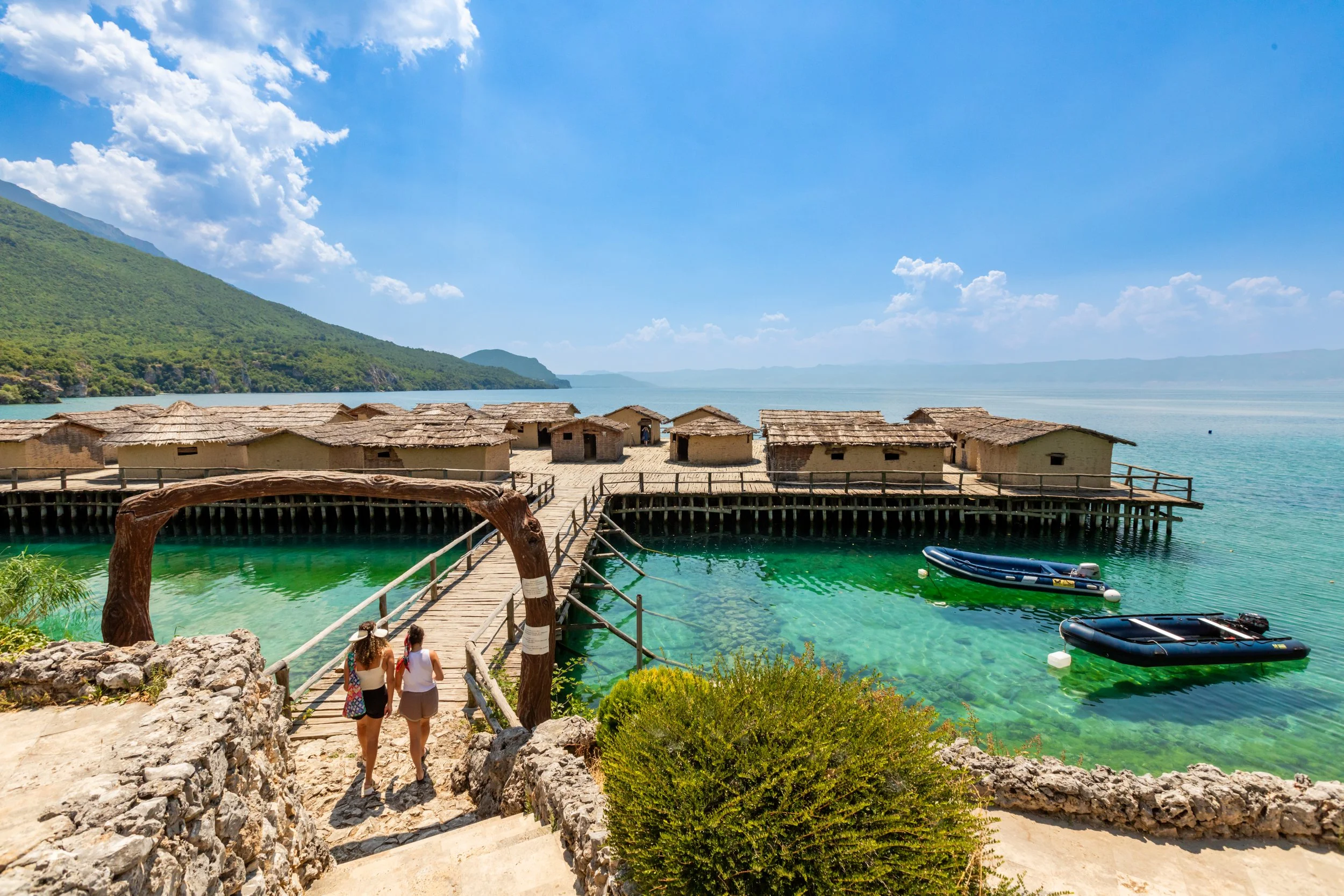
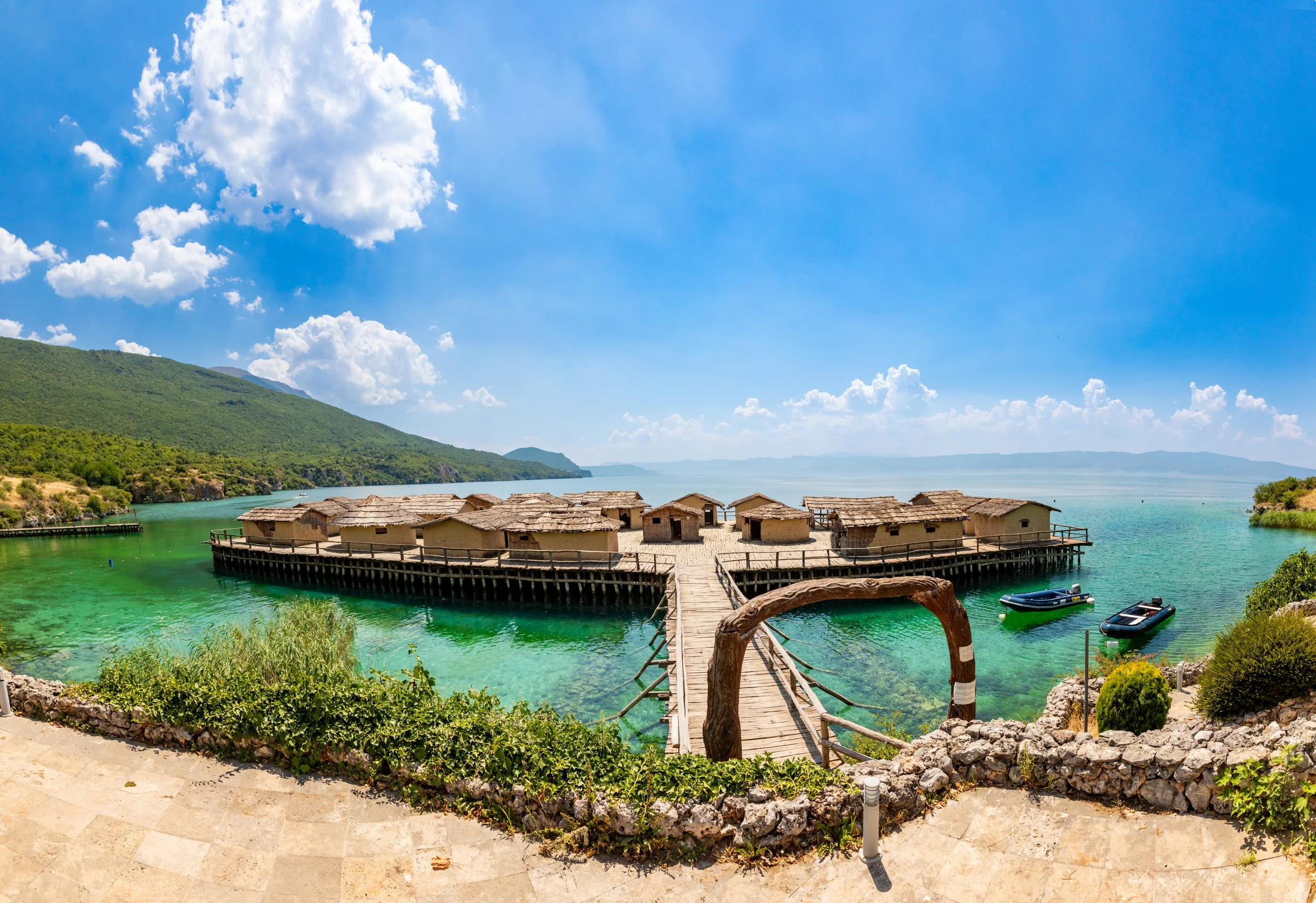
Two girls walk over a dock to a large platform of small buildings. The water is turquoise, small rafts floating, and stone sea walls around the land.

Macedonia. Laura Grier.

Imagine hitting the road with your best friends, traveling through the breathtaking Balkans, in the heart of the former Yugoslavia. A journey through some of the most stunning landscapes in Europe, this epic road trip was also a personal milestone for me as I celebrated visiting my 100th country along the way.

Although many Americans don’t often travel to this part of the world, Eastern Europe is a hidden gem — safe, welcoming and incredibly affordable. Crossing borders was a breeze, even though we didn’t speak the local languages. Everywhere we went, from bustling cities to quaint villages, we were greeted with warm smiles and genuine hospitality.

The mix of rich history, mouth-watering food and awe-inspiring nature made my trip unforgettable. Whether exploring medieval fortresses perched on cliffs, wandering through picturesque towns, or relaxing by crystal-clear lakes, every moment offered a new adventure. A must-visit destination for any adventurous traveler, this beautiful and often overlooked part of the world is a treasure trove of experiences waiting to be discovered.

1. Bosnia

Mostar Bridge:

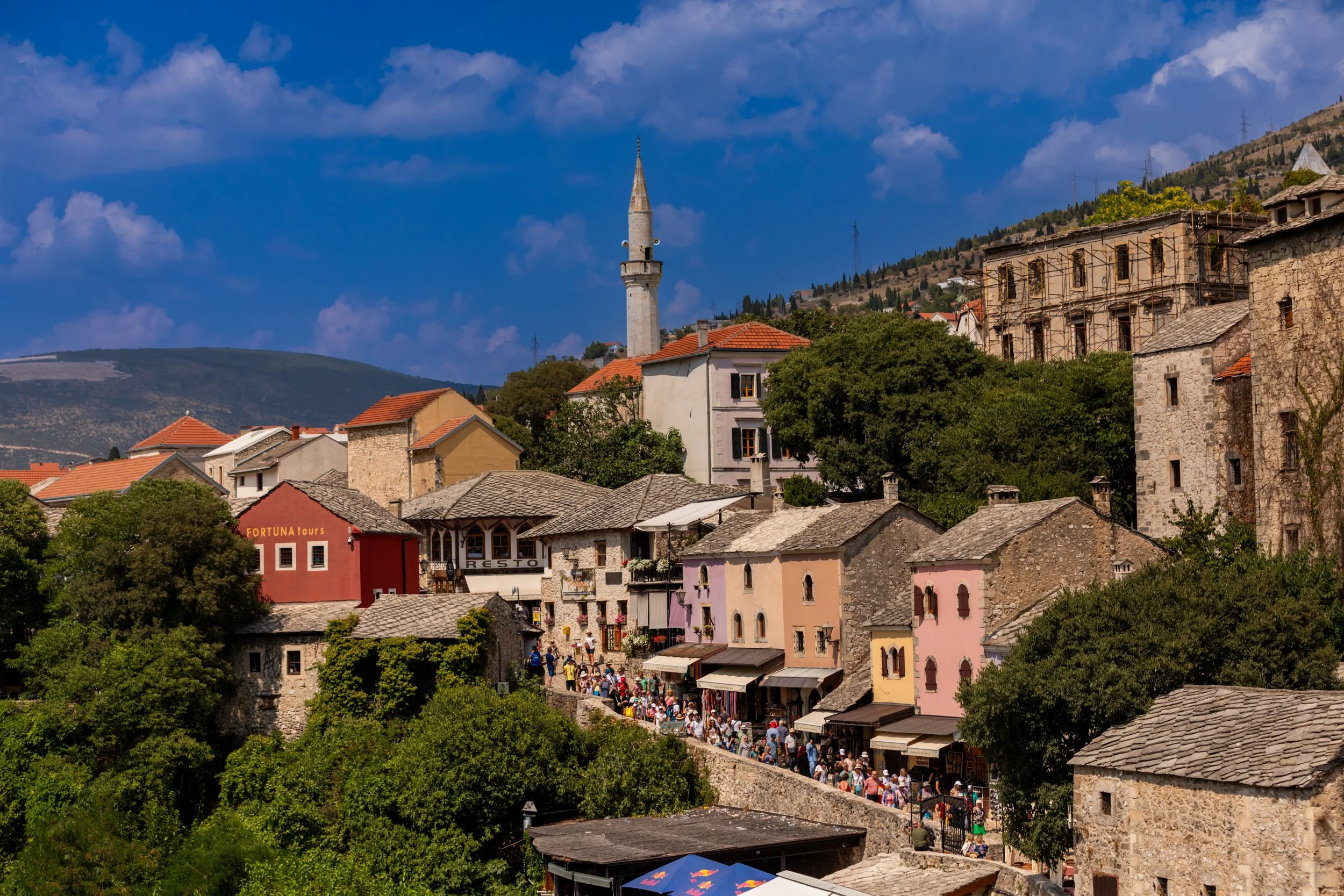
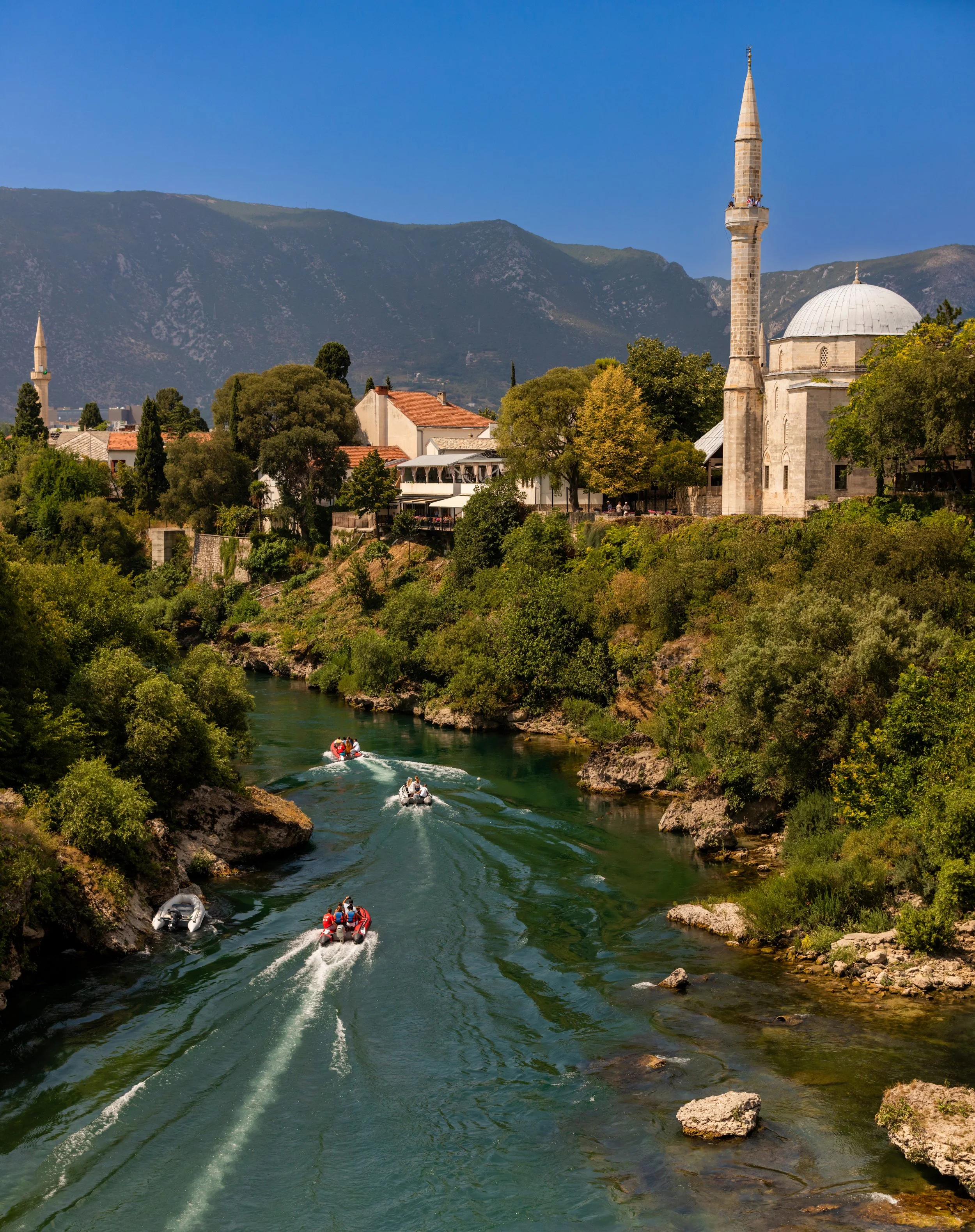
The iconic Stari Most, or Mostar Bridge, is both a stunning example of Ottoman architecture and the site of a centuries-old tradition. As a rite of passage in Bosnia, young men often gather on the bridge to prove their bravery by diving 70 feet into the Neretva River which runs below.

Jajce:

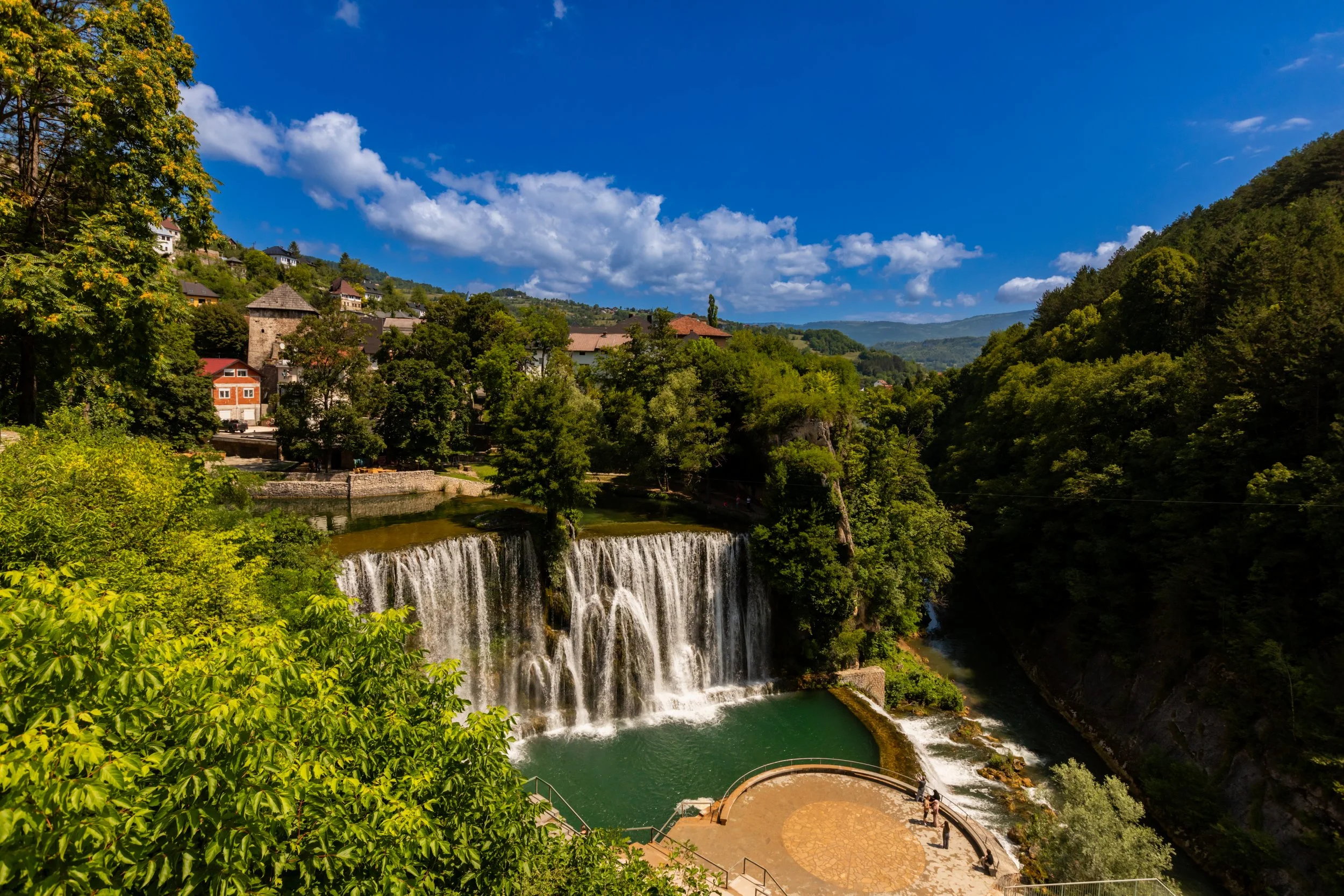
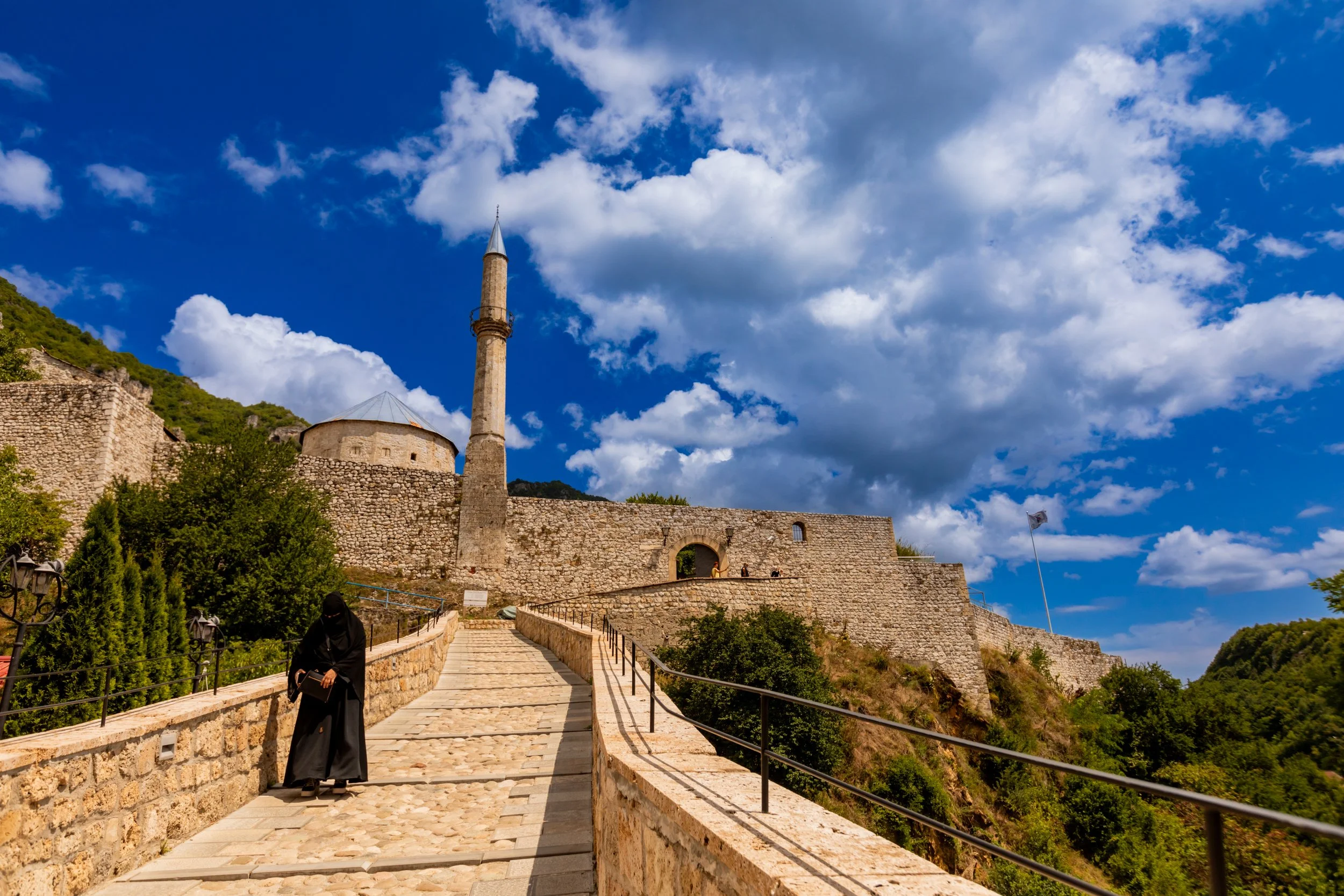
The town of Jajce, with its picturesque waterfalls and medieval charm, looks like something out of a fairy tale. Perched high up on a hill between the crossroads of two rivers, this enchanting walled city is also the birthplace of Yugoslavia, making the village as historically significant as it is beautiful.

2. Macedonia

Lake Ohrid:

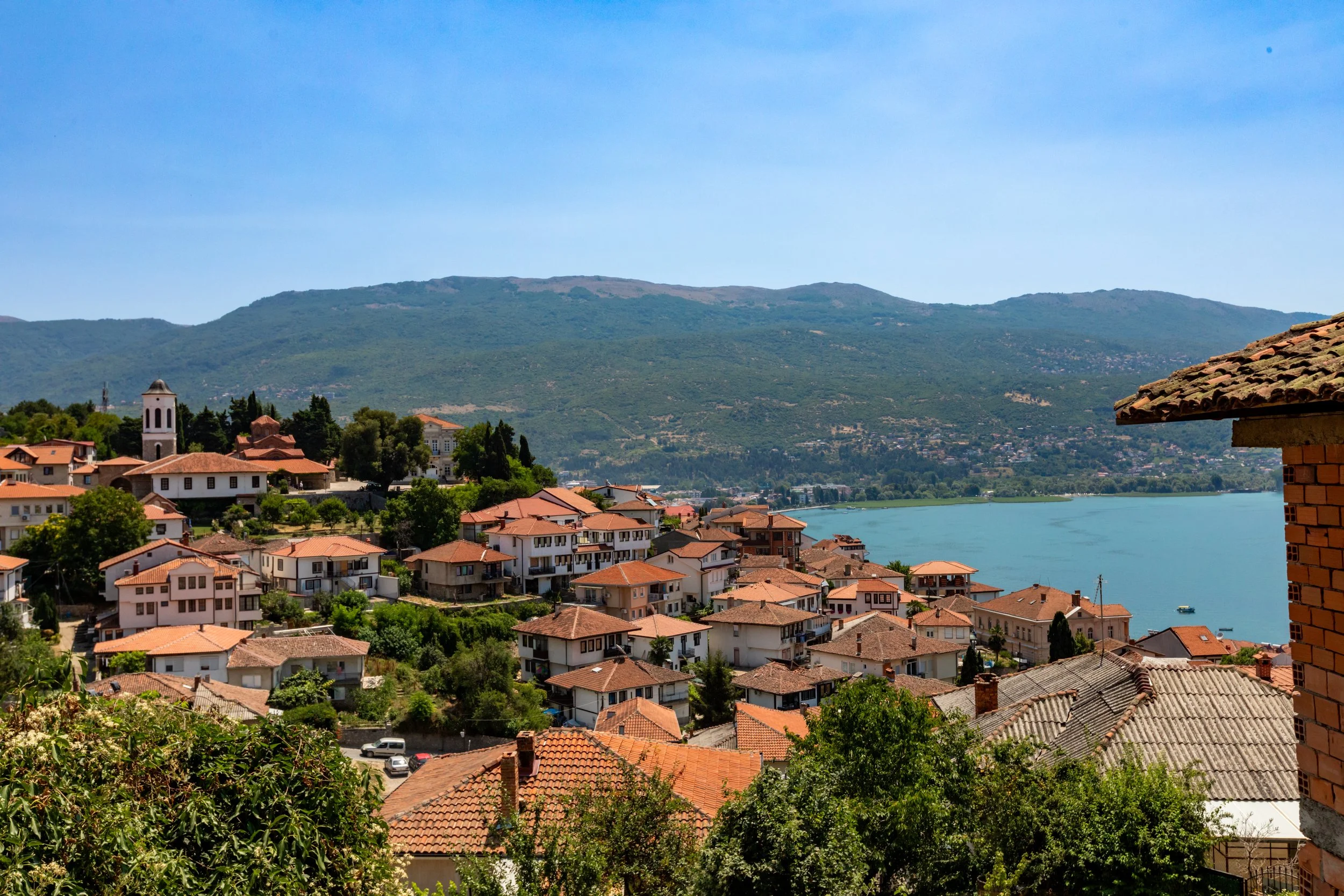
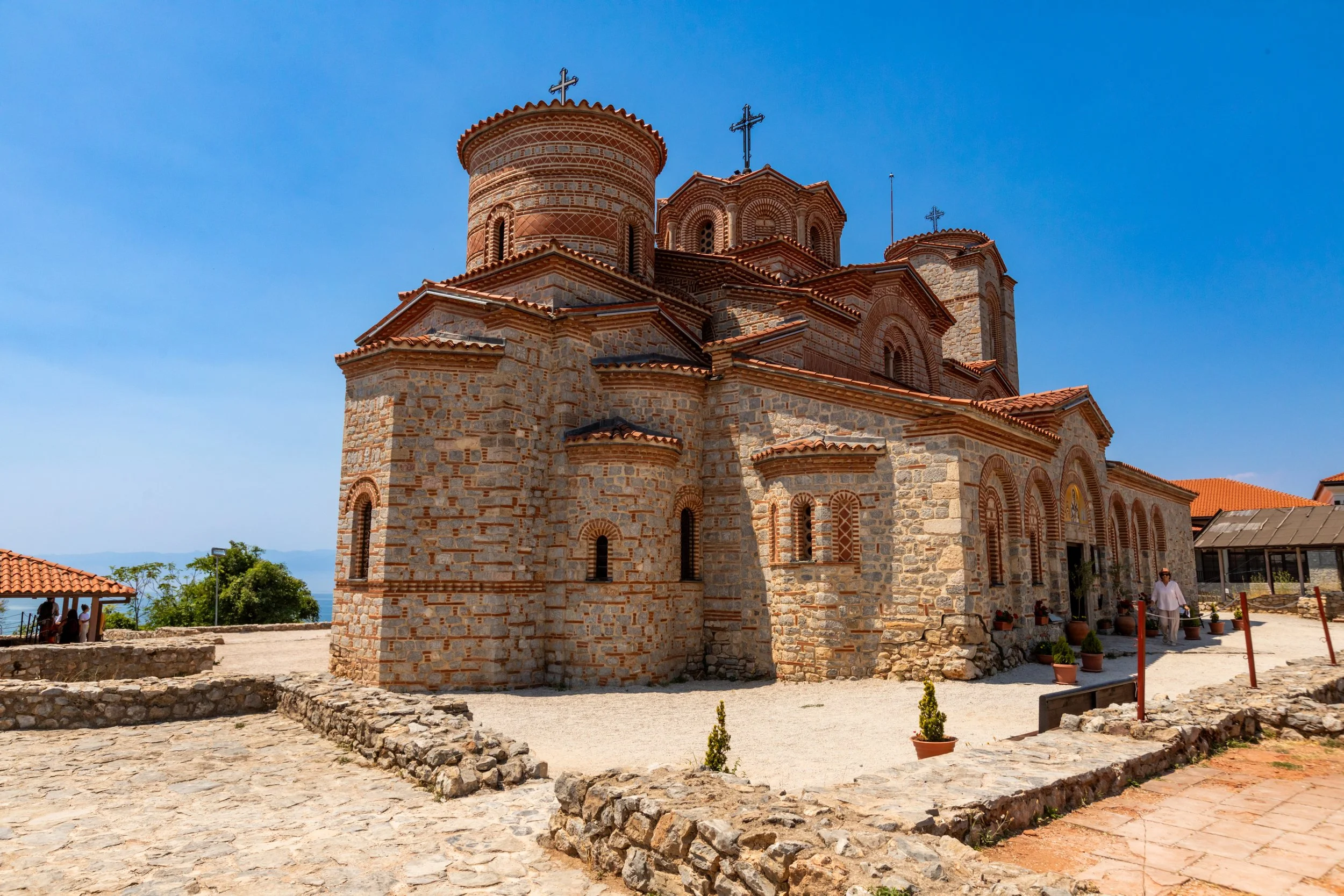
Lake Ohrid, one of Europe's oldest and deepest lakes, cradles the ancient city of Ohrid. Believed to be the oldest human settlement in Europe, archaeological evidence suggests that the area has been inhabited for over 7,000 years. One of the oldest continuously inhabited cities in Europe, the town itself dates back to at least the 4th century BCE. Featuring serene waters and historic sites, Ohrid is truly a gem amongst UNESCO World Heritage sites.

Bay of Bones:

The Bay of Bones is an extraordinary archaeological site that reconstructs an ancient lake settlement from 1200 B.C.E. The floating village, resting upon Lake Ohrid, offers a glimpse into the life of Macedonia's earliest inhabitants. The actual ruins of the original settlement lie underwater, just beneath the recreated floating village. You can even book a snorkeling or scuba tour to explore them up close!

Matka Lake:

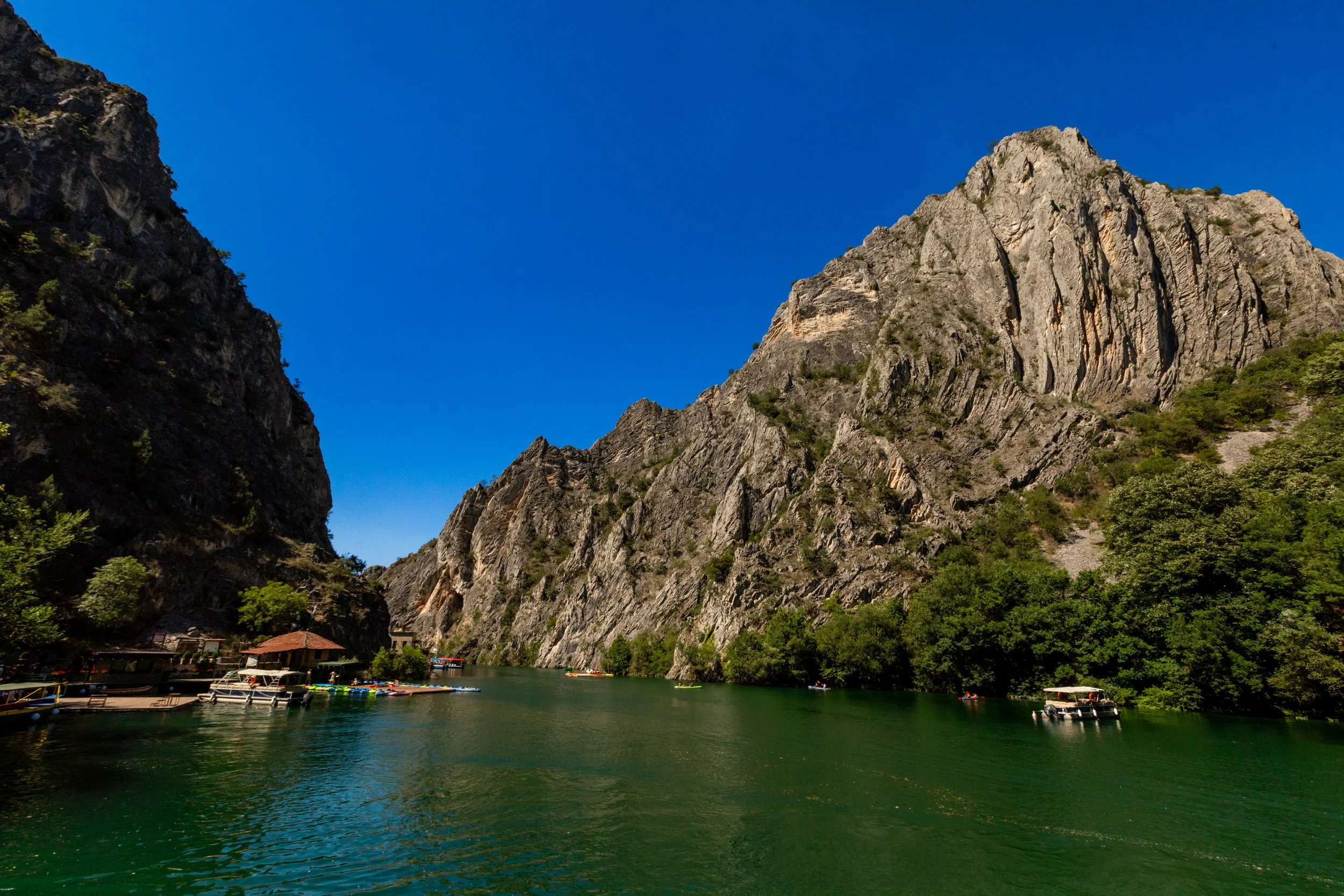
Located in Macedonia’s Matka Canyon, Matka Lake is a haven for nature lovers and adventurers alike. Beyond crystal-clear waters and dramatic cliffs, this stunning natural gorge is also home to hidden caves and medieval monasteries, making it a must-visit in Macedonia. You can hike up the nearby mountain to visit the church at the top and then hike back down to swim and do watersports in the lake. However, it’s important to remember that the water temperature can be as cold as 48 degrees Fahrenheit depending on the season. The lake's cool temperature is due to the depth of the canyon and the icy waters from nearby underground springs, making it feel more like a polar plunge!

3. Croatia

Plitvice Lakes:

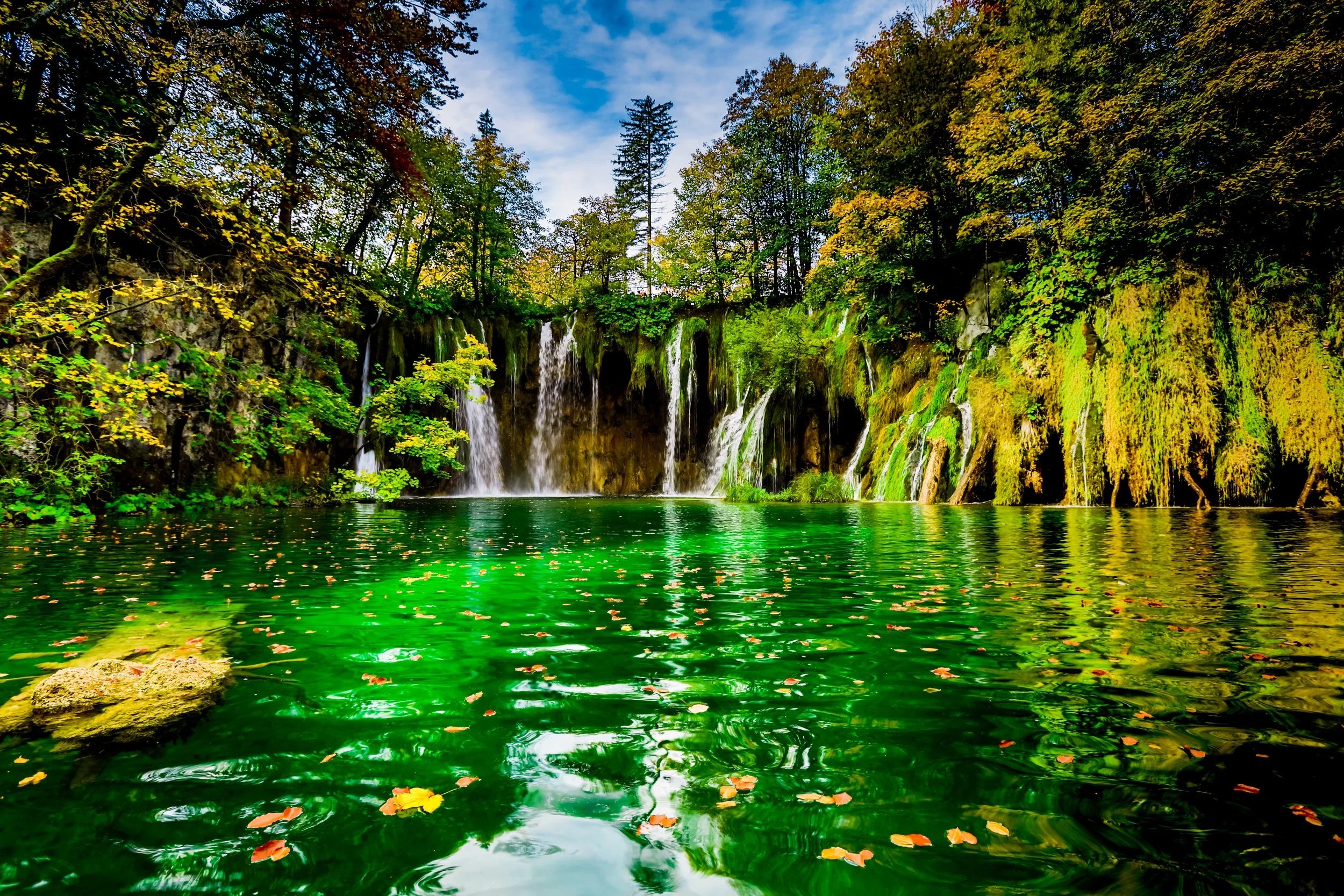
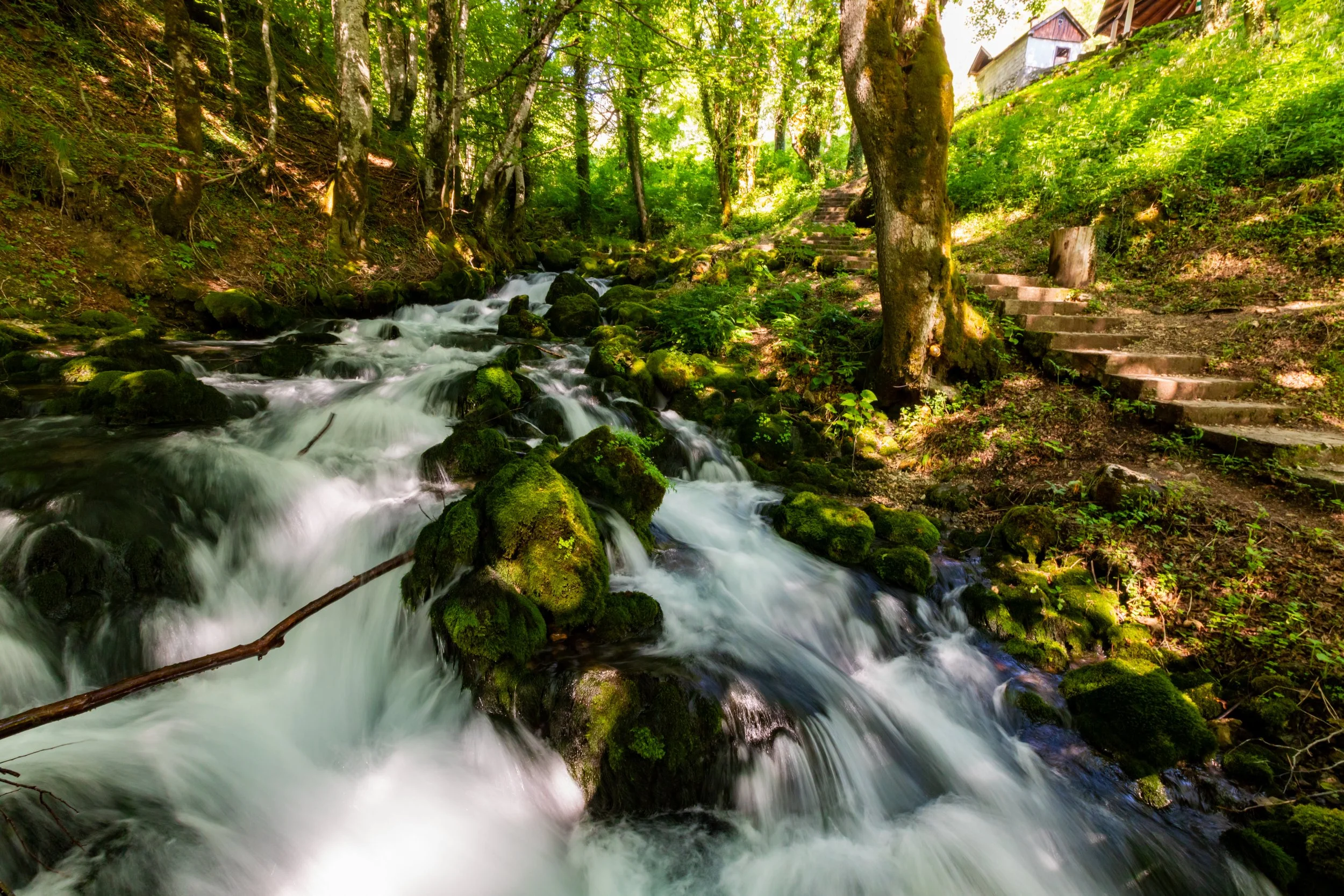
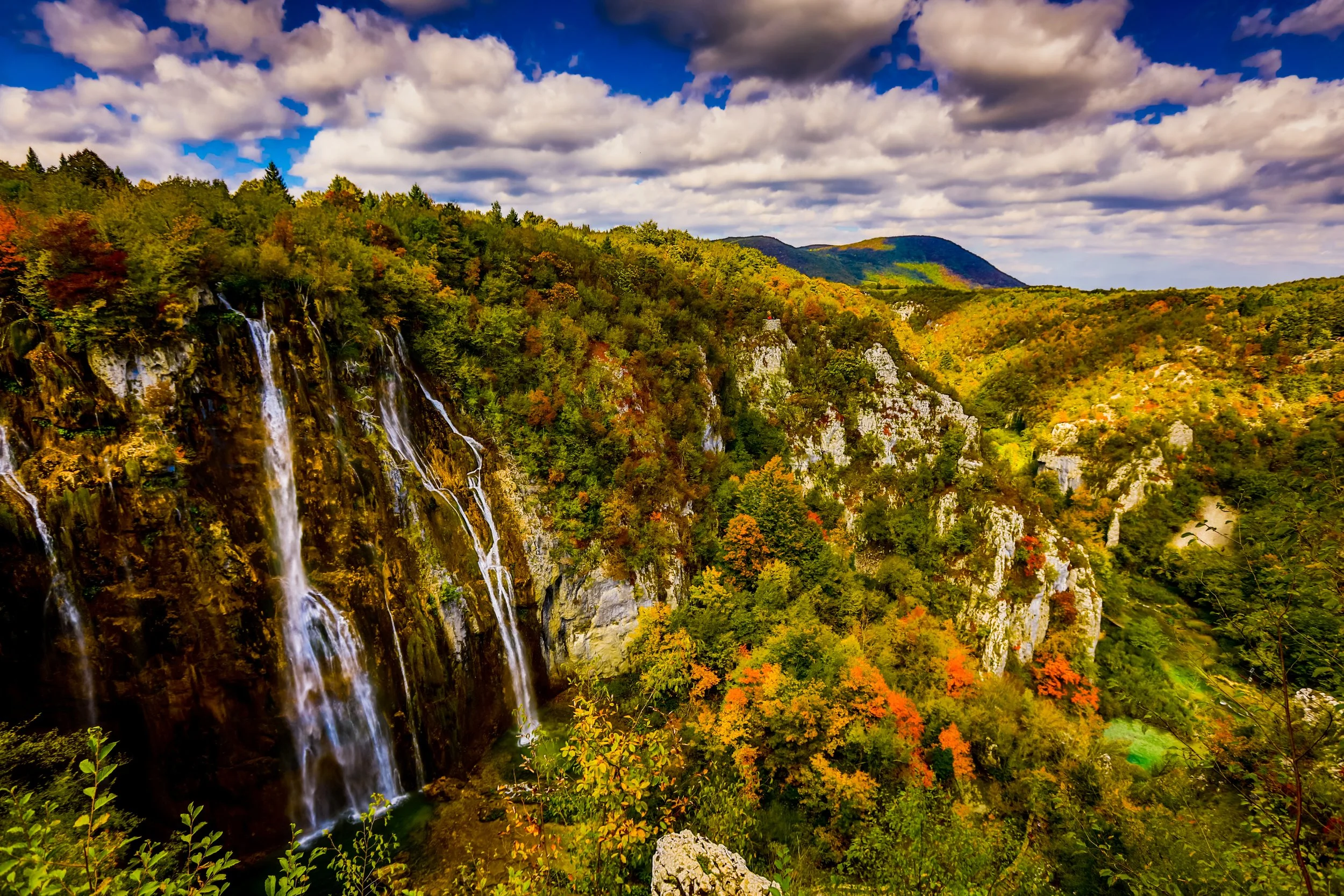
Visiting Plitvice Lakes National Park feels like stepping into a fantasy, with its breathtaking wonderland of cascading waterfalls, lush greenery and mesmerizing turquoise lakes. This UNESCO World Heritage site is Croatia's natural treasure, captivating visitors with its otherworldly beauty. Plitvice is home to 16 interconnected lakes, each more stunning than the next. I was obsessed with the beautiful neon green moss that covered everything around them. 

Dubrovnik:

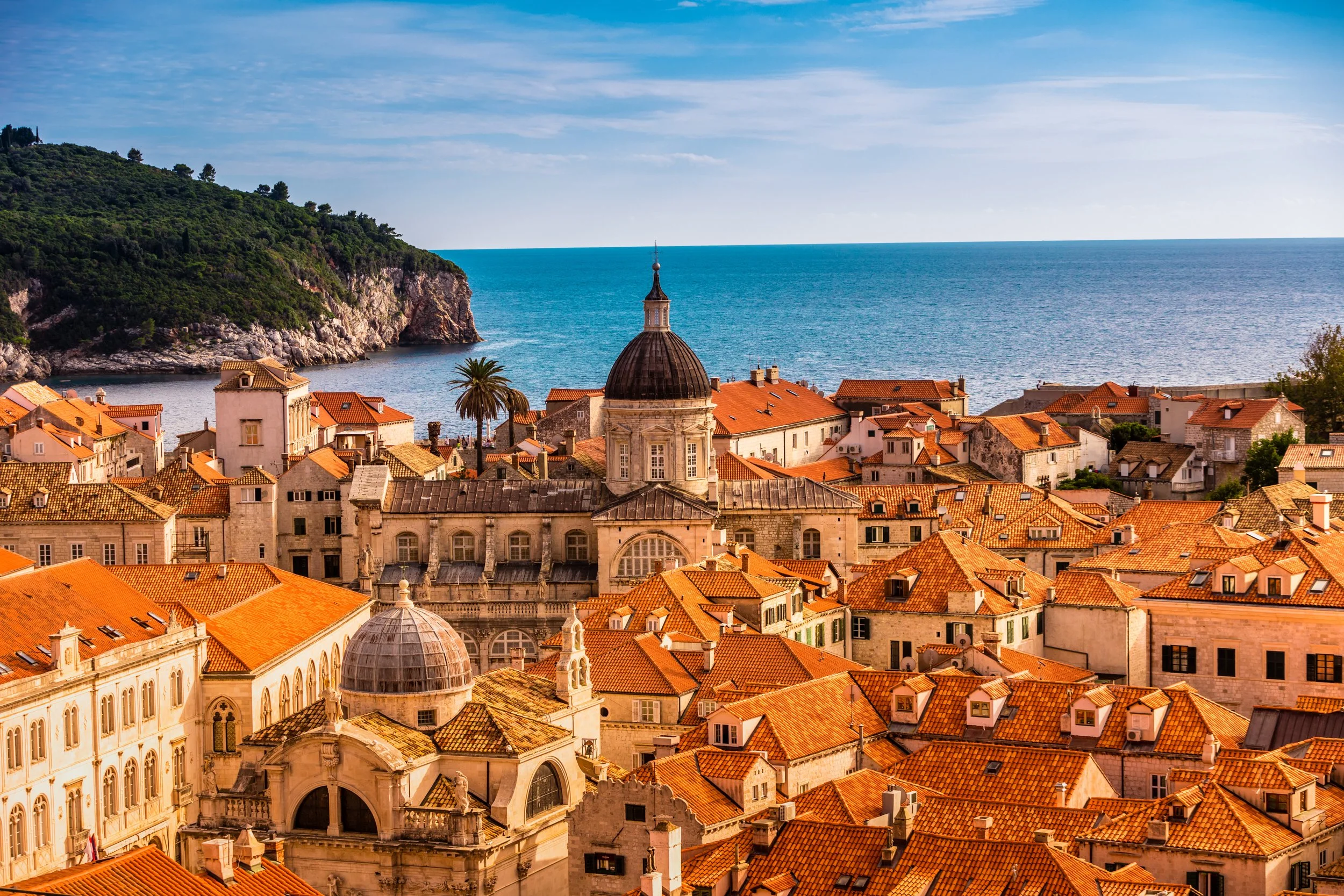
Dubrovnik, often called the "Pearl of the Adriatic," is a city where history comes alive. With ancient stone walls, charming streets and panoramic views of the sparkling sea, this medieval city is a stunning blend of ancient architecture and vibrant culture. In Dubrovnik, "Game of Thrones" fans will recognize numerous filming locations from the series, such as King's Landing. Walking through the town’s streets might just feel like stepping into Westeros!

Split:

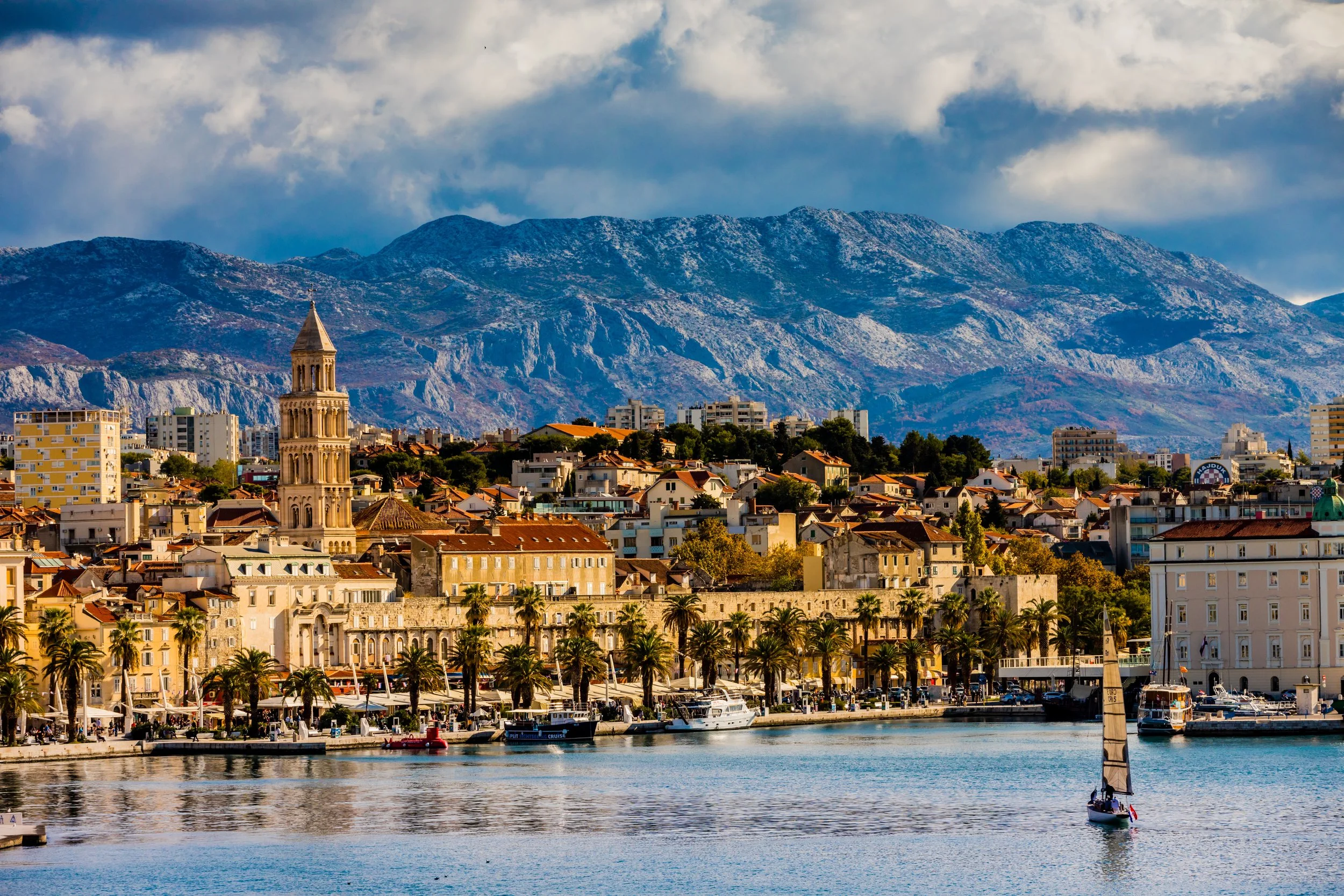
In Split, the past and present beautifully collide. Once the site of a Roman emperor's palace, Split is a vibrant blend of ancient history and modern life. With its sprawling complex of ruins, the UNESCO-listed Diocletian's Palace forms the heart of this bustling coastal city. The narrow streets are interconnected and labyrinthine — you will need to allow yourself time to get lost and discover hidden bars and restaurants, some of which haven't changed in centuries!

4. Montenegro

Tara Canyon:

Tara Canyon, the second deepest canyon in the world, is one of Montenegro's most jaw-dropping natural wonders. With dense forests and a crystal-clear river carving through the rugged landscape, the site is a dream come true for adventurers and nature lovers. The Tara River is known as the "Tear of Europe" because of its pure, drinkable waters. If you're into white-water rafting, this canyon also offers some of the best in Europe!

Kotor:

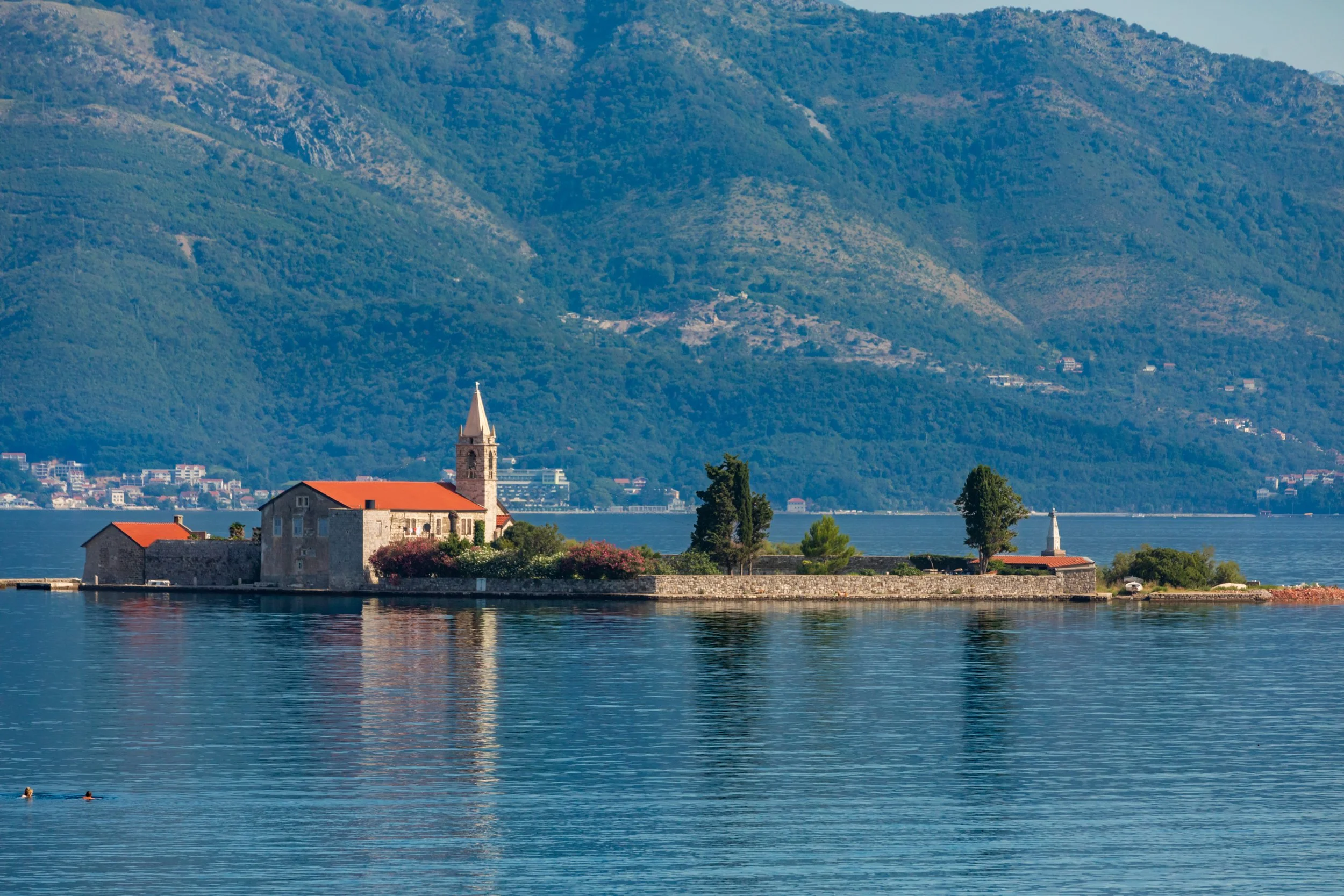
Visiting Kotor felt like time-traveling to the medieval past. Nestled between dramatic mountains and the shimmering Bay of Kotor, the town is a popular stop on European cruises. While it seems impossible for the narrow bay to accommodate cruise ships, these boats nonetheless manage to bring in thousands of tourists. You can spend the day kayaking out to churches on tiny islands, exploring caves, getting lost exploring the cobblestone streets, and visiting impressive fortifications dating back to the Venetian era.

5. Slovenia:

Predjama Castle:

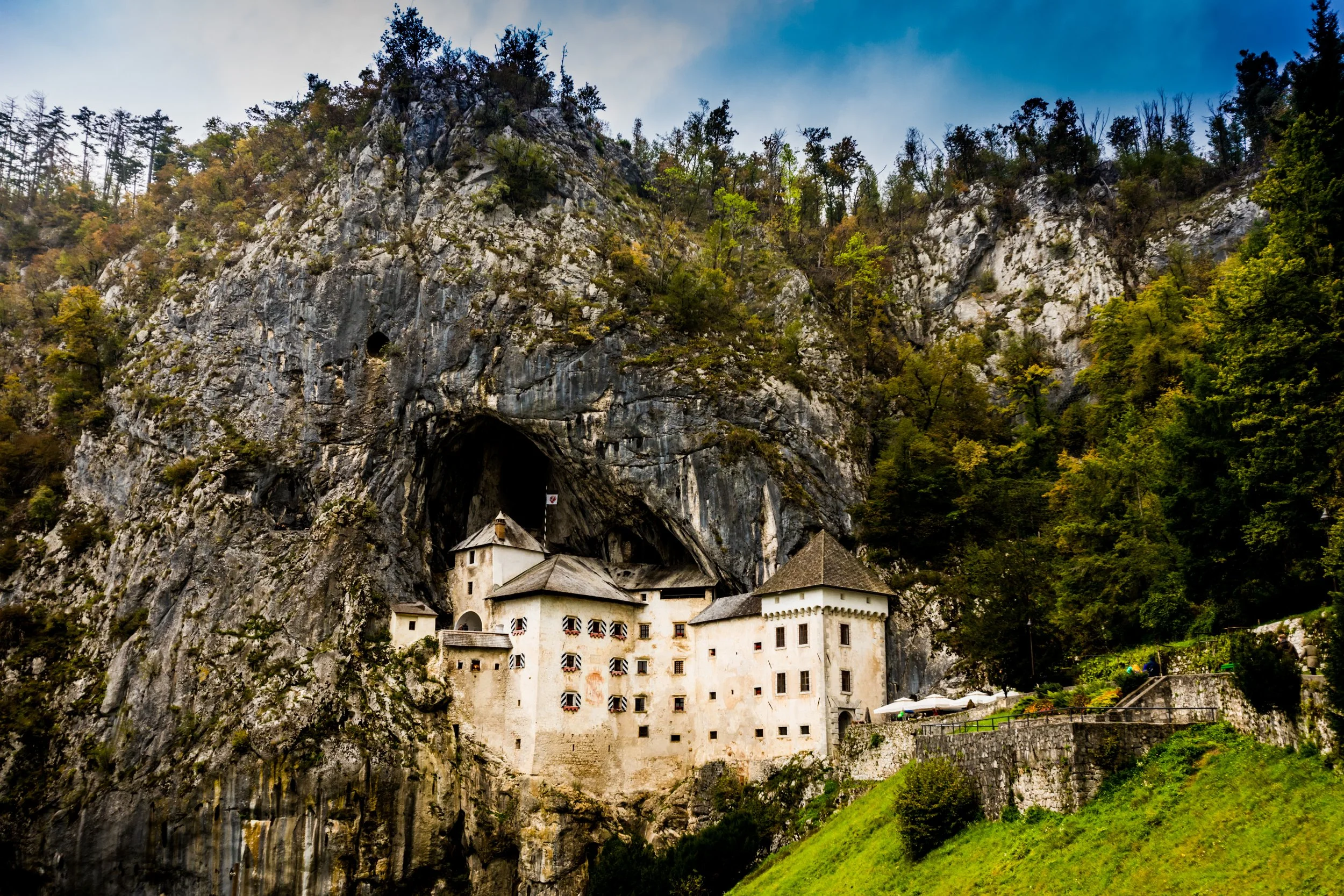
A medieval fortress built into the mouth of a cliff cave, Predjama Castle is truly a sight to behold. This marvel of engineering holds a Guinness World Record as the largest cave castle in the world (which I didn't know was even a thing)! I love exploring secret passageways and caves and was fascinated when I discovered that the castle’s secret hidden tunnel was used by Erasmus of Lueg to sneak out and bring in supplies during a siege. Exploring this castle felt like diving straight into an “Indiana Jones” movie!

Slovenia’s Coastline:

Slovenia’s spectacular coastline may be small, but it packs a punch with its crystal-clear waters and pristine white pebble beaches. It is truly a hidden gem, perfect for those looking to escape the crowds. Piran, a charming coastal town, is often compared to Venice for its Venetian-style architecture and stunning views of the Adriatic Sea.

Slovenia as "Narnia":

If you've ever dreamed of stepping into a fairy tale, then Slovenia is the place for you. The country’s enchanting landscapes, rolling hills and ancient forests are so magical that they served as a backdrop for "The Chronicles of Narnia" films. Driving through Slovenia, every turn reveals a new and breathtaking scene. It felt like Narnia came to life — and I never wanted to leave!

6. Serbia:

Fields of Sunflowers and Agriculture:

Who knew that Serbia was a land of endless sunflower fields and rich agriculture? When I first drove into Serbia, I couldn’t help but feel like I was in the Midwestern United States. Northern Serbia, with its flat terrain, was once an ancient seabed, which is why the soil is so nutrient-rich. This makes it perfect for growing crops that stretch as far as the eye can see, creating stunning golden landscapes in the summer.

Belgrade:

Serbia’s capital, Belgrade, is a city with a rich and tumultuous history. Its most famous landmark, the Belgrade Fortress, has stood the test of time, watching over the Sava and Danube rivers. This fortress has seen everything from medieval battles to World War II skirmishes. Today, it’s a beloved park and museum, offering panoramic views of the city and a peek into the hidden tunnels and bunkers used during World War II. The underground armory inside the castle was even converted into a popular underground disco tech in the ’90s. I love how this region of the world has embraced its tumultuous past and incorporated it into modern life in creative ways.


Laura Grier

Laura is a dynamic Adventure Photographer, Photo Anthropologist, Travel Writer, and Social Impact Entrepreneur. With a remarkable journey spanning 87 countries and 7 continents, Laura's lens captures both the breathtaking landscapes and the intricate stories of the people she encounters. As a National Geographic artisan catalog photographer, Huffington Post columnist, and founder of Andeana Hats, Laura fuses her love for photography, travel, and social change, leaving an impact on the world.

Connecting with Culture: Embracing Food, Tradition and Language in Sri Lanka

With ancient Buddhist temples, stories of independence and deep-rooted traditions, Sri Lanka offers a South Asian experience unlike any other.

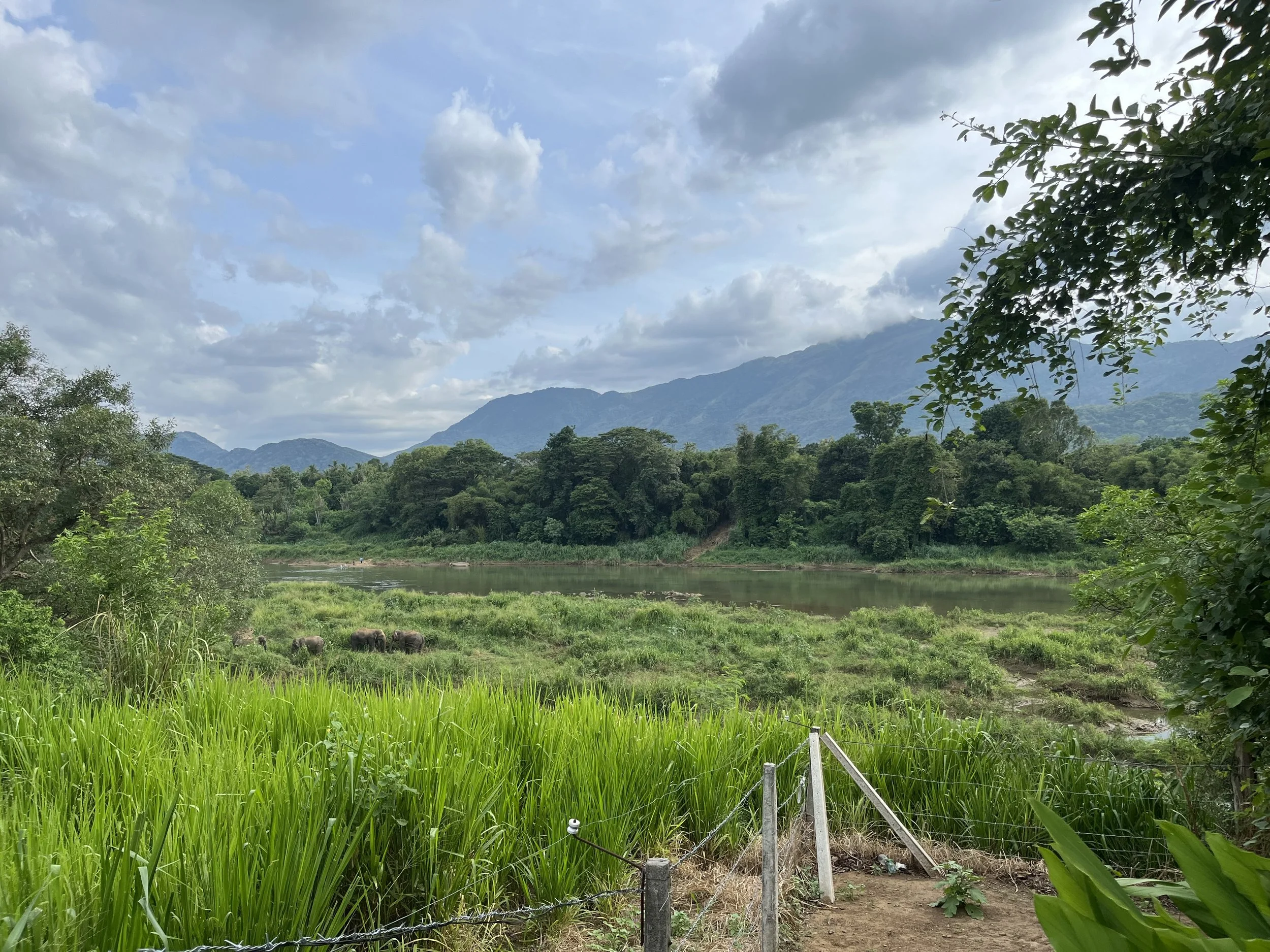
Lush green grown field and mountainous landscape in the background. Fencing around the field.

View from Elephant Sanctuary. Mira White.

The jewel of the Indian Ocean, Sri Lanka is recognized for its abundance of biodiversity and rich culture. Featuring vast rainforests, idyllic beaches and towering mountain ranges, the island is a hotspot for elephants, pink sand beaches and adventurous travelers. Its extensive history bridges the divide between the past and the present. 

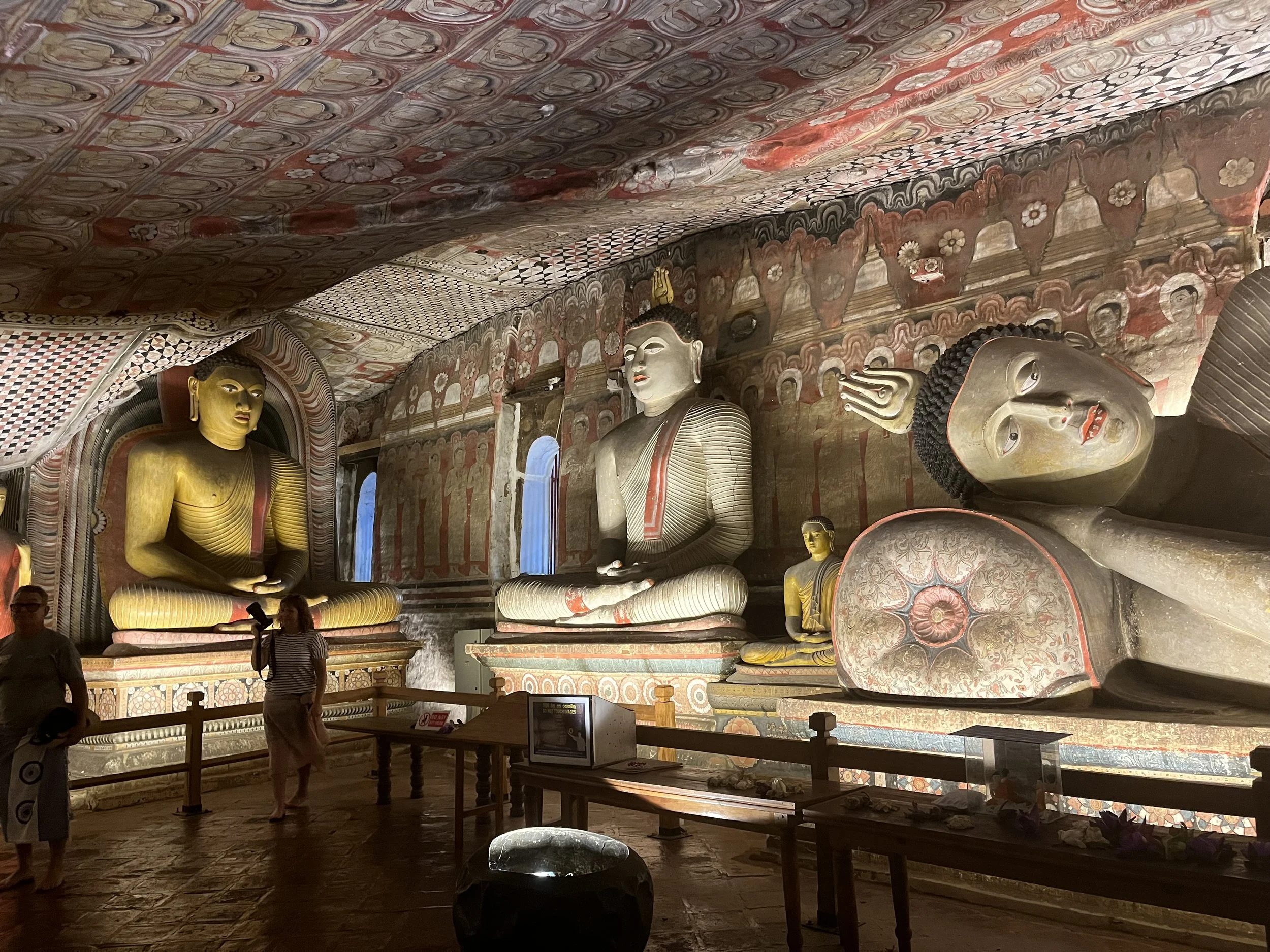
Inside of a temple with ornately inscribes ceilings and walls, as well as three massive religious sculptures.

Dambulla Cave Temple. Mira White.

Living with a host family in Colombo and working for the Sri Lankan grassroots organization, Gammadda, I was able to experience the authenticity of Sri Lankan local life. Sponsored by Brown University, I interned for Gammadda, a group that prides itself on being an initiative “for the people by the people” while traveling across the country to complete rural development projects. Regardless of whether I was with my host family, at the office or in a remote part of the island, I was continuously exposed to an outstanding variety of new cultures, customs and habits. 

My ten weeks living in Sri Lanka presented me with the opportunity to immerse myself in various facets of a culture older than any other I’ve experienced. Surrounded by Sinhala, spiced curry and tuk-tuks, I adapted to a lifestyle consumed by the language barrier, a diet of rice and, often, unpredictable transportation. Despite my unfamiliarity with Sri Lankan customs and traditions, I was always welcomed with kindness and understanding.

I arrived at the end of May, near the end of Sri Lanka’s Vesak Festival which celebrates the birth, enlightenment and death of Lord Buddha. The Colombo Bandaranaike International Airport was decorated with traditional flags and lights hanging from the ceiling. Upon my entrance into the country, I was greeted with warm welcomes and joyful smiles from coworkers and my host family, a testament to the real pride that Sri Lankans feel in welcoming internationals to their country.

Young woman at the airport arrival sections, under the arms on either side of two smiling women holding "Welcome" signs.

Arriving at Colombo Bandaranaike International Airport. Mira White.

Living with a host family provided me with an intimate view of Sri Lankan life. Most mornings for the family began with the traditional Sri Lankan breakfast of rice and curry. At dinner, I was introduced to an array of rich spices and flavors and encouraged to try string hoppers, kottu and roti—so long as I could stomach food with intense spice— I could not. 

My host family took great joy in seeing me taste their country’s diverse cuisine and were often eager to share with me the components and history of each dish. Aside from the food we shared, they took pride in speaking Sinhala and Tamil around me, hoping I would catch on to some words. They were eager to teach me small bits of the local languages in order to make me feel more integrated into their world. By the end of my trip, I could confidently say that I was familiar with simple phrases and greetings. I was elated to hear someone say “kohomada”—how are you?— when they answered the phone. 

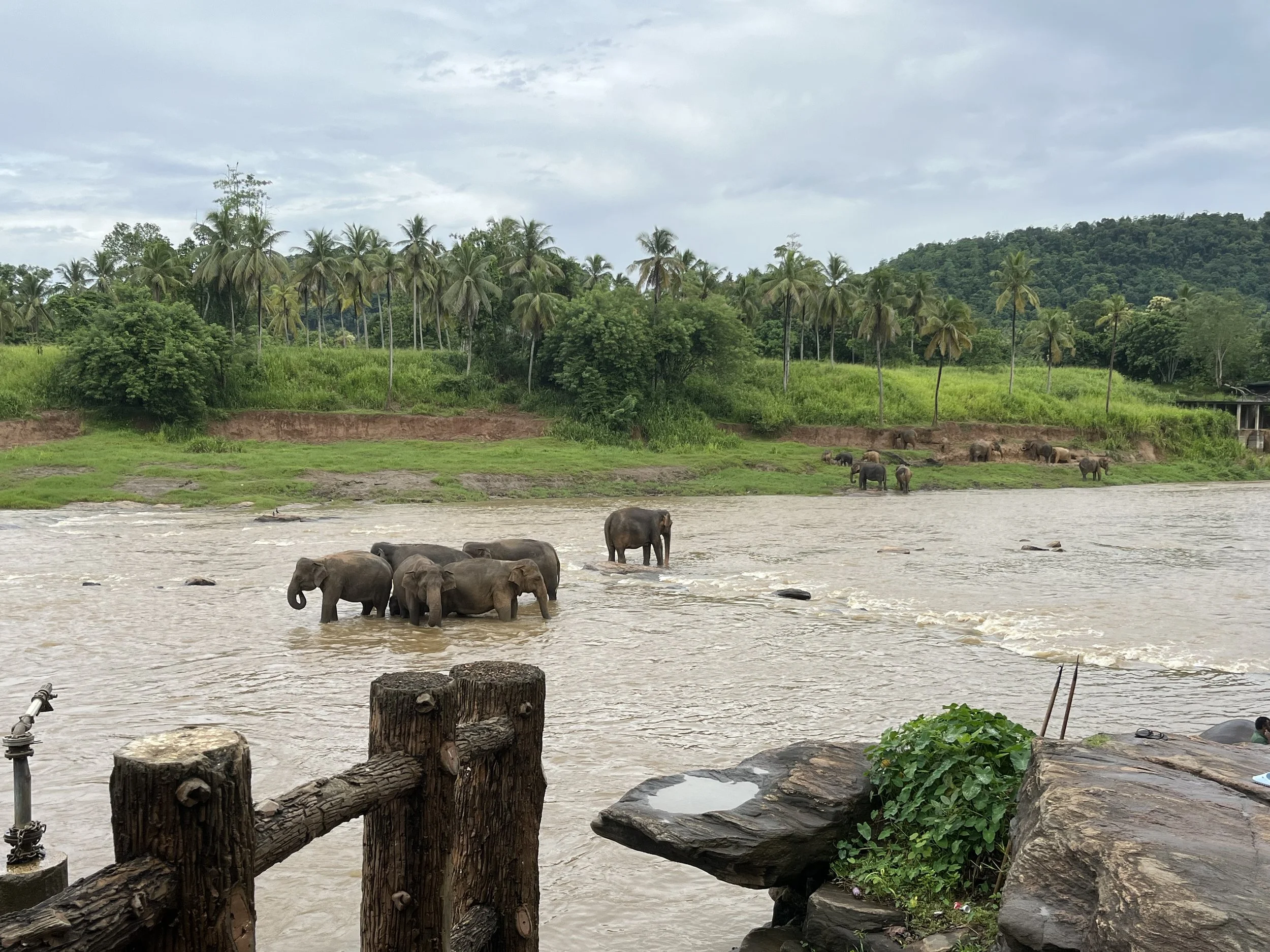
The hospitality of my host family extended beyond the dining table. They offered to take me on multiple excursions, highlighting places that showcased the island’s natural beauty. One memorable trip was to the Pinnawala Elephant Orphanage where I had the chance to see and touch elephants up close.

Several elephants crossing through a river, with a lively green hill and palm trees behind them

Pinnawala Elephant Orphanage. Mira White.

In the office, camaraderie among my co-workers was one of my most rewarding experiences. Colleagues helped me navigate office culture and even brought me to their homes to help dress me in a traditional Kandyan saree for formal work events, a gesture that made me feel deeply connected to those that I’d met in Sri Lanka and its local traditions.

A group of five colleagues dressed formally and smiling at the camera at an event.

Gammadda Colleagues. Mira White.

Beyond the office, co-workers were enthusiastic about sharing their local knowledge. They recommended must-see places and offered to accompany me on several outings to explore the island. They eagerly encouraged me to delve into local traditions and festivals. While on field site trips together, they encouraged me to try different foods and went out of their way to bring me to nearby sites to experience the natural richness of the island. Through their guidance, I gained a deeper understanding of the Sri Lankan business, cultural, and personal life that makes up the nation’s diverse tapestry.

Fieldwork took me to various parts of Sri Lanka, including areas severely impacted by poverty and climate change. The challenges faced by locals were stark—drought, erratic weather and economic hardship painted a sobering picture of life outside of Colombo. Despite the difficult circumstances under which I met those in rural villages, the warmth and gratitude of each individual was remarkable. My co-workers and I were welcomed into homes with genuine hospitality and kindness, often through the form of shared meals.

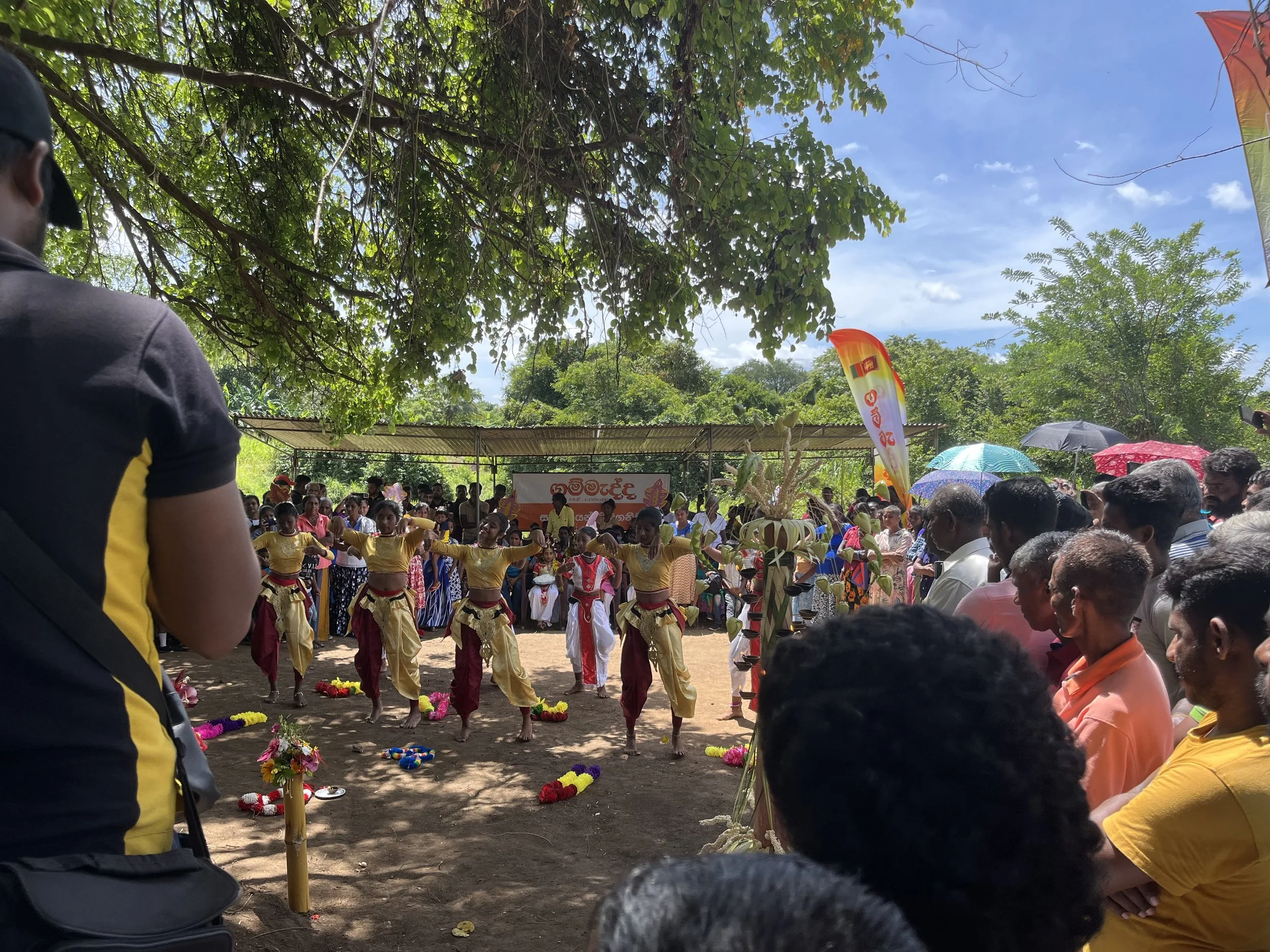
During projects for the grassroots organization I worked for, locals performed traditional dances and musical performances. These ceremonies provided a glimpse into their cultural heritage, underscoring their determination to preserve the connection to their roots against all odds. The people I encountered lived a life deeply intertwined with their faith and traditions. Their resilient authenticity stood in contrast to the struggles that they faced, demonstrating their profound strength and pride. 

A crowd surrounds a traditional dance ceremony in the town. The dancers are in yellow and there are flowers on the ground.

Traditional Dance Ceremony. Mira White.

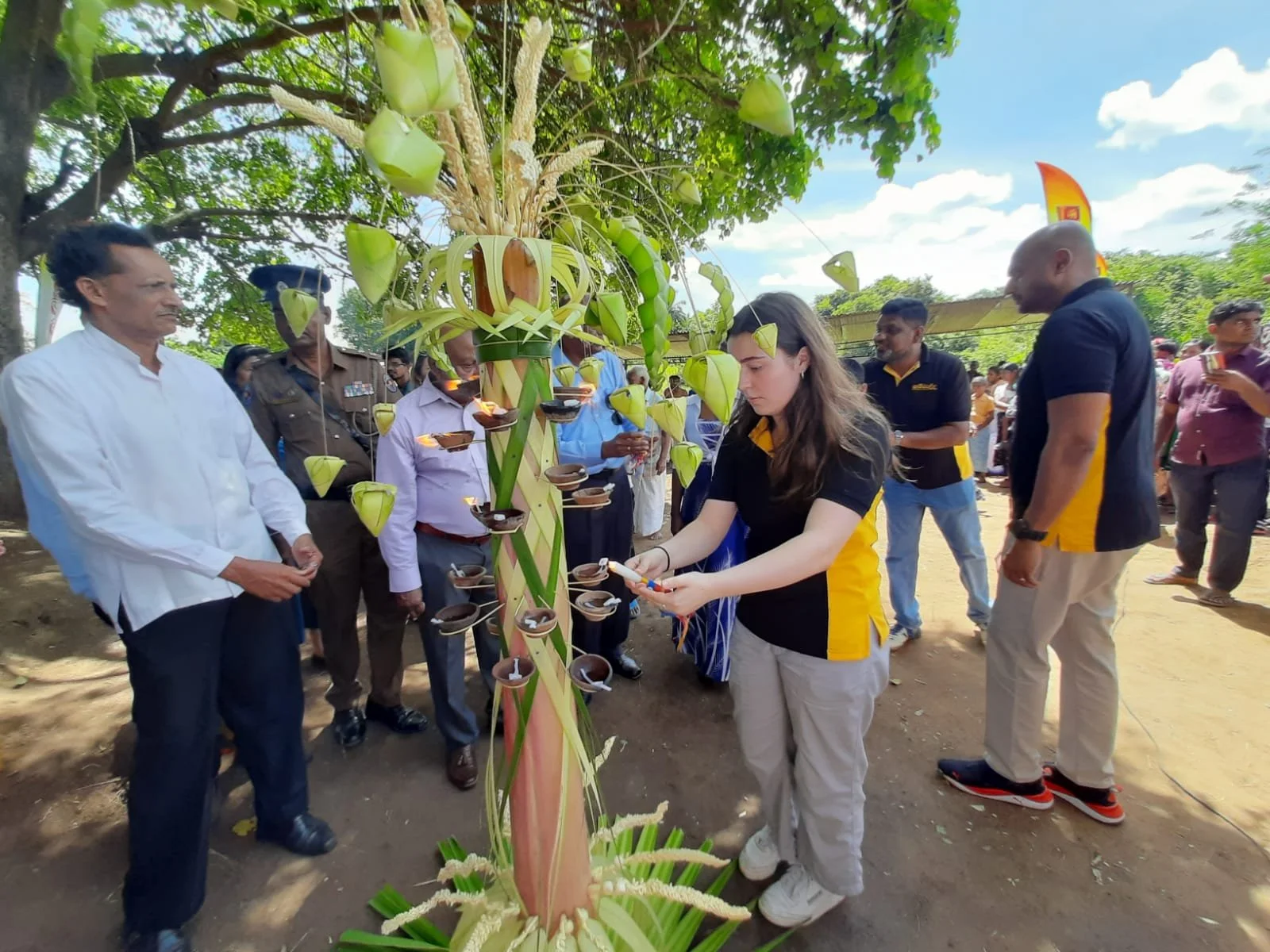
During one particular ceremony, I was asked to join project organizers and funders in lighting a ceremonial candle in tribute to the work done. This act had been a gesture of symbolic participation in local customs, connecting me deeply with this specific community and the challenges of its people. 

Lighting hanging candles off of a handmade tree in the busy town

Candle Lighting Ceremony. Mira White.

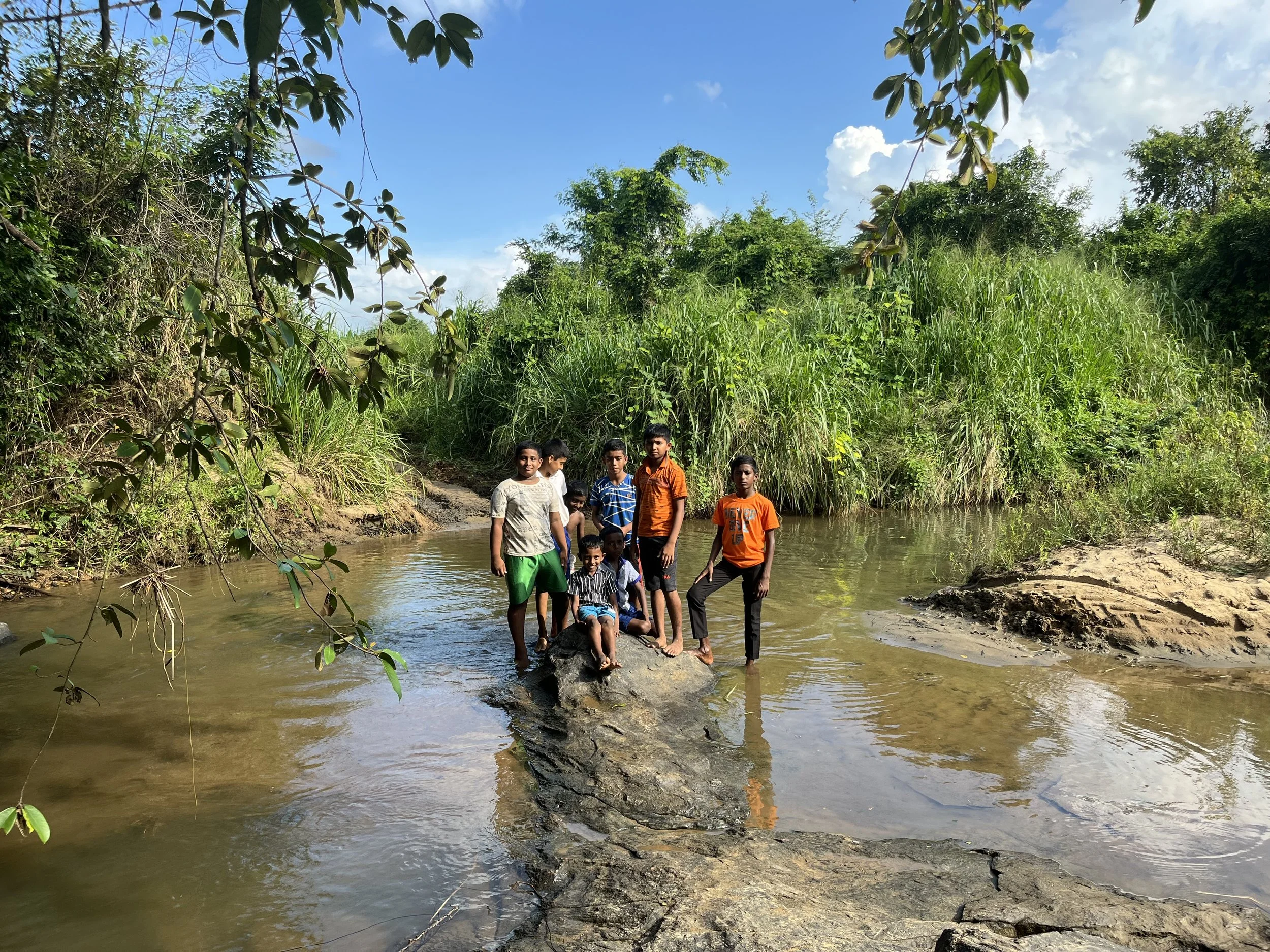
A group of children huddled and standing on a rock in the river. The vegetation surrounding is lush.

Children in the Koleyaya community. Mira White.

This sense of community was evident in all of my interactions, whether with colleagues, rural children or just observing those on the side of the road. Sri Lanka’s allure as a tourist destination extends far beyond its picturesque landscapes alongside cities such as Kandy or Sigiriya Rock. The island’s cultural richness is reflected in its food, language and music, each of which tells a story of history and pride. Through sampling local cuisine, attending cultural festivals and engaging with the community, visitors are provided with deep insight into how Sri Lankans navigate the complexities of their environment while maintaining an exuberant spirit. 

In the face of its challenges, Sri Lankans have cultivated a culture of warmth and hospitality. For those who choose to visit the island, the experience is as much about understanding the cultural landscape as it is about witnessing breathtaking beauty. Sri Lankans’ deep-rooted cultural pride is matched only by their kindness, making every visitor feel like a cherished guest. Beyond its landscape, Sri Lanka offers an opportunity to immerse oneself fully in a culture that thrives on connection and community. The enthusiasm with which locals invite you to explore their traditions, participate in ceremonies, learn the language and experience their daily lives creates a unique journey that I have yet to experience anywhere else. Once you’ve visited Sri Lanka, you become part of a larger family that eagerly awaits your return. Truly, Sri Lanka is more than just the jewel of the Indian Ocean, for visitors, it becomes a home away from home—a transformative experience that will call you back to its shores. 

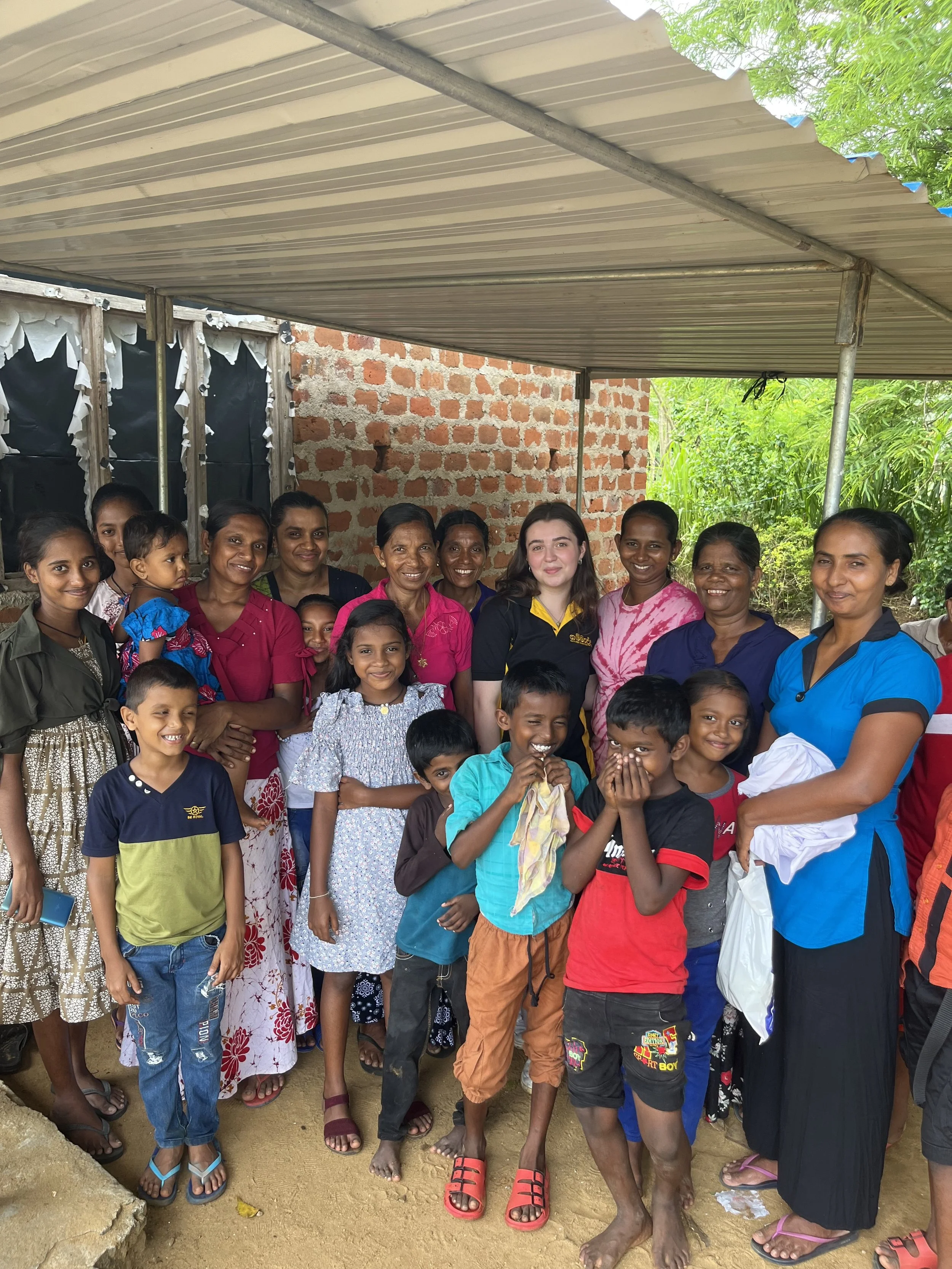
A large family stands outside with Mira and they all smile

Families in Koleyaya village in Badulla District. Mira White.


Mira White

Mira is a student at Brown University studying international and public affairs. Passionate about travel and language learning, she is eager to visit each continent to better understand the world and the people across it. In her free time she perfects her French, hoping to someday live in France working as a freelance journalist or in international affairs.

Matcha's Roots: The Legacy of Japan's First Tea Tree

Explore Shofuku-ji, Japan’s oldest Zen temple, where the legacy of the first tea tree still thrives.

A temple among a mossy meadow dotted with trees

Shofuku-ji Temple. N yotarou. CC BY-SA 4.0

At the end of an unassuming street in Fukuoka, Japan stands the Shofuku-ji Temple. Its ancient grounds are a testament to centuries of cultural and spiritual history, particularly to the evolution of matcha, Japan’s iconic powdered green tea. Matcha is made from specially grown and processed tea leaves. The process begins with shading the tea plants several weeks before harvest to boost chlorophyll levels, resulting in its vibrant green color. The leaves are then carefully picked, steamed to stop oxidation, dried, and ground into a fine powder using traditional stone mills. Matcha's popularity outside Japan, especially in the U.S., experienced a surge in the early 21st century due to a growing interest in health and wellness globally. Its high antioxidant content, culinary versatility, and cultural appeal contributed to its widespread adoption in cafés and homes worldwide. 

Shofuku-ji Temple was founded in 1195 CE by the Buddhist priest Myōan Eisai, who is often credited with introducing Zen Buddhism to Japan. However, Eisai’s cultural influence extends beyond religion. Chinese legend dates the invention of tea to around 2737 BCE in ancient China. From China, the beverage was brought to Japan by a mission of monks, including Eisai, returning from a pilgrimage in 1191 CE. Upon arriving in Japan, Eisai cultivated the tea seeds in the Iwakamibo gardens of Ryozen-ji Temple, Saga. 

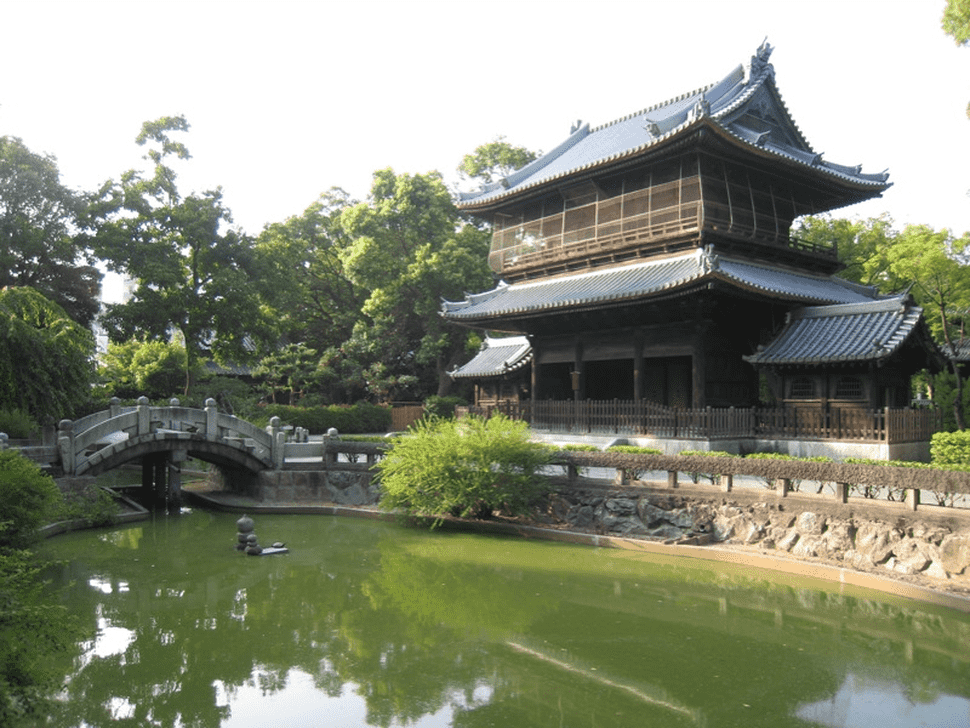
A temple standing next to a green pond, walking bridge, woods, and stone walls

Shofuku-ji Temple Pond. Mark Pegrum. CC BY 2.0

These seeds, which produced the first tea plants in Japan, became the foundation of what is now known as matcha. The plant that stands at Shōouku-ji today, often referred to as "Japan’s First Tea Tree," is a direct descendant of those original plants, a living monument to the history of Japanese tea culture.

When Eisai brought the tea seeds to Japan, he was not merely bringing a new beverage, he was introducing a practice that would become integral to the Zen way of life. The preparation and consumption of matcha evolved into a ritualized practice that aligned perfectly with the principles of mindfulness and presence central to Zen. 

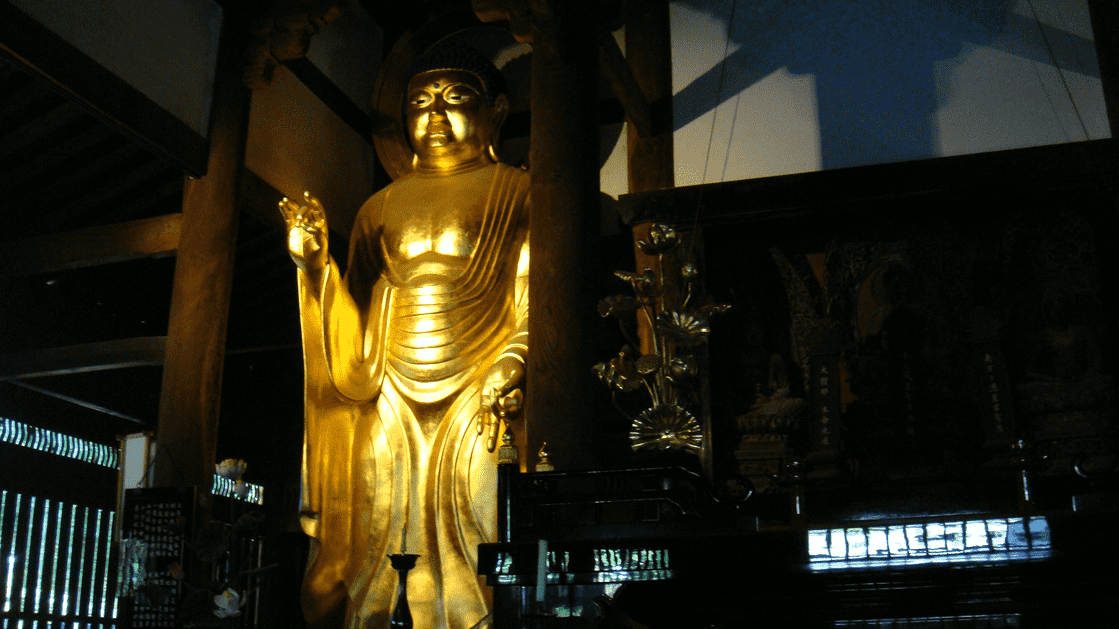
Large gold buddha statue standing between beams inside a temple. Glimmers of sunlight shine in through slats in the windows.

Buddha Statue. David McKelvey. CC BY-NC-ND 2.0

Referred to as “the way of tea,” the preparation of tea developed into an exercise of Zen devotion that honored the beauty which can be discovered in an otherwise flawed world. Author and tea expert Solala Towler has said: “It is a ceremony that takes the simple art of drinking tea to a sacred level, where the host and the guests share a moment of worship of the simple art of preparing and drinking of tea together, elevating them to a level of purity and refinement.”

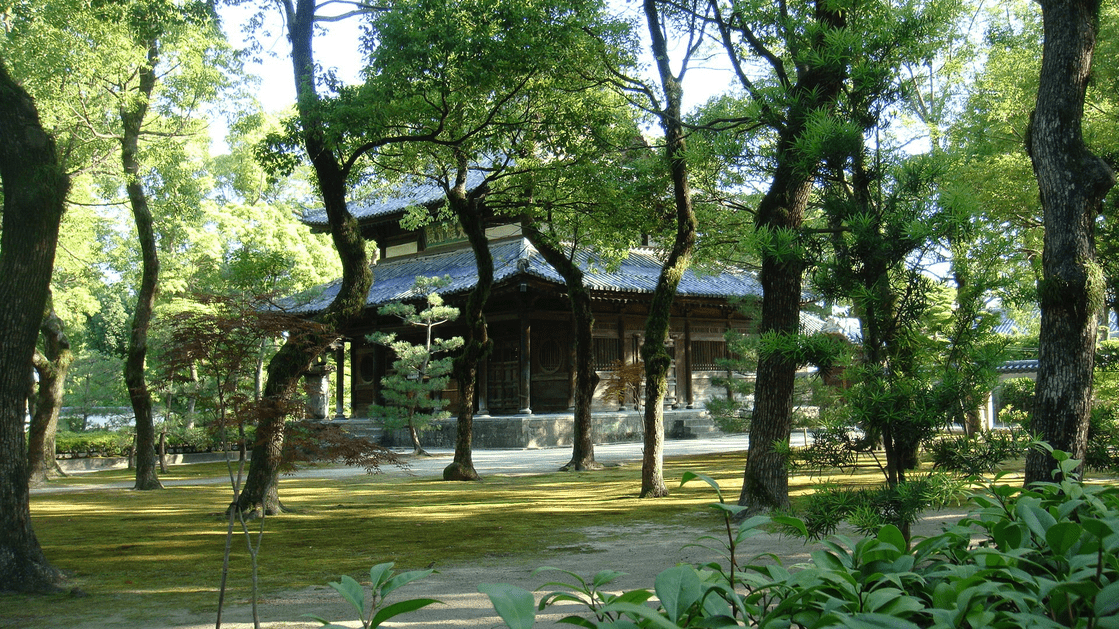
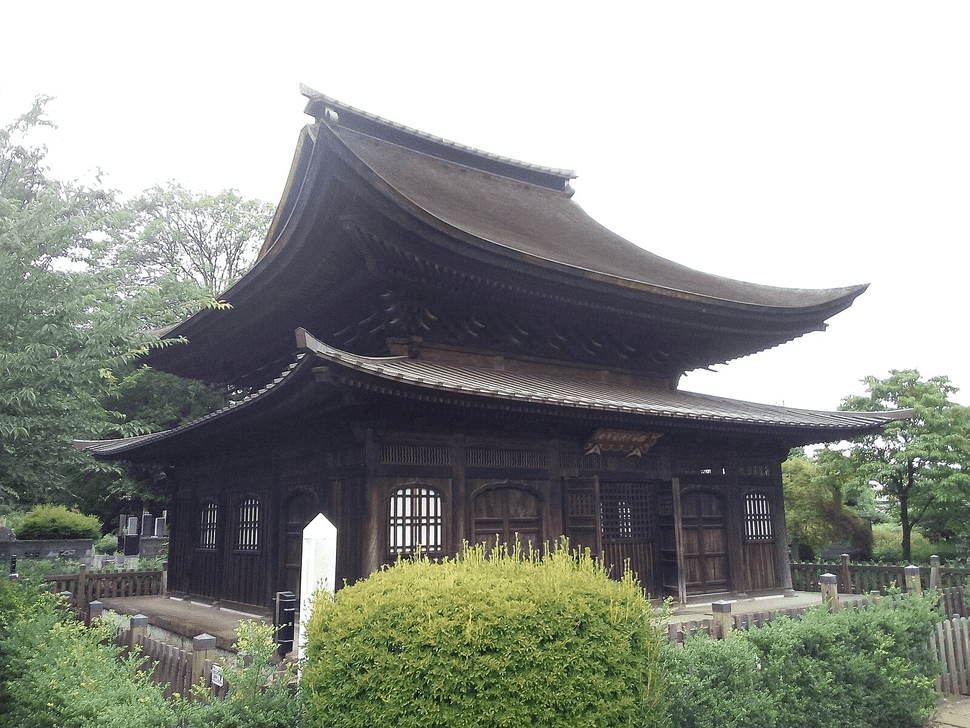
A brown Japanese-style temple stands centrally in the image, surrounded by manicured hedges and woods in the background

The Jizōdō at Shōfuku-ji. MomoyamaResearch. CC BY-SA 4.0

The word matcha comes from the Japanese verb “matsu”, (to rub or to daub) and “cha” , (tea). In its early form, matcha was consumed as a medicinal drink. Eisai himself wrote about the health properties of tea in his book “Kissa Yojoki” (“Drinking Tea for Health”), where he extolled the virtues of tea for both body and mind. 

Eisai believed that tea could cure physical ailments and enhance mental clarity and spiritual well-being, making it an ideal companion for Zen meditation. He realized that drinking matcha improved his meditation sessions by producing a state of calm alertness, likely a product of the cognition-boosting interaction between matcha’s caffeine and L-theanine. Caffeine, a natural stimulant, provides an energy boost. However, caffeine alone can sometimes lead to jitters, increased heart rate, or anxiety. L-theanine, an amino acid found in tea leaves, counters this with its calming effect on the brain. It promotes the production of alpha waves, which are associated with a relaxed yet alert mental state.When consumed together in matcha, caffeine and L-theanine synergize to create a balanced effect. 

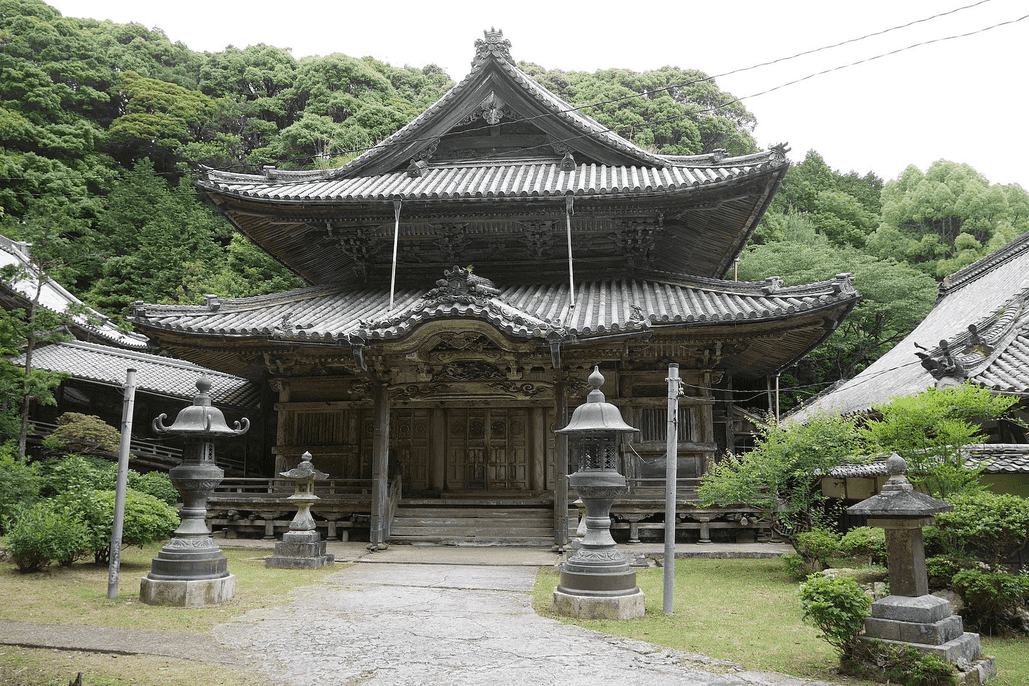
The front side of a stone temple and its courtyard. There are various lantern sculptures in the grass lining the walkway, and woods in the background.

Shofuku-ji Temple. David McKelvey. CC BY-NC-ND 2.0

For centuries, the practice continued to spread throughout Japan, dispersing throughout all levels of society. Today, the matcha tea ceremony provides an opportunity for intellectual exchange, the sharing of knowledge and the continuity of tradition.

As was written in a collection of essays entitled “The Book of Tea” by Okakura Kakuzo, one of the first Japanese to advocate for the art of tea drinking, “Those who cannot feel the littleness of great things in themselves are apt to overlook the greatness of little things in others,” a sentiment that ties humility in oneself to the appreciation of others and their work, tea among them. 

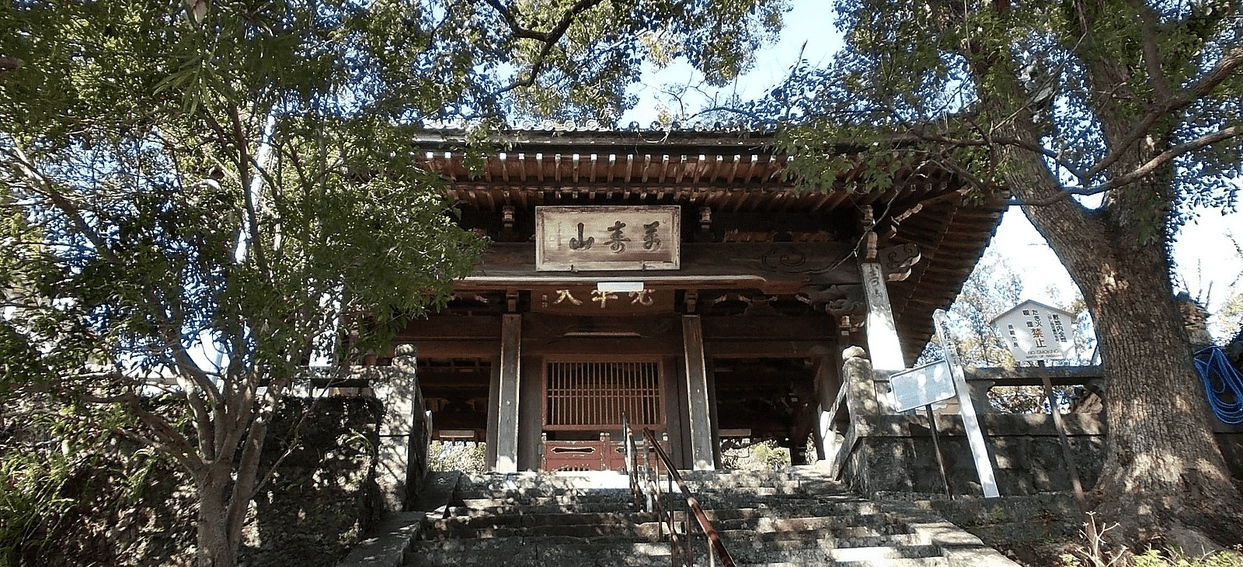
Looking up at a stairway leading into the open doors of a temple. Signs inscribes with characters hang from the roof and large trees line either side of the stairway.

A Sanmon at Shofuku-ji Temple. STA3816. CC BY-SA 3.0

Today, Shofuku-ji Temple remains a serene sanctuary where visitors can connect with the historical and spiritual origins of matcha. The temple grounds, with their carefully maintained gardens and ancient structures (including a Buddhist temple, a kitchen, a Zen hall, a bell tower, a sun and moon garden, a records hall, and more) provide a peaceful setting for reflection upon the past. Visitors can appreciate the tea plant, a living link to Japan’s first tea plants, and the enduring legacy of Eisai’s contributions to Japanese culture. 

Generally, Shofukuji Temple is not open to the public. If you are visiting as a group, you must apply one month in advance and receive permission from the temple, even if you just wish to tour the grounds. The application and a guide to the grounds can be found on the temple’s website. The temple is a nationally designated historic site that protects cultural assets and the continuation of the Zen tradition, so visitors are asked to proceed quietly and with care. Visitors may also be asked for a contribution to help protect and restore cultural properties. Applications received less than one month in advance will not be accepted.

GETTING THERE

Shofukuji Temple can be reached in a short walk from Gion Station and a 15-20 minute walk from Hakata Station in Fukuoka. Fukuoka is the sixth largest city in Japan and offers a variety of hotels and transportation methods for visitors.


Rebecca Pictairn

Rebecca studies Italian Language and Literature, Classical Civilizations, and English Writing at the University of Pittsburgh. She hopes to one day attain a PhD in Classical Archeology. She is passionate about feminism and climate justice. She enjoys reading, playing the lyre, and longboarding in her free time. 

Land of Legends: Experience Romania’s Rich Medieval History

The country of Romania is a diorama of hundreds of years of human history.

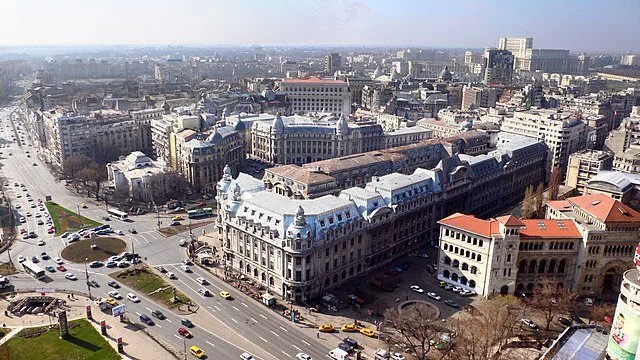
Aerial image of Bucharest city. Varied architecture and skyline. Busy highway below running alongside the city

Bucharest’s skyline. seisdeagosto. CC BY-SA 2.0

Romania’s incredibly rich history is still preserved to this day in the form of beautiful architecture. Medieval castles and communist palaces rub elbows in the beautiful landscape, standing side by side to create a fascinating timeline of human history.

A feat of medieval architecture, the legendary Bran Fortress is seated in the heart of the Transylvania region. Although it is known outside of Romania as “Dracula’s Castle,” there is no direct relation between the actual castle and the famous novel by Bram Stoker. The site’s only vampiric influence is a tangential relation to Vlad the Impaler, a historical monarch who had little connection to the supernatural outside of literary and popular imagination.

The Bran Fortress is a striking example of Saxon architecture. Built in 1377, the palace is now used as a museum displaying the furniture and art collection of Queen Marie, the last queen of Romania, who ruled from 1914 to 1927. The collection is open to visitors and provides guided tours of the historical pieces. Below the palace is a recreation of Romanian peasant life, featuring reconstructed barns, water-powered machinery and cottages.

A look from above at the fortress, with a view into a courtyard below. There is tiled orange roofing on the varied structure, tan walls, and brown panel detailing. Background of beautiful hilly countryside

A view of Bran Fortress. Clay Gilliland, CC SA 2.0

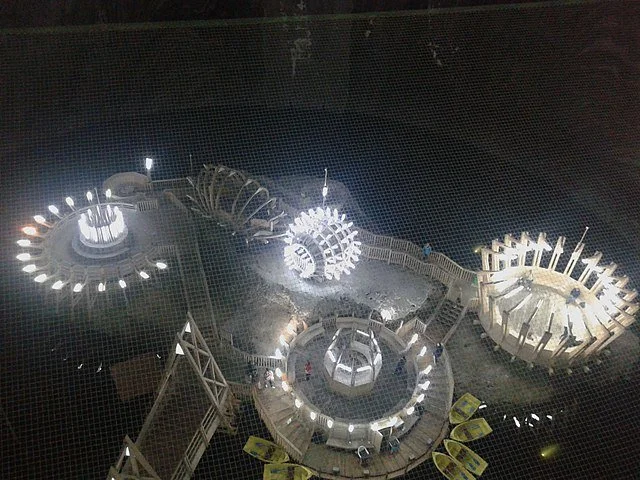
An even more ancient —yet surprisingly modern—relic hidden in the heart of Romania is the Salina Turda, a salt mine dating all the way back to 1075. Founded by the Roman occupants of Transylvania, the mine continued to produce table salt for centuries before finally closing its doors in 1932. Years later, in 2010, the massive series of caverns was reopened as a tourist destination and historical site. In addition, the Theresa Mine houses a beautiful underground lake a full 400 feet below ground.

Aerial view of a lit salt mine at night. Various wheel shapes in an oblong triangular pattern, with lit spokes.

The modern Salina Turda Salt Mine. Valentin Cocarlea, CC BY-SA 4.0

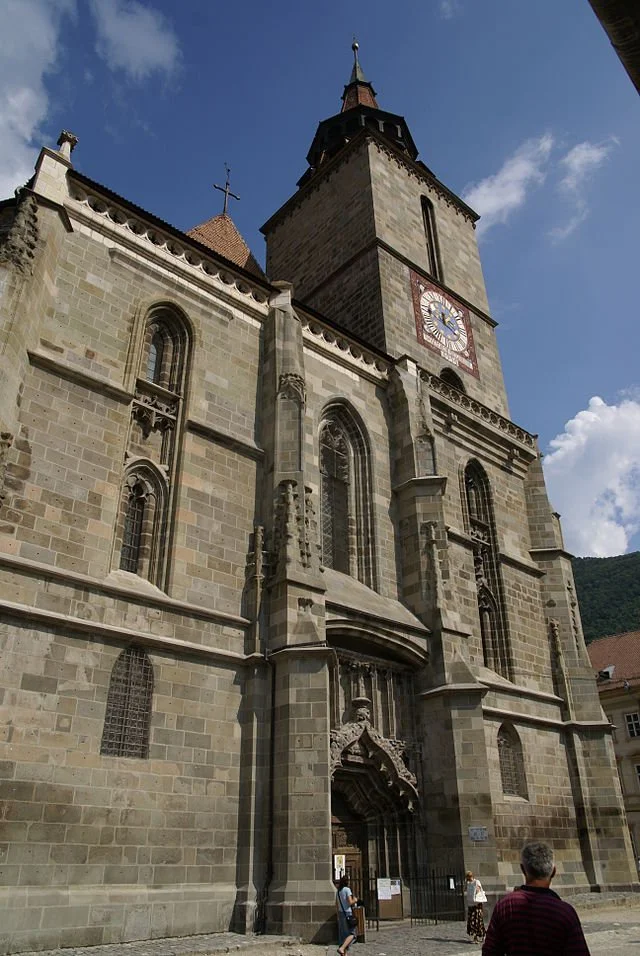
Jumping ahead roughly a century, the city of Brasov is home to the 14th-century Biserica Neagra, or the Black Church. This beautiful Gothic cathedral was nearly destroyed by a fire in the 1680s and took nearly a century to fully repair. The church got its name from the ruined, soot-covered walls which remained after the blaze. Today, the Church is open to visitors and still holds weekly concerts with its massive, 4,000-pipe organ.

Looking up at the front entrance and wall of the stone church. Grand arched windows etched into the walls and a clock tower in the center of the roof.

Biserica Neagra, the Black Church. Gaspar Ros. CC BY-SA 3.0

A palace of the modern era, the Palace of Parliament stands in the capital city of Bucharest. Constructed in the 1980s, this palace was planned and built by the communist regime of Romania in the midst of the Cold War. Since the ousting of the Communist Party, the palace has become the home of the Romanian legislature. The Palace of Parliament is an incredible combination of architectural styles, creating a uniquely beautiful building with as much form as function.

The Romanian Palace of Parliament. Jorge Franganillo. CC BY-SA 2.0Romania is one of the best examples of a living museum. From the Middle Ages to the Cold War, whole centuries are represented in art, architecture and sometimes the land itself. For the historically driven tourist, Romania is a destination that can’t be matched anywhere else.

The best time to visit Romania is between May and September when the weather is warmest. The capital city of Bucharest offers a variety of hotel bookings ranging from $100 to $200 per night. More affordable options include rental apartments around the city from $30 to $40 per night.


Ryan Livingston

Ryan is a senior at The College of New Jersey, majoring in English and minoring in marketing. Since a young age, Ryan has been passionate about human rights and environmental action and uses his writing to educate wherever he can. He hopes to pursue a career in professional writing and spread his message even further.
Nanjie: A Living Memory of Maoist China

In the small Chinese village of Nanjie, residents live in a time capsule of the Cultural Revolution.

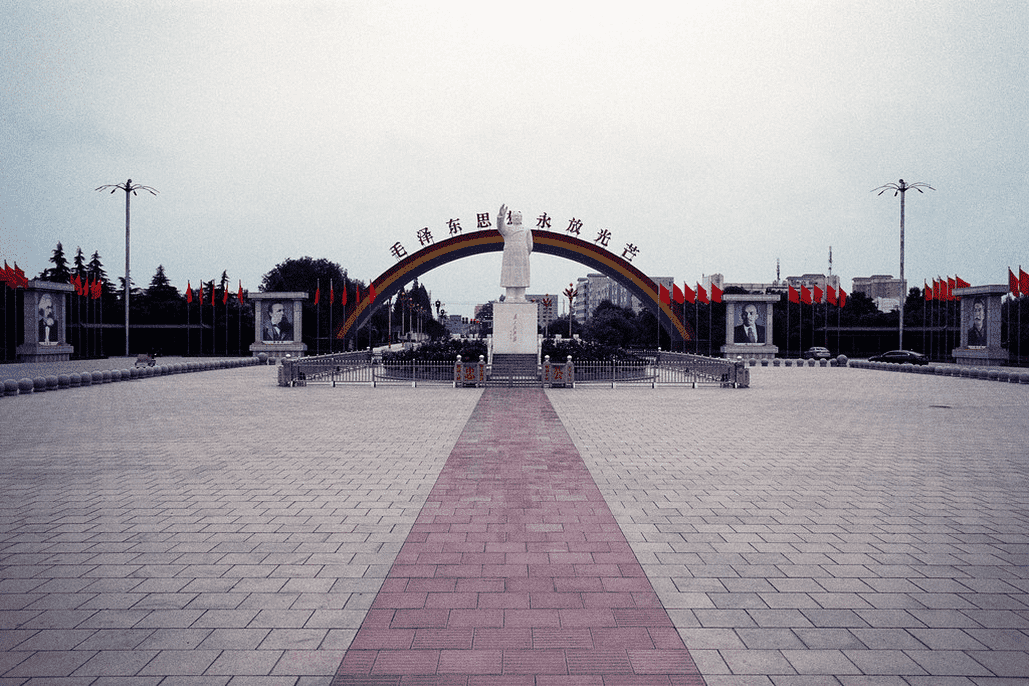
Large plaza with red walkway leading up to a large sculpture of Mao Zedong standing tall and waving. Surrounding the square are pillars with portraits and flags.

The East is Red Square. Nicolas Oddo. CC BY-ND 2.0

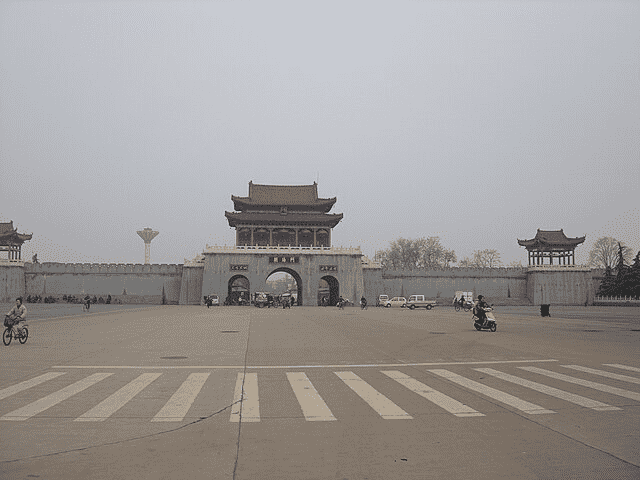
While China’s Cultural Revolution officially ended in 1976 with the death of  Chairman Mao Zedong, the more than 3,000 residents of Nanjie, in Central China’s Henan province, continue to live by the principles of Maoism. While the village is reportedly one of China’s wealthiest, having grown its economy by nearly 2,000 fold in just ten years, workers in the village’s factory have agreed to accept a monthly salary of only about $400. In the 1980s, when the rest of China was opening up to the capitalist market, Nanjie chose to revert to the system of collective ownership taught by Mao.

Wall and gate opening to the commune. The road is quite empty but the entry is full of those in transit

Nanjie Commune Gate. Gary Lee Todd. CC0 1.0

Nanjie is small, comprising about two dozen factories and several main streets. Mao Zedong’s face is displayed all over the village in the form of billboards, posters and framed portraits. A giant statue of the Cultural Revolution’s late leader can be found in the middle of the town’s main square, the “East is Red” Square. On each side of the looming statue are portraits of four other famous communists: Karl Marx, Friedrich Engels, Vladimir Lenin and Joseph Stalin. North of the square stands the traditional-style Chaoyang Gate, decorated with a portrait of Sun Yat-sen.

In the square, a speech from Mao is played on a perpetual loop. New party members take their oaths in the square. On National Day, all couples in the village get married in a single collective ceremony and bow to the statue of Chairman Mao. As a wedding gift, they receive copies of Mao’s “Little Red Book.”

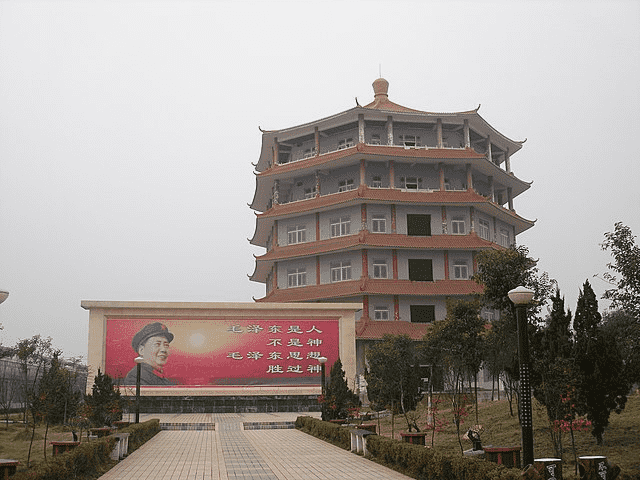
A large apartment building stands behind a low political billboard for Mao

Nanjie Commune. Gary Lee Todd. CC0 1.0

The village's economy is dominated by collective ownership and management of all production and rationing supplies like coal, cooking oil, candy and even cigarettes. Residents are awoken each morning by “Dongfang Hong” (“The East is Red”), the de facto anthem of the Cultural Revolution, playing over loudspeakers. While some residents have chosen to leave the village in pursuit of capitalist success, many prefer the commune lifestyle free from the stress of higher living costs and housing loans. 

Exterior of Nanjie Commune Apartments. Gary Lee Todd. CC0

Interior of Nanjie Commune Apartment. Gary Lee Todd. CC0 1.0

Since the 90s, almost all village inhabitants have been living in collectively built apartments, with rent often funded by welfare. Every month, each resident receives vouchers of about $13 to cover the cost of food and groceries at the village’s commune-style supermarket. Locals also receive free healthcare and education.

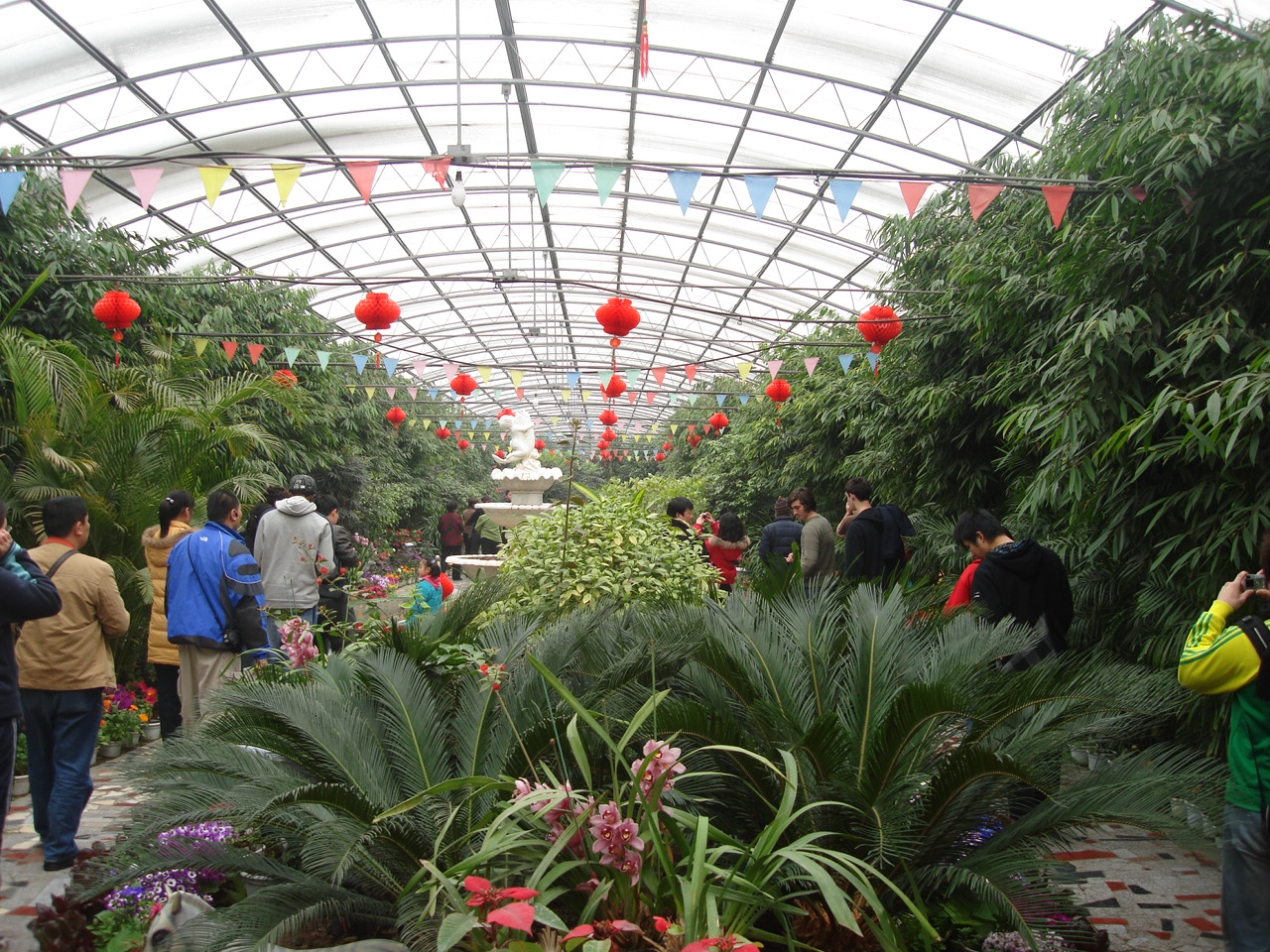
Inside of a lush greenhouse. People walk the aisles as lines of decorative flags and lanterns hang from the ceiling

Nanjie Commune Greenhouse. Gary Lee Todd. CC0

Nanjie even has a theme park dedicated to the history of the Chinese Communist Party, featuring re-creations of significant historical events and a $1.2 million greenhouse. The garden houses more than 500 flower species and 10,000 plants, as well as sculptures of animals like kangaroos and dinosaurs. Aside from the theme park and the greenhouse, the village also houses five parks, a zoo, a small artificial mountain set with bridges over a moat, a large swimming center and a grand mosque. While the village itself might be small, its historic, almost museum-like preservation, unique cultural heritage and the pride that locals take in their way of life make for a fascinating window into a bygone era.

GETTING THERE

Traveling to the collective is not difficult. From Zhengzhou, the capital of Henan province, buses (Y31; two hours) run south to Linying every hour between 6:40 am and 6:10 pm local time. From Linying it is a 1.2-mile walk south to Nanjie on the east side of the road. Taxi cabs are also available. Hotels are available in Nanjie and the surrounding areas.


Rebecca Pitcairn

Rebecca studies Italian Language and Literature, Classical Civilizations, and English Writing at the University of Pittsburgh. She hopes to one day attain a PhD in Classical Archeology. She is passionate about feminism and climate justice. She enjoys reading, playing the lyre, and longboarding in her free time. 

Tunisia: Discover Ancient Rome in North Africa

Thousands of years later, Tunisia’s rich history as part of the Roman empire is still on display.

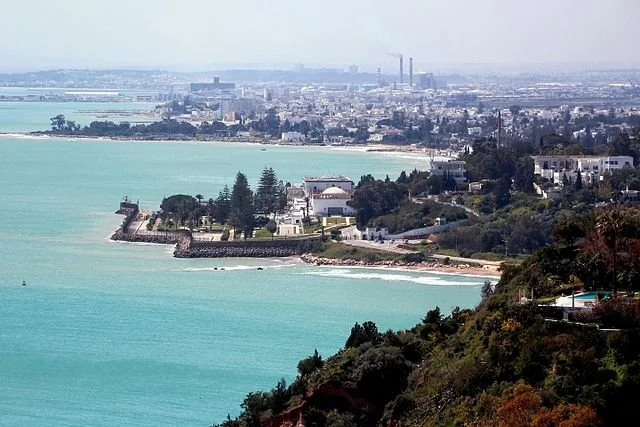
An aerial view of the coastline. A large palace stands on a piece of land jutting out onto bright teal ocean, with the city in sight further in the distance.

A view of Carthage Palace in Tunisia. Farah Jack Mustaklem. CC BY-SA 4.0

For many, the word “Rome” evokes images of the city in Italy. Its days as the center of one of the largest empires in history ended millennia ago, and today, popular culture has largely moved on, TikTok memes aside. But the Roman Empire was far bigger than many now imagine, stretching well into the modern-day Middle East and across North Africa. Today, the empire’s ruins remain visible in the furthest reaches of its territories.

Tunisia, for instance, is home to a wealth of ancient Roman history. Sitting on the edge of the Sahara Desert, the African nation has found fame with tourists who admire its gorgeous beaches. However, beyond the nation’s natural beauty and high-quality resort towns, Tunisia's territory was once at the very heart of the Roman empire in Africa. Ranging from the remains of villages to the shell of the great city of Carthage, ancient ruins dot the country’s landscape. Almost every major city features ancient Roman artwork, architecture and history. While Tunisia is gorgeous in its own right, the country possesses a richer history than almost anywhere else in the world.

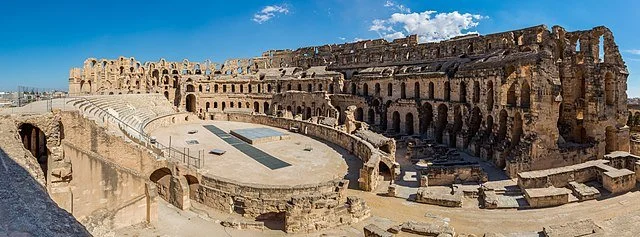
The best-preserved example of Imperial Rome’s presence in Tunisia is El Jem. Estimated to have held up to 35,000 people at once, El Jem is not only the largest amphitheater in Africa but one of the largest in the world. Incredibly, the entire building is supported by stone arches, the edifice resting on a flat plain with no hills or rises for balance. The structure’s underground passages also remain largely intact, and tours are led daily through the entire grounds of the colosseum.

An aerial panorama of a massive Roman ampitheater. The walls are still standing in good shape, with some erosion of the tops.

A panoramic view of El Jem. Diego Delso. CC BY-SA 4.0

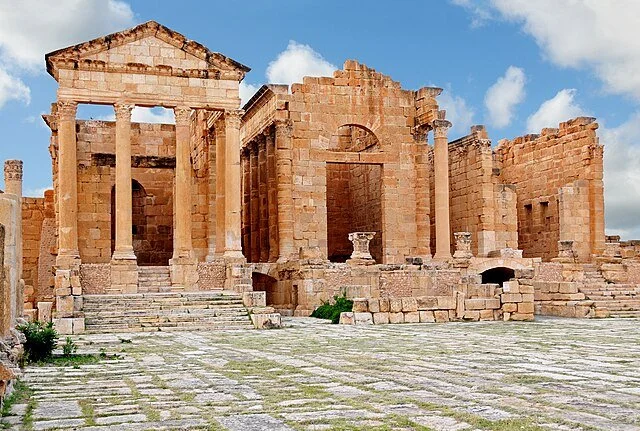
Another incredible part of history hidden away just outside the Sahara is the ancient city of Sbeitla, home to some of the  best-preserved temples from the Byzantine Empire. Outside Sbeitla, visitors can also tour the ruins of Byzantine public baths, a Roman Forum that houses ancient temples to Minerva, Jupiter and Juno, and a series of Catholic basilicas.

Looking at the front of Roman forum ruins. The area is well-preserved and empty

The Roman Forum in Sbeitla. Dennis Jarvis. CC BY 2.0

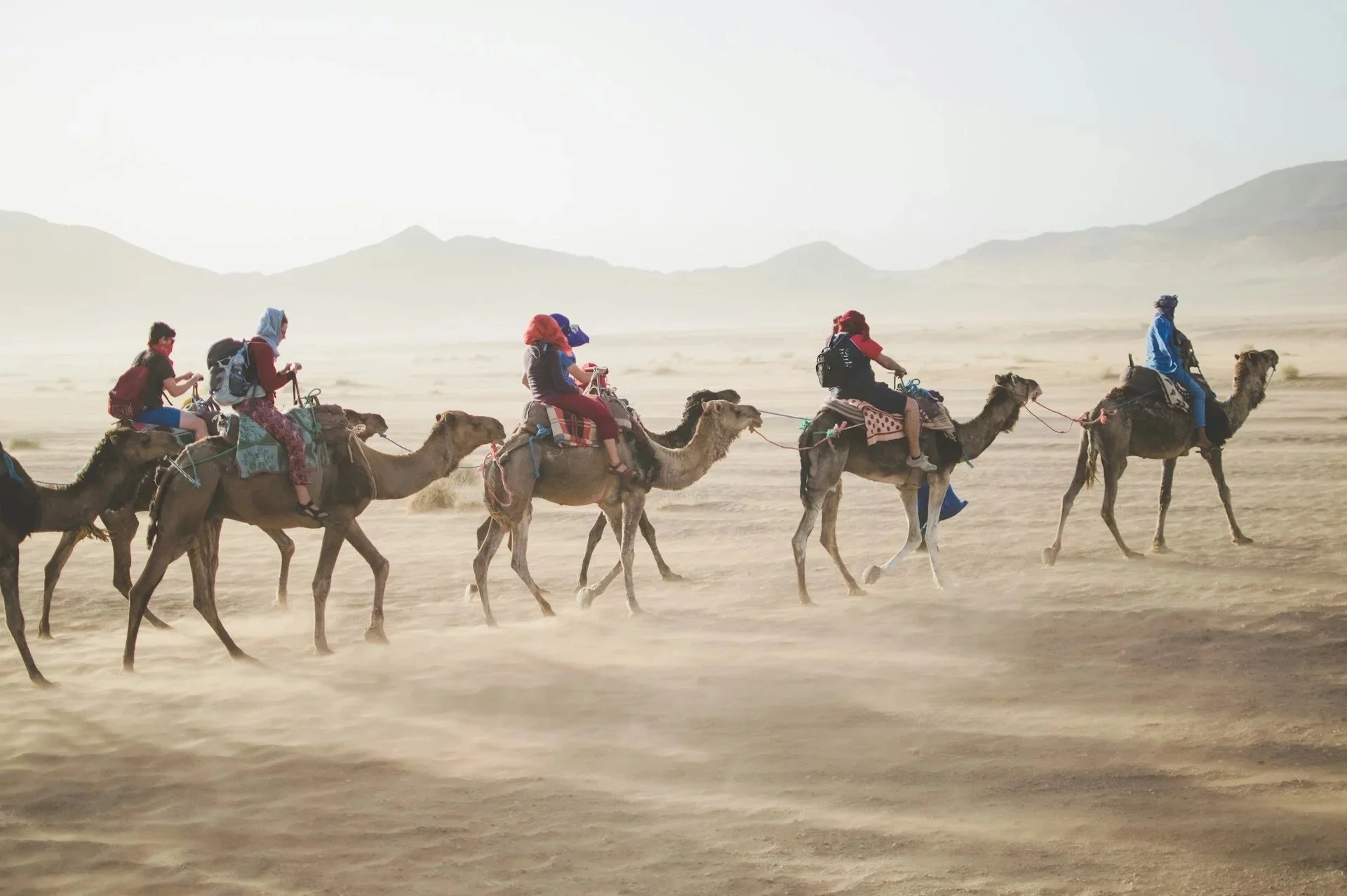
In addition to its ancient history, Tunisia provides visitors with the unique opportunity to visit the Sahara Desert. Numerous tour companies offer frequent excursions into the desert on camelback. These tours range from day trips to two or more days of camping and bivouacking in traditional Bedouin style. These tours are a once-in-a-lifetime opportunity to experience the lifestyle of the nomadic tribes local to Tunisia.

A line of tourists ride camelback through the desert, with dust obscuring the silhouette of mountains in the distance

A camelback tour of the Sahara Desert. Vaida Tamošauskaitė. CC0

Despite all of the wonderful experiences that Tunisia presents, there are notable risks to visiting the country as a tourist. As of May 2024, the US Department of State issued a Level 2 travel advisory. This marker warns tourists to avoid certain areas due to increased terrorist activity in countries around Tunisia and the newly declared military zone south of the city of Remada. However, the majority of the country is still considered mostly safe to visit, with only select  locations listed at Level 4 or “do not travel.” Tourists should mind the precautions listed in the advisory.

Visitors to Tunisia may be advised to stay in the country’s capital Tunis, a central location which allows easy access to the majority of the destinations listed above. The city offers a variety of hotel options, with prices ranging from $100-300 a night. More affordable options include the Dar Ya hostel in Tunis (priced at around $40 per night) and rentable apartments (from around $35 a night) located just outside the main city.


Ryan Livingston

Ryan is a senior at The College of New Jersey, majoring in English and minoring in marketing. Since a young age, Ryan has been passionate about human rights and environmental action and uses his writing to educate wherever he can. He hopes to pursue a career in professional writing and spread his message even further.
4 of UNESCO’s Newly Named World Heritage Sites

Take a closer look at four of UNESCO's most important new World Heritage Sites.

Large curved office building rises behind a fence with dozens of multiple nation's flags.

UNESCO building in Paris, France. Fred Romero. CC BY 2.0

The role of the United Nations Educational, Scientific, and Cultural Organization (UNESCO) is to contribute to peace and development around the world, a goal it has embraced through the establishment of numerous World Heritage sites. Located across the globe, these prestigious locations are hand-picked by the agency to retain their immense natural and/or cultural significance. Popular World Heritage sites include the Taj Mahal, the Great Barrier Reef, the Great Pyramid of Giza and the Serengeti National Park. Spanning across 168 countries, there are currently 1223 properties marked as UNESCO World Heritage sites. In alignment with the 1972 World Heritage Convention, UNESCO continues to hold annual meetings to decide what new locations they will adopt to their list. According to UNESCO, the Convention unites the importance of, “nature conservation and the preservation of cultural properties.” The World Heritage Committee’s selection process is centered around a set of policies referred to as the “Five C’s”: credibility, conservation, capacity-building, communication and communities. It is through the analysis of these characteristics that UNESCO establishes a yearly list of exceptional locations worthy of preservation for the continual appreciation of humanity. This year, the 46th session of the World Heritage Committee took place in New Delhi, India during the week of July 21. The session was live-streamed and recorded, providing full transparency to the public on the Committee’s decision to name 24 new World Heritage sites. Below is a closer look at a few of this year’s additions.

Nelson Mandela Legacy Sites, South Africa

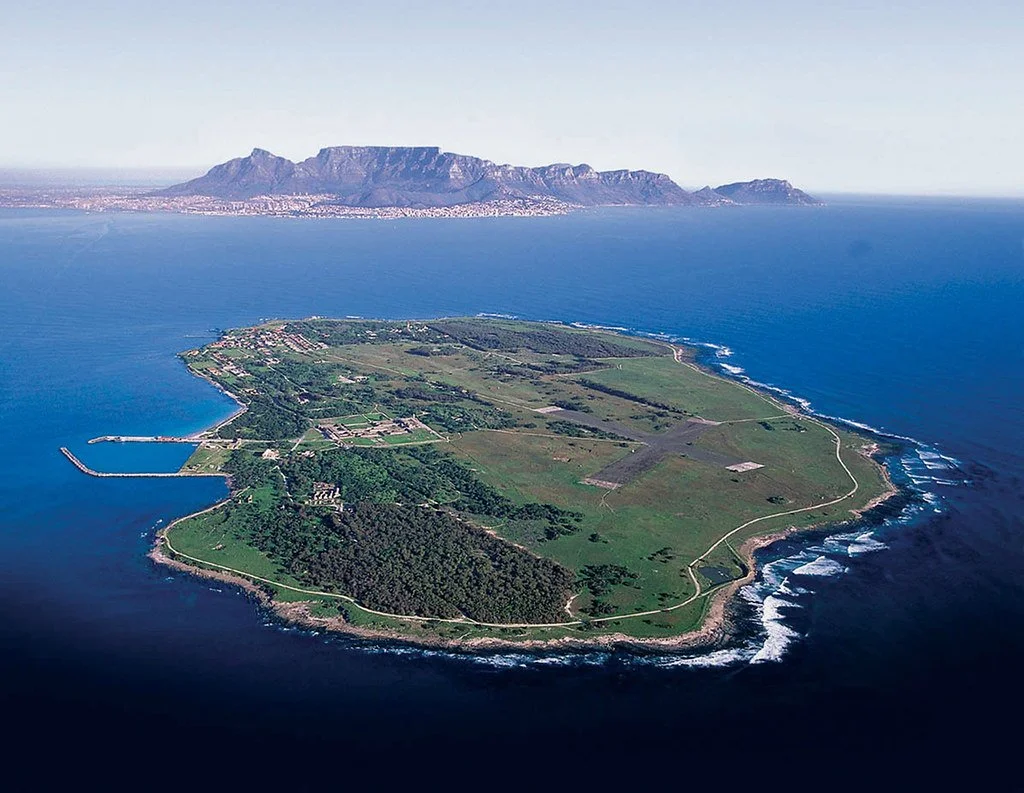
An aerial view of a circular, flat and green island. There is an air strip and small town on the island, with wooded areas scattered. View of Cape Town in the background.

Robben Island. South African Tourism. CC BY 2.0

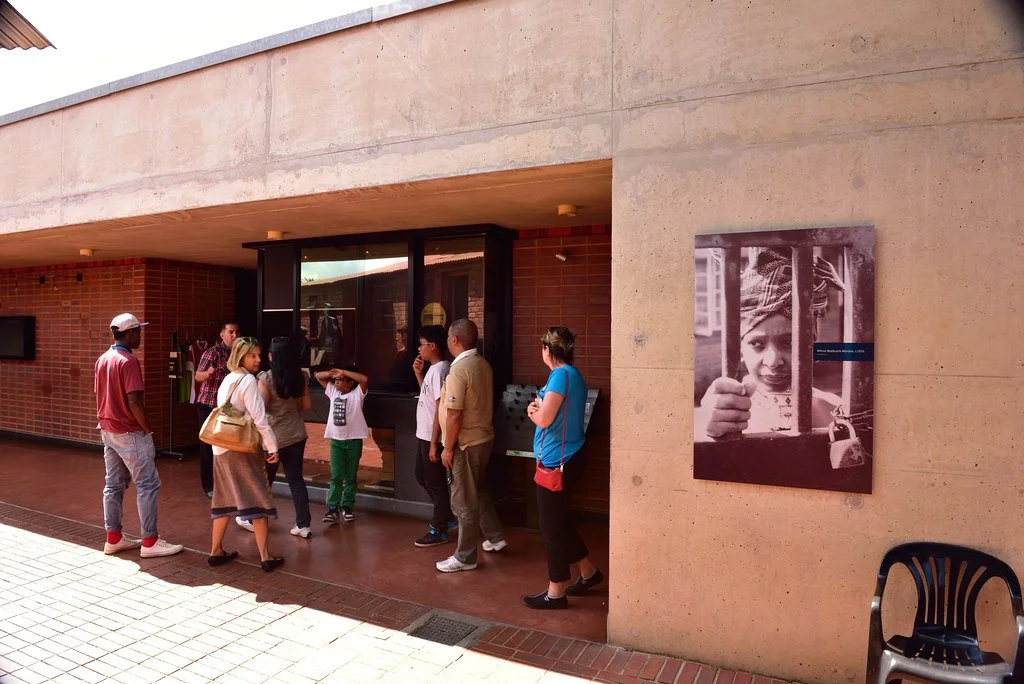
Representing the “legacy of the South African struggle for human rights, liberation, and reconciliation”, the Nelson Mandela Legacy Sites were recently inducted into UNESCO’s list.  The Legacy Sites are broken into 14 parts, each place with a special significance. For example, the Sharpeville sites commemorate the massacre of 69 protestors of the Pass Laws which restricted the free movement of Black South Africans in 1952. Other spots include the Mqhekezweni Great Place and the Union Buildings in Pretoria, now the official location of South Africa’s government. 

People waiting outside the doors to a museum. On the wall outside is a large portrait of a young girl looking through a window behind locked bars, holding on

Nelson Mandela Museum in Soweto, South African Tourism, CC By 2.0

Spanning across South Africa, visitors can visit anywhere from one to all fourteen sites. With an entry fee of about $9 per adult, the Apartheid Museum features interactive exhibits and personal stories detailing South Africa’s history. Robben Island, where Mandela was imprisoned for 18 years, offers guided water tours at $22 per person.

Charaideo Maidams, India

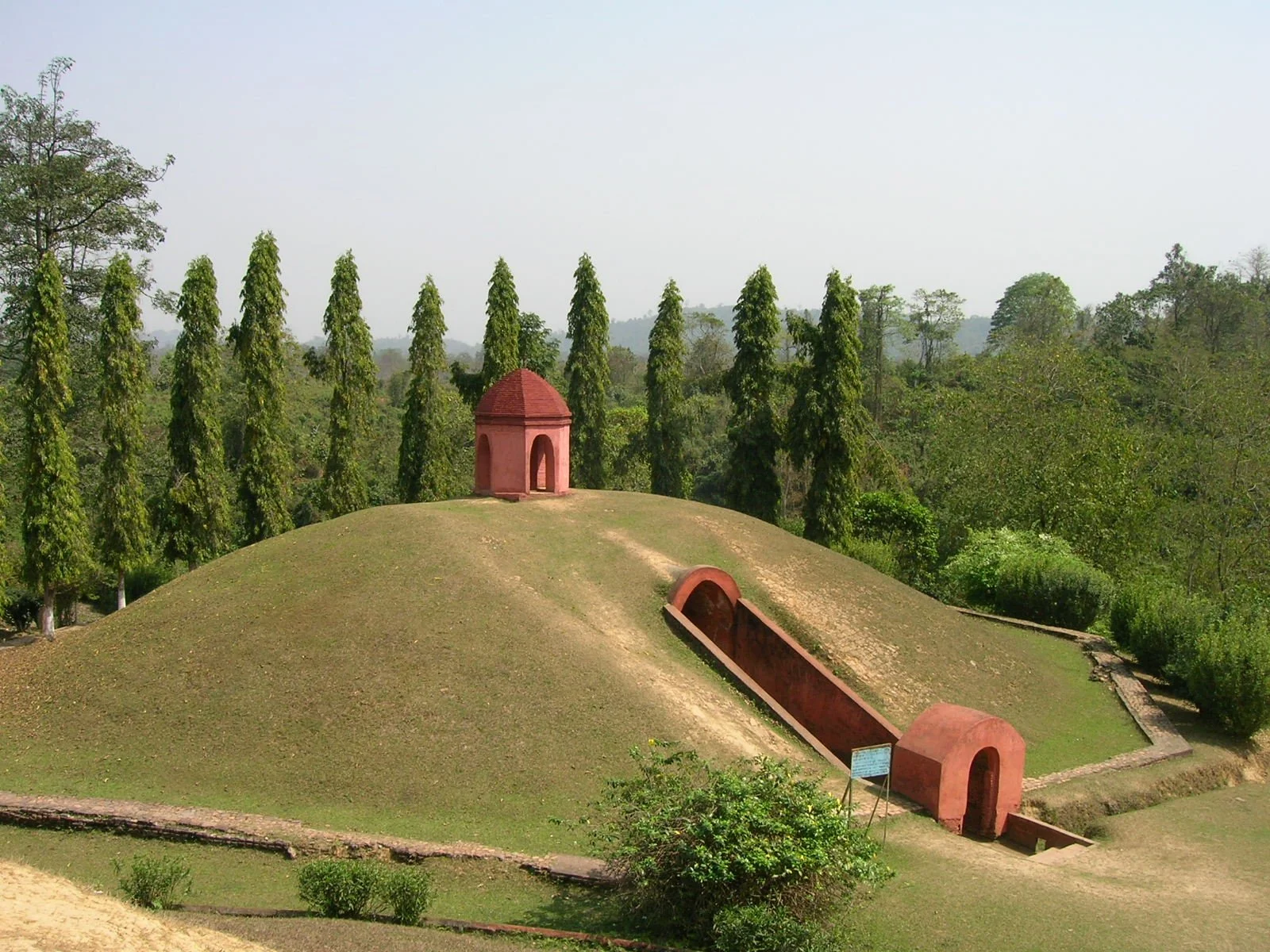
A grassy mound, with a red small building atop. Tunnel through the center, with its entrance under a red arch. Surrounding the mound is a moat and retaining wall, beyond that lies dense jungle.

Charaideo Maidam. Mozzworld. CC BY-SA 4.0

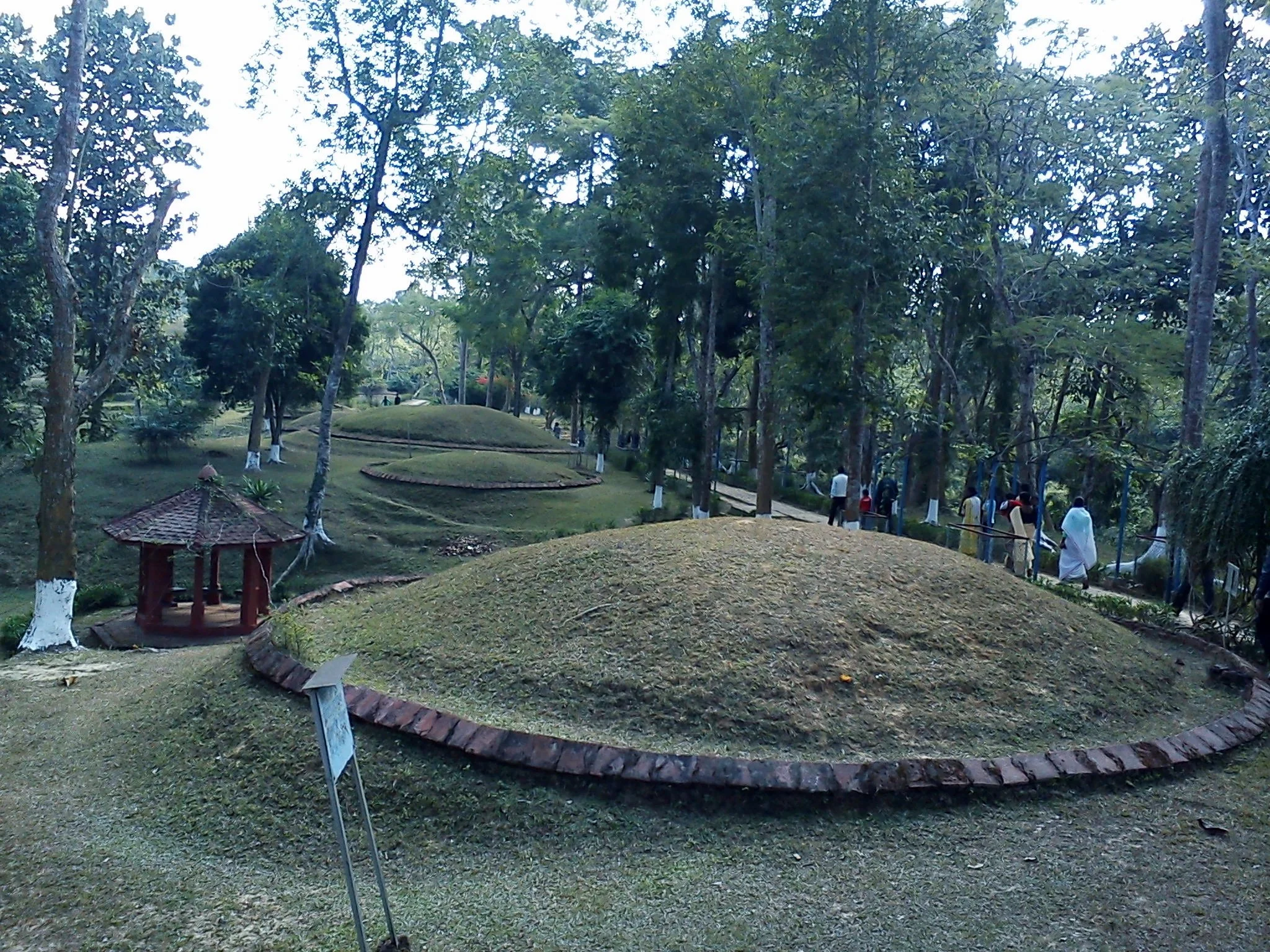
Created by the Ahoms, an ethnic group in Northern India that once possessed its own indigenous kingdom, “maidams” are large mounds built atop graves. Constructed over a “hollow vault” of earth, these “mounded burial grounds” served as burial grounds for Ahom royalty. This year, Assam’s Charaideo Maidam, a royal burial complex of approximately 90 maidams established over a period of 600 years, was recognized by UNESCO as a World Heritage Site. Spokespeople from the World Heritage Committee’s advisory board ICOMOS proclaimed that, “The [maidams] are an exceptional example of an Ahom necropolis that represents funeral traditions and associated beliefs in a tangible way.” In addition to royals and significant members of Ahom society, maidams may also contain food, horses, elephants, and sometimes the bodies of queens and servants.

Four smaller grassy mounds lined together, each encircled by a brick border. People walk past on a walkway to the side

Group of four smaller maidams, Dhruba Jyoti Deka, CC BY-SA 3.0

The Charaideo Maidams’ visiting hours are between 9:30 AM to 5:00 PM. According to the Directorate of Archaeology in the Government of Assam, a full tour of the site takes approximately two and half hours. Visitors can purchase entry tickets online ahead of time or on-site for about $3. With public transportation, the Charaideo Maidams is  approximately an hour away from Sivasagar, the closest major city.

Badain Jaran Desert, China

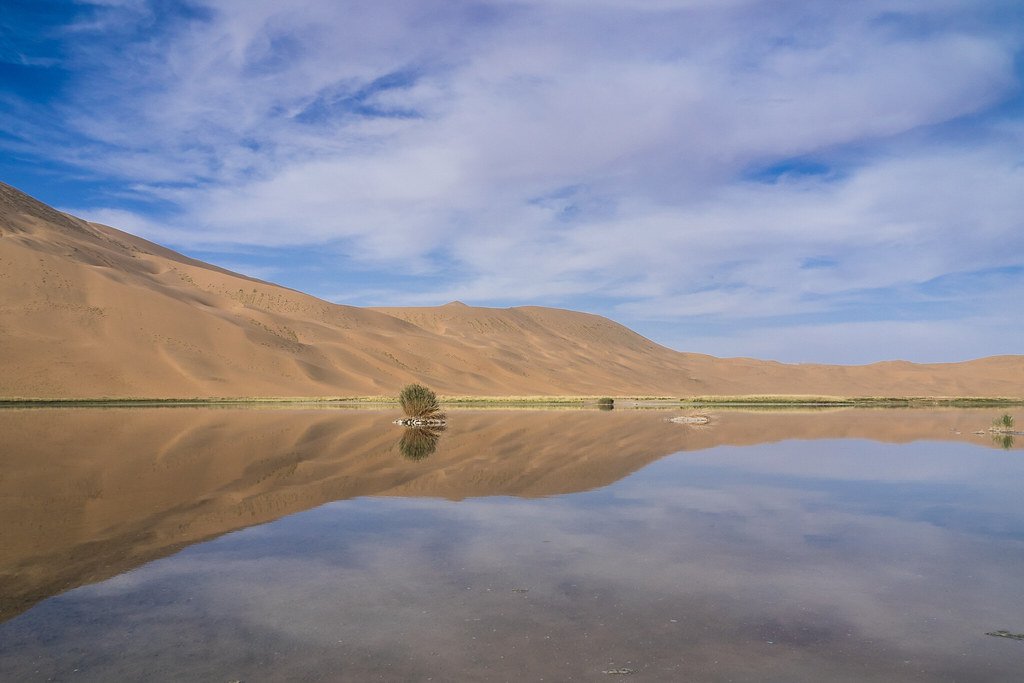
Desert dunes are reflected into a crystal clear large pond.

Badain Jaran Desert. Rita Willaert. CC BY-NC-SA 2.0

The Badain Jaran Desert can be found in the Alashan Plateau of northwestern China’s desert region. According to UNESCO, “the property stands out with its high density of mega-dunes, intersected with interdunal lakes.” The site’s unique geologic features, “include the world’s tallest, stabilized sand mega-dune (relative relief of 460 meters)’ and the largest expanse of “singing sands” (so-called due to resonance caused by wind moving dry and loose sand). China Discovery classifies the unique terrain of the desert into “five wonders”: the sandy peaks, singing dunes, colorful lakes, clear springs and an ancient temple. At just over 30,000 square miles, the site is the third largest desert in China. 

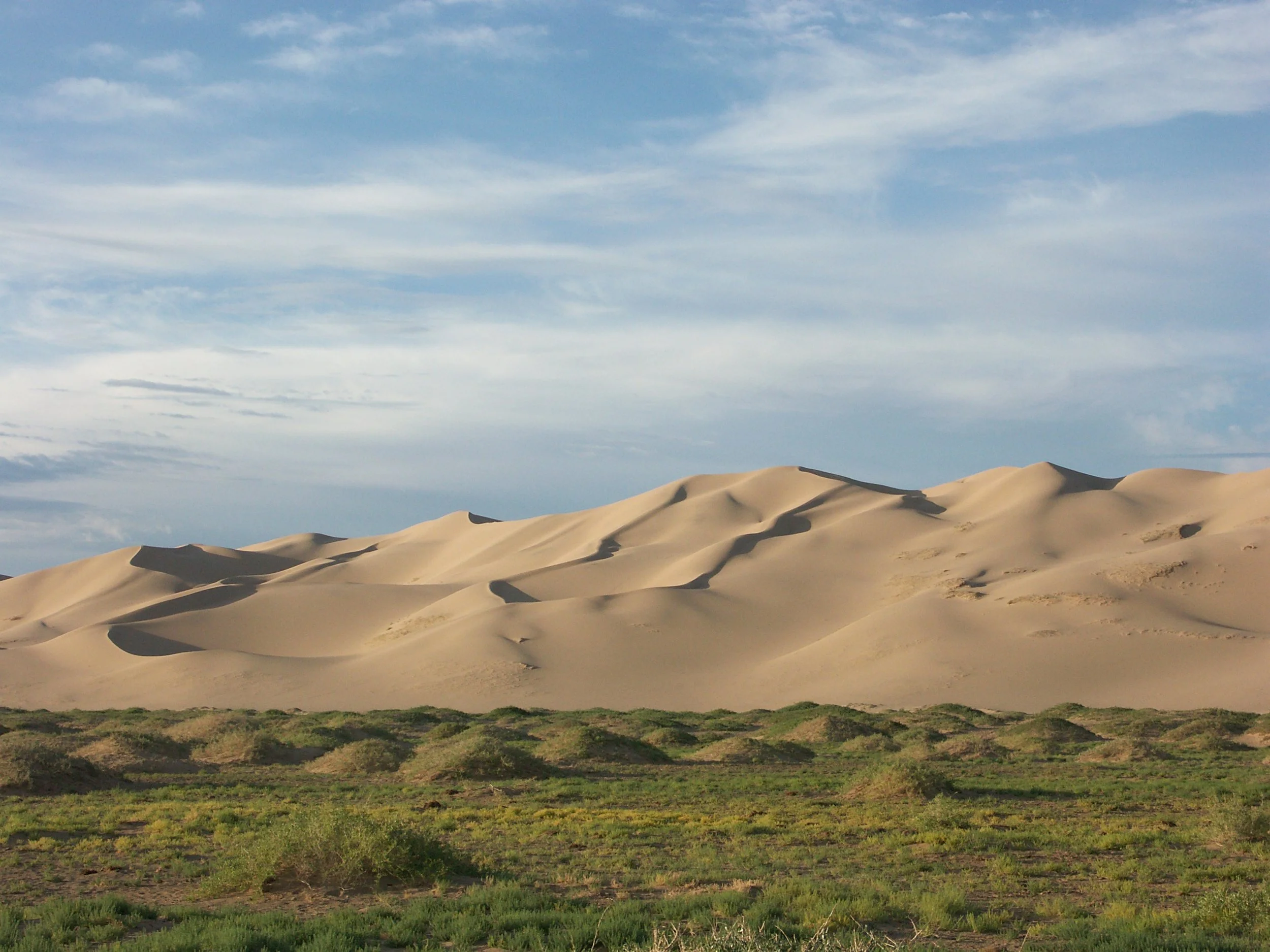
Dunes meet a grassy and shrubby meadow.

Dunes in Badain Jaran Desert.. Zhoarby. CC BY-SA 3.0

The desert can only be accessed by jeep, with the Zhangye Travel Guide warning travelers of the local agency's monopoly on desert travel The desert features specific tourist attractions, including the Pearl Lake of the Badain Jaran Desert, the Yinderitu (A Magic Spring) and Bilutu Dune, the world’s highest sand dune. The starting fee for entrance into the Badain Jaran Desert is about $30 and $11 for the Badain Lake, not accounting for additional fees for accommodation and guided desert tours.

Flow Country, United Kingdom

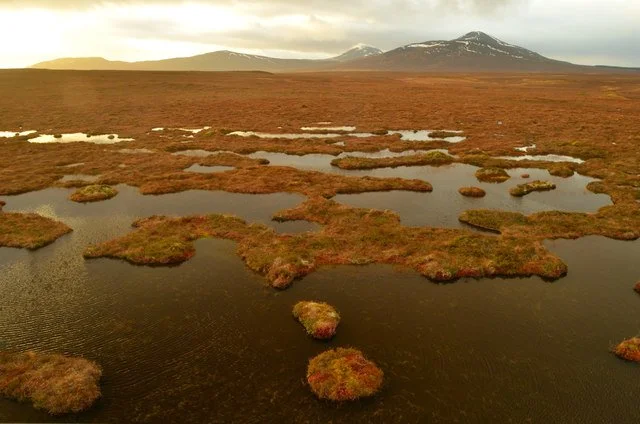
Looking down at a bog, with vegetation a mix of green and browns, and some lightly snowy hills looming in the background.

View of peatlands in the Flow Country. Andrew Tryon. CC BY-SA 2.0

The first peatlands to be recognized as a World Heritage Site, the Flow Country in Scotland is a massive bog storing about 400 million tons of carbon. A “globally rare” habitat, the Flow Country is immensely environmentally significant. In the Flow Country, carbon is trapped and stored in dead vegetation, preventing it from being released into the atmosphere and causing further environmental harm. Professor Mike Robinsons on the Culture at United Kingdom National Commission for UNESCO highlighted the importance of the site’s environmental impact in its official naming: “World Heritage status recognises the global importance of the Flow Country and its peat bogs, not only as important ecosystem for wildlife, but also through their carbon storage, as a critical defense against the impact of climate change.” 

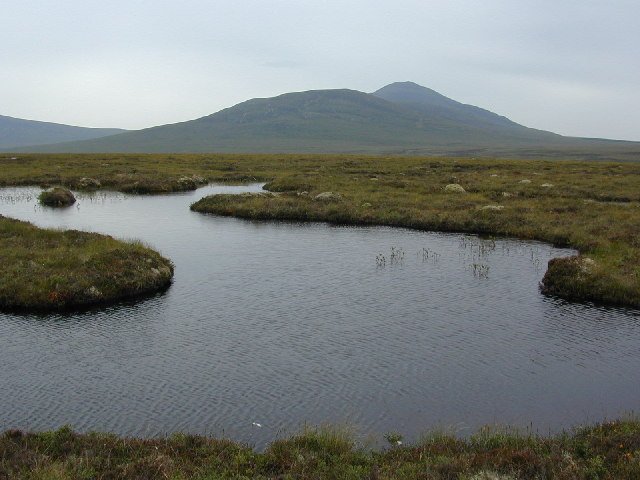
A pond among a marsh, with a rolling green hill behind on a foggy day.

Closer view of a peat pool. Steve Neal. CC BY-SA 2.0

In the Flow Country, there are numerous experiences for interested visitors. The Forsinard Flows Visitor Center features exhibitions and educational films about the area. Nearby the center is the Lochan Dub Trail, a one-mile loop weaving through peat pools and sections of the blanket bog. A longer trail option would be the Forsinain Trail four miles north of the Forsinard train station. For those hoping for a less outdoorsy visit, the Far North Railway Line travels through the Flow Country as well.


Aanya Panyadahundi

Aanya Panyadahundi Aanya is a student at the University of Michigan studying sociology and journalism on a pre-law path. She loves to travel the world whenever she can, always eager to learn more about the different cultures and societies around her. In her free time, she likes to play the violin, ski, and listen to podcasts.

Hot Spots: 6 Volcanic Adventures Around the Globe

Volcanoes are spectacular natural phenomena, drawing millions of adventurers from far and wide hoping to catch a glimpse of their awesome power.

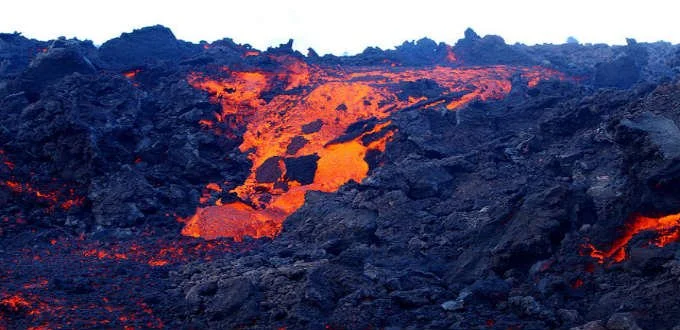
Bright lava flowing among a pile of black ash and rock

Lava flowing from a volcano in Iceland. Global Panorama. CC BY-SA 2.0

Volcanic destinations around the world have drawn visitors for centuries, and despite the risks, volcanic tourism has been on the rise since the COVID-19 pandemic. While destinations like Hawaii, Iceland and Italy often take center stage in discussions of volcanic tourism, there are many more incredible destinations around the world.

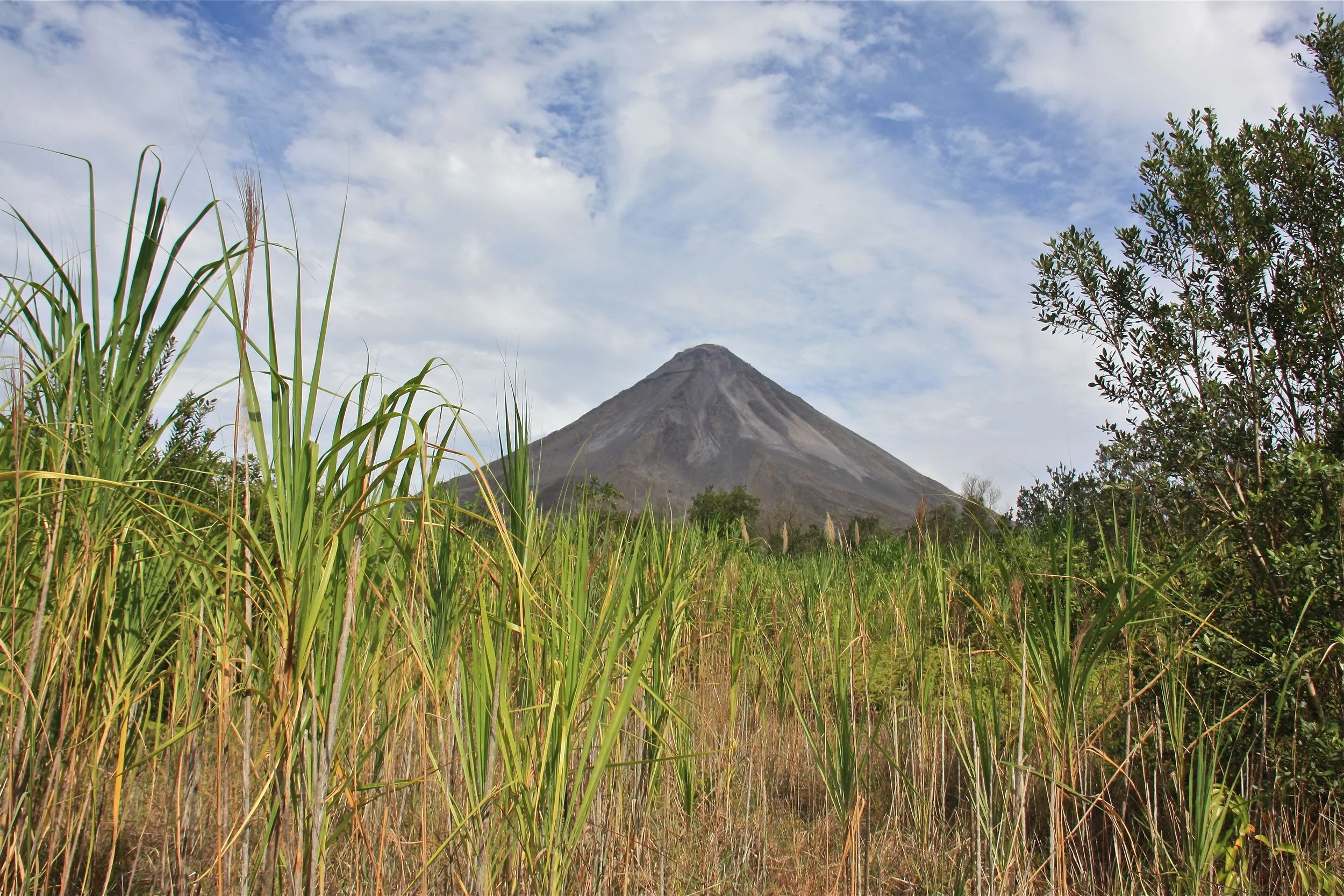
1. Arenal Volcano, Costa Rica

Looking up at a tall volcano standing in the background of a grassy meadow

Arenal Volcano, Costa Rica. smilla4. CC BY-NC 2.0

The Arenal Volcano towers over the northern lowlands of Costa Rica, offering incredible sights and activities to travelers. Until 2010, the Arenal Volcano was a destination for thrill-seekers hoping to witness eruptions and lava flow, although it has since fallen into a resting phase. 

While the recent dormancy has been disappointing for visitors hoping to see lava, the Arenal Volcano continues to present engaging activities and spectacular views. While visiting the area, adventurers can hike, relax in the hot springs, and spend time along the numerous lakes and rivers.

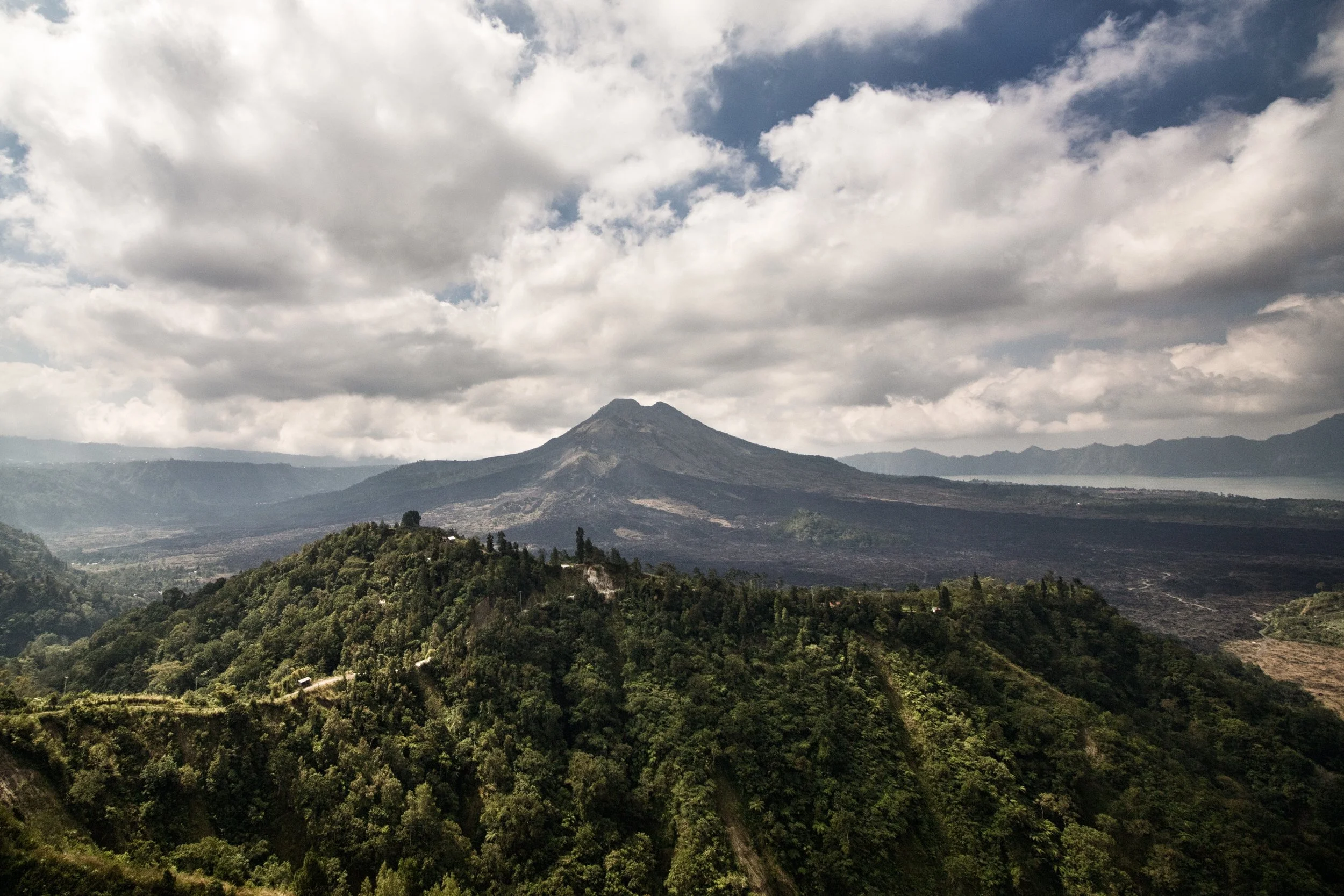
2. Mount Batur, Indonesia

A tall volcano stands tall in a mountainous jungle area.

Mount Batur, Indonesia. _paVan_. CC BY 2.0

In Bali's Kintamani province stands Mount Batur, an active volcano renowned for hiking activities. In order to hike Mount Batur, travelers are strongly advised to hire a tour guide through the official Association Of Mount Batur Trekking Guides. The trip from the base to the summit can take one to two hours.

Sunrise is the most popular time to hike Mount Batur. As visitors gather on the summit to soak up the sunrise, vendors can be found using volcanic steam to boil eggs and cook noodles for hungry travelers. Along the road from Mount Batur to the Batur Caldera Lake, adventurers can visit the Ulun Danu Batur temple and several hot springs.

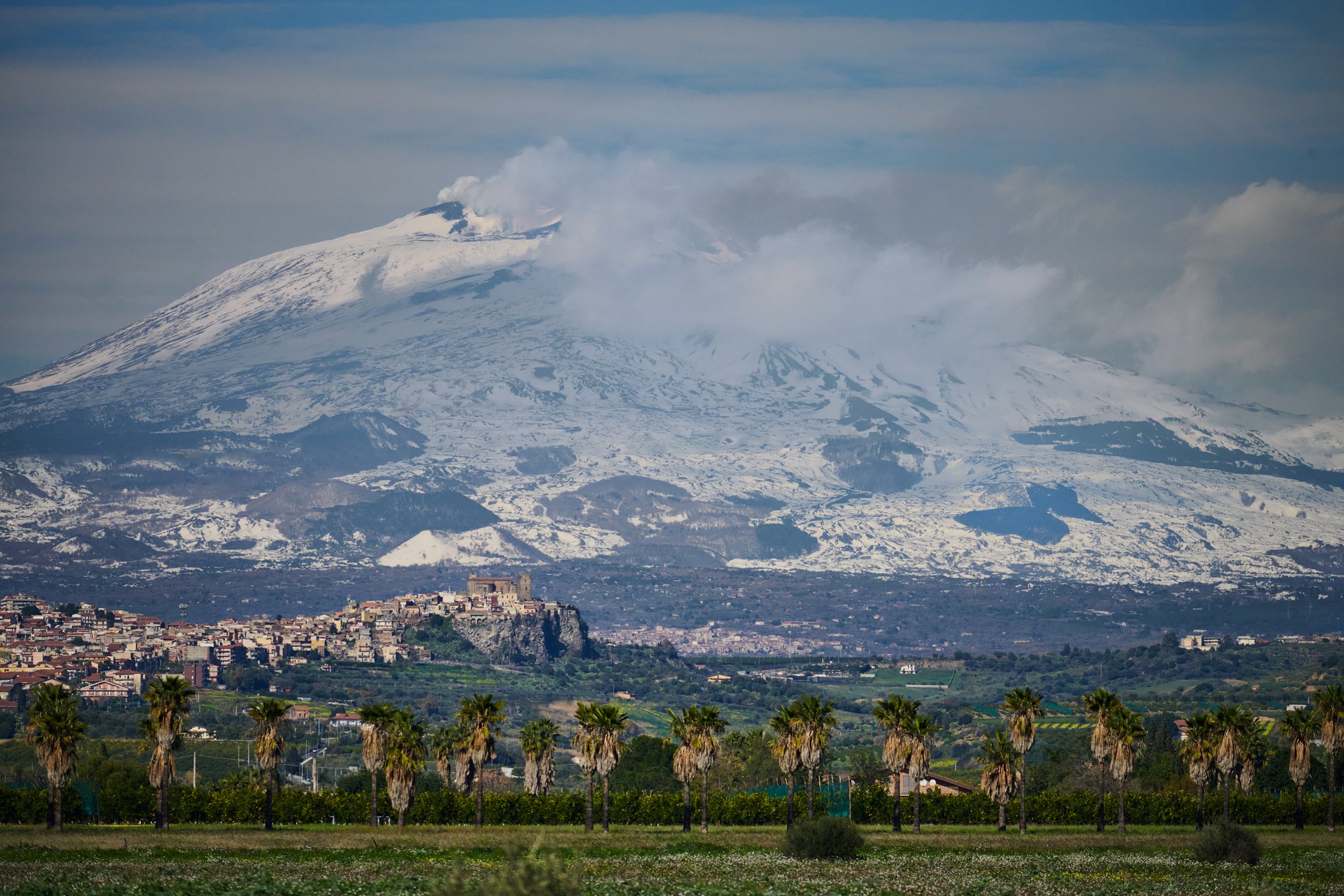
3. Mount Etna, Italy

A snowy volcano, with its top hiding behind clouds and smoke, stands tall above a small village and grassy rolling hills

Mount Etna, Italy. Naval S. CC BY-NC 2.0

As one of the world’s tallest and most active volcanoes and the tallest volcano in Europe, Mount Etna has long been a hot spot for travelers visiting Sicily. Mount Etna first erupted 570,000 years ago, making it a gem for geological historians and interested travelers alike.

Travelers can find guided tours that depart from several locations including Taormina, Catania and Messina. After arriving at Mount Etna, tours begin with a cable car ride that reaches almost ten thousand feet. From there, travelers can choose to proceed in a tour by car or on foot. For hikers, the recommended time to visit is March through September.

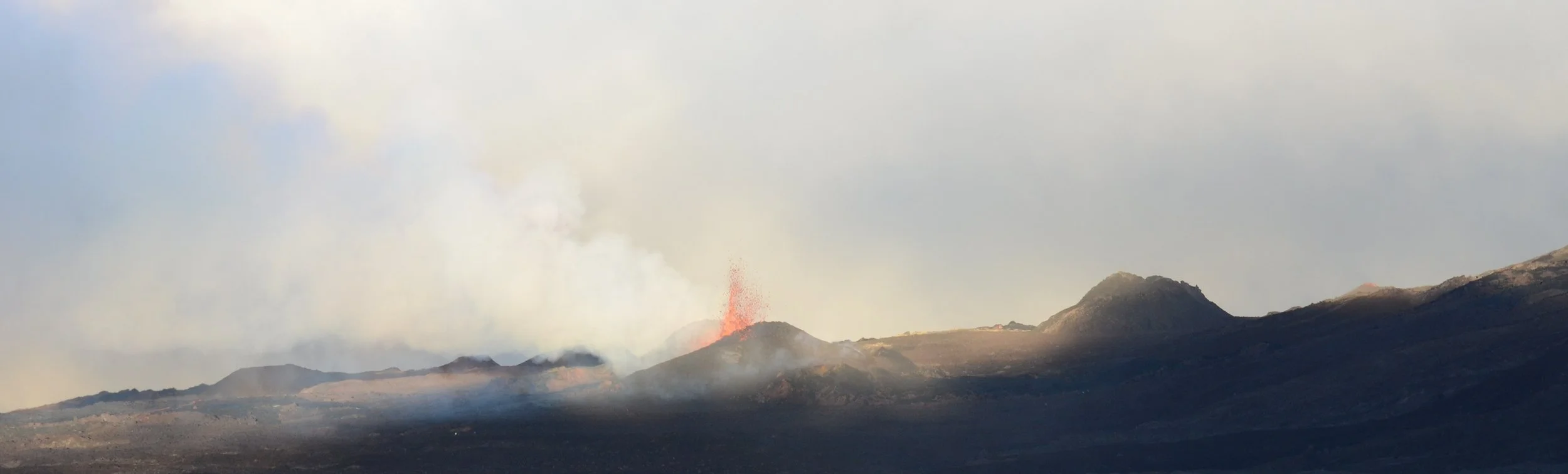
4. Piton de la Fournaise, Reunion Island, France 

Cropped image of lava and ash spewing up from a volcano top into the air

Piton de la Fournaise, France. Flickr @BOENE75. CC BY-SA 2.0

Located on Reunion Island in the Indian Ocean, the Piton de la Fournaise is an iconic volcano and Reunion’s most popular attraction. Despite its status as an active volcano, the Piton de la Fournaise is open to everyone regardless of age and draws about 400,000 visitors every year.

Travelers can venture from the coast to the summit on foot or by car, and there are even lava tunnels open for exploration. During a three-and-a-half-hour tour of the lava tunnels, travelers can witness the halls and galleries created by a lava flow in 2004. To learn about the science and history of Piton de la Fournaise, travelers can also visit the Cite du Volcan Museum. 

5. Stromboli, Italy

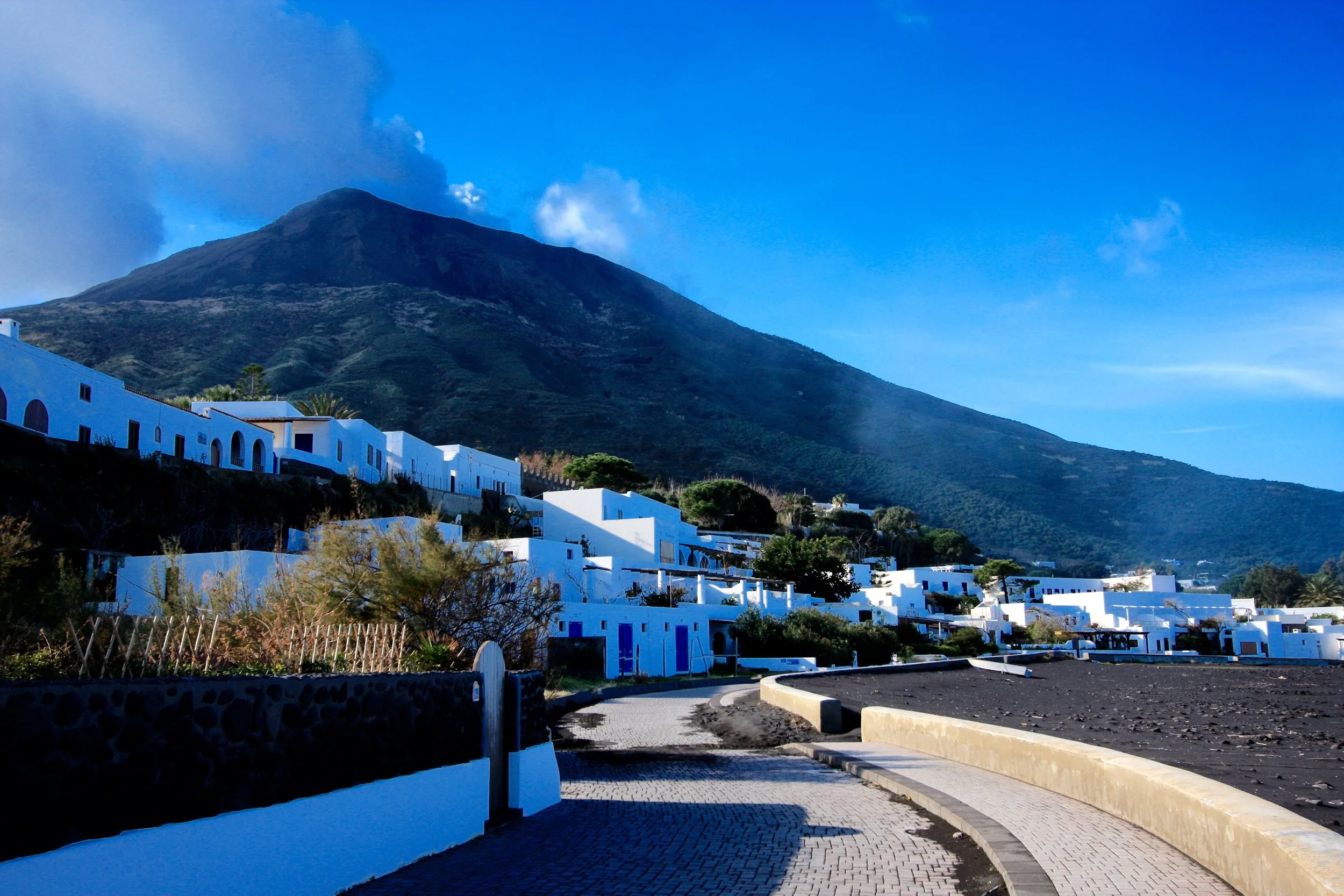
A green volcano looks over a hillside Italian town with matching white buildings.

Stromboli Village, Italy. Johannes Zielcke. CC BY-NC-ND 2.0

One of seven volcanic islands in the Aeolian Archipelago north of Sicily, Stromboli is home to one of the most active volcanoes in the world. The volcano, which locals call Iddu, has left on-lookers in awe for thousands of years. Stromboli is full of breathtaking contrasts, from the white houses surrounded by black sand beaches to the lava against the night sky.

Travelers can take guided tours by boat or on foot. Booking a guided tour is essential considering Stromboli is very active and involves risk. Despite the active status of the volcano, hundreds of visitors are drawn to view the lava glow during sunset. 

6. Thrihnukagigur Volcano, Iceland 

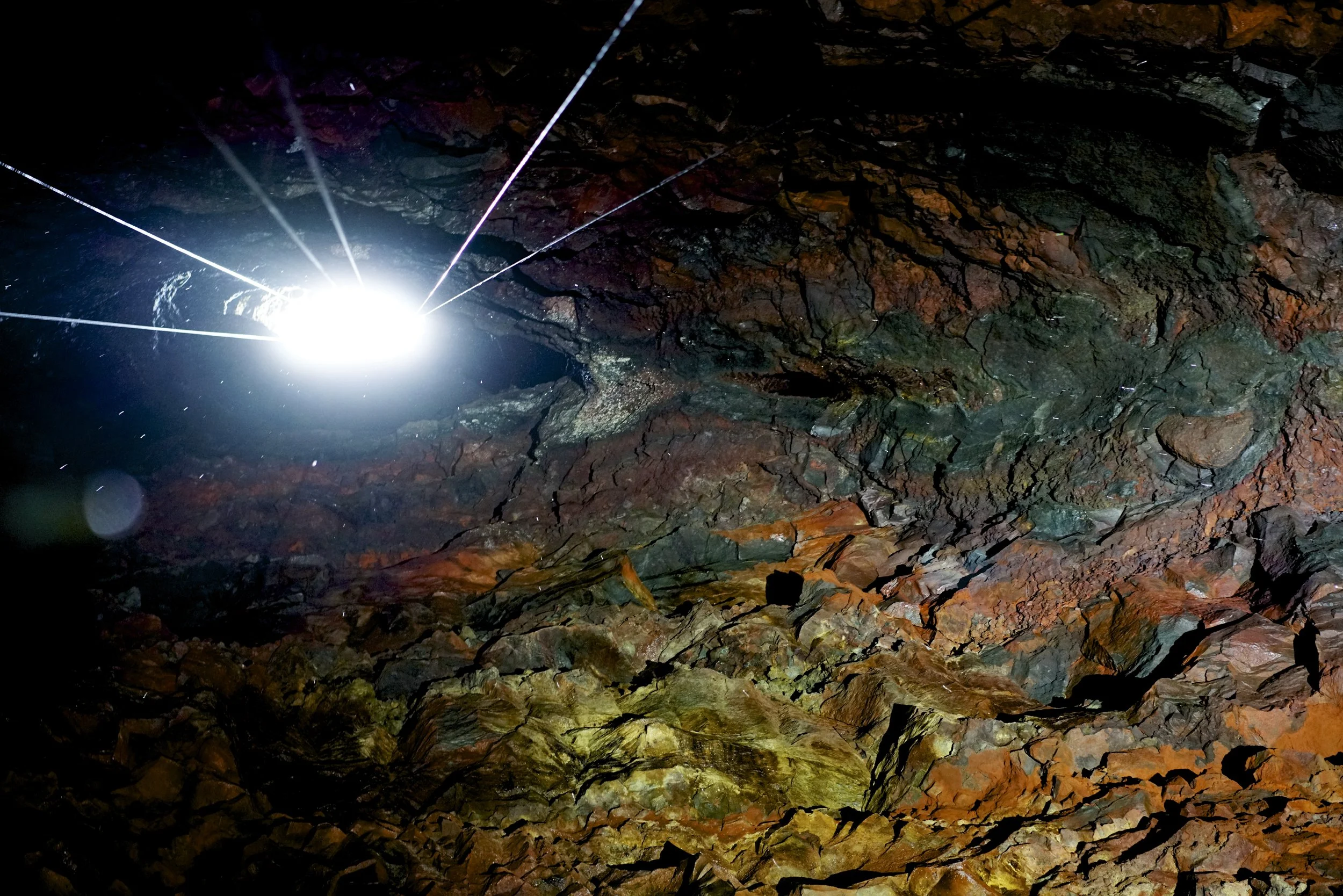
Inside of a lava chamber with red and black striated rocks and a bright light glaring from the  center.

Inside the Thrihnukagigur Volcano lava chamber. Miki Jourdan. CC BY-NC-ND 2.0

At the Thrihnukagigur Volcano in Iceland, adventurous travelers can visit the only accessible lava chamber on the planet. Translated to “Three Peaks Crater”, Thrihnukagigur is a low-risk destination that has been dormant for over 4,000 years. The three peaks of Thrihnukagigur formed from three separate eruptions thousands of years ago. 

The crater of the Thrihnukagigur Volcano is so deep the Statue of Liberty could fit inside. The bottom of the crater dates back to 30 to 40 thousand years ago, approximately the beginning of modern humankind. Since the volcano went dormant, the lava chamber at the heart of the volcano emptied, allowing visitors to glimpse this rare geologic gem.


Madison Paulus

Madison is a student at George Washington University studying international affairs, journalism, mass communication, and Arabic. Born and raised in Seattle, Washington, Madison grew up in a creative, open-minded environment. With passions for human rights and social justice, Madison uses her writing skills to educate and advocate. In the future, Madison hopes to pursue a career in science communication or travel journalism.

5 Must-Visit Speakeasies Across the Globe

Inspired by the American Prohibition era, speakeasies exist in the most unconventional places today.

Black and white image of four men sitting on bags of confiscated liquor bottles in a house pose

Liquor raid by sheriff’s department circa 1925. Gleason W. Romer. CC0

Prohibition was a result of the 18th amendment of the U.S. Constitution in 1919, which stated that, “The manufacture, sale, or transportation of intoxicating liquors within, the importation thereof into, or the exportation thereof from the United States and all territory subject to the jurisdiction thereof for beverage purposes is hereby prohibited,” within a years time. The amendment marked a political move that brought dismay to many citizens. Daniel Okrent, author of "Last Call: The Rise and Fall of Prohibition," argues that, “Prohibition became the same sort of political football that people on either side would use trying to struggle to get it towards their goal, which was control of the country," with politicians using the ban and the controversies around it to push other agendas.

Although Prohibition was mainly an American phenomenon, many countries around the world have made, or are currently making, attempts to limit alcohol consumption. Currently, Nordic countries concerned with their citizens’ alcohol intake are resorting to alcohol monopolies, marketing bans and higher taxation to combat it. Japan also struggles with alcoholism, with 60% of alcoholics being businessmen that drink socially to help their careers. With alcohol consumption quadrupling in Japan since 1960, private treatment centers and halfway houses have been popping up to combat the issue.

One of the most recognizable institutions of the Prohibition era was the speakeasies. A speakeasy was a place where alcohol was illegally sold, usually underground or at least out of view due to the danger posed to workers, owners and patrons. Although the 18th amendment was repealed in 1933, speakeasies still exist throughout the United States and the world today. Listed below are five notable and currently operating speakeasies from various major cities.

Evans and Peel Detective Agency 

London, England

Bartop and Evans and Peel. Jan Mark Holzer. CC By 2.0.

Located in Chelsea, Evans and Peel is a detective-themed speakeasy. Appointments are booked through the company's website, which tells prospective visitors, “We’re Evans & Peel, a highly renowned Detective duo who operate from our hidden Agency in Chelsea, London. Go beyond our facade and discover our famous secret.” People are given the option to customize their experience, sending the detective agency information about the “case” they wish to consult on. To enter the bar, customers have to ring a buzzer to enter a fake detective’s office and stay in character, explaining that they have, “an appointment with the detective.” They are then guided down a staircase to consult with the detective. Emily Gray from "The Handbook"  recalls that, “The Agatha Christie fan that I am, I went into a long story about losing a very expensive earring that had been stolen from a jeweler in the 1920’s (apparently most people say they’ve just lost their cat).” Evans and Peel's drink menu is also outlaw themed, with most of its special cocktails based on some of the biggest real and fictional superstar criminals like Thomas “Tommy” Shelby, Bill McCoy and Al Capone. The "agency" claims to make the “World’s Best Old Fashioned.”

‘Al Capone’ themed drink on the menu. Evans and Peel.

Located at: 310c Earls Court Road, London, SW5 9BA, England

Bank Bar 

Manila, Philippines

City skyline at night, with skyscrapers lit up in the background and small boats in the port.

Manila skyline at night. Thomas Yie. CC BY 2.0

In keeping with its name, the Bank Bar in Metro Manila's Bonifacio Global City has set up shop in the RBCB Savings Bank Corporate Center. A bouncer is waiting inside, next to a small door which opens into a fake stockroom that patrons walk through to enter the bar. Once in, there is a calming and luxurious ambiance. Erica Jahn notes in her review that, “The velvet sofa and candles on the marble table make the place attractive and intimate.” The bar advertises its own drinks drinks as including, “ Inventive cocktails and the widest selection of any bar in Manila” Although located in the Philippines, much of the bar's menu has an American theme. Bank Bar offers pasta, pizza, burgers, steaks, fried chicken and more American classics. The establishment is far from a simple American outpost, however, offering among other indigenous options Chicharon Bulaklak, a traditional Filipino appetizer and street food. Visitors are asked to call ahead and reserve their spots because space is limited and can fill up quickly.

Located at: 26th and 25th Street G/F RCBC Savings Bank Corporate Center, Taguig City, Luzon 1934, Philippines

Janai Coffee 

Tokyo, Japan

Low-lit interior of trendy coffee shop. Low stone bar counter, comfortable modern chairs, and a flower wall with neon light sign

Interior of Janai Coffee. Junki Yoshida.

This Tokyo speakeasy takes on the guise of a traditional coffee bar, hidden behind a secret doorway only the barista knows how to access. At first glance, Janai's website sticks with the coffee theme, offering to-go cups, explaining seasonal coffee bean selection, all while subtly hinting that it might offer more: “We don’t just want to serve coffee. Forget about time. Stop measuring. Don’t compare yourself to others. Take time to relax and forget about your daily routine. A place where you can forget about your daily routine and enjoy coffee to your heart’s content without thinking about anything else.” There is a secret puzzle that has to be solved on their website before being able to make a reservation (a hint—look at the logo). The flipside states their mission as a speakeasy and adds that, “This bar has a wide selection of alcohol that the staff all tasted and selected together. Even if you are not an expert, even if the taste is difficult, you can enjoy Janai Coffee for some ‘just because’ reason such as the cute label or the interesting name.”
Espresso martini from Janai Coffee’s bar, Junki Yoshida.

Located at: 2-3-13 Ebisu, Shibuya, Tokyo, 150-0022

Moonshiner 

Paris, France

Swanky wood bar design, lit from underneath, with intricate shelving on the wall behind to hold dozens of bottles and garnishes

Bartop at Moonshiner, Fiamma Brighi. 

Continuing the theme of being hidden behind a conventional storefront, the Moonshiner’s entrance is through Da Vito, a small pizza parlor in Paris. The joint's website tells potential visitors, “Shhhh, listen up, music is filtering behind this wall … lower your voice, lighten your steps, and push the door to the cold room … we’ll see you on the other side!” To enter, guests walk into the pizza parlor and head directly to the steel door of a fake meat locker at the back. This speakeasy in particular tends to attract a younger crowd of twenty-to-thirty-year-olds, and a combination of travelers and locals. Their drinks range from classic cocktails like Old Fashioneds to more novel and creative options like “Money Time” or “Back to Basil.” As it is a small space, the bar tends to get very busy. Sara Lieberman from Conde Nast Traveler notes that, “Despite it looking like the type of place you want to sit and sip luxuriously, unless you get there early be prepared to stand and hover over those with seats until other bar-goers finally get up (IF they get up!).” Many bar goers are just stopping by for a drink while waiting for the pizza they ordered on the way in, with Liberman also explaining that, “Moonshiner and the pizza parlor out front—Da Vito—--are more or less one in the same, so if you’re hungry, put your name on the list when you arrive and head to the back for a drink while you wait.”

Old Fashioned at the Back Room. Fiamma Brighi.

Located at: 5 rue Sedaine, 75011, Paris, France.

The Back Room 

New York City, United States

A street in the city with a small metal barrier gate around a staircase leading down to a building basement. There is a stickered sign on the gate pointing to the stairs, describing it as the "Lower East Side Toy Co."

The entrance to the Back Room, Troy Hahn.

Finally, located in the heart of the Big Apple, the Back Room is a speakeasy in New York that has been operating since the Prohibition era. Disguised as  the "Lower East Side Toy Company,"  the Back Room is hidden down a secret staircase in a narrow corridor. There are no clear indications to the entrance and a variety of staircases are involved before visitors find themselves at the door of the bar. In order to enter, a weekly password from the official Bank Room website is required. Once entered, the bartenders serve drinks in a traditional Prohibition-era style—cocktails are served in teacups and beers in brown paper bags, disguising their true contents. The Back Room was predated by Ratner’s Backroom, which was opened in 1908 in the same location. Owner Johnny Barounis has said that it used to be a popular meeting spot for many Jewish gangsters due to its convenient location, saying, “If somebody came in and was being double crossed or there was a hit going on, there were so many different ways out if you knew the space. You could [even] hop the roofs all the way to Rivington.” The general appearance of the Back Room is luxurious, straying away from the traditional rough appearance speakeasies had due to fear that cops would overturn the establishment at any given point. Barouis calls it, “My bastardized version of these old 1920s ballrooms fused with a speakeasy.” The decor incorporates 1920s cigarette dispensers, mutoscopes, chandeliers, hardwood floors and other period-accurate details. 

A look back in time, with a luxurious interior decoration with massive brick fireplace, red velvet antique chairs and couches, hardwood floors, and warm lighting

The Back Room’s luxurious decor, Troy Hahn.

Located at: 102 Norfolk Street, New York City, NY, 10002-3310


Aanya Panyadahundi

Aanya Panyadahundi Aanya is a student at the University of Michigan studying sociology and journalism on a pre-law path. She loves to travel the world whenever she can, always eager to learn more about the different cultures and societies around her. In her free time, she likes to play the violin, ski, and listen to podcasts.
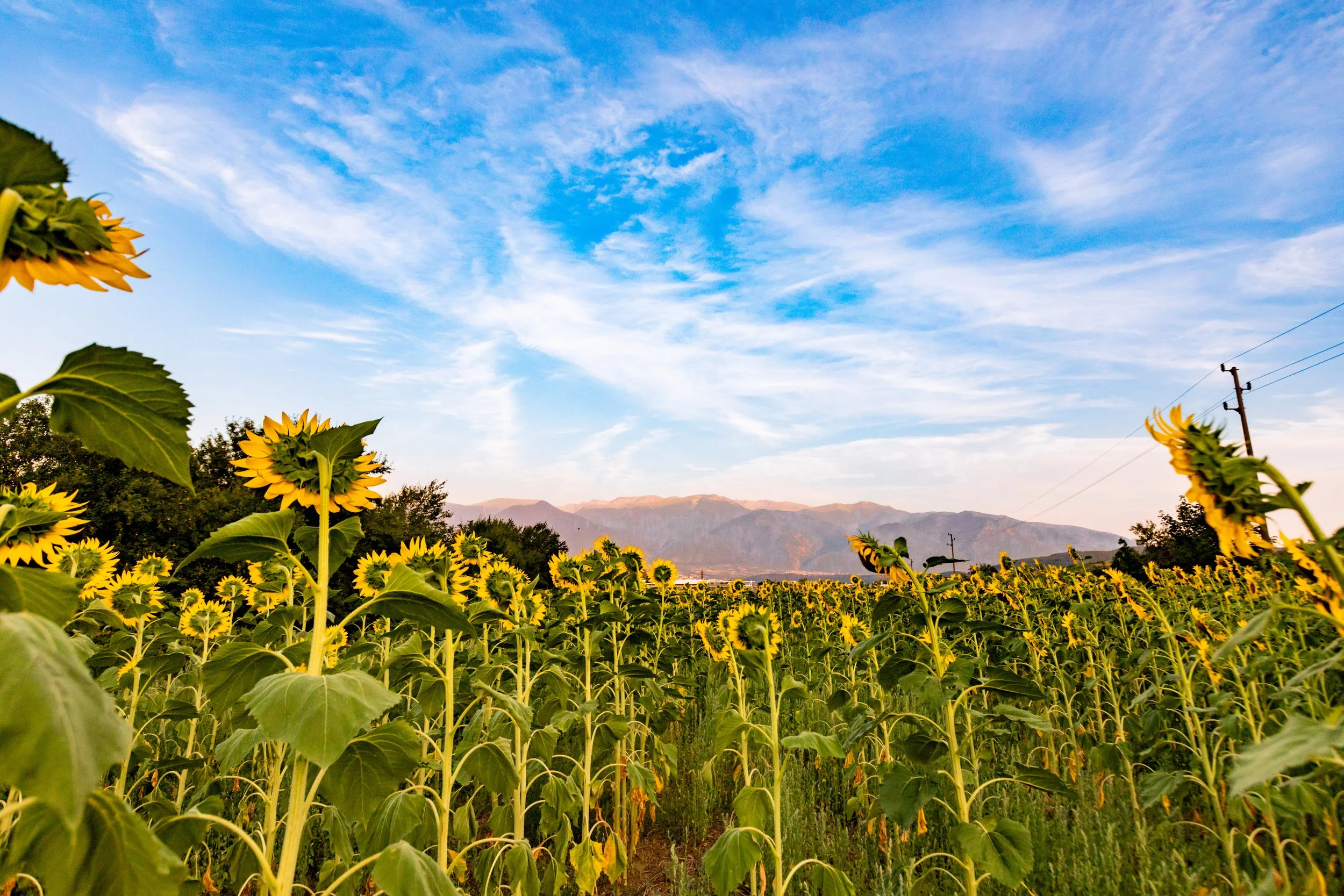
Sweden’s Unique Icehotels

From ice rooms to outdoor experiences, Sweden’s Icehotels provide a unique stay for travelers interested in the outdoors.

Snow tunnel entrance, lined with large ice blocks toward a hotel door that appears like an entrance to a glacier.

Entrance to Icehotel. Markus Bernet. CC BY-SA 2.5

A trip to Sweden may entail many unique experiences, but very little can parallel a stay at Icehotel in Jukkasjarvi. Located in the land region and 200km north of the Arctic Circle, the hotel was established in 1989 as the world’s first ice hotel, with the goal to, “Create life enriching experiences." A unique venue for hospitality, the ice hotel is structurally similar to an igloo. Ice and stagnant air both have very low thermal conductivity, limiting the heat transferred from the outdoors and keeping the structures from melting. The travel group Transun explains that, “The ice structure stops heat being transferred to the surroundings, because the ice and the windless air are both excellent insulators. The buildings depend on sub-freezing temperatures and usually melt in summer, rebuilt again from fresh ice every year.” 

On its site, the Icehotel group writes about the central theme of storytelling it hopes to achieve with its establishments: “Our inspiration is the Arctic and the delicate beauty of crafting something that is ephemeral yet engaging all your senses," creating its edifices with ice taken from the Torne River. With each winter, new artists are given the opportunity to showcase their talents through the Icehotel. The same river is also the source of the crystal-clear ice furniture that adorns both the original Icehotel and the new Icehotel 365, a newer project from the same brand to offer more to travelers all year.
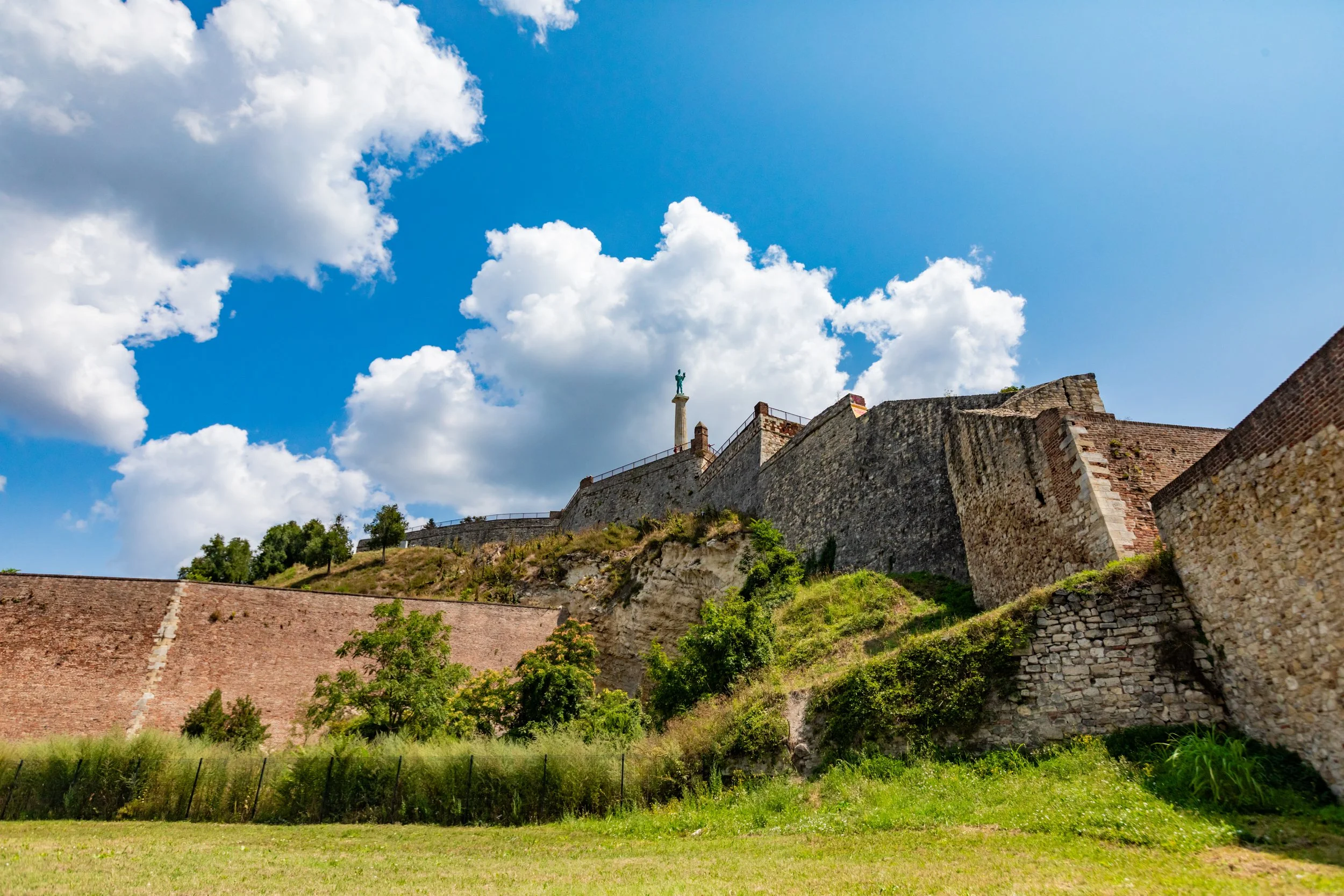

Travel Agency "Discover the World" recommends that, although elements of Icehotel are now open year-round, the best time to visit is, “During the winter months when it is blanketed in snow, the air outside is crisp and cold and the Northern Lights might make an appearance.” For Sweden, this is from December to early April, the months when the original Icehotel is constructed and open. During this time, the Icehotel has between fifteen and twenty standard ice rooms and twelve art suites for guests to stay in. Johan Larsson, the standard ice rooms’ artist, explains that he chose to incorporate an ice bed and decor because, “I wanted to create a feeling of being embraced and protected by the ice—a good night’s sleep for all guests.” The art suites are a step up from the standard rooms. Each suite is designed by an artist who has creative freedom to choose their own themes and styles. Icehotel says that, “The artist, perhaps from Kiruna, Germany, UK, or the US has been picked from over two hundred applicants and invited to make the suite you’ll be sleeping in.” Art suites are kept between 18 and 23 degrees fahrenheit. Because of their icy cold atmosphere, all rooms have special accommodations like thermal sleeping bags, reindeer hides and curtains in place of doors. Guests are given access to Riverside, a heated lobby, for changing rooms, toilets and saunas.

A room built in the snow. Snowy sculptures of pine trees and the front of an old-school VW camper van carved into the walls.

Art Suite in Icehotel. Rob Alter. CC BY 2.0

When planning a stay, guests are offered a choice of warm or cold accommodations. Warm rooms are like a standard hotel room and are located in a separate building. Icehotel recommends that guests spend just one night in the cold while booking a warm room for the rest of their trip, and provides special, insulated sleeping bags for guests to keep warm. The company also encourages appropriate sleepwear—thermal underwear, hats, warm jumpers, etc. Transun notes that, , although sleeping in a room made of ice might sound unpleasant, the right clothing and sleeping bags can keep guests warm as long as the outdoor temperature stays above -13 degrees Fahrenheit. Visitors can still arrange tours if they choose not to spend the night. Icehotel can accommodate up to five people in its largest warm rooms and two people in each of its cold rooms.

A white hotel room, with abstract icy mountain murals on the walls. A large bed carved from ice stands in the center with a fur blanket in the middle.

Standard Ice Room. Xraijs. CC BY-NC 2.0

Even during the summer months, the Icehotel brand still has much to offer interested travelers. Icehotel 365 was first opened in December 2016 as a year long ice experience. The building is a permanent, 2100 square meter art hall, maintaining interior sub-zero temperatures by relying on cool solar power throughout the year. Its art hall contains a collection of traditional art while the building is also home to deluxe suites, an ice bar and experience rooms that depict Icehotel’s history. Additionally, guests can enjoy Torne River rafting, private fishing tours, a ropes course, mountain hikes, and, of course, the Northern Lights.

Despite being a large tourist attraction, sustainability is central to Icehotel’s methods. The organization writes that, “We borrow the ice from the Torne River to build a new, seasonal Icehotel, which eventually melts and returns back to its origin in the spring. The basic idea of Icehotel is built on the premise of the environmental cycle, and our relation to the water and the ice is central.” The company also works with River Rescuers, an activist group protecting “The untouched waters of Sweden,” and regularly makes donations to WaterAid to assist water health throughout Sweden.


Aanya Panyadahundi

Aanya is a student at the University of Michigan studying sociology and journalism on a pre-law path. She loves to travel the world whenever she can, always eager to learn more about the different cultures and societies around her. In her free time, she likes to play the violin, ski, and listen to podcasts.
Hiking with Dinosaurs in Argentina

Argentina's Talampaya and Ischigualasto Parks contain between them the most complete continental fossil record of the Triassic Period, and a record of early humanity. 

A red, orange, and white striated canyon badlands. Larger green mountain hills in the distance

Valle de la Luna. Rodoluca. CC BY-SA 3.0

In the heart of Argentina, the Ischigualasto and Talampaya Natural Parks are a gateway to a prehistoric world. Situated on the border between the provinces of San Juan and La Rioja, in Argentina's Monte ecoregion, a warm scrub desert along the Eastern Andean foothills, these contiguous parks contain a plethora of geological marvels, ancient history and stunning desert landscapes for visitors to explore. 

Two tan hoodoo rock formations stand tall in front of rocky terrain and a red canyon in the background

Ischigualasto Rock Formations. Rita Willaert. CC BY-NC-SA 2.0

Ischigualasto and Talampaya stretch over most of the sedimentary basin of the Ischigualasto-Villa Union Triassic, a geologic basin of great scientific importance which formed during the Triassic Period, approximately 250 to 200 million years ago. The basin contains a sequence of six layers of continental fossiliferous sandstone and mudstone sediments deposited by rivers, lakes and swamps, providing the world’s most complete and undisturbed picture of the geological history of the Triassic Period. 

The geological record helps us understand the evolution of vertebrate life and the nature of palaeoenvironments in the Triassic, the era that ushered in the Age of the Dinosaurs. Fossil records of at least 100 species of plants, 56 known genera and many more species of vertebrates, such as fish, amphibians, and a great variety of reptiles and direct mammalian ancestors, including the early dinosaur Eoraptor, have been found in the park. 

Two guanacos standing on a desert slope. The rock is red and sandy, with a variety of elevations and terrains

Guanacos, Ischigualasto National Park. Rita Willaert. CC BY-NC-SA 2.0

Radiocarbon dating suggests that humans occupied the area approximately 2,590-950 years ago. At Ischigualasto, six rock art sites have been discovered, along with burial sites, campgrounds and tool-making areas, as well as 1500-year-old petroglyphs (images carved into rock). The petroglyphs depict, among other things, geometric human figures, animals and a radiating sun figure. Animal and human footprints have also been found in the art, mainly puma, rhea and guanaco prints. 

A red, orange, and white striated canyon badlands. Larger green mountain hills in the distance

Valle della Luna. Guslight. CC BY-NC 2.0

One of Ischigualasto's main attractions is the Valle della Luna (Valley of the Moon). The valley, located near the provincial capital of San Juan, is famous for its unique and otherworldly landscapes. The valley is composed of rugged badlands of bizarrely shaped multicolored rocks and a floor of barren gray-white volcanic clay. Two hundred and thirty million years ago, the desert was a volcanically active floodplain, crisscrossed by rivers and subjected to seasonal heavy rainfalls. Petrified tree trunks more than 130 feet tall are a record of the ancient vegetation. These days the stark desert vista has sparse vegetation, xeric shrubs, cacti, the occasional tree and several rare species of flora and fauna. 

The Canon de Talampaya (Talampaya Gorge) is Talampaya’s main attraction. The red sandstone walls of the canyon and the surrounding cliffs reach up to 656 feet. The landscape has been deeply eroded by watercourses, a testament to the artistry of nature. These days the area is usually dry, but flash floods powerful enough to move large boulders have been known to strike the area.

A desert scene with large red mountain mesa in the background.

Ischigualasto National Park. Benjamin Dumas. CC BY-NC-SA 2.0

Before Spain began its conquest of South America, the area that now makes up the parks was inhabited by several groups of Indigenous people who lived as semi-nomadic hunters and gatherers, including the Diaguita and Huarpes.

The Ischigualasto and Talampaya Parks are more than just sites of great natural beauty. They are a journey into the history of this planet. Their spectacular geological formations, unparalleled scientific significance and cultural heritage have rightfully earned them a place on UNESCO’s list of World Heritage sites.

GETTING THERE

Fellow travelers recommend reaching the parks by taking an airplane to Villa Union, the closest neighboring city. From there you can rent a car, and it is about a 40-minute drive to Talampaya. You could also stay in La Rioja, which is about a 2-hour drive from the parks. Rough camping is permitted in the buffer zone at Ischigualasto Park, which has a small visitor center with an interpretive display, four toilets and a single ranger’s residence. Small buffet food services are available at both parks. Walking trails and interpretive signs are scarce. There are full-service facilities, lodging, commerce and medical care in the nearby towns of San Agustin in San Juan Province and Patquja and Villa Union in La Rioja Province. There are agencies in La Rioja and Villa Union that offer guided tours of the park.


Rebecca Pitcairn

Rebecca studies Italian Language and Literature, Classical Civilizations, and English Writing at the University of Pittsburgh. She hopes to one day attain a PhD in Classical Archeology. She is passionate about feminism and climate justice. She enjoys reading, playing the lyre, and longboarding in her free time.