
Five ancient pilgrimages around the world you can still hike today! Visit them in Spain, Japan, Peru, the Middle East, and Sri Lanka.
Read More6 Tropical Countries To Escape the Winter Chill
Avoid the cold temperatures of winter by taking off to these six tropical destinations around the world, each offering a lush climate and magical adventures.
Read MoreNorth-East India’s Women-Only Market
Manipur’s Mothers’ Market is a world of resilience and resistance, where tradition, activism, and community converge in unexpected ways.
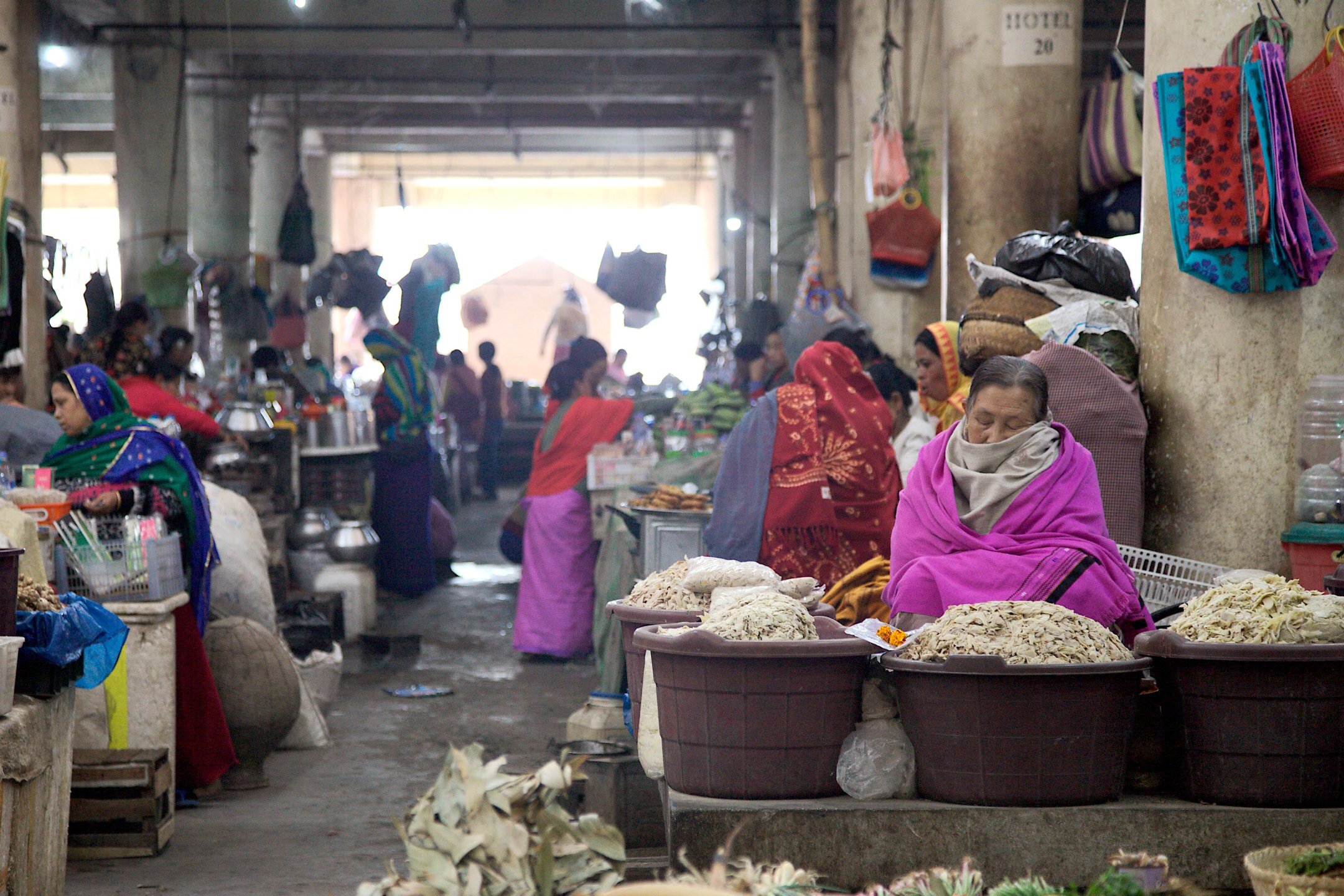
I decide on the Ima frying whiteish dough balls over a stand-alone stove and gas canister. ‘Aloo,’ she smiles and gestures to the wooden bench next to a young man slurping a leafy soup. Seconds later, this plump woman serves me a lunch of grilled fish, unidentifiable green veg, those fried potato balls, banana leaf, rice, and then, despite my protests, several second helpings.
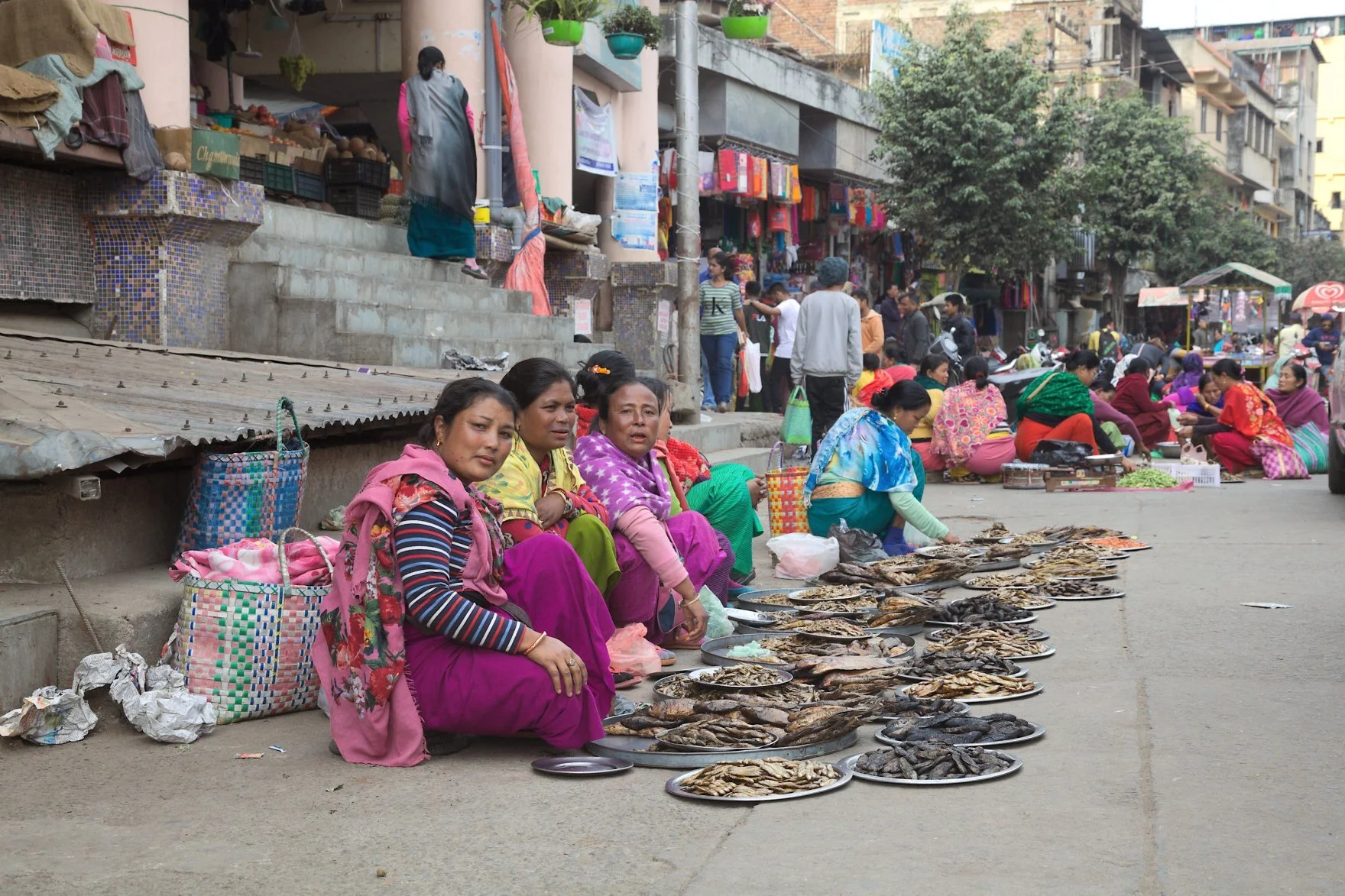
The Imas are lined up behind their gas stoves, enticing the locals with their jokes and salty fish dishes. Sitting opposite, in front of stacked ceramic pots, are two more, warming their hands over the burning embers of a square metal pot. My host, Suporna Devi, is one of over 4000 women who congregate daily, in Ima Keithel, Manipur’s main market, selling everything from temple paraphernalia to locally-caught eels.
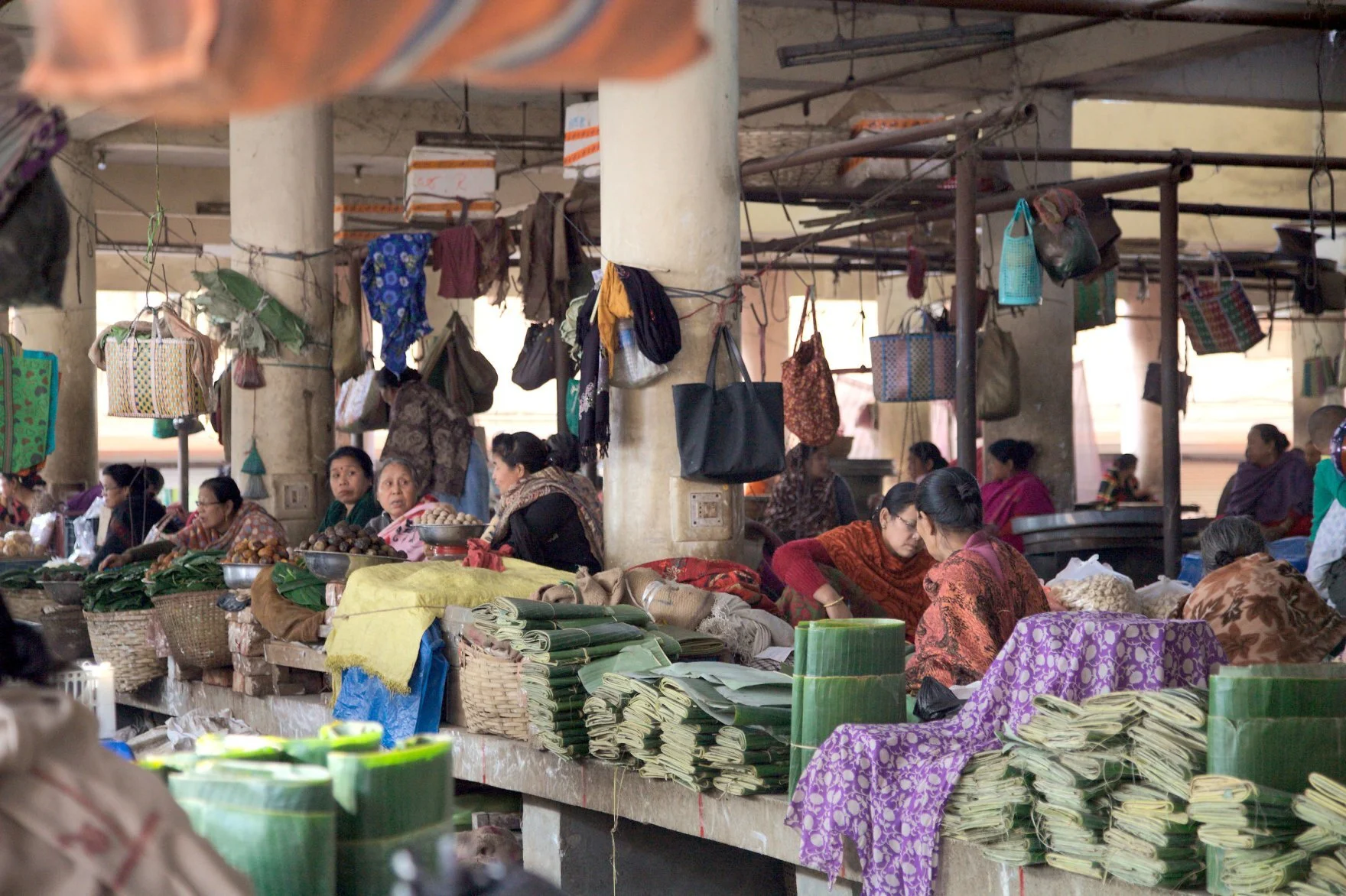
But, unlike the rest of India, here men are forbidden from trading. Passed down the generations, a stall at Ima Keithel, meaning ‘Mothers’ Market’, is highly coveted and provides the local Imas with an important source of income. Spilling out of the market buildings, encroaching on the roads, under the concrete flyovers, women are everywhere, selling produce. Some are eating, some reading, some sleeping. Many are chatting.
Believed to date back to the 16th century, the origins of Ima Keithel are unclear. Sandwiched between Myanmar and the Indian state of Assam, Manipur has long been forced to fight the Burmese and Chinese to retain its autonomy. A forced labour system, called Lallup Kaba, sent the men far from home to fight these wars, leaving the women at home to cultivate the land and sell the produce, possibly fostering this peculiar phenomenon.
For thousands of years Manipur remained an independent kingdom and a crossroads of trade and cultural exchange until it was conquered by the British in 1891. The golden, oval valley fringed by misty blue hills was famously called ‘the Jewel of India’ by India’s first prime minister. It is home to a diverse mix of tribes, who ethnically share more with groups in Burma than with the rest of India. Several hard day’s travel from Delhi, Manipur feels like a faraway land compared to India I’ve come to know; somewhat familiar, but yet not. A unique language and alphabet add to my disorientation.
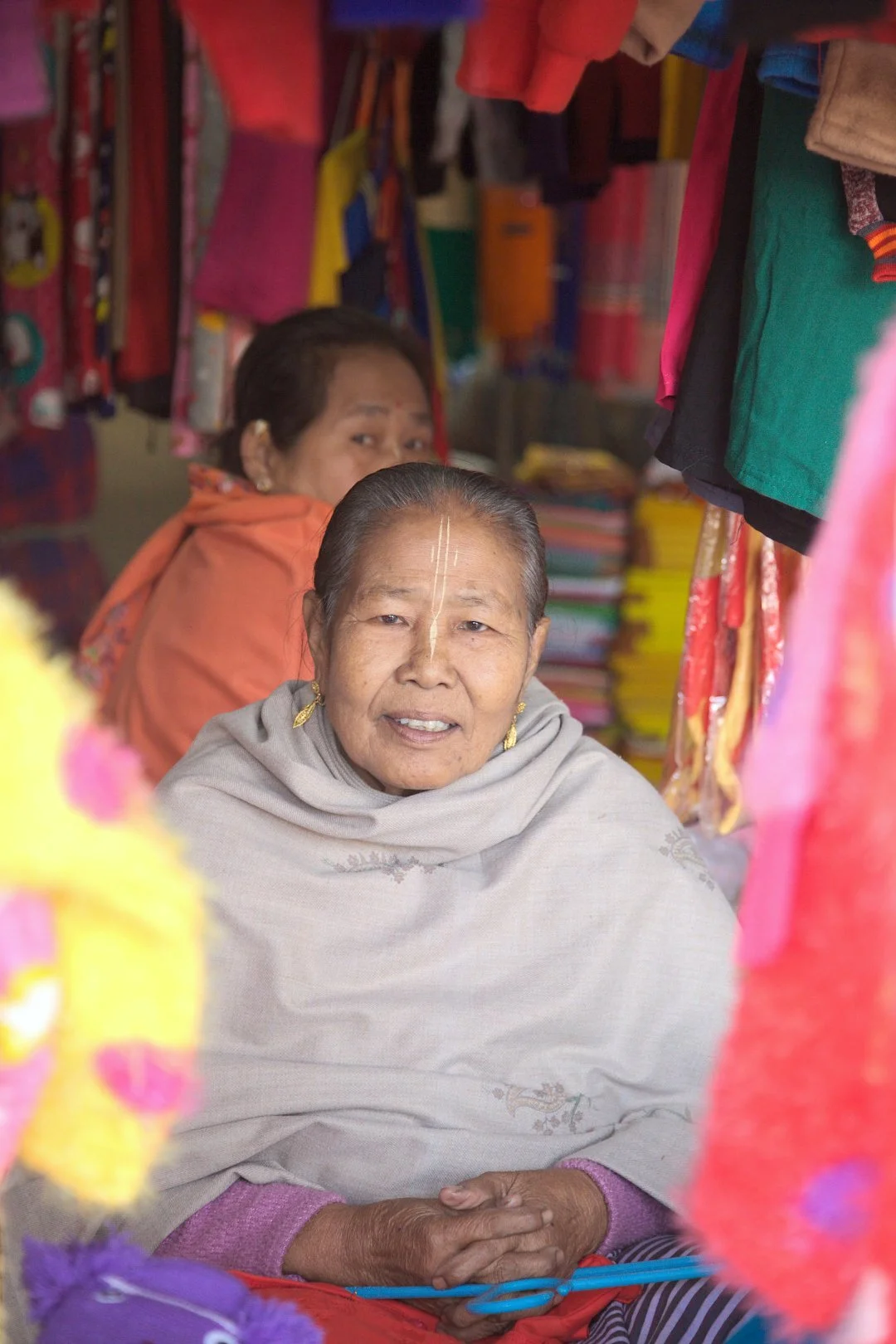
The two large market buildings sit in the commercial heart of Imphal, a dusty, grey city, home to as many motorbikes as people. Mornings see the city enveloped in a heavy, December mist, which she usually manages to shed by lunchtime. Most ladies are sitting under bright shawls: many baring two pale vertical lines on their foreheads, meeting on the nose: the mark of local Hindus. I feel the weight of eyes as I circle the floor. But smiles are soon reciprocated with smiles, and many proudly remove their glasses to strike a poise for my camera. Before long, I fall foul of the sly sales pitch of an unassuming mother and daughter. Several tea-towels later, I note to myself this is still India.
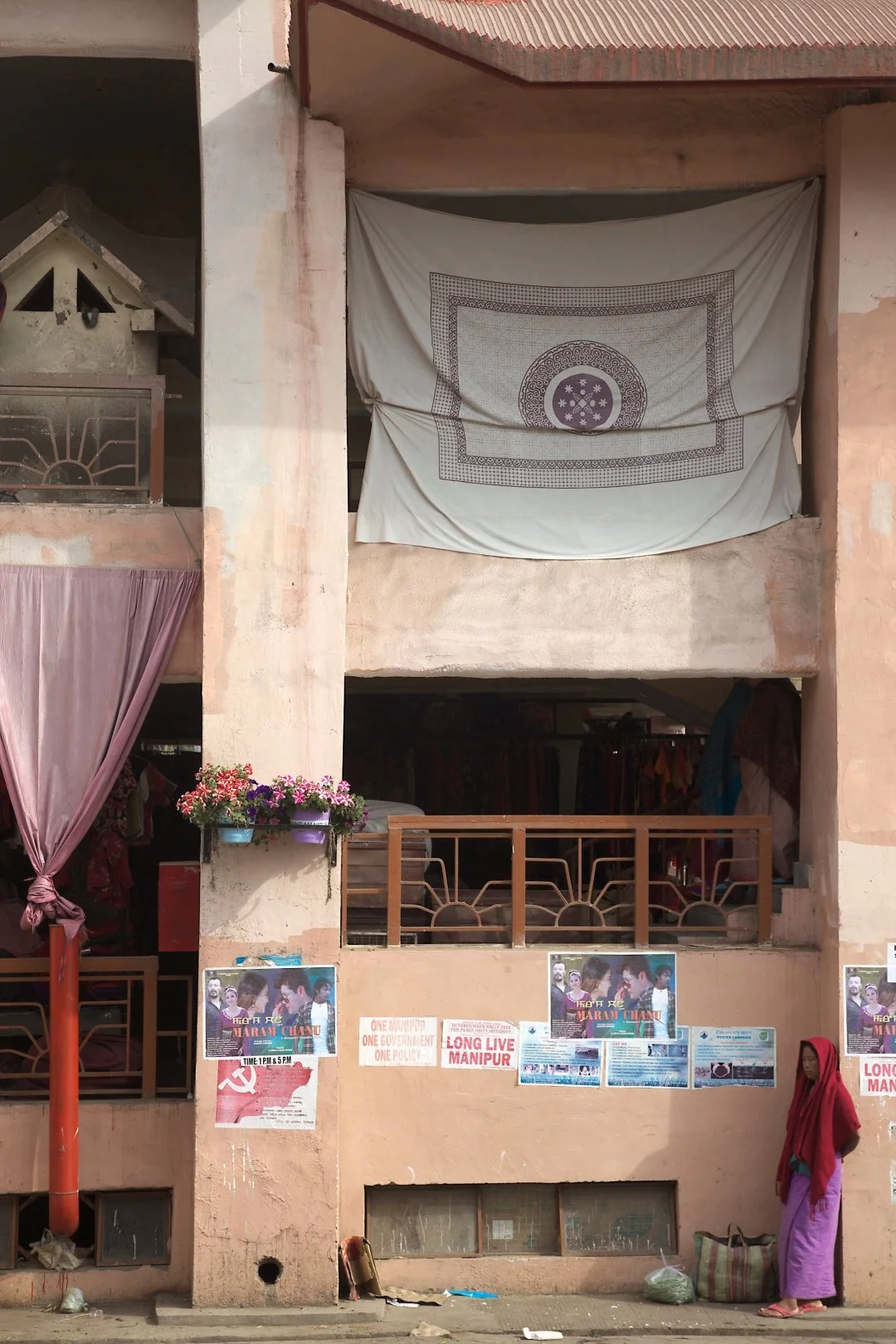
When I reach Suporna Devi’s stall, I am thankful for the rest, and we are soon conversing, in a broken fashion, through Hindi, her third language. She has worked here for over 20 years, she tells me, inheriting the pitch from her aunt. Pointing to a poster, emblazoned with hammer and sickle, she exclaims, “this is not just a marketplace, but also a place of protest!”
The revolutionary slogans spray-painted to the outer walls point to a more complex story, and I have started to research Manipur’s matriarchal society. Since at least the early 20th century, the Manipuri women have been wielding a strong influence over political and social matters of the state, with Ima Keithal at the centre of the movement. The market developed as a place not only of trade, but as a centre for gathering, a source of the latest news, a place to discuss ideas. The mothers of Ima Keithel started credit unions, lending to women who wanted to started businesses, and mentored them in the process.
As she ladles yet more rice onto my plate, Suporna suggests I visit the Nupi Lal (Women’s War) monument in another part of central Imphal. This is a memorial to Imas who fought the British rulers in the 1930s over attempts to export local rice to British battalions in other territories. Locally rice became scarce, the price spiralled and the Manipuris began to suffer. The Imas protested, peacefully, but were met with attempts to sell the market buildings. They refused to relent and eventually military and police forces were unleashed against the unarmed females. Although the export policy was eventually repealed, many women lost their lives in the struggle.
During the Second World War, Manipur became a battleground for the war between the British and Japanese: this part of India is scarred with war graves. With the independence of India, a ravaged Manipur was absorbed into the new country, unleashing a seemingly indefinite cycle of violence and insurgency as anti-Indian and ethnic groups fought over differing visions for the state’s future. From 1980 until today, most of the state has been classified as a ‘disturbed region’ by the Indian government, a ruling designed to give the Indian Army additional powers to help them maintain public order. In practice, it has granted them immunity from prosecution for a range of heinous crimes.
Despite the departure of the British, for the Imas of Manipur, the oppression continues and their imaginative responses evolve. From torching liquor stores and fining drunk men, to protesting, naked, outside an Indian army base against a case of rape and murder by the armed forces, their actions are undoubtedly radical in a country where the majority of women have little say in domestic or societal affairs. Today, they are continuing to hold out against the talons of globalisation: recent attempts by the local government to replace the market with a modern supermarket were derailed by round-the-clock sit-ins by the Imas. Again they succeeded.
After a few days of loitering around Imphal, chatting and drinking chai, I decide it is time to leave the Imas. Several check where I am going, who with, and most importantly, have I eaten yet? I gesture to the fish section at the back of the market and they nod approvingly. After my last meal, I ask Suporna if she enjoys her work in the market. She smiles and says, “This is not just my work. This is my life.” I tell her I am leaving. “Vapis ana,” (come again) she says, and goes on frying her potato balls. I heave on my backpack and head for the bus.
How to get there: I took the bus from Guwahati, Assam. It was an uncomfortable, although beautiful journey that crossed through the hills of Nagaland on the way. There are also direct flights from Delhi, Calcutta and Guwahati. Imphal makes a convenient stop if travelling overland from North-East India into Myanmar through the recently opened Moreh-Tamu border crossing.
Where to stay: The Hotel Nirmala has decent rooms starting at 850 INR. Aheibam Homestay is a good budget option.
Where to eat: The stalls of Ima Keithel, of course. And the Luxmi Kitchen does a mean thali.

Eileen McDougall
After a decade working in London, Eileen swapped flashy buildings for a notepad and camera and set off for Asia. She fell in love with India, and it was here she started to write about her travels and the culture she was becoming immersed in. She is at her happiest on a bus alone heading off to somewhere new but seems to spend most of her time near mountains, mainly the Himalayas.
Train Ride the Sahara: Mauritania’s Hidden Adventure
One of the world’s least-visited countries, Mauritania is home to a travel experience like none other, inviting daring travelers to embark on an unpredictable journey through the desert.
The desert nation of Mauritania attracts only around 30,000 visitors a year, making it one of the least visited countries in Africa and around the world. The country is not seen as a highly desirable travel destination due to the fact that it is only about 0.5% arable land and one of the least densely populated nations in the world. Mauritania is also one of the poorest countries worldwide, unable to provide the infrastructure required to accommodate more traditional forms of tourism.
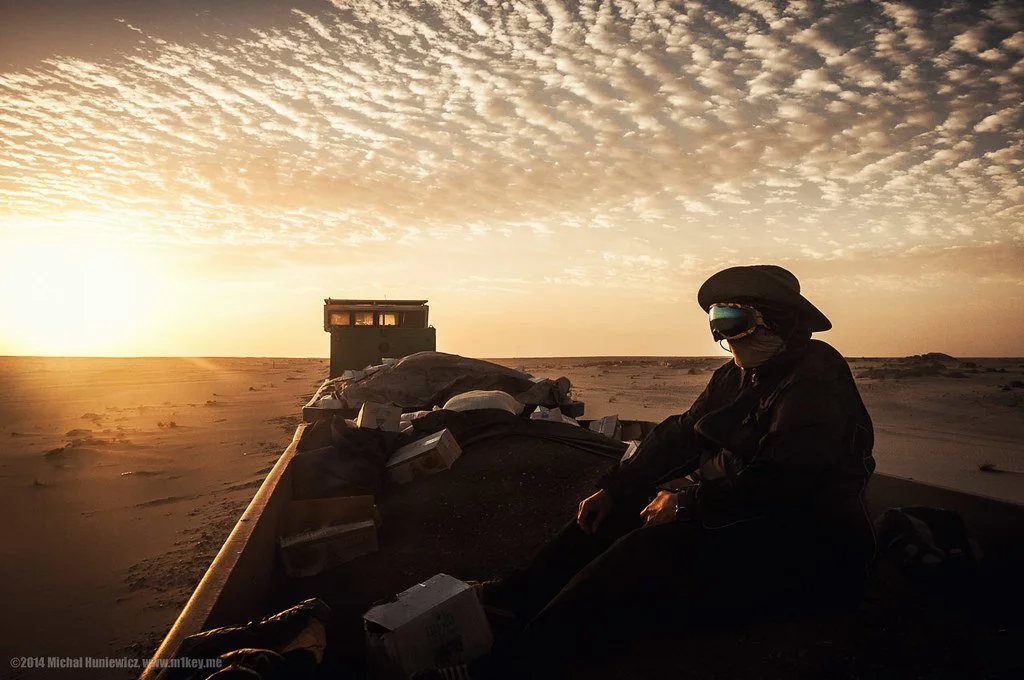
However, Mauritania boasts a unique attraction that is rising in popularity among thrill-seeking travelers — a famous iron ore train. Its contents — the iron ore — account for half the country’s exports and are critical to its GDP. The train is known as “the Backbone of the Sahara,” due to its national and day-to-day significance in the lives of locals who rely on the train for personal transportation and its goods. The train is one of the longest in the world; the length of the car itself spans around 1.5 miles and the track stretches over 400 miles across the Sahara. Beginning in the mining town of Zouerat, the train stops again in Choum, where most travelers board. Then, across the next 17 hours, laden with iron ore, the train makes its way to the port city of Nouadhibou, where it empties and sets back to Zouerat.
The train runs daily, but not on any sort of fixed schedule, requiring no bookings or tickets. It’s hardly a passenger vehicle, as only one of the three daily trains has a paid passenger car attached. Many climb aboard one of the cargo wagons and ride alongside the ore for free.
The journey has been popularized in recent years by travel blogs and social media. The author of One Step 4Ward, Irish travel blogger Johnny Ward, has even begun to manage trips to Mauritania, leading groups on the train. Ward claims that he has completed the journey seven times, more than any foreigner on the planet. On his blog, he describes the expedition as difficult and cold but also as “one of the best travel experiences of your life.”
Another blogger, the author of Plug Me In Project, described the conditions of riding the train. They emphasize the importance of bringing goggles, gloves, a sleeping bag, a blanket and a face covering — necessary protections against the iron ore dust and frigid nightly temperatures. He wrote about the friendliness of the locals who showed him around the capital city upon arrival and guided him to the station.
The blog Sophie’s World highlights the thrilling yet unpredictable nature of visiting Mauritania as a tourist. She notes that it’s important not to make the journey alone, particularly as a female traveler. She also emphasizes the level of respect required for the locals in order to have an enjoyable experience.
Mauritania is home to one of the most unique travel experiences that the world has to offer, for those who dare to embark on the journey of a lifetime.

Zoe Lodge is a student at the University of California, Berkeley, where she is studying English and Politics, Philosophy, & Law. She combines her passion for writing with her love for travel, interest in combatting climate change, and concern for social justice issues.
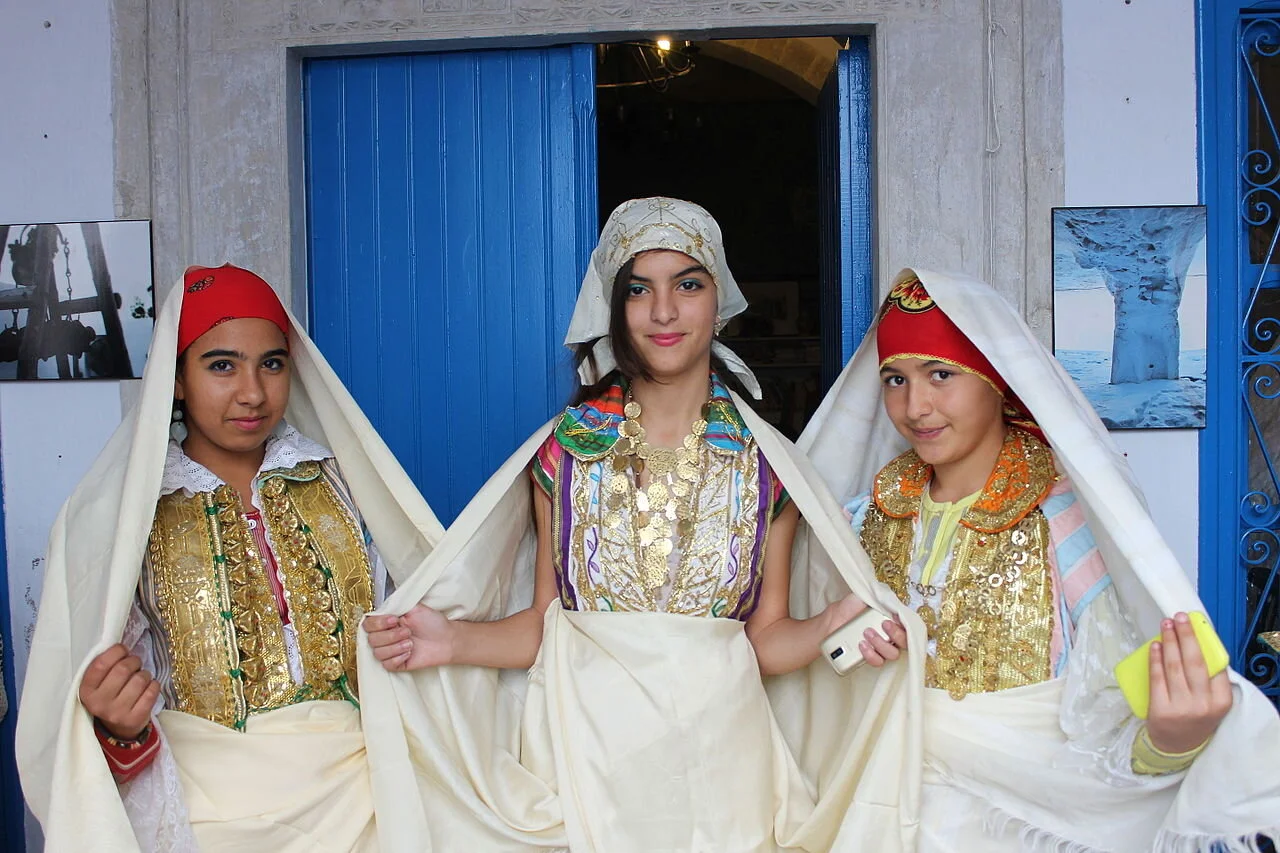
Tunisian girls wearing traditional Tunisian dress including the sefseri, a white veil made of silk or wool. Sami Mlouhi. CC BY-SA 4.0.
6 Treasures of Tunisia, From 'Star Wars' to Desert Oases
Tunisia is a country in North Africa, a region known as the Maghreb, that is similar in culture, history and religion to Morocco and its neighbor, Algeria. Tunisia is one of the most visited countries in Africa – it is a popular vacation destination for Libyans, Algerians, the French, Germans and the British. The country’s official language is Arabic, but the local Tunisian Arabic dialect,darija,, and French are also commonly used. The majority of Tunisians are Muslim, though a small Jewish community lives on Djerba, North Africa’s largest island.
The tiny country offers a variety of landscapes – beaches, mountains, the desert, woods and salt pans – that are sure to appeal to all types of travelers. The museums and ancient Roman ruins are sure to appeal to history buffs, and die-hard “Star Wars” fans will be interested to know that many scenes on the planet Tatooine were filmed in Tunisia. Be ready to enjoy dishes flavored with harissa, a spicy red pepper paste that has recently become popular in the U.S., along with plenty of seafood and Maghrebi staples such as couscous and syrupy doughnut-like bambalouni and zlebia.
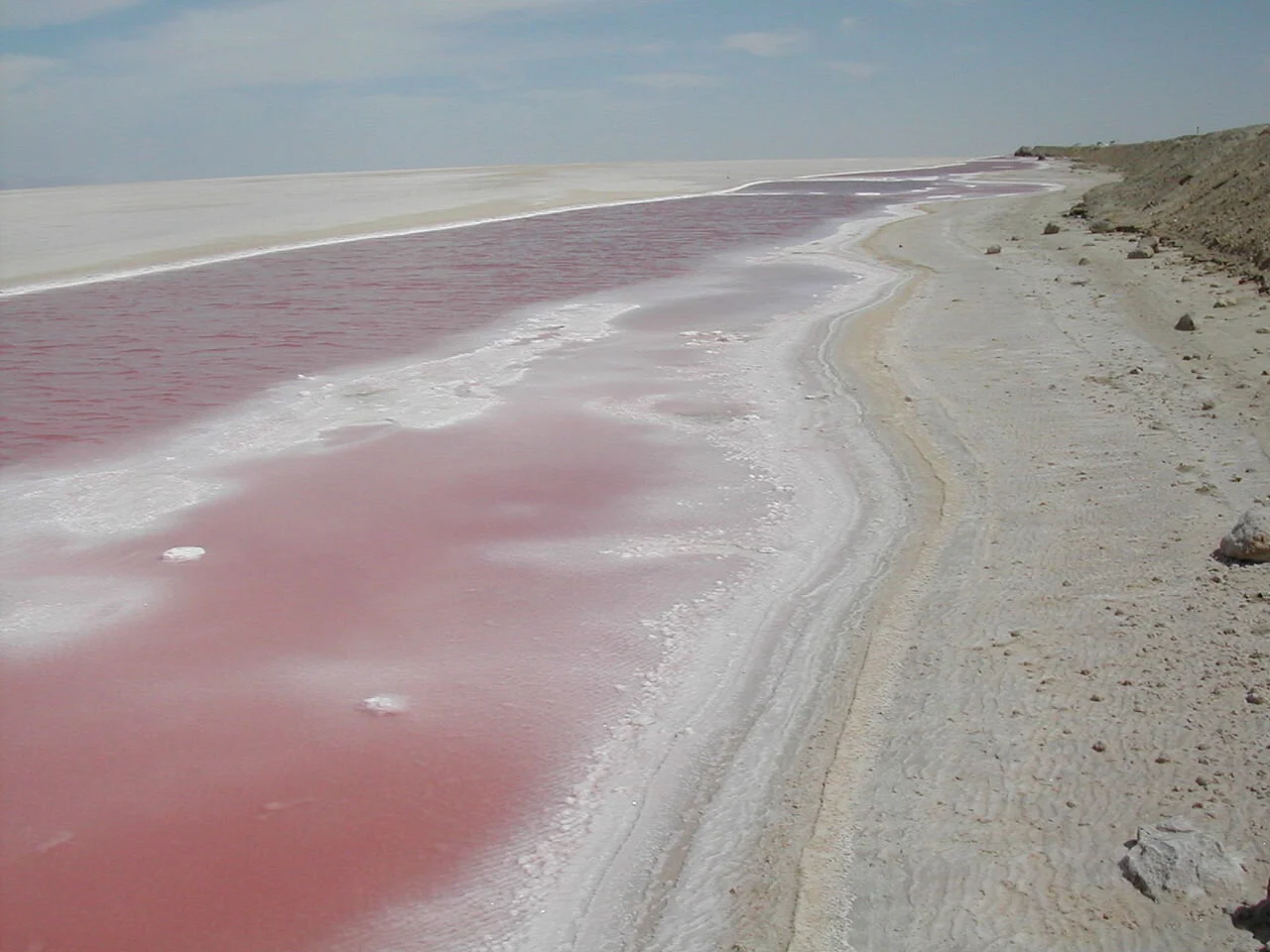
Minerals from Atlas Mountain runoff give Chott el Djerid its pink hue. Vinzenz Mühlstein. Public Domain. CC0
1. Chott el Djerid
The fictional planet Tatooine from the “Star Wars” saga was named after Tataouine, a desert city in Tunisia. Although no scenes were filmed in the real Tataouine, many of the first “Star Wars” film’s scenes were filmed in cities all over Tunisia. One of the most notable scenes of Tatooine is of Luke Skywalker’s home, the exterior of which was filmed in Chott el Djerid, the Sahara’s largest salt pan. A chott, or salt lake, stays dry for the majority of the year but fills intermittently from infrequent rainfall and during the spring thaw when water runoff from the Atlas Mountains floods the basin. The dissolved minerals from the Atlas Mountains give Chott el Djerid its otherworldly cotton candy pink color.
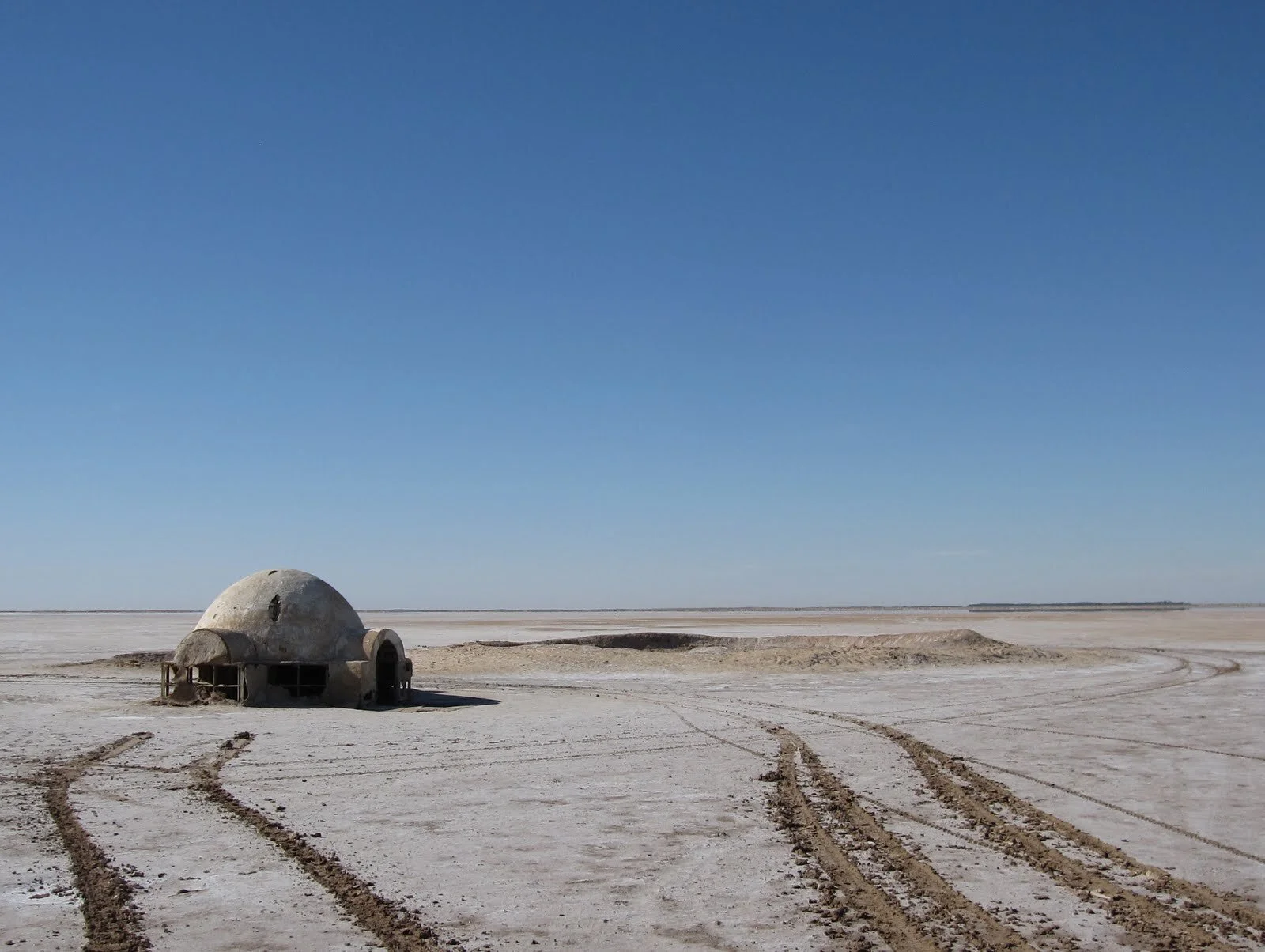
Remains of the Lars Homestead on one of the “Star Wars” movie sets in Chott el Djerid. Stefan Krasowski. CC BY 2.0.
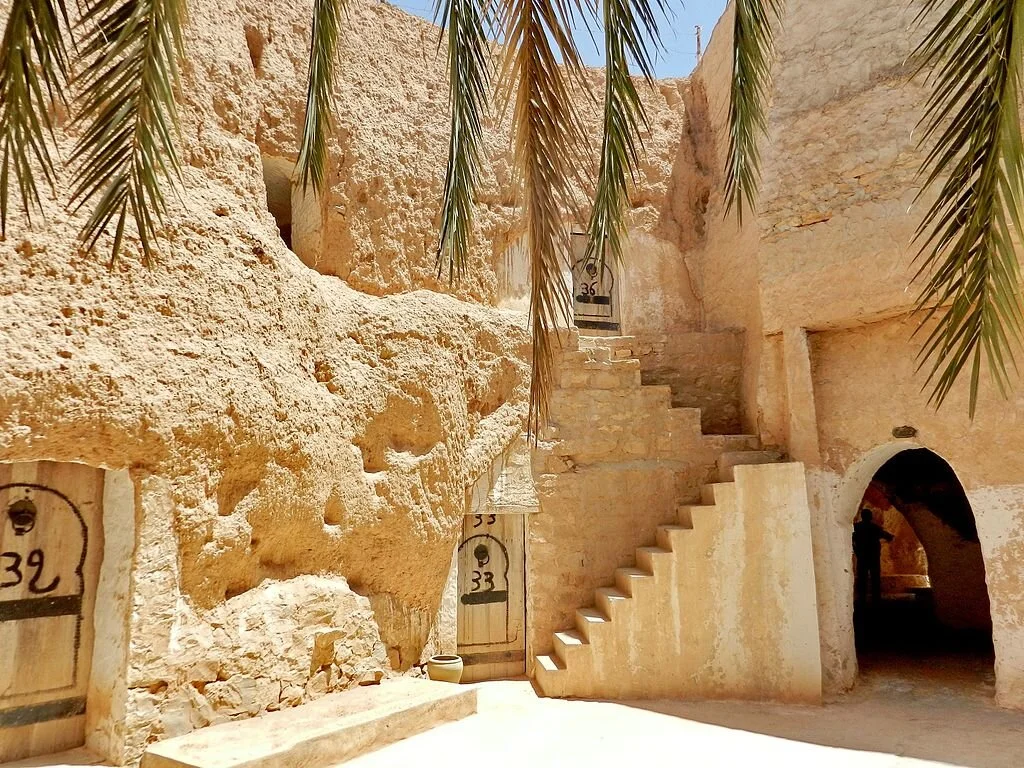
Ancient Berber underground homes in Matmata, Tunisia. Tanya Dedyukhina. CC BY 3.0.
2. Matmata
When “Star Wars: A New Hope” was released in 1977, Matmata, a small Berber village in southern Tunisia, became famous for its underground cavelike homes where some of the local residents still live. (The Berber, or Amazigh, are an ethnic group native to Northwest Africa, particularly the Maghreb.) The interior of Luke Skywalker’s home was filmed in the courtyard of Hotel Sidi Idriss, an underground hotel in Matmata. The hotel is open year-round, and is a must-visit for any die-hard “Star Wars” fan. For those who are not “Star Wars” fans but still want to visit the cave dwellings, the Musée Berbère de Tamezret (about six miles from Matmata) is a great alternative option.
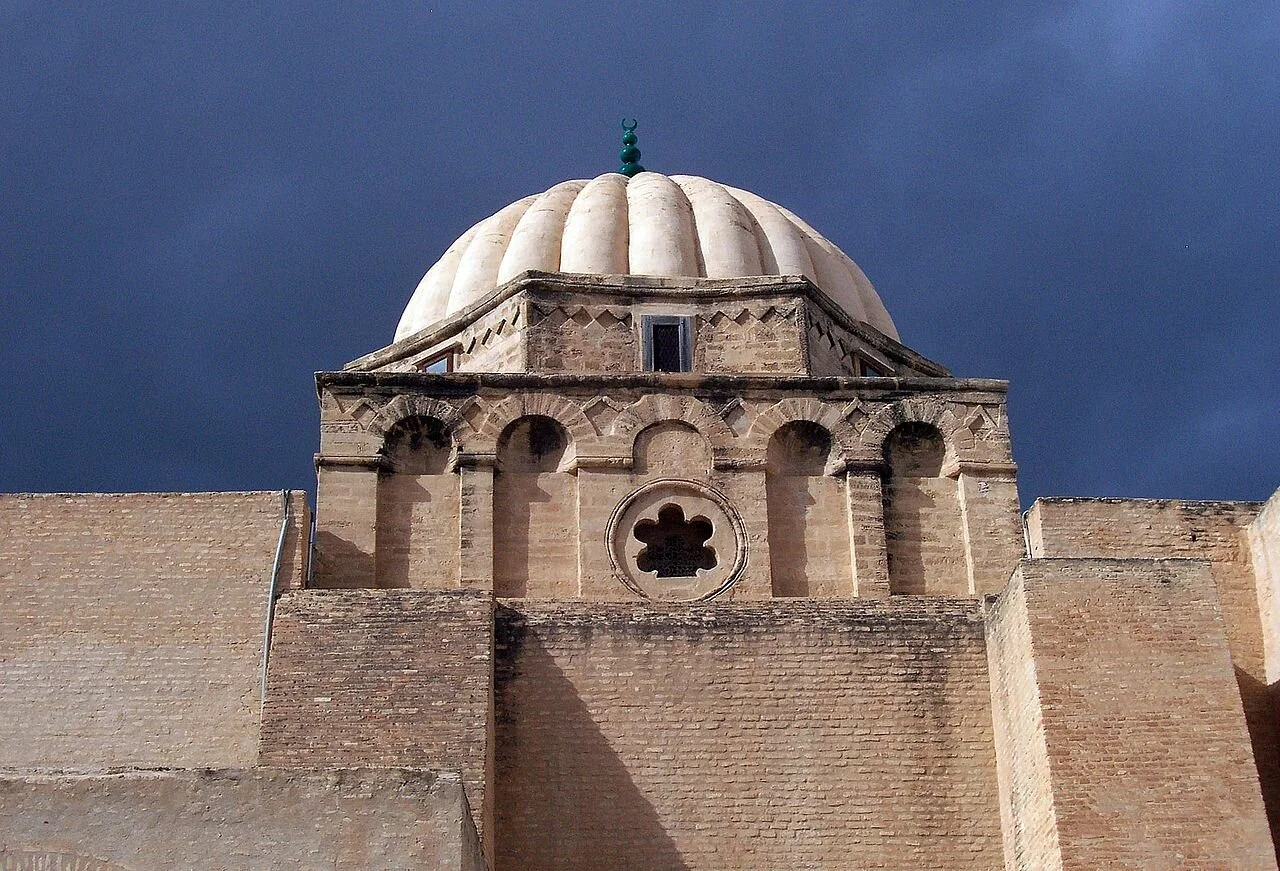
The dome of the Great Mosque of Kairouan houses the mihrab, or structure that points out the direction in which Muslims pray. Colin Hepburn. CC BY-SA 2.0.
3. Kairouan
Kairouan, a UNESCO World Heritage Site, is considered by some to be the fourth holiest site in Islam, after Mecca, Medina and Jerusalem. The city, founded by the Umayyads in 670, is the most ancient Arab-Muslim center in the Maghreb. Kairouan began as a military camp, but soon became an important center for Islamic scholarship, religious sciences, and art. The city contains many mosques, but the most important is the Great Mosque of Kairouan, also known as the Great Mosque of Uqba. The mosque contains a courtyard and a prayer hall, as well as a 105-foot minaret that bears resemblance to a Syrian bell tower or an ancient Roman lighthouse.
Another site that cannot be missed when visiting Kairouan are the Aghlabid Basins, a sophisticated feat of engineering and the largest hydraulic installation of the Middle Ages. Originally, there were 16 pools that provided water for Kairouan, but today only two reservoirs remain. Nearby, Kairouan’s souk has countless vendors who sell everything from snacks and jewelry to carpets and leather goods.
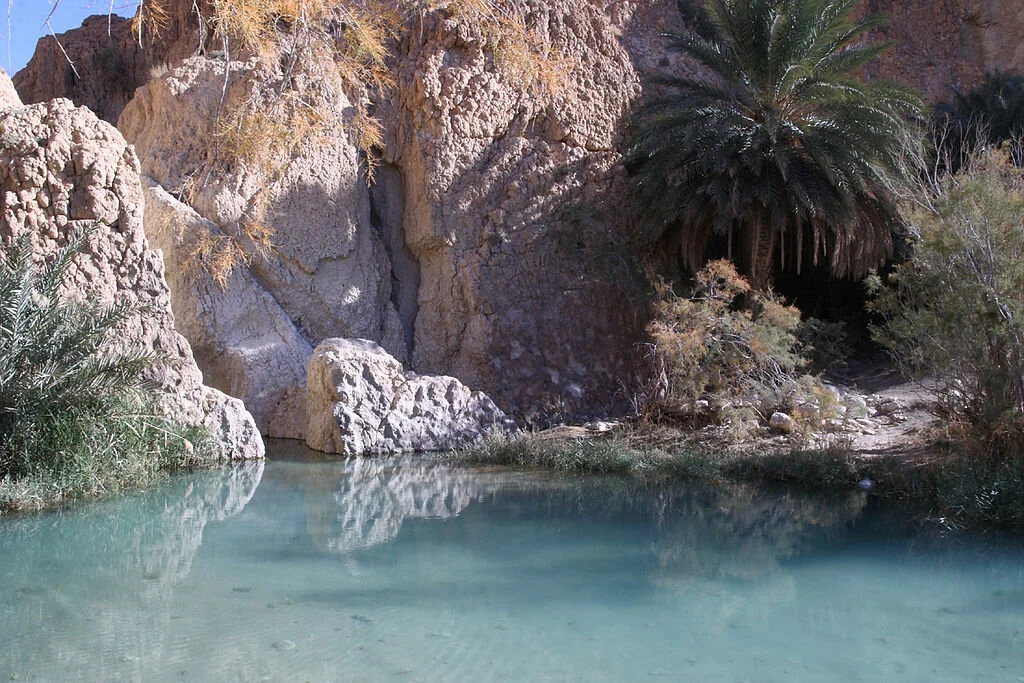
The Chebika oasis lies at the bottom of the Djebel el Negueb Mountains. Remi Jouan. CC BY-SA 3.0.
4. Chebika
Built on what was once a Roman military post, Chebika is a small village that sits right above a palm oasis at the foot of the Djebel el Negueb, which are part of the Atlas Mountains. At the top of the mountain, one can see the oasis, the village, and Chott el Gharsa, a salt lake that lies near the Algerian border (and served as a movie set for “Star Wars: The Phantom Menace” and “The English Patient”). Visitors can hike up the canyon to a small waterfall where they will be greeted by a beautiful view of bright green palm trees standing starkly against the mountainside.
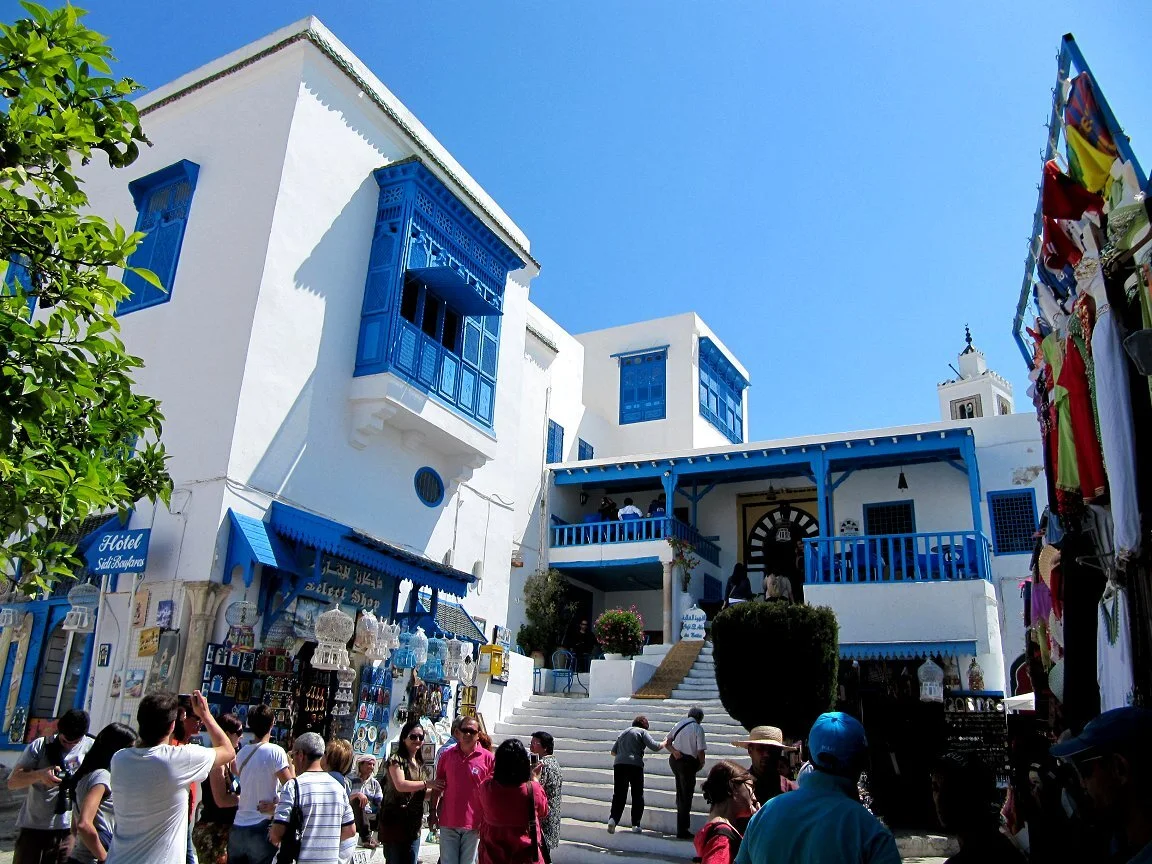
Hôtel Bou Fares and storefront in Sidi Bou Said. Allain Muller. CC BY-SA 2.0.
5. Sidi Bou Said
Sidi Bou Said is known for its blue and white theme, common to other Mediterranean-region cities and towns. The beautiful cerulean doors, shutters, gates and decorative balconies against the whitewashed buildings mirror the bright sky and the Mediterranean Sea which lies below the cliffside town. Sidi Bou Said was established as a religious sanctuary in the 13th century by Abu Said al-Baji, after whom the town was named. The palace Ennejma Ezzahra, finished in 1921 by French painter and musicologist Rodolphe d’Erlanger, is now a museum one can visit to see the beautiful architecture, view paintings by the baron, and see a treasure chest that was reportedly once owned by Suleiman I of the Ottoman Empire. Within the palace is the Centre des Musiques Arabes et Méditerranéennes (Center for Arab and Mediterranean Music), which houses a collection of musical instruments and art, and acts as a concert venue.
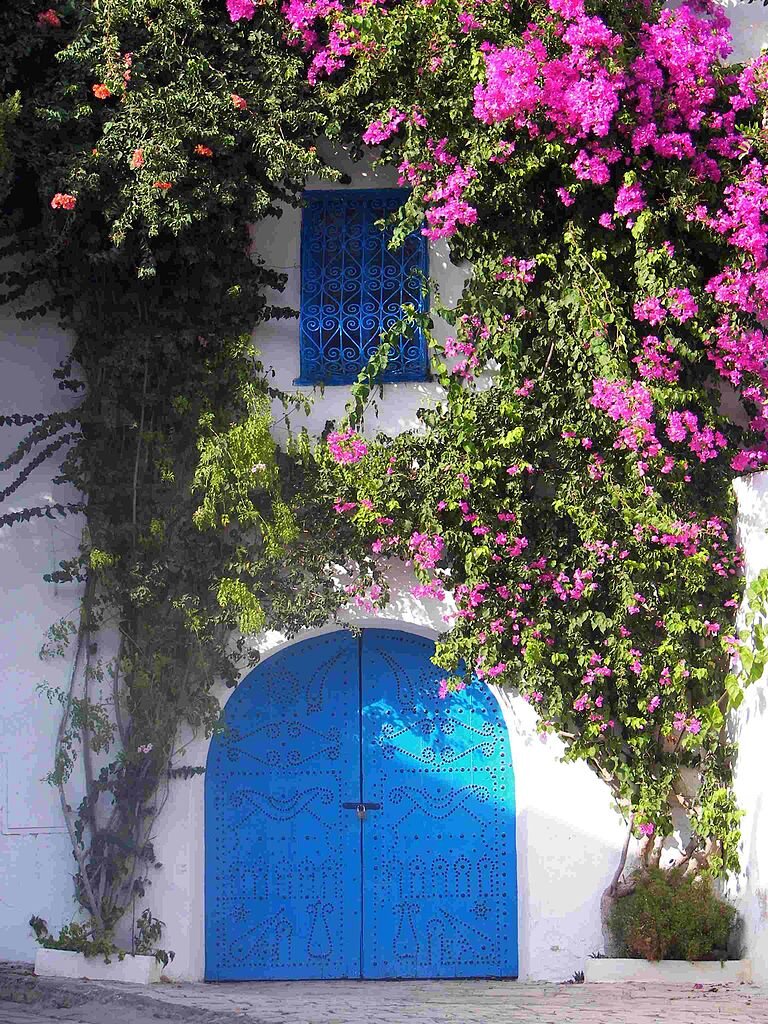
Traditional blue door in Sidi Bou Said surrounded by purple bougainvillea. Benrais. CC BY-SA 3.0.

Korbous was frequented by the ancient Romans of Carthage as a health resort. Patrick Giraud. CC BY 3.0.
6. Korbous
If you enjoy spas and natural hot springs, head for Korbous – a single street clinging to a cliff face on the west coast of Cap Bon. The mineral-rich hot springs of Korbous have been a popular spa and health resort since the time of the ancient Romans of Carthage, as evidenced by an inscription on display in the National Bardo Museum in Tunis. Korbous was not a popular spa destination until the 19th century, when Ahmed Bey, the last Ottoman leader of Constantine, had the hammam, or Turkish bath, built. In addition to the hot springs, mud from Aïn Kanassira, rich with minerals, is used to treat arthritis, various skin diseases and other health issues.

Asiya Haouchine
Asiya is an Algerian-American writer who graduated from the University of Connecticut in May 2016, earning a BA in journalism and English. She was an editorial intern and contributing writer for Warscapes magazine and the online/blog editor for Long River Review. She is currently studying for her Master’s in Library and Information Science. @AsiyaHaou
Beyond the Caribbean, 10 Tropical Escapes the World Over
For those looking to escape frigid winter temperatures, these 10 destinations will satisfy wanderlust while offering tropical climates, beaches, diverse cultures and more.
Read MoreWander Women: 6 of the Safest Destinations for Solo Female Travelers
Around the world, solo trips are becoming increasingly popular. Here are some of the safest places for women to explore on their own.
Read MoreThe Northern Lights: The 6 Best Viewing Destinations
Exploring the top locations around the world for an unforgettable aurora experience.
Read MoreTravel Through Time in the Canadian Rockies
Explore millions of years of natural history from ghost towns to Indigenous communities.
Read MoreBefore Disney: 5 of the Most Elegant Castles in the World
Majestic castles have been a staple of medieval imagery for centuries. Here are some of the most fantastical to ever have been built.
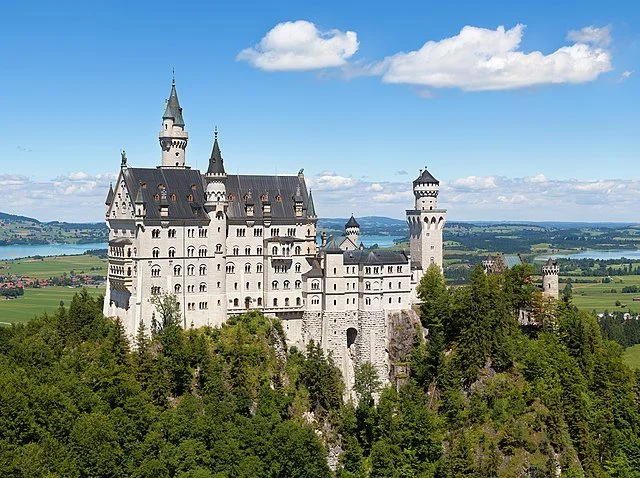
Neuschwanstein Castle in Germany. Thomas Wolf. CC BY-SA 3.0
Throughout history, numerous cultures have dedicated abundant money and resources to building castles. From soaring towers on scenic cliffs to utilitarian structures, these majestic buildings mark an astonishing amount of land around the world.
But out of all of these castles, there are a few that stand out for their uniqueness — whether it be for their history, architecture, location or one-in-a-million beauty. This list highlights five of the most incredible castles in the world, all of which should be on every traveler’s bucket list.
1. Himeji Castle, Japan
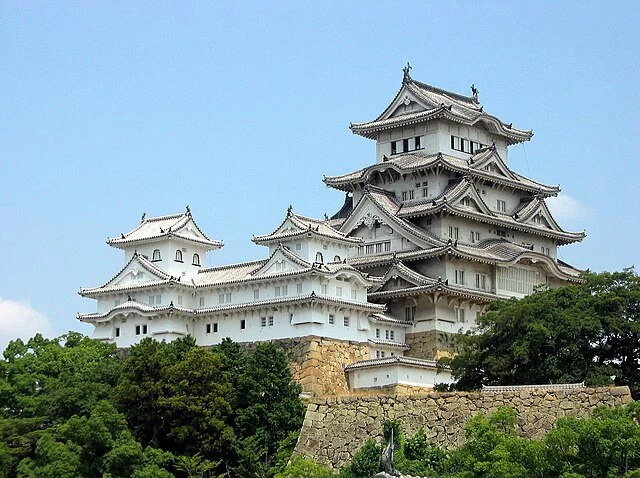
The main structure of Himeji Castle. Gorgo. CC0
Also known as “White Heron Castle,” Himeji Castle is lauded as Japan’s best-preserved and most beautiful palace. Throughout history, wars, sieges and natural disasters have laid waste to almost every castle in Japan. Himeji is one of only twelve castles that have never been destroyed. Its immense, 80-building structure has remained completely intact since its construction in 1609. The main palace, a colossal wooden building of six stories, provides visitors with an incredible view of the sprawling grounds, a labyrinthine maze of winding paths and defensive barracks.
The city of Himeji, which lies at the foot of the castle, is also a popular spot for viewing Japan’s world-famous cherry blossoms. During Golden Week and the summer holiday, wait times to enter Himeji Castle can rise astronomically. Nonetheless, the view from the top is undoubtedly worth the wait during the seasons when these gorgeous trees are in full bloom.
2. Mont Saint-Michel, France
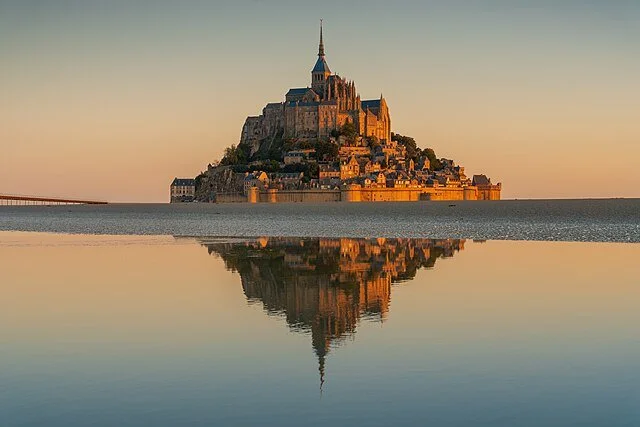
Mont Saint-Michel and its reflection in the bay. Lynx1211. CC BY-SA 4.0
Sitting atop an island in the middle of an idyllic bay, Mont Saint-Michel is a destination straight out of a fairy tale. The site was originally built as an abbey, constructed over several centuries with the funds of various French kings and dukes of Normandy. Over time, Mont Saint-Michel attracted monks from all across Europe and continues to remain a major Catholic pilgrimage site. The walls around the base of the island were added in an effort to keep the English out and provide reinforcement against centuries of conflict across the English Channel.
Today, the abbey is open to the public, with its gorgeous architecture and rich history on display. Visitors can explore the monks’ promenade, the refectory in which they took their meals and the glorious central church.
3. Peles Castle, Romania
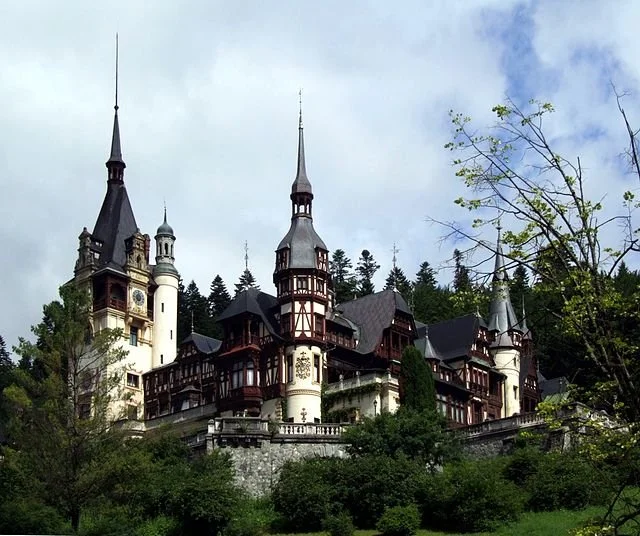
A snapshot of Peles Castle. Marcin Szala. CC BY-SA 3.0
In 1872, the king of Romania purchased roughly two square miles to transform into a royal hunting ground. The next year, the king decided to construct what would become one of the world’s most beautiful castles. Situated in a fairy-tale mountain range, Peles Castle was initially used as a summer home for royalty but is now a museum open to the public.
Peles Castle has received many foreign dignitaries to Romania — including several US presidents — and has been featured in a handful of Hollywood movies. Many of the palace’s 170 rooms are dedicated to different cultures and art styles from over the centuries. Whether you’re interested in the architecture, the artistry or the celebrity guest list, Peles Castle is an unmissable sight that deserves a spot on the bucket list.
4. Prague Castle, Czech Republic
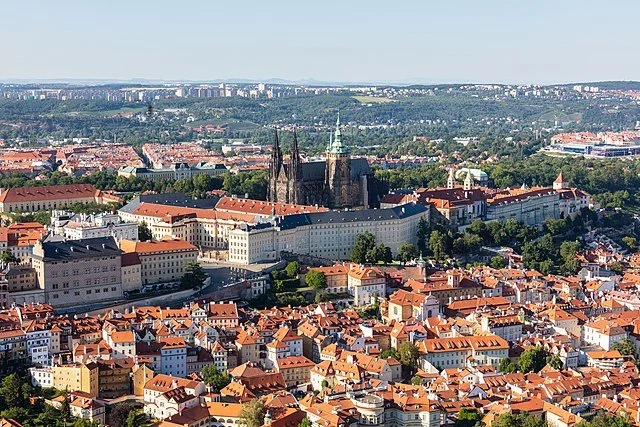
The massive Prague Castle. Diego Delso. CC BY-SA 4.0
By far the largest ancient castle in the world (a vast 18 square acres), Prague Castle is also one of the most popular tourist destinations in Prague. Construction on the site began back in 870 when the central Church of the Virgin Mary was built. In the 14th century, the grounds were expanded into a fully functional fortress, after which the castle was reconstructed several times. When the nation was divided into the Czech Republic and Slovakia, Communist influence was driven out of the region, and the castle became both the seat of the Head of State and a public museum.
Although visitors can view the grounds on their own, guided tours are the best way to experience Prague Castle. After making a tour reservation well in advance, guests will be taken into the Royal Crypt, the Saint Wenceslas Chapel and a variety of other locations that are normally off-limits.
5. Neuschwanstein Castle, Germany
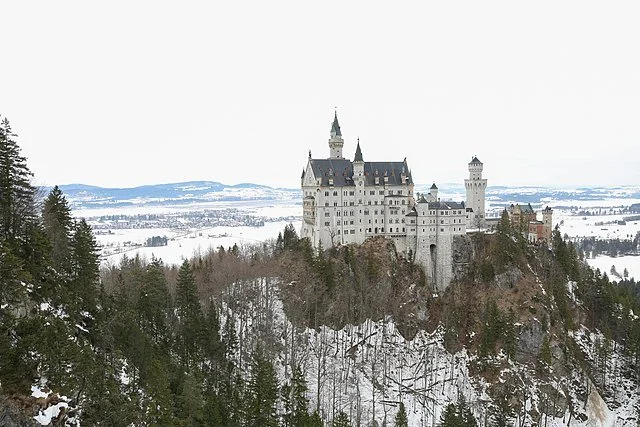
Neuschwanstein in the heart of the German winter. Diego Delso. CC BY-SA 4.0
Neuschwanstein Castle, situated just miles from the border between Germany and Austria, is perhaps one of Europe’s most scenic and beautiful castles. Literally translated to “New Swan Stone” in English, Neuschwanstein was initially built both as a summer home and as a tribute to Richard Wagner and his classic opera “Knight of the Swan.” Although the king who commissioned the castle would not live to see its completion, construction continued after his death, and Neuschwanstein became one of the most storied palaces on Earth.
The castle’s biggest claim to fame is its status as the primary inspiration behind Disneyland’s Sleeping Beauty Castle. Due to security reasons, Neuschwanstein can only be accessed through guided tours, and photography of the interior is strictly prohibited. However (speaking from experience), the magnificent beauty of this mountain palace is unforgettable, even without pictures to look back on.
Castles are some of the greatest architectural feats that humanity has ever designed. They retain a majesty and presence that no other architecture can claim, and their status as icons of an entire era of history is unrivaled. If you’ve ever wanted to explore the past or experience the wildest fancies of the royal ruling class, look no further than these incredible destinations.

Ryan Livingston
Ryan is a senior at The College of New Jersey, majoring in English and minoring in marketing. Since a young age, Ryan has been passionate about human rights and environmental action and uses his writing to educate wherever he can. He hopes to pursue a career in professional writing and spread his message even further.
My Road Trip Across The Balkans
Photographer Laura Grier shares her adventures through Bosnia, Croatia, Montenegro and more.
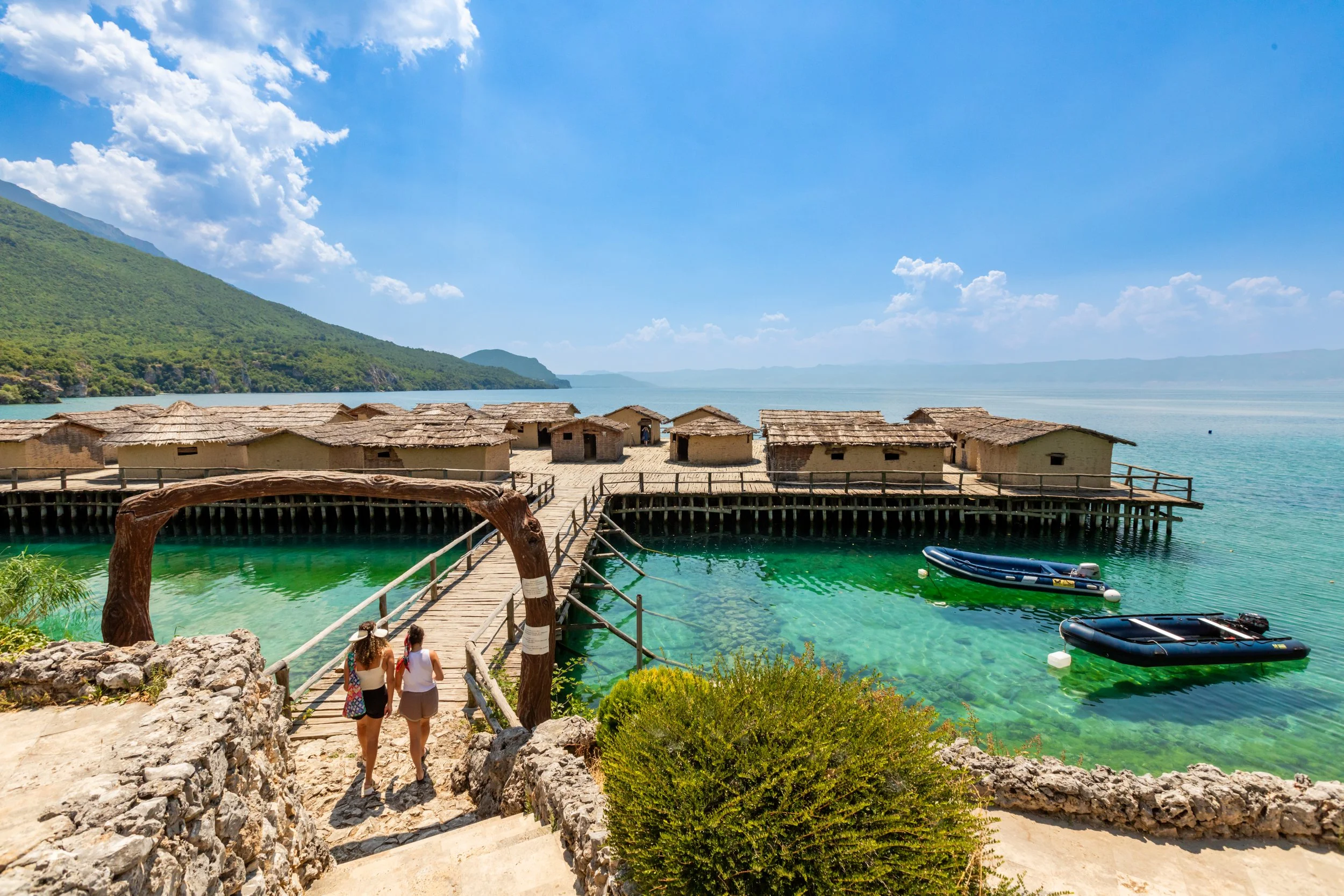
Macedonia. Laura Grier.
Imagine hitting the road with your best friends, traveling through the breathtaking Balkans, in the heart of the former Yugoslavia. A journey through some of the most stunning landscapes in Europe, this epic road trip was also a personal milestone for me as I celebrated visiting my 100th country along the way.
Although many Americans don’t often travel to this part of the world, Eastern Europe is a hidden gem — safe, welcoming and incredibly affordable. Crossing borders was a breeze, even though we didn’t speak the local languages. Everywhere we went, from bustling cities to quaint villages, we were greeted with warm smiles and genuine hospitality.
The mix of rich history, mouth-watering food and awe-inspiring nature made my trip unforgettable. Whether exploring medieval fortresses perched on cliffs, wandering through picturesque towns, or relaxing by crystal-clear lakes, every moment offered a new adventure. A must-visit destination for any adventurous traveler, this beautiful and often overlooked part of the world is a treasure trove of experiences waiting to be discovered.
1. Bosnia

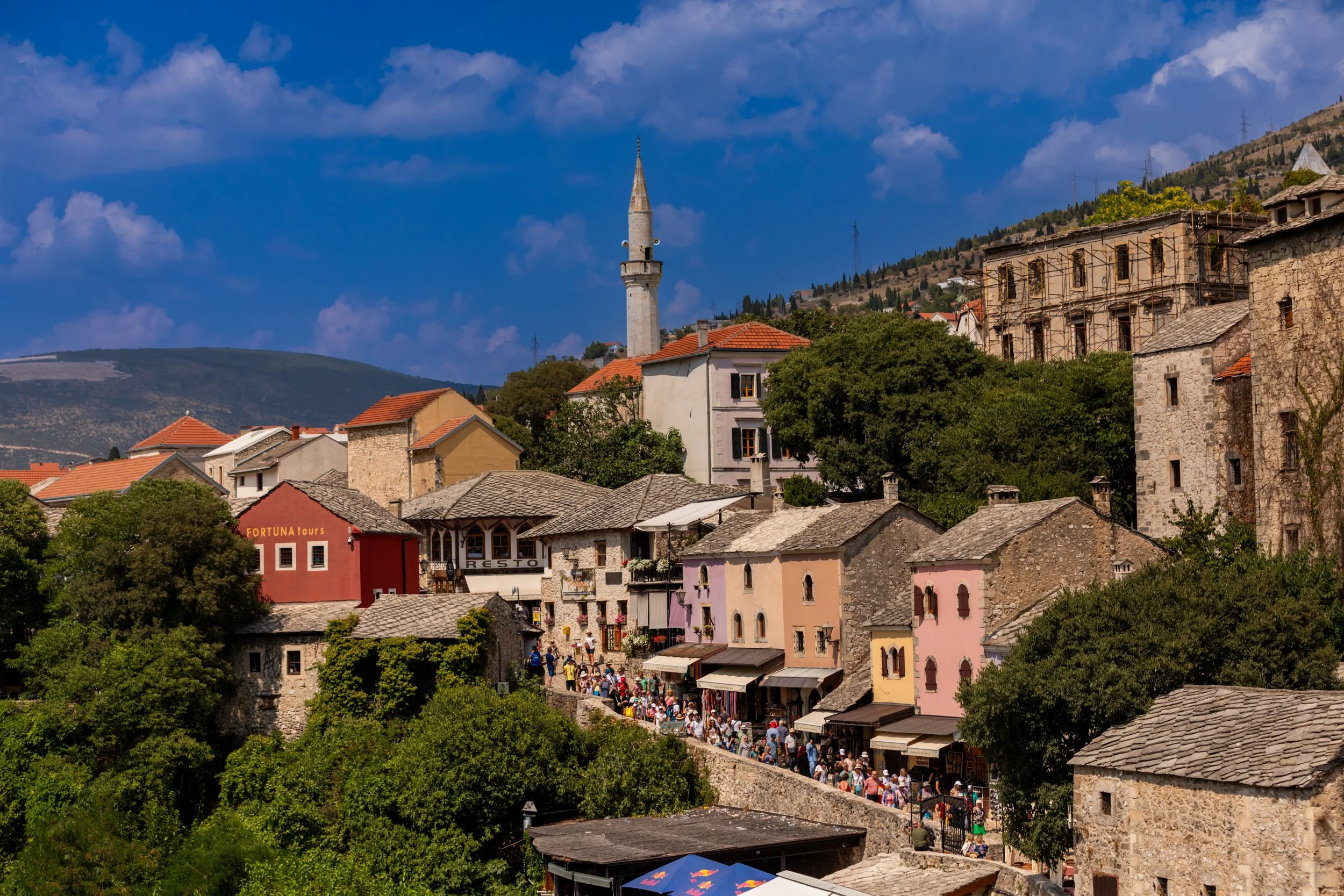
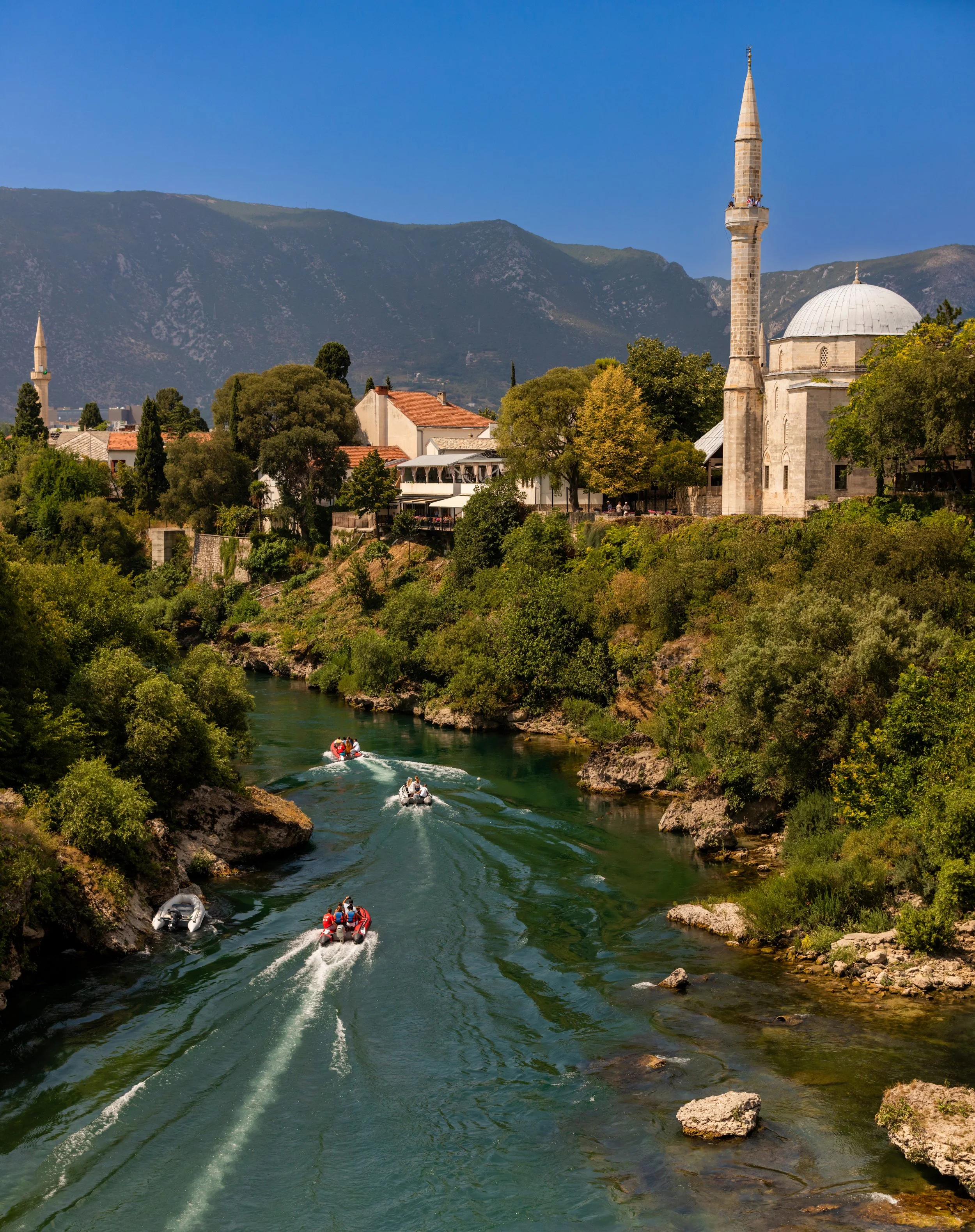


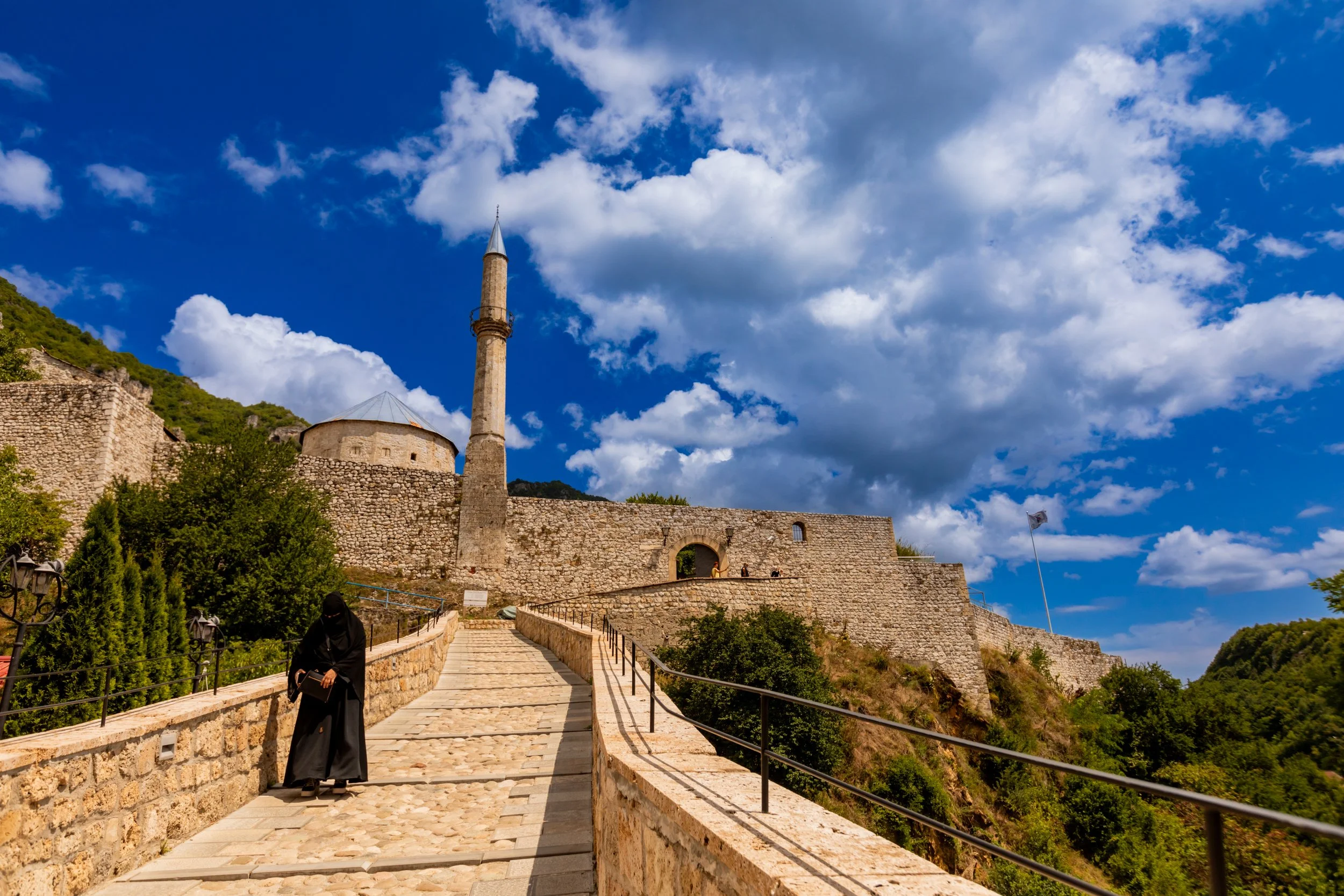
Mostar Bridge:
The iconic Stari Most, or Mostar Bridge, is both a stunning example of Ottoman architecture and the site of a centuries-old tradition. As a rite of passage in Bosnia, young men often gather on the bridge to prove their bravery by diving 70 feet into the Neretva River which runs below.
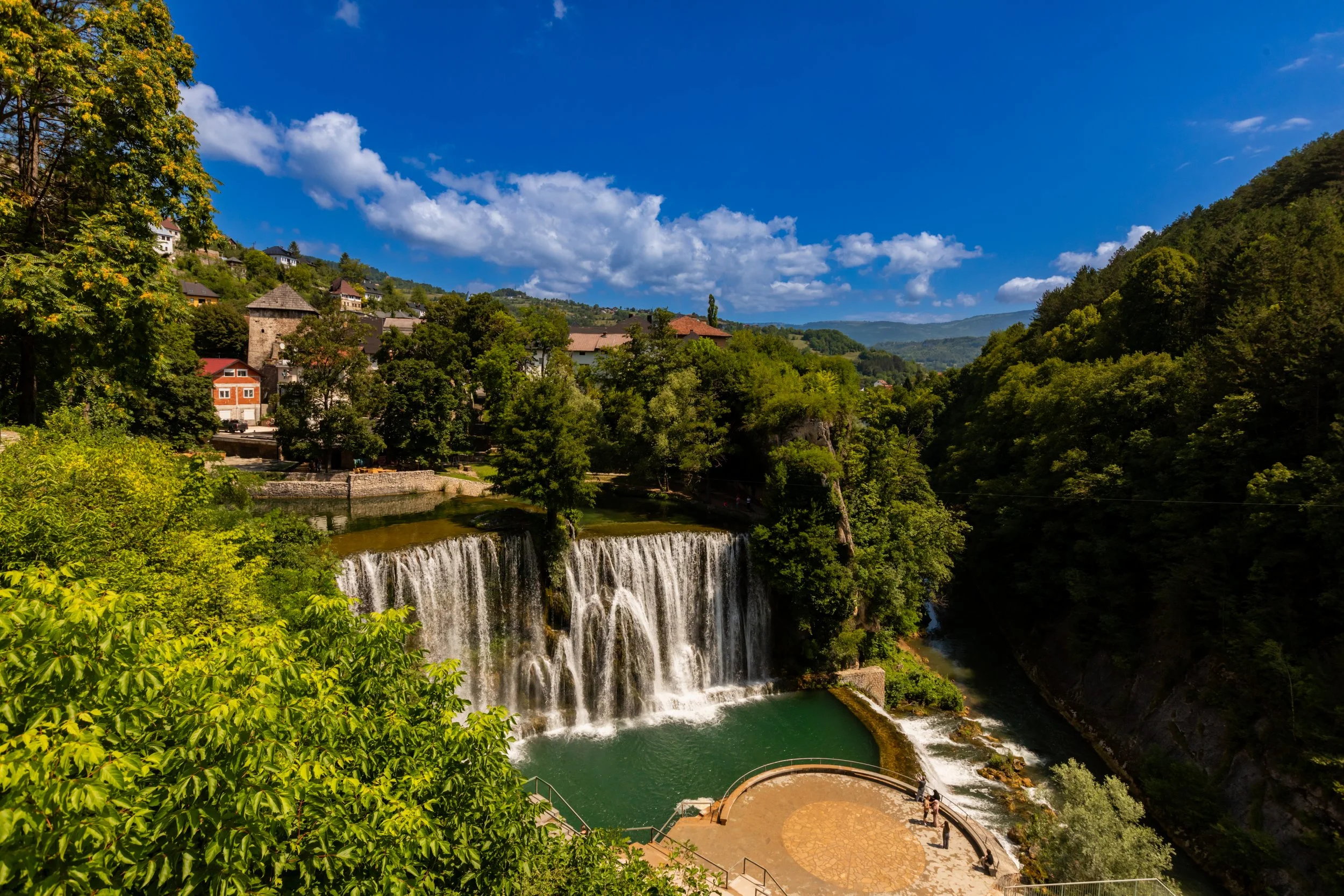
Jajce:
The town of Jajce, with its picturesque waterfalls and medieval charm, looks like something out of a fairy tale. Perched high up on a hill between the crossroads of two rivers, this enchanting walled city is also the birthplace of Yugoslavia, making the village as historically significant as it is beautiful.
2. Macedonia

Lake Ohrid:
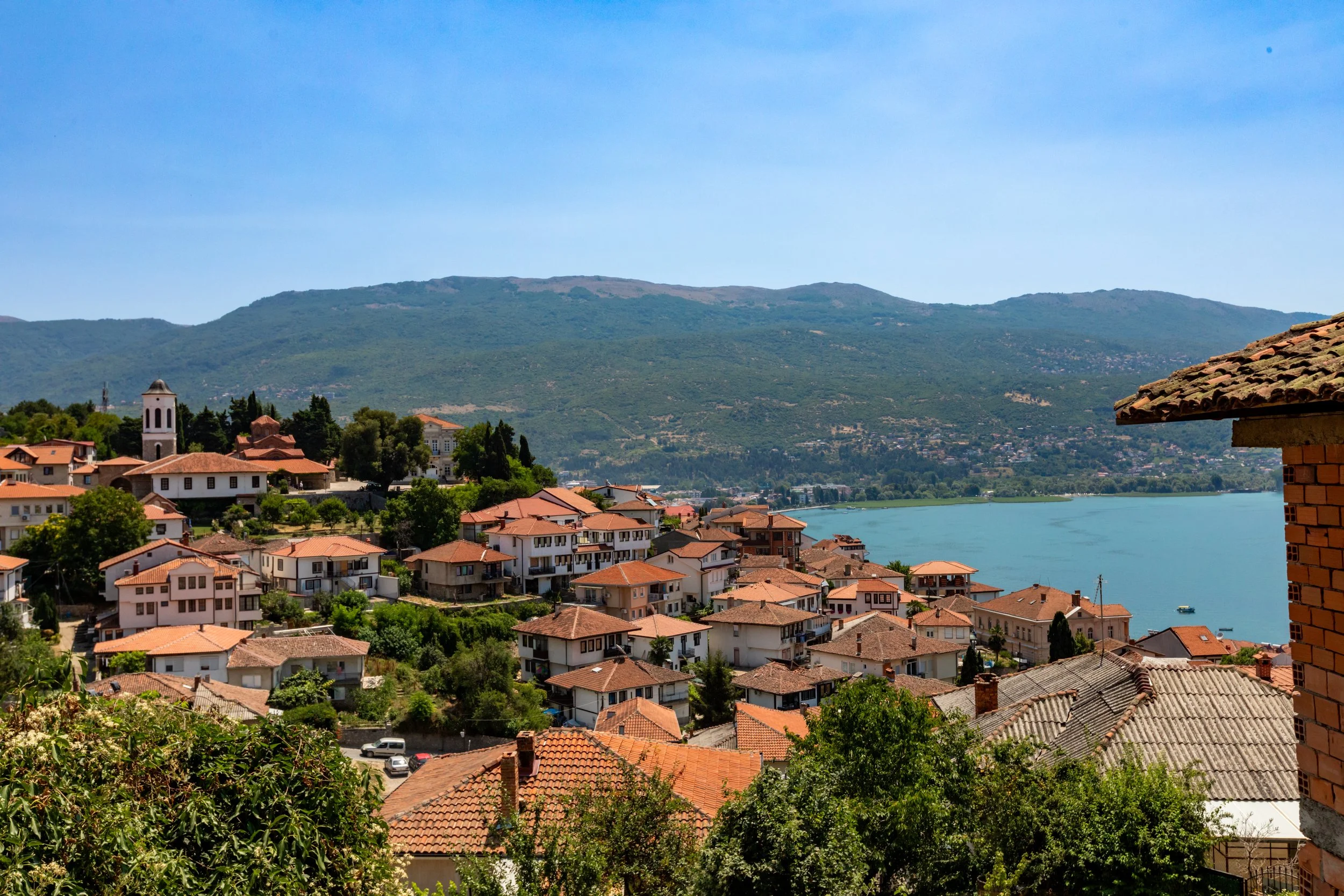
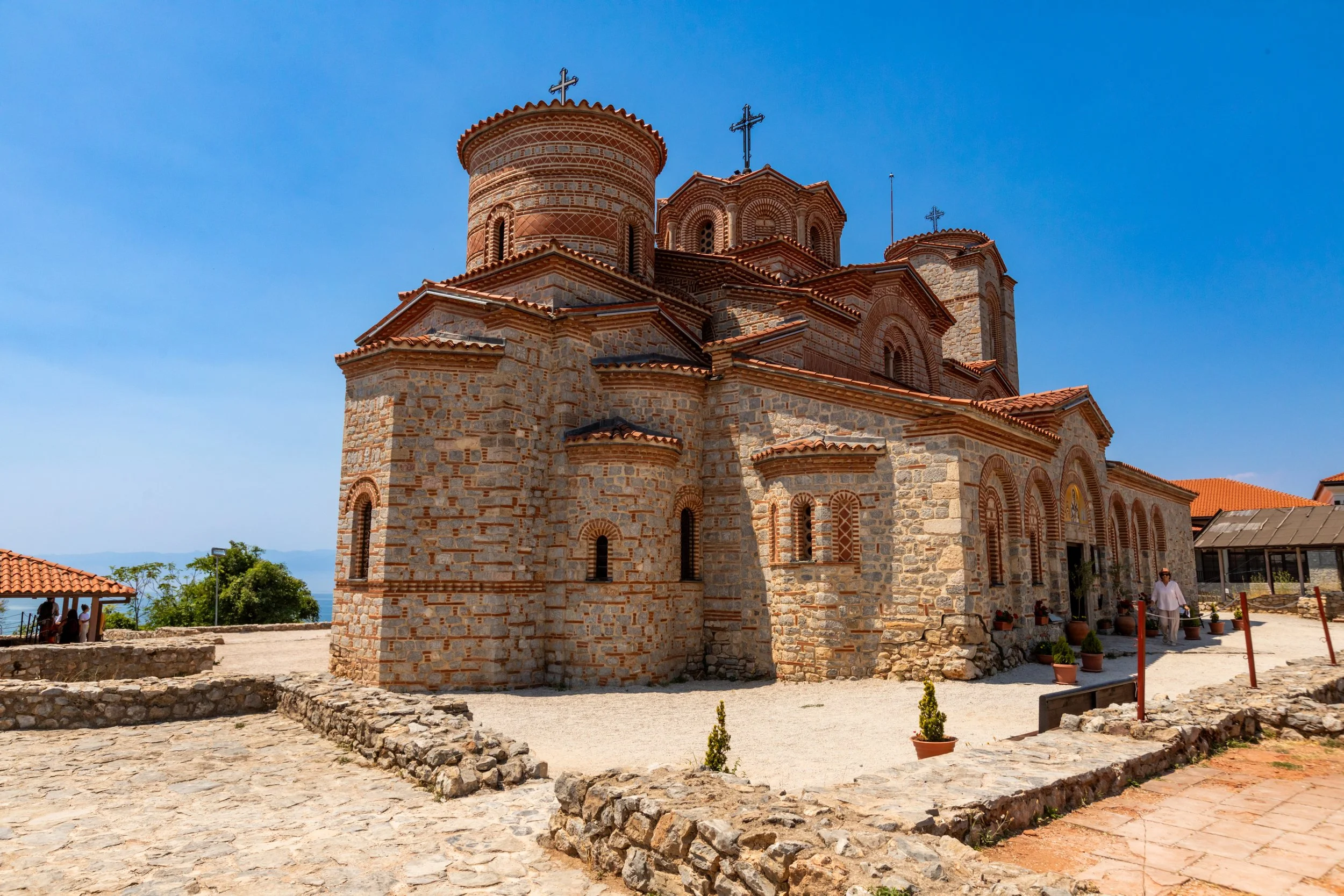
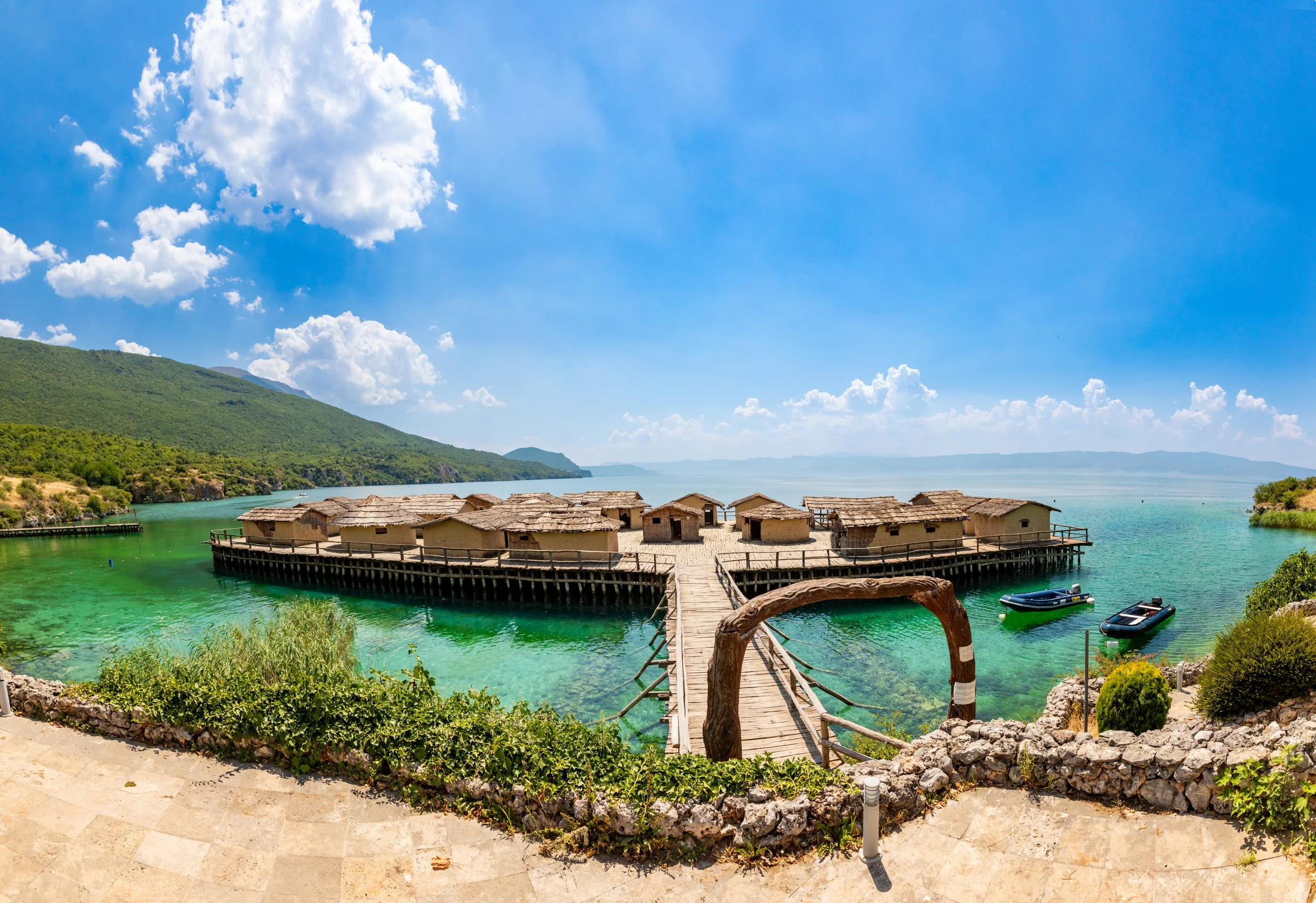
Lake Ohrid, one of Europe's oldest and deepest lakes, cradles the ancient city of Ohrid. Believed to be the oldest human settlement in Europe, archaeological evidence suggests that the area has been inhabited for over 7,000 years. One of the oldest continuously inhabited cities in Europe, the town itself dates back to at least the 4th century BCE. Featuring serene waters and historic sites, Ohrid is truly a gem amongst UNESCO World Heritage sites.
Bay of Bones:
The Bay of Bones is an extraordinary archaeological site that reconstructs an ancient lake settlement from 1200 B.C.E. The floating village, resting upon Lake Ohrid, offers a glimpse into the life of Macedonia's earliest inhabitants. The actual ruins of the original settlement lie underwater, just beneath the recreated floating village. You can even book a snorkeling or scuba tour to explore them up close!
Matka Lake:
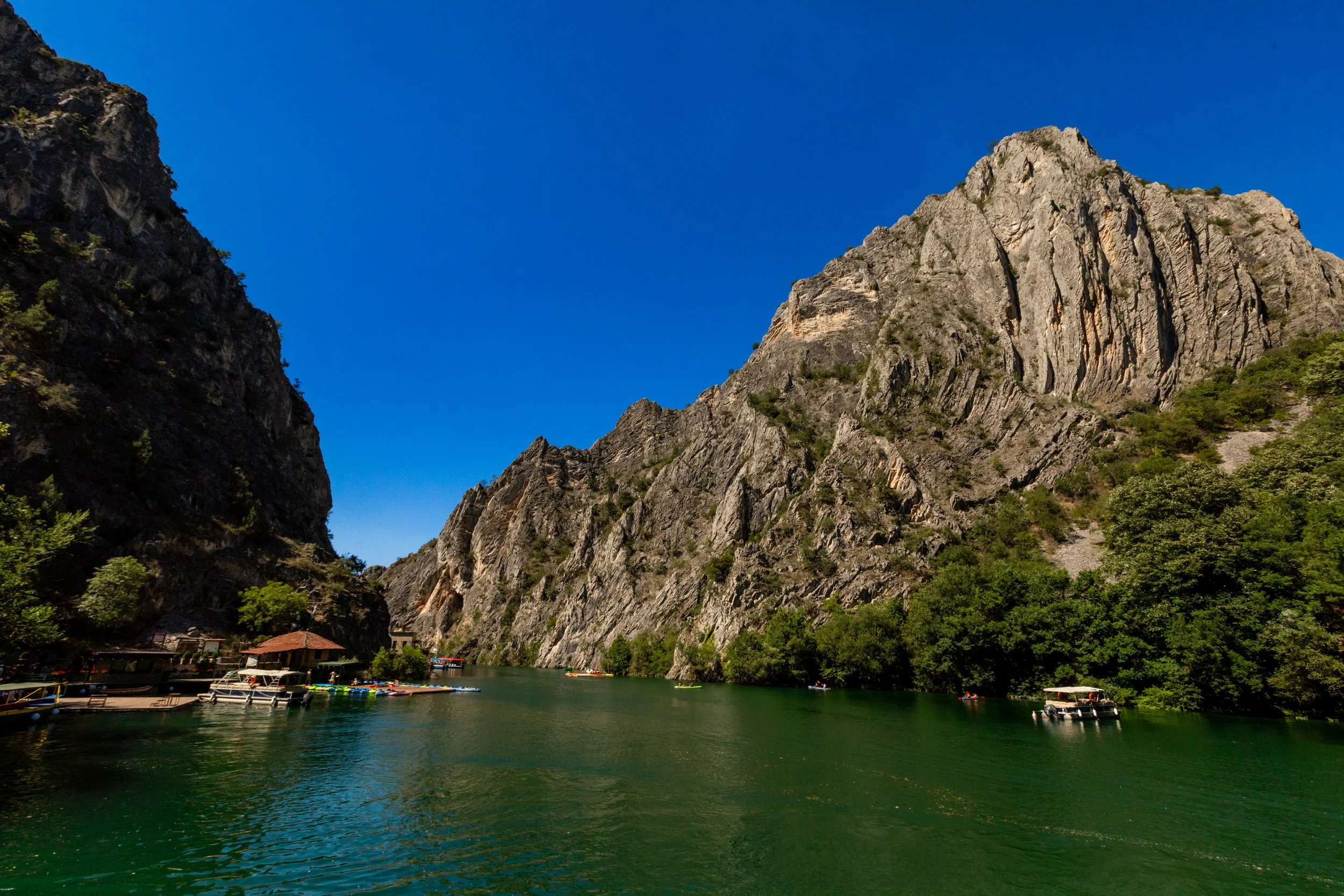
Located in Macedonia’s Matka Canyon, Matka Lake is a haven for nature lovers and adventurers alike. Beyond crystal-clear waters and dramatic cliffs, this stunning natural gorge is also home to hidden caves and medieval monasteries, making it a must-visit in Macedonia. You can hike up the nearby mountain to visit the church at the top and then hike back down to swim and do watersports in the lake. However, it’s important to remember that the water temperature can be as cold as 48 degrees Fahrenheit depending on the season. The lake's cool temperature is due to the depth of the canyon and the icy waters from nearby underground springs, making it feel more like a polar plunge!
3. Croatia

Plitvice Lakes:
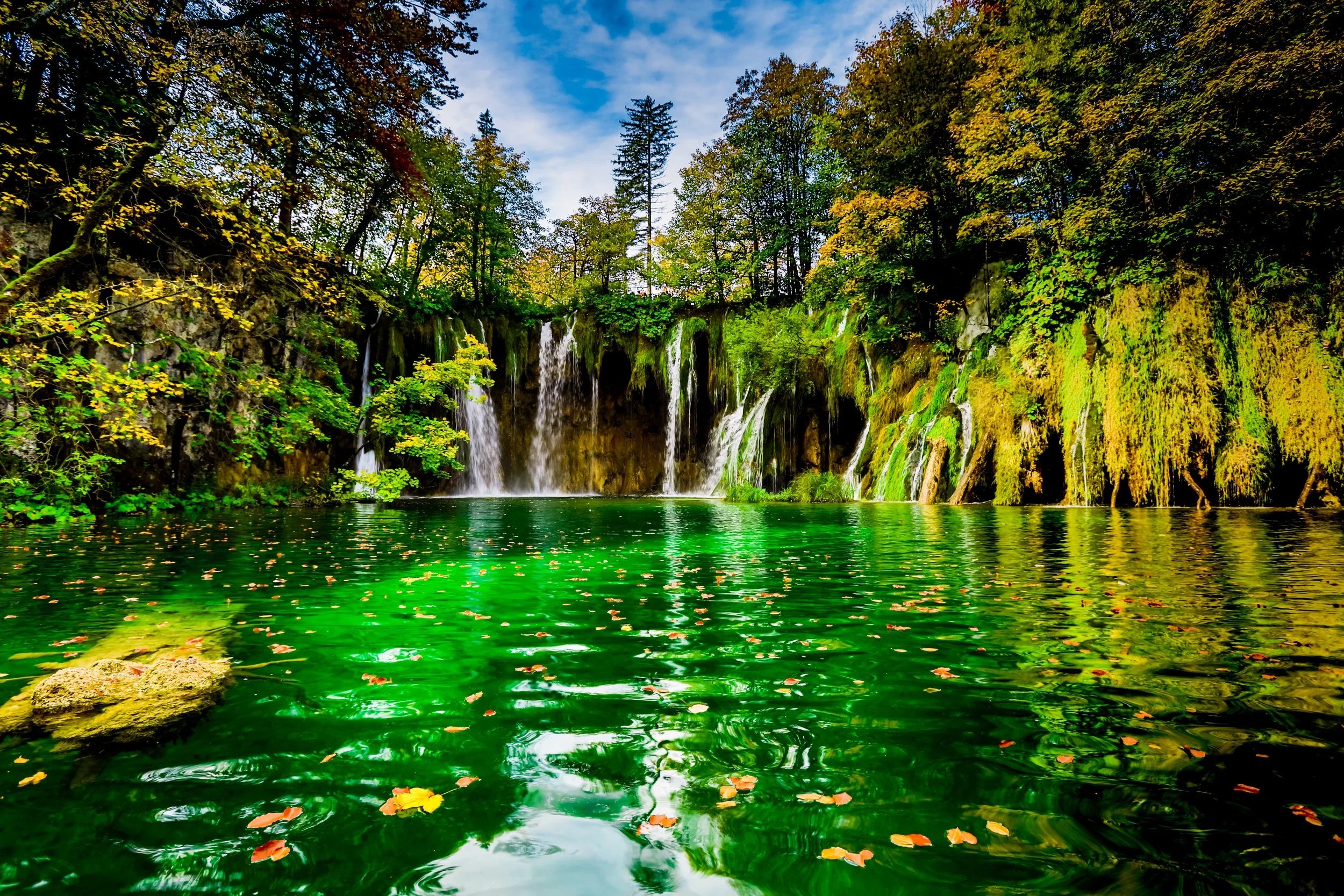
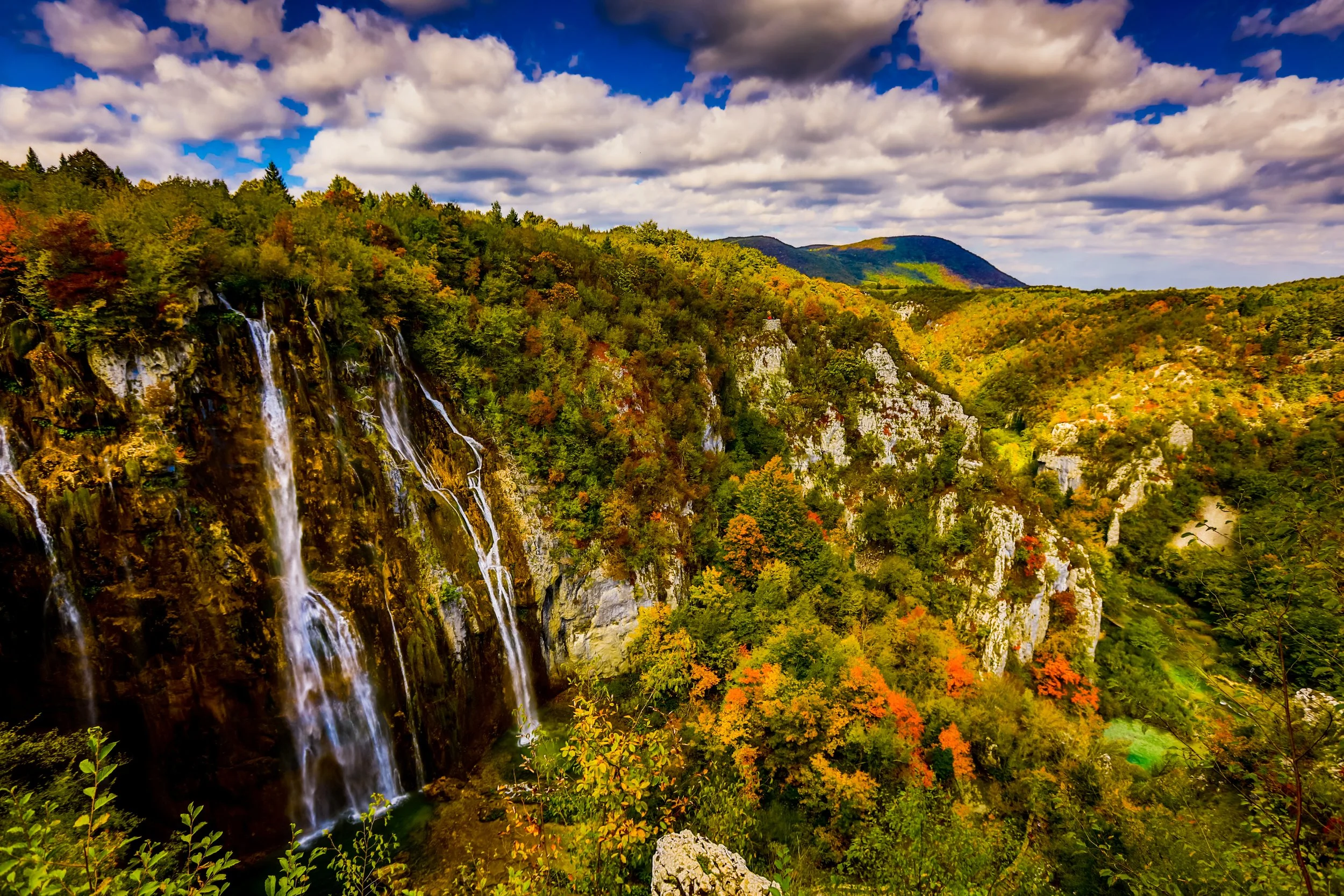
Visiting Plitvice Lakes National Park feels like stepping into a fantasy, with its breathtaking wonderland of cascading waterfalls, lush greenery and mesmerizing turquoise lakes. This UNESCO World Heritage site is Croatia's natural treasure, captivating visitors with its otherworldly beauty. Plitvice is home to 16 interconnected lakes, each more stunning than the next. I was obsessed with the beautiful neon green moss that covered everything around them.
Dubrovnik:
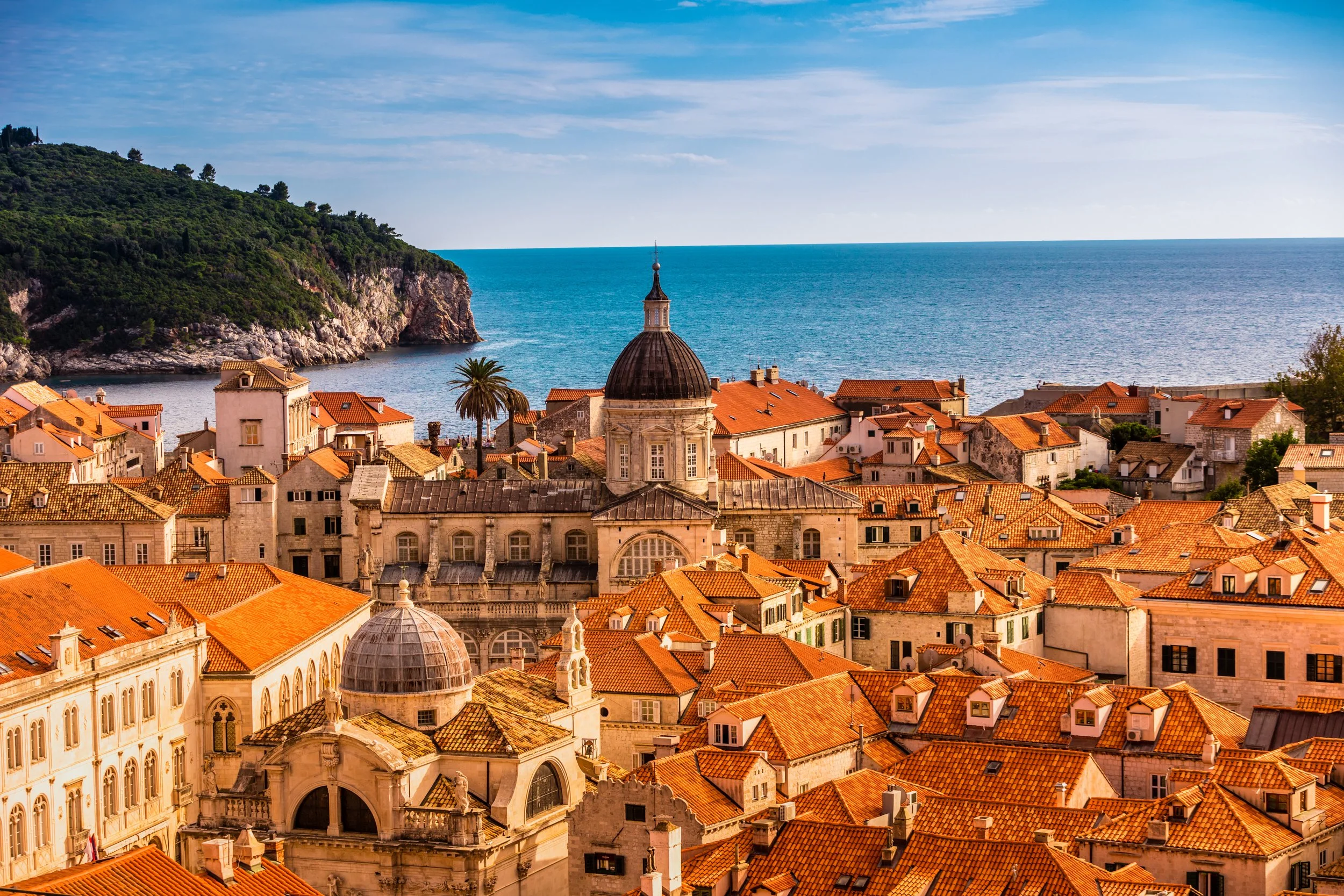
Dubrovnik, often called the "Pearl of the Adriatic," is a city where history comes alive. With ancient stone walls, charming streets and panoramic views of the sparkling sea, this medieval city is a stunning blend of ancient architecture and vibrant culture. In Dubrovnik, "Game of Thrones" fans will recognize numerous filming locations from the series, such as King's Landing. Walking through the town’s streets might just feel like stepping into Westeros!
Split:
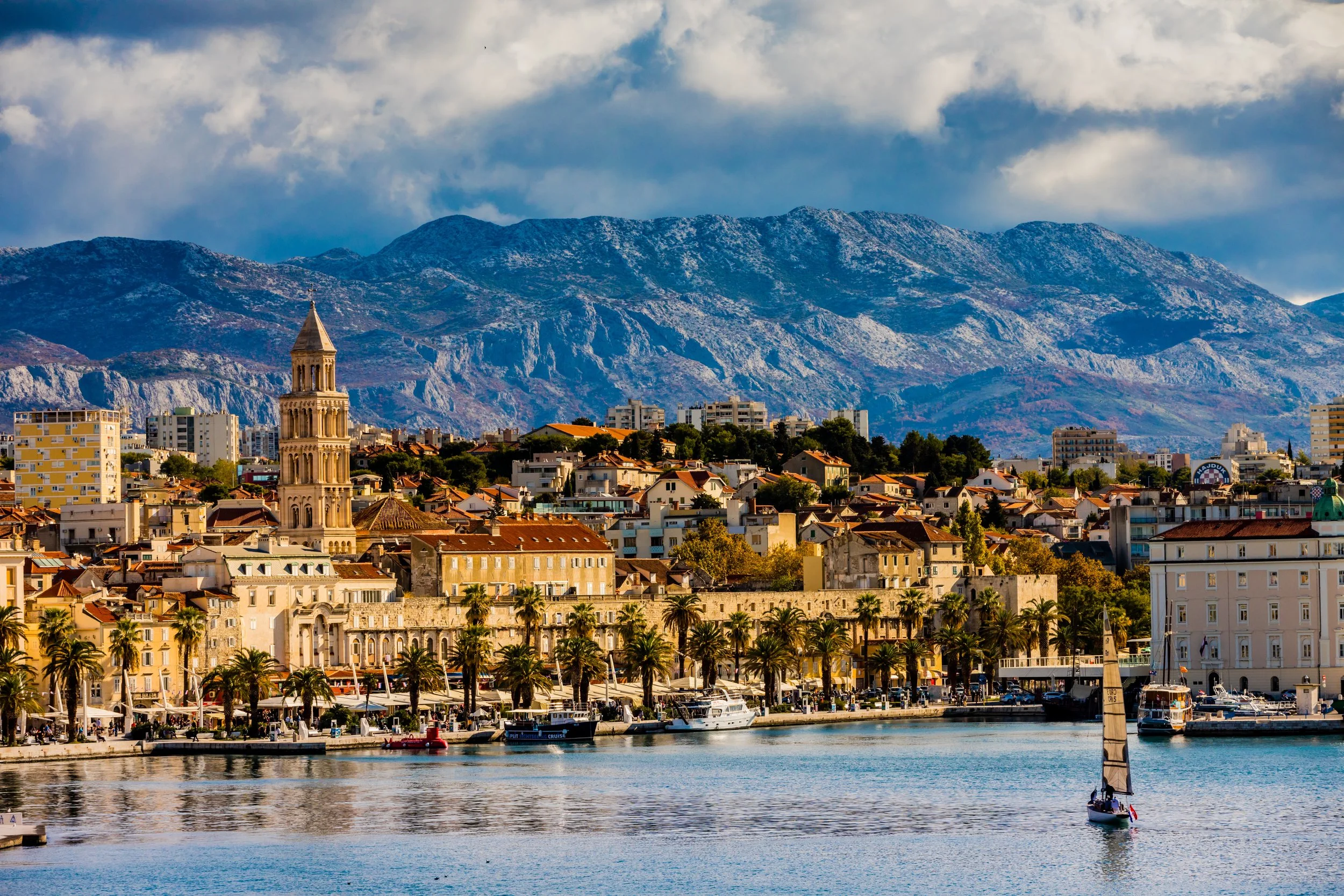
In Split, the past and present beautifully collide. Once the site of a Roman emperor's palace, Split is a vibrant blend of ancient history and modern life. With its sprawling complex of ruins, the UNESCO-listed Diocletian's Palace forms the heart of this bustling coastal city. The narrow streets are interconnected and labyrinthine — you will need to allow yourself time to get lost and discover hidden bars and restaurants, some of which haven't changed in centuries!
4. Montenegro
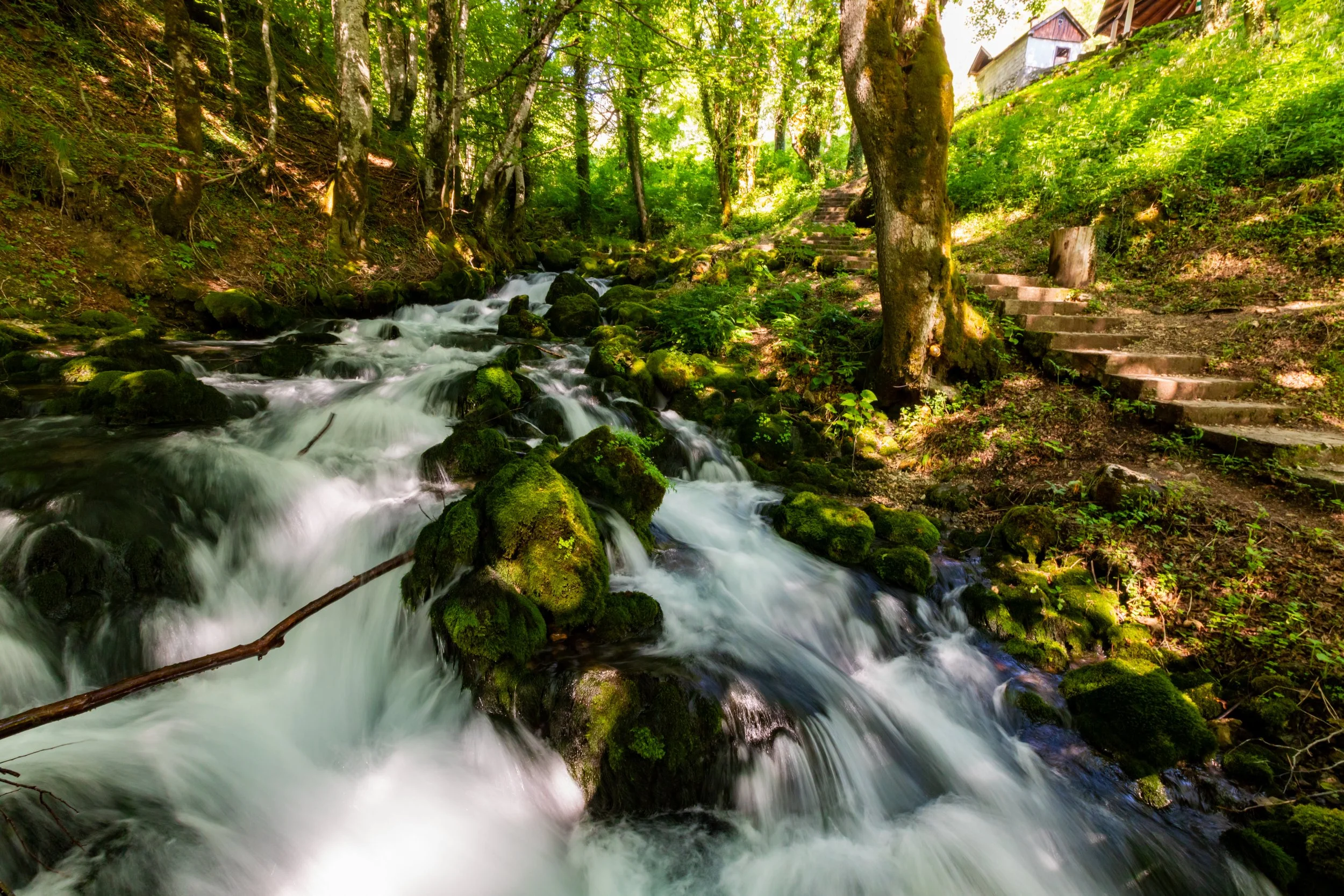
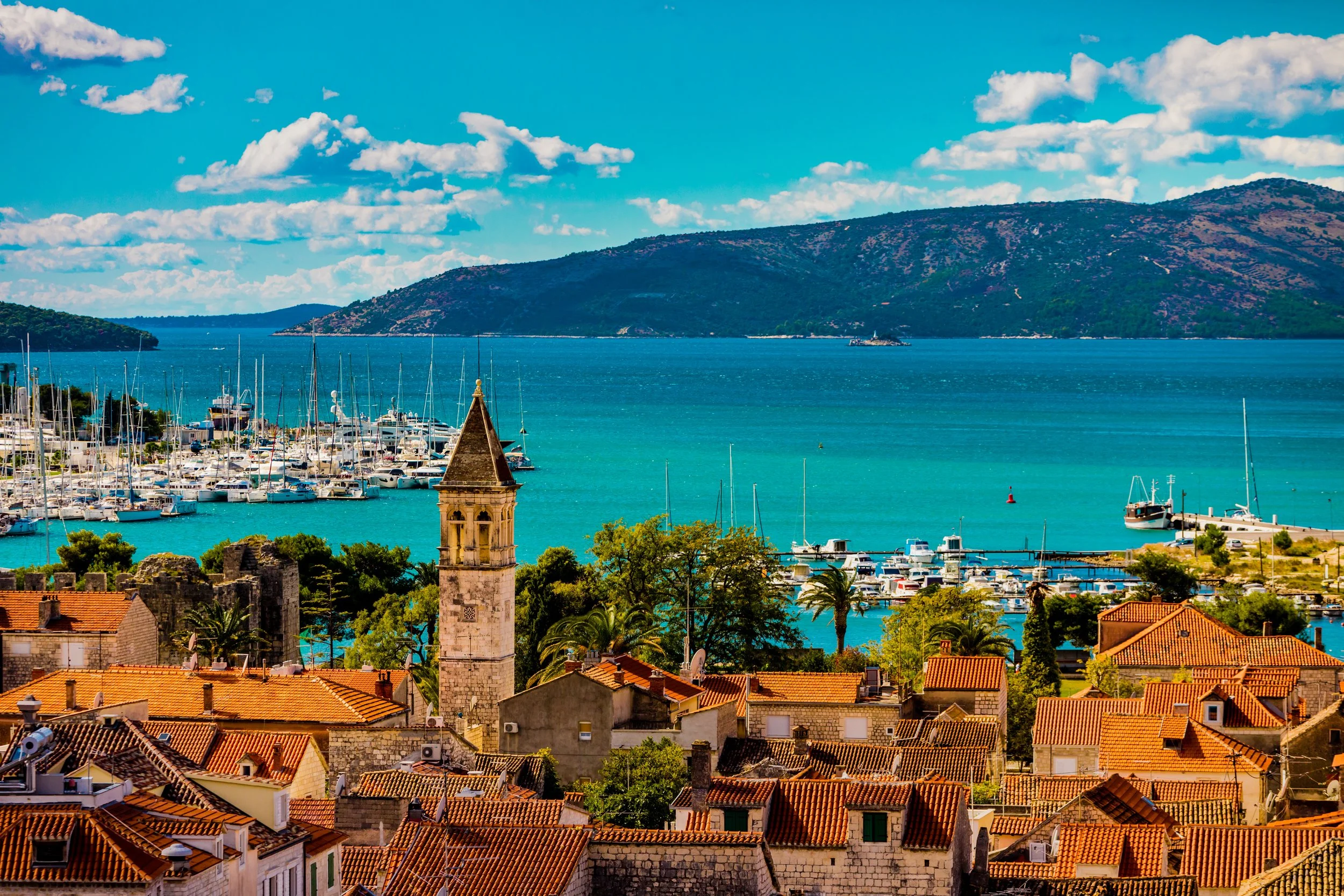
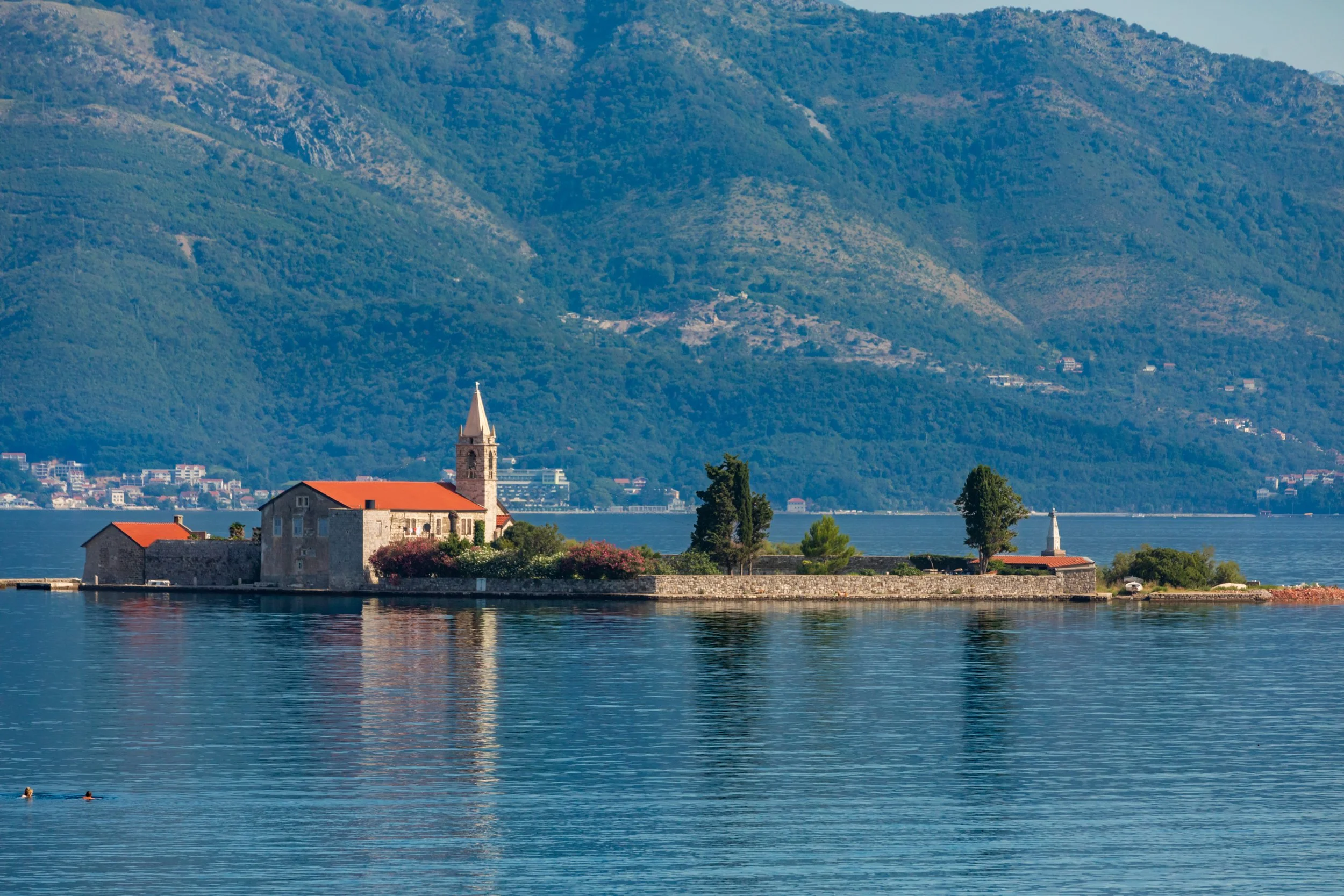
Tara Canyon:
Tara Canyon, the second deepest canyon in the world, is one of Montenegro's most jaw-dropping natural wonders. With dense forests and a crystal-clear river carving through the rugged landscape, the site is a dream come true for adventurers and nature lovers. The Tara River is known as the "Tear of Europe" because of its pure, drinkable waters. If you're into white-water rafting, this canyon also offers some of the best in Europe!
Kotor:
Visiting Kotor felt like time-traveling to the medieval past. Nestled between dramatic mountains and the shimmering Bay of Kotor, the town is a popular stop on European cruises. While it seems impossible for the narrow bay to accommodate cruise ships, these boats nonetheless manage to bring in thousands of tourists. You can spend the day kayaking out to churches on tiny islands, exploring caves, getting lost exploring the cobblestone streets, and visiting impressive fortifications dating back to the Venetian era.
5. Slovenia:
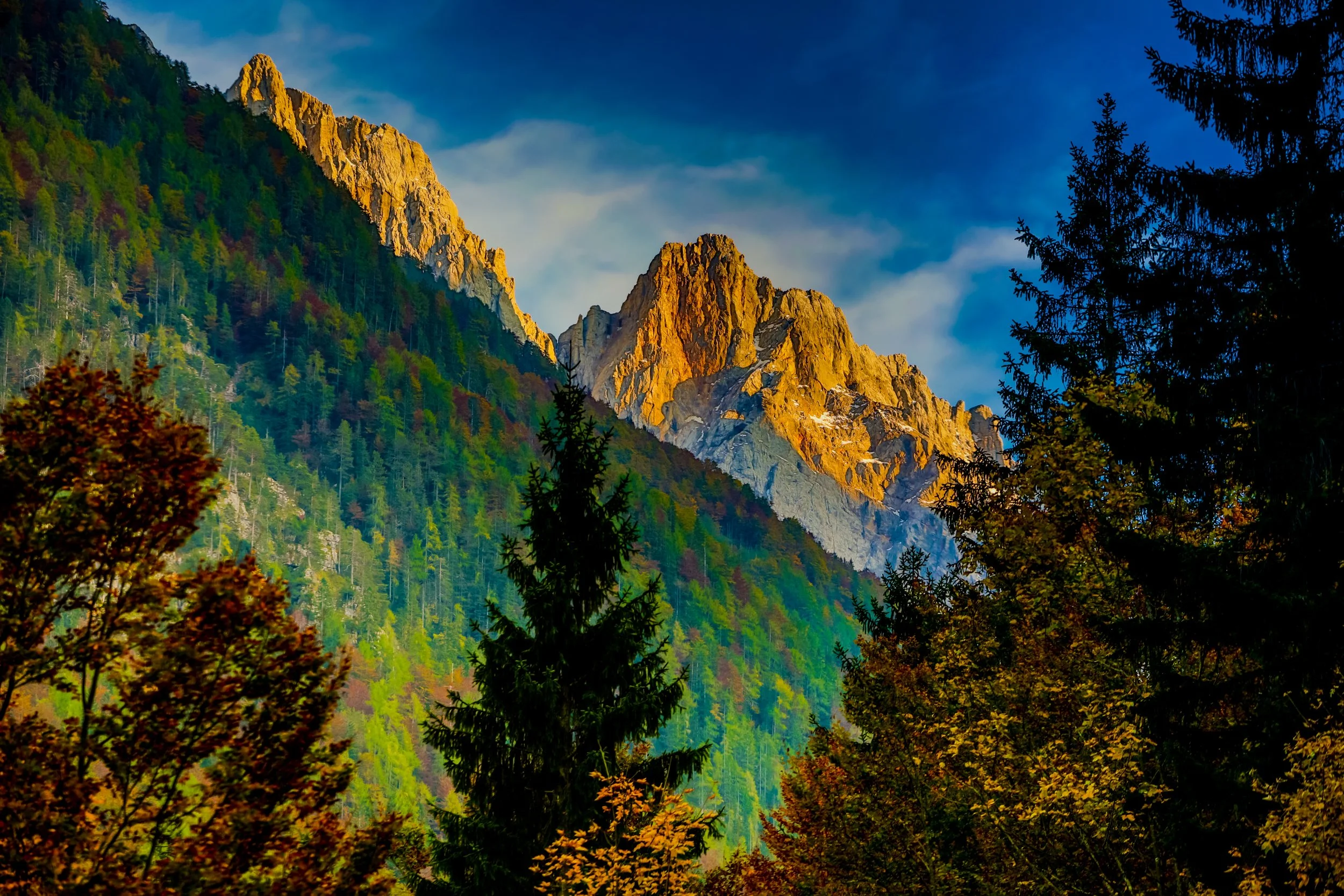
Predjama Castle:
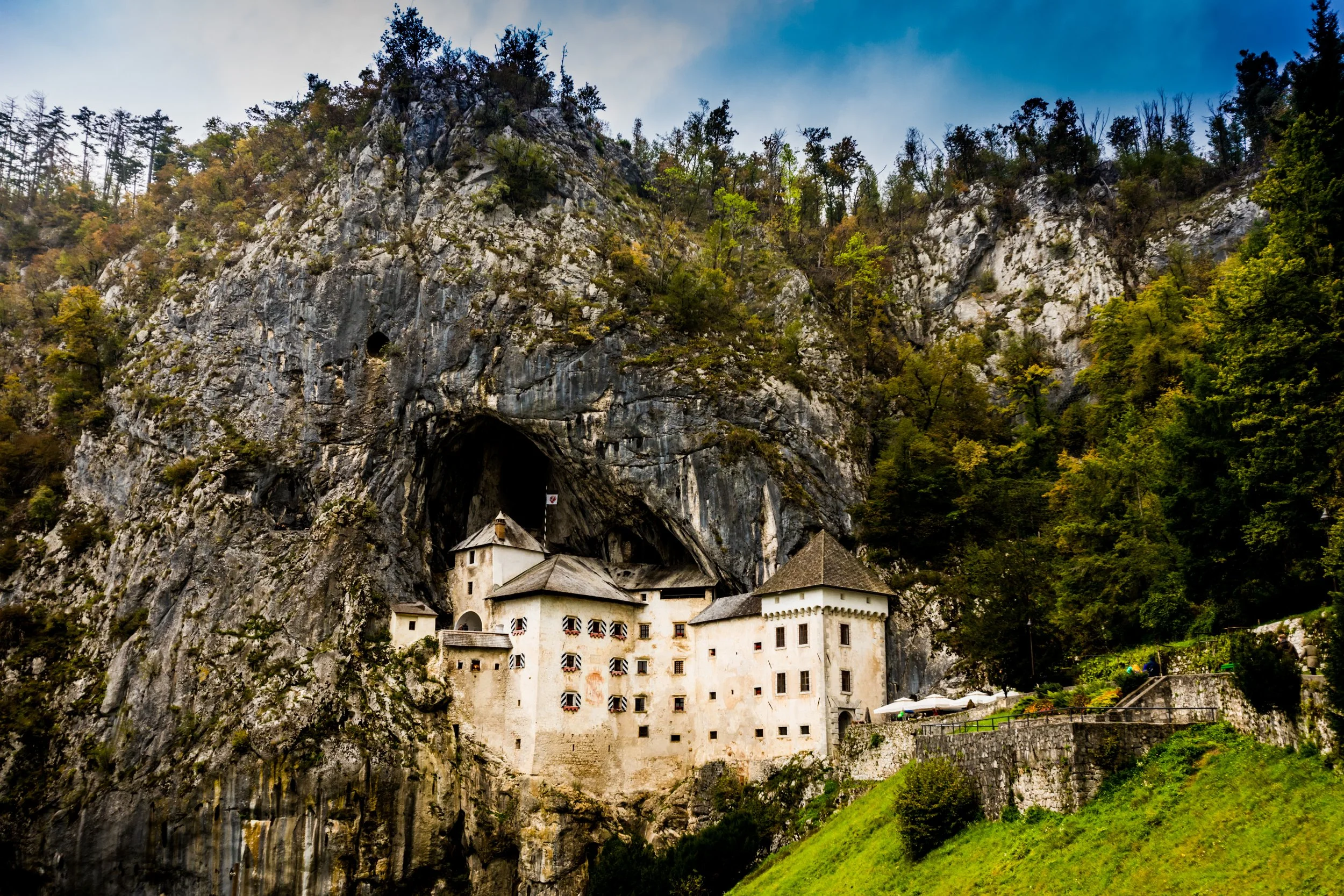
A medieval fortress built into the mouth of a cliff cave, Predjama Castle is truly a sight to behold. This marvel of engineering holds a Guinness World Record as the largest cave castle in the world (which I didn't know was even a thing)! I love exploring secret passageways and caves and was fascinated when I discovered that the castle’s secret hidden tunnel was used by Erasmus of Lueg to sneak out and bring in supplies during a siege. Exploring this castle felt like diving straight into an “Indiana Jones” movie!
Slovenia’s Coastline:
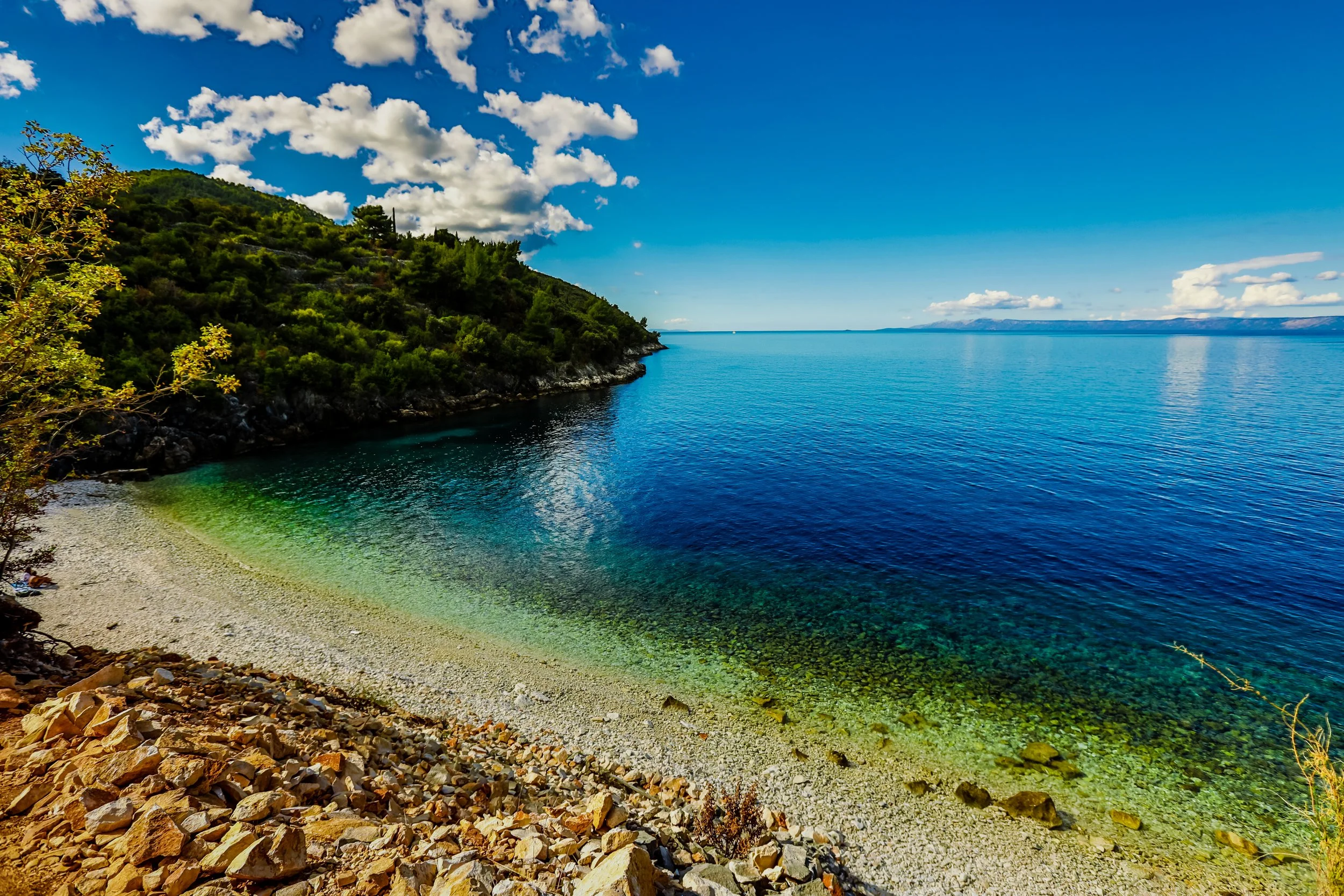
Slovenia’s spectacular coastline may be small, but it packs a punch with its crystal-clear waters and pristine white pebble beaches. It is truly a hidden gem, perfect for those looking to escape the crowds. Piran, a charming coastal town, is often compared to Venice for its Venetian-style architecture and stunning views of the Adriatic Sea.
Slovenia as "Narnia":
If you've ever dreamed of stepping into a fairy tale, then Slovenia is the place for you. The country’s enchanting landscapes, rolling hills and ancient forests are so magical that they served as a backdrop for "The Chronicles of Narnia" films. Driving through Slovenia, every turn reveals a new and breathtaking scene. It felt like Narnia came to life — and I never wanted to leave!
6. Serbia:

Fields of Sunflowers and Agriculture:
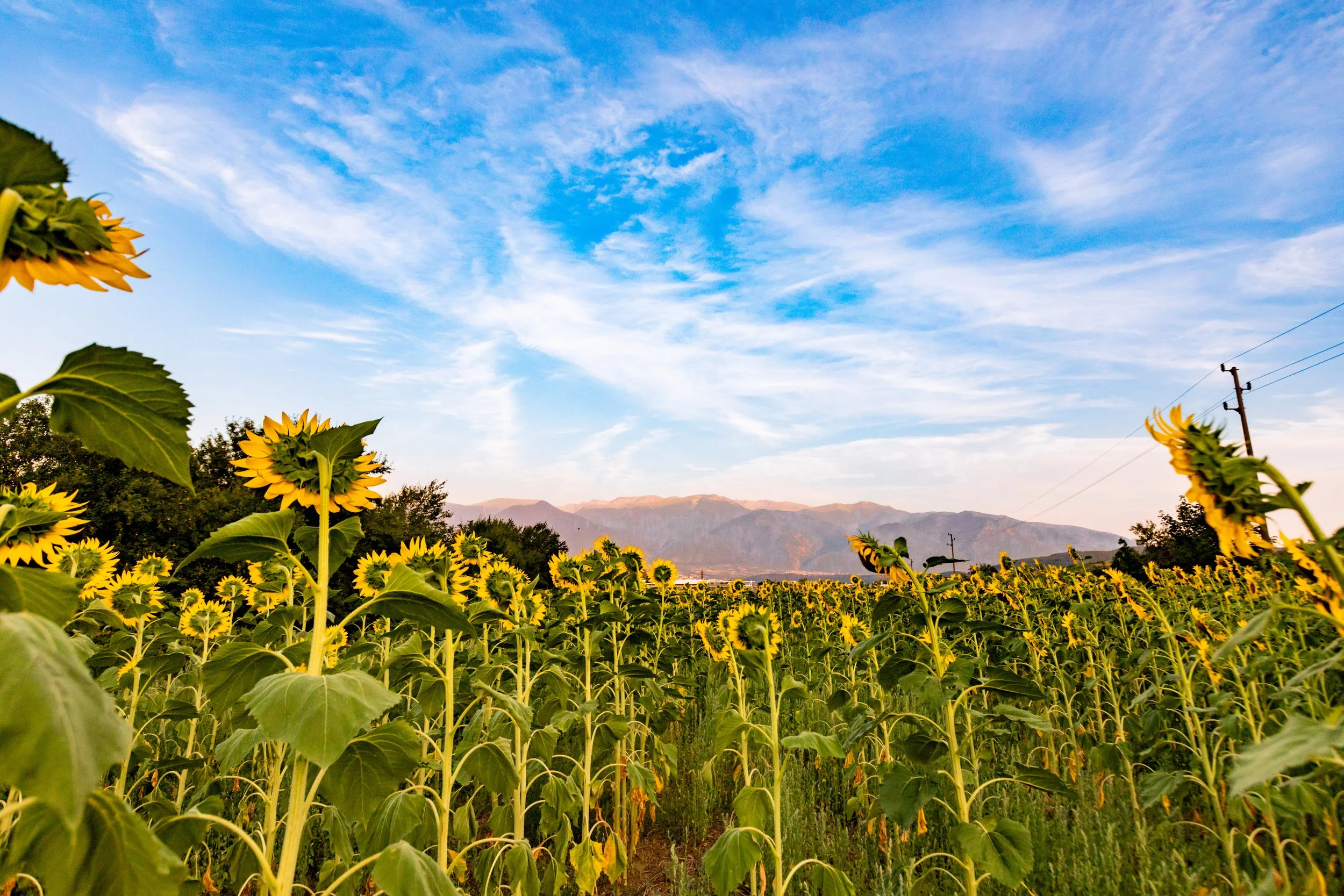
Who knew that Serbia was a land of endless sunflower fields and rich agriculture? When I first drove into Serbia, I couldn’t help but feel like I was in the Midwestern United States. Northern Serbia, with its flat terrain, was once an ancient seabed, which is why the soil is so nutrient-rich. This makes it perfect for growing crops that stretch as far as the eye can see, creating stunning golden landscapes in the summer.
Belgrade:
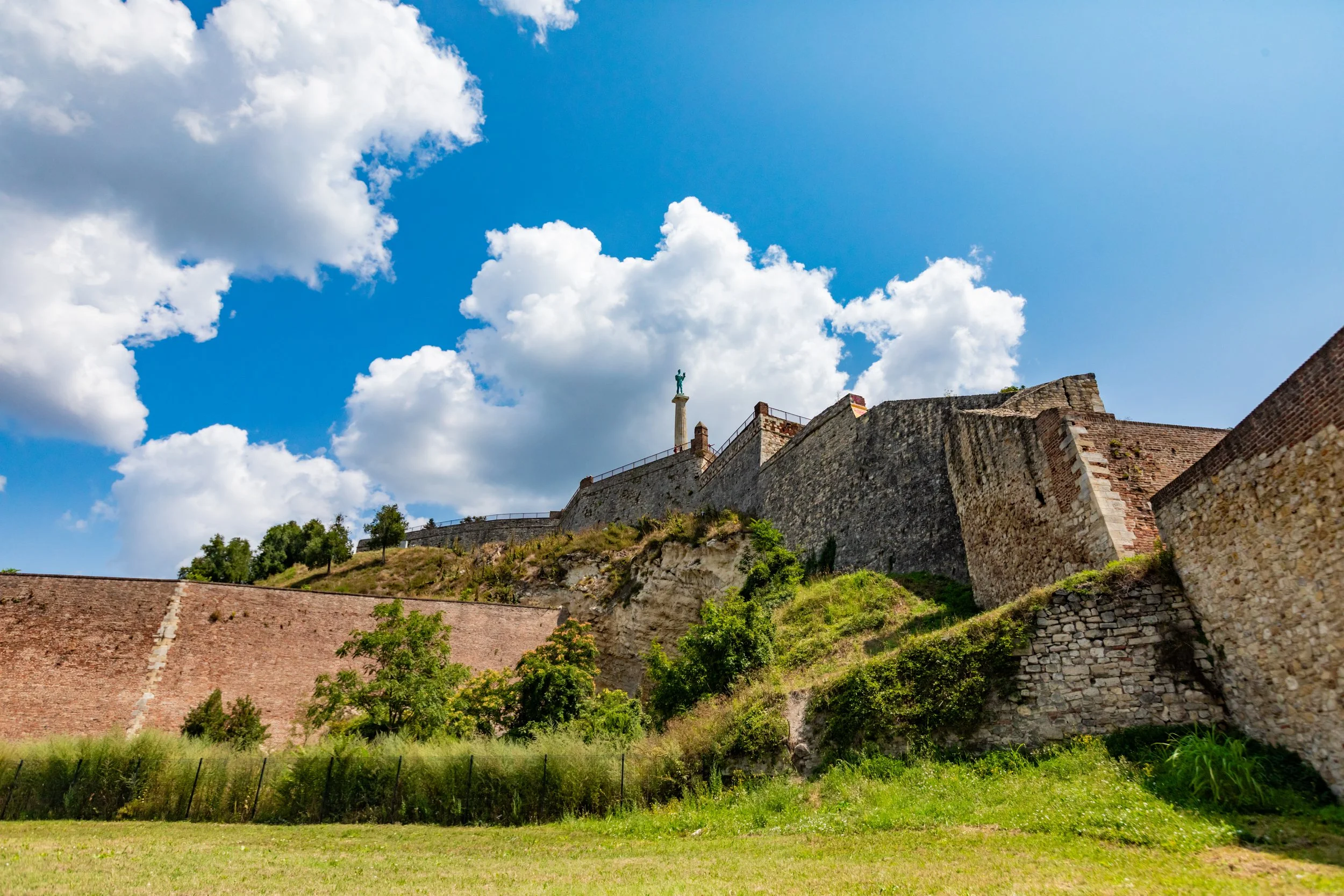
Serbia’s capital, Belgrade, is a city with a rich and tumultuous history. Its most famous landmark, the Belgrade Fortress, has stood the test of time, watching over the Sava and Danube rivers. This fortress has seen everything from medieval battles to World War II skirmishes. Today, it’s a beloved park and museum, offering panoramic views of the city and a peek into the hidden tunnels and bunkers used during World War II. The underground armory inside the castle was even converted into a popular underground disco tech in the ’90s. I love how this region of the world has embraced its tumultuous past and incorporated it into modern life in creative ways.

Laura Grier
Laura is a dynamic Adventure Photographer, Photo Anthropologist, Travel Writer, and Social Impact Entrepreneur. With a remarkable journey spanning 87 countries and 7 continents, Laura's lens captures both the breathtaking landscapes and the intricate stories of the people she encounters. As a National Geographic artisan catalog photographer, Huffington Post columnist, and founder of Andeana Hats, Laura fuses her love for photography, travel, and social change, leaving an impact on the world.
Autumn Around the World: The Best Fall Foliage
From hiking trails to botanical gardens, these five destinations exhibit the true beauty of autumn.
Read MoreLand of Legends: Experience Romania’s Rich Medieval History
The country of Romania is a diorama of hundreds of years of human history.
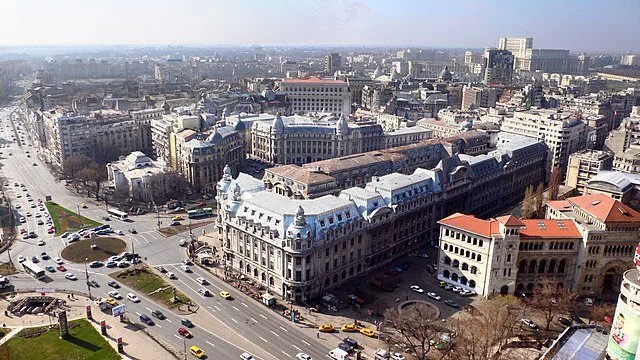
Bucharest’s skyline. seisdeagosto. CC BY-SA 2.0
Romania’s incredibly rich history is still preserved to this day in the form of beautiful architecture. Medieval castles and communist palaces rub elbows in the beautiful landscape, standing side by side to create a fascinating timeline of human history.
A feat of medieval architecture, the legendary Bran Fortress is seated in the heart of the Transylvania region. Although it is known outside of Romania as “Dracula’s Castle,” there is no direct relation between the actual castle and the famous novel by Bram Stoker. The site’s only vampiric influence is a tangential relation to Vlad the Impaler, a historical monarch who had little connection to the supernatural outside of literary and popular imagination.
The Bran Fortress is a striking example of Saxon architecture. Built in 1377, the palace is now used as a museum displaying the furniture and art collection of Queen Marie, the last queen of Romania, who ruled from 1914 to 1927. The collection is open to visitors and provides guided tours of the historical pieces. Below the palace is a recreation of Romanian peasant life, featuring reconstructed barns, water-powered machinery and cottages.

A view of Bran Fortress. Clay Gilliland, CC SA 2.0
An even more ancient —yet surprisingly modern—relic hidden in the heart of Romania is the Salina Turda, a salt mine dating all the way back to 1075. Founded by the Roman occupants of Transylvania, the mine continued to produce table salt for centuries before finally closing its doors in 1932. Years later, in 2010, the massive series of caverns was reopened as a tourist destination and historical site. In addition, the Theresa Mine houses a beautiful underground lake a full 400 feet below ground.
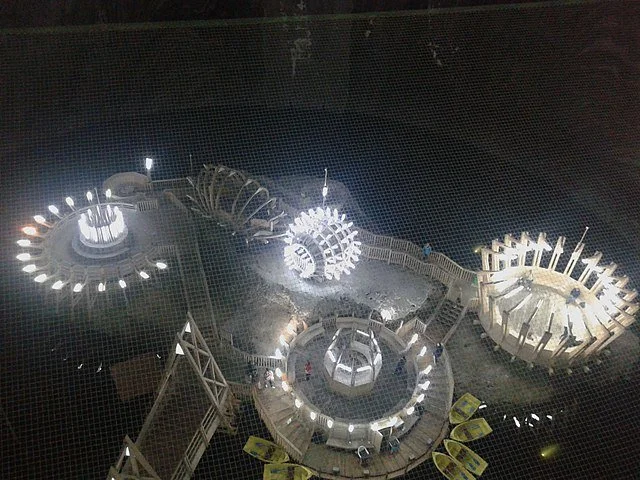
The modern Salina Turda Salt Mine. Valentin Cocarlea, CC BY-SA 4.0
Jumping ahead roughly a century, the city of Brasov is home to the 14th-century Biserica Neagra, or the Black Church. This beautiful Gothic cathedral was nearly destroyed by a fire in the 1680s and took nearly a century to fully repair. The church got its name from the ruined, soot-covered walls which remained after the blaze. Today, the Church is open to visitors and still holds weekly concerts with its massive, 4,000-pipe organ.
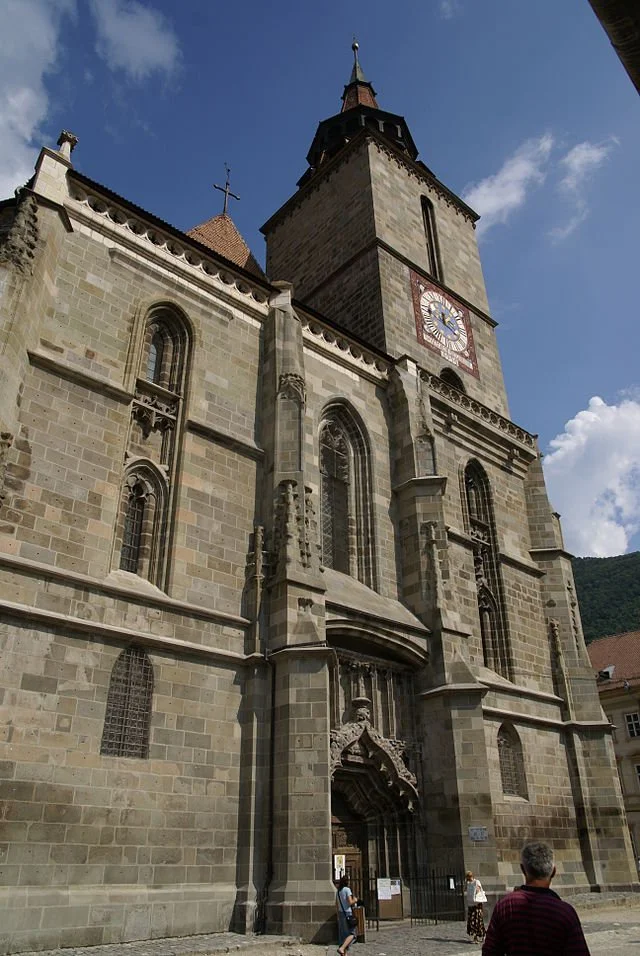
Biserica Neagra, the Black Church. Gaspar Ros. CC BY-SA 3.0
A palace of the modern era, the Palace of Parliament stands in the capital city of Bucharest. Constructed in the 1980s, this palace was planned and built by the communist regime of Romania in the midst of the Cold War. Since the ousting of the Communist Party, the palace has become the home of the Romanian legislature. The Palace of Parliament is an incredible combination of architectural styles, creating a uniquely beautiful building with as much form as function.
The Romanian Palace of Parliament. Jorge Franganillo. CC BY-SA 2.0Romania is one of the best examples of a living museum. From the Middle Ages to the Cold War, whole centuries are represented in art, architecture and sometimes the land itself. For the historically driven tourist, Romania is a destination that can’t be matched anywhere else.
The best time to visit Romania is between May and September when the weather is warmest. The capital city of Bucharest offers a variety of hotel bookings ranging from $100 to $200 per night. More affordable options include rental apartments around the city from $30 to $40 per night.
Ryan Livingston
Ryan is a senior at The College of New Jersey, majoring in English and minoring in marketing. Since a young age, Ryan has been passionate about human rights and environmental action and uses his writing to educate wherever he can. He hopes to pursue a career in professional writing and spread his message even further.
Nanjie: A Living Memory of Maoist China
In the small Chinese village of Nanjie, residents live in a time capsule of the Cultural Revolution.
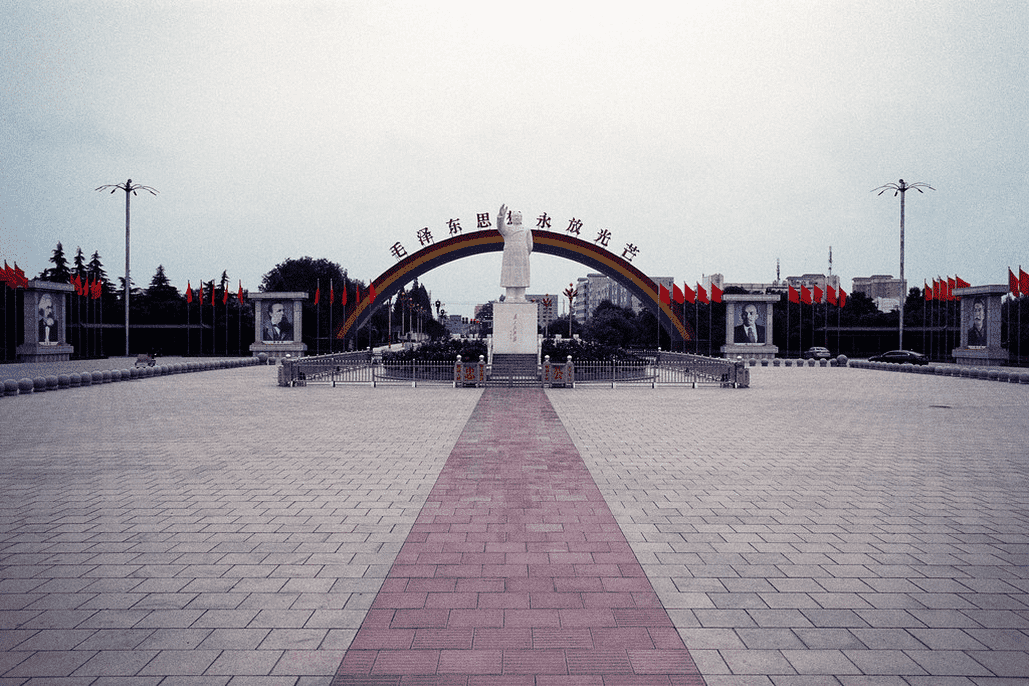
The East is Red Square. Nicolas Oddo. CC BY-ND 2.0
While China’s Cultural Revolution officially ended in 1976 with the death of Chairman Mao Zedong, the more than 3,000 residents of Nanjie, in Central China’s Henan province, continue to live by the principles of Maoism. While the village is reportedly one of China’s wealthiest, having grown its economy by nearly 2,000 fold in just ten years, workers in the village’s factory have agreed to accept a monthly salary of only about $400. In the 1980s, when the rest of China was opening up to the capitalist market, Nanjie chose to revert to the system of collective ownership taught by Mao.
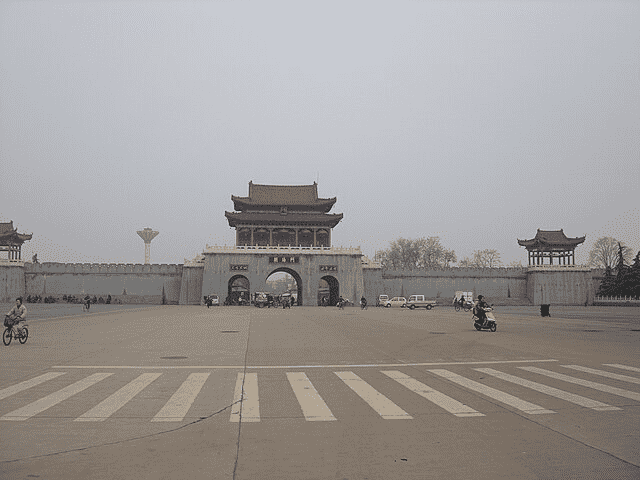
Nanjie Commune Gate. Gary Lee Todd. CC0 1.0
Nanjie is small, comprising about two dozen factories and several main streets. Mao Zedong’s face is displayed all over the village in the form of billboards, posters and framed portraits. A giant statue of the Cultural Revolution’s late leader can be found in the middle of the town’s main square, the “East is Red” Square. On each side of the looming statue are portraits of four other famous communists: Karl Marx, Friedrich Engels, Vladimir Lenin and Joseph Stalin. North of the square stands the traditional-style Chaoyang Gate, decorated with a portrait of Sun Yat-sen.
In the square, a speech from Mao is played on a perpetual loop. New party members take their oaths in the square. On National Day, all couples in the village get married in a single collective ceremony and bow to the statue of Chairman Mao. As a wedding gift, they receive copies of Mao’s “Little Red Book.”
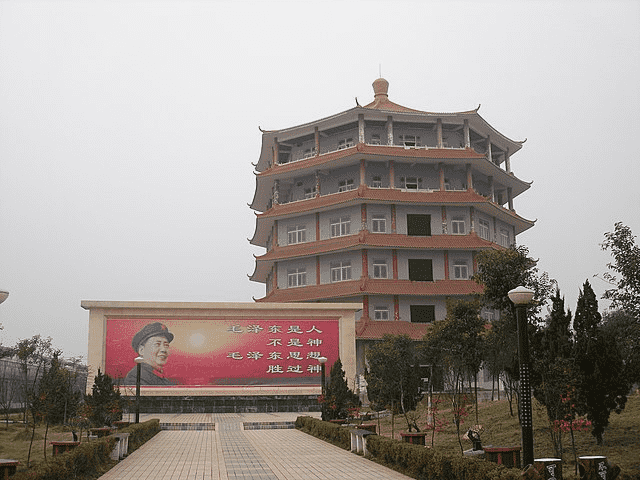
Nanjie Commune. Gary Lee Todd. CC0 1.0
The village's economy is dominated by collective ownership and management of all production and rationing supplies like coal, cooking oil, candy and even cigarettes. Residents are awoken each morning by “Dongfang Hong” (“The East is Red”), the de facto anthem of the Cultural Revolution, playing over loudspeakers. While some residents have chosen to leave the village in pursuit of capitalist success, many prefer the commune lifestyle free from the stress of higher living costs and housing loans.
Exterior of Nanjie Commune Apartments. Gary Lee Todd. CC0
Interior of Nanjie Commune Apartment. Gary Lee Todd. CC0 1.0
Since the 90s, almost all village inhabitants have been living in collectively built apartments, with rent often funded by welfare. Every month, each resident receives vouchers of about $13 to cover the cost of food and groceries at the village’s commune-style supermarket. Locals also receive free healthcare and education.
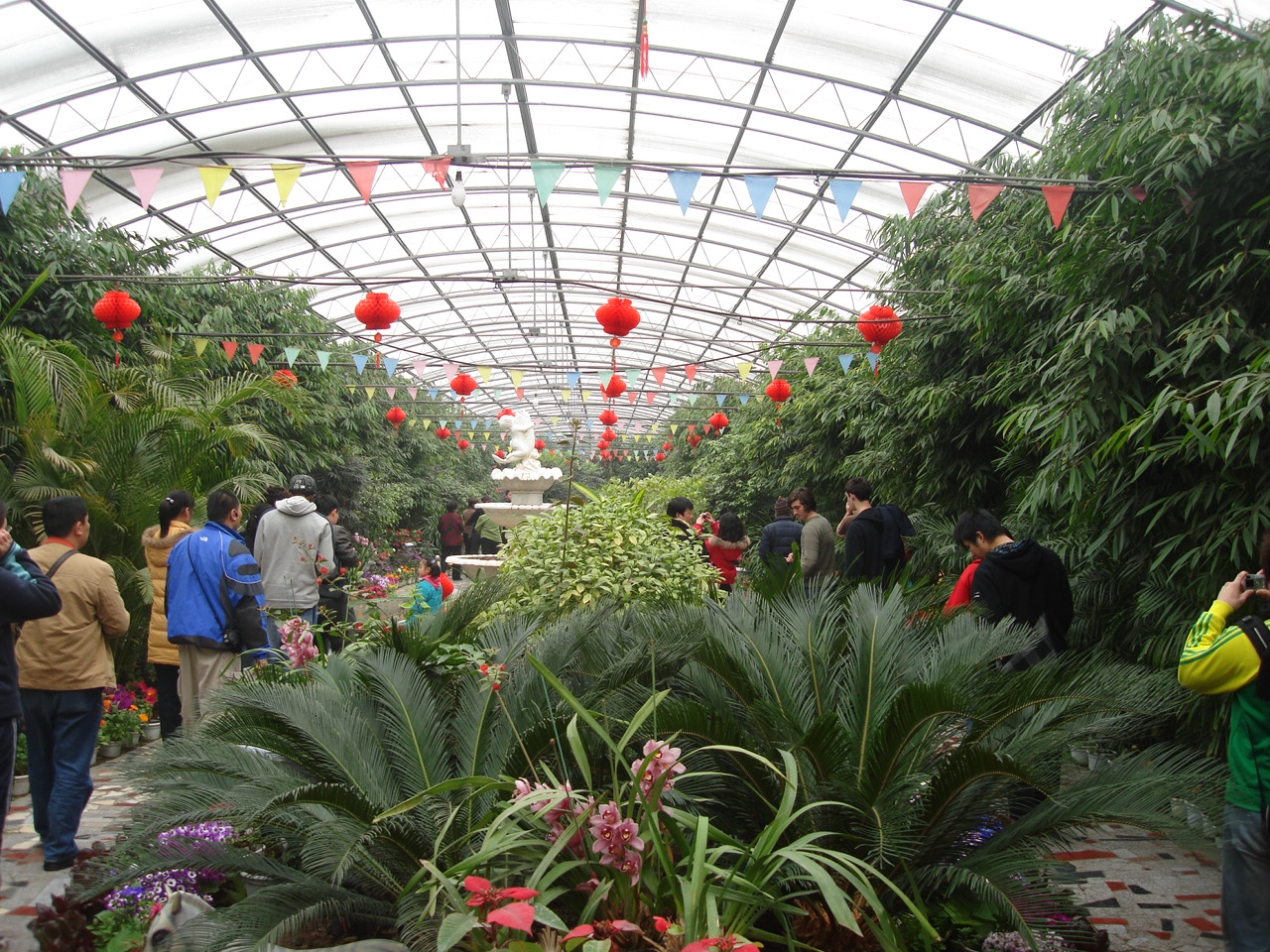
Nanjie Commune Greenhouse. Gary Lee Todd. CC0
Nanjie even has a theme park dedicated to the history of the Chinese Communist Party, featuring re-creations of significant historical events and a $1.2 million greenhouse. The garden houses more than 500 flower species and 10,000 plants, as well as sculptures of animals like kangaroos and dinosaurs. Aside from the theme park and the greenhouse, the village also houses five parks, a zoo, a small artificial mountain set with bridges over a moat, a large swimming center and a grand mosque. While the village itself might be small, its historic, almost museum-like preservation, unique cultural heritage and the pride that locals take in their way of life make for a fascinating window into a bygone era.
GETTING THERE
Traveling to the collective is not difficult. From Zhengzhou, the capital of Henan province, buses (Y31; two hours) run south to Linying every hour between 6:40 am and 6:10 pm local time. From Linying it is a 1.2-mile walk south to Nanjie on the east side of the road. Taxi cabs are also available. Hotels are available in Nanjie and the surrounding areas.

Rebecca Pitcairn
Rebecca studies Italian Language and Literature, Classical Civilizations, and English Writing at the University of Pittsburgh. She hopes to one day attain a PhD in Classical Archeology. She is passionate about feminism and climate justice. She enjoys reading, playing the lyre, and longboarding in her free time.
Colombia’s Guatape: Where Adventure Meets Art
The town of Guatape dazzles visitors with its vibrant murals and lively tuk-tuks, blending artistic charm with breathtaking natural beauty.
Read MoreSweden’s Unique Icehotels
From ice rooms to outdoor experiences, Sweden’s Icehotels provide a unique stay for travelers interested in the outdoors.
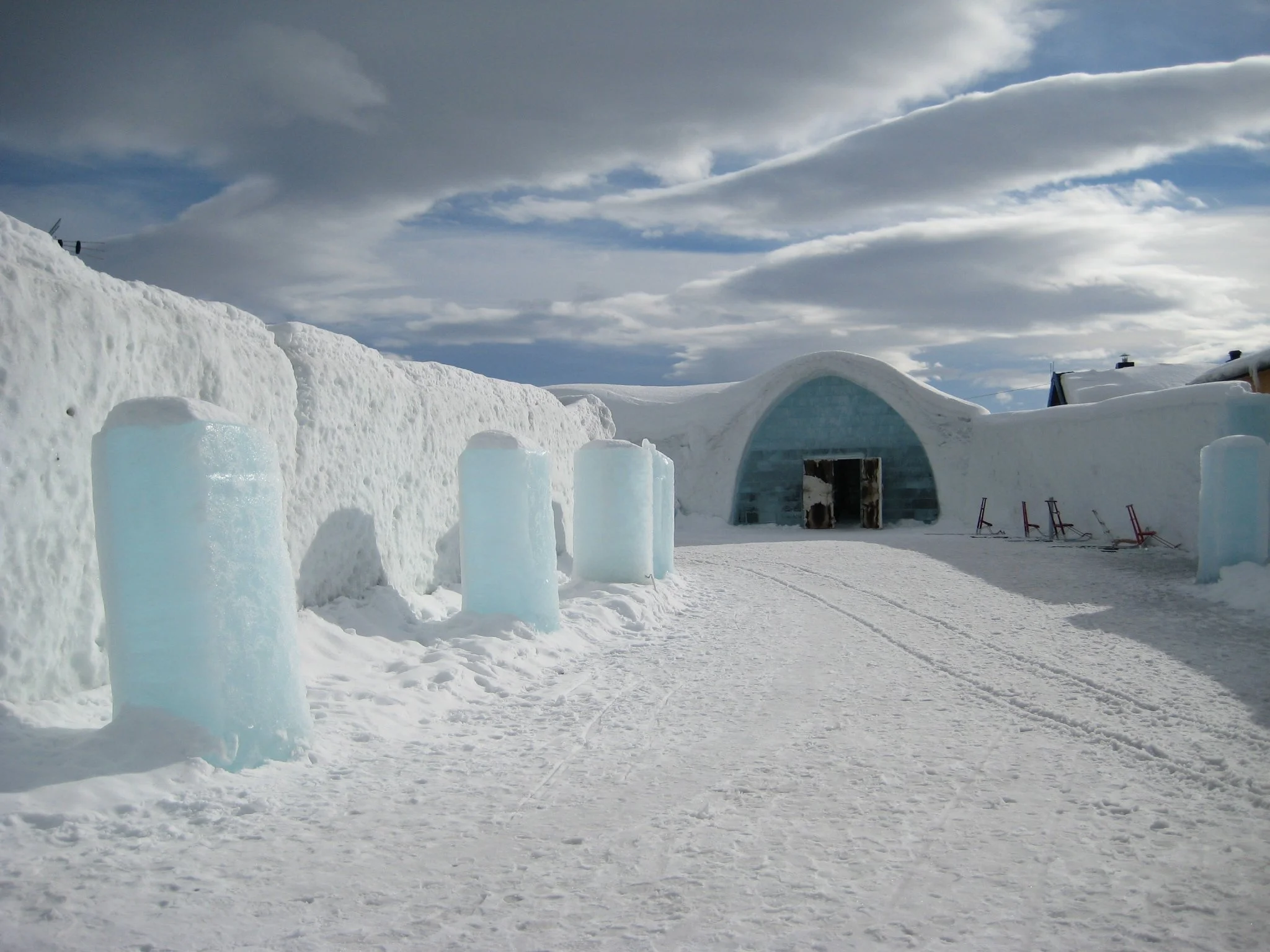
Entrance to Icehotel. Markus Bernet. CC BY-SA 2.5
A trip to Sweden may entail many unique experiences, but very little can parallel a stay at Icehotel in Jukkasjarvi. Located in the land region and 200km north of the Arctic Circle, the hotel was established in 1989 as the world’s first ice hotel, with the goal to, “Create life enriching experiences." A unique venue for hospitality, the ice hotel is structurally similar to an igloo. Ice and stagnant air both have very low thermal conductivity, limiting the heat transferred from the outdoors and keeping the structures from melting. The travel group Transun explains that, “The ice structure stops heat being transferred to the surroundings, because the ice and the windless air are both excellent insulators. The buildings depend on sub-freezing temperatures and usually melt in summer, rebuilt again from fresh ice every year.”
On its site, the Icehotel group writes about the central theme of storytelling it hopes to achieve with its establishments: “Our inspiration is the Arctic and the delicate beauty of crafting something that is ephemeral yet engaging all your senses," creating its edifices with ice taken from the Torne River. With each winter, new artists are given the opportunity to showcase their talents through the Icehotel. The same river is also the source of the crystal-clear ice furniture that adorns both the original Icehotel and the new Icehotel 365, a newer project from the same brand to offer more to travelers all year.
Travel Agency "Discover the World" recommends that, although elements of Icehotel are now open year-round, the best time to visit is, “During the winter months when it is blanketed in snow, the air outside is crisp and cold and the Northern Lights might make an appearance.” For Sweden, this is from December to early April, the months when the original Icehotel is constructed and open. During this time, the Icehotel has between fifteen and twenty standard ice rooms and twelve art suites for guests to stay in. Johan Larsson, the standard ice rooms’ artist, explains that he chose to incorporate an ice bed and decor because, “I wanted to create a feeling of being embraced and protected by the ice—a good night’s sleep for all guests.” The art suites are a step up from the standard rooms. Each suite is designed by an artist who has creative freedom to choose their own themes and styles. Icehotel says that, “The artist, perhaps from Kiruna, Germany, UK, or the US has been picked from over two hundred applicants and invited to make the suite you’ll be sleeping in.” Art suites are kept between 18 and 23 degrees fahrenheit. Because of their icy cold atmosphere, all rooms have special accommodations like thermal sleeping bags, reindeer hides and curtains in place of doors. Guests are given access to Riverside, a heated lobby, for changing rooms, toilets and saunas.
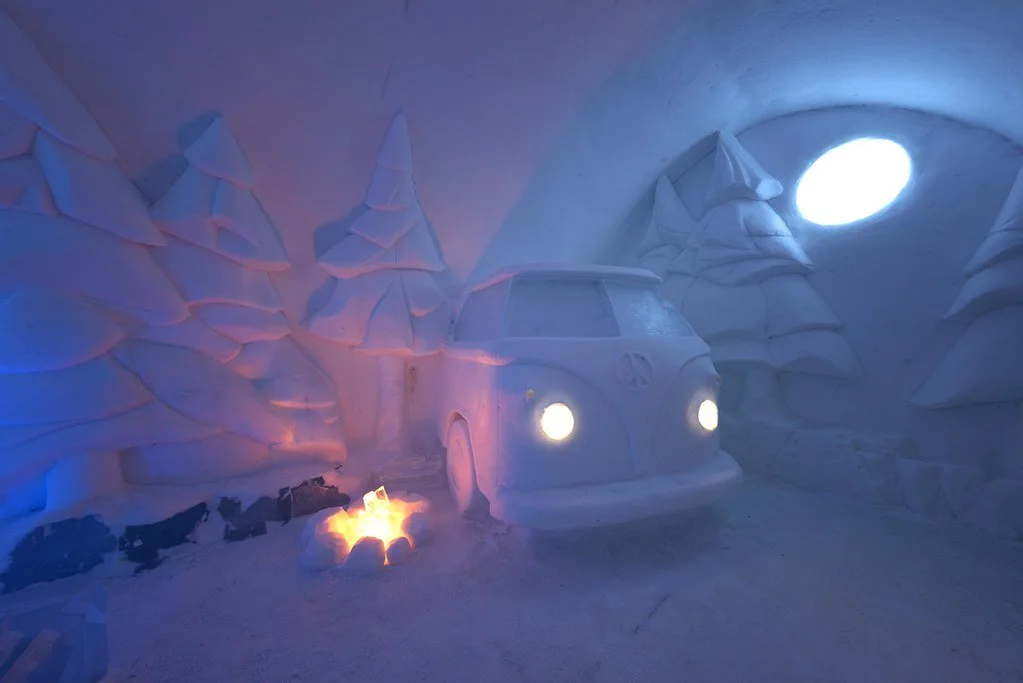
Art Suite in Icehotel. Rob Alter. CC BY 2.0
When planning a stay, guests are offered a choice of warm or cold accommodations. Warm rooms are like a standard hotel room and are located in a separate building. Icehotel recommends that guests spend just one night in the cold while booking a warm room for the rest of their trip, and provides special, insulated sleeping bags for guests to keep warm. The company also encourages appropriate sleepwear—thermal underwear, hats, warm jumpers, etc. Transun notes that, , although sleeping in a room made of ice might sound unpleasant, the right clothing and sleeping bags can keep guests warm as long as the outdoor temperature stays above -13 degrees Fahrenheit. Visitors can still arrange tours if they choose not to spend the night. Icehotel can accommodate up to five people in its largest warm rooms and two people in each of its cold rooms.
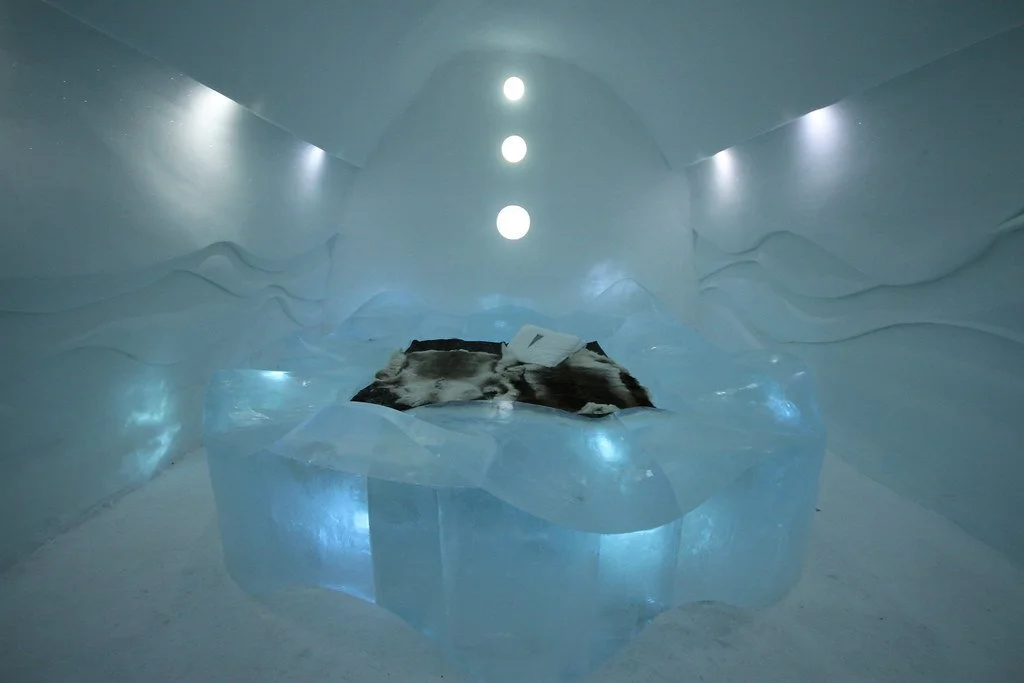
Standard Ice Room. Xraijs. CC BY-NC 2.0
Even during the summer months, the Icehotel brand still has much to offer interested travelers. Icehotel 365 was first opened in December 2016 as a year long ice experience. The building is a permanent, 2100 square meter art hall, maintaining interior sub-zero temperatures by relying on cool solar power throughout the year. Its art hall contains a collection of traditional art while the building is also home to deluxe suites, an ice bar and experience rooms that depict Icehotel’s history. Additionally, guests can enjoy Torne River rafting, private fishing tours, a ropes course, mountain hikes, and, of course, the Northern Lights.
Despite being a large tourist attraction, sustainability is central to Icehotel’s methods. The organization writes that, “We borrow the ice from the Torne River to build a new, seasonal Icehotel, which eventually melts and returns back to its origin in the spring. The basic idea of Icehotel is built on the premise of the environmental cycle, and our relation to the water and the ice is central.” The company also works with River Rescuers, an activist group protecting “The untouched waters of Sweden,” and regularly makes donations to WaterAid to assist water health throughout Sweden.

Aanya Panyadahundi
Aanya is a student at the University of Michigan studying sociology and journalism on a pre-law path. She loves to travel the world whenever she can, always eager to learn more about the different cultures and societies around her. In her free time, she likes to play the violin, ski, and listen to podcasts.
Americana in the Dust: Ghost Towns Along Route 66
Spanning from Chicago to LA, the once-bustling Route 66 now symbolizes a nostalgic era of road trips and small-town charm.
Read MoreHiking with Dinosaurs in Argentina
Argentina's Talampaya and Ischigualasto Parks contain between them the most complete continental fossil record of the Triassic Period, and a record of early humanity.
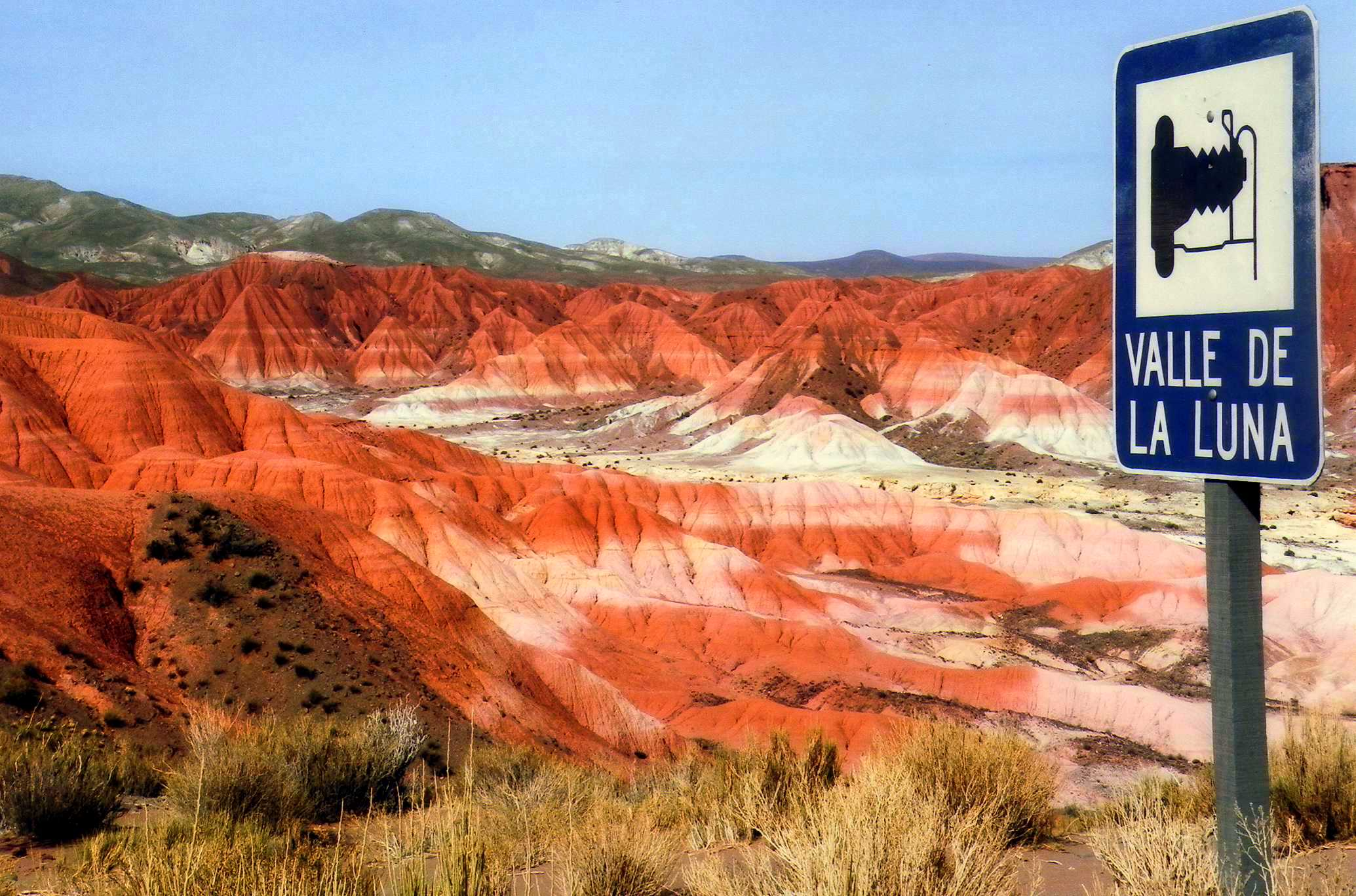
Valle de la Luna. Rodoluca. CC BY-SA 3.0
In the heart of Argentina, the Ischigualasto and Talampaya Natural Parks are a gateway to a prehistoric world. Situated on the border between the provinces of San Juan and La Rioja, in Argentina's Monte ecoregion, a warm scrub desert along the Eastern Andean foothills, these contiguous parks contain a plethora of geological marvels, ancient history and stunning desert landscapes for visitors to explore.
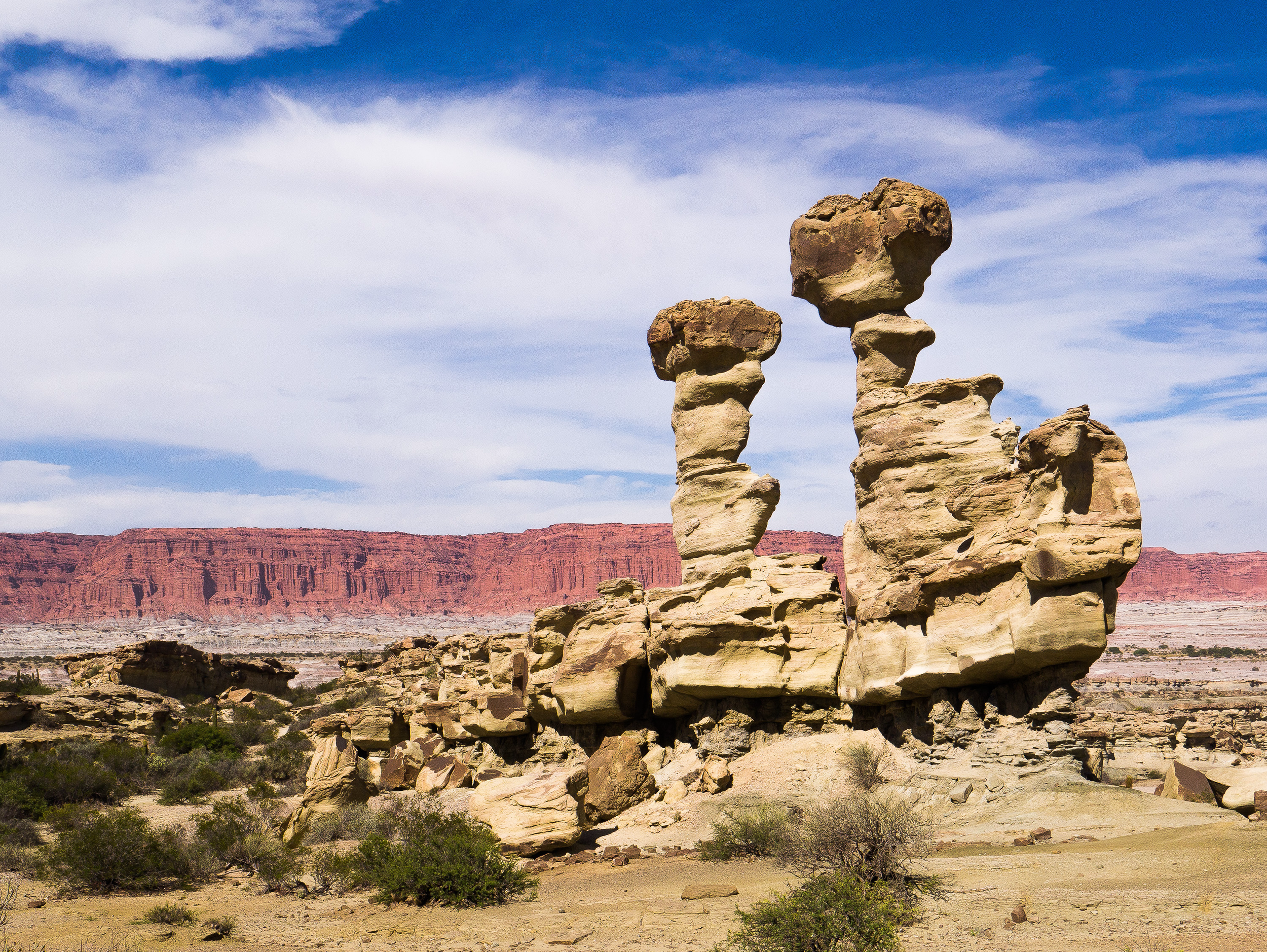
Ischigualasto Rock Formations. Rita Willaert. CC BY-NC-SA 2.0
Ischigualasto and Talampaya stretch over most of the sedimentary basin of the Ischigualasto-Villa Union Triassic, a geologic basin of great scientific importance which formed during the Triassic Period, approximately 250 to 200 million years ago. The basin contains a sequence of six layers of continental fossiliferous sandstone and mudstone sediments deposited by rivers, lakes and swamps, providing the world’s most complete and undisturbed picture of the geological history of the Triassic Period.
The geological record helps us understand the evolution of vertebrate life and the nature of palaeoenvironments in the Triassic, the era that ushered in the Age of the Dinosaurs. Fossil records of at least 100 species of plants, 56 known genera and many more species of vertebrates, such as fish, amphibians, and a great variety of reptiles and direct mammalian ancestors, including the early dinosaur Eoraptor, have been found in the park.
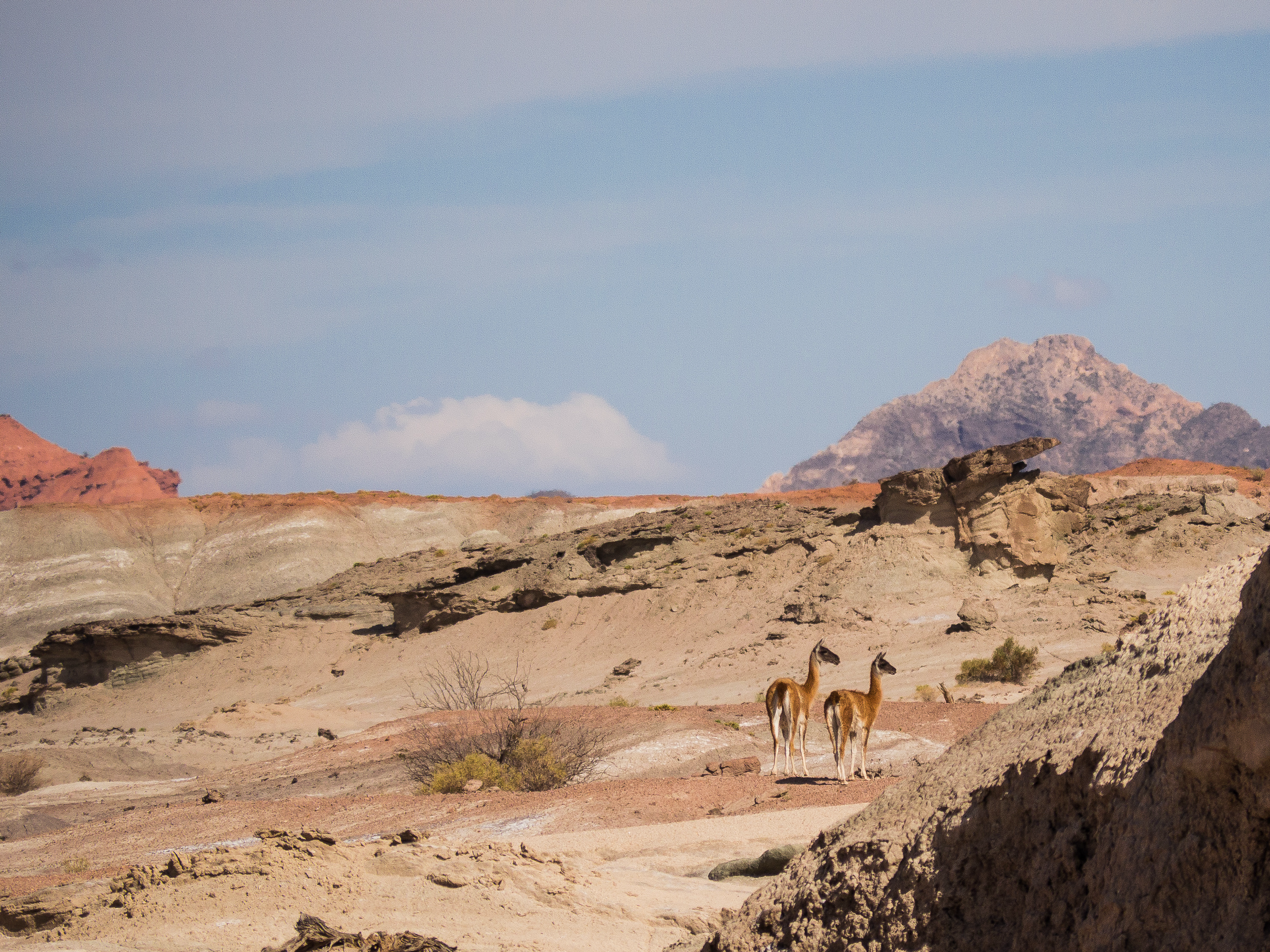
Guanacos, Ischigualasto National Park. Rita Willaert. CC BY-NC-SA 2.0
Radiocarbon dating suggests that humans occupied the area approximately 2,590-950 years ago. At Ischigualasto, six rock art sites have been discovered, along with burial sites, campgrounds and tool-making areas, as well as 1500-year-old petroglyphs (images carved into rock). The petroglyphs depict, among other things, geometric human figures, animals and a radiating sun figure. Animal and human footprints have also been found in the art, mainly puma, rhea and guanaco prints.
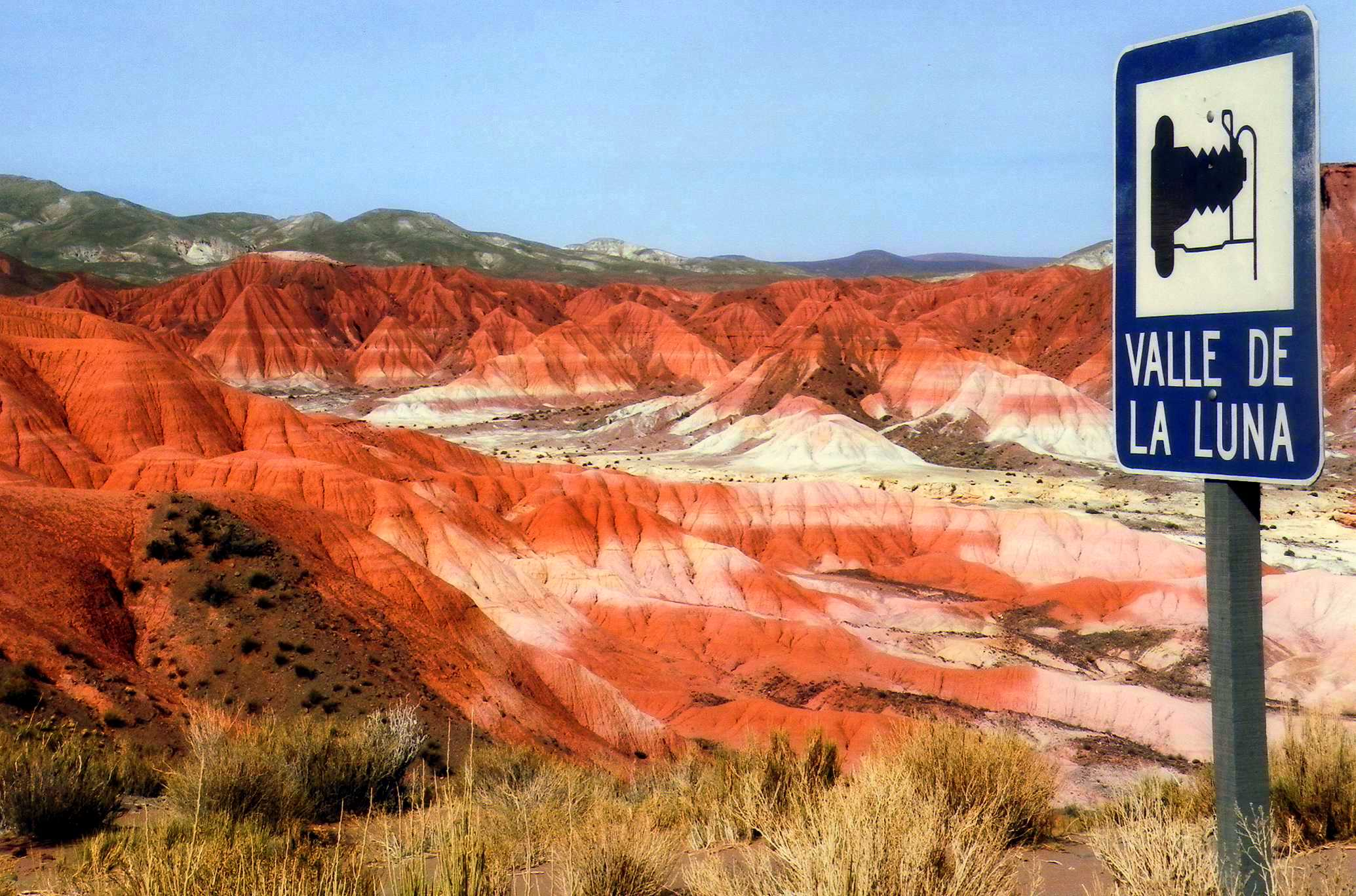
Valle della Luna. Guslight. CC BY-NC 2.0
One of Ischigualasto's main attractions is the Valle della Luna (Valley of the Moon). The valley, located near the provincial capital of San Juan, is famous for its unique and otherworldly landscapes. The valley is composed of rugged badlands of bizarrely shaped multicolored rocks and a floor of barren gray-white volcanic clay. Two hundred and thirty million years ago, the desert was a volcanically active floodplain, crisscrossed by rivers and subjected to seasonal heavy rainfalls. Petrified tree trunks more than 130 feet tall are a record of the ancient vegetation. These days the stark desert vista has sparse vegetation, xeric shrubs, cacti, the occasional tree and several rare species of flora and fauna.
The Canon de Talampaya (Talampaya Gorge) is Talampaya’s main attraction. The red sandstone walls of the canyon and the surrounding cliffs reach up to 656 feet. The landscape has been deeply eroded by watercourses, a testament to the artistry of nature. These days the area is usually dry, but flash floods powerful enough to move large boulders have been known to strike the area.
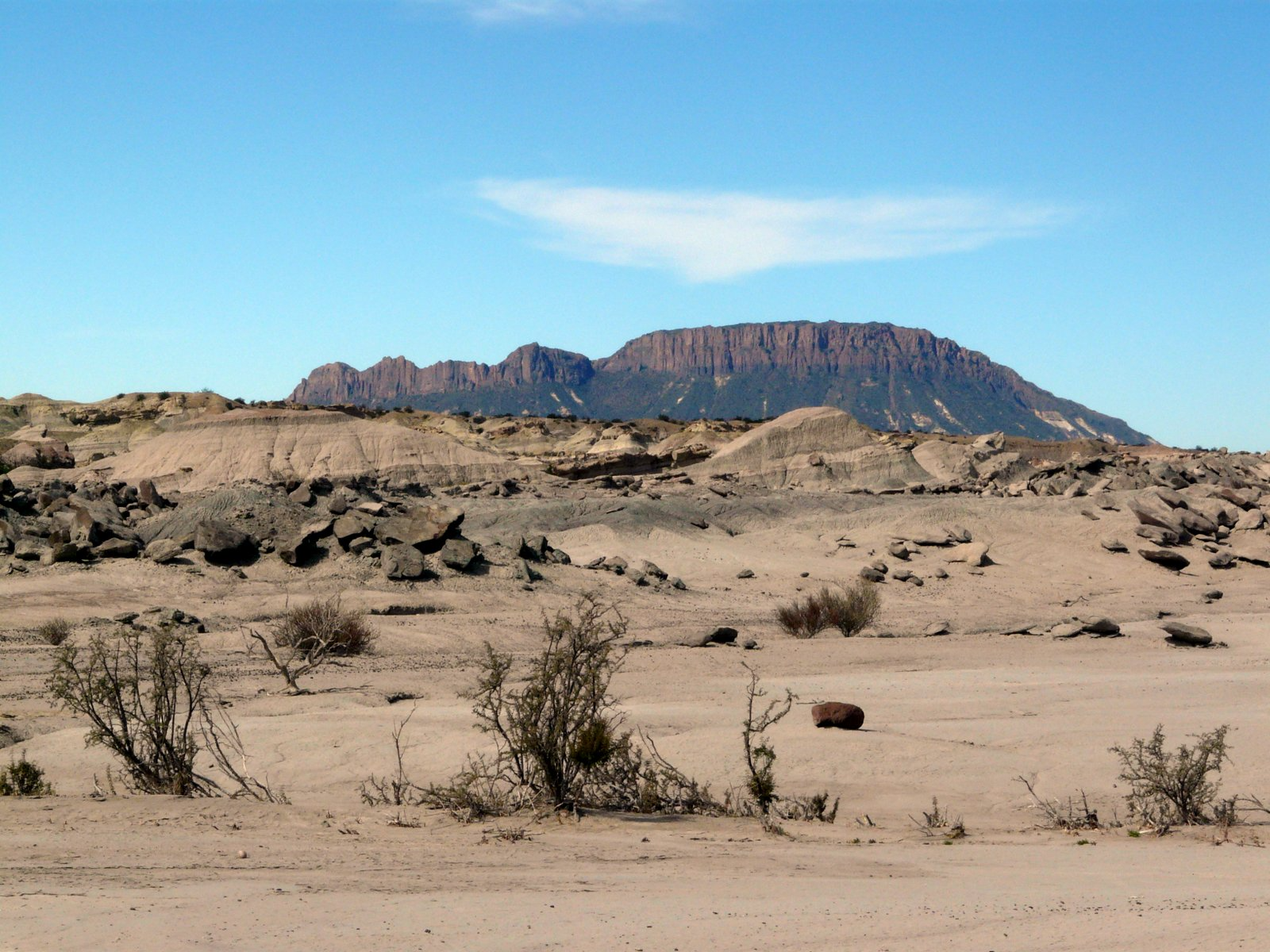
Ischigualasto National Park. Benjamin Dumas. CC BY-NC-SA 2.0
Before Spain began its conquest of South America, the area that now makes up the parks was inhabited by several groups of Indigenous people who lived as semi-nomadic hunters and gatherers, including the Diaguita and Huarpes.
The Ischigualasto and Talampaya Parks are more than just sites of great natural beauty. They are a journey into the history of this planet. Their spectacular geological formations, unparalleled scientific significance and cultural heritage have rightfully earned them a place on UNESCO’s list of World Heritage sites.
GETTING THERE
Fellow travelers recommend reaching the parks by taking an airplane to Villa Union, the closest neighboring city. From there you can rent a car, and it is about a 40-minute drive to Talampaya. You could also stay in La Rioja, which is about a 2-hour drive from the parks. Rough camping is permitted in the buffer zone at Ischigualasto Park, which has a small visitor center with an interpretive display, four toilets and a single ranger’s residence. Small buffet food services are available at both parks. Walking trails and interpretive signs are scarce. There are full-service facilities, lodging, commerce and medical care in the nearby towns of San Agustin in San Juan Province and Patquja and Villa Union in La Rioja Province. There are agencies in La Rioja and Villa Union that offer guided tours of the park.
Rebecca Pitcairn
Rebecca studies Italian Language and Literature, Classical Civilizations, and English Writing at the University of Pittsburgh. She hopes to one day attain a PhD in Classical Archeology. She is passionate about feminism and climate justice. She enjoys reading, playing the lyre, and longboarding in her free time.
Borneo: Experience One of the Last Real Rainforests
Discover a natural and cultural paradise like no other on the island of Borneo.
Read MoreMallorca and Beyond: Spain’s Balearic Islands
Get to know the lesser-known islands of Menorca, Cabrera and Formentera, alongside the classic Balearics, Mallorca and Ibiza.
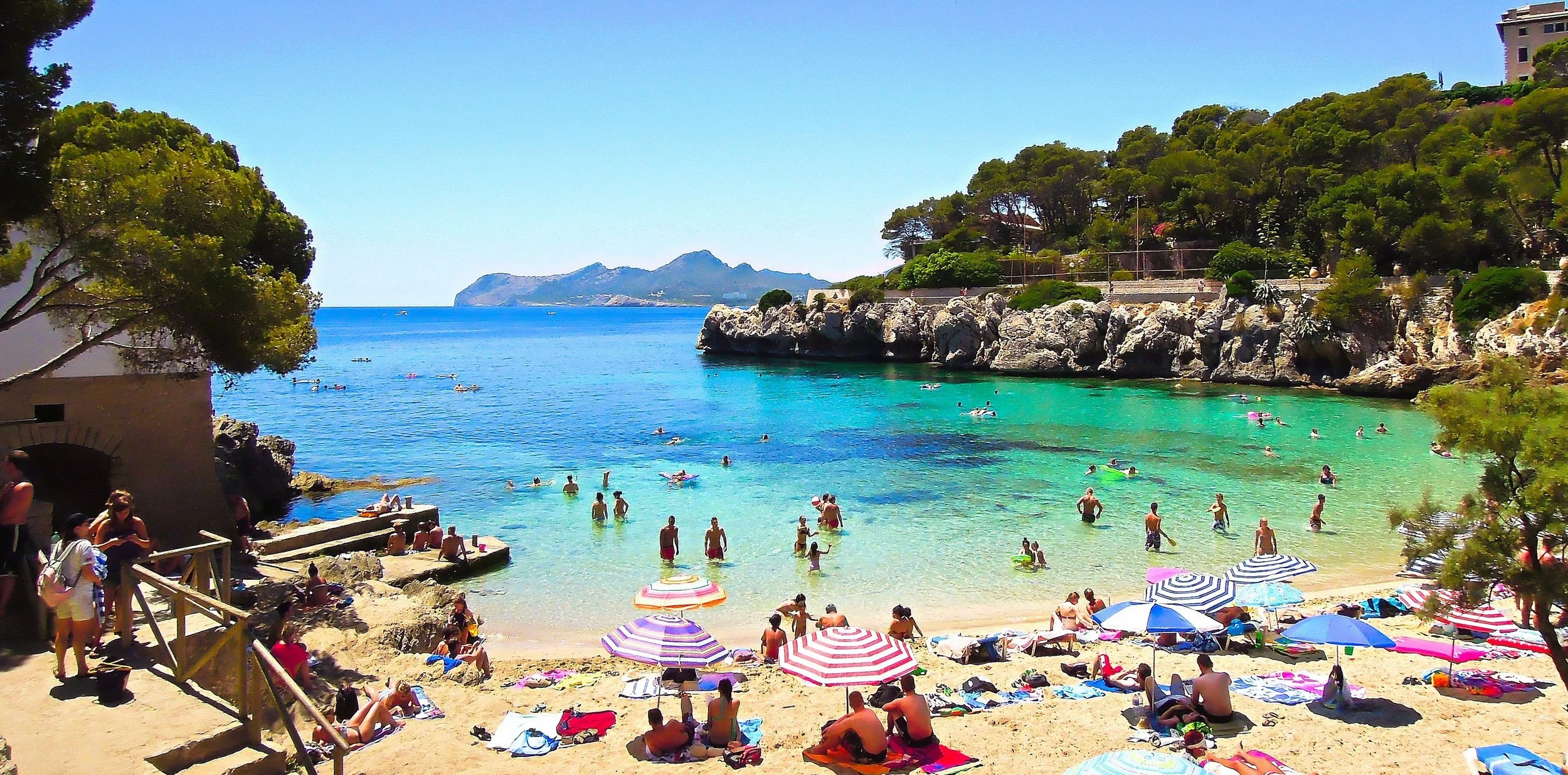
Cala Ratjada. originalpickaxe. CC BY 3.0, via Wikimedia Commons
The Balearic Islands are destinations well-known for their beaches and energetic nightlife. Beyond the impressive coastlines and vibrant parties, visitors will find charming villages, ancient ruins and traditional cuisines that showcase the islands' heritage. From Menorca to Formentera, each island boasts a rich culture and history that makes it distinct and uniquely captivating.
Mallorca
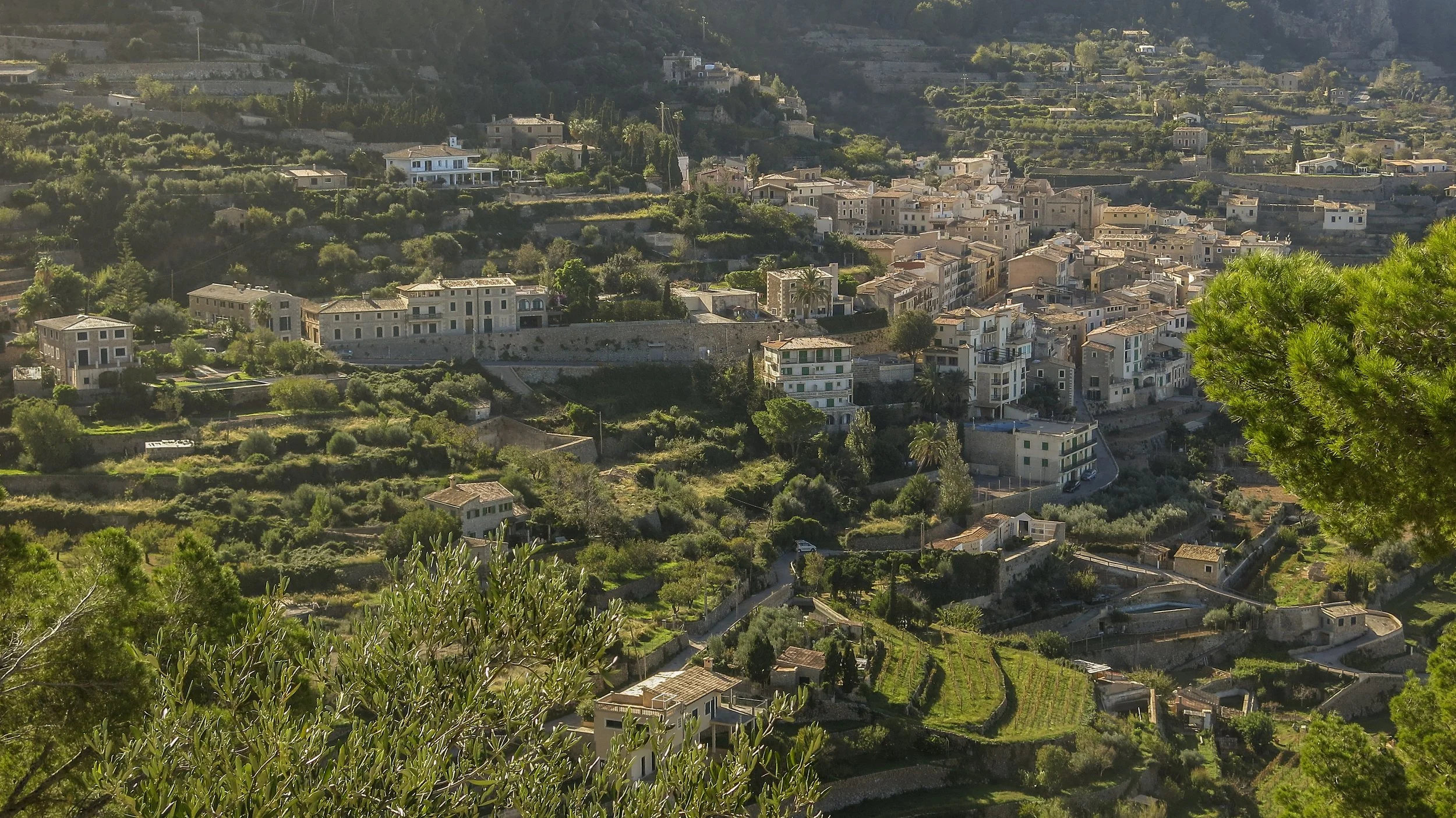
The town of Banyalbufar, Serra de Tramuntana mountains. Vicenç Salvador Torres Guerola. CC BY-SA 4.0.
Mallorca, the largest of Spain's Balearic Islands, is celebrated for its diversity of landscapes, culture and history. The island has historically been a popular vacation spot among travelers for its secluded beaches and coves with turquoise waters, such as those in Cala d'Or and Playa de Muro. However, the island is also known for its dramatic cliffs and mountainous terrain along the Serra de Tramuntana mountain range, just a thirty-minute drive from the island’s capital, Palma. This region of Mallorca is home to intimate villages such as Valldemossa and Deia. Here, the towns are tranquil, filled with olive groves and surviving monastic charterhouses from as early as the 13th century, reminiscent of the island’s historic past and lasting Roman Catholic influence.
Mallorca’s gastronomy is worth the trip alone, with dishes such as el arros brut, a meat and vegetable rice dish, and el frito mallorquin, an offal and vegetable stew. Another classic dish is the Frit mallorqui, which consists of potatoes tossed in a thickened sauce of onions, garlic, tomatoes and capers. The island is also rich in medieval architecture, being home to the gothic-style Bellver Castle, built in the 14th century for King James II of Majorca, and the renowned Cathedral of Santa Maria, once a mosque converted into a Christian church in 1229.
Menorca
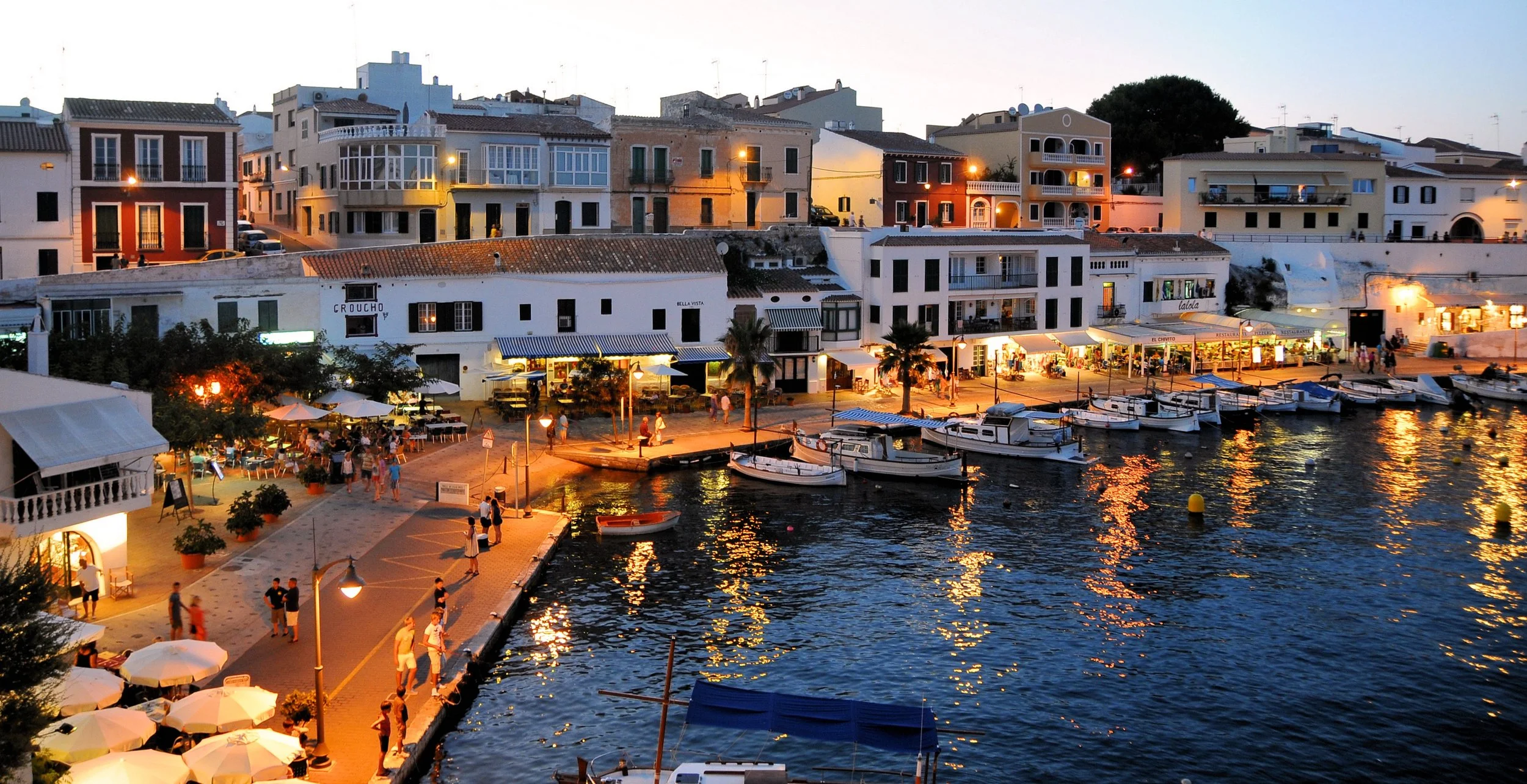
The city of Mahon, Menorca. pxhere. CC0, via Wikimedia Commons
In contrast to Mallorca’s bustling island pace, Menorca is renowned for its peaceful ambiance, enticing beaches and historical heritage. The island's coastline is dotted with secluded coves and crystal blue waters, with stunning beaches like Cala Macarella and Cala Mitjana. Menorca is much smaller than Mallorca, and most of its beaches are hidden 'calas,' or sandy coves between rocky cliffs. The island itself is calmer, with more intimate and relaxed “hippie” nightlife opportunities such as a cave disco in the Cova d’en Xoroi, Menorca’s most famous cave.
Menorca’s capital, Mahon, features the second-deepest natural harbor in the world alongside charming streets lined with Georgian architecture, reflecting its British colonial past. The island is also well known for its famous Mahon cheese, matured exclusively in Menorca. The local cuisine is characterized by fresh seafood with traditional dishes such as lobster stew, Menorcan sausages and sweet and savory pastries. Additionally, Menorca is a UNESCO Biosphere Reserve, with a diverse landscape of rolling hills, wetlands and forests, ideal for hiking. This island is quieter than its Balearic counterparts yet is just as abundant in nature, cuisine and architecture.
Cabrera
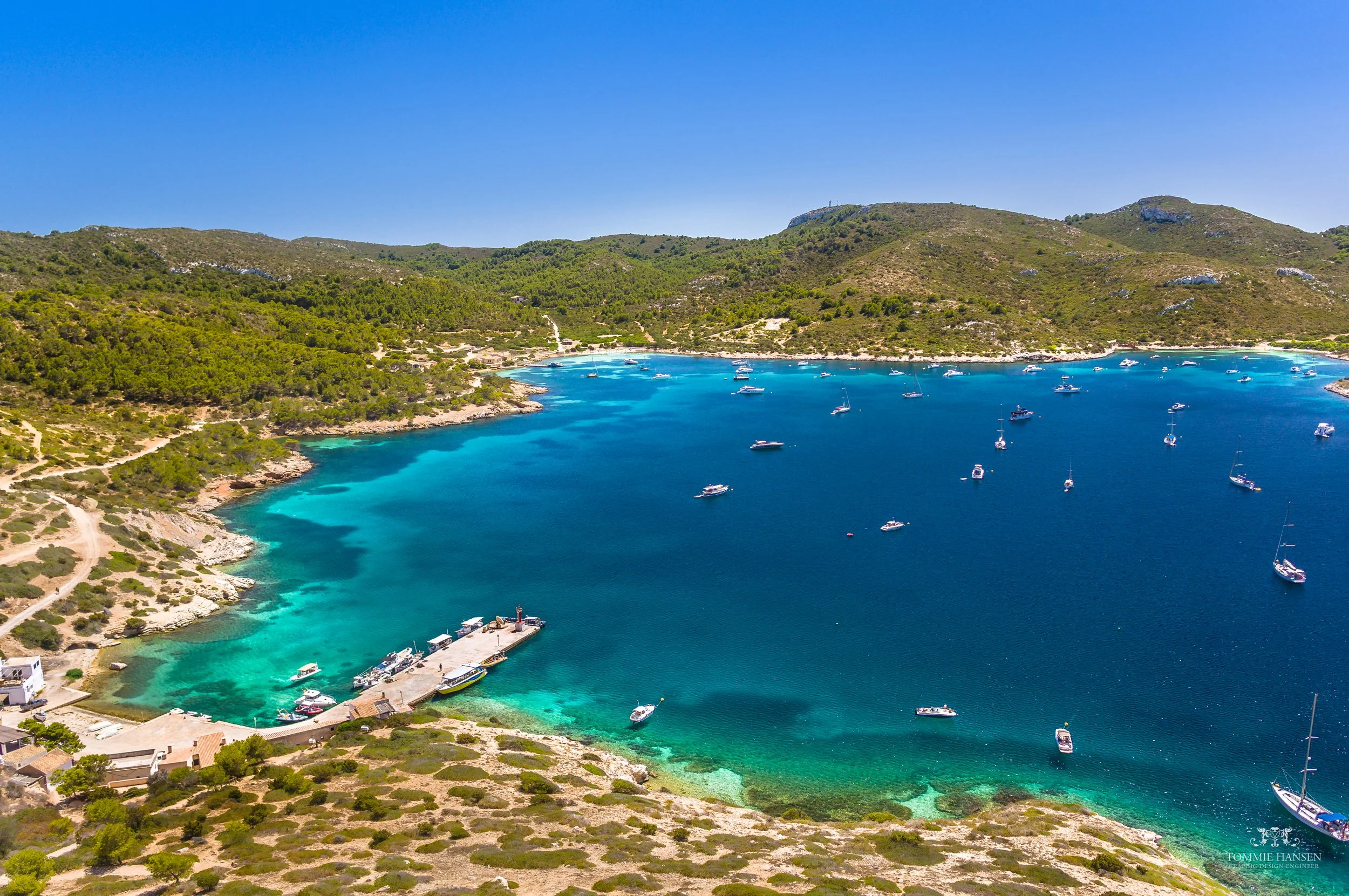
Isla de Cabrera National Park, Mallorca. Tommie Hansen from Stockholm, Sweden, CC BY 2.0, via Wikimedia Commons
Cabrera, a serene archipelago of nineteen islets off Mallorca's southern coast, stands out for its untouched natural beauty and ecological diversity. The island’s name, the Spanish word for goat, from a time when the island’s only inhabitants were goats transplanted there by the Romans as an emergency food source. Interestingly, today there are less than 30 permanent residents on the island, making it the largest undeveloped area in the Balearics. Once a hideout for pirates and later a prison for captured soldiers, today Cabrera, or Cabrera National Park, is a protected area that ensures a thriving habitat for numerous bird species and marine life.
The island's transparent waters make it a prime spot for snorkeling and diving, revealing undisturbed marine ecosystems and caves. Visitors can also explore historical landmarks like the 14th-century Cabrera Castle, which offers sweeping sea views. Unlike its neighboring islands, Cabrera offers a tranquil retreat where nature remains untouched.
Formentera

Los Pujols, in Formentera. Emanuela Meme Giudic…. CC BY 3.0, via Wikimedia Commons
Formentera, while the smallest of the Balearic Islands, stands out for its calm beaches and clear waters, particularly at Playa de Ses Illetes and Playa de Migjorn. The island’s flat landscape contrasts with Mallorca’s rugged Serra de Tramuntana and Cabrera’s protected wilderness, offering easy exploration by bike or foot. Historical sites like the Cap de Barbaria lighthouse provide a glimpse into Formentera’s past, less grandiose than Mallorca’s Bellver Castle but no less significant. The island’s cuisine is full of dishes such as seafood paella, freshly grilled fish, leg of lamb, figs and local goat and sheep cheese.
Formentera’s charm lies in its blend of serene nature and rich history, providing a unique travel experience distinct from its larger neighbors. Like Menorca, Formentera is a less common destination than its closest counterpart, Ibiza, thus preserving the island’s natural beauty and relaxed pace. The local markets, often buzzing with artisans, offer a taste of the island’s vibrant craft traditions. Additionally, the annual jazz festival brings a rhythm to the island that echoes against the backdrop of the Mediterranean, highlighting its lively yet laid-back cultural scene.
Ibiza

Sea view, Ibiza Spain. athinaf, CC BY 2.0.
Ibiza, renowned for its vibrant nightlife, is also a bastion of cultural and historical significance. The island’s party scene, with its origins in the countercultural movements of the 1970s, has evolved into a global hub for electronic music, hosting legendary clubs like Pacha and Amnesia. These venues, alongside the annual music festivals, continue to draw international crowds and top-tier DJs, cementing Ibiza’s status as a dance music mecca.
Beyond the beats, Ibiza’s cultural tapestry is rich in history. The Phoenician settlement of Sa Caleta and the necropolis at Puig des Molins are testaments to the island’s ancient maritime trade and significant role in the Mediterranean economy in Antiquity. Dalt Vila, Ibiza Town’s historic center, is a UNESCO World Heritage site that showcases over 2,500 years of history through its Renaissance military architecture and medieval streets. The island’s cuisine offers traditional dishes like bullit de peix, a fish stew, and local desserts such as greixonera.
Ibiza’s beaches, from the popular Playa d’en Bossa to the tranquil Cala Comte, are celebrated for their white sands and clear waters, providing a natural counterpoint to the island’s bustling nightlife. Each beach offers a unique experience, whether it’s the serene Cala Salada or the lively atmosphere of Ses Salines.

Julz Vargas
Julz is a student at Wellesley College studying Anthropology and Spanish. She grew up in Los Angeles, CA, and has studied all around the world in places such as Costa Rica, Greece, Iceland, and Spain. She is passionate about employing writing as a tool to explore human connection and diversity. Julz aspires to foster cross-cultural connections through community-based research, amplifying inclusive and diverse media about global cultures, foods, and people, to encourage individuals to engage more wholly with the world.