
In the past year, hate crimes against Asian Americans have risen 149%. But attacks are also growing around the world, here CATALYST reports on incidents in Spain (where 2.9% of citizens of Asian descent have experienced hate crimes), Scotland, Canada and Australia.
Read MoreOregon and Washington State Rethink the War on Drugs
A new law in Oregon decriminalized possession of small quantities of hard drugs. With Washington state possibly following its lead, the war on drugs might begin to be phased out.

Is the end in sight for the war on drugs? Thomas Martinsen. CC BY-NC-SA 3.0.
Currently, an Oregon police officer cannot arrest someone for possession of small amounts of heroin, meth, LSD or any other hard drug. Ballot Measure 110, voted into law last November, decriminalized the possession of small quantities of such substances. Instead of a felony conviction and jail time, a drug user caught red-handed will face either a $100 fine or a medical evaluation that could direct them to an Addiction Recovery Center (ARC). The new law fundamentally changes the state’s approach to epidemic rates of drug use and could revolutionize the role of Oregon’s police force.
At its core, Ballot Measure 110 diverts drug users away from the criminal justice system and toward the health care system. The bill requires that a network of 15 ARCs be built to treat drug users and pair them with case workers who can help them reach sobriety. Funding for the ARCs will come, ironically, from tax revenue from legal marijuana sales. Oregon can expect a lot of money from such sales. In 2020, tax revenue from marijuana reached $133 million, a 30% increase from the previous year. Additionally, the state anticipates that more funds will appear as police stop pursuing arrests for drug possession.
The simple demotion of drug possession from a felony to a misdemeanor will have lasting repercussions. Before, an Oregon police officer who saw a pipe in a car could justify searching the car for illegal substances, since the pipe was proof of a possible felony. Now that it would indicate only a misdemeanor, the officer cannot search the vehicle. Arrests will decrease sharply as a result. The Oregon Criminal Justice Commission estimates that there will be 3,679 fewer arrests for possession per year, a 90.7% decrease. Distributors will still face criminal sentences since they possess drugs in large quantities, but users will receive health care, not jail time.
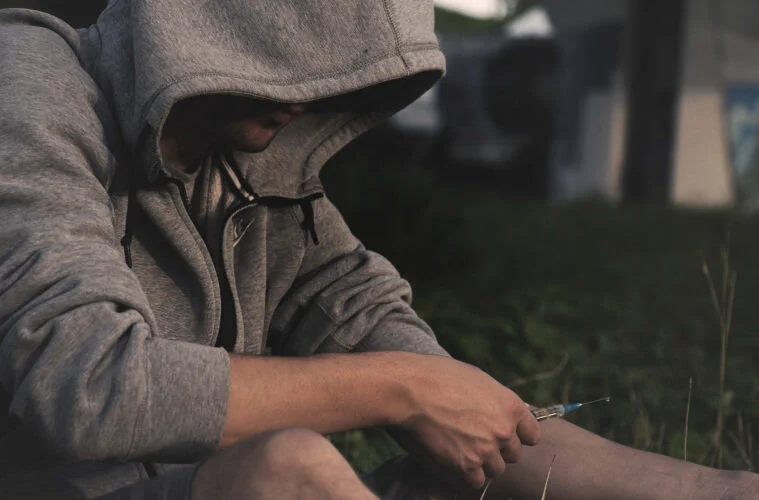
A disease, not a crime. Drugs Treatment Clinic Parus. CC BY-SA 4.0.
Building 15 ARCs by Oct. 1 will be a substantial challenge. Oregon will need to transition from addiction recovery programs focused on prisons to separate health care facilities that require supplies, staff and resources. Already, officers have made fewer arrests for possession to mitigate the risk of COVID-19 outbreaks in prisons. Thousands of drug users who would have landed in jails will now be placed into ARCs. Many who argued against the ballot measure now question whether so many facilities can be built by October.
They have other qualms, too. As crude as the criminal justice system can be, drug addicts who served time in prison often entered court-mandated treatment programs; this won’t happen now that drug possession is a misdemeanor. County sheriffs expressed concern at a potential surge in illegal drug use now that prison is not a deterrent. Since the ballot measure passed with 58.5% of the vote, it’s clear these arguments weren’t entirely persuasive.
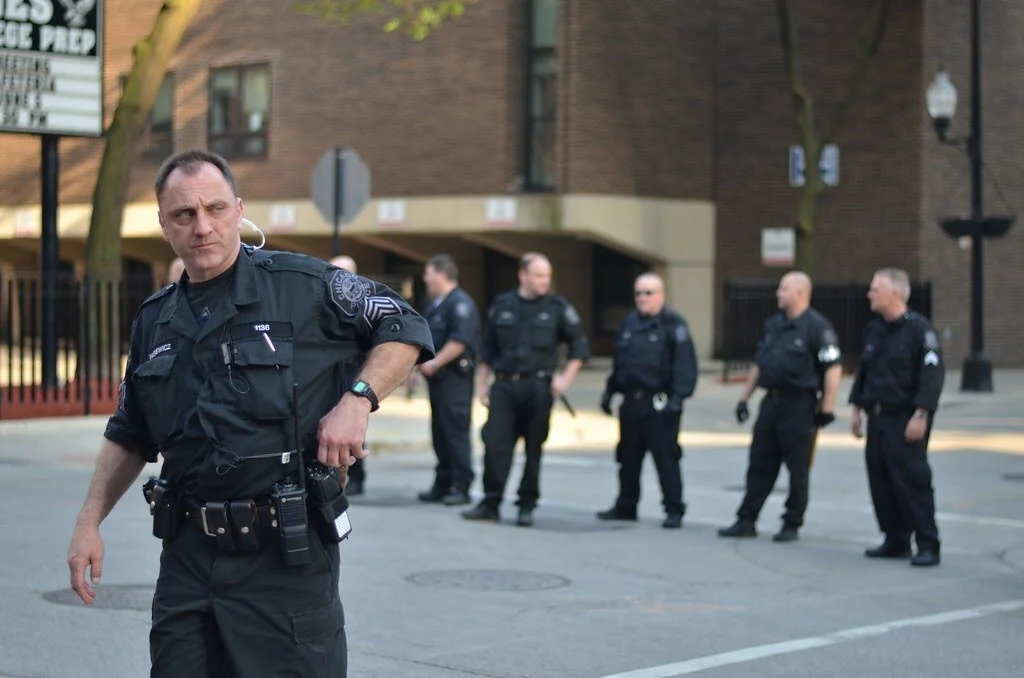
The least worst option? Michael Kappel. CC BY-NC 2.0.
For one, prison might be the worst place to overcome a drug dependency. An addict is thrust into an unfamiliar environment to undergo withdrawal, and they may cope with trauma by self-medicating when the opportunity arises. The risk for opioid overdose alone is 129 times higher than average in the first two weeks after being released from jail. As for a potential surge in drug use, multiple examples of decriminalization in other countries indicate that this will most likely not occur. After decriminalizing hard drugs in Portugal, rates of drug use remained steady, but drug deaths fell as the percentage of users treated for addiction rose 21% between 2001 and 2008.
Criticisms of Ballot Measure 110 go beyond the issue of how to treat epidemic rates of drug addiction. They speak to a concern about the ability of Oregon’s health care infrastructure to manage the flow of drug users from prisons to ARCs. This transition plays into a more ambitious, long-term agenda that many advocates of Ballot Measure 110 advocate for: defunding the police. By turning criminals into patients, ARCs would take the issue of drug addiction and mental health crises away from police; Oregon is even considering an alternative to 911 that people can call for drug-related issues or mental health crises.
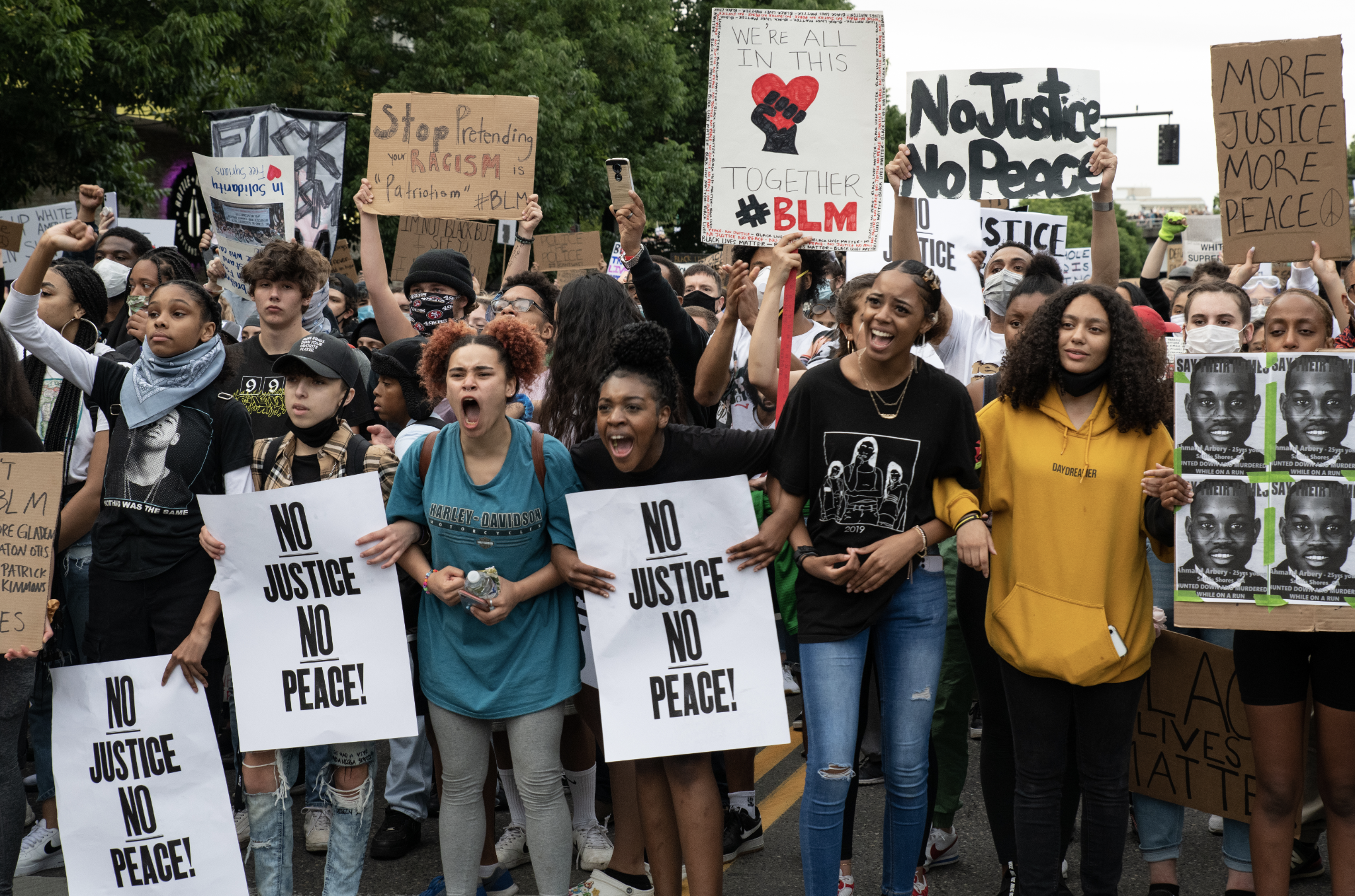
A Black Lives Matter protest in Portland, Oregon. Matthew Roth. CC BY-NC 2.0.
Washington state is considering a similar transition with House Bill 1499, which if passed would decriminalize drugs much the same way as Oregon’s Ballot Measure 110. Revenue for Washington state’s ARCs would come not from marijuA Black Lives Matter protest in Portland, Oregon. Matthew Roth. CC BY-NC 2.0.ana sales but from taxes on pharmaceutical companies, which played a large role in starting the opioid epidemic. Washington state currently has a program designed to lead drug addicts away from the criminal justice system and into treatment centers, the Law Enforcement Assisted Diversion (LEAD) program. It differs from other diversion programs in that it provides care before, not after, an arrest and takes referrals from community members, not just law enforcement. Nationwide, the program has been held up as a model diversion program.
Both states will struggle to make a seamless transition from prisoners to patients. It requires reforming two systems that often become embroiled in partisan conflicts. When the Seattle City Council cut its police department’s budget by 11%, in part to fund diversion programs, 186 police officers quit in response. Oregon will labor to build 15 ARCs by October, even with abundant funding from marijuana sales. Despite the state’s efforts, success depends largely on ever-shifting political winds.
Michael McCarthy
Michael is an undergraduate student at Haverford College, dodging the pandemic by taking a gap year. He writes in a variety of genres, and his time in high school debate renders political writing an inevitable fascination. Writing at Catalyst and the Bi-Co News, a student-run newspaper, provides an outlet for this passion. In the future, he intends to keep writing in mediums both informative and creative.
Indigenous Mexican Language isn’t Spoken– it’s Whistle
While Spanish is the official language of Mexico, its many Indigenous cultures still thrive and speak their own languages within their communities.
Read More6 Offbeat Travel Destinations in Mexico
Skip the crowded beaches of Cabo and Puerto Vallarta and discover Mexico’s rich history and diverse culture through its hidden gems
Read MoreThe Mexican Street Cart: A Culinary World on Wheels
Mexican street foods, like birria tacos and elote, have gained widespread attention on social media recently for their complex flavors and vivid colors. Some dishes have gone so viral that Americans are driving hours in search of truly authentic carts! Mexican street carts are essential to the people of Mexico, providing a convenient meal during a busy day, and more are popping up all over the United States as well.
Read MoreAmerica’s Prison Abolition Movement Fights On
The United States is home to nearly 25% of the world’s prison population. Activists are fighting to dismantle the prison system, hoping to strengthen communities instead.
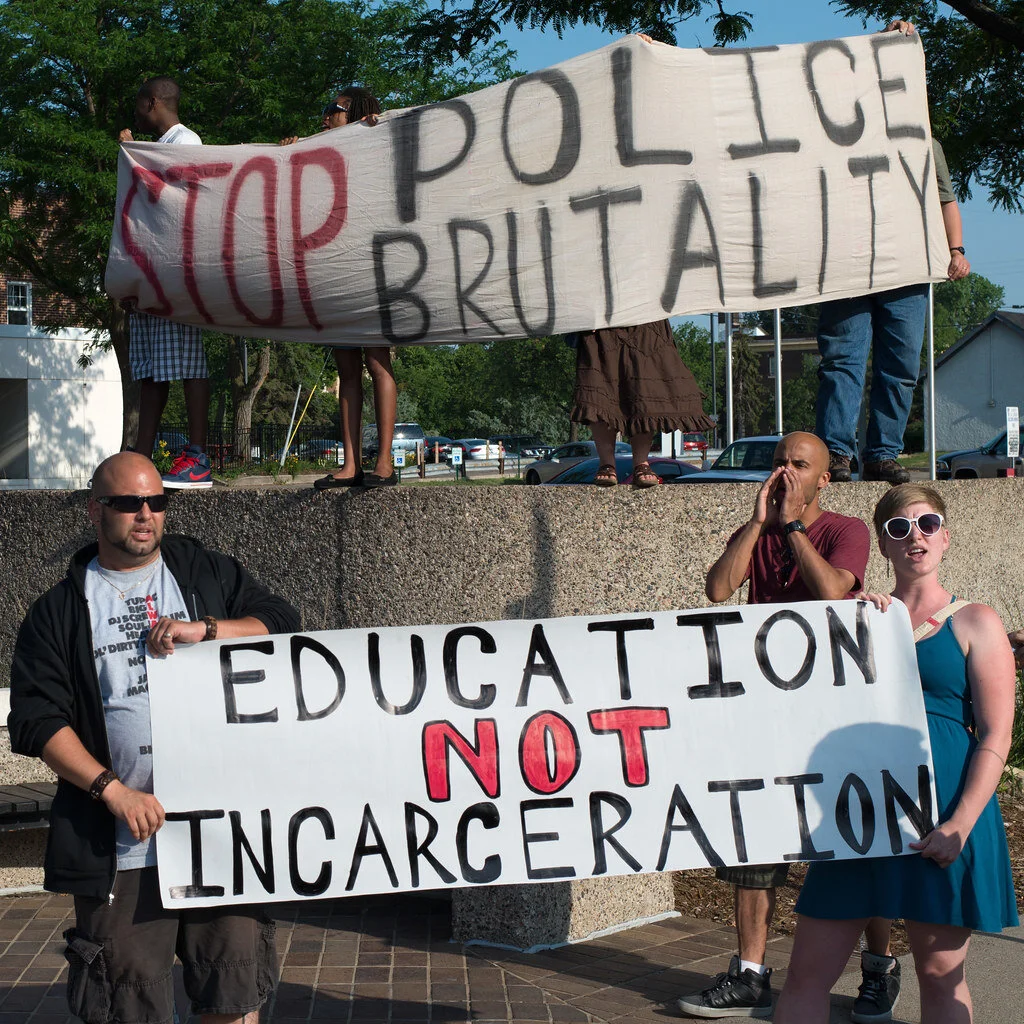
Protest against police brutality in Minnesota, 2013. Fibonacci Blue. CC BY 2.0
The United States maintains the highest prison population rate in the world. Despite making up only 5% of the world’s population, the United States is home to 25% of the world’s prisoners. There is no question that the United States has a mass incarceration problem. For decades, activists have argued that the prison system perpetuates racism, sexism and inequality, leading to what is often seen as a radical solution: prison abolition.
In the wake of the recent stream of anti-police brutality protests, discussion has turned toward prison abolition. Prison abolition is not just about getting rid of physical prisons; abolitionists aim to undo societal structures that lead to incarceration, known as the prison-industrial complex. The prison-industrial complex is a term used to describe “the overlapping interests of government and industry that use surveillance, policing and imprisonment as solutions to economic, social and political problems.” Prison abolition is really the abolition of the prison-industrial complex, with the ultimate goal being to eliminate policing, imprisonment and surveillance and to redistribute government spending from these industries to support housing, education, jobs and health care.
The concept of prison abolition has been around since the 1980s. Following the war on drugs, which increased prison sentences for both drug dealers and users and more than doubled the prison population from 1980 to 2000, activists began protesting the prison system. They argued that too many nonviolent offenders were being incarcerated, that wealth inequality was a major factor in who was locked up, and that people of color were disproportionately imprisoned. Black and Hispanic people in the U.S. are still incarcerated at higher rates than White people, data shows. The movement gained prominence in the 1990s, when Angela Davis and Ruth Wilson Gilmore co-founded Critical Resistance, a national anti-prison organization with a focus on the prison-industrial complex and abolition. In 1998, Critical Resistance hosted a three-day conference to examine and challenge the prison-industrial complex. The conference was considered a success, but made clear how much work still had to be done to undo a society that maintains mass incarceration.
“The abolition movement focuses on preventive rather than punitive measures.”
Skeptics of the abolition movement often ask what will happen to violent offenders, like murderers and rapists, if prisons are shut down. The movement’s supporters have two responses. First, abolition activists ask: is the current prison-industrial complex actually effectively addressing the issues behind rape and murder? Most activists say no. Despite the copious amounts of money funneled into supporting the prison-industrial complex annually, the threats of sexual assault and murder, among other crimes, are still sources of concern across the country. The prison-industrial complex locks criminals up, but has not actually addressed the root of the crimes in society. Plus, as prison abolition activist Woods Ervin points out, the prison-industrial complex itself perpetuates some crimes, like when prison guards sexually assault incarcerated people. Second, supporters point out that abolitionists want to help communities address underlying issues, like wealth inequality, that contribute to the rise of crime in the first place. Abolitionists want to build up infrastructures in communities in order to reduce interpersonal issues and create a world where people don’t feel driven into committing crimes. The abolition movement focuses on preventive rather than punitive measures. Ultimately, how crime is dealt with after prison abolition “is going to depend on each scenario,” Ervin says, and on the community in which it takes place.
Prisons won’t be shut down tomorrow, but activists in the abolition movement are fighting to ensure that prisons will one day be obsolete, and communities will have a stronger foundation to deal with eliminating inequality. The recent killings by police officers and subsequent anti-police brutality protests have illuminated some of the issues with the prison-industrial complex, and highlight the need for a new system.
To Get Involved:
To locate your local chapter of Critical Resistance, the national anti-prison organization, and find information on volunteer opportunities or how to become a member, click here.
Rachel Lynch
Rachel is a student at Sarah Lawrence College in Bronxville, NY currently taking a semester off. She plans to study Writing and Child Development. Rachel loves to travel and is inspired by the places she’s been and everywhere she wants to go. She hopes to educate people on social justice issues and the history and culture of travel destinations through her writing.
10 Isolated Travel Destinations in the US
Thinking about your next trip once the pandemic eases? This year, try one of these remote spots where isolation will be the theme. From Maine to Montana, explore nature free from crowds.
Read More10 Places to Honor Black History and Culture
Through artwork, literature, music and history, these institutions amplify Black voices and address race relations in America.
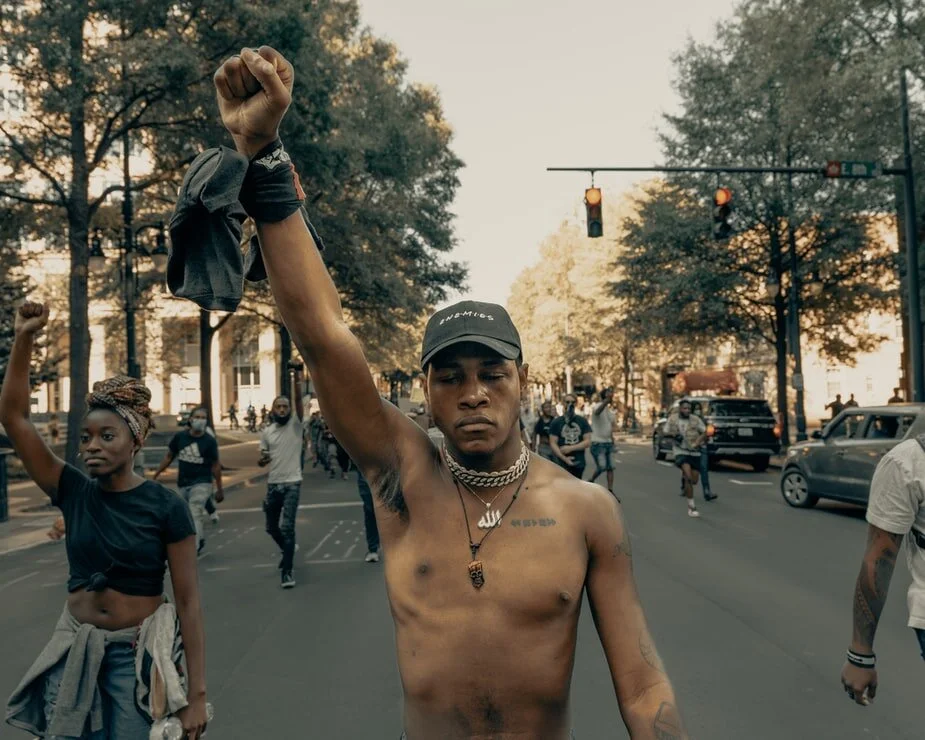
George Floyd protests in Charlotte, North Carolina. Clay Banks. Unsplash.
Amid global protests against racial injustice, a growing number of people are educating themselves on systemic racism and white privilege.
1. Martin Luther King Jr. National Historical Park - Atlanta, Georgia
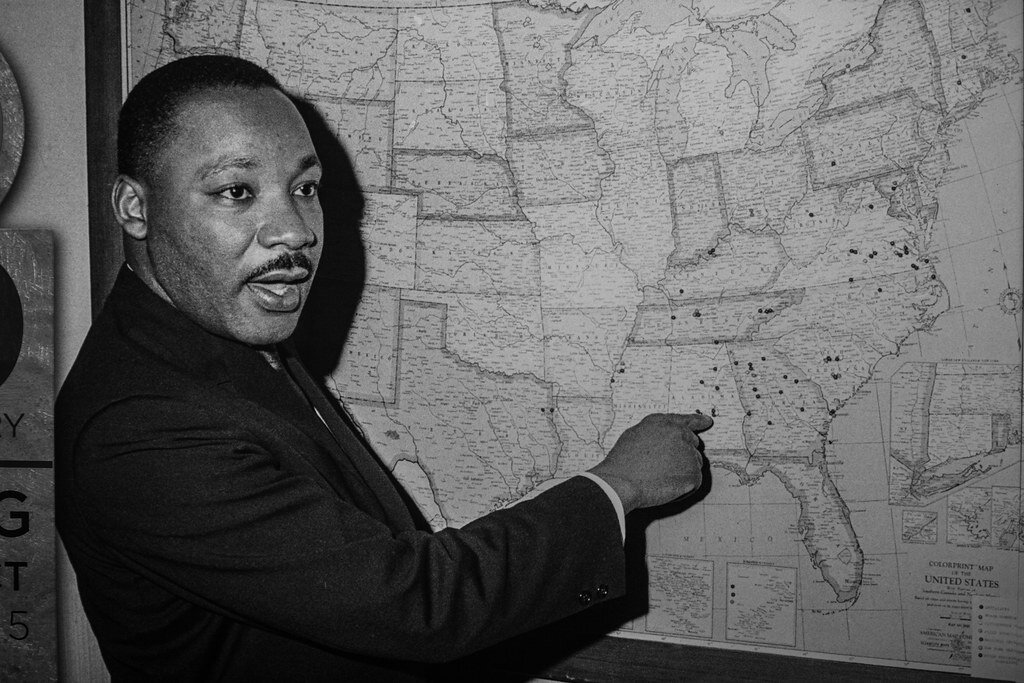
Martin Luther King Jr. locating civil rights protests. Thomas Hawk. CC BY-NC 2.0
Located in one of Atlanta’s historic districts, the Martin Luther King Jr. National Historical Park honors the activist who strove for racial equality. The site includes a museum chronicling the American civil rights movement, as well as Dr. King’s childhood home, garden and gravesite. With 185 varieties of roses, the “I Have a Dream” World Peace Rose Garden promotes peace between diverse world communities. Each year, students from the greater Atlanta area write poems that express the ideals of MLK, such as using civil disobedience to reach seemingly impossible goals. These “Inspirational Messages of Peace” are exhibited among the flowers and are read by thousands of visitors each year. Directly across the street is the final resting place of Dr. King and Coretta Scott King, his wife, surrounded by a reflection pool.
Until his assassination in 1968, King preached at Ebenezer Baptist Church, known as “America’s Freedom Church.” The church has continued to serve the Atlanta community since his death, vowing to “feed the poor, liberate the oppressed, welcome the stranger, clothe the naked and visit those who are sick or imprisoned.” While sitting in the pews, visitors hear prerecorded sermons and speeches from Martin Luther King Jr. Most recently, the funeral of Rayshard Brooks, a Black man fatally shot by police, was held at the church, with hundreds of prominent pastors, elected officials and activists in attendance.
2. National Museum of African American History and Culture - Washington, D.C.
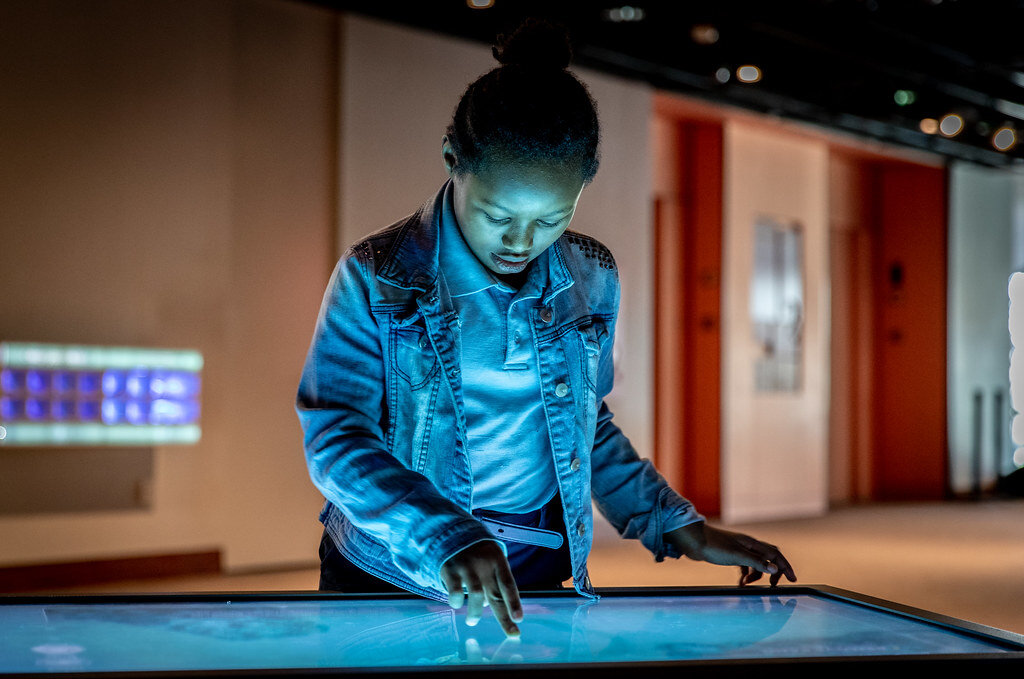
A student at the NMAAHC uses an interactive learning tool. U.S. Department of Education. CC BY 2.0
The National Museum of African American History and Culture (NMAAHC) is the only museum devoted exclusively to African American life, history and culture. In the words of Lonnie Bunch III, founding director of the NMAAHC, “The African American experience is the lens through which we understand what it is to be an American.” From slavery to the civil rights movement, the museum aims to preserve and document Black experiences in America. With the launch of the Many Lenses initiative, students will gain a greater understanding of African American history by studying museum artifacts and discussing cultural perspectives alongside scholars, curators and community educators. Through the Talking About Race program, the museum provides tools and guidance to empower people of color and inspire conversations about racial injustice.
3. Black Writers Museum - Philadelphia, Pennsylvania

Langston Hughes, a famous writer featured at the BWM, signs autographs. Washington Area Spark. CC BY-NC 2.0
Built in 1803, the historic Vernon House includes the Black Writers Museum (BWM), the first museum in the country to exhibit classic and contemporary Black literature. The BWM celebrates Black authors, like Langston Hughes and Zora Neale Hurston, who documented the resilience and resistance of African Americans throughout history. Supreme D. Dow, founder and executive director of the Black Writers Museum, noted, “There was a time in American history when Black people were denied the human right to read or write. But, because of the innate drive to satisfy the unquenchable thirst for self determination, our ancestors taught themselves how to read and write in righteous defiance of the law, and in the face of fatal repercussions.” Through books, newspapers, journals and magazines, the museum honors the Black narrators of history. The BWM also strives to inspire future African American authors with community activities like poetry readings, cultural arts festivals and book signings.
4. Tubman Museum - Macon, Georgia
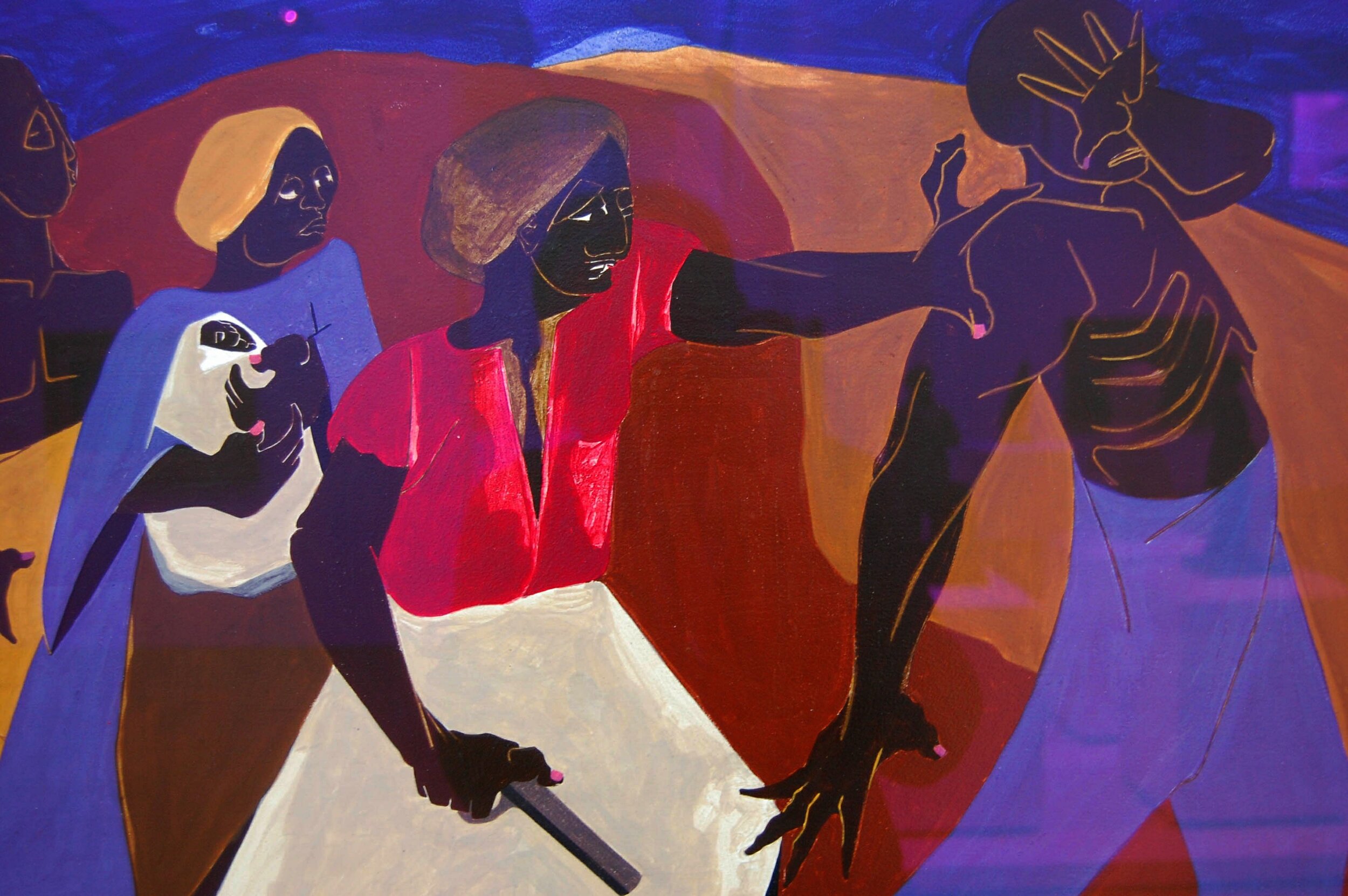
Artwork depicting Harriet Tubman on the Underground Railroad. UGArdener. CC BY-NC 2.0
Named after Harriet Tubman, the “Black Moses” who led hundreds of slaves to freedom, the Tubman Museum has become a key educational and cultural center for the entire American Southeast. Through artwork and artifacts, the main exhibits recount the struggles and triumphs of Tubman, a former slave, abolitionist and spy. The “From the Minds of African Americans” Gallery displays inventions from Black inventors, scientists and entrepreneurs, such as Madam C.J. Walker and George Washington Carver. The Tubman Museum also actively contributes to the Macon, Georgia, community. The Arts & History Outreach program takes Black history beyond museum walls. Local African American artists and teachers bring museum resources into the classroom, promoting hands-on learning. Due to COVID-19, the museum recently launched a distance learning program to provide people at home with a deeper understanding of the African American experience.
5. Museum of the African Diaspora - San Francisco, California
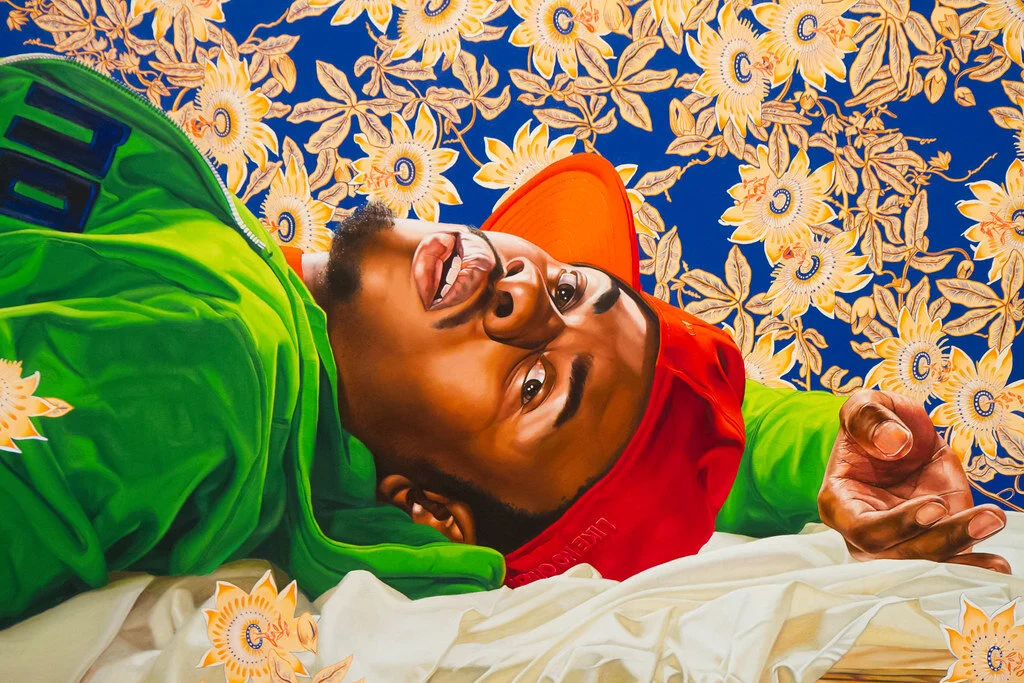
Contemporary art by Kehinde Wiley exhibited at the MoAD. Garret Ziegler. CC BY-NC-ND 2.0
The Museum of the African Diaspora (MoAD), a contemporary art museum, celebrates Black culture from the perspective of African diaspora. Focused exclusively on African migration throughout history, the museum presents artwork, photography and artifacts related to the themes of origin, movement, adaptation and transformation. Currently, MoAD is featuring various exhibitions from emerging artists that explore ancestral memory and Black visibility. As active members of the San Francisco community, museum curators offer various programs like public film screenings, artist talks and musical performances. In response to worldwide protests, the museum created a guide with resources to support Black Americans, as well as a video series that promotes community resilience. Monetta White, MoAD’s executive director, announced, “Now more than ever, we affirm that Museums are Not Neutral. As humanitarian educators and forums for conversation, museums are a space to confront some of the most uncomfortable conversations in human history.”
6. National Museum of African American Music - Nashville, Tennessee
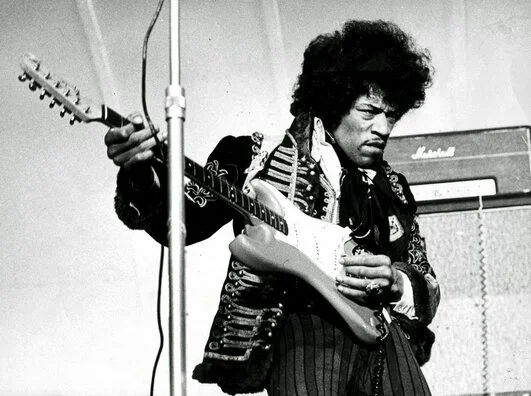
Jimi Hendrix, a featured musician at the NMAAM. Clausule. Public Domain.
Scheduled to open its doors for the first time on Sept. 5, the National Museum of African American Music (NMAAM) will be the first museum in the world to showcase African American influence on various genres of music, such as classical, country, jazz and hip-hop. NMAAM will integrate history and interactive technology to share music through the lens of Black Americans. “African American music has long been a reflection of American culture. Additionally, African American musicians often used their art as a ‘safe’ way to express the way they felt about the turbulent times our country faced,” said Kim Johnson, director of programs at the museum. NMAAM will also support the Nashville community through various outreach programs. From Nothing to Something explores the music that early African Americans created using tools like spoons, banjos, cigar box guitars and washtub basins. Children receive their own instruments, learning how simple resources influenced future music genres. Another program, Music Legends and Heroes, promotes leadership, teamwork and creativity in young adults. Students work together to produce a musical showcase in honor of Black musicians. In 2015, student guitarists paid tribute to Jimi Hendrix, the rock icon. “This opportunity gave them a real-life connection to an artist they had only seen in their textbooks or online,” said Hope Hall, librarian at the Nashville School of the Arts.
7. The Legacy Museum: From Enslavement to Mass Incarceration - Montgomery, Alabama
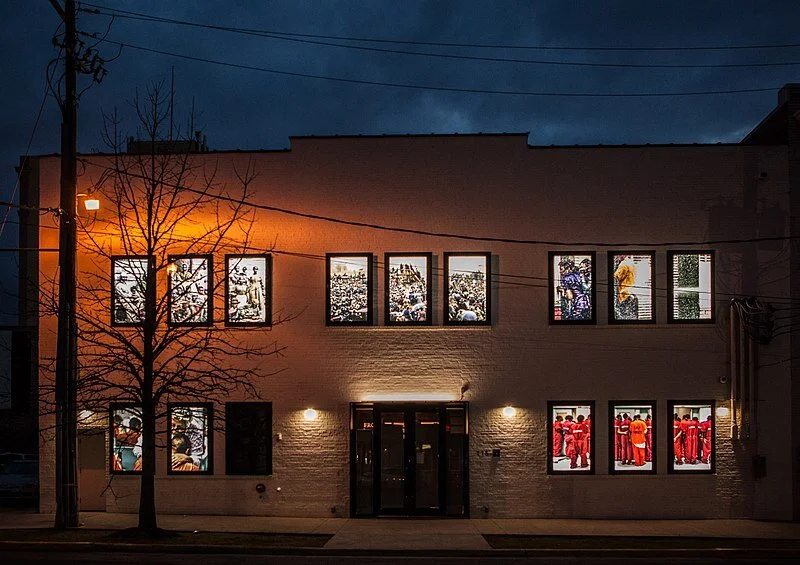
Exterior of the Legacy Museum. Sonia Kapadia. CC BY-SA 4.0
The Legacy Museum is located in a former slave auction warehouse, where thousands of Black people were trafficked during the domestic slave trade. The museum employs unique technology to portray the enslavement of African Americans, the evolution of racial terror lynchings, legalized racial segregation and racial hierarchy in America. Visitors encounter replicas of slave pens and hear first-person accounts of enslaved people, along with looking at photographs and videos from the Jim Crow laws, which segregated Black Americans until 1965. The Legacy Museum also explores contemporary issues of inequality, like mass incarceration and police violence. As part of the Equal Justice Initiative (EJI), the museum is committed to ending mass incarceration and excessive punishment in the United States, with proceeds going toward marginalized communities. “Our hope is that by telling the history of the African American experience in this country, we expose the narratives that have allowed us to tolerate suffering and injustice among people of color,” says Sia Sanneh, member of EJI.
8. African American Military History Museum - Hattiesburg, Mississippi
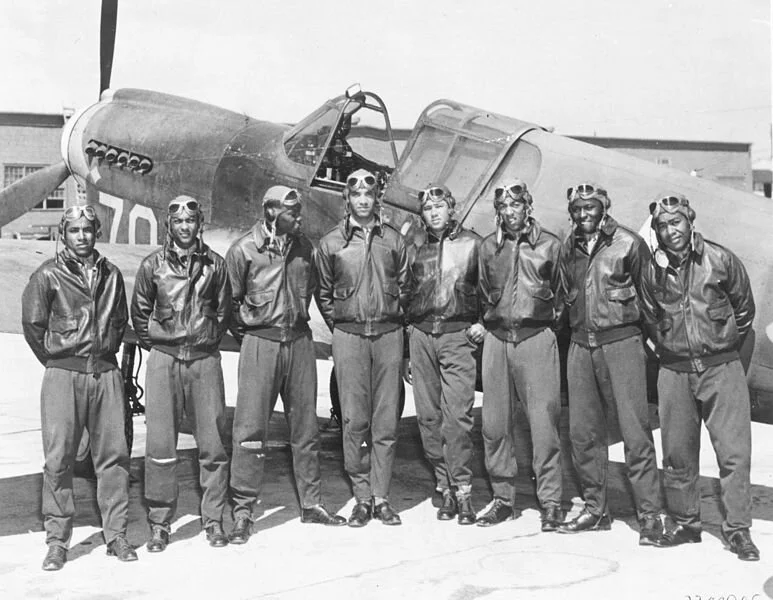
Circa 1942, the Tuskegee Airmen pose in front of their aircraft. Signaleer. Public Domain.
The African American Military History Museum educates the public about African American contributions to the United States’ military. During World War II, the building functioned as a segregated club for African American soldiers. Transformed in 2009, the museum now commemorates the courage and patriotism of Black soldiers, who have served in every American conflict since the Revolutionary War. Artifacts, photographs and medals tell the story of how African Americans overcame racial boundaries to serve their country. For instance, the World War II exhibit features the Tuskegee Airmen, the first African American soldiers to successfully enter the Army Air Corps.
9. National Voting Rights Museum and Institute - Selma, Alabama
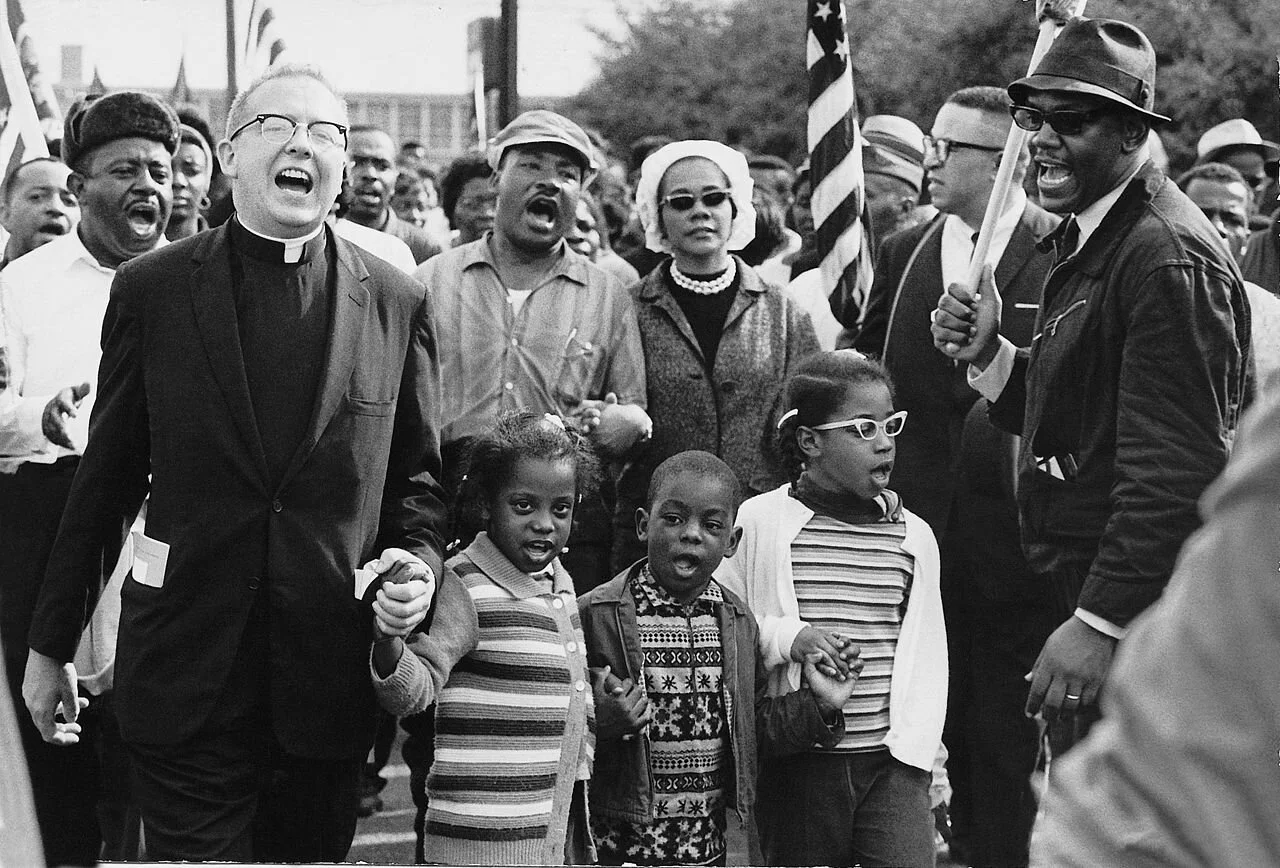
The 1965 march from Selma to Montgomery for the right to vote. Abernathy Family. Public Domain.
In the historic district of Selma, Alabama, the National Voting Rights Museum and Institute honors the movement to end voter discrimination. With memorabilia and documentation, the museum illustrates the struggle of Black Americans to obtain voting rights. In 1965, nearly 600 civil rights marchers crossed the Edmund Pettus Bridge, hoping to reach Montgomery. However, the day became known as “Bloody Sunday” as local law enforcement attacked peaceful protesters with clubs and tear gas. While the Voting Rights Act of 1965 outlawed voting practices that disenfranchised African Americans, many believe voter suppression still exists through strict photo ID laws for voters, a failure to provide bilingual ballots, and ex-felon disenfranchisement laws. By educating the public, the museum hopes to forever dismantle the barriers of voting in the United States.
10. National Underground Railroad Freedom Center - Cincinnati, Ohio
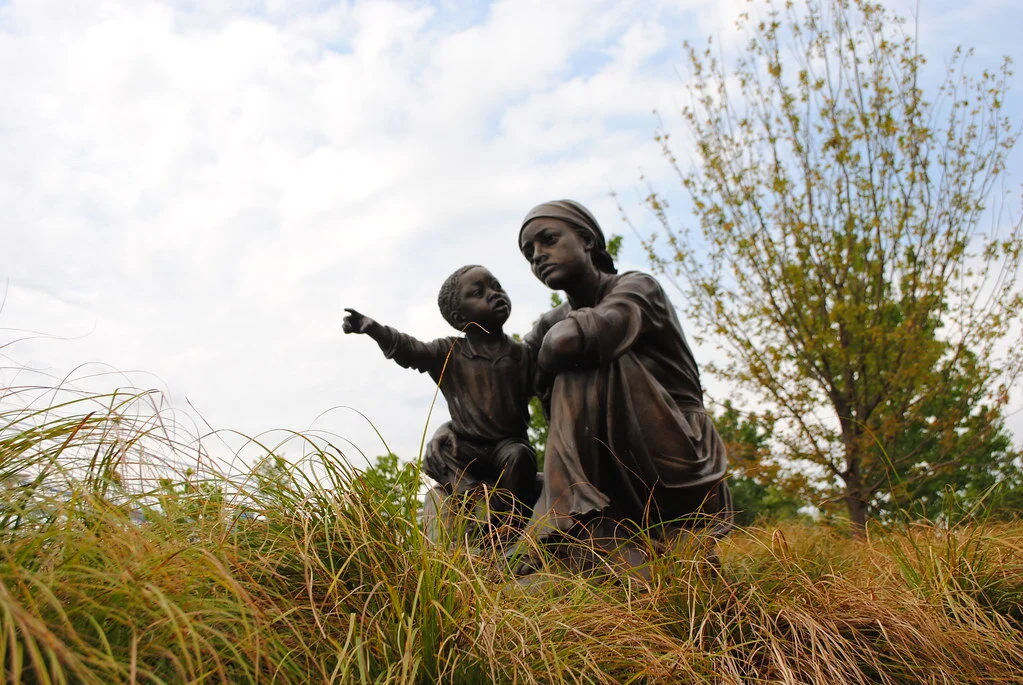
On the banks of the Ohio River, a statue depicts a mother and her child escaping slavery. Living-Learning Programs. CC BY-NC-ND 2.0
Near the Ohio River, where thousands of slaves traveled in search of freedom, the National Underground Railroad Freedom Center reveals the ongoing struggle for autonomy. From the historical vantage point of the Underground Railroad, the museum promotes the modern abolition of slavery. Due to widespread human trafficking, nearly 40 million people are currently enslaved around the world. As stated on the museum’s website, “Despite the triumphant prose of our American history books, slavery didn’t fully end 150 years ago. Today and throughout time, people around the world have struggled for their freedom. Yet, as forms of slavery evolve, so do the imaginations of those fighting for freedom.” Through artifacts, photographs and first-person accounts, the museum introduces the men and women who have resisted slavery. “Invisible: Slavery Today” is the world's first permanent exhibition on the subjects of modern-day slavery and human trafficking, challenging and inspiring visitors to promote freedom today.
Shannon Moran
is a Journalism major at the University of Georgia, minoring in English and Spanish. As a fluent Spanish speaker, she is passionate about languages, cultural immersion, and human rights activism. She has visited seven countries and thirty states and hopes to continue traveling the world in pursuit of compelling stories.
Zacatecas: a Vibrant Community in the Heart of Mexico
Travel deep enough into the Chihuahuan Desert and you’ll find yourself in Zacatecas. The Mexican state, known for its mining industry and colonial architecture, is often overlooked by travelers in favor of more popular cities such as Guadalajara, Mexico City and Acapulco.
Read More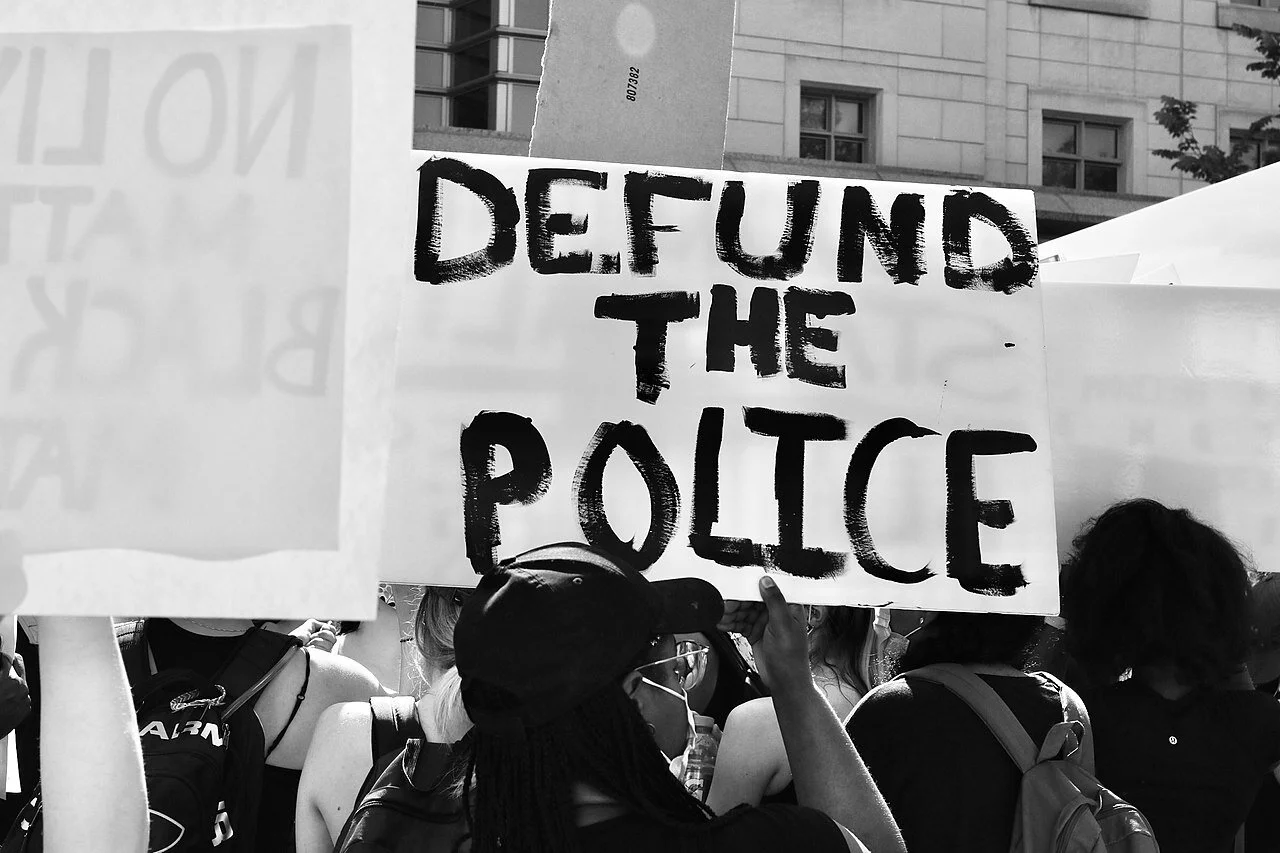
A protester holds a “Defund the Police” sign. Taymaz Valley. CC BY 2.0
Defunding the Police: What it Means and How it Works
Amid protests against racism and police brutality, Minneapolis has pledged to dismantle its police department and restructure its system of public safety. To further promote reform in the city of George Floyd’s murder, Minneapolis Mayor Jacob Frey announced, “We need a new compact with police, one that centers around compassion and accountability, one that recognizes that the way things have been done for decades and decades is not acceptable. We need change."
Cities across the United States have joined this movement to defund and downsize their police forces. Police departments currently oversee an array of services, including monitoring the homeless, resolving domestic disputes, receiving mental health calls, disciplining students, and addressing minor complaints like a counterfeit $20 bill, the accusation that led to George Floyd’s death. Many activists urge funds to be reallocated towards neglected social services, such as mental health, education and housing. By assisting underprivileged and overpoliced neighborhoods, these programs would alleviate the underlying causes of crime. Thus, defunding the police means a “divest and invest model: divesting money from local and state police budgets and reinvesting it into communities.”
According to the American Civil Liberties Union (ACLU), 14 million students attend schools with police officers but no counselors, nurses, psychologists or social workers. With few behavioral resources, teachers and principals turn to law enforcement to discipline children. This results in an increased criminalization of minors, especially marginalized students of color. Black students are three times as likely to be arrested as their white counterparts, and black students with disabilities account for 12% of school arrests. The ACLU also found that roughly 25% of school police had no prior experience working with youth. Police are trained to arrest and detain, not to oversee the social and emotional well-being of minors. Schools with health and youth professionals see improved attendance, lower rates of disciplinary incidents and higher rates of graduation.
Rather than funding police officers, Chicago Public Schools hires counselors from Alternatives, a multicultural youth development organization. Alternatives operates as a support system for more than 3,000 students in Chicago. Counselors promote “restorative justice,” teaching students leadership, responsibility, community-building and respect. Last year, in schools with Alternatives, reports of misconduct dropped by 31% and out-of-school suspensions dropped by 50%, showing that police may not be necessary in schools.

A protester in Minneapolis holds a sign that explains defunding police. Featous. CC BY 2.0
Criminalization of drugs also drives violent encounters between police and citizens, like the tragic shooting of Breonna Taylor. Since the “War on Drugs” began in the 1970s, police have targeted black neighborhoods, implementing stop-and-frisk protocols to subject thousands of “suspicious” minorities to searches. Higher arrest and incarceration rates in these communities reflect oversurveillance, not increased drug use. In the 2015 National Survey on Drug Use and Health, about 17 million white people and 4 million black people reported using an illicit drug within the last month. However, black Americans are six times more likely to be incarcerated for drugs than whites. Prosecutors are also twice as likely to issue a mandatory minimum sentence for black people than for white people charged with the same offense. Those selling small amounts of drugs to support their addiction may face decades of jail time. Since prisons rarely offer addiction treatment, released convicts often endure a cycle of drug abuse and arrests.
Oregon is at the forefront of decriminalizing drugs. In November, voters will review Initiative Petition 44, a measure to reduce possession of illegal drugs to a $100 citation. This citation could be waived if the person agrees to a health assessment at a drug recovery center. Drug trafficking and possession of large quantities of drugs would still result in criminal penalties. The initiative also includes $57 million a year for funding drug treatment programs. “We are trying to move policy towards treatment rather than prison beds,” former state senator Jackie Winters told the Washington Post in 2017 ahead of a similar bill. “We can't continue on the path of building more prisons when often the underlying root cause of the crime is substance use.”
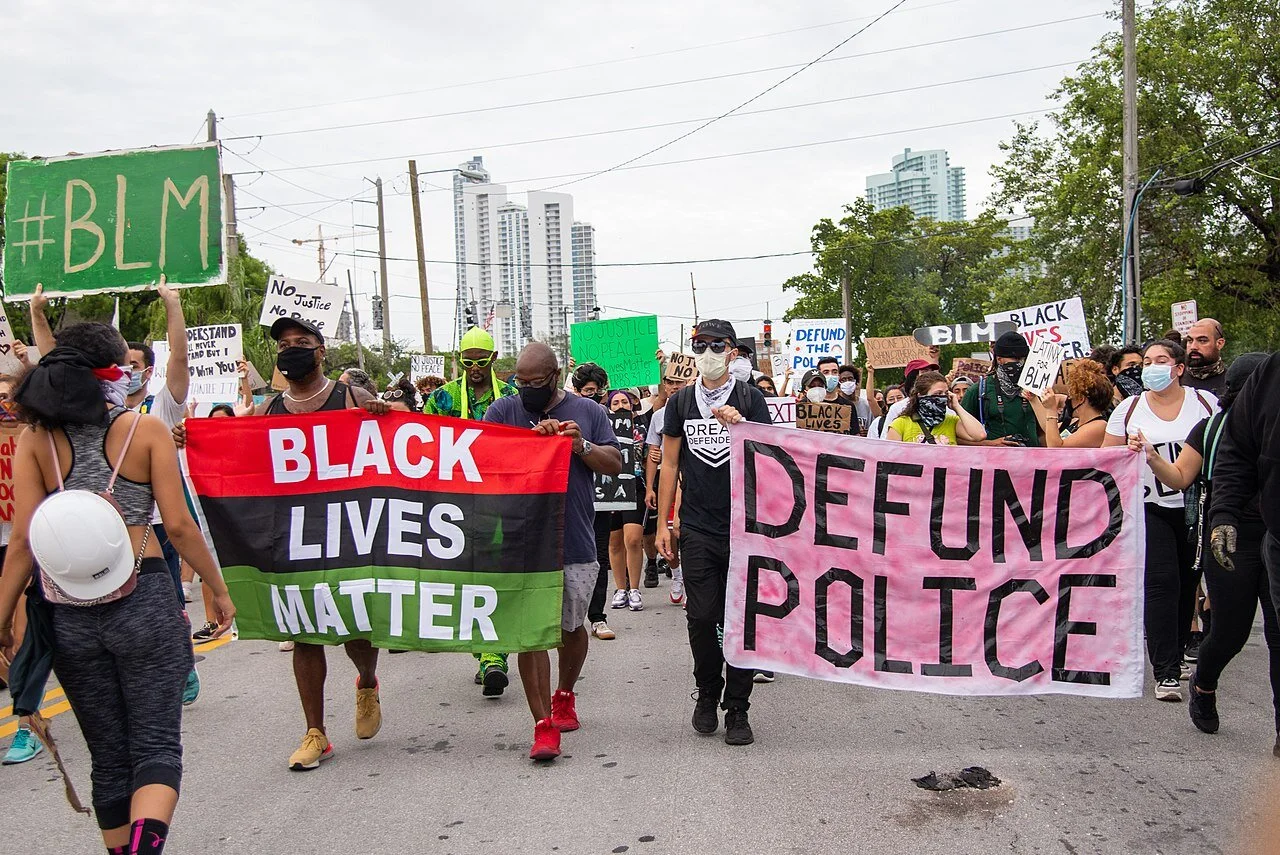
George Floyd protest in Miami. Mike Shaheen. CC BY 2.0
Every year, two million Americans with mental illnesses will be jailed. People living with mental illnesses are also 16 times more likely to die as a result of a police encounter compared to the general public. In 2017, one in four killed by police suffered from mental illness. These statistics prove that people experiencing a mental health crisis are more likely to encounter police than medical professionals. Although officers may receive crisis intervention training, police continually shoot and kill schizophrenic and mentally disabled people.
To prevent these senseless killings, cities have diverted funding to mental health programs. Austin, Texas, recently revamped its public safety department by adding millions of dollars to its mental health budget. Now, 911 operators inquire whether the caller needs police, fire or mental health services. The Crisis Intervention Team (CIT) refers to a group of law enforcement officers specifically trained in mental health crises. CIT diverts patients from the criminal justice system, instead connecting them with mental health services. Eugene, Oregon, also launched a service called CAHOOTS (Crisis Assistance Helping Out on the Streets) which deploys a medic and a mental health crisis worker to emergency calls. CAHOOTS avoids the need for law enforcement by providing immediate stabilization to urgent medical and psychological needs.
While defunding the police may seem inconceivable, programs and initiatives across the country are already similarly preventing crime. By reducing the reliance on police, community-driven solutions can de-escalate situations that result in arrests and police violence. Globally, the U.S. has the highest rate of police brutality and the largest prison population, with black people constituting 34% of the total 6.8 million inmates. One in 13 black Americans are now denied the right to vote due to laws that disenfranchise people with felony convictions. To afford such mass incarceration, the U.S. spends an estimated $100 billion on their police forces annually and $80 billion on incarceration. Yet, social services remain underfunded. It’s evident that people of color experience discrimination at every stage of the criminal justice system. With police brutality and incarceration on the rise, activists urge the United States government to finally reimagine policing in America.
Shannon Moran
Shannon is a Journalism major at the University of Georgia, minoring in English and Spanish. As a fluent Spanish speaker, she is passionate about languages, cultural immersion, and human rights activism. She has visited seven countries and thirty states and hopes to continue traveling the world in pursuit of compelling stories.
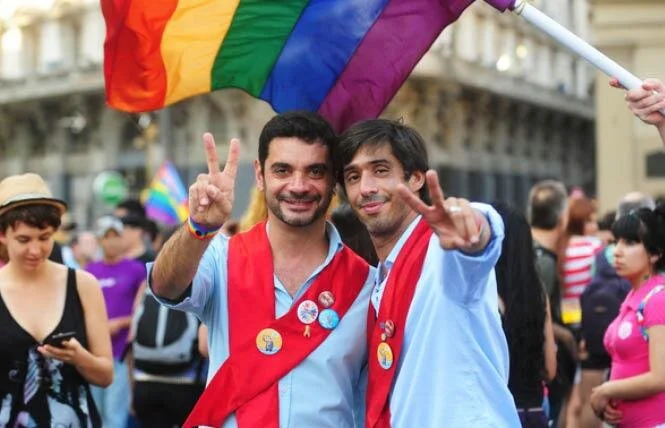
March for marriage equality in Costa Rica. Courtesy Gay Community News. CC 2.0
Costa Rica Becomes the First Central American Country to Legalize Same-Sex Marriage
On May 26, 2020, same-sex marriage was legalized in Costa Rica, ending years of discrimination and struggle to get the same rights as heterosexuals.
In 2018, Costa Rica’s Supreme Court ruled same-sex marraige to be constitutional. To enforce the ruling, the country’s Legislative Assembly had 18 months to either enact it or have the decision overturned. There was even a failed attempt by 20 politicians to get an 18-month extension to further delay marriage equality. Two years later, though, marriage equality became legalized with the first marriages officiated in May of 2020. At midnight on May 26, same-sex marriage was legalized. To celebrate, marriages were also televised across the country due to the COVID-19 pandemic postponing many in-person events.
Marriage equality was a key campaign promise by President Carlos Alvarado Quesada. According to Quesada, “Together, under the same flag, we will build a better nation.” His 2018 presidential campaign highlighted Costa Rica’s commitment to bettering human rights and social actions. Quesada’s presidency helped the nomination of the first openly-gay congressman, Enrique Sanchez, who emphasized that this has been a long battle for activists across the nation.
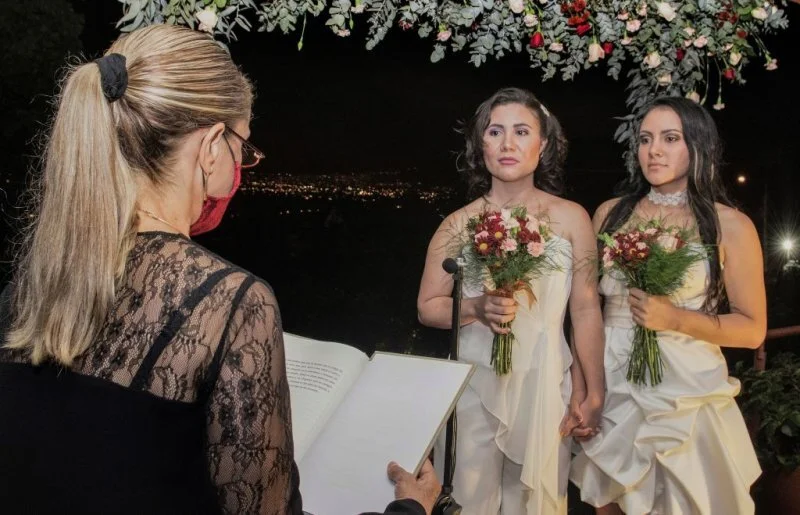
Alexandra Quirós and Dunia Araya become first homosexual couple to be married at midnight on May 26. Ezequiel Becerra. CC 2.0
Sanchez was correct in this statement. Costa Rica has pushed for equality for homosexuals since 2016. It first advocated for equal protections and rights to privacy for LGBTQ+ individuals under the American Convention on Human Rights (ACHR) with assistance from the Inter-American Court of Human Rights. Through the convention, all countries within the Americas were pushed to recognize gay marriage. It was then decided in 2017 that all rights of heterosexuals and couples must be applied to every Costa Rican.
This was not an easy feat. Many across the country protested against this decision. For instance, 20 politicians tried to get another 18 months to delay the ruling but ultimately failed. There also has been strong pushback from religious groups that deny that homosexuality has grown considerably in Costa Rica. Catholicism is recognized as the official religion of the state, so lawmakers such as Eduardo Cruickshank felt the need to “defend the family as established and pleasing our Heavenly Father.” Up until now, marriages of same-sex couples were not recognized by the state and would automatically be annulled.
A research study by Sin Violencia LGBTI shows that more than 1,300 members of the LGBTQ+ community have been killed over the past five years across Latin America and the Caribbean. This group has become the leading coalition that pushes for governments to take action to better protect the LGBTQ+ community.
This historical achievement makes Costa Rica the first country in Central America and the 28th U.N. member state to recognize same-sex marriage and to legalize marriage equality. It is the sixth Latin American country to do so, following Argentina, Ecuador, Brazil, Colombia, Uruguay and parts of Mexico. The Costa Rican government hopes this will not only encourage change in Central America but throughout the entire world.
Eva Ashbaugh
is a Political Science and Gender, Sexuality, and Women's Studies double major at the University of Pittsburgh. As a political science major concentrating on International Relations, she is passionate about human rights, foreign policy, and fighting for equality. She hopes to one day travel and help educate people to make the world a better place.
‘AILA’AU's Volcano: The Forest Eater
On April 30th, 2018, Hawaii’s Puʻu ʻŌʻō crater collapsed after erupting for 35 years.
How Solar Energy Is Bringing Power Back to Puerto Rico
After watching Hurricane Maria devastate his native Puerto Rico, New York City-based architect Jonathan Marvel knew he needed to do anything he could to give back. He banded together a group of friends to launch Resilient Power Puerto Rico, hoping to use the strength of renewable, solar energy to provide a steady source of electricity back to the island.
Just two weeks after the ambitious initiative was born, Marvel was back in Puerto Rico installing solar panels and batteries on the rooftops of community centers. The storm had wiped out power lines and had left people without electricity. Solar-powered energy would allow them to live and operate off the grid, without reliance on fossil fuel-burning power plants. Suddenly, these solar-powered community centers were able to provide spaces where people could refrigerate medication, filter water and gather together to rely on one another in the midst of a humanitarian crisis.
At last count, Marvel and Resilient Power Puerto Rico were able to bring solar power to 20 community centers across the island—helping over 100,000 people in the process.
Still, Marvel’s work is far from over. It took nearly a year before the Puerto Rico Electric Power Authority restored power to most of the island’s residents, and, according to reports, the electricity system is in not in a much better state than it was before Maria wiped out the island.
Longer term, Marvel dreams of a day when Puerto Rico is able to shift to 100-percent renewable energy sources. He believes it is an achievable goal, and Resilient Power Puerto Rico is working to make it a reality.
“We can no longer rely on large fossil fuel burning power plants distributing energy and wires that are going to get blown down every year,” Marvel says. “We have all this power from the sun that needs to be harnessed.”
The Threat to America that’s been Growing Inside America
While the Middle East and the border crisis get all the attention, Charlottesville and El Paso remind us that America’s worst threat is right here at home.

White supremacists gathered for the Unite the Right rally in Charlottesville, Virginia. By Anthony Crider. CC by 2.0.
August 12th 2017, fresh out of my first year at the University of Virginia, I sat in front of my TV horrified, watching white supremacists marching through a place I had recently starting calling home. Headlines on every major paper ran with Trump’s quote regarding “fine people on both sides.”
When classes started in the fall, my peers and I returned to Charlottesville deeply unsettled by what had happened on our grounds. Our community was rocked to its core. However, the rest of the world quickly moved on without us.
The past two years, this weekend has marked a time for remembrance, but also caution and fear in Charlottesville. The dates, August 11th and 12th, have become something of the towns very on 9/11, and the police presence during these two days isn’t easy to ignore. The events that took place to years ago are on our minds, however, not on the mind of the nation.
The march on Charlottesville was the last time I saw white supremacy dominate all the major headlines, that is, until this weekend’s mass shooting in El Paso. We, as a nation, let ourselves become distracted and forgetful of a real problem that’s been growing in the heart of our country. We can point to how the nation has so eagerly embraced the narrative of the “dangerous outsider” to explain why.
A decade ago, the Department of Homeland Security released a report on the growing threat of right wing extremism, correctly predicting “the potential emergence of terrorist groups or lone wolf extremists capable of carrying out violent attacks.” However, this warning was not given serious merit by the Trump administration. President Trump’s transition team made it clear to the DHS that it wanted to focus on Islamic terrorism and reorient programs meant to counter violent extremism to exclusively target international threats like al-Qaeda and ISIL. These Islamic terrorist groups have stayed in the headlines, despite the fact they no longer pose a serious domestic threat. It should come as no surprise that this June the FBI reported a significant rise in white supremacist domestic terrorism in recent months.
President Trump’s rhetoric has also turned American’s attention away from the alt-right matter at hand, and turned our attention to what he would call an “infestation.” Searching through theTrump Twitter Archive, I failed to find one mention of domestic terrorism, white nationalists or the growing menace they pose to our country. After all, why shouldn’t Trump protect his loyal voter base? It’s no secret that white nationalists are Trump supporters; alt right leaders have even been spotted at his rallies.
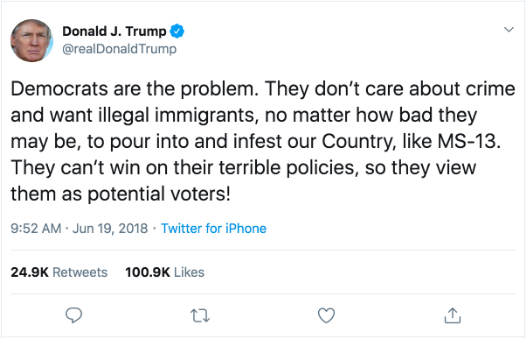
President Trump says immigrants “infest” our country. Via Twitter. June 19, 2018.
The president has protected these terrorists by turning the national discussion elsewhere -the southern border. As a result, liberals have kept themselves busy investigating the disgusting conditions of border control centers and “children in cages,” while conservatives call for further border restrictions. These leaves no one time for anyone to wage war against the real domestic threat --white supremacy.
Trump denounced “racist hate” Monday after the shooting this weekend. He blamed violent video games, mental health and, ironically, internet bigotry from prompting the Dayton and El Paso attacks. He failed to make mention of any real action that might be taken against white supremacist terrorism, let alone endorse gun law reform.
Had the attackers been Black, Hispanic or Middle Eastern, the White House would surely be taking extreme action. However, just like during the aftermath of Charlottesville, nothing serious is being done to combat alt-right violence.
Now,in light of the two year anniversary, I can’t help but wonder if our country truly took notice of the event that shook our little community two years ago. I still pass by the street where Heather Heyer was killed by a domestic terrorist who drove his car into a crowd of people two years ago. The street, now named Heather Heyer Way, remains adorned with chalk writing, flowers and crosses dedicated to her memory. How many more memorials must we lay in El Paso, and the rest of the world, before we address the white supremacist threat?
EMILY DHUE is a third year student at the University of Virginia majoring in media. She is currently studying abroad in Valencia, Spain. She's passionate about writing that makes an impact, and storytelling through digital platforms.

Mexico
The videographer is Face du Monde and these are his comments on the video:
Read MoreThe LGBTQ Migrant Caravan that Sought Asylum in the US
LGBTQ migrants from Central America seeking asylum in the US faced hardship and discrimination not only from gangs that prey on migrants as they travel, but also from their fellow travelers. They were a part of a “caravan” of 3,600 asylum seekers that started to journey from San Pedro Sula, Honduras, in October 2018, traveled through Mexico, and reached the Northern Mexican city of Tijuana, bordering the US, in November 2018. The members of the caravan were escaping all kinds of violence in their home countries of Honduras, Guatemala, and El Salvador.
Read MoreExplore the Melting Ice Caves of Alaska’s Mendenhall Glacier
Mendenhall Glacier is a spectacular 12-mile-long glacier near Juneau, Alaska. Ice caves make up its surreal interior. Only the truly adventurous can access its icy walls, as the trip to see them requires a kayak trip, an ice climb and—once you're inside—the faith that the glacier’s melting walls won't give way. But this natural wonder is under threat. The glacier has been retreating incredibly quickly in recent years due to warmer temperatures and rising sea levels. Since 1958, it has receded by almost two miles. What remains, however, is an utterly breathtaking fantasyland.
Protecting Our Oceans from Ghost Traps
At any given time, there are thought to be over 360,000 tons of loose fishing gear floating through our oceans. These disregarded pieces of debris are a danger to our aquatic ecosystems, trapping fish, turtles, birds and even whales. Kurt Lieber assembled the Ocean Defender Alliance, a group of volunteer divers cleaning California’s coasts of ghost nets and traps.
Turning Plastic Trash Into Cash in Haiti
What would our world look like without plastic? From life-saving medical devices to computers to Tupperware, it’s changed the way we live, work and understand the world around us. But the same wonder material that has revolutionized so much is choking our oceans. It’s estimated that, every minute, an entire garbage truck worth of plastic hits our oceans. Otherwise put, 8 million tons of once-useful items find their way to global waters each year. There, over time, they break into tiny pieces called “microplastics,” which end up consumed by marine life.
For David Katz, fighting plastic pollution should start long before a soda bottle hits the tide. What’s more, he believes the very plastic waste that litters our shores and seas is anything but waste. In 2014, David launched the Plastic Bank, “a global network of micro-recycling markets that empower the poor to transcend poverty by cleaning the environment,” according to its website. The organization currently operates in Haiti, the Philippines, Indonesia and Brazil, and works like this: community members collect plastic waste (much of it post-consumer products like milk containers, detergent bottles and plastic bags) and bring it to Plastic Bank centers where it’s weighed and exchanged for cash. In Haiti, for example, more than 2,000 collectors have recovered around 7-million pounds of plastic since the organization arrived in 2015.
What was once considered waste can now be sold to major brands like Marks and Spencer and Henkle, who will use it to package and distribute their products in a more sustainable manner. As David Katz puts it, this “social plastic” is “empowering and precious”—something that bonds collectors in places like the Philippines and Haiti to brands and consumers around the world.
For Native Americans, US-Mexico Border is an ‘Imaginary Line’
Immigration restrictions were making life difficult for Native Americans who live along – and across – the U.S.-Mexico border even before President Donald Trump declared a national emergency to build his border wall.
Read More