Clean Cookware Used to Improve Women’s Health and Combat Climate Change

Millions of women in developing countries lack access to clean cookware. International organizations are working to change that. 
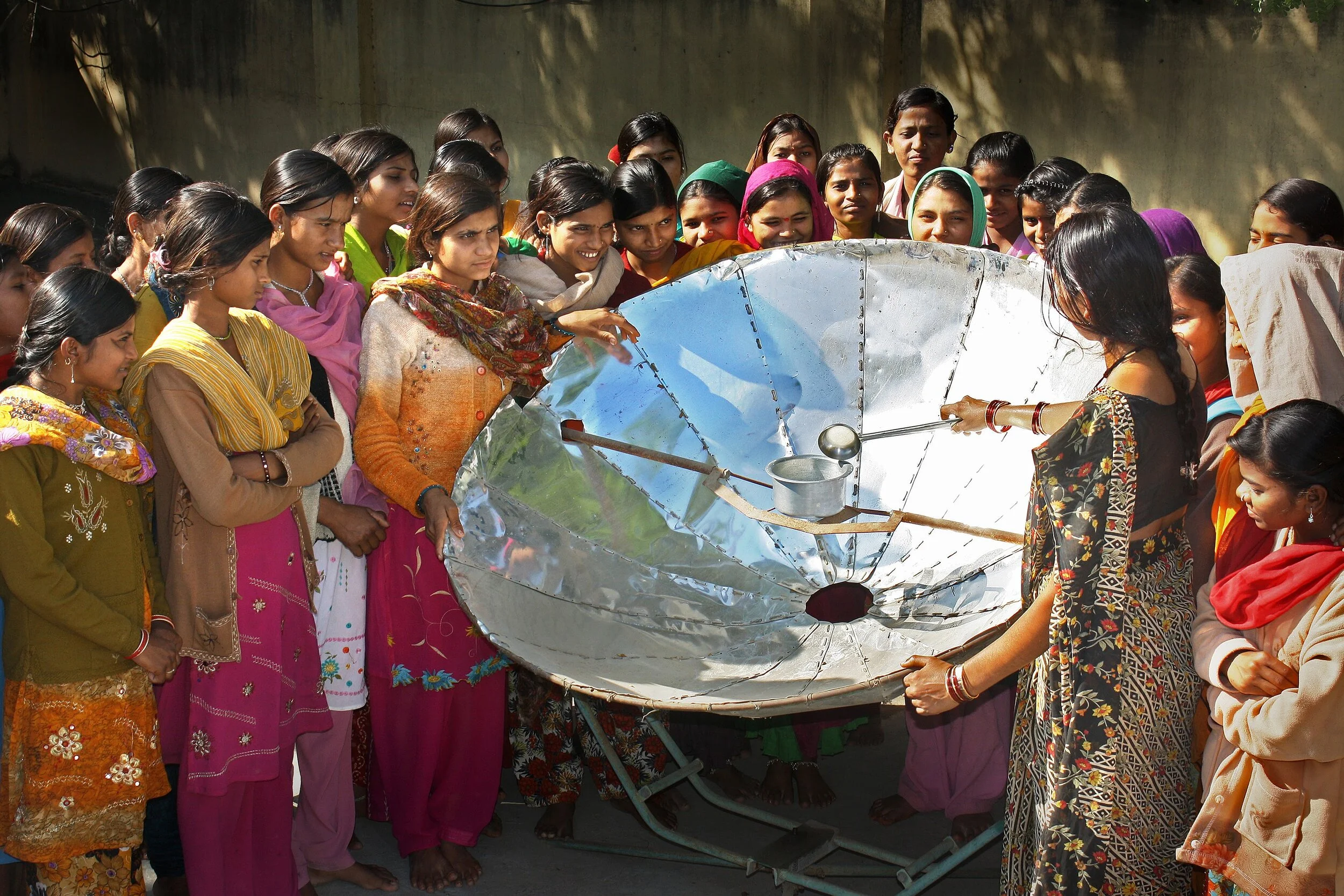
Women in India testing a solar cooker. United Nations Development Program. CC BY-NC-ND 2.0

Although the Beijing Declaration and Platform for Action in 1995 made groundbreaking strides toward gender equality, one key issue was never addressed: providing households with clean cookstoves. At least 3 billion people across the developing world rely on open fires to cook their food, a task mainly entrusted to women. Cooking on open fires can hold severe environmental and health implications for women and their families. 

According to the Clean Cooking Alliance, cooking over open fires is the second-largest contributor to global warming aside from carbon dioxide emissions. The burning process releases black carbon, or soot, which lowers the reflective quality of glaciers and sea ice, causing them to melt. Additionally, the demand for wood as fuel results in unsustainable harvesting and deforestation. Studies indicate that at least 30% of the wood used in the developing world is unsustainably harvested, negatively affecting the ecosystem’s health, biodiversity and erosion. The absence of trees prevents carbon dioxide from being absorbed from the atmosphere through photosynthesis, further compounding the effects of global warming. 

Cooking on an open fire also exposes women and children to toxic levels of household air pollution, sometimes over 35 times the amount deemed safe by the World Health Organization. Exposure to air pollution can have detrimental effects on one’s health, causing increased risks of childhood pneumonia, lung cancer, strokes and atherosclerosis. In some cases, exposure to high levels of air pollution has led to complications during birth. Health conditions related to smoke inhalation kill over 4 million people each year. 

Access to safe cookware in the developing world remains limited, especially in areas torn apart by humanitarian crises. Women often put themselves in dangerous and even life-threatening situations while searching for cooking fuel. Women collecting firewood near refugee camps and conflict zones face increased risks of gender-based violence. Additionally, children accompanying their mothers to find firewood cannot attend school and miss out on available educational opportunities. The time spent gathering firewood further prevents women from seeking valuable opportunities to generate income for their families and children. 

Empowering Women Through the Clean Cooking Alliance 
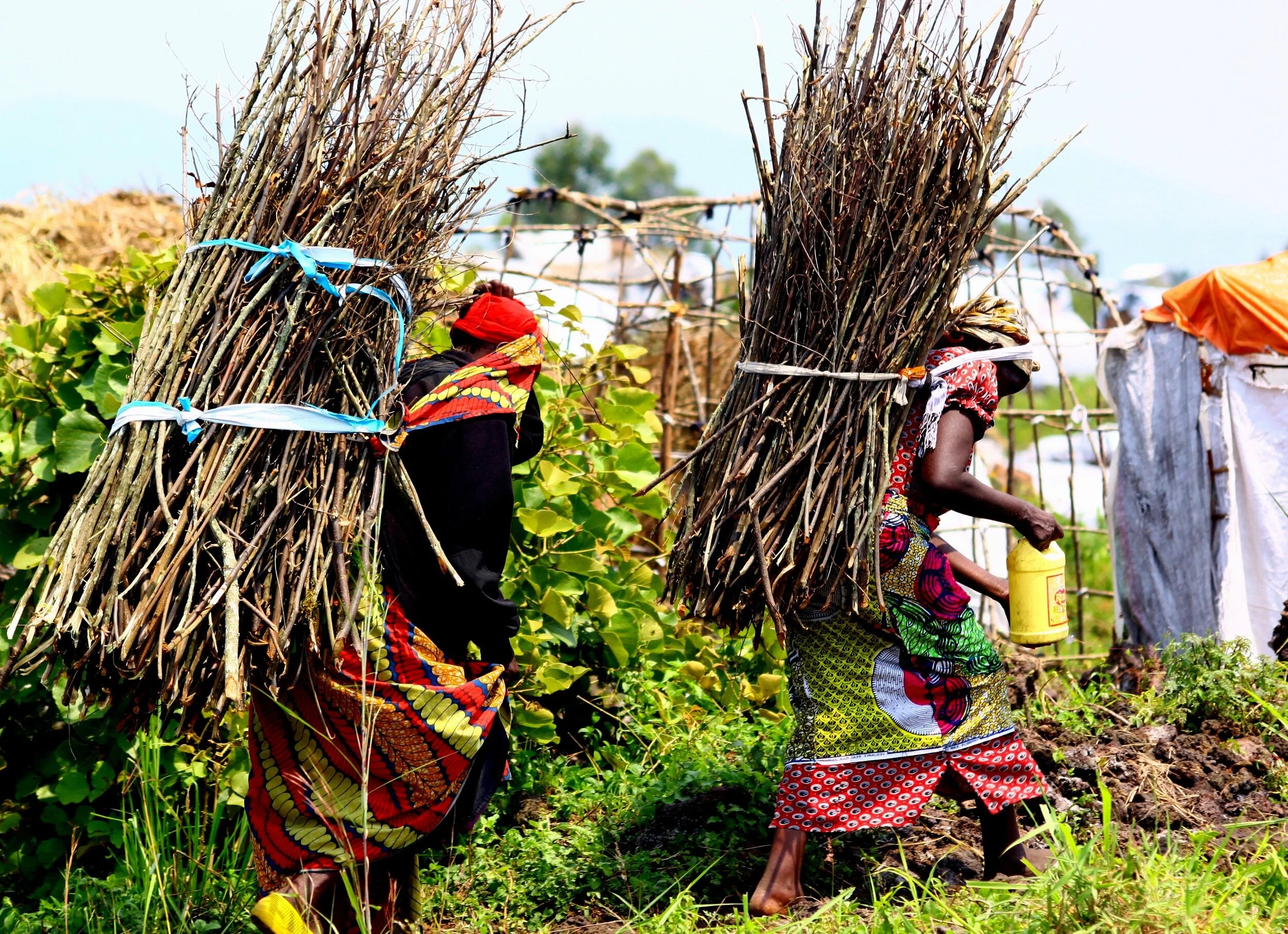
Women collecting firewood in the Democratic Republic of Congo. Oxfam International. CC BY-NC-ND 2.0

Founded in 2010, the Clean Cooking Alliance is an U.N.-backed organization focused on gender equality through cooking. The alliance works with a global team to ensure that 3 billion people gain access to clean cookstoves. Its focus is on increasing consumer demand and supporting local businesses while developing a clean cooking industry in seven countries: Bangladesh, China, Ghana, India, Kenya, Nigeria and Uganda. Modern cookstoves have reduced black carbon emissions by 30-60% and help to combat climate change. Additionally, having access to cooking equipment can save women up to 300 hours and $200 per year, giving them more free time to spend with their families or economic pursuits. As the Clean Cooking Alliance expands its reach, hopes are high that women and their families will be empowered across the developing world. 

To Get Involved: 

Check out the Global Cooking Alliance’s initiatives on its website or head to its fundraising page


Megan Gürer

Megan is a Turkish-American student at Wellesley College in Massachusetts studying Biological Sciences. Passionate about environmental issues and learning about other cultures, she dreams of exploring the globe. In her free time, she enjoys cooking, singing, and composing music.


CATALYST PLANET's 50 BEST BOOKS OF 2023

A wealth of captivating new books flooded the shelves in 2023, enticing readers with diverse narratives and ideas—here are our top picks. These books will take you all over the world, from Malaysia to Argentina, from Palestine to Turkey, and through all of the major social issues of our time.

Fiction

1. Covenant of Water 

by Abraham Verghese

Abraham Verghese's "The Covenant of Water" intricately weaves a haunting saga across three generations in Kerala, South India, exploring a family's struggle with a mysterious pattern of drownings from 1900 to 1977. Amidst the omnipresent waters of Kerala, this poignant narrative delves into love, faith and resilience, creating a vivid portrayal of human endurance, medical progress and intergenerational sacrifices in a changing India—a captivating literary masterpiece hailed by Oprah Winfrey as "unputdownable."

2. Our Share of Night 

by Mariana Enriquez

In 'Our Share of Night,' a father and son confront a sinister family obsessed with immortality, spanning time and escaping the clutches of a menacing cult across different eras from 1960s London to Argentina's turbulent history. This narrative of family, the supernatural, and queer themes poses the question: Can anyone escape fate, or will love and sacrifice prevail? It's a compelling work by a visionary Latin American storyteller praised as 'mesmerizing' by Dave Eggers.

3. The House of Doors 

by Tan Twan Eng

In 1921 Penang, "The House of Doors" follows Lesley Hamlyn and her husband Robert, alongside writer Somerset Maugham and his secretary Gerald. Maugham, dealing with a troubled marriage and seeking inspiration, discovers Lesley's intriguing past involving Dr. Sun Yat Sen. This captivating novel explores race, gender and power dynamics within the British Empire, weaving a tale of complex relationships and hidden truths.

4. Small Mercies 

by Dennis Lehane

In Boston's 1974 heatwave, Mary Pat Fennessy's quest for her missing daughter intertwines with the mysterious death of a young Black man. As she delves into dangerous inquiries, she clashes with the Irish mob amid the city's explosive school desegregation turmoil. Dennis Lehane's "Small Mercies" is a gripping thriller exposing criminality, power dynamics and the chilling realities of American racism during this tumultuous period.

5. Straw Dogs of the Universe 

by Ye Chun

Straw Dogs of the Universe follows the journey of Sixiang, a young girl sold in America, desperate to reunite with her father, a railroad worker in California, amid the challenges presented by the anti-Chinese movement. This sweeping historical saga spans generations from Chinese villages to the American West, exploring family resilience and the struggle for survival in a country that relies on and rejects its laborers.

6. The Reformatory

by Tananarive Due

In 1950, in Gracetown, Florida, twelve-year-old Robbie Stephens, Jr., is sent to The Reformatory to defend his sister, Gloria. His gift of seeing ghosts turns from solace to a window, revealing the horrors within. As the boys vanish, Robbie learns survival from friends Redbone and Blue while Gloria fights to rescue him. Tananarive Due's haunting historical fiction, "The Reformatory," unravels the hidden truths of the Jim Crow South and the notorious Dozier School for Boys, illuminating long-buried tragedies through Robbie's gripping narrative.

7. The Heaven & Earth Grocery Store 

by James McBride

In 1972 Pottstown, Pennsylvania, the discovery of a skeleton in Chicken Hill, a neighborhood where Jewish immigrants and African Americans lived side by side, unravels long-held secrets. James McBride's "The Heaven & Earth Grocery Store" delves into the intertwined lives of Moshe, who integrated a theater, and Chona, who ran a grocery store, revealing their struggles and the community's resilience against adversity. 

8. If I Survive You

by Jonathan Escoffery

In the 1970s, Topper and Sanya fled Kingston, Jamaica's political violence for Miami, only to face exclusion and hardship as Black immigrants. Jonathan Escoffery's "If I Survive You" follows Trelawny, navigating financial turmoil, racism, and family struggles with resilience. Through humor and vibrant storytelling, Escoffery unravels the challenges of being between cultures, offering a profound commentary on survival in a world shaped by capitalism and systemic biases. This debut marks Escoffery as a distinctive voice, chronicling the grim and hopeful aspects of American life.

9. Enter Ghost 

by Isabella Hammad

Actress Sonia Nasir returns to Haifa, facing her fractured connection to Palestine. She gets involved in a West Bank Hamlet production, finding camaraderie among Palestinian actors determined to cross barriers. This poignant novel explores diaspora and resistance in present-day Palestine, highlighting the transformative power of artistry amid occupation.

10. What Napoleon Could Not Do 

by DK Nnuro

This book follows siblings Jacob and Belinda Nti from Ghana and Wilder, a Texan businessman. Their varied perspectives unravel the American dream—Jacob's visa struggles, Belinda's success in education, and her marriage to Wilder, who confronts racial challenges. This poignant narrative explores their aspirations and experiences, shedding light on the promises and pitfalls of life in the U.S., capturing dashed hopes and realized dreams.

11. Loot 

by Tania James

Abbas, a gifted woodcarver, enters Tipu Sultan's service, crafting a grand tiger automaton for the Sultan's sons. As war wreaks havoc across India and Europe, Abbas collaborates with renowned clockmaker Lucien du Leze. When invited to France, Abbas discovers the tiger's disappearance after British forces loot Tipu's palace. His mission changes to retrieving the automaton from an English estate, testing his skills and loyalty amid a backdrop of plundered art.

12. Chain Gang All Stars 

By Nana Kwame Adjei-Brenyah

"Chain-Gang All-Stars" follows Loretta Thurwar and Hamara "Hurricane Staxxx" Stacker, stars of CAPE's death matches in a profit-driven private prison program. As fan favorites, they compete for freedom while grappling with their relationship and the brutal nature of the games. Thurwar, on the brink of freedom, wrestles with the ethical toll on her fellow Links. This searing novel examines systemic racism, capitalism, and mass incarceration in America's prison system, offering a poignant reflection on the true meaning of freedom.

13. Kantika 

by Rebecca Cohen

This novel paints a vivid portrait of Rebecca Cohen, the spirited daughter of Istanbul's Sephardic elite. Displaced in Barcelona due to financial loss, Rebecca navigates life's joys and hardships, from a failed marriage to motherhood, across Spain, Cuba and New York. Her story delves into identity, exile, and the female experience in work, art and love, emphasizing resilience amid suffering and embracing life's beauty. Elizabeth Graver's lyrical novel celebrates women's strength and determination in seizing their destinies.

14. No One Prayed Over Their Graves 

by Khaled Khalifa

The lives of Hanna and Zakariya are altered forever as they return to their village near Aleppo, Syria, to find it devastated by a massive flood. Hanna, once a wealthy libertine, transforms into an ascetic mystic after losing everything, delving into the meaning of life and death. The novel navigates their lives in Aleppine society at the turn of the 20th century, capturing the rich tapestry of friendships, love, and societal changes amidst the city's diverse communities.

15. Crook Manifesto 

by Colson Whitehead

In this novel, set from 1971 to 1976, furniture store owner Ray Carney grapples with a chaotic city, the NYPD's clash with the Black Liberation Army, and a return to the criminal world for Jackson 5 tickets. Pepper, Carney's partner, ventures into Blaxploitation shoots, encountering Hollywood stars and criminals while displaying his prowess. Amid Harlem's upheaval in 1976, Carney and Pepper uncover corruption while facing family challenges in a crumbling city.

16. I Will Greet The Sun Again 

by Khashayar J. Khabushani

"I Will Greet the Sun Again" traces K's struggle with identity as a young Iranian immigrant in the San Fernando Valley, dealing with feelings for his friend Johnny while navigating his family's expectations. After returning from Iran, K grapples with reconstructing his identity in a changed world. Khashayar J. Khabushani's novel delves into the challenges of being queer and Muslim in America, depicting a tender journey of self-discovery and belonging.

17. Birnam Wood 

by Eleanor Catton

A New Zealand landslide isolates Thorndike town, prompting a guerrilla gardening group, Birnam Wood, to seize an abandoned farm for financial stability. However, an enigmatic billionaire, Robert Lemoine, claims the land for an end-times bunker, sparking a clash of ideologies and trust issues. This gripping thriller explores human survival instincts, alliances and the complexities of human nature in a tense narrative.

18. Faraway World 

by Patricia Engel

This short story collection portrays Colombian expats in New York City, a Cuban woman seeking her brother's stolen bones and a couple hustling in Miami, each grappling with their pasts. These intimate and panoramic stories capture regret's liminality, the vitality of community and moments of love, offering a compassionate view of human connections.

19. Same Bed Different Dreams 

by Soon Sheen

Reimagining a world where the Korean Provisional Government persists, working covertly towards a unified Korea, this novel intertwines narratives and mysterious images. Author Soon Sheen, employed by tech giant GLOAT, discovers an unfinished manuscript linking various personalities, blending reality and fiction. This imaginative tale by the acclaimed author of "Personal Days" offers an alternate reality where a unified Korea feels within reach.

20. Victory City

by Salman Rushdie

"Victory City" narrates the epic tale of Pampa Kampana, a nine-year-old girl in fourteenth-century southern India, chosen by a goddess after a divine encounter. Over 250 years, her life deeply intertwines with the rise and fall of Bisnaga, a magnificent city, sown from magical seeds and eventually ruined by human folly. Pampa strives to empower women in a patriarchal society, yet the city's complexities grow beyond her control. Crafted as an ancient epic, this saga embodies the enduring power of storytelling through love, adventure and myth.

21. A History of Burning 

by Janika Oza

In 1898, an Indian teen named Pirbhai works for the British on the East African Railway, committing a fateful act. Janika Oza's multi-generational epic spans continents and time as Pirbhai's family navigates the repercussions of his deed. Born in Uganda during colonial rule's decline, his granddaughters faced upheaval and fled Idi Amin's sadistic dictatorship in 1972. The family's scattering leads to a global journey, questioning loyalties and defining their place in the world. "A History of Burning" traces an intimate saga of family, complicity, and resilience across generations.

22. The Most Secret Memory of Men 

By Mohamed Mbougar Sarr and Lara Vergnaud

Winner of France's highly prestigious Prix Goncourt, "The Most Secret Memory of Men" follows Senegalese writer Diégane Latyr Faye's quest in Paris to uncover the mysterious author of a scandalous 1930s book. It delves into history's tragedies and explores themes of exile, art and cultural convergence between Africa and the West, celebrating the timeless power of literature.

23. Tremor 

by Teju Cole

"Tremor" is Teju Cole's riveting exploration of life's complexities through Tunde, a West African photographer in New England. Amidst historical reflections, racial tensions and personal revelations, the novel delves into time's passage and the human capacity for survival and joy. Cole's masterful storytelling in this realistic yet inventive work resonates with literature, music and the profound experience of existence.

24. Age of Vice 

by Deepti Kapoor

"Age of Vice" delves into how the Wadia family's opulence is tainted by violence, power and desire in contemporary India. Ajay, Sunny and Neda navigate ambition, corruption and forbidden romance in a gripping tale that spans from villages to the metropolis of New Delhi, revealing greed's consequences.

25. Family Lore 

By Elizabeth Acevedo

Flor holds a unique power: foreseeing death dates. When she plans a living wake, her sisters wonder about her intentions and their own hidden truths. As the Marte women gather for the celebration, Elizabeth Acevedo's "Family Lore" unfolds, intertwining past and present in a vibrant tale of sisterhood, legacy, and revelations over three significant days.

26. Let Us Descend 

by Jesmyn Ward

"Let Us Descend" is a vivid reimagining of American slavery, following Annis' harrowing journey from the Carolinas to a Louisiana sugar plantation. Jesmyn Ward intricately weaves family, spirituality and resilience themes in this powerful tale of sorrow and redemption set against the haunting backdrop of the American South's landscapes.

27. The Deluge 

By Stephen Markley

In a turbulent 21st-century world, "The Deluge" weaves a gripping narrative involving Tony Pietrus, a threatened scientist, and a diverse array of characters. Their interconnected journeys traverse landscapes from California to Wyoming, unveiling a tale of courage, chaos and hope amid an impending ecological crisis and political upheaval. This ambitious novel confronts sacrifices made for humanity's survival, capturing a pivotal moment in time with unparalleled depth

NonFiction

28. King: A Life 

by Jonathan Eig

Jonathan Eig's "King: A Life" is an extensively researched and vividly written biography, offering a fresh perspective on Martin Luther King Jr. It delves into his complex relationships, internal struggles, and his pivotal role in reshaping American race relations. This landmark biography captures MLK's brilliance as a strategist and his unwavering commitment to justice, making his message as relevant today as it was in his era.

29. Waiting to be Arrested at Night 

by Tahir Hamut Izgil

In "Waiting to Be Arrested at Night," Tahir Hamut Izgil recounts the harrowing ordeal of the Uyghur people in China under the government's brutal crackdown. As a poet and intellectual, Tahir experienced the persecution firsthand, witnessing the disappearance of friends and neighbors into internment camps. His book is a plea for global awareness of the crisis and a tribute to silenced Uyghur voices.

30. The Rediscovery of America 

by Ned Blackhawk

This narrative spans five centuries, highlighting how Indigenous history has shaped America. The author unveils pivotal moments where Native nations influenced colonization, the American Revolution, the Civil War and 20th-century activism. Blackhawk's retelling emphasizes Indigenous peoples’ enduring resilience and impact on the United States' history and identity.

31. Cobalt Red 

by Siddharth Kara

"Cobalt Red" uncovers the grim truth of cobalt mining in the Congo through personal stories. Siddharth Kara delves into the harsh realities of child labor, militia control and global tech reliance on Congo's cobalt. With a call for global awareness, Kara highlights the urgent need to address this human rights and environmental crisis.

32. The Half-Known Life: In Search of Paradise 

by Pico Iyer

One of the world’s greatest travel writers, explores this 3.64 Pico Iyer’s exploration in “Paradise,” which takes readers across diverse landscapes and beliefs, challenging our notions of utopia and peace. From Iran to North Korea and even high up in the Himalayas, he questions the essence of paradise, pondering its existence in the here and now amid life's complexities and suffering. With decades of global experiences, Iyer delivers an original, transformative perspective on finding moments of paradise within our everyday realities

33. How to Say Babylon 

by Safiya Sinclair

This memoir recounts the author’s struggle against oppression within a strict Rastafari household, finding her voice through poetry and education. The book delves into her journey of breaking free from cultural constraints to reclaim her autonomy and power.

34. Some People Need Killing 

by Patricia Evangelista

This gripping chronicle delves into the Philippines' drug war under Rodrigo Duterte. With meticulous reporting, Evangelista uncovers the brutal killings carried out in the name of law and order, shedding light on the nation's frightening atmosphere and the human impulses behind such violence.

35. The 272: The Families Who Were Enslaved and Sold to Build the American Catholic Church 

by Rachel L. Swarns

Unveiling Georgetown University's connection to slavery by tracing the Mahoney family's multigenerational story, this groundbreaking account exposes the Catholic Church's reliance on enslaved labor, sparking a national conversation about reparations and the Church's role in American history.

36. We Were Once a Family 

by Roxanna Asgarian

This gripping expose delves into a tragic murder-suicide involving six children adopted by a white couple. "We Were Once a Family" uncovers systemic faults in the foster care system, revealing racial biases and neglect. Asgarian's immersive journalism highlights the lives of the adopted children, their birth families and the failures of a flawed system that continues to endanger vulnerable youths.

37. Liliana’s Invincible Summer 

by Cristina Rivera Garza

This poignant memoir, "Liliana's Invincible Summer," chronicles her quest for justice following her sister's tragic murder by an abusive ex-boyfriend. Rivera Garza honors Liliana’s vibrant spirit in luminous prose, tracing her life and final summer of 1990. Through a blend of scholarly insight and personal narrative, she confronts her the loss of her sister, crafting a moving testament to resilience and the ongoing fight against gendered violence.

38. The Great Escape :A True Story of Forced Labor and Immigrant Dreams in America

by Saket Soni

The gripping story of immigrant workers trapped in dire conditions on the Gulf Coast. Their daring escape, march to Washington, DC, and determined hunger strike unfold against the backdrop of their fight for dignity and justice. Saket Soni's narrative reveals the realities of forced labor and the challenges these workers face in their quest for fair treatment and human rights.

39. The Land of Hope and Fear 

by Isabel Kershner

This expose delves into the lives of Israel’s diverse citizens, capturing the nation's divisions, aspirations and challenges through vivid narratives and on-the-ground insights.

40. Built from the Fire

by Victor Luckerson

Subtitled "The epic story of Tulsa’s Greenwood District, America’s Black Wall Street," this book unveils the story of a thriving Black community before and after the Tulsa Race Massacre. Through personal accounts and generational experiences, journalist Victor Luckerson narrates the neighborhood's legacy of strength, struggle against racism and its fight for survival in the face of adversity and urban renewal.

41. Fire Weather 

by John Vaillant

"Fire Weather" recounts the 2016 Fort McMurray wildfire, highlighting its implications in our worsening climate crisis. John Vaillant examines fire's historical impact on societies, intertwining the evolution of North America's oil industry and climate science with the devastating effects of contemporary forest fires. This urgent narrative portrays our world's vulnerability to fire in an era of escalating climate change.

42. Pageboy 

by Elliot Page

This poignant memoir navigates the highs and lows of fame, revealing the inner struggle of self-discovery and authenticity. From Juno's success to the suffocating pressures of Hollywood, Page shares a candid journey toward genuine self-empowerment and acceptance in a world constantly trying to define us. 

43. The Secret Gate 

by Homeira Qaderi

The chronicle of the gripping escape of Afghan author Homeira Qaderi and her son, aided by American diplomat Sam Aronson during the tumultuous Fall of Kabul. Amid the chaos, Sam orchestrated their daring passage through a secret entrance at the airport, navigating danger and gunfire to ensure their safety. This poignant narrative encapsulates bravery and survival against the backdrop of a collapsing Afghanistan.

44. Winnie and Nelson 

by John Steinberg

Jonny Steinberg explores the intricate marriage of Nelson and Winnie Mandela, revealing their differing political paths and personal struggles amid the fight against apartheid. Steinberg unravels the complex relationship, offering a compelling narrative about love, political divergence and its impact on South African history.

45. Anansi’s Gold

by Yepoka Yeebo

The author uncovers a captivating saga of post-independence Ghana, detailing a charismatic scammer's audacious plot to exploit the nation's newfound independence. John Ackah Blay-Miezah's intricate deceptions and the chase to find Ghana's missing wealth make for a gripping narrative entwined with Cold War politics, international finance and the quest for truth in history

46. A Fever in the Heartland

by Timothy Egan

Pulitzer and National Book Award-winning author Egan delves into the rise of the Ku Klux Klan during the 1920s. The book focuses on D.C. Stephenson, the charismatic leader behind the Klan's growth, and Madge Oberholtzer, whose testimony became instrumental in its downfall. Egan delivers a gripping narrative that uncovers this dark episode in American history with compelling detail and historical depth.

47. Crossings: How Road Ecology is Shaping the Future of Our Planet

by Ben Goldfarb

Delving into the significant impact of roads on wildlife and habitats worldwide, Goldfarb explores the harm caused by roads, from animal deaths to habitat destruction, while showcasing innovative solutions like wildlife bridges. The book highlights the urgent need to minimize these environmental impacts for the well-being of all living creatures.

48. Poverty By America 

by Matthew Desmond

In his eye-opening book, sociologist Matthew Desmond reveals how the affluent contribute to persistent poverty in the United States. He highlights how the wealthy drive down wages, inflate housing costs and limit financial access for the poor. Desmond calls for a reevaluation of the welfare system and collective action to achieve shared prosperity and real freedom for everyone.

49. American Gun: True Story of AR-15 

by Eugene Stoner

"American Gun" explores the AR-15's journey from its creation by Eugene Stoner to its polarizing impact on American society. Authors Cameron McWhirter and Zusha Elinson investigate the rifle's rise in popularity, its adoption by the military and its controversial role in mass shootings and gun debates. They offer a balanced view of America's relationship with the AR-15, examining its allure, devastating effects and the political tensions surrounding its regulation.

50. An Inconvenient Cop 

by Edwin Raymond

Edwin Raymond, the highest-ranking whistleblower in NYPD history, unveils the flaws in modern policing. His memoir reveals systemic issues, including racial profiling, moral dilemmas for officers and institutional structures that reward bias. Despite personal and professional struggles, Raymond remains committed to advocating for justice and reform within law enforcement, envisioning a future where police prioritize serving communities over statistics.


Raeann Mason

Raeann is a traveler, digital storyteller, and guide writer, with a degree in Mass Communication & Media from the Walter Cronkite School of Journalism. She is passionate about a/effective journalism and cultural exchange, and is an advocate of international solidarity and people's liberation. Her work at CATALYST focuses on reshaping the culture of travel and hospitality to be more ethically sound and sustainable.

Turkey’s Last Remaining Armenian Village Puts its Culture on Display

Discover the poignant legacy of Turkey's Armenian community at Vakifli, the country's last remaining Armenian village, now home to its inaugural museum, inviting visitors to explore this cultural heritage.

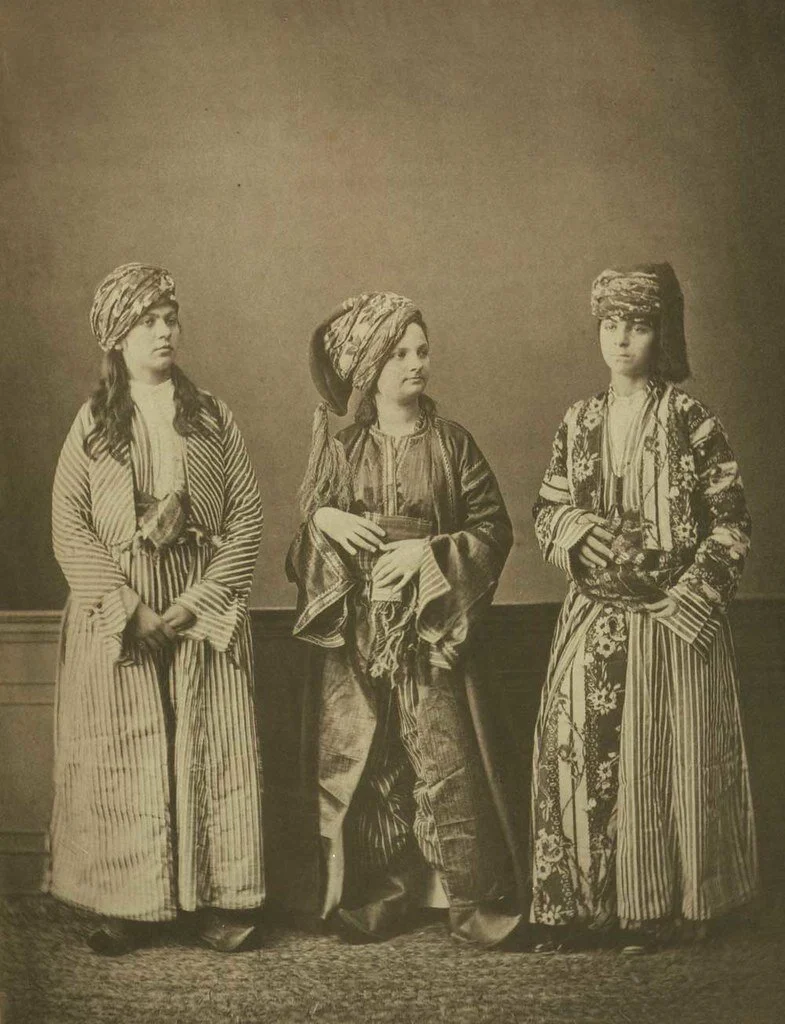
Kurdish, Armenian and Turkish women. Yeucelnabi. CC BY-ND 2.0

Most of Turkey’s Armenian population disappeared following Turkey’s leading role in the 1915 Armenian genocide. Even today, there is only one Armenian village left in the country. While Turkish-Armenians’ rich history has slowly started to wane, many community members have come forward to teach the world of their heritage. The last remaining village is Vakifli, located in Turkey’s southern Hatay province. Home to only about 100 people, it is a popular spot in the summer for those hoping to get in touch with their Armenian roots. Now the village’s first museum has opened, giving visitors more than enough reason to visit Vakifli.

History of the Armenian Genocide 

Armenians being deported. Narek781. CC BY-SA 2.0

Long before the term “genocide” was coined after the Nazis’ attempt to eradicate all Jews during World War II, the Turkish-Armenians suffered a similar fate with an estimated 1.5 million deaths. In 1915, the Ottoman Empire was in decline. At the time, over 2 million Armenians lived in Turkey; by 1922 there were fewer than 400,000. Before the Ottoman Empire’s collapse, the Christian Armenians were granted religious freedom but were subjected to higher taxes, lower wages and an overall lower standard of living.

In 1908, the Young Turk movement, mostly made up of junior army officers from the Ottoman Empire, took control of the empire in an attempt to “Turkify” the region. The group was led by a powerful triumvirate who called themselves the “Three Pashas.” During World War I, the Young Turks sided with Germany but were eventually defeated. According to The New York Times, , “Armenians were blamed for siding with the Russians” against the German-led Central Powers and were subsequently massacred under the rule of the “Committee of Union and Progress,” a political party representing the Young Turks. Harsh measures were launched against the Armenians, such as making it legal to arrest Armenians on the “sense” of them being a threat. Abandoned Armenian property was confiscated, mass deportations sent men off to labor camps to be worked to death, and “death marches” led Armenian women and children across the Syrian desert to their own concentration camps. Though the German government was reportedly “disgusted and horrified” by the Turkish government’s actions, the Three Pashas fled to Germany after the Ottoman Empire’s fall in 1918 and were given protection

To date, the Turkish government still does not acknowledge the events that occurred surrounding the genocide of Turkish-Armenians. Legal action is even used; mentioning the Turkish state’s role in the 1915 Armenian genocide is often met with arrests and prosecution

Vakifli Village 

Musa Dagh, where Turkish-Armenians successfully resisted Ottoman troops. anthiok. CC BY-NC-SA 2.0

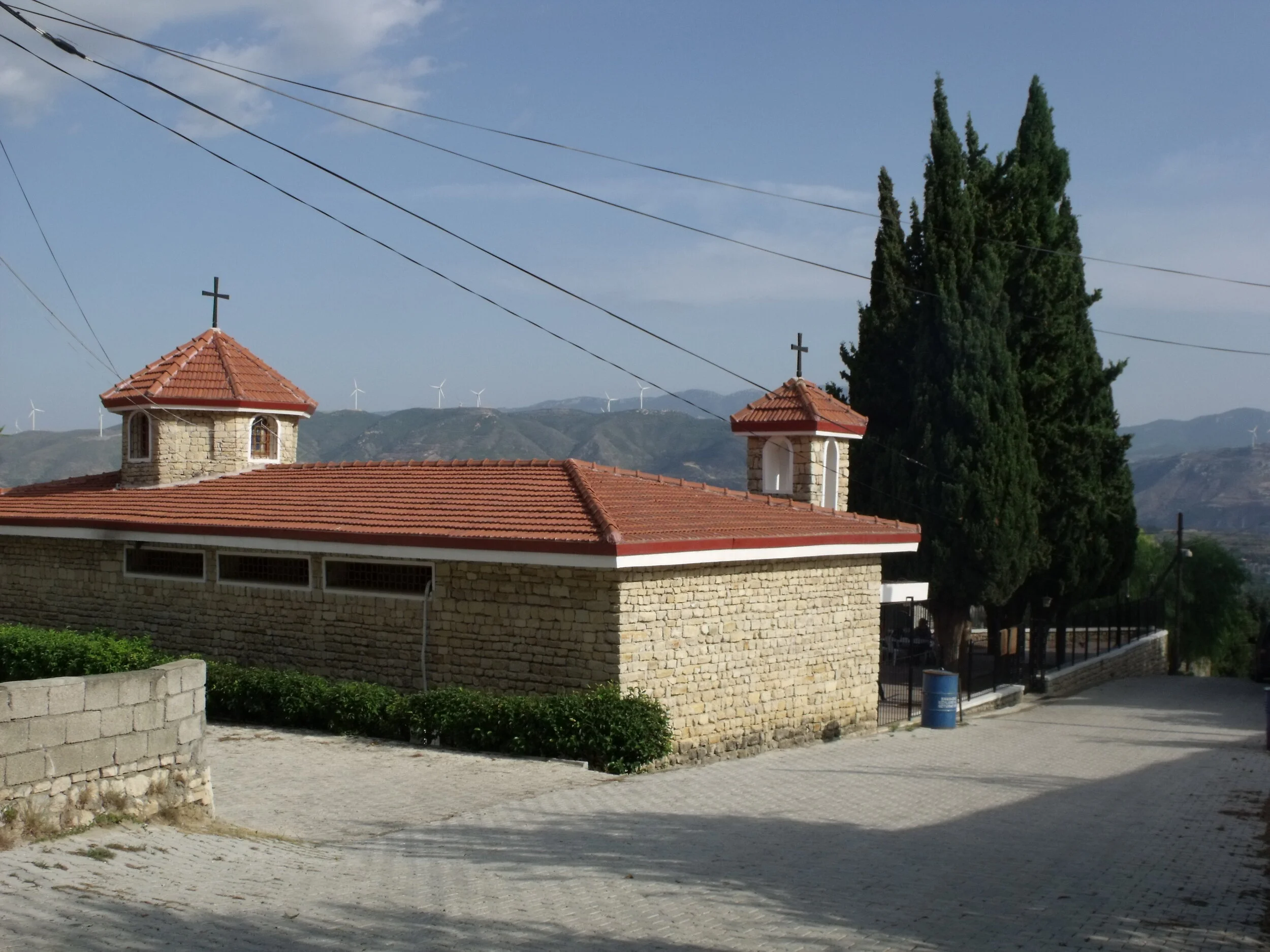
The small village of Vakifli was established by Armenians who “successfully resisted the Ottoman army’s attacks” in 1915. 4,200 villagers were forced to retreat onto the nearby Musa Dagh (Mount Musa), “holding out for 53 days” before being rescued by Allied warships from Egypt. They were not able to return home until after the end of World War I.  Vakifli sits between the Mediterranean Sea and the Syrian border and is a beautiful and unique village with a dialect no Western Armenian can understand. The iconic church that sits in the middle of the village was restored in 1994 and reopened to visitors. Now, with decreased job opportunities and lower standards of living, many of the younger generation have moved to Istanbul, a city holding far greater opportunities. This leaves the older generation to continue to hold on to what remains of the village’s culture. Recently, Vakifli has attempted to diversify its economy by promoting ecotourism and organic farming.

The Launch of Their First Museum

Vakifli church. Nurretingulay. CC BY-SA 3.0

While COVID-19 delayed the official opening of a museum celebrating Turkish-Armenian culture, even now the space is welcoming visitors. Filled with donated items such as audio recordings, photographs, traditional garb and one of the most popular exhibits - the wedding dress - the Vakiflikoy Museum shows visitors “how villagers speak,” along with their beliefs, holidays, food and traditions. Lora Baytar, the museum’s founder, and her husband hope that it gives Turkish-Armenian people a museum where they can preserve their history and culture for all the world to see.


Elizabeth Misnick

Elizabeth is a Professional Writing and Rhetoric major at Baylor University. She grew up in a military family and lived in Europe for almost half her life, traveling and living in different countries. She hopes to continue writing professionally throughout her career and publish her writing in the future.

Meet the Women in Pink Saris Fighting Gender Discrimination in India

Pink sari-wearing and bamboo stick-wielding feminists are fighting against a culture of rape and gender inequality in India.

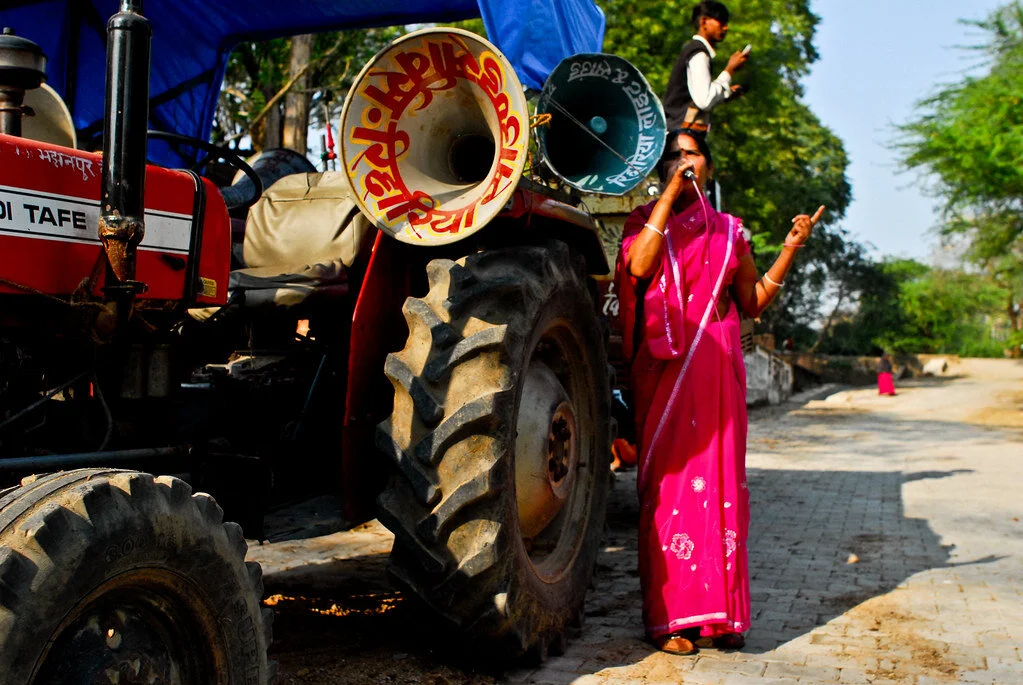
Sampat Pal Devi, founder of the Gulabi Gang. Iecercle. CC BY-NC-SA 2.0

India’s rape crisis was brought to light back in December 2012 when a 23-year-old female student was raped and beaten to death by five men and a teenage boy. Protesters flooded India’s capital of New Delhi and forced authorities to seek the death penalty for the perpetrators. But the crisis lingers as cases of rape and neglect by corrupt government officials still plague India, especially in rural areas. 

Approximately 70% of India’s population lives outside of major cities in the rural areas where it is even harder to seek out justice in the name of the law. Uttar Pradesh state is notorious for its high rate of sexual violence against women, even being named the “rape capital of India.” According to the National Crime Records Bureau, crimes against women in Uttar Pradesh increased by 20% from 2016 to 2019.

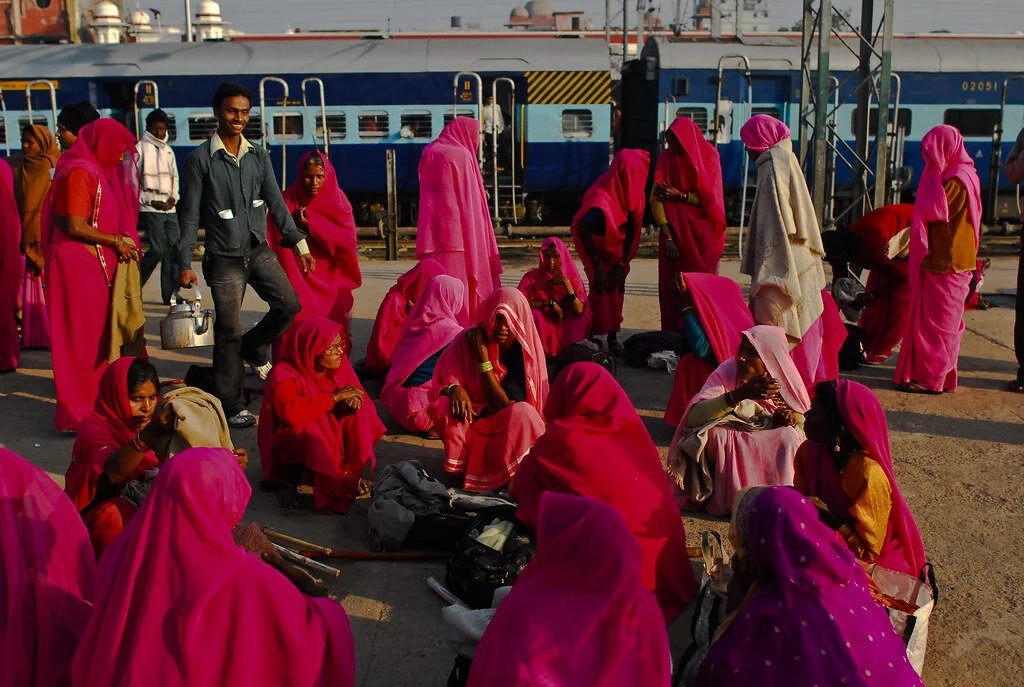
But there is hope for Uttar Pradesh, and it comes in the form of women wearing hot pink saris and wielding large bamboo staffs called lathis. Sampat Pal Devi is the founder and was the first leader of the Gulabi Gang, which translates to the “Pink Gang.” Their pink saris represent sisterhood and unity as they come together in droves to fight corruption and to ensure the basic rights of women and poor people in rural areas.

Devi’s story began when she was a single woman living in Uttar Pradesh’s Banda district and witnessed a man savagely beating his wife. She attempted to help, but he beat her as well. She returned a few days later with five other women and beat him with lathis. The story quickly spread throughout the town and more women came to Devi for help. In 2006, after the selection of the pink sari as their uniform, they officially established the Gulabi Gang. Their initial intention was to punish abusive men and combat domestic violence, but it has expanded into a much larger movement of feminism. The Gulabi Gang now fights for socioeconomic, cultural and political equality in order to enhance the basic skills of women to develop confidence and protect themselves from abuse through sustainable livelihoods.

Gulabi Gang resting during a protest. Iecercle. CC BY-NC-SA 2.0

Fast forward 14 years since its establishment and the Gulabi Gang has grown exponentially. Almost 100,000 women and men have banded together to join what is now a mass movement in northern India. In an interview with Vice News, Devi stated that, “The purpose of the Gulabi Gang was to unite women, because until women unite, we will never get what we believe are our rights.” She spent a great deal of her time intimidating and shaming government officials into making the correct choices and abiding by the law.

Although she made many achievements, Devi was removed from her position as leader of the Gulabi Gang for alleged self-promotion at the cost of the organization’s mission. Her removal caused quite a stir until the group’s assistant commander, Suman Singh Chauhan, was elected as its next leader. Even with the change in leadership, the Gulabi Gang stands strong as the organization continues to emphasize its mission.

The Gulabi Gang not only leads and protects but also teaches women a variety of skills necessary to be independent. Through its website, the group has raised enough money to build a school in an impoverished area. In the school, girls learn how to sew in order to earn money and delay the chance of their parents marrying them off. The group’s leaders teach new members how to defend themselves with lathis in free self-defense courses. Finally, they teach the world that through common sense and compassion one can start a revolution, even when the soldiers are wearing pink.


Yuliana Rocio

Yuliana is currently a Literature/Writing major at the University of California San Diego. Yuliana likes to think of herself as a lover of words and a student of the world. She loves to read, swim, and paint in her free time. She spent her youth as part of a travel-loving family and has grown up seeking adventure. She hopes to develop her writing skills, creating work that reflects her voice and her fierce passion for activism.

The Importance of At-Risk Mangrove Forests

Mangrove forests are an invaluable coastal ecosystem. Over the past several decades, they faced massive destruction, and now they are at risk from climate change. 

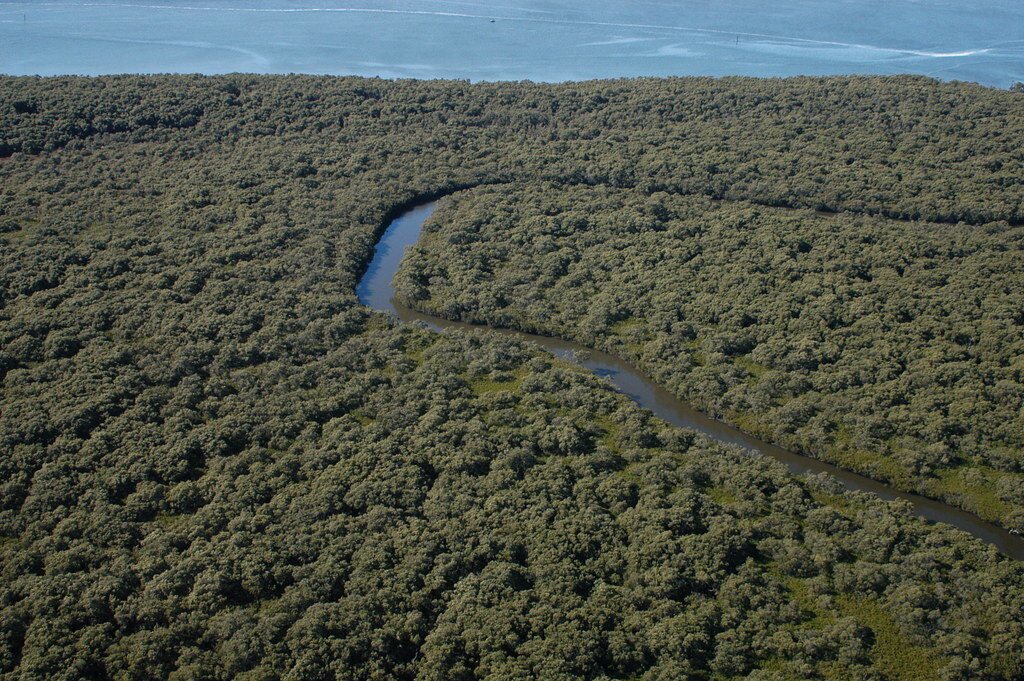
An aerial view of a mangrove forest. Doug Beckers. CC BY-SA 2.0 

Mangrove forests are one of the world’s most crucial ecosystems. They provide a habitat to a diverse range of creatures, help protect coastal areas from potentially harmful storm surges and are instrumental in carbon sequestration. For the past several decades, mangrove forests have been steadily destroyed by industrial development and aquaculture, as well as wood harvesting. 

Naturally occurring in tropical and warm temperate areas, mangrove forests—sometimes called mangrove swamps—are groups of trees and shrubs that grow along coastlines. There are around 80 species of mangrove trees, all of which are some of the few coastal plants in the world that can prosper in salt water. 

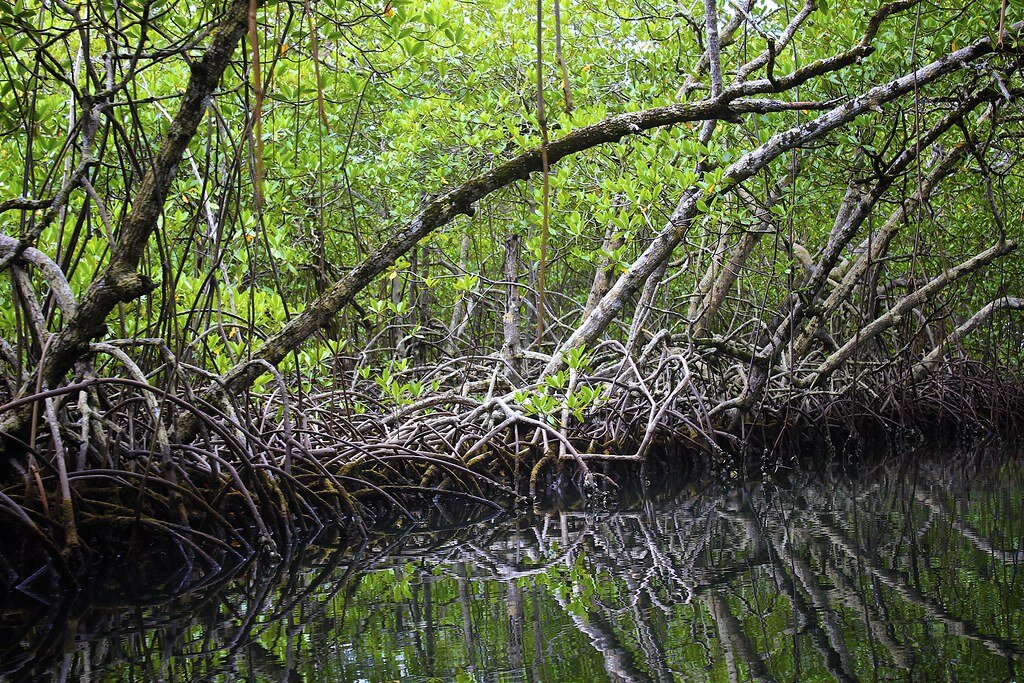
Mangrove forests are recognizable by their complex root systems which rise above the water, as though the trees are on stilts. Their raised roots allow mangrove trees to thrive despite the movement of the ocean, as the coastal areas where they grow are flooded at least twice a day with the coming of high tide. The protection provided by tangles of mangrove roots goes both ways, preventing storm surges from damaging inland areas and preventing pollutants from rivers and streams from entering the ocean environment. The above-ground section of the roots helps to slow tidal surges, allowing sediments to settle and build up on the ocean floor, reducing erosion. The entire root system filters out pollutants, like nitrates and phosphates, flowing from streams and rivers into the ocean. 

The roots of a mangrove forest. Ravi Sarma. CC BY 2.0 

A 2010 study found that mangroves were disappearing globally at a rate of one to two percent  a year, and that between 1980 and 2005, 35 percent of all mangroves were lost. About half of the mangrove forests that do remain are reportedly in poor condition. In the past few decades, mangrove destruction was largely due to human activities. Most mangrove forests grow on public lands, very few of which receive any sort of protection. Coastal development such as the construction of hotels, power plants and marinas as well as aquaculture, agriculture, tourism and logging have been the main culprits behind global mangrove loss. 

Today, satellite data suggests that human-caused mangrove loss has greatly declined. Thanks to conservation efforts from activists and governments across the globe, mangrove loss rates have decreased by 73 percent since 2000. This is good news, as the loss of mangroves has numerous  negative effects on the environment, such as less protection for coastal areas and the loss of biodiversity. Mangroves are home to a variety of species of fish, especially juveniles, which use the mangroves’ root systems as a safe nursery habitat until they mature and migrate to coral reefs and other ecosystems. Mangroves are also the primary habitat for many seabirds and waterfowl, and even some terrestrial animals. 

Yet, mangrove forests are still not safe. They face a new pressing threat, which is still rooted in human activities: climate change. 

Scientists predict that, as a result of global warming, global sea levels will rise to unprecedented levels by as early as 2050. By the end of the century, sea levels will have risen at least a foot. Mangrove trees will be unable to withstand such rising sea levels; they are unlikely to be able to adapt to new sea levels within the time frame. As sea levels are rising, the chemistry of the ocean is changing as well, becoming more acidic than creatures in mangrove habitats are accustomed to. The creatures are also unlikely to adapt to a new environment quickly enough to survive, meaning that mass biodiversity loss could occur. 

The harm to mangrove forests also has broader effects , as mangrove forests are one of the most important ecosystems in the fight against climate change. Mangrove trees are powerhouses of carbon sequestration, capturing carbon and other greenhouse emissions from the atmosphere and storing them in their root systems and soil for thousands of years. As global warming causes sea levels to rise and mangrove forests are lost, this stored carbon will be released back into the atmosphere, creating a positive feedback loop that further worsens the effects of climate change. 

Experts agree that saving mangrove forests is key to combating climate change. In 2017, the World Wildlife Fund, Conservation International, The International Union for Conservation of Nature, The Nature Conservancy and Wetlands International partnered to form the Global Mangrove Alliance, which aims to fund monitoring and researching mangrove forests, as well as conservation and restoration initiatives. 

To Get Involved: 

For more about the Global Mangrove Alliance and how to support its mission, click here

For information on how to preserve mangrove forests, visit conservation.org


Rachel Lynch

Rachel is a student at Sarah Lawrence College in Bronxville, NY currently taking a semester off. She plans to study Writing and Child Development. Rachel loves to travel and is inspired by the places she’s been and everywhere she wants to go. She hopes to educate people on social justice issues and the history and culture of travel destinations through her writing.

The Sexism Woven into Language

Subtle sexism in language emerges when the male gender is prescribed as default, contributing to gender inequalities and linguistic biases.

Language Across the World. Emma Howard. CC BY 2.0

Language shapes and reflects the cultural norms and values of its speakers. Unfortunately, many languages around the world include subtle forms of sexism which have historically prescribed the male gender as their default. From grammatical structures to the usage of words that perpetuate unequal dynamics, language can unintentionally serve as a vehicle for sexism.

Most languages around the world fall into three categories: gendered languages—nouns and pronouns have a gender (Spanish—el es pequeno/ella es pequena—he/she is little, French—il est petit/elle est petite—he/she is little), genderless languages—nouns and pronouns do not have a gender (Mandarin—他很小 / 她很小—he/she is little) and natural gender languages—gendered pronouns and genderless nouns (English, he is little/she is little). Of the gendered languages listed, the two share patterns of a masculine grammatical default, mixed-gender groups taking masculine endings and feminine nouns derived from masculine ones. In Spanish and French there is a male default that applies when the gender of a subject is unclear or if a group is mixed-gender. A male friend in French is ami while a female friend is amie. In French, there is no gender neutral pronoun for ‘they’ and the masculine is considered the dominant plural form. Therefore, if there is a group of French girls who are amies; add one male and they become amis. Aside from grammar, some words in French did not have a feminine form until official guardians of the French language approved the feminisation of certain titles to eliminate male linguistic dominance. Insistence on calling female presidents Madame le president was subsequently dropped in an attempt to end the bias putting women at a disadvantage.

Mandarin, unlike some European languages, does not assign gender to its nouns, but some of its written characters ascribe negative stereotypes to women. Chinese characters are made up of phonetic and semantic radicals that are listed together in dictionaries. The Chinese radical for “woman” (女) can be found in characters such as “mother,” (妈) “sister” (姐) and “safety” (安) but is also found in more negative characters including “jealousy,” (妒) “slave” (奴隶) and “rape” (强奸). The contrast between these positive and negative connotations are stark but even those that are positive are representative of gender stereotypes themselves; “safety” (安) is thought to represent a woman under a roof. Conversely, the word for “man” (男) is made by the radicals for “field” (田) and “power” (力). Aside from the makeup of the characters themselves, grammatical word order has been said to favor men, for example, in instances where the word “parents” means literally “father and mother.” Ironically, even the phrase for “gender equality” places the male character before the female one (男女平等).

Globally, some languages are representative of a time where the patriarchy was more powerful. They serve as a reminder that words and grammar can sustain sexism covertly and can also impose particular worldviews on their speakers. Some words have different meanings depending on whether they are used in a masculine or feminine form. Others have no male equivalent for a derogatory female word. For instance in Italian, un passeggiatore is a man who loves to walk. Make this word feminine and the definition drastically changes to have a sexual connotation. Alternatively, in English, there is no male equivalent of a “spinster,” the closest being “bachelor” which tends not to carry the same negative, undesirable connotations.

Negative connotations have made their way into technology as well, with one study finding that Google Translate often assumes that, when translating from other languages into English, the subject is male. Male default has also shown up in translator applications where gender bias shows up most in “fill in gender” translations. One tweet focused on Turkish and its gender-biases when translating to English. Sentences like o bir ascı translated to “she is a cook” while others like o bir muhendis translated to “he is an engineer.” Because Turkish is a gender neutral language it becomes clear that Google Translate filled in genders based on stereotypes and bias. Modern neural network-powered machines derive meaning from the statistical patterns of large texts during training, meaning that if our data is biased, machines will be as well.

Women already face barriers to their participation in society, but now with gendered languages playing a role. One research project examined the grammatical structure of over 4,000 languages spoken by 99% spoken by the world’s population, finding that nearly 40% of people speak a gendered language. From this it was found that grammatical gendered language is associated with roughly a 15% gap in female labor force participation. Consequently, gendered languages have become associated with worse labor market participation for women and regressive gender norms. Recognizing how linguistic sexism is causing quantifiable effects is a crucial step in creating more inclusivity in language and society. Efforts to challenge sexist vernacular have gained momentum in the form of gender-neutral language or inventing female-gendered nouns, as opposed to the old practice of adding suffixes onto male ones. In Spanish, the masculine “o” and feminine “a” endings are being replaced by a gender-neutral “e” to create more inclusion for women and those who identify as non-binary. Similarly, in Russia women are advocating for female-gendered nouns which are not mere add-ons to male nouns. In Russian, “doctor” is vrach but becomes vrachinia in its feminine forms, roughly translated as “doctoress,” housing some sexist undertones.

As to be expected, there has been some backlash over leaving behind current gender structures and deviating from the original languages, but speech is not a stagnant entity. Language, to be inclusive, must evolve and change over time in order to progress and mitigate pervasive forms of gender inequality. Recognizing and challenging these linguistic biases is crucial for dismantling the systematic disadvantages and stereotypes that women face.


Mira White

Mira is a student at Brown University studying international and public affairs. Passionate about travel and language learning, she is eager to visit each continent to better understand the world and the people across it. In her free time she perfects her French, hoping to someday live in France working as a freelance journalist or in international affairs.

The Ethics of Kelp Farming in Alaska

From food, medicine, climate mitigation and preserving Indigenous traditions, kelp is the shape shifting superhero a polluted world needs.

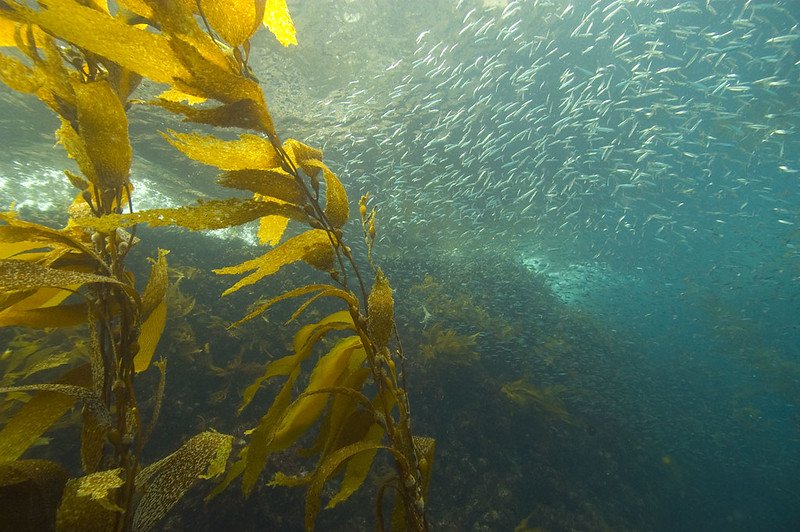
Kelp with sardines. National Ocean Service. CC By 2.0.

Ethereal and elusive, an unconventional forest grows in the ocean—not full of trees, but of kelp. These captivating, yet occasionally uninviting, greenish tendrils are classified as a type of brown algae that grow as coastal seaweeds; they are typically found in colder waters. In a way, the ethereal kelp borders on the mystical and magical. Kelp is a shapeshifter; a veritable phenomenon that can morph into a variety of forms. Kelp can be used as biofuel, an eco-friendly alternative to fossil fuels derived from renewable biological materials. This multi-talented algae can also be used to make utensils, soap and clothing as well as food—all manner of products people use in their daily lives. 

Beyond biofuel, food and everyday household items, the production and usage of kelp is a key debate amongst climate scientists and environmentalists alike. Farming kelp could be a solution in mitigating negative effects of climate change; it could also bolster coastal locations’ economies and positively affect the livelihoods of communities living in and around these shores. But, on the other hand, farming kelp is also fraught with bureaucratic convolutions and, in the long run, could potentially backfire and end up re-polluting oceans. In short, the implications of kelp farming are complex; they are enigmatic and double-edged, much like the kelp itself.

Alaskan Company Barnacle Foods’ Kelp Products. Josephine S. CC By 2.0.

The Eyak People of Alaska—and particularly one Dune Lankard—understand kelp farming. Lankard is the co-founder of The Eyak Preservation Council as well as the President and Founder of Native Conservancy, both of which are groups that support Alaska Native peoples’ efforts in preserving and conserving land and biodiversity on the Alaskan Coastline. People in Alaska and beyond have begun to farm kelp because of commercial, food security and climate change mitigation possibilities. And, because of its optimal climatic conditions, Alaska has become a hotspot for kelp farming.

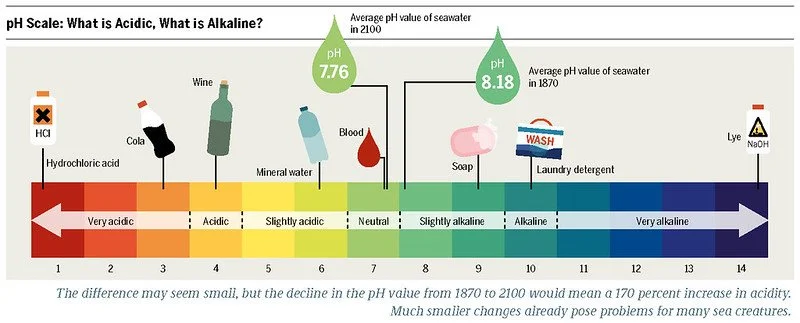
But why is kelp—this mysterious, gangly sept of seaweed—so valuable and beneficial for the environment? For humans consuming kelp, the benefits lie within its nutritional content: kelp contains calcium, magnesium, iron, vitamin C and potassium. But, perhaps more importantly, people like Dune Lankard and fellow Alaskan kelp farmers are more concerned with kelp’s ability to mitigate climate change. Kelp’s primary ability to mitigate climate change comes from its ability to sequester carbon dioxide. You may have heard of carbon dioxide because it is a greenhouse gas. But, what you might not know, is that carbon dioxide from the atmosphere can also enter the ocean, resulting in a mechanism called ocean acidification.

pH reference scale — Ocean Acidification lowers pH. Heinrich-Böll-Stiftung. CC by 2.0.

As more carbon dioxide enters the ocean and gets absorbed, the pH of the ocean itself decreases, meaning the ocean becomes more acidic. But, this is where Kelp the superhero rushes in and saves the marine phyla. Kelp require carbon to grow because of photosynthesis—they absorb sunlight as well as carbon dioxide to produce the sugar and oxygen they need to live—and, through their uptake of carbon, they leave oceans less acidic and marine organisms more happy. Additionally, when kelp float out to sea and die, sinking deep beneath the surface of the water, their carbon sinks into the depths along with them

Perhaps it makes sense that kelp, with its bewitching appearance, could be responsible for such intricate—almost magical—climate processes. While there are over 500 species of seaweed in Alaska, the three most-commonly grown species are bull kelp, sugar kelp and ribbon kelp. Bull kelp is strong, almost proud-looking—its thick stalk beholds a sense of authority in the water. Sugar kelp, on the other hand, is more delicately enchanting—its slightly-curled, yellow blades are like rays of sunlight spattering the sea. Ribbon kelp, with its thick spine and greenish appearance, are more reminiscent of a looming forest, or the shifting of willows in the wind.

Bull kelp bulb. James St. John. CC By 2.0.

These kelp, however, represent more than just their life cycle, climate mitigation abilities and appearance. Historically, the Eyak people—located on the Copper River Delta near Cordova, Alaska—have long used kelp for food, medicine and even tools. But, through colonialism and imperialism, some of these traditions were disrupted over decades. Today, however, the Eyak and other Indigenous peoples’ kelp farming has allowed them to reclaim these traditions. Additionally, there are immense economic benefits for any employees involved in kelp farming. The fall-to-spring growth cycle of kelp, as well as the need for regular visitation and observation of kelp farms, offer both seasonal and year-round employment opportunities. The increasing amount of kelp farms subsequently increases the number of job opportunities in Alaska, bolstering the state’s economy. Although mariculture in Alaska is currently a $1.5 million dollar industry, newly awarded $45 million in grants could potentially grow it to more than $1.85 billion in 10 years. 

Kelp farming and consumption, however, is not all sunshine and rainbows. One of the most difficult aspects of kelp farming is getting started in the first place—a kelp farm requires a permit. Most states require multi-step permit application through boards of aquaculture as well as departments of fish, wildlife and game. Luckily, on average Alaska has a lower permit processing time than most states. Beyond the bureaucratic complexities of even getting started, there are also questions being raised by environmental and climate scientists about the future of kelp farming. Although—as is outlined above—kelp farming is believed to help ocean acidification through carbon sequestration, some scientists are questioning the ability for kelp to continue to sequester carbon as ocean temperatures warm as a result of climate change.
While people should be mindful of the ambiguous future of kelp farming, for now it is safe to say that the more immediate outcomes of farming are helping kelp maintain a positive reputation. Kelp—delicate and mysteriously distant—is, in actuality, an aid toward a variety of more tangible, positive outcomes. Kelp is food. Kelp is medicine. Kelp can even represent community and prosperity. Of course, kelp can also be a huge factor in sequestering carbon in a post-industrial society. But, for many people, these scientific processes can feel overwhelming or unimportant simply because they seem intangible. This is why the effects of kelp that people can really see and feel—the sense of community, the positive economic impacts and the reclamation of tradition—are something to celebrate. Despite its unconventionality and elusivity, kelp can be a superhero.


Carina Cole

Carina Cole is a Media Studies student with a Correlate in Creative Writing at Vassar College. She is an avid journalist and occasional flash fiction writer. Her passion for writing overlaps with environmentalism, feminism, social justice, and a desire to travel beyond the United States. When she’s not writing, you can find her meticulously curating playlists or picking up a paintbrush.

Protests for Palestine and Israel Take Off Around the World

Countries across the world have taken to protest in response to the Israel-Hamas War.

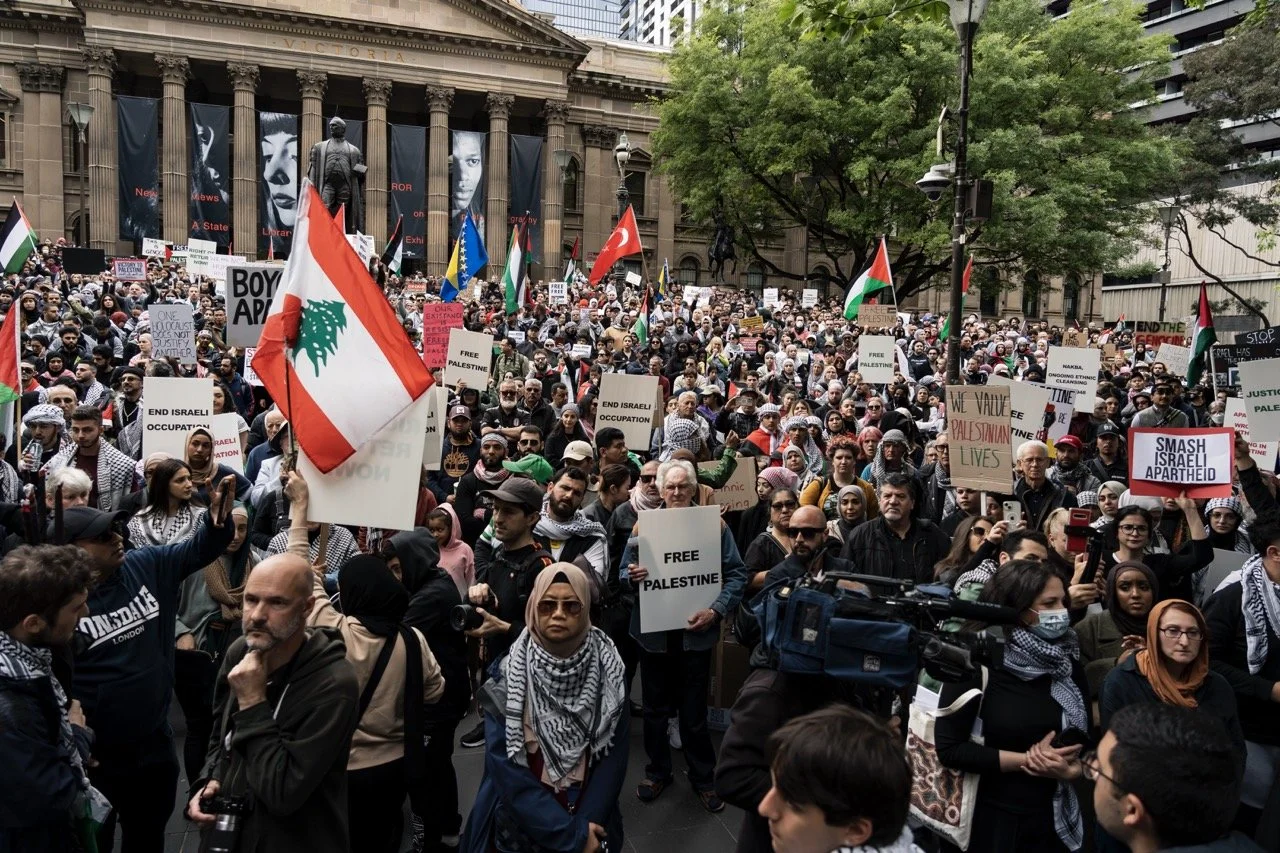
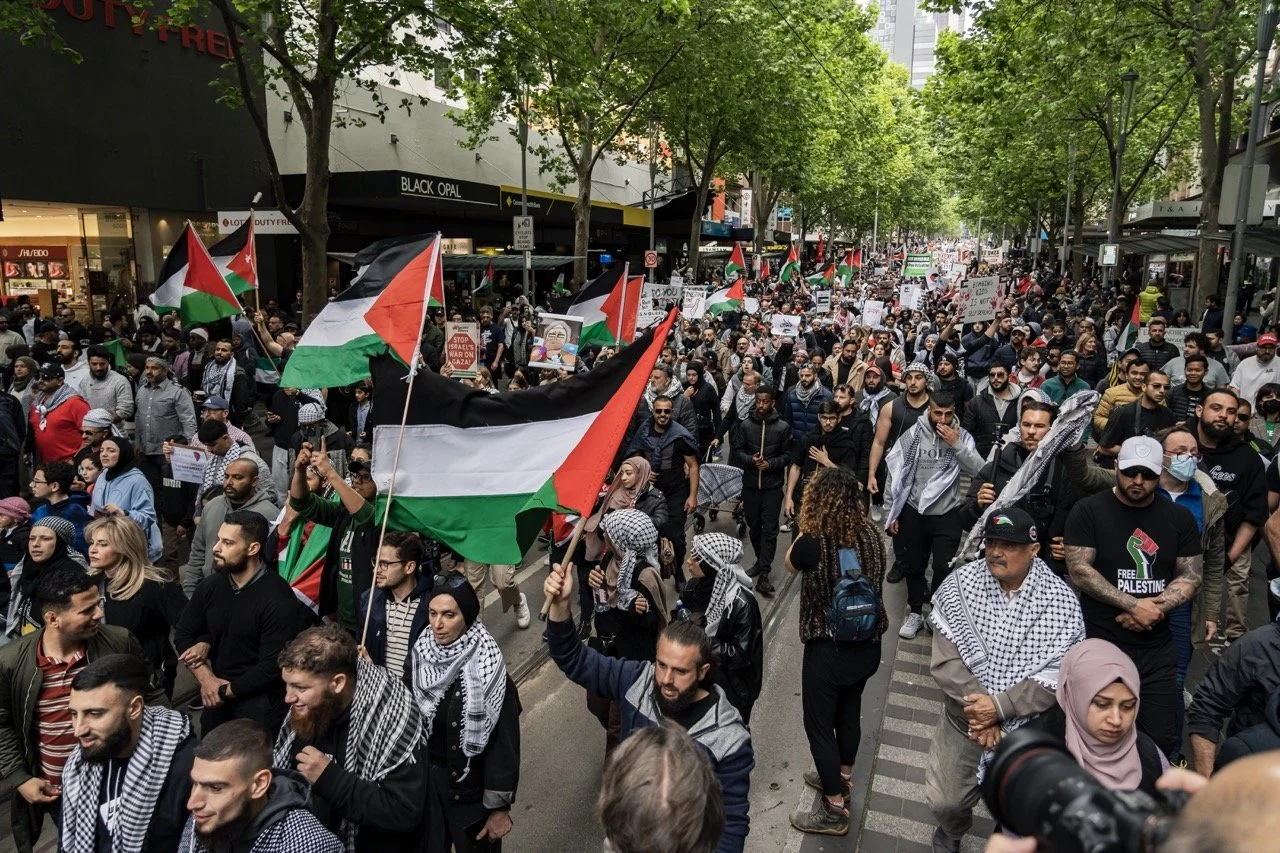
Protest for Palestine in Melbourne. Matt Hrkac. CC BY 2.0

On October 7, Hamas launched an unprecedented attack on Israel from the Gaza Strip that killed more than 1,200 people. Since the assault Israel has responded with a ground invasion that has resulted in the death of more than 11,000 people in the exclave. In light of the growing humanitarian crises in Israel and Palestine, protests supporting either side in the conflict erupted globally. 

In the Middle East, and particularly Egypt, pro-Palestinian rallies have broken out, expressing solidarity with the population of Gaza over the hostilities. A mass protest on October 20 resulted in the prosecution and detainment of at least 100 people at al-Azhar Mosque in Central Cairo. On October 29, thousands gathered in Islamabad, which became the largest pro-Palestine rally in Pakistan since the beginning of the war in October. Protests denouncing Israel’s aerial bombardment in Gaza have ramped up around the Middle East, particularly in Jordan. On October 13, riot police dispersed hundreds of protestors attempting to reach a border zone within the West Bank. Jordanian anti-riot police clashed with protesters again on October 18 after demonstrators planned to march to the Israeli embassy and were torching property along the way. In Africa, Israel has substantial support from the Ivory Coast and Kenya, but public sympathies have predominantly tilted toward the Palestinians.

Reactions to the war have varied across Europe. In Paris, hundreds gathered on October 12 to express solidarity with Palestinians and call for a ceasefire from Israeli strikes in Gaza. This demonstration resulted in police using tear gas and water cannons to control crowds. Across France there were around 40 other demonstrations, including one in Lyon with an estimated turnout of 5,000 people, according to French police who, again, used force to control the protest. Conversely, thousands marched in support of Israel. On October 9, a crowd gathered at Place du Trocadero for a march that rallied 20,000 people at an Eiffel Tower lit to resemble the flag of Israel. 

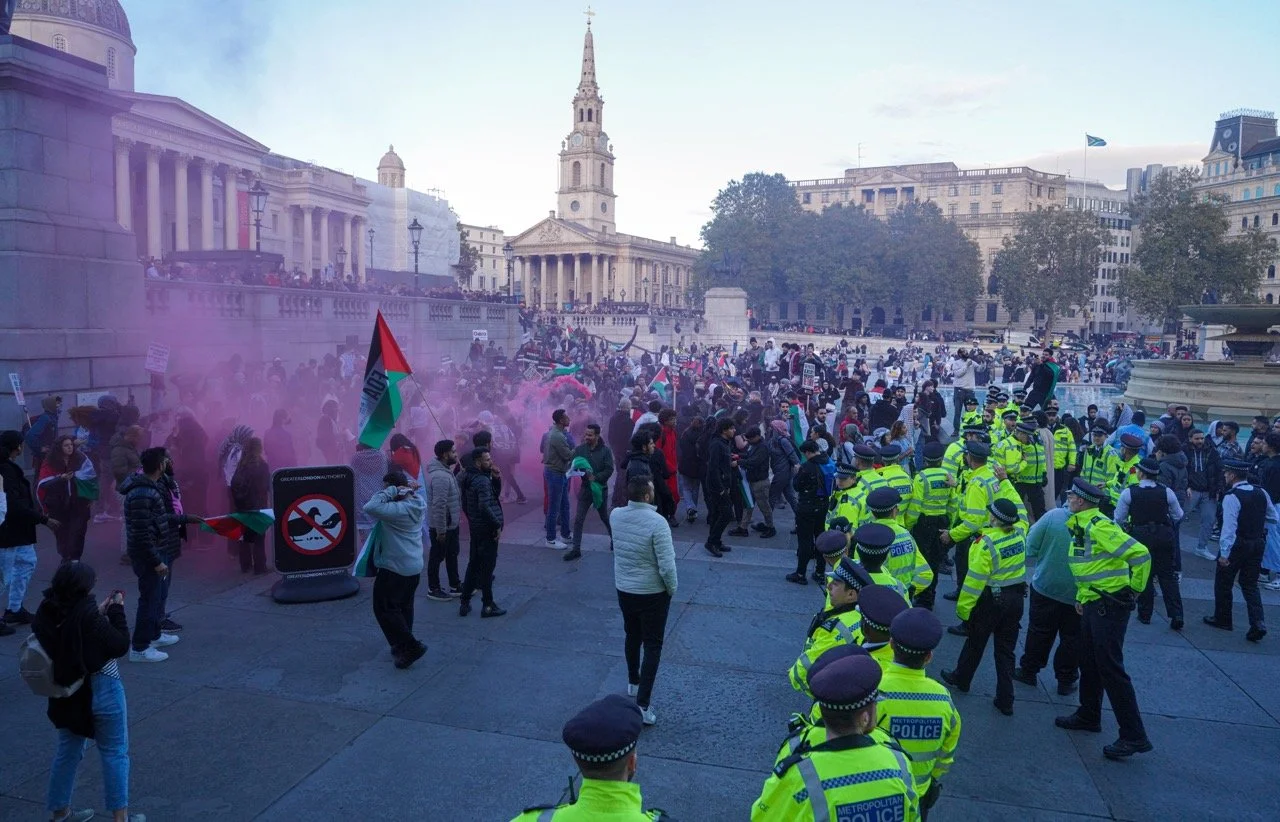
London has also experienced thousands of pro-Palestine protests. On October 21, nearly 100,000 protestors took to the streets of Central London to call for an end to Israel’s bombing of Gaza. Hundreds more gathered in Trafalgar Square on November 5 for a sit-in that brought Oxford Circus to a standstill. On November 11, hundreds of thousands of people gathered for what became the largest pro-Palestine protest in British history. Demonstrators also expressed support for Israel in Trafalgar Square in response to the pro-Palestine demonstration a day before. The rally filled Central London Square and included posters of those who are missing, calling for the release of hostages taken by Hamas in the initial attack. 

Palestine Solidarity Protestors in Trafalgar Square, London. Alisdare Hickson. CC BY 2.0

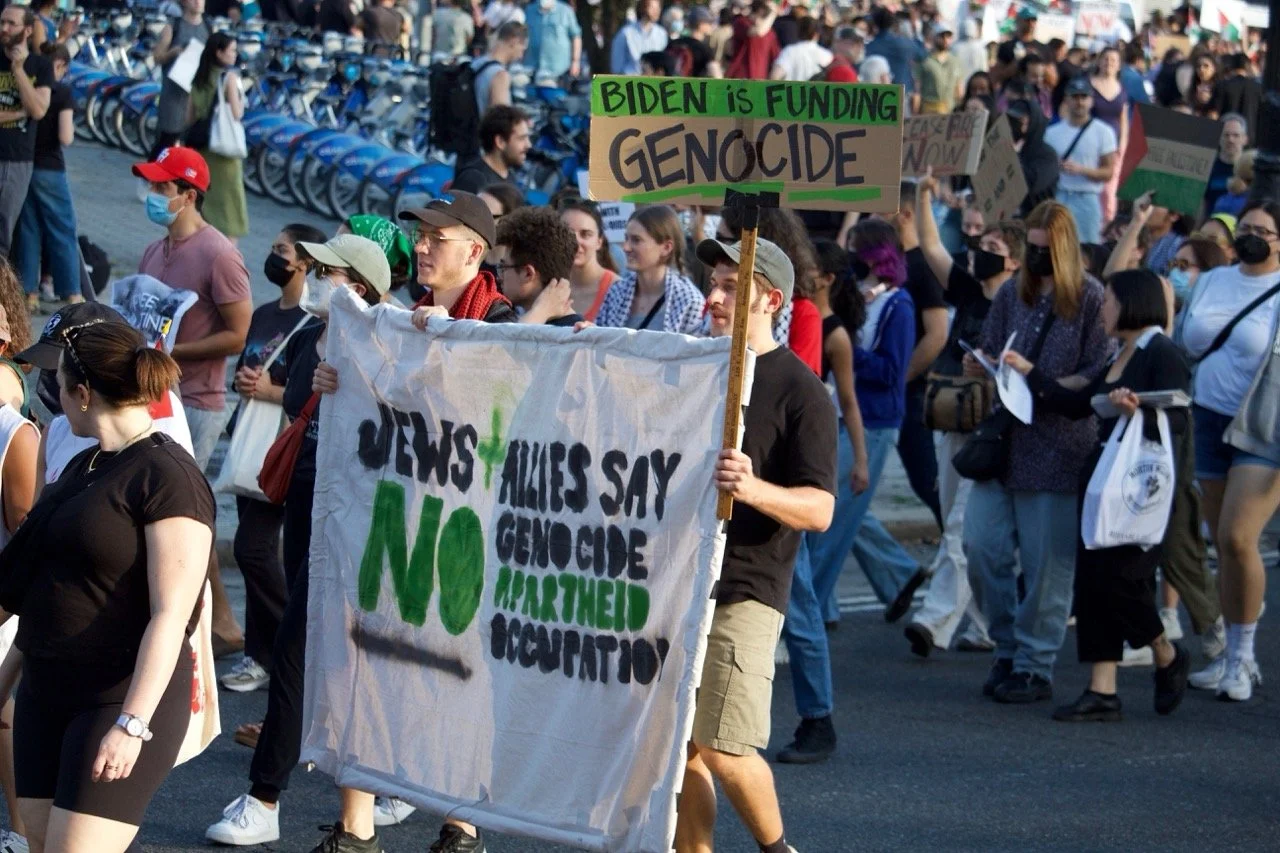
Similar to Europe, in the United States there has been widespread support for the Palestinian cause. A November 4 protest in Washington D.C. drew supporters from around the country with 300,000 people in attendance, making this the largest pro-Palestine mobilization in U.S. history. Other cities across the country have also demonstrated support for Palestine: hundreds marched in Boston on October 16, over 1,000 people attended a demonstration in Chicago on October 18 and a peaceful march on November 7 in New York City. Tens of thousands of demonstrators have crowded city streets to demand a ceasefire in Gaza, including Jewish advocacy groups. On October 27, thousands of Jews gathered in Grand Central Station to denounce the violence against Palestinians. The gathering was organized by the Jewish Voice for Peace organization, which held a second protest on November 6 at the Statue of Liberty, attended by hundreds. The group has been involved with cities across the country and has mobilized demand for a ceasefire in many other places: JVP-Philly, JVP-Seattle, JVP-BayArea and JVP-Triangle (Durham NC). In concentrated efforts, universities across the country have held protests. At Harvard University, more than 1,000 students rallied in Harvard Yard in support of Gaza on October 15. In Providence, around 500 Brown University students walked out of class on October 25 to support Palestine and a second walkout was held on November 8. On the evening of the 8th, a peaceful sit-in of about 20 Jewish students took place in Brown’s University Hall.

Jewish Allies for Palestine in NYC. Pamela Drew. CC BY 2.0 

Comparable to other global responses to the conflict, Asia has also experienced an influx of pro-Palestine support. In Indonesia and Malaysia, protests against Israel’s offensive in the Gaza Strip have erupted. In Jakarta, thousands gathered at the National Monument on November 5 to express solidarity and support with Gaza. In Kuala Lumpur, 15,000 people gathered on October 15 to condemn Israel’s attacks, including prominent politicians such as former prime ministers Muhyidden Yassin and Mahathir Mohamad. Much of Southeast Asia has been swept by solidarity for Palestinians, including Singapore, and in response to the ban on public rallies, activists have mobilized online to demonstrate their support. In New Delhi, two Muslim scholars used a WhatsApp display photo reading ‘I stand with Palestine’ to extend their support. Online mobilization has perhaps created a way to reach a broader audience. In India, pro-Israel rallies have been permitted; however, there has been a crackdown on Palestinian solidarity demonstrations.

In Latin and South America, protests have spread across most countries in support of the Palestinian cause, including Belize, Bolivia, Brazil, Chile and Venezuela. On November 4, pro-Palestine supporters gathered on Avenida Paulista in Sao Paulo for a demonstration. They held rolled clothes stained with red paint to represent children who have been lost to the violence. Outraged by the conflict, thousands gathered on October 25 at the outskirts of Santiago de Chile for a concert expressing solidarity with Palestinians. Support for Israel in South America in the form of protests or demonstrations appears to be minor; however, it may just be overwhelmed by the abundance of support for Palestine.

In Australia, pro-Palestine rallies in Sydney have called for the government to drop its support for Israel. On October 5, 20,000 people participated in a pro-Palestine rally that came after the one in Washington D.C., calling for a ceasefire of the hostilities. Protests in Australia have continued to be primarily pro-Palestine, with 15,000 marching through Sydney on  October 21 and other rallies held in Perth, Hobart and Brisbane. On November 7, a pro-Palestine protest of about 100 people blocked a busy intersection in Melbourne. The police subsequently used pepper spray on the activists and dragged them from the intersection in an attempt to get traffic moving again. Hundreds of people showed up to a protest the following day, preventing trucks from entering the operating area of an Israeli shipping line.

Melbourne Rally for Palestine. Matt Hrkac. CC BY 2.0

Even in the midst of polarized opinions, Jewish peace activists in the United States called for a ceasefire in Gaza and justice for Palestinians. 10,000 people, including Jews, marched on Capitol Hill on October 18, calling on the U.S. government to stop providing aid to Israel and acknowledging the conflict as a “sobering reminder” of Jewish history. Stark reminders of Jewish people lost to or missing in the conflict have taken shape in the form of “kidnapped” posters or empty Shabbat tables, representing the plight of the Israeli psyche and spreading awareness of those being held hostage. These kidnapped posters have subsequently been torn down by anti-Israel activists, quickly become its own form of protest, often characterized as antisemitic. An empty Shabbat table installation was created in Times Square to raise awareness for the 224 hostages being held by Hamas. An estimated 290,000 people gathered on November 14 in D.C. to demonstrate the solidarity of the Jewish community and in response to critics of the Israeli military.

Globally, people are demanding peace and justice through action. In spite of challenges towards a sustainable solution, global protests embody the collective hope for Israelis and Palestinians to coexist in peace and security.

TO FIND OUT WHERE TO JOIN PROTESTS

Jewish Voice for Peace - As the largest anti-Zionist organization in the world, this group identifies themselves as a political home for Jews on the left and a Jewish community with solidarity for the Palestinian cause. 

Palestine Solidarity Campaign - PSC is the biggest organization in the UK, dedicated to securing Palestinian rights and freedom for everyone in the region.

National Students for Justice in Palestine - The group supports over two hundred Palestine solidarity organizations on college campuses in the U.S. and Canada, promoting an agenda for Palestinian liberation.

ANSWER Coalition - As an acronym that stands for Act Now To Stop War and End Racism, the coalition has mobilized anti-war and peace movements for the people of Palestine.

Palestinian Feminist Collective - PFC is a group of Palestinian and Arab feminists committed to Palestinian liberation by addressing gendered and sexual violence.

Rabbis for Ceasefire - A group of Rabbis who have called for ceasefire to genocidal violence, calling on American representatives to demand immediate action.

Israeli-American Council - The IAC’s mission is to build a united community of Israeli-Americans to strengthen the Jewish identity. It is the United States’s largest Israeli-American organization.

The Jewish Federations of North America - Made up of 146 federations across North America, the group's mission is to protect and enhance the well-being of Jewish people through contributions to Jewish communities and Israel.


Mira White

Mira is a student at Brown University studying international and public affairs. Passionate about travel and language learning, she is eager to visit each continent to better understand the world and the people across it. In her free time she perfects her French, hoping to someday live in France working as a freelance journalist or in international affairs.

The Essential Palestine Reading List

Dive into this collection that illuminates the rich tapestry of Palestinian history and culture.

An aerial view of Palestine. CC0

Curated with a respect for the multifaceted narratives of the region, this collection encapsulates an array of perspectives, histories and lived experiences. Each title delves deep into the heart of Palestinian identity, the intricacies of the conflict and the resilient spirit of a people striving for justice and peace.

NON-FICTION

1. They Called Me a Lioness 

by Ahed Tamimi and Dena Takruri

Ahed Tamimi, an iconic Palestinian activist, garnered global attention for her fearless activism against the Israeli occupation. Her imprisonment as a teenager after confronting an Israeli soldier in her village of Nabi Saleh turned her into a symbol of Palestinian resistance. This compelling memoir offers a firsthand account of Tamini’s experiences and the ongoing struggle for justice in Palestine, providing profound insight into the realities Palestinians face under occupation.

2. The Ethnic Cleansing of Palestine 

by Ilan Pappé

In this seminal work, Ilan Pappé meticulously traces the events of the 1948 Palestinian exodus, revealing the hidden reality of forced displacement and the establishment of Israel. With unflinching detail, Pappé unearths harrowing stories of dispossession and illuminates the profound impact of this historical upheaval on the Palestinian people.

3. Love Is an Ex-Country 

by Randa Jarrar

In her memoir, Randa Jarrar fearlessly challenges stereotypes about Muslims and Palestinians. Embarking on a cross-country journey, Jarrar proudly embraces her queer, Muslim, Palestinian and unapologetically confident identity, offering a raw, authentic exploration of the intricacies of life.

4. The Iron Cage: The Story of the Palestinian Struggle for Statehood 

by Rashid Khalidi

Historian Rashid Khalidi masterfully dissects the intricate history of Palestinian nationalism and aspirations for statehood. With scholarly precision, Khalidi navigates through decades of political intrigue, chronicling the challenges, setbacks and enduring resilience of a people bent on self-determination and recognition on the world stage.

5. The Hundred Years' War on Palestine 

by Rashid Khalidi

Rashid Khalidi's meticulously researched book paints a vivid historical tapestry from the 1800s to the present in this unshrinking account of the assault on Palestinian society.

6. We Are Not Here to Be Bystanders 

by Linda Sarsour

Linda Sarsour's memoir portrays her journey from Brooklyn to becoming a powerhouse in activism, stirring profound reflections on solidarity and advocacy.

7. Except for Palestine 

by Marc Lamont Hill and Mitchell Plitnick

Marc Lamont Hill and Mitchell Plitnick's critique navigates the inconsistencies within progressive circles, urging universal consistency in advocating for all oppressed communities.

FICTION

1. Mornings in Jenin 

by Susan Abulhawa

Susan Abulhawa crafts a poignant, multigenerational narrative that traverses the emotional terrain of a Palestinian family's journey through displacement and loss. Through exquisite storytelling, Abulhawa offers a deeply moving portrayal of resilience amid a tumultuous landscape of conflict and highlights the enduring spirit of the Palestinian people.

2. The Tiny Journalist: Poems 

by Naomi Shihab Nye

Naomi Shihab Nye, the esteemed Palestinian-American poet, weaves poetic wonders inspired by Janna Jihad Ayyad, Palestine's youngest journalist. Ayyad, capturing anti-occupation protests at the age of seven using her mom's smartphone, becomes Nye's muse in this must-read collection.

3. You Exist Too Much 

by Zaina Arafat

Zaina Arafat's debut novel is a transcontinental tale which oscillates between the United States and the Middle East. A fresh voice in Palestinian-American literature, Arafat artfully dismantles Israel’s pinkwashing while unraveling the complexities of Palestinian society for diverse readers.

4. Enter Ghost 

by Isabella Hammad

Isabella Hammad's evocative narrative navigates modern-day Palestine, delving into the artist's struggles amid diaspora, displacement, and the shadow of occupation.

5. Evil Eye 

by Etaf Rum

Etaf Rum's exploration of womanhood as a Palestinian American is a profound journey through intergenerational trauma, clashes of culture and labyrinthian family dynamics.

6. Salt House

by Hala Alyan

Set in the aftermath of Israel’s conquest of the West Bank and Gaza in the 1967 Six-Day War, "Salt Houses" chronicles a Palestinian family's odyssey from their homeland to Kuwait, painting a poignant legacy of longing and displacement passed through generations.

7. Mother of Strangers 
by Suad Amiry

"Mother of Strangers" presents a cinematic love story against the backdrop of the Nakba in Jaffa, weaving themes of love, loss, and a nation's upheaval.


Raeann Mason

Raeann is a traveler, digital storyteller, and guide writer, with a degree in Mass Communication & Media from the Walter Cronkite School of Journalism. She is passionate about a/effective journalism and cultural exchange, and is an advocate of international solidarity and people's liberation. Her work at CATALYST PLANET focuses on reshaping the culture of travel and hospitality to be more ethically sound and sustainable

Amsterdam's Quest for a Safer Red-Light District

Propositions for legislative shifts strive for balance between tourism, public safety and the well-being of sex workers.

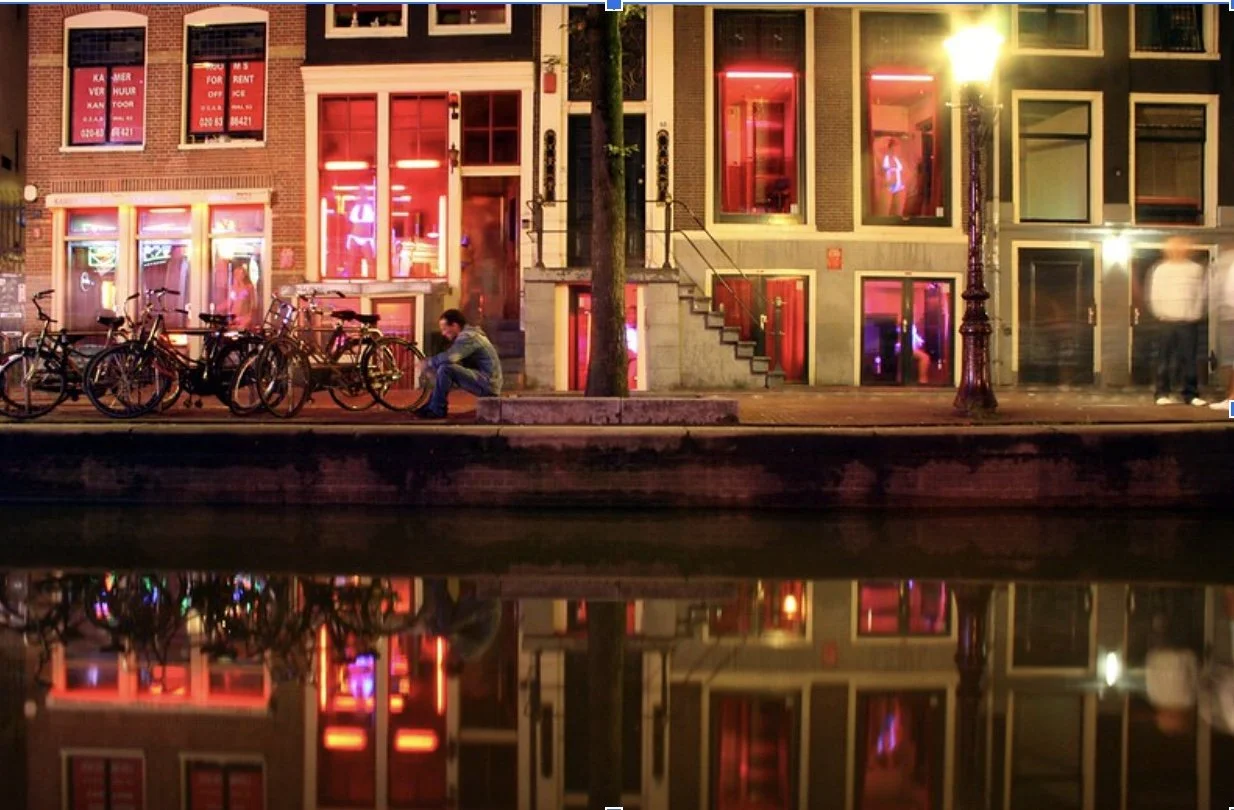
Red Light District Canal Street View. Alejandro Forero Cuervo. CC BY 2.0

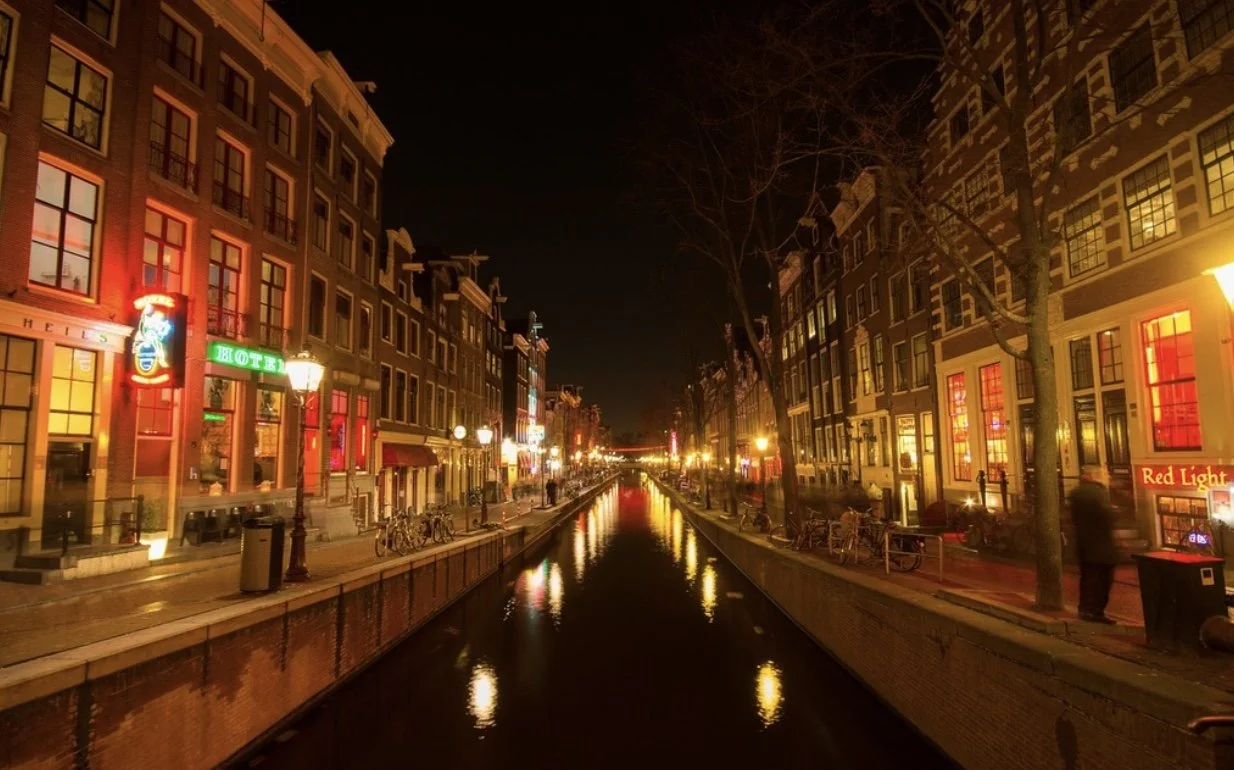
For decades Amsterdam has been inundated by rowdy crowds of eager sightseeing tourists and a hotspot for visitors craving a subversive experience. The Netherlands’ progressive capital has long had a uniquely tolerant approach to often prohibited substances such as marijuana and psilocybin as well as toward the legalization of sex work. While the city openly celebrates this unique facet of its culture, the Dutch government has been forced to grapple with an influx of unruly visitors and an increasingly polluted, noisy, and at times unsafe Red Light district.

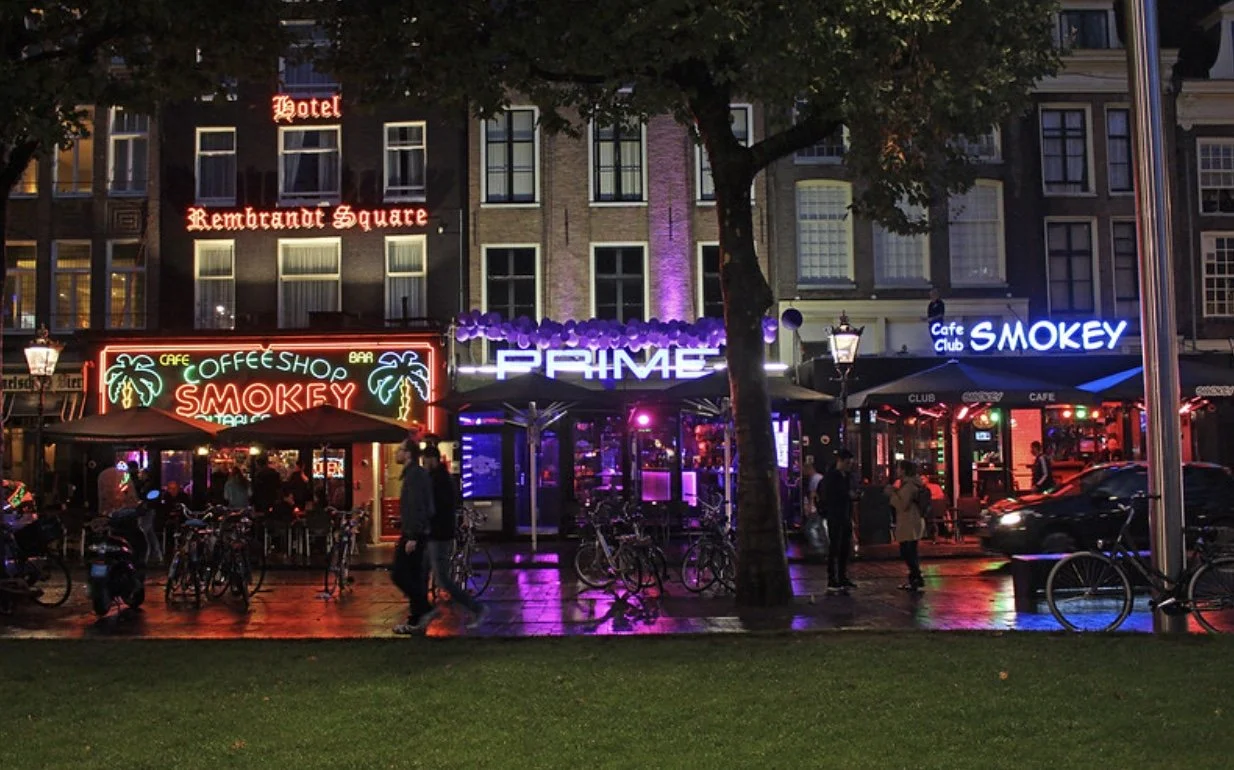
Amsterdam Smoke Shops. Travelmag.com. CC BY 2.0

In response to the district’s increasingly obstreperous environment, the city sought to address local residents’ noise and substance abuse concerns by proposing new regulations this past spring. The city has insisted on earlier closing times for bars (2 a.m., with no entry after 1 a.m.), stopped sex workers from working after 3 a.m., and banned the use of marijuana, alcohol, and other drugs in the streets. In response to the city’s regulatory shifts entrepreneurs, business owners and bartenders have been outspoken in frustration against the new policies, claiming little has changed in regards to the safety and cleanliness of the area. Sex workers have also voiced complaints over the restriction placed on the time they are allowed to work, expressing concern that the reduced hours have put them under financial pressure. This destitution can force them to accept clients they would normally reject. 

Canal View Red Light District. Pixabay.com. CC BY 1.0

To further alleviate the pressure on the Red Light district, Amsterdam's authorities are considering a more drastic approach: creating a new location for legal sex work in a different neighborhood. This new location would be in a suburban area, and many are referring to the proposed locale as a “suburban erotic center” The goal of the move is to spread out the demand and ease the burden on the current district. 

Since the legalization of sex work in the Netherlands in 2000 the country has been vigilant about enforcing a safe environment for individuals in the field, with regulations in place to combat human trafficking and other criminal behavior. For instance, sex work is illegal to practice in any space outside of a registered business (e.g. at home, in hotels, or in public spaces). In an attempt to protect and respect workers the city has banned tours of the Red Light district, required visitors to identify themselves with a valid form of ID, and set 21 as the minimum age for sex workers. 

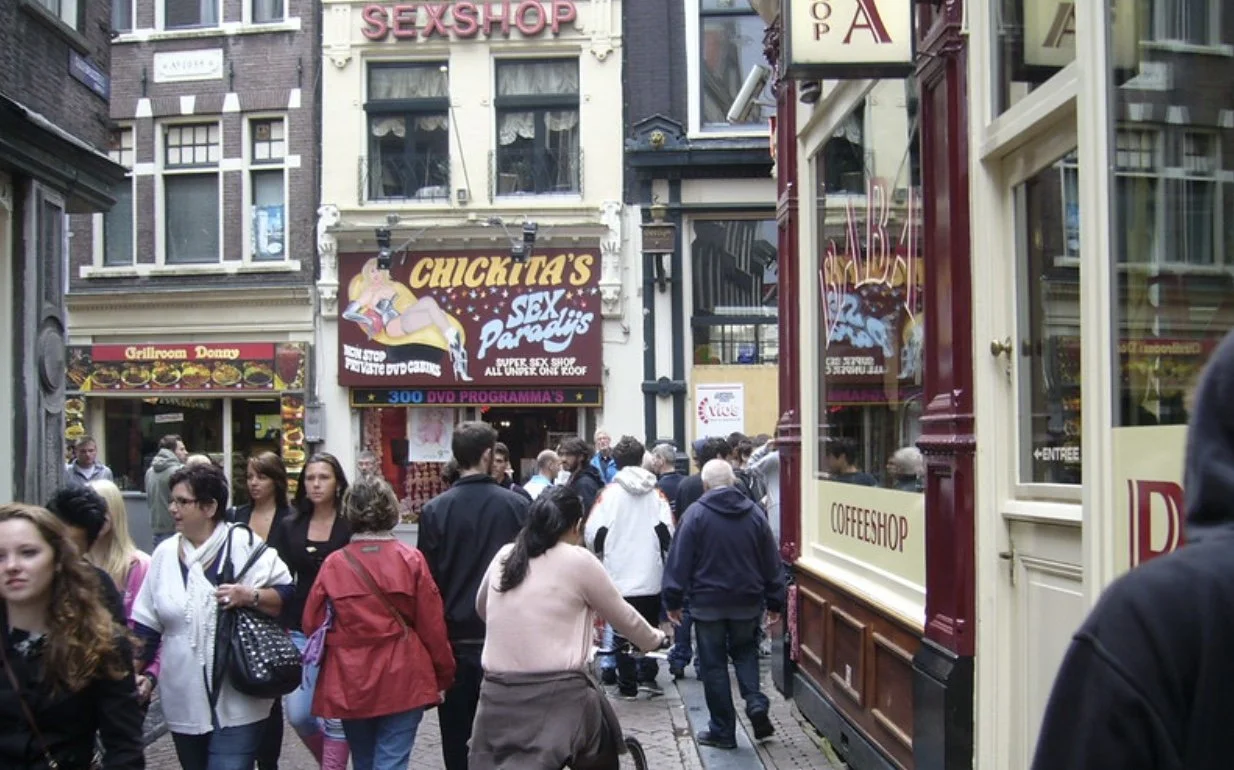
An Amsterdam Sex Shop. Rob Kievit. CC BY-SA 2.0 

The city’s proposition of a new epicenter for sex work is still in its early phases, but it would dramatically change the scope of Amsterdam’s tourism. With fewer than a million residents, the city hosts roughly 20 million visitors annually, and tourism is one of the leading markets for local businesses. Any major change to laws regarding sex work and the overall functioning of the district will inevitably lead to shifts in the travel industry. The question remains as to whether the new area created to host erotic work will fix the industry’s systemic problems and help protect workers, and if it will solve the issues of over-tourism and noise pollution. 


Avery Patterson

A rising junior at Vassar College in New York State, Avery is a Media Studies and French double major. She is an avid reader, writer, and traveler. She loves to immerse herself in new cultures and is an avid explorer who loves being in nature. She is passionate about climate and social justice and hopes to use her love of writing as a catalyst for positive change.

Stolen Childhoods: Unveiling Orphanage Tourism Across the Globe

Traffickers exploit the vulnerability of children for financial incentives from donors in orphanages and child residential homes.

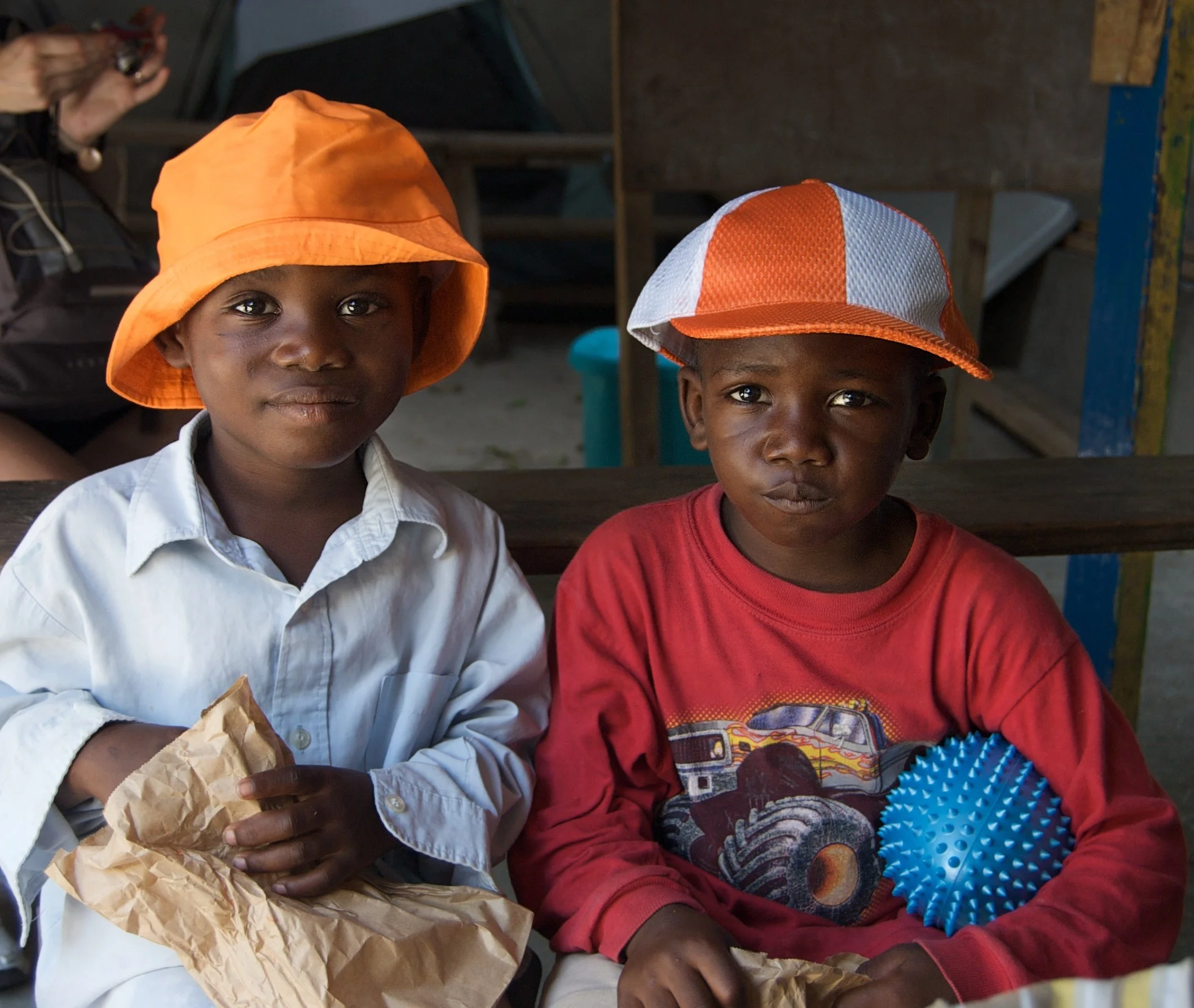
Two young Haitian children. CC0

Across the globe, there are an estimated eight million children living in orphanages. Of this, 80% are not actually orphans and have at least one living parent. These children have been taken from their families and placed into children’s residential homes so that the caretakers can make a profit.

Orphanages, which are often viewed as a place of refuge for children, have begun using foreign generosity to profit off of their vulnerability. “Orphanage trafficking” involves children being recruited into residential care institutions for profit or exploitation and is not confined to any one country. This has sparked a new industry — orphanage volunteering — that has created a demand for institutions that will present children as ‘in need’ to make a profit from foreign donors. In Cambodia, for example, residential care institutions have increased by 75% in the last decade despite a decrease in the number of “real orphans.” Similarly, in Uganda, residential homes have increased the number of children under their care from 1,000 to 55,000 even with the subsequent decline in the prevalence of orphans themselves. This rise in residential institutions has taken place primarily in tourist hotspots so that orphanages can capitalize on financial incentives.

As a system that takes advantage of the international market and tourism business, this has become a global problem. A significant rise has been observed in post-conflict Nepal, beginning in 2006. During the Nepalese Civil War, traffickers posed as boarding school representatives and promised children and their families better living conditions in Nepal’s capital, Kathmandu. Rather than being taken to educational institutions, children were taken to under-resourced orphanages and declared “paper orphans.” This sales pitch has evolved accordingly, shifting from inter-country adoption alone to running orphanages in tourist areas to attract donations — 90% of homes being in the top 5 tourist districts. In 2015, Next Generation Nepal (NGN) and UNICEF released statements warning about the increase in child institutionalization. The government of Nepal subsequently passed a directive prohibiting children to cross district borders unless they were with their parents or had government approval. There are still hundreds of children living in orphanages in Nepal today, although the COVID-19 pandemic restricted operational space and allowed local governments to better implement their child protection mandates, contributing to the strengthening of the overall system.

In China, there is also an opaque relationship between trafficking and adoption. It was discovered in 2012 that Americans alone adopted almost 3,000 Chinese children who were taken from their parents and sold into orphanages. As a country that is aware of the existing issue, parents often have to take matters into their own hands to conduct searches because local law enforcement will silence anyone who is publicly discontent. Aside from the financial incentive of orphanage volunteering alone, scammers have even gone as far as to request large sums of money from parents for information on their child’s whereabouts, information that is ultimately fake.

Aside from the vulnerabilities of the children, traffickers also prey on those of their parents. In Haiti particularly, parents placed their children into orphanages after the 2010 earthquake. They were pressured to believe that their children would be better off; they would have a roof over their heads, food and access to education. One woman, struggling to provide for her sons, was approached by Jonathas Vernet who offered to help her. Vernert, previously running the Four Winds Spirit orphanage, was found to have subjected children to cooking, cleaning and abusively harsh discipline. The children did not attend school and lived in distressed conditions, but Vernet justified this by blaming American donors for neglecting to offer sufficient financial support. An estimated $100 million a year is donated to all orphanages in Haiti by churches and nonprofits in the United States for the purpose of providing food, water, medical care and education. However, most of this money is used to drive the continuation of profit from orphanage volunteering and further expand the business. To end the institutionalization of children, Lumos, an to replace orphanages with foster care systems and advocates for local adoption practices. The organization also advises donors to ensure that the projects they are supporting have a sustainable care vision.

Today, orphanage trafficking in Haiti has not changed much. As of 2021, it was estimated that there were 30,000 children in 750 orphanages, with only 35–50 of those being licensed. Despite efforts to develop and regulate the foster care system in Haiti, attempts to combat orphanage tourism have been static as a result of continued high poverty and unemployment rates.


Globally, orphanages have become hubs where child exploitation for profit can thrive, so long as there are still unmonitored donations and vulnerable children. To better curb the proliferation of child trafficking into orphanages, it is recommended that governments prioritize community-based care and better inform philanthropists how their donations to orphanages may be misused. By combating this issue with strengthened child protection systems, increased awareness and the promotion of family-based care over institutionalization, the root causes of this problem can be mitigated and children better protected.


Mira White

Mira is a student at Brown University studying international and public affairs. Passionate about travel and language learning, she is eager to visit each continent to better understand the world and the people across it. In her free time she perfects her French, hoping to someday live in France working as a freelance journalist or in international affairs.

The Atacama Desert’s Fashion Graveyard

Once a vast, uninterrupted plateau, Chile’s Atacama Desert is now a technicolor testament to overconsumption.

The Atacama Fashion Graveyard. Antonio Cosio. CC BY-NC.

A cursor hovering over the checkout of an Amazon cart; an unassuming paper bag carrying the new, trendiest cut of jeans from Forever 21; a Gmail notification that indicates a menagerie of Shein clothing has been shipped. These testaments to overconsumption in daily life may produce a quick, subtle pang of guilt. But, ultimately, this engagement with the world of fast fashion tends to be “out of sight, out of mind.” After all, once the clothing is donated or discarded most people assume it will end up in a landfill, neatly tucked away, never to be seen again. With no visual proof of the waste guilt subsides, and the cycle of overconsumption repeats. 

The cyclical and rampant nature of overconsumption, however, has real, tangible implications — implications that can be seen and felt by citizens of Iquique, a Northern Chilean city in the Atacama Desert. An average of 39,000 tons of fast fashion waste are dumped in Iquique per year, in addition to the approximately 60,000 tons of clothing imported into Chile annually. Roughly 40,000 square miles, the Atacama desert was once a pristine yet arid plateau; a prime sight for stargazing under a clear, open sky. The desert landscape, covered in salt flats, valleys and rocky topography, averages about 40,000 visitors per year but has since been contaminated. 

The clothing pile has grown to such an extent that it can be seen from space using satellite technology. But, before the magnitude of clothing became noticeable from an extraterrestrial viewpoint, people residing in Alto Hospicio, a municipality next to Iquique, watched as the unbridled clothing dumping grew out of hand. Clothes manufactured in China and Bangladesh that fail to sell in U.S. stores are brought in through the port of Iquique and subsequently dumped into the Atacama. The dumping site raised concerns among citizens of Alto Hospicio as early as 2012, but their unease was ignored.

The Atacama Desert. NASA. CC0.

Disheartened, the people of Alto Hospicio claimed to have experienced negligence by local and national government officials firsthand. For years, the waste grew despite continual pleas for action. Although in 2021 the former Minister for the Environment of Chile, Javier Naranjo Solano, expressed his worries about the vast quantities of textiles being imported into Chile and proposed remediation, some Chilean environmental engineers and scientists feared that the the laws he proposed, entangled with bureaucratic processes,  would be far too slow-moving considering the urgent, rapid growth of the clothing pile. Other citizens, however, have faith that Chile’s newly appointed Minister for the Environment, Maisa Rojas, will be able to translate eco-anxiety into concrete action.

Even under new leadership, however, the already massive pile of clothing is a nearly indestructible hazard. Much of the poor-quality fast fashion clothing dumped in Atacama is polyester, a material made out of the non-renewable resource petroleum. The open-air clothing pile secretes pollutants into the air; they seep into the ground. Thus, petroleum and other harmful materials can contaminate any remaining groundwater in aquifers under the desert. As potent as plastic and as enduring as steel, the clothing dumped in Atacama will take 200 years to biograde.

The Atacama Desert is often considered the driest climate on the planet, with annual rainfall averaging at only .03 inches. Atacama’s arid climate dangerously aids the spread of intentionally ignited fires. In order to curtail the amount of clothing discarded, fires are illegally and mysteriously started. These fires only serve as a further pollutant on top of the fabric already decomposing in the hot, arid environment. 

Although many merchants reside in Iquique,  one of South America’s largest duty free ports, many in the municipality of Alto Hospicio live in poverty — 25% of residents in Alto Hospicio specifically live in extreme poverty and, with many having poor access to quality housing. Although many residents travel to the Atacama fashion graveyard to salvage and sell discarded clothing, their proximity to the dump site has sinister implications: the negligence of the Atacama fashion desert and subsequent pollution acutely harms low-income communities in Northern Chile. Fast fashion waste, both burnt and decomposing, creates fumes that are linked to respiratory diseases, chronic illnesses, reproductive issues and even types of cancer.

The Port of Iquique. Diego Delso. CC-BY-SA 4.0.

Although there are efforts to repurpose the dumped clothing, with companies such as Ecofibra Chile taking the fabric and transforming it into thermal insulation panels, only one method of curtailing fast-fashion waste can truly have an impact: curbing our own overconsumption. Instead of purchasing that cost-effective Amazon fashion find, or the trendy new jeans from Forever 21, look into your own closet. Rediscover a dress that has been tucked away in the depths of your dresser. Organize a clothes swap with friends. Borrow your Aunt’s blouse or your Grandfather’s wool sweater. Rather than falling victim to trend cycles, explore what has been cherished, saved and passed down.


Carina Cole

Carina Cole is a Media Studies student with a Correlate in Creative Writing at Vassar College. She is an avid journalist and occasional flash fiction writer. Her passion for writing overlaps with environmentalism, feminism, social justice, and a desire to travel beyond the United States. When she’s not writing, you can find her meticulously curating playlists or picking up a paintbrush. 

Flooding in Libya: A Harbinger of Climate Change’s Deadly Effects

Sustainable infrastructure is the world’s best defense against increase in precipitation due to climate change.

Aid workers struggle to reach city in Libya where catastrophic flooding killed thousands. PBS.

Catastrophic flooding in Libya in September has taken as many as 5,300 human lives, according to the Interior Ministry of Libya’s eastern government. Amid such massive human casualties, many around the world are left wondering how such losses may be prevented as climate related natural disasters become increasingly common.

Extreme flooding events like the one in Libya are on the rise as Earth’s average temperature increases, causing more evaporation and thus greater precipitation. According to the EPA, global precipitation has increased by an average of 0.04 inches per decade since 1901. In more than half of recorded locations, flooding is now at least 5 times more common than it was in the 1950s. This month alone, the effects of extreme precipitation and flooding have been felt in Hong Kong, Greece, Turkey, Brazil, Libya and the United States. 

In Libya and around the world, urban planning must adapt quickly to the rising threat of flooding. However, this poses a challenge for many developing nations where resources are often either limited or diverted elsewhere. For example, in Derna, the city in northeast Libya that was the most affected by the flooding, neglected infrastructure was in part to blame for the catastrophic loss of human life. Heavy rains caused two dams to burst, dams that experts have been warning are prone to collapse for years. Unfortunately, resources in Libya are generally diverted towards the ongoing civil war. More busy with conflict than governing, public officials failed to provide the necessary repairs on the dams.

Moreover, climate change not only increases precipitation but also hinders the environment’s ability to withstand heavy rainfall. In Derna, the inundation of the area has washed away much of the soil, which would have helped absorb some of the precipitation. The ground in and around Derna has been left hard, cracked, and stripped of vegetation. Due to these conditions, very little water was retained in the ground, worsening the flooding. Globally, similar conditions must be prevented if flooding events like the one in Libya are to be curbed. 

Libya is far from the only place where the infrastructure is inadequate in the face of increasingly heavy rains. Most urban areas around the world, even those in rich countries with the resources to adapt like the United States, have not created infrastructure nor correctly supported the local environment to prevent extreme flooding. Globally, urban planning must now be rapidly modified to account for increasing precipitation.

Making the ground more permeable is the most impactful way urban planning can help reduce extreme flooding. One way this can be achieved is through the incorporation of permeable pavement. Using this type technique allows water to pass through porous paved surfaces into groundwater stores instead of overwhelming the local drainage systems. Further, creating more green spaces, including green roofs, trees, parks, and rain gardens, all increase the permeability of the ground. When the ground can absorb more water, flooding events like the one in Libya may be prevented.

Get Involved:

To help Libyan flood victims you can donate to UNICEF, International Rescue Community, or Doctors Without Borders.


Sophia Larson

Sophia Larson is a recent graduate of Barnard College at Columbia University. She previously worked as the Assistant Editor on the 2021 book Young People of the Pandemic. She has also participated as a writer and editor at several student news publications, including “The UMass Daily Collegian” and “Bwog, Columbia Student News.”

What India’s Successful Moon Landing Means for Space Exploration

India is now the fourth country to land on the moon, and its lunar rover is making some big waves in space exploration.

The Chandrayaan-3 lunar exploration craft was launched from the south of India on July 14. Sky News. CC BY-SA-NC 2.0

On August 23, the Indian Space Research Organization (ISRO) landed its Chandrayaan-3 craft near the moon’s south pole, marking both the country’s first ever moon landing and the world’s first on that specific lunar region. Not only has this achievement finally placed India among the ranks of other space exploring nations, but has also made it one of only four countries to land a craft on the moon. The location of the craft’s landing near the unexplored south pole is significant given the multiple failed attempts by other nations to do just that in the past and stake a claim to lead future research in the area. Chandrayaan-3’s successful landing will hopefully cement the credibility of the ISRO on the international playing field and allow for continued collaboration with other foreign space agencies. During its two-week lifespan, the rover investigated the existence of frozen water deposits beneath the surface of the moon, and has made a number of surprising discoveries that orbiting crafts were unable to.

A digital rendering of the Chandrayaan-3 craft and its lunar rover. NDTV. CC BY-NC 2.0

While India’s space program was first established in 1962, it took another decade or two for the ISRO to really pick up steam. Many of the first projects involved sending satellites up into Earth’s orbit in order to map and survey the country from above, bringing telemedical and communication services to communities in remote regions. Chandrayaan, a Sanskrit term meaning “mooncraft,” is the name of India’s lunar exploration program, which made its debut between 2008 and 2009 with the Chandrayaan-1 lunar space probe, which found water deposits on the moon using various mapping techniques and reflection radiation. The next craft, launched in 2019, was comprised of an orbiter, moon lander and rover, and was actually intended to be the first to land on the south pole of the moon, but after successfully entering lunar orbit, the ISRO lost communication with the landing craft and rover before touchdown. 

Chandrayaan-3 is therefore the culmination of more than a decade of scientific research and technological development and is undoubtedly the crown jewel in India’s space program. The probe was launched on July 14 from Sriharikota Range, the country’s largest launch site located in the southern state of Andhra Pradesh, and successfully touched down on the moon on August 23. Unlike its recent predecessor, the Chandrayaan-3 traveled without an orbiter module, further cementing its intention to land on the moon and conduct experiments in situ. Additionally, while this craft was unambiguously an Indian project and creation, some of the technology on board resulted from various collaborations between the ISRO, NASA and the European Space Agency (ESA), proving once again the importance and benefits of scientific collaboration.

Students in India watch a video explaining the lunar mission. Al Jazeera. CC BY-NC-ND 2.0

Aside from proving that landing on the south pole of the moon is indeed possible, the information sent back by the Chandrayaan-3 rover has already resulted in some groundbreaking discoveries about the moon. One such finding has to do with understanding the temperature of lunar soil, an important factor when considering building long-lasting structures or even settlements on the moon. The Indian rover is equipped with a temperature probe that can reach nearly four inches (10 cm) beneath the surface, and found that the temperature drops 140ºF (60ºC) at a depth of just roughly 3.14 inches (8 cm). This has provided an updated and more accurate reading as compared to the data currently in use from NASA’s 2009 Lunar Reconnaissance mission, which lacked precision because it was an orbiter and therefore not actually on the lunar surface. Another interesting discovery took place in the form of a series of strange vibrations detected by the rover’s seismograph: scientists have suspected it as being a minor moonquake, although further exploration and longer-term observations would need to confirm this.

While these scientific discoveries are of course extremely significant and promising for the future of lunar exploration and research, the Chandrayaan-3 project also set a historic precedent in terms of the budget they used to complete this mission. The ISRO has a long held reputation amongst international space research circles for their ability to work on limited funds, at least compared to other major space exploration agencies. NASA, for example, has a $25.4 billion budget for the current fiscal year, while the ISRO received a measly $1.5 billion from the Indian government for the fiscal year ending this March by comparison. If that wasn’t enough, the ISRO actually spent 25% less than what it had been allocated. The Chandrayaan-3 mission cost a total of $74.3 million USD, ironically less than half of the budget that director Christopher Nolan had to make Interstellar, his award winning film about space travel.

The actual Chandrayaan-3 craft before it was launched into space. The Week. CC BY-SA 2.0

In addition to finally taking its place amongst the other lunar landing nations, Chandrayaan-3 has opened countless doors for both the ISRO and the space exploration community as a whole. Going forward, the example that this mission has set with regards to the resources it used as well as through the international collaboration it benefitted from. The moon’s south pole has now been unequivocally proven accessible and investigable, new information about lunar composition has been brought to light, and like all other missions into space, has helped to deepen our understanding of both the universe and ourselves.


Tanaya Vohra

Tanaya is an undergraduate student pursuing a major in Public Health at the University of Chicago. She's lived in Asia, Europe and North America and wants to share her love of travel and exploring new cultures through her writing.

5 Historical Epidemics that Changed the World

Disease outbreaks are inherent to a populous, globalized world.

Doctors and nurses in biohazard suits during the 1918 Spanish Flu epidemic. National Museum of Health and Medicine. CC0.

Pandemics have been a part of the human story since the agricultural revolution in 10,000 BC. Agriculture gave people the ability to create more food than they ever had before, which meant that the human population soared. People began packing together and settling down in large communities without modern sanitation, creating the ideal conditions for the spread of disease. As time went on, larger and larger communities established extensive trading networks with the ability to spread disease across continents. 

With each disease outbreak, humanity has developed better defenses and practices to help prevent catastrophic losses. However, as long as population sizes continue to rise and the global community becomes ever more interconnected, worldwide pandemics will always be something that humanity must contend with. 

This trend towards an increasingly populous and interconnected world is what fueled the global sweep of the COVID-19 pandemic. As Amesh Adalja, MD, a senior scholar at Johns Hopkins Center for Health Security said, “Viruses used to spread at the speed of a steamboat. Now, they can spread at the speed of a jet. In that sense, we’re more at risk.” The only way to adapt to the expanding threat of disease is to learn from the past and prepare for the trends of the future. Below is a list of some of the most devastating pandemics in history and how humanity’s response to disease changed because of them.

1. The Bubonic Plague 

14th Century CE

The plague of Florence, 1348. Boccacio’s Decam Wellcome. CC-BY-4.0.

Also known as the Black Death, the Bubonic Plague is the most notorious pandemic in history. It is believed to have killed between 30–50% of the European population in the 14th century, anywhere between 75 million and 200 million people. The Bubonic Plague is also thought to have killed 25 million people in Asia and Northern Africa at the time. The Black Death is known to have an incredibly high mortality rate, killing between 30-100% of those afflicted depending on the manner of infection. 

The Bubonic Plague spread globally as a result of the Silk Road, which connected the world through trade networks. Rodents carrying fleas infected with the plague were easy stow-aways in trading caravans and vessels. This is one of the first instances where globalization caused a deadly, widespread disease outbreak. 

At the time, the Black Death was thought to be the result of a combination of bad air, an imbalance in the body’s fluids or “humors,” and the wrath of God. Treatments included potions, fumigations, bloodletting, pastes, animal cures and religious cures. Persecution of minority groups was also common, particularly the Jewish population, who became a scapegoat for the suffering caused by the plague. Despite the outlandish and sometimes brutal practices of the 14th century, one method developed in the wake of the Black Death has proved incredibly effective: quarantine. Though, like today, many medieval citizens did not abide by quarantine practices, implementation of — to use a contemporary term — social distancing was one of the few effective practices to slow the spread of the Bubonic Plague.

2. Tuberculosis

7,000 BC – present day

A sick woman lies on a balcony with death standing over her, representing tuberculosis. Richard Tennant Cooper. CC-BY-4.0.

The sheer scope of tuberculosis in human history is almost difficult to fathom. Tuberculosis in humans can be traced back 9,000 years to Atlit Yam, a city now under the Mediterranean Sea, where archeologists found the disease in the bodies of a mother and child buried together. Tuberculosis, which has gone by many names throughout time, including “the white death” in the 1700s and “consumption” in the 1800s, is one of humanity’s great enemies. According to the CDC, from the 1600s–1800s, Tuberculosis was responsible for 25% of all deaths. 

Today, vaccines and antibiotics are available to prevent and treat tuberculosis. These developments in tuberculosis treatments saved 74 million lives between 2000 and 2021. However, despite this breakthrough in modern medicine, a total of 1.6 million people died from tuberculosis in 2021 according to the World Health Organization. Over 80% of these deaths come from low and middle income countries. Modern medicine means that Tuberculosis is treatable, but these treatments are not universally accessible. In a globalized world, access to healthcare cannot be a first world luxury if outbreaks are to be prevented. 

3. The Columbian Exchange

1492–1800 CE

Spanish imperialists conquer the Americas. Wilfredor. CC-BY-SA.

The Columbian Exchange is a massive interchange of people, animals, plants, and diseases that took place between Eastern and Western Hemispheres after Columbus’ arrival in the Americas in 1492. This process introduced a number of foreign diseases that Native Americans had no immunity to, whose toll reached genocidal proportions, killing between 80–95% of Indigenous Americans within 100–150 years of Columbus’ first landing. Some of the diseases that plagued the Native Americans include smallpox, measles, influenza, chickenpox, the bubonic plague, typhus, scarlet fever, pneumonia and malaria. European imperialism is to blame for the catastrophic spread of disease to the Indigenous population.

4. The Spanish Flu

1918–1919 CE

Infected patients were isolated during the 1918 Spanish Flu pandemic. Jim Forest. CC-BY-NC-ND 2.0.

After WWI, global contact and poor sanitary conditions during the war caused a worldwide outbreak of the H1N1 influenza virus, known at the time as the Spanish Flu. 500 million people were infected, one third of the world’s population at the time. Of those infected, 50 million people died worldwide, including 675,000 people in the United States. 

This pandemic led to a number of medical innovations still in use today. One of which is the widespread use of masks to prevent the spread of disease. The Spanish Flu pandemic also led to innovations in vaccine technology and spurred our understanding of genes and the chemicals that encode them.

5. AIDS Epidemic

1981-1990s

Protestors march against the stigma caused by the AIDs epidemic. NIH History Office. CC0.

HIV originally jumped from chimpanzees to humans in the early ‘80s, most likely due to human hunters coming into contact with chimpanzee blood. As a result, 84 million people have been infected globally and 40 million people have died. The AIDS epidemic is notorious for the resulting stigmatization of the LGBTQ+ community, which were greatly, though not uniquely, affected by the disease. Epidemics throughout history, since the Bubonic Plague, have caused hysteria and scapegoating, a flaw in human nature that must be quelled. 

Since the 1980s incredible strides have been made in the treatment of HIV and AIDS. As of 2021, 38.4 million people were living with HIV without it progressing to AIDS (when deadly symptoms appear) due to modern treatments. The treatment for HIV is taking daily antiretroviral therapy (ART), which is a cocktail of different HIV medicines. This treatment can allow people to live with HIV for decades without it progressing to AIDS.


Sophia Larson

Sophia Larson is a recent graduate of Barnard College at Columbia University. She previously worked as the Assistant Editor on the 2021 book Young People of the Pandemic. She has also participated as a writer and editor at several student news publications, including “The UMass Daily Collegian” and “Bwog, Columbia Student News.”

An LGBTQ+ Wedding in India Challenges Sikh Tradition

Criticism of a same-sex Indian wedding in Punjab inspires advocacy for LGBTQ+ rights.

LGBTQ+ Protest in India. Ramesh Lalwani. CC BY 2.0

On 18 September, Dimple and Manisha — a same-sex couple — were married in a Sikh temple in the northern state of Punjab, India. Currently, same-sex marriages are not recognized by the Indian legal system because of the country’s laws that define marriage as the union between a man and woman. Because of this, the wedding has been declared, “unnatural and contrary to Sikh ethics,” by priest Giani Raghbir Singh, despite adherence to all the traditional Sikh rituals between a bride and groom. The event has made headlines in the northern state of Punjab, where it has resonated with those advocating for LGBTQ+ rights.

The wedding has been criticized by some religious leaders who believe that despite a commitment to Sikh traditions, the union is ultimately a “severe moral and religious violation.” This has sparked controversy with LGBTQ+ activists who, in the last decade, have made significant advances in extending LGBTQ+ rights. In 2018, India’s highest court overturned the criminalization of same-sex relations, a major milestone for the LGBTQ+ community that helped to reduce both legal and social discrimination. However, the central government still remains opposed to same-sex marriage, and is supported in this by many of the country’s major religious lobby groups — Hindu, Muslim, Christian and Sikh. Important Sikh religious leaders in the past have described homosexuality as, “against the Sikh religion,” and “totally against the laws of nature.”

Echoing these beliefs, Sikhism’s highest priest, Giani Raghbir Singh, found that the union between the two women was in violation of the religious code of conduct. Priest Hardev Singh, who conducted the marriage, has been removed from his position and may face more punitive measures for his involvement. However, Dimple, as a practicing Sikh, insisted he marry following Sikh rituals. The couple had a traditional wedding; Dimple dressed in traditional Sikh garb with customary flowers on his turban while Manisha wore a tunic, salwar bottoms, a silk scarf and red bangles. Because of the dedication of the couple to being married in a traditional Sikh ceremony, the reaction that they’ve received has left a bit of a blurred line between whether there is opposition to the LGBTQ+ community or traditions that it deviates from.

The overturning of section 377, a colonial-era law that categorized gay sex as an “unnatural offense,” was been most contested by religious groups. The judges involved in overturning this judgment have made statements reading that, “Criminalizing carnal intercourse is irrational, arbitrary, and manifestly unconstitutional,” while religious organizations have found the ruling to be shameful. Similar to India, Uganda has similar laws that date back to the colonial period. More recently, Ugandan president Yoweri Museveni signed the Anti-homosexuality act criminalizing same-sex conduct, which punishes offenders with life imprisonment or the death penalty for “aggravated homosexuality.” At All Saints’ Cathedral in Kampala, homosexuality is viewed as a sin that is against the “order of God.” Museveni, rooted in his Anglican faith, says the law prescribes rehabilitation for homosexuals to change their sexual orientation. Unlike Uganda, India appears to be more progressive in its approach to LGBTQ+ rights, especially in the marriage of Dimple and Manisha. Their wedding has not been deemed a felony, and although it is being investigated on the basis of religious violations that may invalidate the legitimacy of the marriage, the couple will not be condemned to prison or death.


Currently in the process of hearing arguments in favor of same-sex marriage, India has seen petitions regarding the Special Marriage Act of 1954. This act was amended to allow for marriage between couples from different castes or religions and petitioners have argued that it can be extended to LGBTQ+ citizens. However, the Modi government still argues that same-sex marriage represents an “urban elitist view” and has to keep in mind the views of religious denominations before making a decisive decision. The influence of religious traditions in India has been a significant factor contributing to the issues faced in the process of legalizing some LGBTQ+ rights, highlighting the indistinct line drawn between beliefs and social progress.


Mira White

Mira is a student at Brown University studying international and public affairs. Passionate about travel and language learning, she is eager to visit each continent to better understand the world and the people across it. In her free time she perfects her French, hoping to someday live in France working as a freelance journalist or in international affairs.

Indonesia's Most Dangerous Job: Mining in an Active Volcano

The mesmerizing sulfur-induced blue flames of Indonesia’s Mount Ijen attract hundreds of tourists every night, but mask one of the most dangerous jobs in the world: sulfur mining.

Sulfur miners of Mount Ijen. Candra Firmansyah. CC BY-SA 4.0. 

Sulphur-induced blue flames are nothing more than a mining by-product, but they have turned Indonesia’s Mount Ijen into a popular tourist attraction. Lured in by the magical phenomenon, I joined a tour group and hiked up the volcano in the hopes of getting a glimpse of the beautiful fire. But the shocking truth of what I discovered was far from magical. Sulfur miners were working in the crater. Slaving away among the fire and smoke, they wore no special clothing nor eye protection. Some did not even have gas masks. Watching the men was heart-rending, and made the blue flames seem completely insignificant. The reality of Mount Ijen is that sulfur miners work everyday in the most unforgiving environment in the world.

Blue flames at Mount Ijen. Thomas Fuhrmann. CC BY-SA 4.0.

Mount Ijen, in Indonesia, is an active volcano situated on East Java, the closest island to the holiday-maker hotspot of Bali. Possessing unique characteristics, the views at Mount Ijen are otherworldly. The volcanic crater holds the largest highly acidic lake in the world, which beams with a vibrant, almost inviting turquoise blue. Above the lake are vivid yellow rocks that have been stained as a result of sulfur gasses condensing.

Mount Ijen. Taylor Girhiny. Used with the author’s permission.

While spectacular to see, many dangers lurk in the volcano. Aside from the unpredictable volcanic eruptions, earthquakes are common and have been known to cause landslides in the crater. There was even an earthquake in 2020 that triggered a seiche-type tsunami in the acid lake. The seismic activity caused the mountain to belch poison gas and generated a three-meter wave that swept across the crater,, killing a sulfur miner.

Despite these dangers, the sulfur has drawn miners to the volcano since 1968 and has become a trade passed down through families ever since. Known locally as the ‘devil’s gold’, it is considered a commodity worth high risk. Not only do miners risk a quick death while mining, but they also experience long-term health issues and have an average life expectancy of just 50 years old.

In the dead of night, when the air is at its coolest, sulfur extraction commences. Miners start by hiking the 2000 feet incline, the equivalent of two eiffel towers, before descending into the crater. At this point, the sulfuric smell of rotten egg takes over, making it hard to breathe. Pipes that travel below the surface provide access to the sulfur. The miners use fire to heat the ground, causing the sulfur to liquidize and trickle through the pipework onto the ground outside. Left to cool and dry, the ‘devil’s gold’ takes shape in the form of rich, yellow crystalized rocks.

Melted sulfur crystallizing. Taylor Girhiny. Used with the author’s permission.

During the heating process, large clouds of harmful gas burst out from beneath the arid, rocky terrain. Each thick, opaque cloud swallows everything in its path, causing a complete whiteout. Unable to see even one meter in front of them, miners are left sightless until the miasma disperse. The atmosphere was so harsh that my throat tightened up and I was coughing after just 10 minutes in the crater. Daily exposure to these toxic fumes leaves miners with life-long respiratory issues. One miner, Udi, explained to me that his own father became blind due to repeated exposure to the fumes and, despite seeing the suffering in his family, has no choice but to follow the same line of work. 

Handmade carrier full of mined sulfur. Eva Adorisio.

Once the sulfur has been processed, it must be carried out of the volcanic crater. A steep path consisting of unsteady rocks is the only way out and, with no technology to aid in their efforts, miners must physically transport every piece of the precious material. They precariously balance up to 170 pounds of sulfur, more than their bodyweight, on their handmade shoulder carriers. Without proper back support, miners suffer back problems and often swelling in the shoulders.

Sulfur produced at Mount Ijen is sold on and used in a variety of products including detergents and cosmetics, and is even used to whiten sugar. According to Udi, one kilogram of sulfur is sold for 1000 Indonesian Rupiah ($0.065). If a miner sells a full load of sulfur that may have taken all night to produce, he will make 75,000 Rupiah (approximately $5). Surprisingly, this makes sulfur mining one of the better paid jobs in this remote area of Java. With high poverty rates, it is clear why locals risk their lives to sustain a livelihood.

Miner selling miniature baskets of sulfur as souvenirs for tourists. Eva Adorisio.

The shocking reality is that local men are putting their lives on the line for what most in the West would consider pocket money. Witnessing them work tirelessly in the most inhumane conditions is an inconceivable sight, yet has become a spectacle for tourists to gawk at. The promise of stunning blue flames may sound alluring, but in truth Mount Ijen is a merciless place that no one should have to call work.

In 2017, Ijen Assistance raised $15,000 for relief work in the region from a music video following Bas, a sulfur miner, and his family. 

Novo Amor & Lowswimmer - Terraform (official video)

TO GET INVOLVED

Providing aid after natural disasters, Islamic Relief has been working in Indonesia since 2000. After the earthquakes of 2006 and 2009, the organization responded immediately, distributing emergency supplies and later rebuilding a hospital and school. They also work to reduce the effects of poverty and have a variety of development projects across Indonesia.

Currently, there are no organizations working directly to improve the conditions for sulfur miners at Mount Ijen. Despite previous campaigns raising awareness and money, such as the ‘Terraform’ music video, miners continue to work in the same harsh conditions.


Eva Adorisio

Eva is an avid traveler and writer from Bristol, England. In her writing, she aims to show the true nature of what a place is really like. Her Italian roots have led to a love of food, culture and language. She also spends her time staying active out in nature and is always searching for the next adventure. 

Will the Paris Olympics Be the Green Games?

In preparation for the Olympic Games, Paris invests in sustainable resources to minimize environmental impact.

Paris Olympic Games. Nicolas Michaud. CC BY 2.0

Keeping up the momentum of its previous environmental ambitions, Paris has committed to complete environmental sustainability for the 2024 Olympic Games. This greener approach will be made possible through careful consideration of the event’s chosen venues, operations (catering and accommodation) and transportation.

As a city renowned for its architecture, Paris has addressed one major change that it can make to the games — using existing infrastructure to host events. As of now, 95% of the chosen venues are pre-existing  or temporary structures. 

The competition zones are divided into two main areas both inside and outside of Paris’ center. Universally connected by the Seine, 80% of the venues are within a 10 kilometer distance of the Olympic and Paralympic Zones, allowing 85% of athletes to stay less than 30 minutes away from their venue. Through the use of existing facilities that require minimal transportation, Paris can host an event that will aid in its goal to, hopefully, halve a previous carbon footprint of 3.86 million tons. The French aim for a decrease in emissions compared to that of the Tokyo Games in 2020. With Tokyo’s post-game estimation of 2.16 million tons of carbon dioxide, Paris has committed to a limit of 1.65 million tons and to offset any indirect impact with climate-positive projects. Meeting carbon emission goals for the games may prove challenging because of these indirect impacts, primarily the substantial travel emissions generated by spectators. This seems a daunting task when compared to the Tokyo games which managed to achieve low net emissions because of the lack of spectators due to the COVID-19 pandemic

In accordance with the city’s holistic sustainability vision, Paris has placed emphasis on the importance of green catering. As an event that is responsible for serving 13 million meals, embracing sustainable food sources and partnerships now will set the city up for environmental prosperity even after the games.

In recognizing the environmental impact of certain food sources and resulting waste, Paris has quantified its objectives to reduce its carbon footprint. This eco-conscious catering approach is made up of 6 commitments: two times more plant-based food, 100% certified food (food that is sourced, produced and consumed in a responsible way), reduced plastic consumption, recycling of all uneaten food, reuse of all equipment and structures and hiring 10% of workers from professional integration programs. Athletes and spectators will have a wide variety of plant-based options at their disposal, with 60% of food and beverages available to spectators being vegetarian. With 80% of the total food supply being sourced from within France’s borders, the alternatives to traditional cuisine should hardly be noticed as food will be prepared by culinary professionals who are familiar with creating meals that make the best use of the seasonal menu. Expertise from the chefs and localized sourcing will leave little room for waste across both food and its packing. In its drive to cut down on single-use plastic, Paris’ catering teams will exercise the use of plastic alternatives and employ a “reducing, reusing, replacing and recycling” concept on drink and food containers. 

Paris’ goal to minimize waste generation and increase localized food sourcing encourages a healthier lifestyle that will extend beyond the games and become a beacon for environmental change. Even during the 2016 Olympic Games in Rio de Janeiro, plastic in the Guanabara Bay made it difficult for sailing teams to compete. This problem only intensified after the games when produced waste registered at over 18,500 tons, most being non-renewables. Despite this, some of the food waste after those games was utilized by an Italian chef, who created meals for the homeless.

The Paris Olympics will not focus only on breaking athletic records, but on breaking new ground for environmental action, particularly in sustainable event management. Through reliance on a well-developed, effective public transit system and localizing operations within France to minimize travel distance, Paris is showcasing a dedication to environmental impact that will extend beyond the games. If successful, this will serve as an inspiring example for how a large-scale international event can align with sustainability goals to change not just experiences, but lifestyles.


Mira White

Mira is a student at Brown University studying international and public affairs. Passionate about travel and language learning, she is eager to visit each continent to better understand the world and the people across it. In her free time she perfects her French, hoping to someday live in France working as a freelance journalist or in international affairs.