Earthquake in Turkey and Syria: What This Means for Regional Development

In the early hours of February 6th, Turkey and Syria were struck by a destructive earthquake that will have lasting implications for living standards.
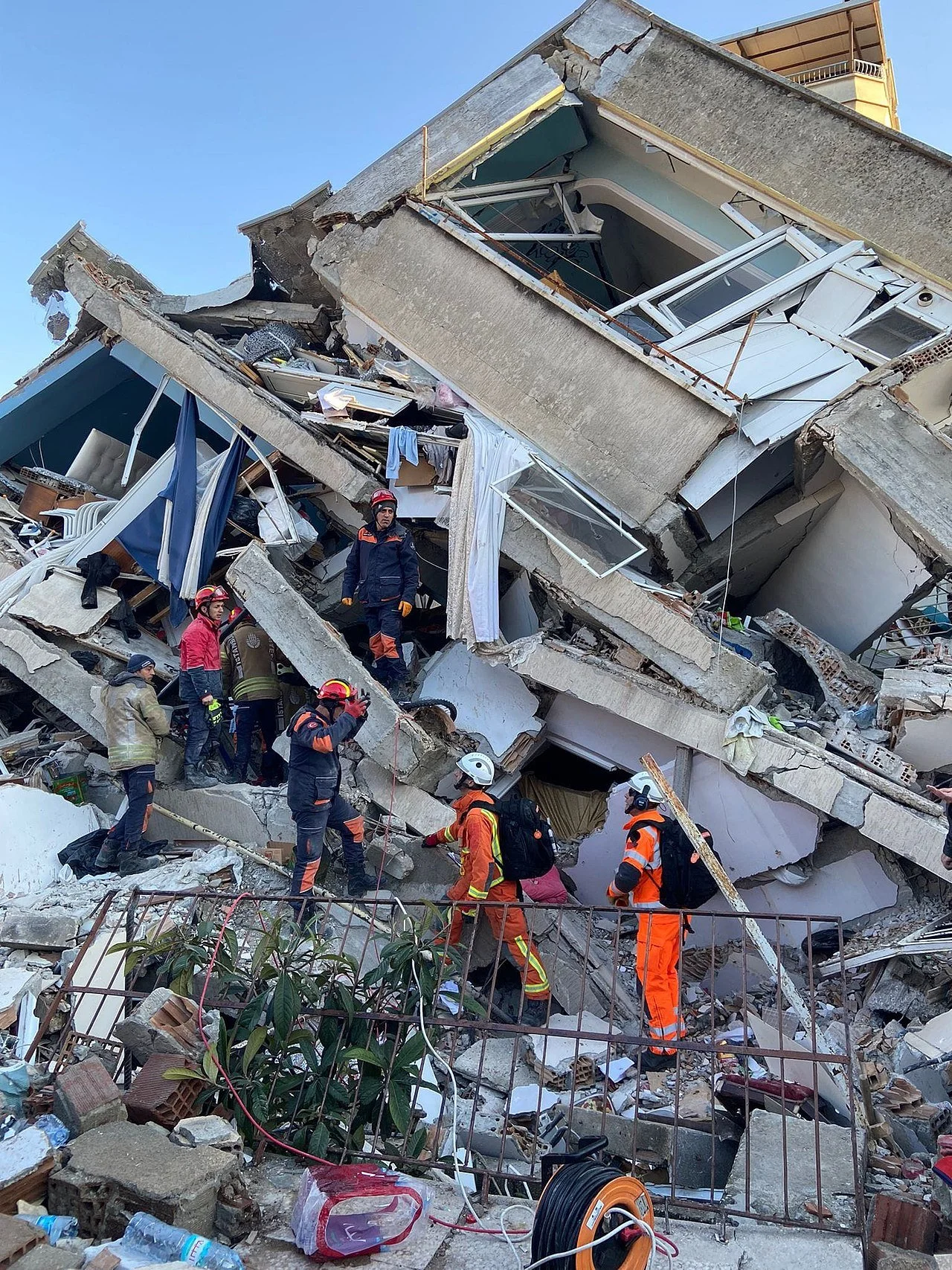
Hatay, Turkey, 9 February 2023. CC BY 2.0

In the early morning of February 6, southeastern Turkey was hit by a magnitude 7.8 earthquake, running all the way through most parts of Syria. About 9 hours later another 7.5 quake rocked the Turkey-Syria border, with over 200 aftershocks recorded. The seismic phenomena have left  over 33,000 dead, a number that is expected to rise, buildings turned to rubble, and a region on the brink of developmental disaster. Survivors have been left homeless in the streets in sub-freezing temperatures with no access to food or water, struggling to find their loved ones amid the remains. 

Sitting on the Anatolian plate between two major faults - the North Anatolian Fault and the East Anatolian Fault - Turkey is vulnerable to strike-slip seismic activity. The main earthquake that occurred on Tuesday morning had its epicenter in the city of Nurdaği, located in the Gaziantep province, which is home to many Syrian refugees who have escaped that country’s Civil War. A developing nation, Turkey struggles to implement legitimate housing laws that keep buildings up to safety standards. The nation’s president, Recep Tayyip Erdoğan, has reported that poorly enforced regulations played a role in making earthquakes so damaging, as buildings quickly collapsed due to their already vulnerable state. In Syria 11 years of conflict have made it nearly impossible to enforce building standards, and most cities already host vulnerable living conditions, the war leaving buildings and areas unstable and unprepared for seismic activity. 

What are the long-term implications of such natural disasters on this region of the world? Sitting on such an active fault line, with Syria to the south on the Arabia Plate Tectonic, Turkey and its neighbor could experience more quakes. Buildings which have not collapsed from this earthquake are at risk if there is any more seismic activity. At the moment Turkey and Syria both face a deep humanitarian crisis, and will soon have to come up with the money to rebuild. Turkey, already facing a turbulent economic situation, must now spend billions of dollars in a rebuilding project, combined with upcoming elections on May 14. The nation’s economic growth for 2023 could now be up to 2 percentage points less,  leaving the nation behind in its development goals. 

President Erdoğan has continued to threaten Syria’s Assad regime on political matters, which include his habitual threats to attack Kurdish groups in the northern part of Assad’s domain. However, both nations have agreed to offer each other diplomatic assistance and aid after this disaster, and accept international help for the wellbeing of their citizens. This type of earthquake diplomacy is also paving the way for other states with bilateral tensions, such as the United States and Russia, to collaborate with one another and assist Turkey and Syria for the sake of supporting human life and future development in the region.  

TO GET INVOLVED:

UNICEF is accepting donations and financial contributions to help on-the-ground volunteers get aid to children and families affected in both Turkey and Syria. For more information on getting involved, click here.

Save the Children is accepting donations to help surviving children receive food and shelter. To get involved, click here.

CDP has opened a Recovery Fund to help in the reconstruction of buildings in Turkey and Syria, as well as provide aid and resources for survivors. To donate, click here.


Kimberly Hidalgo

Having obtained a MA in International Policy, Kimberly seeks to bridge the gap between global development and government legislation. Growing up between the United States and Spain, she believes that travel is the best way to discover yourself and understand the world. Her goal is to promote a deeper awareness of the effects of climate change in society and politics.
Life is Getting Harder For LGBTQ+ in China

China has had its reservations about the LGBTQ+ community in its recent history, but under Xi Jinping’s rule only traditional heterosexual values are accepted.

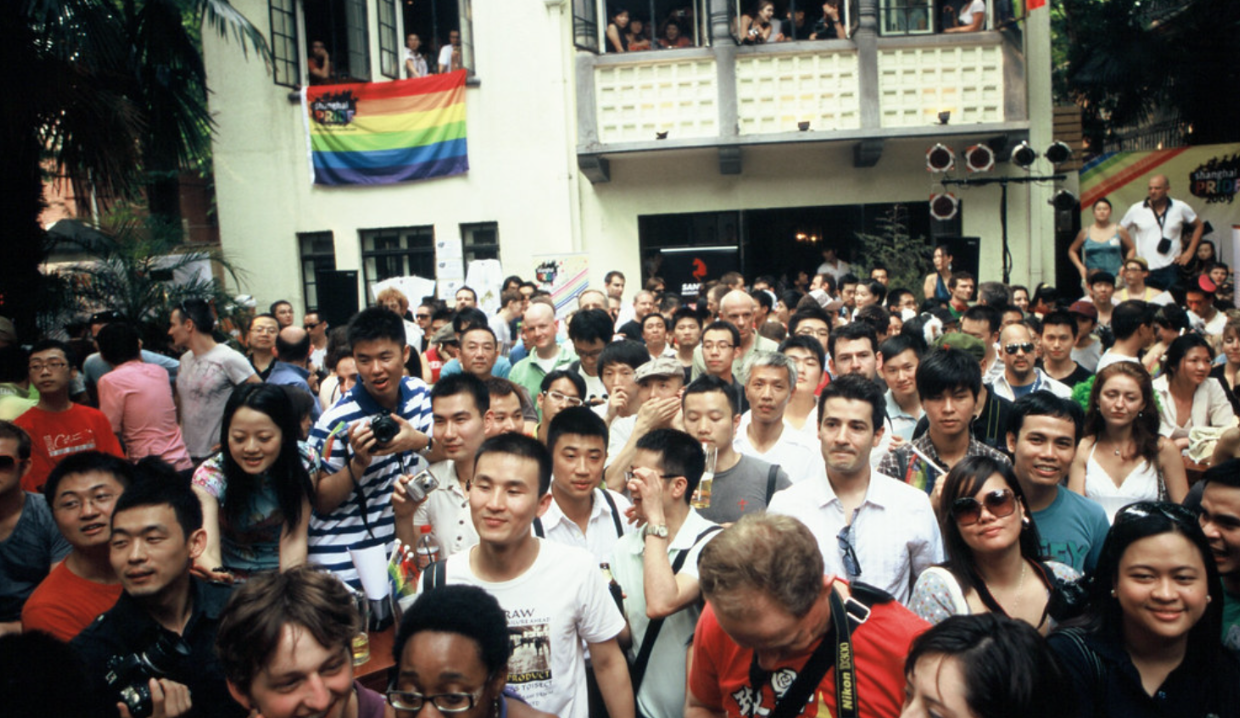
Shanghai Gay Pride 2009. Kris Krug. CC BY-SA 2.0

The LGBTQ+ community has never had it easy in China — from constant surveillance and intimidation to censorship and even police detention, the community has been met with constant repression. 

There was a period in the early 2000s, however, when it seemed as if things might have been changing. Gay clubs were flourishing, and there was a feeling of acceptance that came along with increased social services. Those days are gone, and the reality has become quite different under the rule of President Xi Jinping as China slowly becomes a more conservative country.

But it hasn’t always been like this. While many believe heterosexual traditions have been a hallmark of Chinese culture throughout history, this was not the case before the 19th century: centuries ago homosexuality wasn’t just accepted, but celebrated. One text entitled, “Passions of the Cut Sleeve” depicted an emperor and a servant sharing a bed. The emperor wanted to get out of bed, and to avoid disturbing the servant’s sleep, the emperor cut the sleeve the servant was resting on. While this act could be interpreted differently, the standard interpretation is that  it was done out of love.

This work was celebrated by scholars and is proof that the intolerance of homosexuality has never been a traditional aspect of Chinese culture. But when Communist Party Chairman Mao Zedong rose to power later on in the 20th century, there was a sudden shift in attitude. 

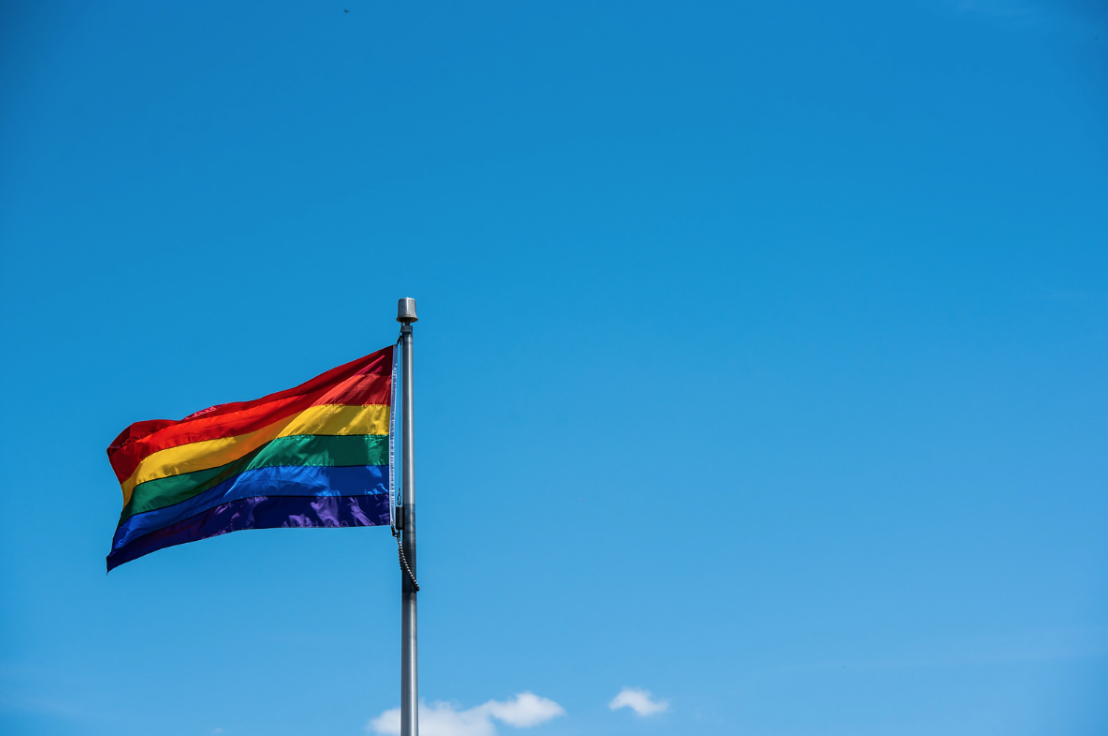
LGBTQ Flag. Pacific Northwest National Laboratory - PNNL. CC BY-NC-SA 2.0

He encouraged China to embrace modernity. That meant exposing the country to Western culture, which also included exposure to Western concepts of sexuality and, therefore, Western homophobia. Mao imported the notion that homosexuality was an illness and that same-sex attraction was a mental disorder that needed to be cured. Up until 1997, men caught engaging in homosexual acts could be persecuted with charges  of “hooliganism,” a crime that that offended against public order.

Today being gay is not illegal in China, but that doesn’t mean the negative stigma around homosexuality has changed. When Xi Jinping became president in 2012, the old Western-inspired values on what a family should look like have come to dominate society once again, to the point where the pressure to remain in the closet became almost unbearable.

There are many people in the Chinese LGBTQ+ community who refuse to fake their “straightness” and have therefore left their homeland. This is known as “sexual migration” and mostly occurs due to both external and internal pressures. 

Internet platforms have also stepped in to enforce the party line. The popular TV show “Friends” had a plotline involving main character Ross’ lesbian ex-wife which has been censored in China, along with any other mentions of the LGBTQ+ community and sex. The gay-dating service app Grindr has also been removed from China’s Apple app store. 

China is growing more suspicious and even hostile to homosexuality, labeling it as a “Western influence.” Being bisexual, gay, or trans is ironically seen as a Western  import and is increasingly not accepted. Homosexuality may have been decriminalized in 1997, but is still very much confined to the shadows.


Michelle Tian

Michelle is a senior at Boston University, majoring in journalism and minoring in philosophy. Her parents are first-generation immigrants from China, so her love for different cultures and traveling came naturally at a young age. After graduation, she hopes to continue sharing important messages through her work

Battling Air Pollution in Mongolia

Ulaanbaatar’s coal addiction is fueling a public health crisis

Smog impedes mountain view. Mongolia, 2010.. Einar Fredrikse.CC BY-SA 2.0.

Many associate Mongolia with a picturesque scene of snow-white sheep roaming the prairies and a chilly, crisp wind sweeping over Bogd Khairkhan Mountain. In sharp contrast to these images, the level of air pollution is 27 times more than the healthy level that the World Health Organization(WHO) recommends, with 687 micrograms or particulate matter per cubic meter invading the Land of the Eternal Blue Sky. Ganjargal Dembrel, a doctor from the northern part of Ulaanbaatar who responded to a house call, said he no longer “knows what a healthy lung sounds like,” with none to be found in his neighborhood, according to his interview with National Geographic.“Everybody has bronchitis or some other problem, especially during winter, ” he said. As Dembrel suggests, the severity of Mongolia’s air pollution is threatening the public health of the country in a way known as “slow violence.” Coined by Rob Nixon, a professor in the Department of Humanities and the Environment at Princeton University, the phrase refers to the adverse impact of climate change, deforestation, acidifying oceans, and other hazardous environmental crises on underprivileged or minority communities. According to Nixon, “slow violence” is largely invisible in the short term, but is detrimental over years, decades, and even centuries, solidifying environmental injustice in the worst-hit regions. The current situation in Mongolia is the case in point.

The primary cause of Mongolia's air pollution is its reliance on coal and other fossil fuels. Households in Mongolia depend on burning coals to remain warm during the winter season, which is the third coldest winter in the world: the temperature can fall as low as -40°F. F. 

During the sub-freezing winter, research found that the residential district in Ulaanbaatar, known as the “ger”, burns around 600,000 tons of raw coal for heating purposes. The  coal consumed by ger areas accounts for 80% of the current air pollution in the city. In addition, the geographic features of Ulaanbaatar accumulate the devastation of air pollution. High mountains surrounding Ulaanbaatar’s urban areas, which have lower wind speeds, block air pollutants from dissipation. 

Home to 3.3 million people, Mongolia faces substantial challenges posed by the aftermath of its climate crisis. The fine particulate matter in the air of Ulaanbaatar contributed to 28.8% of deaths caused by cardiovascular disease and lung disease. Among the impacted population, the children are the most vulnerable. The second leading cause of death for children under the age of 5 in Mongolia is pneumonia, a lung infection. In the highly polluted area of Ulaanbaatar, children have 40% lower lung function than their peers living in rural areas. 

Studies have also found that pollution imposes a high risk to reproductive health. In January, the month of peak pollution, the amount of successfully delivered infants relative to conceptions in Mongolia was reduced by 3.2-fold. The alarming infliction of climate disasters hits the next generation of Mongolians hardest.

To reduce air pollution, governments, organizations, and individuals in Mongolia and around the world are taking action. The Mongolian government passed the “Law on Air Quality” in 2012, implementing policies such as subsidizing household electricity. It also bans raw coal starting in May 2019, replacing it with refined coal. Though not without pushback from weak municipal execution and economic depression, the overall situation is improving. Winter of 2019 saw a dramatic decrease of particulate matter by 2.5 falling 42% compared to the previous year.  It remains to be seen whether these measures and others will be able to fully tackle Ulaanbaatar's pollution problem. 

Non-profit international organizations such as Geres and United Nations Children's Fund (UNICEF) also partner with the government to mitigate the pollution. UNICEF is working with  nongovernmental organizations on programs including training health workers’ skills and knowledge, increasing families’ access to affordable medication, and raising public awareness of the effect of pollution. Geres, a development NGO working in Europe, Africa, and Asia, coordinates projects such as the energy renovation of fragile housing in Ulaanbaatar that aims to eradicate the primary cause of air pollution.

The future holds promise for Mongolia as long as all parties involved take responsibility and work together to protect the environment and public health. Tackling air pollution is a shared responsibility for the government, international organizations, and individuals, and will require immense effort to transition to a more sustainable urbanization model for the traditionally nomadic nation.

To Get Involved:

The UNICEF Mongolia country office works in close partnership with the Government of Mongolia, NGOs, and local communities to protect child rights in Mongolia from access to resources to educate about the environment and air pollution. Find out more about UNICEF here.

Geres is working on multiple projects that contribute to sustainable, energy-efficient development in Ulaanbaatar and other major cities in Mongolia. Learn more about their program and how you can take action here.


Hope Zhu

Hope is a Chinese international student at Wake Forest University in North Carolina studying sociology, statistics, and journalism. She dreams of traveling around the globe as a freelance reporter while touching on a wide range of social issues from education inequality to cultural diversity. Passionate about environmental issues and learning about other cultures, she is eager to explore the globe. In her free time, she enjoys cooking Asian cuisine, reading, and theater.

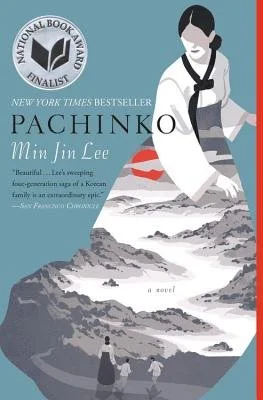
BOOK REVIEW: Pachinko, A Korean Family Epic

Author Min Jin Lee follows a Korean family through years of hardship, interweaving true history to create an emotional and fascinating novel.

Pachinko, a bestselling book by Min Jin Lee, follows a Korean family through three generations and several countries. The 479-page saga begins with the teenage girl Sunja, who must leave behind her family in Korea to move to Japan. Sunja has gotten pregnant outside of marriage, and is presented with the option of marrying and moving to japan with a man who is not the father of her child. While this decision is heartbreaking for Sunja, as she must abandon everything she’s ever known, her other options are worse. Upon Sunja’s arrival in Japan, the novel focuses heavily on Sunja’s experience as a Korean woman living in Japan. 

Additionally, the absent but wealthy and influential father of Sunja’s child looms large in the background of the story throughout the novel. The story transitions from Sunja’s experiences to those of her children and grandchildren while always staying focused on the major themes of familial relationships and Korean identity. By the novel’s end, Sunja is an older woman, and the reader will have followed her life as well as her children’s and grandchildren’s.

The incredible thing about Pachinko is how beautifully developed the characters are. It is a book that will bring you to tears multiple times as you genuinely feel like you know the members of this family. At the same time, it emphasizes crucial historical events through fiction—major, global historical events which affected millions—which are unfortunately rarely taught in American schools. Fiction can be an extremely effective mode for portraying the human experience compassionately, and Pachinko is undoubtedly an excellent example of that. Pachinko is one of my favorite books I’ve ever read and one that I would definitely recommend. It is an entirely immersive experience: a book nearly impossible to put down, as you feel like you are traveling with this family across space and time, through tragedies and exultations. 

The TV adaptation of Pachinko premiered on Apple TV+ in March of 2022 and is available to stream there. The first season had eight episodes, and the show has already been renewed for a second season. While the novel unfolds in chronological order, the first season of the TV show shifts from Sunja’s perspective as a young woman to her grandson’s narrative as a young man, leaving the viewer wondering what has transpired in the many years between—questions that will undoubtedly be answered as the show progresses. Despite the differing structures, the show’s first season stays mainly true to the plot and events in the novel. The differences between the novel and the show make them both worth the read and watch, respectively, without the show straying too far from the author’s vision. 

As noted, the true strength of Pachinko as a story is its characters. Throughout the book each character continues to surprise you while also staying true to the personalities that have been built. Min Jin Lee manages to keep the reader engaged and invested through three generations; while there are too many characters to count, they are all people the reader will care about. By building a narrative around a family—spanning about 70 years—the reader will truly feel a part of the story. It is immersive and emotionally compelling, never failing to be both heartbreaking and heartwarming simultaneously. The many threads created throughout come together in the end in a way that makes sense, and despite the enormity of the story, it never feels like the author has taken on too much. The book is complex and extraordinary, yet it still feels plausible and honest.


Calliana Leff

Calliana is currently an undergraduate student at Boston University majoring in English and minoring in psychology. She is passionate about sustainability and traveling in an ethical and respectful way. She hopes to continue her writing career and see more of the world after she graduates. 

The Environmental Benefits of Veganism

Beyond clear health benefits, being a vegan may mitigate global warming. 

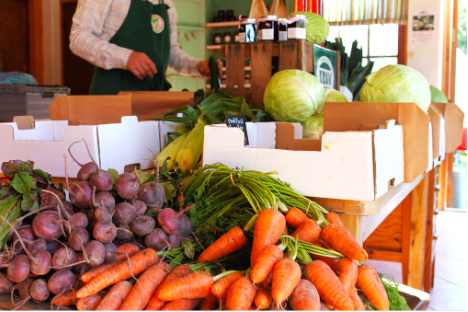
An eco-friendly produce stand. Mikaela Vazquez Rico. CC BY-NC-ND 2.0

One of the easiest and most beneficial ways an individual can reduce their personal effect on the environment is through a diet that eliminates both meat and dairy. Vegan diets are often seen as a trend or a fad as many celebrities and young people have embraced this diet for a healthier lifestyle, but it is much more than that. These diets have the ability to reduce our carbon footprint nearly beyond any other practice. By adopting a lifestyle free of animal products, not only are you reducing the harm done to animals raised for commercial farming but you are also saving the planet! 

The impact of eating meat 

For many, the first issue that comes to mind when thinking of animal agriculture is the inhumane treatment of these animals. While that is incredibly important to note, the meat and dairy industries’ environmental impact can be even more damaging to both animal and human species. According to Ben Houlton, an environmental researcher at University of California-Davis, about 25% of issues at hand concerning climate change can be attributed to our food. Houlton notes that this is about twice as much pollution than all cars combined! This industry is said to be one of the most devastating industries to our planet as it fuels deforestation, species population decline and greenhouse gas emissions on top of disrupting delicate ecosystems. It is true that burning fossil fuels for industry, electricity and transportation comprises the bulk of greenhouse gas emissions, and not all scientists are in agreement that the meat and dairy industries are the top contributors to climate change, but there is a general consensus that reducing one’s meat and dairy intake significantly benefits the environment. Additionally, the animal agriculture industry must use fossil fuels, electricity and transportation thus contributing to those effects even further. 

Industries like transportation and fossil fuels rival the meat industry in terms of environmental impact, but in comparison to the top oil and gas companies ExxonMobil, BP or Shell, the top five meat and dairy corporations are already responsible for more emissions. Additionally in a 2018 study by the Institute for Agriculture and Trade Policy and GRAIN reveals that the animal agriculture industry will take up 80% of the greenhouse gas budget by 2050. The greatest source of greenhouse gases, carbon dioxide, is contributed through human activity like forestry and other land use, deforestation, land clearing for agriculture, and degradation of soils according to the EPA.

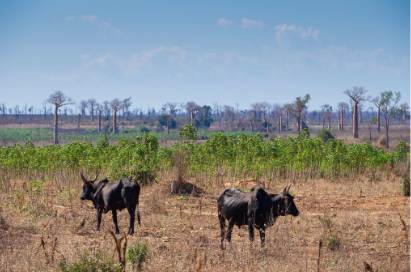
Agricultural deforestation in Madagascar. USAID Biodiversity & Forestry. CC BY-NC 2.0

Meat and dairy industries contribute to nearly 20% of all greenhouse gas emissions as well as causing 65% of the nitrous oxide output on the earth, the most harmful of all greenhouse gases. It is important to recognize too, that cows farmed for both their flesh and dairy products emit mass amounts of methane gas which holds heat in the atmosphere at a rate 20 times higher than that of other gases. Methane does stay in the atmosphere for a small amount of time, but its proliferation must be taken into account as it is 20 times more potent than carbon dioxide. In addition to the gases released by this type of agriculture, 50% of water used in the United States goes toward the meat industry. It takes 150 gallons of water to make a single quarter-pound hamburger! Eliminating or even reducing the consumption of these products can combat the issues it brings greatly.

Environmental benefits of veganism 

Veganism became a rising trend because of its nutritional and ethical value as vegetables and fruits provide many more essential vitamins and minerals than diets based around meat and dairy products, and animals do not have to suffer for the sake of consumption. With that in mind, the environmental benefits cannot be overlooked as it is even greater than the health benefits provided. To combat all the devastating environmental impacts created by the animal agriculture industry, it is essential to reduce meat and dairy consumption.  

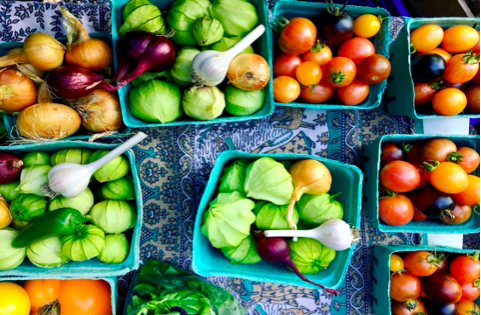
A harvest of garlic, green tomatillos, red tomatoes and red onions. Natalie Walters. Unsplash License

It may not seem as if one person’s diet can truly benefit the environment, but veganism has proven this perspective wrong. One of the most glaring statistics is the fact that the diets of meat eaters contribute seven times more greenhouse gases than that of vegans. By cutting out meat from your diet completely or even for a few meals, the amount of greenhouse gases contributed by the food on your plate decreases greatly. Too, when soils are used for plant based agriculture rather than animal agriculture, they are enriched greatly with nutrients and soil erosion is less likely to happen. Diversifying plant agriculture allows for long time resilience of soil as the land does not have to be entirely deforested to raise fruits and vegetables. As mentioned, the animal agriculture industry uses incredible amounts of water. The world is already in a great crisis for clean water, and adopting a vegan diet uses five times less water than that of meat eaters as noted by the European Commission Joint Research Centre (JRC). 

Overall, vegan diets use much less energy and production than meat based diets. The way in which meat is brought to your plate increases all the statistics mentioned above. The raising of livestock requires incredible amounts of grain and feed, increases transportation emissions as meat products have to be shipped and requires mass amounts of electricity both to refrigerate and cook it. The refrigerated trucks used to ship them require both electricity and mass amounts of fuel. The amount in which this production process is implemented boils down to basic economics. If there is a higher demand for meat, the industries involved in bringing it to your local grocer must supply it. Instead, being vegan cuts your personal contribution to these demands thus the products supplied decrease. 
Why it’s worth it to be vegan

By becoming vegan or reducing your consumption of meat products, you can become a healthy ethical consumer reducing your personal impact on the environment every single day. While common efforts like recycling and carpooling are beneficial, veganism is an incredibly impactful way to save the planet we call home because not only does it reduce your personal greenhouse gas contributions, it also decreases your contributions to mass use of water, deforestation and ecosystem disruption.


Renee Richardson

Renee is current a English student at The University of Georgia. I grew up in the suburbs of Atlanta but now live in Ellijay, Georgia, a small mountain town on the border of Tennessee. I am a passionate writer inspired often by my college campus, my hikes along the Appalachian trail, and my efforts to fight for equality across all spectrums. My hope, although cliché, is to inspire others to make a difference in whatever ways they can.

Books: To Ban or Not to Ban

Inside the fight to ban books or keep them on shelves.

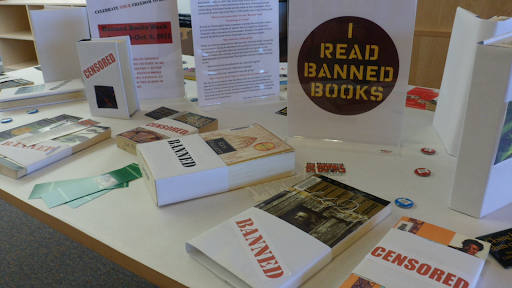
A display advertising banned books. Colette Cassinelli. CC BY-NC 2.0.

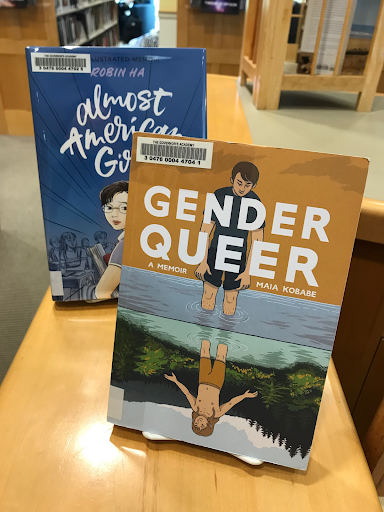
Maia Kobabe didn’t expect to become a household name, at least not in most households. Readers of Gender Queer, her bestselling graphic novel about non-binary identity, surely told friends and family with whom they felt comfortable about the emotionally rich, nuanced, and textured book. Others have a less flattering assessment. They see the book as the vanguard of a national movement to corrupt and “groom” young minds into mouthpieces of woke-speak, gender fluidity, and racial grievance. Just ask No Left Turn or Moms for Liberty, two grass-roots organizations campaigning to ban the book in schools across the country. Although Gender Queer received rave reviews, reached the New York Times Bestseller list, and garnered fans across the country, it is currently the most banned book in the United States.

As a banned author, Maia Kobabe is in good company. Eir peers on the list of newly banned books include John Green, Art Spiegelman, and even Toni Morrison, a Nobel laureate. The books range from young adult fiction to mature masterpieces, graphic novels to sweeping epics, but they all share one thing in common. They engage topics that are politically explosive. 

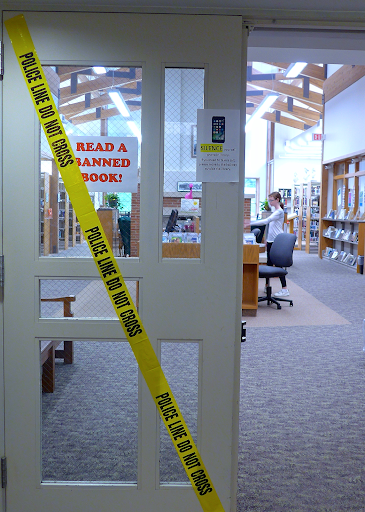
A library advertising banned books. Ali Eminov. CC BY-NC 2.0.

Namely, they address queerness and race. According to a comprehensive report from PEN America, 41% of books targeted by banning efforts contained LGBTQ themes, and 40% centralized around characters of color facing racism and discrimination. Others were targeted for sexual content or coverage of activism. Curiously, 9% target biographies and memoirs. Among the books grass-roots organizations hope to see banned is an entry in the famous children series Who Was . . . ? about Supreme Court Justice Sonia Sotamayor, the first Latina justice on the Supreme Court. 

A library advertising banned books. Ali Eminov. CC BY-NC 2.0.

These grass-roots organizations, roughly fifty in number, function at the national, state, and local levels. 73% formed after 2021. This coincides with rise in headlines about Critical Race Theory in classrooms and the “Don’t Say Gay” Bill in Florida. Groups like Moms for Liberty and No Left Turn were founded precisely to combat the rising prevalence of queer and racial subjects in schools. No Left Turn, one grass-roots organization, defends “American founding principles” and “family values” while advocating the reinstatement of “objective thinking.” Moms for Liberty, another grass-roots organization with 30 chapters in 18 states, asserts “parental rights” to protect their children from adult or otherwise objectionable material, claiming they are “fighting for the survival of America.”

The Supreme Court has previously ruled on such issues. The 1969 decision Tinker v. Des Moines Independent Community School District maintains that students do not “shed their constitutional right to freedom of speech or expression at the schoolhouse gate.” Advocates against book bans cite children’s right to freedom of information, even to controversial viewpoints and topics. Those who support them claim that the books in question contain subject matter unfit for young, malleable minds. When Gender Queer mentions a brief encounter with a sex toy, some see a moment in a queer coming-of-age while others see pornography. 
Even elected officials have begun to advocate the banning or restriction of certain books. In October of last year, Texas state lawmaker Matt Krausse sent a letter to schools across the state asking if they carried any books on an 850-title-long list of books that “might make students feel discomfort, guilt, anguish, or any other form of psychological distress because of their race or sex.” Political observers noted that Krausse was gunning for statewide office at the time, so his letter signals that banning or restricting access to such books could win over a conservative base.

Ironically, the books banned, such as Gender Queer, Maus, or All Boys Aren’t Blue have attained an even higher status as a result of the efforts to ban them. It is not uncommon to walk into a Barnes and Noble and see a display that says, “Read a Banned Book.” Maia Kobabe went so far as to note in an interview for Slate, “In a strange way, this is raising my profile as an author.” Perhaps there really is no such thing as bad publicity. 

Gender Queer by Maia Kobabe. Pesky Library. CC BY-NC-ND 2.0

Primary among the concerns of authors, librarians, and organizations like PEN America are the availability of literature to marginalized people in hostile areas. In this arena, those seeking to ban books wield a strategic edge over those hoping to keep them available. Such is evident from the organizational efforts of No Left Turn, Moms For Liberty, and especially CatholicVote. The last of these groups organized a “Hide the Pride” event in which parents checked out LGBTQ-related books to prevent others from reading them. This crafty tactic could backfire, however. Increased checkouts of LGBTQ-related titles could signal to librarians an increased interest in them. The answer would be to buy more.

You can shop the top 20 banned and challenged books in our bookshop. Check out the titles below.


Michael McCarthy

Michael McCarthy's fiction, nonfiction, interviews, and book reviews have appeared in The Adroit Journal, Barzakh Magazine, Beyond Queer Words, and Prairie Schooner, among others. Currently, he is transferring from Haverford College to University of Carlos III in Madrid, Spain, where he intends to major in the Humanities. He is also seeking publication for his poetry chapbook Steve: An Unexpected Gift, written in memory of his late uncle. He can be reached at @michaelmccarthy8026.

A Village in India Fights Female Infanticide and Deforestation

How a village leader changed the perception of women in India, one tree at a time.

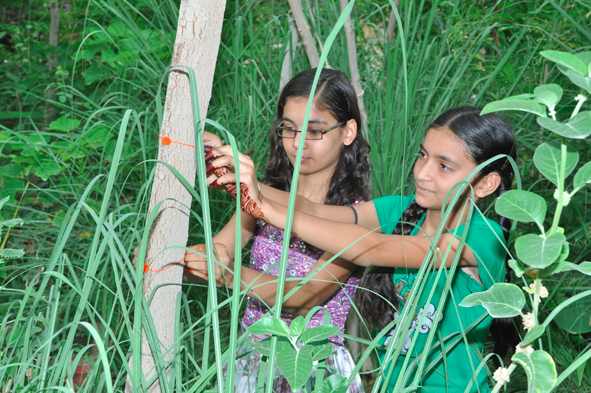
Girls connecting with the trees in Piplantri. Photo provided by Piplantri Village.

Every time a baby girl is born in Piplantri, India, the village gathers together to plant 111 trees in her honor. The custom began a couple of years ago, when former village leader, Shyam Sundar Paliwal was forced to ponder the fleetingness of life after his daughter tragically passed away at a young age.

Piplantri and other villages in the area were facing two crises that greatly affected the quality and value of life. One issue was social: a high rate of female infanticide. Traditionally, female births were considered a burden on the family. The parents of a girl are expected to provide a dowry to her husband’s family, which can be a big financial undertaking. Additionally, daughters were married off well before the age of 18, before they could obtain an education. 

Piplantri and its surrounding villages faced environmental hardships as well. The villages in the Rajasthan area are suffering from deforestation with the increase of marble mining. 

Paliwal decided to confront these issues with a plan that can be broken down into three words: “Daughter, Water, Trees.” 

To counter the pessimism around the birth of a baby girl—and improve the lives of the daughter and her family—the village raises money for a “trust” every time a girl is born. The family is to contribute one third of the fund, which is set aside until the girl turns 20. This alleviates the problem of the financial burden of a dowry. 

In order for the family to receive the money, they must sign an affidavit agreeing not to marry their daughter until she is of the legal age of 18 and has received a proper education. 

To solve the deforestation problem, the village gets together to plant 111 trees in the girl’s honor. As a part of the contract, the family agrees to take care of those 111 trees. Hopefully the trees will help the spread of water along the land. 

And the scheme gets even better. The fruit trees being planted were beginning to attract a lot of termites. In order to prevent infestation, the villagers planted many aloe plants to protect the trees. The villagers can harvest and sell the aloe—which has incredible healing benefits—and make a profit, to even further improve their quality of life. 

Although Paliwal is no longer the leader of the village, the tradition continues. Now, teachers report that there are just as many girls enrolled in school as boys. And, the village is lush and green with the hundreds of trees planted. 

Other villages are following suit. The nearby village of Tasol is trying out Piplantri’s eco-feminist village model.


RELATED CONTENT:


ELIANA DOFT

Eliana loves to write, travel, and volunteer. She is especially excited by opportunities to combine these three passions through writing about social action travel experiences. She is an avid reader, a licensed scuba diver, and a self-proclaimed cold brew connoisseur. 

Australia’s Disappearing Coastlines

With sea levels rising fast, beaches are slowly disappearing as coastal erosion increases due to climate change.

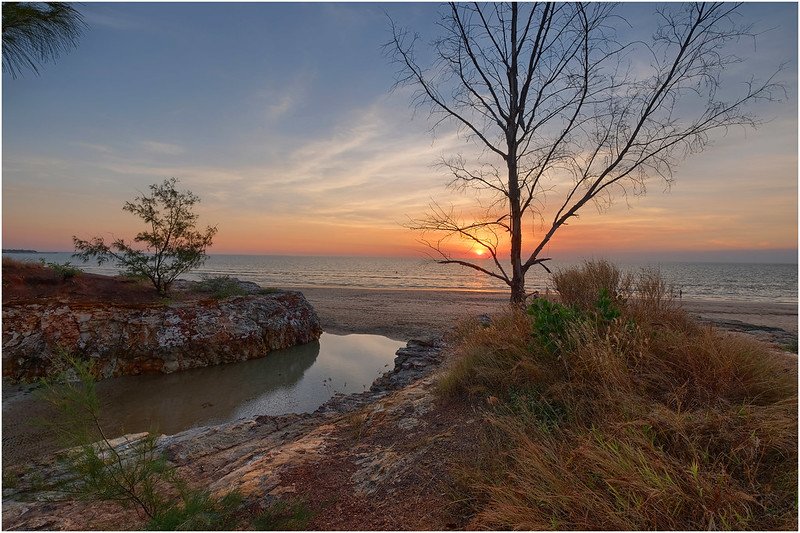
Casuarina Coastal Reserve erosion. Geoff Whalan. CC BY-NC-ND 2.0

As global warming increases and sea levels continue to rise, coastal erosion is becoming more and more of a problem. There are plenty of environmental issues that stem from this problem, like disappearing beaches and natural habitats. Coastal erosion is when rocks, soil, and sand are swept away and disappear because of rising sea levels and strong waves. The erosion of natural features like rocks is a normal part of nature, but global warming and coastal erosion is accelerating that process.

Every country with a coast is already facing this problem, and one country that is really struggling is Australia. Many homes are close enough to the beach, beyond just the people who have second homes there. There are around 700,000 Australians who live either within three kilometers (1.86 miles) of the coast or less than five meters (196.85 inches) above sea level. The country itself has over 30,000 kilometers (18,641 miles) of coastline, and all of it is being affected by this problem. With coastal erosion, the land is being eroded away by the ocean. It can be hard to measure exactly how much land is disappearing, especially since it varies from area to area, but the loss of land can only have negative consequences. 

The impact of coastal erosion on human society goes beyond just destroying homes. It could affect the housing market, especially those near the coast. Millions of dollars could be lost from this as people are forced to relocate more inland in order to avoid the rising sea levels. Currently, there are still many people either willing to take the risk of losing their homes to coastal erosion or unaware of the problem, because there are still plenty of people who want to buy a seaside house. 

Maslin Beach, Australia. Rene Kisselbach. CC BY-NC-ND 2.0.

The most common solution is to simply replace the sand disappearing beneath the water. The disappearing sand often gets collected nearby, and it is typically the cheapest option to just add more sand to the vanishing beach. However, this is only a temporary solution as replacing the sand doesn’t fix the problem. The rising sea levels will continue to eat away at the coastlines, regardless of whether or not the sand gets replaced. Additionally, it can be harmful to the environment from which the sand was taken. Rock walls are another possible solution, one that is more of a long term solution than replacing sand. These are designed to contain the sand and stop it from being washed away. They act as a buffer against erosion and can reduce the impact from waves, but they can be very dangerous for people. Wet rock is, of course, incredibly slippery and hazardous for the public, and since the rocks have to be of a specific quality and size, it can be more expensive than replacing sand, as well as detrimental to the environment the rocks came from. The third method to prevent coastal erosion is the use of containers known as geotextile sand containers. Essentially, these are sand bags and placing them beneath the sand on beaches can help in a similar manner as building a rock wall. There is no perfect solution to coastal erosion other than preventing global warming and rising sea levels altogether, but Australia has been taking preventative measures and reducing the impact as much as they can.


Katherine Lim

Katherine Lim is an undergraduate student at Vassar College studying English literature and Italian. She loves both reading and writing, and she hopes to pursue both in the future. With a passion for travel and nature, she wants to experience more of the world and everything it has to offer.

The Effects of Buddhism on Disability Rights

How the concept of reincarnation has reduced activism for disability rights in Buddhist countries

In comparison to the major world religions, Buddhism flies under the radar. The main three, Christianity, Islam, and Judaism, have often found themselves at the heart of wars, picking death to prove righteousness. This is a concept not found in Buddhism. Life is the highest gift. But the Buddhist  belief in reincarnation means that people that are born into disadvantage often pay for it. This is easily seen in people with disabilities. If you are disabled, it is believed that you must have done something wrong in a past life and are consequently paying for it in this one. It is the concept of karma: you must accept your own suffering to be reborn into a better life.

On a global scale, disability rights didn’t enter the equation until post-WWII, gaining steam with veterans advocating for war-caused disabilities. In Buddhist countries it was even later. India didn’t start the conversation until the 1970s, where it wasn’t brought into legislation until 1995 and was only properly defined and rewritten in 2014. India today has one of the largest disabled populations in the world, yet a full definition of what a disability is wasn’t introduced until 5 years ago. This could stem from the cultural connotations associated with disabilities. Having a disability in India causes feelings of worthlessness and shame and often leads to disownment and abandonment by family members. Through modernization and standards put in place by the UN and World Health Organization, these views are changing on a governmental policy level. Unfortunately, just because the laws exist doesn’t mean that they are being implemented. For example, in Cambodia, it was found that fewer than 4% of people qualifying for disability receive the required financial support from the government. To add to it, statistics show that there is an extra expenditure of $40 a month for people with disabilities. The government aid only covers $5 (1/8 of the total cost) so even if those with disabilities get their monthly payment, it covers little of the true cost..

One of the reasons there is such an added cost to having a disability, besides added care, is because often completing education and finding employment is extremely difficult. According to Thailand’s National Statistics Office, 71.5% of people with disabilities over 15 are unemployed. For those living in a city this leads to few options: access social welfare, begging on the streets, or selling lotto tickets. Even so it can be hard to get access to the tickets and the work is unstable. And those in rural environments without access to services are completely dependent on familial support. Thai Buddhism even bans people with disabilities from becoming monks. This was initiated out of fear that people with disabilities would depend on the monastery for support and not be able to complete their duties. One, Monk Ti, was disrobed in 2016 on account of his dwarfism. Becoming a monk is the most noble profession one can have, one that is based on suffering and enlightenment, and yet disabilities completely prevent one from pursuing it.

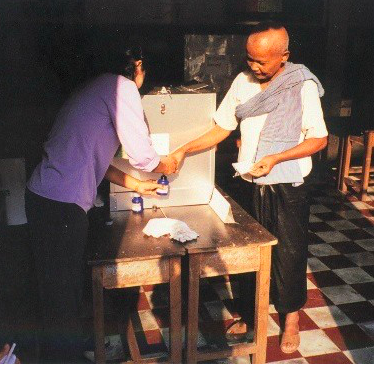
A major obstacle to changes in disability rights in Buddhist countries is lack of representation. In Cambodia, little effort has been done to increase voting opportunities to those with disabilities and very few are registered to vote, let alone have access to voting areas. NGOs are working to try to set up systems that will start to cause change. In 2011, the General Election Network for Disability Access (AGENDA) was established in Southeast Asia. They are working both with organizations focused on disability and those working with elections to increase advocacy. Between 2014 and 2017, they had a 15% increase in the number of polling stations that had wheelchair accessible ballot boxes.

Through small organizations and increased awareness, stigma around disabilities in Buddhist countries is starting to decrease. The opportunity to participate in all aspects of society from education to voting is hopefully changing as well. Buddhism is built around the concept of suffering and reducing your suffering through your actions so that you may be reborn into a better life. It would be great if those with disabilities didn’t suffer more because of it. 


Devin O’Donnell

Devin’s interest in travel was cemented by a multi-month trip to East Africa when she was 19. Since then, she has continued to have immersive experiences on multiple continents. Devin has written for a start-up news site and graduated from the University of Michigan with a degree in Neuroscience.

BOOK REVIEW: Gay Bar: Why We Went Out

With abundant soul and piercing intellect, Jeremy Atherton Lin writes a loving elegy for the bars and clubs that continue to shape who he is today.

You step inside the bar feeling some mixture of trepidation and glee. Through the fog machine mist, a drag queen (or two, or three, or a dozen) tears through a Sylvester number that has the sweaty, dancing throng of twinks, daddies, bears, cruisers, pill-poppers, club kids and assorted deviants jumping so that the floors tremble with their weight. You order a drink, then another, and since the bartenders pour heavy, you’re already feeling some type of wonderful. Everyone at the bar is shouting over the music at their dates, or eyeing handsome strangers, if they haven’t already escaped to the dark, dank corners of the club to perform acts unmentionable in polite society. But this is no polite book. “Gay Bar: Why We Went Out” by Jeremy Atherton Lin seizes you be the hand and leads you to the dance floor. That feeling? Gay euphoria. Or someone just slipped some poppers into the fog machine. 

“It’s starting to smell like penis in here. . .” the book begins, and you can imagine where it goes from there. The book veers through categories of nonfiction one would think incompatible: cultural critique within pornography, personal memoir beside centuries-old queer history, gay clubbing tales after meditations on longing and identity (namely, longing for identity, or an identity of longing). “We go out to be gay”, Atherton Lin declares. He spends the book figuring out what that entails. Between his vibrant voice, daring diction and raunchy reminiscences, Jeremy Atherton Lin simply can’t not be interesting. 

Nowadays, you’re less likely to find the kinds of bars that were so formative to Atherton Lin’s queer coming-of-age. In an era of safe spaces and trigger warnings, he reflects, “ to be violated was my expectation back when I [first] ventured in”. Not that the new rules are unwelcome. “Gay Bar” bears witness to more than it judges the ebb and flow of queerness over the course of the author’s life. Historically speaking, his life passes through the end of the AIDS crisis, surges in homophobic violence and the gentrification of queer spaces. “The misogynistic old trope,” he writes, referencing the “fag hag” stereotype, “of a lonely heart attached to sexual criminals out of compatible ostracization had been replaced by one of basic bitches latching on because the gays turned out to be the winners”. What they won, however, is unclear.

“Gay is an identity of longing , and there is a wistfulness to beholding it in the form of a building,” Atherton Lin muses on gay bars. The dichotomy between the terms queer and gay acts as a schism between two generations of gay men, those two generations being Lin’s own and the kids who came after. Queer is “somehow both theoretically radical and appropriate in polite company”. Gay, however, is “like a joke or an elegy”. Indeed, “Gay Bar” reads like an elegy for the club scenes that seemed to be dying even at their pinnacles. Atherton Lin experiences gay clubs in Los Angeles, San Francisco and London, and though he often passes off personal experience as canonical gay history, his experience makes one fact undeniably clear: gay bars aren’t what they used to be. 

At the same time, often in the same breath, Atherton Lin recognizes that “gay bars are actually transitioning–in that they’ve likely been something else, and will change again in the future”, but precious few are the historical records of these gay institutions. “Still now,” he writes, “when people say of East London It’s not like what it used to be. . . , I think: One could never really know what that means”. Very rarely do younger gay men seek out their own history either. As a self-proclaimed “daddy” conversing with younger twinks and twunks, Atherton Lin writes, “[t]hese boys don’t need my wisdom. Camaraderie, perhaps; it’s not guidance they’re after”. What’s left in the historical vacuum is rumor, hearsay, propaganda and a fair share of badmouthing. Certainly, the sins of gay bars are numerous–femmephobia, racist door policies and inappropriate groping. But “Gay Bar” asks the question: does rebellion against these institutions for their wrongs mortally endanger the communal memory on which the queer community is based?

Sadly, “Gay Bar” doesn’t answer this question, or many others. Nonfiction, once the venue for resolving inner turmoil and nagging questions, has become a genre for simply venting these confusions. Of course, a personal memoir needn’t answer to anybody or anything, but when Atherton Lin cites queer theorists like Judith Butler or Michael Warner, one gets the impression that he is using their erudition to suggest an argument he doesn’t want to run the risk of making. In true camp fashion, he ends most lines of argument with a witty quip, rather than a resolution to the passage’s central problem. For other writers, this would sunder the book, but since galavanting in camp fashion seems to be his primary goal, Atherton Lin still succeeds in winning the reader over, if through his electric prose and not his sound argumentation. 

Still, like any gay bar, it’s hard not to love “Gay Bar”. Its endlessly interesting anecdotes, hilarious jokes and piercing reflections make for a polyphonic book that defies categorization. It is so much like the queer spaces that it describes: intersectional, cross-pollinating, intoxicating and above all fun. With countless bars–and many gay ones–closing under the stress of the COVID economy, Lin’s book provides the perfect elixir for cabin fever. When reading “Gay Bar”, you’ll often feel like you’re in one.


Michael McCarthy

Michael’s fiction, nonfiction, interviews, and book reviews have appeared in The Adroit Journal, Barzakh Magazine, Beyond Queer Words, and Prairie Schooner, among others. Currently, he is transferring from Haverford College to University of Carlos III in Madrid, Spain, where he intends to major in the Humanities. He is also seeking publication for his poetry chapbook Steve: An Unexpected Gift, written in memory of his late uncle. He can be reached at @michaelmccarthy8026.

Peace and Stability in Uruguay

The second smallest country in South America, Uruguay is one of the most stable and prosperous countries in all of Latin America.

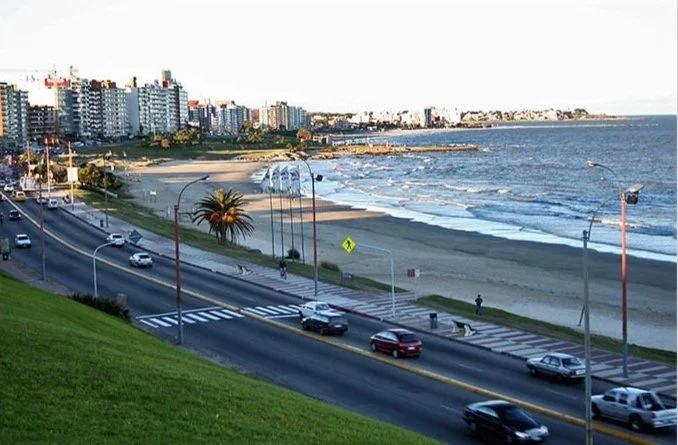
Montevideo, Uruguay. Gustavo. CC BY-NC-SA 2.0

South America’s Uruguay has been one of the most stable countries in the world for years. It’s the second smallest country in South America, and despite not having many natural resources, they have still had a lot of economic growth and prosperity. Uruguay has in general been a symbol of peace and social inclusion, despite its small population. Their social attitudes are extremely progressive and lenient, especially towards things like legalizing marijuana and same-sex relationships and marriages. Many countries in Latin America suffer from violence, corruption and oppression, but Uruguay has grown in its economic, political and social spheres. Their policies towards immigration are also relatively open, and the people tend to welcome foreigners who want to move to the country. They have the largest sized middle class, proportionally, within Latin America and have been called the “Switzerland of Latin America” due to their economy, size, and industrial, trade, and service sectors. Uruguay has one of the highest GDP per capita in the region, and the income distribution is very equal. The World Economic Forum claims Uruguay is the most equitable country in the world.

Uruguay’s main exports are agricultural products, such as corn, rice soybeans and wheat, as well as meat products, especially dairy. They love meat, especially beef, and their national dish is asado, which is literally just barbecued meat. Interestingly enough, pasta is another widely consumed  food due to the arrival of  Italian immigrants that came during the late 1800s and early 1900s. Though Uruguay’s pasta has Italian inspiration, Urguay has its own spin on a widely-loved cuisine.  In terms of beverages, yerba mate is one of their favorites, a tea-like drink that has become a respected cultural aspect for the people. There was a military regime in the 1970s that strongly discouraged public gatherings, and so people would get together to drink yerba mate and socialize. This tradition has carried on even today and people now love to gather, drink it, and talk.

Their tourism industry is another factor that has increased their economic growth. People love Montevideo, the capital, and say that it is has the highest quality of life out of all the cities in South America. Punta del Este is an extremely popular beach resort that doubles as a college town that also adds to their tourism industry. It helps that the country is relatively safe, ranking 32nd on the 2020 Peace Index, compared  to the United States’ 121st. Because of this, the country has had a solid 15 years of positive economic growth, and their poverty rate decreased by 22% from 1999-2019. In addition, their literacy rate is extremely high, the highest in all of Latin America, and both education and healthcare are  free and accessible to everyone.The government is very transparent, considered the least corrupt government in Latin America and the 23rd least corrupt government in the world. Their political stability in the Global Economy was rated as 1.05 in 2020 (the scale is from -2.5 – 2.5) and they have had an overall upward trend since 1996. The United States, in comparison, was rated -0.02 in 2020, with a major downward trend since 1996.

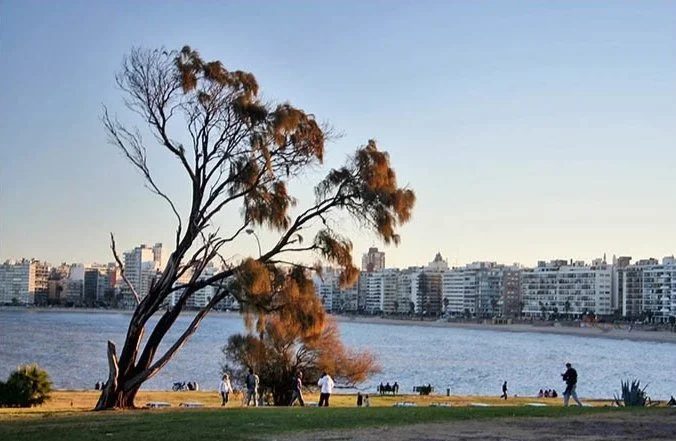
Shot of Montevideo. Gustavo. CC BY-NC-SA 2.0

Despite all this, Uruguay’s rise in prosperity hasn’t always been the most stable. The rate at which their poverty levels is decreasing also slowed down and stagnated a bit in the past few years, and, like most countries, Uruguay suffered from the pandemic. The poverty rate increased by 2.8% the first year of the pandemic, even through Uruguay’s preexisting social protection systems and the new measure they introduced in response to the virus. In 2021, however, the economy recovered a little and the poverty fell from 11.6% to 10.6%. 

The country as a whole, though, did not have to make many changes in order to adjust to virtual life. Since they place such a high value on education and technology, they were able to easily use online platforms, and their universal health care allowed them to take preventative measures at a lower cost than other countries. All this combined allowed Uruguay to slowly reopen their schools earlier and faster than other countries in the region. Like many countries in the world, their poverty rates, though low, are disproportionate in areas such as race, sex and religion , but they do have a strong commitment and desire to strengthen the country and create policies to overcome these factors.


Katherine Lim

Katherine is an undergraduate student at Vassar College studying English literature and Italian. She loves both reading and writing, and she hopes to pursue both in the future. With a passion for travel and nature, she wants to experience more of the world and everything it has to offer.

Devastation in Pakistan: Information and How to Help

One third of Pakistan is underwater due to flooding, killing more than a thousand and destroying the homes of millions. 

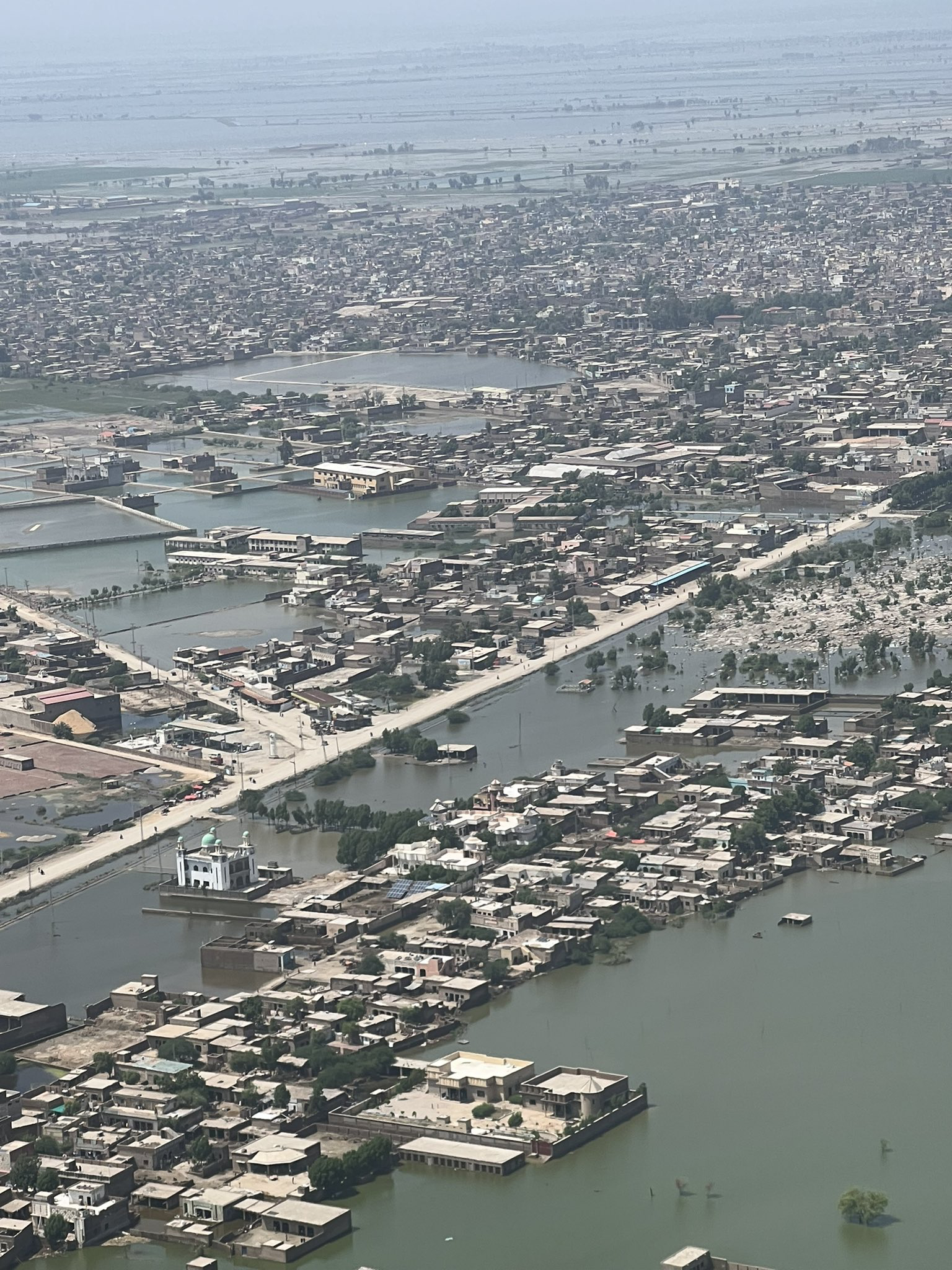
Sindh province in Pakistan underwater 2022. Ali Hyder Junejo. CC BY 2.0. 

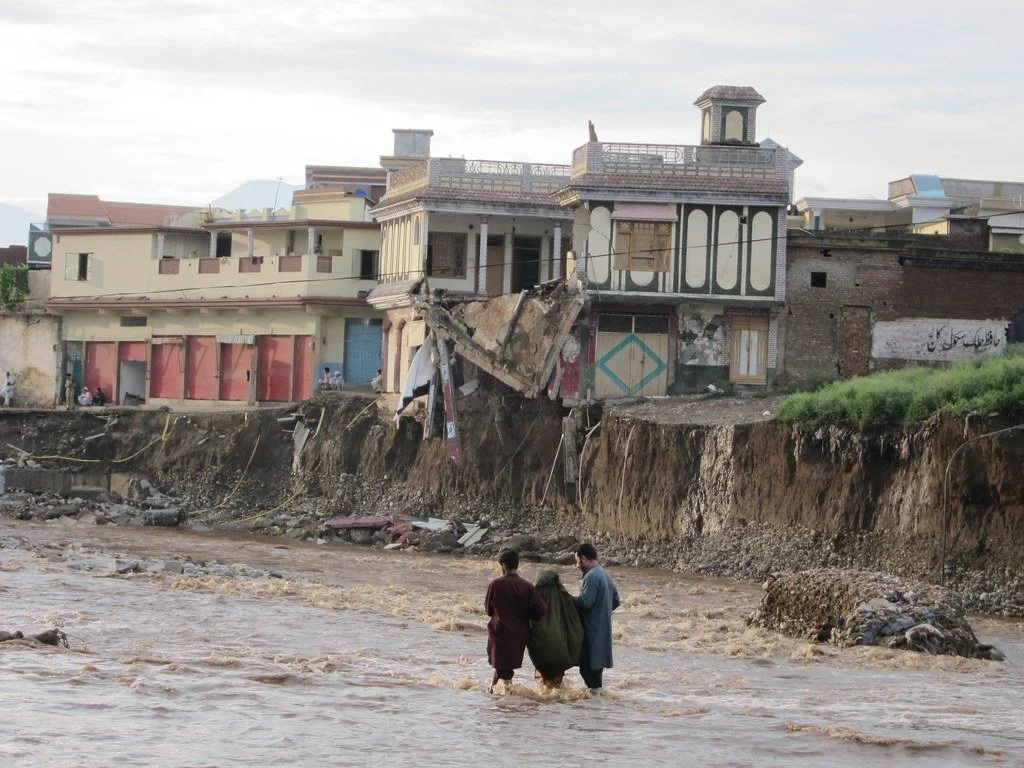
Since June of 2022, Pakistan has been hit with floods, monsoons and tsunamis. These floods have tragically ended the lives of thousands, including many children, and forced millions of families to abandon their homes, as an astonishing one third of the country is underwater as of September, causing the death of approximately 1,500 people. Many people are wondering how an environmental disaster of this scale is possible: how have the floods not ceased for months, and how can people around the globe help the people of Pakistan? Scientists say it all comes back to climate change. For about two months prior to the floods, Pakistan experienced severe heat waves, with temperatures ranging from 40 degrees celsius to a high of 51 degrees celsius (a range of 104 to 123 degrees fahrenheit). These heat waves alone qualify as an environmental crisis, but what they led to was much worse. 

There are two primary reasons that this heat wave led to flooding. The first is that hot air tends to contain more moisture than cold air, leading to higher rates of rainfall following the heatwave. The second is a devastating effect of climate change that has been seen all over the world: higher temperatures cause glaciers to melt, flooding into bodies of water which then overflow. In the case of Pakistan, this overflow of water has caused dams to break, leading to extremely dangerous floods, with water unexpectedly rushing onto the land.

Previous flood in Pakistan, 2010. Oxfam International. CC BY-NC-ND 2.0. 

These disastrous climate events have resulted in destroying agricultural products, displacing roughly 30 million Pakistanians and killing over 1,000 people, with around 500 being children.  The destruction of crops has led to further economic crises as well as increased hunger and disease. The chief of the World Health Organization noted an increased risk of several diseases in Pakistan, such as gastrointestinal diseases, skin infections and respiratory illness. Additionally, many hospitals have been destroyed, leaving the country even less prepared to address the millions of people in need. 

Get Involved

There are several organizations which are sending aid to Pakistan right now, such as UN Women, which is sending food, medical supplies and sanitary products to Pakistan. There are also several Pakistan-based organizations to support, such as HANDS Pakistan and the Indus Hospital & Health Network, which provides free healthcare to people in need in Pakistan, at a more-important-than-ever moment like this.


Calliana Leff

Calliana is currently an undergraduate student at Boston University majoring in English and minoring in psychology. She is passionate about sustainability and traveling in an ethical and respectful way. She hopes to continue her writing career and see more of the world after she graduates. 

Frozen Zoos Might Be The Key to Saving Dying Species

The San Diego Frozen Zoo is the largest collection of animal gene samples in the world, and might be the answer to saving endangered animals from extinction.

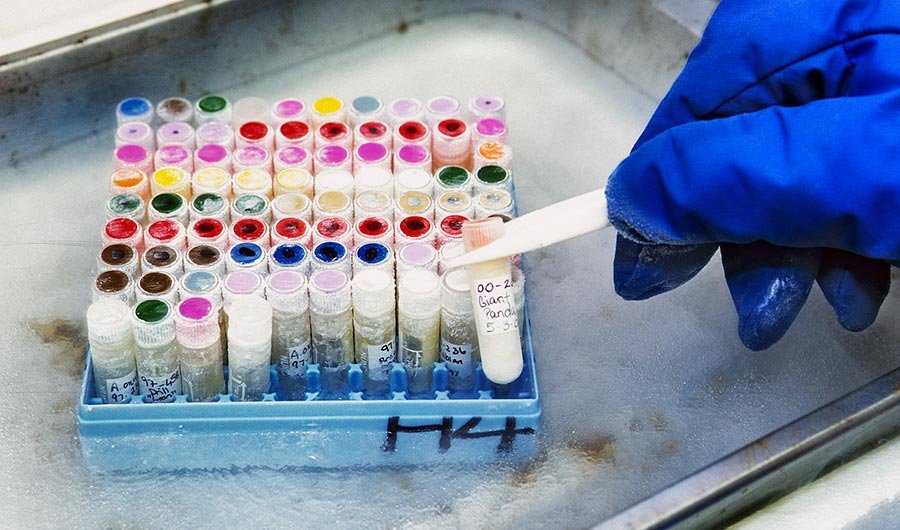
A collection of vials containing gene samples from different species of animals. San Diego Zoo. CC BY-NC-ND 2.0.

Although the San Diego Zoo regularly receives a few million visitors every year, very few, if any at all, are aware of a collection much larger than the one on public display. Diligently maintained by a team of dedicated scientists and researchers, the San Diego Frozen Zoo houses gene samples from over 10,000 individual animals, all being preserved in the hopes that they will be able to help resurrect the rapidly dwindling populations of many at-risk species. It is the largest and most diverse collection of its kind in the world, and even includes a sample from the extinct po’ouli bird that vanished in 1988.

This ingenious strategy of species conservation can be traced back to the work of the German-American pathologist and geneticist Kurt Benirschke. He began his collection of skin samples from rare and endangered animals back in 1972 while working as a researcher with the University of California San Diego, and he quickly grew it into the very first cryobank of its kind at the San Diego Zoo. While Benirschke unfortunately passed away in 2018, his legacy is still very much alive in the continuing efforts of the growing team of scientists at the Frozen Zoo, who contribute their expertise on everything from recovery ecology and biodiversity banking to population sustainability and disease investigations.

Kurt Benirschke, the late scientist and founder of the San Diego Frozen Zoo. San Diego Zoo. CC BY-NC-ND 2.0.

Using cutting edge in vitro fertilization technologies, the Frozen Zoo has made huge strides towards developing a sustainable procedure, using artificially inseminating sperm that has been frozen for extended periods of time to produce viable offspring. Early attempts saw the successful development of cheetah and white rhino embryos in the lab, as well as the birth of chicks from a number of pheasant species, all from cryopreserved sperm. Perfecting this method would allow scientists to increase populations of rare and endangered species by introducing animals delivered in vitro back into the wild.

Another strategy the Frozen Zoo is looking into involves the genetic cloning of endangered species using the frozen genetic material in their collection. Since 2001, the zoo has cloned the Black-Footed Ferret, the Indian Gaur (an Asian humpbacked ox), the Banteng (a Southeast Asian species of cattle) and Przewalski’s Horse (a species from Mongolia that was extinct in the wild until not long ago). While their cloning process is still very much in the works, any advances in this type of cloning and genome sequencing can also be used to better understand the biology of endangered species in the wild and help with current conservation efforts.

Scientists from the Frozen Zoo successfully cloned a wild horse (center) believed to be extinct in the wild using cryopreserved sperm. Tanya Durrant. CC BY-ND 2.0.

One of the zoo’s most recent projects has a slightly different focus: they are putting together a database of unique barcodes to help identify species of primates and deer being transported as part of the illegal bushmeat trade. Another recent collaboration with The Scripps Research Institute involves members of the zoo’s Reproductive Sciences and Conservation Genetics teams looking for new state of the art stem cell technologies that could help to revive the critically endangered Northern White Rhino. This collaboration is also just the first step in the zoo’s goal to create a worldwide network of similar cryobanks, which  will share knowledge and resources to continue developing an even more diverse bank of genetic material in support of species conservation.

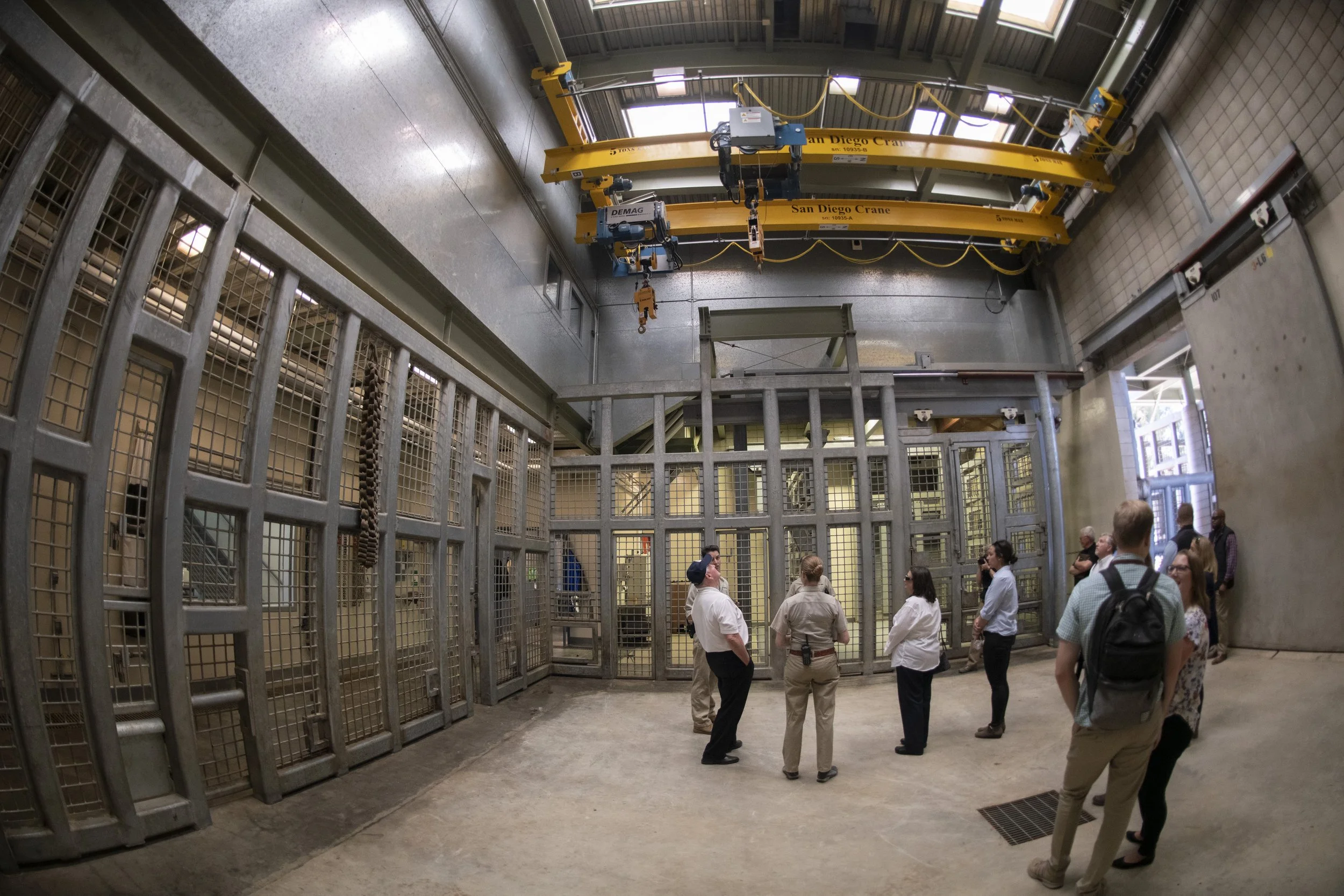
The Frozen Zoo stores thousands of samples of genetic materials in their cryobank. US Department of Agriculture. CC0.

For those interested in getting involved, the zoo runs a number of educational opportunities for high school and college students in the form of fellowships, internships and externships, as well as a master’s degree program in conjunction with Miami University, Ohio. They also have a regular schedule of seminars run by various experts in the field which are open to the public.


Tanaya Vohra

Tanaya is an undergraduate student pursuing a major in Public Health at the University of Chicago. She's lived in Asia, Europe and North America and wants to share her love of travel and exploring new cultures through her writing.