Dying By Fire: Wynn Bruce’s Environmental Protest

This past Earth Day, climate activist Wynn Bruce lit himself on fire on the steps of the Supreme Court, dying the following day. Set on demonstrating the importance of global warming, Bruce chose the world’s most radical form of protest to emphasize his commitment to martyrdom.
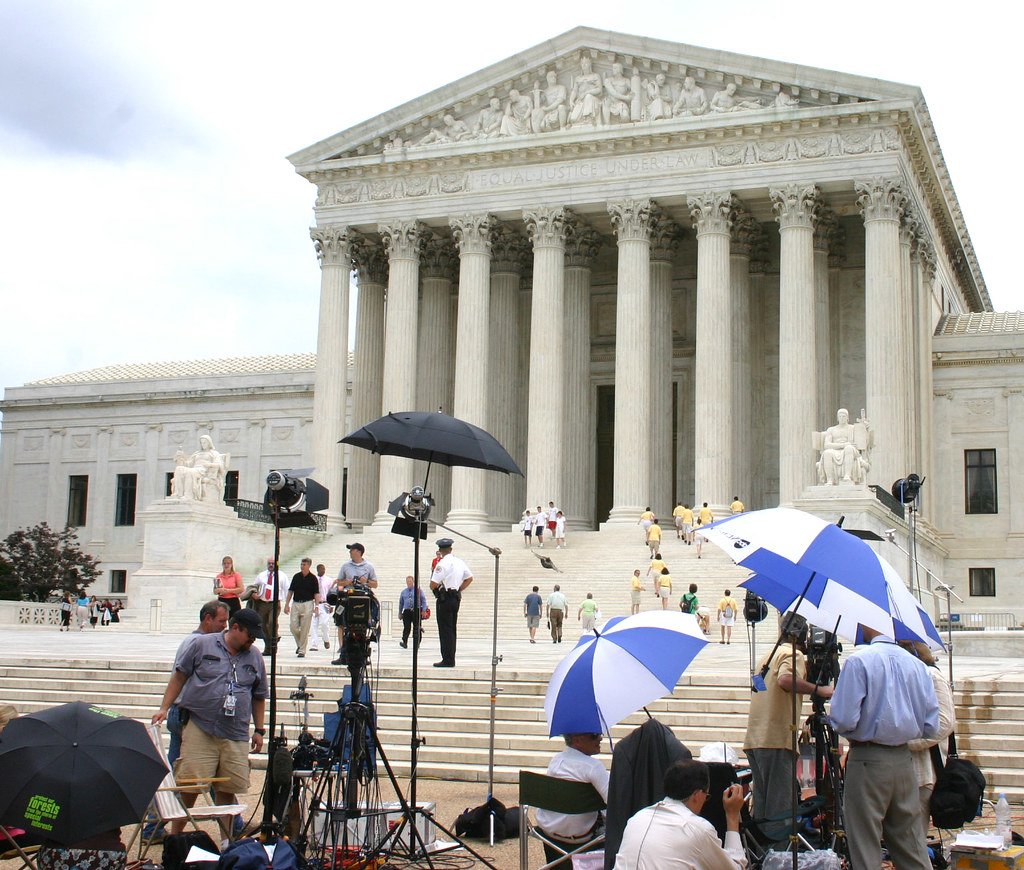
Steps of the Supreme Court. Dbking. CC BY 2.0.

On April 22, 2022, Wynn Bruce, a climate activist from Colorado, made a fateful and radical decision: he would go to the front of the Supreme Court and, using self-immolation, become a martyr for the fight for global-warming-related policy change. Fed up with the lack of commitment to the issue of climate change, Bruce seemed to feel this was the only way he could get United States policy makers to listen—by lighting himself on fire and dying for his cause.

Self-immolation is the most radical and rarest form of nonviolent protest. It is said by ABC to have “the ability to harness both the morality of nonviolent action with the visceral nature of violent action.” By Merriam-Webster's definition, it is the “deliberate and willing sacrifice of oneself often by fire.” Typically, protestors who choose this form of action will use flammable substances such as petrol and lighter fluid to make sure flames catch and spread across the body. The goal of this form of protest is not to live to see its impact, it's to sacrifice oneself as a martyr for a cause in order to stress the dire importance of certain issues.

Used now for decades to protest a variety of social issues, self-immolation has continued its way into the practices of the modern day protest. Wynn Bruce is just one example; a civil rights lawyer named David Buckle burned himself to death in 2018, also protesting climate change. Wynn Bruce, alongside being a son, climate activist and citizen of the world, was a Buddhist, which is the religion credited by many to have started the practice of self-immolation.

Self-immolation has been used across the globe and did not necessarily start as a form of active protest. Buddhists are commonly credited not only with self-immolation’s creation but also with the practice’s infamy. ABC explains that many Buddhists believed that the ability to renounce the body and “transcend[ing] it’s limitations” was when “perfection is reached.” In Buddhism, to transcend is to reach enlightenment—a state of compassion and one that also ends the cycle of rebirth—so often, self-immolation was done as a religious act and not as a form of protest. 

Buddhists used self-immolation first as a form of religious ceremony, but then turned to its more aggressive usages during the Vietnam War. Thich Quang Duc, known as The Burning Monk, used self immolation to protest a massacre that was allowed by the Vietnamese government. The president of Vietnam at the time had laws in place that restricted religious practices of faiths other than Catholicism, which eventually led to the. In response to this outrage, Thich Quang Duc made an ultimate sacrifice; gathering nearly 350 monks and nuns, Thich Quang Duc sat cross legged in the lotus position as a peer poured petrol over his body and lit a flame. Thich Quang Duc remained perfectly still as his body caught fire. This was an act of protest heard around the world, and the imagery from the day was quickly iconized in canonical protest media.
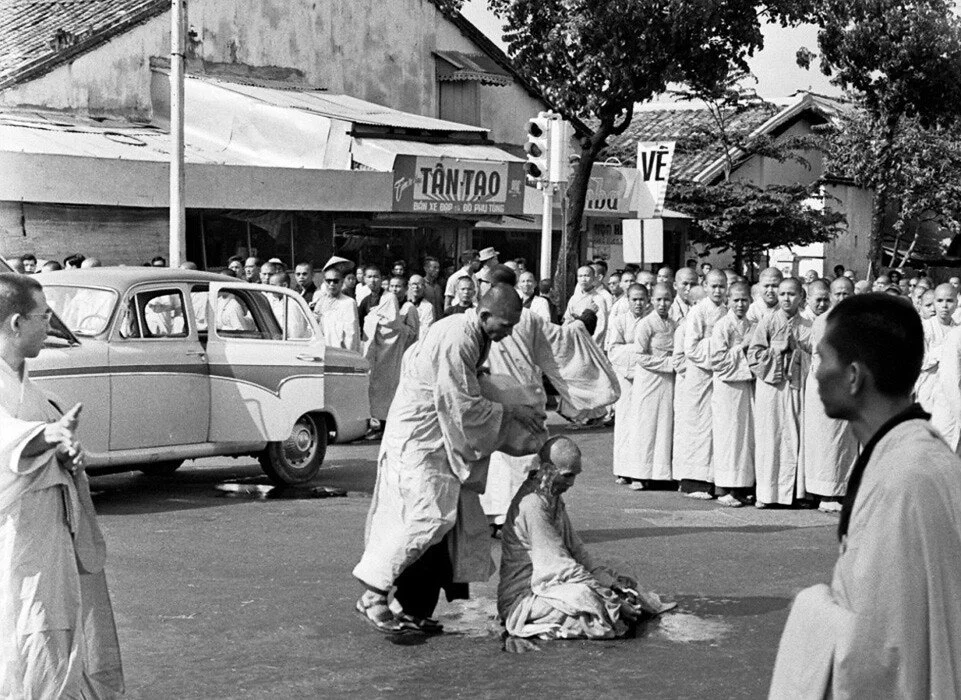
Thich Quang Duc being covered in petrol. Manhhai. CC BY 2.0.

Because self-immolation has the power to so strongly influence those who hear of it, it is not surprising how fast the news of Thich Quang Duc’s sacrifice reached all areas of the globe. Published in magazines such as TIME and the Associated Press, the image circulated the globe and continues to be brought up in tribute articles and memorial pieces by publications.

The act of self-immolation hurts no one except the martyr involved. It attracts all the right media attention, and it emphasizes the threat of pressing social issues in such an extreme way that the world is forced to listen. Wynn Bruce seemed to know this, and his peers claimed to understand his motivations. Dr. Kritee Kanko, a Buddhist priest took to Twitter to write, “This act is not suicide. This is a deeply fearless act of compassion to bring attention to climate crisis.”
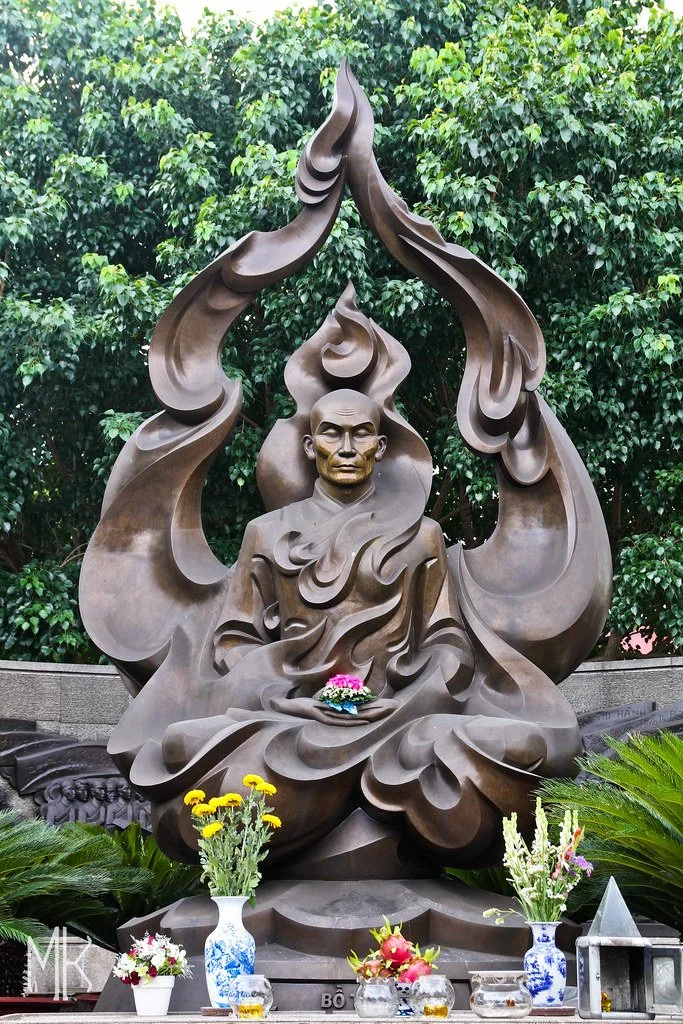
A statue of The Burning Monk. MK Photography. CC BY-NC-ND-2.0.

To Get Involved

MCE Cares is an organization designed to help people learn about how to become a climate activist. To learn more about the ways in which you can support the fight for policy change and climate activism, click here.


Ava Mamary

Ava is an undergraduate student at the University of Illinois, double majoring in English and Communications. At school, she Web Writes about music for a student-run radio station. She is also an avid backpacker, which is where her passion for travel and the outdoors comes from. She is very passionate about social justice issues, specifically those involving women’s rights, and is excited to write content about social action across the globe.

How Much Water Does A Pair of Jeans Cost?

Has the commercial giant finally found the key to environmentally sustainable denim production? Or is this just another temporary measure to keep their customers happy?

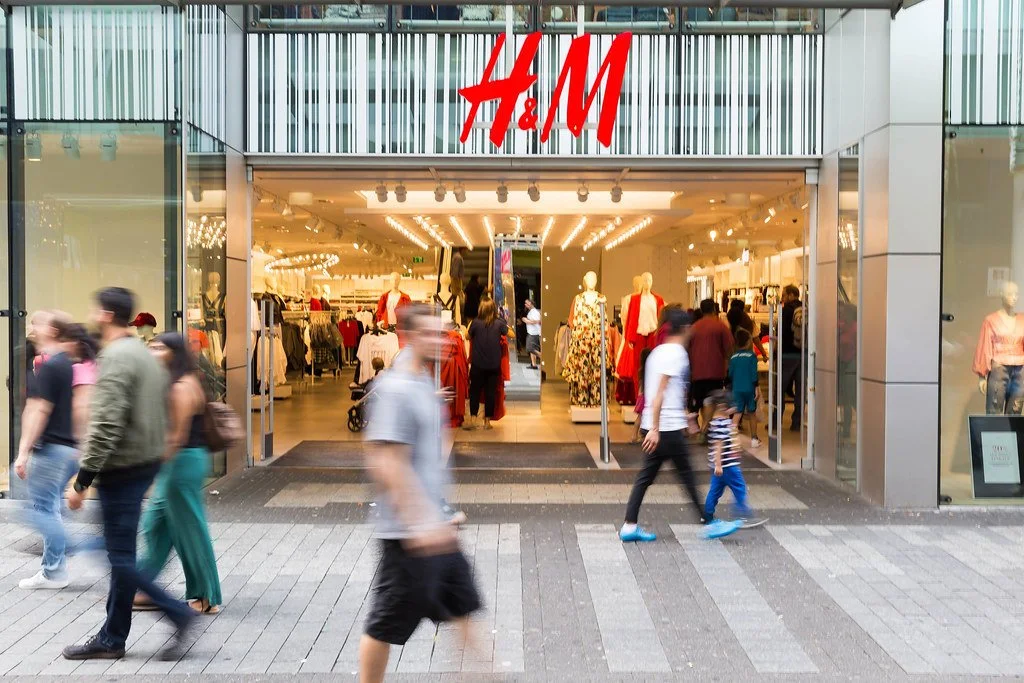
H&M outlet store in Germany. Marco Verch. CC-BY 2.0.

Over the past few years, the fashion industry has come under major public scrutiny for its general lack of concern for the environment. Every single step of the clothing manufacturing process—growing cotton, dyeing fabric, washing clothes—uses inordinate amounts of water while also producing between 4 and 10% of global carbon emissions every year. Fast fashion giant H&M produced almost 3 billion garments and earned just under $22.5 billion in revenue in 2020, making it the second largest clothing retailer in the world. The company also consumed about 85 liters of water per kilogram of dyed fabric they produced, totaling around 225 billion liters of water for that year alone.

Despite having been the target of widespread concern over the negative environmental consequences of fast fashion practices, the Swedish retailer claims to be working towards a more sustainable future. H&M publicly announced its goal to reduce greenhouse gas emissions by 56% by 2030, but many are doubtful it will be successful. Some of its current strategies include cutting ties with suppliers who still use coal boilers, enforcing carbon pricing systems within the company and establishing a green investment team to support environmental projects.

Promotional material for H&M’s Less Water denim capsule collection. H&M. CC-BY-ND 2.0.

H&M’s most recent project is its new “Less Water” capsule collection, which claims to have a focus on cutting water usage in the production process. The line includes various denim garments that are supposedly the product of new dyeing and printing technologies that reduce both the amount of water used and the amount of chemicals released. The company has already reached its previous goal of having 15% recycled water reused in the production of new clothing by 2020. This was largely the result of targeted rainwater harvesting and wastewater recycling initiatives in Bangladesh and India, where the company’s largest treatment and manufacturing plants are located.

While these are all steps in the right direction, they are decidedly small ones. The majority of H&M’s garments are still made using materials that are not harvested in an eco-friendly manner. Most importantly, it continues to operate using the fast fashion business model of providing trendy clothes for cheap, most often at the expense of the quality of the clothing, the environment and the labor conditions of the workers. Despite scoring 68% on the Fashion Transparency Index in 2021 (an annual report that reviews and ranks retailers based on their social and environmental policies) the company has failed to release any information about whether or not they are on track for their 2030 goals.

PicknWeight vintage kilo store. Lordship100. CC-BY 2.0.

The Less Water collection follows in a long line of recent attempts by various brands to improve their public image by becoming more socially responsible. Whether or not they will continue in the long run is yet to be seen, but if you are really looking to be more environmentally conscious, try your local thrift or vintage store instead. Not only can the items be equally as affordable as fast fashion brands like H&M, but giving clothes a second life saves them from the landfill, which is a much more immediate way to make a positive difference.


Tanaya Vohra

Tanaya is an undergraduate student pursuing a major in Public Health at the University of Chicago. She's lived in Asia, Europe and North America and wants to share her love of travel and exploring new cultures through her writing.

World Cup Controversy: Should Qatar Be Hosting FIFA 2022?

Ahead of the FIFA World Cup this November, Qatar has been the center of much controversy surrounding workers rights and the environmental impacts of their new stadiums.

The official ‘Adidas Telstar Mechta’ ball during the handover ceremony of the 2022 FIFA World Cup host mantle. Alneth. CC BY 2.0.

From high temperatures to Qatar's rather questionable human rights record, there has been a public outcry over FIFA’s refusal to remove the upcoming tournament from the Gulf state, despite issuing numerous vague statements that they were considering the change. There has been extensive controversy about why the second-biggest sporting event in the world after the Olympics should be held in a location which has outwardly expressed homophobic attitudes and in seven air-conditioned stadiums built by exploited migrant workers.

The criticism has all been exacerbated by the huge lack of viewer engagement the last time Qatar hosted such a major sporting event; stadiums during the 2019 World Athletics Championship were largely empty despite garnering a live viewership of 705,000 just two years prior. The economically unsustainability of the event—especially given that issues surrounding the rampant poverty and financial inequality in Qatar could have benefitted enormously from extra government funding and investment—have significantly lowered expectations for the upcoming World Cup.

A migrant worker cuts through a metal rod at a construction site for one of the football stadiums. ILO. CC BY-NC-ND 2.0.

The kafala labor system is a contractual form of labor sponsorship used in Qatar through which migrant workers are connected with a kafeel (sponsor) who manages their immigration status. Because the kafeel has ultimate authority over their workers, many of whom traveled from across Southeast Asia specifically for the construction of the stadiums, they face exploitation in the form of dangerous working conditions and insufficient wages. Increased international attention has pressured the Qatari government into passing various reforms to the system, but such changes to policy rarely come into effect in a timely manner.

Another major point of controversy has centered around the negative environmental impacts of constructing indoor, air-conditioned stadiums in the middle of the desert. On November 26, Qatar unveiled Stadium 974 to eager fans, a venue named for the number of recycled shipping containers used to construct the stadium. Despite FIFA’s extensive praise of this project, they have been accused of using it as a greenwashing exercise to divert attention away from the fact that Qatar’s climate necessitates the other seven stadiums to be artificially cooled. This will increase the country’s carbon footprint, which is already amongst the highest in the world due to its largely oil-based economy. Many critics have compared this to the backlash China received for using so much artificial snow when hosting the Winter Olympics in 2022. Environmental experts strongly believed that such environmentally harmful measures could have been avoided if the host nation chosen simply had a more suitable climate for the event, an argument they have extended to the upcoming World Cup as well.

Renovation of the Khalifa International Stadium in Doha. jbdodane. CC BY-NC 2.0.

While this is definitely not the first time a World Cup has been placed under such public scrutiny, previous controversies did not receive as much publicity as those in Qatar have. It begs the question of whether this is just because social consciousness is increasing in general or whether it has to do with the event being held in the Middle East—a longtime target of Western media. Either way, there is still a lot for FIFA and the Qatari government to address ahead of kickoff in November.


Tanaya Vohra

Tanaya is an undergraduate student pursuing a major in Public Health at the University of Chicago. She's lived in Asia, Europe and North America and wants to share her love of travel and exploring new cultures through her writing.

The Top 3 Countries For Women in Government

For most of history, men have made up all global governments. However, today, a select few lead the world with more than half of their parliamentary seats being occupied by women.

UN Women’s Event. UN Women Gallery. CC BY-NC-ND 2.0.

While governments around the world are still generally male-dominated, and men continue to hold most positions of high power, women have made significant strides. Rwanda and Cuba are the only countries in the world with more than 50% of their government being occupied by women today, while Bolivia maintained a female majority from 2014-2019.There are other countries whose highest roles are filled by women. For example, Jacinda Ardern is the prime minister of New Zealand, Sanna Marin is the youngest prime minister ever elected in Finland, Mia Mottley is the first woman elected as prime minister in Barbados, and Katrín Jakobsdóttir is the prime minister of Iceland. However, Rwanda, Cuba and Bolivia are the only three countries led by women in terms of legislative percentages. .

Rwanda

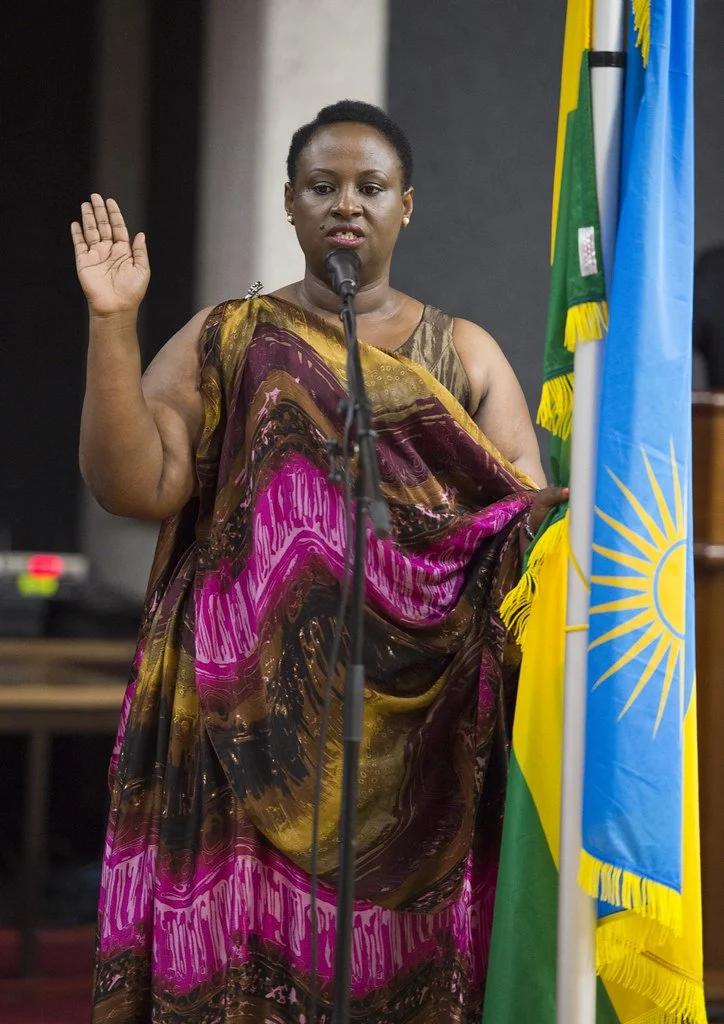
Dr. Usta Kayitesi, Former Deputy CEO of Rwandan Governance Board. Paul Kagame. CC BY-NC-ND 2.0.

In 2003, Rwanda set a rule that at least 30% of government seats had to be filled by women. That very year, the elections resulted in nearly a 50/50 gender split in Rwanda’s parliament. Ten years later, the Rwandan parliament became 64% female. In 2022, Rwandan parliament is still 61% women.With that being said, women in the Rwandan government say that they still face sexism, despite holding the majority. District Vice Mayor Claudette Mukamana says women’s abilities are still questioned; Executive Secretary for the Rubavu District Berthilde Muruta says their motives for being in government are questioned.

Cuba

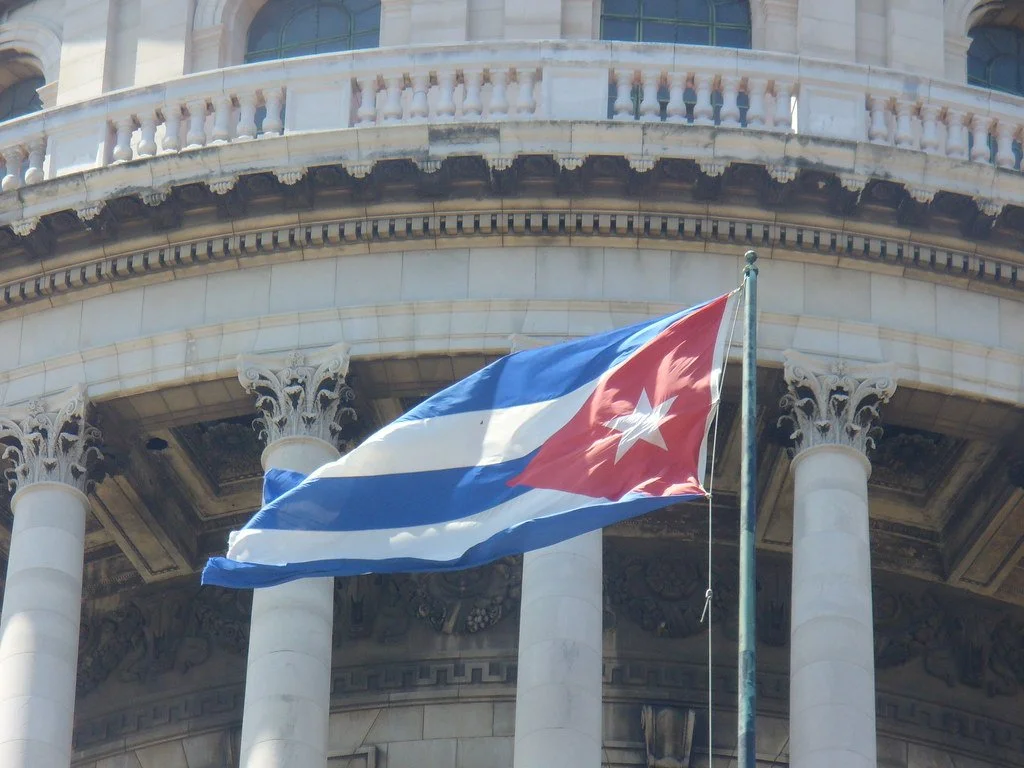
Cuban flag in Havana. Samuel Negredo. CC BY 2.0.

In 2018, Cuba followed Rwanda as the second country to elect a female majority parliament. Since 2018, 53% of Cuba’s parliament has been made up of women. Unlike Rwanda, Cuba does not have a quota in place for women in government. Despite the majority-woman parliament, there have been criticisms of Cuba’s treatment of elected women, just like Rwanda, including that the higher up one goes in the government, the less women there are. Essentially, while in terms of pure statistics women dominate Cuba’s government, men continue to occupy the roles with the most political power.

Bolivia

Former Bolivian President of Senate Adriana Salvatierra, third from the left, (insert which one she is in parentheses) at UN Women’s Event. UN Women Gallery. CC BY-NC-ND 2.0. 

In 2020, Bolivia’s proportion of women in parliament equaled  46% and has stayed at that figure since. But from 2014 to 2019, Bolivia was one of the only countries with a majority woman government, at 53%. Like Rwanda, Bolivia has gender quotas, but these quotas are enacted a bit differently in Bolivia versus Rwanda. Bolivia has a quota for the number of female candidates put forward in any given election cycle, as opposed to the number actually elected. For the Lower House, Bolivia requires at least half of the candidates to be women.


Calliana Leff

Calliana is currently an undergraduate student at Boston University majoring in English and minoring in psychology. She is passionate about sustainability and traveling in an ethical and respectful way. She hopes to continue her writing career and see more of the world after she graduates. 

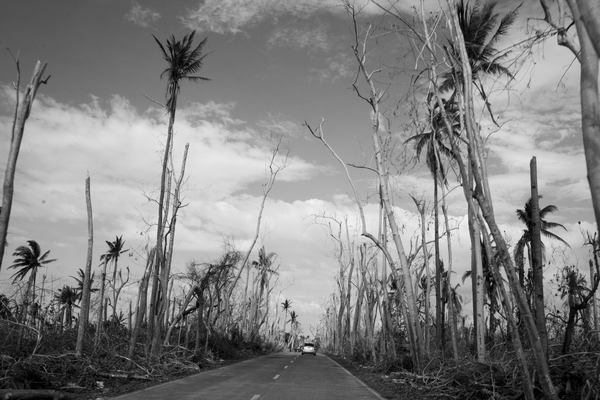
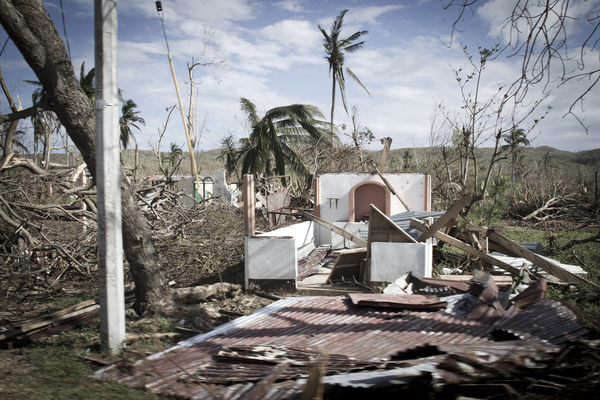
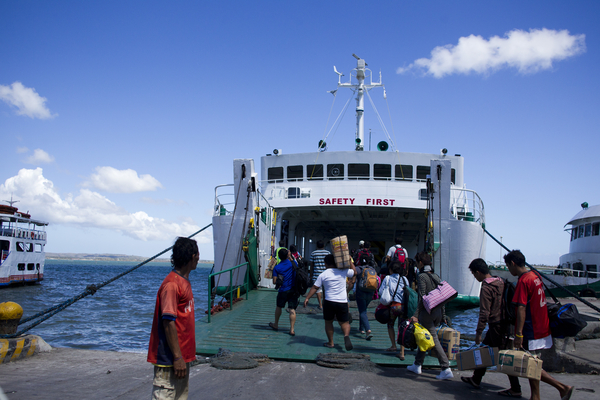
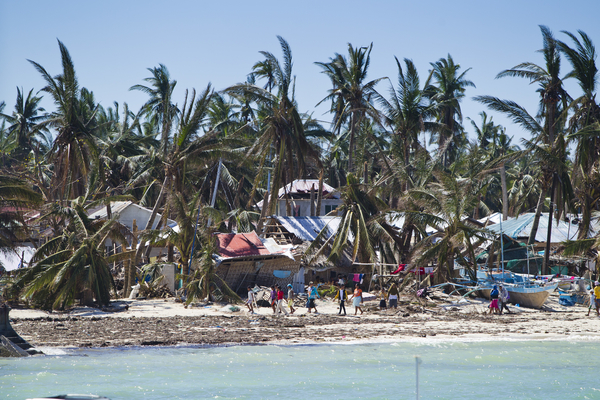
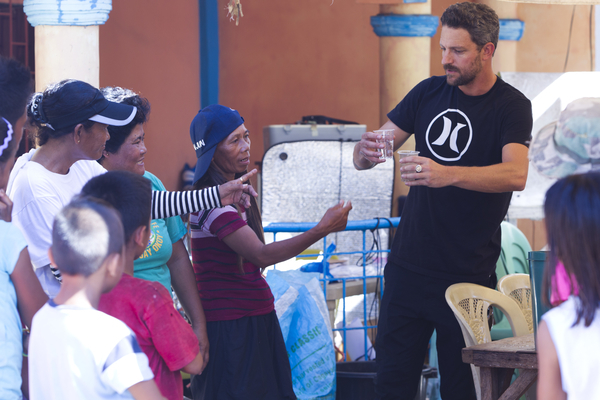
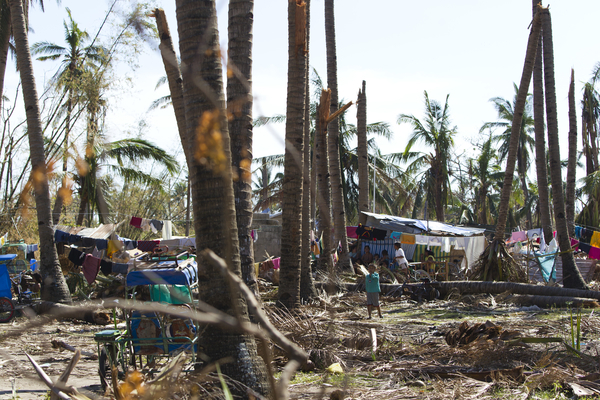
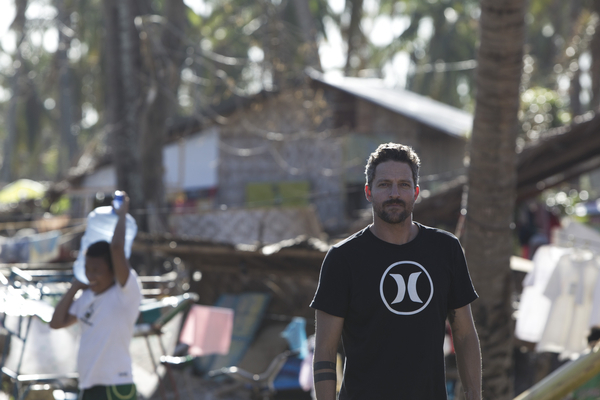
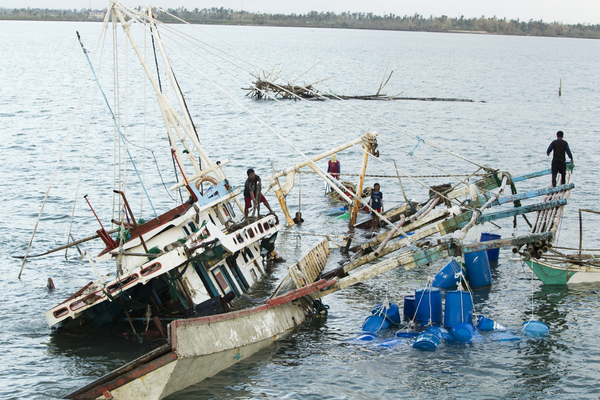
Photo Essay: On the Ground with Waves For Water in the Philippines

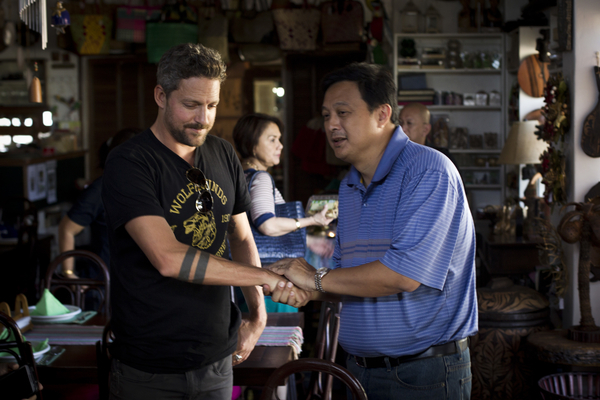
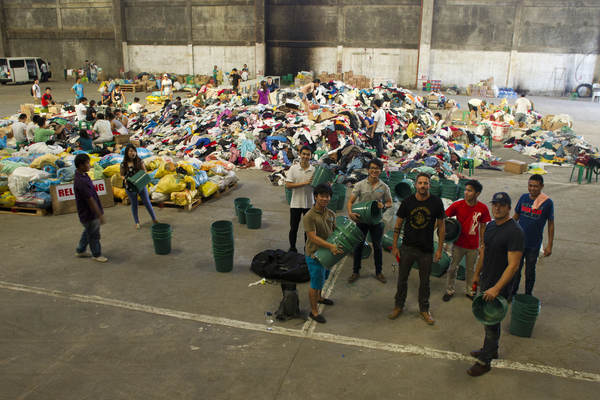
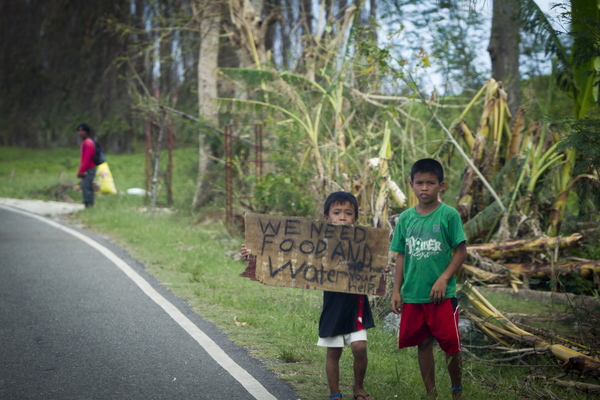
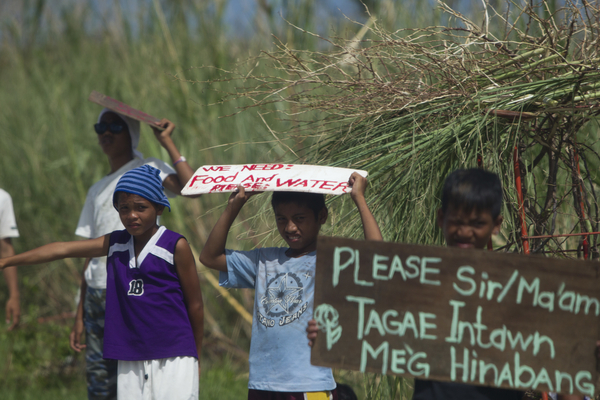
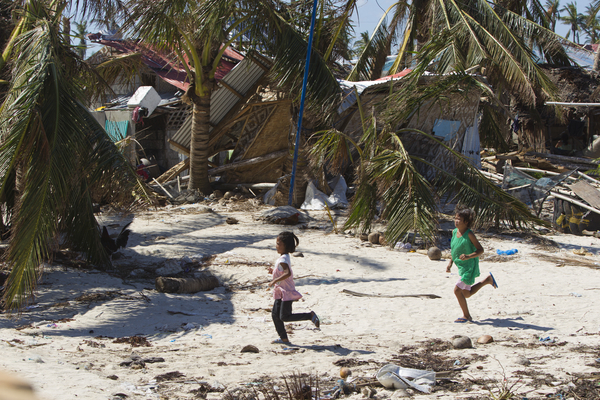
While the Philippine Islands were being struck by Super Typhoon Haiyan’s wrath, Jon Rose, Founder of Waves For Water, was already hatching his plan to help.

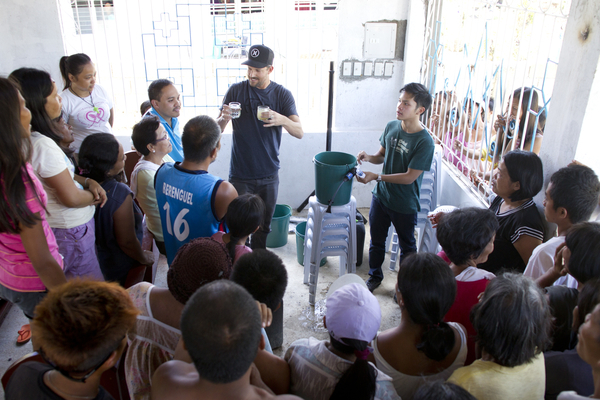
W4W began work in the Philippines in response to Typhoon Haiyan and continues to support areas with water shortages. 

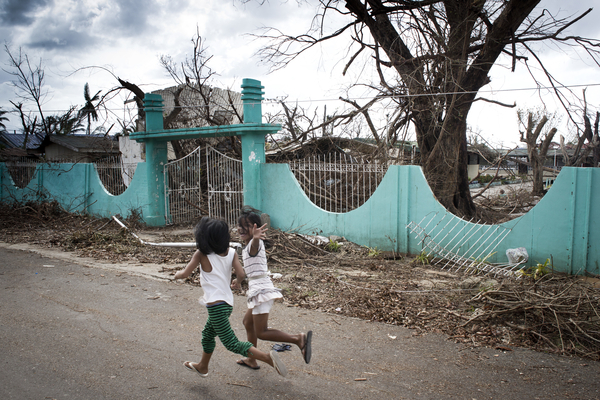
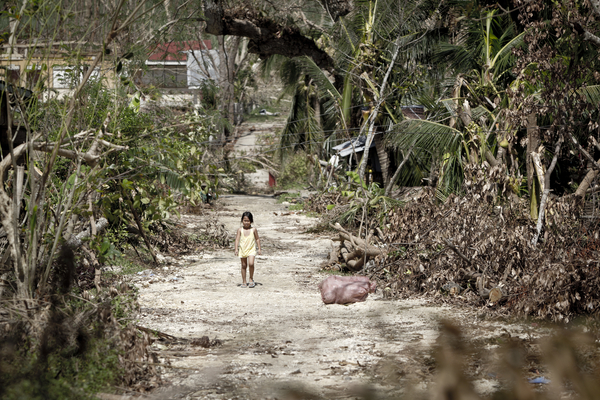
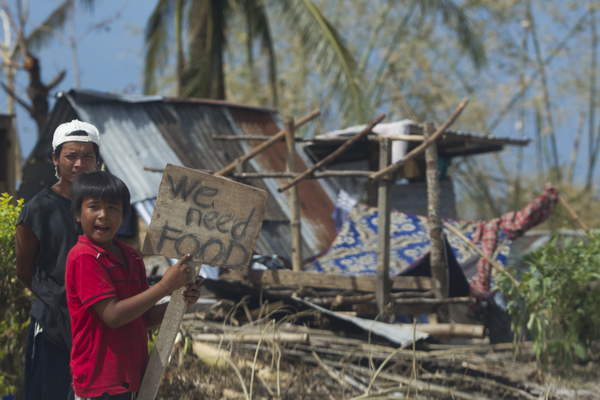
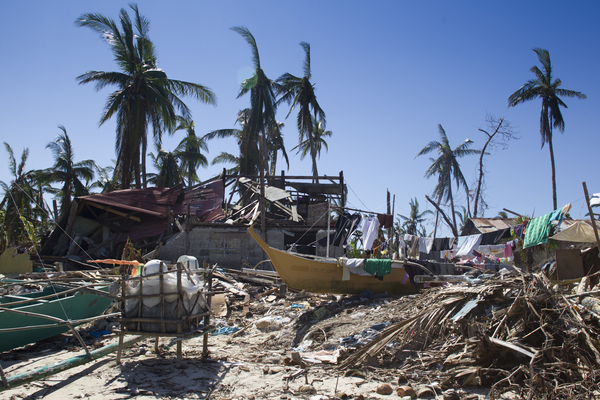
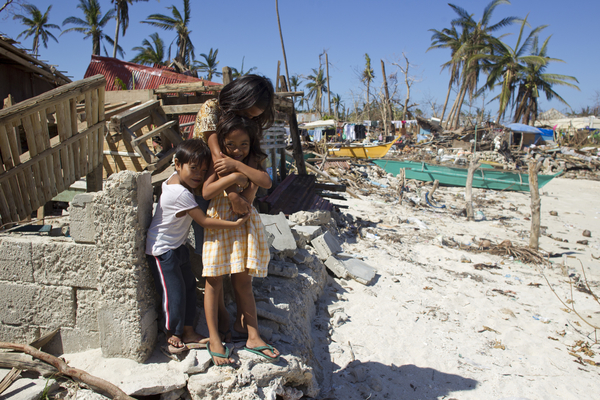
In 2013, the Philippines was hit by one of the most devastating typhoons ever recorded: Typhoon Haiyan. The natural disaster affected people throughout Southeast Asia and killed 6,300 people in the Philippines alone. Throughout the country, over 4.3 million people were affected. One major impact of the typhoon was its obstruction of access to clean water. 

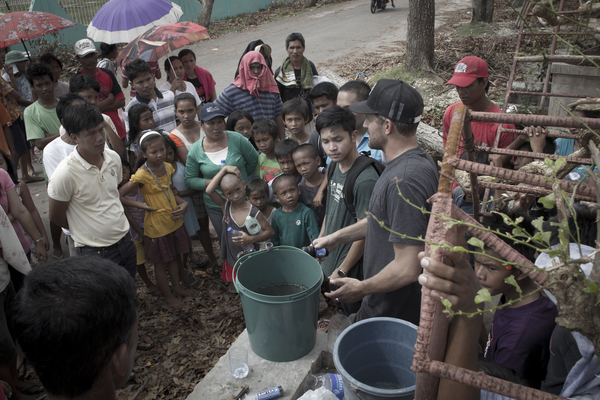
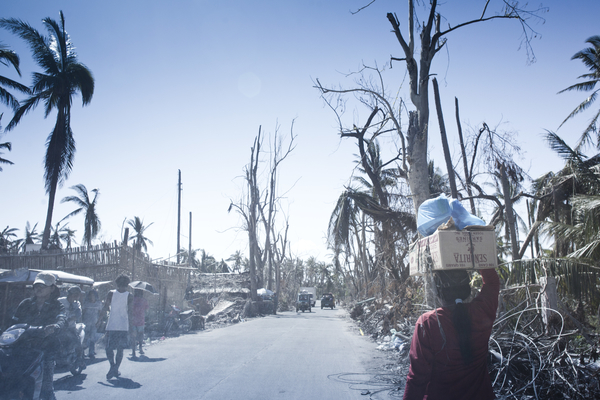
To address this problem, Jon Rose, founder of Waves for Water (W4W), arrived in the Philippines ready to distribute his organization’s water filters among “forgotten pockets,” communities that were not “the focal point of major relief efforts.” His method of distribution and relief relied on the “train-the trainer, local-based model” in which W4W organizers “empower” and “facilitate” for local people rather than decide “who gets what, when, where and how.” Two years after the typhoon, W4W established an office in the Philippines, where it is currently registered as a non-profit organization. Since 2015, W4W has built 66 rainwater catchment systems and provided over a million Filipinos with access to clean water. In December of 2021, the organization helped to address the devastation caused by Hurricane Odette in Siargao, Philippines through a partnership with Billabong. Currently, W4W is providing aid for those impacted by Tropical Depression Agaton, which has displaced 1.9 million people in Visayas and Mindanao, Philippines. You can contribute to this specific effort here

W4W’s humanitarian efforts are not limited to the Philippines. Since its inception in 2009, the organization has made an impact in 44 countries, including Mozambique, Ecuador, Sierra Leone and Chile, and has helped 3.75 million people gain reliable access to clean drinking water. W4W currently has 24r active programs helping to address water access issues. These programs seek to provide aid to citizens of Ukraine, Australia, Haiti and Guatemala. You can learn more and help out here.


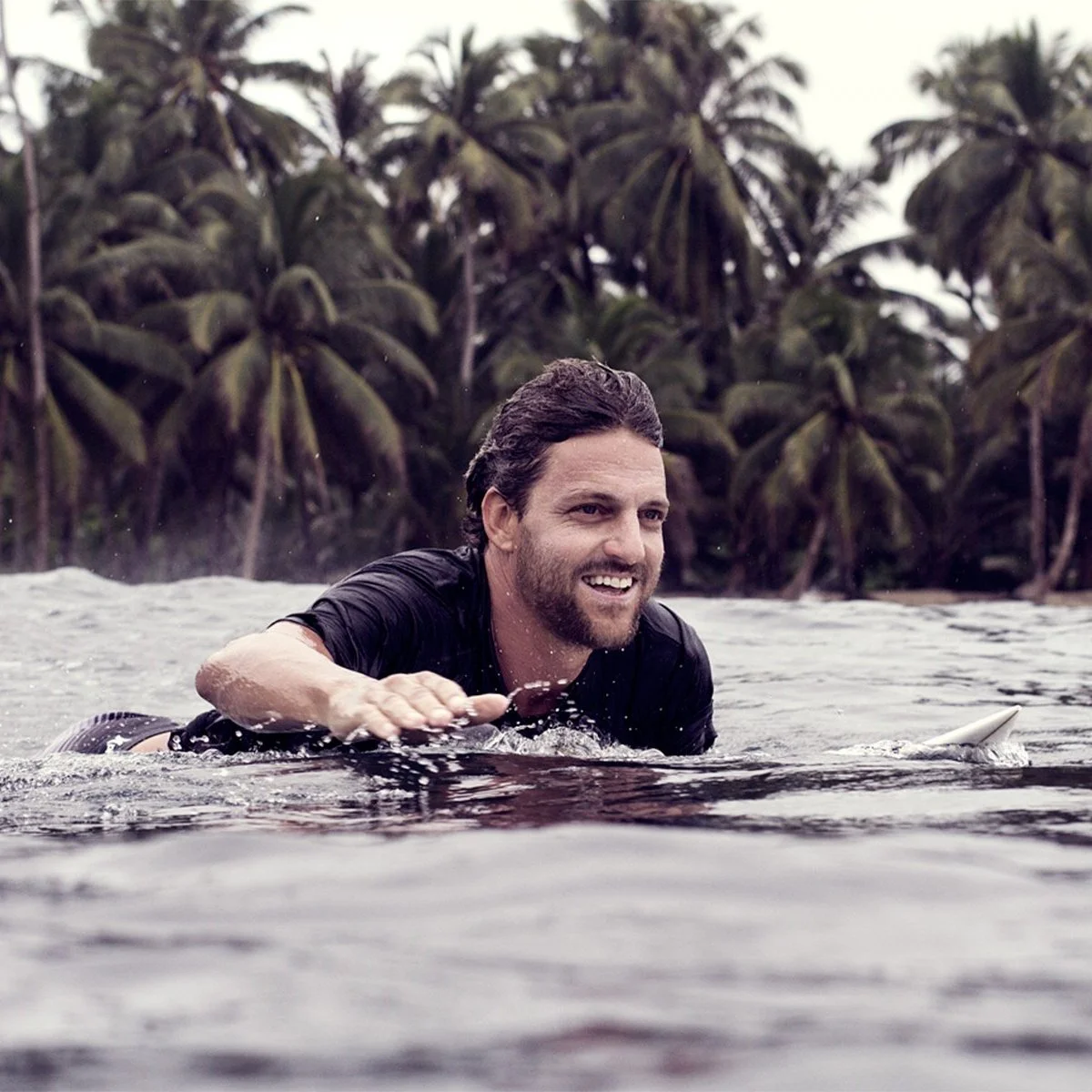
Jon Rose

As a pro surfer of 13 years, Jon Rose traveled the world in pursuit of perfect waves. It was this passion that led him to development of Waves for Water in 2009. He hopes to see W4W enlist and empower travers to help solve the world water crisis.

The Downside of Ecotourism

The term ecotourism has been around for decades but the misunderstanding and overuse of the term has led to a lack of environmental success in a CO2 sucking industry. Places like Machu Picchu now receives over 6,000 visitors a day during peak season, making it hard to properly conserve the historical site.

According to the World Travel and Tourism Council, tourism as a whole makes up 10% of global GDP and supports over 319 million jobs. That is a huge industry but it also has a huge environmental impact. Air traffic alone accounts for 5% of CO2 emissions globally and the number of air passengers is expected to only grow, reaching 13 billion by 2030. In addition, tourists often use more resources than locals, eating at restaurants, using more water, generating more waste, and driving rental cars. Often desired tourist destinations are ones of natural beauty, with high densities in coastal, mountain, and lake areas. These environments are more susceptible to environmental degradation and increased traffic to protected areas can affect conservation efforts. A potential solution: eco-tourism. 

Ecotourism was defined in 1990 by the The International Ecotourism Society (TIES) with a focus on, “responsible travel to natural areas that conserves the environment and improves the well-being of local people”. It has good intentions: natural conservation and benefiting locals. Often eco-lodges do have greener accommodations but they can often be in remote locations, therefore requiring more carbon emissions to get there. Human presence in isolated areas will always have effects on the local land and wildlife no matter how much it is tried to be controlled. The more popular eco-tourist destinations become, the harder it is to limit the impact. 

A great example of this is Machu Picchu. Tourism is the second largest industry in Peru. Machu Picchu specifically is a highly sought-after tourist destination. The tourism there has had a huge impact on the environment. UNESCO recommended the Peruvian government to limit numbers to 2,000 a day to reduce the degradation. Instead, the government switched the ticketing process to half-day tickets, effectively increasing daily numbers from 2,500 to over 6,000, with an additional 500 a day on the Inca Trail. The lack of infrastructure supporting these numbers leads to an even higher impact. There is only one bathroom at the entrance and human waste is a huge problem. The closest village, Aguas Calientes, has resorted to pumping human waste into the Urubamba River. Increases in garbage, especially plastic water bottles, on the Inca Trail also contributes to uncontrolled waste. Jobs provided to locals are seasonal, often poorly paid, and have a huge physical cost. Machu Picchu had the potential to be a great eco-tourist site but overcrowding and mismanagement has led to a lack of conservation and hurting local communities. Yet, it still viewed and even advertised as eco-tourism. 

The term ecotourism is now over used. It has been stretched from its original purpose to encompass any nature-related travel and to many is synonymous with sustainable. This is far from true and with companies using greenwashing, consumers are not sure what they are paying for. Greenwashing is when organizations falsely advertise through an environmentally-friendly lens. In tourism this is often increased by inconsistencies in certifying bodies. Or in something as simple as have a sign in the bathroom promoting water conservation. This has a huge impact on the effectiveness of ecotourism when people who are trying to be environmentally conscious end up supporting the wrong businesses. Eco-tourism also tends to draw from a wealthier demographic, with 57% of people making over $150.000 saying they would book an eco-tourist trip, compared to 16% at $34,000. This is largely influenced by the higher price of eco-tourist trips. If ecotourism is to decrease the large environmental impact of tourism as a whole, it has a lot of work to do to limit greenwashing, overcrowding, and transportation effects while increasing affordability, minimizing local impact and supporting local communities. 


DEVIN O’DONNELL

Devin’s interest in travel was cemented by a multi-month trip to East Africa when she was 19. Since then, she has continued to have immersive experiences on multiple continents. Devin has written for a start-up news site and graduated from the University of Michigan with a degree in Neuroscience.

Pride and Punishment: The Struggles of the LGBTQ+ Community of Africa

In 32 African countries, homosexuality is deemed unlawful—punishable by imprisonment and in some cases, death. The LGBTQ+ community is fighting prejudice in a battle to be their truest selves.

Ugandan citizens at a pride parade. Chrisjohnbeckett. CC BY-NC-ND 2.0.

Out of the 54 countries that make up the African continent, 32 of them outlaw homosexuality. Historically a continent that traveling members of the queer community steer clear of, Africa has a deep and intricate history with politics surrounding sexuality. However, Africans who identify with the LGBTQ+ community fight fiercely to change legislation, stigma and prejudice in their respective countries, challenging this lineage of controversy. Those who are brave enough to protest for their rights to love whomever they desire organize in-person parades and protests, while those under threat of harm—or even death—find ways to demonstrate their pride in, generating virtual communities and workshops that allow for the LGBTQ+ community to connect across the globe without leaving the safety of their homes.

Map of African countries with anti-gay laws. Amnesty International. CC BY-ND

To understand the hardships facing the LGBTQ+ community of Africa today, it is important to know the causal factors that led to such a homophobic climate. Anti-queer sentiments were introduced to the continent during Western colonization; previous to imperialism affects on the continent, African tribes in many regions practiced homosexuality freely. Val Kalende writes in The Guardian that “there is ethnographic evidence of same-sex relationships in pre-colonial Africa.” This cultural history also demonstrates the lack of importance placed on strict gender roles. 

Additionally, the evidence also shows the practice of choice-based pronoun usage; women in positions of power would occasionally label themselves with male pronouns. Post-colonization laws that targeted the cultural muting of African traditions and practices formed the foundations for homophobia by outlawing same-sex relationships and visibly impacted African sentiments around the LGBTQ+ community for the foreseeable future.

Now, on the foundations of decades of hatred inspired by colonizers and imperialists, queer citizens of countries throughout Africa struggle under harsh legislation to simply be their truest selves. In most of the 32 countries that outlaw same-sex relationships, legislation punishes queer people by prison time and fines. Financial punishments vary in size and currency depending on the country. Prison sentences also range widely, varying anywhere between one year (as demonstrated in Ethiopia’s legislation) and lifetime imprisonment (such is the law in Kenya). 

There are four countries in Africa that make same sex relationships punishable by death: Mauritania, Somalia, Nigeria and South Sudan. In Nigeria, a country ranked by Forbes as #1 in “The 20 Most Dangerous Places for LGBTQ+ Travelers,” members of the LGBTQ+ community who are found out be participating in homosexual relationships face death by stoning.  

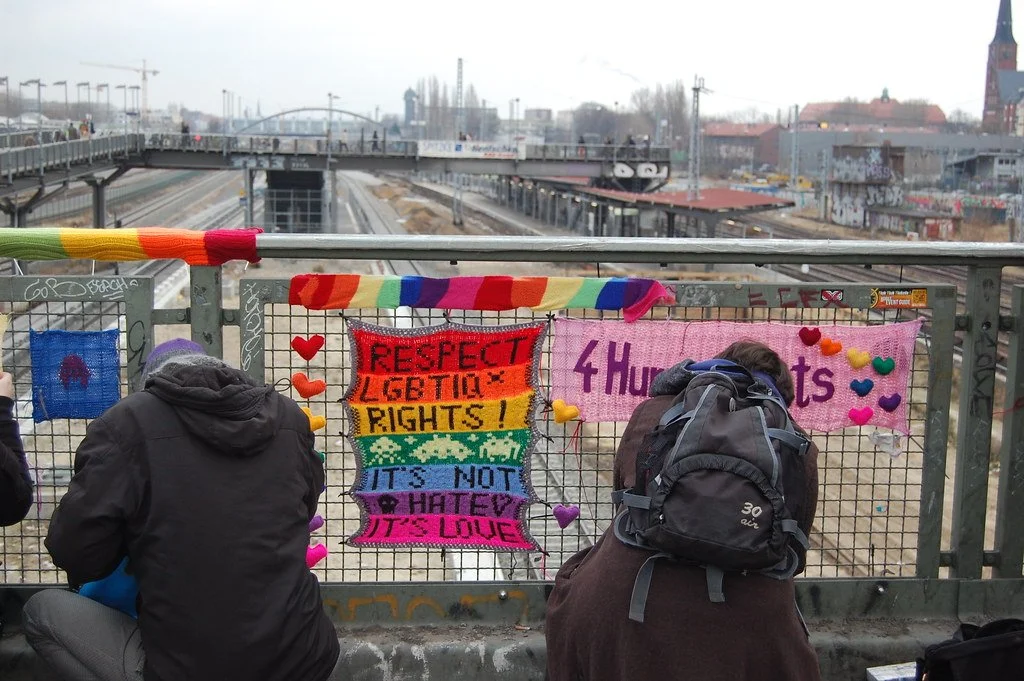
LGBTQ+ activists hanging signs. Distelfliege. CC BY 2.0.

Despite the gravity of the punishments for being queer, brave members of the LGBTQ+ community continue to demonstrate their pride. Unwilling to be silenced, queer people all around Africa organize pride parades, protests and online conferences to discuss ways they can fight the systemic homophobia they face in legislation. Further, the same people work hard to destigmatize same-sex relationships, challenging the post-colonial homophobia that has overpowered the original nature of African culture. 

Groups like PRIDE OF AFRICA (POA) organize yearly events to celebrate pride, inviting and encouraging queer Africans to “live their most authentic selves.” POA also founded the Johannesburg Pride Parade in 2019, which has recently gone online due to the COVID-19 pandemic, but continues to invite members of the LGBTQ+ community to speak and rally. POA also holds online conferences, so those who wish to stay at home and stay anonymous can do so to limit the threat of prejudicial punishments. 

For activists in imminent danger should their sexuality be outed, their protesting and pride demonstrations are more closely guarded. For those who need to seek exile in other countries or continents after being unexpectedly outed, journalism, photography and participation in parades like UK Black Pride (which focuses on Pride in the Black community and is based in London) are their only options to avoid death while still being able to demonstrate their pride. 

To Get Involved

There are a handful of organizations centered on the eradication of hate crimes, stigmatization, improper health care and prejudicial legislation that accept donations to support their missions. Organizations like OUT that support the destigmatization of queer lifestyles and SHE (Social, Health and Empowerment Collective) specifically serve the African queer community. To find a collective list of legitimate organizations including OUT, SHE, and other foundations actively assisting the LGBTQ+ community of Africa, click here.

POA and UK Black Pride serve the same purposes: to allow for queer Africans to have a safe place to demonstrate their pride. POA takes place mostly online and in South Africa, and UK Black Pride is held in London.

To learn more about POA events, mission statements, and goals, click here.

To learn more about the UK Black Pride Parade and their mission statements, click here.


Ava Mamary

Ava is an undergraduate student at the University of Illinois, double majoring in English and Communications. At school, she Web Writes about music for a student-run radio station. She is also an avid backpacker, which is where her passion for travel and the outdoors comes from. She is very passionate about social justice issues, specifically those involving women’s rights, and is excited to write content about social action across the globe.

Art Campaign Draws Attention to Detention of Human Rights Student

Coptic Christian University of Bologna graduate student Patrick Zaki has been detained in Cairo for his human rights work. He awaits his trial amidst international protest and artistic efforts to raise awareness of his case.

Patrick Zaki pre-detention in 2020. Egyptian Initiative for Personal Rights. CC BY-SA 4.0.

Cutouts and paintings of a line-drawn young man with “Freedom for Patrick Zaki” scrawled across the chest are plastered on almost every surface around the college-town of Bologna, Italy. Zaki is a Coptic Egyptian master’s student with an Erasmus scholarship to pursue a degree in Women and Gender Studies at the University of Bologna. He also serves as a researcher and advocate for the Egyptian Initiative for Personal Rights, a Cairo-based human rights organization.

Zaki returned to Egypt for a short family visit on February 7, 2020. Upon arriving at the airport in Cairo, he was arrested by the National Security Agency (NSA) of Egypt and detained on the grounds of “disseminating false news” and “inciting to protest” because of an article he published about discrimination faced by Coptic Christians in Egypt. He was taken to an undisclosed location, where, according to Zaki’s lawyer, he was blindfolded, handcuffed, threatened, beaten on the back and stomach, and tortured with electrical shocks during a17-hour-long interrogation about his human rights work and time in Italy. 

The drawing on the cutouts was created by artist Gianluca Constantini a few hours after the news of Zaki’s disappearance broke. The illustration was then adopted by Amnesty International’s campaign for his release. It can be seen printed on giant posters at Piazza Maggiore (the central square) and under the Two Towers (Bologna’s main tourist attraction). It was featured prominently in the protests organized by students, human rights organizations and several Italian universities, which have led 100 cities in Italy (including Bologna, Florence, Milan and Naples) to grant Zaki honorary citizenship. 

The audience of the drawing and its intended audience depends on where the cutouts are placed. Those placed around college campuses—including 150 filling an entire university library—immediately after Zaki’s arrest were meant to generate awareness and outrage. Now, students in Bologna have known about the case for two years, so the purpose of the cutouts isn’t as much to inform and inflame but to serve as a reminder that the struggle is far from over. The drawings placed in and around popular tourist attractions serve to draw international awareness to the ongoing issue. 

Following a robust student movement and international outcry, Zaki was released from prison on December 9, 2021, after 22 months behind bars. The charges against him have not been dropped, and if convicted, he faces up to five years in prison. His hearing has been postponed from February 1, 2022 to April 6. Zaki, who sees the drawn out judicial process as another form of torture, has requested authorization from Egyptian authorities to return to Italy.

Still, Zaki and his family are thankful for the partial victory. When he was released, his mother told journalists, “I’m jumping for joy!”  

Zaki, with quiet optimism, says, “The first thing I will do when I return to Bologna is to go and spend the whole day in Piazza Maggiore, meet my friends from the university and eat the exquisite Italian food.” 

He is also aware of the drawing and the accompanying journalism. 

“Art plays a leading role in advancing the cases of political prisoners and expanding their circles of support by creating awareness of their legal affairs” Zaki said. “My case is living proof: art has played a fundamental part in regaining my freedom, albeit still partially. I would like to thank Gianluca and journalist Laura Cappon who wrote a book about the case illustrated by Constantini for their activism over the past two years and for their support. I hope they continue to use their talents to free other prisoners of conscience.” 

To Get Involved

As Zaki’s case continues and the hearing unfolds, artwork by Gianluca and others will likely play a central role in stirring public consciousness and continued investment. To support the case and continue to apply international pressure, you can sign the Scholars at Risk Network (SAR) letter of appeal to release Zaki. The organization also provides a letter template to send to your representatives, requesting they engage with their Egyptian counterparts to work towards freeing Zaki. Social media can also be used to raise awareness by tagging your elected officials in tweets with #FreePatrick.


Izzy Balaban

Izzy is a student at the University of Chicago, currently pursuing a Creative Writing degree with a minor in Human Rights. She is originally from Atlanta, Georgia. When she isn’t writing, she enjoys traveling, trying new food and reading in her hammock. 

Eradicating Guinea Worm Disease: The Countdown to Zero

Guinea worm disease is on track to be the second disease eradicated from the world, but there is still work left to be done.

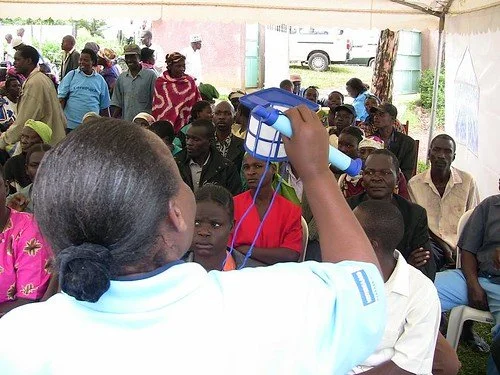
Health workers explain how to use water filters. uncultured. CC BY-NC-SA 2.0.

Guinea worm disease, also known as dracunculiasis, is an infection caused by the parasite Dracunculus medinensis. Larvae of the parasite are found in water sources in sub-Saharan Africa, and they can contaminate drinking water. Once consumed, the parasite stays inside the infected individual for up to a year as it grows into a worm until it removes itself from the human host, leaving through the skin. 

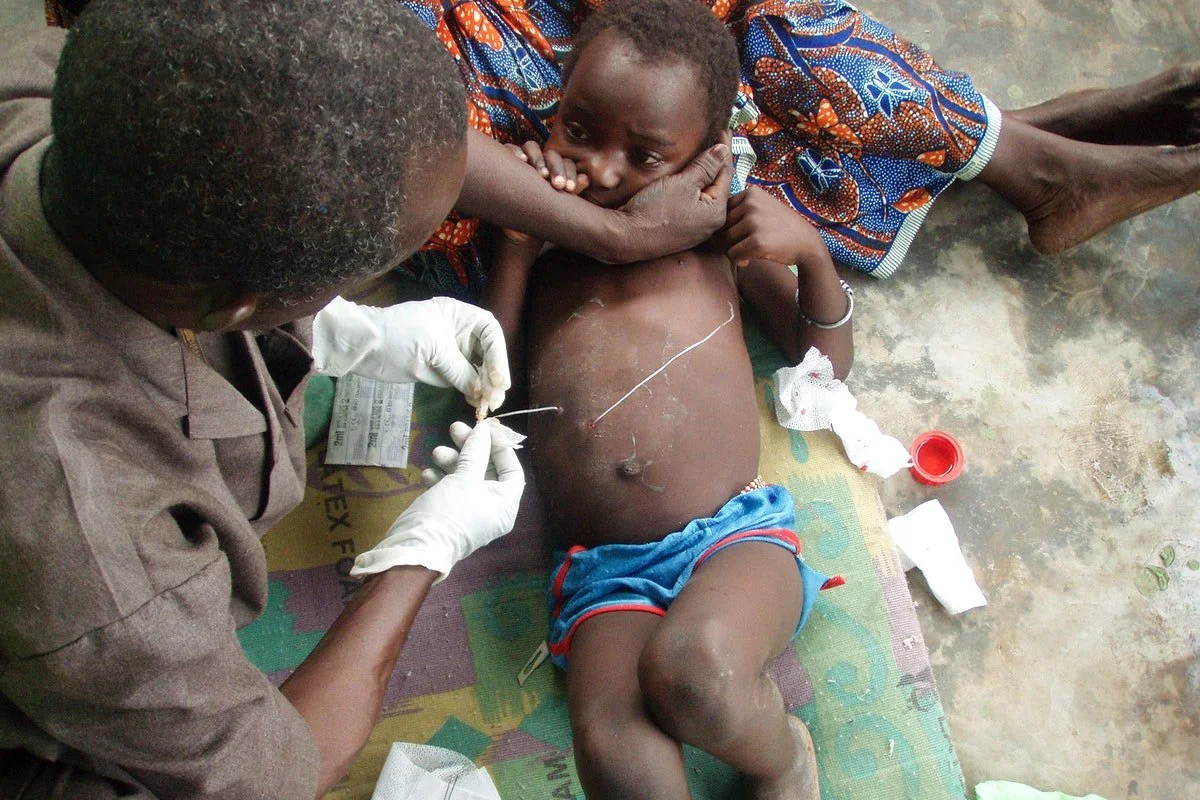
When the worm emerges from the human, it causes a painful skin blister, possibly resulting in a fever or secondary infection. There have been cases of people becoming crippled by a Guinea worm infection. The worm needs to be pulled out from the human body, several centimeters per day, by winding it around some gauze or a small stick. 

Health worker treating an infant with Guinea worm disease. Centers for Disease Control and Prevention. CC0 1.0.

In 1986, the Carter Center, the foundation of former president Jimmy Carter, began to lead the global campaign to eradicate Guinea worm disease. When the campaign started, there were 3.5 million cases of the disease in that one year. In 2021, there were only 15 reported human cases worldwide. This dramatic reduction of cases was the result of several carefully planned interventions.

The program to eradicate Guinea worm disease is community-based and relies on extensive villager volunteers. This approach respects the dignity of the people affected and builds trust between the community members and health professionals. The Carter Center aims to work with ministries of health to provide comprehensive health education and maintain political will.

Surveillance and supervision is instrumental in containing the spread of the disease. In the Gambella region of Ethiopia, village volunteers try to ascertain possible cases among their peers every week. When a suspected case is found, an investigation occurs. A lab test is needed to confirm a case of Guinea worm disease. The infected person’s demographics and symptoms are also tracked, as is information about the water sources that the person used. There are also community meetings to inform them of those infected. This is why gaining the trust of communities is so important. Community participation, especially in light of the stigma associated with the disease, is vital in containing the disease, and it all depends on trust.

As Guinea worm disease is waterborne and is contracted by drinking water contaminated with the larvae, interventions that involve treating water before it is drunk is essential. The Carter Center has distributed pipe filters to affected populations and taught them how to use them to prevent the new cases of the disease. In some places, the pesticide abate is applied to water sources to kill the larvae that cause Guinea worm disease. These interventions have drastically reduced the prevalence of Guinea worm disease, but the fight is not over yet.

While great progress has been made in eliminating Guinea worm disease in much of the world, some challenges have arisen. Civil unrest and political instability in some places where Guinea worm disease is prevalent have prevented efforts to combat the disease. Ethiopia, which had some of the highest rates of the disease, is mired in a civil war, making it hard to reach everyone affected by Guinea worm disease. Recently, cases of Guinea worm disease have also started to appear in animals. Today, most cases of Guinea worm disease occur in other animals, not humans. Complete eradication of Guinea worm disease cannot be completed until the world is free of the disease in both humans and animals.

To Get Involved

While the Carter Center is the leader in the drive to eradicate Guinea worm disease, there are also other partners and stakeholders in the campaign who can be supported through donations and volunteering. Among them include the ministries of health of affected countries, UNICEF, WHO, Ethiopian Public Health Institute and the UNHCR.


Bryan Fok

Bryan is currently a History and Global Affairs major at the University of Notre Dame. He aims to apply the notion of Integral Human Development as a framework for analyzing global issues. He enjoys hiking and visiting national parks.

Donating Used Clothing May Do More Harm Than Good

Donated clothes rarely end up in the hands of someone who needs them. Instead, they usually end up in landfills or overwhelming already struggling industries.

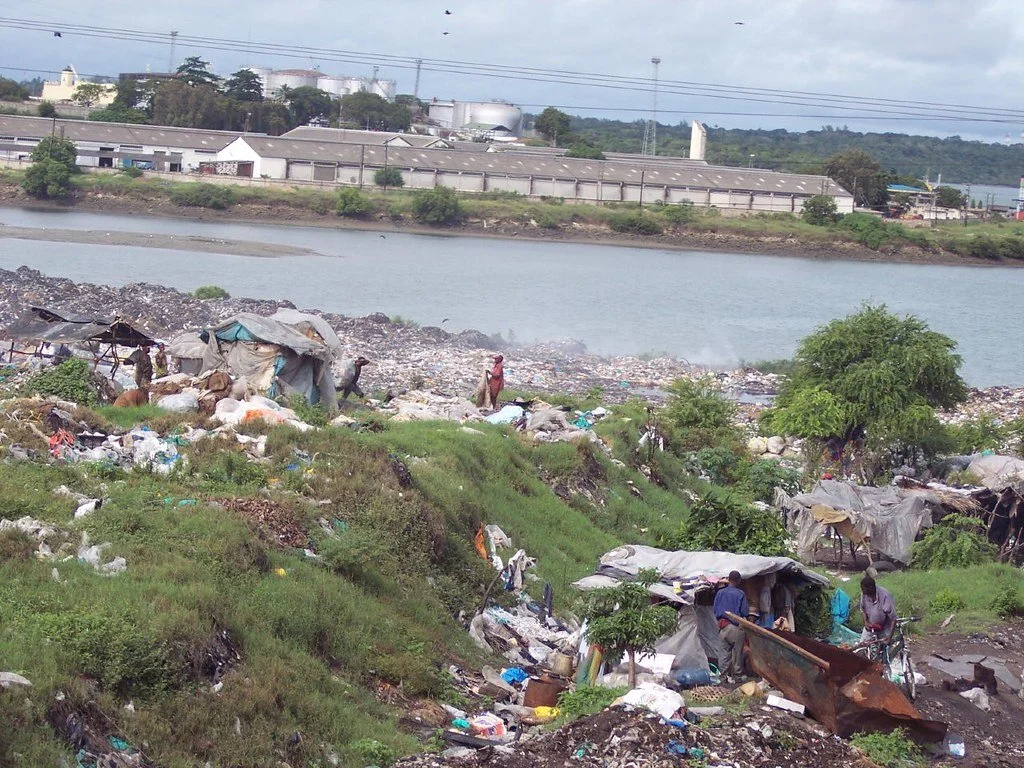
Landfill in Kenya. Thad K. CC BY-SA 2.0. 

Many Americans assume donating is the best thing they could do with their old, unwanted clothing. However, in reality, more than 80% of donated clothing ends up in landfills. Only clothing in the best condition is accepted into secondhand stores in the U.S., such as Goodwill or Buffalo Exchange. Even then, if the clothing remains in the store without being purchased for weeks at a time, the store itself often disposes of it. The rejected clothing often ends up in landfills or is shipped overseas. 

Americans buy five times as much clothing, on average, than they did 30 years ago. However, the quality of the clothing most people buy has decreased due to fast fashion trend cycles, resulting in an average of only seven wears per piece. The increase in purchasing combined with the decrease in wear time has resulted in an overwhelming influx of clothing donations in the past 30 years. 

In theory, shipping unwanted clothing to countries seems like a good thing; it has the potential to create jobs and provide more affordable clothing. Unfortunately, many countries (mostly in East Africa, where unwanted clothes are most commonly sent to, with the exception of Ghana)  cannot handle the sheer mass of the clothing they are receiving. The U.S. ships up to 700,000 tons of clothing overseas every year, which is simply too much for the textile and clothing industries to disperse. Additionally, secondhand clothing sells for such a small fraction compared to new clothing in East Africa, causing local companies unable to compete with cheap clothing to go out of business. 

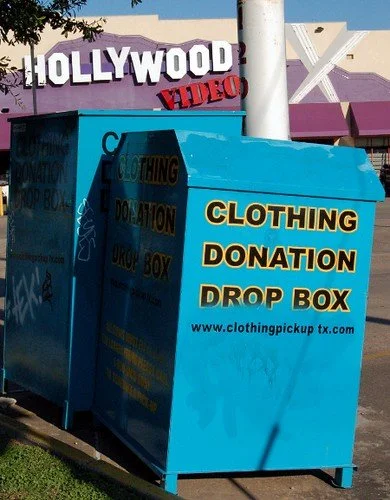
Clothing Donation Stop. Laura0509. CC BY-SA 2.0.

Several East African countries (Tanzania, Kenya, Uganda, Burundi and Rwanda) even signed a ban on the importation of used clothing from the U.S. in 2016. The Trump administration negotiated with the East African Community (EAC) to reverse the ban, which they did, mostly due to international pressure. With that being said, certain countries, such as Kenya, claim to rely on the influx of clothing from the U.S. to keep their textile industry up and running. But while that is the case for Kenya, donated clothing does more harm than good for the majority of East African countries. 

In terms of the environment, secondhand clothing markets in every country in the world are simply unable to keep up with the amount of discarded clothing as the fast fashion industry continues to ramp up production exponentially. Whether the clothing begins its journey in a thrift store in the U.S. or on a plane to Kenya, it is ultimately most likely to end up creating more waste. The myth of clothing donation is part of what propels the fast fashion industry; people think donating their clothes will have an ultimately positive impact, and so they feel justified in continuing to amass more clothing. 

Ultimately, the most effective fix for this problem would be to reduce collective clothing consumption. The less unnecessary clothing that is bought, the less clothing waste will be produced. With that being said, there are other options to reduce your clothing waste. Instead of donating your unwanted clothing, giving it directly to someone that you know wants and will use it ensures that it won’t end up in a landfill, at least in the short-term. Donating your clothing to homeless or women’s shelters is also another option, as they have more need than thrift stores such as Goodwill or Salvation Army. However, even when it comes to donating clothing to shelters, the clothing must be in good enough condition to actually be worn. If it’s not, another option is to keep and repurpose it yourself. Old fabric can be used as stuffing or kept for a future art project. All in all, donating excess clothing can be the last resort, which comes after making an effort to buy less, trade within your own circles and repurpose used materials.


Calliana Leff

Calliana is currently an undergraduate student at Boston University majoring in English and minoring in psychology. She is passionate about sustainability and traveling in an ethical and respectful way. She hopes to continue her writing career and see more of the world after she graduates.

Drought, Agriculture and the Water Crisis in Spain

In Spain, where drought and agricultural contaminants are affecting drinking water, the precious resource has become a rarity. 

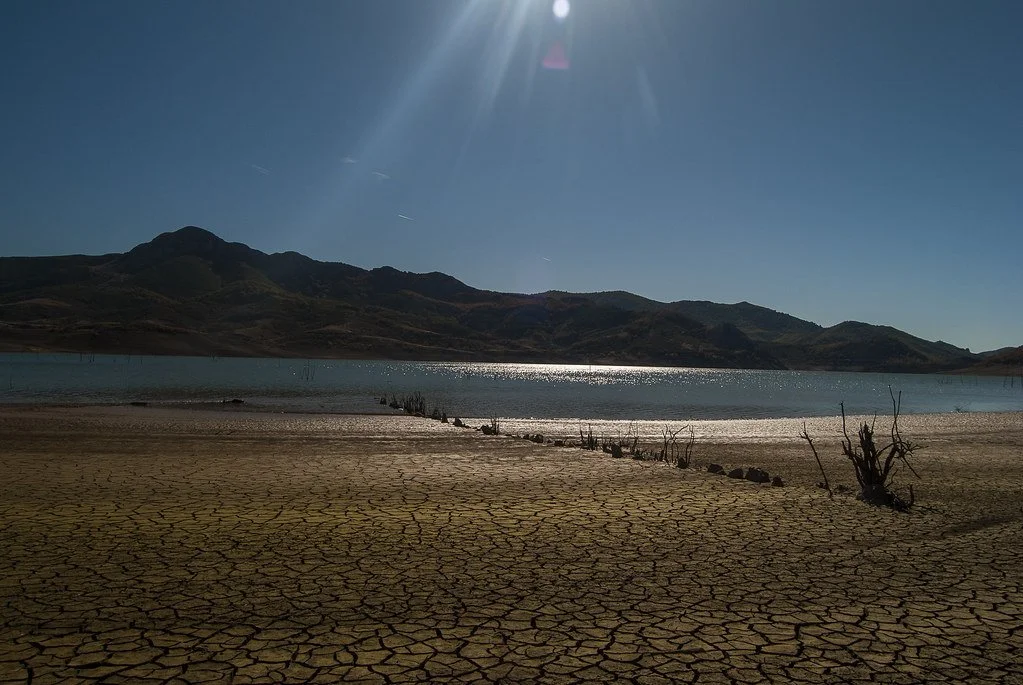
The drought’s effects on water in Spain. Oscar F. Hevia. CC BY-NC-ND 2.0.

After one of the driest winters of the past 20 years, Spain is experiencing record-low levels of water, which has severely impacted the country’s people. Spain collects the majority of its water through reservoirs and basins, which capture groundwater and rain. At this time of year, these reservoirs are typically at 70 percent. However, due to the drought Spain is currently experiencing, such reservoirs and basins are only at about 40 percent capacity—a palpable cause for concern for all Spanish citizens. 

Due to the severe lack of water, Spain has placed regulations on what the limited supply should be used for. Pools remain unfilled as the weather gets hotter, city fountains are shut off, and villagers in towns closer to the interior of the country find it hard to get a sustainable supply of drinkable water. Villagers from interior areas of Spain, like Lastras de Cuéllar, depend heavily on bottled water sold in their town square. But the purchasing of bottled water is not a sustainable solution to the current water crisis. Older members of the community struggle to carry enough back home, and although many places discount their prices, bottled water is not cost effective. As summer approaches, the people of Spain worry about how long their reserves will last them and hope for heavier rainfall in the spring months to come. 

The drought is being credited to climate change, and the ever-rising temperatures felt across the globe are now creating drastic impacts on the ways people will have to start managing their resources. Calls for water-management reform have begun from many scientists in Spain, the main argument being that due to rising temperatures, old ways of managing and transporting drinking water may need to change. Interior towns of the country that heavily depend on rain water to sustain them may have to rethink their system all together.

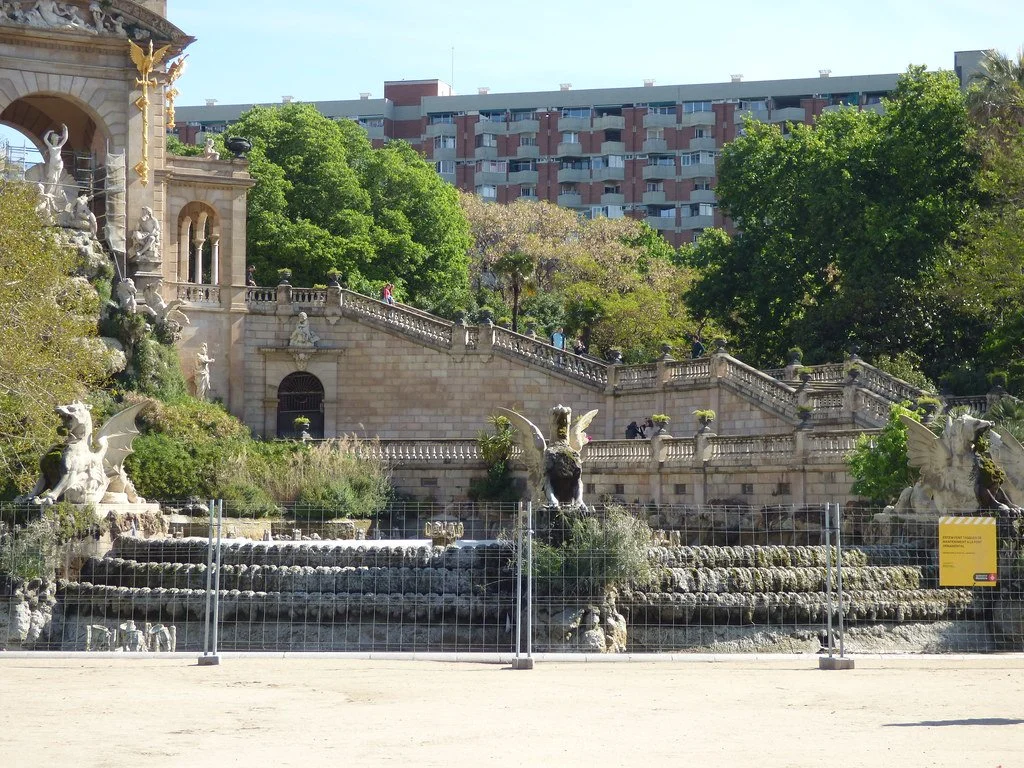
Park fountain without water.  Ell Brown. CC BY-NC-SA 2.0.

On top of the drought, agricultural contaminants have threatened what little water resources Spain has left. Spain is a global leader in pork production, a process that actively affects groundwater resources commonly collected in the basins used to hold drinking water. Pig manure is loaded with toxins that make drinking this groundwater very dangerous. Wired Magazine explains that “pig feed is high in a chemical called phytate, which swine excrete as phosphorus.” When farmers use pig manure to fertilize their land, “phosphorus can become concentrated in the soil and leach to groundwater.” This concentrated phosphorus in groundwater can make humans extremely sick, another reason why clean water has become so rare in Spain.

Besides phosphorus, pig manure also secretes nitrates, something also commonly found in fertilizers used in the agricultural production of crops. Therefore, on top of the dangerous toxins found in pig manure, the nitrates in fertilizer are also seeping into groundwater and impacting the purity of Spain’s limited drinking water. The Local, an online magazine dedicated to covering news in European countries, states that “22 percent of Spain’s overall surface area…is exposed to nitrate pollution,” a startling statistic, considering Spain’s clean water crisis. 

The implications of the drought—combined with the continuation of agricultural contaminants that are consistently finding their way into Spain’s drinking water—are extremely severe. If Spain doesn’t experience a spring with heavy rainfall, this issue may turn into a crisis. Spain has been for many years a water-insecure region, but as the effects of climate change excellerate and agricultural production continues to pollute the land, the issue only becomes more dire. For now, Spaniards can only hope for rain to counter the drought, and for water-management reform to make their drinking water safer. With those hopes in mind, they wait to see what the impending summer heat will mean for their depleted clean water supply.

To Get Involved:

The Organization for Economic Co-operation and Development (OECD) is an organization designed to assist economic and trade progress on a global scale. Learn about the OECD’s assessment of how water resources in Spain are allocated and how the OECD recommends to improve such allocations as conditions in Spain change here.

Circle of Blue is a non-profit organization dedicated to discussing critical research and the challenges involved with global water insecurity. Uniting journalism and data literacy, Circle of Blue serves to educate readers on global issues linked to water and provide research on ways others can get involved to fight global water insecurity. Learn more on how to eliminate global water insecurity here.  


Ava Mamary

Ava is an undergraduate student at the University of Illinois, double majoring in English and Communications. At school, she Web Writes about music for a student-run radio station. She is also an avid backpacker, which is where her passion for travel and the outdoors comes from. She is very passionate about social justice issues, specifically those involving women’s rights, and is excited to write content about social action across the globe.

Mass Killings of the Gray Wolf near Yellowstone

With the 150th anniversary of Yellowstone, attention is drawn to the mass killings of the gray wolf. The park’s bordering states have no laws to protect this species, as the wolves reach a record low number. 

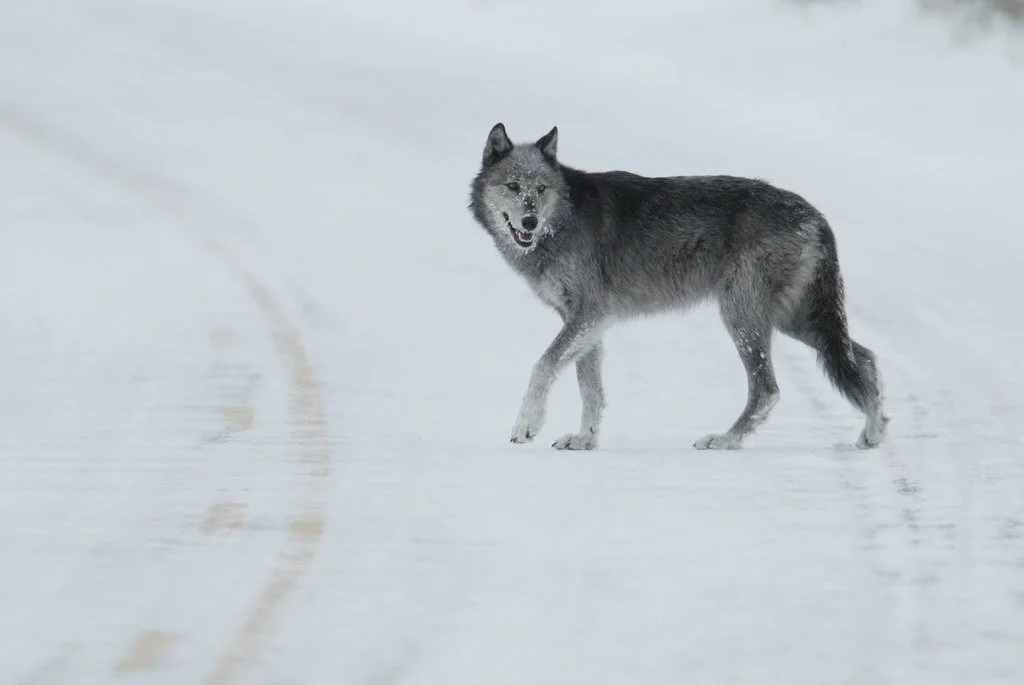
Gray wolf traveling. Yellowstone National Park. CC BY-SA 2.0.

March 1 marked the 150 years of Yellowstone National Park’s existence. However, a sad reality emerges regarding the hunting and killing of wolves. Although this event should be a time of commemoration for the park, an impending issue may finally be getting the necessary public attention. 

While hunting is illegal within Yellowstone, the boundaries of the park line states like Montana, Idaho and Wyoming, which offer no protection to what crosses into their private territory. As a result, the highest number of gray wolf killings has occurred within a century this season alone, which is less than halfway over. 

There are several reasons why this attack on the gray wolf has been escalating. In 2020, the Trump Administration abolished protection of the gray wolf species, meaning that they no longer receive protection as an endangered species. Two years later, though, the federal court worked to reinstate protection for the wolves. Although this preservation was successful in some states, those bordering Yellowstone were excused from this active protection. As a result, hunters in Montana, Idaho and Wyoming have brought the total population down to just 90 wolves

Although there are strict hunting rules within Yellowstone, they now hold little value due to the ways in which these bordering states support the war on wolves. These mass killings are not only exponentially growing for the first time in a century, but pose extreme risks for the balance of the ecosystem. The gray wolf plays a key role in the ecosystem, which further affects the physical environment the park is surrounded with, as well as the stability of other organisms. 

For example, the diminishing number of wolves negatively impacts the ecosystem as the species feeds on deer and elk populations, keeping them at a healthy population. When wolves eat deer or elk, they also leave their carcasses scattered which provides nutrients for other members of the system. Aside from the gray wolf affecting other species, they have large impacts on trees, plants and the physical environment at large. With the absence of the gray wolf working as predators, an abundance of elk would feed on different types of trees, which further translates into the stagnation of the species. 

The issue is growing rapidly, as the entire Phantom Lake Pack has been slaughtered due to the lack of protection. New laws in Idaho encourage these killings; the governor of Montana is an active hunter himself who recently trapped and killed a wolf without following protocol. As these states fail to protect the important wildlife that walks into their territory, it is increasingly concerning why there is little to no federal concern on this issue. 

Those who demand change are former members of the Fish and Wildlife Commission, who have seemingly followed the journey of the gray wolf, watching them go from full protection to total vulnerability. Although gray wolf deaths reach dangerous numbers, the problem is seemingly insular to the park itself, only being made known to the outside when action is demanded. When there is no personal connection between the park and the outside influences that have ability to make a change, protection is only considered when irreversible ecological damage to the park is noticed. Whether the federal government and commission chooses to protect the gray wolves or not is ultimately determined by their care for the environment, economics and the ecological community.  

GET INVOLVED

Citizens can put active pressure on the federal government and commission to keep the Endangered Species Act protections for gray wolves in 48 states throughout the Biden Administration. This pressure would also help the wolves have protection under federal law, rather than leaving responsibility to the surrounding states. 

Here, you can sign a petition to Secretary Haaland to promote this protection of wolves.


Talia Rueda

Talia is an English major and Marketing minor at Providence College. She works as a Staff Writer and Social Media Coordinator for their student-led newspaper, The Cowl. She is a lover of all things entertainment media and is happy to now grow her experience in writing about social action and travel. In the future, she hopes to work for a major entertainment magazine to continue the conversation about growing trends and popular culture.

How to Vet a Charitable Organization

Sometimes it can be difficult to find a charity that is as ethical as they claim to be. This article will help you find and assess organizations worthy of your donation. 

Tree growing from coins. Michelle Chow, ejinsight. December 16, 2020

In an era of a social justice revolution, it can be daunting to find organizations to support. Sure, you see their ads on social media, but how do you know if they spend their money ethically? What if you’re paying for their CEO’s third home or even unknowingly supporting an extremist organization? Luckily, sites like charitynavigator.org and charitywatch.org have streamlined the process of vetting charitable organizations so you can ensure your money is going to a cause you care about. 


In this article, I will be focusing on three aspects to help you research nonprofits: 

Administrative costs: How much does an organization spend on the causes they are involved with vs. how much they spend on overhead?

Impact: How much does the organization actually do, and how well does it work?

Financial Transparency: How much does the organization disclose about their income and tax bracket?

Administrative Costs

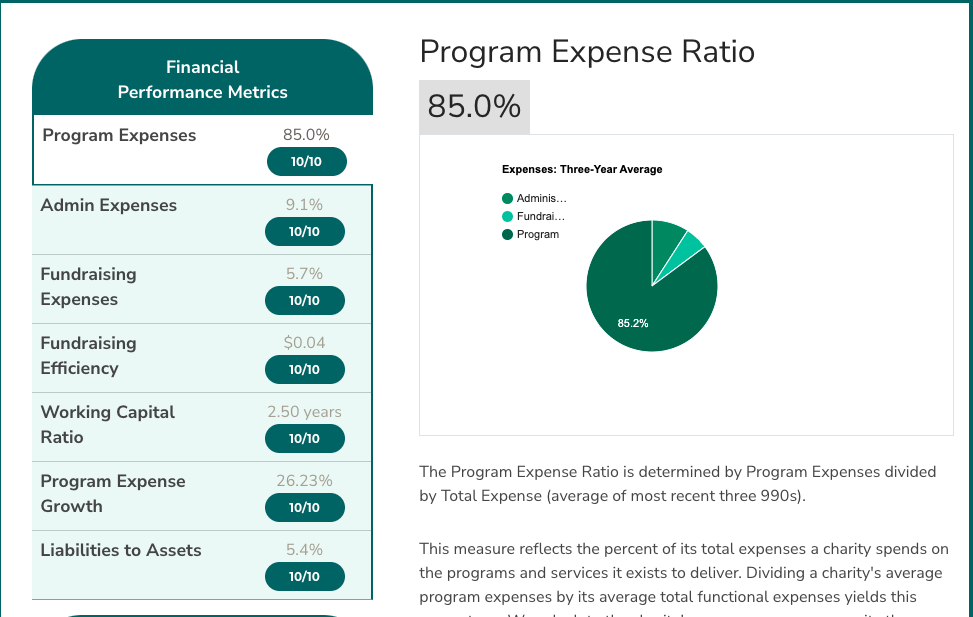
It takes a lot of money to run a non-profit organization. They have to take into account their employee salaries and office rental costs, which dictates how much the charity gives to the causes they support. Some unethical organizations use=donation money to supplement their CEO’s paycheck. The site Charity Navigator utilizes colorful graphs to help potential donors evaluate how much money the organization spends on their cause compared to their 

Pie chart dividing NWLC expenses. Clayton Young. Courtesy of CharityNavigator.org

overhead, or operational costs. Charity Navigator uses three sections of an organization’s expense report to get their Program Expense Ratio: program (how much they donate to the cause they support), administrative costs, and fundraising. 

A good example of an organization spending most of its income on the program is the National Women’s Law Center, which spends 85% of its income on the programs it supports internationally. They spend roughly 15% on administrative costs and fundraising combined. It’s important to note that all nonprofits are different and cannot be held to the same bar. While it is best to take into account their Program Expense Ratio, some organizations simply do not raise enough money to spend it all on their charitable programs. 

Impact

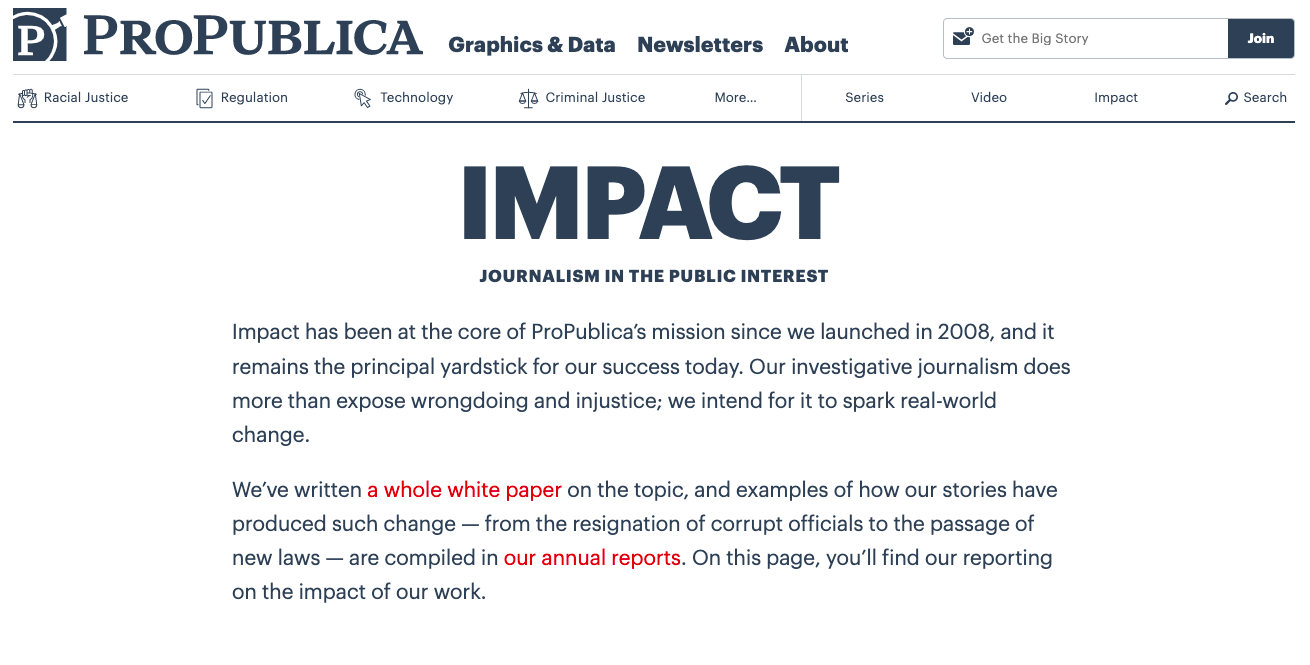
Impact statement. Courtesy of ProPublica.org. Clayton Young.

How do you know if a nonprofit is actually doing something with your donation money? It can be difficult to quantify the effectiveness of an organization, but independent research can help you make an informed decision about your donation. Charity Navigator’s video details some of the steps you can take to make sure your donation is being used well. One tip they suggest is to call the organization to directly ask them about their impact. However, this poses a problem: the organization might give biased information since they would want to look good at first glance. It helps to have something tangible the organization has done with your donation. 
ProPublica is an independent news organization founded in 2008 that exposes abuses of power against the public from government and institutions through nonbias journalism. Their Investor Impact Report, details all their work for the past year. Additionally, they link follow-up stories to their original articles that sparked the active change to fix injustices. In 2021, the administrator to the Environmental Protection Agency used ProPublica’s article on how the EPA allows some communities to breathe toxic air and announced a new Pollution Accountability Team in response to ProPublica’s article. 

Financial Transparency

Our final aspect of vetting a charitable organization relies on a group’s ability to maintain a clear view of its finances. Obviously, it’s a very important job to tell your donors where their money is going. Charity Watch defines what classifies as a charity and how that tax status could influence the money spent on the intended program. Generally, 501(c) 3 organizations are what most are classified as, meaning they receive tax-exempt contributions from donors, as long as they do not try to influence legislation or endorse presidential candidates, according to the IRS’s classification and rules of charitable organizations with that status. 

An example organization that fits the 501(c)3 status while also providing transparency to its financial records and expenditures is Amazon Watch. While it may sound like an Amazon.com watchdog organization, the charity is actually focused on legislating and providing humanitarian relief on behalf of the Indigenous communities in the Amazon rainforest. They spend 85.6% of their revenue on the Amazon program, the rest going to administration and fundraising, but their tax records are publically available for anyone to see, dating back to 2016. 

The sites utilized in this article were Charity Navigator and Charity Watch, but they’re only two of a litany of other similar sites. The nonprofits listed are not the only worthy charitable organizations in the world; rather, these are just a jumping point for you to do your own research and give to causes you are passionate about.


Clayton Young

Clayton is an aspiring photojournalist with a Bachelor's in Liberal Studies with a minor in History from Indiana University - Bloomington. In his free time, he enjoys hikes, movies, and catching up on the news. He has written extensively on many topics including Japanese incarceration in America during World War II, the history of violence, and anarchist theory.