
Vulnerable girls and young women in Africa are being given a unique chance to learn vital technology skills in a safe space through an innovative pilot project launched by the charity Theirworld.
Code Clubs are low-cost, sustainable and scaleable safe spaces where girls can build, learn and create through technology, creativity and coding.
Theirworld - the charity behind A World at School - is launching Code Clubs in partnership with Kano, Codeacademy and Africa Gathering.
Fighting the Desert with Gardens in Senegal
This video follows a group of people in Senegal who are fighting deforestation. Due to extreme poverty, many people in Senegal result to cutting down trees to make money. This group is planting trees and gardens to help the environment.

If you want to make peace with your enemy, you have to work with your enemy. Then he becomes your partner.
VIDEO: A Fisherman's Freedom in Madagascar
Ravelo was trapped; He couldn't afford to continue paying the local loan shark to rent fishing equipment, because he couldn't catch fish to sell and make his payments. He couldn't catch fish because the mangrove estuaries had been depleted of wood for fire, in turn decimating the population of fish and seafood.
When Ravelo was hired by Eden Reforestation Projects, he was not only able to make an income planting trees, but his environment began to revitalize.
Eden Reforestation Projects hired Outskirt Films to tell this story on the remote coast of Madagascar. This powerful story was filmed in Madagascar by Outskirt Films.
VIDEO: The Social Enterprise Biji-Biji in Malaysia
The Biji-biji Initiative is a social enterprise that aims to share progressive ideas with everyone. In Kuala Lumpur the organization is a champion of sustainable living and by using discarded materials, basic electronics and passive building techniques to reuse waste in creative ways.
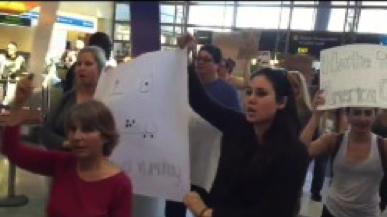
Protestors against travel ban.
Protesting the Travel Ban at LAX: Attorney Julia Trankiem Shares Her Volunteer Experience
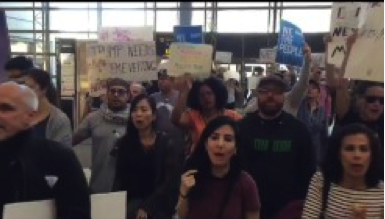
On January 29, 2017, in response to Executive Order 13769—nicknamed the “travel ban”— which suspended refugee arrivals and banned entry into the U.S. for 7 predominantly Muslim countries, and likely spurred by the previous day’s demonstrations at JFK airport, hundreds of protesters descended on LAX condemning the Order.
That Sunday morning, chants like, “No Hate, No Fear. Immigrants Are Welcome Here,” rang out throughout the airport. There was marching, there were signs, there was singing, there were cries. Religious adherents, military veterans, descendants of immigrants, translators, lawyers, and politicians were present, demonstrating and lending support and services.
One of the attorneys lending her services was Julia Trankiem. The daughter of Vietnamese immigrants, and an alumna of University of Michigan Law School, Julia practices litigation and employment law in Los Angeles. Friday evening, word of the travel ban reached her. Saturday, she spent time learning more about the ban and reaching out to her contact at the American Civil Liberties Union (ACLU). By Sunday morning, she was driving towards LAX while listening to the news in tears. “I felt compelled,” she said, “I didn’t have a choice to just sit back.”
She headed to the short term parking lot, where she boarded a bus filled with protestors. After she arrived at the outside terminals, Trankiem saw a sign that read, “Hi, I’m an attorney.” The man behind the sign directed her towards The Coffee Bean & Tea Leaf inside. Once she made it, she found too many attorneys and not enough work. Undeterred, she eventually made her way to the baggage claim area, where she was able to begin volunteering.
Trankiem spent much of her day as an intake coordinator. Since there were no direct flights from the banned countries, she looked up flights to guess where else travelers might be flying in from—layover cities like London, Dubai, and Frankfurt. Afterwards, she helped send other attorneys to the corresponding terminal to meet with travelers to see if they or their family members or loved ones were subject to the Executive Order.
Detention times varied for flagged travellers, but some were detained longer than 6 hours, Julia says. There were rumors of immigration officials asking people to sign over their visas and conflicting stories of provisions, like food and water, having to be requested for detainees. There was confusion, and chaos, and disorganization, Julia says. There were also counter protesters with a different message. Julia heard accounts from attorneys that some people were told to, “Go back to where you came from.” The Los Angeles Times reported that there were about a dozen protesters in support of the travel ban.
The overwhelming majority of protesters at LAX, however, were against the ban, and in support of immigrants and refugees. Julia describes a sea of demonstrators on the parking bridge, in the lot, and in baggage claim-- some of whom applauded when international travellers de-planed and picked up their luggage. Many also held signs with compassionate messages like, “Welcome To This Country.” She says there was a “vibrant energy” that was “unifying” on that Sunday at LAX. She and others shared the “common goal of trying to make a difference and stand up for America’s core values.” Julia shares that she was thanked for her efforts, but left feeling thankful she was able to be of some assistance. She says that America blessed her family by allowing them into the U.S. after they fled the Vietnam War, and her volunteering was a small way to help repay the debt she feels she owes America.
Between January 27, 2017and January 31, 2017, an estimated 60,000 visas were revoked. By January 31st, nearly 50 lawsuits had been filed contesting the constitutionality of Executive Order 13769. On February 3, 2017, just 5 days after the LAX protest, a temporary restraining order (State of Washington v. Trump) was placed on the Executive Order. That restraining order was challenged and later upheld by United States Court of Appeals for the Ninth Circuit on February 9, 2017. The litigation is ongoing.
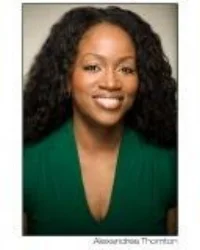
ALEXANDREA THORNTON
Alexandrea Thornton is a journalist and producer living in NY. A graduate of UC Berkeley and Columbia University, she splits her time between California and New York. She's an avid reader and is penning her first non-fiction book.
VIDEO: People Before Profit
Most development projects, at face value, seem aimed at improving the lives of people. The reality for communities living at or near a project -- be it a dam, a sports complex, or a shopping mall -- is often quite different.
Forced evictions regularly do not uphold obligations to fairly consult, compensate, resettle and rehabilitate communities. An estimated 15 million people are affected each year.
WITNESS, with partners around the world, are bringing the stories of communities facing human rights abuses and forced evictions to the government officials, the courts and corporations who can make change. For more information about this campaign visit www.witness.org
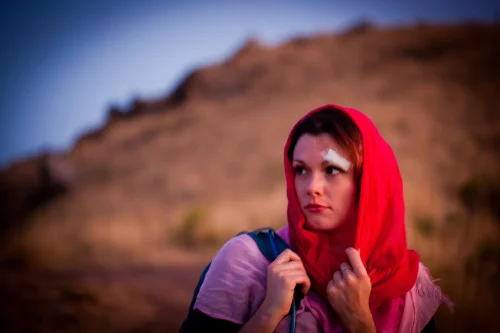
Featured image by David Sorich.
How do I balance being a feminist with respecting other cultures?
Q: When visiting a country that has a culture that represses women, how far do you go in respecting their culture when visiting? Covering my head and shoulders seems okay. But I have a friend whose husband called out a waiter in India for asking him what she wanted to order when she was perfectly capable of answering for herself. That seems awesome to me but may have been offensive to them. Where’s the line?
Sincerely,
Yes Always to Solidarity with Kickass Women in Eastern & Extremist Nations
That’s a really great question, YASKWEEN. I have opinions, but I am also a dude, and as such, am at risk of mansplaining. So it seems worthwhile to ask a few women who either travel or live in more patriarchal cultures what they think before offering up my own dudepinion.
On cultures that repress women:
When we think of the most oppressive society towards women, we probably think of a country like Saudi Arabia. Sydney Meredith, the travel blogger behind Passports & Prose, currently lives in Saudi Arabia told me she doesn’t love equating “repressing women” with “covering your head and shoulders,” as many Muslim women consider it a personal religious choice to wear the hijab, and not something that’s imposed upon them by men. In regards to wearing it as a traveler, she says:
“I remember visiting historic churches in Spain and France during a trip in high school and the women were asked to cover their shoulders. Do I consider Spain and France ‘repressive?’ No. I was just respecting someone’s wishes.”
She also warns against developing a sense of superiority:
“I mean, aren’t women repressed everywhere? …The US is among only 2 other countries in the world who do not pay pregnant women who take time off from work. We were only allowed to vote just a 100 years ago.”
On "calling people out":
Traveler Sarah Lewis says it usually comes down to reading the situation, and points out there may be alternatives to “calling out” someone that are more effective.
“I feel like in that one specific situation, I would try not to be rude about it, especially at first, because the waiter was just doing what he considers to be polite in his particular culture in his line of work. As a server in the US, I’ve seen men order for women, so for some people that type of thing is still traditional, even in less conservative countries. If he addressed a man I was with rather than myself, I would probably just answer the questions and not necessarily “correct” him per se. (Similar to how in Japan, the server always talks to the Asian-looking person. You correct them not by calling them out, but by just responding in Japanese, and eventually they realize they can talk to you.)”
What’s important, then, is trying to gauge intent. She adds:
“However, if he continued or was being obviously rude to me, that would be another thing entirely, and I think that’s where the ‘line’ sort of starts. If a person is doing something that, even in his culture, would be rude (such as catcalling or harassment), that would not be tolerated.”
On balancing idealism with safety and comfort:
My friend Nandika Kumari is an Indian human rights activist, and she says this regarding the clothes issue:
“The class divide in India often means that urban girls/women from the upper classes will usually dress like any other American twenty year old. However, this is a very small number of people. Most women in India will dress as per their cultural traditions (which are often conservative)… The one rule I’ve always followed is to be 100% comfortable with myself. This also means that in a place where I am likely to get stares if I wear shorts, I will make the functional decision to wear something more conservative so I don’t have to get into arguments with creepy men every 10 steps.”
In regards to the what visitors should do, she adds:
“If someone is just on holiday it probably makes sense to dress close to the way most women in the area are dressed simply to reduce chances of harassment (I know how that sounds). A dress code is only likely to be enforced in religious places. Everywhere else, you are free to dress the way you like. If a woman feels comfortable wearing a dress in an Indian market, then please go ahead and do it. The culture of trying to control women’s behaviour doesn’t need encouragement. Seeing a western woman in different clothing may actually do some good.”
She also noted, “This is India, where you won’t get a death threat for pushing cultural boundaries.” This doesn’t hold true for every country, however, and there are other places where pushing the envelope may be a much more dangerous thing to do. Sarah Lewis adds:
“If something isn’t exactly rude in their culture, but I feel uncomfortable with it, I would probably say something, although again, depending on my level of comfort, I would probably in varying degrees attempt to be sensitive to the culture and not aim to immediately embarrass the person (unless I was really in danger or in a bad situation).”
And, of course, some mansplaining.
Okay, so this isn’t technically mansplaining: I don’t really know what it’s like to travel as a woman, and I won’t pretend to. But I have come across similar situations where something happens in a culture I’m visiting that clashes with my own personal values. A quick story:
When I was working a journalism internship at an English-languge newspaper in China, I really wanted our editors to cover issues like human rights. My bosses had to worry about government censors, so they weren’t really on board with taking editorial advice from an uppity 22-year-old foreigner. I pushed them on it, and all it did was alienate me from my bosses, to the point where I wasn’t being given any work. Towards the end of the internship, I was grabbing drinks with a British journalist who’d worked in China for years. I bitched to him about the Chinese journalists, calling them cowards.
“That’s not been my experience of Chinese journalists,” he said. “I’ve found them to be quite brave.”
I asked how. He said, “You’ve been here what, two months? You need to get to know the system better before you can attack it. These journalists are quite subversive, but they have to be more subtle in their attacks than a British or American could be. They don’t seek to topple anything, just to chip away. Keep in mind very few western journalists are actually risking their necks when they go to work every day.”
He went on to tell me how Chinese journalists would frequently undermine government-mandated stories through the subtle use of puns. For example, when the government wanted to show off their expensive new language-teaching program (which was incredible ineffective), the paper’s editors titled the piece, “GOVERNMENT CREATES ARMY OF CUNNING LINGUISTS.” This effective pun-usage has become so pervasive among Chinese dissidents that censors in China have actually banned the use of puns and idioms.
The lesson of that internship for me was that while the causes I was fighting for were just the world over, the tools for fighting for them changed from place to place depending on the context. It’s easy to fall prey to the whole “when you have a hammer, every problem looks like a nail” trap, and for a lot of Westerners, becoming confrontational over small or large injustices is our hammer.
Your impulse to resist misogyny is always a good one, YASKWEEN, but you may simply not have the localized knowledge to resist it effectively. Which is fine. It creates an opportunity to learn and listen. The best thing you can do if you want to support feminists in the area you’re visiting is to ask them how you can best support them. Some may say money. Some may say political support from your government. Some may say “call out the waiter when he ignores you to talk to your husband.” Some may say, “definitely don’t call out the waiter.” The response will change based on the place you’re in and even on whom you’re talking to.
That said, respect cuts both ways. If you are trying to treat another culture with respect, you’re allowed to insist they treat you with respect as well.
Writer’s note: could we all take a second to appreciate how far I came in a single week with my anonymous questioner acronyms? Last week, I dubbed my questioner “TUTBFTS.” This week, I pulled off motherfucking YASKWEEN. At this exponential rate of improvement, I’ll be a billionaire in a goddamn MONTH.
THIS ARTICLE WAS ORIGINALLY PUBLISHED ON DON'T BE A DICK TRAVEL.
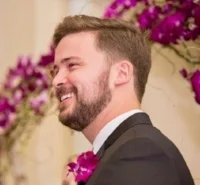
MATT HERSHBERGER
Matt Hershberger is a writer and blogger who focuses on travel, culture, politics, and global citizenship. His hobbies include scotch consumption, profanity, and human rights activism. He lives in New Jersey with his wife and his Kindle. You can check out his work at the Matador Network, or over at his website.
VIDEO: Age Demands Action
An estimated 100 million older people are living on less than $1 a day. Older people are among the poorest and most marginalized in many countries. Older people, especially older women, play key roles as caretakers in support of people with HIV/AIDS and orphaned grandchildren. The nonprofit HelpAge is a network of organizations promoting the right of all older people to lead dignified, healthy and secure lives.
VIDEO: Investing in Abuse in India
The Korea-based POSCO Corporation is pursuing a project in Odisha, India, that is resulting in the violation of human rights. If the project proceeds as planned, some 22,000 people risk being forcibly evicted from their lands and dispossessed from their means of livelihood. POSCO's investors have responsibilities to ensure that the company respects human rights, and to ensure that abuses to not take place in their name.
VIDEO: Mothers Fight Against Monsanto in Argentina
Sofia Gatica led a grassroots movement of mothers to protest the spraying of monsanto pesticide products on genetically modified soy crops in her region of Ituzaingo, Argentina. Their efforts led to a study that determined the cancer rate in their area was 40x the national average. After 10 years, they succeeded and laws changed. Now they cannot spray within 2500 meters of homes. She is the winner of the Goldman Environmental Prize.
Flip Your Map and Up Your Impact
Part 1 of a 2-part series on Maps
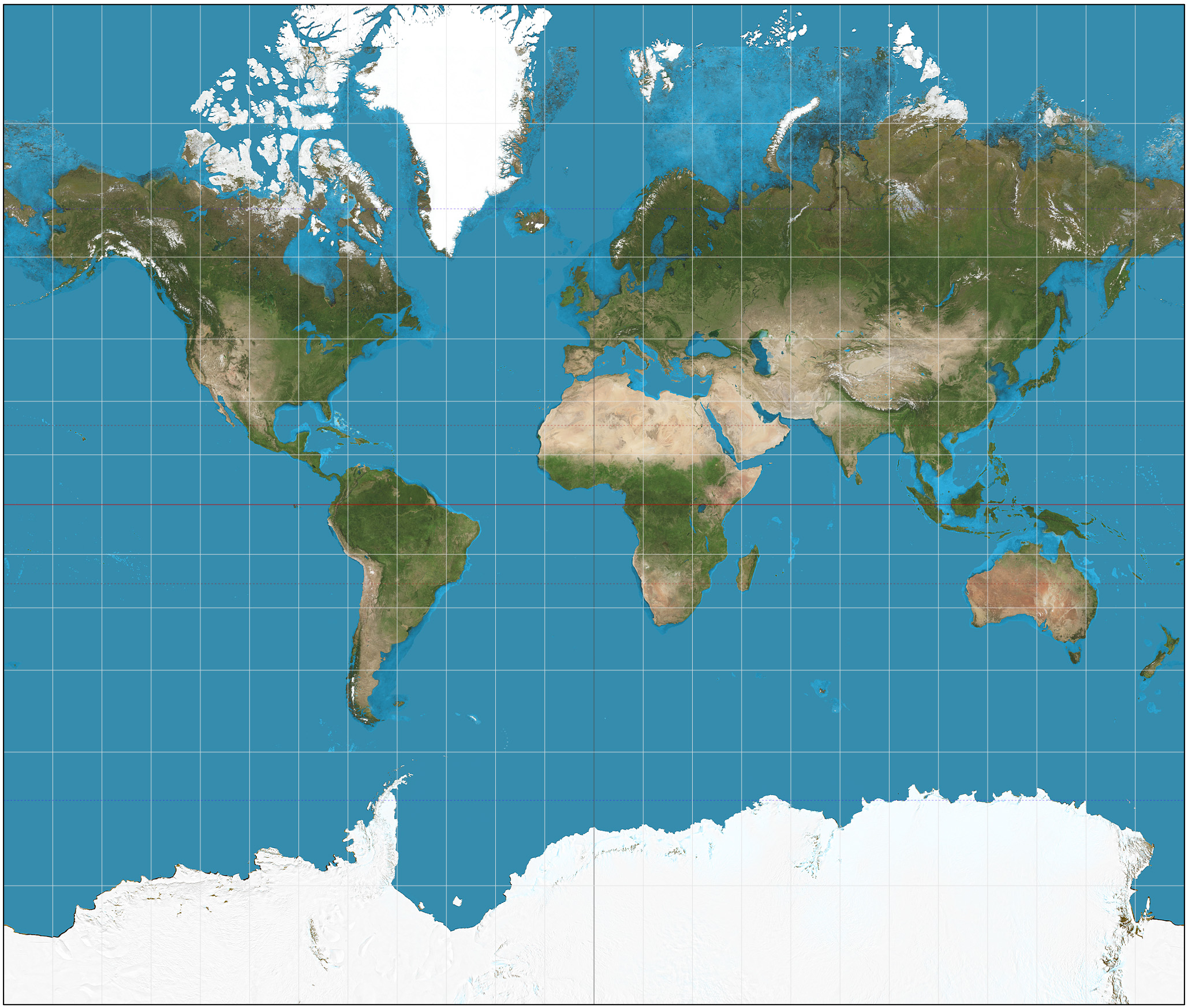
The map of the world.
When we look at the most commonly-seen map of the world, we assume that it depicts the earth as it truly is. But this particular projection of the world, like all others in existence, isn’t completely accurate, as it is impossible to avoid distortions when translating three dimensions into two. Known as the Mercator projection, this map was designed for navigation but distorts relative size, artificially enlarging land masses further from the equator. The result is more severe than you might imagine: Africa appears smaller than Greenland, when it is actually fourteen times larger. See this for yourself here.
There are many other, less common projections which you can explore here. Some are equal area projections, such as Gall-Peters, which manage to avoid the relative size distortion of Mercator but are then much less useful for navigation and less accurate with regard to shape. While the Mercator projection has been abandoned by atlases in favor of projections with more balanced distortion profiles, it is still used by popular online navigation tools such as Google Maps given its navigational prowess (unless you happen to be exploring one of the poles, where it is practically useless).
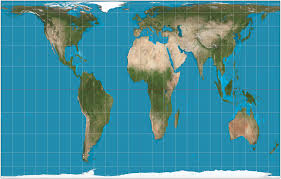
Gall-Peters Projection
The most commonly-seen map of the world also has a particular orientation and center: north-up and the Atlantic. Yet this framing is neither inevitable nor inherently more correct. Medieval maps were often East-up, Pacific-centered maps pop up in Asia, and a National Geographic feature on the world’s oceans opted to carve up continents instead of bodies of water.
As a result of the complex politics of map-making over time and the inertia of convention, the north-up, Atlantic-centered Mercator projection is the most prevalent, making it not only a navigation tool, but also the image of the world in our mind’s eye. But why does this matter? If all projections are distorted in some way, and orientation, although heavily influenced by historical political jockeying, is ultimately arbitrary, can’t we just continue using it?
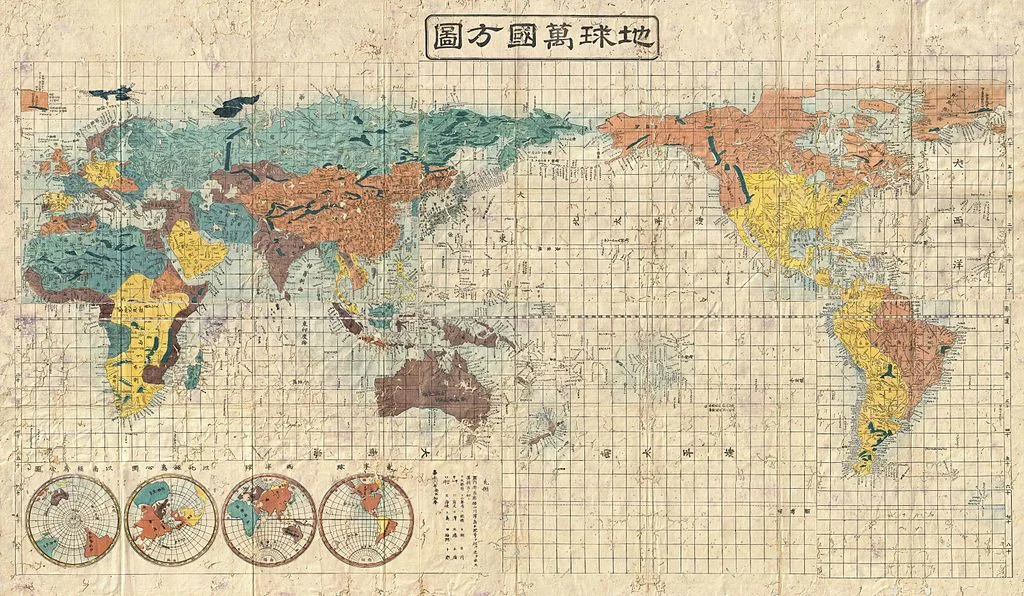
There is a big reason why this is not such a great idea: where things are on the map and how big they are in relation to other things affects what we think of them.
Research has shown that we (English-language users) tend to associate up with goodness and down with badness; think about upper and lower class, movement along the socio-economic ladder, “started from the bottom now we’re here”, the assumed location of heaven and hell, and the connotations of uptown and downtown. It has also shown that we tend to associate up with north and down with south (“up north”, “down south”) despite the fact that up/down is an orientation to gravity while cardinal direction is an orientation to the poles. When we are repeatedly exposed to the north-up world map, it reinforces the association of up with north and down with south, and therefore strengthens the association of north with the positive qualities associated with up, and south with the negative qualities associated with down. The popularity of the north-up map makes us more readily associate positive things with northern places.
We also tend to associate things in the center of an image with importance, and large objects with importance and strength. Overall, this means that we tend to equate things that occupy large, upper (northern), central places on the map with goodness, importance and strength; and things that occupy smaller, lower (southern) and peripheral places with badness, insignificance and weakness. It is therefore not surprising that some Australians, Asian states, geographers, educators, and even people on The West Wing have pushed for south-up, Pacific-centric and non-Mercator maps.
Now you might be thinking, but I know that those things don’t always match up! Rwanda has a higher percentage of female Members of Parliament than any other country on earth even though it’s in the Global South! China is hugely important in the global economy even though it’s on the periphery of the map! Israel is powerful even though its relatively small size is exaggerated by its proximity to the equator!
But these mental links, also called implicit associations, are mostly unconscious, and they show up in many areas of our lives even when we consciously know and believe that they aren’t correct. In other words, stereotypes and generalizations affect our decisions and behaviors even though we know they aren't always true. This insight comes from implicit association tests, which show that we are quicker and more accurate at sorting things into bins when the bins match up with unconscious associations in our brains, even when we report not having these associations. For example, when sorting words or images that are often perceived as fitting into just one of four categories - fat, skinny, good, bad - we tend to be faster and more accurate when we are putting items that we perceive as fat or bad into one box, and items that we perceive as skinny or good into the other box. We are on average slower and more likely to mess up when we instead have to sort into a box for skinny or bad items, and a box for fat or good items. And this happens even when we report that we don’t believe fatness is inherently associated with badness, or skinniness with goodness. See this for yourself by taking multiple versions of this test.
The most probable explanation for this phenomenon is that it's an evolutionary remnant, which in the earlier days of humanity helped to keep us alive by allowing us to quickly distinguish between safe and unsafe through stereotyping. But the modern-day implication is clear: even if we don't explicitly think that northern, central, or large countries are better, stronger and more important, associations between these categories probably lurk in our psyches. Where things are on the map and how big they are in relation to other things affects what we think of them regardless of whether or not we realize it’s happening. We don’t just shape maps, maps shape us.
These mental links may seem harmless, but researchers have suggested that implicit associations in general contribute to everything from childcare expectations for different genders to police brutality against people of color. They affect decisions like whether or not to cross the street when we see someone walking towards us, where to travel, and which deaths from terrorist attacks to change our profile pictures for.
The particular mental links created and reinforced by this map aren’t harmless either, as they correlate with current and historical global patterns. And when these mental links line up with what’s happening in the world, they perpetuate each other. Although it is sometimes quite handy that associations from our dominant map match reality, it is also limiting, as we tend to see characteristics of certain places as natural and normal, and the resulting global power dynamic as inevitable. For instance, this map and the associations it fortifies make it harder for us to imagine a world where the West (a confusing term generally used to refer to Northwestern Europe, the US and Canada) isn’t the most powerful and important group of countries. When we see things as inevitable and can’t fathom a different reality, we are less likely to intervene to change the course of history. We cannot go somewhere that we have not first traveled in our minds, and with maps reinforcing the status quo instead of igniting our imagination of how the world could be, we are more likely to perpetuate global systems of oppression.
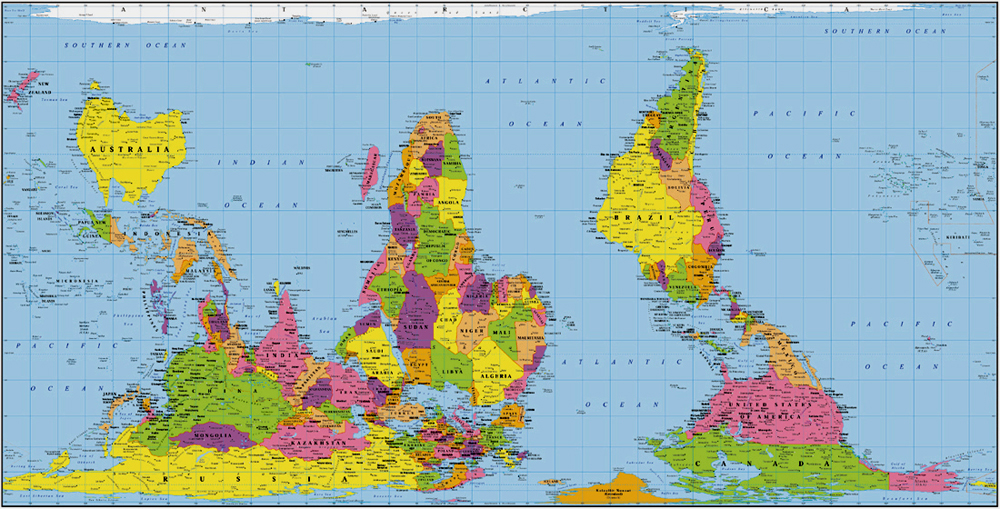
The mental links reinforced by repeated exposure to this map don't just prevent us from taking action, they can also lead us to take part in less-than-ideal action. For example, this particular map reinforces the belief that the West is inherently good and that all countries should strive for our way of life. This belief then informs actions in many sectors, from foreign policy to international development, often resulting in detrimental outcomes for people and planet. Individually, we are encouraged to engage in well-intentioned efforts such as teaching English, which, instead of indisputably beneficial, can be seen as an effort to make “them” more like “us”. Beliefs arising from the associations this particular map reinforces don’t just prevent us from changing things, they support harmful things happening right now.
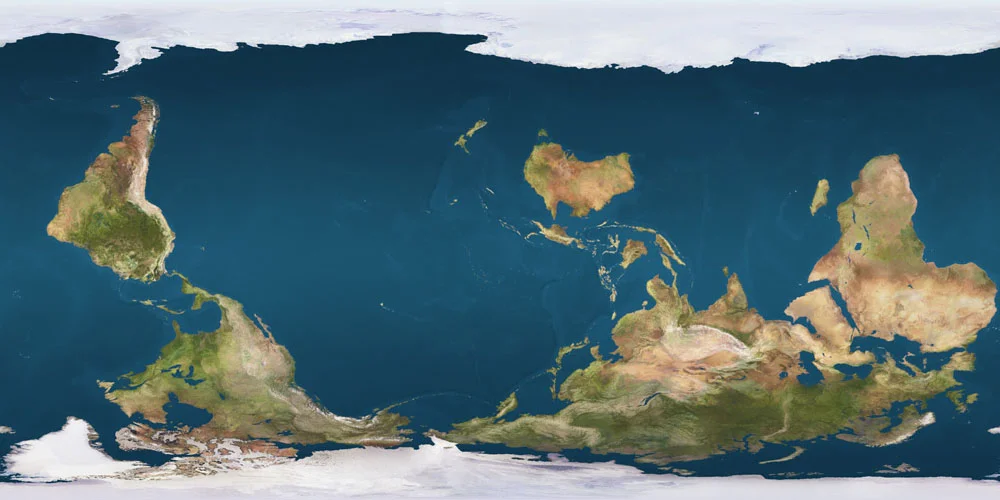
Instead of being held back by exclusive familiarity with only one of an infinite number of possible projections of earth, we can improve our chances of having a genuinely positive impact by changing our maps. We can continue to use Mercator projections for navigational purposes, but we should switch it up for non-navigational purposes. When hunting down the exact location of a current event you’re reading about, scroll over a pole in Google Earth to flip the world upside down. If you’re buying a world map poster to plan your next trip or track where you’ve been, consider a Gall-Peters projection, south-up or Pacific-centered map; all are relatively easily to find online.
Over time, as you expose yourself to different maps, your mental maps will shift, decreasing the power of certain associations and helping you combat your unconscious internal bias. While daily exposure to our culture and language makes it very hard to de-link up from good, and large and center from important and powerful, changing your maps can delink north from goodness, Africa from weakness, and Small Island States from insignificance (they are, after all, a key climate change frontline). Switching between maps will also remind you that the map is not the territory, and that all maps simultaneously obscure and illuminate. We can also expose ourselves to stories and other media that contradict these associations, a tactic which has been shown to reduce bias when measured with implicit association tests. Purposefully and regularly exposing yourself to other perspectives is also a good life practice, especially for people of privilege, and one of the things travel is perfect for.
SARAH LANG
Instigated by studies in Sustainable Development at the University of Edinburgh, Sarah has spent the majority of her adult life between 20+ countries. She is intrigued by the global infrastructure that produces inequality and many interlocking revolutionary solutions to the ills of the world as we know it. As a purposeful nomad on a journey to eradicate oppression in all its forms, she has worked alongside locals from Sweden to Zimbabwe. She is a lover of compassionate critique, aligning impacts with intentions, and flipping (your view of) the world upside down.
Less than Two Gallons a Day in Ethiopia
In rural Ethiopia, water is so scarce that many families survive on less than two gallons per day and walk up to four hours to find it.
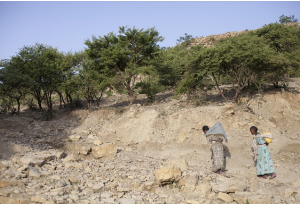
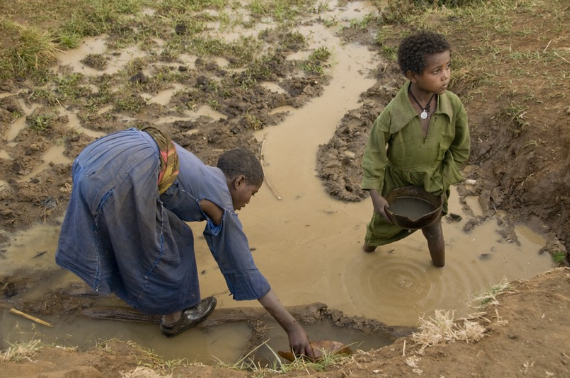
Their water sources, often nearly-dry river beds or muddy holes that communities have dug together, offer water that sometimes needs to be poured through cloth to filter out leeches and debris.
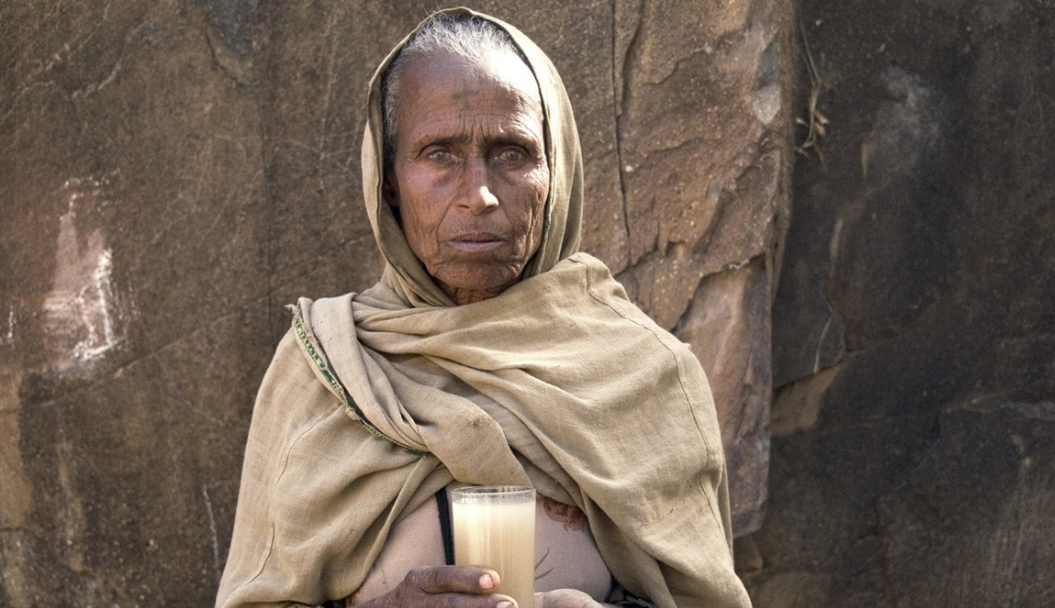
Since 2007 charity: water has been working in the Tigray region of Ethiopia with the government and local water partners working towards a vision of 100% clean water coverage.
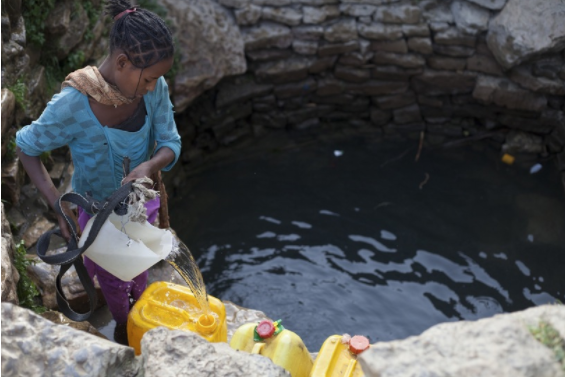
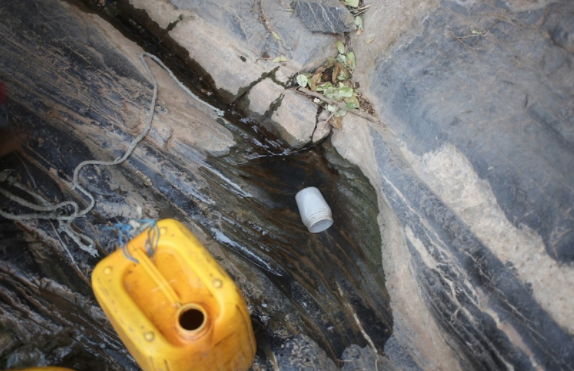
With the help of hundreds of thousands of supporters from around the world — like Noah, who taught his classmates how to weave and sold enough hand-made art to fund hand-dug wells — we’ve now funded more than 3,000 water projects in Tigray that will serve over 1.1 million people with clean and safe water near their homes. Not only that, but the community has also been trained by our local partners on safe hygiene practices and basic maintenance of their water project.
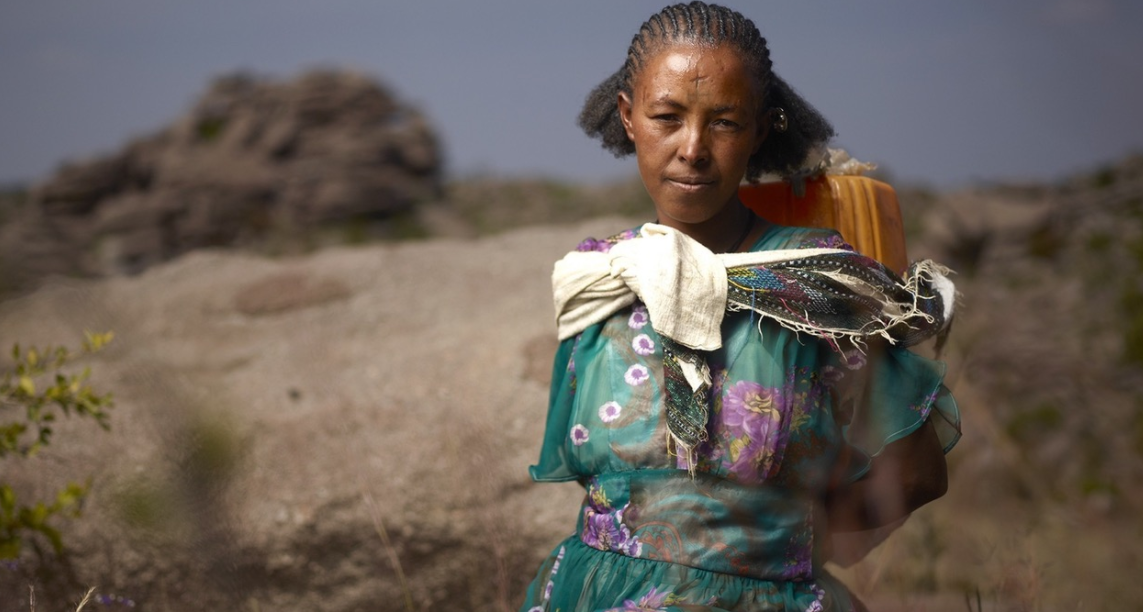
Take yourself on the charity: water journey into the heart of Ethiopia in this video series following our Content Strategist, Tyler, as he experiences life without water and meets the incredible people of Ethiopia.
THIS ARTICLE WAS ORIGINALLY PUBLISHED ON MAPTIA.
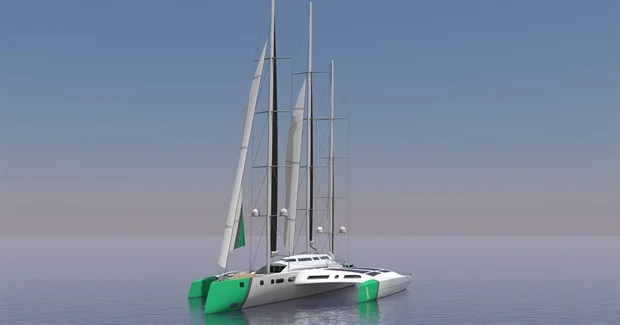
A design of the 110 meter long ocean-going vessel of change
A Carbon Neutral Alternative to Flight
VoyageVert, a Bristol, UK based company, is raising funds to begin a transatlantic ferry service that will operate entirely under sail and renewable energy.
The pilot project will ferry 26 passengers from Bristol to Boston in around seven days, with the eventual aim of scaling up to 200 passengers at a time on custom built catamarans.
“Quite simply, there is absolutely nothing like this at all,” says Ross Porter, VoyageVert's founder, “which is really, really exciting, and quite daunting.”
The company aims to attract those who are looking for a sustainable alternative to flying, as well as those looking for adventure. Passengers will also have the opportunity to participate in a unique experience, living on board as part of a community and taking their place as part of the crew if they wish. They can learn about navigation, meteorology, marine biology and more. Guest speakers will lecture on aspects of the marine environment, one of the world's last remaining wildernesses.
Ross Porter began sailing in Torbay at the age of eight. He spent many years working on boats throughout Greece, the Caribbean and New Zealand. By his own count he has notched up enough miles to take him around the world more than one and a half times. He then returned to England to set up a company delivering yachts for clients. This led to him being contacted so many times by people asking if he could take them from one place to another that he realised there was a market for transporting not just boats but people too.
“I thought: I’m a marine engineer, a captain and a project manager. I could deliver a project that would mean that people could buy a ticket on a sailing boat and get themselves from A to B. All I need is a sailing boat,” says Porter.
The past few years has seen a growing movement for transporting goods under sail. There are now more than ten large boats and many smaller ones in Europe and North America, trading everything from chocolate to rum, from cider to salt cod, in a way which is completely carbon free. With 120,000 available seats on planes, every day, to cross the Atlantic, Porter believes that there is a very viable market for passengers looking to make the crossing by other means.
VoyageVert has one month to raise the funds to launch the pilot project, which would mean that the first trip could come as early as 2018. “The vision is for a truly global passenger transport network, one that’s totally sustainable and high speed,” says Porter. “Cheap and fast has had its day, and it's now really becoming a problem. We’ve got to do away with cheap and fast, and start travelling with intention. If the public wants this, then it’s going to happen.”
To see how the project is getting on, go to: http://www.crowdfunder.co.uk/voyagevert-crowdfunder
VIDEO: The Rhino Guardians in South Africa
In 2016 I travelled to South Africa to visit The Black Mambas - the worlds first all female anti-poaching unit operating in the Balule Game Reserve in South Africa. Coming from disadvantaged communities and breaking strong patriarchal tradition, these courageous women focus on eliminating illegal wildlife trade through conservation, education and the protection of wildlife, helping to ensure the long term survival of threatened and endangered species in the area. Each day they patrol up to 20km, unarmed, looking for poachers, wire-snares, and break-ins along the fence line. Their lives are at constant risk from poachers and the dangerous wildlife they protect.
It is their belief that the war on poaching will not be won with guns and bullets, but through education within their local communities.
VIDEO: Introduction to Women's Status is Cambodia
This video was produced by Promotion of Women's Rights project (2002-2011), predecessor to Access to Justice for Women project. The video comprises an overall introduction to women's status in Cambodia as well as the main actions undertaken by the Ministry of Women's Affairs -with the support from GIZ- in order to tackle gender inequalities and gender-based violence in Cambodia.
VIDEO: Dirt Court Dreams in Africa
Just outside the southern wall of Kibera, the largest urban slum in Africa, is Sadili Oval Sports Academy. Meaning "well-being" in Swahili," Sadili is a social enterprise that uses sports as a means to reach out to children and young people in need - both in the slums and from across East Africa.
"Dirt Court Dreams" centers on Flo - a Kibera resident and tennis coach - and reflects how Sadili has made her life better and through her has, and is, improving the lives of many others.
VIDEO: Samuel in the Clouds of Bolivia
In Bolivia, the glaciers are melting. Samuel, an old ski lift operator, is looking out of a window on the rooftop of the world. Through generations his family lived and worked in the snowy mountains, but now snow fails. While scientists are discussing and measuring ominous changes Samuel honors the ancient mountain spirits. Clouds continue to drift by.
VIDEO: Inner Me
While following Jemima, a little curious girl who wanders through dusty roads, crowded markets, slaughterhouses, furnaces and bat hunters, we get acquainted with three women who describe the harsh realities of being born female and deaf in a society that discriminates against both women and people with disabilities. The stories of Immaculée, Sylvie and Stuka are stories of everyday struggle against marginalization, abuse, and oppression, but despite the insurmountable obstacles imposed on them by society, the protagonists show us how their strong and undefeated will allows them to take hold of their fate every single day and reveals the beautiful resilience of the human spirit.
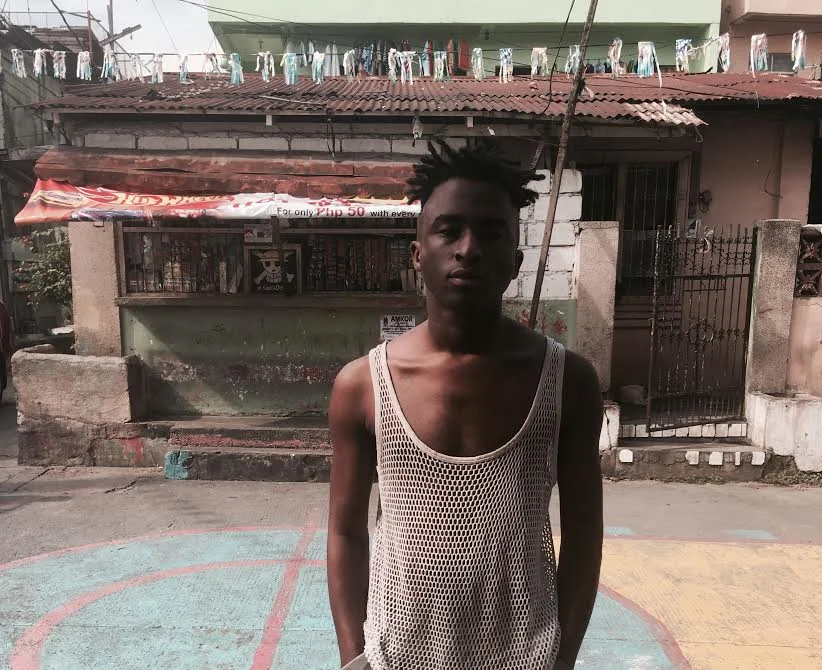
I Was Called The N Word in The Philippines
It was only my second day in the Philippines and my Couchsurfing host invited me to watch a basketball game that he was playing in. Granted, the Philippines was a completely new country to me. I never thought that 2017 would bring me to Southeast Asia, but it has. In the Philippines, the heat makes you sweat relentlessly and you have to take numerous showers a day. Stray dogs and cats search for food in the streets, and trees are a beautiful invasion in the cities I’ve visited thus far. So much of it reminds me of my childhood visits to see family in Jamaica.
I head to the game around six pm and sit with my Couchsurfing host’s friend. It is only day two, but I’ve already become accustomed to one thing here. People stare at me. A lot. I know it’s because I’m black and traveling. The questions are always the same when I meet a new person here.
Do you play basketball? Do you know Lebron James? Is your father tall, just like you? Do you have a girlfriend?
Although traveling is about leaving your comfort zone, there is something to be said about how the identities that we are given in this world will affect us when abroad. I would never wish that I were white so that I could travel and feel more comfortable in this sense. I simply wish my representation in the media wasn’t controlled by people like who me and not white CEO’s.
The game starts and I notice little children gathering near me. They stare, whisper to one another and giggle before running away. After a few minutes, one little boy comes up to me and smiles.
“What’s your name?” he shouts.
I smile and tell him, “My name is Ryant. How old are you?”
He holds up seven fingers and then runs off. His friends greet him with an explosion of laughter. I am sure he will get the award for Bravest Boy in the Neighborhood later. Soon all of the kids are surrounding me, climbing onto my lap and asking questions. I’m invigorated by all of the energy, but I can’t help, but feel like a weird toy that one of them found and can’t wait to show off. More questions are fired off, an auction of how much information I can spit out. Then it happens.
“You’re a n----!”
My Couchsurfing host’s friend is sitting nearby and doesn’t bat any eyelash. On the outside, I nod awkwardly, but on the inside, I don’t quite know what to think. Since starting and graduating college, I’ve filled my mind with the words of many famous black freedom fighters. Angela Davis, a famous black activist born in Birmingham, Alabama in 1944 and who later faced an unfair trial for crimes she didn’t commit, wrote about the children she met while in Cuba:
Despite the language barrier, the children accepted us as members of the family. They helped me with my Spanish lessons each day. I was extremely embarrassed that I had not learned a little Spanish before the trip, for it is an affront to a people to visit them before having attempted to learn their language. Because I spoke Spanish so poorly, never having studied it, I felt less inhibited with the children. They were patient, corrected me and helped me find words when no dictionary was available.
It was a sad day indeed when we had to pack up our things and board the bus, ready to move on to the next stage of our journey. All of us cried — men and women alike, in our delegation as well as on the Cuban side. The hardest part for me was saying good-bye to the children. A young boy of about nine or ten, who had always been the toughest one of his group, seemed reluctant to come up and say good-bye. I thought that it was his natural shyness. Just before I got into the bus, I went over to him and gave him a kiss on the cheek. He tore away from me and ran as fast as he could. But once in the bus, I saw him standing behind a tree, trying to conceal himself as his body shook with sobs. The tears that had been flooding my own eyes slid down my face.
I think of her often when I can’t immediately find the words to respond to an ignorant comment from an acquaintance or when I need a push to live out my ideals for social justice. I’m looking at the faces of these cute Filipino kids and wondering how I can possibly unravel to them my life, my pain, and what it takes for a twenty two year old gay, Caribbean American boy to uproot his life and buy a one way ticket to Southeast Asia.
I realize it’s impossible.
“You shouldn’t say that word,” I tell them. “In the United States, it’s very bad.”
Immediately the kids start to frown and look at each other in confusion.
“Why?” the first boy who ran up to me asks.
I tell them the basics. In the United States, black and brown people have been treated badly for a long time. That word was used by white people to make people that look like me feel bad.
“Oh… That word means gangster fighter in Tagalog.” the kid replies.
I laugh as the coach in the game blows the whistle on a foul. The serious part of me doesn’t want to laugh, but I can’t help it. One problem leads to another of a different shade I suppose. I can’t break down racial stereotypes to a group of elementary aged children just yet.
“Teach me some Tagalog.” I request.
They all giggle and teach me phrases. When the game is over, they pull me onto the court and beg me to shoot a basket. Inside I’m rolling my eyes and wishing this wasn’t happening this way, but my heart is still melting. They run around me, teach me how to dribble and all jump in excitement when I shoot a basket after a million tries.
On my walk home, they all ask to add me on Facebook and I am laughing more. I’ve accepted that these moments may be a reality wherever I go, but acceptance does not mean I won’t struggle towards a more loving way of life. Travel opens the eyelids, pumps blood into the heart and fills the body with moments of awe. I felt that awe as those kids stared at me with their curious eyes and interacted with me so openly. I knew that I could strive to do the same in return and attempt to shed light on confusing, yet present truths as well.
Yes, I was called the n-word in the Philippines, but I do not define myself by the rules that society sets for a black person, a traveler, or 22 year old who is just trying make sense of a messy world. Instead, I keep going forward with conviction, sure that I’ll speak up whenever is necessary along the way.
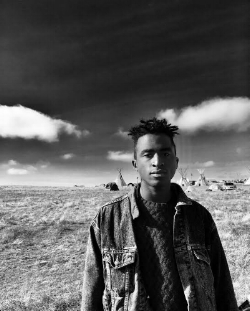
RYANT TAYLOR
Ryant Taylor is a writer and activist from Cleveland, Ohio. He has participated in protests in France, Ferguson, and Standing Rock. He is the creator of Decolonize The Mind, a travel blog, and is currently freelance writing in the Philippines.