
How visiting the Galapagos contributes to their destruction.
Read MoreHumans are Leading Blue Whales Toward Extinction in Sri Lanka
Human activity has compromised the blue whale habitats in Sri Lankan waters. Here’s what is being done about it.
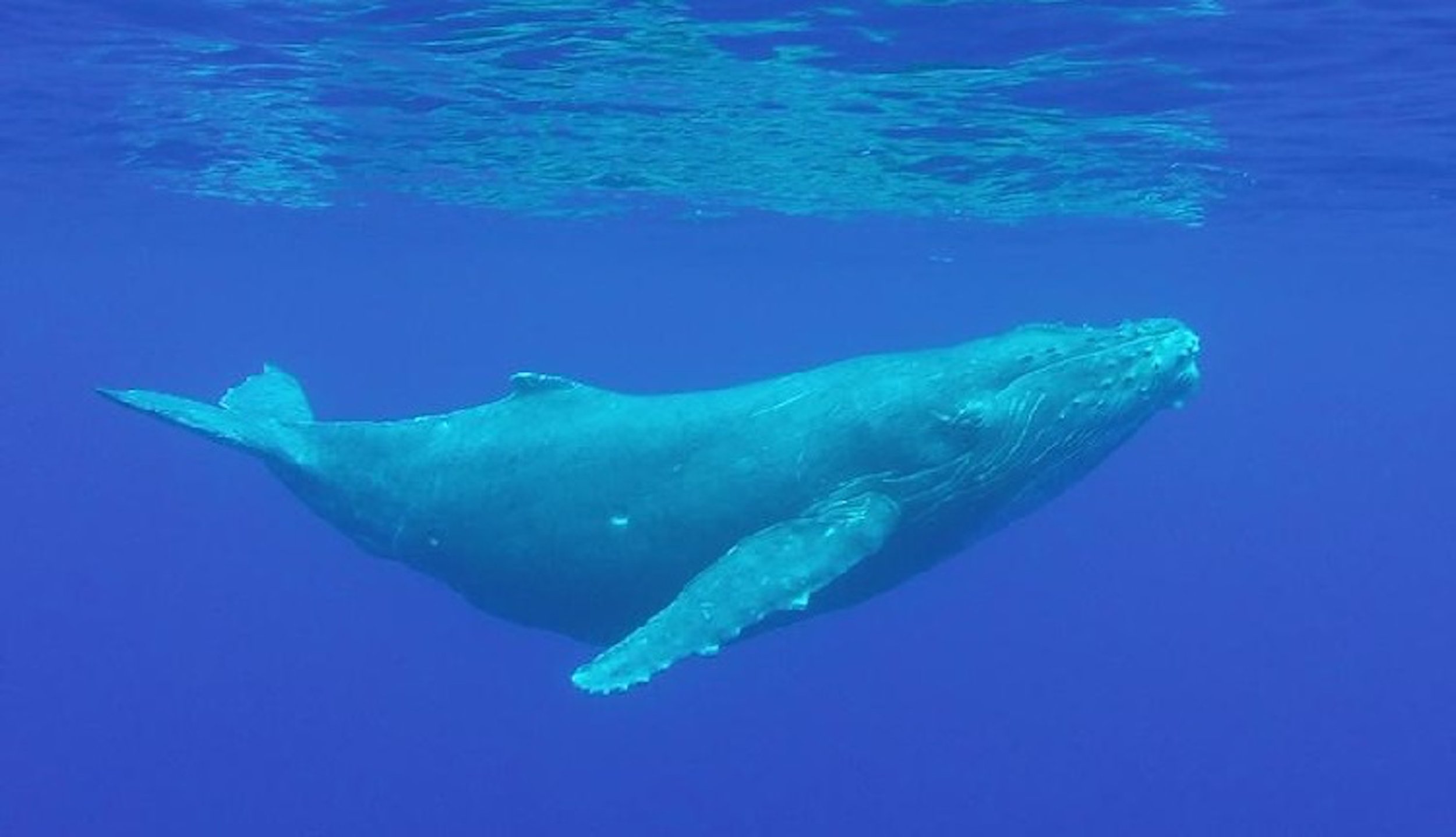
Blue whale. U.S. Embassy New Zealand. CC0 1.0.
Though blue whales are the largest animal species on Earth, their population has been shrunk by human activity. There are an estimated 10,000 to 25,000 blue whales left on Earth, compared to a population of at least 100,000 just a century ago. A traditional hotspot for these endangered gentle giants is the northern Indian Ocean, in Sri Lankan waters. Human actions, such as fishing and shipping, have contributed to the death of blue whales in this area, pushing this species ever closer to extinction. Here are some ways that humans have negatively impacted the blue whale population, as well as some potential solutions.
Pollution
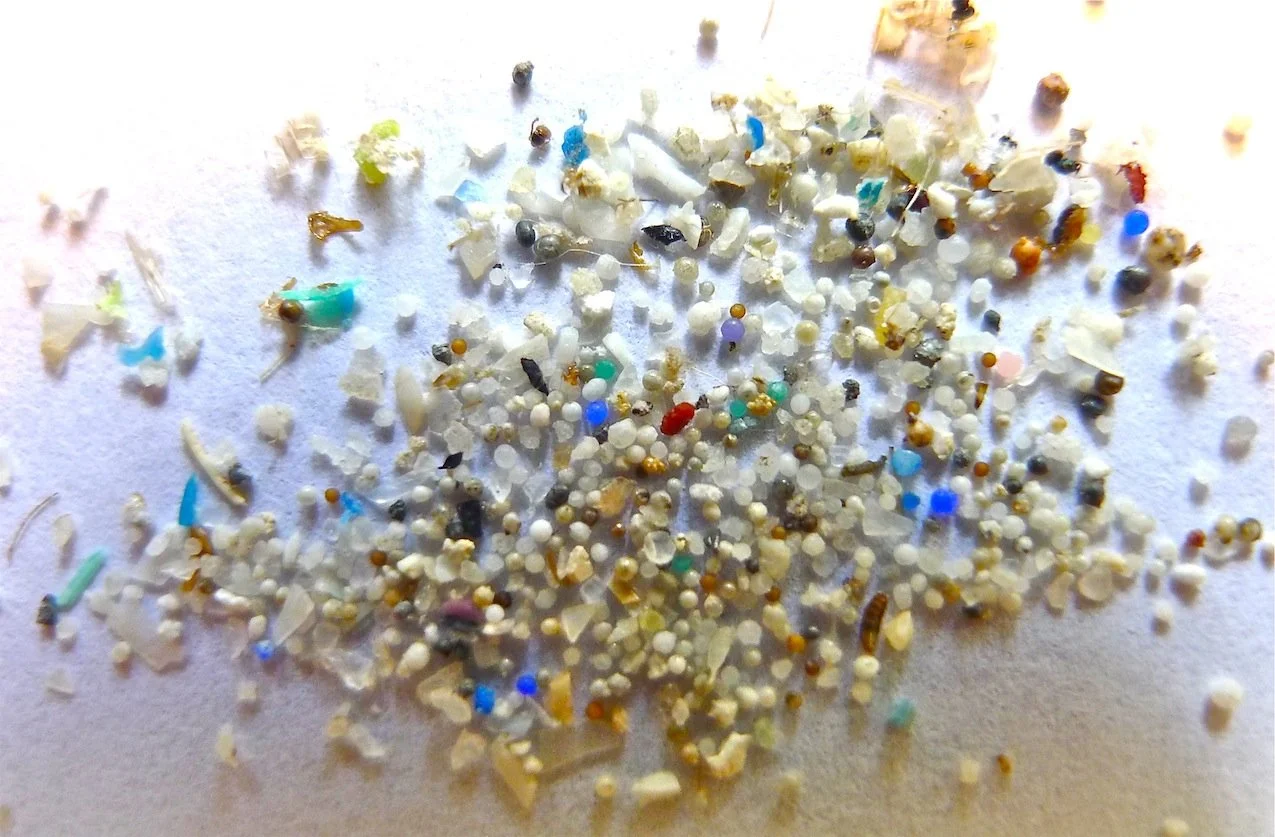
Microplastic. Oregon State University. CC BY-SA 2.0.
Pollution, particularly of microplastics, has contributed toward the decrease in the blue whale populations. As their name suggests, microplastics are tiny pieces of plastic that are created when larger objects break down, or are manufactured at tiny sizes for beauty products such as face scrubs. Krill often consume this type of debris, and are themselves food for whales in huge quantities. Because of the enormous amount of krill they eat, filter feeding baleen whales may consume about 10 million pieces of microplastic per day, equivalent to about 96 pounds of plastic. Blue whales in Sri Lankan waters are especially vulnerable to plastic pollution, as this area is a major shipping lane and microplastics are used in product packaging, leading to an increased risk of exposure. Though the mechanisms by which microplastics harm whales are still under investigation, they can carry toxic materials, which may be a contributing factor toward increased blue whale mortality.
Entanglement
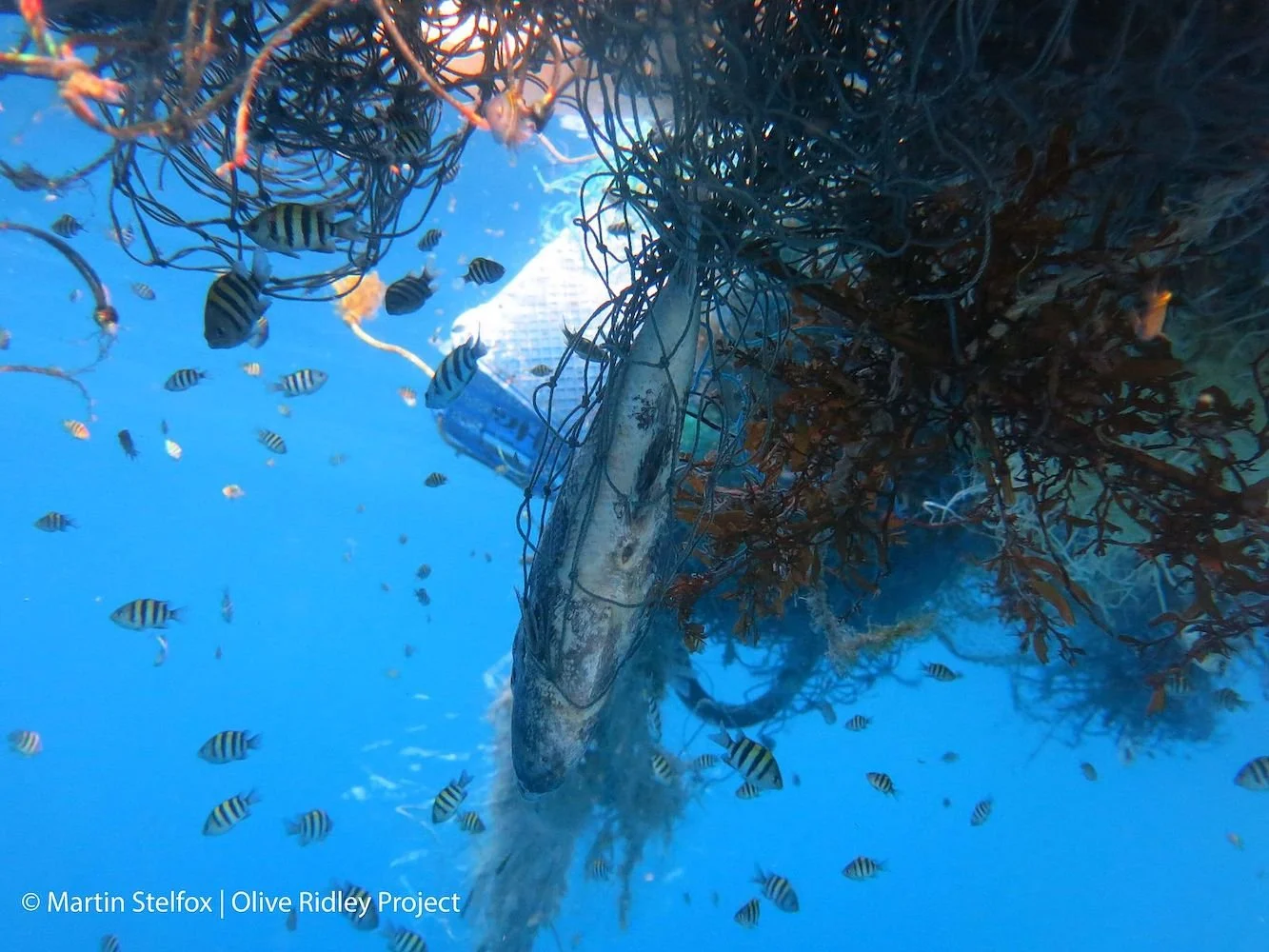
Marine organisms caught in fishing nets. Martin Stelfox. CC BY-SA 4.0.
Whales can get entangled in fishing gear, resulting in injuries and infections. Whales may also carry around tangled fishing nets for years, making it more difficult for them to swim and feed,and leading to exhaustion. It has been found that about 300,000 whales and dolphins die from entanglement every year. Entanglement is one of the leading causes of death for blue whales in Sri Lanka.
Shipping Accidents
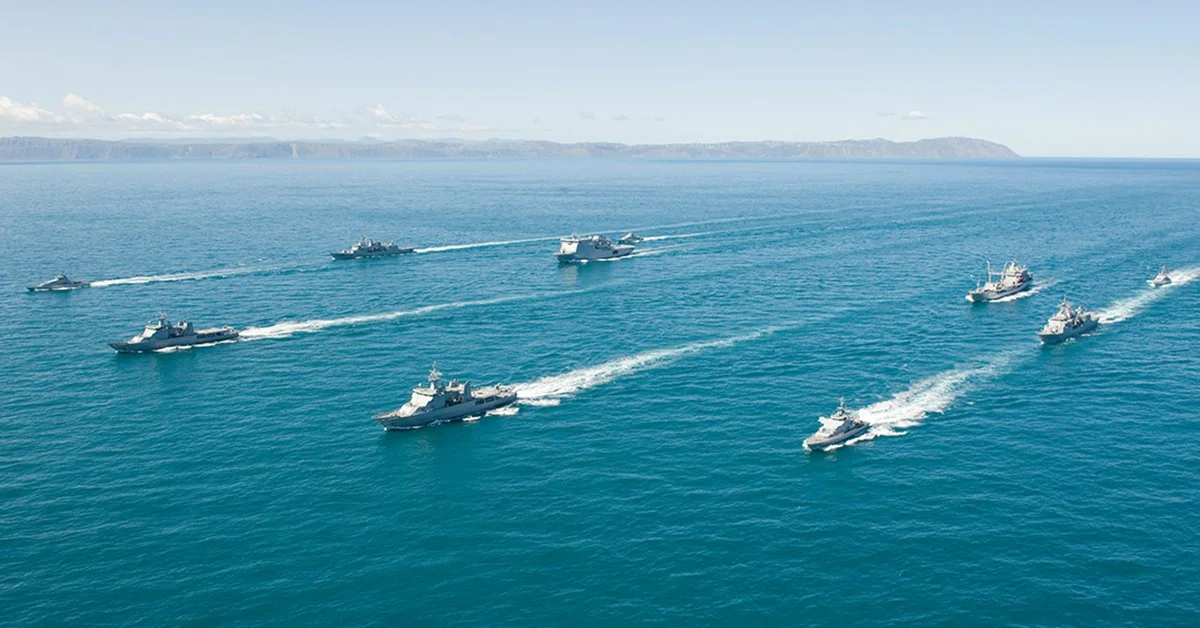
Ships in Sri Lankan waters. NZ Defence Force. CC BY 3.0 NZ.
The northern Indian Ocean contains a major shipping lane, and this lane happens to be a large feeding ground for blue whales. Due to the overlapping use of this area by boats, many blue whales have been killed in collisions with ships. Within the last decade, there has been an increase of shipping traffic by 300 percent, with more than 200 ships using the lane in Sri Lankan waters per day. There are differing estimates on the number of whales killed by ships, but it is suggested that as many as 56 whales die this way each year.
Resolutions
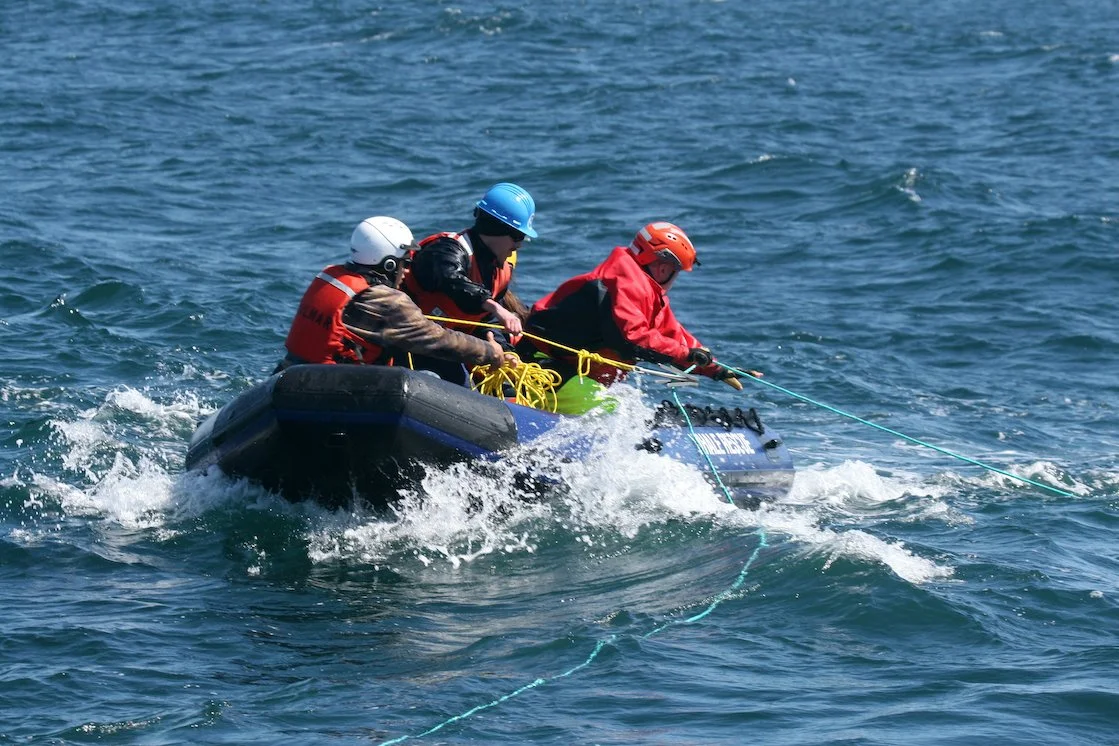
Whale disentanglement training. Nicole Capps. CC0 1.0.
Change of Shipping Routes
There are currently efforts to relocate Sri Lanka’s shipping lanes to decrease harm done to whales. It has been found that by directing ships 15 miles south of the current route, 95 percent of whale fatalities in the area may be avoided. Organizations such as International Fund for Animal Welfare (IFAW), the International Maritime Organization (IMO), and OceanCare have requested changes in this shipping route. The major shipping corporation, MSC Group, has agreed to move these routes south in order to benefit the blue whale population. Although this action has now been approved, it was previously rejected by the former Sri Lankan government due to economic concerns.
Entanglement Response
There are current international efforts to save whales that have been entangled in fishing nets. The International Whaling Commission (IWC), which regulates whale hunting and preservation globally, provides training workshops on disentanglement, reaching over 1300 government representatives, scientists and conservationists globally. The Center for Coastal Studies also has a “Disentanglement Network,” where trained response teams visit popular whale feeding and calving areas to assist any possible whales-in-need.
Addressing Microplastic
The Whale and Dolphin Conservation, Environmental Investigation Agency, Humane Society International and OceanCare recently got the European Union push for the IWC to prioritize plastic pollution in its conservation efforts. The motion received consensus approval; all votes were in favor. Individual efforts against the use of plastic can help reduce its prevalence in the ocean, such as taking small measures like recycling, using reusable products instead of single-use, and avoiding beauty products that contain microplastic beads.
TO GET INVOLVED
Click here to donate to the International Fund for Animal Welfare.
Click here to donate to Marine Life Studies.
Click here to donate to Greenpeace.

Alexandra Copeland
Alexandra Copeland is a student at The College of New Jersey studying psychology and journalism. She is a lover of coffee, dancing, and visiting new places. Being raised with her Greek culture has inspired her interest in cultural customs around the world. She is a passionate writer and hopes that her work will make an impact in the future.
What Is Killing the Dead Sea?
Industrialization and restricted water flow have led the Dead Sea to shrink, throwing its survival into question.
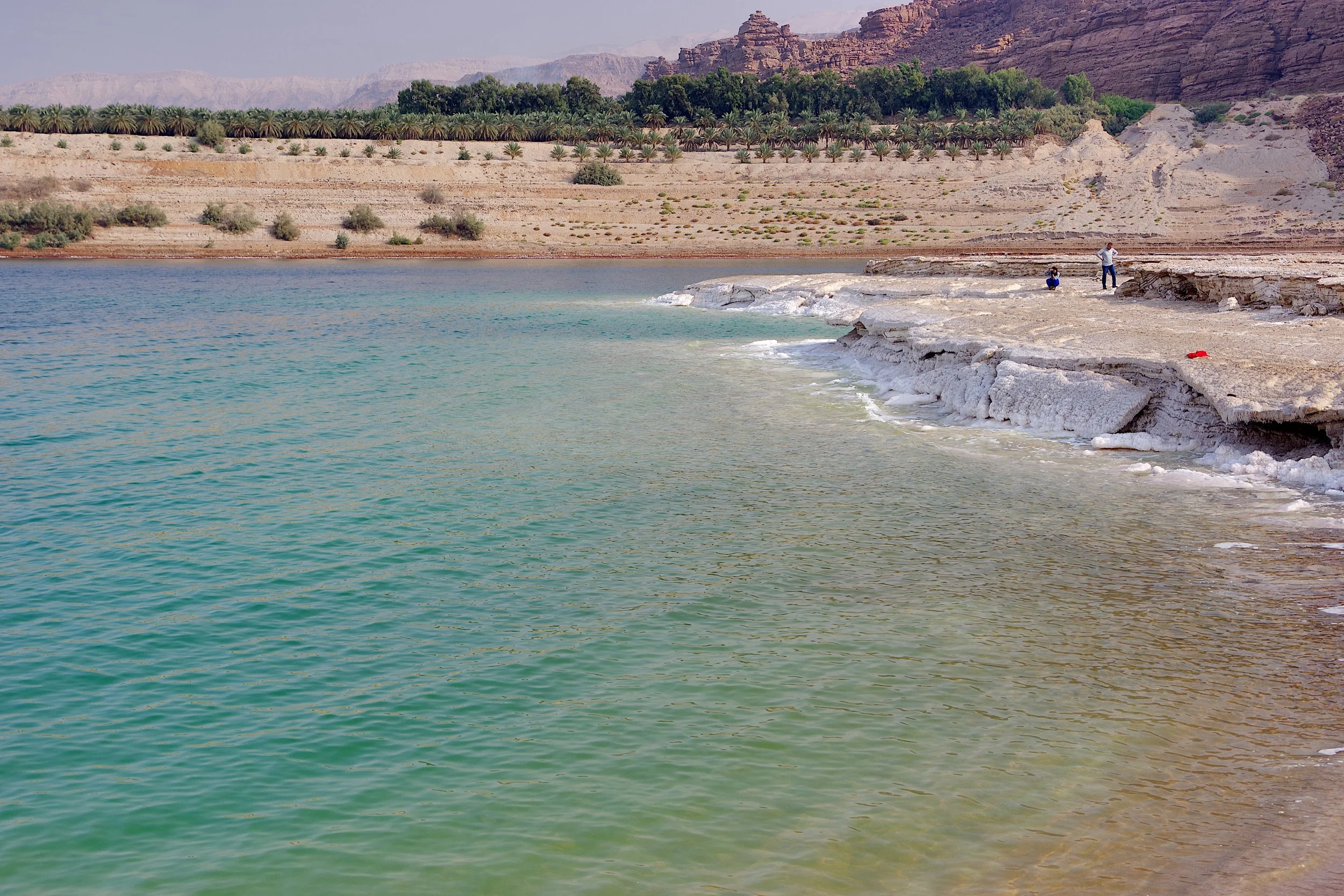
Dead Sea Shoreline. Jan Helebrant. CC0 1.0
As a landmark of the ancient world, the Dead Sea, which lies between East Jordan and the West Bank, has long been a staple for international travel. Every year, more than 800,000 people travel to the Dead Sea where they can experience the lowest point on earth and the salt lake’s extremely high salinity levels, which allow travelers to float easily on the surface while looking out on the desert’s beauty. While many travelers make the journey for the unique and thrilling experience of floating in the Dead Sea, others journey with the hope that the water will cure health ailments, including chronic skin diseases such as psoriasis and eczema.
The area surrounding the Dead Sea is a place of cultural and religious importance, and has been featured as a sacred site in Islamic, Christian, and Jewish stories. Some Muslims believe that Moses is buried at Nabi Musa, a hilltop mosque off the main road of Jerusalem overlooking the northern edge of the Dead Sea. In Christianity, Jesus’ baptism in the Jordan River was believed to have occurred after he traveled from Galilee down through the Dead Sea. And in the Judean Desert, on a peak overlooking the Dead Sea, sits fortress Masada, a spot in which a community of nearly 1,000 Jewish Israelites committed suicide in A.D. 73 in order to avoid surrender to the Romans.
The Dead Sea is not only an important cultural and historical site, but an environmental one as well. Some 500 million birds, representing about 300 different species, fly through the area during a biannual migration moving from Africa to Europe. And nearby desert mountains serve as home to ibexes and hyraxes.
In recent decades, the Dead Sea has been facing serious environmental dangers that threaten to make it, and the cultural and historic importance it carries, disappear forever. Within the past fifty years, the Dead Sea has shrunk by over a third of its original size, a rate that experts believe may lead it to completely disappear by the year 2050. The changes are already being felt on an annual level in the area, with the sea receding by more than a meter each year.
Increased Industrialization

Dead Sea Sinkhole. Ziva & Amir. CC BY-NC-ND 2.0
For generations, the Dead Sea was maintained by a careful equilibrium in which evaporation was offset by fresh water coming in from nearby streams and rivers. However, in the 1960s, a massive pumping station built by Israel on the banks of the Sea of Galilee re-directed the flow of water. Fresh water from the upper part of Jordan that had been feeding into the Dead Sea was moved into a pipeline to supply water across Israel. It and other industrial projects have led the Dead Sea to receive only about 5% of its original water inflow.
With these fresh water lines being redirected, the Dead Sea has been unable to make up for its high evaporation rates. Today, it receives only about 10% of the 160 billion gallons of water it would need annually to maintain its current size.
Sinkholes
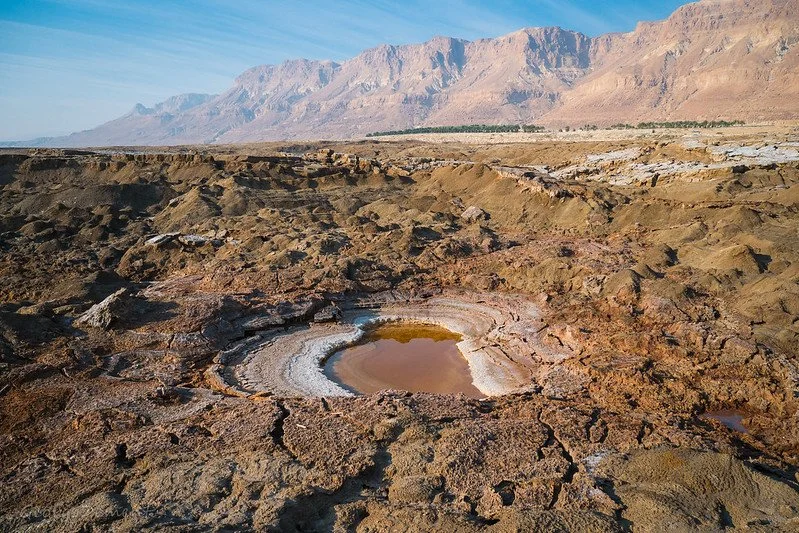
A sink by the Dead Sea. CC BY-SA 2.0
Erosion of the land surrounding the Dead Sea and limited water flow has led to the creation of dangerous sinkholes in the surrounding area.
When underground salt deposits caused by receding salt water combine with fresh water from flash floods, the salt deposits dissolve, and form a kind of cavern that eventually causes the ground to collapse. Reaching depths of over 30 feet, sinkholes surrounding the Dead Sea pose a danger to surrounding communities and farmlands. Today, locals of communities must avoid the over 3000 sinkholes on the western side of the Dead Sea.
Cosmetics
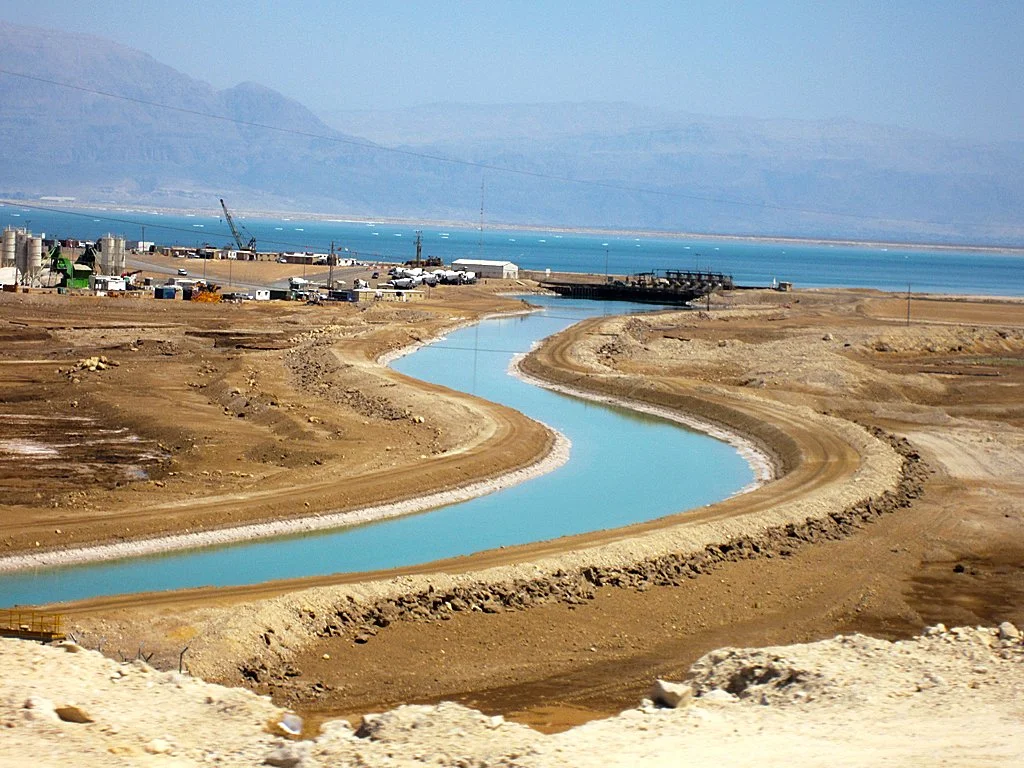
Dead Sea. WebsThatSell. CC BY-NC 2.0
Another potential major source of harm to the Dead Sea lies with the cosmetic industry and beauty products that have been built around the Dead Sea’s mineral supply. The Dead Sea cosmetics market has grown to a massive industry, valued by Allied Market Research at $723.00 million in 2021, with predicted growth to $2.6 billion by 2031.
Al-Haq, a Palestinian human rights organization, is seeking to combat the exploitation of the Dead Sea’s natural resources. In their 2012 report labeled, “Pillage of the Dead Sea”, al-Haq brought attention to the exploitation of Palestinian land and natural resources by the Israeli government and the resulting environmental damage.
A major player in the Dead Sea cosmetics industry is Ahava Dead Sea Laboratories. The company, which began in 1988, has annual sales at almost $150 million.
In its report, al-Haq advocates for the restrictions from the European Union on Israeli products from Israeli settlements in Palestine as well as for the Israeli government to withdraw the mud mining permission that was granted to Ahava Dead Sea Laboratories in 2004. The group also demands that private cosmetic companies provide more information about the origins of their products and their environmental impact in order to allow consumers to make better informed decisions.
Get Involved
In the wake of an ecological crisis, environmental organizations are working to bring awareness and protection to the issues facing the Dead Sea. Founded in 1994, EcoPeace Middle East brings together Jordanian, Palestinian, and Israeli environmentalists in order to coordinate their activism. The organization is working to protect the Dead Sea with a three step plan of action: inclusion of the Dead Sea as a UNESCO World Heritage site, creating a rehabilitation plan to replace the water flow that has been diverted from the Jordan River, and ensuring that the Israeli government places a public trust obligation on companies that receive concessions to extract Dead Sea minerals.

Jessica Blatt
Jessica Blatt graduated from Barnard College with a degree in English. Along with journalism, she is passionate about creative writing and storytelling that inspires readers to engage with the world around them. She hopes to share her love for travel and learning about new cultures through her work.
Chad is the Country Most Vulnerable to Climate Change
In Chad, climate change creates new challenges for an already disadvantaged population.
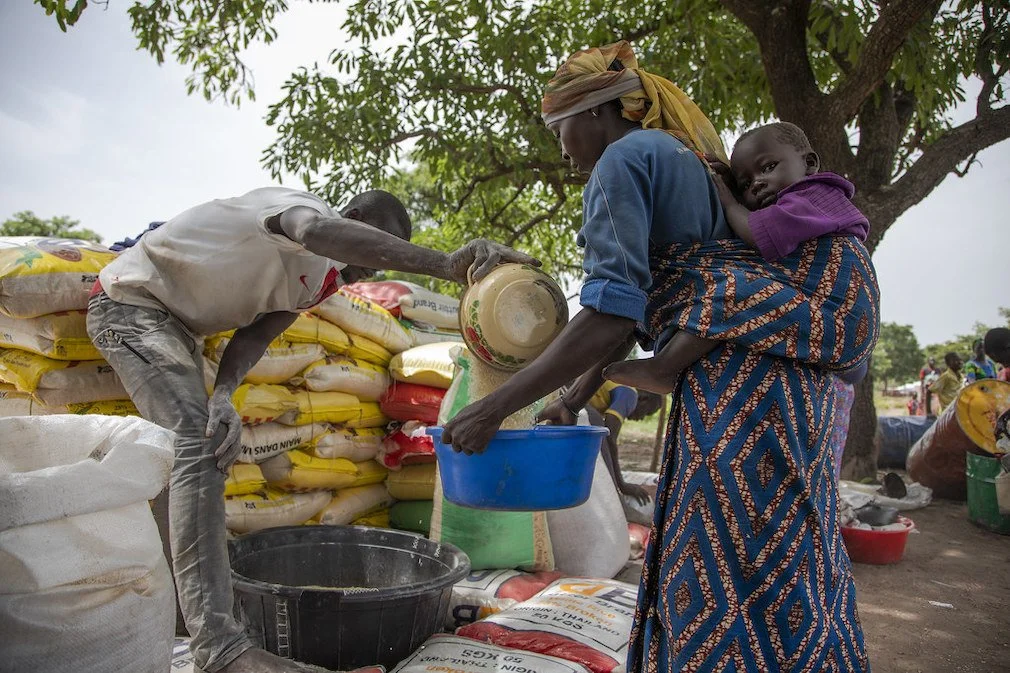
Humanitarian aid in Chad. EU Civil Protection and Humanitarian Aid. CC BY-NC-ND 2.0.
Due to its geography, Chad has experienced a temperature increase of 1.5 times higher than other places in the world. With additional disadvantages of poverty and political conflict, Chad has been ranked as the country most vulnerable to climate change. Here are some of the ways Chad is currently being affected by climate change, as well as current action against this crisis and ways you can help.
Lake Chad
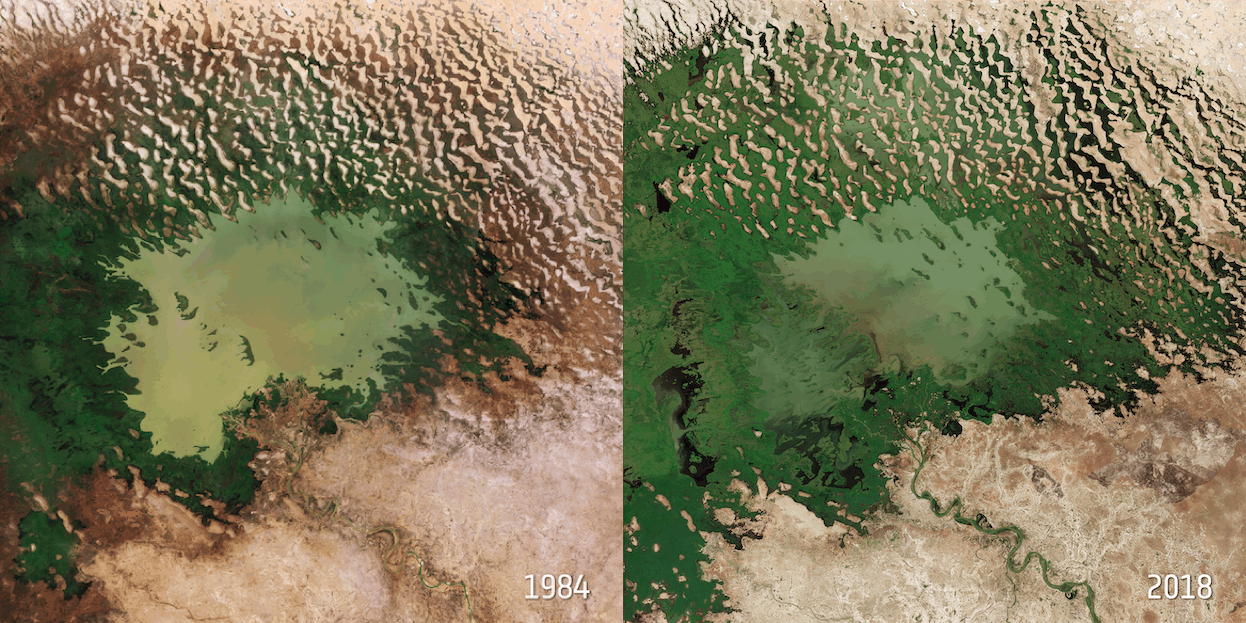
Satellite images of Lake Chad’s shrinking waters between 1984 and 2018. Fae. CC BY-SA 3.0 IGO.
With a surface area of 2.3 million square kilometers, Lake Chad is the country’s reservoir. Climate degradation has taken a toll on this freshwater inland sea over the decades, resulting in its shrinkage of 90 percent within the past 60 years. Not only does this affect the country of Chad itself, but also surrounding nations that rely on Lake Chad, such as Nigeria, Niger, and Cameroon. The increasing lack of this water source reduces the availability of drinking water for both humans and animals, and also impacts irrigation and fishing. Access to clean water is an existing issue in Chad, with only 43 percent of the population able to obtain clean drinking water, forcing many to consume unsafe water that exposes them to diseases like cholera.
Flooding
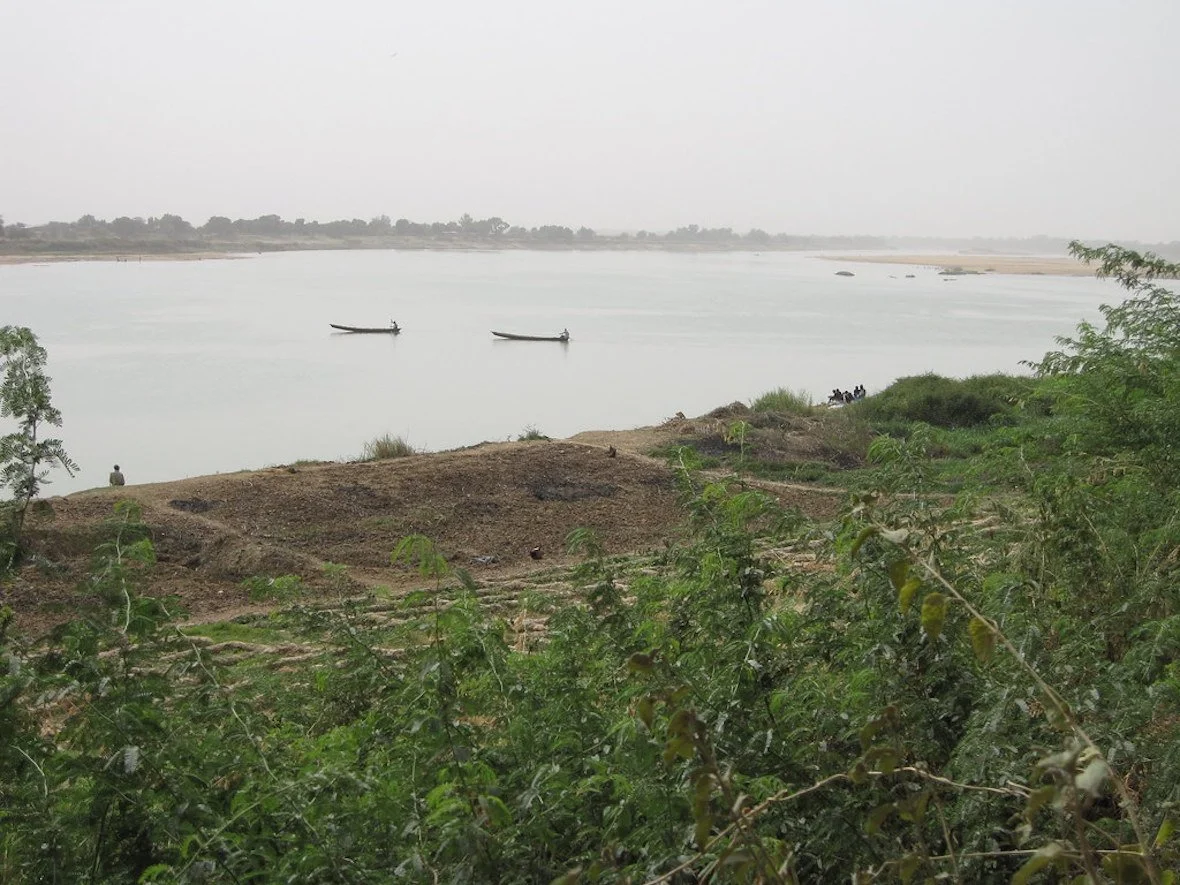
Chari River. Afcone. CC BY-ND 2.0.
In sharp contrast to the drought affecting Lake Chad, the rest of this Sahelian Republic has suffered flood damage over the past year, caused by its heaviest rain season in 30 years. In October of 2022, both the Chari and Logone rivers overflowed, causing 18 out of 23 Chadian provinces to flood. This flooding has affected more than 340,000 people, destroying thousands of homes and farmland. Though climate change has caused much drought in Chad, it is also a contributing factor to this flooding. As climate change causes temperatures to rise, it allows for more evaporation from the ground and water sources, leading to extended periods of drought and punctuated by bursts of extreme rainfall.
Illness
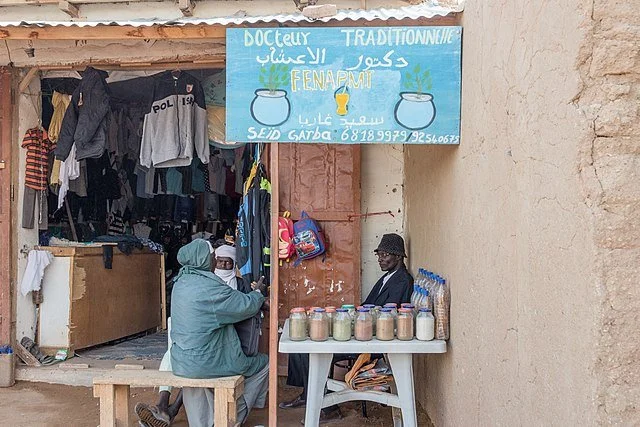
Medicine in Faya-Largeau, Chad. Gerhard Holub. CC BY-SA 4.0.
Another way climate change endangers Chadians is by increasing the probability of illness transmission. As mosquitoes are attracted to water, increased flooding could create a greater risk of malaria contraction. In 2022, there were 1.8 million cases of malaria in Chad, with over 2,500 fatalities. Though malaria cases have decreased over the last 20 years due to an increase in treatment and preventative measures, they have been rising within the last decade, with 190 cases per 1,000 at risk in 2014 versus 206 cases per 1,000 in 2021. An uptick in temperatures can also cause a greater risk of meningitis, an illness that is common in Southern Chad, which is part of a region known as the “Meningitis Belt.” Heatstroke is also a danger to Chadian people, as well as malnutrition, as crops are destroyed by drought and flooding. With only 1 in 17 children having access to soap and water to wash their hands with, there is already a public health crisis in Chad, and rising temperatures only exacerbate the problem.
Resolutions
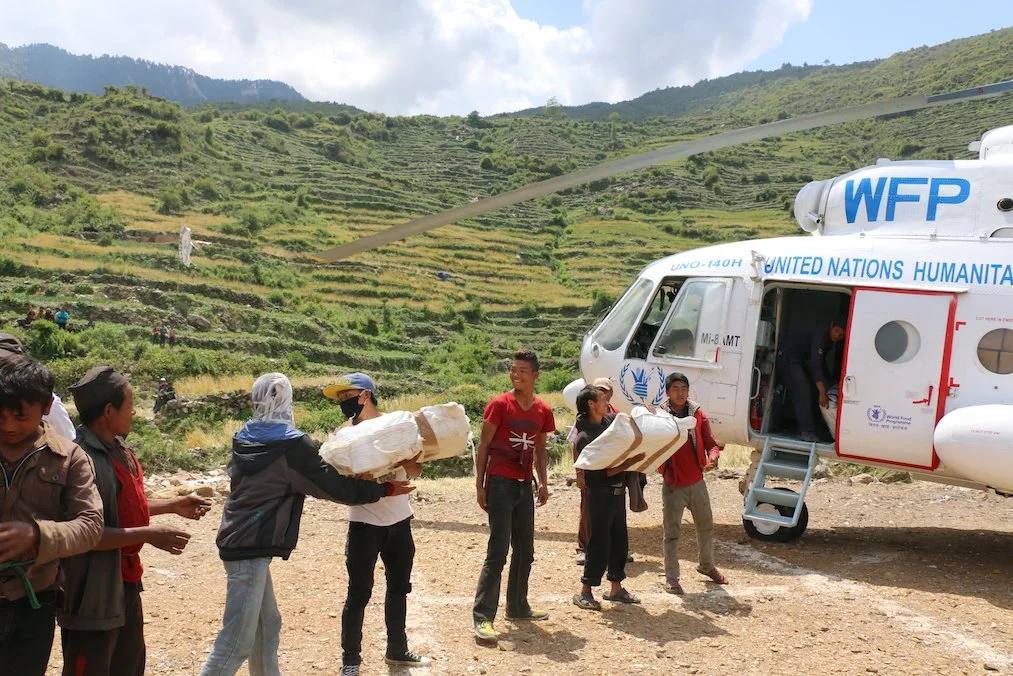
World Food Programme. Anjeli Mendoza. CC BY-SA 4.0.
Chad National Adaptation Plan Advancement Project (NAP)
Launched in 2018, the NAP was created as part of Chad’s national contribution to the Paris Climate Agreement. With this plan, eight areas are prioritized, including environmental subjects such as agriculture, forests, sanitation, water resources, and more. National planning and budgeting are being developed on these fronts, all aiming to improve conditions for the Chadian population.
United Nations (UN)
In April, the United Nations appealed for $674 million for a humanitarian response plan, in order to address climate, health, and food crises in Chad. The Sustainable Development Group of the UN also aims to aid the country in its struggles by helping the government enact national security, humanitarian and economic policies.
World Food Programme (WFP)
The WFP provides nutritional support to infants, young children, and pregnant women in order to combat malnutrition in Chad, helping 458,000 children and 235,400 nursing and pregnant women in 2021. WFP has also provided meals to schoolchildren and helped restore degraded land.
To Get Involved
Click here to donate to the World Food Programme.
Click here to donate to the International Committee of the Red Cross.
Click here to donate to UNICEF.
Alexandra Copeland
Alexandra Copeland is a student at The College of New Jersey studying psychology and journalism. She is a lover of coffee, dancing, and visiting new places. Being raised with her Greek culture has inspired her interest in cultural customs around the world. She is a passionate writer and hopes that her work will make an impact in the future.
5 Wildfires Around the World in 2023
The increasing temperatures and drier conditions created by climate change have caused bigger and more dangerous wildfires.
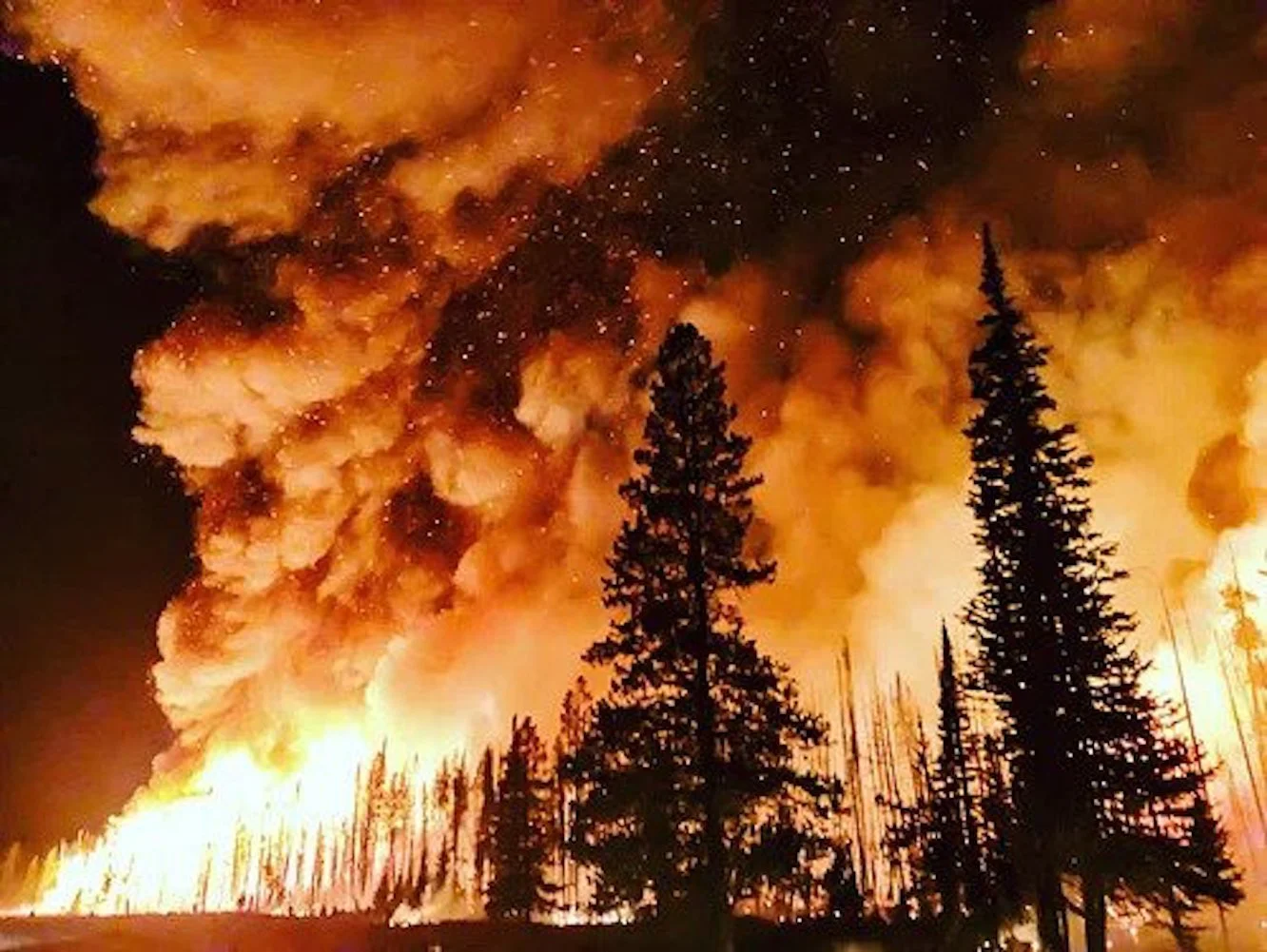
Wildfire. Rawpixel. CC0 1.0.
Wildfires are occurring more frequently, burning hotter and causing more destruction than ever before. In the US alone, the top five years for the largest acreage burned have occurred since 2007, with the top three all within the last eight years. Climate change causes warmer and drier atmospheric conditions, leading to more intense and longer-lasting wildfires. The years with the most burned acreage tend to also be the years of the warmest temperatures on record, suggesting the role of climate change-induced aridity in the intensity of these natural disasters. Here are examples of wildfires that have occurred in 2023 so far.
Chile - February 2023
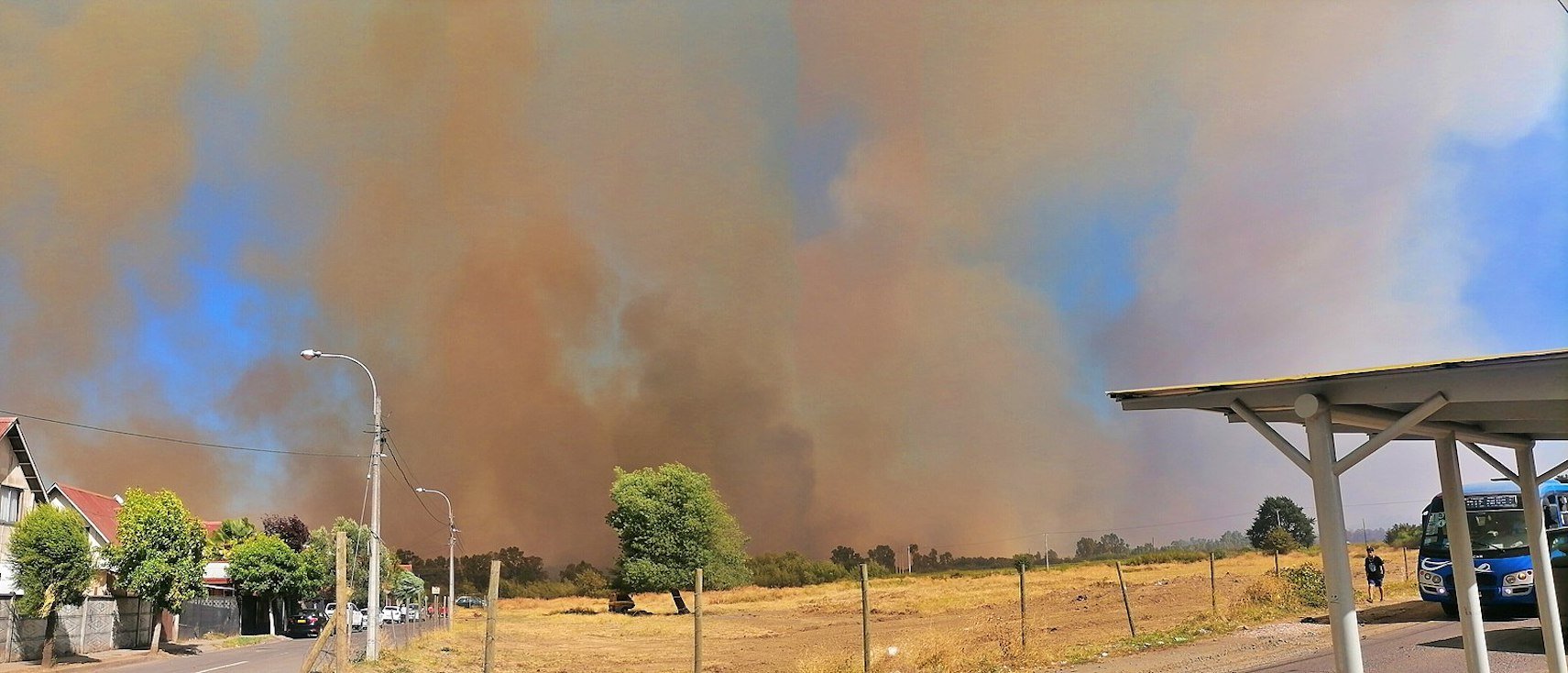
Wildfire smoke in Chile. Lacasadeljotta. CC BY-SA 4.0.
Wildfires in south-central Chile led to 24 deaths and about two thousand injuries, burning over 800,000 acres of land. These fires arose from a phenomenon referred to as “La Nina,” which explains the occasional cooling of ocean temperatures, leading to rainier and colder conditions in the north as well as drier and warmer conditions in southern regions, such as Chile.
Spain - March 2023
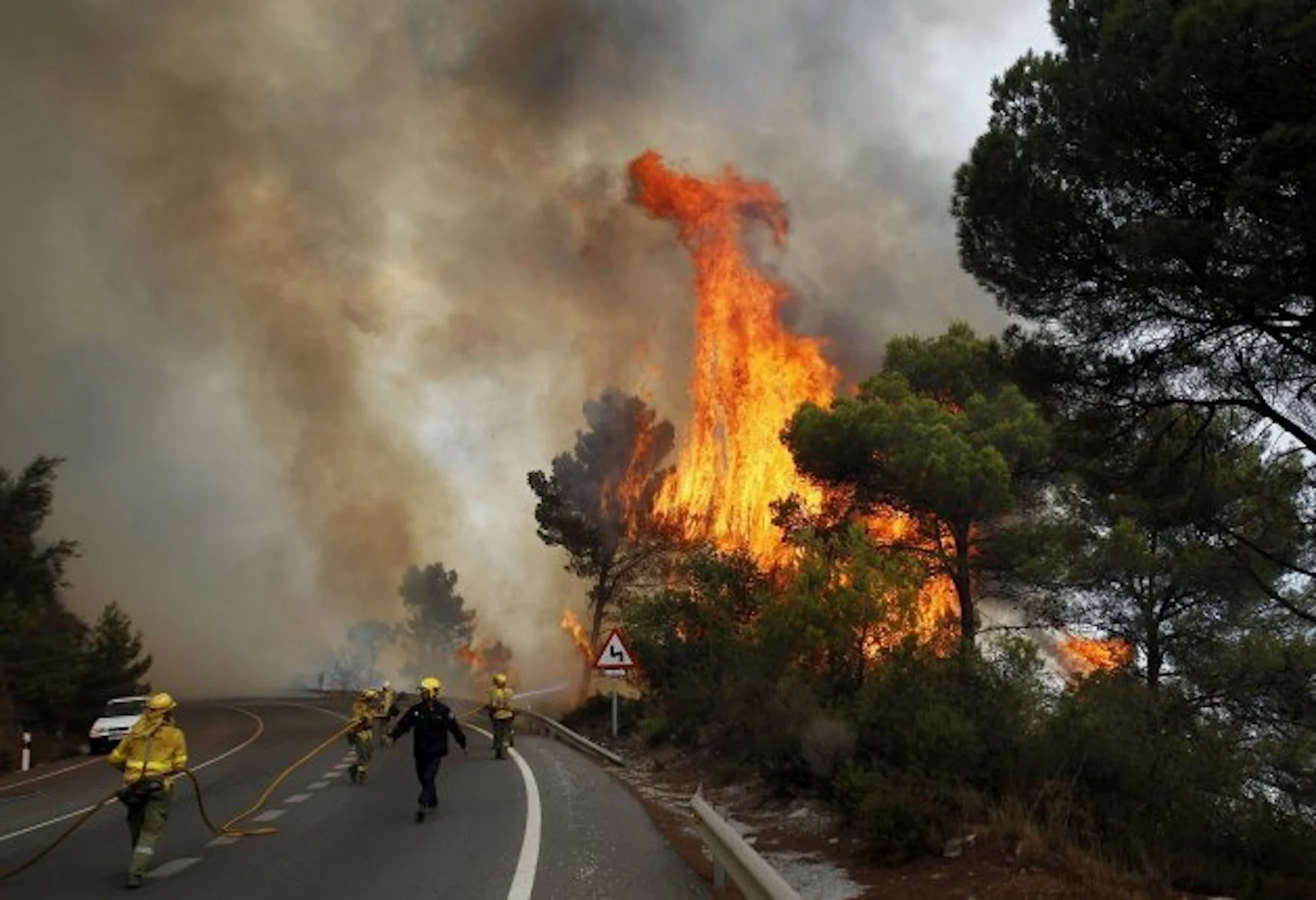
Wildfire in Spain. Sergio Torres. CC BY-SA 4.0.
Fires originating in the province of Castellón marked the beginning of this year’s wildfire season for Spain. Forcing over 1,800 people to evacuate, the blaze spanned over 10,500 acres of land. Though these fires were destructive, the country experienced even more devastation last year, with about 500 wildfires and the burning of about 756,000 acres of land.
Russia - May 2023
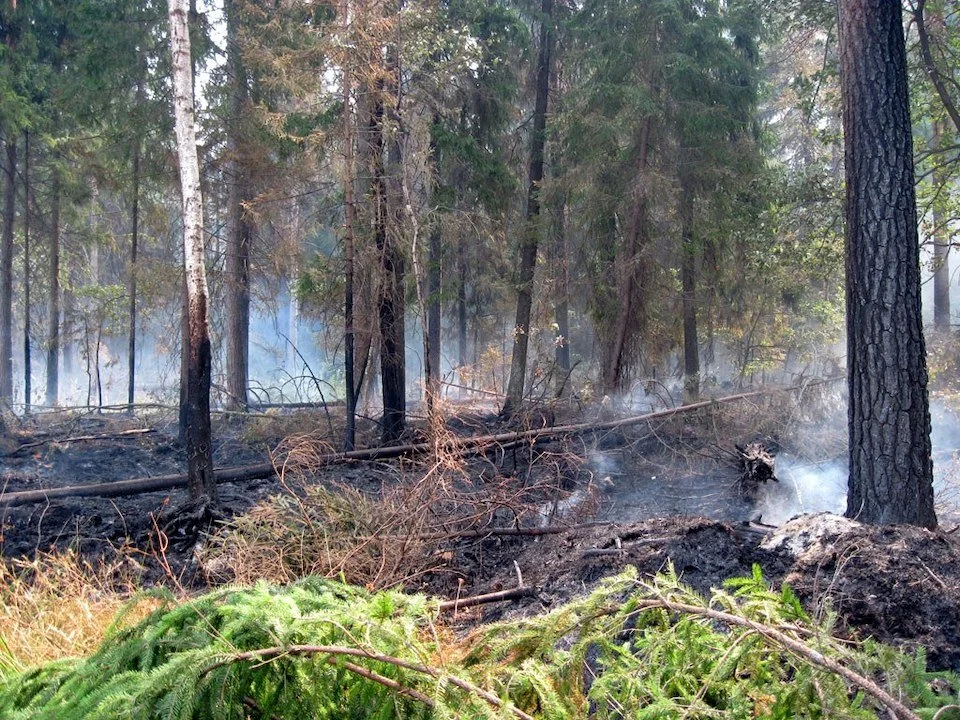
Wildfire damage in Russia. Ivan Simochkin. CC BY-SA 3.0.
Wildfires in the Russian Ural Mountains and Siberia have led to at least 21 deaths and many injuries. These inferno covered 280,000 acres of land, destroying hundreds of homes. The cause of these fires was a heat wave likely caused by climate change, and the degree of destruction has been attributed to lack of resources and in and the sheer isolation of in the locations of these fires’ origins.
United States - June 2023
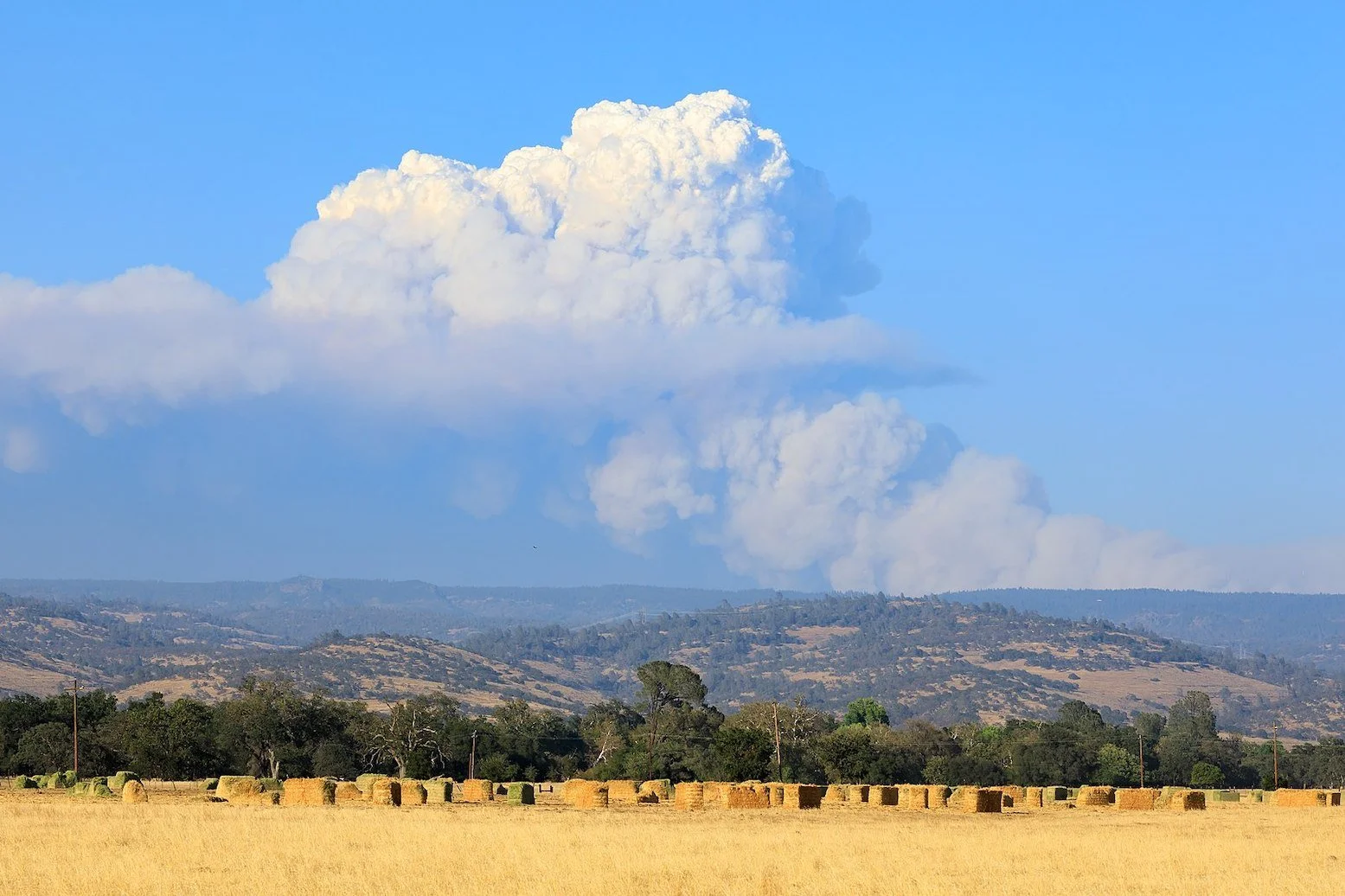
Smoke from California wildfires. Frank Schulenburg. CC BY-SA 4.0.
Like Spain, the United States experienced a brutal wildfire season in 2022, especially in western states. For example, fires in the state of Oregon burned over 400,000 acres of land in 2022 alone. So far in 2023, Oregon has experienced 18 wildfires and the burning of over 17,000 acres of land. Other US states, such as Arizona and California, have also had multiple wildfires recently.
Canada - June 2023
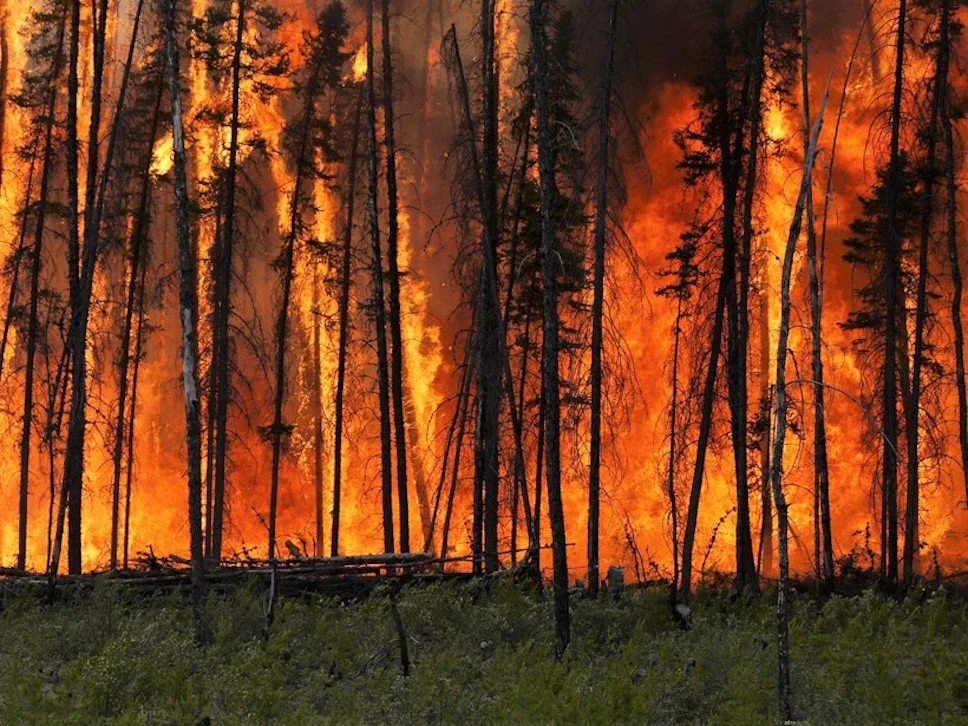
Forest fire in Canada. Stefan Doerr. CC BY-ND 3.0.
The Canadian province of British Columbia experienced its worst wildfire on record this June. The fire occurred in Donnie Creek, burning 2,063 square miles of land. The summer of 2023 is projected to be the worst wildfire season ever for Canada in terms of damage, as the country experiences warmer and drier conditions than usual.
In recent years, the most wildfire damage has occurred in the month of July, with an average of 1.7 million acres burned in this month between 2002 and 2020. With this statistic, it can be inferred that there will be even more destruction to come from wildfires in 2023. More than 80 percent of wildfires are caused by humans, often through cigarettes, campfires, and other common products and activities. Fires are becoming deadlier due to atmospheric conditions resulting from climate change, as drier and warmer temperatures make the environment more flammable and induce larger fires. Indeed, the wildfires in Chile, Spain, and Oregon were likely caused by human activity. With this information, it is important to spread awareness about wildfires and to be cognizant of possible environmentally-harmful behaviors.
Here are some ways you can help prevent wildfires:
Ensure that you properly extinguish your camp fire.
Douse your camp fire with a bucket of water twice, stirring it in between. Before leaving, check to make sure the ground is cold.
Avoid engaging in fire-related activities during dry conditions
Dry atmospheric conditions increase flammability. Avoid building fires, using fireworks, or engaging in any other fire-related activities on dry days.
Avoid driving or parking on dry grass.
The exhaust of one vehicle alone can exceed one thousand degrees. As dry grass is highly flammable, it is best to not park or drive in these areas.
Put used matches in a cup of water or closed container.
Ensure that you are being conscious of how you dispose of your matches to avoid accidentally igniting them. Put used matches in a cup of water or a closed container (to starve any embers of oxygen) before disposing of them.
Another way of making an impact is to donate to wildfire relief organizations. Many organizations help revitalize areas that have been devastated by wildfires.
Click here to donate to the American Red Cross Disaster Relief .
Click here to donate to the UN Crisis Relief.
Alexandra Copeland
Alexandra is a student at The College of New Jersey studying psychology and journalism. She is a lover of coffee, dancing, and visiting new places. Being raised with her Greek culture has inspired her interest in cultural customs around the world. She is a passionate writer and hopes that her work will make an impact in the future.
4 Stunning Coral Reefs: Their Threats and Beauty
Coral reef systems are home to some of the largest concentrations of biodiversity in the world, but climate change is putting them at risk.
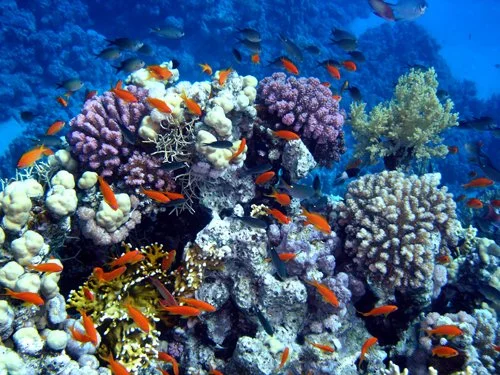
Fish swimming through coral reefs in Panama. Thinkpanama. CC BY-NC 2.0
Home to countless fish and vibrant aquaflora, these awe-inspiring reefs are feeling the impacts of climate change.
To dive into the world of coral reefs is to experience an underwater garden defined by vibrant colors, rare plant life, and unparalleled biodiversity. Not only are coral reefs visually stunning and awe-inspiring, but they serve an important role in food systems and economic growth, as approximately one billion people rely on coral reefs across their world for food and income.
However, the effects of climate change are damaging the health and vitality of reef systems. One major effect of rising water temperatures on coral reefs is coral bleaching. Coral bleaching occurs as an adaptive response to warming waters, during which corals shed their symbiotic algae, or zooxanthellae, in the hopes of replacing it with algae that is more heat tolerant, a process that leads the corals to take on a white color and appear ‘bleached.’ This doesn’t immediately kill the coral, but the environmental keystone is left vulnerable and its death rate increases. With so many species relying on reefs as a source of nutrients and shelter, bleaching not only affects the health of the coral itself but the entire network of life that the reefs support.
The impacts of coral bleaching are increasing steadily alongside rising temperatures, with an ocean heat wave causing roughly 75% of the world’s reefs to experience bleaching between 2014 and 2017.
As reefs around the world feel the effects of climate change, now more than ever is it crucial to understand and appreciate the beauty and significance of coral reef systems around the world, as well as the efforts being made to protect them.
Great Barrier Reef, Australia

The Agincourt Reef in the Great Barrier Reef. Robert Linsdell. CC BY 2.0
Perhaps the most famous of all coral reefs, the Great Barrier Reef is also the largest coral reef system in the world, stretching some 348,000 square kilometers along the Australian coast. Home to distinct ecology and biodiversity, the reef holds roughly 400 distinct types of coral, 1,500 different species of fish, and around 240 different species of birds. The Great Barrier Reef is one of the most popular tourism destinations in Australia, with some 2 million people visiting the Marine Park each year.
Around 344,400 square kilometers or about 99% of the reef is included as part of the Great Barrier Reef Marine Park. As part of The Reef 2050 Long-Term Sustainability Plan, the Australian government invested $260 million into the park in an effort to aid reef protection and conservation efforts. The Great Barrier Reef Marine Park Authority has also taken strides to acknowledge Indigenous communities’ relationships to the reef and reserves specific marine tourism permits that offer opportunities for Indigenous people to build tourism businesses and collaborate with other operators to share their cultural connection with the reefs.
In 1981, the Great Barrier Reef became a World Heritage Site, an area that is granted legal protection by the United Nations Education, Scientific and Cultural Organization (UNESCO), making it the most biodiverse ecological area to be included in the category.
Despite such protections, the Great Barrier Reef is vulnerable to harmful bleaching practices, with nearly 400,000 hectares disappearing due to bleaching between 2015 and 2016 alone. As outlined in The Reef 2050 Plan, the Australian Government aims to reduce the nutrients loads entering the ocean via rivers by 80% by 2025.
The Great Barrier Reef is one of the most popular diving destinations, and offers travelers the experience to glimpse a range of marine life, from whitetip sharks to yellow snappers. The town of Cairns is a popular entry point and has a bustling hostel season in peak diving season during which day boats take divers out to nearby reefs. If travelers want to escape the crowds they can venture farther north to Port Douglas and utilize the town's diving resort options. Because the quality of reefs increases as one moves further from the mainland, divers frequently utilize liveaboard trips, which allow them to spend multiple days and nights living on a boat that transports them to different diving sites. While diving is possible year-round, Australia’s summer months between December and February bring in warmer and clearer water to talk in the stunning vibrancy of the corals. However, during the winter months from March to November (the Southern Hemisphere’s de facto summer), divers are more likely to come across large marine mammals. The Great Barrier Reef is suitable for divers at all levels, though degrees of difficulty vary depending on the site, with spots such as the Osprey and Ribbon Reef being more suitable for advanced divers.
Raja Ampat, Indonesia
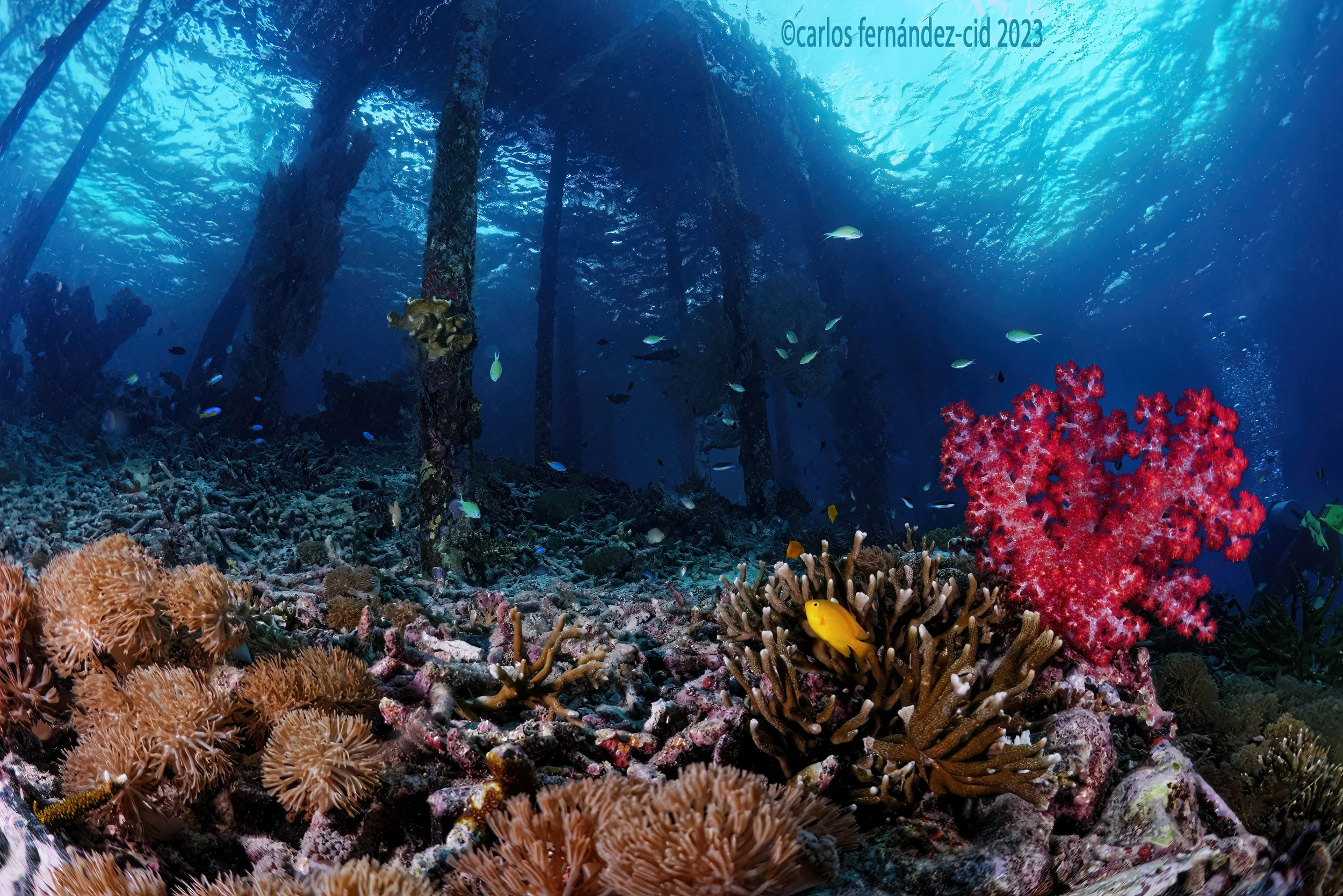
Colorful corals and fish at the Raja Ampat. Carlos Fernandez-Cid. CC BY 2.0
As part of The Coral Triangle, an oceanic ecological area in Southeast Asia and the Pacific, the Raja Ampat reef stretches nearly 4 million square miles. The rich nutrients and biodiversity of this area makes it home to 1,600 different fish species and 75% of the world’s coral species. The diversity in the area in part stems from the area's proximity to the “Ring of Fire”, a range of underwater volcanoes that extends for some 25,000 miles along the Pacific Ocean. Stretching along the boundaries of several tectonic plates, the area is rich in volcanic activity, and holds 75% of the Earth’s volcanoes, of which it has more than 450.
Parts of the Raja Ampat are included in the network of Marine Protected Areas that was established by local communities and governments along with Conservation International, The Nature Conservancy, and Worldwide Fund For Nature, to provide conservation and zone regulations to a total of 2,000,109 hectares.
The Raja Ampat has proven widely resilient to the effect of climate change and warming waters. The reef’s unique location has rendered it adaptable to a variety of different climates, with low tide reefs heated by the sun and deep ocean reefs that experience oceanographic upwellings which bring in cold, nutrient rich water. Temperatures across The Raja Ampart can range between 66 degrees to 96 degrees Fahrenheit. Because coral bleaching is a stress response to climate change, The Raja Ampat reefs resilience to intense warm water temperatures also means that the reef system has exhibited few signs of bleaching.
Due to its remote locale, the Raja Ampat is less popular with divers than some of the other major reef systems. But those who choose to embark on the journey will not be disappointed. Liveaboarding is the most popular way to see the reefs, with around 40 liveaboards in the area, and trips are on offer from October to May. Dive resorts are also popular for visitors who want a land-based option. Some of the most popular diving spots include Sardine's Reef, Mike's Point and Blue Magic, located at the Dampier Strait. Along with its coral, the Raja Ampat contains a plethora of rich marine life including reef sharks, barracudas, and octopuses. With such diversity, it's no wonder the Raja Ampat reef holds the record for the largest number of different species recorded in a single dive.
Red Sea Coral Reefs, Indian Ocean
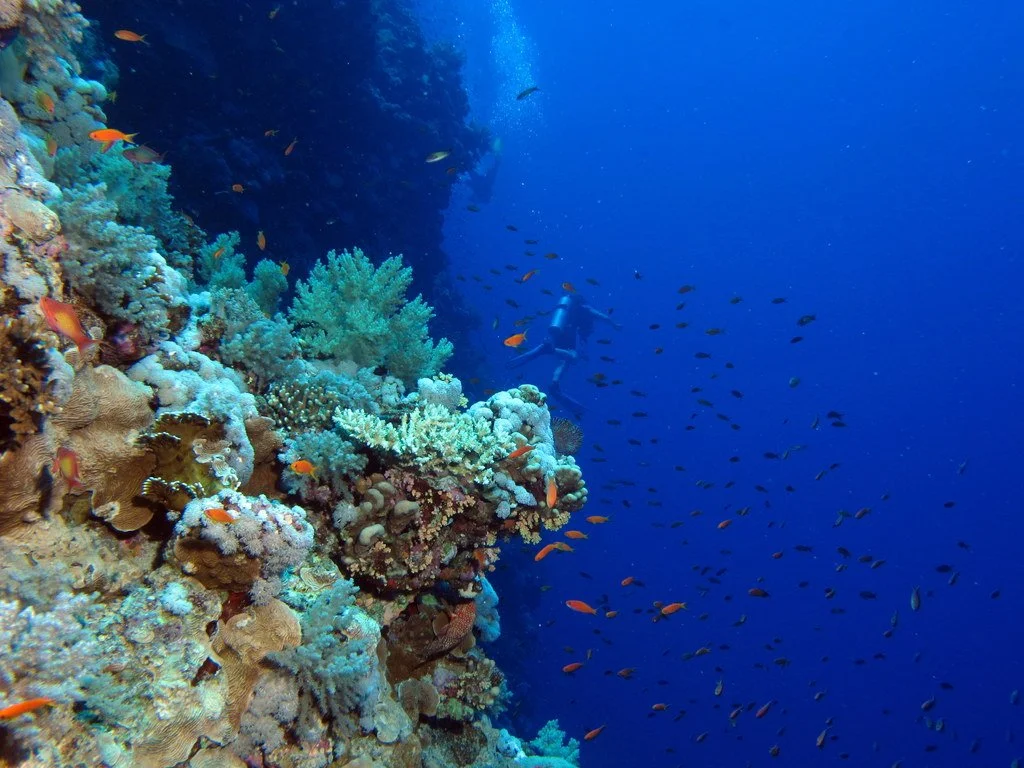
Divers in the Red Sea near Big Brother Island. Derek Keats. CC BY 2.0
The Red Sea Coral Reefs are defined by their distinct location and geological history. The reef platforms are over 5,000 years old and extend for some 1,240 miles (2,000 km). Due to its unique location and regional climate, the Red Sea reefs are tolerant to extreme climates, including high temperatures, salinity, and frequent turbidity from seasonal dust storms. A lack of river discharge, combined with low rainfall in the region helps make the water exceptionally clear and free of heavy sediments. This unique geology makes the Red Sea Reefs an ideal home for rare species, with roughly 10% of its 1,200 recorded fish species being endemic, meaning that they are found nowhere else.
The Red Sea Coral reefs are unique in their resistance to climate change and ocean bleaching. This resistance is in part due to the fact that many of the reefs in the Red Sea actually migrated to their current location from the south, an area with significantly higher temperatures. Relying on their historical comfort with extreme heat, today, reefs in the Red Sea seem to be actively thriving as water temperatures rise, with algae doubling the amount of oxygen they produce. In order to learn more about the Red Sea reefs’ ability to thrive in such extreme weathers, scientists have built a Red Sea Stimulator to try and mimic the conditions of the area and understand how the specific environment in the Red Sea can be used to help protect other reef systems that are not as resistance to climate change.
While the Red Sea coral reefs have proven resilient to climate change, they face the threat of degradation from nearby urban expansion that can create runoff and debris harmful to the water quality. In 1994, the governments of Israel and Jordan collaborated to found the Red Sea Marine Peace Park, in the Gulf of Aqaba. The park offers a groundbreaking example of a cross-national collaboration to preserve and protect coral reefs.
Diving the Red Sea allows an opportunity not just to see the coral, but also large marine mammals such as sharks and dolphins, unique underwater environments including labyrinths and lagoons, and remnants of past shipwrecks, including the SS Thistlegorm, a British cargo steamship that sunk in 1941. Most dive resorts can be found in the coastal towns of Sharm el Sheikh and Dahab. The Red Sea’s high evaporation rates and infrequent rainfall and isolated location make it a nearly year-round diving destination. Diving in the northern region allows opportunities to explore the lagoons of El Gouna and shipwrecks found in the Straits of Gubal. In the South, the Fury Shoals is perfect for gentle drift dives, and the Zabargad and Rocky Islands house shallow reefs and black coral trees. The St. John’s Reef on the border of Sudan is one of the more isolated regions of the Red Sea. Divers can explore pristine caves and tunnels, however choppy winds between October and April can cause harsh conditions.
Rainbow Reef, Fiji
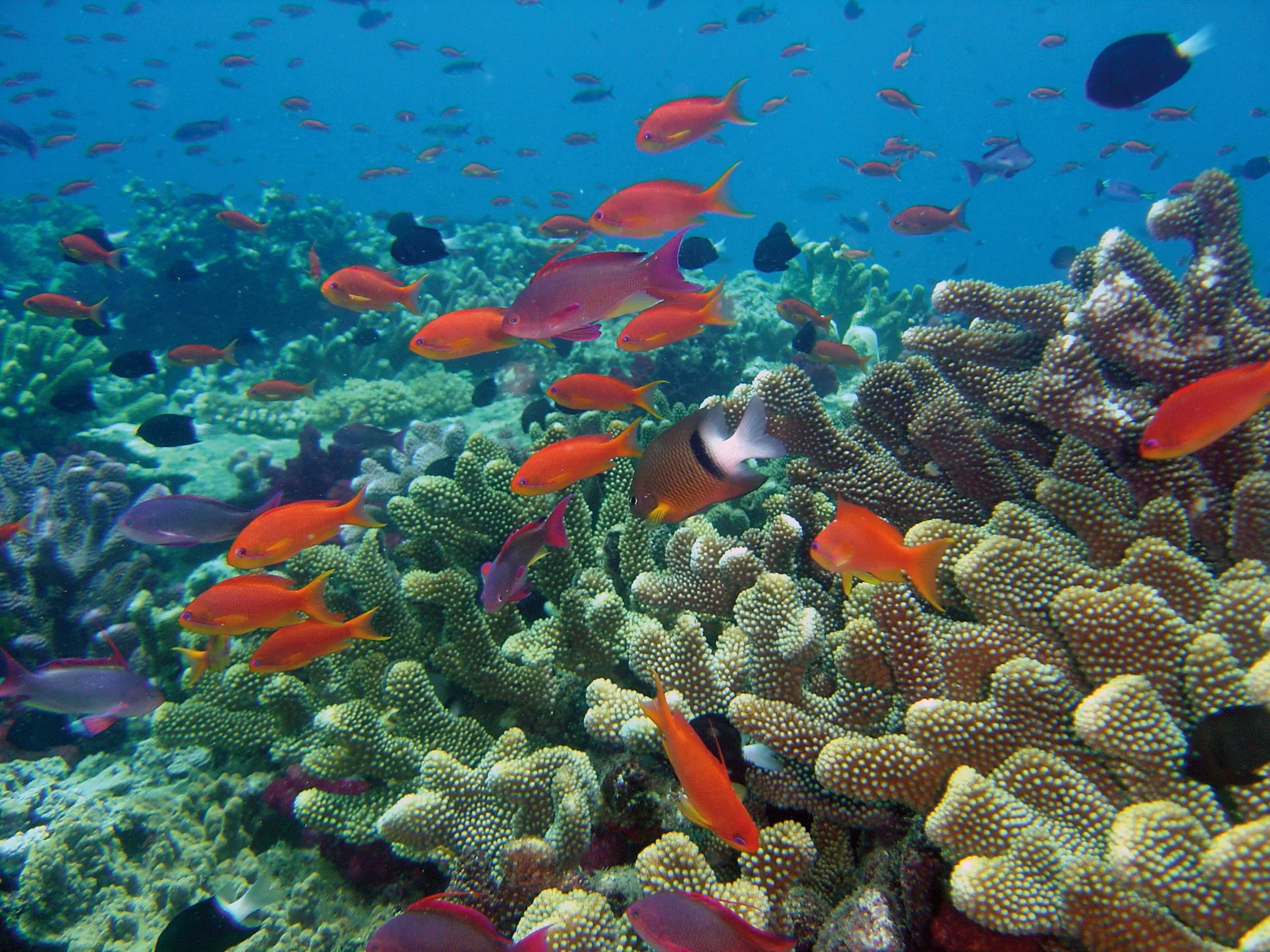
Fish swimming in Fiji’s Rainbow reef. David Burdick. CC BY-NC-ND 2.0
Located in the Somosomo Strait, a passageway that separates the Taveuni and Vanua Levu islands in Fiji, the Rainbow Reef offers a striking spectrum of colors that live up to its name. The Rainbow Reef is often called the soft coral capital of the world, and one of its most popular reefs is the Great White Wall, an underwater slope covered in a tapestry of soft white corals and home to countless colorful anthias as well as reef sharks and manta rays.
Fiji’s reefs have also been impacted by rising temperatures and bleaching. In 2017, a major bleaching event killed nearly half of Australia’s Great Barrier Reef and affected almost all of the reef’s protected by UNESCO as World Heritage Sites. As a reaction to the devastating bleaching, Fijian Prime Minister Frank Bainimarama called for greater protection of reefs as they face the triple manmade threats of ocean acidification, rising temperatures, and harmful fishing practices. In January 2018, the Fijian government banned the sale of live coral, in an effort to provide further protection of the coral systems and recognize the important role these reefs play for local Fijians who rely on them for food and economic stability.
The Rainbow Reef is a popular diving spot, with the Great White Wall being included as one of the top 10 diving destinations by U.S. Divers Magazine and there are a few different diving resorts in the area. Most diving is done through resorts as there is only one liveaboard in Fiji. One of the most popular diving spots is Annie's Bommies, located between the Taveuni and Vanua Levu islands. The ‘bommies’ refer to the three submerged coral reefs that provide the perfect passageways for divers to weave between and catch a glimpse of the schools of fish, eels, leopard sharks and the stunning hues of the opal bubble coral. The best visibility for diving along the Somosomo Strait occurs from April to October, with the winter season from July to September ushering in choppier water conditions.
Jessica Blatt
Jessica graduated from Barnard College with a degree in English. Along with journalism, she is passionate about creative writing and storytelling that inspires readers to engage with the world around them. She hopes to share her love for travel and learning about new cultures through her work.
The True Culprits of Poaching
The causes and consequences of the illegal wildlife trade.
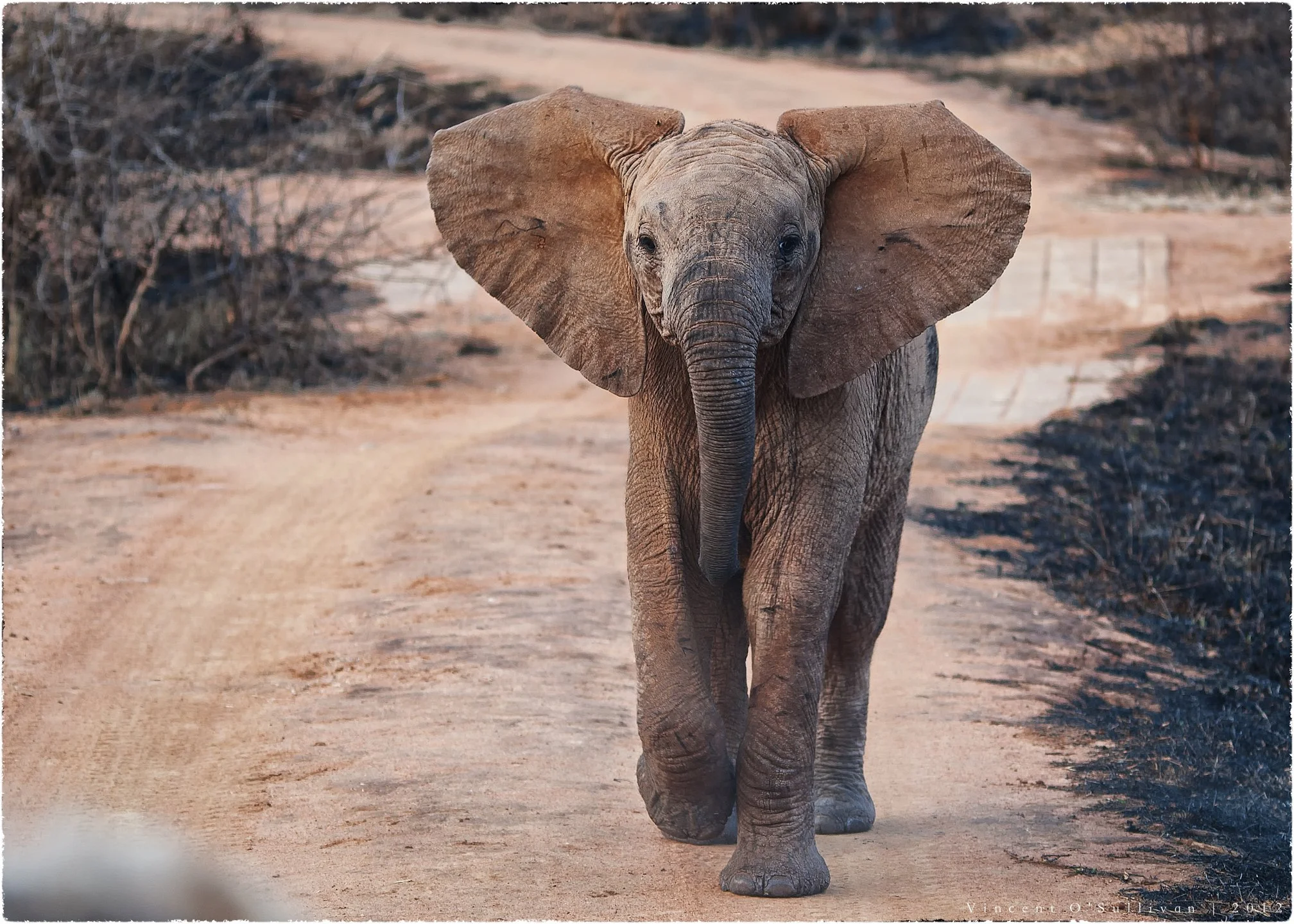
Elephant Calf - Madikwe, South Africa, Vince O'Sullivan, CC BY-NC 2.0.
In 2019, a man and his four companions entered South Africa’s Kruger National Park, dead set on killing a rhino. They botched the job- the man was trampled by an elephant and killed. His four companions fled the scene. Later, the man’s body was found eaten by lions. For many, this was a story of nature’s revenge on an aggressor. Some even took to social media to celebrate his death, claiming that “It’s a shame all five didn’t die.”
But the digital peanut gallery likely did not know that this man was from South Africa’s Eastern Cape, the country’s poorest region where the average annual income per year is less than $3,700. And, they probably didn’t know that even if he and his companions had successfully killed the rhino, taken its horn, and bolted, they would have remained in poverty, having sold the horn for a tiny fraction of its value on the international market. From there, the horn would go through multiple stages of middlemen to hide its origin and be shipped to a foreign nation, likely Vietnam or China. There, poaching kingpins such as Vietnam’s Nguyen Mau Chien would receive the horn and sell it to consumers for a huge profit.
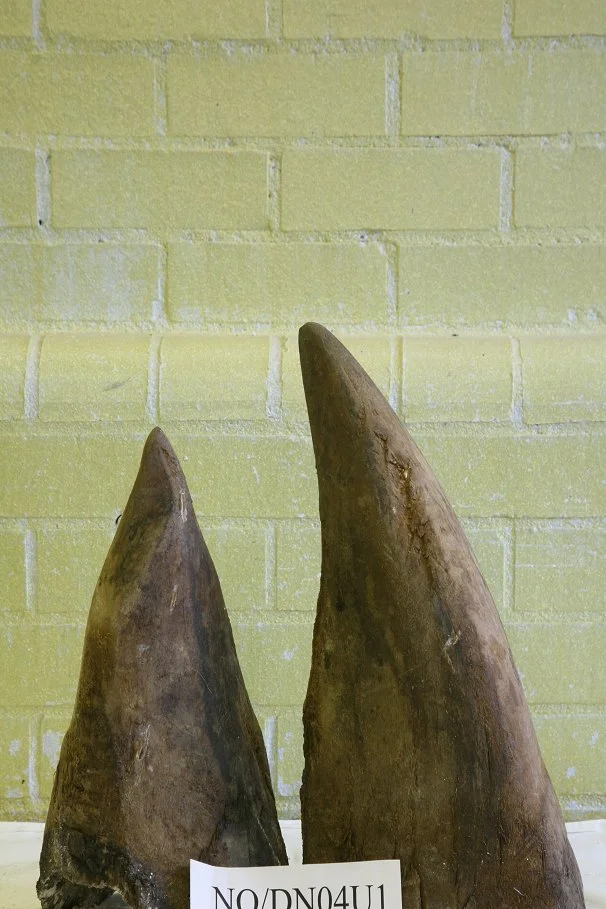
Unwrapped Rhino Horn, cropped, ukhomeoffice, CC BY 2.0
This story is not unique. The United Nations estimates the poaching market to be worth a minimum of $7 billion per annum. The poaching kingpins who lead these operations are akin to drug lords. With few moral qualms, they are making millions, exploiting those working lower on the food chain and putting the environment in danger, all while taking very few risks themselves.
Over the past few years, dozens of species have gone extinct largely due to poaching, with hundreds more being driven to the brink of extinction. They range from smaller, lesser known species to large, iconic megafauna such as the Western Black Rhinoceros, a subspecies that went extinct in 2011.
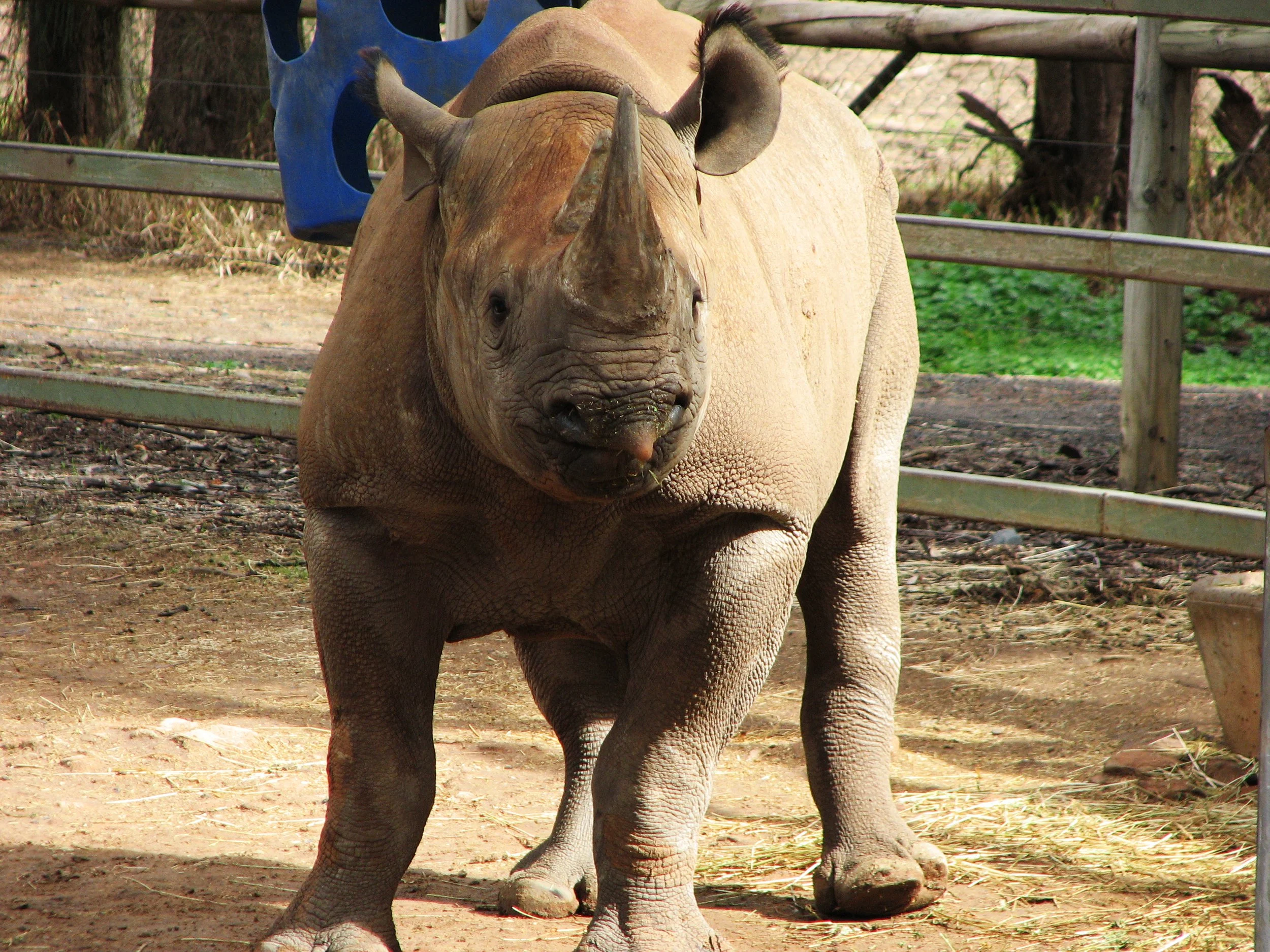
Black Rhino, corrieb, CC BY 2.0
The impact of these extinctions goes far beyond the animals themselves. The world exists as a closely connected ecosystem. When one species becomes endangered, it affects every other species in that ecosystem. One clear example of this is the North American Gray Wolf. The wolf’s regional near-extinction caused a surge in the elk population in Yellow Stone, which nearly ate the aspen tree into extinction.
Poaching also is detrimental to countries, like South Africa, that heavily rely on animal-based tourism. When iconic animals become extinct and ecosystems are damaged, ecotourism becomes much less successful. Even worse, poaching is incredibly dangerous to those working in conservation. Each year, across Africa, 600 rangers' lives are lost in the line of duty.

Ranger and rhinos, Kruger National Park, South Africa, anoukpilon, CC BY-SA 2.0.
In addition, poaching poses a huge risk to the world at large. COVID-19, Ebola, and SARs all started in animals. In fact, 60% of all infectious diseases are thought to have begun in non-human animals. Whether through the murder of animals directly or the transfer and consumption of illegal animal products, poaching puts thousands of hands and bodies in contact with wildlife, and therefore at risk.
TO GET INVOLVED
The International Anti-Poaching Federation (IAPF), founded in 2009, aims to hire 2,000 women by 2030 to work in anti-poaching units in their local communities, as part of the all-female Akashinga Project. The IAPF has managed to reduce poaching by over 80% in the 8.5 million acres it manages, making them one of the most successful anti-poaching organizations in the world. If you want to help stop the poaching epidemic, you can donate to the IAPF here.
The David Sheldrick Wildlife Fund has been Operating in Kenya since 1977. Over the past 45 years, they have become one of the best Elephant rehabilitation organizations in the world, raising over 300 orphan elephants. Beyond this, the Fund has 23 anti-poaching teams working with the Kenya Wildlife Service, employing both Aerial and Canine Units. If you want to support them, you can donate here.

Jeremy Giles
Jeremy is a Writing Seminars and International Studies major at Johns Hopkins University. He is an avid writer and the Co-Founder of Writers’ Warehouse, Johns Hopkins’ first creative writing group. He is an advocate for Indigenous rights, and studies how Indigenous philosophies can be used to help prevent climate change. Using his writing, he hopes to bring attention to underrepresented voices in today’s world.
The Disappearing Snows of Mt. Kilimanjaro
As the mountain's snow melts, its ecosystem faces escalating pressures from tourism, climate change, and deforestation.
Read MoreUS Lags Behind Other Nations in Recycling
Germany, Austria and South Korea recycle 20% more trash than the US. Can they lead the US to a new era of recycling?
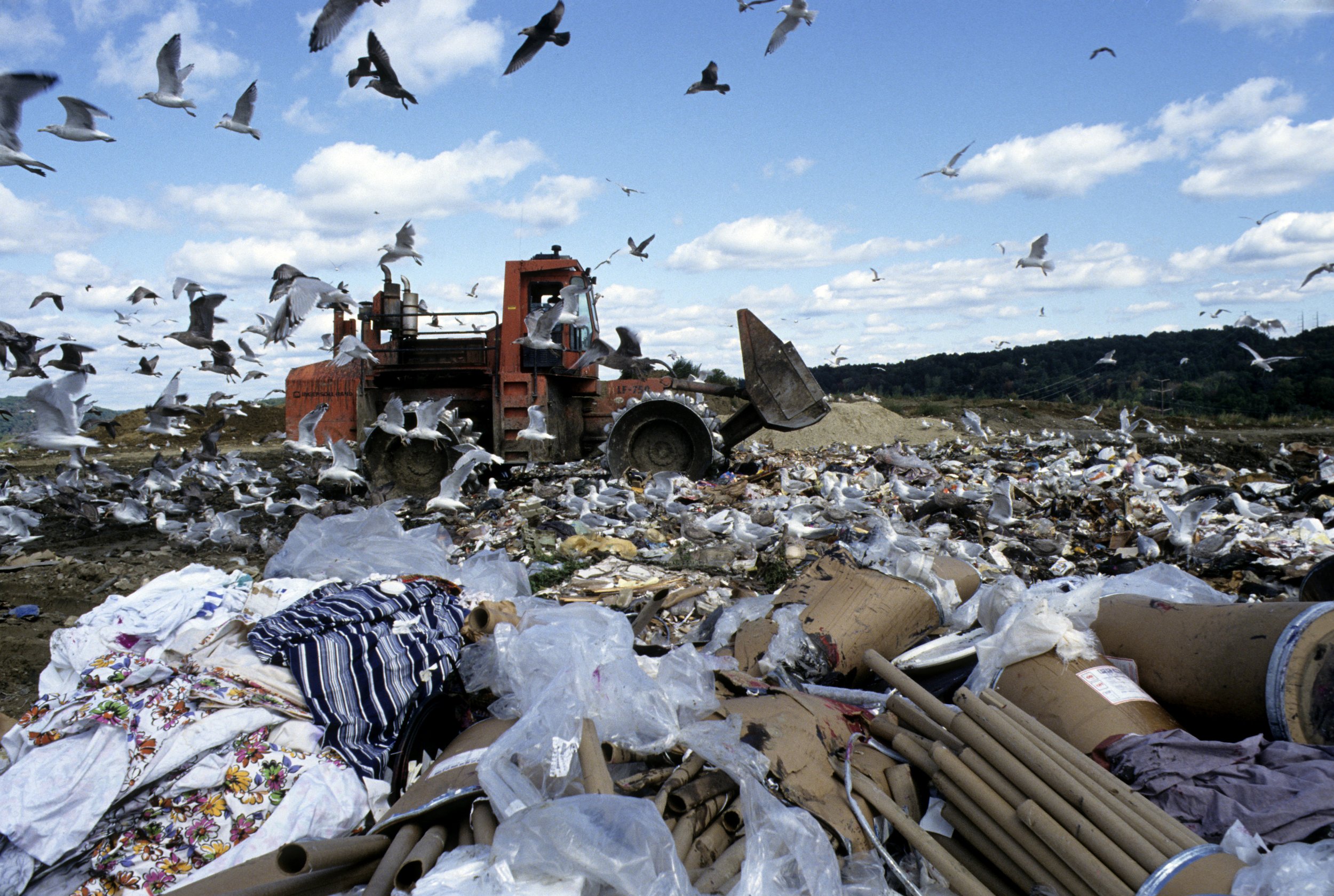
Landfill in Danbury, Connecticut, United Nations Photo, CC BY-NC-ND 2.0.
The United States recycles 32.1% of its trash, meaning the other 67.9% of U.S. waste ends up in landfills, is incinerated, or gets lost somewhere else in the environment. Moreover, only 5 to 6 % of plastic ends up being recycled, while 85% of plastic American plastic goes to the landfills, and another 10% is incinerated. These numbers are especially concerning given that plastic is the one of the most difficult types of waste to biodegrade.
Nationally, there are few to no laws in the U.S. that mandate recycling. There have been efforts to change that. On March 5, 2021, Democratic Senator Jeff Merkley and Representative Alan Lowenthal reintroduced the Break Free from Plastic Pollution Act, a bill that would ban single use plastic bags and discourage the use of plastic utensils and straws. In addition, it would increase post consumer recycling minimums to 25% by 2025 and 80% by 2040. However, like many similar bills in the United States, it has not been passed.
While the federal government lags behind, certain states have been considerably more active in promoting recycling. Since 2022, New York has passed two important laws; one demanding that the carpet industry becomes more responsible for its waste and the other allowing consumers to fix their own electronics. California has banned certain types of produce bags, and Michigan has committed to overhauling its recycling system, striving for a 45% recycling rate, albeit without a clear deadline as to when this needs to be achieved.
With that said, even with state efforts, the US still remains far behind the world’s leaders in recycling; Germany, Austria, and South Korea. They recycle 56.1%, 53.8%, and 53.7% of their waste, respectively, each of which is over 20% more than the current US figure and around 10% more than Michigan's new recycling goal. This largely is due to enhanced recycling laws, as well as cultures and practices in those countries that incentivize and engage their populations to be environmentally conscious.
Germany
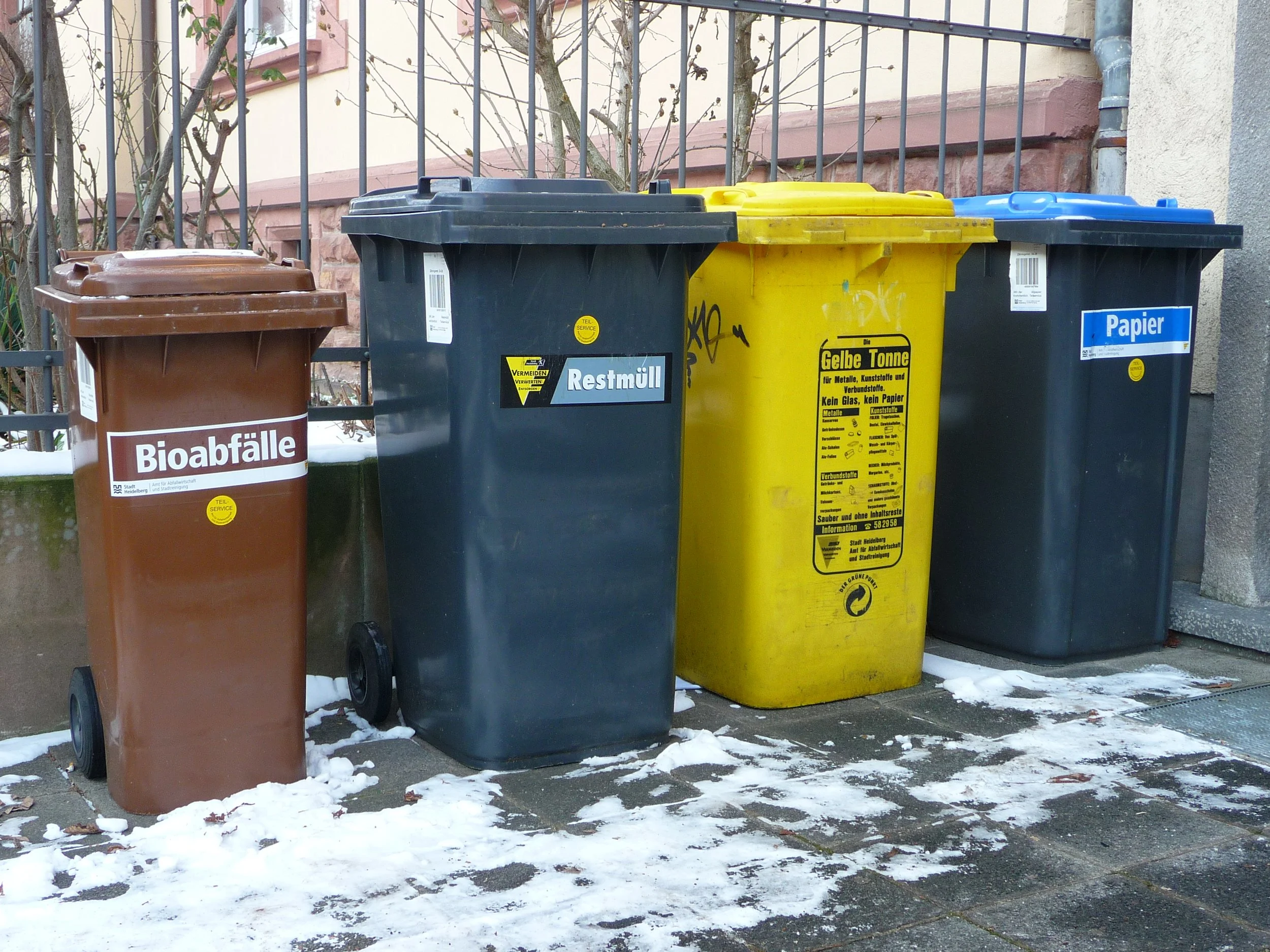
German Recycling Bins, 3268zauber, CC BY-SA 3.0
The first pillar of Germany’s recycling success is its Deposit Refund System (DRS). In Germany, when consumers purchase a bottle that can be recycled, they must pay a deposit between 0.08 and 0.25 euros. Single use plastic bottles and more environmentally harmful products tend to have a higher deposit. Once the items are returned to a retail store, the consumer will be reimbursed for their deposit. This system has proven to be incredibly successful, reaching a 98.4% return rate. In 2024, Germany plans to expand their DRS to include all milk and dairy product containers.
Germany also has a mandatory recycling system. Each household has four different recycling bins: yellow bins for lightweight packaging, green or blue bins for waste and cardboard, black or gray bins for residual and household waste, and brown bins for compostable kitchen and garden waste. If the waste is not sorted correctly, workers at the recycling plant will go through the waste and sort it manually, and the household that failed to sort the waste will be fined.
Austria

Plastic Bags Package, zeevveez, CC BY 2.0.
Three major policies contribute to Austria’s high recycling rate. First, like Germany, Austria has a rigorous recycling sorting system. Second is the country’s blanket landfill ban. This policy instructs that any item with a total organic carbon emission rate of more than 5% is banned from going into landfills, meaning that the most harmful products have to be recycled. Finally, in 2020, Austria prohibited the use of plastic bags, completely removing one of the longest lasting products in landfills, with a decomposition time of 200-500 years.
South Korea
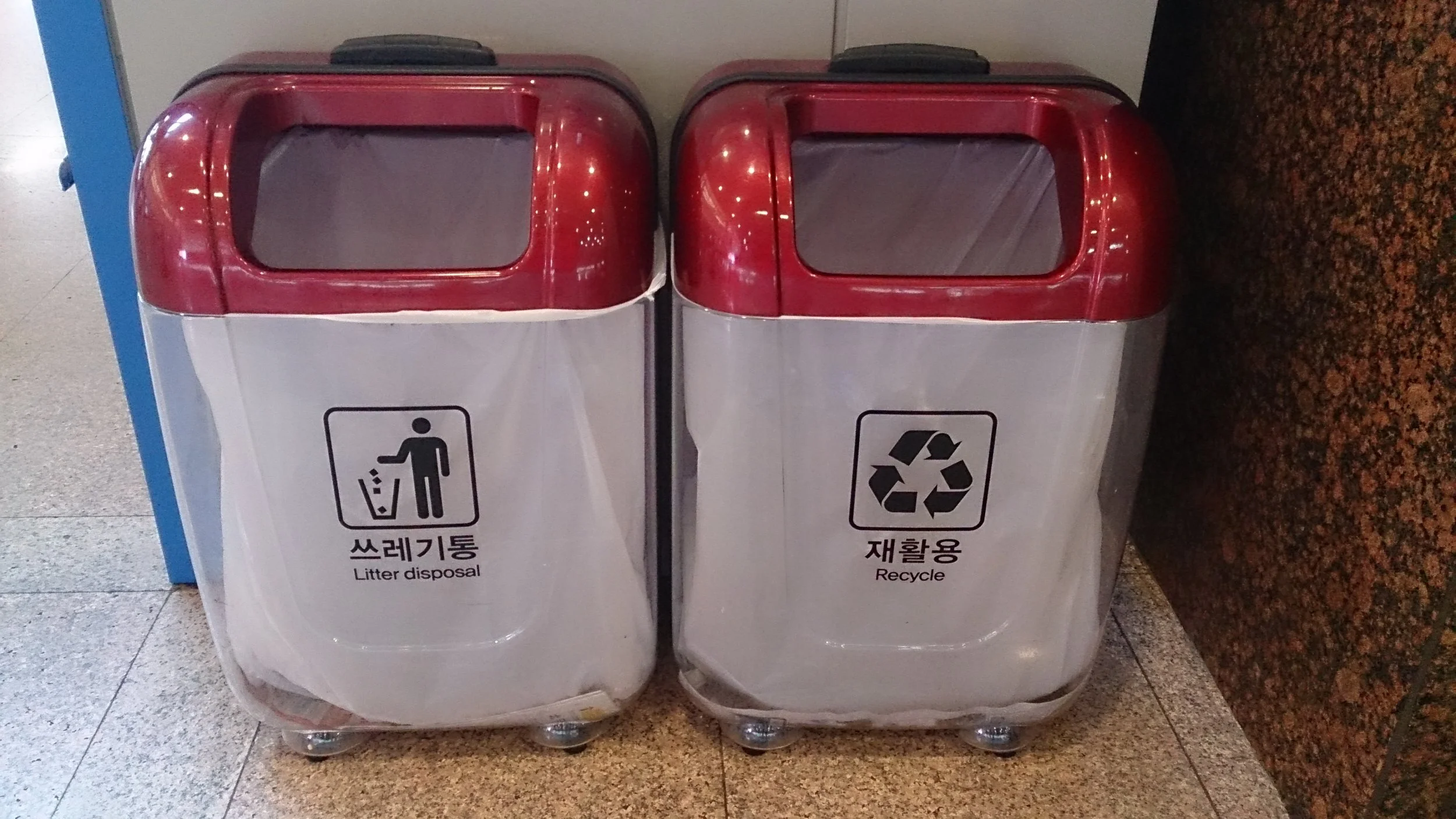
Recycling bin in South Korea, ProjectManhattan, CC BY-SA 3.0
South Korea’s “pay-as-you-throw” recycling system requires consumers to buy specialized food waste bags, costing about 20 cents. The profits from the food waste bags goes straight back into the recycling market, greatly minimizing the cost of recycling to the government. When these bags are full, consumers leave the bag in a special bin. These bags are then picked up and composted, leading South Koreans to recycle almost 100% of their food waste.
In 2022 Keppel, a Singapore-based company, spent about 600 million dollars to buy EMK Co, South Korea’s biggest waste management and recycling company. Keppel expects the value of their investment in EMK to almost double in five years. South Korea has created a system in which private companies are able to make a profit buying and selling waste, greatly increasing the percentage of their waste being recycled.
It's important to recognize that while all these systems are successful in their own countries, the cultural, political, and economic environment in the US is very different from that of Germany, Austria or South Korea. Additionally, the US has a population about four times the size of Germany, the biggest of the three countries, meaning any recycling measures are much more difficult to implement. Yet, with the US lagging so far behind the world leaders in recycling, it would be foolish to not at least consider the solutions that have worked so well for these other countries.
GET INVOLVED
Keep America Beautiful was founded in 1953. Since then, they have created many different recycling programs, including recently a Cigarette Litter Prevention Program. Within a ten year period, they earned their communities over a billion dollars in economic value, have planted millions of plants, flowers, and bulbs, cleaned over 500 kilometers of roads, and collected over 750 million pounds of litter. You can donate to Keep America here.
Ample Harvest Inc. was founded in 2009 by Gary Oppenheimer as a way to reduce food waste by having gardeners donate their surplus food. Beyond this, they have created an Emergency Food Assistance Program to help food insecure families. Currently, they are working with over 62 million gardeners, spread over all 50 states, allowing them to generate billions of pounds of food they donate to over 8,000 different charities. This has given 4,200 different communities a sustainable food supply free of charge and, in 2020 alone, saved 1.6 million pounds of produce from being discarded. You can donate money to Ample Harvest Inc. here and give your excess food produce to your local food pantry here.
The Container Recycling Institute functions much like a Think Tank, researching recycling so they can provide recycling options and insights to local communities and governments. With a perfect 100% score for Finance and Accountability on Charity Navigator, The Container Recycling Institute, since its founding in 1991, has grown into an incredibly trustworthy Institution. As a leading recycling resource, they helped expand the Connecticut recycling Bottle Bill, the largest expansion of this kind in 10 years. In California, they helped raise the annual consumer recycling budget to over 100 million dollars. You can donate to The Container Recycling Institute here and become a member here.
Jeremy Giles
Jeremy is a Writing Seminars and International Studies major at Johns Hopkins University. He is an avid writer and the Co-Founder of Writers’ Warehouse, Johns Hopkins’ first creative writing group. He is an advocate for Indigenous rights, and studies how Indigenous philosophies can be used to help prevent climate change. Using his writing, he hopes to bring attention to underrepresented voices in today’s world.
7 Reasons Why Kenya Should Be On Your Ecotourism Travel List
As eco-consciousness grows among travelers, Kenya welcomes them as a beacon of sustainability and natural wonder.
Read MoreThe Great Barrier Reef is Disappearing—Here’s Why That’s Important
With the pressing issues of climate change, the Great Barrier Reef is at risk of vanishing completely, but there are still ways to help.
Read MoreThe Most Endangered Species of Penguin
The yellow-eyed penguins of New Zealand are the rarest species of penguins in the world.
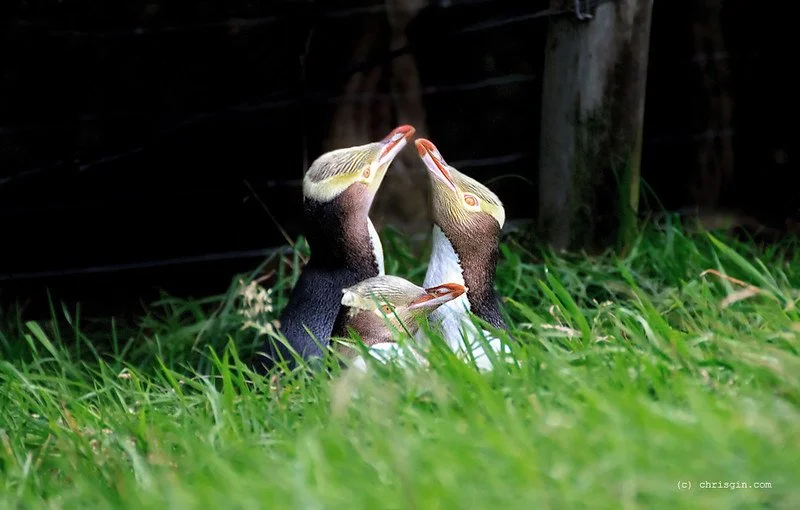
Group of Yellow-Eyed Penguins. Chris Gin. CC BY-NC-ND 2.0
Known as hoiho penguins in the Māori language of New Zealand, yellow-eyed penguins are the most endangered penguin species. There are estimates of fewer than 3000 of them left in the wild. In the past 30 years alone, the population has decreased by 50-75%.
Yellow-eyed penguins are easily identifiable, as they have yellow feathers around their eyes. It is a unique trait they have, along with the band of yellow that extends around their heads. Like other penguins, yellow-eyed penguins are predators, eating mostly fish and crustaceans. Adult birds generally have no land predators, but the chicks and eggs are in danger from animals like cats, dogs, ferrets and stoats. This is also common in Antarctica, where penguin chicks and eggs are vulnerable to other Antarctic birds, but the adults have almost nothing to fear from the other animals. In the water, however, yellow-eyed penguins are in danger from large marine predators, such as sharks and seals. Penguins have no defense mechanisms, so they mostly rely on their speed and maneuverability in the water to survive. Yellow-eyed penguins can swim up to 12.4 miles per hour. In comparison, the average human can swim around 2 miles per hour. If necessary, penguins also avoid ocean predators by jumping up on land. Like every other species, yellow-eyed penguins have a black back and white stomach to camouflage underwater. Their backs blend in with the dark depths for creatures above looking down on them, and their stomachs blend in with the surface for creatures looking up at them.
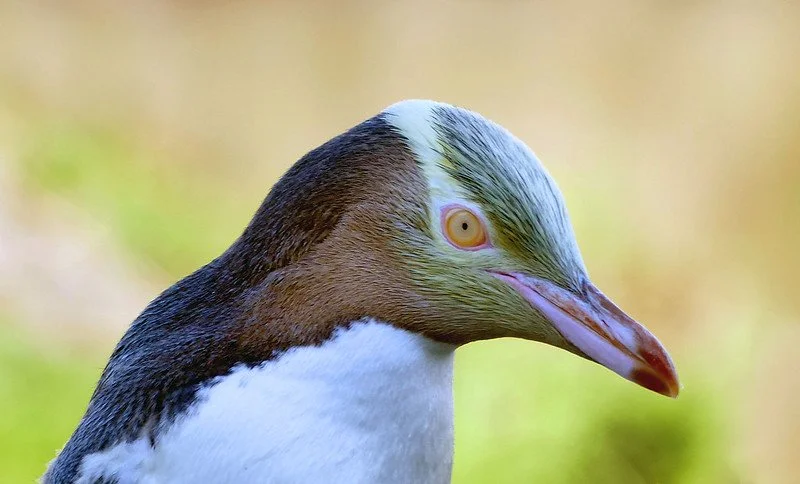
Yellow-Eyed Penguin. Bernard Spragg. CC0 1.0.
Yellow-eyed penguins mate for life and breed two eggs a year. Their average lifespan is 23 years, and these penguins start breeding at different times. They reach sexual maturity around two years of age, and most females begin breeding then. With males, however, it is more common to start breeding at three. The parents will incubate the eggs until they hatch, and then raise the chicks for around twelve months. Their nesting sites are in the bushes and shrubs along New Zealand’s coast, though deforestation has become a major threat to them. Humans have been clearing out land to make room for new houses or grazing fields for their animals, so the penguins have been forced to find new homes. The loss of their natural nesting habitat and the introduction of predators such as dogs and cats have contributed a lot towards why yellow-eyed penguins are endangered. There is also a high chick mortality rate, and some penguins get caught in gillnets, which lead to their deaths. The other major contribution to their decline is the food shortage due to global warming.
There are two main yellow-eyed penguin populations: the northern and southern ones. The size of each population is determined by how many breeding pairs there are, and in 1991, the northern population had 741 pairs. By 2020, it has decreased into a population of 233 breeding pairs. This decline has been mostly due to lack of food, diseases and predators. The northern population is spread out over South Island, Stewart Island and various other ones near to them.
The southern population, on the other hand, has been doing much better. In 1992, the estimated number of breeding pairs was 400, and in 2017, the number increased to 570. The southern population is divided into two colonies, one on Auckland Island and the other on Campbell Island. Though the penguins on these islands are doing much better than their northern counterparts, the overall population of yellow-eyed penguins is still decreasing.
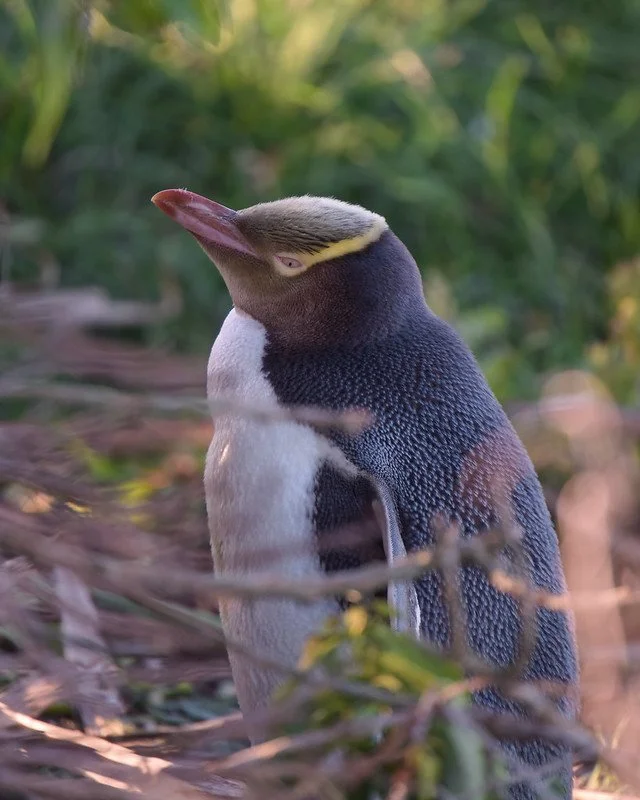
Solitary Yellow-Eyed Penguin. Ben. CC BY-ND 2.0
To Get Involved:
There are multiple conservation organizations that exist in order to protect these penguins. One such organization is The Yellow-Eyed Penguin Trust, specifically focused on protecting the habitats and livelihoods of these birds. The easiest way to help them is by donating to them through their website, but it is possible to volunteer for them, if you live in New Zealand. Their office is based in Dunedin, but there are penguin preserves in other parts of the country. To learn more about the Yellow-Eyed Penguin Trust, click here.
Penguin Place is another organization dedicated to helping yellow-eyed penguins. They are the first conservation program funded entirely by tourism. They do take donations on their website, but most of their funds come from tours. Their funding comes from guided tours on penguin reserves and the money goes to preserving their habitats, helping sick or wounded penguins and controlling predators. To learn more about Penguin Place, click here.

Katherine Lim
Katherine Lim is an undergraduate student at Vassar College studying English literature and Italian. She loves both reading and writing, and she hopes to pursue both in the future. With a passion for travel and nature, she wants to experience more of the world and everything it has to offer.
The Great Green Wall: Preventing Desertification in the Sahel
Desertification has negatively affected the area south of the Sahara Desert, but one initiative is fighting back.
Read MoreMacaque Monkeys Attack in Yamaguchi, Japan
Macaque monkeys, previously peaceful residents of Yamaguchi, Japan, began targeted attacks in July.
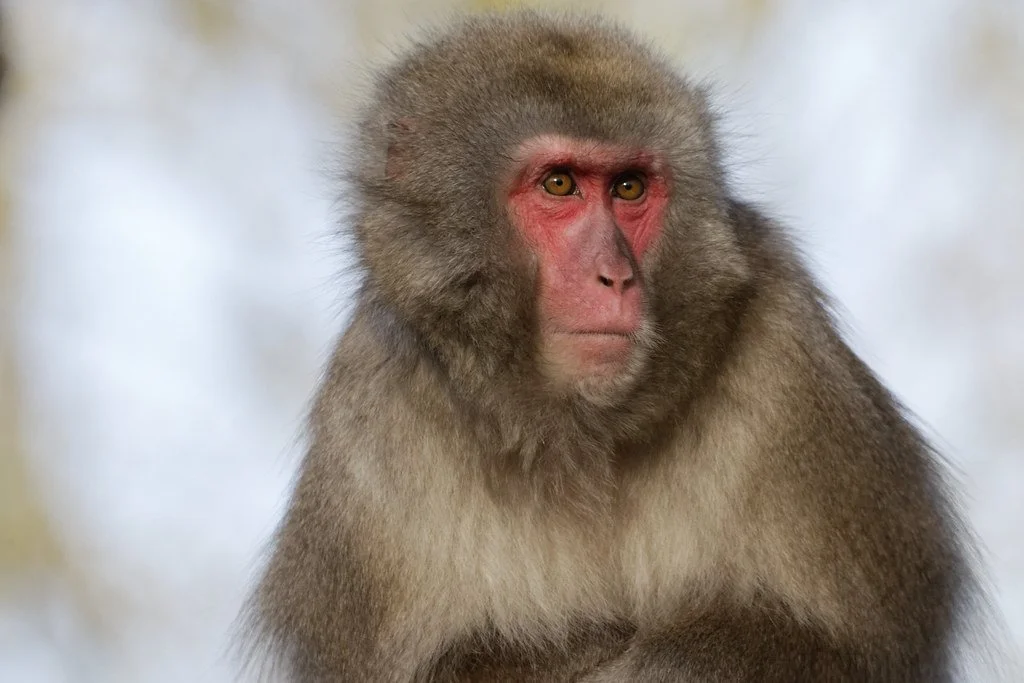
Japanese macaque. Zweer de Bruin. CC BY-NC-ND 2.0.
The city of Yamaguchi, Japan boasts historic temples, invaluable art, stunning gardens and macaque monkeys. Macaque monkeys have lived in highly populated areas of Japan since as early as the 1600’s, and up until recently, Japanese macaques have had very few concerning interactions with people.
However, since July 8th, more than fifty people in Yamaguchi have been attacked by the monkeys. City officials and experts say nothing like this has ever happened, and they even initially thought it was only one crazed monkey committing all of the attacks. But even after the monkey in question was euthanized, the attacks continued, leading the city to realize that an entire band of monkeys had inexplicably started attacking humans after years of peaceful coexisting. Fortunately, as of late July, no serious injuries have occured, but city officials have taken to tranquilizing threatening macaques, as they are not deterred by food or traps.
What makes these unprecedented attacks even more puzzling is the fact that they seem very coordinated, with an explicit goal, even if that goal is unclear to the people of Yamaguchi. While minor injuries have resulted from the attacks, some of the attacks appear to be attempted kidnappings. Additionally, the monkeys began by targeting primarily young children and older women. While over the past few weeks they have begun attacking adult men as well, these demographics are so specific that it begs the question: what is their intent? Unfortunately, no one knows yet.
A mother in Yamaguchi recalls a monkey having broken into her home, and attempting to drag her child away. She noted that the monkey tried to take the child with it. The monkeys have been entering homes, and even lurking outside of nursery schools. While there have been occasional macaque attacks in the past, they primarily live in harmony with humans, and a planned effort like this is unprecedented.
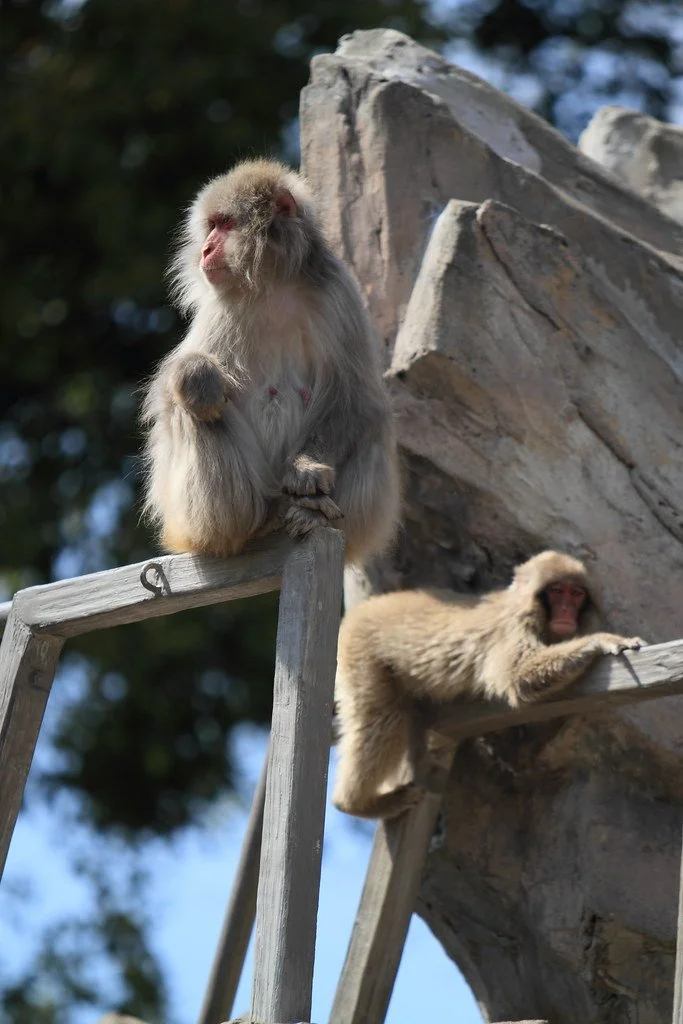
Two Japanese macaques. Etsuko Naka. CC BY 2.0.
In terms of the history of Japanese macaques, as noted they have lived in Japan since as early as the 17th century. They are also incredibly intelligent animals, making the decision of the Yamaguchi officials to euthanize one a difficult call. Macaques have opposable thumbs and even sometimes walk on two legs. They are known for doing very human-like activities, such as bathing and relaxing in groups in hot springs in Japan. This habit, as well as the habit of washing their food in the ocean, was learned behaviors within the group, and previously, scientists thought only humans passed traditions and behaviors through generations.
Despite the monkey attacks, which will hopefully come to an end soon, Yamaguchi has many sites to visit and a fascinating history. It is known for its temples, such as the Rurikoji Temple and Joeiji Temple. It is also a coastal town known for having high quality seafood and sake, which is perfect for travelers interested in food. Additionally, Yamaguchi is a very historic area, as the city contributed to the overthrow of the feudal era in Japan in the late 1800’s.

Tokoji Temple in Yamaguchi, Japan. Yoshitaka Ando. CC BY-NC-ND 2.0.
Ultimately, Yamaguchi, Japan is a beautiful and historic city which is currently experiencing turmoil at the hands of macaque monkeys. Officials hope that the situation will be resolved soon, and once it is, consider adding Yamaguchi to your travel list.

Calliana Leff
Calliana is currently an undergraduate student at Boston University majoring in English and minoring in psychology. She is passionate about sustainability and traveling in an ethical and respectful way. She hopes to continue her writing career and see more of the world after she graduates.
7 Historical Sites That Could Be Underwater by 2050
Climate change is threatening these beautiful archaeological sites, and at this rate, it may not be long before they are completely submerged under water.
Read MoreNearly Extinct Rhino Species Found Only in Indonesia
The Javan Rhinoceros is one of the world’s most endangered species, with only sixty remaining in Indonesia’s Ujung Kulon National Park.

Javan rhino. Courtesy of Indonesian Ministry of Environment/Forestry.
Javan Rhinoceroses used to be common throughout the continent of Asia, until poaching and habitat loss dwindled the population down to what is now a mere 60-68 rhinos, all found in Ujung Kulon National Park in Indonesia. The poaching of Javan rhinos largely began in colonial times, with the animal being a trophy for hunters. Now, the rhinos are poached primarily for their horns, which are extremely expensive and are sometimes used as status symbols among the extremely wealthy. Javan rhinos were declared extinct in Vietnam in 2010, when the last rhino in the country was poached, and now the only surviving Javan rhinos exist in Indonesia.
While poaching Javan rhinos is illegal, and they are considered a protected endangered species, reviving the population presents a major challenge for two main reasons. The first is that the extremely small number of surviving Javan rhinos doesn’t allow for much genetic diversity. The second issue is habitat loss as a result of both human intervention and natural disaster. Human activity near Ujung Kulon National Park has interfered with the rhinos’ natural habitats, and the push for more property development in the area threatens the security of the park. In terms of natural disasters threatening the rhinos’ last remaining habitat, the national park is located in an area that is susceptible to tsunamis and rising water levels as a result of climate change, and also happens to be near an active volcano, Anak Krakatau. Many conservationists are extremely nervous that if one of these natural disasters occured, all hope would be lost for the species even if there were a few survivors, because of the already miniscule genetic diversity within the population.
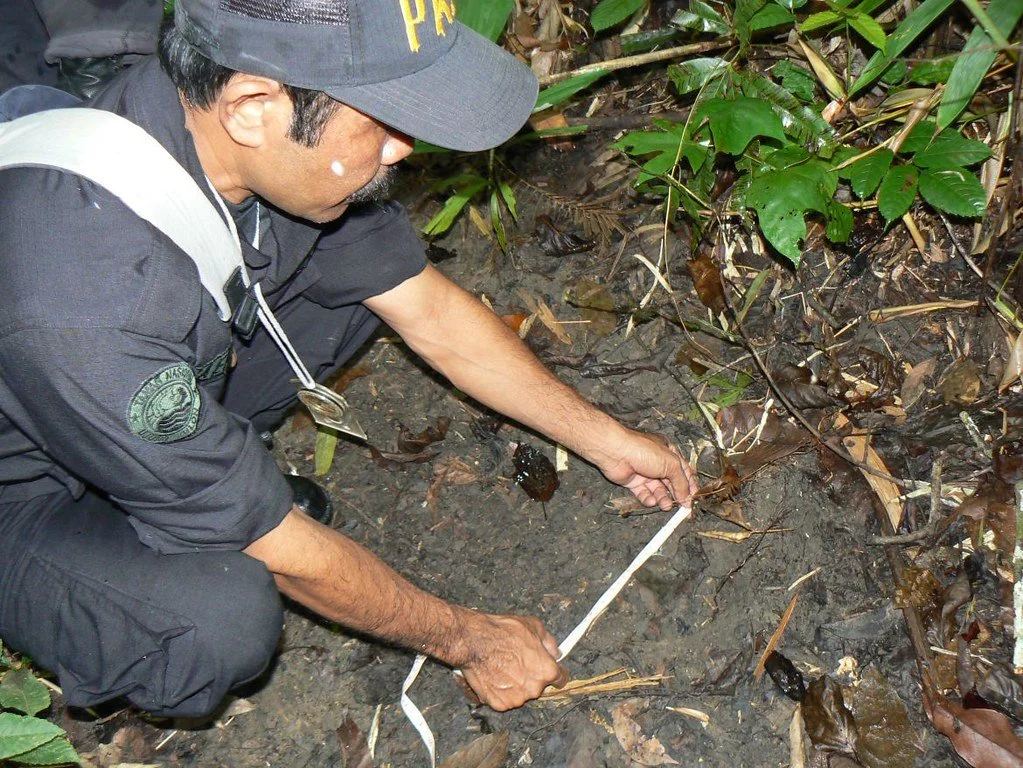
A member of the Rhino Protection Unit measures a Javan rhino’s footprint in Ujung Kulon National Park. U.S. Department of State. CC BY 2.0.
Even without the threat of natural disaster and human interference, Javan rhinos face an existing setback within their protected habitat. An invasive species called Arenga Palm grows in Ujung Kulon National Park. This plant blocks the sun, which prevents the plants that the rhinos eat from growing. The park has made clearing Arenga Palm a priority, but since it is an invasive species, eliminating it from the park entirely is not an easy task.
Ujung Kulon National Park does offer tours, providing an opportunity to ethically see the nearly extinct rhinos. However, since these tours are meant to be non-invasive, there is no guarantee that a Javan rhino will come into view during your time in the park. With that being said, tourists often see traces of the rhinos, such as footprints, like in the photo featured above.
Get Involved
The best way to get involved with this issue is to raise awareness and money for organizations working to sustain and increase the population of Javan Rhinoceros. Some of these organizations include World Wildlife, which is working on eliminating Arenga Palm and also hopes to one day transfer some Javan rhinos to an area which is not in the danger zone of the volcano Anak Krakatau. Another good organization to support is the International Rhino Foundation, which works directly with the staff of Ujung Kulon National Park. On a more general level, raising awareness about climate change and supporting organizations which respond to extreme weather is a way to get involved with this issue as well as many others, as climate change has only compounded the plight of the Javan Rhinoceros.

Calliana Leff
Calliana is currently an undergraduate student at Boston University majoring in English and minoring in psychology. She is passionate about sustainability and traveling in an ethical and respectful way. She hopes to continue her writing career and see more of the world after she graduates.
Dying By Fire: Wynn Bruce’s Environmental Protest
This past Earth Day, climate activist Wynn Bruce lit himself on fire on the steps of the Supreme Court, dying the following day. Set on demonstrating the importance of global warming, Bruce chose the world’s most radical form of protest to emphasize his commitment to martyrdom.

Steps of the Supreme Court. Dbking. CC BY 2.0.
On April 22, 2022, Wynn Bruce, a climate activist from Colorado, made a fateful and radical decision: he would go to the front of the Supreme Court and, using self-immolation, become a martyr for the fight for global-warming-related policy change. Fed up with the lack of commitment to the issue of climate change, Bruce seemed to feel this was the only way he could get United States policy makers to listen—by lighting himself on fire and dying for his cause.
Self-immolation is the most radical and rarest form of nonviolent protest. It is said by ABC to have “the ability to harness both the morality of nonviolent action with the visceral nature of violent action.” By Merriam-Webster's definition, it is the “deliberate and willing sacrifice of oneself often by fire.” Typically, protestors who choose this form of action will use flammable substances such as petrol and lighter fluid to make sure flames catch and spread across the body. The goal of this form of protest is not to live to see its impact, it's to sacrifice oneself as a martyr for a cause in order to stress the dire importance of certain issues.
Used now for decades to protest a variety of social issues, self-immolation has continued its way into the practices of the modern day protest. Wynn Bruce is just one example; a civil rights lawyer named David Buckle burned himself to death in 2018, also protesting climate change. Wynn Bruce, alongside being a son, climate activist and citizen of the world, was a Buddhist, which is the religion credited by many to have started the practice of self-immolation.
Self-immolation has been used across the globe and did not necessarily start as a form of active protest. Buddhists are commonly credited not only with self-immolation’s creation but also with the practice’s infamy. ABC explains that many Buddhists believed that the ability to renounce the body and “transcend[ing] it’s limitations” was when “perfection is reached.” In Buddhism, to transcend is to reach enlightenment—a state of compassion and one that also ends the cycle of rebirth—so often, self-immolation was done as a religious act and not as a form of protest.
Buddhists used self-immolation first as a form of religious ceremony, but then turned to its more aggressive usages during the Vietnam War. Thich Quang Duc, known as The Burning Monk, used self immolation to protest a massacre that was allowed by the Vietnamese government. The president of Vietnam at the time had laws in place that restricted religious practices of faiths other than Catholicism, which eventually led to the. In response to this outrage, Thich Quang Duc made an ultimate sacrifice; gathering nearly 350 monks and nuns, Thich Quang Duc sat cross legged in the lotus position as a peer poured petrol over his body and lit a flame. Thich Quang Duc remained perfectly still as his body caught fire. This was an act of protest heard around the world, and the imagery from the day was quickly iconized in canonical protest media.

Thich Quang Duc being covered in petrol. Manhhai. CC BY 2.0.
Because self-immolation has the power to so strongly influence those who hear of it, it is not surprising how fast the news of Thich Quang Duc’s sacrifice reached all areas of the globe. Published in magazines such as TIME and the Associated Press, the image circulated the globe and continues to be brought up in tribute articles and memorial pieces by publications.
The act of self-immolation hurts no one except the martyr involved. It attracts all the right media attention, and it emphasizes the threat of pressing social issues in such an extreme way that the world is forced to listen. Wynn Bruce seemed to know this, and his peers claimed to understand his motivations. Dr. Kritee Kanko, a Buddhist priest took to Twitter to write, “This act is not suicide. This is a deeply fearless act of compassion to bring attention to climate crisis.”

A statue of The Burning Monk. MK Photography. CC BY-NC-ND-2.0.
To Get Involved
MCE Cares is an organization designed to help people learn about how to become a climate activist. To learn more about the ways in which you can support the fight for policy change and climate activism, click here.

Ava Mamary
Ava is an undergraduate student at the University of Illinois, double majoring in English and Communications. At school, she Web Writes about music for a student-run radio station. She is also an avid backpacker, which is where her passion for travel and the outdoors comes from. She is very passionate about social justice issues, specifically those involving women’s rights, and is excited to write content about social action across the globe.
How Much Water Does A Pair of Jeans Cost?
Has the commercial giant finally found the key to environmentally sustainable denim production? Or is this just another temporary measure to keep their customers happy?

H&M outlet store in Germany. Marco Verch. CC-BY 2.0.
Over the past few years, the fashion industry has come under major public scrutiny for its general lack of concern for the environment. Every single step of the clothing manufacturing process—growing cotton, dyeing fabric, washing clothes—uses inordinate amounts of water while also producing between 4 and 10% of global carbon emissions every year. Fast fashion giant H&M produced almost 3 billion garments and earned just under $22.5 billion in revenue in 2020, making it the second largest clothing retailer in the world. The company also consumed about 85 liters of water per kilogram of dyed fabric they produced, totaling around 225 billion liters of water for that year alone.
Despite having been the target of widespread concern over the negative environmental consequences of fast fashion practices, the Swedish retailer claims to be working towards a more sustainable future. H&M publicly announced its goal to reduce greenhouse gas emissions by 56% by 2030, but many are doubtful it will be successful. Some of its current strategies include cutting ties with suppliers who still use coal boilers, enforcing carbon pricing systems within the company and establishing a green investment team to support environmental projects.

Promotional material for H&M’s Less Water denim capsule collection. H&M. CC-BY-ND 2.0.
H&M’s most recent project is its new “Less Water” capsule collection, which claims to have a focus on cutting water usage in the production process. The line includes various denim garments that are supposedly the product of new dyeing and printing technologies that reduce both the amount of water used and the amount of chemicals released. The company has already reached its previous goal of having 15% recycled water reused in the production of new clothing by 2020. This was largely the result of targeted rainwater harvesting and wastewater recycling initiatives in Bangladesh and India, where the company’s largest treatment and manufacturing plants are located.
While these are all steps in the right direction, they are decidedly small ones. The majority of H&M’s garments are still made using materials that are not harvested in an eco-friendly manner. Most importantly, it continues to operate using the fast fashion business model of providing trendy clothes for cheap, most often at the expense of the quality of the clothing, the environment and the labor conditions of the workers. Despite scoring 68% on the Fashion Transparency Index in 2021 (an annual report that reviews and ranks retailers based on their social and environmental policies) the company has failed to release any information about whether or not they are on track for their 2030 goals.

PicknWeight vintage kilo store. Lordship100. CC-BY 2.0.
The Less Water collection follows in a long line of recent attempts by various brands to improve their public image by becoming more socially responsible. Whether or not they will continue in the long run is yet to be seen, but if you are really looking to be more environmentally conscious, try your local thrift or vintage store instead. Not only can the items be equally as affordable as fast fashion brands like H&M, but giving clothes a second life saves them from the landfill, which is a much more immediate way to make a positive difference.

Tanaya Vohra
Tanaya is an undergraduate student pursuing a major in Public Health at the University of Chicago. She's lived in Asia, Europe and North America and wants to share her love of travel and exploring new cultures through her writing.
Photo Essay: On the Ground with Waves For Water in the Philippines
While the Philippine Islands were being struck by Super Typhoon Haiyan’s wrath, Jon Rose, Founder of Waves For Water, was already hatching his plan to help.
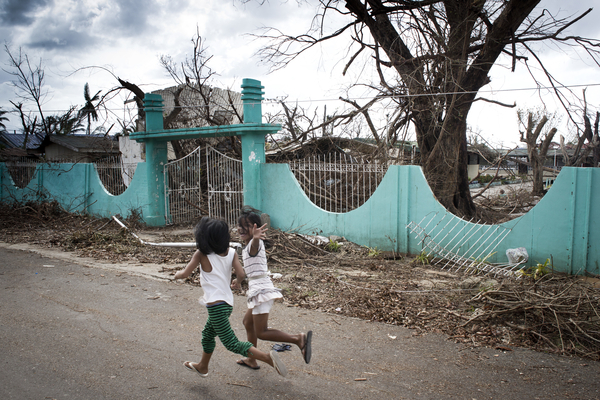

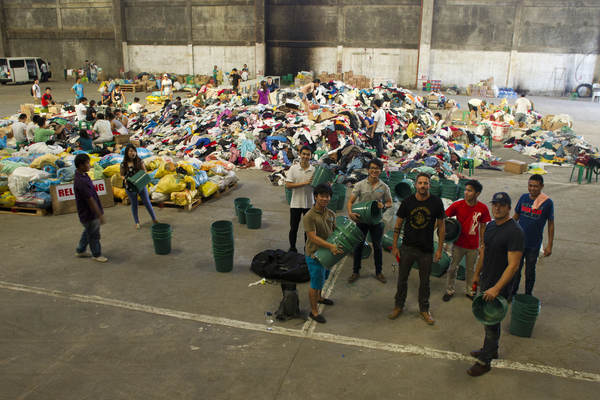
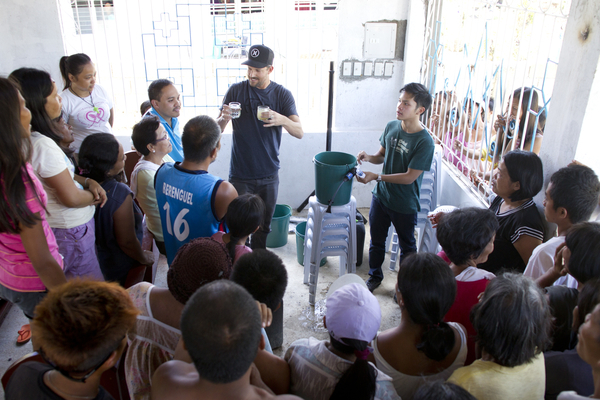
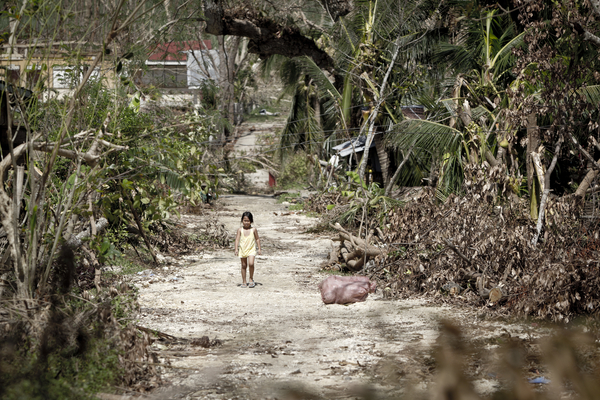
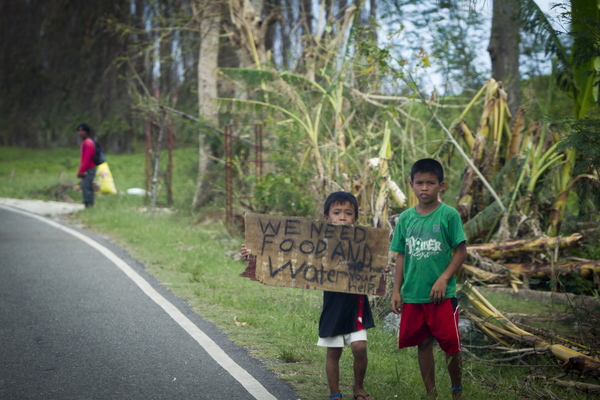
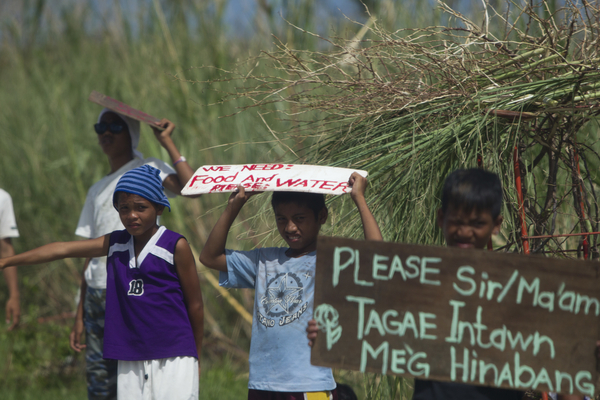
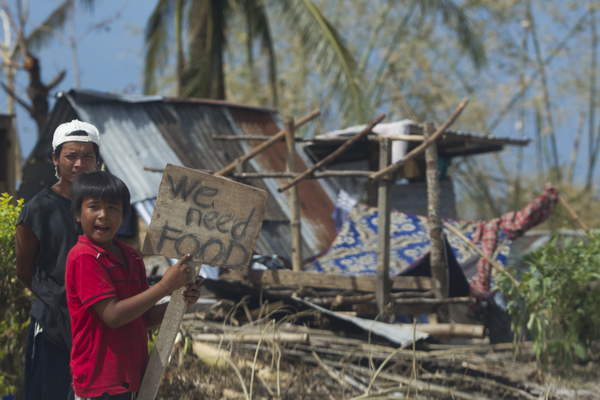
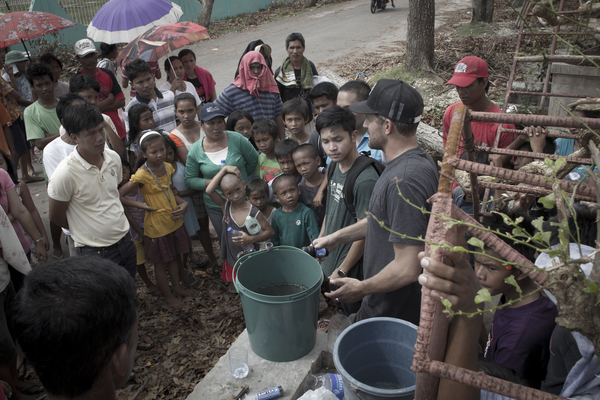
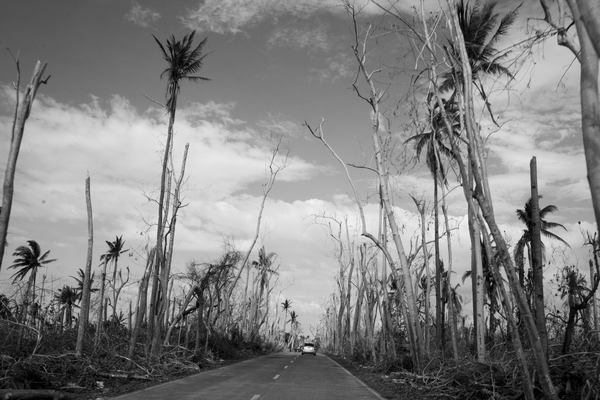
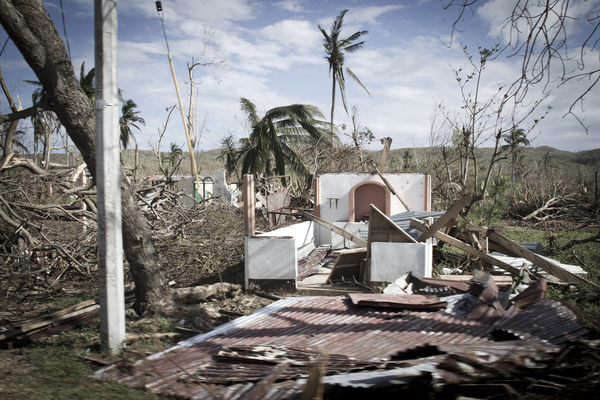
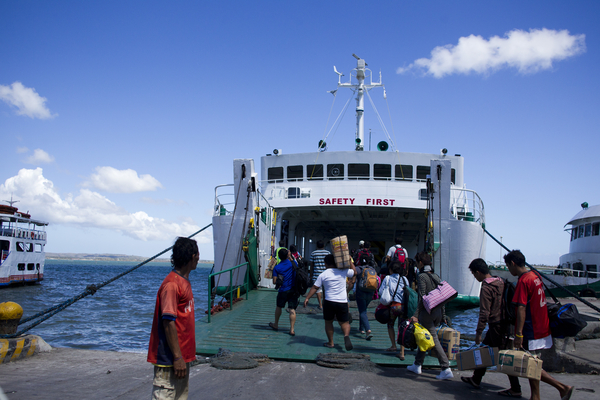
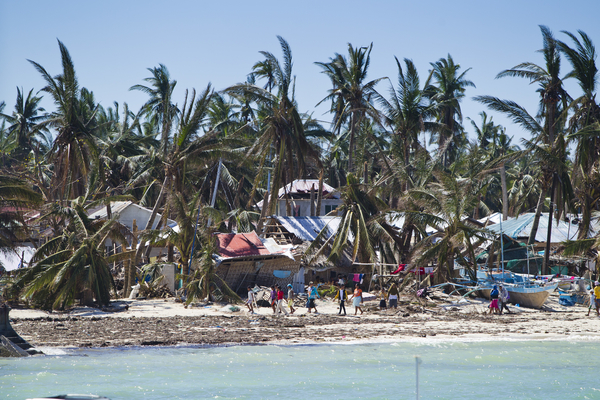
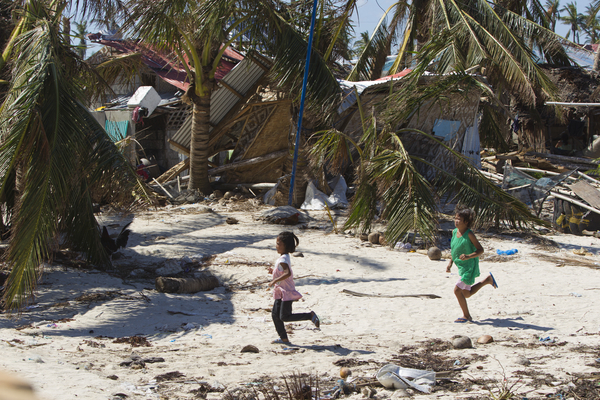
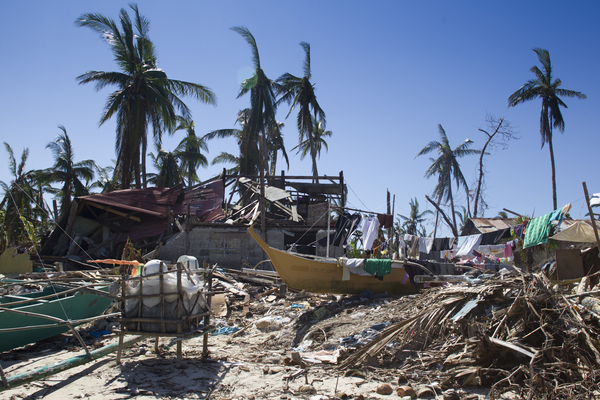
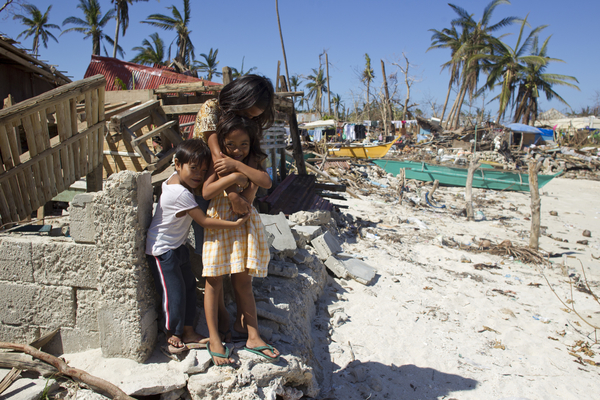
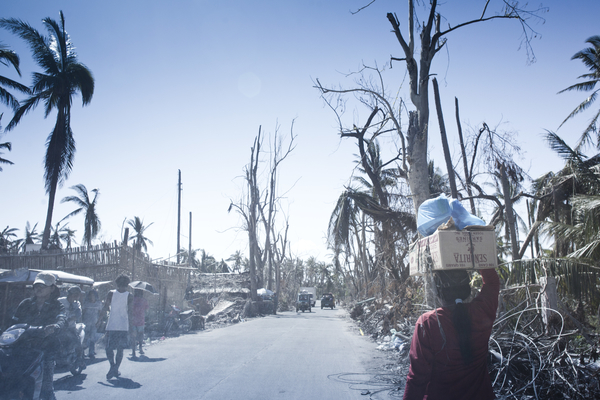
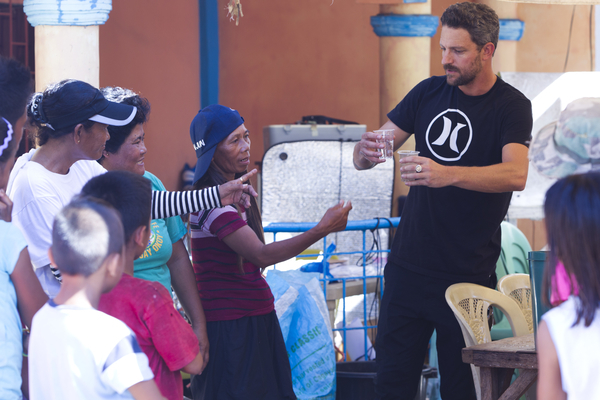
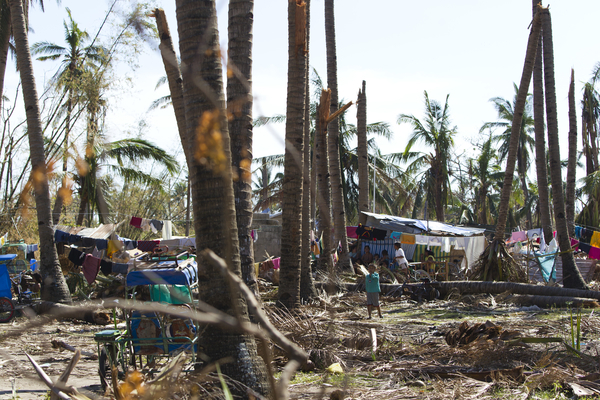
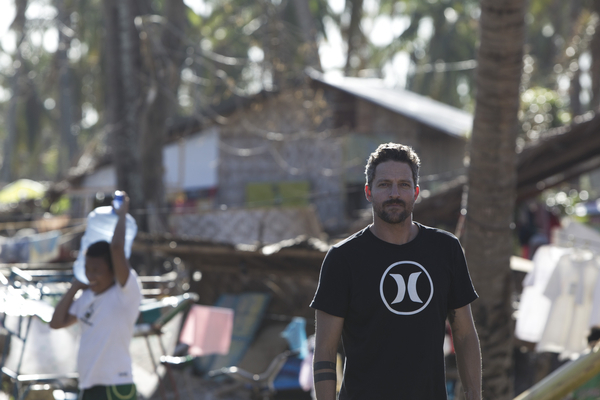
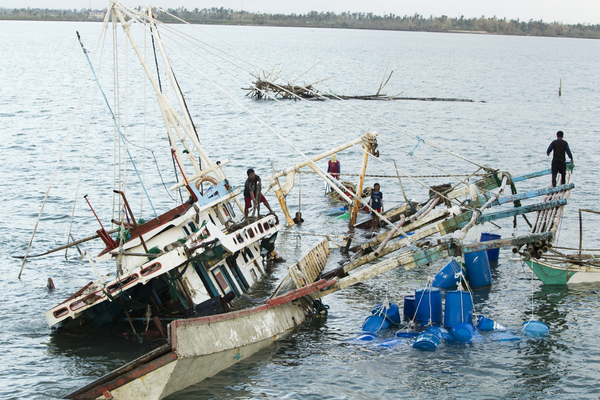
W4W began work in the Philippines in response to Typhoon Haiyan and continues to support areas with water shortages.
In 2013, the Philippines was hit by one of the most devastating typhoons ever recorded: Typhoon Haiyan. The natural disaster affected people throughout Southeast Asia and killed 6,300 people in the Philippines alone. Throughout the country, over 4.3 million people were affected. One major impact of the typhoon was its obstruction of access to clean water.
To address this problem, Jon Rose, founder of Waves for Water (W4W), arrived in the Philippines ready to distribute his organization’s water filters among “forgotten pockets,” communities that were not “the focal point of major relief efforts.” His method of distribution and relief relied on the “train-the trainer, local-based model” in which W4W organizers “empower” and “facilitate” for local people rather than decide “who gets what, when, where and how.” Two years after the typhoon, W4W established an office in the Philippines, where it is currently registered as a non-profit organization. Since 2015, W4W has built 66 rainwater catchment systems and provided over a million Filipinos with access to clean water. In December of 2021, the organization helped to address the devastation caused by Hurricane Odette in Siargao, Philippines through a partnership with Billabong. Currently, W4W is providing aid for those impacted by Tropical Depression Agaton, which has displaced 1.9 million people in Visayas and Mindanao, Philippines. You can contribute to this specific effort here.
W4W’s humanitarian efforts are not limited to the Philippines. Since its inception in 2009, the organization has made an impact in 44 countries, including Mozambique, Ecuador, Sierra Leone and Chile, and has helped 3.75 million people gain reliable access to clean drinking water. W4W currently has 24r active programs helping to address water access issues. These programs seek to provide aid to citizens of Ukraine, Australia, Haiti and Guatemala. You can learn more and help out here.
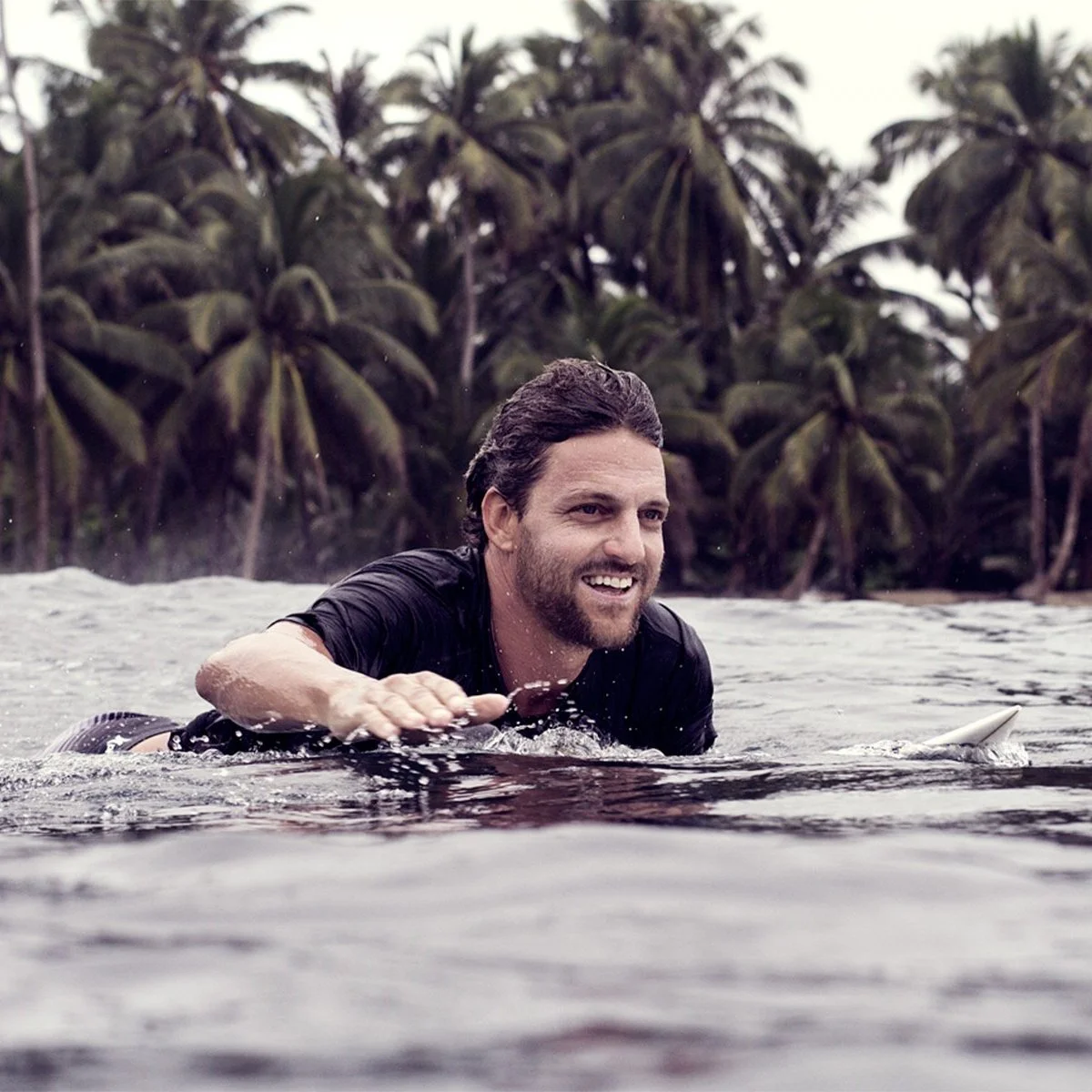
Jon Rose
As a pro surfer of 13 years, Jon Rose traveled the world in pursuit of perfect waves. It was this passion that led him to development of Waves for Water in 2009. He hopes to see W4W enlist and empower travers to help solve the world water crisis.
Floods, Drought, and Famine: The Story of Climate Refugees
Due to the climate crisis, millions will be forced to migrate to escape natural disasters. However, the current legal framework surrounding refugees does not account for these climate refugees, raising questions about the future.
Read More