
Years ago the Kayan people fled Burma and headed to Thailand due to civil war, they lived in refugee camps until the government settled them in Northern Thailand.
Read More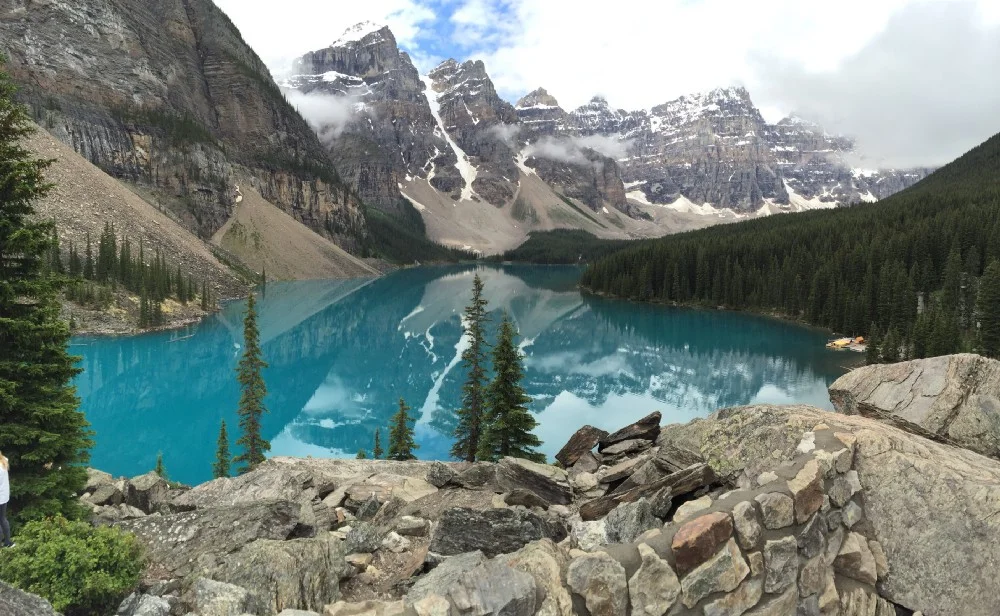
Traveling Alone Is Insanity, But Do It Anyway
I wrote this post last year when I returned from a 4-month road trip across the country..
I still believe everything I wrote.
I just returned from a 12,000 mile, 4-month long road trip. Alone.
Some of the perks of traveling alone include:
Doing whatever you want.
Eating whenever you want.
Being able to pause.
If you’re anything like me, you’re constantly consumed with other people having a good time. When I’m traveling with someone, I’ll sacrifice what I want to do to keep them happy.
I mean, I know that this sounds selfish, but I’m 23 and I need to be a little selfish before I get married and spend the rest of my life with someone. I’ve learned so much about myself even after four months, which is why you need to do a road trip all alone.
Loneliness Is Good For You
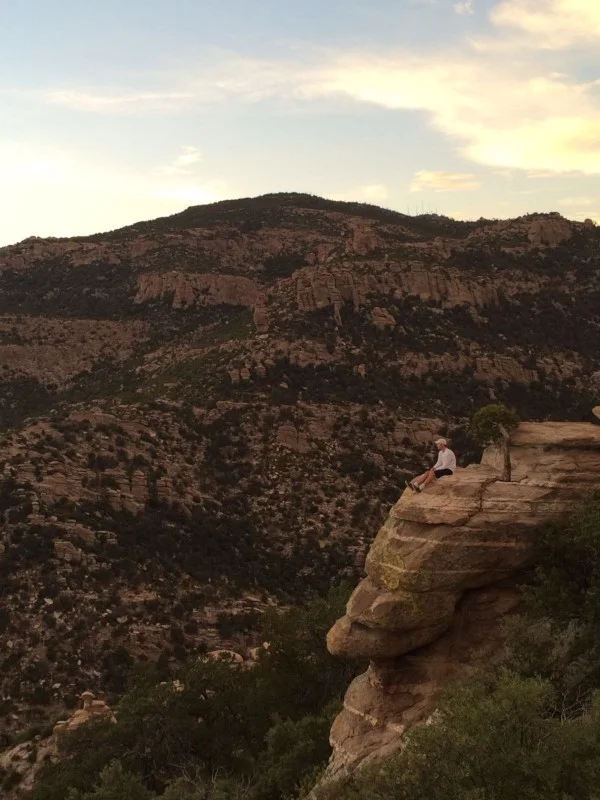
You need to feel that loneliness, because only then will you be able to face any inner demons that you might have. A twelve-hour drive kind of forces you to think. It’s just you and the road.
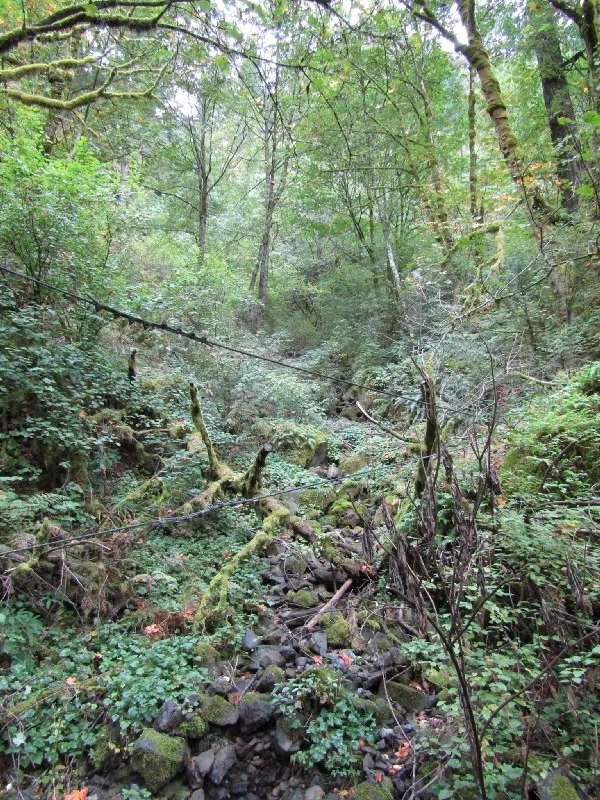
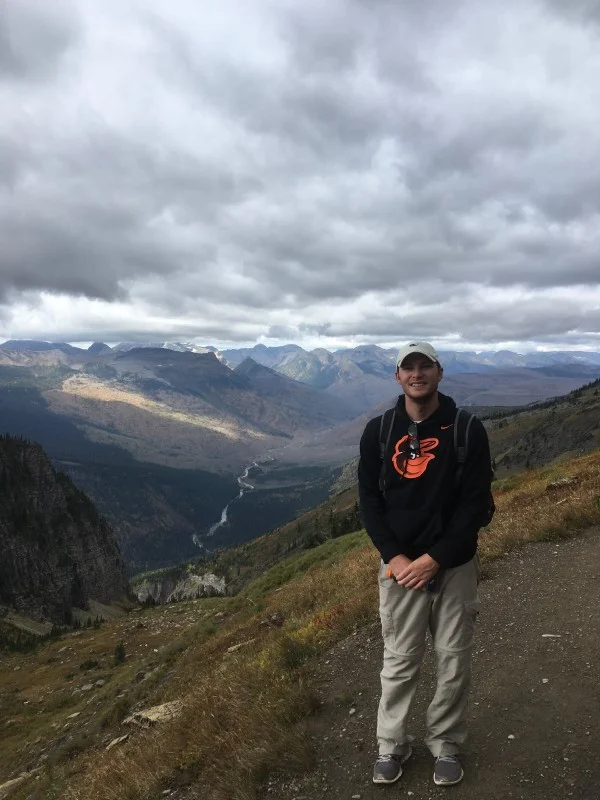
Trust me, when I was out in the middle of Montana, navigating my way through beautiful countryside, I had time to think. I had time to appreciate the little things, too, like talking to a gas station attendant after seeing nobody for days.
Just do the damn thing.
Feeling Terrible On The Road Is Okay
My first night on the road trip I felt deep despair. I wasn’t happy at all. I was in New Orleans, far from my home, and I knew nobody in this city. My gosh, traveling alone at that moment felt like the worst decision I could’ve ever made.
But I got through it.
I started smiling at people, and asking them how their day was. Sometimes they would start a conversation with me! Believe it or not, I made a few friends in New Orleans. By the fourth or fifth day in that crazy city, I felt at peace in the middle of a storm.
I was out there, but I was making the most of it. And isn’t that a metaphor for life?
You’ll Face Problems, But That Doesn’t Mean Your Trip Isn’t Worth It
I ran into problems on the road that I had to overcome. At one point I had to drop $1,000 that I really couldn’t afford to spend on a new brake system for my car.
When I came into the shop to test drive it, the brakes still didn’t work. I blew a major gasket, and I ended up having to stay with my friend in Phoenix for another week. These things happen.
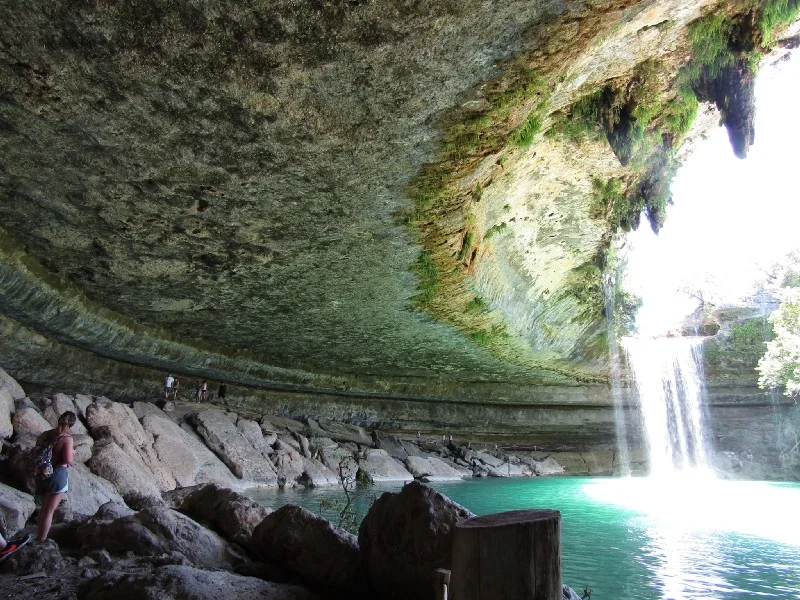
In Austin I met a guy from the UK who needed to get out to San Diego. I agreed to drive him out that way, and in exchange I had a companion for the week.
Spend time traveling by yourself.
Make your own decisions, listen to your heart, start to be spontaneous. Allow yourself to get lost. Gain a new perspective.
The solo road trip is all about you, but it’s not always about being alone. It’s about making your own decisions, and asking yourself why you made those decisions. You’re just learning.
Uncomfortable Situations Suck At The Time, But Make You Stronger Later
I always say that throwing yourself into an uncomfortable situation brings growth. That’s why I stayed in crappy hostels in bad parts of the city. That’s why I was angry that my boss screwed me out of $600, but in a weird way was thankful for it. In those dire situations, I became who I am today.
I learned that life isn’t going to be fair, or easy, or breathtaking all of the time.
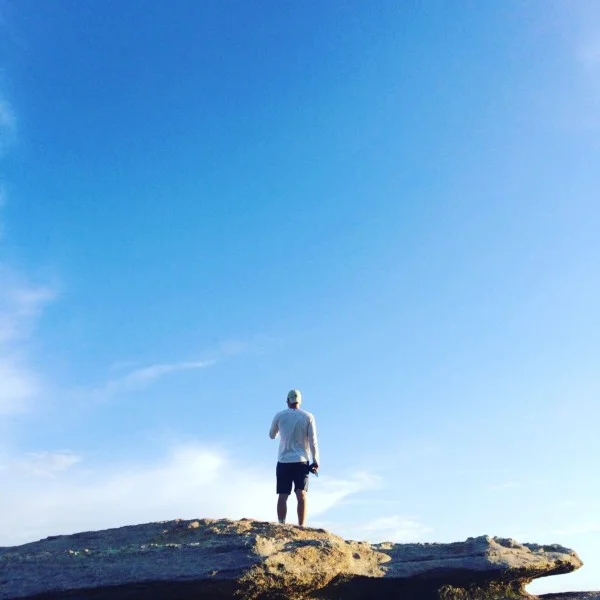
But I found through my trip that we can chart our own course through life, because I literally and figuratively did that for four months. And that’s the most valuable lesson of them all.
Nobody is steering the car but you! You turn on the ignition, you type in the address to the GPS, and you’re the one who decides when a view is just too beautiful to keep driving.
You are in control. The road does its best to throw you off track by introducing obstacles and problems along the way, but if you’re dedicated to it then you’ll make it to your destination one way or another.
I think if you’re traveling with someone else you’ll get these lessons, but just not as potent of a dose. You have someone to lean on if you run into problems out there, but when you’re alone it’s just you.
That’s why you need to do it. Don’t ask any questions; get in your car and go. You’ll be surprised at what happens. You’ll rediscover what it means to be alive. You’ll crush any obstacles that stand in your way, and when you get back you’ll be forever changed.
That’s why you need to travel alone.
THIS ARTICLE WAS ORIGINALLY PUBLISHED ON THE MISSION.
TOM KUEGLER
Tom is a full-time Digital Nomad and travel blogger. He has his own Medium publication called The Post-Grad Survival Guide. Check out his website here.
South Korea
Filmmaker Manuel Meurisse captures his visit to South Korea with a mix of high speed montages and clips of everyday scenery. An amazing country with a brilliant culture.
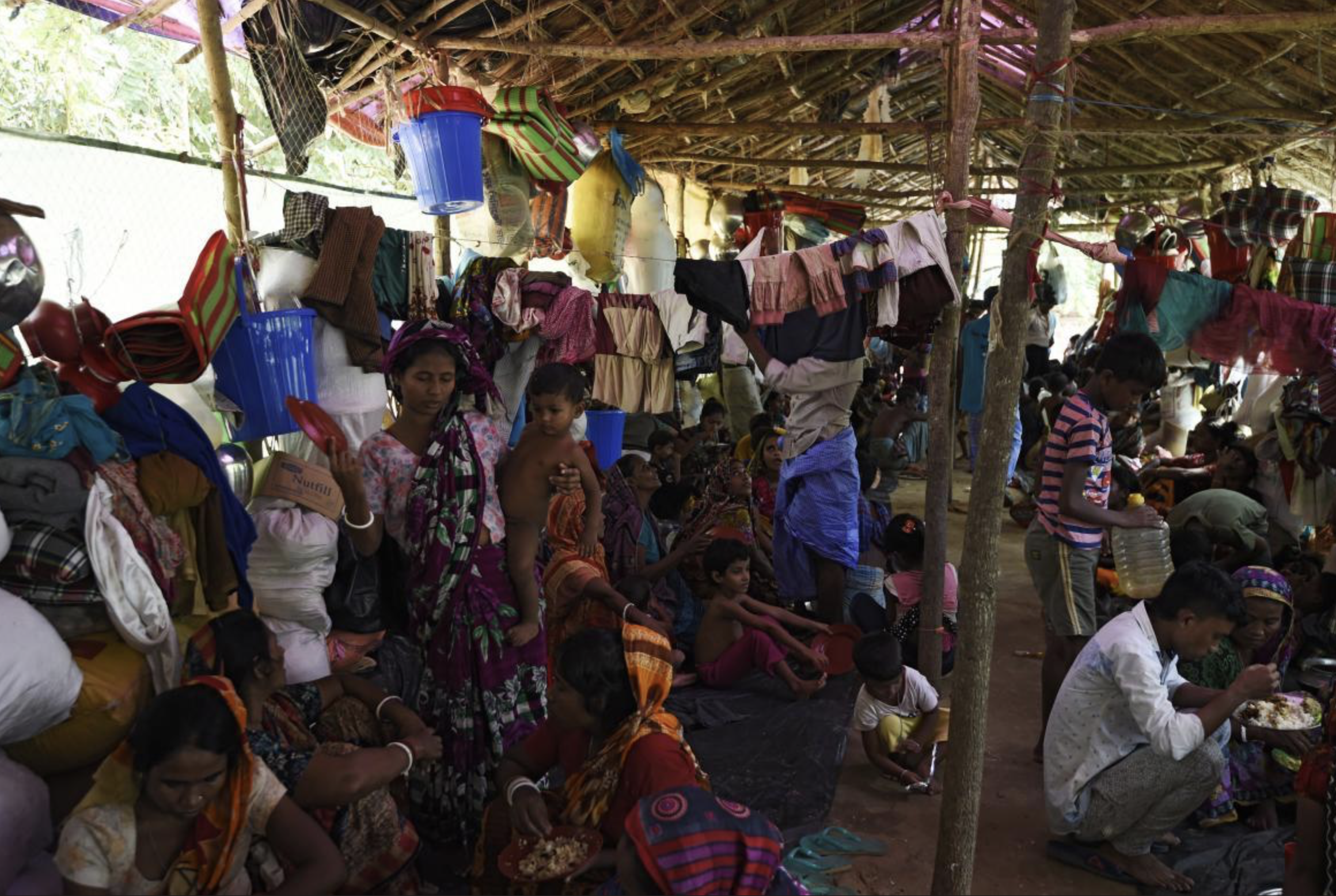
Refugees taking shelter in Southern Bangladesh
Contextualizing Refugees
On 22 May the Rohingya Muslims made the news not for their refugee situation, but for massacring Hindus. The militants responsible are members of the group Arakan Rohingya Salvation Army, also known as Arsa. The news was part of an Amnesty International report on an investigation into the 25 August 2017 attack on the Hindu village, Ah Nauk Kha Maung Seik in Maungdaw (Rakhine state), Myanmar. About 53 villagers were killed. Their proximity to another village, Ye Bauk Kyar, where about 46 were killed around the same time suggests Arsa may have also been responsible. Arsa has denied responsibility for both attacks. Still, it is the survivors of the attack who matter most. Around 500 of the Hindu villagers fled to Bangladesh from Maungdaw where they found assistance from local Hindus. These refugees are just a small part of a global refugee crisis.
The UN defines refugees as people fleeing persecution, war, or violence; often because of religion, ethnicity, or race. Refugees cross international borders, requiring international status as their home country can no longer protect them. As of June 2017, there are 22.5 million refugees around the world. This number includes those in a refugee-like state as well as Palestinian refugees registered by UNRWA. Still the number should be viewed as the best estimate of the world’s refugees as it is difficult to determine refugees living outside of camps; varied opinions exist on who is a refugee; and the variation in granting of refugee status across countries, among other potential discrepancies.
A refugee will spend 26 years on average away from home according to Ai Weiwei’s Human Flow, a 2017 documentary about the global refugee crisis. During those years away, some may seek resettlement in another country. On average, of officially registered refugees, roughly about 1% are resettled or 189,300 (UNHCR 2016). Currently the UN works with 130 countries, many of which work directly with the UNHCR to resettle refugees. The goal for resettlement is integration through self-sufficiency in their new communities. Organizations in host countries work directly with the refugees, such as the International Rescue Committee (IRC) in the United States. The IRC provides various support services—including legal aid, medical aid, English lessons, and family services—that are reflective of general integration assistance found in all host countries.
As a refugee stated in Human Flow, “no one leaves their country lightly.” Going back to the Hindu survivors, we can see the force that often drives a refugee from their home. A few have even returned to Myanmar as part of the controversial repatriation plan between Bangladesh and Myanmar. Those few Hindus represent one journey a refugee might make. And as of the 2016 UNHCR Statistical Yearbook, 552,230 refugees have been able to return home safely. Indeed, the hope of returning home is why most refugees stay close to their home countries. And it is why most refugees do not go to the West for resettlement: the top three host countries according to a 2016 UNHCR report were Turkey, Pakistan, and Lebanon.
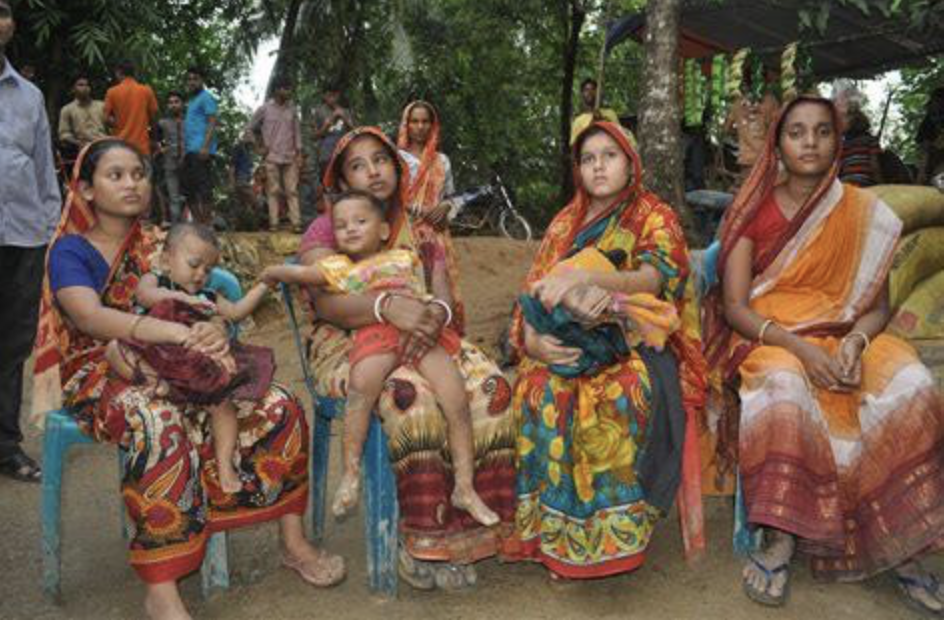
Refugees living in Kutupalong Refugee Camp in Cox's Bazar, Bangladesh
However, the attacks interconnected with wider events as the August massacres were part of deliberate attacks on police posts, which some Rohingya supported and others did not. These spurred reprisal attacks by the Myanmar military and local Buddhist mobs. The attacks displaced many Rohingya; 700,000 have crossed into Bangladesh since August 2017. As various refugee experiences suggest the Rohingya may be in Bangladesh for a few years, decades, or the rest of their life. Only time will tell—and it is that story of waiting that captures the most common theme of a refugee’s experience. The Hindus and Rohingya illustrate how the global refugee crisis has weaved together many individual refugee experiences, connecting one another at different points, together into a “singular” experience. But looking at the individual seams, it is much more complex.
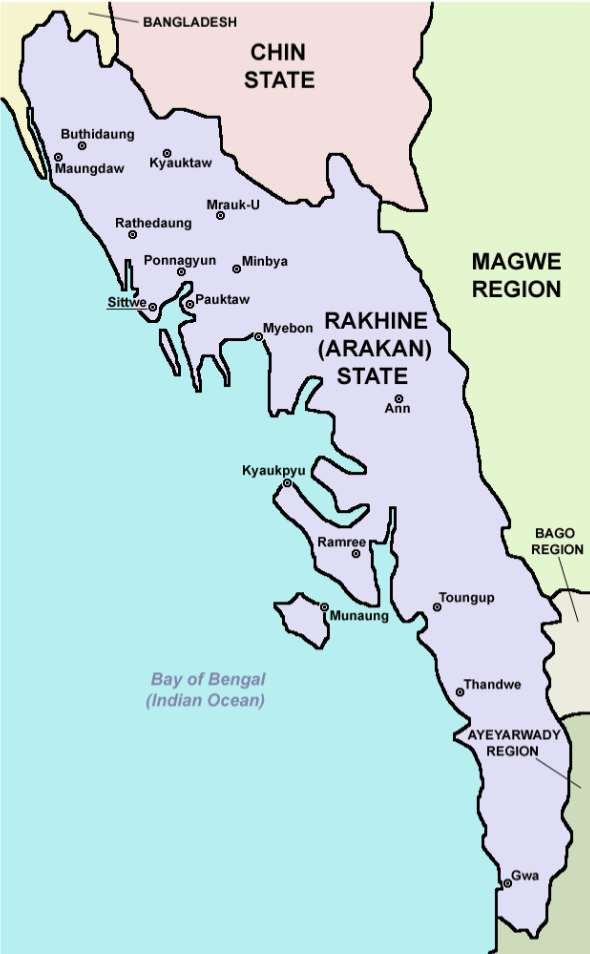
Rakhine (Arakan) State in Myanmar
Teresa Nowalk
Teresa is a student at the University of Virginia studying anthropology and history. In her free time she loves traveling, volunteering in the Charlottesville community, and listening to other people’s stories. She does not know where her studies will take her, but is certain writing will be a part of whatever the future has in store.
Postcard from Indonesia
An independent short film by Alen Smolic. A relaxing perspective of Indonesia, featuring various shots of the coast, the city, the countryside, and people going about their day.
Read More22 Solo Women Travelers Give Their Top Travel Tips
One of the biggest misconceptions about travel is that it's not safe for women to travel alone. 22 women tell their stories about pre-trip nerves, making friends while traveling, staying safe on the road and fears of sexual assault.
Read More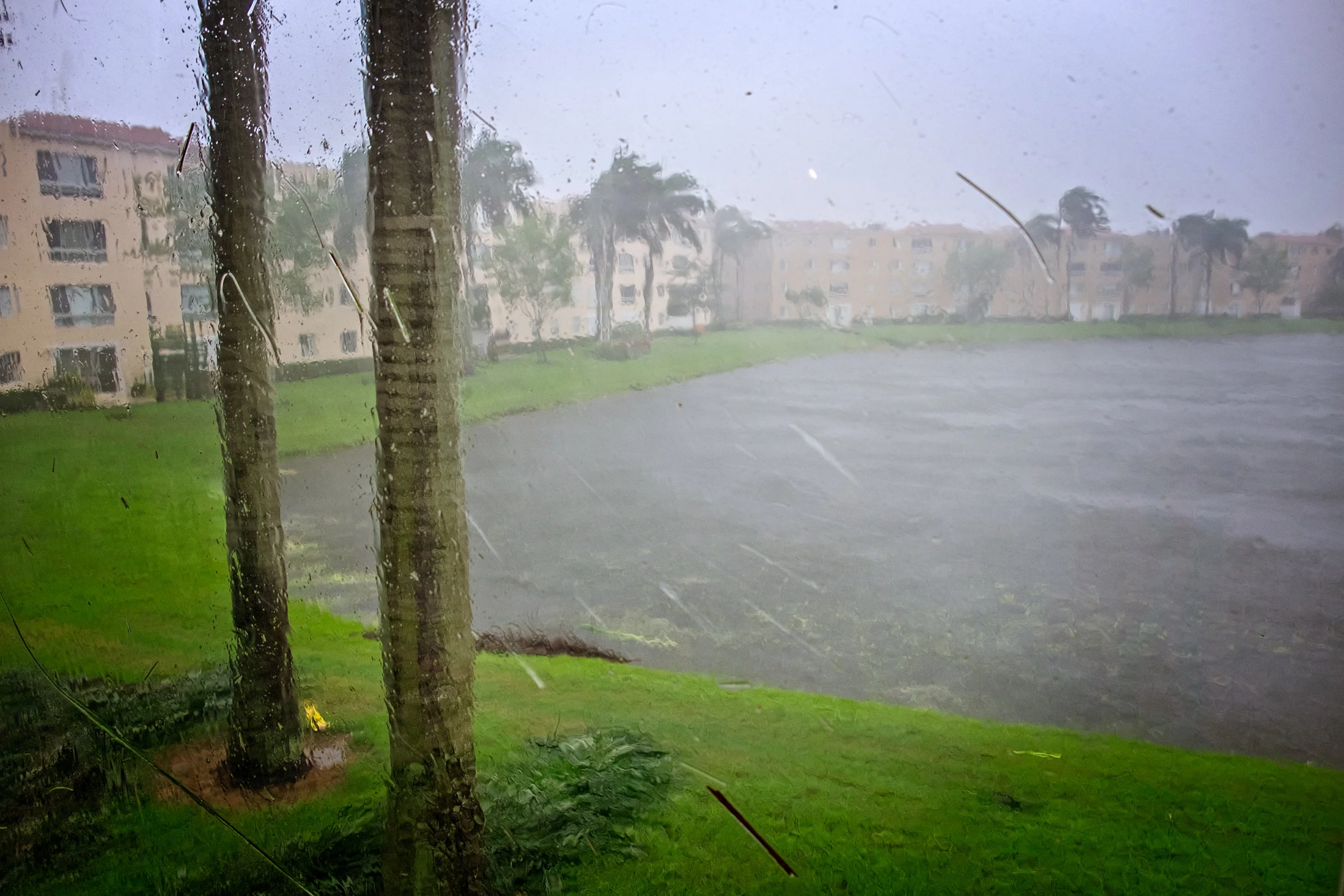
Hurricane Irma. Joan Nova, CC-BY-NC-ND
The Irma Diaries: Hurricane Irma Survivor Stories Should Be a Climate Change Wake-Up Call
There’s a popular quote often attributed to Mark Twain that was used in a radio ad in the Virgin Islands many years ago: “Everybody talks about the weather, but no one does anything about it….”
It always seemed strangely inappropriate in a place where people seldom talk about the weather, and where blue skies produce picture postcard days and temperatures seldom vary from the mid-80s. In the islands, the saying goes, as in much of the Caribbean, the weather is pretty predictable.
But really, it is not.
Rising sea levels, longer dry spells and erosion of precious beaches are affecting people’s lives and livelihoods. And in her new book, The Irma Diaries: Compelling Survivor Stories from The Virgin Islands, British Virgin Islands author Angela Burnett warns that unless there’s some real movement to curtail greenhouse gas emissions, the series of deadly hurricanes that churned their way through the Caribbean in September 2017 could be a glimpse into a future of unprecedented weather.
“There is a real possibility that a hostile climate could eventually make the islands I have always called and cherished as home uninhabitable,” writes Burnett, who works as a climate change officer in the British Virgin Islands.
Irma was the most powerful Atlantic Ocean hurricane in recorded history, and it left a trail of destruction and despair across the Caribbean and Florida. The British Virgin Islands, a territory with a population of 36,000, took a direct hit.
The storm killed four, destroyed businesses, eroded beaches, shredded hillside vegetation, flattened homes and left an untold number of people adrift and sickened from the destruction of water and electricity systems. Maria, another Category 5 hurricane, followed two weeks later, grazing the Virgin Islands but devastating the nearby island of Puerto Rico, which had become a staging ground for its Irma-ravaged neighbors.
The hurricanes of 2017 left no one unscathed in the Caribbean islands it touched, and the story of their economic and emotional toll is still unfolding four months later. “Irma was definitely a game changer,” Burnett says. “The BVI is now at a very important crossroad; Irma makes it impossible for us to redevelop without factoring in climate change impacts.”
The Irma Diaries, which Burnett wrote in about two months, tells the story of 25 hurricane survivors, based on her first-hand interviews with a cross section of residents from the four major inhabited islands in the BVI (Tortola, Virgin Gorda, Anegada and Jost Van Dyke).
Their stories—of ripped-off roofs, flying debris, blown-in doors, broken windows, crumbled walls, homes caught afire and overturned vehicles—are horrifying and harrowing, and also at times humorous. But along with the anecdotes on how the people prepared for and survived a storm of a magnitude none of them had ever experienced, many of them talked, unprompted, about the role the changing climate had in shaping these disasters.
They’ve had ample evidence this year alone. Almost exactly a month before Irma, an unusual storm dumped between 8 and 15 inches of rain in various parts of the territory in 24 hours, leading to widespread flash flooding.
One resident, having clearly read Al Gore’s Truth to Power, referred to the “rain bomb,” which is how Gore in his book describes a kind of downpour that might have occurred once in a thousand years, but now occurs quite regularly.
Another person, referring to the hurricane as “Irmageddon,” was outraged that the climate change conversation has not gotten any more prominent in public policy debates. One family that had been planning an expansion of their home is now considering building a concrete bunker instead.
Burnett, 31, gave her book an unofficial launch at the United Nations Climate Change Conference in Bonn, Germany, in November 2017.
Often the youngest person at many of the climate functions she attends, Burnett also authored the climate change adaptation policy for the BVI and conducted a vulnerability assessment for the region’s tourism sector. She also helped to pioneer and develop the new Climate Change Trust Fund, whose board was seated just weeks before Irma hit. The need for such a fund is based on recognition that the U.K.-dependent territory simply doesn’t qualify for most of the big pots of climate change funds available to other countries. From public school classrooms to government cabinets, Burnett has been trying to educate people locally around the importance of climate change adaptation and warning of the likelihood of stronger hurricanes. Still, the strength and ferocity of Irma surprised even her.
“People never act on something unless they care about it first,” she says. “You need to get them to connect to that thing at some level.” With this book, she wants to “put people in the shoes of those who lived this disaster, even if they’re on a small island in the Caribbean. Spending the hurricane with them and going through how they had to save their lives at the hands by this climate-change induced threat I think is a powerful way to start a connection.”
Burnett began writing the book about a month after the hurricane made landfall. She wrote at times in longhand and on many nights she worked by candlelight because many of the homes on the island, including hers, had no power. Many still remain in the dark four months later.
She says was stopped by police many nights for breaking curfew, because she was driving home late from interviews or from the local sewer treatment plant, which had become a refuge because it was one of the few places on the island with power that she could access.
A decade ago, when she first started her work on climate change, many people in the islands didn’t really know what it was or that it had anything to do with them because most of the images associated with it were of melting ice caps and starving polar bears, she says.
While the entire Caribbean contributes very little overall to global emissions, “If you look at our carbon footprint, per capita, we are probably up there with the average citizen of in some developed countries or other countries making significant contributions,” she says. “From a moral perspective we have a responsibility to act. Climate change impacts everything about our future.”
A big part of getting that message across has been to help Virgin Islanders understand how climate change affects them. Talking to primary and high school students, for example, Burnett uses familiar analogies to explain the dynamics of climate. She’s helped stage local debates on climate change and once included a climate change parade float for a colorful cultural festival. She’s done exhibits, streamed Al Gore’s An Inconvenient Truth on movie nights and played short videos in public places where people wait in line, like banks.
“Our climate has been such a steady, unchanging backdrop to life that we often don’t realize how fundamental it is to everything about our existence,” Burnett says. “Adaptation requires a new way of thinking and acting on the part of government, civil society, private sector and individuals.”
In an afterword to Burnett’s book, Michael Taylor, a physics professor at the University of the West Indies’ Mona Campus in Jamaica, wrote that Irma is solid proof of why climate change needs to be taken seriously in the Caribbean. The impact of unprecedented climate is not just erosion of a Caribbean way of life but derailment of Caribbean development, Taylor said.
The setback to economies, many based on tourism and agriculture, will be considerable, he wrote. “In a real sense, Irma portends the future challenge of climate change for the Caribbean region—the challenge of living in a new era likely consistently marked by climatic events only rarely seen to date, or by climatic events that have never been experienced before.”
THIS ARTICLE WAS ORIGINALLY PUBLISHED ON YES! MAGAZINE.

LORNET TURNBULL
Lornet Turnbull wrote this article for YES! Magazine. Lornet is an editor for YES! and a Seattle-based freelance writer. Follow her on Twitter @TurnbullL.
JAPAN: Wabi Sabi
Wabi Sabi is a Japanese lifestyle giving a view of life in many aspects: everything is imperfect and the true beauty comes from simple things, then, one can have subtle feelings in life. Inspired from that spirit, filmmaker duo and couple Le Quynh Anh and Le Nham Quy made this video about Japan in a deeper insight and unbiased feelings. "Japan - Wabisabi" is their best emotional-experience journey in Japan, where they are living and working. They hope that you can feel "Japanese Spirit" from this video.
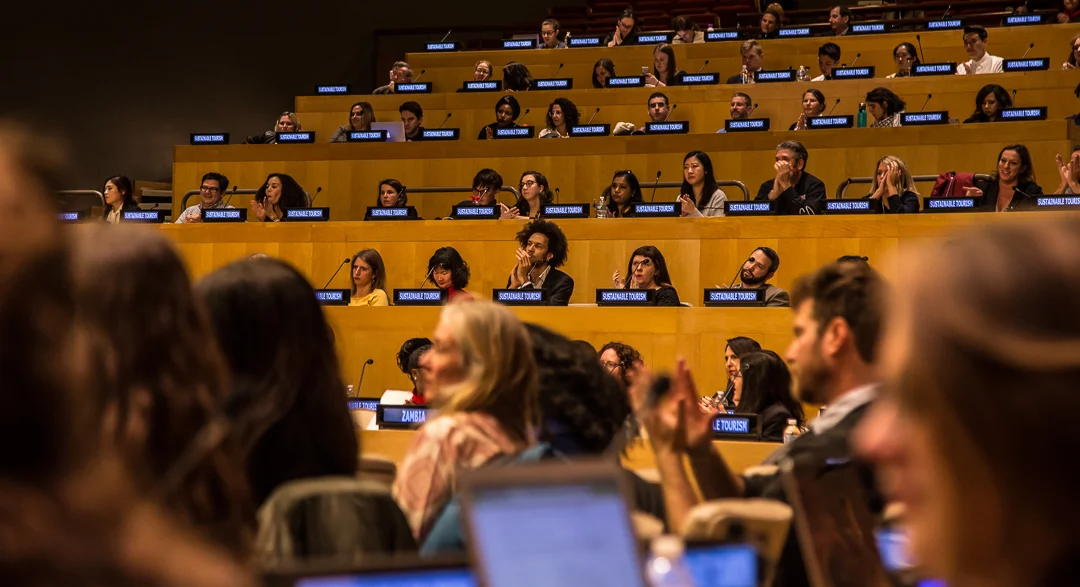
International Year of Sustainable Tourism: Travel Social Good 2017 Summit
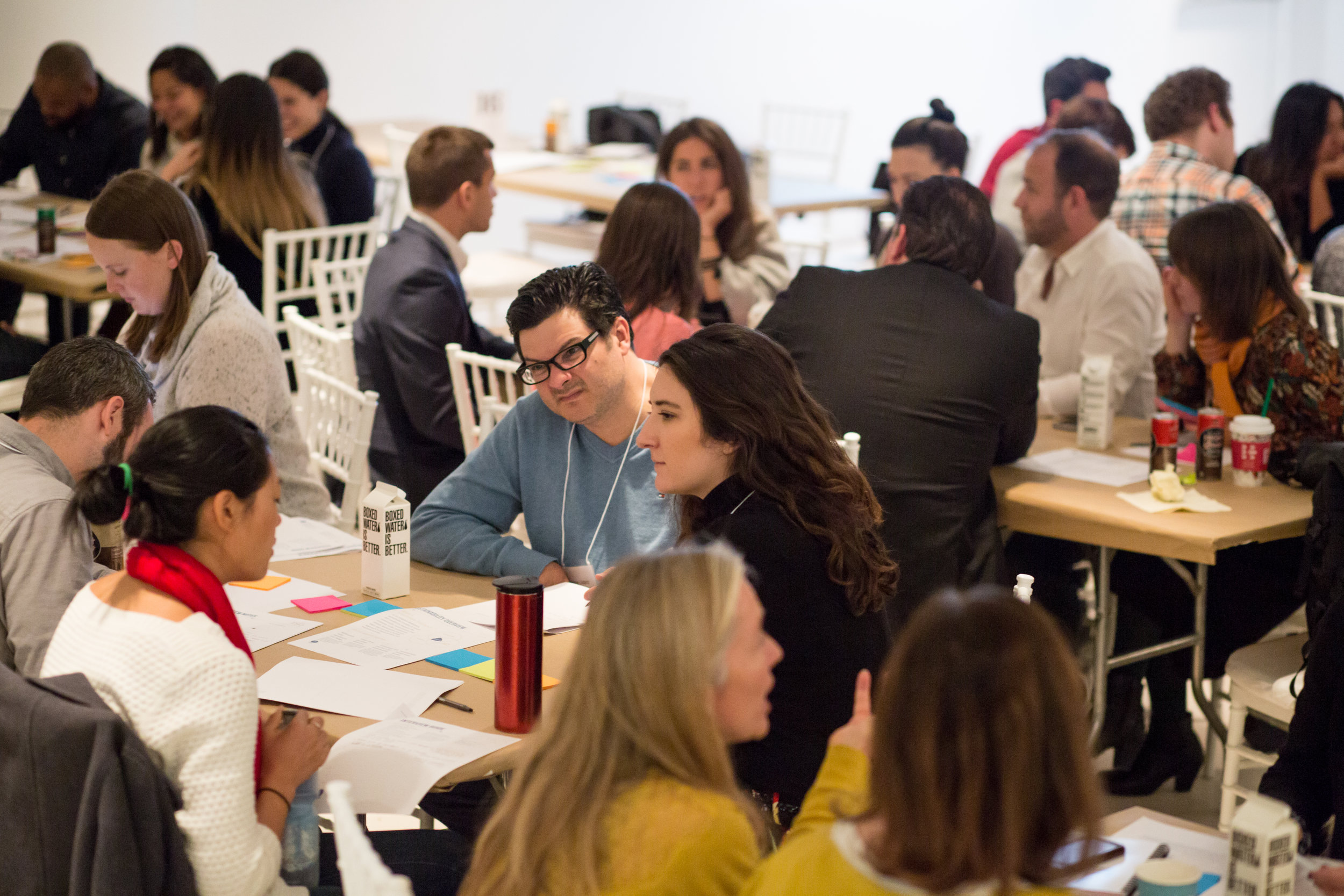
November 16th – 17th, Travel Social Good hosted its annual summit at the United Nations in New York City. Guests included tourism ambassadors, travel industry professionals and members of the hospitality community. The core challenge and theme was Transparency and focused on the UN’s declaration of 2017 as the International Year of Sustainable Tourism For Development. Summit partners included Global Sustainable Tourism Council, Sustainable Travel International, Center for Responsible Travel, and Tourism Cares. For those tweeting live or following along at home, the hashtag #TravelGood17 was created.
Every year 1.2 billion people travel the globe for business, pleasure, and familial reasons. Of the estimated trillions of dollars generated by this type of travel, less than 10 percent of it remains to benefit the local community. Some critics have described this as colonialism 2.0. The notion that the comparatively wealthy come to a place, consume and exhaust its resources, and leave the lands and oceans worse. Then, the same industries that profited from this practice dare to tell both travelers and indigenous people what’s best for the local lands, bodies of waters, and the economy.
Whether due to criticism or a sense of wanting to do the right thing, many travel professionals and innovators are creating ways to mitigate the damage being done by the industry. “Tourism can be parasitic,” keynote speaker and Planeterra Foundation President, and VP of G Adventures, Jamie Sweeting said. 21st century travel does more harm than good, he asserted. Sweeting noted that 2002 was the UN’s International Year of Eco-Tourism, and fifteen years later, with this being the Year of Sustainable Tourism, the industry is still talking about essentially the same issues. He said the field is still too focused on destination “arrivals and visits” and not enough on generating substantive “non-menial jobs” for locals. He challenged all sectors of the travel industry— airlines, hotels, agents, restaurants, manufacturers, etc.— to do better.
Sweeting’s financial statistics were grimmer than those put out earlier in the conference by travel experts. He said only “5 out of 100 dollars stay with developing and local economies.” “Who really benefits from tourism?” he asked the audience. Using Andrew Carnegie as an illustration, Sweeting noted that the industrialist became wealthy by manufacturing steel but did so using child labor and a “weakened” morality. He was charitable, but also created damage. The travel industry, he implored, must “reduce their harm.”
Jamie pointed to G Adventures’ G Local as an example of causing less harm within the business of tourism. Sweeting said 91% of the company’s suppliers are locally owned and 90% of those suppliers use local resources. Out of $250M generated, $200M is recycled back into the local community, Sweeting said.
Representatives from Israel, Botswana, Gambia, and Kenya were also present at TSG’s summit and spoke about tourism in their nations. They highlighted the beautiful attractions of their lands and gave historical and political information about their countries. H.E. Mr. Adonia Ayebar described Uganda’s rainforests and deserts and said the country has over 1,000 species of birds due to its unique climate and geography. Victoria Falls in Zambia, is one of the seven wonders of the world according to H.E. Ms. Christine Kalamwina. In addition to Kenya being “the most wonderful place on the planet,” the nation has also increased penalties for poaching and attacking crops, H.E. Ms. Koki Muli Grignon informed the audience.
The idea of using data to demonstrate a destination’s value was also presented at the summit. According to Nature Conservancy’s Geof Rochester, reefs in Barbados mitigate waves and clean gallons of ocean water. 40% of the nation’s economy is tied to tourism, at $24T per year. Of the estimated 70 million trips taken to coral reefs and “reef adjacent,” (i.e. beaches nearest the reefs) $35.5B was generated according to the data collected. Data such as this can then be presented to governments, airlines, trip insurers, etc. to help “calculate value” of certain destinations.
Towards the close of the summit, attendees were asked to engage in “design thinking” to help problem solve and mitigate the negative impacts of tourism.
Jeremy Smith, co-founder of Travindy, pointed out that though “tourism only directly supports 3.6% of [the] economy,” it’s responsible for 5% of greenhouse gases. He highlighted hotels that were beginning to use plant carpets to offset carbon emissions. Conference goers broke into smaller groups to brainstorm such creative solutions.
Gail Grimmett, president of Travel Leaders Elite told attendees, “purpose is the new luxury,” and encouraged the audience and industry leaders to be stewards of the resources we come in contact with.
For more information, please visit travelsocialgood.org.

ALEXANDREA THORNTON
Alexandrea is a journalist and producer living in NY. A graduate of UC Berkeley and Columbia University, she splits her time between California and New York. She's an avid reader and is penning her first non-fiction book.
WAVES For Development: Changing Lives in Peru Through Surf
Meet Dave Aabo, the founder of WAVES for Development, a volunteer surf organization operating in Peru and around the world, in this exclusive CATALYST interview.
Read MoreIRAN: Beyond the Curve
The short film is the result of a 21-day trip through the South Iran ( Tehran - Shiraz - Yazd - Esfahan - Kashan - Tehran) and North Iran ( Tehran - Tabriz - Lake Urmia). See what this beautiful country has to offer, in both urban and rural landscapes.
Climate Change Will Displace Millions in Coming Decades: Nations Should Prepare Now to Help Them
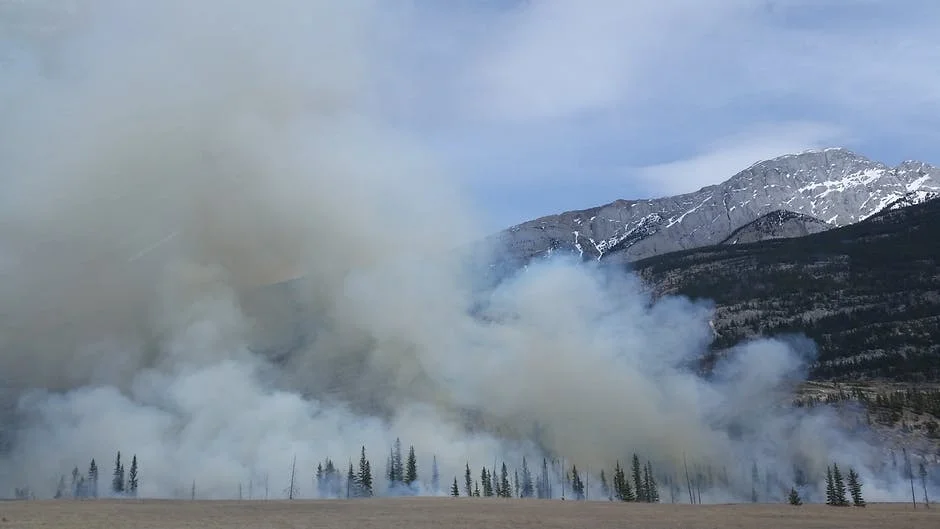
Wildfires tearing across Southern California have forced thousands of residents to evacuate from their homes. Even more people fled ahead of the hurricanes that slammed into Texas and Florida earlier this year, jamming highways and filling hotels. A viral social media post showed a flight-radar picture of people trying to escape Florida and posed a provocative question: What if the adjoining states were countries and didn’t grant escaping migrants refuge?
By the middle of this century, experts estimate that climate change is likely to displace between 150 and 300 million people. If this group formed a country, it would be the fourth-largest in the world, with a population nearly as large as that of the United States.
Yet neither individual countries nor the global community are completely prepared to support a whole new class of “climate migrants.” As a physician and public health researcher in India, I learned the value of surveillance and early warning systems for managing infectious disease outbreaks. Based on my current research on health impacts of heat waves in developing countries, I believe much needs to be done at the national, regional and global level to deal with climate migrants.
The U.S. government is spending US$48 million to relocate residents of Isle de Jean Charles, Louisiana, because their land is sinking.
Millions displaced yearly
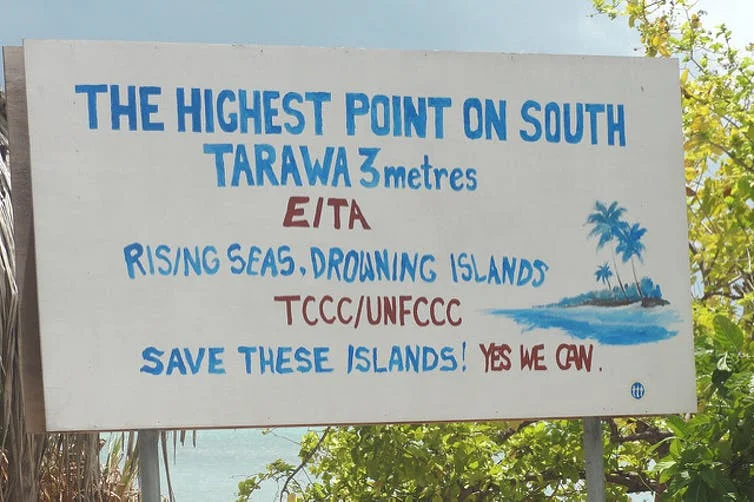
Climate migration is already happening. Every year desertification in Mexico’s drylands forces 700,000 people to relocate. Cyclones have displaced thousands from Tuvalu in the South Pacific and Puerto Rico in the Caribbean. Experts agree that a prolonged drought may have catalyzed Syria’s civil war and resulting migration.
Between 2008 and 2015, an average of 26.4 million people per year were displaced by climate- or weather-related disasters, according to the United Nations. And the science of climate change indicates that these trends are likely to get worse. With each one-degree increase in temperature, the air’s moisture-carrying capacity increases by 7 percent, fueling increasingly severe storms. Sea levels may rise by as much as three feet by the year 2100, submerging coastal areas and inhabited islands.
The Pacific islands are extremely vulnerable, as are more than 410 U.S. cities and others around the globe, including Amsterdam, Hamburg, Lisbon and Mumbai. Rising temperatures could make parts of west Asia inhospitable to human life. On the same day that Hurricane Irma roared over Florida in September, heavy rains on the other side of the world submerged one-third of Bangladesh and eastern parts of India, killing thousands.
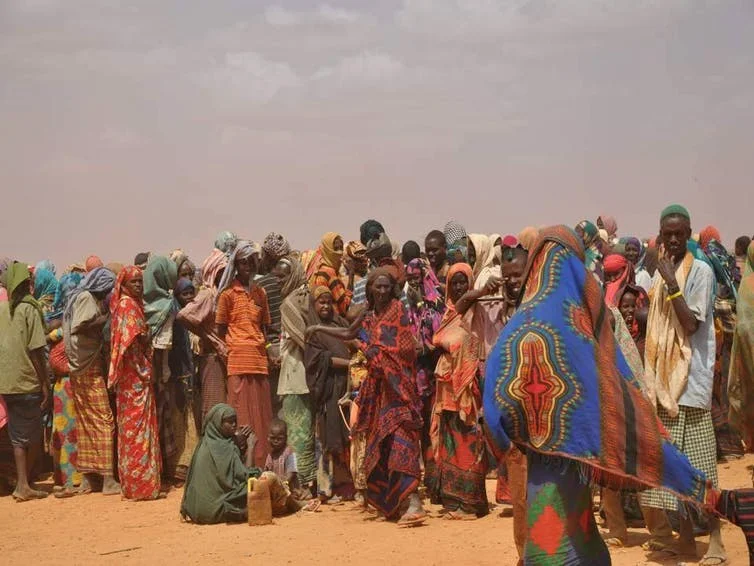
Climate change will affect most everyone on the planet to some degree, but poor people in developing nations will be affected most severely. Extreme weather events and tropical diseases wreak the heaviest damage in these regions. Undernourished people who have few resources and inadequate housing are especially at risk and likely to be displaced.
Recognize and plan for climate migrants now
Today the global community has not universally acknowledged the existence of climate migrants, much less agreed on how to define them. According to international refugee law, climate migrants are not legally considered refugees. Therefore, they have none of the protections officially accorded to refugees, who are technically defined as people fleeing persecution. No global agreements exist to help millions of people who are displaced by natural disasters every year.
Refugees’ rights, and nations’ legal obligation to defend them, were first defined under the 1951 Refugee Convention, which was expanded in 1967. This work took place well before it was apparent that climate change would become a major force driving migrations and creating refugee crises.
Under the convention, a refugee is defined as someone “unable or unwilling to return to their country of origin owing to a well-founded fear of being persecuted for reasons of race, religion, nationality, membership of a particular social group, or political opinion.” The convention legally binds nations to provide access to courts, identity papers and travel documents, and to offer possible naturalization. It also bars discriminating against refugees, penalizing them, expelling them or forcibly returning them to their countries of origin. Refugees are entitled to practice their religions, attain education and access public assistance.
In my view, governments and organizations such as the United Nations should consider modifying international law to provide legal status to environmental refugees and establish protections and rights for them. Reforms could factor in the concept of “climate justice,” the notion that climate change is an ethical and social concern. After all, richer countries have contributed the most to cause warming, while poor countries will bear the most disastrous consequences.
Some observers have suggested that countries that bear major responsibility for greenhouse gas emissions should take in more refugees. Alternatively, the world’s largest carbon polluters could contribute to a fund that would pay for refugee care and resettlement for those temporarily and permanently displaced.
The Paris climate agreement does not mention climate refugees. However, there have been some consultations and initiatives by various organizations and governments. They include efforts to create a climate change displacement coordination facility and a U.N. Special Rapporteuron Human Rights and Climate Change.
It is tough to define a climate refugee or migrant. This could be one of the biggest challenges in developing policies.
As history has shown, destination countries respond to waves of migration in various ways, ranging from welcoming immigrants to placing them in detention camps or denying them assistance. Some countries may be selective in whom they allow in, favoring only the young and productive while leaving children, the elderly and infirm behind. A guiding global policy could help prevent confusion and outline some minimum standards.
Short-term actions
Negotiating international agreements on these issues could take many years. For now, major G20 powers such as the United States, the European Union, China, Russia, India, Canada, Australia and Brazil should consider intermediate steps. The United States could offer temporary protected status to climate migrants who are already on its soil. Government aid programs and nongovernment organizations should ramp up support to refugee relief organizations and ensure that aid reaches refugees from climate disasters.
In addition, all countries that have not signed the United Nations refugee conventions could consider joining them. This includes many developing countries in South Asia and the Middle East that are highly vulnerable to climate change and that already have large refugee populations. Since most of the affected people in these countries will likely move to neighboring nations, it is crucial that all countries in these regions abide by a common set of policies for handling and assisting refugees.
The scale of this challenge is unlike anything humanity has ever faced. By midcentury, climate change is likely to uproot far more people than World War II, which displaced some 60 million across Europe, or the Partition of India, which affected approximately 15 million. The migration crisis that has gripped Europe since 2015 has involved something over one million refugees and migrants. It is daunting to envision much larger flows of people, but that is why the global community should start doing so now.
This article was originally published on The Conversation.

GULREZ SHAH AZHAR
Gulrez Shah Azhar is a doctoral candidate at the Pardee RAND Graduate School and an Assistant Policy Researcher at the RAND Corporation in Santa Monica. His dissertation, "Indian Summer: Three Essays on Heatwave Vulnerability, Estimation and Adaptation," focuses on health impacts of heat waves in developing countries.
Burning Man 2017
Watch the result of thousands of people coming together in Black Rock City, creating a vibrant environment of art and community. A unique perspective of Burning Man as filmed by Inspire 2 and X5S in 4k from above.
EGYPT: Share The Word Project - Cairo
Worldwide art project mixing graffiti, photography and film, and using art to create bridges between cultures. Led by photographer Spag and graffiti artist Seb Toussaint, the project has taken place in 7 slums worldwide. This episode is based in Cairo, Egypt.
This video was shot in Mazarita, a neighbourhood situated in the South of Cairo. In a little more than 4 weeks, 15 murals were painted with words chosen by the inhabitants. All the murals were painted in freestyle.

Women’s NGOs Are Changing the World – and Not Getting Credit for It
Women's NGOs play crucial roles in development projects, often mobilizing, organizing and building projects that otherwise would never have been launched.
Read MorePERU: The West Road
When it comes to surfing and travel I’m sure all of us dream about our perfect trip, setting off somewhere warm, with endless waves and casting aside everyday life. Not all of us have the opportunity to make our dreams a reality but one couple from the UK’s North East coast have done just that and left the 9-5 behind to travel the length of the Pan American highway on 150cc Motorbikes with only surfboards and each other for company.
Tom Bing and Sally McGee's are riding small motorbikes from Santiago, Chile where they started in Oct 2015 with their eyes set on making it to California later in 2016. They are hugging the coastline as much as possible, passing through 12 countries in total clocking up around 15,000 miles.
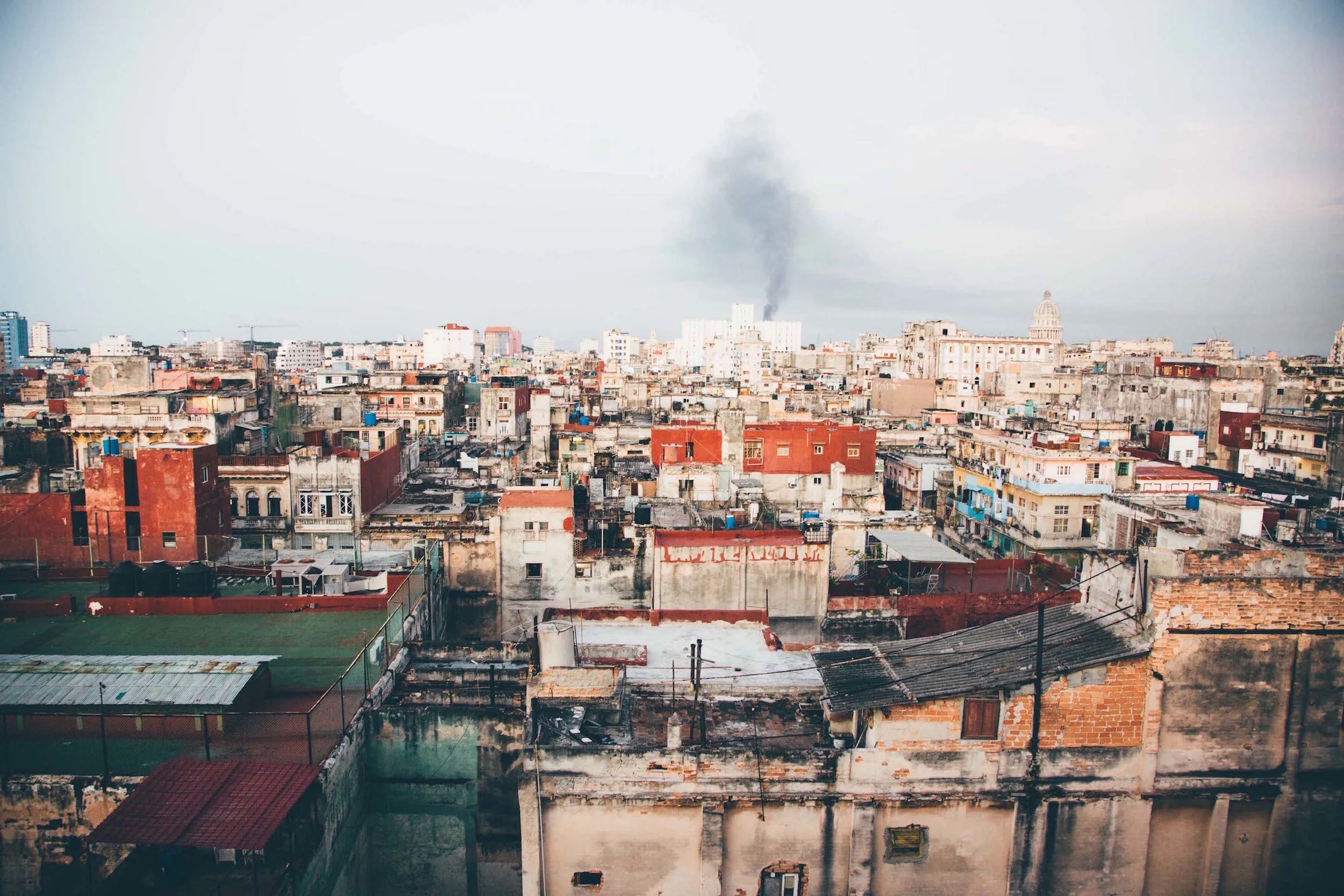
Observing the Slow Life | A Week in Havana, Cuba
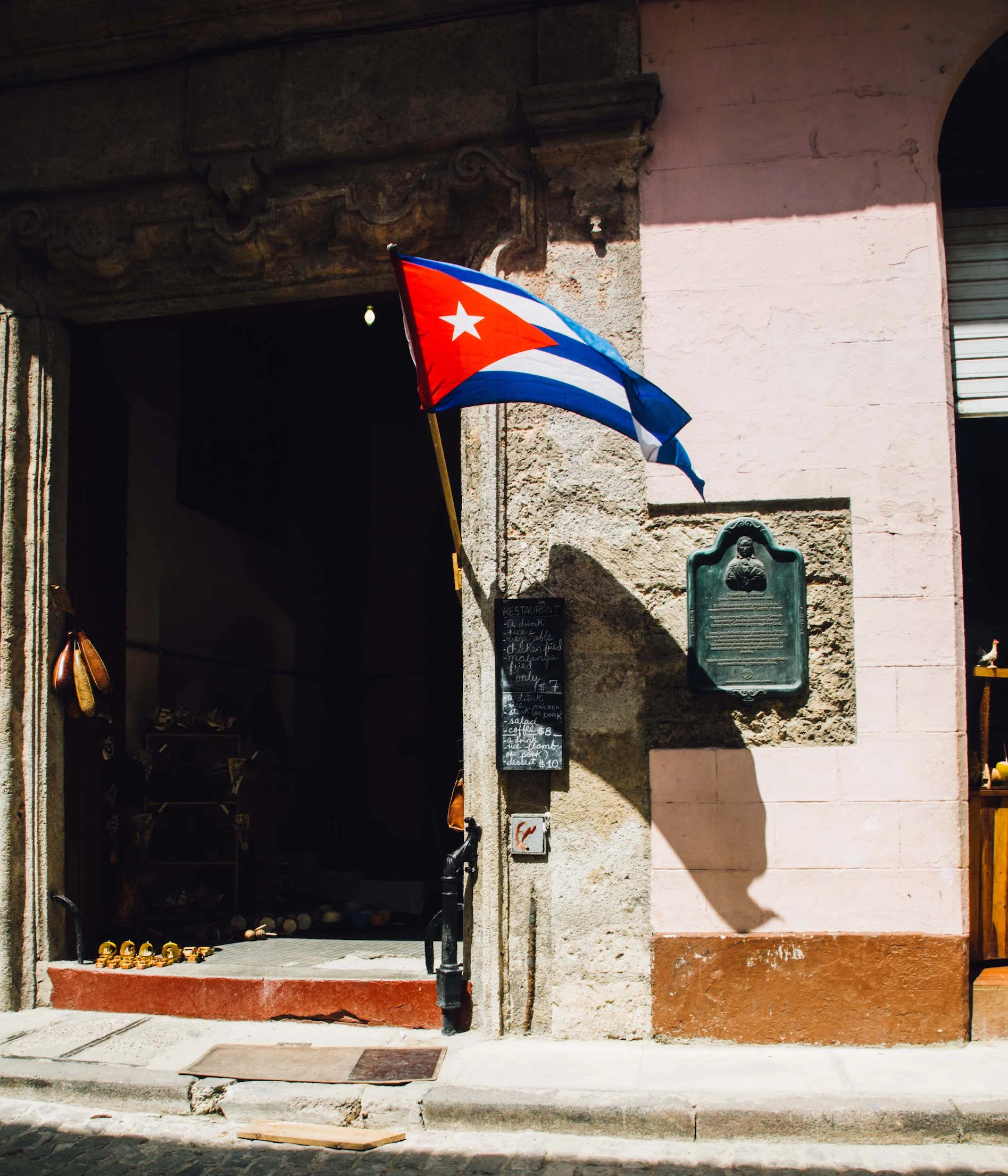
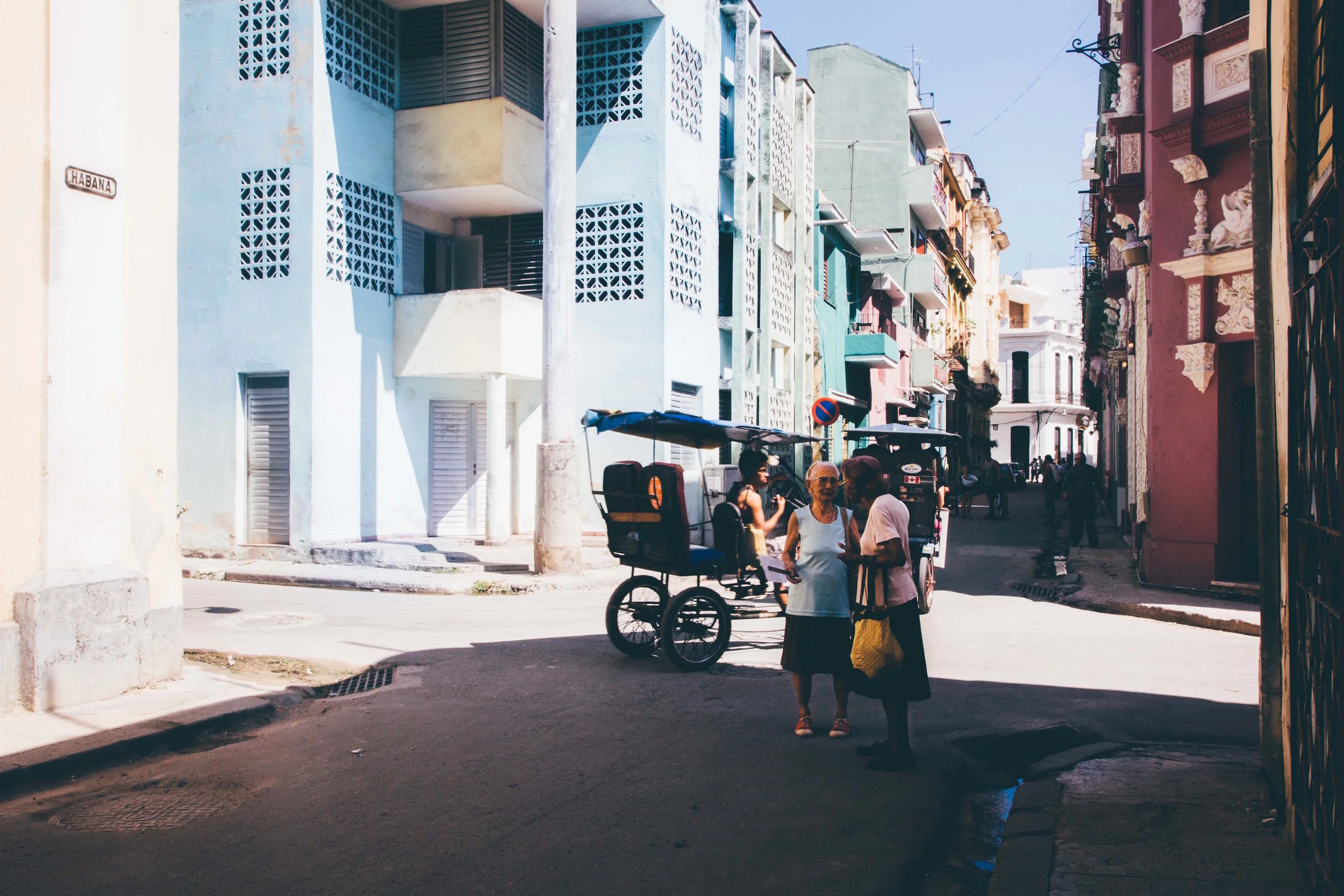
We arrived in Cuba on July 26th and took a taxi straight into Habana Vieja (Old Havana). Along the way I noticed a flag hanging alongside the Cuban flag that was black and read with white text that said 26 Julio on many buildings. I was perplexed but left it at that. Once we got settled, changed, and came to terms of no wifi, we started to explore, but the city streets were desolate. It was only 3pm , where was everyone? With a little more prying and spanglish we found out that it was a public holiday in Cuba known as Movimiento 26 de Julio.
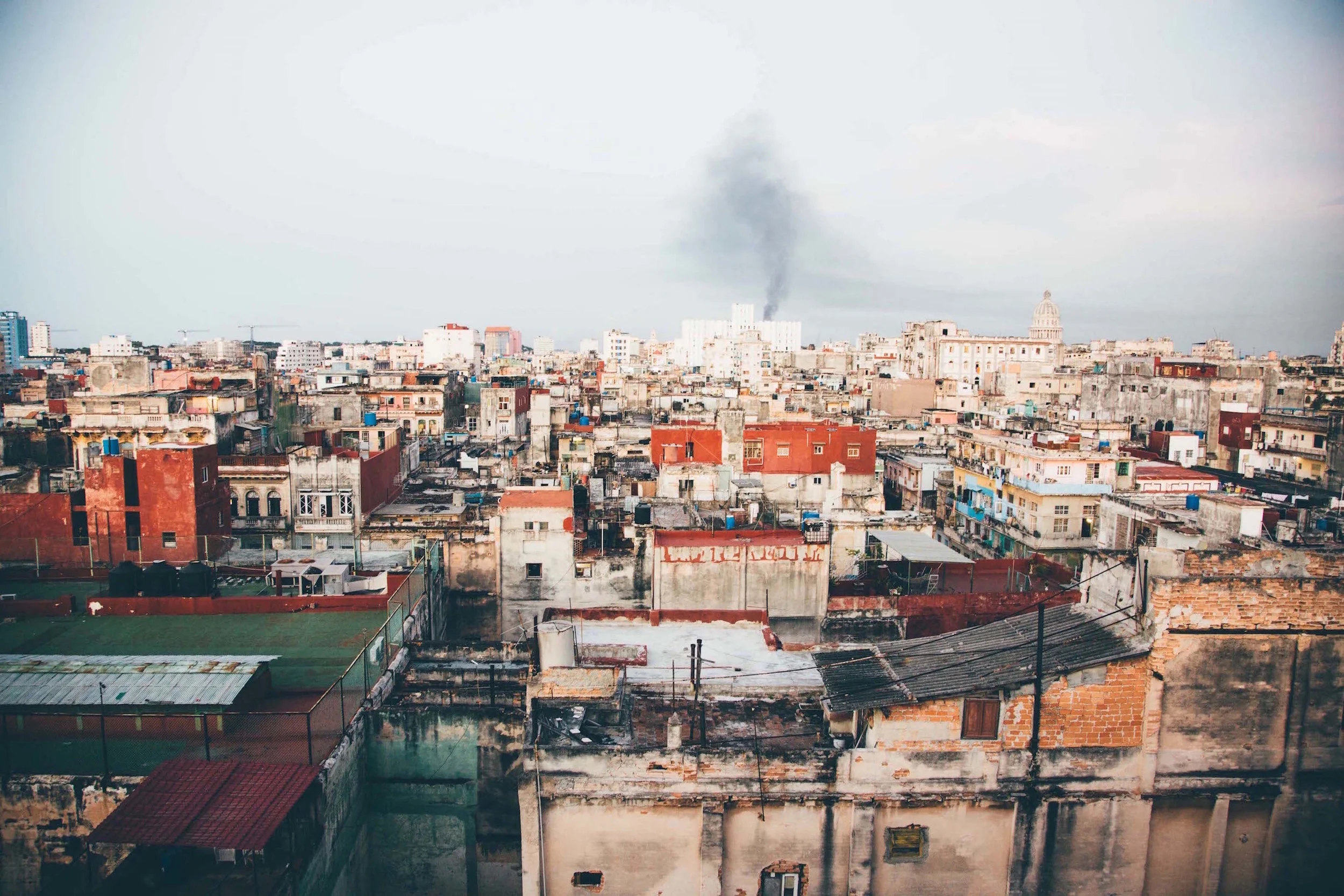
The next morning we were met by our tour guide Julia, she showed us around Habana Vieja, all the main “hot spots,” plus a few local gems. What I found most interesting about her tour was all of the importance she placed on dates. These dates seemed to have such importance to her. They told the story of Old Havana and how the city came to become what it is today. After a long day we parted ways and I felt more informed, curious and hungry to learn more, lucky for me, we were just getting started.
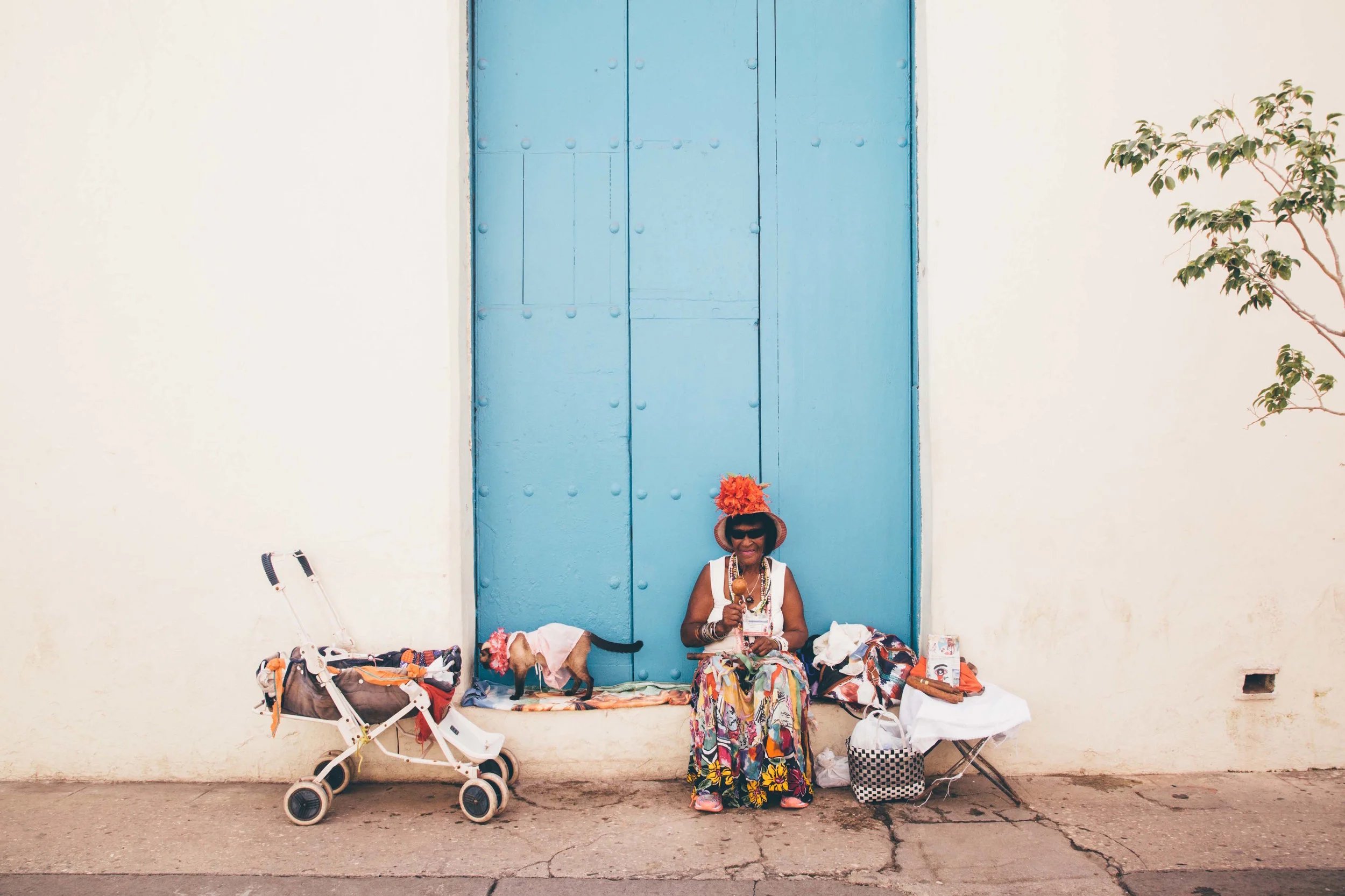
Day 2 & 3 We drove along the Malecon, explored Central Havana and Vedado, other districts within Havana. These two districts felt similar to what I know caribbean cities to feel like. I saw a few more markets, local stores, and many more local people. By now I had observed a few things:
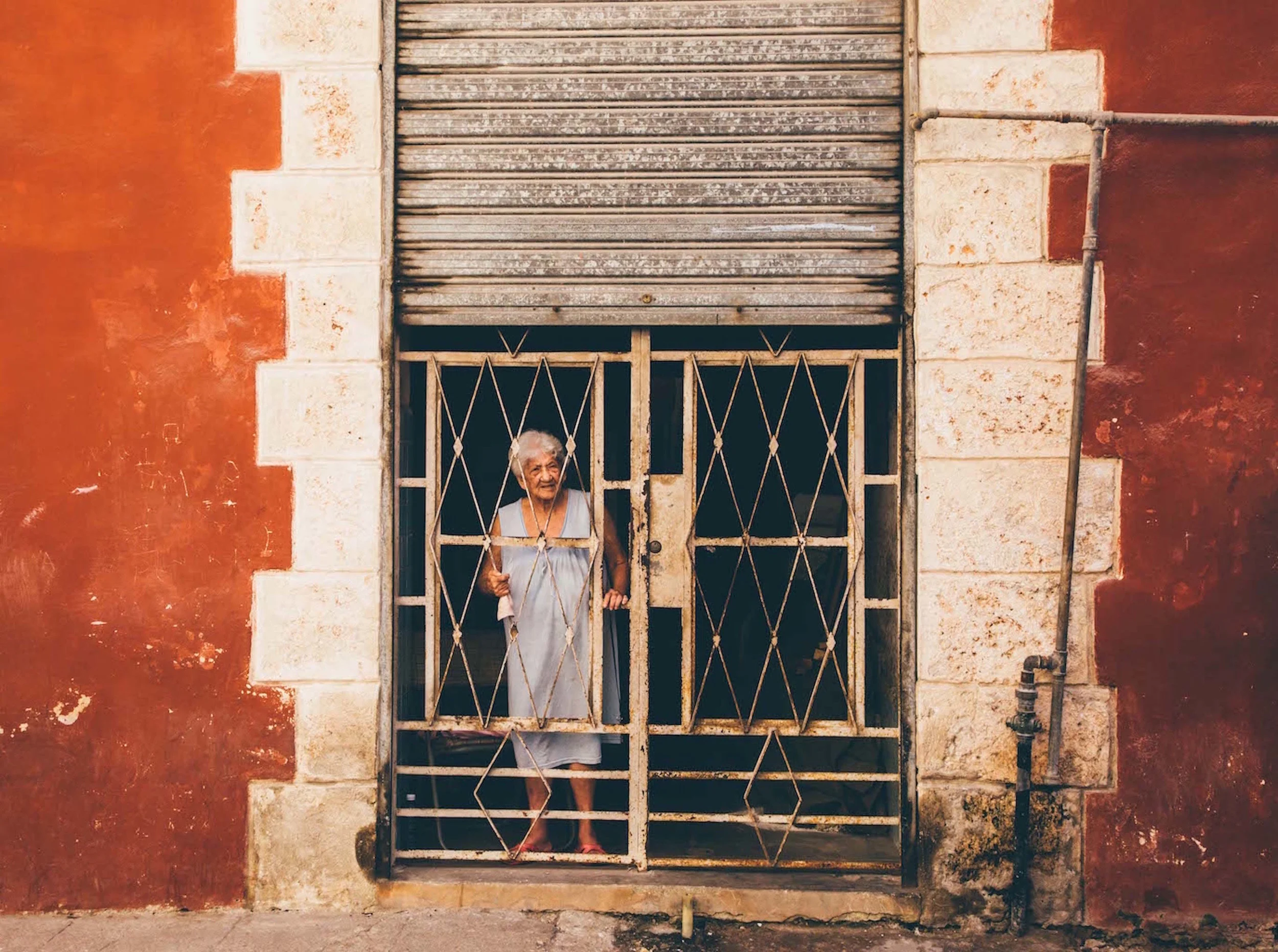
Everyone is extremely friendly and says“Have a great vacation in Cuba”,“Enjoy our great Country”
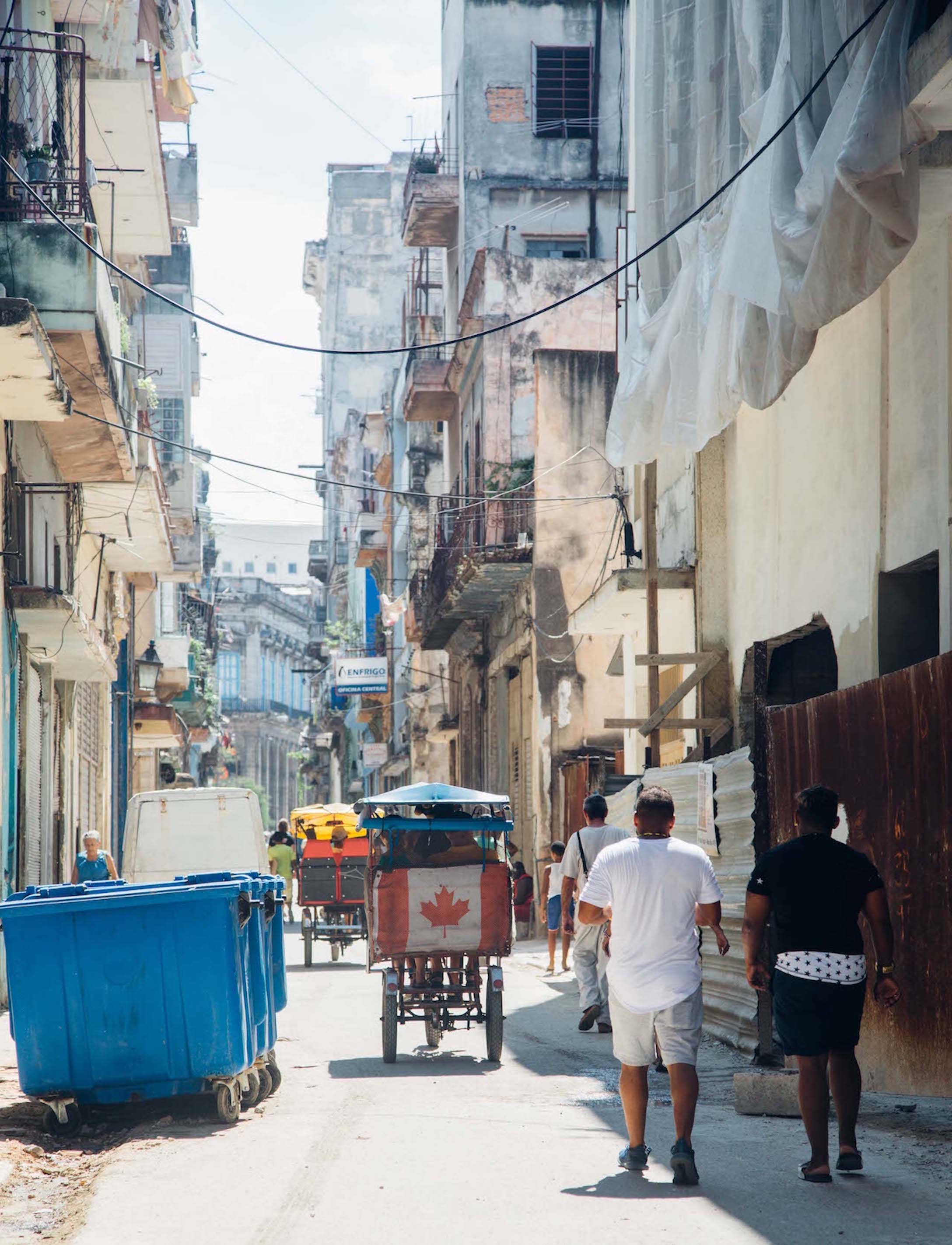
Due to the tight restrictions on WiFi in Cuba no one is walking with their phone in hand, no one.
Bring snacks from home if you are a snacker. There are no convince stores.
The way of life is slow(in a good way!)if you go into a coffee shop, you sit down and drink your coffee right there. No to go cups.
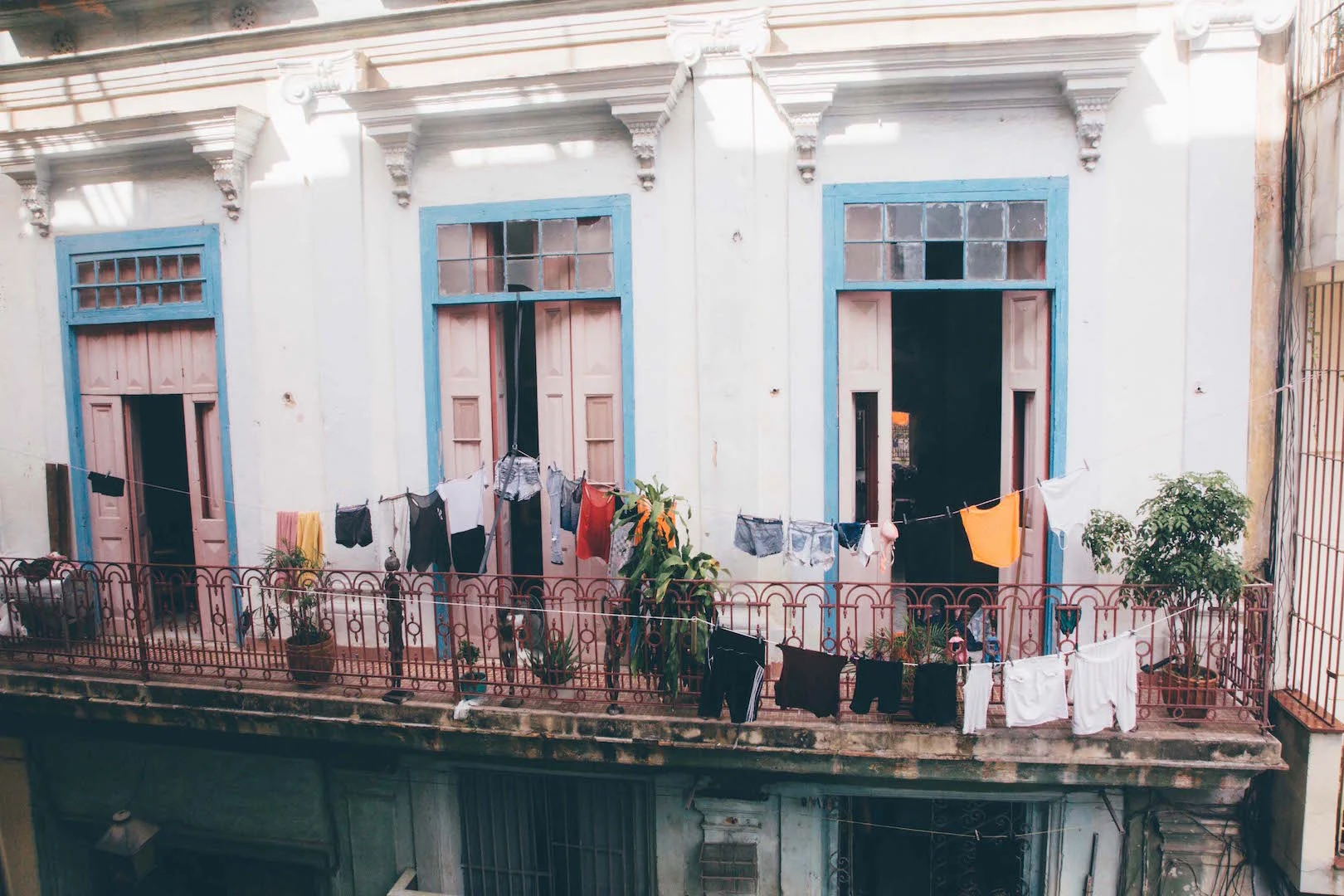
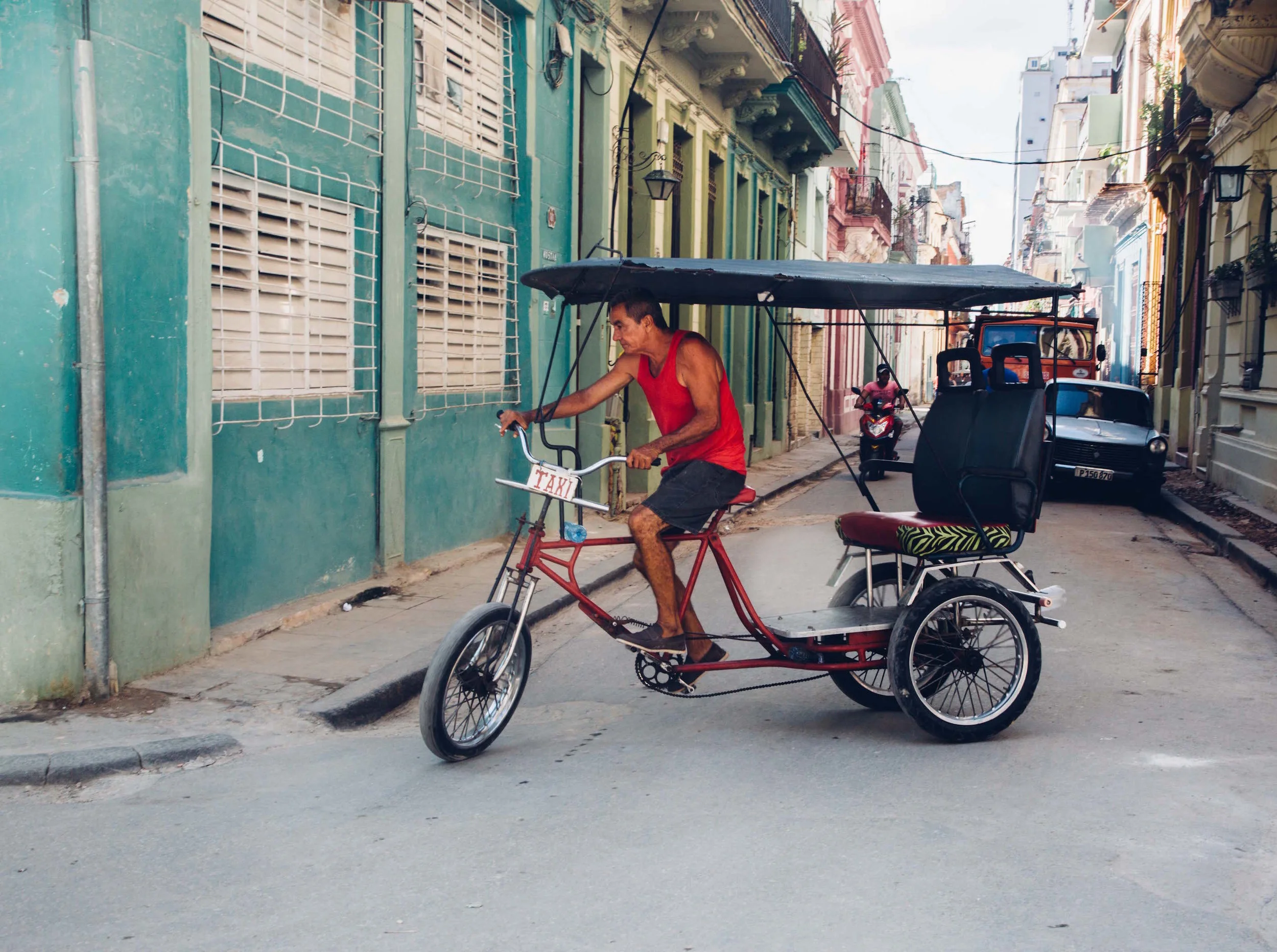
On Day 4 we checked out of our Hotel in one area of Old Havana to another. We got on a bike taxi and headed to our next home: a local Casa Particular, which means, “private house”. These homes are private family run establishments , similar to a B&B as we know it here in North America. We stayed on the top floor of a colonial style home. Our host was Ronaldo , an older man who lived in the house with his wife, nieces and nephews. They had four guest rooms in the front hallway and the back halfway, divided by the kitchen, was for him and his wife. The upstairs for the children. I was shocked at the size of the Casa. Each room also had their own washroom. Staying in a Casa was the best way to get to know more about the local way of life in Cuba. I left more connected to how they lived and wish we had stayed in a Casa from day one.
In Hindsight, our short week in Cuba wasn’t enough. On the last night we were tried and ready to go home after early mornings and full days of exploring. However, upon reliving my experiences through these images, I know that I have just scratched the surface of what this wonderful country has to offer. Many people head to Cuba and go straight to a cabana on the beach. I encourage you to explore the cities you travel to, get to know the local people and understand their culture. These cities and countries have so much to offer us intellectually and culturally.
Hasta pronto, Cuba!
THIS ARTICLE WAS ORIGINALLY PUBLISHED ON ROAM MAGAZINE.
JANA JACKSON
Jana Jackson is an emerging travel/documentary photographer, who photographs to chronicle people, places and culture through her visual story telling. Capturing the world in an authentic way that will overtime touch the lives of many.
TURKEY: Songs of the Kurds
The Kurdish people have a word—dengbêj—for a singer of epic tales of love and war, resistance and suffering. These bards belt out their songs at high volume. But for much of recent history, they have done so behind closed doors.
To read the full story, go to: https://www.junglesinparis.com/storie...
INDIA: Valleys in the Sky
'Valleys in the Sky' takes you on a journey to one of the highest altitude and least populated regions in the world, located in the Indian Himalayas. Experience the beauty and magnificence of this remote area and witness the incredibly rare celebration and arrival of his Holiness the high Lama, to the small town of Mudh for the first time during "this life's incarnation".
6 Things Emotionally Intelligent People Do When They Travel
TRAVEL CAN BE EMOTIONALLY TRYING AT THE BEST of times. There are far more instances when one is uncomfortable during travel, both physically and emotionally, than in everyday life. In order for this to not be incredibly overwhelming, you need to be pretty emotionally sturdy.
The best travelers — the ones that are the most compassionate, the most open, the most flexible and kind — are the ones that are emotionally intelligent. They’re the people who are in touch with and understand their own emotions, and can read and respond to the emotions of others. This ability to empathize and reflect is easily the most important trait one can have when going out into the world to travel. Here are six of the things emotionally intelligent travelers do.
1. Listen.
The single most important rule that literally everyone with any amount of emotional intelligence must live by is this: listen. Listening is a fundamentally unselfish act: it is the act of hearing what another person has to say without any reference to what you have to say. This holds especially true for travelers, as they are in a position where there are a lot more obstacles to functional communication.
A traveler who knows how to listen knows that listening isn’t just a matter of hearing, but also of seeing: try and recognize the context you’re in. Recognize the body language of the person you’re talking to. Recognize discomfort. And then absorb all of that with as little judgment as possible.
2. Don’t try to fix everything.
The impulse when one sees suffering is to try to alleviate it. But that, paradoxically, can be a selfish impulse, an impulse that is largely geared towards relieving your own discomfort with the suffering. If you see suffering during your travels, the situation may be that you do not have the proper skills to fix that suffering, or that you may not be the person who is needed to alleviate it. We hear about this a lot in reference to the “white savior complex,” but it does not apply exclusively to white people: many people want to jump in and fix a problem before fully understanding the problem. This usually causes problems of its own.
Someone with emotional intelligence will be able to accept the suffering, empathize with it, and simply be there for the sufferer, if they are needed. It all goes back to listening: you try to harness your impulses to help, and provide the help that’s needed instead.
3. Learn the basic words of courtesy in the local language.
Look: you’re not going to be able to learn the language of every single country you visit. There’s nothing wrong with this, no one expects every visitor to their shores to know their language. But learning a few words shows a few things to your hosts: first, that you are making an effort to speak their language in their home. And second, that you aren’t just interested with what they can do for you, but that you actually appreciate what they’re doing enough to let them know about your appreciation.
4. Learn the art of respect in their host country.
Like with the language basics, learning the basics of respect in a country is important. But this is usually more difficult. First, things like hand gestures or dress code are usually more complex than simples “pleases” and “thank you’s,” and second, these are things you might actually have some moral issue with.
Say, for example, you’re a woman visiting a strict Muslim country where women are expected to wear head coverings at all times. You might find this degrading or anti-feminist. But you should still respect their cultural norms, and not only because not doing so might make you a little bit less secure. You should do it because it’s a sign of deference to the fact that you are the visitor in their culture. Some families ask that you take your shoes off when you enter the house. You might not do this at your home, but you do it at theirs in the understanding that in different places, different rules might apply.
The rules might be nonsense or might even be unjust, but you are likely not the best placed person to fight those unjust rules, because you aren’t fully aware of the context. So you defer to the rule, or choose not to go.
5. Let themselves feel things.
One of the easiest ways to deal with some of the difficult things you see when you travel is to simply brush the feeling aside or push the feeling down. While this stoicism usually has some romance attached to it, it’s not particularly healthy. We’re animals, and animals have feelings and moods. If we don’t allow ourselves to have these feelings or moods naturally, then they can no longer be in our control.
So if an emotionally intelligent traveler sees something that upsets them, they allow themselves to be upset.
6. Don’t let their feelings dictate their actions.
Emotional intelligence consists not only of understanding one’s emotions, but of mastering them as well. Say the airport loses your luggage and you are furious. Would you direct that anger at your partner?
You might, sure, but the loss of the luggage isn’t your partner’s fault. It wouldn’t be particularly fair to them. The smart thing to do is to channel that anger in useful ways — do what you can to get your luggage back, file a complaint, maybe talk the airline into giving you a couple of free tickets — and then letting that anger go. The more feelings have control over your actions, the less control you have over them.
THIS ARTICLE WAS ORIGINALLY PUBLISHED ON MATADOR NETWORK.
MATT HERSHBERGER
Matt Hershberger is a writer and blogger who focuses on travel, culture, politics, and global citizenship. His hobbies include scotch consumption, profanity, and human rights activism. He lives in New Jersey with his wife and his Kindle. You can check out his work at the Matador Network, or over at his website.