A World Cup for the Overlooked

CONIFA Offers a Humanitarian Alternative to FIFA.

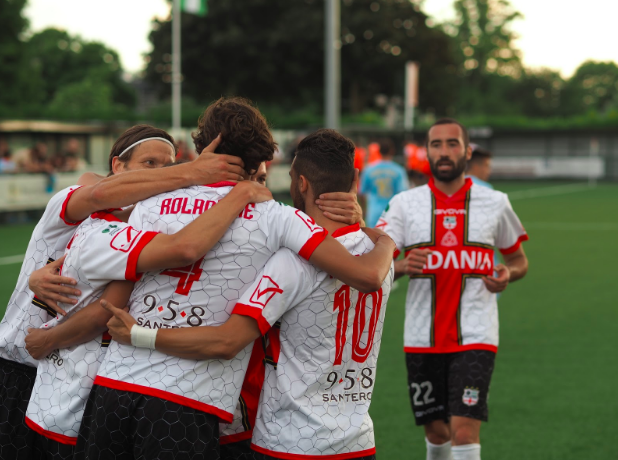
Conifa World Cup, Group C, Padania v Székely Land, Bedfont Sports Centre, London/England. By Ungry Young Man from Vienna, Austria. 3 June 2018. Photo Credit: Confifa

Soon, the eyes of the world will be on the FIFA World Cup. There will be all the usual pomp and spectacle, feats of athleticism, and celebration of unity. And yet, FIFA’s large-scale corruption is no secret to fans and players alike. Recurring scandals have tainted the name of soccer’s governing international organization, culminating in the arrest of seven top officials for claims of corruption in 2015. But FIFA also has a somewhat less known history of excluding the many teams that do not meet its participation requirements. To play in FIFA, the team’s nation must be recognized by the international community, and only one football team from each country is allowed to participate.

In 2013, the Confederation of Independent Football Associations, otherwise known as CONIFA, was formed with the intention of providing a world stage for these unrecognized teams to compete on. In a poetic opposition to FIFA, CONIFA was founded as a non-profit and represents teams comprised of people without a state, unrecognized nations, minorities, people who prefer representing their cultural identity over country of birth, and anyone else who cannot, or prefers not to meet FIFA’s requirements. CONIFA now includes 47 member teams and represents 334 million people worldwide. “We have nothing against FIFA,” CONIFA General Secretary Sascha Düerkop told the press shortly before the opening of the CONIFA World Football Cup, “They are very great to learn how not to do things.”

The 2018 CONIFA World Football Cup opened on May 31 in South London, and was hosted by the London-based Barawa team of Somali refugees. Among those represented at the cup was the Pandania team, comprised of players from eight different regions of northern Italy, and winners of the past two CONIFA European Football Cups as well as ending fourth in the 2016 World Football Cup. Another notable team is Abkhazia, the former title holders representing their semi-recognized Eastern European state. Representing Matabeleland, a war-torn area in western Zimbabwe, are the Warrior Birds, who successfully raised the 25,000 dollars necessary to make the trip to England entirely through crowd funding and selling jerseys. “No one ever believed we would make it to London but we made it,” said captain Praise Ndlovu, “I'd like to say thank you to everyone.”

The final match of game was between Northern Cyprus, a state recognized only by Turkey, and Karpatalya, representing the Hungarian minority in Ukraine. While in the end, Karpatalya won the match 3-2, CONIFA is about more than just winning, it’s about inclusivity, about allowing everyone to participate on the world stage.

“As long as FIFA has existed, there has always been a non-FIFA world of teams who want to play on a global stage but can’t for a variety of reasons,” Per-Anders Blind, the president of CONIFA, told The New Yorker. “What we have done is fill a gap, a white spot on the map that nobody cared about.” CONIFA represents a more honest, somewhat purer version of football, which has returned to FIFA’s original intention of supporting the world-wide football community and organizing truly international competitions.

EMMA BRUCE is an undergraduate student studying English and marketing at Emerson College in Boston. She has worked as a volunteer in Guatemala City and is passionate about travel and social justice. She plans to continue traveling wherever life may take her.

Wakhan, An Other Afghanistan

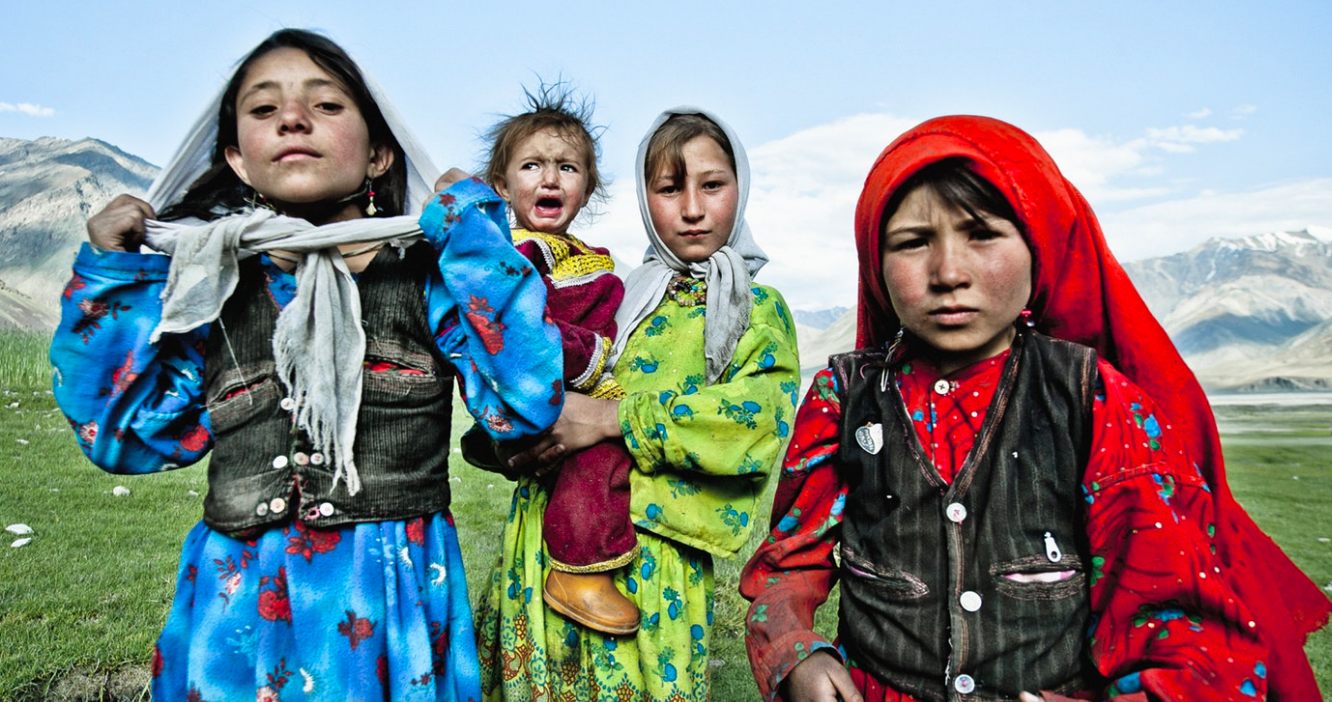
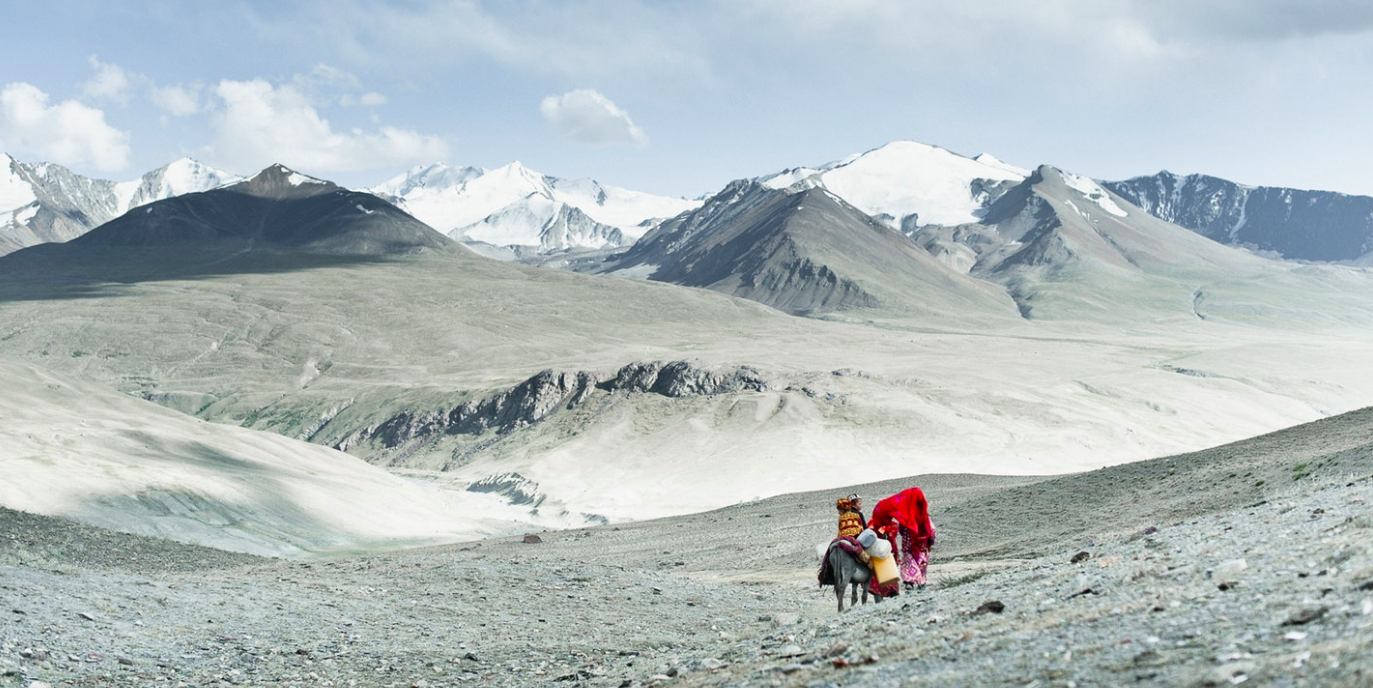
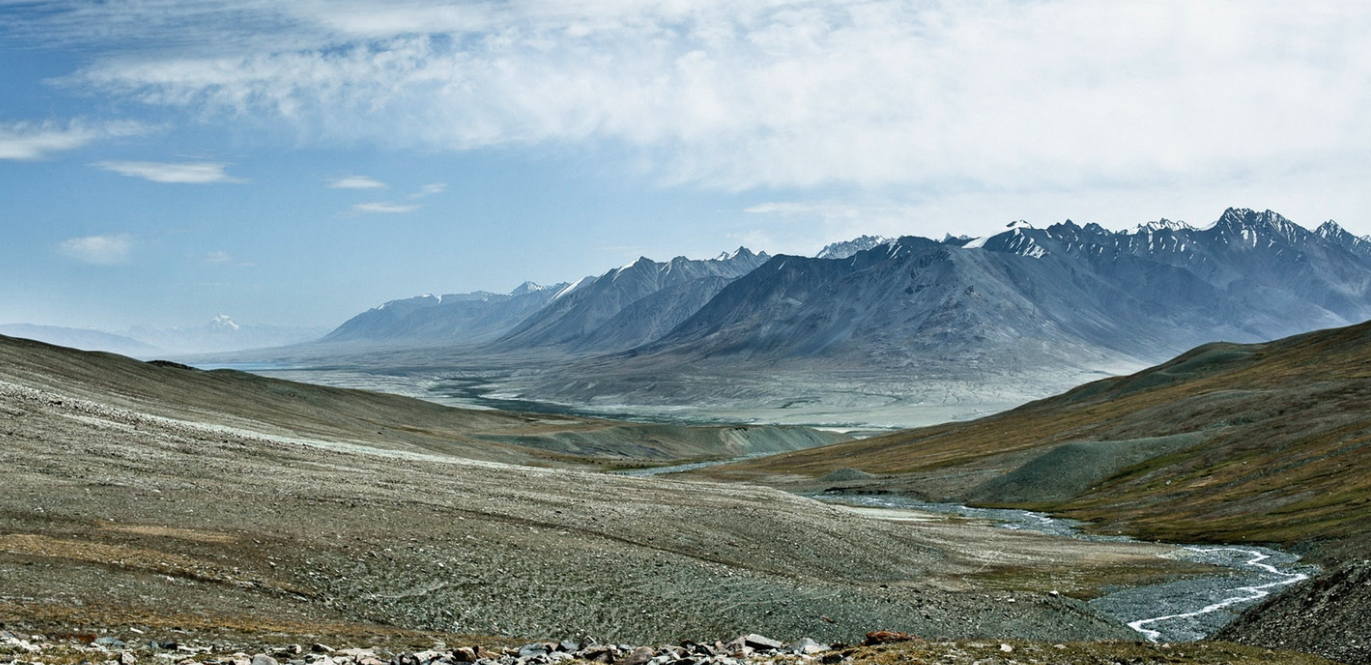
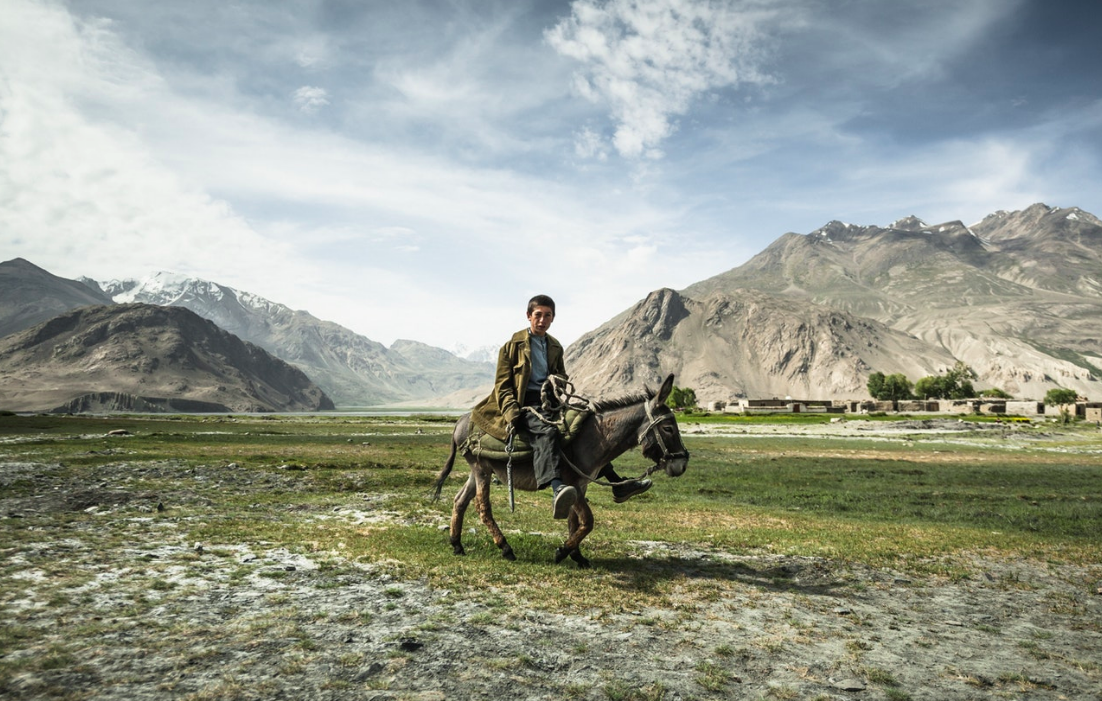
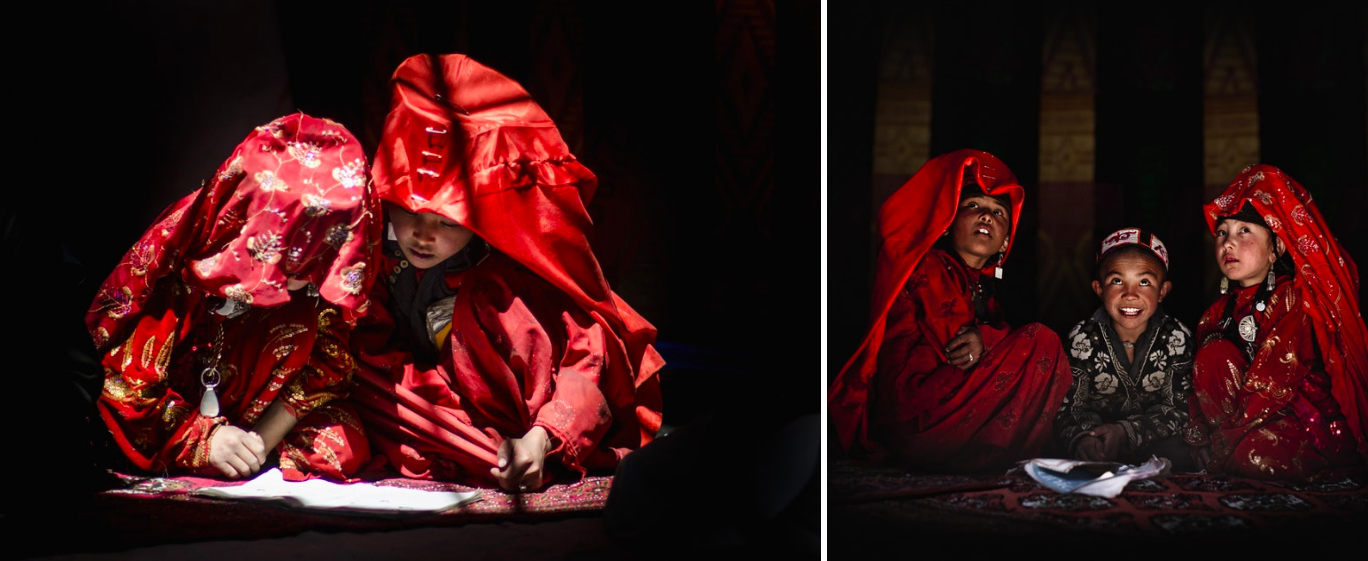
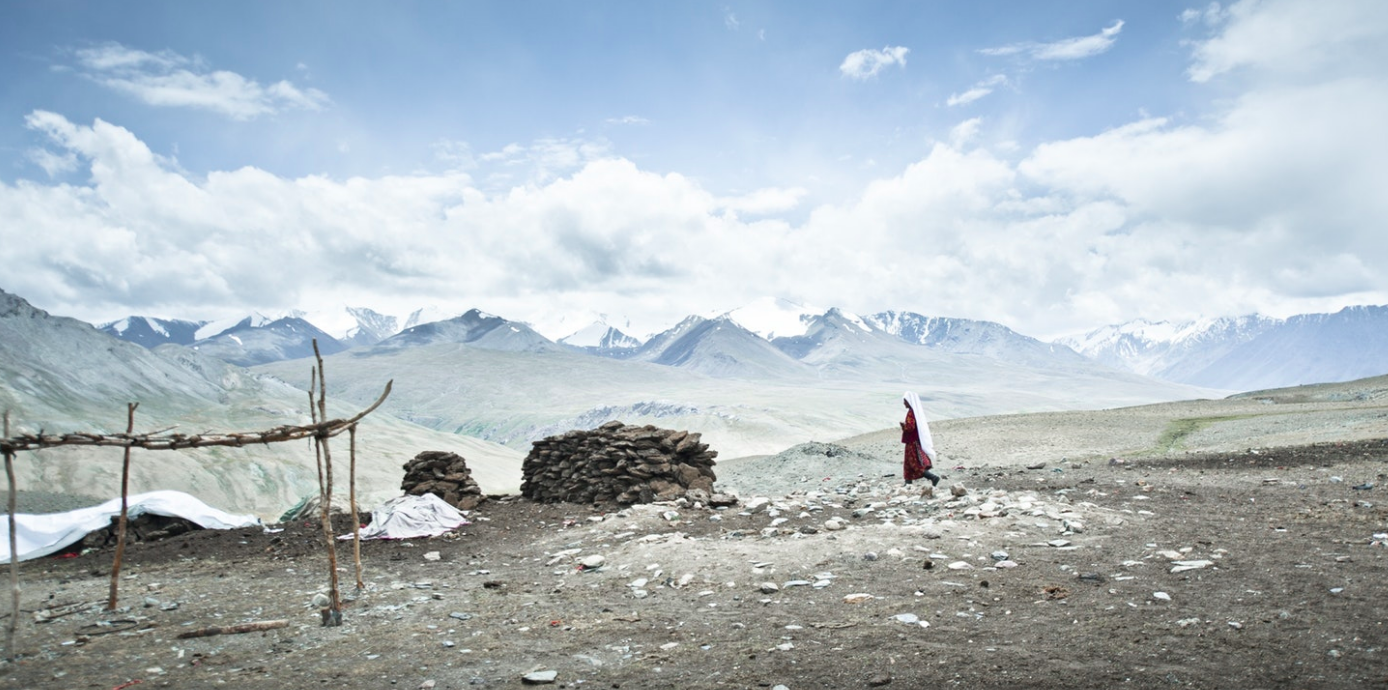
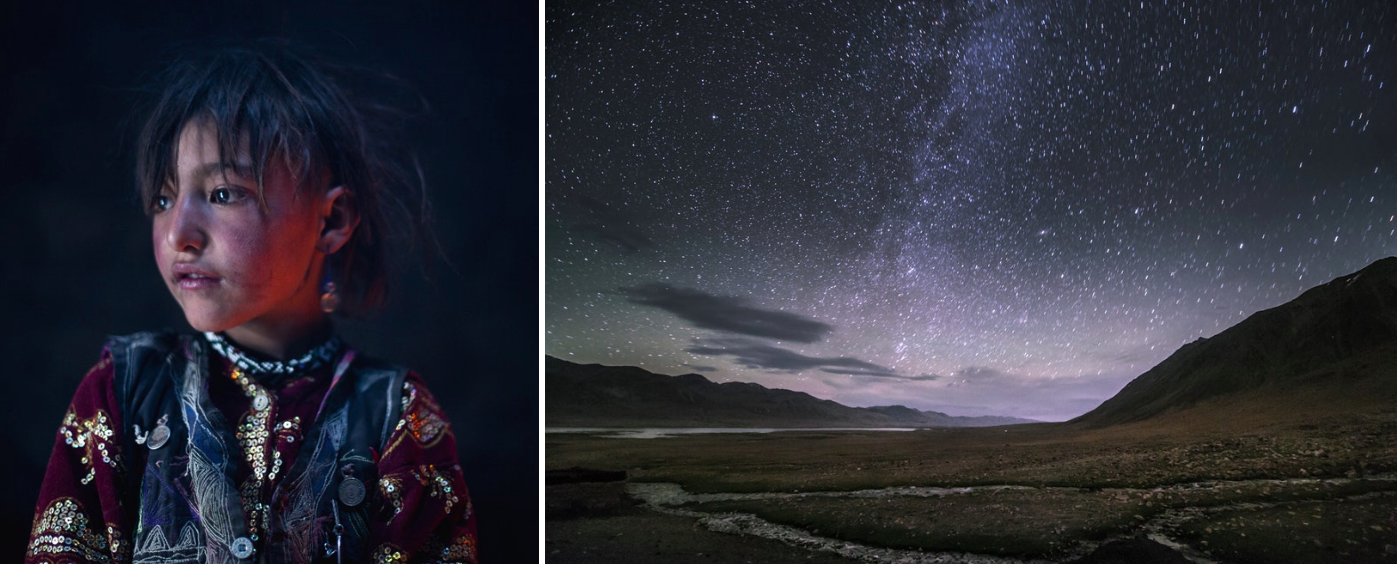
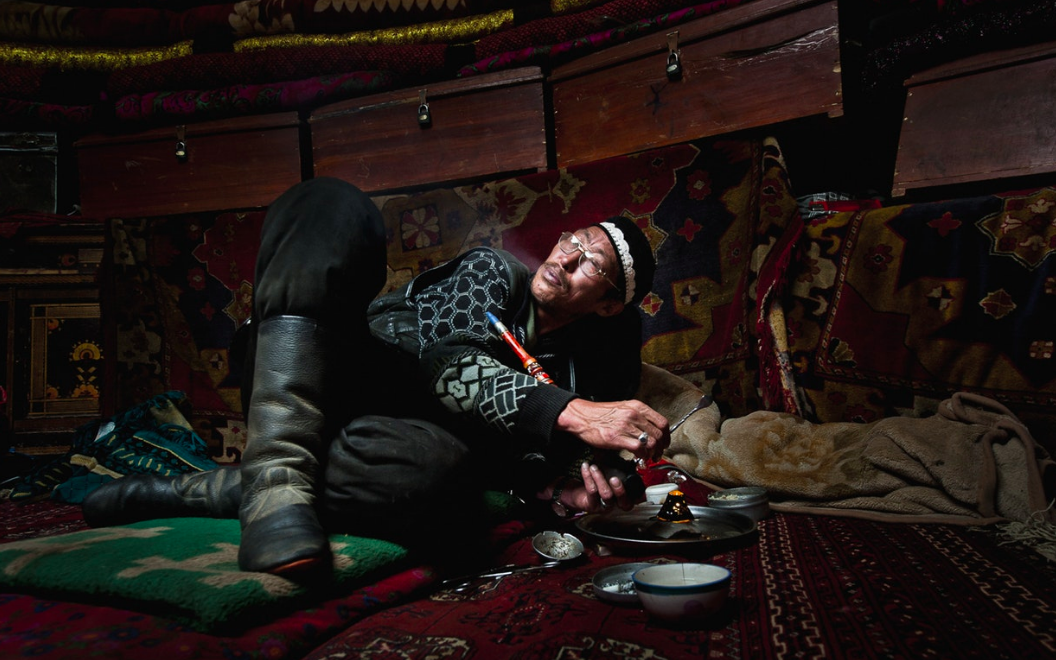
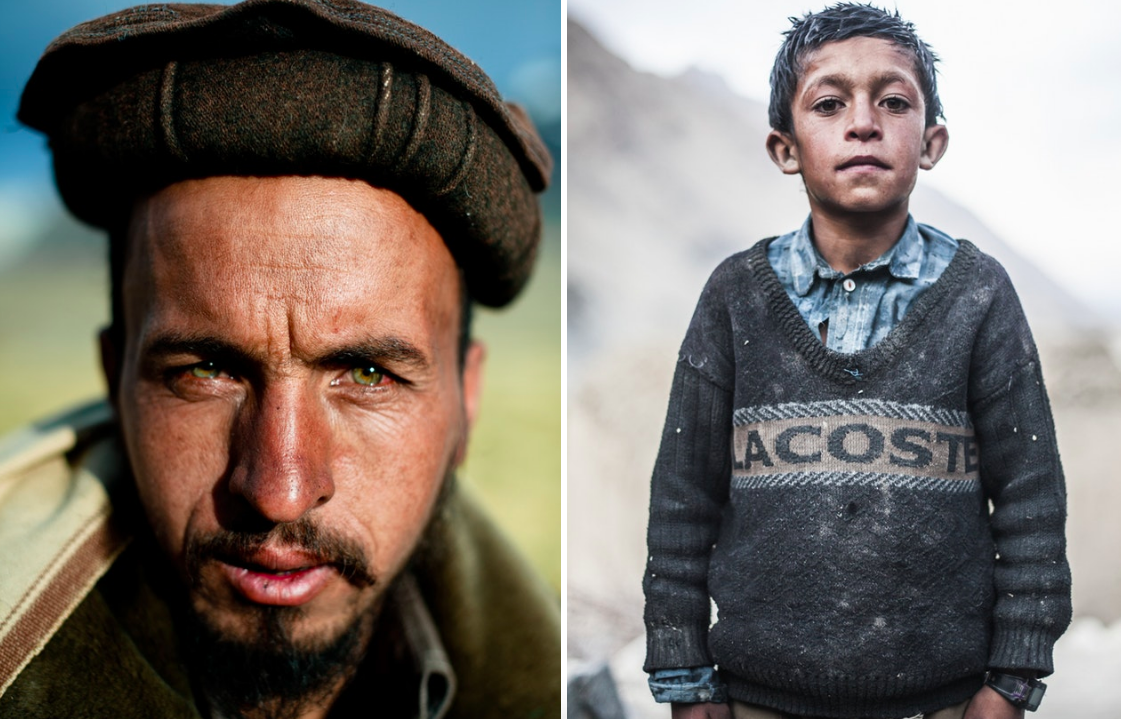
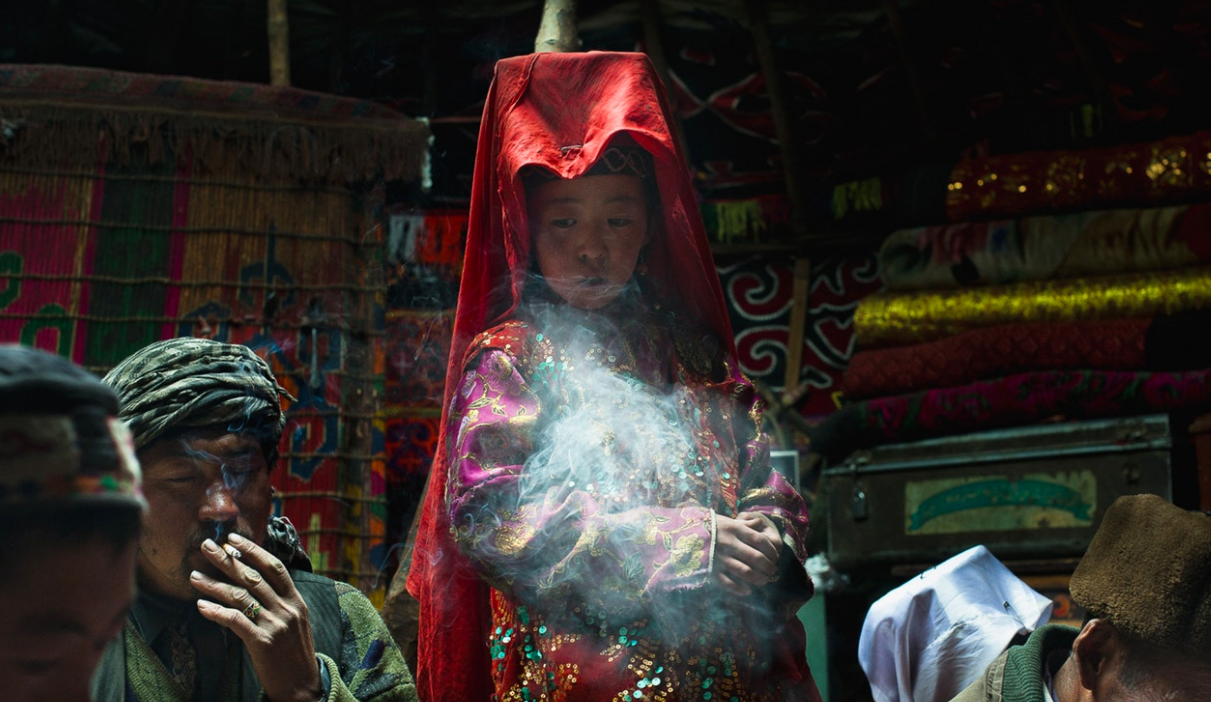
Journeying through a remote region of northeastern Afghanistan, untouched by the war and preserved from the Taliban regime, this story pays tribute to the ancient culture of this land, which has never disappeared but which has simply been forgotten.

This narrative serves as an introduction to my multi-platform project, ‘Wakhan, an other Afghanistan’. One of the photos from this project won first prize in the 24th annual National Geographic Traveler Photo Contest, and the 78-minute film ‘Wakhan’ was selected as one of the firm favourites to feature in the Etonnants Voyageurs Festival in St-Malo, France.


My mind takes me back to 8 August 2011. It must have been around 2 o’clock in the afternoon, but in any event, time here takes on an alternative dimension, something which we have been discovering and settling into since the beginning of our journey.

Then I remember a young Afghan saying to me a few weeks earlier, “You have your watches, and we have the time.”

Under the arborescent canopy of a small shelter made with stones and yak excrement, Fabrice and I wait for our hosts to bring us bread and tea, which has been our sole source of nutrition morning, noon and night for more than three weeks. Dates, energy bars, dried fruit — these are a thing of the past, and I have already lost 15 kilos.

We had planned ahead with two people in mind, forgetting on market day at Ishkashim — the village on the border between Tajikistan and Afghanistan — that we would be accompanied by one guide or several for this expedition along the Wakhan Corridor, as far as China.

We travel for a month in the company of Amonali and Souleman, two Ismaili Wakhis of twenty-four and thirty-two years of age, who are taking care of our horse and our donkey. A last-minute addition to the group is QuarbonBek, a twenty-year-old Sunni Afghan and real ‘city boy’, who we have picked up at Ishkashim to fill the role of interpreter.

After the first week of hiking across the Hindu Kush at 3,500 to 5,500m above sea level, we have exhausted all our supplies, and from now on we have to satisfy ourselves with the low-calorie diet of bread and tea with yak milk which is provided — and which we can buy — in every village. We have chanced upon small quantities of rice here and there, and then three days ago some lamb for the first time, which has ended up making us all ill, as if our bodies were rejecting the meat.

Humbly and respectfully we have been adapting for three weeks to the local diet, experiencing firsthand the process of survival to which all these families remain inextricably bound. Every encounter and every meal reminds us that in this region, which fully awakens the senses and intensifies the emotions of the traveller, life expectancy stops short at 50 and the infant mortality rate verges on 60% — the highest in the world.

We pause for several hours in one of the villages situated along the Corridor ‘high route’ that is the pathway for the return journey, making a transition from the lands of the Khirghizes to Wakhi territory. From Ishkahim to Erjhail — one of the last of the Corridor villages to border with China — we will probably walk more than 450 kilometres over the course of 30 days, following in the footsteps of Marco Polo and Alexander the Great in crossing the entirety of the Wakhan Corridor.

Our horse carries the rucksacks, tent, sleeping bags, camping stoves and gas cylinders, as well as the few additional clothes we have — outer-layers, rather than spare garments — while our donkey is loaded with 40 kilos of photo, video, sound and IT equipment, wrapped in two flexible solar panels, an essential for recharging all the batteries in a region which we assume to be completely without power.

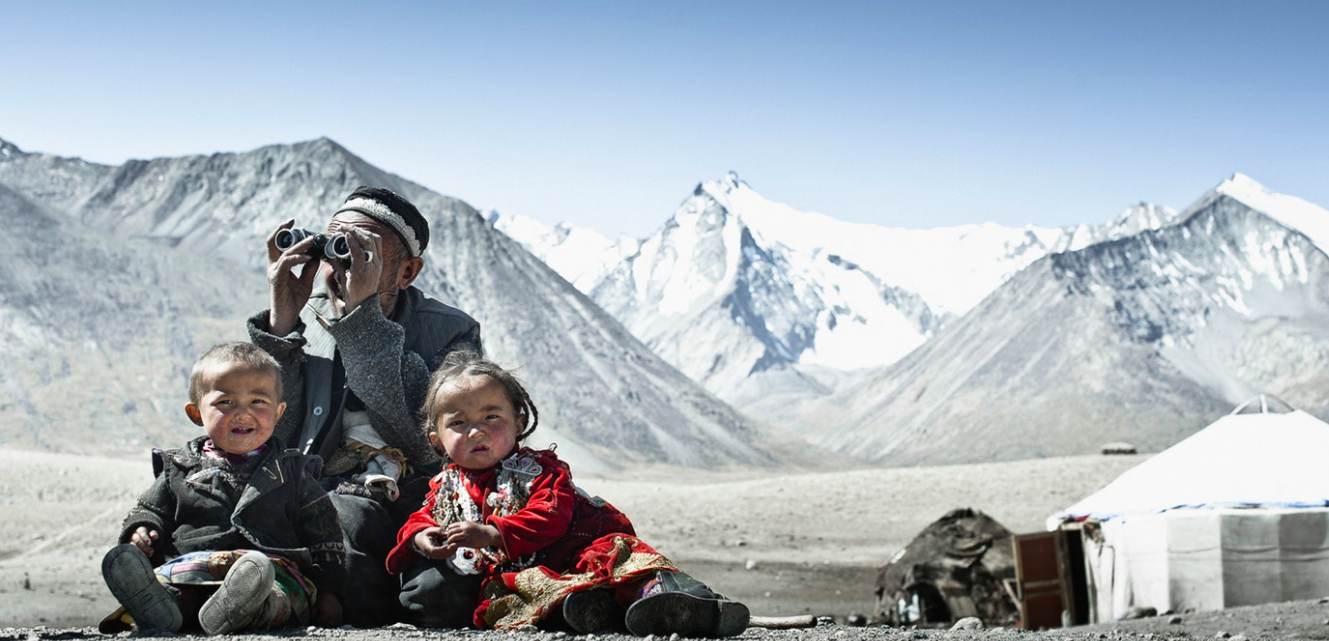
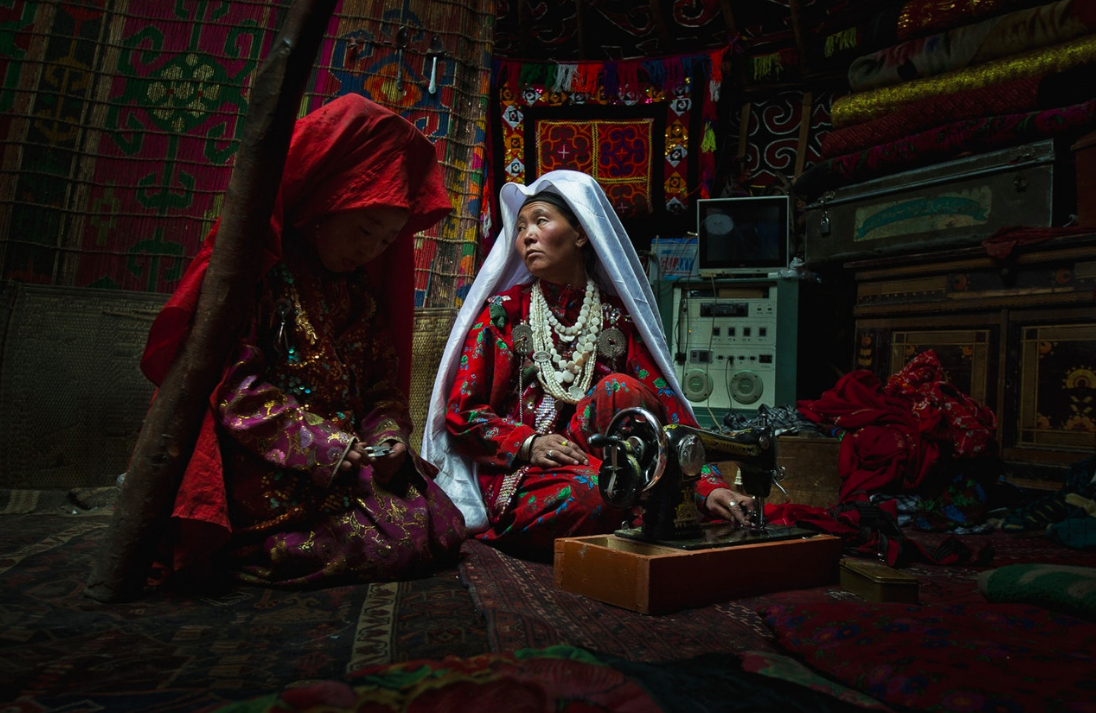
Yet to our astonishment, the Khirghizes — a nomadic people of Mongolian aspect, the last remaining descendants of Genghis Khan, living on the highest plateaux of Wakhan, several weeks’ walk away from any of the main Pakistani, Afghan, Tajik or Chinese villages — have solar panels, satellite aerials, television sets, and an impressive array of batteries, cables and chargers. And when Oji Ossman, the chief Kyrgyz in the village of Kashch Goz, produces a mobile phone from his military jacket — even though obviously there is no network coverage —  in order to take our photograph, all our assumptions about these tribes, the idea that they are still leading the lives of their ancestors, seem absurd and unfounded.

People in this part of the world are undoubtedly feeling the effects of new technology, a process triggered by the exchange of goods.

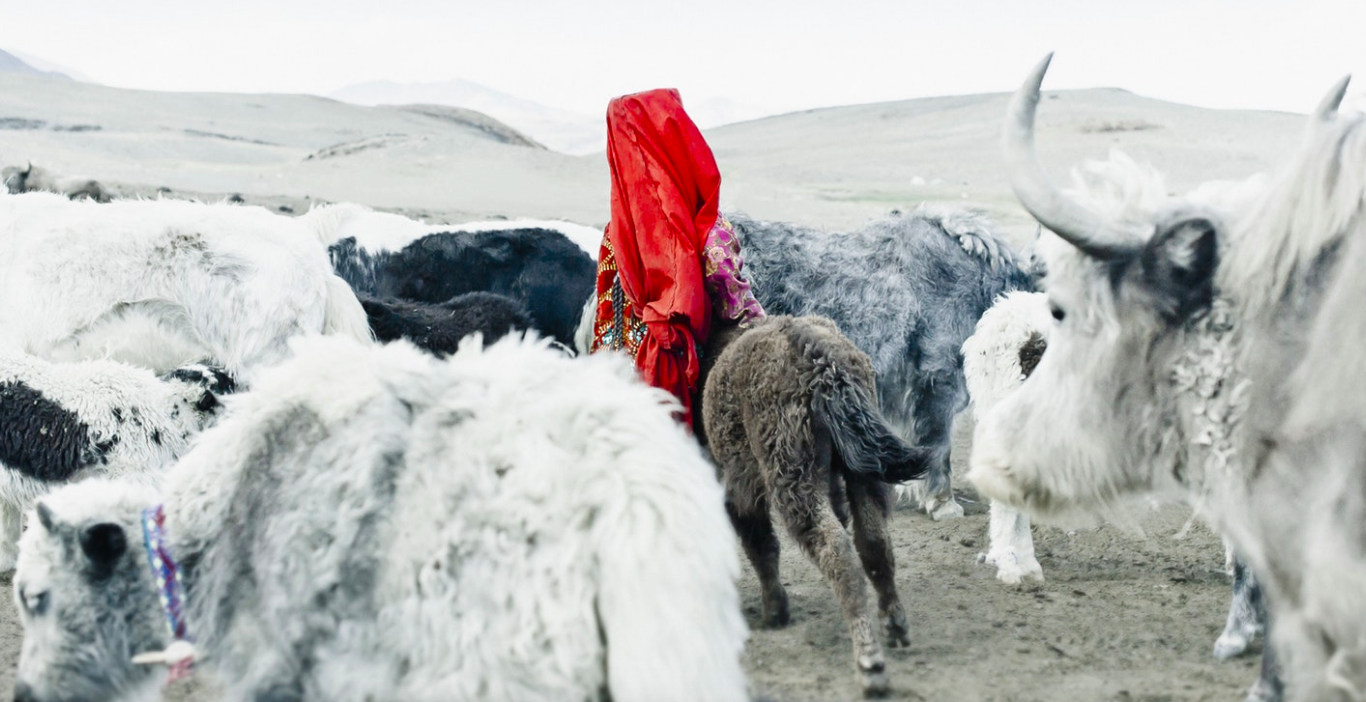
The Wakhan Corridor, as part of the Silk Road, has been established for centuries as a route for traffic and trade of all kinds. Pakistanis, Afghans and Tajiks still spend weeks at a time traversing the mountains, on foot or on horseback, to purchase from the Khirghizes the herds of yak, goats and sheep which have always been at the root of their livelihood.

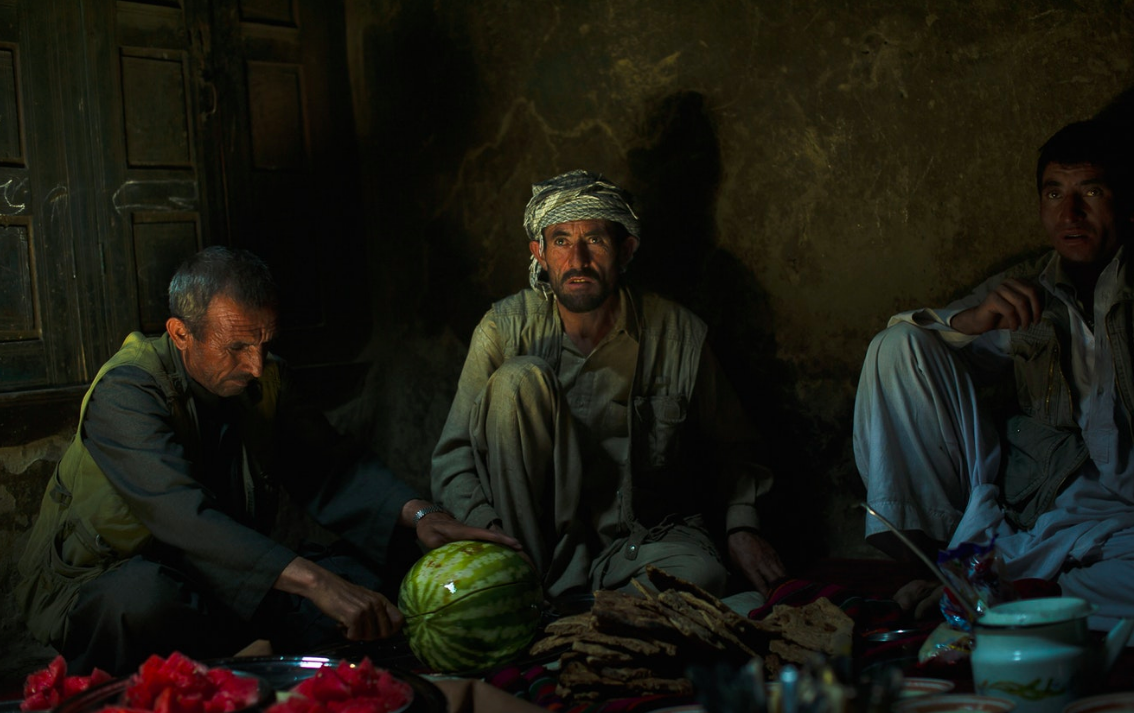
We shared the guest yurt in KashGoz with three Pakistani herdsmen, who had come from the Hunza Valley with the intention of obtaining a herd of goats in exchange for a television satellite aerial, several solar panels, and some sacks of rice and flour.

In Erjhail, we encountered Ramine and his brother, two young Afghans who had walked in excess of four weeks from Kabul to buy around one hundred goats and ten yaks from the village chief. We would go on to spend two days in their company before travelling together for several days on the journey home, until our paths went their separate ways.

As always, the looks we attract from the four herdsmen in the Wakhi village perched high in the mountains, where we rested for a few hours, are benevolent, but also perplexed. They are asking themselves, “What are these two strangers doing here?” “A report about us” is the most likely answer from Souleman, pointing out with his finger the camera and video equipment placed on a piece of cloth on the ground.

Of course, we are the foreigners, the exotics — and sometimes even the object of complete incomprehension. “Why do they come and live like us in such hardship?” is the feeling we often detect in our conversations.

Our hosts frequently thank us for coming to meet them and for taking an interest in their lives. Repeatedly we feel the sadness in their gaze as they watch us leave again. I have the feeling that they are somehow counting on us from the moment we are welcomed.

We are now in a relatively advanced state of physical and mental fatigue, and the distance separating us from each other is immense. Throughout the whole journey we have felt ourselves connected, part of a shared experience and a brotherhood.

But at this exact moment, our facial expressions and the breakdown of our appearance betrays the disconnection. Even though we know exactly where we are on the topographical map, in our heads it is the first time that we are feeling so distant, maybe even lost?

Considering the original motivation behind an experience like this, what have we truly uncovered in the Wakhan? What will we be able to share on our return, and through our photographs?

What stories to tell? There are so many.

At the heart of a journey devoted to documentary, it is the personal and professional questions which confront each other, providing answers and sometimes shedding light on one another. And when I look at Fabrice, who is silent as I am, my companion of days gone by, of this moment and always, I feel myself reconnecting.

There we are, the two of us. We have been searching for something, and only now do we find its presence — a profound sense of humility.

We have never been consciously afraid, neither of the mountains, nor of all that we have witnessed in Afghanistan in more than 20 years, yet the self-knowledge of this moment is deeply reassuring.

Because if I ever shut down — something which I feel capable of right now — he will be there to restore me. By shutting down, I mean cutting the cord, and no longer being able to endure the weight of escalating hardship, a burden which grows hour after hour, days and weeks on end.

As a humanist, it pains me to see so many men, women and children living under such extreme conditions, and myself unable to endure any longer the psychological torture of knowing that the next bit of potato or piece of fruit is a mere three weeks walk away.

Have we become psychological prisoners of our own investigation? I watch Souleman, crouched down opposite me. This young man, who seems ten or fifteen years older than his thirty, is smiling, supporting me now as he has done for the last three weeks, in such a way that with every gesture I make, I can feel his watchful presence.

I cannot allow myself to betray the trust he has placed in us both, since the start of this journey, and which we feel on so many levels.

I sense that it is not just the traveller that this young man is supporting and protecting, but also the writer, who has promised, with all his photographic and cinematic recording kit, to uncover to the rest of the world his very existence, that of his loved ones and of his community as a whole. We cannot afford to show any sign of weakness.

So when the bread and tea are eventually served, bringing us back to our senses and to the harsh reality, I look at Souleman and smile at him in my turn. Through this knowing smile, a mutual promise is made.

He will keep me safe and sound until the end of my journey, and I will pay homage on our return to all those we have encountered, opening the world’s eyes to an other Afghanistan, which has never disappeared but which has simply been forgotten.

THIS ARTICLE WAS ORIGINALLY PUBLISHED ON MAPTIA

VARIAL CÉDRIC HOUIN is a photographer, creative director, writer, explorer, seeker. He has put his artistic chops in the service of the planet.

www.varialstudio.com


Wild Africa

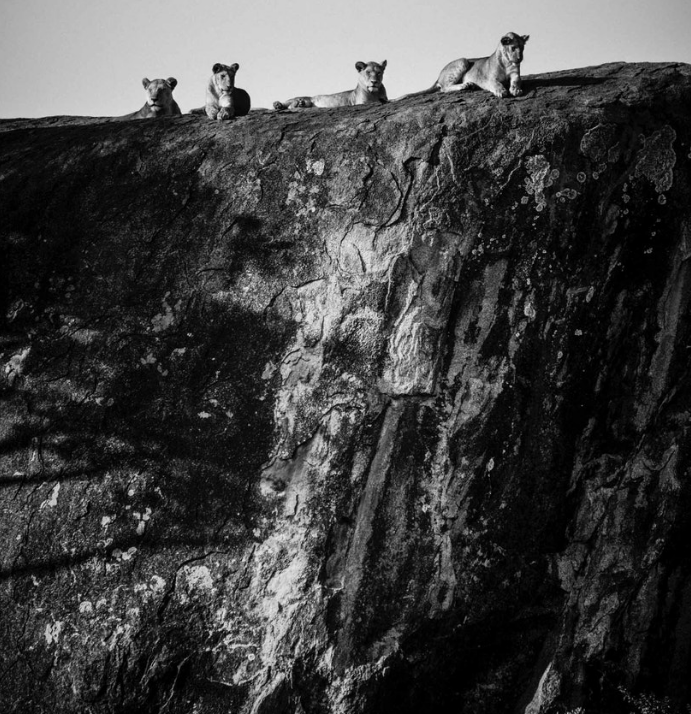
Leaving the urban setting and modern life behind, for 15 years I have been privileged to travel through some of the wildest regions left on our planet — compelled to capture the unique personalities and expressiveness of the magnificent wild animals of Africa. All in black and white, all part of one big family album.

My first meeting with Africa was like a thunderbolt.

There was a part of me that wanted to return to our roots, and Africa resonated with me like the animal instinct that lies deep within each of us. After travelling for thousands of miles, I always have this incredibly vibrant feeling of being in entirely unknown territory. Africa is always evolving, free, and wild... hugely wild.

Above: Lioness (2015)

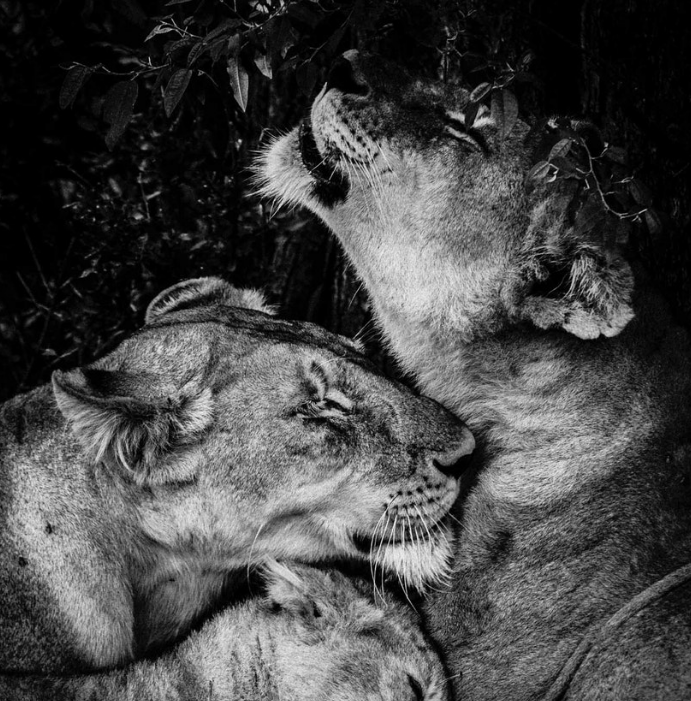
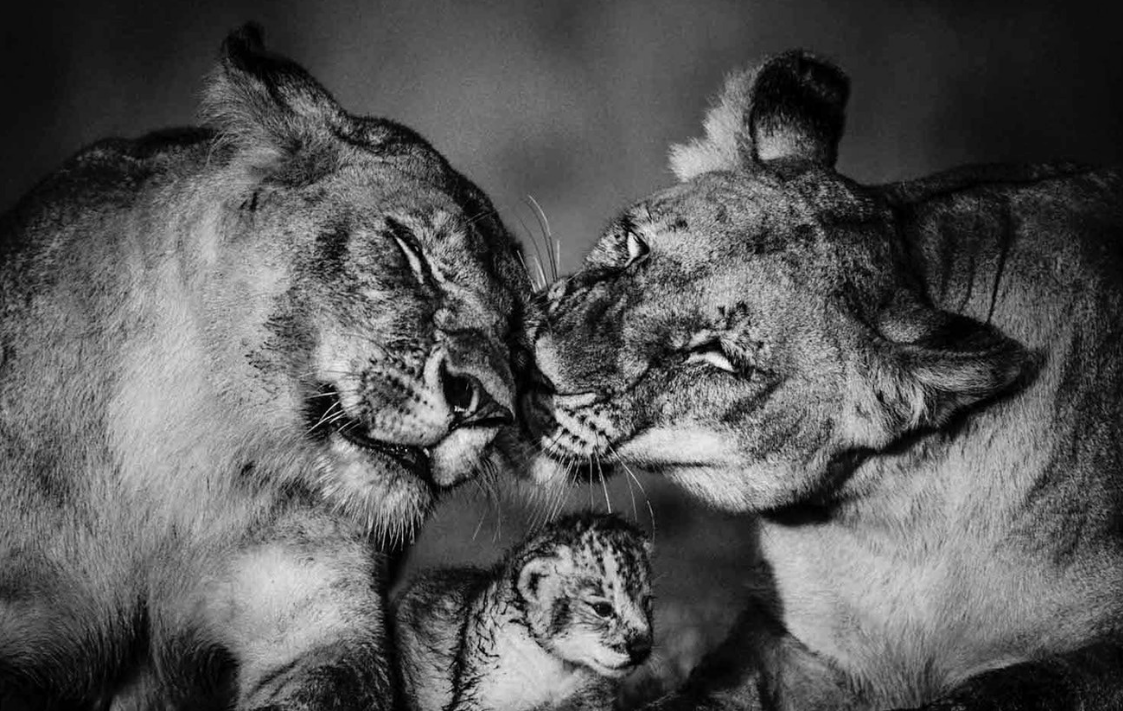
Above: Hugs of lioness (2006)

Utterly disconnected from our urban environment, for more than fifteen years I have been drawn — mind, body and soul — to photograph the remarkable animals from this land of light and contrast.

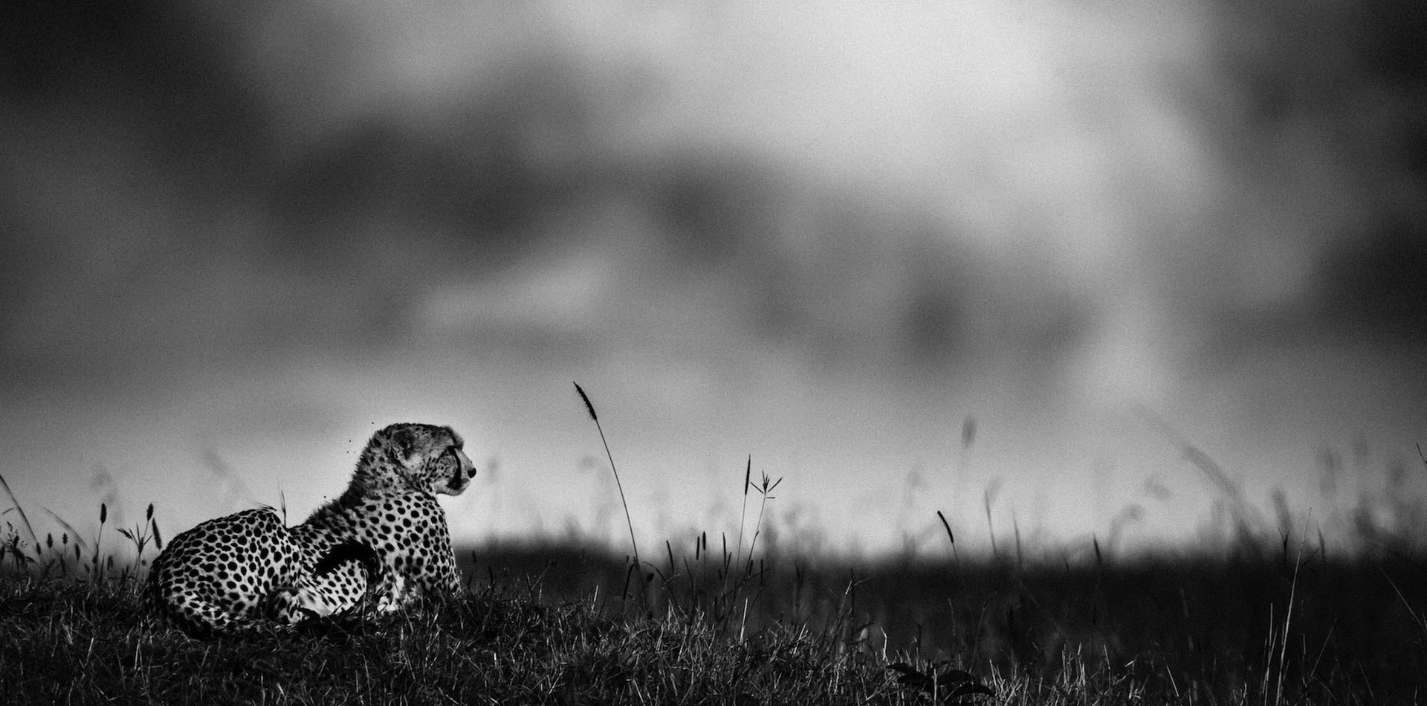
Above: Cheetah before the rain (2006)

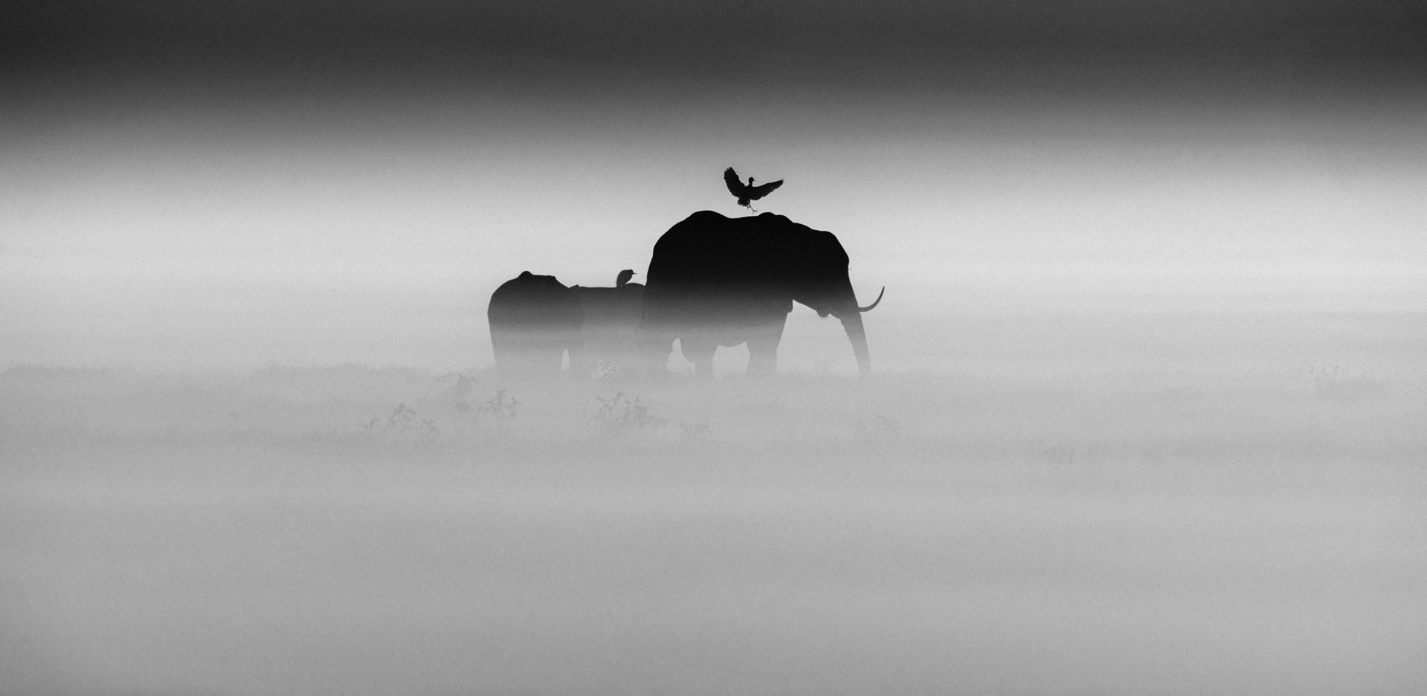
Above: Elephants and bird (2015)

I am constantly inspired by the sense of serenity and harmony between the natural landscapes and the diverse wildlife that roams these lands.

Everything is connected and the animals are totally adapted to their environment. I take photographs based on my gut instinct. For me, the thing that matters the most is the connection.

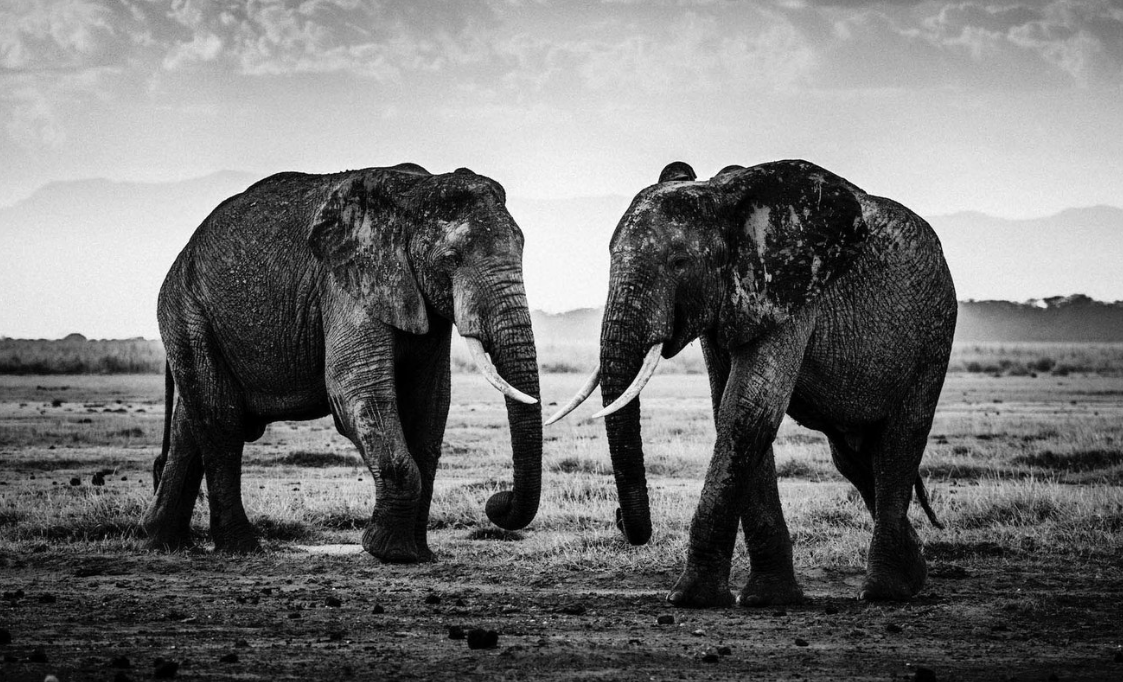
Above: Elephant, The road is closed (2015)

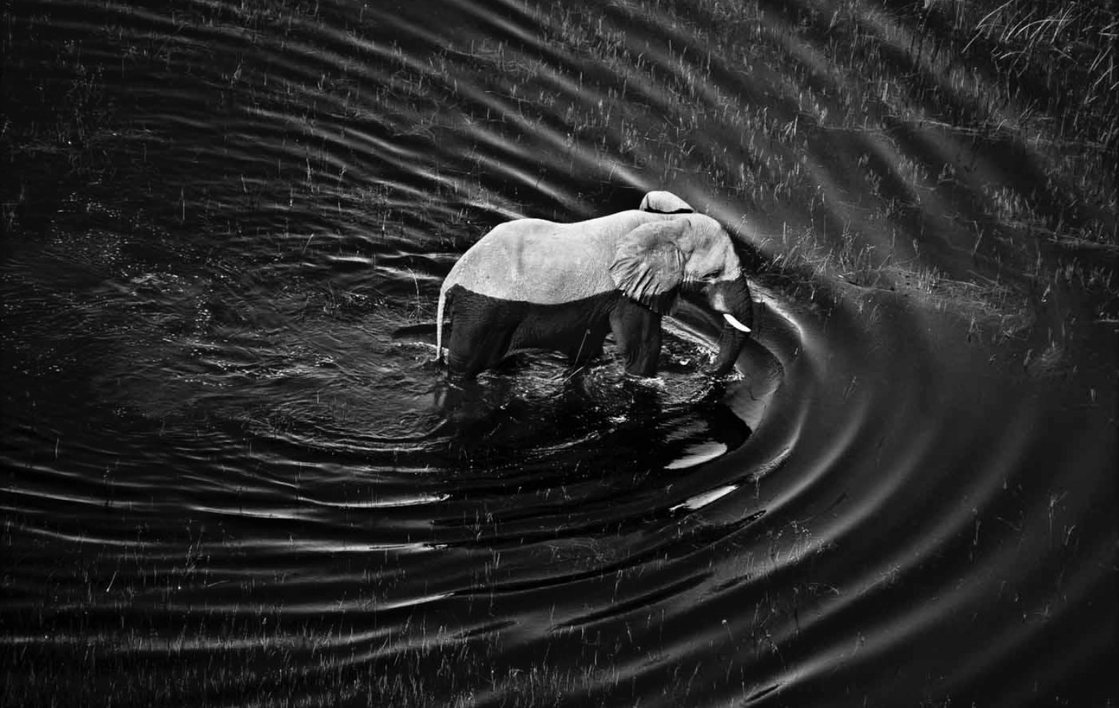
Above: Elephant crossing the river (2009)

I cannot stand strict pre-visualisation or procedures that lock people into pre-formatted ways of work. My conviction is never to prepare my shots. I prefer to be guided by luck, and to be inspired by the ever-changing spectacle of wildlife. Out in the field, I often work with a local guide who will drive the car while I concentrate on taking photos. It is very important to be utterly present in the moment, and not to be disturbed.

Opportunities in wildlife photography never come twice.

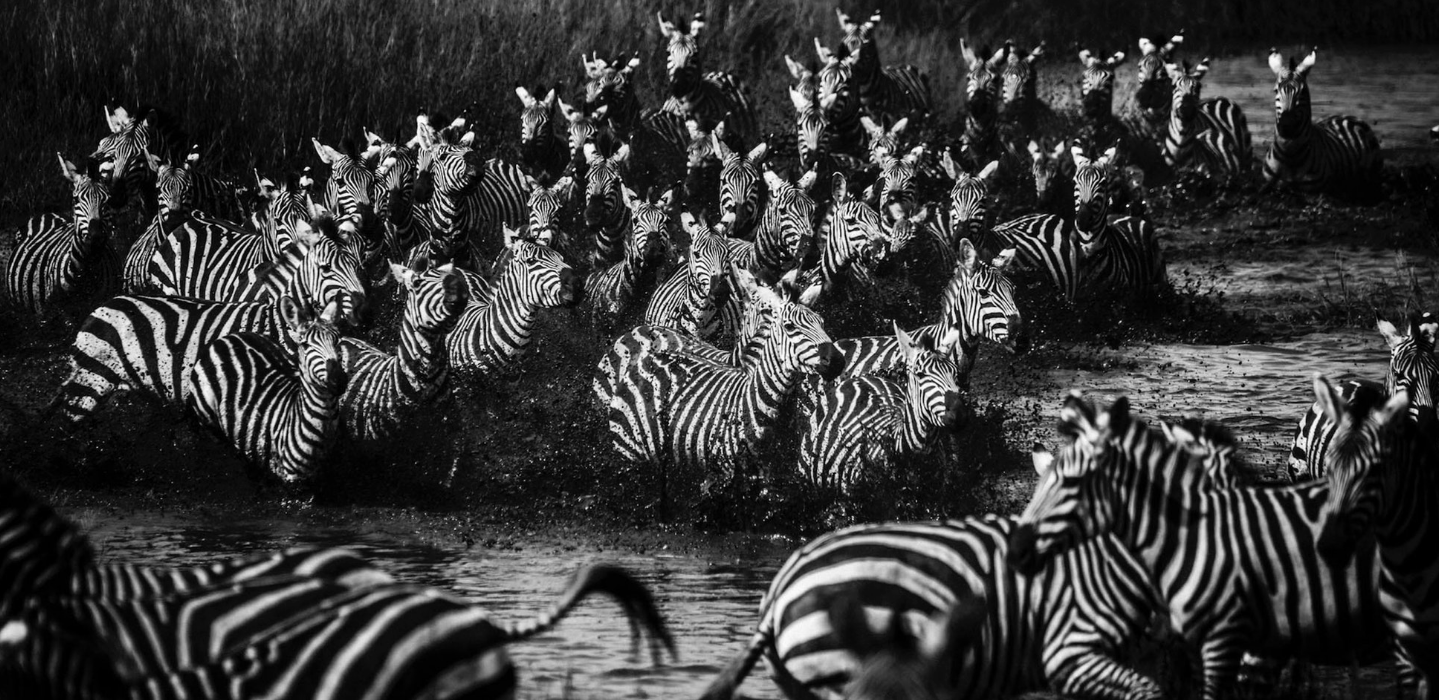
Above: Zebras crossing the river (2015)

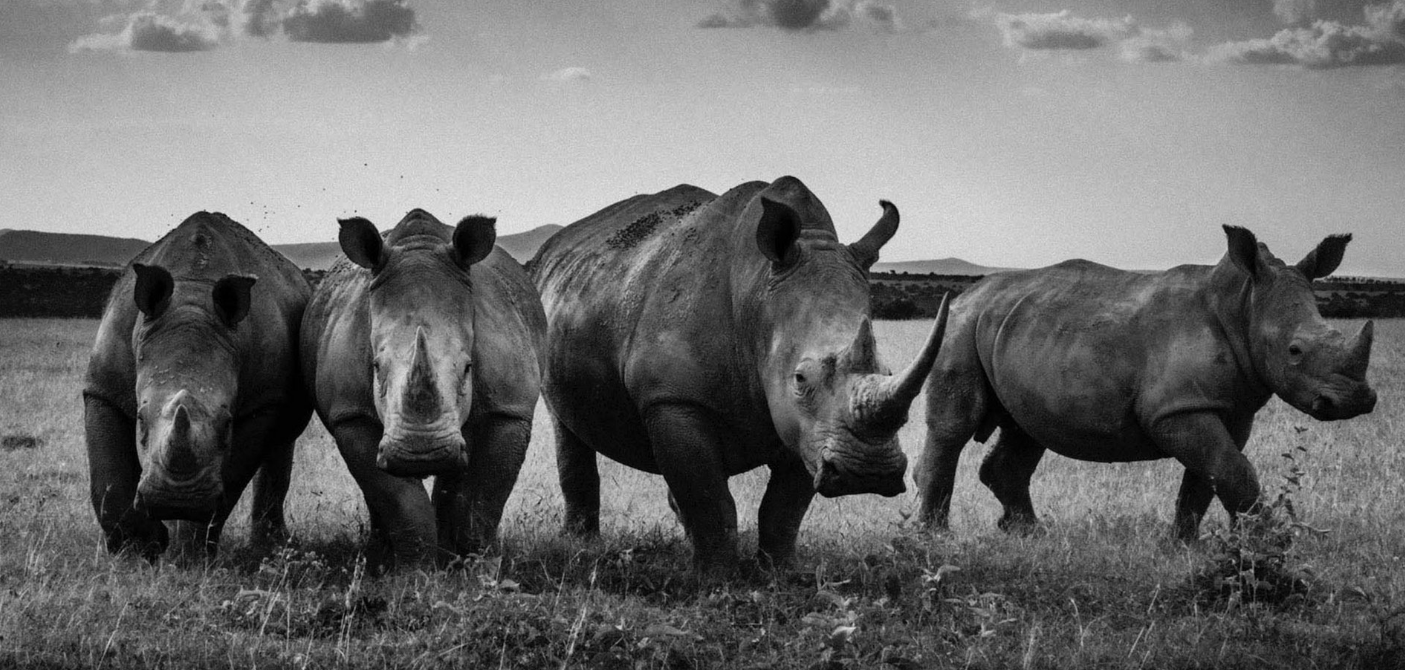
Above: Rhinos quartet (2013)

For me, there is no difference between animals and humans in terms of photography technique. When I take a picture of a lion or a giraffe, I use exactly the same approach as when I photograph people. I try to capture something of the animal’s unique personality and expressiveness, as well as their strength and sense of freedom. I believe my pictures can create a connection between the animal and viewer, as the viewers discover a personality in these animals, and realise they have emotions too.

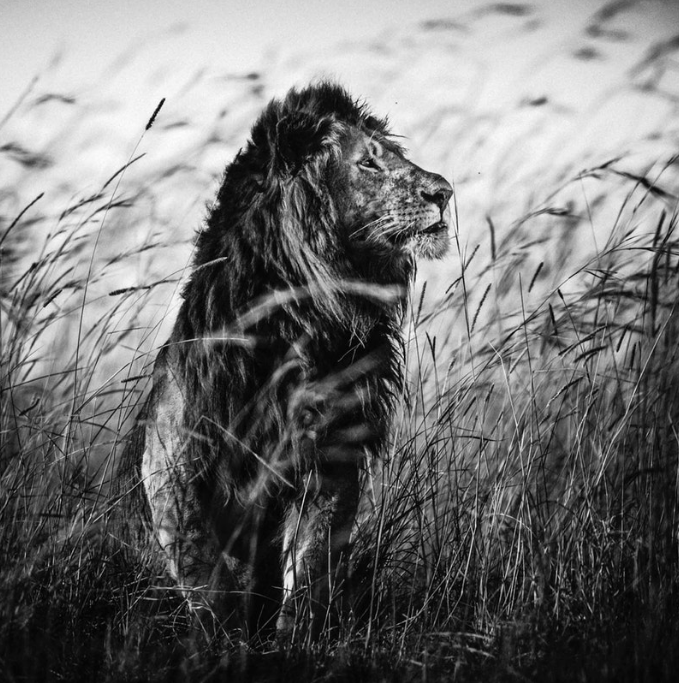
Above: Lion in the grass (2013)

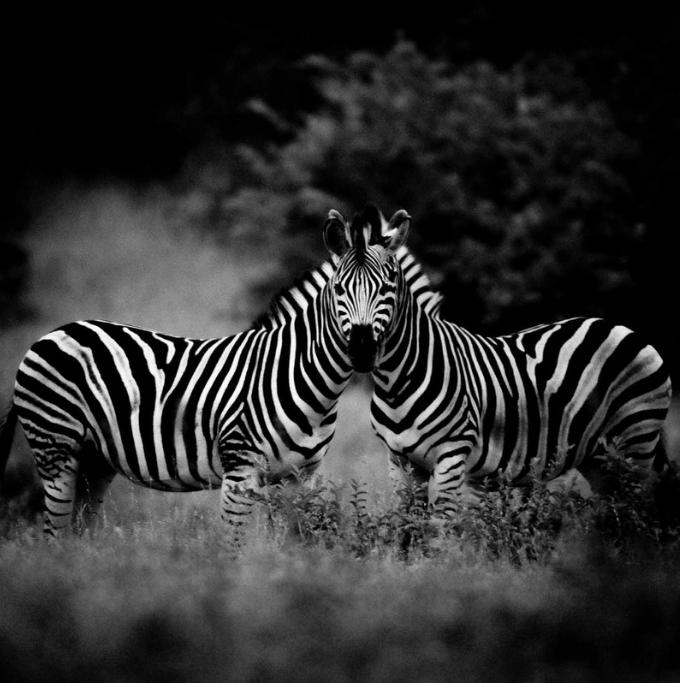
Above: Two zebras (2004)

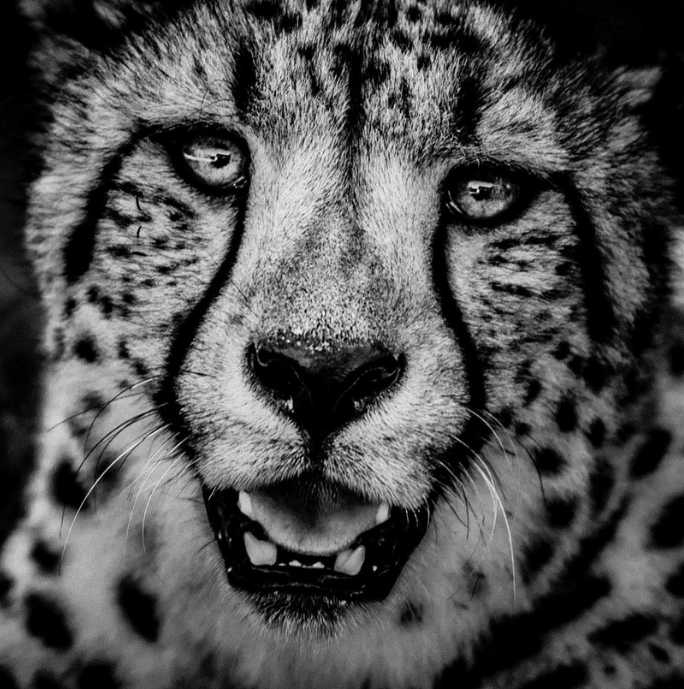
Above: Cheetah portrait (2013)

I am always filled with a great sense of tranquility and happiness when I leave the urban setting and modern life behind — travelling for weeks on end through some of the wildest regions left on our planet.

For me, there is nothing more powerful than the strength and beauty of Nature, and yet, at the same time, it is very fragile and precarious.

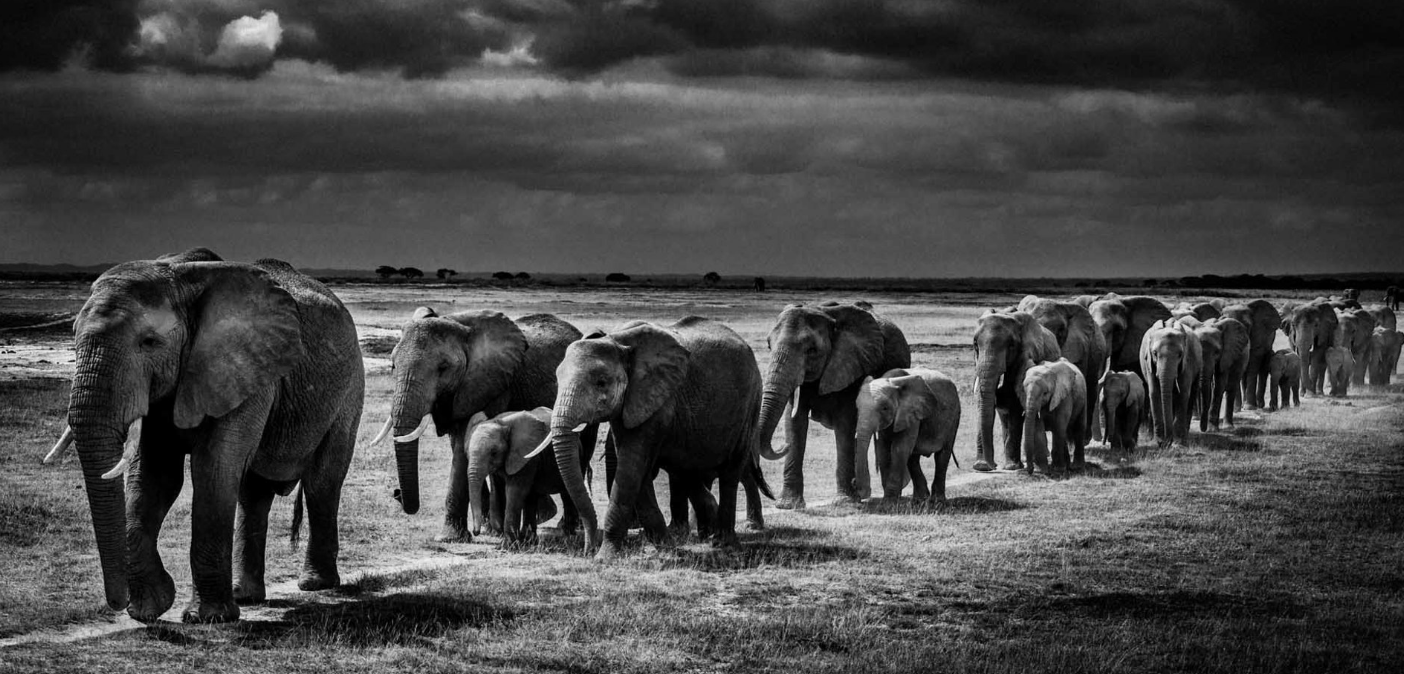
Above: Elephants crossing the plain (2013)

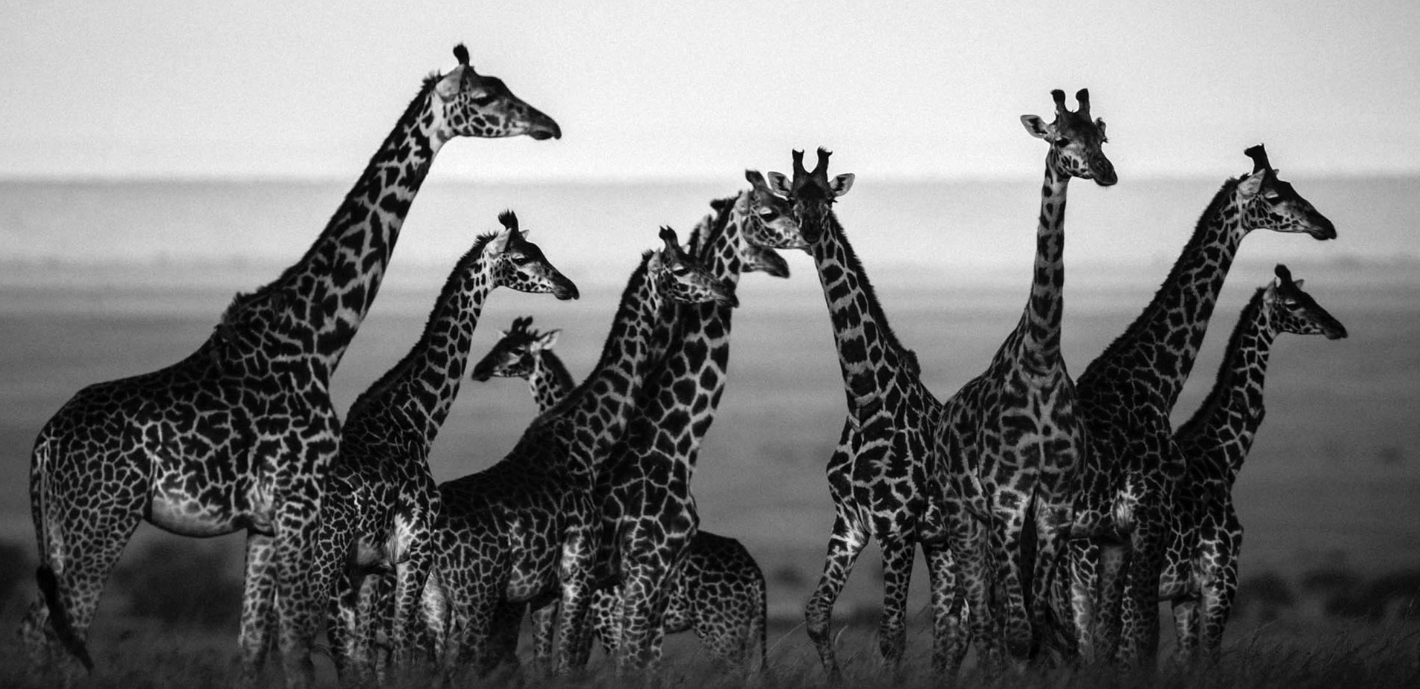
Above: Giraffe in harmony with their natural setting (2013)

Today, the fall of wildlife in Africa and elsewhere is disastrous.

I cannot know if we will discover more effective methods to halt or reverse this devastating change. However, I choose to hope and believe that we can. I believe that people are fed up with shocking images of destruction, poaching and deforestation — and yet it is of grave importance that we share these images, as we must all know what is happening on our planet. I don’t know exactly how photography can help preserve our wild ecosystems, but I feel proud when people experience my images and understand that these animals are just as ‘human’ as we are — with a personality, and a family.

Above: Lion, The small one (2013)

I believe that we must have a sincere conscience for our fellow animals, and the devastating impact our species is having on so many of them. We must open our minds and hearts to the fact that we all part of a living, breathing planet, and recognise that we are just one piece of this wonder.

We must leave more space, more life, for all the other species, because we will not survive their extinction. It is humanity’s greatest challenge.

* * *

THIS ARTICLE WAS ORIGINALLY PUBLISHED ON MAPTIA

LAURENT BAHEUX

I am a self-taught French photographer inspired by the soul of nature and wildlife. I express this only in Black and White, like a big Family Album. www.laurentbaheux.com


5 Cities That Are Leaders in Sustainable Public Transportation Initiatives

The World Economic Forum released its most recent Sustainable Cities Mobility Index, which ranks some of the globe’s largest metropolises based on both the viability of transport and its relative footprint.

The Index measures factors such as connectedness via public transport, including metros and buses, as well as pedestrian accessibility, ease of use by cyclists, among others. What unites each of the five cities featured here seems to be the overall strategy of incentivizing use of public transport, while disincentivizing the tendency to commute by automobile. In this way, public transportation systems trade on efficiency: by running frequently, integrating renewable energy sources, and maximizing often-limited physical space in the crowded cities, the public transport strategies of each of the cities listed have served to reduce car emissions significantly. 

  1. HONG KONG. Named number one on the sustainable mobility index, Hong Kong has constructed an impressive MTR metro system, which is responsible for 90% of residents’ daily journeys. Likewise, the cost of transport in Hong Kong has remained relatively low, permitting accessibility to all residents, further disincentivizing travel by car. In fact, due in large degree to the success of the public transportation system, less than 20% of residents of Hong Kong own a car. 

  2. ZURICH. At number two on the list, Zurich has demonstrated a great deal of success minimizing transportation by car, with just 37% of the population owning a car, as well as a little over a quarter of journeys measured occurring by car. The majority of public transportation in Zurich occurs by high-speed light rail, a system widely recognized to be one of the most energy- and space-efficient modes of public transport.

  3. PARIS. In 2012, Paris pledged to reduce travel emissions by 60% within the most populated areas of its city, introducing more networks of pedestrian walkways and bike paths, incentivizing the use of bicycles and electric cars through two new city rental systems, as well as altering delivery systems such that it limits the number of diesel-fueled vehicles driving through the city each day. Parisian city officials have also been working to initiate regular “car-free” days, as well as other measures that promote alternative forms of transport.

  4. SEOUL. Throughout the past decade, Seoul has pioneered a significant number of innovations that promote sustainable mobility. An inefficient highway system has been repurposed to become a large public park with an extensive network of pedestrian causeways. Moreover, Seoul has employed specified bus lanes, which have increased by nearly one million the number of citizens who use the public transport system each day, as opposed to driving. The significantly greater efficiency of public transportation, as well as the ease of access afforded to pedestrian traffic has cut down greatly on the number of citizens commuting by car, one of the most inefficient and least sustainable modes of travel. 
  5. PRAGUE. Prague has undertaken the “Tune Up Prague” initiative, just one of a series of sustainable transportation proposals enacted under the 2015 Sustainable Urban Mobility Plan. The “tune up” has focused on increasing foot and bicycle travel through the facilitation of pedestrian pathways. The proposal has also worked to bring accessible, sustainable transportation to all, seeking to bump up the amount of wheelchair-accessible metro stations by 23%, such that 95% of the city’s metro stations are wheelchair-accessible.
In integrating energy and space-efficient public transport with initiatives that promote pedestrian and cyclist travel, the five cities listed above have developed transportation networks that are both accessible and sustainable. Incentivizing public transport increases a city’s ability to experiment with “greener” travel, while simultaneously reducing automobile emissions. The ingenuity of each of the five metropolises provides a crucial example for other major cities, working towards a more sustainable, more connected future. 


Hallie Griffiths

Hallie is an undergraduate at the University of Virginia studying Foreign Affairs and Spanish. After graduation, she hopes to apply her passion for travel and social action toward a career in intelligence and policy analysis. Outside of the classroom, she can be found, quite literally, outside: backpacking, rock climbing, or skiing with her friends.