
Whether they’re born into captivity or captured from the wild, here are the controversial conditions faced by zoo animals today.
Read MoreThe Cost of Climate Change: Forced Relocation in Panama’s San Blas Islands
Rising sea levels led to the evacuation of about 300 Indigenous Guna families from Gardi Sugdub Island off the coast of Panama on June 1, 2024.
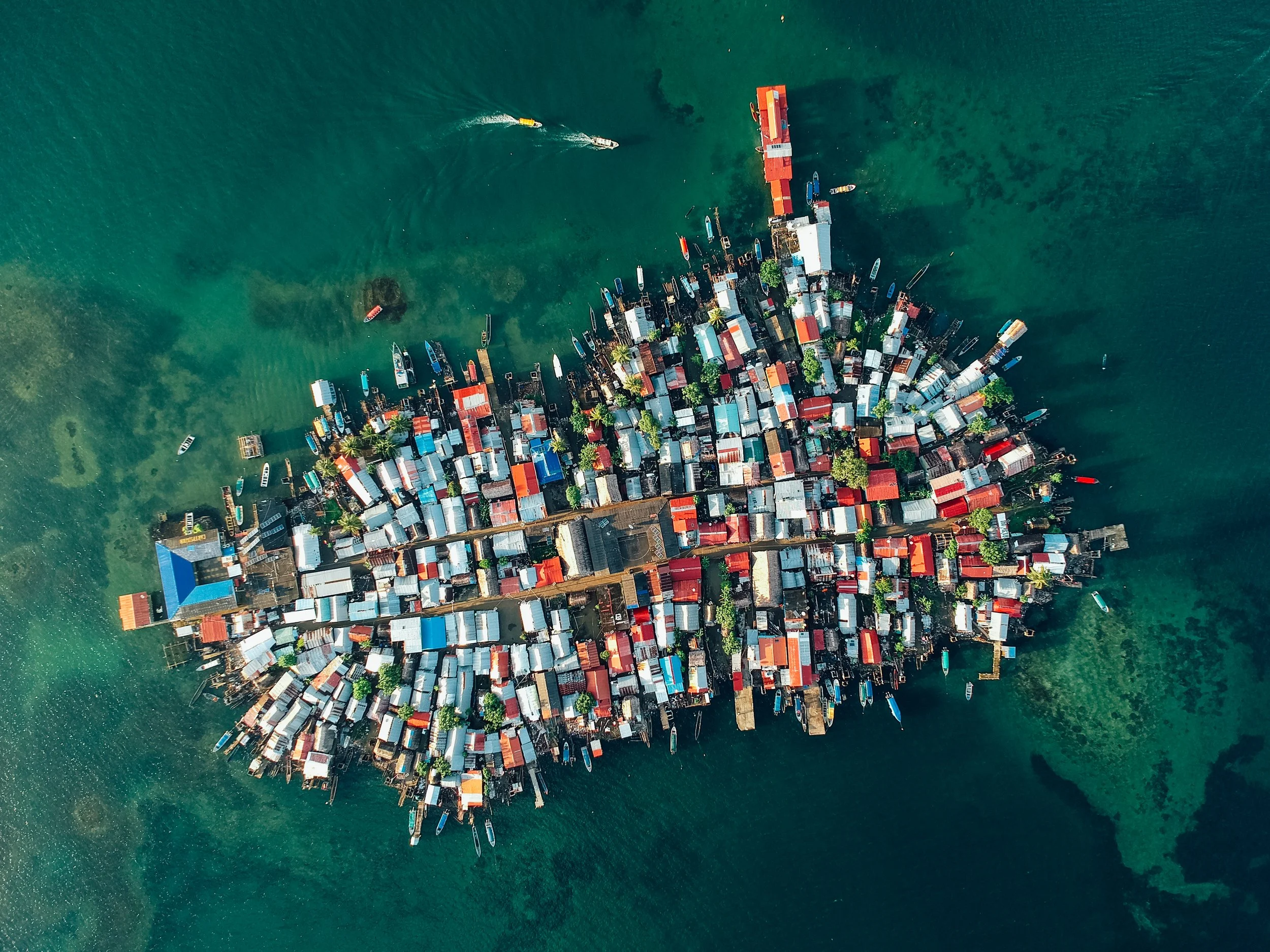
Gardi Sugdub, Panama. Lee Bosher. ATTRIBUTION-NONCOMMERCIAL 2.0 GENERIC
Climate change poses a threat to coastal territories around the world, as warming global temperatures lead to rising sea levels and stronger storms. Gardi Sugdub is one of 365 islands in the San Blas archipelago, many of which are expected to be underwater by 2050. The rising waters along Panama’s Pacific and Caribbean coasts are expected to subject 63 communities to climate displacement throughout the coming decades as about 2% of Panama’s coastal territory becomes submerged. Although the relocation on June 1, 2024, was successful, the 300 Guna families are the first of an estimated 38,000 people in Panama who will require relocation in the short and medium term.
The Guna people, the Indigenous inhabitants of about 50 of the 365 islands in the San Blas archipelago, are the first of these communities to relocate. Indigenous and other marginalized communities are disproportionately affected by climate displacement, where people are forced to move because of climate-related threats or disasters. Inequities resulting from the climate crisis disproportionately harm People of Color, particularly Women of Color. After decades of attempts by Guna community members to receive relocation support, the Panamanian government finally agreed.
The Guna people have inhabited Gardi Sugdub for generations. They arrived on the island about 150 years ago when they crossed the water from the Panamanian and Colombian mainlands. The move off of the island to a landlocked community surrounded by jungle is a challenge for many because over 200 years of Guna culture have been centered around the sea. While most of Gardi Sugdub’s inhabitants relocated, about 200 people chose to stay on the island.
The relocated Guna people have moved to a new community called Isberyala Isberyala, a plot of 300 two bedroom houses situated in the forest, starkly contrasts with life on Gardi Sugdub, where houses were overcrowded and often homed by multiple families. Panama’s Ministry of Housing ensured that the Isberyala residential project includes infrastructure like electricity, playgrounds, cultural spaces and streets named after historic Guna leaders. The people in Isberyala can easily visit their old homes too, as Gardi Sugdub is only a 30-minute walk and a short boat ride away.
TO GET INVOLVED
Those looking to spread awareness and advocate against climate displacement and inequity can learn more and share knowledge with others. People can support mitigation and relief efforts by donating to organizations that support relocations like Swiss NGO Displacement Solutions and the UN Refugee Agency, which recently started a Climate Resilience Fund.

Madison Paulus
Madison is a student at George Washington University studying international affairs, journalism, mass communication, and Arabic. Born and raised in Seattle, Washington, Madison grew up in a creative, open-minded environment. With passions for human rights and social justice, Madison uses her writing skills to educate and advocate. In the future, Madison hopes to pursue a career in science communication or travel journalism.
Sparking Outrage: The Pope and His Comments on the LGBTQIA+ Community
Despite his efforts to merge LGBTQIA+ and Catholic communities, Pope Francis tries to resolve tensions following a harmful name calling incident.
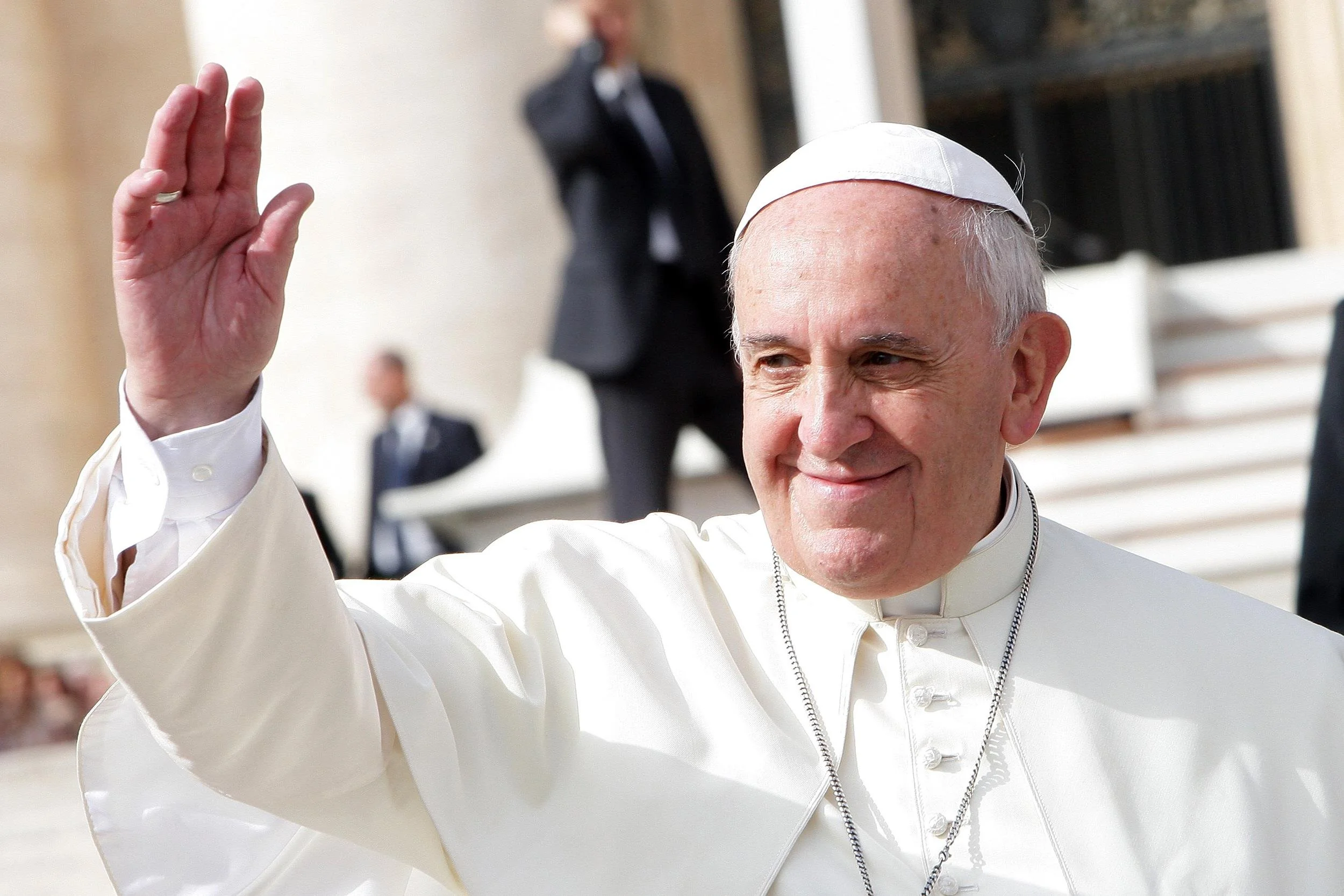
Pope Francis Waving. Long Thiên. CC BY-SA 2.0
There are around 1.2 billion Roman Catholics around the world today, united in a common Church defined in large part by its belief in the primacy of Saint Peter and in its head, the Pope, as his successor. Despite immense growth over its two millennia of history, the central tenet of Catholicism remains the same, as described in Matthew 22:37-39: “To love God with all your soul, heart, strength and mind [and] to love your neighbor as yourself—the Golden Rule, as many refer to it today.”
Despite these ideals, and guided by conservative religious principles, the Catholic Church has often been hostile toward the LGBTQIA+ community. Recently, on May 28, Pope Francis extended a formal apology for his use of the word “fociaggine”, an offensive Italian slang word referring to the gay community. The Pope used the word behind closed doors in a private meeting with 250 Italian Bishops when asked about whether openly gay men should be admitted into seminaries (priesthood colleges). The press office director for The Holy See Matteo Bruni told the public that the Pope never intended to offend people or come across as homophobic, extending the Pope’s apologies to those that were hurt by the slur.
Throughout its history, the relationship between LGBTQIA+ community and the Catholic Church has often been tense. In 1975, the Vatican issued a declaration stating that, “Homosexual acts are intrinsically disordered and can in no case be approved of.” Despite verbal support of the gay community, the Catholic Church itself does not officially recognize same-sex marriages.
In 2013, Pope Francis responded, “Who am I to judge?” when asked about his stance on gay priests, opening the conversation on the gay community’s involvement with the Catholic Church. Pope Francis is thought of by many as revolutionary for the LGBTQIA+ community, with CNN noting that he, “has shifted the church’s tone and approach to gay people, refusing to take a judgemental stance, something that church institutions and leaders had often been accused of doing in the past.” The Pope’s decision to bless same-sex couples in 2023 was a landmark move for the community, the Vatican document opening “the possibility of blessings for couples in irregular situations and for couples of the same sex, [leaving decisions to] the prudent and fatherly discernment of ordained ministers.”
Although blessings were not formally allowed until 2023, some progressive priests conducted them unofficially for years prior. Ultimately, discrimination against the LGBTQIA+ community varies across dioceses and parishes. Some communities are very welcoming, within the Church policy limits, whereas others will quickly deny membership to those affiliated with LGBTQIA+. The Human Rights Campaign states that, “There have been recent instances of LGBTQIA+ employees in the United States being dismissed from Catholic schools and parishes following the celebration of a same-sex couple’s marriage.” In addition to the gay community, the transgender community is also discriminated against. The Vatican’s Congregation for the Doctrine of the Faith in September 2015 prevented a transgender man in Spain from serving as a godfather, barring transgender Catholics from serving as baptismal sponsors.
Over the decade of his papacy, Pope Francis has served as a beacon of hope for the LGBTQIA+ community, long used to hostility from organized religion. In early 2023, he called for the elimination of laws in many countries that criminalized homosexuality, stating that “being homosexual isn’t a crime.” The Vatican also announced in late 2023 that transgender people may be baptized as Catholics and serve as godparents under special circumstances. Although there has been progress for the LGBTQIA+ community in Pope Francis's Catholic Church, his recent comments serve as a reminder that these are recent, fragile developments that still leave much room for improvement.

Aanya Panyadahundi
Aanya is a student at the University of Michigan studying sociology and journalism on a pre-law path. She loves to travel the world whenever she can, always eager to learn more about the different cultures and societies around her. In her free time, she likes to play the violin, ski, and listen to podcasts
Abstinence-Only Feminism: Exploring South Korea's 4B Movement
The 4B Movement in South Korea aims to fight discrimination and decenter men by leaving them behind entirely.

Women’s protest in Seoul for sex worker’s rights, South Korea. Rita Willaert. CC BY-NC-SA 2.0
The 4B movement comprises four strategies that de-center men in an attempt to advance gender equality and women’s rights in South Korea. They include abstaining from bihon (marriage), bichulsan (childbirth), biyeonae (dating), and bisekseu (sex) with men.
Since the 4B movement was sparked by a Twitter user in 2018, the fertility rate in South Korea has dropped significantly, and the country now has the lowest fertility rate in the world. There are predictions that by 2065 over half of South Korea’s population will be over the age of 65.
Feminists in South Korea have been fighting against traditional gender roles, gender-based violence, and discrimination for years. South Korea’s gender income disparity ranking is one of the highest among Organisation for Economic Co-operation and Development (OECD) members, with a 31% gap between the average pay of men and women. This is particularly striking in contrast to the OECD average wage gap of 11.9%.
Discrimination and violence against South Korean women are not limited to the workplace. A 2021 survey found that a third of South Korean women have experienced gender-based violence in their lifetimes, while 80% of South Korean men admitted to abusing romantic partners in another survey. Most of the perpetrators do not face consequences.
In South Korea, feminist movements have recently been faced with significant resistance and anti-feminist rhetoric. President Yoon Suk Yeol’s political platform focused on men’s grievances regarding feminism and called for the abolition of South Korea’s Ministry of Gender Equality.
This rhetoric includes the notion that feminism and misandry are synonymous and that, because of feminism, men are now the victims of gender discrimination. These tensions have further stigmatized the discussion of women’s rights and gender equality, with the government going so far as to remove the term “gender equality” from textbooks.
While President Yook Suk Yeol has yet to be successful in getting rid of the Ministry of Gender Equality, his appointment of Kim Hyunsook as Gender Equality Minister has been condemned by feminists and activists who claim Hyunsook has failed to fulfill the mission of the ministry by ignoring cases of discrimination and gender-based violence.
To address the demands of the 4B movement, international affairs experts have several policy recommendations. These initiatives include increased support and advocacy for advancing South Korea’s Ministry of Gender Equality, enforcing laws against gender-based discrimination, and requiring gender equality training for the Gender Equality Minister.
Feminist organizations such as Haeil and the Korean Women’s Associations United continue to organize protests and advocate for women’s rights. This persistence combined with the tangible impact the 4B Movement has had on the South Korean fertility rate has inspired feminists around the world.
GET INVOLVED
Those who wish to support the 4B Movement can use social media to raise awareness. To financially support feminism in South Korea, donations or sponsorships can be made with South Korean feminist organizations such as the Seoul International Women’s Association or the Korean Women’s Association.
Madison Paulus
Madison is a student at George Washington University studying international affairs, journalism, mass communication, and Arabic. Born and raised in Seattle, Washington, Madison grew up in a creative, open-minded environment. With passions for human rights and social justice, Madison uses her writing skills to educate and advocate. In the future, Madison hopes to pursue a career in science communication or travel journalism.
Climate Change on Trial: Vermont Passes Climate Reparations Bill
After historic flooding, Vermont calls for “Big Oil” to pay its share of the damages.
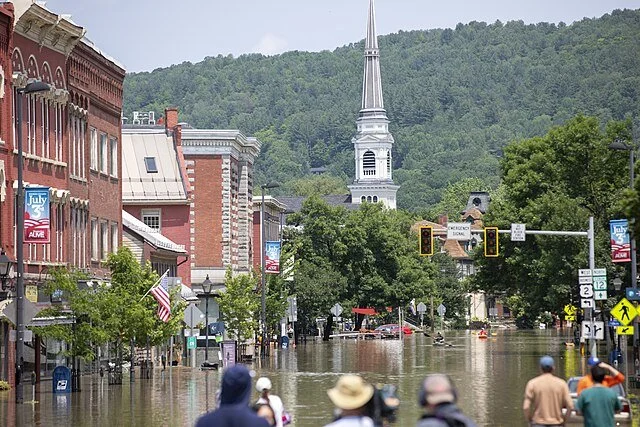
The Great Vermont Flood of 2023 in Montpelier, Vermont. The National Guard, CC BY-SA 2.0
Climate change has become a serious issue across the globe. Freak weather events, increased global temperatures and glacial melt, among other crises, have made it almost impossible to ignore. And for residents in one state, climate change has come right to their doors for what lawmakers intend to make the last time.
Vermont suffered severe flooding during the summer of 2023—the water completely submerged parking meters in the capital city of Montpelier. Thousands of residents lost cars, homes and businesses. According to the National Weather Service, the damages from this event alone rivaled—and even exceeded—the damage caused by Hurricane Irene back in 2011.
Now, the state government has passed a bill forcing fossil fuel companies to pay for a portion of the damages caused by climate change. Vermont is now the first state in the Union to take these organizations to task for externalities caused by fossil fuel emissions. According to the bill, the Agency of Natural Resources will create a report by 2026 that estimates the cost of climate change-based damage since 1995. This will examine aspects such as public health, agriculture and economic development.
The bill has been lauded for its progressive approach to climate justice, as holding companies accountable for pollution is, perhaps unsurprisingly, very widely supported. However, several Vermont politicians have also expressed concern over what will surely turn into a knock-down, drag-out legal battle come the report’s publication.
This bill marks a huge turning point in the climate justice movement. Although the legal battle has yet to begin, the precedent set by this bill is groundbreaking. The federal government has taken little serious action toward climate change reparations, as they are a divisive issue on a national level. Some consider the process to have very little legal basis, which naturally spawns skepticism that the legislation can actually be enforced.
However, regardless of how the bill has been received, the progress here is undeniable. There’s something to be said for the power of precedent in legal situations. Reparations have been divisive in the court system on account of being largely untested in a legal setting. Most court cases on a federal level are decided largely based on the results of similar cases in the past. Much of the heel-dragging over climate change, then, can be explained by how new and untested many of these legal approaches are.
It’s far more difficult to pass a bill at the federal level than the state, especially when trying to attack such an inflammatory issue. That said, states taking action—successful or not—could begin to wear down that resistance. If Vermont manages to extract reparations from the targeted companies, other states may follow suit. With enough states unified towards climate reparations, the federal government may be forced to take a stance. It likely won’t be for some time, but Vermont’s actions now are potentially paving the way for a massive shift in the governmental response to climate change in future years.
Ryan Livingston
Ryan is a senior at The College of New Jersey, majoring in English and minoring in marketing. Since a young age, Ryan has been passionate about human rights and environmental action and uses his writing to educate wherever he can. He hopes to pursue a career in professional writing and spread his message even further.
Florida Reef Farmers Revitalizing Coral Reefs
A group of environmentalists based out of the Florida Keys have devised a way to farm coral and help rebuild dead reefs.
Read MoreFeeling Unlucky: Why Gambling Hotspots Are So Bad for the Environment
Balancing the economic benefits of the casino industry against its environmental costs in Las Vegas and Macau.

Las Vegas strip at night. Las Vegas City Files. PDM 1.0
Rapid urbanization is one of the driving causes of pollution worldwide, and gambling hotspots are no exception, using precious resources to fight heat, water scarcity and pollution. The gambling centers of Las Vegas and Macau generate billions of dollars a year from tourist revenue, promoting overconsumption via colossal retail stores, high-rise casinos and souvenir shops. Beneath their twinkling lights, however, lies a reality riddled with addiction, excess and greed, and environmental impacts that are all too often overlooked.

Motorists waiting at traffic light. Dickson Phua. CC BY-NC-ND 2.0
Located in an arid desert landscape, Las Vegas’s temperatures can crawl up to 120 degrees Fahrenheit during the summer months, making it one of the hottest in the U.S.; other than Reno, it is the fastest-warming city in the country. Just twenty miles east of Las Vegas, Lake Mead’s water level has significantly dropped over the years. With temperatures rapidly rising, residents and tourists alike face the possibility of rarely going outside, as there’s little more to do outside than wander up and down the strip and lounge at a hotel pool. According to SWANA (Solid Waste Association of North America), Las Vegas produces more than five billion pounds of waste each year. While Las Vegas is attempting to rebrand itself as an eco-friendly city, conservation efforts are still underway. In 2016, the city began powering government buildings and streetlights with renewable energy, and most high-rises have installed solar panels on their roofs. The Sphere, Las Vegas’s newest concert venue, has an agreement to meet its electricity needs with solar power, but this must be approved by the Public Utilities Commission of Nevada, which likely won’t happen until 2027.

Aerial view of Las Vegas at night, Carol M. Highsmith's America Project, PDM 1.0
With casino-hotels lining the Cotai Strip, Macau has been dubbed “the Las Vegas of Asia” for its gambling, shopping and nightlife scene. With tourists flocking the city from mainland China and Portugal, vehicle exhaust from traffic has led to air pollution and excessive greenhouse gas emissions. With a population of just 600,000, a 2023 census indicated that roughly 30 million tourists flock to Macau every year, resulting in overcrowding. The subtropical landscape doesn’t reach temperatures as high as Las Vegas, but the climate is continuing to rise, with average summer temperatures of 83 degrees Fahrenheit. Similar to Las Vegas, Macau is striving to be more eco-friendly, incentivizing citizens to drive electric cars and use green lighting products through tax subsidies, in compliance with environmentally friendly standards.
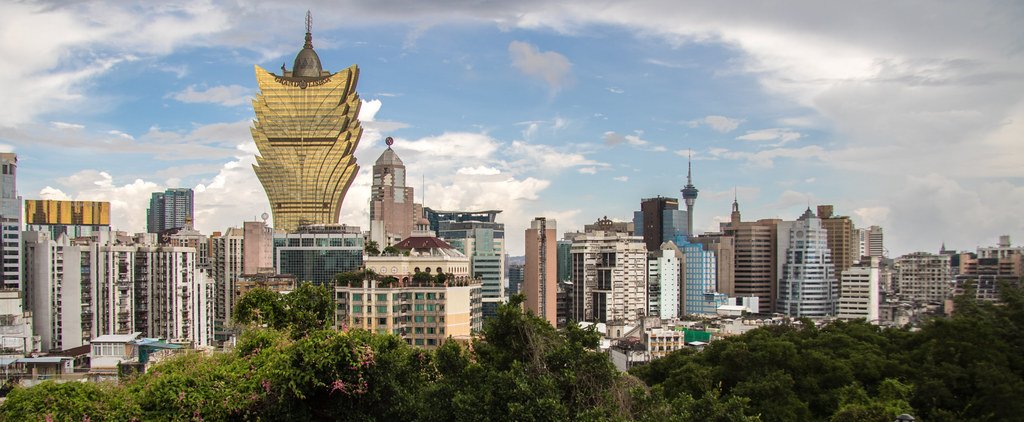
Panoramic view of Macau. Andrew Moore. CC BY-SA 2.0
The impacts of gambling are not entirely negative, particularly for the local economy. The American casino industry generates over $40 billion annually, which funds local development and creates hundreds of customer service jobs. With most casinos operating 24/7, energy consumption is the most significant environmental effect. As global temperatures rise, an excessive amount of energy is spent on air conditioning and lighting. Today, many are turning to online gambling as a more “sustainable” option, thanks to rapid technological advancements. Gambling hotspots like Las Vegas and Macau can adopt greener practices, such as improving public transportation and implementing recycling and composting programs. While gambling hotspots fuel local economies and tourism, their environmental and social impacts cannot be ignored, calling for a balanced approach that prioritizes sustainable practices and responsible urban development.
Agnes Volland
Agnes is a student at UC Berkeley majoring in Interdisciplinary Studies and minoring in Creative Writing, with a research focus on road trip culture in America. She currently writes for BARE Magazine and Caravan Travel & Style Magazine. She is working on a novel that follows two sisters as they road trip down Highway 40, from California to Oklahoma. In the future, she hopes to pursue a career in journalism, publishing, or research.
Thailand’s Progress Towards Marriage Equality
After years of advocacy, Thailand may become the first country in Southeast Asia to legalize same-sex marriage.
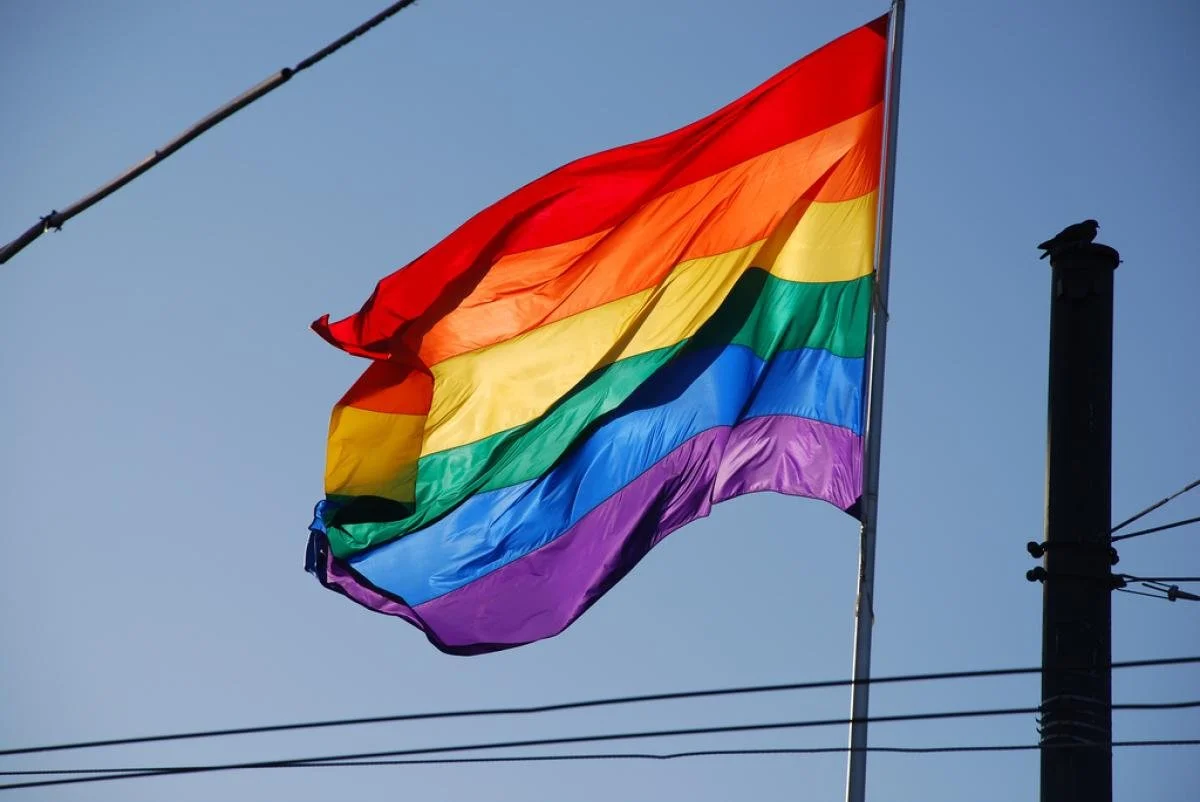
A pride flag waving in the wind. Jamison Wieser. CC BY-NC-SA 2.0
Thirty-seven countries currently recognize same-sex marriage on a national level, and Thailand may soon become the 38th. On December 21, 2023, a package of bills including the Marriage Equality Act was introduced by the cabinet, and debates began in Thailand’s House of Representatives, the lower house of Thailand's legislature. This body resoundingly assented to marriage equality in late March, although it is not yet law.
The Marriage Equality Act would amend Thailand’s civil and commercial code, making many terms that refer to people gender neutral. If the bills pass the the Senate, and receive approval from the King, Thailand will become the third country in Asia and the first in Southeast Asia to legalize same-sex marriage.
Four hundred out of 415 members of the House of Representatives voted to pass the Marriage Equality Act on March 27, 2024. The Marriage Equality Act passed the first reading in the Senate with another overwhelming majority on April 2, 2024.
For decades, LGBTQIA+ laws in Thailand have not matched the country’s acceptance of LGBTQIA+ culture and travelers. Despite being home to many LGBTQIA+ spaces, such as bars and nightclubs, and serving as a destination for many to receive gender-affirming care, discrimination continues and many LGBTQIA+ rights in Thailand remain unprotected.
While there has been progress in advancing LGBTQIA+ rights in Thailand with the passage of the Gender Equality Act in 2015, currently non-binary and transgender people’s identities are not recognized and LGBTQIA+ couples are unable to marry and struggle with adoption.
The recorded history of the LGBTQIA+ community in Thailand dates back to the 14th century. These records include verbal accounts and murals depicting LGBTQIA+ relationships. However, in the 19th century, the criminalization of homosexuality and Victorian norms of propriety spread along with European colonialism in the region, although Thailand itself remained independent.
This influence resulted in a cultural shift, as people began to equate sexuality with moral conduct and consider sexuality taboo. Despite this, Thailand has been famously receptive to LGBTQIA+ travelers, with the Thai Tourism Authority promoting Thailand as a “gay paradise”.
As LGBTQIA+ visibility and activism have increased, Thai political figures have begun to follow suit, with the Pheu Thai party making marriage equality a main goal. Since taking office in 2023, the Pheu Thai party has been integral in moving Thailand toward equality for LGBTQIA+ people.
The Marriage Equality Act will undergo its second and third Senate readings in July. If passed, it will be brought to the King for assent, and will then be established within 120 days, making Thailand a role model for the advancement of LGBTQIA+ rights.
Madison Paulus
Madison is a student at George Washington University studying international affairs, journalism, mass communication, and Arabic. Born and raised in Seattle, Washington, Madison grew up in a creative, open-minded environment. With passions for human rights and social justice, Madison uses her writing skills to educate and advocate. In the future, Madison hopes to pursue a career in science communication or travel journalism.
5 Sea Creatures That Could Save Your Life
We can create tons of life-saving medications from the ocean—as long as we can keep it alive.
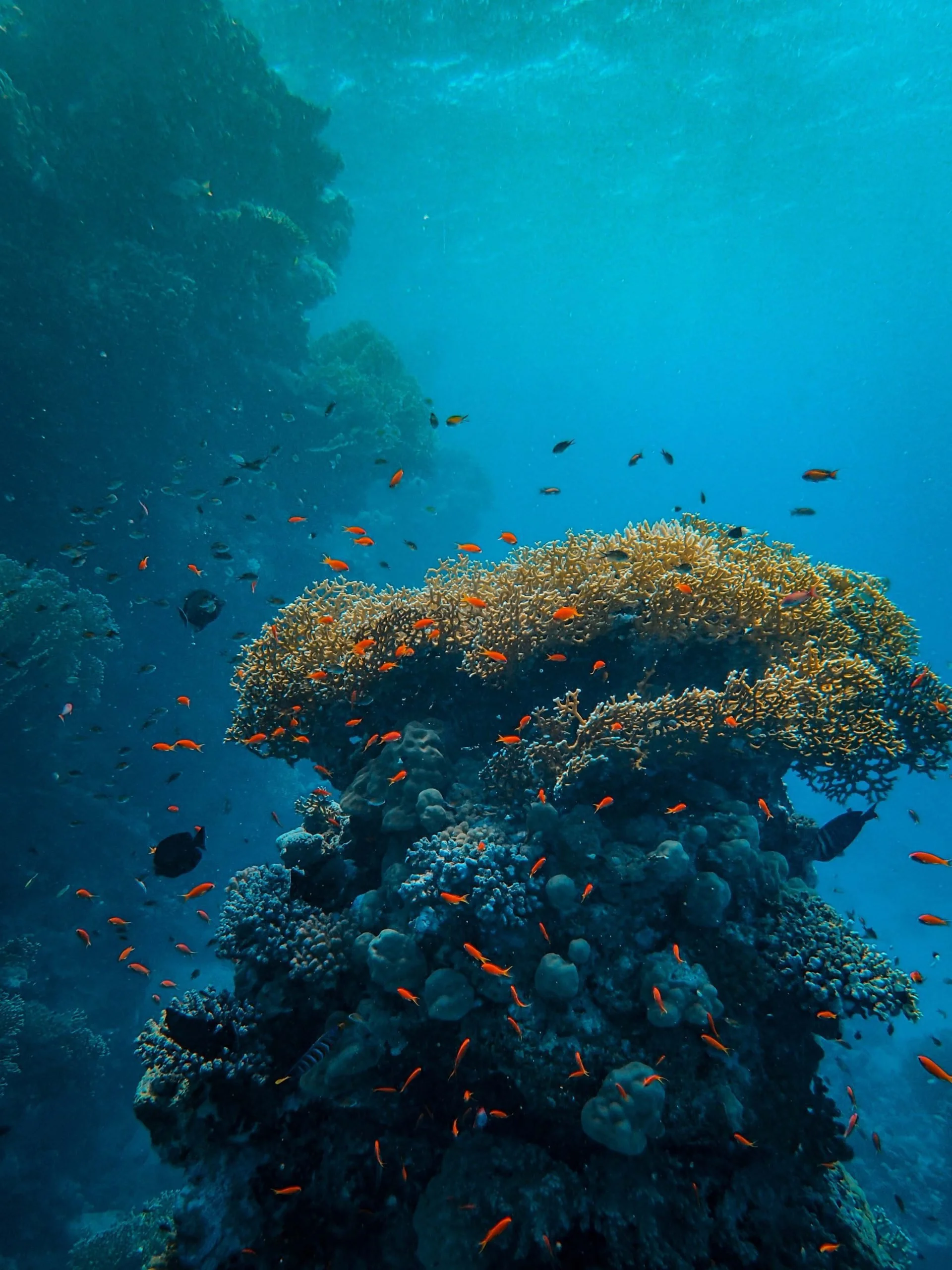
A coral reef. Francesco Ungaro, CC0
It has been said that we know less about our oceans than we do about the surface of Mars. We have already discovered more than 200,000 different species, but scientists agree that we have still only barely scratched the surface of what may be down there for us to find.
Some of these creatures are capable of producing life-saving drugs, curing or treating everything from diabetes to certain types of cancer. Most of our current medications come from terrestrial plants and animals, but given that the ocean represents 95% of Earth’s biodiversity, we are somewhere around 300 to 400 times more likely to find the next big cure in the ocean.
But in spite of this enormous potential, the oceans are in severe danger due to climate change, overfishing and pollution. Here are five different ocean creatures that could potentially save your life—and why we need to keep them alive and healthy.
Seahorses
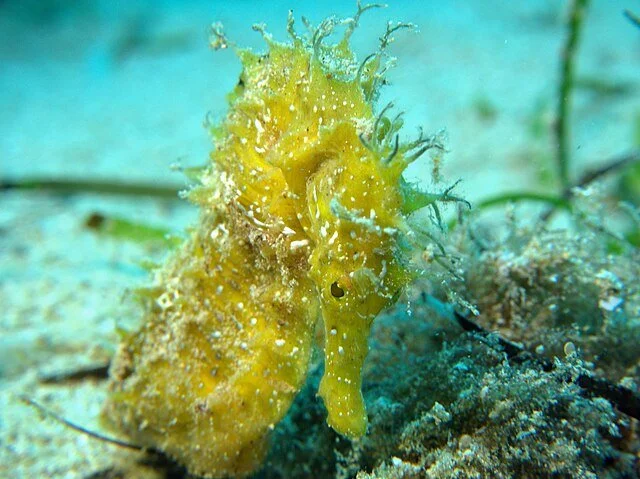
A yellow long-snouted seahorse. Victor Micallef, CC BY-SA 4.0
The first face on our list is a familiar one; seahorses are one of the more famous animals that make their homes on coral reefs, and have proven to be one of the most useful as well. These aquatic equines’ medicinal properties were recorded as long ago as 700 AD, when their extracts were first used in China to cure asthma and arthritis. More recently, seahorses have also been used to treat kidney and liver diseases.
But the population today is larger than ever, so the demand for these treatments is growing every day. Since the 1980s, demand for seahorses in the pharmaceutical industry has dramatically increased, resulting in a frighteningly steep decline in the number still living in the wild. Studies have shown that at least 35% of all species of seahorse are endangered.
This is due primarily to overfishing—aside from the mass harvesting for pharmaceuticals, seahorses are also frequently accidentally caught by commercial fishermen and simply left to die. If this population declines much further, a historically successful treatment for several different diseases may be on the line.
Sea Hares
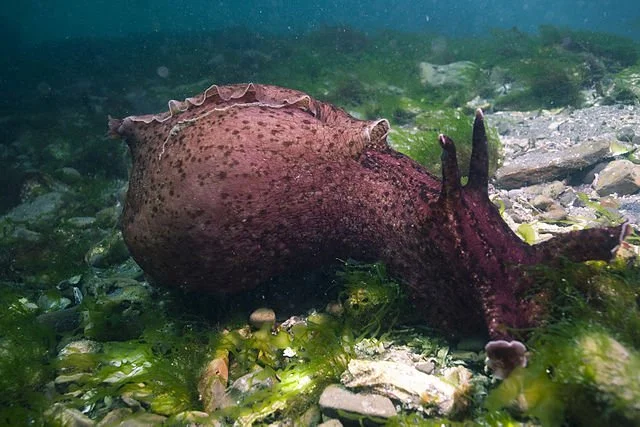
A sea hare in Monterey Bay. Chad King / NOAA MBNMS, CC0
A much less pleasant animal to look at, sea hares are still incredibly useful. A particular species from the Indian Ocean secretes a chemical that may be able to treat tumors, leukemia, and breast and liver cancer. Although the compound is still undergoing chemical trials, the results are promising and scientists believe the unassuming slug may be our best shot at dealing with many of the trickiest cancers in the human body.
Although sea hares are not currently endangered, they are threatened by ocean acidification and climate change. Also, since they are most commonly found along rocky shorelines, they are at risk from agricultural runoff and coastal development. Though we have not pushed them to extinction quite yet, continuing to develop our shorelines without proper caution could rob us of a very promising treatment for some of our most devastating diseases.
Sea Sponges
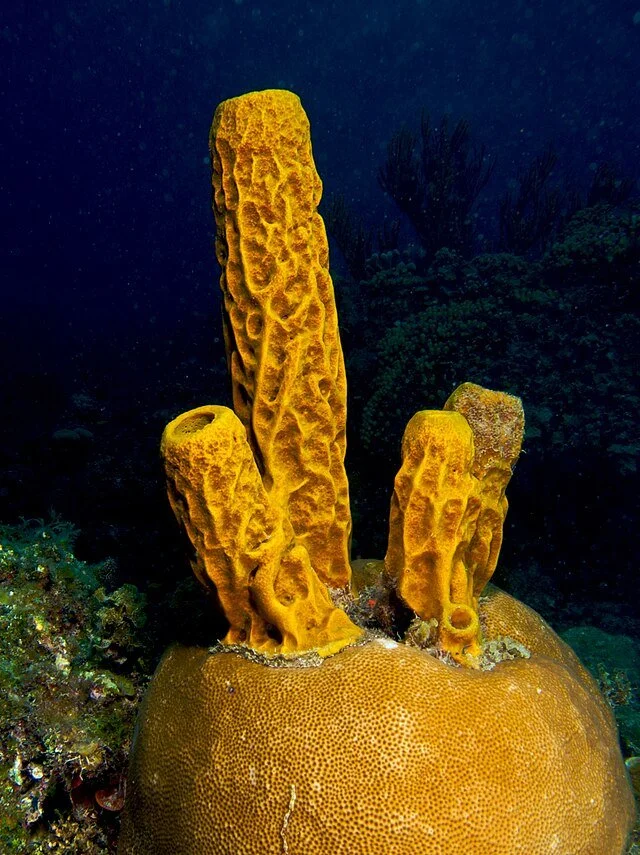
A yellow tube sea sponge. Nick Hobgood, CC BY-SA 3.0
There are countless different types of sea sponge and soft coral all over the ocean floor. In the last few decades, as more and more of them are discovered, we have found countless uses for just about every part of them.
One species in particular, known in the scientific community as Tectitethya crypta, has been used to treat HIV and AIDS. The sponge’s fatty acids in particular are a crucial component in many modern medications. Others have been used to treat breast cancer, leukemia, Ebola and even COVID-19. Needless to say, sea sponges are some of the most beneficial animals in the world, and experts say we haven’t even scratched the surface of what else they may be able to do for us.
Sea sponges are some of the most widespread ocean animals in the world, and have existed since before even the dinosaurs—however, that doesn’t mean they are safe from humanity. Deep-sea mining threatens their habitats by destroying the very land that the sponges grow on. Companies have claimed that deep-sea mining is far more environmentally friendly than other processes on land, however, it might only seem this way because we know so little about the ecosystems that sit just above the valuable mineral deposits in the deep sea. If we continue to haphazardly destroy these animals’ homes, countless potential miracle cures could be lost forever.
Corals

A soft coral in Bali. AlexeiAVA, CC BY 4.0
The backbone of all reefs, coral is widely thought of as a simple plant. Shockingly, these stationary structures are actually animals! Tiny polyps, the real minds behind the beautiful skeletal coral, secrete a thin limestone covering that attaches to the seafloor and eventually grows into the twisting and spiraling forms that we’re familiar with. These polyps have been used in the past to facilitate bone growth, and even to replace shattered or fractured bones in the human body. Ground-up corals can also be used to treat, of all things, Alzheimer’s and heart disease.
As well as being the mascot of the reef, coral is also the poster child for ocean acidification. Coral bleaching, the largest problem facing reefs around the world, is when the polyps that make their homes in the coral flee in response to warming waters or high concentrations of carbon. Without their inhabitants, the coral turns white and brittle, and can be broken by the slightest impact. Unsustainable fishing practices have also resulted in the destruction of entire chunks of reefs, whether it be through dynamiting or simply by tearing them up with oversized fishing nets. Besides providing a home for unimaginable numbers of animals and plants, corals are some of the richest sources of medicine and treatments in the ocean.
Sea Squirts
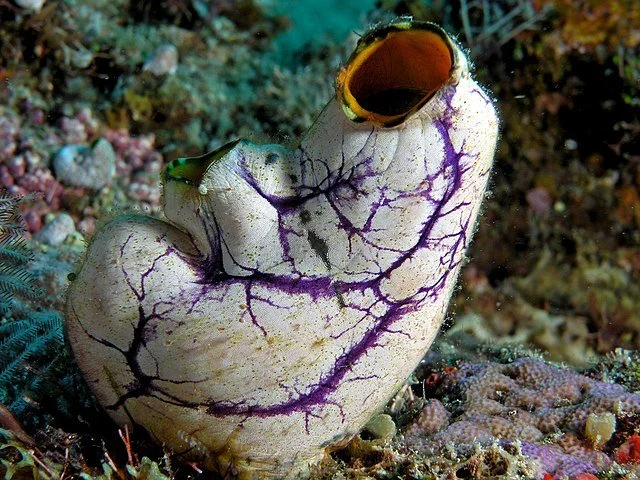
A sea squirt. Nick Hobgood, CC BY-SA 3.0
Sea squirts, despite their unappealing name and unassuming appearance, are being used to treat—and eventually, maybe even cure—one of the most dangerous skin cancers in the world. Found along the coast of almost every major ocean in the world, sea squirts contain a chemical that actually prevents cancer cells from regenerating. However, scientists have not yet figured out how to make this chemical in the lab, meaning they’re relying on harvesting sea squirts to produce the treatment.
Although some sea squirts are incredibly common (even being considered invasive in some places), various human activities threaten their habitats. Much like the sea hare, they live close to the surface on rocky shorelines and along reefs, meaning they’re more at risk from chemical runoff and coastal development. Unless we can take more precautions, harvesting these useful blobs will become much harder.
TO GET INVOLVED
Between global warming, ocean acidification and pollution, the dangers facing marine life can seem overwhelming. But there are many ways that an individual can make a difference and help the ocean survive. Organizations like Coral Guardian and the Reef Life Foundation work tirelessly to maintain reefs around the world with the help of donations and coral adoptions.
There are also countless hazardous waste recycling centers all over the country where you can safely dispose of harmful chemicals that you no longer need, rather than tossing them into landfills. And practicing eco-friendly behavior—avoiding single-use plastic, only applying zinc- or titanium-based sunscreen, and simply helping to pick up litter before it makes its way into the ocean—goes further than you might think.
The ocean is threatened from a million different places, but if we all do our part, it will provide for us for many years to come. There are countless undiscovered plants and animals living down there—there’s no telling what we’ll find next, and how it can help us in return.
Ryan Livingston
Ryan is a senior at The College of New Jersey, majoring in English and minoring in marketing. Since a young age, Ryan has been passionate about human rights and environmental action and uses his writing to educate wherever he can. He hopes to pursue a career in professional writing and spread his message even further.
Food Fight: European Farmers Battle Food Outsourcing
As climate concerns grow, many feel that the EU’s new agricultural policies are uprooting farmers’ way of life.

Farmers blocking a Berlin road in protest. Leonhard Lenz. CC0
Global warming, climate change, and greenhouse gasses have been hot-button topics for decades, but recent events have painted them in a much more alarming light. Many countries around the world have begun instating policies and procedures to combat this crisis, from carbon taxes to efforts at land preservation and conservation.
But just like every major change, it comes at a cost. Farmers, the backbone of the food market and a group with interests very much built around the environmental status quo, have been upended by recent policy changes. The EU has turned its attention to agriculture in recent months, proposing a variety of policies that will decrease the amount of land being used for farms, dubbed the Green Deal. In addition to stricter regulations, rising operating costs and taxes have also been cited as causes for discontent among the farming population of Europe.
This series of events reached a head in December of 2023, when farmers first began protesting across the continent. At first, it was simple picketing and protests, but in the months since, every possible display of discontent—from holding up traffic to spraying manure and throwing produce—has plagued much of the EU. Farmers in Berlin blocked the road around the Brandenburg Gate with tractors, and others in Brussels lit bales of hay on fire to deter police.
Over the last few weeks, the EU has made several concessions for the aggravated farmers. In addition to relaxing many of the regulations and reducing taxes on the diesel fuel used for tractors and farm equipment, the EU has apparently canceled its plan to import grain and other crops that could be grown in Europe from Ukraine. This in particular drove an especially angry contingent of protests, as the lower price and food standards of imported grain make domestic crops less profitable.
In the months since March, many of the more aggressive demonstrations mentioned above have begun to taper off in response to the EU’s capitulations. This demonstrates a problem that many governments are struggling to face in regards to climate change. The situation gets worse and its effects more severe, but swift action often ends up displacing people who rely on how the system has always been.
Hundreds of millions of people around the world have built their whole lives on the current status quo. Many of the changes that the EU suggested threatened their livelihoods by increasing the competition and undermining their typical methods. Unfortunately, there are not yet systems in place to account for the losses these individuals suffer, meaning future attempts to reduce the impact of climate change will risk the same backlash.
The EU may have been trying to minimize habitat destruction and land overuse, but in the process it risked harming the backbone of its economy and even its food supply. Climate change is an undeniable issue, but one that affects every person in the world differently. Any attempt to fix it will inevitably create some losers, whether the people in charge have accounted for them or not.
Ryan Livingston
Ryan is a senior at The College of New Jersey, majoring in English and minoring in marketing. Since a young age, Ryan has been passionate about human rights and environmental action and uses his writing to educate wherever he can. He hopes to pursue a career in professional writing and spread his message even further.
Fighting Femicide in Turkey
Turkey has long struggled to prevent violence against women, and Erdoğan’s withdrawal from the Istanbul Convention only worsened matters.

Protests after the murder of Turkish student Özgecan Aslan. 2015. Hilmi Hacaloglu. CC0
Femicide is a massive problem for women in Turkey. According to data from the women’s rights group We Will Stop Femicide, 338 women were murdered by a man between March 2023 and March 2024. The same data reports that the large majority of these women were killed by a close male relation, with the most common motive being their refusal to marry or have a relationship with their murderers.

Recep Tayyip Erdoğan at the 2017 G-20 Hamburg summit. Пресс-служба Президента Российской Федерации. CC-BY-4.0
In March 2021, Turkish President Erdoğan announced his decision to withdraw Turkey from the Istanbul Convention, itself named after Turkey's largest city. The convention obligates political parties to “develop laws, policies and support services to end violence against women and domestic violence.” It also included clauses aimed at protecting members of the LGBTQ+ community from violence.
The decision was met with outrage and criticism from activist groups, lawyers and politicians. Following the decision, thousands took to the streets to protest. Amnesty International Secretary-General, Agnès Callamard, spoke against the decision, expressing her concern that “the withdrawal sends a reckless and dangerous message to perpetrators who abuse, maim and kill: that they can carry on doing so with impunity.”
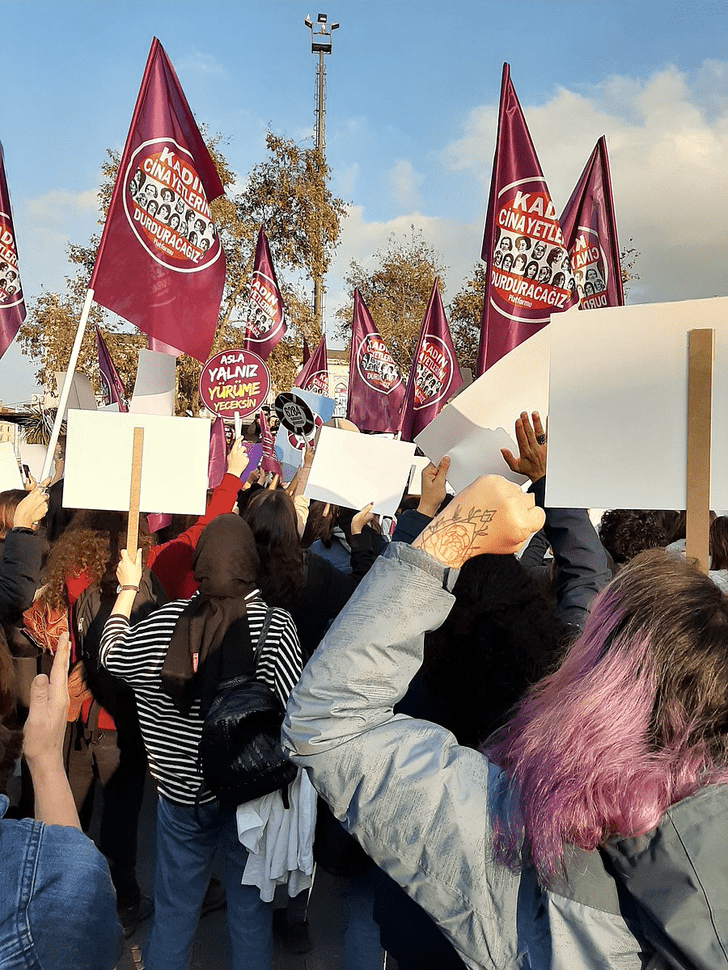
International Day for the Elimination of Violence Against Women, 2019. Neslihan Turan. CC0 1.0
We Will Stop Femicide was founded in 2012 in response to the murder of an 18-year-old high school student, Münevver Karabulut, and has been one of the leading advocates of women’s rights in Turkey ever since. The group began an initiative to collect, analyze and publicize data on femicide in Turkey in response to claims from the government that no such data existed. They gather their data from cases reported to the public and cases reported directly to the group by associates of the victims. “Patriarchy is the reason behind the loss of so many lives,” the group states on its website. “The lack of efficient policies that secure equal existence and rights of women is also encouraging men who are prone to violence.”
A lawyer working with the women’s rights group We Will Stop Femicide, Esin İzel Uysal, stated that there has been a significant increase in femicides as a result of Turkey’s withdrawal from the Istanbul Convention, with authorities refusing to take action in the face of violations of women’s rights. As of 2024, almost 2,000 women have either been murdered by men or died under suspicious circumstances since Turkey’s withdrawal in 2021.
Women’s rights groups in Turkey such as We Will Stop Femicide continuously face opposition and oppression from the government. On December 2nd, 2021 the Intellectual and Property Rights Investigation Bureau of the Istanbul Public Prosecutor’s Office filed a lawsuit against We Will Stop Femicide aimed at shutting the group down, citing “illegal and immoral actions.” On September 13th, 2023, the court rejected the lawsuit.
Women in Turkey continue to fight for their rights and their lives despite government opposition and police violence. In March 2024, thousands of women defied a ban against protests on International Women’s Day, seeking to draw attention to the rise of femicide in Turkey and voice their discontent with Turkey’s withdrawal from the Istanbul Convention.
TO GET INVOLVED
We Will Stop Femicide: We Will Stop Femicide’s website lists several ways to support their cause, including producing visual materials for their social media and participating in the collection of data on violence against women.
Women for Women’s Human Rights: Another Turkish feminist group, WWHR initiated a Human Rights Education Program for women in 1995 that seeks to educate women about their rights and help them exercise those rights. Information about participation in the HREP program can be found here.

Rebecca Pitcairn
Rebecca studies Italian Language and Literature, Classical Civilizations, and English Writing at the University of Pittsburgh. She hopes to one day attain a PhD in Classical Archeology. She is passionate about feminism and climate justice. She enjoys reading, playing the lyre, and longboarding in her free time.
Uncontrolled Burn: Canada’s Devastating Wildfires
Thousands of wildfires, miles of scorched forests and colossal plumes of smoke are threatening Canada on all fronts.
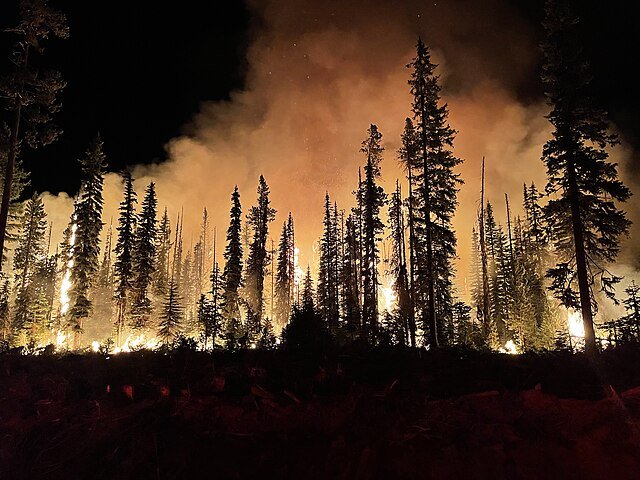
Forest fire at night. U.S. Forest Service, public domain
Canada is no stranger to wildfires. According to the Canadian National Fire Database, over 8,000 fires occur every year, burning over 2 million hectares of land. The highest risk period for fires starts in April or May and lasts all the way through September or October, with hold-over fires potentially burning well into winter.
But recently, fires have become more and more frequent earlier in the year. These early fires have also been growing in severity and damage, which should only happen well into the summer. Canada has endured over a thousand fires in 2024 alone, with 104 currently raging as of late May. Most are relatively under control thanks to quick responses from fire teams, but about a seventh are registered as “uncontrolled.” Despite the best efforts of local fire companies and government action, these fires have devoured thousands of hectares of land and are currently threatening several cities across the country.
The Parker Lake fire, named for its apparent origin point, caused thousands of citizens of Fort Nelson in British Columbia to flee their homes. At that time the fire was already roughly 3 square miles in size; the long period of dry weather, coupled with strong winds, caused the fire to grow out of control, which prompted evacuation orders on May 11th. Parts of Alberta have also been given orders to prepare for evacuation as other fires steadily approach.
In addition to the threat posed by the blazes themselves, the smoke produced by the constant burning has blanketed most of Canada and is beginning to drift south into the midwestern United States. This smoke can cause serious reactions in those with existing respiratory illnesses and even be harmful to the lungs of healthy individuals. Given the severity of 2023’s wildfire season, we can expect a tremendous amount of smoke this year as well.
There are many possible causes for wildfires, ranging from the carelessness of individual hikers or campers to the climate itself. Higher global temperatures can cause more frequent flare-ups, long-lasting droughts can leave forest floors incredibly dry and flammable, and warmer winters leave less snow behind, resulting in even dryer conditions. Additionally, zombie fires—blazes that have smoldered underneath the snow over winter only to reemerge after the spring thaw—have increased the number of threatened communities.
How You Can Help
Fire season has only just begun in Canada and the nation is already being battered from all sides. Conditions are only expected to worsen as the temperatures rise and droughts linger; more evacuations are also expected as a result. However, several charities have already begun donating to the firefighters working to combat the blazes, as well as the many displaced citizens. Sites such as Global Giving and the Canadian Red Cross are excellent ways to help offset the devastation wreaked by the hundreds of wildfires.
Ryan Livingtston
Ryan is a senior at The College of New Jersey, majoring in English and minoring in marketing. Since a young age, Ryan has been passionate about human rights and environmental action and uses his writing to educate wherever he can. He hopes to pursue a career in professional writing and spread his message even further.
Gen Z’s Growing Criticism of the Peace Corps
The Peace Corps was built upon the ideals of “world peace and friendship,” but Gen Z is analyzing the organization through a new lens.
Read MoreExiled Russian Pussy Riot Activist Sentenced for Ukraine Tweets
After a series of tweets criticizing Russia’s invasion of Ukraine, activist and girl band member Lucy Shtein was sentenced in absentia to six years in prison.
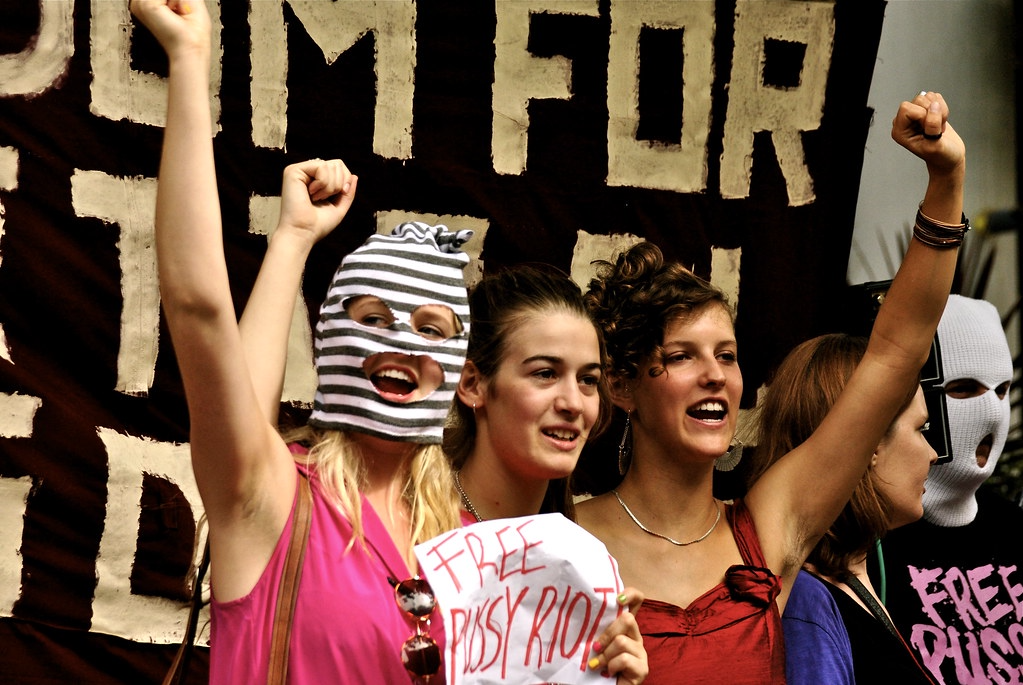
Pussy Riot Global Day. Eyes on Rights. CC BY-NC-SA 2.0
The members of Pussy Riot, a Russian punk rock and performance art group, are no strangers to prosecution. Their political activism has landed them in legal trouble in the past. In 2012, the band briefly took over a cathedral in Moscow and performed a “punk prayer” by the church’s altar. The lyrics called for the Virgin Mary to expel Putin from Russia. As a result, three members of the group, Maria Alyokhina, Nadezhda Tolokonnikova and Yekaterina Samutsevich, were convicted of hooliganism, religious hatred and plotting to undermine social order and sentenced to serve two years of imprisonment in a penal colony, a decision that sparked worldwide protests.

Free Pussy Riot - Tel Aviv Israel. דוג'רית. CC BY-SA 4.0.
On November 21st, 2023, Nadya Tolokonnikova, was arrested again, this time in absentia, for the charge of “insulting the religious feelings of believers.” The charge carried a maximum fine of about $3,400 (300,000 roubles), forced labor, and up to one year of imprisonment. In Russia, this law is often referred to informally as the “Pussy Riot Law,” and was written while the members were in court for their 2012 performance. The charges against Tolokonnikova were leveled in response to a 2022 performance art piece called “Putin’s Ashes” in which Tolokonnikova and eleven other women, all wearing balaclavas, set fire to a portrait of Putin.

Nadya Tolokonnikova. Steve Jurvetson. CC-BY-2.0.
In March of 2024, Pussy Riot Member Lucy Shtein was sentenced in absentia to six years in prison for a tweet the activist and artist posted in March of 2022 criticizing Russia’s military activities in Ukraine. Commenting on a video allegedly of Ukrainian soldiers shooting the legs of Russian POWs, she stated that the Russian soldiers had come “to bomb other people’s cities and kill people.” Since launching its invasion of Ukraine, the Russian government has begun prosecuting citizens who speak out against the war. In 2022, the State Duma, the lower house of the Russian legislature, amended the criminal code to make it illegal to support an end to the war or to spread any information on Russia’s military activities that contradicts the official version presented by the Russian Ministry of Defense. As of 2023, there have been more than 19,700 detentions of citizens who participated in anti-war activities, and as of 2024, 929 cases have been filed against citizens under this law. The new law has been criticized as an attack on freedom of assembly, freedom of speech, political opposition and activism, and it was under this law that Shtein was sentenced.
Shtein escaped from house arrest in Russia with her girlfriend and fellow Pussy Riot member Maria Alyokhina shortly after the invasion in Ukraine had begun, earning her a spot on the Ministry of Internal Affairs wanted list. Shtein had been accused of violating coronavirus restrictions and placed on indefinite house arrest after participating in rallies in support of opposition leader Alexei Navalny. Shtein and Alyokhina fled to Iceland, where they were granted citizenship in 2023.
Despite being unable to return to their homeland, Pussy Riot members continue to tour internationally. On June 20th, 2024, Tolokonnikova will be opening an art exhibition entitled RAGE in Austria. In 2017, Maria Alyokhina wrote a memoir, "Riot Days," recounting her experiences with Russia’s criminal system. In 2024, the band adapted the memoir into a show described as “a mixture of concert, rally, theater and political happening” touring in Canada and Europe.
TO GET INVOLVED
Pussy Riot: You can support Pussy Riot here by buying their merchandise, or a ticket to one of their upcoming shows in Chicago, IL, US or Riddu Riddu, Lyngen, Norway.
Stand With Ukraine: The "Riot Days"tour raised funds for the children’s hospital Ohmatdyt in Kyiv, Ukraine. While the show is no longer on tour, you can still donate to the hospital.
Rebecca Pitcairn
Rebecca studies Italian Language and Literature, Classical Civilizations, and English Writing at the University of Pittsburgh. She hopes to one day attain a PhD in Classical Archeology. She is passionate about feminism and climate justice. She enjoys reading, playing the lyre, and longboarding in her free time.
From Drought to Deluge: Afghanistan’s Flash Floods
As the 6th most vulnerable country to climate change, Afghanistan has faced intensified food insecurity following a disastrous series of floods throughout April and May 2024.
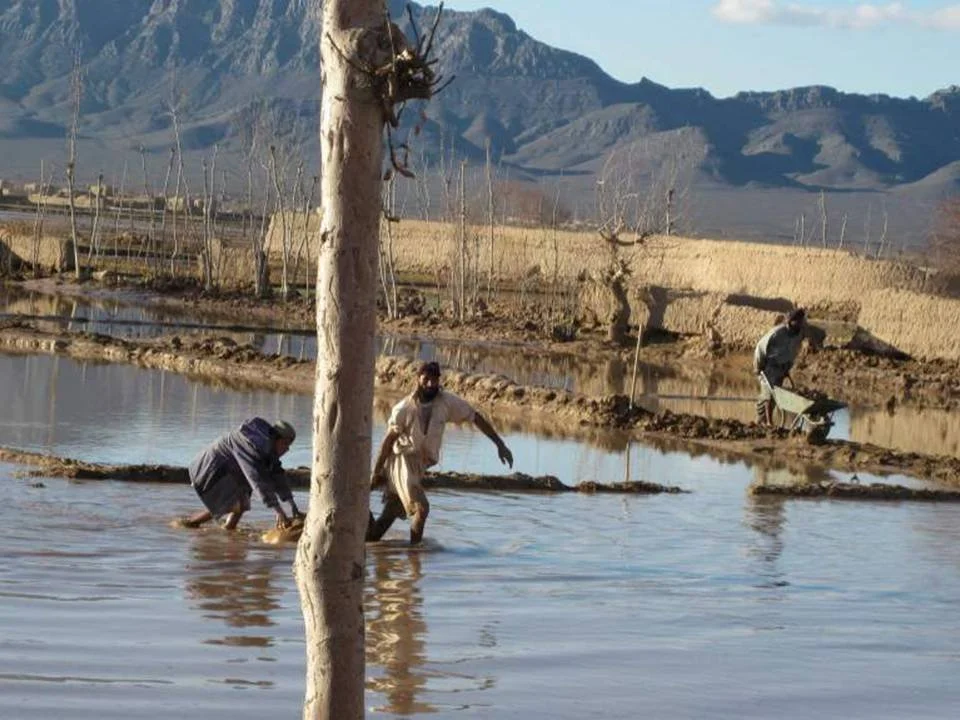
Flood relief efforts in Herat, Afghanistan. NATO Training Mission-Afghanistan. CC BY-SA 2.0
Over the past few months, hundreds in Afghanistan have died due to flooding. In April 2024, at least 70 people died from flash floods throughout Afghanistan. The floods and heavy rains have also destroyed several schools and mosques, in addition to more than 2,000 homes.
Throughout May 2024, over 1,000 houses were destroyed and more than 300 people died from floods in Afghanistan. The hardest-hit provinces include Badakhshan, Baghlan, Ghor and Herat.
On May 10th and 11th floods affected over 60,000 people. The floods destroyed about 500 houses throughout Afghanistan’s Baghlan and Badakhshan provinces with 16 deaths recorded as of May 27th, 2024. Of the 16 deaths, 10 were members of the same family.
The most recent series of floods on May 18th and May 19th, 2024 took the lives of over 100 people and destroyed nearly 1,500 homes. The death toll is expected to rise as search and rescue operations continue.
Because of climate change flooding has increased, and Afghanistan is not the only country facing destructive floods in May 2024. Over the last month, Afghanistan, East Africa and Brazil have been hit with flooding in the wake of torrential rains. Climate change contributes to increased rainfall and flooding because of hotter climates contributing to snow and ice melt and intensified weather fluctuations.
In Afghanistan, the high number of floods and casualties throughout the first half of 2024 followed a dry winter that left the ground unable to adequately absorb the abnormally high rainfall. Afghanistan’s average temperature has increased by about 1.8°C since 1950. Unusually warm temperatures have exacerbated the problem, as snow melts prematurely into the rivers.
Considering flooding is expected to increase throughout the coming months because of the erratic weather spurred by climate change, there is a need for more investments in infrastructure, specifically climate adaptation projects.
Organizations like the UN Development Programme and other UN agencies are dedicated to supporting Afghanistan in risk management, climate resilience and improved resource management.
GET INVOLVED
Emergency assistance is needed by the 38 million people throughout Afghanistan. As the floods have rendered many areas inaccessible by ground transportation, organizations such as the World Food Programme have resorted to using donkeys to transport food and supplies to those in need. To support relief efforts, donations can be made to organizations like the World Food Programme and the UN Refugee Agency.
Madison Paulus
Madison is a student at George Washington University studying international affairs, journalism, mass communication, and Arabic. Born and raised in Seattle, Washington, Madison grew up in a creative, open-minded environment. With passions for human rights and social justice, Madison uses her writing skills to educate and advocate. In the future, Madison hopes to pursue a career in science communication or travel journalism.
The Slow Rise of Gang Violence in Haiti
Haiti finds itself in a humanitarian crisis, with limited access to resources and police assistance amid widespread gang presence.

UN officials try to aid the police force in Haiti as violence escalates, CC0 1.0.
Already in a long-term humanitarian crisis stemming from a 7.0 magnitude earthquake in 2010, Haiti has been in a vulnerable position for the last fourteen years. Until recently, the fate of Haiti rested with 10 remaining senators, all of whose terms expired two weeks into 2023. There are currently about 200 gangs in Haiti, half of which are residing in Port-au-Prince, Haiti’s capital. Among these are G9 and GPep; two rival gangs with the largest presence in the capital.
G9 Family and Allies (“G9”) was formerly associated with the dominating Haitian Tet Kale political party, rising via a relationship between Chérizier and the Moïse administration in 2020. The intention of this group was to maintain social order among civilians angry about lack of political assistance to their poor conditions. Over time, it strayed away from its initial goals and took up violence and kidnapping.
The second politically relevant gang present in Port-au-Prince is GPep, less well known but equally dangerous. GPep, a gang alliance led by Gabriel Jean Pierre (“Ti Gabriel”), is the sworn enemy of G9. Associated with Haitian opposition parties, GPep is responsible for high levels of violence, famines and the deaths of innocent civilians in its clashes with G9 for power. In September of 2023, the rivals made a public pact to “viv ansanm” (“live together”) to coordinate against shared political rivals.
In February 2024, various Haitian gangs carried out a series of coordinated attacks throughout Port-au-Prince. Chérizier and the G9 Alliance ultimately claimed responsibility for the spike in violence. The gangs’ intentions were to reduce the power of the police force and prevent the return of the Prime Minister from Kenya, where he had previously been negotiating with the United Nations for protective measures. Since then, gang activity has seen a steady increase in Port-au-Prince, including the storming of two of the country’s largest prisons to free thousands of inmates and an attempted seizure of the national airport. G9 also notably expanded its control and effectively blocked access to the country’s main oil storage facility, worsening the fuel shortage. On March 3, the Prime minister declared a state of emergency and enforced a nightly curfew.
The recent increase in gang presence has also limited citizens’ access to healthcare. As a result of a storm by the gangs in March, the State University of Haiti Hospital (HUEH) was forced to close and has not reopened since. TIME journalist Dánica Coto looks broadly at the impact gang violence has had on the medical system and explains that, “Even if a hospital is open, sometimes there is little or no medical staff because gang violence erupts daily in Port-au-Prince, forcing doctors and nurses to stay at home or turn around if they encounter blocked roads manned by heavily armed men.” The gangs therefore not only harm citizens directly, but medical restrain them by limiting access to cancer, asthma, diabetes and other medical condition treatments.
The rapid increase in gang violence is impacting more than just the capital, the displacement of people also posing a risk for the rest of Haiti. With a large population residing in Port-au-Prince, smaller cities outside the capital are too fragile to support people fleeing en masse. The United Nations International Organization for Migration raised their concerns in early April: “It should be emphasized that [these] provinces do not have sufficient infrastructure and host communities do not have sufficient resources that can enable them to cope with these massive displacement flows coming from the capital.” The insufficient resources of the regions surrounding Port-au-Prince continues to pose a risk for Haitains, their food security, health and safety still insecure even if they escape the capital.
The United Nations is calling for more support for Haiti, with only 8% of the 2024 Humanitarian Needs and Response Plan for Haiti already funded. In a United Nations meeting, the Haiti delegate focuses on the importance of sending aid to the police force and emphasizes that, “We need to ring alarm bells. It is absolutely vital to act quickly to avoid the genocide being implemented in the country." Executive Director of the UN Office on Drugs and Crime Ghada Waly echoes the need for outside intervention; “In the absence of international action to improve Haiti’s security, through the deployment of the multinational security support mission […] alongside a long-term political solution, the circumstances will remain enormously challenging.” Haiti is in desperate need of outside assistance from the United Nations and other countries, its current support system too weak to protect and care for its people.
The Dominican Republic has deployed its own limited resources to stem the flow of arms into Haiti, although its Minister of Foreign Affairs emphasized the need for tougher sanctions and an arms embargo to help build a sustainable peace. United Nations delegates are also pushing for a rigorous implementation of the sanctions regime to hold financiers of the violence accountable, and thus reduce the damage being done to Haiti. In its current state, Haiti’s healthcare and political system are on the verge of collapse. It is only through external intervention and support that the country has a hope of making it through the crisis and starting, once again, on a path to reconstruction.
TO GET INVOLVED:
Save the Children has an ongoing campaign to help children and refugees in Haiti. Check out their website here to learn about the current state of Haiti and steps, both big and small, that can be taken to send humanitarian aid overseas.
Christian humanitarian organization World Vision is working to help end the suffering in Haiti by sponsoring individual childrens’ wellbeing, as well as general crisis response efforts. Click here to learn more.

Aanya Panyadahundi
Aanya is a student at the University of Michigan studying sociology and journalism on a pre-law path. She loves to travel the world whenever she can, always eager to learn more about the different cultures and societies around her. In her free time, she likes to play the violin, ski, and listen to podcasts.
Why You Should Care About the War in Eastern Congo
A decades-old conflict in Central Africa threatens to reignite in full, with worldwide implications.
Read MoreUniversity Encampments and the Future of Free Speech
What the pro-Palestine encampments and the official responses to them mean for the future of protest.
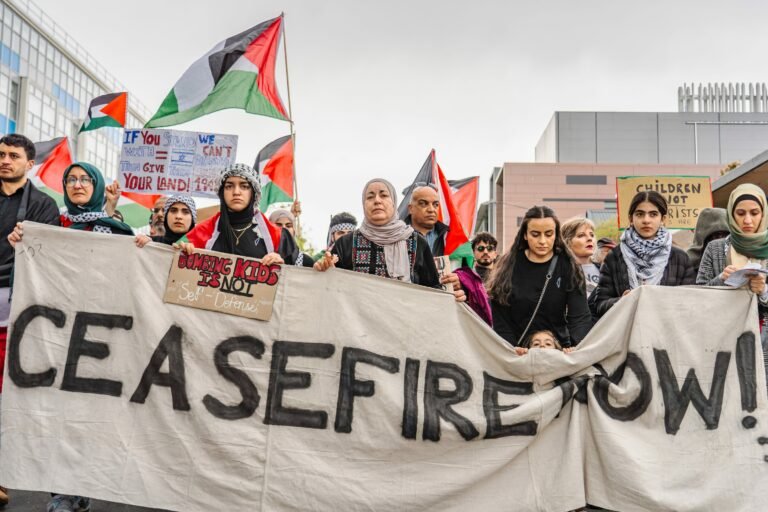
Protestors holding up a pro-Palestine “Cease Fire Now!” banner. Sword & Shield. CC BY 3.0 NZ
Will encampments continue to be an effective mode of protest? Palestine solidarity is growing worldwide, especially among college students. Inspired by protests at Columbia, students at numerous universities have established pro-Palestine encampments, urging the institutions to divest funds that support Israel, aiming to halt the mass killing in Gaza. Since October 7, thousands of Palestinians have been killed, and nearly half the population is suffering from malnutrition. Encampments sprang up at major universities worldwide, including McGill, Trinity, Oxford and the University of Tokyo. Robert Cohen, a professor at NYU, told ABC News that he considers encampments to be the biggest student movement of the 21st century. The varying responses globally reflect the nuanced nature of encampments, balancing concerns for student safety with protecting their right to freedom of speech. Some universities, such as Wesleyan University and Oxford University, are more tolerant of the encampments, allowing them to continue so long as they remained nonviolent and nondisruptive. Other schools, such as UCLA and UT Austin, have taken a different approach and alerted the police and attempted to remove encampments by force, leading to thousands of student arrests. Students at Brown University and UC Berkeley dismantled encampments after reaching agreements with officials to discuss divestment strategies. Pro-Palestine encampments and the varied responses to them have compelled students to reflect on the extent to which their right to freedom of speech is protected.
While “freedom of speech” is a broad term, the US Constitution's First Amendment specifies that it includes the right to peacefully assemble and the right to petition the government, but it has limits and cannot justify violence. According to FIRE (Foundation for Individual Rights and Expression), while police can dismantle encampments that disrupt class or block student traffic, they can not interfere or issue arrests out of personal bias. However, rights to freedom of speech vary by institution, especially between public and private schools. Private universities are not necessarily required to follow constitutional rights, and universities driven by religious or military interests may prioritize other values over freedom of speech. In the context of encampments, there doesn’t seem to be a large correlation between university type and response from officials. One pattern that has emerged is that most student arrests are occurring in urban areas like New York and Los Angeles. The media has wielded a dual influence, serving as both an inspiration for global encampments and a source of delegitimization. Across the internet, students are labeled as “entitled” and “immature,” facing criticism from professors, government officials and religious leaders who deride their anti-imperialist goals as unrealistic.

Columbia Encampment Day After NYPD Raid. Pamela Drew. CC BY-NC 2.0
Some argue that history is repeating itself with the rise of pro-Palestine encampments. During the Vietnam War, students at universities worldwide urged institutions to cut ties with the military and ultimately end the war through pro-peace propaganda and counterculture lifestyles, most notably at UC Berkeley and Columbia. Students held abolitionist views toward the armed forces, viewing the military as systematically oppressive.
With semesters wrapping up and campuses quieting down, encampments are naturally disassembling, even if no agreements have been reached with universities. As November's election approaches, more members of Gen Z are eligible to vote. It remains unclear as to whether or not young voters will support Biden, as they criticize his support for the Israeli military, emphasizing a lack of unity amongst Democrats. Regardless of short-term and long-term outcomes, pro-Palestine encampments have demonstrated the role students can play in fostering dialogue and raising awareness, ultimately reshaping public opinion. Recent events have prompted discussions about whether or not students are protected by their First Amendment rights when establishing encampments, forcing us to reconsider the essence of free speech.
TO GET INVOLVED
UNRWA (United Nations Reliefs and Works Agency) is an organization that provides direct relief to Palestine refugees. Donate to provide humanitarian relief to those affected here.
Call on Congress and President Biden for an immediate cease-fire via moveon.org
Check out the Palestine Resource Guide, which provides updates on the latest news and resources pertaining to Palestine. Find a protest/event near you here.
Agnes Moser Volland
Agnes is a student at UC Berkeley majoring in Interdisciplinary Studies and minoring in Creative Writing, with a research focus on road trip culture in America. She currently writes for BARE Magazine and Caravan Travel & Style Magazine. She is working on a novel that follows two sisters as they road trip down Highway 40, from California to Oklahoma. In the future, she hopes to pursue a career in journalism, publishing, or research.
Madagascar’s Cyclone Gamane—The Devastating Storm Nobody’s Talking About
Thousands of homes were destroyed and families displaced, with almost no American news coverage.
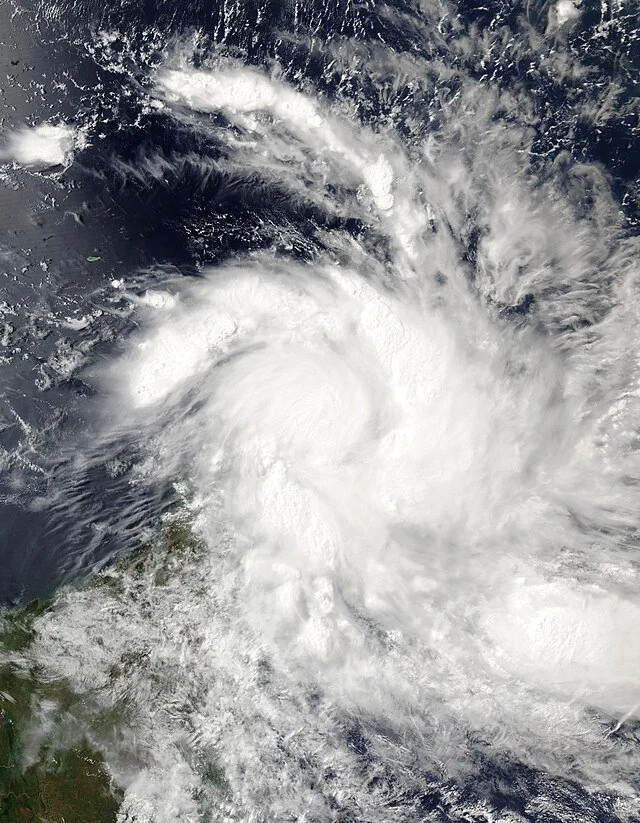
Cyclone Gamane over Madagascar. NASA, CC0
A few weeks ago, Cyclone Gamane made landfall on Madagascar. It devastated the island in no time flat, leaving tens of thousands of people homeless and without food or electricity. It arrived on March 27th; the government declared a state of emergency on April 3rd. And despite all of this, there was almost no American news coverage about the disaster.
Gamane began as a tropical cyclone over the South Indian Ocean. By the time it reached Madagascar, its wind speed was clocked at an average of 93 mph, with gusts up to 130 mph recorded. Thirty-three communes were flooded in the three days it pummeled the northern coast, and more than 780 houses were destroyed. Eighteen people were killed and more than 22,000 were displaced from their homes. Estimates suggest that there are roughly 220,000 people in need of humanitarian assistance on the island.
Even before the cyclone, Madagascar was numbered among the worst off in the Global Hunger Index in 2023. Before the flooding in February and with Gamane, much of the island was unable to produce enough food to support the population. Roughly 1.6 million citizens are food insecure, relying instead on humanitarian aid. Additionally, the cyclone came at the beginning of Madagascar’s notoriously dry lean season, which lasts from late March until May. If conditions don’t improve quickly, there are concerns that large chunks of the country will experience crisis-level food insecurity.
Emergency supplies on the island are already low—Gamane is only the third crisis to hit Madagascar in 2024, after the Alvaro storm in January and heavy flooding in February. Local humanitarian associations have made efforts to help the populace recover, but without resources, the government has had to call for aid from other countries.
The UN has set up a funding program under the CERF, the Central Emergency Response Fund, to accumulate funds to send to Madagascar. As of April 21st, the program is 20% funded, and is seeking to raise 90 million dollars. Smaller humanitarian organizations, such as the Redemptorist Solidarity Office (headquartered in Cork, Ireland), have taken action in the meantime to provide what help they can. According to their website, the RSO has provided 15,000 pounds for financial support and is shipping several tons of food items and medical kits. They hope to raise enough money to help provide shelter-building supplies for the displaced as well.
Madagascar is uniquely situated as one of the most susceptible places on Earth to natural disasters. Over the last 35 years, more than 50 hazards, including locust swarms, droughts, and heavy flooding, have struck the country and affected nearly half of the entire population. This has, to some degree, resulted in less coverage being dedicated to each event; even now, almost a month since the storm first made landfall, it has received very little publicity in the United States. But despite this lack of interest, humanitarian action is still being taken. It will be an uphill battle, between the fallout from the storm and the height of the lean season approaching, but with the help of the UN and other independent aid groups, Madagascar can and will recover.
Get Involved
At the moment, due to the lack of publicity that the crisis has received in the US, there are not many volunteer opportunities within the country. Those looking to help can donate to SEED Madagascar (which seeks to combat food insecurity), UNICEF Madagascar (which is working to minimize the effects of climate change on the island), or the World Food Programme’s Madagascar mission (which aims to supply over 1.6 million people with humanitarian assistance).
Ryan Livingston
Ryan is a senior at The College of New Jersey, majoring in English and minoring in marketing. Since a young age, Ryan has been passionate about human rights and environmental action and uses his writing to educate wherever he can. He hopes to pursue a career in professional writing and spread his message even further.
How Geoffrey Chaucer Inspired Pro-Migrant Literary Social Action in the U.K.
In the U.K., writers and refugees collaborate to end indefinite detention.
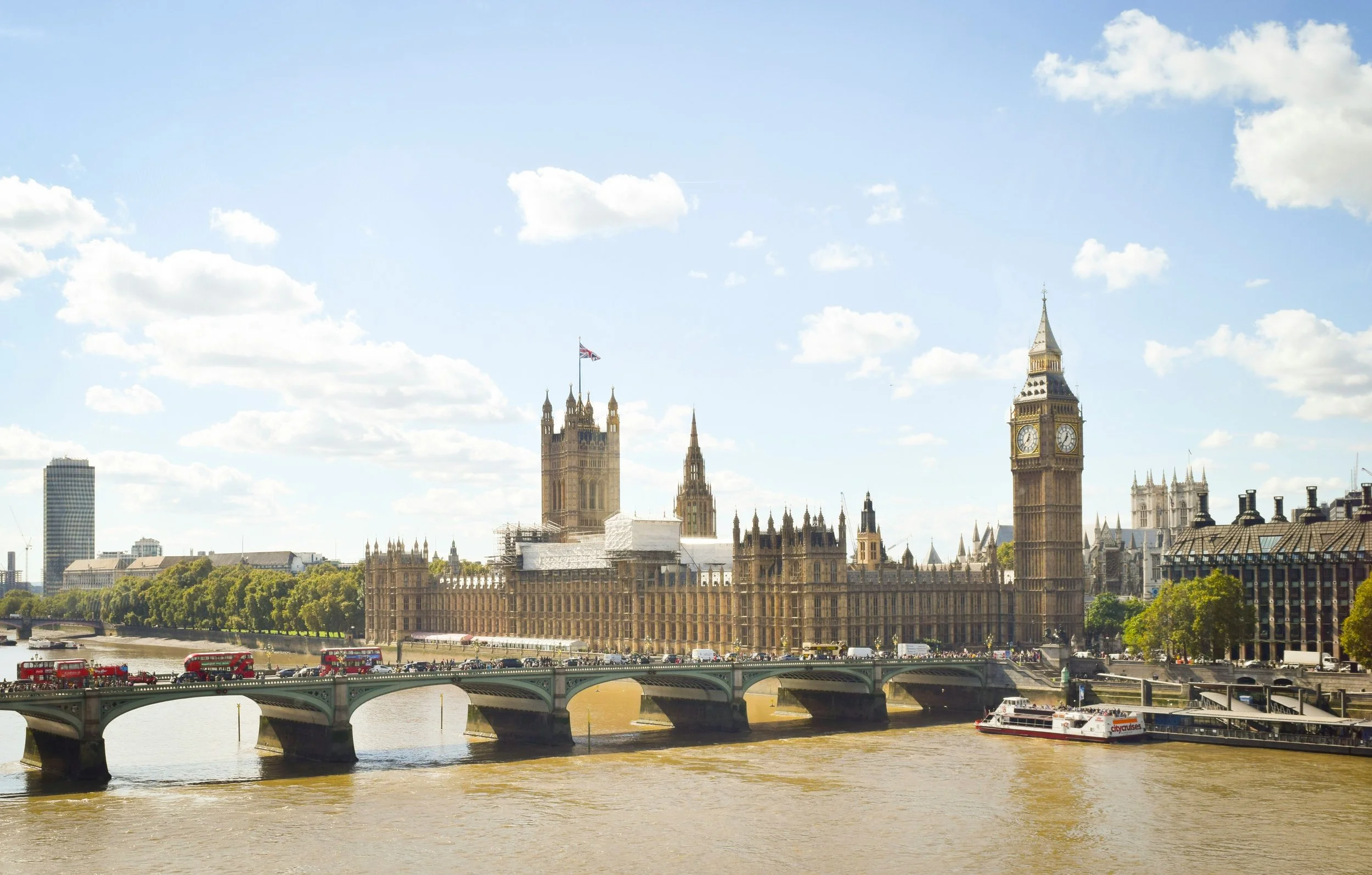
Westminster in the sunlight, the destination of the Refugee Tales walk. Aswin Mahesh. CC0.
The United Kingdom’s immigration policy allows it to detain migrants indefinitely while the government resolves their immigration status. The U.K. is the only country in Western Europe with this law; other European nations have a maximum time limit to detain people, usually ranging from about a month in France to six weeks in Germany. In 2015, a group of writers and activists in the United Kingdom combined forces to create the Refugee Tales—a short story collection and an annual walk to raise awareness about indefinite detention for migrants in the U.K. The Refugee Tales seeks to put a 28-day time limit on immigration detention.
The walk mimics the style of fourteenth-century poet Geoffrey Chaucer’s “The Canterbury Tales.” In his poem, a diverse group travels from London to Canterbury, telling stories throughout the journey to entertain each other. The Refugee Tales takes a broader scope, engaging people worldwide for social change.

The Ellesmere Manuscript of The Canterbury Tales. Rob Corder. CC BY-NC 2.0
As a part of the Refugee Tales, established writers partner with those impacted by the U.K.’s indefinite detention model. The writer transcribes their narratives. Those sharing their stories may work within the immigration system as social workers or interpreters. Oftentimes, they are migrants who have experienced indefinite detention. Writers share these stories with walkers during the evening—as Chaucer’s characters did with their tales—and compile them in short story collections, read them aloud in videos, and share them in news outlets.
The written work created between author and refugee lies at the heart of the movement. Storytelling works to raise awareness about the problems migrants face on their journey to the U.K. and in these detention centers.
Scottish author Ali Smith, who wrote “How to be Both” and won the Baileys Women’s Prize for Fiction, is the patron of The Refugee Tales. She described storytelling as “an act of profound hospitality.” Transcribing the stories refugees tell elicits “sympathy and empathy” from listeners.
Smith wrote “The Detainee’s Tale,” telling of a young man who arrived in the U.K. as a victim of human trafficking. After escaping, he found a community at a church that advised him to reach out to the Home Office—the U.K.’s ministerial department responsible for security and immigration—for help.
“You do it,” Smith writes as the young man says. “You write to the Home Office. They come. They arrest you. They put you in prison for six months because the passport you’ve got is the wrong kind.”
Many British literature scholars view Chaucer as the “Father of English poetry.” “The Canterbury Tales” is a staple in many British literature classes. Telling refugees’ stories in the style of a quintessential British text is a political statement, making these refugees a part of the cultural canon and saying they deserve a place in the United Kingdom.
TO GET INVOLVED:
The Walk: The Refugee Tales will host their annual walk this year from July 6-10 from Edenbridge in Kent to Westminster in London. You can buy tickets to participate in the walk.
The Stories: For easier yet impactful involvement, listen to or purchase the books full of the U.K.’s refugees’ tales.

Annie O’Brien
Annie is a third-year student at George Washington University studying English, Creative Writing, and History. From Philadelphia, she is an avid reader, pop-culture enthusiast, and traveler. She’s always eager to talk about her adventures abroad and domestically, whether it's telling about the time she hitch-hiked in Bavaria or offering recommendations for the best bookstores in Key West. She hopes to become a published author one day. Enjoy more of her writing on her Substack.