Bangladesh: Ground Zero for Climate Change

Where the worst affected are among the least culpable.
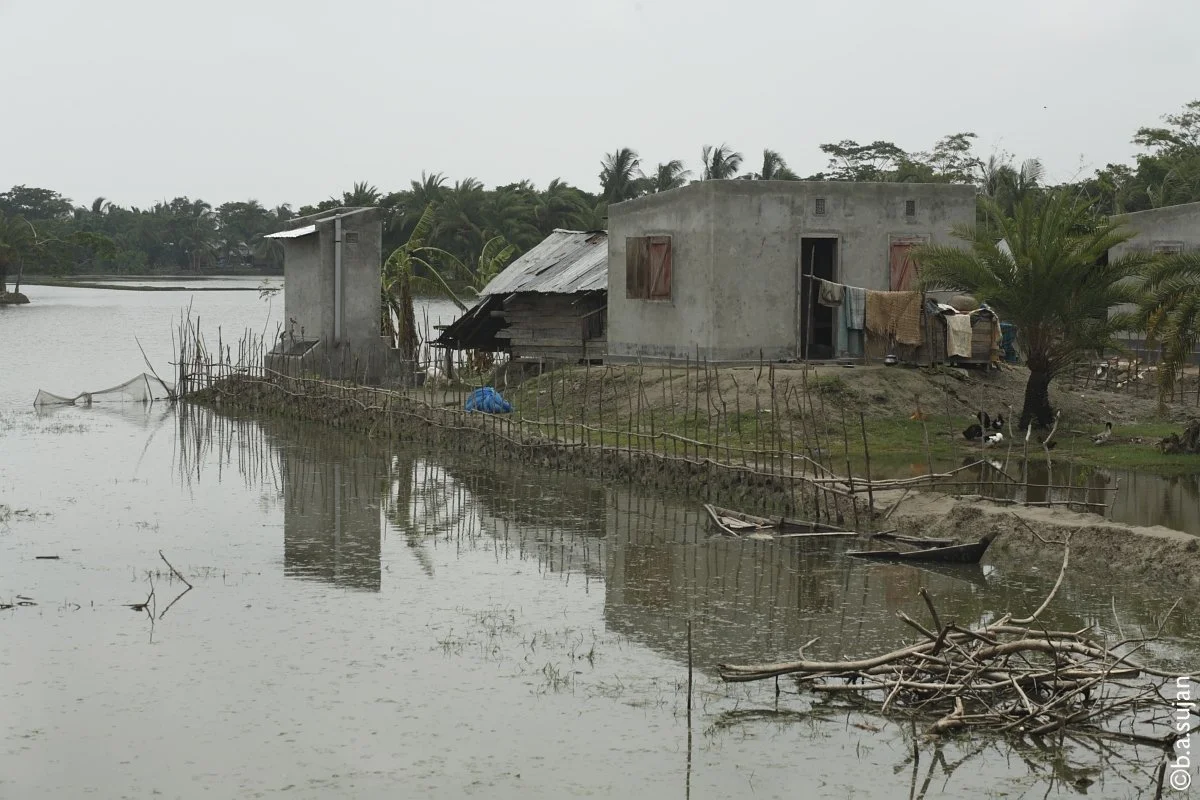
Bangladesh Ground Zero, SuSanA Secretariat, CC BY 2.0

Despite being home to only 4.21% of the world’s population, the United States is responsible for a full 14% of all carbon emissions. Bangladesh, a densely populated country surrounded on three sides by India, has released a mere 0.21% of the world’s carbon emission, despite making up a substantial 2.14% of the Earth’spopulation. This means that on average, a person in the US releases about 33.67 times the carbon emissions of a person in Bangladesh. 

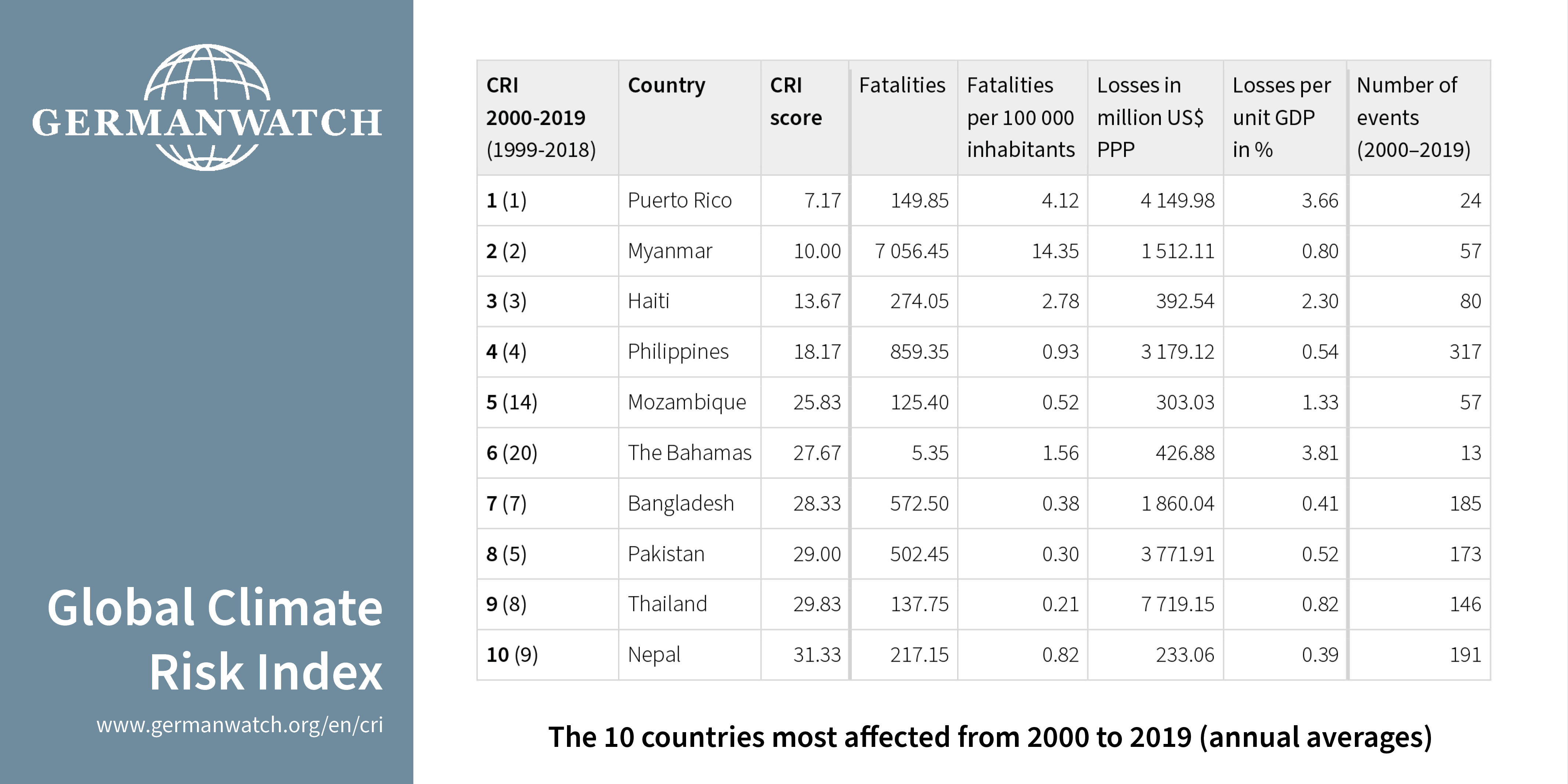
Yet, it is Bangladesh that is facing among the most dire consequences of global warming. Often called “Ground Zero” for climate change, Bangladesh was ranked number 7 in the latest Global Climate Risk Index, and has a higher population than every country ranked above it. With nearly 75% of Bangladesh below sea level, the South Asian country will be drastically impacted as sea levels rise. Consequently, by 2050, the World Bank predicts that Bangladesh will have almost 20 million climate refugees. 
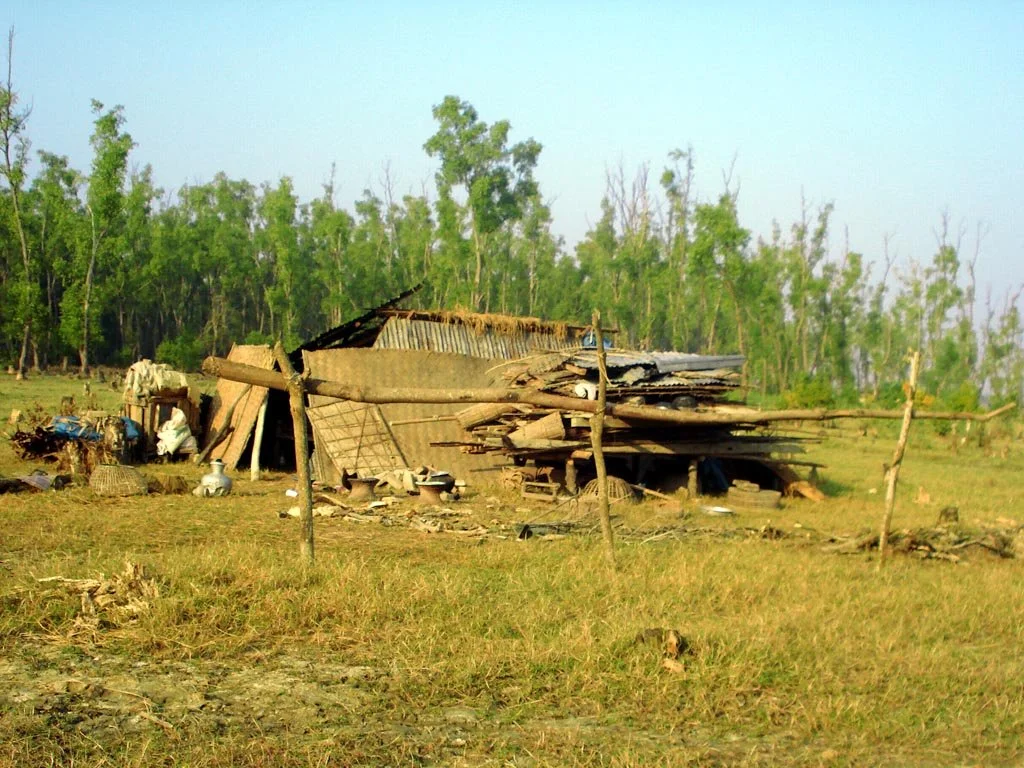
Cyclone Aila Climate Change, Mayeenul Islam, CC BY-SA 3.0

These aren’t just empty statistics. A historically large flash flood in May 2022 displaced more than 4.3 million Bangladeshis . For context, the entire population of Los Angeles is 3.84 million people. Moreover, climate change does not just cause huge events like these. Every day, about 2,000 people move from the countryside to Bangladesh’s capital, Dhaka. About 70% of those who move say this is due to either natural disasters or climate change.
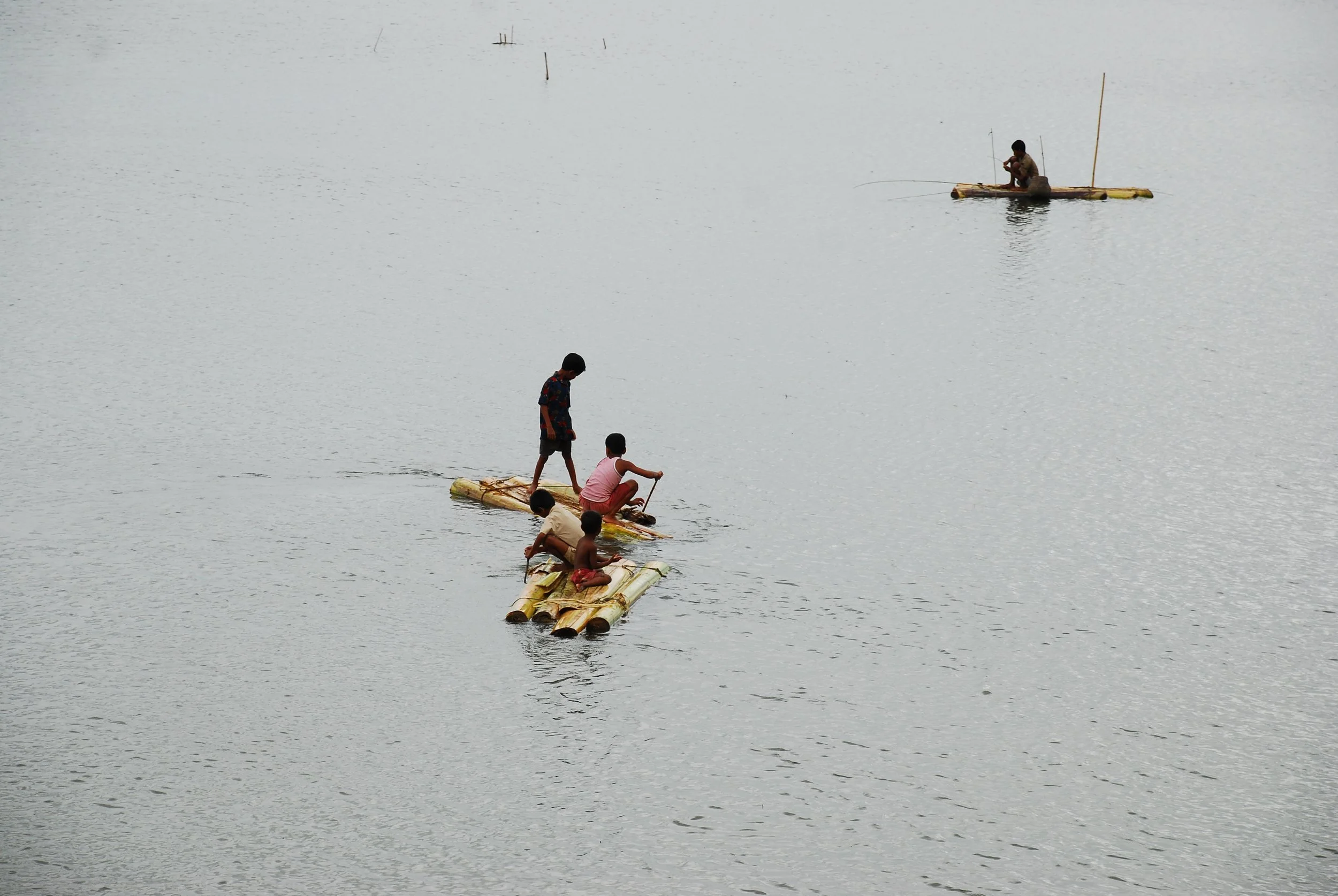
Flash floods, amirjina, CC BY-NC-ND 2.0

For those who move to Dhaka life continues to be difficult. Many migrants end up among the 4 million people already confined to Dhaka’s 5,000 poorest neighborhoods, where they will likely suffer from an extreme water shortage. In 1963, when Dhaka had a population of less than a million, the Dhaka Water Supply and Sewage Authority (DWASA) needed to supply only 130 million liters of water a day. Now, with its exploding population of about 23 million, the DWASA must provide 2,590 million liters every day, and dig hundreds of meters deeper to reach groundwater. A similar water shortage is ongoing in Bangladesh’s second biggest city, Chittagong. 
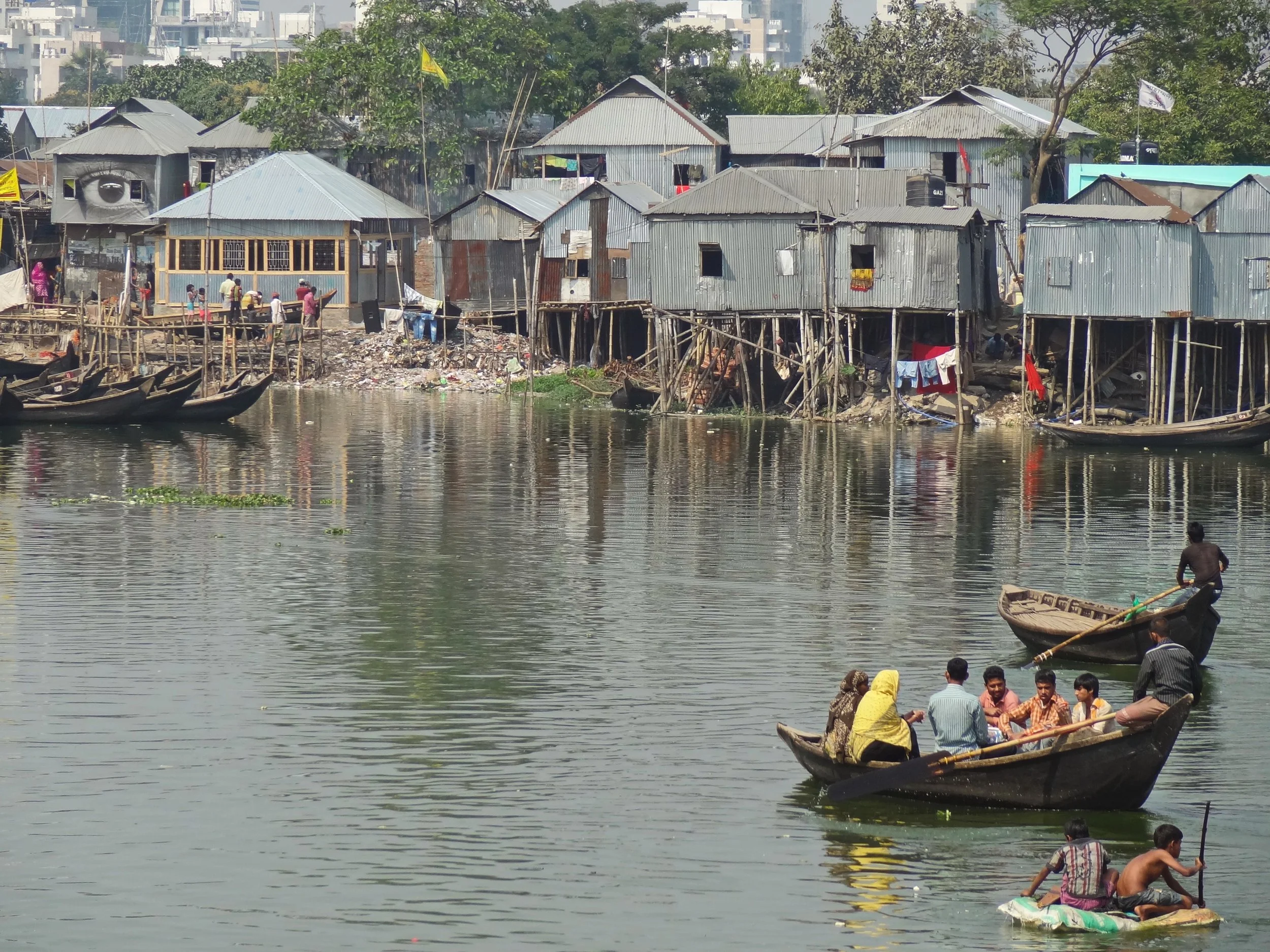
Korail, Dhaka / BD, 2014, william veerbeek, CC BY-NC-SA 2.0

Bangladesh does not have the resources to survive this crisis on its own. The World Bank estimates that Bangladesh needs about $5.7 billion per year to fund climate adaptation programs by 2050. Today, the country is spending about one billion dollars annually, approximately six to seven percent of its GDP, on climate adaptation. Of that money, only 25% is from international development partners. In 2009, at the 15th UN conference of parties, the world’s developed nations committed to spend 100 billion USD per year on climate action in developing countries by 2020. In 2019 however, only $20 billion of global climate finance funds went to climate adaptation.

TO GET INVOLVED

The Bangladesh Rural Advancement Committee (BRAC) is the largest Non-Governmental Organization in the World. They work in 11 countries in the global south to counter climate change, eliminate extreme poverty, and support locally led climate adaptation. According to the Executive Director of the BRAC, the largest Non-Governmental Organization (NGO) in the world, it would cost them only $350 to provide safe drinking water to a Bangladeshi household for 20 years, $8,000 dollars to build a climate resilient house, and $126,000 to create a climate adaptation clinic that can support 3,500 farmers. If you would like to support BRAC, you can donate to them here.

The Bangladesh Environment and Development Society (BEDS) works to balance humans and nature, mitigating the harmful effects of climate change. Recently, they have focused on supporting citizens on the sundarban coast by supporting nature based solutions such as mangrove based livelihoods and integrated farming. You can support BEDS here.

In 1992, Friends of the Earth International founded the Bangladesh Environmental Lawyers association (BELA). Beginning as a local young advocacy group, BELA uses the law to protect the environment, and the people that live within it. While there is no way to donate to BELA specifically, you can support Friends of the Earth International as a whole here.



Jeremy Giles

Jeremy is a Writing Seminars and International Studies major at Johns Hopkins University. He is an avid writer and the Co-Founder of Writers’ Warehouse, Johns Hopkins’ first creative writing group. He is an advocate for Indigenous rights, and studies how Indigenous philosophies can be used to help prevent climate change. Using his writing, he hopes to bring attention to underrepresented voices in today’s world.

Underground Schools for Women and Girls in Afghanistan

The Taliban reconquest of Afghanistan brought an education ban for women and girls, but secret schools have emerged.

A burqa-clad woman in Kabul in September 2021, Milad Hamadi for the Tasnim News Agency. Public domain, via Wikimedia Commons

The life of every Afghan citizen changed on August 15, 2021, when Taliban forces seized the capital city of Kabul and, for the first time in decades, were able to impose the group’s severe intolerance on the whole nation. Those most affected have been young girls and women, who are limited in going about their daily lives and barred from many activities that they previously were able to enjoy freely. As the Taliban continue to ban women from  schools and universities, a new generation of young Afghan girls are left wondering what their future will look like. Recently underground school operations have opened up, taking place both virtually and in person, allowing many Afghan girls the ability to continue their education despite the repression, keeping hope alive in a society that faces deep political and societal challenges.

According to the Taliban’s Minister for Higher Education, Neda Mohammad Nadeem, women are not allowed to go to school because they weren’t following the rules of how “proper ladies” should act in a public setting, including not adhering to the Emirate’s strict dress code. However, this issue transcends  the regime’s hijab policy. The Taliban use religion to justify their strict policies, arguing that it goes against Islamic principles to have girls and women go to school, even stating that the sciences as a whole are no place for them. The Taliban is able to impose its own interpretation of Sharia Law, the traditional Islamic legal code, which is known for including strict guidelines for how girls and women should live. Many professional Muslim scholars have rebutted the Taliban, asserting there is no justification for banning women from having an education, including that “gender-based denial of education has no religious justification.”

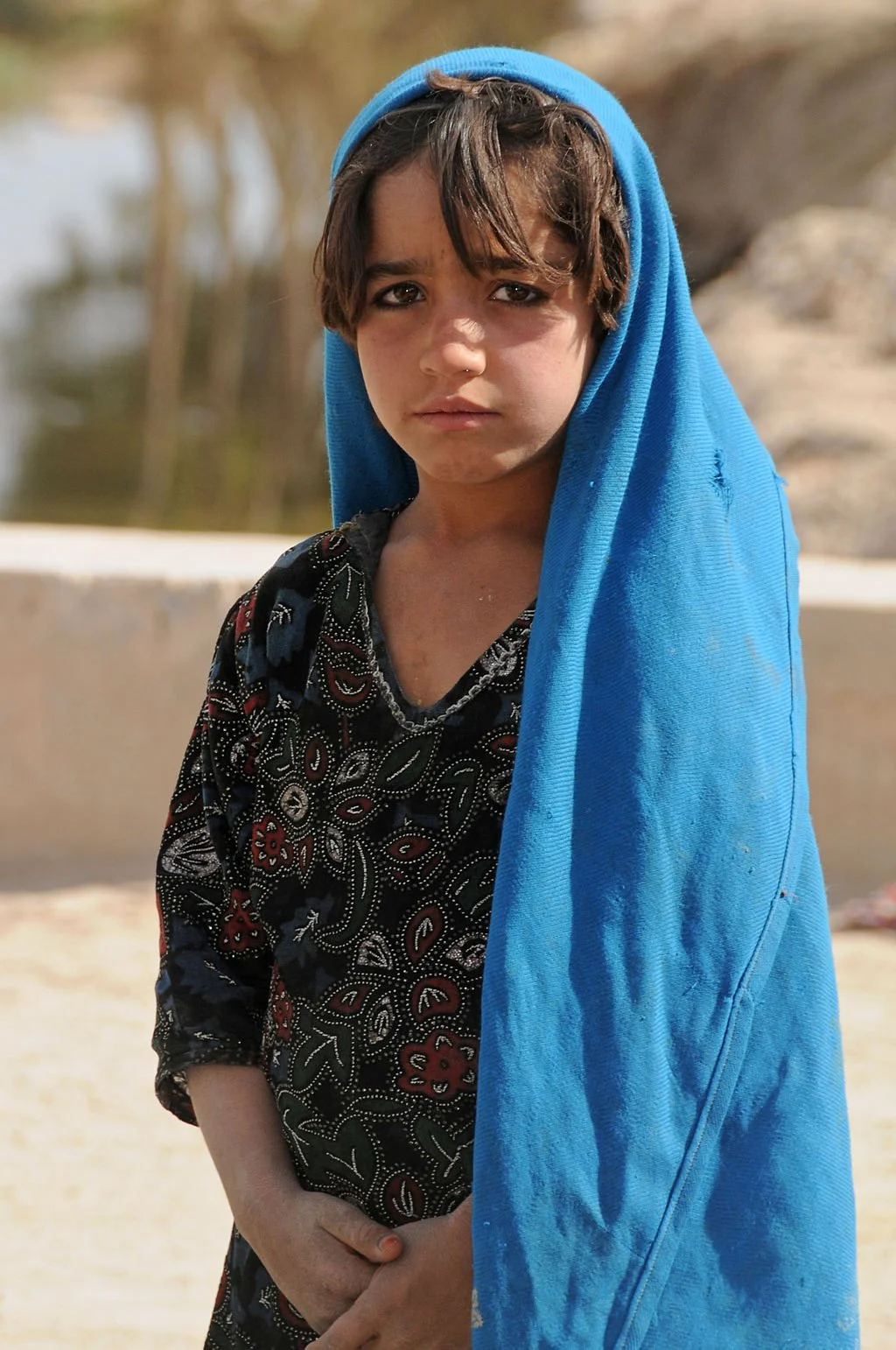
An Afghan girl in Oruzgan Province, John Scott Rafoss. Public domain, via Wikimedia Commons

Despite these obstacles, women and young girls across Afghanistan are fighting for their rights not only to obtain a just education, but to be recognized as important parts of society and claim back their dignity and honor. In an effort to help girls achieve their dreams and achieve literacy, underground schools have started taking shape across the nation, even holding virtual classes. In order to keep an entire generation of young girls thriving, parents are finding alternative means, going as far as risking their lives to create a hidden education system that will serve as primary education and even providing university level courses for older students. One of the pioneer women behind this movement, Sodaba Nazhand, told The Associated Press that “when the Taliban wanted to take away the rights of education and the rights of work from women, I wanted to stand against their decision by teaching these girls.” 

While girls and women are able to pursue knowledge and obtain skills through these underground schools, there is much fear among family members and the students themselves, who know the consequences of getting caught disobeying the Taliban. Several of these schools are held virtually for safety and easier access, although not everyone has access to electronics or wifi. Taliban rule has led to  widespread poverty across Afghanistan, leaving families and individuals unable to support themselves economically, making internet access unattainable for many. Some schools have even begun to be held in person, as houses become secret classrooms. Nafeesa is a young girl that attends an underground school in her small, rural village in the Eastern part of the country. When asked by reporters how she is able to get away with attending a secret school, she said that “Boys have nothing to do in the kitchen, so I keep my books there. If my brother comes to know about this, he will beat me." Despite the fear that she feels in going against rigidly enforced new social norms, Nafeesa and many others continue to defy the status quo to make a better future for themselves, using education as a portal to freedom. 

TO GET INVOLVED

Women For Women International - Women For Women has created an Afghanistan program to help women in the nation discover their power and ways they can pursue a brighter future ahead. For more info, click here.

Malala Fund - Malala Yousafzai has created an Afghanistan fund that provides on-the-ground support to help young girls access education. To learn how you can donate, click here.


Kimberly Hidalgo Hernández

Having obtained a MA in International Policy, Kimberly seeks to bridge the gap between global development and government legislation. Growing up between the United States and Spain, she believes that travel is the best way to discover yourself and understand the world. Her goal is to promote a deeper awareness of the effects of climate change in society and politics.

Racism in the Fantasy Genre

How real stereotypes get pulled into fictional worlds.

Universal Studios - Diagon Alley - Gringotts Money Exchange - Goblin, jared422_80, CC BY 2.0

Gino Boccasile (1901-52) Jewish Bolshevik defending America New York Statue of Liberty, Gino Boccasile, CC BY-SA 4.0

On the left is a goblin from Harry Potter. Like all Harry Potter Goblins, he is known primarily for three things; his big nose, his slightly crummy personality, and his job at Gringotts, the underground bank that controls all of the money in the Wizarding world. On the right is an early 20th century anti-semitic piece of propaganda. Rather than acknowledge the disturbing similarities between their goblins and anti-semitic tropes, the Harry Potter team has decided to double down. On February 10, 2023, the video game Harry Potter Legacy was released, at one point attaining over 1.2 million simultaneous viewers on the Twitch video streaming platform, the most by any single player game ever. The focus of the game is a goblin rebellion taking place in the 1890s.

Orc, Wesnoth community artists of all Wesnoth Portraits, CC BY 3.0

For a genre known for its creativity, fantasy novels and games have a concerning trend of modeling their characters after racial stereotypes. In J.R.R Tolkein’s Lord of the Rings the intrinsically evil race of orcs were formed by the first Dark Lord Morgath. Tolkein described these Orcs as “squat, broad, flat-nosed, sallow-skinned, with wide mouths and slant eyes… degraded and repulsive versions of the (to Europeans) least lovely Mongol-types.” Elves, in comparison, were the first race created by the supreme god, are immune to illness, and, in the right conditions, functionally immortal. Tolkein’s novels and the early 2–’s film trilogy depict the elves as very pale, tall, and skinny, the classic European beauty standard. J.R.R. Tolkein is considered the grandfather of the fantasy genre. Hundreds of later creatives would go on to include his racial concepts in their books and games. 

Half-Orc Barbarian, mephiston_l, CC BY-NC 2.0

Worldwide approximately 13.7 million people play Dungeons and Dragons, the world’s most popular role playing fantasy game. In this game racial differences are categorized and used to full effect. Half-Orcs, a clearly nonwhite mix between a human and an Orc, used to have a -2 debuff to intelligence, and currently are still frequently treated with mistrust by fellow players. Tieflings, infernal humanoid beings, canonically live in the very poor parts of human cities, where their backstories often must start. 

However, it is not just racial stereotypes that are problematic, it also is the idea of race in fantasy as a whole. In Dungeons and Dragons, who your character is, what they are interested in, and what they are good at is largely dependent on your race. If a player so desires they can break these stereotypes, and, for example, create a half-orc Wizard, a class that relies mainly on intelligence. Although, even in these cases, characters usually fall into the “exception rule,” where they just manage to individually transcend the “flaws” of the rest of their race.

Toronto: book stacks at Toronto Reference Library, The City of Toronto, CC BY 2.0.

One of the best ways for things to change is to introduce new voices. Yet, between 1950 and 2018, 95% of fiction books written in the United States were by white authors. Since 2018 it hasn’t improved much. Recently, the publishing giant Penguin Random House found that 75% of the American authors it publishes are still white. This same racial disparity exists in fantasy role playing games as well. 

Eugene Marshall is one of these new voices. In his new Zine, he proposes replacing the mechanic of “race” in Dungeons and Dragons with “Ancestry and culture." Ancestry would determine who your character’s parents are and what physical traits they passed on, such as height and the ability to see in the dark. Culture would determine the society you were raised in, and the traditions that society upheld. While it's not perfect, resources and authors like this provide a concrete step in the right direction.


Jeremy Giles

Jeremy is a Writing Seminars and International Studies major at Johns Hopkins University. He is an avid writer and the Co-Founder of Writers’ Warehouse, Johns Hopkins’ first creative writing group. He is an advocate for Indigenous rights, and studies how Indigenous philosophies can be used to help prevent climate change. Using his writing, he hopes to bring attention to underrepresented voices in today’s world.

Reversing Climate Change One Smallholder Farm at a Time

If the world's smallholder farms used sustainable and regenerative agricultural practices, they could bring us 53% of the way to meeting the United Nations’ net-zero carbon goals.

A hillside slashed and burned, degrading the soil, destroying wildlife habitats and releasing carbon stores into the atmosphere. Adam Cohn CC 1.0

This past February, I worked alongside Sustainable Harvest International (SHI) and their field trainers in Penonome, Panama. SHI is a non-profit organization that opened its doors in 1997 and operates predominantly in Central America, addressing slash-and-burn agriculture, rural poverty, and their connection to climate change. 

The Link Between Slash and Burn Agriculture and Rural Poverty

Slash-and-burn agriculture is practiced by 500 million farmers globally. In fact, 20%-30% of deforestation is estimated to be caused by it, directly resulting from a lack of educational opportunities and resources. Similarly, 3.1 billion people worldwide live in poverty, many starving on land ready and available to be farmed. Looking at these issues as one, we’re faced with poverty in rural places and environmental degradation being unavoidably and intrinsically linked.

A smallholder farmer raises fish and livestock or cultivates crops in a limited capacity. In the developing world, a smallholder farm is typically family-owned, and most cultivate less than 5 acres of land. If all 6 million smallholder farmers had the knowledge and training to implement regenerative and sustainable techniques, they wouldn’t have to worry where their next meal was coming from or if their land was healthy enough to be passed from generation to generation. Farmers would no longer have to walk miles to find ground healthy enough to plant for a single season, forced to move further to the following plot the following season. They would have enough food to sustain their families and communities during, for example, a global pandemic—and sell their organic produce at the market for a living wage. Their food would double as medicines, healing bodies from the inside out and healing the soil at once. 

What if being able to farm this way simultaneously drew 6 billion tons of carbon from the atmosphere into nutrient-rich soil—the equivalent of shutting down every coal mine? Then, imagine it only costs ~$5,000 for a smallholder farmer to experience and create this transformation. 

Many farmers are left with some of the most difficult to cultivate land. They take advantage of the mountainous terrain with terracing. Raeann Mason

Even in the dry offseason, a skilled farmer tends to crops growing on a lush, terraced hillside. Raeann Mason.

Sustainable Harvest International

This is where Sustainable Harvest International comes in. It began as Florence Reed’s dream to mobilize her knowledge, and the knowledge of others, to heal our planet and its people and reverse the effects of climate change through agriculture. As of today, more than 3,200 farmers have been through the SHI program, planting over 4M trees, regenerating over 26K acres of previously degraded land, and building more than 2K clean wood-conserving stoves. And they’re only just getting started. SHI is working tirelessly to scale its programming; by 2030, its goals are to

  • transform 1 million farms

  • plant 1 billion trees

  • sequester 18 million tons of CO2

  • regenerate 8 million acres of land

  • achieve food security for 5 million people

I learned quickly that SHI isn’t interested in promises of “going net zero” or slowing the rate at which the atmosphere is warming through offsets. Instead, they work directly with smallholder farmers to prevent more destruction and undo the damage already done in their lives, their land, and the planet’s climate; their work goes beyond sustainability— it’s regenerative.

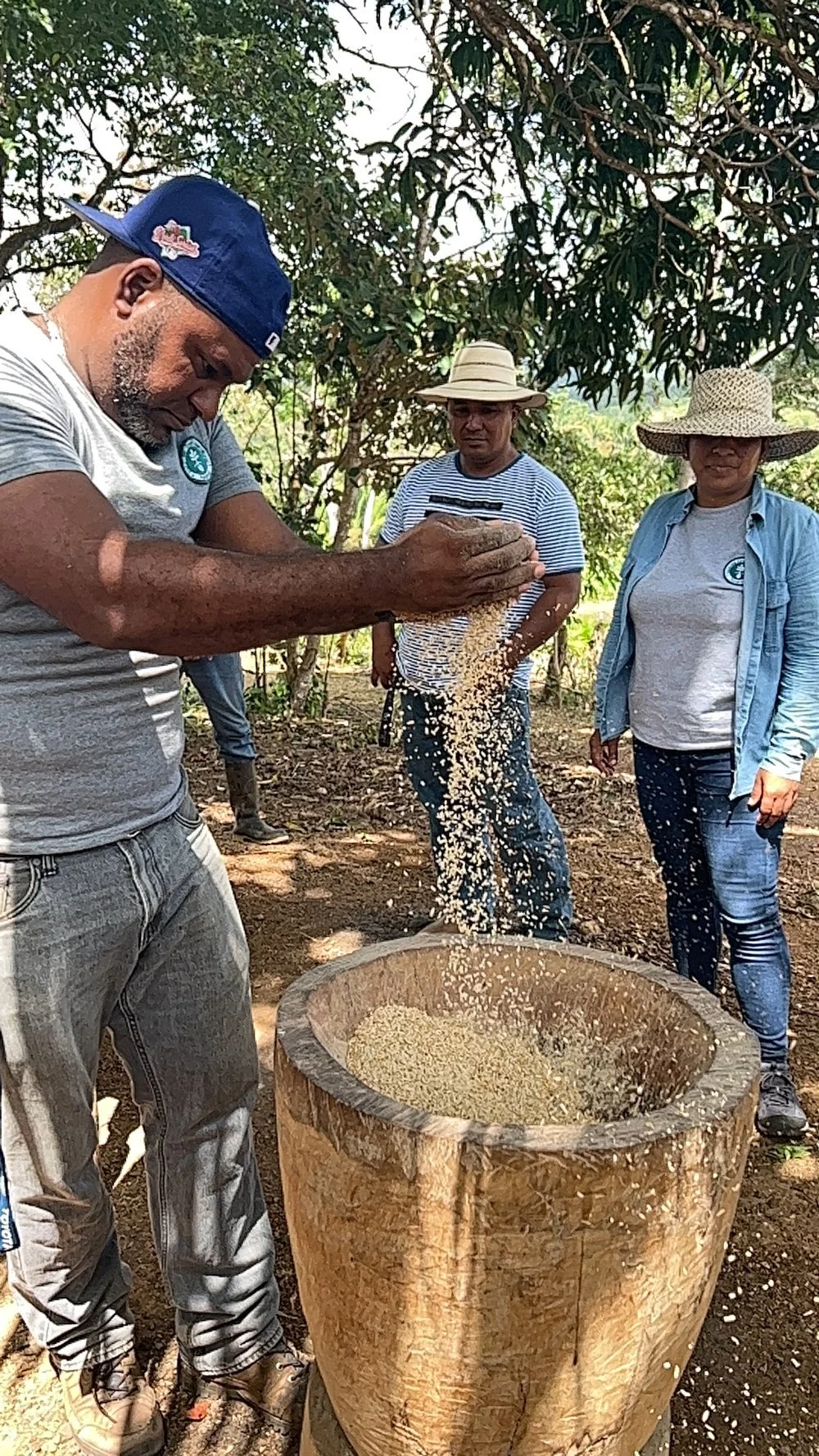
Sustainable Harvest International’s Field Trainers demonstrate how to use the wind to separate rice husks. Raeann Mason.                                               

A farmer explains how his terraces are braced with grass to prevent runoff. Raeann Mason

How It Works

With Sustainable Harvest International (SHI), farmers commit to learning new methods and receive hands-on tactical training and education. Each program phase lasts around one year, taking 4-5 years and ~$5,000 to complete. SHl hires local field trainers with sustainable and regenerative agroforestry training, local history and insight, and agricultural experience. 

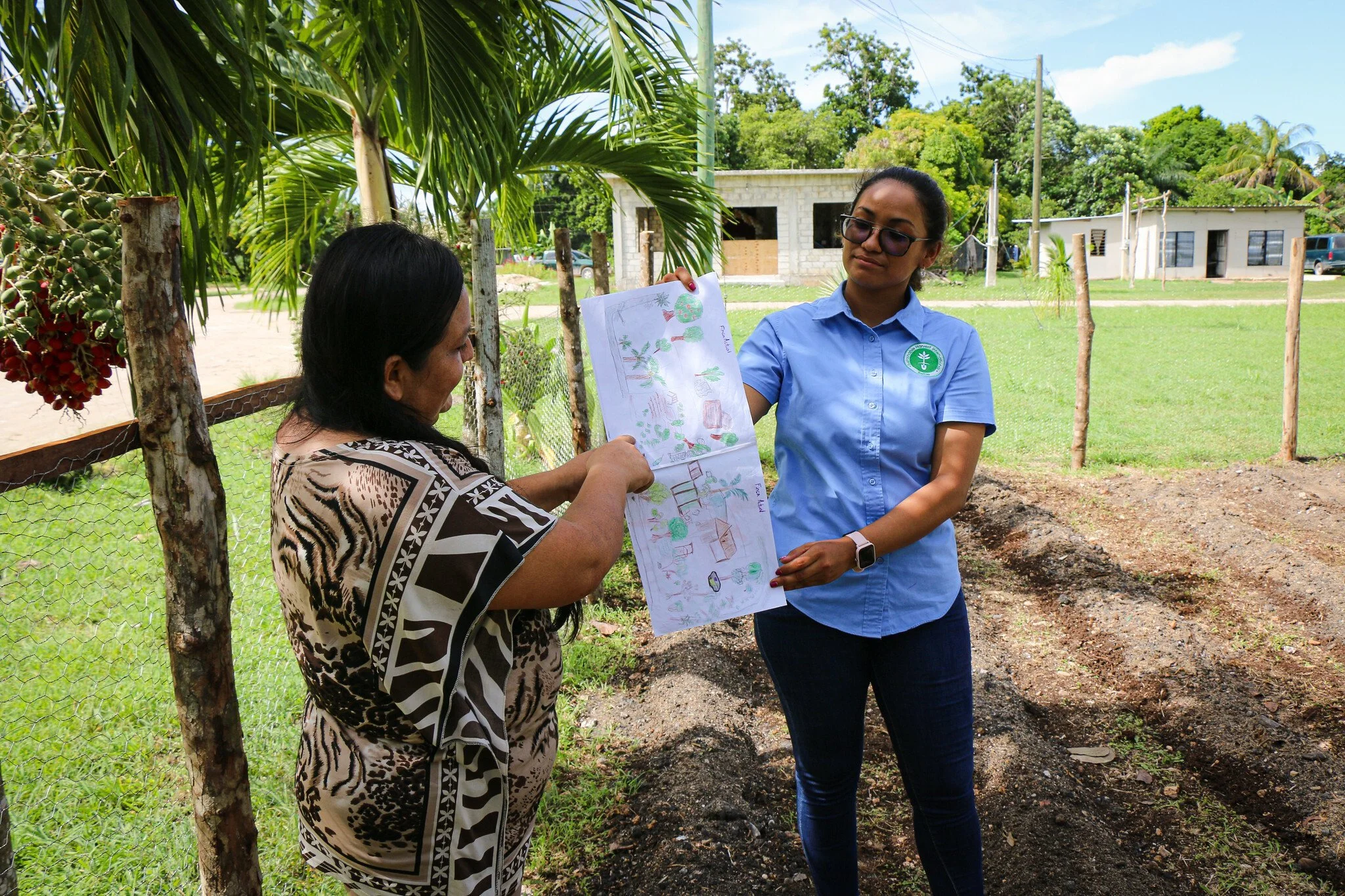
A farmer shares the pictures she drew of her farm in the present day compared to what she hopes her farm will look like by the end of the program. Image courtesy of Sustainable Harvest International. 

The Phases

During phase one, farmers and field trainers dream together, planning and plotting how much of their land they’re willing to commit to learning new techniques, discussing long-term goals and drawing a picture of what they hope their degraded land will look like by the end of the program. I was so moved by the hope these colored-pencil drawings provide, and when the program is over, they stand as a testament to the process—how much work it took and how effective it was. 

Phase two is about learning new practices, focusing on health and nutrition for the body and the soil. Many of the people I met were subsistence farmers, which means they were growing food to meet their immediate needs to survive; no working farm=no food. When we talk about making changes in our life for the sake of our planet—riding a bike to work, ditching single-use plastics—most of us aren’t faced with the fear that if it doesn’t work out, our ability to survive, for our families to survive, is at risk. This is why when I say these smallholder farmers are the closest people I’ve met to real-life superheroes, I’m not exaggerating. They’re willing to put it all on the line to make a change, not just for themselves but for you and me. Despite years of slash-and-burn tradition and generations of methods passed down, they’re choosing to take the risk on something unknown. They’re choosing to heal our planet. Witnessing this posture of vulnerability, I was forced to grapple with the level of my own (un)willingness to sacrifice and risk-take for the sake of humanity and our shared planet. 

A farmer cuts the stalk of a plantain tree for composting. Raeann Mason

Farmers in Panama learn to make “ensalada de vegetales,” in English, “vegetable salad,” which is nutrient-dense compost. Raeann Mason.

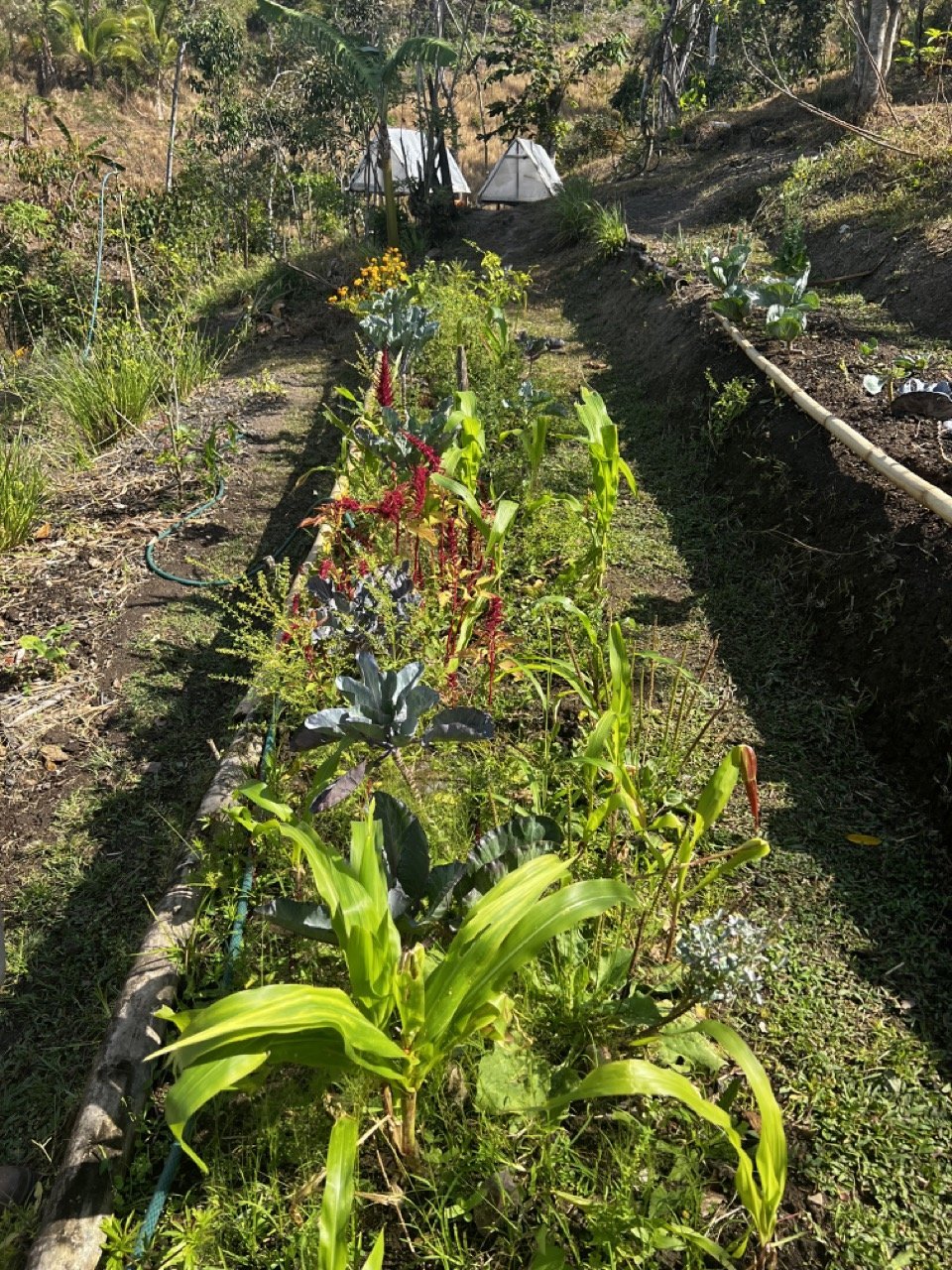
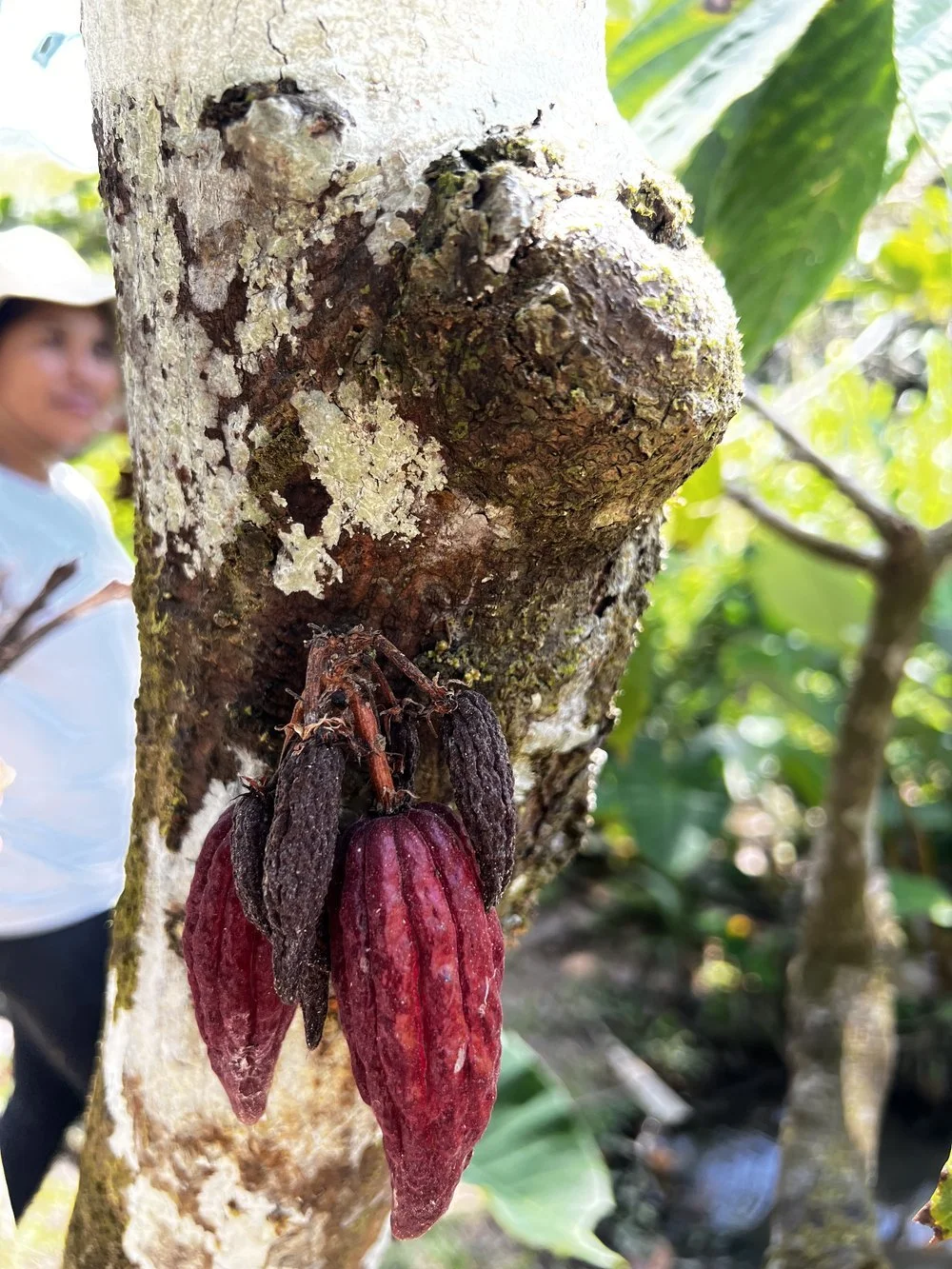
I was also struck by SHI’s commitment to maintaining and supporting farmer autonomy, allowing them to choose the type of crops to grow throughout the program. All the farms I visited had a different layout, each an oasis of its own right, with different visions and hopes to meet the families’ needs. Farmers are trained to understand the adverse effects monocropping has on biodiversity and are eager to grow crops ranging from cacao trees, pigeon pea shrubs, herbs and spices, peppers, cucumbers, rice, coffee, yucca, yams, plantains and so much more. One farm, in particular, was set in the trees, a forest of life-giving foods hidden in plain sight, masked by the assumption that farms don’t look like rainforests. 

Chocolate growing, hidden in plain sight. Raeann Mason

Coffee harvest. Raeann Mason

Phase three shifts gears from subsistence farming and scales to commercial education and training, which centers on environmental stewardship. Here again, I saw how SHI goes above and beyond the work of typical non-profits. Farmers find themselves with an abundance to sell, and the focus on land restoration and conservation begins to turn the heads of neighboring farmers. The farm starts to take care of itself, money earned allows farmers to thrive, and regenerative practices keep the soil nutrient dense for every growing season. Many farmers will choose a select few crops to grow commercially beyond what they grow for themselves. I saw lots of coffee being produced for this, but instead of a flat field of endless rows of coffee under manufactured shade, the crop was planted alongside plantain trees and corn, scattered about the farms and tucked within treelines; everything felt native. 

Phase four is all about business development and micro-finance. The farms I worked on in phase four allowed me to listen and learn in the place of laborious volunteer work. Farmers have been relishing the benefits of adopting regenerative practices during this phase. Their history with the land, the tactical support and guidance of SHI’s field trainers, and the confidence from seeing the literal fruit of their labor meant as a volunteer, there was little I could bring to the table aside from profound respect. There’s an indescribable excitement on farms in this phase, or perhaps it’s being able to sense the weight of living in survival mode lifted.

An SHI stove featured in a farmer’s kitchen set up next to the typical stove, which is the pile of rocks in the lower right corner. Raeann Mason

Demetrio dries coffee beans in the sun. Raeann Mason

In phase five, farmers reach that inevitable state of being a community leader and graduate from the program. Graduation is more of a celebration than a formal affair because by now, the farmers and SHI field trainers are like family—bonding through fear, hope, sweat, body aches and success, freedom and trust hard earned. Some farmers go on to work for SHI as field trainers, and others are hired as consultants within their own communities because their farms can be sustained with much greater ease, while others become the experts in their communities which neighbors look to for advice.

Volunteers take a break from leveling a rice paddy. Kate Herndon. 

While most of my time with SHI was spent getting my hands dirty on projects like terracing and planting rice paddies, there was one farm I visited that graduated from the program a decade ago. It was time to size SHI up against the truest test: time. Too often, I see organizations with good intentions come in like a storm, ask people to radically change their methods, and dash once the program is over. But a decade later, Demetrio, the field trainers, and even the founder of SHI, Florence Reed, greeted each other as old friends on a farm resembling a lush oasis or eco-wildlife resort. Demetrio has become so successful with his farm that he’s now hired as a consultant in surrounding communities. He’s a true testament to the effectiveness of the SHI program—friends, community members, and SHI field trainers consider him a bit of a legend because he has been able to grow strawberries on his farm in the mountains of Penonome—something considered impossible for that region. He also attested that during the last government-led health audit, his family walked away with a clean bill of health while neighboring farmers practicing monocropping and slash-and-burn techniques were hit with an onslaught of diagnoses and medications to manage due to a lack of nutrition; an issue SHI trained farmers don’t have to face to the same degree. 

Farmers are trained to take advantage of their hilly plots of land by growing tilapia-fertilized and terraced rice paddies. Raeann Mason.

In fact, SHI offers more than tactical agricultural training. Aside from their commitments to climate action and ending and preventing poverty and hunger, SHI is committed to clean water access and sanitation. Many homes utilize unsafe, life-threatening cooking stoves. SHI has worked to increase the life expectancy of women by implementing a safer cooking stove that ultimately requires fewer resources. They also build composting latrines that provide cleaner, eco-friendly, and agriculturally beneficial alternatives to burying human waste. One farm learned to harvest clean, fresh spring water from the mountain top. Another family shared that what they learned about microfinance allowed them to spearhead a community funding program, training other farmers to manage their commercial endeavors and providing grants to help them get started. 

An inevitable ripple effect is occurring in Central America, one that you can only understand by listening and learning. It’s always a humbling experience when someone signs up to volunteer, gets their hands dirty, does back-breaking work, and then has the luxury to leave that work behind. But in a more nuanced way, I understand it’s not volunteer work that is planting the seeds of healing, that it’s these smallholder farmers who are genuinely risking it all, making the lifestyle changes and healing the planet by their own hands. So what can we do to support them?

To Get Involved:

There are several ways to support the efforts of SHI. You can start by sharing this article in your network to help spread awareness. Most importantly, there are several ways to donate, including signing up for their Legacy or Sustainer giving programs. You can even see the impact of your donation and travel to a program site in Central America. They offer career opportunities and internships; you could join their mailing list here. Remember, it only costs $1,000 per year, for only 4-5 years, to completely transform a farmer's life and improve the health of our planet.


Raeann Mason

Raeann is the Content and Community Manager at CATALYST, an avid traveler, digital storyteller and guide writer. She studied Mass Communication & Media at the Walter Cronkite School of Journalism where she found her passion for a/effective journalism and cultural exchange. An advocate of international solidarity and people's liberation, Raeann works to reshape the culture of travel and hospitality to be ethically sound and sustainable.

8 Ways to Get Started with Activism 

A guide to making social changes through small steps.

Climate protests. Unplash

Many of us care deeply about social causes and would like to get involved in activism, but struggle to take the first step. Maybe we fear the time commitment and have other pressing responsibilities with work, family or friends. Or maybe it’s just intimidating. Here are eight ways to get started as a part-time activist. They are all relatively easy and a great way to, as Gandhi said, “be the change you want to see in the world.”

1. Commit Yourself to Learning

The simplest and most overlooked step to becoming an activist is learning. Through consuming media that promotes or educates on social causes, you can discover a cause you’re passionate about, find an activist group whose mission speaks to you, and learn about the people, animals, countries, social groups, and environment that you want to advocate for. Read nonfiction books, research online media such as journals, websites and podcasts, or even just explore social media accounts by searching through hashtags. This is the first step.

2. Donate 

Realistically, economic activism is the bread and butter that allows activist groups to create change, so donating to a cause you’ve researched can make all the difference. More funding and economic investment usually means more social impact, although the relationship is not always linear. Funding keeps activists paid, operations smooth, and costs of office space covered and can also add credibility to a nonprofit's cause. 

3. Volunteer

If you can’t make a monetary investment to social activist groups, make a physical investment. Many hands make light work, and volunteering is a perfect outlet that doesn’t require a large time commitment or an official position. Much like donations, the more volunteers an organization has, the greater its potential impact. Volunteering also has the unique benefit of uniting people that are passionate about the same cause, and so can create a strong sense of community around an issue. 

4. Vote

Some consider voting a civic responsibility. D.H. Parks. CC BY-NC 2.0

Political theorists may argue civic responsibility, but for many activist groups voting is also a way to express satisfaction or dissent for policies that affect their missions. Voting can mean giving a voice to the causes of social activist groups. Activists vote even if they are not convinced of the power of their individual voices, because social activism derives power from a collective voice. Even a small number of votes can be the difference between starkly different policies.

5. Writing Letters of Dissent 

Expressing disagreement with the policy of a company, the politics of a government official, or legislation in general, helps put public opinion in the forefront. Writing on behalf of a particular activist group or a general social action mission can better express the anguish or anger felt toward a particular policy. A letter can contribute to a  general dissent toward a policy which could, then, lead to revisions in legislation and corporate actions that threaten the activists’ goals.

6. Political Activism

Find a political candidate, whether local or national, whose mission and policies align with your own beliefs and advocate for their voice with your own. Helping a political candidate share their message might involve volunteering for a voter drive, canvassing for the candidate in your neighborhood to support their campaign or increase grassroots fundraising, or conducting phone calls to personalize the policies of the candidate to their constituents. Through political activism you can promote a candidate whose policies will truly make a difference in your life, your community and beyond.

7. Passive Activism: Petitions and Social Media

Passive activism often means supporting a cause through signing online petitions or using social media to like, post or repost, hashtag, or comment on a post that advocates for social change. While critics deride this form of advocacy as the easiest and, consequently, laziest form of activism, passive activism can build exposure and boost viewership for nonprofits, activists, and candidates. And it's how many more “active” activists get their start.

8. Protests

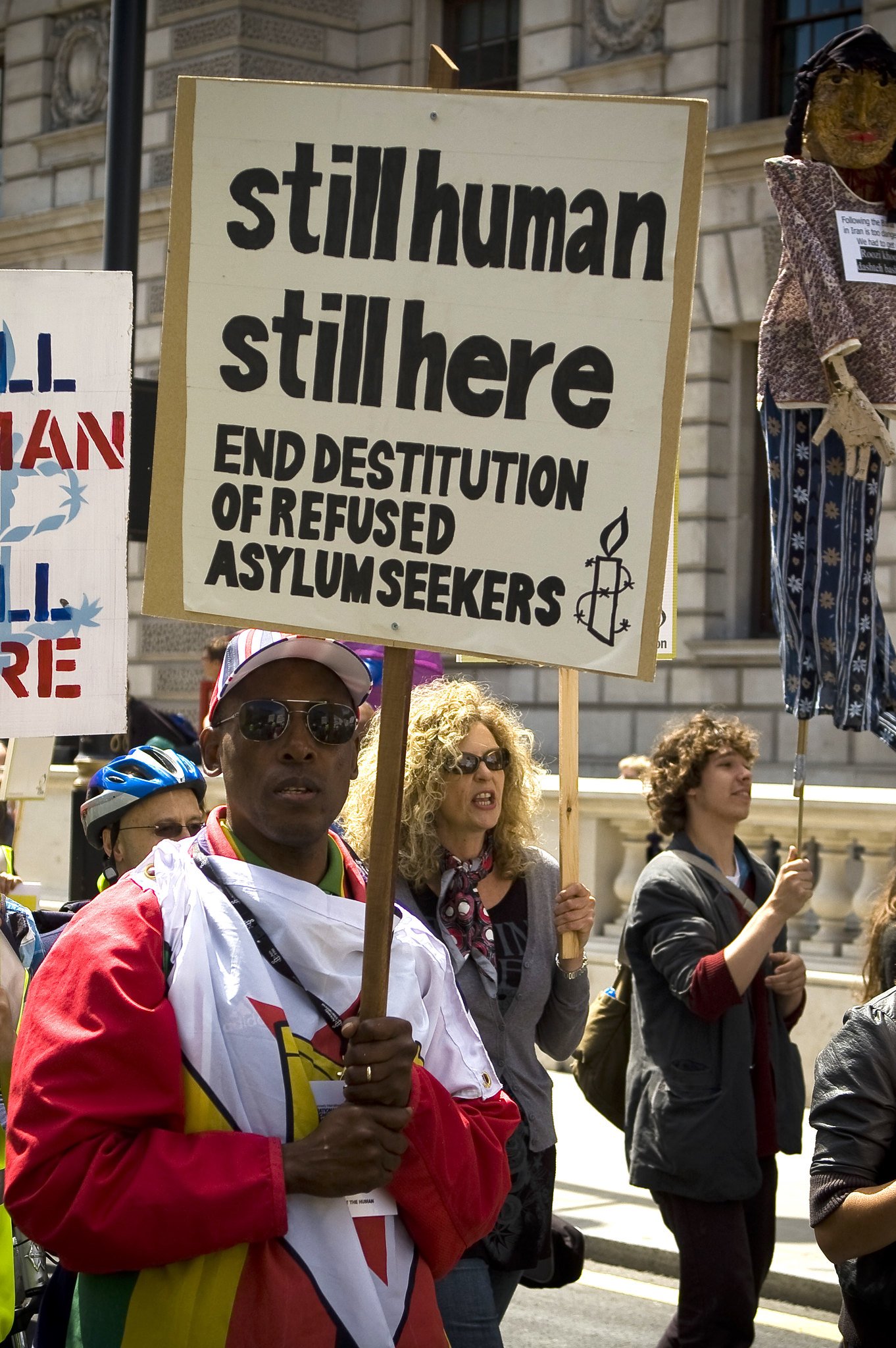
Amnesty International’s Refugee Day Rally against Britain’s asylum policy. Lewishamdreamer. CC BY-NC 2.0

Before any part-time activist can protest, they need to find a protest relevant to their desired cause and in a not-too-distant location. You can find local protests through the social media platforms of your city’s local government and more specific organizations. The Twitter and Facebook pages of activists and nonprofits in particular can serve as the social media catalysts for protest. Finding a protest also means checking up on the websites of your favorite activist groups under an “Events” tab, where such groups typically post protest dates and locations for protests. Some local governments even have protest calendars on their websites.  

Nonprofits and Activist Organizations to Donate to or Volunteer for:

Climate Change 

  • Sustainable Harvest International: Addresses climate, biodiversity, forest and soil restoration and human health in relation to the environment

  • Environmental Defense Fund: Addresses climate, energy, ecosystem, ocean, and health issues in relation to the environment

  • Sunrise Movement: Youth political action organization whose mission is to stop climate change and create jobs 

  • Extinction Rebellion: Global pro-environment movement that uses nonviolent civil disobedience to compel government action on climate change and environmental protection

Human Rights 

Racial Justice 

Women’s Issues

  • The Rape, Abuse, and Incest National Network: Anti-sexual violence organization that provides victim services, raises awareness about sexual violence and works to achieve justice for survivors

  • Malala Fund: International nonprofit that fights for girls’ education by investing in education activists and holding global leaders accountable

Global Health 

  • Doctors Without Borders: Mostly donation-based medical humanitarian project dedicated to caring globally for communities in danger

  • Partners in Health: International nonprofit that partners with local governments to bring medical care to poor areas 

LGBTQ+ Rights

  • The Trevor Project: Provides and utilizes crisis services, peer support, LGBTQ activism, research, and public education efforts to end suicide for LGBTQ youth.

  • Ali Forney Center: Offers services like job readiness training, support, and shelter for homeless LGBTQ in New York to protect them from the dangers of homelessness

Veteran

  • Wounded Warrior Project: Provides programs and services to injured veterans, including mental health care, rehabilitative care and career counseling


Su Ertekin-Taner

Su is a first year student at Columbia University majoring in creative writing. Her love for the power of words and her connection to her Turkish roots spills into her satire, flash fiction, and journalistic pieces among other genres. Su hopes to continue writing fearless journalism, untold stories, and prose inspired by her surroundings.

A Grassroots Youth Movement Is Changing the Political Narrative in Peru

Recent political instability in Peru has resulted in violent uprisings led by the nation’s youth, who are fed up with longstanding corruption. 

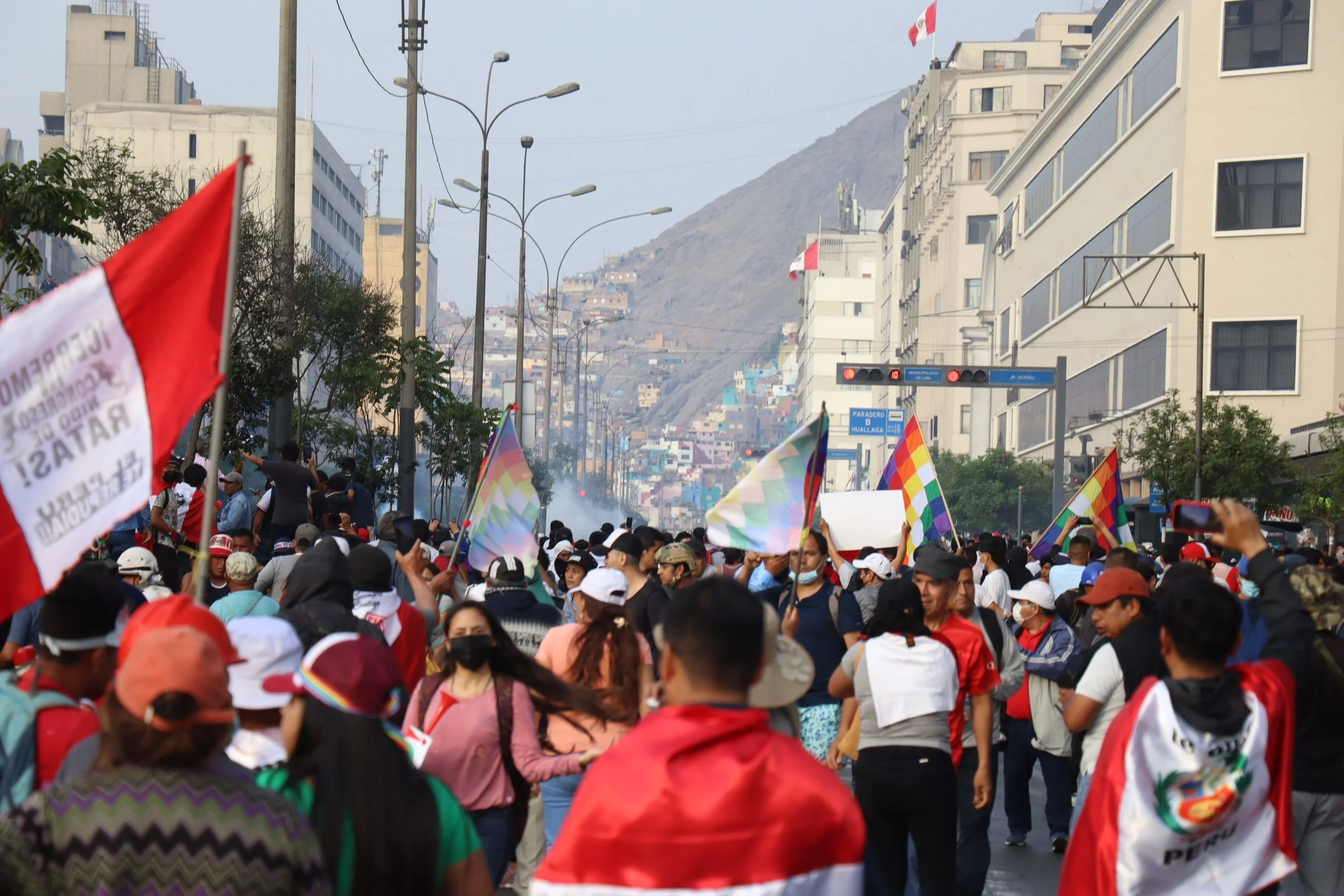
Protesters Take the Streets in Lima, Peru CC BY-SA 4.0

Over the past few months Peru’s political system, and especially its President Dina Boluarte, have come under the scrutiny of protestors demanding fair and just elections. A country that ranks 101 out of 180 on the 2022 Corruption Perceptions Index, Peru is categorized as one of the nations with the most public sector corruption. Facing regional criticism with polarization, impeachment threats, and violent manifestations across the country, Peru’s current turmoil is opening a path towards a new Peruvian identity for young citizens who wish to set their nation on a different course. Seeking democracy and transparency, a group of Peruvian students are increasing awareness of structural changes that they feel must take place in their country.

Former Peruvian President Pedro Castillo was arrested in January 2023 after an attempted coup from above, resulting in the ascension of the then Vice President Dina Boluarte to head of state. Many citizens, however, especially those outside of the capital Lima, felt that this was an attack on their freedom because there was no democratic input in the transition. Throughout the pandemic Peru suffered an economic downturn that reduced access to basic services, especially for health care and education. Triggered by the political unrest, civilians have since taken to the street in violent anti-government protests, demanding that their nation allow transparent elections and eliminate elite privilege.

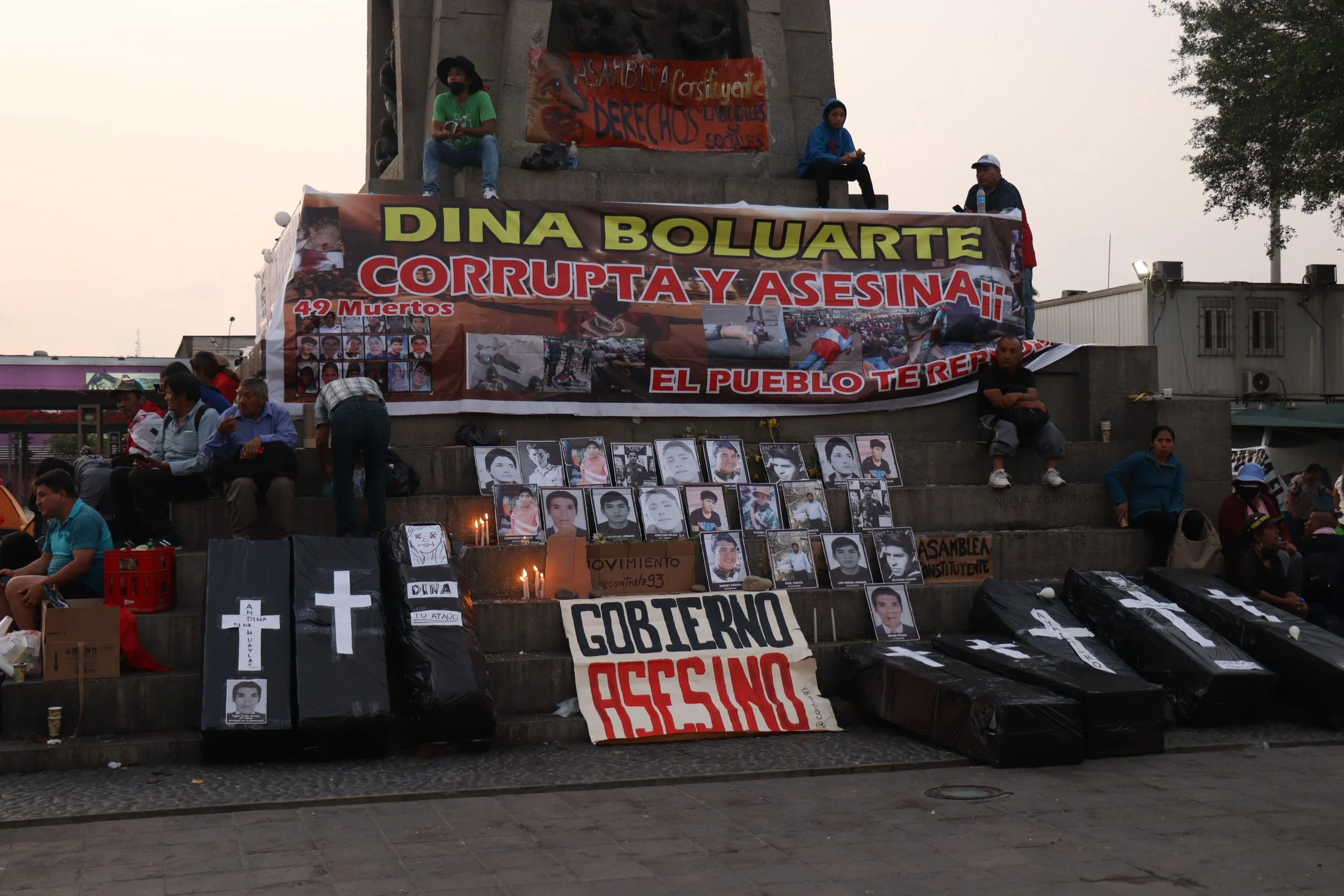
Demonstrations at Plaza Manco Capac following the Ayacucho massacre CC BY-SA 4.0

Peru’s youth  have been key to these protests, taking a stand and raising their voices to demand what they view as a better future free of corruption with access to quality basic services. Creating their own slogan, #TheyMessedWithTheWrongGeneration, Peru’s younger population warns authorities that they will not rest, and plan on continuing the fight for an end to systematic dishonesty and fraud. Considered a grassroots movement, the non-partisan group is gaining momentum as even some among the older generations feel that the current government no longer represents them and that their country deserves better. One activist in the movement, a 33-year-old publicist named Diego Cruz, gave the following statement to reporters at a march, “It’s not just one generation marching here, it’s everyone, because we feel outraged that [congress] is carving up the country.” 

The youth movement also demands university reform, adherents arguing that access to college is not possible for everyone, especially those that live in rural communities far from the cities. Politicians and traditional political analysts mistook the youth’s dissatisfaction of the old ways for political apathy, a supposition which has now proven woefully false. Members hope that their movement can pave the way to a better, more transparent Peru.  It remains to be seen whether they will achieve this.


Kimberly Hidalgo Hernandez

Having obtained a MA in International Policy, Kimberly seeks to bridge the gap between global development and government legislation. Growing up between the United States and Spain, she believes that travel is the best way to discover yourself and understand the world. Her goal is to promote a deeper awareness of the effects of climate change in society and politics.

5 Ways AI Will Revolutionize Travel

AI is changing the way travelers make decisions through personalized features ranging from customer service to travel planners.

AI is changing global travel. Mike MacKenzie. CC BY 2.0.

Imagine 10 years from now, you feel like setting out on a journey. With a few taps on your device you scroll through a customized list of the best travel destinations tailored to your interests, budget, and preferences. After picking a destination you press a button that automatically reserves all the hotels, restaurants, and tickets to the tourist spots along the way. A smart application secures the best flight deal, leaving you to simply pack your bags and prepare for a personalized and extraordinary travel experience.

New digital  technologies have greatly impacted the travel industry in recent years, from online platforms for homestays and transportation to travel suggestions. With the integration of Artificial Intelligence (AI) like ChatGPT in various aspects of travel, traveling will grow less stressful, more convenient, and more personal. As the world of travel resuscitates from a hiatus caused by the pandemic, the future of AI-powered travel will open the door to boundless  possibilities. Here are five ways AI could revolutionize the travel experience.

Personalized Travel Planner 

Designing a highly personalized travel plan with multiple features powered by AI is a growing trend for travelers around the globe. Yearning for a more authentic cultural experience beyond standard hotels, crowded tourist areas, and the overpriced local specialty, one-third of international travelers nowadays are interested in using digital assistants for travel research and booking. These individuals are also actively searching for information on hotels, flights, and destination activities online. Apps such as Booking, Expedia, and Hopper are reaping growing profits through their users by providing a one-stop shop for flights, car rentals, cruises, and other services

With AI algorithms able to analyze vast amounts of data and make predictions about travelers’ requirements, a personalized travel planner could provide recommendations for flights, accommodations, and activities based on a traveler’s specific needs. These platforms will allow users to input their information and leverage machine learning to generate a customized itinerary. Users have the ability to make edits and manage aspects of their trip as needed.

Organize Review  

Online reviews play a crucial role in travel decision-making, particularly as an increasing number of travelers opt for an “impulse trip”. Enticing reviews with vivid descriptions of an “ideal adventure” can be a persuasive factor for potential customers. However, the use of generative AI such as ChatGPT in crafting reviews can be a double-edged sword. On one hand, fake reviews produced by AI undermine the authenticity and credibility of the user-generated aspect of travel as a market product. On the other hand, AI can also provide a solution to this problem. Companies like Magpie use AI tools to perform sentiment analysis, which allows them to identify emerging trends and adjust their search ranking algorithms accordingly.

Booking Assistant  

You might be familiar with chatbot pop-ups on travel websites, where you can start a conversation with an AI assistant about the details of your journey. Booking flights and accommodations can be a challenging and time-consuming task as travelers sift through various flight fares and hotel prices in search of the best deal.  

An AI-powered booking assistant can simplify this process by constantly monitoring and predicting fluctuating prices in the travel industry and finding the most cost-effective options.  Travel and hospitality consulting firms, such as Altexsoft, have developed self-learning algorithms capable of forecasting future prices based on seasonal trends, demand growth, and special promotions. 

To improve the accessibility and convenience of their real-time prediction for users, popular social media platforms such as Facebook Messenger, Skype, WhatsApp, and Viber integrated chatbots that assist users throughout the booking process, offering a smooth and efficient experience. The deployment of chatbots on these widely used communication channels enables travel companies to reach a wider audience and provide more accessible support to customers.

Virtual Traveling

Bringing the world home might not be a distant dream with virtual reality (VR) technology. VR simulates an environment or three-dimensional space that users can interact with. With the personalizing features of AI, it is possible to create physically and emotionally immersive travel that is unique to each user without leaving the doorstep. After AI recommends the site according to your needs, companies like First Airlines can give you the options for immersive virtual reality travel “trips” to destinations like Hawaii, Rome, and Paris. You can enjoy first-class airline service with four-course meals and VR tours of the destination’s main sights. By using an interactive virtual experience that can accurately reproduce a real-world setting, tourists can gain a comprehensive understanding of a location before they visit it.

Enhanced Customer Service

AI chatbots have the potential to revolutionize customer service for travelers. These chatbots can provide real-time information and personalized assistance, such as helping travelers find their gate or answering a traveler’s questions about their destination. For example, according to Rajesh Naidu, senior vice president and chief architect at Expedia Group, their platform has generated 29 million virtual conversations, saving over 8 million hours of agent time. Some hotels, such as the Henn-na Hotel in Nagasaki, already employ multi-lingual robots for check-in and checkout processing. AI-powered instant translation services can help travelers negotiate last-minute changes with accommodation hosts and rental car providers who may speak different languages. Furthermore, each interaction with AI improves the quality of future communications.

Artificial Intelligence is poised to transform the travel industry by providing a customized travel experience. Utilizing its ability to analyze vast amounts of data, make accurate predictions, and facilitate smart communication, AI-powered travel promises to be both more enjoyable and less stressful. As technology continues to advance rapidly, the future of travel looks brighter and brighter.


Hope Zhu

Hope is a Chinese international student at Wake Forest University in North Carolina studying sociology, statistics, and journalism. She dreams of traveling around the globe as a freelance reporter while touching on a wide range of social issues from education inequality to cultural diversity. Passionate about environmental issues and learning about other cultures, she is eager to explore the globe. In her free time, she enjoys cooking Asian cuisine, reading, and theater.

OPINION: Why “Symbolic” European Monarchies Should Be Abolished

How European Monarchies help to cloak their country’s colonial past. 

Queen Elizabeth 1957, Library and Archives Canada, Public domain, via Wikimedia Commons

The problem with symbolic monarchies is not the monarchs themselves. The late Queen Elizabeth was known for her steadfastness and dedication to her job. Eighty-five percent of people in Britain believe she was good for the country, and 87% think that she will be regarded as one of Britain’s greatest Monarchs. While not nearly as popular, a September 2022 poll suggests King Felipe VI of Spain is viewed positively by 56% of Spainiards.

Symbolic monarchies, whether ruled by someone good or bad, should be abolished because of the old imperialist powers they represent. Queen Elizabeth’s family ruled over an imperialist and colonialist Britain that denied freedom and self-government to millions of people around the world. In 1947, the same year Britain reluctantly granted India independence, the then Princess Elizabeth gave a speech on her 21st Birthday where, in reference to World War II, she claimed that “the British Empire has saved the world.” In 1948, a year later, the British governor of what is present-day Malaysia used brutal counterinsurgency tactics to fight communist national liberation uprisings. In 1952 in Kenya, to fight the anti-colonial Mau Mau insurgency, Britain created detention camps in which its agents  tortured tens of thousands of people.

The British Empire 1921, Vadac., Public domain, via Wikimedia Commons

In 1953, Elizabeth became the Head of the new British Commonwealth, a neo-colonialist rebranding of the old Empire. Over the next 50 years, she would reign over the destabilizing and messy decolonization of Yemen, Cyprus, Apartheid South Africa, Jamaica, Hong Kong, and more. These poorly planned and often hasty withdrawals have left traumas of their own.

These atrocities are not directly the fault of Queen Elizabeth. She was Britain’s symbolic leader, not its head of government. She was also not blameless. Even if she did not outwardly condone them, many of Britain’s worst atrocities were committed in her name. While Britain was decolonizing, Queen Elizabeth spent years touring the “nations of the Commonwealth,” putting a smiling face on Britain’s remaining colonial Empire and glorifying its imperialism. 

It is not just Britain. The Bourbons, the current Spanish ruling family, has been on the throne since the 1700s. They have overseen the murder of thousands of Indigenous peoples, and the violent decolonizations of Latin America, the Philippines, Spanish holdings in Africa, and more. This is not to say Spain's current King, Felipe VI, who was crowned in 2014, is responsible for his ancestors’ actions. However, to have the descendants of such bloody tyrants still on the throne is an direct affront to the nations their ancestors colonized, who must still bear the fallout of European imperialism.

Armada Galleas, National Maritime Museum, Greenwich, London, Public domain, via Wikimedia Commons

Royal families are stubborn remnants of an imperial past, granting titles and privileges so ingrained in society that they are codified into law. 

In a modern democratic nation, there is no place for monarchs or royal families. The Age of Empires is over. It's beyond time to let their monarchies die with them.


Jeremy Giles

Jeremy is a Writing Seminars and International Studies major at Johns Hopkins University. He is an avid writer and the Co-Founder of Writers’ Warehouse, Johns Hopkins’ first creative writing group. He is an advocate for Indigenous rights, and studies how Indigenous philosophies can be used to help prevent climate change. Using his writing, he hopes to bring attention to underrepresented voices in today’s world.

Earthquake in Turkey and Syria: What This Means for Regional Development

In the early hours of February 6th, Turkey and Syria were struck by a destructive earthquake that will have lasting implications for living standards.

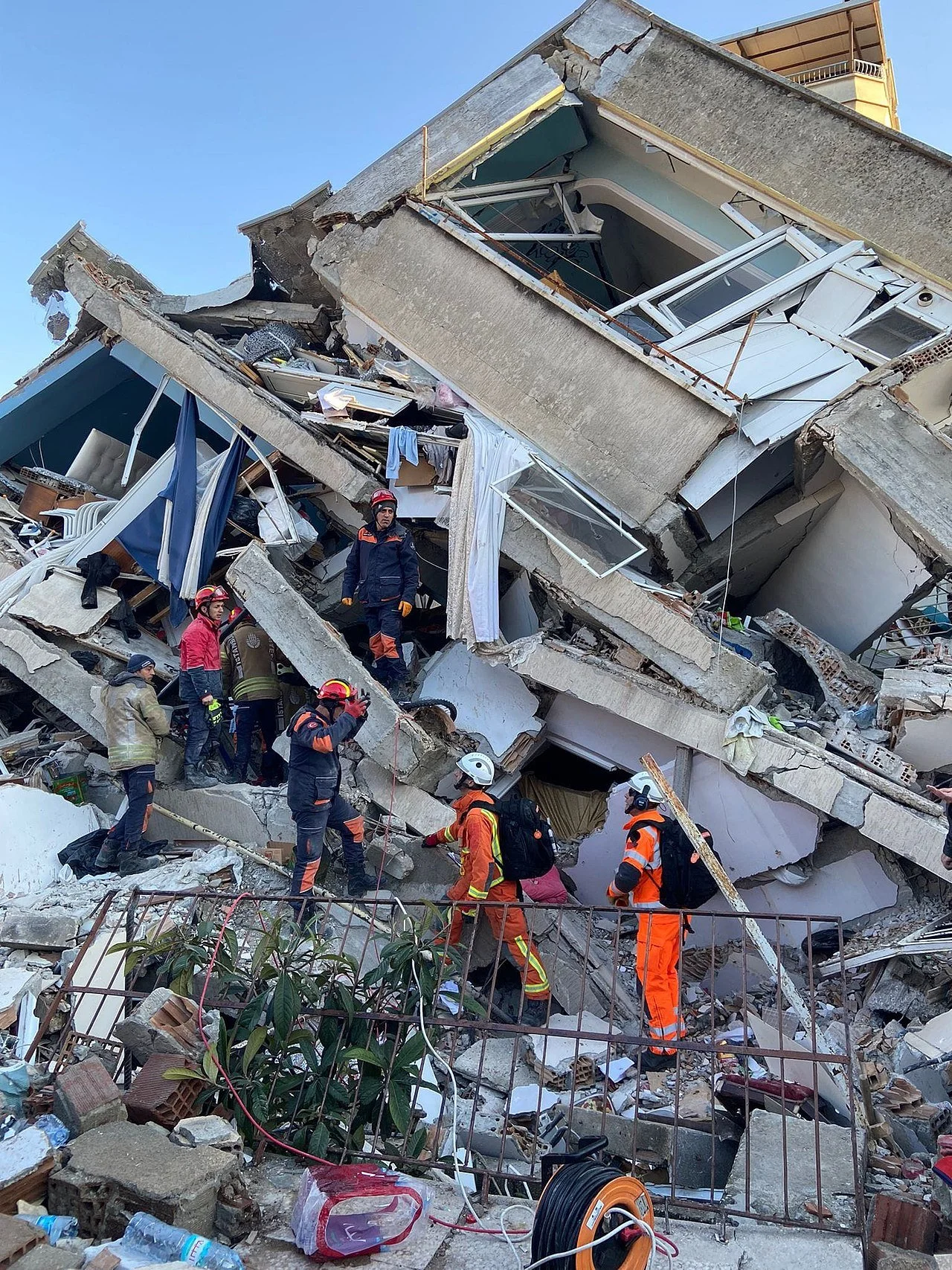
Hatay, Turkey, 9 February 2023. CC BY 2.0

In the early morning of February 6, southeastern Turkey was hit by a magnitude 7.8 earthquake, running all the way through most parts of Syria. About 9 hours later another 7.5 quake rocked the Turkey-Syria border, with over 200 aftershocks recorded. The seismic phenomena have left  over 33,000 dead, a number that is expected to rise, buildings turned to rubble, and a region on the brink of developmental disaster. Survivors have been left homeless in the streets in sub-freezing temperatures with no access to food or water, struggling to find their loved ones amid the remains. 

Sitting on the Anatolian plate between two major faults - the North Anatolian Fault and the East Anatolian Fault - Turkey is vulnerable to strike-slip seismic activity. The main earthquake that occurred on Tuesday morning had its epicenter in the city of Nurdaği, located in the Gaziantep province, which is home to many Syrian refugees who have escaped that country’s Civil War. A developing nation, Turkey struggles to implement legitimate housing laws that keep buildings up to safety standards. The nation’s president, Recep Tayyip Erdoğan, has reported that poorly enforced regulations played a role in making earthquakes so damaging, as buildings quickly collapsed due to their already vulnerable state. In Syria 11 years of conflict have made it nearly impossible to enforce building standards, and most cities already host vulnerable living conditions, the war leaving buildings and areas unstable and unprepared for seismic activity. 

What are the long-term implications of such natural disasters on this region of the world? Sitting on such an active fault line, with Syria to the south on the Arabia Plate Tectonic, Turkey and its neighbor could experience more quakes. Buildings which have not collapsed from this earthquake are at risk if there is any more seismic activity. At the moment Turkey and Syria both face a deep humanitarian crisis, and will soon have to come up with the money to rebuild. Turkey, already facing a turbulent economic situation, must now spend billions of dollars in a rebuilding project, combined with upcoming elections on May 14. The nation’s economic growth for 2023 could now be up to 2 percentage points less,  leaving the nation behind in its development goals. 

President Erdoğan has continued to threaten Syria’s Assad regime on political matters, which include his habitual threats to attack Kurdish groups in the northern part of Assad’s domain. However, both nations have agreed to offer each other diplomatic assistance and aid after this disaster, and accept international help for the wellbeing of their citizens. This type of earthquake diplomacy is also paving the way for other states with bilateral tensions, such as the United States and Russia, to collaborate with one another and assist Turkey and Syria for the sake of supporting human life and future development in the region.  

TO GET INVOLVED:

UNICEF is accepting donations and financial contributions to help on-the-ground volunteers get aid to children and families affected in both Turkey and Syria. For more information on getting involved, click here.

Save the Children is accepting donations to help surviving children receive food and shelter. To get involved, click here.

CDP has opened a Recovery Fund to help in the reconstruction of buildings in Turkey and Syria, as well as provide aid and resources for survivors. To donate, click here.


Kimberly Hidalgo

Having obtained a MA in International Policy, Kimberly seeks to bridge the gap between global development and government legislation. Growing up between the United States and Spain, she believes that travel is the best way to discover yourself and understand the world. Her goal is to promote a deeper awareness of the effects of climate change in society and politics.

Life is Getting Harder For LGBTQ+ in China

China has had its reservations about the LGBTQ+ community in its recent history, but under Xi Jinping’s rule only traditional heterosexual values are accepted.

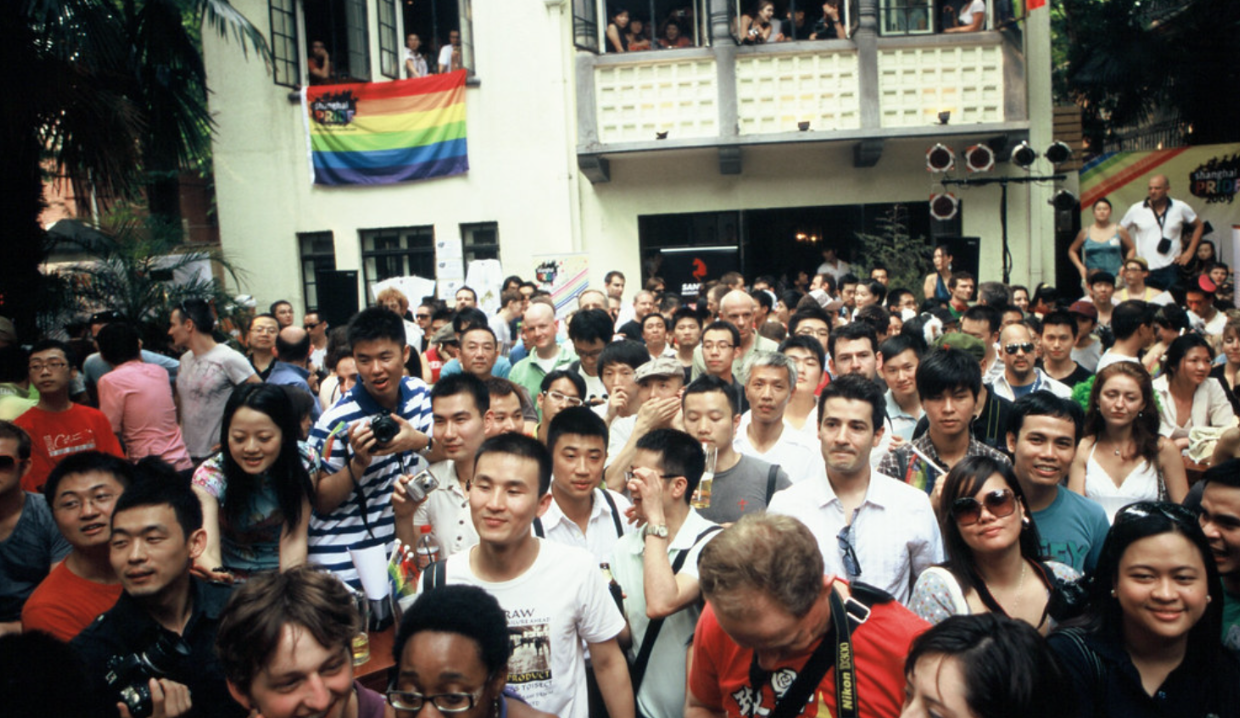
Shanghai Gay Pride 2009. Kris Krug. CC BY-SA 2.0

The LGBTQ+ community has never had it easy in China — from constant surveillance and intimidation to censorship and even police detention, the community has been met with constant repression. 

There was a period in the early 2000s, however, when it seemed as if things might have been changing. Gay clubs were flourishing, and there was a feeling of acceptance that came along with increased social services. Those days are gone, and the reality has become quite different under the rule of President Xi Jinping as China slowly becomes a more conservative country.

But it hasn’t always been like this. While many believe heterosexual traditions have been a hallmark of Chinese culture throughout history, this was not the case before the 19th century: centuries ago homosexuality wasn’t just accepted, but celebrated. One text entitled, “Passions of the Cut Sleeve” depicted an emperor and a servant sharing a bed. The emperor wanted to get out of bed, and to avoid disturbing the servant’s sleep, the emperor cut the sleeve the servant was resting on. While this act could be interpreted differently, the standard interpretation is that  it was done out of love.

This work was celebrated by scholars and is proof that the intolerance of homosexuality has never been a traditional aspect of Chinese culture. But when Communist Party Chairman Mao Zedong rose to power later on in the 20th century, there was a sudden shift in attitude. 

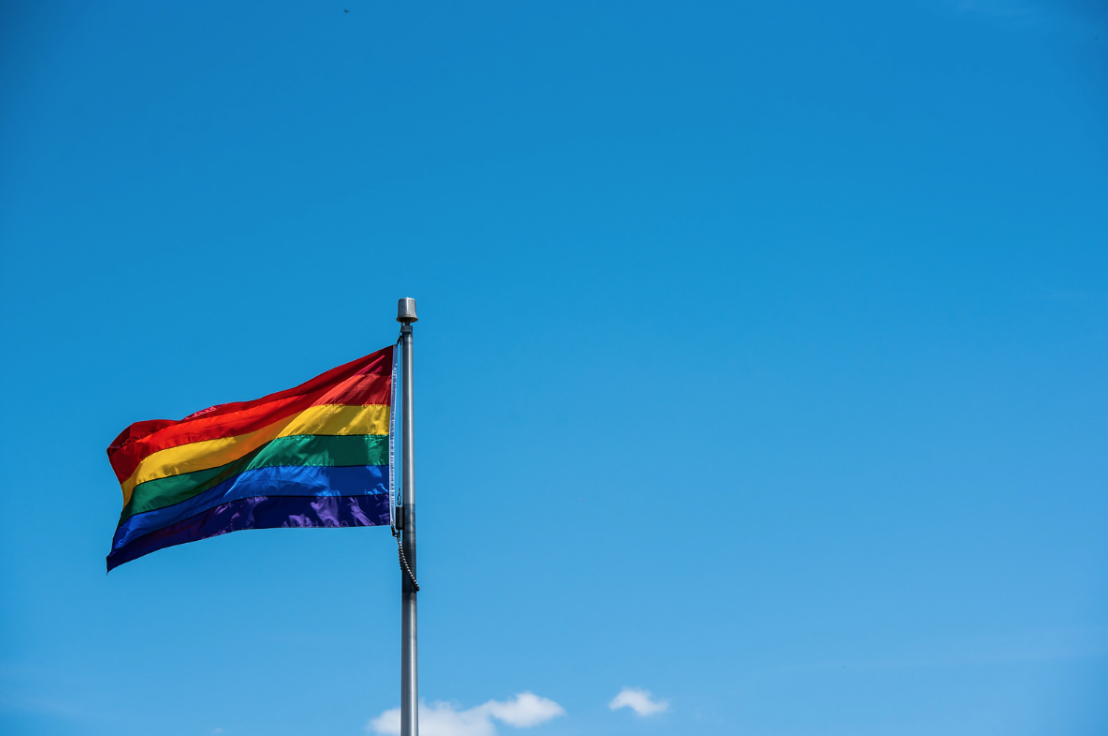
LGBTQ Flag. Pacific Northwest National Laboratory - PNNL. CC BY-NC-SA 2.0

He encouraged China to embrace modernity. That meant exposing the country to Western culture, which also included exposure to Western concepts of sexuality and, therefore, Western homophobia. Mao imported the notion that homosexuality was an illness and that same-sex attraction was a mental disorder that needed to be cured. Up until 1997, men caught engaging in homosexual acts could be persecuted with charges  of “hooliganism,” a crime that that offended against public order.

Today being gay is not illegal in China, but that doesn’t mean the negative stigma around homosexuality has changed. When Xi Jinping became president in 2012, the old Western-inspired values on what a family should look like have come to dominate society once again, to the point where the pressure to remain in the closet became almost unbearable.

There are many people in the Chinese LGBTQ+ community who refuse to fake their “straightness” and have therefore left their homeland. This is known as “sexual migration” and mostly occurs due to both external and internal pressures. 

Internet platforms have also stepped in to enforce the party line. The popular TV show “Friends” had a plotline involving main character Ross’ lesbian ex-wife which has been censored in China, along with any other mentions of the LGBTQ+ community and sex. The gay-dating service app Grindr has also been removed from China’s Apple app store. 

China is growing more suspicious and even hostile to homosexuality, labeling it as a “Western influence.” Being bisexual, gay, or trans is ironically seen as a Western  import and is increasingly not accepted. Homosexuality may have been decriminalized in 1997, but is still very much confined to the shadows.


Michelle Tian

Michelle is a senior at Boston University, majoring in journalism and minoring in philosophy. Her parents are first-generation immigrants from China, so her love for different cultures and traveling came naturally at a young age. After graduation, she hopes to continue sharing important messages through her work

Battling Air Pollution in Mongolia

Ulaanbaatar’s coal addiction is fueling a public health crisis

Smog impedes mountain view. Mongolia, 2010.. Einar Fredrikse.CC BY-SA 2.0.

Many associate Mongolia with a picturesque scene of snow-white sheep roaming the prairies and a chilly, crisp wind sweeping over Bogd Khairkhan Mountain. In sharp contrast to these images, the level of air pollution is 27 times more than the healthy level that the World Health Organization(WHO) recommends, with 687 micrograms or particulate matter per cubic meter invading the Land of the Eternal Blue Sky. Ganjargal Dembrel, a doctor from the northern part of Ulaanbaatar who responded to a house call, said he no longer “knows what a healthy lung sounds like,” with none to be found in his neighborhood, according to his interview with National Geographic.“Everybody has bronchitis or some other problem, especially during winter, ” he said. As Dembrel suggests, the severity of Mongolia’s air pollution is threatening the public health of the country in a way known as “slow violence.” Coined by Rob Nixon, a professor in the Department of Humanities and the Environment at Princeton University, the phrase refers to the adverse impact of climate change, deforestation, acidifying oceans, and other hazardous environmental crises on underprivileged or minority communities. According to Nixon, “slow violence” is largely invisible in the short term, but is detrimental over years, decades, and even centuries, solidifying environmental injustice in the worst-hit regions. The current situation in Mongolia is the case in point.

The primary cause of Mongolia's air pollution is its reliance on coal and other fossil fuels. Households in Mongolia depend on burning coals to remain warm during the winter season, which is the third coldest winter in the world: the temperature can fall as low as -40°F. F. 

During the sub-freezing winter, research found that the residential district in Ulaanbaatar, known as the “ger”, burns around 600,000 tons of raw coal for heating purposes. The  coal consumed by ger areas accounts for 80% of the current air pollution in the city. In addition, the geographic features of Ulaanbaatar accumulate the devastation of air pollution. High mountains surrounding Ulaanbaatar’s urban areas, which have lower wind speeds, block air pollutants from dissipation. 

Home to 3.3 million people, Mongolia faces substantial challenges posed by the aftermath of its climate crisis. The fine particulate matter in the air of Ulaanbaatar contributed to 28.8% of deaths caused by cardiovascular disease and lung disease. Among the impacted population, the children are the most vulnerable. The second leading cause of death for children under the age of 5 in Mongolia is pneumonia, a lung infection. In the highly polluted area of Ulaanbaatar, children have 40% lower lung function than their peers living in rural areas. 

Studies have also found that pollution imposes a high risk to reproductive health. In January, the month of peak pollution, the amount of successfully delivered infants relative to conceptions in Mongolia was reduced by 3.2-fold. The alarming infliction of climate disasters hits the next generation of Mongolians hardest.
To reduce air pollution, governments, organizations, and individuals in Mongolia and around the world are taking action. The Mongolian government passed the “Law on Air Quality” in 2012, implementing policies such as subsidizing household electricity. It also bans raw coal starting in May 2019, replacing it with refined coal. Though not without pushback from weak municipal execution and economic depression, the overall situation is improving. Winter of 2019 saw a dramatic decrease of particulate matter by 2.5 falling 42% compared to the previous year.  It remains to be seen whether these measures and others will be able to fully tackle Ulaanbaatar's pollution problem. 

Non-profit international organizations such as Geres and United Nations Children's Fund (UNICEF) also partner with the government to mitigate the pollution. UNICEF is working with  nongovernmental organizations on programs including training health workers’ skills and knowledge, increasing families’ access to affordable medication, and raising public awareness of the effect of pollution. Geres, a development NGO working in Europe, Africa, and Asia, coordinates projects such as the energy renovation of fragile housing in Ulaanbaatar that aims to eradicate the primary cause of air pollution.

The future holds promise for Mongolia as long as all parties involved take responsibility and work together to protect the environment and public health. Tackling air pollution is a shared responsibility for the government, international organizations, and individuals, and will require immense effort to transition to a more sustainable urbanization model for the traditionally nomadic nation.

To Get Involved:

The UNICEF Mongolia country office works in close partnership with the Government of Mongolia, NGOs, and local communities to protect child rights in Mongolia from access to resources to educate about the environment and air pollution. Find out more about UNICEF here.

Geres is working on multiple projects that contribute to sustainable, energy-efficient development in Ulaanbaatar and other major cities in Mongolia. Learn more about their program and how you can take action here.


Hope Zhu

Hope is a Chinese international student at Wake Forest University in North Carolina studying sociology, statistics, and journalism. She dreams of traveling around the globe as a freelance reporter while touching on a wide range of social issues from education inequality to cultural diversity. Passionate about environmental issues and learning about other cultures, she is eager to explore the globe. In her free time, she enjoys cooking Asian cuisine, reading, and theater.

BOOK REVIEW: Pachinko, A Korean Family Epic

Author Min Jin Lee follows a Korean family through years of hardship, interweaving true history to create an emotional and fascinating novel.

Pachinko, a bestselling book by Min Jin Lee, follows a Korean family through three generations and several countries. The 479-page saga begins with the teenage girl Sunja, who must leave behind her family in Korea to move to Japan. Sunja has gotten pregnant outside of marriage, and is presented with the option of marrying and moving to japan with a man who is not the father of her child. While this decision is heartbreaking for Sunja, as she must abandon everything she’s ever known, her other options are worse. Upon Sunja’s arrival in Japan, the novel focuses heavily on Sunja’s experience as a Korean woman living in Japan. 

Additionally, the absent but wealthy and influential father of Sunja’s child looms large in the background of the story throughout the novel. The story transitions from Sunja’s experiences to those of her children and grandchildren while always staying focused on the major themes of familial relationships and Korean identity. By the novel’s end, Sunja is an older woman, and the reader will have followed her life as well as her children’s and grandchildren’s.

The incredible thing about Pachinko is how beautifully developed the characters are. It is a book that will bring you to tears multiple times as you genuinely feel like you know the members of this family. At the same time, it emphasizes crucial historical events through fiction—major, global historical events which affected millions—which are unfortunately rarely taught in American schools. Fiction can be an extremely effective mode for portraying the human experience compassionately, and Pachinko is undoubtedly an excellent example of that. Pachinko is one of my favorite books I’ve ever read and one that I would definitely recommend. It is an entirely immersive experience: a book nearly impossible to put down, as you feel like you are traveling with this family across space and time, through tragedies and exultations. 

The TV adaptation of Pachinko premiered on Apple TV+ in March of 2022 and is available to stream there. The first season had eight episodes, and the show has already been renewed for a second season. While the novel unfolds in chronological order, the first season of the TV show shifts from Sunja’s perspective as a young woman to her grandson’s narrative as a young man, leaving the viewer wondering what has transpired in the many years between—questions that will undoubtedly be answered as the show progresses. Despite the differing structures, the show’s first season stays mainly true to the plot and events in the novel. The differences between the novel and the show make them both worth the read and watch, respectively, without the show straying too far from the author’s vision. 

As noted, the true strength of Pachinko as a story is its characters. Throughout the book each character continues to surprise you while also staying true to the personalities that have been built. Min Jin Lee manages to keep the reader engaged and invested through three generations; while there are too many characters to count, they are all people the reader will care about. By building a narrative around a family—spanning about 70 years—the reader will truly feel a part of the story. It is immersive and emotionally compelling, never failing to be both heartbreaking and heartwarming simultaneously. The many threads created throughout come together in the end in a way that makes sense, and despite the enormity of the story, it never feels like the author has taken on too much. The book is complex and extraordinary, yet it still feels plausible and honest.


Calliana Leff

Calliana is currently an undergraduate student at Boston University majoring in English and minoring in psychology. She is passionate about sustainability and traveling in an ethical and respectful way. She hopes to continue her writing career and see more of the world after she graduates. 

The Environmental Benefits of Veganism

Beyond clear health benefits, being a vegan may mitigate global warming. 

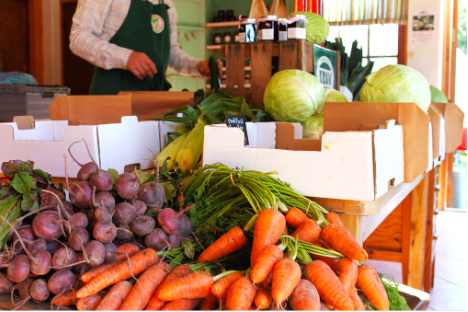
An eco-friendly produce stand. Mikaela Vazquez Rico. CC BY-NC-ND 2.0

One of the easiest and most beneficial ways an individual can reduce their personal effect on the environment is through a diet that eliminates both meat and dairy. Vegan diets are often seen as a trend or a fad as many celebrities and young people have embraced this diet for a healthier lifestyle, but it is much more than that. These diets have the ability to reduce our carbon footprint nearly beyond any other practice. By adopting a lifestyle free of animal products, not only are you reducing the harm done to animals raised for commercial farming but you are also saving the planet! 

The impact of eating meat 

For many, the first issue that comes to mind when thinking of animal agriculture is the inhumane treatment of these animals. While that is incredibly important to note, the meat and dairy industries’ environmental impact can be even more damaging to both animal and human species. According to Ben Houlton, an environmental researcher at University of California-Davis, about 25% of issues at hand concerning climate change can be attributed to our food. Houlton notes that this is about twice as much pollution than all cars combined! This industry is said to be one of the most devastating industries to our planet as it fuels deforestation, species population decline and greenhouse gas emissions on top of disrupting delicate ecosystems. It is true that burning fossil fuels for industry, electricity and transportation comprises the bulk of greenhouse gas emissions, and not all scientists are in agreement that the meat and dairy industries are the top contributors to climate change, but there is a general consensus that reducing one’s meat and dairy intake significantly benefits the environment. Additionally, the animal agriculture industry must use fossil fuels, electricity and transportation thus contributing to those effects even further. 

Industries like transportation and fossil fuels rival the meat industry in terms of environmental impact, but in comparison to the top oil and gas companies ExxonMobil, BP or Shell, the top five meat and dairy corporations are already responsible for more emissions. Additionally in a 2018 study by the Institute for Agriculture and Trade Policy and GRAIN reveals that the animal agriculture industry will take up 80% of the greenhouse gas budget by 2050. The greatest source of greenhouse gases, carbon dioxide, is contributed through human activity like forestry and other land use, deforestation, land clearing for agriculture, and degradation of soils according to the EPA.

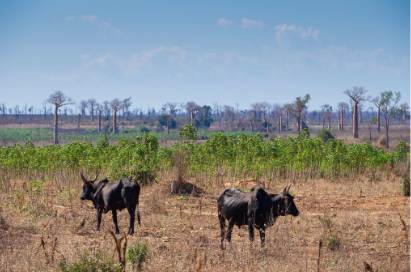
Agricultural deforestation in Madagascar. USAID Biodiversity & Forestry. CC BY-NC 2.0

Meat and dairy industries contribute to nearly 20% of all greenhouse gas emissions as well as causing 65% of the nitrous oxide output on the earth, the most harmful of all greenhouse gases. It is important to recognize too, that cows farmed for both their flesh and dairy products emit mass amounts of methane gas which holds heat in the atmosphere at a rate 20 times higher than that of other gases. Methane does stay in the atmosphere for a small amount of time, but its proliferation must be taken into account as it is 20 times more potent than carbon dioxide. In addition to the gases released by this type of agriculture, 50% of water used in the United States goes toward the meat industry. It takes 150 gallons of water to make a single quarter-pound hamburger! Eliminating or even reducing the consumption of these products can combat the issues it brings greatly.

Environmental benefits of veganism 

Veganism became a rising trend because of its nutritional and ethical value as vegetables and fruits provide many more essential vitamins and minerals than diets based around meat and dairy products, and animals do not have to suffer for the sake of consumption. With that in mind, the environmental benefits cannot be overlooked as it is even greater than the health benefits provided. To combat all the devastating environmental impacts created by the animal agriculture industry, it is essential to reduce meat and dairy consumption.  

A harvest of garlic, green tomatillos, red tomatoes and red onions. Natalie Walters. Unsplash License

It may not seem as if one person’s diet can truly benefit the environment, but veganism has proven this perspective wrong. One of the most glaring statistics is the fact that the diets of meat eaters contribute seven times more greenhouse gases than that of vegans. By cutting out meat from your diet completely or even for a few meals, the amount of greenhouse gases contributed by the food on your plate decreases greatly. Too, when soils are used for plant based agriculture rather than animal agriculture, they are enriched greatly with nutrients and soil erosion is less likely to happen. Diversifying plant agriculture allows for long time resilience of soil as the land does not have to be entirely deforested to raise fruits and vegetables. As mentioned, the animal agriculture industry uses incredible amounts of water. The world is already in a great crisis for clean water, and adopting a vegan diet uses five times less water than that of meat eaters as noted by the European Commission Joint Research Centre (JRC). 

Overall, vegan diets use much less energy and production than meat based diets. The way in which meat is brought to your plate increases all the statistics mentioned above. The raising of livestock requires incredible amounts of grain and feed, increases transportation emissions as meat products have to be shipped and requires mass amounts of electricity both to refrigerate and cook it. The refrigerated trucks used to ship them require both electricity and mass amounts of fuel. The amount in which this production process is implemented boils down to basic economics. If there is a higher demand for meat, the industries involved in bringing it to your local grocer must supply it. Instead, being vegan cuts your personal contribution to these demands thus the products supplied decrease. 

Why it’s worth it to be vegan

By becoming vegan or reducing your consumption of meat products, you can become a healthy ethical consumer reducing your personal impact on the environment every single day. While common efforts like recycling and carpooling are beneficial, veganism is an incredibly impactful way to save the planet we call home because not only does it reduce your personal greenhouse gas contributions, it also decreases your contributions to mass use of water, deforestation and ecosystem disruption.


Renee Richardson

Renee is current a English student at The University of Georgia. I grew up in the suburbs of Atlanta but now live in Ellijay, Georgia, a small mountain town on the border of Tennessee. I am a passionate writer inspired often by my college campus, my hikes along the Appalachian trail, and my efforts to fight for equality across all spectrums. My hope, although cliché, is to inspire others to make a difference in whatever ways they can.

Books: To Ban or Not to Ban

Inside the fight to ban books or keep them on shelves.

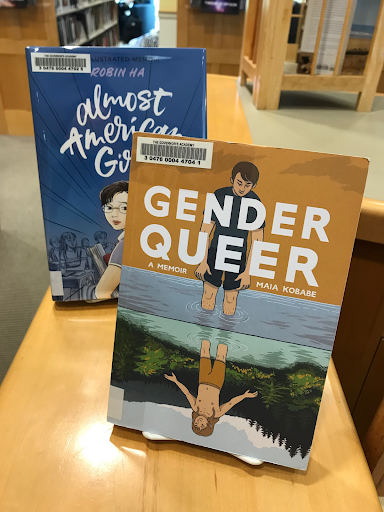
A display advertising banned books. Colette Cassinelli. CC BY-NC 2.0.

Maia Kobabe didn’t expect to become a household name, at least not in most households. Readers of Gender Queer, her bestselling graphic novel about non-binary identity, surely told friends and family with whom they felt comfortable about the emotionally rich, nuanced, and textured book. Others have a less flattering assessment. They see the book as the vanguard of a national movement to corrupt and “groom” young minds into mouthpieces of woke-speak, gender fluidity, and racial grievance. Just ask No Left Turn or Moms for Liberty, two grass-roots organizations campaigning to ban the book in schools across the country. Although Gender Queer received rave reviews, reached the New York Times Bestseller list, and garnered fans across the country, it is currently the most banned book in the United States.

As a banned author, Maia Kobabe is in good company. Eir peers on the list of newly banned books include John Green, Art Spiegelman, and even Toni Morrison, a Nobel laureate. The books range from young adult fiction to mature masterpieces, graphic novels to sweeping epics, but they all share one thing in common. They engage topics that are politically explosive. 

A library advertising banned books. Ali Eminov. CC BY-NC 2.0.

Namely, they address queerness and race. According to a comprehensive report from PEN America, 41% of books targeted by banning efforts contained LGBTQ themes, and 40% centralized around characters of color facing racism and discrimination. Others were targeted for sexual content or coverage of activism. Curiously, 9% target biographies and memoirs. Among the books grass-roots organizations hope to see banned is an entry in the famous children series Who Was . . . ? about Supreme Court Justice Sonia Sotamayor, the first Latina justice on the Supreme Court. 

A library advertising banned books. Ali Eminov. CC BY-NC 2.0.

These grass-roots organizations, roughly fifty in number, function at the national, state, and local levels. 73% formed after 2021. This coincides with rise in headlines about Critical Race Theory in classrooms and the “Don’t Say Gay” Bill in Florida. Groups like Moms for Liberty and No Left Turn were founded precisely to combat the rising prevalence of queer and racial subjects in schools. No Left Turn, one grass-roots organization, defends “American founding principles” and “family values” while advocating the reinstatement of “objective thinking.” Moms for Liberty, another grass-roots organization with 30 chapters in 18 states, asserts “parental rights” to protect their children from adult or otherwise objectionable material, claiming they are “fighting for the survival of America.”

The Supreme Court has previously ruled on such issues. The 1969 decision Tinker v. Des Moines Independent Community School District maintains that students do not “shed their constitutional right to freedom of speech or expression at the schoolhouse gate.” Advocates against book bans cite children’s right to freedom of information, even to controversial viewpoints and topics. Those who support them claim that the books in question contain subject matter unfit for young, malleable minds. When Gender Queer mentions a brief encounter with a sex toy, some see a moment in a queer coming-of-age while others see pornography. 

Even elected officials have begun to advocate the banning or restriction of certain books. In October of last year, Texas state lawmaker Matt Krausse sent a letter to schools across the state asking if they carried any books on an 850-title-long list of books that “might make students feel discomfort, guilt, anguish, or any other form of psychological distress because of their race or sex.” Political observers noted that Krausse was gunning for statewide office at the time, so his letter signals that banning or restricting access to such books could win over a conservative base.

Ironically, the books banned, such as Gender Queer, Maus, or All Boys Aren’t Blue have attained an even higher status as a result of the efforts to ban them. It is not uncommon to walk into a Barnes and Noble and see a display that says, “Read a Banned Book.” Maia Kobabe went so far as to note in an interview for Slate, “In a strange way, this is raising my profile as an author.” Perhaps there really is no such thing as bad publicity. 

Gender Queer by Maia Kobabe. Pesky Library. CC BY-NC-ND 2.0

Primary among the concerns of authors, librarians, and organizations like PEN America are the availability of literature to marginalized people in hostile areas. In this arena, those seeking to ban books wield a strategic edge over those hoping to keep them available. Such is evident from the organizational efforts of No Left Turn, Moms For Liberty, and especially CatholicVote. The last of these groups organized a “Hide the Pride” event in which parents checked out LGBTQ-related books to prevent others from reading them. This crafty tactic could backfire, however. Increased checkouts of LGBTQ-related titles could signal to librarians an increased interest in them. The answer would be to buy more.

You can shop the top 20 banned and challenged books in our bookshop. Check out the titles below.


Michael McCarthy

Michael McCarthy's fiction, nonfiction, interviews, and book reviews have appeared in The Adroit Journal, Barzakh Magazine, Beyond Queer Words, and Prairie Schooner, among others. Currently, he is transferring from Haverford College to University of Carlos III in Madrid, Spain, where he intends to major in the Humanities. He is also seeking publication for his poetry chapbook Steve: An Unexpected Gift, written in memory of his late uncle. He can be reached at @michaelmccarthy8026.

A Village in India Fights Female Infanticide and Deforestation

How a village leader changed the perception of women in India, one tree at a time.

Girls connecting with the trees in Piplantri. Photo provided by Piplantri Village.

Every time a baby girl is born in Piplantri, India, the village gathers together to plant 111 trees in her honor. The custom began a couple of years ago, when former village leader, Shyam Sundar Paliwal was forced to ponder the fleetingness of life after his daughter tragically passed away at a young age.

Piplantri and other villages in the area were facing two crises that greatly affected the quality and value of life. One issue was social: a high rate of female infanticide. Traditionally, female births were considered a burden on the family. The parents of a girl are expected to provide a dowry to her husband’s family, which can be a big financial undertaking. Additionally, daughters were married off well before the age of 18, before they could obtain an education. 

Piplantri and its surrounding villages faced environmental hardships as well. The villages in the Rajasthan area are suffering from deforestation with the increase of marble mining. 

Paliwal decided to confront these issues with a plan that can be broken down into three words: “Daughter, Water, Trees.” 

To counter the pessimism around the birth of a baby girl—and improve the lives of the daughter and her family—the village raises money for a “trust” every time a girl is born. The family is to contribute one third of the fund, which is set aside until the girl turns 20. This alleviates the problem of the financial burden of a dowry. 

In order for the family to receive the money, they must sign an affidavit agreeing not to marry their daughter until she is of the legal age of 18 and has received a proper education. 

To solve the deforestation problem, the village gets together to plant 111 trees in the girl’s honor. As a part of the contract, the family agrees to take care of those 111 trees. Hopefully the trees will help the spread of water along the land. 

And the scheme gets even better. The fruit trees being planted were beginning to attract a lot of termites. In order to prevent infestation, the villagers planted many aloe plants to protect the trees. The villagers can harvest and sell the aloe—which has incredible healing benefits—and make a profit, to even further improve their quality of life. 

Although Paliwal is no longer the leader of the village, the tradition continues. Now, teachers report that there are just as many girls enrolled in school as boys. And, the village is lush and green with the hundreds of trees planted. 

Other villages are following suit. The nearby village of Tasol is trying out Piplantri’s eco-feminist village model.


RELATED CONTENT:


ELIANA DOFT

Eliana loves to write, travel, and volunteer. She is especially excited by opportunities to combine these three passions through writing about social action travel experiences. She is an avid reader, a licensed scuba diver, and a self-proclaimed cold brew connoisseur. 

Australia’s Disappearing Coastlines

With sea levels rising fast, beaches are slowly disappearing as coastal erosion increases due to climate change.

Casuarina Coastal Reserve erosion. Geoff Whalan. CC BY-NC-ND 2.0

As global warming increases and sea levels continue to rise, coastal erosion is becoming more and more of a problem. There are plenty of environmental issues that stem from this problem, like disappearing beaches and natural habitats. Coastal erosion is when rocks, soil, and sand are swept away and disappear because of rising sea levels and strong waves. The erosion of natural features like rocks is a normal part of nature, but global warming and coastal erosion is accelerating that process.

Every country with a coast is already facing this problem, and one country that is really struggling is Australia. Many homes are close enough to the beach, beyond just the people who have second homes there. There are around 700,000 Australians who live either within three kilometers (1.86 miles) of the coast or less than five meters (196.85 inches) above sea level. The country itself has over 30,000 kilometers (18,641 miles) of coastline, and all of it is being affected by this problem. With coastal erosion, the land is being eroded away by the ocean. It can be hard to measure exactly how much land is disappearing, especially since it varies from area to area, but the loss of land can only have negative consequences. 

The impact of coastal erosion on human society goes beyond just destroying homes. It could affect the housing market, especially those near the coast. Millions of dollars could be lost from this as people are forced to relocate more inland in order to avoid the rising sea levels. Currently, there are still many people either willing to take the risk of losing their homes to coastal erosion or unaware of the problem, because there are still plenty of people who want to buy a seaside house. 

Maslin Beach, Australia. Rene Kisselbach. CC BY-NC-ND 2.0.

The most common solution is to simply replace the sand disappearing beneath the water. The disappearing sand often gets collected nearby, and it is typically the cheapest option to just add more sand to the vanishing beach. However, this is only a temporary solution as replacing the sand doesn’t fix the problem. The rising sea levels will continue to eat away at the coastlines, regardless of whether or not the sand gets replaced. Additionally, it can be harmful to the environment from which the sand was taken. Rock walls are another possible solution, one that is more of a long term solution than replacing sand. These are designed to contain the sand and stop it from being washed away. They act as a buffer against erosion and can reduce the impact from waves, but they can be very dangerous for people. Wet rock is, of course, incredibly slippery and hazardous for the public, and since the rocks have to be of a specific quality and size, it can be more expensive than replacing sand, as well as detrimental to the environment the rocks came from. The third method to prevent coastal erosion is the use of containers known as geotextile sand containers. Essentially, these are sand bags and placing them beneath the sand on beaches can help in a similar manner as building a rock wall. There is no perfect solution to coastal erosion other than preventing global warming and rising sea levels altogether, but Australia has been taking preventative measures and reducing the impact as much as they can.


Katherine Lim

Katherine Lim is an undergraduate student at Vassar College studying English literature and Italian. She loves both reading and writing, and she hopes to pursue both in the future. With a passion for travel and nature, she wants to experience more of the world and everything it has to offer.