TALES OF A FEMALE SOLO ADVENTURER: Getting Off the Beaten Path

I grew up in a loving and somewhat free-spirited Canadian family. Our nomadic wanderings throughout western and northern Canada set the foundation for a life of global adventure, with my first flight from the nest being to the Central African Republic when I was 17. I spent a year there learning the local language and traveling to some of the most remote areas of that beautiful country. That was it. I was hooked on travel. I’m still going strong almost 30 years and four continents later. I relish the freedom of backpacking, but also love really living in another country and planting roots for several years. I enjoy the uniqueness of each place I visit yet what I love even more are the connections that prove the undeniable unity of the human race.

After raising three amazing children across several countries, they have all moved out and I’m solo once again. I’m currently based out of India’s Tamil Nadu state, where I focus my free time on the “3 Ts”: Travel, Trekking and Trail-running. I find solo adventuring so empowering because it allows me to test my limits and see how far I can go. Being a woman on my own I definitely take precautions, but I chose not to live in fear of what might happen. Instead, I focus on the positive and so far it's been a great journey. Photography is a recent hobby. I’m a nature lover who seeks out those “holy shit” moments of beauty that come from getting off the beaten path. 
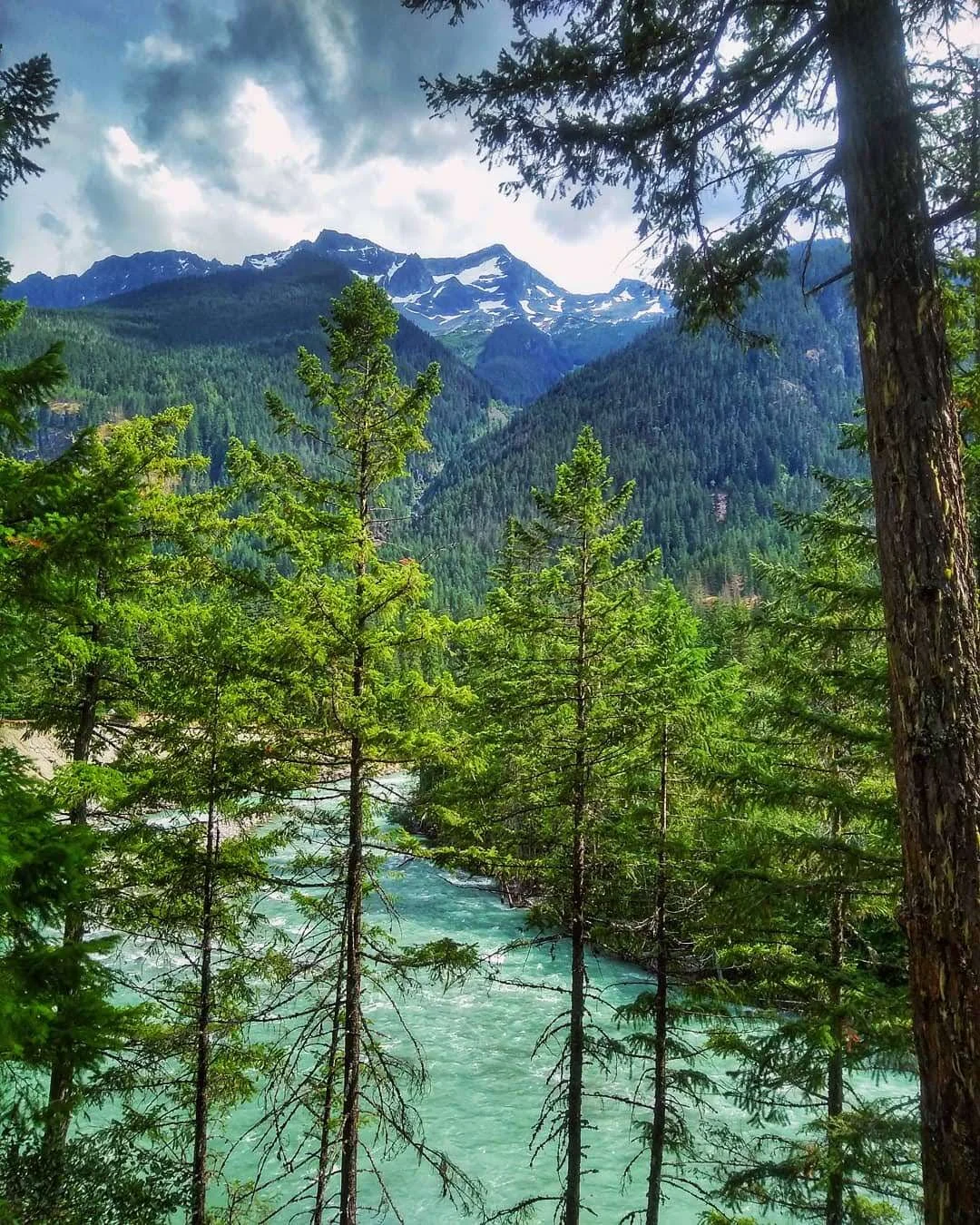
“Home” in western Canada. During my last visit I enjoyed camping and running the trails along the Green River. This area is just a couple hours outside of Vancouver but you couldn’t feel farther from the city. And yes, that water is cold!
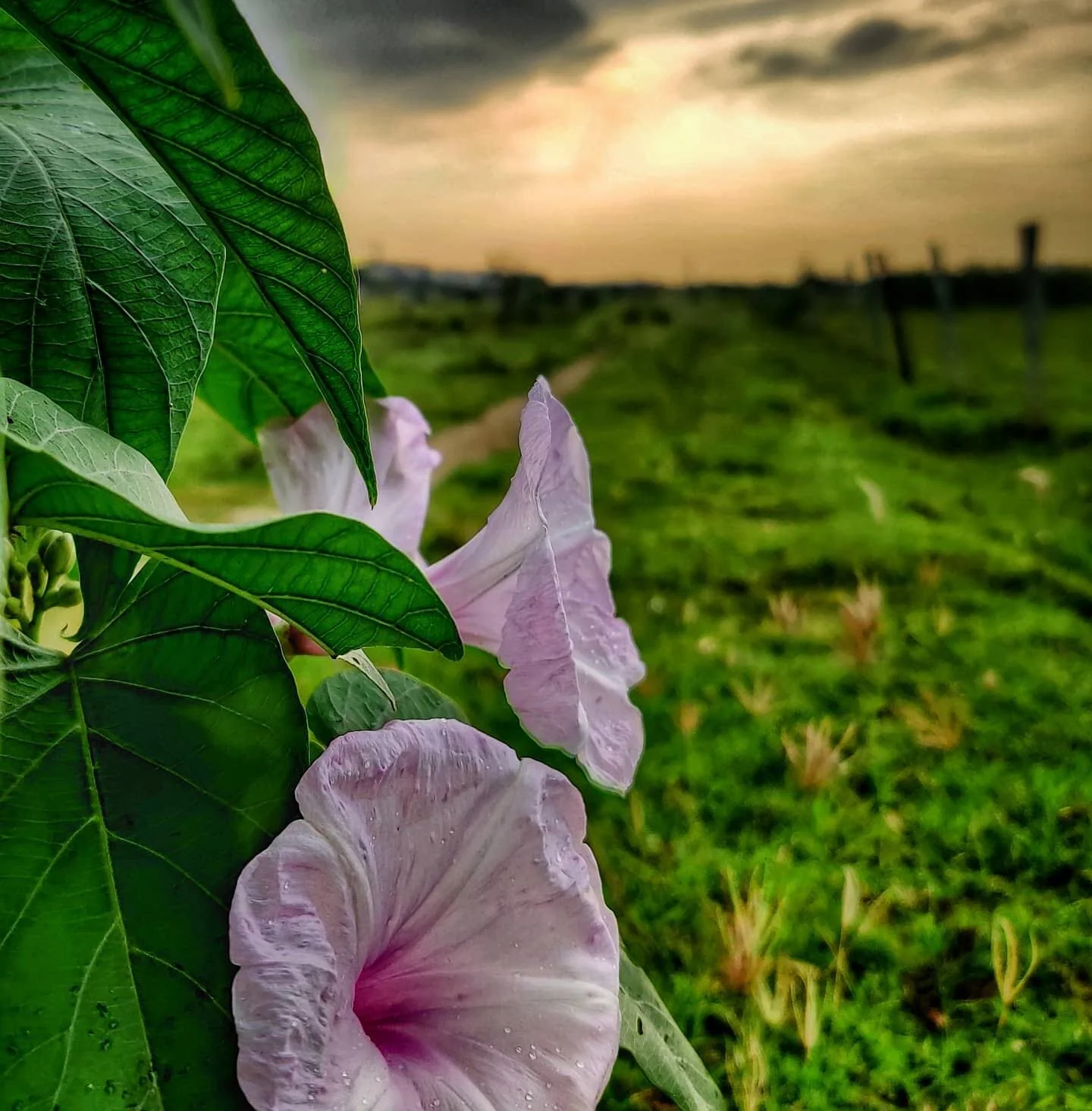
I’m always looking for new trails. I scan Google Maps, throw on my hydration vest and go explore. This is a small track running through rural farmland in Tamil Nadu. When I’m not traveling I’m out there seeing how far my legs will take me.
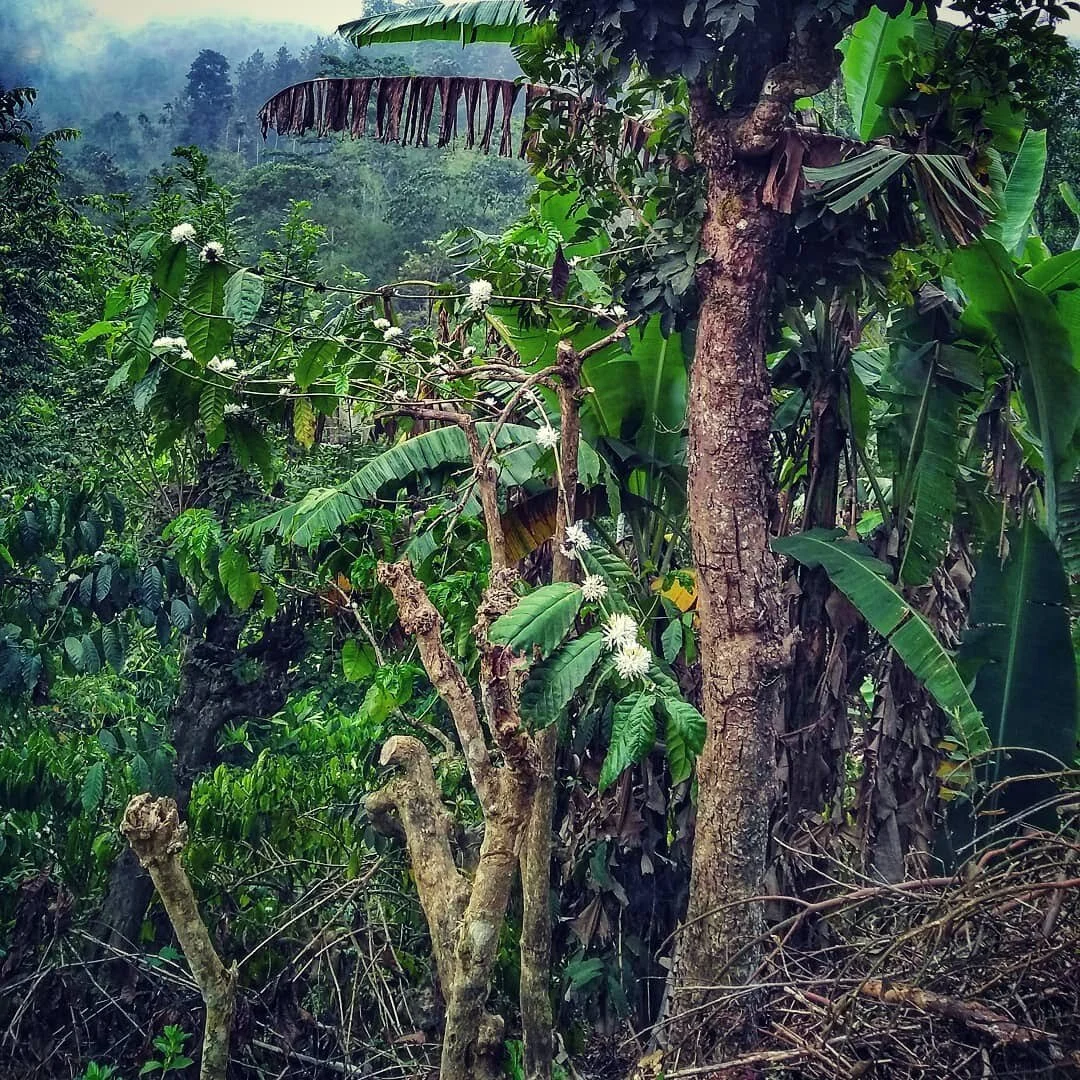
Wayanad in India’s Kerala state is an amazing place to just wander. It is so wild and lush. Every day I was there I would take a local bus and jump out when it looked interesting. Then I would take the trails up to the tea plantations and down into steamy, forested valleys. The great thing about India is that it has a good public transport system. It doesn’t matter how far or which direction my feet carry me; I will eventually find another bus to take me back to where I started.
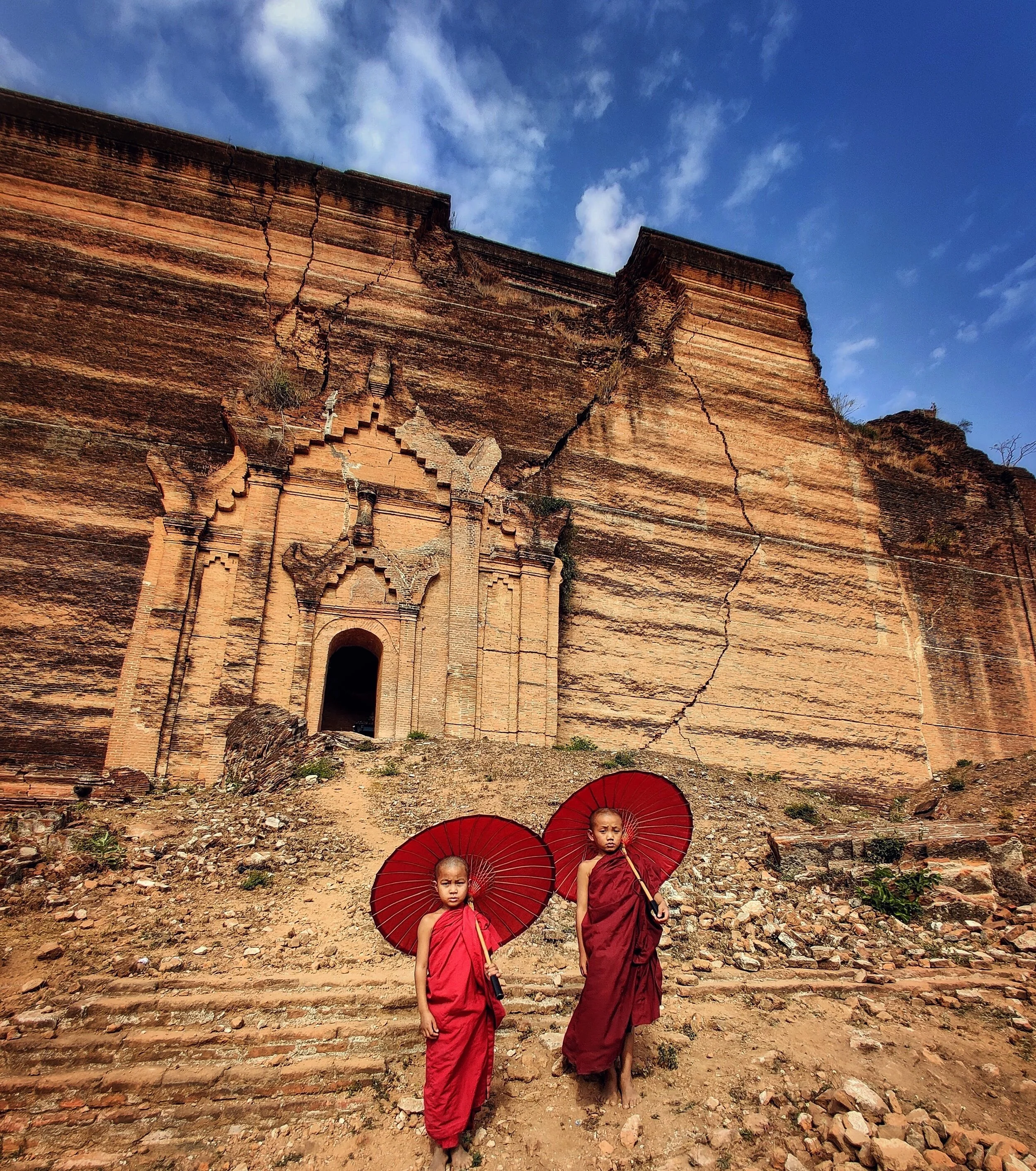

Sometimes when you travel you stumble across the perfect moment. This was one in Mingun, Myanmar.
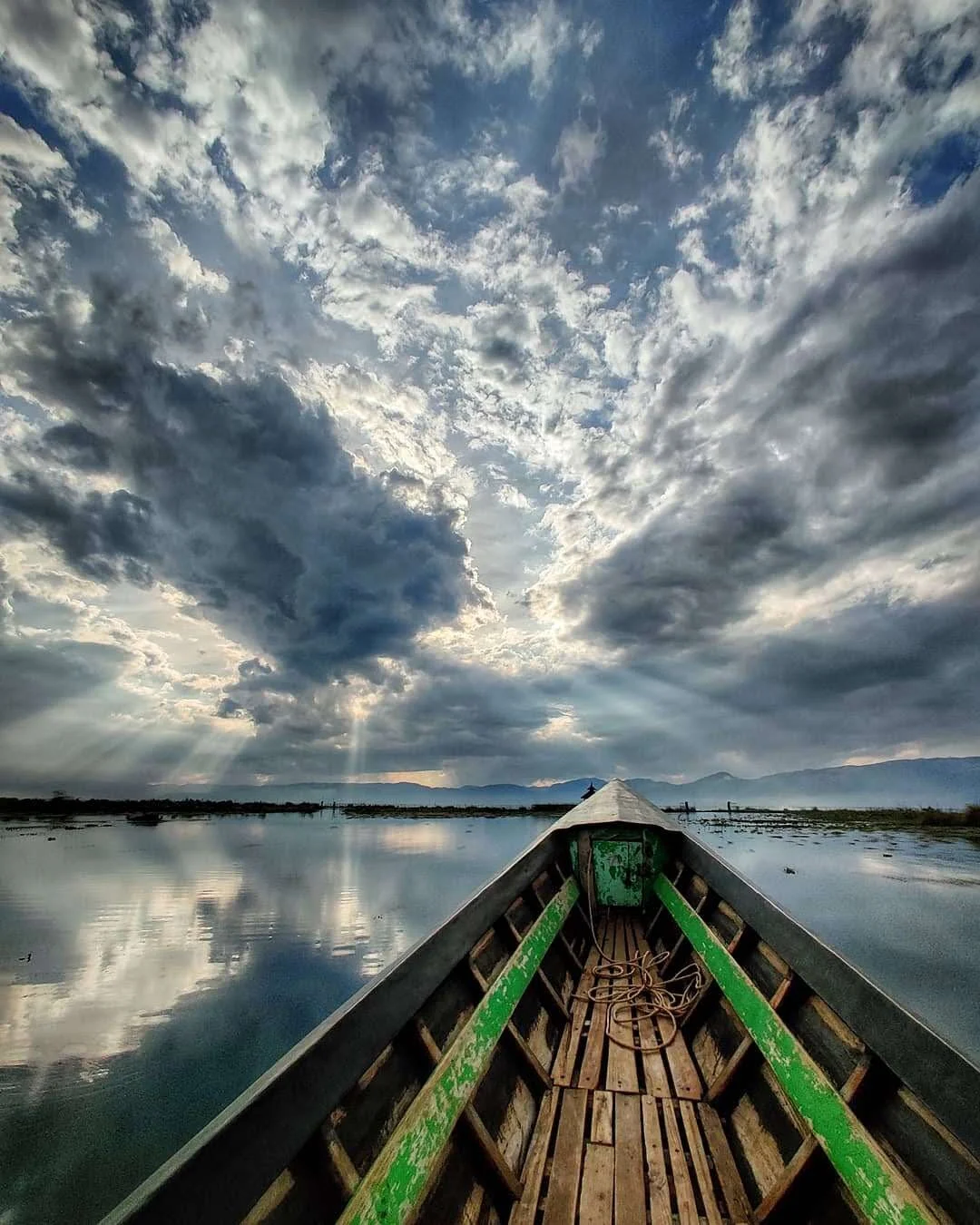
In January 2020 I spent a month exploring Myanmar. This photo was taken at the end of an epic section of trail. I spent three days walking from Kalaw to Inle Lake. Here, I’m taking a longboat across Inle Lake to get from the end of the trail to the nearest town where the luxury of a hot shower awaited me.
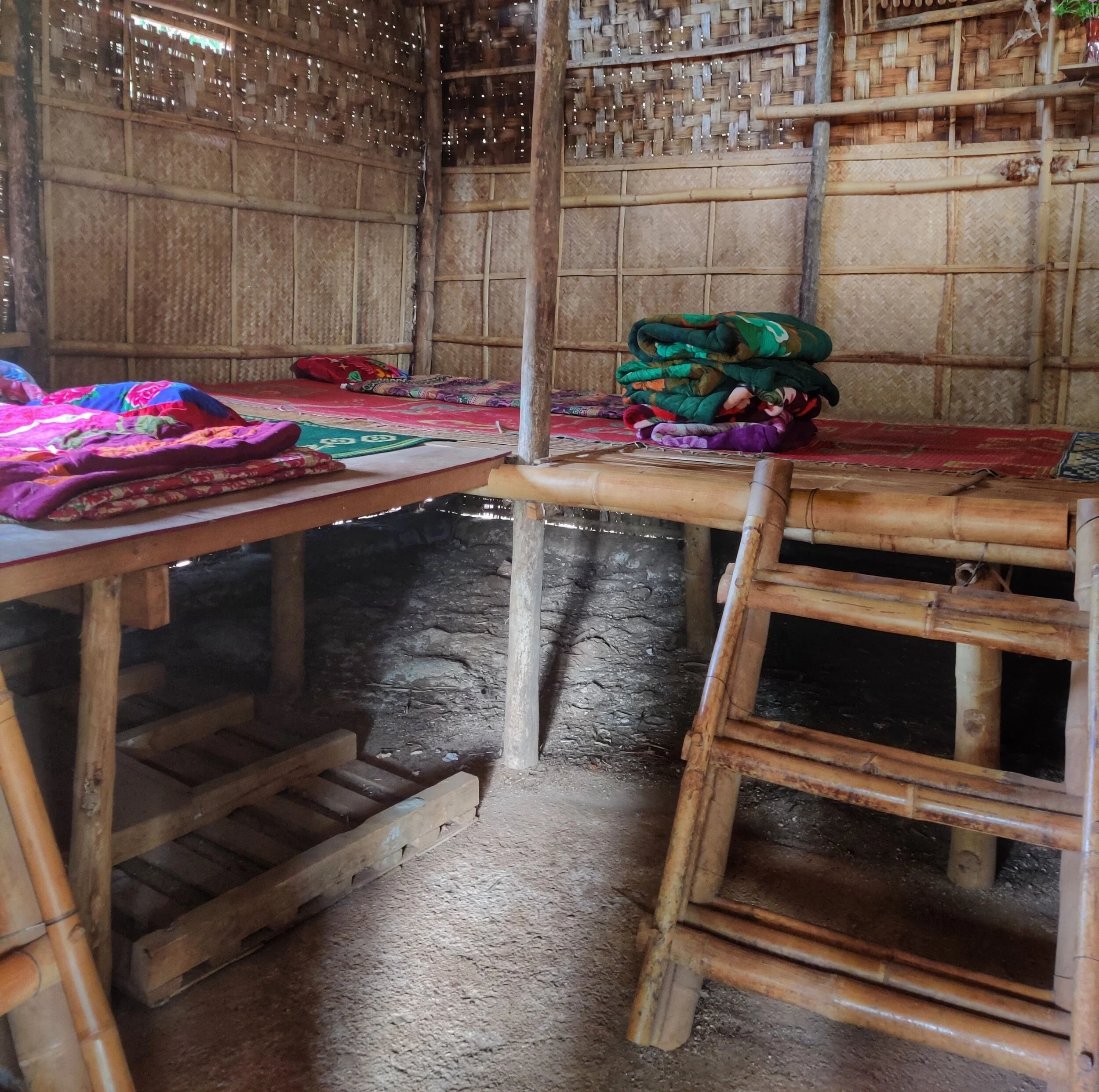
No hotels, no restaurants. I slept in small villages with local families who offered food and shelter. These are communal sleeping quarters up in the mountains of central Myanmar. When you are climbing up and down mountains all day, I can’t tell you how good it feels to be given a hot meal and a place to rest your weary bones. 
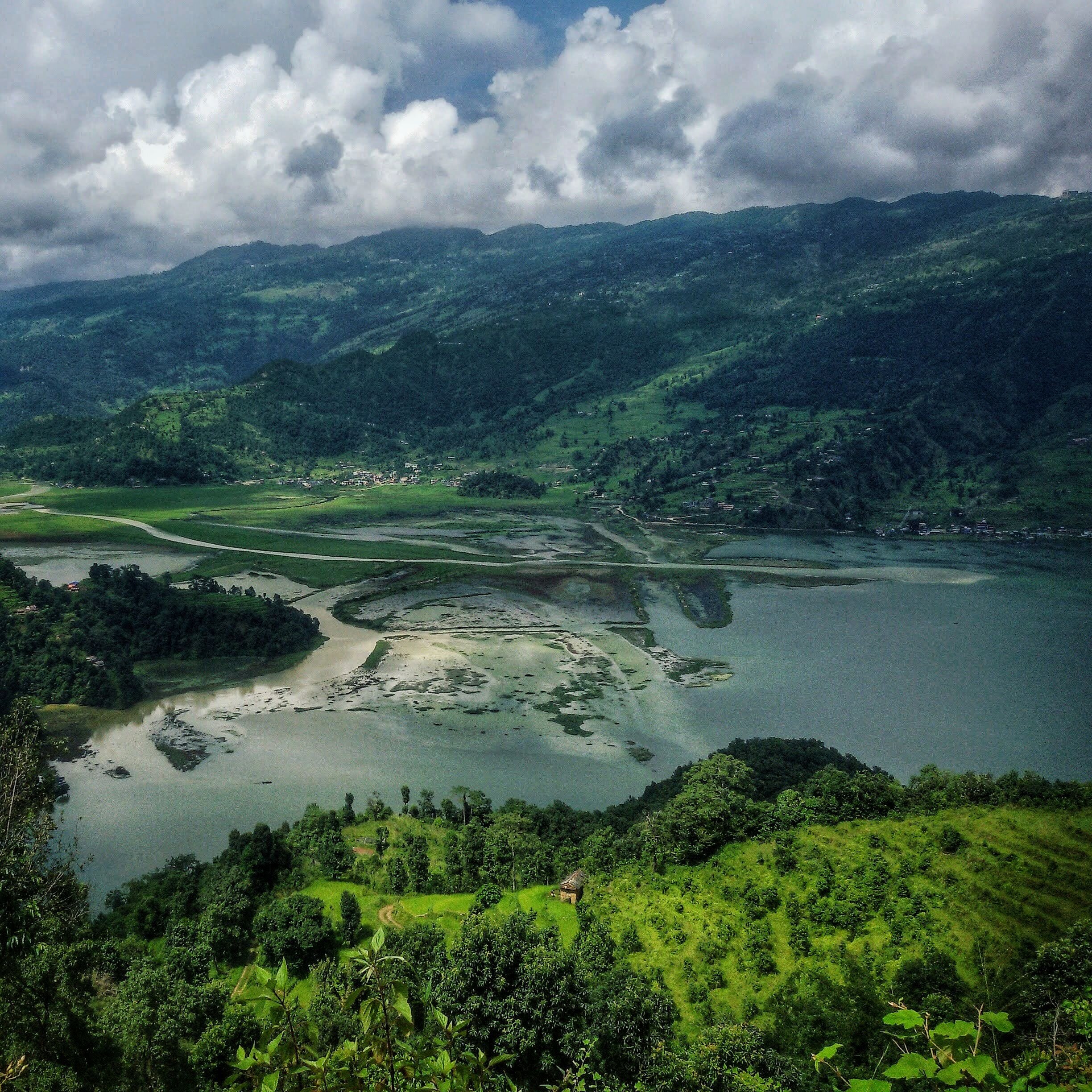
Pokhara, Nepal, is an awesome place to explore even if you opt not to do the big overnight treks in the mountains. I asked many locals and they all told me that you could not circumnavigate Phewa Lake. I kept staring at Google Maps and thinking, “I’m sure I can!” The issue was getting across the valley floor. There is a section where there is no track at all. One day I saw a farmer wade through the rice paddies and I did the same, mud up to my knees in places. Once I got across the valley, as I had seen on Google Maps, there was “trail” all the way around. I arrived back in Pokhara nine hours later, feet full of leeches but with a happy heart. 
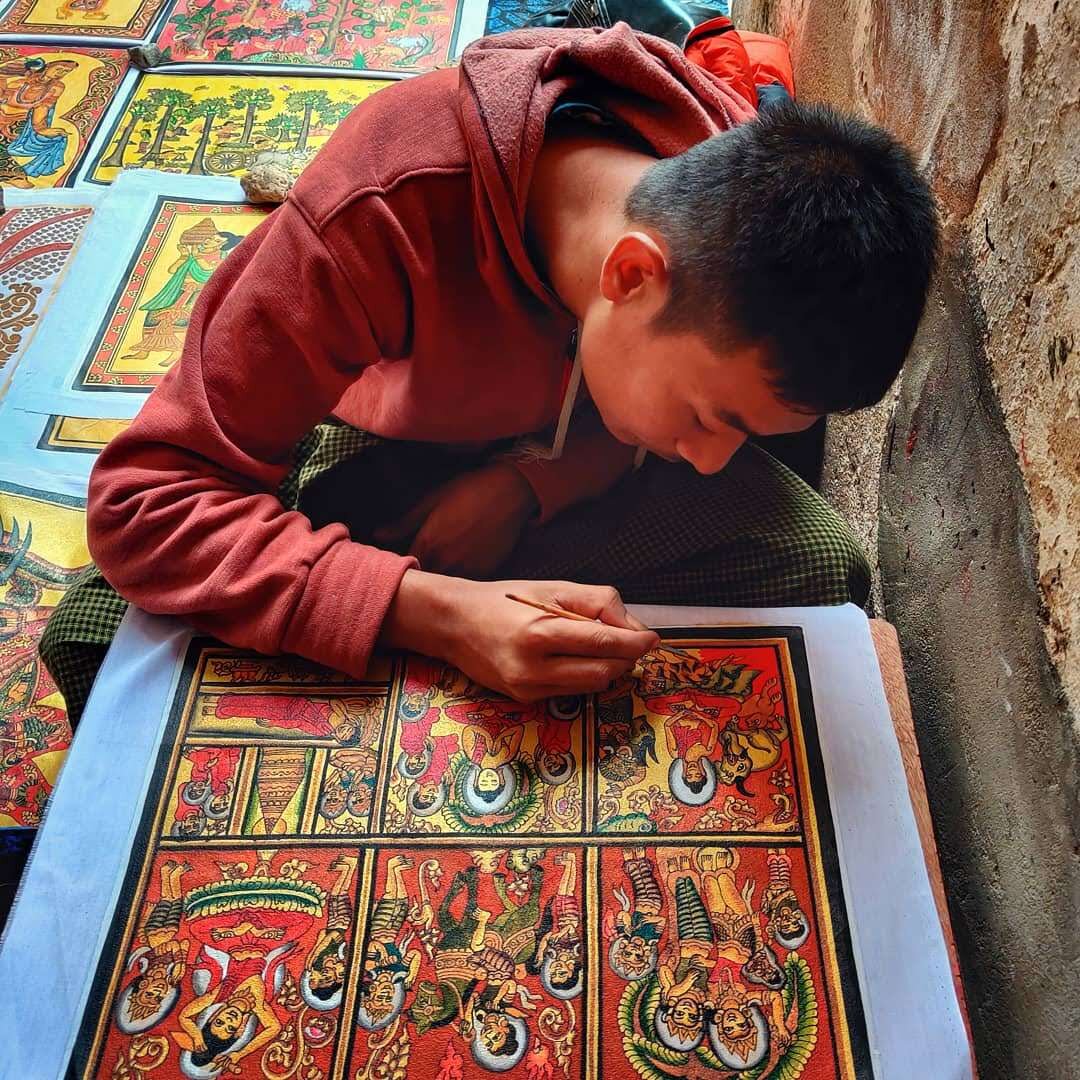
The artist in me gets very excited about local handicrafts. I love seeing creative expression around the world. This teenage boy was oblivious of me as he patiently labored away at this masterpiece in Bagan, Myanmar.
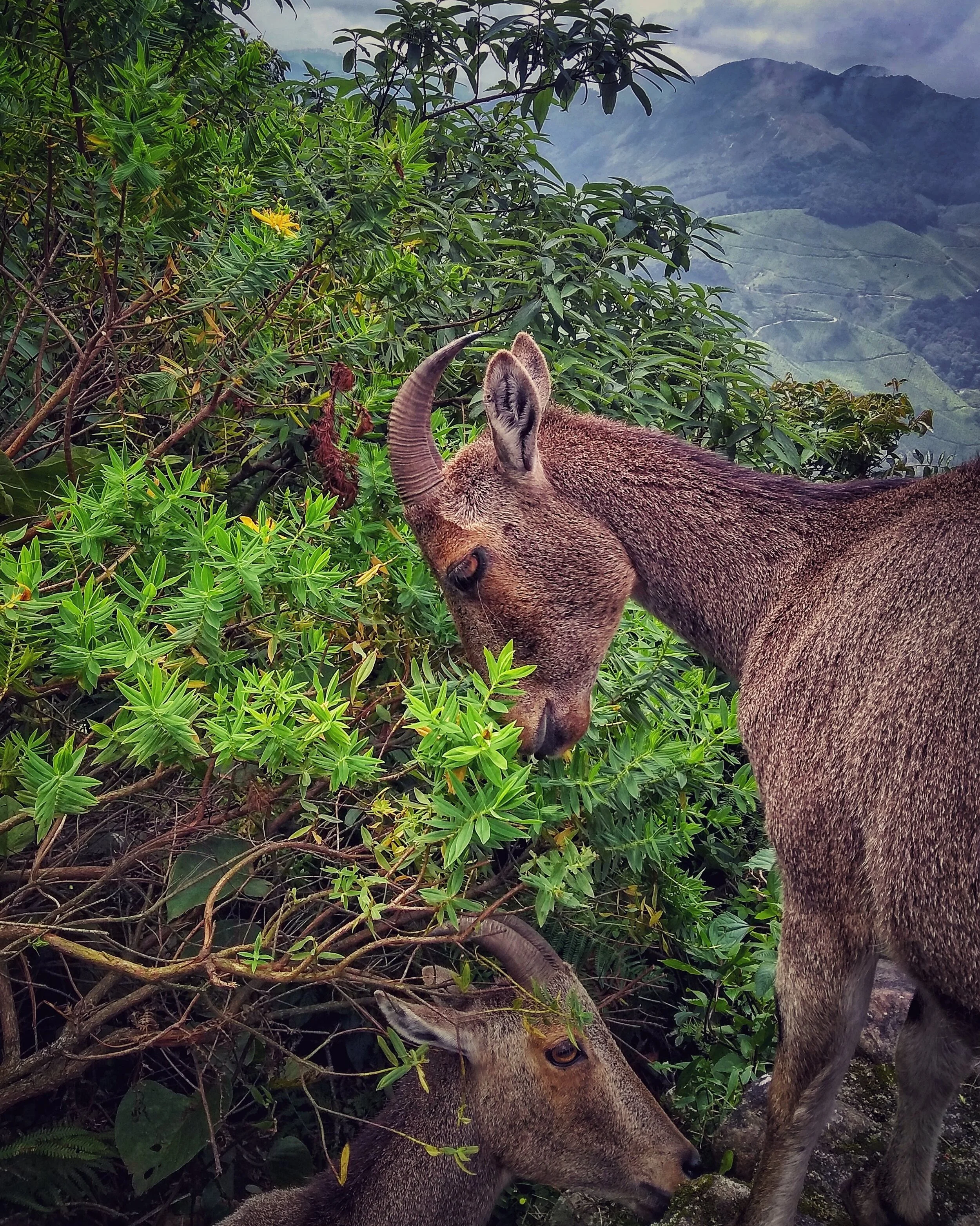
I have been blessed with close encounters with many amazing animals. I never chase after them but enjoy when they approach me. These are Nilgiri tahr, an endangered species that inhabits the Eravikulam National Park in southern India. I was sitting on a rock and they stepped right over me and decided to hang out. I was all by myself up in the hills and it was such a magical moment.

I love a good storm! Something about the energy of the shifting skies is so invigorating. This is on the backwaters just south of Chennai, India, overlooking the Bay of Bengal.
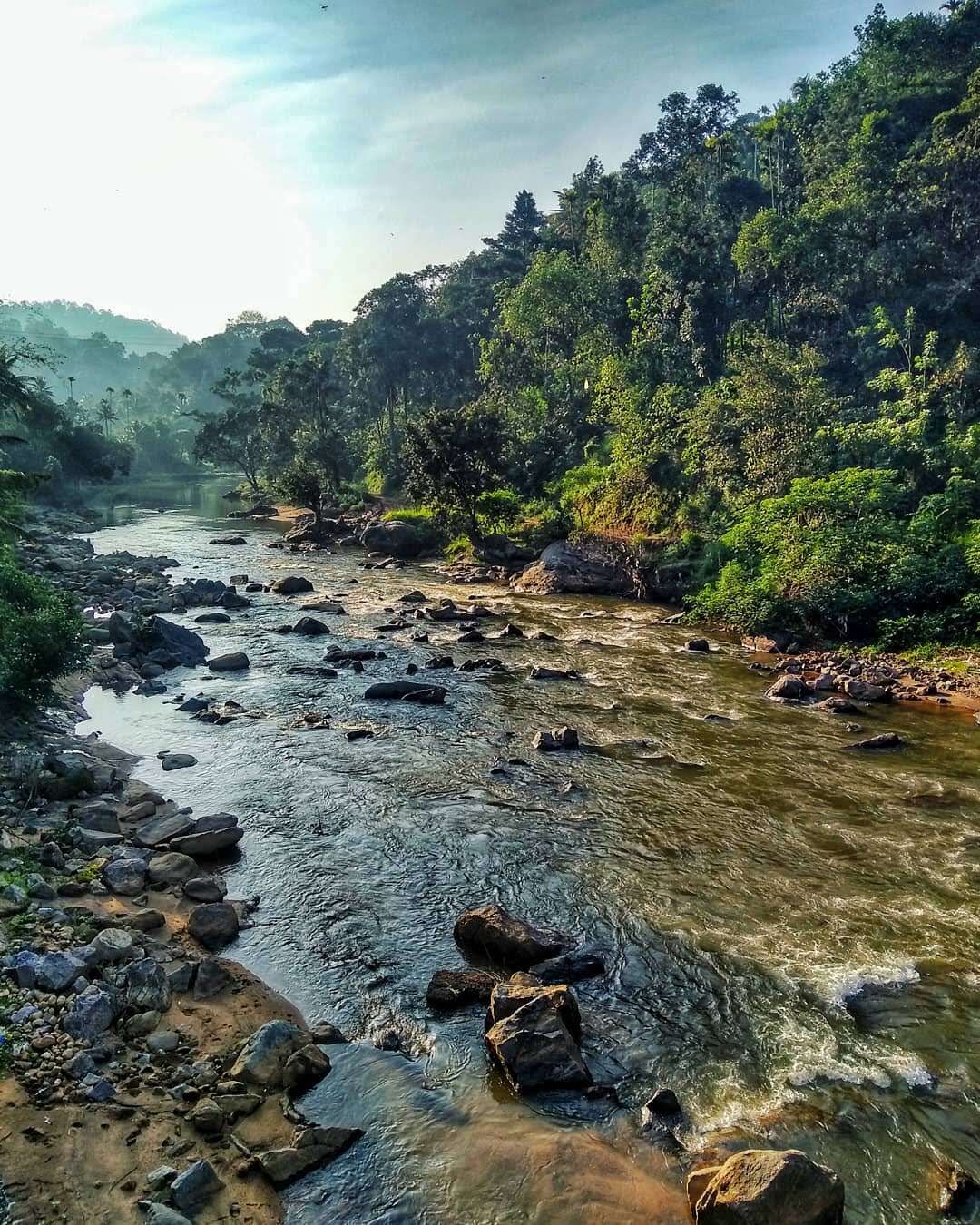
Just outside of Kunchithanny in Kerala, India, I spent a week wandering in the mountains. I talked to locals to scope out good trails and, armed with screenshots from my trusty Google Maps, I headed out early each morning. This is one of my favorite places to trek. I can cover 15 miles by noon. The climbs are steep but well worth it. I met families at my guesthouse who spent three hours in traffic jams to catch a glimpse of the popular waterfalls outside of Munnar; meanwhile, I saw at least 20 falls and had them all to myself. This area is so welcoming. Several families brought me into their homes for food and rest. I can’t wait to go back.

Monks feeding carp in Hpa-An, southern Myanmar. This was such a magical day. First I offered a prayer to all my loved ones atop the rock tower at the pagoda in the middle of this pond. Later that day I did my hardest climb in Myanmar. I climbed to the highest point in the mountains seen in the background. It was an extremely steep vertical climb. Rough steps had been carved out of the rock but they were narrow. In places, I had to lift my leg up higher than my knees to reach the next step. It is typically a three to four hour hike. I wanted to catch the sunset so I powered up it in an hour and 20 minutes. I made it just in time and then descended in 45 minutes. When I finished, my legs were shaking and spasming uncontrollably. It actually felt great having pushed past what I thought my body was capable of.
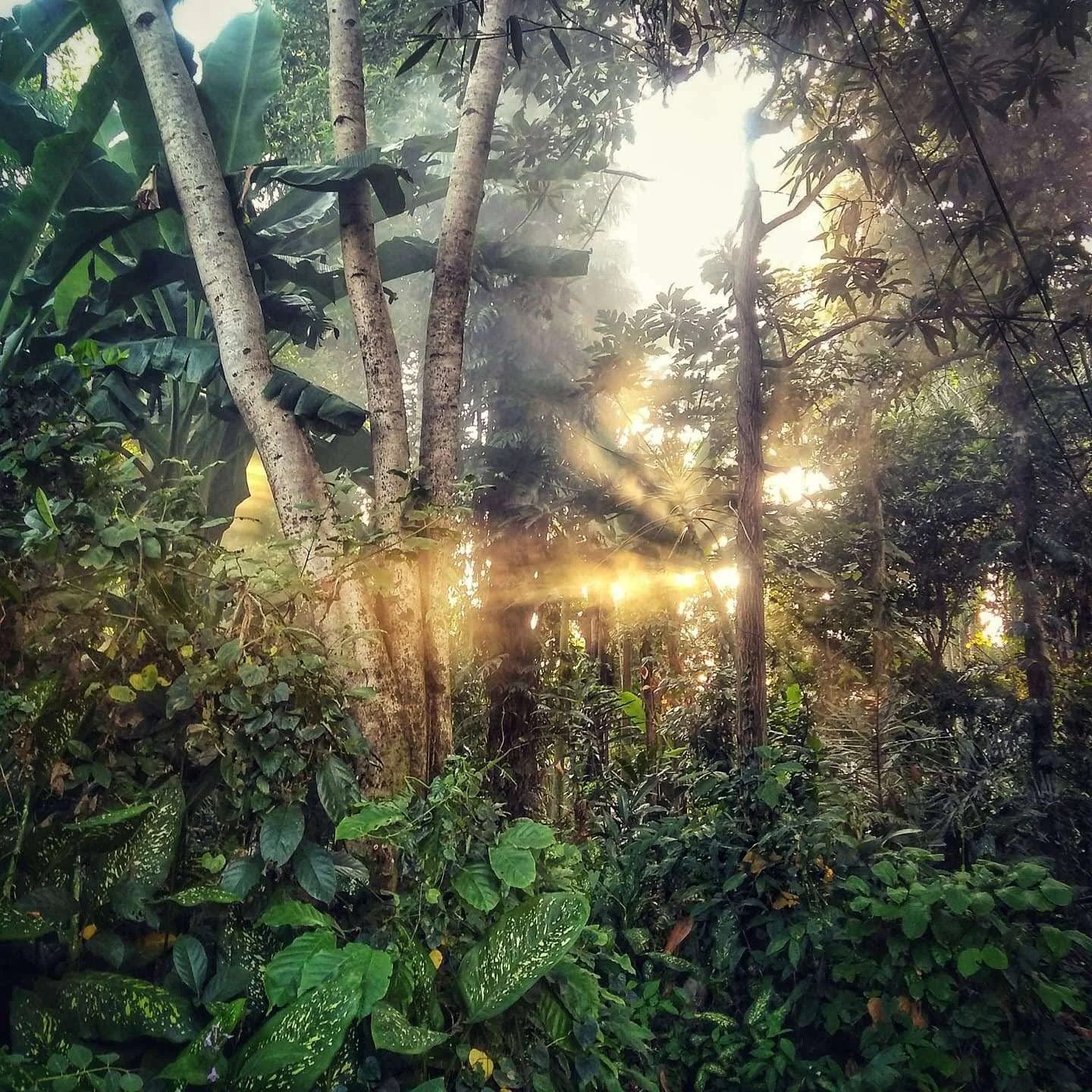
In Ubud on the Indonesian island of Bali I would wake up at 4 a.m. and run up the mountain peaks in the dark to catch the sunrise from the mountaintops. This is where I started really building my confidence running solo in the wilderness. I wish this photo could convey the incredible birdsong that accompanied each daybreak.
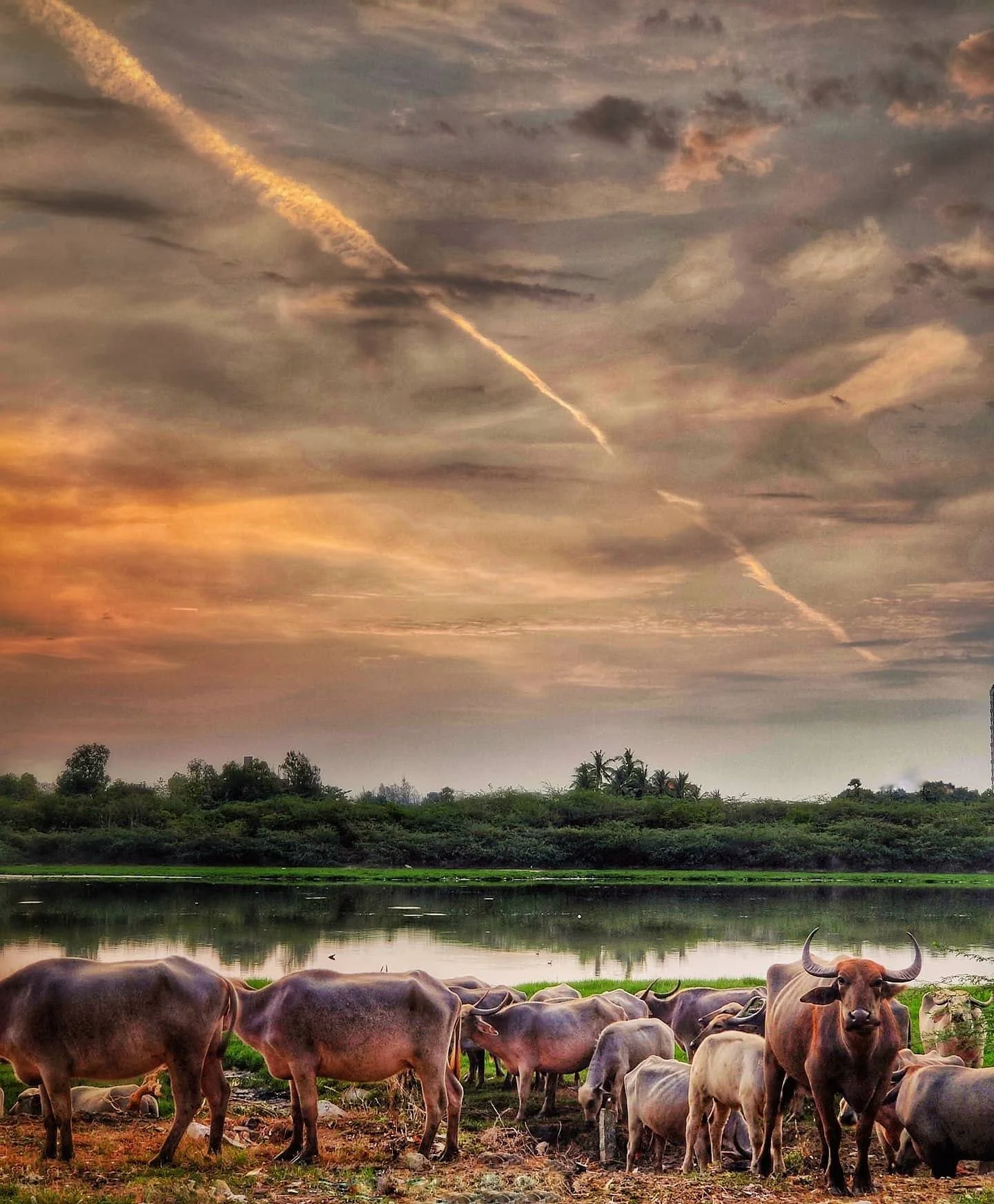
My daily runs here in Tamil Nadu often involve weaving through crowds of these guys. I’m up early to catch the sunrise and enjoy South India in all her beauty.

I have learned to read the landscape, tune into my surroundings and listen to my own body. All of this has given me the freedom to keep living my best life. No regrets.

If you want to keep up to date with my adventures, follow me on Instagram @dawned_onme or check out my blog, bigbeautiful.world, to see more of my past wanderings.
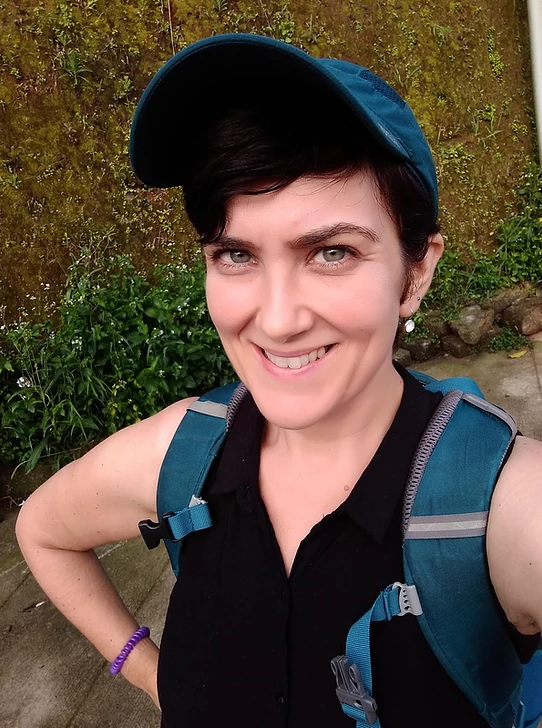
Dawn Lwakila

continually takes the path less trodden, both figuratively and literally. She loves to really live in a place and grow some roots there — as well as a good wander and the freedom to explore. Canada is her homeland, but her heart and soul is scattered across the globe. She has journeyed through over 30 countries and still has an ever-growing bucket list of new places to experience.

Colorism Shows its Face through India’s Skin Whitening Creams

Since 1975, India has had a market advertising products that can achieve being “fair and lovely” by whitening the skin, but what effect has this had on Indian society?

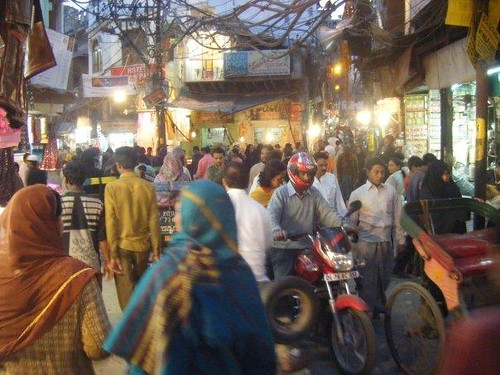
People on the street in India. Craig J Bethany. CC BY-NC-SA 2.0.

On June 26, Unilever made the decision to remove the word “fair” from its whitening creams sold throughout India and parts of Asia. It is assumed that the decision to rename the product was due to the global response to the death of George Floyd and the rise of the Black Lives Matter movement in the United States. For Indians, skin lightening is a painful reminder of their colonized past.

Commercials for whitening creams have advertised the products as the solution to all of life’s troubles. Along with that, they have carried the notion that having darker skin is harmful and will set you back in life. It only perpetuates colorism, when people within the same race discriminate against skin colors. Often, colorism takes on the form of favoritism toward lighter skin shades over darker ones. 

Colorism is a byproduct of colonization. From 1858 to 1947, India was under British rule in hopes of extracting the resources that were making India so profitable through the East India Company. Britain took advantage of the wealth by imposing strict policies and limiting government representation across India. However, those that had lighter complexion were favored and often offered more better jobs than those with darker complexions. Britain maintained its control over India until the country’s independence after World War II. 

Thus, in 1975, Unilever’s “Fair & Lovely” cream first debuted. Despite a decadeslong appeal toward fair skin, this “luxurious” type of cream would not become popular until the 1990s, when it became more accessible in the form of cosmetic products such as deodorants, creams and at-home treatments. Even though it is a more recent trend, skin lightening still reflects and enforces the mindset of British colonizers. Bollywood even joined the trend by selecting lighter-skinned actors who can “better represent Indian life.” Since the first release of Unilever’s product, the skin lightening industry has become a multimillion dollar market, with some estimates around $4 billion globally, due to the high demands to meet the beauty standards. The highest usage is across Asia and Africa.

Typical usage for skin lightening creams, also known as skin bleaching, is to help reduce the appearance of scars or age spots. In India, though, the products are also used to reduce the melanin levels in one’s skin. Most products must be applied over the course of six weeks to see results. Often, there is a combination of different steroids or chemicals used to help change skin tone.

Research by the World Health Organization has found that mercury is often an active ingredient. Even though it is banned for use in the U.S., other countries do not have much regulation over mercury’s usage. Mercury can cause a range of problems, from neurological to fertility in nature. 1 in 4 skin lightening products made in Asia has been found to contain mercury. Other risks include skin cancer, premature aging of skin, skin thinning and allergic reactions.

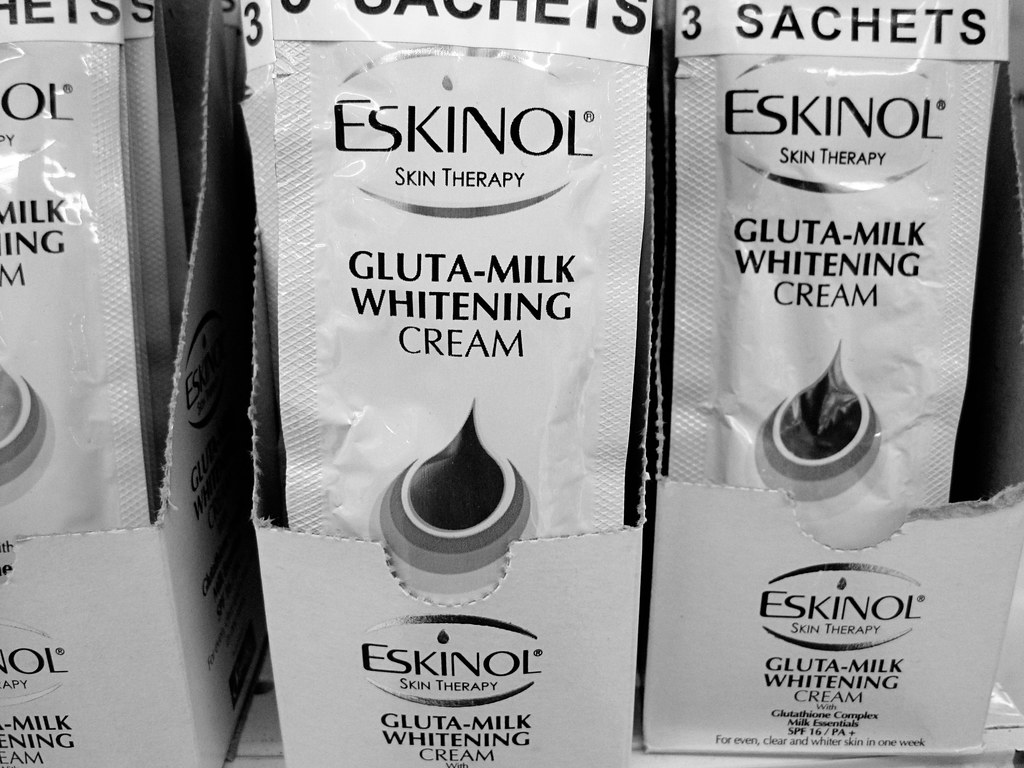
Skin lightening treatments at a convenience store. Sophia Kristina. CC-BY-NC-ND 2.0

Additionally, the color of one’s skin in India is critical when it comes to arranged marriages. Often, parents place advertisements in newspapers known as matrimonial ads in order to find potential spouses for their children. Often in these ads, there are descriptions of the child’s skin tone ranging from “fair” to “wheatish,” with “fair” individuals pursued the most. Along those lines, many dating websites for arranged marriages, such as Shaadi.com, allow users to select preferences based on skin tone. However, Shaadi.com representatives did announce earlier this month they were removing the search option.

This is not to say that the skin lightening industry is to blame for colorism today. It has become a deeply-rooted mechanism, with discrimination and racism existing in Indian society since the 1850s. Activists have encouraged the stop of these products’ production, as organizations such as Women of Worth have found that skin lightening practices cause a sharp decrease in self esteem for brown girls.

Eva Ashbaugh

is a Political Science and Gender, Sexuality, and Women's Studies double major at the University of Pittsburgh. As a political science major concentrating on International Relations, she is passionate about human rights, foreign policy, and fighting for equality. She hopes to one day travel and help educate people to make the world a better place.

Dynamic Duo: How a Lawyer Couple is Paving the Road for LGBTQ+ Rights in India

Section 377 under the India Penal Code hungover LGBTQ+ lives for years, criminalizing their very existence to exist. Lawyers Menaka Guruswamy and Arundhati Katju fought to change that—and won. 

Pride flag in New Delhi, India. Nishta Sharma. Unsplash.

Since 1861, when India was under British colonial rule, there was a section of the India Penal Code that crimilized homosexualtiy as it was “against the order of nature”. In 2013, protestors fought for the code to be recognized as unconstitutional in the eyes of the law, but in a historic case titled Suresh Kumar Koushal vs. Naz Foundation, the Bench stated “We hold that Section 377 does not suffer from… unconstitutionality and the declaration made by the Division Bench of the High Court is legally unsustainable.” Although they would not mark it unconstitutional, the Bench also stated, “Notwithstanding this verdict, the competent legislature shall be free to consider the desirability and propriety of deleting Section 377 from the statute book or amend it as per the suggestion made by Attorney-General G.E. Vahanvati.” To put in more simple terms, the Bench wanted to redirect who made the decision, and stated the matter should be decided by Parliament, itself, not just the judiciary. 

In 2016, the case was revisited by three Court members and they decided to pass it on to a five-member court decision. It was not until a year later when the LGTBQ+ community of India saw results. In 2017, in the Puttuswamy case, the Court ruled that “The right to privacy is implicit in the right to life and liberty guaranteed to the citizens of this country by Article 21” - a historic decision which overruled a previous case that said there is no right to privacy in India. The Court also found that “sexual orientation is an essential attribute of privacy. Discrimination against an individual on the basis of sexual orientation is deeply offensive to the dignity and self-worth of the individual. Equality demands that the sexual orientation of each individual in society must be protected on an even platform. The right to privacy and the protection of sexual orientation lie at the core of the fundamental rights guaranteed by Articles 14, 15 and 21 of the Constitution.” Essentially, they condemned discrimintion and give validity to the rights of the LGTBQ+ community. 

It wasn’t until September 2018, though, when the Court ruled “in so far as it criminalises consensual sexual conduct between adults of the same sex” in the Navtej Singh Johar v. Union of India  case. According to an article in the Guardian, chief justice Dipak Misra stated that “Criminalising carnal intercourse under section 377 Indian penal code is irrational, indefensible and manifestly arbitrary”. Misra goes on to say “Social exclusion, identity seclusion and isolation from the social mainstream are still the stark realities faced by individuals today, and it is only when each and every individual is liberated from the shackles of such bondage … that we can call ourselves a truly free society.” 

 Now, a year later, two lawyers who worked on dismantling Section 377 came out as a couple. In an interview with CNN’s Fareed Zakaria, Menaka Guruswamy and Arundhati Katju announced that they were a couple. Ms. Guruswamy stated that they fought so hard because "That was when [they] decided that [they] would never let the LGBT Indians be invisible in any courtroom". 

The couple’s decision to come out was met with raved support, one user on Twitter congratulated them and added, “Personal is indeed political”. Which is true - queer people anywhere are responsible for queer people everywhere because to fight for the rights the community deserves, the community must do it as a unit, rather than individually.

Menaka Guruswamy and Arundhati Katju’s accomplishments are not limited by the strides they have made with Section 377, but also with the visibility they have given to the LGBTQ+ community - in India and across the world. They represent the strength and power the LBGTQ+ community has when they preserve despite the setbacks.


OLIVIA HAMMOND is an undergraduate at Emerson College in Boston, Massachusetts. She studies Creative Writing, with minors in Sociology/Anthropology and Marketing. She has travelled to seven different countries, most recently studying abroad this past summer in the Netherlands. She has a passion for words, traveling, and learning in any form.


In India, Grassroots Initiatives Work to Undo the Period Taboo

For many Indians, lack of access to menstrual products is compounded by entrenched societal stigma. Across the country, women are beginning to make a change.

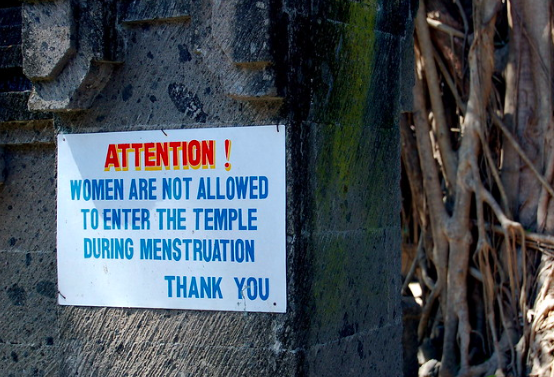
A sign in Bali, Indonesia, demonstrates stigmatization of menstruation in the Global South. dominique bergeron. CC BY-NC-ND 2.0

For most people with periods in the Western world, menstruation is something of an afterthought—annoying and sometimes painful, but easily dealt with, and far from debilitating. In parts of the Global South, however, “that time of the month” is not only a serious health concern and financial impediment but also a source of profound social and cultural tension. Over the past two years, grassroots activists have brought increased attention to the plight of menstruating women in India, and begun to envision a future in which well-being and participation in society is not dictated by one’s reproductive cycle.

Shameful attitudes toward menstruation in India are deeply ingrained, and, especially in rural areas, can be actively harmful to women of all ages. Indian women experiencing their periods can be banned from entering the kitchen and preparing food, separated from family members, and removed from religious ceremonies, sometimes on the grounds of theistic tradition: In 2018, many Indian men were outraged at a ruling by the country’s Supreme Court allowing women of menstruating age to visit Sabarimala, a Hindu temple in Kerala dedicated to Lord Ayyappa, who is seen in traditional mythology to be disgusted by the concept of female fertility. Indignation at the ruling reached a peak in January 2019, when one person died and dozens were injured in protests against the judgment.

Equally dangerous, and highly imbricated with traditional views of menstruation, is the pervasive lack of access to sanitary products, which are crucial to keeping women clean and safe during their periods. An estimated 70 percent of Indian women are unable to afford such products, with 300 million resorting to unhygienic options such as newspapers, dry leaves, and unwashed rags. Menstruation is also a key driver of school dropouts among girls, 23 percent of whom leave their schooling behind upon reaching puberty.

Cost barriers can prevent Indian women from acquiring menstrual products. Marco Verch. CC BY 2.0

In a sociocultural landscape where natural bodily functions are affecting the human dignity of people with periods, education, outreach, and access are crucial. In February 2018, Indian news outlet Daijiworld reported on one person working toward these goals: the so-called “Pad Woman” of Manguluru, who has been leading a group of young students in her southwestern port to create awareness of menstrual hygiene. The Pad Woman, Prameela Rao, is the founder of non-profit Kalpa Trust, which offers students at the Kavoor government First Grade College materials to manufacture sanitary pads for women in rural areas. The completed pads are distributed free of charge to the colonies of Gurupur, Malali, Bajpe, and Shakthinagar, obviating the need for women to purchase prohibitively expensive mainstream menstrual products. The pads are made from donated cotton clothing, which the students wash, iron, cut, and stitch to create the final product.

In the western state of Gujarat, an organization known as the Aga Khan Rural Support Program (AKRSP) is directly targeting period taboos among rural communities. Activists Manjula and Sudha told the Indian magazine The New Leam that, for the girls they have educated in the villages of Karamdi Chingaryia and Jariyavada, confusion and fear regarding menstruation have given way to confidence and clarity. For the AKSRP, which emphasizes gender equality and the societal participation of women, offering rural villagers the ability to make informed choices about their own menstrual health is key. As of The New Leam’s report in April 2019, the non-profit had reached about 60 Indian villages, providing information about sanitary pads of various designs, longevities, and price points.

While pads are a far more hygienic choice than rags or newspaper, they are not the only option: Back in Manguluru, two German volunteers have initiated a menstrual cup project known as “a period without shame.” In their pilot run, Nanett Bahler and Paulina Falky distributed about 70 menstrual cups free of charge to Indian women, as well as leading workshops on effective use for recipients. The cups, which are made of silicone and emptied around twice per day during one’s period, can be used for up to 10 years, making them a hygienic, eco-friendly, and potentially more affordable option for people of all ages.

Manguluru, where Indian and German activists are working to provide menstrual products. Aleksandr Zykov. CC BY-SA 2.0

Such grassroots efforts have been instrumental in chipping away at stigma among Indians in certain cities and villages, but broader change is unlikely without widespread publicity. One potential avenue for increased awareness is the newly released documentary Period. End of Sentence., which follows rural Indian women in their battle against period stigma. To create the film, Iranian-American director Rayka Zehtabchi visited small villages outside of Delhi to inquire after women’s menstrual health, and shot extensive footage of women who have learned to create their own sanitary products. The diligent pad-makers, many of whom are housewives who have never before held a full-time job, sell their creations to locals in their area, educating women on proper use and convincing shop owners to stock the products. By the end of the time span covered by the documentary, the women had set up a factory and manufactured 18,000 pads, earning economic self-sufficiency for themselves and an Academy Award nomination for Zehtabchi.


The work of these Delhi entrepreneurs, along with that of the AKSRP and Pad Woman Prameela, has made a positive difference for countless people—but, according to Mumbai-based journalist and author Puja Changoiwala, education and access must rise above the grassroots level and reach the legislative in order to create enduring change in attitudes toward menstruation. In a piece for Self, Changoiwala suggests that the Indian government should distribute free pads and launch an “aggressive nation-wide awareness program,” engaging celebrities and the press to address the dire consequences of long-held stigma. For anyone in India with a period, such a moment cannot come soon enough.


TALYA PHELPS hails from the wilds of upstate New York, but dreams of exploring the globe. As former editor-in-chief at the student newspaper of her alma mater, Vassar College, and the daughter of a journalist, she hopes to follow her passion for writing and editing for many years to come. Contact her if you're looking for a spirited debate on the merits of the em dash vs. the hyphen.


In India, Using Plastic Waste as Tuition at a New School

A school combines accessible education with environmental responsibility through a creative program.

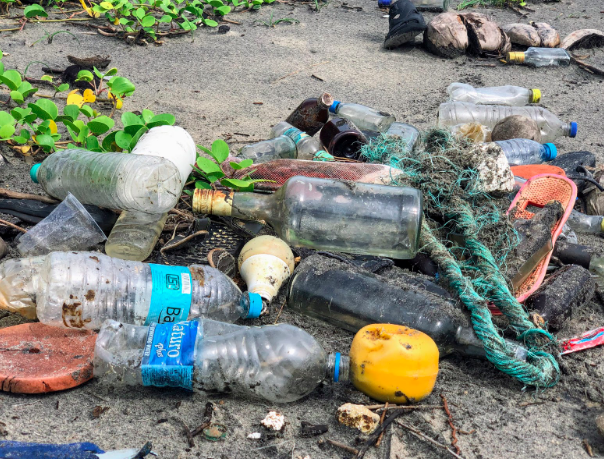
Photo of plastic waste by John Cameron on Unsplash.

In 2016, Parmita Sarma and Mazin Mukhtar founded Akshar School in Assam, a state in northeast India. Initially, the school struggled to enroll many of the children living in the area. Most families could not afford private school tuition, and relied on the $2.50 per day wage their children could make working in the nearby stone quarries.

In the winter months, many families in Assam burned plastic waste to keep warm, unaware of the health and environmental hazard this created. The fumes would often linger in Akshar’s classrooms, and ended up giving Parmita and Mazin the idea that would transform the school.

Instead of tuition, Akshar began requiring students to bring 25 plastic waste items to school every week. “We wanted to start a free school for all, but stumbled upon this idea after we realised a larger social and ecological problem brewing in this area,” Parmita told Better India.

Through the use of plastic waste as tuition, students who would not have been able to attend the school were able to learn, and the surrounding environment benefitted. Under the new tuition system, the school blossomed, and now enrolls 100 students ages 4 to 15. Before the tuition program was implemented, Akshar had only 20 students.

To compensate for the wages that children could be making working in the mines, Akshar established a tutoring program, where older students can help younger ones with their work in exchange for currency tokens that can be used to purchase snacks, toys, shoes, and clothing. The students can even exchange the tokens for real money to purchase items online. But financial compensation isn’t the only rationalization for the tutoring program. Through teaching, older students are able to develop useful life skills, practicing communication, leadership, and compassion.

Tuition isn’t the only unusual aspect of the school. Parmita told Better India that the goal of the school is to break with traditional curriculum. Students take class in open areas, and grades are divided by level rather than age.

“We realised that education had to be socially, economically and environmentally relevant for these children,” Mazin told Better India. That would mean not only providing an accessible education, but one that would enable children to find jobs after graduation. To this end Akshar offers career focused classes alongside traditional ones, enabling students to gain skills in cosmetology, solar paneling, carpentry, gardening, organic farming, electronics, and more. The school is also willing to adapt to create the best education for its students. Mazin told Better India that when the school noticed a spike in landscaping in Assam, they began to draft plans for a sustainable landscaping course.

Mazin and Parmita’s success with Akshar has inspired them to create more schools that follow the same philosophy. They hope to implement the Akshar model in 5 government schools over the next year, and 100 government schools in the next 5 years.


Emma is an undergraduate student studying English and marketing at Emerson College in Boston. While not writing she explores the nearest museums, reads poetry, and takes classes at her local dance studio. She is passionate about sustainable travel and can't wait to see where life will take her.