
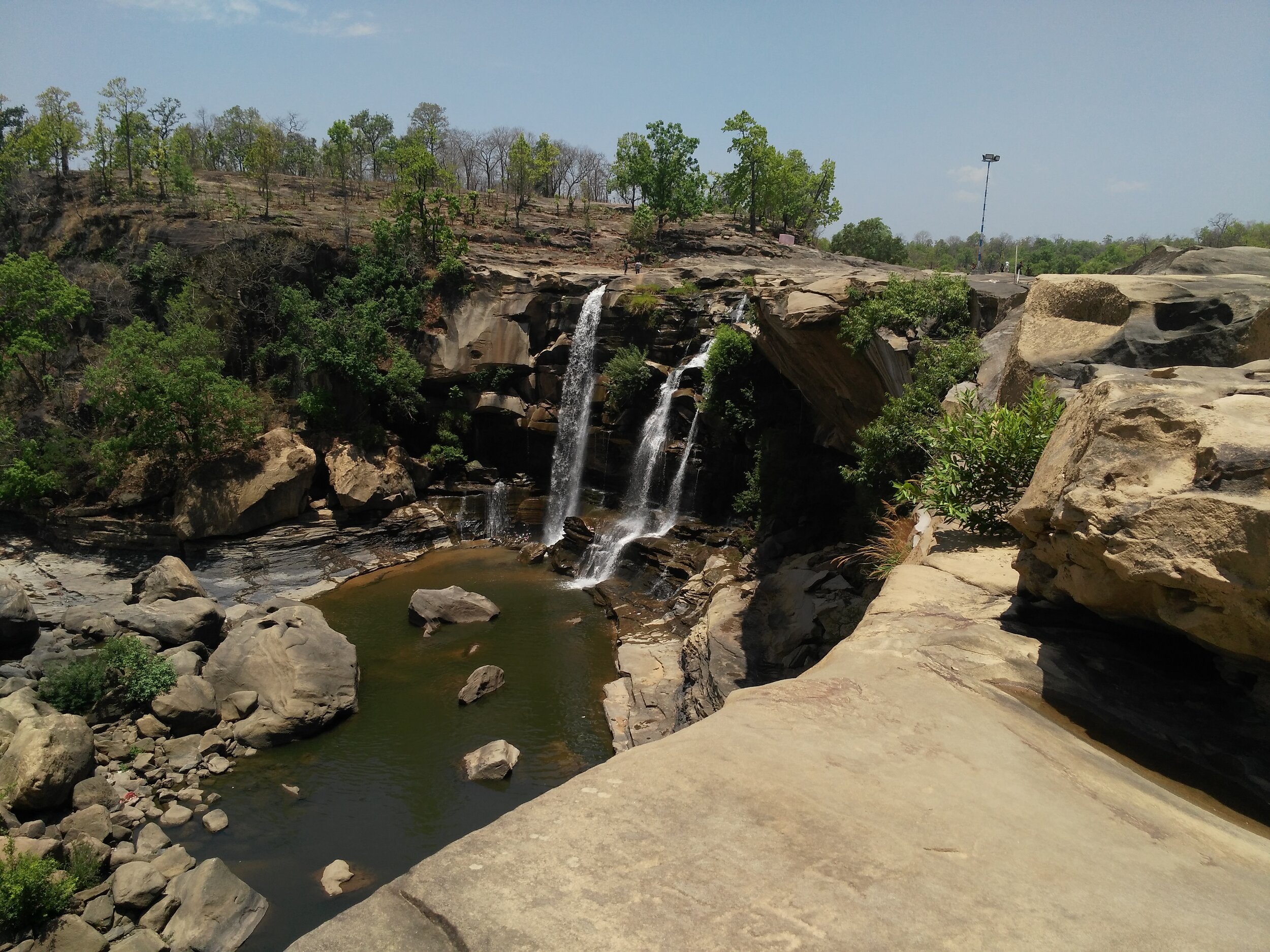
In today’s world, it is fairly common to see vast forests being torn down to make way for infrastructure; in India’s case, it is a way to make extra money during the COVID-19 pandemic. Last year alone, “3.8 million hectares” of primary forests were torn down and destroyed - “the third highest since the turn of the century.” Just recently, the people of Chhattisgarh’s Hasdeo Arand forest feared that they would suffer the fate of Korba - a region where families were displaced by coal mines. The area was even “identified as a ‘critically polluted area’ by the Central Pollution Control Board.”
The global pandemic that has swept over the world has left lasting impacts on governments everywhere. In India, the central government offered up 41 coal blocks near the biodiverse and coal-rich Hasdeo Arand forest to commercial bidders to increase revenue after the country’s economy took a hit earlier this year. After India sold the first five coal blocks and gave the green light for mining companies to deforest an estimated 6,800 hectares of forest, the surrounding communities and Chhattisgarh state’s government began to push back. This ultimately led to the central government reversing its decision, making the Hasdeo Arand region safe - for now. This comes as a result of an ongoing campaign to prevent what happened to neighboring Korba, where mines forced hundreds out of their homes, threw many into unemployment and caused “respiratory issues ranging from asthma to lung cancer.”
What Happened in Korba?
Korba was once much like Hasdeo Arand - a land filled with lush forests, rivers and over 300 species of wildlife. Mining started in the 1970s and four decades later, people are still suffering from displacement, health concerns and other environmental problems. Korba in particular is home to “the world’s second-largest open-cast mine - Gevra.” This mine has led to nearby streams drying up and becoming filled with waste, killing up to 12 people in Sahli.
The migration patterns of elephants have been impacted as well, leading to human-animal encounters in almost every village. Ash ponds have been dumped into, polluting water in neighboring irrigation fields and destroying crops. Lastly, the villagers have reported an increase in respiratory issues and other health risks directly linked to the area’s coal mines and power plants. Currently, “Korba is the power hub of Chhattisgarh. It has 10 to 12 power plants, which generate nearly 20,000 megawatts of electricity annually.” However, the environmental and social impacts of these coal mines and plants have left citizens homeless, disrupted and often with serious health issues. The locals have learned their lesson and organized to halt the construction of a proposed power plant in the Hasdeo Arand forest itself.
What’s Next?
After the events in Korba, the leaders of the Hasdeo Arand region have done their best to avoid the construction of any more power plants or coal mines. India’s central government gave up on mining in the Hasdeo Arand forest due to strong local resistance to the plans. Campaigns have begun against the central government, asking for a stop to the mining and a greater focus on the villagers who have been displaced. Deforestation occurs all around the world, but sometimes locals hold the power to stop environmental catastrophes in the making.

Elizabeth Misnick
is a Professional Writing and Rhetoric major at Baylor University. She grew up in a military family and lived in Europe for almost half her life, traveling and living in different countries. She hopes to continue writing professionally throughout her career and publish her writing in the future.