Flooding in Libya: A Harbinger of Climate Change’s Deadly Effects

Sustainable infrastructure is the world’s best defense against increase in precipitation due to climate change.

Aid workers struggle to reach city in Libya where catastrophic flooding killed thousands. PBS.

Catastrophic flooding in Libya in September has taken as many as 5,300 human lives, according to the Interior Ministry of Libya’s eastern government. Amid such massive human casualties, many around the world are left wondering how such losses may be prevented as climate related natural disasters become increasingly common.

Extreme flooding events like the one in Libya are on the rise as Earth’s average temperature increases, causing more evaporation and thus greater precipitation. According to the EPA, global precipitation has increased by an average of 0.04 inches per decade since 1901. In more than half of recorded locations, flooding is now at least 5 times more common than it was in the 1950s. This month alone, the effects of extreme precipitation and flooding have been felt in Hong Kong, Greece, Turkey, Brazil, Libya and the United States. 

In Libya and around the world, urban planning must adapt quickly to the rising threat of flooding. However, this poses a challenge for many developing nations where resources are often either limited or diverted elsewhere. For example, in Derna, the city in northeast Libya that was the most affected by the flooding, neglected infrastructure was in part to blame for the catastrophic loss of human life. Heavy rains caused two dams to burst, dams that experts have been warning are prone to collapse for years. Unfortunately, resources in Libya are generally diverted towards the ongoing civil war. More busy with conflict than governing, public officials failed to provide the necessary repairs on the dams.

Moreover, climate change not only increases precipitation but also hinders the environment’s ability to withstand heavy rainfall. In Derna, the inundation of the area has washed away much of the soil, which would have helped absorb some of the precipitation. The ground in and around Derna has been left hard, cracked, and stripped of vegetation. Due to these conditions, very little water was retained in the ground, worsening the flooding. Globally, similar conditions must be prevented if flooding events like the one in Libya are to be curbed. 

Libya is far from the only place where the infrastructure is inadequate in the face of increasingly heavy rains. Most urban areas around the world, even those in rich countries with the resources to adapt like the United States, have not created infrastructure nor correctly supported the local environment to prevent extreme flooding. Globally, urban planning must now be rapidly modified to account for increasing precipitation.

Making the ground more permeable is the most impactful way urban planning can help reduce extreme flooding. One way this can be achieved is through the incorporation of permeable pavement. Using this type technique allows water to pass through porous paved surfaces into groundwater stores instead of overwhelming the local drainage systems. Further, creating more green spaces, including green roofs, trees, parks, and rain gardens, all increase the permeability of the ground. When the ground can absorb more water, flooding events like the one in Libya may be prevented.

Get Involved:

To help Libyan flood victims you can donate to UNICEF, International Rescue Community, or Doctors Without Borders.


Sophia Larson

Sophia Larson is a recent graduate of Barnard College at Columbia University. She previously worked as the Assistant Editor on the 2021 book Young People of the Pandemic. She has also participated as a writer and editor at several student news publications, including “The UMass Daily Collegian” and “Bwog, Columbia Student News.”

Chad is the Country Most Vulnerable to Climate Change

In Chad, climate change creates new challenges for an already disadvantaged population.

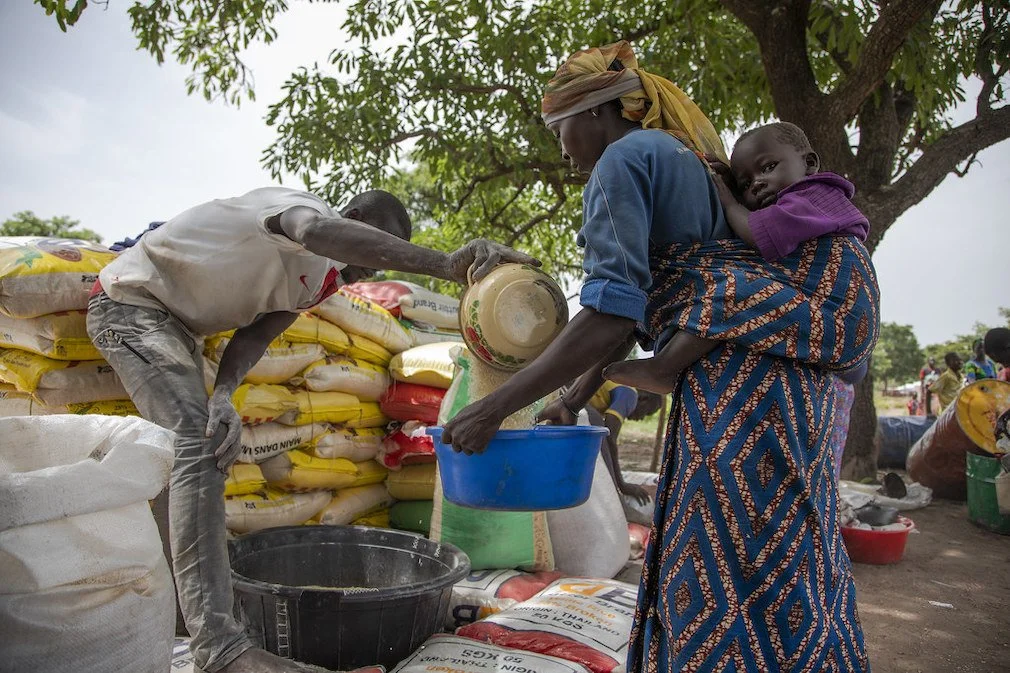
Humanitarian aid in Chad. EU Civil Protection and Humanitarian Aid. CC BY-NC-ND 2.0.

Due to its geography, Chad has experienced a temperature increase of 1.5 times higher than other places in the world. With additional disadvantages of poverty and political conflict, Chad has been ranked as the country most vulnerable to climate change. Here are some of the ways Chad is currently being affected by climate change, as well as current action against this crisis and ways you can help.

Lake Chad

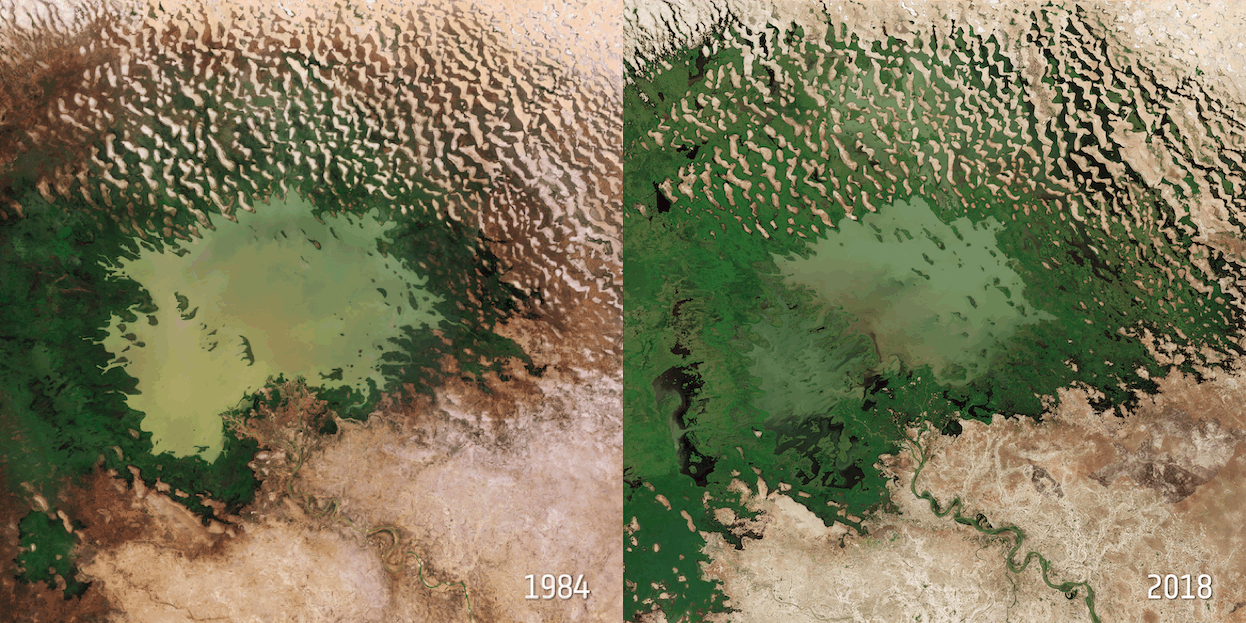
Satellite images of Lake Chad’s shrinking waters between 1984 and 2018. Fae. CC BY-SA 3.0 IGO.

With a surface area of 2.3 million square kilometers, Lake Chad is the country’s reservoir. Climate degradation has taken a toll on this freshwater inland sea over the decades, resulting in its shrinkage of 90 percent within the past 60 years. Not only does this affect the country of Chad itself, but also surrounding nations that rely on Lake Chad, such as Nigeria, Niger, and Cameroon. The increasing lack of this water source reduces the availability of drinking water for both humans and animals, and also impacts irrigation and fishing. Access to clean water is an existing issue in Chad, with only 43 percent of the population able to obtain clean drinking water, forcing many to consume unsafe water that exposes them to diseases like cholera.

Flooding

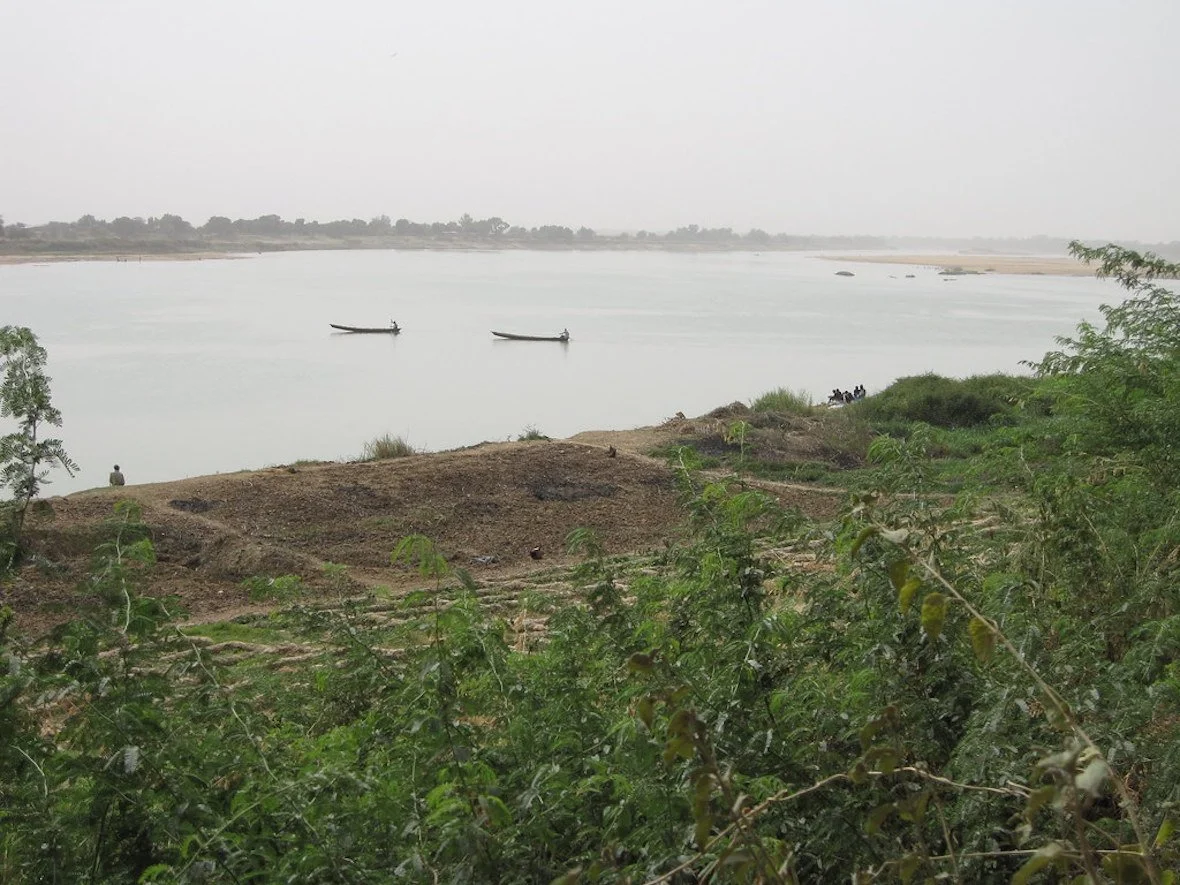
Chari River. Afcone. CC BY-ND 2.0.

In sharp contrast to the drought affecting Lake Chad, the rest of this Sahelian Republic has suffered flood damage over the past year, caused by its heaviest rain season in 30 years. In October of 2022, both the Chari and Logone rivers overflowed, causing 18 out of 23 Chadian provinces to flood. This flooding has affected more than 340,000 people, destroying thousands of homes and farmland. Though climate change has caused much drought in Chad, it is also a contributing factor to this flooding. As climate change causes temperatures to rise, it allows for more evaporation from the ground and water sources, leading to extended periods of drought and punctuated by bursts of extreme rainfall.

Illness

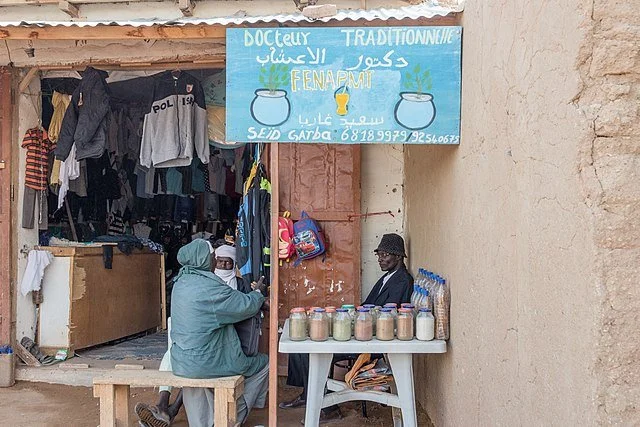
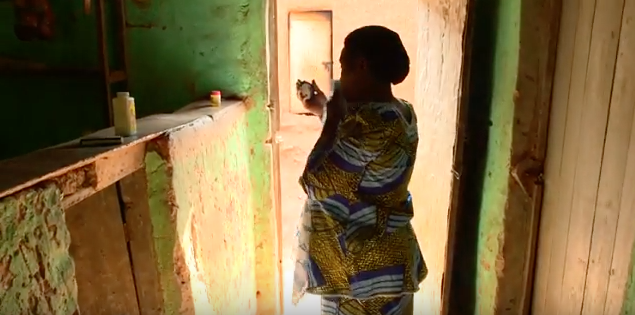
Medicine in Faya-Largeau, Chad. Gerhard Holub. CC BY-SA 4.0. 

Another way climate change endangers Chadians is by increasing the probability of illness transmission. As mosquitoes are attracted to water, increased flooding could create a greater risk of malaria contraction. In 2022, there were 1.8 million cases of malaria in Chad, with over 2,500 fatalities. Though malaria cases have decreased over the last 20 years due to an increase in treatment and preventative measures, they have been rising within the last decade, with 190 cases per 1,000 at risk in 2014 versus 206 cases per 1,000 in 2021. An uptick in temperatures can also cause a greater risk of meningitis, an illness that is common in Southern Chad, which is part of a region known as the “Meningitis Belt.” Heatstroke is also a danger to Chadian people, as well as malnutrition, as crops are destroyed by drought and flooding. With only 1 in 17 children having access to soap and water to wash their hands with, there is already a public health crisis in Chad, and rising temperatures only exacerbate the problem. 

Resolutions

World Food Programme. Anjeli Mendoza. CC BY-SA 4.0.

Chad National Adaptation Plan Advancement Project (NAP)

Launched in 2018, the NAP was created as part of Chad’s national contribution to the Paris Climate Agreement. With this plan, eight areas are prioritized, including environmental subjects such as agriculture, forests, sanitation, water resources, and more. National planning and budgeting are being developed on these fronts, all aiming to improve conditions for the Chadian population.

United Nations (UN)

In April, the United Nations appealed for $674 million for a humanitarian response plan, in order to address climate, health, and food crises in Chad. The Sustainable Development Group of the UN also aims to aid the country in its struggles by helping the government enact national security, humanitarian and economic policies.

World Food Programme (WFP)

The WFP provides nutritional support to infants, young children, and pregnant women in order to combat malnutrition in Chad, helping 458,000 children and 235,400 nursing and pregnant women in 2021. WFP has also provided meals to schoolchildren and helped restore degraded land.

To Get Involved

Click here to donate to the World Food Programme.

Click here to donate to the International Committee of the Red Cross.

Click here to donate to UNICEF.


Alexandra Copeland

Alexandra Copeland is a student at The College of New Jersey studying psychology and journalism. She is a lover of coffee, dancing, and visiting new places. Being raised with her Greek culture has inspired her interest in cultural customs around the world. She is a passionate writer and hopes that her work will make an impact in the future.

An Ethiopian’s Path to From Refugee Camp to College Campus

How a refugee survived genocide and rebuilt a life in the United States.

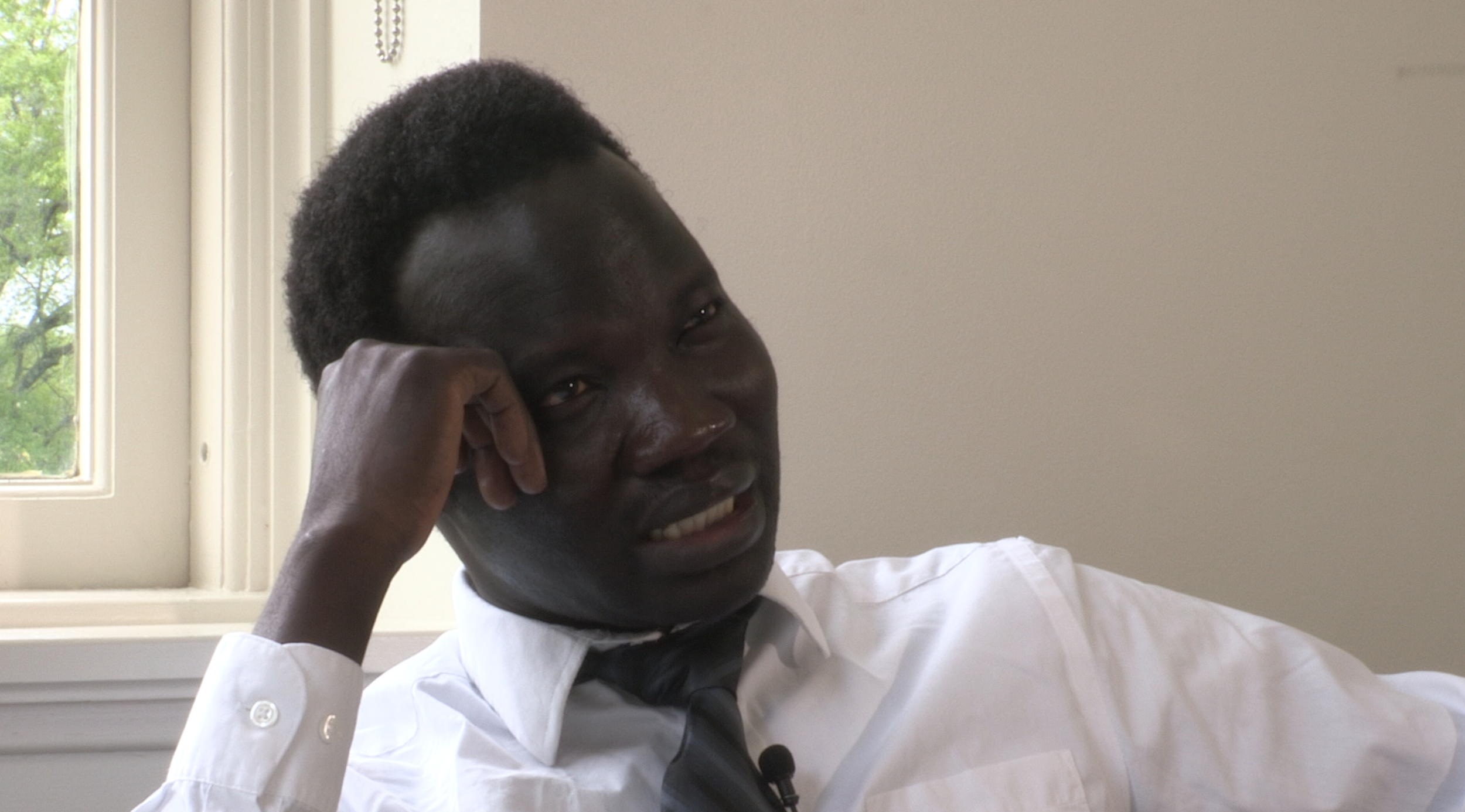
Omot retelling his journey coming to the U.S. during our interview. Image courtesy of Ojullu Omit.

This semester, I had the privilege of connecting with Ojullu Omot, whose life was forever altered by tragedy. On December 13, 2003, when he was just 14 years old, Omot experienced a massacre at his hometown in south-west Ethiopia. As part of a Wake Forest University project to raise awareness about the challenges faced by refugees, a team made up of me and my classmates produced a 10-minute advocacy film that aims to shed light on the often-overlooked struggles refugees encounter while adapting to life in the United States. Omot’s story is a testament to the blend of heartbreak and perseverance that characterizes the ongoing global refugee crisis, capturing the resilience and fortitude of those seeking haven away from home.

Omot’s story began with displacement, as he fled the 2003 massacre in the remote Gambella region of southwestern Ethiopia. From December 13-15, in a reprisal against a small ambush against Ethiopian federal government officials, ethnically Amhara, Oromo, and Tigrayan soldiers and rioters murdered hundreds of minority Anuak civilians. Human Rights Watch’s report suggests that these atrocities should be considered crimes against humanity. . The Ethiopian government claimed that only 57 were killed and that the violence resulted from ethnic tensions between rival Anuak and Nuer groups, in contrast to the claims of international human rights groups and the Anuak themselves.  Human rights NGOs have called for a thorough investigation into the incident, with concerns that others like it could occur. Despite facing deadly tragedy along with the immense challenges of settling into a new society as a refugee, Omot has found a new home in the United States, where he serves as a living witness to the egregious human rights abuses of his homeland. He remains committed to starting a new chapter in life.

By now Omot has gotten used to retelling the story of how he left his home in Ethiopia in the midst of genocidal violence, and his journey  from there to become an international politics student in the United States. The three-day-long massacre in Gambella town of southwestern Ethiopia was an outburst of ethnic conflict between the indigenous Anuak group and members of the Ethiopian military. As the situation in Ethiopia deteriorated, Omot moved to Sudan when he was a teenager, with the hope that things would get better in a year or two.

But they didn’t. The military confrontation neither started, nor ended with the massacre.  More than 10,000 Anuak people were forced to leave Ethiopia in 2004, the year after the massacre took place.

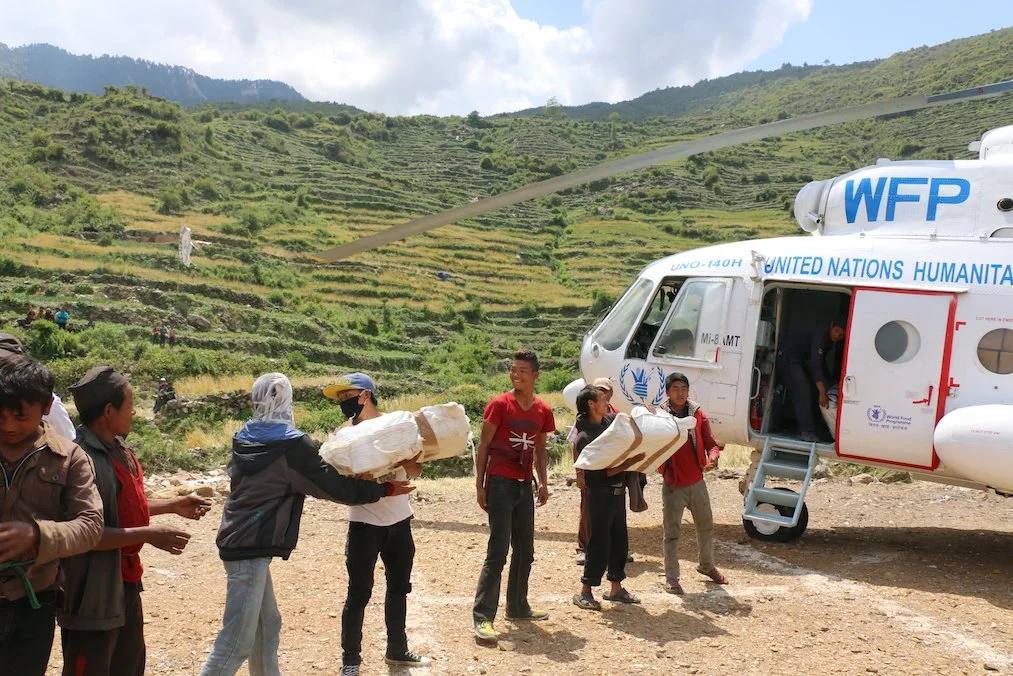
Omot left Sudan for Kenya after two years of waiting. The unrest had separated him from his family, and he lacked many colorful memories about his childhood in Ethiopia, Sudan and Kenya. What he remembered is playing football with his friends in refugee camps everyday; many of those eventually being sent to Canada, Australia and other developed nations. Omot remembers planes from the United Nation hovered above their heads in refugee camps, dropping food and supplies and people hurrying to grab them. “We were dependent on the refugee program,” Omot said, “Resettlement in the United States was not a typical solution for refugees living in the United Nations High Commissioner for Refugees(UNHCR) camp.”

Omot never dreamed about coming to the United States then. He was invested in the idea that everything will go back to normal in Ethiopia, and that he could then return home. Yet Omot’s life took a major turn in the year 2016. He was called for an interview, which he later found out was part of the application process by U.S. Citizenship and Immigration Services employees concerning whether he is eligible for resettlement in the United States as a refugee. The approval rate for a refugee status in the United States is 27%, according to World Data.  

Omot waited for roughly six months until he was called for a series of security checks, examinations and orientation. In February 2016, International Organization for Migration contacted Omot, telling him that his case is ready. He then boarded a plane to the United States on April 4th, 2016, his first ever flight. When he landed in Miami, Florida, it was like landing on a new planet- the shock of the novel language and lifestyle almost dazzled the then 28 year old. 

“There was something change, [such as] the day became longer, I was not even comfortable, and I cannot see where I come from, ” Omot recalled his initial exposure to the United States, “The first question I asked myself [was], is this the U.S. [as] I expected it?”

And the first few months continued to affirm to him that starting anew wasn’t easy. Omot often found himself alone in his house assigned by the government, since his roommates busied themselves working in the daytime, and went straight to sleep not long after walking in the door at night. Comparing the situation to the community life in Ethiopia, where everyone would sit down and share stories after a day’s work, filled Omot with homesickness at night. 

Language is also a major challenge to Omot. Going to a university was at the top of his wish list when he came to the United States, but he couldn’t even understand people’s accents when he asked for directions on his way to school. He had no idea how to open emails during his first semester at a community college. When one of his classmates finally taught him how to view the inbox, he found emails from professors flooded in there. In winter, the temperature dropped so low that Omot, who used to live near the equator, had to drop his English as Second language (ESL) classes to avoid traveling in freezing weather.

But Omot is determined to realize his dream. Instead of “wasting time” in ESL classes, he decided to push himself, taking the General Educational Development (GED) tests directly.  He works as a hospital janitor in the daytime for living; in the evening and before dawn, he dives into his study. Whenever he had free time, Omot would peruse his textbooks, went up to the library of the community college he attended everyday, asking every librarian what GED looks like, and tips and tricks to score higher. 

The global refugee population has reached crisis proportions, with more than 30 million refugees displaced in 2022, signaling a significant surge from the previous year's level. The United Nations High Commissioner for Refugees (UNHCR) has reported a staggering total of 103 million people forcibly displaced as of mid-2022. In response, President Joe Biden has committed to revamping America’s current “inhumane” immigration policy. However, the administration's effort to admit refugees has fallen significantly short of its goal, with only 25,465 individuals granted admission by the end of the previous fiscal year on September 30, 2022, a mere 20% of the objective. The number of refugees received by the United States still remains one of the lowest among all nations, and the number continues to decrease.

Refugees face a plethora of challenges when they resettle in a foreign country, with attaining secure housing among the most pressing. Asylum seekers in particular struggle to obtain temporary housing due to a lack of government support and unfamiliarity with the US housing system. Non-profit organizations and shelters provide vital assistance to these individuals. Despite this aid, refugee and asylum seekers are disproportionately at risk for health problems, both physical and mental. They are more susceptible to severe mental health conditions like PTSD and depression, while chronic illnesses like diabetes, hypertension, and cardiovascular disease exacerbate their already challenging circumstances.

In 2017, Omot took the GED for the first time. And hard work pays off — he passed the test.

“It [passing the test] gives me hope that I could continue to do all of them,” said Omot, breaking into a smile. And he did. After he finished with GED, Omot is currently pursuing a bachelor degree in international politics at University of North Carolina Greensboro. When asked why he could recall his story in astonishingly clear detail, Omot answered, “I think my story is important because if other people, other refugees heard about it, they would think, oh, this guy did that and starting his new life. Maybe I could do the same.”

To Get Involved:

While Omot is navigating through his new life in the United States, it is not without support from various refugee organizations, such as Every Campus a Refugee (ECAR), an organization aiming to mobilize colleges and universities to host refugees on campus grounds and support them in their resettlement. ECAR provided nearly 4 years free housing and accessories to Omot, and provides several other services to refugees in the North Carolina region. Learn more about ECAR here.


Hope Zhu

Hope is a Chinese international student at Wake Forest University in North Carolina studying sociology, statistics, and journalism. She dreams of traveling around the globe as a freelance reporter while touching on a wide range of social issues from education inequality to cultural diversity. Passionate about environmental issues and learning about other cultures, she is eager to explore the globe. In her free time, she enjoys cooking Asian cuisine, reading, and theater.

Uncovering the Diversity of African Music

If you are a music buff looking to expand your horizon, check out these 5 African music genres.

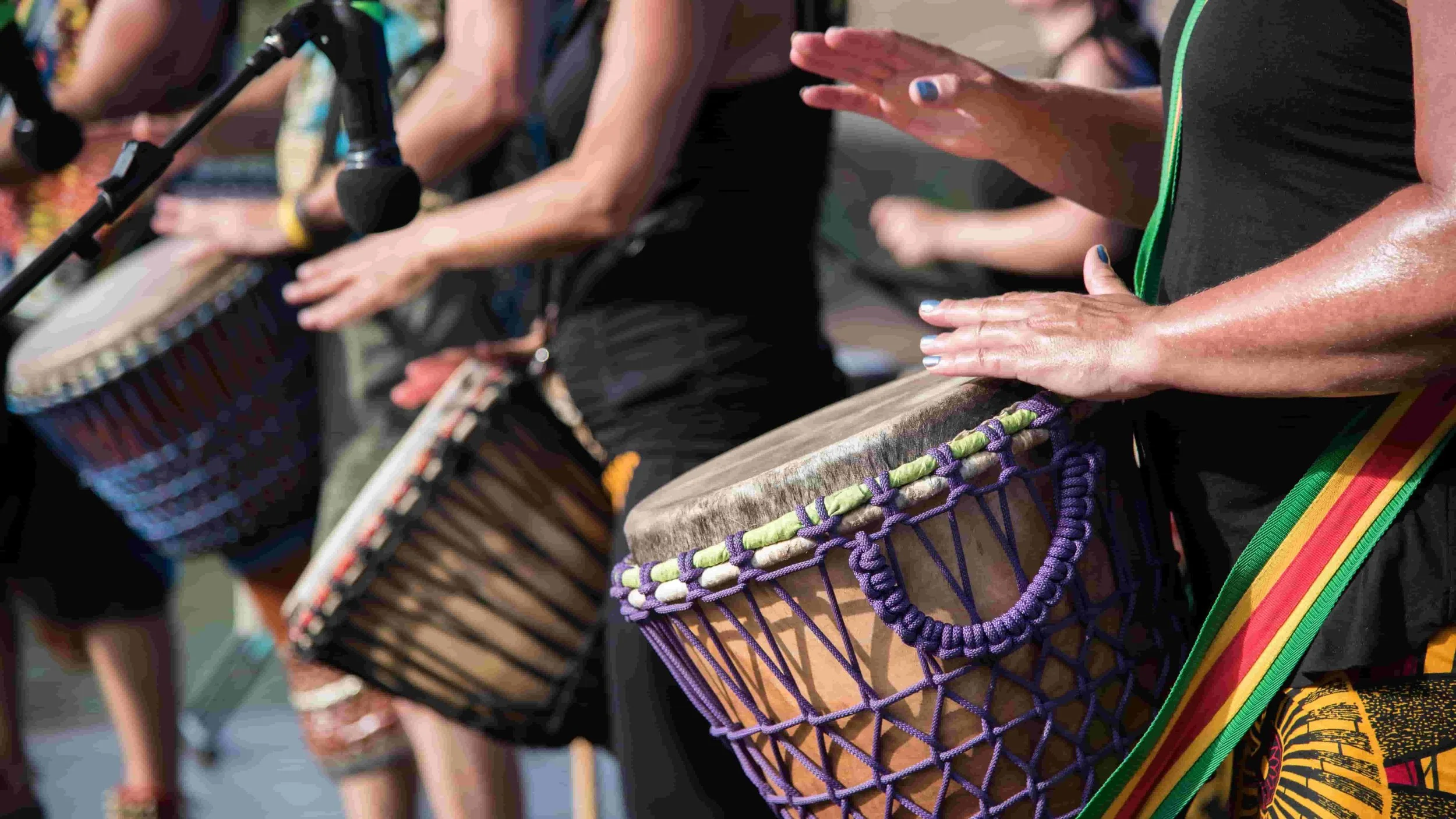
African drums. Lee Pigott. Unsplash.

People all across the African diaspora share a love for music, which connects everyone to the same frequency. Many are familiar with Afrobeats, a style of music from Nigeria, but there are many different and diverse genres to explore the sounds of, from the likes of Amapiano to Chimurenga.

Amapiano

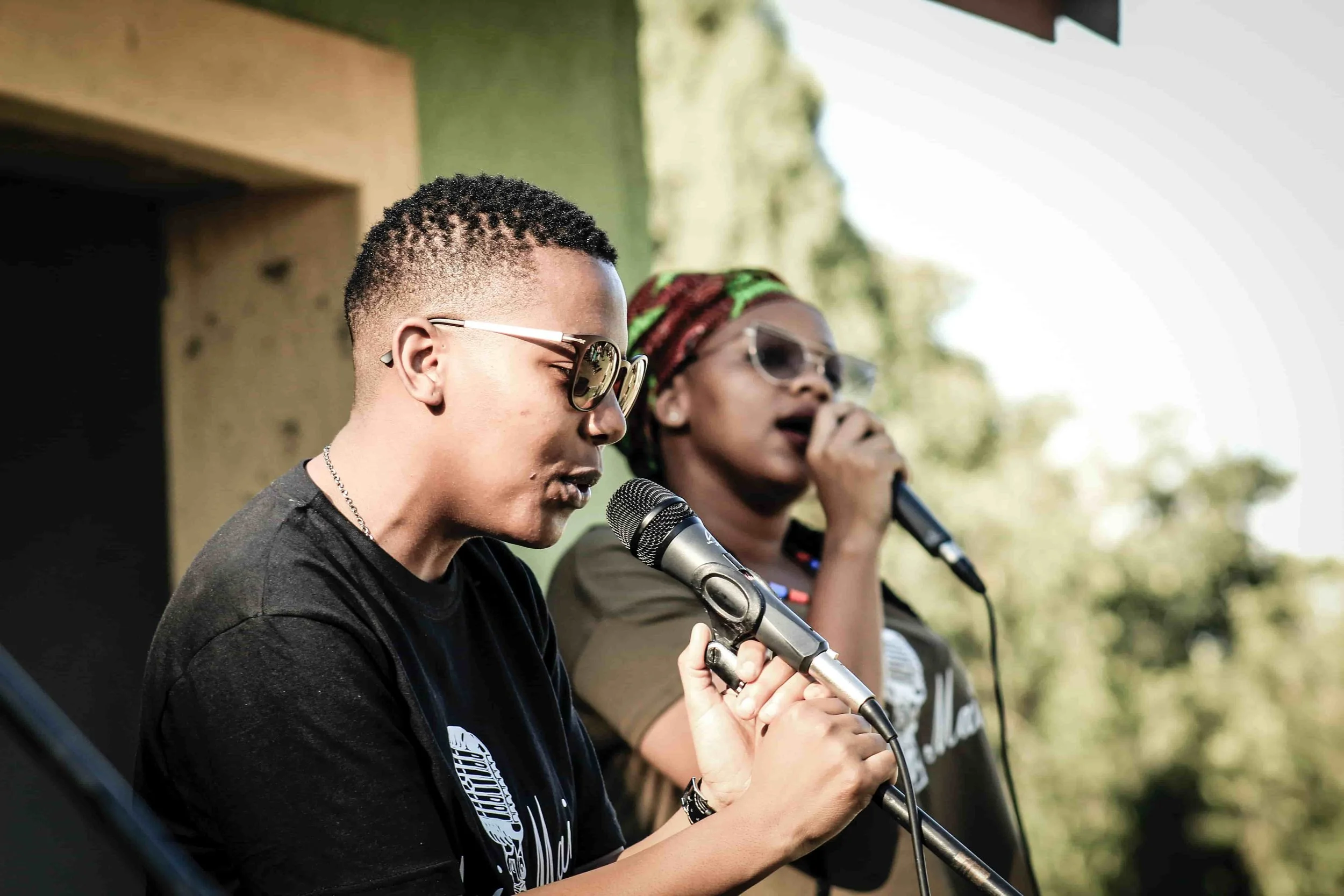
Two people singing Amapiano together.. The Charles Gallery. Unsplash

Amapiano is a genre of music originating from South Africa characterized by a mixture of jazz, house and Gospel music. Amapiano is composed heavily of synthesizers, percussion, soulful vocals, and repetitive melodies. This genre of music is relatively new, coming into being in the early 2010’s.  Amapiano is a Zulu word meaning “the pianos.” Amapiano is a form of music South Africans believe can bridge people together, and a musical escape for the younger generations.

Listen to a Youtube playlist of Amapiano music

Juju

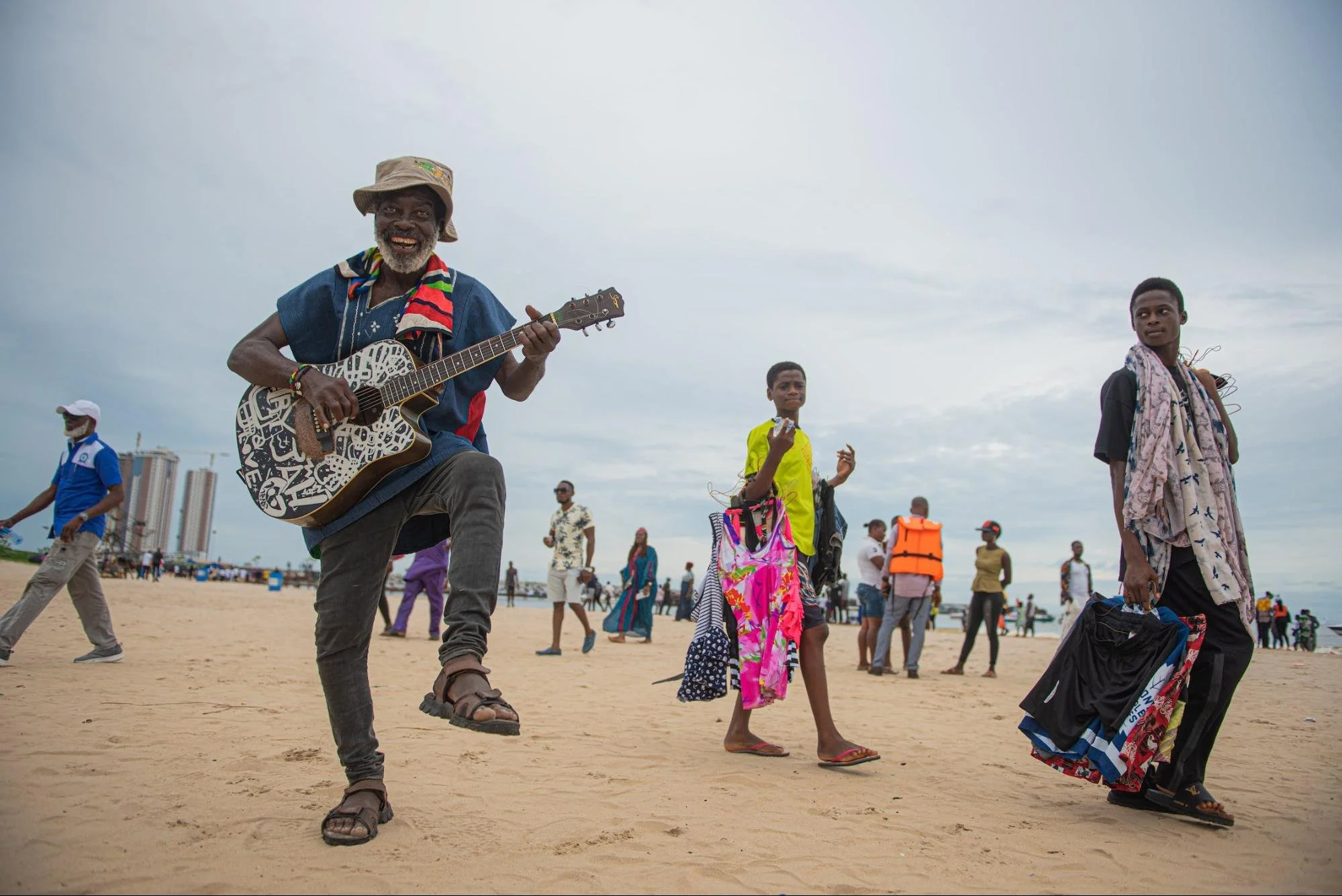
Man playing music on the beach. Seun Adeniyi-CCO.

Juju is a genre of music that originates from Nigeria, specifically its Yoruba region. It’s a musical style that is composed of praise-singing accompanied by a guitar or banjo and a gourd shaker. This genre of music was traditionally played in taverns or during festivals as dance music, but became modernized and generally popular by the 1980’s. As it grew in popularity, it led to the birth of many other genres of music like Highlife or Afrobeats, as we know of them today.

Listen to a Youtube playlist of Juju music

Coupe decale 

A group dances to Coupe Decale. Tommy. CC 2.0

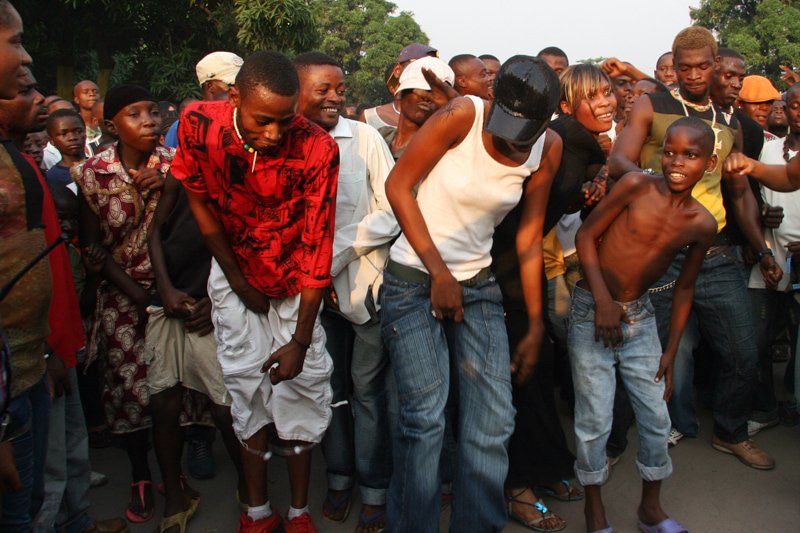
Coupe Decale is a genre of music created by Cote D'ivoirians living in France in the early 2000’s. It’s a musical style composed of ‘computerized circular beats’ mixed with Ivorian rhythms . The lyrics themselves are inspired by the West African griot tradition of story-telling, and the genre’s primary message focuses on providing a space for many people to dress nice, go clubbing, and forget their problems during a time of economic and political crisis.

Listen to a Youtube playlist of Coupe Decale music

Gnawa–saharan Folk music

Man playing Moroccan bass lute. Marrakech Riad-CCO.

Gnawa is a folk  genre that originates from Morocco. It’s a musical style that has its roots in ancient African tradition, as it’s the result of formerly enslaved black Africans integrating into Moroccan life. It serves as a preservation of the folkloric music of their ancestors, as well as a means to heal from collective trauma. Interestingly it is also said to have healing properties for those that are possessed by ‘genie spirits.’ Its musical style is composed of African percussion, metallic castanets, and bass lutes.’ Gnawa at its core is a combination of poetry, music and dancing. This genre shares many similarities with its American counterparts Jazz and the Blues, as all three share the same purpose. The genre’ songs consist of references to the singer’s origins and history regarding enslavement. 

Listen to a Youtube playlist of Coupe Decale music

Chimurenga 

Thomas Mapfumo, the creator of Chimurenga music performs. Cultrvultr-CC BY NC-SA 2.0

Chimurenga is a genre of music that was developed in Zimbabwe. It was used to protest colonial rule in the 70s, and more generally is used to discuss and inform on societal issues and movements important to the singer. Because of this, it is recognized as ‘music for the people’s struggle’. This musical genre can be accredited to the Shona musician Thomas Mapfumo. He was inspired by the rock bands he heard playing growing up and his Shona background to create a political movement through music.

Listen to a Youtube playlist of Chimurenga music


Kadija Diallo

Kadija is a student at Georgia State in Atlanta, Ga. She is a creative spirit who loves traveling and seeing new places. She also enjoys using her love for writing/storytelling to make an impact on the world. One day she hopes to make new connections and share stories as she travels to every continent. 

How Ancient Ghanaian Culture Shapes Sea Turtle Conservation

Ghana’s ancient admiration for sea turtles has inspired a modern conservation movement to protect these ecologically vital animals.

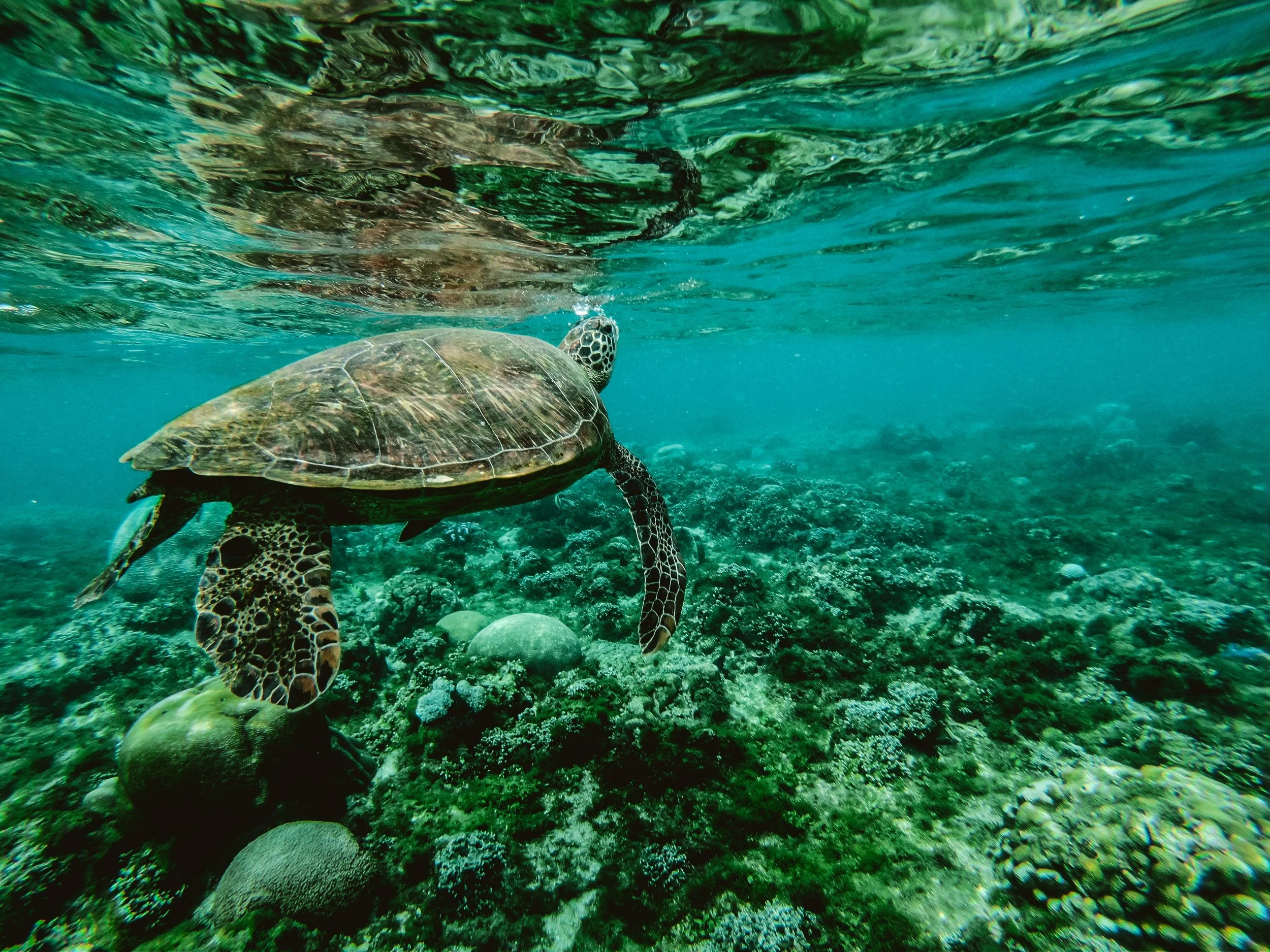
Sea turtle swimming in the ocean. Belle Co. CC0. 

Ghana is a vibrant country located in West Africa, bordered by Côte D’Ivoire, Burkina Faso and Togo. It is known for its rich culture, stunning beaches, and diverse wildlife. As a traveler, you would likely find Ghana to be a lively country, full of colorful markets, bustling streets, and a unique mix of traditional and modern cultures. Perhaps most importantly, Ghana is known for the warmth and hospitality of its people, where you’ll be met with a welcoming and friendly nature.

Ghanaian people are also very spiritually attuned, whether it’s native African spirituality or more newly introduced Christianity. They are very fond of their cultural and religious traditions, one of which is long-standing is their long standing connection to sea turtles. 

Sea turtles have been a part of Ghana’s culture and folklore for centuries, with oral literature depicting these animals as protectors, helpers or even guides. Moreover, the reptiles are integral to Ghana’s ecology, as they help to maintain coral reefs and seagrass, which in turn ensure continued biodiversity. 

It wasn’t always this way, as with Urbanization came poverty, and with poverty came poachers. These poachers saw the Sea turtles not as protectors but as a source of profit. Now, having returned to their traditions, Ghanaians are more determined than ever to protect and conserve these animals in hopes to prevent their extinction. 

All over Ghana, there are different recorded myths and stories that show the ancient connection between Ghana and sea turtles. 

The Ga and Akan ethnic groups of central Ghana have a story about their ancestors and how they once were caught in a storm while fishing, in which their boat had sunk. It is said that as the men were struggling in the choppy waters, the sea turtles arrived and helped them get back to shore.

The Dange people of eastern Ghana have a story in which their ancestors were trying to retreat after Ashanti armies had them cornered against the Volta River. They recount how both the crocodiles and the sea turtles helped them safely cross the river, by having the crocodiles form a bridge, while sea turtles helped heal the injured and guided the elderly across. It is said that to this day, both animals are fully protected in this region of Ghana.

Sea turtles in Ghana have been protected by law since 1971. Even then, there are still poachers, so just that isn’t enough. The Ghana Turtle Research Project (GTRP) has been around for more than 10 years. The organization encourages community members to participate in sea turtle conservation and to embrace their culture and traditions. By doing so they were able to get more than fifty community members to form a volunteer network. They also helped to tag and identify where turtle species reside most often in order to make sure that fishermen avoid those areas and to ensure they are safe-guarded.

Additionally, the Environmental Justice Foundation (EJF) is an organization that was focused on protecting nesting sites in the fishing communities of central Ghana. In 2019, during the first turtle nesting season (of that year), they were successfully able to deter poachers from the Goma Fetteh region.

As more and more Ghanaian communities return to their traditional and spiritual beliefs, more people are caring about the sea turtles. It’s due to the oral traditions in Ghanaian culture that these conservation efforts were possible, as they make people care more about these creatures of the sea. They helped form an everlasting connection between the sea turtle and man.


Kadija Diallo

Kadija is a student at Georgia State in Atlanta, Ga. She is a creative spirit who loves traveling and seeing new places. She also enjoys using her love for writing/storytelling to make an impact on the world. One day she hopes to make new connections and share stories as she travels to every continent. 

A Brighter Future Emerges 29 Years After Rwanda's Genocide

Rwanda's unwavering determination and spirit shine as a source of optimism for the rest of the world.

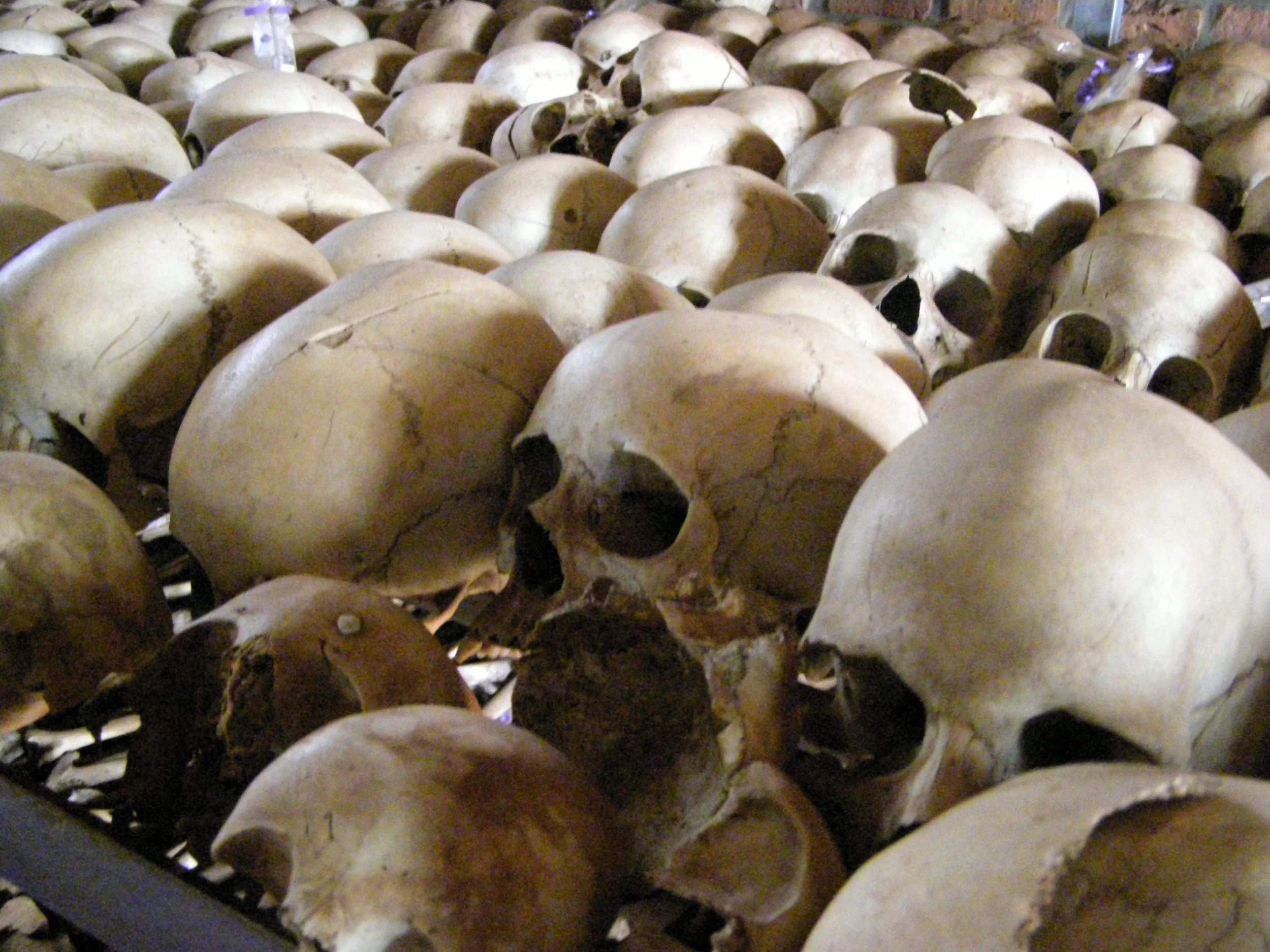
Rwanda Genocide Memorial. config manager.CC BY 2.0.

This week marks the 29th anniversary of the Rwandan Genocide, a 100-day period of violence in 1994 in which more than 800,000 people were killed. The repercussions of this tragedy continue to linger, leaving survivors and their family members with deep emotional traumas. Almost 30 years have passed since the devastating genocide in Rwanda, and the country has made some commendable progress in rebuilding its economy and mending its relationships with other nations, while also acknowledging its past mistakes and the sacrifices made during the massacre. The scars of the past may still be visible, but they no longer define Rwanda. Its developments shed light on the country’s journey toward healing and growth, with infrastructure, technology, and education driving its transformation.

The genesis of the Rwanda Genocide three decades ago can be attributed to years of systemic oppression that eventually culminated in one of the most devastating conflicts in modern history. Surprisingly, the two primary ethnic groups involved in this conflict, the Hutus and Tutsis, shared no religious or linguistic differences at the outset. A deep dive into their origins reveals that the Hutus migrated to the Great Lakes region of Central Africa between 500 and 1000 BC, while the Tutsis arrived four centuries later, migrating from the highlands of Ethiopia. The Hutus primarily worked as land cultivators, while the Tutsis were cattle herders, thus creating an economic divide that eventually led to a hierarchical system. In a strange colonial mythology, Tutsi cattle herders were labeled Hamites — a separate and exceptional group — who hailed from an ancient Christian tribe supposedly linked to people of old Palestine. This system placed the Tutsis, as a minority ethnic group, in a position of disproportionate power over the majority Hutus. 

Colonial powers subscribed to this concept of racial hierarchy and origin stories, believing the Tutsi to be natural leaders and granting them preferential treatment. After taking Rwanda as a colonial possession in 1897, the German Empire built a power structure that firmly established a hierarchy that favored the Tutsis. They bestowed upon the Tutsis a superior status, owing to their taller stature and lighter skin, giving them greater influence over the Hutus. However, in the aftermath of Germany’s defeat in World War I, Belgium took over the reins of Rwanda’s governance, and, rather than attempting to bridge the cultural divide, exacerbated it. The Belgian administration continued to uphold the Tutsis’ superior status while disregarding the Hutus, creating a further chasm of inequality that only grew wider with time. The introduction of identification cards during the 1930s that explicitly listed one’s ethnicity, for example, further polarized the population, and the stage was set for the tragic events that culminated in the Rwanda Genocide.

In 1973, Rwanda witnessed an event that would forever alter the course of its history. General Juvenal Habyarimana, a Hutu tribe member, rose to power and established the National Revolutionary Movement for Development (NRMD) party to secure his authority. Meanwhile, in Uganda, a group of Rwandan exiles in Uganda who had tasted victory in Yoweri Museveni’s National Resistance Army during the Ugandan Civil War formed the Rwandan Patriotic Front (RPF). This organization was largely dominated by Tutsi figures and posed a challenge to the incumbent regime. The Rwandan Civil War began, which pitted the Hutu-dominated NRMD government against the primarily Tutsi RPF, while social tensions began to simmer. It was midsummer in 1993 when Hutu extremists hatched their plan, creating a platform for propagating their racist ideology and spewing hatred against the Tutsi people. Thus, Radio Télévision Libre des Mille Collines (RTLM) came into being, which soon became a tool to incite violence and hatred against the Tutsi, using propaganda and malicious rhetoric. 

Radio Télévision Libre des Mille Collines broadcasted from this office during the Rwanda Genocide. kigaliwire.CC BY-NC 2.0.

April 6, 1994, was the beginning of a nightmare for Rwanda and Burundi. The presidential plane, which was carrying the heads of state of both countries, was hit by gunfire. The news of their deaths, broadcasted by the radical Hutu RTLM radio station, served as a call to arms, sparking a wave of violence against the Tutsi population. The initial attack was planned by a group of military leaders, politicians, and business owners, who were later joined by an increasing number of supporters. This resulted in a devastating genocide, with Tutsis flocking to ostensibly safe havens like churches and administrative centers only to find them transformed into places of horror. 75% of the Tutsi population was wiped out, including many children who were labeled “little rats” and killed alongside adults. The perpetrators killed people of all ages indiscriminately, committing rape and torture on a regular basis. With nowhere to call home, over 2 million people fled the country, including many Hutu ethnic group members, while a million more were internally displaced, leaving 75,000 children orphaned.

The aftermath was massive destruction, with infrastructure reduced to ruins and hundreds of thousands of citizens dead, dealt a crippling blow to progress and development. Rwanda, however, refused to give in to despair.  The RPF won the Civil War and took power after four months of horror, ending the genocide. The nation embarked on a journey of healing and reconciliation by embracing a deliberate strategy of transitional justice and transformative programs, characterized by the visionary “Rwanda Vision 2020” campaign launched in 2000. Rwanda embraced a path of renewal through initiatives such as “I am Rwandan,” which encouraged deep reflection on the nation's painful history, acknowledgment of past atrocities, and promotion of healing and reconciliation among all its people. Another example is “Umuganda,” a day of community service in which people from all walks of life work together to improve their communities. Though challenges remained, these initiatives instilled a renewed sense of vigor and solidarity, bringing new life to the difficult task of rebuilding Rwanda. 

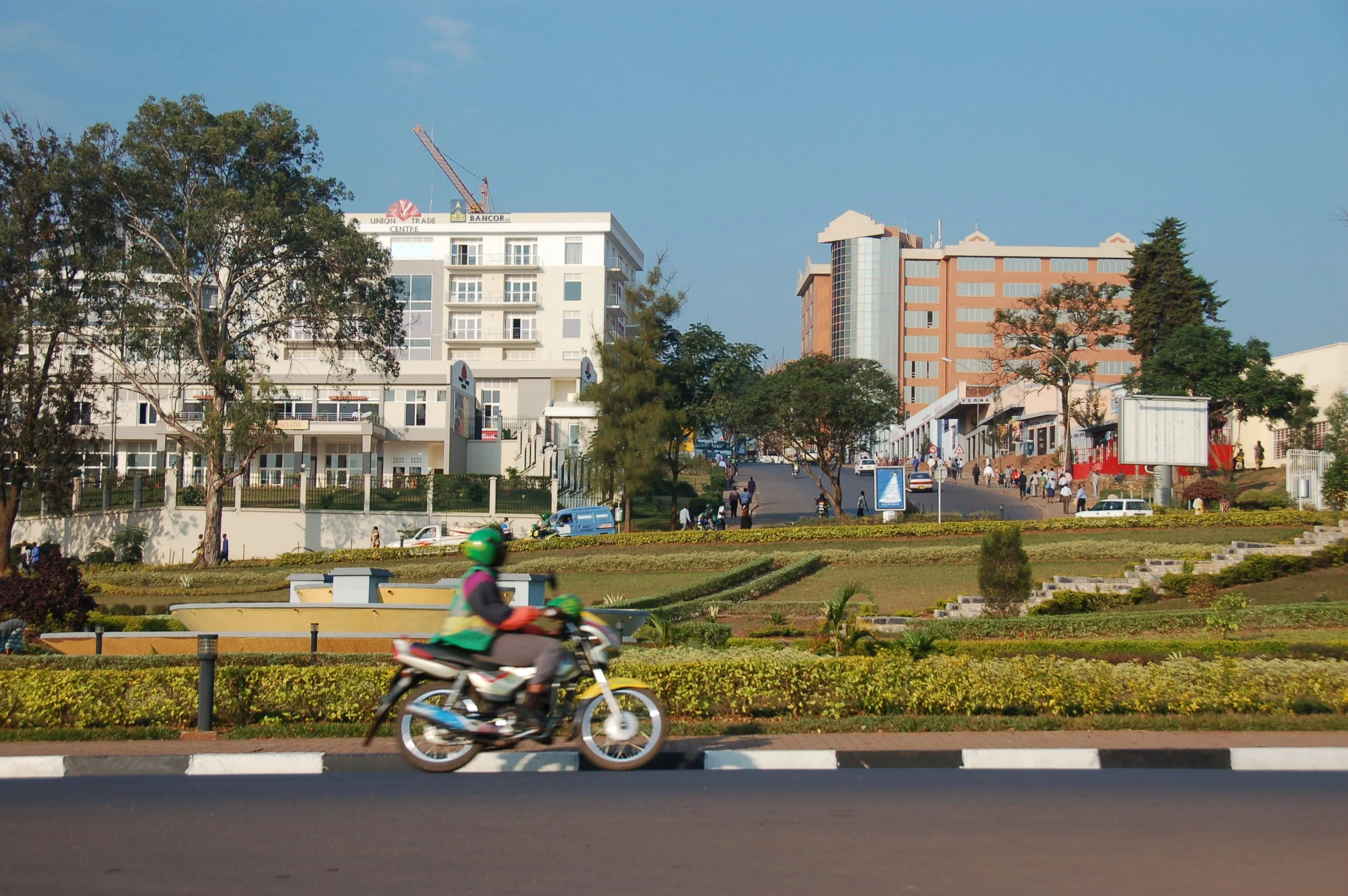
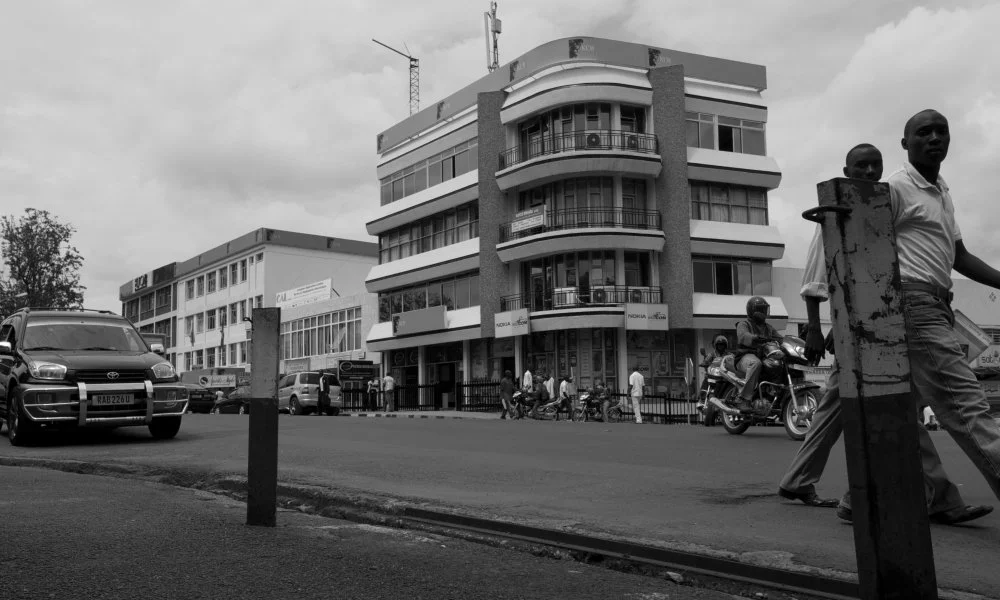
The modern capital of Kigali is safe, clean, and orderly. Dylan Walters. CC BY 2.0.

Rwanda also undergoes significant changes in its economy. The government has introduced the “Girinka” program, which provides one cow per poor family to combat poverty, with the first female calf being passed on to another family. Poverty has decreased by 23.8 percent from 2000 to 2010, and Rwanda has emerged as one of the fastest-growing economies in Central Africa, with four years of eight percent GDP growth between 2011 and 2014. These developments are positive indicators for Rwanda’s future.

Despite the indelible mark of shame left by the horrific acts, Rwanda has sought reconciliation by embracing its rich heritage of traditional pre-colonial Rwandese customs and values, while also welcoming contributions from the international community. The genocide has prompted profound reflections on critical issues such as the efficacy of peace operations, the urgency of ending international crimes, and the delicate nature of maintaining civility. These pressing issues necessitate international attention and are still relevant today.

TO GET INVOLVED:

World Help: Over the last decade, World Help has worked to bring healing and restoration to Rwandan communities through initiatives like trauma counseling, children’s homes, child sponsorship, construction projects, clean-water wells, sustainable agriculture, vocational training, and more. To learn more and get involved, click here.
IBUKA: IBUKA is an umbrella organization supporting survivors in Rwanda. Representatives from institutions like IBUKA and the National Commission for the Fight Against Genocide are invited to speak at commemorations to provide expert histories and testimonies. To learn more and get involved, click here.

Hope Zhu

Hope is a Chinese international student at Wake Forest University in North Carolina studying sociology, statistics, and journalism. She dreams of traveling around the globe as a freelance reporter while touching on a wide range of social issues from education inequality to cultural diversity. Passionate about environmental issues and learning about other cultures, she is eager to explore the globe. In her free time, she enjoys cooking Asian cuisine, reading, and theater.

The Ghostly Shores of the Namib Desert’s Skeleton Coast

Bones and wreckage meet biodiversity on the Skeleton Coast of the world's oldest desert. 

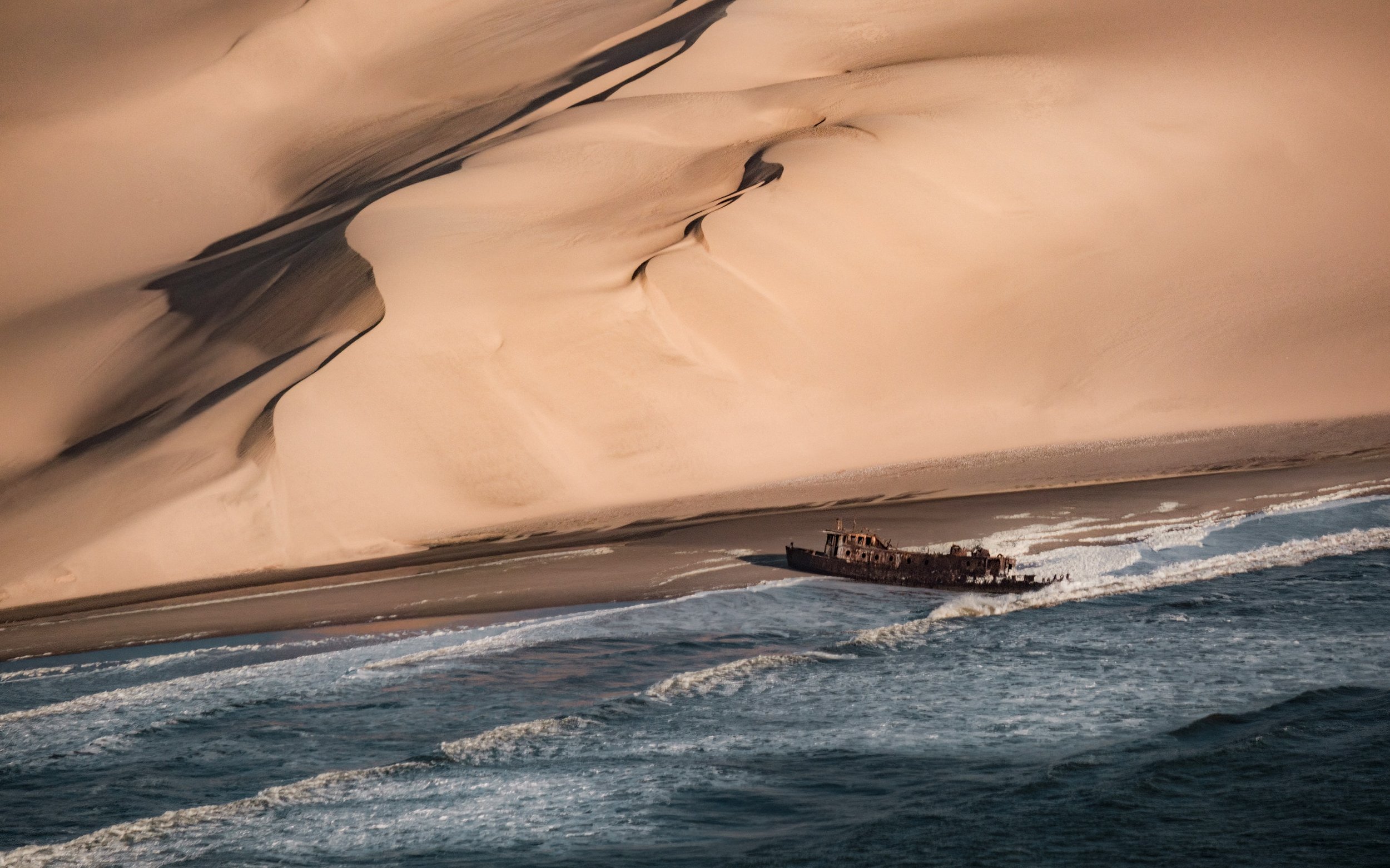
A ship wreckage by the red, sandy dunes along the Skeleton Coast. op23 | Unsplash

A map highlighting the Namib Desert in red along the coast of Africa.

Home to earthy-red dunes which roll right into the Atlantic ocean, the Namib Desert is thought to be between 50-80 millions years old, making it the oldest desert in the world. It’s also one of the world's most inhospitable places—an unpredictable, arid and remote region that on the surface has no appeal whatsoever. With temperatures fluctuating from blistering hot to dangerously cold and sand for as far as the eye can see, it extends from the country of Angola, through Namibia and down to South Africa. That’s over 31 thousand square miles of desert. 

But don't be fooled, there’s more to these sandy plains than meets the eye. The Namib is home to the Skeleton Coast. And despite this desert’s penchant for death, The Skeleton Coast is teeming with rare wildlife. 

What is the Skeleton Coast

The Skeleton Coast is on the northern shores of this ancient and unexpected desert and earned its macabre name from the whale and seal bones that once littered the shore from the whaling industry. The Ovahimba who have since settled in the far north-eastern parts of Namibia once used the whale bones for building their shelters. In modern times, the Skeleton Coast hides its infamous graveyard buried beneath the sand, and with the exception of a rare adventure seeker looking for a wave to surf, the odds of seeking a human along this part of the coast are slim.

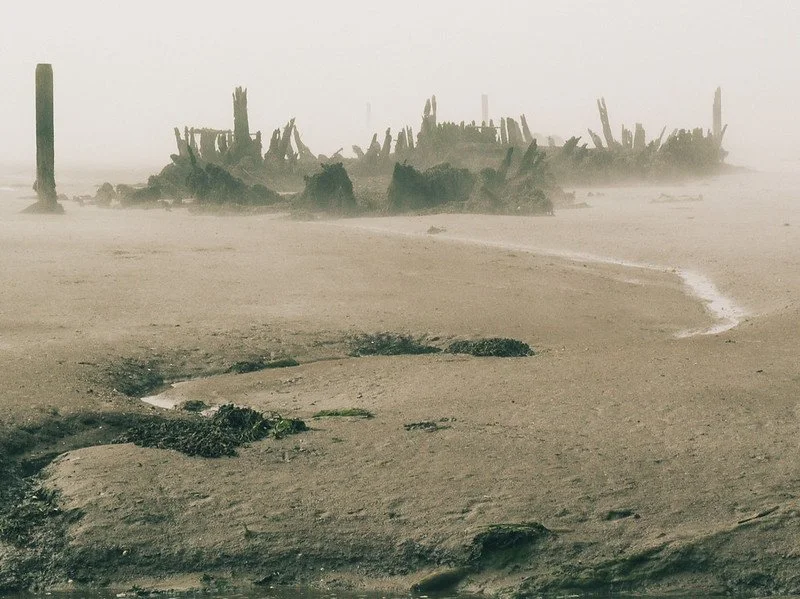
A shipwreck in the fog on the Skeleton Coast. Lee | CC BY 2.0

The Unique Climate of the Namib Desert

The bones scattered across Namibia’s Skeleton Coast aren’t from ocean mammals alone. Over the centuries, ships have ended up stranded on its shores for various reasons, but the main culprit is caused by the unique geography of the region. Hot, dry air from the interior of the continent and desert blows west combining with the cold wet air from Antarctica via a northward flowing ocean current called the Benguela Current. The hot dry winds act as a cap or roof not only prevents the cold wet air from escaping, but also from forming rain clouds. Instead, there is an eerie fog, and a lot of it. 

In fact, for 180 days of the year there is fog on the Skeleton Coast so dense, it’s caused thousands upon thousands of ships to run aground throughout history; the oldest of which is from the 1500’s. The ocean's intense surf would have prevented anyone from getting back into the water, and with a wrecked ship, this meant that sailors stranded on this isolated coast were left with only one choice: to make their way through the Namib Desert. With a dryness rivaling South America’s Atacama Desert (the driest place on Earth), and sand dunes reaching nearly 1000 ft high, this option was nearly as dangerous as swimming out to sea and surely has added human bones to its burial collection. 

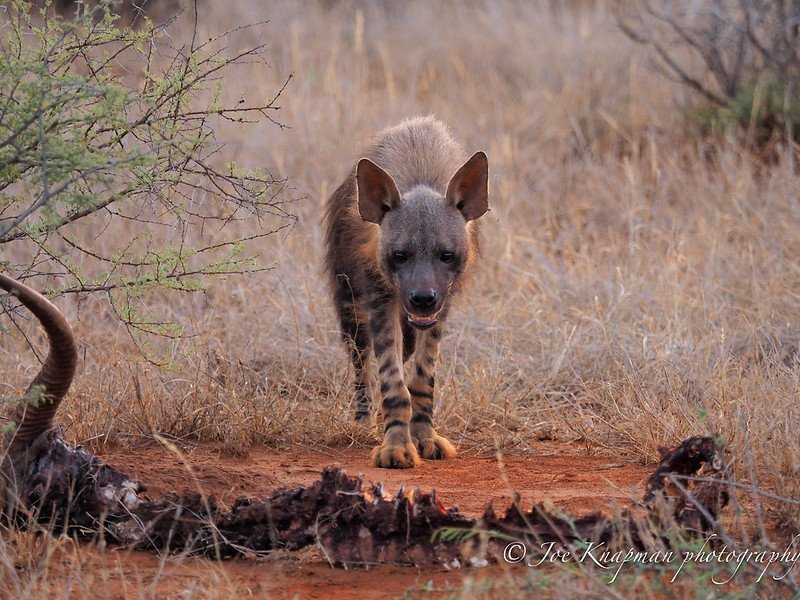
A brown hyena stands over a carcass in the Namib Desert. Joe Knapman | CC BY 2.0

Wildlife on the Skeleton Coast

Incredibly diverse, the Skeleton Coast has more near-endemic species than any other desert in the world. Elephants, black rhinos, desert lions, jackals, giraffes, seals, oryx, kudus and zebras and just some of the desert adapted species inhabiting this wilderness. One such animal is the brown hyaena. They’re usually on the move after darkness has fallen, which adds to their elusiveness. The name strandwolf was coined on Namibia’s Skeleton Coast where they scavenge for dead seals along the shoreline. If you are fortunate enough to spot one, make sure you take a really good look, because sightings of these inscrutable carnivores is never guaranteed. A truly endemic avian, the Dune Lark, inhabits thinly vegetated dunes along the Skeleton Coast and larger Namibian dune system associated with Bushman grasses and Nara melons.

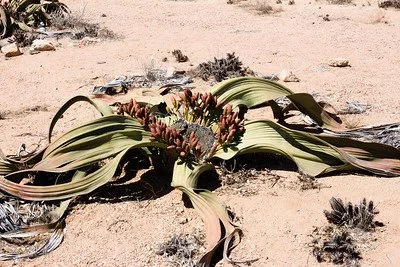
A blooming welwitschias. Ragnhild&Neil Crawford |CC BY 2.0    

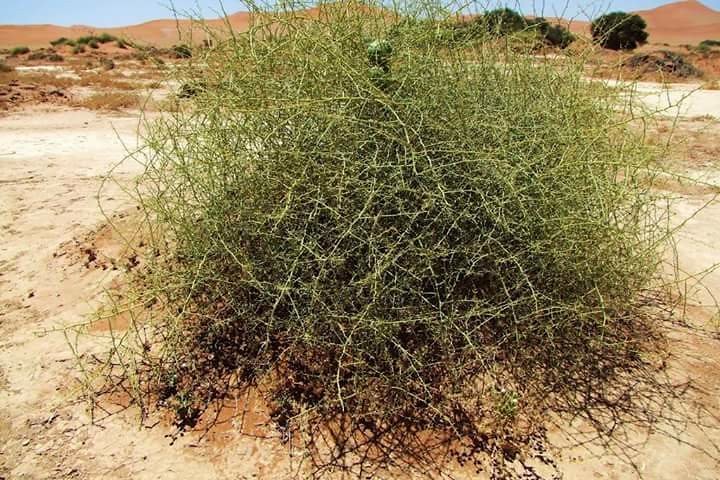
A spiny looking nara bush in the Namib Desert. Palmora| CC BY 2.0

Nara Melons are just one of the many plants incredibly adapted to the rainless area and depend solely on the warning fog from the Atlantic Ocean. The nara bush is of great importance not only to the people of the region, but it is ecologically key to maintaining the unique desert habitat. More plants include welwitschias—which is a dwarf tree with only two leaves that can live for several thousand years—several lithops succulent plants known as living stones, lichen, pencil bush and the vividly colored succulents of rainbow colored agate mountains dotting the shore. 

The Lion’s Roar, a desert phenomenon

The phenomena of the Skeleton Coast doesn’t stop at bones, fog and compelling flora and fauna. Travelers, nomads and lost sailors once believed in the presence of desert spirits—singing songs through the mist. When the dunes form a bowl with the right acoustic properties, even a small flow of disturbed sand causes a terrific noise that resembles rolling thunder or even a low-flying airplane. The phenomenon is known locally on the Skeleton Coast as ‘the lion’s roar’.

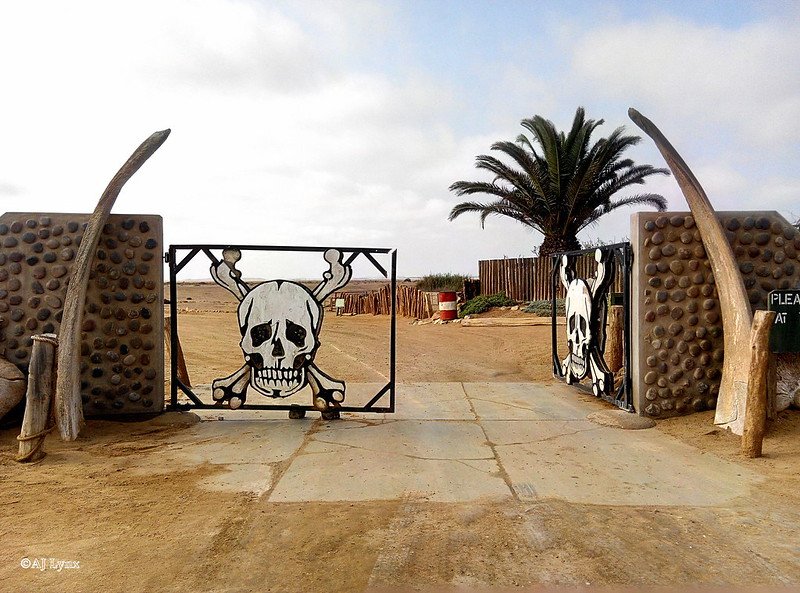
Ugab River Gate, Agnieszka Rysio | CC BY 2.0

The Skeleton Coast National Park

Luckily, this wildly unique, albeit creepy shoreline, along with its diverse inhabitants is protected. In 1971, Namibia established a well-maintained national park to protect the curious treasures, bones and wildlife which makes the Skeleton Coast so incredible. The park is divided into a northern and southern section; the southern section is open to travelers with four wheel drive vehicles who are welcomed to go as far north as the Ugab River Gate. There, they will be greeted by a sign with a skull and crossbones warning you to go no further. The northern section is off limits, its loose, enveloping sands will literally swallow you up and can therefore only be accessed by airplane with a certified guide. It also happens to be the most attractive region of the park with lunar-esque vistas as far as the eye can see. The park attracts all types of travelers, both local and international fishers, photographers, ecologists and folks just looking for a unique adventure to one of the world's most understated treasures.


Raeann Mason

Raeann is the Content and Community Manager at CATALYST, an avid traveler, digital storyteller and guide writer. She studied Mass Communication & Media at the Walter Cronkite School of Journalism where she found her passion for a/effective journalism and cultural exchange. An advocate of international solidarity and people's liberation, Raeann works to reshape the culture of travel and hospitality to be ethically sound and sustainable.

South Africa’s Town of Penguins

The small port town Simon’s Town is full of amazing marine life, most notably the African Penguin colony that is  just outside the town center.

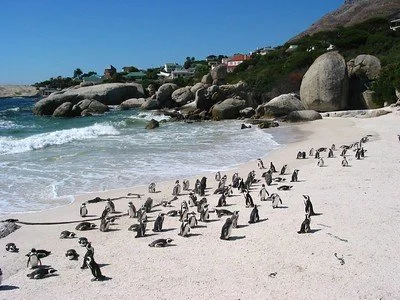
Jackass Penguins Simon’s Town SA. Donnie Ray. CC BY-NC-ND 2.0

Located on the southwestern coast of South Africa, Simon’s Town is a small village surrounded by both the ocean  and the mountains. Being so close to Cape Town, Simon’s Town is a beautiful, small port city. 

Simon’s Town is on a part of the Cape Peninsula known as False Bay. This area is a Hope Spot, an important and protected area for the ocean’s health. It is a valuable area for wildlife, with various species of birds and marine life coming to live off the area. Large marine creatures such as dolphins, whales, seals and sharks can be found near the town, some close enough to see while kayaking and others closer to Seal Island, 8 nautical miles away from the harbor.

However, much smaller than these other sea creatures is Simon’s Town’s famous attarction –the penguin colony. Penguins are found on every continent in the Southern Hemisphere, all the way from the Galápagos Islands at the equator to Antarctica. Here in this small town in South Africa, one colony of African penguins known as the Boulders Colony regularly comes ashore. Because of the colony, the town is also named Penguin Town. Breeding season for these birds is between February to August, so it is more common to see penguins during those months, but the birds will also come to land while they are molting. People can watch them from afar, and even swim alongside them, as long as they don’t get too close or chase them because the penguins will bite.

Simon’s Town (9). Joe Pyrek. CC BY-SA 2.0

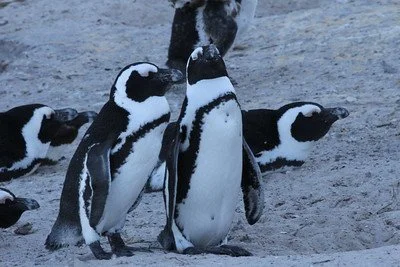
African penguins–also known as black-footed penguins, Cape penguins, and jackass penguins (the last one because of their unique braying-like sounds)–are an endangered species of penguins, with only around 140,000 penguins in the world. They are small birds, only growing between 24-27 inches and weighing around 8-9 pounds. In addition to the black backs and white fronts, they have a black, parabolic band across their chests, though chicks and juvenile members are brown and gray. The population of this species started declining in the 1980s due to commercial fishing and oil pollution. Though penguins do eat more than just fish, it is the largest part of their diet and commercial fishing has been taking all the species that the penguins eat. Luckily, commercial fishing has been banned in False Bay, so African penguins’ food supply belongs to them and the other sea creatures again. The oil pollution is another serious issue for the birds because the oil will destroy their waterproof feathers, making it hard for them to swim.

There are 27 breeding sites for African penguins, and each of them is a protected habitat, including Simon’s Town, though the town did have to erect fences and boardwalks to prevent the penguins from wandering too far inland and into people’s gardens and backyards. The entire area is a sanctuary for penguins, and keeping them from invading residents’ properties can help people respect the animals, as well as helping the number of penguins to increase.


Katherine Lim

Katherine Lim is an undergraduate student at Vassar College studying English literature and Italian. She loves both reading and writing, and she hopes to pursue both in the future. With a passion for travel and nature, she wants to experience more of the world and everything it has to offer.

Pride and Punishment: The Struggles of the LGBTQ+ Community of Africa

In 32 African countries, homosexuality is deemed unlawful—punishable by imprisonment and in some cases, death. The LGBTQ+ community is fighting prejudice in a battle to be their truest selves.

Ugandan citizens at a pride parade. Chrisjohnbeckett. CC BY-NC-ND 2.0.

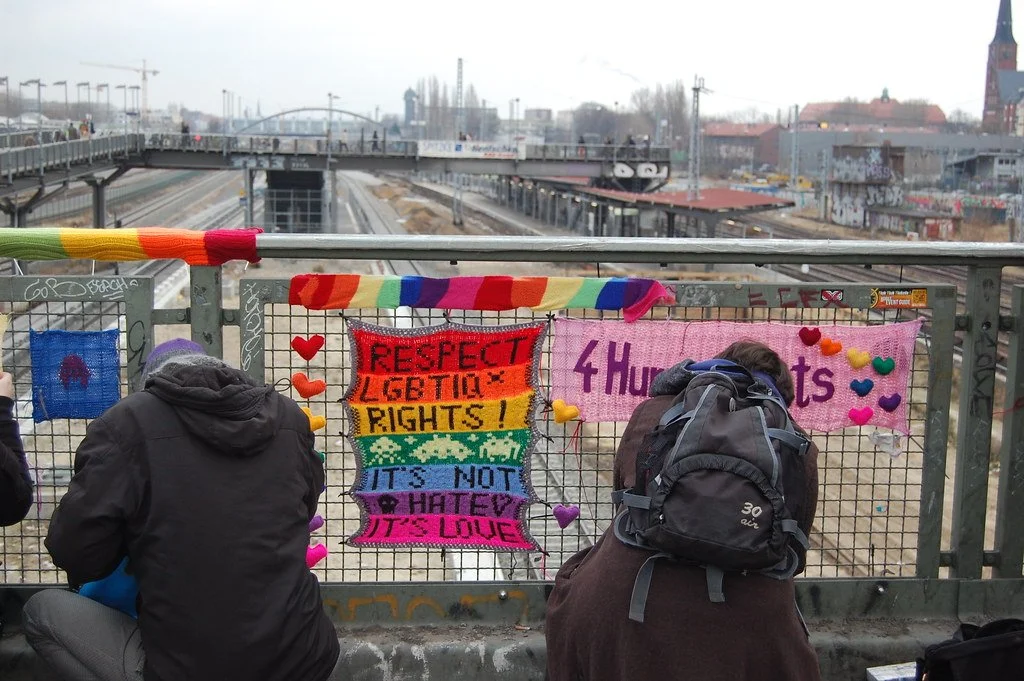
Out of the 54 countries that make up the African continent, 32 of them outlaw homosexuality. Historically a continent that traveling members of the queer community steer clear of, Africa has a deep and intricate history with politics surrounding sexuality. However, Africans who identify with the LGBTQ+ community fight fiercely to change legislation, stigma and prejudice in their respective countries, challenging this lineage of controversy. Those who are brave enough to protest for their rights to love whomever they desire organize in-person parades and protests, while those under threat of harm—or even death—find ways to demonstrate their pride in, generating virtual communities and workshops that allow for the LGBTQ+ community to connect across the globe without leaving the safety of their homes.

Map of African countries with anti-gay laws. Amnesty International. CC BY-ND

To understand the hardships facing the LGBTQ+ community of Africa today, it is important to know the causal factors that led to such a homophobic climate. Anti-queer sentiments were introduced to the continent during Western colonization; previous to imperialism affects on the continent, African tribes in many regions practiced homosexuality freely. Val Kalende writes in The Guardian that “there is ethnographic evidence of same-sex relationships in pre-colonial Africa.” This cultural history also demonstrates the lack of importance placed on strict gender roles. 

Additionally, the evidence also shows the practice of choice-based pronoun usage; women in positions of power would occasionally label themselves with male pronouns. Post-colonization laws that targeted the cultural muting of African traditions and practices formed the foundations for homophobia by outlawing same-sex relationships and visibly impacted African sentiments around the LGBTQ+ community for the foreseeable future.

Now, on the foundations of decades of hatred inspired by colonizers and imperialists, queer citizens of countries throughout Africa struggle under harsh legislation to simply be their truest selves. In most of the 32 countries that outlaw same-sex relationships, legislation punishes queer people by prison time and fines. Financial punishments vary in size and currency depending on the country. Prison sentences also range widely, varying anywhere between one year (as demonstrated in Ethiopia’s legislation) and lifetime imprisonment (such is the law in Kenya). 

There are four countries in Africa that make same sex relationships punishable by death: Mauritania, Somalia, Nigeria and South Sudan. In Nigeria, a country ranked by Forbes as #1 in “The 20 Most Dangerous Places for LGBTQ+ Travelers,” members of the LGBTQ+ community who are found out be participating in homosexual relationships face death by stoning.  

LGBTQ+ activists hanging signs. Distelfliege. CC BY 2.0.

Despite the gravity of the punishments for being queer, brave members of the LGBTQ+ community continue to demonstrate their pride. Unwilling to be silenced, queer people all around Africa organize pride parades, protests and online conferences to discuss ways they can fight the systemic homophobia they face in legislation. Further, the same people work hard to destigmatize same-sex relationships, challenging the post-colonial homophobia that has overpowered the original nature of African culture. 

Groups like PRIDE OF AFRICA (POA) organize yearly events to celebrate pride, inviting and encouraging queer Africans to “live their most authentic selves.” POA also founded the Johannesburg Pride Parade in 2019, which has recently gone online due to the COVID-19 pandemic, but continues to invite members of the LGBTQ+ community to speak and rally. POA also holds online conferences, so those who wish to stay at home and stay anonymous can do so to limit the threat of prejudicial punishments. 

For activists in imminent danger should their sexuality be outed, their protesting and pride demonstrations are more closely guarded. For those who need to seek exile in other countries or continents after being unexpectedly outed, journalism, photography and participation in parades like UK Black Pride (which focuses on Pride in the Black community and is based in London) are their only options to avoid death while still being able to demonstrate their pride. 

To Get Involved

There are a handful of organizations centered on the eradication of hate crimes, stigmatization, improper health care and prejudicial legislation that accept donations to support their missions. Organizations like OUT that support the destigmatization of queer lifestyles and SHE (Social, Health and Empowerment Collective) specifically serve the African queer community. To find a collective list of legitimate organizations including OUT, SHE, and other foundations actively assisting the LGBTQ+ community of Africa, click here.
POA and UK Black Pride serve the same purposes: to allow for queer Africans to have a safe place to demonstrate their pride. POA takes place mostly online and in South Africa, and UK Black Pride is held in London.

To learn more about POA events, mission statements, and goals, click here.
To learn more about the UK Black Pride Parade and their mission statements, click here.

Ava Mamary

Ava is an undergraduate student at the University of Illinois, double majoring in English and Communications. At school, she Web Writes about music for a student-run radio station. She is also an avid backpacker, which is where her passion for travel and the outdoors comes from. She is very passionate about social justice issues, specifically those involving women’s rights, and is excited to write content about social action across the globe.
6 Things to Know About Kilimanjaro From a Past Climber

Tanzania is home to the tallest mountain in Africa, Mount Kilimanjaro. However, here are six things everyone should know before deciding if they are ready to brave the mountain. 

Mount Kilimanjaro. Gary Craig. CC BY-NC-ND 2.0.

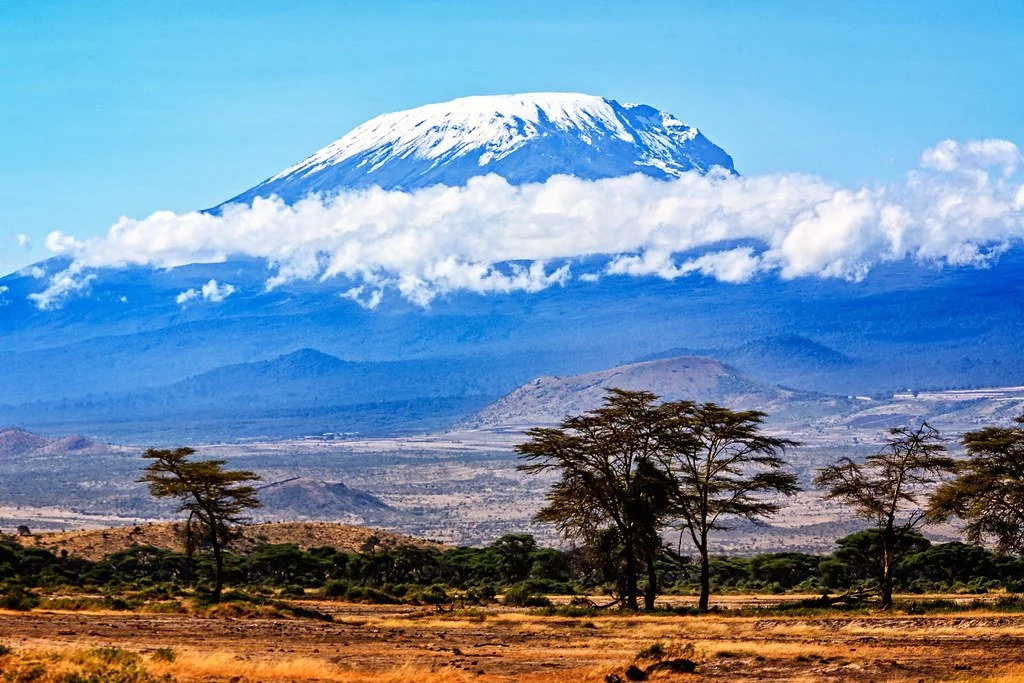
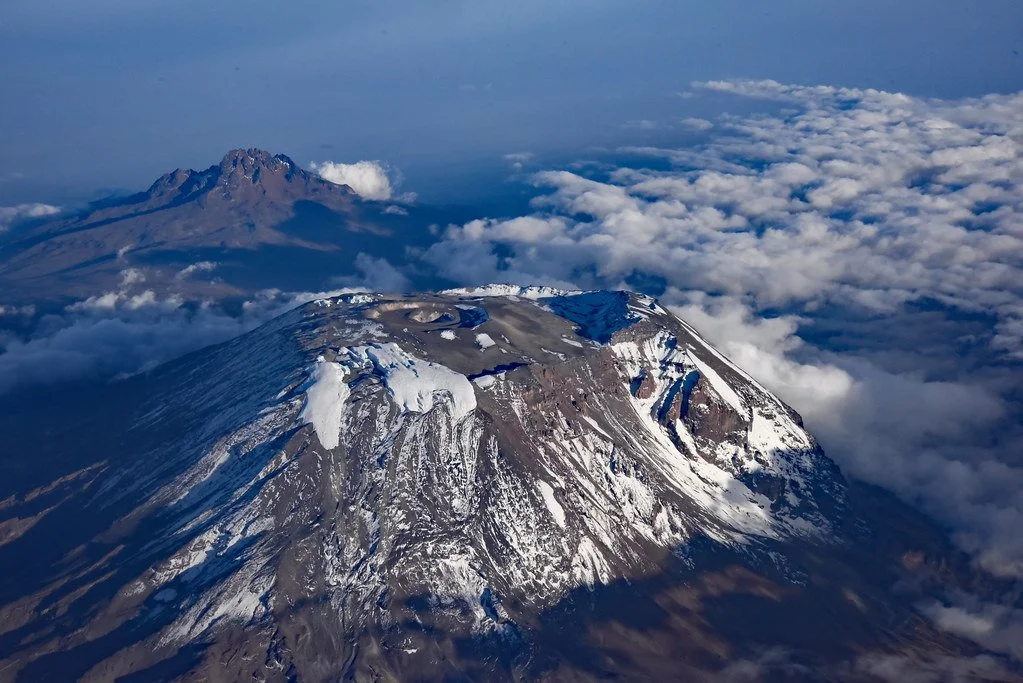
Mount Kilimanjaro was created by three volcanic cones called Kibo, Shira, and Mawenzi about 2.5 million years ago. Standing at 19,341 feet, it is home to almost every ecological system: cultivation, forest, heather-moorland, alpine desert, and arctic summit zones. Climbers pass through each of these ecosystems in stages based on elevation. What many may not realize is that Kilimanjaro is dormant, not dead. This means the dormant Kibo cone could erupt again.

I made the climb in January. I will be extremely honest; it was quite miserable at times. It is simply impossible to put into words what hiking a mountain like that will do to you. From the daily struggles of altitude sickness and the feeling of breathing almost nonexistent air, to being the most exhausted you have ever been in your life, dehydrated, starving but unable to keep food down, to having to use the “bathroom” behind a rock right on the side of the trail. I even saw someone lose their life from cardiac arrest. Though it is, thankfully, not a common occurrence, it was rough.

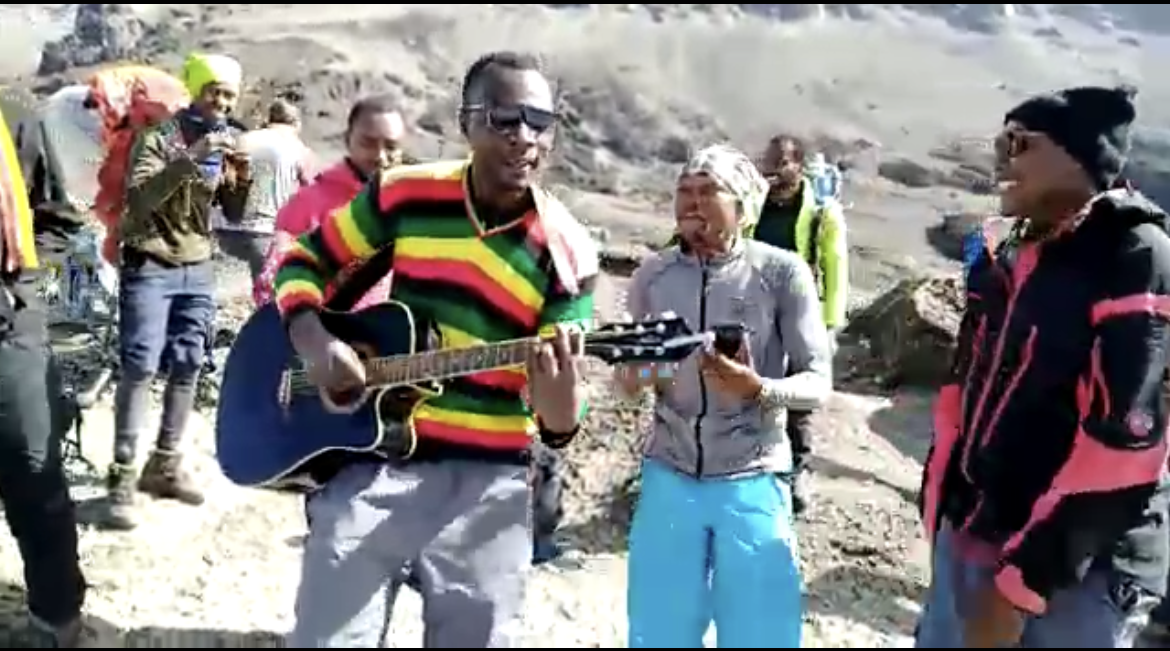
With that said, the struggles make the reward that much sweeter. When I reminisce on my experience, I remember the hard times, but the beautiful moments I was fortunate enough to be a part of are more prominent. The dance and guitar sessions the group would have on our breaks, the feeling of being in a place completely isolated from the world, climbing higher than the plane that got me there, finding a new strength in myself that otherwise would have remained unknown. Kilimanjaro is a monster mountain, but it was the best experience of my life.

 1. “Pole, Pole” are words to live by 

“Pole, pole” translates to “slowly,” and I cannot stress enough how important this simple phrase is. It doesn’t matter what your physical abilities are, if you do not take your time, you will be hurting. Taking at least five days (depending on your route), this hike is no joke. It’s important to put your pride aside and accept that you might not be the fastest person to get up the mountain, and that’s completely OK! This was something I quickly learned. On the first day, I tried keeping up with the front of my group and very quickly learned I simply wouldn’t make it all six days if I kept that up. No matter what your pace, a guide will always stay by your side, carry things for you if you are struggling, and motivate you to keep going. Guides want you to succeed just as much as you want to, so definitely listen to their advice. They’re lifesavers—literally!

2. You will create amazing connections with your guides and porters

Photo taken by John Willard, my guide on my Kilimanjaro hike. 

Your team on Kili will be absolutely amazing, no doubt about it. They will do whatever they can to help you summit, practically carry you if need be. They are extremely selfless and charismatic people, and they make the experience so much more enjoyable. Porters are the men and women who dedicate themselves to carrying all of your gear up the mountain, setting up camp, cooking meals, and creating a vibrant hike experience. Guides spend time with you on your hike—helping you stay on the trail, keeping an eye on your health, and really just guiding you to the summit. On my trip, the team loved to dance and sing and always invited us to join them on breaks and when at camp. They welcomed us to become immersed in the culture and understand the historical importance of Mount Kilimanjaro. The guides and porters truly enhanced the experience, so much that you simply won’t want to leave them. You will want to have WhatsApp downloaded on your phone so you can put in your favorite porters’ and guides’ numbers; when you get home, having those connections will keep a piece of Kili in your heart forever. 

3. You will probably get sick 

I hate to be the bearer of bad news, but if you decide to climb Kili, you will most likely find yourself experiencing at least some altitude sickness symptoms. It’s inevitable when going up 19,000 feet. Headache, nausea, and exhaustion are some of the more common symptoms. They will not end your hike early, but they will make life a little more miserable on the mountain. You just have to push through! Your guides will keep track of your vitals every day and will encourage you to eat and drink as much as your body will allow—food and water will be your best friend up there. You may hear people say that getting to high elevations eliminates your appetite, and this is very true. I found it hard to stomach even soup broth on my hike. It is best to pack some of your favorite snacks to help get past your lack of appetite. Many people, including myself, take altitude sickness pills to help combat symptoms. They are worth taking as long as they don’t cause negative effects on your body. They helped lessen the severity of my symptoms. 

4. It is like being in a movie 

Aerial View of Mount Kilimanjaro.Takashi Muramatsu. CC BY-ND 2.0.

Kilimanjaro is absolutely breathtaking. I remember feeling like I was living in a Star Wars scene for the majority of the hike. The sunsets and sunrises are unlike anything you will ever see again. Barranco Camp, where you will find yourself after hiking from Shira to Lava Tower to Barranco, was the highlight of my entire hike. Beautiful waterfalls, camping on a cliff in the clouds, being surrounded by the massive Barranco Wall (which you will be climbing up the next morning)—it is a beautiful and untouched part of the world. It makes the everyday battle worth it. When you’re feeling like giving up, just stop and turn around. The view you see will give you the courage to keep going. 

5. You may see some horrific things 

Barranco Wall on Mount Kilimanjaro. Haleigh Kierman 

This is not a guarantee, but it is best to know what can happen. During my hike, I witnessed a man pass away right on the trail from cardiac arrest. I never thought I would see something like this, so it is important you know that really anything is possible before deciding if the hike is right for you. It is much more common to see people get physically sick or use the “bathroom” in clear sight, which are things we can typically move on with. With that said, there is always the possibility you can see something more severe. Do not fear though, Kilimanjaro is remarkably safe given its size. Around 30,000 hikers attempt each year with only a 0.03% death rate. If you know and trust your individual abilities and health, there is little to be concerned about.  

6. You will discover an unimaginable amount of self-pride when you finish 

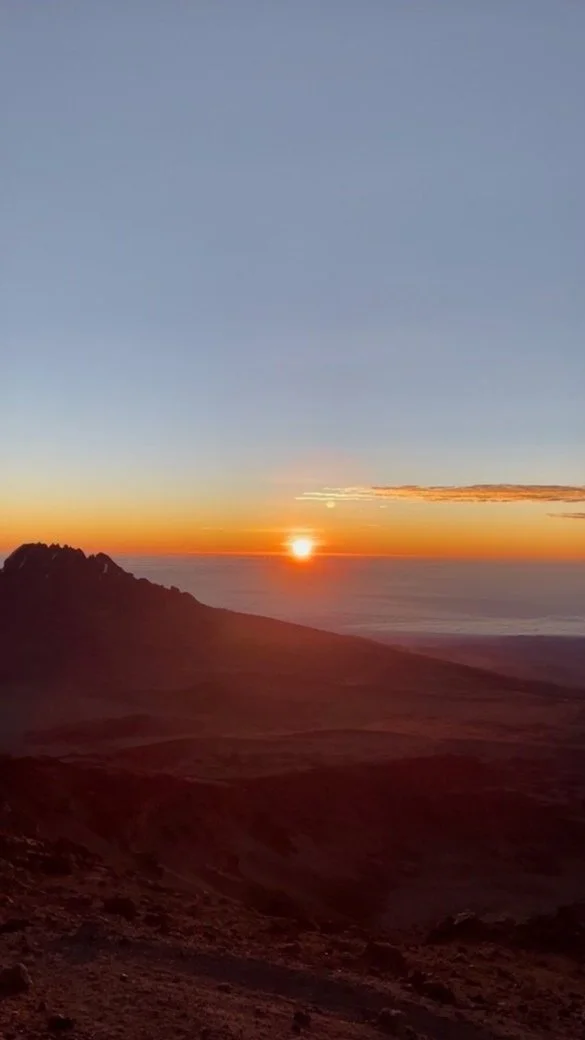
Sunrise on Summit Day. Haleigh Kierman

Summit day: it’s killer. You begin the final trek to the summit around 11:30 p.m. and get to the top around 8 a.m., depending on your pace. At this point, you will be sleep-deprived, feeling as though you are suffocating with every step you take because the air is so thin. But somehow, you will find that strength in you to keep going. And when you finally make it to the top, all you will feel is euphoria. You may even shed a tear or two. Kili will push you to your limit and then past that. You really will discover a new part of yourself you didn’t know was there. If you set your mind to conquering Kilimanjaro, you can do it. It will be one of the hardest things you will ever do, but the reward is a feeling of accomplishment that will change your life forever.


Haleigh Kierman

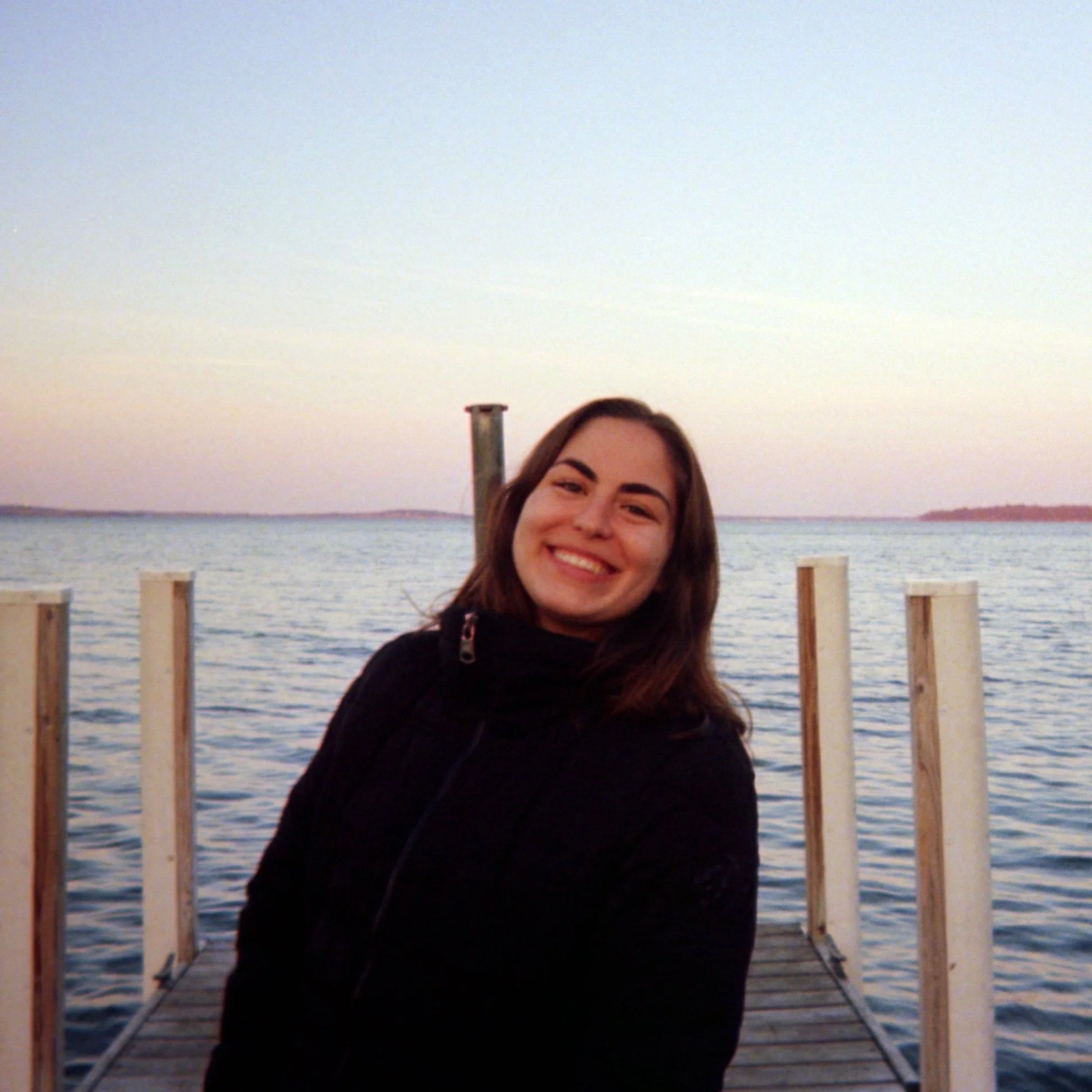
Haleigh is a student at The University of Massachusetts, Amherst. A double Journalism and Communications major with a minor in Anthropology, she is initially from Guam, but lived in a small, rural town outside of Boston most of her life. Travel and social action journalism are her two passions and she is appreciative to live in a time where writers voices are more important than ever.