
Berlin’s creative and liberal culture contributes to its famous nightlife; from art to sex clubs, there is something in the city for anyone searching for a unique clubbing experience.
Read MoreA Village in India Fights Female Infanticide and Deforestation
How a village leader changed the perception of women in India, one tree at a time.
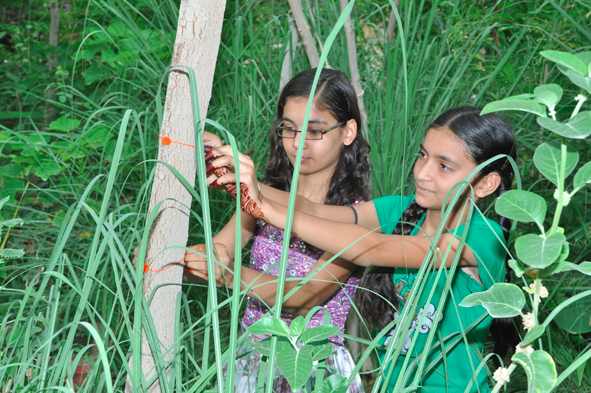
Girls connecting with the trees in Piplantri. Photo provided by Piplantri Village.
Every time a baby girl is born in Piplantri, India, the village gathers together to plant 111 trees in her honor. The custom began a couple of years ago, when former village leader, Shyam Sundar Paliwal was forced to ponder the fleetingness of life after his daughter tragically passed away at a young age.
Piplantri and other villages in the area were facing two crises that greatly affected the quality and value of life. One issue was social: a high rate of female infanticide. Traditionally, female births were considered a burden on the family. The parents of a girl are expected to provide a dowry to her husband’s family, which can be a big financial undertaking. Additionally, daughters were married off well before the age of 18, before they could obtain an education.
Piplantri and its surrounding villages faced environmental hardships as well. The villages in the Rajasthan area are suffering from deforestation with the increase of marble mining.
Paliwal decided to confront these issues with a plan that can be broken down into three words: “Daughter, Water, Trees.”
To counter the pessimism around the birth of a baby girl—and improve the lives of the daughter and her family—the village raises money for a “trust” every time a girl is born. The family is to contribute one third of the fund, which is set aside until the girl turns 20. This alleviates the problem of the financial burden of a dowry.
In order for the family to receive the money, they must sign an affidavit agreeing not to marry their daughter until she is of the legal age of 18 and has received a proper education.
To solve the deforestation problem, the village gets together to plant 111 trees in the girl’s honor. As a part of the contract, the family agrees to take care of those 111 trees. Hopefully the trees will help the spread of water along the land.
And the scheme gets even better. The fruit trees being planted were beginning to attract a lot of termites. In order to prevent infestation, the villagers planted many aloe plants to protect the trees. The villagers can harvest and sell the aloe—which has incredible healing benefits—and make a profit, to even further improve their quality of life.
Although Paliwal is no longer the leader of the village, the tradition continues. Now, teachers report that there are just as many girls enrolled in school as boys. And, the village is lush and green with the hundreds of trees planted.
Other villages are following suit. The nearby village of Tasol is trying out Piplantri’s eco-feminist village model.
RELATED CONTENT:

ELIANA DOFT
Eliana loves to write, travel, and volunteer. She is especially excited by opportunities to combine these three passions through writing about social action travel experiences. She is an avid reader, a licensed scuba diver, and a self-proclaimed cold brew connoisseur.
Is Macau the Gambling Capital of the World?
A small Chinese territory near Hong Kong, Macau’s gambling industry has grown exponentially in the past few decades.

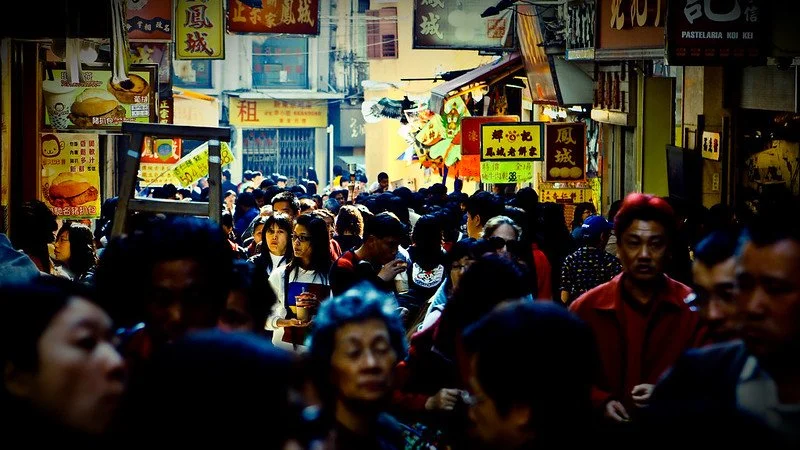
Nightlife in Macau. Trey Ratcliff. CC BY-NC-SA 2.0
Macau is a former Portuguese Colony located next to Hong Kong. It was considered a Special Administrative Region of China since 1999, which means that it has different laws than mainland China. For example, gambling in China is illegal everywhere except Macau, allowing it to climb the ranks and become the gambling capital in the world. The actual city isn’t very large in terms of size, but with its numerous casinos and hotels for its gambling tourists, it has become extremely wealthy. Its population size (roughly 650,000) is small compared to the size of its tourism industry, but the GDP per capita is extremely high, which is why it is considered so rich. As Chinese millionaires continuously travel to Macau trying to become even richer, money keeps coming into the gambling industry. As Chineses economy grows, the more millionaires come to gamble, the more money the casinos earn. The city’s taxes on gambling make up around 70% of the government’s revenue, so the more money being exchanged, the richer Macau becomes. Despite all this, many of the city’s residents are struggling. While the casinos and the richest people thrive off the rampant gambling, many of the casino workers and their families aren’t as well off. A lot of the government’s money goes back to investing in the casinos rather than helping the poor.
In the gambling world, Macau is often called the “Las Vegas” of China, but that is not quite the case. Beyond the casinos, Vegas has a focus on shows and performances, while Macau focuses more so on gambling. As such, even if someone doesn’t want to take risks with their money, they will still have large, sparkling shows in Vegas, whereas in Macau, people can go to museums and attractions to explore the culture when not in casinos.
People in Macau. Kevin Jaako. CC BY-NC 2.0.
In 2021, Macau had 42 casinos running. Like the ones in Vegas, some casinos in Macau are based off of some Western places and take inspiration from Vegas itself. For example, much like the Venetian in Vegas, there is a Venetian Macau that dwarfs the one in the States. It is the world’s biggest casino and the seventh largest building in the world in terms of floor area. There are 640 gaming tables, 1760 slot machines, 3000 suites for guests and over 30 restaurants there alone. The Parisian Macau, much like the Paris-themed part of Vegas, has an Eiffel Tower replica and many other French-themed decorations. Another interesting casino in Macau is the MGM Cotai, designed to look like a jewelry box. Just like that implies, it has one of the largest art collections in the city with over 300 pieces of contemporary art. The collection combines both Eastern and Western art, as well as tradition and technology, making it even more intriguing. The actual casino inside, however, only takes up around 10% of the space inside the building, though it does have 177 gaming tables and 1500 slot machines. In 2019 before the COVID-19 pandemic, Macau reached 20.64 million tourists, whereas Vegas regularly receives roughly 40 million visitors per year. Despite this, since the amount of money exchanged in is much greater, Macau is considered the gambling capital. BeforeIn 2019, before the pandemic, Macau earned $36 billion in gaming revenue. Vegas’ had a record of $1.23 billion in 2021, far less than Macau’s earnings before the pandemic, and the Vegas Strip didn’t even break 1 billion pre pandemic.
Looking at the games played in all the casinos, the most popular game in this city isn’t poker, blackjack or roulette; it’s baccarat. These games are also played with much higher stakes and with much more intensity. Wealthy people, mostly from China and all over East Asia, bet such large amounts of money that the games here have the highest stakes in the world, hence why it is considered the gambling capital. This part of Macau’s gambling culture goes beyond wealthy people having a lot of money to spend on gambling. In the west, people tend to see gambling as a fun but risky game. Chinese players see it as a financial opportunity. They hold their cards much tighter so that there are no chances of someone else leaning back and sneaking in a quick peak at their cards. This is an investment, an opportunity to get more money to be more financially stable, not a leisure activity. It’s extremely common to have hundreds of dollars exchanged within a couple of hands from the average person, not even from the high rollers.
Though impressive, it’s because of all this that Macau suffered a lot from the COVID-19 pandemic. Almost their entire economy is based off of tourism, and when people stopped traveling, the city was hit with many losses. With China’s zero-COVID protocol, foreigners have not been allowed to travel into the city. The city survived with only Chinese tourists, but with COVID-19 slipping into the country anyway, Macau’s tourism and gambling industry has started falling apart once more. South Asian countries like Cambodia, the Philippines, Singapore, and Vietnam have been attempting to take over the gambling scene in Asia, which means that the Chinese territory will be struggling even more to regain its title as the gambling capital of the world.

Katherine Lim
Katherine Lim is an undergraduate student at Vassar College studying English literature and Italian. She loves both reading and writing, and she hopes to pursue both in the future. With a passion for travel and nature, she wants to experience more of the world and everything it has to offer.
Whitewashing and the Erasure of History in Argentina
150 years ago, Argentina’s African population was deliberately decimated. Today, the few Afro-Argentines remaining reckon with a traumatic history and a present social climate bent on rendering them second-class citizens.
Read MoreAustralia’s Disappearing Coastlines
With sea levels rising fast, beaches are slowly disappearing as coastal erosion increases due to climate change.
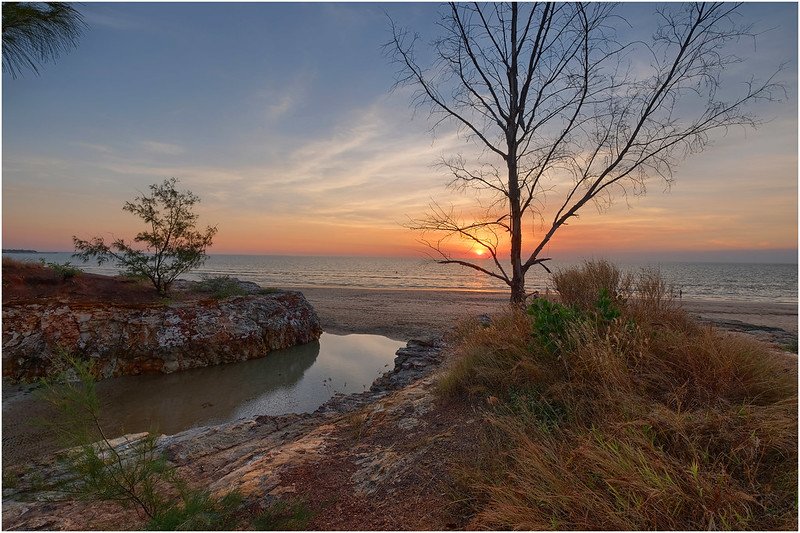
Casuarina Coastal Reserve erosion. Geoff Whalan. CC BY-NC-ND 2.0
As global warming increases and sea levels continue to rise, coastal erosion is becoming more and more of a problem. There are plenty of environmental issues that stem from this problem, like disappearing beaches and natural habitats. Coastal erosion is when rocks, soil, and sand are swept away and disappear because of rising sea levels and strong waves. The erosion of natural features like rocks is a normal part of nature, but global warming and coastal erosion is accelerating that process.
Every country with a coast is already facing this problem, and one country that is really struggling is Australia. Many homes are close enough to the beach, beyond just the people who have second homes there. There are around 700,000 Australians who live either within three kilometers (1.86 miles) of the coast or less than five meters (196.85 inches) above sea level. The country itself has over 30,000 kilometers (18,641 miles) of coastline, and all of it is being affected by this problem. With coastal erosion, the land is being eroded away by the ocean. It can be hard to measure exactly how much land is disappearing, especially since it varies from area to area, but the loss of land can only have negative consequences.
The impact of coastal erosion on human society goes beyond just destroying homes. It could affect the housing market, especially those near the coast. Millions of dollars could be lost from this as people are forced to relocate more inland in order to avoid the rising sea levels. Currently, there are still many people either willing to take the risk of losing their homes to coastal erosion or unaware of the problem, because there are still plenty of people who want to buy a seaside house.

Maslin Beach, Australia. Rene Kisselbach. CC BY-NC-ND 2.0.
The most common solution is to simply replace the sand disappearing beneath the water. The disappearing sand often gets collected nearby, and it is typically the cheapest option to just add more sand to the vanishing beach. However, this is only a temporary solution as replacing the sand doesn’t fix the problem. The rising sea levels will continue to eat away at the coastlines, regardless of whether or not the sand gets replaced. Additionally, it can be harmful to the environment from which the sand was taken. Rock walls are another possible solution, one that is more of a long term solution than replacing sand. These are designed to contain the sand and stop it from being washed away. They act as a buffer against erosion and can reduce the impact from waves, but they can be very dangerous for people. Wet rock is, of course, incredibly slippery and hazardous for the public, and since the rocks have to be of a specific quality and size, it can be more expensive than replacing sand, as well as detrimental to the environment the rocks came from. The third method to prevent coastal erosion is the use of containers known as geotextile sand containers. Essentially, these are sand bags and placing them beneath the sand on beaches can help in a similar manner as building a rock wall. There is no perfect solution to coastal erosion other than preventing global warming and rising sea levels altogether, but Australia has been taking preventative measures and reducing the impact as much as they can.

Katherine Lim
Katherine Lim is an undergraduate student at Vassar College studying English literature and Italian. She loves both reading and writing, and she hopes to pursue both in the future. With a passion for travel and nature, she wants to experience more of the world and everything it has to offer.
Perfumery and Cultural Appropriation
The fragrance industry is changing to be more inclusive and representative of its roots, but that doesn’t discount its problematic past.
Read MoreTravel in North Korea: Rare, Dangerous and Difficult
While trips have been known to end in tragedy, a select few continue to go to learn about the mysterious country.
Read MoreTikTok Travel: 20 Accounts That Take You Around the World
COVID-19 has kept many from traveling, but you can still explore the world on your phone with the app TikTok. Discover these top 20 accounts that will take you far from home.
Read More5 Reasons to Travel Alone at Least Once in Your Lifetime
Whether it’s a yearlong round-the-world expedition or just a weekend getaway during a study abroad semester, there is something indescribably liberating about traveling to new places alone.
Solo travel abroad presents the kind of life experience that cannot be properly described without actually experiencing it for yourself. However far too often these types of adventures are stopped in their tracks by factors such plans for the future, the opinions of family and friends and simple fears about what traveling alone entails.
What follows is a shortlist of five reasons to ignore each of those influences and to break away from the rat race—and instead find what can easily be one of the most formative experiences of a lifetime.
1. No Friends? No Problem
One of the biggest concerns of prospective solo travelers is the notion that there will be no one to talk to while traveling alone and that loneliness will quickly and inevitably set in. For the vast majority of solo travelers, this is entirely false. In fact, traveling with other people can often trap you within a social bubble that envelops your small band of travelers, and goes no further.
The whole point of world travel is to see unfamiliar places, meet new people, and try different things—at least one major part of the reason you came all that way can be negatively impacted by bringing friends along for the ride. A nice compromise might be to consider booking a tour or traveling alone, where you’ll meet new people in a safer, more intentional space.
2. Hostels Can Help You Socialize
Socializing is always as easy or as difficult as you want to make it while traveling. If you are feeling particularly adventurous and want to make some new friends, hostels are some of the best places on earth to do so. Group bunk rooms are almost always the cheapest accommodations in town and provide a fantastic environment to meet and get to know fellow travelers, many times from countries all over the world.
Regardless of where each person calls home, the simple fact that each of you is far away from that particular place provides a unifying experience around which you can easily and quickly start a conversation. Many encounters you have with strangers will last no longer than several hours, but it is also more than possible to make lifelong friends in the same types of situations. This means that solo travel combined with hostel living may possibly be the quickest and most effective way to diversify a Facebook friends list known to man!
Pro safety tip: Never tell a stranger you’re alone! Find more important solo travel tips here.
3. No Compromising
Seeing and experiencing new places with old friends obviously has its advantages, but far too often these other people can delay, alter, or outright cancel even the best laid plans. Traveling alone means that none of these burdens are even a possibility. Trying to organize a trip around one life—yours—is hard enough, but doing so around several lives can often be nearly impossible.
Even if you somehow manage to coordinate schedules and find an ideal time to travel with a group of friends, everyone will have slightly different goals for their time abroad, leading to logistics issues and disagreements on how time should be spent. If you were to travel alone, even just once, every possibility would remain open to you as you make your way around the places you visit. It is this freedom of choice in your movements that makes solo travel so liberating. You decide the course of your day and you write the story of your trip! Your adventure is entirely up to you and you get to make your experience exactly what you want it to be.
4. No Mountain Too Tall
To pretend that any kind of traveling can be done without its fair share of challenges is unrealistic. There will always be some kind of obstacle or adversity to face when you venture out from home, whether it’s to the other side of the world or to the grocery store down the street. These problems will simply have to be solved in order to move forward, but the sense of accomplishment one can achieve when facing them alone is indescribably empowering.
The memories of “that one time I was completely lost in Madrid and still managed to make it back to my hotel by using broken Spanish and a rousing game of charades with a few locals” will stick with you for the rest of your life. These types of experiences leave you with a sense of being able to handle almost anything once you return from the trip, with vivid recollections of the challenges faced and subsequently defeated while traveling. If you can deal with your problems in a strange country where they speak an even stranger language, why wouldn’t you be able to overcome just about any issue at home?
It is this empowerment through experience that makes travel so important in life, and solo travel is especially adept at forcing individuals to learn to solve problems as they come, a valuable and applicable life skill to say the least.
5. No Fear, Just Faith
Dorothy Thompson, perhaps the most influential woman in the history of American journalism, once noted that, “Only when we are no longer afraid do we begin to live.” This notion served her well as she broke down the gender barriers in journalism, and it is more than applicable to the idea of travelling solo as well. Dorothy had no idea what to expect as she made her way into the unknown realm of an industry consisting almost exclusively of men, much the same as a traveler embarking on a journey has no idea what challenges he or she may face in the coming days, weeks, or months. And that’s the fun of it. Leaving the comfort and familiarity of a place you know well in search of new and strange locales inherently involves a certain degree of fear.
Fear of the unknown and the unfamiliar is an emotion that has been found in humans for millennia. For our ancestors, traveling outside of the areas they knew well meant facing the very real dangers that may be present there—most notably the risk of being eaten by predators—and so they stayed close to home and close to their fellow humans. For them, it was their fear of the unknown that kept them alive.
In today’s world, it is quite the opposite—just ask Dorothy Thompson. There are very few things out there that want to eat you. Rather, the lions and tigers and bears that fueled the fears of our ancestors have been replaced by less tangible things, things with metaphorically sharp teeth rather than literal ones. Concerns about family, friends, finances, and careers left behind will often deter potential solo travelers long before plans can even take shape. But like any good story, an ounce of courage will open up doors you didn’t even know were locked. Take a chance on travel, take a chance on the kindness of humanity, and most importantly, take a chance on yourself.
In conclusion...
While you don’t have to ignore these fears, do your best to acknowledge them without letting them deter you from your grand solo adventure. The collective voices of experience from hundreds of thousands of solo travelers who have faced these exact fears in the past will tell you that they are entirely unfounded. Jobs will be there when you return. Money issues can be handled with disciplined spending. And family and friends can either accept your decision to go or they can face the fact that it is your life to live and consequently not their decision to make.
There’s a lot you can learn about solo travel from group travel and vice versa.
Instead of dwelling on the fears about what might happen, go into the experience with faith in the idea that you, and only you, can control what will happen. Having the proper mindset is the most important factor in the success of a solo trip, and it is perhaps the biggest hurdle you will face. However, once that hurdle is crossed, you will be fully prepared to make your trip exactly what it is meant to be: The adventure of a lifetime.

Jake
Hanrahan
A Midwesterner born and raised, Jake recently graduated from Iowa State University with degrees in Kinesiology and International Studies and is currently pursuing a Master’s degree in Public Health at Colorado State. He is a writer for GoAbroad.com and loves inspiring future travel.
The Effects of Buddhism on Disability Rights
How the concept of reincarnation has reduced activism for disability rights in Buddhist countries
In comparison to the major world religions, Buddhism flies under the radar. The main three, Christianity, Islam, and Judaism, have often found themselves at the heart of wars, picking death to prove righteousness. This is a concept not found in Buddhism. Life is the highest gift. But the Buddhist belief in reincarnation means that people that are born into disadvantage often pay for it. This is easily seen in people with disabilities. If you are disabled, it is believed that you must have done something wrong in a past life and are consequently paying for it in this one. It is the concept of karma: you must accept your own suffering to be reborn into a better life.
On a global scale, disability rights didn’t enter the equation until post-WWII, gaining steam with veterans advocating for war-caused disabilities. In Buddhist countries it was even later. India didn’t start the conversation until the 1970s, where it wasn’t brought into legislation until 1995 and was only properly defined and rewritten in 2014. India today has one of the largest disabled populations in the world, yet a full definition of what a disability is wasn’t introduced until 5 years ago. This could stem from the cultural connotations associated with disabilities. Having a disability in India causes feelings of worthlessness and shame and often leads to disownment and abandonment by family members. Through modernization and standards put in place by the UN and World Health Organization, these views are changing on a governmental policy level. Unfortunately, just because the laws exist doesn’t mean that they are being implemented. For example, in Cambodia, it was found that fewer than 4% of people qualifying for disability receive the required financial support from the government. To add to it, statistics show that there is an extra expenditure of $40 a month for people with disabilities. The government aid only covers $5 (1/8 of the total cost) so even if those with disabilities get their monthly payment, it covers little of the true cost..
One of the reasons there is such an added cost to having a disability, besides added care, is because often completing education and finding employment is extremely difficult. According to Thailand’s National Statistics Office, 71.5% of people with disabilities over 15 are unemployed. For those living in a city this leads to few options: access social welfare, begging on the streets, or selling lotto tickets. Even so it can be hard to get access to the tickets and the work is unstable. And those in rural environments without access to services are completely dependent on familial support. Thai Buddhism even bans people with disabilities from becoming monks. This was initiated out of fear that people with disabilities would depend on the monastery for support and not be able to complete their duties. One, Monk Ti, was disrobed in 2016 on account of his dwarfism. Becoming a monk is the most noble profession one can have, one that is based on suffering and enlightenment, and yet disabilities completely prevent one from pursuing it.
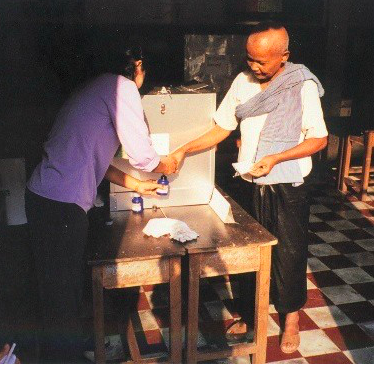
A major obstacle to changes in disability rights in Buddhist countries is lack of representation. In Cambodia, little effort has been done to increase voting opportunities to those with disabilities and very few are registered to vote, let alone have access to voting areas. NGOs are working to try to set up systems that will start to cause change. In 2011, the General Election Network for Disability Access (AGENDA) was established in Southeast Asia. They are working both with organizations focused on disability and those working with elections to increase advocacy. Between 2014 and 2017, they had a 15% increase in the number of polling stations that had wheelchair accessible ballot boxes.
Through small organizations and increased awareness, stigma around disabilities in Buddhist countries is starting to decrease. The opportunity to participate in all aspects of society from education to voting is hopefully changing as well. Buddhism is built around the concept of suffering and reducing your suffering through your actions so that you may be reborn into a better life. It would be great if those with disabilities didn’t suffer more because of it.
Devin O’Donnell
Devin’s interest in travel was cemented by a multi-month trip to East Africa when she was 19. Since then, she has continued to have immersive experiences on multiple continents. Devin has written for a start-up news site and graduated from the University of Michigan with a degree in Neuroscience.
Iran Under Fire: Protests Break Out Over Hijab Rules
The death of Mahsa Amini in the custody of morality police after being arrested for breaking hijab rules has sparked violent demonstrations across Iran.
Read MoreBOOK REVIEW: Gay Bar: Why We Went Out
With abundant soul and piercing intellect, Jeremy Atherton Lin writes a loving elegy for the bars and clubs that continue to shape who he is today.

You step inside the bar feeling some mixture of trepidation and glee. Through the fog machine mist, a drag queen (or two, or three, or a dozen) tears through a Sylvester number that has the sweaty, dancing throng of twinks, daddies, bears, cruisers, pill-poppers, club kids and assorted deviants jumping so that the floors tremble with their weight. You order a drink, then another, and since the bartenders pour heavy, you’re already feeling some type of wonderful. Everyone at the bar is shouting over the music at their dates, or eyeing handsome strangers, if they haven’t already escaped to the dark, dank corners of the club to perform acts unmentionable in polite society. But this is no polite book. “Gay Bar: Why We Went Out” by Jeremy Atherton Lin seizes you be the hand and leads you to the dance floor. That feeling? Gay euphoria. Or someone just slipped some poppers into the fog machine.
“It’s starting to smell like penis in here. . .” the book begins, and you can imagine where it goes from there. The book veers through categories of nonfiction one would think incompatible: cultural critique within pornography, personal memoir beside centuries-old queer history, gay clubbing tales after meditations on longing and identity (namely, longing for identity, or an identity of longing). “We go out to be gay”, Atherton Lin declares. He spends the book figuring out what that entails. Between his vibrant voice, daring diction and raunchy reminiscences, Jeremy Atherton Lin simply can’t not be interesting.
Nowadays, you’re less likely to find the kinds of bars that were so formative to Atherton Lin’s queer coming-of-age. In an era of safe spaces and trigger warnings, he reflects, “ to be violated was my expectation back when I [first] ventured in”. Not that the new rules are unwelcome. “Gay Bar” bears witness to more than it judges the ebb and flow of queerness over the course of the author’s life. Historically speaking, his life passes through the end of the AIDS crisis, surges in homophobic violence and the gentrification of queer spaces. “The misogynistic old trope,” he writes, referencing the “fag hag” stereotype, “of a lonely heart attached to sexual criminals out of compatible ostracization had been replaced by one of basic bitches latching on because the gays turned out to be the winners”. What they won, however, is unclear.
“Gay is an identity of longing , and there is a wistfulness to beholding it in the form of a building,” Atherton Lin muses on gay bars. The dichotomy between the terms queer and gay acts as a schism between two generations of gay men, those two generations being Lin’s own and the kids who came after. Queer is “somehow both theoretically radical and appropriate in polite company”. Gay, however, is “like a joke or an elegy”. Indeed, “Gay Bar” reads like an elegy for the club scenes that seemed to be dying even at their pinnacles. Atherton Lin experiences gay clubs in Los Angeles, San Francisco and London, and though he often passes off personal experience as canonical gay history, his experience makes one fact undeniably clear: gay bars aren’t what they used to be.
At the same time, often in the same breath, Atherton Lin recognizes that “gay bars are actually transitioning–in that they’ve likely been something else, and will change again in the future”, but precious few are the historical records of these gay institutions. “Still now,” he writes, “when people say of East London It’s not like what it used to be. . . , I think: One could never really know what that means”. Very rarely do younger gay men seek out their own history either. As a self-proclaimed “daddy” conversing with younger twinks and twunks, Atherton Lin writes, “[t]hese boys don’t need my wisdom. Camaraderie, perhaps; it’s not guidance they’re after”. What’s left in the historical vacuum is rumor, hearsay, propaganda and a fair share of badmouthing. Certainly, the sins of gay bars are numerous–femmephobia, racist door policies and inappropriate groping. But “Gay Bar” asks the question: does rebellion against these institutions for their wrongs mortally endanger the communal memory on which the queer community is based?
Sadly, “Gay Bar” doesn’t answer this question, or many others. Nonfiction, once the venue for resolving inner turmoil and nagging questions, has become a genre for simply venting these confusions. Of course, a personal memoir needn’t answer to anybody or anything, but when Atherton Lin cites queer theorists like Judith Butler or Michael Warner, one gets the impression that he is using their erudition to suggest an argument he doesn’t want to run the risk of making. In true camp fashion, he ends most lines of argument with a witty quip, rather than a resolution to the passage’s central problem. For other writers, this would sunder the book, but since galavanting in camp fashion seems to be his primary goal, Atherton Lin still succeeds in winning the reader over, if through his electric prose and not his sound argumentation.
Still, like any gay bar, it’s hard not to love “Gay Bar”. Its endlessly interesting anecdotes, hilarious jokes and piercing reflections make for a polyphonic book that defies categorization. It is so much like the queer spaces that it describes: intersectional, cross-pollinating, intoxicating and above all fun. With countless bars–and many gay ones–closing under the stress of the COVID economy, Lin’s book provides the perfect elixir for cabin fever. When reading “Gay Bar”, you’ll often feel like you’re in one.

Michael McCarthy
Michael’s fiction, nonfiction, interviews, and book reviews have appeared in The Adroit Journal, Barzakh Magazine, Beyond Queer Words, and Prairie Schooner, among others. Currently, he is transferring from Haverford College to University of Carlos III in Madrid, Spain, where he intends to major in the Humanities. He is also seeking publication for his poetry chapbook Steve: An Unexpected Gift, written in memory of his late uncle. He can be reached at @michaelmccarthy8026.
Peace and Stability in Uruguay
The second smallest country in South America, Uruguay is one of the most stable and prosperous countries in all of Latin America.
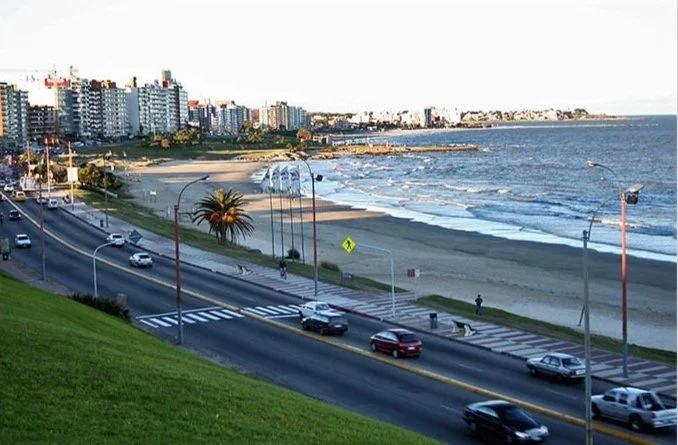
Montevideo, Uruguay. Gustavo. CC BY-NC-SA 2.0
South America’s Uruguay has been one of the most stable countries in the world for years. It’s the second smallest country in South America, and despite not having many natural resources, they have still had a lot of economic growth and prosperity. Uruguay has in general been a symbol of peace and social inclusion, despite its small population. Their social attitudes are extremely progressive and lenient, especially towards things like legalizing marijuana and same-sex relationships and marriages. Many countries in Latin America suffer from violence, corruption and oppression, but Uruguay has grown in its economic, political and social spheres. Their policies towards immigration are also relatively open, and the people tend to welcome foreigners who want to move to the country. They have the largest sized middle class, proportionally, within Latin America and have been called the “Switzerland of Latin America” due to their economy, size, and industrial, trade, and service sectors. Uruguay has one of the highest GDP per capita in the region, and the income distribution is very equal. The World Economic Forum claims Uruguay is the most equitable country in the world.
Uruguay’s main exports are agricultural products, such as corn, rice soybeans and wheat, as well as meat products, especially dairy. They love meat, especially beef, and their national dish is asado, which is literally just barbecued meat. Interestingly enough, pasta is another widely consumed food due to the arrival of Italian immigrants that came during the late 1800s and early 1900s. Though Uruguay’s pasta has Italian inspiration, Urguay has its own spin on a widely-loved cuisine. In terms of beverages, yerba mate is one of their favorites, a tea-like drink that has become a respected cultural aspect for the people. There was a military regime in the 1970s that strongly discouraged public gatherings, and so people would get together to drink yerba mate and socialize. This tradition has carried on even today and people now love to gather, drink it, and talk.
Their tourism industry is another factor that has increased their economic growth. People love Montevideo, the capital, and say that it is has the highest quality of life out of all the cities in South America. Punta del Este is an extremely popular beach resort that doubles as a college town that also adds to their tourism industry. It helps that the country is relatively safe, ranking 32nd on the 2020 Peace Index, compared to the United States’ 121st. Because of this, the country has had a solid 15 years of positive economic growth, and their poverty rate decreased by 22% from 1999-2019. In addition, their literacy rate is extremely high, the highest in all of Latin America, and both education and healthcare are free and accessible to everyone.The government is very transparent, considered the least corrupt government in Latin America and the 23rd least corrupt government in the world. Their political stability in the Global Economy was rated as 1.05 in 2020 (the scale is from -2.5 – 2.5) and they have had an overall upward trend since 1996. The United States, in comparison, was rated -0.02 in 2020, with a major downward trend since 1996.
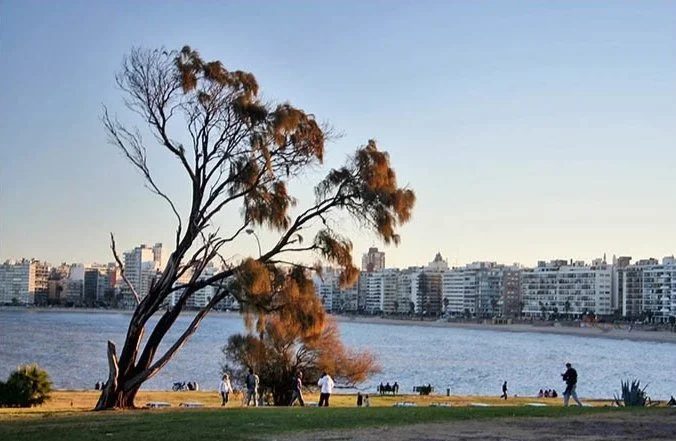
Shot of Montevideo. Gustavo. CC BY-NC-SA 2.0
Despite all this, Uruguay’s rise in prosperity hasn’t always been the most stable. The rate at which their poverty levels is decreasing also slowed down and stagnated a bit in the past few years, and, like most countries, Uruguay suffered from the pandemic. The poverty rate increased by 2.8% the first year of the pandemic, even through Uruguay’s preexisting social protection systems and the new measure they introduced in response to the virus. In 2021, however, the economy recovered a little and the poverty fell from 11.6% to 10.6%.
The country as a whole, though, did not have to make many changes in order to adjust to virtual life. Since they place such a high value on education and technology, they were able to easily use online platforms, and their universal health care allowed them to take preventative measures at a lower cost than other countries. All this combined allowed Uruguay to slowly reopen their schools earlier and faster than other countries in the region. Like many countries in the world, their poverty rates, though low, are disproportionate in areas such as race, sex and religion , but they do have a strong commitment and desire to strengthen the country and create policies to overcome these factors.

Katherine Lim
Katherine is an undergraduate student at Vassar College studying English literature and Italian. She loves both reading and writing, and she hopes to pursue both in the future. With a passion for travel and nature, she wants to experience more of the world and everything it has to offer.
6 Ancient Lost Cities To Visit Today
These ancient cities hold generations of knowledge and secrets about those that inhabited them centuries ago.
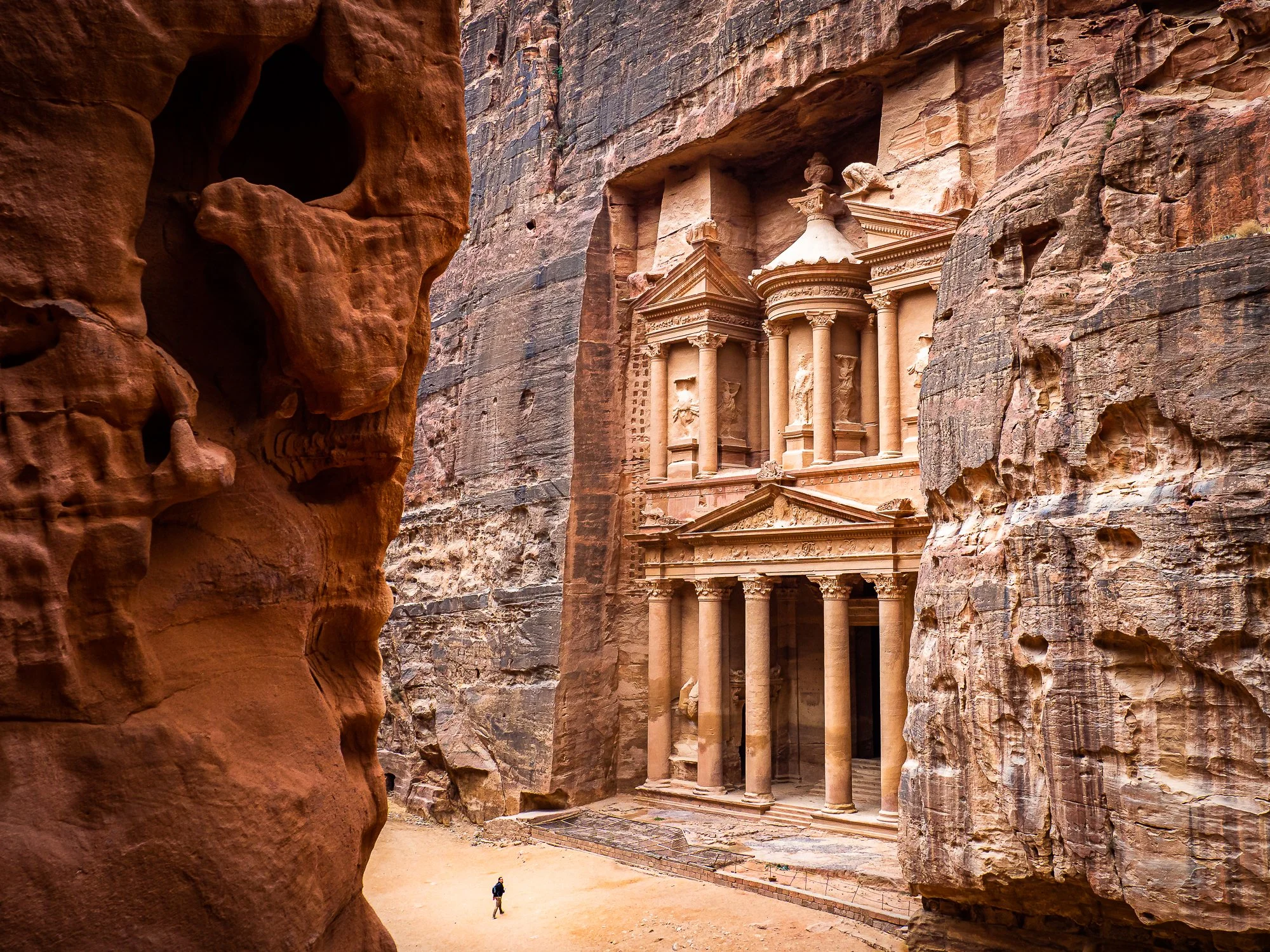
The ancient lost city of Petra in Jordan. Giuseppe Milo. CC BY 2.0.
From the incredible stone structures in Petra, Jordan to the geometrically revolutionary Mayan pyramids at Chichén Itzá, ancient civilizations around the world have long been of fascination to historians, scientists and travelers alike. Unfortunately, there are countless ancient cities — once thriving and metropolitan — that have been ravaged by time, war and nature. Here are six such ancient cities that now lie in ruin, but whose secrets are still available for you to enjoy.
1. Ctesiphon, Iraq

A view of the Tāq Kisrā at the ancient city of Ctesiphon in Iraq. Taisir Mahdi. CC BY-SA 2.0.
The Persian Empire began in 559 BCE and was revolutionarily metropolitan in their emphasis on the development of science, art and technology in the name of culture and religion. As the empire’s winter capital, the city of Ctesiphon located in central Iraq was often at the center of this progress. One of the most impressive remaining structures is the palace of King Khosrow I who ruled from 531 to 579 AD and was principally responsible for the construction of the vaulted brick vaults of the Tāq Kisrā. To this day, the hall is one of the largest brick arches in the world.
In 637 AD, an Arab invasion resulted in the successful conquest of Ctesiphon, using the site as a makeshift mosque. However, the newcomers soon chose to locate their capital at the northern city of Baghdad instead, leaving the abandoned city to become a quarry.
2. Mesa Verde, Colorado, USA
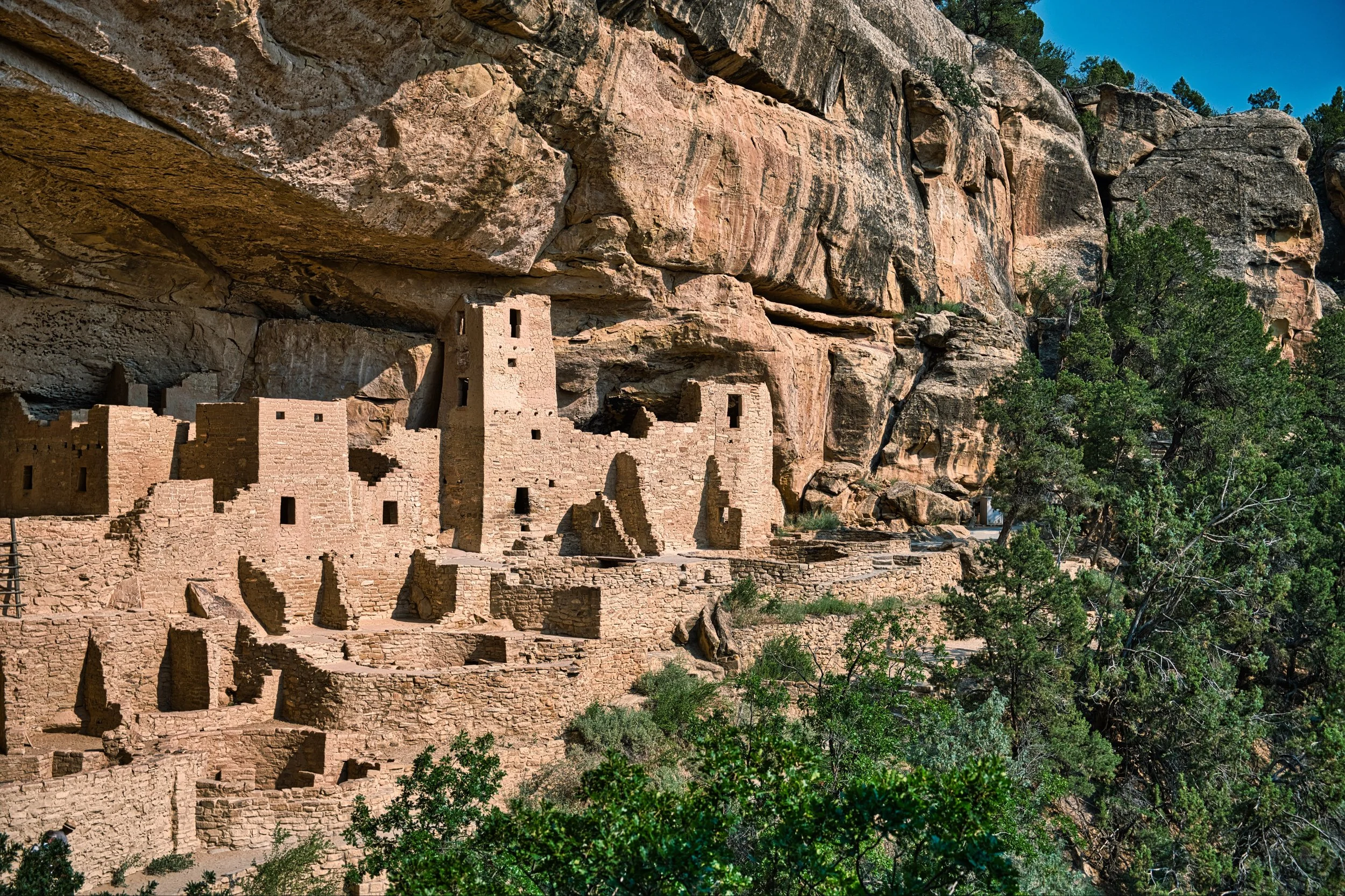
The cliff palaces in Mesa Verde National Park are the largest of their kind in North America. Scrubhiker. CC BY-NC 2.0.
Located within the bounds of Mesa Verde National Park in Montezuma County, Colorado, the prehistoric settlement of cliff palaces is the largest collection of its kind in North America. The plateau, which is almost 2,600 meters (roughly 8,530 feet) above sea level, was once inhabited by Ancestral Puebloans, whose community flourished from approximately 450 to 1300 BCE. Because of the incredible condition in which the 600 sandstone and mud mortar constructions were preserved, Mesa Verde was recognized as a UNESCO World Heritage Site in 1978, making it one of the first in America. These dwellings include a number of multi-story structures as well as small villages of up to 200 connected rooms, while other functional and ceremonial buildings, such as shrines, field houses, farming terraces and displays of rock art, are also scattered across the landscape.
This ancient city was completely abandoned by the Ancestral Puebloans by 1300 BCE. A devastating drought beginning in 1276 and lasting for over two decades brought an end to their once prosperous harvest, simultaneously driving away the animals they hunted for food.
3. Xanadu, Inner Mongolia, People’s Republic of China

The giant rock carvings of Kublai Khan at the archaeological site of Xanadu in Inner Mongolia. China Discovery. CC BY-NC-ND 2.0.
The once magnificent palaces at Xanadu (Shangdu in Mandarin) were first made known to the western world by Marco Polo after his visit to the Mongol court in 1275 BCE. The city was the summer capital of the empire from 1274 to 1364 BCE and was made prominent by Kublai Khan who chose the site to construct his luxurious summer palace complete with gardens and gilded rooms. Xanadu stretched far beyond the palace, however, covering a grand total of 250 square kilometers (about 96.5 square miles) and housing roughly 200,000 people at the height of its activity. The city was unique for its blend of traditional Mongol and Chinese architectural elements which aligned with the empire’s desire to combine elements of the Mongolian nomadic hunting culture with the farming lifestyles of the local Chinese.
The city suffered significant neglect following the decline of the Mongol Yuan Dynasty in 1368 BCE, becoming completely abandoned around 1430. The site became a UNESCO World Heritage Site in 2012 in order to help preserve the few remaining temples, tombs and other ruins.
4. Great Zimbabwe, Zimbabwe

A view of the ancient stone complex in the medieval city of Great Zimbabwe. Christopher Scott. CC BY-NC-ND 2.0.
The ruins of Great Zimbabwe are one of the only remaining sites from the wealthy medieval African trading empires that largely controlled life on the continent’s eastern seaboard. Built in the eleventh century by the Shona people on a hilltop plateau, the city served as the capital of their trading empire for four centuries and was thus well protected by the five meter high (just over 16 feet) granite wall surrounding the inner settlements. The global prominence of the Zimbabwean trade is evidenced by the Arab coins and Chinese and Persian pottery fragments excavated by archaeologists among the ruins. Among the various sections that make up the site, the oldest is the hill complex which is believed to have been the religious center of the citadel and dates back to 900 BCE.
Though historians are not sure exactly why the site was abandoned in the fifteenth century, it was likely due to a combination of overpopulation in the area and the subsequent depletion of local resources.
5. Tikal, Guatemala

The Tikal ruins in Guatemala are a magnificent display of ancient Mayan architecture. chenisyuan. CC BY-SA 2.0.
Located within the aptly nicknamed “Maya Forest” in the northern Guatemalan province of Petén, Tikal National Park comprises 575 square kilometers (roughly 222 square miles) of tropical jungle and ancient Mayan ruins. This incredible collection of structures date back to the Preclassic Period of the Mayan empire which ran from 600 BCE to 900 AD. Of the spread, archaeologists have identified a more central urban concentration of temples, palaces, residential buildings, terraces and sports grounds. These, in addition to the countless monuments, stone carvings and mural paintings which have all been exceptionally well preserved, are testaments to an artistic and technical sophistication far beyond its time. These ruins, in addition to the amazingly biodiverse jungle that surrounds it, were designated a UNESCO World Heritage Site in 1979 in order to ensure the continued preservation of the ruins and to protect the thousands of plant and animal species that reside within the park.
Historians most widely believe that a sudden surge of overpopulation around the year 900 AD and the resulting strain on natural resources in the area led to widespread crop failure. This in turn forced the Mayan residents of Tikal to leave their homes, with the complete abandonment of the city coinciding with the end of the 10th century.
6. Ephesus, Turkey

The facade of the Library of Celsus still stands amongst the ruins of Ephesus in Turkey. H Weber. CC BY-SA 2.0.
The ancient harbor city of Ephesus sits on the western shore of modern day Turkey by the Aegean Sea, but was founded in the 11th century BCE by an Ionian prince according to legend. While exact chronologies of the city’s history are up for debate, it is known that Ephesus changed hands a number of times over the course of its history, coming under the rule of the Persian, Roman and Ottoman empires, each leaving its mark on the city’s culture. These influences are evident in the varied architecture of the many remaining structures at the ruin site, from the famed Temple of Artemis that was said to be four times larger than the Parthenon, to the open air amphitheaters, agoras and aqueducts built in the traditional Roman style.
Following a devastating earthquake in the mid-sixth century AD, Ephesus was left in extreme disrepair and vulnerable to the impending Arab invasions that would see most of the population leave the city. By the time the Ottoman Empire arrived in the 15th century, the city and its once prosperous harbor were practically already abandoned.

Tanaya Vohra
Tanaya is an undergraduate student pursuing a major in Public Health at the University of Chicago. She's lived in Asia, Europe and North America and wants to share her love of travel and exploring new cultures through her writing.
Devastation in Pakistan: Information and How to Help
One third of Pakistan is underwater due to flooding, killing more than a thousand and destroying the homes of millions.
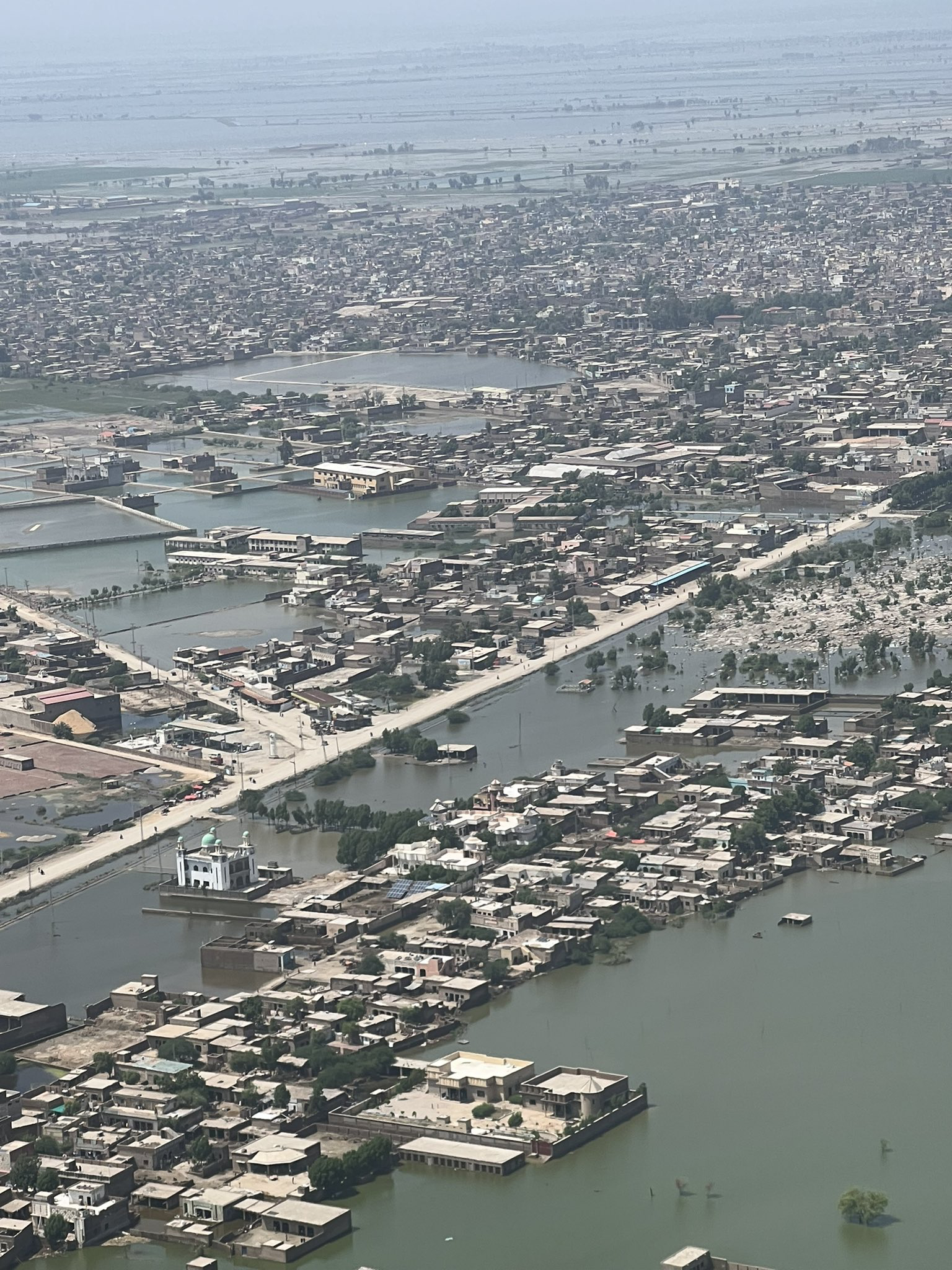
Sindh province in Pakistan underwater 2022. Ali Hyder Junejo. CC BY 2.0.
Since June of 2022, Pakistan has been hit with floods, monsoons and tsunamis. These floods have tragically ended the lives of thousands, including many children, and forced millions of families to abandon their homes, as an astonishing one third of the country is underwater as of September, causing the death of approximately 1,500 people. Many people are wondering how an environmental disaster of this scale is possible: how have the floods not ceased for months, and how can people around the globe help the people of Pakistan? Scientists say it all comes back to climate change. For about two months prior to the floods, Pakistan experienced severe heat waves, with temperatures ranging from 40 degrees celsius to a high of 51 degrees celsius (a range of 104 to 123 degrees fahrenheit). These heat waves alone qualify as an environmental crisis, but what they led to was much worse.
There are two primary reasons that this heat wave led to flooding. The first is that hot air tends to contain more moisture than cold air, leading to higher rates of rainfall following the heatwave. The second is a devastating effect of climate change that has been seen all over the world: higher temperatures cause glaciers to melt, flooding into bodies of water which then overflow. In the case of Pakistan, this overflow of water has caused dams to break, leading to extremely dangerous floods, with water unexpectedly rushing onto the land.
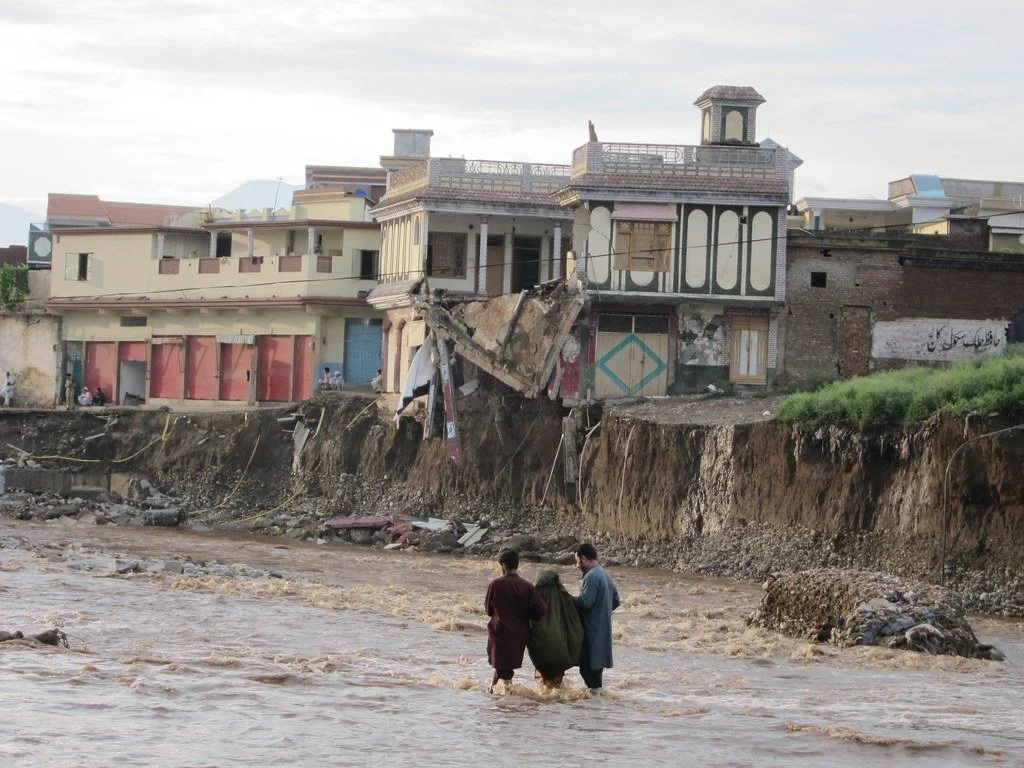
Previous flood in Pakistan, 2010. Oxfam International. CC BY-NC-ND 2.0.
These disastrous climate events have resulted in destroying agricultural products, displacing roughly 30 million Pakistanians and killing over 1,000 people, with around 500 being children. The destruction of crops has led to further economic crises as well as increased hunger and disease. The chief of the World Health Organization noted an increased risk of several diseases in Pakistan, such as gastrointestinal diseases, skin infections and respiratory illness. Additionally, many hospitals have been destroyed, leaving the country even less prepared to address the millions of people in need.
Get Involved
There are several organizations which are sending aid to Pakistan right now, such as UN Women, which is sending food, medical supplies and sanitary products to Pakistan. There are also several Pakistan-based organizations to support, such as HANDS Pakistan and the Indus Hospital & Health Network, which provides free healthcare to people in need in Pakistan, at a more-important-than-ever moment like this.

Calliana Leff
Calliana is currently an undergraduate student at Boston University majoring in English and minoring in psychology. She is passionate about sustainability and traveling in an ethical and respectful way. She hopes to continue her writing career and see more of the world after she graduates.
VIDEO: Mexico’s 600-Year-Old Dance of the Flying Men
For the past 600 years, dancers in Papantla, Mexico, have taken to the skies to perform the acrobatic spectacle, the Danza de los Voladores (Dance of the Flyers). Four flyers and one guide dressed in vibrant colors ascend a 20-meter pole, anchored only by a single rope tied to their legs. There, they begin the ritual, flying through the air to ask the sun deity for rain and blessings.
Read MoreFrozen Zoos Might Be The Key to Saving Dying Species
The San Diego Frozen Zoo is the largest collection of animal gene samples in the world, and might be the answer to saving endangered animals from extinction.

A collection of vials containing gene samples from different species of animals. San Diego Zoo. CC BY-NC-ND 2.0.
Although the San Diego Zoo regularly receives a few million visitors every year, very few, if any at all, are aware of a collection much larger than the one on public display. Diligently maintained by a team of dedicated scientists and researchers, the San Diego Frozen Zoo houses gene samples from over 10,000 individual animals, all being preserved in the hopes that they will be able to help resurrect the rapidly dwindling populations of many at-risk species. It is the largest and most diverse collection of its kind in the world, and even includes a sample from the extinct po’ouli bird that vanished in 1988.
This ingenious strategy of species conservation can be traced back to the work of the German-American pathologist and geneticist Kurt Benirschke. He began his collection of skin samples from rare and endangered animals back in 1972 while working as a researcher with the University of California San Diego, and he quickly grew it into the very first cryobank of its kind at the San Diego Zoo. While Benirschke unfortunately passed away in 2018, his legacy is still very much alive in the continuing efforts of the growing team of scientists at the Frozen Zoo, who contribute their expertise on everything from recovery ecology and biodiversity banking to population sustainability and disease investigations.

Kurt Benirschke, the late scientist and founder of the San Diego Frozen Zoo. San Diego Zoo. CC BY-NC-ND 2.0.
Using cutting edge in vitro fertilization technologies, the Frozen Zoo has made huge strides towards developing a sustainable procedure, using artificially inseminating sperm that has been frozen for extended periods of time to produce viable offspring. Early attempts saw the successful development of cheetah and white rhino embryos in the lab, as well as the birth of chicks from a number of pheasant species, all from cryopreserved sperm. Perfecting this method would allow scientists to increase populations of rare and endangered species by introducing animals delivered in vitro back into the wild.
Another strategy the Frozen Zoo is looking into involves the genetic cloning of endangered species using the frozen genetic material in their collection. Since 2001, the zoo has cloned the Black-Footed Ferret, the Indian Gaur (an Asian humpbacked ox), the Banteng (a Southeast Asian species of cattle) and Przewalski’s Horse (a species from Mongolia that was extinct in the wild until not long ago). While their cloning process is still very much in the works, any advances in this type of cloning and genome sequencing can also be used to better understand the biology of endangered species in the wild and help with current conservation efforts.

Scientists from the Frozen Zoo successfully cloned a wild horse (center) believed to be extinct in the wild using cryopreserved sperm. Tanya Durrant. CC BY-ND 2.0.
One of the zoo’s most recent projects has a slightly different focus: they are putting together a database of unique barcodes to help identify species of primates and deer being transported as part of the illegal bushmeat trade. Another recent collaboration with The Scripps Research Institute involves members of the zoo’s Reproductive Sciences and Conservation Genetics teams looking for new state of the art stem cell technologies that could help to revive the critically endangered Northern White Rhino. This collaboration is also just the first step in the zoo’s goal to create a worldwide network of similar cryobanks, which will share knowledge and resources to continue developing an even more diverse bank of genetic material in support of species conservation.
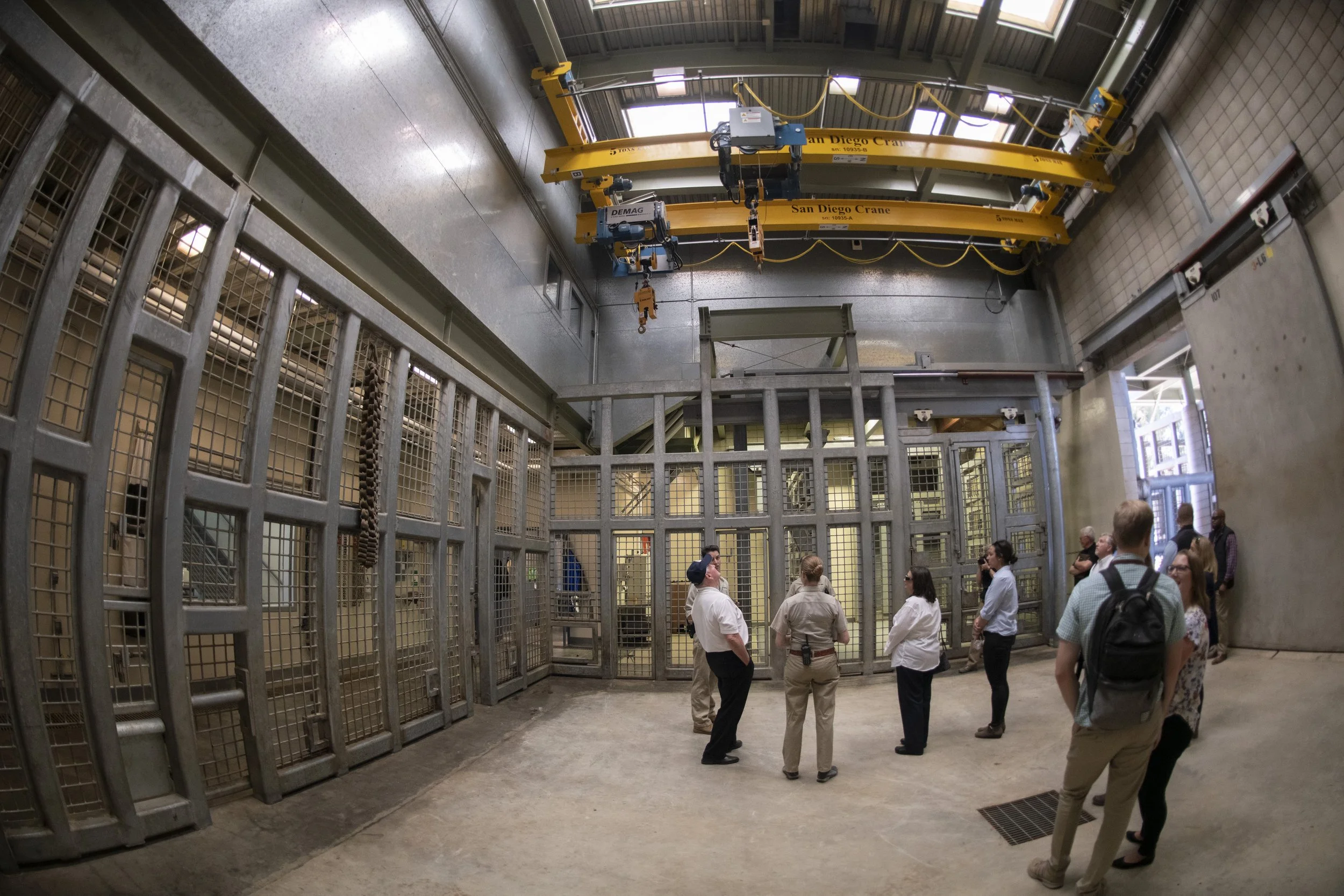
The Frozen Zoo stores thousands of samples of genetic materials in their cryobank. US Department of Agriculture. CC0.
For those interested in getting involved, the zoo runs a number of educational opportunities for high school and college students in the form of fellowships, internships and externships, as well as a master’s degree program in conjunction with Miami University, Ohio. They also have a regular schedule of seminars run by various experts in the field which are open to the public.

Tanaya Vohra
Tanaya is an undergraduate student pursuing a major in Public Health at the University of Chicago. She's lived in Asia, Europe and North America and wants to share her love of travel and exploring new cultures through her writing.
The Island of Sardinia
Located off the western coast of Italy, Sardinia is a beautiful island well known for its history, beaches, rock formations and caves.
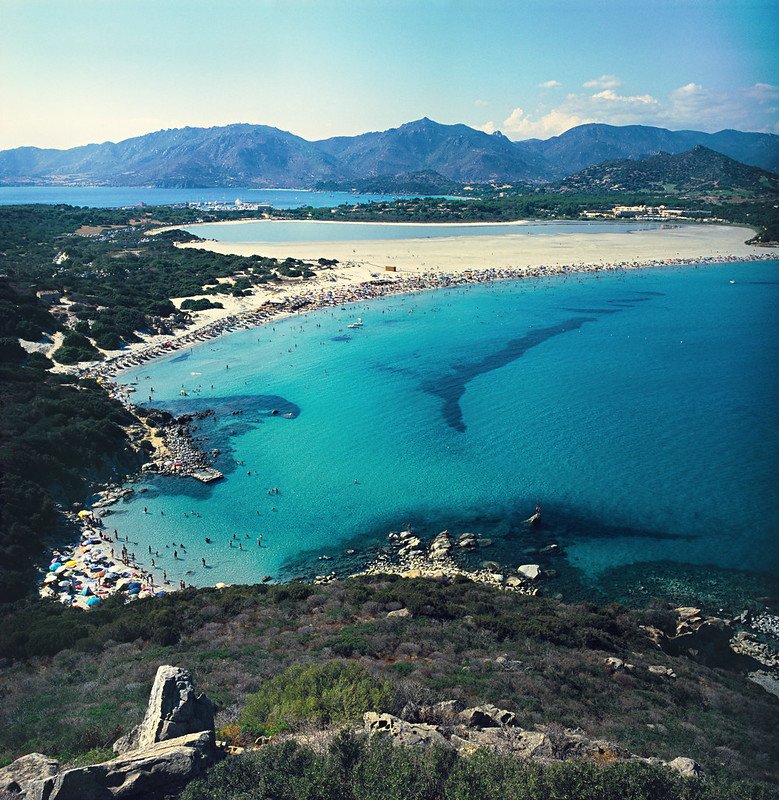
Porto Giunco in Sardinia. Tjshot. CC BY-NC-SA 2.0.
Among all the islands in the Mediterranean Sea, the two largest ones belong to Italy. Sicily is the largest and one of the most well-known for its beauty, but Sardinia, the second largest, is equally beautiful. Like the rest of Italy, it has its own rich history that goes back thousands of years that stretches back before the Roman Empire. Beyond that, the island is known for its beaches and rock formations, but apart from the coastline, the island is also very mountainous. Its highest point, Mount La Marmora, stands at 6,017 feet (1834 m).
One of the most distinctive features of Sardinia are the nuraghes, which are small buildings built in the prehistoric times. There are no records of the people who built and lived in them, but archeological evidence seems to suggest that whoever lived there had an organized tribal system. The Phoenicians came to the island because of the mines, but it eventually passed into Roman rule. Since then, the island has been under the control of many nations. Because of that, Sardinia also has a unique Italian dialect known as Sardu. Interestingly enough, most Italians do not understand the Sardinian dialect and it sounds closer to Spanish than Italian. The language is also very articulate, so in the past, Italians considered it barbaric in comparison to their much softer sounding Italian.
Many ruins from the past are found on Sardinia. The nuraghi are scattered across the island, as are other ancient settlements and towers dating back to the Bronze Age. There are also tombs known as tombe dei giganti, or tombs of the giants, and domus de janas, or fairy houses tombs. But beyond the ancient history, Sardinia’s beaches are also major attractions for the island. They are long and white, often compared to the beaches in the Caribbean, and they regularly make the polls for the best beaches in the world. Is Aruttas, Spiaggia di Piscinas, Spiaggia Rena Bianca and La Maddalena are some of the most popular beaches on the island. Near the sea, too, are the rock formations. Capo Testa is a popular spot to see them. It is near the water but as they are rocks, it requires some hiking, and it does not have the long stretches of white sand. Wind from the Mediterranean has smoothened the rocks over thousands of years, and it has been powerful and persistent enough to shape some of them, which is why the rocks at Capo Testa have such interesting forms. Lastly, the grottos across Sardinia are as equally beautiful and impressive as the beaches and rock formations. There are dozens of caves beneath the island and many are accessible for tourists to visit. The Grotto di Nettuno is one of the most famous caves, and inside it lies an entire lake and large stalactites. Another impressive cave is Grotto Verde, literally translated to “Green Cave”, because of the moss that grows along the stalactites, turning it green.
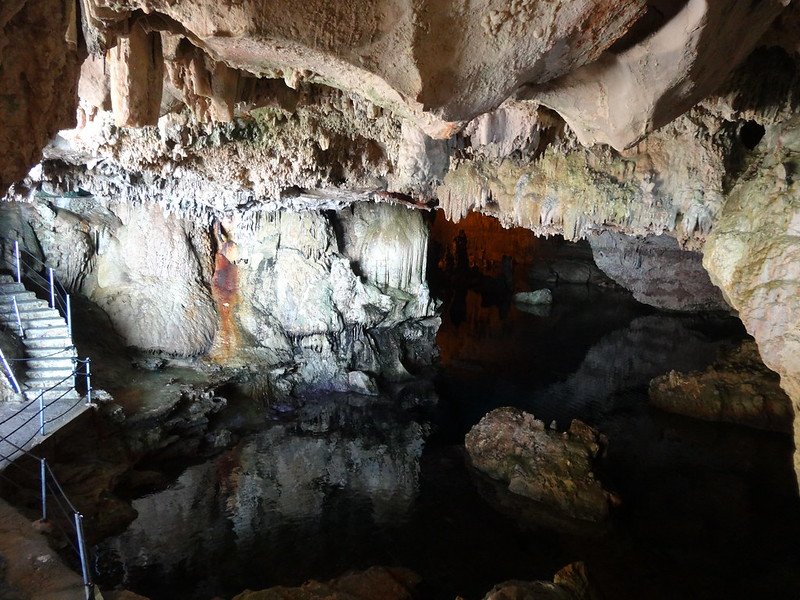
Grotto di Nettuno. Klaus Nahr. CC BY-SA 2.0.
Like every region in Italy, Sardinia has its own food culture. They do have their own pasta specialities, like malloreddus that is made in a curved shape in order to better catch sauce and cheese. This particular type of pasta is eaten with a sauce called Campidanese and it is made up of saffron, sausages with fennel seeds, tomatoes and Pecorino cheese. In fact, Pecorino cheese originated from Sardinia. It is very popular and goes with many pasta dishes or melted in a sandwich.
Of course, since Sardinia is an island, they are also known for their seafood. Their seafood pasta, fregola ai frutti di mare, is interesting because the noodles are cooked like a risotto. Sardinians also love sea urchins, so much so that they hold sea urchin festivals. The sea urchins are commonly eaten with spaghetti, but the festivals also serve other seafood such as swordfish, tuna carpaccio and fried fish.

Katherine Lim
Katherine Lim is an undergraduate student at Vassar College studying English literature and Italian. She loves both reading and writing, and she hopes to pursue both in the future. With a passion for travel and nature, she wants to experience more of the world and everything it has to offer.
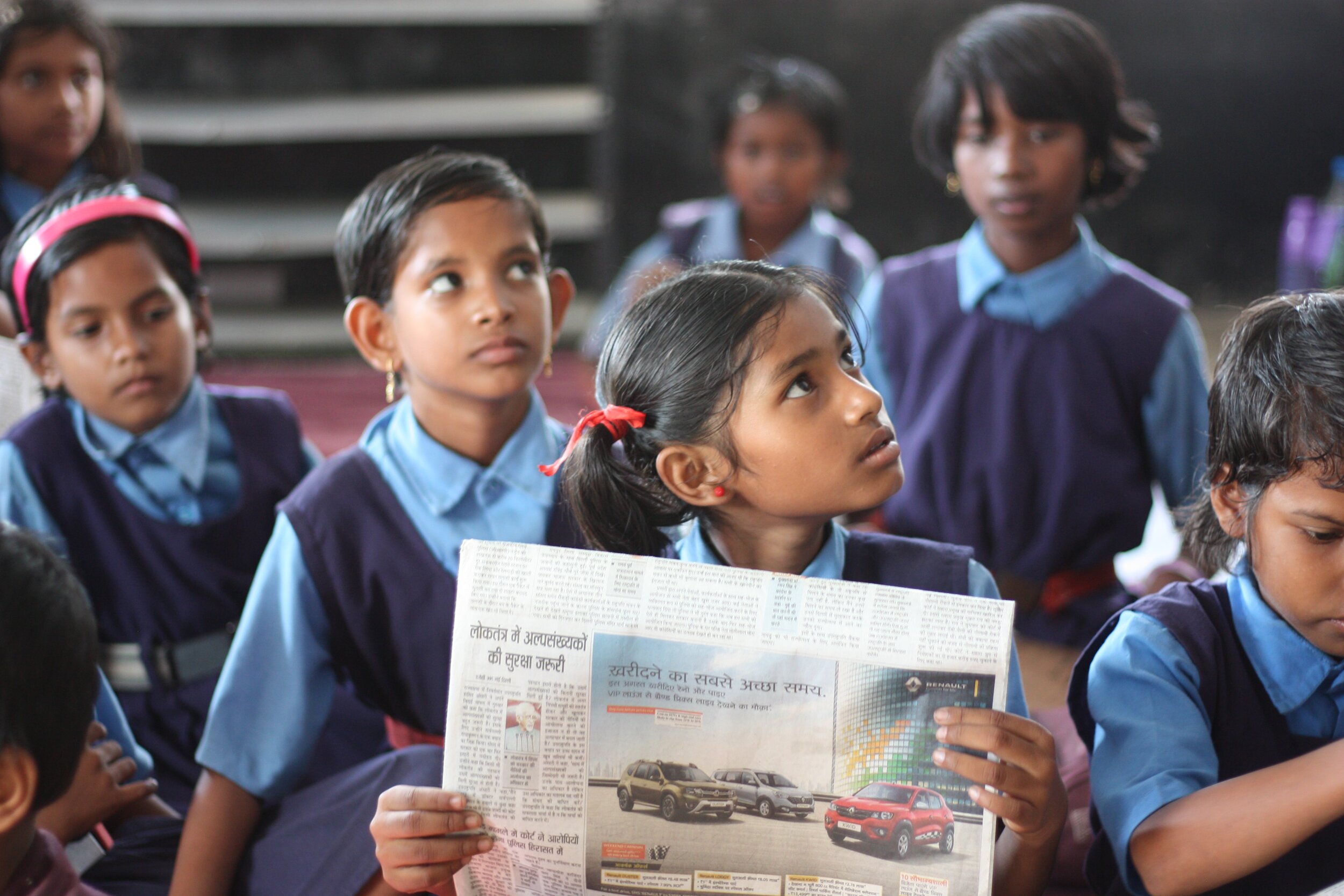
As education increases, more women in rural areas are able to access schooling. Here, young girls in India’s Chhattisgarh state attend government school in their uniforms. Jaikishan Patel. Unsplash.
The Gender Education Gap is Narrowing. Here’s How You Can Help Close It
More girls are enrolling in education than ever before, and the gap between educated women in men is narrowing. Based on a report given by UNESCO, 180 million more girls have enrolled in primary and secondary education since the Beijing Declaration and Platform for Action, a commitment signed in 1995 by 189 countries in which they pledged to advance the rights of girls and women. The report shows that the global enrollment rate for girls in school increased from 73% to 89%, and the biggest improvements are seen in sub-Saharan Africa and South Asia, especially in India. The reasons behind this inequality are historical, social and economic, as barriers like poverty and rigid gender roles place large burdens on accessing schooling.
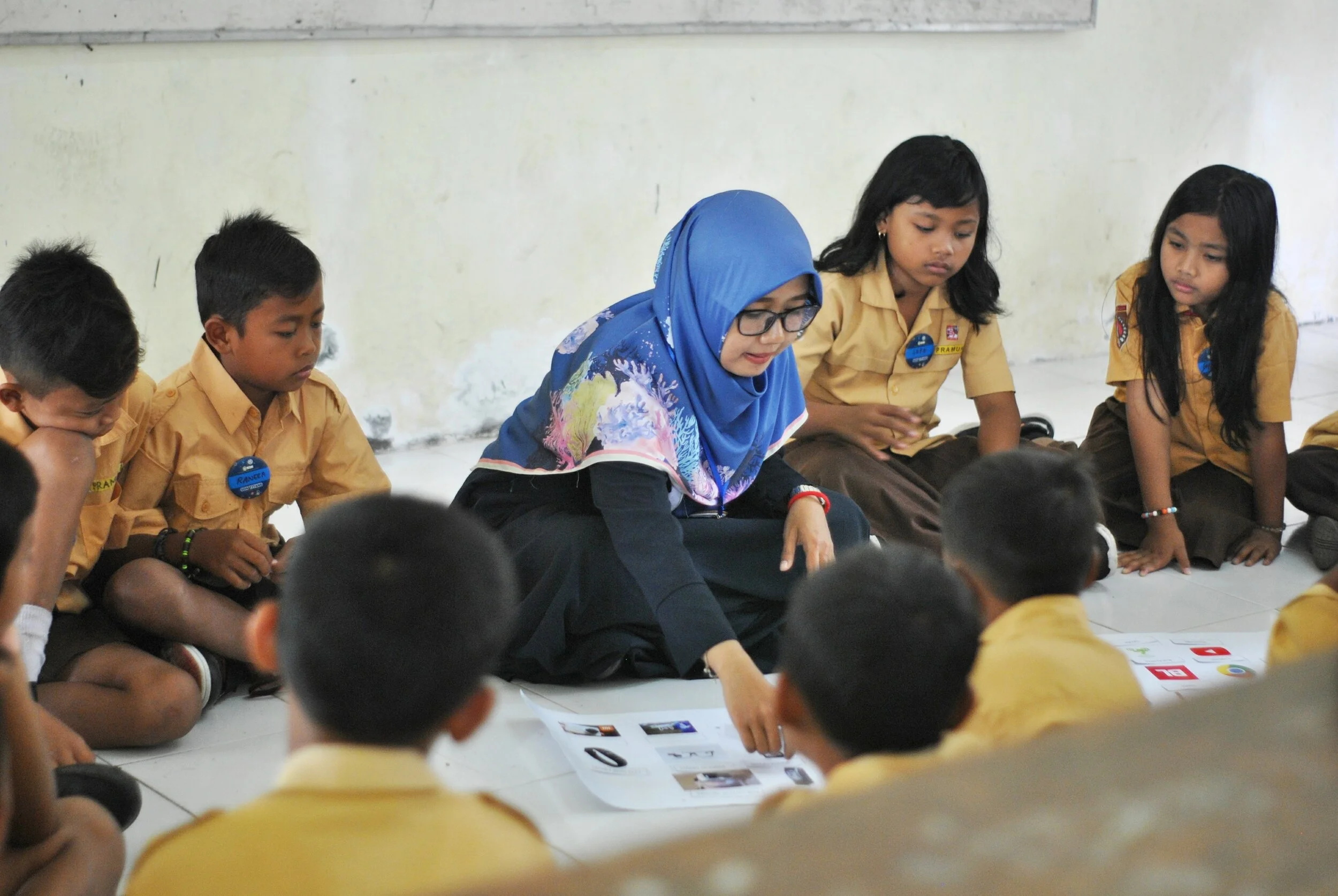
Young men and women studying in the classroom in Klaten, Indonesia. Husniati Salma. Unsplash.
This push for women’s education did not stop at the primary level, with three times more women enrolling in universities than 25 years ago, and the most significant progress is seen in North Africa and Western Asia. Morocco has particularly excelled, reaching enrollment parity in 2017 after more than 20 years of the rate of enrollment being just 30 women for every 100 men. The report found that although women are present in the classroom more frequently, there is still a culture of dismissal revolving around women’s education, so the efforts toward educating women are now focusing on representation and validation.
Ways You Can Get Involved:
In relation to the report, a personal way to involve yourself is to participate in the #Iamthe1stGirl campaign, started by the Global Education Monitoring (GEM) sector of UNESCO. This campaign asks women and girls who were the first of their family to graduate from high school and/or university to share their own stories of education and success. By sharing your own story, you can inspire women and girls to continue fighting for their right to be educated. The stories have been shared on Instagram and Twitter by the GEM account, and while the campaign did not go viral, the social media interactions show girls being inspired to continue their education in real time.
There are several ways to get involved financially, and most involve the direct sponsoring of a woman in the process of getting her education. World Vision has a simple and effective sponsoring process, and your money goes toward not only providing school supplies, but also ensuring that proper sanitation and transportation is offered to women at school.

Malala Yousafzai speaking on the creation of a shared future through education and empowerment. World Economic Forum. CC BY-NC-SA 2.0.
A fund with a story you may be familiar with is the Malala Fund, started by Pakistani girls’ education activist Malala Yousafzai in 2013 “to champion every girl’s right to 12 years of free, safe, quality education.” The money in the fund goes toward their board along with the leadership council and staff, championing “the creation of a more equal world by making sure all girls can go to school.”
On a smaller scale, you can ensure the girls and women in your community do not face barriers to their education by creating or participating in school supply and sanitary product drives and by sharing your own story about education.

Donations collected during a 2015 school supply drive in Tallahassee, Florida. flguardian2. CC BY-NC-SA 2.0.
There are several ways to get involved in closing the gap. To donate towards causes that sponsor women’s education through providing instructors and supplies, you can visit World Vision or Malala.org.
In order to make sure that menstruation does not interfere with learning, you can donate money and time to several organizations that supply period products like, DoSomething.org. Two other organizations that also supply products are, DayForGirls.org and BintiPeriod.org. Days for girls is a women’s equality organization so it provides other avenues of involvement as well.
To donate school supplies you can visit, Kinf.org to help students in the United States. Another school supply organization, Classroom Central, finds local schools in need of donations. For international involvement, you can directly donate to UNICEF USA.
For those who want to learn more information and sign petitions, Plan International provides both on their website, Plan International. Another petition to sign can be found on One.org where you can pledge to support the closing of the gender education gap. Lastly, you can even start your own fundraiser for school supplies and education funding at Room to Read.

Renee Richardson
Renee is currently an English student at The University of Georgia. She lives in Ellijay, Georgia, a small mountain town in the middle of Appalachia. A passionate writer, she is inspired often by her hikes along the Appalachian trail and her efforts to fight for equality across all spectrums. She hopes to further her passion as a writer into a flourishing career that positively impacts others.
CATALYST Fall Reading List: Top 10 Books
Now that beach reads are back on the shelves, it’s time to cozy up with these fall titles. CATALYST provides ten of the hottest books right now to add to your bookshelf.
Finish your summer reading? Good, because CATALYST’s lineup of new books for the fall provides wondrous worlds to explore, without leaving the comfort of your favorite reading chair. From elegiac poetry to bracing memoir to transgenerational fiction, this list offers a diverse array of books that comprise a who’s who and what’s what of the literary world today. From some of literature’s biggest names to lesser-known geniuses, these books promise to widen your scope of what books can accomplish–and of where they can take you.
1. Young MungoDouglas Stuart

Douglas Stuart follows his worldwide sensation “Shuggie Bain” with this tender, brutal novel of young working-class love between two young men. Mungo and James are born on opposite factions of a sectarian divide- Mungo on the Protestant side and James on the Catholic side. Despite their differences, however, they forge a friendship – and something more – that simultaneously threatens life as they know it but promises to change it for the better. This heartbreaking novel ends with a search for both inner and outer peace that provokes thought as much as it does tears.

Colson Whitehead takes his reader back in time with his latest outing. “Harlem Shuffle” tells the story of the scrappy social climber Ray Carney, full-time furniture salesman and part-time crook, as he learns the true rules and rulers of his beloved New York City. When he takes part in a heist of Harlem’s most esteemed hotel, he puts his whole life in jeopardy. In lavish prose, Whitehead paints a vivid picture of Harlem in the 1960’s such that his novel becomes a love letter to a bygone era. But will Ray Carney be able to survive the twists and double-crosses that comprise his life-story and make it to the better neighborhood he has always dreamed of?

What do you get when you mix an audacious heist, a biting social commentary and a moving love story? You get Rahul Raina’s “How to Kidnap the Rich”. This hilariously chaotic novel follows Ramesh Kumar, a brilliant yet impoverished young man who serves India’s upper-class by acing SAT tests for children. When his client Rudi Saxena places first in the national university entrance exams, he seeks to capitalize on his success, only for both of them to be kidnapped. What follows is a thrilling page-turner replete with caustic barbs against India’s upper-class. A searing, incendiary novel, “How to Kidnap the Rich” will surely captivate any reader who delights in double-crosses and thought-provoking satire.

Living at the intersection of blackness and queerness, George M. Johnson is uniquely situated to perceive the injustices faced by queer Black youth. Perhaps that is why he wrote “All Boys Aren’t Blue” as a series of essays designed to advise and guide young adults, though the book’s messages resonate for readers of all ages. From being bullied as a young child, to his first sexual experiences, to the support network that saw him through his life’s worst travails, this book covers territory from which most authors shy away, but ultimately in the service of love, Johnson seeks to confront this territory. In telling his story, Johnson provides reader’s a mirror in which they can see themselves reflected. Hopefully, they will also see, as Johnson ultimately did, a path towards healing.
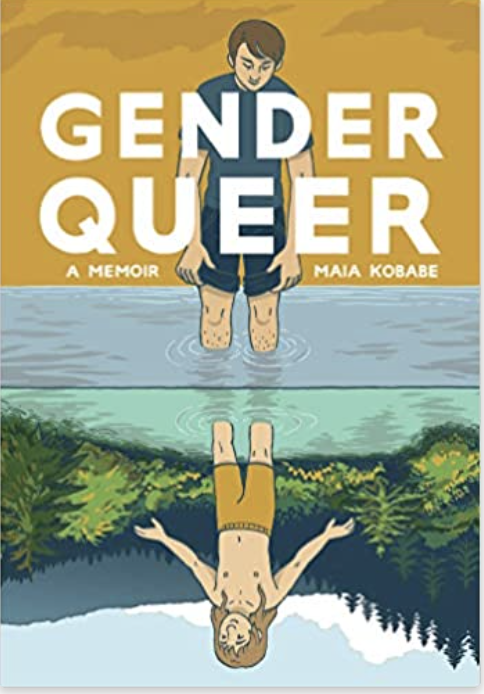
This graphic novel explores the ambiguities of gender and sexuality, which is experienced at a young age in a political moment defined by anti-LGBTQ+ backlash. “Gender Queer” is the most banned book in the United States, according to the New York Times, thanks to conservative activist movements that object to its frank depictions of gender dysphoria, sex and sexuality. At heart, it is a compelling story of Maia Kobabe’s quest towards self-discovery as a non-binary person. Its gorgeous images and thoughtful meditations are the best alternative to a public debate around gender that grows more raucous by the day.

From blue-bearded millionaires to ravenous wolves, the women of “How to Be Eaten” have survived some of fairy tales’ most devilish, nefarious men. Adelmann’s second book and first novel follows the female characters of some of the Brothers Grimm’s most famous yarns as they attend a trauma therapy group, where they process the immense harm done to them by their male counterparts. By turns wicked and uplifting, this book ultimately indicts the reader’s craving for a clear-cut happy ending. Sadly, love in Adelmann’s telling is not as easy as the Brothers Grimm would have us believe.

Famed Nobel Prize winner Kazuo Ishiguro turns his incisive, writerly gaze to the sci-fi genre with “Klara and the Sun”. Lonesome yet insightful, Klara is a robot who watches the world pass by from her perspective in a shop that dispenses Artificial Friends. When her life stands to change forever, she finds that her hopes may have been misleading her all along. Told in Ishiguro’s subtle and revelatory voice, “Klara and the Sun” is an accomplished addition to the author’s already impressive body of work.
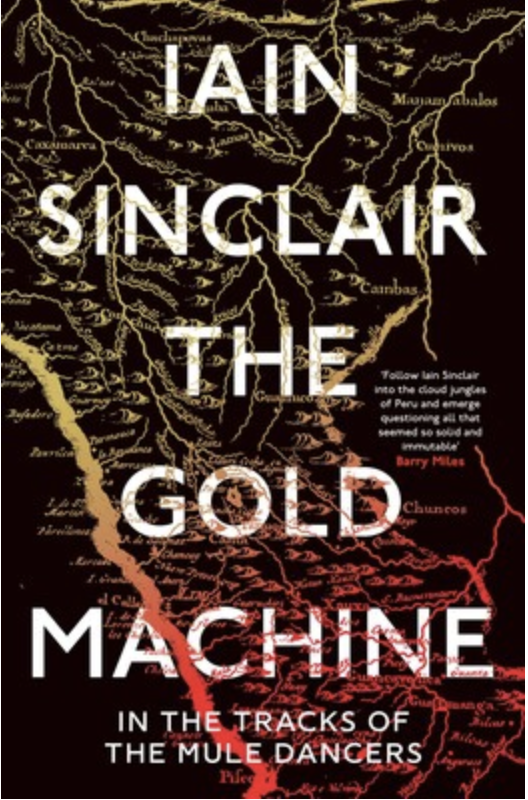
Author Iain Sinclair is famous for pushing and obscuring the boundaries between different media. In this book, he uses his multidisciplinary approach in the service of nonfiction. “The Gold Machine” relays his travels with his daughter through Peru following the trail of his great-grandfather. What he finds is the wreckage wrought by British colonialism and the still-open wounds of a country recovering from history. At once hypnotic and bracing, “The Gold Machine” charts colonialism’s legacy in the most personal of terms.

Ocean Vuong has catapulted poetry into the public spotlight with his arresting voice, palpable heart and his search for passion. He follows his autobiographical debut “On Earth We’re Briefly Gorgeous” with a second poetry collection, which continues the themes he has explored in his earlier poetry and fiction. Written in the wake of his mother’s death, Vuong captures the debilitating stagnation of grief but hints towards the means by which it is overcome. Inspiring, breathtaking and true, “Time Is a Mother” renews the reader’s faith in poetry to tell the heart’s most revealing secrets.
10. Homegoing Yaa Gyasi

As debut novels go, “Homegoing” is ambitious. It covers seven generations of a family’s history, tells that story from fourteen different perspectives and does it all in 300 pages. Despite the odds, the book soars. An almost impossibly moving novel about two sisters prohibited from knowing each other by the structures of British colonialism, Effie and Esi lead vastly different lives but are still in part defined by the racist eras they inhabit. From the Atlantic slave trade to the jazz clubs of Harlem, “Homegoing” captures the grief of the Ghanaian diaspora while illustarting the beauty and love that emerged from tragedy.

Michael McCarthy
Michael is the CATALYST book editor and curator. His fiction, nonfiction, interviews, and book reviews have appeared in The Adroit Journal, Barzakh Magazine, Beyond Queer Words, and Prairie Schooner, among others. Currently, he is transferring from Haverford College to University of Carlos III in Madrid, Spain, where he intends to major in the Humanities. He is also seeking publication for his poetry chapbook Steve: An Unexpected Gift, written in memory of his late uncle. He can be reached at @michaelmccarthy8026.