
Asako Kitamura never set out to break any barriers. She simply grew up wanting to become a master nebuta maker, just like her father before her. She spent years perfecting the art of building nebuta, giant paper floats built to take on the shape of warrior gods. This year, Mitamura made history as the first woman to win first place at Japan’s 300-year-old Aomori Nebuta Festival.
"The great aim of education is not knowledge but action." -Herbert Spencer
The Festival of Glowing Giants
Food Insecurity Affects More than 41 Million Americans
In a nation of plenty, why do 1 out of 8 Americans have uncertain or limited access to food?

In America 1 out of 10 don’t have enough to eat, much more than the 1 in 20 in Europe (Source: Bread Institute for America).
Going hungry in America is not what most would expect. Hunger might mean sacrificing nutritious food for inexpensive, unhealthy options. It might mean periodic disruption to normal eating patterns. And increasingly such hunger occurs among white families, in the suburbs, and among obese people. In other words, any community can be affected; and in 2017, the USDA reported 12.3% of American households are food insecure. Hunger today is a result of tradeoffs between food and other costs—such as health care, bills, and education.
However, hunger does not accurately depict food insecurity in America. Hunger is a prolonged, involuntary lack of food that can lead to personal or physical discomfort. Conversely, food insecure, coined in 2006 by the USDA, defines a household with limited or uncertain access to food. Food insecurity results from limited financial resources and makes it difficult to lead an active, healthy lifestyle. Further, food insecurity can be categorized either as low food insecurity (reduced quality of food, but not intake) or high food insecurity (both reduced quality and intake).
No matter the category given, food insecurity has serious effects. This is most evident in the need for 66% of Feeding America customer households to choose between medical care and food, according to a 2014 study. Considering many food insecure individuals have diabetes or high blood pressure, medical care can be critical. A study by the Bread for the World Institute in 2014 estimated hunger creates $160 billion in healthcare costs. This includes mental health problems, nutrition related issues, and hospitalizations among other potential costs.
Further, 13 million of food insecure individuals are children and 4.9 million are seniors: two critical groups whose bodies rely on proper nutrition. For example, the effects of hunger in children have been known to delay development, cause behavioral problems, and even increase the chances a child will repeat a grade.
One solution for food insecurity is federal food assistance programs. Indeed, 59% of food insecure households are part of at least one major federal food assistance program— but 25% of households do not qualify. The most well-known of these federal programs is SNAP, or Supplemental Nutrition Assistance Program. SNAP requires your gross income be at or below the poverty line by 130%, allowing for adjustments with family size. Still, the average amount per person is around $133.07 a month—or less than $1.50 per meal.
The desired solution though is the end of food insecurity in America. A major force behind this future is the domestic nonprofit, and hunger relief organization, Feeding America. Feeding America supports food banks, funds research, provides meal programs, mobilizes anti-hunger advocacy, and educates the public among other initiatives.
Overall, Feeding America and its partners served 1 out of 7 Americans in 2017. It was able to do so as it works together with 200 food banks and 60,000 pantries. Each affiliated food bank, a non-profit that stores food for smaller organizations, is evaluated according to industry practices and food safety laws. Additionally, all staff receive food safety training. These practices ensure all food is safe when distributed at the food pantries, which directly serve their communities.
Much of the food was higher quality too: around 1.3 billion pounds of nutritional food was delivered to food banks in 2017. Some food is food waste, in 2017 3.3 billion pounds were rescued from landfills and redistributed for consumption from partner companies, such as Starbucks. And all these small initiatives are directly helping communities, making food security an increasing possibility for the future.
TERESA NOWALK is a student at the University of Virginia studying anthropology and history. In her free time she loves traveling, volunteering in the Charlottesville community, and listening to other people’s stories. She does not know where her studies will take her, but is certain writing will be a part of whatever the future has in store.
SOUTH AFRICA: Dancing For Freedom
Masabatha “Star” Tete has been dancing since childhood. When she discovered pantsula, an energetic dance form known for its fast-paced footwork, she knew there was nothing she’d rather do. Originating in South Africa’s townships, pantsula was created during apartheid as protest during a time when many forms of expression were restricted. Today, dancers like Star and the organization she works for, Impilo Mapantsula, are keeping the culture and history of pantsula alive through dance crews and competitions. And although traditionally considered a male form of dance, Star and other female dancers have been breaking down barriers for generations to come.
CHILE: Atacama
The Atacama Desert is a virtually rainless plateau in South America, covering a 600-mile (1,000 km) strip of land on the Pacific coast of South America, west of the Andes mountains. According to NASA, National Geographic and many other publications, it's the driest desert in the world.
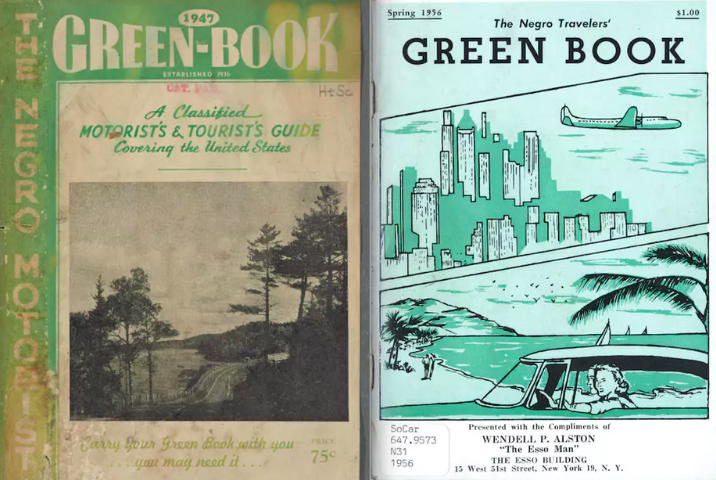
The 1947 and 1956 editions of the ‘Green Book,’ which was published to advise black motorists where they should – and shouldn’t – frequent during their travels. Image on the left: Schomburg Center for Research in Black Culture, Manuscripts, Archives and Rare Books Division, The New York Public Library. Image on right: Courtesy of the South Caroliniana Library, University of South Carolina, Columbia, S.C
‘Traveling While Black’ Guidebooks May be Out of Print, but Still Resonate Today
In the summer of 2017, the NAACP issued a travel advisory for the state of Missouri.
Modeled after the international advisories issued by the U.S. State Department, the NAACP statement cautioned travelers of color about the “looming danger” of discrimination, harassment and violence at the hands of Missouri law enforcement, businesses and citizens.
The civil rights organization’s action had been partly prompted by the state legislature’s passage of what the NAACP called a “Jim Crow bill,” which increased the burden of proof on those bringing lawsuits alleging racial or other forms of discrimination.
But they were also startled by a 2017 report from the Missouri attorney general’s office showing that black drivers were stopped by police at a rate 85 percent higher than their white counterparts. The report also found that they were more likely to be searched and arrested.
When I first read about this news, I thought of the motoring guidebooks published for African-American travelers from the 1930s to the 1960s – a story I explore in my book “Republic of Drivers: A Cultural History of Automobility in America.”
Although they ceased publication some 50 years ago, the guidebooks are worth reflecting on in light of the fact that for drivers of color, the road remains anything but open.
The half-open road
In American popular culture, movies (1983’s “National Lampoon’s "Vacation”), literature (“On the Road”), music (the 1946 hit “Route 66”) and advertising have long celebrated the open road. It’s a symbol of freedom, a rite of passage, an economic conduit – all made possible by the car and the Interstate Highway System.
‘Get your kicks on Route 66,’ Bobby Troup crooned in his hit song.
Yet this freedom – like other freedoms – has never been equally distributed.
While white drivers spoke, wrote and sang about the sense of excitement and escape they felt on automobile journeys through unfamiliar territories, African-Americans were far more likely to dread such a journey.
Especially in the South, whites’ responses to black drivers could range from contemptuous to deadly. For example, one African-American writer recalled in 1983 how, decades earlier, a South Carolina policemen had fined and threatened to jail her cousin for no reason other than the fact that she had been driving an expensive car. In 1948, a mob in Lyons, Georgia, attacked an African-American motorist named Robert Mallard and murdered him in front of his wife and child. That same year, a North Carolina gas station owner shot Otis Newsom after he had asked for service on his car.
Such incidents weren’t confined to the South. Most of the thousands of “sundown towns” – municipalities that barred people of color after dark – were north of the Mason-Dixon Line.
Of course, not all white people, police and business owners behaved cruelly toward travelers of color. But a black individual or family traveling the country by car would have had no way of knowing which towns and businesses were amenable to black patrons and visitors, and which posed a grave threat. The only certainties for African-Americans on the road were anxiety and vulnerability.
‘A book badly needed’
“Would a Negro like to pursue a little happiness at a theatre, a beach, pool, hotel, restaurant, on a train, plane, or ship, a golf course, summer or winter resort?” the NAACP magazine The Crisis asked in 1947. “Would he like to stop overnight in a tourist camp while he motors about his native land ‘Seeing America First’? Well, just let him try!”
Despite the dangers, try they did. And they had help in the form of guidebooks that told them how to evade and thwart Jim Crow.
“The Negro Motorist’s Green Book,” first published in 1936 by a New York letter carrier and travel agent named Victor Green, and “Travelguide: Vacation and Recreation Without Humiliation,” first published in 1947 by jazz bandleader Billy Butler, advised black travelers where they could eat, sleep, fill the gas tank, fix a flat tire and secure a myriad of other roadside services without fear of discrimination. The guidebooks, which covered every state in the union, drew upon knowledge hard-won by pioneering black salesmen, athletes, clergy and entertainers, for whom long-distance travel by car was a professional necessity.
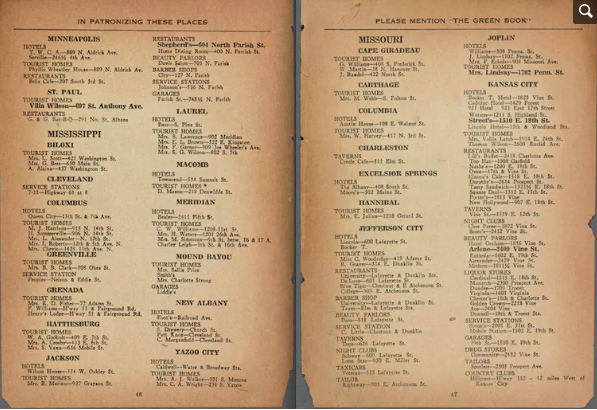
Pages from an original 1947 edition of the ‘Green Book’ highlight businesses in Mississippi and Missouri. Schomburg Center for Research in Black Culture, Manuscripts, Archives and Rare Books Division, The New York Public Library. 'The Negro Motorist Green Book: 1947' The New York Public Library Digital Collections. 1947
“It is,” a “Green Book” subscriber wrote to Victor Green in 1938, “a book badly needed among our Race since the advance of the motor age.”
Acknowledging the era’s racial tensions and dangers of travel, the 1956 edition reminded drivers to “behave in a way to show we’ve been nicely bred and [were] taught good manners.”
The 1950 edition of ‘Travelguide.’ Cotten Seiler, Author provided
It pointed to certain states that would be more amenable to black travelers: “Visitors to New Mexico will find little if any racial friction there. The majority of the scores of motels across the State accepts guests on the basis of ‘cash rather than color.’”
Yet even as they sought to ease the black traveler’s passage through an America in which racial discrimination was the norm, the guidebooks, whose covers often featured well-heeled travelers of color with upscale automobiles and accessories, also asserted African-Americans’ claims to full citizenship.
The guidebooks’ images and text conveyed an attitude of indignation and resistance to the racist conditions that made them necessary.
“Travel Is Fatal to Prejudice,” the cover of the 1949 edition of the “Green Book” announced, putting a spin on a famous Mark Twain quote.
In 1955, “Travelguide” declared, “The time is rapidly approaching when TRAVELGUIDE will cease to be a ‘specialized’ publication, but as long as racial prejudice exists, we will continue to cope with the news of a changing situation, working toward the day when all established directories will serve EVERYONE.”
Is racial terror really over?
Travelguide and the Green Book did indeed shut down in the 1960s, when the civil rights movement sparked a profound transformation in racial law and custom across the country.
Today, copies can be found in research archives at Howard University, the New York Public Library and the Library of Congress. The guidebooks have been the focus of a growing body of print and digital scholarship. The University of South Carolina, for example, has built an interactive map that allows visitors to search for all of the businesses listed in the 1956 edition of the “Green Book.”
In popular culture, a play, a children’s book and a forthcoming Hollywood film starring Mahershala Ali all center on these travel guides.
While the story of these books recall an era of prejudice many regard as bygone, there remains much work to be done.
The NAACP’s decision to issue a travel advisory calls attention to the dangers that continue to be associated with “driving while black.” The highly publicized recent deaths of Sandra Bland, Philando Castile and Tory Sanford are the starkest examples of what can happen to black drivers at the hands of police. Studies have shown that across the nation, police are still much more likely to stop and search drivers of color.
If guidebooks for drivers of color are unlikely to make a return, it is because the internet now fulfills their role, not because the “great day” of racial equality the “Green Book” heralded 70 years ago has arrived.
THIS ARTICLE WAS ORIGINALLY PUBLISHED ON THE CONVERSATION
Chasing Away Evil Spirits in Bulgaria
Each year, people across Bulgaria gather in Blagoevgrad to partake in the annual Kukeri Festival. Draped in elaborate costumes made from long goat hair, participants dance away the evil through a procession involving the ringing of bells. Dancers wear carved wooden masks that depict the faces of beasts and jump in a centuries-old ritual intended to drive away evil spirits. Desislava Ilieva started attending festivals as a child and now continues to uphold her family’s tradition by wearing costumes handmade by her father.
Nigeria Replaces India as Home to Most in Extreme Poverty
Extreme poverty is increasingly common in Africa according to a Brookings Institution report.
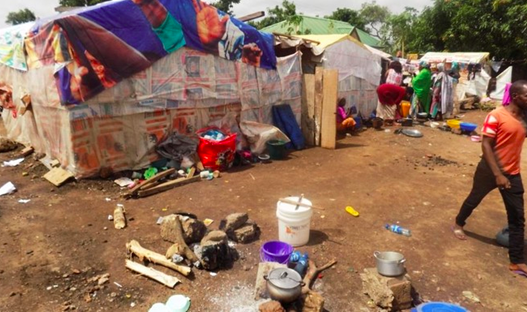
A snapshot of what poverty means in Nigeria (Source: Daily Trust).
Imagine living on $1.90 or less a day, struggling even to access basic necessities. 767 million people in the world fit that description, according to a 2013 survey (the last comprehensive survey on global poverty): 1 in 10 people. The World Bank describes such people as “predominantly rural, young, [and] poorly educated.” For a long time India has been home to the most people living in extreme poverty. But Nigeria is now number one for most people in extreme poverty, according to Brookings Institution, a DC public policy nonprofit.
This change reflects a geographical shift in extreme poverty. Once extremely common in Asia, economic progress has helped to eliminate a significant proportion of extreme poor. The trend in Asia reflects worldwide trends since the 1990s that have seen rates of extreme poverty decrease by more than 60% according to the World Bank. Progress in India also reflects progress with the international Sustainable Development Goals, set in 2016, that seeks to eliminate extreme poverty by 2030. Since the goals were set in 2016, 83 million have escaped extreme poverty.
However, the progress in India has not been praised by everyone. Some wonder if the reported progress illustrates continued rural distress and worries about job creation in India. Another potential criticism is about what poverty means. For India, a middle-income country based on its per capita income, its poverty line is $3.20 or less per day according to the World Bank. This means poverty is less defined by living on the edge of hunger and more on having an income that can access opportunities of a growing economy, according to a financial editorial in Mint.
Meanwhile, extreme poverty has become the unwelcome status quo in Africa. This is most notable in statistics, calculated through the IMF’s World Economic Outlook and household surveys, provided by the World Poverty Clock. It states as six people enter extreme poverty per minute in Nigeria, 44 leave it in India. More generally, 87 million Nigerians (44% of the population) live in extreme poverty while 70.6 million (around 5% of the population) live in extreme poverty in India.
Further, Nigeria is only a part of the extreme poverty in Africa. Two-thirds of Africans live in a state of extreme poverty and 14 of the 18 countries that have rising numbers of extreme poor are located in Africa. Indeed, on track to be number two for extreme poor is the Democratic Republic of Congo.
The theme of poverty in Africa also depicts difficulties in achieving the Sustainable Development Goals. When it was implemented in 2016, the pace required to eliminate poverty by 2030 was 1.5 people every second. However as countries have slowed down in eliminating poverty, the actual pace is remarkably less—by 2020 it could be 0.9 people per second. The difference in pace will make it difficult to eliminate poverty by 2030 if not impossible, especially as the required pace to get back on track for the goal is 1.6 people per second.
In spite of the difficulties, eliminating global poverty is a priority for many charitable organizations. One is The Borgen Project, a Seattle nonprofit who hopes to be “an influential ally” for the world’s poor by building “awareness of global issues and innovations in poverty reduction.” The Borgen Project builds awareness by advocating for poverty-reducing legislation by meeting directly with members of Congress or staff. They also hold members of Congress accountable for blocking poverty-reducing legislation.
The Borgen Project’s success is especially evident in the passing of the 2017 Reinforcing Education Accountability in Development (READ) Act. The Act holds the US accountable for ensuring access to basic education in war-torn and developing countries. Basic education encourages economic growth by equipping people with skills needed to participate in the global marketplace— an important step to reducing poverty.
Another successful organization is international organization Oxfam, which hopes to create “lasting solutions to poverty, hunger, and social justice.” Oxfam strives to create such systemic change through social justice advocacy of legislation that reduces poverty; disaster response improvements; and public education about the causes of poverty. Oxfam also focuses on programs that educate individuals about their rights or address inequalities in resource accessibility— such as clean water initiatives.
These programs cultivate local partnerships and networks with a focus on “locally informed and locally driven solutions.” For example, after over ten years of working with local communities and government authorities to minimize the impact of disasters on poor people, El Salvador was able to swiftly respond to the October 2011 flood. More importantly, when a village (La Pelota) received unclean drinking water, they asserted their right to clean water by sending it back to the authorities.
Both organizations show work that has been directly done to eliminate poverty. Like other organizations that focus on global poverty, they strive to enforce systemic change by targeting root issues. These include a lack of education— of individuals about their rights as well as the general public, a lack of adequate resources, and a lack of legislation that addresses the poor. Whether it is by 2030 or later, it is possible to imagine a future where extreme poverty does not exist. Many individuals already do.
TERESA NOWALK is a student at the University of Virginia studying anthropology and history. In her free time she loves traveling, volunteering in the Charlottesville community, and listening to other people’s stories. She does not know where her studies will take her, but is certain writing will be a part of whatever the future has in store.
The Calais Jungle: The Good, the Bad, and the Playwrights
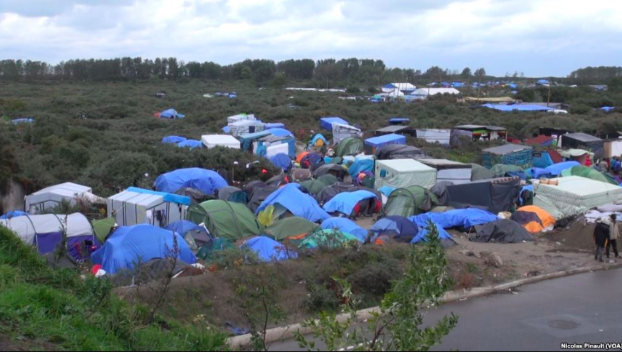
Immigration is a challenge that meets all relatively stable governments and countries offering political asylum. The issue is not solely a hot topic in the United States. In fact, Trump’s suggestion to build a wall is a concept that is being orchestrated to control immigration to the UK from the Northern part of France. This area of Northern France, called Calais, is largely undeveloped but not largely uninhabited… The region has been nicknamed the “Jungle” for its history and conditions.
The two European governments are choosing to handle immigration facilitated via a railroad system called the Eurotunnel that goes under the water passage through the construction of a 13 ft wall. The water passage has served many brave and desperate immigrants either a life or death sentence, literally. The wall will cost a lofty 23 million dollars, funded by both countries.
The Calais Jungle is known as a refugee camp that has historically amassed a number of illegal immigrants, many of which are escaping their native countries of Yemen, Syria, Sudan, Iraq and Somalia. The camp has a long history beginning in 1999 with the opening of a migrant center to facilitate those attempting to reach the UK. By the year 2002, the camp had grown to an unmanageable 2000 individuals. The camp, not fully backed by the French government could not support the steady increase of needy people, and thus, closed abruptly. However, the establishment of these people without a safe place to which they could return meant the area became an unofficial “jungle” home. The immigrants courageously and stubbornly determined to reach the UK continued to arrive to the area. The unofficial and illegal camp became a growing, makeshift society of people with ominous backgrounds seeking a singular goal- a better life in a more objectively stable country. The illegal nature of the camp meant that it was quite dirty, unorganized, and unsafe according to several volunteers. In an attempt to eradicate this development that the government refused to support, the camp was bulldozed in 2009. In spite of their efforts to eliminate the inhabitants from this region of France, the community persisted.
The camp reopened and regained a significant amount of immigrants from the years of late 2014 to the camps official closure in October of 2016. This time period of a year and a half were monumental in the immigrant crisis that existed in this space. The camp grew to a fluctuating 10,000 individuals by 2016. Violence, poverty, and a community completely unsupported had become overwhelming. That said, it was not all ugly. The community had taken on its own personality.. The refugees had developed a functioning society among themselves and volunteers began appearing to help the many downtrodden peoples.
In 2015, two particular men arrived to the camp with ideas and a hope to change the lives through the devotion of their own. The two men, Joe Murphy and Joe Robertson, of Northern England and Oxford University came under their personal concerns about the growing migrant crisis. They eventually went on to raise money to create a community theater that would function within the camp. The theater was called “Good Chance and was used by a number of refugees for an array of purposes. One man of Sudan, in between his efforts to escape to the UK, found the theater as a place to participate in a band. This young man, known as Mr. Sarrar according to the New York Times, went on to seek asylum in the UK for for 5 years with a possibly indefinite residence in the future. He, along with many others, found the theater a place to play “upbeat music” and “dance the night away.”
While the camp was well-served by this theater, and the two men who built it created a sense of positivity among the inhabitants, the immigrant situation was nevertheless worsening. In October of 2016, the French government closed the camp and attempted to relocate all willing to regions throughout the country. The rest of the population returned to their home countries or, even in spite of the poor conditions in Calais, remained illegally.
As of 2018, the “jungle” is left only to those forlorn enough to live in what is now a dilapidated camp. Volunteers are still making trips to and from the region, raising money and attempting to help those refugees in desperate need. In February of 2018, two refugee groups engaged in violent acts over food handouts that resulted in 4 left in critical condition and dozens injured. Strict actions are being taken between the English and French governments to prevent further losses and to eradicate illegal movement of refugees between borders. The camp remains a relevant topic of concern.
As far as the British playwrights of the Good Chance Project, Mr. Robertson and Mr. Murphy, they resided as volunteers and theater coordinates up until the closure of the camp. They later went on to create the play entitled The Jungle that follows their experiences across a year throughout the camp. The play is used to raise awareness about the immigrant crisis that persists while telling a story of human existence, resilience, and inquiring about the role of external volunteers. The play began showing regularly in London this year as of June 16 according to The Guardian…
ELEANOR DAINKO is an undergraduate student at the University of Virginia studying Spanish and Latin American Interdisciplinary Studies. She recently finished a semester in Spain, expanding her knowledge of opportunity and culture as it exists around the world. With her passion to change the world and be a more socially conscious person, she is an aspiring entrepreneur with the hopes of attending business school over seas after college.
"A good traveler has no fixed plans, and is not intent on arriving." -Lao Tzu
Health Care Inequalities Impact Indigenous Communities
What are the Effects of Racism In Health Care Delivery in Canada and the US?
Research released the week of July 1 suggested health care inequalities among indigenous communities extended beyond the Northwest Territories’—where around half the population is indigenous—to all of Canada. The research says racism, in particular implicit racism, has contributed to unnecessary deaths among indigenous communities. Dr. Smylie, a Métis doctor and researcher, commented that “the most important and dangerous kinds of racism that people encounter is actually racism that's hidden.”
Yet implicit racism is not new: it has been the focal point of past studies, most notably the 2015 Wellesley Institute study “First Peoples, Second Class Treatment” also led by Dr. Smylie. The study suggested indigenous people either strategized their visits or avoided care completely due to the frequency of experienced racism. Such racism was commonly felt in a “pro-white basis,” according to Dr. Smylie, and negative stereotypes that originated in colonial government policies like segregation.
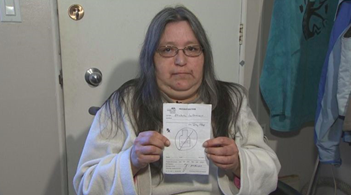
Michelle Labrecque’s prescription for severe stomach pain was merely a message to not drink (source: CBC news).
The findings of the 2015 Wellesley study underlined the unnecessary death of elder Hugh Papik in 2016. Even though Papik did not have a history of drinking, Papik’s stroke was mistaken for drunkenness. His death prompted an external investigation that made 16 recommendations for the Government of the Northwestern Territories. Four of the recommendations focused specifically on fostering relations between indigenous communities and health care professionals. All but two were adopted.
The recommendations included training staff—“policies for implementation of mandatory and ongoing culture safety training… in partnership with the Indigenous community”—in hopes of breaking down the root issue of systemic racism by confronting stereotypes. According to health minister Glen Abernethy, training will do so by incorporating information about the different cultures of the territory as well as a history of colonization for non-indigenous staff. In addition to the training, Abernethy hopes to increase the number of indigenous staff in the future by encouraging young locals to pursue medical careers so that they might return and serve their communities.
However, the messy entanglement of racism and health care is not unique to Canada. A 2017 survey by NPR, the Robert Wood Johnson Foundation, and the Harvard T.H. Chan School of Public Health found 23% of Native Americans faced discrimination when “going to [the] doctor or health clinic” in the US.
Even though the US federal government is obligated, through treaty agreements, to provide for the health of Native Americans, the IHS itself is too underfunded to provide adequate care. A 2014 study stated that “Long-term underfunding of the IHS is a contributing factor to AI/AN health disparities.” Indeed, for people like Anna Whiting Sorrell who have struggled to get treatment in the past, it is no surprise that “a lot of American Indians simply put up with …“‘tolerated illness.’” Other care alternatives are also difficult to access as the American health care system makes it hard for many Native Americans to obtain care in the private sector.
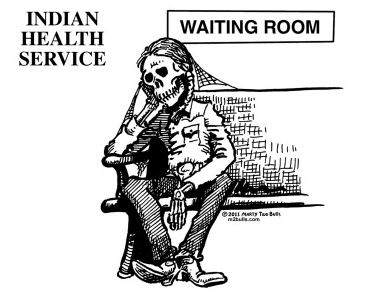
Cartoon depicting the waiting room of an IHS facility-- and the struggles of the system (Source: Marty Two Bulls).
And while some communities have successfully started looking inwards at traditional forms of healing and eating to improve health, it is evident that many are doing so because outside systems of support are inadequate or nonexistent. Although Canada is actively trying to address inequalities in its health care, the US has yet to do so.
TERESA NOWALK is a student at the University of Virginia studying anthropology and history. In her free time she loves traveling, volunteering in the Charlottesville community, and listening to other people’s stories. She does not know where her studies will take her, but is certain writing will be a part of whatever the future has in store.
"Action is the foundational key to success." -Pablo Picasso
Searching for China’s Ancient Tea Leaves
Tea is the most popular beverage in the world, first cultivated over 6,000 years ago in ancient China. Shunan Teng is on a mission to experience it in its most authentic, historic form. Her love for tea knows no bounds, as she travels halfway around the world, up steep mountains and through remote jungles in search of the world’s oldest tea trees. Now, through Tea Drunk, a teahouse in New York City, she’s giving others the opportunity to be steeped in history.
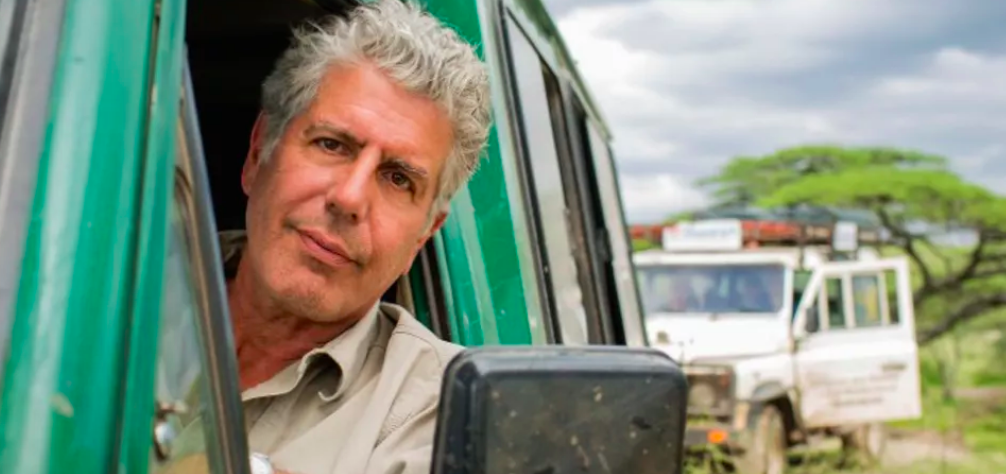
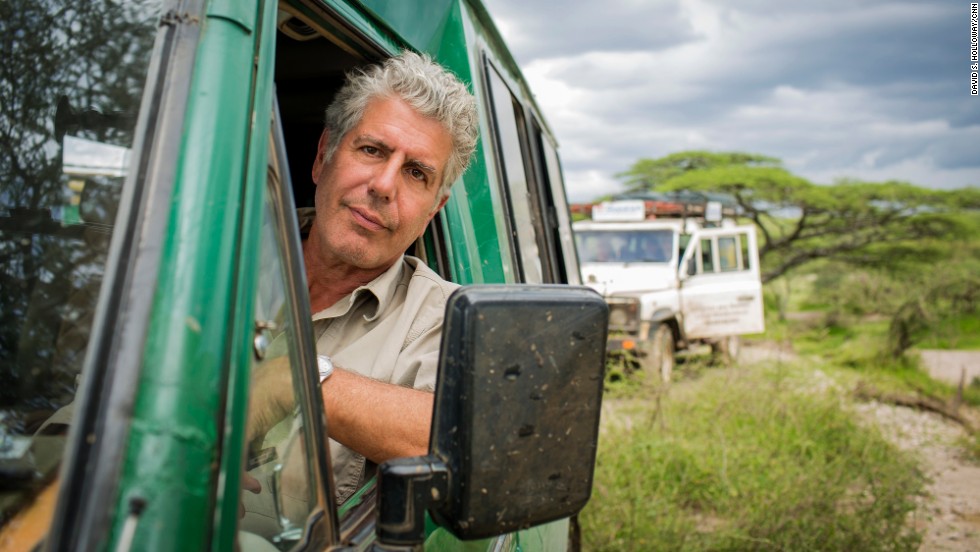
In Season 3 of ‘Parts Unknown,’ Anthony Bourdain took viewers to Tanzania. CNN
Anthony Bourdain’s Window into Africa
Anthony Bourdain might have been a celebrity chef, but viewers of his Emmy Award-winning travel show, “Parts Unknown,” didn’t tune in for curry and noodle recipes.
Cooking was simply the conceit Bourdain used to have a conversation about the culture, politics, struggles and triumphs of people around the world.
As a human geographer, I was drawn to how Bourdain upended the travel show genre, telling compelling and complicated stories about people and places most Western viewers tend to view through a lens of simplistic stereotypes or caricatures.
Even more remarkable, his work wasn’t relegated to obscurity. The show aired on CNN – a mainstream cable outlet with millions of viewers.
I was especially interested in the way the show depicted Africa, a continent Western media tends to portray using what novelist Chimamanda Ngozi Adichie famously called a “single story” – a monolithic narrative of poverty, backwardness and hopelessness.
So in a paper published last fall, I analyzed Bourdain’s Africa episodes, which took viewers to Congo-Kinshasa, South Africa, Tanzania, Madagascar and Ethiopia.
In them, he largely rejects the “single story” approach taken by much travel writing, and later travel television, since at least the 16th century. While the stories told about Africa in the West have changed over time, they’ve often lacked nuance and multiple voices – something Bourdain was eager to provide.
A ‘single story’ of horror and hopelessness
In the imaginations of many Westerners, Africa exists as a silent, docile, set piece – a contrasting “other.”
Sociologist Jan Nederveen Pieterse notes that for centuries – through deliberate lies and well-meaning mistakes – travel writers, missionaries and popular media outlets have wrongly depicted Africa as a place devoid of civilization, a frontier of wilderness and savagery.
The dominant narrative goes something like this: If the West is stable, Africa must be chaotic; if the West is mature, Africa must be infantile; and if the West is technologically advanced, Africa must be primitive.
Reality television and travel shows often deploy these tropes. Cultural anthropologist Kathryn Mathers has written widely on media depictions of Africa, suggesting that programs like “Survior: Africa” and Nicholas Kristof’s popular newspaper columns tell predictable stories of poverty and chaos with little effort to contextualize them within a larger history.
The dynamic voices of Africans – hardly a monolithic category – are often absent in these narratives. In the rare event they do appear, they’re often presented as people without politics who exist only to welcome tourists and protect rhinos. Intrepid conservation officers and overburdened health workers are favorite characters, along with the traditional leader, the street vendor and the small child in school uniform.
Cable news coverage of Africa also tells a “single story.” As Mathers wryly notes, when the continent does get coverage, the stories can be distilled down to the same topic: “the horrors of the hopeless continent, as seen on CNN.”
Bourdain’s critical lens
But Anthony Bourdain was also “seen on CNN.”
Beginning with his memoir, “Kitchen Confidential,” Bourdain built his persona as a speaker of unspoken truths. Likewise, he steered his travel show to “parts unknown” – or, more accurately, parts only known through incomplete tropes.
In each episode, Bourdain gives a brief historical overview to remind the audience that places are made by their histories. He doesn’t gloss over the difficult ones. For example, when explaining contemporary Congo, he implicates his American viewers:
“When the new country managed to inaugurate their first democratically elected leader, Patrice Lumumba, the CIA and the British, working through the Belgians, had him killed. We helped to install this miserable bastard in his place: Joseph Mobutu.”
When Bourdain is in Madagascar, he reflects on his own conflicted relationship to tourism and colonialism.
In Season 6, Ethiopian-born, Swedish-raised chef Marcus Samuelssonjoins him in Ethiopia. Together, they explore the theme of home in the context of the African diaspora.
While one might criticize Bourdain’s perspectives, he could never be accused of taking a sanitized, apolitical approach.
In the episode on Tanzania, he visits a Maasai village – a common pit stop for travel shows about East Africa. But “Parts Unknown” rejects the stereotype that the Maasai are an isolated, backwards tribe that exists apart from the modern world.
When a villager learns that Bourdain was born in New Jersey, he tells the host that his son attends university there. The conversation picks up again later in the episode, when Bourdain and the Maasai man thoughtfully ponder globalization and the anxiety and opportunity of social change. Bourdain understands that his African hosts aren’t anchored to a static past. Instead, they are dynamic actors in a global economy.
Bourdain writes his own reflections into each script. In Madagascar, Bourdain reminds viewers that
“the camera is a liar. It shows everything. It shows nothing. It reveals only what we want. Often, what we see is seen only from a window, moving past and then gone. One window. My window. If you had been here, chances are you would have seen things differently.”
The episode then cuts to previously rolled footage but reedited in the style of Mathers’ “horrors of the hopeless.” It’s all done to show the ease with which dominant narratives are packaged and to emphasize that “Parts Unknown” seeks to convey something entirely different.
The greatest strength of “Parts Unknown” was its comfort with unknowns remaining unknown – its resistance to arriving at singular truths about complex places. Bourdain never claimed that the “artifice of making television” – as he called it – allowed more than “one window, his window.”
Yet it was an open window, a critical lens that helped his large audience disentangle the tropes so often served up by popular media. Bourdain was critical of the single story, critical of widely held stereotypes and perhaps most critical of his own position as a masterful storyteller.
THIS ARTICLE WAS ORIGINALLY POSTED ON THE CONVERSATION
How Tampons are Hurting the Environment
...and what you can do to help.

Image Credit: HelloFlo
Disposable tampons and pads are something that almost every woman uses on a monthly basis without realizing the negative effect these products have on the environment. This is partly due to the cultural taboos surrounding menstruation that allow manufacturers to proffit and prevent the topic from becoming a global conversation. It seems counterintuitive that despite sustainable options in other everyday products, this necessary part of a woman’s life has gone unchanged for the past fifty years.
How are tampons hurting the environment?
The average woman will use between 11,000 and 16,000 tampons in her lifetime. Those tampons add up to about 250 to 300 pounds of waste, not including the resources used to produce and ship the tampons. And that is only the beginning: once the tampon is disposed of it will take six months to decompose (this doesn’t include the applicator or wrapper).
Also, tampons are partly made out of plastic and usually include a plastic applicator which contributes to plastic pollution worldwide. Plastic is unable to biodegrade, meaning that it continues to break down into smaller pieces which contaminate groundwater, hurt wildlife, and attract and carry toxins. Because only 8% of plastic is ever recycled, the rest piles up in landfills, becomes litter, and often ends up in the ocean. In the past ten years volunteers have collected over 20,000 tampons and applicators from British beaches alone.
Tampons and pads are also made from cotton that is heavily treated by pesticides, meaning that those toxins will seep into groundwater when the tampon is discarded. Also, because tampons are registered with the FDA as medical devices, manufacturers are not required to list ingredients meaning that there are likely many undisclosed toxins in tampons and pads.
What Can I Use Instead?
Fortunately there are many options for a more sustainable period. A popular alternative to the tampon is the menstrual cup, a medical grade silicone cup that catches menstrual fluid. Unlike a tampon, the menstrual cup can be worn for up to 12 hours and is completely re-usable, saving you the money spent monthly on tampons. Menstrual cups are also chemical free, allowing you to know exactly what you are putting in your body. http://divacup.com/
Another sustainable option is period panties. These are basically regular underwear with extremely absorbent padding that can take the place of a pad or tampon. Most retailers list the amount of menstrual fluid the underwear is able to absorb, allowing you to supplement with a menstrual cup as needed. https://www.shethinx.com/
Cloth menstrual pads are also available. These pads will last you up to ten years and are made from natural material so that they will biodegrade once you need to throw them away.
It’s time to move past tampons to a more sustainable alternative that is better for you and your world.
EMMA BRUCE is an undergraduate student studying English and marketing at Emerson College in Boston. She has worked as a volunteer in Guatemala City and is passionate about travel and social justice. She plans to continue traveling wherever life may take her.

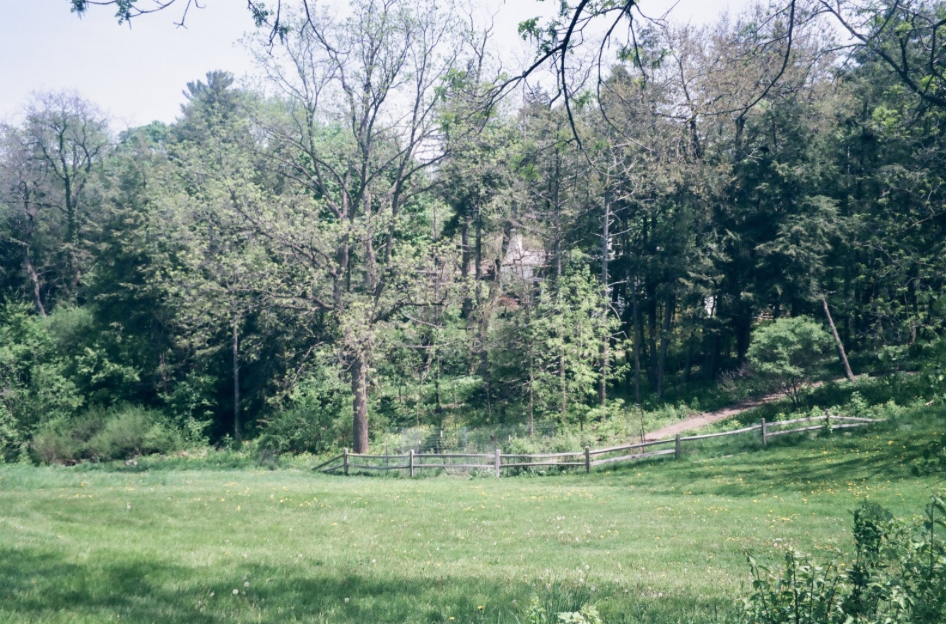
Nichols Arboretum. Ann Arbor, Michigan. Jana Shemano, 2018.
Happiness and the Environment in Costa Rica vs. the United States
The Happy Planet Index, founded in July 2006 by statistician Nic Marks measures the wellbeing of a country’s citizens; it “shows that it is possible to live good lives without costing the Earth.” Marks is set on identifying the positive outcomes that environmental action can have on individuals, the planet, and on society’s well being -- steering away from the negative perspective of the future of the environment -- while showing that economic development is not the key to happiness.
The importance of happiness that Marks utilizes to measure the Happy Planet Index is notably explained in Aristotle's Nicomachean Ethics. Aristotle asserts his belief that happiness is the final destination in life. He writes that when people make decisions “in the sake of honour, pleasure, reason, and every virtue” that “we choose them also for the sake of happiness, judging that by means of them we shall be happy”. Alternatively, when making decisions based on happiness, Aristotle believed that no one chooses happiness for the sake of anything other “than itself”. In summary, Aristotle believed that there is no explanation to the search for happiness, other than happiness is innate to human nature.
In Marks’s TedX talk at Oxford, England, he reinterprets Aristotle’s text stating that “we should be happy and the planet should be happy” and that happiness should be the goal “of every nation on the planet”. Marks then presents a graph of what people believe is most important in life ranking happiness first, health and love in second, and wealth in third. Despite these statistics, however, Marks discusses how western culture currently does not account for happiness when making decisions about the environment as they do with economic and materialistic gains. Most notably Americans continue to attribute happiness to wealth and success, when Costa Rica, the happiest place in the world, has a thriving environment and lack of economic wealth.
Costa Rica’s continuous ranking as the happiest country in the world is caused by an extremely low Ecological Footprint and highly efficient system of “generating long, happy lives in terms of the resources it consumes”, according to the Happy Planet Index. This way of life can be traced back to 1948 when Costa Rica peacefully abolished their army after a 44 day Civil War and dedicated their military funds to social, environmental and educational projects. Since then, the Costa Rican government has committed to becoming “carbon neutral in 2021” and produces 99% of its energy from renewable resources. Unlike western countries who target economic and technological advancements, Costa Rica focuses on accomplishing health and happiness through environmental action. The country is a jovial place brimming with happy, content people, despite their lack of advanced technology and economy.
Comparatively, the United States ranks 108th on the 2016 Happy Planet Index. America’s priorities, according to the Happy Planet Index, are not in order to produce a happy, sustainable society. Lauren Greenfield, creator of the collection of photos “Generation Wealth”, cogently captures America’s distorted desires. In her collection, Greenfield highlights America’s eagerness for opulence, wealth, inflated ego and lack of environmental awareness. Americans’ blatant disregard for anything but economic and technological advancements portrays why the United States ranks extremely low on the Happy Planet Index. They are unable to understand the detrimental effects that over-consumption has on their wellbeing and the environment. Taking care of the environment has a direct impact on an individuals well being. It is crucial that Americans understand and further integrate this correlation between the environment and happiness into daily life in order to create a healthy, happy and sustainable country.
The Happy Planet Index represents the necessity of taking care of the environment. Life and nature are precious, serene and beautiful. As a result, nature should not be sacrificed for the consumption of exorbitant amounts of resources and materials in order to redeem the economy or the ego. The assessment of the level of happiness of each country around the globe further demonstrates how environmental action also takes the format of a moral movement as it strives for happiness and peace with life and nature. Facing the environmental movement head on is essential to saving the planet from severe natural destruction and also achieving human’s one true end goal: happiness.
Jana Shemano is a student at the University of Michigan studying English and Psychology. She loves to learn, meet new people, gain different perspective, and have healthy debates. She also aspires to ski down Mt. Kilimanjaro.

Tribal Moscow - World Cup
You can hate it or love it, but you can't ignore it. World football is the thing that turns city alive. It unites the nations and let us enjoy the living.
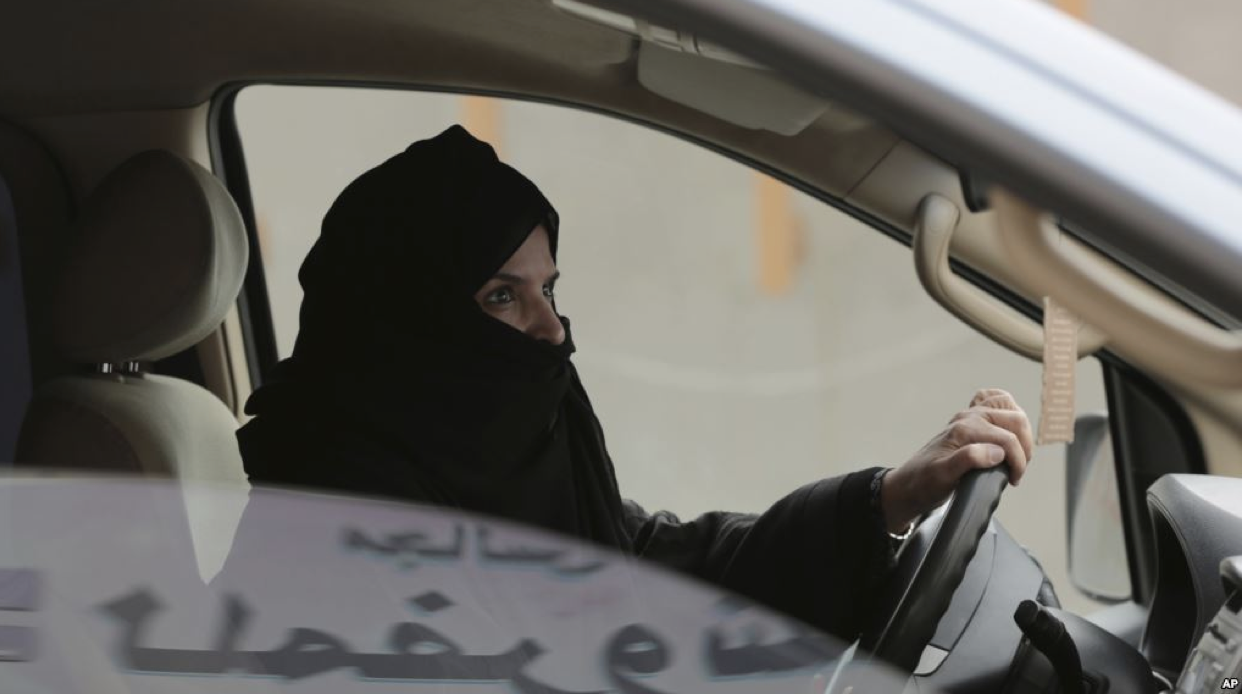
“Aziza Yousef drives a car on a highway in Riyadh, Saudi Arabia, as part of a campaign to defy Saudi Arabia's ban on women driving, March 29, 2014. (AP Photo/Hasan Jamali, File)”
Driving Ban Lifted in Saudi Arabia Encourages Feminist Movements
Saudi Arabia, known as the birthplace of Islam, has long maintained a social ban that forbade a woman’s right to drive. This ban prohibited women from the freedom of having a schedule and a life that exists outside the presence of their husbands, a human right that should come with modern life in a 21st century world.
On June 24, 2018, the world’s final ban prohibiting women from driving around at free will was removed in Saudi Arabia. This right, a right that has always existed for men, was finally equalized for women on a global basis. For years, the women of Saudi Arabia have had to fight for equal consideration within their country. While many laws still diminish their capacity to act as an independent, including their inability to withhold a job outside the home, their activism is certainly not a lost cause. Within the past decade, the women of Saudi Arabia achieved two life-changing rights with the authority to vote as of 2015 and, now, the lifted driving ban.
The right to drive is a right that transcends gender. The opportunity to move about freely in the world, even without a purpose, shapes the new reality for women in Saudi Arabia. Beyond the fact that driving laws should not factor in gender, it is an unrealistic inconvenience to modern life. Sometimes things happen, children get sick or a wife goes into labor while her husband is out. Sometimes, going for a drive in the car is exactly what you need, whether that drive is to watch the sunset and release a stressful day or a drive to the hospital in an emergency. These activities do not depend on gender. Rather, they express freedom. They demonstrate life. And all people, men and women alike, have a right to life.
While the ban removal is monumental for the country, it means something much greater than simply the approval of a woman in the driver’s seat of a car. It brings to light the history of Saudi Arabia and pushes the world forward in its feminist movements. Saudi women have suffered a lack of rights that are commonplace in the majority of the world… So why is it this country is so far behind in their treatment of women? What does the lifting of this ban mean for their future?
The intersection between the Islamic religion and society largely encourages strict laws regarding a woman’s place in society. Saudi Arabia, as the mecca of the Hajj and housing the most important Islamic tradition, is notorious for several laws that limit a woman’s right to consideration. Consider the fact that women only recently received the right to vote as evidence to this notion. Despite the equal rights momentum they are generating, women are still required to have a male guardian in many situations that usually only require one active individual. These scenarios include the decision to marry, travel outside the country, sign a contract, and others. Many of these laws extend into other countries that were once part of the Islamic empire.
Such laws have persisted on account of long standing religious beliefs and early defined cultural systems. Tradition is hard to reverse and reports of apprehension on behalf of some women and disapproval by some Saudi men come with the territory of change. That said, for the most part, women everywhere are celebrating- especially those who have suffered the silence of being enchained by their husbands rule. In 2017, when the law was first announced to be lifted the following year, women rejoiced…One woman reported to BBC upon this announcement, “I was very, very excited, jumping up and down and laughing. I’m going to buy my dream car, a convertible mustang, and it’s going to be black and yellow!”
There is much that remains to be overcome in the kingdom as their inability to work outside the home and their activism is still punished… In May of 2018, seven women’s rights activists were detained for speaking out against their unequal treatment and charged with working with “foreign entities.” The women were working towards more equality and basic human rights. Their right to free speech is clearly still not permissible behavior… Though the odds are heavily stacked against them, little by little, women around the world are finally finding their voices. They are shifting the world. They are changing their own lives. They are standing up against outdated systems and perspectives that make them small.
The rigorous laws that women are forced to comply with around the world and particularly in the Middle East are being challenged by many movements for equality. Tradition that has long supported the belittlement of a woman’s liberties is evolving. Women that have been silenced, hidden under dark clothing, waiting for their husbands to return from work before leaving the house, are becoming braver, fighting back… and the best part is, the world is finally listening. Silenced voices are now the loudest of all.
ELEANOR DAINKO is an undergraduate student at the University of Virginia studying Spanish and Latin American Interdisciplinary Studies. She recently finished a semester in Spain, expanding her knowledge of opportunity and culture as it exists around the world. With her passion to change the world and be a more socially conscious person, she is an aspiring entrepreneur with the hopes of attending business school over seas after college.
Reasons to Decrease Your Meat Intake
What you eat affects your world.
By Michael McCullough. May 1, 2010.
Due to the advent of trendy vegan and vegetarian restaurants it is easy to dismiss the vegan diet as little more than a food fad — a here-today-gone-tomorrow movement with little scope beyond the instagrams of teenagers. And yet, this popular misconception allows many to dismiss the movement without ever really considering the many ethical reasons for going meatless. The truth is that the meat industry, especially in America, is a contributing factor to many of the environmental problems we face today.
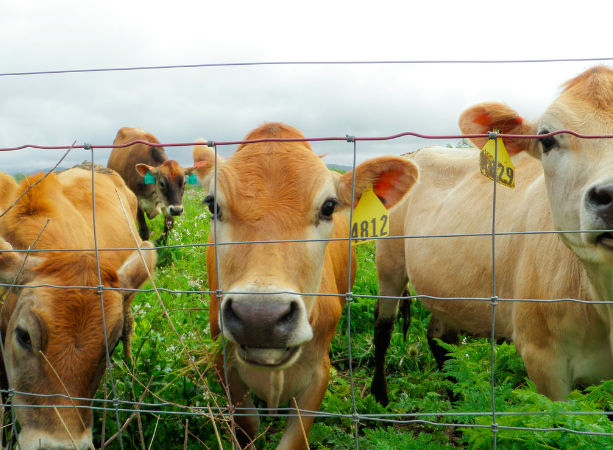
Much of the problem lies in an overconsumption of meat. According to the New York Times, Americans eat about 8 ounces of meat a day — almost twice the global average. Americans also consume 110 grams of protein per day (75 of which are from animal protein) which is twice the level recommended by medical professionals. This overconsumption does not come without a cost. According to the UN’s food and agriculture organization, 30% of the earth’s ice-free surface is now dedicated to livestock production. The same study also says that the livestock industry is responsible for a fifth of the world's greenhouse gases, more than the entire transportation industry.
The meat industry also uses far too much water. One cow can drink up to 50 gallons of water per day and it takes 2,400 gallons of water to produce one pound of beef. (Compare this to the 244 gallons of water needed to produce a pound of tofu.) Run-off from factory farms is also a significant factor in river and pollution within the United States. Often factory farms dispose of animal waste by spraying it in a mist over fields, allowing the toxins and pathogens in the waste to permeate the surrounding environment.
In addition, while 800 million people worldwide suffer from hunger and malnutrition, most of the corn and soy grown goes to feed chickens, pigs, and livestock. This is despite the fact that it takes 5 times more land and 12 times more water to produce animal protein as opposed to plant protein. If meat production were decreased and crops of plant based proteins increased, hunger could be reduced.
There are many possible solutions to the meat problem. A good first step would be to eliminate the government subsidies which make up 31% of the global income of livestock companies. Another step could be to reduce meat intake by simply by eating less of it. It should be stressed that it is not necessary to become a vegetarian to reduce meat-related emissions. Merely cutting back on our daily meat intake can have a powerfully positive effect on the environment. Researchers at Oxford have found that reducing meat intake to levels prescribed by dietary professionals could help reduce food-related emissions by a third by 2050, while vegetarianism could cut emissions by 63%.
In America’s capitalist society, the best way to vote is with your money. By becoming a vegetarian, or merely reducing your meat intake you have the power to create a healthier, greener planet. Dr. Marco Springmann, lead author of the Oxford study put it best when he said, “We do not expect everybody to become vegan. But the climate change impacts of the food system will require more than just technological changes.” Adopting healthier and more environmentally sustainable diets can be a large step in the right direction.
EMMA BRUCE is an undergraduate student studying English and marketing at Emerson College in Boston. She has worked as a volunteer in Guatemala City and is passionate about travel and social justice. She plans to continue traveling wherever life may take her.