
Learn a few tips on how to stay safe as a solo female traveler.
Read More4 Destinations That Are a Bookworm’s Dream
Explore four enchanting destinations where book lovers can step into the pages of their favorite stories, from the misty hills of Hobbiton to the eerie halls of Dracula’s Castle. Whether retracing Mrs. Dalloway’s London stroll or riding the luxurious Orient Express, these literary-inspired journeys bring iconic settings to life.
Read MoreLive Like a Local in Madrid
Skip the tourist traps in this fantastic Spanish city with advice from a traveler who has food, wine, sunset, bars, and dancing recommendations in the city of Madrid.
Read MoreCelebrating Lunar New Year Across China
Falling on Jan. 29, 2025, the Lunar New Year is a time of celebration across China, commemorated by unique traditions found in each of its culturally diverse regions.
Read More5 Ancient Pilgrimages You Can Still Hike Today
Five ancient pilgrimages around the world you can still hike today! Visit them in Spain, Japan, Peru, the Middle East, and Sri Lanka.
Read More6 Tropical Countries To Escape the Winter Chill
Avoid the cold temperatures of winter by taking off to these six tropical destinations around the world, each offering a lush climate and magical adventures.
Read More7 Must-See Festivals Across Asia
Visiting a country during a cultural festival can be an amazing experience. Once travel resumes, plan a trip to one of these top festivals in Asia. From the Bali Kite Festival to the Desert Festival of Rajasthan, and learn of many more.
Read MoreNorth-East India’s Women-Only Market
Manipur’s Mothers’ Market is a world of resilience and resistance, where tradition, activism, and community converge in unexpected ways.
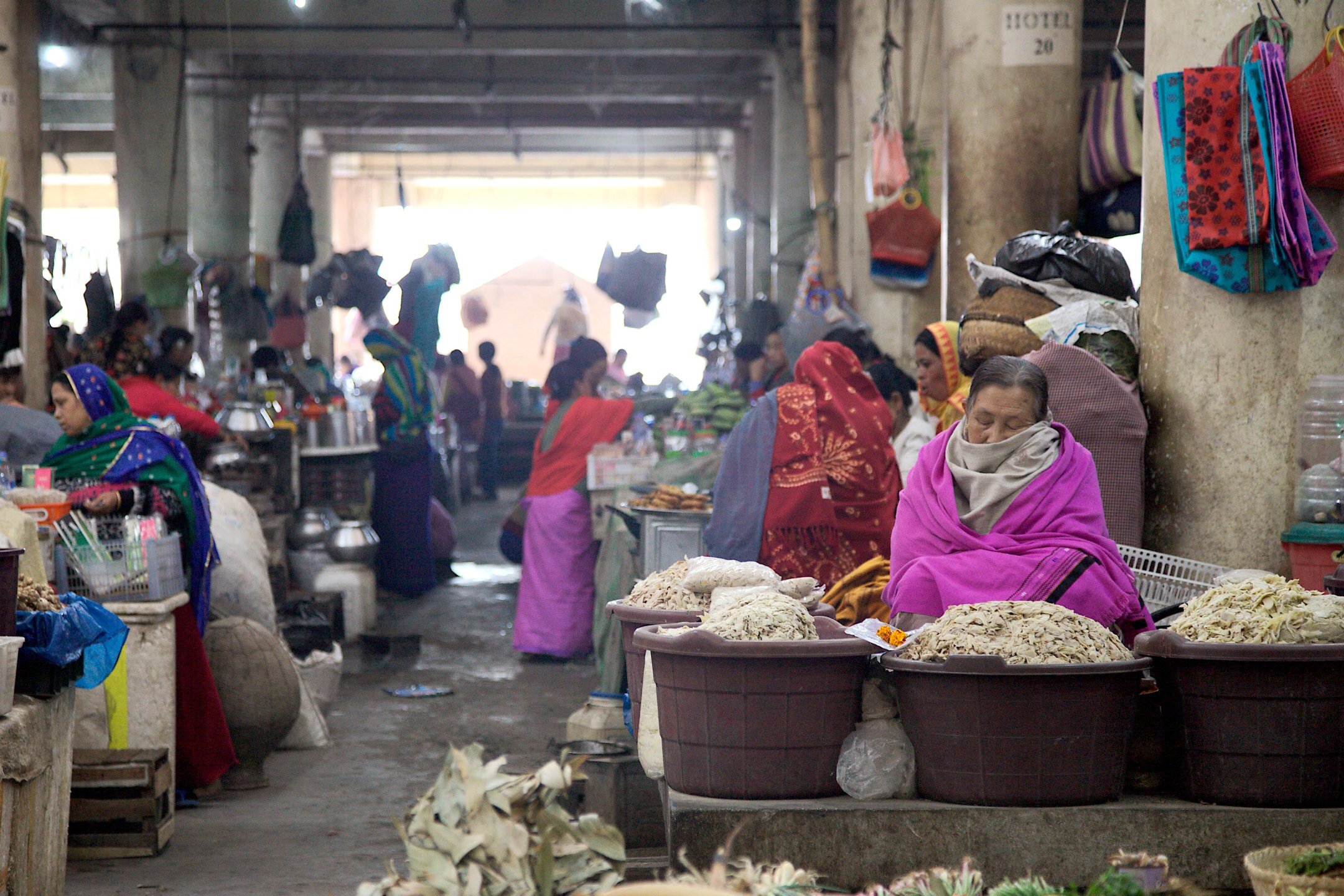
I decide on the Ima frying whiteish dough balls over a stand-alone stove and gas canister. ‘Aloo,’ she smiles and gestures to the wooden bench next to a young man slurping a leafy soup. Seconds later, this plump woman serves me a lunch of grilled fish, unidentifiable green veg, those fried potato balls, banana leaf, rice, and then, despite my protests, several second helpings.
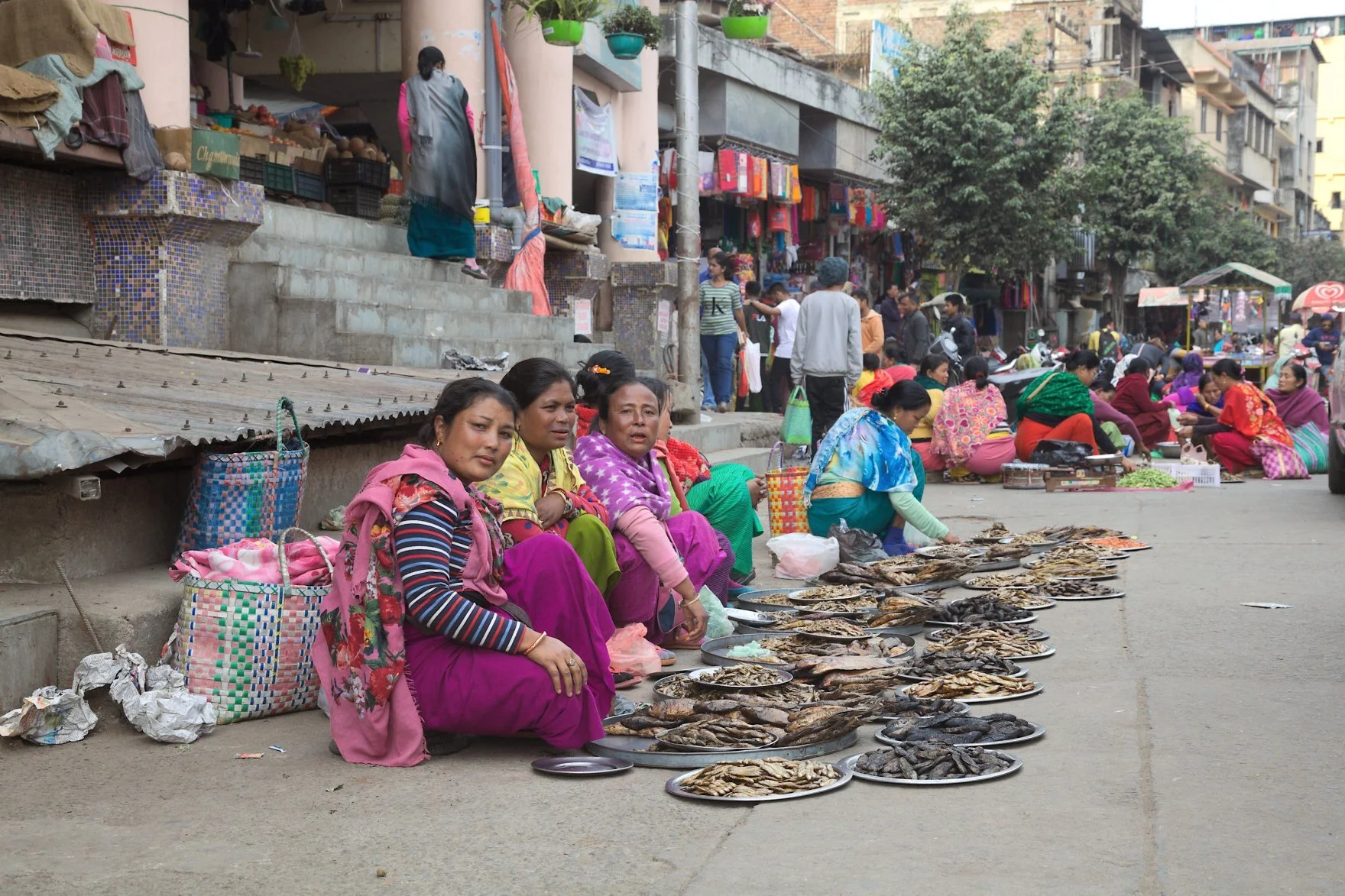
The Imas are lined up behind their gas stoves, enticing the locals with their jokes and salty fish dishes. Sitting opposite, in front of stacked ceramic pots, are two more, warming their hands over the burning embers of a square metal pot. My host, Suporna Devi, is one of over 4000 women who congregate daily, in Ima Keithel, Manipur’s main market, selling everything from temple paraphernalia to locally-caught eels.
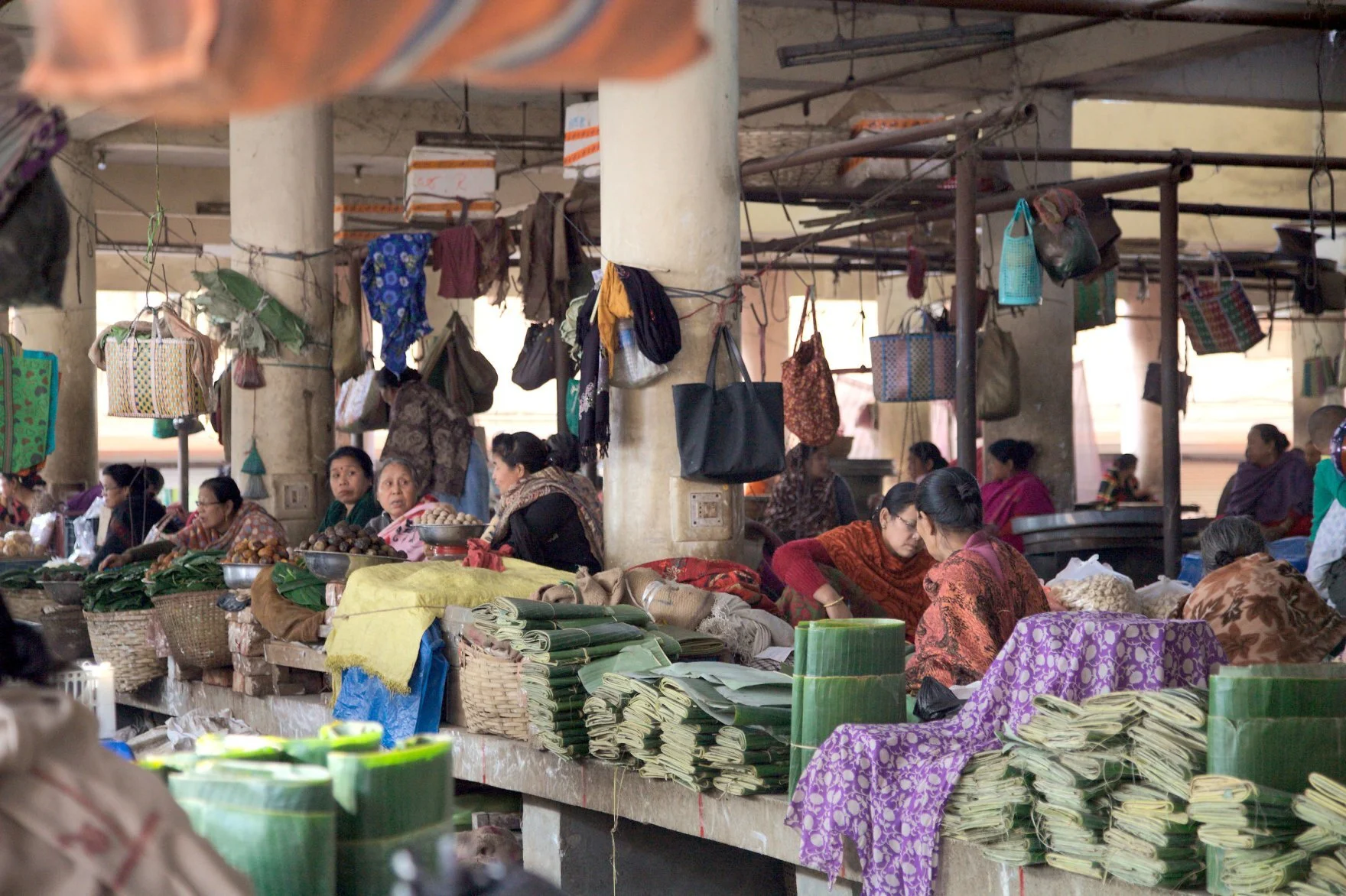
But, unlike the rest of India, here men are forbidden from trading. Passed down the generations, a stall at Ima Keithel, meaning ‘Mothers’ Market’, is highly coveted and provides the local Imas with an important source of income. Spilling out of the market buildings, encroaching on the roads, under the concrete flyovers, women are everywhere, selling produce. Some are eating, some reading, some sleeping. Many are chatting.
Believed to date back to the 16th century, the origins of Ima Keithel are unclear. Sandwiched between Myanmar and the Indian state of Assam, Manipur has long been forced to fight the Burmese and Chinese to retain its autonomy. A forced labour system, called Lallup Kaba, sent the men far from home to fight these wars, leaving the women at home to cultivate the land and sell the produce, possibly fostering this peculiar phenomenon.
For thousands of years Manipur remained an independent kingdom and a crossroads of trade and cultural exchange until it was conquered by the British in 1891. The golden, oval valley fringed by misty blue hills was famously called ‘the Jewel of India’ by India’s first prime minister. It is home to a diverse mix of tribes, who ethnically share more with groups in Burma than with the rest of India. Several hard day’s travel from Delhi, Manipur feels like a faraway land compared to India I’ve come to know; somewhat familiar, but yet not. A unique language and alphabet add to my disorientation.
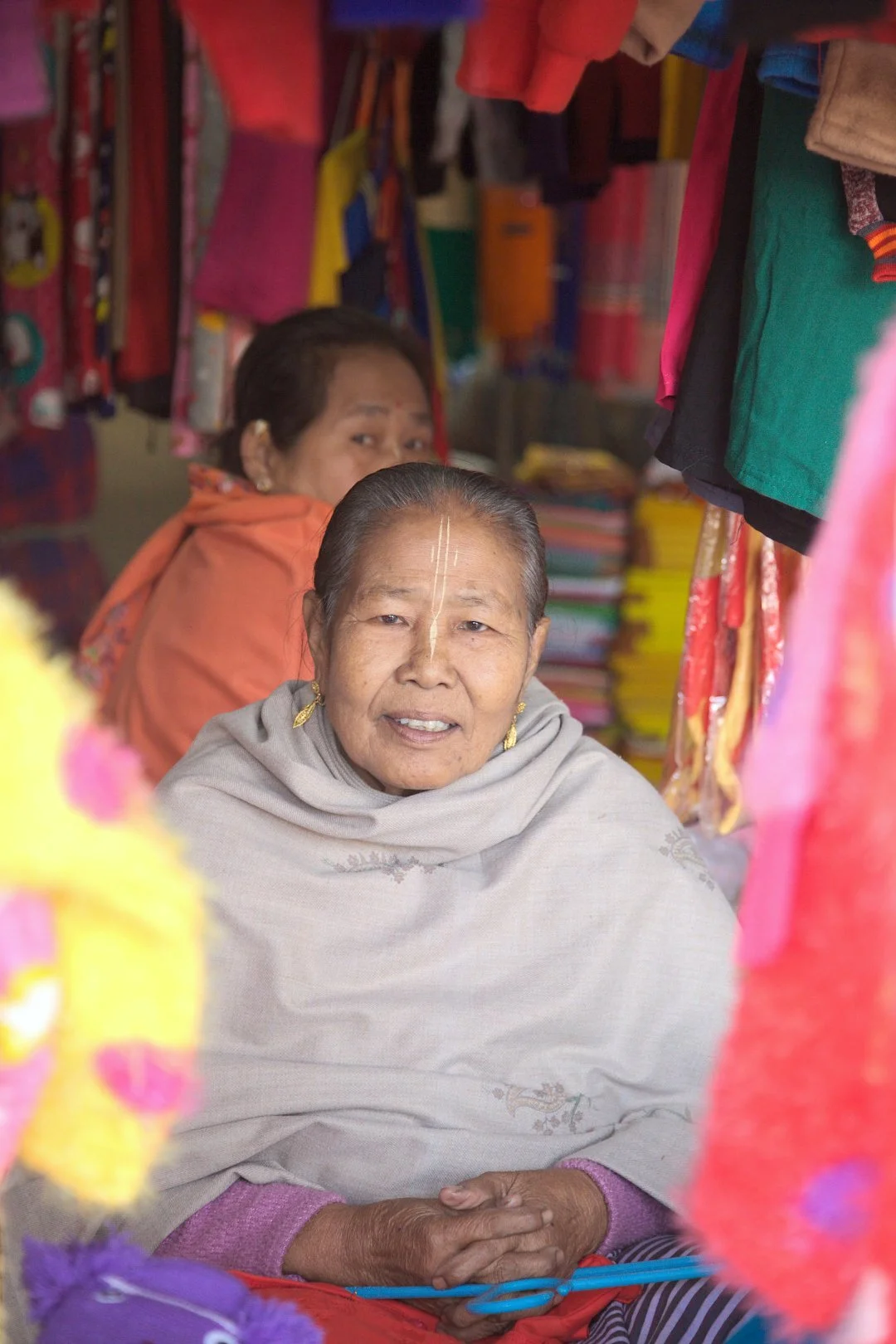
The two large market buildings sit in the commercial heart of Imphal, a dusty, grey city, home to as many motorbikes as people. Mornings see the city enveloped in a heavy, December mist, which she usually manages to shed by lunchtime. Most ladies are sitting under bright shawls: many baring two pale vertical lines on their foreheads, meeting on the nose: the mark of local Hindus. I feel the weight of eyes as I circle the floor. But smiles are soon reciprocated with smiles, and many proudly remove their glasses to strike a poise for my camera. Before long, I fall foul of the sly sales pitch of an unassuming mother and daughter. Several tea-towels later, I note to myself this is still India.
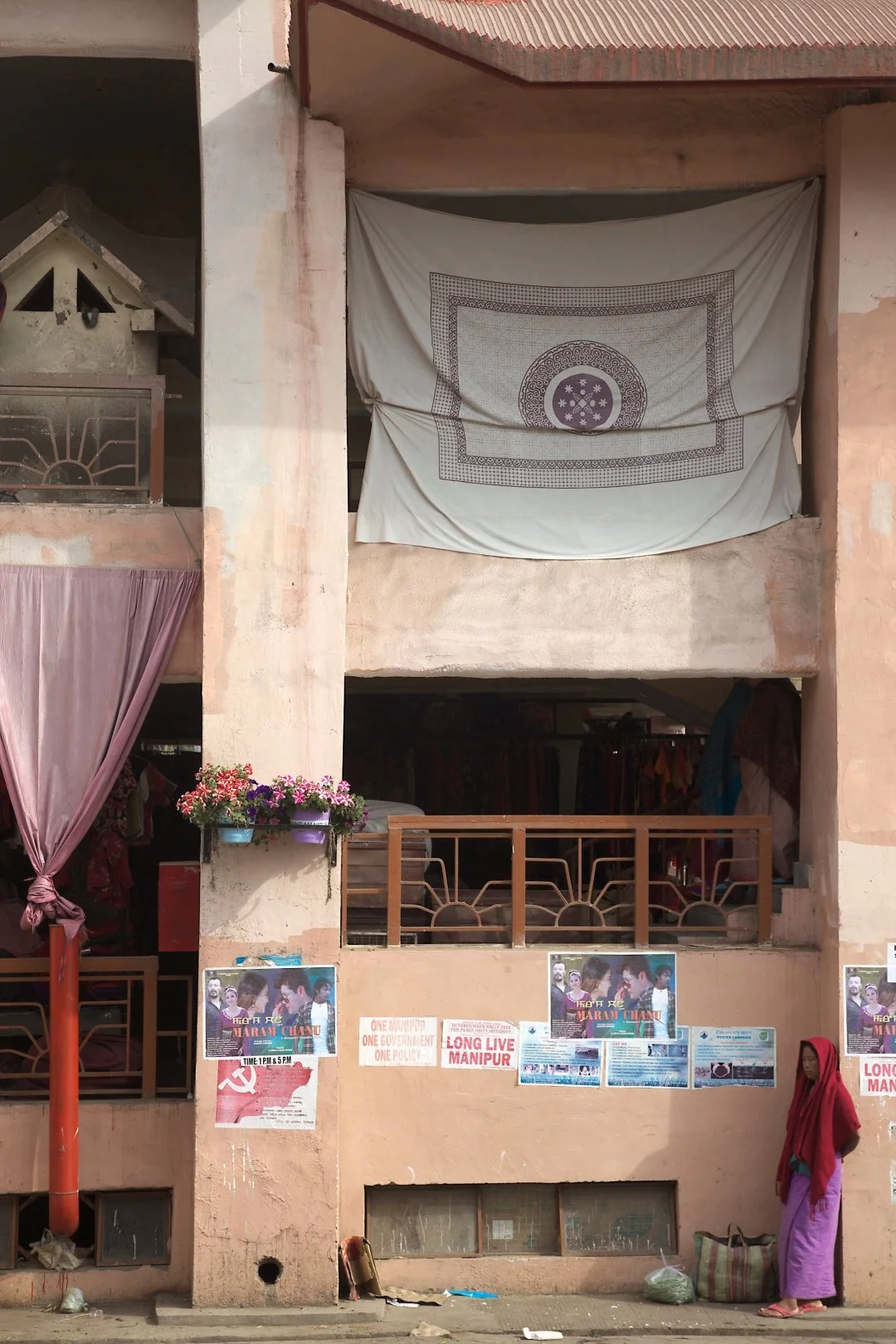
When I reach Suporna Devi’s stall, I am thankful for the rest, and we are soon conversing, in a broken fashion, through Hindi, her third language. She has worked here for over 20 years, she tells me, inheriting the pitch from her aunt. Pointing to a poster, emblazoned with hammer and sickle, she exclaims, “this is not just a marketplace, but also a place of protest!”
The revolutionary slogans spray-painted to the outer walls point to a more complex story, and I have started to research Manipur’s matriarchal society. Since at least the early 20th century, the Manipuri women have been wielding a strong influence over political and social matters of the state, with Ima Keithal at the centre of the movement. The market developed as a place not only of trade, but as a centre for gathering, a source of the latest news, a place to discuss ideas. The mothers of Ima Keithel started credit unions, lending to women who wanted to started businesses, and mentored them in the process.
As she ladles yet more rice onto my plate, Suporna suggests I visit the Nupi Lal (Women’s War) monument in another part of central Imphal. This is a memorial to Imas who fought the British rulers in the 1930s over attempts to export local rice to British battalions in other territories. Locally rice became scarce, the price spiralled and the Manipuris began to suffer. The Imas protested, peacefully, but were met with attempts to sell the market buildings. They refused to relent and eventually military and police forces were unleashed against the unarmed females. Although the export policy was eventually repealed, many women lost their lives in the struggle.
During the Second World War, Manipur became a battleground for the war between the British and Japanese: this part of India is scarred with war graves. With the independence of India, a ravaged Manipur was absorbed into the new country, unleashing a seemingly indefinite cycle of violence and insurgency as anti-Indian and ethnic groups fought over differing visions for the state’s future. From 1980 until today, most of the state has been classified as a ‘disturbed region’ by the Indian government, a ruling designed to give the Indian Army additional powers to help them maintain public order. In practice, it has granted them immunity from prosecution for a range of heinous crimes.
Despite the departure of the British, for the Imas of Manipur, the oppression continues and their imaginative responses evolve. From torching liquor stores and fining drunk men, to protesting, naked, outside an Indian army base against a case of rape and murder by the armed forces, their actions are undoubtedly radical in a country where the majority of women have little say in domestic or societal affairs. Today, they are continuing to hold out against the talons of globalisation: recent attempts by the local government to replace the market with a modern supermarket were derailed by round-the-clock sit-ins by the Imas. Again they succeeded.
After a few days of loitering around Imphal, chatting and drinking chai, I decide it is time to leave the Imas. Several check where I am going, who with, and most importantly, have I eaten yet? I gesture to the fish section at the back of the market and they nod approvingly. After my last meal, I ask Suporna if she enjoys her work in the market. She smiles and says, “This is not just my work. This is my life.” I tell her I am leaving. “Vapis ana,” (come again) she says, and goes on frying her potato balls. I heave on my backpack and head for the bus.
How to get there: I took the bus from Guwahati, Assam. It was an uncomfortable, although beautiful journey that crossed through the hills of Nagaland on the way. There are also direct flights from Delhi, Calcutta and Guwahati. Imphal makes a convenient stop if travelling overland from North-East India into Myanmar through the recently opened Moreh-Tamu border crossing.
Where to stay: The Hotel Nirmala has decent rooms starting at 850 INR. Aheibam Homestay is a good budget option.
Where to eat: The stalls of Ima Keithel, of course. And the Luxmi Kitchen does a mean thali.

Eileen McDougall
After a decade working in London, Eileen swapped flashy buildings for a notepad and camera and set off for Asia. She fell in love with India, and it was here she started to write about her travels and the culture she was becoming immersed in. She is at her happiest on a bus alone heading off to somewhere new but seems to spend most of her time near mountains, mainly the Himalayas.
Train Ride the Sahara: Mauritania’s Hidden Adventure
One of the world’s least-visited countries, Mauritania is home to a travel experience like none other, inviting daring travelers to embark on an unpredictable journey through the desert.
The desert nation of Mauritania attracts only around 30,000 visitors a year, making it one of the least visited countries in Africa and around the world. The country is not seen as a highly desirable travel destination due to the fact that it is only about 0.5% arable land and one of the least densely populated nations in the world. Mauritania is also one of the poorest countries worldwide, unable to provide the infrastructure required to accommodate more traditional forms of tourism.
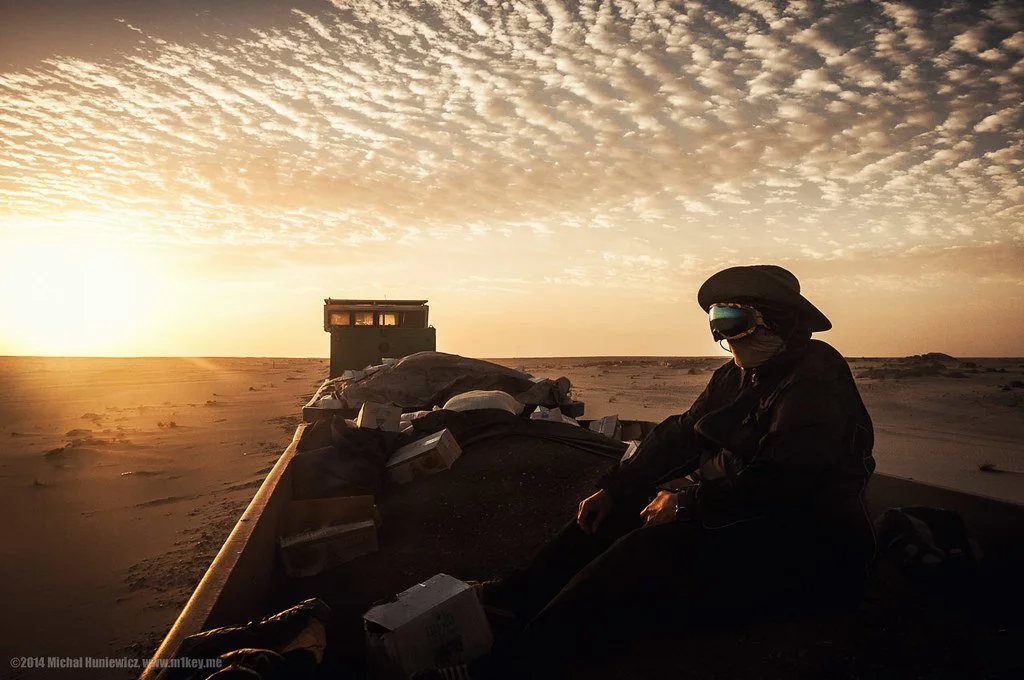
However, Mauritania boasts a unique attraction that is rising in popularity among thrill-seeking travelers — a famous iron ore train. Its contents — the iron ore — account for half the country’s exports and are critical to its GDP. The train is known as “the Backbone of the Sahara,” due to its national and day-to-day significance in the lives of locals who rely on the train for personal transportation and its goods. The train is one of the longest in the world; the length of the car itself spans around 1.5 miles and the track stretches over 400 miles across the Sahara. Beginning in the mining town of Zouerat, the train stops again in Choum, where most travelers board. Then, across the next 17 hours, laden with iron ore, the train makes its way to the port city of Nouadhibou, where it empties and sets back to Zouerat.
The train runs daily, but not on any sort of fixed schedule, requiring no bookings or tickets. It’s hardly a passenger vehicle, as only one of the three daily trains has a paid passenger car attached. Many climb aboard one of the cargo wagons and ride alongside the ore for free.
The journey has been popularized in recent years by travel blogs and social media. The author of One Step 4Ward, Irish travel blogger Johnny Ward, has even begun to manage trips to Mauritania, leading groups on the train. Ward claims that he has completed the journey seven times, more than any foreigner on the planet. On his blog, he describes the expedition as difficult and cold but also as “one of the best travel experiences of your life.”
Another blogger, the author of Plug Me In Project, described the conditions of riding the train. They emphasize the importance of bringing goggles, gloves, a sleeping bag, a blanket and a face covering — necessary protections against the iron ore dust and frigid nightly temperatures. He wrote about the friendliness of the locals who showed him around the capital city upon arrival and guided him to the station.
The blog Sophie’s World highlights the thrilling yet unpredictable nature of visiting Mauritania as a tourist. She notes that it’s important not to make the journey alone, particularly as a female traveler. She also emphasizes the level of respect required for the locals in order to have an enjoyable experience.
Mauritania is home to one of the most unique travel experiences that the world has to offer, for those who dare to embark on the journey of a lifetime.

Zoe Lodge is a student at the University of California, Berkeley, where she is studying English and Politics, Philosophy, & Law. She combines her passion for writing with her love for travel, interest in combatting climate change, and concern for social justice issues.
10 International New Year Food Traditions that Bring Good Luck
A plethora of ways cultures worldwide celebrate the new year through delicious cuisine.
Read More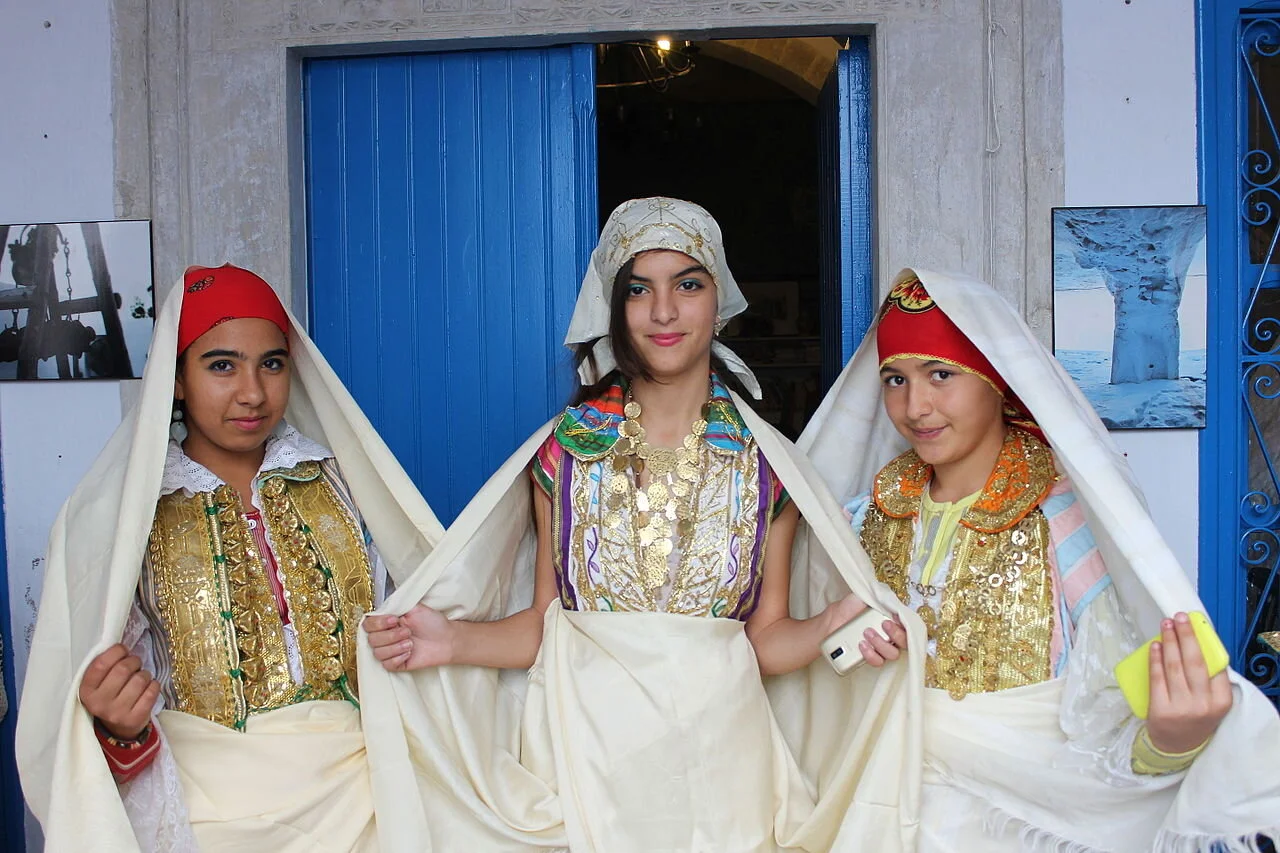
Tunisian girls wearing traditional Tunisian dress including the sefseri, a white veil made of silk or wool. Sami Mlouhi. CC BY-SA 4.0.
6 Treasures of Tunisia, From 'Star Wars' to Desert Oases
Tunisia is a country in North Africa, a region known as the Maghreb, that is similar in culture, history and religion to Morocco and its neighbor, Algeria. Tunisia is one of the most visited countries in Africa – it is a popular vacation destination for Libyans, Algerians, the French, Germans and the British. The country’s official language is Arabic, but the local Tunisian Arabic dialect,darija,, and French are also commonly used. The majority of Tunisians are Muslim, though a small Jewish community lives on Djerba, North Africa’s largest island.
The tiny country offers a variety of landscapes – beaches, mountains, the desert, woods and salt pans – that are sure to appeal to all types of travelers. The museums and ancient Roman ruins are sure to appeal to history buffs, and die-hard “Star Wars” fans will be interested to know that many scenes on the planet Tatooine were filmed in Tunisia. Be ready to enjoy dishes flavored with harissa, a spicy red pepper paste that has recently become popular in the U.S., along with plenty of seafood and Maghrebi staples such as couscous and syrupy doughnut-like bambalouni and zlebia.
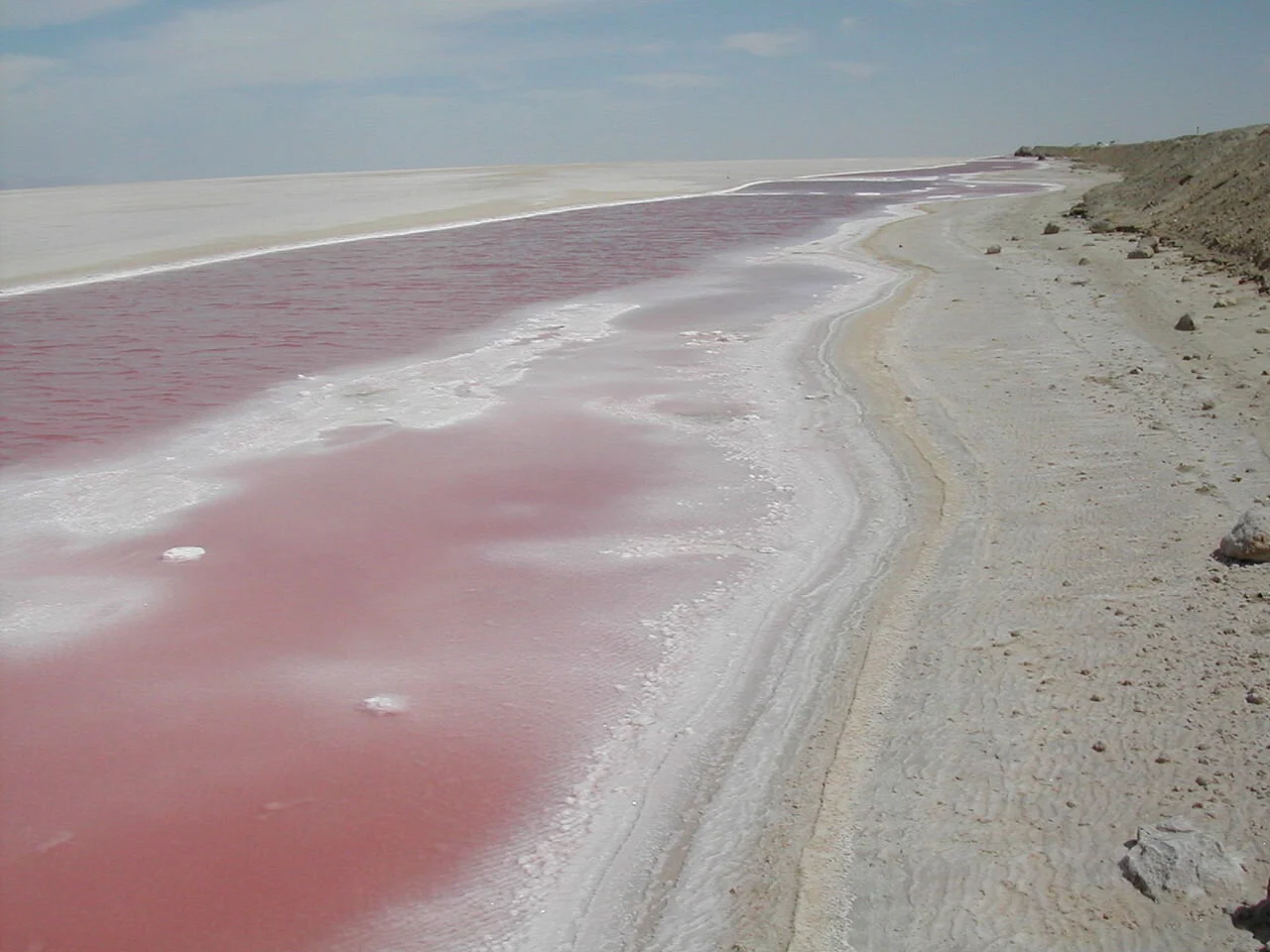
Minerals from Atlas Mountain runoff give Chott el Djerid its pink hue. Vinzenz Mühlstein. Public Domain. CC0
1. Chott el Djerid
The fictional planet Tatooine from the “Star Wars” saga was named after Tataouine, a desert city in Tunisia. Although no scenes were filmed in the real Tataouine, many of the first “Star Wars” film’s scenes were filmed in cities all over Tunisia. One of the most notable scenes of Tatooine is of Luke Skywalker’s home, the exterior of which was filmed in Chott el Djerid, the Sahara’s largest salt pan. A chott, or salt lake, stays dry for the majority of the year but fills intermittently from infrequent rainfall and during the spring thaw when water runoff from the Atlas Mountains floods the basin. The dissolved minerals from the Atlas Mountains give Chott el Djerid its otherworldly cotton candy pink color.
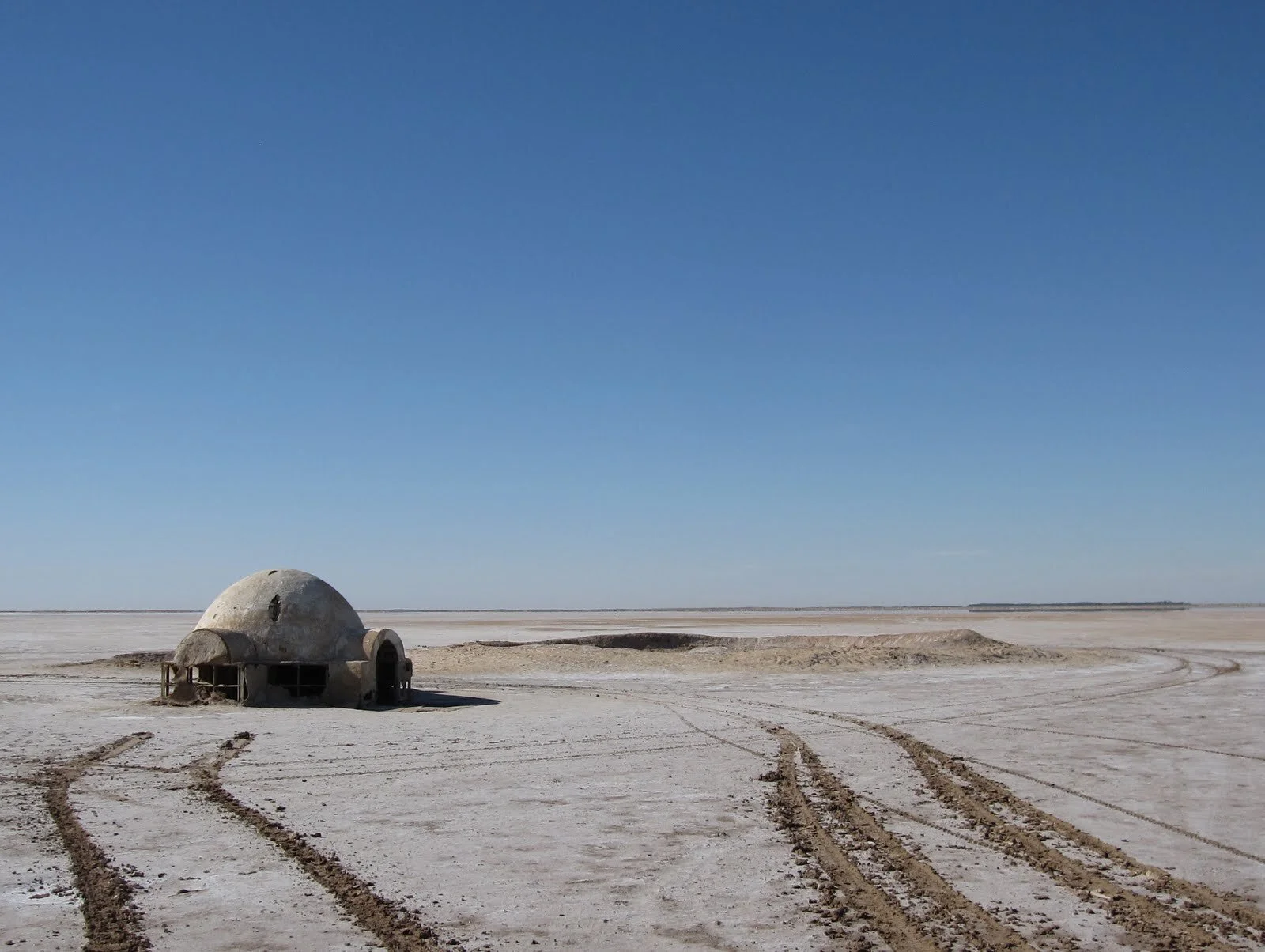
Remains of the Lars Homestead on one of the “Star Wars” movie sets in Chott el Djerid. Stefan Krasowski. CC BY 2.0.
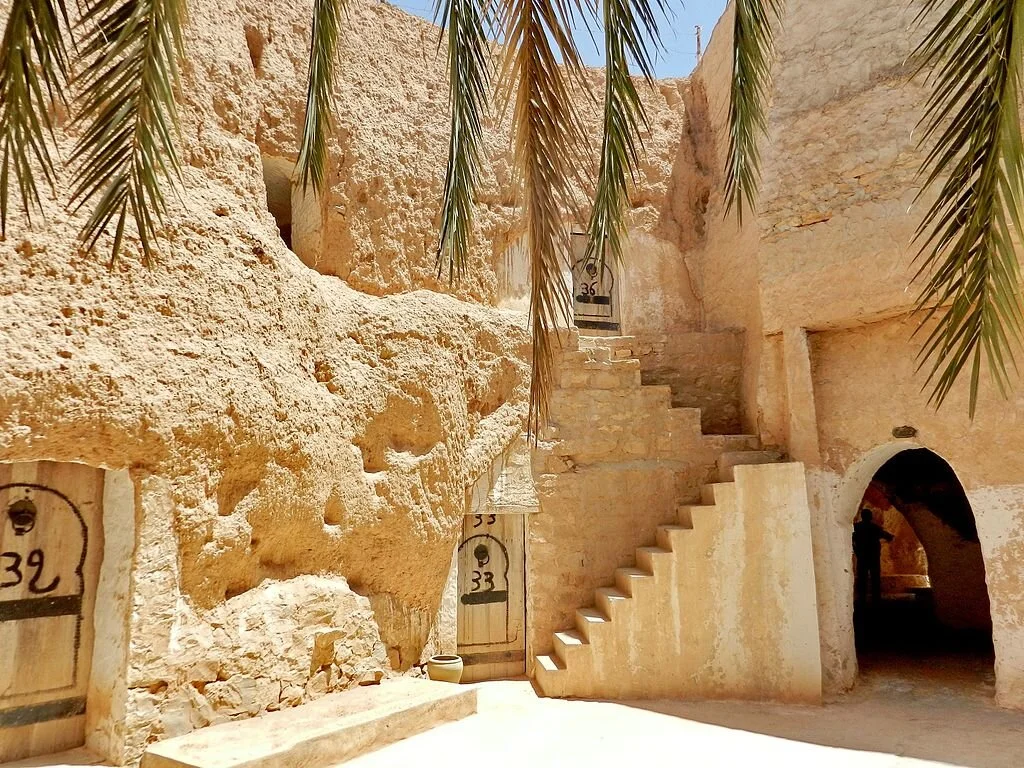
Ancient Berber underground homes in Matmata, Tunisia. Tanya Dedyukhina. CC BY 3.0.
2. Matmata
When “Star Wars: A New Hope” was released in 1977, Matmata, a small Berber village in southern Tunisia, became famous for its underground cavelike homes where some of the local residents still live. (The Berber, or Amazigh, are an ethnic group native to Northwest Africa, particularly the Maghreb.) The interior of Luke Skywalker’s home was filmed in the courtyard of Hotel Sidi Idriss, an underground hotel in Matmata. The hotel is open year-round, and is a must-visit for any die-hard “Star Wars” fan. For those who are not “Star Wars” fans but still want to visit the cave dwellings, the Musée Berbère de Tamezret (about six miles from Matmata) is a great alternative option.
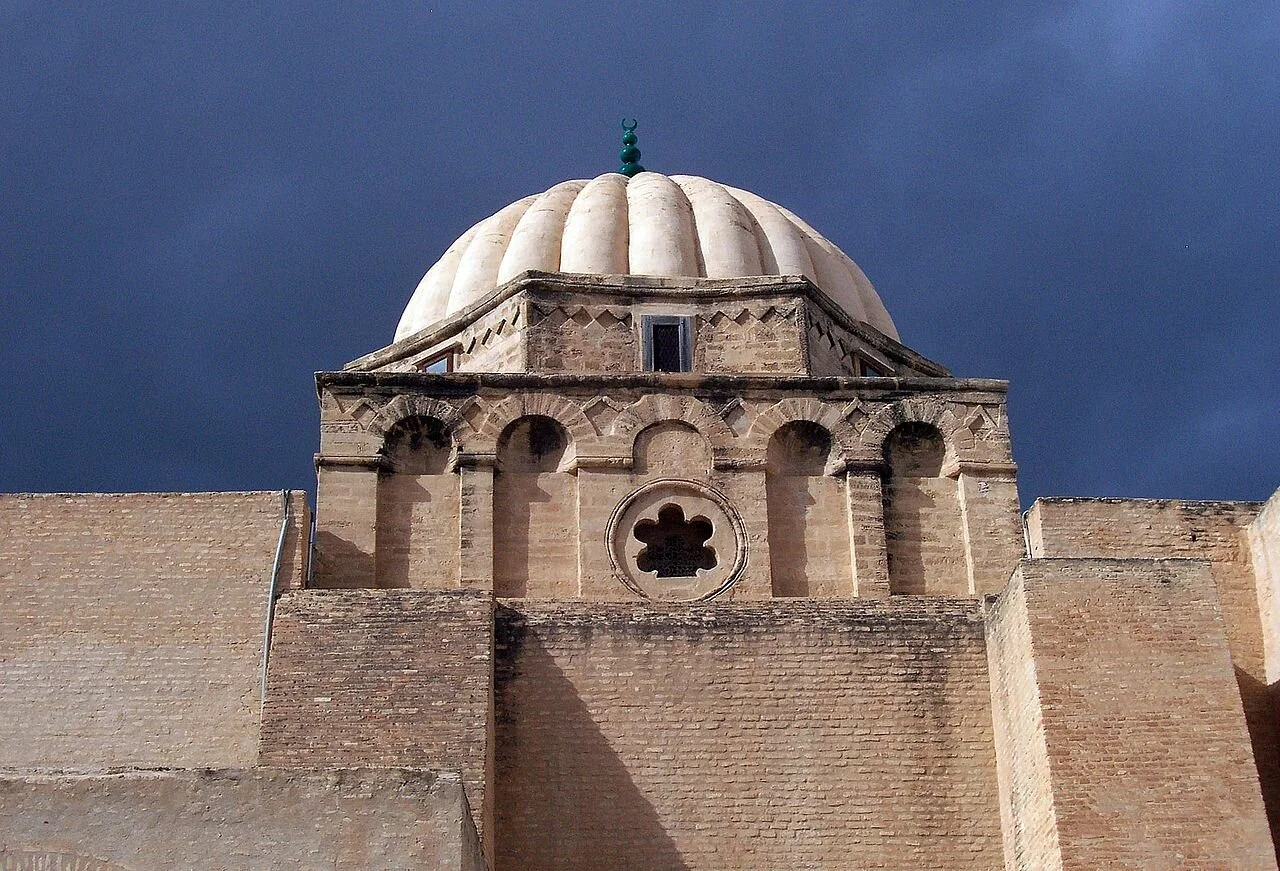
The dome of the Great Mosque of Kairouan houses the mihrab, or structure that points out the direction in which Muslims pray. Colin Hepburn. CC BY-SA 2.0.
3. Kairouan
Kairouan, a UNESCO World Heritage Site, is considered by some to be the fourth holiest site in Islam, after Mecca, Medina and Jerusalem. The city, founded by the Umayyads in 670, is the most ancient Arab-Muslim center in the Maghreb. Kairouan began as a military camp, but soon became an important center for Islamic scholarship, religious sciences, and art. The city contains many mosques, but the most important is the Great Mosque of Kairouan, also known as the Great Mosque of Uqba. The mosque contains a courtyard and a prayer hall, as well as a 105-foot minaret that bears resemblance to a Syrian bell tower or an ancient Roman lighthouse.
Another site that cannot be missed when visiting Kairouan are the Aghlabid Basins, a sophisticated feat of engineering and the largest hydraulic installation of the Middle Ages. Originally, there were 16 pools that provided water for Kairouan, but today only two reservoirs remain. Nearby, Kairouan’s souk has countless vendors who sell everything from snacks and jewelry to carpets and leather goods.
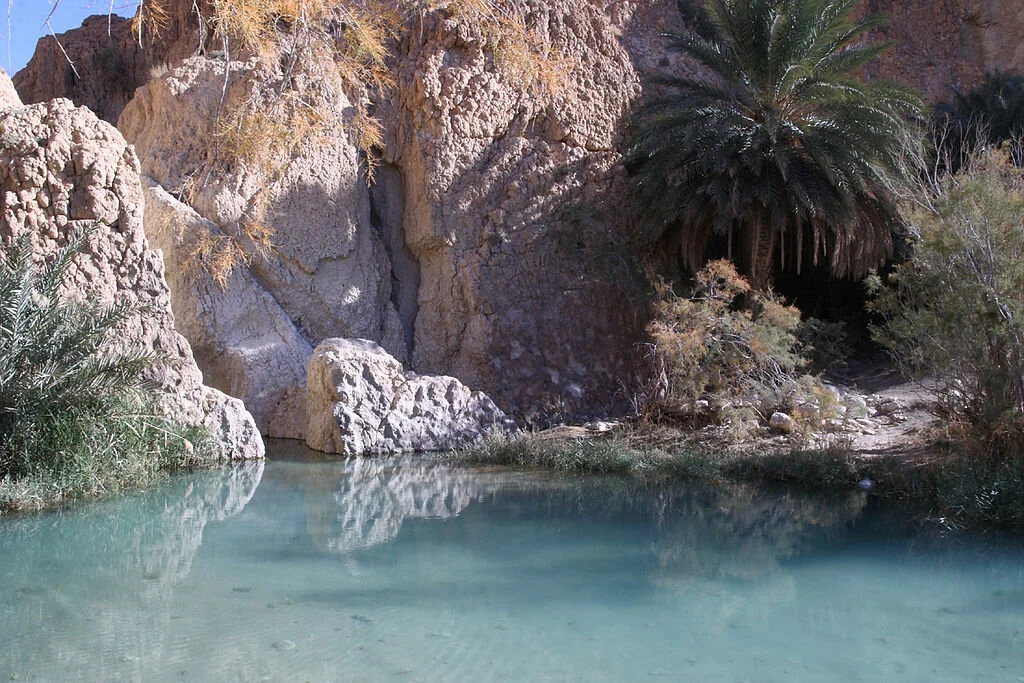
The Chebika oasis lies at the bottom of the Djebel el Negueb Mountains. Remi Jouan. CC BY-SA 3.0.
4. Chebika
Built on what was once a Roman military post, Chebika is a small village that sits right above a palm oasis at the foot of the Djebel el Negueb, which are part of the Atlas Mountains. At the top of the mountain, one can see the oasis, the village, and Chott el Gharsa, a salt lake that lies near the Algerian border (and served as a movie set for “Star Wars: The Phantom Menace” and “The English Patient”). Visitors can hike up the canyon to a small waterfall where they will be greeted by a beautiful view of bright green palm trees standing starkly against the mountainside.
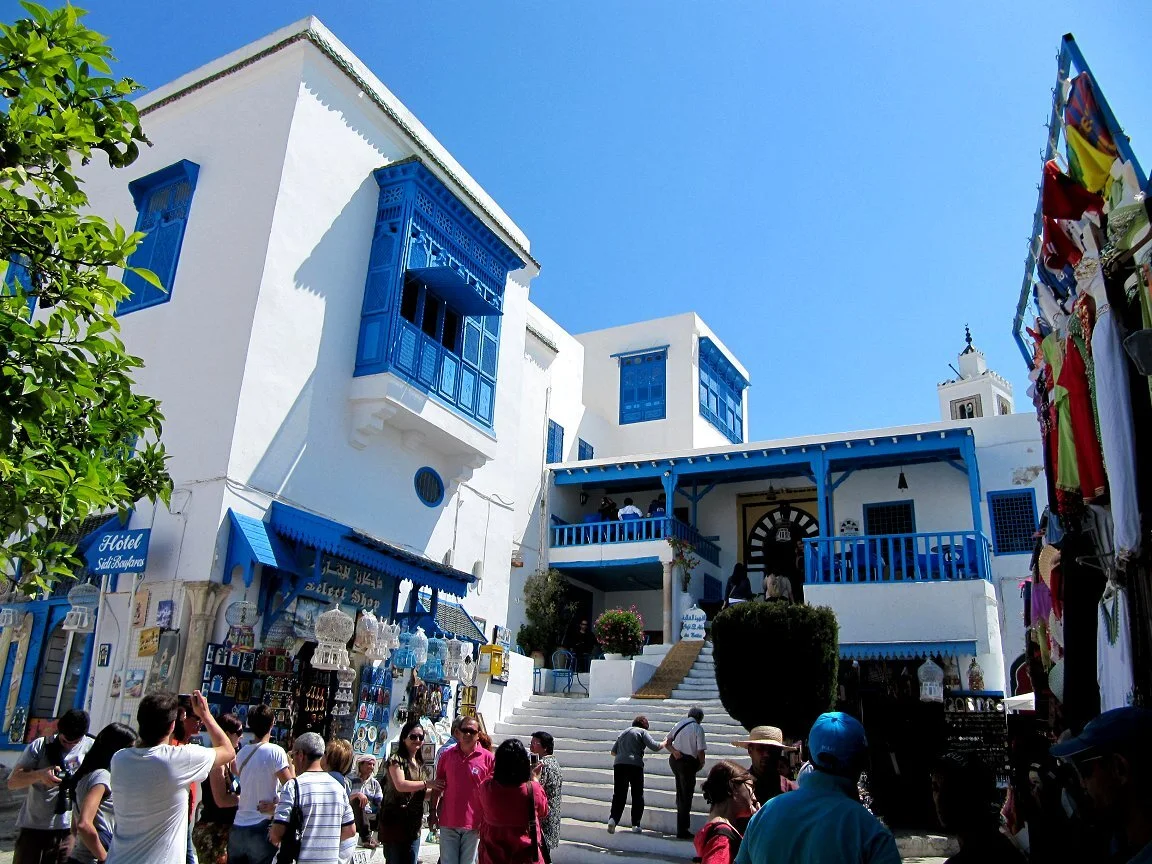
Hôtel Bou Fares and storefront in Sidi Bou Said. Allain Muller. CC BY-SA 2.0.
5. Sidi Bou Said
Sidi Bou Said is known for its blue and white theme, common to other Mediterranean-region cities and towns. The beautiful cerulean doors, shutters, gates and decorative balconies against the whitewashed buildings mirror the bright sky and the Mediterranean Sea which lies below the cliffside town. Sidi Bou Said was established as a religious sanctuary in the 13th century by Abu Said al-Baji, after whom the town was named. The palace Ennejma Ezzahra, finished in 1921 by French painter and musicologist Rodolphe d’Erlanger, is now a museum one can visit to see the beautiful architecture, view paintings by the baron, and see a treasure chest that was reportedly once owned by Suleiman I of the Ottoman Empire. Within the palace is the Centre des Musiques Arabes et Méditerranéennes (Center for Arab and Mediterranean Music), which houses a collection of musical instruments and art, and acts as a concert venue.
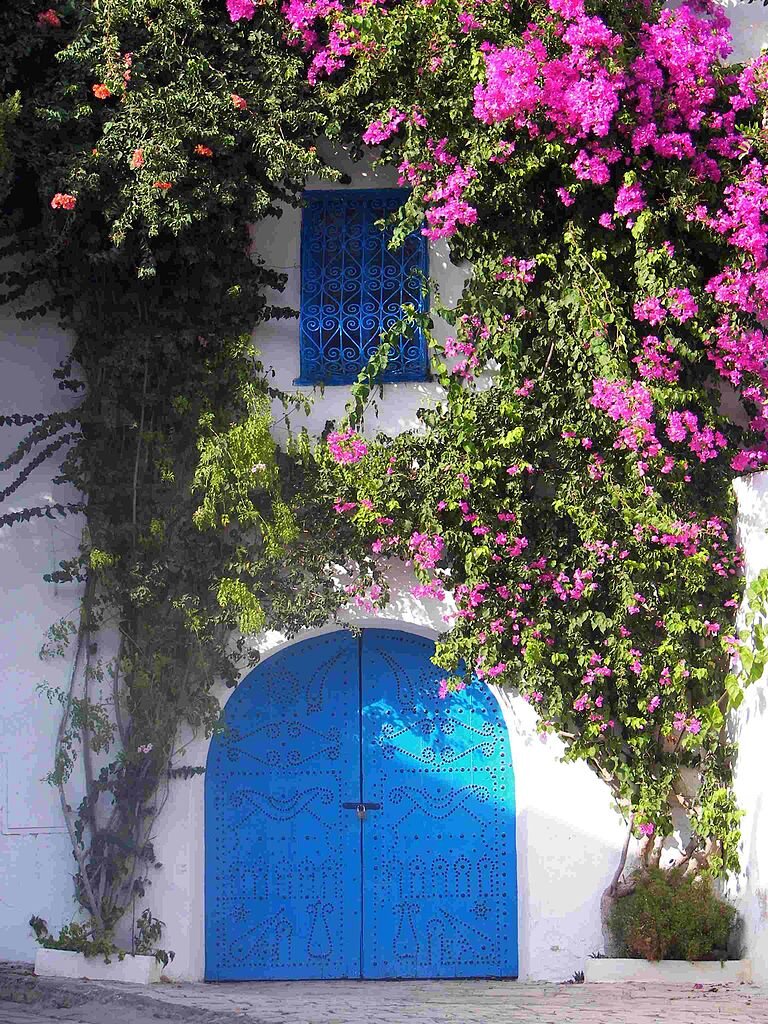
Traditional blue door in Sidi Bou Said surrounded by purple bougainvillea. Benrais. CC BY-SA 3.0.

Korbous was frequented by the ancient Romans of Carthage as a health resort. Patrick Giraud. CC BY 3.0.
6. Korbous
If you enjoy spas and natural hot springs, head for Korbous – a single street clinging to a cliff face on the west coast of Cap Bon. The mineral-rich hot springs of Korbous have been a popular spa and health resort since the time of the ancient Romans of Carthage, as evidenced by an inscription on display in the National Bardo Museum in Tunis. Korbous was not a popular spa destination until the 19th century, when Ahmed Bey, the last Ottoman leader of Constantine, had the hammam, or Turkish bath, built. In addition to the hot springs, mud from Aïn Kanassira, rich with minerals, is used to treat arthritis, various skin diseases and other health issues.
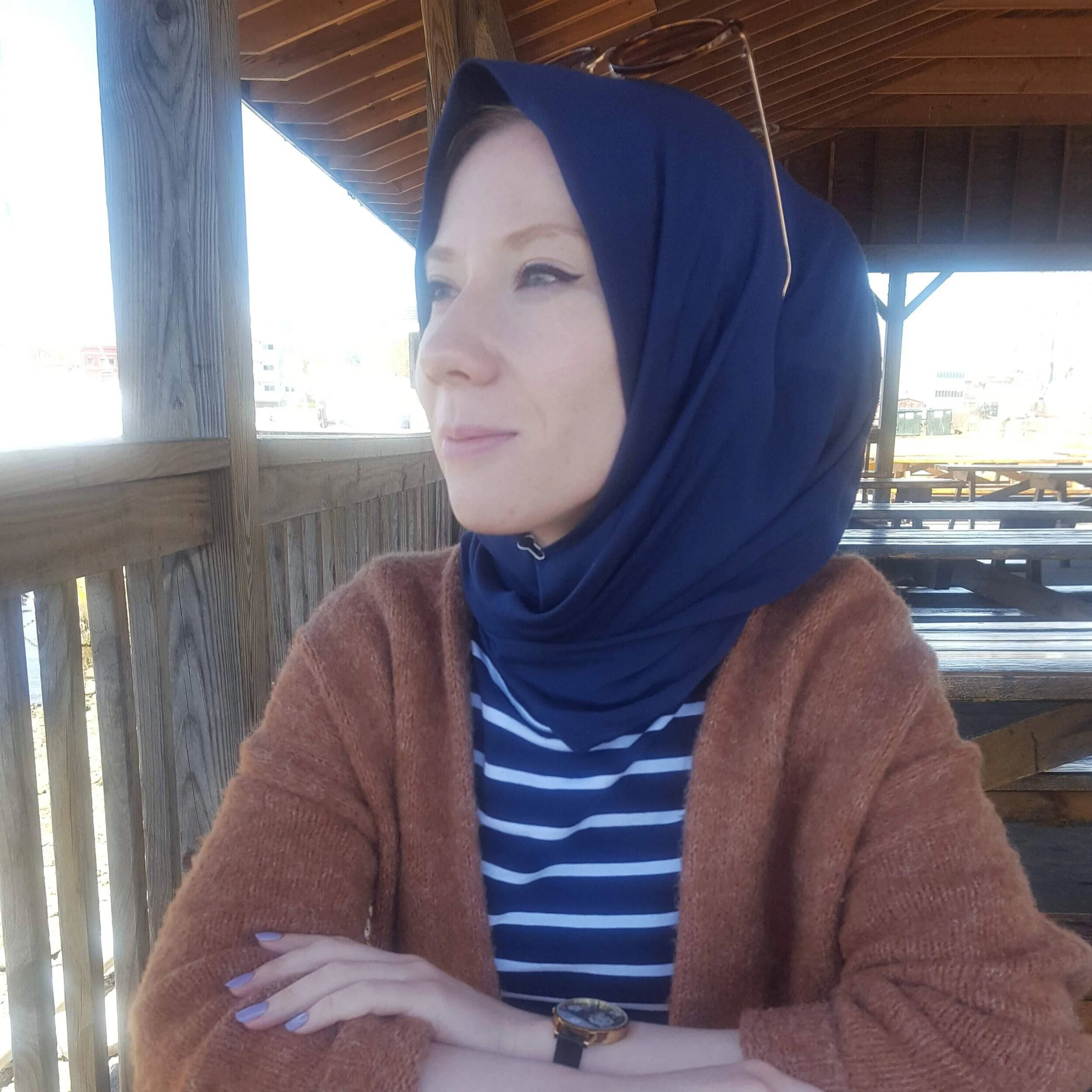
Asiya Haouchine
Asiya is an Algerian-American writer who graduated from the University of Connecticut in May 2016, earning a BA in journalism and English. She was an editorial intern and contributing writer for Warscapes magazine and the online/blog editor for Long River Review. She is currently studying for her Master’s in Library and Information Science. @AsiyaHaou
Beyond the Caribbean, 10 Tropical Escapes the World Over
For those looking to escape frigid winter temperatures, these 10 destinations will satisfy wanderlust while offering tropical climates, beaches, diverse cultures and more.
Read More7 Holiday Foods From Around the World — With Recipes
Spice up this holiday season by preparing one of these mouthwatering global cuisine dishes, recipes included!

Dongzhi (Winter Solstice) Festival Food, Tangyuan. Cats Coming. CC0.
Let’s face it: the holiday season can be stressful. Whether you’re preoccupied with finding the perfect gift for your mother-in-law or figuring out who is hosting your annual family holiday party, sometimes the warmth of this season of festivity gets lost. What won’t be stressful this year, however, is finding a new, unique recipe to try out. These seven holiday foods from around the world will keep everyone’s taste buds happy — even your in-laws! Whether your family prefers the coziness of a sweet treat or a savory dish that packs a punch, there is something on this list for everyone.
France — Buche de Noel

A Buche de Noel Cake with an intricate spiral. Mitantig. CC by 4.0.
Starting off strong with a chocolate lover’s dream, buche de Noel is a sugary confection that hails from France. Also known as a Yule Log, this confection is a rolled chocolate cake filled with rich cream. Both its shape and color are meant to resemble a—you guessed it—log. The dessert’s unconventional shape, however, is completely intentional. The history of the desert can be traced back to feudal taxes in medieval France, whereby peasants would bring logs to the homes of both feudal lords and their own families. Other accounts of the dessert’s history claim that families burned logs in their own home as a pagan rite to ensure a bountiful harvest for the coming year. In any case, Mon Petit Four provides a traditional recipe here.
2. Italy — Feast of the Seven Fishes
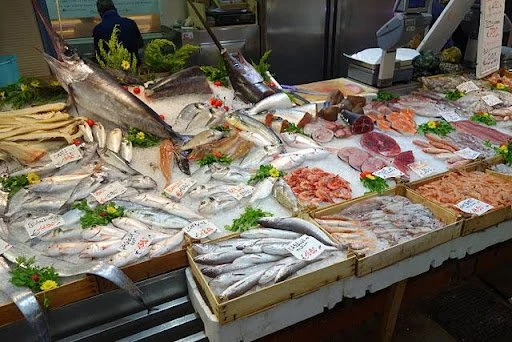
A seafood market in Genoa, Italy. Dade Rot. CC0.
A polar opposite of the sugary-sweet Buche de Noel Cake, Italy’s Feast of the Seven Fishes combines salty and savory flavors to create an elaborate selection of seafood dishes. On Christmas Eve, Italians and Italian-Americans gather around their kitchens and partake in this intergenerational tradition. Although the types of seafood dishes vary from family to family, the bonding and warmth that cooking this meal facilitates is universal. Whether plating more simple shellfish or an elaborate seafood pasta, however, the dishes hold a sense of significance. Both Italy’s long coastlines and large Roman Catholic population (many of whom either do not eat meat on Friday or on the eve of some holidays) have contributed to the beginnings of this tradition. A variety of seafood recipes featured in this iconic feast can be found here.
3. India — Gulab Jamun

Gulab Jamun. Cabeza2000. CC by 4.0.
Although this dessert is eaten on a variety of celebratory occasions—including birthdays and marriages—it is also eaten during Hindu holidays such as Diwali. Although this year's Diwali has already passed, gulab jamun is still the perfect treat to make during the winter months. These sphere shaped sweets are made of deep fried flour and khoya (dried, thickened milk), and can be eaten both cold or hot. Often they are served swimming in a sugar mixture and have a semi-sticky consistency. This dessert is popular in India as well as Pakistan, Nepal and the Maldives. Moreover, the gulab jamun is similar to the Arabic dessert Luqmat-al-Qadi. A simple, yet thorough, recipe to make gulab jamun can be found here.
4. West Africa (Senegal) — Jollof Rice
Jollof Rice Served with Plantains. Bukky658. CC by 4.0.
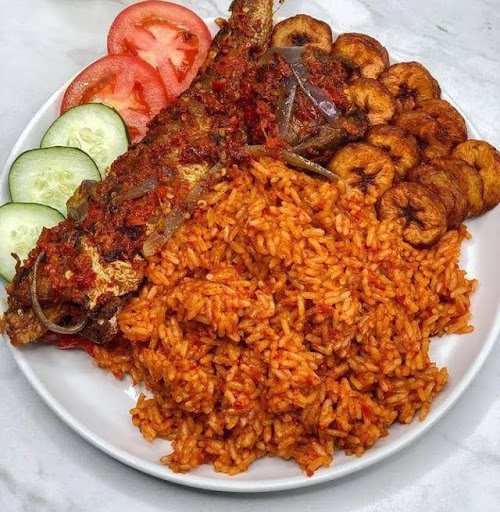
Jollof Rice Served with Plantains. Bukky658. CC by 4.0.
Another versatile dish, jollof rice is eaten during a variety of occasions in many different countries. Although its origin is disputed, the dish is believed to have come from the Wolof people of Senegal in West Africa—the word jollof comes from the Wolof language and can be translated as “one pot.” Indeed, in this meal many vegetables, including bell peppers and tomatoes, are combined with rice and cooking oil in a pot. Jollof's orange tint comes from these vegetables as well as fragrant spices such as turmeric and paprika. During the holiday season, jollof rice is commonly served among families who celebrate Christmas or Kwanzaa. Moreover, the dish is common in many African countries, including (but not limited to) Nigeria and The Gambia. More detailed information about spices and vegetables to include can be found in this recipe here.
5. Mexico — Tamales
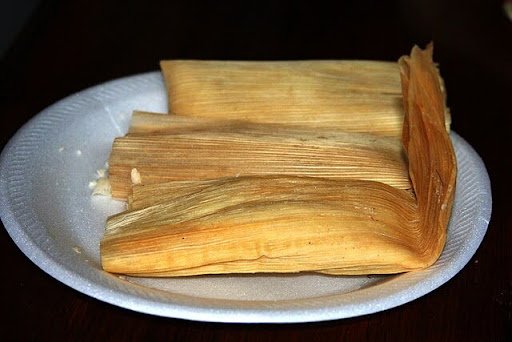
Tamales wrapped in corn husks. Richard Elzey. CC by 2.0.
Cooking tamales isn’t simply about creating food; it also involves forging a sense of togetherness. Many Mexican and Mexican-American families come together every December to make this corn-based dish. Tamales can be traced back to Indigenous people in Mesoamerica, who offered bundles of corn as sacrifices to the gods. Today, families make tamales throughout the month of December leading up to Christmas. Tamales can be stuffed with a variety of meats, such as chicken or beef, as well as vegetarian-friendly beans and cheese. Traditionally, tamales are wrapped and cooked in corn husks or banana leaves, but these wrappings are not eaten. An authentic pork tamale recipe can be found here.
6. Australia — Grilled Prawns
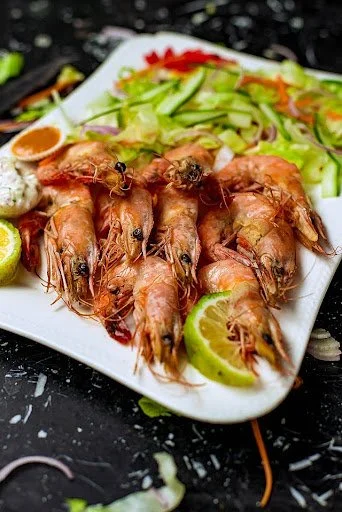
Prawns with a lime garnish. Rasheed Rasheed. CC by 4.0.
In some places around the world, the holiday months trade in snowflakes for seasides and warm temperatures. Down under in Australia, seafood fills festive dinner menus because many winter holidays for those living in the Northern Hemisphere fall during the Southern Hemisphere's summer months. To stay cool, Australians will grill prawns outside rather than using their ovens to cook a traditional, elaborate holiday meal. In fact, during the month of December Australians consume 40% of their yearly prawn intake. Most families like to keep it simple and dress their prawns in garlic, lemon juice or olive oil to keep their feast refreshing and light during sweltering heat. A delicious, garlicky prawn recipe can be found here.
7. China — Tangyuan (Glutinous Rice Balls)
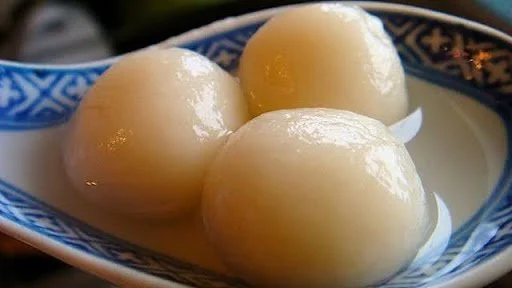
Tangyuan served in syrup. Wu Xiao. CC0.
The Dongzhi, or Chinese Winter Solstice Festival, would not be complete with Tangyuan. These glutinous rice balls are often filled with sesame paste, and have a nutty and semi-sweet flavor. This food has been eaten for at least over 1,000 years, although its origin is disputed; one possible account is that Tangyuan was either created or popularized during the Song dynasty. And, to keep warm during the solstice, the rice balls are always served warm. Their texture is similar to and yet less dense than mochi. A simple, quick recipe can be found here.

Carina Cole
Carina is a Media Studies student with a Correlate in Creative Writing at Vassar College. She is an avid journalist and occasional flash fiction writer. Her passion for writing overlaps with environmentalism, feminism, social justice, and a desire to travel beyond the United States. When she’s not writing, you can find her meticulously curating playlists or picking up a paintbrush.
10 New Year’s Traditions Around the World
From eating 12 grapes before midnight in Spain to drinking champagne with ashes and planting underwater trees in Russia, check out these 10 countries and how they celebrate the New Year in different ways. You might find some new ideas for your own New Years in 2024.
Read MoreCATALYST PLANET’s Best Books of 2024
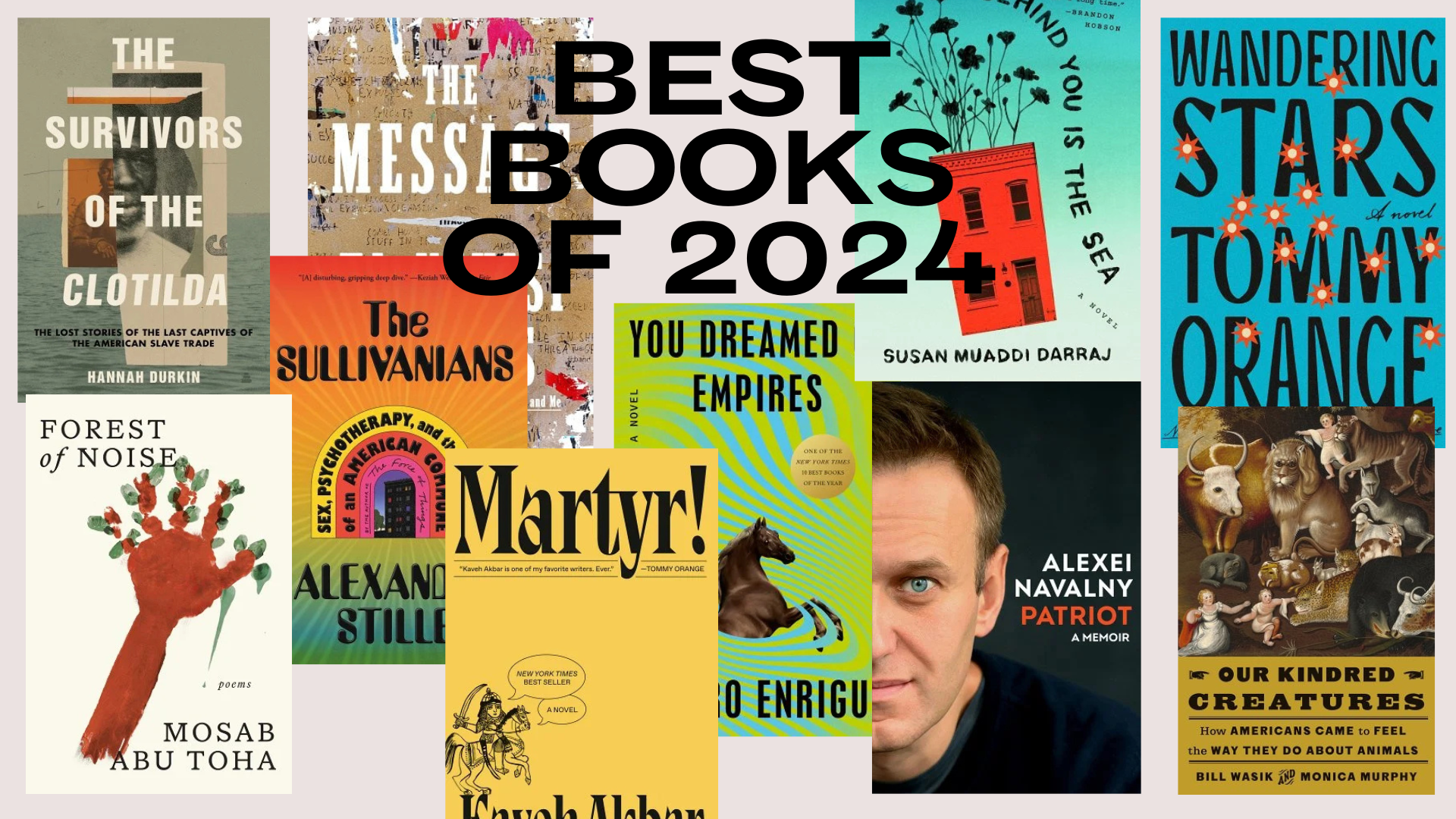
2024 was a fantastic year for both fiction and nonfiction, with thousands of new and diverse narratives exploding onto the scene from all sides. We’ve collected our top picks below, featuring stories from all across the globe that highlight the struggles and victories of the many cultures that make up our world.
Fiction
1. Wandering Stars
Revisiting one of the most tragic periods in American history, Tommy Orange’s “Wandering Stars” pulls from both past and future to staunchly indict the United States’ genocide against the Native American people. The novel follows both a young survivor of the Sand Creek Massacre forced to conform to white culture at the expense of his heritage and a family struggling to recover from a school shooting that nearly claimed their youngest son’s life in 2018. This brilliant sequel to Orange’s “There There” expands on the previous novel’s grim reminder of the oppression that Native Americans have faced throughout history, showing how much has — and hasn’t — changed in the centuries since.
2. Martyr
Kaveh Akbar’s “Martyr!” provides readers with an enlightening reflection on the endless search for meaning. Protagonist Cyrus Shams, a displaced Iranian immigrant with an alcohol addiction and a talent for poetry, uncovers his family’s history through his obsession with historical martyrs. This search leads Cyrus to an ailing artist at the end of her life and a painting that seems to raise more questions than answers. Akbar’s humorous and profound debut novel is exactly the kind of explosive new voice the genre has been waiting for.
3. Forest of Noise
Palestinian poet Mosab Abu Toha provides readers with a shocking and brutally honest window into the ongoing siege on Gaza. After the obliteration of his home forced the author to flee with his family, Abu Toha continued to write, crafting poetry confronting the chaos of war. Memories of childhood joy and air raid survival instructions mingle in these incredibly charged poems, revealing the world inside of a battered, war-torn nation.
4. Ghostroots: Stories
Collecting twelve short stories by Nigerian author ‘Pemi Aguda, “Ghostroots” is a terrifying and gripping horror anthology. In a supernatural Lagos, Nigeria, the living are in a constant battle to escape the vengeful history of the dead. The stories center on mundane everyday events, transforming them into menacing yet gripping narratives that open one’s eyes to Nigerian mythos, history, and culture from a wholly unexpected and refreshingly original angle.
5. Aednan: An Epic
After winning the most prestigious literary award in her home country of Sweden, Linnea Axelsson bursts onto the American scene with an epic novel that spans a century. The novel follows a multigenerational history of Sámi culture, traversing across 100 years. The title, “Aednan” ( Northern Sámi for “the land”, “the earth”, and “mother”), brilliantly encapsulates the flexibility and durability of language, and how the Sámi culture has survived in a world eager to brush it aside.
6. Playground
An eye-opening visualization of humanity’s destructive expansion, Richard Powers’ “Playground” is the story of four separate lives coming together at the precipice of change. As humanity aims to launch completely self-sustaining cities in the open ocean, only the small island of Makatea in French Polynesia can decide whether the project will move forward. Four individuals will be at the forefront of one of the most promising — and possibly destructive — innovations in the history of human colonization. Brilliantly interweaving environmental fears and the endless advance of technology, the Pulitzer Prize-winning author presents an exploration of humanity’s shared nature that no reader should ignore.
7. Someone Like Us
Protagonist Mamush, a former journalist seeking a new life in Paris, finds himself in a failing marriage. Returning to his home in Washington, DC, Mamush reenters the Ethiopian immigrant community of his childhood, discovering his mother and father at the helm. But just after his arrival, Mamush’s good-natured, charming father is found dead. This begins Mamush’s quest to confront the life and memory not only of his late father but of himself. Dinaw Mengestu’s “Someone Like Us” is a vibrantly commanding glimpse into the lives of Ethiopian Americans and how the nation in which they live has treated them.
9. Rakesfall
Sri Lankan author Vaira Chandrasekera crafts a brilliant science-fiction epic that spans infinite lifetimes, where two endlessly repeating souls seek to right the wrongs enacted on their worlds since the beginning of time. Annelid and Leveret met in the wake of a massive war; their souls are bound together and thrust through centuries, continuously reincarnating as they seek to overcome the tyrants that have taken control of reality behind the curtains. A dark and gritty narrative, “Rakesfall” is a shockingly groundbreaking work that has taken its place as one of the contemporary sci-fi greats.
10. Praiseworthy
An epic story set in northern Australia, Alexis Wright’s “Praiseworthy” is a scathing criticism of the oppression and pain inflicted on Aboriginal peoples. In a village beset by the climate crisis, the members of a fractured family each seek to find solace at the expense of their own people. A father seeks to solve the Aboriginals’ dependency on donkeys. His wife scours the Internet in search of a way to emigrate her half-Chinese family to their other homeland. One son is fixated on ending his own life, while the other goads him on to pursue his own goal of becoming white. Wright’s novel is an impassioned cry of outrage against a world that has forgotten its people and a grim prediction for the end of all.
11. The Silence of the Choir
This expansive and emotional story from award-winning author Mohamed Mbougar Sarr follows the lives of 72 immigrants deposited in the middle of Sicily. Their arrival throws the small town into chaos, as the men are faced with an unfamiliar culture that is struggling to adapt to in turn. With absolutely no control over their new home, the men are forced to simply stand by while the community is thrown into turmoil. Sarr sweeps up a chaotic cacophony of voices and characters that must each reflect on their cultural conflicts and the underlying humanity that connects them all.
12. You Dreamed of Empires
Reinterpreting Aztec history, “You Dreamed of Empires” by Mexican author Alvaro Enrigue reimagines the fate of Tenochtitlan as a colonial revenge story. The invading Hernan Cortés and his army are welcomed into the Aztec capital by the emperor Moctezuma II, who is hopelessly addicted to hallucinogens and awaiting guidance from silent gods. As the time of conquest nears, Enrigue discards history in favor of a fiery, fantastical counter-attack that brilliantly portrays the anti-colonial resilience of the Aztec population.
13. Smoke Kings
Jahmal Mayfield’s “Smoke Kings” invites readers to imagine the consequences of reparations in a world without justice. After Nate Evers witnesses the murder of his cousin, his devasting grief transforms into a desire for vengeance. Evers and three friends embark on a journey of revenge, kidnapping the descendants of those who once committed hate crimes and forcing them to pay reparations. But when the four friends accidentally kidnap the wrong man, they are beset by a white supremacist organization, a corrupt lawyer, and the reality of a nation that still refuses to acknowledge its own mistakes. Mayfield’s work provides a glimpse into the injustice that perpetually faces Black Americans, while also inviting us to imagine what would happen if justice was taken into the hands of a few.
14. Godwin
A novel about a soccer agent seeking out the next Lionel Messi might be the last place one would expect to be confronted with colonialism and the history of transatlantic trade, but Joseph O’Neill’s “Godwin” masterfully combines modern-day sporting with hundreds of years of injustice. Mark Wolfe, a technical writer living in Pittsburgh, is dragged on a cross-continent adventure with his soccer agent half-brother Geoff in search of a well-hidden prospect by the name of Godwin. O’Neill simultaneously examines the history of colonialism, migration, and the ties of family in this masterpiece of global proportions.
15. Behind You is the Sea
Susan Muaddi Darraj’s debut novel presents the world of Palestinian immigrants through the lens of three families in Baltimore. The wealthy Ammar family employs the Baladis to clean up after their teens, as Marcus Salameh struggles to confront his father in his sister’s defense. Brilliantly encapsulating the struggle and conflict between these generations, Darraj confronts stereotypes and prejudices against Palestinian culture. Pulling together a tapestry of family narratives, Darraj reflects an overall sense of unity despite division. Funny, touching, and inspiring, “Behind You is the Sea” is one of the best debut novels of 2024.
Non-Fiction
1. Patriot: A Memoir
A stoic, outspoken, and shockingly resilient critic of Vladimir Putin, Alexei Navalny penned a gritty and enlightening memoir. Following his youth and early marriage to the many attempts on his life by a global superpower intent on silencing him, Navalny’s last words are a passionate reminder that the fight for individual freedoms is one of the most righteous causes in history. Recounting his own triumphs and tribulations for the world to see, Navalny calls for the next generation to pick up where he left off and continue in the fight for freedom.
2. The Message
A collection of three interconnected essays, Ta-Nehisi Coates’s brilliant novel examines the lasting effect of centuries of racism and division. Journeying from Senegal to South Carolina and finally to Palestine, Coates narrates his own journey through various stories surrounding the strained relationship between cultures. Penned at a charged period in global life, Coates’s “The Message” forces readers to confront the reality of history and the world’s resistance to the change.
3. Whiskey Tender: A Memoir
A descendant of the Quechan Nation and the Laguna Pueblo tribe, Deborah Jackson Taffa was born in a California reservation and raised among the Navajo in New Mexico. Her memoir chronicles the path by which she discovered her identity, shaking off her parents’ expectations for her to assimilate. She wrestles with ideas of individualism and assimilation, the dichotomy of belonging and resisting oppression, and the United States government’s endless enterprise to destroy Native culture. While lighthearted and humorous, Taffa’s memoirs are nonetheless a sharp analysis of how the US has treated Indigenous peoples and the struggles inflicted upon them .
4. Madness
Chronicling 93 years of missing history, award-winning journalist Antonia Hylton’s “Madness” offers a glimpse into the struggles of Black mental health patients during the Jim Crow era. Maryland’s Hospital for the Negro Insane has been uninvestigated for over a century; Hylton shines a light on the treatment that its patients endured during their time as essentially slaves to the system. Most importantly, Hylton not only brings to light an unjustly obfuscated history but also invites consideration into how society classifies health and who is and isn’t deserving of treatment.
5. Twenty Years: Hope, War, and the Betrayal of an Afghan Generation
Sune Engel Rasmussen, a correspondent with The Wall Street Journal, collects over a decade of reporting to chronicle the fallout of 9/11 from the view of Afghans growing up in the early 2000s. Freedom and safety were tangible concepts when they were born and disappeared before they had the chance to truly experience them. This novel chronicles the titular twenty years following the initial attack against the United States to the failed pullout of American troops that allowed the Taliban to retake Afghanistan. Rasmussen uses two narrators to tell the story in full: Zahra, who returned to Afghanistan just as the Taliban were regaining control, and Omari, who joins up with the Taliban and is confronted with the trauma of war. Through these characters and others like them, Rasmussen gives us a deep insight into a country betrayed, first by the United States and then by the Taliban.
6. The Sullivanians
In the 1950s, the Sullivan Institute for Research in Psychoanalysis opened in New York City. Seeking to destabilize the nuclear family and promote freedom from societal norms, the institute quickly became a hub of polyamory and creativity among patients. By the 1970s, however, it had devolved into a quasi-cult, with therapists exacting complete control over patients. The Sullivan Institute has long been notoriously secretive, but Alexander Stille’s novel has shone a light on its inner workings. Utilizing interviews and long-forgotten personal papers, “The Sullivanians” provides readers with the untold story of a perfect world’s complete collapse.
6. Private Revolutions
This enlightening glimpse behind China’s propaganda curtain reveals the impacts of the country’s industrial revolution. Massive advancement in the 1980s and ‘90s brought about a market vaguely similar to capitalism, generating tremendous gains for China’s economy. But the rapidly ascending market belied a world of mistreatment, authoritarianism, and financial injustice. Following the lives of four young women, author Yuan Yang compiles seven years’ worth of reporting to display the secret humanitarian cost behind China’s economic growth.
7. The Rebels’ Clinic
Frantz Fanon is one of the most renowned postcolonial activists, providing the framework for radical movements around the world. Adam Shatz’s biography examines Fanon’s shockingly novel-esque life, from his time in the French army during World War II to his work as a strategist and spokesman for the Algerian independence movement. An existentialist who practiced what he termed “dis-alienation,” Shatz’s ensuing works have gone on to influence Black radicalism worldwide. This biography contextualizes Fanon’s writings, informing today’s movement against white supremacy.
8. Everyone Who Is Gone Is Here
A massive, moving epic from New Yorker writer Jonathan Blitzer, “Everyone Who Is Gone Is Here” details the intense and ongoing humanitarian crisis at the United States border with Mexico. Combining stories of Central Americans driven from their homes by violence and those of the government officials directly involved in a hopelessly fraught immigration policy, Blitzer crafts a narrative of resilience in the face of oppression and ostracization. Driven from their homes in the search for freedom and safety, many have been met instead with turbulent and needlessly complex politics, as their stories are inextricably tied up in the future of the nation in which they seek asylum.
9. The Achilles Trap
Best-selling author and historian Steve Coll presents a comprehensive and heavily researched history of one of the most costly and least justified geopolitical conflicts in history. The 2003 invasion of Iraq was initially explained as a means to prevent Saddam Hussein from using weapons of mass destruction and from obtaining nuclear weaponry. After it was discovered that Iraq in fact had no such weapons, the operation was uncovered as an intelligence failure on a global scale. “The Achilles Trap” unravels the impossibly intricate web of power, personality, and persecution that surrounds the invasion and its consequences, striving to answer the one question that has lingered for decades: why did Hussein allow the world to believe he possessed nuclear weapons capability when none existed?
10. Our Kindred Creatures
Just after the Civil War, the United States experienced a massive shift in how it perceived animals. In “Our Kindred Creatures,” New York Times editorial director Bill Wasik and veterinarian Monica Murphy chronicle the rich history of the movement for animal rights. From circuses to meat processing plants, Wasik and Murphy investigate and examine the various stages on which this conflict took place. This moral war that began back in 1866 endures to this day, and never has there been a more comprehensive and enlightening history of the movement and the battles that it spawned for over a century.
11. The Survivors of the Clotilda
The Clotilda was the last slave ship that ever made landfall in the United States, long after the importation of slaves became illegal. Through intensive research by author and historian Dr. Hannah Durkin, readers are presented with the history of the last enslaved people in the United States. The novel documents Black American life during one of the most tumultuous periods in United States history, highlighting the small instances of hope in the face of overwhelming oppression. Dr. Durkin forces readers to look into a historical mirror, acknowledging and confronting the series of injustices that make up American history.
12. Soldiers and Kings
Jason De Leon provides readers with a never-before-seen glimpse into the current world of human smuggling in Latin America. Over seven years, De Leon embedded himself within a community of smugglers in Mexico, shuttling migrants across the country and connecting with the very human individuals at the heart of the market. “Soldiers and Kings” eschews the stereotypical image of smugglers as warlords and bounty hunters in favor of showing the lives of people simply trying to get by, highlighting their humanity. De Leon has created not only the first true examination of the human smuggling trade but also a masterpiece of narrative nonfiction.
13. Hiroshima: The Last Witnesses
A gripping, tense recounting of the events of August 6th, 1945 (the day on which the atomic bomb was dropped on Hiroshima), “Hiroshima: The Last Witnesses” collects the testimonies of the last living witnesses and survivors, known in Japan as hibakusha. Author M. G. Sheftall spent years interviewing hibakusha and collecting their stories to present this minute-by-minute retelling of the dawn of the nuclear age. With stories as personal as they are scarring, “Hiroshima: The Last Witnesses” is an intensely human version of an insurmountable tragedy.

Ryan Livingston
Ryan is a senior at The College of New Jersey, majoring in English and minoring in marketing. Since a young age, Ryan has been passionate about human rights and environmental action and uses his writing to educate wherever he can. He hopes to pursue a career in professional writing and spread his message even further.
Wander Women: 6 of the Safest Destinations for Solo Female Travelers
Around the world, solo trips are becoming increasingly popular. Here are some of the safest places for women to explore on their own.
Read More5 Stunning Temples in Cambodia
From Hindu to Buddhist, Cambodia is home to some of the most architecturally rustic and traditional temples in the world.
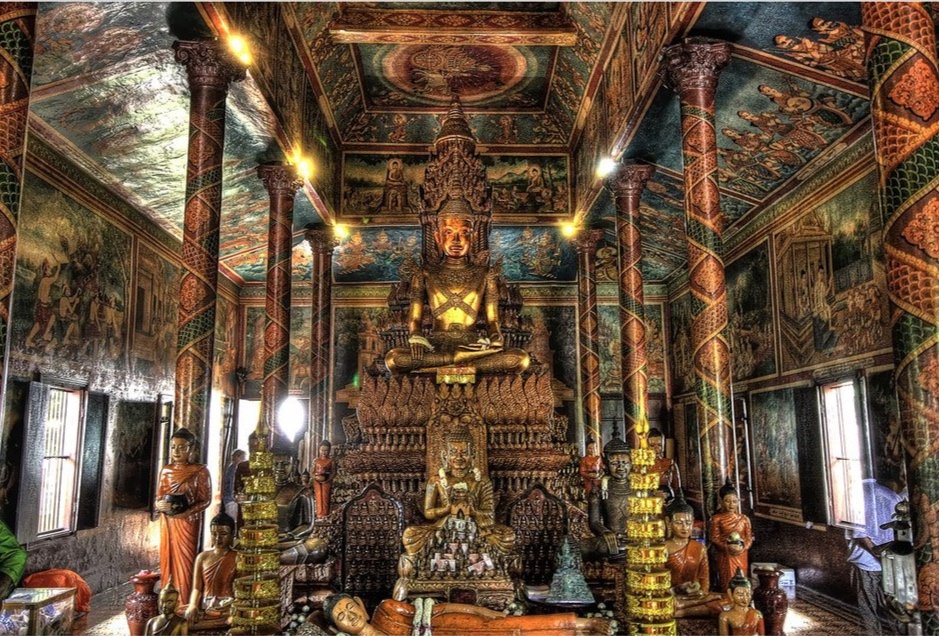
Inside of Wat Phnom. Daniel Mennerich. CC BY-NC-ND 2.0.
While Angkor Wat is on most traveler’s lists when they visit Cambodia, the country also has many other extraordinary and one-of-a-kind temples which each hold immense historical, cultural, religious and artistic significance.
1. Banteay Srei

Banteay Srei. Uwe Schwarzbach. CC BY-NC-SA 2.0.
The temple Banteay Srei, located in Angkor, Cambodia, is believed to have been built in the tenth century by and for some sort of spiritual guru to a royal, though not much is known about the person themselves. In addition to its fascinating origin, Banteay Srei’s architecture is unique for the area, built almost entirely out of a shining pink sandstone and surrounded by a moat. In terms of the architeccture’s cultural significance, the temple features a large and ornate statue of the Hindu God Shiva. Nowadays, Banteay Srei is primarily known for its meaning to women. Banteay Srei directly translates to “the women’s temple”, and the statue of Shiva is surrounded by other statues of women including Hindu gods and saints.
2. Ta Prohm
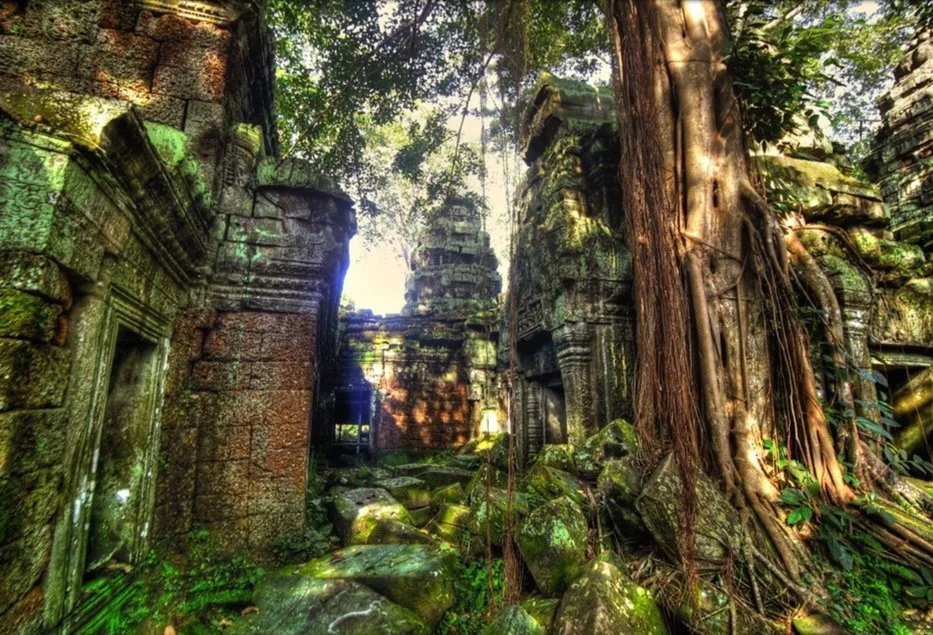
Tree growing in Ta Prohm. Daniel Mennerich. CC BY-NC-ND 2.0.
The temple Ta Prohm, located in Krong Siem Reap, Cambodia, is one of few historical sites to have been left untouched by archaeologists and society in general. It was built around the 12th to 13th century, and it was a temple of enormous scale surrounded by a village of an estimated 79,000 people who worked to maintain it. Unlike Banteay Srei, Ta Prohm was built by a Khmer king. Today, only the ruins of Ta Prohm remain, and its beauty and intrigue have only increased with growing trees surrounding the temple. Visitors can see a tree whose roots have grown over the roof of a corridor, and another stands tall in the middle of a courtyard. While visitors can walk through Ta Prohm, they are no longer permitted to climb on the stone walls, as the temple’s foundation is so old and precarious that damage can easily be done.
3. Wat Phnom
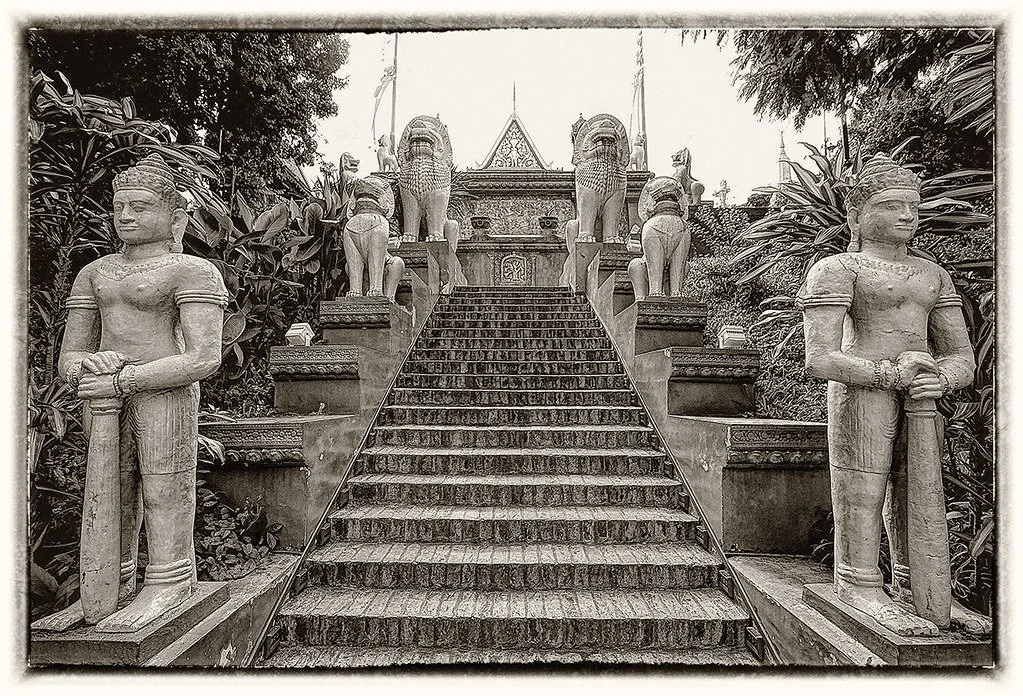
Staircase to Wat Phnom. Daniel Mennerich. CC BY-NC-SA 2.0.
In contrast to Ta Prohm, which has maintained a rustic look, temple Wat Phnom is located in the major city Phnom Penh, at the top of the only hill in the city. Unlike many other ancient temples, historians know Wat Phnom was built in 1372. A large and ornate staircase lined with animal sculptures such as lions and five-headed snakes leads the way to the temple. The temple is a place of worship, as people go to make wishes, requests and prayers for themselves and their loved ones. Wat Phnom is known to be a bustling and busy center, with vendors selling cold drinks and birds flying through the temple.
4. Sambor Prei Kuk

Sambor Prei Kuk temple. Plb06. CC BY-NC-ND 2.0.
The Sambor Prei Kuk temples are unique from the other temples on this list primarily because of their age and striking architecture. Sambor Prei Kuk is a collection of temples built in the 6th to 7th century CE, in the Pre-Angkorean architectural style which favored more natural looking octagonal temple structures that were less outwardly ornate than later temples. Sambor Prei Kuk was named an UNESCO World Heritage Site in 2017 due largely to its architecture, which represents a significant period in the history of Cambodia. The religious symbols inside the temple also reflect the significance of the relatively new cross-continental trade that was emerging at the time in Asia. The inscriptions and statues feature a mix of Buddhist and Hindu figures and messages, as well as displaying the “God-kings” who ruled the region at the time by claiming divine connections.
5. Angkor Wat
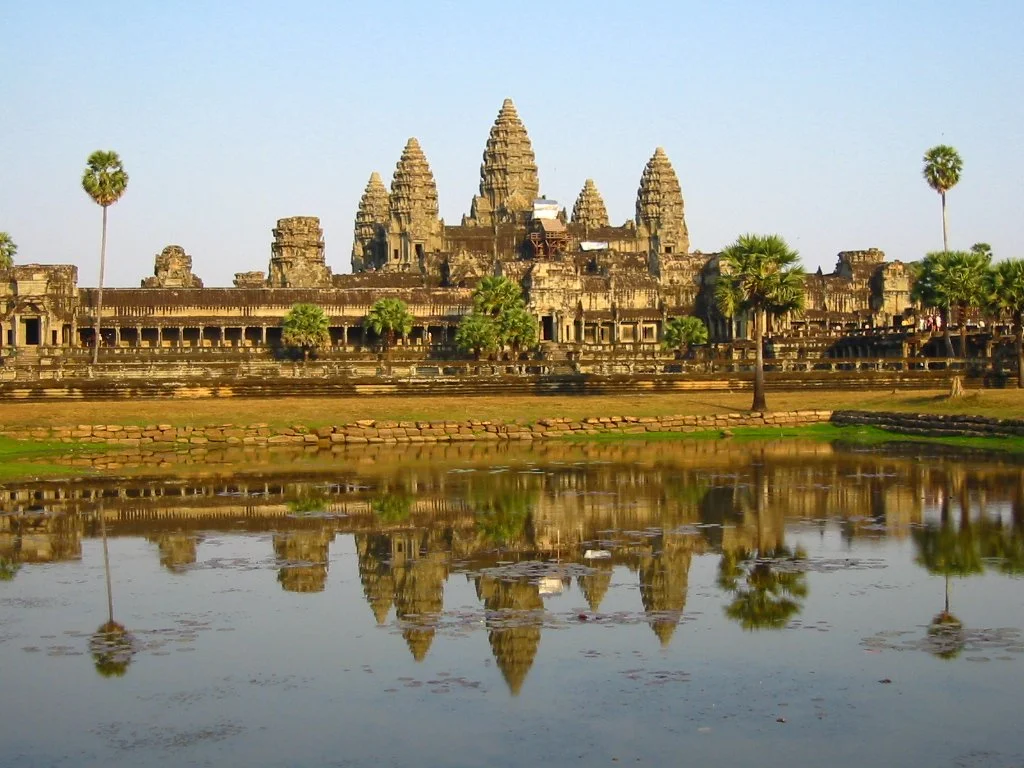
Angkor Wat. Pigalle. CC BY-NC-SA 2.0.
A Cambodian temples list wouldn’t be complete without Angkor Wat. The temple, located in Angkor, was built in the 12th century and is one of the most famous temples in the world, as well as one of Cambodia’s most famous sites. The compound contains hundreds of buildings, and is the largest religious structure globally. Originally, Angkor Wat was a Hindu temple, but in 1177 after losing a battle and thus losing faith in Hinduism, the king at the time (King Jayavarman VII) converted Angkor Wat into a Buddhist temple. In 1992, Angkor Wat became a UNESCO World Heritage Site, and an estimated 500,000 people per year travel to see the historic temple.

Calliana Leff
Calliana is currently an undergraduate student at Boston University majoring in English and minoring in psychology. She is passionate about sustainability and traveling in an ethical and respectful way. She hopes to continue her writing career and see more of the world after she graduates.
Unknown Specialties: 10 Little-Known Global Dishes
Uncovering some of the best lesser-known cultural foods from around the world.
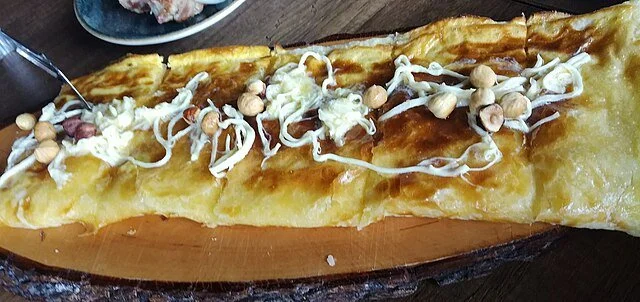
Khachapuri served with nuts. Ekkatterrinna. CC BY-SA 4.0
From sushi to falafel to chicken tikka masala, most cultures are represented on the global food stage. But for every well-known cultural classic, hundreds of local delights have never quite made it out of their homeland. This list compiles ten of the best, most unique specialties that most of the world has yet to experience. Each dish will include links to recipes and can be made at home with relative ease.
1. Lahmacun
Turkey

A traditionally wrapped lahmacun. Garret Ziegler. CC BY-SA 4.0
Lahmacun is a traditional flatbread variety that incorporates minced meat (usually lamb or beef), tomatoes and red peppers, and a healthy amount of garlic and chili pepper. Despite being commonly referred to as “Turkish pizza”, lahmacun is never prepared with cheese. Instead, the dish is often served rolled up around other vegetables like pickles or roast eggplant.
2. Kare-kare
The Philippines
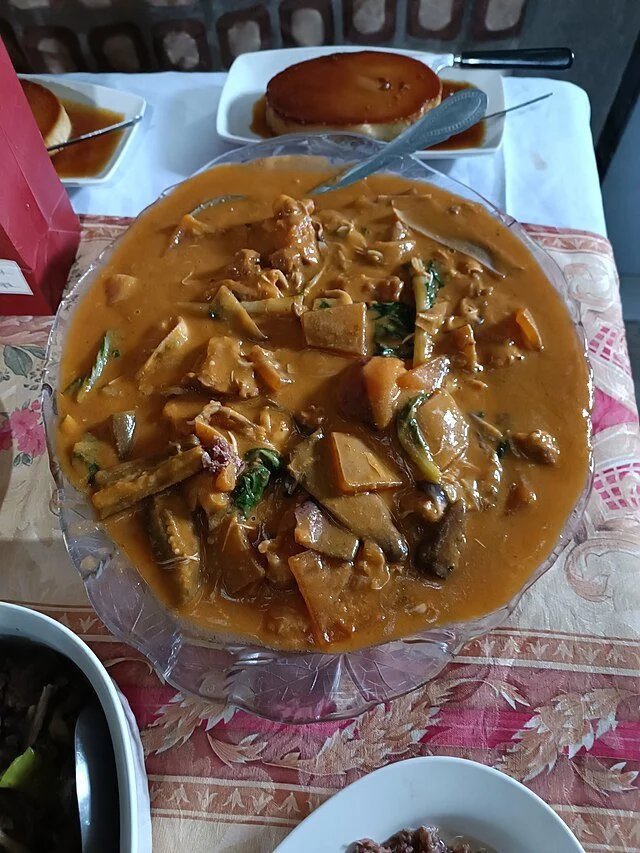
A bowl of kare-kare. Maffeth.opiana. CC BY-SA 4.0
Kare-kare is a stew of thick peanut sauce. Typically made with oxtail and occasionally pigs’ or calves’ feet, kare-kare also features vegetables like eggplant and daikon. Some varieties include seafood (like prawns and squid), while others are entirely vegetarian. This dish has been a part of Filipino culture for hundreds of years and is considered one of the island nation’s staple dishes.
3. Zeljanica
The Balkans
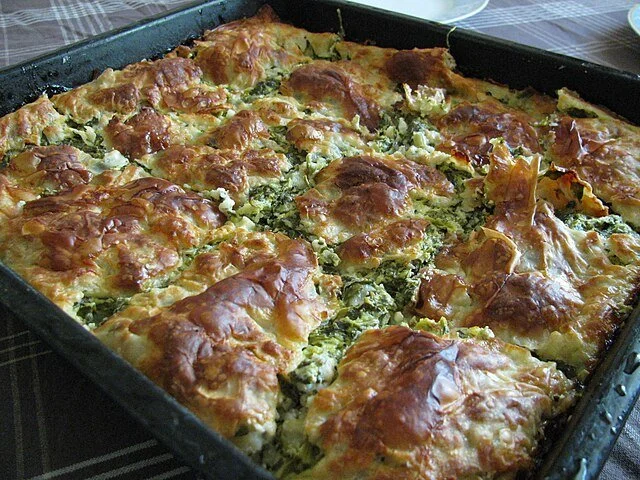
A tray of zeljanica. BiHVolim. CC BY-SA 4.0
Often referred to as “savory spinach pie,” zeljanica is a flaky pastry filled with chopped spinach, egg and white or feta cheese. This particular meal has several options for substitution; just about any white cheese (preferably salted) can be used for the filling, and a variety of pastries can be used to make the outer shell, including phyllo or horiatiko (both of which are specialties in their own right).
4. Pastitsio
Greece
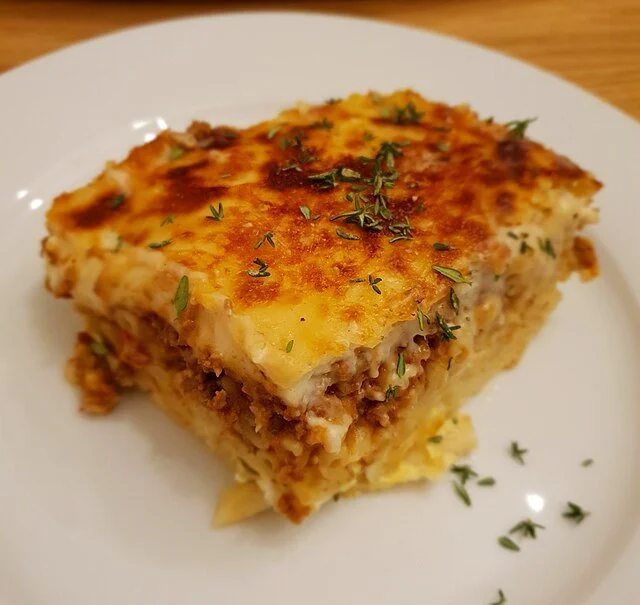
A plate of pastitsio. Sam Bailey. CC BY-SA 4.0
While this dish is often referred to as “Greek lasagna,” it takes a few steps outside of the box that sets it apart from its Italian cousin. Pastitsio has evolved over the years, transforming from a phyllo-wrapped meat pasta to a layered dish. The bottom layer is composed of bucatini or similarly-shaped pasta, bound together with cheese or eggs. The second layer features ground beef or pork heavily seasoned with cinnamon and cloves, and the top is a mixture of bechamel and mornay sauce.
5. Cou Cou
Barbados
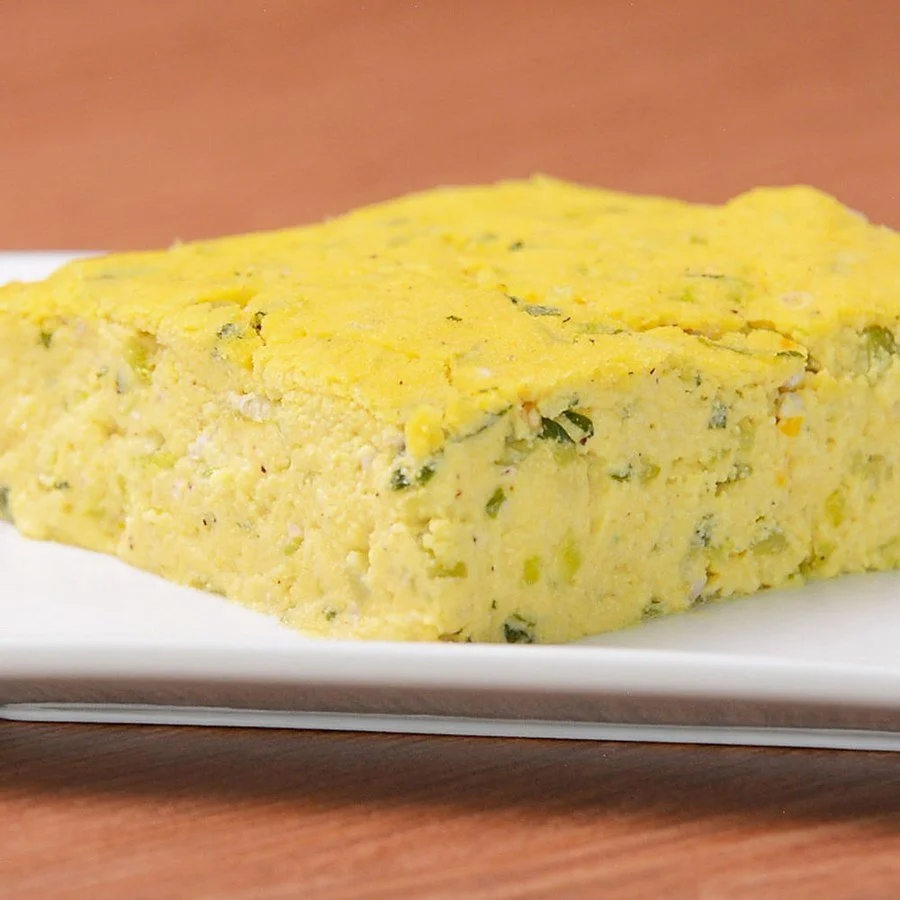
An example of Cou Cou. KINGBROBLOXZZZ. CC BY-SA 4.0
Cou-cou is widely regarded as the best example of Barbados’ national food: the flying fish. While cou-cou is actually a mixture of cornmeal and okra, it is typically served alongside steamed or fried flying fish. Today, this meal is traditionally served on Friday in Barbados and has spread to Antigua and the Virgin Islands.
6. Khachapuri
Georgia

A variety of khachapuri including egg yolk. Rorschach11. CC 2.0
There are many varieties of Georgia’s khachapuri, but the most common (and most popular) is Imeretian khachapuri. This variation is made with yeast dough and filled with salted white cheese. Other varieties incorporate egg yolks, potatoes and a variety of seasonings.
7. Nacatamales
Nicaragua
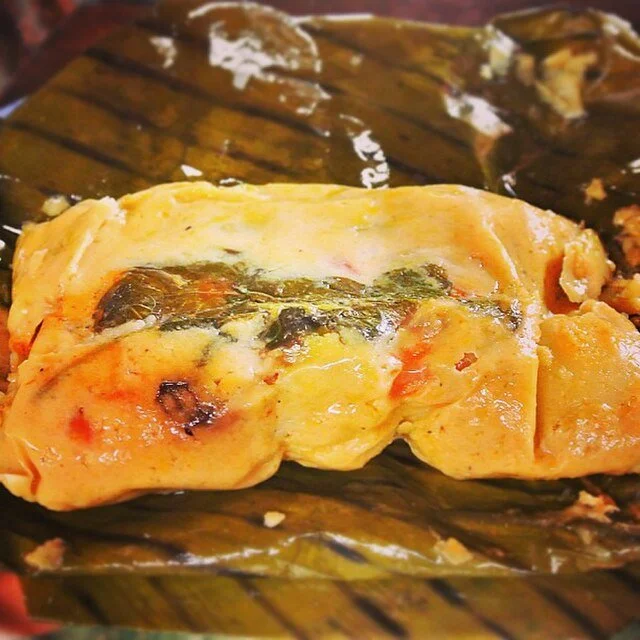
A finished nacatamal. MiguelRamirez77. CC BY-SA 4.0
Nacatamales were historically made by Nicarao hunters who would wrap and steam herbs, deer and turkey meat in corn husks. Rapidly evolving into a cultural staple after the Spanish conquest of Nicaragua, nacatamales have continued to change throughout the centuries. Today, the dish is commonly wrapped in banana leaf and tinfoil and steamed for up to five hours.
8. Nam Khao
Laos
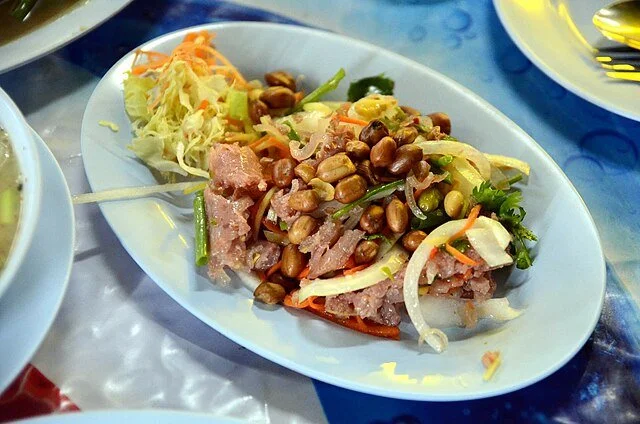
A pre-wrapped nam khao. Takeaway. CC BY-SA 3.0
Nam khao is a common dish throughout Laos, appearing everywhere from street stalls and potlucks to high-brow restaurants. The meal’s main ingredients include fried rice balls, classic Vietnamese pork sausage, chopped peanuts and other seasonings. Nam khao is unique from traditional salads as ingredients are used to fill a singular lettuce leaf before being topped with chili peppers and herbs.
9. Lo Mai Gai
Southern China
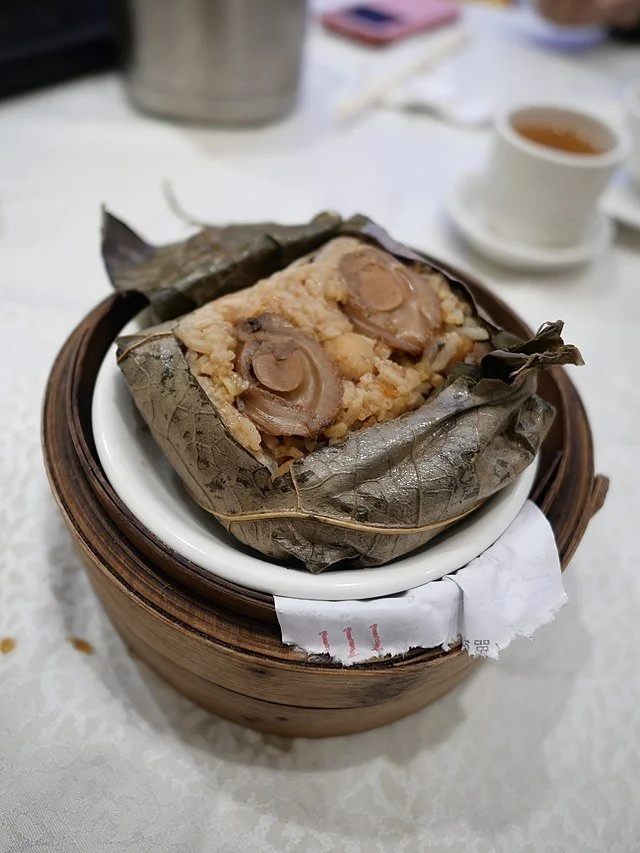
A variety of lo mai gai made with abalone. Peachyeung316. CC BY-SA 4.0
A gluten-rich rice stuffed with chicken, sausage, mushrooms and scallions, the most unique aspect of this variation on the classic dim sum is the method of cooking. Before being steamed, lo mai gai is wrapped in dried lotus leaves — in areas where lotus is not available, banana and grape leaves are frequently substituted.
10. Jollof Rice
West Africa
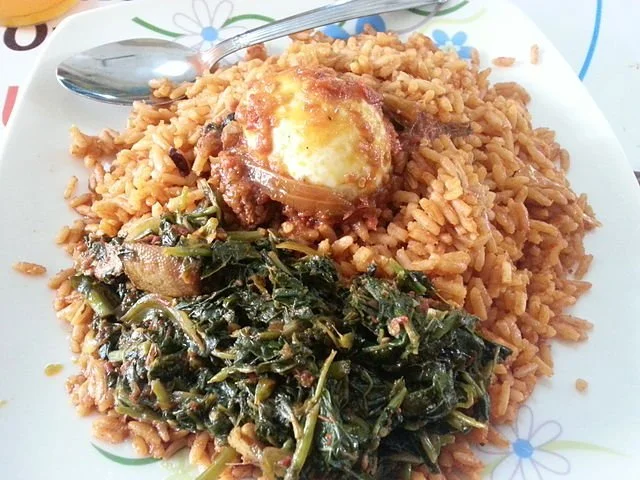
A variety of jollof including vegetables. Segun Famisa. CC BY-SA 4.0
Last but certainly not least is the ever-changing meal known as jollof rice, or jollof for short. This dish has a general ingredient list, but just about every nation in West Africa has its own regional variety, which has led to friendly rivalries between different regions. Typically, jollof is made with long rice grains, incorporating tomatoes, chili peppers, and a variety of spices together into one pot. Variations of the dish can range from different spices to the inclusion of additional vegetables or cuts of meat.
Few of the dishes on this list are available outside of their home country. However, the ingredients for each dish are relatively easy to obtain, so international foodies can find all the materials they need to cook some of these specialties at home.
Ryan Livingston
Ryan is a senior at The College of New Jersey, majoring in English and minoring in marketing. Since a young age, Ryan has been passionate about human rights and environmental action and uses his writing to educate wherever he can. He hopes to pursue a career in professional writing and spread his message even further.
The Northern Lights: The 6 Best Viewing Destinations
Exploring the top locations around the world for an unforgettable aurora experience.
Read MoreTravel Through Time in the Canadian Rockies
Explore millions of years of natural history from ghost towns to Indigenous communities.
Read More