
From the solemn streets of Berlin to the lively waterways of the Netherlands, here are 10 places to visit with your beloved furry friend by your side.
Read MoreTravel to NYC, Not for Times Square, but for the Parks
Check out the many green areas in NYC where culture and nature abound.
Read MoreYakutia: One of the Coldest Places on Earth
This Russian region experiences temperatures as low as -70F and its residents live drastically differently than people who live in warmer climes.
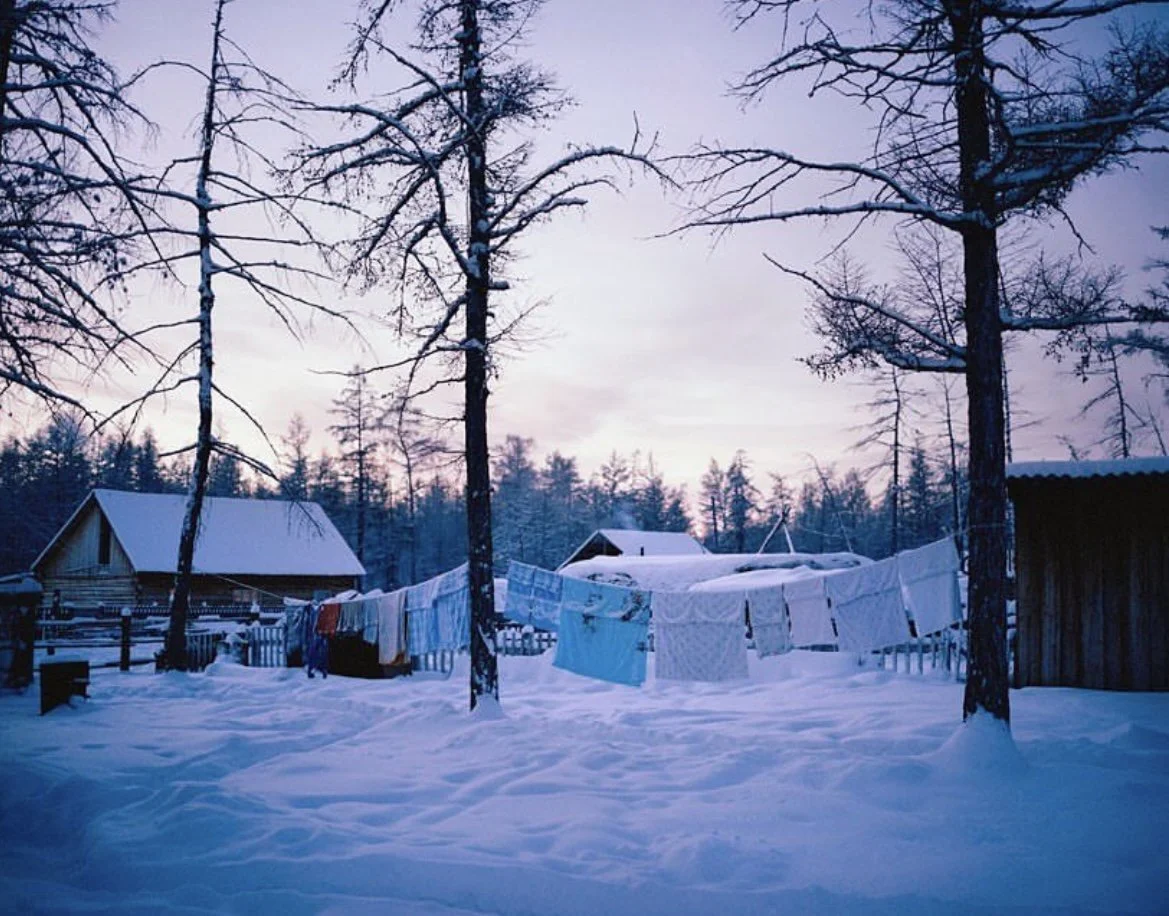
A village in Yakutia during the winter. @simoncroberts. Instagram.
It is seven AM. The sun hasn’t risen yet, but you’ve already gathered enough wood to heat your house for 9 months straight, in anticipation of the severe climate outside. You head to the back shed to grab the ice you harvested last November and put it in a giant tub of water to melt, ensuring that your family has something to drink when the water pipes will freeze. Now it’s time to make breakfast and wake your child up for school — because even though winter has finally arrived it’s warmer than -65 degrees Fahrenheit, which means it is safe to go outside.
This is how residents of the northern reaches of the Sakha Republic, common name Yakutia, live during the long winter months. Yakutia is located in Russia and is home to some of the coldest continuously inhabited places in the world. In villages like Oymyakon, located in the far north, the sun doesn’t rise until approximately 9am and sets at 2:15pm, meaning students have to walk to and from school in darkness.
Ten minutes in the cold, fresh air is enough to cause fatigue, stinging pain in any of the exposed parts of your face, and long-lasting aches in the fingers and toes. This is why many houses in the region are made of wood and built to withstand the extreme temperatures by filling every gap with oakum, a sealant made from plant fibers and tar, or even just the abundant snow, although the cold still finds its way through at times.
The Yakut people have learned to be productive in these conditions. Most men in the Republic’s far north have traditional jobs like cattle ranching, hunting, or making crafts, living lives that hardly resemble those of urban Russians. Knife-making plays an important role in the Yakut culture, with the blades known around the world for their strength and beauty.
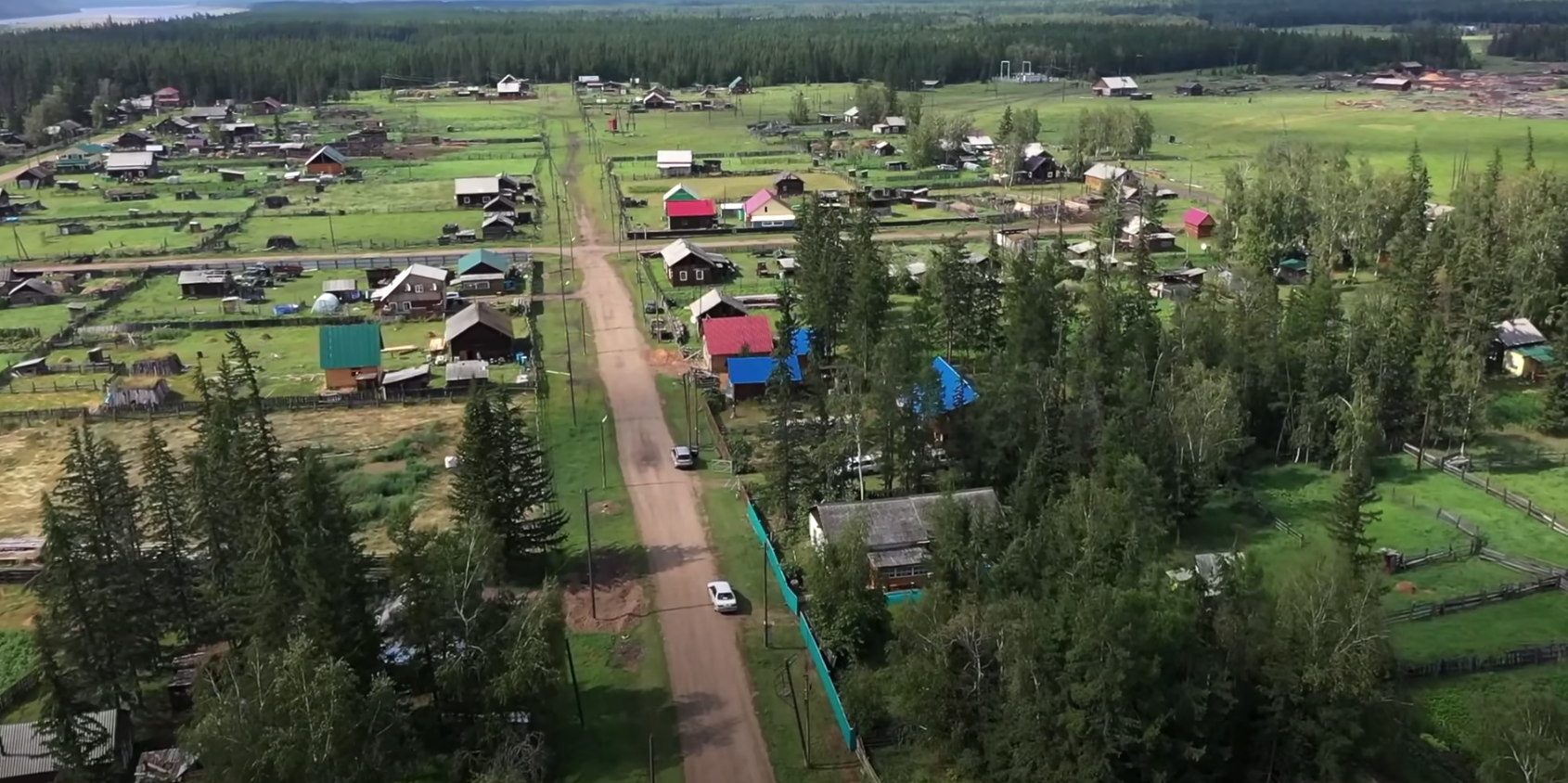
Summer in a Yakutian village. @Kiun B. YouTube.
When summer comes around, Yakutia becomes a completely different place. While winter temperatures can plunge down to -70 degrees Fahrenheit, in the dog days of summer the weather can get to around 86 to 95 degrees, particularly at the end of July. Summers may be short-lived — only lasting 2.5 months — but it is also the busiest time of the year for Yakut people.
It is crucial to harvest berries before the frost sets in if one wants to eat fruit during the winter., A failure to harvest the hay needed to feed the cattle in time can lead families to lose their valuable livestock.
But with hard work comes a refreshing reward. During the summer, Yakutia turns from a snowy kingdom into a lush meadow full of dense forests. Many Yakuts take advantage of the balmy heat, and head straight to the nearest lake for a swim.
Yakutia is often called the land of rivers and lakes. There are over 700,000 rivers and 800,000 lakes that are rich with aquatic life, which is the perfect opportunity for Yakut people to stock up on food for the winter months.
Although Yakutia is by no means a popular tourist destination, the region is gaining more attention on YouTube and has fascinated viewers around the world. With increased visibility facilitated by modern communications technology , it will be no surprise if curious minds begin to pay attention to Yakutia.

Michelle Tian
Michelle is a senior at Boston University, majoring in journalism and minoring in philosophy. Her parents are first-generation immigrants from China, so her love for different cultures and traveling came naturally at a young age. After graduation, she hopes to continue sharing important messages through her work.
8 of the World’s Hardest Travel Destinations to Reach
What makes difficult access worth it?
Read MoreWhere To Next? 20 Best Spots to Travel In 2023
From up-and-coming travel destinations like Rwanda to the otherworldly landscapes of Namibia, here’s the CATALYST list of the best places to travel in 2023.
Read MoreThe Ghostly Shores of the Namib Desert’s Skeleton Coast
Bones and wreckage meet biodiversity on the Skeleton Coast of the world's oldest desert.
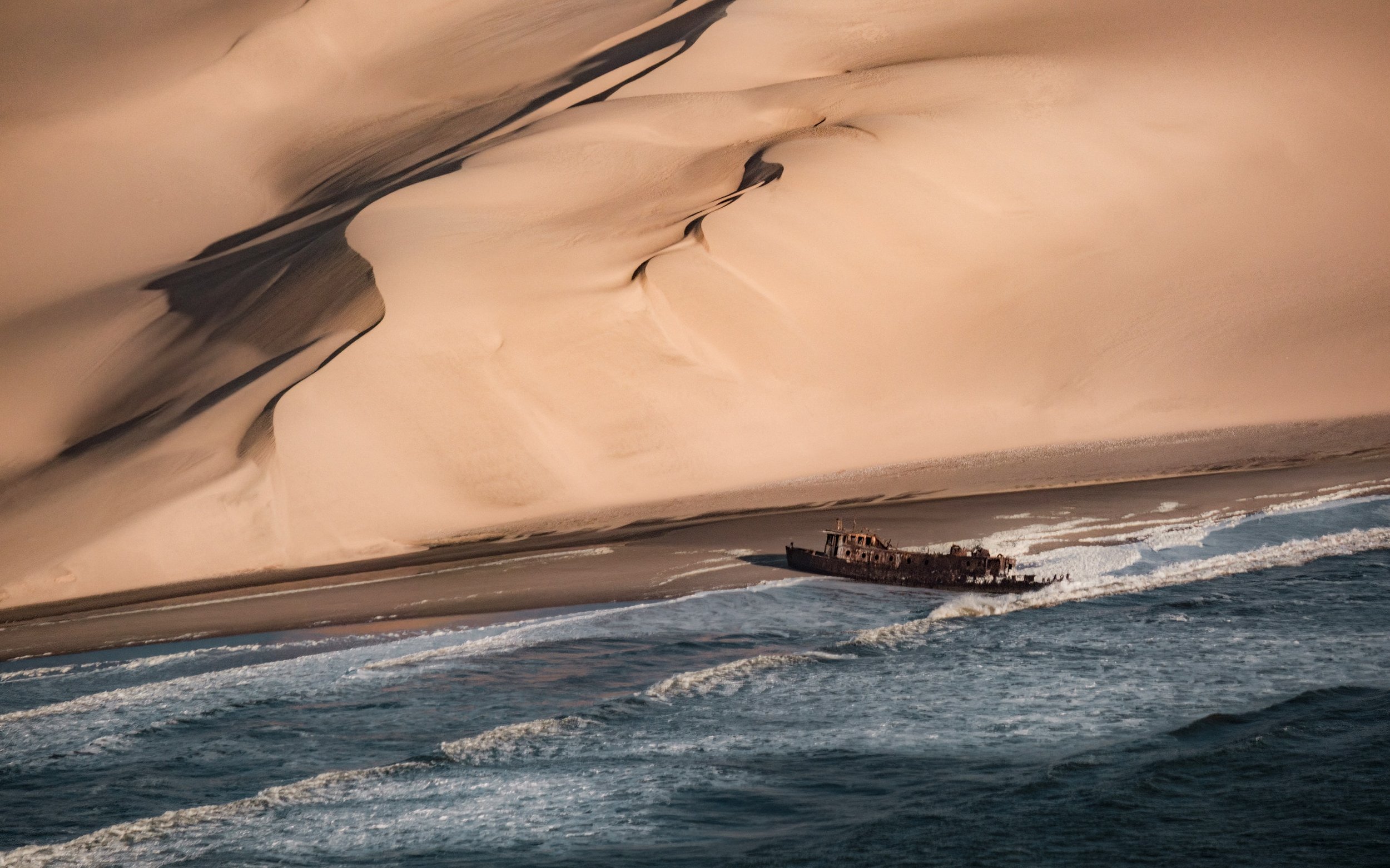
A ship wreckage by the red, sandy dunes along the Skeleton Coast. op23 | Unsplash

A map highlighting the Namib Desert in red along the coast of Africa.
Home to earthy-red dunes which roll right into the Atlantic ocean, the Namib Desert is thought to be between 50-80 millions years old, making it the oldest desert in the world. It’s also one of the world's most inhospitable places—an unpredictable, arid and remote region that on the surface has no appeal whatsoever. With temperatures fluctuating from blistering hot to dangerously cold and sand for as far as the eye can see, it extends from the country of Angola, through Namibia and down to South Africa. That’s over 31 thousand square miles of desert.
But don't be fooled, there’s more to these sandy plains than meets the eye. The Namib is home to the Skeleton Coast. And despite this desert’s penchant for death, The Skeleton Coast is teeming with rare wildlife.
What is the Skeleton Coast
The Skeleton Coast is on the northern shores of this ancient and unexpected desert and earned its macabre name from the whale and seal bones that once littered the shore from the whaling industry. The Ovahimba who have since settled in the far north-eastern parts of Namibia once used the whale bones for building their shelters. In modern times, the Skeleton Coast hides its infamous graveyard buried beneath the sand, and with the exception of a rare adventure seeker looking for a wave to surf, the odds of seeking a human along this part of the coast are slim.
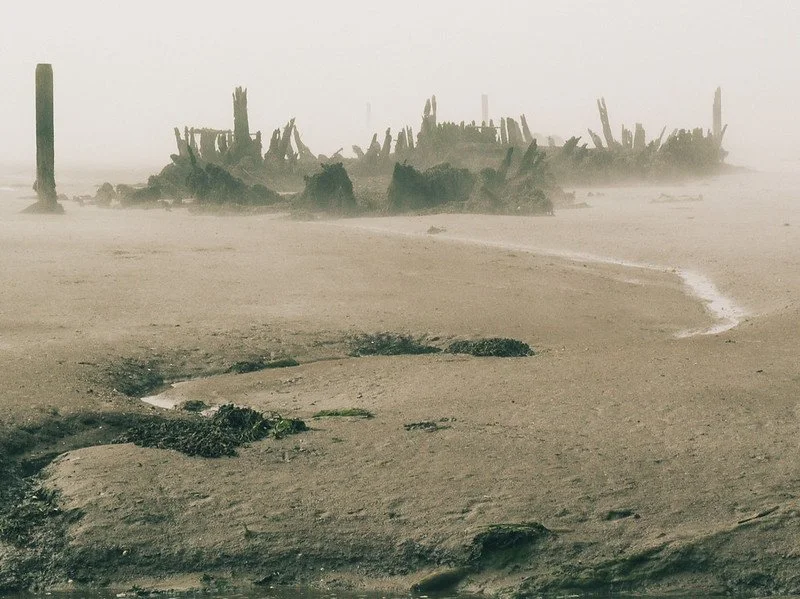
A shipwreck in the fog on the Skeleton Coast. Lee | CC BY 2.0
The Unique Climate of the Namib Desert
The bones scattered across Namibia’s Skeleton Coast aren’t from ocean mammals alone. Over the centuries, ships have ended up stranded on its shores for various reasons, but the main culprit is caused by the unique geography of the region. Hot, dry air from the interior of the continent and desert blows west combining with the cold wet air from Antarctica via a northward flowing ocean current called the Benguela Current. The hot dry winds act as a cap or roof not only prevents the cold wet air from escaping, but also from forming rain clouds. Instead, there is an eerie fog, and a lot of it.
In fact, for 180 days of the year there is fog on the Skeleton Coast so dense, it’s caused thousands upon thousands of ships to run aground throughout history; the oldest of which is from the 1500’s. The ocean's intense surf would have prevented anyone from getting back into the water, and with a wrecked ship, this meant that sailors stranded on this isolated coast were left with only one choice: to make their way through the Namib Desert. With a dryness rivaling South America’s Atacama Desert (the driest place on Earth), and sand dunes reaching nearly 1000 ft high, this option was nearly as dangerous as swimming out to sea and surely has added human bones to its burial collection.
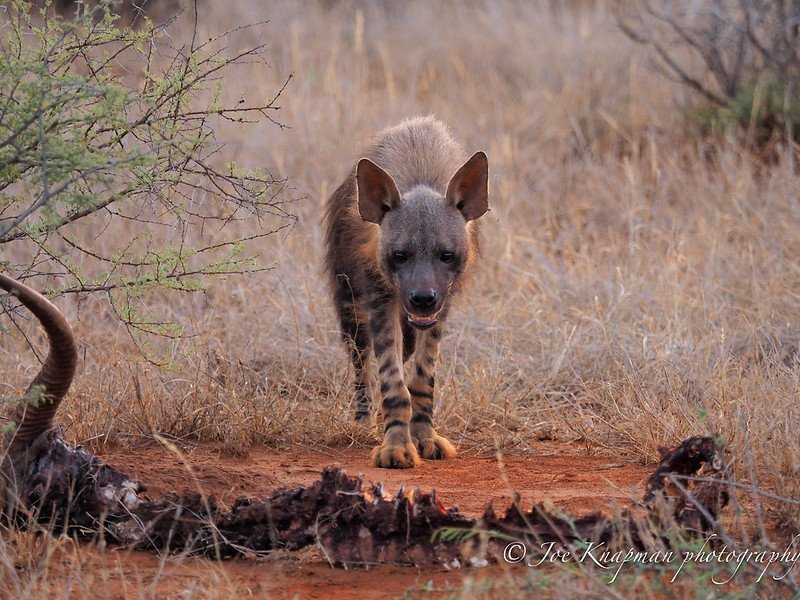
A brown hyena stands over a carcass in the Namib Desert. Joe Knapman | CC BY 2.0
Wildlife on the Skeleton Coast
Incredibly diverse, the Skeleton Coast has more near-endemic species than any other desert in the world. Elephants, black rhinos, desert lions, jackals, giraffes, seals, oryx, kudus and zebras and just some of the desert adapted species inhabiting this wilderness. One such animal is the brown hyaena. They’re usually on the move after darkness has fallen, which adds to their elusiveness. The name strandwolf was coined on Namibia’s Skeleton Coast where they scavenge for dead seals along the shoreline. If you are fortunate enough to spot one, make sure you take a really good look, because sightings of these inscrutable carnivores is never guaranteed. A truly endemic avian, the Dune Lark, inhabits thinly vegetated dunes along the Skeleton Coast and larger Namibian dune system associated with Bushman grasses and Nara melons.
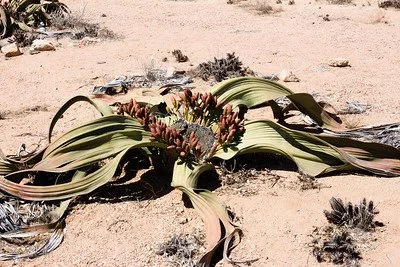
A blooming welwitschias. Ragnhild&Neil Crawford |CC BY 2.0
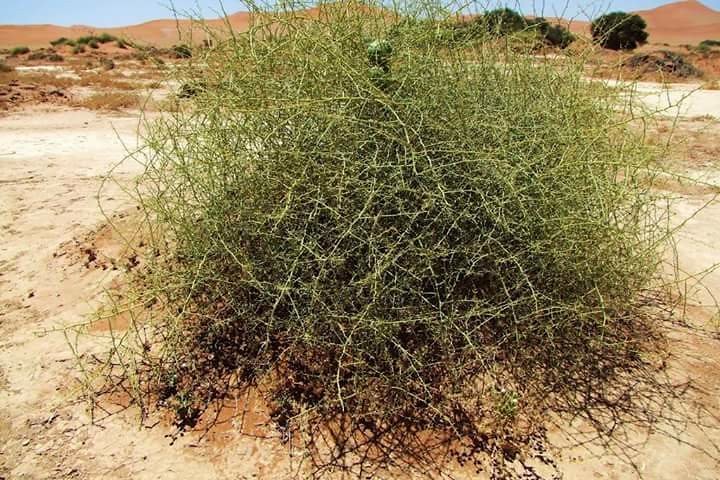
A spiny looking nara bush in the Namib Desert. Palmora| CC BY 2.0
Nara Melons are just one of the many plants incredibly adapted to the rainless area and depend solely on the warning fog from the Atlantic Ocean. The nara bush is of great importance not only to the people of the region, but it is ecologically key to maintaining the unique desert habitat. More plants include welwitschias—which is a dwarf tree with only two leaves that can live for several thousand years—several lithops succulent plants known as living stones, lichen, pencil bush and the vividly colored succulents of rainbow colored agate mountains dotting the shore.
The Lion’s Roar, a desert phenomenon
The phenomena of the Skeleton Coast doesn’t stop at bones, fog and compelling flora and fauna. Travelers, nomads and lost sailors once believed in the presence of desert spirits—singing songs through the mist. When the dunes form a bowl with the right acoustic properties, even a small flow of disturbed sand causes a terrific noise that resembles rolling thunder or even a low-flying airplane. The phenomenon is known locally on the Skeleton Coast as ‘the lion’s roar’.
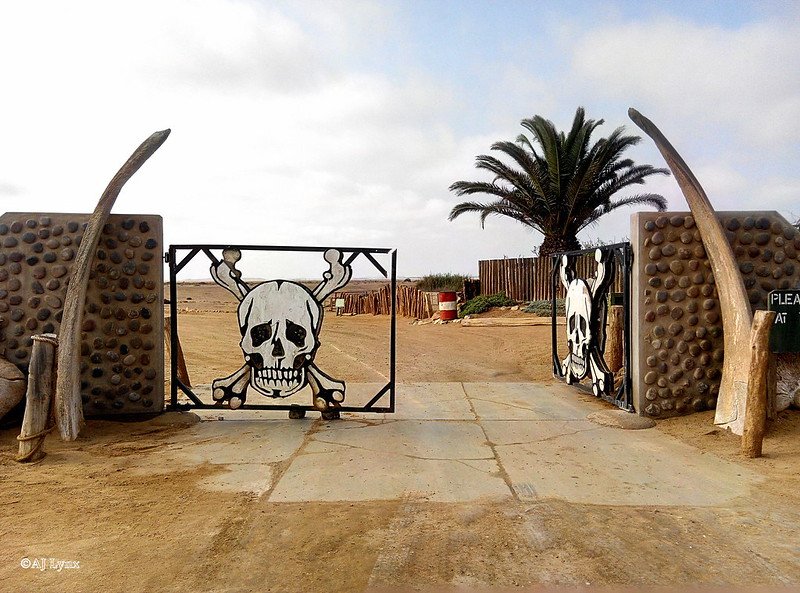
Ugab River Gate, Agnieszka Rysio | CC BY 2.0
The Skeleton Coast National Park
Luckily, this wildly unique, albeit creepy shoreline, along with its diverse inhabitants is protected. In 1971, Namibia established a well-maintained national park to protect the curious treasures, bones and wildlife which makes the Skeleton Coast so incredible. The park is divided into a northern and southern section; the southern section is open to travelers with four wheel drive vehicles who are welcomed to go as far north as the Ugab River Gate. There, they will be greeted by a sign with a skull and crossbones warning you to go no further. The northern section is off limits, its loose, enveloping sands will literally swallow you up and can therefore only be accessed by airplane with a certified guide. It also happens to be the most attractive region of the park with lunar-esque vistas as far as the eye can see. The park attracts all types of travelers, both local and international fishers, photographers, ecologists and folks just looking for a unique adventure to one of the world's most understated treasures.

Raeann Mason
Raeann is the Content and Community Manager at CATALYST, an avid traveler, digital storyteller and guide writer. She studied Mass Communication & Media at the Walter Cronkite School of Journalism where she found her passion for a/effective journalism and cultural exchange. An advocate of international solidarity and people's liberation, Raeann works to reshape the culture of travel and hospitality to be ethically sound and sustainable.
5 Islands to Visit in Indonesia Not Named Bali
While the famed island has its charms, visitors have largely overlooked the rest of this sprawling archipelago’s natural and cultural riches.
Read MoreTikTok Travel: 20 Accounts That Take You Around the World
COVID-19 has kept many from traveling, but you can still explore the world on your phone with the app TikTok. Discover these top 20 accounts that will take you far from home.
Read MoreThe Largest Salt Flat in the World in Bolivia
Bolivia’s Salar de Uyuni is one of the country’s wonders. Despite the amount of tourists it still preserves its beauty.
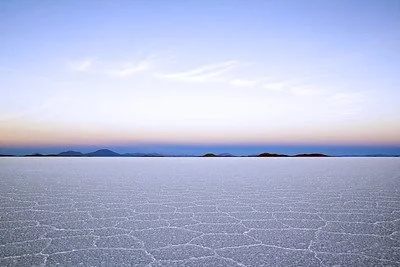
Salar de Uyuni, Bolivia. Giacomo Buzzao. CC BY 2.0.
Located in the Andean Plateau in South America, the Salar de Uyuni is the largest salt flat in the world. It is in southwestern Bolivia, close to the border between Bolivia, Chile and north of the Argentinian border. It is over 4,050 square miles and the salt crust stretches to the horizon. It is also 10,000 feet above sea level, as it is located in the Andes. Since the salt is white, the Salar de Uyuni appears to be a large white desert, but during the rainy season, nearby lakes overflow, rivers empty into the salt flat and it becomes filled with water.
Though the seeing the dry, white salt stretch for miles is beautiful, when the salt flat is filled with water, it creates a clear mirror-like lake. Generally, there are only a few centimeters of water so it is still possible to walk on it, but as the weather is unpredictable, some areas become restricted for safety. The salt flat is mostly waterproof, but too much rain will melt some of the salt and make it dangerous to walk on. However, during this time, Salar de Uyuni turns into the world’s largest natural mirror, reflecting the light from the sky. The winter months also have clear skies that offer beautiful stargazing opportunities, the reflected stars only adding to the salt flat’s wonder.
The Salar de Uyuni is large enough to be seen from space, and it contains 10 billion tonnes of salt. 70% of the lithium in the world is also mined from this salt flat. The Salar de Uyuni was created 40,000 years ago, after Lake Michin evaporated. Over the course of its slow evaporation, the salt hardened and created a crust that formed the area into what it is today. In addition, there is still water underneath the salt that continues to evaporate as temperatures rise, which adds more salt to the surface.
Beyond the scientific explanation for the Salar de Uyuni’s creation, the locals have passed on their own legends. In one of them, one of the nearby mountain goddesses, Yana Pollera, gave birth to a baby that two other mountain gods fought over. They both believed themselves to be the father, and Yana Pollera sent her child away to where the salt flat is located today and flooded the area with her milk that eventually evaporated into salt so it would survive. Another legend claims the flat was formed because after two mountain gods were married, the husband left and the wife cried until her tears created the Salar de Uyuni.
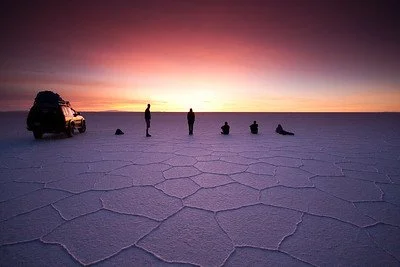
Dawn at Salar de Uyuni. Trevor McKinnon CC BY-NC-SA 2.0.
Because of its location, there are many tours leaving from Bolivia and Chile, and many of them stretch over the course of multiple days in order to get the most out of the natural beauty. Planes, buses and trains are all able to get to Uyuni, the town closest to the salt flat, but there are also tours from Tupiza, a town south of Uyuni, and San Pedro de Atacama, a town in Chile.
RELATEAD CONTENT

Katherine Lim
Katherine Lim is an undergraduate student at Vassar College studying English literature and Italian. She loves both reading and writing, and she hopes to pursue both in the future. With a passion for travel and nature, she wants to experience more of the world and everything it has to offer.
6 of the Most Colorful Wonders of the Natural World
From the Rainbow Mountains of Peru to the Kawah Ijen Volcano in Indonesia, discover these six most colorful natural wonders of the world in Iran, Mexico, China and more.
Read MoreThe Islands of Hong Kong: Hidden Oases Next to a Bustling City
Hong Kong is known as an urban center, but just a short ferry ride away from downtown are traditional fishing villages and untamed beaches waiting to be explored.
Read MoreDiscover Cambodia’s Beauty Despite Dark Political Past
Though still recovering from Pol Pot’s regime, Cambodia contains numerous sites and monuments worth traveling for.
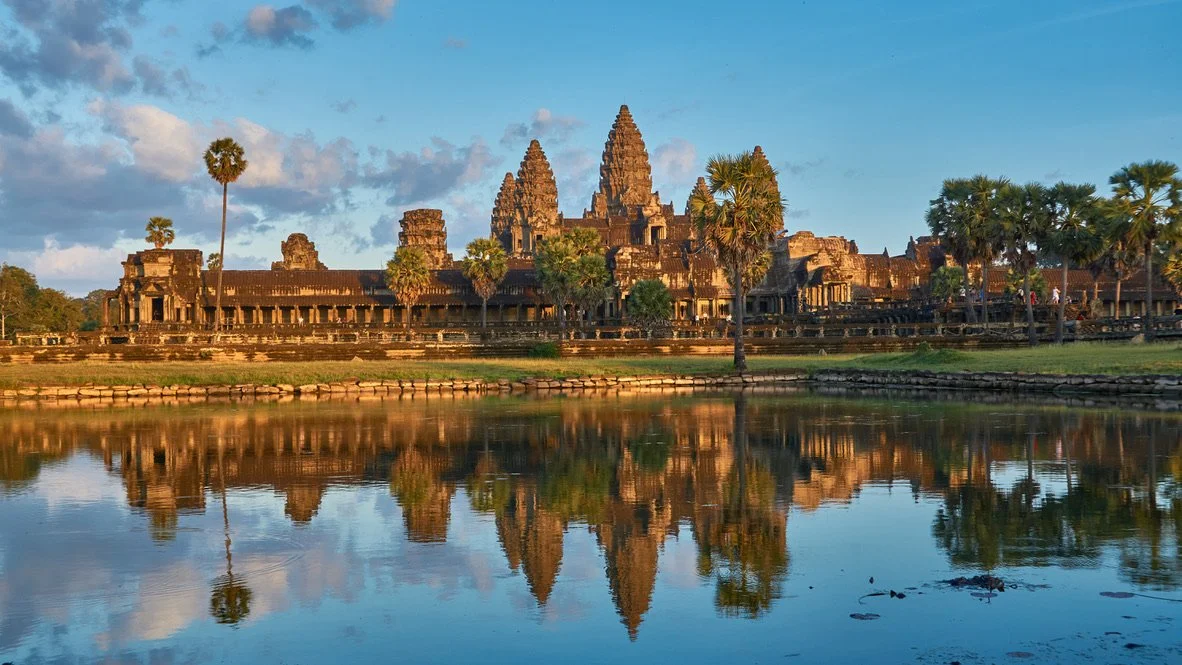
Angkor Wat Reflection. Radek Kucharski. CC BY2.0.
Cambodia is known for its massive and brilliantly crafted religious temples, vast untouched forests and vibrant city life. What some may not know is Cambodians have and are still recovering socially, economically and politically from one of recent history's most horrific events: the reign of the Khmer Rouge.
Under the rule of dictator Pol Pot, the Khmer Rouge was a Marxist regime created in 1975. Whether from execution, starvation, exhaustion and disease, more than 2 million civilians died during the genocide. Despite the defeat of the Khmer Rouge on January 7, 1979 by the Vietnamese military, Cambodians struggled to regain their political and economic prosperity. General poverty rates have lingered around 35% which is a great improvement from the 50% at the initial end of the events. Those who experienced the genocide are now be in their 50s, and thus Cambodians are still living with the traumatic experiences they went through.
With that said, the Southeast Asian country has shown great perseverance and progress towards a bright future. Now, Cambodian citizens celebrate their traditional cultures and welcome outsiders to experience the atmosphere and history of their country. Here are a few of the most popular spots.
1. Angkor Wat
Said to be the largest religious monument in the world, Angkor Wat is a vast Buddhist temple that touches over 400 acres of land and comprises over 1,000 buildings. Cambodia is home to this cultural wonder of the world and is a destination that provides both visual beauty and an introduction to Cambodia’s rich history and culture.
Angkor Wat has five lotus-like towers rising 65 meters up, being the first part of the temple visitors tend to notice. The awe-inspiring scenery continues with carvings throughout the inside of the temple. Celestial dancers, known as apsaras in Khmer (Cambodia’s national language), helped reintroduce Apsara dance in Cambodia. Carvings of war, spiritual journeys and everyday life explain Cambodia’s hardships and relationship with culture and religion. Ta Prohm, also known as the Tomb Raider Temple due to its appearance in the 2001 film, and Angkor Thom are other beautifully architected sights nearAngkor Wat.
2. Banteay Srei

Banteay in Angkor. Juan Antonio Segal. CC BY 2.0.
Known as the Temple of the Women, Banteay Srei is sacred in Angkor. Though it is much smaller in size than Angkor Wat, it contains some of Cambodia's most delicate carvings. Images of women holding lotus flowers and memorable stories of the Hindu religion are depicted here. Banteay Srei is still a place for women to visit and observe to feel inspired and appreciated, as well as a place where anyone can experience its beauty and history.
3. Bayon
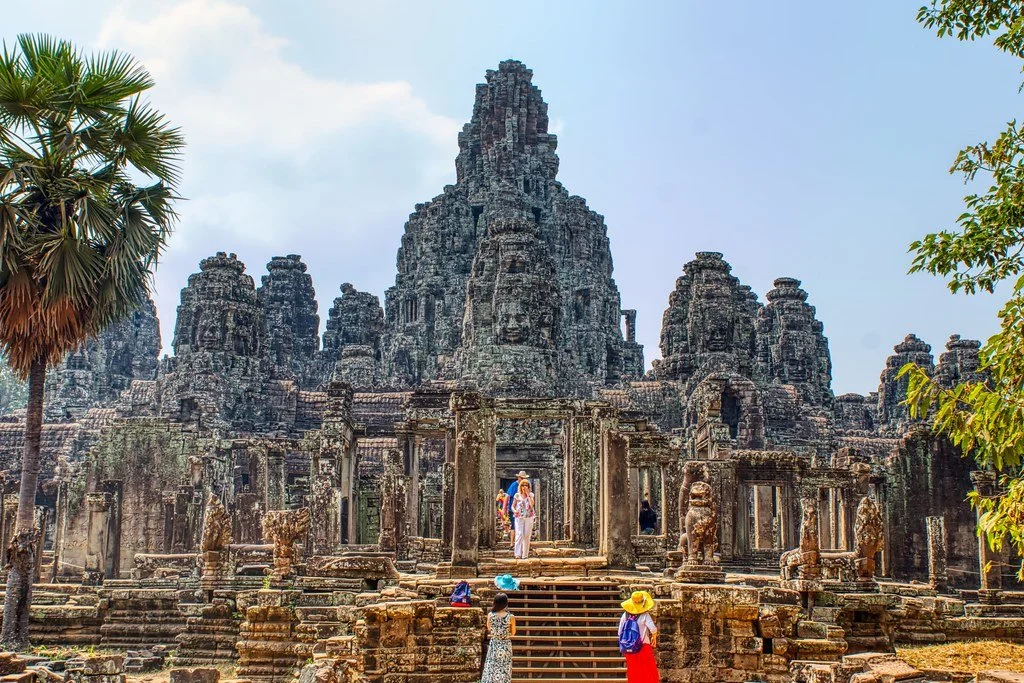
Bayon Temple Ruins in Cambodia. Uwe Schwarzbach. CC BY-NC-SA 2.0.
This Buddhist Temple is home to 216 smiling, peaceful faces carved into towers. Numerous other carvings can be seen representing the experiences of the Khmer people. Bayon temple allows visitors to understand the goals and journey of the Khmer Empire and is a great temple to visit if you are interested in Buddhism and appreciating Cambodia’s past.
4. Phnom Penh
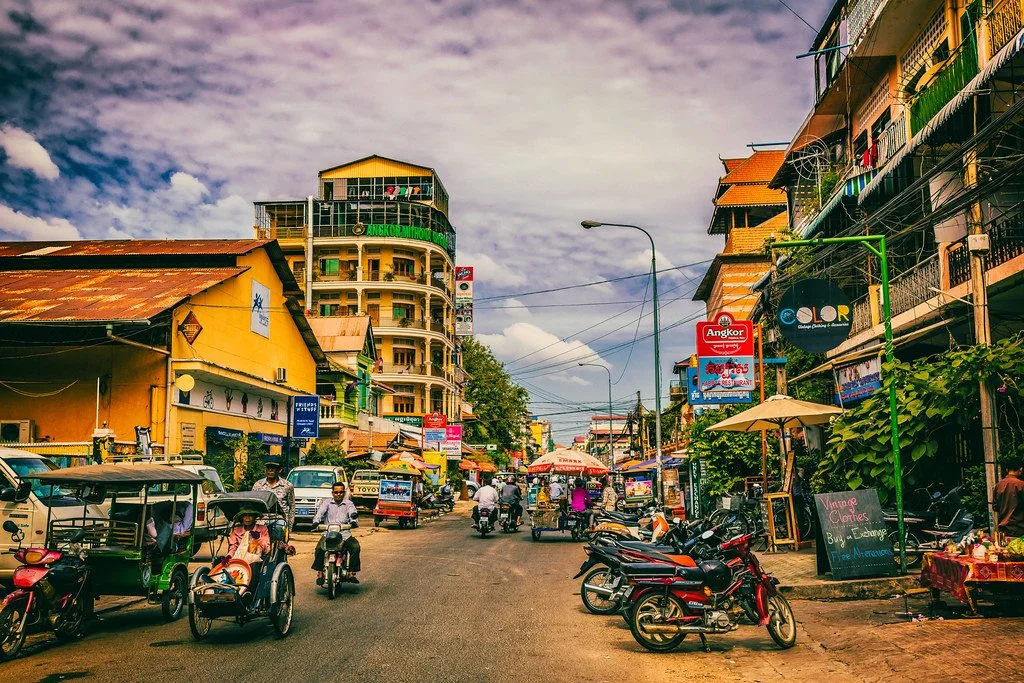
Bustling Phnom Penh. Baron Reznik. CC BY-NC-SA 2.0.
Phnom Penh is the capital of Cambodia andhome to vibrantly colored buildings, tight streets with motorbikes, friendly locals and more architectural beauty. A main mark of the Cambodian experience, Phnom Penh is affordable and easy-going—a great way to submerge yourself in the country's culture. here are some upscale restaurants and locations, but overall, Phnom Penh remains its gritty, lively and romantically chaotic self.
5. Krong Siem Reap
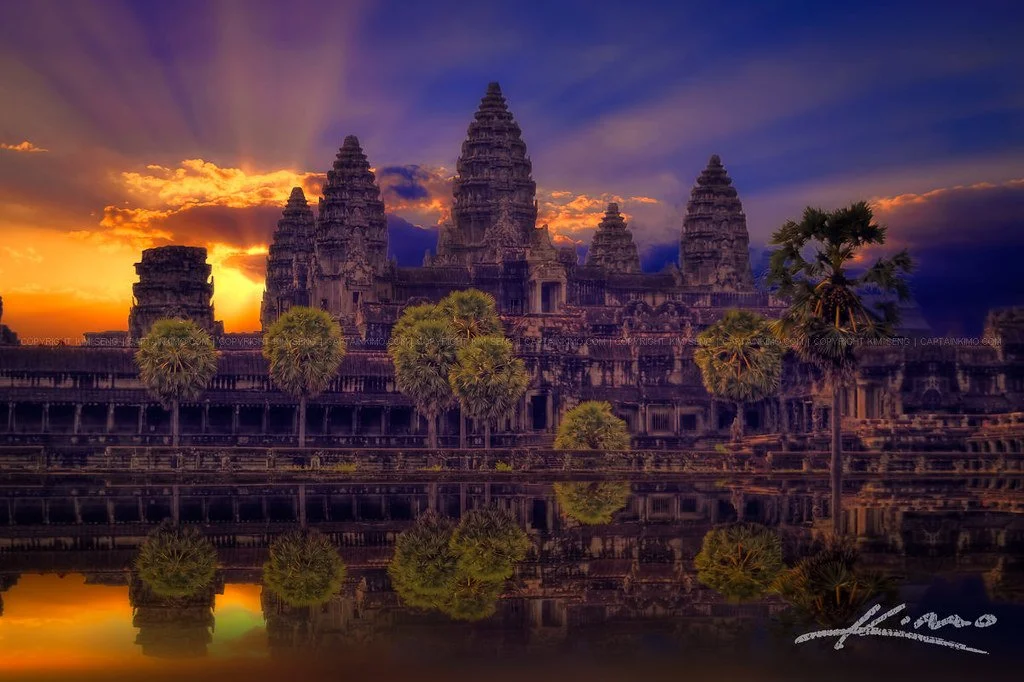
Angkor Wat in Krong Siem Reap. Kim Seng. CC BY-NC-ND 2.0.
Krong Siem Reap is another other major city destination in Cambodia. Krong Siem Reap is a staple of Cambodia’s religious history, being home to Angkor Wat, the ruins of Banteay Srei and Ta Prohm. Locals treat travelers as if they have been life-long friends, and travelers will get the chance to explore much of Cambodia’s Buddhist history as long as remaining respectful.
Krong Siem Reap is also known for its exquisite food scene. Cafes offer coffee, teas and delicious local food dishes with some even offering vegetarian and vegan-friendly options. Restaurants to grab an authentic and budgeted meal are around every corner.
6. Kirirom National Park
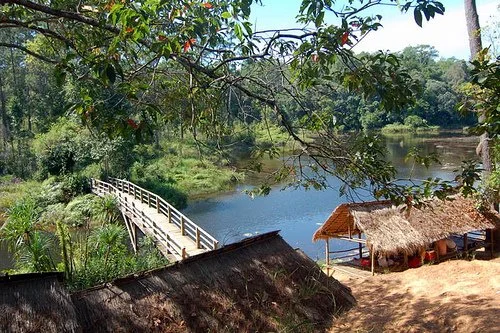
Kirirom National Park Rest Area. Arie. CC BY2.0.
Located mostly in Phnom Sruoch District, Kirirom National Park is covered with deep forestry and high elevation. Kirirom, meaning “Mountain of Joy,” is loved for its high elevation pine forests and many glistening waterfalls. Along with vast, isolated hiking trails, the endangered sun bears, pileated gibbons and tigers can be found living in the forests.
7. Koh Tonsay
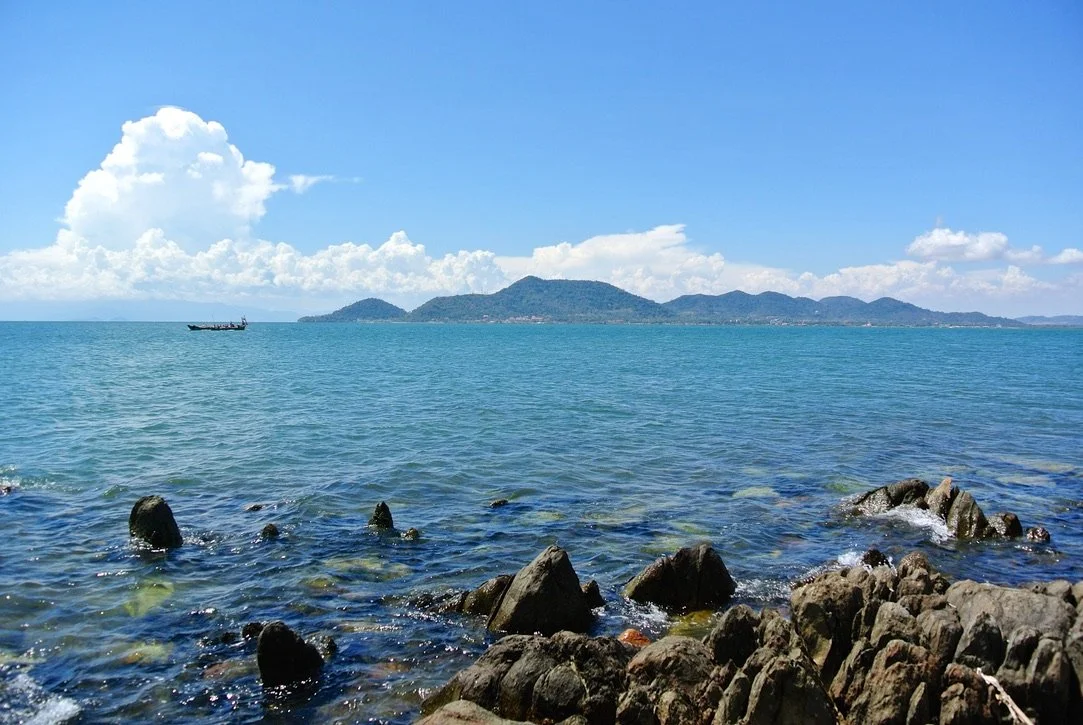
Located on the country's south coast in the Gulf of Thailand, Koh Tonsay can be translated as “Rabbit Island” and received its name because it houses the furry little creatures. It is a relatively quiet coast with a more rustic beach style. While tourists tend to visit other parts of the Cambodian coast more influenced by Chinese businesses, Koh Tonsay remains a sliver of true Cambodian land. It is not as flashy as some other beaches on the coast of Cambodia, but Koh Tonsay offers a unique and isolated beach experience.
8. Bousra Waterfall
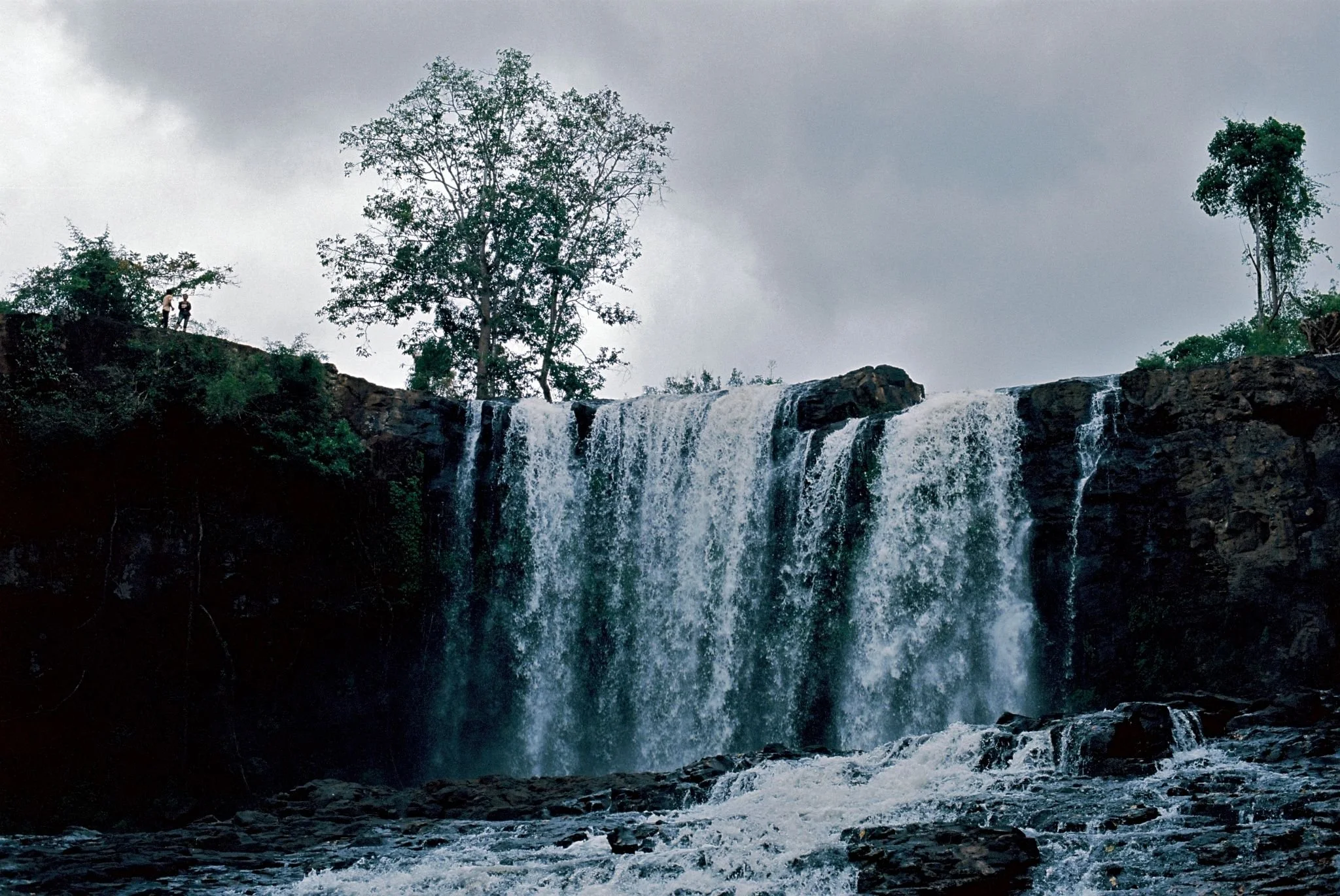
Bousra Waterfall. Lucien Tan. CC BY-ND 2.0.
Located just outside of Sen Monorom, the Bousra (also spelled Bou Sra and Busra) waterfall is a three-level natural wonder offering viewing platforms at different heights and access to its base, where visitors can get misted and explore the powerful waters.
Haleigh Kierman
Haleigh is a student at The University of Massachusetts, Amherst. A double Journalism and Communications major with a minor in Anthropology, she is initially from Guam, but lived in a small, rural town outside of Boston most of her life. Travel and social action journalism are her two passions and she is appreciative to live in a time where writers voices are more important than ever.
VIDEO: Journey Through Thailand
This footage of Thailand serves as the second installment in Vincent Urban’s series: “In Asia.” The video features glimpses into the vibrant streets of Bangkok and the natural scenery of Northern Thailand. He also features footage from the small but lively town of Pai, located near a mountain base in Northern Thailand. The director includes evocative imagery of Buddhist temples from his visit to the city of Chiang Mai, capital of Chiang Mai province. German director Vincent Urban, based in New York City, concludes the episode teasing his next stop, Laos, for the following installment of the series.
5 Alcoholic Drinks Made By European Monks
Catholic monks throughout Europe make and sell liquors, beers and wines to travelers, using recipes they have cultivated and perfected over centuries.
Read More5 Cultures That Acknowledge More Than Two Genders
A close look at these 5 cultures shows the existence of more than two genders has been part of the human experience for thousands of years.
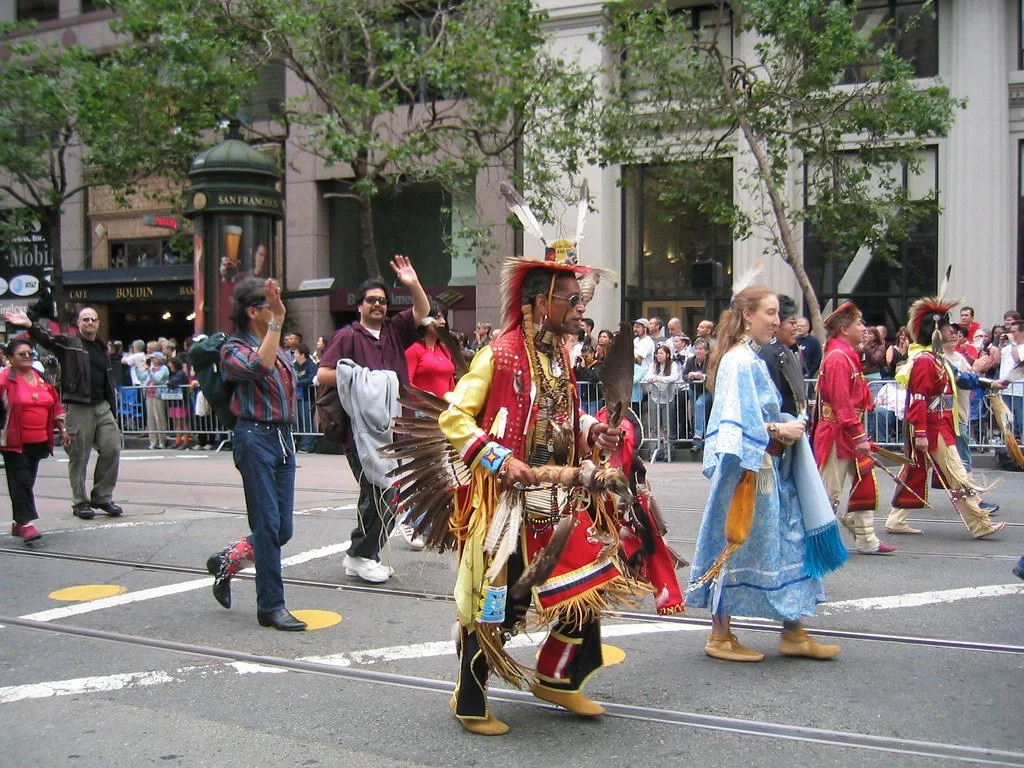
Two-Spirit person at a march. Mia Culpa. CC BY-NC-SA 2.0.
Several societies have understood and sometimes honored genders outside of the binary for hundreds or thousands of years. The way gender is expressed differs between cultures and has been greatly influenced by globalism and colonialism. An exploration into the following five genders demonstrates the complexity of nonbinary genders and their role in society.
Two-Spirit

Two-Spirit banner at a Bay Area Pride Parade. Quinn Dombrowski. CC BY-SA 2.0.
To be Two Spirit is to contain the spirits of both the male and the female in Indigenous North American society. For one person to have both of these perspectives is regarded as a great honor and historically indicated a different role in society in terms of responsibilities and jobs. For example, Two-Spirit people were often entrusted with creating art in the Navajo Nation. While this identity has existed for hundreds of years across several Indigenous North American tribes, the title “Two-Spirit” itself was created in 1990 as an all-inclusive term for intersex, transgender and nonbinary people across Indigenous tribes.
Hijra
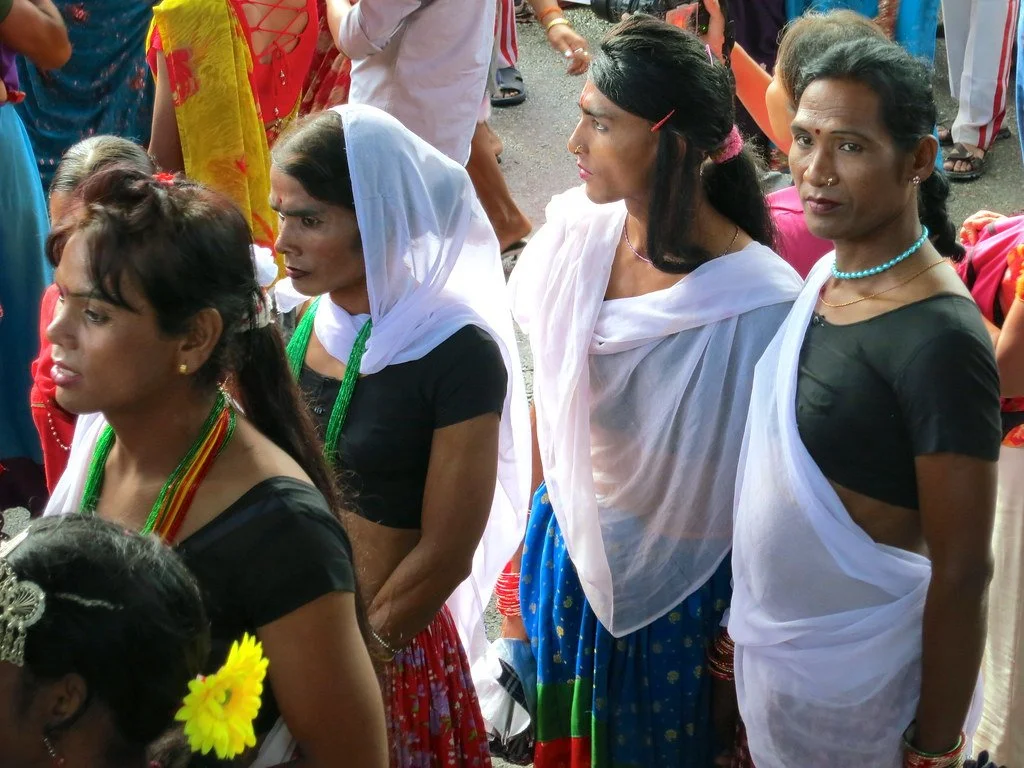
Hijras at a festival. Sabatica Sabata. CC BY-NC-SA 2.0.
‘Hijra’ is a third gender acknowledged in Hinduism. Hijras are often people born biologically male who dress traditionally feminine or intersex people. Regardless of their biological sex, hijra is regarded as an independent third gender. Like Two-Spirit people, hijras have a special and honored place in traditional Hindu society. They were believed to have the power to instill fertility upon couples and often live in groups to be mentored by an elder in the community. However, being hijra was criminalized by the British upon their colonization of India. Much of the way hijras are treated today as well as the opportunities available to them continue to suffer as a result of British oppression. For example, hijras are often still denied work today.
Māhū
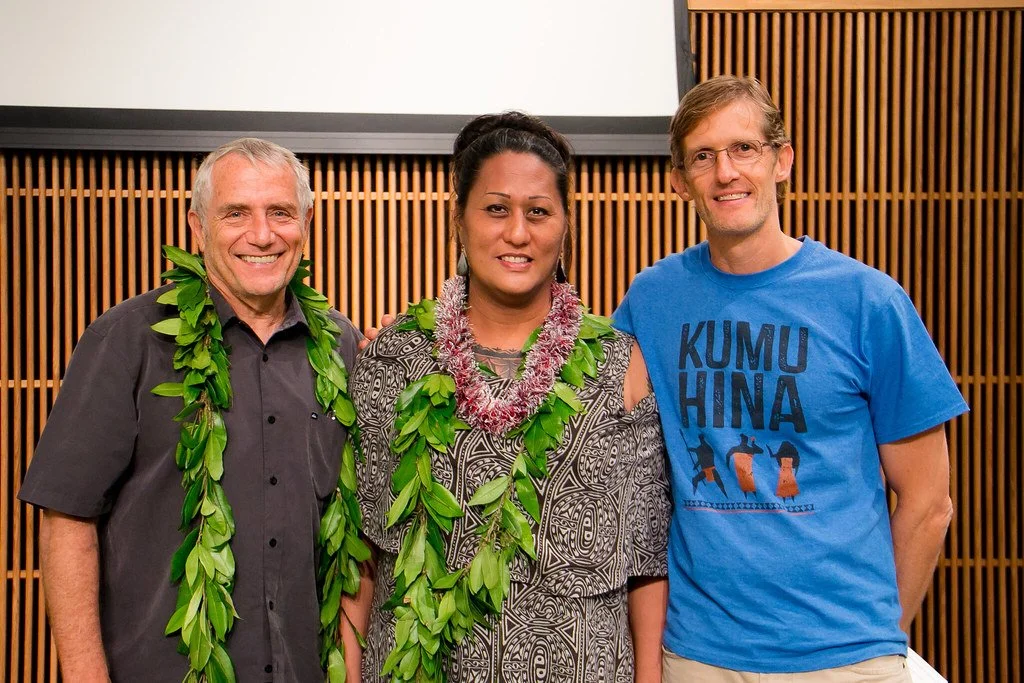
Scholar Hinaleimoana Wong-Kalu. University of Hawai‘i–West O‘ahu. CC BY-ND 2.0
The Hawaiian māhū are people who are understood to have aspects of both genders within them. When Europeans arrived in Hawaii, they took the term and gave it a derogatory and homophobic and transphobic meaning. The term still carries a negative association for some because of the impact of colonialism. However, prior to European arrival, and still among many in the community today, māhū means “in the middle” (of male and female) and is regarded in traditional Hawaiian culture as a meaningful identity indicating a wealth of wisdom and knowledge.
Muxes
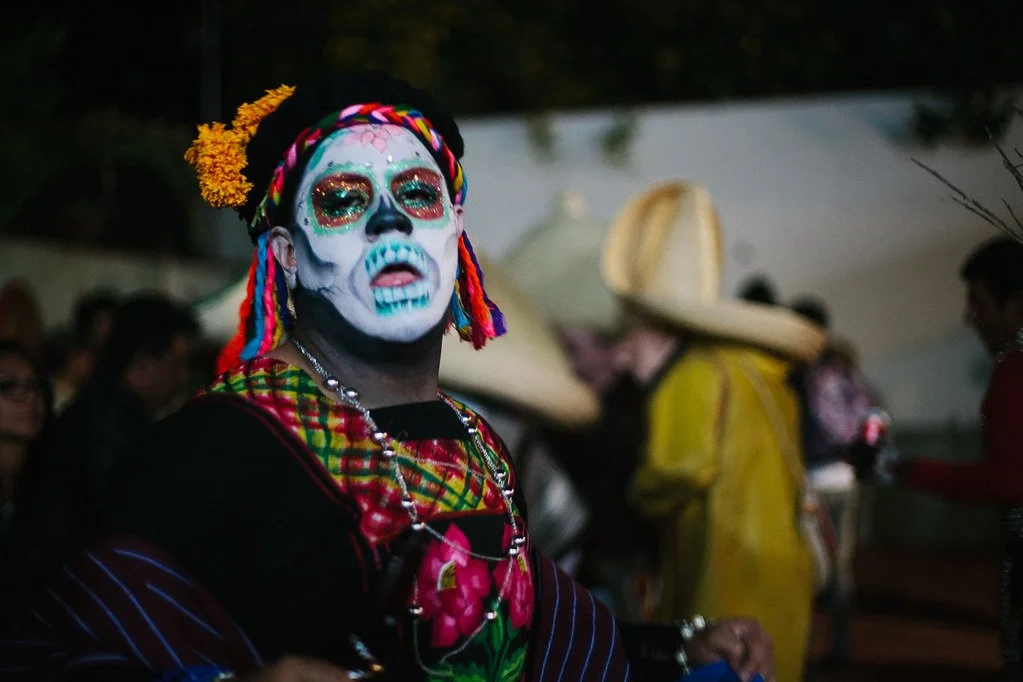
Muxe. Arnaud B. CC BY-SA 2.0.
Muxe is a gender that exists in Oaxaca, Mexico, in the Zapotec community. Muxes have a strong tie to Zapotec tradition, as they continue to practice certain Zapotec customs that most no longer take part in, such as dressing traditionally. Muxes are generally people assigned male at birth who present traditionally feminine, but muxe is considered a third gender as opposed to a transgender woman. Like Two-Spirit and hijra people, muxes play a distinct role in Zapotec society, different from those who identify with their assigned sex at birth.
Six Genders of Classical Judaism

Talmud. Chajm Guski. CC BY-SA 2.0.
The ‘Talmud’ is a book of the ancient teachings of various rabbis and Jewish religious scholars. While it isn’t a holy book itself, it contains valuable interpretations of the Torah still referenced today. The Talmud acknowledges six genders as opposed to two. The Talmud is thousands of years old, demonstrating that the idea of gender fluidity has existed for much longer than most people would think. “Zachar” and “Nekevah” translate roughly to “male” and “female” respectively, and they refer to people who grow up resembling the sex they were identified as at birth. “Androgynos” was a term used for someone with both male and female characteristics, while “Tumtum” was a term used for someone who seems to present neither male nor female characteristics. “Ay’lonit” and “Saris” are used to describe people who were assigned female or male at birth (respectively) but grow up to resemble the opposite gender. All of these terms are parallel to identities common today, suggesting that people who do not fit into the gender binary have existed throughout human history.

Calliana Leff
Calliana is currently an undergraduate student at Boston University majoring in English and minoring in psychology. She is passionate about sustainability and traveling in an ethical and respectful way. She hopes to continue her writing career and see more of the world after she graduates.
8 Only-in-Madagascar Experiences
You may know about lemurs and baobabs, but here are more amazing and unique cultural and wildlife experiences that the island nation of Madagascar has to offer.
VIDEO: Experience Southeast Asia
In his trailer for “In Asia,” German director Vincent Urban highlights memorable experiences in his trip to Southeast Asia. Over two months, Urban traveled to Thailand, Cambodia, Malaysia and Laos. We are transported to Bangkok, the capital of Thailand, a city with night skies full of fireworks and streets teeming with music. Urban next introduces us to the Southeast Asian landscapes he encounters. He highlights the tropical climates of Thailand, Cambodia, Malaysia and Laos with footage of waterfalls, aquamarine waters, beaches and coral reefs. Urban also highlights Buddhist culture by featuring images of the Angkor Wat temple in Cambodia, the largest temple complex in the world. The individual episodes of “In Asia” provide greater context for the footage within this trailer and are certainly worth viewing if you would like to learn more about Thai, Cambodian, Malaysian and Laotian cultures.
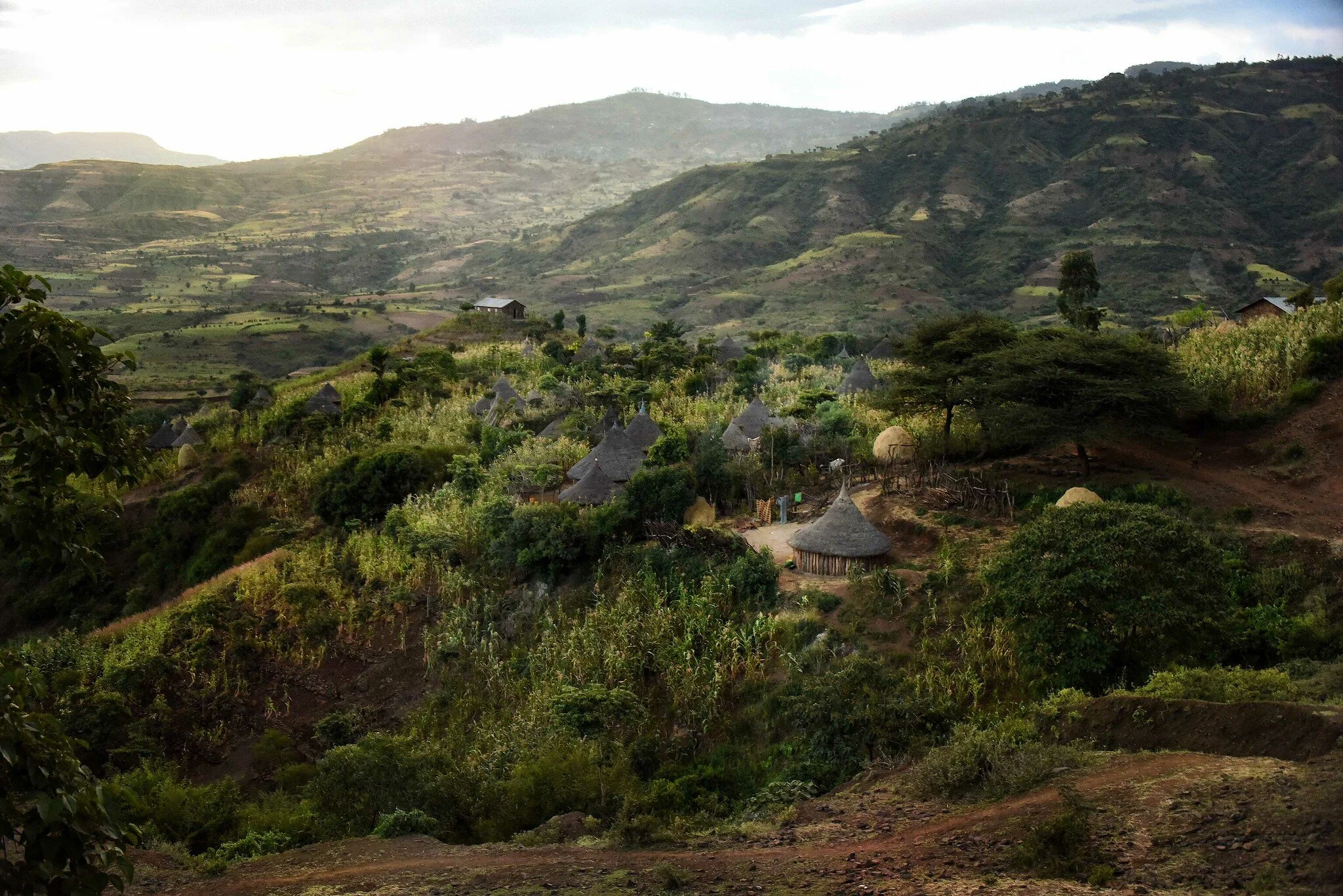
Like so many others across the country, this village in Ethiopia’s Omo Valley blends seamlessly into its colorful surroundings. Rod Waddington. CC BY-SA 2.0
Top 5 Sites to Visit in Ethiopia, Africa’s Hidden Gem
Boasting a stunningly diverse landscape, a rich culture and nine UNESCO World Heritage Sites, Ethiopia belongs on every traveler’s bucket list. As word gets out, more and more visitors are discovering – and falling in love with – the East African country’s seemingly endless charms.
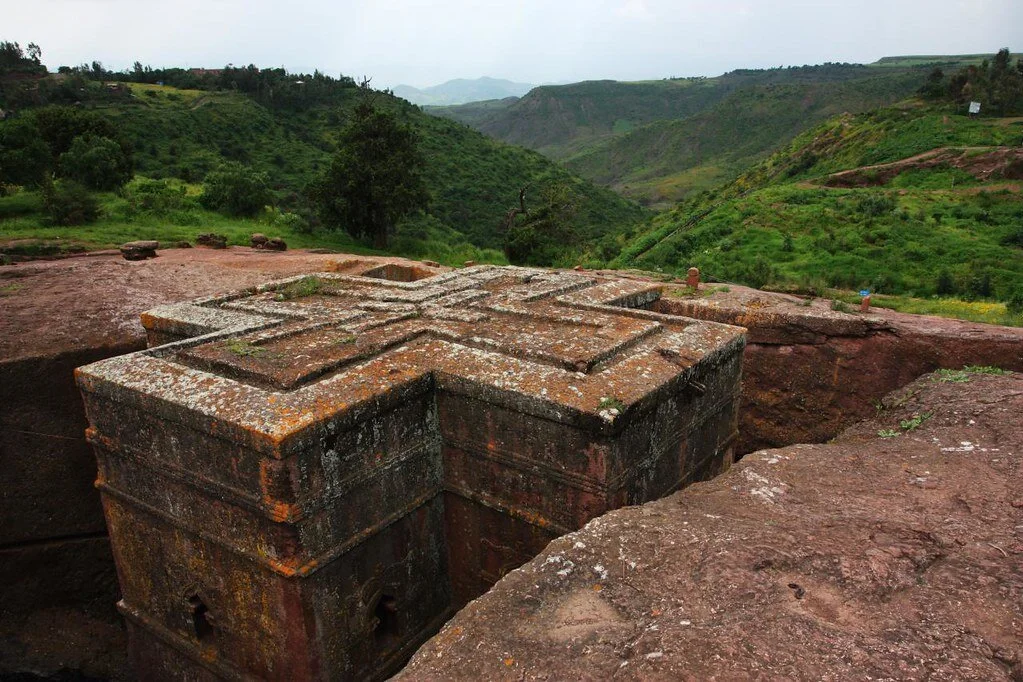
Seen from above, the Church of Saint George looks impressive. From below, it’s simply unreal. Bryan_T. CC BY-ND 2.0
Lalibela
Painstakingly chiseled out of rock in the 13th century, the 11 churches of Lalibela stand as powerful symbols of Ethiopia’s devotion to Christianity. After Jerusalem’s fall to Islamic conquest, King Lalibela ordered construction of a “New Jerusalem” in his own land. The results are spectacular: the Church of Saint George rests in the shape of a cross, seemingly inaccessible due to its position below ground. It’s nearly incomprehensible that the churches of Lalibela were carved out by hand 800 years ago. You may come to believe, as many locals do, that angels alone could have built such a masterpiece.
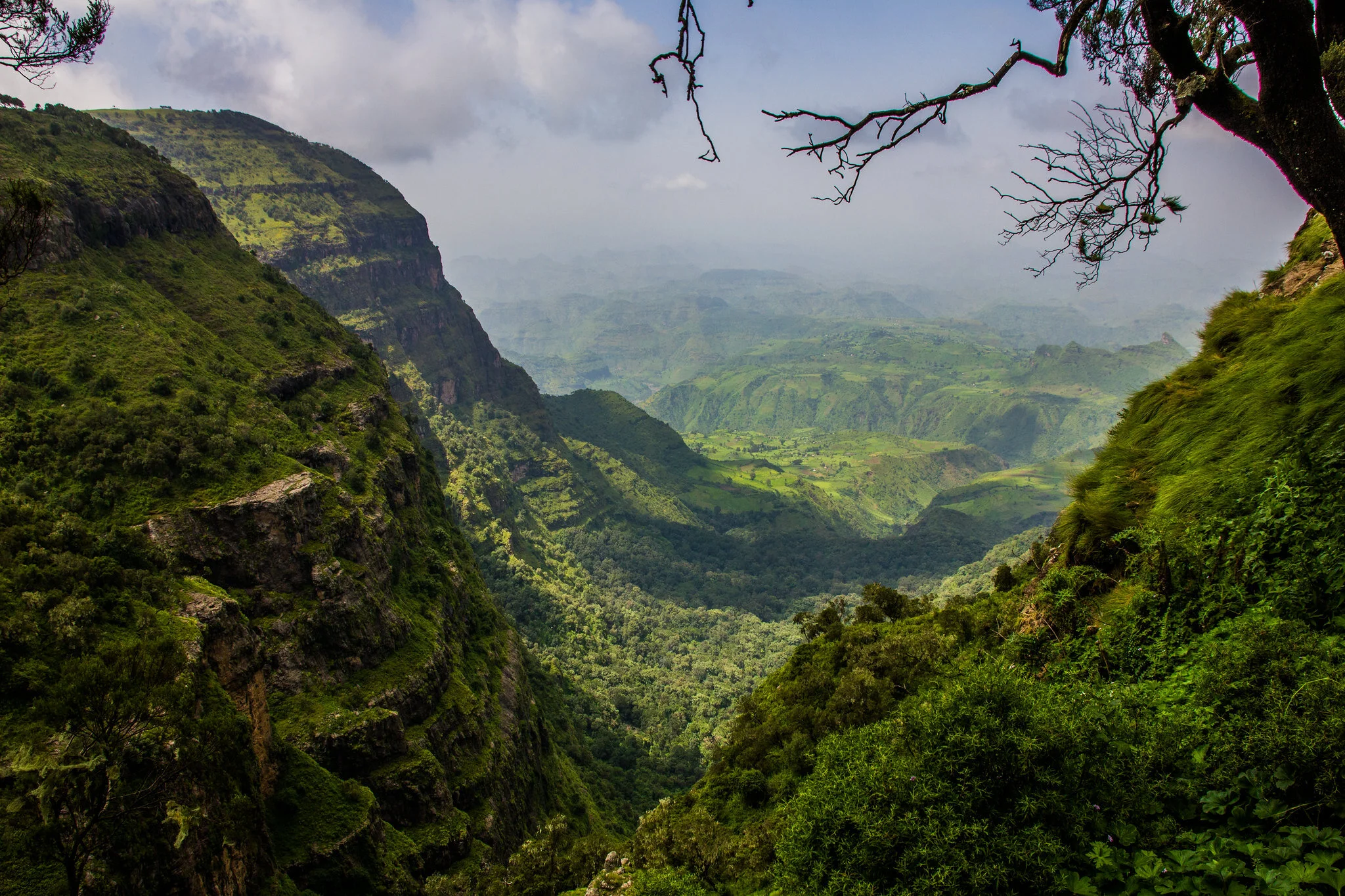
The Simien Mountains, often known as the “Water Tower of Africa,” are one of the top contributors to the Nile River. Thomas Maluck. CC BY-ND 2.0
Simien Mountains National Park
Known as the “Roof of Africa,” the Simien Mountains present a landscape of sheer cliffs, winding canyons and peaks once described by Homer as the “chess set of the gods.” Few places in Africa offer such breathtaking scenery; however, travel here takes some work. To fully experience the Simiens, prepare for long days of trekking and nights spent in remote villages. The trip may be tough, but travelers who persevere can expect jaw-dropping scenery unlike anywhere else on earth.
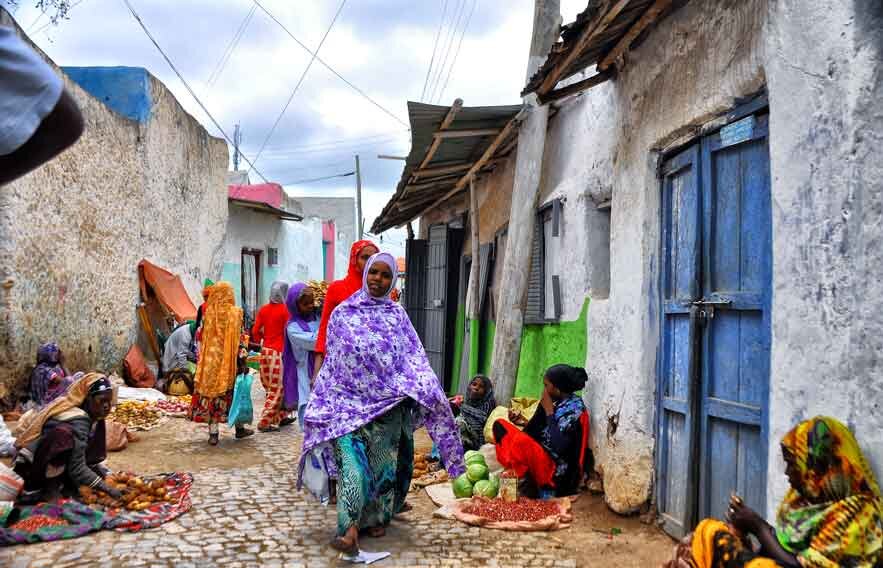
Eerily similar to the mazelike medinas of North Africa, Harar holds no comparisons across Ethiopia. Rod Waddington. CC BY-SA 2.0
Harar Jugol
Considered the fourth-holiest city of Islam, Harar gives off a distinct vibe from the rest of Ethiopia. Visitors head to Jugol, the fortified city, to take in the area’s maze of 368 alleyways and 48 mosques – all packed into less than a half a square mile.
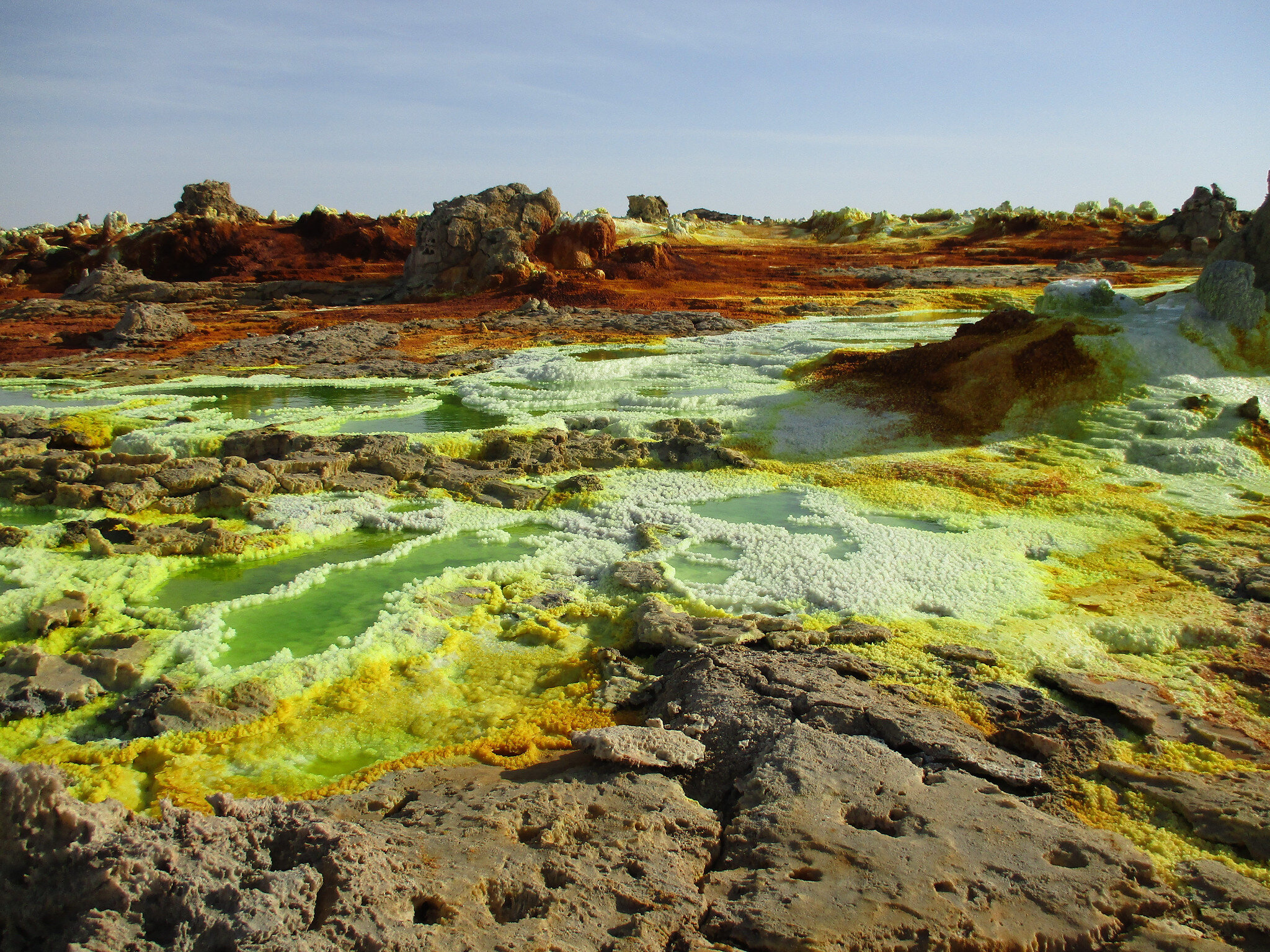
Sulfur pools are one of the many anomalies that draw visitors to the harsh landscapes of the Danakil Depression. Ian Swithinbank. CC BY-ND 2.0
Danakil Depression
Lying 400 feet below sea level and recognized as one of the hottest places on earth, the Danakil Depression is downright inhospitable. Scientists flock to the region to test out whether microbes can survive the environment, believing its harshness to be about equal to that of Mars. Visitors are equally enticed by the Danakil Depression’s otherworldliness, seeking out neon-colored lakes, steaming fissures and bubbling lava patches. Travel to the area is not for the faint of heart; daytime temperatures reach up to 120 degrees Fahrenheit and the condition of the “roads” is equally hideous.
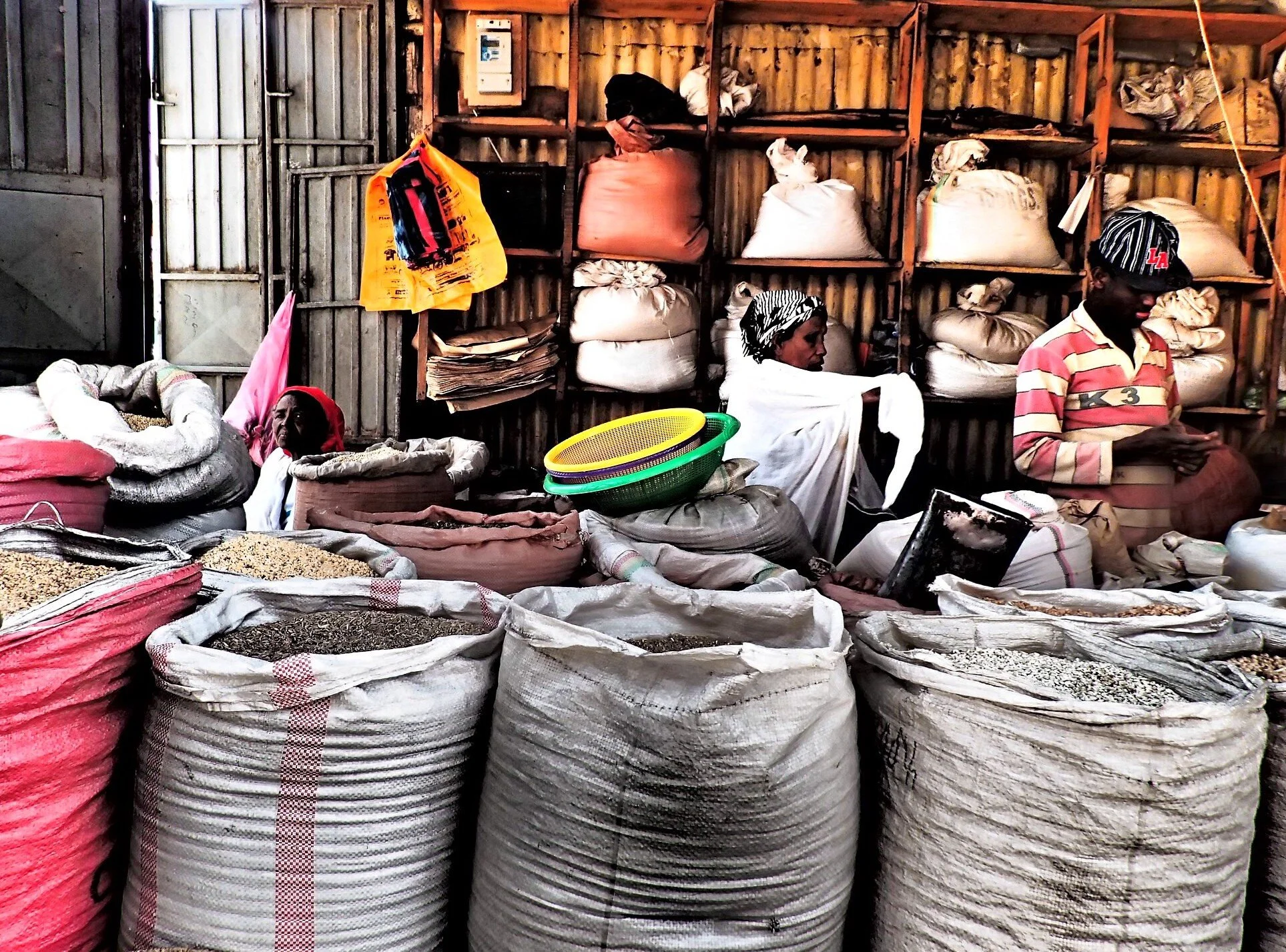
Nearly anything can be found at the Mercato, the largest open-air market in all of Africa. Jasmine Halki. CC BY 2.0
Addis Ababa
Ethiopia’s capital and largest city may not hold many star attractions, but nowhere else does the country’s culture so vividly come to life. Indulge in a cup of coffee in one of Addis Ababa’s countless cafés; this is, after all, the birthplace of the drink. Lucky visitors may receive an invite to an Ethiopian coffee ceremony, a tradition that lasts for hours and is reserved for close friends. Addis also contains some of Ethiopia’s best food. Make sure to try injera, a spongy bread filled with meat, vegetables and countless spices. Finish off the stay by visiting the Mercato, Africa’s largest open-air market. A dizzying array of gifts can be found, helping to carry the delightful essence of Ethiopia all the way home.

Stephen Kenney
Stephen is a Journalism and Political Science double major at the University of North Carolina at Chapel Hill. He enjoys sharing his passion for geography with others by writing compelling stories from across the globe. In his free time, Stephen enjoys reading, long-distance running and rooting for the Tar Heels.
VIDEO: Angkor Wat to Phnom Penh, Cambodia
Set to a mesmerizing soundtrack, this footage of Cambodia highlights the natural beauty of the country’s tropical landscape, as well as provides insight into the daily lives of its people. As viewers, we travel from surrene Angkor Wat—the world famous Buddhist temple complex—to Phnom Penh, Cambodia’s lively and bustling capital city. German director Vincent Urban, who is from Munich now based in New York City, concludes the episode teasing his next stop, Thailand, for the following installment of his series: “In Asia.”
9 Vibrant Towns Across The Globe
Vibrantly colored cities are rarely seen aside from children’s books. However, these 9 cities turn ordinary streets into colorful towns.
Read More