Hunger War: Sudan is Starving

Constant violence is keeping humanitarian aid from entering Sudan.
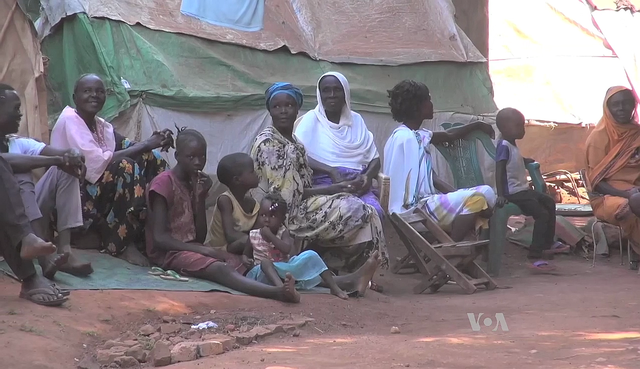
Refugees seated on the sandy ground outside of a makeshift tent

Refugees from South Sudan. Jill Craig. CC 0

The civil war in Sudan has only sped up after entering its second year. After fighting broke out between the two warring factions in Khartoum in April of 2023, the conflict has spread to all corners of the country as the official Sudanese Armed Forces (SAF) and the paramilitary Rapid Support Forces (RSF) vie for control of the nation.

The rest of the country has been forced to either flee their homeland or suffer through increasingly dire conditions. Chad, South Sudan, and Ethiopia have taken in roughly 1.8 million refugees, but tens of millions of people are still trapped within Sudan, enduring acute food insecurity and outright starvation amid intensely destructive violence.

The United Nations World Food Programme (WFP) has stated that almost nine in ten people living in Sudan are trapped in “relentless violence,” which is fueling unprecedented levels of food insecurity. This crisis has been declared the largest hunger crisis in history, as most of the citizens facing starvation are stuck in completely inaccessible areas as a result of the ongoing conflict.

Several nations have attempted to send humanitarian aid to Sudan and to the countries to which refugees have fled. However, the fighting that is keeping citizens trapped in the country is also effectively barring supplies from entering Sudan.

This often takes the form of direct military assaults on citizens and local responders, suggesting that the RSF and SAF are both using starvation as a weapon against each other. In addition, many attempted aid drops have been looted and destroyed by the warring armies.

As of July 2024, over 26 million people in Sudan are facing food insecurity, with an additional 9 million having been driven out of the country by the war. These refugees have triggered smaller but no less serious hunger crises in neighboring Egypt, Chad, South Sudan and Ethiopia.

Currently, over $2.2 billion has been allocated to humanitarian aid and recovery, with roughly $1 billion coming from the United States. However, as the crisis stretches on into 2024, donations have begun to dry up. Estimates suggest that around $200 million is still needed to counteract the rampant starvation, and even that does not account for the total value of all looted and destroyed supplies.

How You Can Help

Humanitarian aid organizations across the country are constantly accepting donations to send to the Sudanese citizens. Groups such as World Food Programme USA and Save the Children aim to provide food, health supplies, and other necessary resources to those trapped in the middle of the war. On an international scale, Doctors Without Borders and the UN Refugee Agency are providing humanitarian aid to Sudanese displaced people and refugees in the surrounding nations

Ryan Livingston

Ryan is a senior at The College of New Jersey, majoring in English and minoring in marketing. Since a young age, Ryan has been passionate about human rights and environmental action and uses his writing to educate wherever he can. He hopes to pursue a career in professional writing and spread his message even further.

Gambia's Controversial Bid to Reverse FGM Ban

In 2015, female genital mutilation was made a criminal offense in Gambia, but in March of 2024, a bill was introduced to overturn the ban.

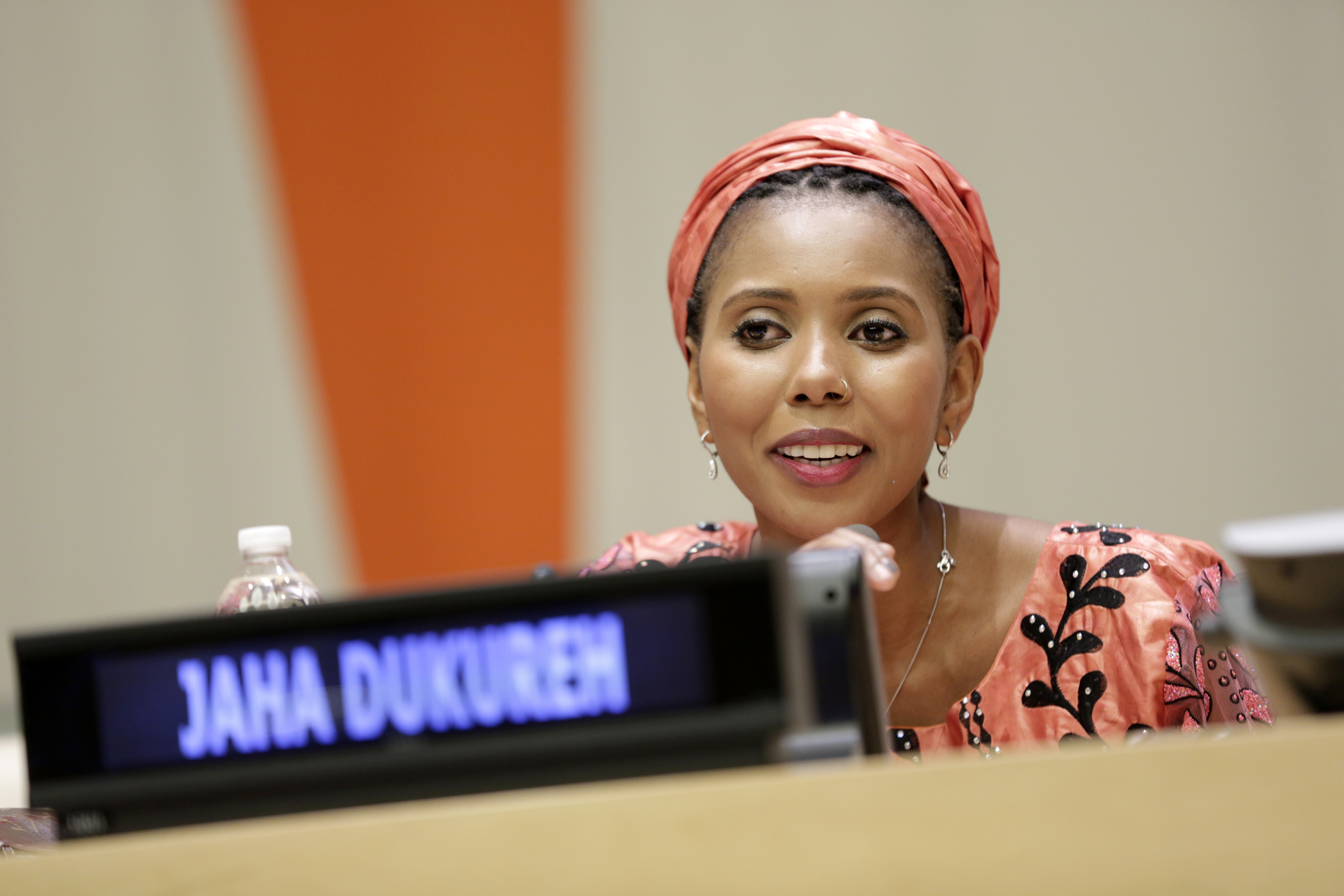
A close up of Jaha Dukureh as she speaks seated on a panel

Jaha Dukureh, Gambian Anti-FGM Activist, Speaks at UNHQ. Ryan Brown. CC BY-NC-ND 2.0

Female genital mutilation, or FGM, refers to the practice of partially or completely removing the external female genitalia for non-medical and often religious reasons. In addition to psychological trauma, the procedure can cause a variety of medical issues for the victim, including bleeding, problems with urination, cysts, infections, complications in childbirth, and shock or death. According to the World Health Organization, as of 2024 more than 230 million women have undergone FGM. It is most often practiced on girls between infancy and age 15. Data collected by UNICEF in 2024 reveals a 15% increase in the number of survivors compared to data released eight years ago.

Gambia has one of the highest rates of FGM worldwide. Around 46% of girls age 14 and younger and 73% of girls and women between ages 15 and 49 have undergone FGM in the country, according to UNICEF. In 2015, Gambia passed the Women’s (Amendment) Act, which criminalized FGM. The law did little to end the practice, however. Only two case of FGM have been prosecuted since the law was passed, and the first conviction for performing FGM was not made until August of 2023. 

Calls to overturn the ban on FGM began in earnest after the 2023 conviction, in which three women were indited. Many supporters of the practice were outraged by the womens’ fate. One of Gambia’s most vocal religious leaders, Islamic cleric Imam Abdoulie Fatty, who believes that FGM is prescribed by Islam, raised funds to pay the womens’ fines. From that point on the movement began to gain traction. 

A bill proposing to overturn the ban was officially introduced to Gambia’s parliament in March of 2024. Of the 58 members of Gambia’s parliament, 4 legislators voted to preserve the ban, 42 legislators voted to legalize FGM and one abstained. Although it passed by a majority, the bill still needs to be approved by a final committee before it becomes law. Notably, only five of Gambia's parliamentary seats are currently held by women. 

Activists fear that the bill represents a threat to more than just the ban on FGM; it is representative of a broader struggle for gender equality in Gambia. The widespread support that the bill has received suggests that many Gambians still hold deeply patriarchal values, a revelation that could embolden religious conservatives to take advantage of the moment to set back other steps that have been taken towards gender equality. It could also inspire other countries in Africa, especially Muslim-majority West African countries like Kenya or Guinea, to repeal their bans on FGM, says Satang Nabaneh, a human rights law professor at the University of Dayton. “There has been an uptick in [attempts to reverse] anti-FGM laws within the continent,” she told TIME, “and what happens in the Gambia will be a signal to other West African countries or conservative actors to roll back women’s sexual and reproductive rights, as well as to allow for gender-based violence.”

Gambian President Adama Barrow said in June that his government would abide by the ban, though he faces increasing pressure from traditionalists as a parliamentary commission considers the new bill. "While awaiting its outcome, government remains committed to enforcing the prohibition of FGM in The Gambia," Barrow said in a statement, although he has yet to suggest a plan for preventing the ban from being overturned if the bill is passed.

GET INVOLVED 

The Five Foundation: The Five Foundation was established to combat FGM. They have launched multiple projects aimed at supporting women all across Africa who have been affected by FGM. 

Safe Hands for Girls: This organization is dedicated to ending FGM and child marriage in Africa. Their website offers a link for donations and information on their various initiatives.


Rebecca Pitcairn

Rebecca studies Italian Language and Literature, Classical Civilizations, and English Writing at the University of Pittsburgh. She hopes to one day attain a PhD in Classical Archeology. She is passionate about feminism and climate justice. She enjoys reading, playing the lyre, and longboarding in her free time. 

Dirty Water: The Frantic Rush to Clean the Seine Before the 2024 Olympics

Officials of the French government are trying to clean the Seine, which has been deemed unswimmable for a century, in time for the 2024 Summer Olympics swim competition.

Ornate bridge over the green River Seine.

Pont Alexandre III on the River Seine, Billy Wilson, CC BY-NC 2.0

With the 2024 Olympics set for Paris, the French government has faced backlash for its efforts to quickly clean the Seine, the main river that runs through Paris. The Seine is approximately 13 kilometers long and, in Paris, accompanied by 37 bridges. The staple has promoted water travel and inspired classic French songs such as, “Sous le Pont Mirabeau” and “Sous les Ponts de Paris.” The Seine also has a long history of supplying water to Parisians. In Medieval Paris, citizens and street vendors would collect water from the Seine before they had access to running water. In 1802, Napoleon constructed the Canal St Martin connecting the Seine to the Bassin de La Villette with the goal of supplying water via public fountains throughout the city. The River Seine was in wide use, with people engaging in walks along its banks and recreational swimming, until a decree was passed in 1923 that banned such activities due to pollution and waste runoff. News Writer Olivia Craighead explains that, “The city is old as hell, and as such, sometimes sewage ends up in the Seine.” While people are still allowed to visit its banks, the River Seine has been closed to swimmers since the decree. Until the announcement of the 2024 Olympics.

Since the 2008 Olympics, there have been two open water swimming events: the triathlon and the 10k marathon swim. Pierre Rabadan, the deputy mayor in charge of sports, Olympics, and Paralympics, has said that, “Our objective is an Olympic legacy.” In 2015, Paris introduced the "Plan Baignade" (“Swimming Plan” in English), a plan to make the river swimmable for the Olympics and regular citizens by 2024. As a result, the government has invested upwards of $1.5 billion to make their plan a reality. Despite their efforts, test results from the week of June 10 reveal that E. coli levels in the river are over twice the maximum allowed in water for Olympic events. Marc Guillame, a top government official for Paris, says that these recent readings “are not in line with the standards we will have in the summer.” With the Seine, most bacteria is killed with sunlight and warm temperatures, both of which Paris has seen very little of at this point in the summer. Instead, it has endured heavy rain and cloudy conditions. Phillippe Leclercq, an 18 year old living on a houseboat on the River Seine, notes that, “When it’s good, it’s a nice green color, lately it’s just been brown.”

To ease concerns citizens and athletes have about the River Seines’ cleanliness, President Emmanuel Macron and Mayor of Paris Anne Hidalgo have pledged to be the first swimmers. Originally scheduled to take a dip on June 23, the two have moved their swim back to July 14. Hidalgo stresses that this was not due to the condition of the water, but the current weather and political atmosphere: “Yes, I will swim in the River Seine, not now because the weather is not so well in Paris, but also because we have an election. It is not possible to organize the jump to the river during the election.”


Aanya Panyadahundi

Aanya is a student at the University of Michigan studying sociology and journalism on a pre-law path. She loves to travel the world whenever she can, always eager to learn more about the different cultures and societies around her. In her free time, she likes to play the violin, ski, and listen to podcasts

Afghanistan is Starving: The Ongoing Food Crisis Under Taliban Rule

Millions of Afghan children will suffer crisis-level hunger by the end of 2024.

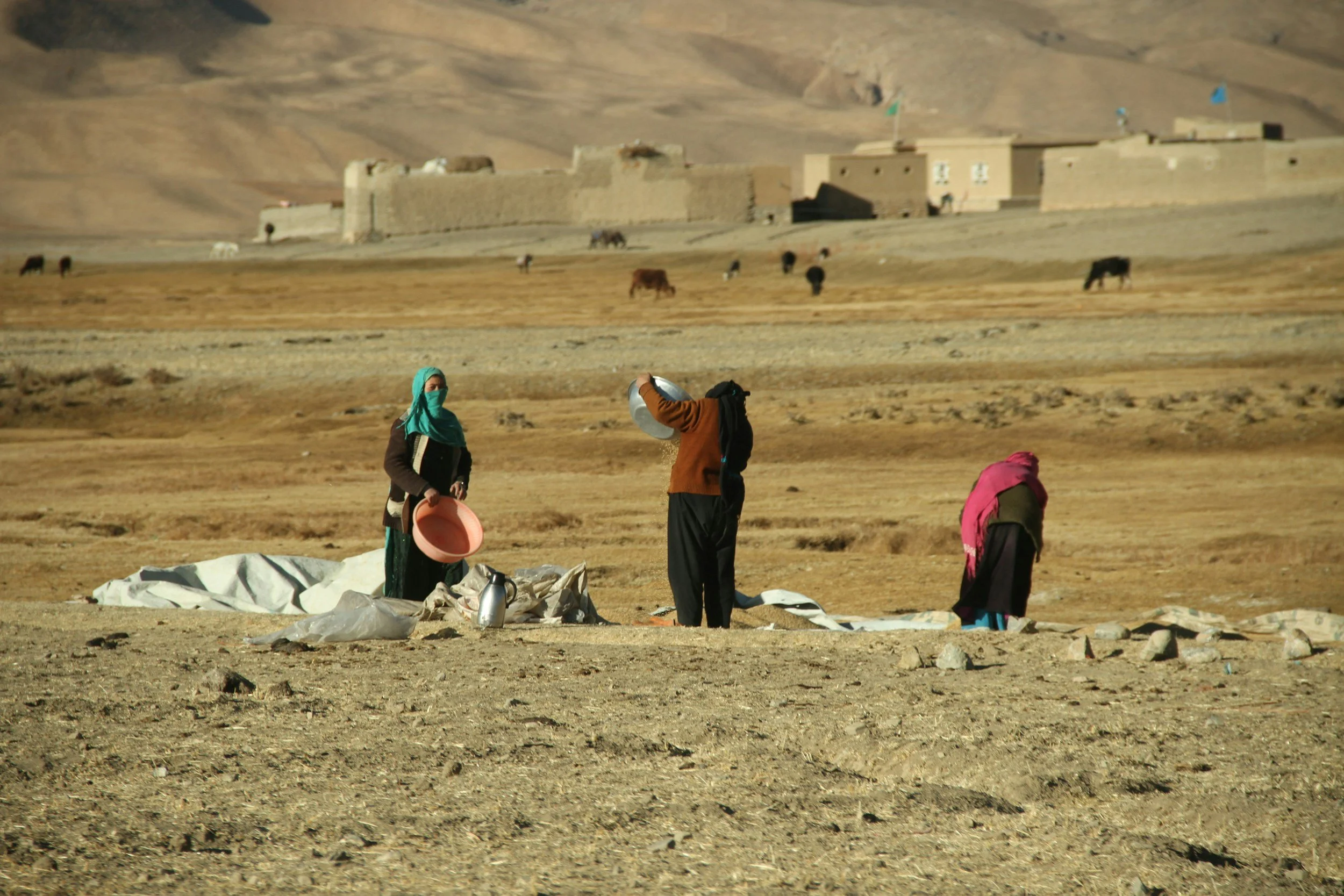
Women holding buckets among an arid landscape. Cows graze in the background with sandstone buildings.

Arid landscape in Afghanistan. Unsplash. CC0

Afghanistan has had no shortage of crises so far this year. Frequent flooding in the north and west in May and severe drought in January have triggered a monumental inflow of humanitarian aid, but despite the world’s best efforts, it appears that the fallout from these events will be seriously damaging for the already impoverished and oppressed citizens for the rest of the year.

Studies by Integrated Food Security Phase Classification, an independent global hunger monitoring organization, suggest that around 12.4 million Afghan citizens will be faced with food insecurity between June and October of 2024. Of those affected, just over half are children. In addition, 2.4 million citizens will experience starvation at emergency levels; this categorization is just above outright famine.

A variety of causes have been listed for the crisis. Back in May, flooding devastated many northern towns, affecting 60,000 citizens and reducing farmland to fields of mud. Based on weather patterns, these floods are expected to continue throughout the year, preventing any recovery of the farmland and causing a major decrease in domestic food production.

Additionally, an unexpectedly warm and dry winter has led to a lasting drought across the southern and western parts of the country. Although rainfall has increased somewhat in recent months, the arrival of the La Nina weather pattern in the fall is expected to bring even more dry, warm days. Although some farmland is recovering thanks to the brief respite provided by El Nino, much of the land is about to be confronted with a second round of drought conditions, further cutting down food production.

The most prominent cause of food insecurity, however, is the ever-present and ever-controversial Taliban government. Local currency has taken an alarming plunge while food prices, thanks to scarcity caused by the aforementioned environmental catastrophes, continue to soar. The Taliban’s apparent lack of concern for Afghanistan’s economy suggests that there will be no serious action towards rectifying the crash. Economic aid from foreign countries helps somewhat to avert the biggest fallout from the crisis, but the problem is virtually unfixable without changes in the regime's policies.

Regardless of how it began, the food crisis in Afghanistan is only getting worse—and fast. The country is alarmingly unequipped to pull itself out of poverty and hunger; action by charities and foreign governments is helping, but more is needed to prevent the looming threat of starvation. Hundreds of thousands of families are actively struggling to find their next meals, and millions of children will soon be forced to endure near-famine levels of food insecurity.

How You Can Help

Organizations such as the World Food Programme and UN Crisis Relief are actively supplying food to communities most impacted by the crisis. Estimates show that around $600 million are needed to ease the burden across the entire country. Other groups, such as UNICEF, are specifically aiming to feed and protect the millions of starving children and their families. There is no way to fix Afghanistan’s economic and political crises from the outside, but these organizations have already helped to feed and house countless citizens facing down these disasters head-on.


Ryan Livingston

Ryan is a senior at The College of New Jersey, majoring in English and minoring in marketing. Since a young age, Ryan has been passionate about human rights and environmental action and uses his writing to educate wherever he can. He hopes to pursue a career in professional writing and spread his message even further.

Paradise for Tourists is Hell for Canary Islands Residents

Canary Islands residents are protesting against mass tourism, which they say is making the islands uninhabitable. 

A beach packed shoulder-to-shoulder with colorful umbrellas and sunbathers beneath the cityscape

A crowded beach in Las Palmas. Trygve Bølstad. CC BY-NC-SA

The Canary Islands have long been a hotspot for tourism. Vacationers flock to the archipelago in imposing numbers, drawn by the islands’ mild climate, rich cultural history and stunning vistas. In 2023, approximately 14 million international tourists visited the Canary Islands, representing an increase of roughly 13 percent compared to the previous year, and tourism accounts for approximately 35 percent of the islands’ GDP. Unfortunately, not all residents are experiencing the benefits of this influx. In fact, many locals have begun to complain that the massive waves of tourism are actively contributing to a decline in their quality of life.

While the Canary Islands host large numbers of tourists every year, approximately 15 million, they are home to only 2.2 million native residents. Of those 2.2 million, 33.8 percent are at risk of poverty according to a living conditions survey conducted by the Instituto Nacional de Estadística of Spain in 2023. The same survey designated the Canary Islands as one of the autonomous communities in Spain with the highest percentage of people making ends meet with “a lot of difficulty.”

The bright turquoise colored ocean splashing up against rocks and small buildings on jetties

Canary Islands. PxHere. CC0 1.0

The tourism industry only exasperates the economic challenges faced by residents. The islands’ resources are simply not equipped to sustain the large numbers of tourists, who put pressure on health services, waste management, water supplies and biodiversity. According to reports, tourists use up to six times more water than residents who, as a result of a drought brought on by climate change and rising temperatures, have been subjected to restrictions on water usage. Meanwhile, tourist resorts and golf courses have not been made to comply with the same restrictions. 

Biologist Anne Striewe commented on the toll tourism takes on the environment. “There are hundreds of boats and jet skis in our waters every day pumping petrol into the water,” she said, “then there are the boat parties which blast music all day long…this is picked up by whales and other creatures and really confuses and frightens them … Meanwhile, there have been multiple cases of animals being injured or killed by boat propellers, there are often vessels in protected waters but no one is cracking down on the activity.” According to the environmental group Salvar Tenerife (Save Tenerife, the largest of the Canaries), millions of liters of sewage water are being dumped into the sea off Tenerife and other islands every single day, with amounts rising in accordance with the number of visitors.

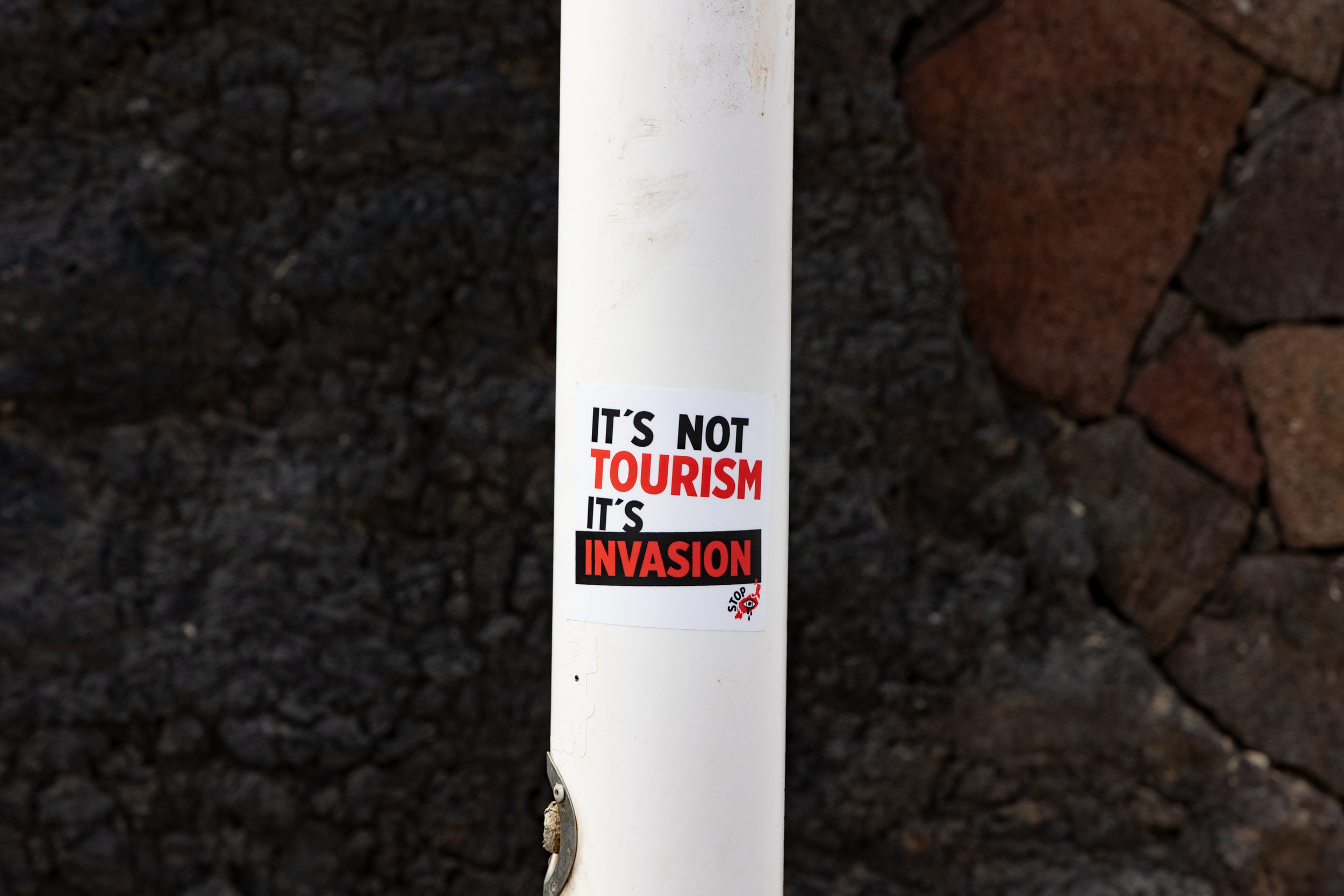
An anti-tourism sticker posted on a pole

Sticker against overtourism, 2024. Rasande Tyskar. CC BY-NC 2.0.

Female residents have reported feeling unsafe in the presence of tourists who harass and follow them in public. Trailers park illegally and leave trash in their wake. The number of hotels being built and the amount of housing being converted to short-term rentals to accommodate these tourists has caused a rise in the cost of living. As a result, some locals have been forced to begin sleeping in their cars and in caves. "It is absurd to have a system where so much money is in the hands of a very few extremely powerful groups, and is then funneled away from the Canary Islands," says Sharon Backhouse, who owns GeoTenerife along with her Canarian husband, a program that runs science field trips and training camps in the Canary Islands and conducts research into sustainable tourism.

Thousands of locals took to the streets in April to protest over tourism and defend their right to live in their native land. “We are not against tourism,” Rosario Correo, one of the protesters, clarified to the media, “We’re asking that they change this model that allows for unlimited growth of tourism.” 

Protesters are calling for a halt to the construction of a hotel and a beach resort on one of the few remaining unoccupied beaches, a moratorium on all tourism development projects, stricter regulation on property sales to foreigners and a more sustainable model of tourism that will not put the environment or the livelihoods of locals at risk. “I feel like a foreigner here, I don't feel comfortable anymore, it's like everything is made for British and German tourists who just want to drink cheap beer, lay in the sun and eat burgers and chips,” another protester, Vicky Colomer, said. “We need higher quality tourists who actually want to experience our culture and food and respect our nature.”

The protests have motivated the government to introduce measures to limit tourism. The island of Tenerife announced a tourist tax of an undisclosed amount that will go into effect on January 1, 2025 for tourists seeking to visit natural beauty spots. A law that would place harsher regulations on short-term rentals is also expected to pass in 2025.


Rebecca Pitcairn

Whatever it is, the way you tell your story online can make all the difference.

Waste Not, Want Not: 6 Unique Companies Revolutionizing Food Waste

With nearly a third of the world's food going to waste, here are some small companies working to make food waste edible.

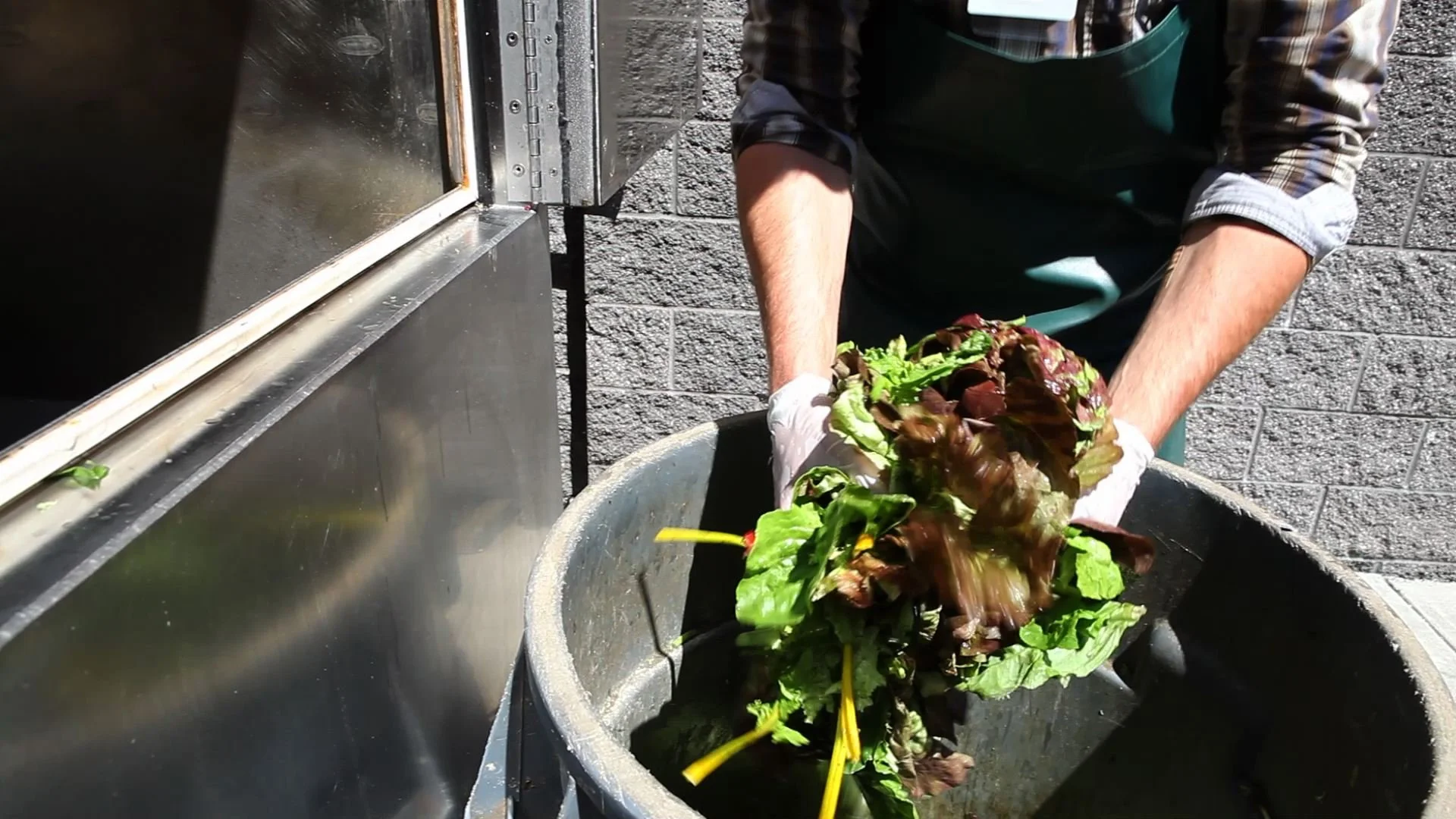
Close up of a man with handful of leafy greens tossing them into garbage can.

Food waste. EarthFix. CC BY-NC 2.0

Every year 1.3 billion tons of food is wasted, costing over $1 trillion around the world. Even though food waste breaks down faster than other types of waste such as plastics, the decomposition produces a significant amount of carbon dioxide, which exacerbates climate change. There are ongoing efforts to confront this issue, such as the Biden-Harris Administration’s National Strategy for Reducing Food Loss and Waste and Recycling Organics announced on June 12, 2024. Many small companies and organizations are working to address this issue as well. Here are six businesses that have found innovative ways to transform food waste.

1. Back to the Roots’ Mushroom Growing Kits

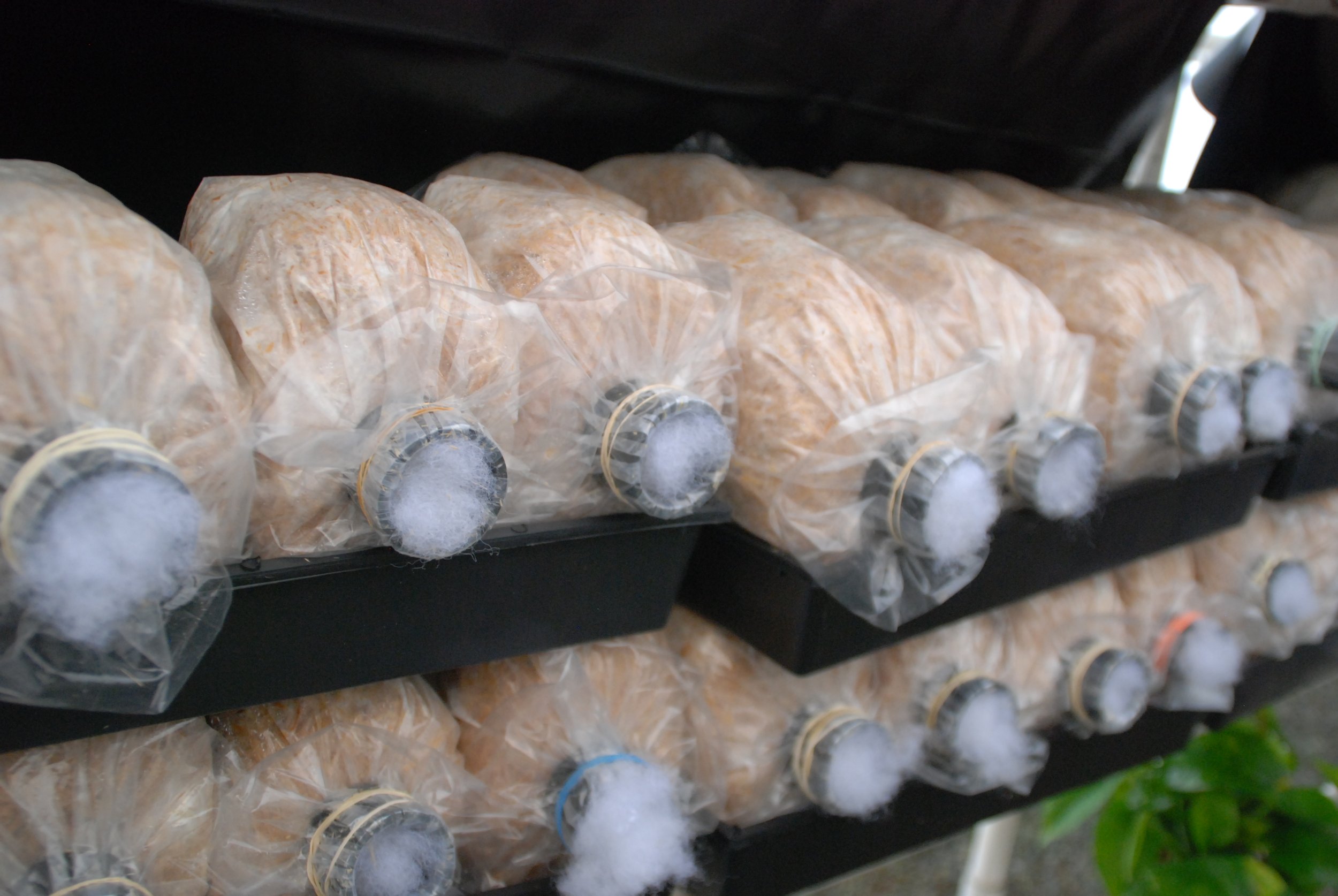
Close up of two shelves stacked with plastic-wrapped containers of mushroom-growing kits.

Mushroom grow kits. Suzie's Farm. CC BY-NC-ND 2.0

Every year about six million tons of coffee grounds end up in landfills around the world. Back to the Roots is a company that sells mushroom growing kits that use recycled coffee grounds. Back to the Roots aims to make food growing accessible while keeping used coffee grounds out of the landfill.

After connecting with each other during college through a shared interest in growing mushrooms from recycled coffee grounds, Back to the Roots’ co-founders Alejandro Velez and Nikhil Arora began growing mushrooms in Velez’s fraternity. 

Back to the Roots has found many ways to give back to communities. Through their #GrowOneGiveOne campaign, customers can post a picture with their growing kits and Back to the Roots will send a growing kit and curriculum to an elementary school classroom. People can also access free kids gardening curriculums and gardening resources, including a garden glossary, grow calendar and grow guide. You can explore Back to the Roots’ mushroom growing kits and resources here.

2. Cascara Foods’ Supplements

Several pills and capsules on a plain table

Health supplements. Jdurchen. CC BY-NC-ND 2.0

Cascara Foods is a Chilean company that transforms food waste into health supplements. Nutrients from fruit pulp and peels are used in supplements for digestion, joints and more. Cascara was started in 2017 in order to combat climate change, and the company strives to upcycle as much fruit waste as possible. 

Currently, recycled apple, blueberry and strawberry fibers can be found in Cascara's supplements. The apple fiber is leftover from local producers in the apple juice industry and contains more than 90% of the total fiber of the whole fruit. Blueberry fiber salvaged from the juicing industry and strawberry fiber sourced from the puree industry are both sources of antioxidants and can also serve as natural food colorings. Check out Cascara Foods’ supplements here.

3. EatKinda’s Cauliflower Ice Cream

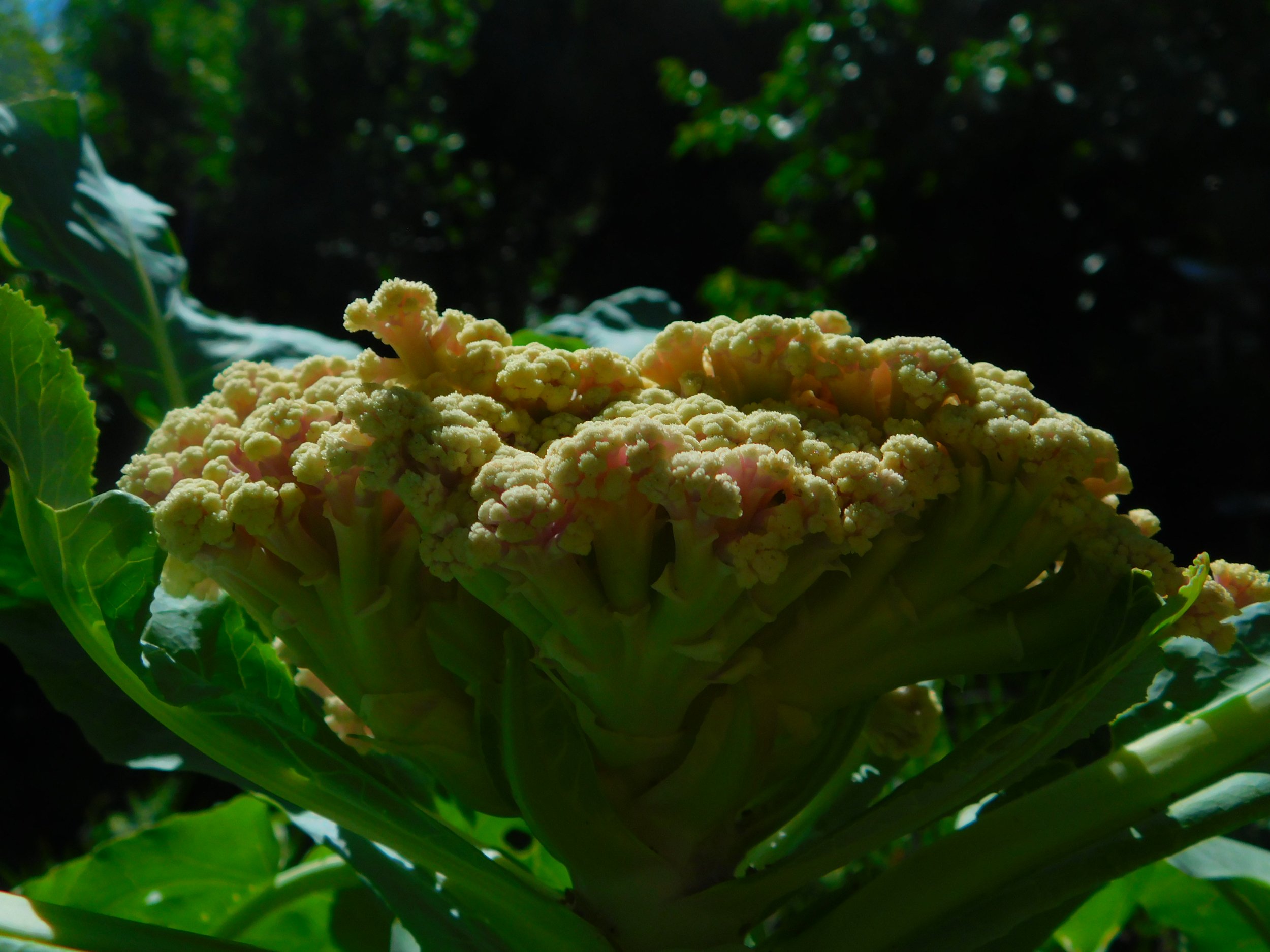
Cauliflower growing out of its stem in patch

Cosmetically imperfect cauliflower. Pictoscribe -. CC BY-NC-ND 2.0

EatKinda is a New Zealand-based company that sells ice cream made from cosmetically imperfect cauliflower. As with many other countries, New Zealand’s supermarket standards often reject produce based on aesthetic issues such as size or color, creating unnecessary food waste. EatKinda collects cauliflower from local farmers and supermarkets that would otherwise end up in the landfill and transforms it into a delectable treat.

EatKinda’s co-founder Jenni Matheson stumbled across her cauliflower ice cream recipe after a failed attempt at making a vegan cheesecake. Then, when Matheson met food technologist Mrinali Kumar, they got to work and EatKinda was born.

EatKinda currently offers three vegan flavors, including Strawberry Swirl, Double Chocolate and Mint Choc Bikkie, and its products can be found in 90 stores throughout New Zealand. The cauliflower ice cream has recently gone viral on TikTok, and EatKinda is in the process of seeking investors to expand into Australia and beyond. Here is where you can learn more about EatKinda.

4. Imperfect Food’s Grocery Delivery Service

A cardboard box of groceries; a bunch of kale lays atop brown-bagged produce and plastic wrapped leafy greens

Delivered produce. Aine. CC BY-SA 2.0

Imperfect Foods is an American company that combines sustainability with convenience. By delivering retailer-rejected food products to customers’ doors in 100% recycled boxes, Imperfect Foods has saved over 160 million lbs of food waste from the landfills. All of these food items had been rejected for various reasons including aesthetic issues, surpluses or being near their best-buy dates.

Sustainability is kept in mind through every step of the grocery delivery process. By delivering all the groceries for each neighborhood in one trip and using 100% recycled boxes collected from previous orders, Imperfect reduces waste and carbon emissions. By signing up online, customers can limit food waste and get everything from farm-fresh produce to pantry staples delivered to their door. You can discover more about Imperfect Foods here.

5. Sweet Benin’s Cashew Apple Juice

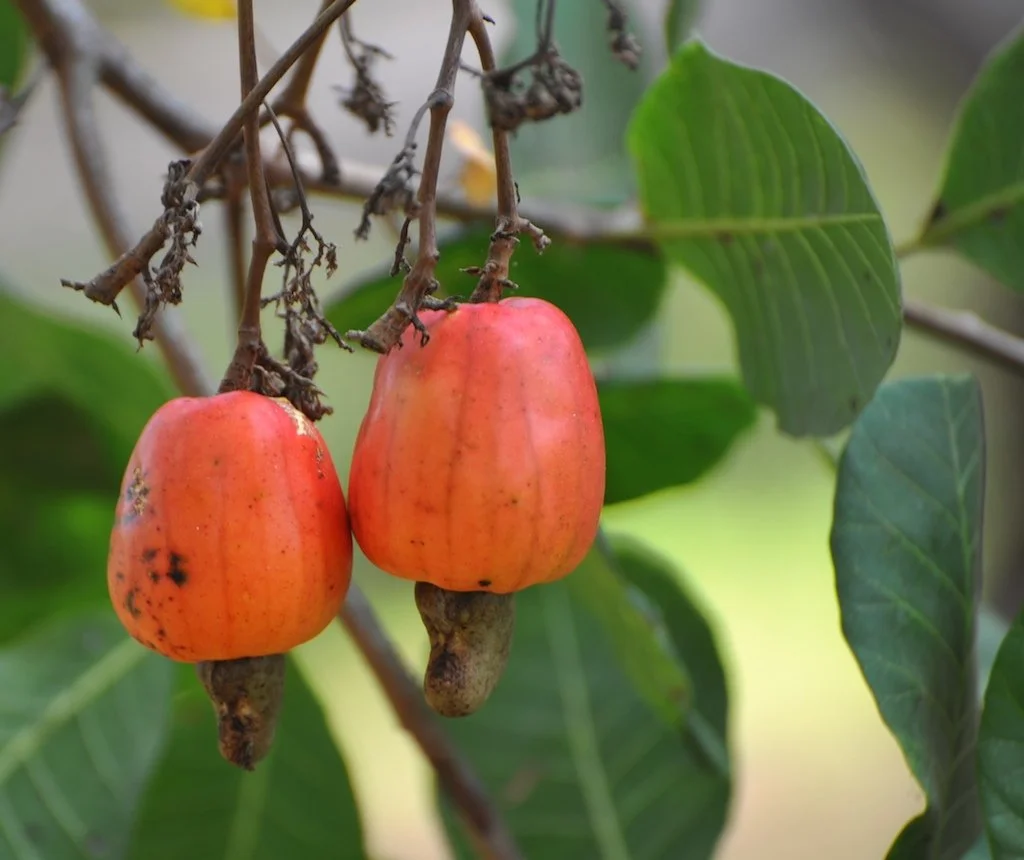
Two orange cashew fruit hang from a leafy branch

Cashew fruit. Richard Vignola. CC BY-NC-ND 2.0

The cashew industry is prominent in Benin, but every year ten million tons of cashew apples are left to rot in fields across Africa. Sweet Benin limits food waste and supports local communities by working with producers to transform these leftover cashew apples into juice. 

The cashew apple is the fruit attached to the cashew nut. Despite the many uses for cashew apples, many consider the fruit trash because of a misconception that it is poisonous. Sweet Benin started countering this misconception after partnering with the non-profit TechnoServe in 2017. Since then, the company has strived to support economic growth while prioritizing women in the hiring process. TechnoServe offers further information here.

6. Toast Brewing’s Beer

Two loaves of crusty bread on a wooden rack

Surplus bread. Melinda Young Stuart. CC BY-NC-ND 2.0

With about 44% of bread going to waste, Toast Brewing has set out to transform this surplus into beer. The over three million slices of bread saved by Toast Brewing since 2016 could be stacked nearly as high as five Mount Everests. So much bread can be saved because Toasted uses it to replace 25% of the malted barley it uses to brew beer.

Toast Brewing supports sustainability through charity as well. 100% of the profits go to environmental charities. The company has also partnered with the social enterprise Change Please and created a cafe taproom that helps fight houselessness and food waste. You can discover more and order Toast Brewing products online here.


Madison Paulus

Madison is a student at George Washington University studying international affairs, journalism, mass communication, and Arabic. Born and raised in Seattle, Washington, Madison grew up in a creative, open-minded environment. With passions for human rights and social justice, Madison uses her writing skills to educate and advocate. In the future, Madison hopes to pursue a career in science communication or travel journalism.

Ukraine War Tourism: Educational or Unethical?

As Ukraine looks toward the future, it is not clear whether tourism will help or hurt efforts to rebuild the country devastated by war. 

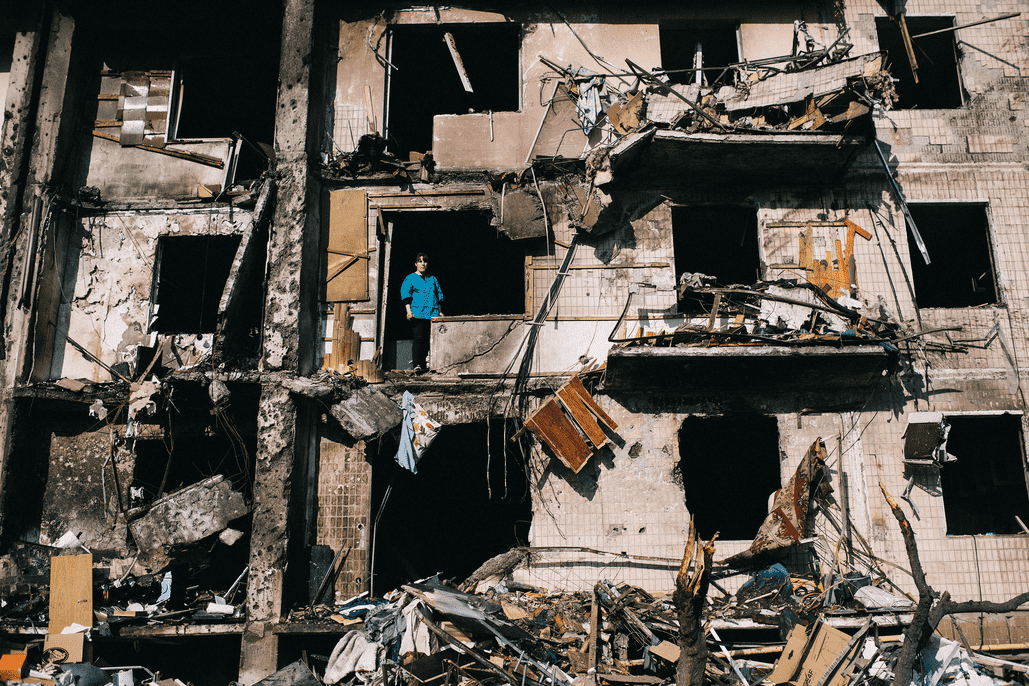
A person stands in the window of a destroyed apartment building, with rubble at the floor, pieces hanging off the walls, and holes blasted through every door.

Destroyed Apartment Building Kyiv, Ukraine. Maxim Dondyuk. CC BY 2.0

A fascination with the macabre is not a new phenomenon. For centuries human beings have been attracted to spectacles of death, suffering, and violence. In 1996 two Scottish academics, John Lennon and Malcolm Foley, coined the term “Dark Tourism'' in their book "Dark Tourism: The Attraction to Death and Disaster" to describe how some tourists are drawn to sites of catastrophe, tragedy and death, such as Chernobyl, Hiroshima or the wreckage of the Titanic. Whether these tours are purely voyeuristic or serve a purpose for those affected by the tragedy is a matter of contentious debate, and is always dependent on the nature of the tour.

In 2022, the organization Visit Ukraine proposed to host tours of cities in the Kyiv region that had been hit particularly hard during the country's invasion by Russia. The tour was meant to educate foreigners while raising funds for refugees. Mariana Oleskiv, the chair of the State Agency for Tourism Development of Ukraine, supported the proposal. However, despite its official support, the initiative faced backlash from critics who viewed it as a disrespectful intrusion into the lives of victims. As a result, Visit Ukraine and the State Agency for Tourism abandoned the idea. But is war tourism truly unethical? 

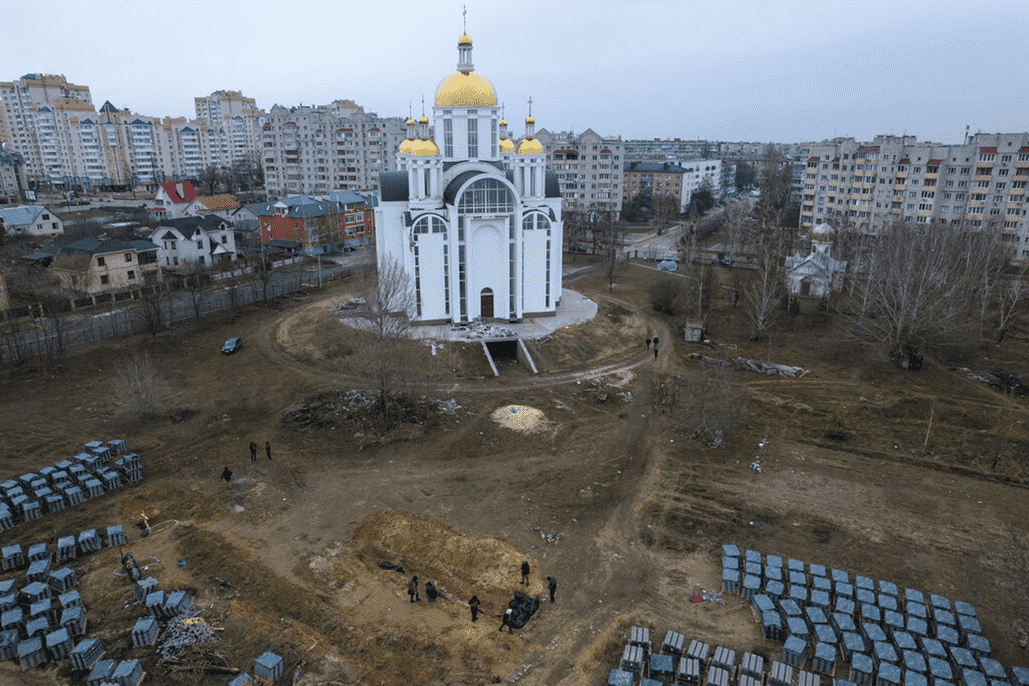
A gold-roofed building in Kyiv stands tall among an empty plot of land, with the city behind surrounding.

Outskirts of Kyiv, Ukraine. Rodrigo Abd. CC BY 2.0

Tourism is an important economic asset for many countries, and the loss of this source of revenue due to foreign invasion can represent a significant economic blow. “While the right to tourism is forcibly taken away during conflicts, tourism is always a reminder of the importance of dialogue, peace, tolerance, and sustainable development among countries,” The World Committee on Tourism Ethics said in a statement on Ukraine issued in 2022. 

According to UNESCO, since February 2022, the culture and tourism sectors have suffered losses of $19.6 billion due to the Russian invasion, while the total cost of the physical damage to these sectors is estimated to have reached nearly $3.5 billion as of March 12th, 2024. As Ukraine begins to think about rebuilding, the government believes tourism is essential for post-war recovery. 

“Any money that people will spend in Ukraine will help the economy to recover,” Oleskiv said in 2024. “We need to create interest to Ukraine not just as people that you support and you feel sorry for—but also the country you want to support by visiting.” However, the chairwoman is emphatic that Ukraine is not interested in developing a culture of “dark tourism.” Ukrainians want to attract tourists who are interested in learning about the history of the war and the story of the Ukrainian people, not thrill-seekers or adrenaline junkies. 

Stone bust sculpture stands atop a desk in a room with peeling paint, bullet holes and larger holes ripped out of the wall, while rubble lines the floor.

War in Ukraine. Tatyana Tkachuk. CC BY-SA 2.0

While the State Agency for Tourism Development is advising tourists to stay away until the war is over, warning that insurance may not cover risks in Ukraine, war tourism initiatives began to spring up in Kyiv as early as April of 2022, not long after Russian troops had retreated from the region. The tour guides responsible for these initiatives are aware of the precarious ethical ground upon which they tread. One Kyviv local, Svet Moiseev, saw war tourism as an opportunity to educate foreigners and raise money for the war effort. According to Moiseev, these tours are not very profitable for him, and he sees himself as a volunteer rather than a businessman, dedicated to informing the public and increasing support for the country abroad.

However, not all locals share Moiseev’s opinion, and some are uncomfortable with their lives being turned into a tourist attraction. Some locals have begun to put up signs warning tourists not to enter or photograph buildings damaged by the fighting. “Sometimes [the tour guides] bring tourists on purpose to make money from it. Not to talk about what happened,” says a resident of Hostomel, Serhii Ahiyev, in an interview with the Kyiv Independent. However, he is not entirely against the concept of war tourism and believes that it is important for foreigners to see firsthand the “terrible actions of the Russians.” 

Tourists who decide to travel to Ukraine are still undertaking a significant risk. Visit Ukraine reports that, while the majority of the fighting is currently concentrated in the eastern and southern regions, the entire country is subjected to regular rocket attacks. If tourists install the Air Alarm app, it will send an air alert notification for their chosen region of Ukraine from the Civil Defense System. Visit Ukraine also advises tourists to observe local curfews, always keep documents and IDs on their person and avoid crowded areas. Their website provides further information and resources on how to stay safe in Ukraine, such as details about the rules, prohibitions and restrictions on visiting Ukraine during the war, the most convenient routes to and through Ukraine, travel recommendations and legal support. 

The idea of war tourism in Ukraine remains a controversial subject, but organizations such as Visit Ukraine continue to plan to bring tourists to the country. “We are working to make sure that more people can see the things that the Russian army does to Ukrainian lands and people,” says Mykhailo Cherevyk, the project manager of Visit Ukraine. The organization has begun an initiative dubbed Donation Tours, and it wants prospective visitors to understand that this experience is different from war tourism or dark tourism. It is not just an opportunity to view firsthand the brutality of the invasion, but rather a way to “immerse yourself in the life of a country at war, and make a personal contribution not only to supporting the country but also to the common Victory.”


Rebecca Pitcairn 

Rebecca studies Italian Language and Literature, Classical Civilizations, and English Writing at the University of Pittsburgh. She hopes to one day attain a PhD in Classical Archeology. She is passionate about feminism and climate justice. She enjoys reading, playing the lyre, and longboarding in her free time. 

The Cost of Climate Change: Forced Relocation in Panama’s San Blas Islands

Rising sea levels led to the evacuation of about 300 Indigenous Guna families from Gardi Sugdub Island off the coast of Panama on June 1, 2024.

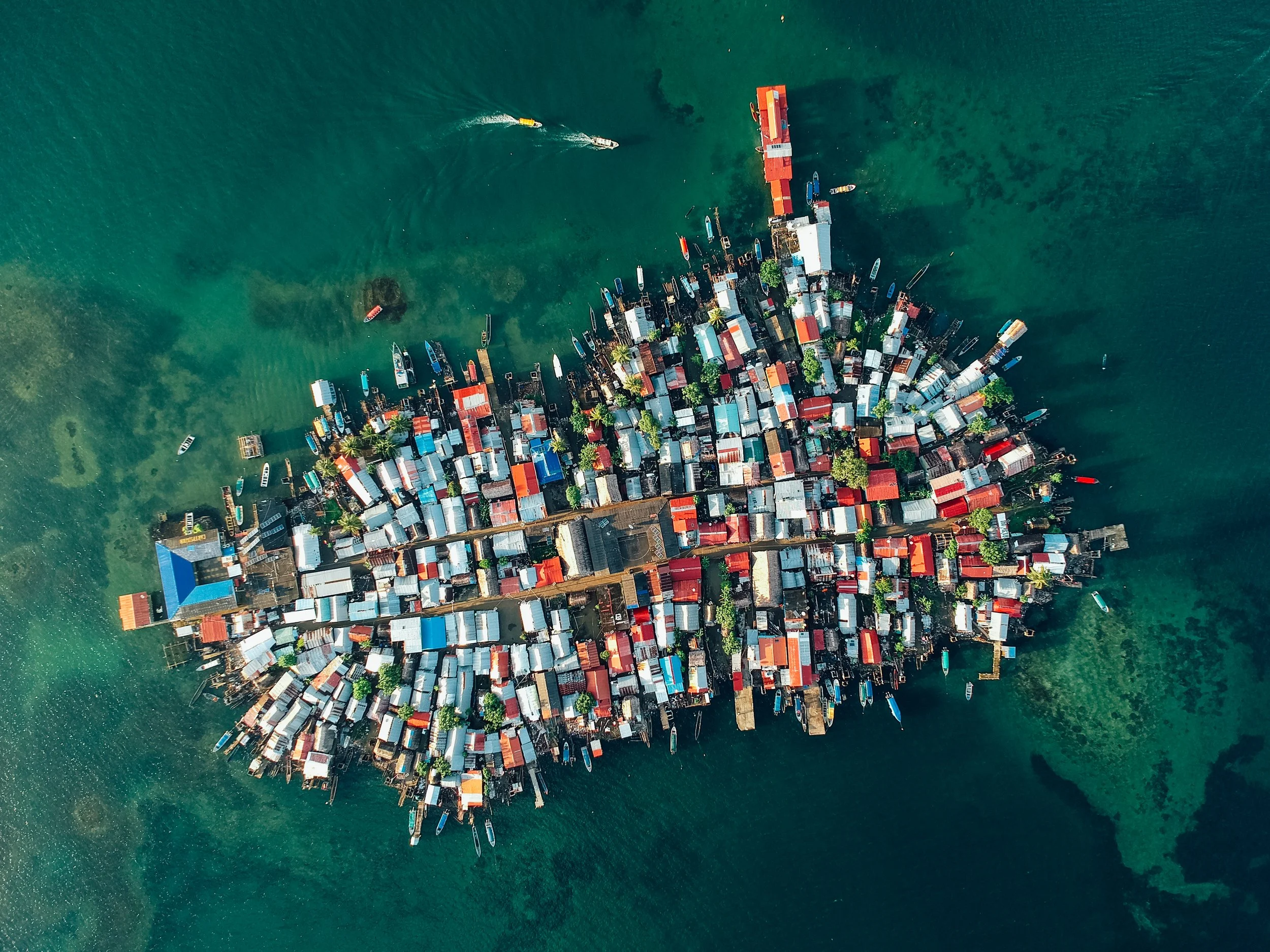
An aerial drone image of a small island in the teal ocean, crowded with colorful houses and boats parked around its circumference.

Gardi Sugdub, Panama. Lee Bosher. ATTRIBUTION-NONCOMMERCIAL 2.0 GENERIC

Climate change poses a threat to coastal territories around the world, as warming global temperatures lead to rising sea levels and stronger storms. Gardi Sugdub is one of 365 islands in the San Blas archipelago, many of which are expected to be underwater by 2050. The rising waters along Panama’s Pacific and Caribbean coasts are expected to subject 63 communities to climate displacement throughout the coming decades as about 2% of Panama’s coastal territory becomes submerged. Although the relocation on June 1, 2024, was successful, the 300 Guna families are the first of an estimated 38,000 people in Panama who will require relocation in the short and medium term. 

The Guna people, the Indigenous inhabitants of about 50 of the 365 islands in the San Blas archipelago, are the first of these communities to relocate. Indigenous and other marginalized communities are disproportionately affected by climate displacement, where people are forced to move because of climate-related threats or disasters. Inequities resulting from the climate crisis disproportionately harm People of Color, particularly Women of Color. After decades of attempts by Guna community members to receive relocation support, the Panamanian government finally agreed.

The Guna people have inhabited Gardi Sugdub for generations. They arrived on the island about 150 years ago when they crossed the water from the Panamanian and Colombian mainlands. The move off of the island to a landlocked community surrounded by jungle is a challenge for many because over 200 years of Guna culture have been centered around the sea. While most of Gardi Sugdub’s inhabitants relocated, about 200 people chose to stay on the island.

The relocated Guna people have moved to a new community called Isberyala Isberyala, a plot of 300 two bedroom houses situated in the forest, starkly contrasts with life on Gardi Sugdub, where houses were overcrowded and often homed by multiple families. Panama’s Ministry of Housing ensured that the Isberyala residential project includes infrastructure like electricity, playgrounds, cultural spaces and streets named after historic Guna leaders. The people in Isberyala can easily visit their old homes too, as Gardi Sugdub is only a 30-minute walk and a short boat ride away.

TO GET INVOLVED

Those looking to spread awareness and advocate against climate displacement and inequity can learn more and share knowledge with others. People can support mitigation and relief efforts by donating to organizations that support relocations like Swiss NGO Displacement Solutions and the UN Refugee Agency, which recently started a Climate Resilience Fund.


Madison Paulus

Madison is a student at George Washington University studying international affairs, journalism, mass communication, and Arabic. Born and raised in Seattle, Washington, Madison grew up in a creative, open-minded environment. With passions for human rights and social justice, Madison uses her writing skills to educate and advocate. In the future, Madison hopes to pursue a career in science communication or travel journalism.

Sparking Outrage: The Pope and His Comments on the LGBTQIA+ Community

Despite his efforts to merge LGBTQIA+ and Catholic communities, Pope Francis tries to resolve tensions following a harmful name calling incident.

A close-up of the Pope smiling and waving

Pope Francis Waving. Long Thiên. CC BY-SA 2.0

There are around 1.2 billion Roman Catholics around the world today, united in a common Church defined in large part by its belief in the primacy of Saint Peter and in its head, the Pope, as his successor. Despite immense growth over its two millennia of history, the central tenet of Catholicism remains the same, as described in Matthew 22:37-39: “To love God with all your soul, heart, strength and mind [and] to love your neighbor as yourself—the Golden Rule, as many refer to it today.” 

Despite these ideals, and guided by conservative religious principles, the Catholic Church has often been hostile toward the LGBTQIA+ community. Recently, on May 28, Pope Francis extended a formal apology for his use of the word “fociaggine”, an offensive Italian slang word referring to the gay community. The Pope used the word behind closed doors in a private meeting with 250 Italian Bishops when asked about whether openly gay men should be admitted into seminaries (priesthood colleges). The press office director for The Holy See Matteo Bruni told the public that the Pope never intended to offend people or come across as homophobic, extending the Pope’s apologies to those that were hurt by the slur. 

Throughout its history, the relationship between LGBTQIA+ community and the Catholic Church has often been tense. In 1975, the Vatican issued a declaration stating that, “Homosexual acts are intrinsically disordered and can in no case be approved of.” Despite verbal support of the gay community, the Catholic Church itself does not officially recognize same-sex marriages. 

In 2013, Pope Francis responded, “Who am I to judge?” when asked about his stance on gay priests, opening the conversation on the gay community’s involvement with the Catholic Church. Pope Francis is thought of by many as revolutionary for the LGBTQIA+ community, with CNN noting that he, “has shifted the church’s tone and approach to gay people, refusing to take a judgemental stance, something that church institutions and leaders had often been accused of doing in the past.” The Pope’s decision to bless same-sex couples in 2023 was a landmark move for the community, the Vatican document opening “the possibility of blessings for couples in irregular situations and for couples of the same sex, [leaving decisions to] the prudent and fatherly discernment of ordained ministers.”

Although blessings were not formally allowed until 2023, some progressive priests conducted them unofficially for years prior. Ultimately, discrimination against the LGBTQIA+ community varies across dioceses and parishes. Some communities are very welcoming, within the Church policy limits, whereas others will quickly deny membership to those affiliated with LGBTQIA+. The Human Rights Campaign states that, “There have been recent instances of LGBTQIA+ employees in the United States being dismissed from Catholic schools and parishes following the celebration of a same-sex couple’s marriage.” In addition to the gay community, the transgender community is also discriminated against. The Vatican’s Congregation for the Doctrine of the Faith in September 2015 prevented a transgender man in Spain from serving as a godfather, barring transgender Catholics from serving as baptismal sponsors.

Over the decade of his papacy, Pope Francis has served as a beacon of hope for the LGBTQIA+ community, long used to hostility from organized religion. In early 2023, he called for the elimination of laws in many countries that criminalized homosexuality, stating that “being homosexual isn’t a crime.” The Vatican also announced in late 2023 that transgender people may be baptized as Catholics and serve as godparents under special circumstances. Although there has been progress for the LGBTQIA+ community in Pope Francis's Catholic Church, his recent comments serve as a reminder that these are recent, fragile developments that still leave much room for improvement.


Aanya Panyadahundi

Aanya is a student at the University of Michigan studying sociology and journalism on a pre-law path. She loves to travel the world whenever she can, always eager to learn more about the different cultures and societies around her. In her free time, she likes to play the violin, ski, and listen to podcasts

Abstinence-Only Feminism: Exploring South Korea's 4B Movement

The 4B Movement in South Korea aims to fight discrimination and decenter men by leaving them behind entirely.

Women sit along a bench, dressed in red caps in front of a protest banner, holding long colored balloons in a political statement.

Women’s protest in Seoul for sex worker’s rights, South Korea. Rita Willaert. CC BY-NC-SA 2.0

The 4B movement comprises four strategies that de-center men in an attempt to advance gender equality and women’s rights in South Korea. They include abstaining from bihon (marriage), bichulsan (childbirth), biyeonae (dating), and bisekseu (sex) with men. 

Since the 4B movement was sparked by a Twitter user in 2018, the fertility rate in South Korea has dropped significantly, and the country now has the lowest fertility rate in the world. There are predictions that by 2065 over half of South Korea’s population will be over the age of 65.

Feminists in South Korea have been fighting against traditional gender roles, gender-based violence, and discrimination for years. South Korea’s gender income disparity ranking is one of the highest among Organisation for Economic Co-operation and Development (OECD) members, with a 31% gap between the average pay of men and women. This is particularly striking in contrast to the OECD average wage gap of 11.9%.

Discrimination and violence against South Korean women are not limited to the workplace. A 2021 survey found that a third of South Korean women have experienced gender-based violence in their lifetimes, while 80% of South Korean men admitted to abusing romantic partners in another survey. Most of the perpetrators do not face consequences.

In South Korea, feminist movements have recently been faced with significant resistance and anti-feminist rhetoric. President Yoon Suk Yeol’s political platform focused on men’s grievances regarding feminism and called for the abolition of South Korea’s Ministry of Gender Equality

This rhetoric includes the notion that feminism and misandry are synonymous and that, because of feminism, men are now the victims of gender discrimination. These tensions have further stigmatized the discussion of women’s rights and gender equality, with the government going so far as to remove the term “gender equality” from textbooks.

While President Yook Suk Yeol has yet to be successful in getting rid of the Ministry of Gender Equality, his appointment of Kim Hyunsook as Gender Equality Minister has been condemned by feminists and activists who claim Hyunsook has failed to fulfill the mission of the ministry by ignoring cases of discrimination and gender-based violence.

To address the demands of the 4B movement, international affairs experts have several policy recommendations. These initiatives include increased support and advocacy for advancing South Korea’s Ministry of Gender Equality, enforcing laws against gender-based discrimination, and requiring gender equality training for the Gender Equality Minister.

Feminist organizations such as Haeil and the Korean Women’s Associations United continue to organize protests and advocate for women’s rights. This persistence combined with the tangible impact the 4B Movement has had on the South Korean fertility rate has inspired feminists around the world.

GET INVOLVED

Those who wish to support the 4B Movement can use social media to raise awareness. To financially support feminism in South Korea, donations or sponsorships can be made with South Korean feminist organizations such as the Seoul International Women’s Association or the Korean Women’s Association.


Madison Paulus

Madison is a student at George Washington University studying international affairs, journalism, mass communication, and Arabic. Born and raised in Seattle, Washington, Madison grew up in a creative, open-minded environment. With passions for human rights and social justice, Madison uses her writing skills to educate and advocate. In the future, Madison hopes to pursue a career in science communication or travel journalism.

Climate Change on Trial: Vermont Passes Climate Reparations Bill

After historic flooding, Vermont calls for “Big Oil” to pay its share of the damages.

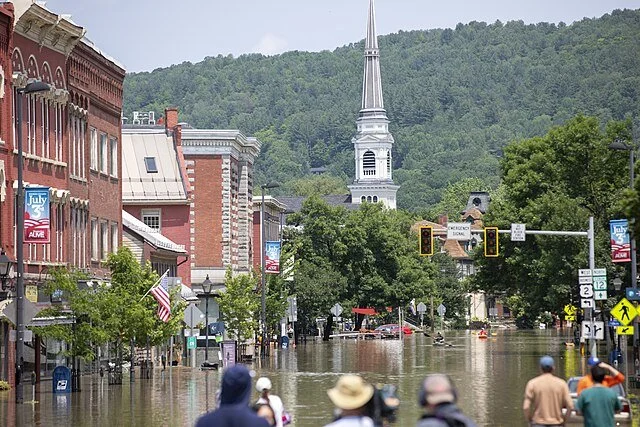
Downtown Montpelier's main street completely flooded, with people kayaking down the street under the stoplights and a small crowd watching.

The Great Vermont Flood of 2023 in Montpelier, Vermont. The National Guard, CC BY-SA 2.0

Climate change has become a serious issue across the globe. Freak weather events, increased global temperatures and glacial melt, among other crises, have made it almost impossible to ignore. And for residents in one state, climate change has come right to their doors for what lawmakers intend to make the last time.

Vermont suffered severe flooding during the summer of 2023—the water completely submerged parking meters in the capital city of Montpelier. Thousands of residents lost cars, homes and businesses. According to the National Weather Service, the damages from this event alone rivaled—and even exceeded—the damage caused by Hurricane Irene back in 2011.

Now, the state government has passed a bill forcing fossil fuel companies to pay for a portion of the damages caused by climate change. Vermont is now the first state in the Union to take these organizations to task for externalities caused by fossil fuel emissions. According to the bill, the Agency of Natural Resources will create a report by 2026 that estimates the cost of climate change-based damage since 1995. This will examine aspects such as public health, agriculture and economic development.

The bill has been lauded for its progressive approach to climate justice, as holding companies accountable for pollution is, perhaps unsurprisingly, very widely supported. However, several Vermont politicians have also expressed concern over what will surely turn into a knock-down, drag-out legal battle come the report’s publication.

This bill marks a huge turning point in the climate justice movement. Although the legal battle has yet to begin, the precedent set by this bill is groundbreaking. The federal government has taken little serious action toward climate change reparations, as they are a divisive issue on a national level. Some consider the process to have very little legal basis, which naturally spawns skepticism that the legislation can actually be enforced.

However, regardless of how the bill has been received, the progress here is undeniable. There’s something to be said for the power of precedent in legal situations. Reparations have been divisive in the court system on account of being largely untested in a legal setting. Most court cases on a federal level are decided largely based on the results of similar cases in the past. Much of the heel-dragging over climate change, then, can be explained by how new and untested many of these legal approaches are.

It’s far more difficult to pass a bill at the federal level than the state, especially when trying to attack such an inflammatory issue. That said, states taking action—successful or not—could begin to wear down that resistance. If Vermont manages to extract reparations from the targeted companies, other states may follow suit. With enough states unified towards climate reparations, the federal government may be forced to take a stance. It likely won’t be for some time, but Vermont’s actions now are potentially paving the way for a massive shift in the governmental response to climate change in future years.


Ryan Livingston

Ryan is a senior at The College of New Jersey, majoring in English and minoring in marketing. Since a young age, Ryan has been passionate about human rights and environmental action and uses his writing to educate wherever he can. He hopes to pursue a career in professional writing and spread his message even further.

Feeling Unlucky: Why Gambling Hotspots Are So Bad for the Environment

Balancing the economic benefits of the casino industry against its environmental costs in Las Vegas and Macau.

The Las Vegas strip lit up with neon lights advertising casinos, bars and hotels.

Las Vegas strip at night. Las Vegas City Files. PDM 1.0

Rapid urbanization is one of the driving causes of pollution worldwide, and gambling hotspots are no exception, using precious resources to fight heat, water scarcity and pollution. The gambling centers of Las Vegas and Macau generate billions of dollars a year from tourist revenue, promoting overconsumption via colossal retail stores, high-rise casinos and souvenir shops. Beneath their twinkling lights, however, lies a reality riddled with addiction, excess and greed, and environmental impacts that are all too often overlooked. 

A traffic jam, with motorists and a bus all idling while waiting.

Motorists waiting at traffic light. Dickson Phua. CC BY-NC-ND 2.0

Located in an arid desert landscape, Las Vegas’s temperatures can crawl up to 120 degrees Fahrenheit during the summer months, making it one of the hottest in the U.S.; other than Reno, it is the fastest-warming city in the country. Just twenty miles east of Las Vegas, Lake Mead’s water level has significantly dropped over the years. With temperatures rapidly rising, residents and tourists alike face the possibility of rarely going outside, as there’s little more to do outside than wander up and down the strip and lounge at a hotel pool. According to SWANA (Solid Waste Association of North America), Las Vegas produces more than five billion pounds of waste each year. While Las Vegas is attempting to rebrand itself as an eco-friendly city, conservation efforts are still underway. In 2016, the city began powering government buildings and streetlights with renewable energy, and most high-rises have installed solar panels on their roofs. The Sphere, Las Vegas’s newest concert venue, has an agreement to meet its electricity needs with solar power, but this must be approved by the Public Utilities Commission of Nevada, which likely won’t happen until 2027.

A view from above of the cityscape of downtown Las Vegas lit up at night.

Aerial view of Las Vegas at night, Carol M. Highsmith's America Project, PDM 1.0

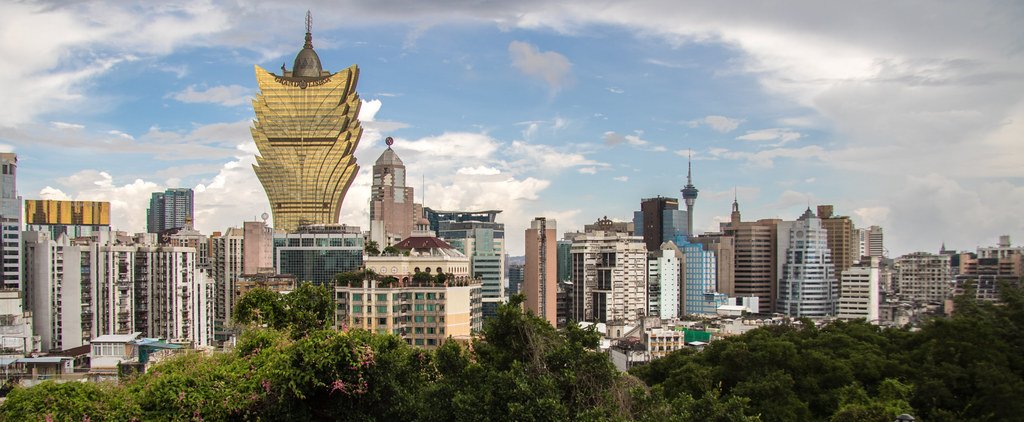
With casino-hotels lining the Cotai Strip, Macau has been dubbed “the Las Vegas of Asia” for its gambling, shopping and nightlife scene. With tourists flocking the city from mainland China and Portugal, vehicle exhaust from traffic has led to air pollution and excessive greenhouse gas emissions. With a population of just 600,000, a 2023 census indicated that roughly 30 million tourists flock to Macau every year, resulting in overcrowding. The subtropical landscape doesn’t reach temperatures as high as Las Vegas, but the climate is continuing to rise, with average summer temperatures of 83 degrees Fahrenheit. Similar to Las Vegas, Macau is striving to be more eco-friendly, incentivizing citizens to drive electric cars and use green lighting products through tax subsidies, in compliance with environmentally friendly standards.

Skyline of Macau during the day. the typical skyscrapers juxtapose with one golden building's silhouette that flares out with a spire atop.

Panoramic view of Macau. Andrew Moore. CC BY-SA 2.0

The impacts of gambling are not entirely negative, particularly for the local economy. The American casino industry generates over $40 billion annually, which funds local development and creates hundreds of customer service jobs. With most casinos operating 24/7, energy consumption is the most significant environmental effect. As global temperatures rise, an excessive amount of energy is spent on air conditioning and lighting. Today, many are turning to online gambling as a more “sustainable” option, thanks to rapid technological advancements. Gambling hotspots like Las Vegas and Macau can adopt greener practices, such as improving public transportation and implementing recycling and composting programs. While gambling hotspots fuel local economies and tourism, their environmental and social impacts cannot be ignored, calling for a balanced approach that prioritizes sustainable practices and responsible urban development.


Agnes Volland

Agnes is a student at UC Berkeley majoring in Interdisciplinary Studies and minoring in Creative Writing, with a research focus on road trip culture in America. She currently writes for BARE Magazine and Caravan Travel & Style Magazine. She is working on a novel that follows two sisters as they road trip down Highway 40, from California to Oklahoma. In the future, she hopes to pursue a career in journalism, publishing, or research.

Thailand’s Progress Towards Marriage Equality

After years of advocacy, Thailand may become the first country in Southeast Asia to legalize same-sex marriage.

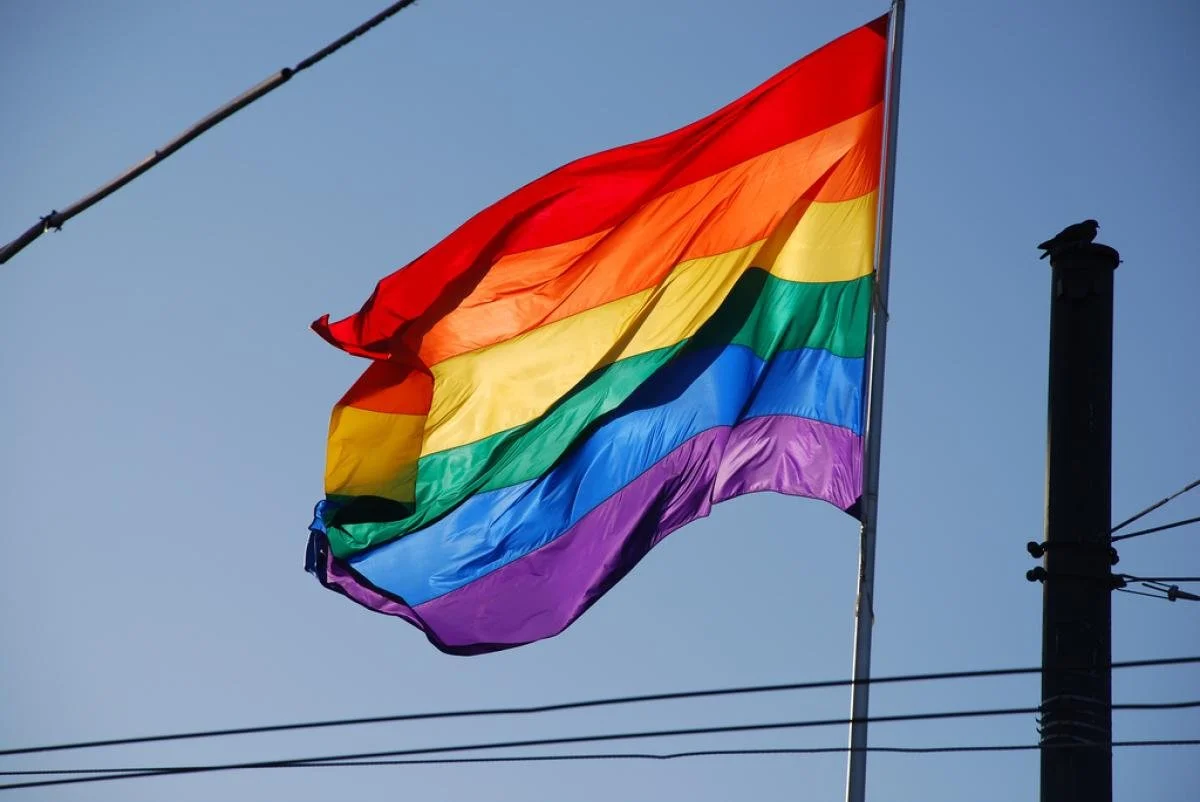
Close up of a rainbow pride flag waving in the wind.

A pride flag waving in the wind. Jamison Wieser. CC BY-NC-SA 2.0

Thirty-seven countries currently recognize same-sex marriage on a national level, and Thailand may soon become the 38th. On December 21, 2023, a package of bills including the Marriage Equality Act was introduced by the cabinet, and debates began in Thailand’s House of Representatives, the lower house of Thailand's legislature. This body resoundingly assented to marriage equality in late March, although it is not yet law.

The Marriage Equality Act would amend Thailand’s civil and commercial code, making many terms that refer to people gender neutral. If the bills pass the the Senate, and receive approval from the King, Thailand will become the third country in Asia and the first in Southeast Asia to legalize same-sex marriage.

Four hundred out of 415 members of the House of Representatives voted to pass the Marriage Equality Act on March 27, 2024. The Marriage Equality Act passed the first reading in the Senate with another overwhelming majority on April 2, 2024.

For decades, LGBTQIA+ laws in Thailand have not matched the country’s acceptance of LGBTQIA+ culture and travelers. Despite being home to many LGBTQIA+ spaces, such as bars and nightclubs, and serving as a destination for many to receive gender-affirming care, discrimination continues and many LGBTQIA+ rights in Thailand remain unprotected. 

While there has been progress in advancing LGBTQIA+ rights in Thailand with the passage of the Gender Equality Act in 2015, currently non-binary and transgender people’s identities are not recognized and LGBTQIA+ couples are unable to marry and struggle with adoption. 

The recorded history of the LGBTQIA+ community in Thailand dates back to the 14th century. These records include verbal accounts and murals depicting LGBTQIA+ relationships. However, in the 19th century, the criminalization of homosexuality and Victorian norms of propriety spread along with European colonialism in the region, although Thailand itself remained independent. 

This influence resulted in a cultural shift, as people began to equate sexuality with moral conduct and consider sexuality taboo. Despite this, Thailand has been famously receptive to LGBTQIA+ travelers, with the Thai Tourism Authority promoting Thailand as a “gay paradise”. 

As LGBTQIA+ visibility and activism have increased, Thai political figures have begun to follow suit, with the Pheu Thai party making marriage equality a main goal. Since taking office in 2023, the Pheu Thai party has been integral in moving Thailand toward equality for LGBTQIA+ people. 

The Marriage Equality Act will undergo its second and third Senate readings in July. If passed, it will be brought to the King for assent, and will then be established within 120 days, making Thailand a role model for the advancement of LGBTQIA+ rights.


Madison Paulus

Madison is a student at George Washington University studying international affairs, journalism, mass communication, and Arabic. Born and raised in Seattle, Washington, Madison grew up in a creative, open-minded environment. With passions for human rights and social justice, Madison uses her writing skills to educate and advocate. In the future, Madison hopes to pursue a career in science communication or travel journalism.

5 Sea Creatures That Could Save Your Life

We can create tons of life-saving medications from the ocean—as long as we can keep it alive.

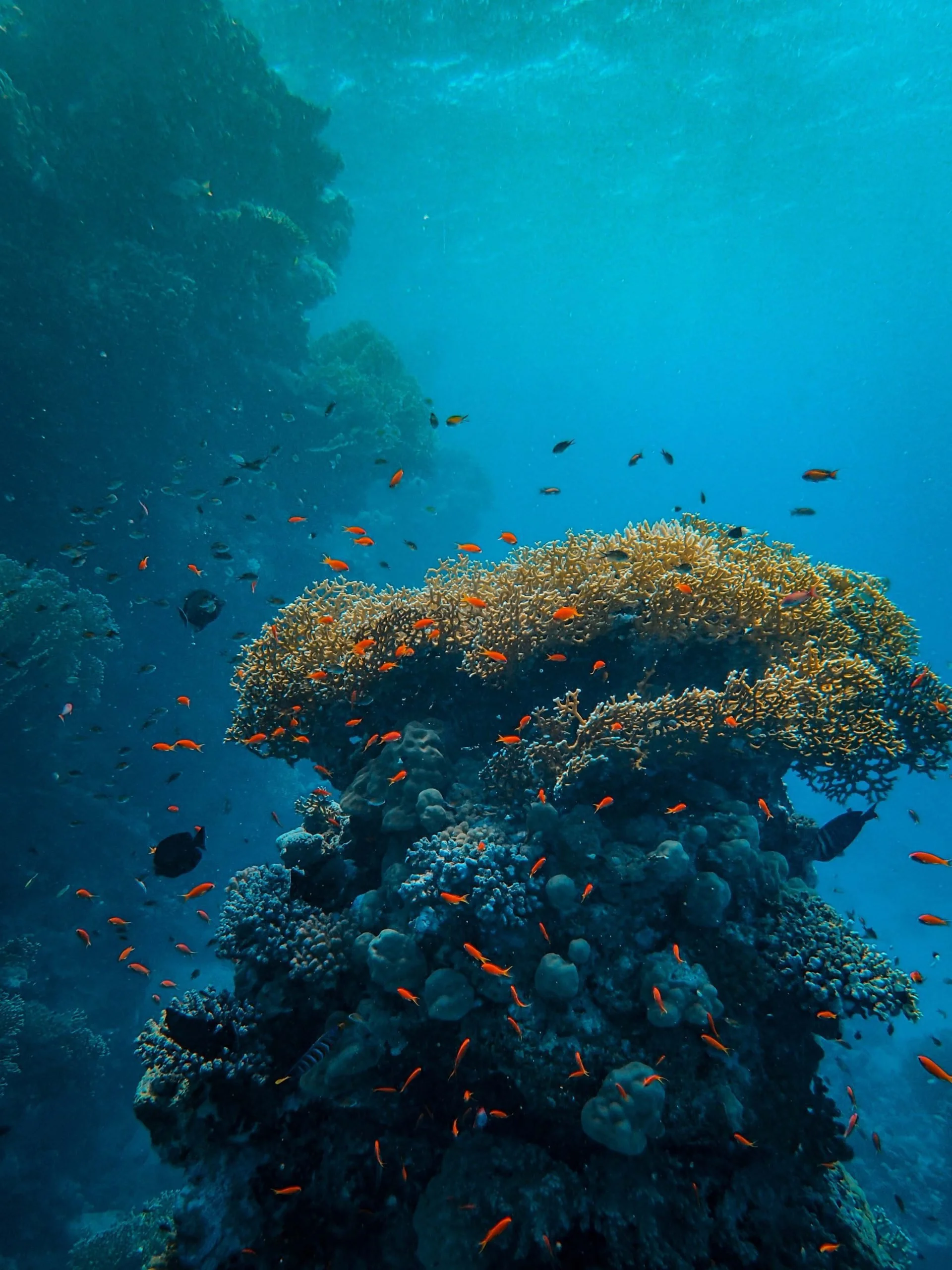
A large tower of colorful coral reef with lively bright orange and larger fish swimming around it.

A coral reef. Francesco Ungaro, CC0

It has been said that we know less about our oceans than we do about the surface of Mars. We have already discovered more than 200,000 different species, but scientists agree that we have still only barely scratched the surface of what may be down there for us to find.

Some of these creatures are capable of producing life-saving drugs, curing or treating everything from diabetes to certain types of cancer. Most of our current medications come from terrestrial plants and animals, but given that the ocean represents 95% of Earth’s biodiversity, we are somewhere around 300 to 400 times more likely to find the next big cure in the ocean.

But in spite of this enormous potential, the oceans are in severe danger due to climate change, overfishing and pollution. Here are five different ocean creatures that could potentially save your life—and why we need to keep them alive and healthy.

Seahorses

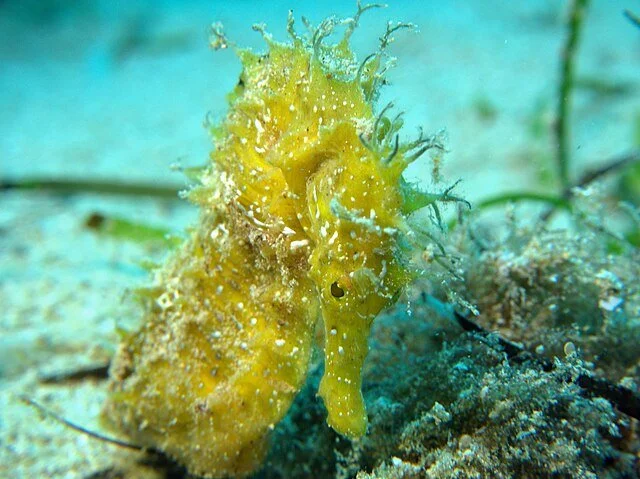
Looking at the face of a yellow seahorse, close to the sandy bottom and some vegetation under the sea.

A yellow long-snouted seahorse. Victor Micallef, CC BY-SA 4.0

The first face on our list is a familiar one; seahorses are one of the more famous animals that make their homes on coral reefs, and have proven to be one of the most useful as well. These aquatic equines’ medicinal properties were recorded as long ago as 700 AD, when their extracts were first used in China to cure asthma and arthritis. More recently, seahorses have also been used to treat kidney and liver diseases.

But the population today is larger than ever, so the demand for these treatments is growing every day. Since the 1980s, demand for seahorses in the pharmaceutical industry has dramatically increased, resulting in a frighteningly steep decline in the number still living in the wild. Studies have shown that at least 35% of all species of seahorse are endangered.

This is due primarily to overfishing—aside from the mass harvesting for pharmaceuticals, seahorses are also frequently accidentally caught by commercial fishermen and simply left to die. If this population declines much further, a historically successful treatment for several different diseases may be on the line.

Sea Hares

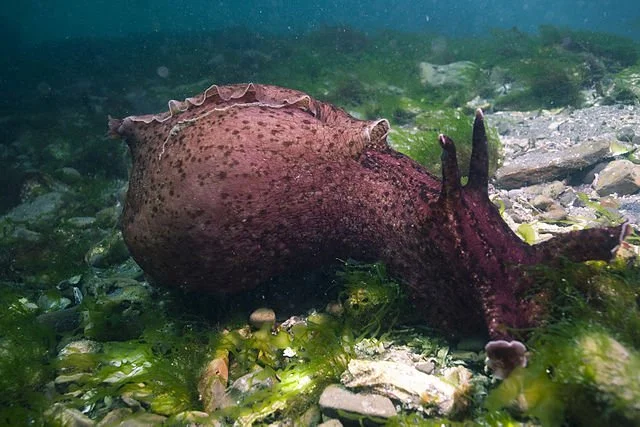
Among an algae and rock-covered sea bottom, a large plump purple and speckled slug-like creature with tentacles atop its head resembling bunny ears.

A sea hare in Monterey Bay. Chad King / NOAA MBNMS, CC0

A much less pleasant animal to look at, sea hares are still incredibly useful. A particular species from the Indian Ocean secretes a chemical that may be able to treat tumors, leukemia, and breast and liver cancer. Although the compound is still undergoing chemical trials, the results are promising and scientists believe the unassuming slug may be our best shot at dealing with many of the trickiest cancers in the human body.

Although sea hares are not currently endangered, they are threatened by ocean acidification and climate change. Also, since they are most commonly found along rocky shorelines, they are at risk from agricultural runoff and coastal development. Though we have not pushed them to extinction quite yet, continuing to develop our shorelines without proper caution could rob us of a very promising treatment for some of our most devastating diseases.

Sea Sponges

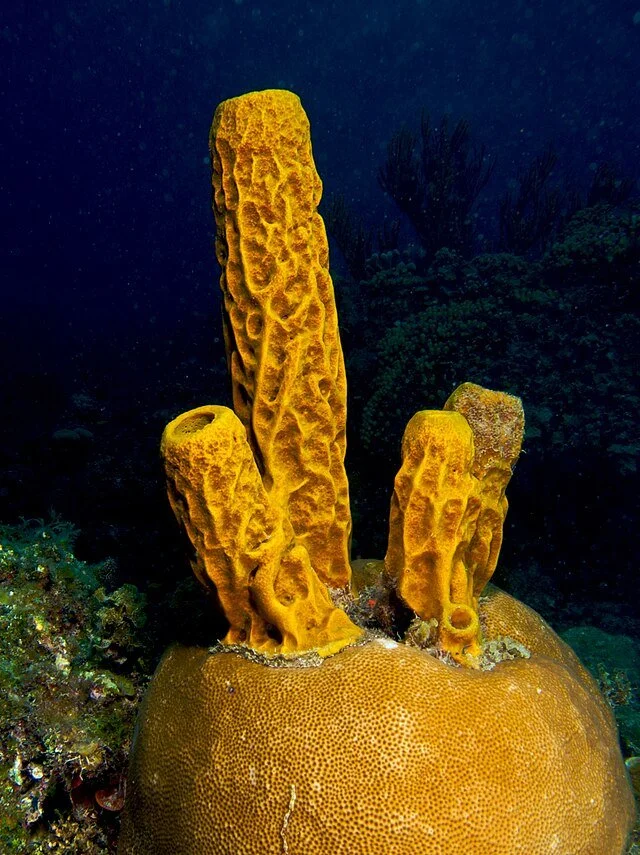
With tall yellow sponge-like tubes protruding out of a yellow spongey coral orb on the seabed.

A yellow tube sea sponge. Nick Hobgood, CC BY-SA 3.0

There are countless different types of sea sponge and soft coral all over the ocean floor. In the last few decades, as more and more of them are discovered, we have found countless uses for just about every part of them.

One species in particular, known in the scientific community as Tectitethya crypta, has been used to treat HIV and AIDS. The sponge’s fatty acids in particular are a crucial component in many modern medications. Others have been used to treat breast cancer, leukemia, Ebola and even COVID-19. Needless to say, sea sponges are some of the most beneficial animals in the world, and experts say we haven’t even scratched the surface of what else they may be able to do for us.

Sea sponges are some of the most widespread ocean animals in the world, and have existed since before even the dinosaurs—however, that doesn’t mean they are safe from humanity. Deep-sea mining threatens their habitats by destroying the very land that the sponges grow on. Companies have claimed that deep-sea mining is far more environmentally friendly than other processes on land, however, it might only seem this way because we know so little about the ecosystems that sit just above the valuable mineral deposits in the deep sea. If we continue to haphazardly destroy these animals’ homes, countless potential miracle cures could be lost forever.

Corals

Soft pink coral under the sea, with its branch patterns fanning out from the stem to create a large polyp bush of coral.

A soft coral in Bali. AlexeiAVA, CC BY 4.0

The backbone of all reefs, coral is widely thought of as a simple plant. Shockingly, these stationary structures are actually animals! Tiny polyps, the real minds behind the beautiful skeletal coral, secrete a thin limestone covering that attaches to the seafloor and eventually grows into the twisting and spiraling forms that we’re familiar with. These polyps have been used in the past to facilitate bone growth, and even to replace shattered or fractured bones in the human body. Ground-up corals can also be used to treat, of all things, Alzheimer’s and heart disease.

As well as being the mascot of the reef, coral is also the poster child for ocean acidification. Coral bleaching, the largest problem facing reefs around the world, is when the polyps that make their homes in the coral flee in response to warming waters or high concentrations of carbon. Without their inhabitants, the coral turns white and brittle, and can be broken by the slightest impact. Unsustainable fishing practices have also resulted in the destruction of entire chunks of reefs, whether it be through dynamiting or simply by tearing them up with oversized fishing nets. Besides providing a home for unimaginable numbers of animals and plants, corals are some of the richest sources of medicine and treatments in the ocean.

Sea Squirts

A sea squirt. Nick Hobgood, CC BY-SA 3.0

Sea squirts, despite their unappealing name and unassuming appearance, are being used to treat—and eventually, maybe even cure—one of the most dangerous skin cancers in the world. Found along the coast of almost every major ocean in the world, sea squirts contain a chemical that actually prevents cancer cells from regenerating. However, scientists have not yet figured out how to make this chemical in the lab, meaning they’re relying on harvesting sea squirts to produce the treatment.

Although some sea squirts are incredibly common (even being considered invasive in some places), various human activities threaten their habitats. Much like the sea hare, they live close to the surface on rocky shorelines and along reefs, meaning they’re more at risk from chemical runoff and coastal development. Unless we can take more precautions, harvesting these useful blobs will become much harder.

TO GET INVOLVED

Between global warming, ocean acidification and pollution, the dangers facing marine life can seem overwhelming. But there are many ways that an individual can make a difference and help the ocean survive. Organizations like Coral Guardian and the Reef Life Foundation work tirelessly to maintain reefs around the world with the help of donations and coral adoptions.

There are also countless hazardous waste recycling centers all over the country where you can safely dispose of harmful chemicals that you no longer need, rather than tossing them into landfills. And practicing eco-friendly behavior—avoiding single-use plastic, only applying zinc- or titanium-based sunscreen, and simply helping to pick up litter before it makes its way into the ocean—goes further than you might think.

The ocean is threatened from a million different places, but if we all do our part, it will provide for us for many years to come. There are countless undiscovered plants and animals living down there—there’s no telling what we’ll find next, and how it can help us in return.


Ryan Livingston

Ryan is a senior at The College of New Jersey, majoring in English and minoring in marketing. Since a young age, Ryan has been passionate about human rights and environmental action and uses his writing to educate wherever he can. He hopes to pursue a career in professional writing and spread his message even further.
Food Fight: European Farmers Battle Food Outsourcing

As climate concerns grow, many feel that the EU’s new agricultural policies are uprooting farmers’ way of life.

Large tractors, trailers, and people line the streets on a gray winter day to block traffic in protest.

Farmers blocking a Berlin road in protest. Leonhard Lenz. CC0

Global warming, climate change, and greenhouse gasses have been hot-button topics for decades, but recent events have painted them in a much more alarming light. Many countries around the world have begun instating policies and procedures to combat this crisis, from carbon taxes to efforts at land preservation and conservation.

But just like every major change, it comes at a cost. Farmers, the backbone of the food market and a group with interests very much built around the environmental status quo, have been upended by recent policy changes. The EU has turned its attention to agriculture in recent months, proposing a variety of policies that will decrease the amount of land being used for farms, dubbed the Green Deal. In addition to stricter regulations, rising operating costs and taxes have also been cited as causes for discontent among the farming population of Europe.

This series of events reached a head in December of 2023, when farmers first began protesting across the continent. At first, it was simple picketing and protests, but in the months since, every possible display of discontent—from holding up traffic to spraying manure and throwing produce—has plagued much of the EU. Farmers in Berlin blocked the road around the Brandenburg Gate with tractors, and others in Brussels lit bales of hay on fire to deter police.

Over the last few weeks, the EU has made several concessions for the aggravated farmers. In addition to relaxing many of the regulations and reducing taxes on the diesel fuel used for tractors and farm equipment, the EU has apparently canceled its plan to import grain and other crops that could be grown in Europe from Ukraine. This in particular drove an especially angry contingent of protests, as the lower price and food standards of imported grain make domestic crops less profitable.

In the months since March, many of the more aggressive demonstrations mentioned above have begun to taper off in response to the EU’s capitulations. This demonstrates a problem that many governments are struggling to face in regards to climate change. The situation gets worse and its effects more severe, but swift action often ends up displacing people who rely on how the system has always been.

Hundreds of millions of people around the world have built their whole lives on the current status quo. Many of the changes that the EU suggested threatened their livelihoods by increasing the competition and undermining their typical methods. Unfortunately, there are not yet systems in place to account for the losses these individuals suffer, meaning future attempts to reduce the impact of climate change will risk the same backlash.

The EU may have been trying to minimize habitat destruction and land overuse, but in the process it risked harming the backbone of its economy and even its food supply. Climate change is an undeniable issue, but one that affects every person in the world differently. Any attempt to fix it will inevitably create some losers, whether the people in charge have accounted for them or not.


Ryan Livingston

Ryan is a senior at The College of New Jersey, majoring in English and minoring in marketing. Since a young age, Ryan has been passionate about human rights and environmental action and uses his writing to educate wherever he can. He hopes to pursue a career in professional writing and spread his message even further.

Fighting Femicide in Turkey

Turkey has long struggled to prevent violence against women, and Erdoğan’s withdrawal from the Istanbul Convention only worsened matters.

Large protest crowd gathered holding pink flags and a large sign showing the portrait of student Ozgecan Aslan.

Protests after the murder of Turkish student Özgecan Aslan. 2015. Hilmi Hacaloglu. CC0

Femicide is a massive problem for women in Turkey. According to data from the women’s rights group We Will Stop Femicide, 338 women were murdered by a man between March 2023 and March 2024. The same data reports that the large majority of these women were killed by a close male relation, with the most common motive being their refusal to marry or have a relationship with their murderers. 

The president of Turkey sitting in a suit on a chair in a press area in front of the Turkish flag.

Recep Tayyip Erdoğan at the 2017 G-20 Hamburg summit. Пресс-служба Президента Российской Федерации. CC-BY-4.0

In March 2021, Turkish President Erdoğan announced his decision to withdraw Turkey from the Istanbul Convention, itself named after Turkey's largest city. The convention obligates political parties to “develop laws, policies and support services to end violence against women and domestic violence.” It also included clauses aimed at protecting members of the LGBTQ+ community from violence. 

The decision was met with outrage and criticism from activist groups, lawyers and politicians. Following the decision, thousands took to the streets to protest. Amnesty International Secretary-General, Agnès Callamard, spoke against the decision, expressing her concern that “the withdrawal sends a reckless and dangerous message to perpetrators who abuse, maim and kill: that they can carry on doing so with impunity.” 

The backs of protestors holding signs and theirs fists up while holding large maroon flags at the International Day for the Elimination of Violence Against women protest.

International Day for the Elimination of Violence Against Women, 2019. Neslihan Turan. CC0 1.0

We Will Stop Femicide was founded in 2012 in response to the murder of an 18-year-old high school student, Münevver Karabulut, and has been one of the leading advocates of women’s rights in Turkey ever since. The group began an initiative to collect, analyze and publicize data on femicide in Turkey in response to claims from the government that no such data existed. They gather their data from cases reported to the public and cases reported directly to the group by associates of the victims. “Patriarchy is the reason behind the loss of so many lives,” the group states on its website. “The lack of efficient policies that secure equal existence and rights of women is also encouraging men who are prone to violence.”

A lawyer working with the women’s rights group We Will Stop Femicide, Esin İzel Uysal, stated that there has been a significant increase in femicides as a result of Turkey’s withdrawal from the Istanbul Convention, with authorities refusing to take action in the face of violations of women’s rights. As of 2024, almost 2,000 women have either been murdered by men or died under suspicious circumstances since Turkey’s withdrawal in 2021.

Women’s rights groups in Turkey such as We Will Stop Femicide continuously face opposition and oppression from the government. On December 2nd, 2021 the Intellectual and Property Rights Investigation Bureau of the Istanbul Public Prosecutor’s Office filed a lawsuit against We Will Stop Femicide aimed at shutting the group down, citing “illegal and immoral actions.” On September 13th, 2023, the court rejected the lawsuit. 

Women in Turkey continue to fight for their rights and their lives despite government opposition and police violence. In March 2024, thousands of women defied a ban against protests on International Women’s Day, seeking to draw attention to the rise of femicide in Turkey and voice their discontent with Turkey’s withdrawal from the Istanbul Convention. 

TO GET INVOLVED

We Will Stop Femicide: We Will Stop Femicide’s website lists several ways to support their cause, including producing visual materials for their social media and participating in the collection of data on violence against women.

Women for Women’s Human Rights: Another Turkish feminist group, WWHR initiated a Human Rights Education Program for women in 1995 that seeks to educate women about their rights and help them exercise those rights. Information about participation in the HREP program can be found here.


Rebecca Pitcairn

Rebecca studies Italian Language and Literature, Classical Civilizations, and English Writing at the University of Pittsburgh. She hopes to one day attain a PhD in Classical Archeology. She is passionate about feminism and climate justice. She enjoys reading, playing the lyre, and longboarding in her free time.