
Throughout Africa, hundreds of millions live without access to electricity. For light, many use toxic and expensive kerosene lamps; simultaneously harming the environment while keeping families within the grips of poverty. SolarAid is aiming to disrupt this market by providing those in need with cheaper and safer solar lights. Solar lights are more safe for the environment as well, which is important when combating climate change. With more than one million lights sold, that change is becoming tangible.
VIDEO: Change Heroes and Free The Children Help the World in 3 Hours
Watch what 22-year-old Evan Mula, from Boston, did with just a bit of time. He and 32 of his friends raised $10,000 in three hours to build a school in Kenya through Change Heroes and Free The Children. This is his trip to see that vision emerge in reality. Evan is able to demonstrate that anyone can change the world with just a bit of hard work. He now sets a standard for activists who work in Kenya.
LEARN MORE AT CHANGE HEROES
VIDEO: Can You Live on Just £1 a Day?
Can you live off just £1 a day? For millions of people around the world, this is a reality. These people lived on £1 per day for five days and shifted below the poverty line. Shift UK was created to stand with those who live like that every day and raise money to support life-changing projects.
CONNECT WITH SHIFT
VIDEO: The Kula Project Invests in Farmers to Help the People of Rwanda
The majority of farmers in developing nations like Rwanda are unable to generate enough income to feed and sustain their families. This is due to the lack of basic needs for success. The Kula Project invests in small-scale farmers in Rwanda to create sustainable communities.
CONNECT WITH KULA PROJECT
VIDEO: Changing Girls’s Lives at The More Than Me Academy in Liberia
The More Than Me Academy is on a mission to make sure education and opportunity, not exploitation and poverty, define the lives of the most vulnerable girls from the West Point Slum of Liberia. When she graduates, she will decide what comes next for her life.
CONNECT WITH MORE THAN ME
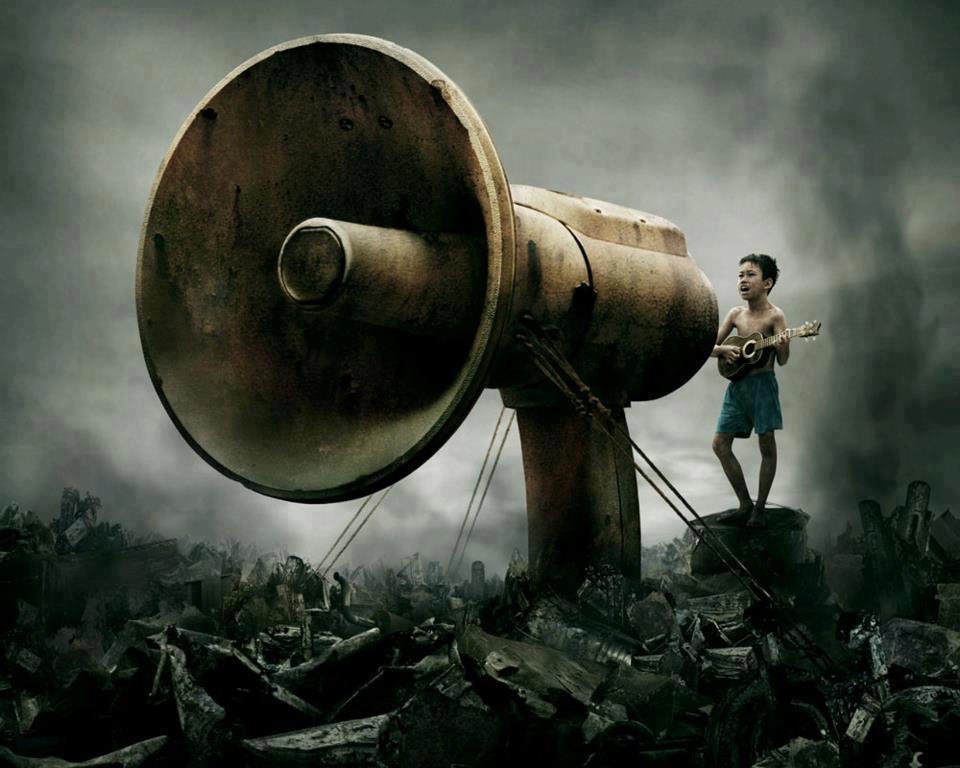
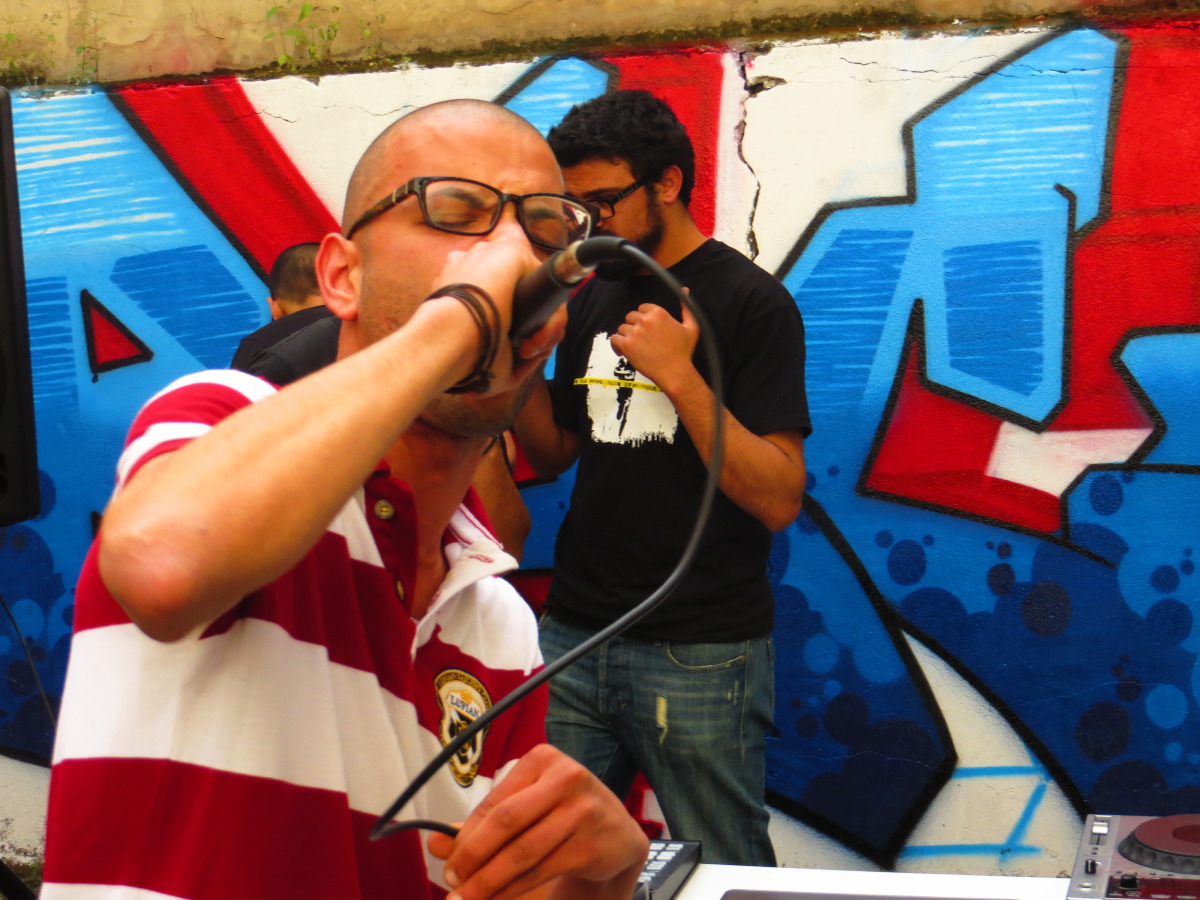
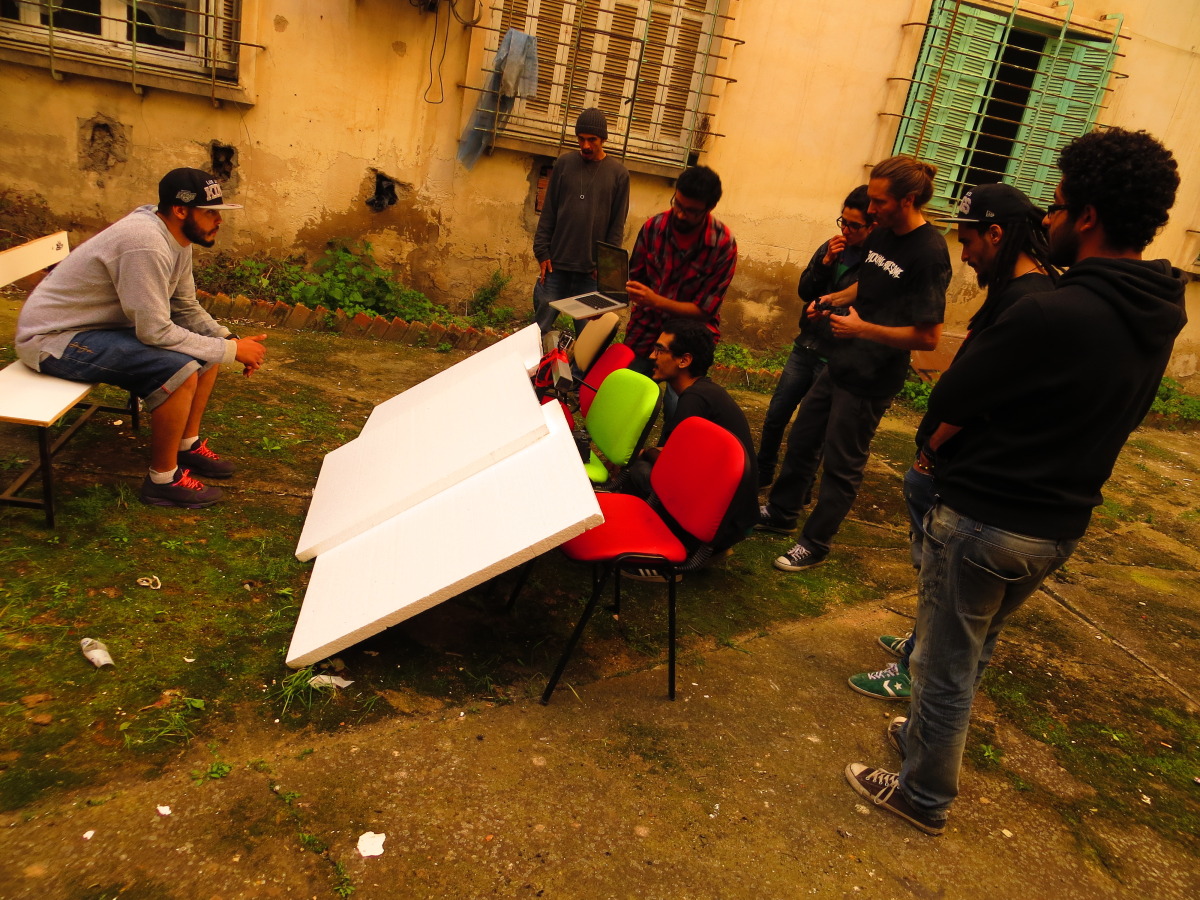
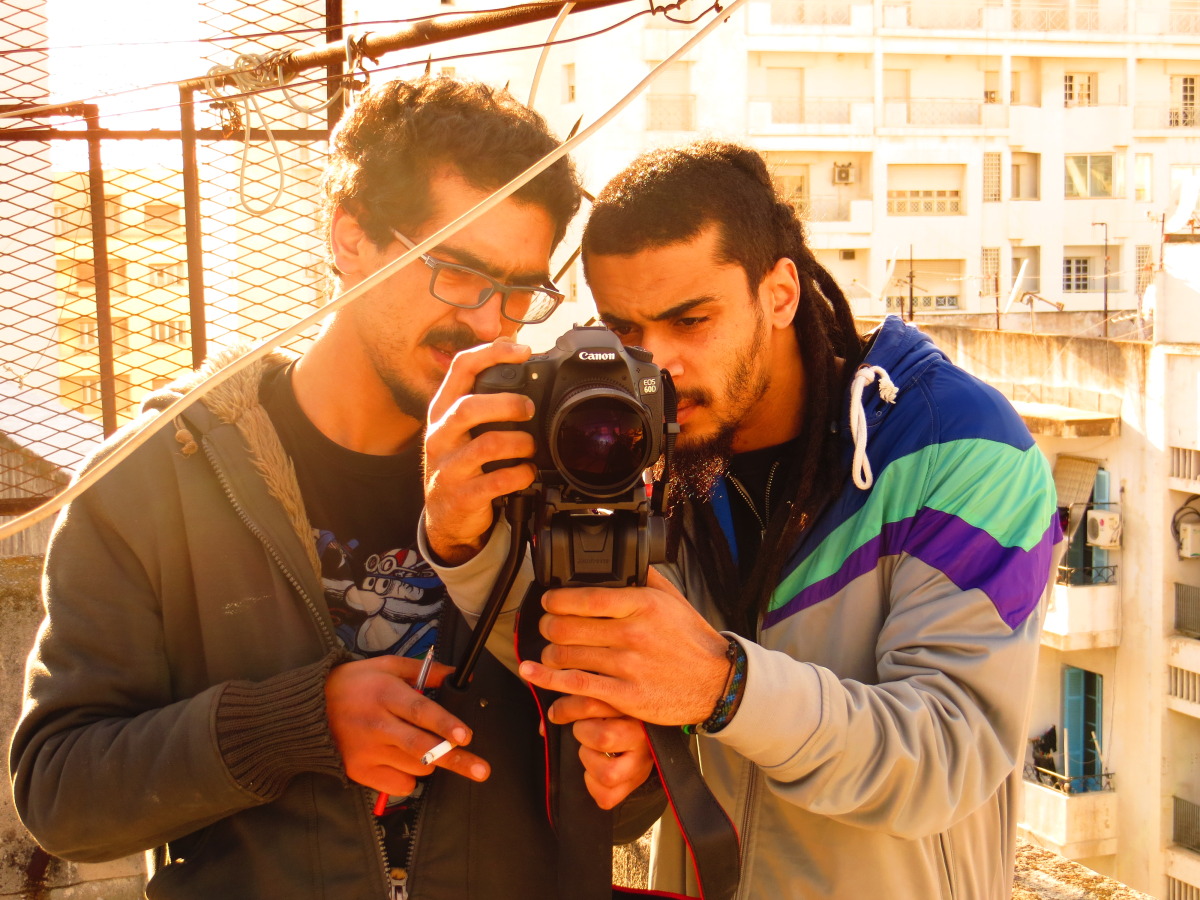
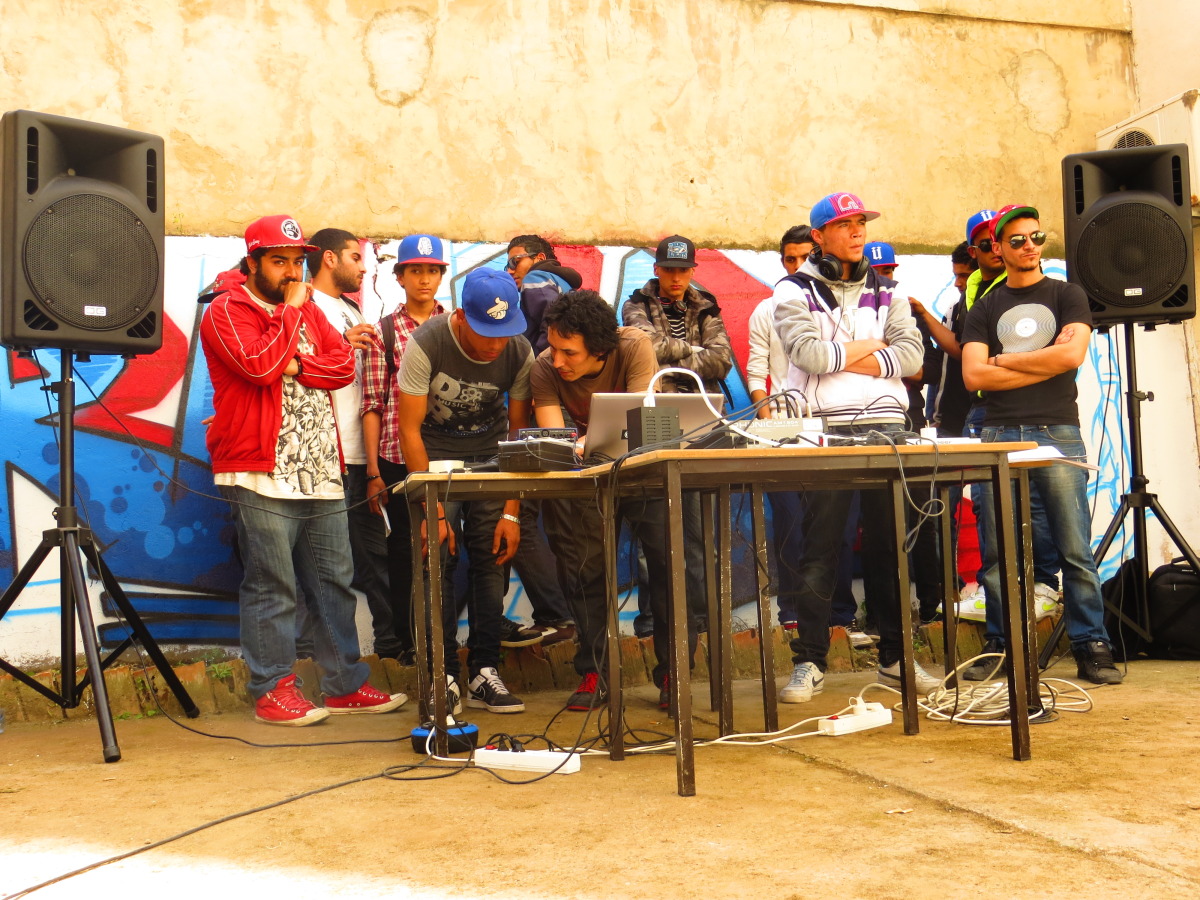
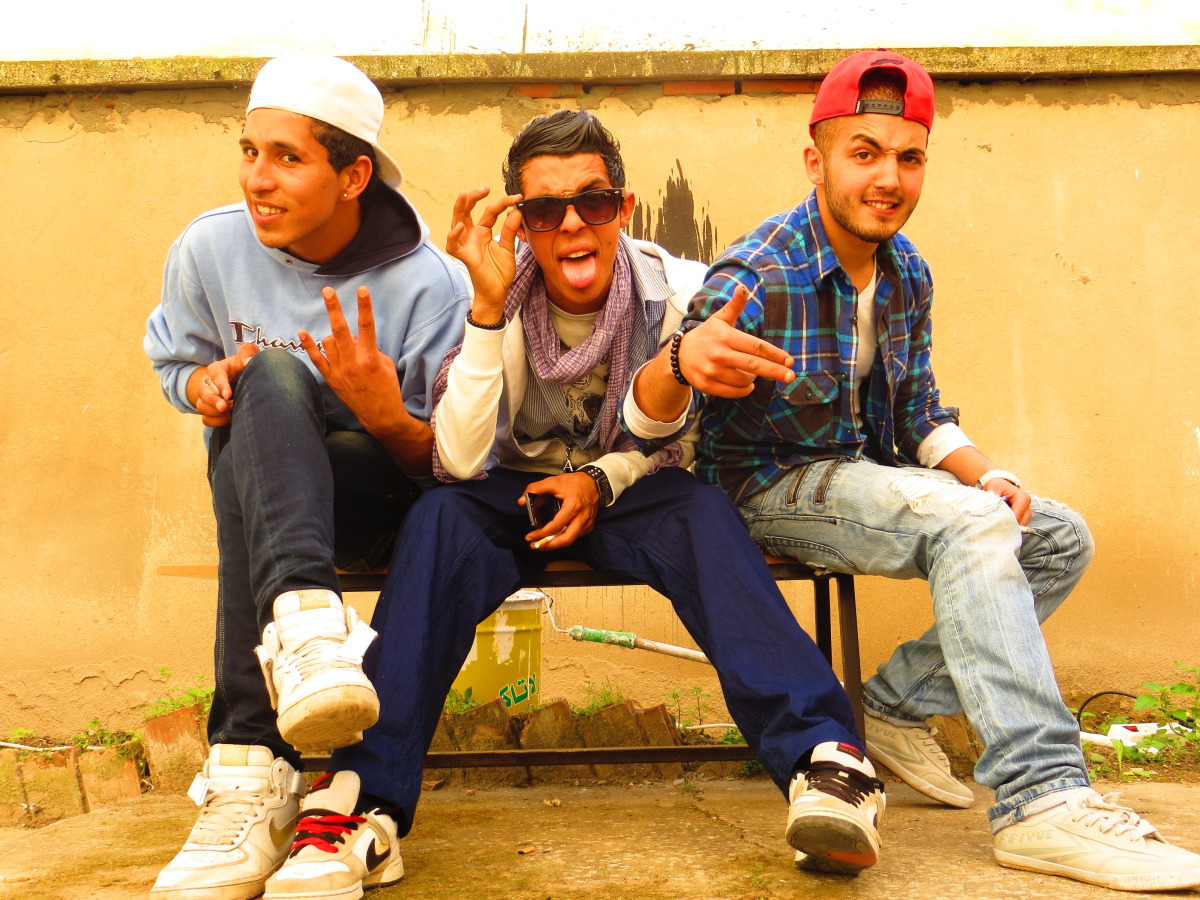
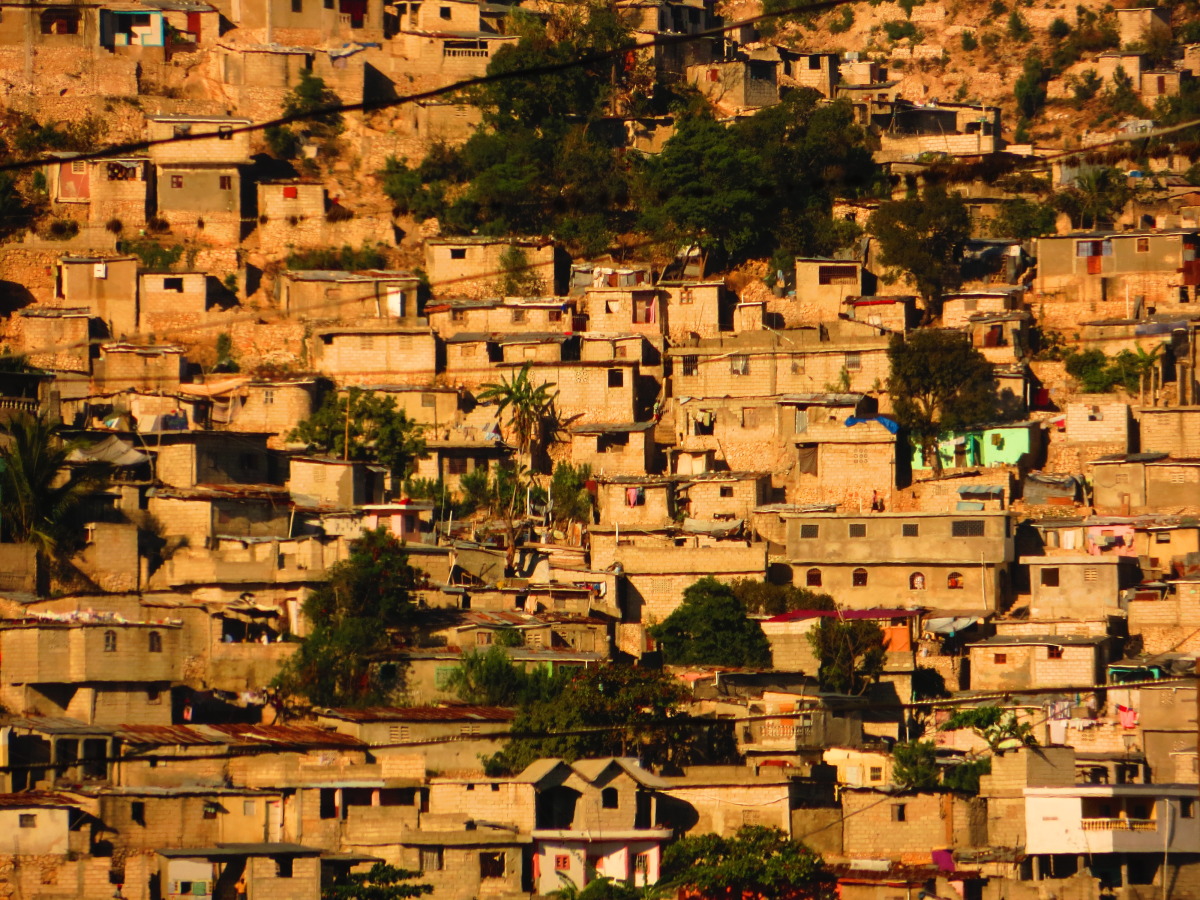
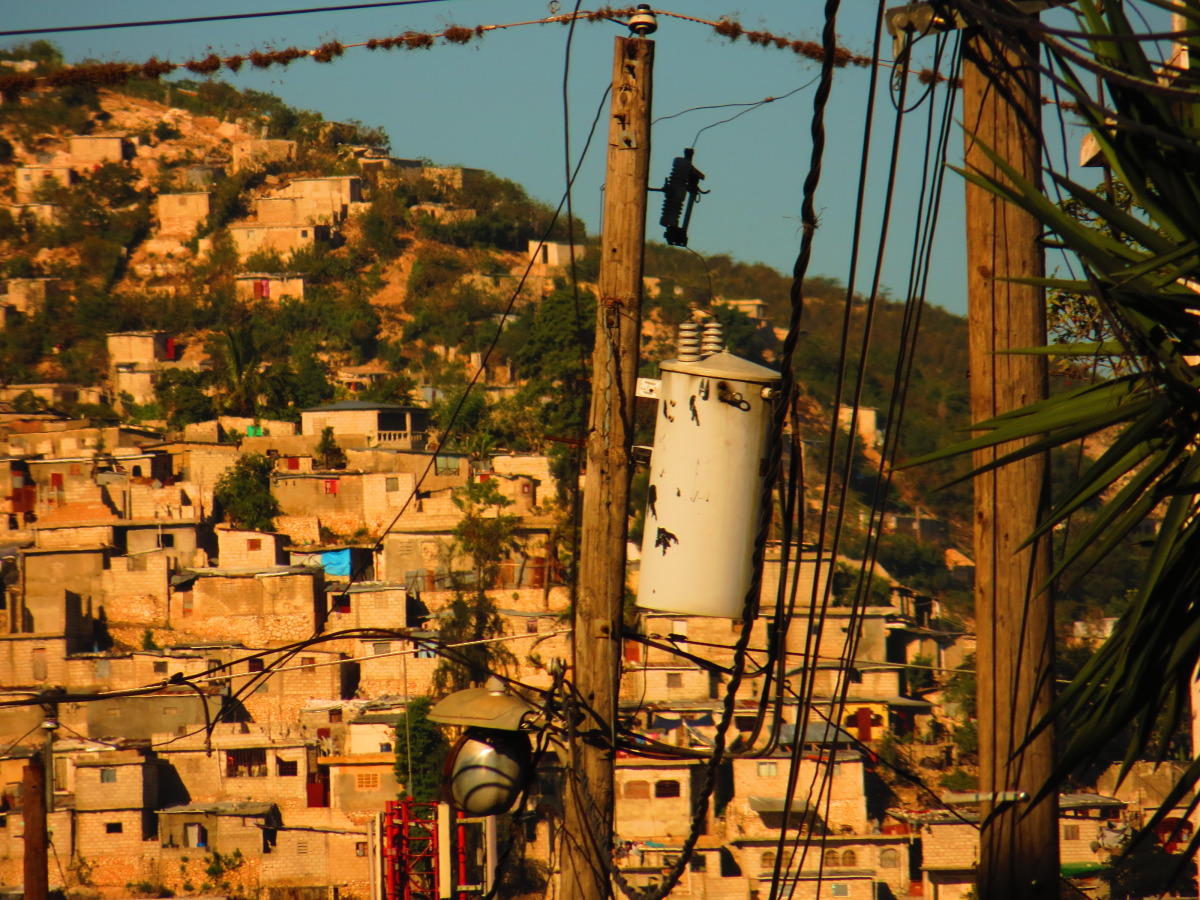
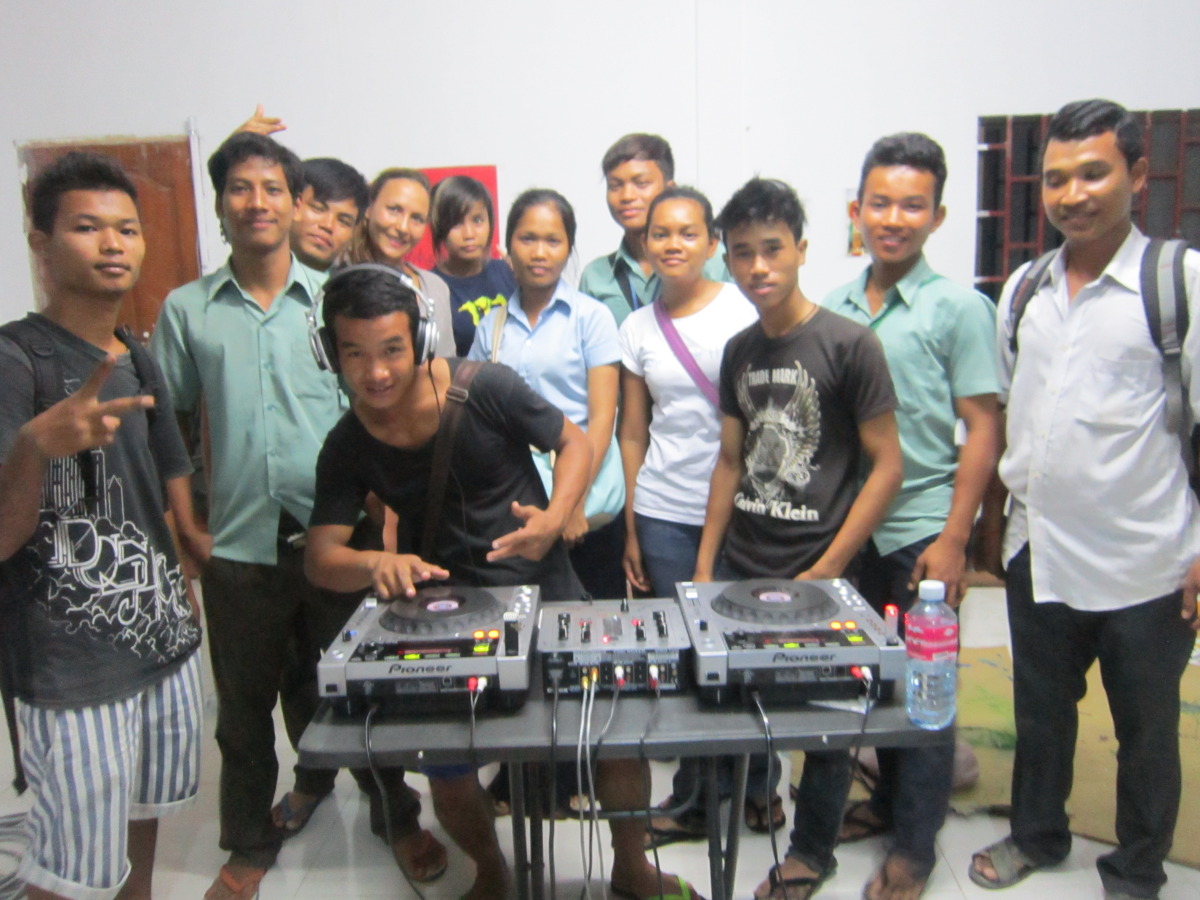
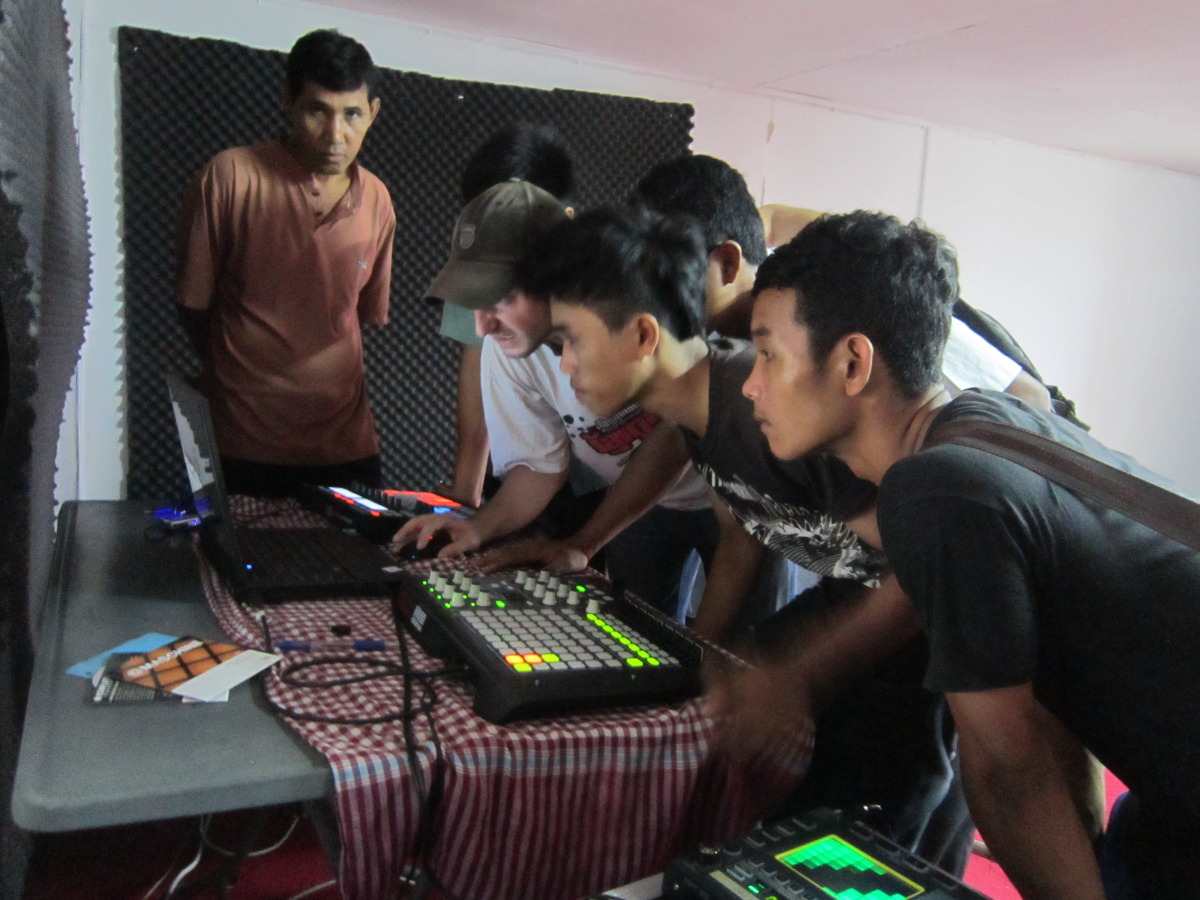
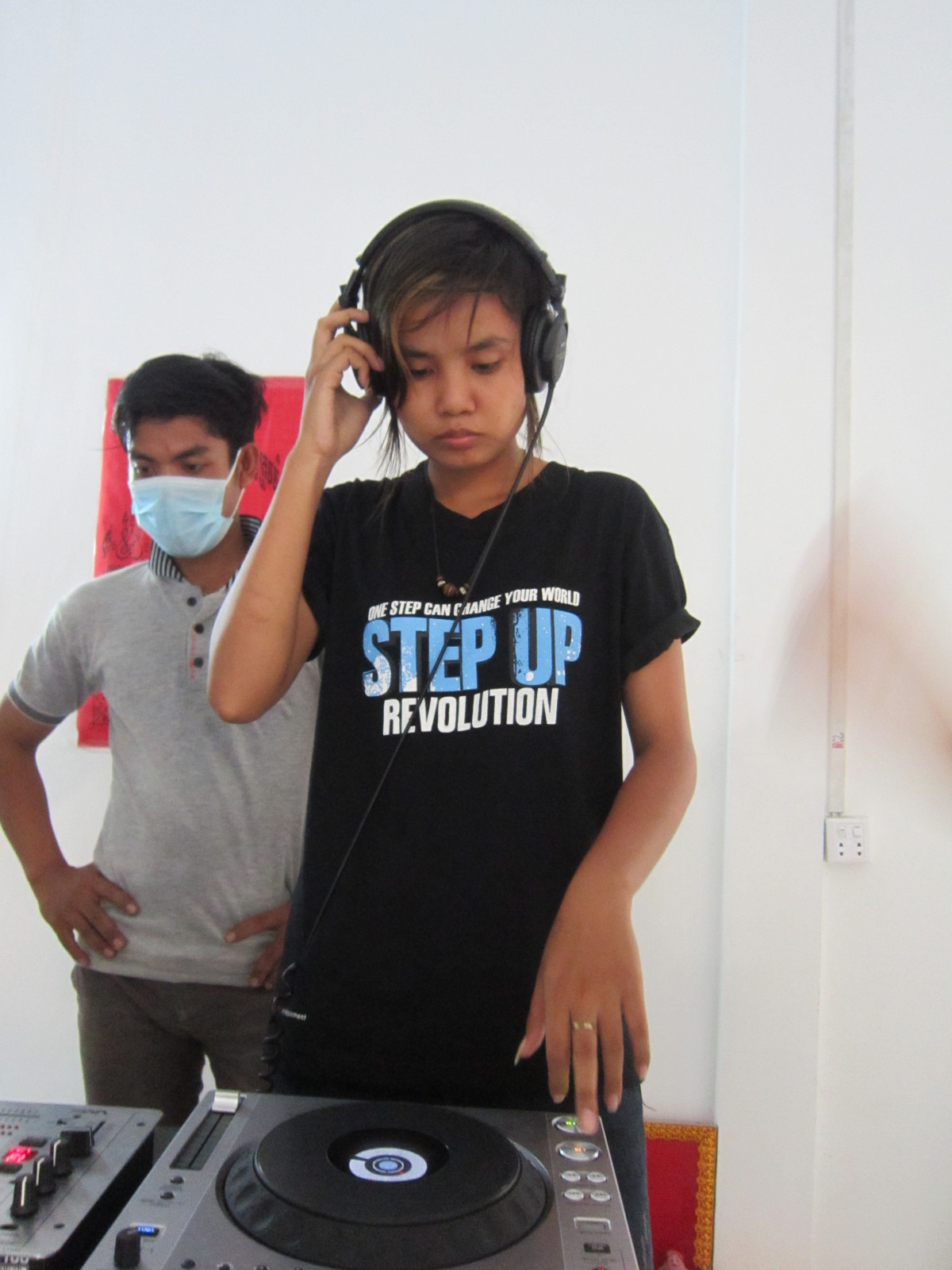
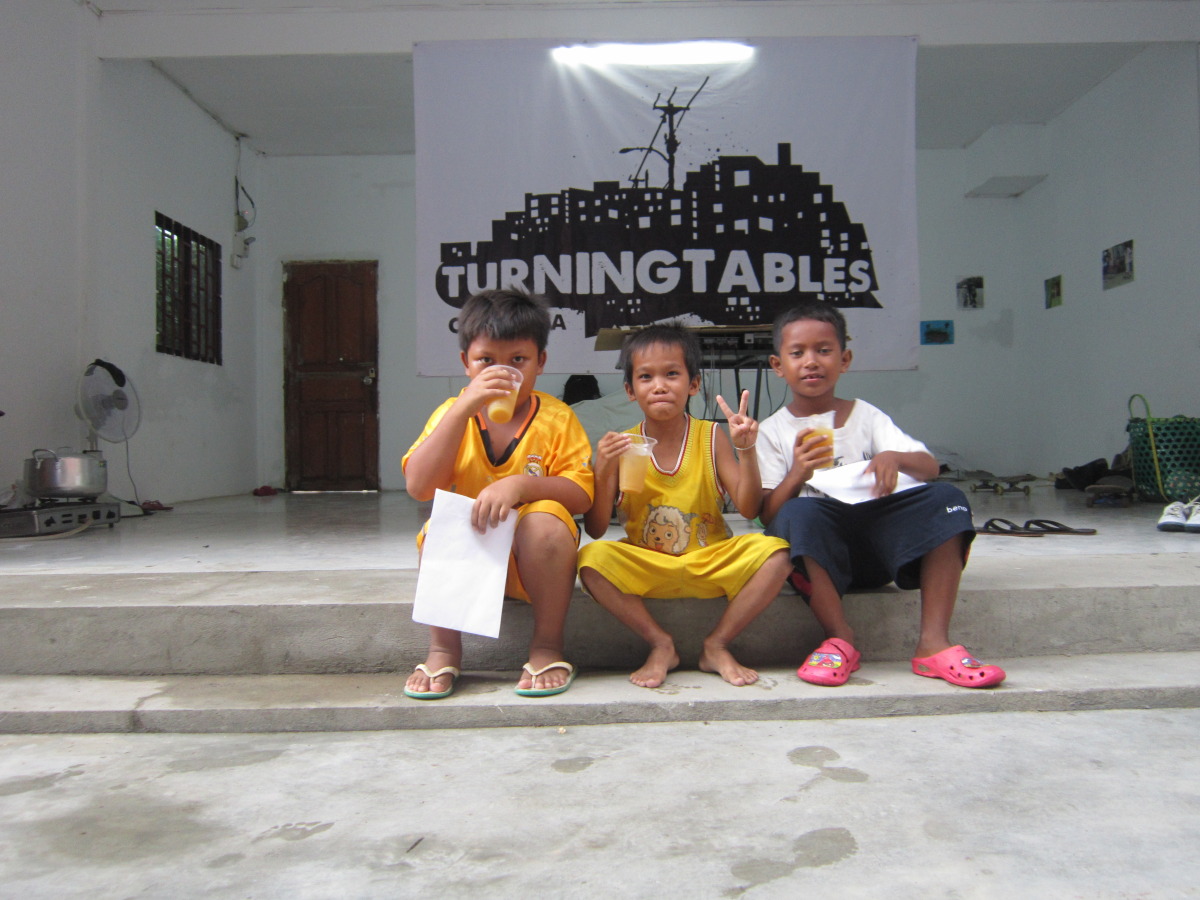
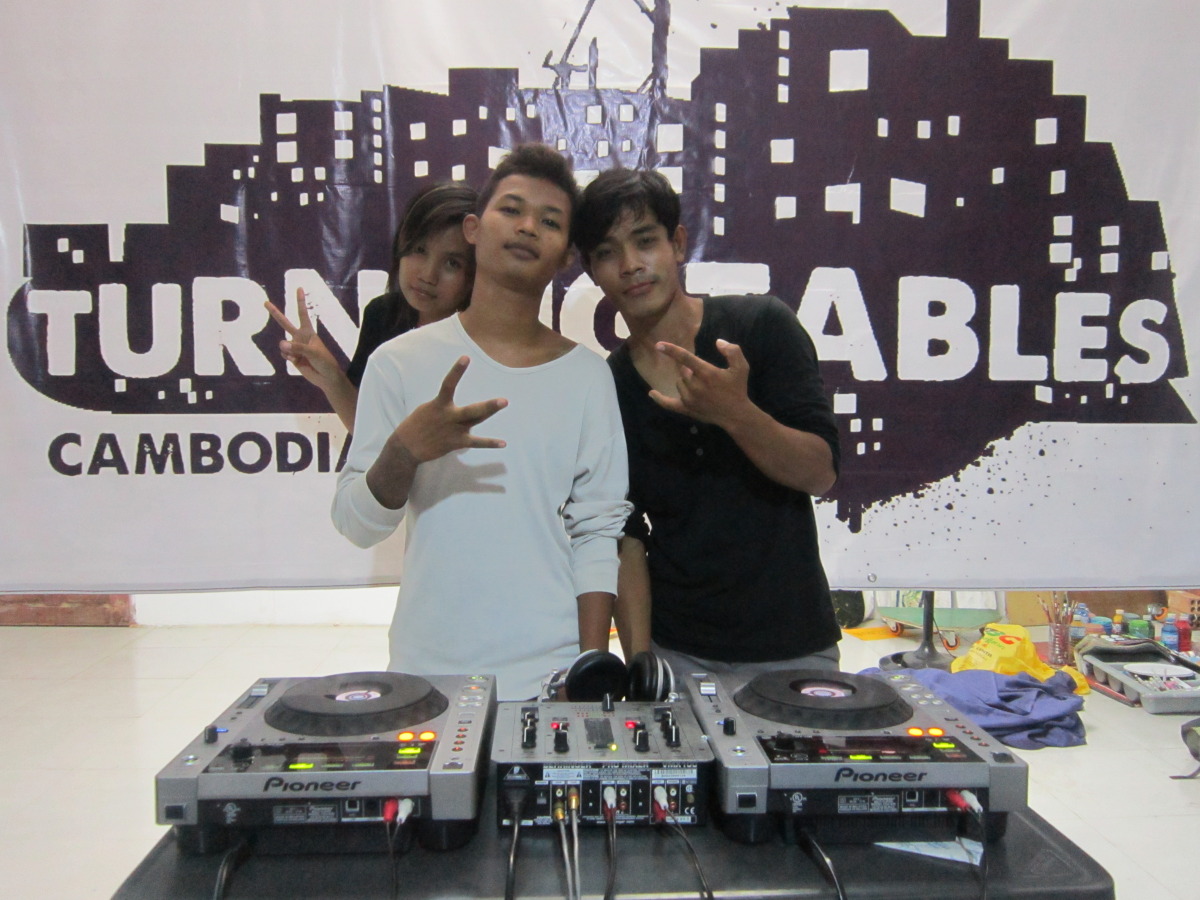
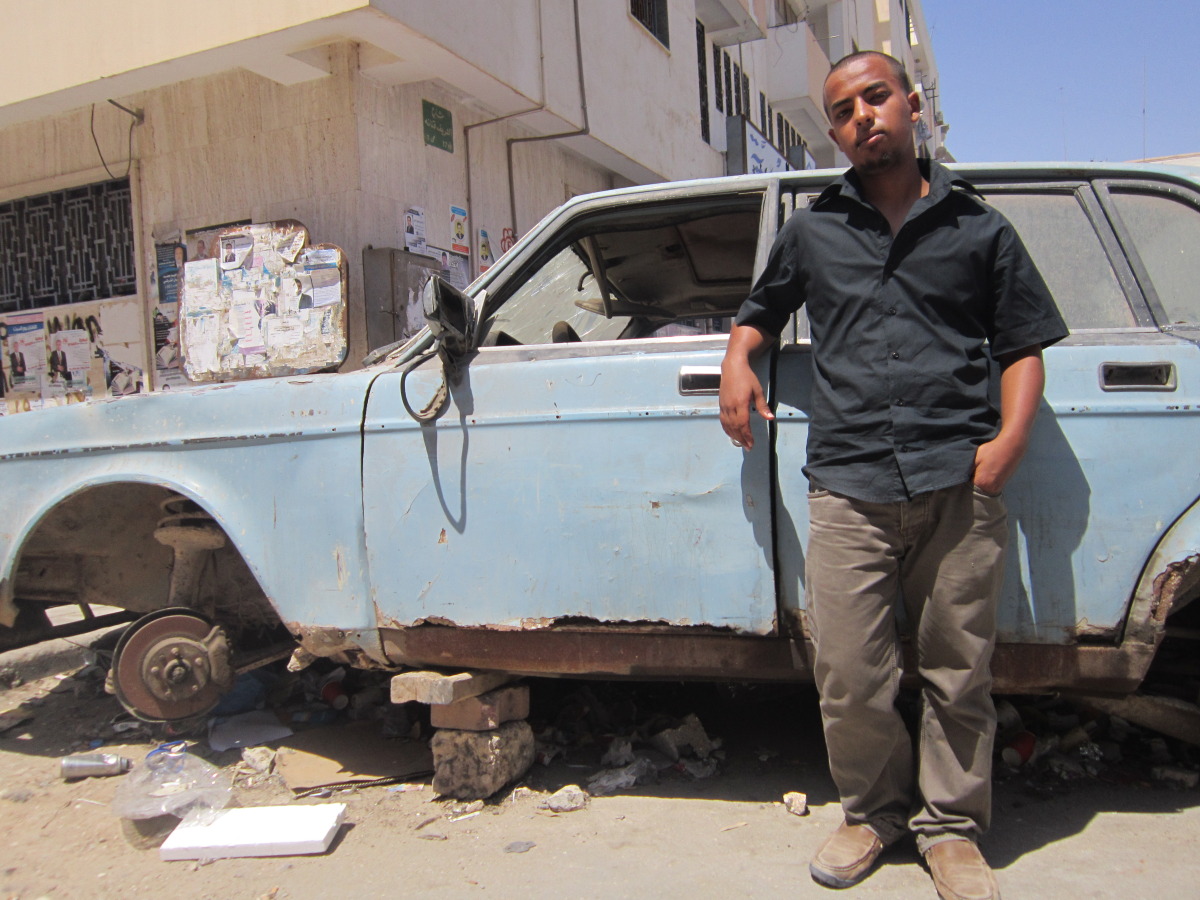
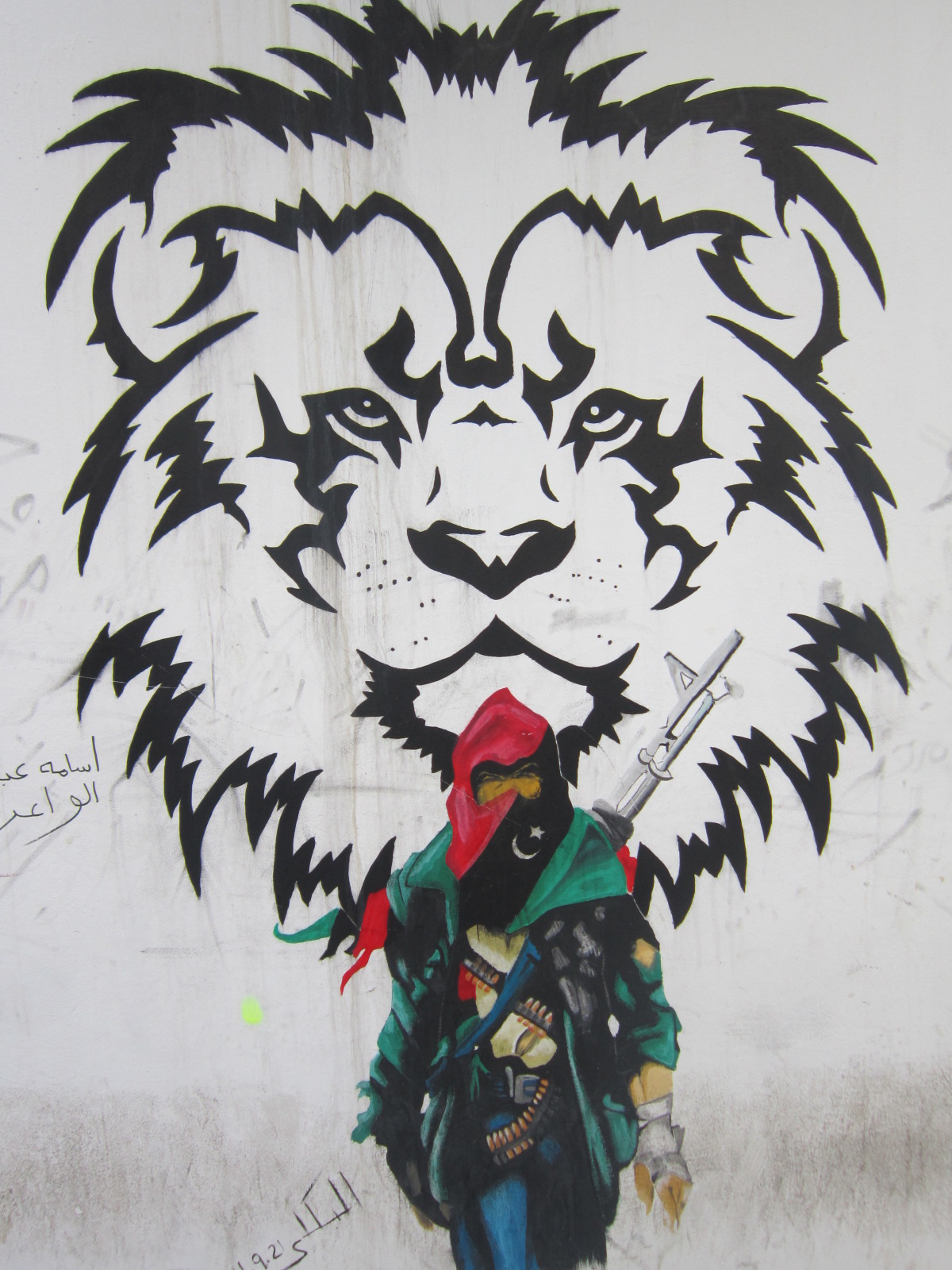
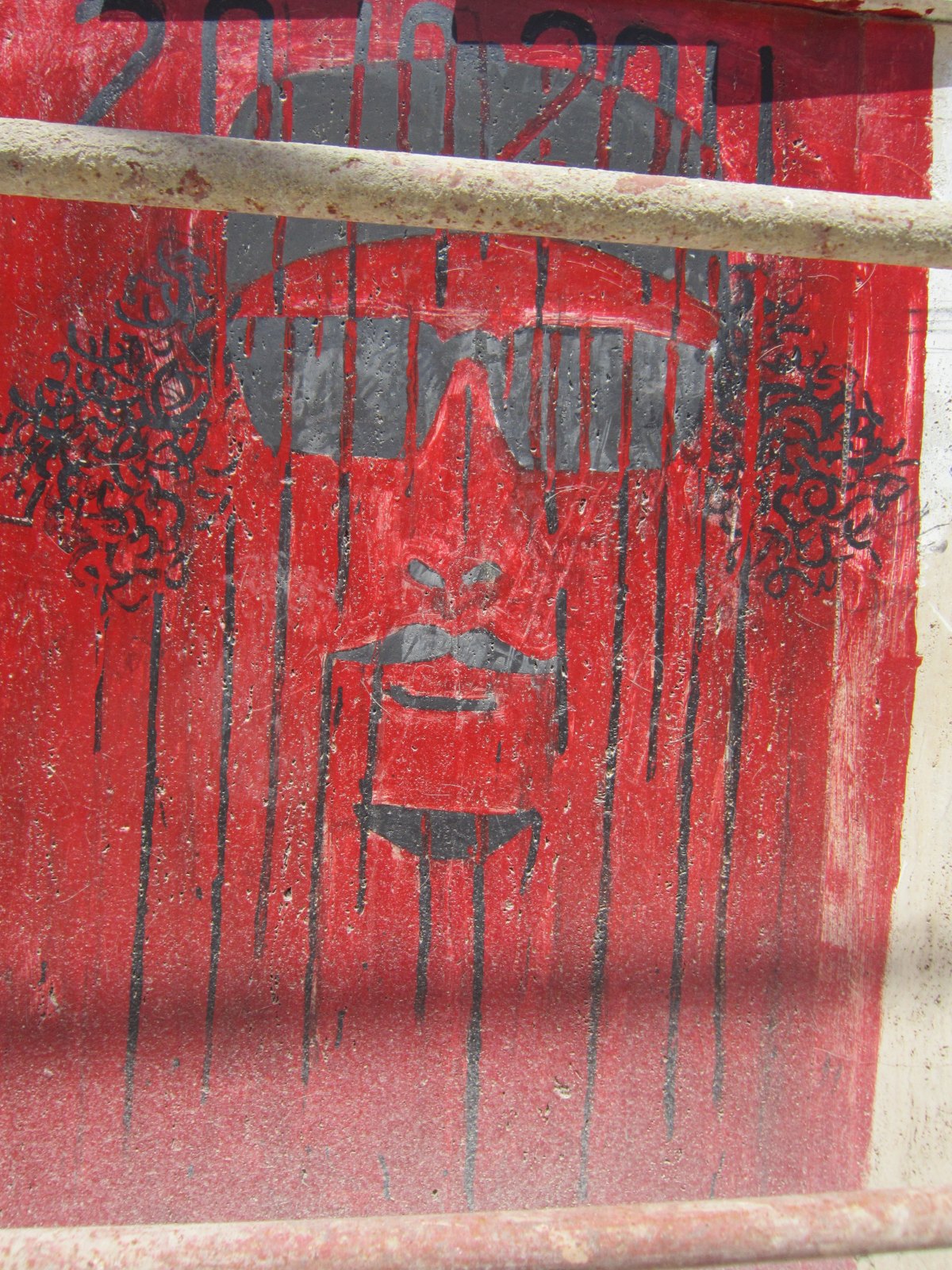
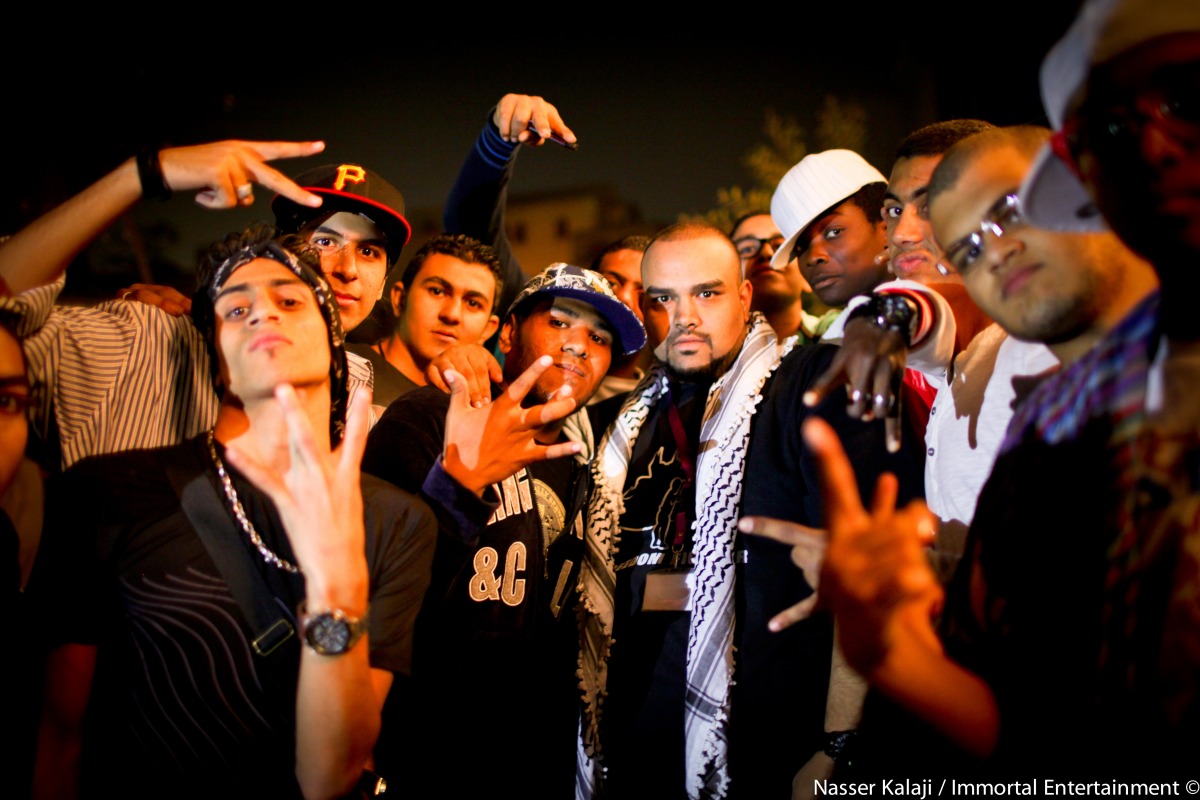
Turning Tables: A Voice for the Voiceless
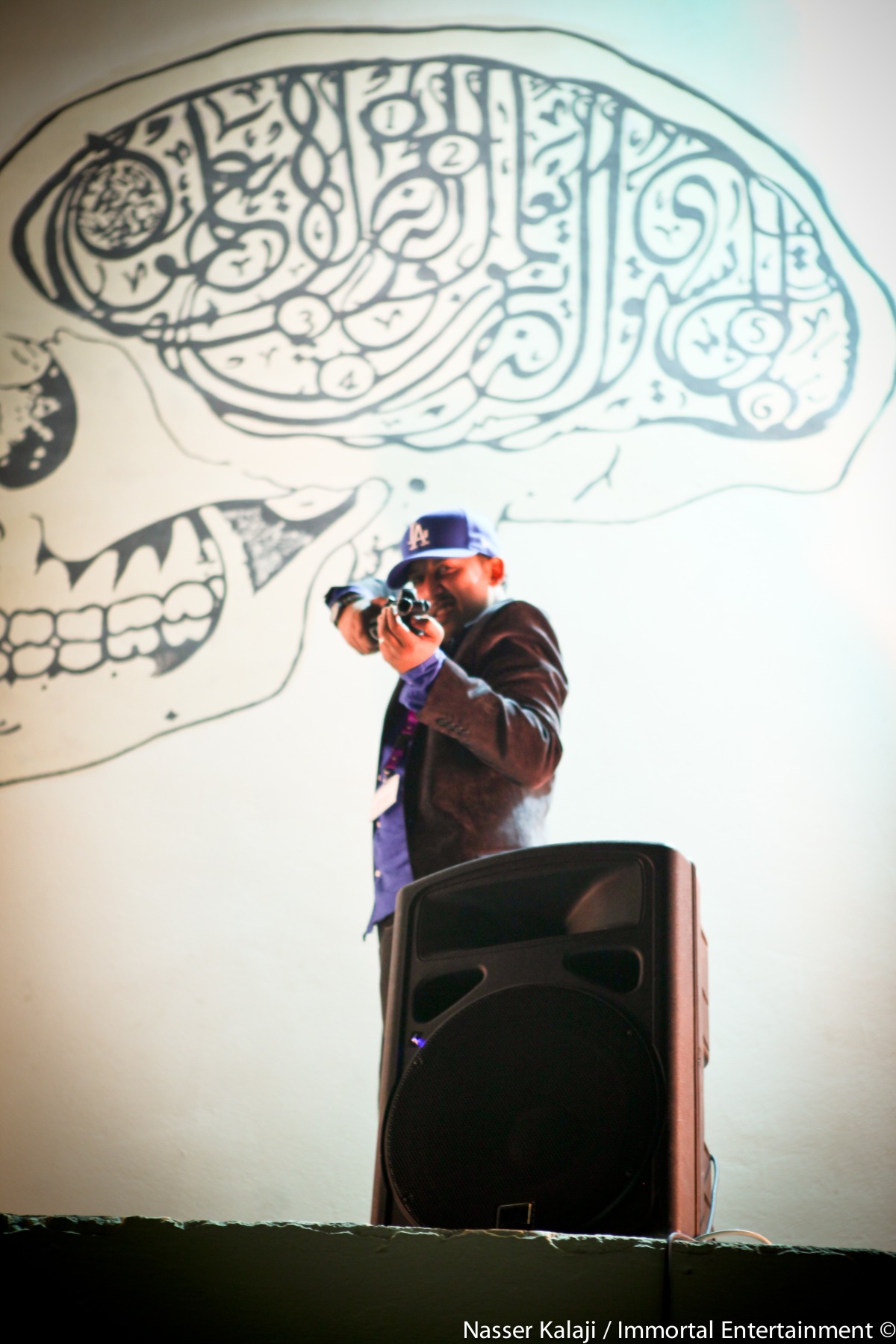
Turning Tables is an international NGO committed to establishing, and maintaining permanent musical production facilities for DJ’ing, rap, and beat making for marginalized youth in the Developing World. “The aim is to start a process of reflection and self-empowerment by giving youth a space where they can express their travesties, hopes, and dreams in a non-violent manner,” says Turning Tables Founder and Director Martin F. Jakobson.
In 2009, Martin was living in Beirut, and began working in several Palestinian refugee camps across Lebanon. Since then, Turning Tables has expanded its work across the Middle East to Tunisia, Jordan, Libya and Cairo, alongside establishing a presence in Haiti and Cambodia.
Beyond merely conducting workshops to educate youth about musical production, the organization has branched into workshops video production and has collaborated with local music festivals to further enhance the youth’s experience, and empowerment. Turning Tables also commits itself to the training of local staff, to ensure their facilities remain operational with the intention of self-sufficiency down the road.
Currently, Turning Tables is conducting an international online fundraising campaign for Cambodian street youth, many of whom are former child prostitutes. “Our expectation is that, with the fundraising campaign, will be able to train about 800 vulnerable Cambodian kids for a year, and create a strong outreach program to reach more at-risk youth.” — Martin Jakobson (Founder + Director)
This photo essay takes you to Turning Tables on site locations of Tunisia, Haiti, Libya, Cambodia and Egypt, displaying the many areas, and countless youth who have been powered through their inspired mission. Connect with Turning Tables here, and check out their crowd funded effort for the Cambodian youth on indiegogo.
ANDREW BRIDGE is a global enthusiast with a passion for the road less traveled. As a frequent collaborator with World Hip Hop Market and Nomadic Wax, Andrew has worked with numerous socially conscious artists from around the world in the pursuit of inspiring cultural understanding and exchange through entertainment. This fascination with the world at large has taken him to over 20 countries (so far) through studying, volunteering, and writing about his travels, with no signs of slowing his globetrotting nature down. Connect with Andrew at @Bridgin_TheGap












100cameras
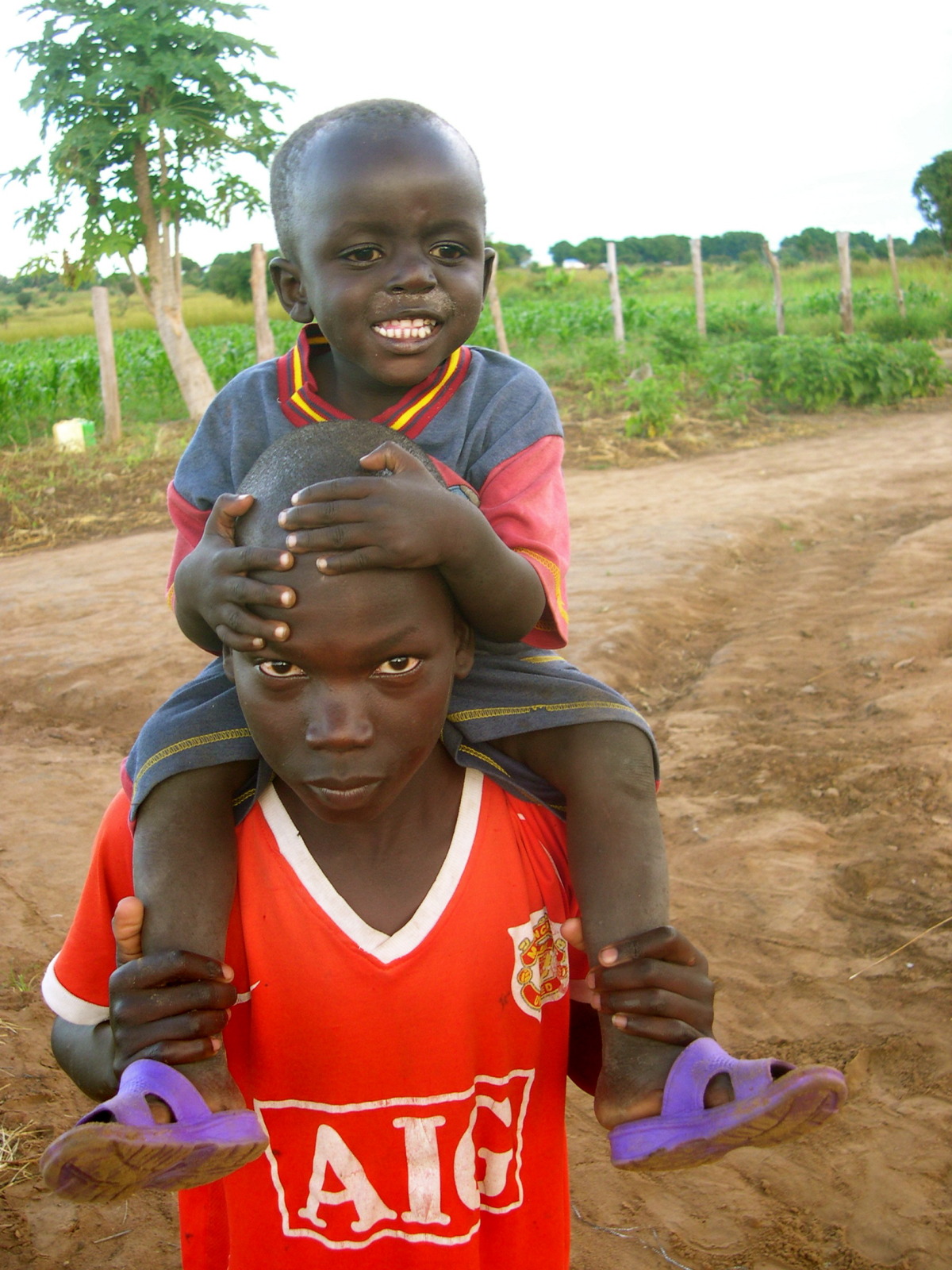
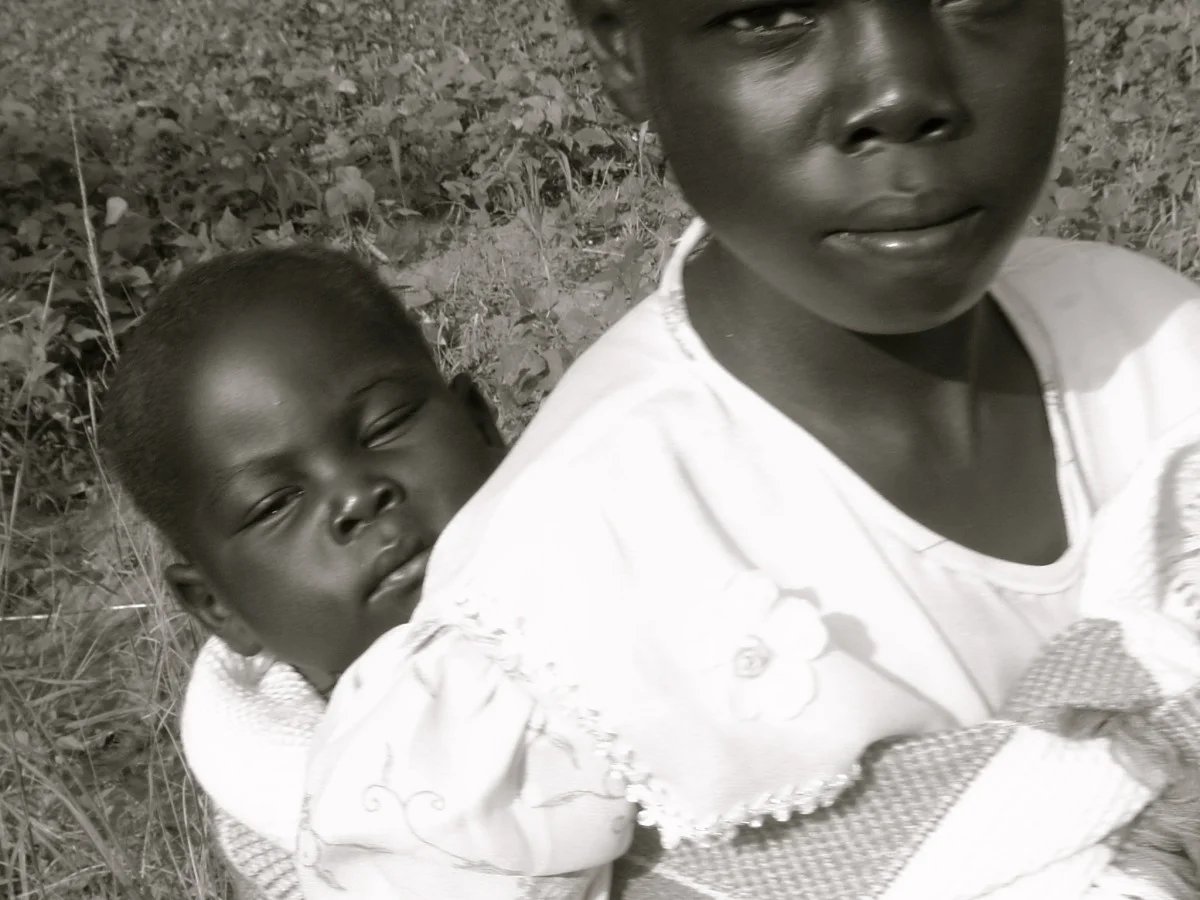
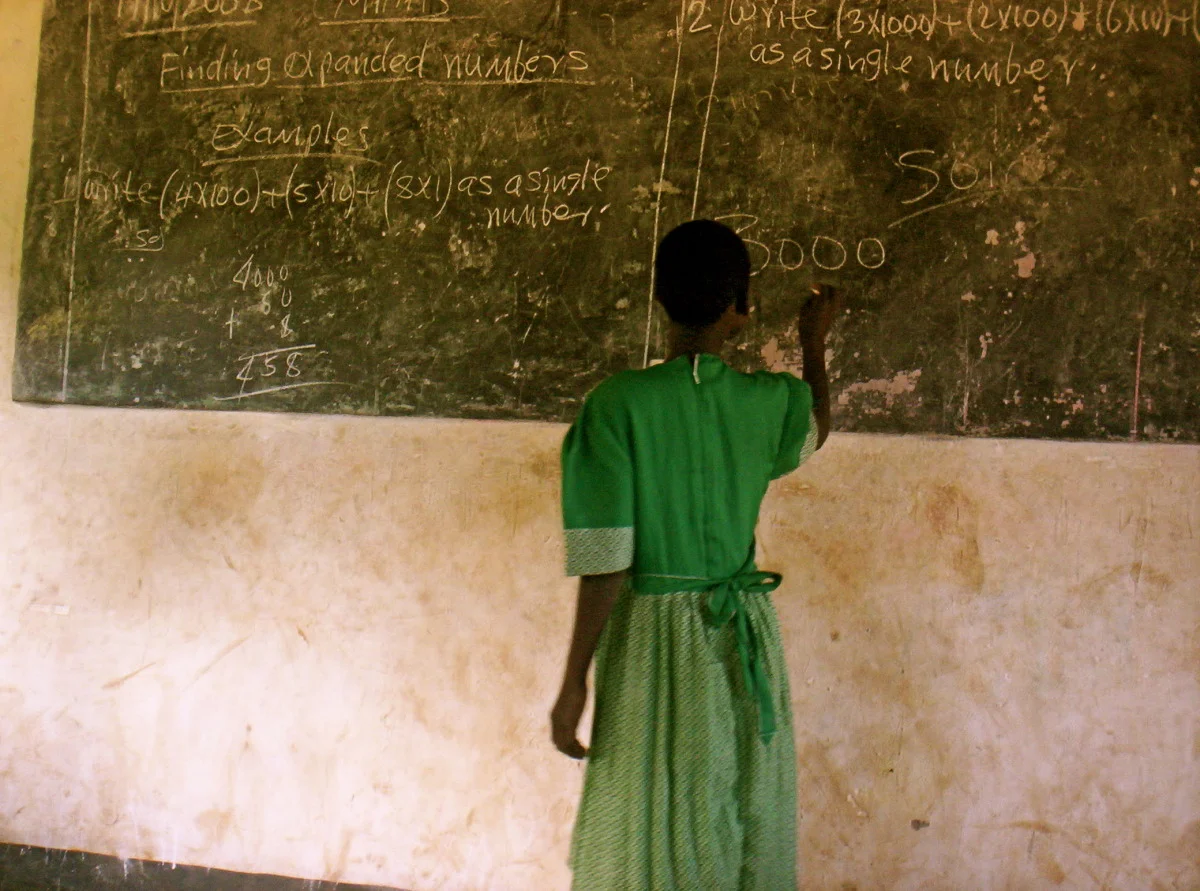
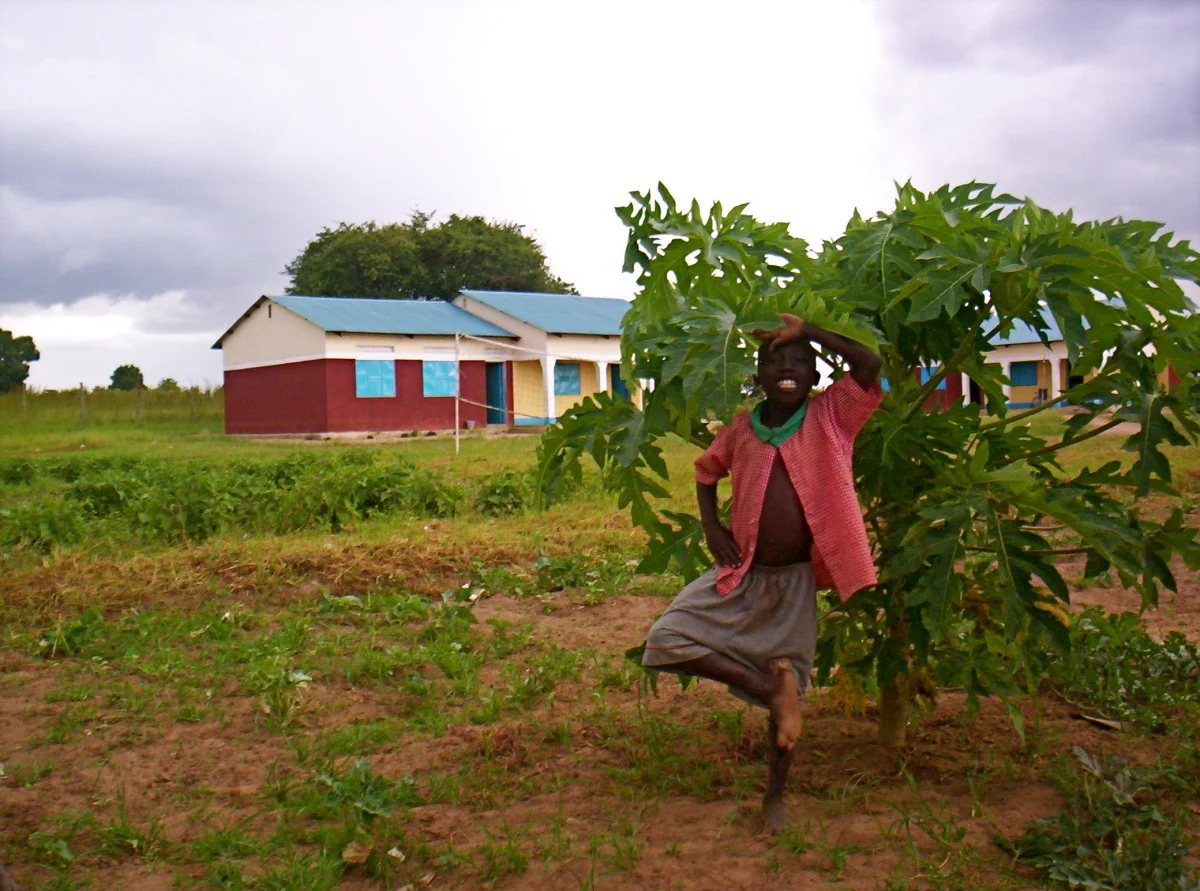
100cameras is an NGO that empowers marginalized children around the world to document their lives through photography, and thereby create positive change in their communities. 100% of the photography sales go back to the children’s communities. Here’s how it works: 100cameras gives a camera to Jackson in South Sudan. Jackson snaps a photo. Then you buy his photo on the 100cameras website. 100% goes back to Jackson and Jackson is empowered.
In 2008, 100cameras launched its first project at St. Bartholomew’s Orphanage in Kajo Keji, South Sudan that serves as a home to 80 children who lost their families during the brutal 21-year civil war. The orphanage was founded by IWASSRU (International Widows Association for Southern Sudanese Refugees in Uganda), a group of Sudanese war widows that banded together to care for refugee orphans. 100cameras funds lifeline supplies, such as protection and access to food, water, and medicine.
To date, the sale of the children’s photography has raised $17,000 that was used to build a fence around the campus, protecting them from the rebel forces in Sudan, and has provided critical maintenance for the truck that transports all food and medicine for the children. $17,000 is four times the average annual income in Sudan!
You can purchase a child's photograph on the 100cameras website and 100% of your purchase will go directly to IWASSRU to provide lifeline supplies and shelter.
This photo essay is a small selection of the more than 200 photographs of South Sudan taken by South Sudanese kids, as well as projects in other countries around the world.
Connect with 100cameras and purchase images of their kid photographers here. Check out their crowdfunding campaign going on now here at WEDIDIT.


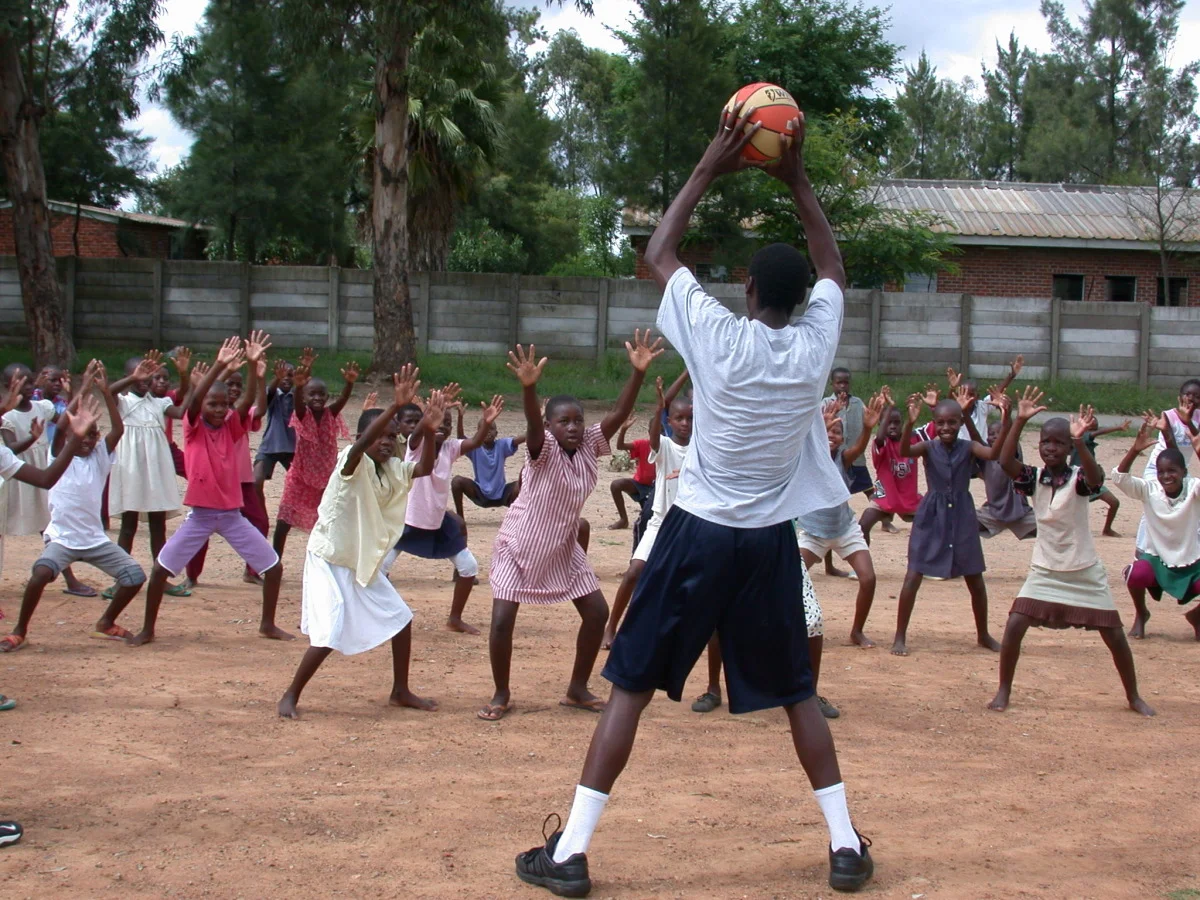


Hoops4Hope
There are few elements across the spectrum of humanity that bind and connect us as people, no matter our age, race, or cultural background. They validate our bond as humans and in many cases, drive the most profound change that is occurring across the globe, bringing us together as a global community. The sport’s friendly competition does exactly this.
This is where Hoops 4 Hope (H4H) comes into play. Since 1995, H4H is an international non-profit organization, which has utilized the “power of sport to create sustainable long-term positive impact for youth, equipping them with the tools to manage the social, health and economic related challenges they face.” — Mark Crandall, H4H Founder & Director More
As the sister organization for Soccer 4 Hope, Hoops 4 Hope utilizes the medium of basketball to provide empowering sports programing to youth across Zimbabwe and South Africa. The organization’s mission is to educate youth with life skills necessary to survive; it has flourished in communities that struggle with poverty, unemployment, HIV/AIDS, violence, crime, substance abuse, and gender inequality.
Over its 18 years of existence, H4H has seen many of its youngsters receive sports scholarships to high schools, coaches being chosen for overseas cultural exchanges, and even have a Zimbabwean athlete now playing professionally in the Euro League. Furthermore, various H4H courts have been graced with visits from German Chancellor, Angela Merkel, along with NBA Star and member of the Chicago Bulls, Luol Deng, amongst many others.
This photo essay highlights Hoops 4 Hope as our NGO of the Week, taking you to the on-site project locations throughout Zimbabwe and South Africa, many of which were made possible through collaborations with local schools, shelters, and community organizations.
Connect with Hoops 4 Hope here.
ANDREW BRIDGE is a global enthusiast with a passion for the road less traveled. As a frequent collaborator with World Hip Hop Market and Nomadic Wax, Andrew has worked with numerous socially conscious artists from around the world in the pursuit of inspiring cultural understanding and exchange through entertainment. This fascination with the world at large has taken him to over 20 countries (so far) through studying, volunteering, and writing about his travels, with no signs of slowing his globetrotting nature down. Connect with Andrew at @Bridgin_TheGap
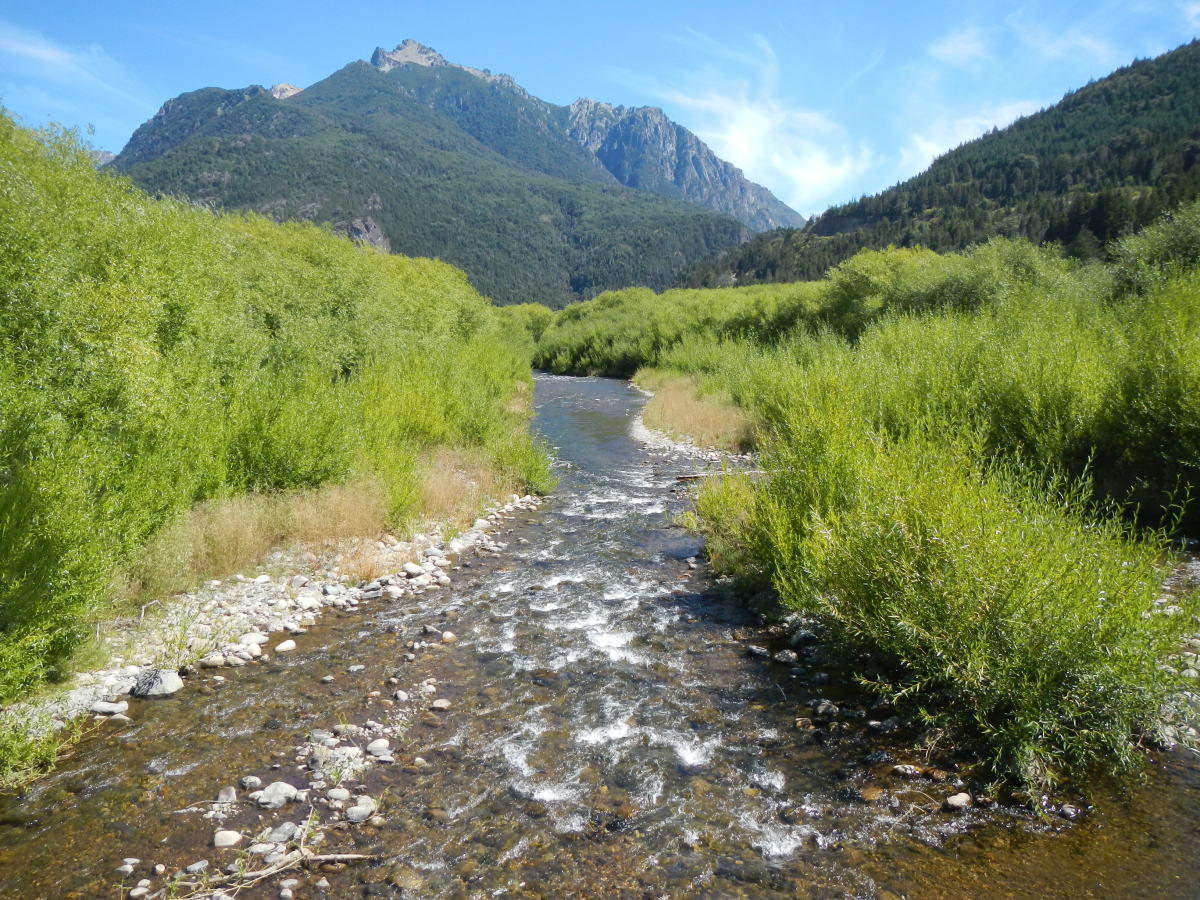
Wild Rivers Survive HidroAysen Dam Plan
Patagonia Sin Represas ! ! !
Good news recently in wild ecosystem preservation, and hopefully for sustainable energy in South America. This development came out of a fight we encountered two years ago . . . in a land far, far away . . . .
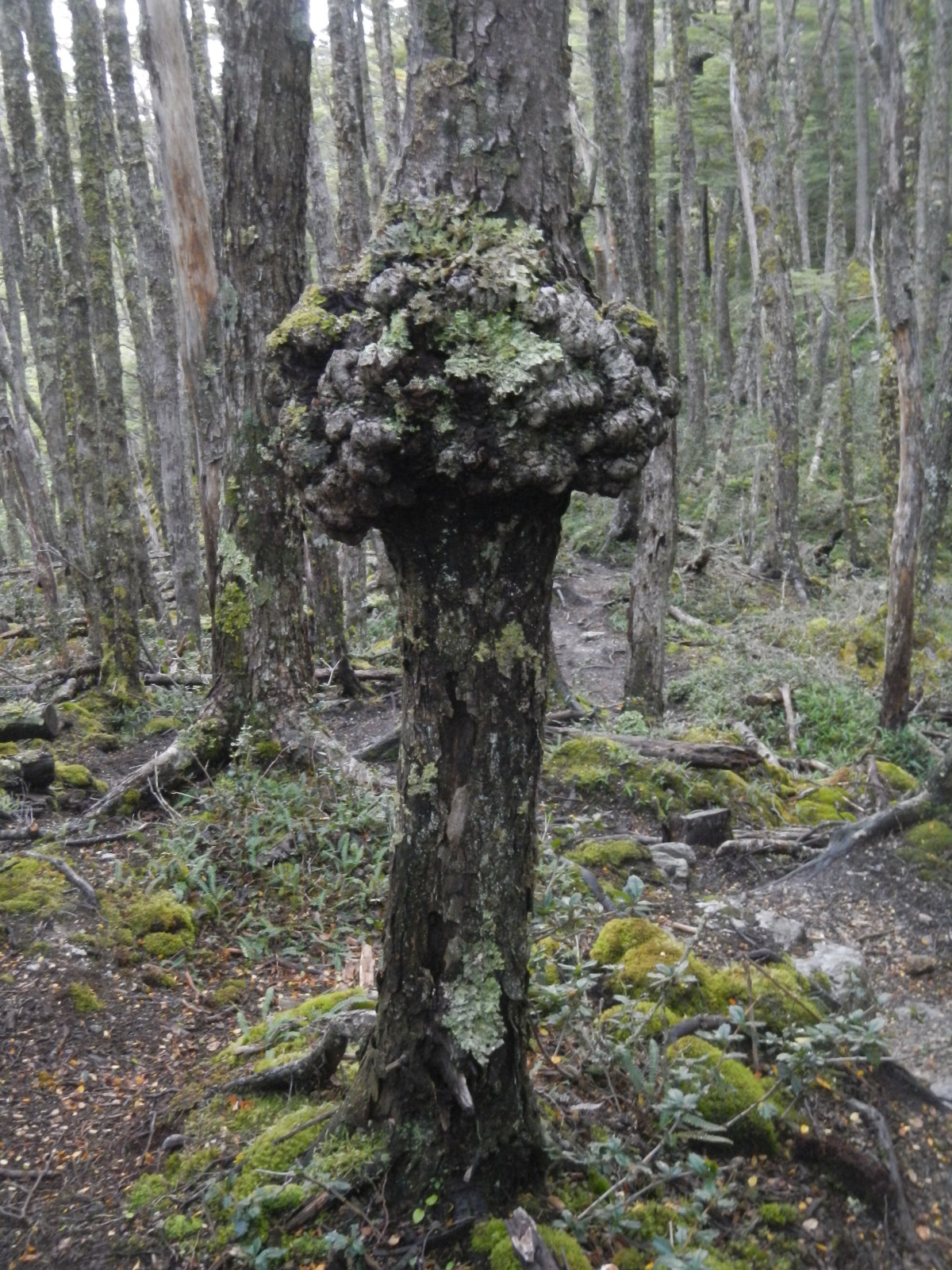
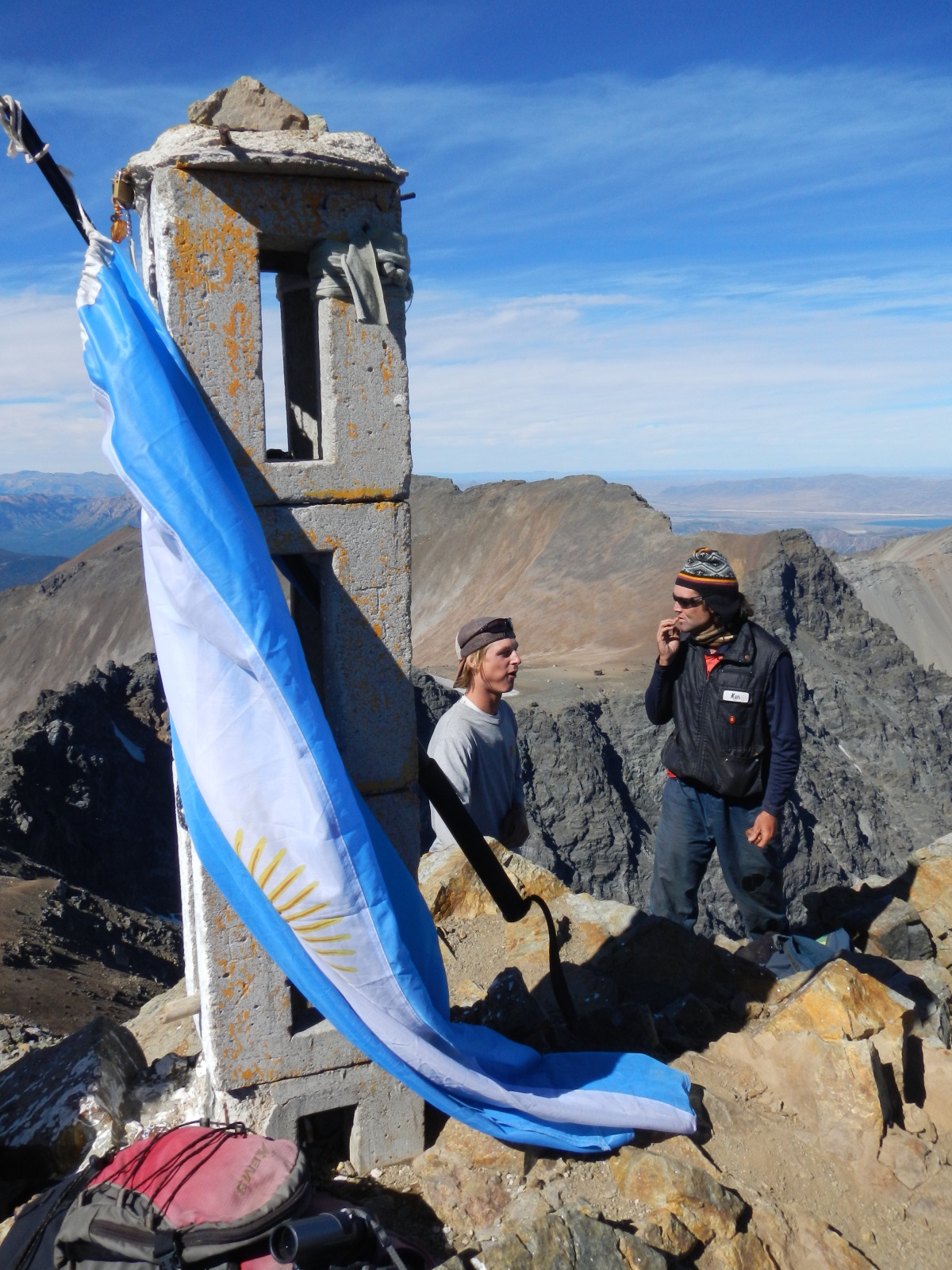
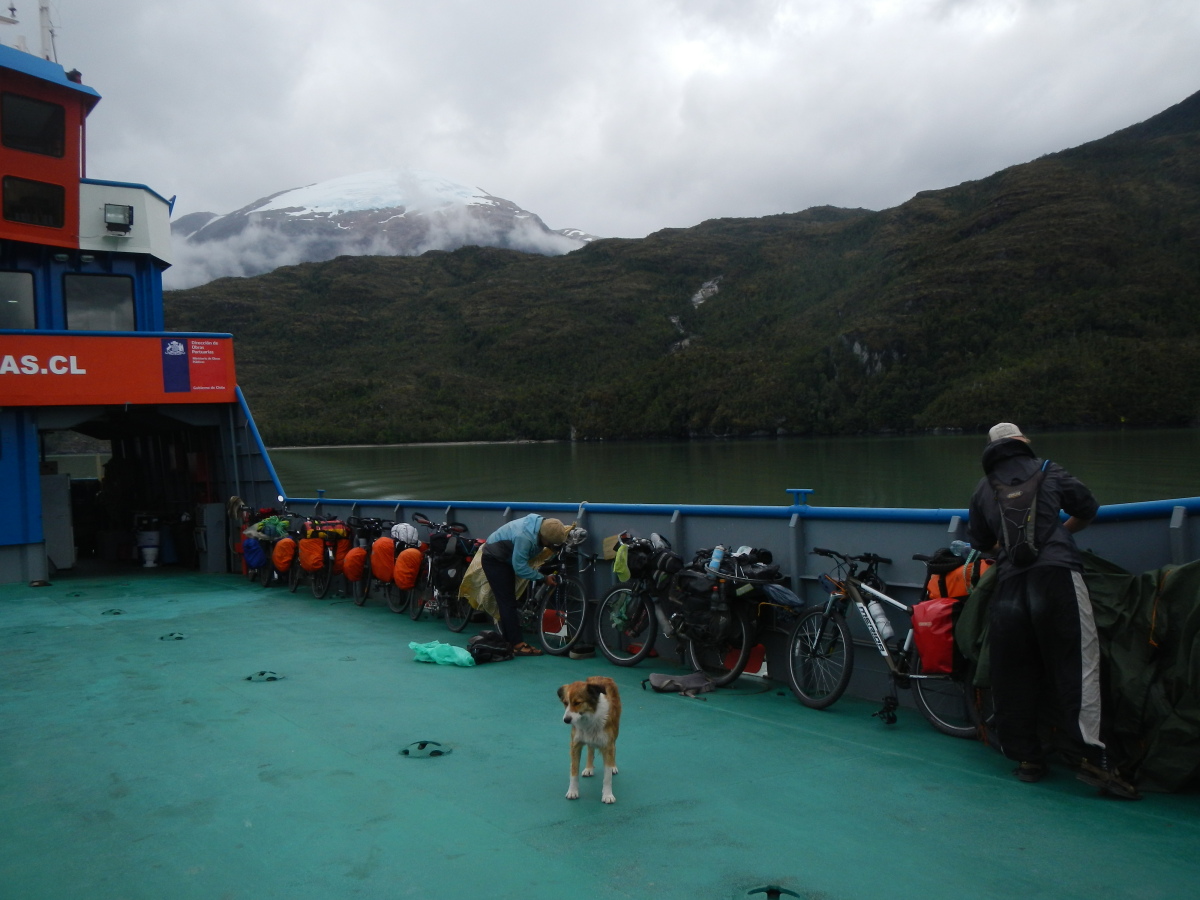
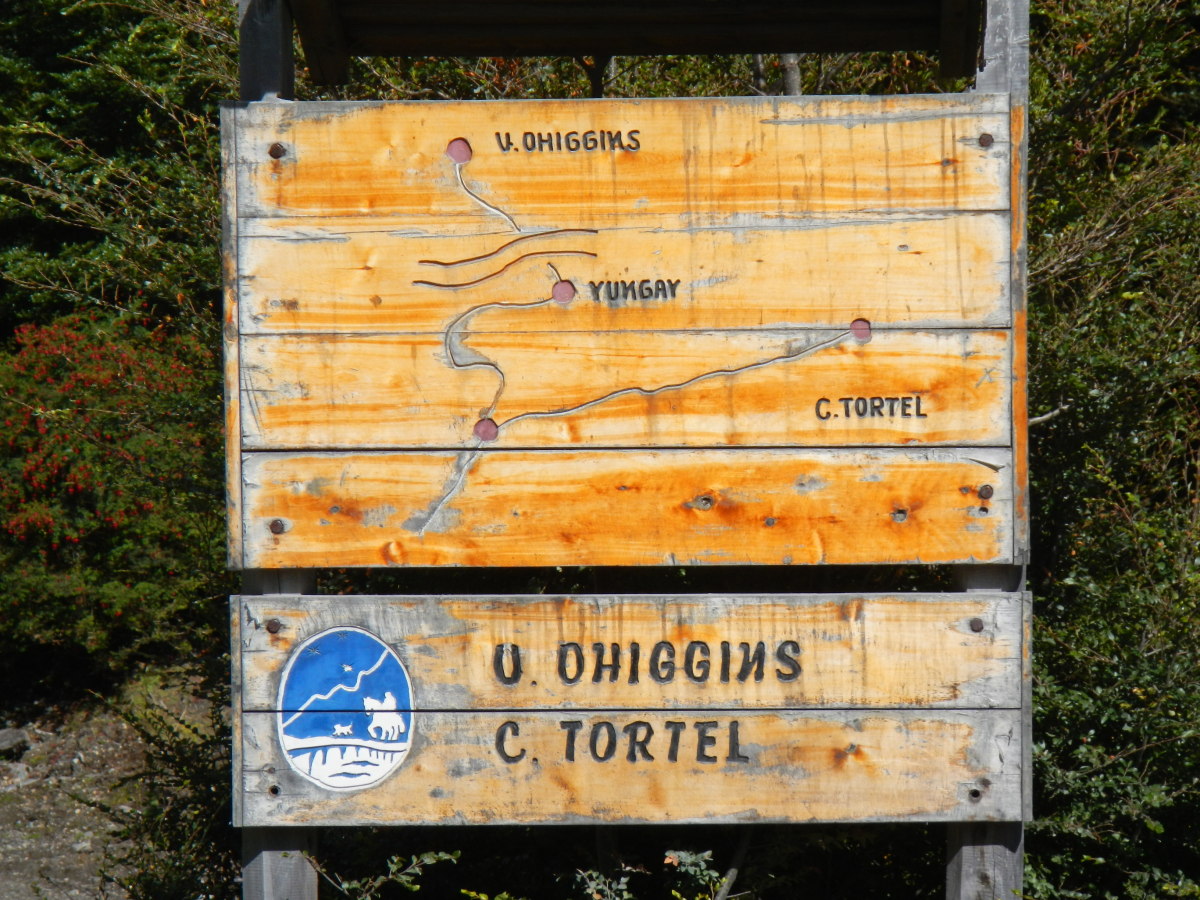
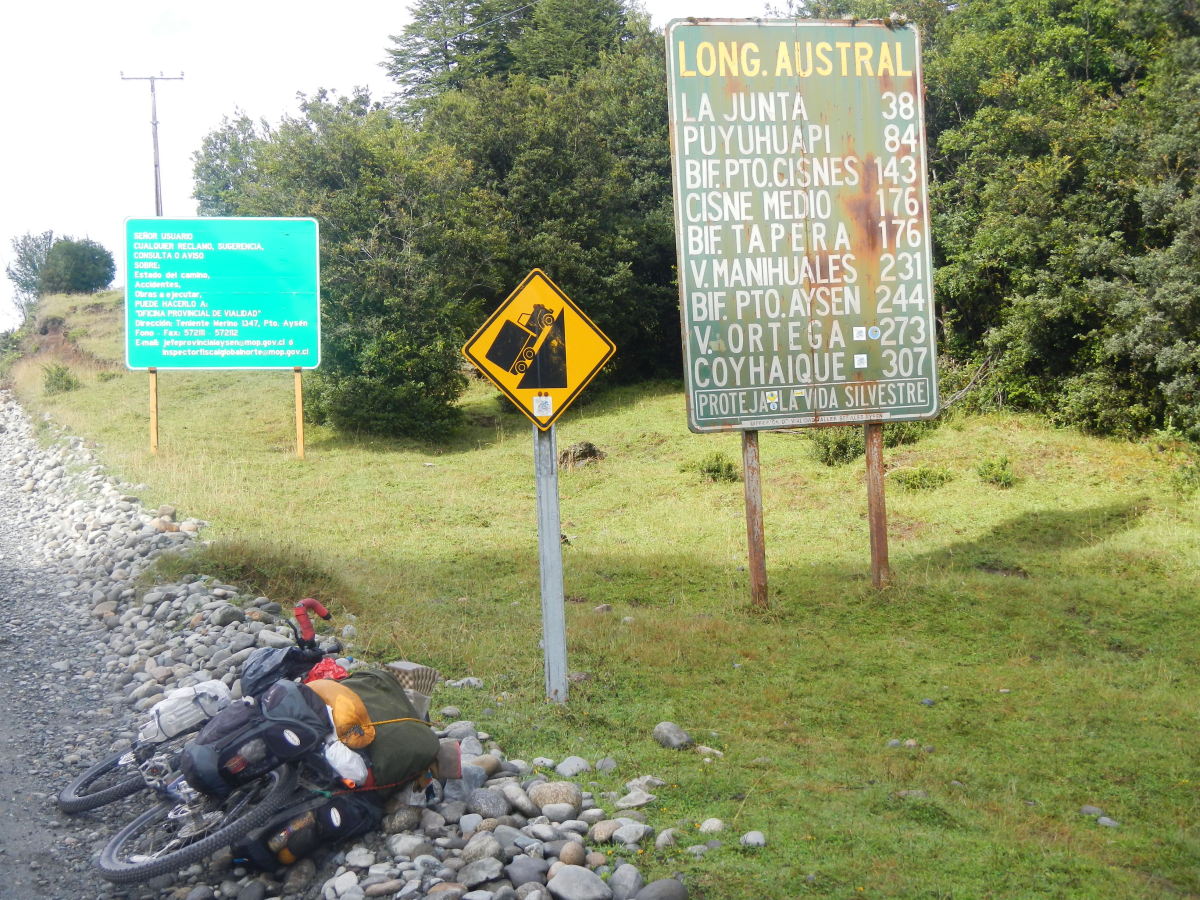
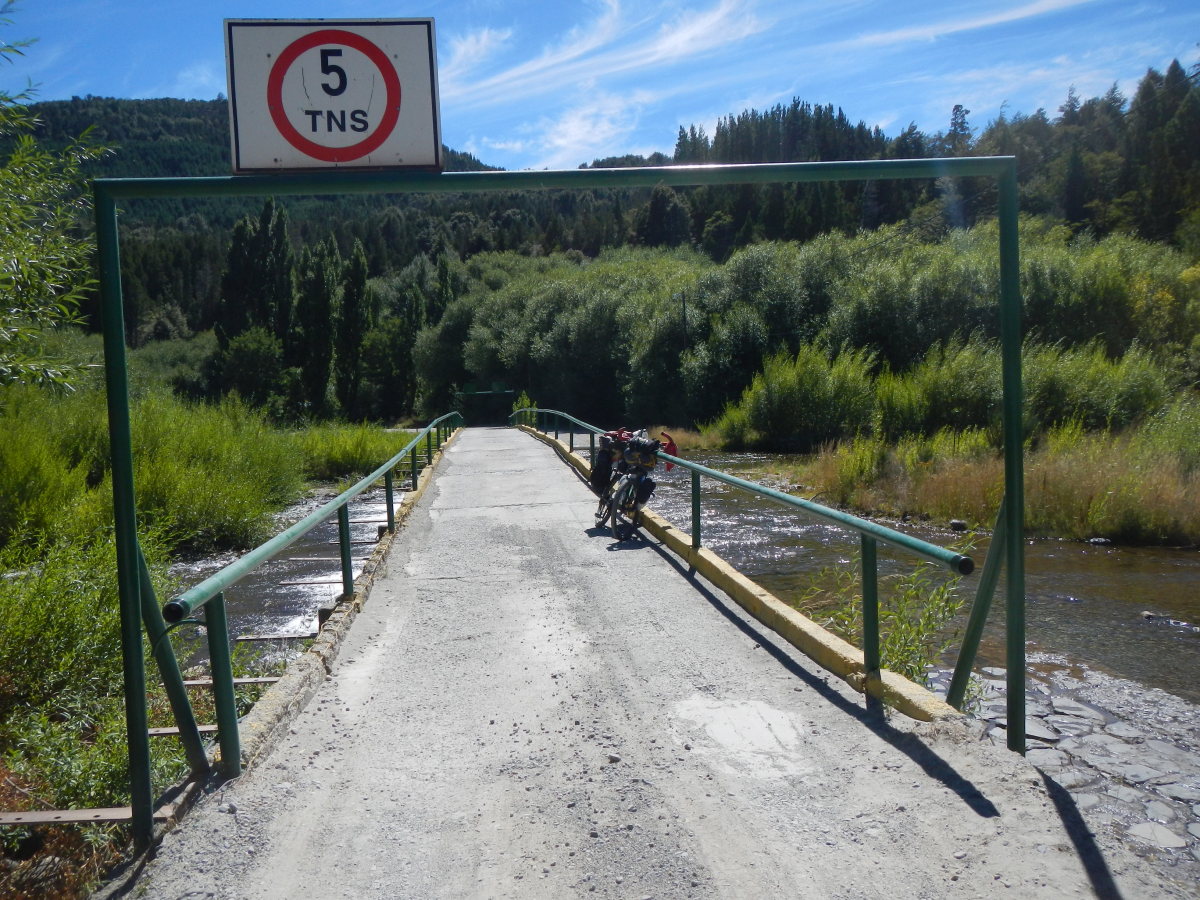
In 2012, during the waning weeks of the southern summer, I was weaving my way towards Tierra del Fuego on a mountain bike, touring through the wilderness of the southern Andes. After heading south from Bariloche, Argentina, we passed through El Bolson, Parque del los Alerces, and Trevelin before reaching the Chilean border at Rio Futalaufu. We were headed for the fabled Carretera Austral, a 1,240 km long north-south route revered for its stunning scenery as it cuts through the remote Aysen region of southern Chile.
The roadway was a project begun by the dictator Carlos Pinochet to connect disparate communities and develop the far flung region. In 2012 the province (officially the "11th Region" of Chile, also the least populated) was fomenting under a simmering rebellion. The local authorities had called for a general strike, petitioning for a host of economic supports and funding assistance for social programs from the central government.
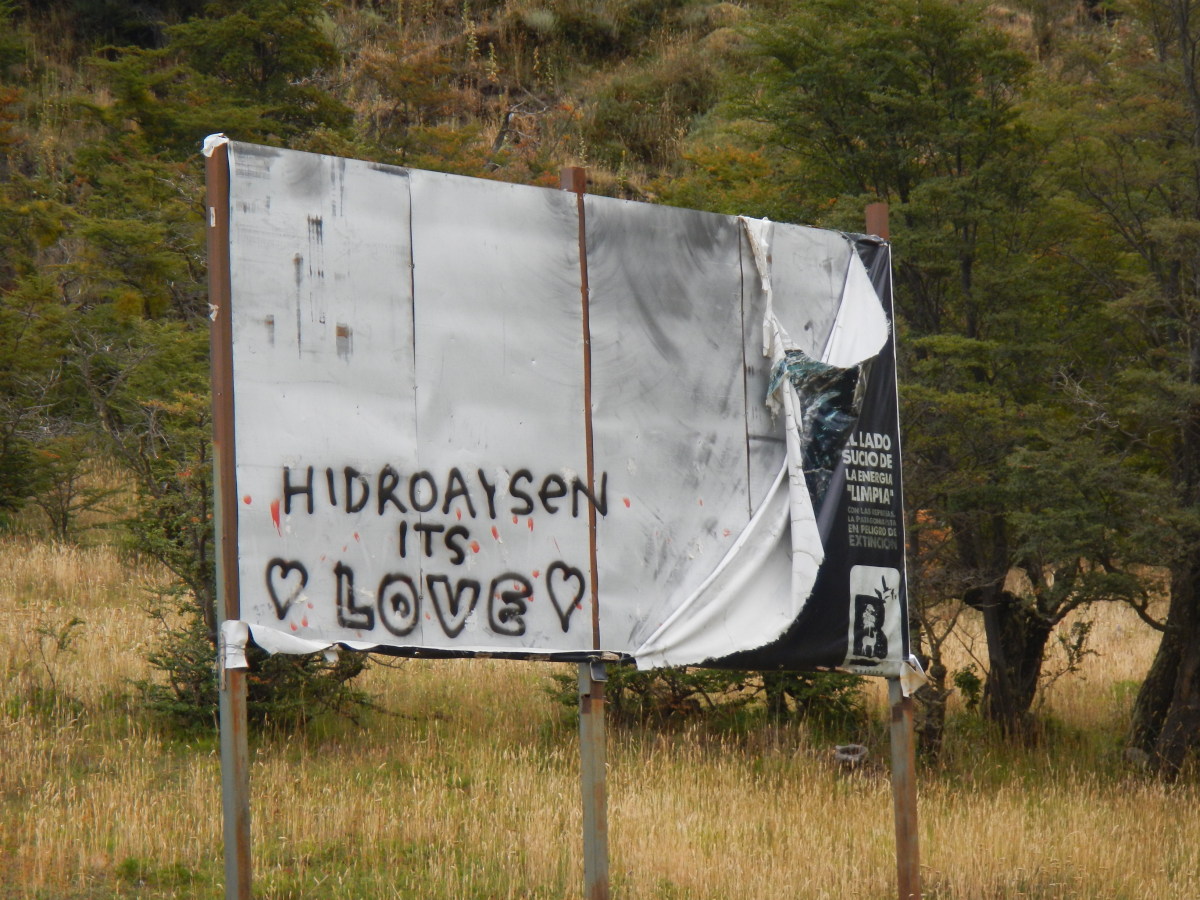
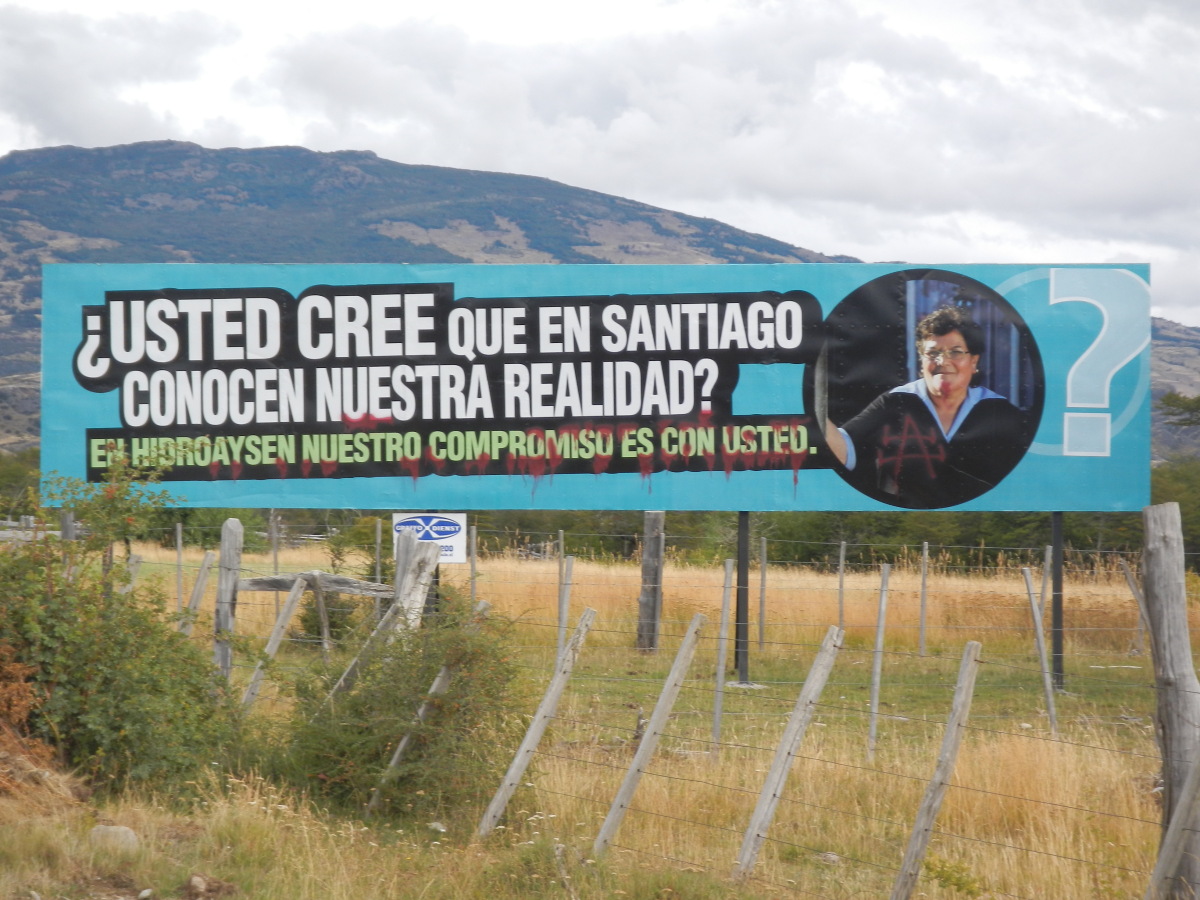
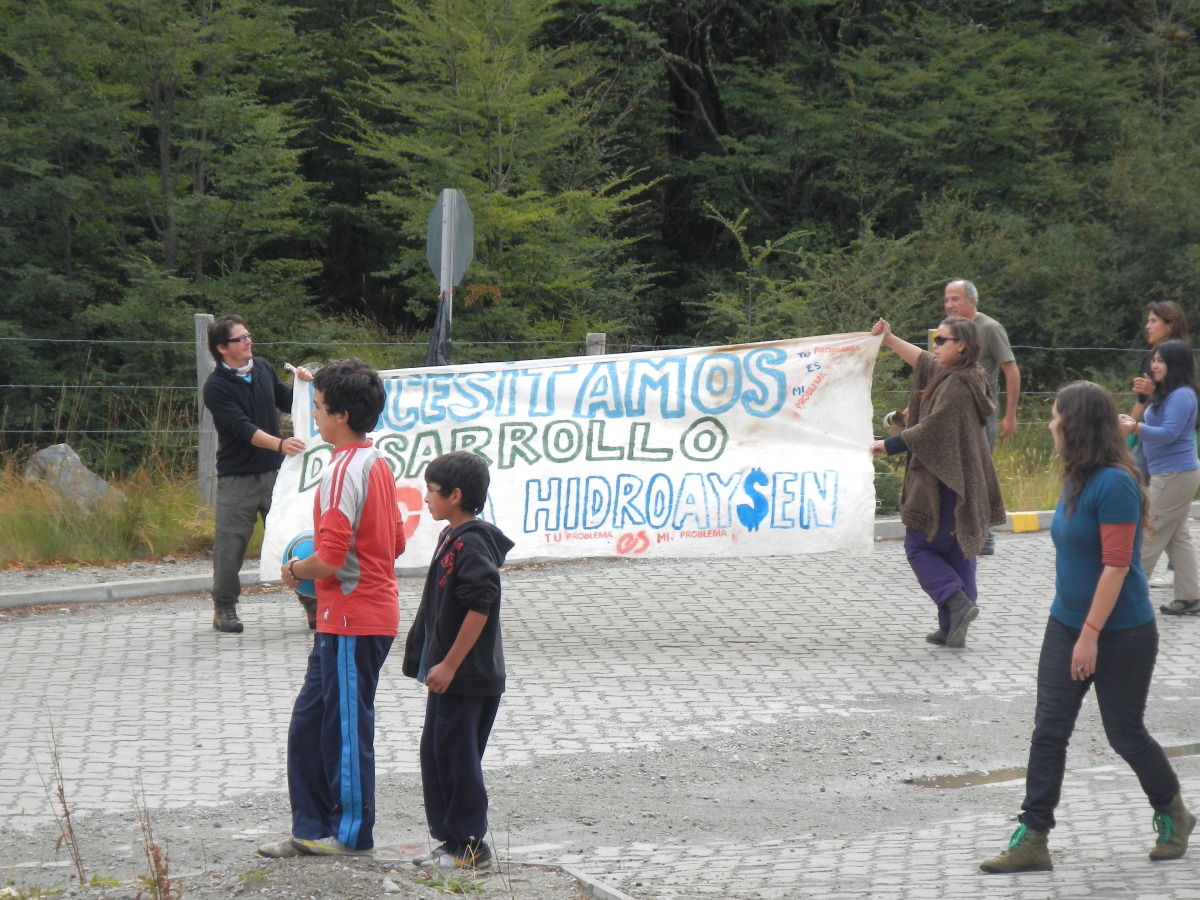
Behind the tensions was HidroAysen, a plan to build a gargantuan hydro-electric power complex, to be linked with Santiago via a 2,200km power conduit. Giant billboards touting the project (the slogan translated: "In HidroAysen our commitment is with you") lined the roadway. The quid-pro-quo appeared to be that Aysen would be granted all sorts of assistance if those running it would clear the way for the dam project to move forward. Based on what we heard from the locals, however, it seemed as if the government had recently turned the screws on the region, cutting funding and allowing fuel prices to rise, backing its frontier denizens into a corner.
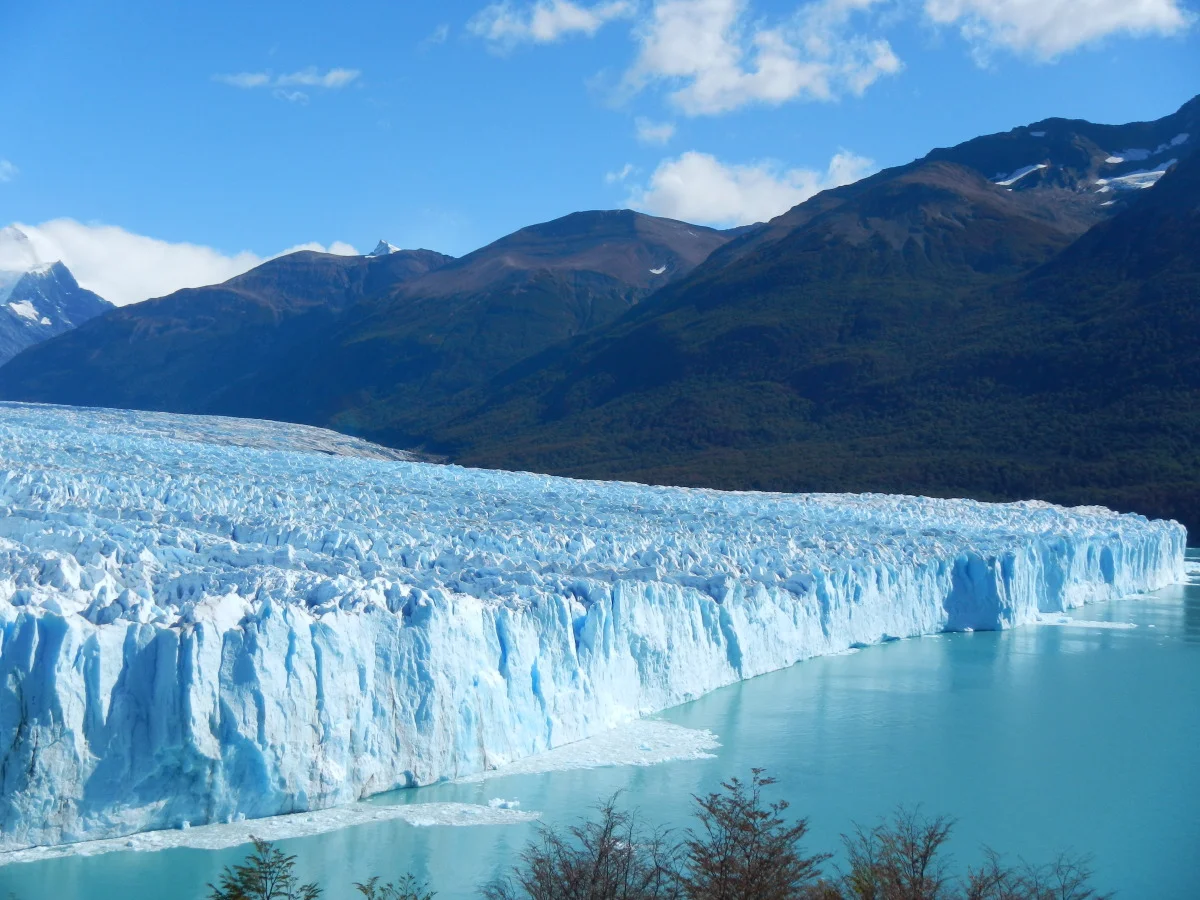
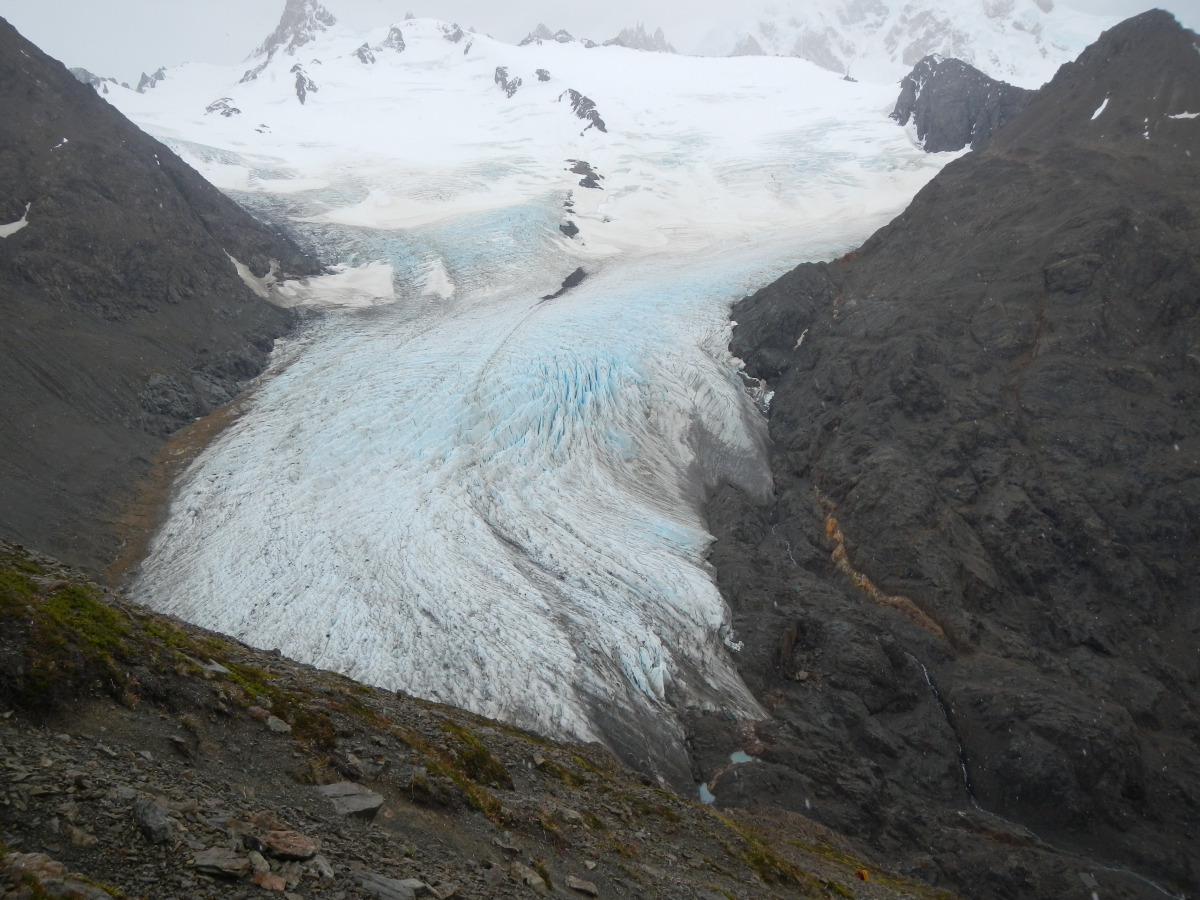
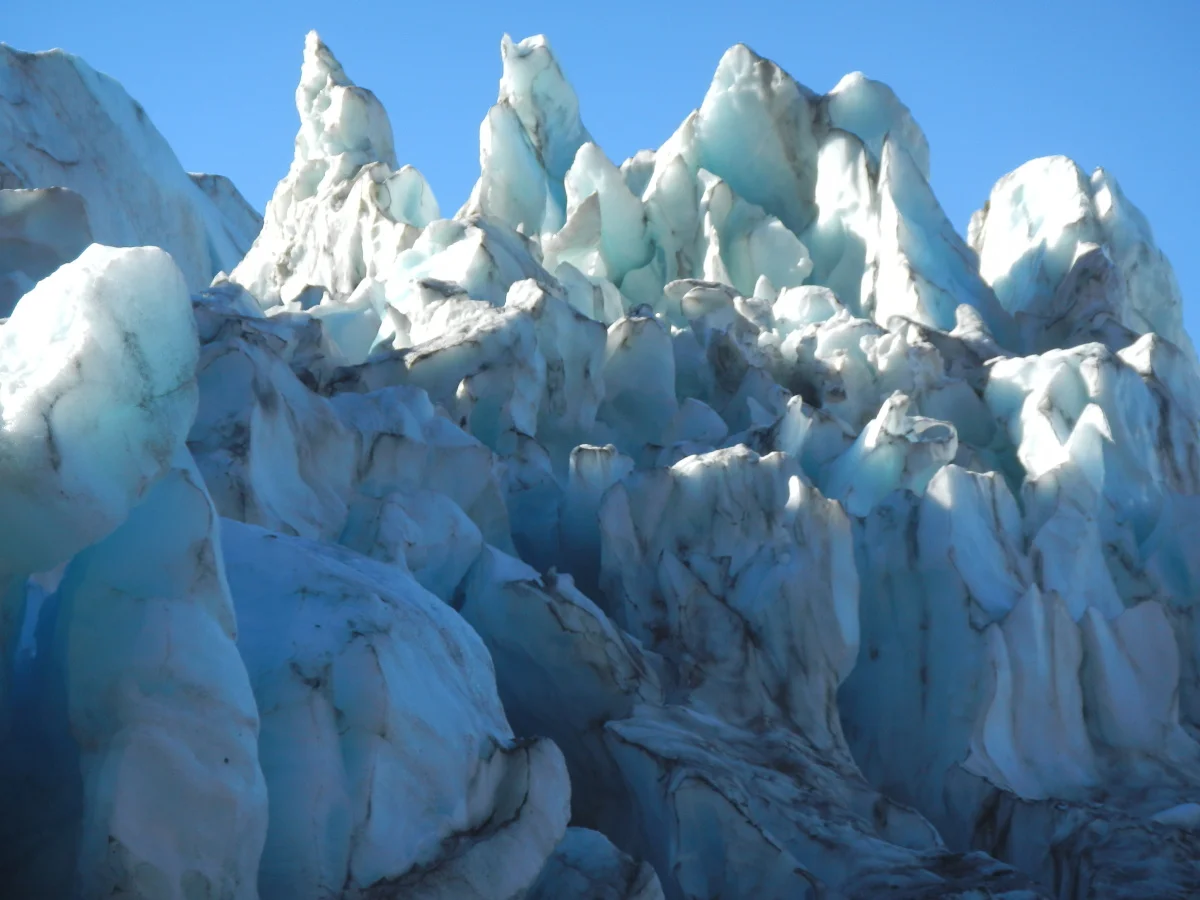
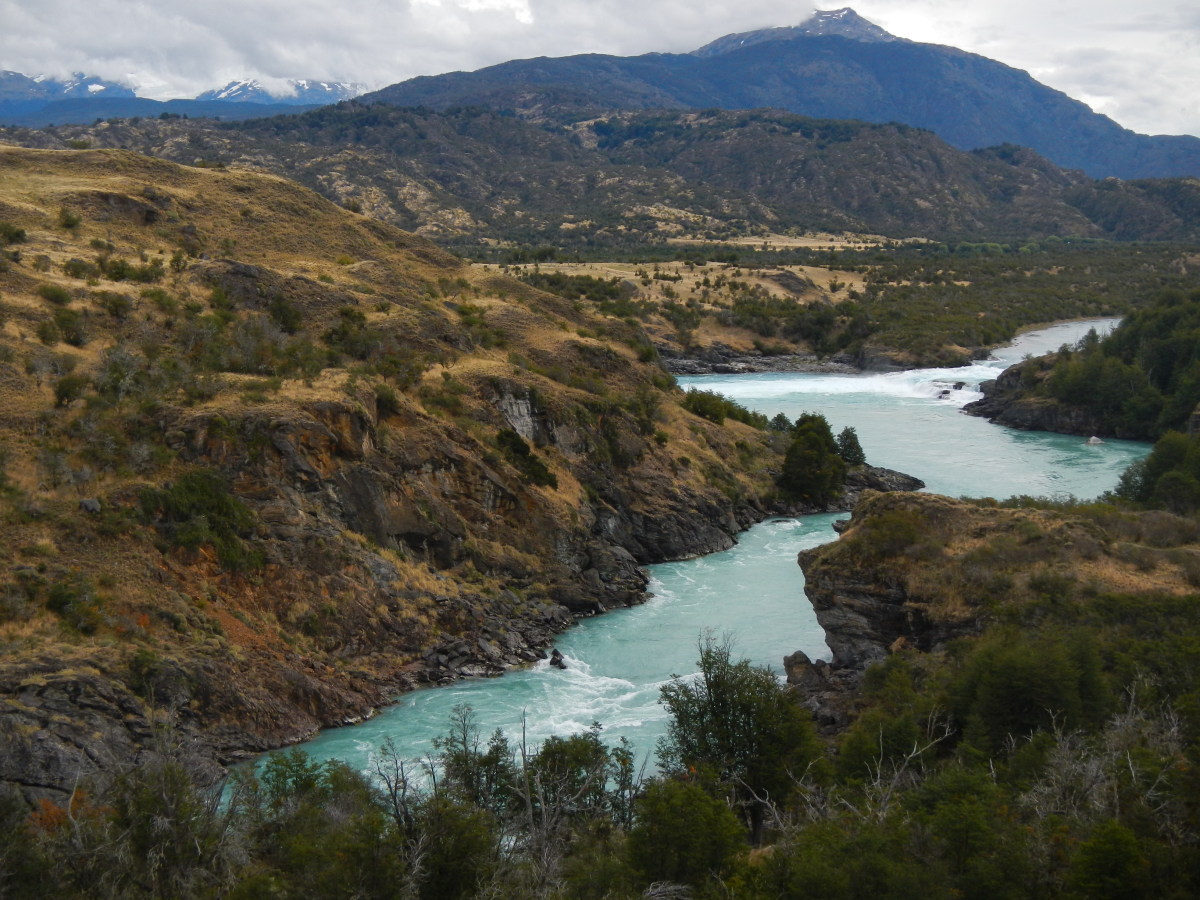
The appeal of the region to the power developers is no surprise. While many hydro-electric projects depend upon water sources that fluctuate year-to-year due to weather cycles, Aysen contains “Los Campos de Hielo Norte y Sur” (or Northern & Southern Patagonian Ice fields) which feed dozens of glaciers. Together they form the largest contiguous ice field outside of Antarctica & Greenland. The five planned dams of HidroAysen were to be built on the two major rivers that drain these ice fields. If there was ever a virtually unlimited water bank to fuel a power project, this was it.
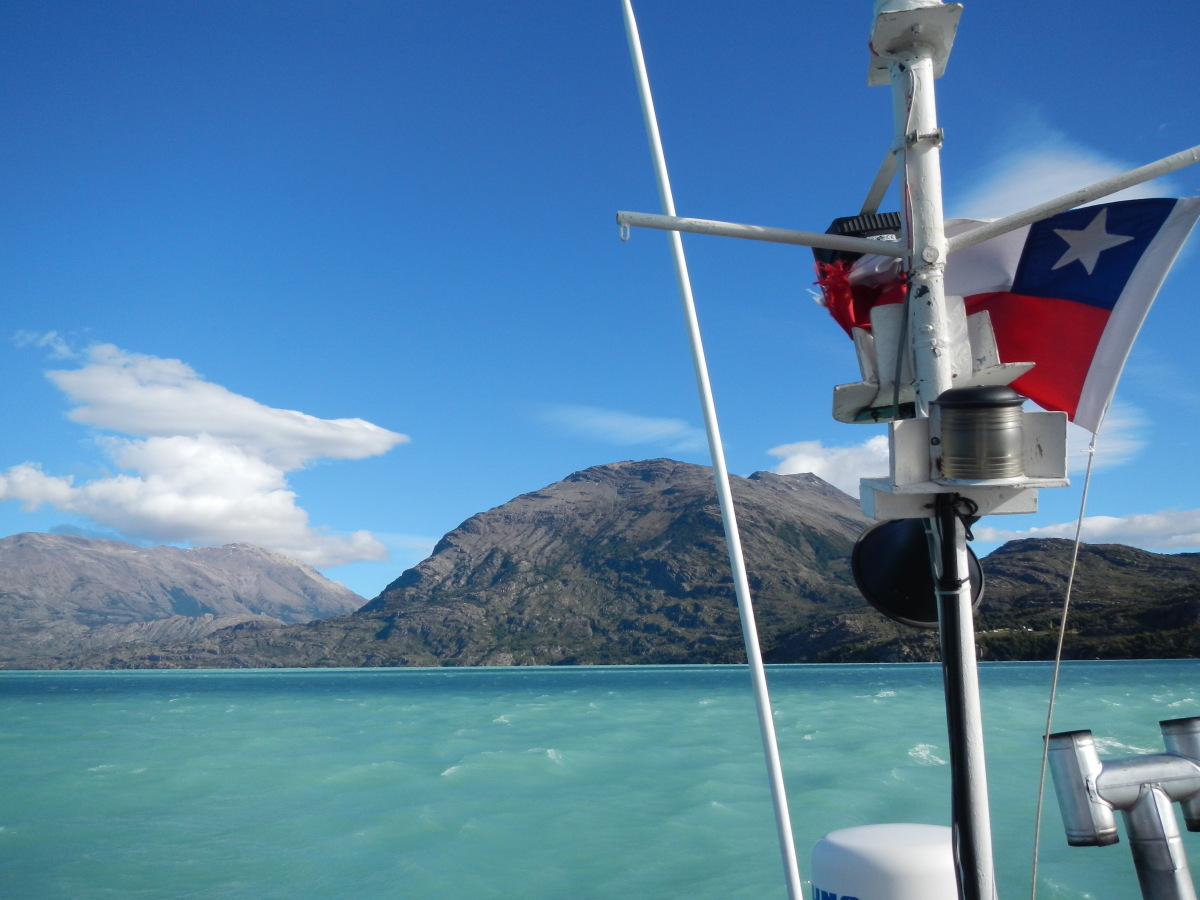
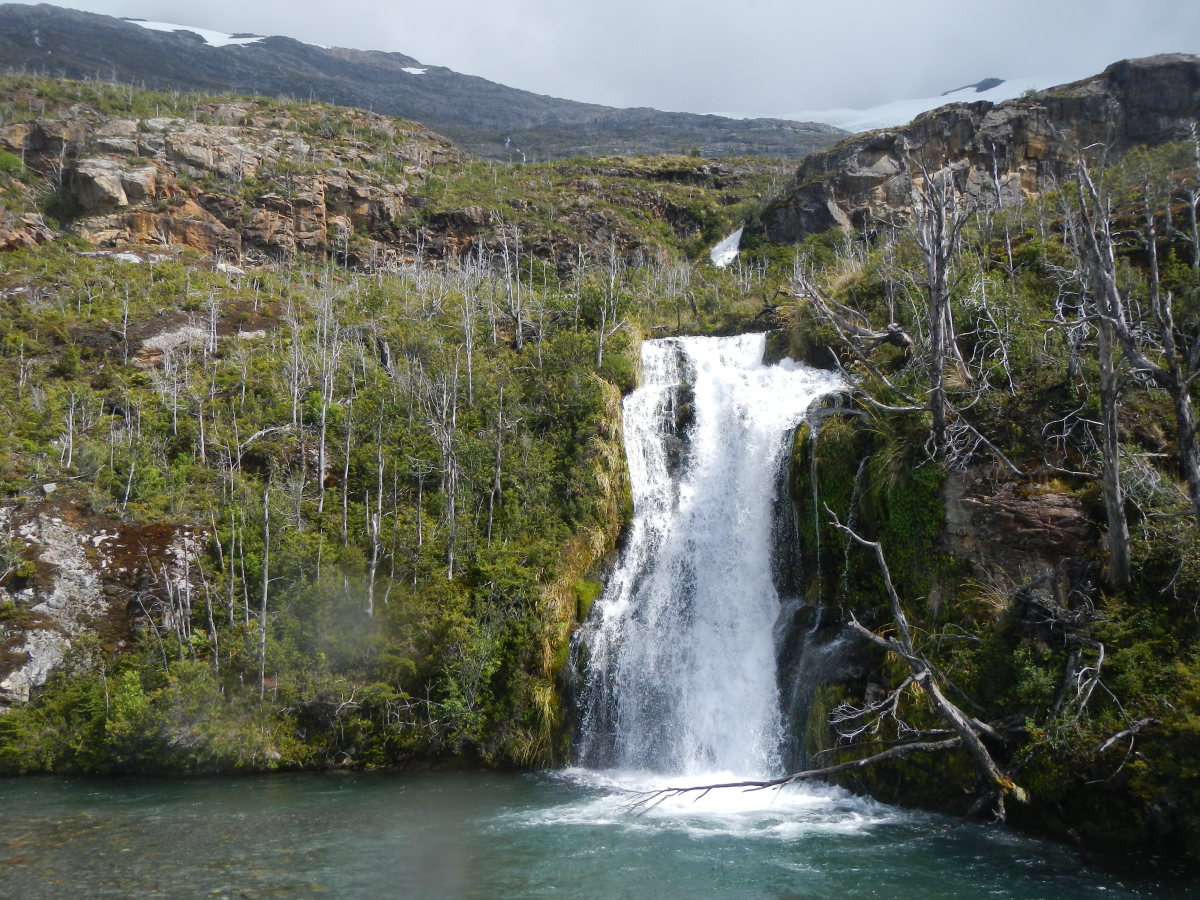
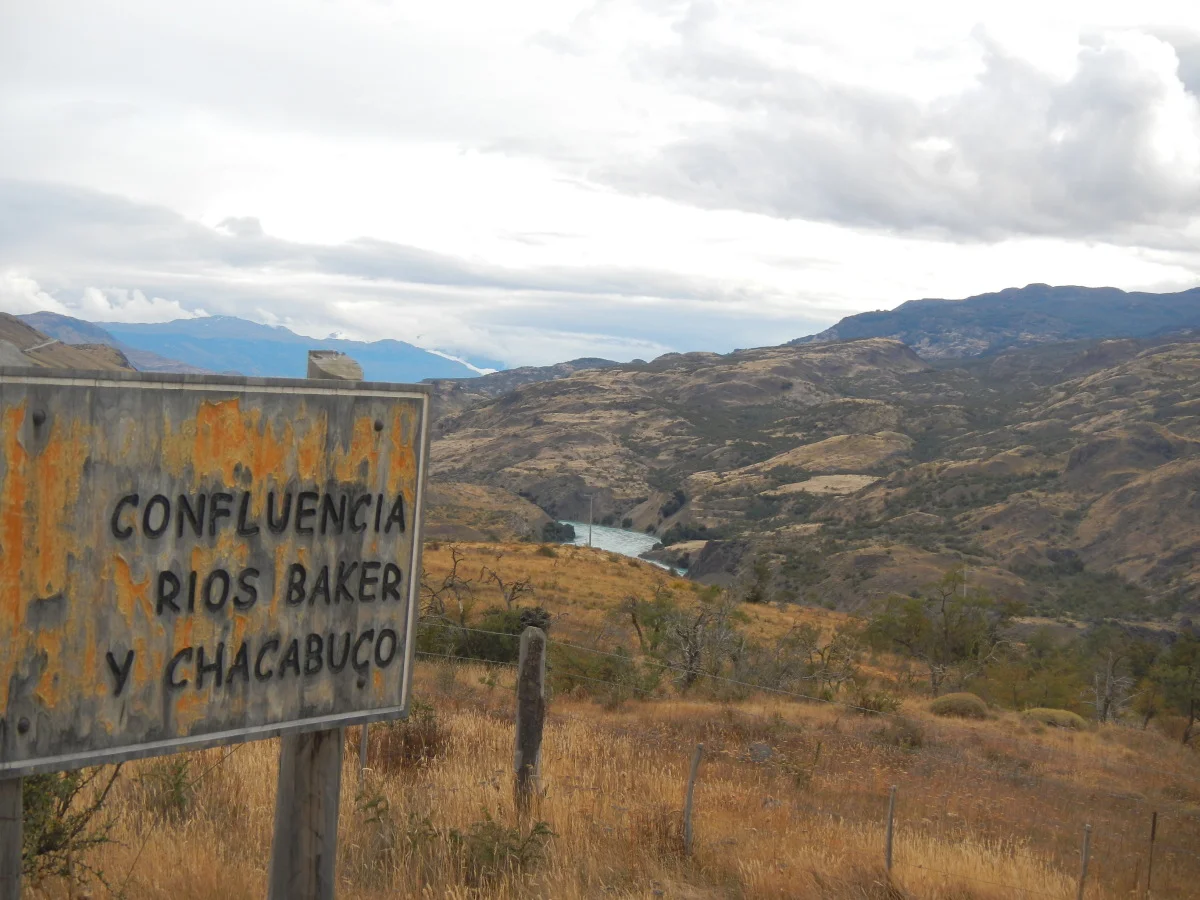
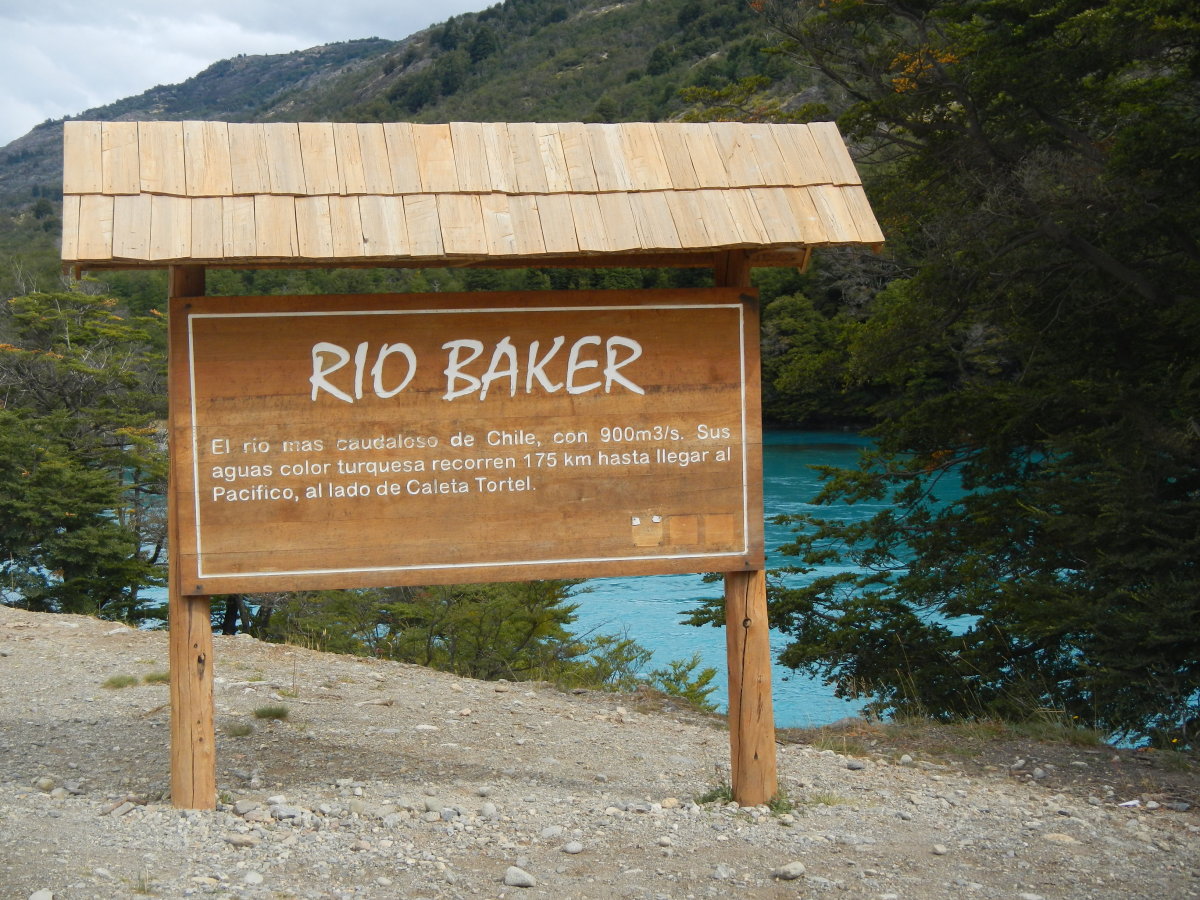
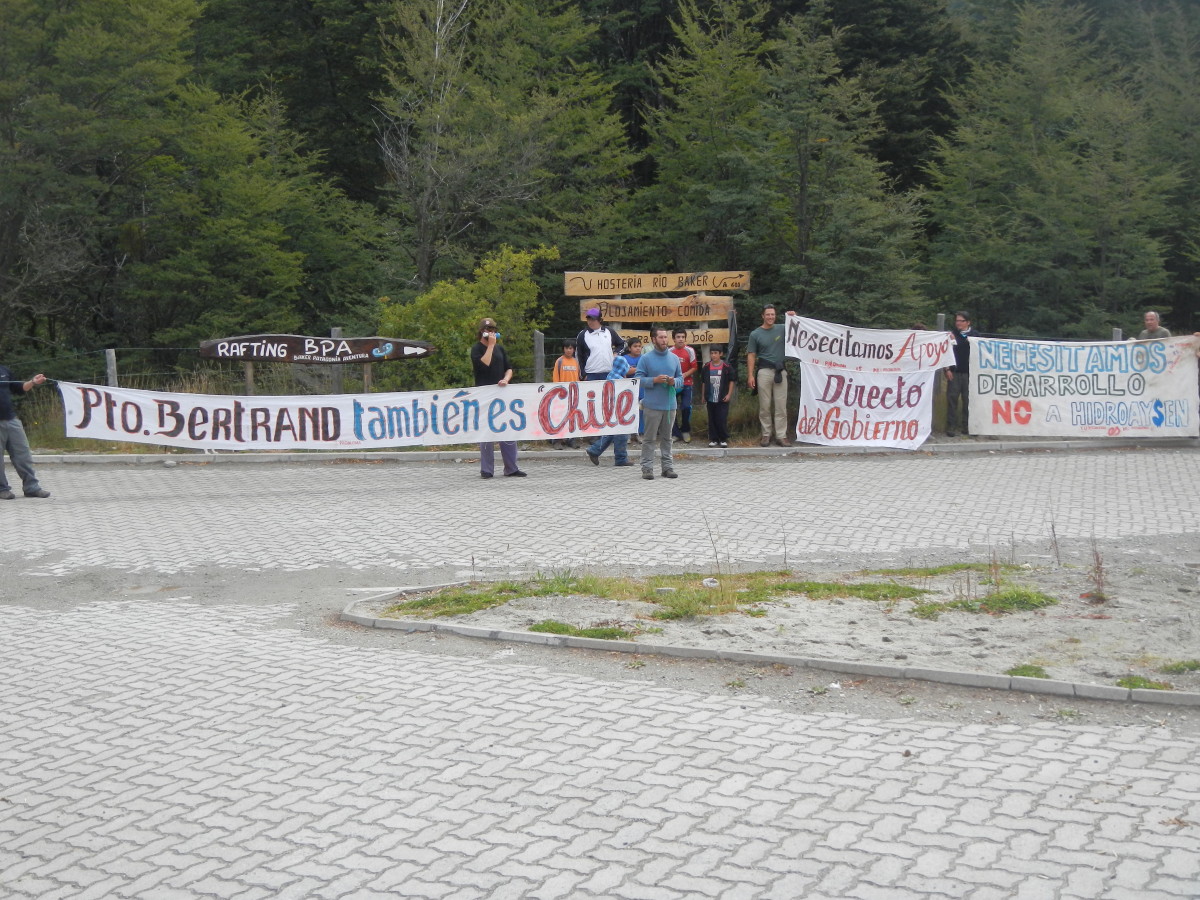
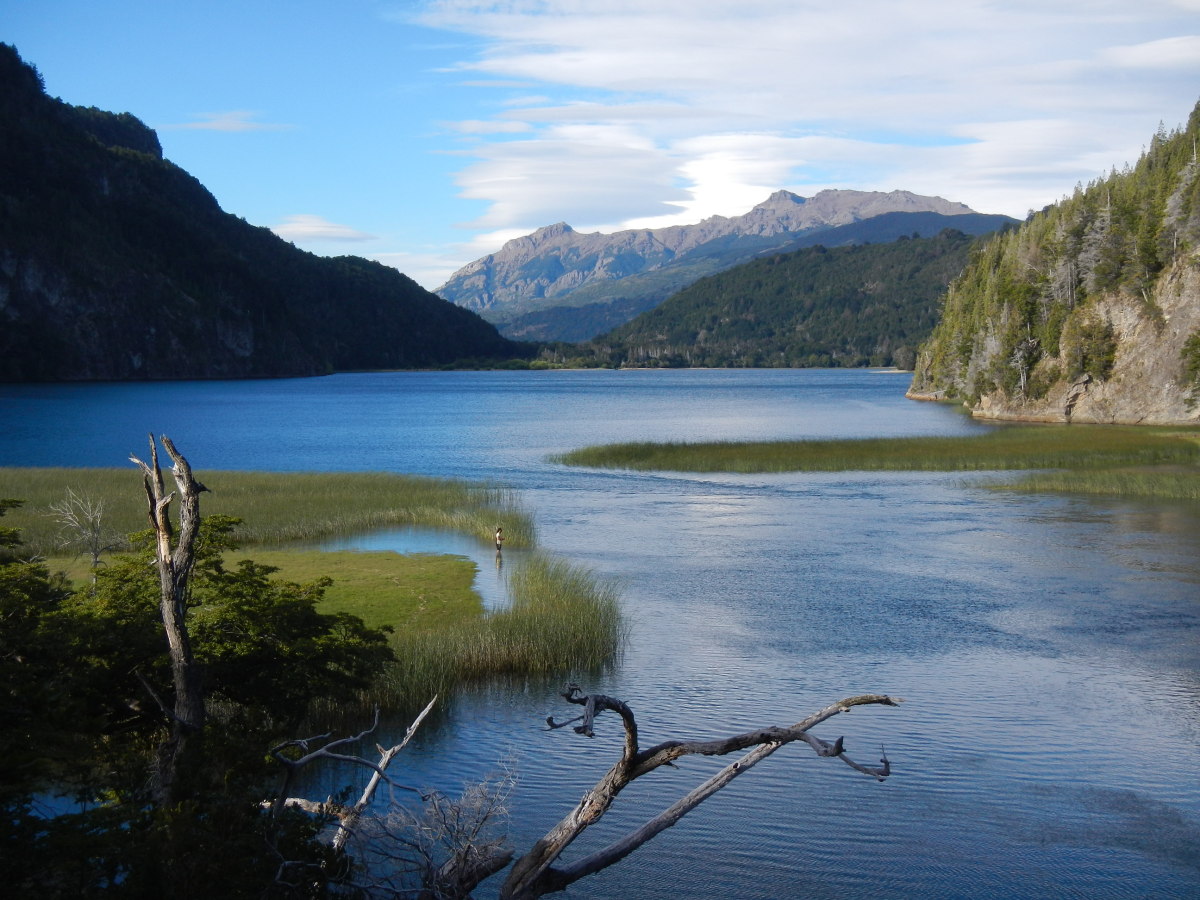
The dams would also have been situated in pristine riverine territory, revered by those who appreciate the wild nature of the area. Aysen has become a prime ecotourism destination, drawing many to the stellar rafting and kayaking. We were travelling along the Baker River while protests against the project were being held, one that I joined. It truly was a stunning and remote area, and the thought of its stark beauty beset by a massive construction project was upsetting to say the least.
While the government had pushed hard, resistance (aided by support from the Patagonia clothing company & its leaders) to the project was entrenched, and it appears they have prevailed as the government recently decided to finally veto the project. In the end the required power line was the Achilles heel, as it had to travel through a long restricted corridor. At one point all the dams had been approved, but the opposition focused on blocking the power line, without which the power would have been stranded.
The cancellation will likely place future strain upon the country's energy sources, but presents a golden opportunity to spur investment in sustainable renewables and efficiency. Lacking fossil fuels, the country has recently been developing solar projects on a larger scale, and is moving towards more progressive energy solutions. You can read more about how Chile will address its energy needs here.
Along with writing by Patagonia’s Director of Environmental Programs as she visited the region in 2006 and witnessed the initial stages of HidroAysen.
You can see our cycling journey documented at the site www.volksonbikes.blogspot.com
GREGORY ALTMAN
@GregAlt
Greg has etched a winding path around the world over the years, at times doing photo documentary projects, more recently engaged in the international development field. He finds cycle touring to be the ultimate mode of travel to experience a land to its fullest. This native New Yorker's passions include art, natural food & cooking, genuine foreign cultures, and cycling.
Conflict Zones Through The Lens of Marcus Bleasdale
“This is an exciting time for digital storytellers.”
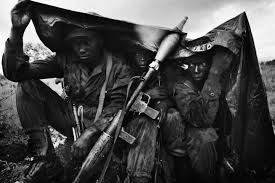
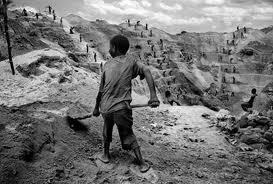
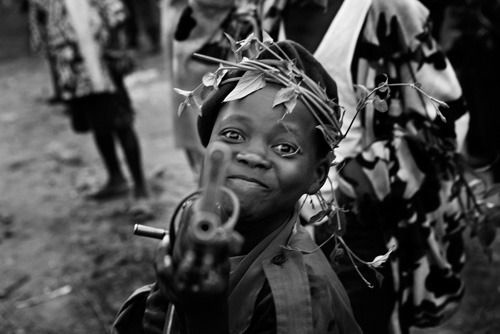
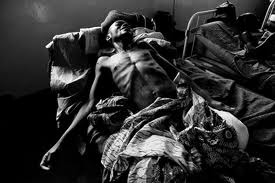
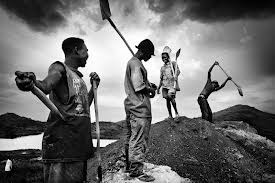
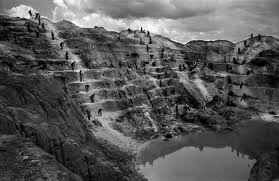
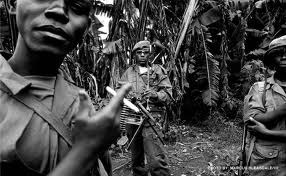
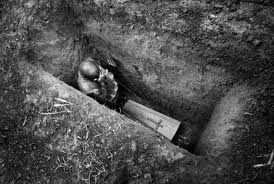
Truer words have never been spoken. But in the spirit of the commencement of this year’s Social Good Summit, it should be noted that these storytellers also hold a great responsibility to the masses. As a distinguished photographer, Marcus Bleasdale embodies this sense of responsibility in his coverage of conflict areas around the world through the medium of his trusted camera lens. Over the past 15 years, the region of the Democratic Republic of Congo (DRC) has captured his steady attention.
Throughout his time working within the DRC, Bleasdale has gained a first-hand perspective into a nation that, while rich in minerals, has been coerced into a haunting reality of violence, disease, poverty and profound injustice. Children are stripped of their adolescence, forced into militant lives plagued by mindless violence at the behest of their devious superiors. Families are torn apart, displaced, and involuntary bare witness to the perils of life within the misleading comfort of their own backyards.
More
As the conflict within the borders has continued to run its rampant course over the past 15+ years, 2 million Congolese natives have been displaced, 40,000 women fall victim of sexual violence annually, and over 5.5 million deaths have been recorded as a result of rampant disease, and violence throughout the region. In his Keynote adderess to the Social Good audience, Bleasdale stressed that these are simply the statistics; his images however, are what interpret the reality.
An important distinction however, is how Bleasdale goes about creating a narrative of an area so riddled by conflict for decades. He goes into depth about how he works to construct such a narrative in saying:
“For me, I’m trying to engage in order to enhance the narrative that I’m trying to tell. There are many different aspects of the story to engage with - the mind, the child soldiers, the sexual violence, displacement, horrific health issues that have spread through the DRC. I have to touch on each one of those in each unique situation to try and engage with a subject in a way that will truly hone the message that this should stop.”
He delves deeper in his philosophy toward photojournalism in conflict areas, stating, “Every image cannot be misery, and should not be so difficult to look at that you want to turn away. You have to also try to look for the beauty, and the hope, to show the opportunity that is available that has not necessarily been seized.”
Having covered the Democratic Republic of Congo for more than 15 years now, Bleasdale’s knowledge and wisdom towards his craft should be respected. As for his advice for the brave soul aspiring to photojournalism of this nature; one word came to mind, patience.
“Everything takes time, especially when working within the areas I have. In relation to my work in the DRC, you can’t tell that story in a week, a month. I’ve been telling that story for 15 years now and still I don’t think it’s finished, because it’s still going on.“
An award-winning photographer who has been heralded by the US House of Representatives, The United Nations and the House of Parliament in the UK, Bleasedale will undoubtedly continue to be a respected voice within the realm of photography, specifically within regions of conflict.
He can be followed on twitter @marcusbleasedale.
ANDREW BRIDGE @Bridgin_TheGap
Andrew is Editor-in-Chief of CATALYST's Social Good Summit Daily, and Managing Editor of CATALYST. He is a global enthusiast with a passion for the road less traveled. As a frequent collaborator with World Hip Hop Market and Nomadic Wax, Andrew has worked with numerous socially conscious artists from around the world in the pursuit of inspiring cultural understanding and exchange through entertainment. This fascination with the world at large has taken him to over 20 countries (so far) through studying, volunteering, and writing about his travels, with no signs of slowing.




Ukraine's Revolution from Within
Photos by, Graham Lawlor
Text by, Andrew Bridge
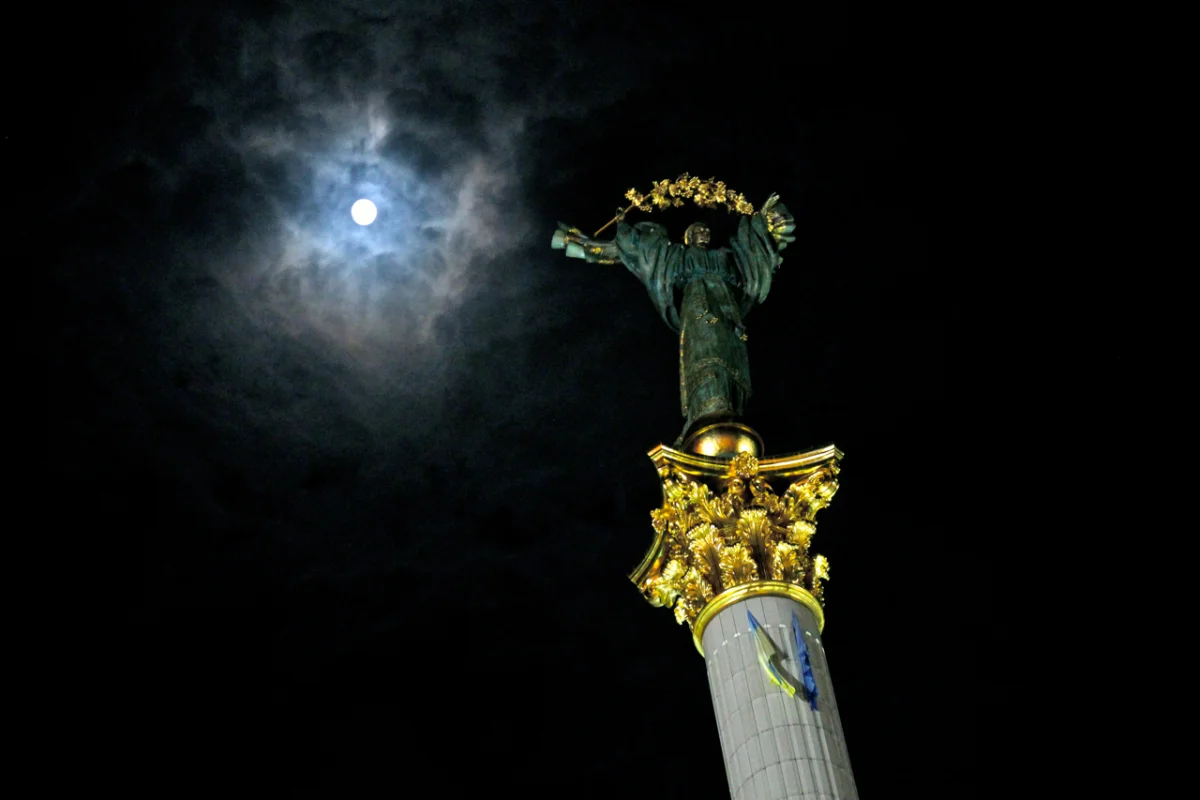
It has been nearly half a year since hundreds of thousands of Ukrainian citizens gathered on Kiev’s Independence Square with justice on their minds and revolution in the air. After constant protests and violent clashes against the corrupt powers that were put in place by former President Victor Yanukovych, the Ukrainian citizens took back what is rightfully theirs; but that was just the beginning.
Since the launch of the uprising, now recognized as the Euromaidan, clashes between Ukrainian and Russian nationals have spread from Kiev to Crimea. Russian forces have flexed their strength while Russian-speaking residents violently clash with Ukrainian citizens throughout the country. And as the death toll rises, it becomes harder to see if the end of the violence is near, or what the resolution will be.
With the continuous uprisings and domestic conflicts, a new breed of travelers have risen. Those from outside the borders are eager to get on the ground, despite the danger, in order to learn first-hand what is going on, why it is happening, and where it may lead.
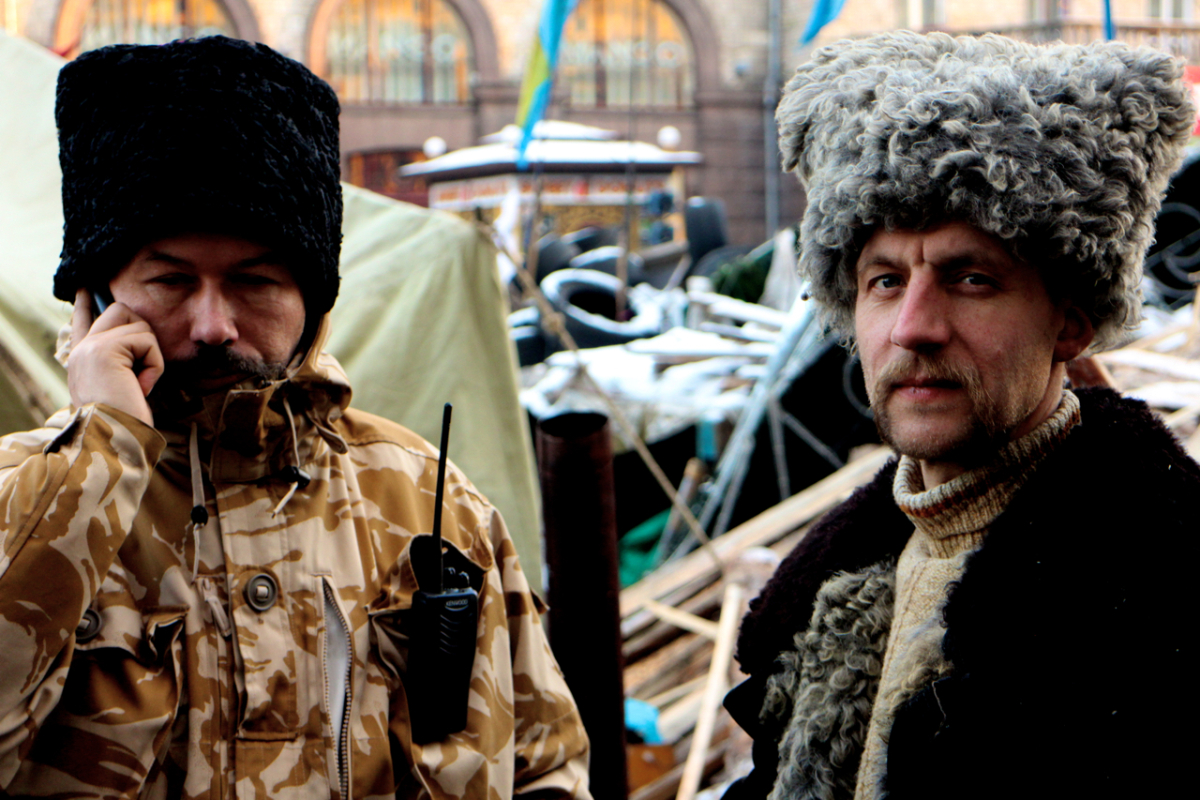
New York City based entrepreneur and economist, Graham Lawlor, serves as a prime example as he voyaged into the heart of Kiev as the uprising began. Throughout his weeklong experience in Independence Square, Lawlor dove deeper into the matter at hand as he interviewed countless protesters: nuns, students, laborers, etc..
In reflecting on his time in Kiev, Lawlor recalled that the first few days were upbeat, possessing a strong sense of optimism and purpose in the air. However, this mood changed on January 16th when Yanukovych passed a law that criminalized these demonstrations. Days later, the violence and clashes truly began, eventually leading to the overthrowing of the government.
When asked his opinion on the conflict’s progression following his return home, Lawlor’s answer was simple: “Civil War.” It appears his assessment was correct, as violence continues throughout Ukraine, yet citizens remain hopeful for peace and prosperity in the future.
His photos depict the mood of Kiev at the start of a revolution, and the brave citizens who made it happen.
GRAHAM LAWLOR @revoportaits
Graham is the founder of Ultra Light Startups, which helps Fortune 100 companies and government institutions connect with startups based on their strategic and financial objectives. He is a frequent guest speaker, moderator, interviewer, and press source on startups and online business.