
Check out the many green areas in NYC where culture and nature abound.
Read MoreSkellig Michael: Monks, Star Wars, and More
The island where fantasy meets reality.
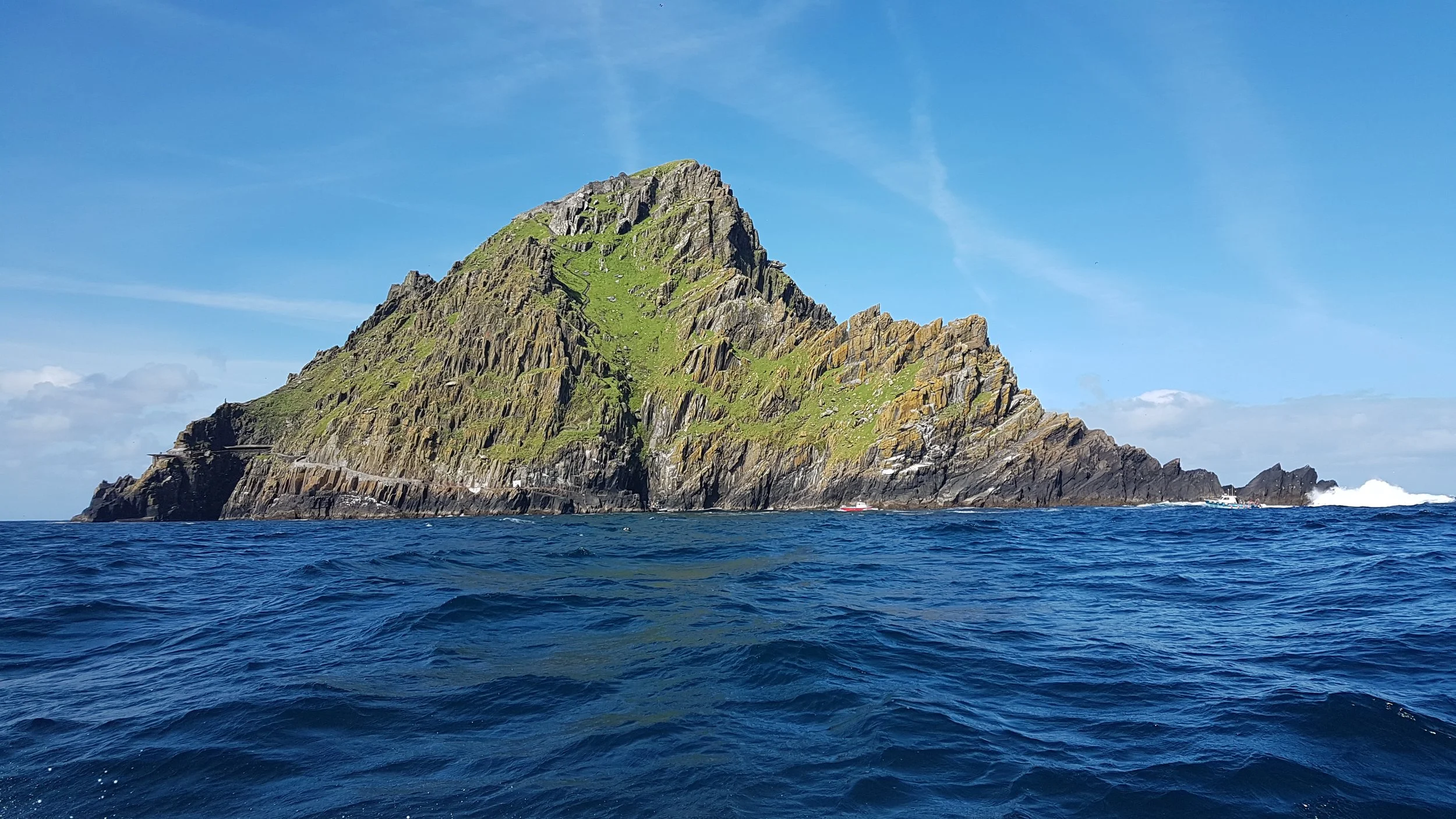
Skellig Michael, Stinglehammer, CC BY-SA 4.0
Between the 6th and 8th century, about a dozen monks devoted to St. Fionán sailed 8 miles away from the Irish coast through unpredictable and often violent weather to reach their new home, the jutting rock of Skellig Michael. Once there, they scaled the steep mountain all the way to the top, building beehive-shaped huts out of stone to live in. Once on that lonely isle they centered their lives around God, praying seven times a day. Without cattle or other sources of food they survived off of fish, seabirds, and the vegetables they could grow in their monastery gardens. Generations of determined monks lived there for over 600 years, surviving multiple viking raids, before climate change forced them to leave.They built their homes so well that even today, over 1,400 years later, their original stone huts still stand on the island.
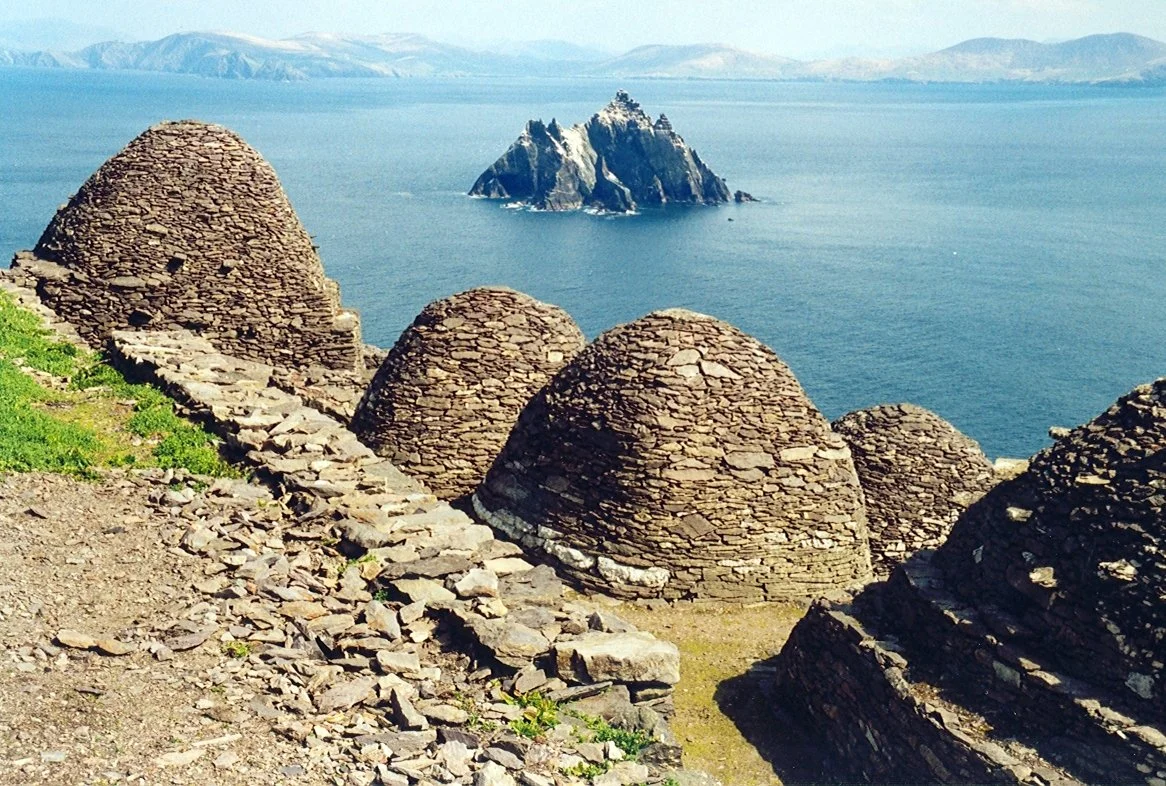
Skellig Michael Beehive Cells, Arian Zwegers, CC BY 2.0
In the far away world of Star Wars, Skellig Michael, renamed to Ahch-To, is where the monastic Jedi Order was born. It is there that the ancient Jedi texts are located. Longtime protagonist Luke Skywalker spent many years searching for the birthplace of the Jedi, eventually realizing it was Ahch-To. It became the natural place to seek exile once his Jedi Temple was destroyed. At least, until he was found by next-generation hero Ray at the end of Star Wars VII: The Force Awakens.
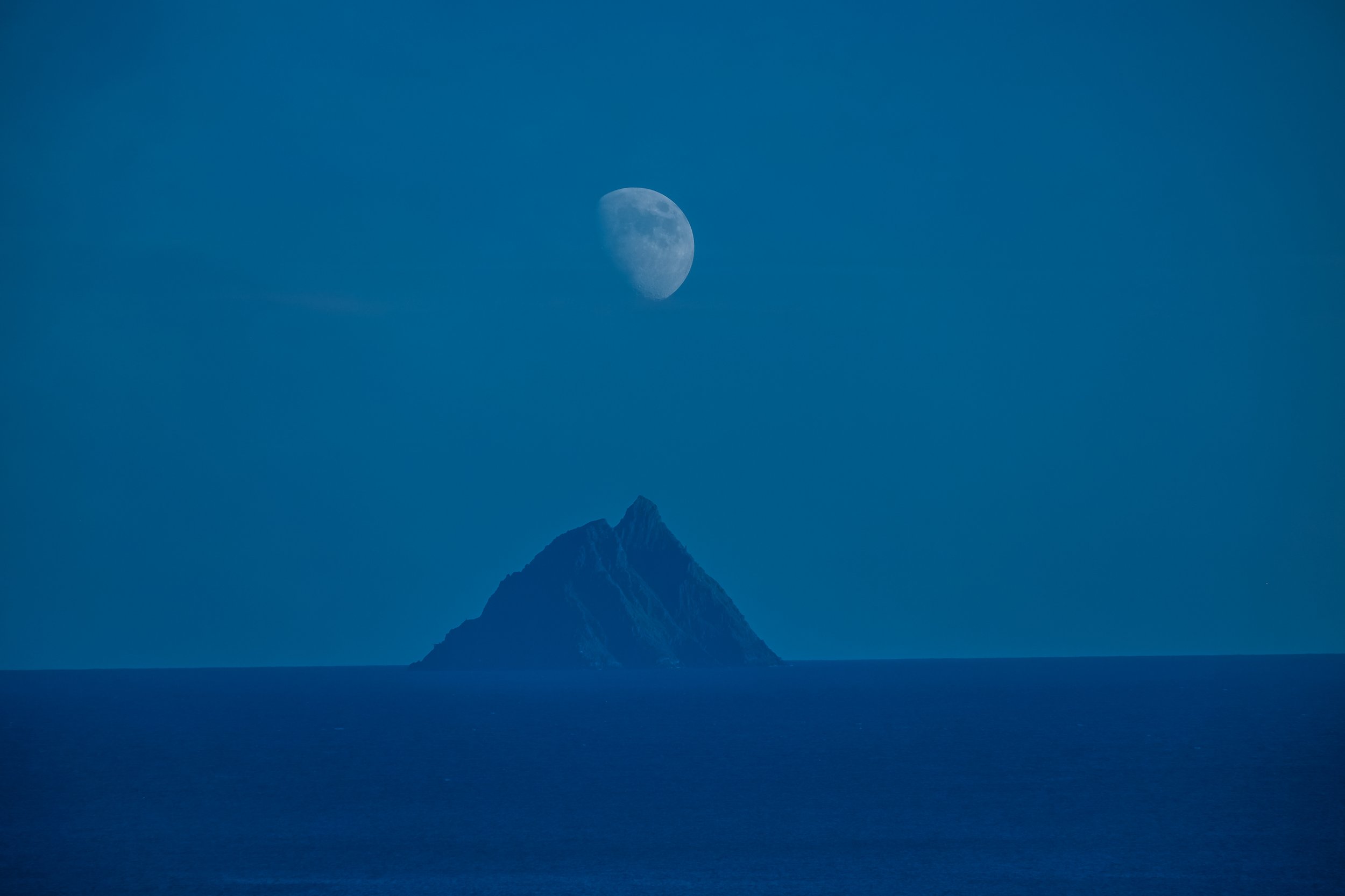
Mystical Skellig Michael, Beyourbest2, CC BY-SA 4.0
Today, Skellig Michael, or “Ahch-To” as it's affectionately known by Star Wars fans, is both a UNESCO World Heritage Site and likely the most stunning film location in one of the highest grossing movies in U.S. box office history.
When he was first sent a picture of Skellig Michael JJ Abrams, the creator of the three newest Star Wars films, immediately emailed back “this is the best,” He quickly decided to film there, despite incredible difficulties. Due to the island’s unstable weather conditions only the most iconic shots were done on Skellig Michael itself, with the rest being filmed in different locations throughout Ireland. In addition, Abrams used more than the island’s physical structures. He based the adorable birdlike Porgs on the island in the Star Wars movies on the real life puffins that scamper all over Skellig Michael in real life.
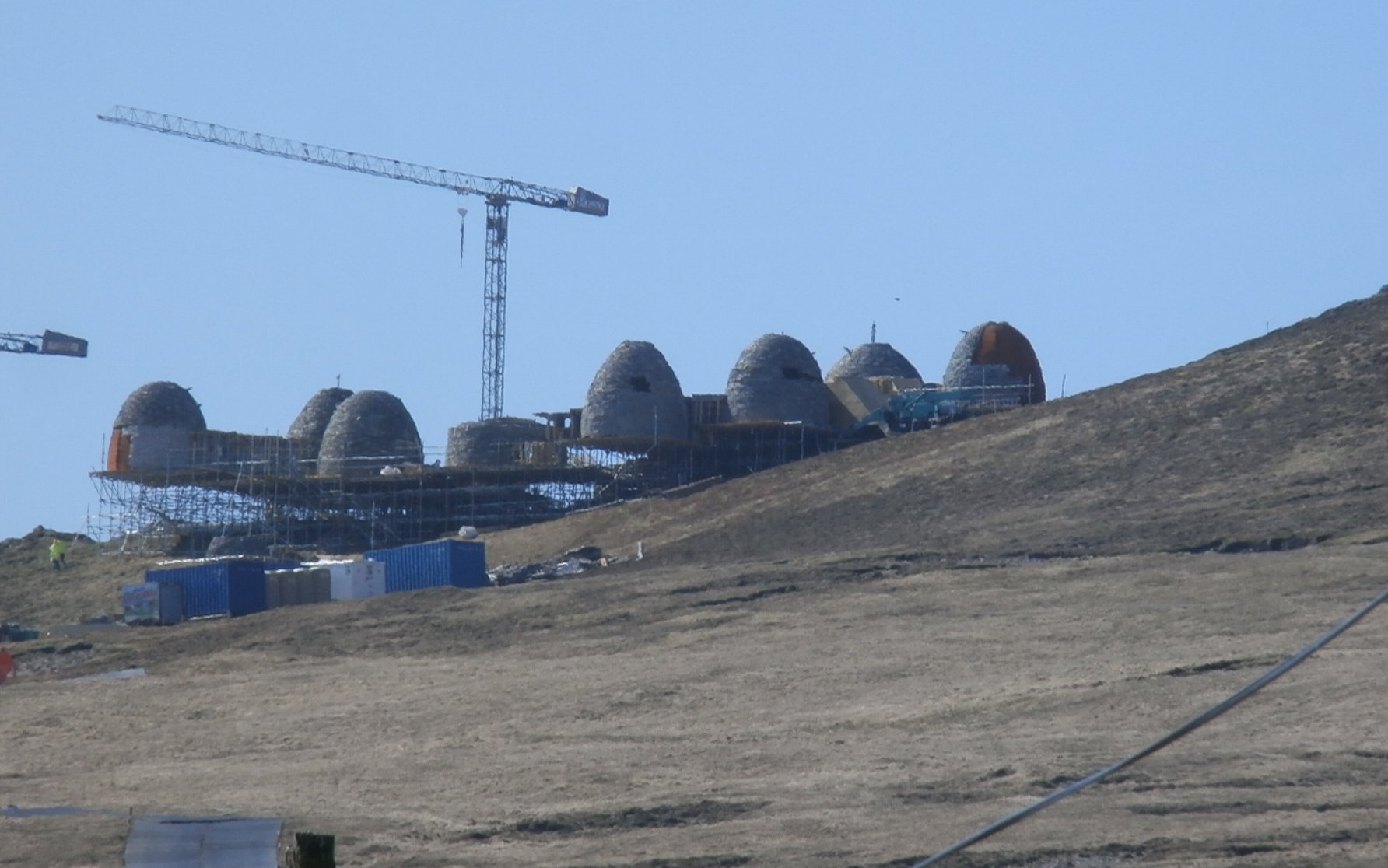
Star Wars Filming Location, Myrtle26, CC BY-SA 2.0
It's important to note that while shooting Star Wars on Skellig Michael gave the island a lot of publicity, it came at the cost of damage to the local ecosystem. Little Skellig, the sister island of Skellig Michael, is home to the second largest gannet colony in the world, and any helicopter used to fly in equipment risks knocking gannets out of the air. Skellig Michael itself is the home of rare seabirds. The first time the Star Wars crew shot on Skellig Michael was in July 2014, in the middle of seabird breeding season. By the time filming was done four of the sixteen conditions set to protect the island had been breached.
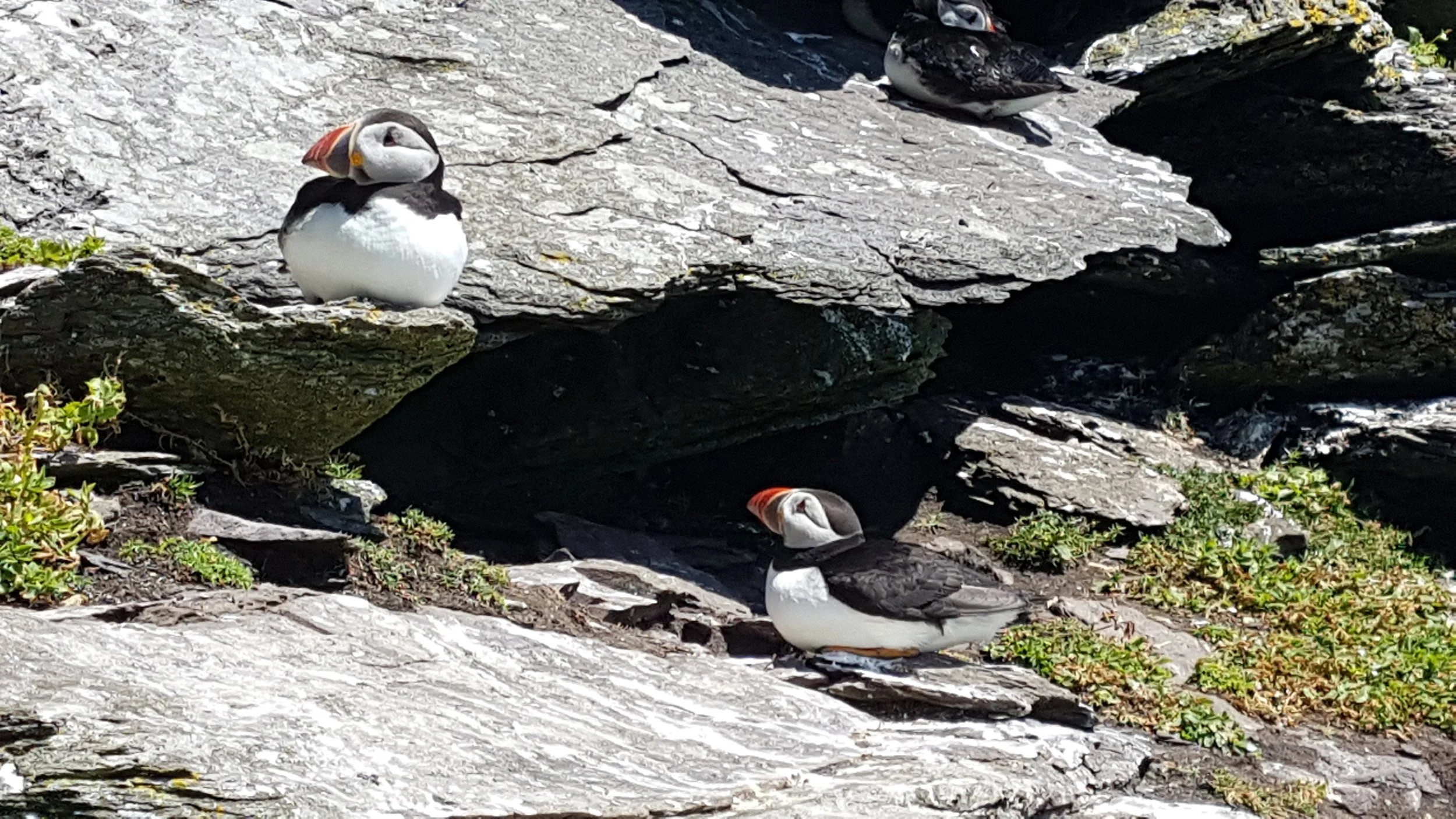
Puffins on Skellig Michael, Stinglehammer, CC BY-SA 4.0
Today, Skellig Michael can be visited between the Months of May and September. It is not, however, easy to reach. Only 180 people are permitted to visit Skellig Michael each day. Beyond that, about two days per week trips to Skellig Michael are canceled due to poor weather; due to scarcity, canceled voyages are almost impossible to reschedule.
Despite all of this, those persistent and lucky few who are able to venture to Skellig Michael are rewarded with the opportunity to see the spot where history and nature met Star Wars.

Jeremy Giles
Jeremy is a Writing Seminars and International Studies major at Johns Hopkins University. He is an avid writer and the Co-Founder of Writers’ Warehouse, Johns Hopkins’ first creative writing group. He is an advocate for Indigenous rights, and studies how Indigenous philosophies can be used to help prevent climate change. Using his writing, he hopes to bring attention to underrepresented voices in today’s world.
Yakutia: One of the Coldest Places on Earth
This Russian region experiences temperatures as low as -70F and its residents live drastically differently than people who live in warmer climes.
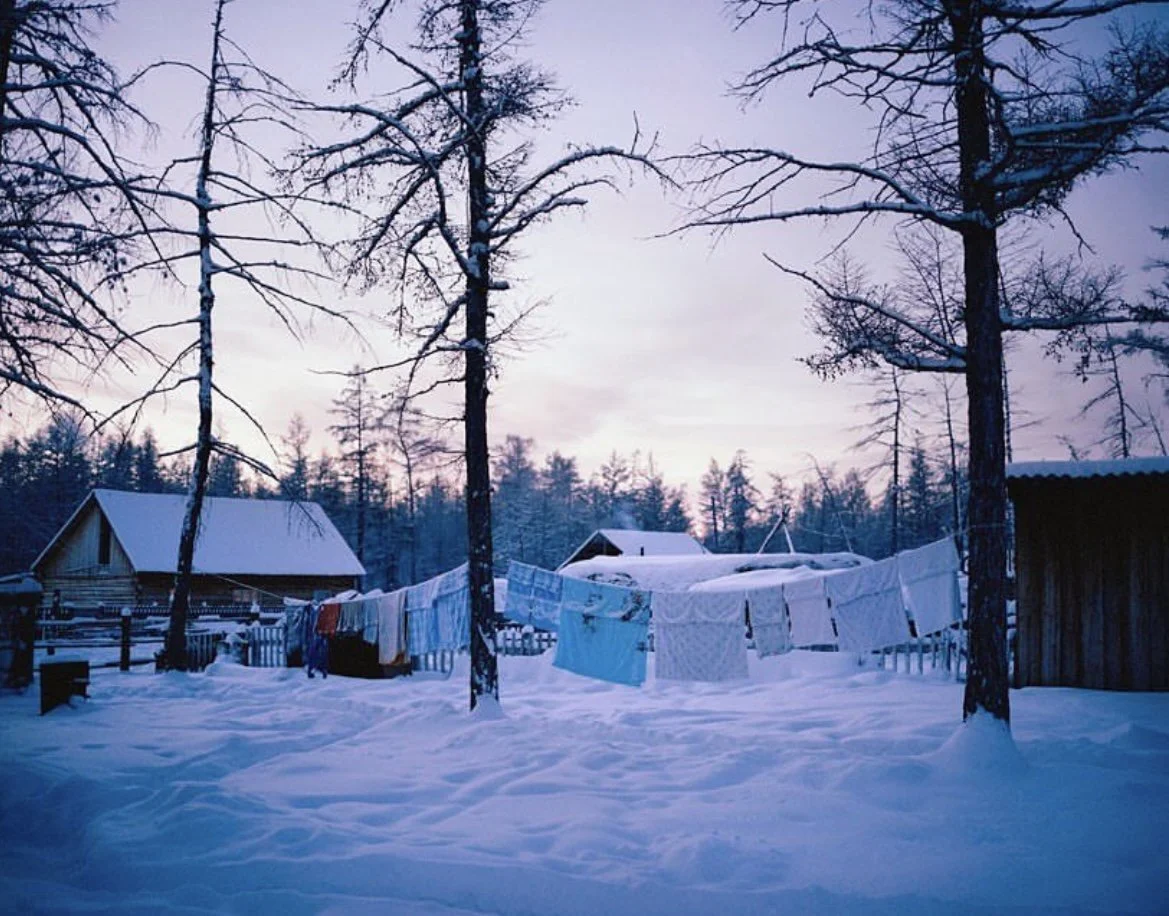
A village in Yakutia during the winter. @simoncroberts. Instagram.
It is seven AM. The sun hasn’t risen yet, but you’ve already gathered enough wood to heat your house for 9 months straight, in anticipation of the severe climate outside. You head to the back shed to grab the ice you harvested last November and put it in a giant tub of water to melt, ensuring that your family has something to drink when the water pipes will freeze. Now it’s time to make breakfast and wake your child up for school — because even though winter has finally arrived it’s warmer than -65 degrees Fahrenheit, which means it is safe to go outside.
This is how residents of the northern reaches of the Sakha Republic, common name Yakutia, live during the long winter months. Yakutia is located in Russia and is home to some of the coldest continuously inhabited places in the world. In villages like Oymyakon, located in the far north, the sun doesn’t rise until approximately 9am and sets at 2:15pm, meaning students have to walk to and from school in darkness.
Ten minutes in the cold, fresh air is enough to cause fatigue, stinging pain in any of the exposed parts of your face, and long-lasting aches in the fingers and toes. This is why many houses in the region are made of wood and built to withstand the extreme temperatures by filling every gap with oakum, a sealant made from plant fibers and tar, or even just the abundant snow, although the cold still finds its way through at times.
The Yakut people have learned to be productive in these conditions. Most men in the Republic’s far north have traditional jobs like cattle ranching, hunting, or making crafts, living lives that hardly resemble those of urban Russians. Knife-making plays an important role in the Yakut culture, with the blades known around the world for their strength and beauty.
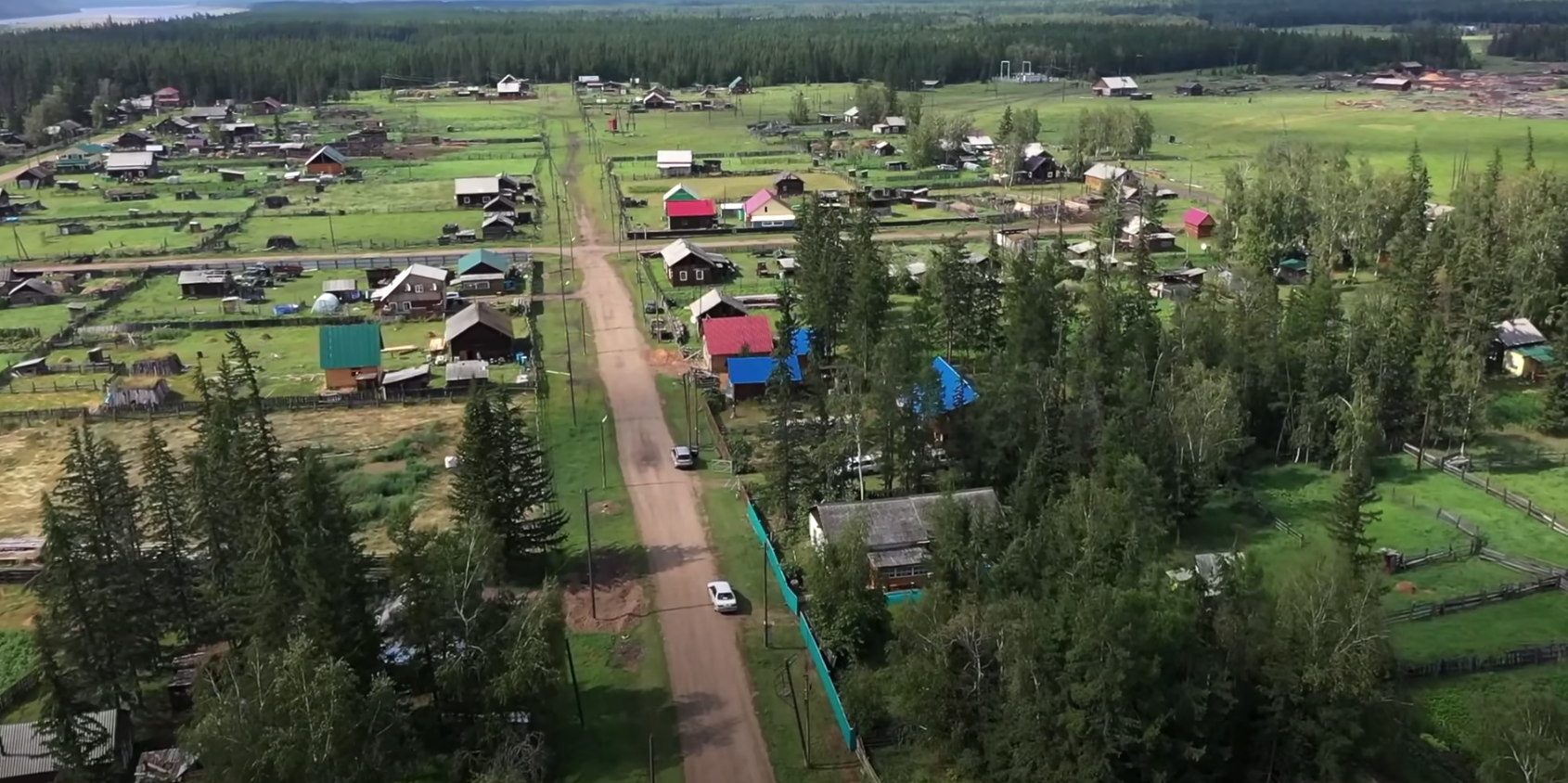
Summer in a Yakutian village. @Kiun B. YouTube.
When summer comes around, Yakutia becomes a completely different place. While winter temperatures can plunge down to -70 degrees Fahrenheit, in the dog days of summer the weather can get to around 86 to 95 degrees, particularly at the end of July. Summers may be short-lived — only lasting 2.5 months — but it is also the busiest time of the year for Yakut people.
It is crucial to harvest berries before the frost sets in if one wants to eat fruit during the winter., A failure to harvest the hay needed to feed the cattle in time can lead families to lose their valuable livestock.
But with hard work comes a refreshing reward. During the summer, Yakutia turns from a snowy kingdom into a lush meadow full of dense forests. Many Yakuts take advantage of the balmy heat, and head straight to the nearest lake for a swim.
Yakutia is often called the land of rivers and lakes. There are over 700,000 rivers and 800,000 lakes that are rich with aquatic life, which is the perfect opportunity for Yakut people to stock up on food for the winter months.
Although Yakutia is by no means a popular tourist destination, the region is gaining more attention on YouTube and has fascinated viewers around the world. With increased visibility facilitated by modern communications technology , it will be no surprise if curious minds begin to pay attention to Yakutia.

Michelle Tian
Michelle is a senior at Boston University, majoring in journalism and minoring in philosophy. Her parents are first-generation immigrants from China, so her love for different cultures and traveling came naturally at a young age. After graduation, she hopes to continue sharing important messages through her work.
15 African Travel Influencers To Follow
These influencers and creators share a love of two things–travel and the African continent.
Read More8 of the World’s Most Stunning Train Journeys
From Harry Potter’s Hogwarts Express to Australia’s Ghan, here is a list of the most picturesque landscapes by train.
Read More7 Sustainable Ways To Travel Green
If you are reading CATALYST you probably have a passion for travel. Here are some ways to make your journeys as sustainable as possible.
White bus on the road. Oleksandr Pidvalnyi. CC BY 2.0.
Traveling around the globe alone or with a few friends can do wonders for your inner peace. It’s self-care at its finest. Seeing new places, meeting interesting people, and experiencing a novel culture can give you a broader perspective on life. And let’s not forget all the memories you’ll fondly look back on years from now.
However, despite all the positive effects of travel, one thing that might not cross your mind is how everything we do while globetrotting deeply affects the environment.
As travelers, we often forget that we have a responsibility to travel with care, not only for ourselves and the people around us but also for the places we visit.
Remember, we humans are the ones depleting Earth’s natural resources. So whenever you’re going somewhere, do your best to practice sustainable travel.
Here are some ways to travel green:
1. Choose Off-The-Beaten-Path Locations

Woman walking on a path in the forest. Erik Mclean. CC BY 2.0.
Right now, one of the biggest threats that the travel industry faces is over-tourism. In fact, according to the World Economic Forum, about 80% of travelers visit the same five to ten locations in each country.
Popular cities may have up to 70% population growth during peak season, placing strain on the environment and infrastructure.
As much as possible, opt to avoid adding to this over-tourism phenomenon. Get creative when determining where to go next. This way, you won’t have to deal with crowds, and you’ll get to enjoy more genuine and lasting experiences than you could get in the overdone tourist traps.
2. Public Transportation Is Earth’s Best Friend (And Yours, Too)

Silhouette of a person riding a bike on top of the mountains. Jahangeer Bm. CC BY 2.0.
Sometimes the fastest way to your destination isn’t always the better option. Instead of speeding through a checklist or an itinerary, why not slow down a little bit? Allocate more time to your journey to discover more than you could ever ask for.
Slowing down can be beneficial for the environment, and it will allow you to soak in every sensation and experience. Travel by train so you can visit towns and cities you would normally miss if you took a direct route.
For shorter distances or if you’re just going to explore cities, take a walk or cycle to your destination. These two activities won't consume energy and are also pollution-free. They’re also a great way to stay healthy while traveling.
3. Don’t Use Single Use & Cleanup Wherever You Go

Woman drinking from a tumbler. PNW Production. CC BY 2.0.
The image of plastic bottles littering beaches, parks, and waterways has grown alarmingly common in many tourist places. The plastic waste we humans produce poses a serious health risk for all living things, particularly marine life.
Avoid using plastic bags as much as possible. Try to refill and bring your travel-size containers whenever possible.
Carry a refillable water bottle with you at all times to avoid purchasing single-use plastic water bottles. Don’t forget to pack an extra cloth bag in case you need to buy something.
Additionally, if you’re visiting the beach (or any other natural area), pick up some of the trash that you see. Beach cleaning is a great way to meet new people while traveling. You can also look for local clean-up events to meet locals while preserving the environment.
4. Support The Local Economy

Person buying fruit from a local vendor. Erik Scheel. CC BY 2.0.
Always buy products from businesses that support sustainability. A great place to start is with cafes and restaurants that use locally sourced ingredients and avoid single-use plastics. You'll often find that these kinds of restaurants donate a certain amount of their earnings to a deserving cause.
Avoid going to multinational chain restaurants for meals or shopping at supermarkets. Instead, support local entrepreneurs and small businesses to boost the local economy. By doing this, you're keeping people employed and reducing the need for transportation across far distances.
You can also purchase handmade souvenirs and crafts created by indigenous artisans to help preserve the location’s authentic cultural heritage.
Another way to help boost the local economy is to select a local guide. You can reduce the harm that your trip would otherwise cause by selecting a tour operator who cares about preserving the environment and the local people.
Lastly, you can stay in neighborhood guest houses rather than big resorts and hotels. Not only are they typically the more environmentally friendly option, but they’re also more affordable.
5. Pay Attention To The Local Resources You Use

Man brushing his teeth. Tima Miroshnichenko. CC BY 2.0.
Consider taking shorter showers rather than longer ones and shutting off the water while shaving or brushing your teeth to reduce the amount of water you use while traveling. Fill your refillable and reusable travel containers with eco-friendly biodegradable soap and shampoo, especially when camping.
Don’t forget that necessities like hospital beds and emergency services are also local resources. So before hiking or taking a road trip, always check weather conditions and terrain to avoid getting lost or injured and the subsequent rescue mission, which can consume valuable public resources and tax dollars.
6. Respect The Natural Places You’ll Visit

Man taking in the view on top of a mountain. Jaime Reimer. CC BY 2.0.
Keep in mind that well-marked hiking trails are there for a reason, mainly to protect the surrounding area and the local flora from harm. So don't litter. As for wildlife, distance yourself from them as much as possible and never feed or touch them. This is for the protection of both you and the animals.
If you’re going on a beach or diving trip, use reef-safe sunscreen without oxybenzone and octinoxate and avoid stepping on coral.
7. Share Your Sustainable Travel Knowledge With Others
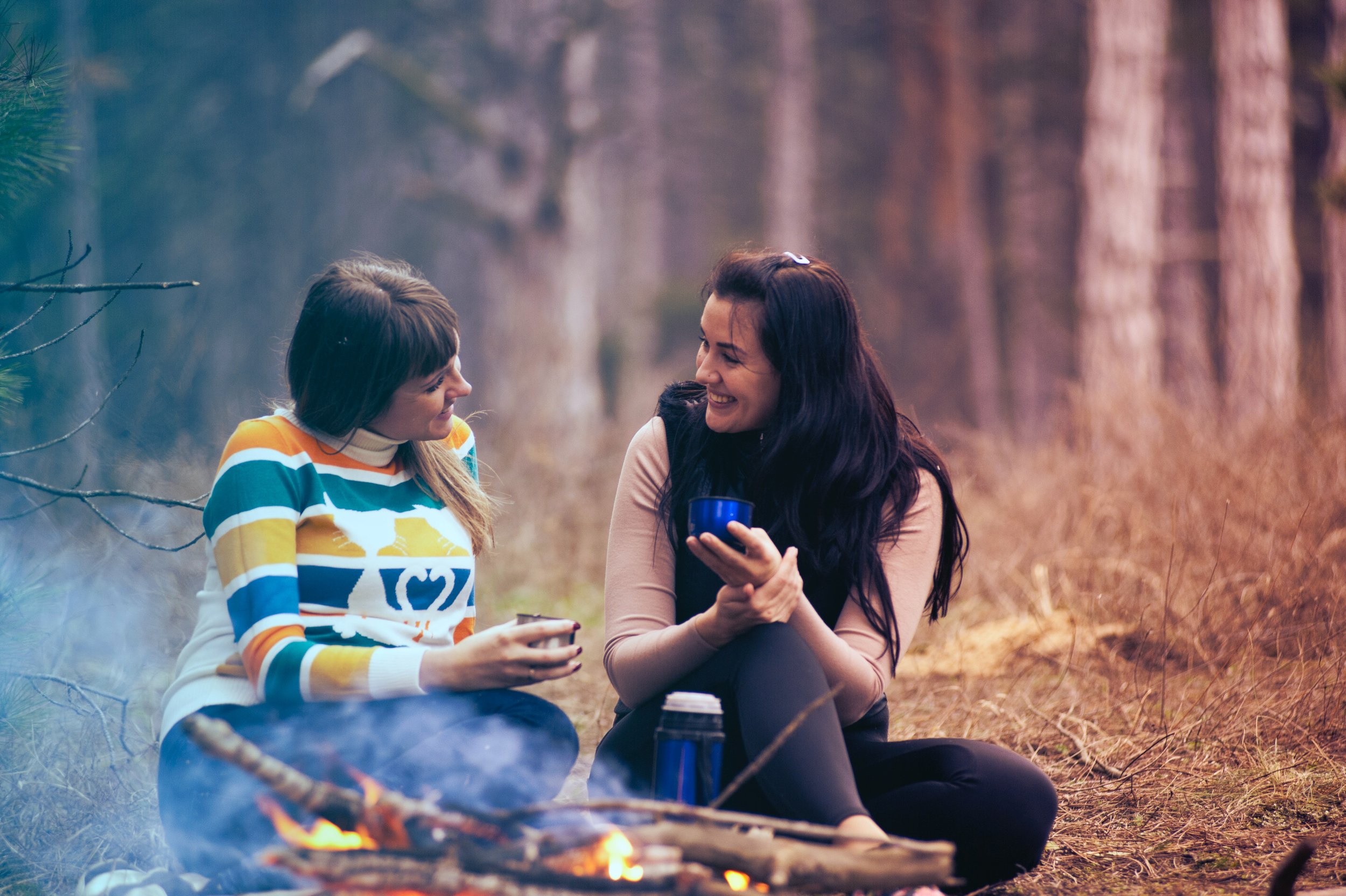
Women conversing near a bonfire. Oleksandr Pidvalnyi. CC BY 2.0.
Inform your friends, family, and fellow travelers about sustainable travel options, and remind them that even small changes can have a big impact.
Travel helps us better understand the world by exposing us to various cultures and customs that are different from our own.
Humans have a natural need to explore. That’s why tourism will always be a massive industry. We can highlight the positive aspects of tourism and lessen its drawbacks if we can come together and share strategies to make travel more ethical, respectful, and sustainable.
Travel Mindfully For Yourself & For The Environment
As regular travelers, we must find a balance between lowering our carbon footprint and helping places that depend on tourism.
We can all contribute to the preservation of our beautiful planet by making a commitment to travel more thoughtfully and go to locations where delicate ecosystems are protected and local communities are helped.

Myrtle Bautista
Myrtle is a journalism major, a social media marketer and is now exploring freelance writing. She's fond of anything related to health and wellness, and when she's not writing, you'll find her doing long-distance cycling, ultramarathons, hiking, or in a local cafe enjoying a good cold brew.
7 Reasons Why Kenya Should Be On Your Ecotourism Travel List
As eco-consciousness grows among travelers, Kenya welcomes them as a beacon of sustainability and natural wonder.
Read MoreThe Gris-gris Wrestlers of Senegal
Wrestling — la lutte in French, or lamb in native Wolof — is by far the most popular sport in Senegal, even more beloved than football.
The entire population, from toddlers to grandmothers, follows the big wrestling matches either in the stadium, on the television, or on the street. Senegalese wrestling differs from that practised more commonly in western and Asian countries — mostly because of the traditional rituals practised by competitors. In western countries, these mystic rituals are often colloquially called voodoo, but the Senegalese call it gris-gris.

These unusual rituals are usually performed with the presentation and veneration of traditional amulets, the use of magic potions, and hypnotic drumming, songs and dance — all as an integral part of the wrestling match. The wrestler above is presenting his magic amulets to the crowd before a fight in the Adrien Senghor arena. Meanwhile, below you see a wrestler training before a final fight in the Iba Mar Diop stadium, located in the Medina district in Dakar. To prepare, he dances alone in a trance-like state to ear-deafening hypnotic drums and repetitive beats.
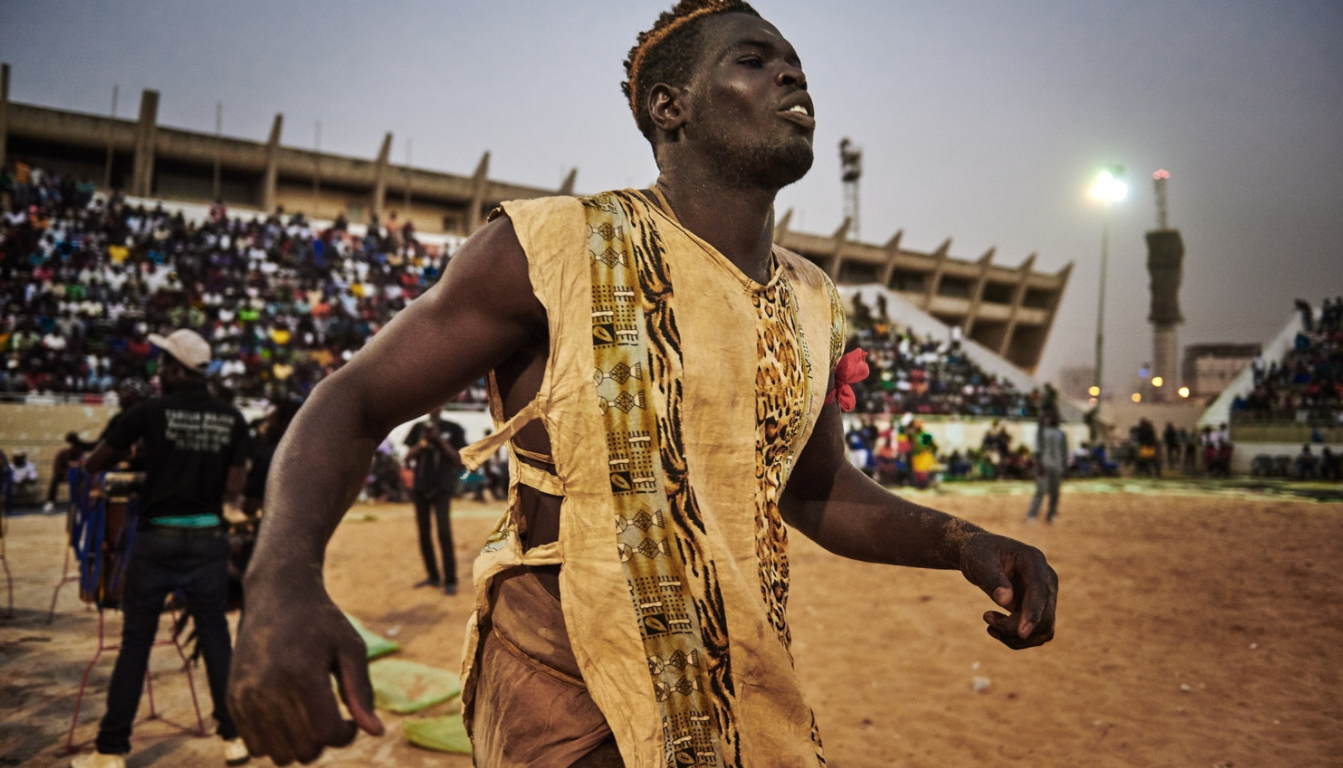
During the last ten years, the traditional sport of La Lutte Sénégalaise has become a million dollar spectacle, mostly because of big telecom sponsors, TV stations, and new media channels. This has led to the most successful wrestlers becoming media-stars and billionaires, giving young men in this African country a very different perspective. For wrestlers who succeed there is not only social recognition, along with high value prizes into the hundreds of thousands of US dollars for the highest profile fights, but also the chance of well-paid jobs in the security industry or as a trainer in a wrestling school.

THE BIG FIGHT
While in Dakar, I attended a huge fight between two superstars of Senegalese wrestling — Balla Gaye 2 and Emeu Sene — along with more than 20,000 other fans at the sold out soccer stadium called Demba Diop, on April 5, 2015. With over 200 million CFA (around USD $300,000) at stake, this was a serious match. In the weeks beforehand, large billboards and posters appeared all over the city, advertising the event. Below you see fans and street vendors gathering outside the stadium before it began.

At the start of the competition, Adam Ngom, a well-known drummer, fired up the audience to welcome the champion wrestler Balla Gaye 2. An important mystical element, the deafening sound of the drums is never absent from a fight, not even at small wrestling matches in local villages.

One of many mystical rituals performed by the wrestlers, releasing pigeons is believed to bring the wrestler luck. Balla Gaye 2, whose real name is Sakko, became a superstar in Senegal after he dethroned the reigning champion Yekini in 2012, who had remained unbeaten for fifteen years.

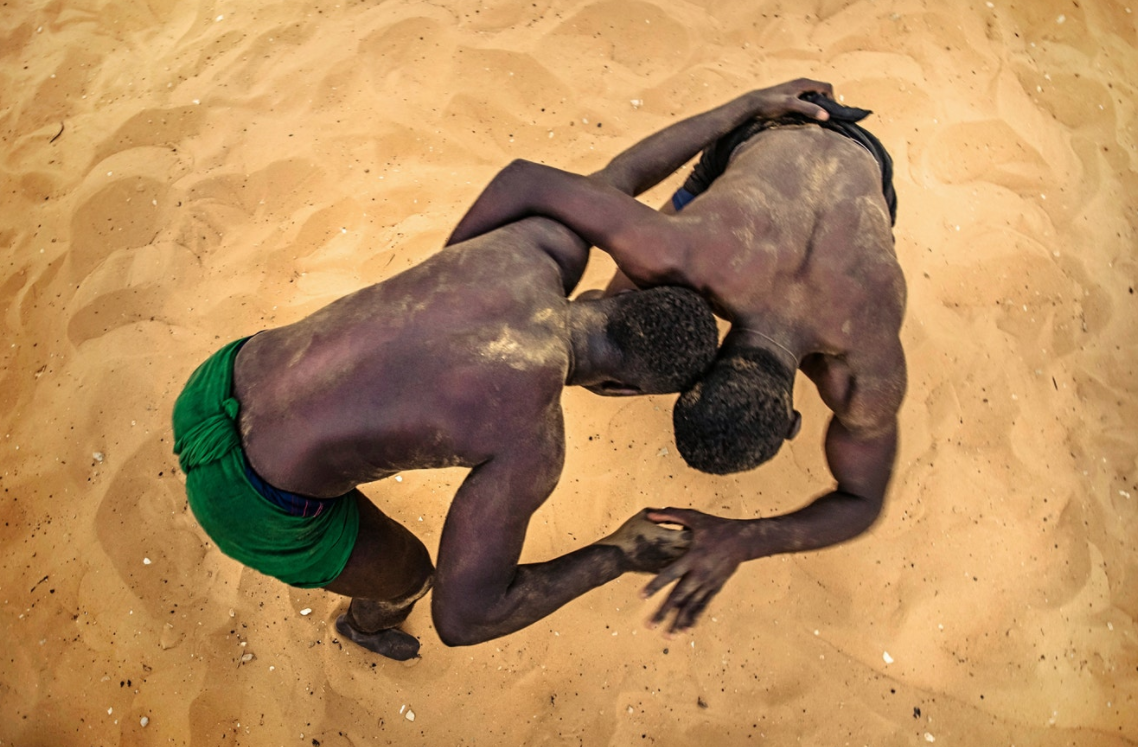
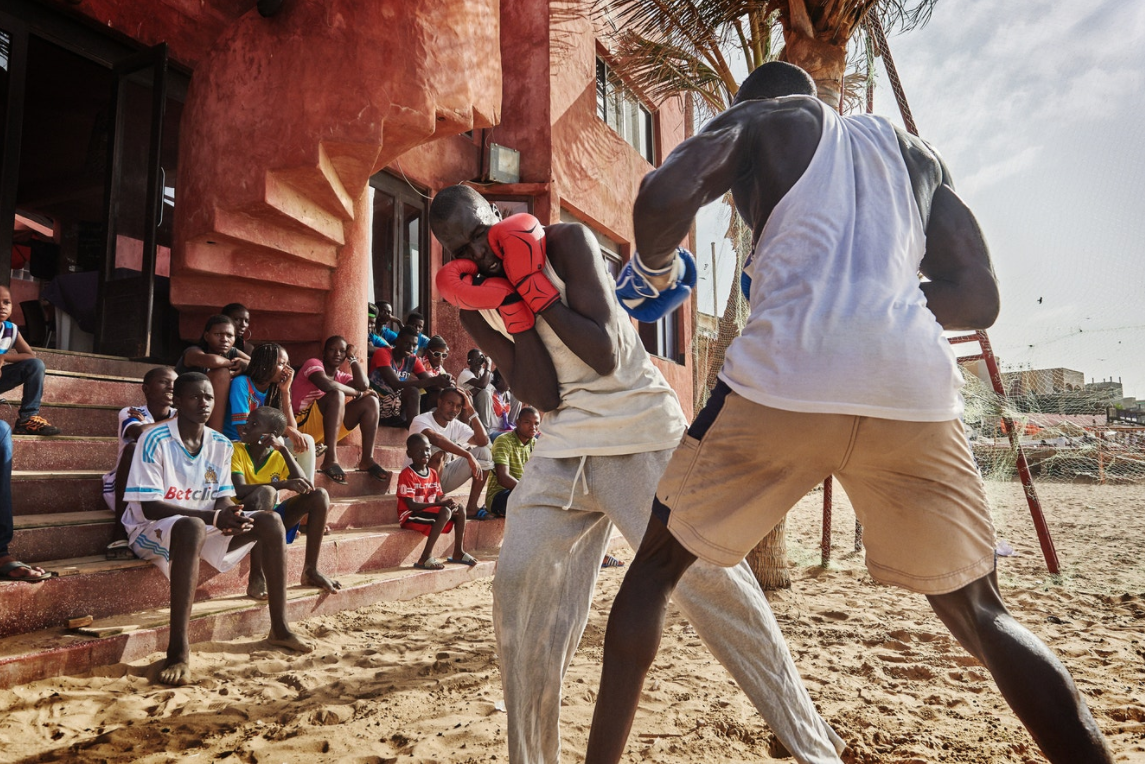
Similar to wrestling styles in other countries, a Senegalese fighter will try to grab their opponent by legs, and unbalance him. Nowadays a wrestling match that also involves boxing is the king’s discipline of the Senegalese sport, but the more traditional forms of wrestling are still performed without boxing in many of the villages. Below you see wrestler BB Bismi Ndoye defeating his opponent Maraka Dji, during another fight in the Demba Diop stadium on April 5, 2015. Some fights will last no longer than 90 seconds and only very rarely do they go on longer than fifteen minutes.

RITUAL & RHYTHM
Senegal’s climate is too hot for wrestling during the day, so competitions always take place in the evening, often lasting until well after midnight.
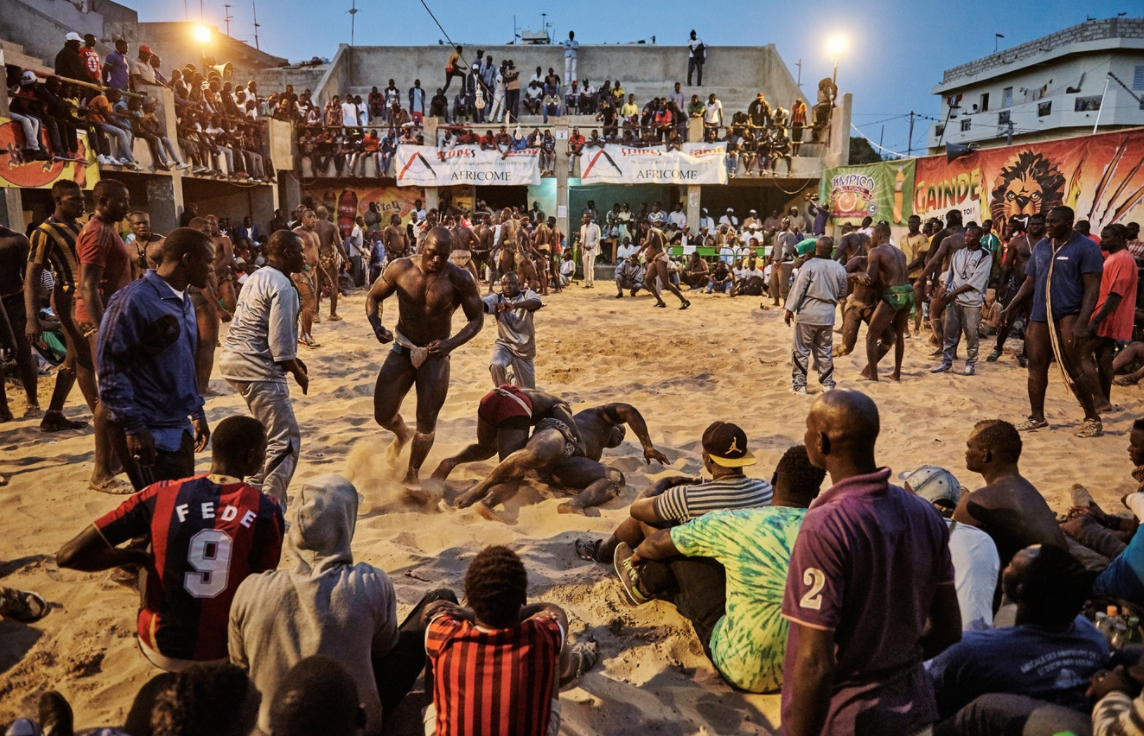
Attending these late night competitions, the atmosphere and mood often evoked is that of an ancient gladiatorial fight, with plenty of wild drumming and singing. Below you see the contrasting enthusiasm and frustration of rival supporters in the Iba Mar Diop stadium — every well-known wrestler has his own loyal supporters who spur him on during a fight.
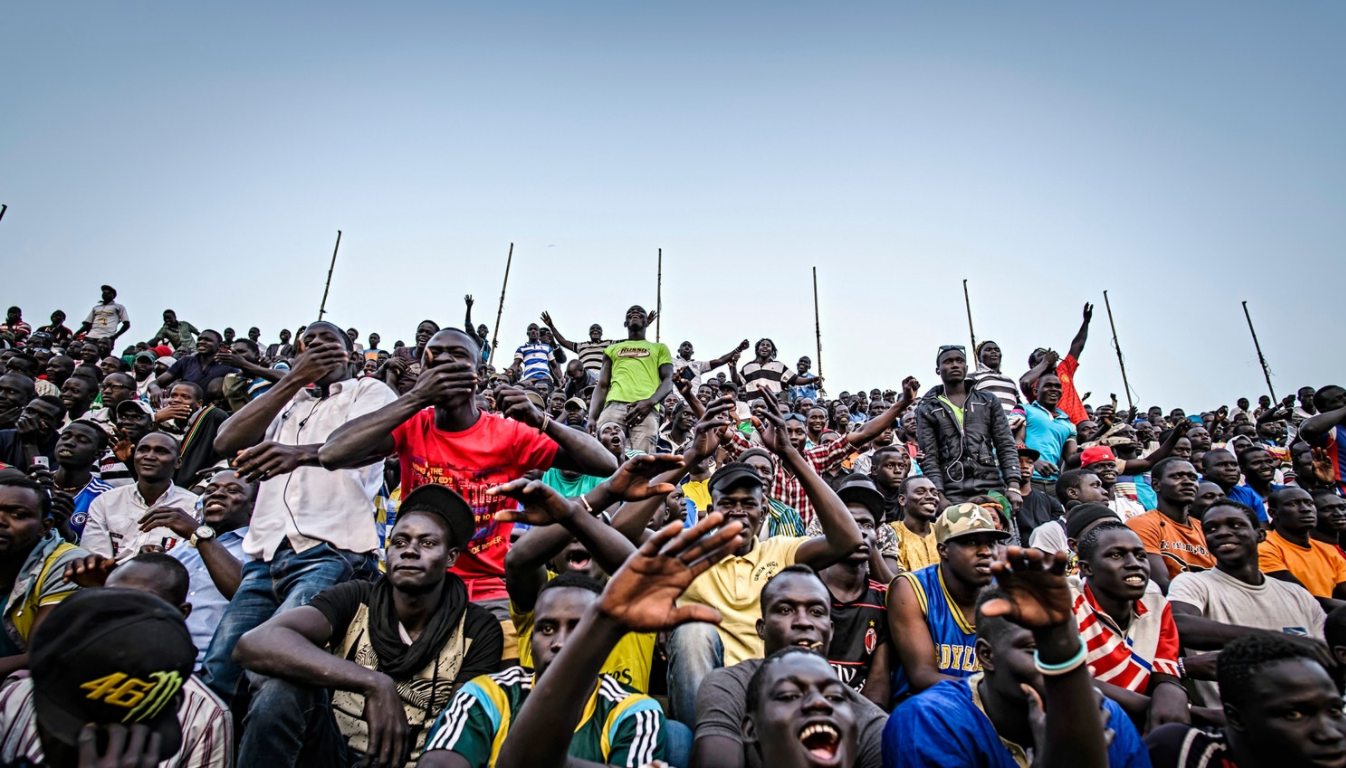
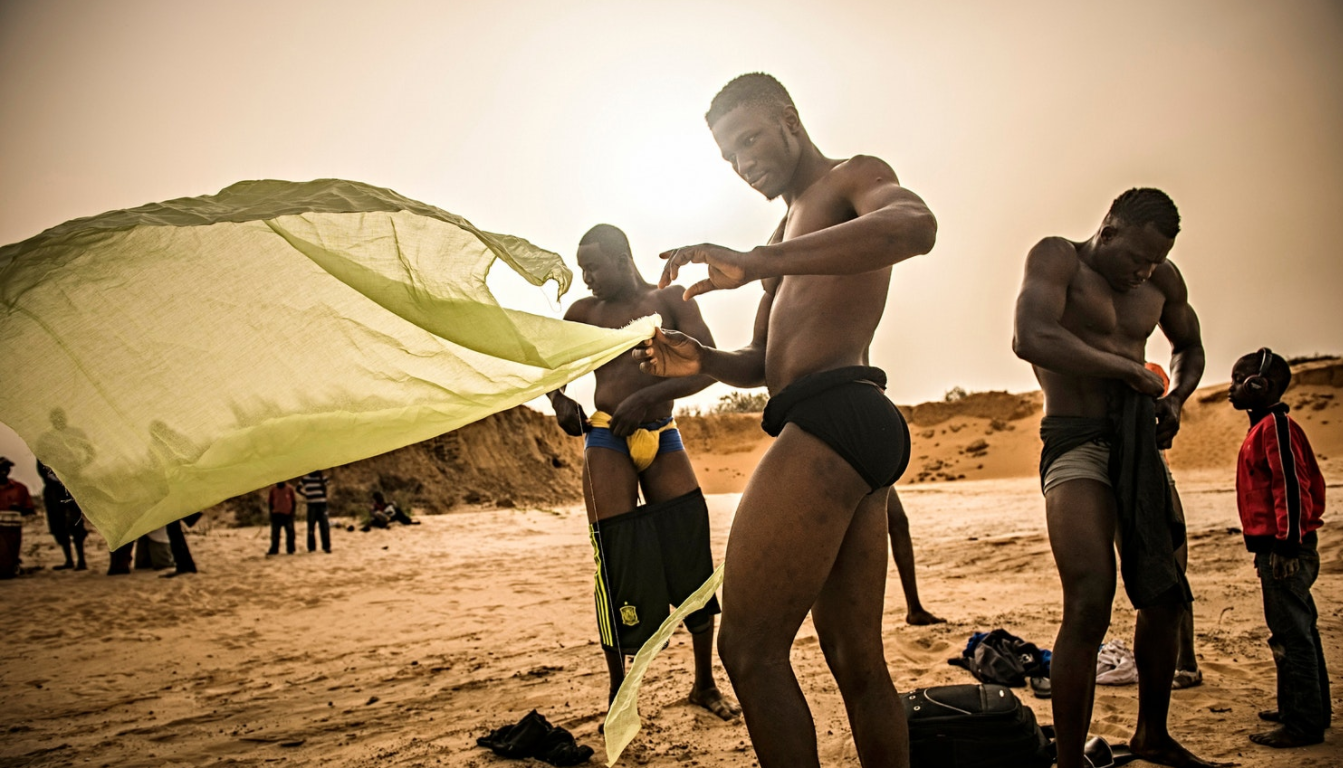
Senegalese wrestling matches always take place on sand and many wrestling stars will head out to train on the public beaches of Dakar, which also provides a welcome source of entertainment for the locals.
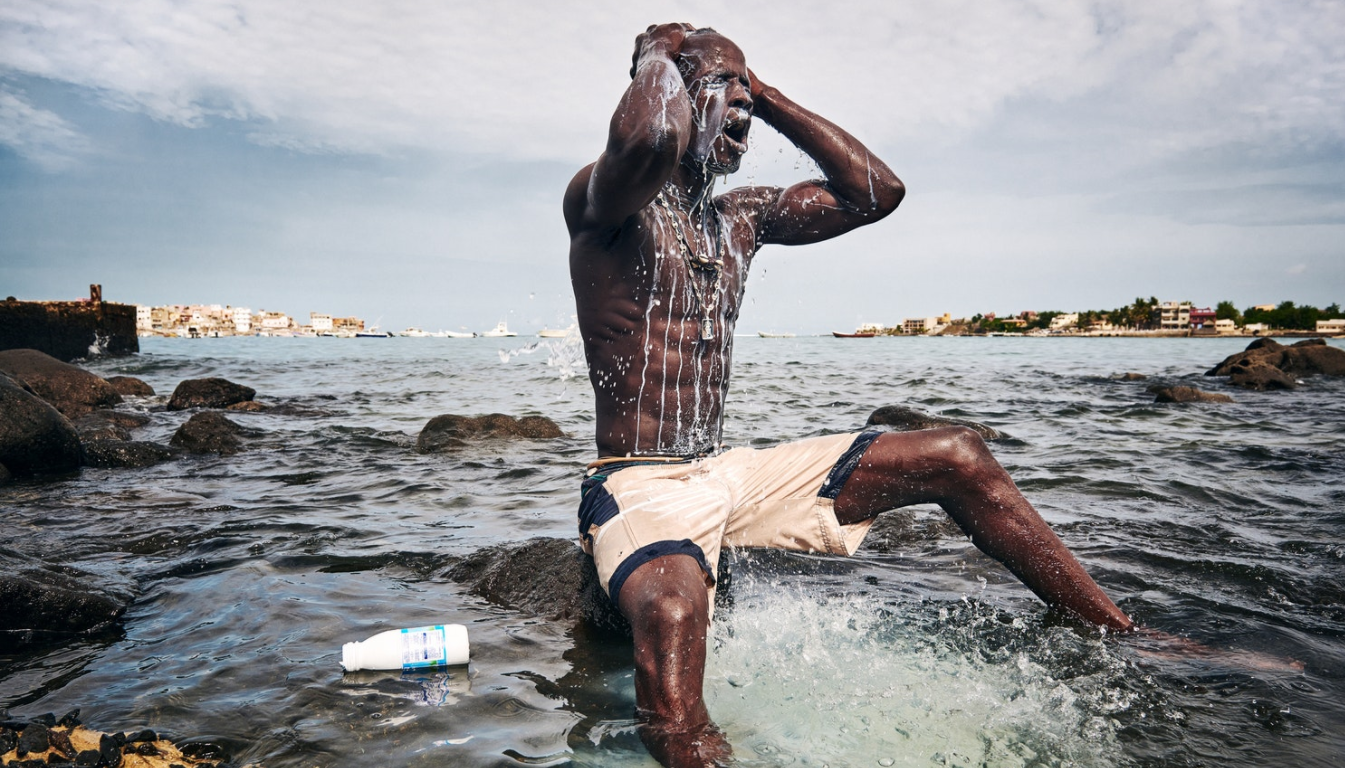
Witchcraft and magic play a very important role in Senegalese wrestlers’ preparations. Below you see Kherou Ngor, a young lightweight wrestling champion, washing himself with milk on the shore of Ngor in Dakar. Kherou performs this traditional ritual as he believes that he will gain strength and support from a ghost who lives among the stones on the shore.
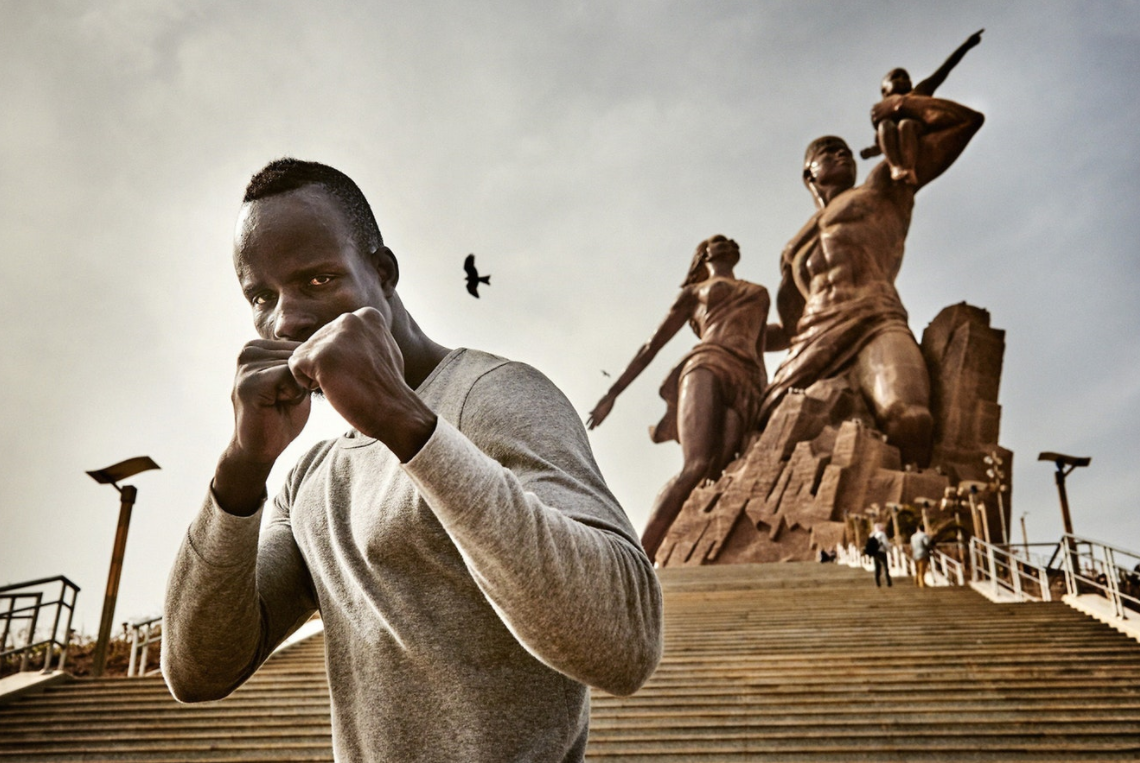
At least three times a week, Kherou will also train on the long stairway in front of the “monument of the African Renaissance”, one of the biggest bronze statues in the world. Ultimately, the North Korean aesthetic and the statue’s insane building cost prevented the former Senegalese president Abdoulaye Wade from being re-elected.
Before a fight, it is also common for a marabout — a religious leader and teacher — to conduct rituals, believed to give the wrestler supernatural powers. Marabouts also make and sell amulets, called Gris-gris, and magic potions to the wrestlers, which they then take to the matches in bottles. Traditional shamans also play a part in the preparations. Every wrestler has an assistant who takes care of his Gris-gris amulets and prepares him for each fight. Below you see one of those assistants sacrificing milk at a cham, a special place of worship for the ancestors of the wrestler’s family.
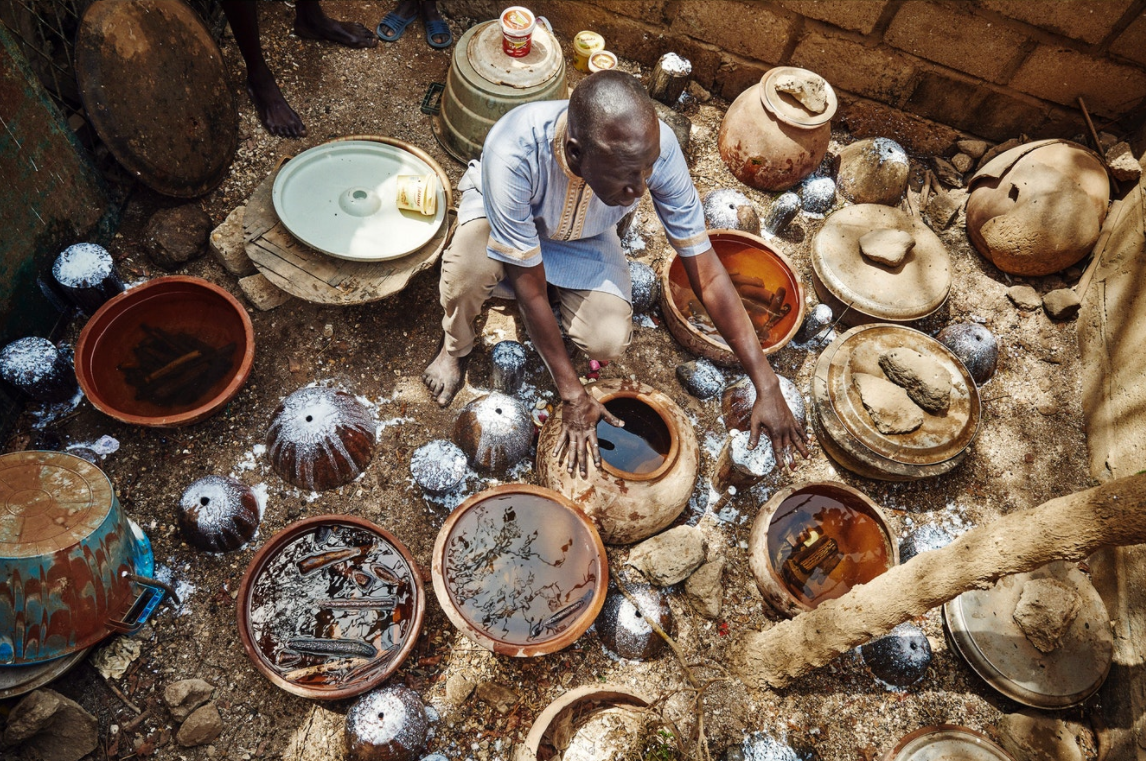
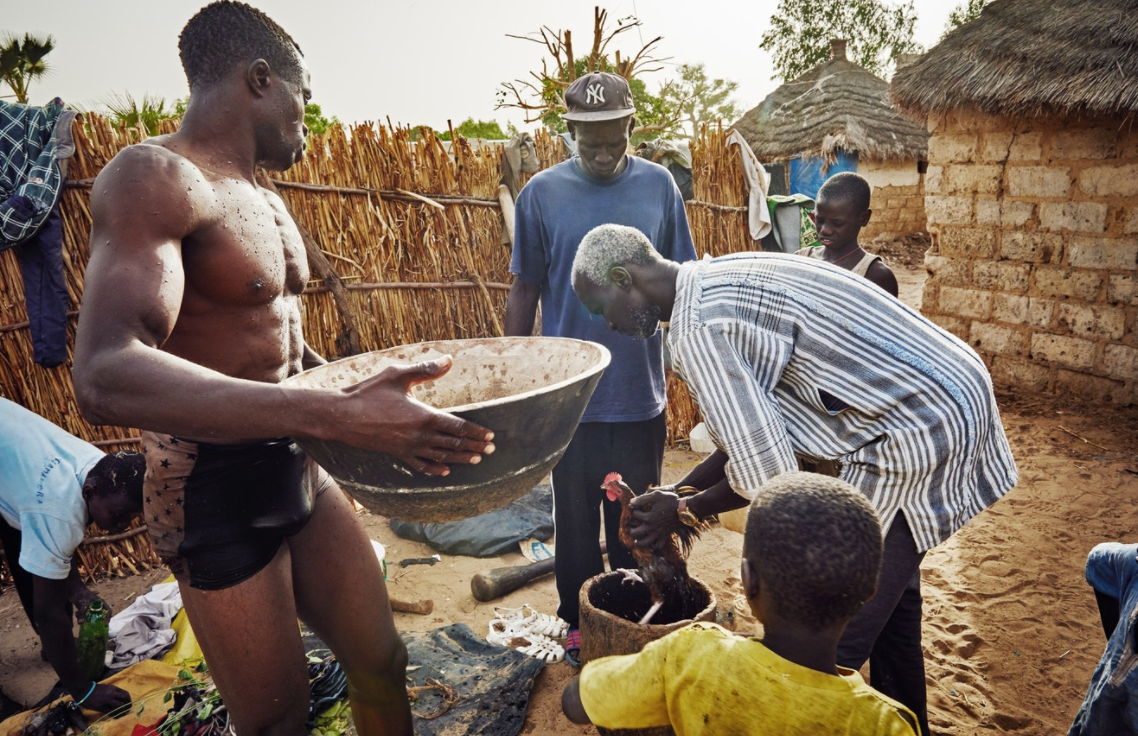
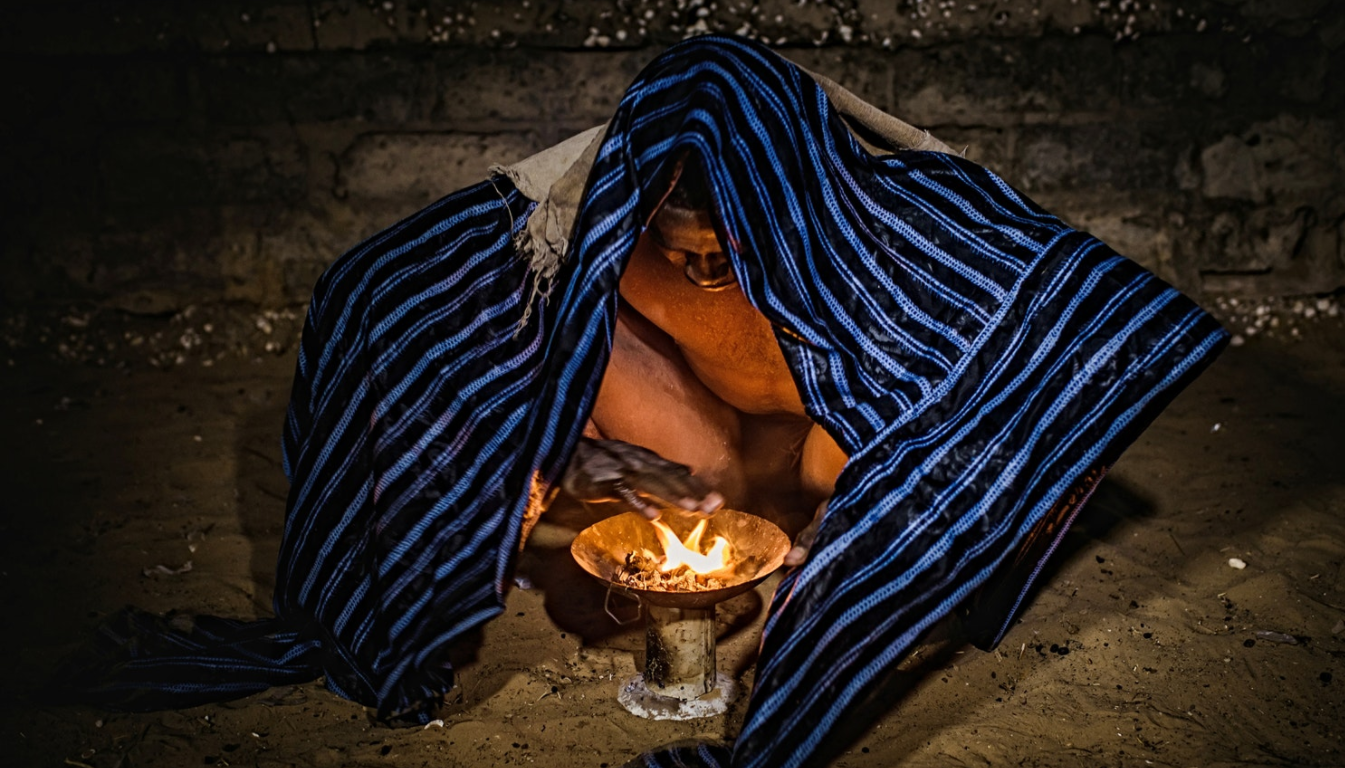
Another important ritual wrestlers often celebrate before a fight is the inhalation of holy smoke. Each wrestler uses a special cloth to waft the smoke, which he will then wear on his abdomen during the fight.
EVOLUTION OF A SPORT
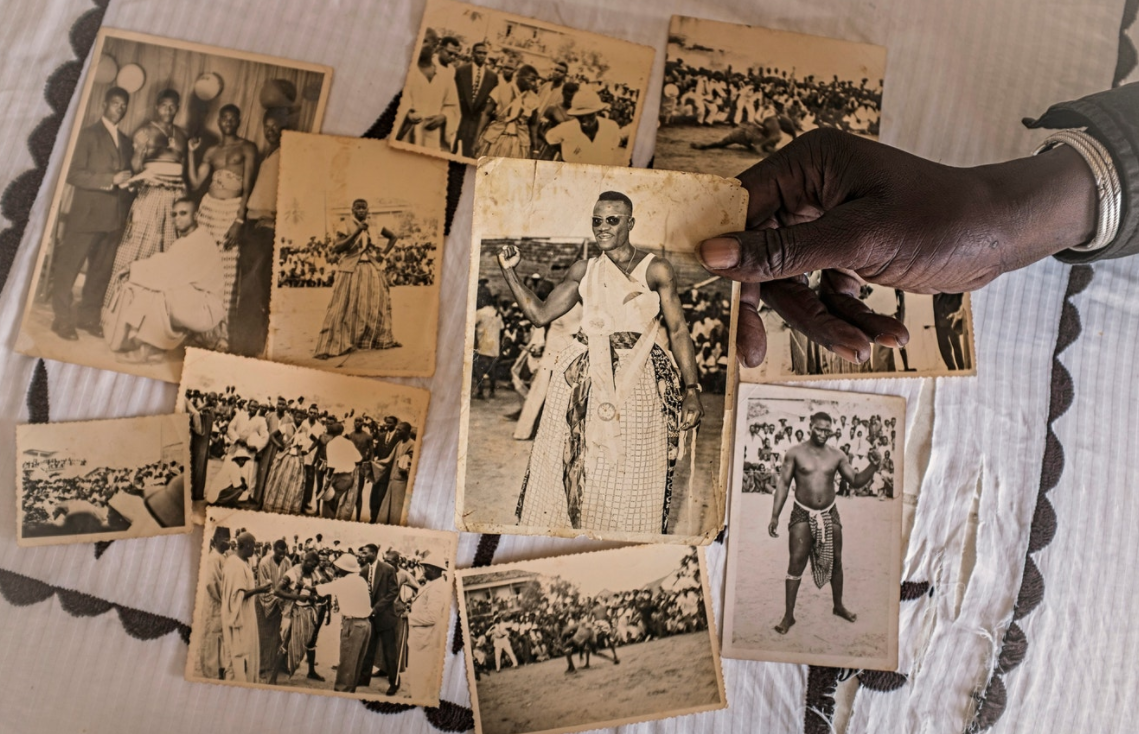
Wrestling has a centuries-long traditional history as part of popular culture and tradition in Senegal and I met photographer Freekis Ndoye from Dakar, who shared his historical pictures of wrestlers from the 1950s. The first celebrated wrestler in the region of Senegambia was called Boukar Djilak Faye and he lived during the 14th century in the kingdom of Sine.
Almost every village in rural Senegal organizes regular wrestling tournaments, often to accompany a communal celebration or party. Below, in the small village of Soune, you see women and children gathering to watch the men fight in a wrestling match, as a young wrestler pours a magic potion over himself, prepared by a shaman to lend him supernatural forces.
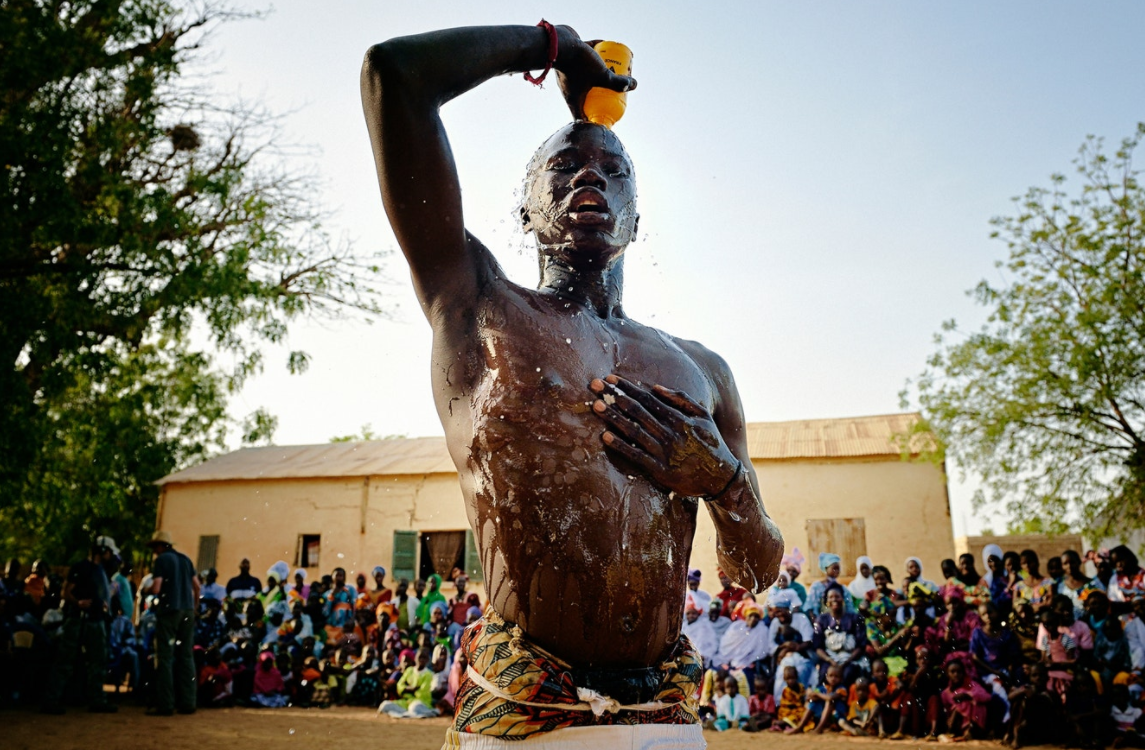
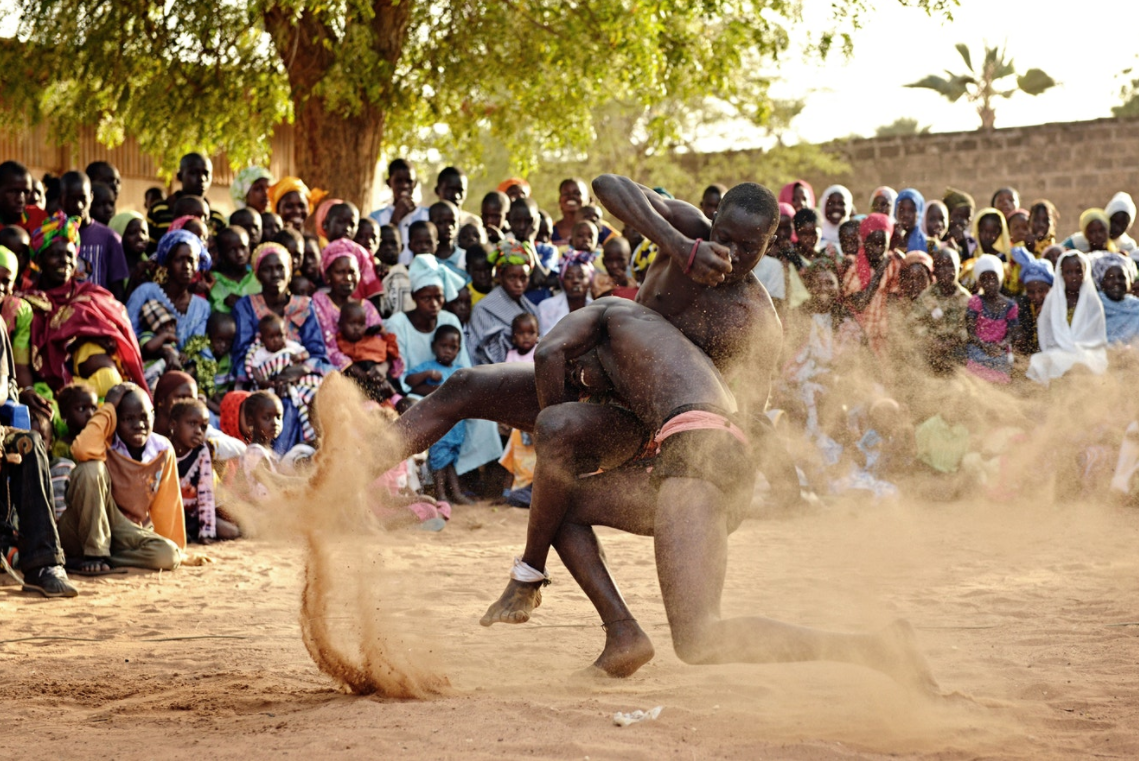
Before each fight, the wrestlers must wrap a special cloth around their abdomens, which they can use to grab hold of each other during the fight.
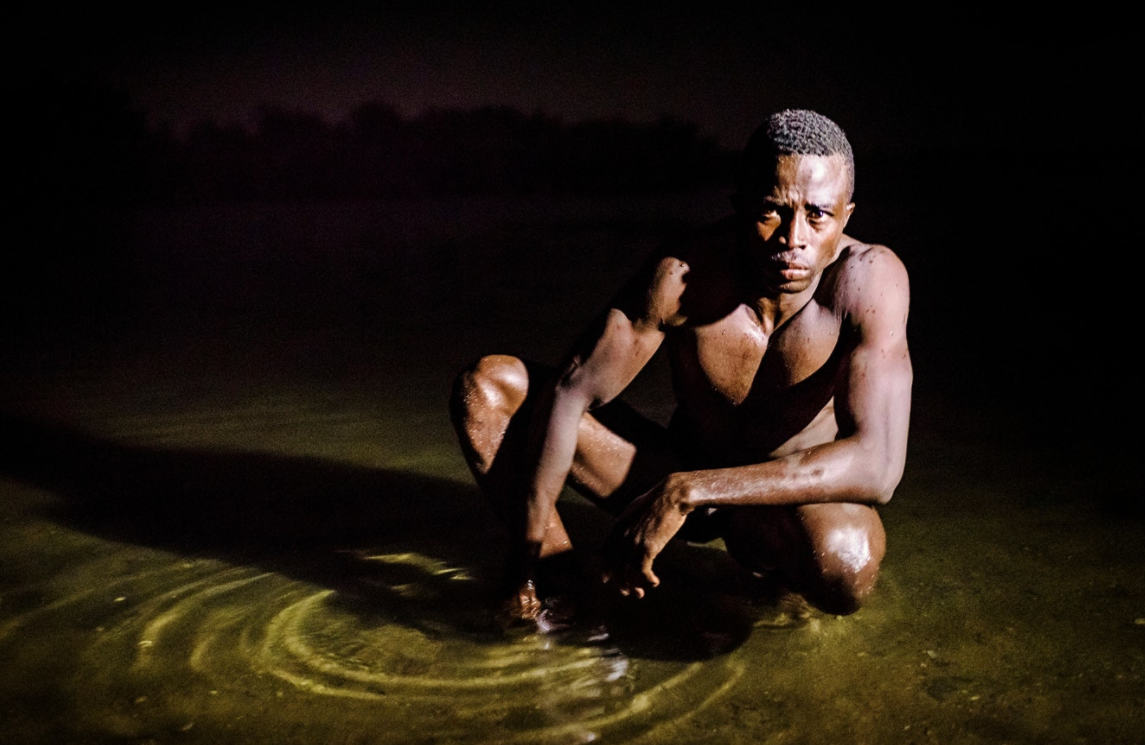
Below you see a wrestler from the small village of Djilass, during a ritual river washing before a regional fight competition. The captial city of Dakar attracts many wrestlers who are successful in rural areas, as it is only at the bigger competitions a fighter can win significant prize money.
Today, especially at the bigger matches in Dakar, many of the traditional costumes once worn by wrestlers during the dances and gris-gris ceremonies that are held before a fight, have been exchanged for high-tech sports gear emblazoned with the bold logos of modern telecommunication brands. Here you see a group of young wrestlers performing a dance at the Demba Diop stadium in Dakar.

With the influence of big sponsors, wrestling has become a very trendy sport and is no longer seen as a sport only for old men. Even young girls like 23-year-old Aissa, who is a waitress at the “Black and White” bar on the beach of Ngor, read the Sunu Lamb newspaper — a daily publication dedicated exclusively to Senegalese wrestling matches.

The faces of top wrestlers are also becoming a popular subject for t-shirts and the superstars of wrestlers gather many adoring young followers.

THE NEXT GENERATION
Tens of thousands of young men in Senegal now dream of making wresting their future career, in the hope of becoming rich and famous. Every evening, as the heat of the sun begins to lessen, you will find the next generation of wrestlers training hard on the beach of Ngor in Dakar.
Most of the young hopefuls have very little money to their names, so they must be resourceful with their training — only the top wrestlers can afford to train at the city’s dedicated wrestling gymnasiums.
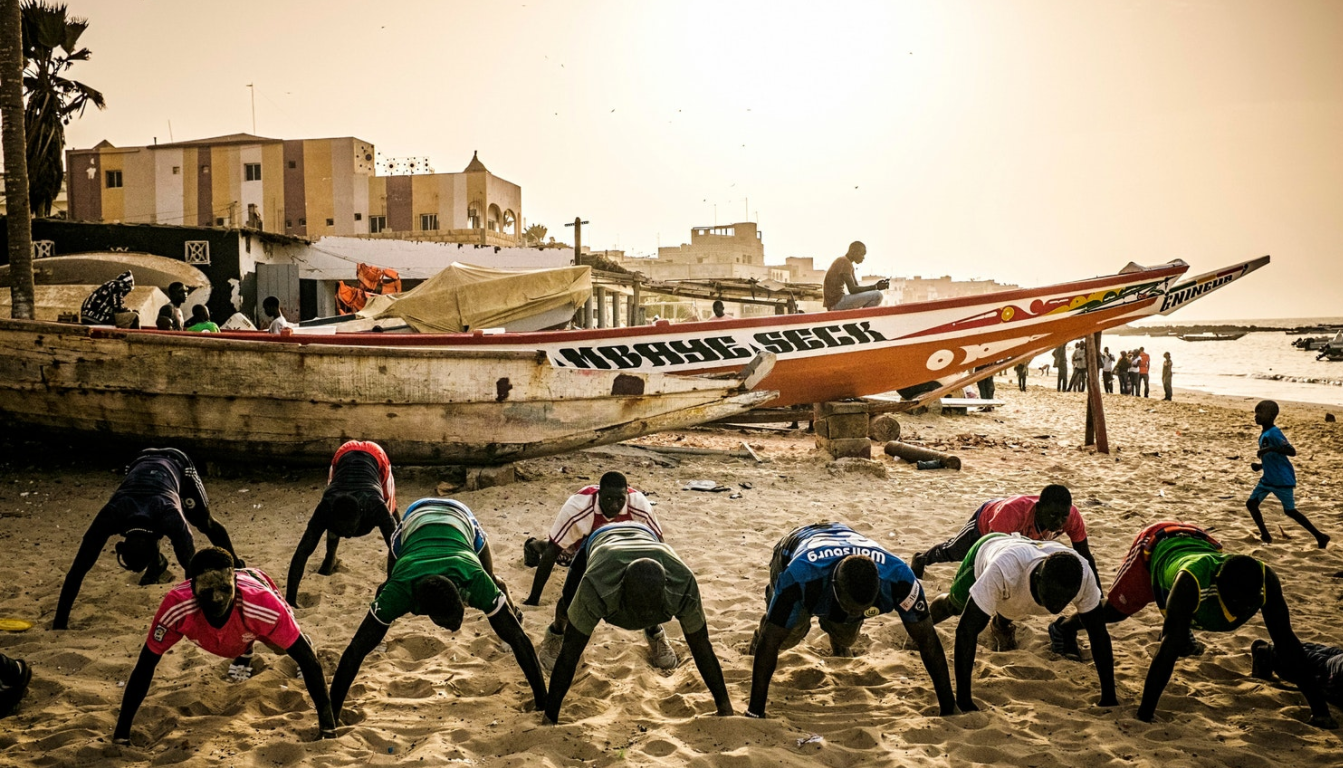
The young men with the most talent will go on to train at one of the famous wrestling schools run by ex-fighters like Balla Gaye, who opened the first official wrestling school in Senegal. Many successful wrestlers have graduated from his school, including the superstar Balla Gaye 2.

Now retired from competition, below you see another famous wrestler, Lac de Guiers, posing in front of the Mar Diop stadium. It was in this very arena that his fight against the wrestler Commando made wrestling history. With a series of targeted, hard punches, Lac de Guiers defeated the much taller favourite and sent him tumbling out cold to the ground.

These days, Lac de Guiers owns a wrestling school and lives peacefully with his family, a sheep, a few pigeons, and his parrot. Here you see him relaxing and watching an important weekend match with his family on TV, just like a hundred thousand other Senegalese people on a Saturday afternoon.

Named in honour of his mentor and trainer, below you see the wrestler Lac de Guiers 2, pictured after a training session on the bonnet of his car, which he was able to buy using some of the prize money he has won. A rising star, on April 12, 2015, he followed in his predecessor’s footsteps and defeated the strong favorite, Papa Sow, in a sensational fight at Demba Diop stadium.
For now, the future of this traditional sport looks set to be filled with ever higher profile competitions and tantilising promise for Senegal’s next generation of aspiring young wrestlers.

Christian Bobst is a documentary and travel photographer who is based in Zürich, Switzerland. You can explore more of his work at christianbobstphotography.com.
THIS ARTICLE WAS ORIGINALLY PUBLISHED ON MAPTIA.
En route to Antarctica: The Unpredictable Drake Passage
Recently declared an “unforgettable” journey on Tiktok, the infamous Drake Passage is a necessity for travel lovers seeking Antarctic Adventure.
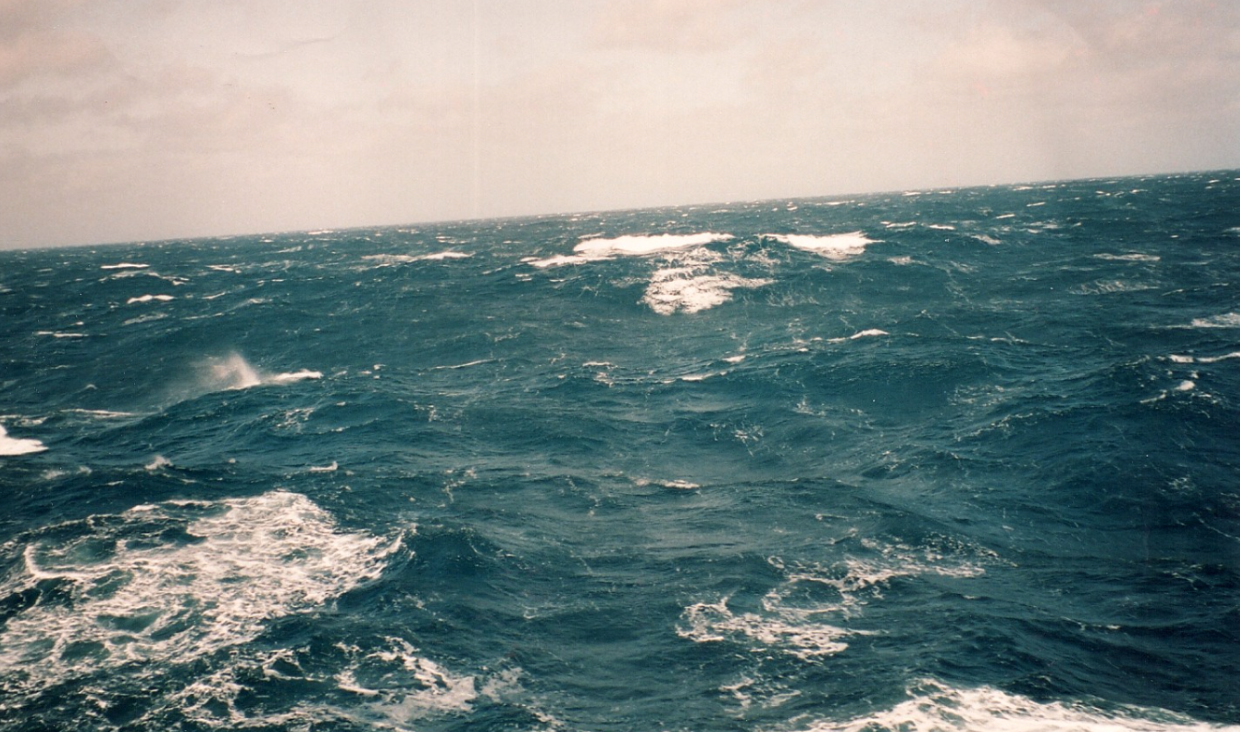
The rough conditions of the Drake Passage. Aah-Yeah. CC BY 2.0
The turbulent journey to Antarctica has rarely gotten as much attention as it did in December 2022 on TikTok. Multiple users shared their vlogs and experiences as they crossed miles to reach the icy continent. But it's less the continent itself that went viral than boat rides through the Drake Passage, a narrow strait between Antarctica and Argentina that connects the Atlantic and Pacific Oceans.
Depending on the weather, travelers passing will either experience the “Drake Lake,” a mild and almost peaceful journey, or the turbulent and rough “Drake Shake,”, which features waves that are often 20 to 25 feet tall.
According to a TikTok creator who experienced the dreaded “Drake Shake,” it took around two days for their ship to travel through the waterway and that for most of it, the boat was unsteady — to the point that passengers were “holding on to dear life” while eating breakfast at the buffet.
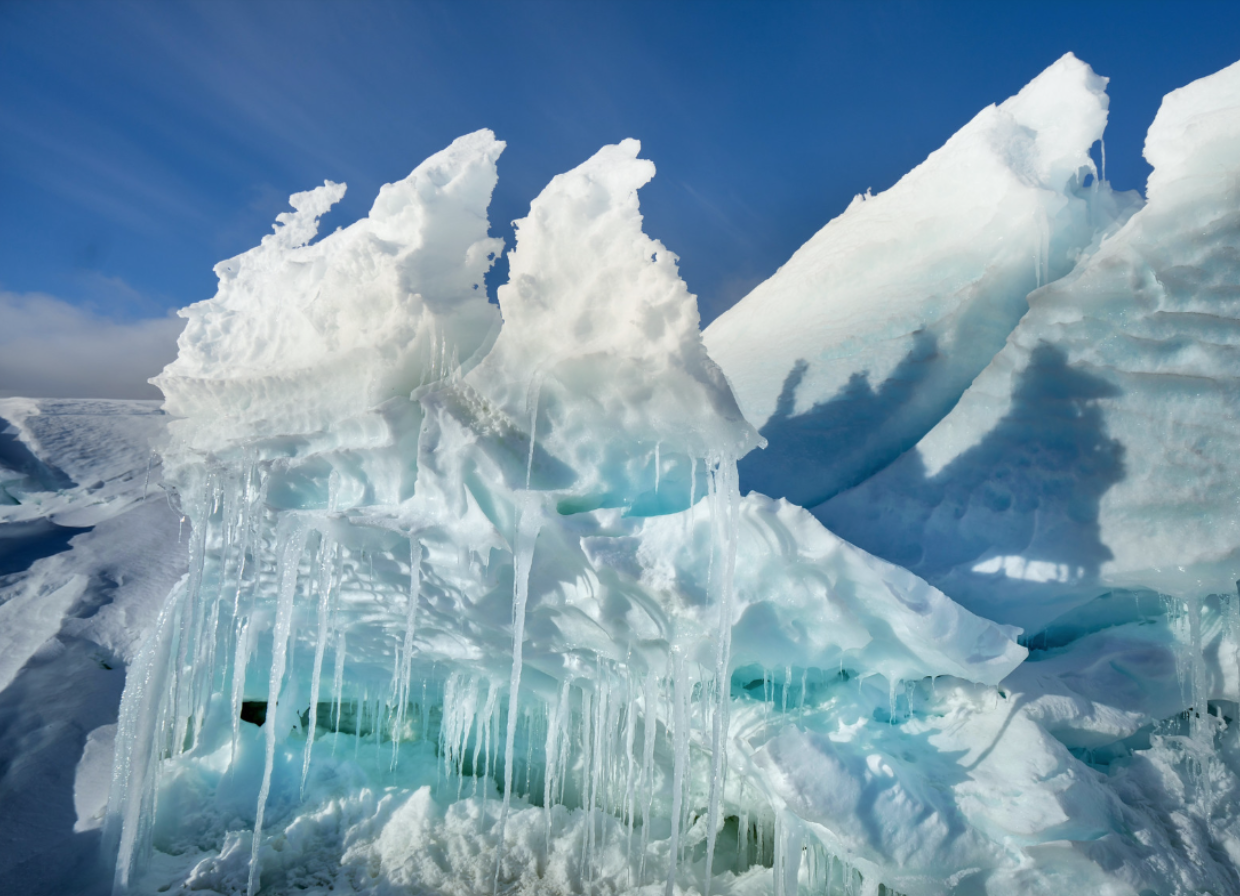
Folded ice in Antarctica. Trey Ratcliff. CC BY-NC-SA 2.0
The body of water is named after the famous English explorer Sir Francis Drake, one of whose ships passed near the location and discovered the connection between the Atlantic and Pacific Ocean in 1578. For wooden ships in the past the Drake Passage proved a difficult challenge, but with modern ship construction and technology the journey is now much easier, but still features its notorious bumps along the way.
One of the biggest issues for travelers undergoing the “Drake Shake” is the scourge of sea sickness. With the boat constantly tilting and rocking, getting nauseous is common. But a tip to overcome this is to know your limits — don’t be afraid to consult with an onboard doctor or take medications. Stay hydrated, don’t skip meals, and avoid alcohol. There is no shame in taking a rest.
Bringing good shoes may also make the journey smoother. These should hold snugly to your feet and help you get a good grip. One passenger who traveled across the Drake Passage said good footwear is crucial to preventing falls or slips. Some guests were visibly struggling in slippers and sandals.
But overall, when five adventurers were asked about their experience, the common consensus was that it was all worth it. Many have said it’s a journey to remember because while there may have been a few bumps on the road, the “ultimate reward is Antarctica.”
RELATED CONTENT
Michelle Tian
Michelle is a senior at Boston University, majoring in journalism and minoring in philosophy. Her parents are first-generation immigrants from China, so her love for different cultures and traveling came naturally at a young age. After graduation, she hopes to continue sharing important messages through her work
9 Hottest Cuisines from Around the World
Discover the 9 spiciest cuisines from around the world, from Jamaican jerk chicken to Brazilian bean cake
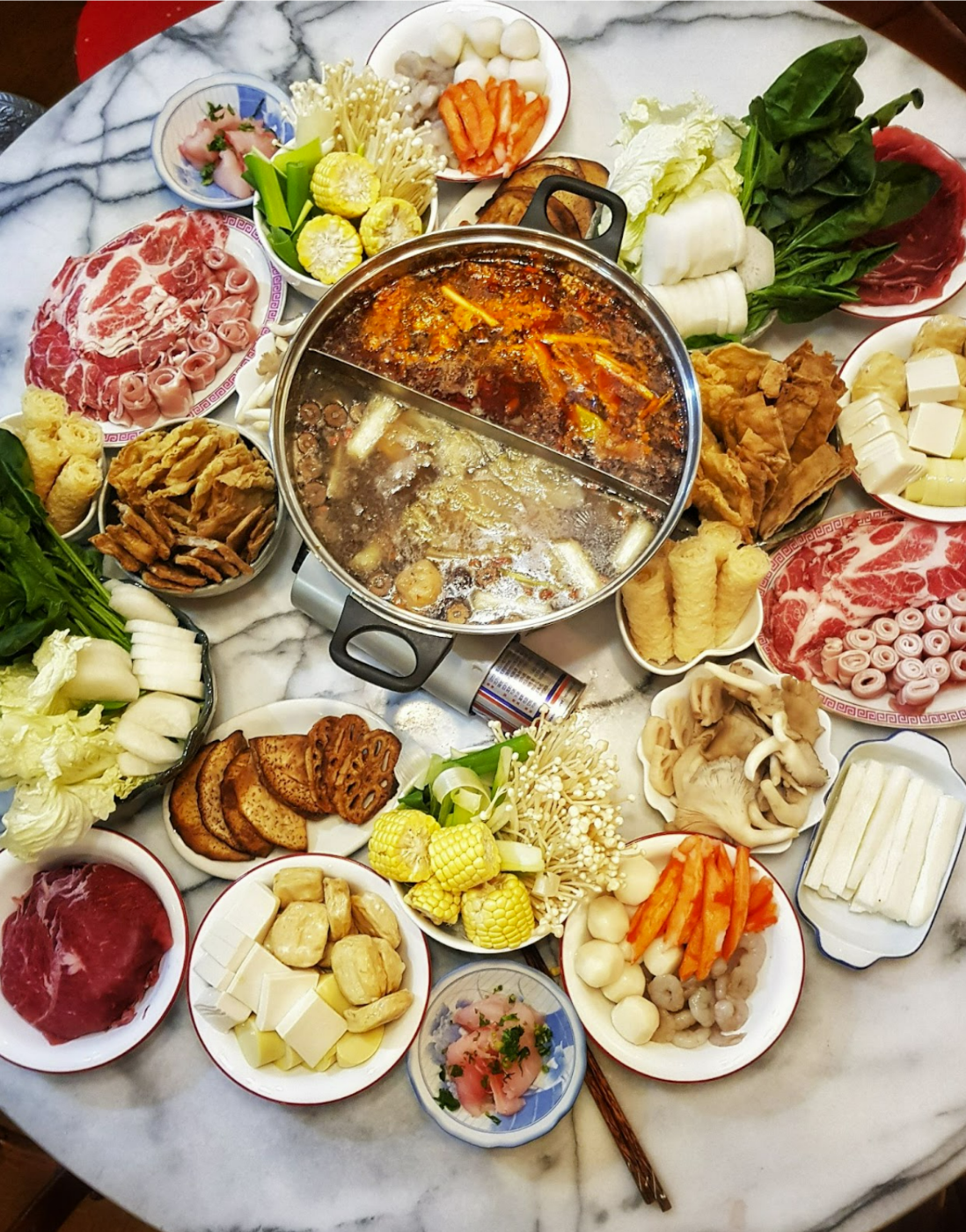
Homemade Hotpot. Jonathan Lin. CC BY 2.0.
Flavorful and diverse, food can bring a range of sensory pleasure through the tastes of sweet, sour, salty, bitter, and savory. But, spicy, a sensation rather than a flavor, is a unique combination of scorching pain and alluring charm. While it can leave a strong impression on diners, it can also burn the tongue and leave one reaching for a glass of iced milk.
Whether you love it or hate it, people around the world enjoy spicy food for various reasons, including the stimulation of appetite in tropical regions and triggering the release of pleasant endorphins through heat mimicry. If you're looking for a tantalizing culinary adventure, check out this list of the 10 spiciest cuisines from around the world.
1. Jerk chicken, Jamaica

Jerk chicken at The Jamaican Grill. Hajime Nakano. CC BY 2.0.
Jerk seasoning is a mixture of spices such as onion powder, garlic powder, cayenne pepper, dried parsley, ground clove, and cumin that bring a taste of the Caribbean to any diner. However, it is scotch bonnet peppers that bring the heat to this Jamaican dish. On the Scoville heat unit scale, which measures the number of times an active component of peppers needs to be diluted by sugar water to achieve a neutral taste, scotch bonnet peppers are nearly 100 times hotter than jalapeno peppers. Jerk chicken, a popular dish that can be made with either bone-in or deboned chicken breast, is typically marinated or dry-rubbed with this spicy seasoning. In Jamaica, where the dish originated, people place charcoals in a fire pit with pimento wood on top, then put the seasoned chicken on the wood. The slow cook that lasts for hours allows the chicken to absorb the fragrant oil and smoke from the pimento wood, rendering its piquant taste.
2. Sik Sik Wat/Doro wat, Ethiopia

Demera Ethiopian at Chicago French Market. Kurman Communications, Inc. CC BY 2.0.
Doro Wat or Sik Sik Wat of Ethiopia is a classic slow-cooked Ethiopian stew simmering in dried red chilies, paprika, cayenne, and fenugreek. Berberé, a paprika-based mixture, and Niter Kibbeh, a fragrant, herb-infused clarified butter, are the two main seasonings that give the stew its rich flavor. Boiled gently in the caramelized onions, the tender chicken or beef is often combined with a tangy piece of injera, which is Ethiopian bread made from fermented teff flour. Before the stew is fully cooked, peeled, hard-boiled eggs are added to absorb the zesty spices and furnish the bright, mouthwatering red of the dish. It is also a staple of Ethiopian holiday celebrations like Christmas and Easter, particularly popular during the 43-day fast before Christmas. Many Ethiopians prefer to have this spice-filled meat stew as their first choice after abstaining from meat.
3. Bean cake, Brazil
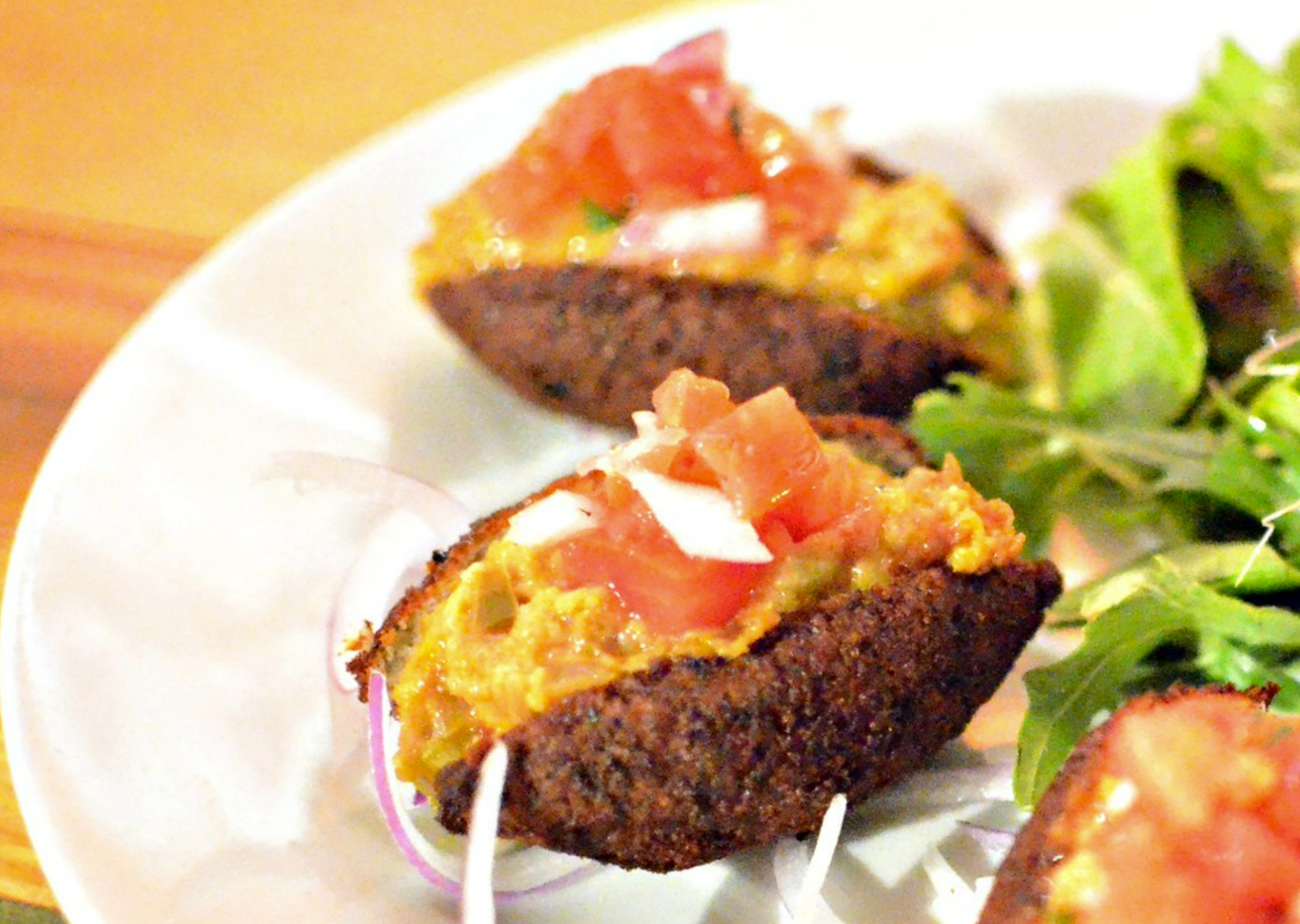
Bean cake. Stephanie.CC BY 2.0.
Popular in Brazil, bean cake is a street food dish made of deep-fried, peeled black-eyed peas beans filled with spicy pastes including cashews, shrimp, and palm oil. These patties offer a crispy exterior and a soft, pillowy interior. Its filling opens to a range of enticing ingredients, from traditional vatapa with palm nut sauce and spices to modern versions with cheese and salsa. The street food, which originates from Bahia state, has roots in West Africa. Historically sold by Afro-Brazilian women (Baianas) on the streets who dress in traditional costumes, bean cake is not only a delicious treat with its vibrant flavors and texture, but also holds cultural significance. The slave descendant woman used to sell Bainas for a living and earn their freedom in the 19th century, Whether enjoyed as a snack or a full meal, it is usually served with a tomato salad and homemade hot pepper sauces.
4. Potatoes Huancayo style, Peru
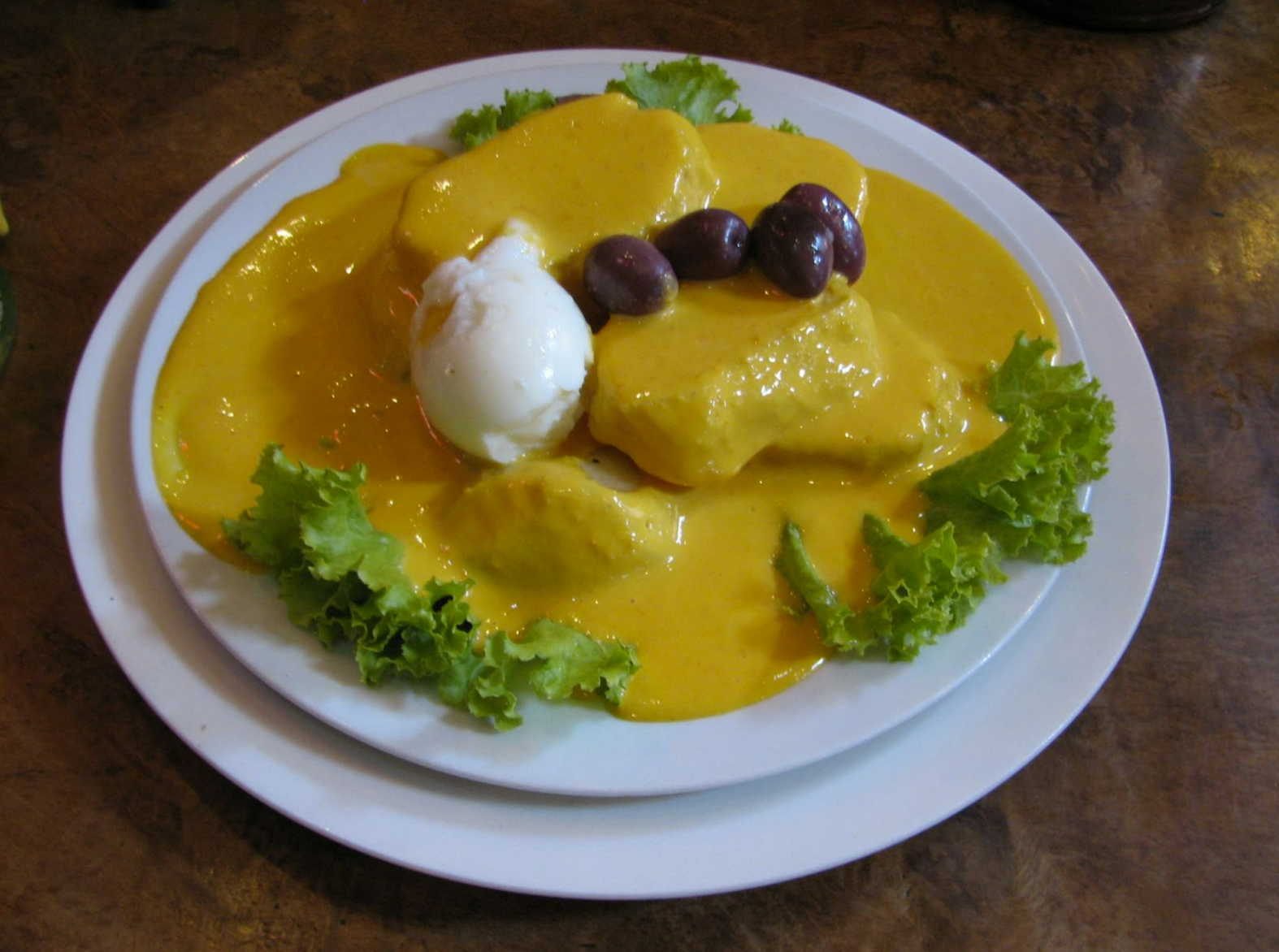
Peruvian Potatoes Huancayo style Sauce. AgainErick.CC BY-SA 3.0.
A traditional Peruvian dish known as “Potatoes Huancayo style Sauce,” Papa a la huancaína is made of rustic and flavorful potatoes covered in cheese, milk, and a variety of spices. The unique flavor of Aji Amarillo, a Peruvian chili pepper that is an inseparable part of the local cuisine, is the highlight of this deceptively simple salad dish. Without the harshness and heat of a typical pepper, Aji Amarillo is fruity and subtle, making it a perfect option for a hot summer day. The origin story of Papa a la huancaína also set this dish apart. According to local legend, the dish originated in the late 1800s in the central Andes Mountains city of Huancayo, where a woman vendor sold it to railroad workers. Its bold flavors, robust spices, and creamy texture quickly gained popularity and became a much-anticipated lunchtime treat for the workers. Today, Papa a la huancaína is on the menu of most restaurants serving traditional Peruvian cuisine.
5. Kimchi Jjigae, Korea
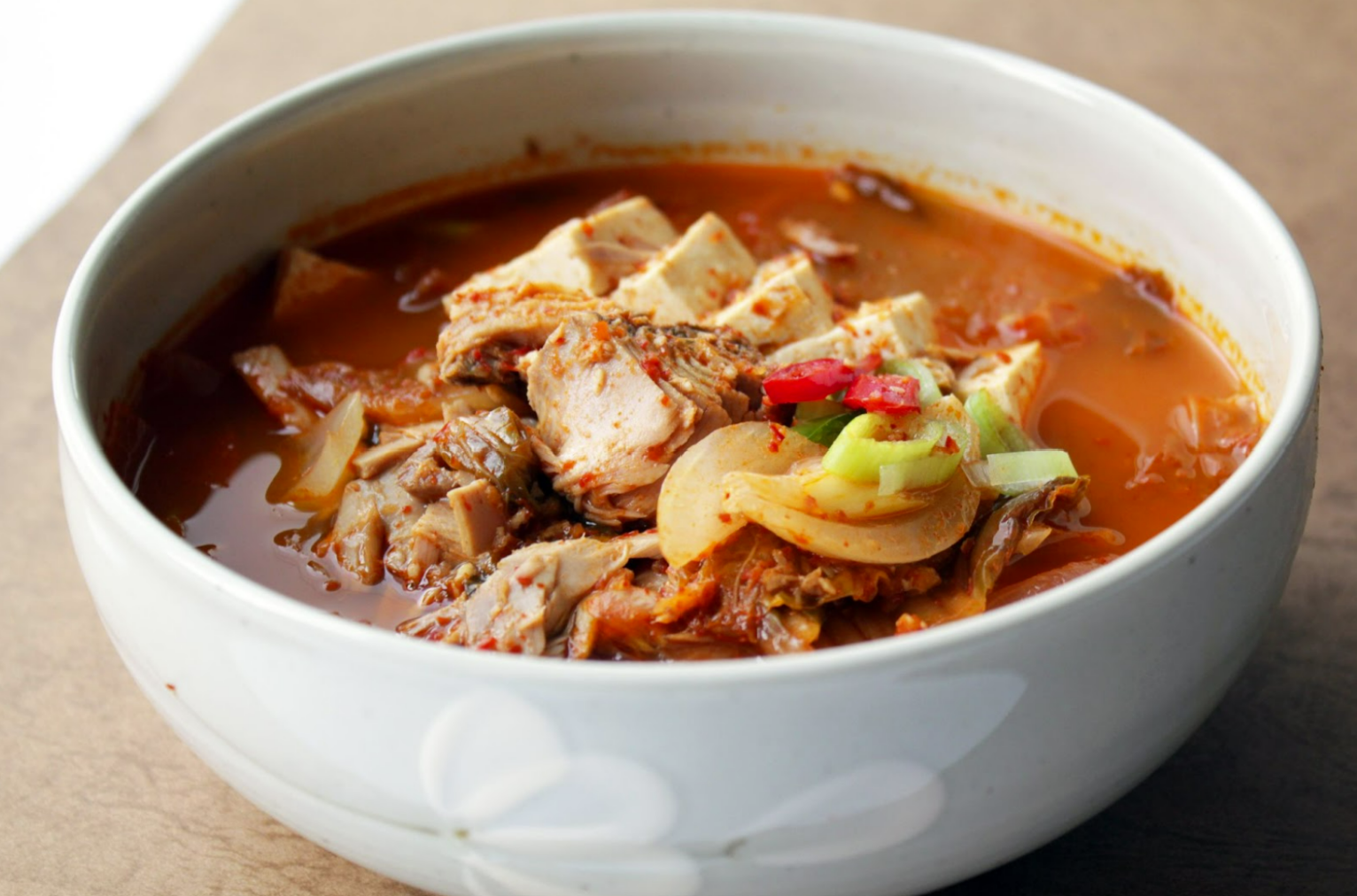
Tuna kimchi jjigae. Chloe Lim.CC BY 2.0.
Kimchi Jjigae is a traditional Korean dish renowned for its bold and spicy flavor. Made from fermented Napa cabbage and a mix of spices, including garlic, fish paste, chili paste, and rice paste, the preparation process can take days or even months. Combining Kimchi Jjigae with other ingredients such as tofu, pork belly, and scallions creates a satisfying meal. Kimchi Jjigae is also versatile and can be adapted to suit personal tastes and preferences. For example, some Koreans prefer to add beef, tuna, clams, or mussels to the dish, while others enjoy it simply served over a bowl of rice. Regardless of the additional ingredients, this dish is well-known for its comforting spiciness and ability to refresh the palate. The ease of preparation, combined with its transformative taste, makes Kimchi Jjigae a favorite for many.
6. Tom Yum, Thailand
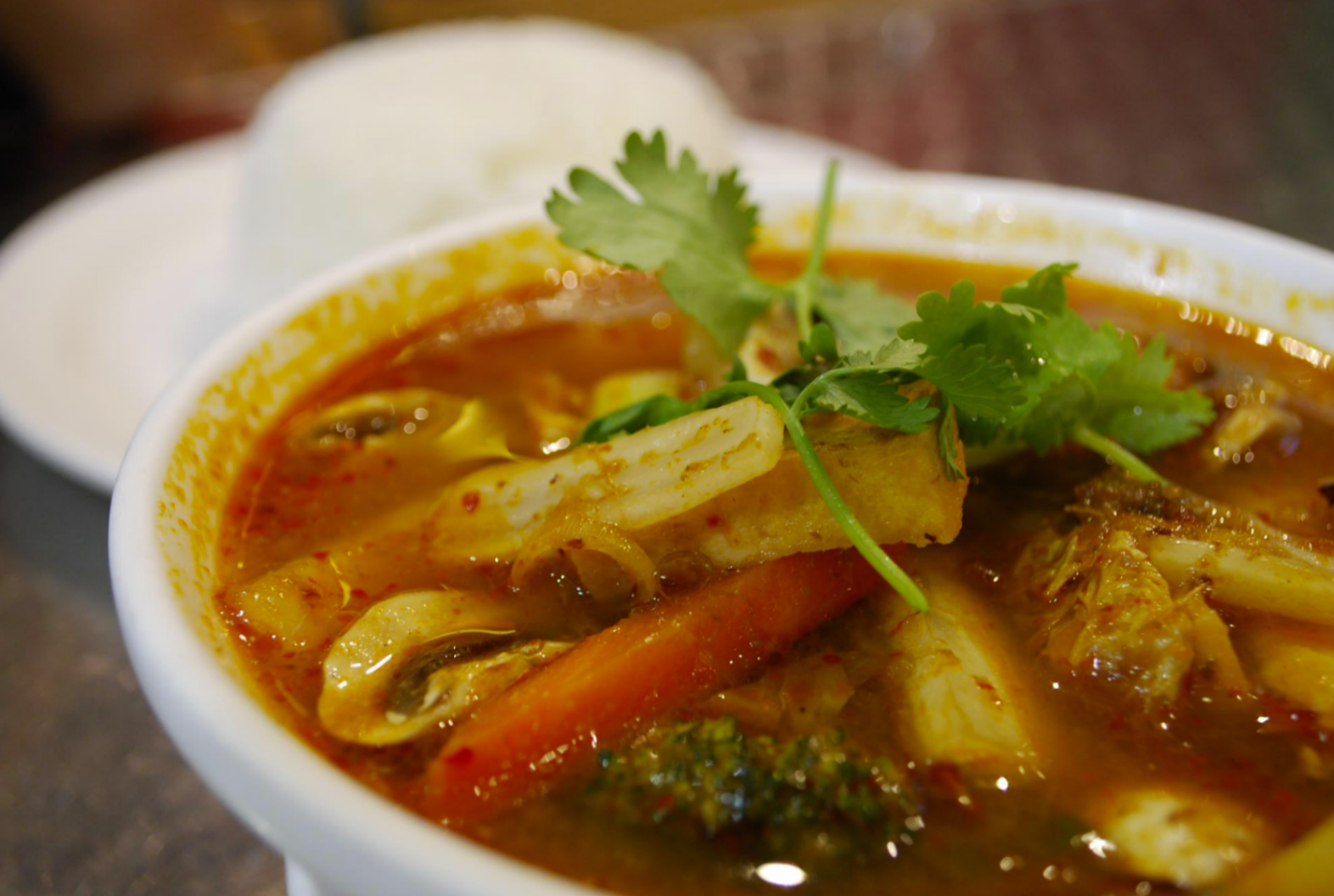
Vegetable Tom Yum Soup. Alpha. CC BY-SA 2.0.
Tangy, spicy, and savory, Tom Yum is a popular and aromatic Thai soup that is made from a mix of fresh lemongrass, kaffir lime leaves, galangal (a type of ginger), chilies, fish sauce, lime juice, and mushrooms. “Tom”refers to a boiling process, “Yam” is a spicy and sour salad, and "Kung" means shrimp. While you will likely find the refreshing soup cooked in every neighborhood, the history behind the dish largely remains unknown. Though there was no clear documentation of the origin of the soup, it is likely that the abundance of fresh shrimp in the Chao Phraya River in Thailand is believed to give rise to the sour, spicy soup. Over time, the three essential ingredients, lemongrass, kaffir lime leaves, and galangal also evolved, while keeping its iconic flavor intact. For many Asians, Tom Yum is also a go-to remedy for colds and coughs, as the fresh herbs help soothe the body and warm the stomach.
7. Vindaloo, India
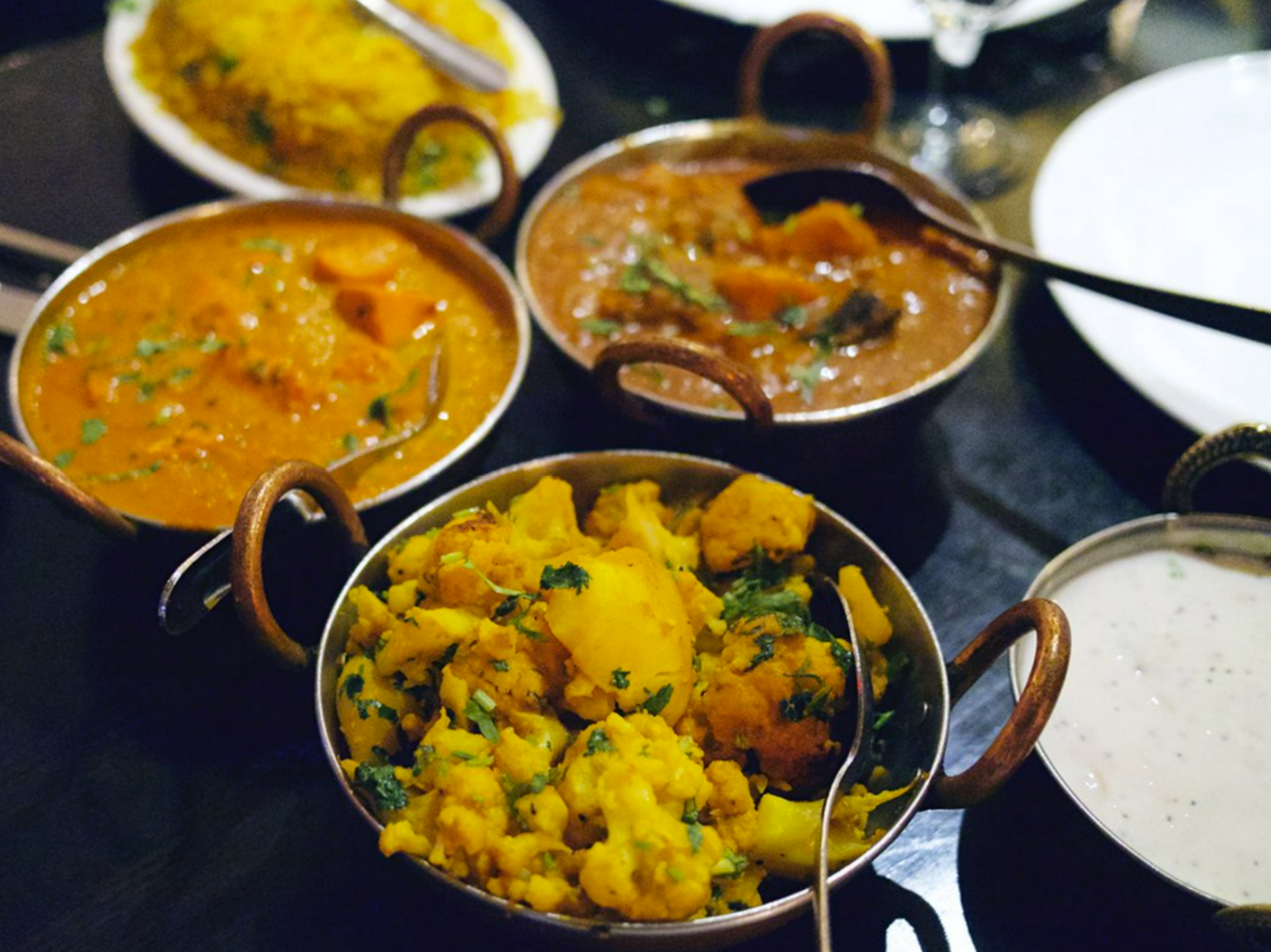
Vindaloo with other dishes. Bing. CC BY-NC-SA 2.0.
Vindaloo, hailing from Goa in western India, is known for its fiery heat and mouthwatering sourness. This Indian delicacy is crafted with a base of meat such as pork or chicken, which is seasoned with a blend of spices like chili peppers, ginger, garlic, cumin, coriander, turmeric, and vinegar. This mixture is then slow-cooked to create a luscious, delicious stew. The dish is typically served with rice or Indian bread, such as naan or roti, and is often accompanied by a variety of side dishes, including chutneys, pickles, and raita.
8. Bun Bo Hue, Vietnam

Good strong beef broth and a clear chicken broth in Bun Bo Hue. Pho Hoang.CC BY-SA 2.0.
The Vietnam noodle soup of Bun Bo Hue boasts distinct and rich flavors from its thin round noodles, a blend of beef and pork, and a hearty, savory broth. To create the broth, cook beef bones or shank with lemongrass, then season with fermented shrimp sauce and sugar. Spicy chili oil is added later during the cooking process, giving the dish its signature reddish-brown hue. A meal full of flavors and textural contrasts, Bun Bo Hue has various flavors depending on its geographical origins and climate. The most authentic Bun Bo Hue usually appears in street food stalls in the city of Hue, along with traditional Hue salt coffee shops.
9. Hotpot, China
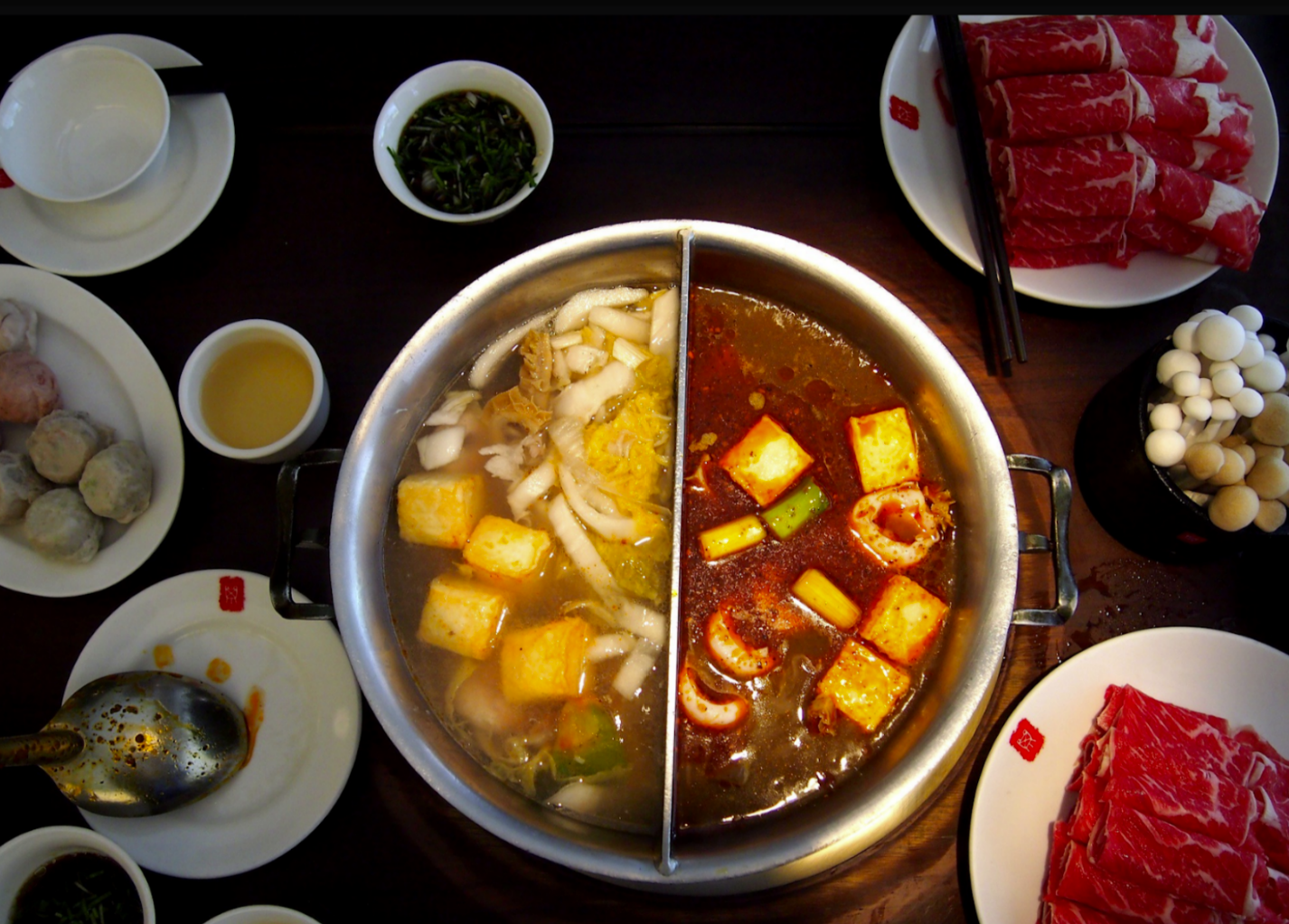
Farewell Hotpot. Momo. CC BY 2.0.
Hotpot readily comes to mind when discussing the world's spiciest dishes, but is so much more than a scary, peppery soup. At its core, a hotpot is a simmering pot of robust broth that diners use to cook a variety of meats, vegetables, and noodles to their desired level of doneness. It is a classic representation of communal food culture in China, usually occupying the center of the table at a family gathering or new year's feast. A hot pot meal features a range of ingredients including beef, lamb, pork, seafood, sliced vegetables and greens, and quick-cooking noodles. The iconic Chongqing hotpot stands out for its blistering Sichuan pepper, and the region itself is known for incorporating spicy elements into most of its dishes, from soup to stir fry.

Hope Zhu
Hope is a Chinese international student at Wake Forest University in North Carolina studying sociology, statistics, and journalism. She dreams of traveling around the globe as a freelance reporter while touching on a wide range of social issues from education inequality to cultural diversity. Passionate about environmental issues and learning about other cultures, she is eager to explore the globe. In her free time, she enjoys cooking Asian cuisine, reading, and theater.
8 of the World’s Hardest Travel Destinations to Reach
What makes difficult access worth it?
Read MoreExploring Australia’s Largest Islands
Immerse yourself in the natural environments of Tasmania, Melville Island and Kangaroo Island.
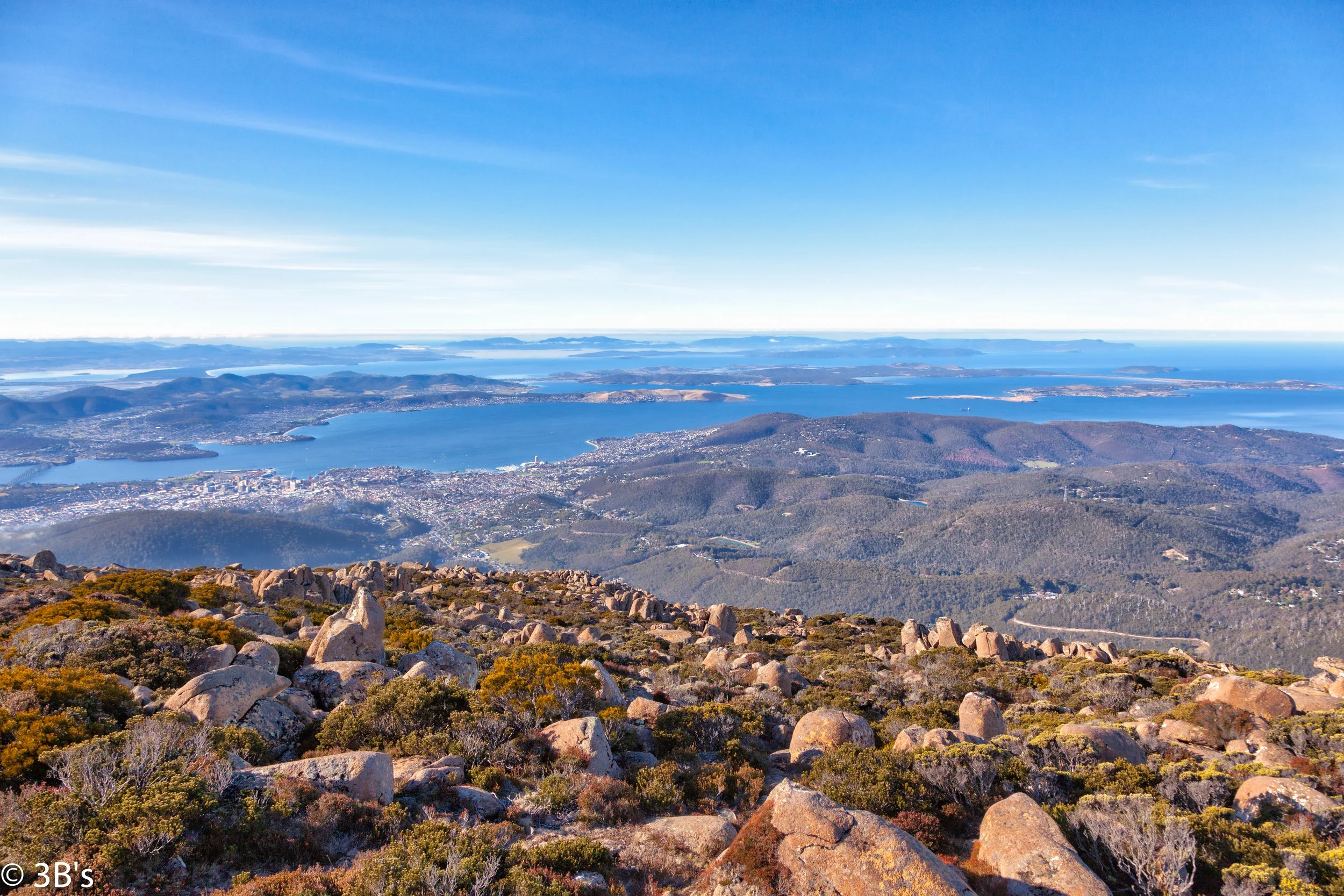
Tasmania CC BY 2.0
Known for its vibrant coral reefs and unique flora and fauna that attract thousands of visitors a year, Australia is an exciting destination for nature lovers and adventurers. In 2022, Australia received more than 1 million visitors despite its strict COVID-19 policies. The country is often referred to as an island continent because ocean water surrounds every state. In the past years, Australia has been pummeled by intense wildfires that affected nearly all parts of the country, and its islands were no exception. The three largest islands of Australia, Tasmania, Melville Island, and Kangaroo Island, offer a plethora of outdoor opportunities and nature unique to the Australian coast. In terms of size, Tasmania is by far the largest at 68,401 square miles, followed by Melville Island which is 5,786 square miles, and lastly Kangaroo Island with 4,405 square miles.
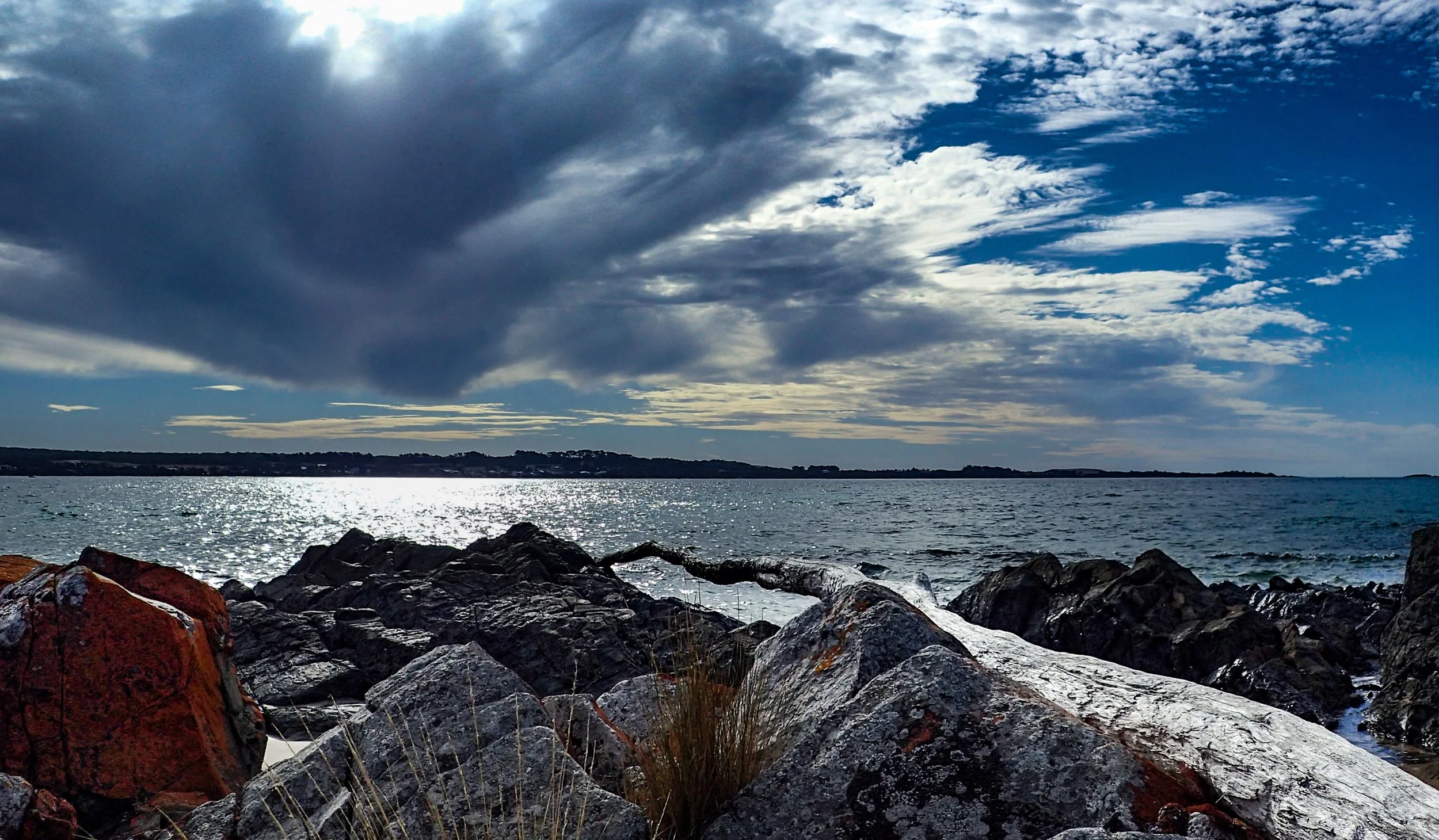
Bakers Beach, Tasmania CC BY 2.0
Tasmania
Tasmania, although the largest island by far, can be crossed in two and a half hours if you start from Hobart and go to Launceston, the other point of the island. It has had an increasing population in recent years, with government statistics reporting a total population of 571,517 people in 2022, and is home to Freycinet National Park. Located on the east coast of the island, its biggest attraction is a curved stretch of sand that is filled with shockingly blue water, known as Wineglass Bay. To avoid large crowds at the park, tourists can escape on one of the many hiking adventures this unique land offers, leading to Mount Amos which is the top of a peak that features stunning views. The trek offers a stunning view of Wineglass Bay, but is a 3 hour return and quite challenging due to the rocky terrain. The best part of this hike? You may make some friends along the way, namely the wallabies, a species of kangaroo-like mammal native to Tasmania, among few other places in Australia, that roam around this area, offering great photographic opportunities.
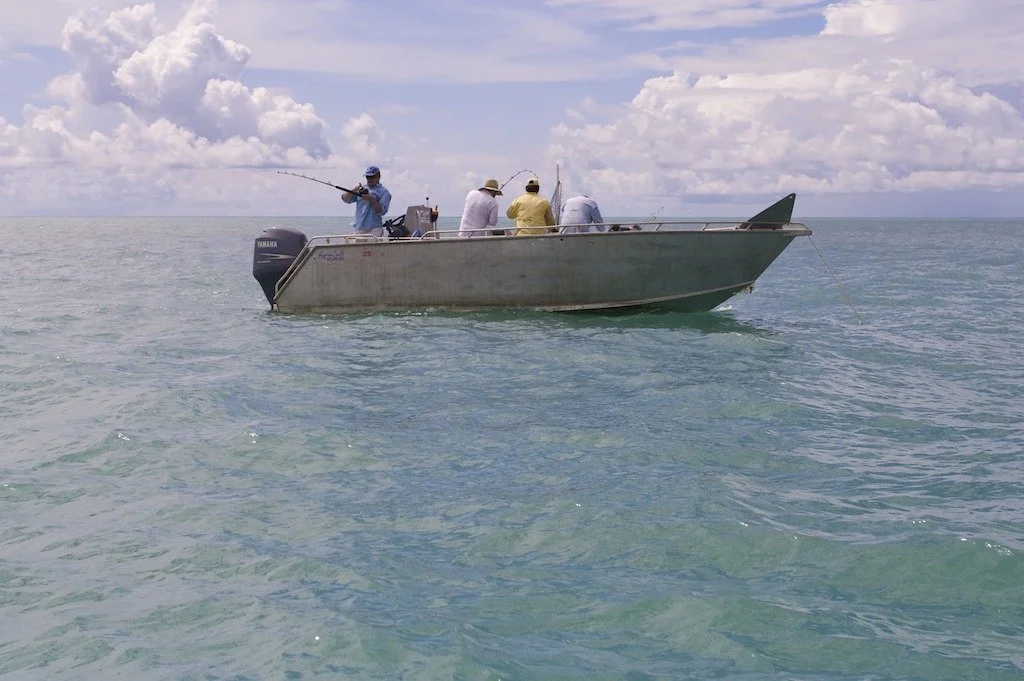
Fishing on Melville Island CC BY-NC-SA 2.0
Melville Island
Located in the eastern Timor Sea, its population is comprised mostly of native Indigenous people, and its biggest settlement is known as Milikapiti with a population of 559 people. Melville Island is known as Yermalner in the Tiwi language, native to this island and the Tiwi Islands that it is a part of. One of the top activities to do at this location is fishing, which operates from March to mid-December. There are two specific locations on the island that are prime for fishing opportunities, and offer lodging for overnight stays and visits. Snake Bay, which is the main fishing lodge, is located in a more remote area of the island but is considered one of the best areas to catch a diverse array of fish, and has comfortable lodging and amenities if you wish to stay there. The second location is considered to be extremely remote, known as Johnson River Barramundi Camp, but worth a stay for the beautiful nature you can experience there. For more information on rules and maps about fishing in Melville, visit this government guide.
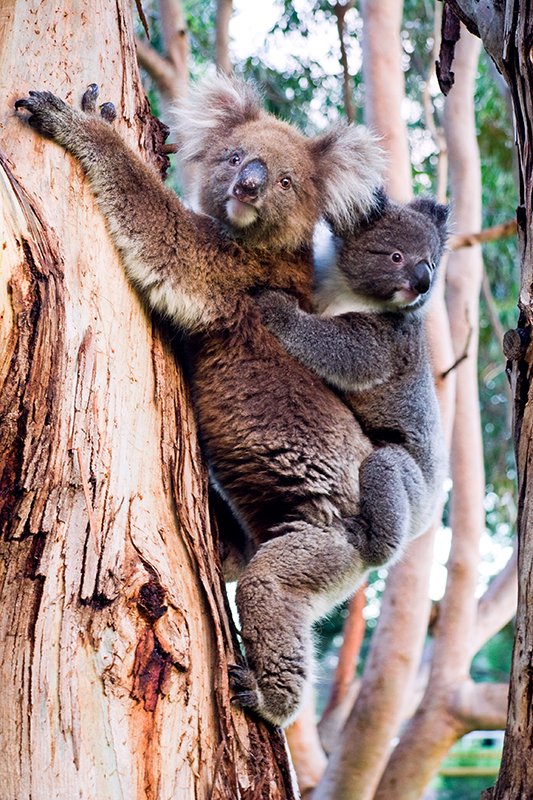
Koalas - Kangaroo Island - South Australia CC BY-NC-ND 2.0
Kangaroo Island
Often called nature’s playground, Australia’s third-largest island, known as Kangaroo Island, offers visitors an escape from the hustle, stress, and tasks of daily life on the mainland, and immerses them in all the best nature has to offer. It is quite easy to drive across one end of the island to the other, taking only about 2 hours or less. “Australia’s zoo without a fence” features three main towns surrounded by plenty of wilderness and animals that inhabit this territory. One of the islands most popular sites is the Remarkable Rocks, which is a cluster of large rocks that you can climb and see the beautiful view of huge cliffs and clear blue swells of waves. If you are seeking turquoise water that you can swim in, go to Vivonne Bay which offers a secluded spot away from typical tourist sites, offering pure white sand, incredible marine life, and many photographic opportunities. To connect with the wildlife, adventure off on a wilderness tour where you can see and interact with koalas and kangaroos and . Kangaroo Island is the perfect spot to visit if you seek adventure within a natural environment.

Kimberly Hidalgo Hernandez
Having obtained a MA in International Policy, Kimberly seeks to bridge the gap between global development and government legislation. Growing up between the United States and Spain, she believes that travel is the best way to discover yourself and understand the world. Her goal is to promote a deeper awareness of the effects of climate change in society and politics.
The Lunar New Year Migration in China
Everything You Need To Know About China’s Annual Spring Festival Travel Rush
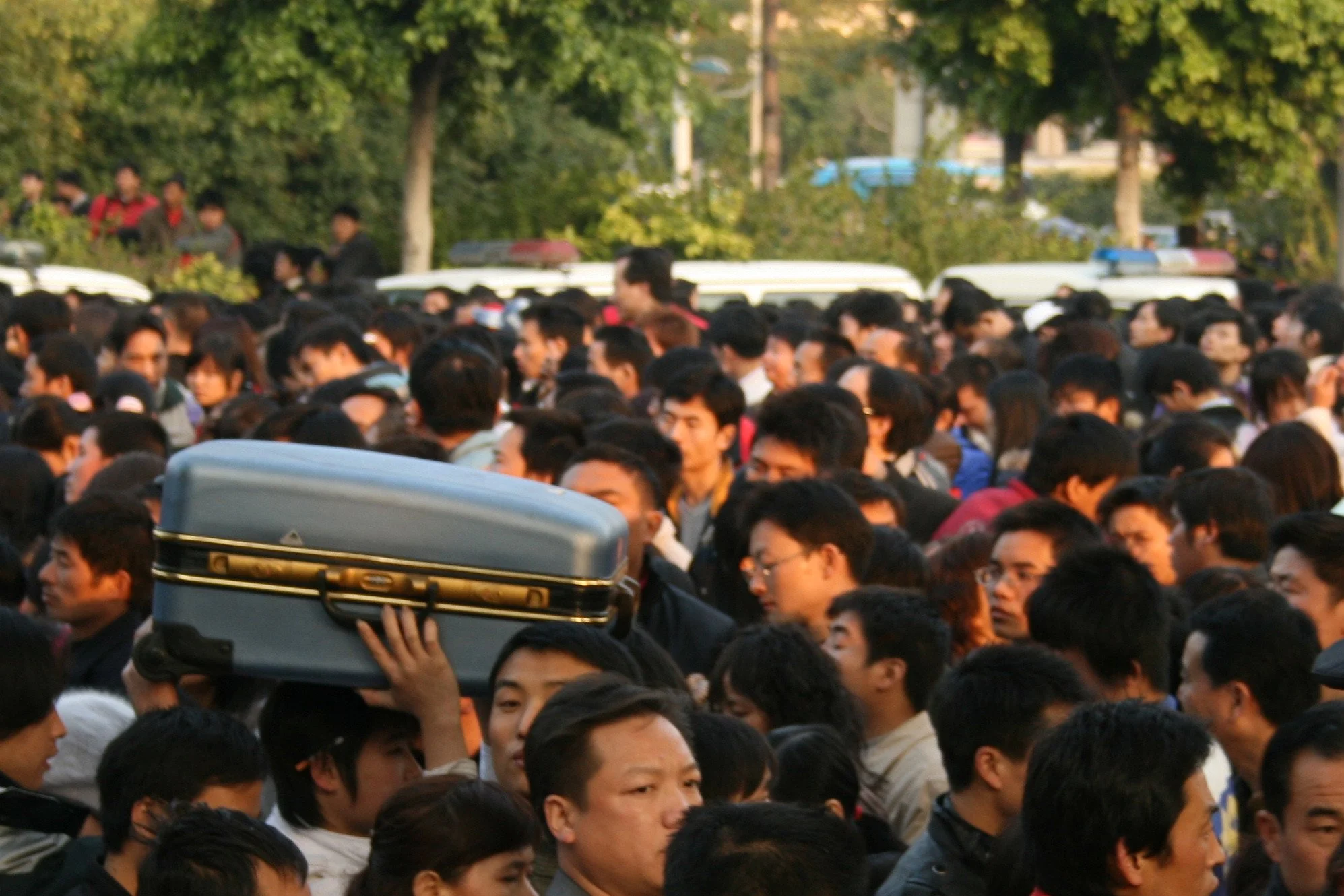
"Guangzhou Railway Station". Junyu Wang.CC BY-NC-SA 2.0.
What is the biggest annual human migration on earth?
Take a guess.
The pious Arbaeen and Hajj? The back-and-forth travel for Thanksgiving and Christmas?
The correct answer is a term you might not be familiar with, “Chunyun.” Taking place in China around the time of the Chinese New Year, its literal meaning is “the transportation during Spring Festival.”
Occupying the same level of importance as Christmas eve in Western culture, the holiday celebration for Chinese New Year usually begins in the middle of January and lasts for about two weeks. The traffic for returning home, however, can continue for as long as 40 days. During this time, most people, especially migrant workers who are away from home, pack up their luggage, dress in red which symbolizes good luck, and hurry to the train station.
A homecoming trip might seem like an individual choice, but considering a country with a population of 1.412 billion, the reunion became the biggest human event on an annual basis. In 2019, for example, the traveling volume reached approximately 415 million during the Spring Festival, which is more than the total number of people in the United States.
However, this only accounts for the tourist population, who went on vacation. The total number of the mass exodus can be close to 3 billion people. For them, the primary means of travel is through rail due to its affordability. In the year 2017, for example, China saw 356 million travel by rail, 58 million by plane, and 43 million by sea during the time of “Chunyun”.

Shenzhen North Railway Station Concourse 2016 Chunyun. Baycrest. CC BY-SA 2.5.
What prompted the migration is simple: New Year is always a time for family gatherings and celebrations, a tradition that is similar across geographical and cultural boundaries. Yet, the scale of its migration greatly surpasses that of Thanksgiving week in the United States, which is about 50 million.
In this sense, Chunyun is a long-standing public ritual that ties every aspect of the country together. The concept of Chunyun first appeared in the year of 1980, a time of massive modernization and cultural revival. Moving out from the shadow of an overplanned economy during the era of the Culture Revolution, people saw booming job opportunities that often concentrated on the coastal region such as Guangzhou and Shenzhen, which have better access to overseas markets. The number of migrants from rural areas increased from roughly 30 million in 1989 to more than 140 million in 2008. Many of them became the key contributors to the moving of millions of migrants during the Spring Holiday season.
The meaning of such a massive exodus is manifold. For many migrant workers, this might be the only chance to see their families in the span of a year, which brings joy, relief, and hope. They squeeze their personal belongings into the striped leather bag, making their way through the often jammed train station while expecting a great feast back home.
For the transportation system, it is time to test the operation of its ticket system and the stability of its intercity network. With millions starting to click on the purchase button at the same time, the demand often exceeds supply, and system crashes are not uncommon. This might leave disappointed passengers standing in the frigid winters, waiting for the next train home to arrive.
For the administrator, it means grappling with thieves and pickpockets in the overcrowded railroad station, as well as the black market of ticket scalpers during the busiest hour. Ticket prices also rise during the end of the year, and so does the crime rate.
For years, the public transportation system and local authorities in China implemented multiple measurement changes to facilitate the mobility of the homecoming population. In 2019, The length of the usable railway in China will reach 139,000 kilometers, and high-speed rail is about 35,000 kilometers. Technology, such as self-service counters, smart navigation systems, and real-time updates of traveling volume notices available on multiple map apps, quickens the process of traveling.

Volunteer helping with navigation in Guangzhou Railway Station. Junyu Wang.CC BY-NC-SA 2.0.
Chunyun had been rather silent for the past two years due to Covid-related restrictions. Authorities discouraged unnecessary travel; requirements including vaccination status, travel history, and contact with confirmed cases have thwarted population mobility; and people, fearful of being infected, were often forced to stay where they were.
However, with the loosening of restrictions in 2022, the world’s largest human migration is, once again, on its way. On January 14, a total of 42.27 million people in China were already traveling by rail, road, sea, and air across the country, which is a 57% increase from last year. More than 450 million people are expected to travel, and take trips in the coming 40 days. Train stations are bustling with migrant workers again.
Though there was worry about surges in Covid cases, most people are optimistic about going back to the normal state of travel. Tommy Xie, head of Greater China research at Oversea-Chinese Banking Corporation, said, “The congestion level in cities such as Beijing and Chengdu, which were first hit by the Covid outbreak, have recovered fully.”
As trains and planes, loaded with tens of thousands of travelers, go full steam around China, they also carry along countless stories to tell throughout the passing year, and hopes for a prosperous year ahead.
Hope Zhu
Hope is a Chinese international student at Wake Forest University in North Carolina studying sociology, statistics, and journalism. She dreams of traveling around the globe as a freelance reporter while touching on a wide range of social issues from education inequality to cultural diversity. Passionate about environmental issues and learning about other cultures, she is eager to explore the globe. In her free time, she enjoys cooking Asian cuisine, reading, and theater.
Where To Next? 20 Best Spots to Travel In 2023
From up-and-coming travel destinations like Rwanda to the otherworldly landscapes of Namibia, here’s the CATALYST list of the best places to travel in 2023.
Read MoreHow to Live, Work and Travel in 5 Countries with a Working Holiday Visa
A limited-time opportunity for young adults, ages 18-30, who want to see the world while working in a foreign country.
Read MoreThe Ghostly Shores of the Namib Desert’s Skeleton Coast
Bones and wreckage meet biodiversity on the Skeleton Coast of the world's oldest desert.
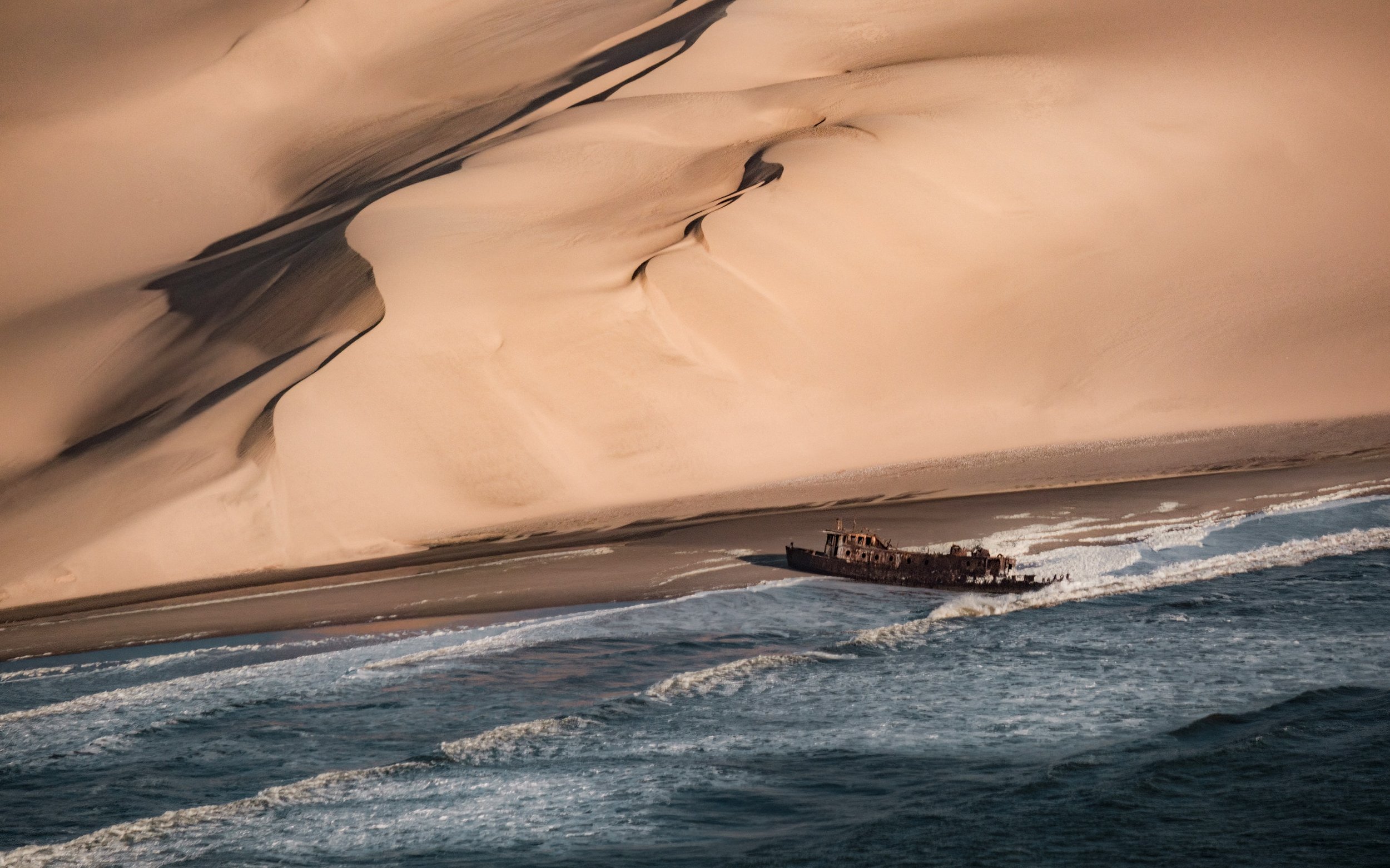
A ship wreckage by the red, sandy dunes along the Skeleton Coast. op23 | Unsplash

A map highlighting the Namib Desert in red along the coast of Africa.
Home to earthy-red dunes which roll right into the Atlantic ocean, the Namib Desert is thought to be between 50-80 millions years old, making it the oldest desert in the world. It’s also one of the world's most inhospitable places—an unpredictable, arid and remote region that on the surface has no appeal whatsoever. With temperatures fluctuating from blistering hot to dangerously cold and sand for as far as the eye can see, it extends from the country of Angola, through Namibia and down to South Africa. That’s over 31 thousand square miles of desert.
But don't be fooled, there’s more to these sandy plains than meets the eye. The Namib is home to the Skeleton Coast. And despite this desert’s penchant for death, The Skeleton Coast is teeming with rare wildlife.
What is the Skeleton Coast
The Skeleton Coast is on the northern shores of this ancient and unexpected desert and earned its macabre name from the whale and seal bones that once littered the shore from the whaling industry. The Ovahimba who have since settled in the far north-eastern parts of Namibia once used the whale bones for building their shelters. In modern times, the Skeleton Coast hides its infamous graveyard buried beneath the sand, and with the exception of a rare adventure seeker looking for a wave to surf, the odds of seeking a human along this part of the coast are slim.
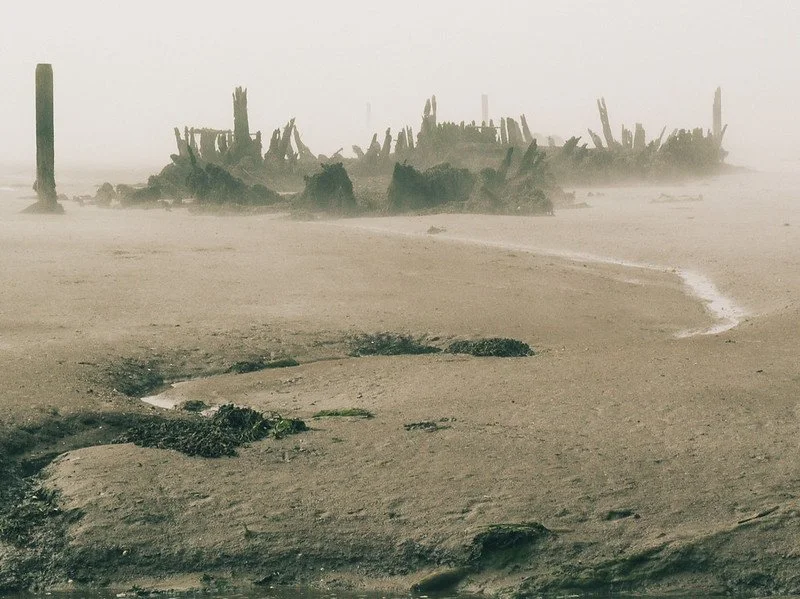
A shipwreck in the fog on the Skeleton Coast. Lee | CC BY 2.0
The Unique Climate of the Namib Desert
The bones scattered across Namibia’s Skeleton Coast aren’t from ocean mammals alone. Over the centuries, ships have ended up stranded on its shores for various reasons, but the main culprit is caused by the unique geography of the region. Hot, dry air from the interior of the continent and desert blows west combining with the cold wet air from Antarctica via a northward flowing ocean current called the Benguela Current. The hot dry winds act as a cap or roof not only prevents the cold wet air from escaping, but also from forming rain clouds. Instead, there is an eerie fog, and a lot of it.
In fact, for 180 days of the year there is fog on the Skeleton Coast so dense, it’s caused thousands upon thousands of ships to run aground throughout history; the oldest of which is from the 1500’s. The ocean's intense surf would have prevented anyone from getting back into the water, and with a wrecked ship, this meant that sailors stranded on this isolated coast were left with only one choice: to make their way through the Namib Desert. With a dryness rivaling South America’s Atacama Desert (the driest place on Earth), and sand dunes reaching nearly 1000 ft high, this option was nearly as dangerous as swimming out to sea and surely has added human bones to its burial collection.
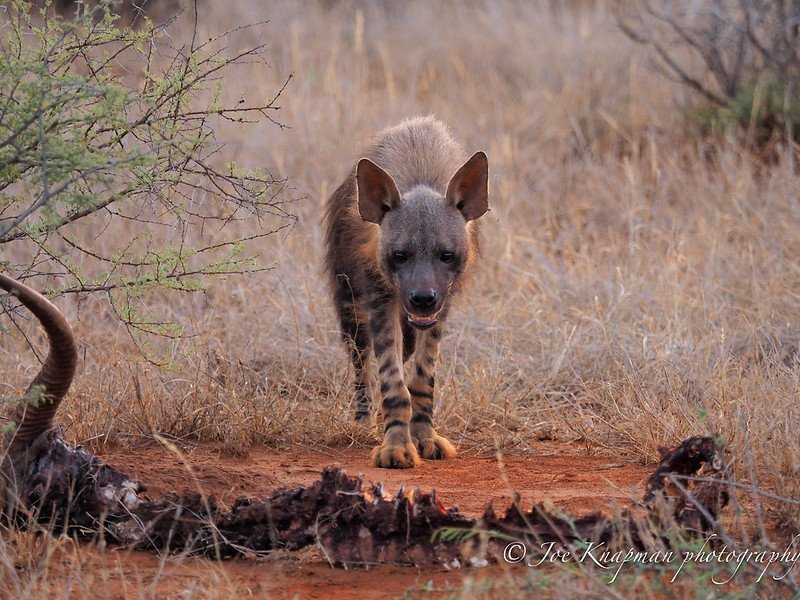
A brown hyena stands over a carcass in the Namib Desert. Joe Knapman | CC BY 2.0
Wildlife on the Skeleton Coast
Incredibly diverse, the Skeleton Coast has more near-endemic species than any other desert in the world. Elephants, black rhinos, desert lions, jackals, giraffes, seals, oryx, kudus and zebras and just some of the desert adapted species inhabiting this wilderness. One such animal is the brown hyaena. They’re usually on the move after darkness has fallen, which adds to their elusiveness. The name strandwolf was coined on Namibia’s Skeleton Coast where they scavenge for dead seals along the shoreline. If you are fortunate enough to spot one, make sure you take a really good look, because sightings of these inscrutable carnivores is never guaranteed. A truly endemic avian, the Dune Lark, inhabits thinly vegetated dunes along the Skeleton Coast and larger Namibian dune system associated with Bushman grasses and Nara melons.
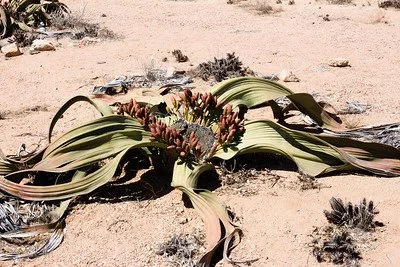
A blooming welwitschias. Ragnhild&Neil Crawford |CC BY 2.0
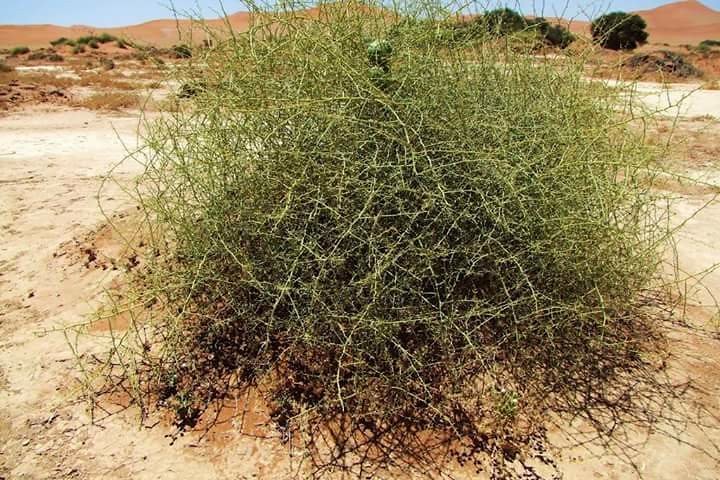
A spiny looking nara bush in the Namib Desert. Palmora| CC BY 2.0
Nara Melons are just one of the many plants incredibly adapted to the rainless area and depend solely on the warning fog from the Atlantic Ocean. The nara bush is of great importance not only to the people of the region, but it is ecologically key to maintaining the unique desert habitat. More plants include welwitschias—which is a dwarf tree with only two leaves that can live for several thousand years—several lithops succulent plants known as living stones, lichen, pencil bush and the vividly colored succulents of rainbow colored agate mountains dotting the shore.
The Lion’s Roar, a desert phenomenon
The phenomena of the Skeleton Coast doesn’t stop at bones, fog and compelling flora and fauna. Travelers, nomads and lost sailors once believed in the presence of desert spirits—singing songs through the mist. When the dunes form a bowl with the right acoustic properties, even a small flow of disturbed sand causes a terrific noise that resembles rolling thunder or even a low-flying airplane. The phenomenon is known locally on the Skeleton Coast as ‘the lion’s roar’.
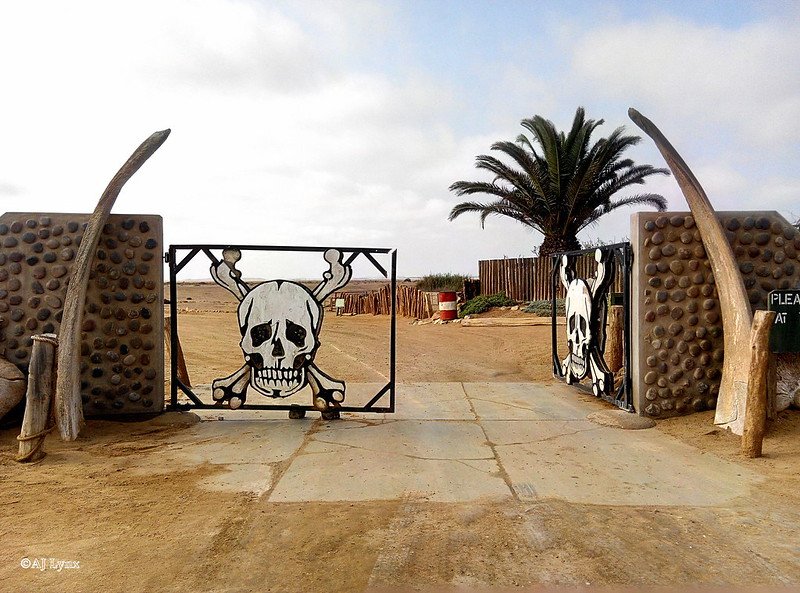
Ugab River Gate, Agnieszka Rysio | CC BY 2.0
The Skeleton Coast National Park
Luckily, this wildly unique, albeit creepy shoreline, along with its diverse inhabitants is protected. In 1971, Namibia established a well-maintained national park to protect the curious treasures, bones and wildlife which makes the Skeleton Coast so incredible. The park is divided into a northern and southern section; the southern section is open to travelers with four wheel drive vehicles who are welcomed to go as far north as the Ugab River Gate. There, they will be greeted by a sign with a skull and crossbones warning you to go no further. The northern section is off limits, its loose, enveloping sands will literally swallow you up and can therefore only be accessed by airplane with a certified guide. It also happens to be the most attractive region of the park with lunar-esque vistas as far as the eye can see. The park attracts all types of travelers, both local and international fishers, photographers, ecologists and folks just looking for a unique adventure to one of the world's most understated treasures.

Raeann Mason
Raeann is the Content and Community Manager at CATALYST, an avid traveler, digital storyteller and guide writer. She studied Mass Communication & Media at the Walter Cronkite School of Journalism where she found her passion for a/effective journalism and cultural exchange. An advocate of international solidarity and people's liberation, Raeann works to reshape the culture of travel and hospitality to be ethically sound and sustainable.
5 Reasons To Travel To India’s Tamil Nadu
A Canadian’s perspective on India’s southernmost State.
Read More5 Islands to Visit in Indonesia Not Named Bali
While the famed island has its charms, visitors have largely overlooked the rest of this sprawling archipelago’s natural and cultural riches.
Read MoreCATALYST Gear Guide
Ethical holiday shopping —find fair trade and independent brands.
Read MoreThe Rock Garden of Northern India's Chandigarh
A self-taught sculptor’s secret garden.
Read More