A short film about Tokyo's unique street culture.
COLOMBIA: Slow Motion Travel
Filmmaker Chris Grewe displays his best experiences while traveling Colombia in slow motion.

On the Annapurna Circuit Trek | Hiking in the Himalayas, Nepal (Part 1)
"It's 3:30 am and I'm 3500m above sea level... it's been my dream for years to be in Nepal, trekking through the HImalays. Today is the 10th day of my trek on the Annapurna circuit."
Read More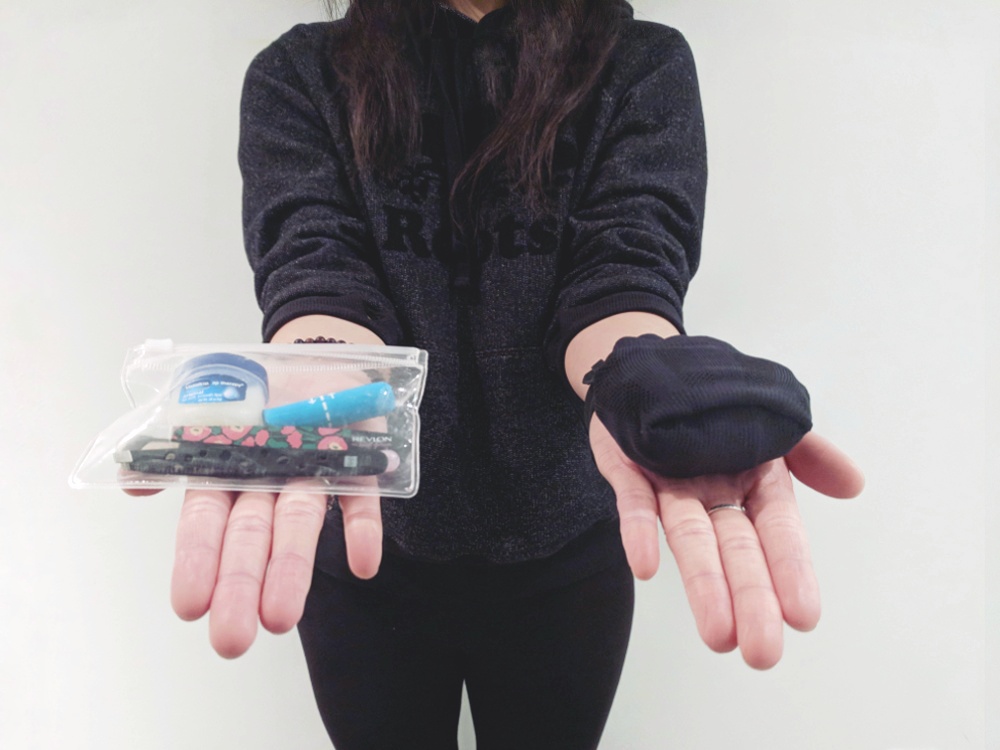
My First Zero-Bag Trip and Why It Was Important
I’m grateful to be fortunate in a few ways, but the one lucky bit currently on my mind is that I like to write. Generally, and especially when it comes to this blog, I try and write about things that seem important. I can certainly pound out mindless marketing drivel at ~90wpm as I did for a grueling six months in one particular job, but I never thought that was important (though I lied at the interview and said I did). In the years since calling that my profession I’ve learned some things. One of those things is not to lie at job interviews because even if you do get a job you don’t like, you will not be able to sustain it day-in and day-out. Another thing I’ve learned is that writing words that do not seem important is like eating at Taco Bell. It might seem like a good idea before you start, there’s no actual discernable benefit other than a temporary dopamine hit, and even as you’re doing it you find yourself wondering why.
I try and write blog posts that, at their most unsuccessful, will at least entertain. If they are a little more successful they might point you towards an object or idea that can be of use to you. My most successful posts will do both, and if I’m really on a roll, without any spelling mistakes. If I have an idea for some writing that will do none of those things, I don’t write it.
Sometime before the new year I had the opportunity to visit a beautiful landmark someplace close to my old hometown, the beautiful capital city of Toronto, ON. (There’s a joke in there for my Ottawa friends.) I went to Niagara Falls for a two-day, one-night trip. Being in a particularly minimalist mood as I decided what to pack up in my bag for the trip, I had a thought that sauntered into my mind, sat down, and refused to leave. It was: “All right Miss Fancy-Pants one-bagger, how about a real challenge? Don’t bring a bag.”
Since in my general experience the thoughts that refuse to leave are the ones that turn out to be important (even if at the time I don’t know why), I decided to listen to it. So aside from the items I take with me daily (wallet, phone, headphones, power bank), here’s what I brought for the two-day, one-night trip.
All I see when I look at this is how huge my fingers look.
I’m holding a little zip pouch with some lip balm, tweezers and cuticle trimmers (because all those things are annoying to not have on hand), and a just-in-case tampon. In my other hand is a pair of balled-up socks with some underwear tucked into the middle. These items went into the pockets of my Uniqlo down jacket, the jacket went onto me, and I went to Niagara Falls.
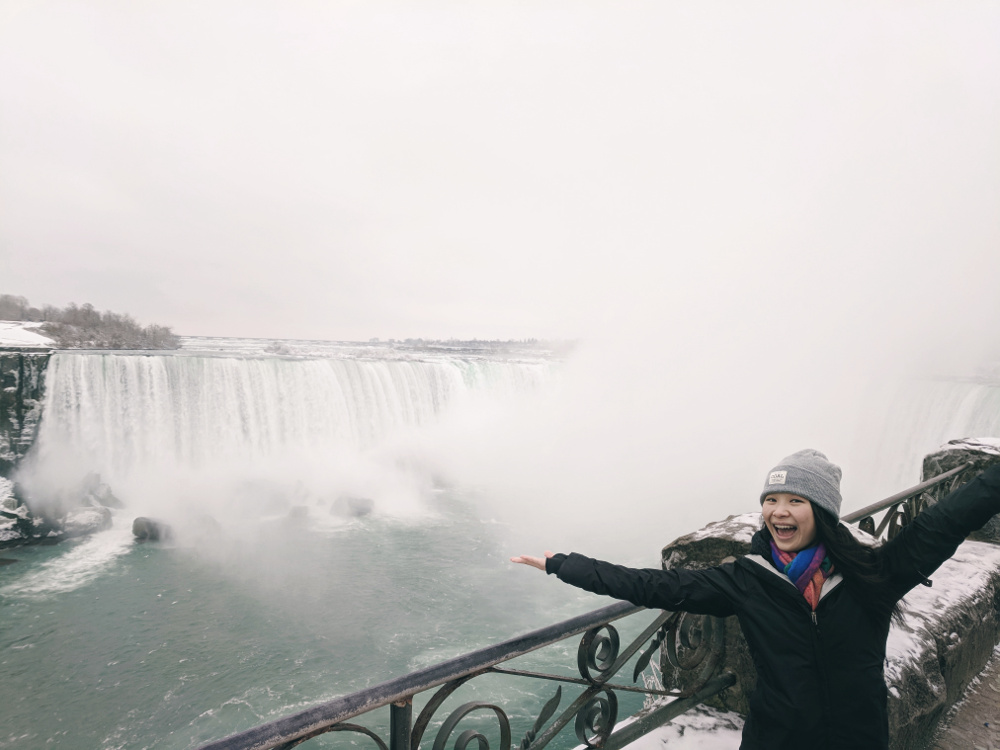
It was cold. I was unperturbed.
I know, you’re thinking, “But what about X?! How did you Y?! What did you do for Z?!” Well, I made some assumptions. The plan was to stay in a hotel. Since Niagara Falls is a city that inexplicably exists almost solely for tourists (and once long ago was a terribly bloody battlefield that soon after became a tourist attraction - but I digress) I figured the hotel room would be well appointed. I bet that there would be a toothbrush available, and soap to wash with, and probably skin lotion. The latter two of these assumptions resolved in my favor. There was mouthwash, at least.
I intended to wear most the same clothes on both days, aside from the change of socks and underwear, and this went fine. In fact, aside from the discovery that I never again want to go longer than twenty-four hours without brushing my teeth, I wasn’t really put out by not having more stuff with me. Actually, it was quite the opposite. Not having any bag at all made me feel quite like a kid at recess, freshly unshackled from the norm and wanting to run around just for the heck of it.
This was all some months ago and it’s taken me until now to write about it, mainly because I couldn’t decide why it was important. I figured it out earlier today during an altogether unrelated moment, listening to an audiobook at the gym. It was The View from the Cheap Seats by Neil Gaiman (my favourite author and a constant inspiration). If you happen to be at all interested in writing or observing life or breathing I highly recommend it. He speaks at one point about writing things to find out what it is he thinks of them. I had minimalism in the back of my mind and something fell into place. Like with the trip to Niagara Falls, and more importantly, in general, I experiment with doing without so I can discover what it is I really need - and to go a step further, to find out whether or not I have the fortitude and resourcefulness to do without anyway. It’s how I came to nomadism and traveling with one bag in the first place - by experimenting.
It’s all too easy to be on autopilot, doing things a certain way because that’s the way you’ve always done them. It’s a refreshing and informative experience to, just for the heck of it, try something that for you is completely unusual. It doesn’t matter if it’s about doing without, though it’s almost certainly guaranteed to make you feel uncomfortable, temporarily. It doesn’t have to stick, but it might. At the very least, you’ll learn something about yourself that you wouldn’t have found out otherwise. And that’s why it was important for me to take a short trip with nothing more than what fit in my pockets.
Next time, though, I’ll bring a toothbrush.
THIS ARTICLE WAS ORIGINALLY PUBLISHED ON HER ONE BAG.

VICKY LAI
Vicky is a software developer originally hailing from Toronto, ON Canada. She's been travelling the world while living out of one bag since 2016. She loves telling stories through writing and photography, and combines these passions at heronebag.com.
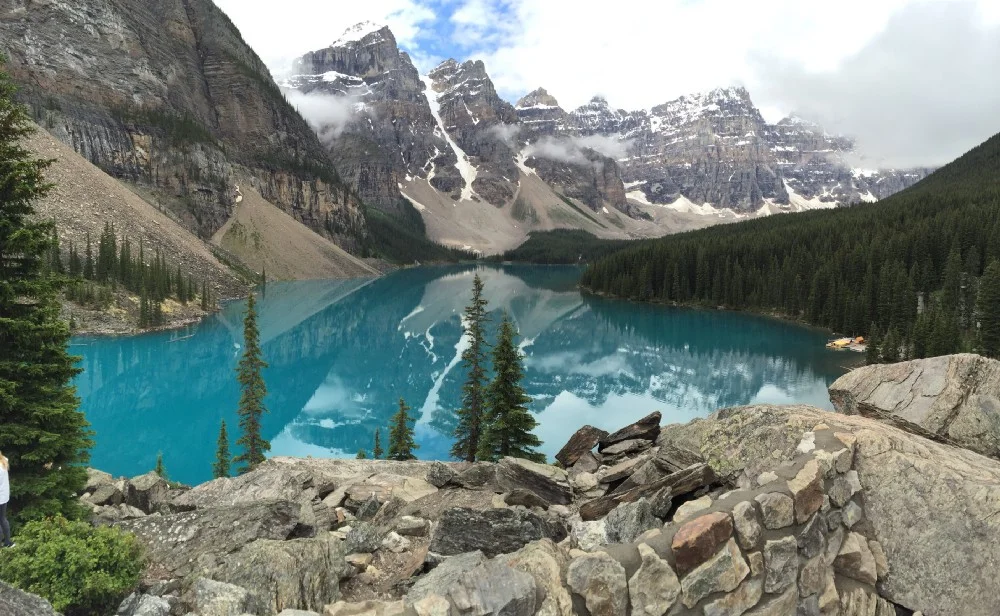
Traveling Alone Is Insanity, But Do It Anyway
I wrote this post last year when I returned from a 4-month road trip across the country..
I still believe everything I wrote.
I just returned from a 12,000 mile, 4-month long road trip. Alone.
Some of the perks of traveling alone include:
Doing whatever you want.
Eating whenever you want.
Being able to pause.
If you’re anything like me, you’re constantly consumed with other people having a good time. When I’m traveling with someone, I’ll sacrifice what I want to do to keep them happy.
I mean, I know that this sounds selfish, but I’m 23 and I need to be a little selfish before I get married and spend the rest of my life with someone. I’ve learned so much about myself even after four months, which is why you need to do a road trip all alone.
Loneliness Is Good For You
You need to feel that loneliness, because only then will you be able to face any inner demons that you might have. A twelve-hour drive kind of forces you to think. It’s just you and the road.
Trust me, when I was out in the middle of Montana, navigating my way through beautiful countryside, I had time to think. I had time to appreciate the little things, too, like talking to a gas station attendant after seeing nobody for days.
Just do the damn thing.
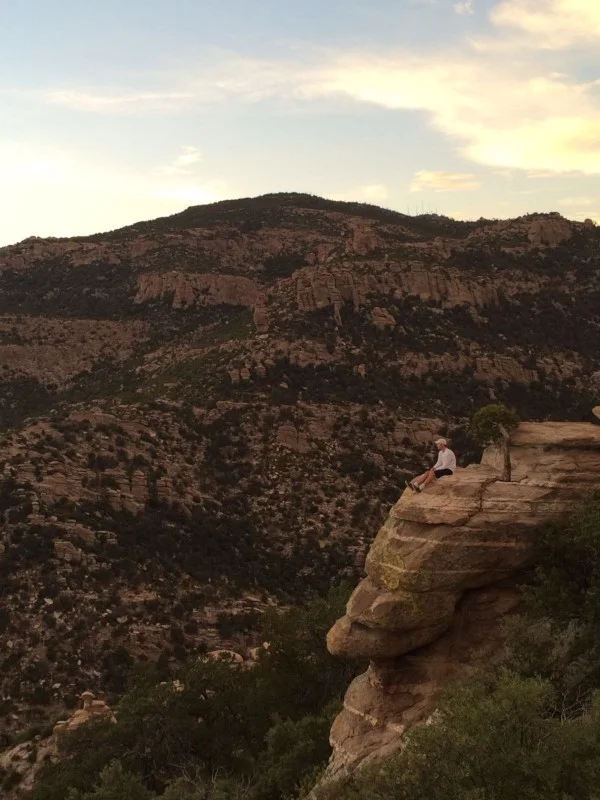
Feeling Terrible On The Road Is Okay
My first night on the road trip I felt deep despair. I wasn’t happy at all. I was in New Orleans, far from my home, and I knew nobody in this city. My gosh, traveling alone at that moment felt like the worst decision I could’ve ever made.
But I got through it.
I started smiling at people, and asking them how their day was. Sometimes they would start a conversation with me! Believe it or not, I made a few friends in New Orleans. By the fourth or fifth day in that crazy city, I felt at peace in the middle of a storm.
I was out there, but I was making the most of it. And isn’t that a metaphor for life?
You’ll Face Problems, But That Doesn’t Mean Your Trip Isn’t Worth It
I ran into problems on the road that I had to overcome. At one point I had to drop $1,000 that I really couldn’t afford to spend on a new brake system for my car.
When I came into the shop to test drive it, the brakes still didn’t work. I blew a major gasket, and I ended up having to stay with my friend in Phoenix for another week. These things happen.
In Austin I met a guy from the UK who needed to get out to San Diego. I agreed to drive him out that way, and in exchange I had a companion for the week.
Spend time traveling by yourself.
Make your own decisions, listen to your heart, start to be spontaneous. Allow yourself to get lost. Gain a new perspective.
The solo road trip is all about you, but it’s not always about being alone. It’s about making your own decisions, and asking yourself why you made those decisions. You’re just learning.
Uncomfortable Situations Suck At The Time, But Make You Stronger Later
I always say that throwing yourself into an uncomfortable situation brings growth. That’s why I stayed in crappy hostels in bad parts of the city. That’s why I was angry that my boss screwed me out of $600, but in a weird way was thankful for it. In those dire situations, I became who I am today.
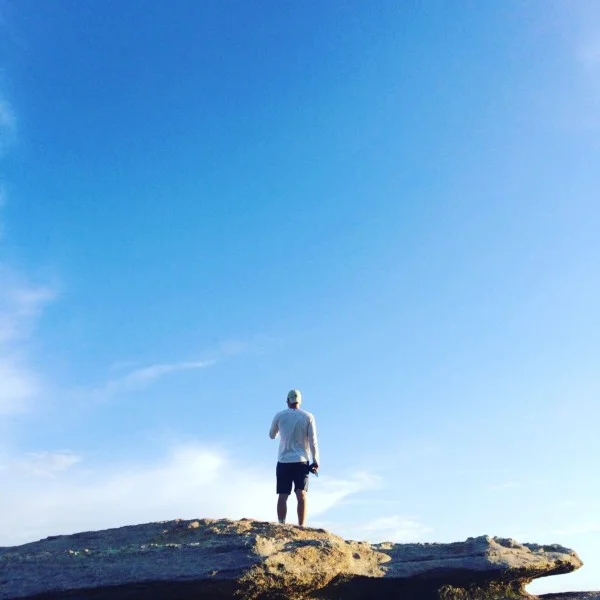
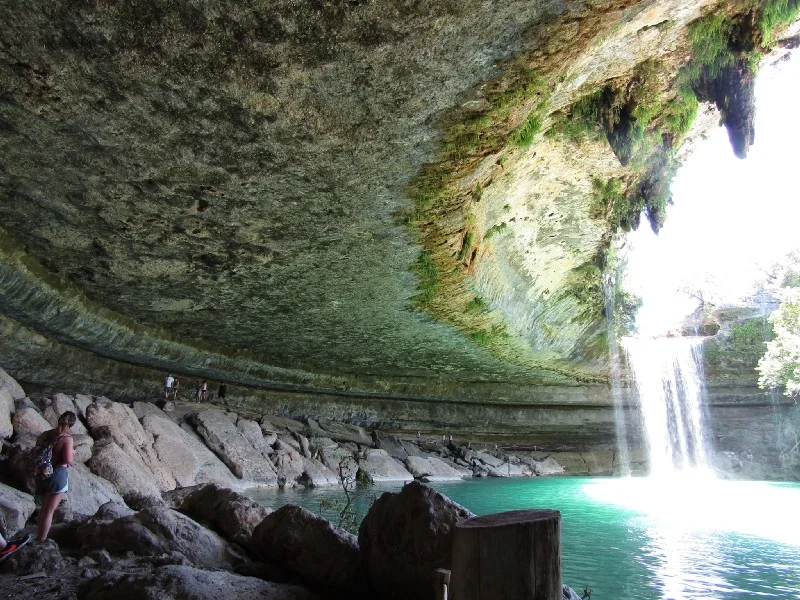
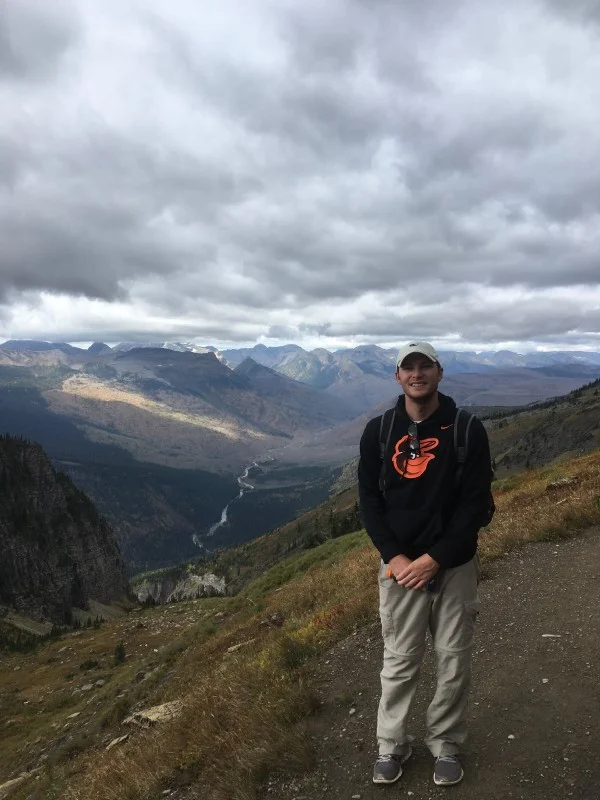
I learned that life isn’t going to be fair, or easy, or breathtaking all of the time.
But I found through my trip that we can chart our own course through life, because I literally and figuratively did that for four months. And that’s the most valuable lesson of them all.
Nobody is steering the car but you! You turn on the ignition, you type in the address to the GPS, and you’re the one who decides when a view is just too beautiful to keep driving.
You are in control. The road does its best to throw you off track by introducing obstacles and problems along the way, but if you’re dedicated to it then you’ll make it to your destination one way or another.
I think if you’re traveling with someone else you’ll get these lessons, but just not as potent of a dose. You have someone to lean on if you run into problems out there, but when you’re alone it’s just you.
That’s why you need to do it. Don’t ask any questions; get in your car and go. You’ll be surprised at what happens. You’ll rediscover what it means to be alive. You’ll crush any obstacles that stand in your way, and when you get back you’ll be forever changed.
That’s why you need to travel alone.
THIS ARTICLE WAS ORIGINALLY PUBLISHED ON THE MISSION.
TOM KUEGLER
Tom is a full-time Digital Nomad and travel blogger. He has his own Medium publication called The Post-Grad Survival Guide. Check out his website here.
Postcard from Indonesia
An independent short film by Alen Smolic. A relaxing perspective of Indonesia, featuring various shots of the coast, the city, the countryside, and people going about their day.
Read More22 Solo Women Travelers Give Their Top Travel Tips
One of the biggest misconceptions about travel is that it's not safe for women to travel alone. 22 women tell their stories about pre-trip nerves, making friends while traveling, staying safe on the road and fears of sexual assault.
Read MoreJAPAN: Wabi Sabi
Wabi Sabi is a Japanese lifestyle giving a view of life in many aspects: everything is imperfect and the true beauty comes from simple things, then, one can have subtle feelings in life. Inspired from that spirit, filmmaker duo and couple Le Quynh Anh and Le Nham Quy made this video about Japan in a deeper insight and unbiased feelings. "Japan - Wabisabi" is their best emotional-experience journey in Japan, where they are living and working. They hope that you can feel "Japanese Spirit" from this video.
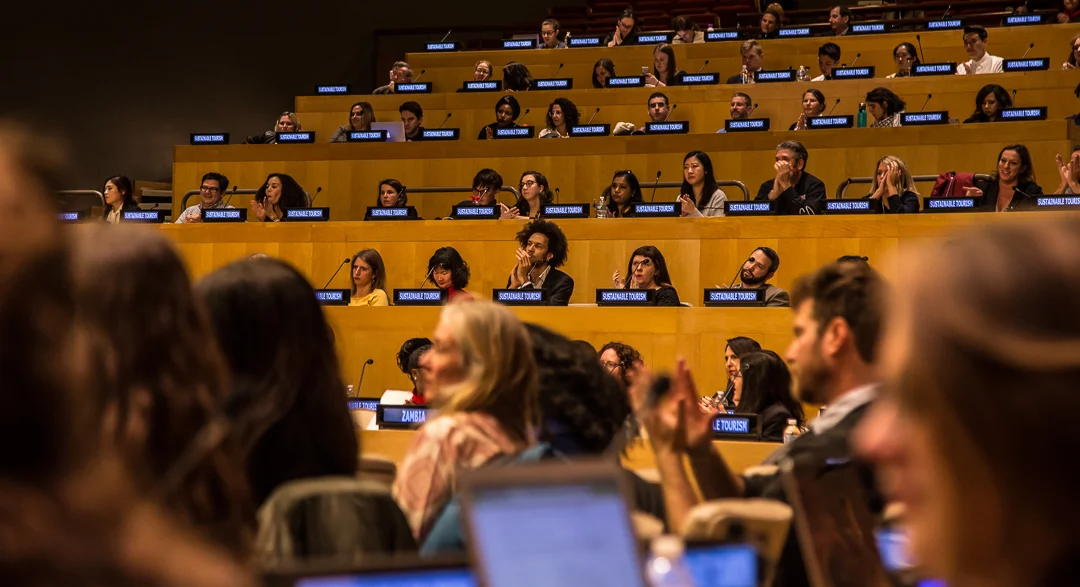
International Year of Sustainable Tourism: Travel Social Good 2017 Summit
November 16th – 17th, Travel Social Good hosted its annual summit at the United Nations in New York City. Guests included tourism ambassadors, travel industry professionals and members of the hospitality community. The core challenge and theme was Transparency and focused on the UN’s declaration of 2017 as the International Year of Sustainable Tourism For Development. Summit partners included Global Sustainable Tourism Council, Sustainable Travel International, Center for Responsible Travel, and Tourism Cares. For those tweeting live or following along at home, the hashtag #TravelGood17 was created.
Every year 1.2 billion people travel the globe for business, pleasure, and familial reasons. Of the estimated trillions of dollars generated by this type of travel, less than 10 percent of it remains to benefit the local community. Some critics have described this as colonialism 2.0. The notion that the comparatively wealthy come to a place, consume and exhaust its resources, and leave the lands and oceans worse. Then, the same industries that profited from this practice dare to tell both travelers and indigenous people what’s best for the local lands, bodies of waters, and the economy.
Whether due to criticism or a sense of wanting to do the right thing, many travel professionals and innovators are creating ways to mitigate the damage being done by the industry. “Tourism can be parasitic,” keynote speaker and Planeterra Foundation President, and VP of G Adventures, Jamie Sweeting said. 21st century travel does more harm than good, he asserted. Sweeting noted that 2002 was the UN’s International Year of Eco-Tourism, and fifteen years later, with this being the Year of Sustainable Tourism, the industry is still talking about essentially the same issues. He said the field is still too focused on destination “arrivals and visits” and not enough on generating substantive “non-menial jobs” for locals. He challenged all sectors of the travel industry— airlines, hotels, agents, restaurants, manufacturers, etc.— to do better.
Sweeting’s financial statistics were grimmer than those put out earlier in the conference by travel experts. He said only “5 out of 100 dollars stay with developing and local economies.” “Who really benefits from tourism?” he asked the audience. Using Andrew Carnegie as an illustration, Sweeting noted that the industrialist became wealthy by manufacturing steel but did so using child labor and a “weakened” morality. He was charitable, but also created damage. The travel industry, he implored, must “reduce their harm.”
Jamie pointed to G Adventures’ G Local as an example of causing less harm within the business of tourism. Sweeting said 91% of the company’s suppliers are locally owned and 90% of those suppliers use local resources. Out of $250M generated, $200M is recycled back into the local community, Sweeting said.
Representatives from Israel, Botswana, Gambia, and Kenya were also present at TSG’s summit and spoke about tourism in their nations. They highlighted the beautiful attractions of their lands and gave historical and political information about their countries. H.E. Mr. Adonia Ayebar described Uganda’s rainforests and deserts and said the country has over 1,000 species of birds due to its unique climate and geography. Victoria Falls in Zambia, is one of the seven wonders of the world according to H.E. Ms. Christine Kalamwina. In addition to Kenya being “the most wonderful place on the planet,” the nation has also increased penalties for poaching and attacking crops, H.E. Ms. Koki Muli Grignon informed the audience.
The idea of using data to demonstrate a destination’s value was also presented at the summit. According to Nature Conservancy’s Geof Rochester, reefs in Barbados mitigate waves and clean gallons of ocean water. 40% of the nation’s economy is tied to tourism, at $24T per year. Of the estimated 70 million trips taken to coral reefs and “reef adjacent,” (i.e. beaches nearest the reefs) $35.5B was generated according to the data collected. Data such as this can then be presented to governments, airlines, trip insurers, etc. to help “calculate value” of certain destinations.
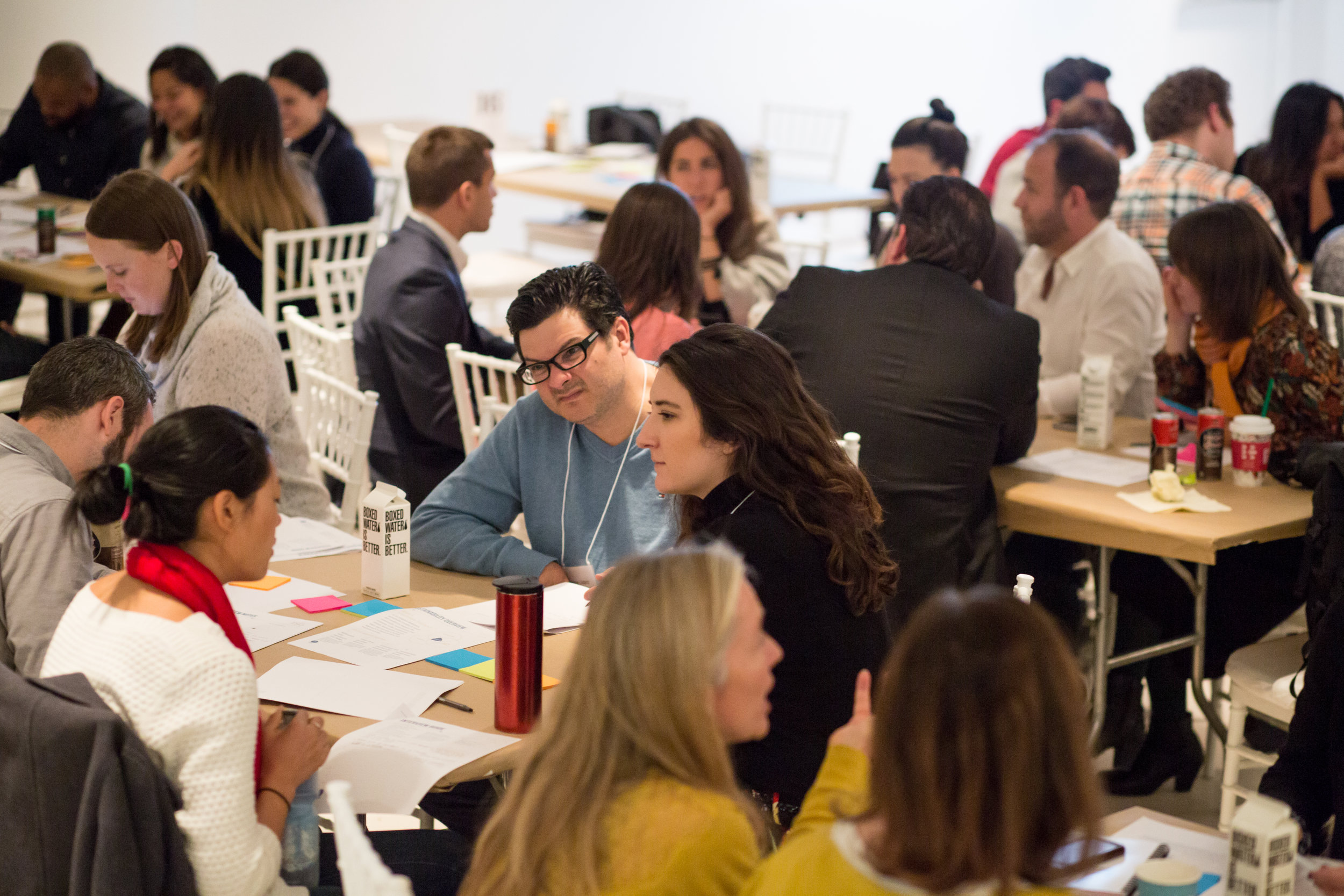
Towards the close of the summit, attendees were asked to engage in “design thinking” to help problem solve and mitigate the negative impacts of tourism.
Jeremy Smith, co-founder of Travindy, pointed out that though “tourism only directly supports 3.6% of [the] economy,” it’s responsible for 5% of greenhouse gases. He highlighted hotels that were beginning to use plant carpets to offset carbon emissions. Conference goers broke into smaller groups to brainstorm such creative solutions.
Gail Grimmett, president of Travel Leaders Elite told attendees, “purpose is the new luxury,” and encouraged the audience and industry leaders to be stewards of the resources we come in contact with.
For more information, please visit travelsocialgood.org.

ALEXANDREA THORNTON
Alexandrea is a journalist and producer living in NY. A graduate of UC Berkeley and Columbia University, she splits her time between California and New York. She's an avid reader and is penning her first non-fiction book.
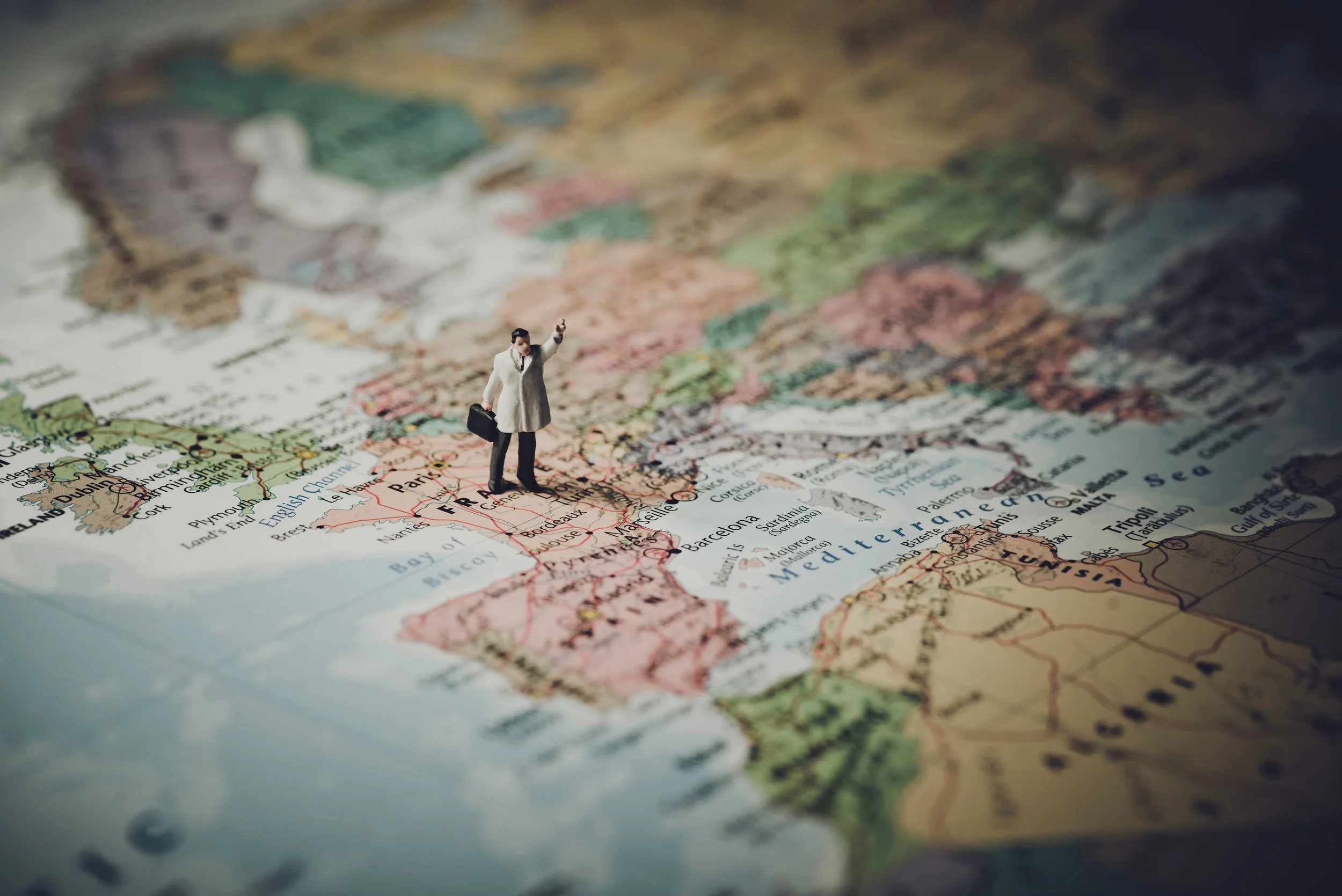
6 Things Emotionally Intelligent People Do When They Travel
TRAVEL CAN BE EMOTIONALLY TRYING AT THE BEST of times. There are far more instances when one is uncomfortable during travel, both physically and emotionally, than in everyday life. In order for this to not be incredibly overwhelming, you need to be pretty emotionally sturdy.
The best travelers — the ones that are the most compassionate, the most open, the most flexible and kind — are the ones that are emotionally intelligent. They’re the people who are in touch with and understand their own emotions, and can read and respond to the emotions of others. This ability to empathize and reflect is easily the most important trait one can have when going out into the world to travel. Here are six of the things emotionally intelligent travelers do.
1. Listen.
The single most important rule that literally everyone with any amount of emotional intelligence must live by is this: listen. Listening is a fundamentally unselfish act: it is the act of hearing what another person has to say without any reference to what you have to say. This holds especially true for travelers, as they are in a position where there are a lot more obstacles to functional communication.
A traveler who knows how to listen knows that listening isn’t just a matter of hearing, but also of seeing: try and recognize the context you’re in. Recognize the body language of the person you’re talking to. Recognize discomfort. And then absorb all of that with as little judgment as possible.
2. Don’t try to fix everything.
The impulse when one sees suffering is to try to alleviate it. But that, paradoxically, can be a selfish impulse, an impulse that is largely geared towards relieving your own discomfort with the suffering. If you see suffering during your travels, the situation may be that you do not have the proper skills to fix that suffering, or that you may not be the person who is needed to alleviate it. We hear about this a lot in reference to the “white savior complex,” but it does not apply exclusively to white people: many people want to jump in and fix a problem before fully understanding the problem. This usually causes problems of its own.
Someone with emotional intelligence will be able to accept the suffering, empathize with it, and simply be there for the sufferer, if they are needed. It all goes back to listening: you try to harness your impulses to help, and provide the help that’s needed instead.
3. Learn the basic words of courtesy in the local language.
Look: you’re not going to be able to learn the language of every single country you visit. There’s nothing wrong with this, no one expects every visitor to their shores to know their language. But learning a few words shows a few things to your hosts: first, that you are making an effort to speak their language in their home. And second, that you aren’t just interested with what they can do for you, but that you actually appreciate what they’re doing enough to let them know about your appreciation.
4. Learn the art of respect in their host country.
Like with the language basics, learning the basics of respect in a country is important. But this is usually more difficult. First, things like hand gestures or dress code are usually more complex than simples “pleases” and “thank you’s,” and second, these are things you might actually have some moral issue with.
Say, for example, you’re a woman visiting a strict Muslim country where women are expected to wear head coverings at all times. You might find this degrading or anti-feminist. But you should still respect their cultural norms, and not only because not doing so might make you a little bit less secure. You should do it because it’s a sign of deference to the fact that you are the visitor in their culture. Some families ask that you take your shoes off when you enter the house. You might not do this at your home, but you do it at theirs in the understanding that in different places, different rules might apply.
The rules might be nonsense or might even be unjust, but you are likely not the best placed person to fight those unjust rules, because you aren’t fully aware of the context. So you defer to the rule, or choose not to go.
5. Let themselves feel things.
One of the easiest ways to deal with some of the difficult things you see when you travel is to simply brush the feeling aside or push the feeling down. While this stoicism usually has some romance attached to it, it’s not particularly healthy. We’re animals, and animals have feelings and moods. If we don’t allow ourselves to have these feelings or moods naturally, then they can no longer be in our control.
So if an emotionally intelligent traveler sees something that upsets them, they allow themselves to be upset.
6. Don’t let their feelings dictate their actions.
Emotional intelligence consists not only of understanding one’s emotions, but of mastering them as well. Say the airport loses your luggage and you are furious. Would you direct that anger at your partner?
You might, sure, but the loss of the luggage isn’t your partner’s fault. It wouldn’t be particularly fair to them. The smart thing to do is to channel that anger in useful ways — do what you can to get your luggage back, file a complaint, maybe talk the airline into giving you a couple of free tickets — and then letting that anger go. The more feelings have control over your actions, the less control you have over them.
THIS ARTICLE WAS ORIGINALLY PUBLISHED ON MATADOR NETWORK.
MATT HERSHBERGER
Matt Hershberger is a writer and blogger who focuses on travel, culture, politics, and global citizenship. His hobbies include scotch consumption, profanity, and human rights activism. He lives in New Jersey with his wife and his Kindle. You can check out his work at the Matador Network, or over at his website.
African Journals | Chronicles from the Road, Part One: Landscapes
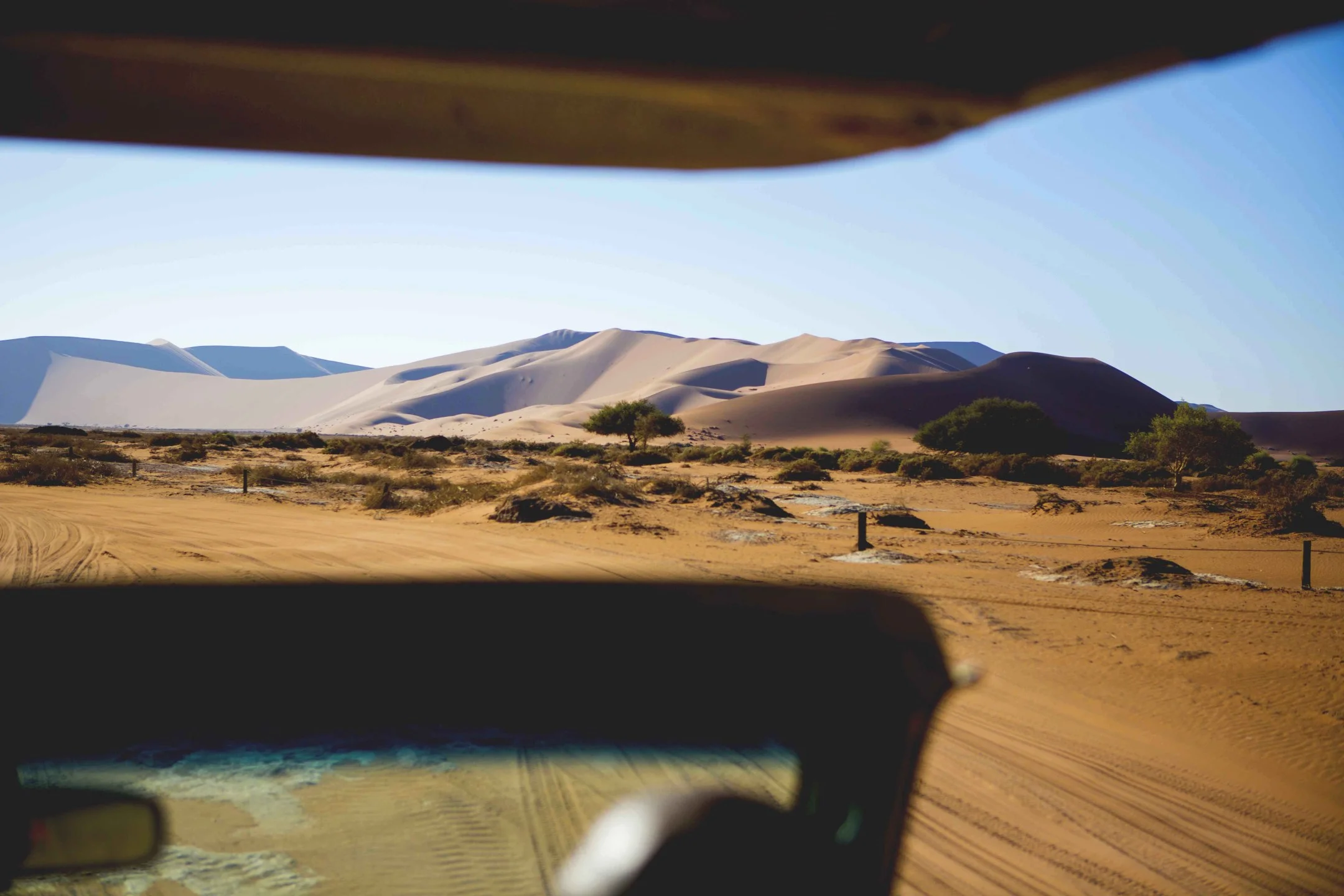
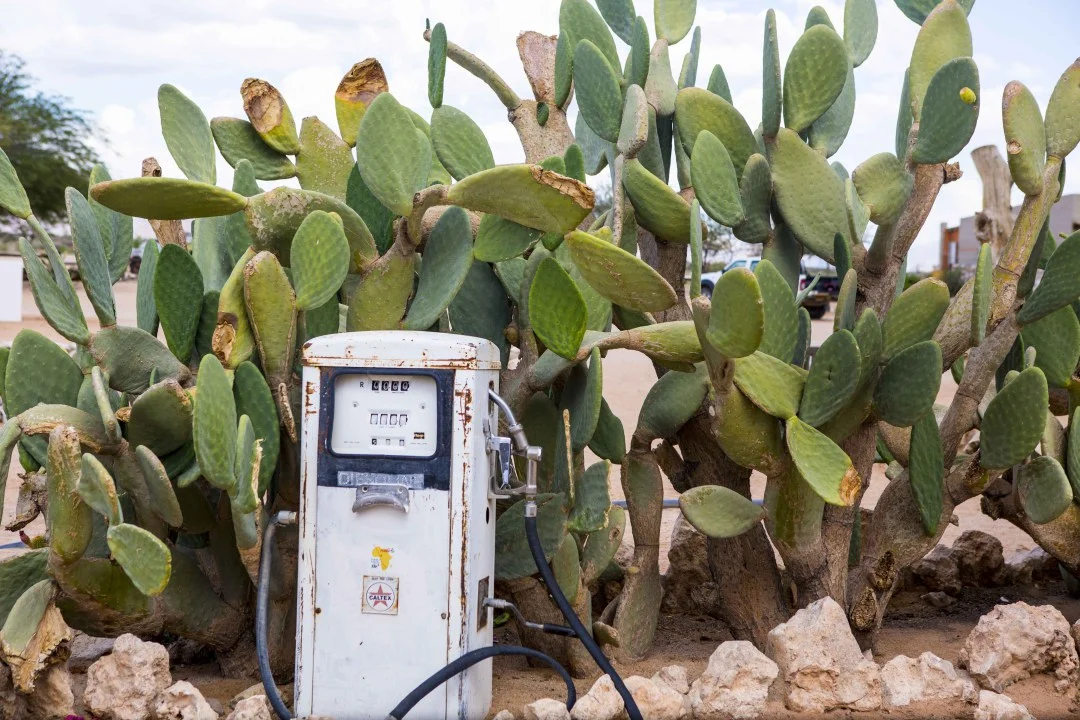
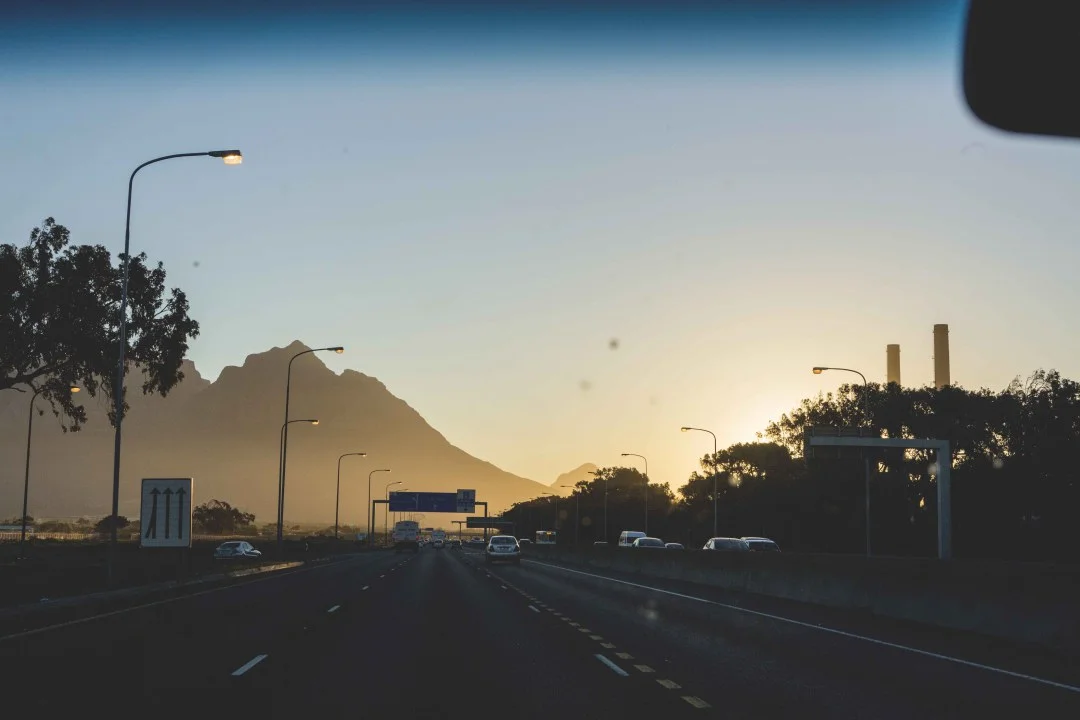
The road trip started in Cape town were we spent a month shooting a campaign for Fayrouz, a product by Heineken. From there we had no plan, but by meeting locals, listening to their stories and being open-minded about every adventure we came across, we ended up in Windhoek, Namibia with a 4×4 monster truck which we called Bowser (super Mario kart). The route formed by itself, in a natural way. We got invited to shoot photos for lodges, guesthouses and hotels in Otjiwarongo, Swakopmund, Walvisbay, Rietoog and then we continued on our way to Sossusvlei. There is a big German influence visible in the cities/villages, especially on the Skeleton Coast. You will find Bratwurst on the menu, for sure. Namibia was a German colony until 1904. The route from Walvisbay to Sossusvlei – the C14 – was insane, unforgettable. It is supposed to be a four hour journey, but it took us seven. After hours of sand and drought, something magical happens… You drive through this big mountain, and afterwards you’re suddenly driving through green and purple landscapes – so unreal, like you’ve arrived on the film set of The Lord of The Rings. All the way to the red dunes of Sossusvlei there is so much wildlife to see, and you only pass through one ‘village’ Solitaire. I say ‘village’, but it is really just a petrol station where you can eat apple pie with the few local people who live there. It is amazing. Sossusvlei is like the cherry on the cake; from 6am the colours are changing like the wind. Incredible.
Next stop: Victoria Falls. One of the Seven World Wonders. We arrived in Zimbabwe, but our accommodation was in Zambia (the Falls are on the border between the two countries). Zambia was such a surprise; rainforest, monkeys everywhere, snakes and the best local market – the Maramba Market – where you can meet local people, have fun, and drink cheap local beer, Mozi beer! You can easily spend a whole day at Billy’s Café, listening to stories, playing pool and enjoying local goods like cassava pate (pretty weird stuff to be honest). The music is loud and everyone will dance the day away.
From Zambia to Botswana involves taking a lot of different public transfers, ending up at the border where you take an Industrial-Truck-Ferry. Trucks wait in line – sometimes for more than two weeks! – as the ferry can only carry one truck at a time, with a bunch of people around it. In Botswana, the public bus trips were epic. From Kasane to Maun (18 hours), from Maun to Gaborone (14 hours) from Gaborone to Jo’burg (15 hours). It was the rainy season and a lot of roads where flooded.
Jo’burg was our last stop. This city made a deep deep impression on us. It was so electric, in a lot of ways. You feel the different layers of the city from the past, but you also feel new energies. There is a lot happening, the city with all her different areas is very dynamic and moving. It’s hard to explain the way we feel about this city, we would recommend everyone to go there, to experience it in your own way.
Showing respect and interest in local people is so important. We met interesting people everyday and it was a real honour to hear their voices, their stories and to have chats about the little things in life too. The city center is not the nicest place to go at the moment, but there are a lot of upcoming areas like Maboneng (meaning ‘Place of Light’), Melville, Braamfontein, Fox Precinct and Newtown.
This city brought us a lot, we were really inspired by the people, the vibe and also the deep history that this city is carrying. BBC describes how Johannesburg has changed from a ‘no-go to gotta-go’ – that says a lot. Things are changing, but like all important world changes, it takes time.
See you soon dear Africa, you are in our hearts.


THIS ARTICLE WAS ORIGINALLY PUBLISHED ON ROAM MAGAZINE.
MANOUK QUINT
Manouk Robina Quint is a 25 year-old photographer currently living in Amsterdam. She has loved creating stories for as long as she can remember. Manouk now has her own photography business; Hans en Grietje – donotsaycheese.com. Together with her soulmate, Hidde van der Linden, they began by capturing the party-life of Amsterdam in clubs, parties and festivals. Now the duo photograph food, interior, fashion, weddings, portraits and travel, also writing concepts and stories to create campaigns for brands.
Notes On When the World Makes You Feel Small
I WAS ON A BOAT in the Gulf of Mexico, fishing for mackerel and grouper. My Uncle Andy was a boat captain, and whenever we’d go down to Florida, he would take us out fishing. I was maybe 10, so I wasn’t partaking in the beers, but as the day wore on, my dad and my uncle started telling stories. The water was glass, which you almost never see in the Gulf of Mexico, and the gray clouds sat totally motionless above us in the heat.
I don’t remember which story Andy was telling. One time, when he went to drop a boat off in Cameroon, he was made to sit in port for 10 days, not allowed to disembark until he bribed a customs official. When he finally relented, the customs official boarded the boat and said, “Captain Hershberger, you will make me a cup of tea while I figure out the paperwork.”
Andy was pissed, so he decided to “give the tea a stir” before serving it to the customs official. But he didn’t stir the tea until after he’d heated the water to a boil, and, long story short, he had to explain to his company healthcare provider why they were paying for burns on his scrotum.
It may not have been this story in particular, but it was one like it, and it was exactly what a 10 year old wanted to hear from his dad and his uncle. And it was while the stories were being told that kingfish started leaping out of the water. Kingfish don’t really do that. So we watched a school of non-flying fish flew around us. And then we watched as a waterspout touched down a half a mile away. Then another, a little bit more to the north. Then a third, a fourth, and a fifth. We were surrounded by tornados on a totally placid sea.
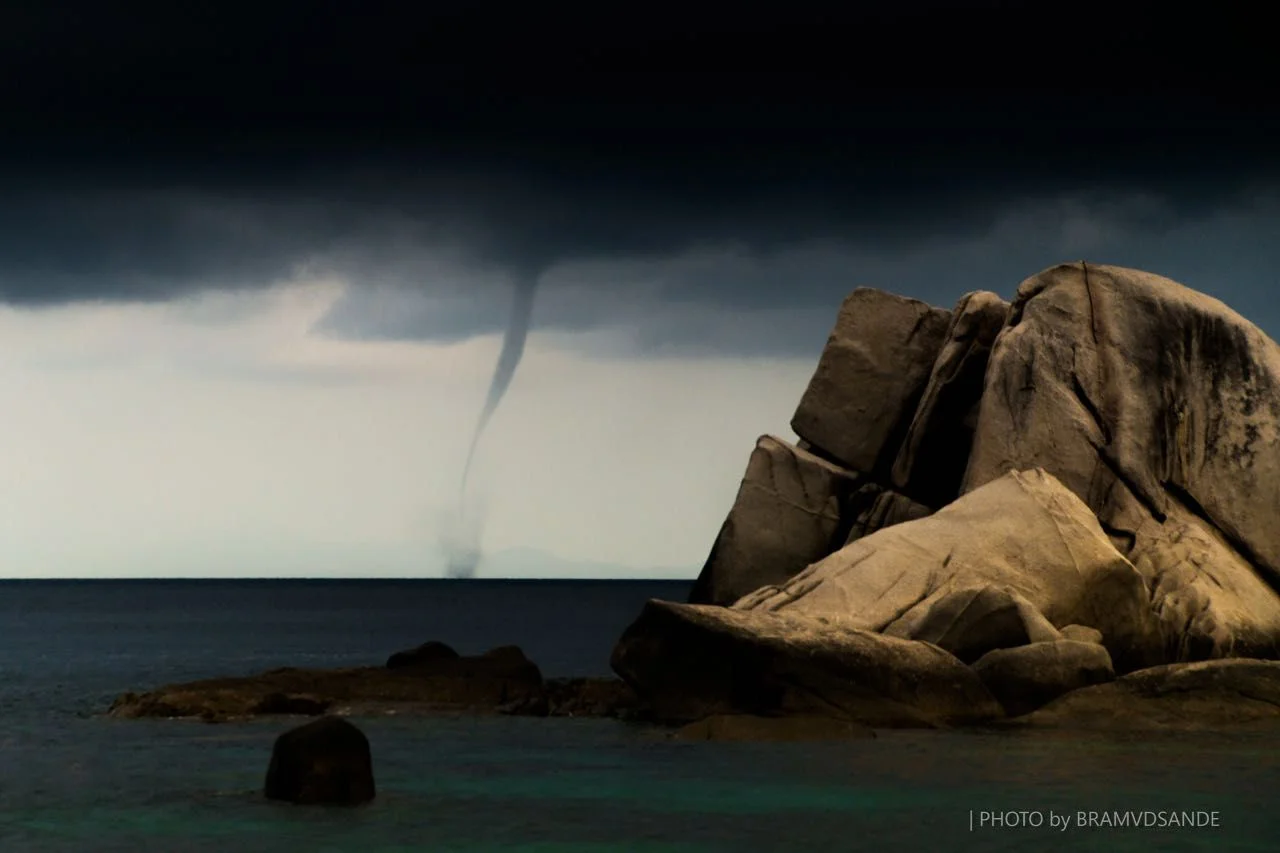
Photo: Bram van de Sande
The pit of my stomach
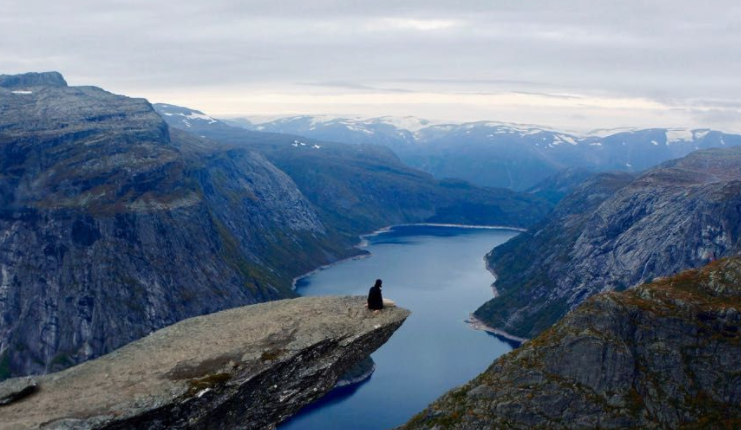
There’s a feeling I used to get when I would go alone into the woods at the bottom of our street. I would see no people, hear no signs of human life, and I’d only see trees and creeks. A dense stone would lower into the bottom of my stomach, and I’d know I was alone in the world.
I’m married now. I have a job and I live in the New Jersey suburbs. There isn’t much time spent alone in the woods. A 30-year-old man stalking through patches of suburban wilderness is insanely creepy, so I don’t do it. But I still seek out the feeling in the pit of my stomach. It comes much less frequently, and only when the entire world clicks into place to make me feel small and lonely. That makes it sound bad — it’s not. It’s my favorite feeling in the world. It’s uncanny — my body, in these moments, does not feel autonomous, but rather a part of a much greater whole. I am moving because the universe moves. And while the raw material that makes up who I am may someday dissolve back into the universe, I know the universe will remain. In some sense, I cannot die.
The word that best describes the feeling is “wonder,” but like all words for the ineffable, it is incomplete, and it sounds too religion-y to me sometimes. “Wonder” doesn’t fit stories in which my uncle tells me about his burnt scrotum right before the universe shifts into something unspeakably weird. But it gets the point across fine.
The night sky
It’s 1997, maybe a year after the cyclones surrounded us in the Gulf. I’m in Hawaii, and I forgot to bring my inhaler. There’s mold in the bedroom of our Maui hotel, and I can’t lay down or I’ll start to suffocate. My dad hears me wheezing and takes me out to the beach and sits me up on a chair. We talk — I totally forget about what — and listen to the ocean. We’re away from cities and the hotel’s lights are mostly off, so the sky is more star than dark. I can actually see the Milky Way. I can make out the silhouette of the mountains of Molokai across the water in front of the stars. And the feeling drops into my stomach again.
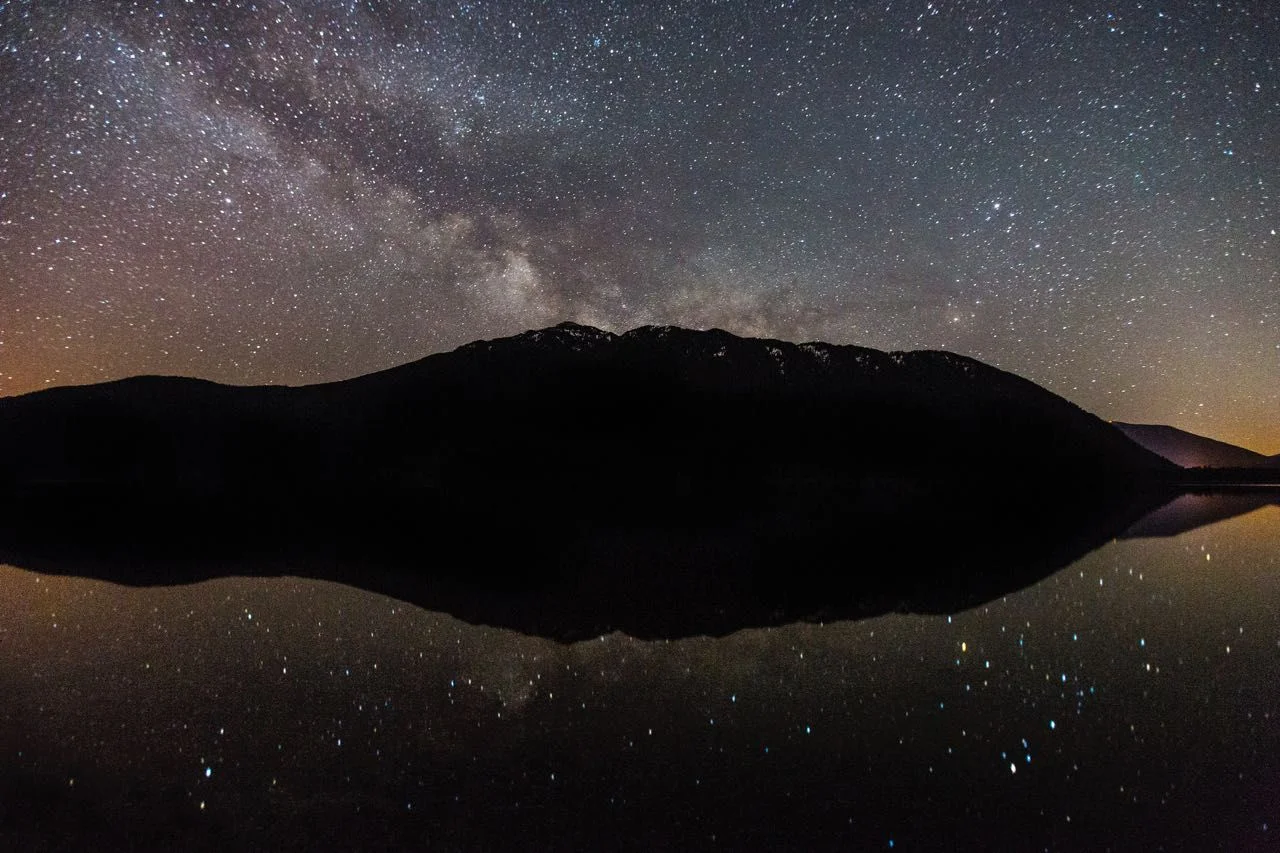
Photo: Glacier NPS
This is where it happens the most — in the face of a clear night. I know people who can’t handle a clear night sky — it’s too frightening, too vast. For me, feeling small is a comfort. It’s a reminder that all of the stuff that feels huge — the horrifying politics of the world, the violence and abuse we heap on each other, the thick fogs of depression and apathy — is actually tiny and inconsequential.
I’d feel the night sky again in 2012, when I caught a plane from London to Iceland to watch the Northern Lights. When I came home, my friends told me you could see the aurora from the East End, but I didn’t regret spending on the trip. In the East End, there weren’t as many stars. They did not, as I did, wrap myself up in my warmest clothes (which still weren’t warm enough), arm myself with a big bottle of wine, and look up over Icelandic mountains as a line of neon green cut through the Milky Way. They didn’t feel the pit in the stomach.
The streets of London
The natural world is the best place to find wonder, but the next time I felt it was in the hipster section of London. This section had once been home to Jack the Ripper and “the worst street in the world.” It was grimy and dilapidated and working class. During the Blitz, it had been constantly pounded by German bombs. And while it’s gentrifying today, there’s still plenty of poverty and desperation.
I was on a walking tour through Shoreditch. It was a street art tour, and while we’d all hoped to catch a glimpse of a Banksy, we knew most of what we were going to see was tags and a few commissioned walls. Shoreditch and Spitalfields are covered in street art, most of it the illegal variety, but it wasn’t until we were in the middle of a busy zebra crossing that the feeling came again. The tour guide stopped us in the crosswalk and pointed down to a tiny piece of gum on the ground. It was a Kool-Aid blue, Bubblicious-type gum, and in it, two yellow painted stick figures danced.
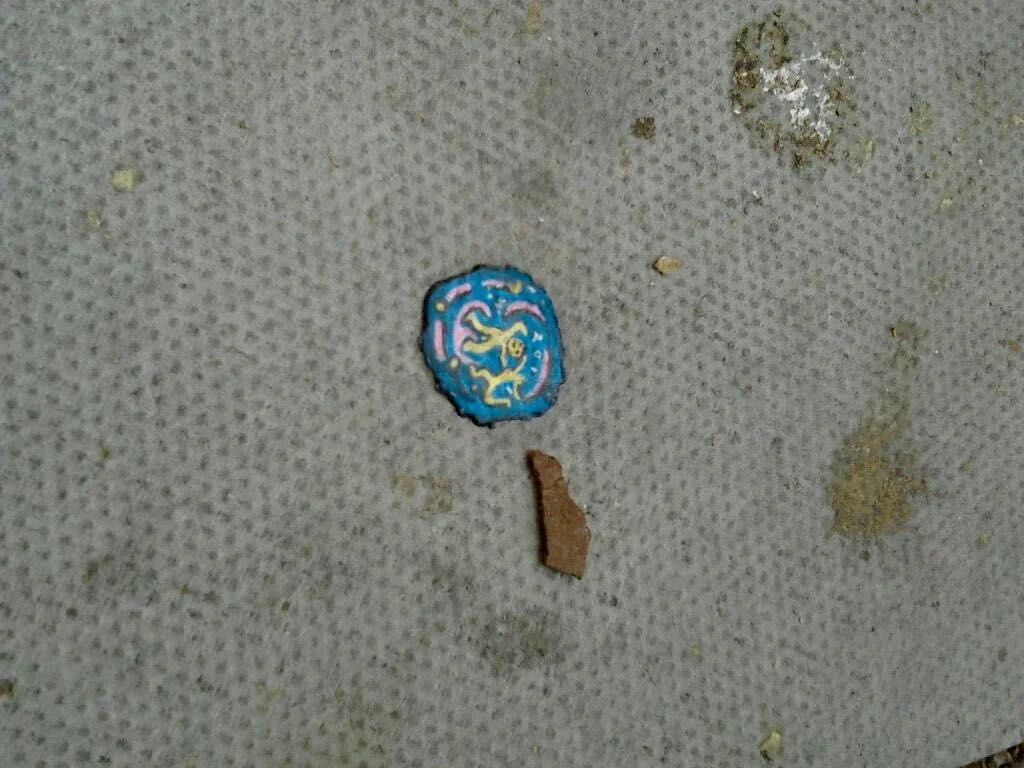
Photo by author
I felt the stone settle in my stomach. A city can feel like a place that is not built for humans but for machines. We’re just crammed in with all of the cement and cranes gears and cars and trains which could all easily destroy our soft, frail little bodies. But here on the pavement was one person refusing to see the streets as off limits, refusing to see a sticky piece of expectorant as litter.
The pit in the stomach, I’ve decided, is a biological response to the moments when my mind briefly clicks into sync with the world. In these moments, I know who I am in relation to everything. It comes rarely — maybe twice a year, if I’m lucky, but sometimes years pass with nothing. Looking up at the stars, I click into sync and know I’m small. Looking at a splotch of humanity on an inhuman cityscape, I click into sync and know I’m huge.
THIS ARTICLE WAS ORIGINALLY PUBLISHED ON MATADOR NETWORK.
MATT HERSHBERGER
Matt Hershberger is a writer and blogger who focuses on travel, culture, politics, and global citizenship. His hobbies include scotch consumption, profanity, and human rights activism. He lives in New Jersey with his wife and his Kindle. You can check out his work at the Matador Network, or over at his website.
Freediving With Japan’s Pearl Divers
Aiko Ono was working as a photographer in the bustling megalopolis of Tokyo, but she had long dreamed of the ocean. When an unexpected opportunity arose, she left her life in the city to join Japan’s legendary female “ama” divers. For centuries, ama divers have scoured the ocean floor for pearls and seafood, passing on their expertise to future generations of women. Now, she’s found honor and peace in upholding this 3,000-year-old tradition.
A Life Between the Cracks: Confessions Of A Third-Culture Kid
I never liked the expression “third-culture kid.” Maybe it’s just the way it sounds – like there are only three types of cultures in the world, and everyone is, by default, categorized into one. “Oh, your mum is Pakistani but your dad is Australian? You fall into the second category.” Or my favorite: “Oh, you spent your entire life in the States? Ha! First-culture kid. Uncultured swine.”
That was my justification all these years for not buying into the label “TCK.” But after reading an eerily relatable article recently by a young man who also lived the majority of his life overseas, I think my real justification was not understanding what it means until now.
The globally-used expression “third-culture kid” was minted in the 1950s by sociologist Dr. Ruth Useem as a way to describe children raised abroad, or between cultures. Ruth Van Reken, co-author of Third Culture Kids: Growing Up Among Worlds, puts it simply:
“They build relationships to cultures all over the world, while never taking full ownership of any. They dive in, but they’re always ready to dive out.”
As it turns out, I am a third-culture kid. By the time I was 18, I had spent time in nearly 40 countries spread across five continents and attended school in four. I was home-schooled through second grade, as it wasn’t feasible to keep pulling me out for extended trips. When I finally enrolled in a real school, I struggled making friends. Thus, I spent the majority of my time with a pencil in hand, writing stories and letting the characters in them speak for me.
When I came home from school one day, my parents told me to pack my bags. The following week, we boarded a plane to the Middle East. I was told six months. Fast forward three years, and we are boarding a plane back to America.
In my mind, I was entering a familiar society; a society I thought I could return easily. But no sooner did I discover it was not my home anymore. I was now the alien. Although my passport said I was American, that wasn’t how I felt. At the time, I didn’t understand what was going on; why it was so difficult to reinsert myself into a place and culture I once was a part.
I didn’t understand how I could feel like both an insider and outsider. I didn’t understand how I could fit in everywhere seamlessly, yet at the same time, nowhere at all.
As an adult, I finally understand why: there is an unidentifiable group of people that grew up all over the world and feel no sense of belonging anywhere except to each other. We don’t have the same accent or skin color. We don’t cheer for the same World Cup team. We don’t have the same countries listed in our passport. But we each know life beyond the confines of our passport country. We tell the same stories and laugh at the same jokes. We experience the same “where are you from?” anxiety. Often, we even know the same people. It isn’t abnormal to run into your 7th grade crush on the streets of London, despite the fact you met him on a swingset in Doha, Qatar nine years ago.
Instead of seasons or age, we bookmark our lives by places and moments. I had my first kiss in Costa Rica. My first cigarette on a Greek isle. My first glass of champagne in Paris. I rode my first school bus in Qatar. I had my first encounter with God on an airplane flying over the Icelandic mountains when I was 17.
When I was living in Chicago, my dad came to visit. He noticed I had nothing on my bedroom walls. Whereas my roommates each had snapshots and Post-It notes with “I’ll miss yous” coating theirs, I had nothing but a napkin on my bedside table with an illegible phone number scribbled on it from a waiter the night before. When my dad asked why, I told him I didn’t see the point; Chicago wasn’t home.
I think many kids who grow up in a similar transience understand that “home” is wherever they are right now, whoever they are with. We know better than anyone that temporality doesn’t make something matter any less, but instead makes the time spent in that place with those people meaningful.
We enjoy intensely, feel deeply, and love fiercely because of the certainty nothing and nobody will last.
C.S. Lewis once wrote:
“If we find in ourselves desires which nothing in this world can satisfy, the only logical explanation is that we were made for another world.”
I believe TCK’s often feel like they were made for another world. One that transcends boundaries and nation perimeters. One where “home” is not defined by a single geographical location, but instead by moments, events, people, memories, and a myriad of places. Somewhere between a diamond and a rubber band; chiseled and unmistakable, yet elastic and versatile.
Each time you watch a place you once called “home” disappear out of an airplane window, unsure if you will ever return, your idea of the world shrinks a little, but your soul deepens and swells beyond measure. You realize how big God is. You realize the solace in holding things, people, and places lightly. You realize it doesn’t matter what language someone speaks, because you still feel the same things.
In the words of Pico Iyer, “a global soul is a person who has grown up in many cultures all at once – and so lived in the cracks between them.”
Growing up between the cracks, I bear witness to the handful of trials and bounty of joys a wandering life can bring. It is why I want to raise my own children between the same cracks. It is why I am proud to be a third-culture kid.
THIS ARTICLE WAS ORIGINALLY PUBLISHED ON THOUGHT CATALOG.
SARAH LITTLE
Writer, artist, explorer.... lover of people and pizza.
What I Couldn’t Admit Until Now After Months Of Traveling While Black
I’ve been trying to find a way to write this since I’ve gotten back to the United States with a single backpack and next to no money. For the four months that I was away, the United States of America seemed to unravel in a way that I hadn’t seen before and my bones felt so excited, so prepared to come back.
Starting in December 2016, I traveled throughout the Philippines for three months and spent another month in South Korea. This trip was integral, influential in so many ways to me. I dove headfirst into a new region of the world that I’d previously not given much thought to and I can still recall sitting in this bedroom only a week or two before that trip began and thinking, “What am I getting myself into?” as I researched the ins and outs of some of the things that I might experience.
Sometimes I feel that there is a switch in black people specifically. We tread through the world as flawlessly or strongly as possible. We climb ladders, break glass ceilings, win athletic events, and do so in the name of a lineage that has been stripped away from us. The black experience in the United States is so unique and tortured and real in ways that is still hard to express to people who haven’t been born into it or have spent their entire lives trying to contextualize it.
I believe this switch in each black person is a way to protect us, push us forward, and allow us to navigate spaces that we are not always readily welcomed into. As I traveled through the Philippines more specifically, this switch was turned on all the time. From the very first days of stepping off the plane and meeting people of different backgrounds and classes and political ideas, I was faced with a wave of self protection that was layered into how I interacted with anyone that I met.
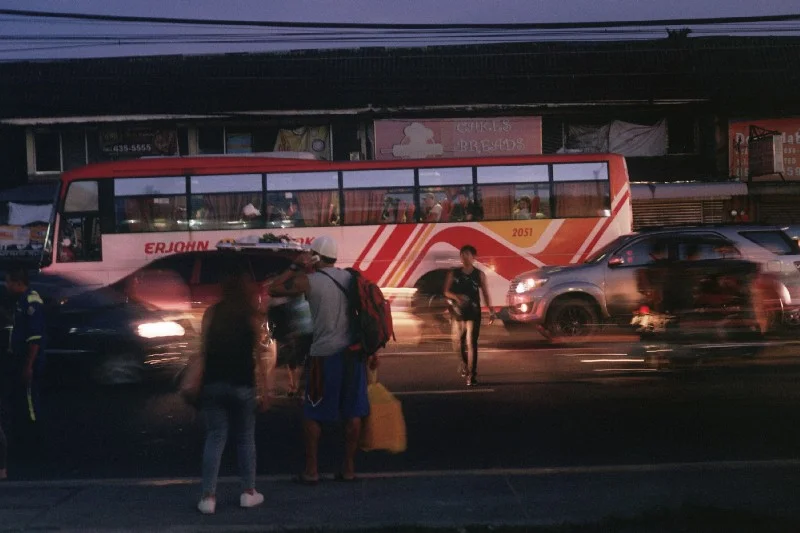
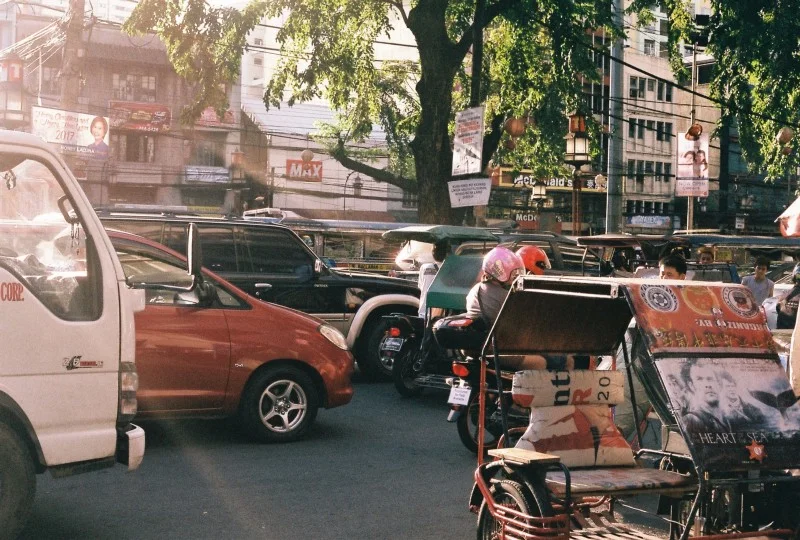
Kids would follow me in the streets and point. Some people would ask to take photos. Others would ask questions about my dreadlocks. One time in Chinatown, my friend exclaimed behind me, “Wow, a black person!” because as he walked behind me in the crowded city streets of Manila, it became so obvious that people just didn’t stare as I walked by. They gawked. Kids sometimes called me the N-word because it was probably what they’d seen black people call each other in rap videos or movies.
“Wassup my brother?” was also a common thing for kids to say to me.
I had moments where I had to explain the basics of anti-blackness in the United States to some Filipinos. One time a woman told me that my hair looked crazy. One night I was lost while trying to meet friends and at a club. Filipino cops stopped me and asked if I needed help. During their gracious car ride, they asked me if it was true that black men had bigger penises.
Layer all of this with the fact that I am queer and understand that much of the world has a complicated relationship/ideal of acceptance towards the LGBT community; you can begin to guess why this guardedness was a part of how I interacted with people.
As a black person, I have learned to demand presence in so many spaces that I step into. As an activist, I try to be intersectional and aware of the political context of spaces that I enter. I could never go wholeheartedly into another country as an American and expect everyone to be educated on the nuances of life as queer, black male in the United States. Culture is deep and can be changed in an instant or over the course of decades, centuries.
But with this deep need to understand things as they come, feelings often get muddled. In South Korea and the Philippines, I would let people touch my hair, something that’s sort of an unspoken violation of respecting black folks and their bodies. At the time, I chalked it up to exhaustion, a lack of willingness to fight for respect for my racial experience at all times. Now that I am faced with the prospect of wondering if I should go back to the region of SE Asia for another trip, I am finally able to realize the whopping truth of what I often felt.
Humiliation
I felt humiliated and tried to stuff it inside of myself, wake up every day and face the adventure of being a backpacking entrepreneur on the other side of the world, something that is a privilege of it’s own. But the truth was that I’d drained my bank account to be there. I constantly thought,
“Why the fuck did I travel across the world to deal with this racist bullshit?”
Most of the time I was too afraid to express these feelings to Filipino people, almost in the same web of anxiety that I used to have when censoring myself when around white folks here in the States. In fall of 2016, I helped organize a memorial for Ty’re King, a 13 year old boy shot and killed by Columbus Police. At the memorial, a white guy came over and expressed his condolences. Then he compared the 13 year old boy to Osama Bin Laden and tried to spew his white privilege and fragility all over a space meant to show respect for black pain and this boy’s life.
I remember being angry, telling the guy to get the fuck away from me and how hot and immediate my body felt. So much of the past three years to me has been trying to dig into the power that allows myself to believe, “It’s okay to be angry. It’s okay to admit that you were humiliated. It’s okay to pop off.”
As black folks, we are so often used to being told that we hold the weight of our entire community on our backs. This is a reinforced ideal, that for black folks, is so different than the language around other racial groups. If you are black, how many times have you heard the following?
Don’t be hanging with those white folks and thinking you can do all the things that they do.
You gotta work twice as hard to get half of what they do.
Those white folks will be watching you.
I took care of you so you could hopefully take care of me and your father one day.
All of these are signifiers of the complicated bridge that weaves the black experience. We want to be seen and heard, but when we are denied representation, we claw our way into spaces and tell ourselves that we are “unapologetically black”.
Issa Rae, the creator of the show Insecure, recently said, “So much of the media presents blackness as fierce and flawless. I’m not.” This statement immediately made sense to me because the Strong Black Woman stereotype has been around for a reason. Self care is discussed, but how do we exercise it? Why are black people often left with the burden of contextualizing how racism and stereotypes continue to exist and hurt us? Why do we believe that we have to be so damn strong, so damn resilient all the time? What would break if we let the dam loose, let the world know how we really feel?
Is it because if we are afraid that the world would aim to destroy us once more if we were honest?
The answer could be in afro-pessimism and what Frank B. Wilderson III describes in an interview:
Normally people are not radical, normally people are not moving against the system: normally people are just trying to live, to have a bit of romance and to feed their kids. And what people want is to be recognized, to be incorporated. And when we understand that recognition and incorporation are generically anti-Black, then we don’t typically pick up the gun and move against the system, even though that’s impossible. And I think that our language is symptomatic of that when we say that ‘I don’t like police brutality’. Because, here we are saying to the world, to our so-called ‘people of color allies’ and to the white progressives, ‘we’re not going to bring all the Black problems down on you today. If you could just help us with this little thing, I won’t tell you about the whole deal that is going on with us.’
*
What freaks them out about an analysis of anti-Blackness is that this applies to the category of the Human, which means that they have to be destroyed regardless of their performance, or of their morality, and that they occupy a place of power that is completely unethical, regardless of what they do. And they’re not going to do that. Because what are they trying to do? They’re trying to build a better world. What are we trying to do? We’re trying to destroy the world. Two irreconcilable projects.
Maybe self care starts with recognizing the disappointment I felt every time in the Philippines when I’d be informed that I was “the first black person” to frequent a particular business or area of the country. Not only was my mind mangled by trying to contextualize all of the racist/stereotyping attempts by people I’d met trying to get to know me, but I was also faced with the fact that, once again, I was one of few to explore in certain ways.
So I’ll say it again. I felt humiliated and as I sit here, I find it hard to come up with many reasons to go back for the foreseeable future. When I admit this, a deeper anxiety slips in that I refuse to really indulge. This anxiety says, “Well, if you’re a traveler and you’re black, does this mean you’ll never really find a home in the world? A place that gets what it’s like to be you?”
As for the answer to this question, I don’t know, but the hopeful part of me says that I need to keep searching on my own terms before I allow my already short life of 23 years to be marred by a belief that the world is wholly inaccessible to me, a black person that wants a world where different identities are respected, but never vital to someone’s value.
If I wanted to put these horrible realizations to deeper use, I would ask myself the question, “Well, what would I feel if I just went back? And got over it?”
Maybe I’d be attempting to actualize a stronger version of myself that can deal with being stared at all the time, asked if I play basketball and told I should put my sexuality (which is fetishized by white supremacy) to good use. That version of myself, I don’t think I would like very much. That version of myself would lessen the vulnerability that I feel is so integral to creating compelling art and embodying the kind of blackness that acknowledges the strength of who we are/what we are capable of while not stripping myself of the ability to feel pain, anxiety, anguish, and humiliation.
This vulnerable version of myself is what I believe is the ideal reality to struggle towards. One where walls and borders and barriers that are physical become as obsolete as the one in our minds, but maybe that reality is only possible with people like me (and hopefully you), who face the turmoil as it comes and uses it as a way to inform how we go into the world next time around.
THIS ARTICLE WAS ORIGINALLY PUBLISHED ON FUTURE TRAVEL.

PRINCE SHAKUR
Pro-black, feminist, lover of locs and queer with restless feet.
Coming of Age in the Amazon Jungle
In a small settlement, deep in the Amazon rainforest, colourful preparations are underway for a very important occasion.
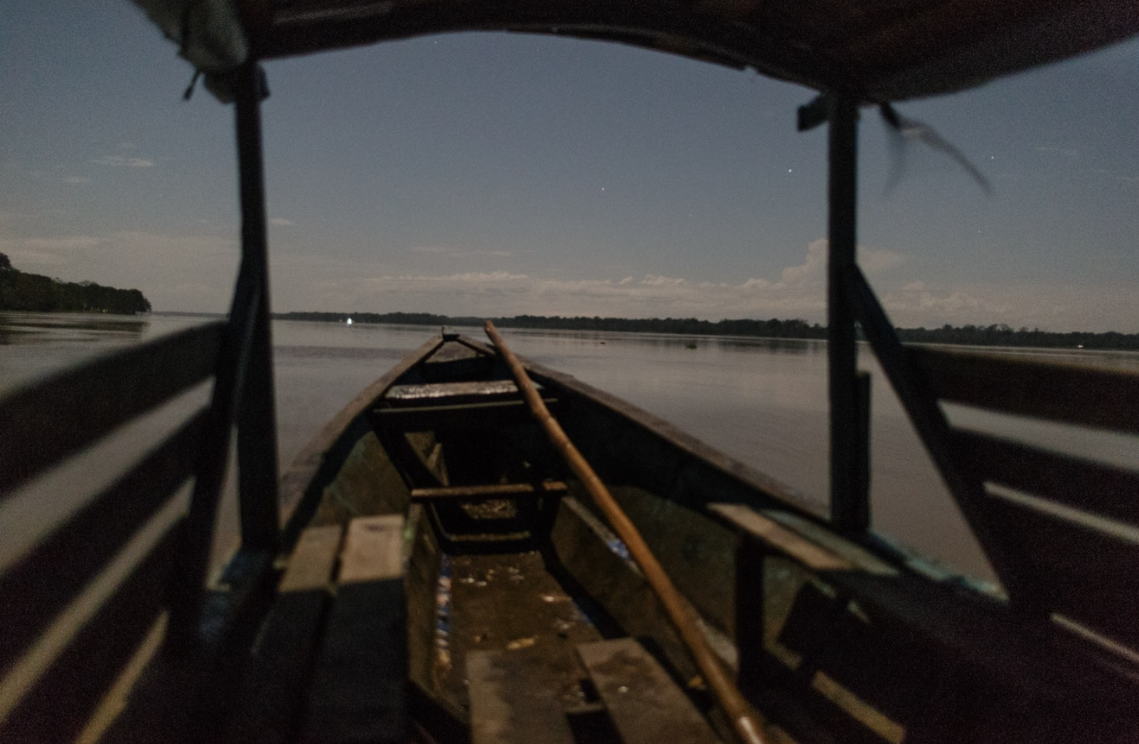
The village of Puerto Esperanza, directly translated as “Port Hope,” is located in the Amazonas department of Colombia — three hours travel by boat from Leticia, the main port in the Colombian Amazon. Here you will find many members of the Tikuna tribe. One of the most numerous peoples in the rainforest, the Tikuna are an extraordinarily artistic people, known for their rich culture and age-old traditions.
One of the most prominent cultural traditions celebrated and upheld by the Tikuna is that of the Pelazón ceremony, a traditional coming of age ritual for young girls, marking the time they enter womanhood. After a whole year of isolation, the girls will be welcomed back into the tribe as women.
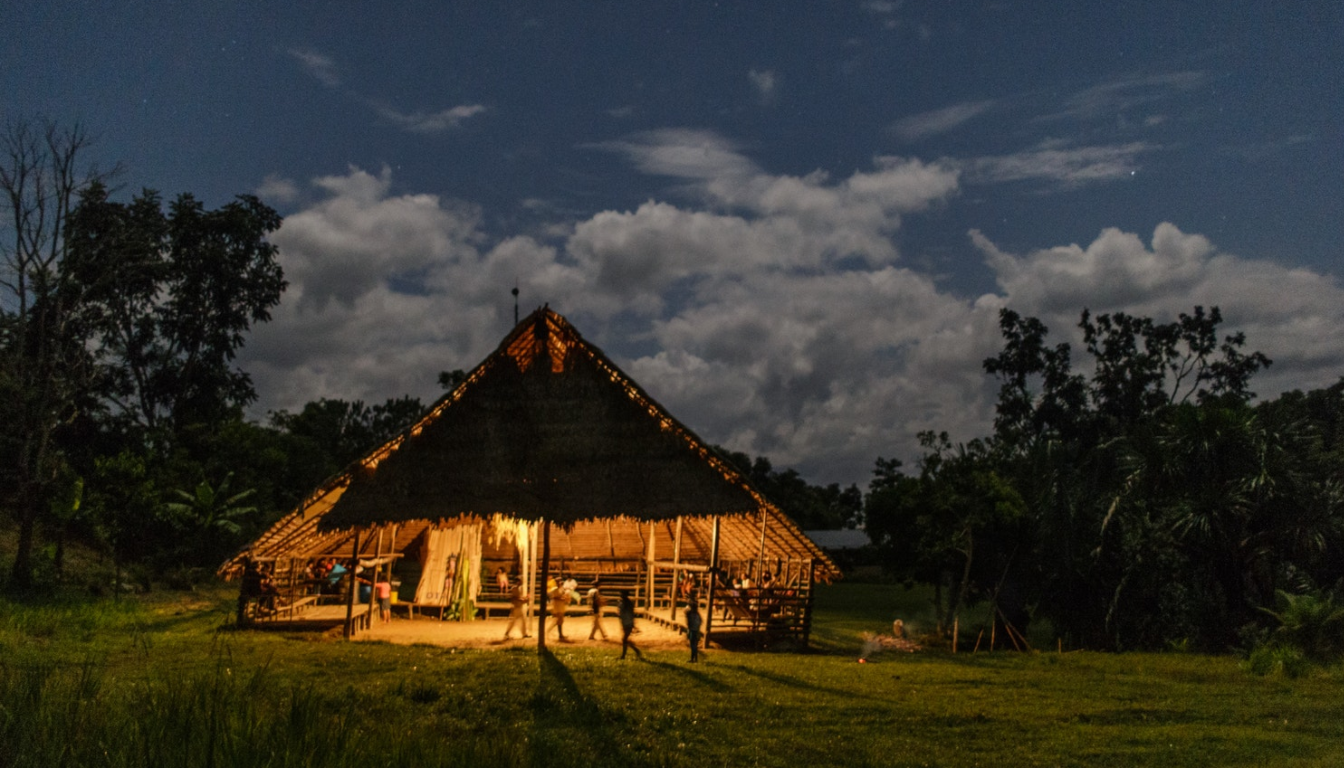
At the heart of the Tikuna settlement, in the maloka, or gathering house, people begin preparations for the rituals that will take place during the Pelazón ceremony. They bring together wine and food that have been collected from the community and spend hours crafting beautiful and elaborate feathered drums that will be used during the festival.
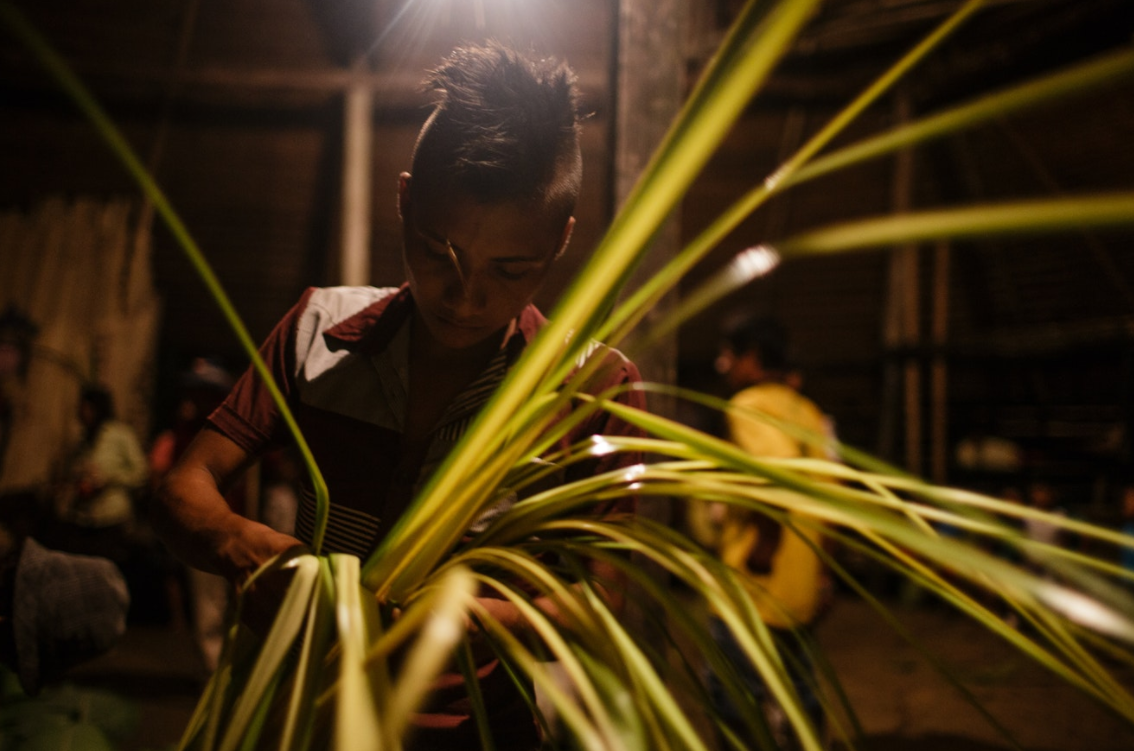
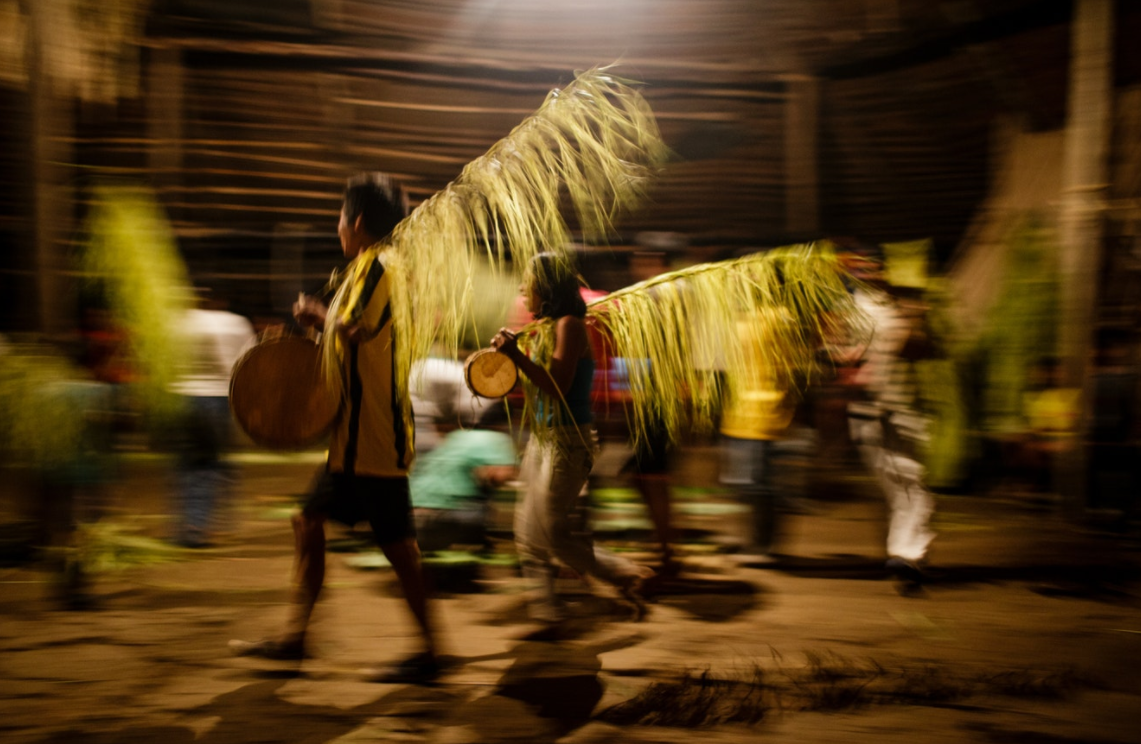
One young man plays a whistle to mimic the sounds of the jungle and imitate the demons who are lingering near the maloka, while another heats a fish-skin drum to hone its sound in preparation for the festivities.

Meanwhile, other community members are making uito, a natural pigment that will be used to cover the girls’ bodies during the ceremony.
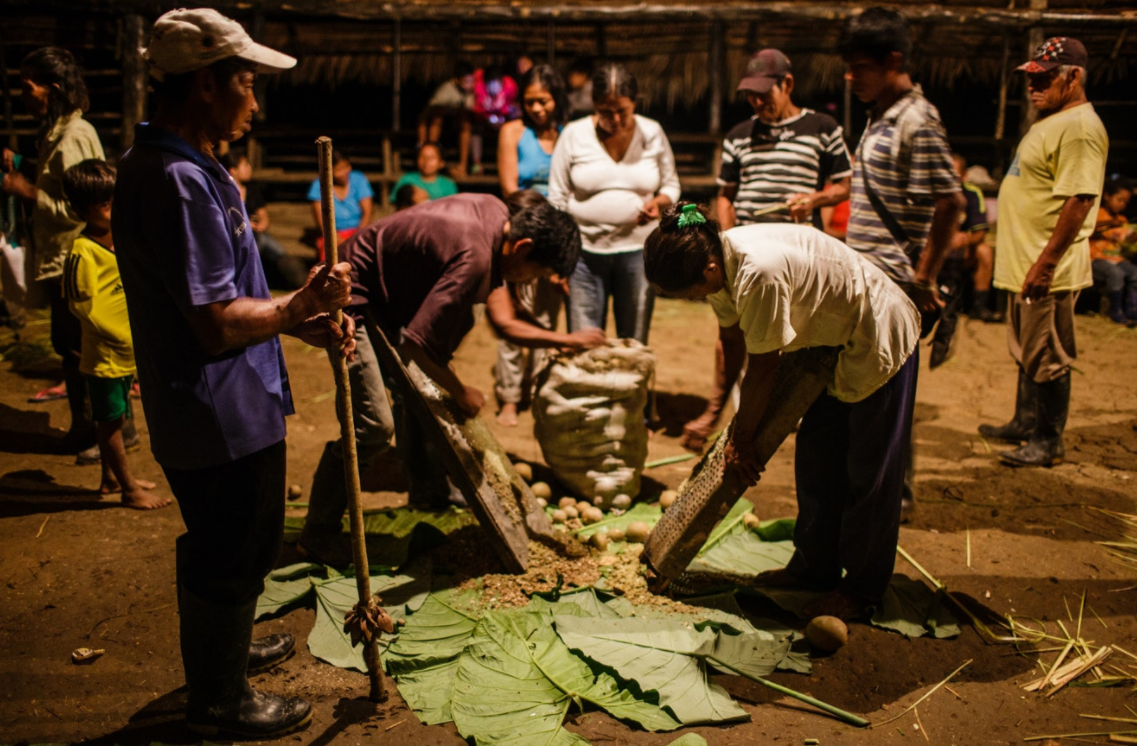
A Year in Isolation
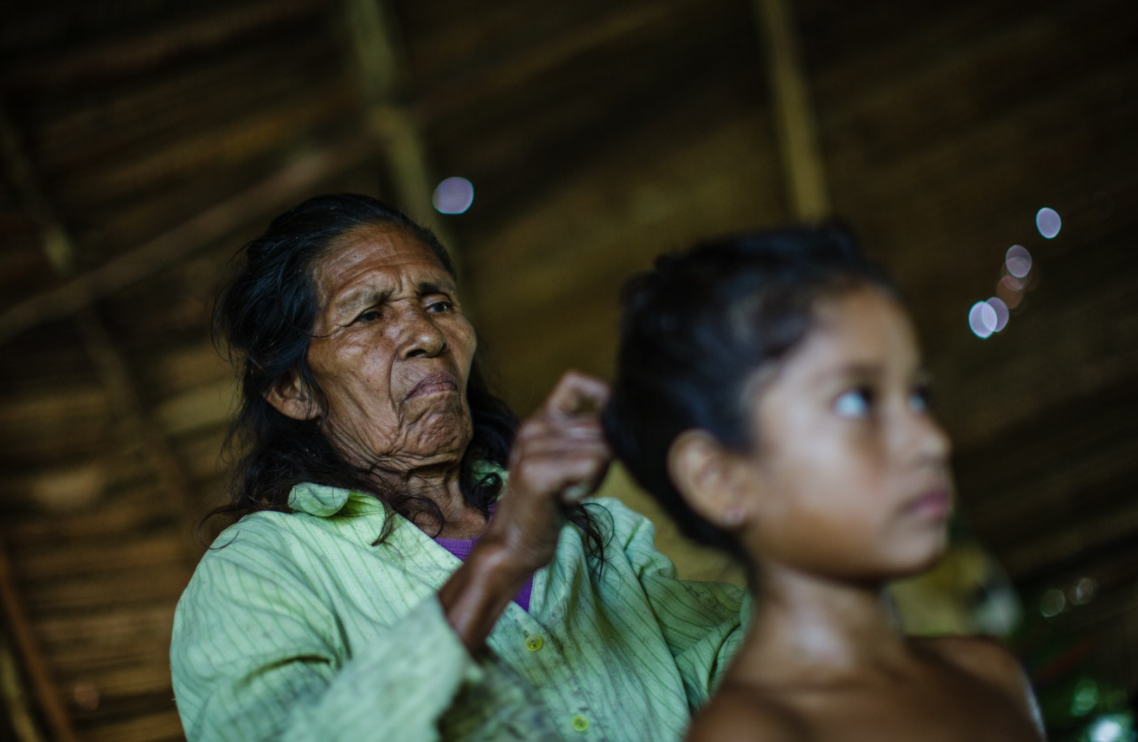
Following her first menstruation, each young Tikuna girl who has chosen to take part in the ritual and Pelazón ceremony, will isolate herself in a small house made of palm leaves. For an entire year the only person whom she will be allowed to see is her grandmother. Part of a deep cross-generational relationship, the elders teach the young girls many traditional skills from weaving, cultivating crops, and the uses for plants, to taking care of babies, and every other aspect of being a Tikuna woman.

Below you see a Tikuna grandmother brushing her granddaughter’s hair. This young girl is only seven, but has already decided that when the time comes she would like to take part in the Pelazón ritual and ceremony.
The Reunion
After the long year of isolation, the girls’ families work together to prepare a big celebration and invite the whole tribe to welcome their daughter back into community life as a young woman. The celebrations last for three days with drinking, eating and dancing, but first everyone gathers in a procession around the village, collecting all of the girls to take them to the maloka.
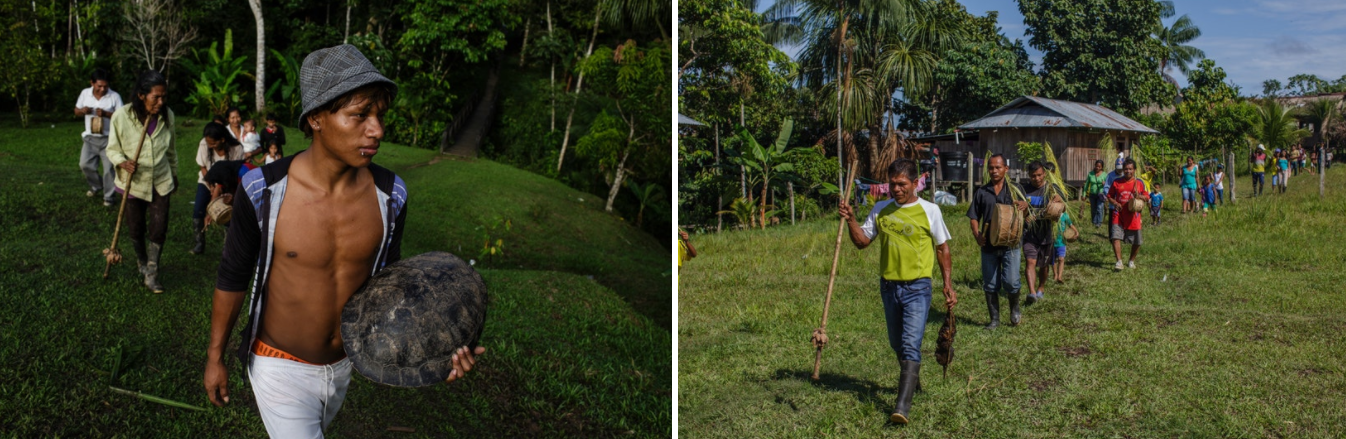
Members of the tribe bring animals they have hunted as offerings to the girls’ families. This young man is holding a Terecaya in his hands, a species of Amazonian turtle. The shell is decorated with feathers and hung in the maloka as a symbol of wisdom in the Tikuna culture.

As night falls, the procession continues to make its way around the village, one by one collecting each of the young girls from their homes.
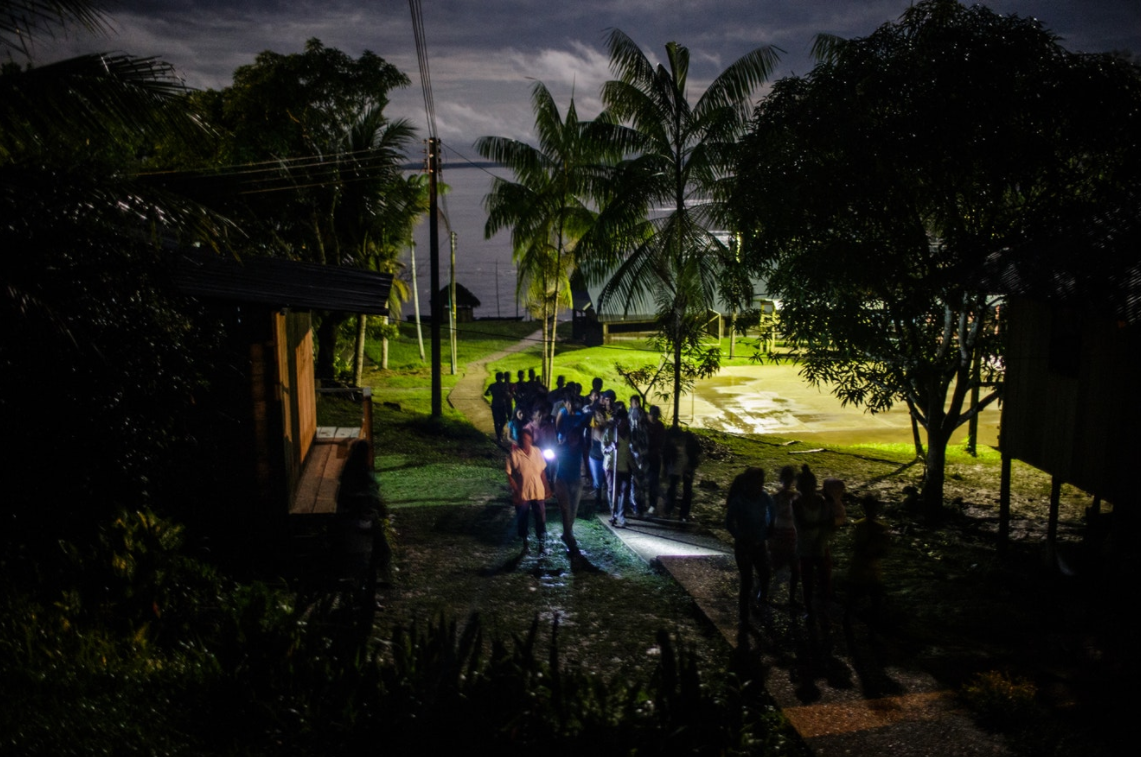
Below is the moment when one of the girls comes out of isolation. She will be completely covered until she is ‘revealed’ during the main ceremony.
The Ceremony
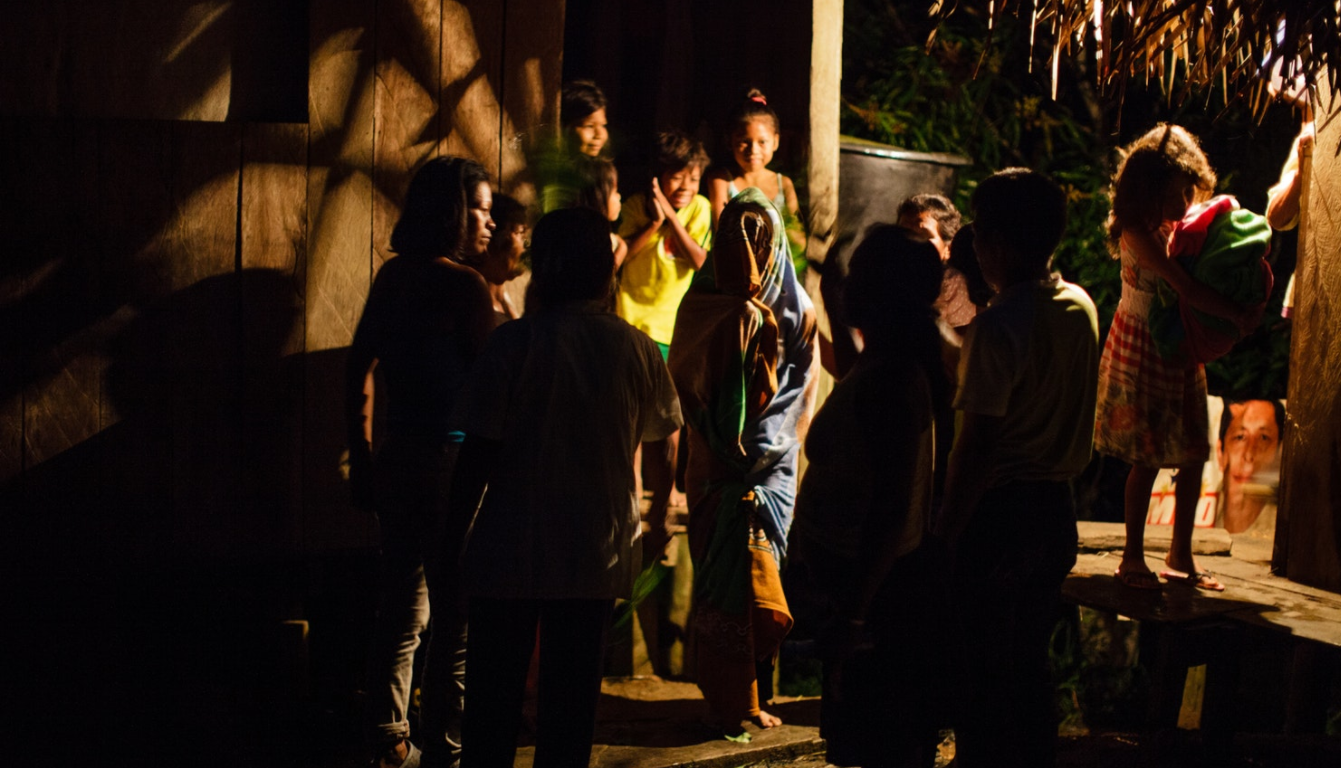
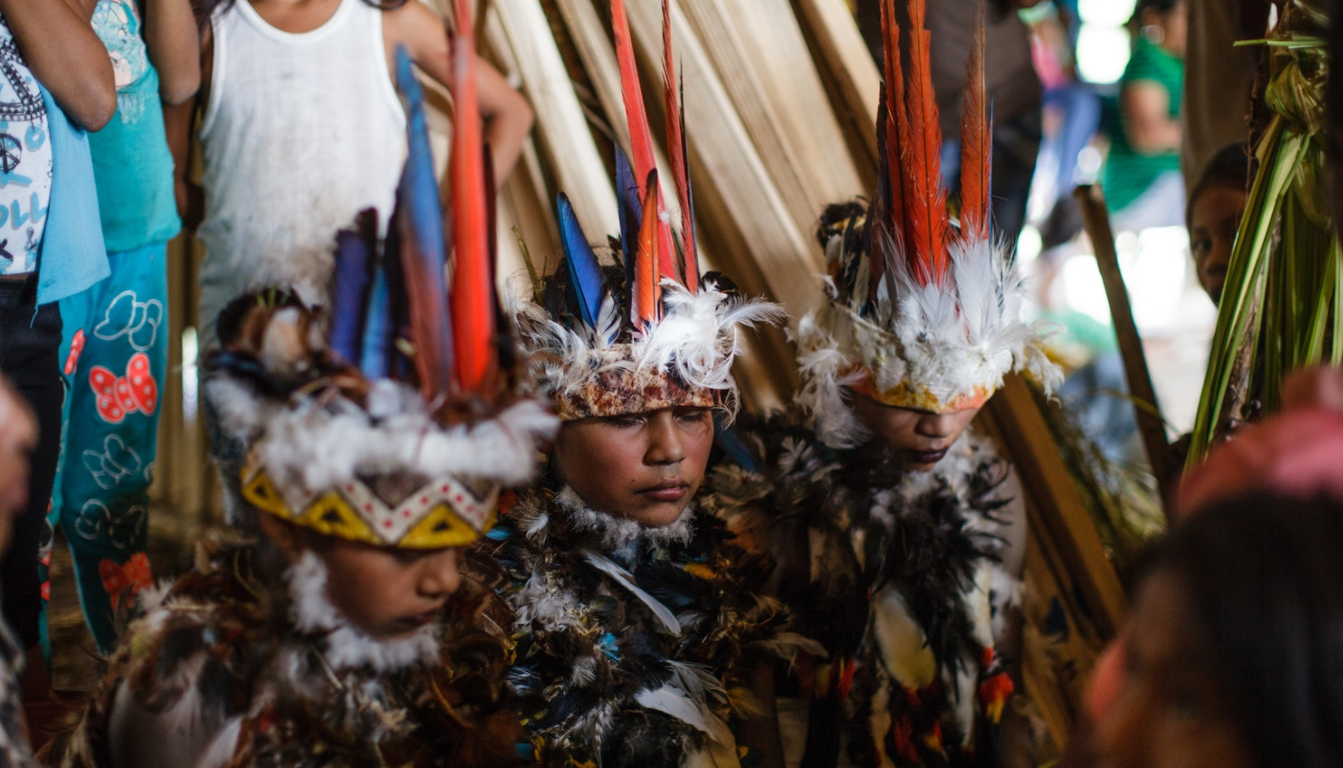
At the heart of the Pelazón celebrations is the big communal feast held in the maloka. The families offer a typical payabarú drink to their guests, people dance to traditional songs, and, in the midst of this feast, the girls come out dressed with feathers and painted with uito pigment.
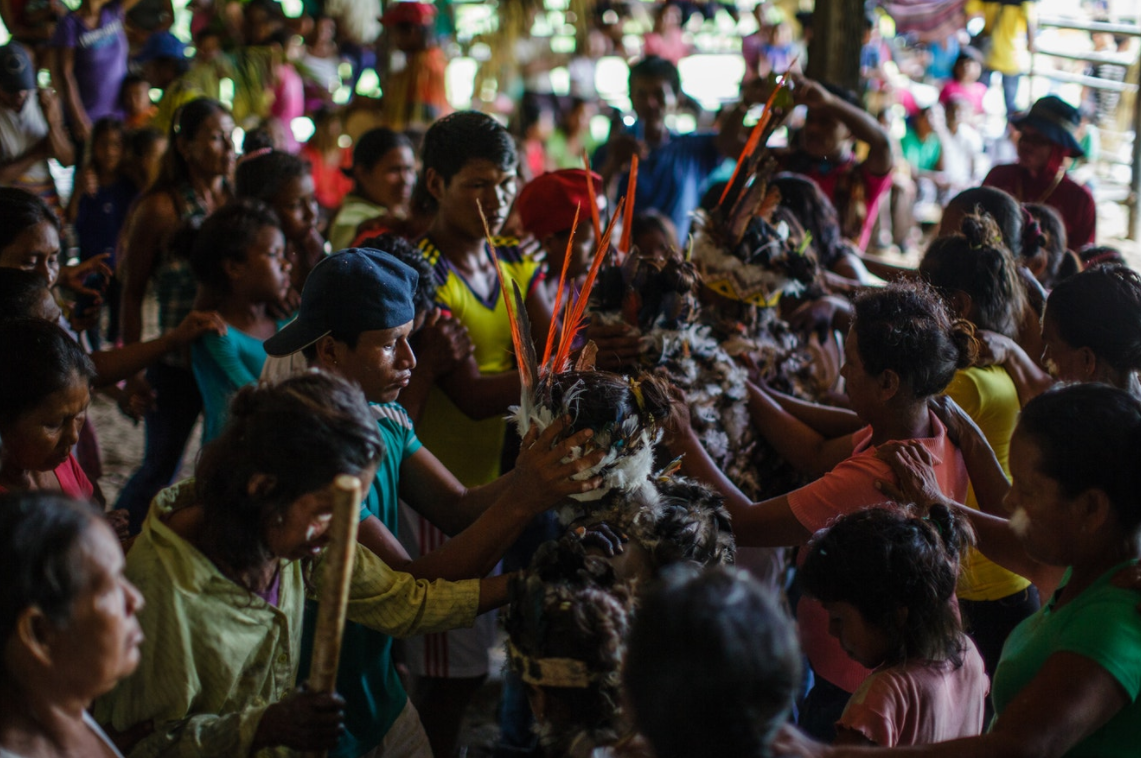
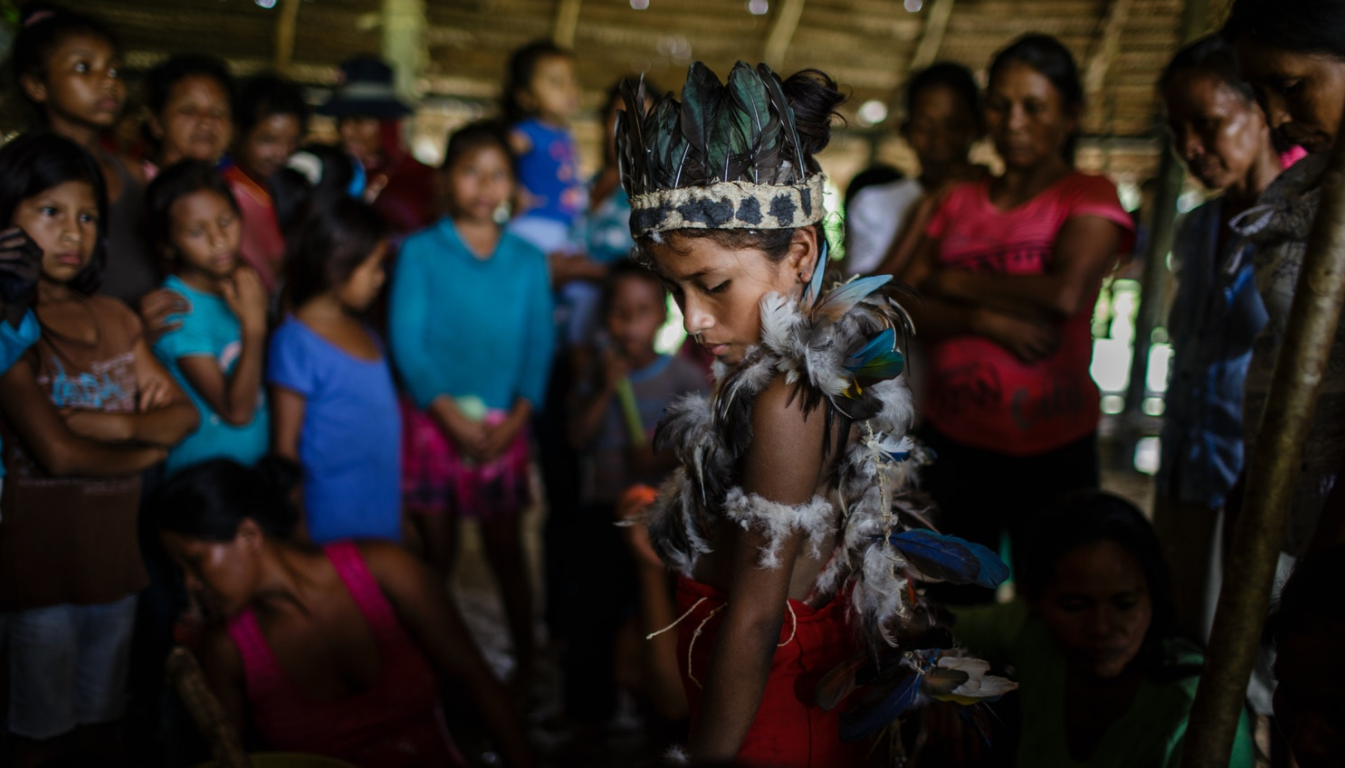
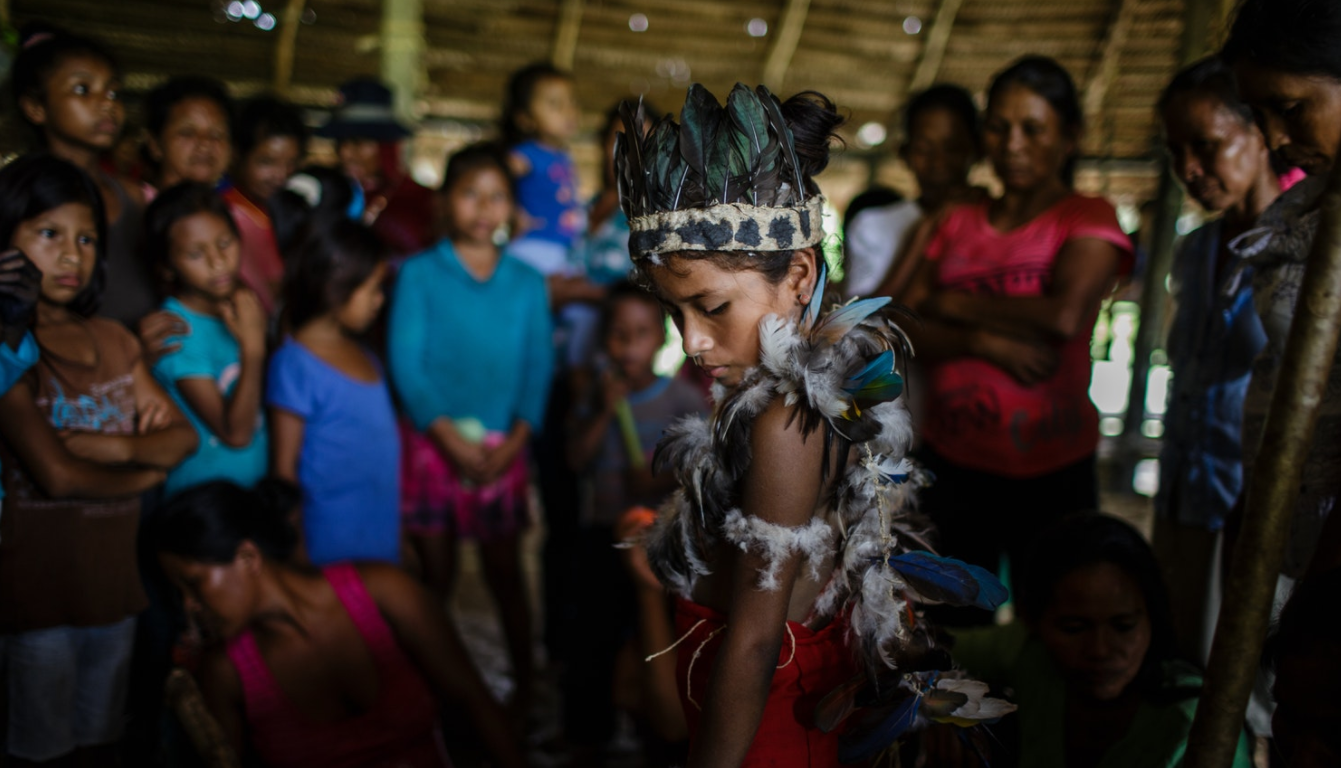
The girls are unveiled for the first time in their elaborate feather headbands. Below one of the newly welcomed young women dances as part of the ceremony, while the other women and girls look on.
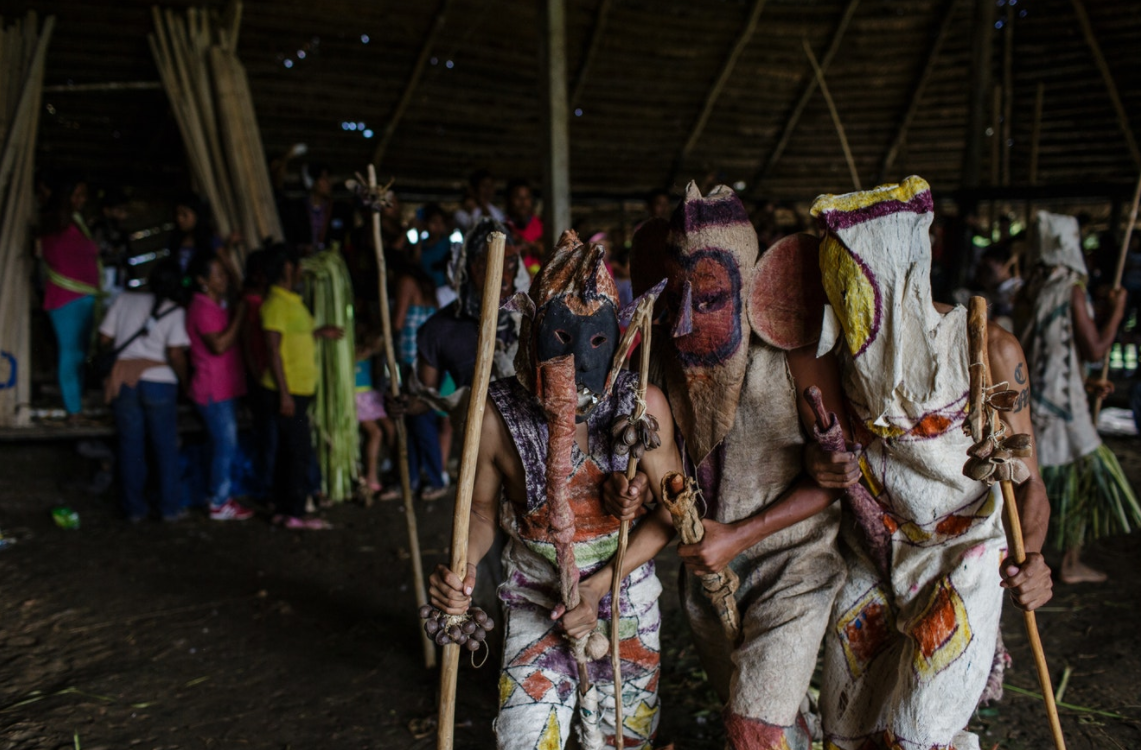
During another important part of the ceremony, young male members of the tribe dress as demons and dance around the girls, enacting temptations that the girls are strong enough to face, now they are women. They wear masks, shake instruments and carry carved wooden penises to symbolise the seduction that the young women may encounter in life.
After the ceremony each girl is said to be ready to embark on her adult life. The long time away with her grandmother as her teacher and the climactic return have prepared her for all aspects of her future, from work, to marriage, to pregnancy and having a family of her own.
It was a privilege to spend time with the community and families of Puerto Esperanza and to observe the Tikuna tribe’s remarkable tradition of the Pelazón ceremony. I would like to give special thanks to Edgar, Otoniel, Obsimar, Vicente and all the other tribe members who allowed me to participate and photograph this very special and private ritual.
THIS ARTICLE WAS ORIGINALLY PUBLISHED ON MAPTIA.
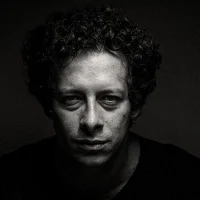
FEDERICO RIOS
Federico is a Colombian photographer whose work focuses on developing documentary photography on social issues in Latin America. Explore more of his work at federicorios.net.
Lands of Wind: A Journey Across Peru and Bolivia
A two months journey across Peru and Bolivia, from countrysides to cities, passing by jungle and mountains, capturing lives and landscapes of these two wonderful and inspiring countries.
Directed and edited by Baptiste Lanne.

When you travel often, you will be addicted to it forever.
Gulf of Thailand
A travel to the islands of the Gulf of Thailand, discovering 3 contrasting places : Koh Samui, Koh Phangan and Koh Tao. Three islands with immaculate beaches, jungle, venerated temples, great aquatic life and of course the smile of Thai people.
Filmed & Edited by Gilles Havet