
Fewer than half of US Black adults plan to get the vaccine, and in Tuskegee, Alabama, where the deadly syphilis study occurred in 1932, skepticism is high. At that time, 600 Black men entered a US Gov’t sponsored study, in which participants were told they would be treated for “bad blood” but were left untreated and 128 died. Memories of this are still very much alive in this region.
Read MoreMuslim Victims of India’s Worst Riots Fret Over Delayed Justice
For victims of any crime, the wait for justice to be served is often a painstaking process where emotions run high. The victims of last year's Hindu riots in New Delhi now feel that any hope for justice has fizzled away.
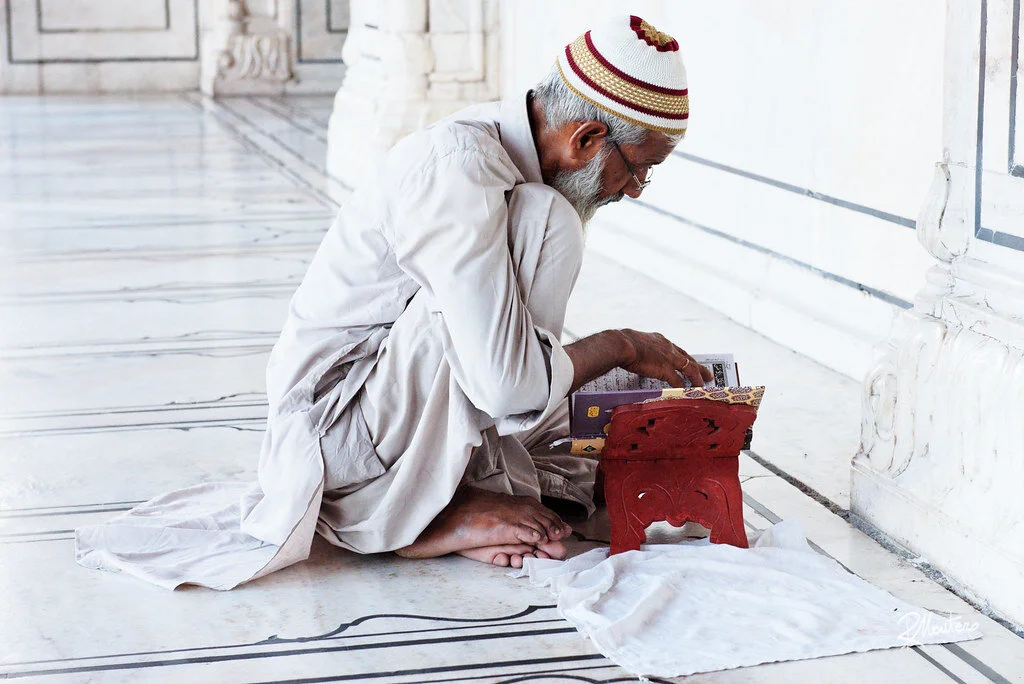
A Muslim praying in a mosque in New Delhi. Riccardo Maria Mantero. CC BY-NC-ND 2.0.
Almost exactly a year ago, India’s bustling capital of New Delhi broke out into the worst religious rioting seen in the country since 1984. For four bloody days, Hindu mobs ravaged the city targeting Muslims, many of whom grew up experiencing peaceful relations with their Hindu neighbors. The mobs set fire to Muslims’ homes and mosques, while others dragged Muslims into the streets where they were mercilessly beaten to death. Muslims were also wounded by crowbars and iron rods, while others were lynched. Families were burned alive as the violence ensued, often by Hindus wearing helmets to prevent police identification. One victim, Mohammad Zubair, was seen crouching on a dirt street with his hands over his head; he prayed as a group of men beat him senseless. Zubair narrowly survived after the mob left his barely conscious body for dead in a nearby gutter.
“… a letter was found from a police chief calling on officers to ease punishments toward Hindus involved.”
Although a horrific scene, religious tensions and rioting are certainly nothing new to India. Hindus make up around 80% of the country’s population, while 15% are Muslims. The two groups have been in conflict since the country’s inception, but the election of Prime Minister Narendra Modi has exacerbated tensions to unprecedented levels.
Now, a year has passed since the riots. Although the peak of violence has passed over, neither the widespread tension nor the fear among Muslim residents has eased. Most victims of the rioting find themselves at a dead end: police have often refused to help victims due to political ties with the currently elected Bharatiya Janata Party (BJP), which has connections to Hindu nationalist groups. Many victims worry that the ruling party actually supported the riots against Muslims.
Local police view the situation differently. They claim that the necessary investigations were carried out, and that almost 1,750 perpetrators were punished. Evidence seems to show otherwise; a letter was found from a police chief calling on officers to ease punishments toward Hindus involved.
In addition, the complex situation has led to a web of accusations. Kapil Mishra, a leader of the BJP, believes that the riots were started by the Muslim population to incite violence against Hindus. Other Hindus claim that Muslims were behind the rioting, claiming that the goal was to tarnish India’s image on the world stage.
Unfortunately, the situation for Muslim victims appears bleak. All that can be done now is for the anguished residents to wait some more and hope for a new path forward.

Ella Nguyen
Ella is is an undergraduate student at Vassar College pursuing a degree in Hispanic Studies. She wants to assist in the field of immigration law and hopes to utilize Spanish in her future projects. In her free time she enjoys cooking, writing poetry, and learning about cosmetics.
VIDEO: Indian National Labor Strike
In September 2020, India passed new agriculture laws that make it much more difficult for farmers to sell their produce at assured rates, as they allow for big corporations to bypass state-controlled markets and buy crops at much lower prices. Since then, various labor unions, political parties, and retail groups have banded together in a standoff against the government to protest this legislation. Strikes are happening in over 20,000 locations across the country; November 26 and 27 of 2020 had a record 250 million people take to the streets in protest, and the marching has not stopped. While farmers continue to hold out in the hope of agriculture legislation reform, it is difficult to get the most current information from the country due to massive communication disruptions. This video details the situation in December 2020, providing an intimate look into the lives, aspirations, and fears of the farmers most affected by the new laws.
#MeToo Movement in Greece Resurges After Testimony by Olympic Athlete
Olympic sailing champion Sofia Bekatorou’s speaking out regarding her past experiences with sexual abuse is leading to a revival of Greece’s #MeToo movement.
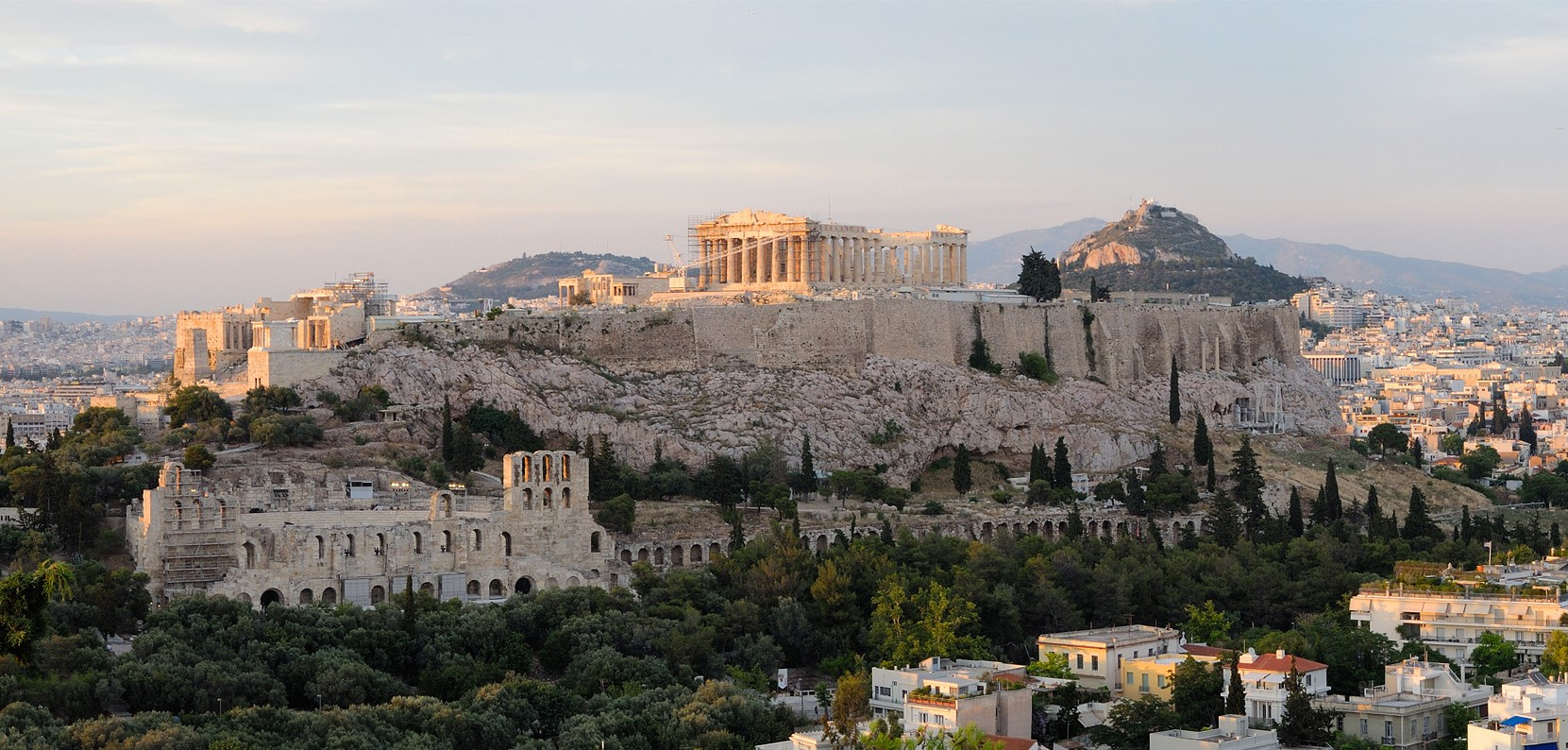
A view of the Acropolis in Athens, Greece. Christophe Meneboeuf. CC-BY-SA 3.0
Forty-three-year-old Greek sailing champion Sofia Bekatorou rose to international acclaim after winning an Olympic gold medal in the 2004 Athens Olympics and four World Championships in Italy, Slovenia, Hungary and Spain. Recently, however, she is making headlines for speaking out about her past experiences with sexual abuse in the competitive sports arena. Her brave actions sparked a national #MeToo movement with support from politicians, athletes and social media followers across Greece.
Bekatorou’s Experience with Sexual Abuse
A boat at sea. Snappygoat.com. CC0
Bekatorou was sexually abused in 1998 when she went abroad for the Olympic qualifiers in Sydney. A member of the Hellenic Sailing Federation raped her when she was 21. According to Bekatorou, “He said he would stop if I wanted him to, but he didn’t stop, no matter what I said. When he finished and got up from on top of me, I left the room ashamed and in tears.” Her case remained silenced for 20 years as she began to succeed in the sport. As Bekatorou resisted her abuser’s advances, she received pushback from the sailing federation, making it more difficult to excel. She stated that, “The more successful I became, the more they fought me. While I didn’t have such great success, no one was afraid I would acquire much of a voice.”

Greek athlete Sofia Bekatorou. Mihrou. Wikimedia Commons. CC BY-SA 4.0
Bekatorou’s Testimony and Aftermath
Bekatorou had the opportunity to raise her voice when the government asked athletes to comment on a proposed sports reform bill in 2019. In November of that year, she denounced her rape publicly for the first time. Although Bekatorou did not expect to reach a large audience since she spoke at a small online conference, the sailing federation began responding with allegations the next day. Her testimony resulted in a wave of support from fans with #metisofia (on Sofia’s side) and #MeToo trending on social media. In addition to her testimony, Bekatorou sent a letter to World Sailing signed by fellow Olympians and coaches calling out a “wretched situation” and demanding fair elections to overhaul the existing board of the organization.
In addition to support from her fans, Bekatorou has also received the backing of Greek politicians, including Prime Minister Kyriakos Mitsotakis and female President Katerina Sakellaropoulou, who stated that Bekatorou’s actions “dissolved a conspiracy of silence” in Greece, where sexual assault cases are notoriously underreported.
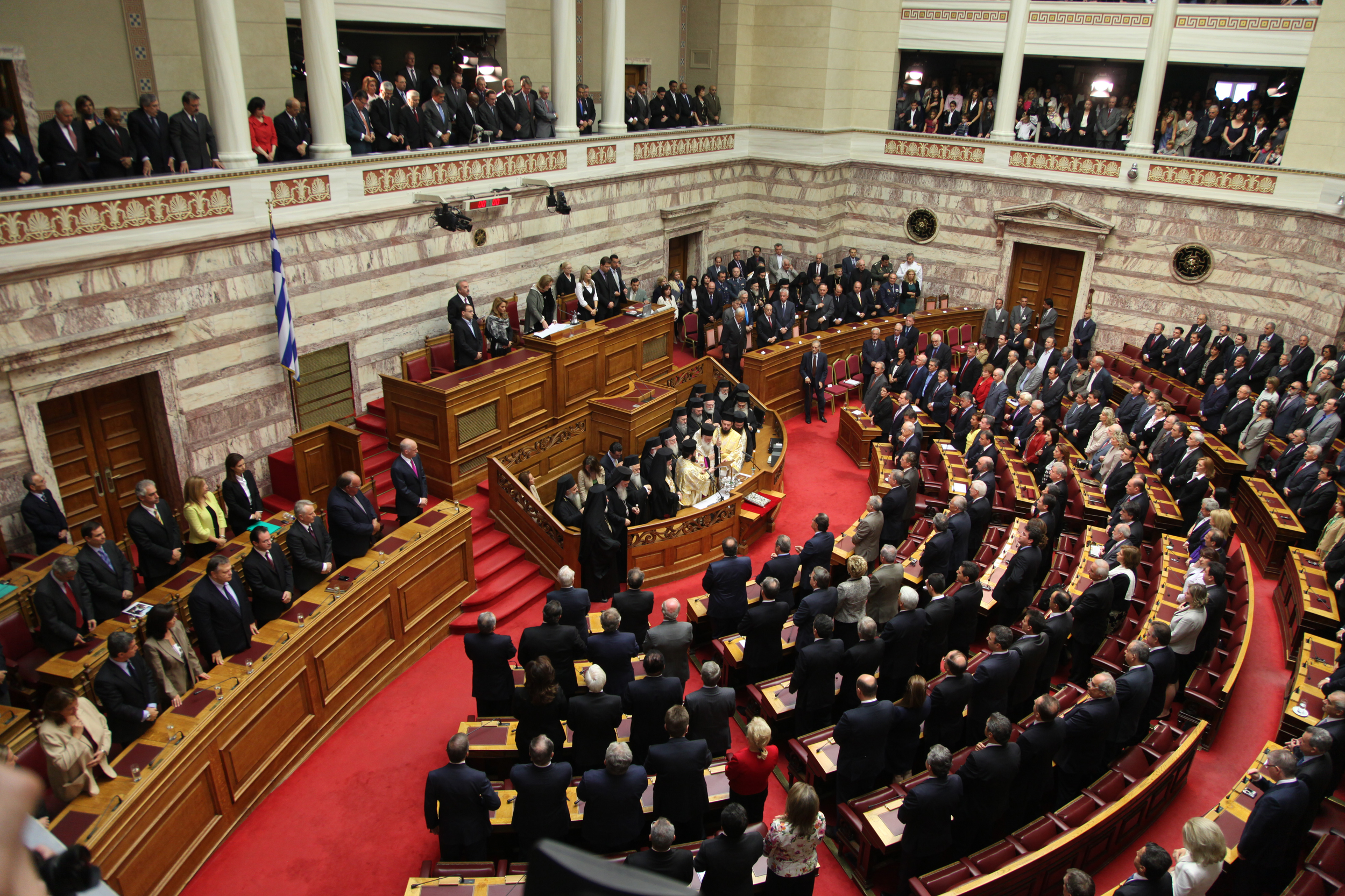
A Greek parliamentary session. Pasok. Wikimedia Commons. CC BY-SA 2.0
Groundbreaking Changes in Greek Sports and Politics
Since her testimony, Vice President Aristeidis Adamopoulos of the Hellenic Sailing Federation, her alleged abuser, has resigned from his position. He refuses to acknowledge any instance of abuse, stating that his only reason for resigning is to spare the federation any negative publicity. Greece has also banned about half of the country’s 10,000 sports clubs from voting in upcoming sports federation elections due to concerns regarding “sexual and financial misconduct.” Although Bekatorou’s case has passed the 20-year statute of limitations period, politicians are considering an extension of it. There are rising movements to increase prison sentences for sex offenders and to address sexual abuse cases more frequently, but the long-term effects of the #MeToo movement’s surge are not yet known.
Women from across Greece are beginning to come forward regarding their harrowing experiences with sexual abuse. These women include sailing champion Marina Psychogyiou, water polo player Mania Bikof, world champion swimmer Rabea Iatridou and Cypriot Olympic shooter Andri Eleftheriou. Additionally, widespread sexual abuse cases at the Aristotle University of Thessaloniki in northern Greece are making headlines, with over 100 complaints filed about a single professor in the last 30 years. Although Greece is making strides toward gender equality with legislation passed in 2010, the country is far behind other European Union members in this regard.
Sofia Bekatorou’s heroism serves as an inspiration to sexual abuse survivors and women around the world. Only time will tell whether her actions lead to social change in Greece and beyond.

Megan Gürer
Megan is a Turkish-American student at Wellesley College in Massachusetts studying Biological Sciences. Passionate about environmental issues and learning about other cultures, she dreams of exploring the globe. In her free time, she enjoys cooking, singing, and composing music.
How Tse Chi Lop, Asia’s Biggest Drug Lord, Was Arrested
Authorities from 20 countries worked for years to bust the Chinese-Canadian kingpin. Now, they have successfully removed the head of Asia’ largest drug syndicate.
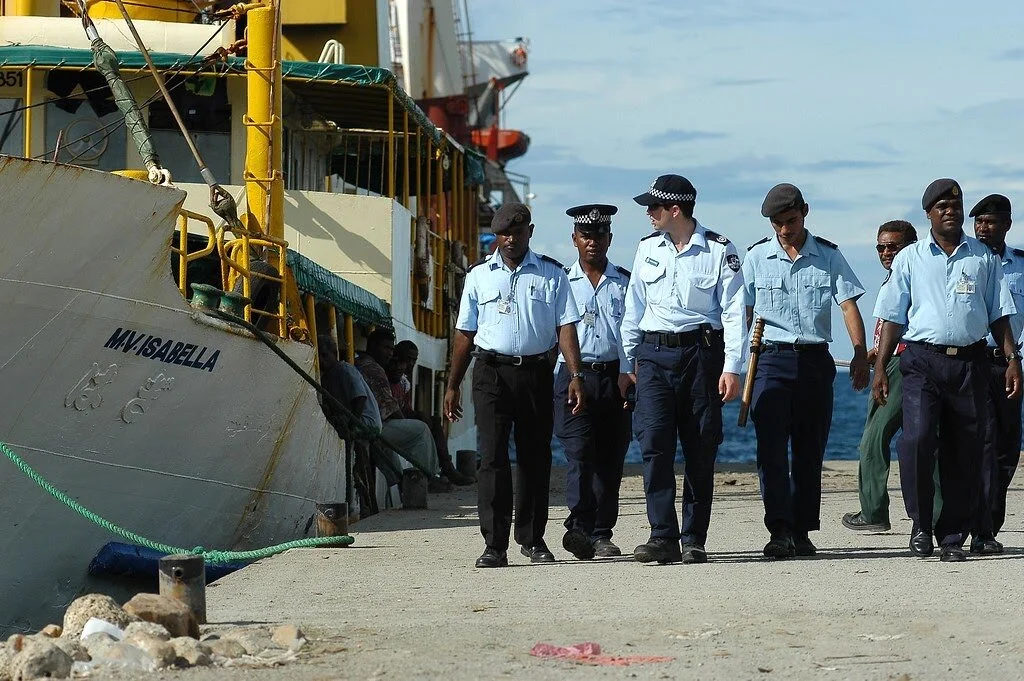
The Australian Federal Police. DFat photo library. CC BY 2.0.
Cai Jeng Ze had sweaty hands. Authorities at Yangon International Airport in Myanmar first noticed him picking at his red, blistered fingers. Drug traffickers in the Asia-Pacific region tend to have similar hands from handling methamphetamine; the drug is toxic to human skin. Authorities stopped and searched him. Taped to each of his thighs was a bag containing 80 grams of ketamine, a medical-grade anesthetic and party drug. These tiny bags were the least of the authorities’ concerns. On his person, they found two cellphones—an “Aladdin’s cave of intel” according to one investigator—that led to the takedown of Asia’s most infamous drug lord: Tse Chi Lop.
Cai Jeng Ze was arrested in 2016, and five years later, on Jan. 23, 2021, Tse Chi Lop was arrested at Amsterdam’s Schiphol International Airport. That day brought to a close the yearslong work of Operation Kungur, a counternarcotics investigation involving 20 agencies from Asia, North America and Europe. It was by far the largest effort to combat an Asian drug trafficking syndicate. Investigators estimate that Tse Chi Lop’s organization, known as “The Company,” controls 40% to 70% of the Asia-Pacific meth market, which produces $30.3 billion to $60.4 billion annually. As CEO of The Company, also known as the Sam Gor syndicate, many have dubbed him “Asia’s El Chapo.” Some investigators believe a more apt comparison would be to Pablo Escobar.
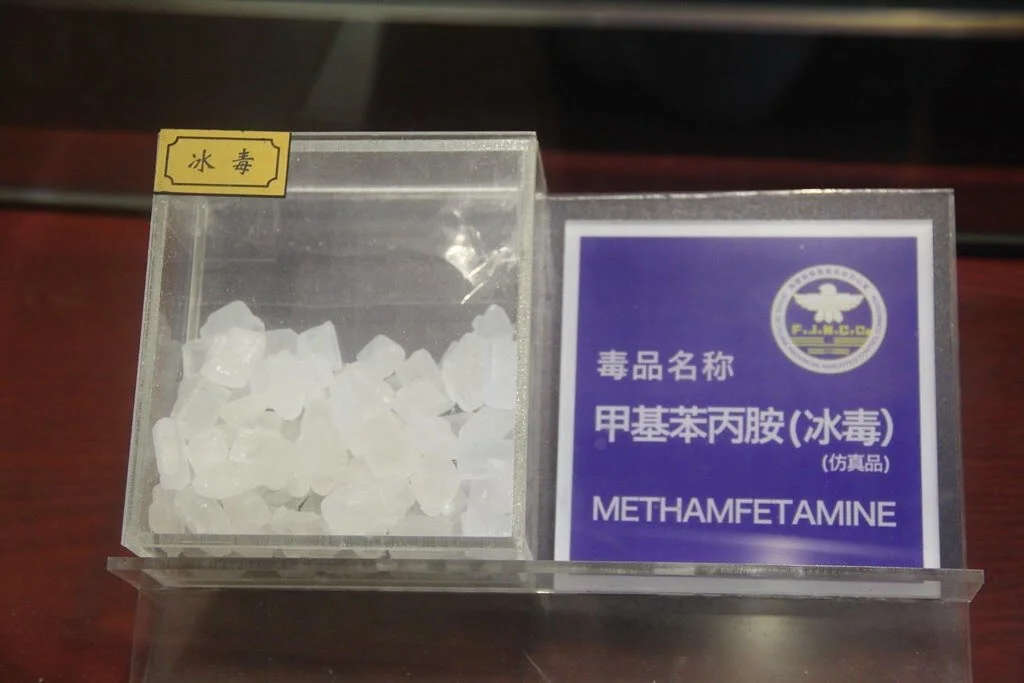
The source of Tse’s riches. Gary Lee Todd, Ph.D. CC0
But the path to arresting this kingpin began with Cai Jeng Ze’s two cellphones. Myanmar authorities invited the Australian Federal Police (AFP) to send two intelligence analysts to Yangon. Once there, they cross-referenced the phone’s contents with their vast database on Asian drug trafficking. With data gleaned from that analysis, Operation Kungur could pursue lead after lead until they gathered enough intel to arrest Tse Chi Lop.
Authorities first learned what Tse looked like by capitalizing on the most lucrative aspect of his business. The AFP intercepted a small heroin shipment into Australia, but rather than arrest the dealers, they surveilled them. After having shipment after shipment seized, Australian gangs demanded compensation from Tse. The Company’s gargantuan profit margins allow Tse to make his buyers offers they can’t refuse: if a shipment is captured by police, he will supply them with a replacement at no extra charge or give them a full refund. The Australian gang was pushing it, though. Annoyed leaders of the syndicate summoned the gang leader to Hong Kong. When the Australian met two men from The Company, Hong Kong police were there to watch. One of the men present was Tse Chi Lop.
His modest appearance belies his notoriety. He is 57 years old. With center-parted hair, he dresses like a middle-class, middle-aged family man. Though not middle-class, he was certainly a family man. He flew family members to five-star hotels for birthday parties. Though middle-aged, he surrounded himself with at least eight Thai kickboxers at a time for his security detail. He was known to bet at casinos and English horse races. One night, he lost $66 million at a casino in Macao.
His profit margins explain his lavish lifestyle. One investigator said Tse’s supply chain was so sturdy and complex that it “must rival Apple’s.” He sources much of his methamphetamine from the Shan state in northeastern Myanmar, a corner of the “Golden Triangle” where Myanmar, Thailand and Laos meet and where most of Asia’s meth originates. Rebel groups control the territory in the Shan state, allowing Tse to operate a state-of-the-art meth facility. Away from the prying eyes of Myanmar’s government, The Company can produce much higher-quality meth in much greater quantities than competitors and can charge much lower prices. A kilo goes for $70,500 in Thailand, $298,000 in Australia, and $588,000 in Japan. The Company can turn a profit charging only $1,800.
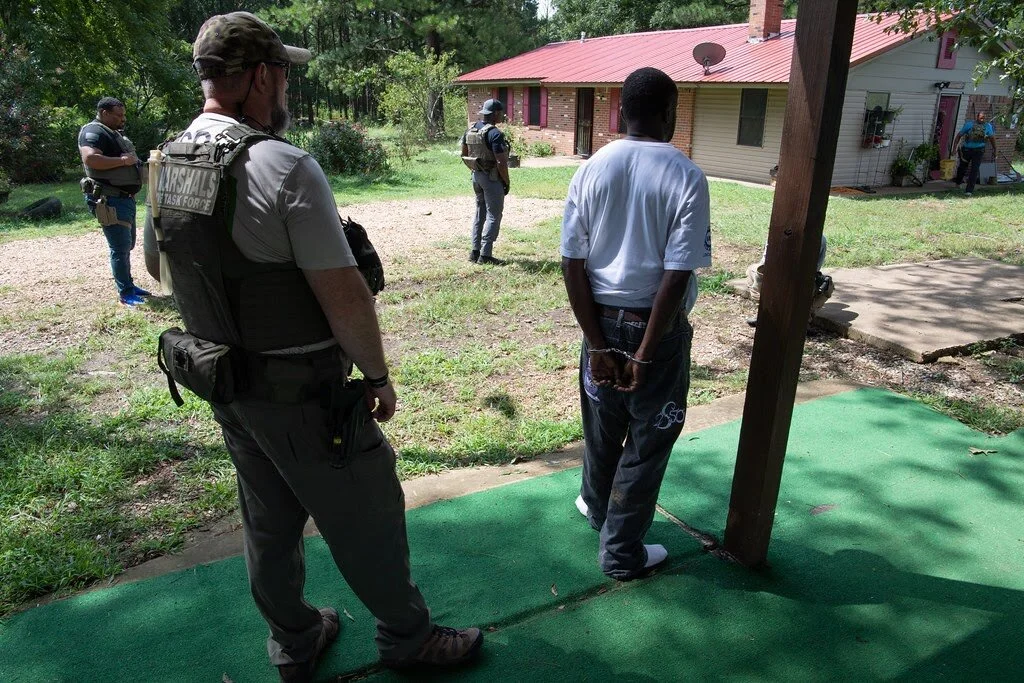
United States marshals in Asia’s “Golden Triangle.” U.S. Mashals Service. CC BY 2.0.
Authorities had the chance to give Tse, a Canadian national, a life sentence in 1998. He was found guilty of conspiracy to import heroin into the United States by the Eastern District Court of New York. Through a petition in 2000, he begged for leniency. He claimed his ailing parents needed care. His wife was overwhelmed taking care of their 12-year-old son, who suffered from a lung disorder. He promised to open a restaurant when he was freed.
Luckily, authorities got a second chance. When Tse gained freedom in 2006, he resumed where he left off, masterminding the transport of drugs across continents. Authorities are not yet releasing details about his arrest in Amsterdam. For now, the world is beginning to learn the name Tse Chi Lop. His demure demeanor allowed him to slip under the radar of investigators and media alike. Even in prison, though, his life’s work will exact long-lasting repercussions on Asia’s drug market. The Company and its supply chains persist. Investigators are left with a new question: who will take Tse’s place?

Michael McCarthy
Michael is an undergraduate student at Haverford College, dodging the pandemic by taking a gap year. He writes in a variety of genres, and his time in high school debate renders political writing an inevitable fascination. Writing at Catalyst and the Bi-Co News, a student-run newspaper, provides an outlet for this passion. In the future, he intends to keep writing in mediums both informative and creative.
Philippines Moves to Protect Children from Sexual Abuse
The Philippines passed a new law to raise the age of consent. The change could go a long way toward protecting the country’s most vulnerable children.
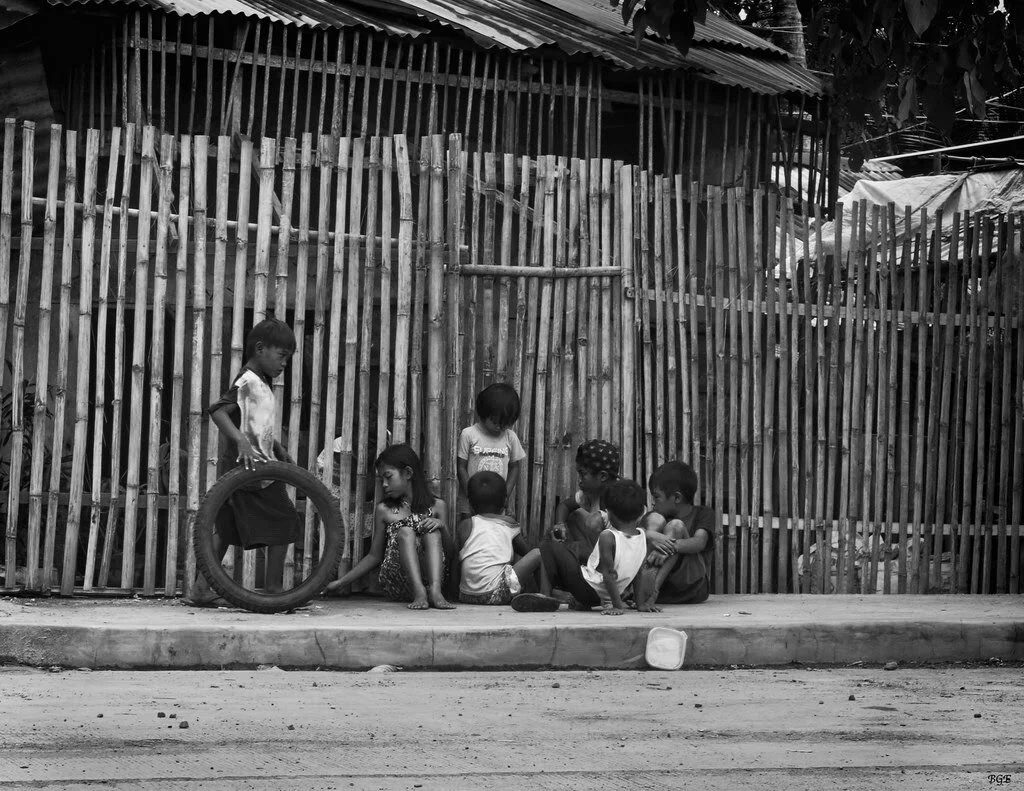
Children on the street. Beegee49. CC BY-ND 2.0.
The Philippines’ House of Representatives recently passed a new law that would raise the age of consent from 12 to 16. Long among the world’s lowest ages of consent, lawmakers hope the change will protect children from sexual predation. In recent decades, the Philippines has become a global hub of child sexual exploitation. Though the new law will improve protections for victims of abuse, long-lasting effects of sexual predation will be felt for years to come.
The age of consent was decided in 1930 in the Revised Penal Code at 12 years old, the product of what is widely considered a culture of patriarchy. At such a low age, sexual acts against children were almost impossible to prosecute in court. Defendants could claim sex with a child was consensual because they were both above the age of consent. Under this code, defendants could escape a rape verdict if they offered to marry their victim.
In recent years, sexual abuse against minors has seen a massive increase across the Philippines. Experts say the number of IP addresses used for streaming child pornography has risen from 23,333 in 2014 to 81,723 in 2017, a 250% increase. Cases of HIV/AIDS among minors have been increasing steadily over a similar period of time. Of all rape victims, 70% are children, the vast majority girls. As a result, girls as young as 14 are becoming pregnant at higher rates.
Campaigners for the bill long argued that children needed far more protections than the Philippines’ legal system granted. The law that would raise the age of consent also contains measures to harshen penalties for rape, sexual exploitation and abuse as well as shift the burden of proof of consent from the victim to the offender. The new law passed the House of Representatives with 207 votes and only 3 opposing; it is expected to pass the Senate just as easily.
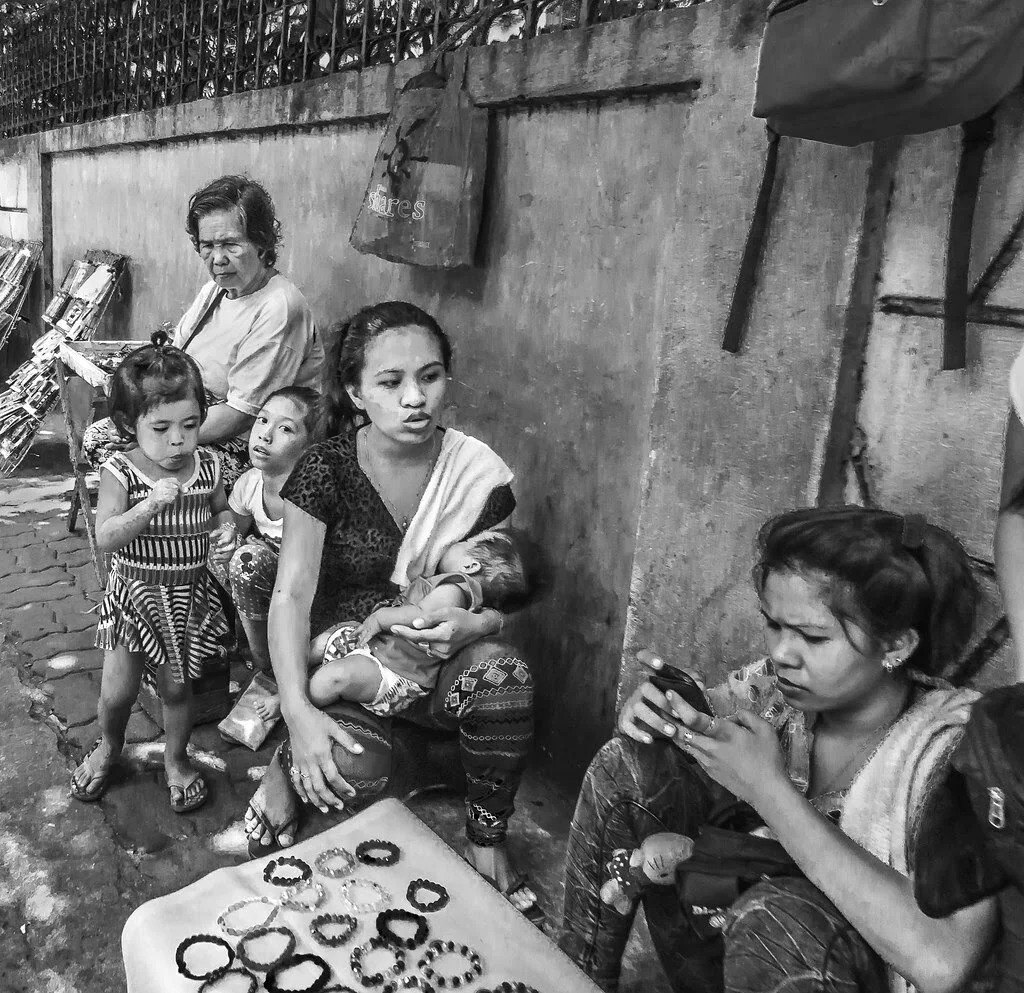
A family making ends meet. FotoGrazio. CC BY-NC-ND 2.0.
Increased data collection has painted a clearer picture of the issue in recent years. International advocacy helped focus lawmakers’ attention on the issue, but it also revealed the lack of resources the Philippines suffers from in combating sex crimes. Sixty-four percent of online abuse cases were initiated by foreign authorities who traced crimes back to the country.
Online sexual abuse afflicts more children today than it ever has. A combination of widespread poverty and COVID-19 lockdowns has rendered the practice rampant in recent months. Poor families were disproportionately harmed by lockdowns, causing a small number of families to resort to online abuse. Predators from foreign countries—mainly the United States, Canada, Europe and Australia—pay facilitators to sexually abuse children, directing the abuse themselves via a livestream.
The facilitators often include immediate and extended family. In 90 cases involving 381 victims from 2011 to 2017, 43 were abused from two months up to two years. Half were arranged by parents or extended family. The average age of victims was 11. The youngest victim was less than 1.
The Philippine government plans to implement additional measures to address the conditions that make child sexual abuse so prominent. The Philippine Plan of Action to End Violence Against Children, begun in 2017, campaigns for children’s rights and was partially responsible for raising the age of consent. The U.S. Department of State classifies the Philippines as Tier 1 for fully complying with the Trafficking Victims Protections Act. For the time being, raising the age of consent marks another crucial step in combating sexual exploitation.

Michael McCarthy
Michael is an undergraduate student at Haverford College, dodging the pandemic by taking a gap year. He writes in a variety of genres, and his time in high school debate renders political writing an inevitable fascination. Writing at Catalyst and the Bi-Co News, a student-run newspaper, provides an outlet for this passion. In the future, he intends to keep writing in mediums both informative and creative.
Glacial Avalanche in Himalayas Draws Attention to Climate Change
The topic of climate change is widely discussed in political and scientific circles; while many wholly deny the concept, others experience its consequences firsthand. In the most recent example of climate change’s widespread impacts, natives of the Himalayas have taken a firm stand in protecting their homes.
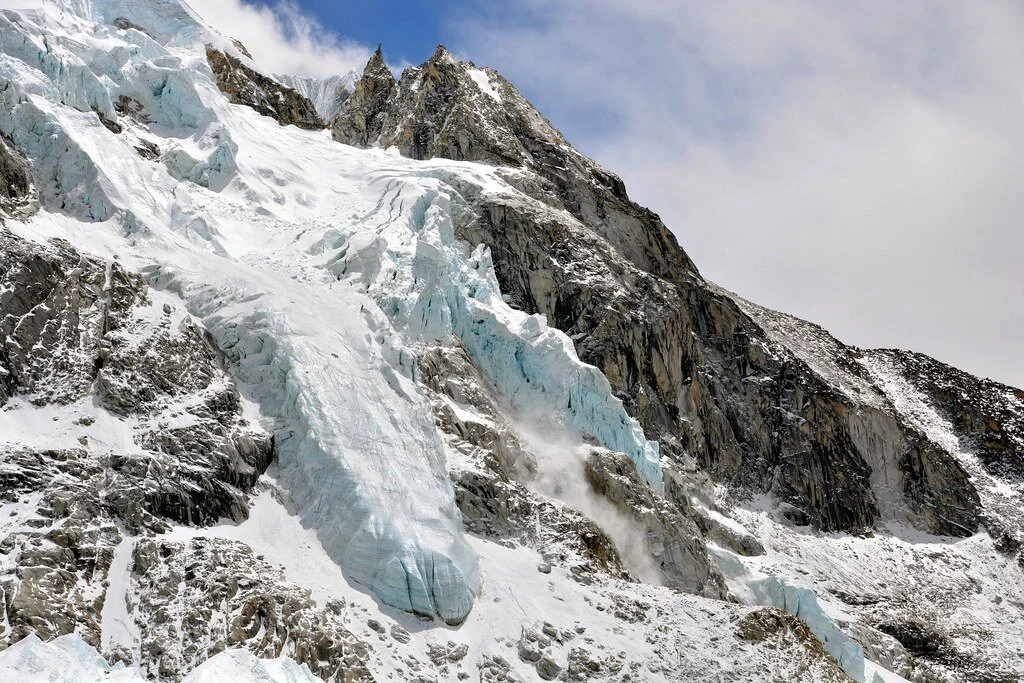
Pristine Himalayas—for now. David Zanchettine. CC BY-NC 2.0.
Just over a month into 2021, the climate crisis struck the Indian Himalayas when a portion of a massive glacier in Uttarakhand state broke off. The incident occurred at the base of Nanda Devi, India’s second-tallest mountain; the gargantuan mountain’s lower slopes are peppered with villages where locals raise cattle. The incident was exacerbated by a snowball event: the avalanche struck construction sites, pushing more deadly debris toward locals. Villages were obliterated by the falling debris, while a raging river of melted ice shot down rocky hillsides. Officials claim that over 200 are missing, many of whom were workers on construction sites; 30 people have been declared dead. The cause of the slide has not been fully determined, but officials suspect that warming of the ice due to climate change caused the rocks to slide off with greater ease.
As tragic as this recent incident was, it was not the first episode of the Himalayan climate crisis and certainly will not be the last. The Himalayas are already vulnerable to catastrophic weather changes, especially during the monsoon season. However, it is the human-caused damage that locals are imploring the government to prevent.
India faces a daunting dilemma with the Himalayan climate crisis. Many residents of the hilly landscape live in poverty, so the government has jump-started many development projects to help the local population. However, as well-intentioned as this work may have been, it has proven deadly to the area’s residents. Many argue that the ecosystem of the Himalayas is simply too fragile to sustain such heavy construction. Locals explain that the rocky area is prone to landslides, and the ever-rising temperatures leave glaciers closer to their melting point. In addition, climate change has contributed to unpredictable weather patterns in the area, which further adds to the locals’ anxiety of potential catastrophes. Yet, the government has chosen to continue the projects anyway. As a result, human interference with the landscape compounded with rising temperatures due to climate change leave residents constantly teetering on the edge of disaster.
Little can be said at the moment of what kind of change lies ahead for India’s Himalayan population. However, what can be said is that failure to act swiftly will guarantee a deadly future for the area’s residents.
To Get Involved:
To learn more about how the India Development and Relief Fund approaches disaster relief in the region, click here.
To look into ways to help with disaster relief through volunteering for the India Development and Relief Fund, click here. Telecommuting is available for most positions.

Ella Nguyen
Ella is an undergraduate student at Vassar College pursuing a degree in Hispanic Studies. She wants to assist in the field of immigration law and hopes to utilize Spanish in her future projects. In her free time she enjoys cooking, writing poetry, and learning about cosmetics.
Why One Scientist Believes Preserving Permafrost Could Save the World
A Russian scientist is returning wild animals to Siberia and the Arctic, winding back to the Pleistocene era when animals roamed the now frigid land. He is even looking into the woolly mammoth. He calls this area Pleistocene Park and soil temperatures have cooled by almost 4 degrees Fahrenheit since he began.
Read MoreThe Immense Impact of COVID-19 on Global Poverty
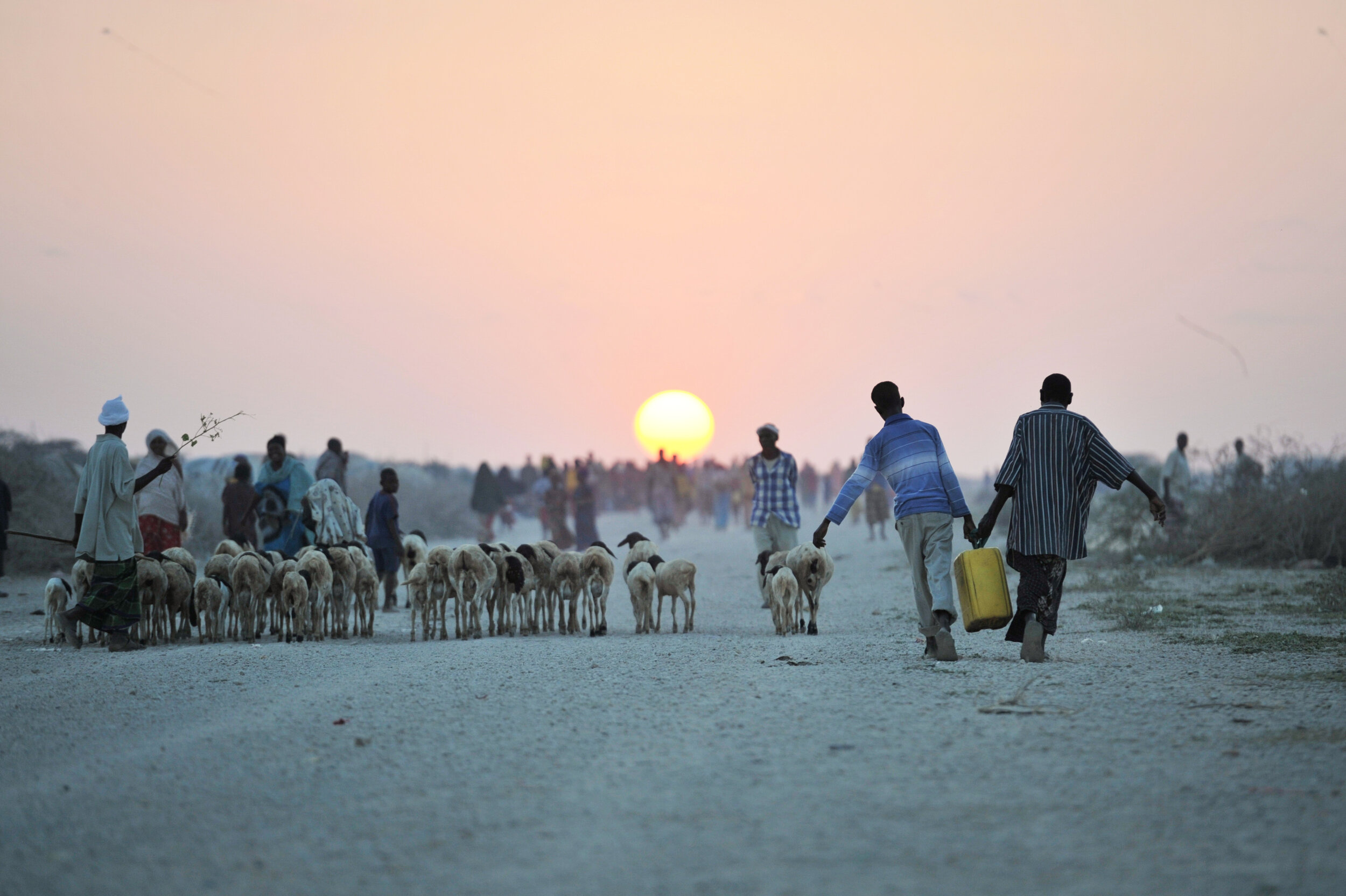
A pair of boys carry water near a refugee camp in Jowhar, Somalia. The COVID-19 pandemic has made conditions for marginalized groups such as refugees more dire. World Humanitarian Summit. CC BY-NC-ND 2.0
For the past 30 years, the world has been able to make immense progress in international development, with the amount of people living in extreme poverty (making below $1.90 a day) declining from 36% in 1990 to just 10% in 2015. The COVID-19 pandemic is reversing that. For the first time in three decades global poverty is on the rise, and up to half a billion people are now at risk of falling into poverty due to the coronavirus. Even more concerning is the matter of where the economic impacts of the virus are being felt the hardest, with the “global south” countries facing the highest risk of increased poverty for what could be years to come.
In 2015, the U.N. adopted the 2030 Agenda for Sustainable Development, which included 17 goals acting as guidelines for the sustainable and equitable development of all member states. Known as the “sustainable development goals” (SDGs), the international community hoped that they would act as a framework for reducing inequality and promoting economic development. Poverty reduction is at the forefront of this initiative, with SDG 1 calling for the end of global poverty. That goal will most likely not be achieved by 2030.
Even before the spread of the coronavirus, countries were not on track to completely eliminate poverty, with the U.N. estimating that 6% of the world population will still live in extreme poverty in 2030. Furthermore, the effects of the COVID-19 pandemic have made that goal even more difficult. In 2020 alone, more than 71 million people have fallen into extreme poverty, and millions more worldwide will likely fall into the same trap as the economic disruptions of the pandemic linger for years to come.
(T)he number of school-age children facing food insecurity has increased by more than 320 million
The aggregate numbers do not portray the full extent of the impacts of COVID-19 on international development. Regions already susceptible to extreme poverty are being hit hardest by the economic impacts of the pandemic. According to the United Nations University, a 10% contraction in global per capita income would cause between 180 and 280 million people to fall into extreme poverty. However, the situation becomes more dire when one considers where people are expected to face increased rates of extreme poverty. Again assuming a 10% contraction, it is estimated that up to 85% of those newly living in poverty would be located in sub-Saharan Africa or South Asia alone. These regions already face disproportionate levels of poverty relative to their populations. For example, the African continent accounts for only 13% of the world population yet makes up over half of those living in extreme poverty.
Those who were already at an increased risk for poverty, such as refugees, informal workers and those living in underdeveloped rural communities, are especially vulnerable to economic disruptions caused by the virus. The International Labor Organization estimates that between 5 and 25 million people could lose their jobs, which would create severe impacts for marginalized workers such as women and migrants. Additionally, the number of school-age children facing food insecurity has increased by more than 320 million according to the World Food Program.
The data shows a worrying trend that the international community must contend with to eliminate global poverty. Since the 1990s, the world has worked together to lift billions of people out of poverty and increase the global standard of living. Now, the COVID-19 pandemic has once again created a barrier to making a poverty-free future possible. The full extent of the virus’s impact has yet to be seen. However, what is already known is its effect on human livelihood, especially for those who are most at risk. The pandemic has created a new challenge for the international community if it wants to make extreme poverty a thing of the past. Yet, what can be achieved with global cooperation is immense, and the world’s vision for a sustainable future is still possible; it just might take a little bit longer than hoped for.

Aerex Narvasa
Aerex is a current student at Occidental College majoring in Diplomacy and World Affairs with a minor in East Asian Studies. He is passionate about sharing people’s stories through writing, and always strives to learn about new places and cultures. Aerex loves finding new music and exploring his hometown of Los Angeles in his free time.
Swiss Voters Support Burqa Ban Ahead of Nationwide Vote
A proposed referendum would ban full-face coverings in public spaces in Switzerland. Polls show that 63% of Swiss voters support the ban.

On March 7, Swiss citizens will vote on a referendum that would ban full-face coverings, like burqas and niqabs, from being worn in public. Polls show that 63% of Swiss voters support the ban and plan to vote in favor of it. The text of the ban, supported by members of Switzerland’s right-wing Swiss People’s Party, does not specifically mention Muslim veils, but the ban is widely seen as targetting face coverings worn by Muslim women.
The Swiss government has urged voters to reject the proposed ban, with officials saying that the decision to ban full-face coverings should be left up to individual cantons. Officials worry that a nationwide ban would “undermine the sovereignty of the cantons,” several of which have already banned such coverings in regional votes. In its statement, the government also noted that a ban on full-face coverings could harm Switzerland’s tourism industry. According to official statistics, only about 5% of the Swiss population is Muslim, and officials claim that the majority of women who wear facial coverings in Switzerland are visitors. For this reason, the Swiss government has deemed the burqa ban “unnecessary.” The government’s statement makes no mention of the potential for Islamophobia or anti-Muslim rhetoric to arise.
Despite the government’s lack of support for the burqa ban, the results of the referendum are directly in the hands of the Swiss people. Switzerland operates under a unique system of direct democracy. All Swiss citizens over the age of 18 have the right to vote in all elections and on all referendums. Citizens can also propose a referendum or an amendment to the constitution by getting 100,000 signatures of voters in support of the proposal within 18 months, a facet of direct democracy called a popular initiative. If the goal of 100,000 signatures is reached, the proposal will go to a nationwide popular vote. The proposal that would ban full-face coverings underwent this process and is now awaiting a vote.
The government cannot prevent a popular initiative from going to a vote, but it can offer a direct counterproposal in the hopes that a majority of the people and cantons will vote for it instead. In place of the burqa ban, the government has proposed a law that would require people wearing a facial covering to reveal their face for identification purposes at administrative offices or on public transport.
Those who refuse to remove their facial coverings would face fines of up to 10,000 Swiss francs ($11,200). If the proposed ban is rejected on March 7, the government’s counterproposal will go into effect.

Rachel Lynch
Rachel is a student at Sarah Lawrence College in Bronxville, NY currently taking a semester off. She plans to study Writing and Child Development. Rachel loves to travel and is inspired by the places she’s been and everywhere she wants to go. She hopes to educate people on social justice issues and the history and culture of travel destinations through her writing.
Locals Tackle Malnutrition by Bartering Books in Guatemala
There is a strong relationship between educational advances and communities being lifted out of poverty. In the case of Guatemala during the COVID-19 pandemic, this link has manifested itself much more directly.
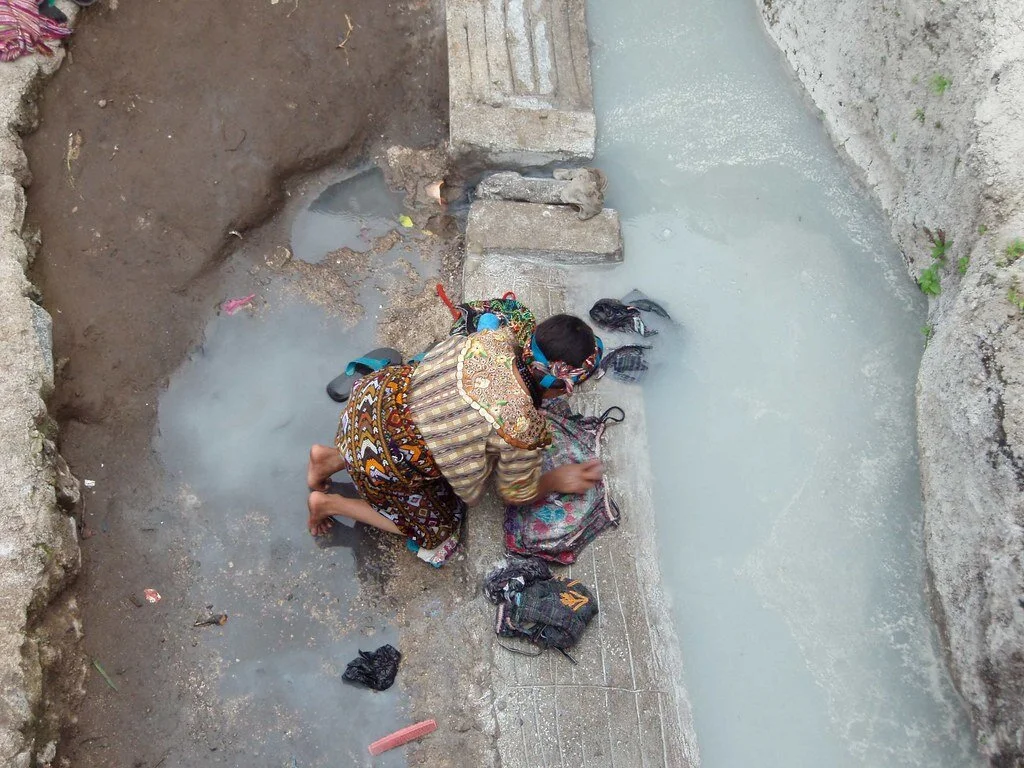
Clothes washing in Quetzaltenango. Lon&Queta. CC BY-NC-SA 2.0.
Guatemala, boasting a distinctly Mayan heritage and a landscape peppered with volcanoes, offers an inspiring experience to the open-minded traveler. However, despite the bright and bustling aspects of the nation, a substantial portion of Guatemala’s residents live in poverty. Standing as the fifth-poorest country in Latin America, Guatemala has taken a particular hit with COVID-19 regulations restricting economic functions. In addition, Guatemala has the sixth-highest rate of chronic malnutrition in the world; nearly half of the population of children suffers from stunting due to malnourishment. The statistic increases notably in rural areas with a malnourishment rate reaching 70%.
The COVID-19 pandemic has only aggravated the poverty predicament, with Indigenous populations facing the bulk of the damage. The government has fallen dramatically short on providing health care and financial support, causing the creatively resilient Guatemalan people to snap into action. In Quetzaltenango, resident Bonifaz Díaz has created an innovative method to provide support to his neighbors in need: he set up a book-barter system. Every day, Díaz bikes with hefty sacks of books donated to his organization, 32 Volcanoes, and trades them for food donations from food secure families. Although a simple concept, this has been no easy task. The arduous job surely keeps Díaz in shape; he has cycled over 1,200 miles feeding families, and has traveled as far as 37 miles for a single delivery.
Stay-at-home orders have diminished the town’s morale, but Díaz is determined to hold up hope. The number of children supported by his project has tripled during the pandemic, but luckily two more bikers have offered their help. Most families offer a bag of Incaparina, an inexpensive but protein-packed cereal mix made from corn and soy. A bag provides about a week’s worth of servings, but the low price point is still out of reach for many. About 97% of residents live on a dollar a day or less, so even cheap food made to fight malnourishment cannot completely solve the problem. The bright-red Incaparina bags are commonly the only source of nutrients on families’ shelves, but it has proven to keep malnourishment at bay for some.
By creating a system that allows families to benefit themselves while helping others, many hope that this program will continue to bear far-reaching results. The poverty problem cannot be solved by a single person or fixed in one day, but with every resident lending a hand, considerable headway can be made.

Ella Nguyen
Ella is an undergraduate student at Vassar College pursuing a degree in Hispanic Studies. She wants to assist in the field of immigration law and hopes to utilize Spanish in her future projects. In her free time she enjoys cooking, writing poetry, and learning about cosmetics.
Poverty-Stricken Yemen Faces Climate Change Consequences
Yemen, the most impoverished and water insecure country in the Middle East, faces serious risks from climate change, including unpredictable rainfall patterns amid a hot and dry climate.

Yemen’s capital, Sanaa. Hiro Otake. CC BY-NC-ND 2.0
Climate change poses a serious threat to countries all across the world, but Yemen in particular is extremely vulnerable. According to the United Nations Development Program, three main sectors of Yemen are especially at risk: water resources, agriculture and coastal zones.
Water Resources
Yemen’s natural sources of clean freshwater are drying up, and its reservoirs are nearly drained. Yemenis say that rising average temperatures, which could increase by 2.2 to 6 degrees Fahrenheit, are causing 10 future generations’ worth of water to be used up now. In addition, Yemen’s rapidly growing population—currently at 29 million—means less water per person.
Water shortages are also leading to social tensions and local conflicts in Yemen’s poor cities. The impacts of climate change—increased temperatures, drought and rising sea levels—will continue to remove access to safe drinking water, spark conflict over water, and cause saltwater intrusion of groundwater sources.
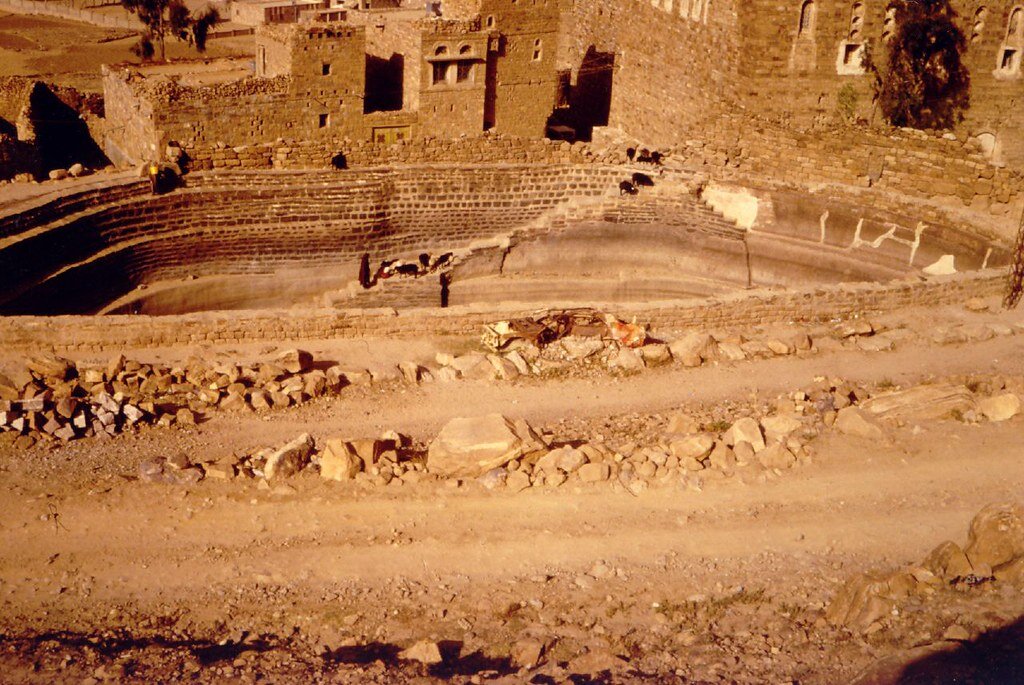
Village well in Yemen. Ahron de Leeuw. CC BY 2.0
Since the Yemeni government has struggled to establish a modern water governance framework, the water shortage is being met by modern tube wells and boreholes, which drain reserves of underground water. Many independent households are also piping and fetching their own water.
Further depletion of water resources is expected to reduce agricultural productivity by 40%. Yemen’s agricultural sector is another that will face the harsh impact of climate change.
Agriculture
The agricultural sector employs the majority of Yemen’s workforce, cultivating crops of fruit, vegetables, fodder and more. Due to climate change, rainfall on these farms often leads to floods that cause soil erosion and loss of land. In other months, dry periods and droughts lead to desertification, accounting for an estimated 3-5% annual loss in fertile land.
In addition, the cultivation of qat—a shrub whose leaves have a narcotic effect—has worsened Yemen’s water problems, covering 38% of Yemen’s irrigated areas and consuming 40% of available water resources. Sea levels are also expected to increase by 1 to 1.75 feet by 2100, which could cause water to leak into coastal freshwater aquifers and make soil brackish.
Not only could Yemen’s economy considerably decline due to a lack of natural rural resources, but food insecurity will also skyrocket and increase the country’s need for imported grains. Moreover, 75% of the population is rural and engaged in farming. Therefore, Yemenis are highly dependent on a good climate for their livelihoods, something that climate change is making almost impossible.
Coastal Zones
Due to increased storm surges and sea level rise, Yemen is extremely susceptible to coastal zone damage. As one of the top 10 low-income countries most vulnerable to coastal damage, Yemen’s ecosystems and communities are threatened by rising sea levels, erosion, floods, mass displacement and economic disorder. For example, in 2008, floods in southeastern Yemen caused $1.6 billion in damages and losses, which was the equivalent of 6% of the country’s gross domestic product.

The projected impacts of climate change in Yemen will intensify the social, economic and political issues that its citizens already face from the country’s ongoing civil war. In order to help Yemenis, world leaders say it is imperative to pursue viable environmental solutions, such as carbon pricing, clean public transport, renewable energy, sustainable agricultural programs and efficient workspaces. Without transformative change, countries such as Yemen face potentially catastrophic consequences.

Isabelle Durso
Isabelle is an undergraduate student at Boston University currently on campus in Boston. She is double majoring in Journalism and Film & Television, and she is interested in being a travel writer and writing human-interest stories around the world. Isabelle loves to explore and experience new cultures, and she hopes to share other people's stories through her writing. In the future, she intends to keep writing journalistic articles as well as creative screenplays.
America’s Prison Abolition Movement Fights On
The United States is home to nearly 25% of the world’s prison population. Activists are fighting to dismantle the prison system, hoping to strengthen communities instead.
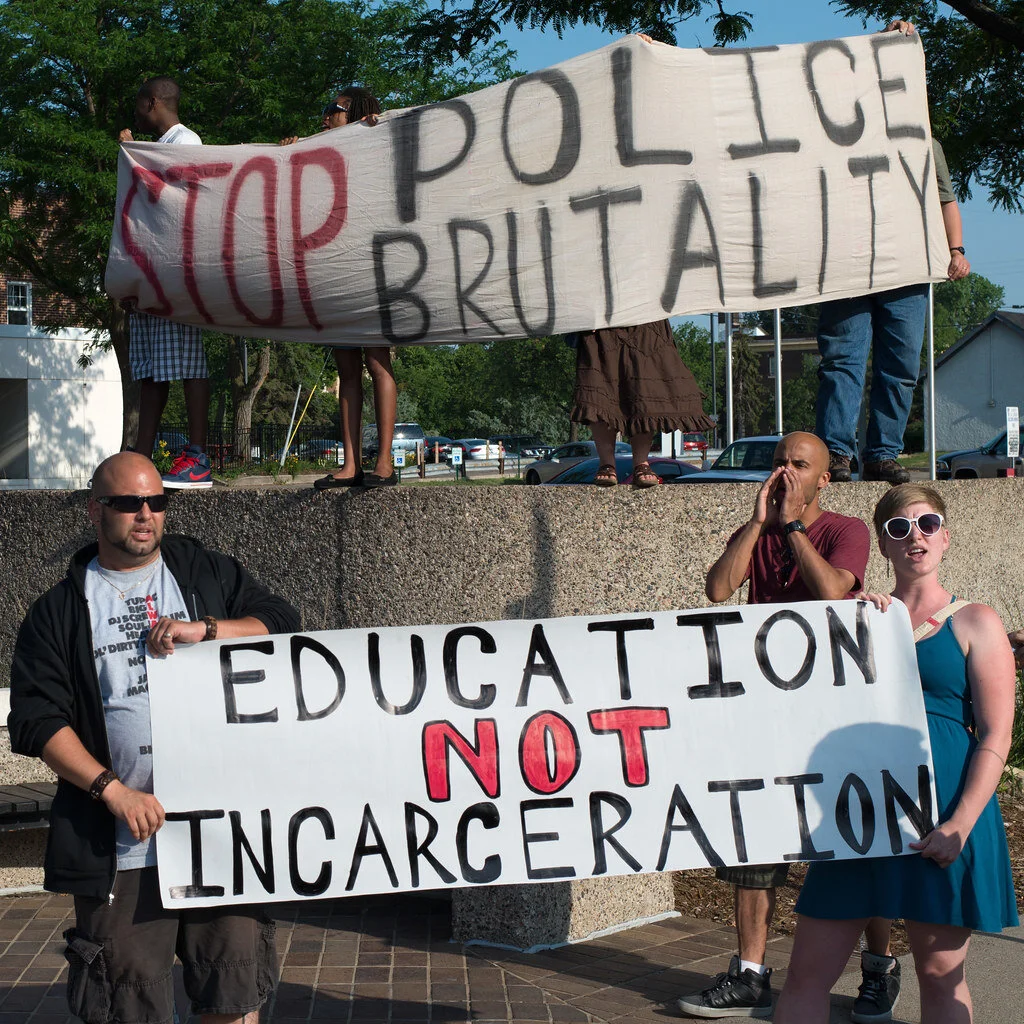
Protest against police brutality in Minnesota, 2013. Fibonacci Blue. CC BY 2.0
The United States maintains the highest prison population rate in the world. Despite making up only 5% of the world’s population, the United States is home to 25% of the world’s prisoners. There is no question that the United States has a mass incarceration problem. For decades, activists have argued that the prison system perpetuates racism, sexism and inequality, leading to what is often seen as a radical solution: prison abolition.
In the wake of the recent stream of anti-police brutality protests, discussion has turned toward prison abolition. Prison abolition is not just about getting rid of physical prisons; abolitionists aim to undo societal structures that lead to incarceration, known as the prison-industrial complex. The prison-industrial complex is a term used to describe “the overlapping interests of government and industry that use surveillance, policing and imprisonment as solutions to economic, social and political problems.” Prison abolition is really the abolition of the prison-industrial complex, with the ultimate goal being to eliminate policing, imprisonment and surveillance and to redistribute government spending from these industries to support housing, education, jobs and health care.
The concept of prison abolition has been around since the 1980s. Following the war on drugs, which increased prison sentences for both drug dealers and users and more than doubled the prison population from 1980 to 2000, activists began protesting the prison system. They argued that too many nonviolent offenders were being incarcerated, that wealth inequality was a major factor in who was locked up, and that people of color were disproportionately imprisoned. Black and Hispanic people in the U.S. are still incarcerated at higher rates than White people, data shows. The movement gained prominence in the 1990s, when Angela Davis and Ruth Wilson Gilmore co-founded Critical Resistance, a national anti-prison organization with a focus on the prison-industrial complex and abolition. In 1998, Critical Resistance hosted a three-day conference to examine and challenge the prison-industrial complex. The conference was considered a success, but made clear how much work still had to be done to undo a society that maintains mass incarceration.
“The abolition movement focuses on preventive rather than punitive measures.”
Skeptics of the abolition movement often ask what will happen to violent offenders, like murderers and rapists, if prisons are shut down. The movement’s supporters have two responses. First, abolition activists ask: is the current prison-industrial complex actually effectively addressing the issues behind rape and murder? Most activists say no. Despite the copious amounts of money funneled into supporting the prison-industrial complex annually, the threats of sexual assault and murder, among other crimes, are still sources of concern across the country. The prison-industrial complex locks criminals up, but has not actually addressed the root of the crimes in society. Plus, as prison abolition activist Woods Ervin points out, the prison-industrial complex itself perpetuates some crimes, like when prison guards sexually assault incarcerated people. Second, supporters point out that abolitionists want to help communities address underlying issues, like wealth inequality, that contribute to the rise of crime in the first place. Abolitionists want to build up infrastructures in communities in order to reduce interpersonal issues and create a world where people don’t feel driven into committing crimes. The abolition movement focuses on preventive rather than punitive measures. Ultimately, how crime is dealt with after prison abolition “is going to depend on each scenario,” Ervin says, and on the community in which it takes place.
Prisons won’t be shut down tomorrow, but activists in the abolition movement are fighting to ensure that prisons will one day be obsolete, and communities will have a stronger foundation to deal with eliminating inequality. The recent killings by police officers and subsequent anti-police brutality protests have illuminated some of the issues with the prison-industrial complex, and highlight the need for a new system.
To Get Involved:
To locate your local chapter of Critical Resistance, the national anti-prison organization, and find information on volunteer opportunities or how to become a member, click here.

Rachel Lynch
Rachel is a student at Sarah Lawrence College in Bronxville, NY currently taking a semester off. She plans to study Writing and Child Development. Rachel loves to travel and is inspired by the places she’s been and everywhere she wants to go. She hopes to educate people on social justice issues and the history and culture of travel destinations through her writing.
Canada Suspends Flights to Vacation Destinations as COVID Continues to Spread
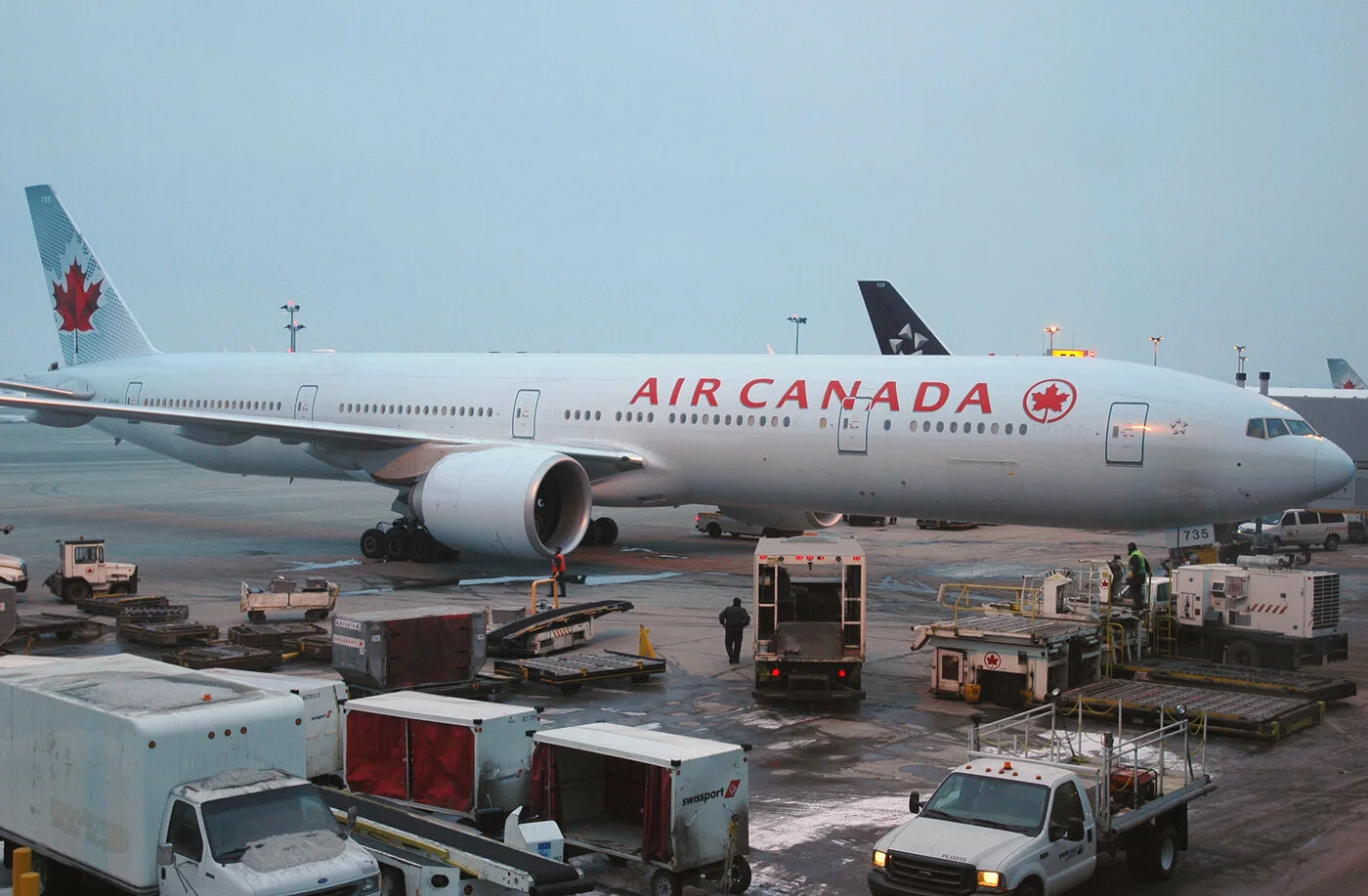
An Air Canada plane at Montreal-Trudeau International Airport. Caribb. CC BY-NC-ND 2.0
On Jan. 29, Canadian Prime Minister Justin Trudeau announced that the government had reached an agreement with major airlines to suspend all flights to Mexico and the Caribbean until April 30, and updated COVID-19 safety precautions for returning travelers. Canada reported 4,690 daily cases nationwide on the day of the announcement, the majority of which came from Ontario and Quebec, the country’s two most populous provinces.
The suspension of flights was agreed upon by Air Canada, WestJet, Sunwing Airlines and Air Transat, representing four of the country’s largest carriers.
Trudeau likewise outlined new pandemic safety guidelines for travelers returning to the country. Starting the week of Feb. 1, all international passenger flights were restricted to arriving only in Vancouver, Toronto, Calgary and Montreal. Travelers also must take a PCR test upon arrival to Canada, and need to quarantine for up to three days in an approved hotel at their own expense while waiting for their test results.
The prime minister also alluded to further restrictions to be announced as soon as the end of the month.
“We will also, in the coming weeks, be requiring nonessential travelers to show a negative test before entry at the land border with the U.S., and we are working to stand up additional testing requirements for land travel,” Trudeau said.
Before the announcement, Canada already required that everyone arriving in the country present a negative COVID-19 test taken within three days of travel and self-isolate for 14 days.
The new changes come as travel between Canada and popular vacation destinations has continued despite the ongoing pandemic. The trend has been even more apparent in the U.S., where a number of major carriers have expanded flights to the Caribbean and Mexico in response to increased demand to the region at a time when airlines have closed routes to other parts of the country.
“[T]he safety of flying during the pandemic remains largely unknown”
Throughout 2020, travelers continued to vacation in Mexico and the Caribbean, evading pandemic safety guidelines and in some cases, such as with American college student Skylar Mack, violating quarantine laws in the destination countries.
To the government’s credit, the U.S. did begin requiring negative COVID tests for entry into the country on Jan. 26. However, the government has yet to limit flights out of the country to popular vacation destinations as Canada has done.
According to Vox journalist Abraar Karan, the safety of flying during the pandemic remains largely unknown, as data on in-flight spread is not readily available a year into the ongoing COVID-19 pandemic.
“In Canada, infections and exposures on flights are far more readily documented, with a nearly daily list of flights that had infected passengers,” Karan writes. “The U.S. would benefit from doing the same, although this needs to be coupled with rapid contact tracing as well.”
It is unclear yet as to whether or not the U.S. will follow Canada’s lead and adopt stricter pandemic travel policies. The State Department recommended on Jan. 26 that Americans limit their travel abroad, but stopped short of a full suspension.
“The Department of State is committed to helping U.S. citizens overseas who find themselves in dire situations, but that assistance is likely to be limited,” Bureau of Consular Affairs Acting Assistant Secretary Ian Brownlee said on Jan 26. “Our goal is to help people avoid those dire straits in the first place.”
Travel is expected to pick up around the globe as more people receive vaccines, many of which have begun to be distributed in the global north. For now, however, travelers from any country are highly recommended to evaluate the safety and necessity of their travel before leaving.

Jacob Sutherland
Jacob is a recent graduate from the University of California San Diego where he majored in Political Science and minored in Spanish Language Studies. He previously served as the News Editor for The UCSD Guardian, and hopes to shed light on social justice issues in his work.
‘Israel’s Most Racist Soccer Club’ Gets an Arab Owner
Fans are none too pleased. Beitar Jerusalem faces a tough fight against bigotry in its ranks.

A Beitar Jerusalem player, right, tries to keep up. Steindy. CC BY-SA 3.0.
Most sports fans would rejoice at such a deal. Beitar Jerusalem, an Israeli soccer team, got a new owner who pledged a $100 million investment in the team over the coming 10 years. Such a whopping sum of money could buy plenty of talent to buoy the team, which hasn’t won the Israeli Premier League since 2008. Instead of glee, though, many fans felt rage. One diehard spray-painted on the team’s stadium wall, “The war has just begun.” The reason was simple: the new owner was Sheikh Hamad bin Khalifa Al Nahyan, an Arab Muslim, and the team was Beitar Jerusalem, notoriously known as “the most racist team in Israel.”
Heckling Arab players is part and parcel of the stadium experience. Fans regularly shout “terrorist” at rival Arab players. The team remains ethnically homogeneous since it has never signed an Arab player. This flies in the face of statistical probability given that Israel’s population is 21% Arab. The team’s racial uniformity keeps with the team’s motto: “Forever Pure.”

A Beitar Jerusalem bumper sticker. zeeveez. CC BY 2.0.
To understand why Sheikh Hamad bought a 50% stake, it is necessary first to look at Moshe Hogeg, formerly the team’s sole owner. He made his fortune trading cryptocurrency and bought Beitar Jerusalem, along with its debt, for $7.2 million in 2018. His reasons were clear, ambitious and abrasive to many Beitar fans: “I saw this problem that reflects bad not only on the club, but also on Israel,” Hogeg said. “I love football, and I thought it was the opportunity to buy this club and to fix this racist problem. And then I could do something that is bigger than football.” Before he can even dream of something bigger, though, he’ll first have to address the bigotry already present in the team’s fan base.
Beitar Jerusalem’s self-avowed racist identity comes from a right-wing section of the fan base known as La Familia. Comprising roughly 20% of the team’s fans, they are a loud, vociferous and sometimes violent minority. When the team signed two Muslim players from Chechnya in 2013, members of La Familia burned down the team’s headquarters in retaliation. Fans routinely heckled the players during games. When one player scored his first goal, many fans, led by La Familia, left the stadium.
The tumultuous 2013 season was chronicled in the documentary “Forever Pure.”

Under pressure. Steindy. CC BY-SA 3.0.
The deal with Sheikh Hamad comes on the heels of the Abraham Accords, a set of agreements between Israel and the United Arab Emirates, brokered by the United States, that normalized relations between the two countries. Thousands of Israelis traveled to the UAE shortly after the agreements came into effect. Instagram influencers posted stories of themselves lounging in hotel suites in Dubai. Sheikh Hamad’s purchase of Beitar Jerusalem’s stake provoked very little attention in the UAE. Israeli football is not internationally popular, so the outcry was limited solely to Israel.

Beitar Jerusalem’s training ground, site of many racist chants. zeevveez. CC BY 2.0.
Sheikh Hamad is as hopeful as Moshe Hogeg about purging the team of its racist elements. “The deal is meant to show the nations that the Jewish and the Muslim can work together and be friends and live in peace and harmony,” Hamad said in December. However, peace and harmony still seem a long way away. Beitar Jerusalem’s decadeslong right-wing identity defines much of the team’s fan base. As embarrassed and ashamed as most fans are of La Familia’s overt bigotry, the group still holds immense sway. Only time will tell if their brand of hatred will win out. Hogeg and Sheikh Hamad’s anti-racism campaign will face fierce opposition. When asked if his decision to invest was related to La Familia, Sheikh Hamad only responded, “Challenge accepted.”

Michael McCarthy
Michael is an undergraduate student at Haverford College, dodging the pandemic by taking a gap year. He writes in a variety of genres, and his time in high school debate renders political writing an inevitable fascination. Writing at Catalyst and the Bi-Co News, a student-run newspaper, provides an outlet for this passion. In the future, he intends to keep writing in mediums both informative and creative.
6 of the Best Short Films from the 2021 Social Impact Media Awards
Interested in great documentary films? Here are 6 award-winning documentary shorts that will take you around the globe in under 30 minutes. Visit Mauritania, Sierra Leone, India, Yemen, the US and Colombia. Watch here…
Uncertainty Reigns in Myanmar Amid Military Coup
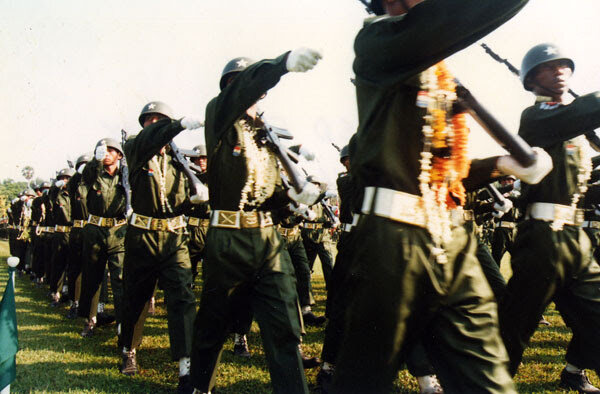
Soldiers in Myanmar’s military. Stephen Brookes. CC2.0
On Feb. 1, the military opposition in Myanmar staged a coup detaining State Counsellor Aung San Suu Kyi due to election results in favor of her challenging National League for Democracy (NLD) party. Since then, the military in Myanmar has detained hundreds of political officials and declared a state of emergency for up to one year. An active restructuring of power continues, with 24 government officials already having been replaced.
As of Monday evening, Suu Kyi was released from detention but placed under house arrest. Charges by the military accuse Suu Kyi of illegally importing walkie-talkies. President U Win Myint also faces charges for disobeying coronavirus restrictions. Although these accusations are most likely illegitimate, a criminal offense on the record in Myanmar can prevent politicians from running for reelection. In this way, the military continues to threaten the rise of democracy in Myanmar, placing the country’s political future in jeopardy.
Introducing Myanmar’s Fraught Political Situation
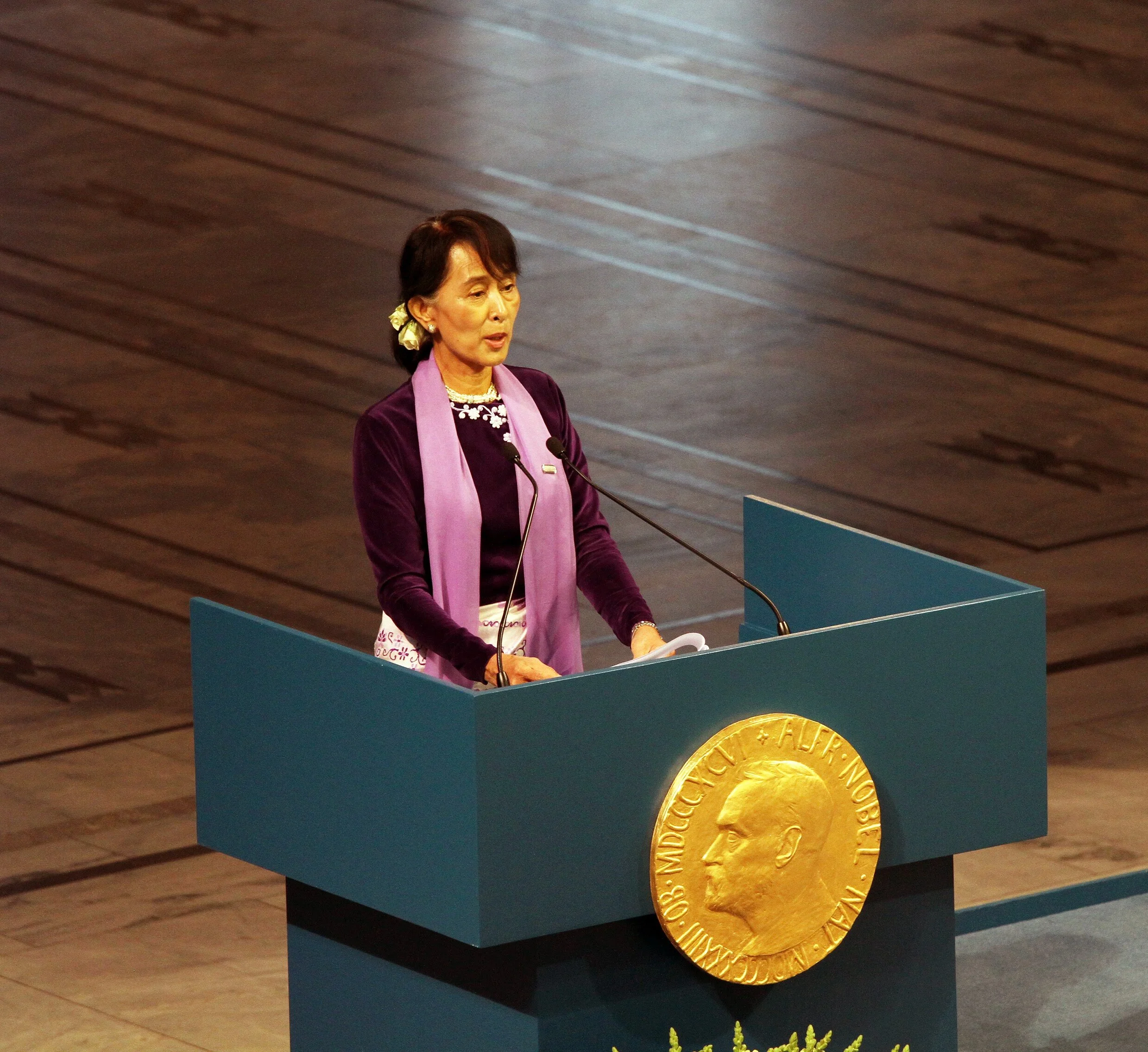
Myanmar’s State Counsellor Aung San Suu Kyi. Utenriksdepartementet UD. CC2.0
Myanmar, formerly known as Burma, is a country located in Southeast Asia known for its myriad of cultural and ethnic groups. Though the country achieved independence from Britain in 1948, an oppressive military regime came to power in 1962 that ruled for almost the next five decades. Military rule plunged the country deep into poverty and resulted in severe crackdowns on journalists, artists and activists. The country's government began to liberalize after the military started to loosen its grip in 2011.
Activist and political leader Aung San Suu Kyi is well known for her nonviolent movements toward democracy in Myanmar. She received the Nobel Peace Prize in 1991 while being held under house arrest from 1989 to 2010. Suu Kyi founded the National League for Democracy (NLD), which led the first civilian government in the country’s history after winning a landslide election in 2015. Since then, Suu Kyi has remained the head of Myanmar’s government.
However, Suu Kyi’s record remains tarnished. Her government has received international condemnation for human rights abuses against ethnic minorities in Myanmar. In 2017, the military forced a crackdown on the Rohingya Muslim population in Rakhine state, causing over 700,000 refugees to flee to neighboring Bangladesh. Myanmar claims the Rohingya are illegal immigrants from Bangladesh and refuses to offer them citizenship and basic human rights. Suu Kyi appeared before the International Court of Justice in 2019, where she denied that the crimes committed against the Rohingya counted as genocide.
In November 2020, national elections predicted a landslide win for Suu Kyi’s NLD. The military government claims election fraud, although this has been disproven by Myanmar’s election committee. Dissatisfied with the election results, the military seized power on Feb. 1 as parliament was about to open. Executive power has been granted to long-standing military leader Min Aung Hlaing. International flights, the internet and social media were all shut down amid the coup. Even a few days later, Wi-Fi access remains spotty in parts of the country.
International Reaction and Opposition
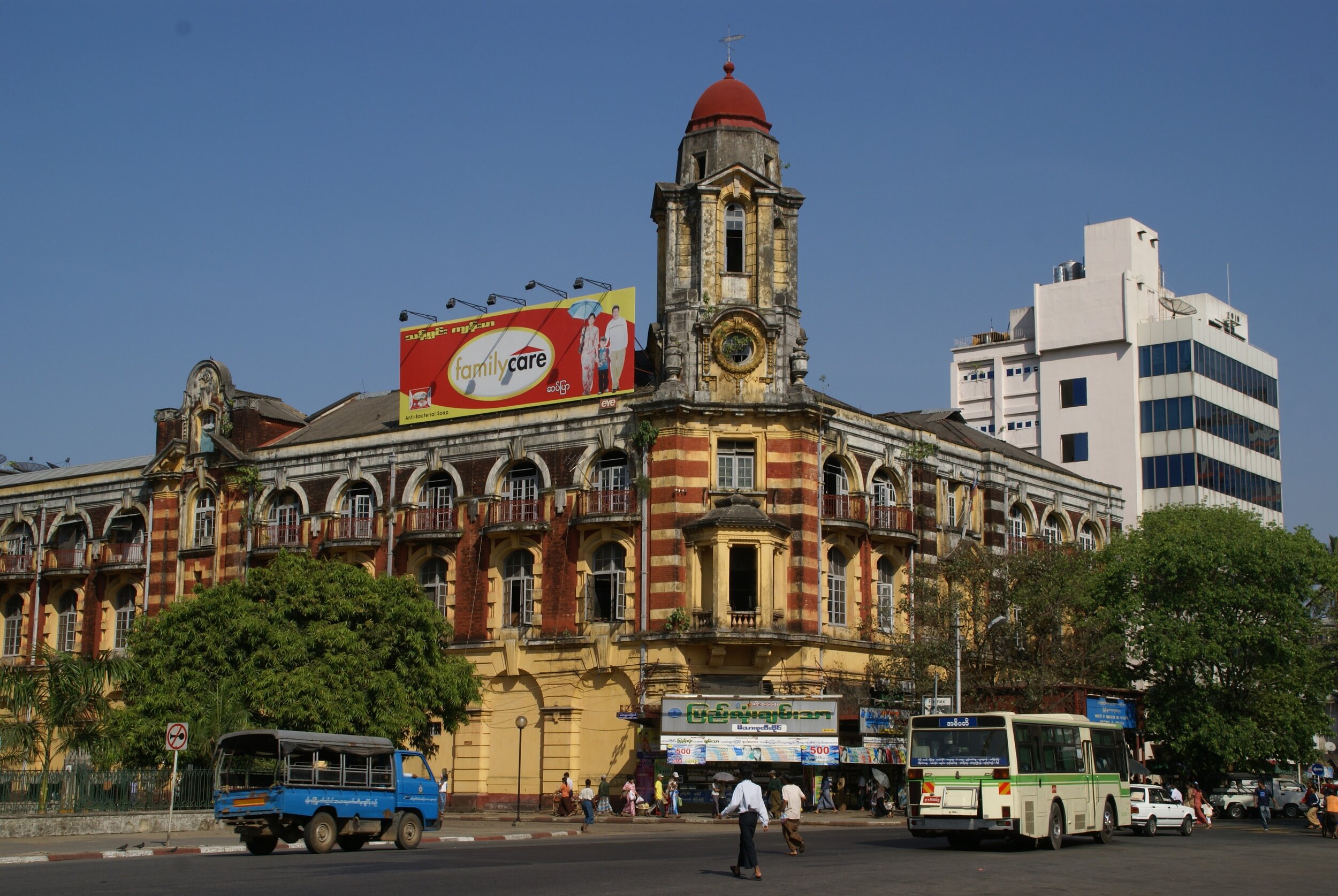
Street in Yangon, Myanmar. Loeff. CC2.0
The coup has received harsh international condemnation, with U.N. Secretary-General Antonio Guterres calling the military’s actions a "serious blow to democratic reforms." The U.N. Security Council held an emergency meeting after the coup but took no action as China and Russia refused to denounce it. Other Southeast Asian countries, such as Thailand, Cambodia and the Philippines, claim that the coup is an “internal matter” and do not want to meddle in Myanmar’s political affairs.
Resistance to the coup in picked up on Feb. 7, as tens of thousands of protesters crowded the streets of Yangon, Myanmar’s largest city. Many people have banged pots and pans denouncing the coup, while medical workers have walked out and posted photos standing together in solidarity wearing ribbons.
Recent events in Myanmar and around the world reveal the fragility of democracy. Only time will reveal the resounding effects of the coup on Myanmar’s political story.

Megan Gürer
Megan is a Turkish-American student at Wellesley College in Massachusetts studying Biological Sciences. Passionate about environmental issues and learning about other cultures, she dreams of exploring the globe. In her free time, she enjoys cooking, singing, and composing music.
By Refusing an Apology to Algeria, France Shows Colonialism is Far from Over

Algerian architecture reflects continued French influence post-decolonization. mariusz kluzniak. CC BY-NC-NC 2.0.
French President Emmanuel Macron announced on Jan. 20 that he has ruled out issuing an official apology to the country of Algeria for past colonial abuses. This follows 59 years of tense relations between the two nations after the conclusion of the Algerian War in 1962, which marked the end of official French colonialism in the North African country.
The announcement comes as a result of a highly anticipated report on the matter of French-Algerian relations commissioned by Macron in 2020. Rather than a formal apology, the report recommends a “memories and truth” commission to review French colonialism in Algeria. Macron committed to setting up the commission in a statement.
The French occupation of Algeria began with an invasion in 1830, and lasted up until 1962 with the end of the Algerian War, which led to independence. During the 132 years of colonial rule, the French committed a number of atrocities against Algerians, including the massacre of an estimated 500,000 to 1 million Algerians throughout the first three decades of conquest, the forced deportation of native Algerian groups and the use of systematic torture against Algerians during the country’s war for independence.
Since Algeria gained independence, the French government has largely remained silent in regard to the atrocities inflicted during the colonial era. In fact, Macron was the first French president to acknowledge the use of torture during the war for independence when he did so in 2018. Macron has since gone on to demand further accountability, including calls for all archives detailing the disappearance of Algerians during the war. However, the Jan. 20 announcement signals that an official apology remains out of the realm of possibilities for the time being.
Decolonization Efforts Remain a Global Necessity
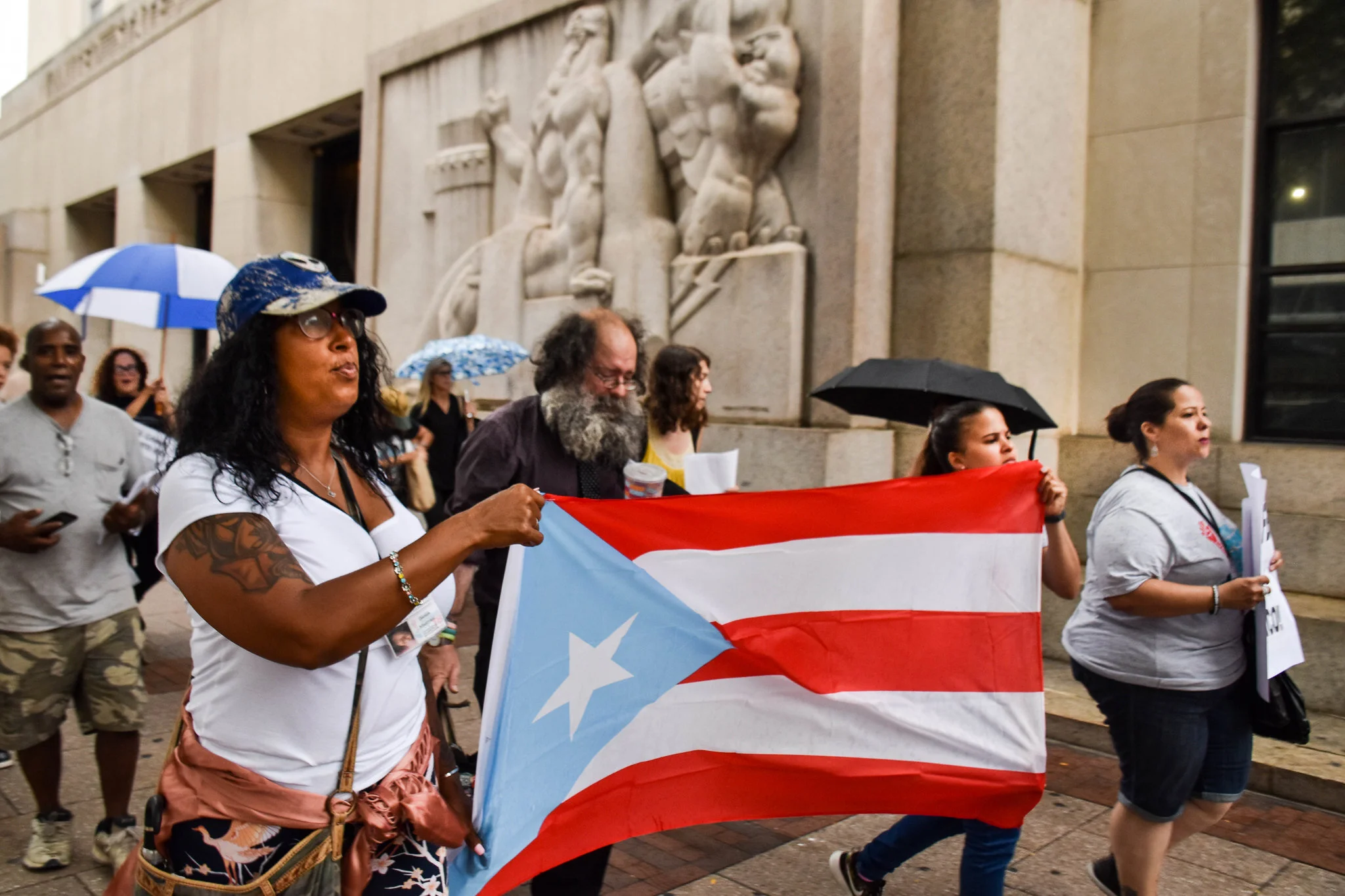
Protesters marching in Philadelphia in support of Puerto Rican independence in 2018. Joe Piette. CC BY-NC-SA 2.0.
Macron’s announcement is the latest reminder of the continued stains of colonialism which remain in the 21st century. While many former colonial powers like France have largely dismantled their empires and relinquished control to local populations, colonialism and the occupation of Indgenous lands still persists to this day around the world.
Both France and the United Kingdom notably retain overseas territories which are remnants of the heights of their empires. France retains varying administrative control in 11 regions outside of Europe, with a combined population of nearly 2.8 million. Conversely, the British control 14 territories which do not form a part of the United Kingdom itself or its European crown dependencies, representing a combined population of approximately 250,000.
Colonialism, however, is by no means limited to European powers, nor is the process itself a relic of the past. The United States, a country whose foundation is rooted in settler colonialism, retains control over five inhabited territories spread across the Pacific and Atlantic oceans which have a combined population of just over 3.5 million, all of whom are ineligible to vote in federal elections. Likewise, Hawaii’s inclusion in the United States as a state is a result of colonialism in the region where the U.S. systematically undermined native rule throughout the 1800s.
Japan, a country which saw the height of its empire come to an end during World War II, retains control over Hokkaido and Okinawa, two islands with distinct Indigenous populations which have both seen independence movements throughout their time with the country.
China is an example of contemporary colonialism: while not specifically setting up colonies in overseas regions, the country invests billions of dollars in projects to develop African nations on largely unfavorable terms, creates artificial islands in the South China Sea to exercise dominance in the region, and continues to squash independence movements in Tibet and Hong Kong.
While movements for independence, apologies and reparations exist to varying extents in all of these regions, the scars of colonialism persist to this day and remain a contemporary issue unlikely to be resolved in the near future.

Jacob Sutherland
Jacob is a recent graduate from the University of California San Diego where he majored in Political Science and minored in Spanish Language Studies. He previously served as the News Editor for The UCSD Guardian, and hopes to shed light on social justice issues in his work.
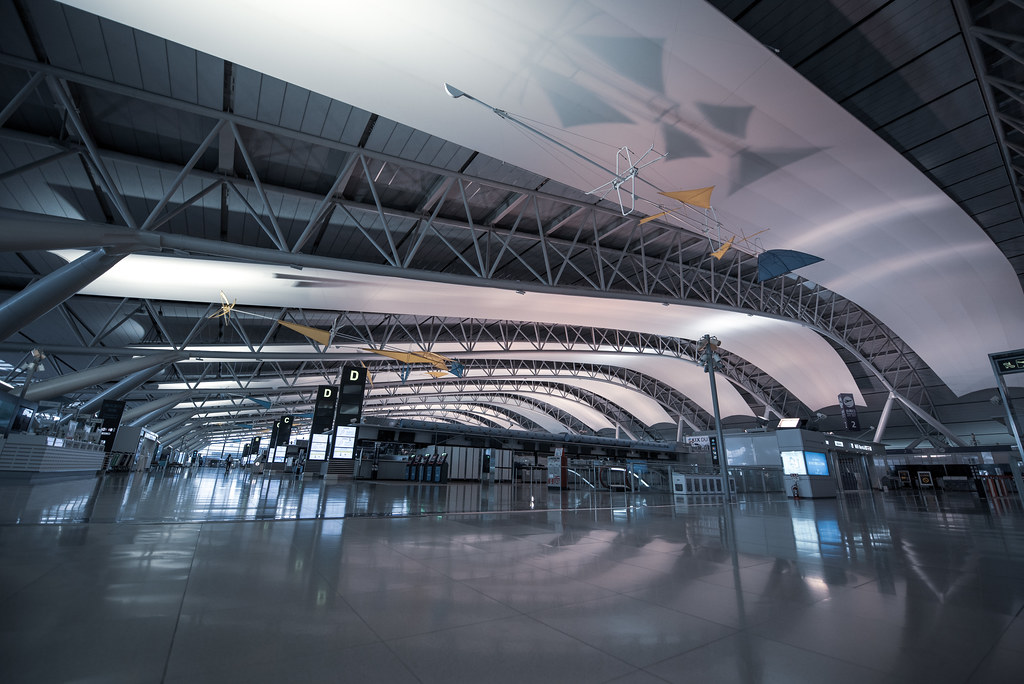
An empty ticketing hall at Kansai International Airport in Osaka, Japan, during the COVID-19 pandemic. Patrick Vierthaler. CC BY-NC 2.0
The State of Travel Post-Coronavirus
As the COVID-19 pandemic continues around the world, the hope that a vaccine will bring an end to the ongoing crisis comes with optimism that the road to economic recovery is near. Yet, economic recovery will likely be a slow burn, and travel is no exception.
Travel is one of the hardest-hit industries by the pandemic as border closures and trip cancellations equate to empty airports and travel destinations. According to the United Nations World Tourism Organization (UNWTO), tourism is the third-largest export category in the world, accounting for 7% of global trade. For some countries, tourism is the main driver of economic activity, accounting for a high proportion of the national gross domestic product. The British Virgin Islands is the place most reliant on tourism in the world, with travel and tourism accounting for 92% of GDP in 2018. Among Organization for Economic Cooperation and Development (OECD) countries, travel is still a major contributor to national GDP. Spain relies the most on tourism among OECD countries, accounting for almost 12% of total GDP in 2018.
“The COVID-19 pandemic will only worsen conditions for those in the travel industry”
2020 was a disastrous year for the travel industry, which reported record losses as the coronavirus spread around the world. According to a December 2020 UNWTO report, last year saw a 72% decrease in international tourist arrivals from January to October, representing a loss of 900 million international tourist arrivals compared to the same time in 2019. The Asia-Pacific region, the first to report coronavirus infections, was the hardest hit with an 82% decrease in international arrivals. According to the same report, the decline in international tourism could result in a loss of $2 trillion in global GDP, or 2% of the world total.
The pandemic’s toll on the travel industry goes beyond just loss to revenue and profit. Behind the numbers lies the human cost of COVID-19, one that will potentially disrupt the livelihoods of millions of people around the world who were already facing marginalization before 2020. As with other inequalities, such as growing income disparity, the COVID-19 pandemic will only worsen conditions for those in the travel industry who are already being left behind in the global economy. The UNWTO estimates that the COVID-19 pandemic puts over 100 million jobs in the tourism industry at risk. Women make up the majority of the industry’s workforce, so do many children who are not accounted for in the formal economy. This means that women and children are the ones bearing the most losses from the coronavirus’s effect on the travel industry, potentially worsening preexisting gender and economic disparities in the tourism industry’s workforce.
The path to economic recovery is a long road ahead, but one that is foreseeable with the rollout of several coronavirus vaccines worldwide. Some positive estimates show that travel and tourism revenue can rebound to 85% of 2019 revenue by the end of 2021, and return to pre-pandemic levels by 2023. However, some sectors of the travel industry will likely recover before others, with domestic travel expected to recover faster than international travel. Countries that rely more on international air travel, both inbound and outbound, are likely to have slower recoveries compared to countries where domestic travel is higher.
The full brunt of the COVID-19 pandemic on the travel industry is still being felt across the world. The post-pandemic reality of travel is not entirely known. Yet, even with the potential for recovery, the pandemic is going to change the state of travel for years to come. With it, travelers may have to wait longer than expected for a full return to normal next time they get feelings of wanderlust.

Aerex is a current student at Occidental College majoring in Diplomacy and World Affairs with a minor in East Asian Studies. He is passionate about sharing people’s stories through writing, and always strives to learn about new places and cultures. Aerex loves finding new music and exploring his hometown of Los Angeles in his free time
50 Countries Vow to Protect 30% of Earth’s Land and Water by 2030
Research shows that half of the planet must be protected to stop climate crises and the loss of biodiversity. Over 50 countries have pledged to protect 30% of the land and oceans by 2030, a major milestone in the ultimate goal of conservation.
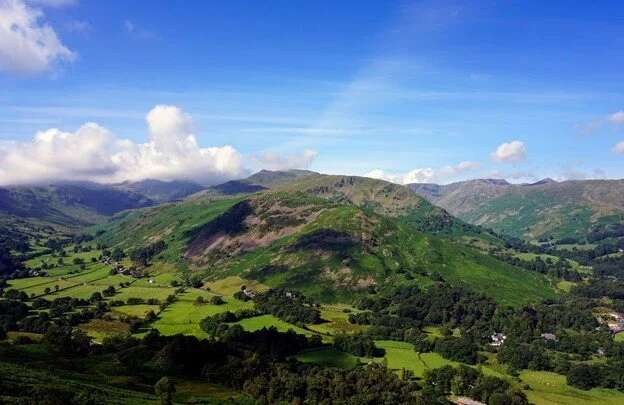
A coalition of over 50 countries, chaired by France, Costa Rica and the United Kingdom, have pledged to conserve 30% of Earth’s land and oceans by the end of the decade. Known as 30x30, the plan was established in order to stop the loss of biodiversity and to protect essential resources. The agreement is ambitious, but studies show that protecting at least 30% of the planet is necessary to stimulate the economy and retain the current quality of life.
Current estimates suggest that only 15% of the world’s land and 7% of the ocean has some degree of protection.
On Jan. 11, over 50 countries entered the agreement, championed by the High Ambition Coalition (HAC), at the One Planet Summit for Biodiversity in Paris. The summit was organized by France in cooperation with the United Nations and World Bank and aimed to “advance the protection of nature,” with a focus on preserving biodiversity and key ecosystems. The summit was sparked by the COVID-19 pandemic, which the One Planet statement says serves as a reminder of how important nature is to daily life and to the world economy. A variety of world leaders, including heads of state, financial institutions, NGOs, companies and international organizations, gathered via videoconference to discuss protecting land and the oceans, promoting agroecology, mobilizing financial resources to promote biodiversity and protecting human health.
Though the summit as a whole focused on broader topics, the HAC presented specific goals, backed by research, to “ignite transformative change for the future of all life on Earth.” The HAC existed prior to the One Planet Summit, but was officially launched during the event. The HAC advocates for:
The effective conservation of at least 30% of Earth’s land and oceans by 2030.
Effective management of protected and conserved areas.
Increased financing to ensure effective management long term.
Implementation mechanisms to put nature on a path to recovery, also by 2030.
Human well-being depends on protecting natural systems, which provide resources such as clean water and help to stabilize the climate. These natural systems are threatened by biodiversity loss and climate change. Research has shown that to successfully address the Earth’s environmental crises, half of the planet must be kept in a natural state. Thus, the HAC’s 30x30 plan is just the beginning of stopping environmental degradation. Research has also shown that conserving 30% of the Earth by 2030 is a necessary interim goal on the path to ultimately protecting the planet and maintaining human life.
Protecting 30% of the world’s land and oceans by 2030 is no small task. Current estimates suggest that only 15% of the world’s land and 7% of the ocean has some degree of protection. To achieve the 30x30 goal, the HAC intends to promote Indigenous-led conservation, emphasize environmentally critical areas and prioritize intact ecosystems. In addition to the areas that are already protected, the HAC has identified areas that should be conserved moving forward. The HAC is working to create a new global framework for conservation, which will include the 30x30 goal. This framework is set to be finalized and put into action in May 2021, at a U.N. summit in China.

Rachel Lynch
Rachel is a student at Sarah Lawrence College in Bronxville, NY currently taking a semester off. She plans to study Writing and Child Development. Rachel loves to travel and is inspired by the places she’s been and everywhere she wants to go. She hopes to educate people on social justice issues and the history and culture of travel destinations through her writing.