
Somewhere between City of God and Blue Crush, Otelo Burning is a coming of age story in South Africa set against the backdrop of Nelson Mandela's release from prison. It's an emotional story of kids in the township learning to surf. It's a story of the explosive potential for change at the time of apartheid's end.
Our Daughters For Sale Documentary (2012): Sex Trafficking In Thailand
High in the hills of Thailand are villages where selling children for profit—not for survival—is commonplace. While the government would prefer to say that no such problem exists—one organization stands in their way. The Children's Organization of Southeast Asia (COSA) is working on a new method to stem the tide of child sex trafficking in northern Thailand. While most other organizations 'rescue' children who have already been sold and been victimized. In villages where satellite dishes and other amenities have taken the place of sold children, COSA is working to educate villagers on the benefits of not selling children—they are working on an individual basis to solve the problem for each child before it happens.
CONNECT WITH COSA
A Video Volunteers Film: The Fight for Justice Against Acid Attacks in India
In this Video Volunteers film, the IndiaUnheard correspondent, Varsha Jawalgekar, exposes the acid attack on Chanchal Paswan, 19, and her sister, 15, while they were asleep on their terrace. The attack was a result of their opposition to previous sexual harassment by the men. In the West, horrific attacks as such would be covered by major news media. However, in India, Video Volunteers is doing immensely important work getting information about this out and accessible.
CONNECT WITH VIDEO VOLUNTEERS
INDIA: End Untouchability
Untouchability in India (prejudice against what are considered the lowest caste, the Dailts), though technically illegal since 1950, still affects 167 million people, or 16% of the population. Members of the lowest rank of Indian society face discrimination at every level, access to education and medical facilities, restrictions on where they can live and what jobs they can have. This trailer for Article 17, the campaign launched by Video Volunteers in 2012, to empower the Dalits to tell their own stories through video, to achieve the goal, in the words of Stalin K, Managing Trustee of Video Volunteers, "the end of the 2000-year-old atrocity of untouchability in all its forms."
LEARN MORE ABOUT VIDEO VOLUNTEERS
BONO: The Good News on Poverty (Yes, There's Good News)
Become a factivist! Bono presents the facts on how we can end extreme poverty by 2030. Human beings have been campaigning against inequality and poverty for 3,000 years. But this journey is accelerating. Bono shares inspiring data that shows the end of poverty is in sight ... if we can harness the momentum.
CONNECT WITH ONE
ZIMBABWE: Mugabe, Me and a Million Tampons
A documentary gonzo odyssey into the darkness of a nation held in fear and torn apart by corruption. Beginning in South Africa, a disillusioned photojournalist is employed to document a charity trying to organise the transportation of women’s sanitary aid into Zimbabwe. Frustrated by the complications; packing a million tampons, a camera and a romantic notion of being able to alter this reality, he decides to head off alone and undercover into Zimbabwe hell-bent on trying to document the unseen horrors.
CONNECT WITH MUGABE, ME AND A MILLION TAMPONS
Conflict Zones Through The Lens of Marcus Bleasdale
“This is an exciting time for digital storytellers.”
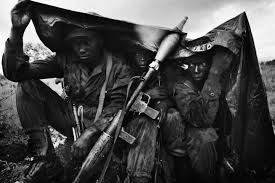
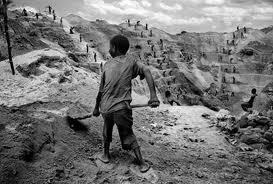
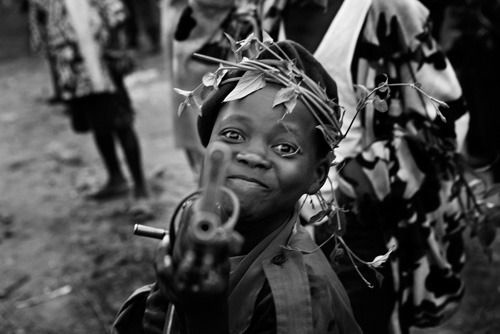
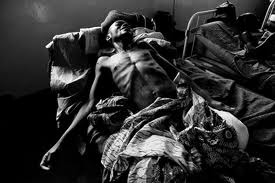
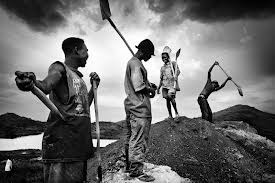
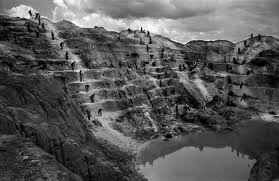
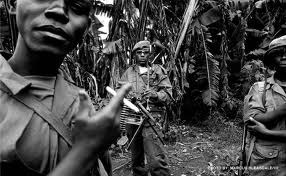
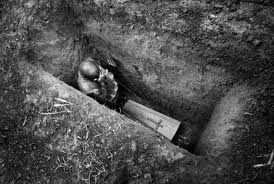
Truer words have never been spoken. But in the spirit of the commencement of this year’s Social Good Summit, it should be noted that these storytellers also hold a great responsibility to the masses. As a distinguished photographer, Marcus Bleasdale embodies this sense of responsibility in his coverage of conflict areas around the world through the medium of his trusted camera lens. Over the past 15 years, the region of the Democratic Republic of Congo (DRC) has captured his steady attention.
Throughout his time working within the DRC, Bleasdale has gained a first-hand perspective into a nation that, while rich in minerals, has been coerced into a haunting reality of violence, disease, poverty and profound injustice. Children are stripped of their adolescence, forced into militant lives plagued by mindless violence at the behest of their devious superiors. Families are torn apart, displaced, and involuntary bare witness to the perils of life within the misleading comfort of their own backyards.
More
As the conflict within the borders has continued to run its rampant course over the past 15+ years, 2 million Congolese natives have been displaced, 40,000 women fall victim of sexual violence annually, and over 5.5 million deaths have been recorded as a result of rampant disease, and violence throughout the region. In his Keynote adderess to the Social Good audience, Bleasdale stressed that these are simply the statistics; his images however, are what interpret the reality.
An important distinction however, is how Bleasdale goes about creating a narrative of an area so riddled by conflict for decades. He goes into depth about how he works to construct such a narrative in saying:
“For me, I’m trying to engage in order to enhance the narrative that I’m trying to tell. There are many different aspects of the story to engage with - the mind, the child soldiers, the sexual violence, displacement, horrific health issues that have spread through the DRC. I have to touch on each one of those in each unique situation to try and engage with a subject in a way that will truly hone the message that this should stop.”
He delves deeper in his philosophy toward photojournalism in conflict areas, stating, “Every image cannot be misery, and should not be so difficult to look at that you want to turn away. You have to also try to look for the beauty, and the hope, to show the opportunity that is available that has not necessarily been seized.”
Having covered the Democratic Republic of Congo for more than 15 years now, Bleasdale’s knowledge and wisdom towards his craft should be respected. As for his advice for the brave soul aspiring to photojournalism of this nature; one word came to mind, patience.
“Everything takes time, especially when working within the areas I have. In relation to my work in the DRC, you can’t tell that story in a week, a month. I’ve been telling that story for 15 years now and still I don’t think it’s finished, because it’s still going on.“
An award-winning photographer who has been heralded by the US House of Representatives, The United Nations and the House of Parliament in the UK, Bleasedale will undoubtedly continue to be a respected voice within the realm of photography, specifically within regions of conflict.
He can be followed on twitter @marcusbleasedale.
ANDREW BRIDGE @Bridgin_TheGap
Andrew is Editor-in-Chief of CATALYST's Social Good Summit Daily, and Managing Editor of CATALYST. He is a global enthusiast with a passion for the road less traveled. As a frequent collaborator with World Hip Hop Market and Nomadic Wax, Andrew has worked with numerous socially conscious artists from around the world in the pursuit of inspiring cultural understanding and exchange through entertainment. This fascination with the world at large has taken him to over 20 countries (so far) through studying, volunteering, and writing about his travels, with no signs of slowing.


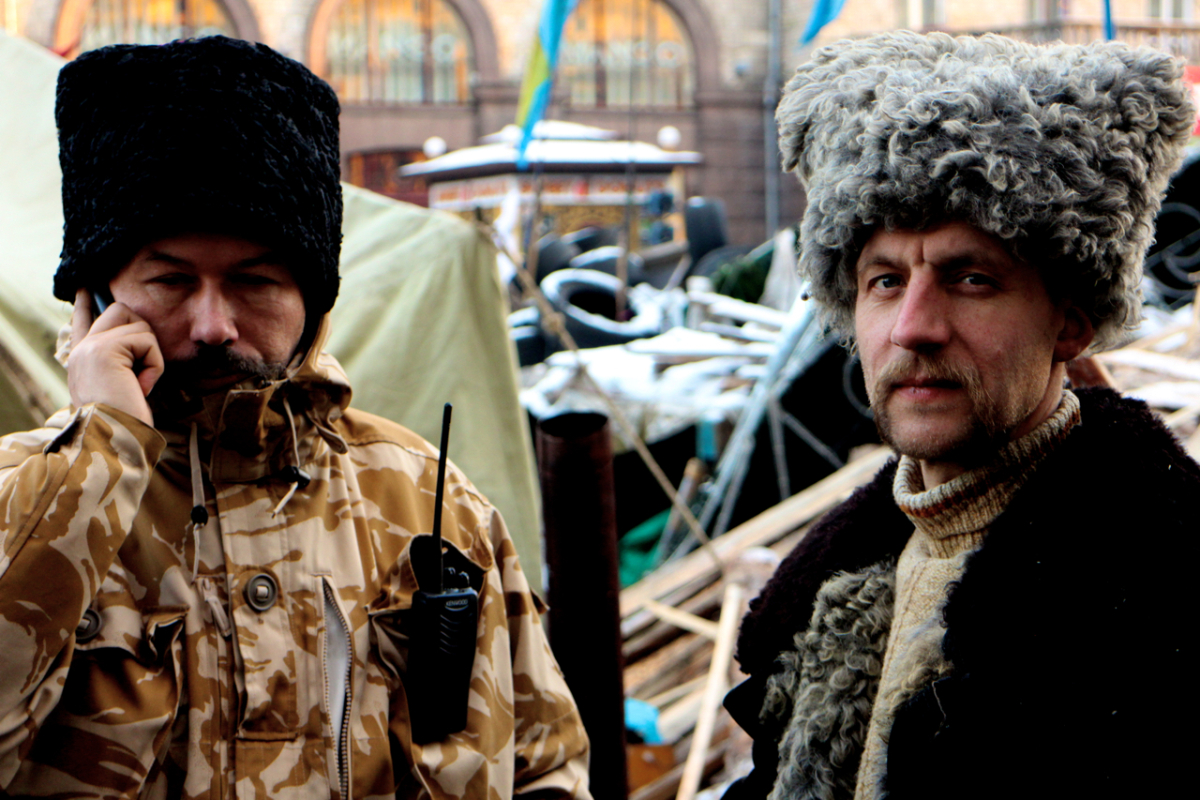
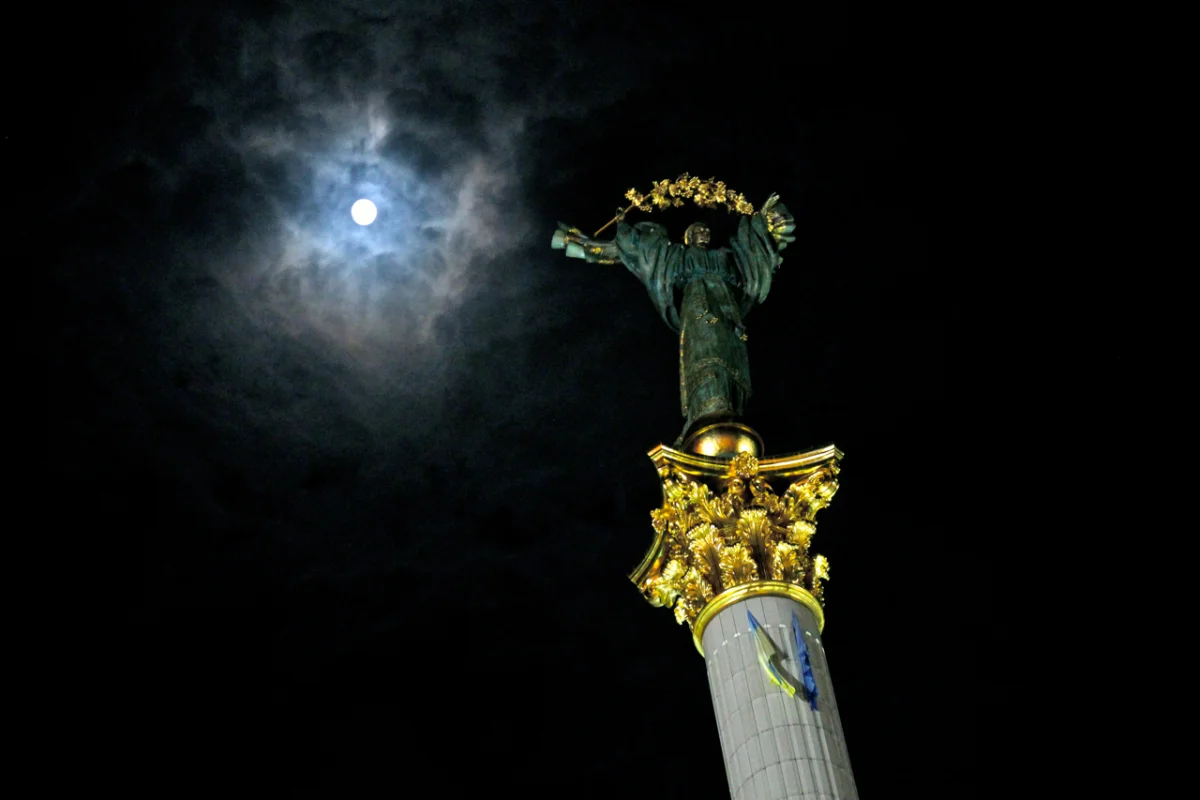


Ukraine's Revolution from Within
Photos by, Graham Lawlor
Text by, Andrew Bridge
It has been nearly half a year since hundreds of thousands of Ukrainian citizens gathered on Kiev’s Independence Square with justice on their minds and revolution in the air. After constant protests and violent clashes against the corrupt powers that were put in place by former President Victor Yanukovych, the Ukrainian citizens took back what is rightfully theirs; but that was just the beginning.
Since the launch of the uprising, now recognized as the Euromaidan, clashes between Ukrainian and Russian nationals have spread from Kiev to Crimea. Russian forces have flexed their strength while Russian-speaking residents violently clash with Ukrainian citizens throughout the country. And as the death toll rises, it becomes harder to see if the end of the violence is near, or what the resolution will be.
With the continuous uprisings and domestic conflicts, a new breed of travelers have risen. Those from outside the borders are eager to get on the ground, despite the danger, in order to learn first-hand what is going on, why it is happening, and where it may lead.
New York City based entrepreneur and economist, Graham Lawlor, serves as a prime example as he voyaged into the heart of Kiev as the uprising began. Throughout his weeklong experience in Independence Square, Lawlor dove deeper into the matter at hand as he interviewed countless protesters: nuns, students, laborers, etc..
In reflecting on his time in Kiev, Lawlor recalled that the first few days were upbeat, possessing a strong sense of optimism and purpose in the air. However, this mood changed on January 16th when Yanukovych passed a law that criminalized these demonstrations. Days later, the violence and clashes truly began, eventually leading to the overthrowing of the government.
When asked his opinion on the conflict’s progression following his return home, Lawlor’s answer was simple: “Civil War.” It appears his assessment was correct, as violence continues throughout Ukraine, yet citizens remain hopeful for peace and prosperity in the future.
His photos depict the mood of Kiev at the start of a revolution, and the brave citizens who made it happen.
GRAHAM LAWLOR @revoportaits
Graham is the founder of Ultra Light Startups, which helps Fortune 100 companies and government institutions connect with startups based on their strategic and financial objectives. He is a frequent guest speaker, moderator, interviewer, and press source on startups and online business.