• Travel Features
  • Global Action
  • Find A Trip
  • Travel Guides
  • Bookshop
  • Podcast
  • About
Menu

CATALYST PLANET

  • Travel Features
  • Global Action
  • Find A Trip
  • Travel Guides
  • Bookshop
  • Podcast
  • About
No results found

ICELAND: Home of the Sun — My Stay in an Eco-Village

December 1, 2015


We stood in a circle, holding hands. The early morning dew clung to and soaked the bottoms of my shoes, and I shivered from the wind and the excitement at welcoming the day with the people of Sólheimar. My eyes followed the held hands around, taking in a couple of young twenty-year-olds embedded in between more sober looking adult leaders of the community and the elderly.

Earlier, as groups made their way over to the morning meeting, the warmth with which the young and old greeted each other warmed me up despite the cold and the constant overcast sky. Here in the middle of farmlands and sheep, Sólheimar is an eco-village, an intentional community where the abled live along the disabled in a sustainable manner.

Sólheimar owes its founding to Sesselja Hreindís Sigmundsdóttir in 1930. Ahead of her time, especially in pre-industrial Iceland, Sesselja created the first orphanage at Sólheimar for children who are mentally disabled. She believed strongly in encouraging artistic expression in the mentally disabled, a novel concept from Rudolf Steiner in Germany. Sesselja, regarded as crazy by some in the Icelandic government for her insistence on allowing interactions between normal and disabled children and her equally important work in biodynamic farming, experienced significant roadblocks in the establishment and expansion of Sólheimar, but she overcame the judgment of the skeptics and eventually secured funding and approval from the government for her work.

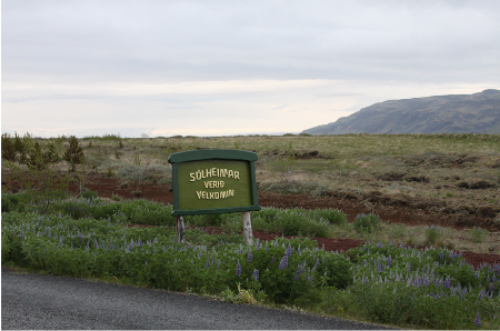
The village of a hundred inhabitants sits snuggly and unassumingly in the geothermal region of southwestern Iceland; its location keeps it far-removed from the bustle of the modern capital of Reykjavik. Instead, people at Sólheimar farm and make crafts to sustain their peaceful lifestyle. Today, the President of Iceland scheduled a visit. The occasion has sent all the residents of Sólheimar busy bustling in preparation. Compared to government opposition to the project during Sólheimar’s early history, this occasion reveals that much has changed in the way Iceland perceive ideas of sustainability and social equity.

Sólheimar has embraced the concept of reverse integration where abled people accommodate and structure their lives around the disabled. Every inhabitant of Sólheimar is employed in some way in the village, whether it is cooking, taking care of the greenhouse vegetables, or making candles in the craft workshops, so everyone has a stake in the wellbeing of the community.

The first thing that caught my eye when I walked into the guest rooms was the extensive recycling system, consisting of five or six multicolored buckets each labeled with a different type of material. Sólheimar strives to function with 100% sustainability on all three pillars — environmental, economic, and social. Nevertheless, waste remains, and Sólheimar depends on outside funding.

Socially, the society functions like a well-oiled machine. The residents are the friendliest people I’ve ever met. The four-day stay here is filled with smiles, offers to try the cucumbers in the greenhouse, sharing their artwork. In the corner of the village sits a troll garden, and the dim light makes you believe that maybe, just maybe, fairies live here.

ORIGINALLY PUBLISHED ON THE YALE GLOBALIST

 

JINCHEN ZOU

@YaleGlobalist


Jinchen is an undergraduate at Yale University from Houston, Texas. As a contributor to The Yale Globalist, she is an avid traveler. Jinchen also contributes to TheProspect.net, a culture/lifestyle magazine that includes helpful resources for college applicants. 
In Iceland, World and Travel, Environment and Sustainability Tags eco-village, responsibility, community, Environment, Sustainability, Iceland
Comment

The World From Space

December 1, 2015
Uploaded by Global Citizen on 2015-10-01.

As citizens of a global community, it is important to be reminded of what it means to be "home." 

In World and Travel, Community Development, Environment and Sustainability Tags global, space, community, mindfulness, Environment
Comment

VIDEO: Expedition to The End of The World Explores Greenland

July 16, 2015

The film, The Expedition to the End of World, is a snapshot of the participating artists and scientists or their projects on the schooner Activ in northeast Greenland. A snapshot representing the filmmakers’ use of this unusual opportunity, the film explores what life is like in the arctic Greenland. Artists and activists were involved in the film. No obligations or performance contracts, the film shows just pure exploration of the worlds of nature, science and art.

CONNECT WITH EXPEDITION TO THE END OF THE WORLD

In News and Social Action, Greeland, Environment and Sustainability Tags Environment
Comment

VIDEO: SolarAid Gives Light to Millions of Africans

July 16, 2015

Throughout Africa, hundreds of millions live without access to electricity. For light, many use toxic and expensive kerosene lamps; simultaneously harming the environment while keeping families within the grips of poverty. SolarAid is aiming to disrupt this market by providing those in need with cheaper and safer solar lights. Solar lights are more safe for the environment as well, which is important when combating climate change. With more than one million lights sold, that change is becoming tangible.

CONNECT WITH SOLARAID

In News and Social Action, Africa, Video, Global Health & Crisis, Environment and Sustainability Tags Global Poverty, Climate Change, Sustainability, Africa
Comment
1 chile patagoniaessay.jpg
2 chile patagoniaessay.jpg
3 patagoniaessay.jpg
4 chile patagoniaessay.jpg
5 chile patagoniaessay.jpg
6 chile patagoniaessay.jpg
7 chile patagoniaessay.jpg
8 chile patagoniaessay.jpg
9 chile patagoniaessay.jpg
10 chile patagoniaessay.jpg
11 chile patagoniaessay.jpg
12 chile patagoniaessay.jpg
13 chile patagoniaessay.jpg
14 chile patagoniaessay.jpg
15 chile patagoniaessay.jpg
16 chile patagoniaessay.jpg
17 chile patagoniaessay.jpg
18 chile patagoniaessay.jpg
19 chile patagoniaessay.jpg
20 chile patagoniaessay.jpg
1 chile patagoniaessay.jpg 2 chile patagoniaessay.jpg 3 patagoniaessay.jpg 4 chile patagoniaessay.jpg 5 chile patagoniaessay.jpg 6 chile patagoniaessay.jpg 7 chile patagoniaessay.jpg 8 chile patagoniaessay.jpg 9 chile patagoniaessay.jpg 10 chile patagoniaessay.jpg 11 chile patagoniaessay.jpg 12 chile patagoniaessay.jpg 13 chile patagoniaessay.jpg 14 chile patagoniaessay.jpg 15 chile patagoniaessay.jpg 16 chile patagoniaessay.jpg 17 chile patagoniaessay.jpg 18 chile patagoniaessay.jpg 19 chile patagoniaessay.jpg 20 chile patagoniaessay.jpg

Wild Rivers Survive HidroAysen Dam Plan

July 1, 2015

Patagonia Sin Represas ! ! !

Good news recently in wild ecosystem preservation, and hopefully for sustainable energy in South America. This development came out of a fight we encountered two years ago . . . in a land far, far away . . . .

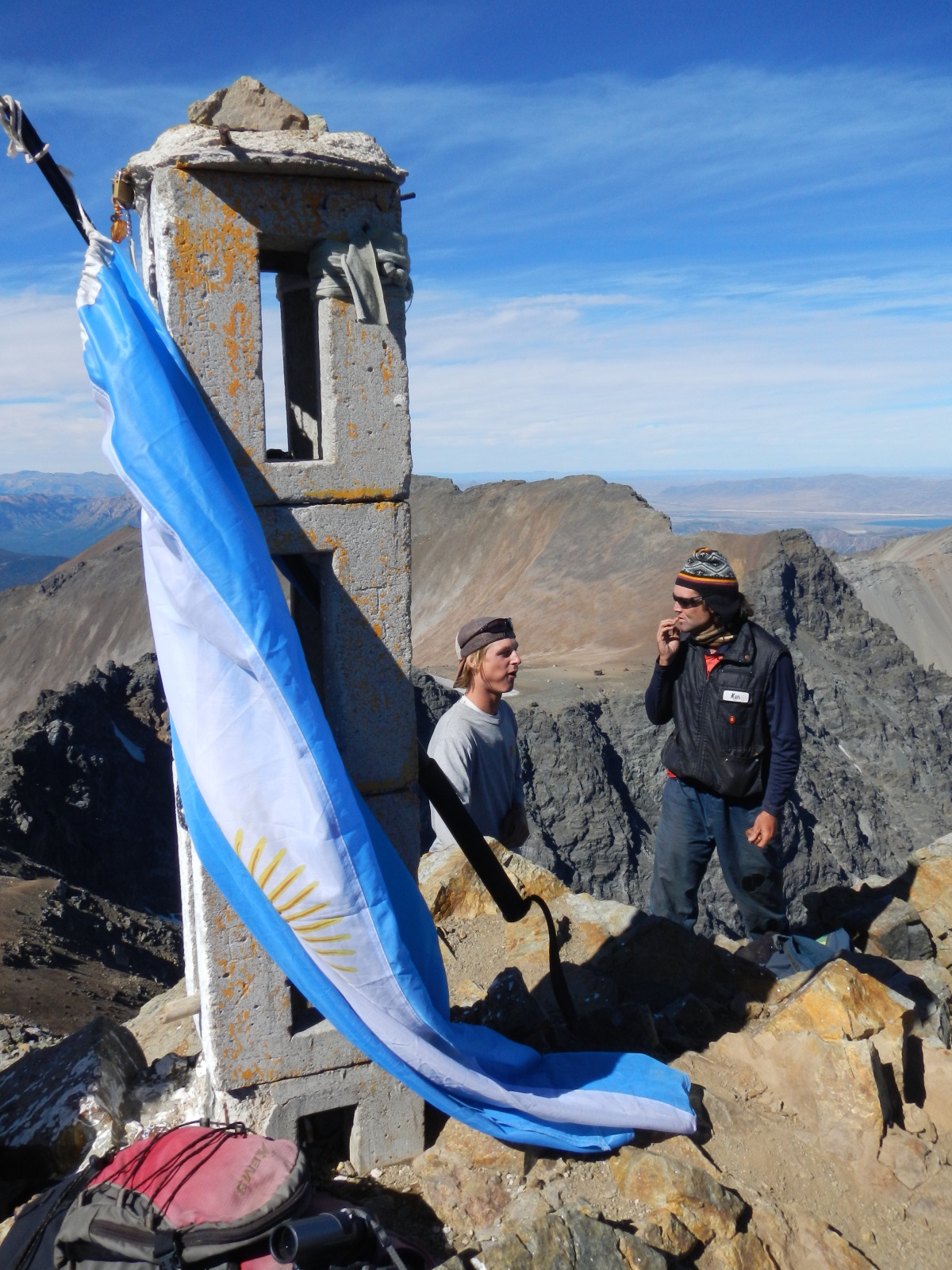
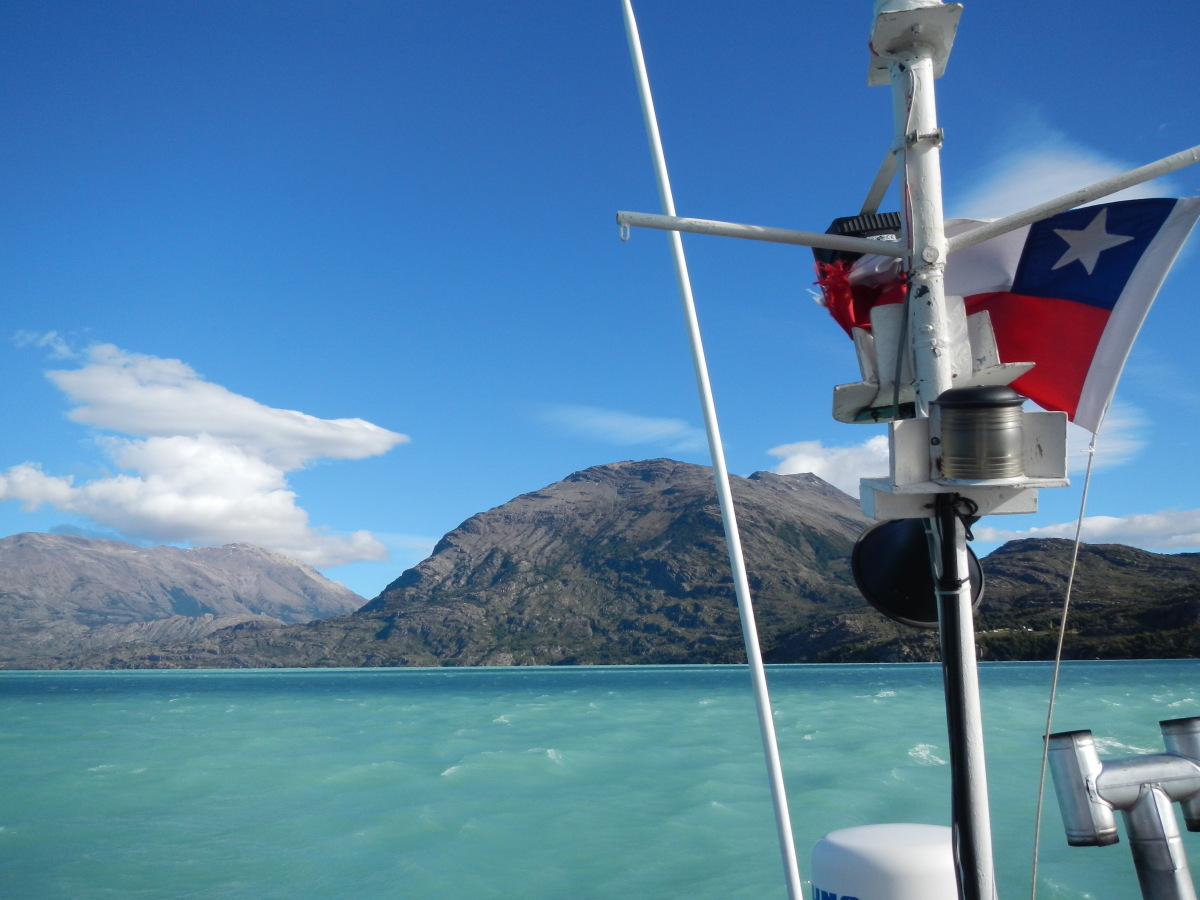
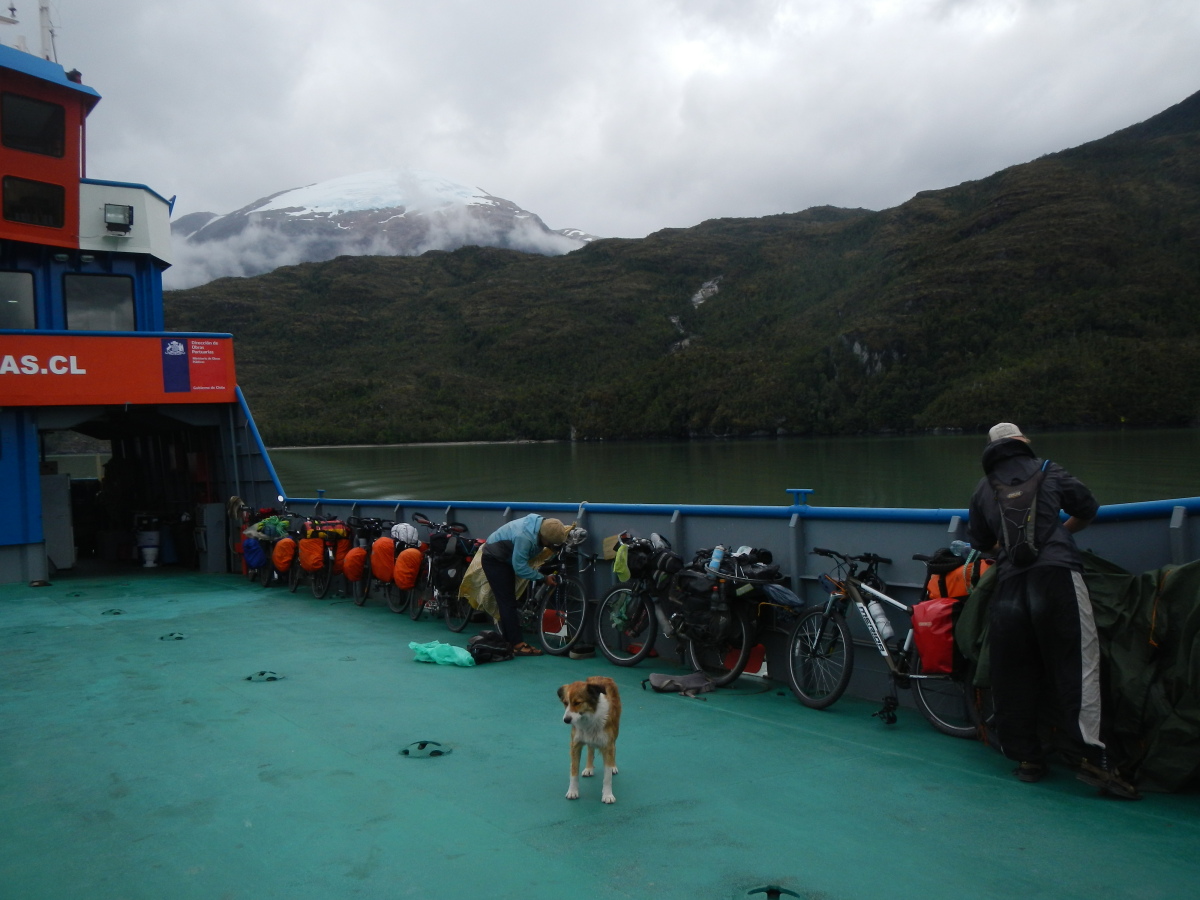
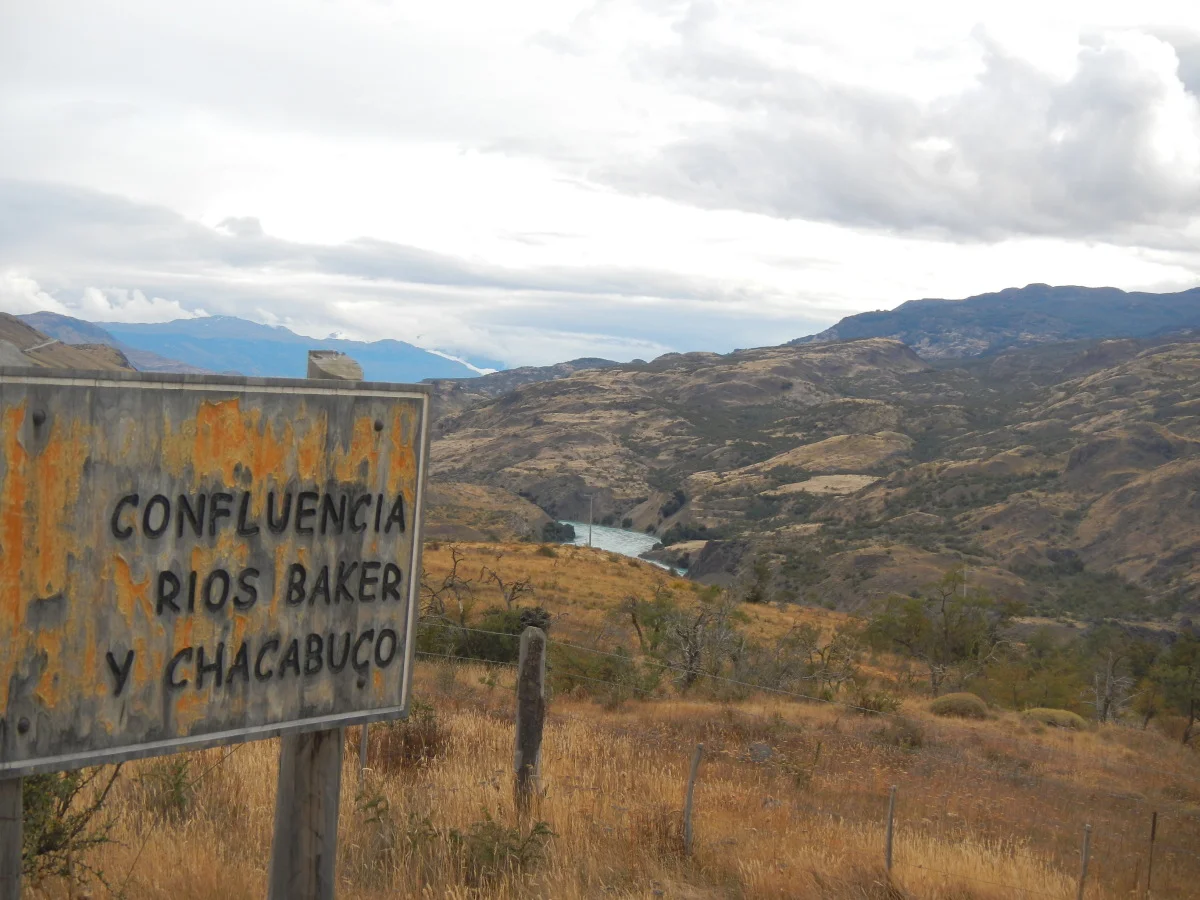
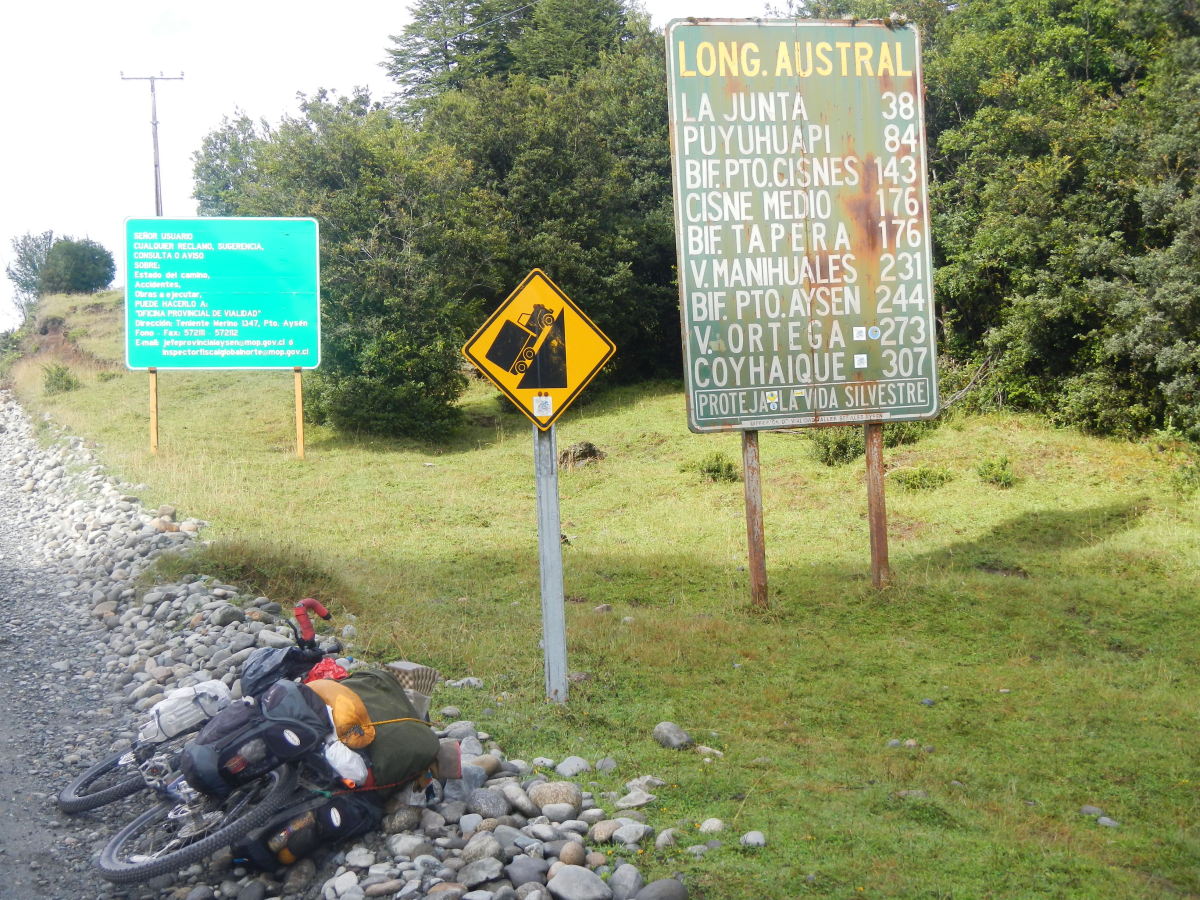
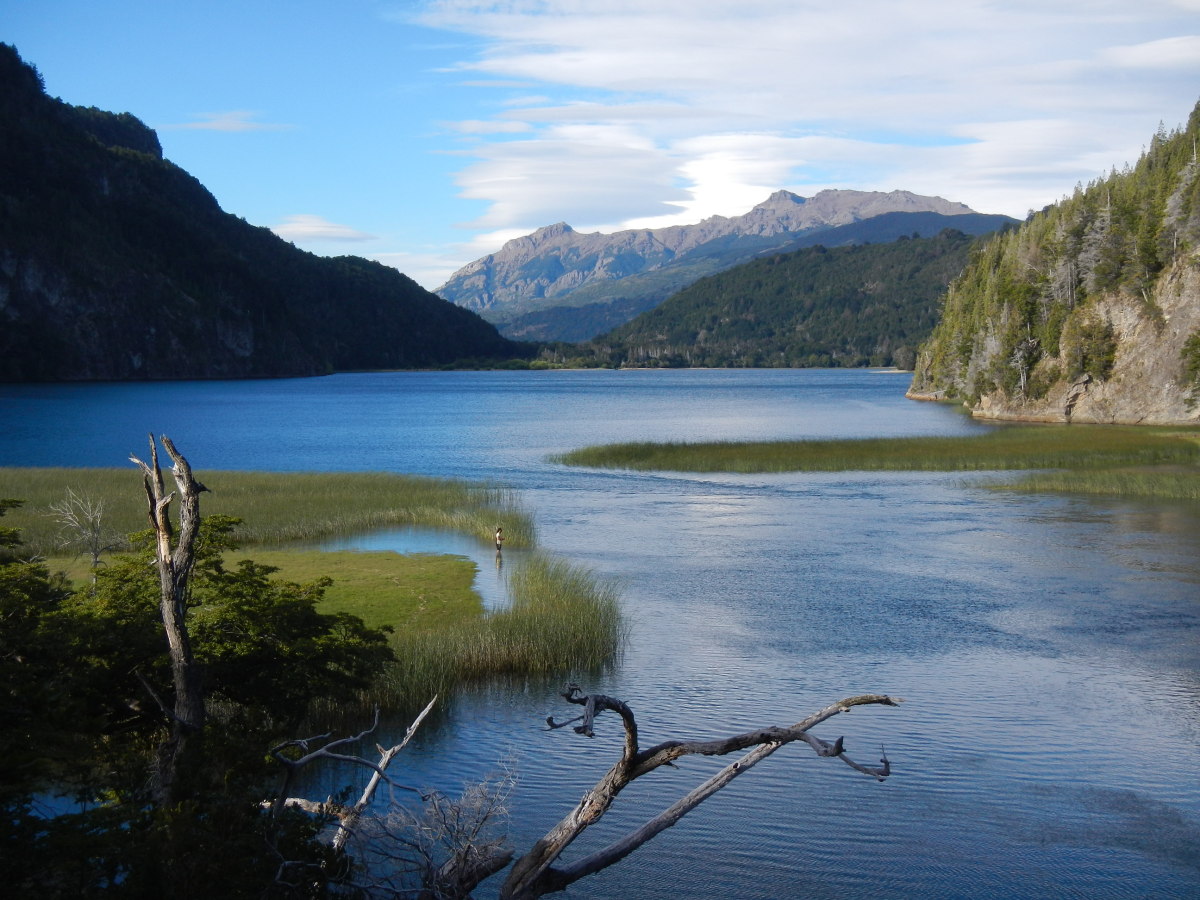
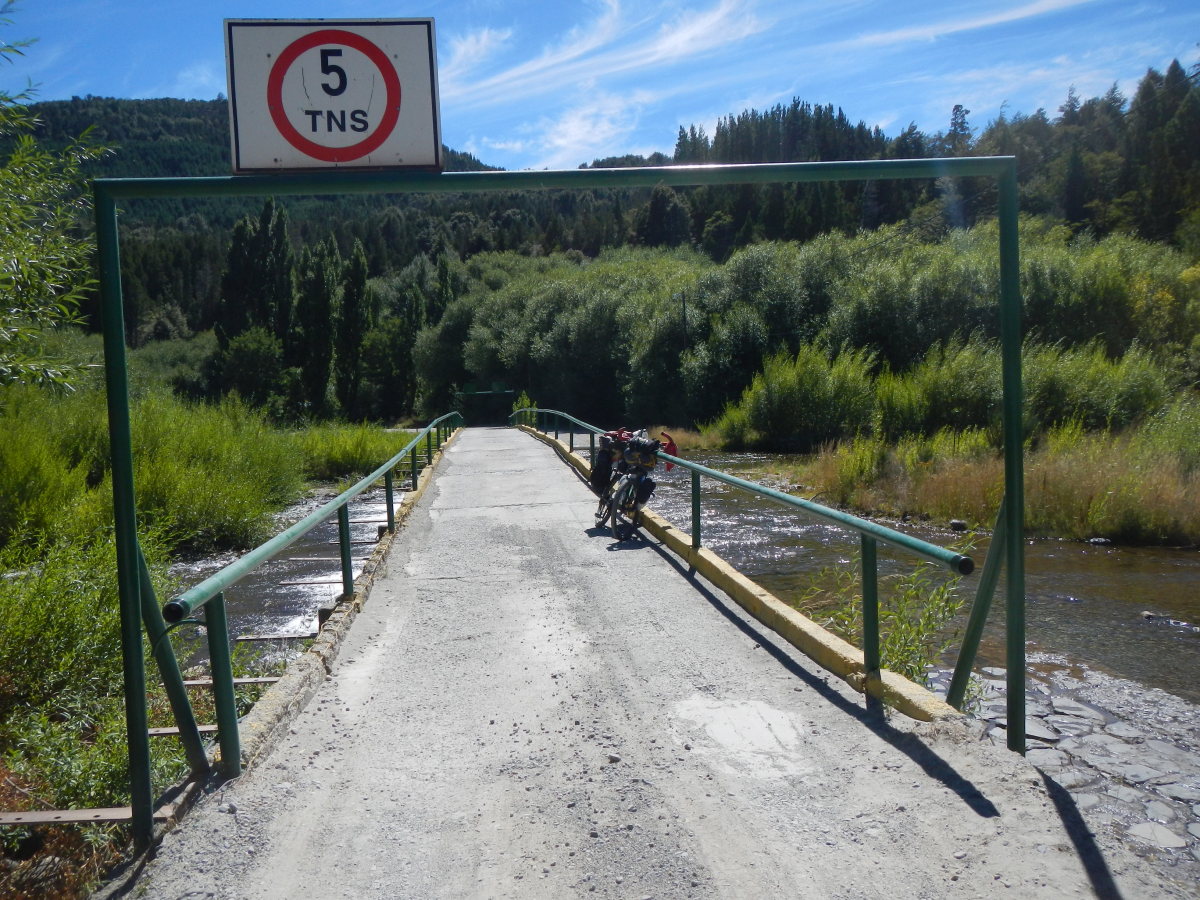
In 2012, during the waning weeks of the southern summer, I was weaving my way towards Tierra del Fuego on a mountain bike, touring through the wilderness of the southern Andes. After heading south from Bariloche, Argentina, we passed through El Bolson, Parque del los Alerces, and Trevelin before reaching the Chilean border at Rio Futalaufu. We were headed for the fabled Carretera Austral, a 1,240 km long north-south route revered for its stunning scenery as it cuts through the remote Aysen region of southern Chile. 

The roadway was a project begun by the dictator Carlos Pinochet to connect disparate communities and develop the far flung region. In 2012 the province (officially the "11th Region" of Chile, also the least populated) was fomenting under a simmering rebellion. The local authorities had called for a general strike, petitioning for a host of economic supports and funding assistance for social programs from the central government.

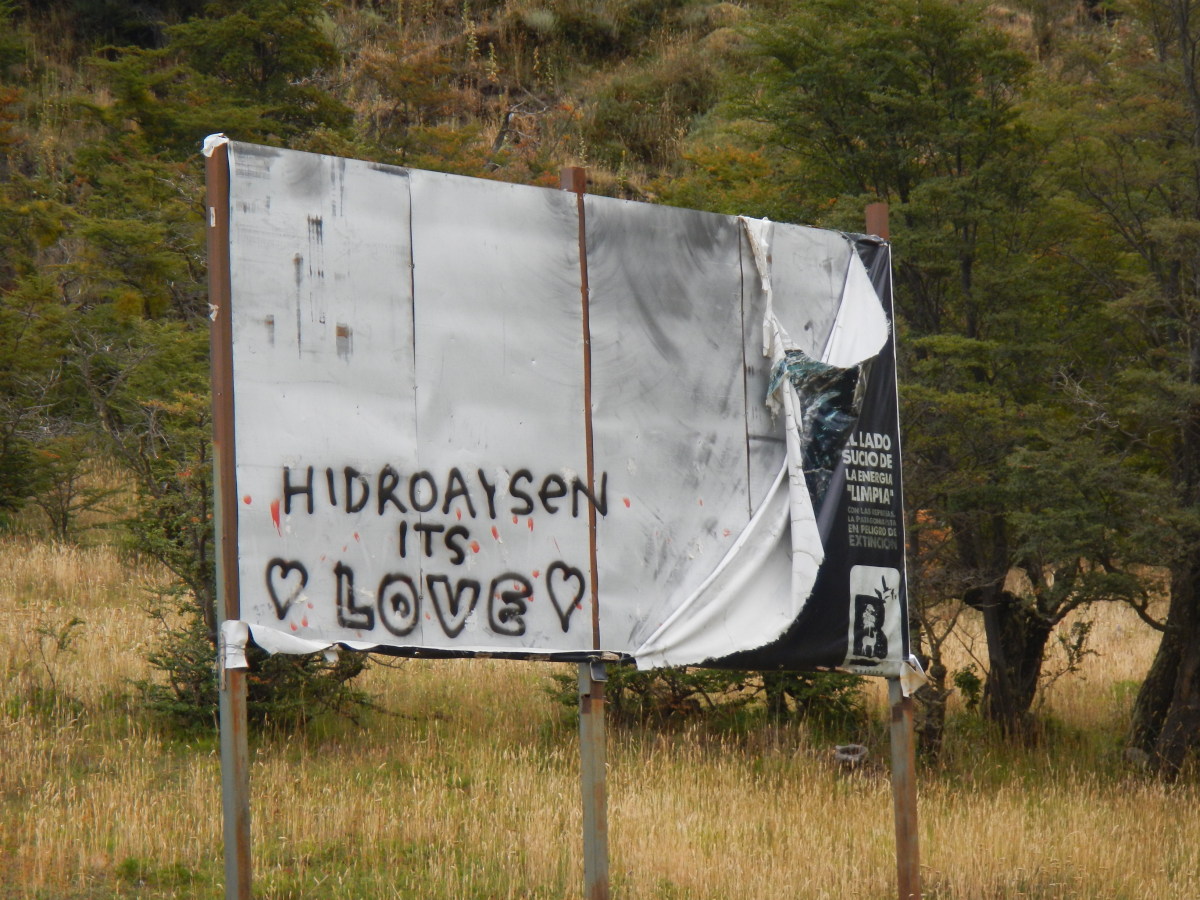
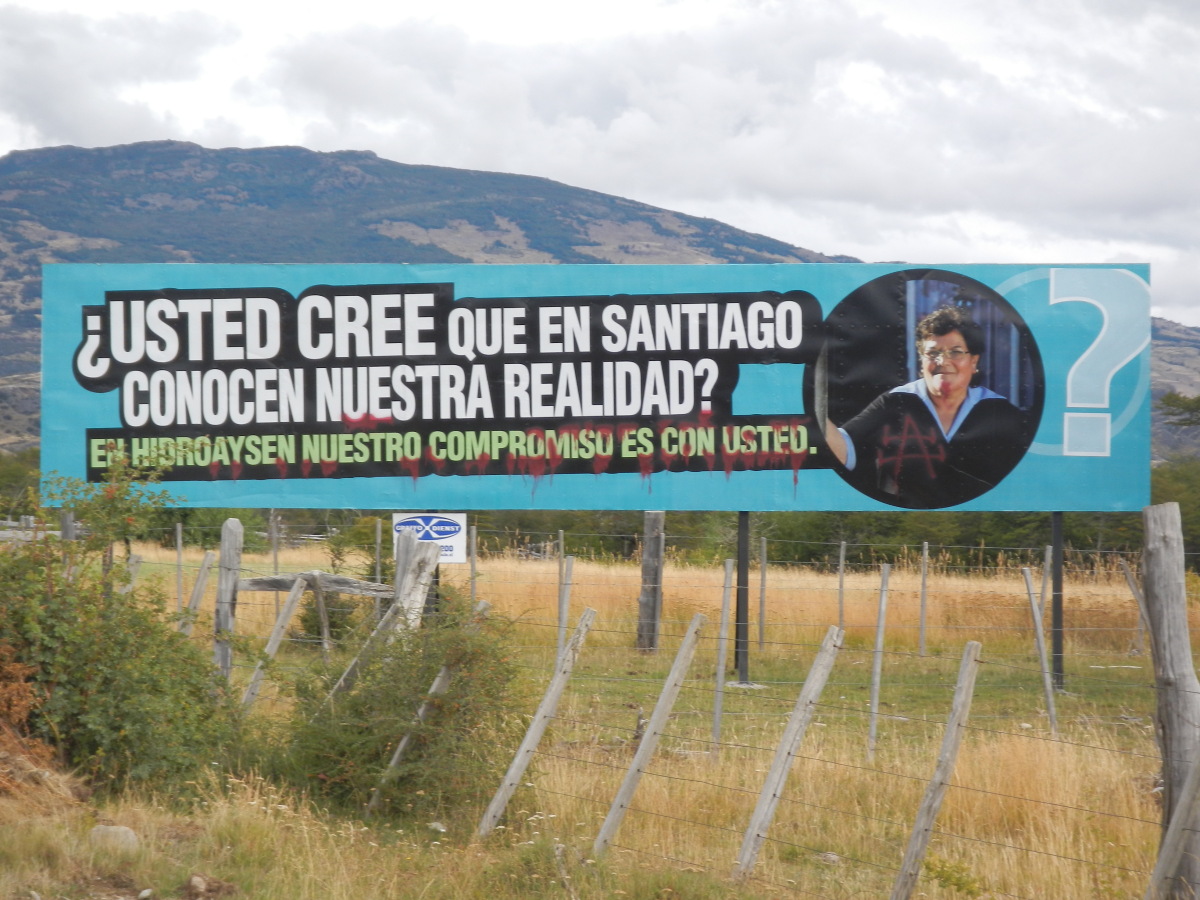
Behind the tensions was HidroAysen, a plan to build a gargantuan hydro-electric power complex, to be linked with Santiago via a 2,200km power conduit. Giant billboards touting the project (the slogan translated: "In HidroAysen our commitment is with you") lined the roadway. The quid-pro-quo appeared to be that Aysen would be granted all sorts of assistance if those running it would clear the way for the dam project to move forward. Based on what we heard from the locals, however, it seemed as if the government had recently turned the screws on the region, cutting funding and allowing fuel prices to rise, backing its frontier denizens into a corner.

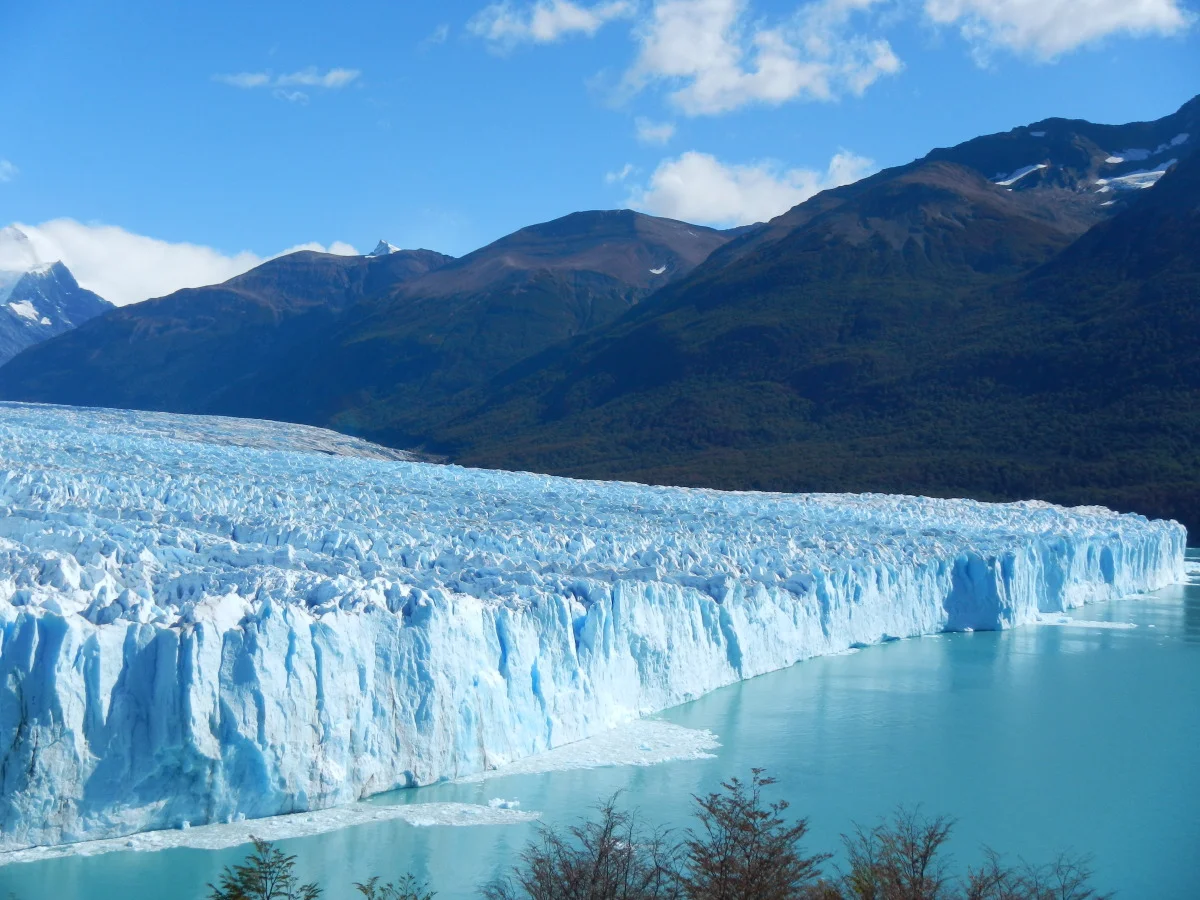
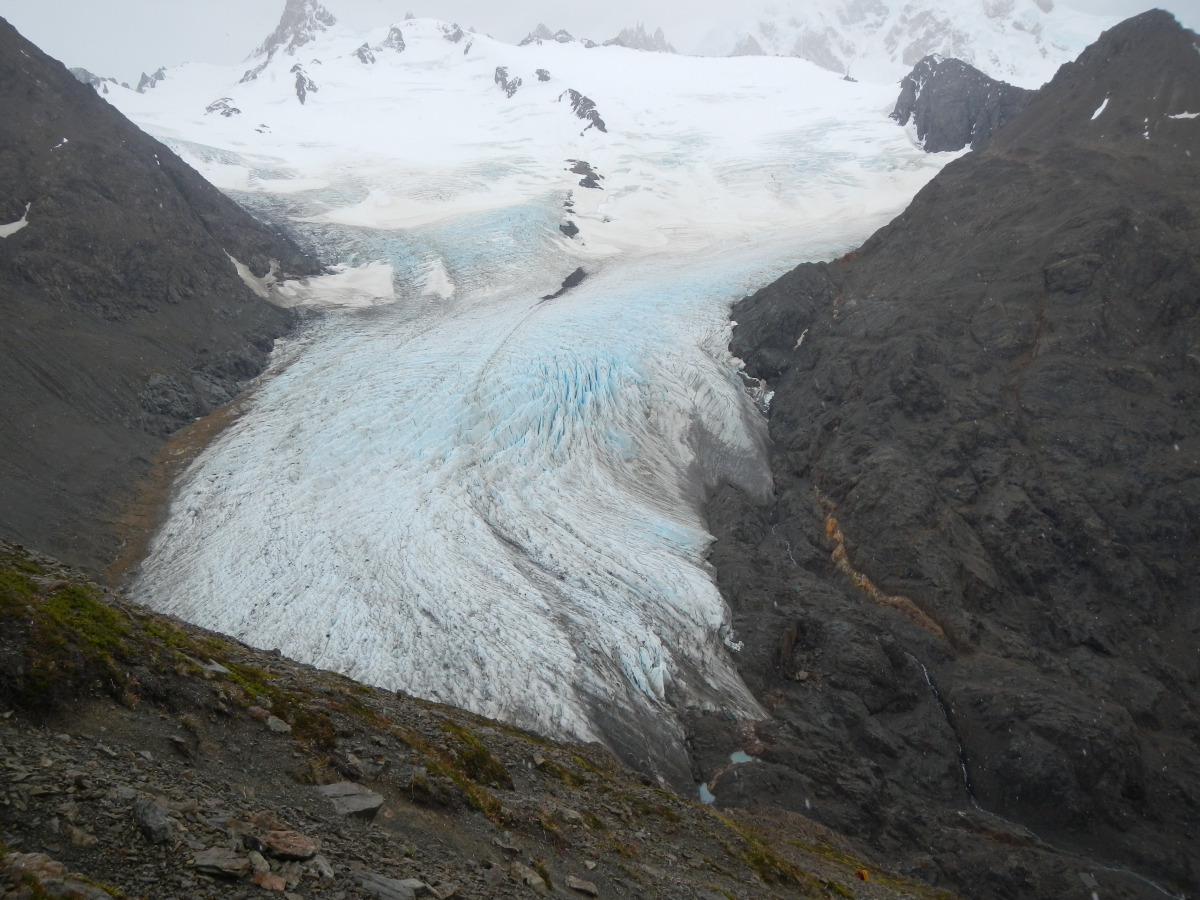
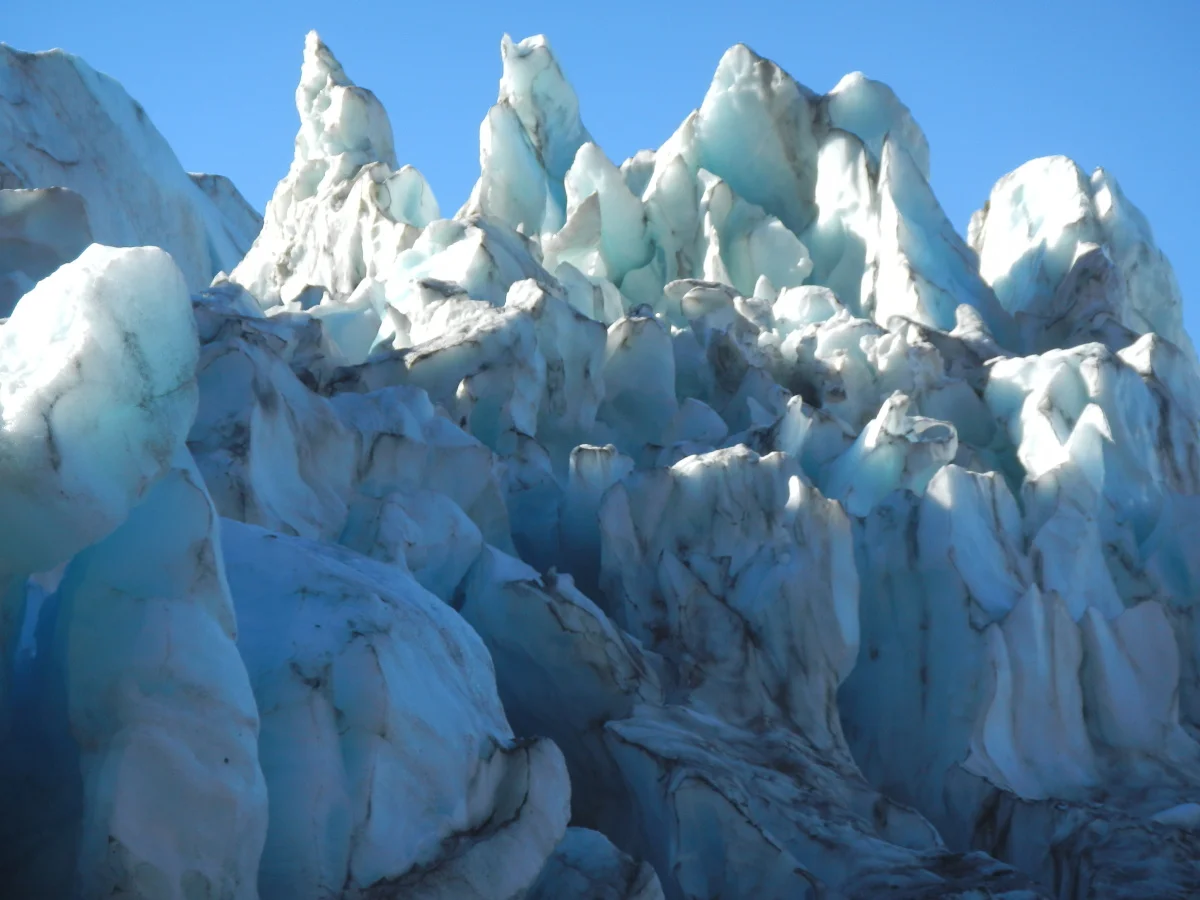
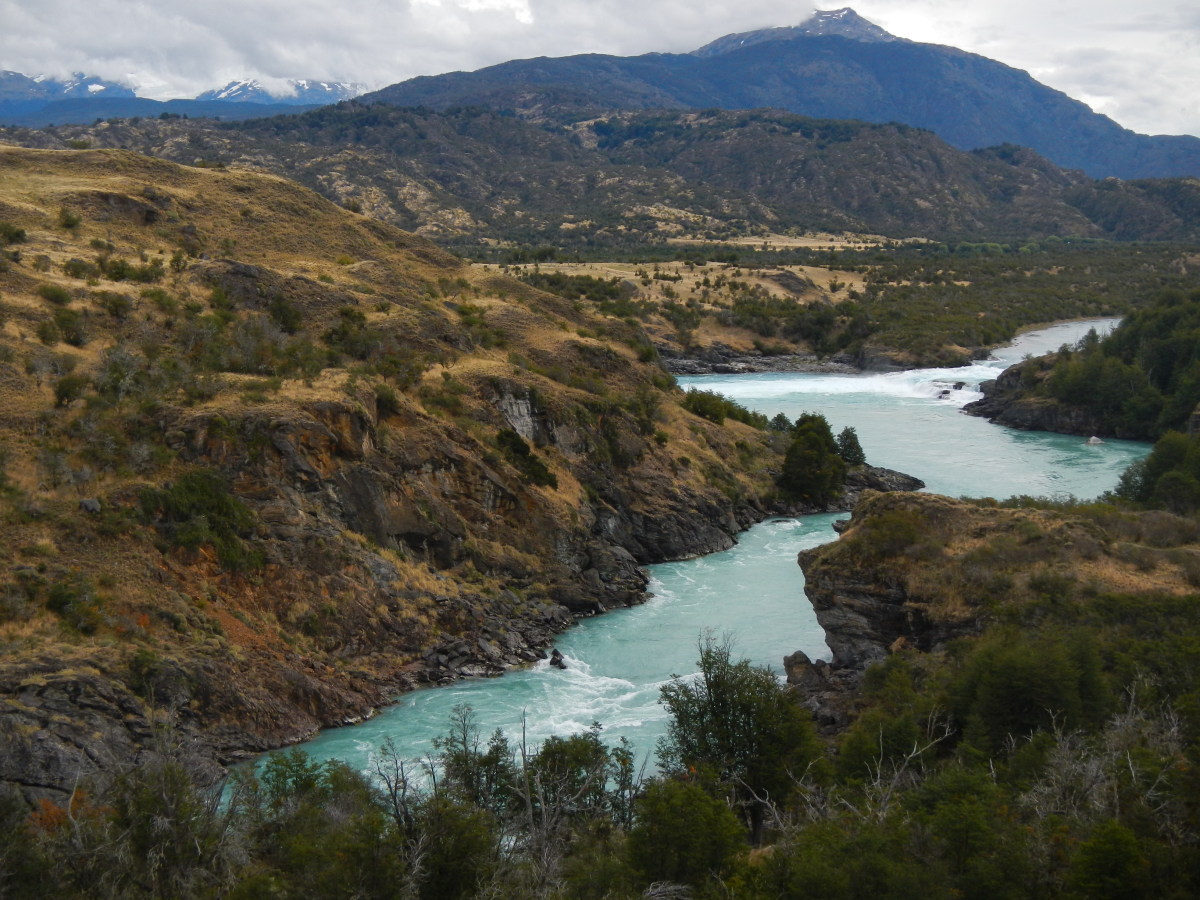
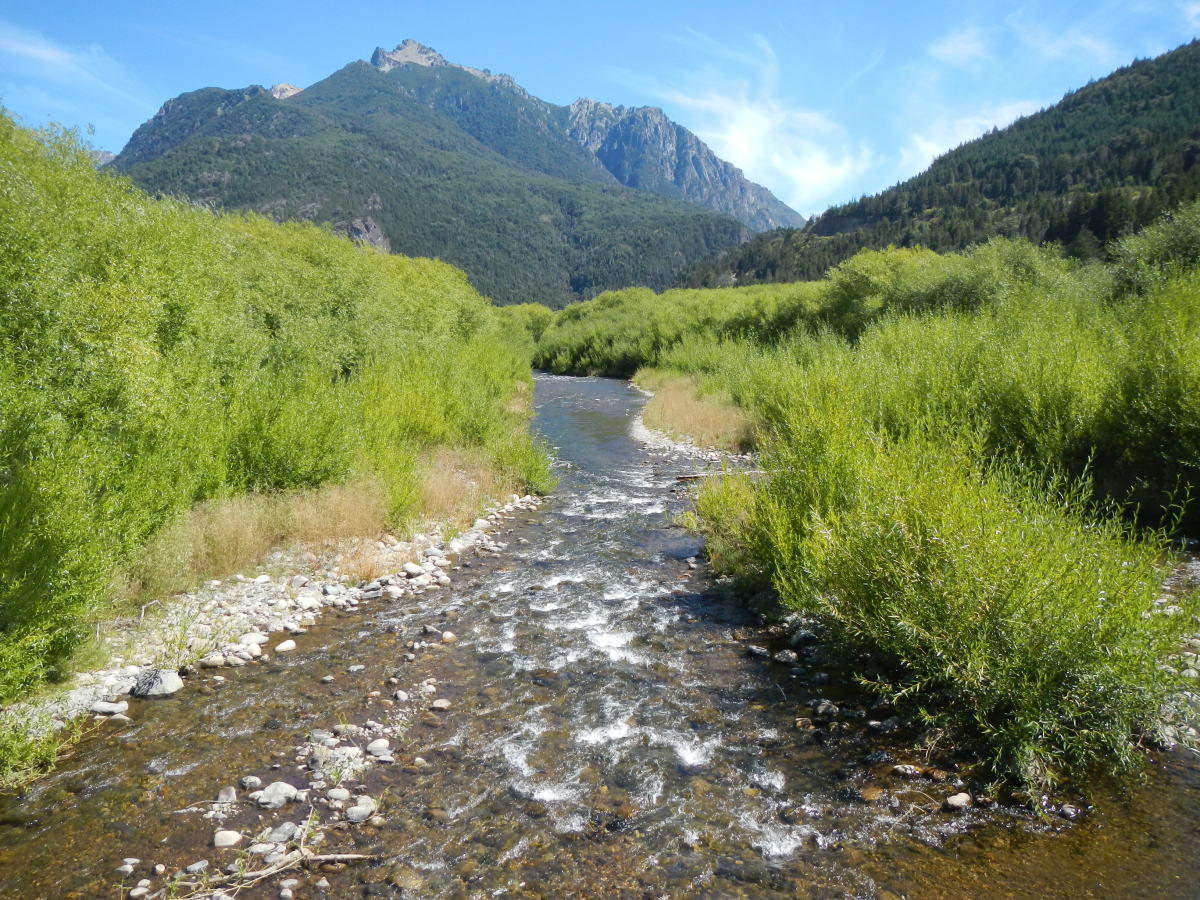
The appeal of the region to the power developers is no surprise. While many hydro-electric projects depend upon water sources that fluctuate year-to-year due to weather cycles, Aysen contains “Los Campos de Hielo Norte y Sur” (or Northern & Southern Patagonian Ice fields) which feed dozens of glaciers. Together they form the largest contiguous ice field outside of Antarctica & Greenland. The five planned dams of HidroAysen were to be built on the two major rivers that drain these ice fields. If there was ever a virtually unlimited water bank to fuel a power project, this was it.

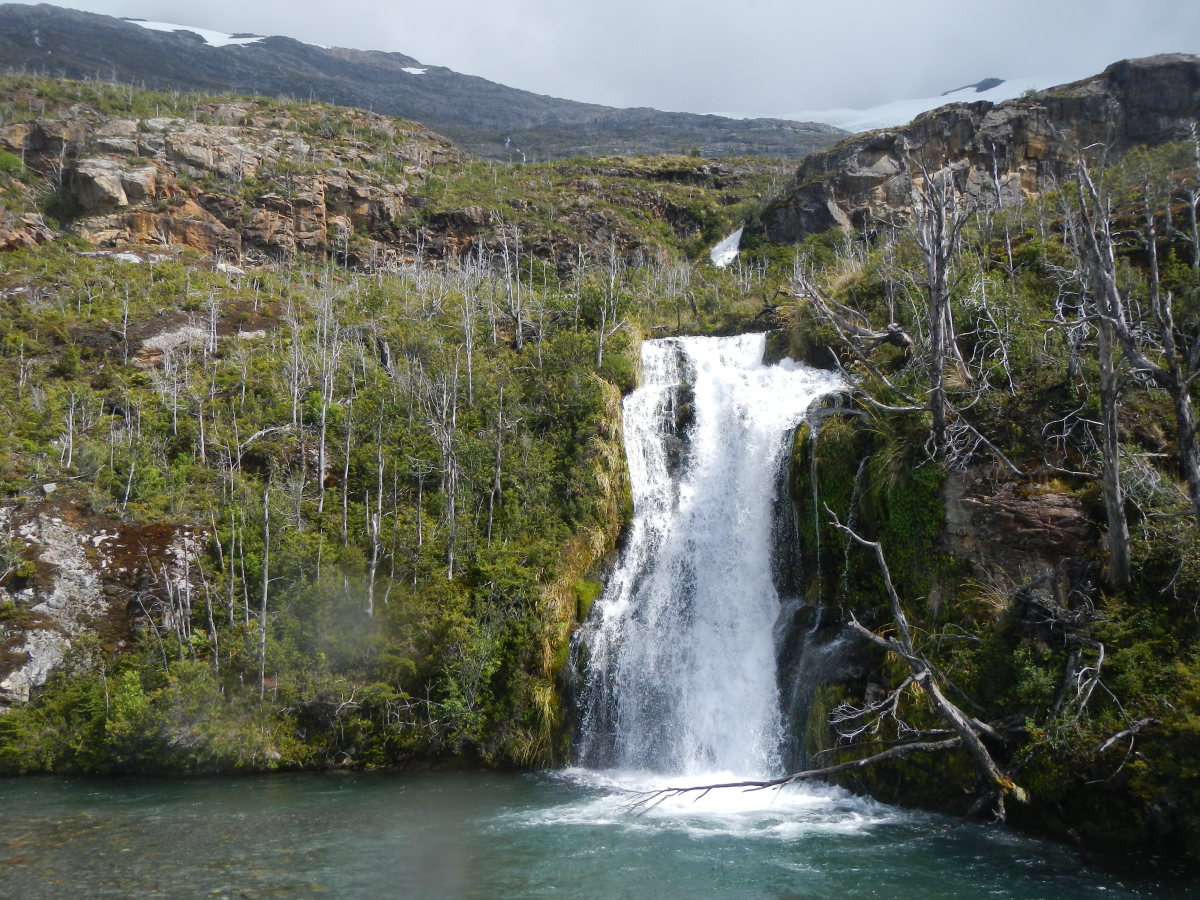
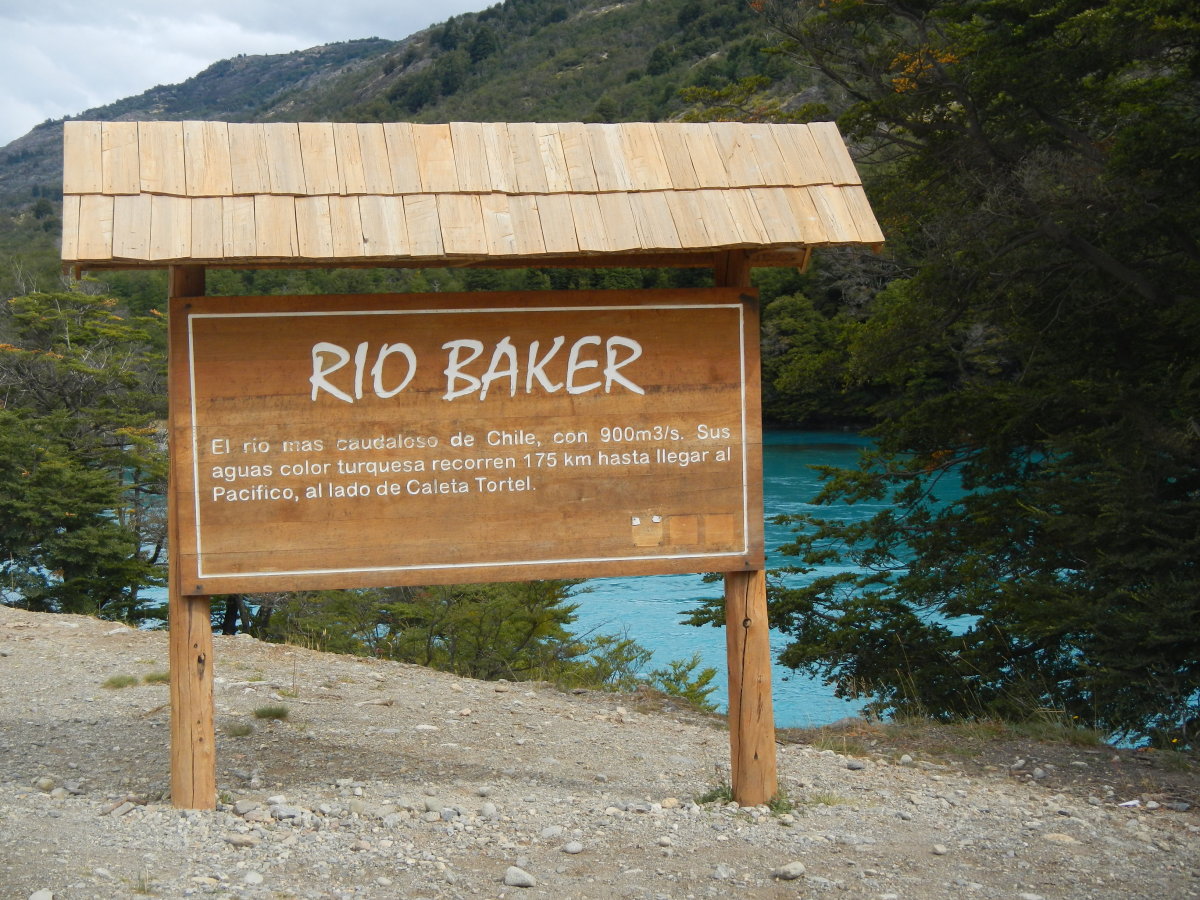
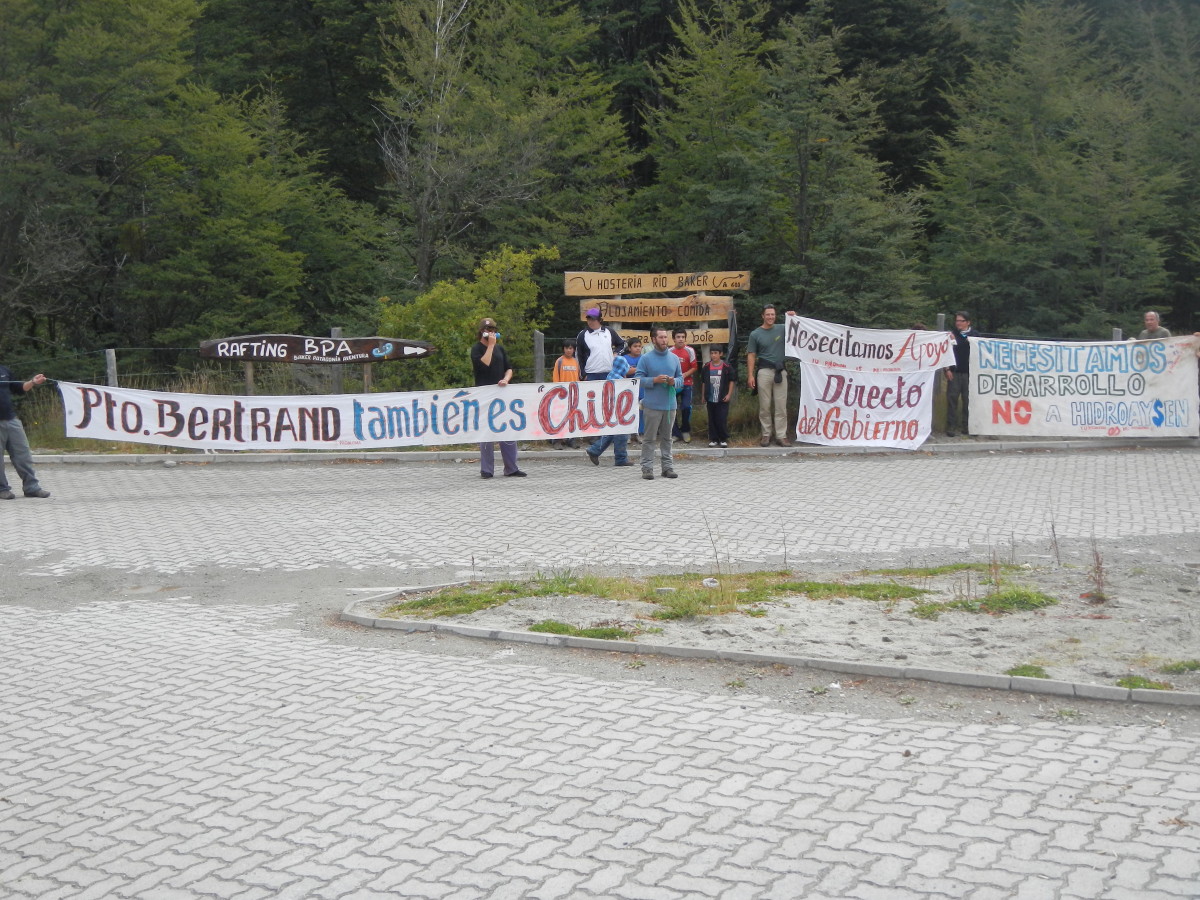
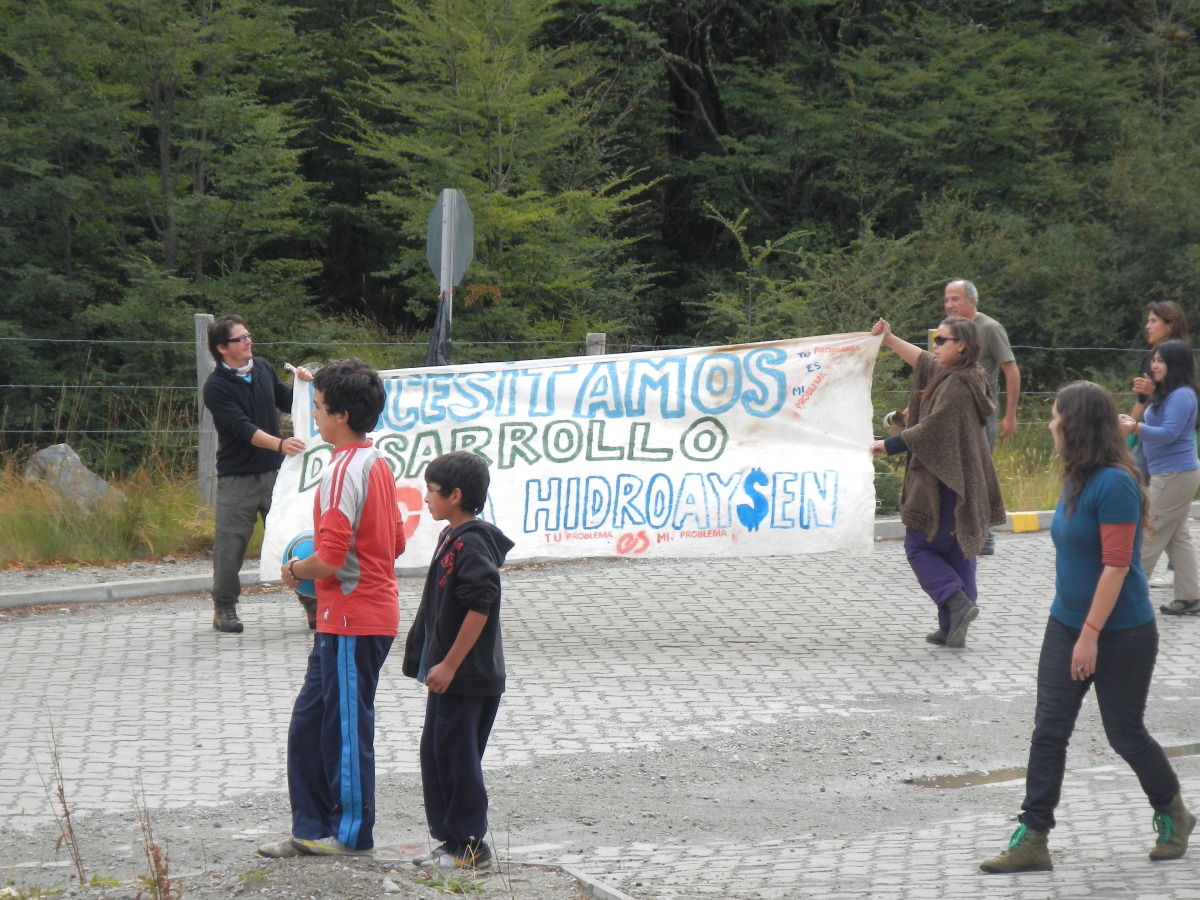
The dams would also have been situated in pristine riverine territory, revered by those who appreciate the wild nature of the area. Aysen has become a prime ecotourism destination, drawing many to the stellar rafting and kayaking. We were travelling along the Baker River while protests against the project were being held, one that I joined. It truly was a stunning and remote area, and the thought of its stark beauty beset by a massive construction project was upsetting to say the least.

While the government had pushed hard, resistance (aided by support from the Patagonia clothing company & its leaders) to the project was entrenched, and it appears they have prevailed as the government recently decided to finally veto the project. In the end the required power line was the Achilles heel, as it had to travel through a long restricted corridor. At one point all the dams had been approved, but the opposition focused on blocking the power line, without which the power would have been stranded.

The cancellation will likely place future strain upon the country's energy sources, but presents a golden opportunity to spur investment in sustainable renewables and efficiency. Lacking fossil fuels, the country has recently been developing solar projects on a larger scale, and is moving towards more progressive energy solutions. You can read more about how Chile will address its energy needs here.

Along with writing by Patagonia’s Director of Environmental Programs as she visited the region in 2006 and witnessed the initial stages of HidroAysen.

You can see our cycling journey documented at the site www.volksonbikes.blogspot.com

GREGORY ALTMAN

@GregAlt

Greg has etched a winding path around the world over the years, at times doing photo documentary projects, more recently engaged in the international development field. He finds cycle touring to be the ultimate mode of travel to experience a land to its fullest. This native New Yorker's passions include art, natural food & cooking, genuine foreign cultures, and cycling.

In Chile, South America, Environment and Sustainability, News and Social Action, Get Involved, Photo Essay Tags Chile, Sustainability, South America, Get Involved, Photo Essay
Comment
← Newer Posts
G Adventures Travel Your Heart Out ad

Also check out...

Featured
Saigon on Two Wheels: Cycling Through the Neighborhoods Most Visitors Never See

In Ho Chi Minh City, the most revealing routes are rarely the ones on any map.

Read more →
How Social Media Fuels Overtourism

From viral destinations to geotagging, social media has reshaped tourism, and not just for the better.

Read more →
Where Traffic Meets Trafficking: Inside India’s Child Begging Rackets

Children are being kidnapped, maimed and drugged as trafficking networks force them onto India's streets to beg.

Read more →

Featured trips

Featured
Explore Turkey, Georgia, and Armenia
Read more →
The Best of Australia’s East Coast
Read more →
Explore Kerala on a Birding Expedition
Read more →
Newsletter Block
This newsletter signup form needs a storage option. Edit the block and enter a storage location via the Storage tab.

Sign up for the CATALYST newsletter

Sign up for our newsletter to get the scoop on international travel, global social impact insights, our latest podcast releases, and more from around the world, all delivered right to your inbox!

We respect your privacy.

Thank you!
Newsletter Sign Up | Advertise | Careers + Internships | Privacy Policy | Submissions | Contact Us

Copyright © 2025, MISSION MEDIA LLC. All rights reserved.