

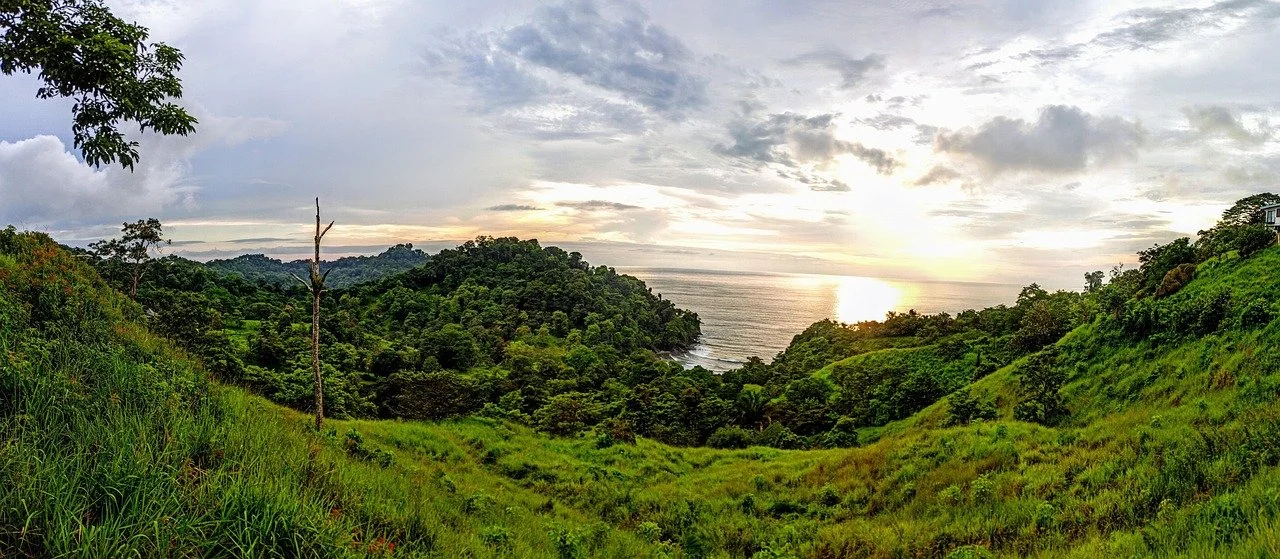
Long before it became one of the a popular ecotourism destination, this park was home to Indigenous communities whose relationship with the land and sea shaped the region for centuries.

Beyond the Pacific swells, this Mexican destination provides travelers with a community atmosphere, where modern surfing meets the ancient traditions of the Wixarika people.
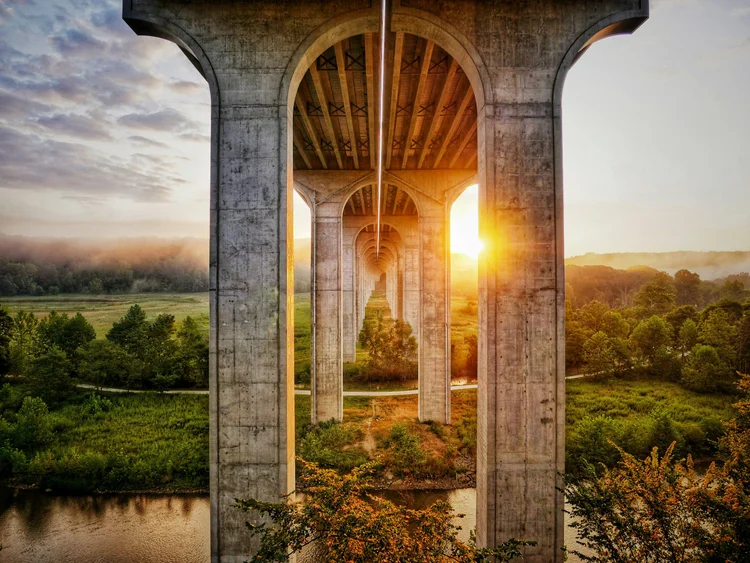
Cuyahoga Valley National Park tells a story of restoration, with its 53-year-long transformation from a place once known for a river so polluted it caught fire at least a dozen times to a green refuge in the urban Midwest.

At more than 250 airports, iPhone users are now able to use digital passports at security checkpoints.
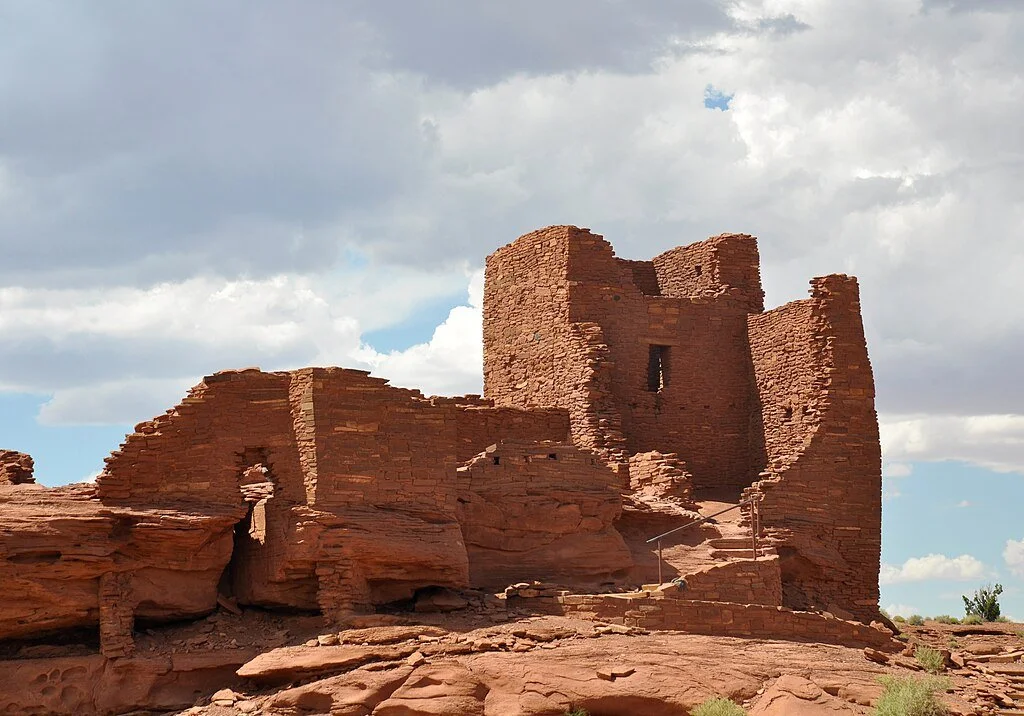
In quiet national monuments, travelers can experience pueblos and cliff dwellings, some of the most impressive and well-preserved innovations in early Southwestern architecture.

Aztec dances exist today as living prayers and powerful symbols of Indigenous survival, uniting Mexican Americans in the United States.
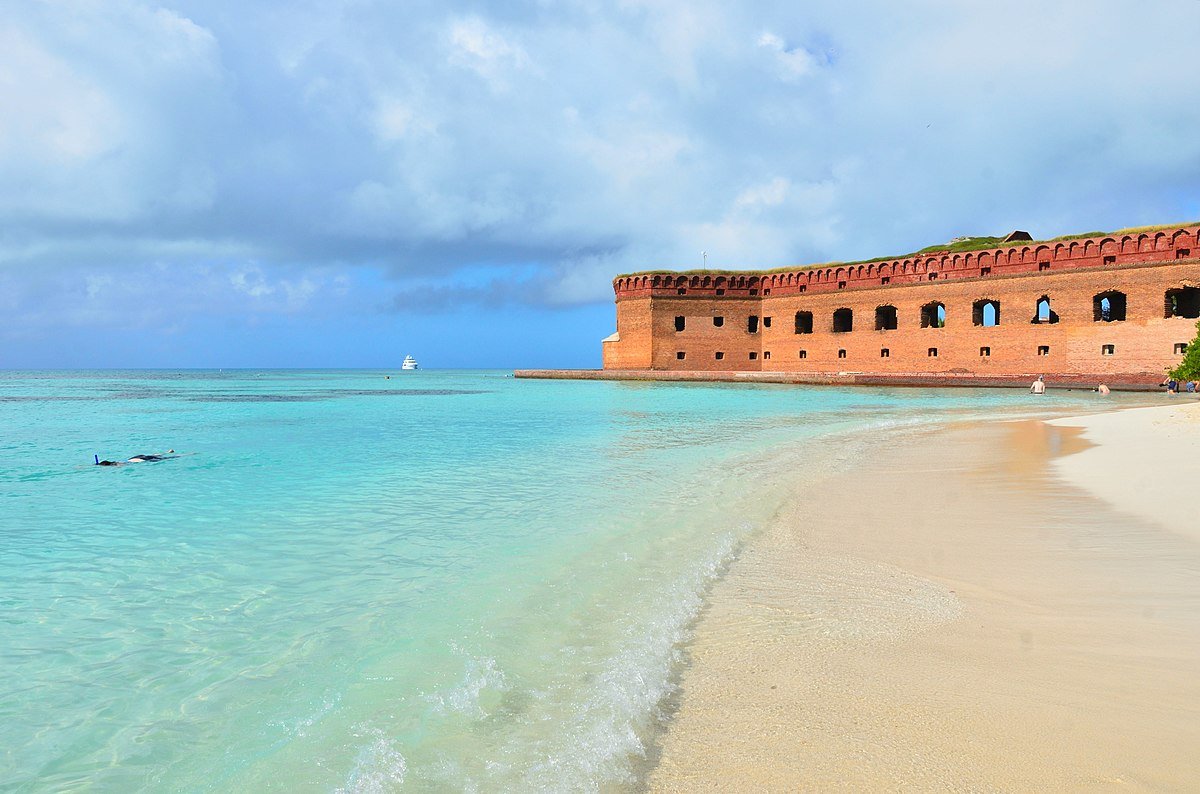
Daytrippers only have five hours to spend in one of the U.S.'s least-visited National Parks.

For thousands of years, unique folk art has held a significant place in Mexican culture, defining not only the country’s complex history but also its proud national identity.
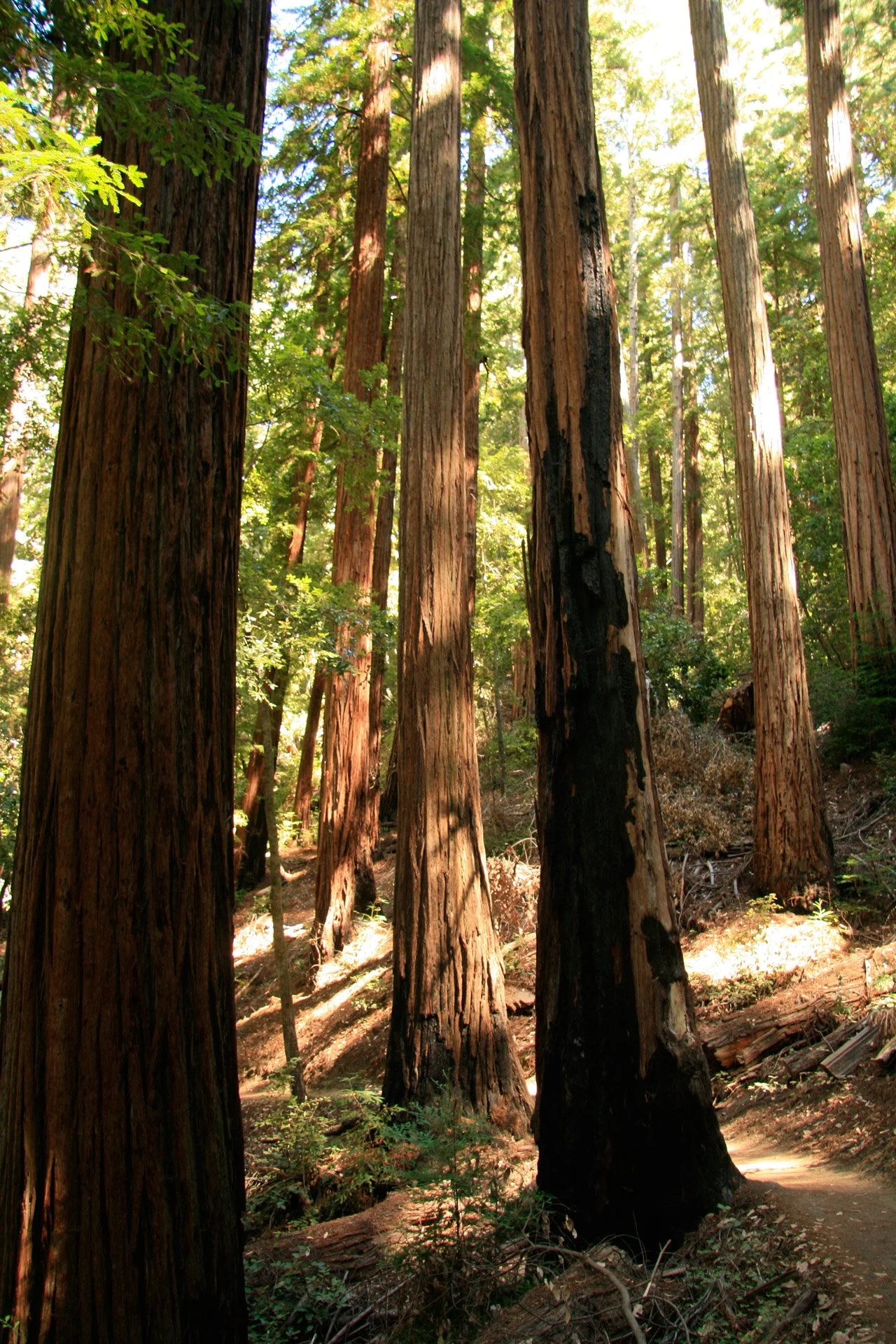
Dive deep into the history of redwood logging, its ecological impact and where to witness what’s left of these natural wonders.
While light pollution has long detracted from most Americans’ ability to see a full sky of stars, these locations are pioneering efforts to preserve an untouched dark sky.

In the wake of Canada’s residential school system, Indigenous writers like Gregory Scofield and Lindsay Nixon are reclaiming culture through ancestral language and storytelling.