
Alex Jung
At more than 250 airports, iPhone users are now able to use digital passports at security checkpoints.
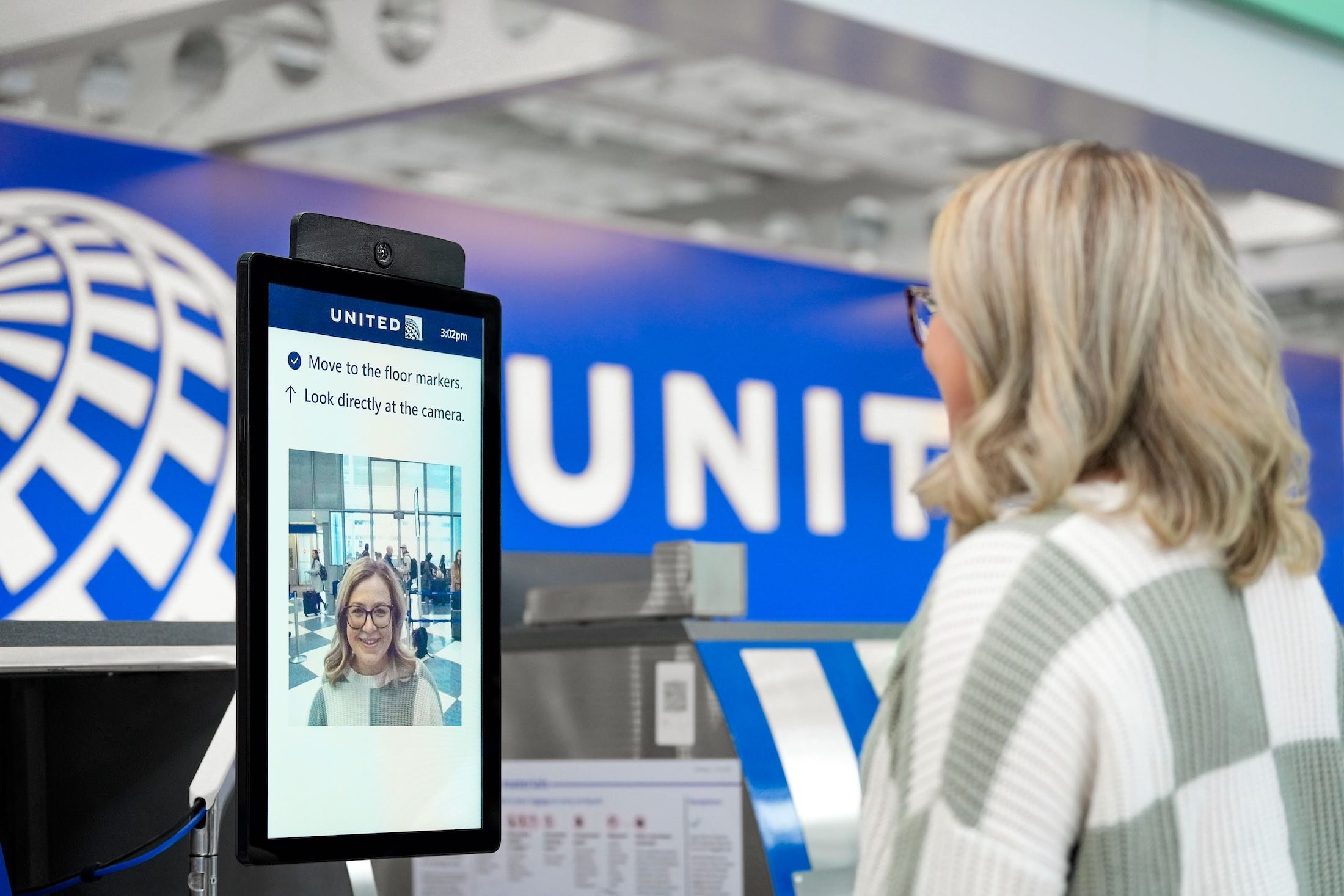
Digital airport security. Wayne Slezak. CC BY-NC 4.0.
On Nov. 12, 2025, Apple announced that American travelers will be able to use digital passports at airport security checkpoints, effective by the end of the year. More than 250 airports nationwide will accept mobile driver's licenses, government-issued passports and state-issued IDs made on iPhone devices. This is yet another example of the increasing modernization of airport security systems, a process intended to be safer and more efficient for travelers. As this Apple initiative is extremely new, it is difficult to tell whether the reform will improve airport security or bring about new risks and concerns. Nonetheless, American travelers should be made aware of this accessible and free process that they soon utilize.
First, it must be made empirically clear that setting up a digital ID is completely optional; travelers are still able to use their physical passports to get through the same checkpoints. As well, those intending to use the digital ID system should still carry their physical passport for further verification purposes, especially when traveling internationally, as U.S. citizens cannot yet use the digital ID outside the country. Thus, this new system does not erase the necessity for all travelers to carry their physical passports but rather offers an easier alternative.
While using the digital ID at the airport is relatively simple, the setup process is a bit more difficult. Not only is a scan of the physical passport required, but the Near-Field Communication (NFC) chip must also be scanned, which many have found particularly tricky for phones to read. Travelers will also need to upload a live photo of their face to be compared with the uploaded passport page. If all of these steps are completed, a digital ID will be created. Once this is done, no further action is required at airport kiosks; travelers can simply scan their digital ID to pass through the security checkpoints. Travelers are advised to set up this system before they arrive at the airport.
As of Nov. 21, 2025, the digital ID is only applicable for identity verification within airport security checkpoints. This means that travelers cannot use the digital ID with airlines that may require further identity verification, nor can it be used in international travel. It is also important to note that the airport of departure does not have to be the traveler's state of residence. As long as the traveler has the ID properly set up on their iPhone and is at a participating airport, they will be able to use it. Travelers should regularly check the participating states page on the TSA website to see further updates.
Although the new IDs are arguably much more convenient to use, there have also been some concerns regarding the privacy and security of the new system. Jay Stanley, a policy analyst at the ACLU warns against the creation of “a digital prison that we can’t escape.” With the digital IDs expected to be easier to track, they threaten “privacy, user control, and the possibility of anonymous speech.”
Ultimately, American travelers have the freedom of choosing whether or not to participate in the digital ID system. Travelers should consistently follow the official TSA digital ID webpage to see updates and accessibility changes.

Alex Jung
Alex is from New Zealand and South Korea, and is currently a student at the University of Chicago. He is majoring in Political Science and International Relations, and minoring in Middle Eastern Studies. He is passionate about social justice for minorities and indigenous communities. In his free time, he enjoys learning languages (Korean, English, Mandarin, and Persian) and writing novels and short stories.