
Many people daydream about traveling the world, but all of them share the same excuse — lack of money. After years of traveling with almost no money, Tomislav Perko shows how it is possible for everyone to do the same, if they really want.
IRAN: A Look Inside
Impressions and moments captured from behind Iran's closed curtain, as Brook Mitchell traversed the Islamic Republic during the country's "Ten Days of Dawn" celebrations and rallies, to mark the anniversary of the 1979 revolution.
Each year on February 1st — the date Iran’s former supreme leader Ayatollah Khomeini returned to the country in 1979, after 15 years of exile — the Islamic Republic begins its annual “Ten Days of Dawn” celebrations. The tenth day marks the date that Shah Mohammad Reza Pahlavi’s regime officially collapsed, and events are held throughout the country to commemorate the anniversary of the 1979 revolution.
The celebrations offer the state-controlled media the opportunity to portray a people united behind the country’s leadership, with appeals to a sense of nostalgia, national pride and Islamic unity. Just how much of this rhetoric really hits home with the people of Iran is hard to know.
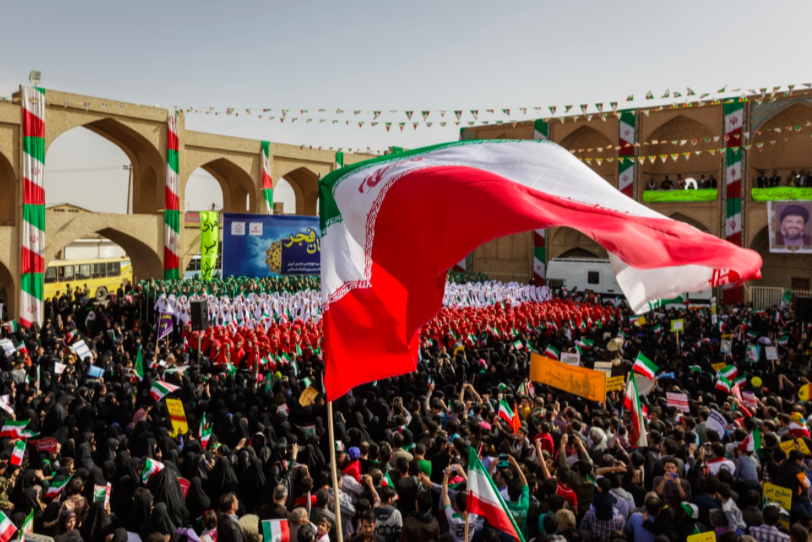
Most travelers returning from Iran will tell you about the legendary hospitality and natural curiosity of locals toward outsiders.
This was certainly my experience. Traveling solo, spending time in both the major cities and some of the smaller, more remote and down-trodden settlements, I was always made to feel welcome. I also never questioned my safety, except for some white-knuckle taxi rides through Tehran.
My goal was simply to see and shoot as much as I could while I had the chance. I experienced few issues taking pictures, and especially outside the major cities people were surprisingly open to being photographed.
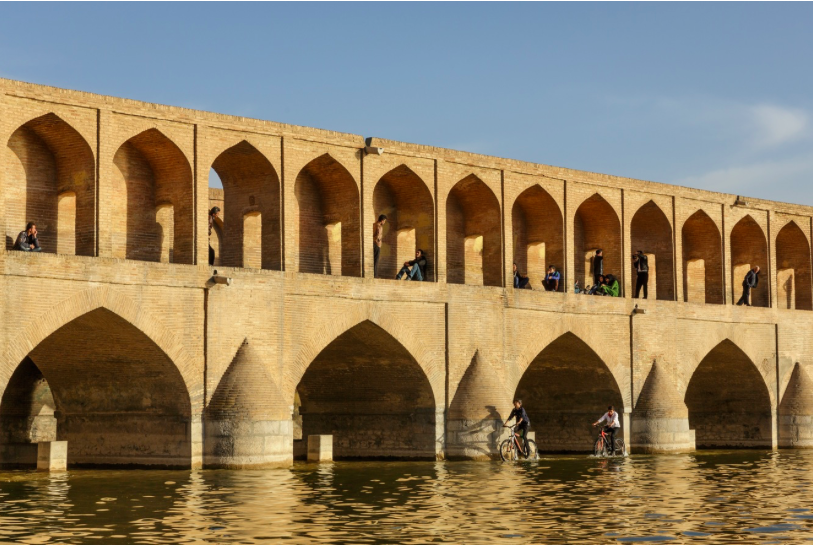
Below is Khaju Bridge in Isfahan at sunset. The bridge and its banks are a popular meeting place for young people and local families.
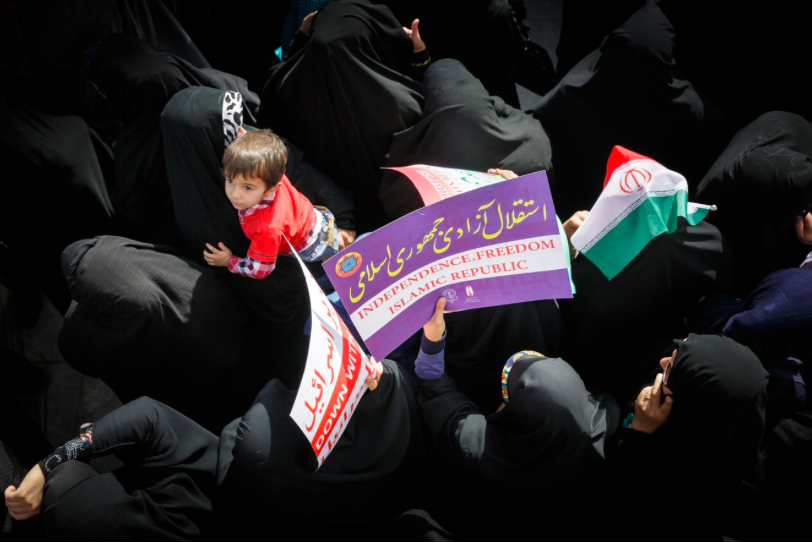
Despite the welcome, traveling at this time of year it was abundantly clear that some older attitudes die hard. Although much of the hype surrounding the anniversary of the 1979 revolution appeared to be artificially whipped up by the authorities, the sight of young children propped up on their parent’s shoulders, holding placards that called for the death of the Islamic State’s perceived enemies, was hard to ignore.
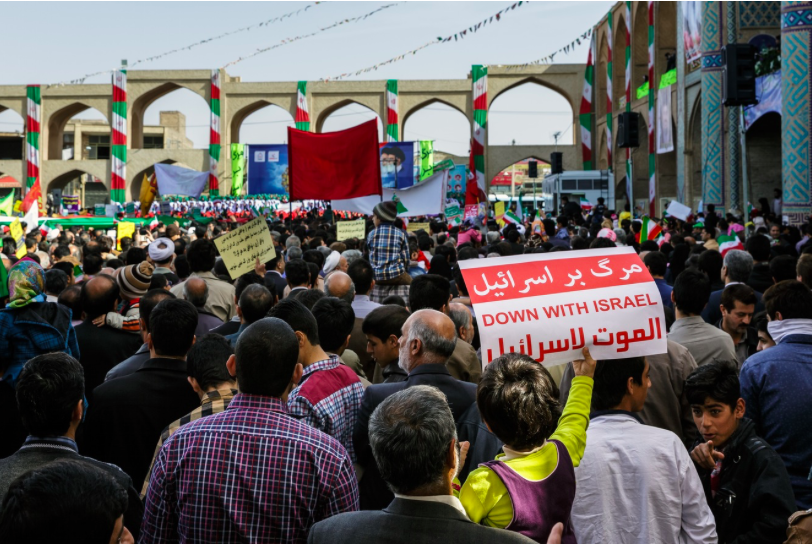
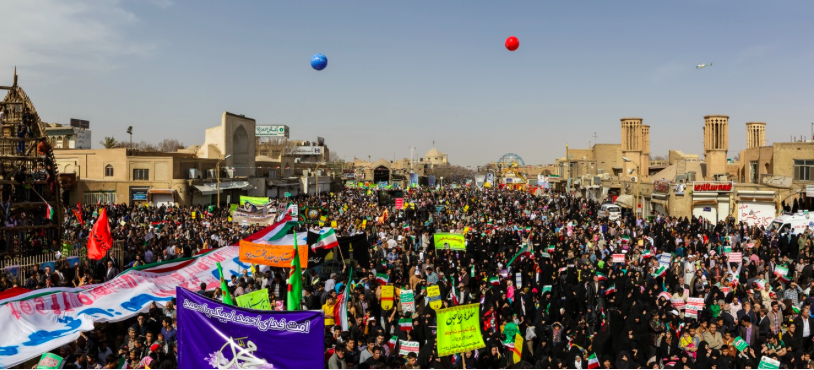
In the city of Yazd I clambered up some dodgy scaffolding to take the picture below, which was one of the more surreal experiences of my trip. Even as the revolution celebrations reached fever pitch, most people simply waved and smiled, despite the hostile sentiment.
The former US embassy in the capital city of Tehran remains in much the same state as shown in the movie Argo. Now something of a museum, complete with wax figures representing former embassy staff, it is only technically open to visitors a few days each year. Anti-American murals such as those below have long been part of the urban landscape in Iran.
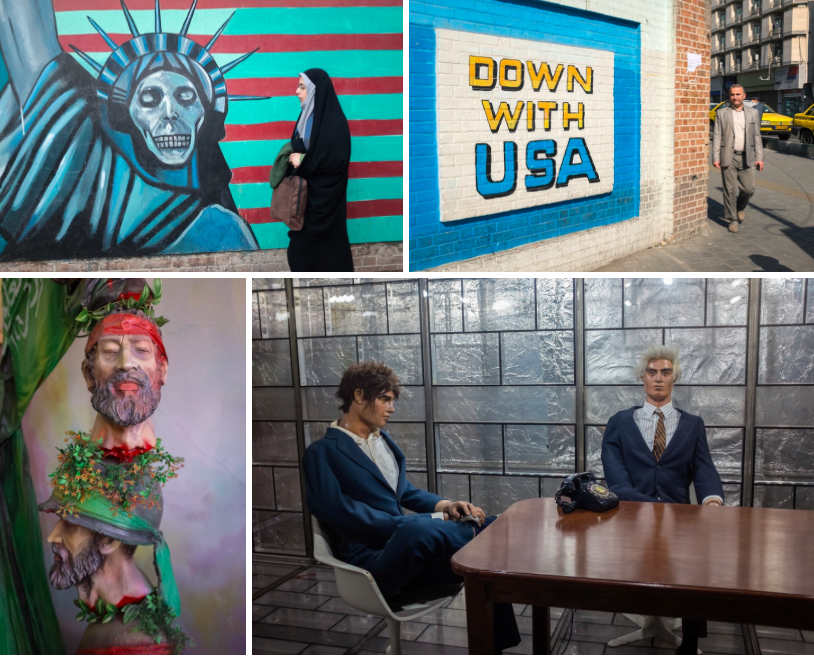
From these grisly monuments and stark murals around the former US embassy, to the huge national protests, rallies, and celebrations held throughout the first ten days of February, there were constant reminders that reconciliation with the West still has some way to go.
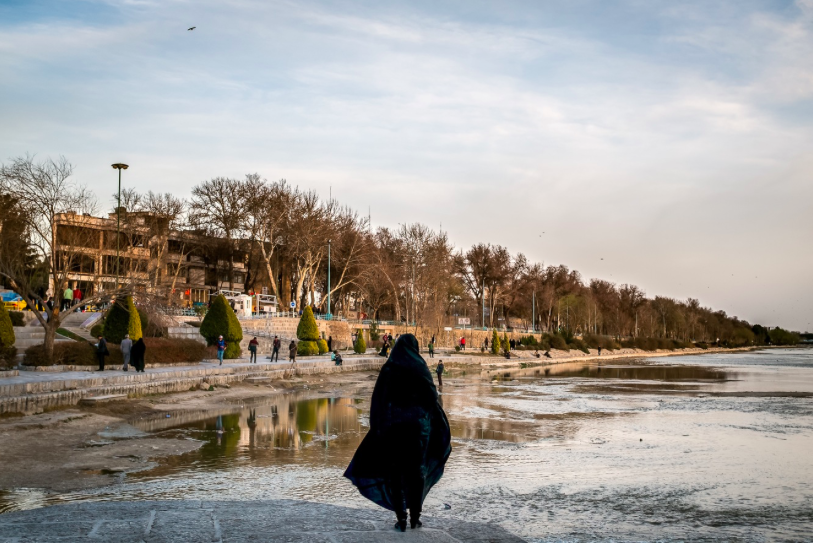
Above: Khaju Bridge in Isfahan
However, not long after my visit a number of major steps towards this seemingly improbable reconciliation took place. Today, with the prospect of economic sanctions being fully lifted, the authorities are promoting the lofty goal of making tourism one of the country’s largest exports.
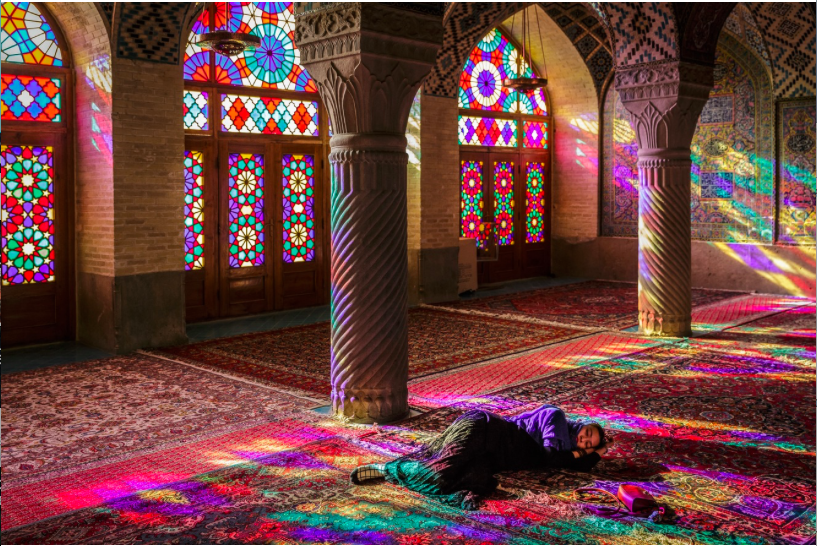
Below is an image of a fellow tourist who spent the better part of an hour posing for pictures for her friends at the beautiful Nasīr al-Mulk Mosque in Shiraz. The building is famous for the early morning light cast through its ornate stained glass windows.
Lifting the sanctions will hopefully remove two of the more significant difficulties faced by travelers to the country. At the time of my visit, Iran was almost completely cut off from the international banking system, leaving independent travelers with little or no access to funds, even in an emergency. This meant carrying all the cash I needed for my entire trip.
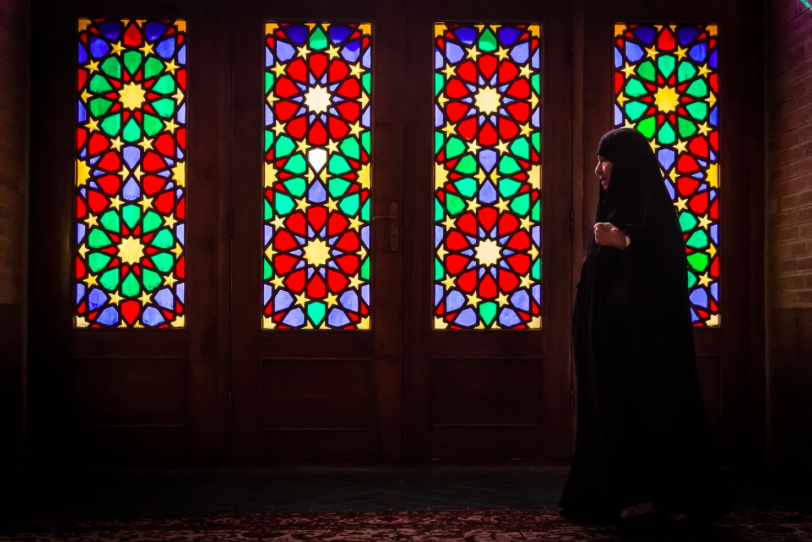
Above: Nasīr al-Mulk Mosque
Added to this was the famously difficult visa situation. I arrived into Tehran at 3.00am armed only with a letter of invitation, which had been paid for in advance via a numbered Swiss bank account. After a cursory check over my documents, a friendly though wary customs officer disappeared into a back room to discuss my situation with a superior.
After what seemed like an hour he returned, smiled, and welcomed me to the country with a crunching stamp across my newly minted visa. After all the tension, I half went to high five the officer — the pressure was off.
Yet these relatively minor inconveniences pale into insignificance compared to the challenges the Iranian people have had to endure under the crippling economic sanctions brought on by the bluster of their uncompromising, theocratic leaders. Hyper inflation had brought their country’s economy to a grinding halt.
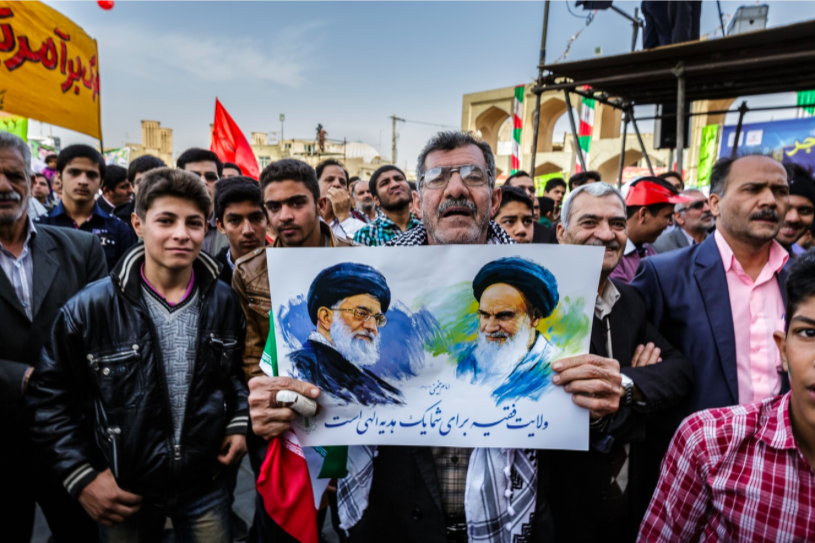
Below is a man bearing a placard with images of the supreme leader of Iran, Ali Khamenei, and the ‘the eternal religious and political leader of Iran,’ Ruhollah Khomeini.
The struggling economy, coupled with instability and insecurity, have pushed many to seek a better life outside of Iran, seeking refuge in Europe, the US, and beyond. For a brief period Iranian asylum seekers had also been arriving in large numbers via perilous boat journeys to my home country, arriving on Australia’s north coast from ports in Indonesia. Boat arrivals in Australia are presently not allowed to stay in the country and are shipped off to the small islands of Naru and Manus for deportation or relocation to third countries, most recently Cambodia.
For all the genuine pride in their country people showed me, there were just as many stories from people hoping to leave, by any means possible.
From a taxi driver who showed myself and some other travelers photos of his lacerated back after he was given lashes for drinking home made beer, to an older man who brought himself to tears talking of his beloved brother, shot by the police for translating books into English a decade earlier, it was clear that many living in Iran have extremely good reasons to search for a better life elsewhere.
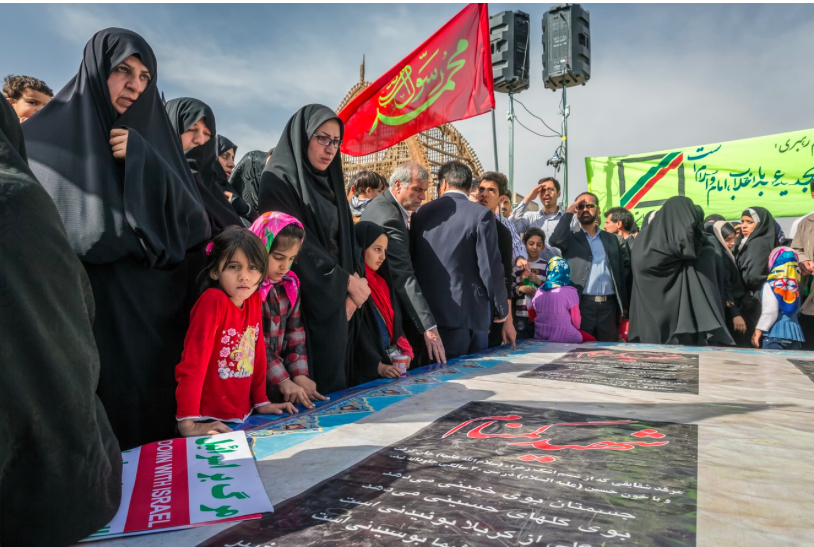
Below is a young girl and her mother leaning over the graves of some of those who lost their lives fighting during the 1979 revolution.
Yet from a traveler’s perspective the country is incredible.
Everything is cheap and the standard of hotels and food is generally pretty good. Mercifully, moving forests of selfie sticks are nowhere to be found. Well-known spots were busy at times, but never so much as to feel over crowded. Time will tell how long this will continue to be the case.
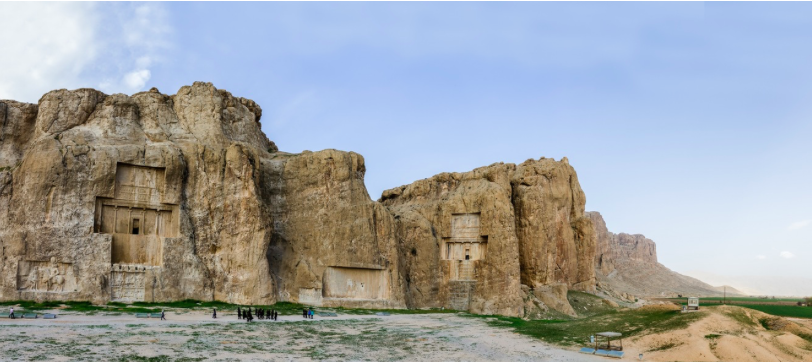
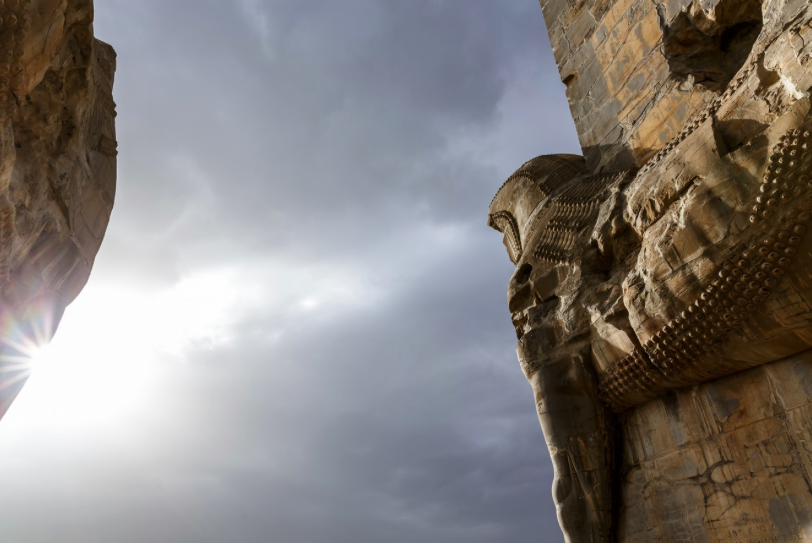
Below is Naqsh-e Rustam, an ancient necropolis with an impressive group of ancient rock reliefs cut and carved into the cliff. The oldest relief dates back to around 1,000 BC.
Below are two stone bulls flanking the north side of the Throne Hall at the UNESCO world Heritage site of Persepolis. Literally translating to “city of Persians,” the city Persepolis was the ceremonial capital of the Achaemenid Empire, from around 550–330 BC.
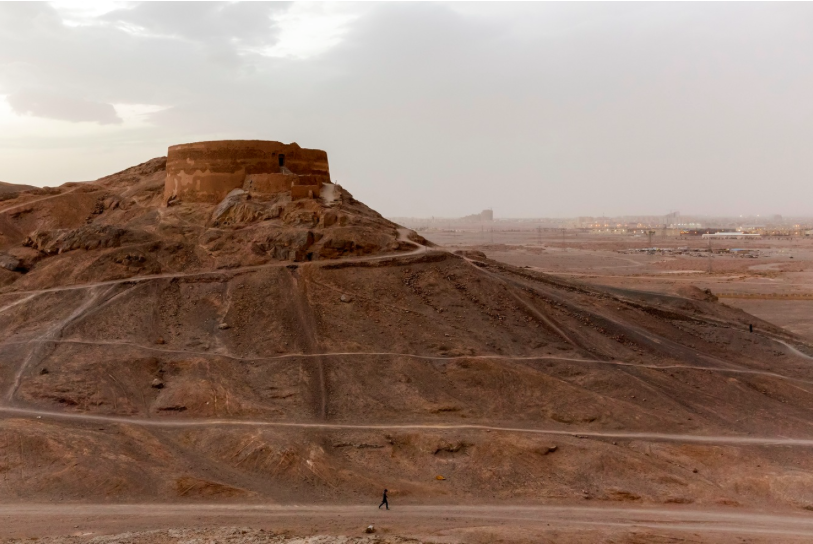
Near Yazd are the ancient Zoroastrian ‘Towers of Silence.’ The Zoroastrians ‘purified’ their dead by exposing the bodies to the elements and to birds of prey, on top of these flat-topped towers, called dakhmas.
While in the city of Isfahan, I visited the beautiful Sheikh Lotfollah Mosque. Along with the Naghsh-e Jahan Square on which it borders, the mosque is a UNESCO World Heritage Site. Early mornings see brilliant rays of light illuminate the intricate tile work of the building.

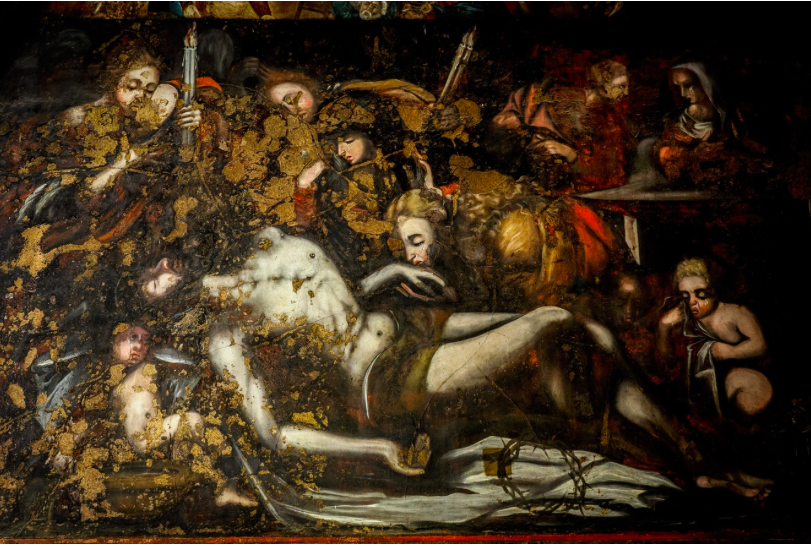
Also in Isfahan is Vank Cathederal, established by Armenian deportees settled by Shah Abbas I after the Ottoman War of 1603–1605. Today, this building remains one of the few Christian places of worship in Iran, and has many beautiful, fading murals within its interior.
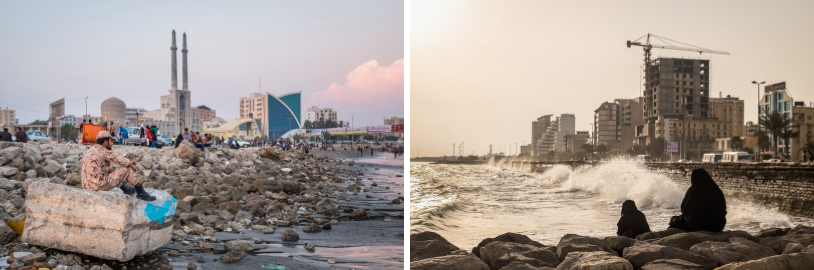
One of the most interesting areas I explored during my visit was the southern region of the country, particularly the small islands and towns along the Persian Gulf coast. Thanks to the region’s colonial history as both a slave trading port and a stop on ancient trading routes, the area is home to the most ethnically diverse people in the country.
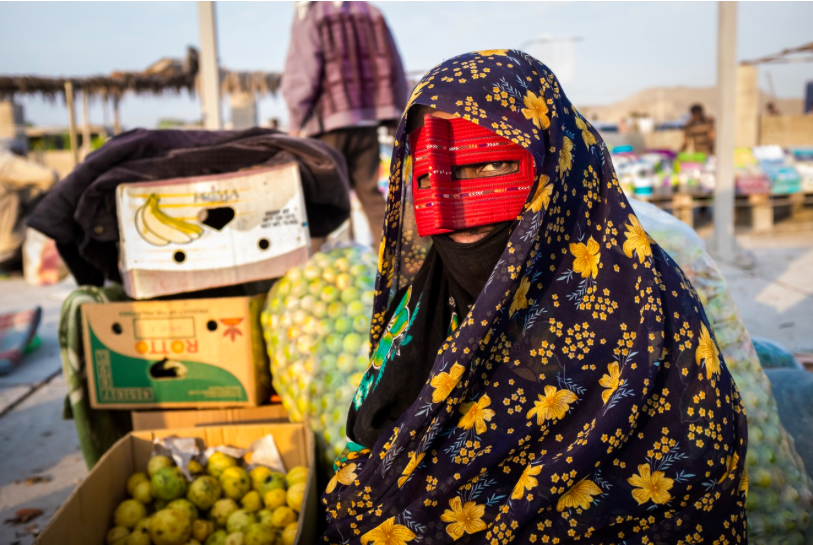
One morning I shared a simple breakfast of fruit and tea with the woman below, and afterwards she was happy for me to take her picture.
The capital city of this region is called Bandar Abbas, and is a major port for smuggled goods coming from Dubai and Oman. It is home to the Bandari ethnic group, which literally translates as ‘people of the port’.
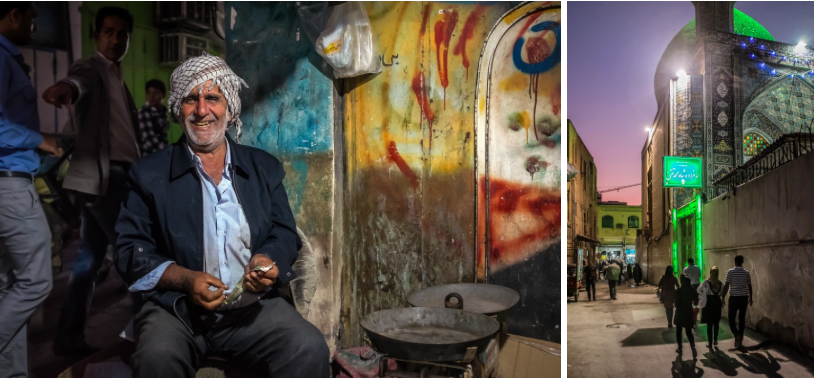
The locals here dress colourfully and still practice many customs that differ somewhat from the rest of the country. For me, it was the potential for some colour and a break from the dark chador worn throughout much of Iran, that made it so appealing to visit.
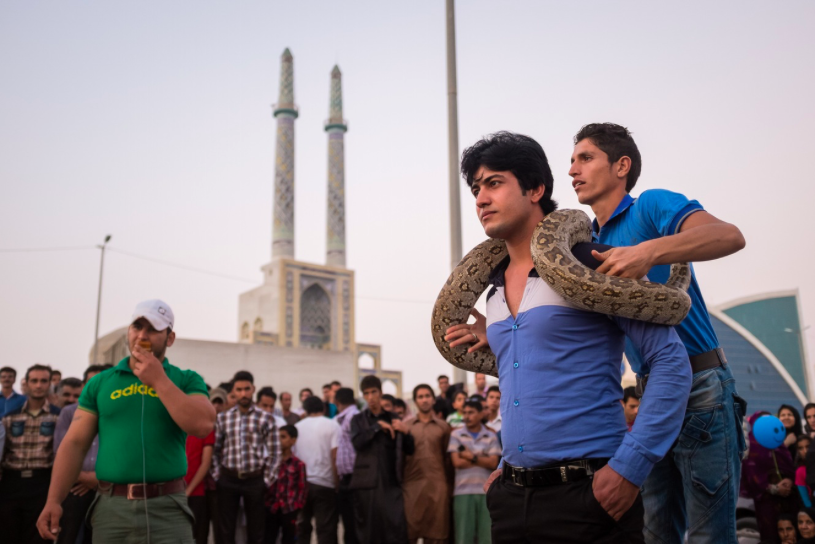
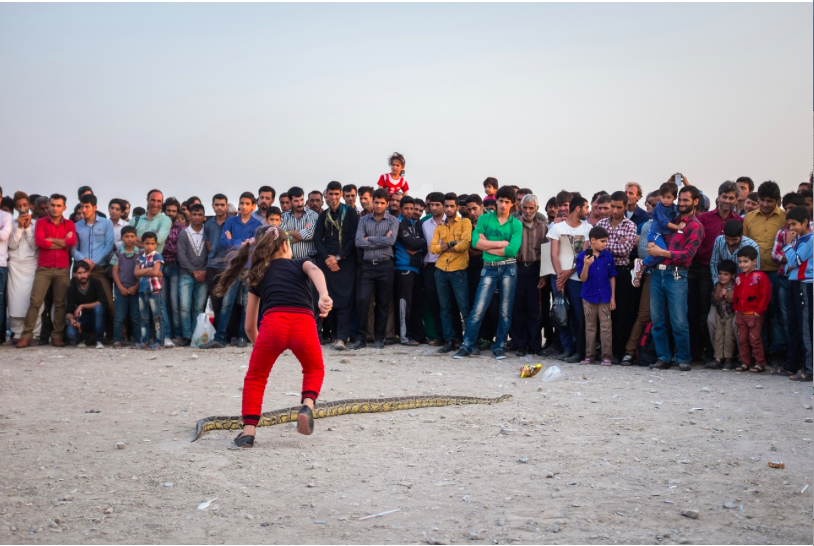
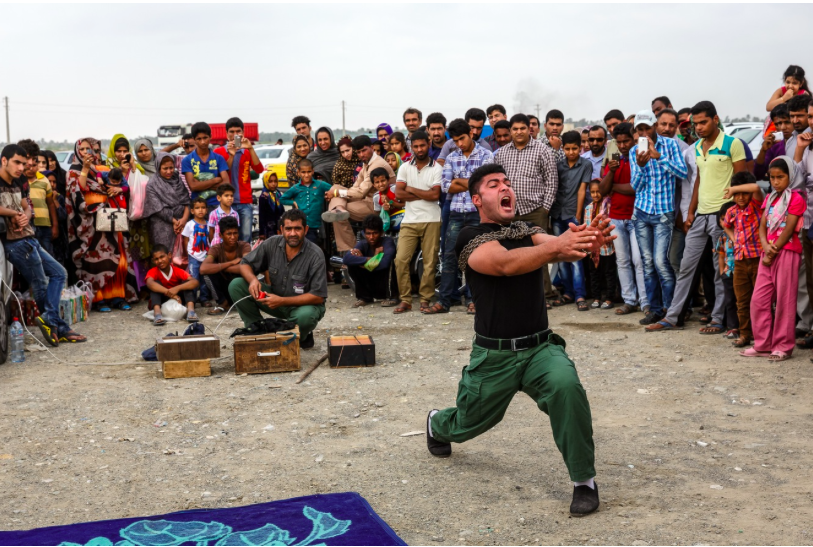
Early one evening in Bandar Abbas, I paused alongside a large crowd gathered to watch a sideshow, a common sight in the region.
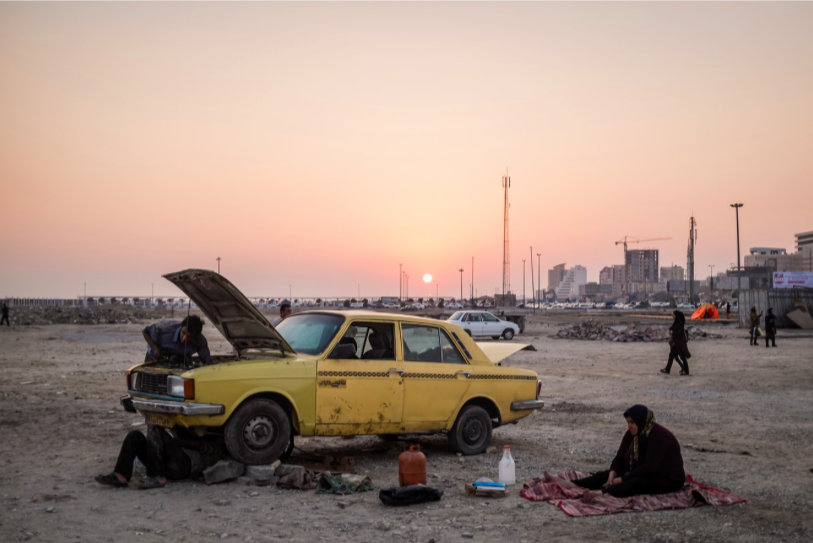
Below is a group of young men working to fix an Iranian built Paykan Taxi. When I returned to the city a week later, the men were still working on the cab, seemingly no closer to getting it moving.
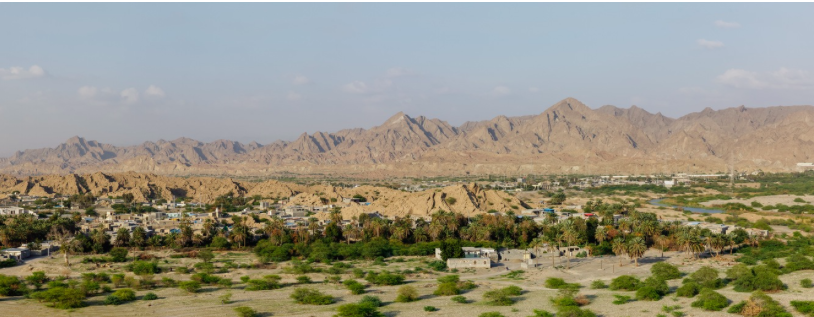
Taking a short drive from the city of Bandar Abbas I arrived at the small town of Minab, seen below, where the people from around this vast area gather each week to sell their wares at the famous ‘Panjshambe Bazar’.
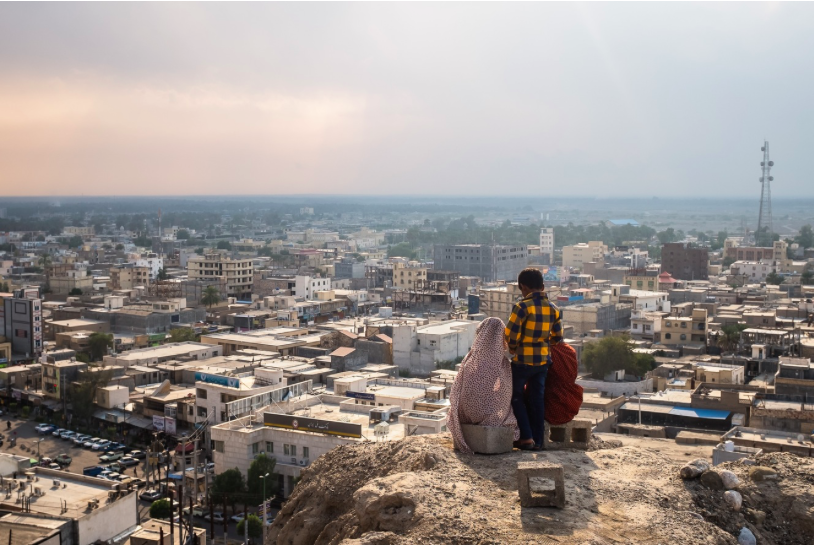
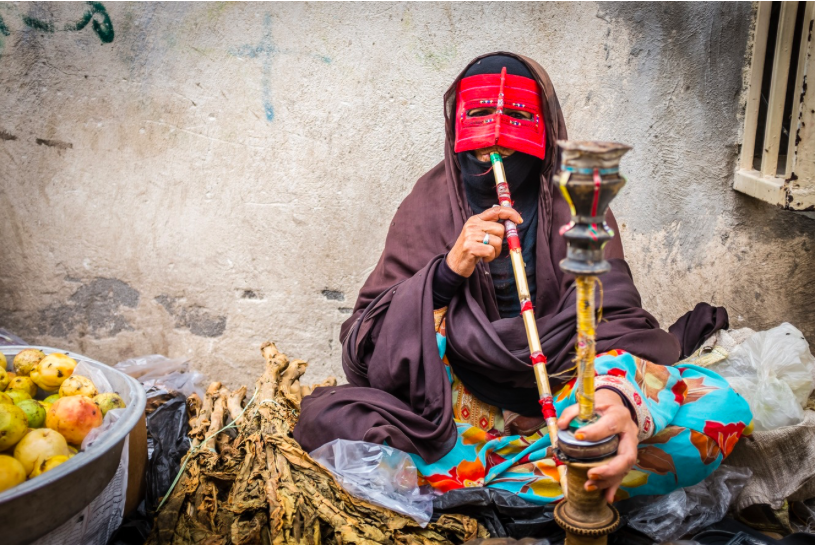
The striking coloured masks worn by the women of this region are said to have originated at a time when the Portuguese colonists would take the prettiest girls as slaves, and the masks would help to shield young girls from unwanted attention. I learned that each town in the region has its own signature variation of mask, varying in colour and construction.
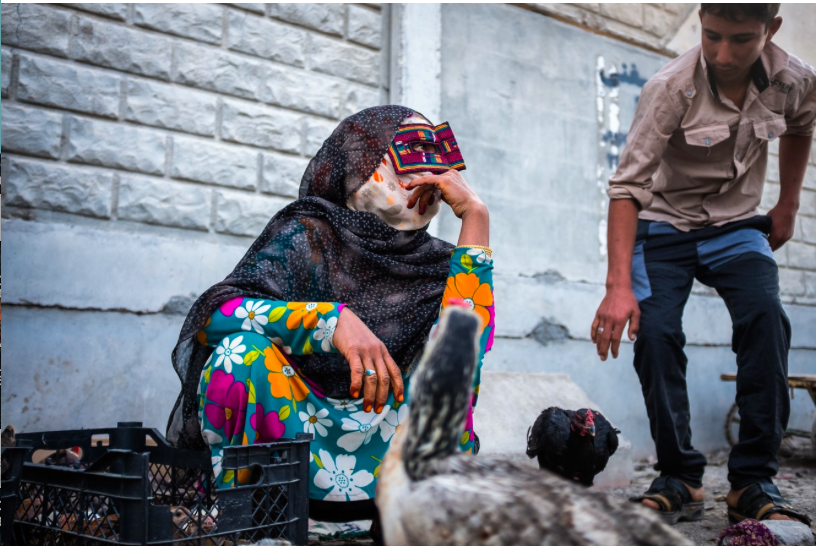
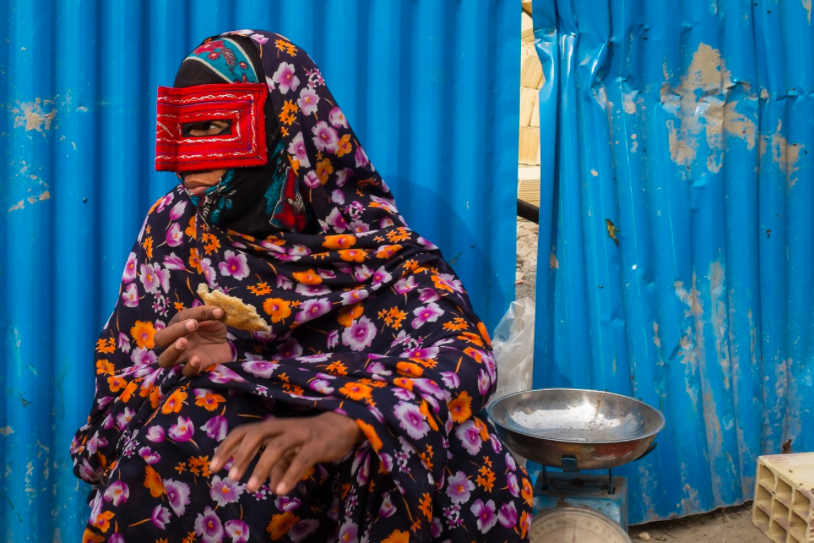
The Panjshambe Bazar was a fascinating glimpse into the lives of the different cultures and people who call this area home. While there were large sections of the town dedicated to selling ubiquitous imported goods, there was still much to see that wouldn’t have changed much since Marco Polo made a visit — from the bustling livestock market, to the vendors selling colourful fabrics and homegrown produce.
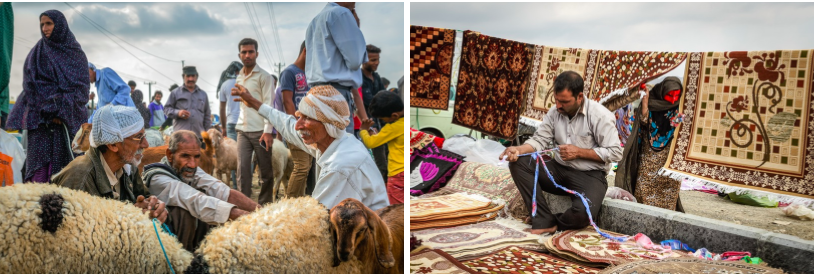
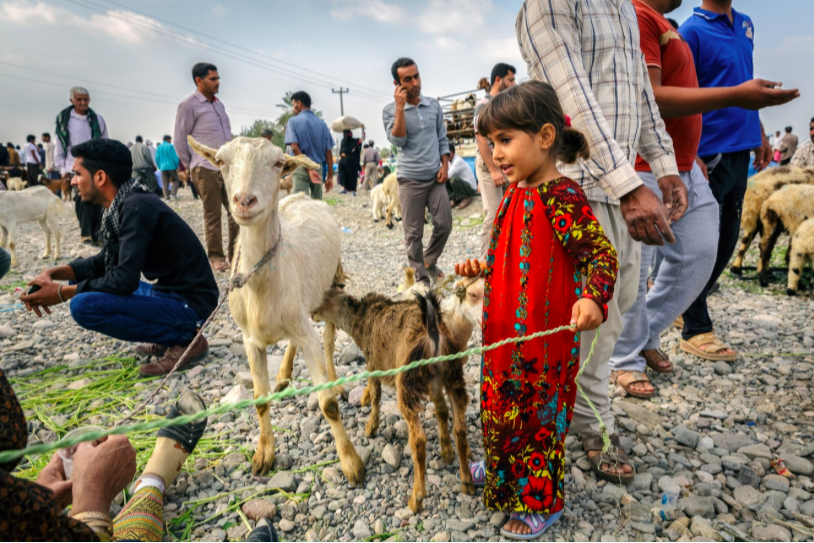
For a fully grown, healthy goat, the prices seemed to hover around the 40 USD mark, a large sum of money for Iranians struggling in an economy crippled by sanctions and high inflation.
Below is a masked woman smoking tobacco from a waterpipe, or nargeela in Persian. This practice is banned for women throughout Iran in public places, but it remains popular amongst vendors at the market in Minab, who can often be found discreetly puffing away.
From tiny Minab I worked my way around to explore two rocky and arid islands just off the coast in the Persian Gulf, called Qeshm and Hormuz. On Hormuz, due to the severe lack of fresh water, Iranian engineers have constructed a water pipeline from the mainland.
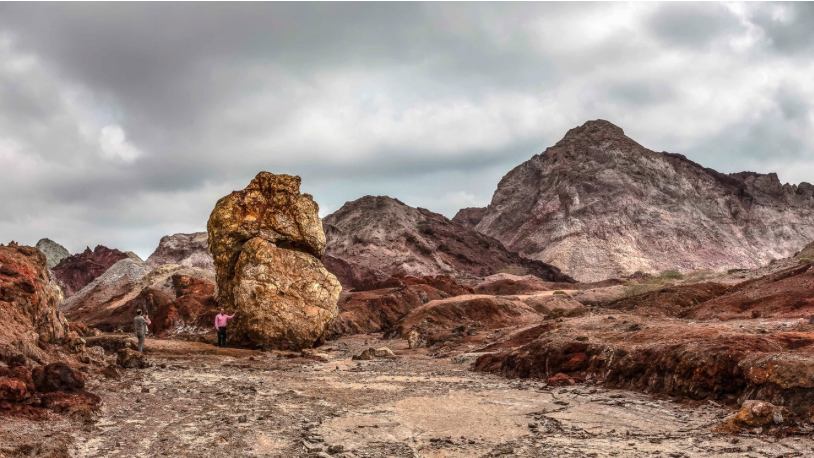
Both islands are home to some of the oldest settlements in the Middle East, with a number of historic mosques and shrines, and I explored the crumbling ruins of ancient Portuguese castles and forts.
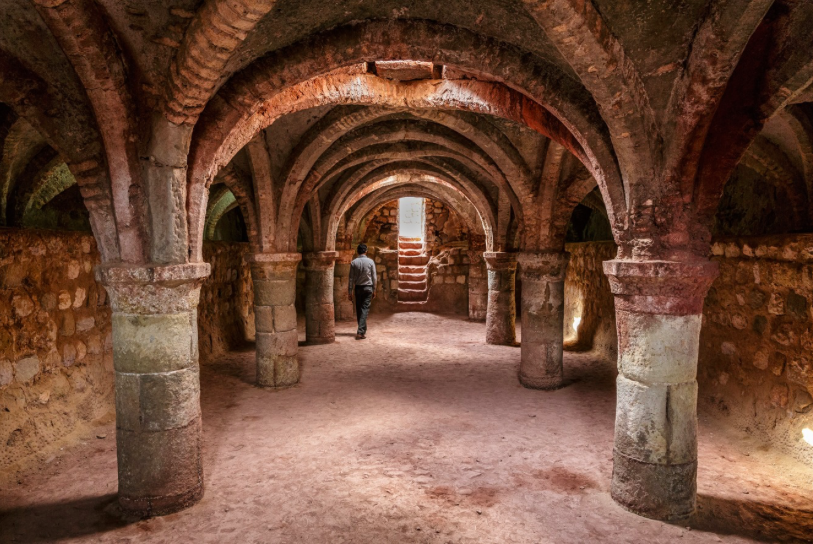
In 1507 the Portuguese conqueror Afonso de Albuquerque attacked the island of Hormuz, and it became a part of the Portuguese Empire. For over a hundred years, the Portuguese occupied the island, also capturing other islands and ports nearby, including the island of Qeshm. Their rule came to an end in 1622 when the Safavid king, Abbas I, conquered the Portuguese territories, forcing them to leave the Persian Gulf. Below you see remains of a chapel at the Portuguese fort on the island of Hormuz.
During 2009 Iran and Portugal prepared joint plans to restore historical sites in this region, however, little work seems to have taken place since then. These two young girls were passing through the ruins of the ancient Portuguese castle in the village of Laft, on Qeshm island.
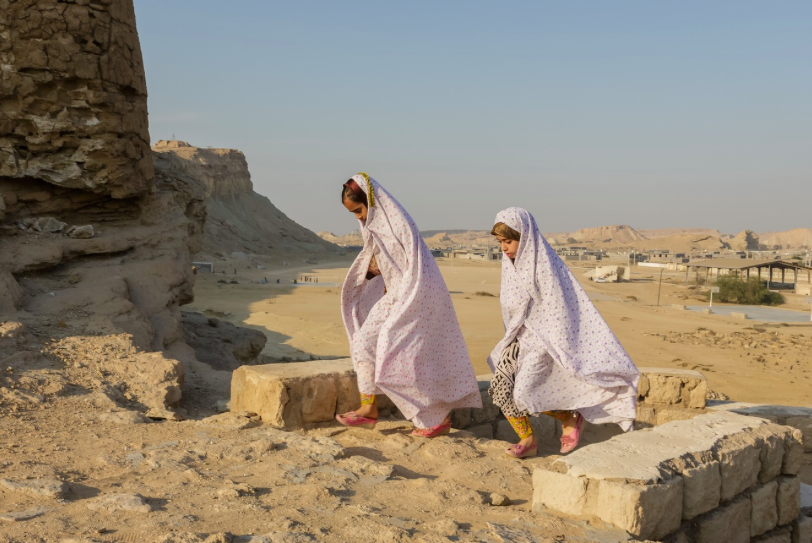
Qeshm island is also home to large reserves of natural gas and a massive military presence. In early 2012, an underground military facility was established, designed to house Iran’s Ghadir-Nahang class submarines. The week after my visit a mock US warship was sunk just off the coast here by missiles fired from the main base in the east of the island.
Military service is mandatory for Iranian men. Except for special exemption cases, men not completing their service are unable to apply for a driving license, passport, or leave the country without permission.
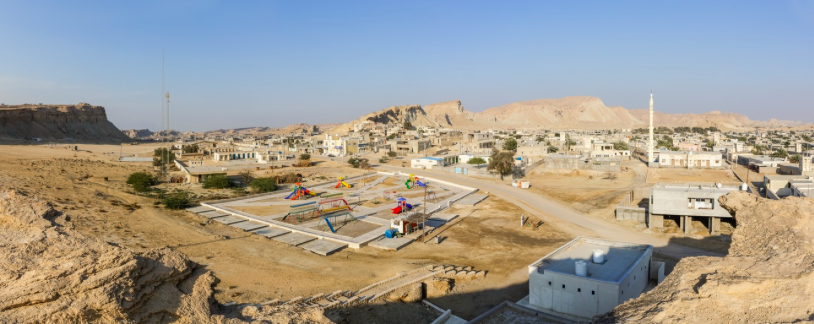
Today the communities living on the islands of Hormuz and Qeshm are small, and in addition to natural gas exploration and production, fishing is one of the primary occupations for inhabitants of these islands.
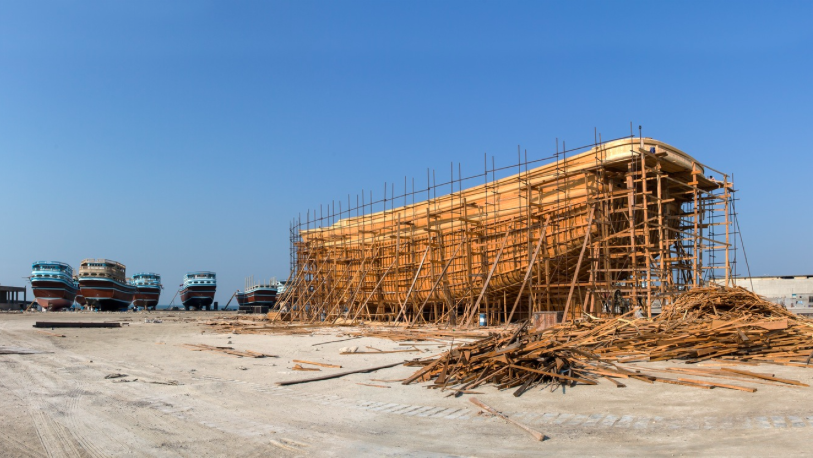
Above you see a partially constructed Iranian lenge on Qeshm island, which is a traditional style of fishing vessel made of wood.
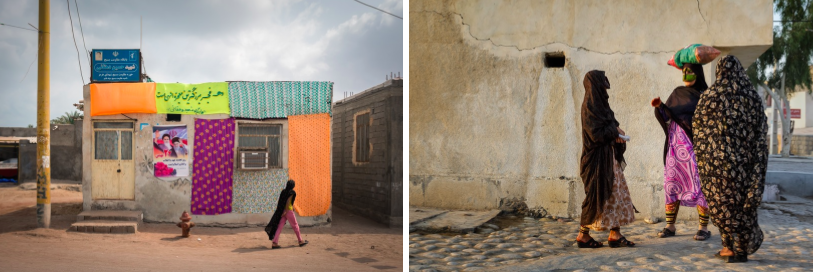
Above: (Left) A colourfully adorned house on Hormuz with a poster of Iran’s past and present. (Right) Women on Qeshm Island
My hope is that the images shared in this story show a bit of both sides of Iran, as it is certainly a place that defies preconceptions.
Today, despite its beauty, rich history, and welcoming people, there is still a long way to go before it becomes a country where all of its people can feel safe, secure, and able to provide a better life for their children
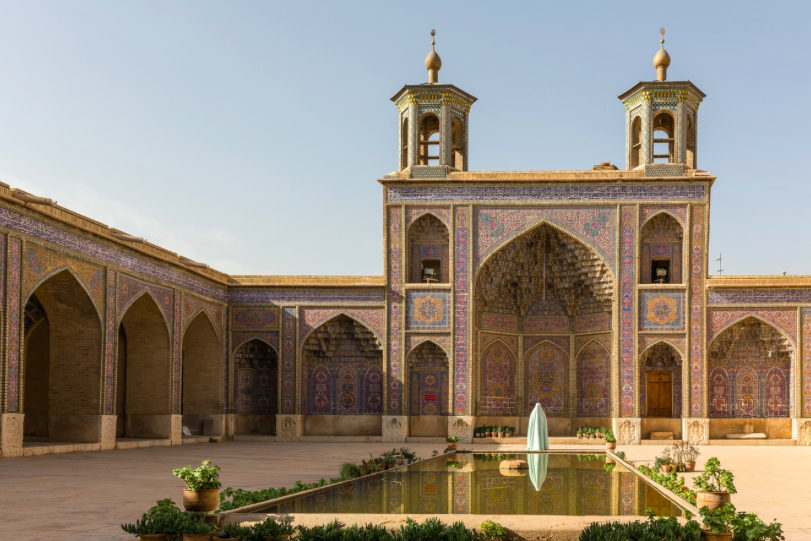
Above: Morning light shines across the spectacular Nasīr al-Mulk Mosque in the city of Shiraz. The exterior of the building was completed in 1888.
BROOK MITCHELL
Brook Mitchell is a photographer and writer based in Sydney, Australia. His work ranges from local and national press for Getty Images and The Sydney Morning Herald, to longer form editorial articles and photo essays from around the globe.

Finding Family On the Go in Nepal
Foregoing proper family time is one of the biggest sacrifices I make as a professional traveler. It is too easy to go “off the grid” and think that every one just understands a vagabond lifestyle. Far too often it is just assumed that the traveler in the family is out of the country and the conversations go from, “Hey let's grab lunch!” to “When’s the next trip, how long are you gone and why are you leaving me again?” Always absent from the birthday parties, weddings and the impromptu Sunday morning coffee chats with the grandparents. Absent from the little one’s baseball games, grandma’s chemotherapy appointments and the family BBQ’s at my parent's pool. Absent becomes an all too common trend.
When looking at my niece and younger cousins, I think about the close bond I made with my favorite aunt as a kid because of the trips to Chuck E. Cheese’s, the movie nights and always knowing without a doubt that she would be in the crowd at every baseball game. Will I be that awesome uncle or someone for them? I notice that my parents are donning a few more greys these days and my grandparents are having run-ins with illnesses more often. Should I be home reigniting the Sunday family dinner tradition that was so strong throughout my childhood? These questions run through my mind regularly and fill me with a small sense of guilt.
Sometimes, I would do anything for a one way ticket home to surround myself with family and bask in the cheap rent prices of the Midwest. However, that is not in the cards right now and won’t be for a long time. Until then, I will forever appreciate Southwest Airlines for the cheap flights (and 2 free checked bags!) from NYC to Kansas City that I frequent 2-3 times a year. I highly cherish this valuable family time and am incredibly thankful for it.
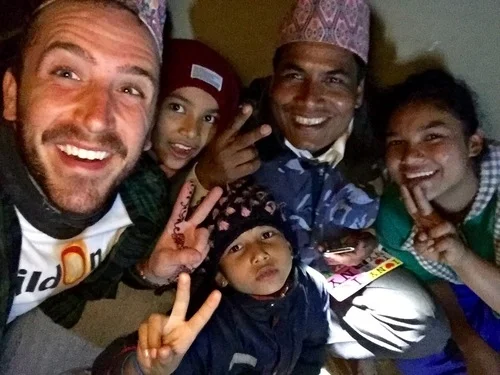
I finally turned a corner on not feeling guilty for being gone on my most recent trip to Nepal. As a part of my job with buildOn, I get the privilege of living with different host families twelve times a year around the globe. As a trek coordinator, I manage teams of Bronx high school students and volunteers traveling to a community to break ground and construct a primary school. This experience is called trek, and yes, you can get involved. My host families have all been amazing.
However, my latest host family in Nepal was unlike any others I had stayed with. They left me feeling full of so much warm love and happiness that I didn’t want to leave. For 9 nights, I became part of the Sunar family in the Bhagatpur Village. Despite our language barrier, our differing skin tones and our unique understandings of the world, I truly knew I had found long lost family members that I just had not had the opportunity to meet yet.
Every night when I wandered back into my room of their tiny concrete home, I was exhausted. It would have been very easy for me to take my bucket shower, eat my dinner and go to sleep without much interaction. Instead, no matter what time I rolled in, my three host sisters, Joti, Alicia and Aribica were eagerly waiting to greet me with the biggest smile and a “Namaste brother!” I couldn’t help but smile and quickly put my things down to join them for dinner.

Dinner time in Nepal is all about sharing family time. We would all surround a little fire stove while sitting on straw mats on the dirt floor and take our turns washing our hands. My host grandmother proudly served us heaps and heaps of rice, lentils, potatoes and vegetables that she had been preparing for hours in her primitive kitchen. My family never served themselves first and always made sure that I was so full that I could barely move because not taking seconds is simply not an option in Nepalese culture. Most nights we would practice our languages, and without fail they would burst out laughing every time I butchered a Nepali word or phrase. One night, I gave them a 100 piece jigsaw puzzle with the photo of two elephants on it. To my surprise, they had never seen a puzzle and were very confused as to what it’s purpose was. For 45 minutes, we sat and focused on putting that puzzle together and I happily observed as their problem solving wheels turned every time they placed each piece. Most people would have given up, but all 7 family members huddled around to tackle this puzzle. This reminded me of the days spent piecing puzzles together with my mom as a kid and even though I was filled with nostalgia, I knew how proud she would be to see me teaching them our favorite past time.
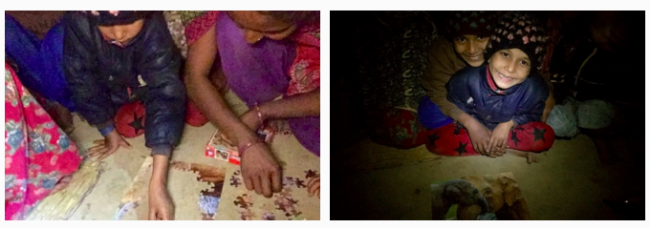
Piecing together that puzzle was just one of many activities we shared in that small little kitchen. Thanks to my great friends at LuMee, we took hundreds of illuminated selfies and videos. My host sisters sat one night and artistically colored in my henna tattoos with markers I had brought them. We talked about their religion, their family and how education is important for everyone. We laughed and laughed and laughed. We were family. No matter how stressful the day, every night when I went to sleep underneath my mosquito net on my bed that doubled as a table, I couldn’t help but think about how much they have, despite lacking many modern day luxuries that so many of us prioritize. They have family, they have love and they have community - is that not what we are all searching for?
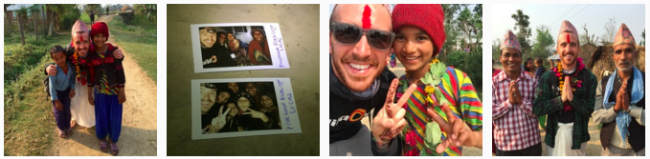
When it was time to finally leave my family in Bhagatpur, I was filled with the usual sadness I feel at the end of my treks because of the unknowing of whether or not I will ever see my host families again. The reality is that I very likely will not. As I walked to the bus with both little sisters palms in my hands and my entire family following behind, I looked at them and grinned and said, “I love you family” and through their tears they said, “Love you brother!” In that moment, I knew that my family has forever grown by seven members.
My family means the world to me. If I didn’t travel that world, I would never find my family members like the Sunar’s, and that to me is more than enough reason to keep traveling. My family will forever grow.
#lucasonthego
What Is CATALYST?
Check out the launch video for CATALYST.cm, a platform for social action and travel.
NAMIBIA: Colors of a Country
Namibia is a land of contrasts and extremes. Situated between the Namib and the Kalahari deserts, Namibia gets less rain than any other country in sub-Saharan Africa. Namibia’s coastal desert is one of the planet’s oldest, with powerful offshore winds sculpting the highest sand dunes in the world, in some places rising more than 1,000 feet.
Water — or more to the point, its absence — defines life in Namibia.
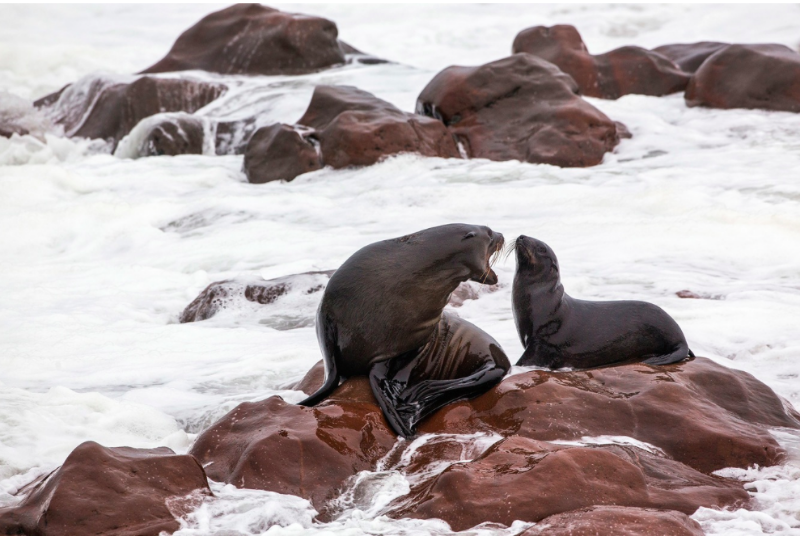
Hot and arid in the interior, Namibia’s coast is surprisingly cool and moist, the product of the cold Atlantic colliding with Africa’s warm and dry southern tip. Seals and sea birds come by the thousands to congregate in this narrow temperate zone.
In the rest of the country, only where there is water is there life. Here is my vision of this untouched and primal land, with its towering red sand dunes, vast deserts, and wild animals struggling to survive.
KOLMANSKOP
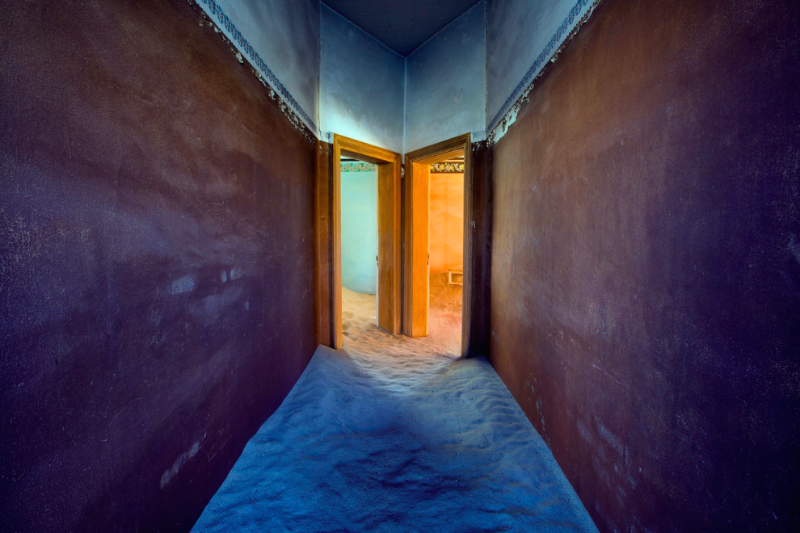
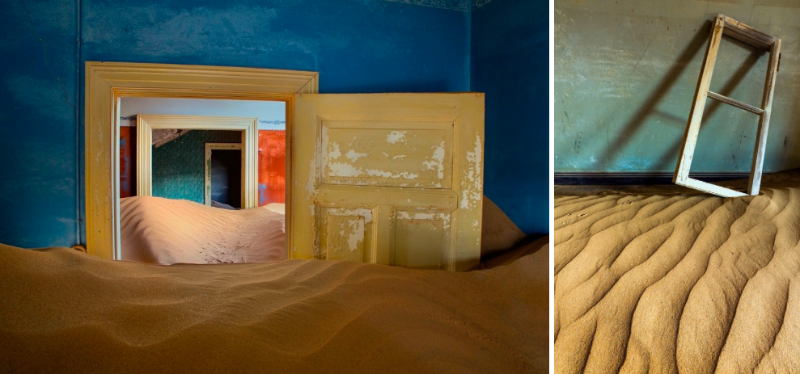
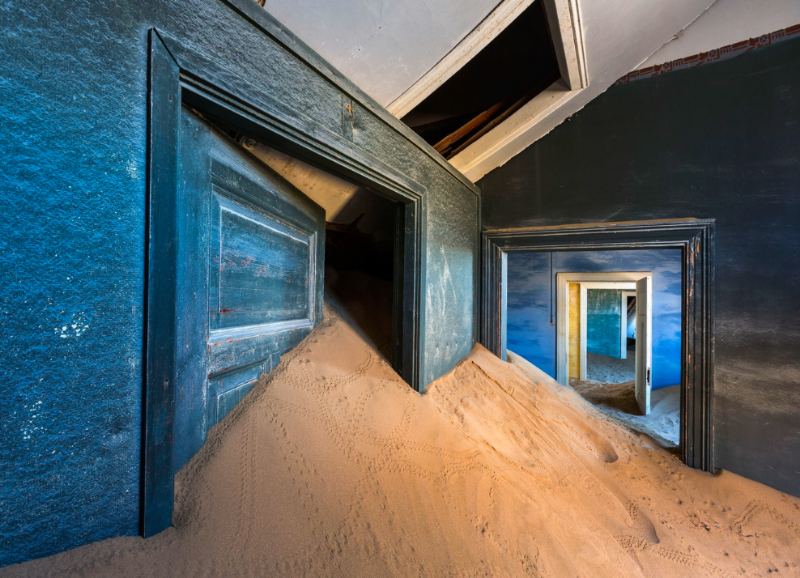
Kolmanskop is a deserted German mining settlement located in Namibia. The town was abandoned in the 1950s, and the desert has been reclaiming it ever since, creating an interesting mix of colorful painted walls and sweeping sand dunes engulfing entire rooms.
QUIVER TREE FOREST
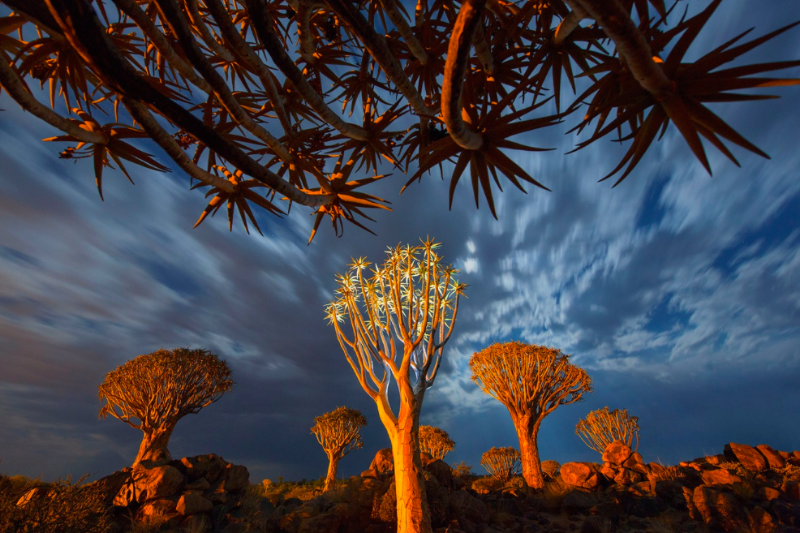
The Quiver Tree Forest, near Keetmanshoop, contains a collection of the so-called “quiver trees” which aren’t really trees at all, but rather a species of aloe, a flowering succulent plant.
NAMIB-NAUKLUFT NATIONAL PARK
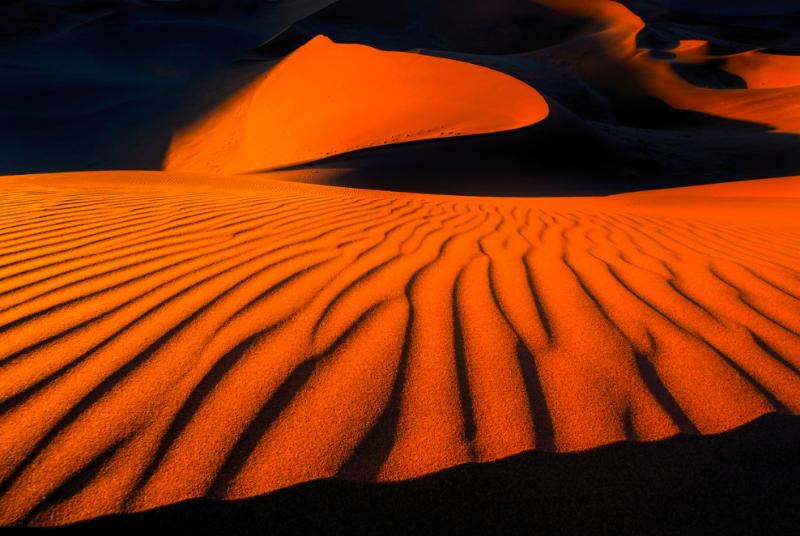
Namib-Naukluft National Park preserves part of the extensive Namib Desert. The most famous area of the park is called Sossusvlei, which contains the tallest sand dunes in the world, rising more than 1,000 feet above the desert floor. Oxidization of iron in the sand gives them a reddish-orange color, which becomes especially intense when bathed in the warm light of sunrise and sunset.
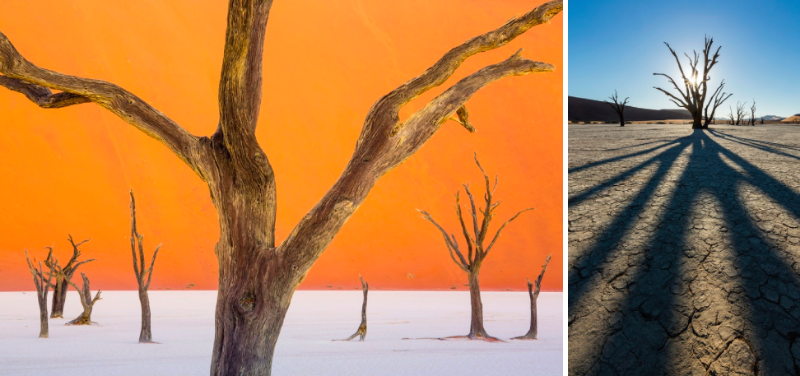
One of the most stunning places in Sossusvlei is known as Deadvlei (which means “dead marsh”). The area used to be wet and covered in trees, but 600 or 700 years ago the water dried and the trees died, their eerie skeletons preserved by the dry air.
ETOSHA NATIONAL PARK
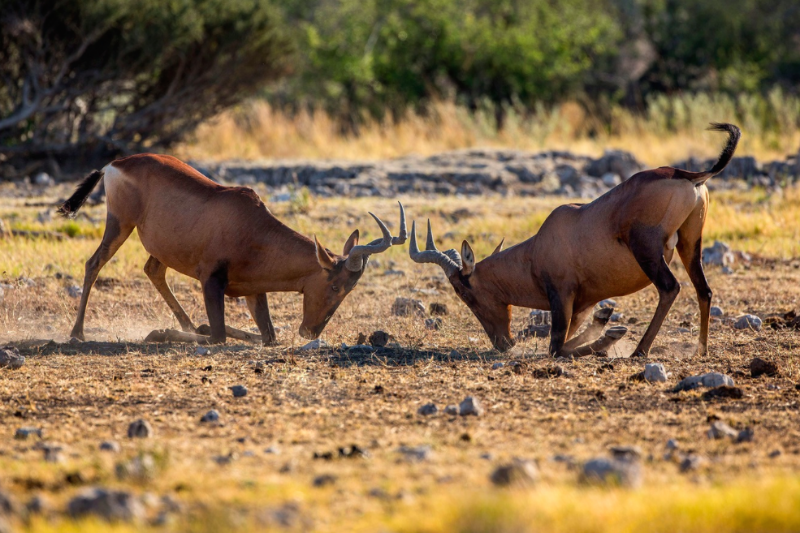
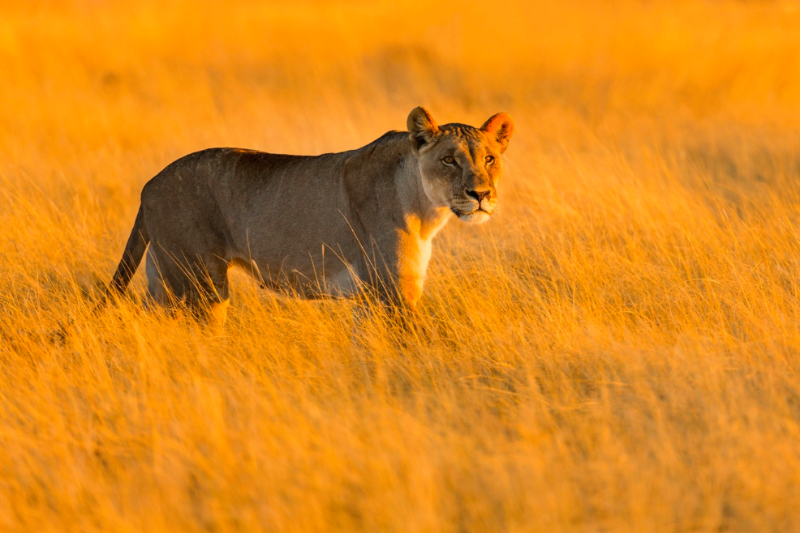
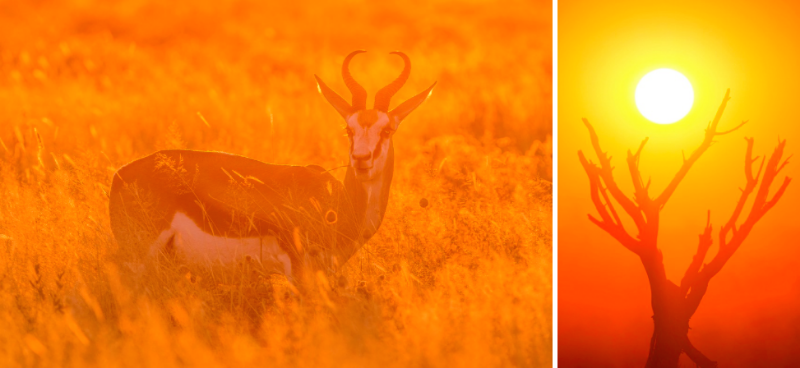
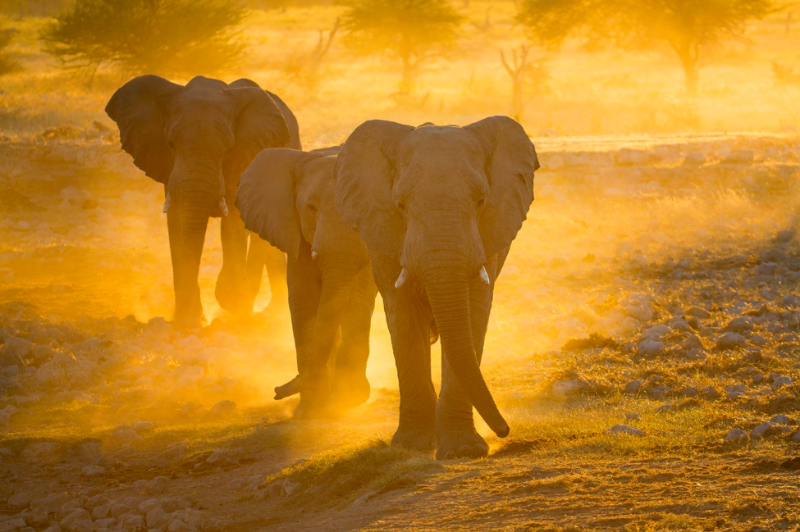
Etosha National Park is a beautiful national park in northwestern Namibia, known for its abundance of large game animals, including elephant, lion, rhino, giraffe, cheetah, zebra, and many more. What amazes me most about Etosha is the clear, strong light at sunrise and sunset, bathing animals and landscapes in warm color.
IAN PLANT
World-renowned professional photographer, writer, and adventurer Ian Plant is a frequent contributor to and blogger for Outdoor Photographer Magazine, a Contributing Editor to Popular Photography Magazine, a monthly columnist for Landscape Photography Magazine, and a Tamron Image Master. Ian is also the author of numerous books and instructional videos. See more of his work at www.ianplant.com
ITALY: Rainbow Warriors
The idea to sleep in a hammock suspended hundreds of feet above the ground in such an incredible place was born back in 2012 at the very first Highline Meeting held on Monte Piana, a peak of 2.324 meters.
The event was founded by Alessandro d‘Emilia and Armin Holzer, two highliners who wanted to share the spectacular scenery of Monte Piana (Misurina) in the Dolomites, giving professionals and enthusiasts from all over the world the chance to slackline between mountain peaks, hang out in hammocks strung high in the sky, and meet like-minded people.
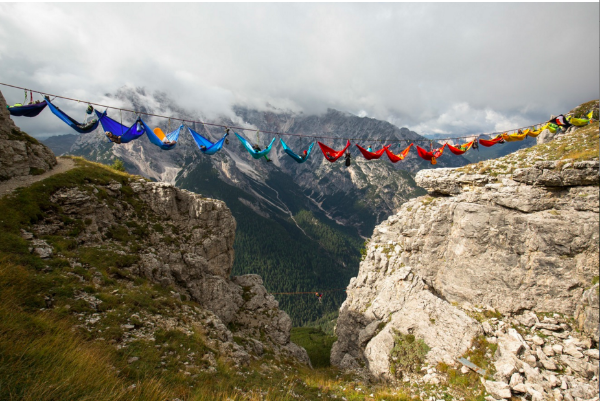
This year the place where d‘Emilia, Holzer and action coordinator Igor Scotland from Ticket to the Moon hammocks built their set up was memorable not only for its natural beauty but for its particular historical importance. One century ago, fierce battles broke out in the shadow of Monte Piana in the Italian Dolomites as WWI began, and today the area is an open air museum to honor the memory of the 18.000 young soldiers who lost their lives here. The seven kilometers of trenches are still visible.
“Just a hundred years ago, winters up here were characterized by bombs, grenades, and lots of pain,” d’Emilia and Holzer explain in the video from the event. “Our idea was to re-experience Monte Piana in friendship and peace with each other, accompanied by kindhearted feelings during the day, and lulled to sleep at night by magical silence.”
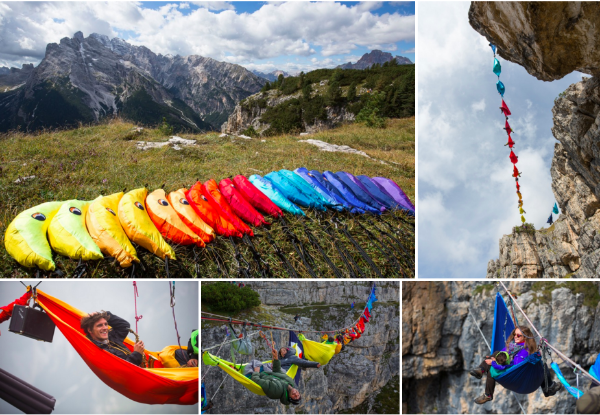
On September 10th 2015 this idea came to life and their unique project took place for the third time. 26 athletes came together to sing, laugh, and relax in 17 specially designed rainbow hammocks strung high in the sky between the peaks — a symbol of peace and a tribute to the past.
The stunt, named “Rainbow Warriors”, was performed and designed by a professional team of athletes and riggers, and the set up has a breaking strength of greater than 150 kN (15.000 kg) for the main line, along with a redundant back up. The maximum force at any one time on the line during the event was 32 kN (3.200 kg).
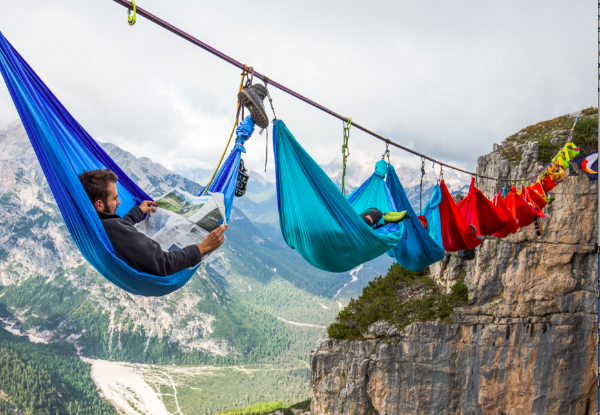
The values and principles of d’Emilia and Holzer — a non-competitive spirit and practicing respect for the mountain so that they can be in harmony with the location — are also shared by all of the participants.
Today Monte Piana has become a meeting point for young people from all over the world who want to share more than a passion for the sport of highlining, who come to share a philosophy and a way of life.
ORIGINALLY PUBLISHED ON MAPTIA
SEBASTIAN WAHLHUTTER
Sebastian Wahlhútter is a photographer and anthropologist from Vienna, Austria.
2016 Travel Guide for Global Citizens
Global Citizen
Travel is a beautiful thing. Journeys to unfamiliar places can inspire new customs, alter previously held perceptions, encourage big ideas, and evoke a newfound appreciation for things long underappreciated.
And the benefits of travel aren’t exclusive to the traveler. Tourism has become one of the main income sources for many developing countries, representing a key driver of socio-economic progress.
But too often tourism remains restricted to a small selection of hotspots. Too many Instagram accounts are displaying travel photos that differ only in their levels of brightness and saturation.
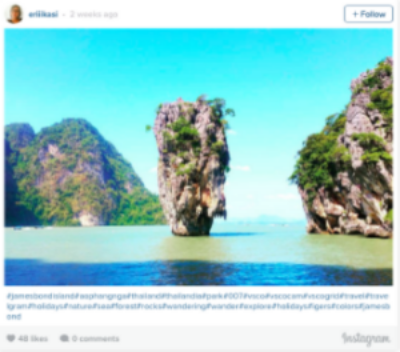
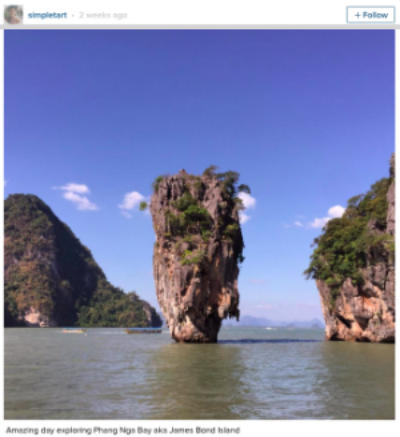
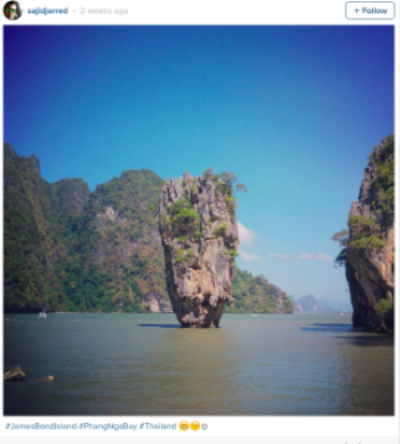
This type of trendy trip planning is having an unfortunate impact on these popular destinations. Constant crowds are eroding natural landscapes and overusing scarce resources. Tourists are being lured into areas where they are disturbing cultural customs and unintentionally exploiting local communities and wildlife.
In the age of mass tourism, travel has lost a bit of its beauty.
It’s time to give travel a makeover. This year, take the road less traveled. Challenge yourself to visit destinations undiscovered by your friends, and take the time to research how you can mitigate your negative impact on local landscapes and communities.
For a bit of inspiration, check out this list of destinations that could make great alternatives to those currently teeming with tourists (and their iPhones).
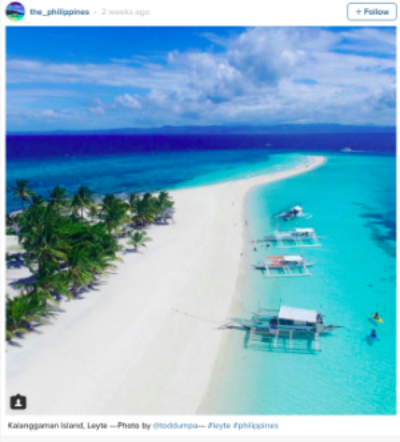
Instead of Thailand, go to the Philippines.
With beautiful islands, drool-worthy food, grand temples, Full Moon parties, and lush jungles, Thailand can seem like the perfect travel destination. It’s why Bangkok, Chiang Mai, and Phuket make it on the itineraries of many first-time travelers.
These days, too many travelers are getting caught in Thailand’s tourist traps (e.g., monkey islands, zoos filled with mistreated elephants and sedated tigers) and are missing out on the real cultural experience.
Take a break from Thailand, and plan a trip to the equally enticing Philippines instead.
Instead of the Galapagos Islands in Ecuador, go to the Pantanal swamp in Brazil.
It’s every science geek’s dream to see the species that inspired Darwin’s theory of evolution. It could also be argued that there’s no better place than the Galapagos to gaze at unique wildlife standing inches away from your face.
However, the region’s unique ecosystems may not be able to survive the pressure of mass tourism. And the annual influx of money from tourism isn't being fairly distributed among local residents who struggle with poverty.
If you want to see wildlife, visit the Pantanal swamp in Brazil, one of the world’s largest wetlands. If you’re lucky, you may even spot a jaguar!

Check out GLOBALCITIZEN.ORG for more tips!
CARYN CARVER
Caryn Carver is an Audio-Visual Content Creator for Global Citizen. Prior to working at Global Citizen, she worked for a nonprofit consulting firm where she learned a lot about what is and isn't working to help eradicate poverty. She then spent a year living and working in South America where she developed a deeper passion for global issues, especially human rights. Caryn also loves to sing about what she is doing, search for the best cheap eats, and daydream about the next place she will visit.

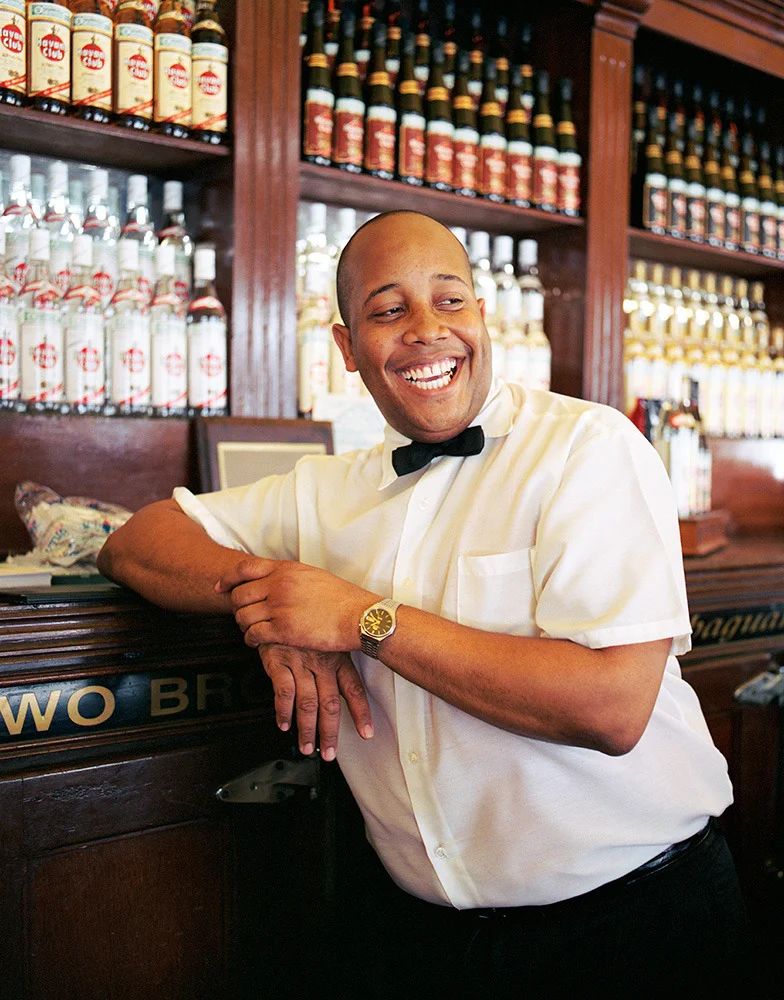
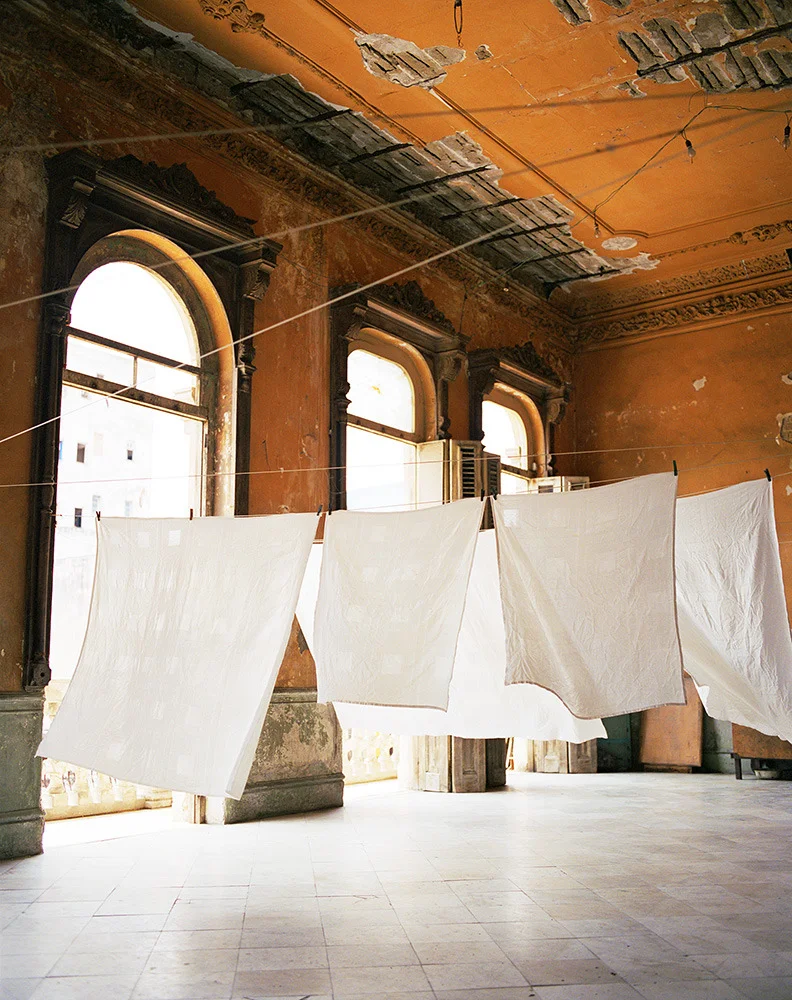
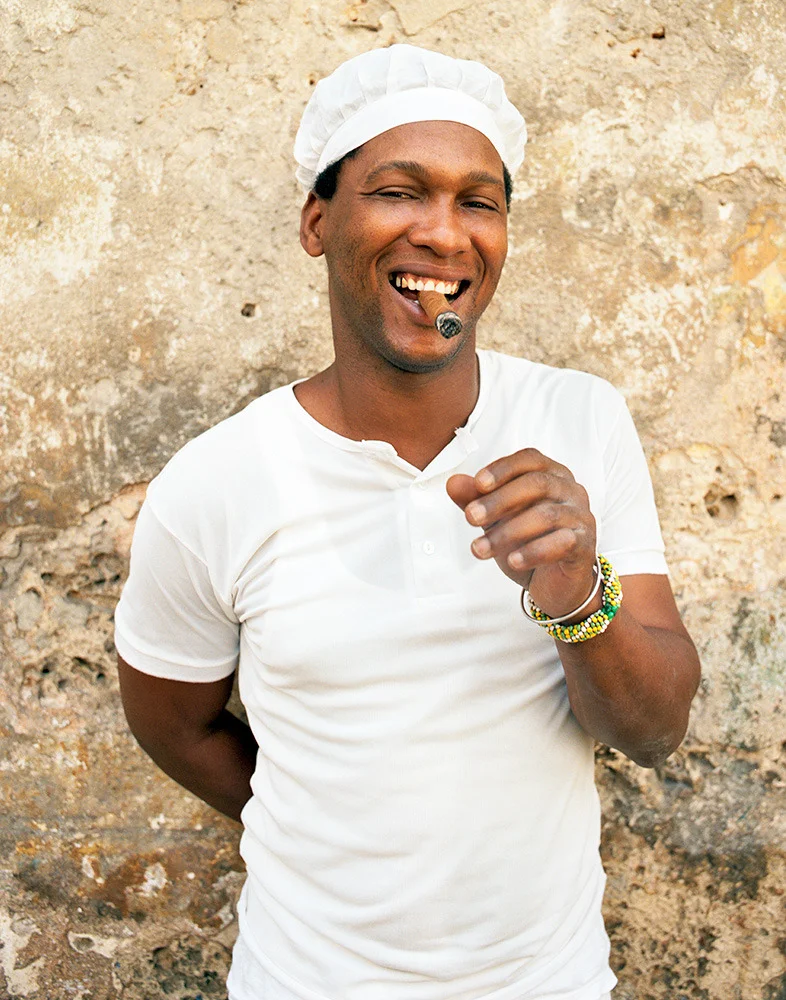
CUBA: Havana's Smile
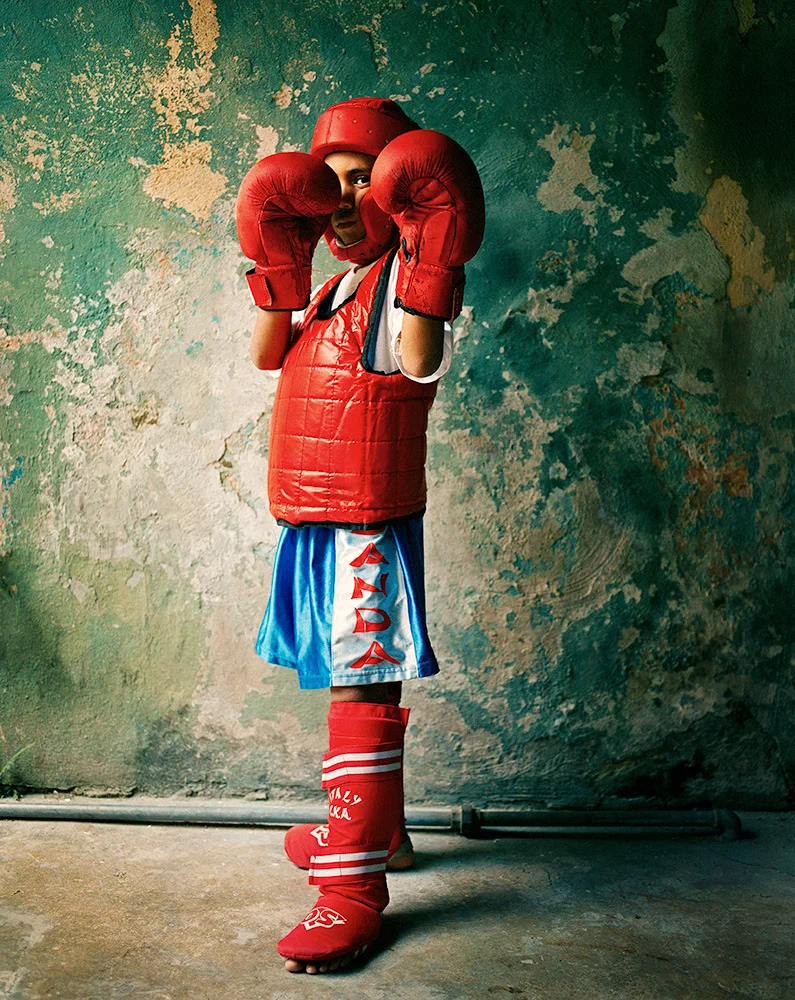
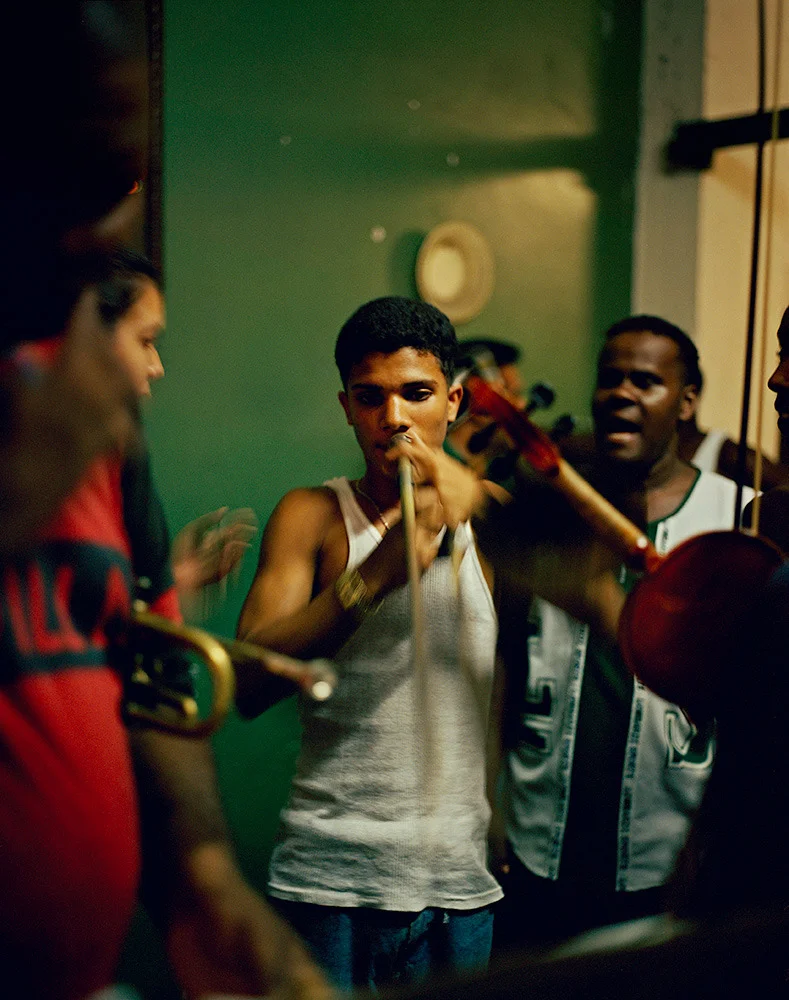
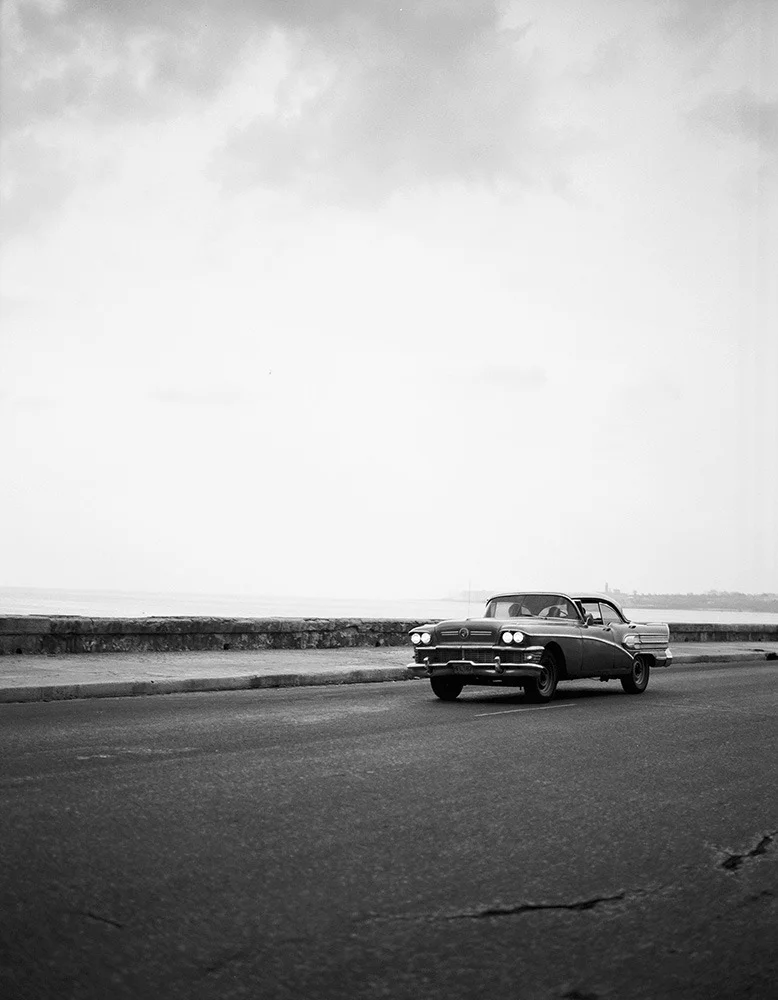
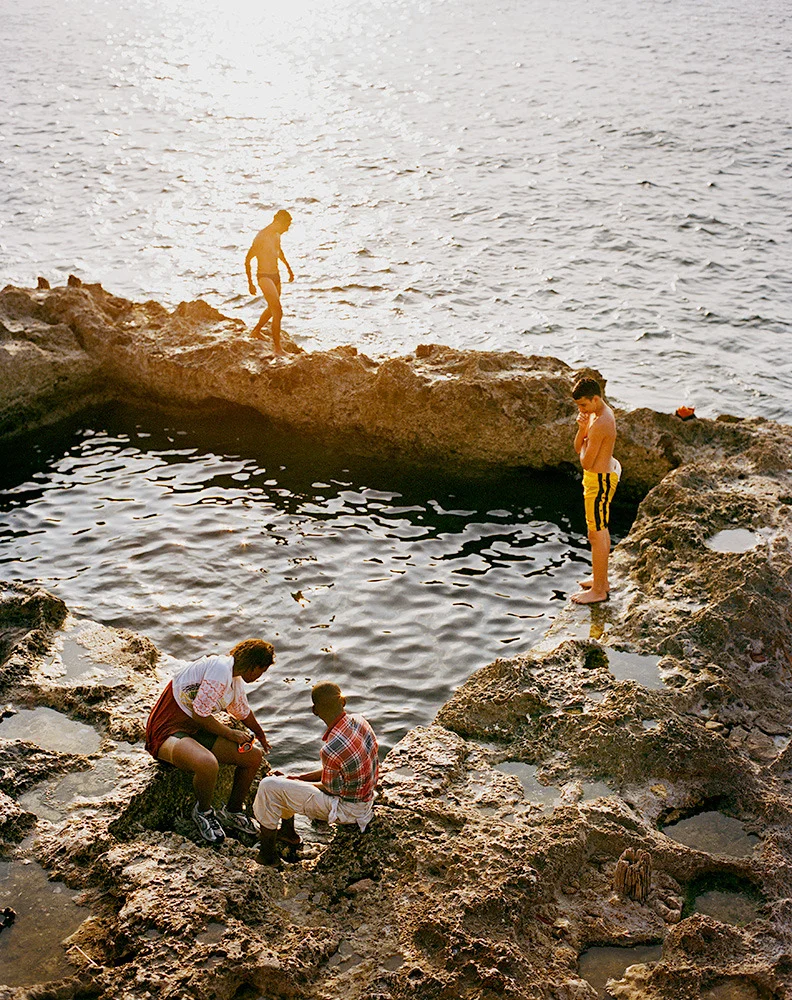
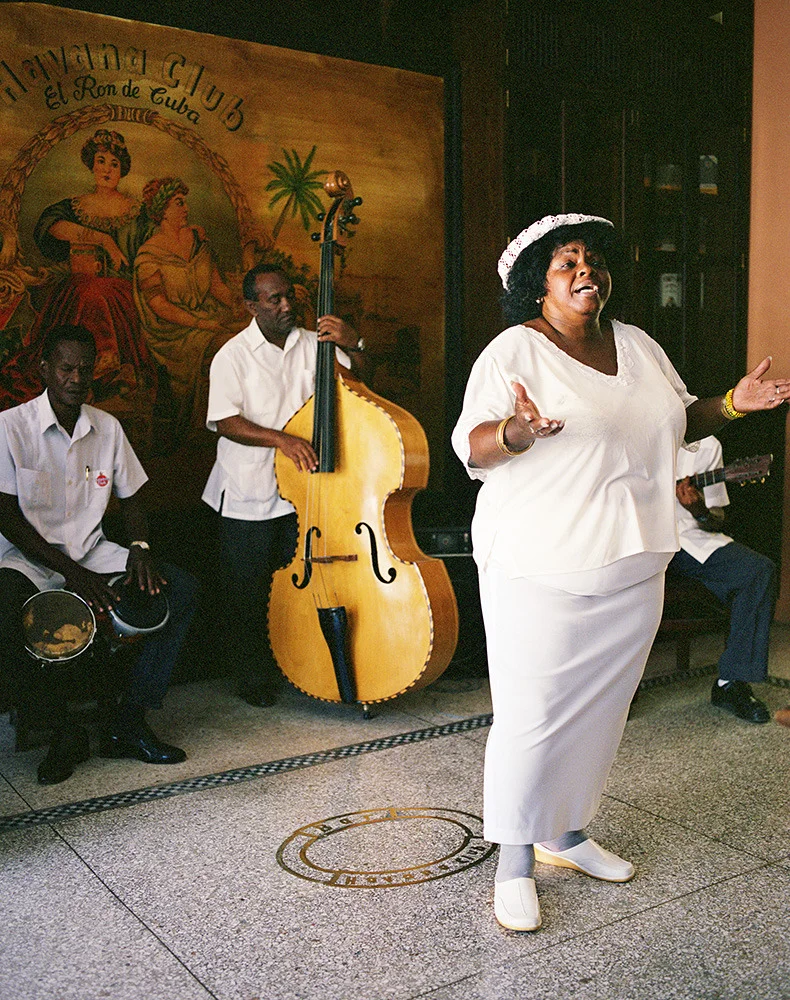
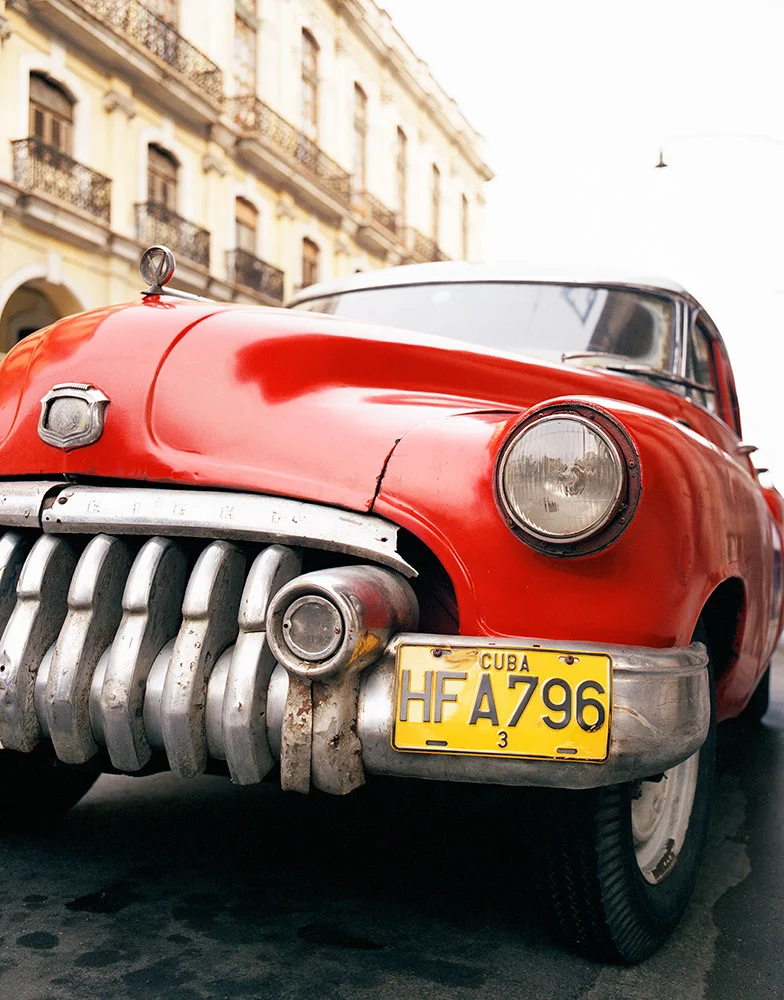
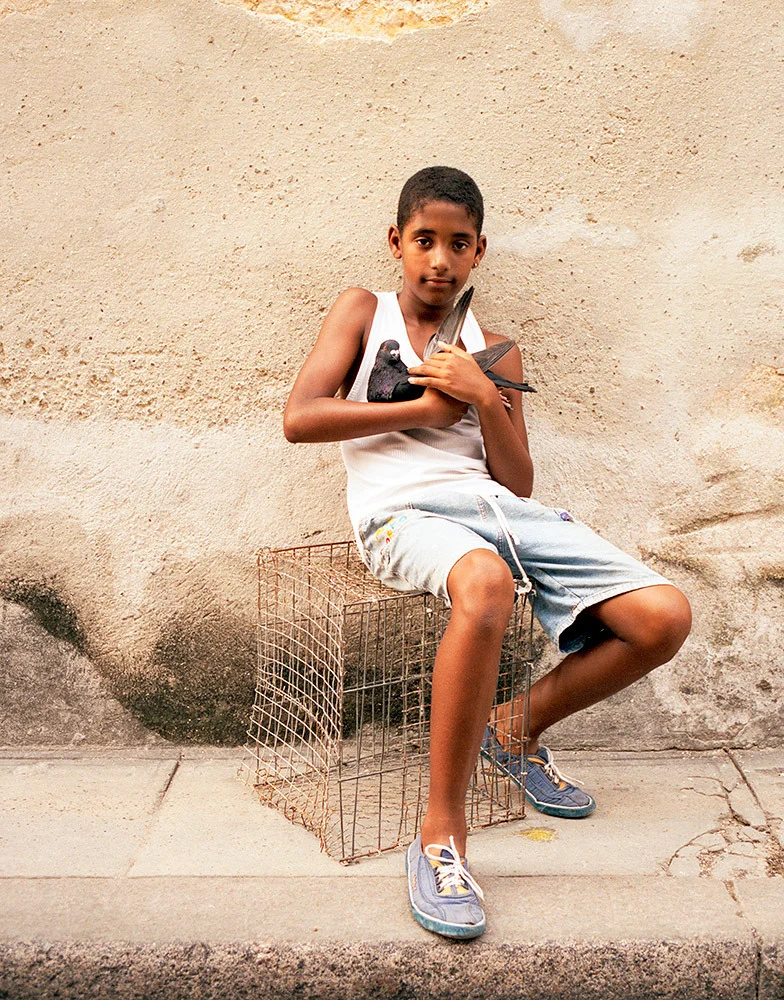
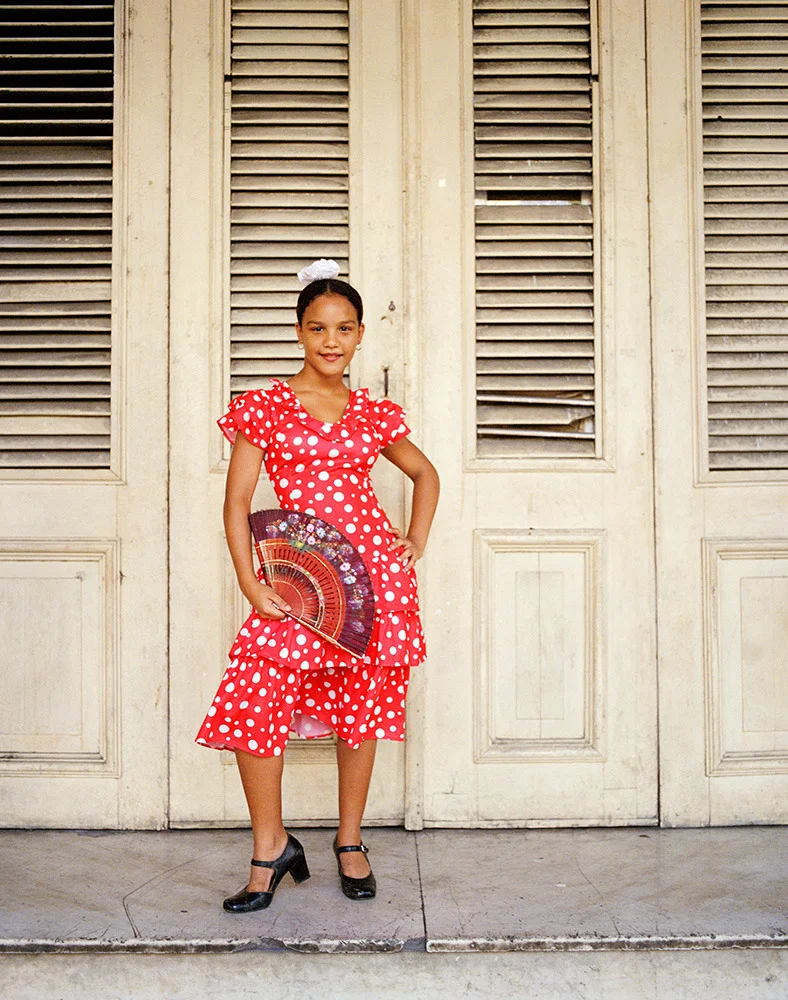
Regardless of poverty, ubiquitous propaganda, scarcity or hypocrisy Havana continues to smile. Not a sly smirk or rueful grin but a broad, welcoming smile. One that welcomes you into its home, shares its simple meals and lures you to dance to its infectious rhythms.
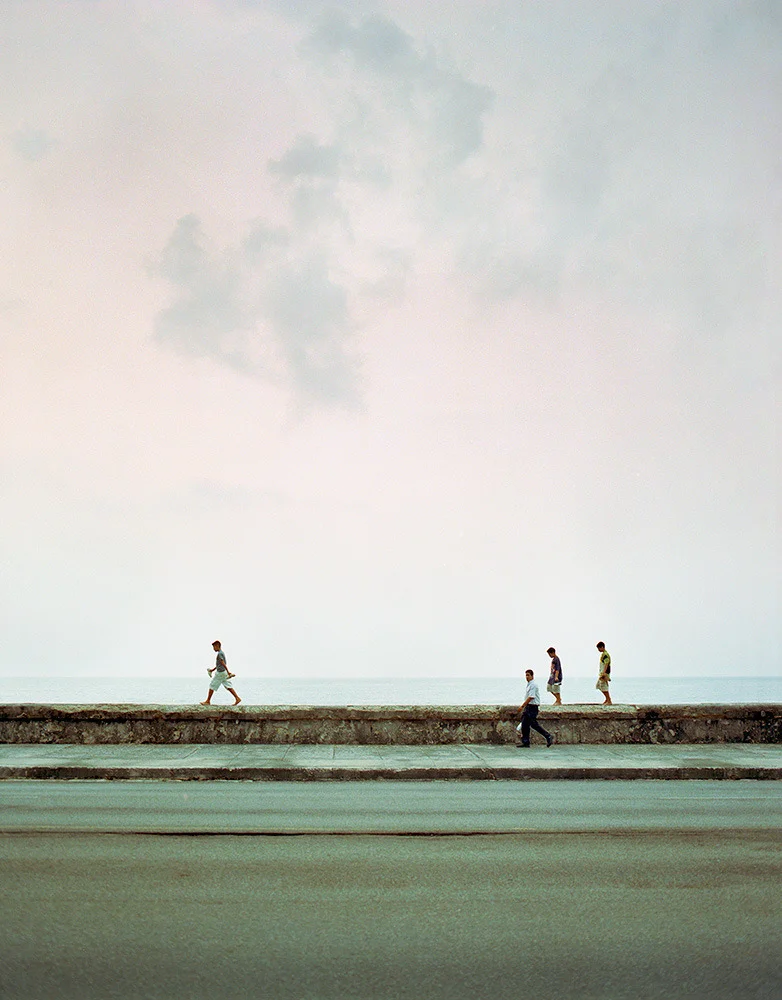
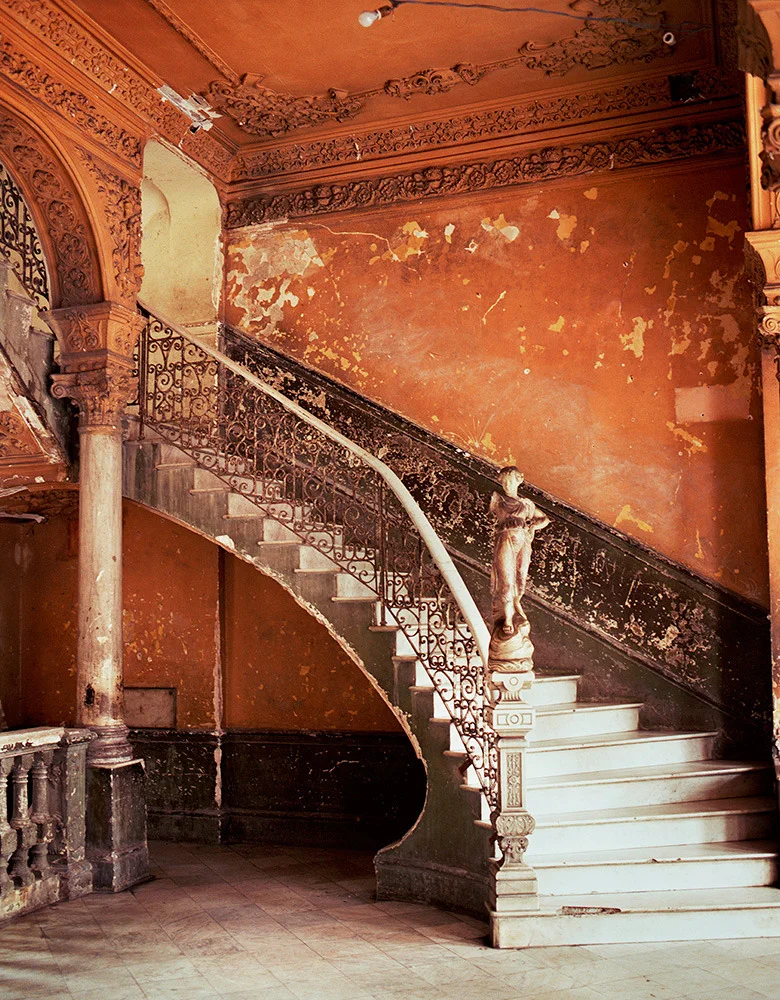
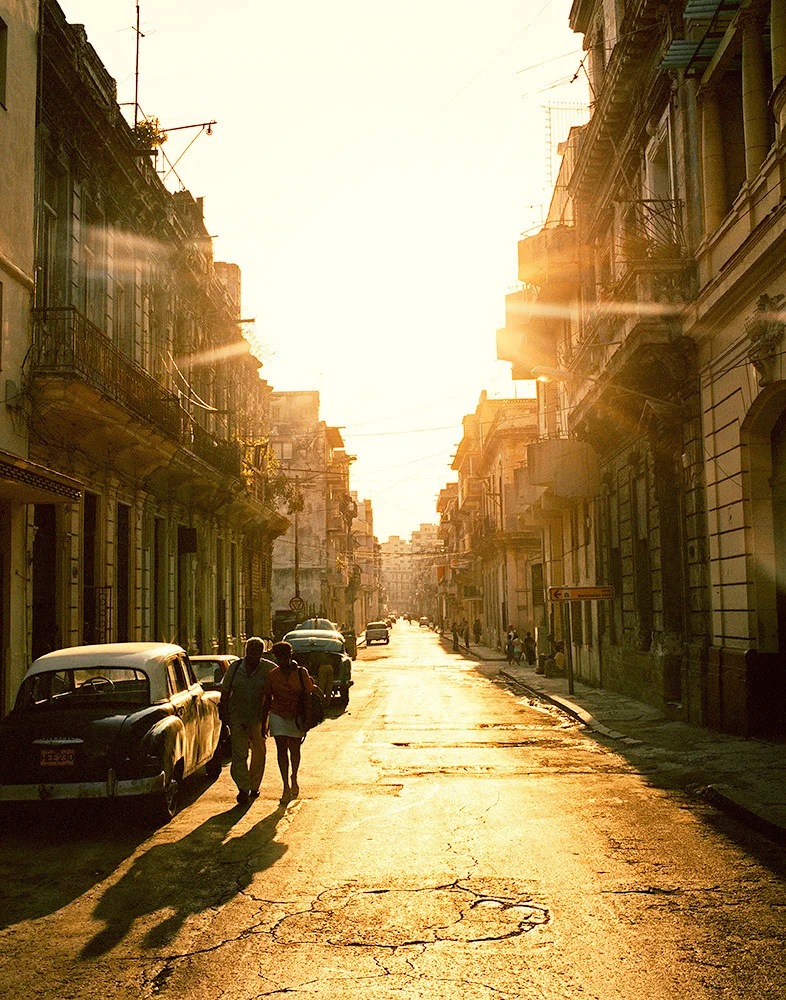
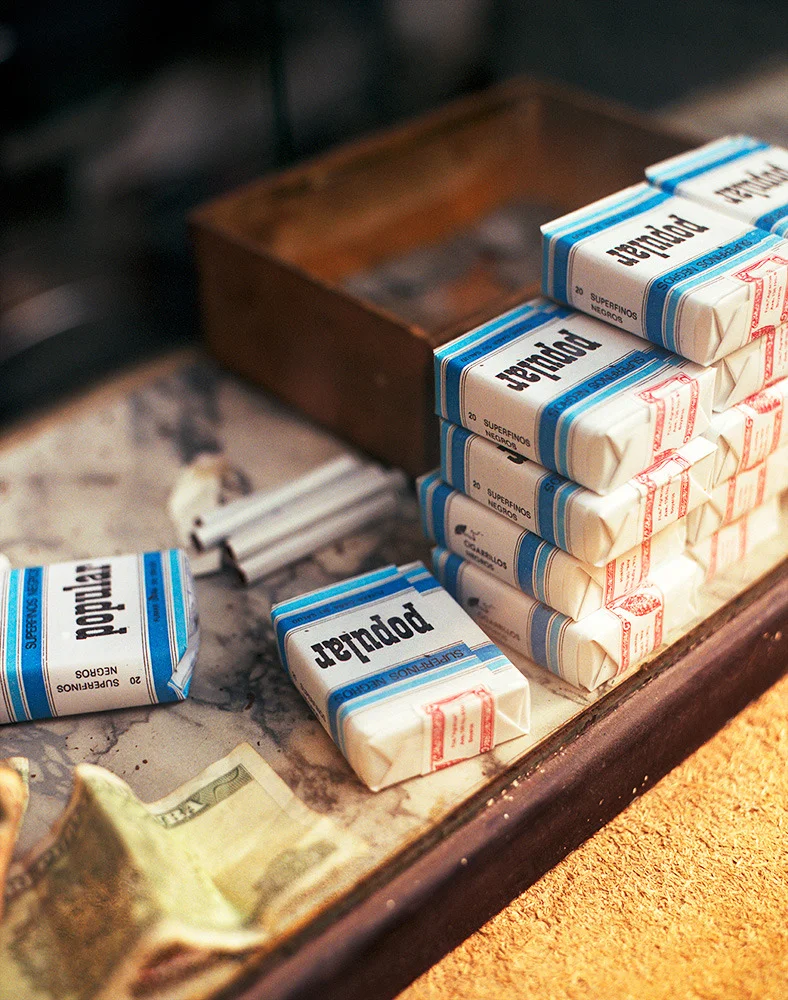
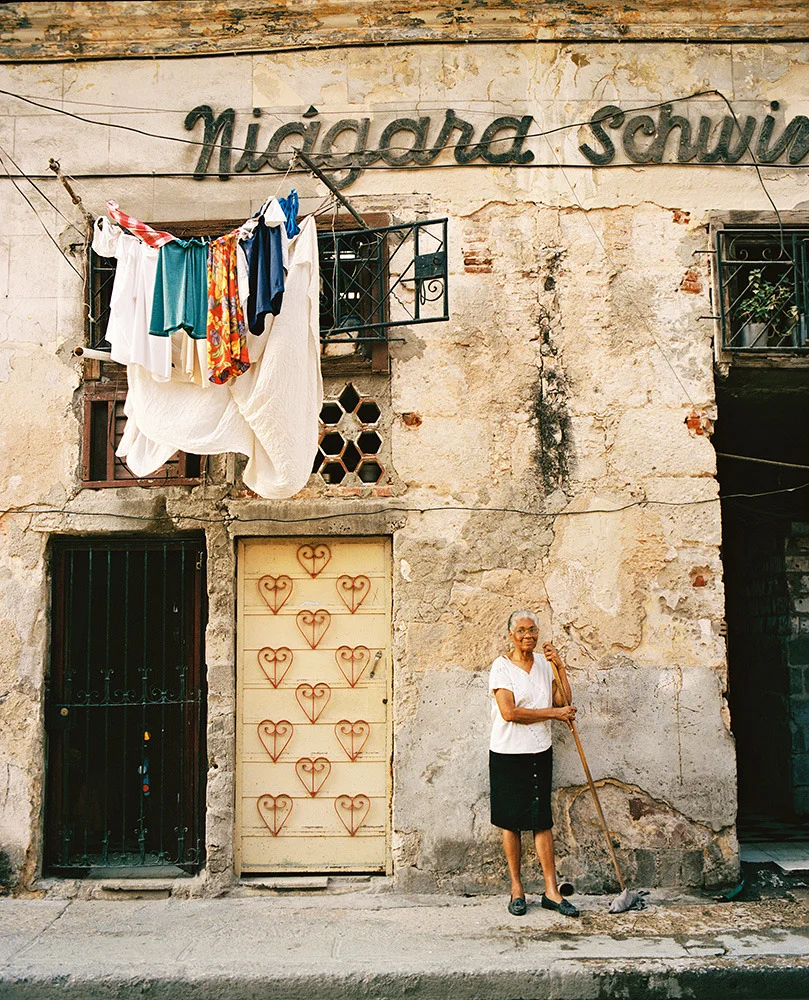
Walking the streets is a cultural excursion, from the ornate buildings of a former prosperous nation passing the bullet-ridden walls of revolution to the rubble of a stalled Communist state. Yet it is impossible to not be struck by the beauty of this city suspended in time.
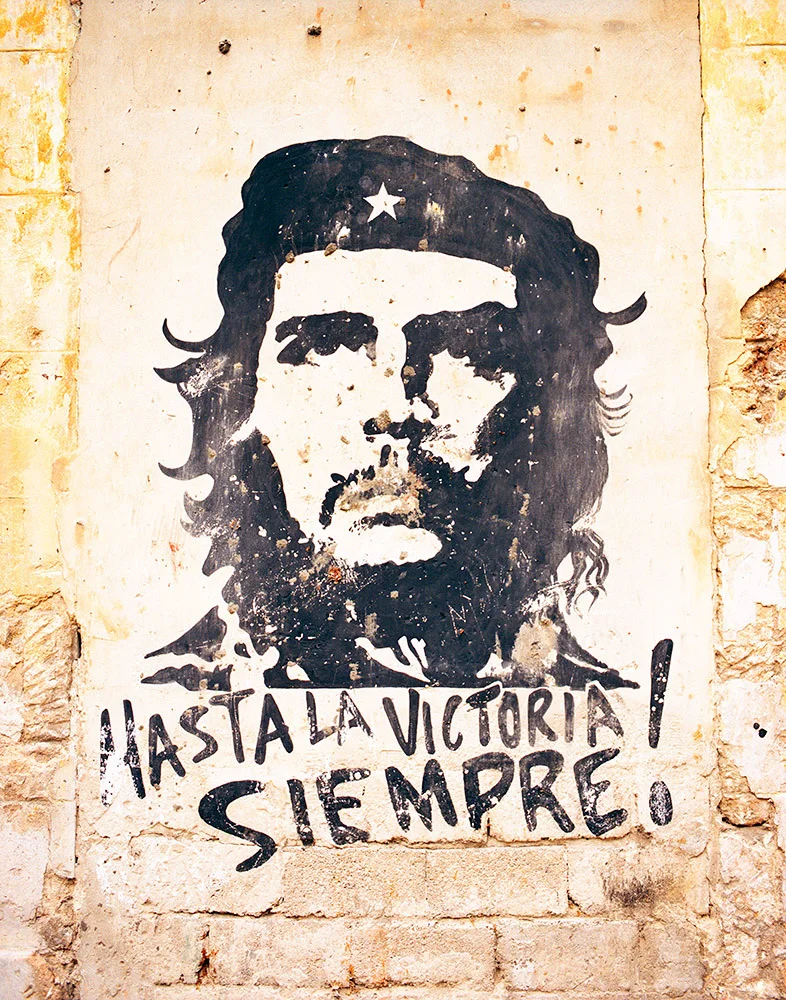
Creaking old cars held together by paint that sputter down pot-holed avenues. Images of Che invoked on countless walls; men playing dominos by the roadside. Almost clichés of a city that you hardly believe still exists.
The city raises endless questions, none of which, even if hotly debated, can be easily answered. People continually remind you of the failings of the revolution and the difficulties they endure under the regime. But it is precisely these factors that have preserved Havana, enveloped it in a hazy, tainted nostalgia.
Finally change is under way, I hope it brings prosperity but does not tarnish that smile.
PHOTO + TEXT: JULIEN CAPMEIL Julien Capmeil is an Australian born photographer living in New York. His work has appeared in many publications worldwide including Vogue, GQ and Conde Nast Traveler.
You can view more of his work online at: JulienCapmeil.com For print purchases Email: info@juliencapmeil.com
PHOTO ESSAY CURATED BY NELIDA MORTENSEN
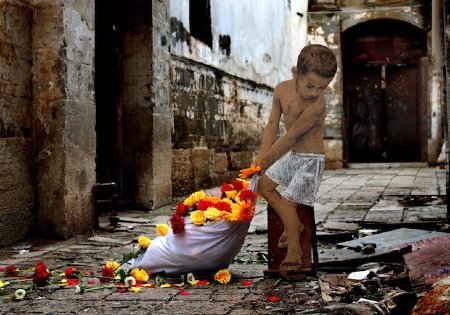
THAILAND: Street Orphans Transform Into Art
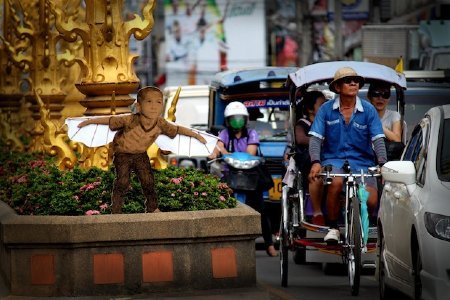
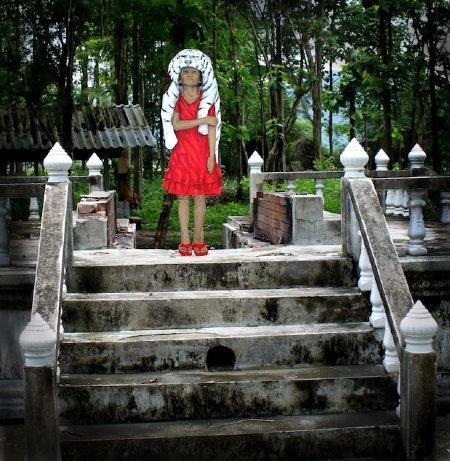
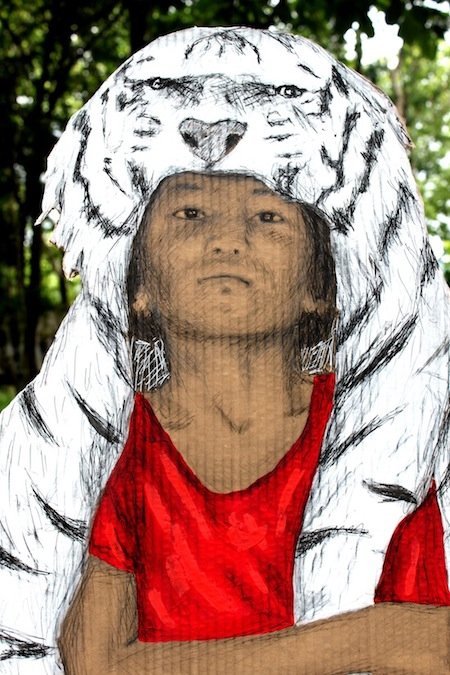
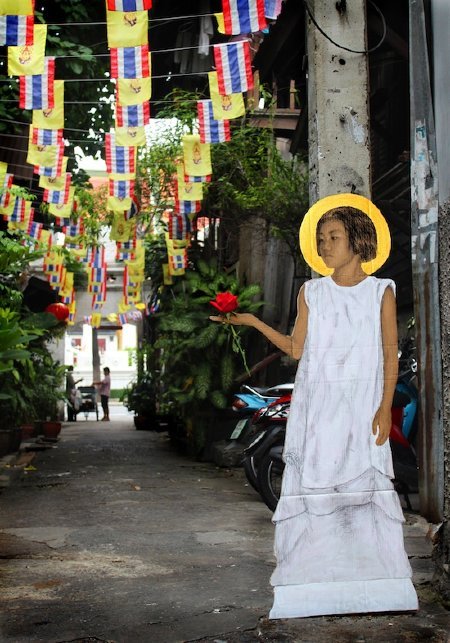
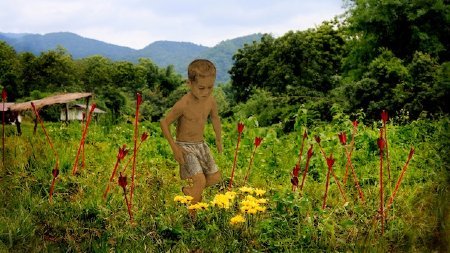
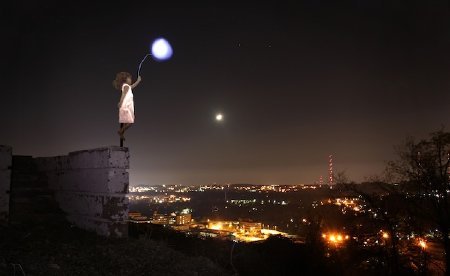
I've been making street art since 2009 and have traveled to 13 countries to focus on children who are homeless and living on the street. I make cardboard cutouts that I mount to walls with high tack mounting tape or propped up as stand alone pieces. If no one removes them from the streets, the pieces will decay and be destroyed by the harsh environment. If someone does take it, then they can keep it in their home. If it survives, there is hope for them to continue on as pieces of art, just like there is hope for the actual homeless and street kids.
During my last trip to Asia I stayed in an orphanage in northern Thailand and got to know the kids there. I spent two months with them, listening to their stories, and then I represented these young people in this body of my recent work.
The most memorable stories were of two children named Chai and Lee, who were so malnourished that their little stomachs were swollen when they first came to the orphanage. To get food they would steal the offerings to Buddha in their tribal villages. With this money they would buy snacks, since the only thing they had to eat was white rice, which has hardly any nutritional value. The piece with the arrows (below) is about how Chai had a lot of things in life thrown at him, trying to destroy him, but instead, he focused on the beauty in life. The main thing I learned from this trip is that children find beauty and can reveal it to the rest of us.
MICHAEL AARON WILLIAMS : My art is a narrative, visual poetry, making a social statement to move the viewer to action or realization. An important part of my work focuses on the street, the place where people live their daily lives. This allows me to interact with an audience on their own turf and observe how they react to the art; it is a social experiment. These open-air installations focus on the ephemeral state of street people and enable the viewer to participate in the outcome of the pieces, whether the viewer leaves or saves them from the street. My goal in depicting street people is to show their beauty, fragility, and to bring their situation into the eyes of the viewer, refusing to let them be forgotten or ignored.
Learn about how to help the orphanage at Orphans Assistance and Rescue
ICELAND: Home of the Sun — My Stay in an Eco-Village
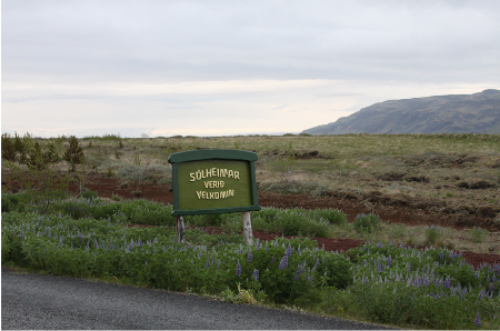
We stood in a circle, holding hands. The early morning dew clung to and soaked the bottoms of my shoes, and I shivered from the wind and the excitement at welcoming the day with the people of Sólheimar. My eyes followed the held hands around, taking in a couple of young twenty-year-olds embedded in between more sober looking adult leaders of the community and the elderly.
Earlier, as groups made their way over to the morning meeting, the warmth with which the young and old greeted each other warmed me up despite the cold and the constant overcast sky. Here in the middle of farmlands and sheep, Sólheimar is an eco-village, an intentional community where the abled live along the disabled in a sustainable manner.
Sólheimar owes its founding to Sesselja Hreindís Sigmundsdóttir in 1930. Ahead of her time, especially in pre-industrial Iceland, Sesselja created the first orphanage at Sólheimar for children who are mentally disabled. She believed strongly in encouraging artistic expression in the mentally disabled, a novel concept from Rudolf Steiner in Germany. Sesselja, regarded as crazy by some in the Icelandic government for her insistence on allowing interactions between normal and disabled children and her equally important work in biodynamic farming, experienced significant roadblocks in the establishment and expansion of Sólheimar, but she overcame the judgment of the skeptics and eventually secured funding and approval from the government for her work.
The village of a hundred inhabitants sits snuggly and unassumingly in the geothermal region of southwestern Iceland; its location keeps it far-removed from the bustle of the modern capital of Reykjavik. Instead, people at Sólheimar farm and make crafts to sustain their peaceful lifestyle. Today, the President of Iceland scheduled a visit. The occasion has sent all the residents of Sólheimar busy bustling in preparation. Compared to government opposition to the project during Sólheimar’s early history, this occasion reveals that much has changed in the way Iceland perceive ideas of sustainability and social equity.
Sólheimar has embraced the concept of reverse integration where abled people accommodate and structure their lives around the disabled. Every inhabitant of Sólheimar is employed in some way in the village, whether it is cooking, taking care of the greenhouse vegetables, or making candles in the craft workshops, so everyone has a stake in the wellbeing of the community.
The first thing that caught my eye when I walked into the guest rooms was the extensive recycling system, consisting of five or six multicolored buckets each labeled with a different type of material. Sólheimar strives to function with 100% sustainability on all three pillars — environmental, economic, and social. Nevertheless, waste remains, and Sólheimar depends on outside funding.
Socially, the society functions like a well-oiled machine. The residents are the friendliest people I’ve ever met. The four-day stay here is filled with smiles, offers to try the cucumbers in the greenhouse, sharing their artwork. In the corner of the village sits a troll garden, and the dim light makes you believe that maybe, just maybe, fairies live here.
ORIGINALLY PUBLISHED ON THE YALE GLOBALIST

JINCHEN ZOU
Jinchen is an undergraduate at Yale University from Houston, Texas. As a contributor to The Yale Globalist, she is an avid traveler. Jinchen also contributes to TheProspect.net, a culture/lifestyle magazine that includes helpful resources for college applicants.
The World From Space
As citizens of a global community, it is important to be reminded of what it means to be "home."
MEXICO: The Enormous Mural That Made This Neighborhood 'Magical'
In the center of a small neighborhood located in the city of Pachuca, Hidalgo, the largest graffiti mural in all of Mexico, painted onto a canvas of 200 homes, was inaugurated this July. But the “macro mural” has done much more than simply give some color to the hillside district of Las Palmitas, a predominantly rural neighborhood with a certain degree of poverty and crime.
Read MoreSOUTH KOREA: Surfing the Demilitarized Zone
38th Parallel Beach is located just 50 kilometres south of one of the most dangerous places on Earth — the line dividing North and South Korea.
Known as sahm-parl in Korean (the numbers 3 and 8), 38th Parallel Beach is a harbour, military base, beach and a highway rest stop. Weary travelers can stop for strong, sweet coffee, spicy food and tacky souvenirs. They can inspect the coastline and enjoy the rare beauty of the Gangwando coastline. Today it is also a rather unusual surfing spot.
While living in Seoul working as a university teacher, I spent three years photographing and surfing with the Korean and foreign surfers who were establishing the area as a legitimate surfing community.
I was drawn in by bar tales spun by roughish Australians who said they had surfed with local Koreans in blizzards, but pre-Facebook and iPhones, proof was murky. Poor photos of clean waves in deep snow and a complex myriad of forecasting and unreliable local bus info made it even more confusing. Eventually these rumours led me down a three-hour stretch of highway from Seoul to the 38th Parallel on Korea’s east coast.
As I left, my Korean co-workers giggled at me for coming to the country with a surfboard, but a peninsula must have wind I thought — and where there is wind and water, well, there must be waves.


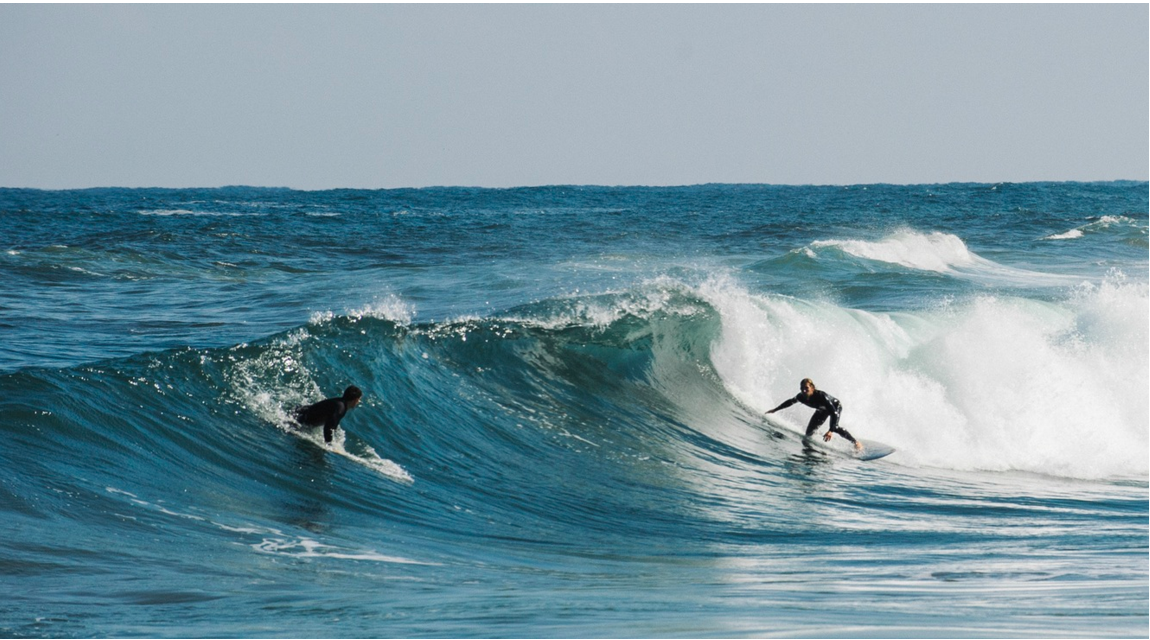
Arriving at a protected harbour I could immediately see some small but nicely shaped waves, peeling intermittently down a well-defined bank. I was impressed and could see its potential, so we jumped in.
It was a fun spot. Surprisingly, when we came in a film camera was shooting us as we came up the beach together. Turns out they were filming a commercial for nuclear waste storage and our water exit appealed to them. I posed for a photo with the bespectacled producer and later learned that we had made it into the commercial.
38th Parallel beach felt special from day one and this slightly surreal first experience would set the tone for my future visits.
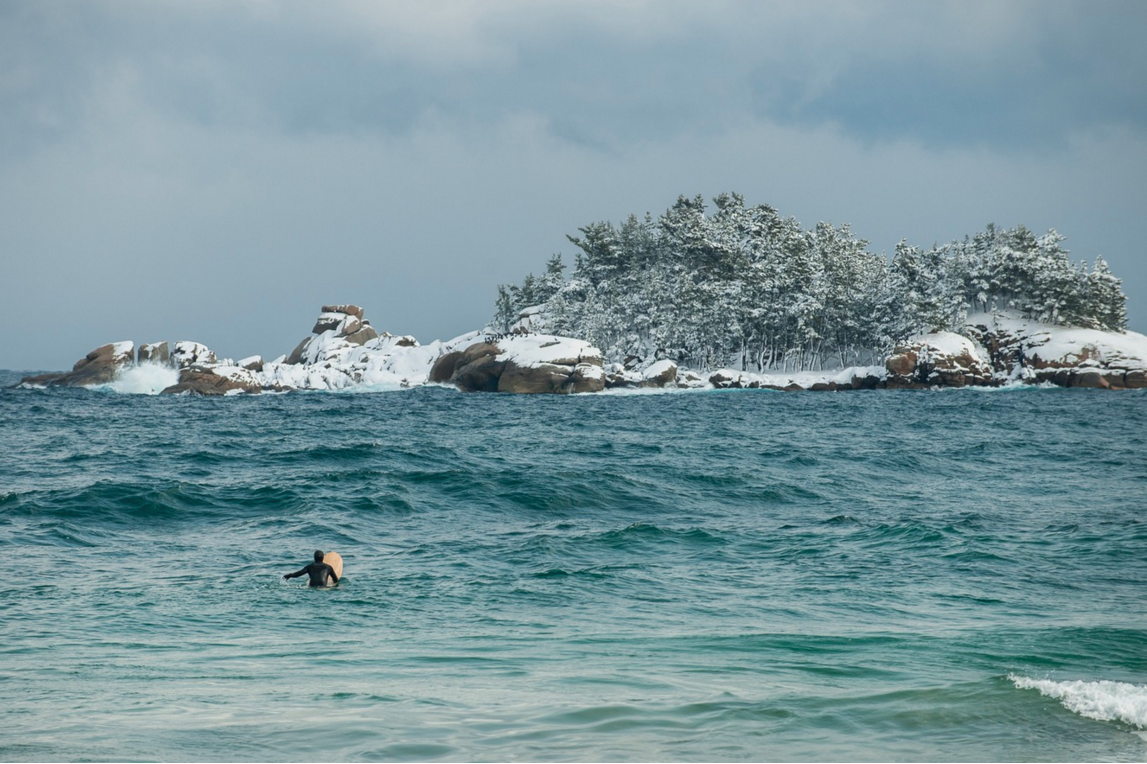

In the months to come, I discovered some of the best waves I had seen in the country, and to my surprise there were a lot of surfers, too. Koreans, Kiwi surf rats, and even some wobbly Nova Scotians, all hunting for peaks to break the grind of Korean ex-pat life. The good surf days remain particularly vivid in my mind because my lowered expectations only amplified my ‘stoke’. The surf and culture on the east coast of Korea surprised me and my experiences were in a word, unique.
Surfing in Korea is tinged with madness and magic. Koreans tend to go full throttle with everything they do, and surfing is no different.
On a weekend, the line-up resembles a chaotic Korean market place with people and boards going every direction. Korea is small country with an enormous amount of people, so fighting for your position is a way of life and the surfing line-up is no different. Luckily, over 3ft Mother Nature takes control of the space politics and the line-up clears out significantly.
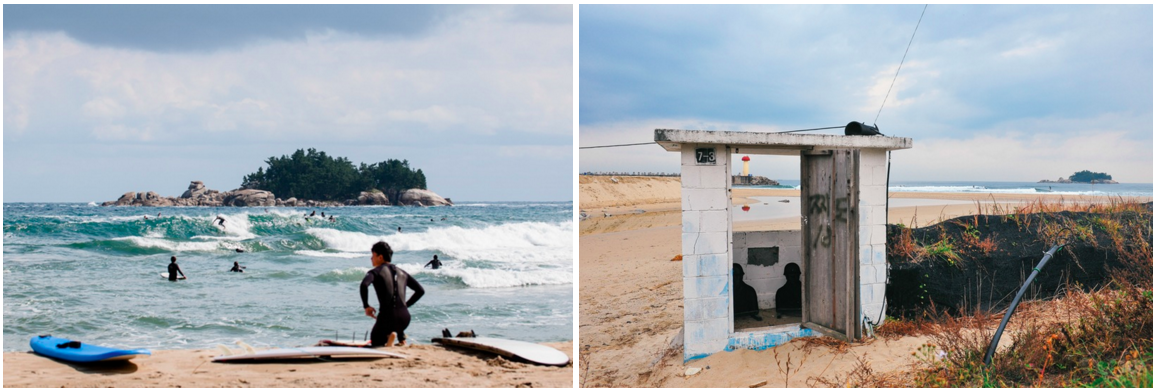
South Korea has gotten the surf bug badly, and 38th Parallel Beach has fast become a hub for Seoul’s young jet-setting surfer class, traveling down through scenic Gangwando to reach this barbed wired bay.
On any given day, and in any of Korea’s four distinct and extreme seasons, you will see trendies, gangsters, Hongdae hipsters, Gangnam DJs, and foreign English teachers all jostling for a wave.
The car park overflows on every swell with Seoul surfers chain-smoking in the latest gear and waxing up only the hippest of shapes. Koreans love to do things together, be it banquet-style eating, all night drinking, or raucous socialising. Surfing has become another activity to share and the entire culture is geared up for it with various surf stores and camps along the coast catering to the dedicated Seoul surfing clique.

With some of the most consistent and powerful waves in the country and with ever improving forecasting technology, modern social media and South Korean connectivity, the short lived swells that originate in the East Sea are no longer left un-surfed, even in the deepest of winter.
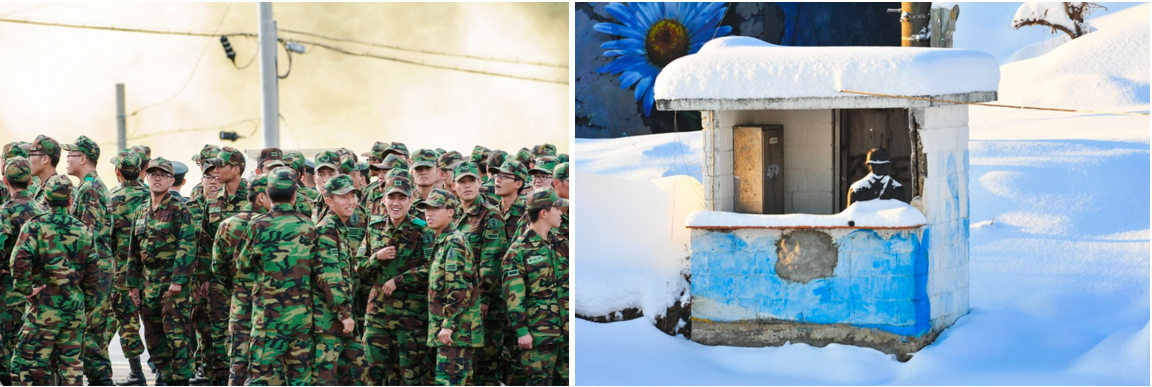
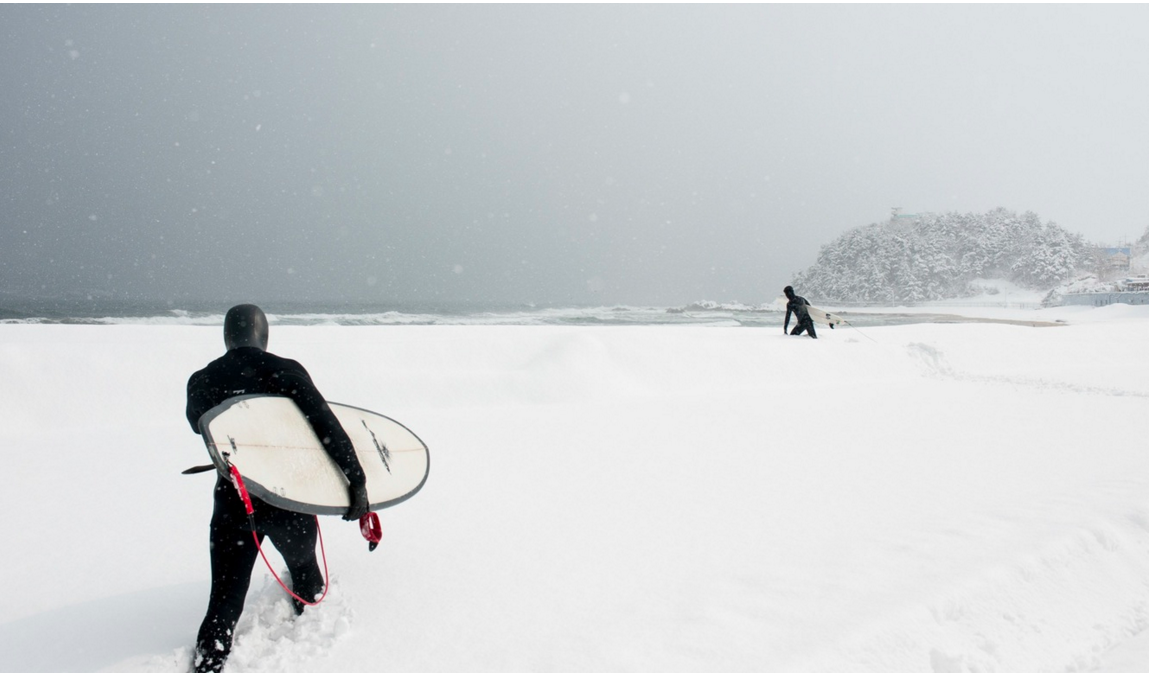
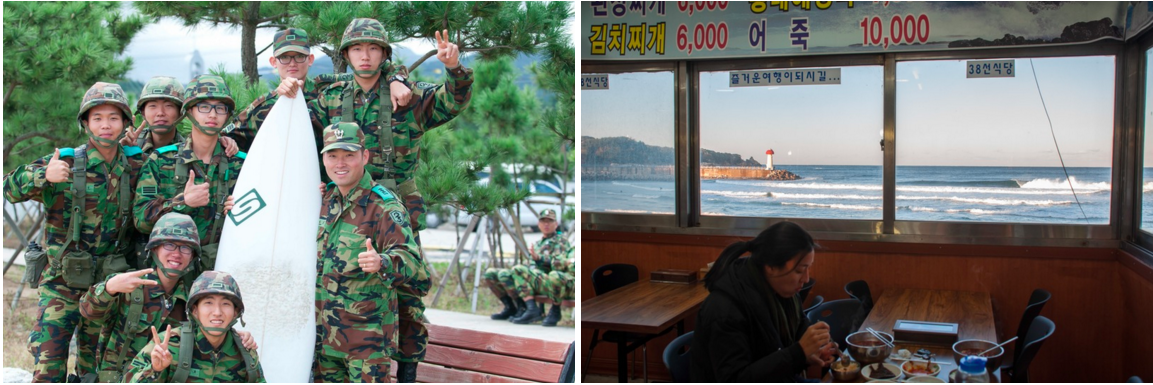
Koreans adore trends, and the newest trend, surfing is red hot. The surf community at 38th Parallel Beach has grown rapidly, enjoying a strange co-existence with the local fishing community and the ever-present ROK (Republic of Korea) defence force, who have been protecting South Korea from the distant threat of a North Korean attack or DPRK defectors since the 1950s.
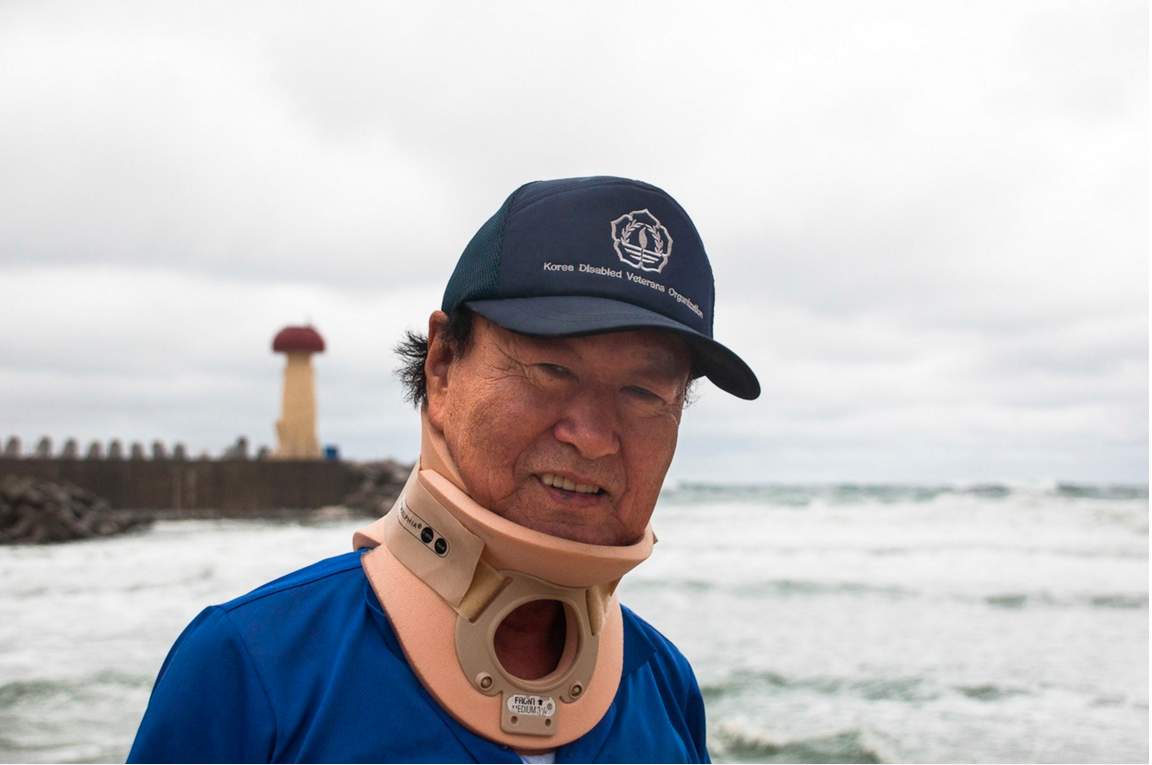
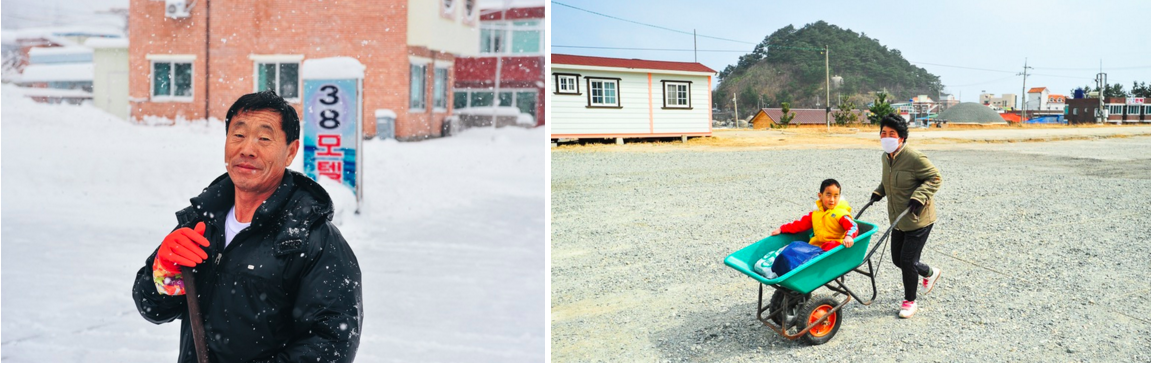
Being a lifelong surfer, the mixture of this semi-remote location, the exotic culture, and these three dramatically different groups all occupying the same space is incredible to me. Over the next few years I tried to spend as much time as I could out at 38th Parallel Beach, getting my surf fix and capturing the amazing and strange things I saw.
ORIGINALLY PUBLISHED ON MAPTIA

Shannon Aston
www.shannonaston.com
Shannon Aston is a world traveler, surfer, and photographer from New Zealand.
Travel Where You Live
What if we live the same way we travel?

The Fairuz Mural in Gemmayzeh, Beirut. On Fairuz, Yazan said: “Fairuz is a national symbol of unity: she might be the only person the Lebanese agree that they love. She is a positive cultural figure. She was also one of my first portraits, I used her mural to cover some political posters that were still hanging from a number of years back. It is extremely interesting how much people identify with her. Photo by Yazan Halwani.”
LEBANON: Spotlight on Yazan Halwani, Beirut's Street Artist
“To Beirut,
From my heart, I send peace to Beirut,
And kisses to the sea and homes,
To the Rock that is as the face of an old sailor.
She comes from the soul of the people, from wine,
She comes from their sweat, from jasmine.
Then how did her taste change to smoke and fire?”
So reads the translated lyrics of Fairuz's most famous song, “Li Beirut” (To Beirut). Today, the song is often cited as a symbol of Lebanon's history, full of sadness and suffering. But Fairuz also sings of Beirut and its people as being one -“You are mine, you are mine. Ah, hug me”- both in suffering and in hope.
In that spirit, Yazan Halwani is taking back the streets to make them more ‘Beiruti’. His weapon? Art. We sat down with this young Lebanese graffiti artist to see what makes him tick.
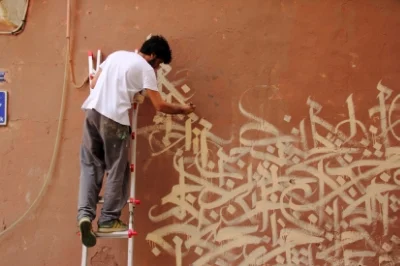
Yazan Halwani in front of the yet-unfinished Fairuz mural in Gemmayze. Source: Facebook.
Can you please introduce yourself?
My name is Yazan Halwani and I am a street artist and calligrapher from Beirut, Lebanon. I have been street painting for around seven years now, mainly in Beirut, the city that inspired it all, but also in Tunisia, Singapore, Dubai, France.
Can you describe your work?
My current work is a style I have developed myself over the past years. It combines Arabic calligraphy, oriental geometry and patterning and portraiture. I think that my work is also not only about mural painting but more about the relation of the wall to the people and the city it surrounds. For example the Feyrouz mural has become somewhat of a landmark for the people living around it. The owner of the several buildings around it called it:”The most photographed wall in the city”. One time when someone scribbled on the Fairuz mural, someone living next to the mural called me, without knowing who he is, and asked me if I could fix the mural.
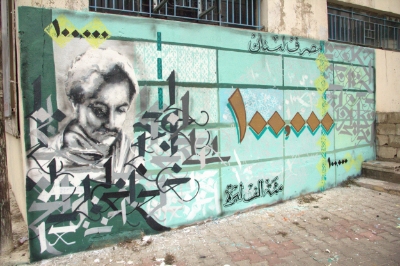
Yazan's image of what the Lebanese 100,000 LL bill would look like with Khalil Gibran, the Lebanese-American poet and author of “The Prophet”. “Apparently someone suggested this currency design to the head of the Central Lebanese Bank, from what I heard it was as quickly dismissed because of complications that might arise from adding Gibran to the note,” Yazan said. Photo by Yazan Halwani.
What inspired you to do what you do?
I have developed over the years. I have started my work as a graffiti artist being inspired by the graffiti scene in Europe and the US, where graffiti artists write their name in flashy and colorful ways. After a few years of doing that, I started questioning the relationship the relation of my work within a city in the Middle-East: at the time, it was somewhat alien from its surroundings, I realized that writing my name was not really different than what political parties have been doing around the city. I needed to change direction.
One day, I stumbled across a book of the five main calligraphy scripts (Diwani, Koufi, Thuluth, Naqsh, etc.) and decided to change my style: instead of doing my “alias”, I would paint words, letters, images that fit much better within the city, the culture and the context. At this stage I thought that a good mural is one that talks to the citizens surrounding it: it becomes part of the city and it becomes theirs, not the artist's.
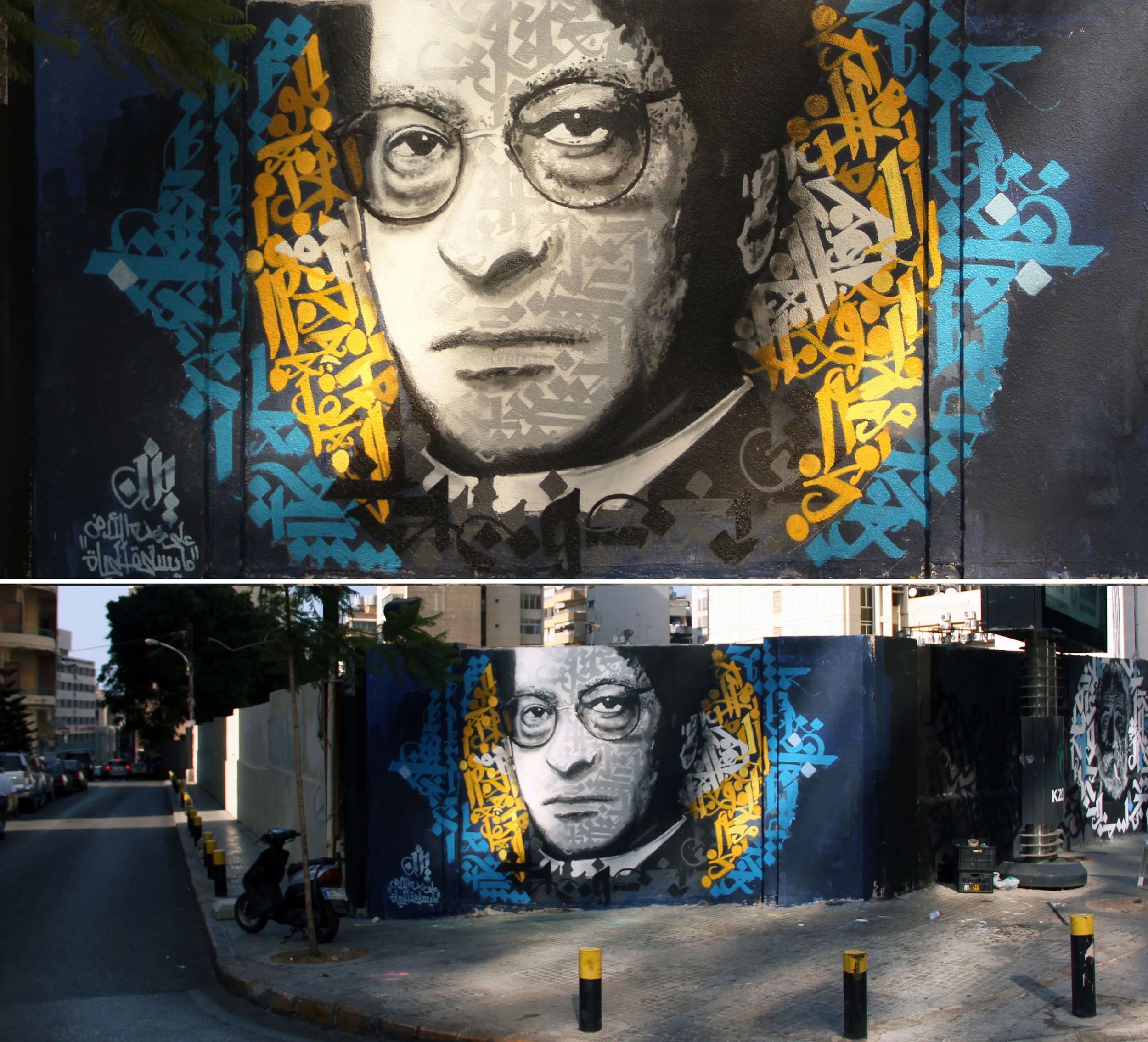
Palestinian poet Mahmoud Darwish in Hamra, Beirut. This mural was vandalized and Yazan decided to repaint it in Tunisia, where Darwish spent a part of his life. On Darwish, he said: “I personally love Darwish for his stance on the conflict in Palestine as well as his poetry. The first time I painted him was near the Hamra street, in a street he probably walked in back when he was in Beirut. Unfortunately someone chose to throw paint on his face. Instead of repainting it in the same spot, I choose to repaint it away from any vandal. I took Darwish to the streets of Tunisia, a country that has also welcomed him. I used a poem from Darwish that says “How can we be cured from the love for Tunisia” for my calligraphy.”
This is why each mural tries to have a story that relates to the people living around it: Ali Abdallah‘s mural is a reminder of a homeless man who died from the cold and it tries to make people help or remember their social responsibilities.
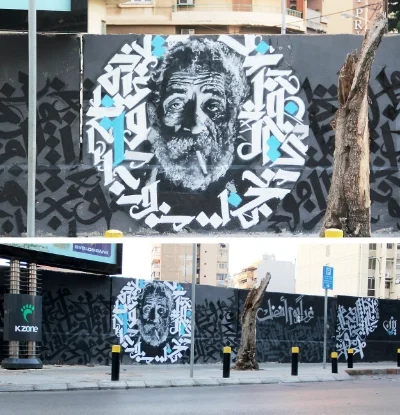
Mural of Ali Abdallah, a homeless man who lived in the Hamra neighborhood. He died from the cold. Photo by Yazan Halwani.
Indeed, Yazan doesn't just paint famous people. The story of Ali Abdallah is a particularly striking one. In Yazan's words:
Some people told me that I “paint famous people”, this is not true. I paint faces that tell stories, and are part of our culture. One of my favorite murals is the one of “Ali Abdallah”, a homeless man living on Bliss street.
Ali's existence was surrounded by urban legends about how he became homeless. Some of them say he was a physics teacher that had a scaring experience during the Civil War. The one thing everyone agreed on was their love for Ali.
Despite that, on one of the coldest winter nights, Ali passed away. This tragedy triggered several short-lived initiatives to try to help the homeless in Beirut. After a few months everybody seemed to have forgotten about Ali's story. This is why I painted the mural to remind people of his friendly face, and also to remind people on an everyday basis of these short-lived initiatives.
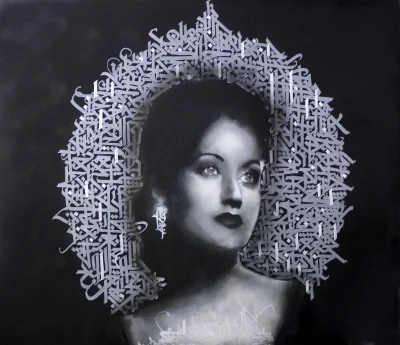
Mural of Asmahan, the popular Syrian-Egyptian singer, actress and popular icon. Seen in Achrafieh, Beirut. Photo by Yazan Halwani.
Joey Ayoub
Joey is a Lebanese blogger, wanderluster and writer. You can check out his blog here.
Why Working Your Bag Off Is Spiritual

In my favorite book of all time, “Autobiography of a Yogi,” there is a story about a typical 33-year-old man in India who is approached by an enlightened guru who helps him to remember his past lifetimes when he too was an enlightened master. The guru, wanting this man to become enlightened again, materializes all the wealth that the man could ever want, right before his eyes. The guru does this so all of the last earthly desire the man had, which was being wealthy, could be satisfied so he can move past it and onto enlightenment. The guru says that desire is what chains us to the reincarnation wheel.
While some self-identifying spiritual people speak of wanting less, desiring nothing, and frown upon striving for money or material success, I believe satisfying earthly desires can be one the most spiritual things you can do. I don’t mean just trying to have the biggest boat for the sake of being able to say you have the biggest boat. I mean acknowledging your inner desires and looking them right in the eye. And when you feel like attaining them is part of your growth and purpose, GO FOR IT, regardless of whether it is focused on material gain.
While many people cite their darkest hours, such as being on their deathbed or losing everything, as the times they learned what is truly important in life, I had a number of different (you could say opposite) experiences. When I was 25, I busted my ass for 365 days straight selling real estate to reach a highly coveted award level and recieve the big plaque that came with it. After I reached that goal and became the highest grossing new Realtor in North America, I relaxed for the first time in a year and enjoyed it. Well, I enjoyed it until I realized that if I wanted to keep my success going, I would need to go out and bust my hump for another year to win another big award. It was when I reached the top of my game that I realized that the great feeling success brings is temporary, fleeting, not real, illusory. It is not anything close to true happiness.
This scenario played out over and over again in my 20s and I reached higher and higher goals in business, physical fitness, romantic relationships, and finances. However, each success became less and less fulfilling to the point where I said “screw it!”, sold everything, and took up social entrepreneurship full time.
It was largely because of fulfilling huge goals that I abandoned the notion of “more” equaling happiness. It was because of reaching my goals goals that my entire life is now dedicated to service. It’s not that I made a boatload of cash and became a wealthy philanthropist. Heck no. I sold everything I owned to fund my current venture that has now funded 60 schools and libraries in 9 developing countries for 60,000 kids, and I am flat broke because of it.
But, you would not believe how great I sleep at night, with a big, stupid smile on my face.
Why? Because a number in a bank account doesn’t define me. And it doesn’t define you either.
Like the man from the story, I had desires that needed to be fulfilled. Thanks to going after those desires 100%, I can now say with personal experience that money, success, and reaching goals don’t mean squat to me. What matters to me is loving yourself, serving others, and taking pleasure in simplicity.
Striving after material success in my 20s ended up being the most spiritual thing I could have done. It was my way of materializing my desires so I could see the illusion they actually are. I am nowhere closer to enlightenment than anyone reading this, but I do know what makes me happy, and that feels really good.

Taylor Conroy
Taylor is the founder of Change Heroes and Destroy Normal Consulting, which focus on innovative philanthropy and building projects like schools, wells, and libraries all over the developing world. His most recent efforts have seen schools funded in India, Nepal, Kenya, Sierra Leone, and Tanzania, impacting over 30,000 children. He has set foot on every continent, dozens of countries, and has worked as a professional fire fighter, real estate broker, and currently as an avid social entrepreneur.
Am I Making a Difference?
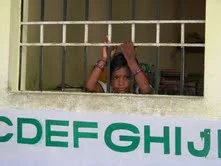
Mingling in hostels you tend to meet many adventurous spirits finding their way in the world. Among those I met a young girl with similar interests in the social work/humanitarian field in Chennai, India. She was nearing the end of her yearlong journey and as we talked we reminisced about the hardships and victories we found along the way. She told me of her 1st day working at an HIV positive orphanage in Bangalore where a child fell and cut herself. My new found friend's immediate reaction was to clean the wound, which she instinctively did, as everyone watched open mouthed, too afraid to say a word. After numerous blood tests she found out she had not contracted HIV, but it was a wake up call. She had forgotten she was in a different place, without the luxury of basic necessities. Finally we got to the point I asked what she felt her biggest accomplishment was during this trip? She looked me straight in the eye's and said, "I feel like I have accomplished absolutely nothing, I have made no difference in this place." Here was a girl who had been devoting her life for the past year to HIV positive orphans, trafficked girls, and battered women yet she felt like she had accomplished nothing. I was floored and thought if she hasn't made a difference have I? I proceeded to make a list of how I felt when I was impacted by volunteers when I was younger, and what difference they made in my life today. As I thought, I realized we need to look at our small victories. Realize we can't change a country overnight, but we can provide a motherless child with love. We can let these children see what else there is in the world. We can give them the confidence to succeed. We can open their minds. Whether it be for 2 days or 2 years, that child is going to remember the love they felt from you. This is why we started Humanitarian Travel Tips doing medical screenings and vocational training. We can't change a country overnight, but by providing glasses to a child who can't see a chalk board we are changing their opportunities and their life forever.
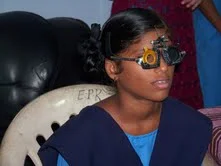
Without glasses these children can't learn. They are put into the lowest classes of children deemed unfit for learning, given little to no teacher supervision, and leftover books (if there are any). With glasses they are able to move up in school, they won't fall through the cracks, they have the opportunities to reach their full potential. The girls who got the glasses go on to be educated women who as a whole have fewer children and take better care of those children. On the same token teaching women a vocation like sewing gives her the ability to provide for her family, send her children to school, and give the children the nutrition they need to concentrate during school. They raise educated children, thus changing a generation. Too often we underestimate the power of the good we are doing and we shouldn't. Every smile, every friendship, every amount of love you give to a person makes a difference to that person. I have been at orphanages long term and you don't realize how long after you leave those children still talk about you, or the pictures you give them they will hold onto forever. Don't underestimate the power of good in this world you can do.
CHAMBREY WILLIS
Chambrey is the founder of Humanitarian Travel Tips an organization that raises the standard of living to people in developing countries through health screenings and vocational training. We are excited to announce that we are now welcoming volunteers to join with us on these initiatives this summer. Chambrey is an avid yogi, got her undergrad in Finance and is working on a guidebook outlining step by step how to best fundraise for your next big adventure. You can find her on facebook or follow her blog.
Why You Should Ski in Afghanistan
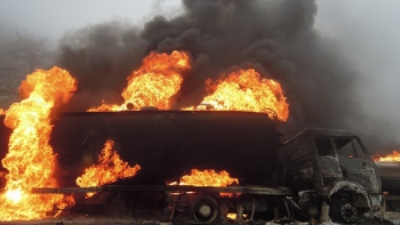
Afghanistan.
Just the mention of the word sends images into the mind. Military units driving through deserts, windswept mud brick villages and broken arid urban landscapes. When I mention the possibility of going skiing in Afghanistan it can get some strange responses. Forget about the risk, the first question is, “Is there any snow?”
Whilst it is true that much of Afghanistan is desert or semi-desert and that it hardly ever rains, it does snow. In the mountains it snows a lot. The snow is the lifeblood of Afghanistan. As it melts, it flows through the rivers that fill the canals that irrigate the fields. A good snowfall ensures that the people of small rural communities will have a good harvest and can feed their families and livestock. A poor snowfall often leads to a drought and a famine. However, the snow in Afghanistan is both a blessing and a curse. Heavy snow cuts off villages in the mountain and every winter people freeze to death or are crushed by avalanches.
Families wait for the snow to melt hoping to survive the winter until they can reap the reward that the snow will bring in the summer. For thousands of years there has been nothing for the people to do in the winter except wait for the spring... until now.
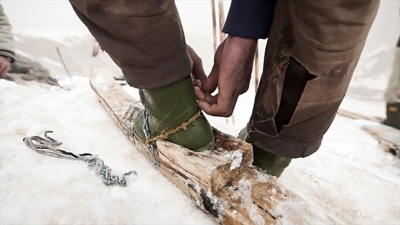
This winter young men from the villages of Kushkak, Jawzari, Ali Baig, and of the valleys of Qazan and Dukani and Foladi will pull on home made skis, crafted from wooden planks, with edges made from flattened tin cans and with poles snapped from a nearby tree. Some will be selected for training to represent their valley in a competition to see which valley can produce the best skier. They will be given modern ski gear to use. They’ll be taught how to ski, and they’ll receive basic training in first aid and avalanche awareness — skills they can take back to their village and potentially use to save lives.
A handful of young men from Bamian, in Central Afghanistan have already begun guiding foreign skiers—both ex-pats from Kabul and visitors from around the world who are trickling into the region to try out Afghan skiing first hand.
So how did this happen?
At the beginning of the winter of 2010 almost no one had skied in the province of Bamian. The valley's chief claim to fame had been the giant Buddha statues carved into the cliffs overlooking the town of Bamian. Tragically the two statues—which were about 1400 years old—were destroyed by the Taliban in 2001 robbing the world of two of its most important ancient Buddhist relics, and robbing the people of Bamian of one of their key sources of tourist income. For Afghans, Bamian province was also well known for the lakes of Band e Amir —a series of five lakes formed by natural travertine dams, that appear like a mirage in this high, arid landscape. In the summer Kabuli families come here to picnic and to escape the dust and heat.
Bamian is also home to the Hazara people. The Hazaras are recognisable by their Mongoloid features. They’re Shia Muslims, unlike most Afghans, who are Sunni. In popular tradition they are reputed to be the remnants of the Mongol armies who came to the region with Genghis Khan. Historically they have been looked down upon by the ethnic Pushtuns and Tajiks who make up most of Afghanistan’s population. Some radical Sunnis—such as the Taliban—have seen them as heretics because of their Shia faith. Modern Afghanistan has always been ruled by Pushtun kings or Pushtun dominated governments who have tended to overlook the Hazaras. However, there have been important changes in Bamian since the fall of the Taliban in 2001. It is no Shangri-La—there is little electricity, the province is one of the poorest in the country and by any standard it ranks as one of the least developed places on the planet. However, for the first time in decades there are signs of progress and positive change.
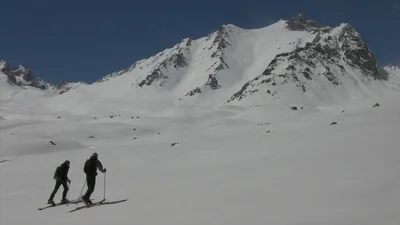
Ten years ago, Bamian province had never had a hospital, a paved road, or a university. Now these all exist. There are still many problems, of course, but the Bamian valley is relatively secure and there is none of the anti-government fighting that plagues large parts of the rest of Afghanistan.
An international development agency, the Aga Khan Foundation, saw the potential of promoting tourism in Bamian as a way of giving the people of the province an additional source of income. The Foundation has helped to develop guest houses, organise cultural festivals and provide information about the places of interest in and around Bamian.
That’s fine in the summer when tourists come to the valley, but what about the winter, when guest houses lie empty? Well, the people of Bamian fall back on their timeless winter pastime of just surviving and waiting until the Spring.
But taking their cue from other mountainous developing countries it was clear that any winter income was better than none so the Aga Khan Foundation began the Ski Bamian programme. With no infrastructure or lifts, the idea was to make the Koh-e-Baba mountains a new destination for ski-touring.
In 2010 two American skiers were employed for the winter to map out potential routes. They brought only their own equipment so the Afghans had to get creative if they too wanted to ski along with them. Anyone with a small knowledge of Afghan military history will tell you that not having state of the art equipment never stopped the Afghans with competing with foreign powers. Skiing with no ski equipment was not an insurmountable problem. Strips of wood with battered oil tins for edges were formed—so, the bazaar ski was born.
It quickly became clear that the mountains of Bamian were perfect for skiing and in 2011 a foreign ski trainer arrived to train the first batch of Afghan ski guides. It was early in 2011 that Ali Shah met Nando the Italian ski trainer at his village of Khushkak. Ali Shah was fit, young and spoke good English. Nando asked him what he wanted to be?
“An engineer” said Ali Shah.
“Why you wanna be an engineer? In Kabul there are a thousand engineers. You shoulda be a mountain guide. It's the best job in the world. You spend your whole life in the mountains with beautiful women.”
It may not have been a textbook interview but Ali Shah is now Afghanistan’s best ski guide and Nando's singular teaching style set the basis for the success of the project.
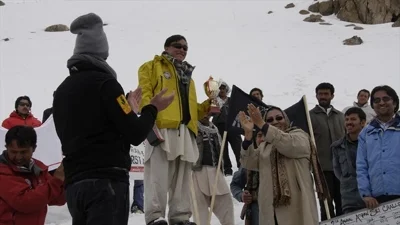
During 2011 and 2012 the annual Afghan Ski Challenge race (Rule number one — no weapons) was organised by a Swiss journalist and has became a focal point for the ski season (www.afghanskichallenge.com). With most Afghan Challengers having only one month’s ski training the Swiss organisers thought it an unfair challenge. They divided the race into Afghan and non-Afghan categories. The challenge is a classic ski touring route which includes skinning up as well as skiing down. They were right to divide the competition as most of the Afghans had finished before the foreigners had even got to the top.
With donations from western organisations like gear4guides (www.gear4guides.com) there is now a well equipped ski rental shop in Bamian serving the local community and the ex-pat and international skiers that trickle in.
My connection with skiing in Afghanistan began in 2009 when I bumped into a Scottish lad who worked for an Afghan aid agency. Ken was hiking with his girlfriend in the Wakhan region of Afghanistan in the far North East and I was leading a group of trekkers. The Wakhan region is the only other part of Afghanistan safe enough to consider these types of outdoor trips.
He told me of a group of British and French skiers working in Afghanistan who regularly skied near Kabul in the winter and if I was serious about being an Afghan tour operator then I should be offering ski trips to Afghanistan. I said I'd join him on a trip that winter.
On the first trip I made we took one of our regular drivers, Ali. For someone who has never skied it is quite hard to explain what we planned to do. Once we loaded up the poles and skis he had a rough idea of what we were up to and wanted to help. At the bottom of the Salang Pass, which crosses the spine of the Hindu Kush, Ali stopped at a small teahouse and ordered food for all of us. As any Afghan will tell you the best thing for breakfast if you are going to spend all day in the snow is Cow’s Foot. Boiled for hours, this gelatinous lump of bone, fat and gristle is never appealing to non-Afghans and the French skiers particularly do not like it. We made a quick note that for the commercial trips, we wouldn’t let the drivers choose the dining options.
But it was then that I saw how skiing was something that really appealed to all the Afghans who saw it. Standing next to Ali as we watched Ken fly down the slopes, he was awestruck. “He is a Djinn,” was Ali's response. Hazaras believe there are mountain spirits and clearly Ken was one.
In the tea house where we stopped on the way back, Ali regaled the owners with the tale of Ken's exploits. Ken was described as a Djinn and I as a Boz (a goat). I hoped it was a way to describe my sure footedness in the mountains but I think it was more to do with my erratic skiing style.
In keeping with Afghan tradition, the story was heavily exaggerated but it started a long discussion about skiing, mountains, snow conditions, avalanches and Afghanistan’s future.
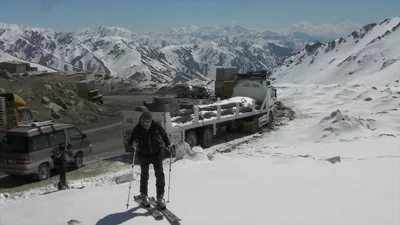
It was not only Ali who became a convert. I realised that, Cow’s Foot aside, this was an awesome way to experience Afghanistan in the winter. Skiing was something that was very foreign but the snow and the mountains was a common factor that could bring people together as it had done in that tea house. I also thought Bamian could be the perfect place for skiing.
It has not always been smooth. A few elders in one or two villages are suspicious about the skiing fuss. They worry the young men will hurt themselves—preventing them from doing the hard farming work—or that skiing will be the thin end of the wedge and they'll get caught up in other foreign un-Islamic ways. This generally does not stop the young boys from hiking up the hills and skiing. “The only say it is bad because they don't know how to ski,” said one boy from Jawzari village.
All the trailheads start from the villages and we have a code of conduct to help ensure that skiers behave properly. The Aga Khan programme representatives have discussed the skiing idea with all the local villages. We pay our respects to the village leaders and maybe take a cup of tea. There are many ways in which thoughtless skiers can cause offence, generally to do with women. In a country where the majority of people are illiterate and there is very limited access to the media, in these isolated rural communities, rumour is often taken as fact. If someone tells a man that the foreigners took a photo of his wife and put it on display in Kabul he will probably believe it. So Rule Number One is—Don’t take pictures of the women. Ever.
Cultural sensitivity is key to the future of skiing in Afghanistan.
When guiding a group of snowboarders last winter we spent a good hour discussing with the headman of one village what we wanted to do in their valley. The snowboarders were professional and were heading to a steep area that had not been ridden, so the villagers were suspicious. It took a great deal of persuasion until he agreed and let us pass around his village.
As we walked around the village we were watched closely by the men on the rooftops, with no smiles or handshakes. We travelled far up the valley and soon the snowboarders were making jumps from the top of large cliffs. On the second attempt one of them failed to make his landing and crashed in a huge cloud of snow. Suddenly huge cheers rang out from the village below. All the village stood watching on the house rooftops. They liked all the action, but they liked the crashes best of all.
On the way back down there was still staring and silence but we knew the ice had been broken.
We went back to that area for three days and by the end we were inside drinking tea and joking with the local people.
The key to a successful trip is that the Afghan villagers have a positive experience as well as the visiting skiers.
Afghanistan has always presented a contrast of lifestyles. An abiding memory of my first visit back after years away was of an old man and a young boy herding sheep down an unmade road. With his turban and billowing shalwar-kameez—a long, loose shirt and trousers, the man looked almost Biblical. A closer inspection revealed that his son was wearing a Megadeath t-shirt (presumably a charitable donation). The road they were walking along had a traffic calming feature—a half buried tank caterpillar track to stop cars speeding through the village. Introducing skiing to a small valley in the Hindu Kush seems to build on such contrasts.
A typical night is spent in rooms heated by wood fire stoves called Bukharis. These are very efficient heaters. You fill them to the maximum before bedtime. It might be -25C outside but we would be sitting in our rooms in shorts and a t-shirt. As the night passes and the fire burns out the temperature plummets in the room and at dawn we'll be inside sleeping bags and the glass of water by the bed will have a layer of ice.
Breakfast could be eggs or pancakes. Where we stay, the cook was trained at a US agency guesthouse. He knows exactly what hungry Westerners like to eat. Recently married, he returned to Bamian from working in Helmand province. The wages are much lower in Bamian but it is safer. In Helmand he always had to carry his ID card to get into the compound. However, if the Taliban stopped him and found this ID card he would be killed.
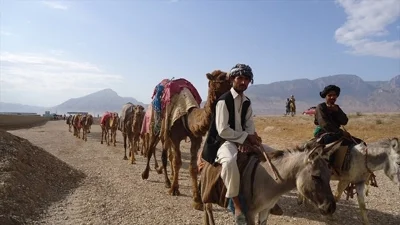
On a very cold night the diesel will freeze in the vehicles used to take us to the mountains. We'll drink tea whilst a fire is built under the engine to defrost it, and perhaps watch the daily UN helicopter coming in to land at the Bamian military base, managed by the New Zealand army.
Once in the villages at the top of the valleys, when we start to skin up we'll be invited in for tea by the village elders. Depending on the weather we'll either accept or continue uphill to make the most of the snow. I'll remind people that they should always remove their shoes when entering a house, never speak directly to the women—and above all, no matter how serious their latest case of Kabul Belly, NEVER to fart in a room with their Afghan hosts. This is perhaps the greatest social faux pas of all.
Often we'll be joined for all or part of the day by the local youths on their home-made skis. Making light work of skinning up and paying little or no attention to our avalanche warnings. they just laugh – “Inshallah” – if God wills it
There is not much to do in the evenings. Alcohol is forbidden, but there is plenty of hearty traditional Afghan food and drink—kebabs, rice and hot drinks. With alcohol forbidden, we like to call this the Apres-Tea scene.
Skiing will not solve all the problems in Afghanistan. It won't solve the problems of Bamian but in a few small valleys in the Hindu Kush they are making a small positive impact to a handful of people and that is something worthwhile.
ORIGINALLY PUBISHED ON TETON GRAVITY RESEARCH
KAUSAR HUSSAIN
Kausar has travelled every inch of Pakistan and Afghanistan and has friends almost everywhere from the bustling bazaars of Kabul to sleepy, poppy growing villages in the Tribal Areas. When not leading tours and running Untamed Borders. Hussain works as a photographer and journalist. He is the chief reporter for "World Problems" magazine and also works freelance. For ten years he has worked with foreign correspondents allowing them access to restricted areas in Afghanistan and Pakistan. He also works with Prince as part of the "World Welfare Organisation", a Peshawar based NGO. He speaks 9 languages and for the last 5 years spends time teaching English to Afghan refugees based in the camps that surround Peshawar. He arranges ski trips to Bamian every year through http://www.untamedborders.com
Finding Myself in Morocco’s Hammam Rituals
Complete submersion in a world far different from your own can be overwhelming. But when met with a cup of mint tea, it can be a life-changing adventure.
Read More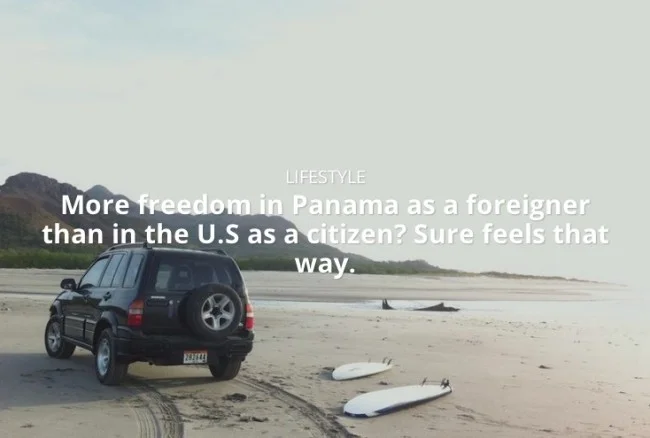
More Freedom in Panama? Sure Feels That Way.
Disclaimer: The opinions in this article are not based upon the legal system of either the U.S or Panama, but rather my lifestyle experiences. So don’t get yourself arrested and blame it on me, chief.
“Are you ever coming back to the U.S?”
It’s a question I’ve been hearing for nearly two years.
At first, my answer had a built-in pause. “I don’t know…” I would mutter. “Maybe.”
These days, it’s shifted to a steady: “Why would I do that?”
The sentiment is further rooted during my annual visits to the U.S. It seems that Panama has spoiled me. With its advantageous atmosphere and empowering sense of freedom, I feel suffocated when I return “home.”
It’s the little things, as well as a few major shifts in mindset and lifestyle. There are things I do in Panama that I just can’t do in the states. At least- not without fighting an uphill battle.
The Little Things
The little things are the hardest to explain. When we fall in love, whether with a person or a country, it’s often thanks to the “little things” that we can barely pinpoint yet refuse to live without.
So, what are Panama’s little things? I’ll do my best to describe.
It’s the freedom to drive onto the beach to reach that faraway surf break, with no one to yell at you and (barely) any people to hit.
It’s the freedom to build a bonfire, pitch a tent, let your dog off the leash, or bring a flask to that same beach (or other public space) with no one to tell you off for it. The police drive by and wave- why would they care?“Hope you’ve got 4×4,” they say, “call us if you get stuck.”
It’s being able to walk into a store and have your smartphone unlocked, because you don’t want a 2-year contract, thank you very much. $15 a month, pay-as-you-go, sure beats that monthly $89 bill.
It’s affording a weekly manicure, because for $8, why the hell not? You’ll use that time to practice your Spanish, anyway- two services for the price of one.
It’s bringing your non-service dog on a public ferry, it’s riding a horse wherever the hell you want, because who are you to tell me I can’t?
Sure, buy a freshly-killed chicken from the farmer two houses down. Sell kabobs by the side of the road. Permit? Bah. The FDA won’t bother you.
The U.S is suffocating, with its pussyfooting philosophy. No dogs allowed. No beers on the beach. No sneaking snacks in the theater, and absolutely no monkey bars on the playground. Don’t you dare start that bonfire. And you! You’re trespassing. Get out of this…uh….forest. You’re up to no good.
Land of the free. Home of the brave.
Except everyone is terrified of lawsuits to the point that the country is idiot-padded and accident-proof.
Nevermind the fact that the 9 out of 10 casualty-free scenarios are stripped away from us. Nevermind the concept of, oh, I don’t know, doing what you want so long as you’re not hurting anybody else.
Life Changers
Little freedoms are nice. It’s only when combined with life-changers that a fun place to visit becomes a better place to live.
Living in Panama has enabled me to have a conscious control over my career, the direction it goes, and the rate at which it progresses. I’m not hungrily grabbing at whatever opportunity comes my way. With so many opportunities, I get to pick and choose.
I needn’t operate at the mercy of the economy, the market, and all its fluctuations. I operate according to me.
At 23, I’m in the initial stretch of my freelance career- but you wouldn’t know it by my portfolio. I spearhead projects that most people can’t touch before years of climbing the corporate ladder. The U.S is saturated with bureaucratic bullshit. Bide your time, pay your dues, wait for that promotion, your moment will come.
In Panama, you opt for the grab-what-you-want-by-the-cajones path instead.
The economy has grown dizzyingly fast. Businesses are racing to keep up, to expand, to offer more, make more, and maximize on this historical period. They don’t care how many notches are on your belt. They care that you’re able to grab the reins, bring something new to the table, and produce results.
I’m sure some would say the same about the States- and I don’t doubt them. But I also don’t envy freelancers or job seekers in the U.S- particularly those who are still earning their stripes, or competing against more people for less openings. Fighting to burst their head through a sea of contenders, just to grab the attention of some company who’s probably not hiring, anyway.
My life in Panama has afforded me a level of autonomy, both personally and professionally, that I’ve never had in the States. My no-handcuff, high-profit lifestyle has become my definition of freedom- and it’s given me little reason to ever look back.
ORIGINALLY PUBLISHED ON PERMANENTLY PANAMA
Alice Beth
Alice Beth arrived in Panama in 2012 with a few hundred dollars and a backpack stuffed with books and red lipstick. She gradually turned into an adult against her will and is now a freelance marketing strategist and founder of the ever-cheeky PermanentlyPanama.com. She's obsessed with dogs, productivity, and surfing- even though she's not very good at it.