
Arvīds Barānovs, award winning photographer and head of Eaglewood Pictures, explores Manaslu, a mountain within the Nepalese Himalayas. Manaslu, at 8,163 meters (26,781 feet), is the eighth highest mountain in the world. The mountain stands proudly over Budhi Gandaki valley. At the peak of the mountain, one can gaze upon the adjacent Annapurna mountain range and Tibetan plateau. As one climbs the mountain, they will encounter many small tea houses along the way. Climbers often stop there to have a cup of tea and eat dal bhat, a staple dish of rice and lentils. Manaslu is inhabited by the Tsum and Nubri peoples, whose ways of life are rooted in Buddhism and Tibetan culture. The local people live traditionally and farm barley, maize and oats, in addition to cultivating nuts and fruits.
6 Things to Know About Kilimanjaro From a Past Climber
Tanzania is home to the tallest mountain in Africa, Mount Kilimanjaro. However, here are six things everyone should know before deciding if they are ready to brave the mountain.
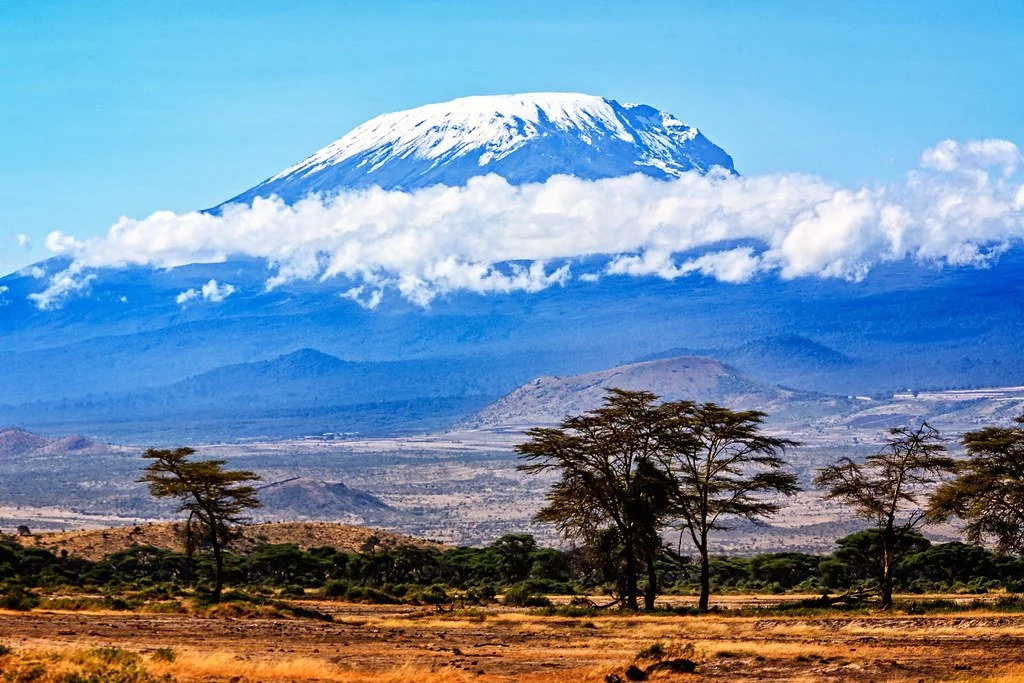
Mount Kilimanjaro. Gary Craig. CC BY-NC-ND 2.0.
Mount Kilimanjaro was created by three volcanic cones called Kibo, Shira, and Mawenzi about 2.5 million years ago. Standing at 19,341 feet, it is home to almost every ecological system: cultivation, forest, heather-moorland, alpine desert, and arctic summit zones. Climbers pass through each of these ecosystems in stages based on elevation. What many may not realize is that Kilimanjaro is dormant, not dead. This means the dormant Kibo cone could erupt again.
I made the climb in January. I will be extremely honest; it was quite miserable at times. It is simply impossible to put into words what hiking a mountain like that will do to you. From the daily struggles of altitude sickness and the feeling of breathing almost nonexistent air, to being the most exhausted you have ever been in your life, dehydrated, starving but unable to keep food down, to having to use the “bathroom” behind a rock right on the side of the trail. I even saw someone lose their life from cardiac arrest. Though it is, thankfully, not a common occurrence, it was rough.
With that said, the struggles make the reward that much sweeter. When I reminisce on my experience, I remember the hard times, but the beautiful moments I was fortunate enough to be a part of are more prominent. The dance and guitar sessions the group would have on our breaks, the feeling of being in a place completely isolated from the world, climbing higher than the plane that got me there, finding a new strength in myself that otherwise would have remained unknown. Kilimanjaro is a monster mountain, but it was the best experience of my life.
1. “Pole, Pole” are words to live by
“Pole, pole” translates to “slowly,” and I cannot stress enough how important this simple phrase is. It doesn’t matter what your physical abilities are, if you do not take your time, you will be hurting. Taking at least five days (depending on your route), this hike is no joke. It’s important to put your pride aside and accept that you might not be the fastest person to get up the mountain, and that’s completely OK! This was something I quickly learned. On the first day, I tried keeping up with the front of my group and very quickly learned I simply wouldn’t make it all six days if I kept that up. No matter what your pace, a guide will always stay by your side, carry things for you if you are struggling, and motivate you to keep going. Guides want you to succeed just as much as you want to, so definitely listen to their advice. They’re lifesavers—literally!
2. You will create amazing connections with your guides and porters
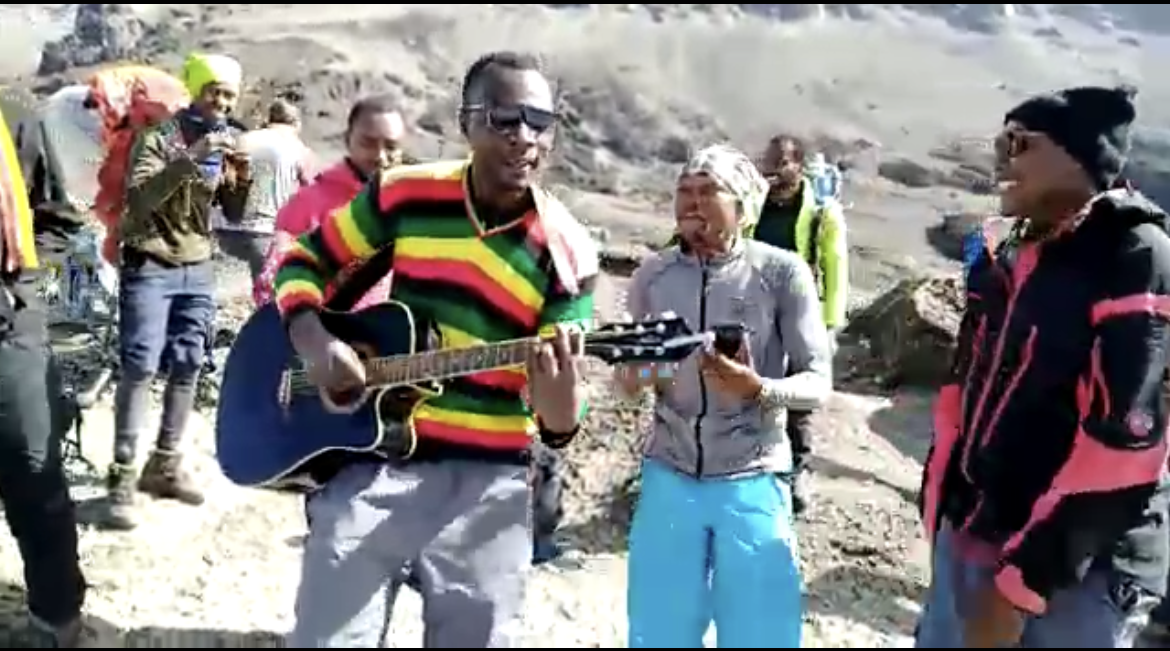
Photo taken by John Willard, my guide on my Kilimanjaro hike.
Your team on Kili will be absolutely amazing, no doubt about it. They will do whatever they can to help you summit, practically carry you if need be. They are extremely selfless and charismatic people, and they make the experience so much more enjoyable. Porters are the men and women who dedicate themselves to carrying all of your gear up the mountain, setting up camp, cooking meals, and creating a vibrant hike experience. Guides spend time with you on your hike—helping you stay on the trail, keeping an eye on your health, and really just guiding you to the summit. On my trip, the team loved to dance and sing and always invited us to join them on breaks and when at camp. They welcomed us to become immersed in the culture and understand the historical importance of Mount Kilimanjaro. The guides and porters truly enhanced the experience, so much that you simply won’t want to leave them. You will want to have WhatsApp downloaded on your phone so you can put in your favorite porters’ and guides’ numbers; when you get home, having those connections will keep a piece of Kili in your heart forever.
3. You will probably get sick
I hate to be the bearer of bad news, but if you decide to climb Kili, you will most likely find yourself experiencing at least some altitude sickness symptoms. It’s inevitable when going up 19,000 feet. Headache, nausea, and exhaustion are some of the more common symptoms. They will not end your hike early, but they will make life a little more miserable on the mountain. You just have to push through! Your guides will keep track of your vitals every day and will encourage you to eat and drink as much as your body will allow—food and water will be your best friend up there. You may hear people say that getting to high elevations eliminates your appetite, and this is very true. I found it hard to stomach even soup broth on my hike. It is best to pack some of your favorite snacks to help get past your lack of appetite. Many people, including myself, take altitude sickness pills to help combat symptoms. They are worth taking as long as they don’t cause negative effects on your body. They helped lessen the severity of my symptoms.
4. It is like being in a movie
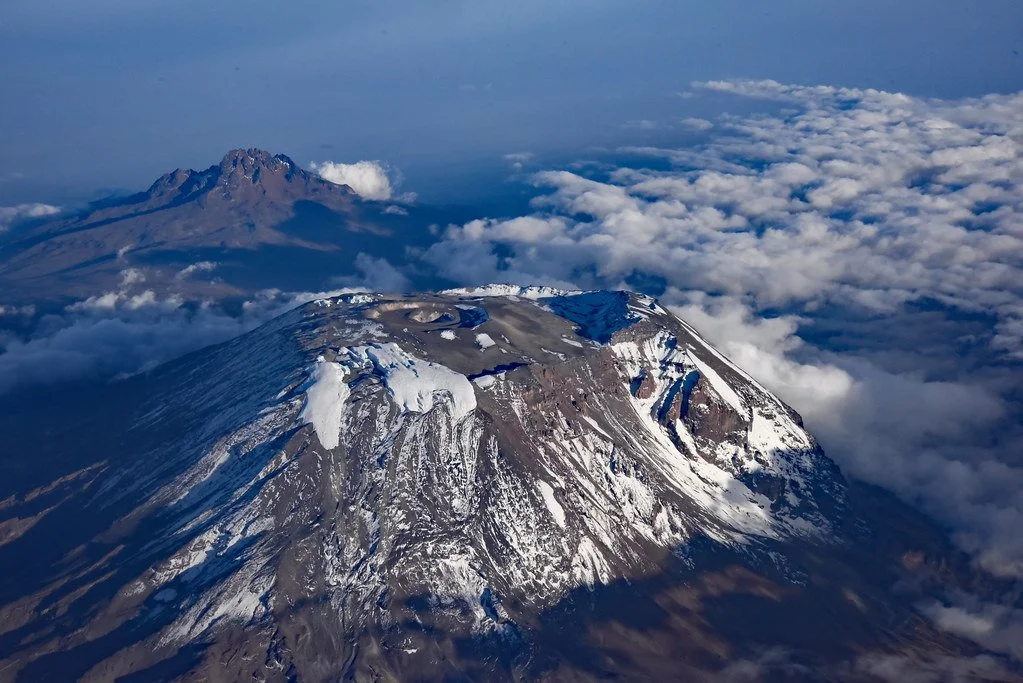
Aerial View of Mount Kilimanjaro.Takashi Muramatsu. CC BY-ND 2.0.
Kilimanjaro is absolutely breathtaking. I remember feeling like I was living in a Star Wars scene for the majority of the hike. The sunsets and sunrises are unlike anything you will ever see again. Barranco Camp, where you will find yourself after hiking from Shira to Lava Tower to Barranco, was the highlight of my entire hike. Beautiful waterfalls, camping on a cliff in the clouds, being surrounded by the massive Barranco Wall (which you will be climbing up the next morning)—it is a beautiful and untouched part of the world. It makes the everyday battle worth it. When you’re feeling like giving up, just stop and turn around. The view you see will give you the courage to keep going.
5. You may see some horrific things

Barranco Wall on Mount Kilimanjaro. Haleigh Kierman
This is not a guarantee, but it is best to know what can happen. During my hike, I witnessed a man pass away right on the trail from cardiac arrest. I never thought I would see something like this, so it is important you know that really anything is possible before deciding if the hike is right for you. It is much more common to see people get physically sick or use the “bathroom” in clear sight, which are things we can typically move on with. With that said, there is always the possibility you can see something more severe. Do not fear though, Kilimanjaro is remarkably safe given its size. Around 30,000 hikers attempt each year with only a 0.03% death rate. If you know and trust your individual abilities and health, there is little to be concerned about.
6. You will discover an unimaginable amount of self-pride when you finish
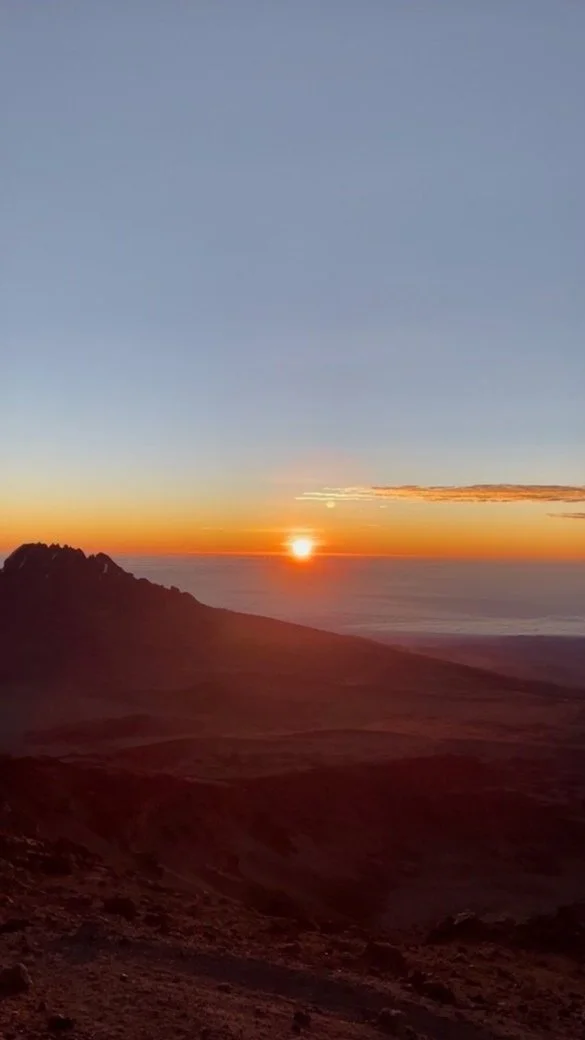
Sunrise on Summit Day. Haleigh Kierman
Summit day: it’s killer. You begin the final trek to the summit around 11:30 p.m. and get to the top around 8 a.m., depending on your pace. At this point, you will be sleep-deprived, feeling as though you are suffocating with every step you take because the air is so thin. But somehow, you will find that strength in you to keep going. And when you finally make it to the top, all you will feel is euphoria. You may even shed a tear or two. Kili will push you to your limit and then past that. You really will discover a new part of yourself you didn’t know was there. If you set your mind to conquering Kilimanjaro, you can do it. It will be one of the hardest things you will ever do, but the reward is a feeling of accomplishment that will change your life forever.
Haleigh Kierman
Haleigh is a student at The University of Massachusetts, Amherst. A double Journalism and Communications major with a minor in Anthropology, she is initially from Guam, but lived in a small, rural town outside of Boston most of her life. Travel and social action journalism are her two passions and she is appreciative to live in a time where writers voices are more important than ever.
VIDEO: Journey Through Thailand
This footage of Thailand serves as the second installment in Vincent Urban’s series: “In Asia.” The video features glimpses into the vibrant streets of Bangkok and the natural scenery of Northern Thailand. He also features footage from the small but lively town of Pai, located near a mountain base in Northern Thailand. The director includes evocative imagery of Buddhist temples from his visit to the city of Chiang Mai, capital of Chiang Mai province. German director Vincent Urban, based in New York City, concludes the episode teasing his next stop, Laos, for the following installment of the series.
8 Only-in-Madagascar Experiences
You may know about lemurs and baobabs, but here are more amazing and unique cultural and wildlife experiences that the island nation of Madagascar has to offer.
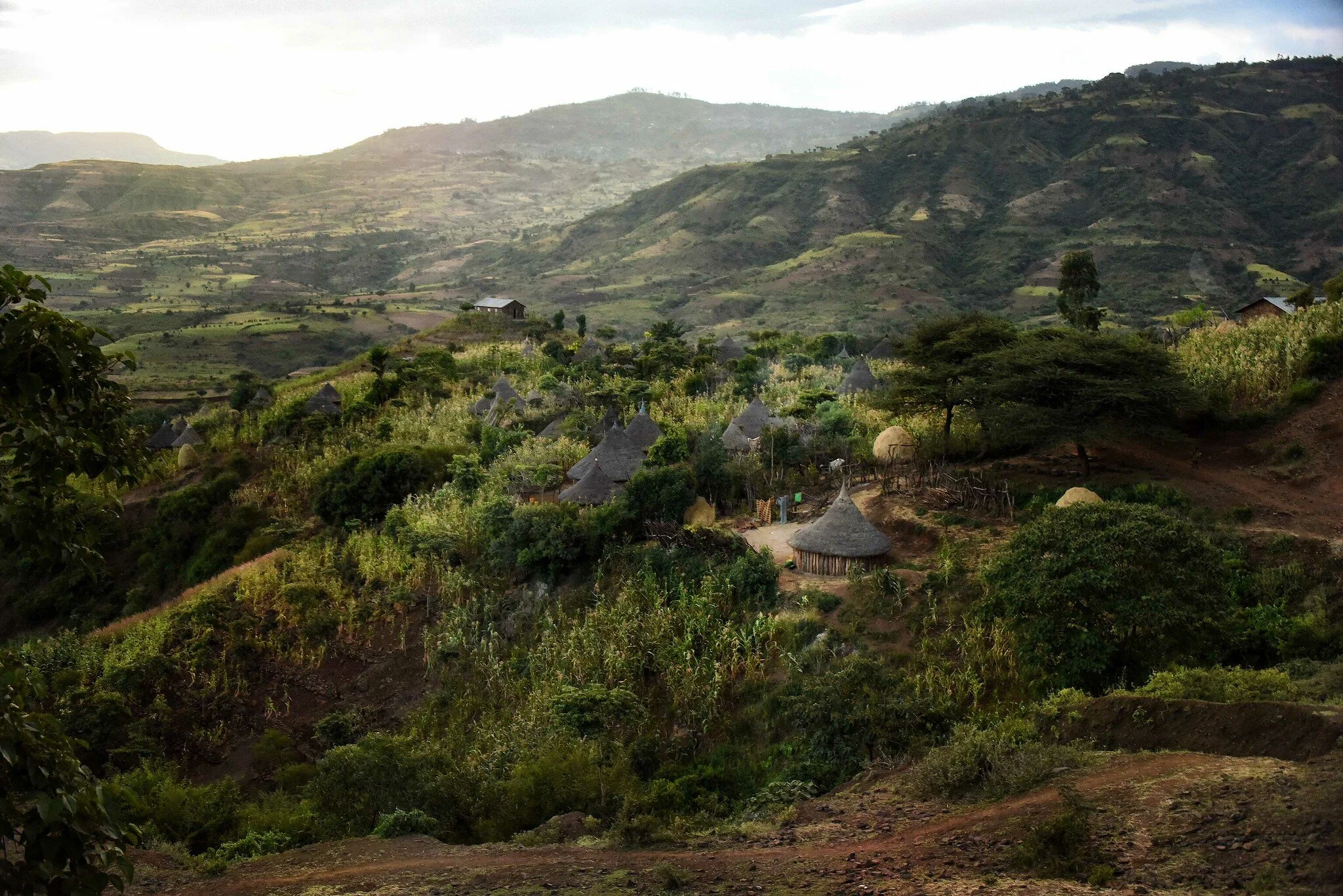
Like so many others across the country, this village in Ethiopia’s Omo Valley blends seamlessly into its colorful surroundings. Rod Waddington. CC BY-SA 2.0
Top 5 Sites to Visit in Ethiopia, Africa’s Hidden Gem
Boasting a stunningly diverse landscape, a rich culture and nine UNESCO World Heritage Sites, Ethiopia belongs on every traveler’s bucket list. As word gets out, more and more visitors are discovering – and falling in love with – the East African country’s seemingly endless charms.
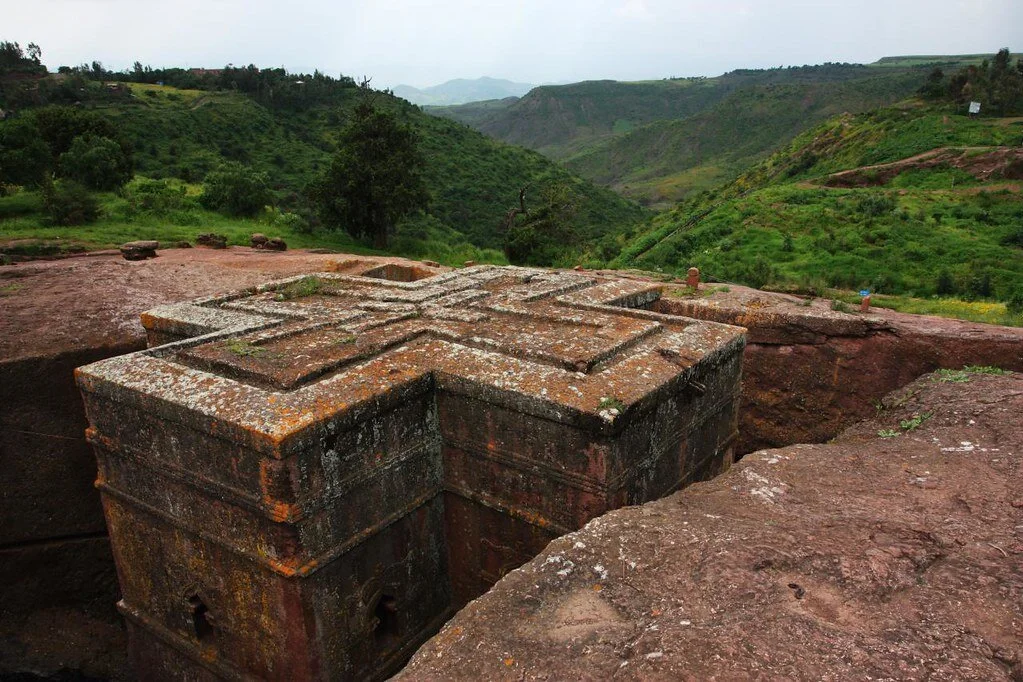
Seen from above, the Church of Saint George looks impressive. From below, it’s simply unreal. Bryan_T. CC BY-ND 2.0
Lalibela
Painstakingly chiseled out of rock in the 13th century, the 11 churches of Lalibela stand as powerful symbols of Ethiopia’s devotion to Christianity. After Jerusalem’s fall to Islamic conquest, King Lalibela ordered construction of a “New Jerusalem” in his own land. The results are spectacular: the Church of Saint George rests in the shape of a cross, seemingly inaccessible due to its position below ground. It’s nearly incomprehensible that the churches of Lalibela were carved out by hand 800 years ago. You may come to believe, as many locals do, that angels alone could have built such a masterpiece.
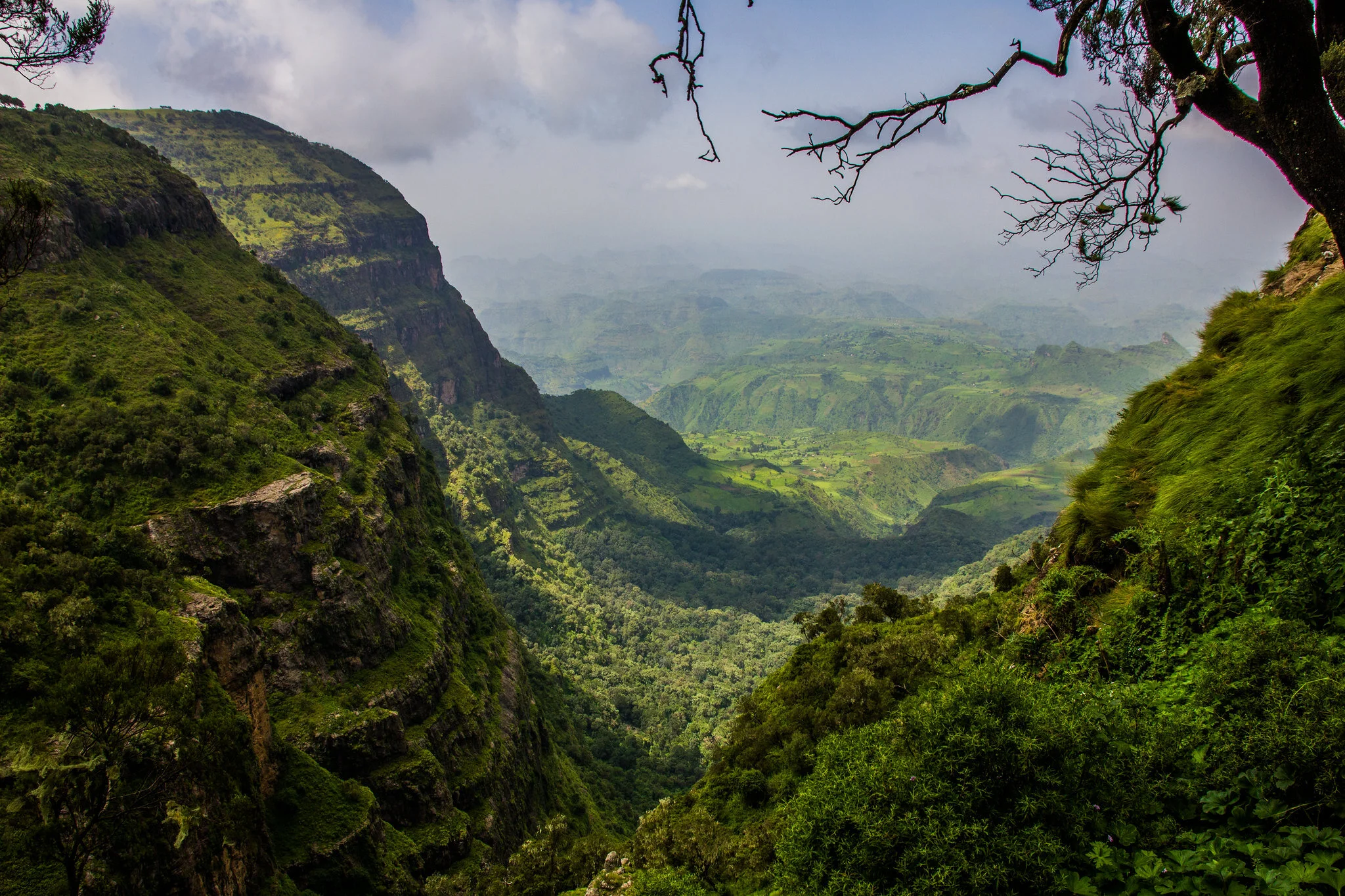
The Simien Mountains, often known as the “Water Tower of Africa,” are one of the top contributors to the Nile River. Thomas Maluck. CC BY-ND 2.0
Simien Mountains National Park
Known as the “Roof of Africa,” the Simien Mountains present a landscape of sheer cliffs, winding canyons and peaks once described by Homer as the “chess set of the gods.” Few places in Africa offer such breathtaking scenery; however, travel here takes some work. To fully experience the Simiens, prepare for long days of trekking and nights spent in remote villages. The trip may be tough, but travelers who persevere can expect jaw-dropping scenery unlike anywhere else on earth.
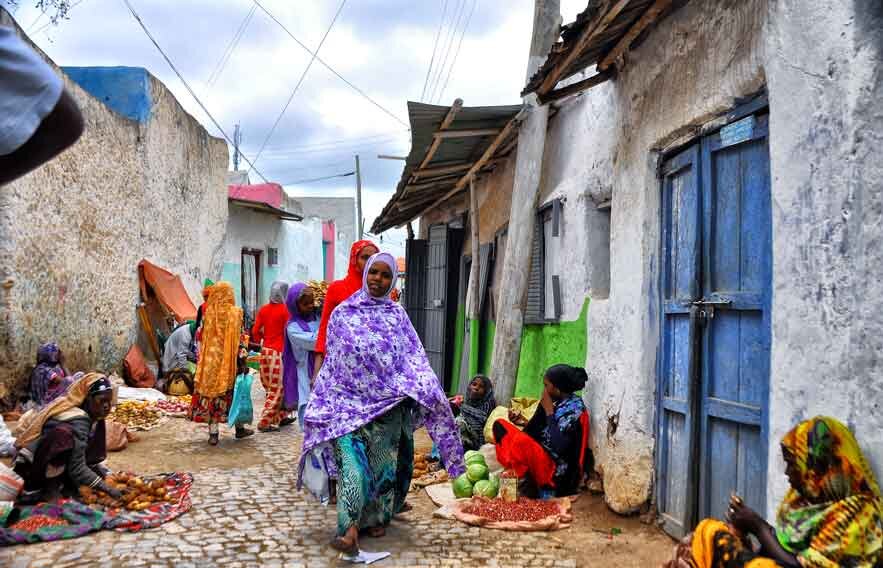
Eerily similar to the mazelike medinas of North Africa, Harar holds no comparisons across Ethiopia. Rod Waddington. CC BY-SA 2.0
Harar Jugol
Considered the fourth-holiest city of Islam, Harar gives off a distinct vibe from the rest of Ethiopia. Visitors head to Jugol, the fortified city, to take in the area’s maze of 368 alleyways and 48 mosques – all packed into less than a half a square mile.
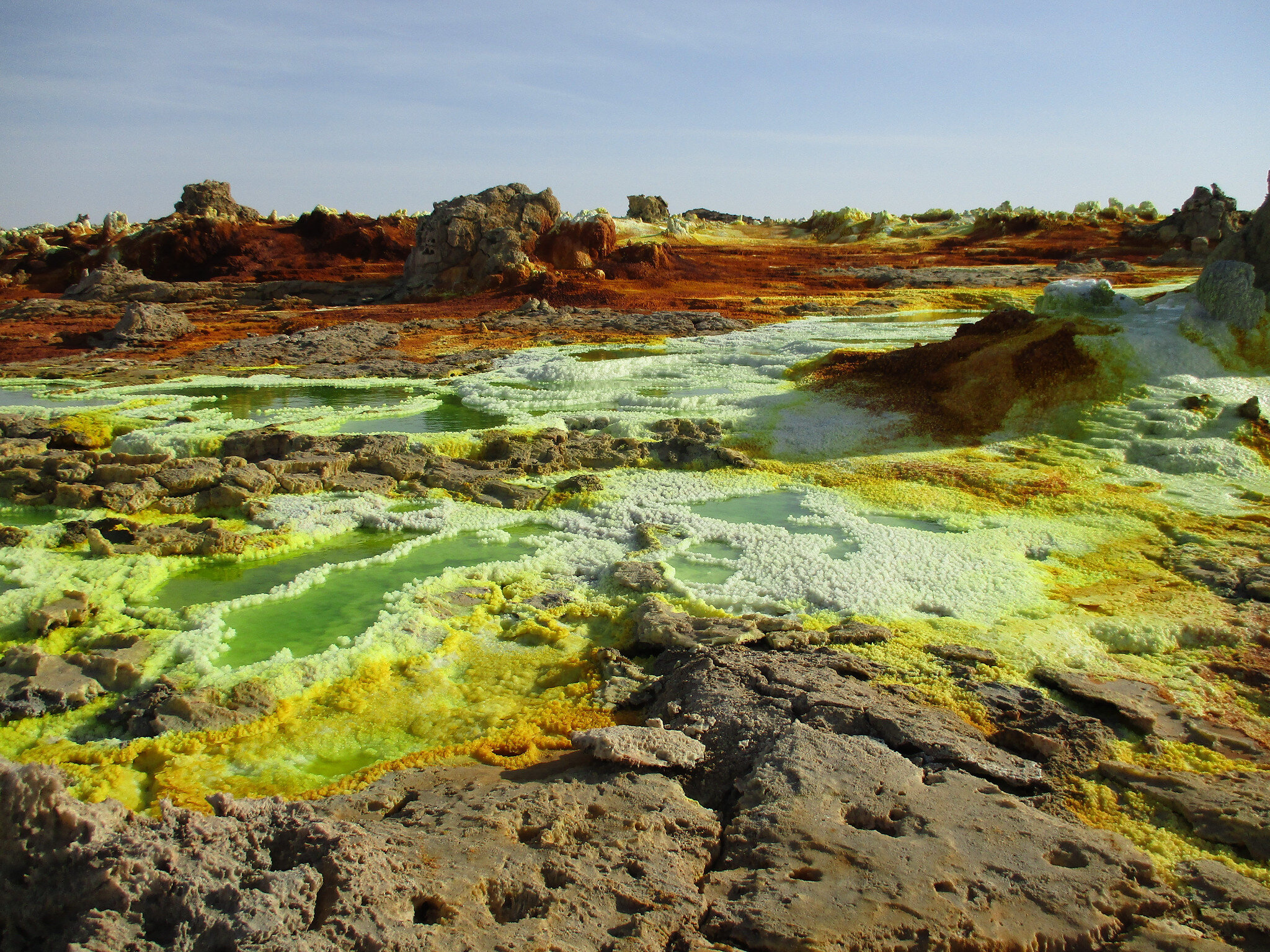
Sulfur pools are one of the many anomalies that draw visitors to the harsh landscapes of the Danakil Depression. Ian Swithinbank. CC BY-ND 2.0
Danakil Depression
Lying 400 feet below sea level and recognized as one of the hottest places on earth, the Danakil Depression is downright inhospitable. Scientists flock to the region to test out whether microbes can survive the environment, believing its harshness to be about equal to that of Mars. Visitors are equally enticed by the Danakil Depression’s otherworldliness, seeking out neon-colored lakes, steaming fissures and bubbling lava patches. Travel to the area is not for the faint of heart; daytime temperatures reach up to 120 degrees Fahrenheit and the condition of the “roads” is equally hideous.
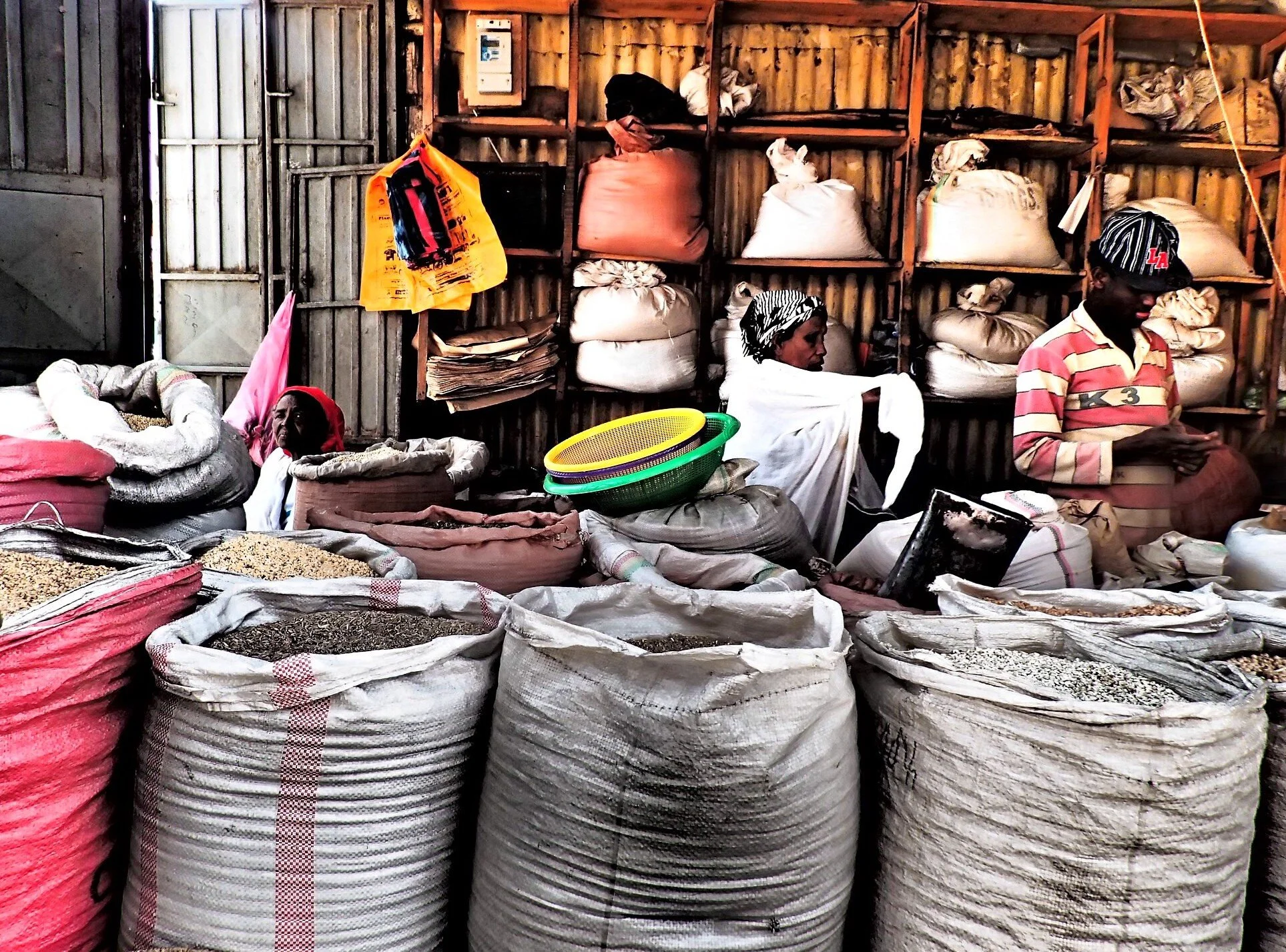
Nearly anything can be found at the Mercato, the largest open-air market in all of Africa. Jasmine Halki. CC BY 2.0
Addis Ababa
Ethiopia’s capital and largest city may not hold many star attractions, but nowhere else does the country’s culture so vividly come to life. Indulge in a cup of coffee in one of Addis Ababa’s countless cafés; this is, after all, the birthplace of the drink. Lucky visitors may receive an invite to an Ethiopian coffee ceremony, a tradition that lasts for hours and is reserved for close friends. Addis also contains some of Ethiopia’s best food. Make sure to try injera, a spongy bread filled with meat, vegetables and countless spices. Finish off the stay by visiting the Mercato, Africa’s largest open-air market. A dizzying array of gifts can be found, helping to carry the delightful essence of Ethiopia all the way home.
Stephen Kenney
Stephen is a Journalism and Political Science double major at the University of North Carolina at Chapel Hill. He enjoys sharing his passion for geography with others by writing compelling stories from across the globe. In his free time, Stephen enjoys reading, long-distance running and rooting for the Tar Heels.
VIDEO: Angkor Wat to Phnom Penh, Cambodia
Set to a mesmerizing soundtrack, this footage of Cambodia highlights the natural beauty of the country’s tropical landscape, as well as provides insight into the daily lives of its people. As viewers, we travel from surrene Angkor Wat—the world famous Buddhist temple complex—to Phnom Penh, Cambodia’s lively and bustling capital city. German director Vincent Urban, who is from Munich now based in New York City, concludes the episode teasing his next stop, Thailand, for the following installment of his series: “In Asia.”
Congo Couture: “Sapeurs” Bring Europe’s Designer Fashion to Central Africa
The Republic of the Congo’s world-famous fashionistas strut through the streets of Brazzaville wearing outfits from Europe’s most revered designers. But to sapeurs, their fashion savvy is not just style but a lifestyle.
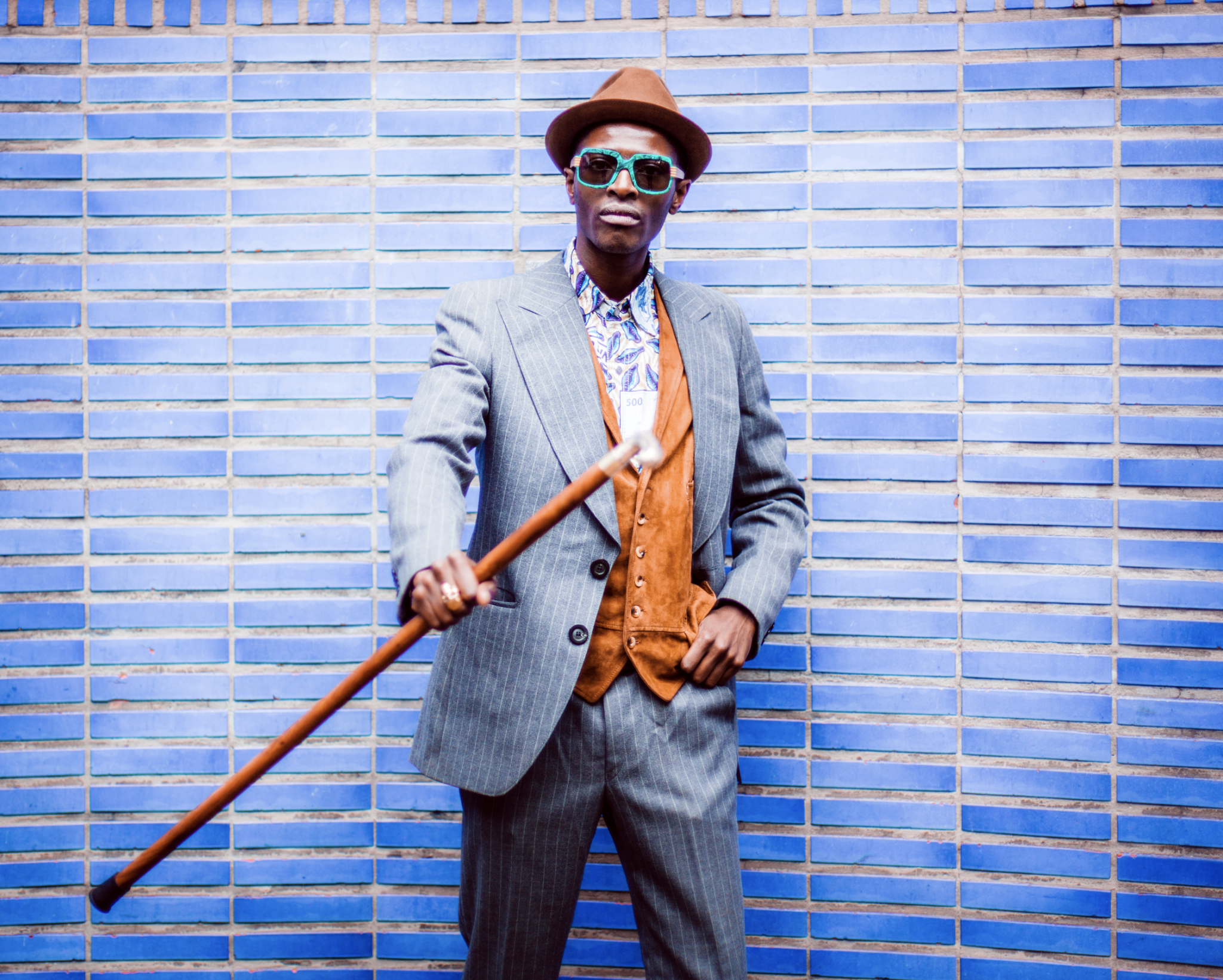
A sapeur in his Sunday best. ilja smets. CC BY-ND 2.0.
Maxime Pivot makes all the ladies scream. Men call him the pride of the town. Children follow him wherever he goes. The Republic of the Congo has never seen a more dashing, debonair, sharp-dressing gentleman. As a modern-day dandy in the streets of Brazzaville, he is a painterly splash of Congo couture amid near-universal penury. He boasts a double-breasted red suit, a pearl-white shirt, pitch-black sunglasses and a pink bowtie, an outfit to amaze the prim and plebeian alike. Rather than envy, his panache inspires pride. Some may call his focus on fashion amid staggering poverty vain, but really, he is preserving a decades-long tradition. He is a sapeur.
That means that he is a member of the Société des Ambianceurs et des Personnes Élégantes—La Sape for short. In English, it translates to the Society of Ambiance-Makers and Elegant People. Every weekend, he and his fellow dandies meet to compare outfits from the hottest European designers, trade notes on color combinations and revel in the pomp of haute couture. They smoke, they dance and they conversate. They escape the squalor in which so many Congolese live—when sapeurs dress up, they feel like the richest men in the world.
No, they are not rich. Quite the opposite. By day, sapeurs are chefs, mechanics, electricians, craftsmen, businessmen, handymen, journeymen, or any other kind of blue-collar worker. 70 percent of people in the Republic of the Congo live in poverty, and most sapeurs are included in that number. What distinguishes them is not wealth but aesthetic distinction, good taste, and a deep knowledge of the latest fashion trends. They aspire to look like a million bucks, not spend it.
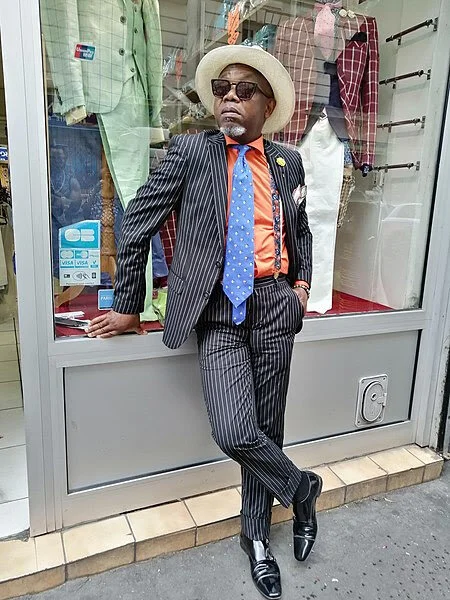
The street is a catwalk. Jean-Luc Dalembert. CC BY-SA 4.0.
The tradition began during the Congo’s colonial period. Congolese servants, tired of wearing their Belgian and French colonizers’ secondhand clothes, began saving their wages and purchasing the latest clothes for European dandies. After serving in the French army during World War II, Congolese soldiers returned home bringing closets-worth of European suits, shirts, ties, shoes and accessories. By the time the central African nation gained independence in 1960, many Congolese elites were making pilgrimages to Paris to rack up designer clothes for their wardrobes back home. Although they were accused of relying on white, “Western” traditions, most sapeurs insist on their artistic independence. As Papa Wemba, one of La Sape’s earliest celebrities, said, “White people invented the clothes, but we make an art of it.”
However, investing in clothes instead of, say, property or livestock can be difficult to justify in one of the poorest parts of the world. Many sapeurs hide their expensive lifestyles from relatives to avoid endangering family ties. If a cousin learns that their family member would rather buy an Armani suit or Weston shoes than help put food on the table, they may feel betrayed and break off relations. Furthermore, the wives of sapeurs tend to bear the brunt of the sapeur lifestyle far more heavily than their husbands, as they suffer the financial cost without being able to revel in high fashion.

European style, African art. Opencooper. CC BY-SA 4.0.
La Sape is overwhelmingly male. Overwhelmingly, but not entirely. As the tradition evolves, more women are staking their claim as sapeuses. They, too, don designer suits from Versace, Dior and Yves Saint Laurent and develop mannerisms and gaits to build a persona around their clothes. Even children are beginning to partake in the sapeur culture. Many worry that Congolese tailors lack apprentices to carry on the tradition, so the sight of a child strutting down the streets of Brazzaville in an Armani suit assures them that the legacy of La Sape will continue.
In fact, Maxime Pivot established an organization, Sapeurs in Danger, to preserve the tradition of La Sape, which he asserts is not just about fashion but also is a way of life. When committing to the lifestyle, sapeurs adopt a code of conduct which Ben Mouchaka, another famous sapeur, summed up in 2000. He calls it the Ten Commandments of Sapeology.
1- Thou shalt practise La Sape on Earth with humans and in heaven with God thy creator.
2- Thou shalt bring to heel ngayas (non-connoisseurs), nbéndés (the ignorant), and tindongos (badmouthers) on land, under the earth, at sea and in the skies.
3- Thou shalt honour Sapeology wherever thou goest.
4- The ways of Sapeology are impenetrable for any Sapeologist who does not know the rule of 3: a trilogy of finished and unfinished colours.
5- Thou shalt not give in.
6- Thou shalt demonstrate stringent standards of hygiene in thy body and clothes.
7- Thou shalt not be tribalistic, nationalist, racist or discriminatory.
8- Thou shalt not be violent or insolent.
9- Thou shalt abide by the Sapelogists’ rules of civility and respect thy elders.
10- Through prayer and these 10 commandments, thou, as a Sapeologist, shall conquer the Sapeophobes.
Maxime Pivot aims to pass down the tradition of La Sape to any man, woman, or child willing to devote themselves to the lifestyle. He operates a school of La Sape where he teaches aspiring sapeurs how to combine colors tastefully and craft a swaggering gait. His classes teach that La Sape needn’t sap their wallets. As the sapeur life and style spread, he hopes that dandies will don local brands, not just expensive European ones.
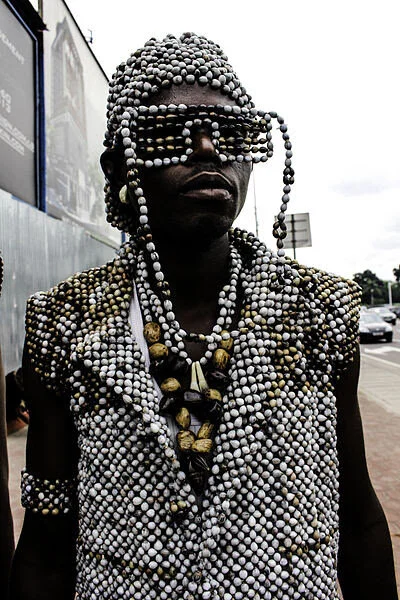
Innovating a classic style. Makangarajustin. CC BY-SA 4.0.
Then, La Sape could be truly independent from European designers. Fashion trends have been increasingly moving in that direction, thanks to Maxime Pivot’s efforts, especially now that La Sape has moved into the mainstream. Every August 15, the Republic of the Congo’s independence day, sapeurs march alongside the military, indigenous tribes and even the President in the largest parade of the year. Their flashy clothes and sauntering stride draw cheers from the crowd. Their tradition provides an example of how the country can emerge from an oppressive European past and spring into a liberated African future.
Michael McCarthy
Michael is an undergraduate student at Haverford College, dodging the pandemic by taking a gap year. He writes in a variety of genres, and his time in high school debate renders political writing an inevitable fascination. Writing at Catalyst and the Bi-Co News, a student-run newspaper, provides an outlet for this passion. In the future, he intends to keep writing in mediums both informative and creative.
A Glimpse into Oaxaca City’s Guelaguetza Festival
The annual Guelaguetza festival is one of the largest Indigenous celebrations in Mexico, preserving Oaxaca culture and tradition.
Read MoreThe Mexican Street Cart: A Culinary World on Wheels
Mexican street foods, like birria tacos and elote, have gained widespread attention on social media recently for their complex flavors and vivid colors. Some dishes have gone so viral that Americans are driving hours in search of truly authentic carts! Mexican street carts are essential to the people of Mexico, providing a convenient meal during a busy day, and more are popping up all over the United States as well.
Read More10 Nigerian Artists Redefining Africa’s Music Scene
From influencing the #EndSARS protests to confronting the commodification of African culture, these artists have unique approaches to their art.

DaVido performing. Wikimedia user Rasheedrasheed. CC BY-SA 4.0.
Nigerian musicians have been spreading their influence all over the world for the past few decades. Following in the footsteps of Fela Kuti, contemporary artists experiment with a plethora of genres, fine-tuning their style as they progress. Renowned artists such as Burna Boy, DaVido and Cruel Santino are the driving forces of the Afrobeats movement, which combines African subgenres, American hip-hop, and R&B. Here are 10 influential Nigerian musicians to listen to.
1. Tony Allen
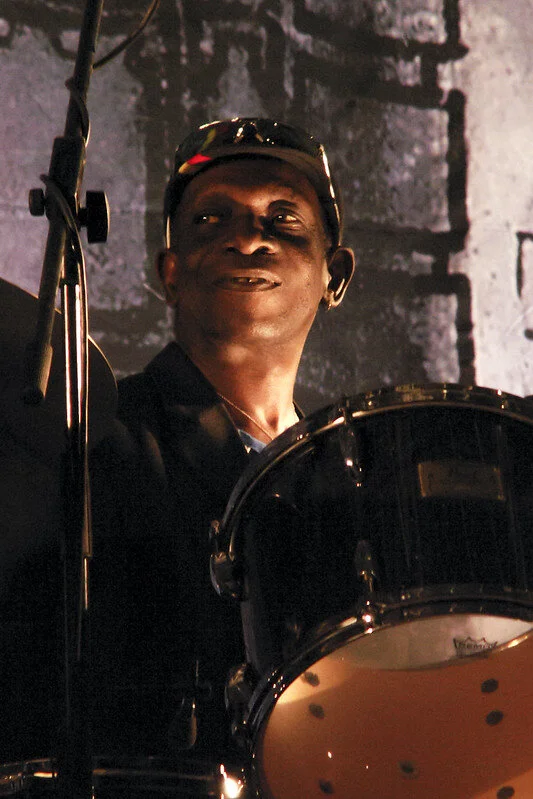
Tony Allen. Pierre Priot. CC BY-NC-ND 2.0.
Tony Allen is the father of the Afrobeat genre. Allen passed away in April 2020 after releasing his final album, “Rejoice,” in collaboration with the late South African jazz artist, Hugh Masekela. Allen’s polyrhythmic drumming complements Masekela’s trumpet in this riveting jazz album. From his earlier days of performing with Fela Kuti to his more recent collaborations with Skepta and Oumou Sangare, Allen has pioneered the combination of American jazz with African beats. After a career which explored a multitude of scenes in the music world, Allen falls back into his Afrobeat roots in his very last album.
2. Naira Marley
Rapper Naira Marley is a contentious figure in Nigeria. Marley is known as a founder of the genre Afro-bashment, a combination of Caribbean influences, American trap rap, West African beats and British rap. Naira Marley is known for his controversial beliefs and ideas; in “Am I a Yahoo Boy,” he offers an unabashed critique of the Nigerian government, higher education and social conservatism. His single “Koleyewon,” which was released in December 2020, is a fast-paced trap song in Yoruba.
3. DaVido
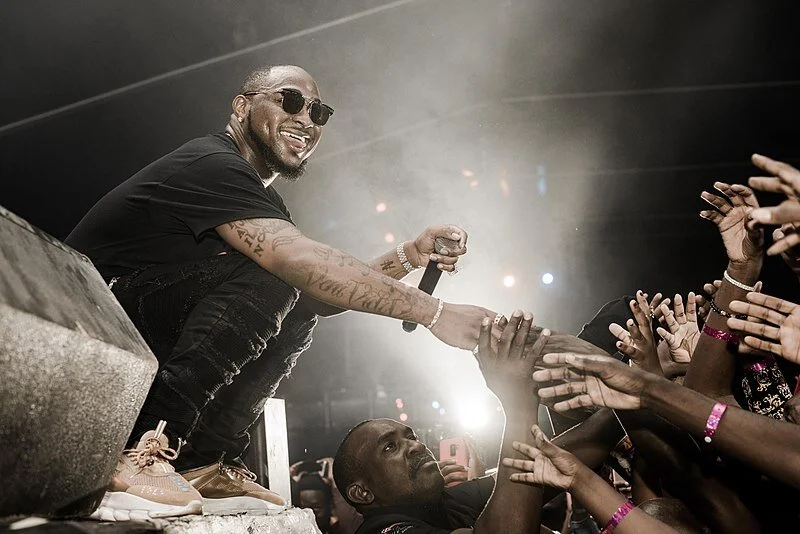
DaVido performing. Wikimedia user Rasheedrasheed. CC BY-SA 4.0.
American-born musician DaVido is a world-renowned Afrobeats artist who synthesizes elements of R&B, rap and Afropop to build up his discography. His heavily auto-tuned vocals and his simple audio production make up his signature sound. DaVido’s most recent album, “A Better Time,” featured Nicki Minaj, Chris Brown and Lil Baby. Despite its famous featured artists, the album’s first track, “FEM,” received the most attention globally. “FEM,” which means “shut up” in Nigerian slang, was labeled the anthem of the #EndSARS protests in Nigeria, which called for the dissolution of the Special Anti-Robbery Squad. Although the artist himself didn’t intend to express a politically charged message, he was nonetheless impassioned by his country’s fight against police brutality.
4. Cruel Santino
Up-and-coming musician Cruel Santino came to the world stage in 2019 with his debut album “Mandy & The Jungle.” Although he is one of the younger artists of the Nigerian music renaissance, Cruel Santino offers an impressive range of styles in his first album. The mellow, laid-back beat of “Sparky” contrasts with the country twang of “Diamonds / Where You Been.” His new single “End of The Wicked” showcases his maturation as a musician and an artist: the solemn piano is redeemed by a syncopated jungle beat, which accompanies his verbose rap.
5. Odunsi (The Engine)
Odunsi (The Engine) is a master of his craft. His discography is all-encompassing: church choirs and spoken word start off his 2018 album “Rare”; an orchestra plays over his verse in his greatest hit “Tipsy”; a vaporwave synth paints “Luv In a Mosh” blue. Odunsi (The Engine)’s album covers visually harmonize with his music. The ethereal blue moon in “Everything You Heard Is True,” which was released in May 2020, mirrors Odunsi’s experimentation with atonal melodies and distortions. On top of this hypnotic album, the musician released two singles in 2020: “Decided” and “Fuji 5000.” Both are dramatically different from each other; the only constant is Odunsi’s effortless flow.
6. Simi

Simi at NdaniTV. NdaniTV. CC BY 3.0.
Simi’s distinctly sweet voice is the honey that binds her music together. Less is more in her 2017 album “Simisola,” where her vocals and the acoustic guitar are the only elements that matter. The Nigerian singer started off as a gospel singer in 2008, but transformed her career in 2014 after the success of her singles “Tiff” and “E No Go Funny.” Simi released “Restless II” in 2020, which is a change of pace from her slow crooning. In an interview with OkayAfrica, the singer admits that, “This project is a risk as well, it’s even more of a risk because it’s R&B and Nigeria is not necessarily the biggest R&B market.” As Simi continues to dabble in hip-hop, she comes out with more powerful hits like “No Longer Beneficial” and “There for You.”
7. Niniola

Niniola. Wikimedia user Naijareview. CC BY-SA 4.0.
Often regarded as the “Queen of Afro-House,” Niniola is a global star who fights to find her footing as an empowered Yoruba woman. Niniola rose to fame from her 2017 hit “Maradona,” a seemingly light pop tune which dealt with the traumas of her upbringing. As a girl growing up in a polygamous household, Niniola experienced the double standards of a patriarchal family. Reckoning with her womanhood, Niniola recounts the experiences of a woman who is cheated on by her husband, woes which are usually kept secret. With an album and a couple of huge hits under her belt, Niniola comes back strong with her new album “Colours and Sounds,” which includes a refreshing take on reggae, pop and dancehall.
8. Burna Boy
Burna Boy’s album “Twice as Tall” covers a variety of topics, from how the artist grapples with the reality of colonialism to the frenzy of a night out. Burna Boy is a household name in the music industry, and this album attests to the singer’s mastery over songwriting and producing. In his song “Monsters You Made,” Burna Boy addresses Western imperialism and how its consequences are still felt today. His song “Alarm Clock” begins with voice recordings, opera and a saxophone, and quickly switches to an upbeat rap song.
9. Deto Black
Model and rapper Deto Black refuses to be labeled as an Afrobeats musician. The feminism and sex positivity of her music is obvious and brought to the forefront of her message as an “alté,” or alternative, artist. As a Lagos-based rapper who lived in the U.K. and the U.S. growing up, Deto Black navigates the different worlds by calling for gender equality in Nigeria.
10. Zlatan Ibile
Zlatan is a new Nigerian singer and dancer who found fame through his viral song “Zanku” (Legwork), which was accompanied by a famous dance. Since 2019, the singer has released three albums, started a record label, and released the successful single “Lagos Anthem.” “Lagos Anthem” is an energetic dance song with darker lyrics criticizing the government for its flawed policies.
These Nigerian musicians are beginning to impact American and British pop music. Although each of these individuals comes from a different discipline and background, they all have a commitment to experimenting in their craft. Some thrive in and renovate the Afrobeats movement, while others resist the umbrella term. The common ground between alté musician Deto Black’s tackling of gender inequality and DaVido’s propelling of the #EndSARS revolution is their commitment to the well-being of Nigeria.
Heather Lim
Heather recently earned her B.A. in Literatures in English from University of California, San Diego. She was editor of the Arts and Culture section of The Triton, a student-run newspaper. She plans on working in art criticism, which combines her love of visual art with her passion for journalism.
What Makes Bhutan So Happy?
Meet the country which prioritizes the contentment of its citizens before everything else through its “Gross National Happiness” program.
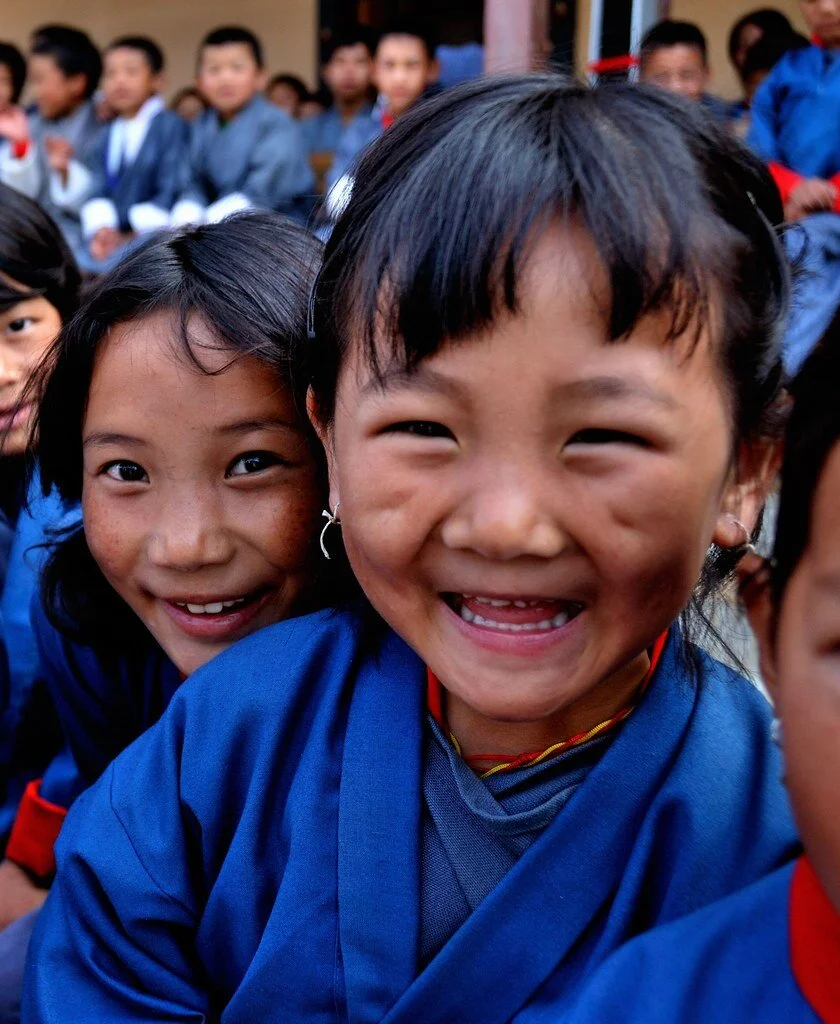
Bhutanese children. r y _ _ _ _ . CC BY-NC 2.0
Imagine a country hidden away from the rest of the world. Tucked in between China and India, the world’s most populous countries, little Bhutan rests at the base of the Himalayan mountains. The rural country long ago made the decision to close off its borders to most tourism in hopes of preserving the nation’s unique Buddhist culture and the identity of its 740,000 people. In 1974 the country gradually reopened, though the Bhutanese monarchy was reluctant for the nation to be connected with the rapidly urbanizing world. Bhutan could not be completely isolated for long due to globalization, and in 1999 internet and Wi-Fi were quickly introduced. Being alone for so long, Bhutan was innovative in ways that made sense for its culture and ecosystem.
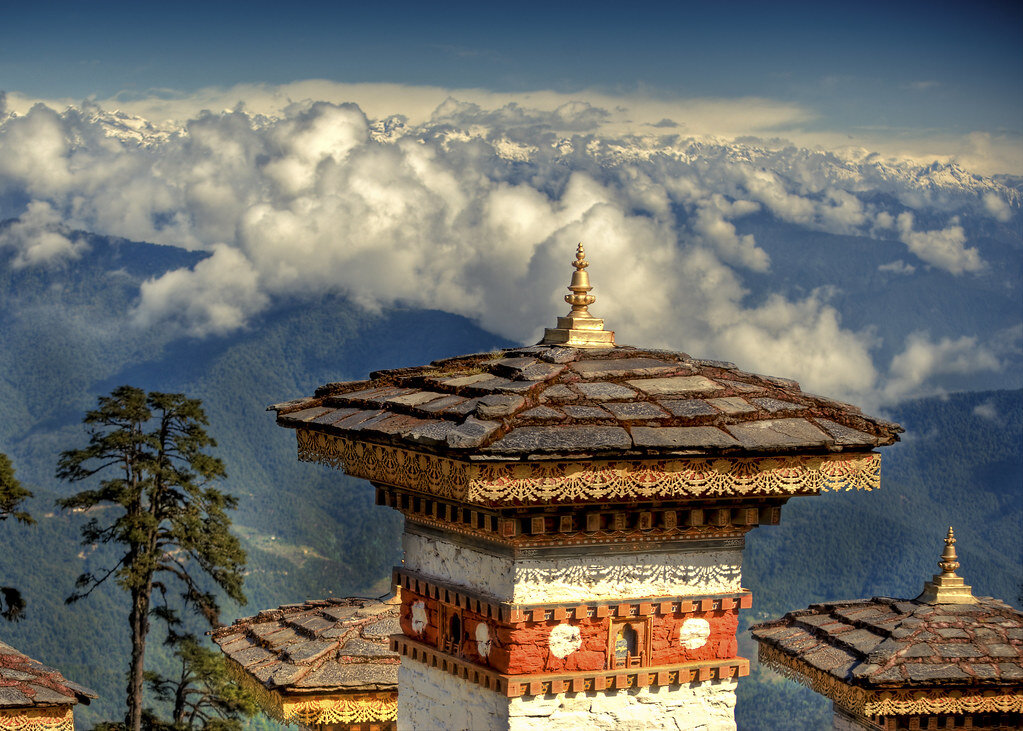
Dochula Pass. Göran Höglund (Kartläsarn). CC BY 2.0
Bhutan is unique in its location and recent connections to the outside world, but it’s the traditions and customs within Bhutan that really make it a sight to behold. Even during the age of colonization and imperialization, Bhutan was never colonized. The country’s official religion remains Vajrayana Buddhism, a deity-dense, merit-based and karma-focused faith implemented into everyday life and routines.

Bhutan Buddhist monk sand art. John K. CC BY-NC-ND 2.0
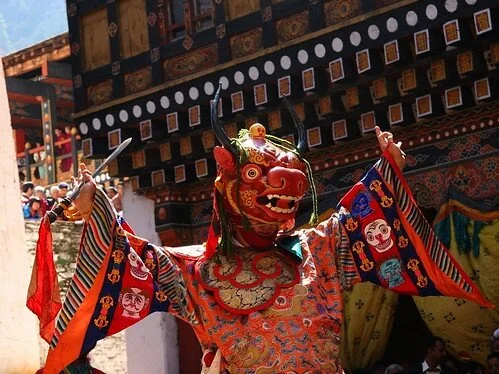
Dance of the death god. jmhullot. CC BY-SA 2.0
Ecology is everything. Bhutan is the only carbon negative nation in the modern world, absorbing three times more carbon than it produces. In light of climate change, that feat is revolutionary. Its government has established laws that require Bhutan to always have its area 60% covered in forest lands. Keeping in mind its minimal carbon footprint, Bhutan is still vigilant about tourists who enter the country, always prioritizing the preservation of the nation’s cohesive identity. The tourist industry is nationally regulated, making it expensive and difficult to travel to. Documents and visas are issued by state-appointed companies and provide visitors with everything, including hotels, insurance and most importantly a guide who must accompany travelers at all times.
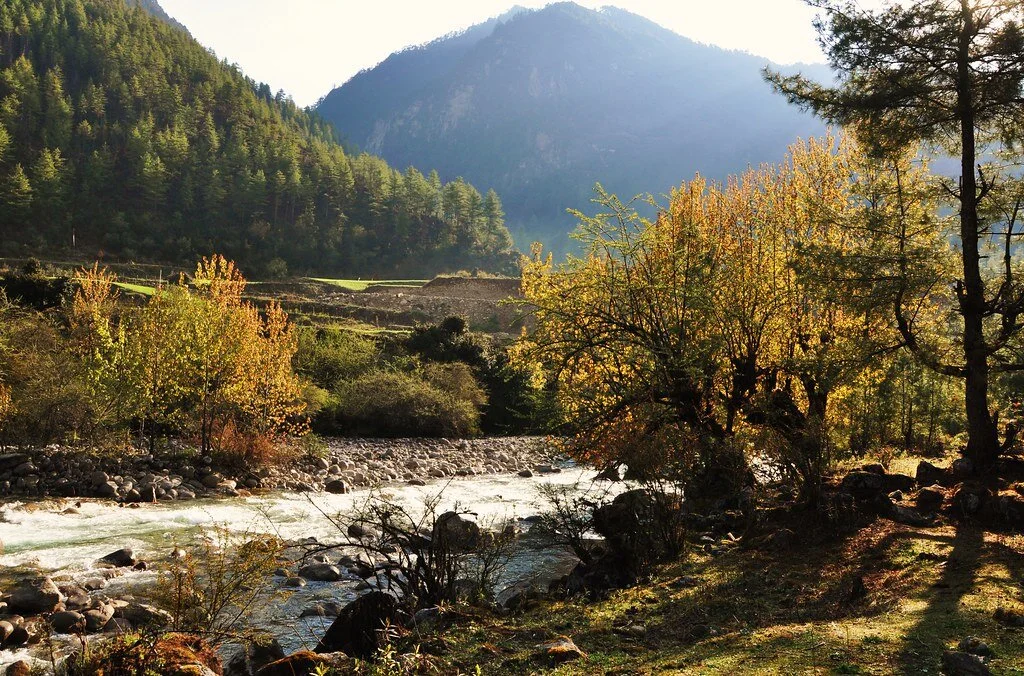
Ecology is everything. 360around. CC BY 2.0
Ecology and tourism are not the only things the government has taken to regulating. Bhutan is once again unique in national policy, measuring its nation’s happiness. Outsiders like to say that Bhutan is the “happiest country in the world” and the statistics given by Bhutan back up this claim. In 2015, the annual extensive survey that gauges the nation’s happiness concluded that 91% of its population was happy.” The Ministry of Happiness measures the contentment of its population with “Gross National Happiness” (GNH).
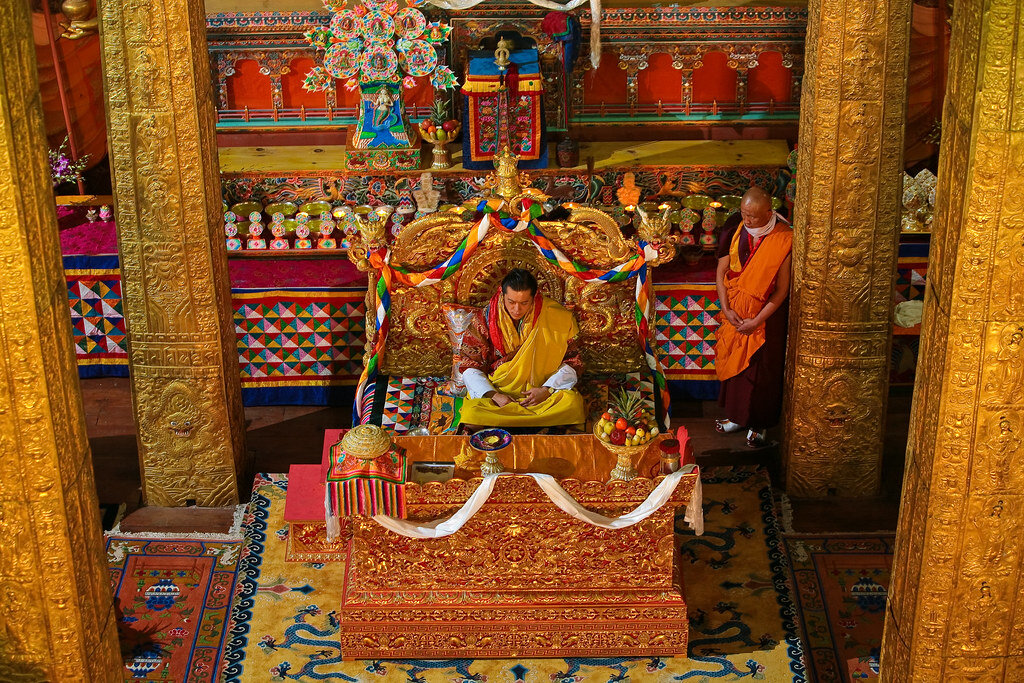
King of Bhutan. Bhutan-360. CC BY-NC-SA 2.0
Ex-Prime Minister Tshering Tobgay defined it as “a developing philosophy that acknowledges that economic growth is important, but that growth must not be mindless, but sustainable.”
Much like a country’s gross domestic product, GNH is considered important. Established in 2008, the Gross National Happiness Commission was appointed to take into consideration and care the inner peace of Bhutan’s people. Broken down into four pillars, nine domains and 72 indicators, GNH is a difficult concept to comprehend. The country’s leaders take into account how happy its people are in every aspect of life: governance, health, education, living standards, culture, ecology, time use and psychological well-being.
Tobgay breaks Bhutan’s complicated process down to three components: the key to happiness is security, identity and purpose. These things are not mutually exclusive; they reinforce one another in every direction, both on an individual and a national level. He says that, “The government has a responsibility to ensure the whole nation has individual pursuit of the keys to happiness.”
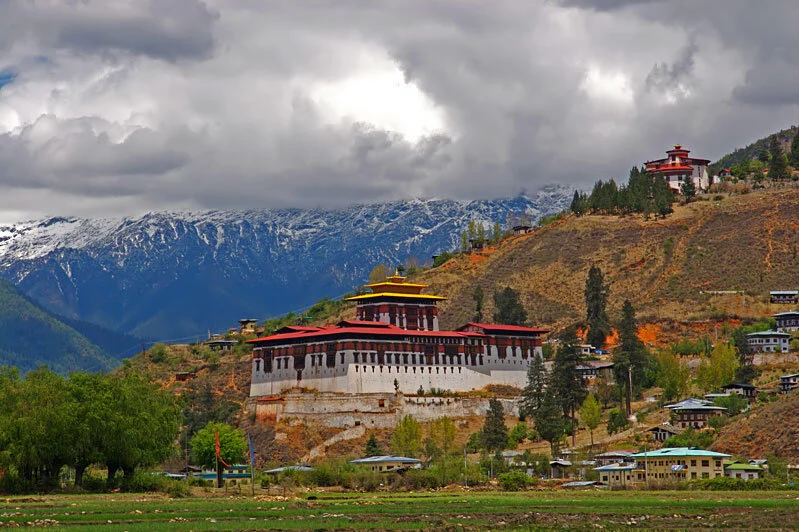
Temple overlooking the Himalayas. Jean Marie Hullot. CC BY-SA 2.0
The Bhutanese are often misunderstood. Outsiders often believe that just because they have GNH, it automatically makes them the happiest country in comparison to all others. They have free health care, free education, clean air, a thriving environment and a strong sense of community. But Tobgay argues that the Bhutanese still struggle because that is what it means to be human. Bhutan is a “real country with real people, and real desires.” Although every person may suffer from inner turmoil for whatever reason, the Bhutanese should be happy knowing that they have been given the keys to happiness.
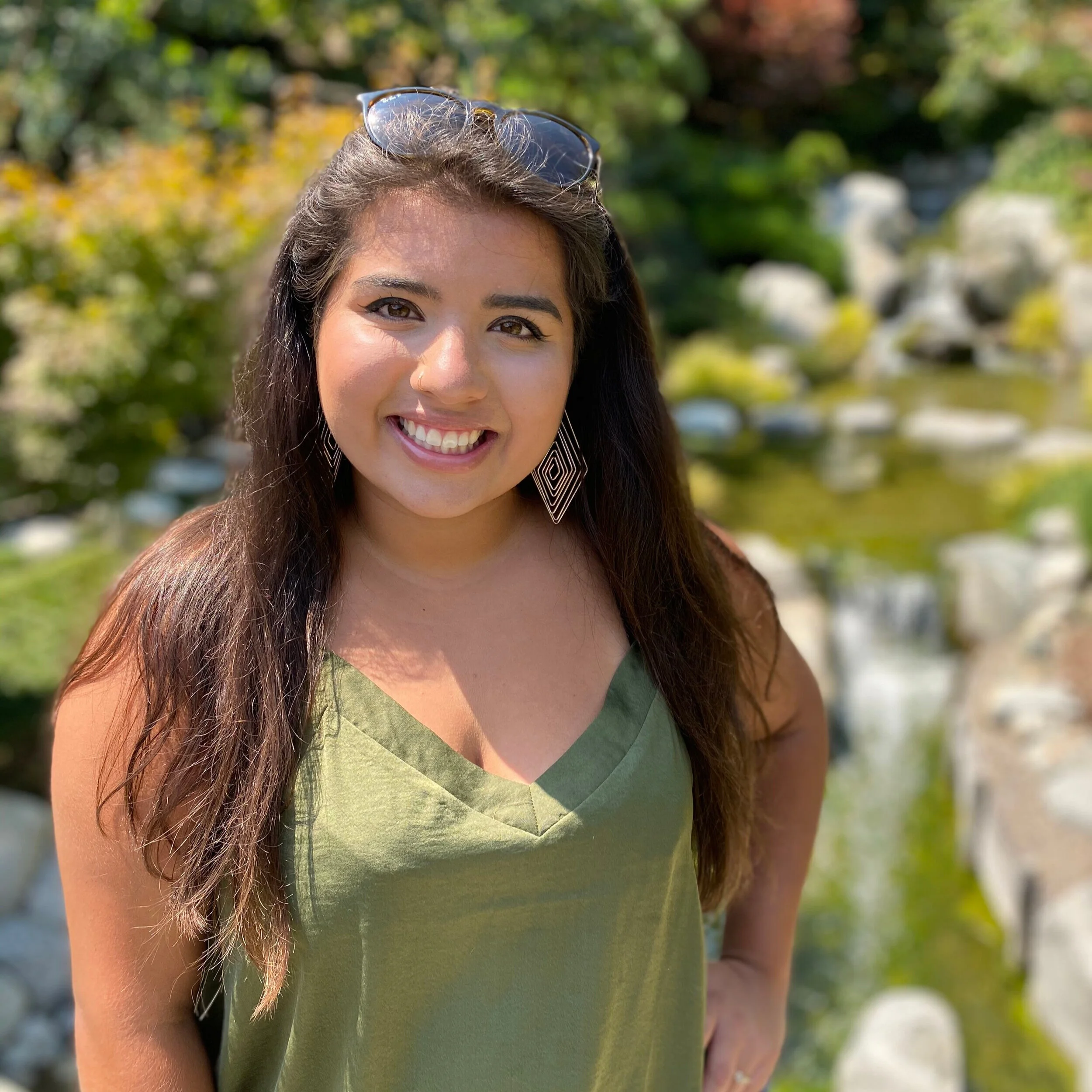
Yuliana Rocio
Yuliana is currently a Literature/Writing major at the University of California San Diego. Yuliana likes to think of herself as a lover of words and a student of the world. She loves to read, swim, and paint in her free time. She spent her youth as part of a travel-loving family and has grown up seeking adventure. She hopes to develop her writing skills, creating work that reflects her voice and her fierce passion for activism.
ECUADOR: The Galapagos
Andrew Norton recently got invited to visit the Galapagos islands in Ecuador. Just before returning home he called his wife, Katie, to tell her about it. A tale of trying quasi-adventurous things, Darwin marrying his cousin and riding a tortoise, and a kid that can do 1000 kick-ups, among other things.
COLOMBIA: Slow Motion Travel
Filmmaker Chris Grewe displays his best experiences while traveling Colombia in slow motion.
Explore Laos
In the third episode of his series “In Asia,” German traveler and director Vincent Urban transports his viewers to Laos. We travel with him to Luang Prabang, a city in Northern Laos that is home to abundant Buddhist monasteries and is a UNESCO World Heritage site. Our next stop is Phone Savan, capital of the Xiengkhouang province, where Urban captures the daily lives of people who work the fields and bring their produce to market. In Vang Vieng, we are introduced to the region’s aquamarine freshwater lagoons and waterfalls. Vincent finishes his trip by exploring Vientiane, the lively capital of Laos, on bike and by visiting Don Khong, an island in Southern Laos, where he engages in various outdoor activities, including playing soccer with the local children. He concludes the video by teasing his next stop: Cambodia.
MALAYSIA: Take Off with Vincent Urban
The first of five episodes about a Southeast Asian Journey by Landrover, by Vincent Urban and Clemens Kruger. Take off with them as they explore Malaysia. Watch.
CONNECT WITH VINCENT URBAN
VIDEO: Explore the Scenic US on a Road Trip
A vivid exploration of American culture, this video shows different parts of the country from the perspective of a road trip. While it starts in New York City, it is hardly limited to urban environments and looks at many different parts of the country.
CONNECT WITH MENNASIER GABRIEL




Ukraine's Revolution from Within
Photos by, Graham Lawlor
Text by, Andrew Bridge
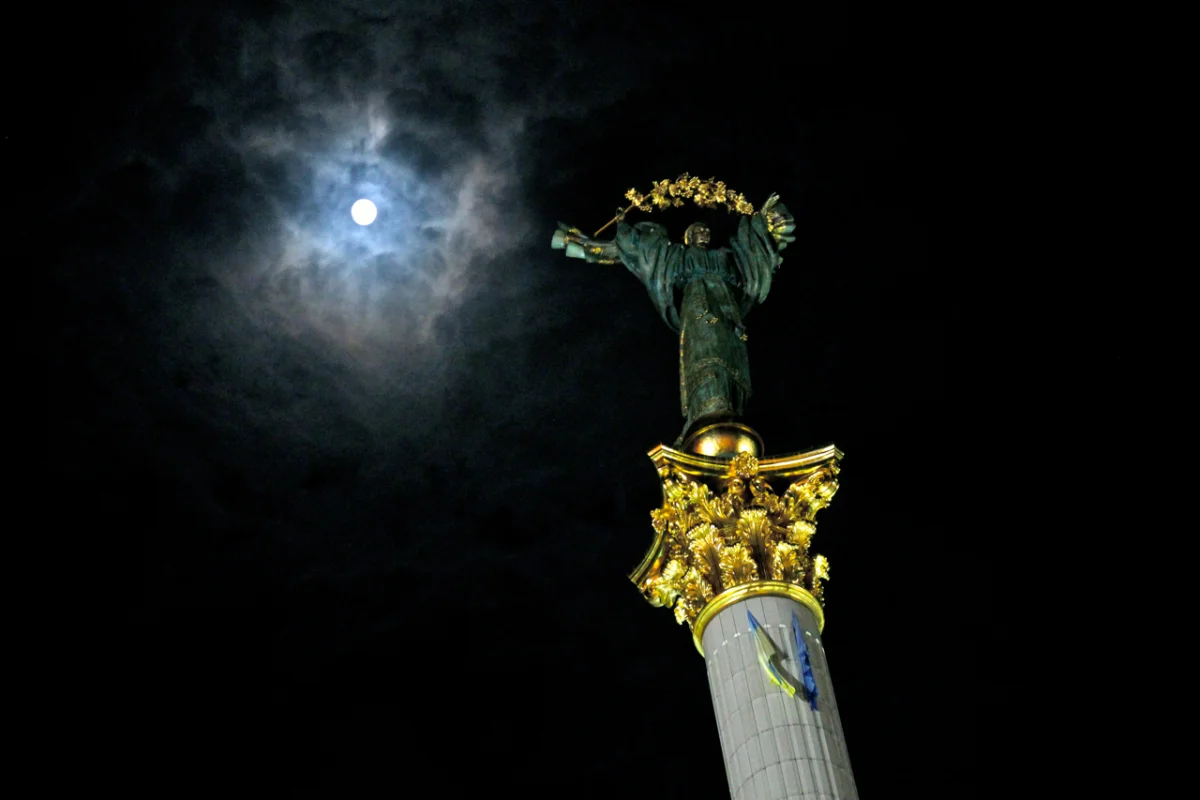
It has been nearly half a year since hundreds of thousands of Ukrainian citizens gathered on Kiev’s Independence Square with justice on their minds and revolution in the air. After constant protests and violent clashes against the corrupt powers that were put in place by former President Victor Yanukovych, the Ukrainian citizens took back what is rightfully theirs; but that was just the beginning.
Since the launch of the uprising, now recognized as the Euromaidan, clashes between Ukrainian and Russian nationals have spread from Kiev to Crimea. Russian forces have flexed their strength while Russian-speaking residents violently clash with Ukrainian citizens throughout the country. And as the death toll rises, it becomes harder to see if the end of the violence is near, or what the resolution will be.
With the continuous uprisings and domestic conflicts, a new breed of travelers have risen. Those from outside the borders are eager to get on the ground, despite the danger, in order to learn first-hand what is going on, why it is happening, and where it may lead.
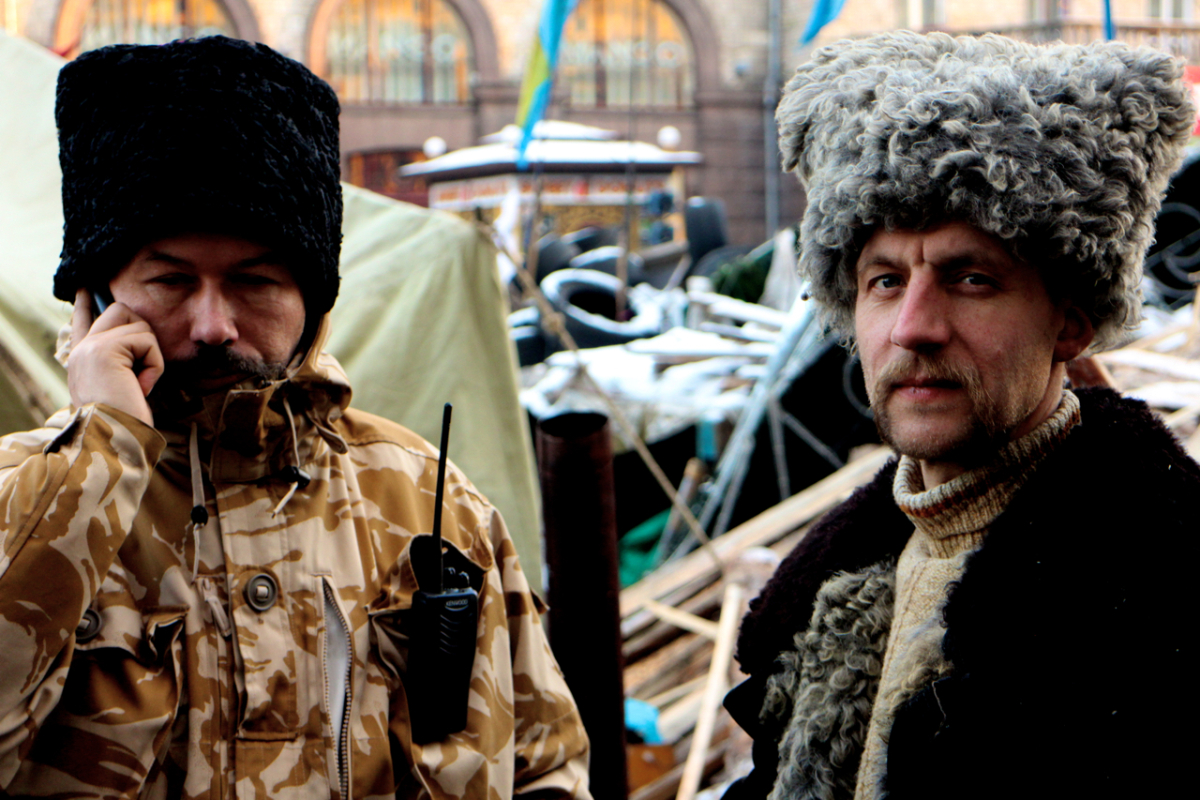
New York City based entrepreneur and economist, Graham Lawlor, serves as a prime example as he voyaged into the heart of Kiev as the uprising began. Throughout his weeklong experience in Independence Square, Lawlor dove deeper into the matter at hand as he interviewed countless protesters: nuns, students, laborers, etc..
In reflecting on his time in Kiev, Lawlor recalled that the first few days were upbeat, possessing a strong sense of optimism and purpose in the air. However, this mood changed on January 16th when Yanukovych passed a law that criminalized these demonstrations. Days later, the violence and clashes truly began, eventually leading to the overthrowing of the government.
When asked his opinion on the conflict’s progression following his return home, Lawlor’s answer was simple: “Civil War.” It appears his assessment was correct, as violence continues throughout Ukraine, yet citizens remain hopeful for peace and prosperity in the future.
His photos depict the mood of Kiev at the start of a revolution, and the brave citizens who made it happen.
GRAHAM LAWLOR @revoportaits
Graham is the founder of Ultra Light Startups, which helps Fortune 100 companies and government institutions connect with startups based on their strategic and financial objectives. He is a frequent guest speaker, moderator, interviewer, and press source on startups and online business.