
The town of Garut in Western Java, Indonesia is a quiet place—that is, until Voice of Baceprot takes the stage. While most people in the town live tranquil, pastoral lives, teenagers Firdda, Widia and Euis thrash out and rock hard. The band has shot to fame for playing heavy metal in the religiously conservative country. After gaining popularity, VoB began to face criticism for performing while wearing hijabs. Still, they continue to shred—an inspiration for everyone with a little bit of music and a little bit of hardcore rebellion in their souls.
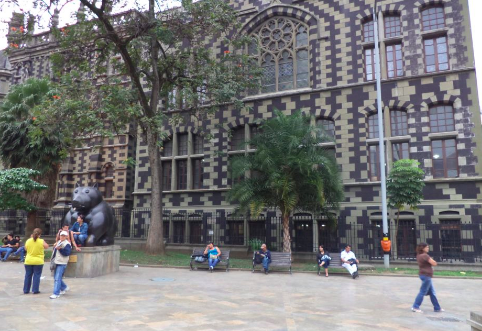
The Museum of Antioquia, in Medellin. Jonathan Robinson.
Turmoil, Pain, and Beauty: Colombia’s Blossoming Art Scene
With its rich, diverse culture, picturesque landscapes and lush natural resources, Colombia should be one of the most popular tourist destinations in South America. However, the country’s image took a hit in the 1980s, with the rise of cocaine and the drug cartels that controlled it, most notably, Pablo Escobar and his Medellin cartel. In recent years the Colombian government has addressed this problem head-on, dismantling drug rings and adopting a national slogan designed to put visitors at ease: “The only risk is never wanting to leave”. A recent spike in Colombia’s art scene may also help lift the stigma that shrouds the country, adding a new dimension to a people and culture the world thought it knew, and helping Colombia develop a new identity, or perhaps, reclaim an old one.
To be fair, Colombia is still the world's top producer of cocaine, and the legal status of cocaine within the country, combined with the high demand for it outside of the country makes the drug trade a recurrent enemy of the government. To make matters worse, drugs are not the only vice thriving in Colombia. Prostitution is also legal and readily available, making Colombia a popular destination for sex tourism, like Thailand or the Netherlands. In 2012, American secret service agents made international headlines when they got into a spat with a prostitute over an unpaid bill for “services rendered” while then President Barack Obama was visiting Cartagena. While the incident was a PR nightmare for the US, it also added to Colombia’s already prevalent image as a haven for illicit activity.
There is, however, much more to Colombia than sex and dope—and there always has been. In the heart of Medellin, the very city Escobar called home, lies the Museo de Antioquia, one of Colombia’s oldest museums. The museum features the work of famed Medellin artist Fernando Botero, known for his voluminous depictions of people and animals. This “Boterismo” style won Botero international fame, with many of his paintings and sculptures being featured in museums around the world. There was even a restaurant named after him in Las Vegas. Medellin is not the only city to get swept up in the art craze. The capital city of Bogota is home to over 100 commercial art galleries, a byproduct of an economic boom that Colombia experienced as the drug wars began to subside and the country began to stabilize.
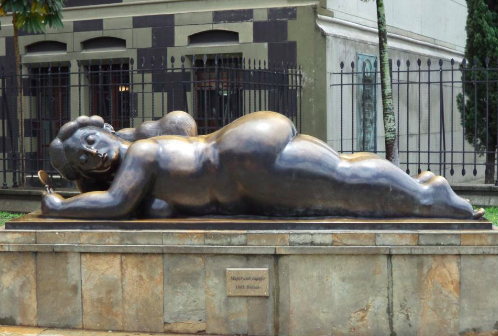
The works of Fernando Botero are prominently featured at the museum. Jonathan Robinson.
Sometimes, in the scramble to create a compelling story, media outlets may narrow or oversimplify the identities of people. Colombians are joining a long list of ethnic, gender, and religious groups who take issue with the way they are portrayed in the media and are taking it upon themselves to help the world understand that their culture may be a bit more nuanced than it has been led to believe. While the rise of Colombia's art scene may not refute the bloody images the media has shown in the past, it does add to them, creating a separate narrative for the country that exists alongside the current one. In the end, understanding Colombia may not require the world to empty its cup, but rather, to invest in a larger one.
JONATHAN ROBINSON is an intern at CATALYST. He is a travel enthusiast always adding new people, places, experiences to his story. He hopes to use writing as a means to connect with others like himself.

VIDEO: Germany's Oasis for Humanity
In the heart of Magdeburg, Germany is a mosaic superstructure known as the Green Citadel. Equipped with residential apartments, shops, cafes, hotels and a preschool, the complex was built to be an oasis for all mankind. Taking only two years to complete construction, the Citadel is considered one of the first pre-fabricated buildings in Germany. With its incredible pink exterior and bright green gardens, the building stands as the last work of architect Friedensreich Hundertwasser, built to be "an oasis for humanity and nature in a sea of rational houses."
Savor Japan’s Deep-Fried Maple Leaves
Maple leaf tempura, also known as “momiji,” is a snack native to the Japanese town of Minoh. Battered and deep-fried to a golden crisp, making momiji is a delicate process that takes about a year to prepare. Just ask Setsuko Hisakuni—she’s been making them for over 50 years, carrying on a tradition that began in the 1300s.
VIDEO: Hello Tokyo
This video was shot over a 5 day trip to Tokyo in January 2016. It was Christoph Gelep’s (videographer) first time visiting Japan, a place he had always wanted to see. With a population of 35 million, Tokyo is the largest metropolitan area in the world. Due to this, Christophe soon realized how lively and energetic this city really is.
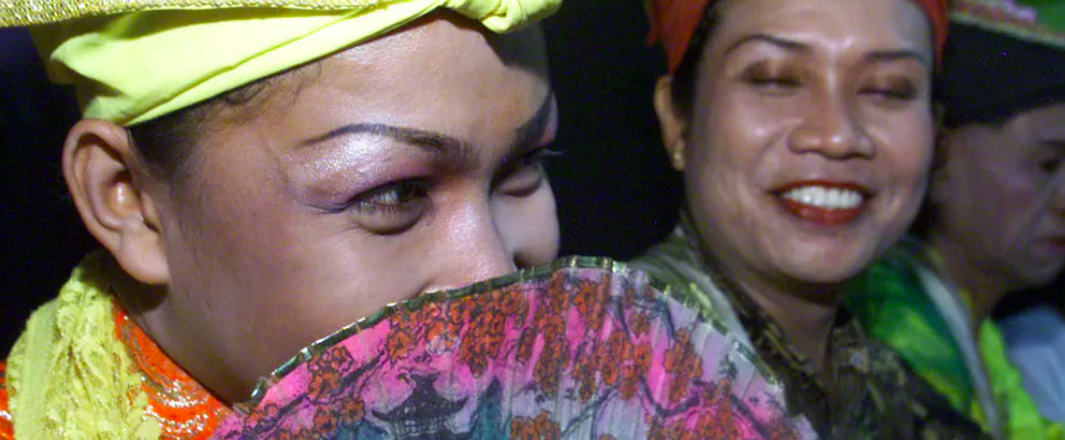
Bissu, or transgender priests, are one of five genders recognized by the Bugis. Reuters
What We Can Learn From an Indonesian Ethnicity that Recognizes Five Genders
On June 13, when a judge in Oregon allowed a person to legally choose neither sex and be classified as “nonbinary,” transgender activists rejoiced. It’s thought to be the first ruling of its kind in a country that, until now, has required that people mark “male” or “female” on official identity documents.
The small victory comes in the wake of a controversial new law in North Carolina that prevents transgender people from using public restrooms that do not match the sex on their birth certificates.
The conflict rooted in these recent policies is nothing new; for years, people have been asking questions about whether the “sex” we are born with should dictate things like which public facilities we can use, what to tick on our passport application and who’s eligible to play on particular sports teams.
But what if gender were viewed the same way sex researcher Alfred Kinsey famously depicted sexuality – as something along a sliding scale?
In fact, there’s an ethnic group in South Sulawesi, Indonesia – the Bugis – that views gender this way. For my Ph.D. research, I lived in South Sulawesi in the late 1990s to learn more about the Bugis’ various ways of understanding sex and gender. I eventually detailed these conceptualizations in my book “Gender Diversity in Indonesia.”
Does society dictate our gender?
For many thinkers, such as gender theorist Judith Butler, requiring everyone to choose between the “female” and “male” toilet is absurd because there is no such thing as sex to begin with.
According to this strain of thinking, sex doesn’t mean anything until we become engendered and start performing “sex” through our dress, our walk, our talk. In other words, having a penis means nothing before society starts telling you that if you have one you shouldn’t wear a skirt (well, unless it’s a kilt).
Nonetheless, most talk about sex as if everyone on the planet was born either female or male. Gender theorists like Butler would argue that humans are far too complex and diverse to enable all seven billion of us to be evenly split into one of two camps.
This comes across most clearly in how doctors treat children born with “indeterminate” sex (such as those born with androgen insensitivity syndrome, hypospadias or Klinefelter syndrome). In cases where a child’s sex is indeterminate, doctors used to simply measure the appendage to see if the clitoris was too long – and therefore, must be labeled a penis – or vice versa. Such moves arbitrarily forced a child under the umbrella of one sex or the other, rather than letting the child grow naturally with their body.
Gender on a spectrum
Perhaps a more useful way to think about sex is to see sex as a spectrum.
While all societies are highly and diversely gendered, with specific roles for women and men, there are also certain societies – or, at least, individuals within societies – who have nuanced understandings of the relationship between sex (our physical bodies), gender (what culture makes of those bodies) and sexuality (which kinds of bodies we desire).
Indonesia may be in the press for terror attacks and executions, but it’s actually a very tolerant country. In fact, Indonesia is the world’s fourth-largest democracy, and furthermore, unlike North Carolina, it currently has no anti-LGBT policy. Moreover, Indonesians can select “transgender” (waria) on their identity card (although given the recent, unprecedented wave of violence against LGBT people, this may change).
The Bugis are the largest ethnic group in South Sulawesi, numbering around three million people. Most Bugis are Muslim, but there are many pre-Islamic rituals that continue to be honored in Bugis culture, which include distinct views of gender and sexuality.
Their language offers five terms referencing various combinations of sex, gender and sexuality: makkunrai (“female women”), oroani (“male men”), calalai (“female men”), calabai (“male women”) and bissu (“transgender priests”). These definitions are not exact, but suffice.
During the early part of my Ph.D. research, I was talking with a man who, despite having no formal education, was a critical social thinker.
As I was puzzling about how Bugis might conceptualize sex, gender and sexuality, he pointed out to me that I was mistaken in thinking that there were just two discrete sexes, female and male. Rather, he told me that we are all on a spectrum:
Imagine someone is here at this end of a line and that they are, what would you call it, XX, and then you travel along this line until you get to the other end, and that’s XY. But along this line are all sorts of people with all sorts of different makeups and characters.
This spectrum of sex is a good way of thinking about the complexity and diversity of humans. When sex is viewed through this lens, North Carolina’s law prohibiting people from choosing which toilet they can use sounds arbitrary, forcing people to fit into spaces that might conflict with their identities.
SHARYN GRAHAM DAVIES is an Associate Professor of Social Sciences at Auckland University of Technology.
THIS ARTICLE WAS ORIGINALLY PUBLISHED ON THE CONVERSATION
Lights of the Medina
This video depicts the famous medinas in Marrakesh, Morocco. The medinas are huge hubs of commerce for locals and tourists. Every sort of product can be found in the medinas, such as food, clothes, souvenirs, performances, etc.
Read More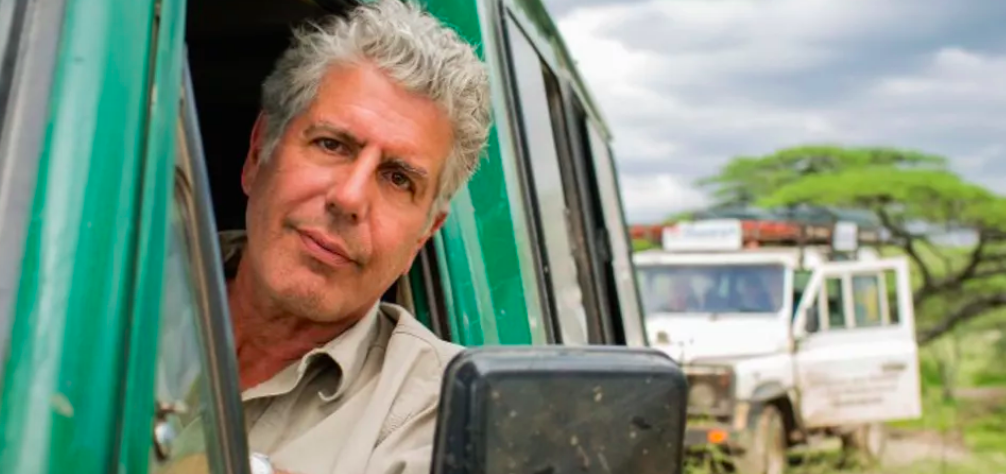
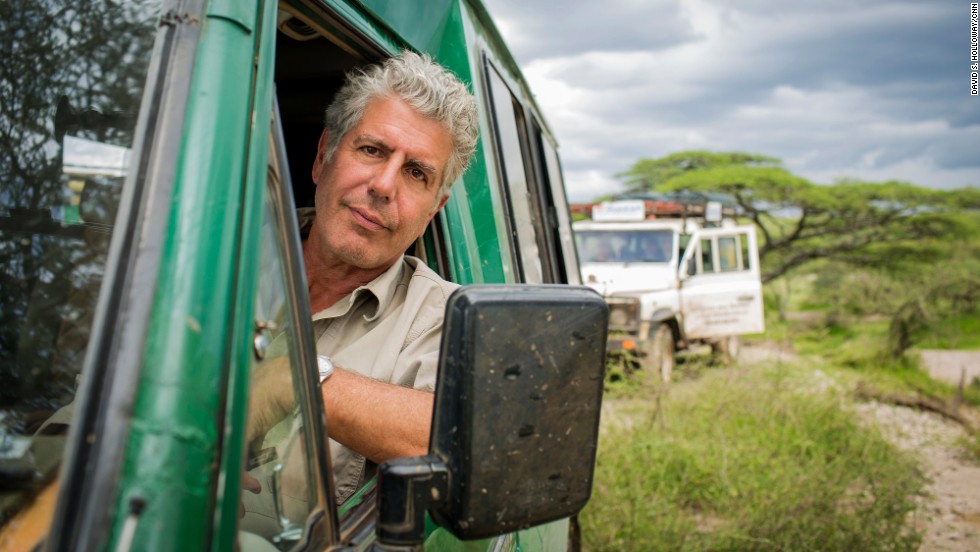
In Season 3 of ‘Parts Unknown,’ Anthony Bourdain took viewers to Tanzania. CNN
Anthony Bourdain’s Window into Africa
Anthony Bourdain might have been a celebrity chef, but viewers of his Emmy Award-winning travel show, “Parts Unknown,” didn’t tune in for curry and noodle recipes.
Cooking was simply the conceit Bourdain used to have a conversation about the culture, politics, struggles and triumphs of people around the world.
As a human geographer, I was drawn to how Bourdain upended the travel show genre, telling compelling and complicated stories about people and places most Western viewers tend to view through a lens of simplistic stereotypes or caricatures.
Even more remarkable, his work wasn’t relegated to obscurity. The show aired on CNN – a mainstream cable outlet with millions of viewers.
I was especially interested in the way the show depicted Africa, a continent Western media tends to portray using what novelist Chimamanda Ngozi Adichie famously called a “single story” – a monolithic narrative of poverty, backwardness and hopelessness.
So in a paper published last fall, I analyzed Bourdain’s Africa episodes, which took viewers to Congo-Kinshasa, South Africa, Tanzania, Madagascar and Ethiopia.
In them, he largely rejects the “single story” approach taken by much travel writing, and later travel television, since at least the 16th century. While the stories told about Africa in the West have changed over time, they’ve often lacked nuance and multiple voices – something Bourdain was eager to provide.
A ‘single story’ of horror and hopelessness
In the imaginations of many Westerners, Africa exists as a silent, docile, set piece – a contrasting “other.”
Sociologist Jan Nederveen Pieterse notes that for centuries – through deliberate lies and well-meaning mistakes – travel writers, missionaries and popular media outlets have wrongly depicted Africa as a place devoid of civilization, a frontier of wilderness and savagery.
The dominant narrative goes something like this: If the West is stable, Africa must be chaotic; if the West is mature, Africa must be infantile; and if the West is technologically advanced, Africa must be primitive.
Reality television and travel shows often deploy these tropes. Cultural anthropologist Kathryn Mathers has written widely on media depictions of Africa, suggesting that programs like “Survior: Africa” and Nicholas Kristof’s popular newspaper columns tell predictable stories of poverty and chaos with little effort to contextualize them within a larger history.
The dynamic voices of Africans – hardly a monolithic category – are often absent in these narratives. In the rare event they do appear, they’re often presented as people without politics who exist only to welcome tourists and protect rhinos. Intrepid conservation officers and overburdened health workers are favorite characters, along with the traditional leader, the street vendor and the small child in school uniform.
Cable news coverage of Africa also tells a “single story.” As Mathers wryly notes, when the continent does get coverage, the stories can be distilled down to the same topic: “the horrors of the hopeless continent, as seen on CNN.”
Bourdain’s critical lens
But Anthony Bourdain was also “seen on CNN.”
Beginning with his memoir, “Kitchen Confidential,” Bourdain built his persona as a speaker of unspoken truths. Likewise, he steered his travel show to “parts unknown” – or, more accurately, parts only known through incomplete tropes.
In each episode, Bourdain gives a brief historical overview to remind the audience that places are made by their histories. He doesn’t gloss over the difficult ones. For example, when explaining contemporary Congo, he implicates his American viewers:
“When the new country managed to inaugurate their first democratically elected leader, Patrice Lumumba, the CIA and the British, working through the Belgians, had him killed. We helped to install this miserable bastard in his place: Joseph Mobutu.”
When Bourdain is in Madagascar, he reflects on his own conflicted relationship to tourism and colonialism.
In Season 6, Ethiopian-born, Swedish-raised chef Marcus Samuelssonjoins him in Ethiopia. Together, they explore the theme of home in the context of the African diaspora.
While one might criticize Bourdain’s perspectives, he could never be accused of taking a sanitized, apolitical approach.
In the episode on Tanzania, he visits a Maasai village – a common pit stop for travel shows about East Africa. But “Parts Unknown” rejects the stereotype that the Maasai are an isolated, backwards tribe that exists apart from the modern world.
When a villager learns that Bourdain was born in New Jersey, he tells the host that his son attends university there. The conversation picks up again later in the episode, when Bourdain and the Maasai man thoughtfully ponder globalization and the anxiety and opportunity of social change. Bourdain understands that his African hosts aren’t anchored to a static past. Instead, they are dynamic actors in a global economy.
Bourdain writes his own reflections into each script. In Madagascar, Bourdain reminds viewers that
“the camera is a liar. It shows everything. It shows nothing. It reveals only what we want. Often, what we see is seen only from a window, moving past and then gone. One window. My window. If you had been here, chances are you would have seen things differently.”
The episode then cuts to previously rolled footage but reedited in the style of Mathers’ “horrors of the hopeless.” It’s all done to show the ease with which dominant narratives are packaged and to emphasize that “Parts Unknown” seeks to convey something entirely different.
The greatest strength of “Parts Unknown” was its comfort with unknowns remaining unknown – its resistance to arriving at singular truths about complex places. Bourdain never claimed that the “artifice of making television” – as he called it – allowed more than “one window, his window.”
Yet it was an open window, a critical lens that helped his large audience disentangle the tropes so often served up by popular media. Bourdain was critical of the single story, critical of widely held stereotypes and perhaps most critical of his own position as a masterful storyteller.
THIS ARTICLE WAS ORIGINALLY POSTED ON THE CONVERSATION
Bringing Indonesian Cuisine to New York, One Table at a Time
Every Tuesday, Indo Java in Queens, New York, turns into the hottest spot in town for traditional Indonesian cuisine. And the best part? You’re always guaranteed the best seat in the house. With only one table, Warung Selasa is one of the smallest restaurants in the city, located inside a tiny, two-aisle grocery store. Owned and operated by Dewi Tjahjadi, Warung Selasa has been spreading the flavors of Indonesia in Queens for the past 10 years.
Inside an Apache Rite of Passage Into Womanhood
For the Mescalero Apache Tribe, girls are not recognized as women until they have undergone the Sunrise Ceremony- an ancient, coming-of-age ceremony that lasts for four days. Last May, VICE got rare access to the ceremony for Julene Geronimo - the great, great grand-daughter of the renowned Apache leader, Geronimo. We followed Julene through each day of her arduous rite-of-passage to better understand what womanhood means for the Apache tribe, and how these ceremonies play a significant role in preserving a way of life that almost became extinct.
Winds from Morocco
This video captures scenes in Morocco ranging from the deserts to the cities.
Read MoreTANZANIA: The Last Hunter Gatherers
Hunting only with bows, arrows, and their ingenuity, what marked my time with the Hadza was how remarkably happy they seemed. In their language, there is no word for “worry” and by following their ancestral ways, the Hadza truly live in the moment.
Read MoreTokyo: Random Access Memories
This short film features random shots of Tokyo, offering an artistic perspective of this non-stop city. Shot and edited by Junwoo Lee.
Tokyo Gen
A short film about Tokyo's unique street culture.
JAPAN: Wabi Sabi
Wabi Sabi is a Japanese lifestyle giving a view of life in many aspects: everything is imperfect and the true beauty comes from simple things, then, one can have subtle feelings in life. Inspired from that spirit, filmmaker duo and couple Le Quynh Anh and Le Nham Quy made this video about Japan in a deeper insight and unbiased feelings. "Japan - Wabisabi" is their best emotional-experience journey in Japan, where they are living and working. They hope that you can feel "Japanese Spirit" from this video.
Freediving With Japan’s Pearl Divers
Aiko Ono was working as a photographer in the bustling megalopolis of Tokyo, but she had long dreamed of the ocean. When an unexpected opportunity arose, she left her life in the city to join Japan’s legendary female “ama” divers. For centuries, ama divers have scoured the ocean floor for pearls and seafood, passing on their expertise to future generations of women. Now, she’s found honor and peace in upholding this 3,000-year-old tradition.
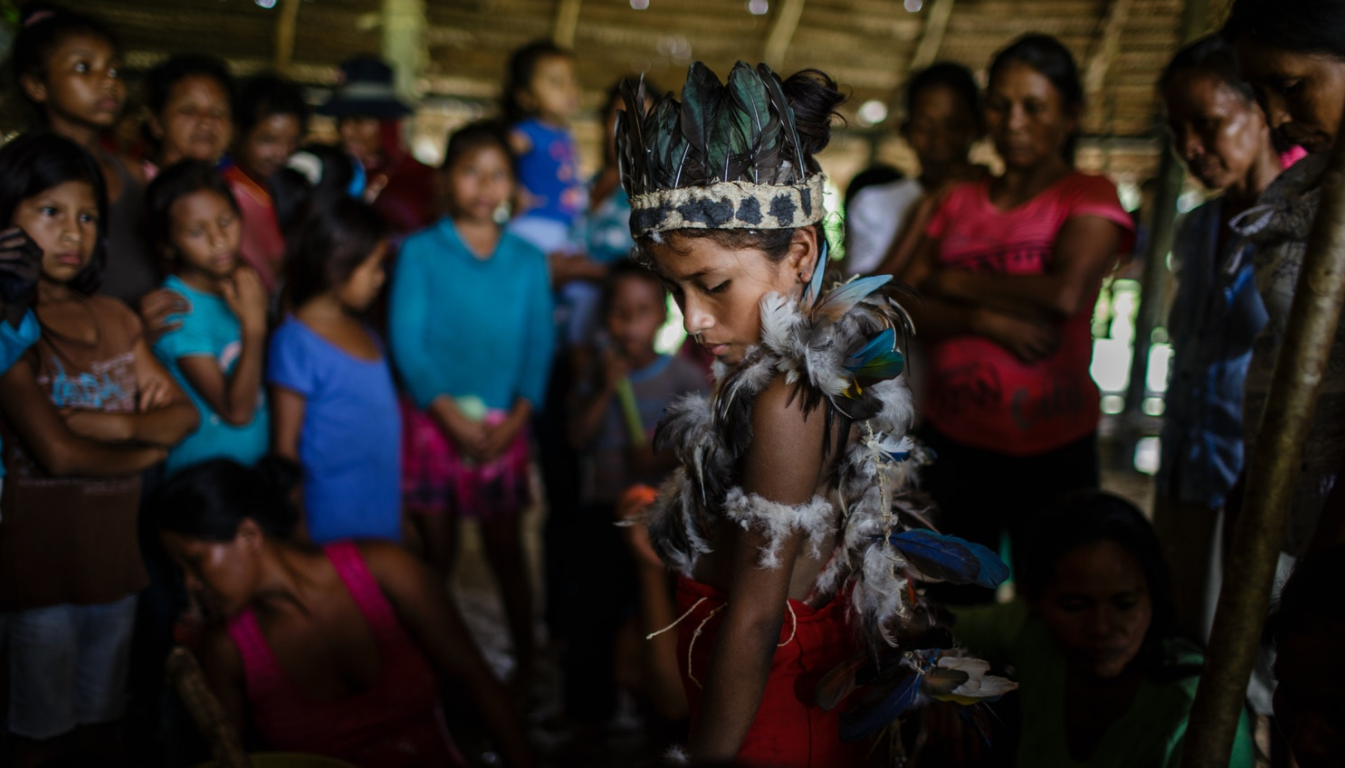
Coming of Age in the Amazon Jungle
In a small settlement, deep in the Amazon rainforest, colourful preparations are underway for a very important occasion.
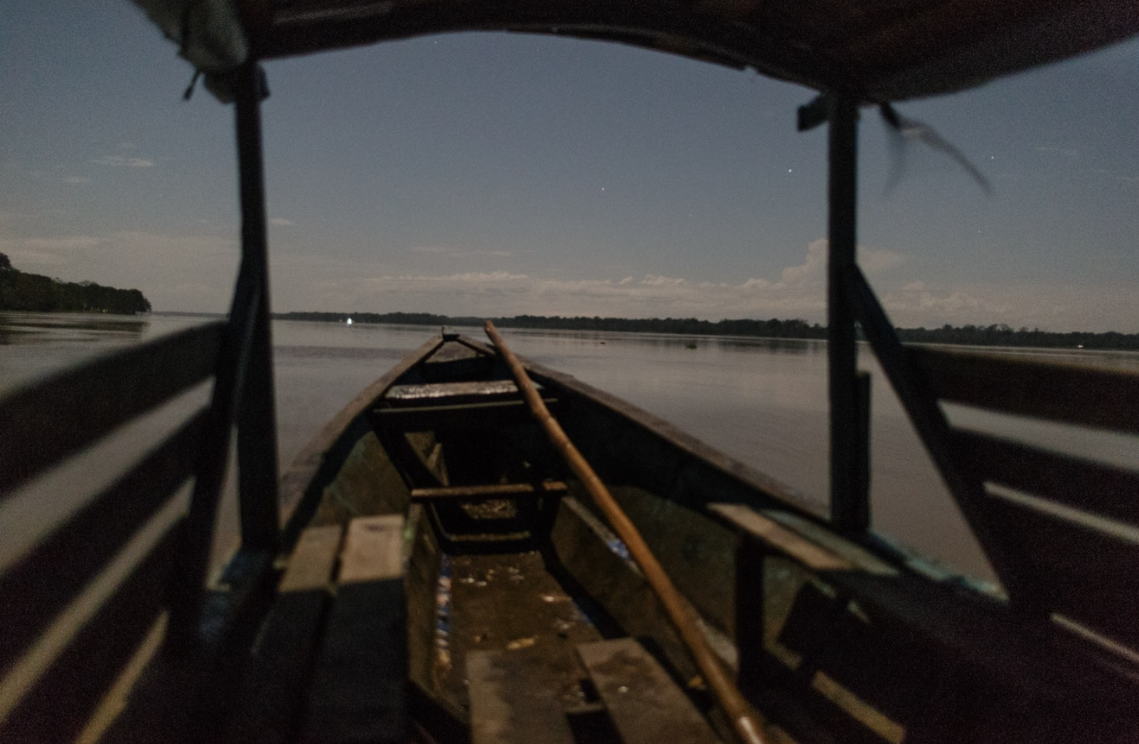
The village of Puerto Esperanza, directly translated as “Port Hope,” is located in the Amazonas department of Colombia — three hours travel by boat from Leticia, the main port in the Colombian Amazon. Here you will find many members of the Tikuna tribe. One of the most numerous peoples in the rainforest, the Tikuna are an extraordinarily artistic people, known for their rich culture and age-old traditions.
One of the most prominent cultural traditions celebrated and upheld by the Tikuna is that of the Pelazón ceremony, a traditional coming of age ritual for young girls, marking the time they enter womanhood. After a whole year of isolation, the girls will be welcomed back into the tribe as women.
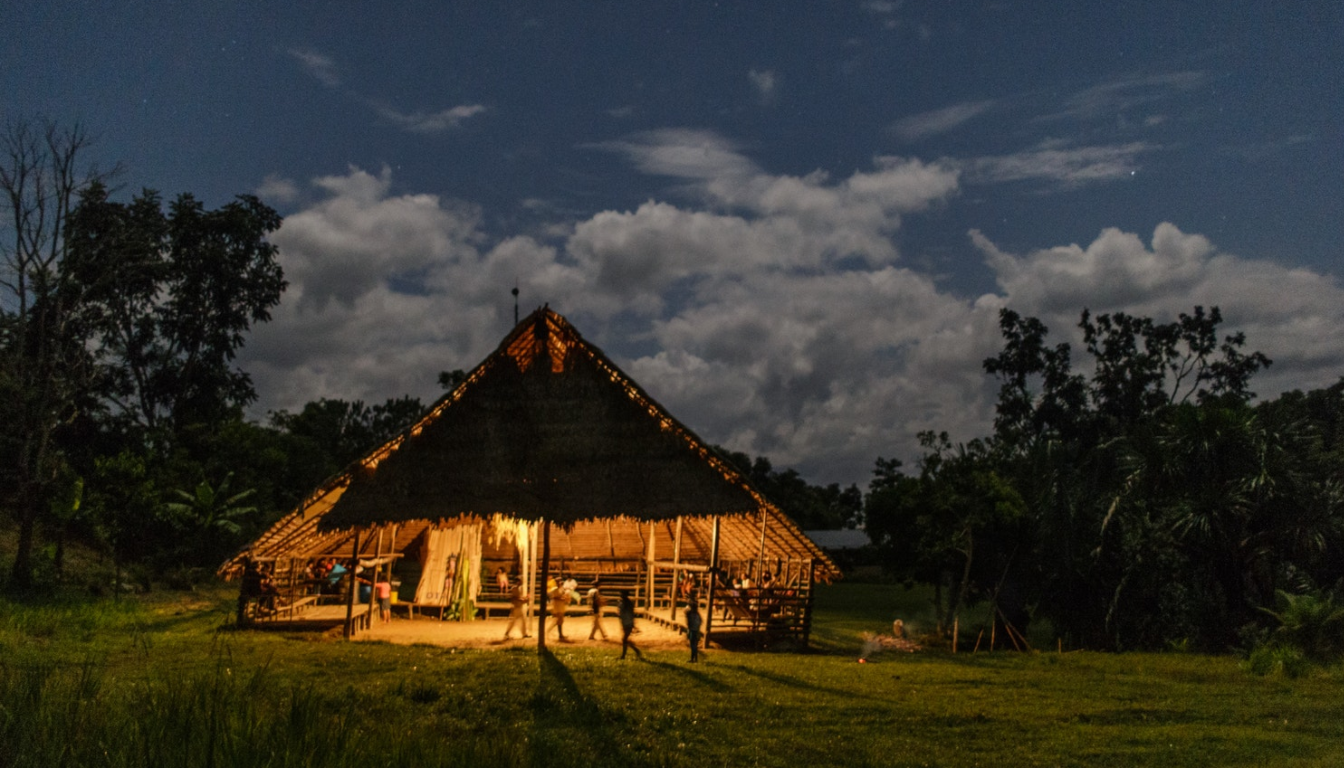
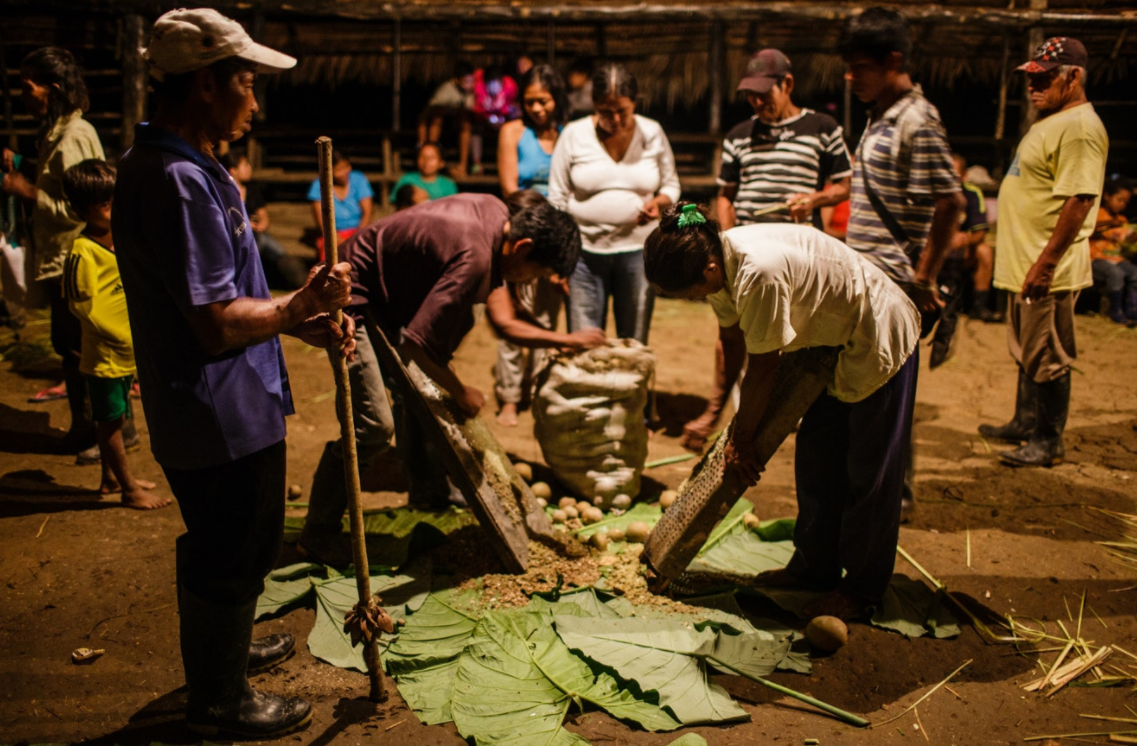
At the heart of the Tikuna settlement, in the maloka, or gathering house, people begin preparations for the rituals that will take place during the Pelazón ceremony. They bring together wine and food that have been collected from the community and spend hours crafting beautiful and elaborate feathered drums that will be used during the festival.
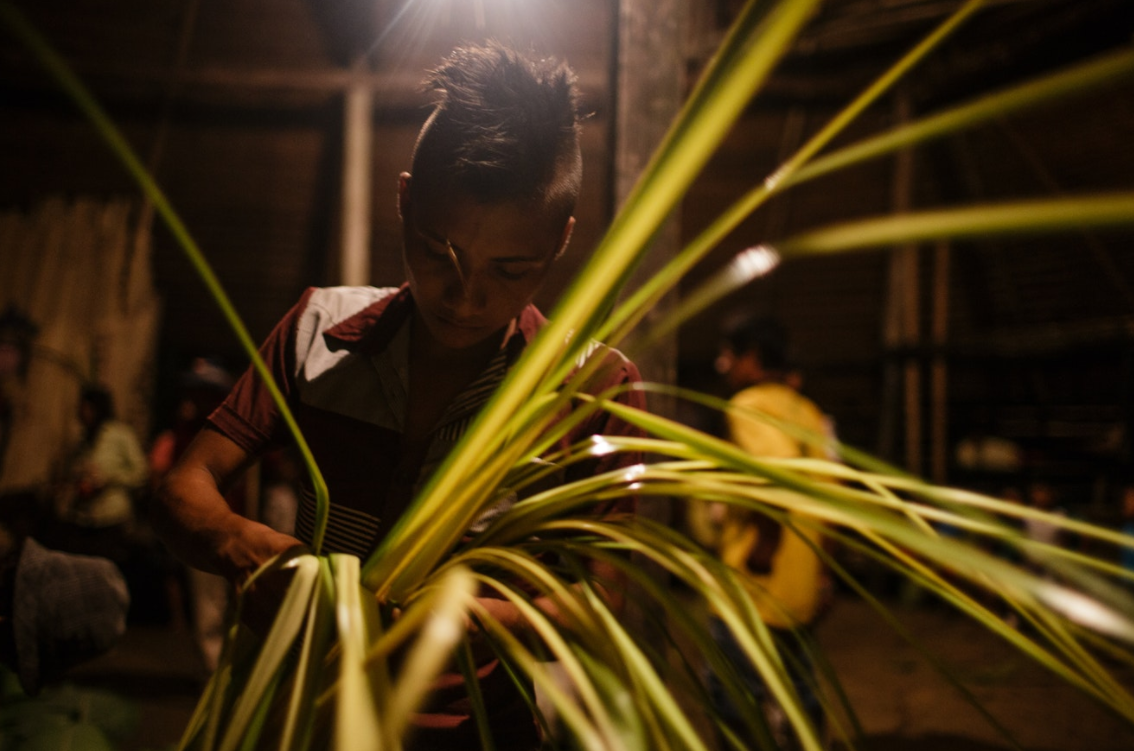
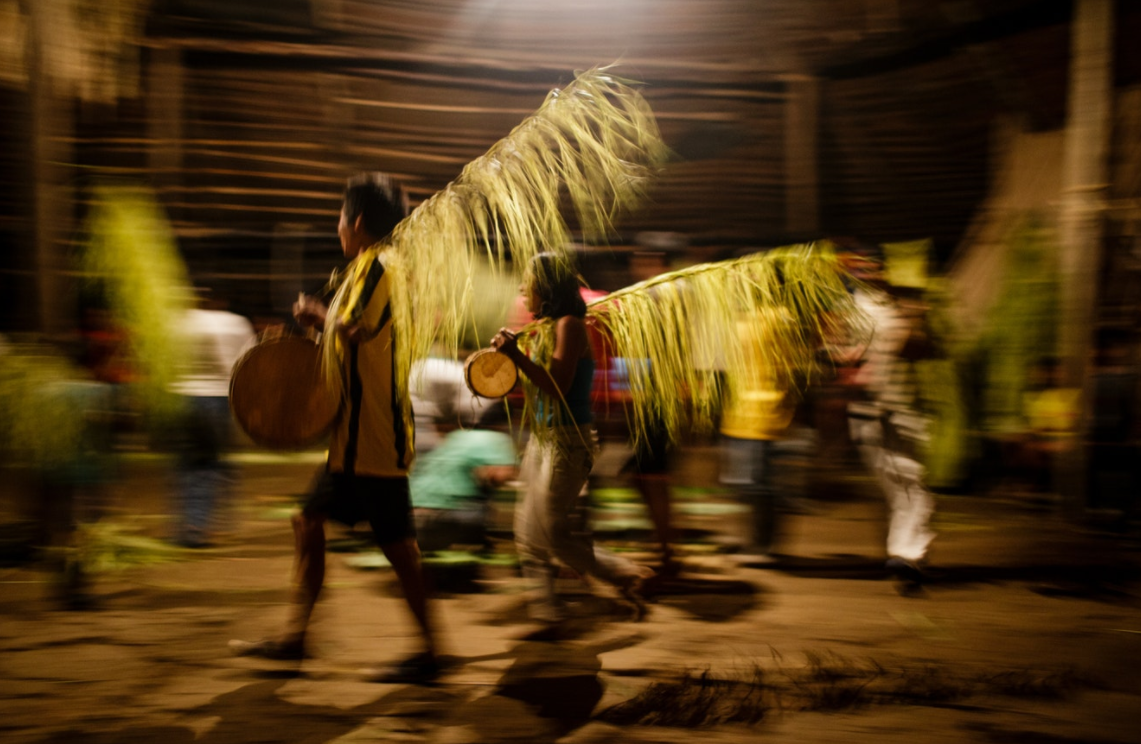
One young man plays a whistle to mimic the sounds of the jungle and imitate the demons who are lingering near the maloka, while another heats a fish-skin drum to hone its sound in preparation for the festivities.

Meanwhile, other community members are making uito, a natural pigment that will be used to cover the girls’ bodies during the ceremony.
A Year in Isolation
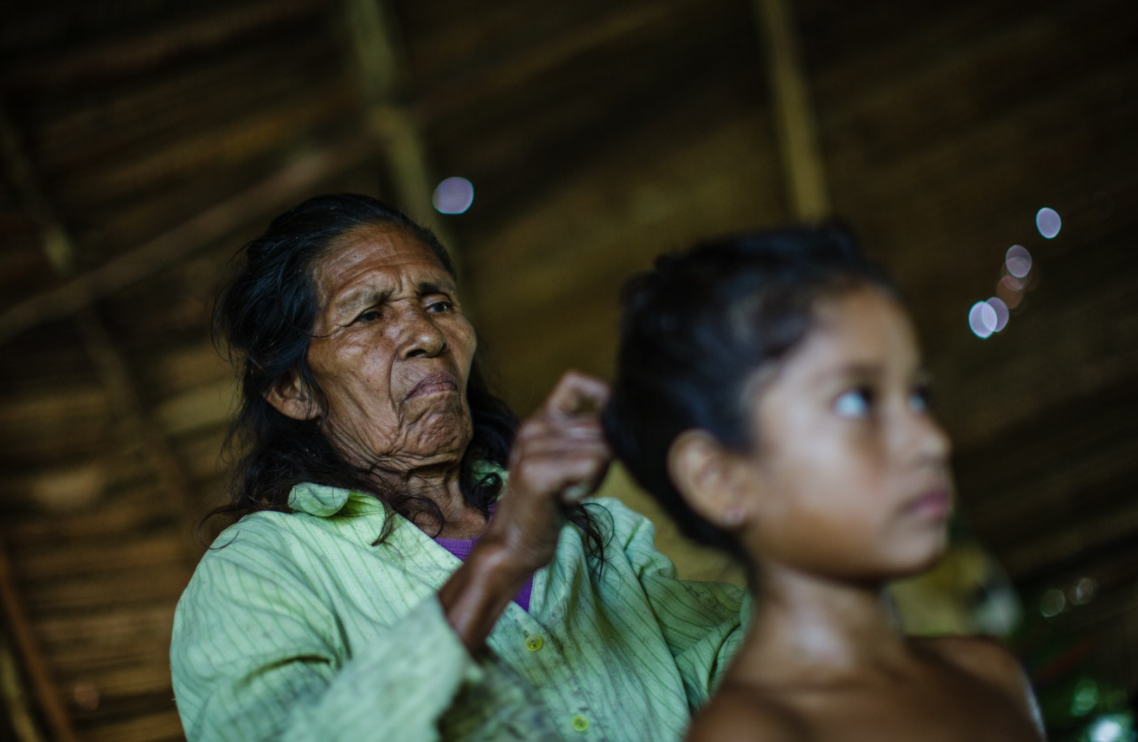
Following her first menstruation, each young Tikuna girl who has chosen to take part in the ritual and Pelazón ceremony, will isolate herself in a small house made of palm leaves. For an entire year the only person whom she will be allowed to see is her grandmother. Part of a deep cross-generational relationship, the elders teach the young girls many traditional skills from weaving, cultivating crops, and the uses for plants, to taking care of babies, and every other aspect of being a Tikuna woman.

Below you see a Tikuna grandmother brushing her granddaughter’s hair. This young girl is only seven, but has already decided that when the time comes she would like to take part in the Pelazón ritual and ceremony.
The Reunion
After the long year of isolation, the girls’ families work together to prepare a big celebration and invite the whole tribe to welcome their daughter back into community life as a young woman. The celebrations last for three days with drinking, eating and dancing, but first everyone gathers in a procession around the village, collecting all of the girls to take them to the maloka.
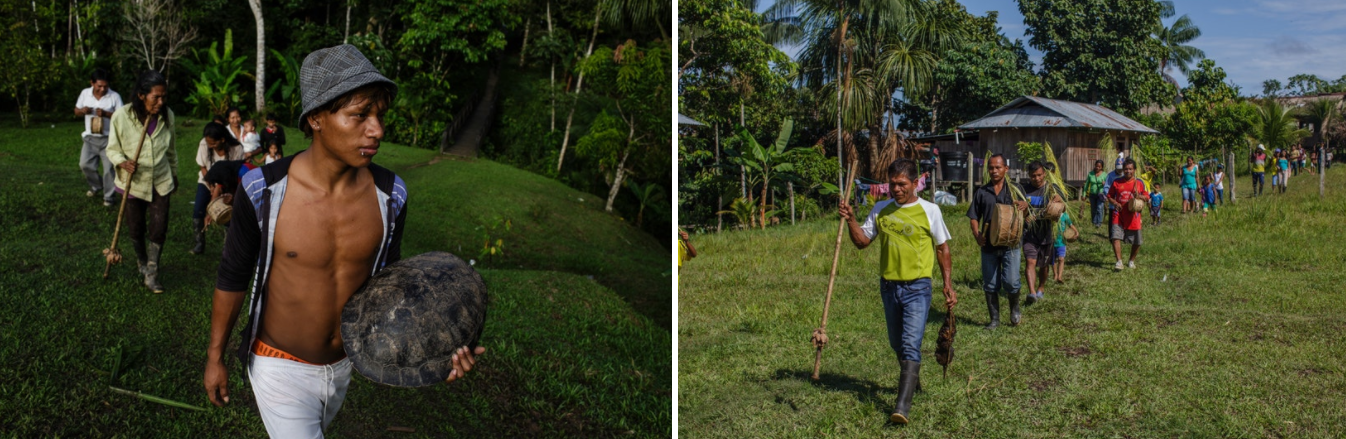
Members of the tribe bring animals they have hunted as offerings to the girls’ families. This young man is holding a Terecaya in his hands, a species of Amazonian turtle. The shell is decorated with feathers and hung in the maloka as a symbol of wisdom in the Tikuna culture.

As night falls, the procession continues to make its way around the village, one by one collecting each of the young girls from their homes.
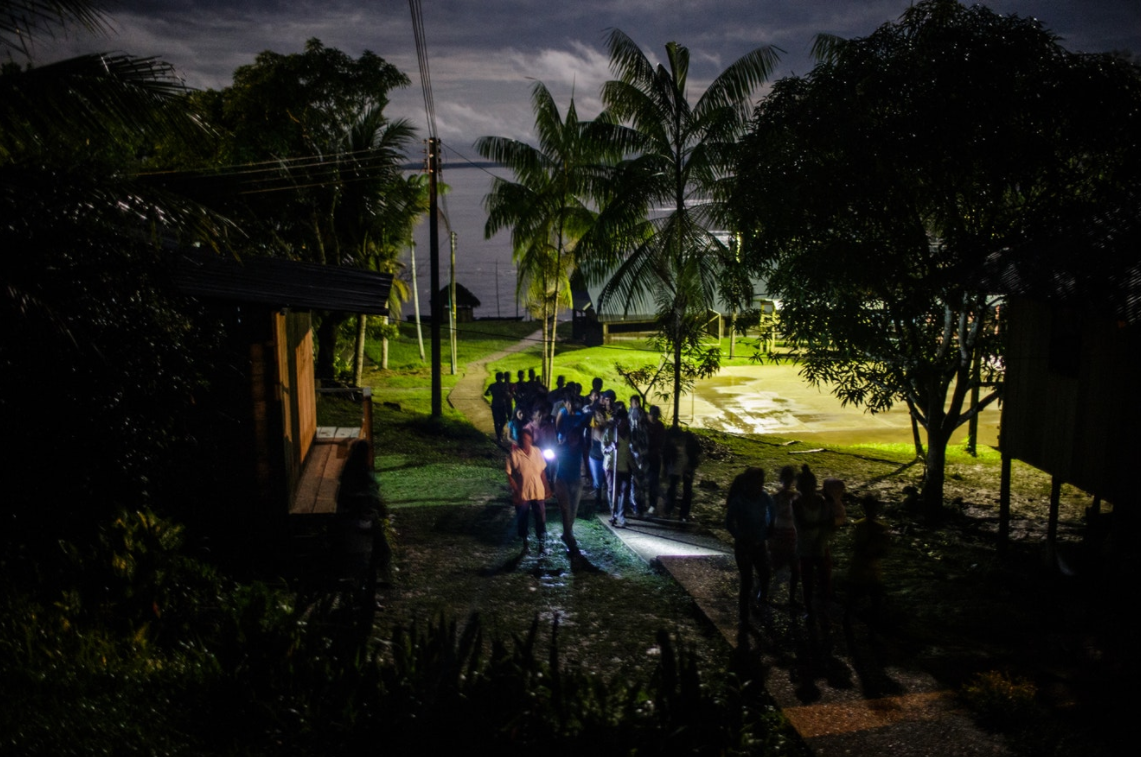
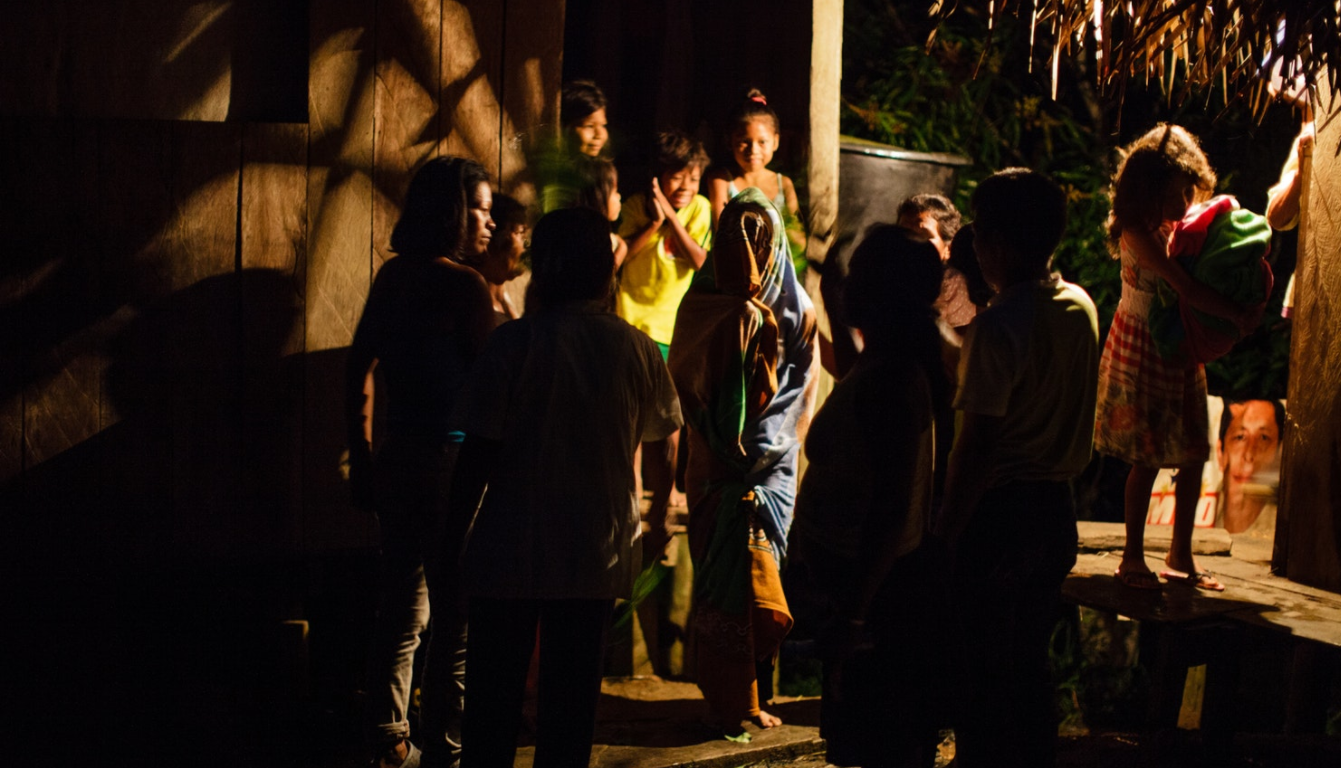
Below is the moment when one of the girls comes out of isolation. She will be completely covered until she is ‘revealed’ during the main ceremony.
The Ceremony
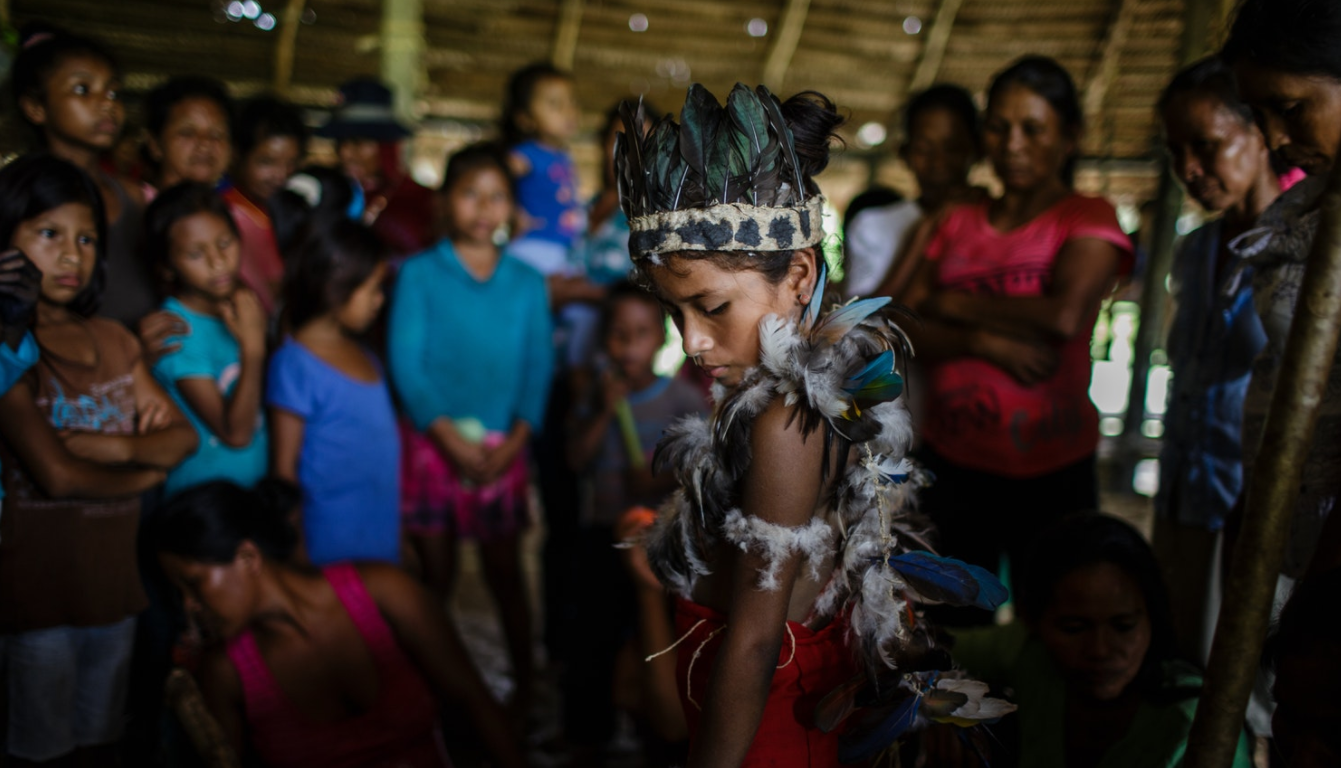
At the heart of the Pelazón celebrations is the big communal feast held in the maloka. The families offer a typical payabarú drink to their guests, people dance to traditional songs, and, in the midst of this feast, the girls come out dressed with feathers and painted with uito pigment.
The girls are unveiled for the first time in their elaborate feather headbands. Below one of the newly welcomed young women dances as part of the ceremony, while the other women and girls look on.
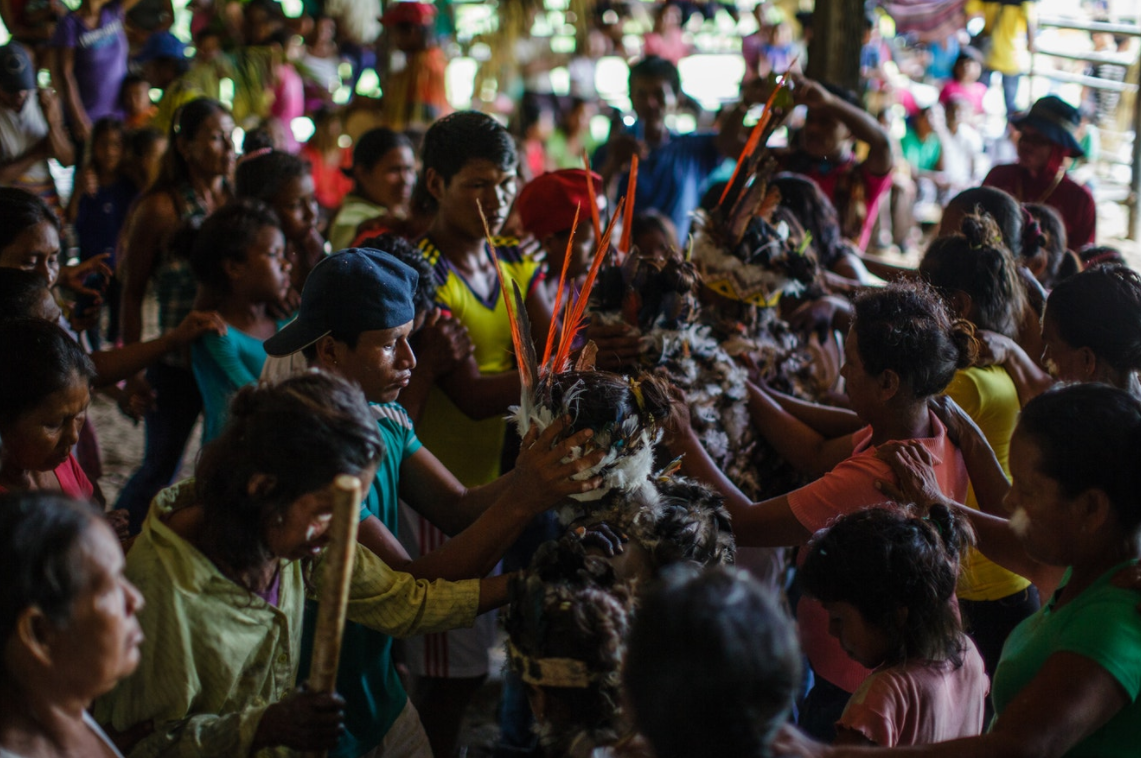
During another important part of the ceremony, young male members of the tribe dress as demons and dance around the girls, enacting temptations that the girls are strong enough to face, now they are women. They wear masks, shake instruments and carry carved wooden penises to symbolise the seduction that the young women may encounter in life.
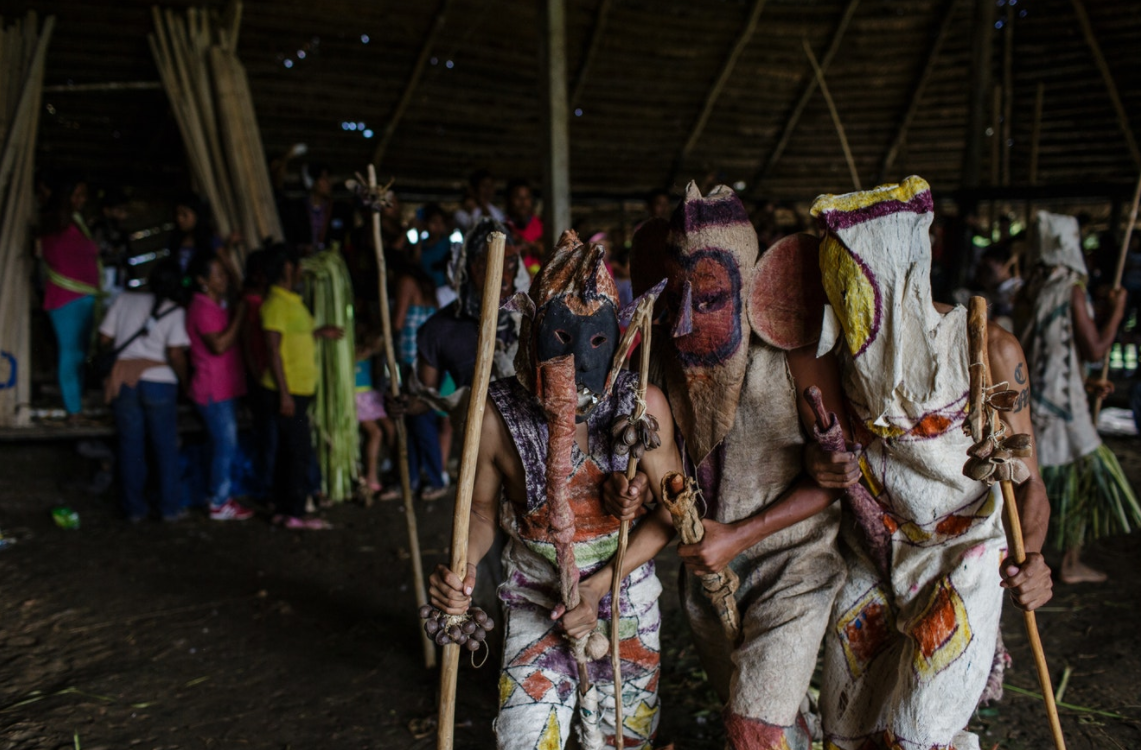
After the ceremony each girl is said to be ready to embark on her adult life. The long time away with her grandmother as her teacher and the climactic return have prepared her for all aspects of her future, from work, to marriage, to pregnancy and having a family of her own.
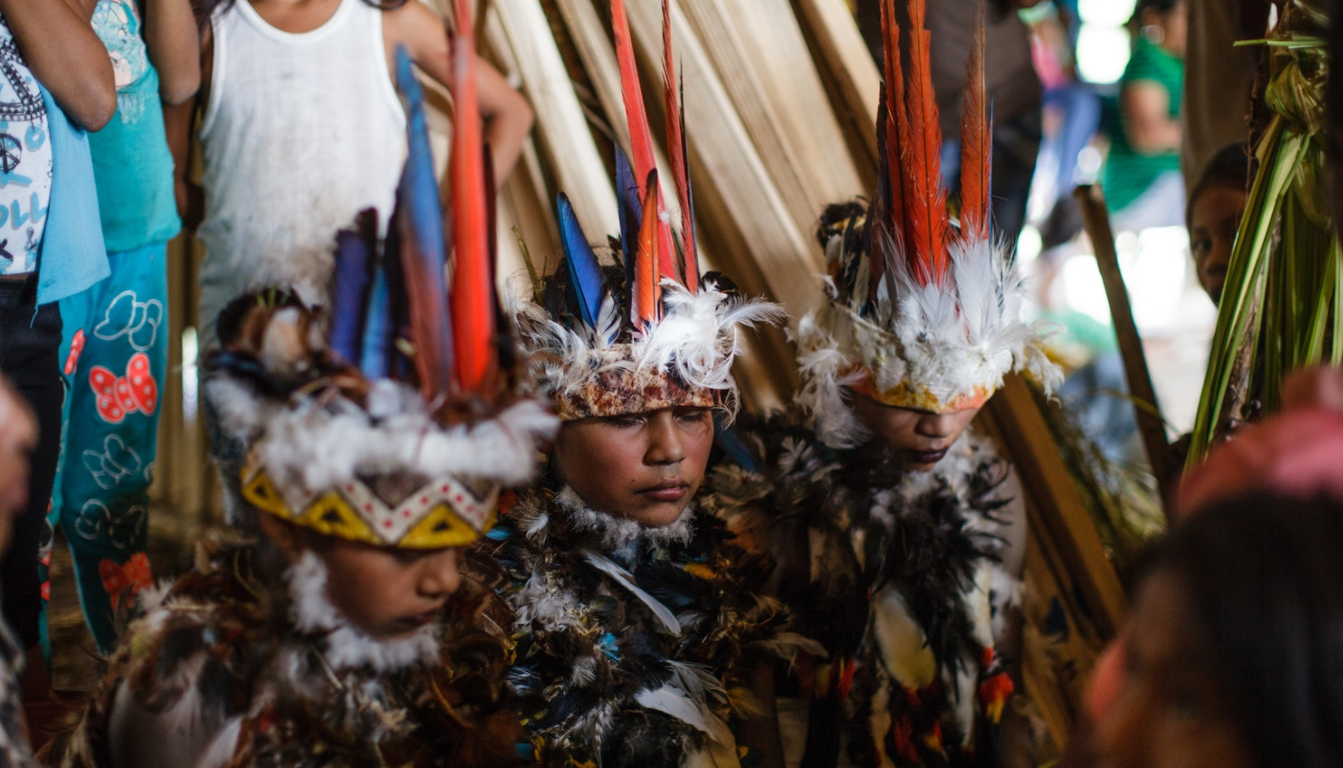
It was a privilege to spend time with the community and families of Puerto Esperanza and to observe the Tikuna tribe’s remarkable tradition of the Pelazón ceremony. I would like to give special thanks to Edgar, Otoniel, Obsimar, Vicente and all the other tribe members who allowed me to participate and photograph this very special and private ritual.
THIS ARTICLE WAS ORIGINALLY PUBLISHED ON MAPTIA.
FEDERICO RIOS
Federico is a Colombian photographer whose work focuses on developing documentary photography on social issues in Latin America. Explore more of his work at federicorios.net.
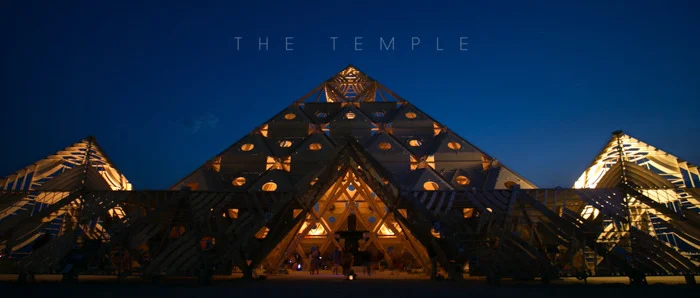
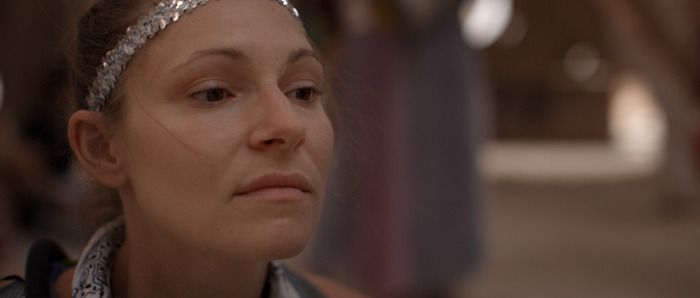
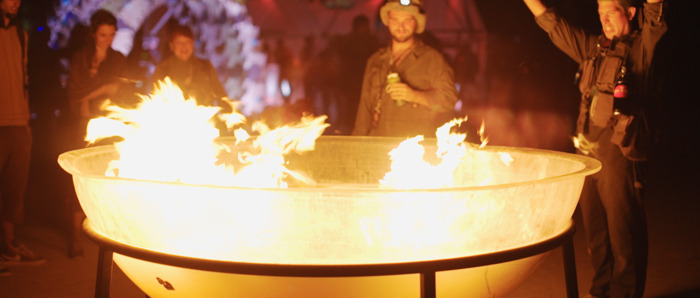
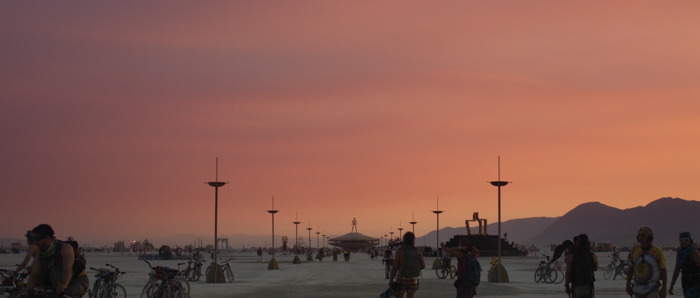
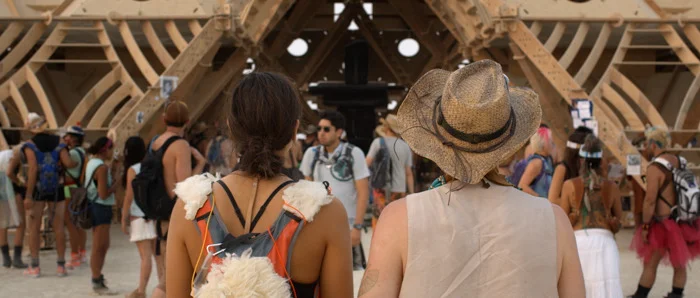
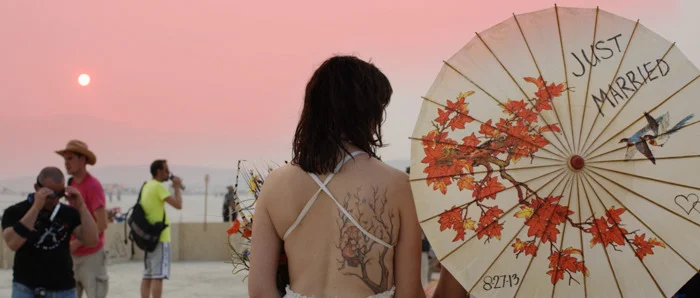
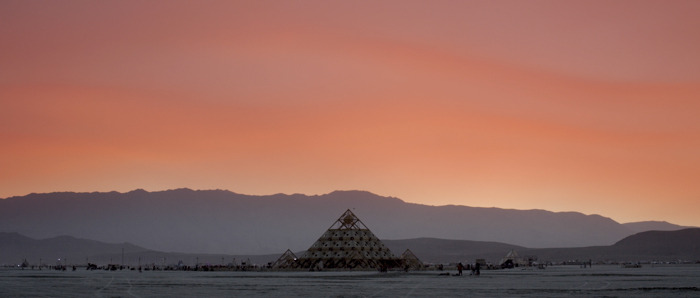
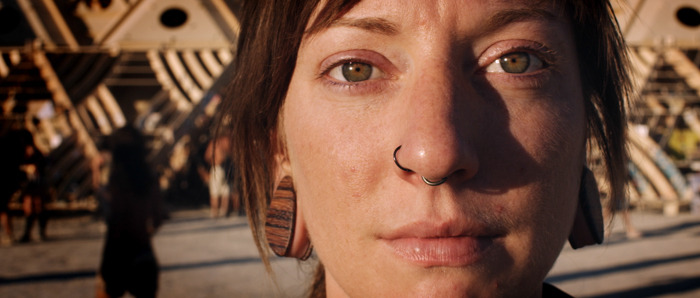

The Burning Man
For close to three decades now, Nevada’s desert landscape has been annually transformed into the phenomenon that has come to be known as Black Rock City, home to the Burning Man. While the essence of Burning Man is often mislabeled as a massive party with excessive drug use, it is best described as "pop up society." One, which after a years worth of work, dedication, and preparation is burnt down to the desert floor, leaving it just as it was before its temporary inhabitants arrived.
Regardless of the stereotypes about the “hippy subculture” that Burning Man has been built upon, the festival embodies a spirit of collective freedom that is seldom seen in our world today. It has evolved into a place of worship, innovation, radical self-reliance, and authentic freedom of expression; where anyone can reinvent themself into whomever they want, without the stresses of acceptance and judgment from the “real world”.
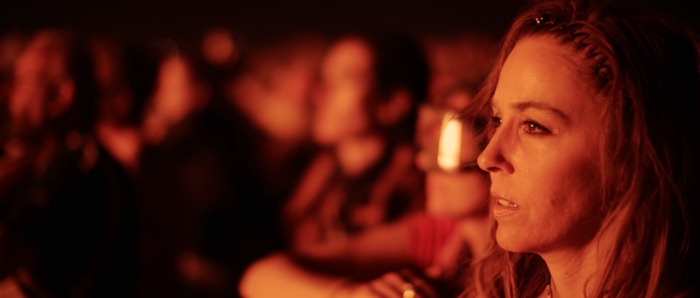
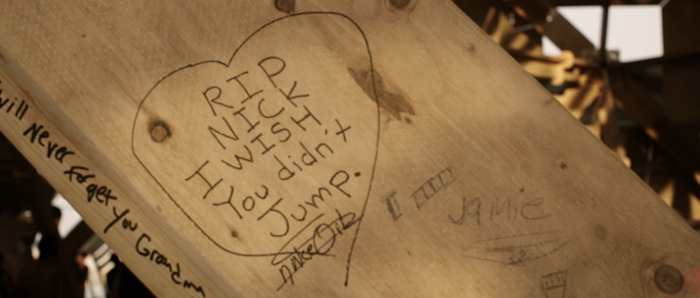
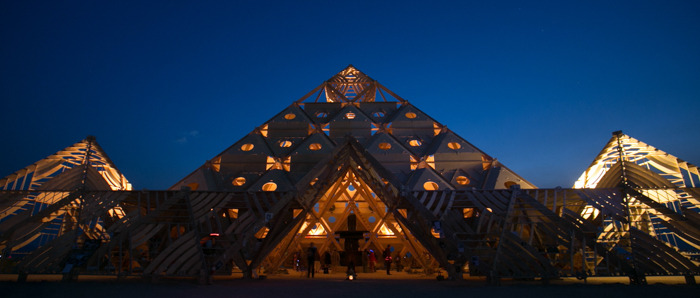
Amongst the plethora of art installations, participatory campsites, and whatever else Black Rock City births, Michael Marantz, Founder / Director of Already Alive, was inspired by one in particular, “The Temple”. In his mind, the installation of The Temple, “explores modern spirituality in a contemplative and personal manner; touching on ideas of self-discovery, letting go and meaningful human connection that transcends a simple party in the desert.”
Marantz’ inspiration led him to contribute to Burning Man’s consistent theme of a “gift economy” by producing a short film about it. Fortunately, Michael was able to capture the film in a series of still images, allowing those unable to participate in the experience of Burning Man, to have a taste of what it is like to reside in the world of Black Rock City.