Written by Michael Ivenson
Nicknamed the “Pearl of the Indian Ocean”, Sri Lanka is the perfect gateway into South Asia. Tropical coastlines offer perfect conditions for surfing, swimming and relaxing by the sea, while the iconic hill country brings cooler temperatures, stunning hikes, and hidden waterfalls. Sri Lanka also boasts 26 national parks, densely populated with incredible wildlife such as leopards and elephants, with locally-owned eco lodges and guesthouses in some of the most remote areas of the island. Combine this geographic diversity with wonderful hospitality, incredible cuisine, and great weather, Sri Lanka has a little bit of everything all at once.
Historically occupied by the Dutch, Portuguese and British, the island has a complex history of colonialism that materializes in unique ways. Whether you’re exploring the historic Dutch fortress in Galle, drinking tea on the Scot-inspired tea estates, or learning Portuguese-derived vocabulary in one of the local languages, Sri Lanka is shaped by international influence and showcases how colonialism has influenced the cultural, religious and economic composition of the island.
Whether you’re travelling with friends, family, or journeying independently, Sri Lanka is the perfect destination for safely exploring a new culture at your own pace.
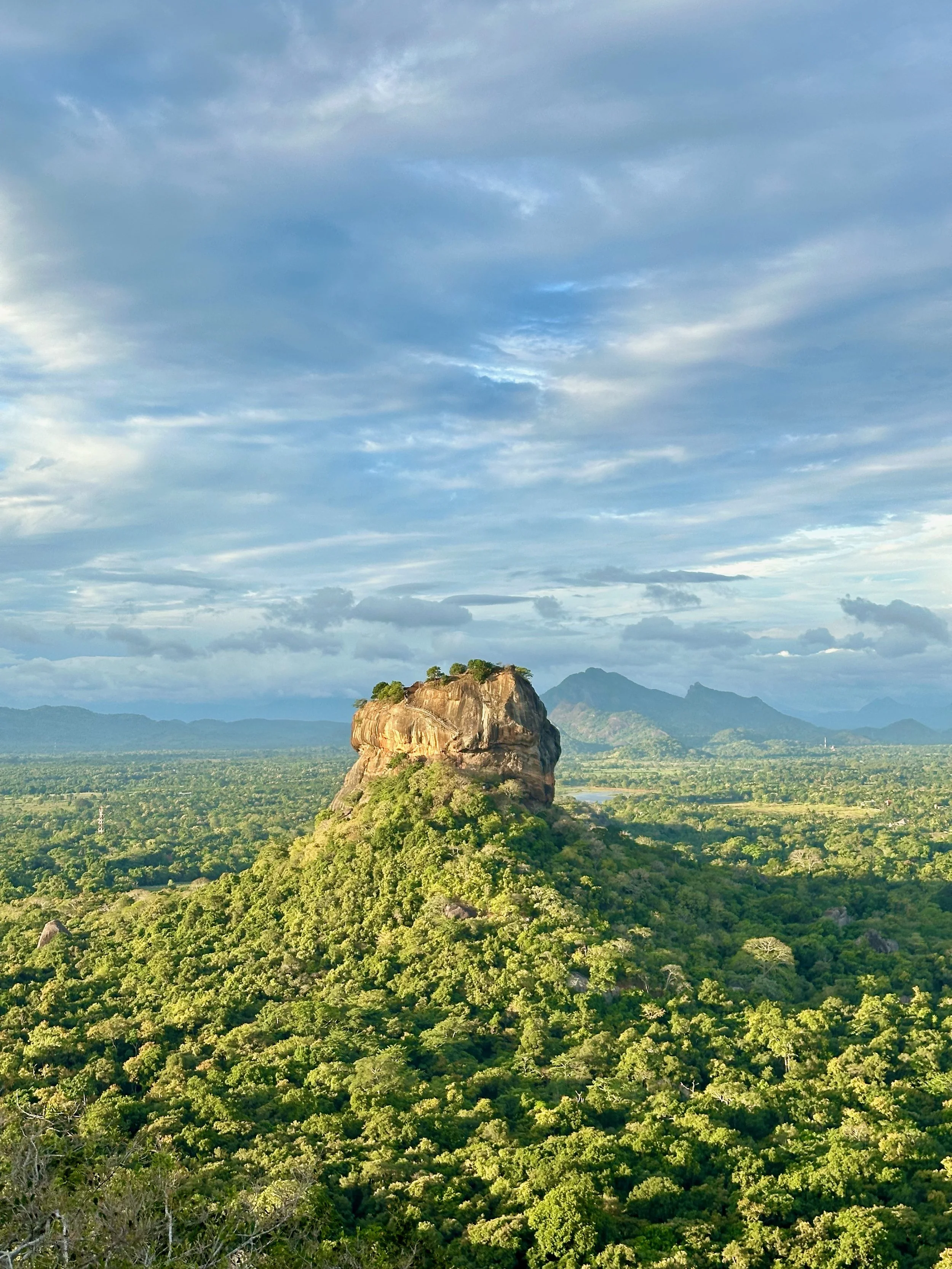
Sigiriya. Michael Ivenson
Currency: Sri Lankan Rupee (LKR)
Language: The 3 official languages of Sri Lanka are Sinhala, Tamil and English. English is commonly understood in cities and tourist areas. In more remote communities, English levels vary. Sinhala is mainly used in southern provinces and cities, while Tamil is the first language of cities and communities in the northern provinces. The hill country is a mix.
Average Temperature: In coastal areas, temperatures typically hover around 75 - 85 degrees Fahrenheit year-round, with surges in the hotter parts of the year (e.g. April), where temperatures can exceed 100 degrees Fahrenheit with high humidity.
In the hill country, temperature varies hugely with elevation. In higher altitude towns such as Nuwara Eliya, temperatures can fall as low as 50 degrees Fahrenheit at night, and generally average 70 - 75 degrees Fahrenheit during the day.
On Season: Tourism trends in Sri Lanka generally follow the monsoon seasons:
The high season for the southern regions is between January and April, before the Yala monsoon arrives and brings heavy rainfall between May and September.
The high season for the north and east of the island is between April and October. The Maha monsoon brings rain to these regions between November and March.
Off Season: Shoulder season (October - December) offers the chance to beat the crowds with a higher risk of rainfall. If you’re travelling at a slower pace, this window allows for quieter tourist trails but expect a few days of monsoon rain that may disrupt plans.
Average Cost Per Day; Budget-Luxury:
Budget: Hostels, Local food & Free Activities: $20 - $50 per day.
Mid-Range: Shared hotel rooms, mixed cuisine, local activities: $50 - $100 per day.
Luxury: Luxury hotels, international cuisine, private activities: $100+ per day
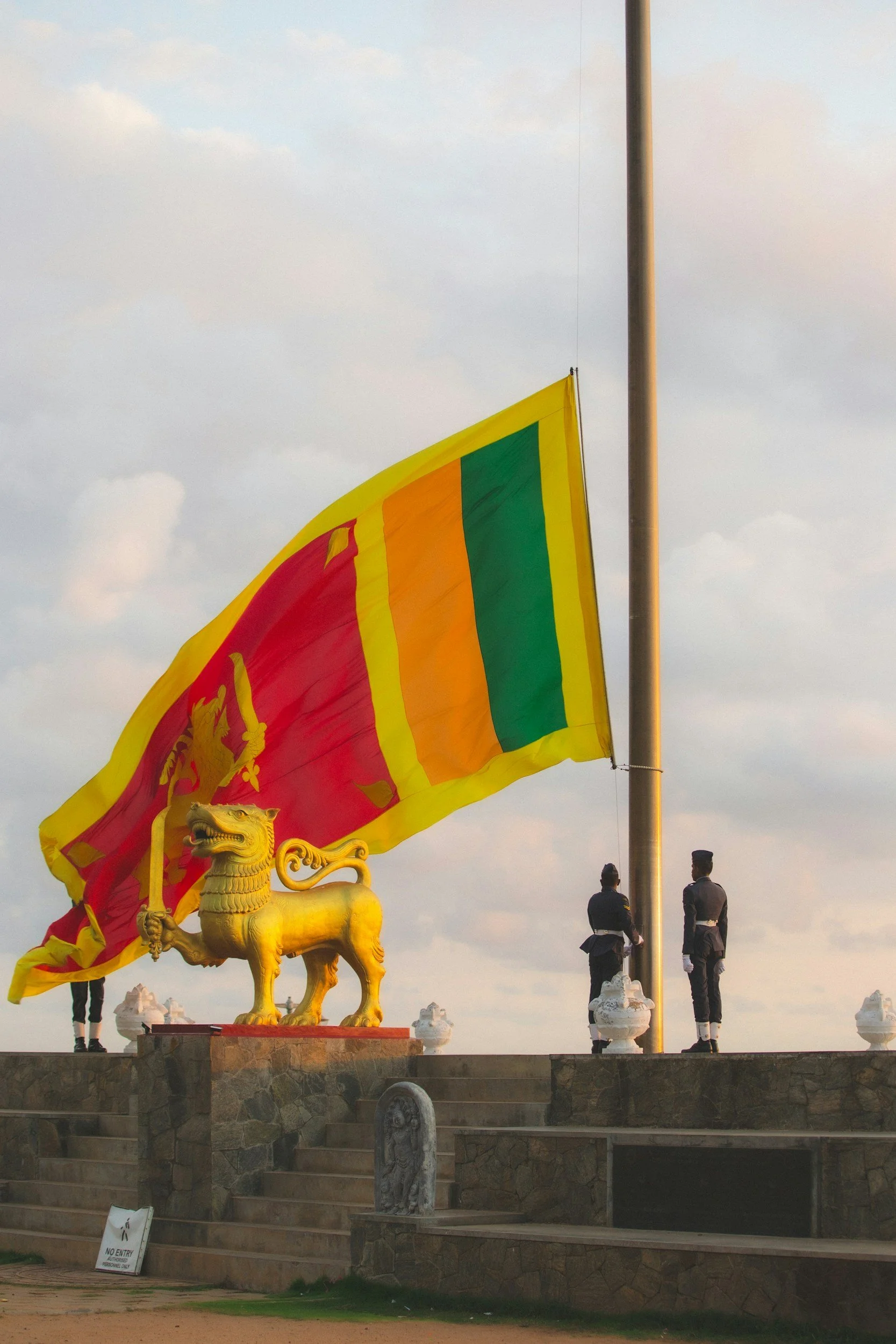
Government: Sri Lanka is a democratic republic with both a President and a Prime Minister. The President is both head of state and head of government, while the Prime Minister is the most senior member of parliament. In 2024, Sri Lanka elected Anura Kumara Dissanayake as the President, leader of the National People’s Power (NPP).
Entry Requirements: In May 2026, Sri Lanka updated their visa policy to allow the nationals of 40 countries to enter visa-free for 30 days. The full list of visa-exempt nationalities is available here. For those not eligible for visa-free access, online ETA applications should be made in advance and cost approximately $50. Nationals eligible for online ETA applications are also permitted to do this on arrival.
THE LAY OF THE LAND
For such a small island, Sri Lanka’s geography, culture and history is very complex. There are major differences between the northern, southern and hill country provinces, so it’s important to understand what each region offers and how to make the most of your time there.
The South
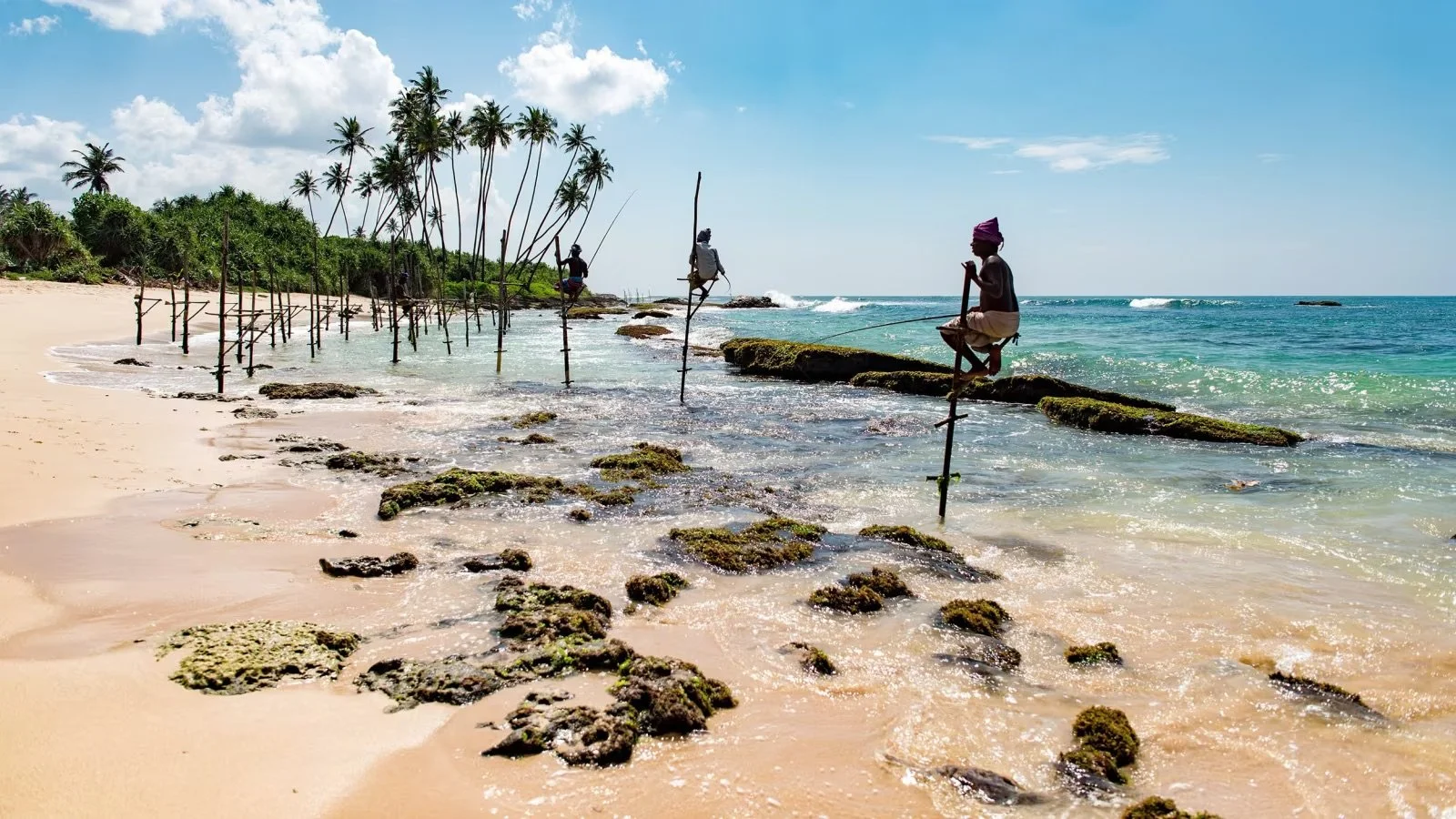
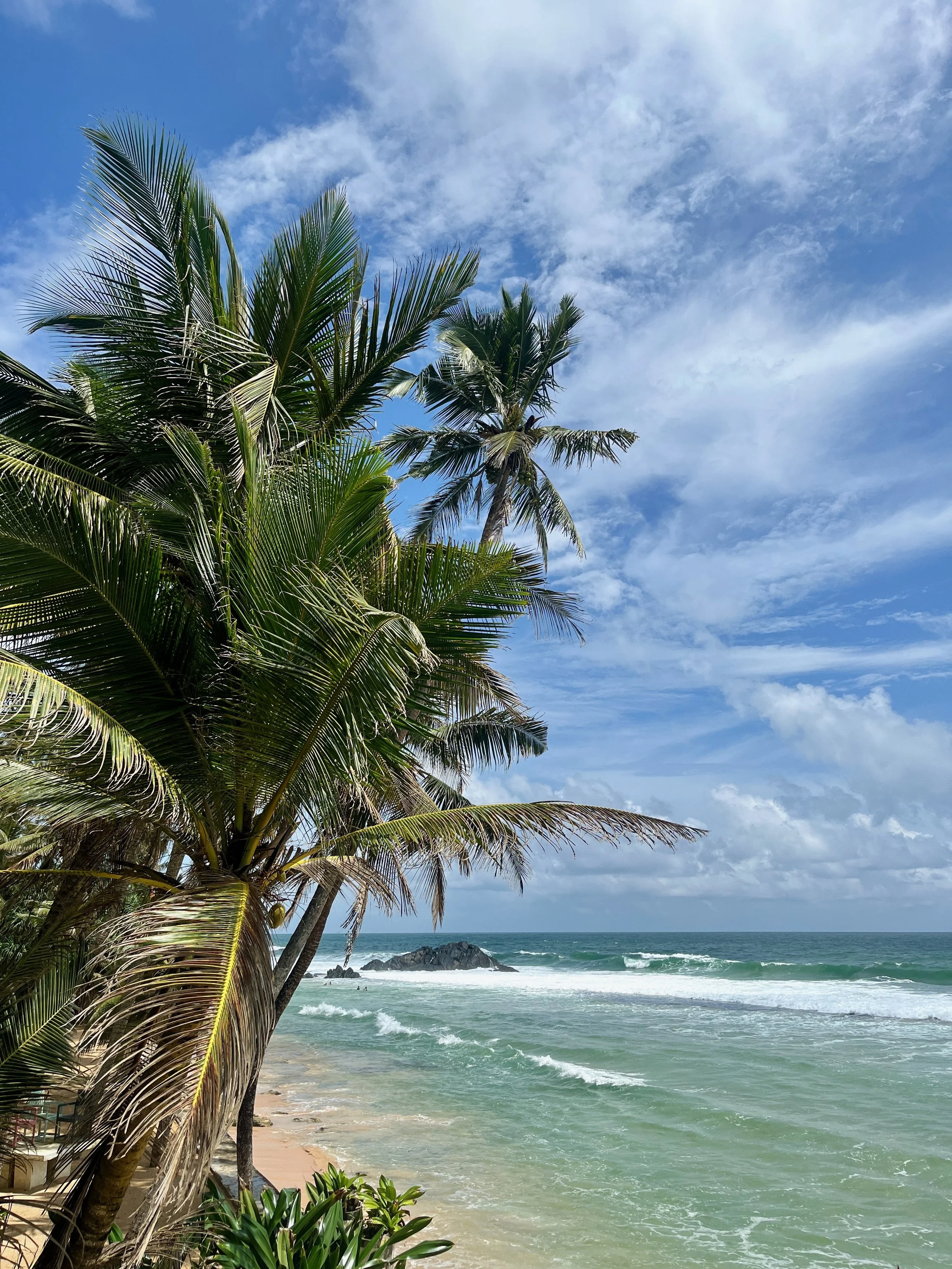
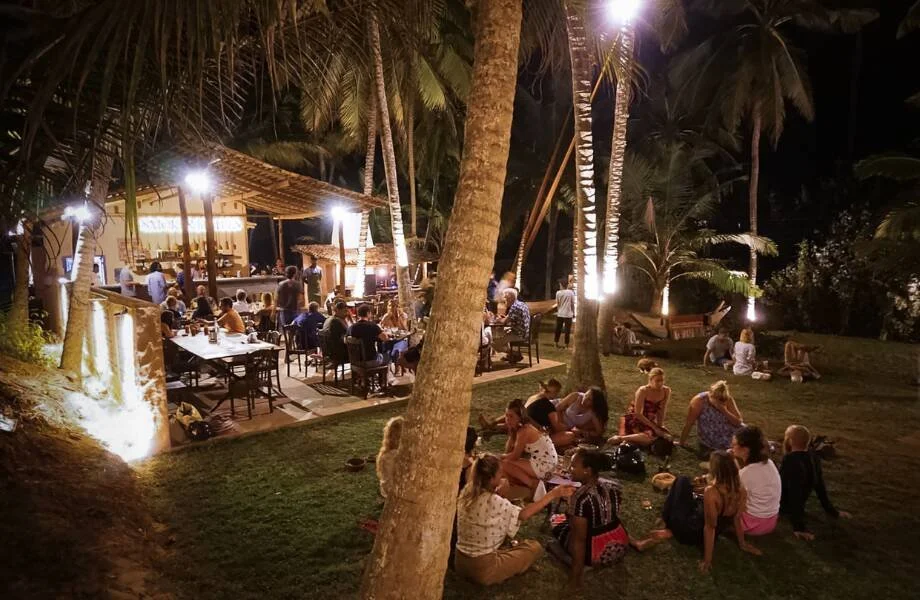
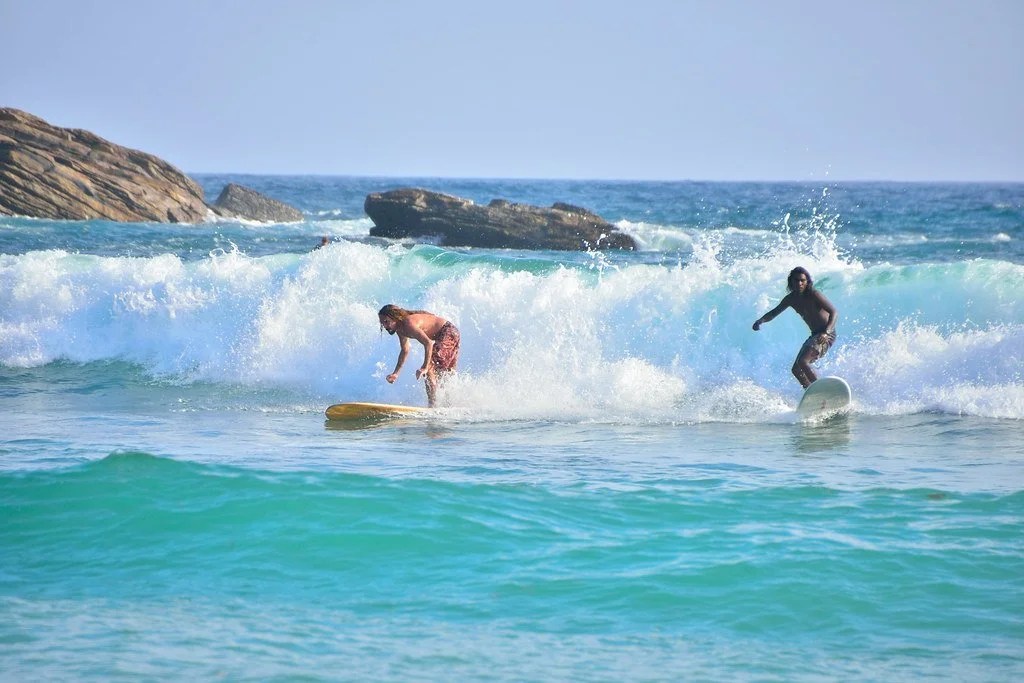
The south of Sri Lanka is the island’s most popular tourist destination. Beach towns, surf shacks and seafront hotels dominate the coastline and are connected to the capital city - Colombo - and its airport by a well-maintained highway and a scenic seafront railway. Fast-growing beachtowns such as Hiriketiya and Ahangama offer access to crystal blue waters, perfect waves and iconic seafront restaurants, while Galle’s historic fort town maintains traditional architecture and stunning boutique hotels along its cobbled streets.
More established beach towns, such as Mirissa and Weligama, are a great place to find hostels, surf schools and nightlife. The southern coastal towns are well-connected by road, which makes travelling between beaches, restaurants and hotels very easy.
Colombo and the Western Provinces
Colombo is where almost all visitors arrive in Sri Lanka, and the city is the perfect place to beat the jet lag. Endless restaurants and cafes, iconic sunset views, and bustling market streets, the city offers a mix of calm and chaos. Whether you want to take it slow with a cocktail in hand or embrace the sensory overload at the heart of the city’s commercial district, Colombo is a great place to settle into island life.
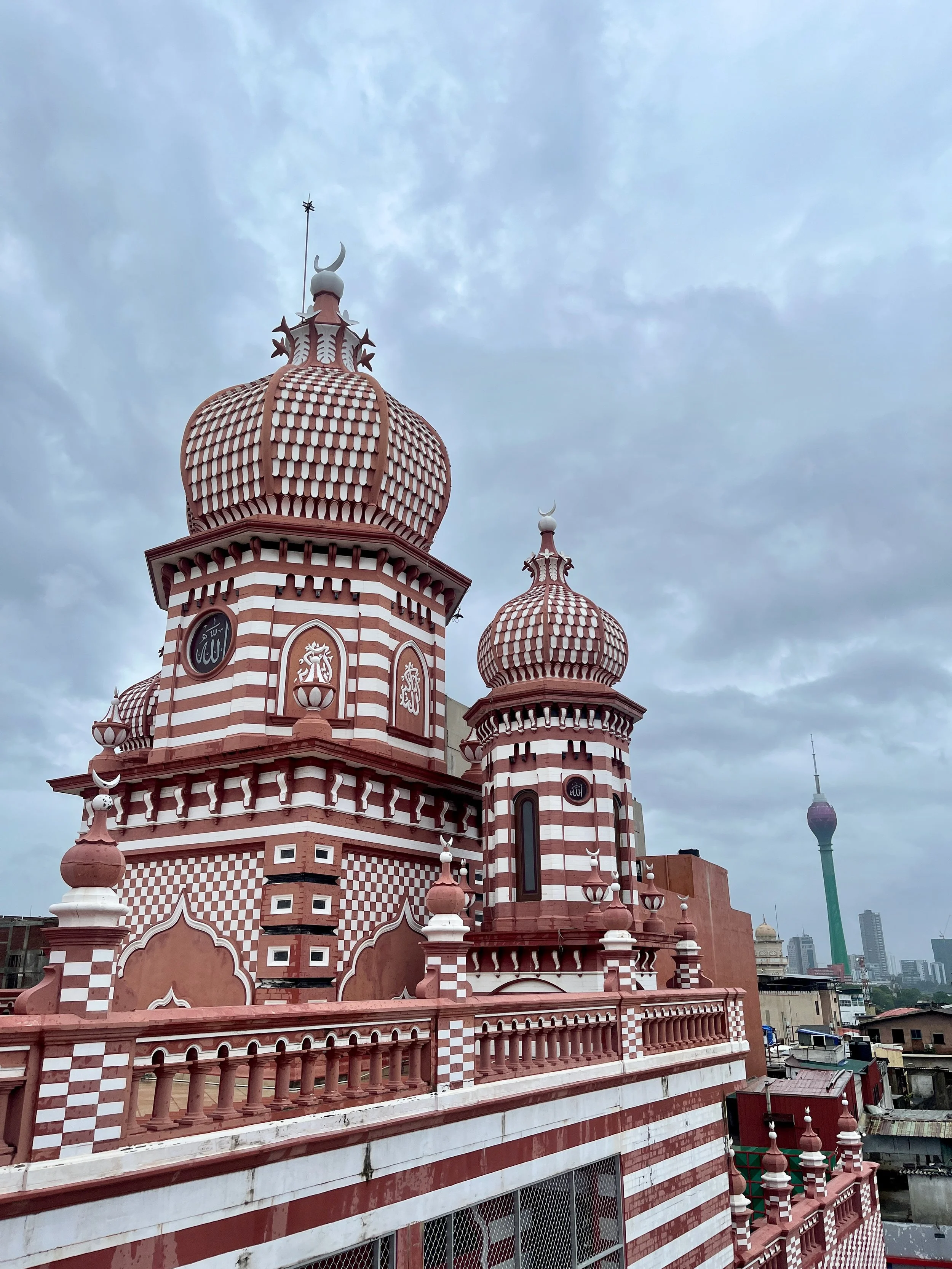
Further up the coast, Negombo is a vibrant beachfront town that is easily accessible from the airport and acts as a base for many tourism agencies ready to guide visitors around the island. Even further north, Wilpattu National Park is the largest park on the island, hosting a large number of leopards and other diverse wildlife.
The Hill Country
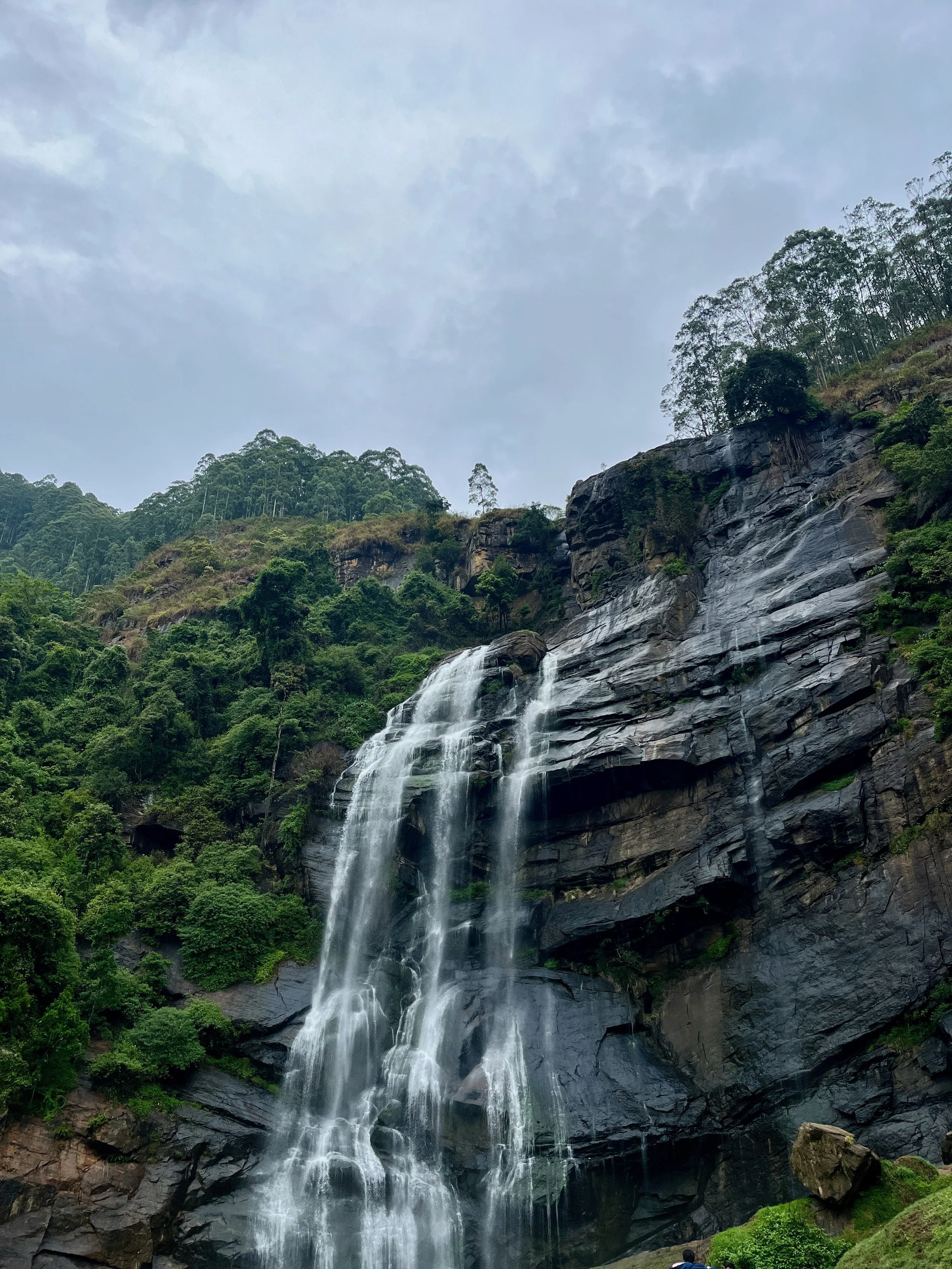
The Sri Lankan hill country is home to tea estates, mountain trails and beautiful landscapes. Historically connected by train, the Kandy-Ella railway lays its claim for the most scenic train ride in the world, weaving through remote villages and clinging to mountain ridges as it navigates the region. Every town and village in the hill country tells a different story, offering unique insight into the economic and cultural backbone of the island.
The lesser-known Pekoe Trail is a 300-km hiking trail that navigates some of the most remote parts of the region, and is the perfect way to truly embrace the hidden gems of the hill country as an alternative to the busier routes. The region’s religious centre is Sri Pada (Adam’s Peak), a pilgrimage site that is symbolic for all religions on the island, and rewards a challenging climb with panoramic views of the entire hill country.
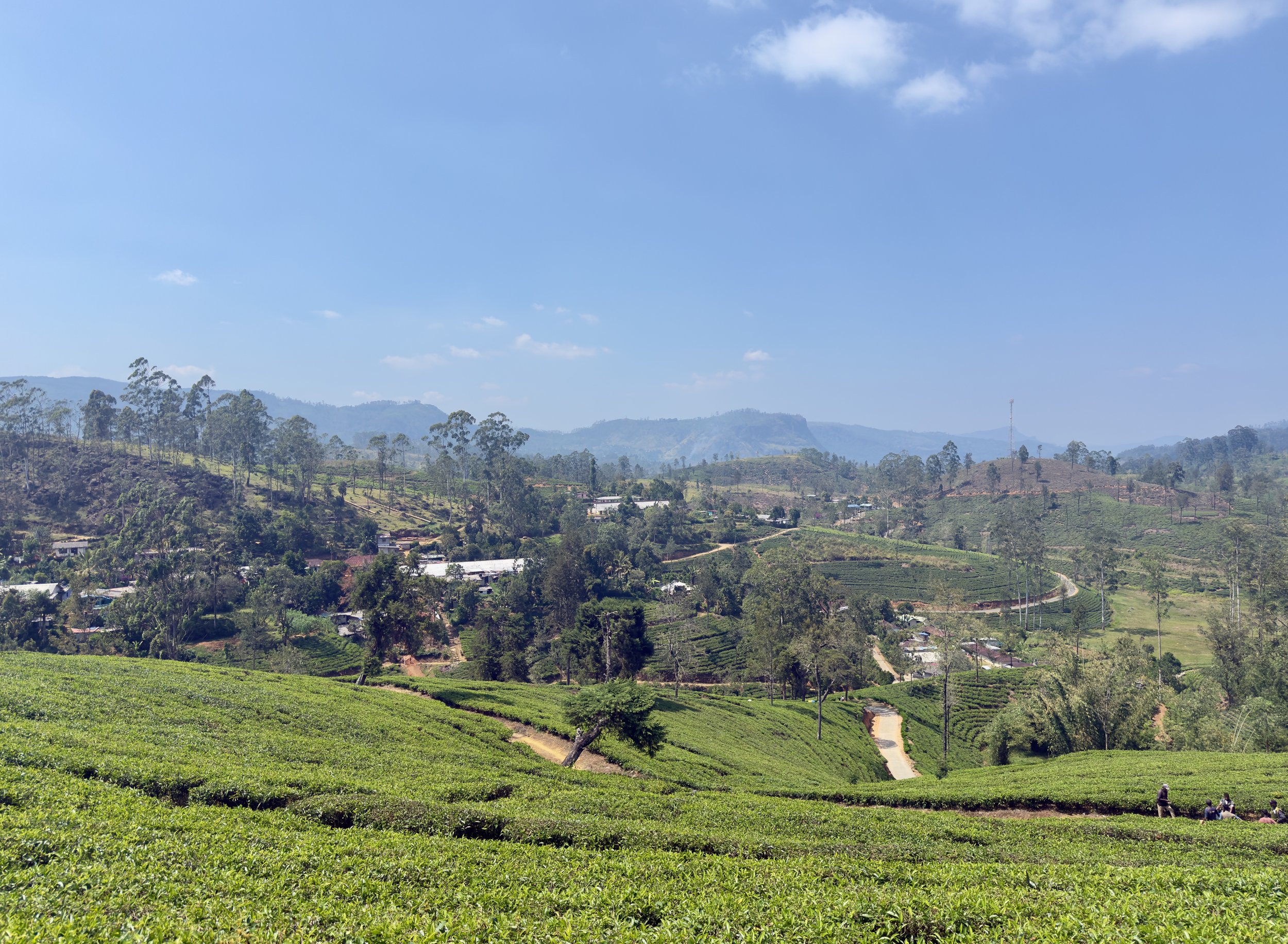
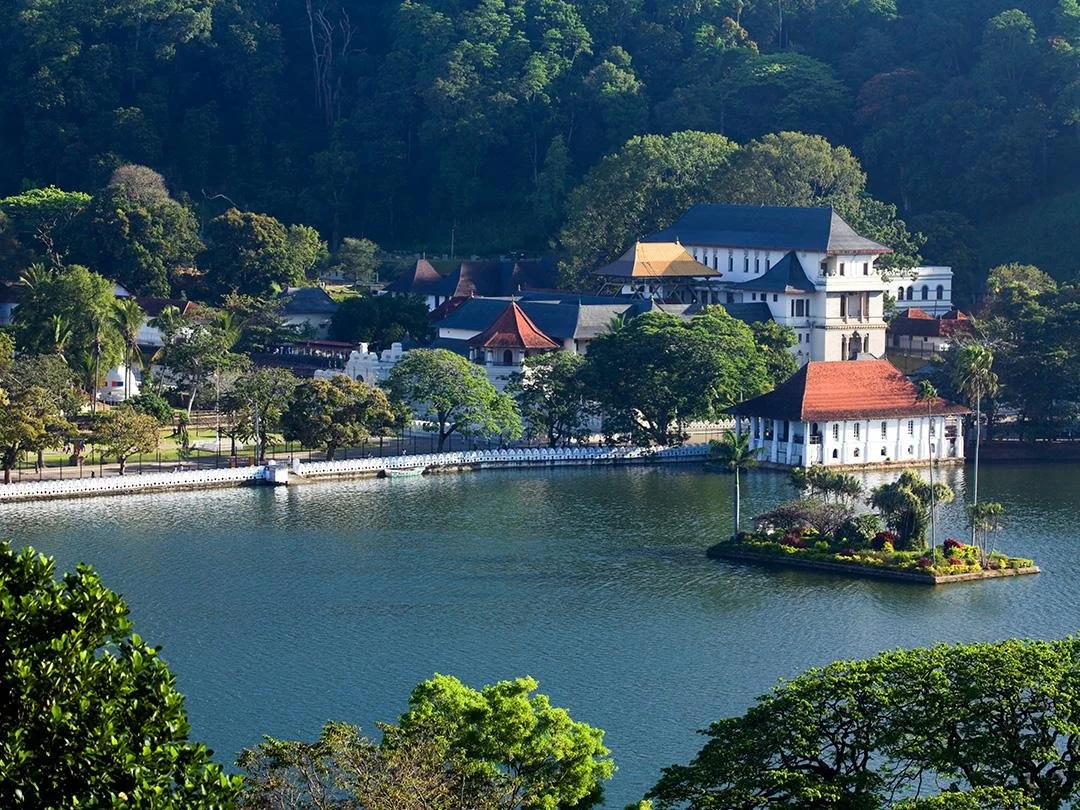
The city of Kandy is the gateway to the region, offering transport links to the region's many hill stations and historic towns including Nuwara Eliya, Haputale and Ella. Home to the The Temple of the Sacred Tooth Relic, a UNESCO World Heritage site and one of the holiest shrines in the Buddhist world, Kandy is also the region’s religious centre, contrasting the city’s bustling streets with the peace and serenity of these sacred monuments.
The Cultural Triangle
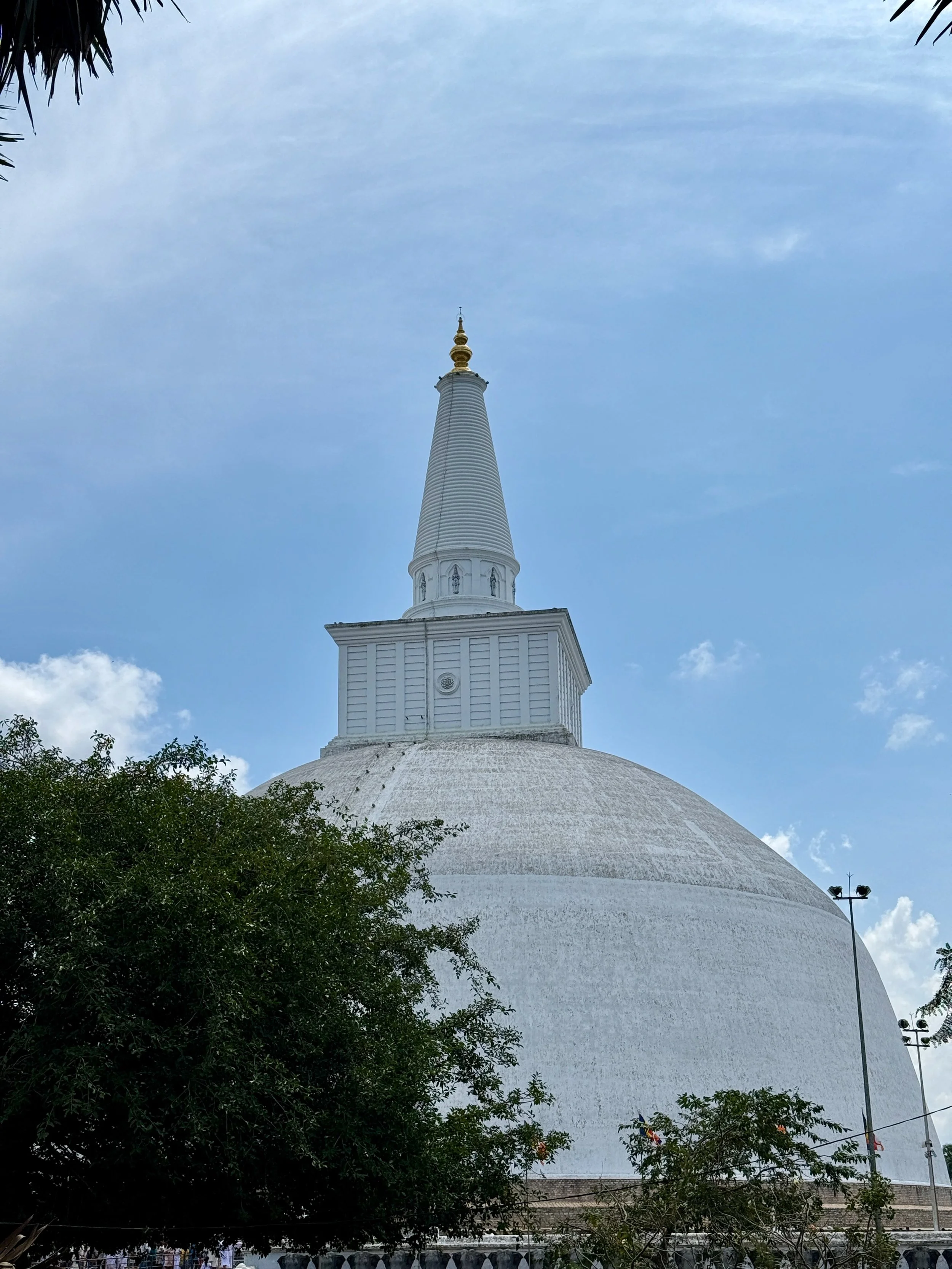
Kandy also forms the base of the island’s ‘Cultural Triangle’, the region that perfectly captures the religious and cultural heritage of Sri Lanka. The Cultural Triangle encompasses the ancient city of Polonnaruwa and the historical capital Anuradhapura, as well as the iconic rock fortress of Sigiriya and its neighbouring cave temples in Dambulla.
The North & East
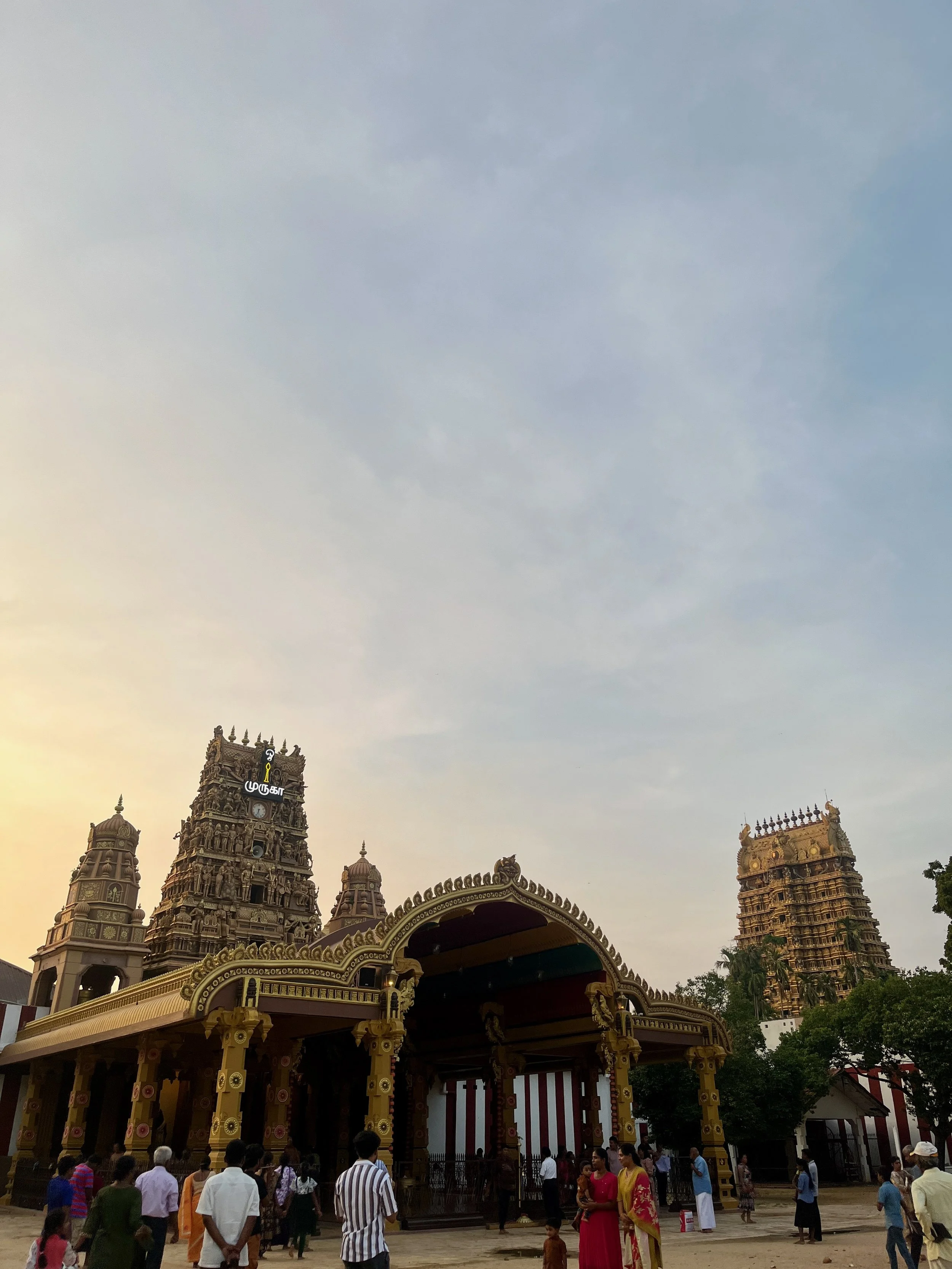
While the north of Sri Lanka is often overlooked on the typical tourist trail, it offers an important window into Sri Lanka’s recent history. Occupied by the Liberation Tigers of Tamil Eelam (LTTE) during a brutal 25-year civil war, the region is still recovering from the devastating consequences of the conflict. Infrastructure remains limited and tourist amenities are few and far between, but travelling to the north of the island provides a true insight into the cultural diversity of Sri Lanka.
A Tamil-speaking Hindu region, the northern provinces boast beautiful kovils, incredible cuisine, and the opportunity to learn first-hand about Sri Lanka’s complicated past. Travelling to this region also allows visitors to support communities disproportionately affected by the conflict, and spend locally in small businesses. Although the region is not a traditional tourist hotspot, it remains an important region that offers a window into the harsh realities of the island’s history.
Further down the coast, the towns of Trincomalee and Batticaloa offer stunning beachfront hotels and untouched landscapes, a quiet alternative to the bustling beachtowns of the south coast. Arugam Bay is another iconic surf town, providing the best waves when the Yala monsoon arrives in the south-west in May.
National Parks
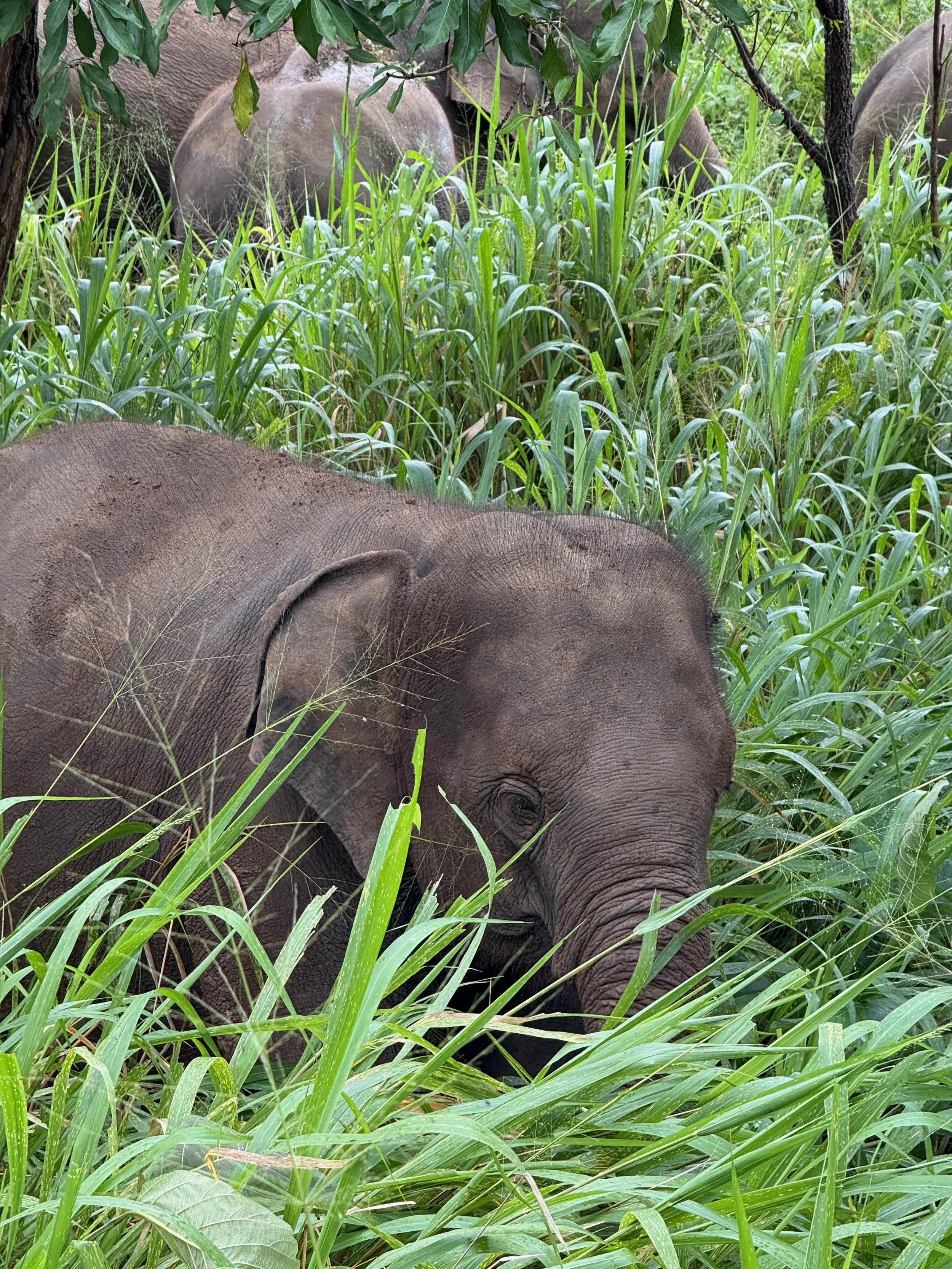
Almost 10% of Sri Lanka is designated as a protected space for wildlife and nature. There are 26 national parks across the island, each one offering unique experience and access to stunning trails, tracks and wildlife.
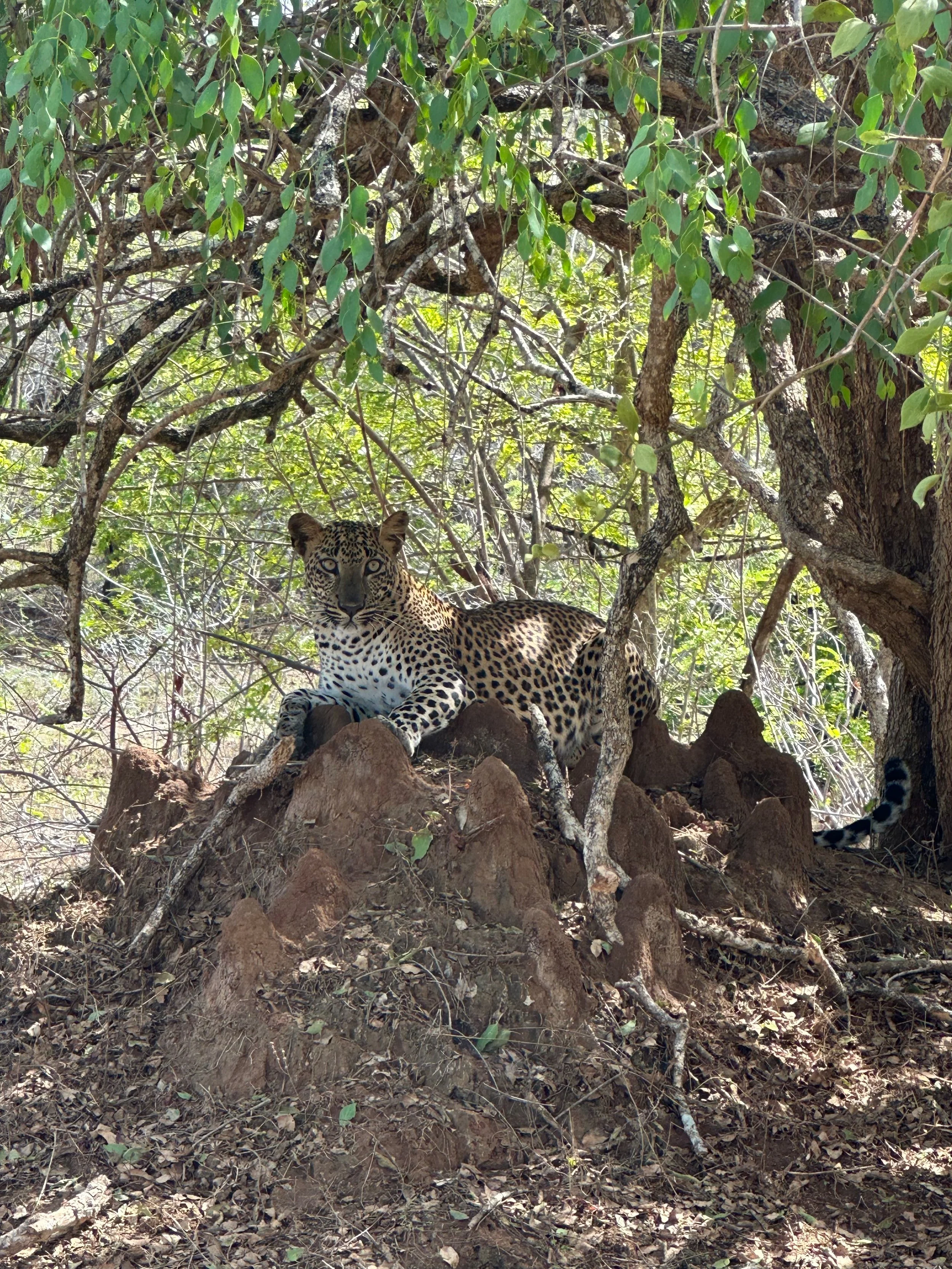
Yala National Park is the most popular park and has the greatest access to luxury hotels, guides and experiences. Naturally, this also comes with the largest crowds. The park is well-connected and offers a diverse safari experience - including a large population of Sri Lankan Leopards - but visitors should expect plenty of jeeps and slightly higher prices.
Wilpattu National Park is the largest park on the island and offers a slightly quieter alternative to Yala. Geographically closer to Anuradhapura and Sigiriya, it’s a great way to incorporate a safari into a slower trip that explores the Cultural Triangle.
Lesser-known National Parks include Gal Oya and Sinharaja Forest Reserve, which blend nature exploration with remote escapes. These parks offer fantastic scenery, fascinating guides with local knowledge, and a quieter alternative. While home to less wildlife, exploring these reserves still brings surprises and natural beauty.
-
Between December and April is the best time to visit the south, central and western provinces when the climate is dry and the temperatures are slightly lower. October and November are considered ‘shoulder season’ when rainfall is unpredictable. In these months, crowds may be smaller but this may come at the cost of a few days of heavy rain.
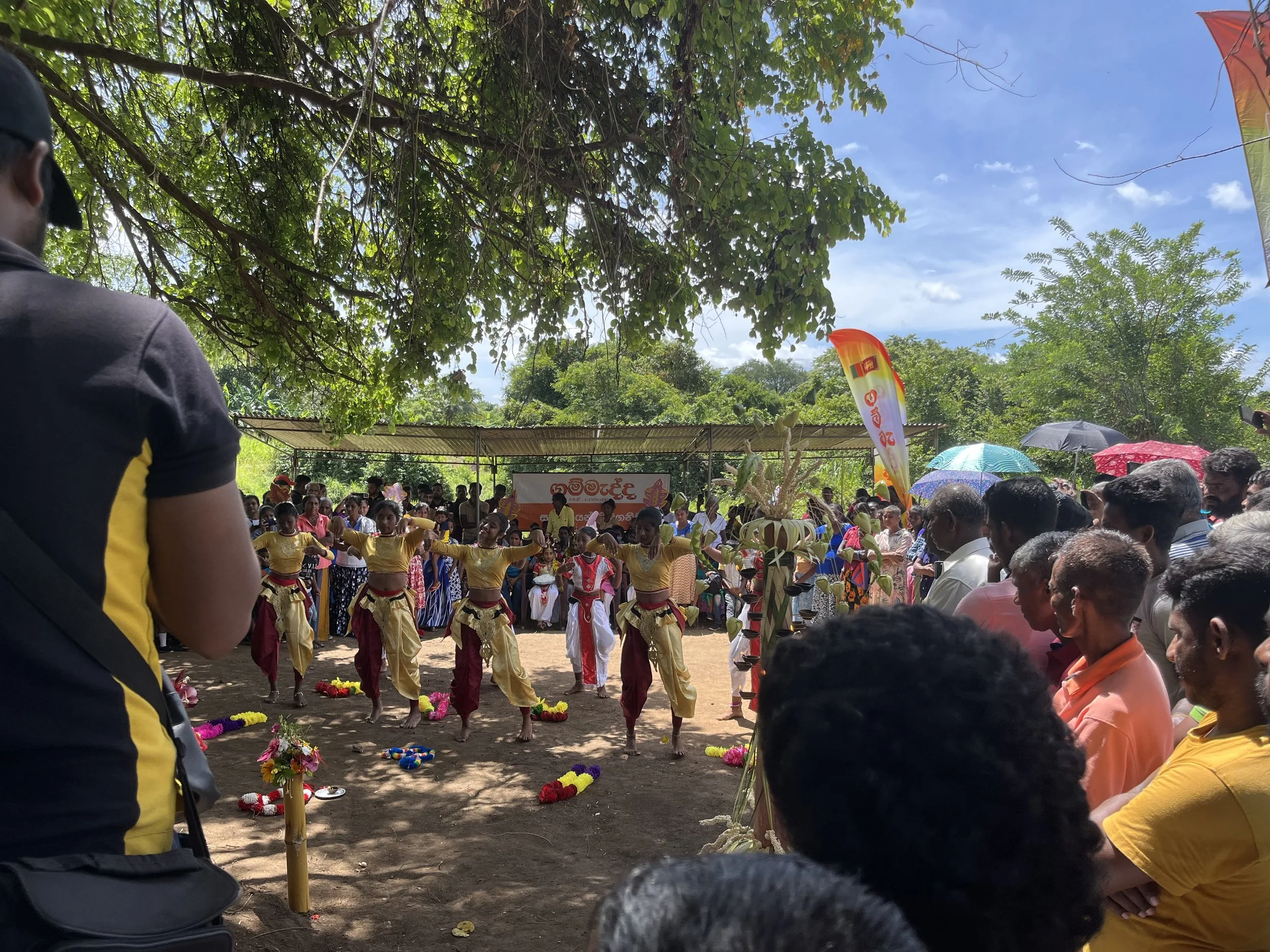
If you want to experience some local festivities, mid-April coincides with Sinhala/Tamil New Year when locals celebrate the new moon with friends and family. It’s a great time to see tradition in action, especially when it's accompanied by beautiful displays of art and holiday snacks.
Vesak is the full moon holiday that arrives in May, and usually marks the beginning of the south-west monsoon. This holiday is the most sacred in the Buddhist calendar as it commemorates the Buddha’s birth, enlightenment, and death. Major cities like Colombo and Kandy celebrate with processions, carnivals, and decorative lights, while smaller towns and villages will pay their respects at their local Stupas.
For the northern provinces, April to September are the best months due to lower rainfall and calmer seas. Seasonality tends to oscillate between the southern and northern regions. If you’re planning to visit both regions, April offers the best chance of minimal rainfall.
Generally, if you’re willing to experience a few days of heavy rain and want to avoid crowds, September - November is a great time to visit. There is always a risk of rainfall in tropical regions, but it is often only a few hours at a time. If you’re prioritising quieter trails over ideal weather, September - November is a fair balance - just make sure to have some back-up plans in case the rain disrupts them.
-
Most of the island is well-connected by train, although travel times vary massively depending on weather and infrastructure. Many trains can be booked 30 days in advance through Sri Lankan Railways online booking platform. Full timetables are available here. If you’re unable to make a reservation but the train is scheduled, it’s possible to purchase a non-reserved ticket on arrival - though, be prepared to squeeze onto a busy carriage!
Travelling by train is a great way to see much of the island and is very affordable. However, it is often delayed and uncomfortable depending on crowds and temperatures. If you’re travelling at a slower pace and on a lower budget, it is a great way to travel.
Railways connect Colombo to Jaffna (via Anuradhapura), Batticaloa (via Habarana for Sigiriya), Trincomalee, Beliatta (via Galle and the south coast), and Badulla (via Kandy, Nuwara Eliya and Ella).
For the iconic Kandy-Ella train, booking tickets directly in advance is very difficult as they are purchased by local agencies who re-sell them at higher prices. Hotels and tour guides are well-connected in the re-seller market and should be able to find reserved seats in advance. It is also possible to book these tickets through 12Go Asia - who charge their own mark-up. However, travelling in the other direction (Ella to Kandy) makes it easier to book tickets directly, as fewer of these seem to be purchased for resale.
Note: In late 2025, Cyclone Ditwah damaged much of the rail infrastructure between Colombo, Kandy and Badulla, and it is expected that normal service will not resume until late 2026.
Public buses offer a similar experience, though are often very loud and crowded. They are manageable for shorter trips but can become uncomfortable for longer journeys. Buses drive very competitively and this often means high speeds, sharp turns, and abrupt stops. If you suffer from travel sickness, it may be more sensible to opt for the train or a private vehicle.
Private vehicles and taxis are widely available across the island. If you’re travelling between cities or over longer distances, hotels and local tour companies have many drivers who will be happy to drive you safely and comfortably. Colombo is connected to the south coast by a well-maintained expressway, while other major cities are only partly connected by highways. This makes private taxis far quicker and more comfortable for long journeys. Sharing a taxi with other travellers also makes it much more affordable, and hostels will often help travellers find groups to travel with.
For navigating cities and local journeys, travelling by Tuk (Rickshaw) is a reliable and quick way to get around. Tuks can be booked via Uber or PickMe (a local app) and this is the safest, most reliable way to get around. It is possible to wave down Tuk drivers on the roadside but make sure you agree on a price before the journey begins to avoid any difficult interactions. On the south coast, PickMe and Uber are not as accessible as drivers collude to charge higher prices than elsewhere on the island. Typically rates are fixed between certain towns, and negotiation is fairly challenging. However, these fares are generally low by tourist standards and are injecting money directly into the local economy.
If you’re travelling alone at night, always book through Uber or PickMe to make sure you have a safe route home at an agreed price.
While it is possible to rent Tuks and scooters across the island, this must be taken with caution. Sri Lanka’s road network can be intimidating for new drivers and inexperienced riders. Given the affordability and flexibility of transport, it is sensible to use public and private transport as opposed to hiring a vehicle. If you prefer riding a scooter, this is best done in smaller beach towns on the south coast where roads are less congested and drivers are more aware of tourists using scooters.
-
Sri Lanka’s three official languages are Sinhala, Tamil and English. Sinhala is the most widely spoken, while Tamil is predominantly used amongst Hindus in the north of the island and parts of the hill country.
Language was a significant component of Sri Lanka’s 25-year civil war, so it's a sensitive topic. If you’re uncertain whether or not to approach a new person with a Sinhala or Tamil greeting, using English is the safest way to avoid any confusion or offence.
Sinhala is sprinkled with English words that have fed into the language over time. For example, you’ll mainly hear local people answering the phone with “Hello” as opposed to “Ayubowan”, which is a more formal greeting. Simple English phrases like “Hello”, “How are you?” and “Goodbye” are universally used, and most people working in the tourism sector will have a basic command of English.
Sinhala is largely a context-driven language. For example, verbs are only conjugated in one way, meaning that conversations rely heavily on social context, shared background knowledge and non-verbal cues. Body language and gestures are therefore an important component of interactions. For example, you may find Sri Lankan people shaking their heads as you speak to them. This can be perceived as disagreement or a ‘no’, but actually is used as a means of demonstrating understanding or agreement.
Make sure that during your interactions with local people, you maintain positive body language and demonstrate active listening. These non-verbal cues are a crucial part of communication and are courteous. Sri Lankan hospitality is wonderful, and showing respect and gratitude will enhance your experiences.
-
When visiting homes, temples and other sacred places, removing shoes is standard practice. This will usually be indicated by signs or by your host, but if you’re in any doubt, it’s good practice to remove them just in case.
Similarly, when visiting sacred places or culturally significant sites, covering shoulders and knees is considered respectful. For some temples, this will be mandatory, and shawls can be borrowed at the entrance. These rules are generally enforced more strongly for women, but dressing conservatively regardless is good practice.
In beach towns and tourist-oriented areas, there are very few formalities around clothing and style, but it’s still important to be considerate of social norms. Beyond swimming and spending time at the beach, covering your shoulders is respectful and will avoid any unwarranted attention.
-
Most credit cards are accepted in larger cities and tourist areas, but cash is sometimes preferred. This is especially true in more remote areas or local establishments. ATMs are widely available and it is best to carry small amounts of cash for Tuks, markets, local stores and tips. Bank of Ceylon and People’s Bank offer fee-free withdrawals from all major debit cards.
Generally carrying the equivalent of $20 - $30 in Sri Lankan Rupees at all times is good practice, but ensure that the money is not on display. It’s important to remain aware of your relative wealth in smaller towns and rural areas, so storing money privately is the best way to avoid any awkward situations.
Bank cards such as Monzo, Revolut and Starling are reliable options for withdrawing and spending overseas with fair exchange rates and minimal fees. Monzo, for example, also accommodates Wise as a means of transferring money directly to international bank accounts. This is usually a good back-up option just in case.
-
Sri Lanka is an incredibly safe place to travel independently. The tourism sector has grown rapidly in recent years and this has led to increased familiarity with solo travellers and their preferences. All major hotspots have a variety of hostels and social-focussed guesthouses that welcome solo travellers, and hosts regularly connect travellers for activities, travel, or just general socialising. It’s a great place to meet new people and experience a new culture either independently or as part of a new group of friends. Most people generally travel in the same direction so you may find that you can form groups for a longer period of time.
If you’re travelling alone, general safety rules still apply. Exercise caution when travelling via public transport or in private taxis after dark. This especially applies to women. While Sri Lankans take pride in hospitality and social interaction with foreigners, there are moments where this may feel invasive or excessive. The best way to remain safe when travelling is to use apps such as Uber or PickMe when booking travel to ensure that location is monitored and drivers are approved on an online platform. When traveling by bus or train, remain vigilant and consult local authorities if something makes you uncomfortable.
If you’re nervous about travelling alone, communicate with hostels and hotels ahead of time. Most accommodation uses booking.com or Hostel World, where you can chat to hosts and express your interests and concerns. There are also plenty of online facebook groups such as Sri Lanka Backpacking Solo Travel where it’s possible to connect with fellow travellers.
-
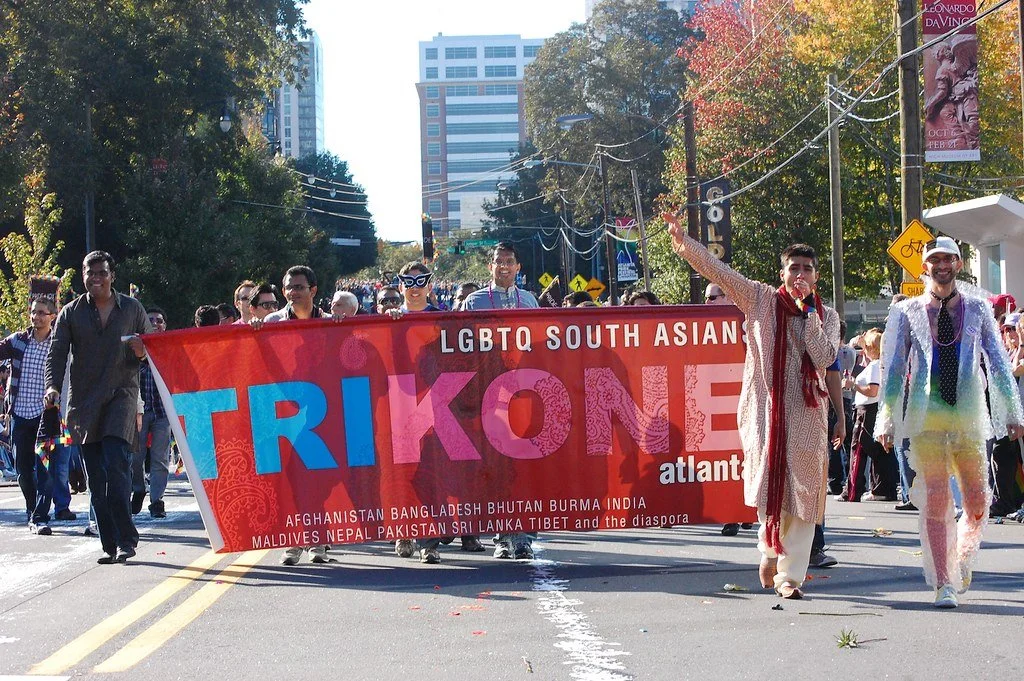
Sri Lanka criminalises same-sex sexual activity between men and between women. The gender expression of trans people is also criminalised. In local areas, there is evidence of the law being enforced in recent years, and LGBTQIA+ people are regularly subjected to discrimination and violence.
This remains very unlikely amongst foreign visitors. Because of the crucial economic contributions of international tourism, enforcement is non-existent as a means of preserving image and welcoming travellers. However, it is encouraged for members of the LGBTQIA+ community to remain cautious and aware of prejudices while visiting Sri Lanka, especially in sensitive areas such as religious sites and public places.
Many LGBTQIA+ Travelers experience no issues during their visits but a conservative local landscape still makes cases of discrimination very possible. Local organisations advise LGBTQIA+ travellers to avoid public displays of affection as extra precaution, and to remain sensitive to local customs when openly discussing topics such as sexual preferences.
-
Sri Lanka is very welcoming and safe for black travellers. However, much like elsewhere in the world, black travellers will experience microaggressions and cases of discrimination. One of the most common questions local people ask all visibly foreign visitors is “Where are you from?”, and when a response does not reflect their initial race-based assumptions, it may be followed with a confused look, or a follow-up question along the lines of “And your father?”.
While this is a loaded misunderstanding, these questions often come from a place of genuine interest, rather than hostility. If you sense hostility or feel threatened by any approaches, it is best to communicate this with staff working in the tourism sector or with local authorities, who may be more understanding of the situation.
The majority of black travellers will face no challenges when visiting Sri Lanka but may receive some unwarranted attention.
-
Travelling in Sri Lanka with a disability is possible and can be very rewarding, but it usually requires more planning than in many other destinations. Accessibility is improving slowly, especially in newer hotels and with private transport, but infrastructure can still be inconsistent outside major tourist areas.
The main challenges faced by disabled travellers are uneven pavements and potholes, high curbs without ramps, steep staircases without alternative access points, limited accessible public transport, and rough terrain.
The best way to navigate the island is with a private driver or accessible tour company, who can make arrangements and accommodate special requests. Ceylon Expeditions advertise accessible holidays specifically, with plenty of advice for disabled travellers.
-
For women travellers, much of the general safety advice for international travel applies. Exercising caution when alone after dark is recommended. sharing your live location with trusted contacts when travelling alone - especially at night or in private transport - can provide additional reassurance.
Cases of sexual harassment and abuse amongst tourists are uncommon, but unwanted attention and general harassment continues to occur. Some travellers experience persistent staring or attempts at conversation, particularly outside heavily touristed areas. This is often driven by curiosity rather than aggression, but it can still feel uncomfortable or intrusive.
Most hotel and service staff are men, and communicating some of these safety concerns and issues may be challenging at first. If you want to ensure you are surrounded by women who can support you in case of these situations, research women-led organisations or more progressive accommodation options with mixed staff and receptiveness to women’s safety.
Some travellers - particularly those with features less common locally, such as blonde hair or light eyes - may occasionally receive requests for photos from locals, especially in less-touristed areas. You are never obligated to agree. A polite but firm refusal is completely acceptable. Regardless of your choice, ensure that you are sensitive and respectful in your interaction, while also respecting your own personal boundaries. This will avoid unnecessary confrontation.
In cities, beach resorts and tourist areas, dress norms are relatively relaxed. However, in smaller towns and rural areas, modest clothing (covering shoulders and knees) may help reduce unwanted attention and is appreciated culturally. Temples require covered shoulders and legs for all genders.
Many women travel independently in Sri Lanka without serious problems and describe locals as welcoming and helpful.
ESSENTIAL READING
SRI LANKA
If you’re hoping to find some great books to accompany you on your travels, then here are a few Sri Lanka-specific reads that help translate many of your experiences into deeper engagement, cultural insight, and historical understanding. They can also be great conversation starters to engage with new people, often raising questions that you’ll seek answers to on your travels.
This Divided Island - An extraordinary account of the Sri Lankan Civil War that blends personal experiences and historical non-fiction for an accessible, informative insight into a brutal period in Sri Lankan history.
Broke ‘n’ English - What began as a journal when Jerry Smith first arrived in Sri Lanka, it evolved into a beautiful account that documents his wife’s return to her country of birth. It’s a funny, light-hearted insight into the joys and challenges of learning to live in Sri Lanka.
Seven Moons of Maali Almeida - A fantastical novel set against the backdrop of the Sri Lankan Civil War, the book follows the title character through a turbulent journey in the afterlife to solve the mystery of his own murder. It won the 2022 Booker Prize.
Return to Sri Lanka: Travels in a Paradoxical Land - The story of a twenty-first-century reconciliation between the author - an academic and political adviser - and the land of his birth. A travel memoir with deep political concerns, the book is full of moving insight from a writer who is a native, a tourist, both and neither.