Curated and written by Katherine Teitelbaum
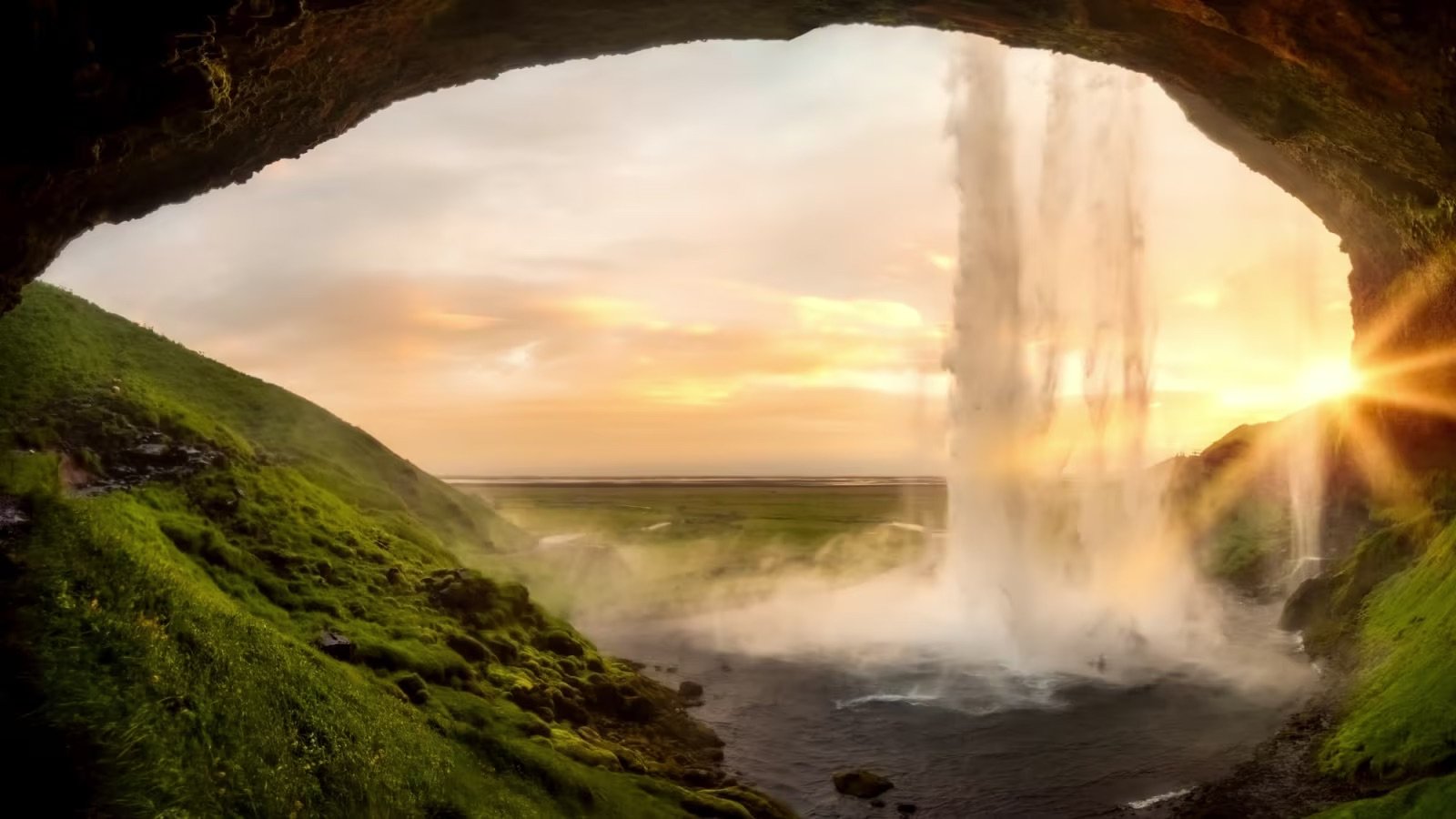
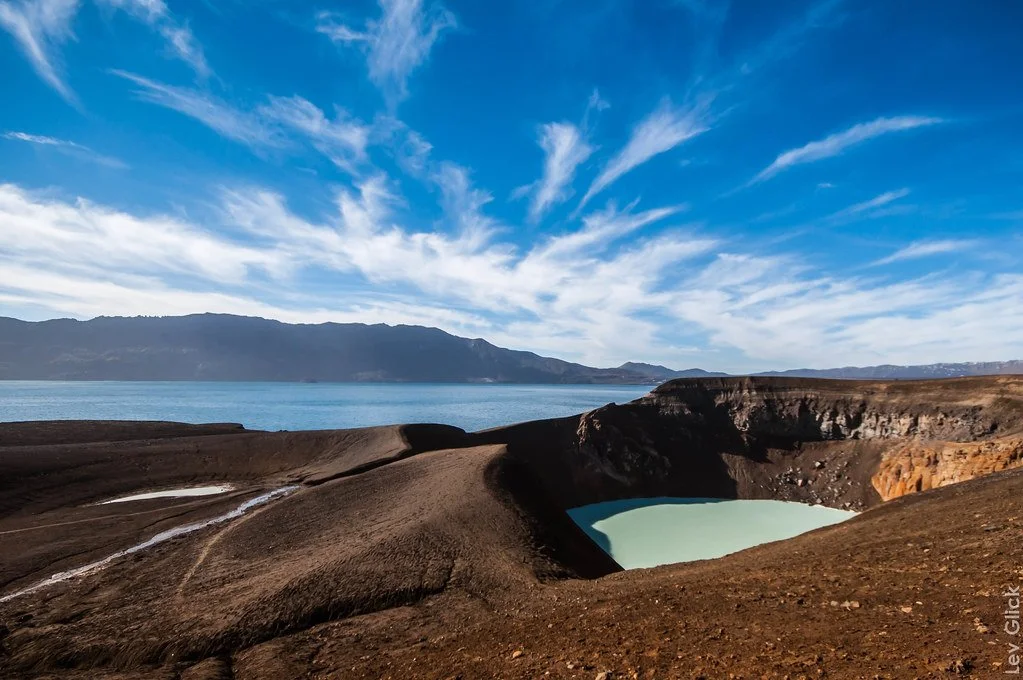
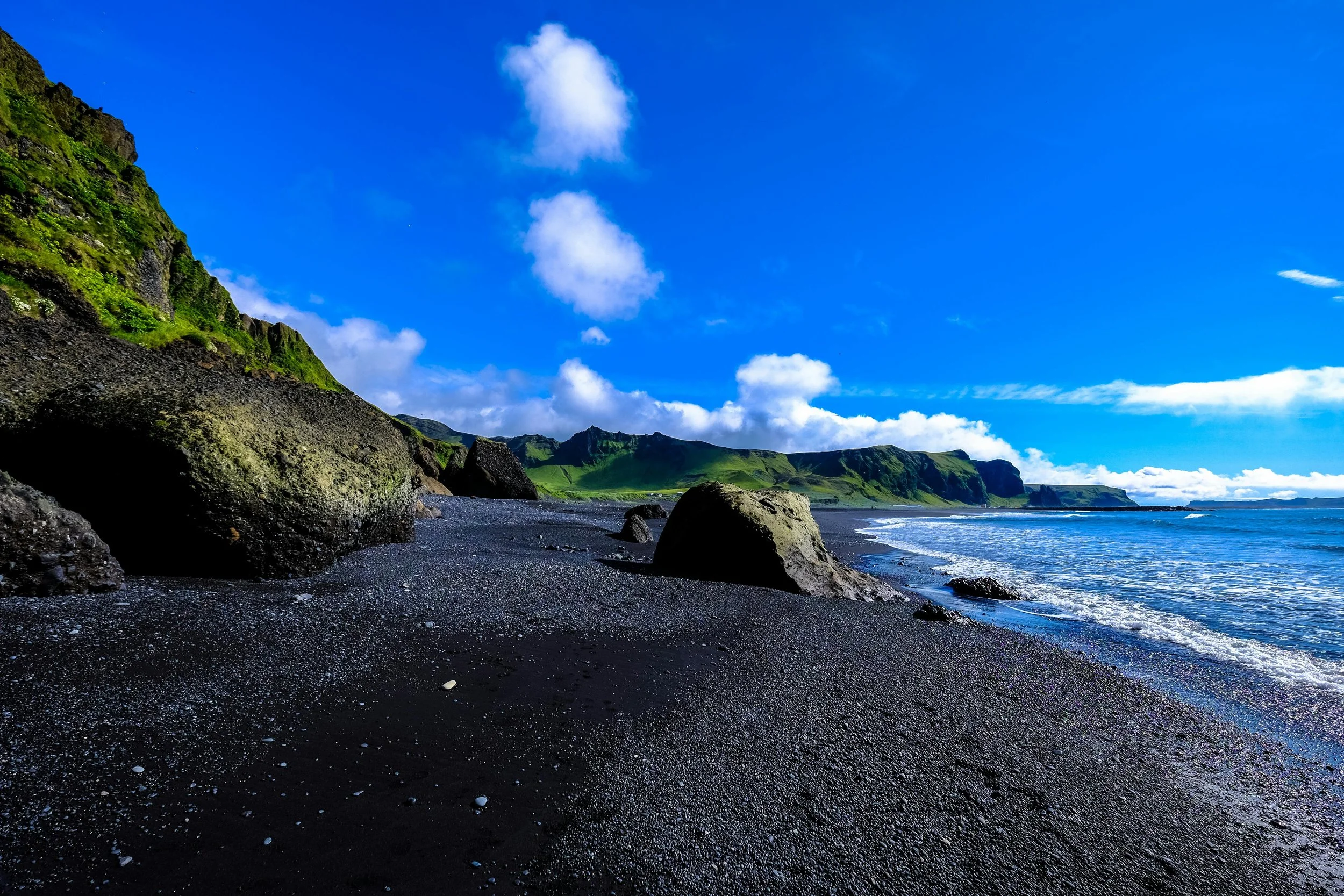
Suspended between Greenland and Norway, the island of Iceland sits atop the Mid-Atlantic Ridge, where volcanic landscapes, glaciers, and steaming geothermal springs shape nearly every horizon. Waterfalls crash beside empty roads, sheep outnumber people, and black sand beaches stretch beneath moody North Atlantic skies.
Though Iceland’s history of permanent settlement dates back to the 9th century with Norse explorers and Viking communities, the country feels remarkably untamed today. It’s often divided into eight distinct regions, each with its own personality, from glacier lagoons and lava fields to remote fishing villages and windswept fjords.
At the center of it all is Reykjavík, the world’s northernmost capital. Colorful rooftops, cozy cafés, late-night music venues, and a deeply rooted creative culture give the city an energy that contrasts beautifully with the raw nature surrounding it.
Currency: Icelandic Króna, Or ISK
Language: Icelandic
Average Temperature: 5 C | 41 F
On Season: June-August. Enjoy summer festivals, long daylight hours, bustling city life, and waterfalls.
Off Season: November-April. Some roads and attractions may be closed due to weather conditions, but it’s the best time to see the Northern Lights.
AVG. Cost per day; Budget: $50-$150 | Mid-Range: $150-$300 | Luxury: $300+
Government: Iceland has a constitutional parliamentary republic with a multi-party system. An elected president serves as the head of state, while the prime minister, who is often the leader of the largest political party, serves as the head of government. The Althingi, which is Iceland’s parliament, also holds significant power within the government.
Entry Requirement: You must have a valid passport for three months, and six months is recommended beyond your planned date of tourist visas are required for trips longer than 90 days.
ICELAND’S EIGHT REGIONS
The island is dominated by a central volcanic plateau, with dozens of active volcanoes and lava fields. Over 80% of Iceland's land is uninhabited, made up of highlands, lava fields, and glaciers. This island is geographically divided into eight regions, each with its own character and wonders to discover. Iceland has one big route called the Ring Road that takes visitors through the main parts of the country, primarily connecting Reykjavik with the south, east, and north regions. Visitors often follow the road to guide their journey, some in cars and some on bicycles.
Reykjavik
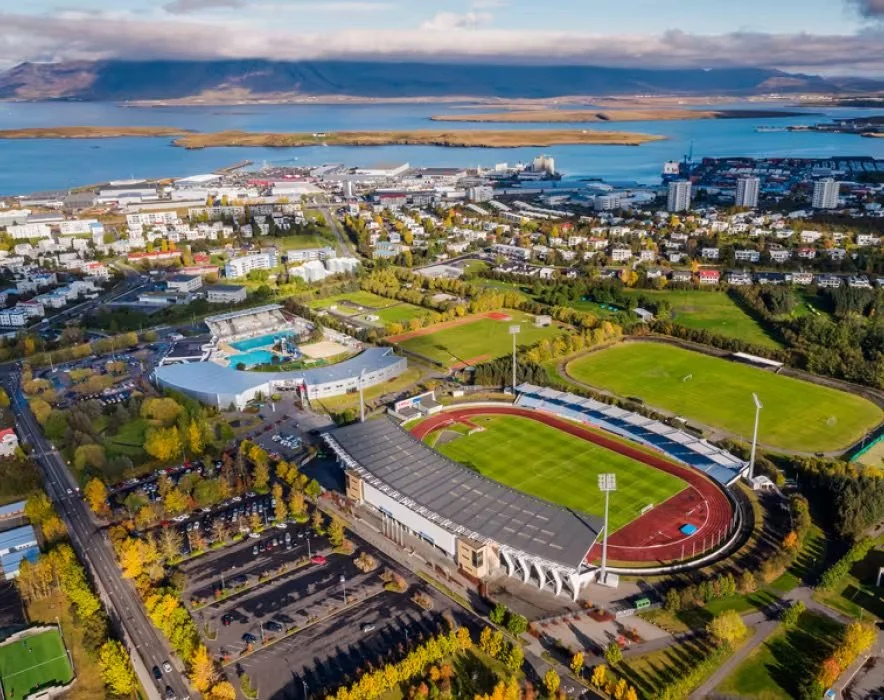
The capital of Iceland, Reykjavík, is a very natural starting point for a trip to Iceland. During the day, the city center Miðborg thrives with delicious restaurants and shops on Laugavegur street; it’s a must-see for first-time visitors. Other areas of the city, such as Vesturbær and Hlíðar, provide a more authentic Icelandic experience due to the art scene and seaside paths. There is also a wealth of architecture and monuments to see, such as the Hallgrímskirkja Church, the tallest building in the city, located in the heart of downtown Reykjavík on top of the Skólavörðuholt hill.
West
West Iceland is a great area to discover beautiful and diverse landscapes. It’s a great place to venture outside of the capital as it’s close by yet entirely different. Great hikes are found around Akranes and Hvalfjörður, with the mountain Akrafjall and the highest waterfall in Iceland, Glymur, less than an hour from Reykjavík. More notable sites in that area include the historic Silver Circle, the magical Snæfellsnes Peninsula, and the saga-steeped valleys of Dalir.
The Westfijords
The Westfjords are a wonderful tucked corner of Iceland, perfect for very dedicated travelers. Visiting this region in Iceland is one of the most sustainable ways to visit, as tourism is mostly run by local and small businesses. Travel companies in the Westfjords are mostly family-run by former farmers or fishers. The Westfjords peninsula is a true Icelandic wilderness area and the most ideal place for spotting birds and arctic foxes in their natural habitats and exploring the sub-arctic flora of Iceland.
Northwest
North Iceland is a fantastic place to focus on marine life. With amazing bodies of water and great places to learn, such as the Húsavík Whale Museum. This part of the country is especially famous for its smooth hills carved out by rivers, and from late May to early August, as one nears the Arctic Circle in the Northern latitudes, the midnight sun is inconceivably stunning.
Northeast
Similar to Northwest Iceland, but this corner of the country is home to the Seal Center in Hvammstangi. Visiting both the Northwest and Northeast parts of Iceland is highly recommended to gain the full experience of all eight regions.
South
South Iceland highlights the glory of the country itself. Its geological contrasts are truly visible in the South as geothermal heat meets the glacial cold. The Southwest hosts the beautiful Golden Circle area, while the Southeast is home to Europe’s biggest glacier, Vatnajökull, enormous and powerful black sand beaches, as well as many grand waterfalls. There’s also a wealth of national parks, such as Þingvellir National Park and Vatnajökull National Park. South Iceland holds a big draw with their geysers as well, located in the Haukadalur Valley. The main active attraction is Strokkur, which reliably erupts boiling water up to 30 meters into the air every 5 to 10 minutes.
Southern Peninsula
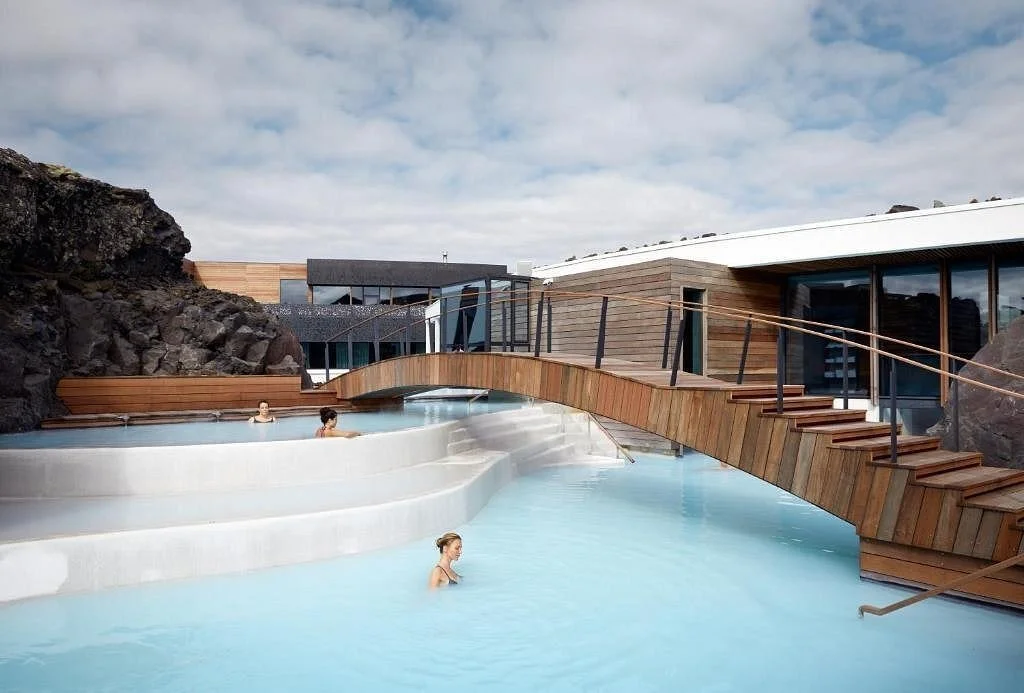
Right where the International Airport lives is the world of the Reykjanes peninsula. This area is one of the hottest spots as it hosts Iceland’s famous Blue Lagoon, a geothermal spring/spa, as well as endless lava fields, craters, and one can enter a uniquely treeless environment. The lighthouses outnumber the villages, and the junction between the Eurasian and North-American tectonic plates of the earth's crust is extremely noticeable and comprehensible on this peninsula. Reykjanes has several high-temperature geothermal areas, three of which have been harnessed to generate electricity. In the Geothermal Energy Exhibition in the Hellisheiði lava fields, visitors can learn about geothermal power and local geological history.
East
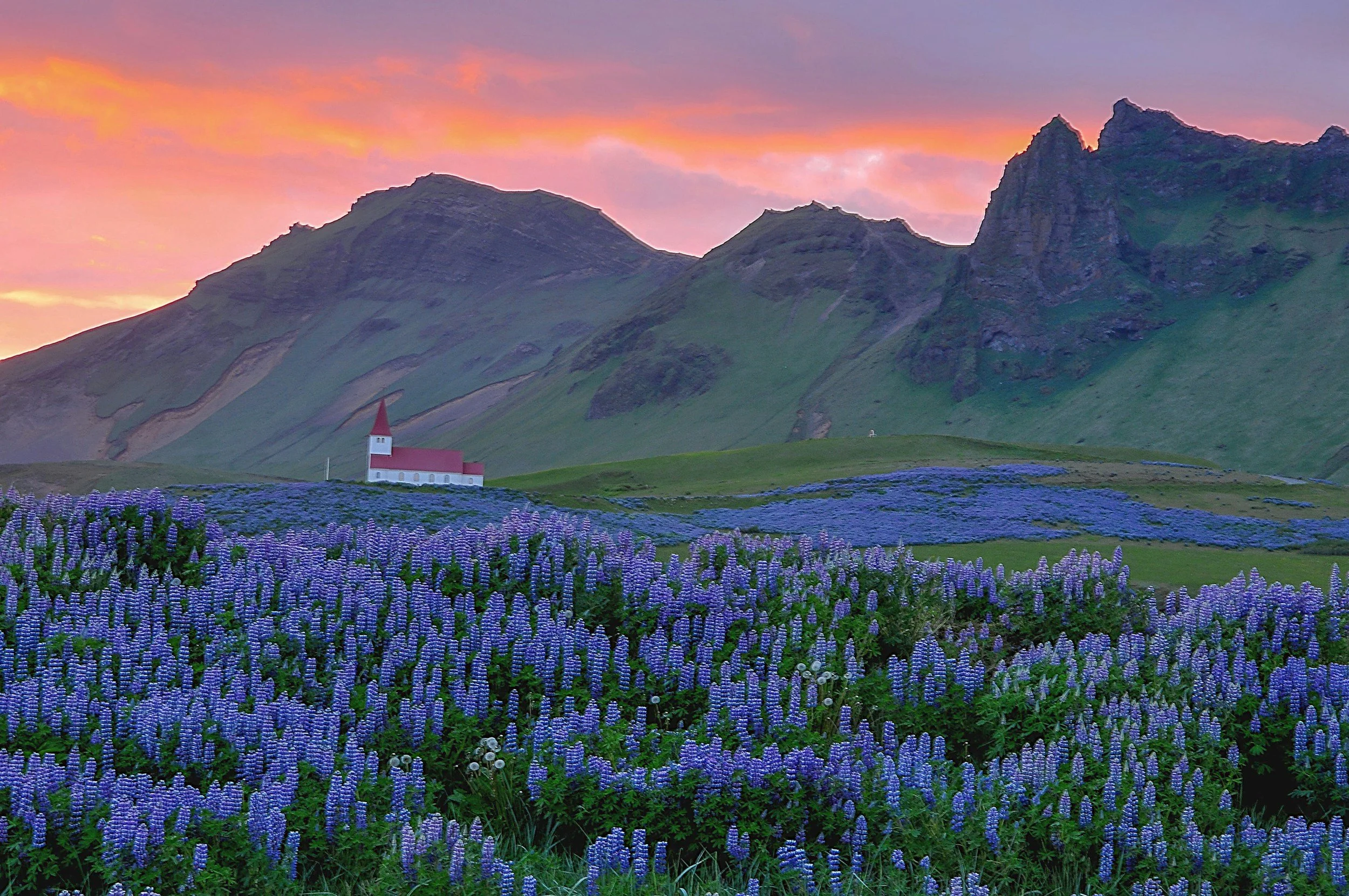
East Iceland stands out due to its small villages, dramatic coastline, narrow fjords, and majestic mountains. It’s a place where you can often spot wild reindeer in their natural habitat and explore landscapes shaped by dramatic cliffs and crystal clear rivers. One can explore impressive canyons that feel out of this world and hike through scenery to experience rich birdlife in peaceful settings.
-
April and May are often considered the best months to visit Iceland, offering a balance of milder weather, longer daylight hours, fewer crowds, and slightly lower prices before peak summer begins. May also marks the start of puffin season in many coastal areas.
Still, Iceland transforms with each season. Some travelers come for endless summer daylight and road trips, while others visit in winter for snowy landscapes and the chance to see the Northern Lights. The best time to go ultimately depends on the experience you’re looking for.
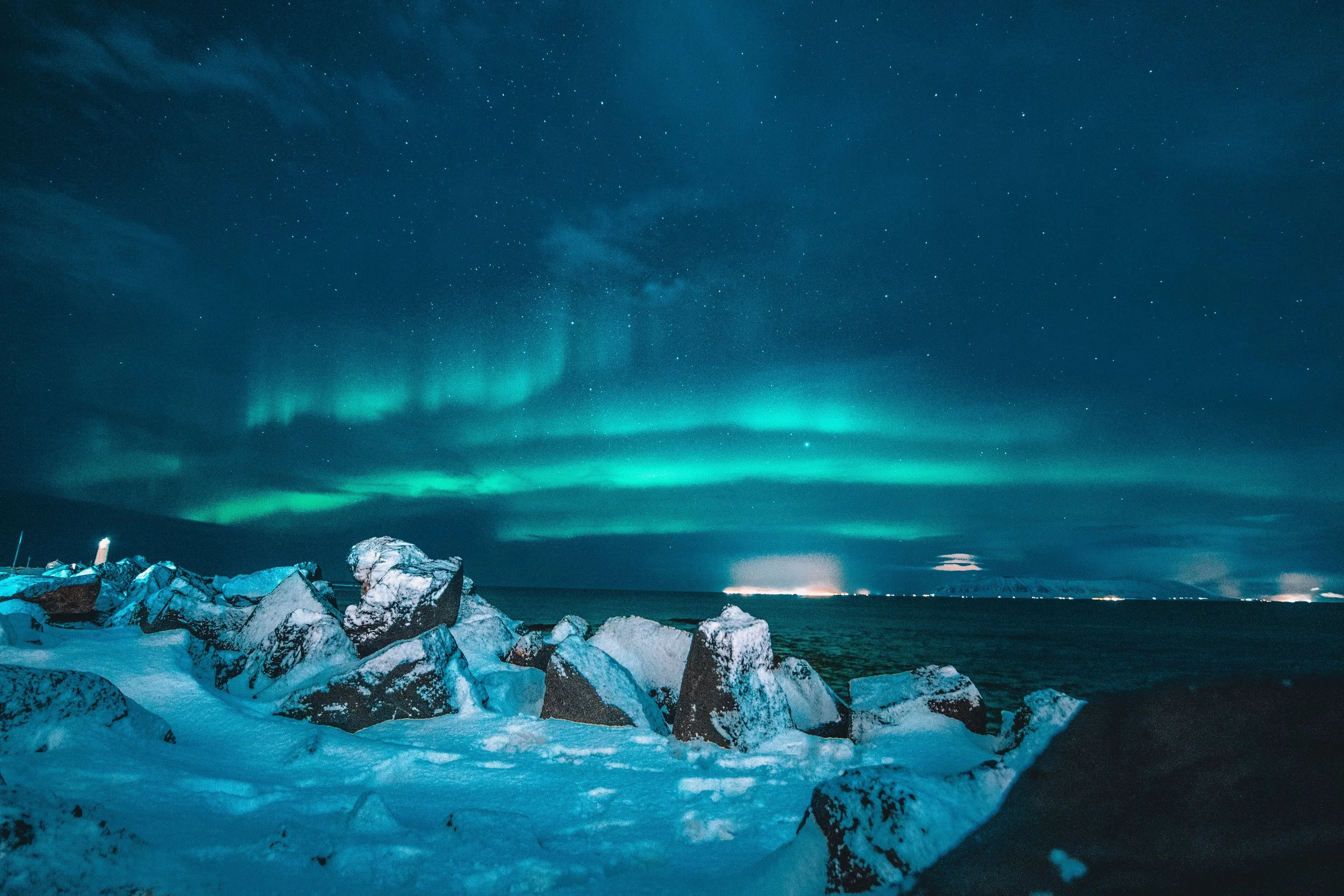
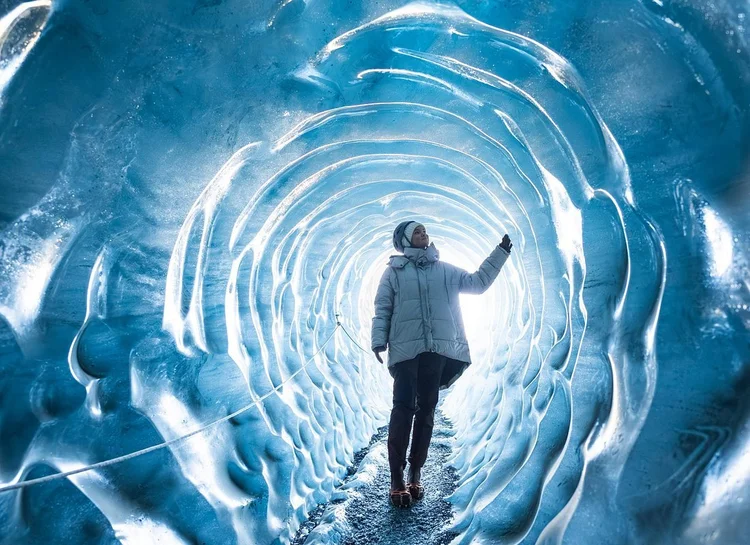
Northern Lights (September–March): Many people travel to Iceland to see the Northern Lights which is a spectacular natural light display in the night sky. They are caused by electrically charged particles from the Sun colliding with the Earth's magnetic field and upper atmosphere, resulting in vibrant, dancing waves of color. These lights combined with exploring the winter wonderland that Iceland becomes makes this time period a great choice. It’s a unique experience that comes with dog sledding, ice caves, and more. Dog sledding can be very dependent on the weather, but the website on Dog Sledding Tours allows different options based on different conditions. Ice caves are very regionally based, with the South coast of Iceland being a hotspot for them. There are many resources on tours and best times of day to view.
Winter Lights Festival (February): Held in Reykjavík to celebrate both the winter world and the growing light after a long darkness. This beloved annual event brings the city to life in midwinter with over 150 free events centred around Museum Night, Pool Night, and Light Art installations throughout the city. Museum Night is when museums across the capital area open their doors in the evening. Pool Night follows with free admission to multiple swimming pools from next evening. Guests can experience Reykjavík's iconic thermal pools in a magical evening setting, where light, darkness, and joy come together. Stunning light installations will illuminate the city throughout the festival, creating an enchanting atmosphere as locals and visitors celebrate winter's beauty together.
Hiking (June-August): Best for hiking such as the hike to Mount Esja or the Fimmvörðuháls Trail, whale watching in the waters of Skjálfandi Bay (Húsavík) and Eyjafjörður (Akureyri/Dalvík), as well as exploring the whole island. July and August are the warmest (50-60°F) but also busiest and most expensive as they are the peak tourist season. This is fairly warm for Iceland, as temperatures in winter drop a bit (20-35°F). During this time, visitors should still pack layers however, this cool summer is ideal hiking weather as one works up a sweat.
Midnight Sun Period (June 15–25): Including the summer solstice, this period offers the most intense 24-hour sunlight and the so-called “midnight sun.” During this time Iceland also hosts its Hafnarfjörður Viking Festival, just outside of Reykjavík, where dozens of Vikings from around the world gather to recreate historical camps. The event features combat shows, traditional crafts, archery, live folk music, and authentic Viking feasts and admission is completely free. There’s also a celebration for National Icelandic Day which is June 17th, the event celebrates the founding of the Icelandic Republic in 1944. Festivities include colorful parades, brass bands, street theater, open-air concerts, and traditional poetry readings.
-
Within Reykjavík, the city is generally very walkable. There is a public bus system called Strætó that people use whenever not walking around the compact city center. This bus system connects some regional towns, though it is designed for locals commuting rather than sightseeing. Many people get a Reykjavík City Card, which offers unlimited bus travel in the capital area for 24, 48, or 72 hours. There are also electric scooters (Hopp, Zolo) that are popular for quick trips. Apps like Uber and Lyft do not exist in Iceland. Taxis are available, but they are expensive with prices from the airport to the city center starting at $93 for four people; a popular company is called Hreyfill.
To get to and from the airport, there is Flybus, which serves as a standard, reliable option between Keflavík Airport and Reykjavik. This mode of transportation is usually about $28 one way. In terms of getting around outside the capital city, most people rent a car or book a guided tour which would include a bus or car for transportation. If you do not wish to book a guided tour, be aware there is no way you can without a car. If visiting in winter, be prepared for severe weather and ensure you have experience driving in snow and ice. Visitors are also strongly recommended to rent a car with four wheel drive. There are many options for car rental companies in Iceland, a few that have good four wheel drive options include Hertz, Northbound, and Blue Car Rental. The prices for Blue Car Rental are $75-$250 a day, Hertz range from $60-$200 a day, and Northbound is $50-$150. All prices are dependent on the car.
-
Many people in Iceland speak English, but the official language of Iceland is Icelandic, a North Germanic language. It is spoken by over 93% of the population, used in government, education, and media. Some basic phrases, such as “hello” (Halló, pronounced HAH-loh), “good day” (Góðan daginn, pronounced GOH-than DIE-in), and “thank you” (Takk, pronounced tahk), can be helpful to know.
In terms of cultural respect, the people in Iceland are very environmentally friendly, and it's incredibly rude to litter or disturb nature in any capacity. In Iceland, while many public toilets are free, an increasing number in major cities and popular tourist hubs charge a small fee. Being punctual, taking shoes off indoors at people's homes, and rinsing off before using public pools or spas, which include popular places like Sky Lagoon, a geothermal spa, are considered cultural norms. By following these practices, travelers can have a more culturally immersive experience in Iceland while also showing respect for the local customs and traditions.
-
The local currency is Icelandic Króna, or ISK. Iceland is a nearly cashless society where credit and debit cards like Visa and Mastercard are generally accepted everywhere, even for tiny purchases and public toilets. Cash is rarely needed or accepted, and contactless payments are also standard. However, some small businesses may prefer cash or, in rare cases, be cash-only. In these cases, ATMs are widely available in the main city, Reykjavik.
Tipping is not customary or expected in Iceland; instead, a service charge is usually included in the bill.
If driving around Iceland, one thing to be aware of is Gas Station Pre-payments. When using a card at an unattended pump, it may place a temporary hold of $163-244 (20,000–30,000 ISK), which is released quickly.


-
Iceland is generally very safe solo travel, it ranks #1 at the top of the Global Peace Index with a score of 1.095. offering a friendly and easy-to-navigate environment for solo women and gender-nonconforming travelers. The vibe is peaceful, independent, and welcoming, with high English proficiency and a low crime rate that allows you to focus purely on exploring nature. One should focus on safe hiking practices that focus more on nature than the danger of people. In general, it’s a good idea for someone you trust to know your route and check-in with them. Small group tours, local thermal pools, and the Ring Road Roadtrip are all great solo activities where visitors can meet people and do it safely.
-
Iceland is considered an LGBTQ+ friendly country; it has had legalized same-sex marriage since 2010 and strong anti-discrimination laws. Reykjavík has a visible queer scene, with Pride attracting over 100,000 participants annually. While public displays of affection are safe, rural areas are more conservative, though rarely hostile.
-
Black travelers are generally well-received in Iceland, a very safe and homogeneous country where tourism is a major industry. While overt racism is rare, visitors may experience stares or microaggressions in less diverse areas. However, this may be due to the general divide between Icelandic citizens and tourists/immigrants, which is a larger problem. Usually, these experiences come from curiosity or lack of knowledge rather than maliciousness, but they can still be troubling for visitors.
-
Iceland is moderately accessible, offering excellent infrastructure in Reykjavík but challenging, rugged terrain in rural areas. While many major tourist sites have added accessible paths, and the capital boasts heated, smooth sidewalks, travelers with mobility issues often require careful planning, specialized transport, or a self-drive vehicle to navigate nature spots.
City buses in Reykjavík are wheelchair-accessible with low floors. However, public transit outside the capital is limited and often not equipped for wheelchairs. Downtown Reykjavík is highly accessible with curb cuts and heated, ice-free pavements in winter, but the weather can be quite unpredictable even with these measures. Top sites like Gullfoss and Geysir have paved or gravel paths. The Blue Lagoon offers full access, including changing rooms and water access. Many museums are accessible.
In general, it requires more effort via planning, but people with disabilities can have a wonderful trip to Iceland. We recommend contacting attractions and tour operators directly to discuss specific needs, as many operators will work to accommodate visitors with disabilities with enough advanced notice.
-
Iceland is widely recognized as one of the safest countries in the world for women and solo female travelers. With incredibly low crime rates, high gender equality, and a progressive, welcoming culture, it is an ideal destination. With that being said, violent crime is rare but not extinct. Female travelers in particular should always be aware when traveling to a new destination, especially alone. Similar to advice for solo travelers, the weather in Iceland can be unpredictable and monitoring it is always a good idea. As is ensuring one does not run out of gas or pop a tire isolated on a road, just to be safe. In general, it’s a good idea for someone you trust to know your route and check-in with them frequently.