
Iceland arguably boasts the world’s oldest assembly democracy, with a parliamentary representative democratic republic. The parliament has been established since 930 AD while they have had the more modern system they do today since 1944. The president is the head of state, while the prime minister is the head of government. Women hold approximately 46% to 48% of the seats in the Althing (Iceland’s parliament). This gives it the highest proportion of female lawmakers in Europe. The political climate doesn’t regularly shape the Icelandic travel experience besides occasional taxes and fees. They also have incredible environmental policies such as support from the Climate and Energy Fund to farmers for the implementation of precision spreading technology, along with soil research and assessment of fertilizer needs.
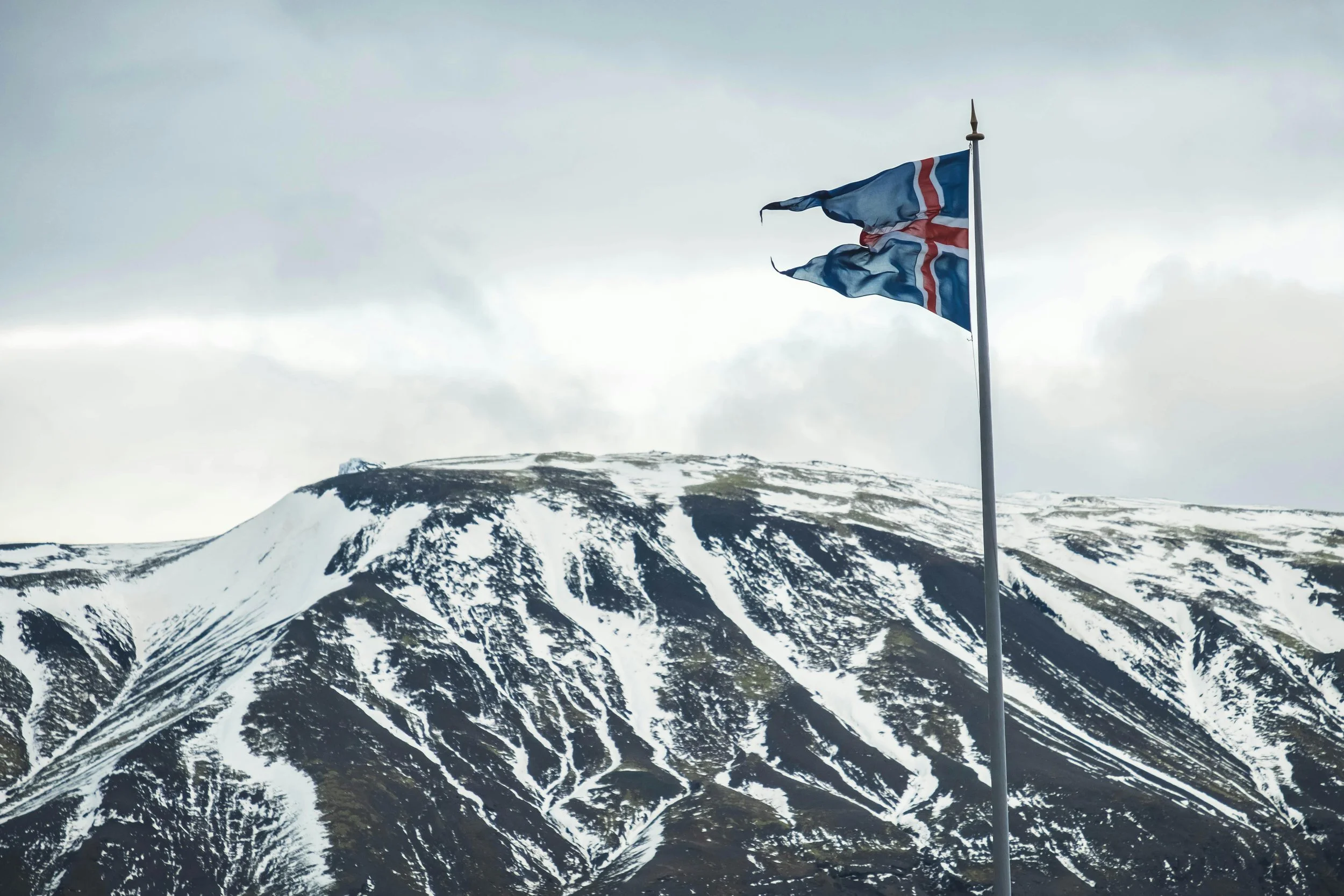
Iceland Flag, Jo Kassis, CC0
The politics of Iceland take place in the framework of a parliamentary representative democratic republic, whereby the president is the head of state, while the prime minister of Iceland serves as the head of government in a multi-party system. Executive power is exercised by the government. Legislative power is vested in both the government and the parliament, the Althingi. The judiciary is independent of the executive and the legislature. Iceland is arguably the world's oldest parliamentary democracy and has been rated as a “full democracy” in 2021.
Key political movements and protests in Iceland focus on democracy and constitutional reform, environmental protection, and economic inequality. Some of the most major protests over the years include the 1949 Anti-NATO Riot, a significant protest in Austurvöllur square against Iceland joining NATO, marking early, passionate opposition to foreign military involvement, the “Pots and Pans.” Also the Revolution circa 2008–2009 which was triggered by the 2008 financial collapse; thousands of protesters gathered weekly in Reykjavik's Austurvöllur square, banging pots and pans to demand the resignation of the government. Most recently, No Borders protests in 2025 demand the end of the deportation of minors and stricter asylum policies.
In Iceland, it is safe to discuss politics publicly; protests happen now and then, but not all the time. Visitors should feel at ease as they travel and chat. Additionally, when taking lots of photographs, travelers don’t need to worry as they can legally take photos of police, and that does not give them the right to ask for your ID. When visitors are walking around and exploring, no need to stress as there are no major issues with government surveillance of tourists. Iceland generally respects privacy, and internet freedom is high, although they have been known to cooperate with intelligence sharing. Safety and spacial awareness when in any new place is always important but crime in Iceland is very low. The biggest problem tends to be petty theft which can occur in busy tourist spots like downtown Reykjavík. Overall, Iceland has very high levels of press freedom and freedom of expression.