Nature and Parks

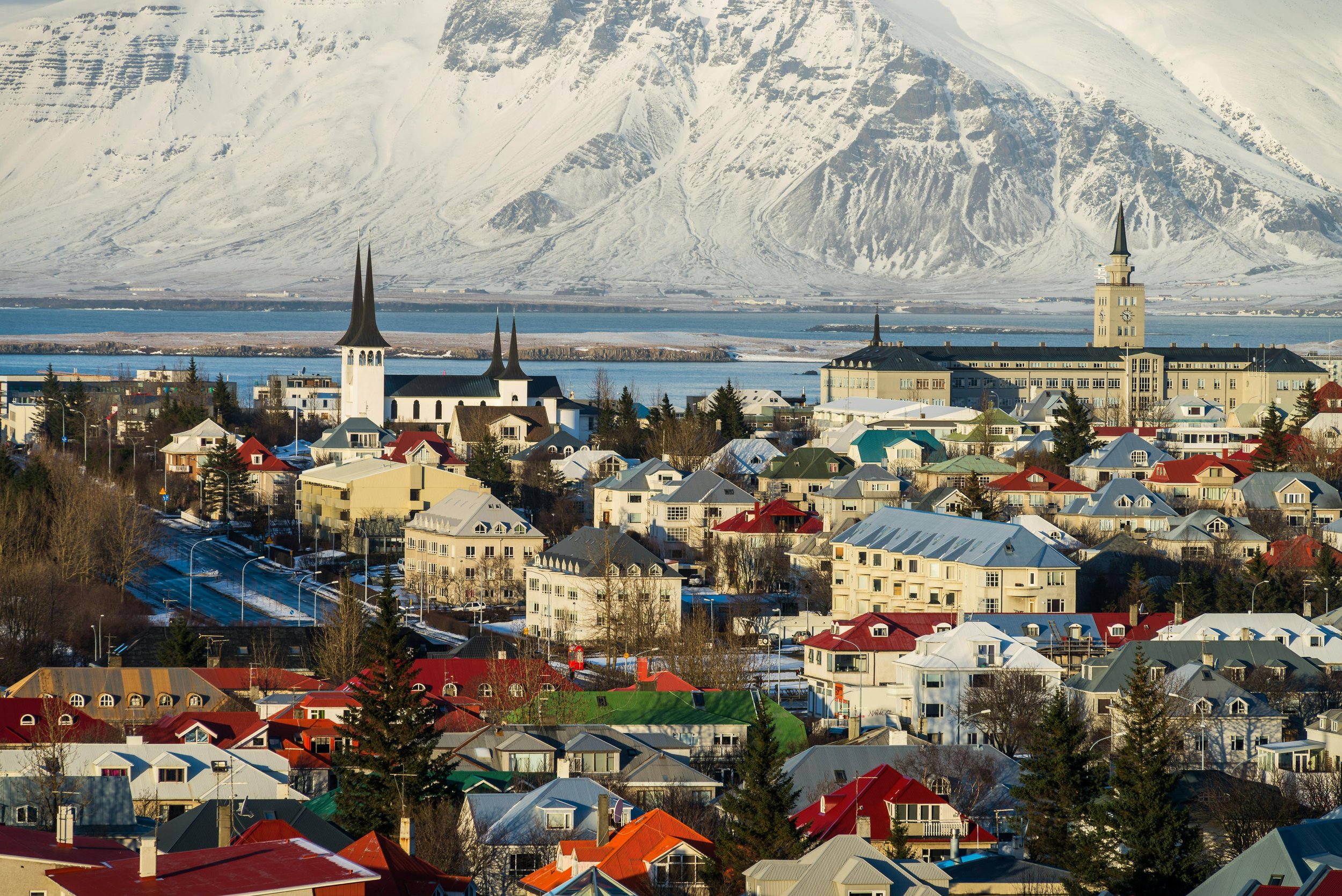
Iceland often gets described as a land of ice and fire due to the contrast between its beautiful glaciers and waterfalls with its thermal hot springs and volcanos. Most of the country is made of these natural beauties along with rolling hills, fields, and beautiful coastlines. Nature is everywhere, even in the capital city, but the further you explore outside of it the more wonders there are to discover.

In or Near Reykjavik

Laugardalur:

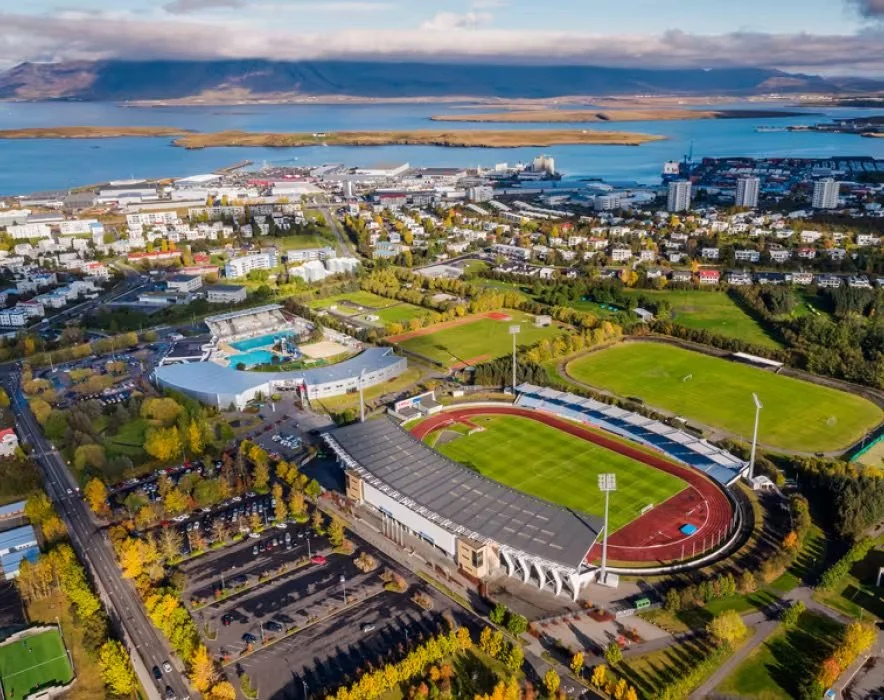
Laugardalur is a beautiful park in Reykjavík that has a lot to offer. Within this park you will find the popular Laugardalslaug geothermal swimming pool, the sports centers Laugardalshöll Arena, the Laugardalsvöllur Stadium where visitors can go to sporting events, performances, or the occasional outdoor summer music festival. Additionally, there is the Laugardalur Ice Rink, and the Reykjavik Botanical Garden. Another facet of the park’s design is that its location is fairly sheltered from the wind, so it's rather comfortable to spend time here, no matter which part people explore.

Elliðaárdalur:

Elliðaárdalur is a series of tumbling waterfalls along the Elliðaár River. This place is a great escape to nature without having to go too far. The river is also one of Iceland's best salmon-fishing destinations, but a permit for the activity is required. The pre-sale of fishing licenses begins in the fall of each year and is available for sale during certain periods in certain fishing areas. The period and fishing area in question are determined each year and advertised separately. First, the advertisement is sent by email to members registered on the association's mailing list, Angling Club of Reykjavík (SVFR) or authorized local booking platforms, then it is advertised by news on the website and finally by email to a general mailing list. Everyone is free to apply for a fishing license in the pre-sale. The license can cost anywhere from $150-350 and since the river is highly regulated and incredibly popular, permits sell out rapidly, often months in advance. The park also offers forested walking, cycling, and horseback-riding paths, both of which can be rented within the city center. It can be a great place for spotting wild life, mostly wild rabbits, and the park is just 15 minutes outside of downtown Reykjavík. 

Hljómskálagarðurinn:

This park contains Reykjavík’s iconic freshwater pond where people spot ducks, geese, and swans. It’s also an incredibly great spot for bird-watching! Whooper Swans and Arctic Terns are two birds commonly seen. The park is also an ideal spot for a leisurely walk. It's filled with sculptures, some of famous Icelandic figures and others by Icelandic artists such as Jónas Hallgrímsson, a prominent 19th-century romantic poet and natural scientist, and Ólafur Thors, a pivotal figure in Icelandic politics who served as Prime Minister of Iceland multiple times A dedicated section on the southwest side of the park showcases the pioneering work of six trailblazing Icelandic female sculptors.

Outside the City:

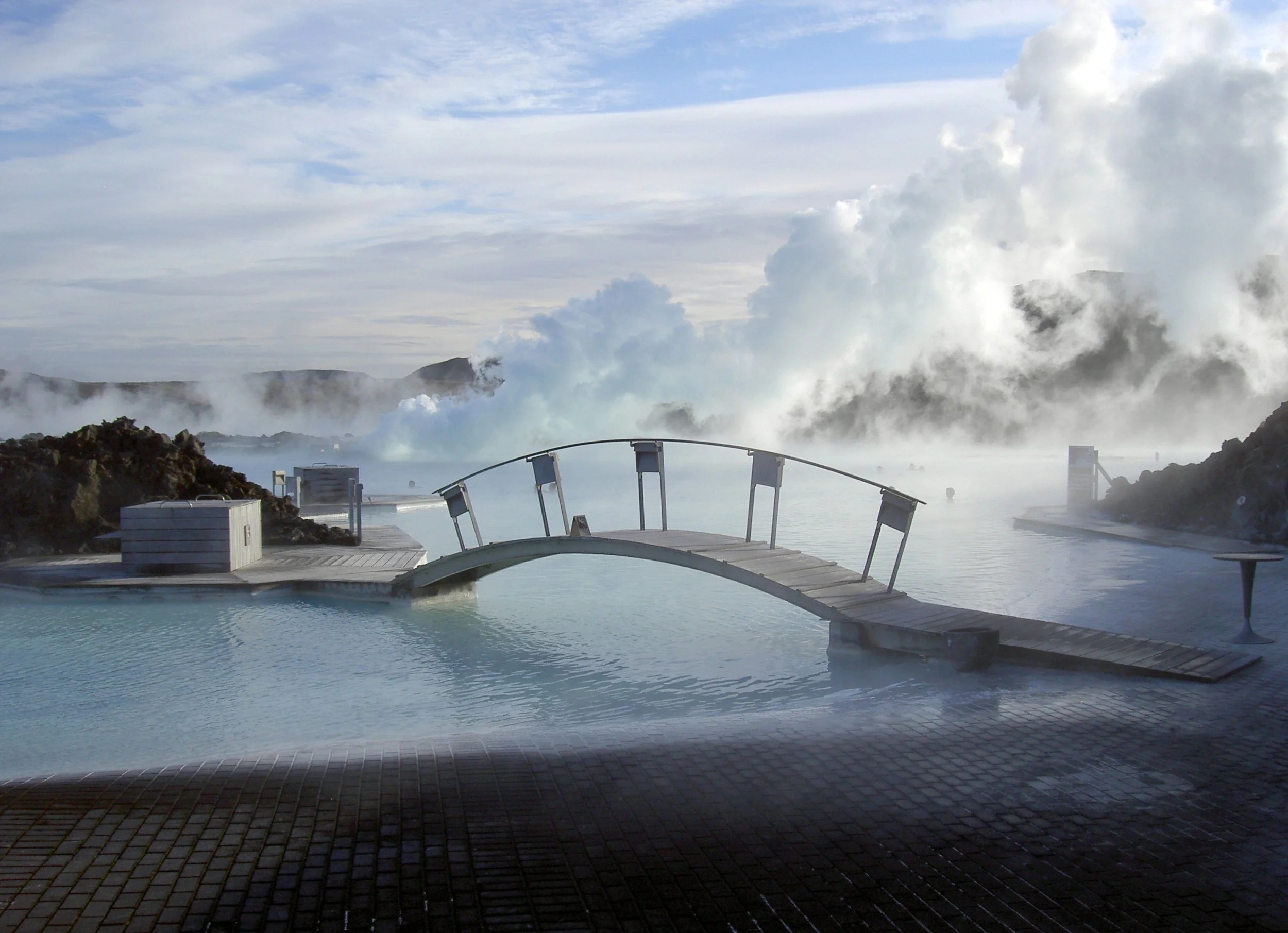
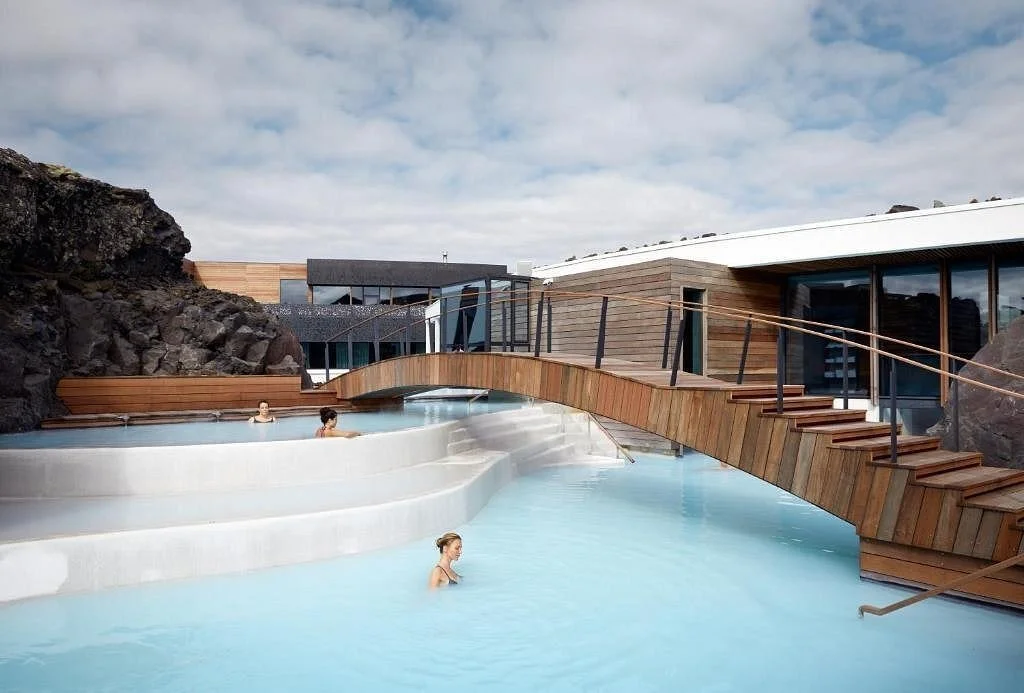
Blue Lagoon, CC0.

Blue Lagoon:

The Blue Lagoon is a geothermal spa in southwestern Iceland. The spa is located in a lava field about 3 miles from Grindavík and in front of Mount Þorbjörn on the Reykjanes Peninsula. This Lagoon is about 45 minutes outside of Reykjavík. Its location is powered by geothermal energy and supplied by water used in the nearby Svartsengi geothermal power station. This spot is an amazing natural wonder but can be subject to unanticipated closures due to its proximity to a volcano. Visitors can check the Blue Lagoon Safety Page for updates on its status. While this place can be a popular tourist spot, its otherworldly atmosphere and bright blue warm water makes it a must-try for first time visitors.

Political Climate

Iceland arguably boasts the world’s oldest assembly democracy, with a parliamentary representative democratic republic. The parliament has been established since 930 AD while they have had the more modern system they do today since 1944. The president is the head of state, while the prime minister is the head of government. Women hold approximately 46% to 48% of the seats in the Althing (Iceland’s parliament). This gives it the highest proportion of female lawmakers in Europe. The political climate doesn’t regularly shape the Icelandic travel experience besides occasional taxes and fees. They also have incredible environmental policies such as support from the Climate and Energy Fund to farmers for the implementation of precision spreading technology, along with soil research and assessment of fertilizer needs. 

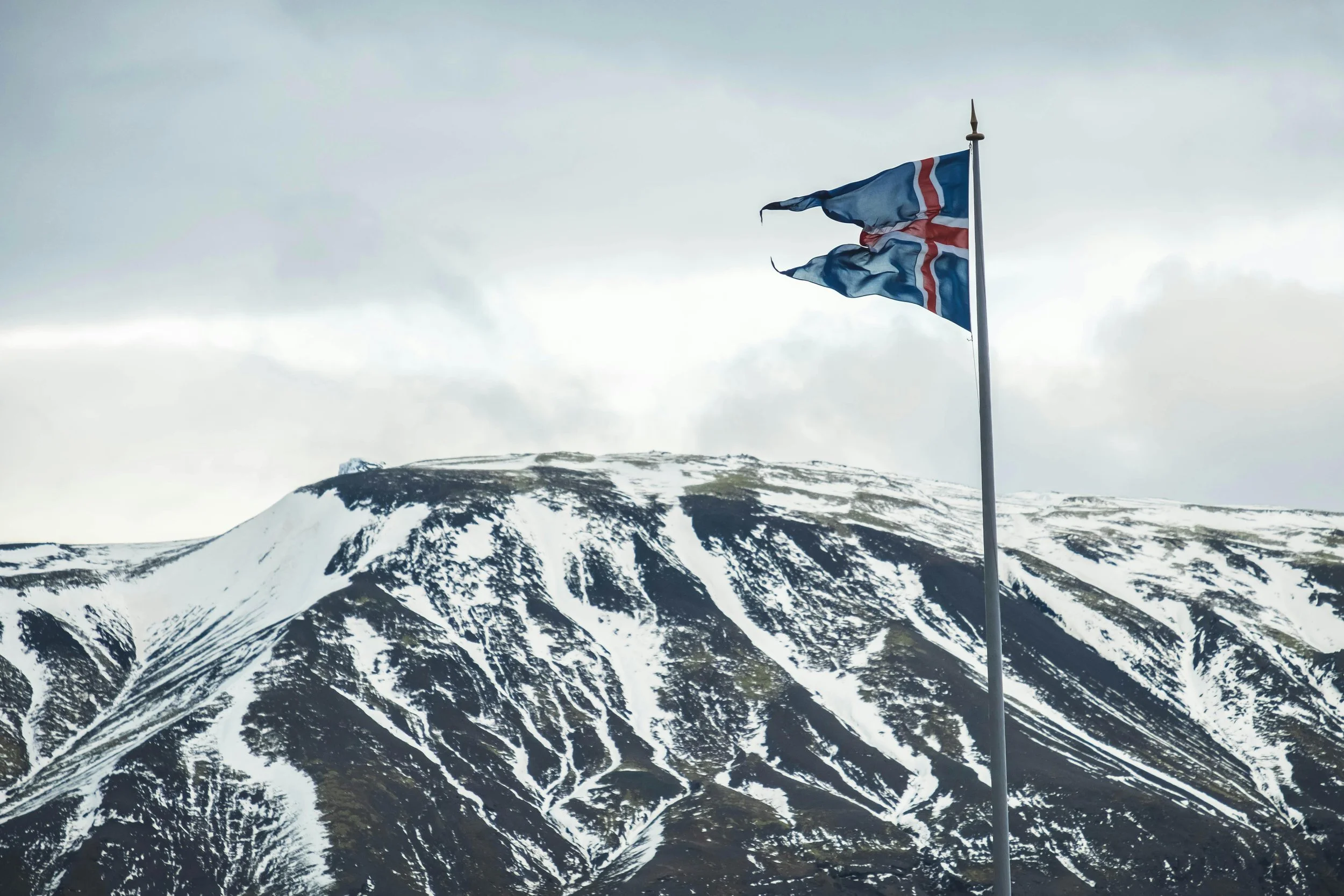
Iceland Flag, Jo Kassis, CC0

The politics of Iceland take place in the framework of a parliamentary representative democratic republic, whereby the president is the head of state, while the prime minister of Iceland serves as the head of government in a multi-party system. Executive power is exercised by the government. Legislative power is vested in both the government and the parliament, the Althingi. The judiciary is independent of the executive and the legislature. Iceland is arguably the world's oldest parliamentary  democracy and has been rated as a “full democracy” in 2021.

Key political movements and protests in Iceland focus on democracy and constitutional reform, environmental protection, and economic inequality. Some of the most major protests over the years include the 1949 Anti-NATO Riot, a significant protest in Austurvöllur square against Iceland joining NATO, marking early, passionate opposition to foreign military involvement, the “Pots and Pans.” Also the Revolution circa 2008–2009 which was triggered by the 2008 financial collapse; thousands of protesters gathered weekly in Reykjavik's Austurvöllur square, banging pots and pans to demand the resignation of the government. Most recently, No Borders protests in 2025 demand the end of the deportation of minors and stricter asylum policies. 

In Iceland, it is safe to discuss politics publicly; protests happen now and then, but not all the time. Visitors should feel at ease as they travel and chat. Additionally, when taking lots of photographs, travelers don’t need to worry as they can legally take photos of police, and that does not give them the right to ask for your ID. When visitors are walking around and exploring, no need to stress as there are no major issues with government surveillance of tourists. Iceland generally respects privacy, and internet freedom is high, although they have been known to cooperate with intelligence sharing. Safety and spacial awareness when in any new place is always important but crime in Iceland is very low. The biggest problem tends to be petty theft which can occur in busy tourist spots like downtown Reykjavík. Overall, Iceland has very high levels of press freedom and freedom of expression.

Bars and Nightlife

Most of the nightlife is centered in Reykjavík and is primarily on Laugavegur street, known for its “Rúntur” (pub crawl) culture, high-energy weekend parties, and inclusivity. While expensive, bars often feature happy hours, with peak, high-energy times lasting until 4–5 a.m. on weekends. Iceland’s nightlife is known for its live music, beer culture, and dancing! 

Bar Scene, Alex Albert, CC0

Bars and Clubs

Gaukurinn is one of Reykjavík’s oldest pubs and one of the popular spots for local bands, karaoke, and drag shows. There are no reservations required, and the atmosphere is very lively yet relaxed. Standard beers cost about $10-12, while cocktails generally range from $15-20. However, during Happy Hour, draft beers are roughly $7-9. This is a good place to get involved in the heart of pub culture in Iceland.

Slippbarinn is one of Reykjavík’s craft cocktail bars and one of the originals at that! It’s located in the heart of Reykjavík's Old Harbor area, inside the Icelandair Hotel Reykjavík Marina. Prices for cocktails range from $17-19, draft and bottled beers $8-12, and glasses of wine $9-11. Unlike other Reykjavík bars, Slippbarinn has become a go-to destination for its innovative drinks, stylish ambiance, and a welcoming atmosphere. With a focus on fresh, high-quality ingredients, this bar is celebrated for its eclectic menu of creative cocktails in addition to its delicious dining menu. 

Kaffibarinn is a warm café with great coffee by day and a bar that has earned international fame through its starring role in local cult cinema by night. It’s also a bar at night! Every night DJs play a range of music from electric house to indie, and the occasional classics. Drink prices for draft beers are $7.50 at happy hour and $12.50 otherwise. Cocktails range from $16-21. This is a great place to experience a spot locals love, to drink and dance, and maybe even spot a global icon seeking a quiet drink; it’s been known to happen before.

Nightlife Experiences

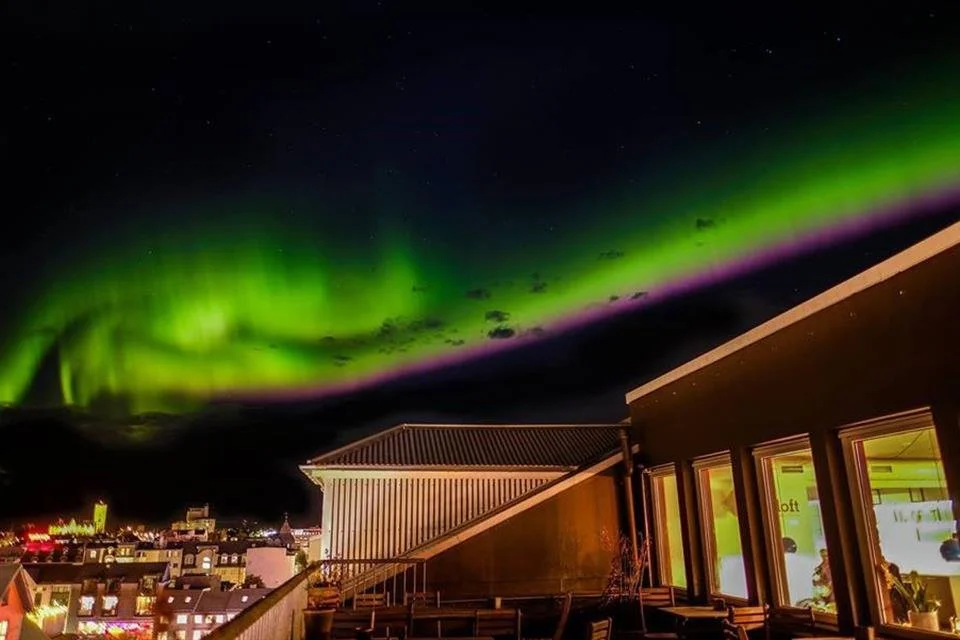
Other than bars and clubs, there are plenty of fun activities to do in the hours of the night. This can include concerts, comedy shows, or more outdoorsy things like adventures to see the Northern lights. Many musical experiences can be found at the places recommended above, but for some different options, visitors could check out Harpa Concert Hall and Gamla Bíó to see what concert events they are hosting. Additionally, Tjarnarbíó is a theater known for great shows. The comedy and performances change yearly but they always prioritize showing local Icelandic talent.

Insider Tips

While nightlife is extremely safe in Iceland, prices for drinks while out and about can get quite expensive with cocktails starting at prices close to $20 and upwards. Many locals drink at home beforehand and go to bars and clubs for the atmosphere primarily. The nightlife hours tend to begin around midnight, and people stay out until 4 or 5 am. 

Many clubs and bars do not have cover fees, but they can vary. However, it's important to note that in Iceland, the drinking age is 20 and guests may be IDed at any time. Drinking and driving, as well as public intoxication are taken very seriously in Iceland, the legal limit is 0.02% Blood Alcohol Concentration (BAC). Penalties are severe, starting with heavy fines of $536 to $1,205, immediate license suspension (typically for two months), and in severe or repeat cases, mandatory jail time. Ensure you are not driving with anything in your system. Uber and Lyft do not operate in Iceland, but the taxi system, Hreyfill, does for getting home safely.

Activities and Attractions

Iceland is a country full of beautiful nature but also a vibrant culture of community, nightlife, and more. Whether visitors want to absorb the museums and history or get lost in the glaciers, waterfalls and hikes, there is something for everyone. The best trip tends to be a combination of every facet of the Icelandic world. 

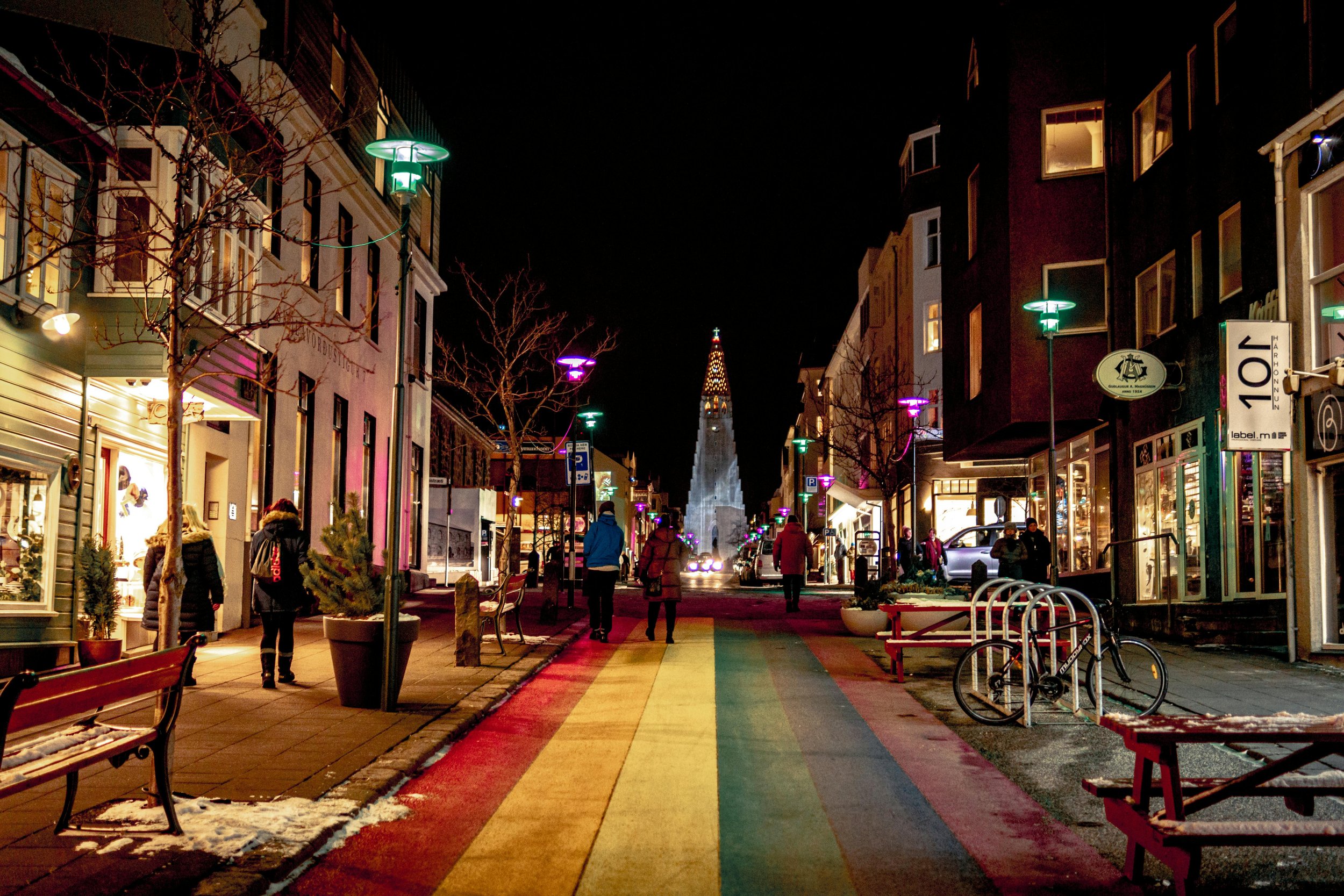
Rainbow Road, Dorde Drazic, CC0. 

Cultural Attractions

Reykjavík tends to hold most of the cultural attractions and activities. This city is home to monuments, museums, and historical sites. One popular activity is to walk on the Rainbow Road, which is located on Skólavörðustígur street. It was painted in 2015 to celebrate LGBTQ+ pride and diversity as a permanent pedestrian street. The walk leads directly up to the famous Hallgrímskirkja church, providing a popular photo spot filled with shops and cafes. If visitors wish to learn more about the history of Iceland, the Saga Museum in Reykjavík is a great option with its unique model of recreations of famous scenes from the viking era in Iceland’s history with life-size figures. For a museum more focused on art, one must check out the National Gallery of Iceland, also located in the capital city. Whether visiting their permanent collection or whichever exhibition that they have at the time, it’s an activity for immersing yourself in the art and culture of Iceland.

Outdoor Activities

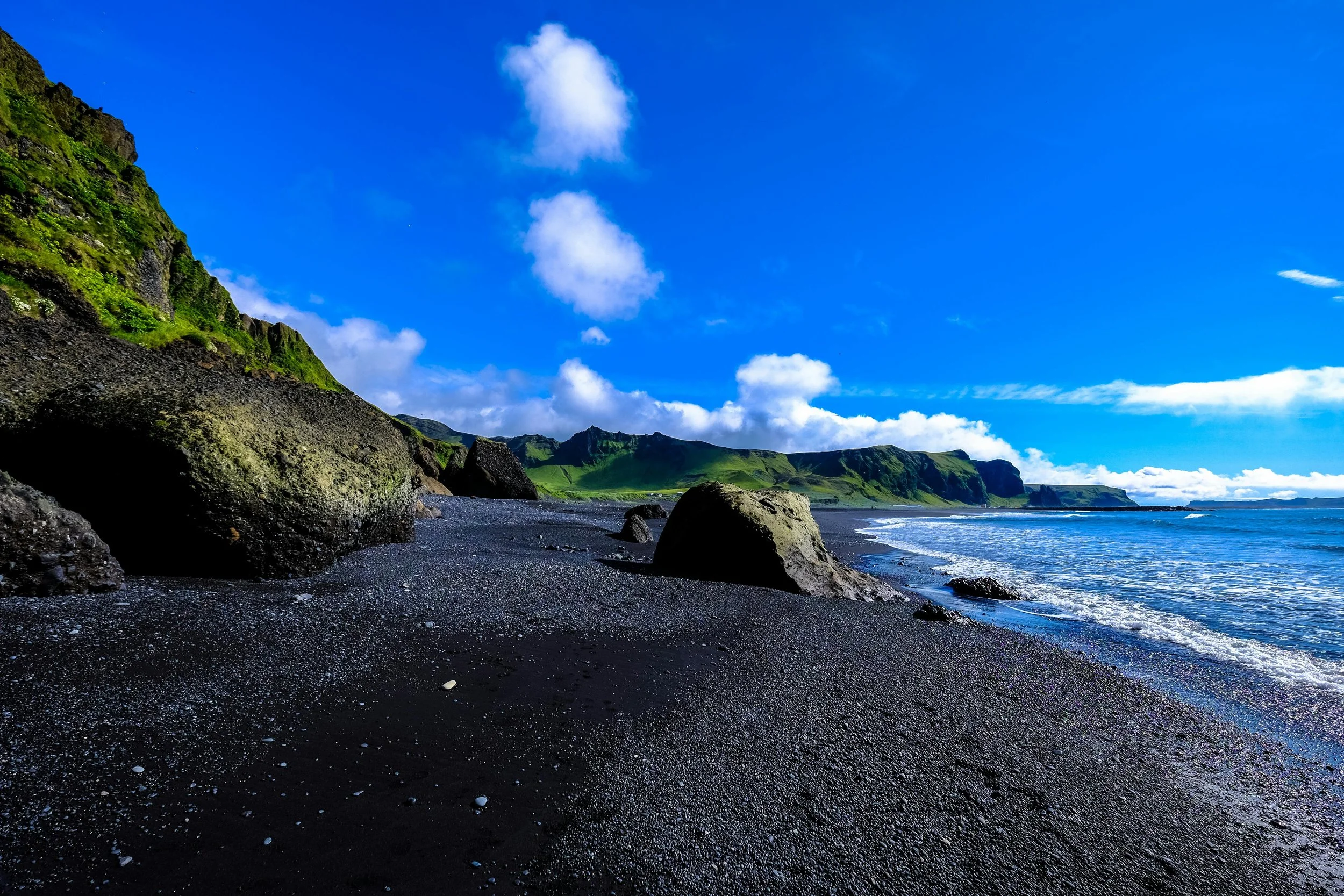
Black Sand Beach, Francesco Ungaro, CC0. 

Iceland has many outdoor activities to offer, and all at various levels. For a low-effort but amazingly beautiful outdoor adventure, visitors should explore black sand beaches, one of the most famous being Reynisfjara, located near Vík in South Iceland. It's known for its dramatic basalt columns, often with puffins and other creatures overlooking it, just like you! However, be warned, this, as well as most beaches, has sneaky and very strong waves; keep your distance from the water. There has been a recent erosion of the beach structure in the last year. Just ensure you follow the safety protocols on the Black Beach Safety site. It’s still a must-see otherworldly place! 

For a more involved activity, one absolutely must go for a hike if the weather permits. There are so many routes to choose from, almost all of which include beautiful views of waterfalls and indescribable nature. One of the most unique hikes is the Reykjadalur Geothermal River, which is just a day hike, and the trail leads to a hot, batheable river. It’s a moderate hike, almost two miles long, near Hveragerði in South Iceland, which is approximately 45 mins from Reykjavík. Another great option is the Dettifoss & Selfoss Waterfall Loop. This loop is a short walk in North Iceland, viewing two of the most powerful waterfalls. The walk has a fully paved road accessible by all standard vehicles with parking lots on both ends; one can access it directly off the Ring Road. 

Unique Experiences:

One of Iceland's lesser-known areas to explore is Vestmannaeyjar, a cluster of western islands. Vestmannaeyjar is a hub for spotting puffins! There are many tours visitors can go on that help see these cute birds, as well as explore the volcanoes in this area of the country. Additionally, there is a Viking town where one of the first Viking families settled, which is preserved for visitors to explore and learn about. These islands also contain the world's first Beluga Whale Sanctuary in addition to the biggest puffin colony. It’s a hidden gem that could be a one-day excursion or an overnight, multiple-day part of your Icelandic experience.

Food and Drink

The food scene in Iceland is very unique in the blend of traditional dishes that are delicious, but also amazing cuisine from other cultures. Street food in Iceland is a big part of the culture. Seafood is also a large focus, from preservation-heavy Viking-era methods to modern, sustainable Nordic cuisine. 

Pylsa, Polina Tankilevitch, CC0

Where to Eat – Street Food, Michelin Stars & Hidden Gems:

Local Cuisine: 

Overall, Iceland is known for its seafood and its unique meats and cheese dishes. Within the capital city and outside of it, visitors will find it best to try a mix of traditional food and also just wonderful local restaurants with all types of cuisine. Many visitors often buy food in supermarkets and cook as opposed to going out to eat, average prices for groceries and restaurants tend to be expensive. To get the best value, one can shop at budget supermarkets like Bónus or Krónan.

  • Bæjarins Beztu Pylsur Hot Dog Stand in Reykjavík is one of these must-try spots. They serve the Icelandic hot dog, known locally as pylsa or pulsa. Unlike typical hot dogs, Iceland's version uses high-quality, locally-sourced ingredients, including lamb, beef, and pork. A hot dog with everything costs roughly $6.50 (880 ISK) with Combo Deals, 3 hot dogs, a drink, and a chocolate bar generally costs $20 (2,750 ISK). These costs are considered very affordable in Iceland and on the lower side of dining out for tourists. This stand is famous for having amazing versions of these hot dogs with different toppings and sauces; it’s a must-try when in Iceland.

  • Fjorubordid is a great option for trying the seafood and the legendary Langoustine: small, orange-pink crustaceans related to lobsters. Whether in tails smothered in garlic sauce or in delicious warm soup, it's an Icelandic must-try. Costs range from $55 to $110+ per person. This restaurant is located close to the epic waterfall Selfoss and around sixty kilometres from Reykjavík. 

Unique Food and Drink Experiences:

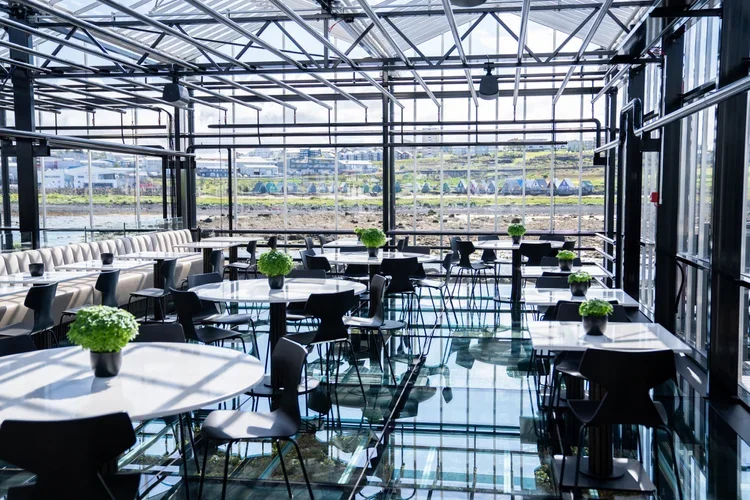
  • Sól is a unique restaurant just about 20 minutes outside Reykjavík. Sól is a dining experience inside a vibrant greenhouse, where guests dine above a harvest. This restaurant prides itself on using the freshest local ingredients, including greenery from its own produce, ensuring a farm-to-table experience and a wonderful focus on sustainable dining. Inside Sól lives a delightful, green, and serene ambiance. The fresh food pairs perfectly with their cocktails which they use their own herbs and botanicals for. The prices are roughly $50 to $80+ per person for a main course, cocktails are often $15 – $25 per person.

Image provided courtesy of Sól.

  • Friðheimar is another restaurant with incredibly fresh ingredients behind it. The business is run by a family whose parents are an agronomist and a horticulturist. The tomatoes are a major highlight of this restaurant as they grow them all year round at their farm. The restaurant is also highly dedicated to sustainability. Their efforts include utilizing geothermal energy, pure glacial water, biological pest control, and strict zero-waste practices, so that the farm minimizes its carbon footprint while safely producing a significant portion of Iceland's fresh tomatoes. Prices fall between between $50–$80 for main courses and drinks amongst 1 to 2 people. This delicious stop is located in South Iceland, right on the popular Golden Circle tourist route near Reykholt. 

Dietary Restrictions:

If you have dietary restrictions or preferences, Iceland is most definitely accommodating. Due to Iceland’s plant-based and sustainable practices, vegetarians and vegans will be delighted by their delicious options. 

Two restaurants with vegan options include Mama Reykjavik, which has inherently plant based Indian-focused cuisine, and Garðurinn, a family owned restaurant with homemade vegetarian, vegan and gluten-free dishes, soups and treats. Both restaurants are found in Iceland’s capital city and prices range from $16-$45. 

In terms of Halal food, the capital city of Reykjavík has many options and diverse cuisines that are delicious. While dedicated halal restaurants are scarce, travelers can find halal-certified chicken and meat in supermarkets or food halls. However, the further one ventures outside the capital, the more limited the options can be; it would definitely be possible to avoid pork at the very least because of the plant-forward attitude.

Iceland fuses its dining experience with sustainability and nature so often that it’s an amazing part of the experience.