
For such a small island, Sri Lanka punches above its weight for natural beauty and biodiversity. With 26 national parks covering 10% of the island’s landmass, conservation and preservation is continuing to become an increasingly important part of the tourism sector. Staying in and around the national parks combines serenity and adventure - botanists, naturalists, park rangers and local leaders offer the best insight into these fascinating landscapes.
Of Sri Lanka’s major national parks and areas of natural beauty, some parts remain inaccessible for tourism due to a lack of infrastructure and permits. The most popular parks for safaris are those on the typical tourist trail:
Yala National Park - The oldest and most popular park, finding an experienced guide and safari is straightforward. It’s possible to stay close to the park or travel there from various south coast towns as part of a full-day tour. Staying closer to the park is a better option, as arriving at sunrise offers the best chance to escape the crowds before the park gets busier. The park has a large leopard population and plenty of interesting landscapes - its popularity and convenience is justified but it has become very congested in recent years.
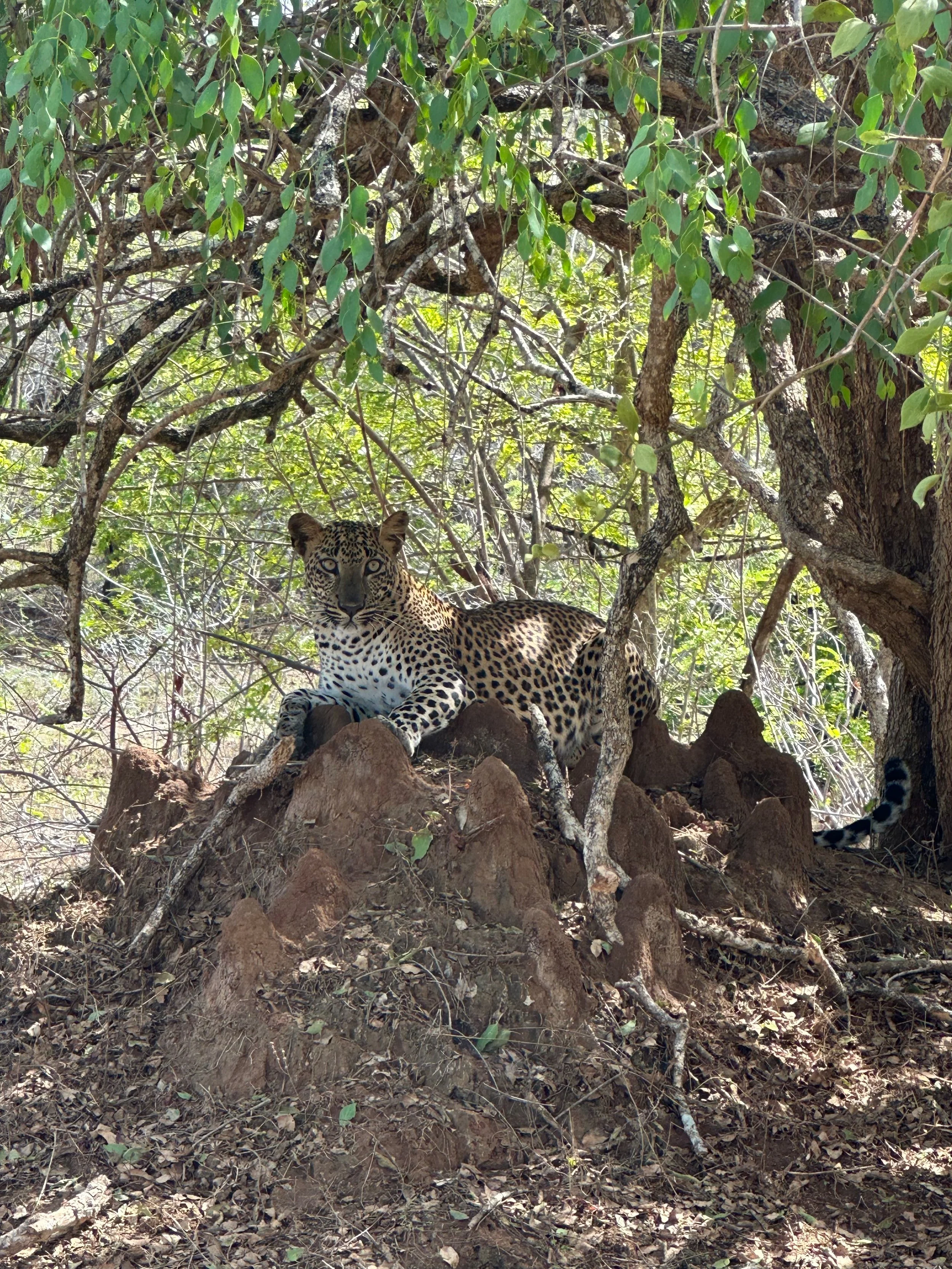
Yala National Park. Michael Iverson
Udawalawe National Park - Much like Yala, Udawalawe is on the main tourist trail making it an incredibly popular place to see elephants. The park sits on the banks of a huge reservoir, offering stunning views of elephants bathing with a mountain backdrop. It’s possible to visit the park from Ella or surrounding hill country towns, or when in transit between the hill country and the south coast.
Minneriya National Park - Minneriya is most famous for the annual elephant gatherings between June and September, when herds of elephants migrate across park boundaries and water levels drop in the park’s reservoir. During this time it’s possible to see hundreds of elephants bathing and socialising, but this is naturally accompanied by an influx of visitors. The park is in close proximity to Sigiriya, making it a convenient and reliable option for elephant sightings all year around.
While these parks offer a variety of exciting experiences, increasing tourist numbers often means busier routes and increasing prices. If you’re hoping to escape some of the crowds and experience a slightly less congested safari, these parks offer an alternative to the main hotspots:
Wilpattu National Park - While safaris remain popular, Wilpattu is the country’s largest national park and therefore has many off-road routes that can be explored by jeep to escape the crowds. The park has a large leopard population, as well as sloth bears and elephants, making it a prime location to see Sri Lanka’s diverse wildlife on quieter trails. It’s also a great place to stay in affordable eco-lodges and glamping sites, sleeping under the stars on the edge of the parks.
Gal Oya National Park - One of Sri Lanka’s least developed national parks, Gal Oya is the perfect place to experience a peaceful safari. It is the only park that permits boat safaris, where it’s possible to view elephants bathing on the banks of the Gal Oya Reservoir. The park limits the number of boats on the water at once, meaning that wildlife remain undisrupted in their natural habitats. Independent guides and local hospitality make this a great option for more authentic wildlife safaris, while also giving back to the local community and their conservation efforts.
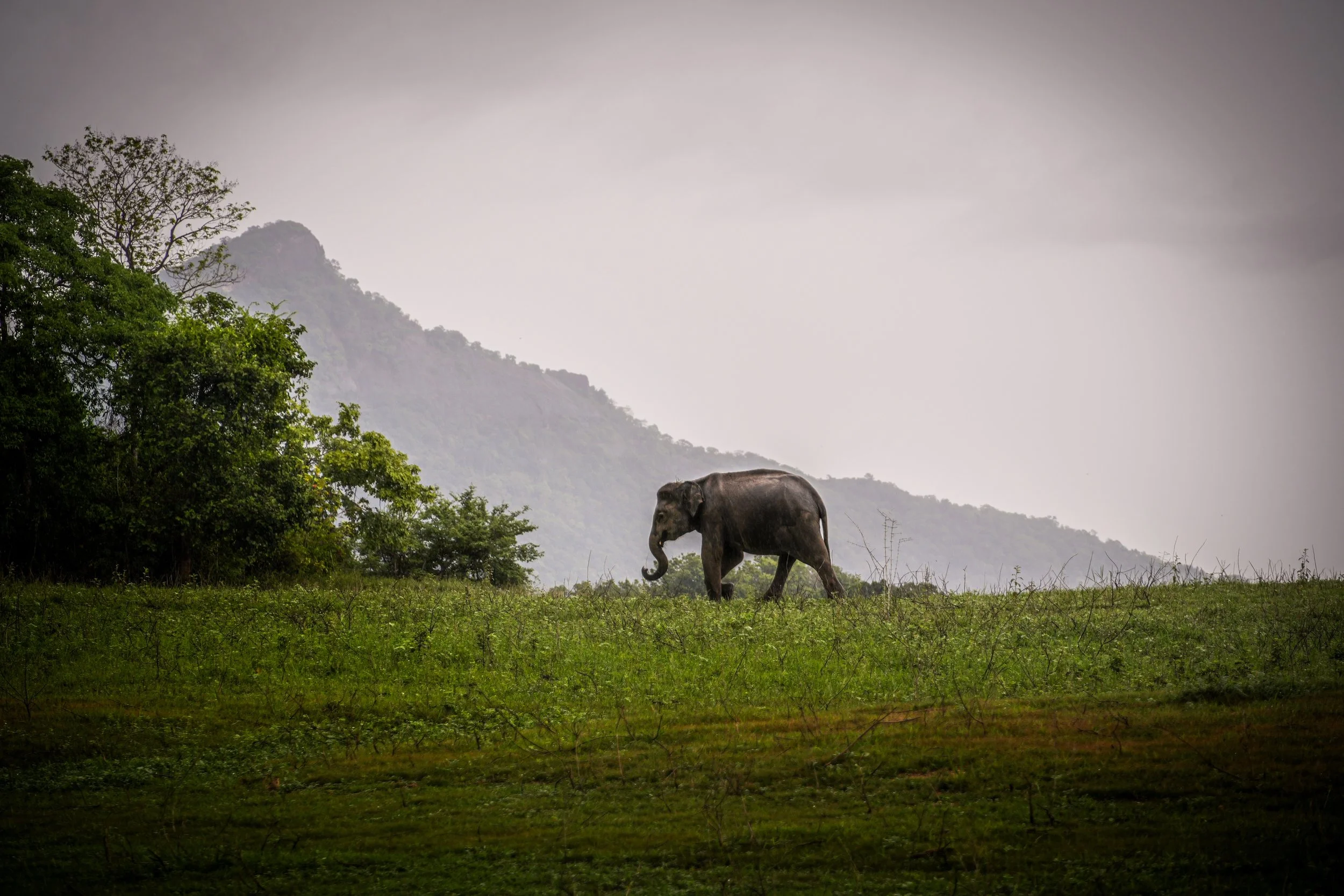
Gal Oya National Park. Michael Iverson
Sinharaja Forest Reserve - An often overlooked part of the island, Sinharaja offers a raw outdoor experience that is unrivalled by many of Sri Lanka’s national parks. Guided by experienced naturalists and botanists, it is possible to navigate some of the reserve’s most isolated trails, swim in waterfalls, and see some of the island’s most fascinating flora and fauna up close. Although the forest is not home to the island’s ‘big-hitting’ wildlife, monkeys, snakes and crocodiles bring the forest to life, offering a unique experience that embraces this incredibly biodiverse landscape. It’s truly an unappreciated gem in Sri Lanka.
Staying in the Parks
Sri Lanka’s Department for Wildlife Conservation offers travellers a unique way to experience the national parks Circuit bungalows are government-maintained accommodation that are built with sustainability at their core. With eco-friendly designs, solar power and zero-waste practices, the bungalows prioritise a sustainable way to explore the national parks from within. Animals roam around the bungalows at night, meaning the safari never stops. Bungalow keepers and official government guides accompany you during your stay, making it a safe and sustainable way to truly embrace a national park.
The booking process is slightly unconventional and bungalows are generally available on the first working day of the month before the stay (e.g. 1st May for a booking in June) and each reservation includes guides and staff. It’s crucial to prepare diligently as amenities are very basic, often with limited phone service and no access to services outside the national park, but it’s very worthwhile for the most immersive natural experience available in Sri Lanka. Prices vary depending on group size but average around $100 per night for property rental.
There are many hotels and guesthouses near Sri Lanka’s most popular national parks, all of which are always happy to introduce travellers to guides and safari providers. Some of our favourite eco-friendly and sustainability-focussed accommodation include:
Gal Oya Lodge, Gal Oya National Park ($350 per night) - An all-inclusive eco-lodge in a beautifully preserved jungle setting. The rate includes safaris, guided walks, incredibly organic food, and other locally-led activities. The lodge supports local businesses and works within the community to ensure conservation is at the heart of every stay.
The Coconut Experience ($150 per night) - On the banks of an artificial lake that was built to support the land and its wildlife, this eco lodge offers a calm and personalised stay close to Wilpattu National Park. The cuisine and hospitality are unmatched, and each experience is curated with strong sustainability principles. The perfect way to combine a safari with a nature-focussed stay.
Big Game By Eco Team (Wilpattu & Yala) ($50 - $200 per night) - These glamping sites on the borders of Wilpattu and Yala National Parks feel like staying within the park itself. Experienced guides and naturalists bring the surroundings to life, and it's possible to choose from a variety of bespoke options including full board, safari deals, or just room only. It’s the perfect way to experience the serenity of Sri Lanka’s wilderness on any budget.