Adventures

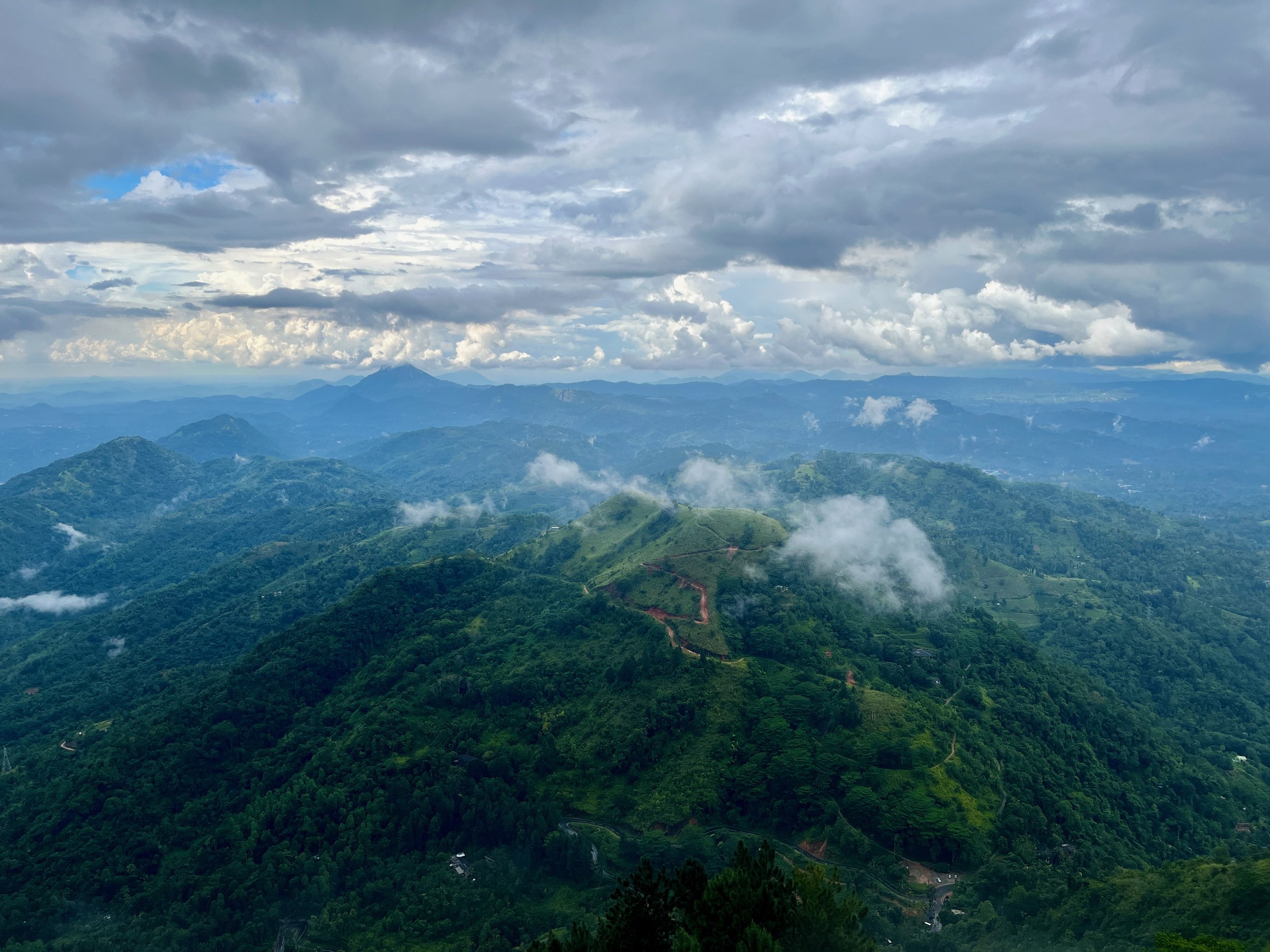
Experiencing Sri Lanka’s natural beauty is best done off the beaten track. There are a variety of experiences that embrace the local environment respectfully and sustainably, unlocking incredible remote trails in exciting ways. 

The best example of this is the recently-curated Pekoe Trail: a 300-kilometer hiking route that traverses the hill country along historic trading routes. Passing through isolated villages, stunning tea plantations and mountain passes, this route embraces community and nature in an authentic fashion. The route is broken up into 22 stages, each of which has a well-connected start and endpoint, making it possible to leave and rejoin the trail at various points depending on preferences. 

The trail is well-maintained by local communities and supported by the official Pekoe Trail App, which has reliable GPS routes and descriptions of each stage, which gives local insight into monuments, landscapes and villages that may otherwise go unnoticed. It is possible to purchase the trail pass directly in the app. This is truly the best way to explore the hill country and support local communities directly.
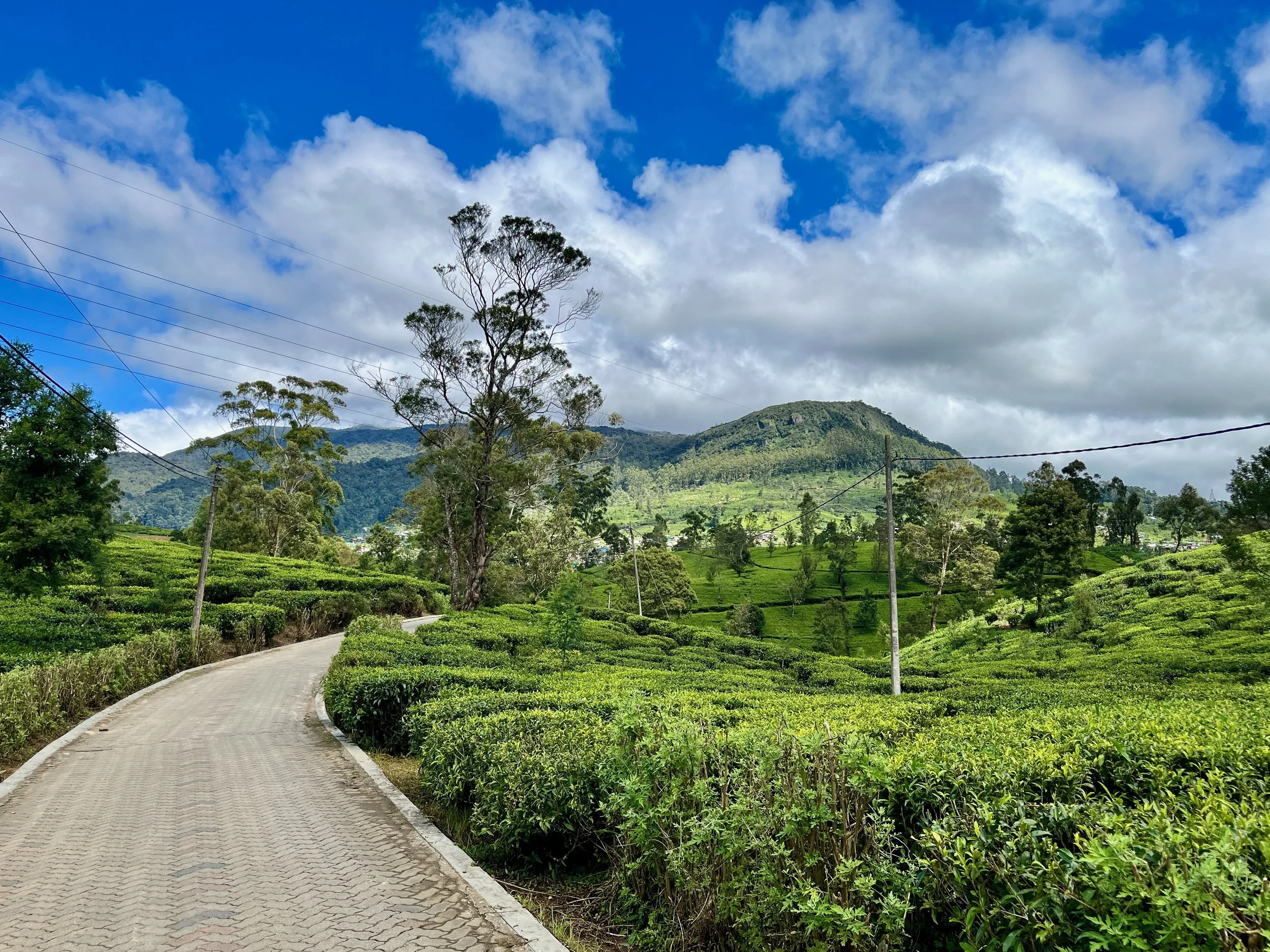
Pekoe Trail. Michael Iverson

The most straightforward stages are Stage 1, from the suburbs of Kandy to Galaha, Stages 13 & 14, which connect Haputale to Ella, and Stage 22, which is easily accessible from the town of Nuwara Eliya. Hotels and guides are also very accommodating of the trail, often offering bag transport and support for those hiking between towns. Despite fantastic infrastructure and accessible trails, the Pekoe Trail remains Sri Lanka’s greatest hidden gem.

In and around Nuwara Eliya offers some of the most accessible yet underappreciated trails, and acts as a great base for exploring the lesser-known corners of the hill country. In this region, stunning waterfalls offer a refreshing escape from the intense heat of the midday sun. Bomburu Ella Waterfall is a peaceful escape from the town, hidden at the end of a well-marked trail that is predominantly visited by locals. It’s a great place to step into more remote nature and cool off in a freshwater pool. 

Lover’s Leap Waterfall is slightly closer to the town and has incredible views of the surrounding plains, especially if you navigate the more difficult trail that leads to the upper rockpools. 

Slightly further afield, Moray Falls near Sri Pada is another incredible place to escape for a swim. Nestled away beyond the tea plantations, the trail follows the lakeside along from the Moray Estate Tea Factory to a huge, isolated waterfall. The trail is somewhat challenging but locals are willing to guide you there for a small fee, which is well worth it when you have the plunge pool all to yourself.
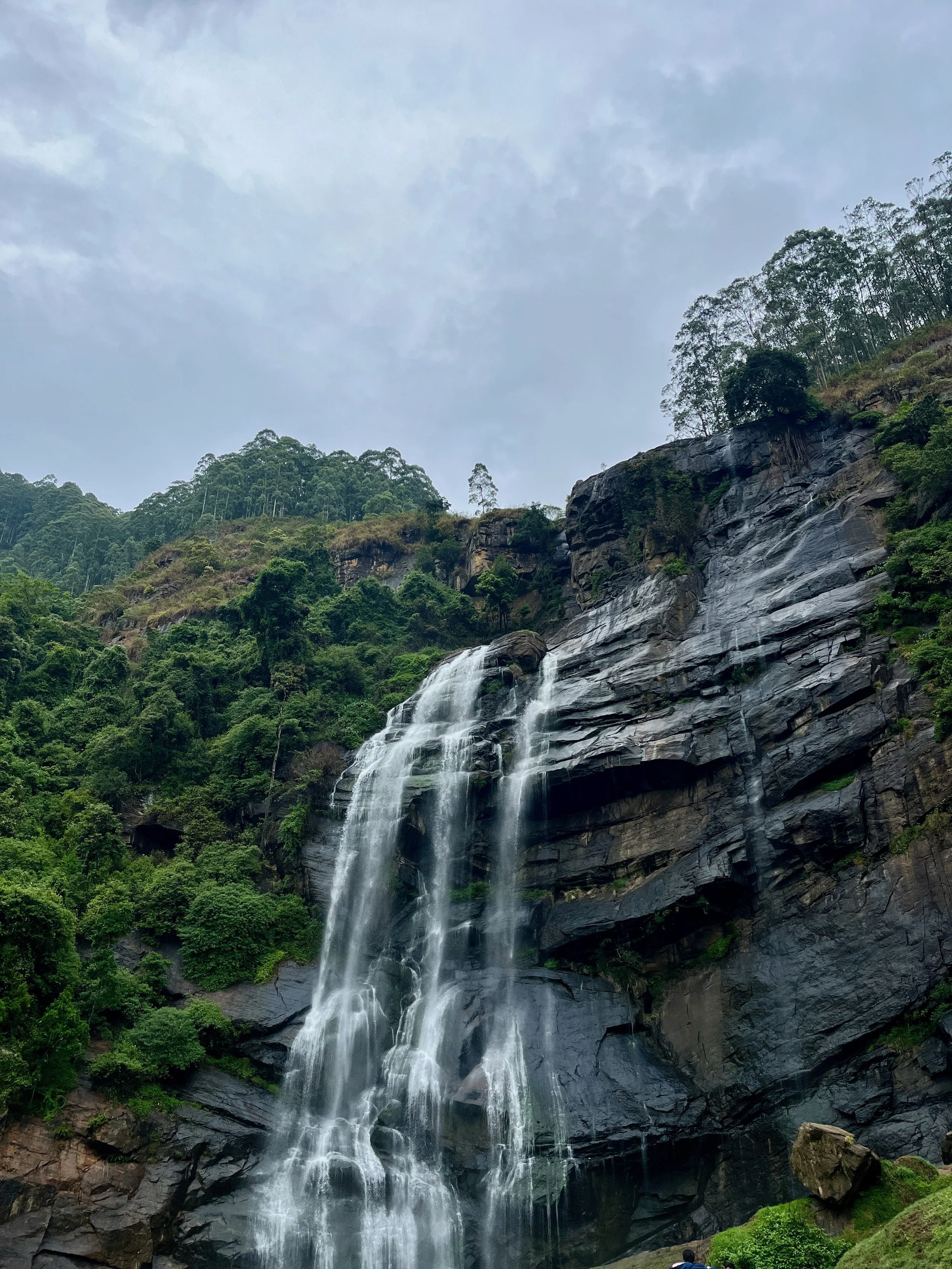
Moray Falls. Michael Iverson

Elsewhere in the Hill Country, Kitulgala is home to iconic whitewater rafting experiences. The route navigates the upper parts of the Kelani River and ends at Block 36, which was a key filming location for Bridge Over the River Kwai, where a replica wooden bridge was destroyed with the backdrop of Sri Lanka’s lush jungle terrain. Whitewater rafting is a safe and exciting way to explore Sri Lanka’s jungle terrain with some adrenaline rushes scattered throughout. There are many tour operators in this area but it is wise to book in advance to find a reliable time, and unwinding on the riverbanks with a tea or a beer is the perfect way to end the afternoon. Cost estimate: $60 (with lunch).

Another unique experience for Sri Lanka’s national parks is Eco Grip’s Mahaweli Expedition. Ranging from two to four nights in length, travellers navigate the historic Mahaweli river in kayaks and camp on the riverside in the national parks. The guides have incredible local knowledge of the environment and wildlife, setting up camp each night and cooking fantastic meals under the stars. It’s an experience like no other. These trips escape the tourist trails and venture deep into the national parks, offering a whole new dimension to a safari. These are experiences that cannot be recreated anywhere else. Cost estimate: $500 for 3 days all-inclusive.
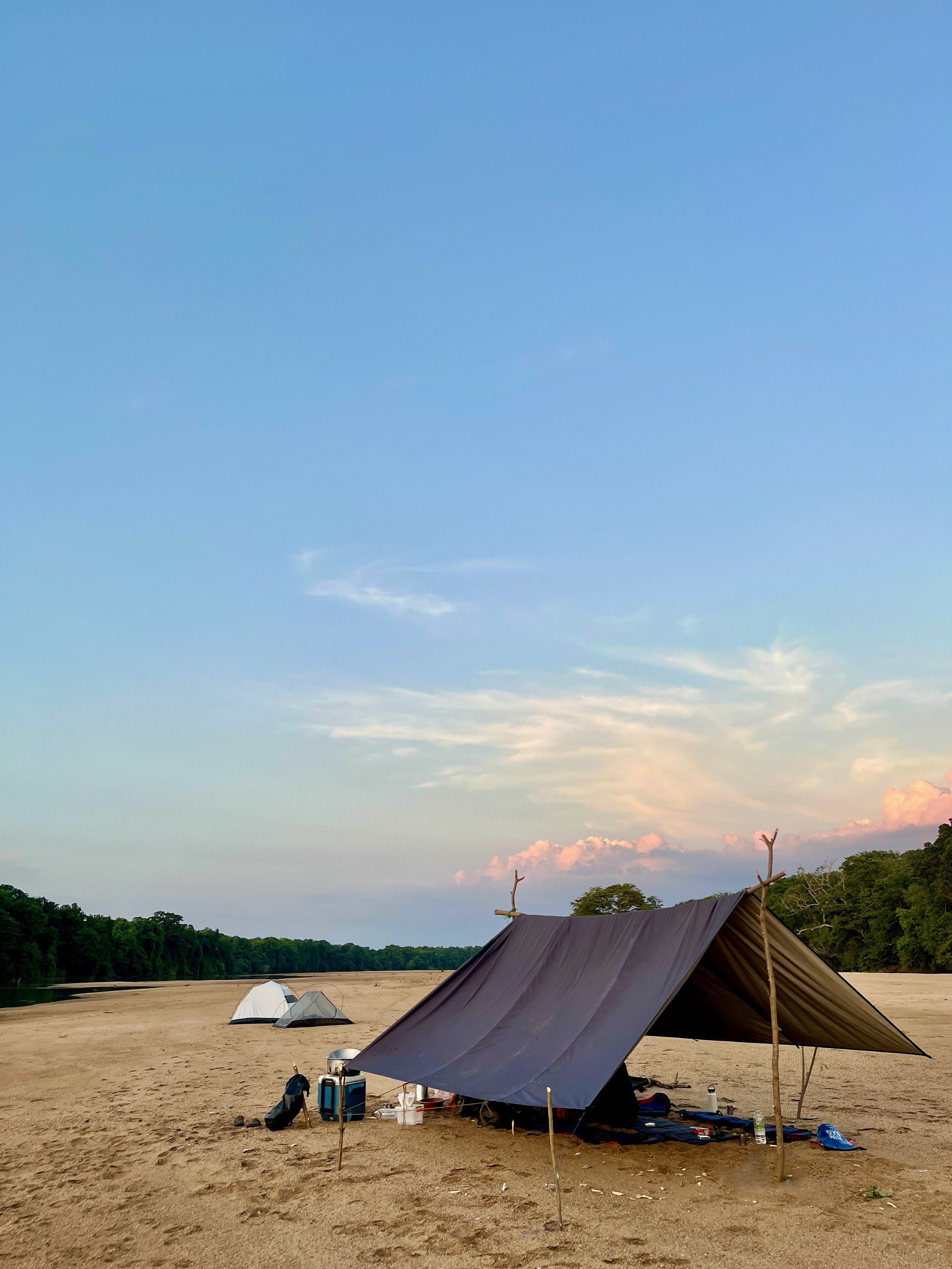
Eco Grip. Michael Iverson
Nature and Parks

For such a small island, Sri Lanka punches above its weight for natural beauty and biodiversity. With 26 national parks covering 10% of the island’s landmass, conservation and preservation is continuing to become an increasingly important part of the tourism sector. Staying in and around the national parks combines serenity and adventure - botanists, naturalists, park rangers and local leaders offer the best insight into these fascinating landscapes. 

Of Sri Lanka’s major national parks and areas of natural beauty, some parts remain inaccessible for tourism due to a lack of infrastructure and permits. The most popular parks for safaris are those on the typical tourist trail:

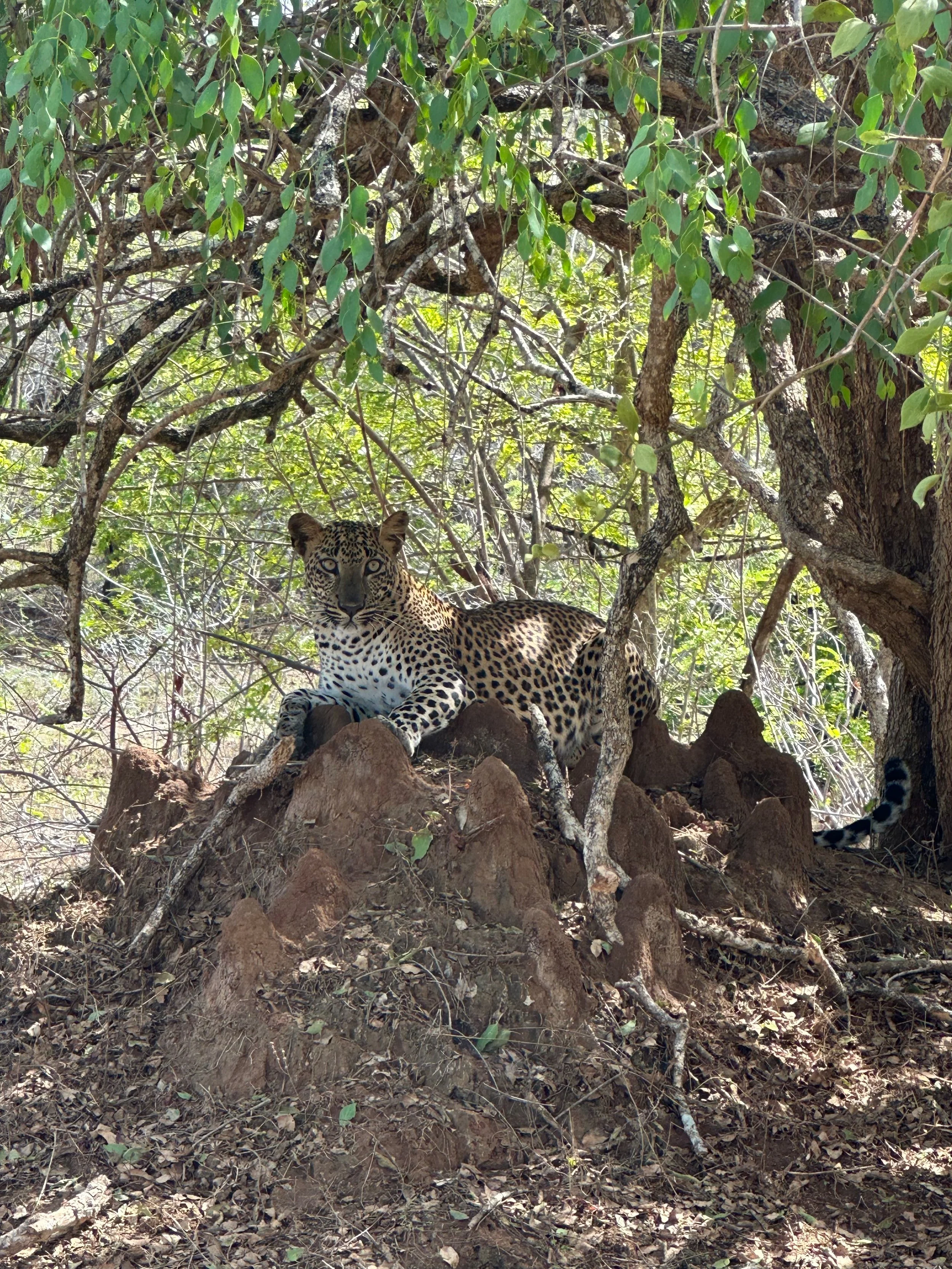
Yala National Park - The oldest and most popular park, finding an experienced guide and safari is straightforward. It’s possible to stay close to the park or travel there from various south coast towns as part of a full-day tour. Staying closer to the park is a better option, as arriving at sunrise offers the best chance to escape the crowds before the park gets busier. The park has a large leopard population and plenty of interesting landscapes - its popularity and convenience is justified but it has become very congested in recent years.

Yala National Park. Michael Iverson

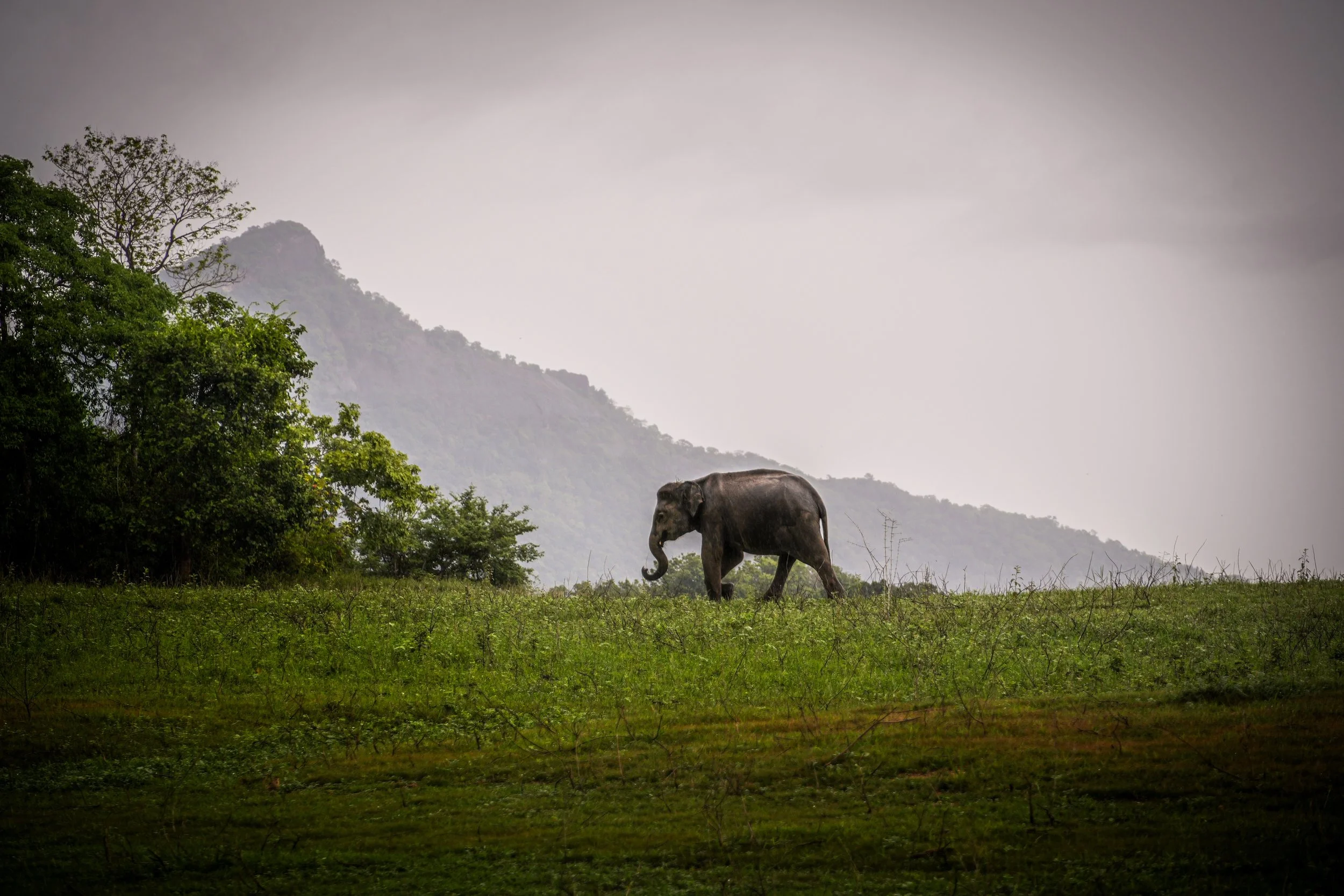
Udawalawe National Park - Much like Yala, Udawalawe is on the main tourist trail making it an incredibly popular place to see elephants. The park sits on the banks of a huge reservoir, offering stunning views of elephants bathing with a mountain backdrop. It’s possible to visit the park from Ella or surrounding hill country towns, or when in transit between the hill country and the south coast.

Minneriya National Park - Minneriya is most famous for the annual elephant gatherings between June and September, when herds of elephants migrate across park boundaries and water levels drop in the park’s reservoir. During this time it’s possible to see hundreds of elephants bathing and socialising, but this is naturally accompanied by an influx of visitors. The park is in close proximity to Sigiriya, making it a convenient and reliable option for elephant sightings all year around.

While these parks offer a variety of exciting experiences, increasing tourist numbers often means busier routes and increasing prices. If you’re hoping to escape some of the crowds and experience a slightly less congested safari, these parks offer an alternative to the main hotspots:

Wilpattu National Park - While safaris remain popular, Wilpattu is the country’s largest national park and therefore has many off-road routes that can be explored by jeep to escape the crowds. The park has a large leopard population, as well as sloth bears and elephants, making it a prime location to see Sri Lanka’s diverse wildlife on quieter trails. It’s also a great place to stay in affordable eco-lodges and glamping sites, sleeping under the stars on the edge of the parks.

Gal Oya National Park - One of Sri Lanka’s least developed national parks, Gal Oya is the perfect place to experience a peaceful safari. It is the only park that permits boat safaris, where it’s possible to view elephants bathing on the banks of the Gal Oya Reservoir. The park limits the number of boats on the water at once, meaning that wildlife remain undisrupted in their natural habitats. Independent guides and local hospitality make this a great option for more authentic wildlife safaris, while also giving back to the local community and their conservation efforts.

Gal Oya National Park. Michael Iverson

Sinharaja Forest Reserve - An often overlooked part of the island, Sinharaja offers a raw outdoor experience that is unrivalled by many of Sri Lanka’s national parks. Guided by experienced naturalists and botanists, it is possible to navigate some of the reserve’s most isolated trails, swim in waterfalls, and see some of the island’s most fascinating flora and fauna up close. Although the forest is not home to the island’s ‘big-hitting’ wildlife, monkeys, snakes and crocodiles bring the forest to life, offering a unique experience that embraces this incredibly biodiverse landscape. It’s truly an unappreciated gem in Sri Lanka.

Staying in the Parks

Sri Lanka’s Department for Wildlife Conservation offers travellers a unique way to experience the national parks Circuit bungalows are government-maintained accommodation that are built with sustainability at their core. With eco-friendly designs, solar power and zero-waste practices, the bungalows prioritise a sustainable way to explore the national parks from within. Animals roam around the bungalows at night, meaning the safari never stops. Bungalow keepers and official government guides accompany you during your stay, making it a safe and sustainable way to truly embrace a national park.

The booking process is slightly unconventional and bungalows are generally available on the first working day of the month before the stay (e.g. 1st May for a booking in June) and each reservation includes guides and staff. It’s crucial to prepare diligently as amenities are very basic, often with limited phone service and no access to services outside the national park, but it’s very worthwhile for the most immersive natural experience available in Sri Lanka. Prices vary depending on group size but average around $100 per night for property rental.

There are many hotels and guesthouses near Sri Lanka’s most popular national parks, all of which are always happy to introduce travellers to guides and safari providers. Some of our favourite eco-friendly and sustainability-focussed accommodation include:

Gal Oya Lodge, Gal Oya National Park ($350 per night) - An all-inclusive eco-lodge in a beautifully preserved jungle setting. The rate includes safaris, guided walks, incredibly organic food, and other locally-led activities. The lodge supports local businesses and works within the community to ensure conservation is at the heart of every stay.

The Coconut Experience ($150 per night) - On the banks of an artificial lake that was built to support the land and its wildlife, this eco lodge offers a calm and personalised stay close to Wilpattu National Park. The cuisine and hospitality are unmatched, and each experience is curated with strong sustainability principles. The perfect way to combine a safari with a nature-focussed stay.

Big Game By Eco Team (Wilpattu & Yala) ($50 - $200 per night) - These glamping sites on the borders of Wilpattu and Yala National Parks feel like staying within the park itself. Experienced guides and naturalists bring the surroundings to life, and it's possible to choose from a variety of bespoke options including full board, safari deals, or just room only. It’s the perfect way to experience the serenity of Sri Lanka’s wilderness on any budget.

Political Climate

History

Sri Lanka has a complex political history tainted by conflict, oppression, terrorism and struggle. Much of the modern-day bureaucratic and political structure is a product of colonial influence - most notably the British, who occupied the island from the late 1700s until Sri Lanka’s independence in 1948. Independence Square in Colombo is a national monument that commemorates Sri Lanka’s independence from British colonial rule, and National Day is celebrated every year on February 4th, marked by a military parade and processions across the island.

Most recently, Sri Lanka’s political landscape was shaped by a 25-year civil war that was fought between the Liberation Tigers of Tamil Eelam (LTTE) and the Government of Sri Lanka between 1983 and 2009. The LTTE were a militant separatist organisation that fought for an independent Tamil state in the north of the island, which was formed in response to decades of government policies that oppressed and undermined the Tamil minority.

Sri Lankan Tamils are native to the north of Sri Lanka, in Jaffna and the surrounding region, with strong ties to Tamil Nadu in South East India. During the British colonial period, the British brought many additional Tamils from India to work on plantations, a large number of whom spoke English, the official language of British Ceylon, and disproportionately occupied highly coveted jobs within the Civil Service. This solidified the existing caste system, as social identities evolved into administrative categories, establishing a rigid hierarchy structure both bureaucratically and socially.

Upon independence from the British Empire, the Sinhalese majority made efforts to balance the interests of elites from both communities, but eventually introduced stronger policies that imposed Sinhalese interests and suppressed the Tamil community. This manifested in the form of the Sinhala Only Act, which replaced English with Sinhala as the official language of Ceylon, excluding Tamil.

What followed was decades of policies that continued to suppress the Tamil minority, which exacerbated the divide within and between communities, until the eventual outbreak of a full-blown civil war in 1983 when the LTTE launched an ambush on the Sri Lankan Armed Forces in the Jaffna Peninsula. Violence spread throughout the country, including to Kandy, where Sinhalese rioters looted and attacked Tamil-owned businesses and homes across the country in what was known as Black July. This is generally agreed as the event that triggered the Civil War.

While the Civil War ended in 2009, its legacy remains. It is estimated that over 100,000 Sri Lankans lost their lives during the Civil War, including an estimated 40,000 civilians during the final months of the conflict. Many Sri Lankans still remain displaced today and Northern provinces have fallen significantly behind their southern, predominantly Buddhist counterparts. Political influence in these regions still largely focussed on local Tamil-led organisations.  Transitional justice and accountability for war crimes continue to fuel local and international discussions, particularly amongst the Tamil diaspora in countries such as Canada, the U.K, and Australia.

Members of the Tamil diaspora community gathered opposite 10 Downing Street.

Politics

More recently, Sri Lanka has faced economic and political turbulence that has shaped the current parliamentary structure. In 2022, President Gotabaya Rajapaksa and his government were overthrown following the Aragalaya (“The Struggle”), a series of mass protests in response to poor economic policies and corruption. This anti-establishment movement evolved into a political narrative focussed on removing the corrupt political class. The figurehead of this movement was Anura Kumara Dissanayake, a left-wing Marxist-influenced politician from a humble background outside of Sri Lanka’s capital city. 

AKD won the Presidential election in 2024 on an anti-corruption mandate and his party, the National People’s Power (NPP), performed exceptionally well in the parliamentary elections that followed. The NPP is a left-wing coalition that incorporated the Janatha Vimukthi Peramuna (JVP), who had a complicated history of violence and insurgency in the 1970s and 1980s. The election of AKD and the NPP signalled a marked shift in the population, whose anger towards the established elites overshadowed the party’s troubled past and united both Tamil and Sinhalese voters in many areas.

Sensitivities

Sri Lanka’s civil conflict remains a collective trauma for many people who lived through an intense period of island-wide violence, loss and destruction. Discussing the conflict openly is uncommon and unlikely to be initiated by hosts when talking about their country. It also remains a divisive topic as perspectives on military action and the journey towards peace is perceived very differently by different ethnic groups. Areas such as reconciliation and transitional justice remain highly tense and debated in national politics. 

If you build a relationship with a guide or host and you want to ask questions about their experiences, approach it very cautiously and ensure that questions remain neutral and without biases. If they are willing to discuss it, they will share their views. If you sense hesitation or an absence of detail, it is better to move on. 

Some Sri Lankans also hold romantic views about the British Empire, and will often casually refer to the colonial period as a more stable and functional time for Sri Lanka. The most common reference point is around the British-built railways. If you are travelling from Europe and are ethnically European, you are likely to experience this misinterpretation of a harrowing period in Sri Lankan history. While it is not your job to challenge their perspective, you may feel uncomfortable allowing it to go unnoticed. 

Depending on the nature of the interaction, it may be best to let it slide. If you have a good relationship with the person initiating this discussion and you feel comfortable, sensitively signalling that you understand an independent Sri Lanka is far better off than under colonial rule may be enough to nudge the conversation towards modern rather than historical pride.

Safety

Sri Lanka is a very safe and welcoming country for solo travellers. People are welcoming and friendly, and are slowly becoming more familiar with overseas tourists. Some young people will be forward with foreign tourists, asking for photos and shaking hands, while others may be more reserved. Remain self-aware and respectful in all interactions, but strike a sensible balance between openness and privacy to avoid any excessive attention or harassment.

Tourists are well looked-after by police and officials, though there are rare cases of some officers exploiting tourists and local businesses for bribes. If you encounter this, avoid confrontation and seek support from guides, hotel staff or shop-owners. 

Respect local customs and religious sites. Remove shoes and cover shoulders when required. Do not take photos with your back to statues of the Buddha, or any disrespectful photos when on the grounds of temples or cultural sites.

Bars and Nightlife

Sri Lanka’s nightlife is mainly concentrated in Colombo and tourist hotspots, where there are a variety of bars and nightclubs that bring together locals and travellers alike. In more rural parts of the island, local customs and traditions mean alcohol consumption is less common and those that choose to drink generally do so at home with friends and family. Colombo, the south coast and hill country towns like Ella and Nuwara Eliya are home to most of the island’s bars and clubs, with lots of lively and peaceful options depending on your preference.

In Sri Lanka, cocktail bars often use arrack, a local spirit that is made from distilling fermented sap from the coconut palm. This mixes incredibly well with local tropical fruit juices and syrups, making for complex flavours and memorable drinks. The fermented sap is also served fresh in the form of ‘toddy’ (Ra) - often at the roadside or in local stores - and generally tastes better earlier in the day before excess fermentation brings a bitter taste and a higher alcohol content. 

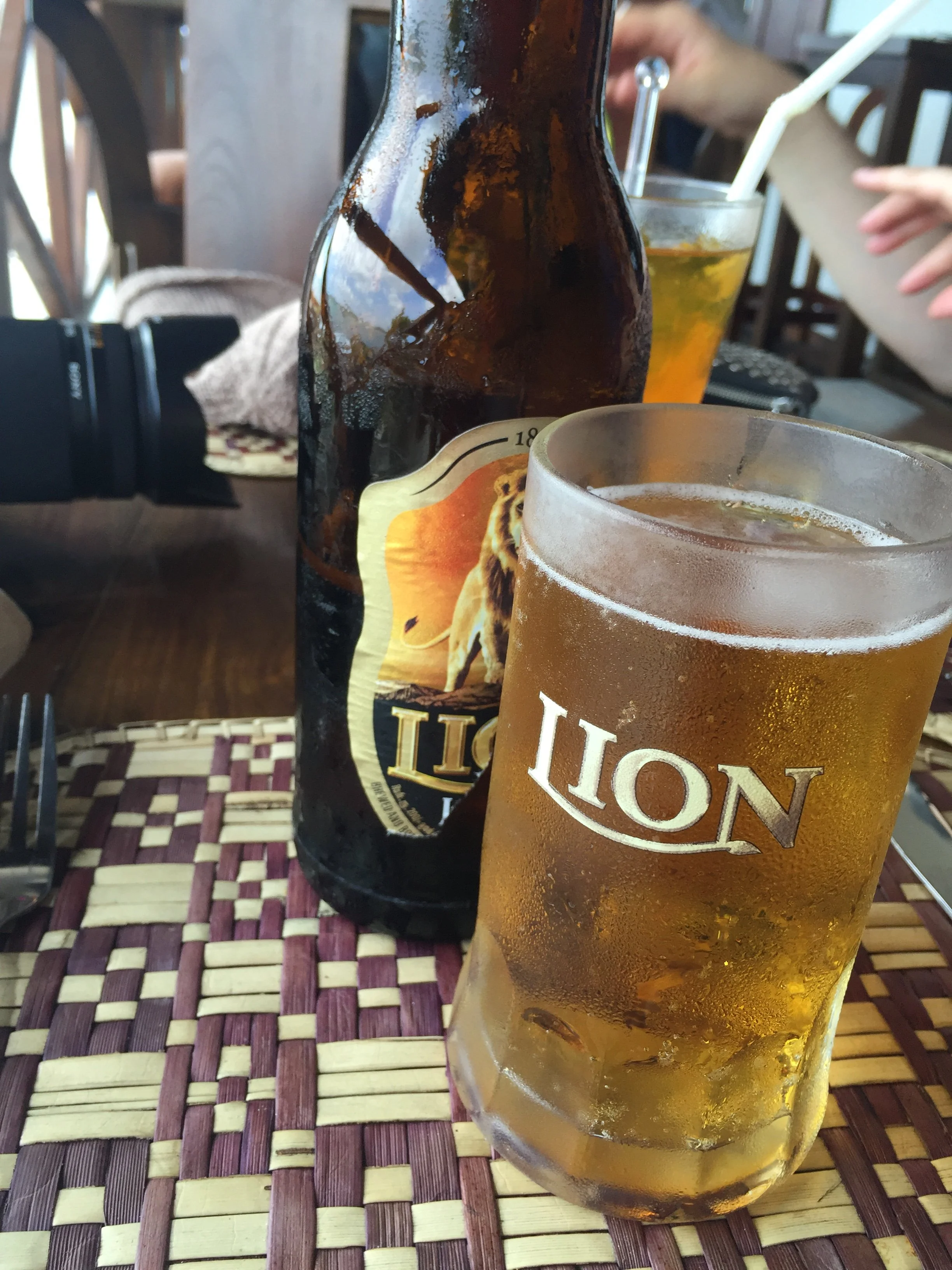
The local lager is Lion, which holds a local monopoly and is brewed by Carlsberg, so most beers stock Lion, Carlsberg and Lion Ice, a milder bottled lager best served with a wedge of lime. Stronger drinks include Lion Strong and Lion Stout, as well as new flavours recently launched as part of Lion’s efforts to diversify its portfolio. These are new to the market and available in fewer bars.

Prices vary significantly depending on location and atmosphere. A beer normally ranges between $2 and $5 per bottle, usually towards the higher end in beachfront bars or luxury hotels. Cocktails built using local ingredients generally average around $10, increasing to $15 in boutique or specialist cocktail bars or restaurants.

Colombo

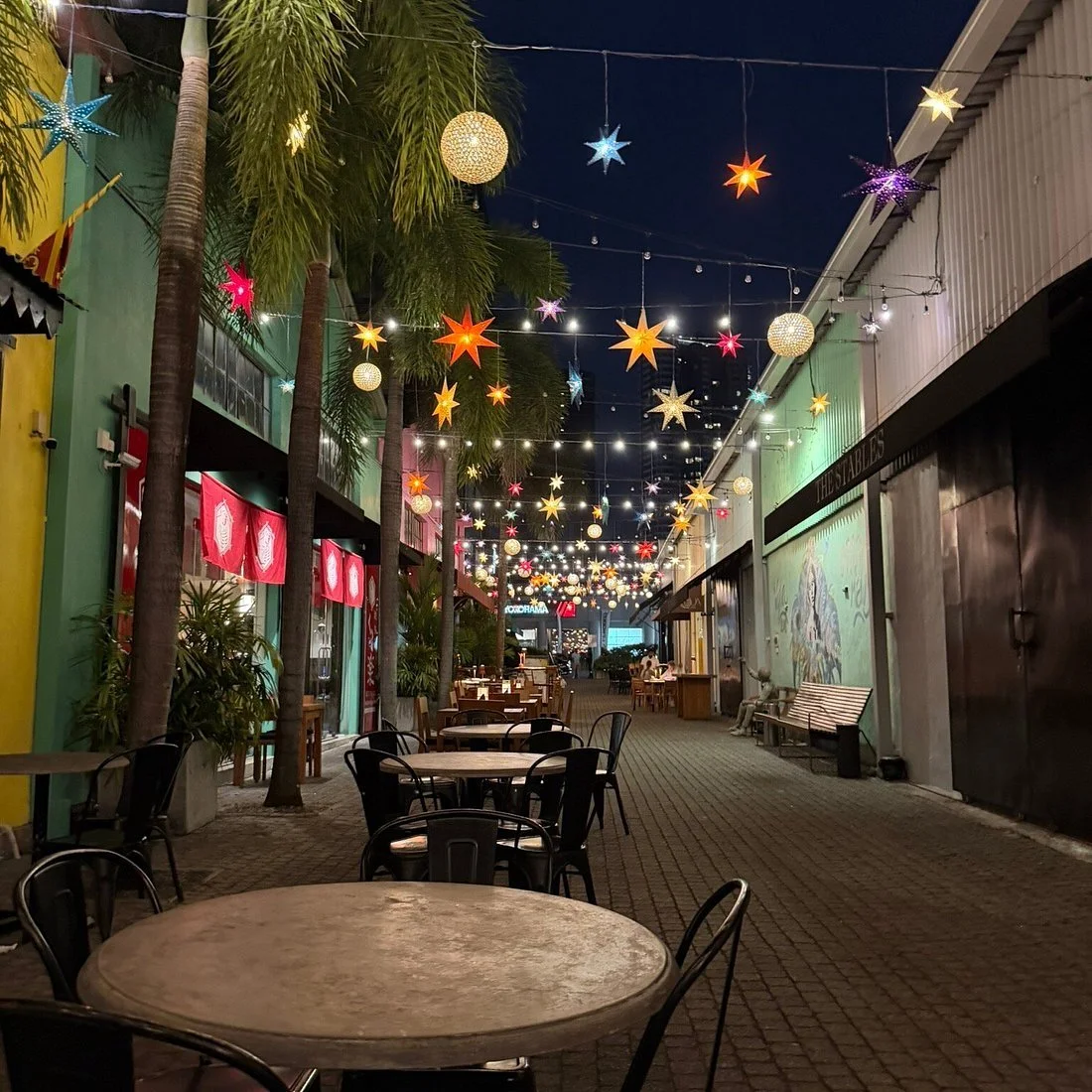
Colombo’s nightlife is largely centred around Park Street Mews, a small cobbled street near the Viharamahadevi Park, that welcomes outdoor drinking, live music and a great choice of food. Uncle’s is a local favourite, Jazzebel is a newer bar with a great live band, and Monsoon is a restaurant and cocktail bar with reliable and affordable drinks.

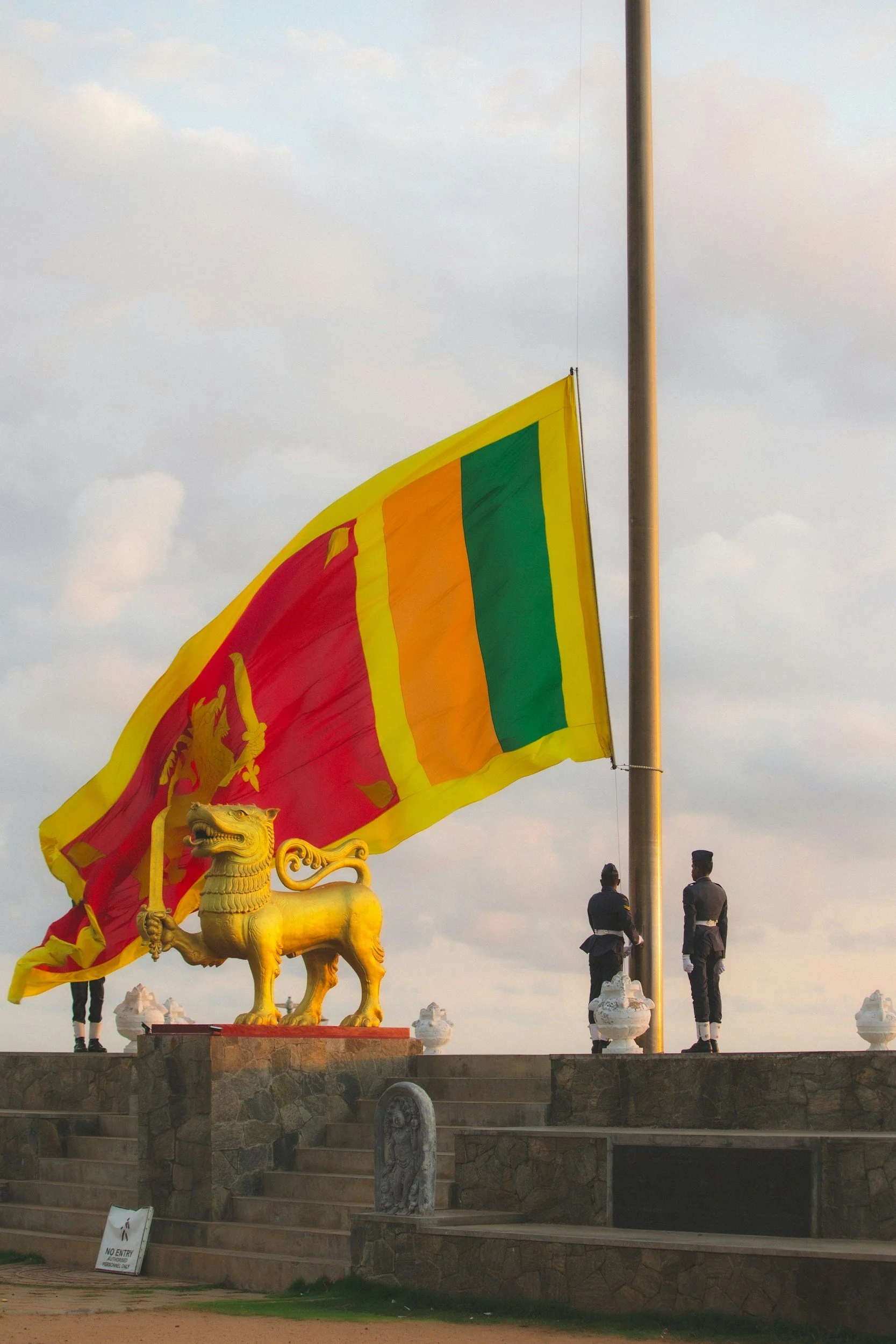
Outside of Park Street, Colombo’s west coast offers stunning sunsets and beautiful seafront bars. Fire Beach in the historic Galle Face Hotel is a prime spot for sunset and features bagpipes every evening at sunset when the staff lower the flag in a traditional fashion. Jetwing Colombo 7 offers a stunning view of the city from its rooftop bar, as does the Granbell Hotel and Verticle by Jetwing.

Other interesting spots in Colombo include the old Dutch hospital, which often hosts open-air live music events on the weekends, Kampong, a speakeasy hidden through the fridge door of a traditional ‘kade’, and Lost in Translation, an up-market cocktail bar opposite the President’s Palace. Two local favourites are Hansagiri, a hidden gem of a bar located in the heart of Pettah Market, with a rooftop that overlooks the entire city, and the New Colonial Hotel, a historic building opposite the train station that regularly hosts live music in a romantic, dingy setting. For nightclubs, Love Bar, Sunset Blue and R&B are the most consistent options, with local crowds gathering every weekend.

South Coast

Nightlife has increased considerably in recent years due to increased tourism, meaning there are plenty of options for bars and late-night parties. Much like Colombo, the south coast has a huge number of seafront bars with beautiful sunsets and stunning views over the Indian Ocean. 

Hostels and surf schools regularly organise social events throughout the week which are the perfect opportunity to meet fellow travellers and discover bars in a group. These also organise local social events too, meaning that you don’t always have to venture out to a bar or a nightclub to enjoy a night with friends and a few drinks.

Smoke & Bitters is one of Asia’s best bars and regularly updates its cocktail menu with Sri Lankan twists on traditional drinks. With stunning ocean views at sunset and knowledgeable staff who can personalise each experience, this is a must-visit spot for evening drinks. Raa is another up-market cocktail bar in Hiriketiya offering a similar experience, with incredible drinks accompanied by a stunning seafront setting. 

Smoke and Bitters

Hotel de Uncles is another lively cocktail bar on the seafront in Ahangama, often spilling out onto the beach where you can enjoy a few drinks with the sand between your toes. Elsewhere in Ahangama, The Lighthouse and Stairway Rooftop Bar, are popular rooftop bars with stunning ocean views, Popeye Beach Restaurant is a great place to enjoy a beer and watch surfers at sunset, and TRAX is a lively bar to end your night on the dancefloor with some great music.

Galle has an abundance of beautiful spots for sunset inside the old Fort. Pedlar’s Corner Cafe is a great spot for a quiet beer above the streets, as are The Taphouse and Cannon Bar in the old Dutch hospital. Just outside of Galle is Agnus Unawatuna, a hotel rooftop which offers stunning panoramic views of the Galle bay with great cocktails.

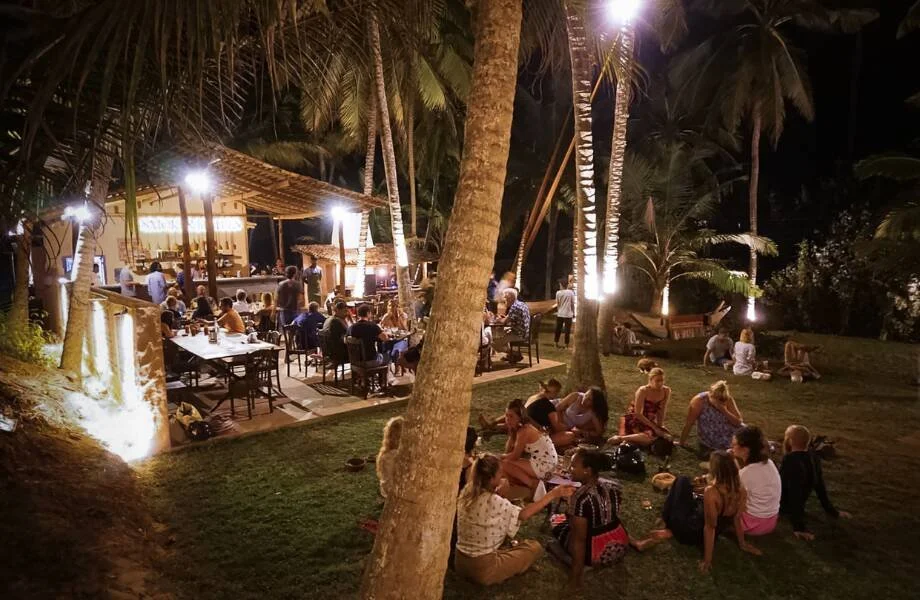
Two mainstays on the south coast are the Doctor’s House and Dots Bay House, two iconic beachfront bars that host a variety of events throughout the week. Most well-known local bands and DJs play these venues regularly and this often requires cash entry on arrival, but these have remained the most popular spots on the island for a long time for good reason. Doctor’s House has a huge outdoor space with a lawn and multiple bars, while Dots Bay House is a more intimate affair with upstairs balconies and a big dancefloor.

Tuks are widely available throughout the night making these prime spots regardless of where you’re based. Tuk drivers usually have fixed rates depending on which town you are travelling to. Uber and PickMe are not used in the south coast towns as drivers collude to charge higher prices. These rates will be higher than elsewhere on the island. After dark, be sure to agree on the fare and travel with groups to ensure safety.

Kandy & The Hill Country

Bars and nightlife in the hill country are generally focussed around Kandy, Nuwara Eliya and Ella, with only Ella offering a late night partying scene as a major tourist hub. However, there are still plenty of great bars scattered across the hill country that offer a lively, sociable atmosphere.

Slightly Chilled is the most popular bar in Kandy. It offers stunning views of the Kandy Lake, plenty of drinks options, live music, live sport, and is often the hub for late night socials. It’s the perfect place to meet like-minded travellers in a safe space. For a more chilled environment, the historic Queens Hotel has a peaceful courtyard nestled in between the city’s chaotic streets where you can enjoy a beer and a view of the hilltop monuments.

Nuwara Eliya’s Grand Hotel is historic. The Library Bar, The Public Bar and the Snooker Hall are heritage bars with a relaxed atmosphere. When temperatures drop in the evening and the live music begins, Nuwara Eliya’s Grand Hotel is like stepping into the past. The neighbouring town also has a few other historic drinking spots, including the 19th Hole Pub near the golf course, and Themparadu which is a sociable spot for food, drinks and games.

Ella’s late night party scene is the liveliest part of the hill country. As the region's tourist hotspot, there are plenty of bars that stay open late to welcome casual drinking or partying depending on your preference. Most of these are on the main road of the town, including Cafe Chill and Dream Cafe which have live music, DJs and plenty of space for large groups and hostel socials. Cafe One Love is also reliable for a late-night party, with great staff whose high spirits create a great atmosphere. There are so many options depending on your preference, so heading to the main road in the evening will ensure you find the right bar for a fun night.

Sensitivities

Alcohol in Sri Lanka is a fairly divisive topic. Every month on the Poya (full moon) holidays, serving alcohol is forbidden. This is largely in respect of Buddhist traditions and customs, though many religious people still choose to drink alcohol in their personal lives. If you’re planning a night out, make sure to monitor the calendar to ensure that it is not a public holiday as bars will be closed. 

Drinking alcohol in public is permitted, but make sure to do it responsibly and with awareness of your surroundings. Many public places like beaches and parks are also used by the local community who may not approve of drunkenness or rowdy behaviour. Respect local customs and ensure that if you are drinking alcohol you are doing so in a suitable environment (e.g. away from religious or cultural sites).

The dynamics are also slightly different for women. In Sri Lanka, women are legally allowed to purchase alcohol but this recent change means that more conservative views still exist regarding women and alcohol in some areas. This is exhibited in bars and restaurants where almost all staff are men. 

Finally, be aware of cultural differences and income disparities when enjoying some of Sri Lanka’s more high-end nightlife. Drinking cocktails and partying is considered a luxury for those who can afford to do so, so enjoy it responsibly and with respect for local customs and environments.

Activities and Attractions

For such a small island, Sri Lanka offers an incredibly diverse range of experiences. Whether you’re hoping to engage more with local culture and history, or explore some of the country’s vast natural beauty, there are unique opportunities around every corner. In recent years, Sri Lanka has developed rapidly as a popular tourist destination - and with good reason. It offers a fantastic combination of cultural heritage, natural beauty, cuisine, and complex history, concentrated on a small and well-connected island. 

Many cultural attractions have become increasingly popular, drawing in large crowds and higher visitor numbers, but it’s still possible to explore these authentically with a local guide. Much of Sri Lanka’s natural beauty remains underappreciated and unexplored, making it possible to strike a balance between popular hotspots and undiscovered trails.

Inside the stupa in Anuradhapura.

Cultural Attractions

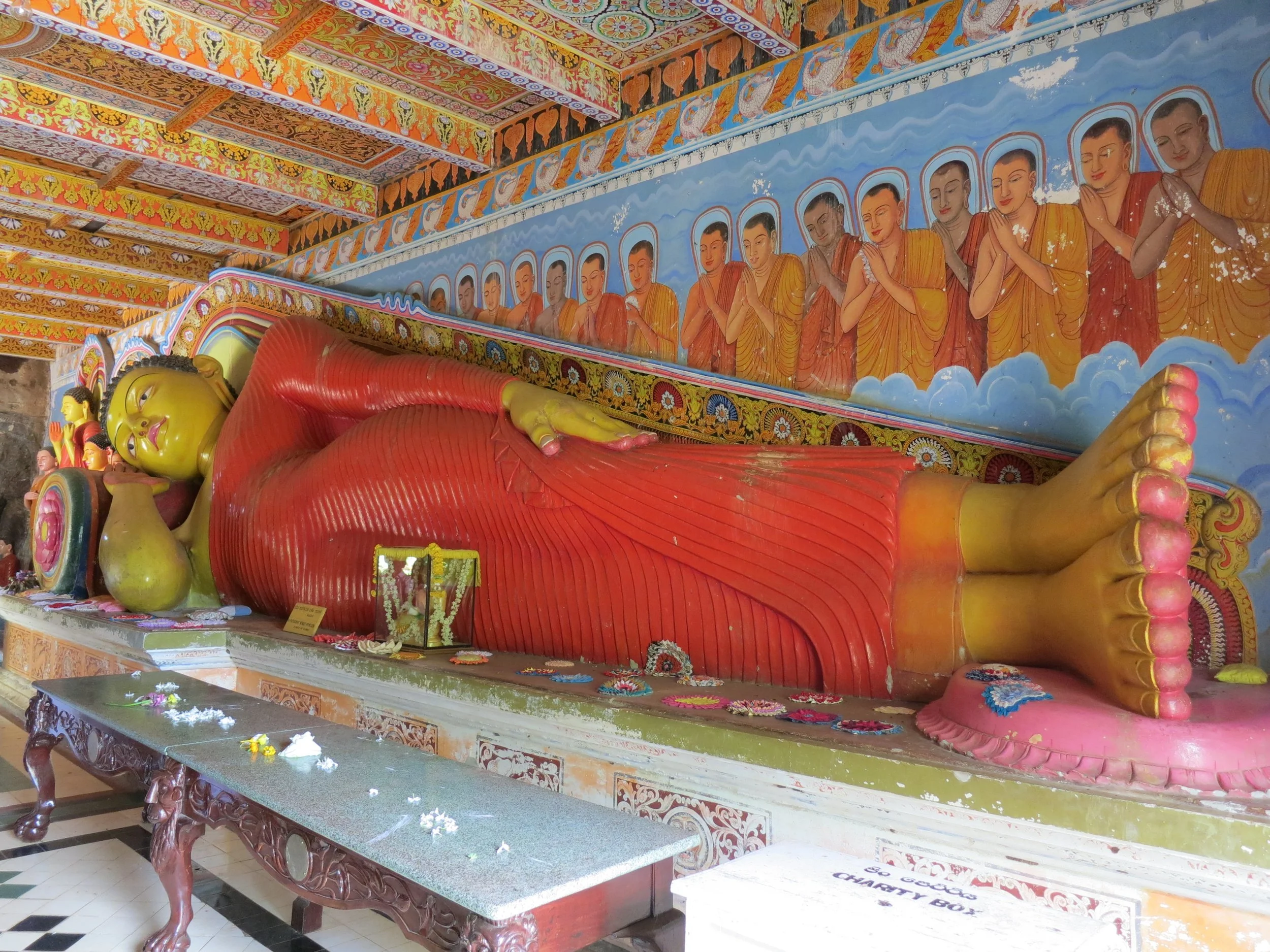
Sri Lanka’s rich cultural heritage blends Buddhist and Hindu traditions with Portuguese, Dutch and British influence. The island’s history is dominated by the evolution and incorporation of Buddhism into everyday life, and this is best understood by visiting an area referred to as the Cultural Triangle. 

The Cultural Triangle is home to five of Sri Lanka’s UNESCO World Heritage Sites, all of which offer profound insight into the island’s ancient Buddhist history. They are well-connected by road and rail, making it easy to accommodate them into a point-to-point itinerary.

  1. Anuradhapura - One of Asia’s oldest continuously occupied cities and the first capital of Sri Lanka, this ancient city is the historic centre of Buddhism. The city was abandoned after it was invaded and destroyed over 1000 years ago, but its palaces, stupas and monuments were restored and it remains an important spiritual site for Buddhists all across Asia. On Poya days and national Buddhist holidays, families, school groups and worshippers gather here for worship. Entrance fee: $30.

  2. Polonnaruwa - The second capital of Sri Lanka after the destruction of Anuradhapura, this ancient garden-city was home to the royal family for over 150 years. The monumental ruins are remarkably preserved and showcase the creativity and expression of Sri Lanka’s medieval architects. The best way to explore the area is on a bicycle, which can be rented from the nearby town for as little as $3 per day. Entrance fee: $30. 

  3. Sigiriya - An ancient rock fortress that dominates the surrounding jungle landscape, Lion’s Rock is Sri Lanka’s globally-recognised monument that has become synonymous with the island’s rich cultural heritage. Climbing to the palace at the summit offers panoramic views of the Cultural Triangle, stretching as far as the Knuckles Mountains on a clear day, and a guided tour unlocks new discoveries of its role in the ancient Kingdom. Entrance fee: $35.

Pidurangala Rock offers incredible views of Lion’s Rock and the surrounding landscape - it is no longer the hidden gem it once was, but the congested climb is rewarded with unrivalled views. It has become a popular spot for good reason. Entrance fee: $3.

  1. Dambulla Cave Temple - Natural caves that have been transformed into awe-inspiring Buddhist temples. This temple complex remains a living Buddhist site that attracts pilgrims and worshippers from all across Asia. It remains a unique tribute to the artistic expression of ancient Buddhists in Sri Lanka, combining expert craftsmanship with meticulous painting. Entrance fee: $10.

  2. The Sacred City of Kandy - The capital of the ancient Kingdom of Kandy, the city was home to Sri Lanka’s last independent monarchy before British rule in the early 19th century. Nestled away in the Central Highlands between jungle and mountains, the city is the gateway to the island’s historic hill country. It served as the spiritual and commercial capital of the region throughout British colonial rule. 

The city is home to the Temple of the Sacred Tooth Relic, one of Buddhism’s holiest shrines, around which the city of Kandy continues to develop. Historic Buddhist architecture exists alongside iconic British architecture such as the Queen’s Hotel, marking the contrast between the island’s native and imposed cultural heritage.

Other interesting attractions in the area include the Ambuluwawa Temple Complex and the Royal Botanical Gardens.

The cultural triangle emphasises the importance of Buddhism in the island’s history but often overlooks the key contribution of Hinduism and Tamil culture in shaping our modern understanding of Sri Lanka. Hinduism in Sri Lanka is predominantly focussed in the north of the island and in parts of the hill country, where Tamil migrants were brought by the British from South India to work on the tea plantations. Scattered throughout the hill country, small towns and villages are built around beautiful kovils that tower over homes, shops and schools, connected by historic trails and railways. 

The most significant Hindu sites in Sri Lanka are located in the northern cities of Jaffna and Trincomalee. The Nallur Kandaswamy Temple is both spiritually and culturally significant for Sri Lankan Tamils and their diaspora, and has become a timeless beacon of devotion, identity and history in Jaffna. Visiting this Hindu temple is not only a spiritual experience but a social one, showcasing the sense of community that brought resilience during the Sri Lankan Civil War. Entrance fee: Free.

The Koneswaram Temple in Trincomalee is another beautiful example of Hindu craftsmanship and devotion. Perched on a cliff within the walls of an old Portuguese fortress, the temple complex overlooks the Indian Ocean and is an iconic pilgrimage site for Hindus in the region. The iconic Thousand-Pillared Hall that historically hosted ceremonies and religious events is an architectural masterpiece. Entrance fee: Free (donations encouraged).

Modern-day Sri Lanka is also heavily influenced by Islamic culture that was brought to the island by Arab merchants due to its strategic location on historic trade routes. Beautiful mosques are scattered across the island, the most notable being the Jami Ul-Afar Mosque in Colombo’s bustling Pettah district. The mosque is beautifully unconventional in its colour: a vibrant red inspired by pomegranate seeds, decorated with hand-painting white patterns, that stands in contrast to the rest of Pettah’s clustered buildings. Entrance fee: Free (donations encouraged).

Sri Lanka’s cultural heritage is shaped by Buddhism, Hinduism, Islam and colonial rule, and there is no better place to experience these interwoven histories than Sri Pada - or Adam’s Peak. A holy mountain that towers over the hill country, Sri Pada is a sacred pilgrimage site that holds spiritual significance for all religious groups on the island. Climbing its 6,000 steps to reach the peak is not for the faint-hearted, but it is rewarded with unrivalled panoramic views as far as the Indian Ocean almost 50 miles away. Entrance fee: Free (donations encouraged).

During pilgrimage season (January - May) the trail can become very congested - especially at sunrise and sunset when visitors take part in rituals and worship - but understanding the significance of this peak offers a window into the diversity and spirituality of this special island.

Many of Sri Lanka’s cultural attractions remain significant religious, spiritual and social sites for local communities, so visiting these places should be done with respect and sensitivity. Remain aware of your surroundings and dress appropriately, remembering to remove shoes and cover shoulders when entering religious grounds. If you are unsure about any sensitivities when visiting these sites, ask a local guide or staff member respectfully and they will advise you on best practices. 

Surfing

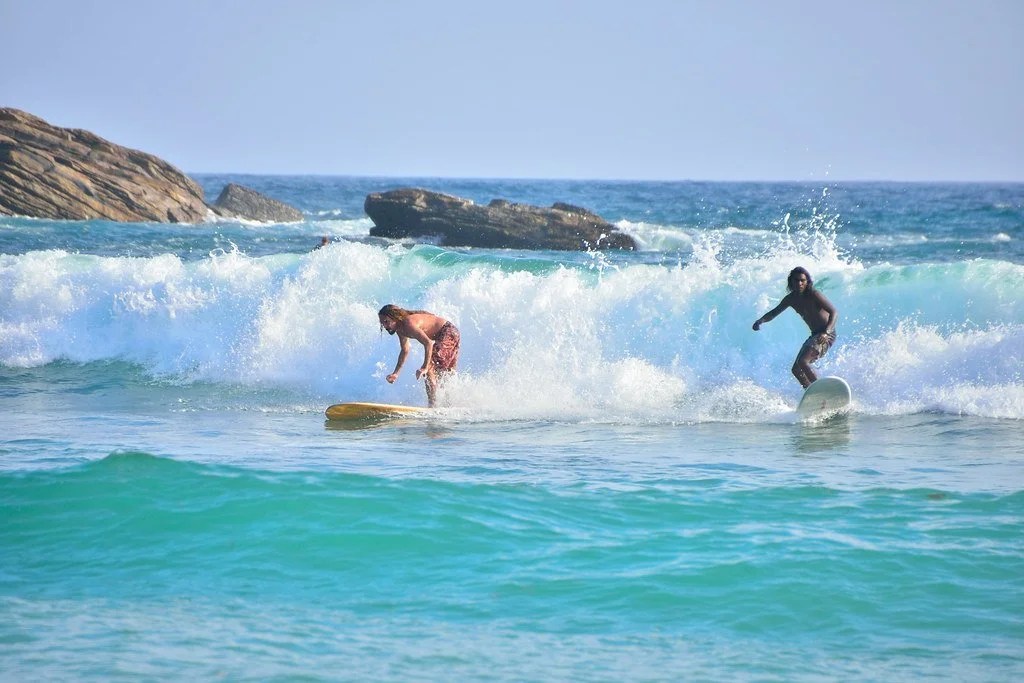
One of Sri Lanka’s most iconic activities: surfing! Surfing enthusiasts travel from all over the world to experience the island’s waves. There are plenty of spots for beginners, experienced surfers, and anyone in between. If it’s your first time surfing, Weligama has a vast array of beginners surf schools and a consistent break on a sandy shore, meaning it is safe and easy to get going. 

Hiriketiya Bay is a great place to rent a board if you have some experience, but it can become congested very quickly in the mornings and evenings. Early risers can beat the crowds and enjoy a stunning sunrise over the bay. Other popular spots include Marshmellow in Kabalana, SK Town near Matara, and Sticks in Ahangama, all of which offer reliable board rental, clean breaks, and a great sense of community amongst the surf school. 

The south coast surfing scene peaks between December and May. Once the Yala monsoon arrives, most surf schools migrate to Arugam Bay in the east between June and October. Peanut Farm Beach and Whiskey Point are reliable spots to learn and gain some experience, while Okanda and Surf Point are best for experienced surfers hoping to escape the crowds. The combination of Arugam Bay and the south coast means that Sri Lanka is an all-year-round surf destination, so it’s possible to ride the waves whenever you choose to visit.

Unique Experiences

The best way to experience Sri Lanka is through its people. Sri Lankan hospitality is truly incredible, and the most memorable experiences are those that embrace the local community, respect the local environment, and give back to the people who offer so much. There are so many personalised experiences that will give every traveller a unique memory, but even among those there are some that still stand out.

While the main tourist trail typically traversed the southern parts of the island, some of the most important recent historical sites are in the north of the island. Ravaged by a 25-year long civil war that isolated many towns and cities from the rest of the island, travelling to towns such as Jaffna, Mullaitivu and Kilinochchi is crucial to understanding Sri Lanka’s recent history. Learning from a local guide offers an entirely different perspective on an island shaped by cultural, religious and lingual divides. 

Sri Lanka Click Travel Mate offers a city tour of Jaffna and the surrounding areas, unlocking a whole new landscape of knowledge and cultural understanding. Mohan, the lead guide, is incredibly hospitable and accommodating, tailoring tours to personal interests, and offering a deeper understanding of this complex region. Cost estimate: $30 per day.

One of the most fun ways to experience Colombo is through TropiQuest, a Tuk-orienteering tour that takes you on a journey through the city with riddles and clues, guided by a local driver who immerses you in the culture. It’s the perfect way to learn about the city at a relaxed pace, accompanied by interesting activities and puzzles in a workbook that you can keep as a souvenir. This tour combines light-hearted fun with historical insight, as well as local engagement and some great food. Cost: $30 per person.

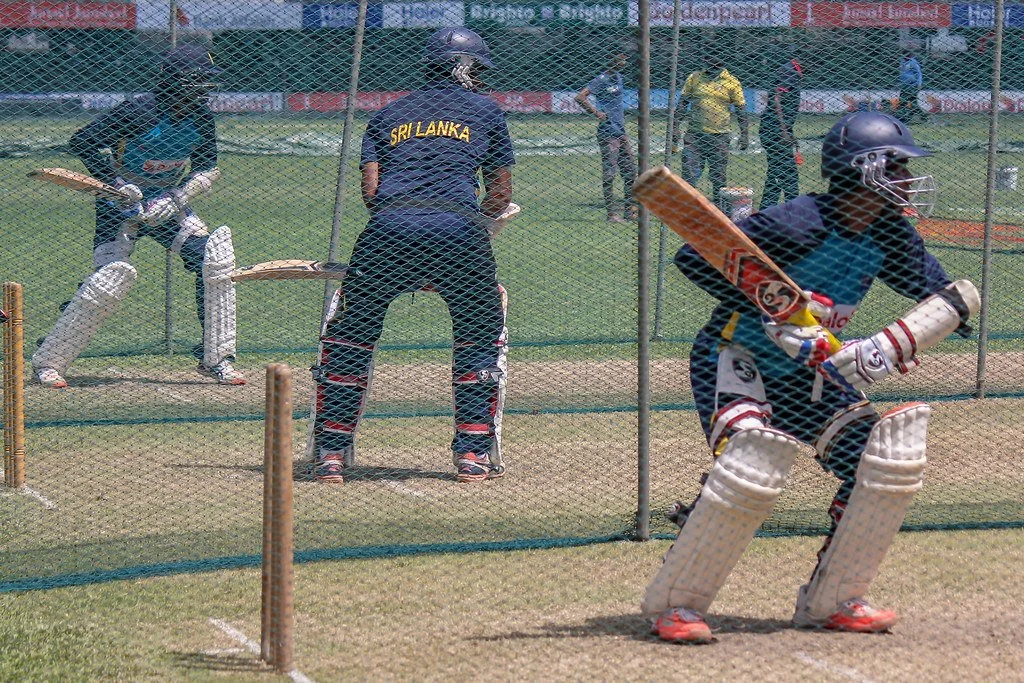
One of the most important parts of Sri Lankan culture is cricket. Everyone you meet is a cricket fanatic, and being part of the crowd at a national team cricket match is a special experience. The island’s stadiums are iconic, including Galle’s oceanfront stadium where spectators decorate the Fort walls, Pallekelle surrounded by Kandy’s rich jungle landscape on the riverbanks, and Colombo’s Premadasa Stadium that hosts rowdy fans singing and dancing to the tune of a brass band. Monitor Sri Lanka’s cricket fixtures and time your trip to align with a game - tickets are easy to get and affordable, and it makes for a memorable night. Cost estimate: $5 per person.

Another key component of Sri Lankan culture is tea. As one of the world’s largest exporters of tea, factories and plantations saturate much of the hill country and have shaped the economy for hundreds of years. At one end of the spectrum is the Grand Hotel in Nuwara Eliya, where high tea offers insight into British colonial history as drinks are served overlooking “Little England”, a former holiday resort for colonial rulers. Cost estimate: $30 per person. 

It’s also possible to play snooker on antique tables inside the old hotel, supervised by Nimal Silva, a master’s snooker champion. The tables were transported by elephant over 150 years ago and the snooker hall remains a tribute to Nuwara Eliya’s rich heritage; stepping back in time to learn about the area and enjoy a game of snooker with a former professional is a fascinating way to spend an evening. Cost estimate: $10 per person.

At the other end, social enterprises such as AMBA Estate take pride in building the local economy through organic farming and sustainable practices. The estate focuses on redistributing tourism income into local villages and supporting livelihoods in an otherwise isolated part of the hill country. Their tea tasting and farm tours are hosted by a wonderful team of local staff, who personalise every experience and speak proudly of their economic model. It is a wholesome experience that showcases the importance of farming, tea, and sustainability in the hill country economy. Cost estimate: $10 per person.

These unique experiences go some way in discovering the hidden gems scattered across the island. However, the real list is endless. Meet local people, visit small towns and local restaurants, ask questions, show interest in their community. Every interaction will be unique in its own way, and this is how best to experience Sri Lankan hospitality.

Food and Drink

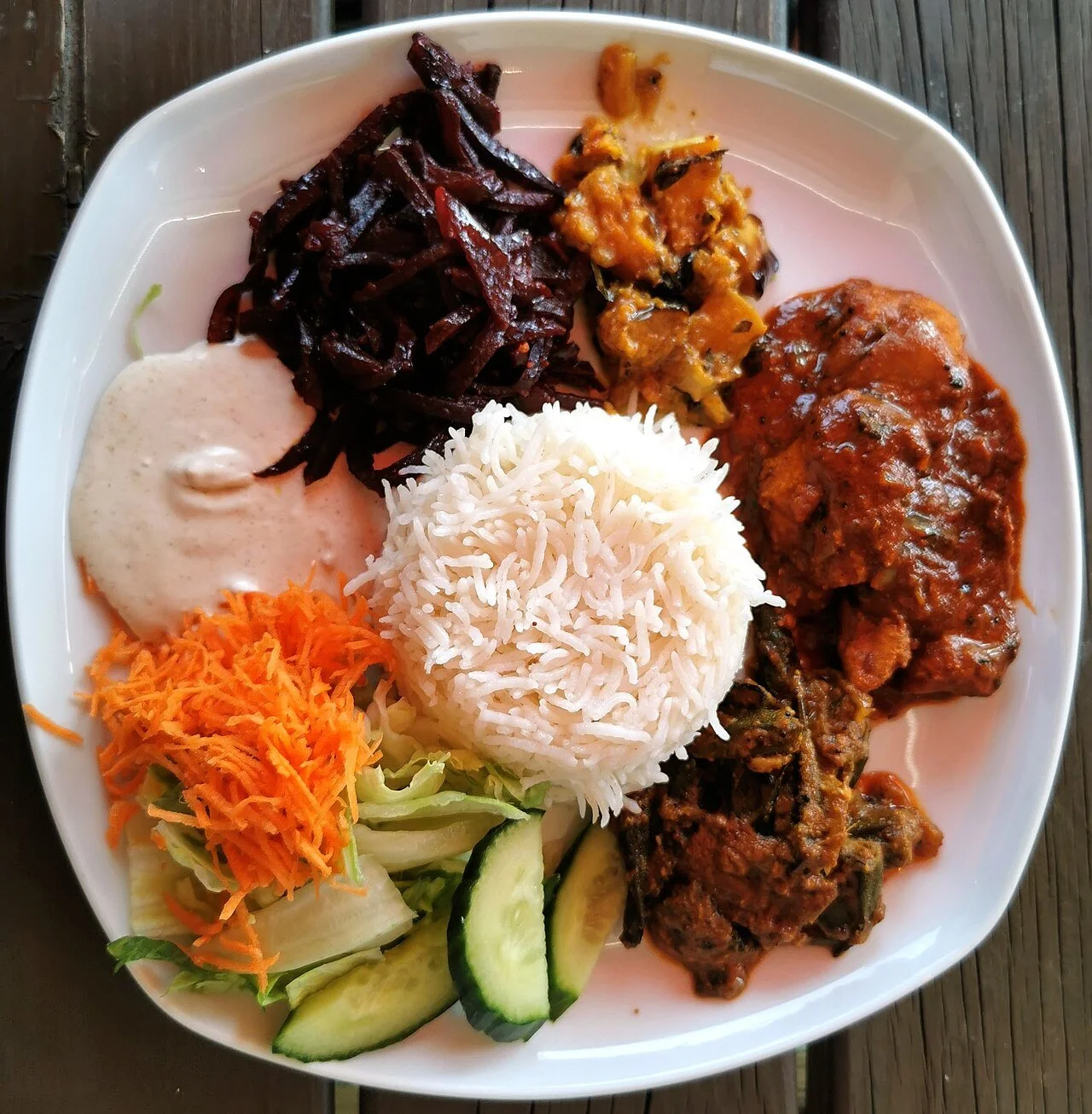
Sri Lanka is famous for its food. Local cuisine leans into its tropical surroundings, embracing local produce and serving fresh dishes with a variety of complex flavors. The national dish is ‘rice and curry’, which refers more generally to a large serving of rice accompanied by different combinations of vegetable curries. Despite referring to it as one dish, every restaurant does it differently, making every dining experience completely unique. Sri Lankan cuisine offers a good mix of meat-based and vegetarian dishes, with most curries coconut milk-based, meaning that most of its staples are vegan and gluten-free too.

Rice and curry

Sri Lankan cuisine is notoriously spicy. If you prefer milder dishes, make sure you specify that when ordering at local establishments. Sometimes, local restaurants will offer milder curries by default to visibly foreign visitors, so if you want to experience local spice levels and flavours make sure you also emphasise this. If curries are pre-prepared on a buffet, adding extra coconut milk is a simple way to reduce spice levels but this may dilute the flavours slightly.

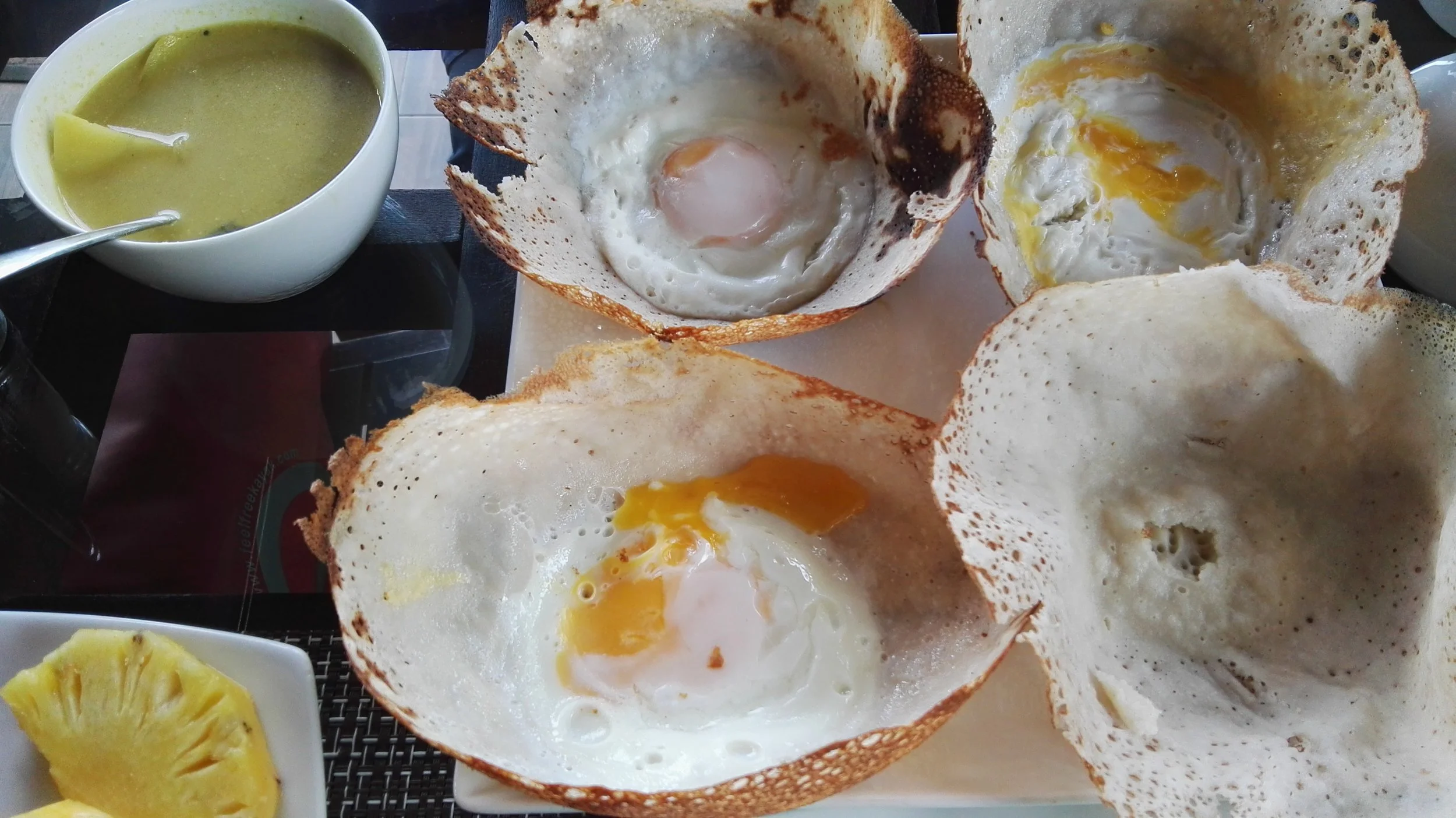
Egg hopper

Other local classics include hoppers and stringhoppers, often served at breakfast with dal curry, pol sambol (coconut sambol) and sini sambol (a caramelised onion chutney), and Kiribath (milk rice), which is rice cooked in coconut milk. Hot butter cuttlefish is another local favourite, often served in bars or as a side dish, it goes down perfectly with a cold beer.

Sri Lanka’s diverse population and key location on global trading routes has also massively influenced its cuisine. Traditional dishes such as ‘Lamprais’ are influenced by Dutch and Portuguese communities, whereas modern-day links with the Middle East within the Muslim community bring high-quality Arabic cuisine to major cities like Colombo. The northern parts of the island also have their own variations on south Indian dishes such as Dosai.

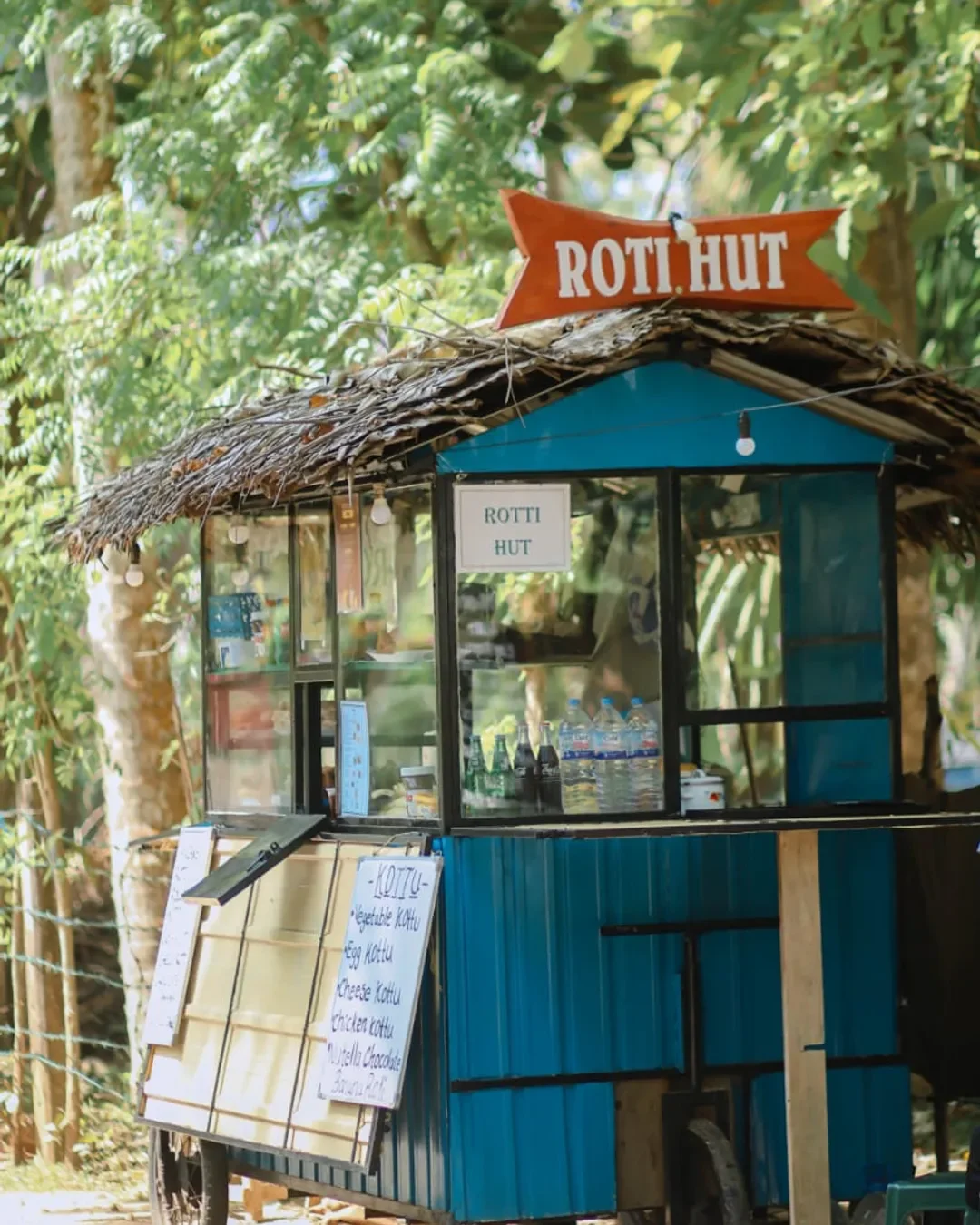
While Sri Lanka’s street food culture does not necessarily resemble that of its South/South-East Asian neighbours, Kottu Roti is iconic. Roti is shredded on a hot griddle with vegetables and meat, mixed up with a variety of spices, resembling a stir-fry. If you’re snacking on the move, street carts selling fresh tropical fruits and ‘short eats’ (such as vegetable roti, vade and fish rolls) are a solid option.

Most restaurants offer similar experiences when it comes to staples such as rice and curry and kottu, and you can always rely on a family-owned cafe to deliver an incredible feast at an affordable price. It’s also a great way to support small businesses. 

Sri Lanka is also famous for its tea. Be sure to visit one of the many tea factories or bungalows that offer tea tasting experiences. AMBA Estate offers fantastic tea tasting opportunities, as does Dilmah’s many tea lounges across the island. These are also sustainable enterprises that prioritise local employment, women’s empowerment, and environmental protection, so you can visit safely in the knowledge that you’re spending responsibly.

There are so many great places to eat across the island, so we’ve broken down our suggestions by area to feature our favorites:

Best Restaurants by Area

Colombo

Upali’s ($10 - $15 per person) - A family-friendly restaurant close to the park, offering a variety of staples and a ‘tasting menu’ if you just can’t decide.

Ranbath ($5 per person) - An organic, eco-friendly, vegan restaurant offering buffet-style Sri Lankan rice and curry at an affordable price.

Palmyrah Restaurant ($10 per person)- A local favourite for Jaffna-style cuisine with fantastic service.

Dutch Burgher Union ($5 per person) - A historic building home at the centre of the Dutch Burgher community in Sri Lanka. Known for its traditional Lamprais served in a banana leaf.

Barefoot Garden Cafe ($10 per person) - A mainstay of Colombo since the 1960s, this beautiful garden cafe serves daily specials including its famous black pork curry, featured in Anthony Bourdain’s No Reservations. They’ve used the same recipe for decades. 

Hotel de Pilawoos ($5 per person) - An iconic late-night Kottu restaurant frequented by party-goers, Tuk drivers, and overnight workers. Generally agreed to be Colombo’s favourite Kottu.

Arabian Knights ($10 per person) - A cosy arabic restaurant with a homely vibe, known for its tikka kebabs.

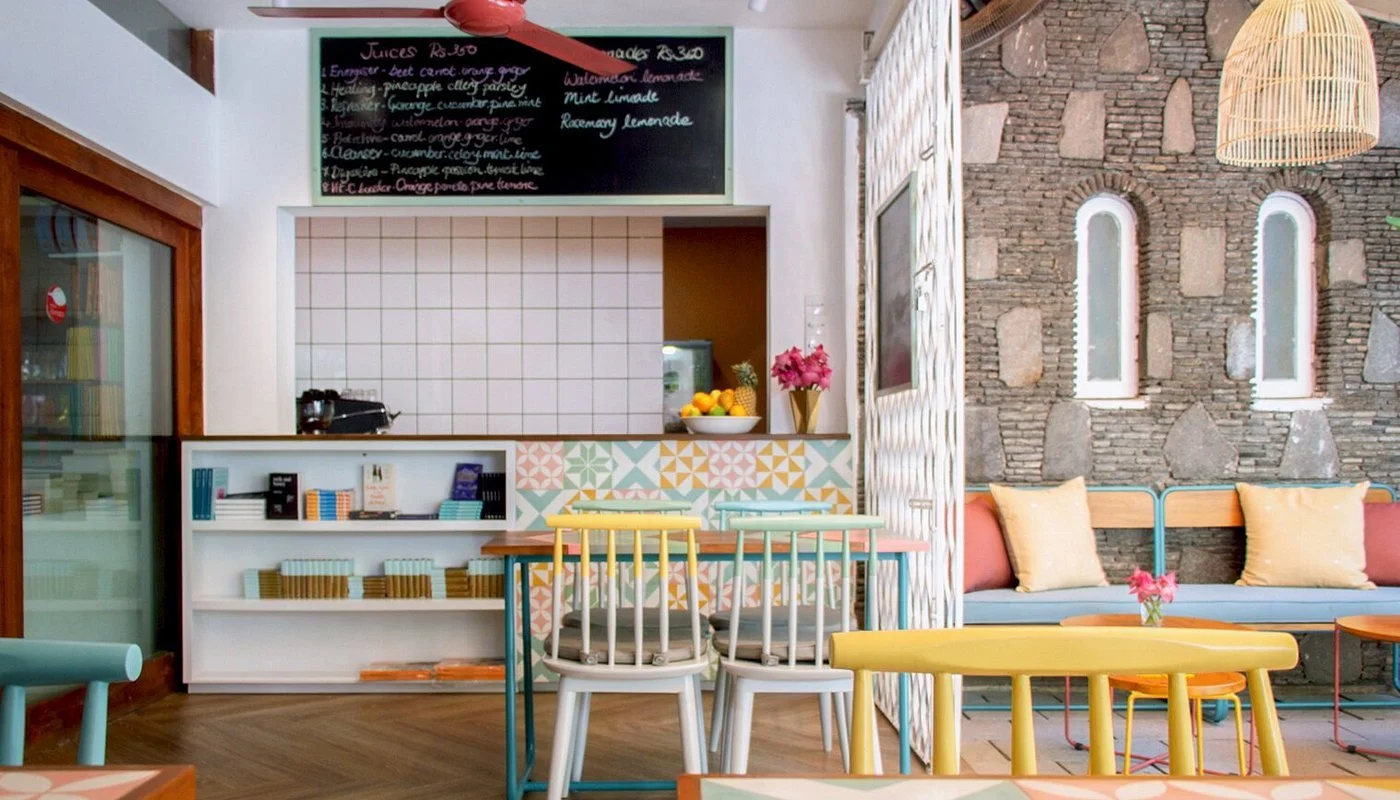
Milk & Honey Cafe ($5 - $10 per person) - An organic, family-owned cafe with a beautiful courtyard and incredible hospitality. The perfect place to start the day.

Radicle ($10 per person) - A coffee shop in the heart of the Fort, offering breakfast, lunch and great snacks inside an old art gallery.

Gini ($30 per person) - An outdoor fine-dining experience that fuses Asian, Middle Eastern and continental flavours with locally-sourced ingredients on an open flame.

Milk and Honey Cafe

Kandy

Sri Balaji ($5 per person) - An award-winning Dosai restaurant offering huge, authentic dishes at a humble price.

Put Chutney ($5 per person) - A hidden gem nestled away in the heart of Kandy, this local joint serves rich curries on a balcony overlooking the city streets.

Slightly Chilled ($10 per person) - Owned by Michael - a former English teacher - this British-inspired pub blends British and Chinese cuisine in a great atmosphere with stunning views over the Kandy lake.

Kandyan Muslim Hotel ($5 per person) - A local favourite for shorteats and sweets, offering a quiet hideout just a few steps from Kandy’s bustling main road.

Hideout Lounge ($10 - $15 per person) - A cosy treehouse-inspired restaurant with a diverse menu and a friendly atmosphere. 

Jaffna and Trincomalee

Mangos Indian Veg ($5 - $10 per person) - A local favourite for dosai and paneer curries, with a cosy outdoor seating area and warm hospitality.

Rio’s Ice Cream ($5 per person) - An island-wide icon, known for its uniquely flavoured frozen desserts. Queues are long but move quickly, which is a testament to its popularity and good service.

Akshathai ($5 per person) - A humble neighbourhood restaurant with incredible dosai and paratha.

Malayan Cafe ($5 per person) - A historic cafe without a menu - daily specials vary but most classics are available everyday.

Fernandos ($10 per person) - A beachside food court with plenty of great options. The perfect place to hang out by the sea and enjoy some food and drinks.

Dutch Bank Cafe ($5 - $10 per person) - A seafront cafe with fantastic curries and a homely atmosphere.

The Hill Country

Indian Summer ($15 per person) - Incredible Indian cuisine with a Sri Lankan twist, frequented by local tourists travelling to the Hill Country for the weekend.

Adma Agro ($5 - $10 per person) - A strawberry-focussed cafe with fresh produce grown just metres away from the kitchen. The perfect place for an afternoon sweet treat.

Themperadu ($10 per person) - A sociable restaurant with live music and friendly staff, great for dinner offering both local and international cuisine.

The Grand Indian ($20 - $30 per person) - A fine-dining experience in the historic Grand Hotel, offering high-quality Indian food in a beautiful setting.

Dilmah T-Lounge ($30 - $40 per person) - Enjoy High Tea overlooking the beautiful Nuwara Eliya countryside while sampling a variety of sustainably-sourced, flavourful teas.

Matey Hut ($5 per person) - A fantastic rice and curry restaurant that also offers cooking classes. It’s popular amongst tourists but rightfully so - cooking with organic produce and incredible flavours.

Rotti Hut ($5 per person) - An underappreciated local spot on Ella’s main road, this cafe serves incredible kottu and rotis with an open-air kitchen where you can appreciate the art of preparation and hear the kottu being diced on the hot griddle.

The Barn by Starbeans ($10 - $15 per person) - A reliable restaurant with a big menu and a warm atmosphere. Huge portion sizes and a well-stocked bar makes it a great place to socialise and enjoy a meal after dark.

Cafe Chill ($10 - $15 per person) - A bustling restaurant in the heart of Ella, this cafe has been a mainstay since Ella first emerged as a tourist hotspot. It’s a great place for dinner, a night out, or anything in between.

AMBA Estate ($10 per person) - Whether you choose tea tasting or lunch at their organic cafe, AMBA Estate has a small menu of local classics. It’s a sustainable social enterprise that reinvests in the local community - a responsible, high-quality lunch.

South Coast

Smoke & Bitters ($30 - $40 per person) - A world-renowned barbecue restaurant and cocktail bar, this regularly features as one of Asia’s best. A sunset table overlooking the ocean makes this one of the best spots on the island.

Raa Hiriketiya ($30 - $40 per person) - Another one of Asia’s best, this Sri Lankan kitchen and arrack bar adds a Sri Lankan twist to everything it does, making it one of the best fusion restaurants on the island.

First Roti Hut ($5 per person) - A local icon in Hiriketiya, this roti hut was around long before Hiriketiya became a popular tourist spot. 

The Hangout ($10 per person) - A lively open-air restaurant with daily specials and seasonal menus. It’s a great place for groups and meeting new people.

The Dutchman’s Street ($10 per person)- This vintage cafe with a comfortable outdoor area is a hidden gem in Matara, offering a variety of local dishes with a sea view.

The Doctor’s House ($10 - $15 per person) - A beachfront bar and lots of outdoor seating, it has been a classic on the South Coast for a long time. It’s the perfect place for a sunset drink and an early dinner, before enjoying some live music and a party atmosphere.

W&D Beach Restaurant ($10 - $15 per person)  - A picturesque restaurant on the sand that catches fresh seafood each day. You can pick your favourite from the display and it comes alongside flavourful side dishes and great cocktails.

Marmoris ($5 - $10 per person) - A fantastic rice and curry restaurant tucked away slightly from the main beach, a great way to refuel after a morning of surfing.

MAMA’s ($5 per person) - A local rice and curry joint that offers multiple servings at a humble price. Staff are welcoming and the upstairs balcony has a wonderful sea view.

Brine ($20 - $30 per person) - An incredible fine-dining experience that blends Sri Lankan flavours with Western-inspired dishes. New on the scene, this place has quickly become a favourite.

Mr Sunil’s Roti & Juice Shop ($5 - $10 per person) - A no-nonsense roti shop with fresh fruit juices on the seafront. 

Sisters Kabalana ($10 - $15 per person) - Their Turkish breakfast uses locally-sourced ingredients with fresh bread daily, an incredible feast to start the day.

Skinny Tom’s Deli ($10 - $15 per person) - A great brunch cafe with a beautiful courtyard and great coffee.

Dumplings Cafe ($5 - $10 per person) - A humble, decorative cafe serving momos and fresh drinks.

The Bungalow Cafe ($20 - $30 per person) - A beautiful outdoor dining experience in the heart of Galle’s Fort, where historic architecture meets traditional cuisine.

A Minute by Tuk Tuk ($15 - $20 per person)- A cosy balcony restaurant in the old Dutch hospital, serving incredible seafood dishes with a view over the harbour. A great place for lunch to escape the heat.

Food Hygiene & Safety

Exclusively drink bottled water to avoid any risks of contamination. This is widely available at all restaurants. Some restaurants will provide filtered water, which is generally safe, but bottled water mitigates all risks.

Because Sri Lanka’s cuisine relies heavily on fresh produce and locally-sourced ingredients, vegetable-based dishes are nearly always safe. If you’re unfamiliar with high levels of spice, it may be wise to begin with milder dishes and build up to hotter ones. 

In Sri Lanka it is traditional to eat with your hands, so most restaurants have handwash stations readily available to ensure hygiene and cleanliness when dining. For street food vendors or basic roadside cafes, these facilities may not be available. Carrying hand sanitiser and paper towels is wise preparation. Always wash your hands before and after eating to avoid contamination.

Power cuts and intermittent electricity access can be an issue in some of Sri Lanka’s smaller towns and villages. If there is any indication that this may have occurred, avoid meat and seafood and opt for vegetarian dishes, as these will not rely on refrigeration and will protect against any potential illness from unchilled meat.

If you do get sick, stay hydrated, consume electrolytes and avoid the heat where possible. Consult a local doctor if symptoms worsen and be proactive in monitoring any follow-up issues.

Accommodations 

Accommodation in Sri Lanka blends the island’s geographic diversity with its warm hospitality, meaning that whether you choose a hostel, homestay or luxury hotel, you can be confident that the people and the surrounding landscapes will personalise an unforgettable stay.

There are fantastic options available across the island for all budgets. Platforms such as booking.com and Hostel World are the best way to see entire lists and can often be booked with flexible cancellation policy and no upfront costs. Accommodation will always be available regardless of how far in advance you plan to book. 

Our recommendations are broken down by region. So, if you’re planning an island-wide adventure, be sure to book ahead of time if you want to experience some of our favourites. 

Colombo

Colombo’s capital city offers so many places to stay that it can often feel overwhelming to choose the right one. The best way to navigate accommodation options is to understand the layout of the city. The ‘city centre’ does not actually exist in the traditional sense, with many hotspots and lively areas scattered across the city, but the central areas are indicated using ZIP codes. Colombo 1 - 7 are the most central areas, and Colombo 2, 3 & 7 are the best for travellers hoping to be comfortable yet close to the action.

Colombo 3 (Kollupitiya) offers iconic seafront hotels such as the Granbell ($70 per night) and the Galle Face Hotel ($150 per night), which are perfect if your budget is slightly higher and you want to enjoy a perfect sunset looking out over the Indian Ocean. A low-cost alternative close to the iconic Galle Face Green is the Hostel at Galle Face ($10 per night).

Colombo 7 (Kurunduwatta, or “Cinnamon Gardens”) offers a quieter alternative, populated with great cafes and easy to navigate on foot, budget options such as Ceylon StayZ ($20 per night) and Fern Colombo ($50 per night) are the perfect way to stay in an expensive district on a lower budget. Jetwing Colombo 7 ($100 per night) is a luxury hotel with a stunning infinity pool overlooking the city skyline.

Colombo 2 (Ibbanwala, or “Slave Island”) has many comfortable options with a central location, including Lost & Found ($30 per night) and Park Street Suites ($70 per night), as well as many rental units and apartment blocks if you prefer a bit more space. 

Sigiriya 

Tree House Hostel ($15 per night) - Nestled away in the jungle, Tree House Hostel is the perfect base for exploring Sigiriya and the surrounding areas. The hostel is walking distance from Pidurangala Rock, which offers panoramic views of the iconic Lion’s Rock, and the hosts are always willing to arrange transport for other activities and onward travel. Here you can either relax by the pool with a book, indulge in local organic cuisine with your fellow travellers, or enjoy a long walk in the peaceful surroundings.

Roy’s Villa ($25 per night) - A social hostel with plenty of activities and experiences, Roy’s Villa brings travellers together perfectly. The hostel hosts cooking classes, local tours, barbecues and parties, and is the perfect place to meet like-minded travellers and enjoy what the area has to offer.

Otunna Guesthouse ($60 per night) - Dinesh and his family embody Sri Lankan hospitality. They are attentive, enthusiastic and caring hosts. The cabins and chalets are built into nature, meaning that flora and fauna flourish on your doorstep, and you can be confident that you are supporting a family-owned business working hard to preserve their environment. Otunna Guesthouse is comfortable, clean and memorable, making it an affordable luxury option.

Hotel Sigiriya ($100 per night) - With Lion’s Rock towering above the pool, Hotel Sigiriya offers a luxurious stay in the heart of the jungle. The hotel offers incredible food, a variety of activities, and is walking distance from the local towns where you can explore the area at your own pace.

Kandy

The southern edge of the Kandy lake has a wide range of accommodation options, many of which offer stunning views of the city and surrounding hills. There aren’t as many hostels in the city but there are plenty of affordable hotel options.

White Rose Hostel ($10 per night) - In the heart of the city, the hostel offers easy access to all local attractions and a communal space to meet fellow travellers.

Blinkbonnie Inn ($30 per night) - A simple, clean and comfortable hotel with views overlooking the lake. You can be sure you’ll be well looked-after and well-fed, especially with their huge breakfast spreads.

SWP Eco Lodge ($70 per night) - A modern lodge that embraces its surroundings, with an open-air bar and restaurant that look out over the Kandy Lake. 

Jungle Tide ($40 per night) - Located slightly further out of the city centre, this homestay offers the perfect escape to the hills. Hosted by Jerry and Sally - a retired couple who returned to Sally’s home after 50 years away - you’ll be treated to home-cooked feasts, warm hospitality, and peaceful surroundings with access to stunning hikes and local villages.

The Hill Country

Sri Lanka’s hill country offers incredible experiences that vary dramatically across the region, and it’s often worth planning a trip around accommodation options that provide the experiences you’re looking for. 

The town of Nuwara Eliya offers a mix of bungalows, cottages and homestays that embrace their local heritage. Nicknamed “Little England” due to its cooler climate and resemblance to the British countryside, the town was historically a holiday destination for British colonial officers.

The best area to stay is on the shores of Lake Gregory, where you’ll be rewarded with sunset views in the evening, as well as being only a short walk from great food options.

The Bungalow, The Montfort, and Serenus Boutique Villa all offer amazing views and great hosts at a similar price range ($60 per night), while up-market hotels and guesthouses such as Galway Heights ($90 per night) and Hotel Grand Turf ($100 per night) offer accessible luxury and comfort.

If you’re feeling particularly adventurous, consider staying at one of the many cottages and homes in “Little England Cottages” on the edge of town, a quirky community that recreates a British housing estate in the suburbs, or the Grand Hotel ($200 per night), a heritage hotel that has hosted some of the world’s most famous names.

Elsewhere in the Hill Country, you’ll find incredible accommodation nestled away in nature, offering remote and eco-friendly escapes from the tourist trails.

The town of Ella offers a variety of homestays that offer stunning views of the mountains and easy access to town. Ella 100 View Cottage ($40 per night) has an infinity pool and comfortable terrace at a great price, while Wild Bee Hostel ($30 per night) is the perfect place to meet fellow backpackers and chill out in their hammocks overlooking the mountains

Just outside of Ella if you’re hoping to escape the tourist trail, AMBA Estate ($70 per night) is a social enterprise just outside of Ella that prioritises investment in the local community. An old farmhouse converted into comfortable bungalows, the hotel serves organic, locally-grown food and employs local staff, investing in the surrounding villages and caring for the environment. Simon, the owner, is passionate about local development, so you can be confident that your money is going directly into the hands of local people.

Haputale also offers a less-discovered alternative to Ella, home to homestays and hotels deep in the mountains that embrace nature and local hospitality. If you want to truly embrace the outdoors, consider Eco Lodge Haputale ($30 per night) and their tents and cottages, which offer a basic, safe and affordable way to experience the natural beauty of the hill country. Other local guesthouses maintain the incredible hospitality and views in the regions, including Vantage Hills Haputale ($50 per night) and Amaya View Guest Inn ($30 per night). Dream Cliff Mountain Resort ($250 per night) offers a luxurious experience with panoramic views of the mountains, incredible food, and luxurious lodges.

The most unique experience in the hill country is the Cliff Lodge (price varies between $250 and $500 for two nights depending on group size) offers a remote hill country retreat like no other. Only accessible by jeep and without excessive modern amenities, it offers an all-inclusive off-grid experience that embraces nature, community, and relaxation. With one of the best sunrise views in the entire region and a team of staff who are proud to showcase their surroundings, hospitality and service is unmatched. This is truly a hidden gem in Sri Lanka’s hill country

The South

Sri Lanka’s south coast offers a huge variety of accommodation depending on budget and priorities. Hostels offer a great social scene and the opportunity to join group activities such as surf schools and cooking classes, while local guesthouses and hotels combine fantastic hospitality with luxury amenities at a fair price. 

Hostels and Guesthouses

Iconic hostels include The Doctor’s House ($15 per night) - an old Dutch hospital that occupies a beautiful stretch of coastline near Matara, Dot’s Bay House ($30 per night), the heart of Hiriketiya’s social scene, Hangtime Hostel ($15 per night), a boutique hostel that overlooks Weligama bay, and Kabalana Surf Hostel ($12 per night) which offers direct access to one of the best surf spots on the island.

Beyond the lively hostel scene, there are so many guesthouses that can be booked last-minute, meaning that it’s possible to change your plans and find a comfortable bed for the night. The most commonly used platform by hosts is booking.com and this will be the best way to ensure bookings are monitored and communication is prompt. Every beach town along the south coast hosts plenty of affordable options, and a private room with A/C and breakfast can cost as low as $20 per night.

Mrs Wijenayake's ($40 per night) is an affordable favourite. A beautiful guesthouse inside Galle Fort once home to the Deputy Mayor, this historic home blends old-style architecture with modern comfort at the heart of the Fort. It also comes with an incredible breakfast feast each morning.

Some hand-picked affordable guesthouses on the south coast include Blue Heaven Hiriketiya ($50 per night) and House On The Bend ($70 per night), which both offer a quiet base in close proximity to Hiriketiya beach. Boardwalk Surf Villa ($25 per night), LUMA Ahangama ($60 per night) and Cinnamon Paradise ($70 per night) are villa-style guesthouses that have a little extra space and comfortable terraces, making them a great places to blend quiet relaxation and access to local beaches and the town centre. KOMOREBI ($60 per night) is a newer, luxury beachfront hotel at a very affordable price, the perfect base for finding a surf school in Weligama.

Luxury Options

The South also has some incredible luxury options. If you prefer beachfront access and a sea view, The Lighthouse Ahangama ($150 per night) is a beautiful seafront hotel with luxury rooms and a stunning terrace, making it the perfect base to unwind and explore the surrounding beachtowns. 

The Saffron House ($180 per night) also has one of the best locations on the South coast, with an infinity pool overlooking the ocean and luxury amenities between Hiriketiya and Dikwella. It is truly one of the island’s best. If you’re hoping to stay here without renting the entire place, rooms are available to book approximately 4 weeks in advance when the villa is not rented out.

The Bartizan Galle Fort ($200 per night) is a 300-year old renovated Dutch villa that offers a tranquil retreat at the heart of the Fort, with a perfect sunset view from private balconies overlooking the historic courtyard. It prioritises maintaining traditional architecture and blending it with modern luxury as a tribute to forgotten times.

Venturing further inland, exchanging a beachfront hotel for a more remote stay overlooking the paddy fields brings its own unique way to relax away from the busier towns. PALM ($150 per night) has a beautiful garden that attracts wildlife and preserves the surrounding landscape. It also has incredible food that is sourced locally and merges international cuisine with Sri Lankan style.

PALM

The North

The north of Sri Lanka has much less infrastructure than the rest of the island, which means there are much fewer options for accommodation. However, there are still some great places that provide a comfortable, hospitable stay as a gateway to this lesser-explored part of the country.

If you’re staying in Jaffna, Fox Resorts ($80 per night) is a beautiful hotel with large gardens and a pool, where you can unwind and enjoy their fantastic evening meals. Jetwing Jaffna ($100 per night) is also a great option if you’re hoping for a reliable, comfortable stay in the heart of the city. Other more affordable options include Nallur Residence ($40 per night) and Gatetrees Resort ($50 per night) which are in close proximity to the iconic Nallur Kandaswamy Devasthanam temple.

If you’re looking for something slightly different, the Fort Hammenhiel Resort ($50 per night) is a fully renovated fort with rooms in old prison cells. Located on an island just off the coast of Jaffna, it’s a unique experience that gives a modern take on history and heritage.

Trincomalee also has many comfortable options, especially on the beachfront. North of the city, Nilaveli Beach is the best place to stay, with many hotels and guesthouses just a stone’s throw from untouched sandy beaches. High Park Hotel and Pearl Oceanic Resort ($40 per night) are fantastic seafront options at a great price. 

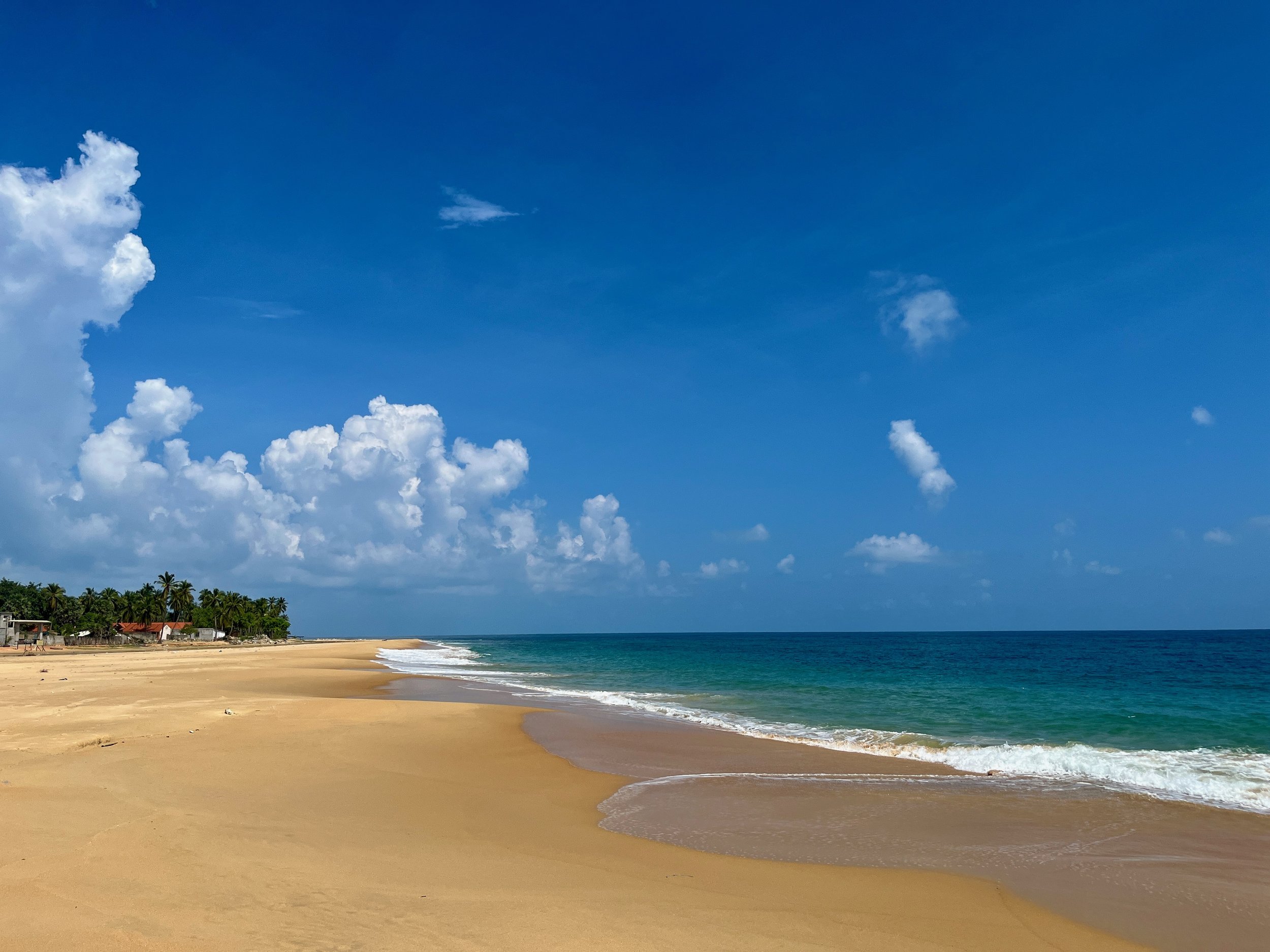
Sri Lanka’s Northern Beaches