
With stunning architecture, beautiful natural vistas and a culture unlike anything else in the world, Bhutan truly is a once-in-a-lifetime destination.
Read More10 Must-Read Travel Classics Book List
From tales of adventure to memoirs, here are some pages to satisfy wanderlust, whether for the armchair traveler or the seasoned globe-trotter

Reading Traveler. Gauthier Delecroix. CC BY 2.0 DEED.
Books hold a unique allure; they allow their readers to experience journeys across continents, cultures and epochs. By digging into pages written by seasoned explorers, we encounter not only vivid adventures but insights into the boundless diversity of our world. This curated collection of travel books ranges from celebrated works such as the classic "Eat, Pray, Love" and voices that continue to redefine the genre.
In each of these books, the world unfolds, inviting readers to embark on their own journeys, whether on the road or in their imaginations. With glimpses into the art of traveling, let these pages be your passport to discovery.
1. "Bicycle Diaries" by David Byrne
In this captivating exploration of the world through the lens of a bicycle saddle, David Byrne’s offers a distinctive perspective on urban life and culture. As he pedals through cities such as Berlin, Buenos Aires, Istanbul and New York City, he explores the intricacies of urban planning and social dynamics. He is able to paint a portrait of the locale by immersing himself in the rhythm of the streets through the power of the bicycle.
2. "Eat, Pray, Love" by Elizabeth Gilbert
In the classic book about the transformative power of travel, Elizabeth Gilbert chronicles a year-long journey across Italy, India and Indonesia. While she seeks to rediscover herself, Gilbert is immersed in cultures and traditions that show her how to indulge in the pleasures of spirituality and love. Her story intertwines personal growth with the adventures of traveling, inspiring readers to embark on their own quests for self-discovery.
3. "The Slow Road To Tehran" by Rebecca Lowe
This book follows Rebecca Lowe’s solo through Iran, a country that is often misrepresented in Western media. Her narrative is rich with encounters with locals and reflections on the complexities of Iranian society. Through her immersive account of Iran, Lowe challenges stereotypes that perpetuate misunderstandings about Iran, highlighting the potential for travel to bridge cultural divides.
4. "The Catch Me If You Can" by Jessica Nabongo
In this memoir, Nabongo chronicles her quest to become the first black woman to travel to every country. Her adventures offer a glimpse into the diverse cultures and experiences across our globe that illustrates the profound impact of exploration in broadening perspectives. Not only is the transformative nature of travel emphasized, but also Nabongo’s perseverance and courage to explore on her own and embrace the world with open arms, urging readers to embark on their own journeys.
5. "Paris to the Moon" by Adam Gopnik
In this collection of essays, Gopnik recounts his experiences living in Paris with his family during the late 1990s. Through his witty observations and cultural insights he provides a vivid portrait of the City of Light, exploring its charm and timeless allure. Serving as a love letter to the city and a thoughtful narrative on the complexities of expatriate life, it is a must-read for anyone enamored with Paris.
6. "Blue Latitudes" by Tony Horwitz
In this exploration of James Cook’s voyages through the Pacific Ocean in the 18th century, Horwitz immerses himself in the captain's adventures. Through historical research and storytelling he brings Cook’s expeditions to life while also reflecting on their impact on Indigenous peoples. This blend of travelog and history offers readers a compelling journey through time, as they navigate the expanse of the Pacific alongside Cook and come to understand journeys’ implications for the modern world.
7. "Atlas of Vanishing Places" by Travis Elborough
Through vivid and stunning illustrations, Elborough takes readers on a journey to disappearing landscapes, from sinking islands to vanishing cities. While the book highlights the beauty and cultural significance of these places, it also sheds light on the environmental and societal factors that threaten their existence. As an exploration of some of the world’s most fascinating yet endangered locales, it serves as a reminder of the fragility of our planet and the need for conservation efforts to preserve it.
8. "The Vagabond’s Way" by Rolf Potts
Drawing on his experiences of long-term travel, Potts shares practical advice about the philosophy of wandering and art of living on the road. With engaging storytelling and profound insights, readers are encouraged to embrace a life of adventure and curiosity that offers an enriching existence beyond the confines of conventional living. As a guide for anyone seeking to break free of the constraints of routine and embark on a journey of self-discovery, this book is a must-read.
9. Imagine a City by Mark Vanhoenacker
Vanhoenacker paints a picture of cities as living, breathing entities that are shaped by their history and culture. Drawing on his experiences as a pilot, Vanhoenacker offers a unique perspective from above that helps to explore the interconnectedness of cities at large. This thought-provoking ode to the power of urban spaces invites readers to reimagine the cities that they inhabit and encourages greater connection with the world around them.
10. "The Geography of Bliss" by Eric Weiner
In his journey across the globe in search of fulfillment, Weiner uses insightful reflections and wit to explore the cultural and geographical factors that shape our perceptions of happiness. Traversing countries ranging from Switzerland to Bhutan, he discovers that the true essence of happiness lies not in material wealth but in the richness of human connections and purposeful living. Weiner’s book offers a heartwarming exploration of the universal quest for joy that holds important meaning for all of us.

Mira White
Mira is a student at Brown University studying international and public affairs. Passionate about travel and language learning, she is eager to visit each continent to better understand the world and the people across it. In her free time she perfects her French, hoping to someday live in France working as a freelance journalist or in international affairs.
Egypt’s Time Capsule: The Fayoum Oasis
A desert adventure that revealed millions of years of history and culture in just one day.

Keriann Slayton
Before the pyramids there were whales, and beyond Cairo there are waterfalls. Once a bounty of prehistoric life, the Fayoum Oasis in Wadi El-Rayan remains rich in resources, culture and history. Cascading water appears as if from nowhere, and dunes and ancient rock rise up to frame the entrance to Wadi El-Hitan, “Whale Valley,” where fossils litter the paths revealing the evolutionary development of massive marine creatures. Describing the region feels like creating an imaginary world for a fantasy novel, yet during my trip there in January 2023, I discovered it to be supremely real and of unique significance in the environmental and cultural memory of Egypt.
The heart-shaped basin spans over 500 square miles and holds stories dating back millions of years. The oasis began forming following the mass drying up of the Mediterranean Sea during the late Miocene period. When the crisis ended and the sea refilled the Nile River ultimately flooded and water flowed into the basin via the Bahr Youssef, transforming the desert expanse into a region of lush vegetation.
During my visit with my family, I immediately understood why Fayoum was home to the first Egyptians to practice agriculture and exists as one of the world’s longest continuously occupied towns. We met our guide for the day at a restaurant in the village center, which could only be characterized as storybook-esque. The open air dining area overlooked a large garden that supplied fresh herbs and produce for the kitchen, and one of the basin’s many lakes loomed in the distance. The view served as a prime introduction to the rich botanical and marine legacy of Fayoum.
Fayoum entered into a golden era during the years 1817–1860 BCE under King Senusret III. The basin began to yield high volumes of rich produce, attracting growing populations and increasing trade with other regions in Egypt and civilizations abroad. Today, the people of the Fayoum live similarly to their ancient ancestors, farming the land and maintaining its reputation as an agricultural cornucopia and cultural time capsule. I saw donkeys pulling carts carrying fruits, vegetables and people from place to place along dusty dirt roads. Wooden fishing canoes dotted the shores of expansive man-made lakes, which were connected by Egypt’s largest waterfall. The entire basin seemed to have been protected from the clattering machinery and dense fog of industrialization.
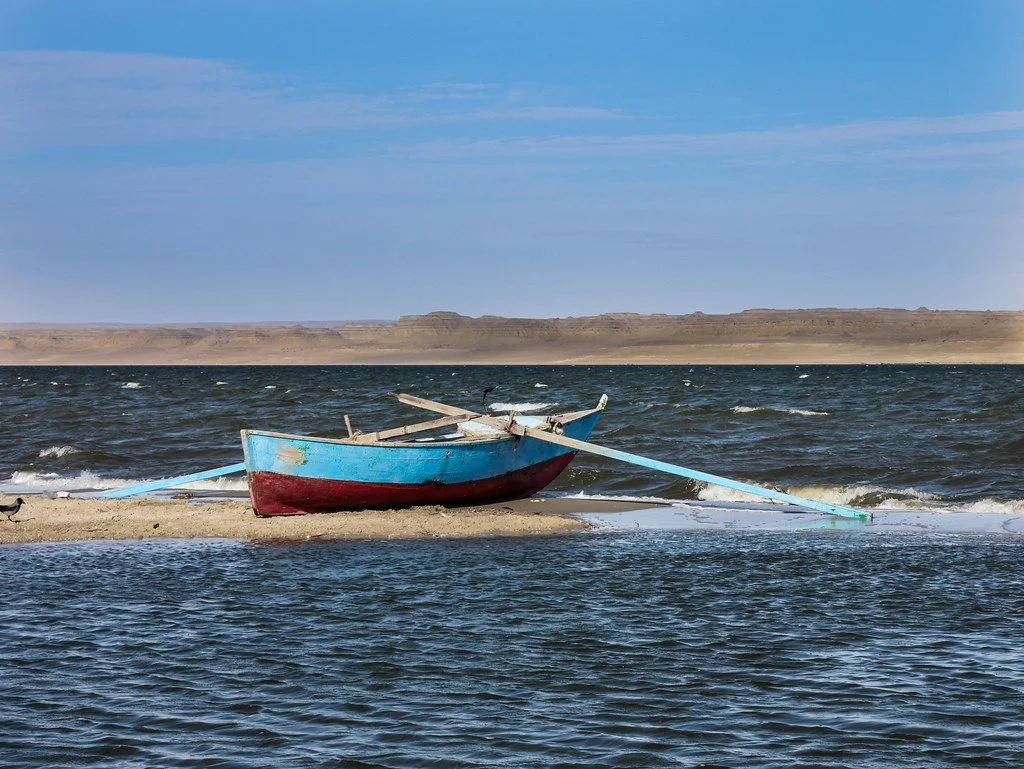
A fishing canoe in Fayoum. Masondan. CC BY-NC-SA 2.0.
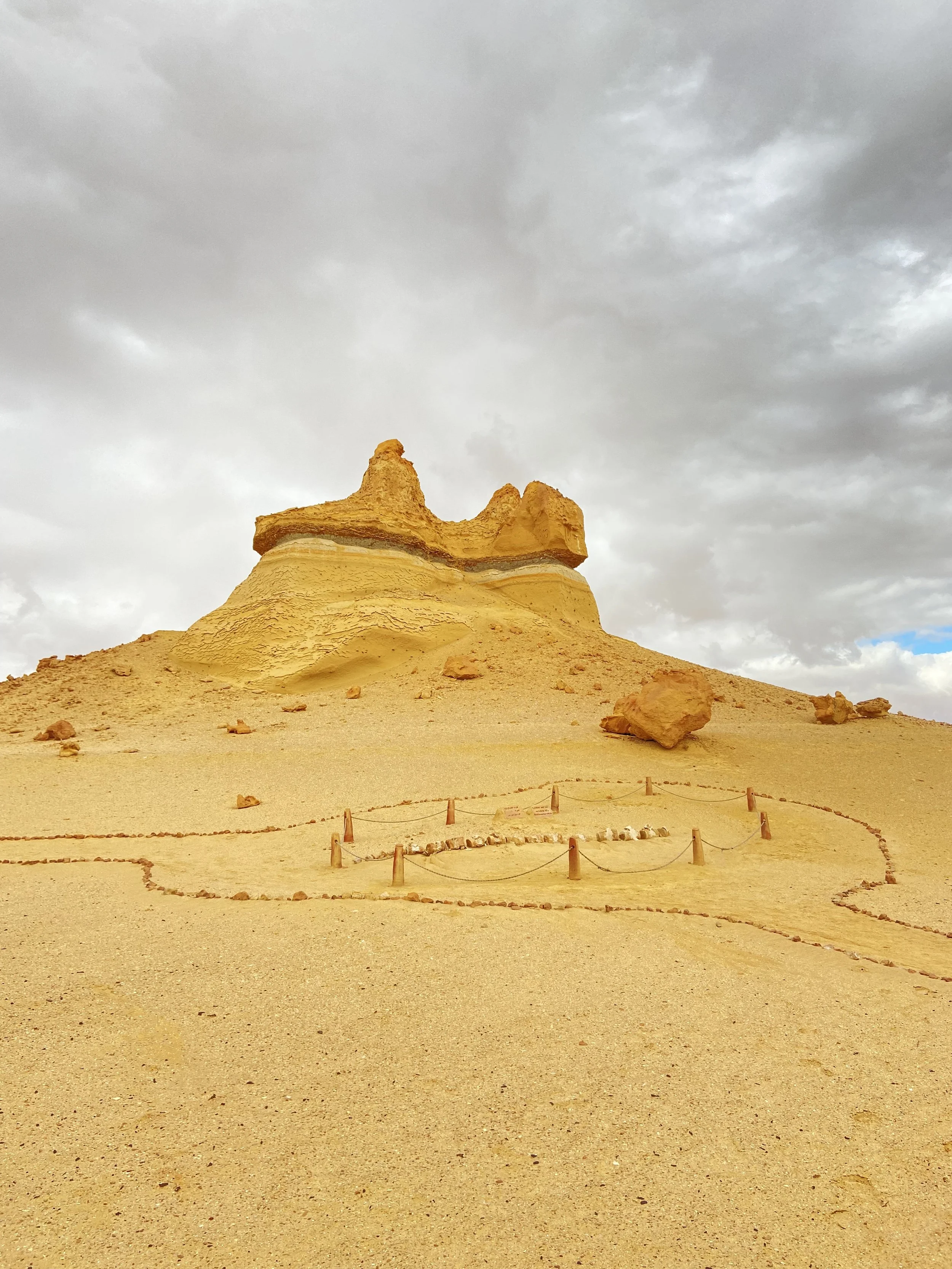
After finishing up at the restaurant, my mother, father, sister and I loaded into a rugged white Jeep that transported us even further back in time. The green farmland and quaint villages soon disappeared in the rearview mirror as we sped deeper into the vast nothingness of the desert, with no visible landmarks to guide our way. Our driver seemed one with the sand, confidently navigating the dunes and never once even hinting at the possibility of getting lost. The Jeep rattled along for quite a while and, for a moment, I thought we may actually reach the edge of the Earth. Eventually, clusters of irregular shapes appeared on the horizon, and we approached the unique rock formations that marked the entrance to Wadi El-Hitan.
Keriann Slayton
Discovered by a team of geologists in 1902, the 37-million-year-old fossils of “Whale Valley” make Senusret III’s reign seem like yesterday. After hopping out of the Jeep for photos in front of a landscape that looked like it was copied and pasted from another planet, we arrived at the visitor’s center, a structure organized as a collection of concrete domes with a relatively bare interior that revealed evolutionary secrets long buried beneath the sand. As we ventured deeper into the UNESCO World Heritage site, we encountered whale skeletons stretching as long as 50 feet, and alongside skulls and spines rested the bones that made up the legs and knees of the prehistoric creatures. The fossils confirmed scientists’ long-held suspicions that whales evolved from terrestrial mammals, transitioning to full-time life in the ocean over the course of millions of years.
The most intriguing were the snake-like remains of the Basilosaurus, the enormous ancient whale whose bite marks were visible in the skulls of some smaller D skeletons. The fossils expose a history of Egypt that long predates the Pharaohs and their Pyramids, a history that predates the Nile itself. As we trekked up and down the dunes, following the fossil-flanked paths, the spirit of the ancient sea made itself undeniable even in the face of the endless desert—it began to rain.
The drizzle, so rare in the Wadi, connected me and my family across time and species to the legacy of the massive marine beings so instrumental in evolutionary history. We explored for a few hours, and when we finally emerged from Whale Valley, we piled back into the Jeep and dune-busted our way to a remote lake, arriving just in time for sunset. Our driver built a fire and made traditional Berber tea, which we drank on the shores until darkness threatened our route out of the desert and we had to depart.
I fell asleep quickly on the nearly three hour drive back to Cairo, dreaming of colorfully painted wooden boats, sledding down sand dunes, and whales with legs.

Keriann Slayton
Keriann is studying International Literary and Visual Studies and History at Tufts University, where she is a student athlete on the softball team and writes for the campus newspaper. Journalism allows her to meet fascinating people, engage with her community, and nurture her long-held passion for storytelling. She loves to fuel her interest in history and culture through travel, and she has visited Spain, Germany, Greece, Egypt, Turkey, and Italy. She hopes to share compelling narratives from around the world in order to better connect humanity across time and cultures
World Nomads’ Footprints in Responsible Tourism
Travelers are able to contribute directly to communities and wildlife conservation projects through the travel insurance company World Nomads’ Footprints initiative, raising both awareness and money.
Read MoreExploring Mauritius: 6 Must See Destinations
This tiny island nation in Africa offers destinations exploring its complex colonial history, stunning beaches and unique outdoor adventures
Read More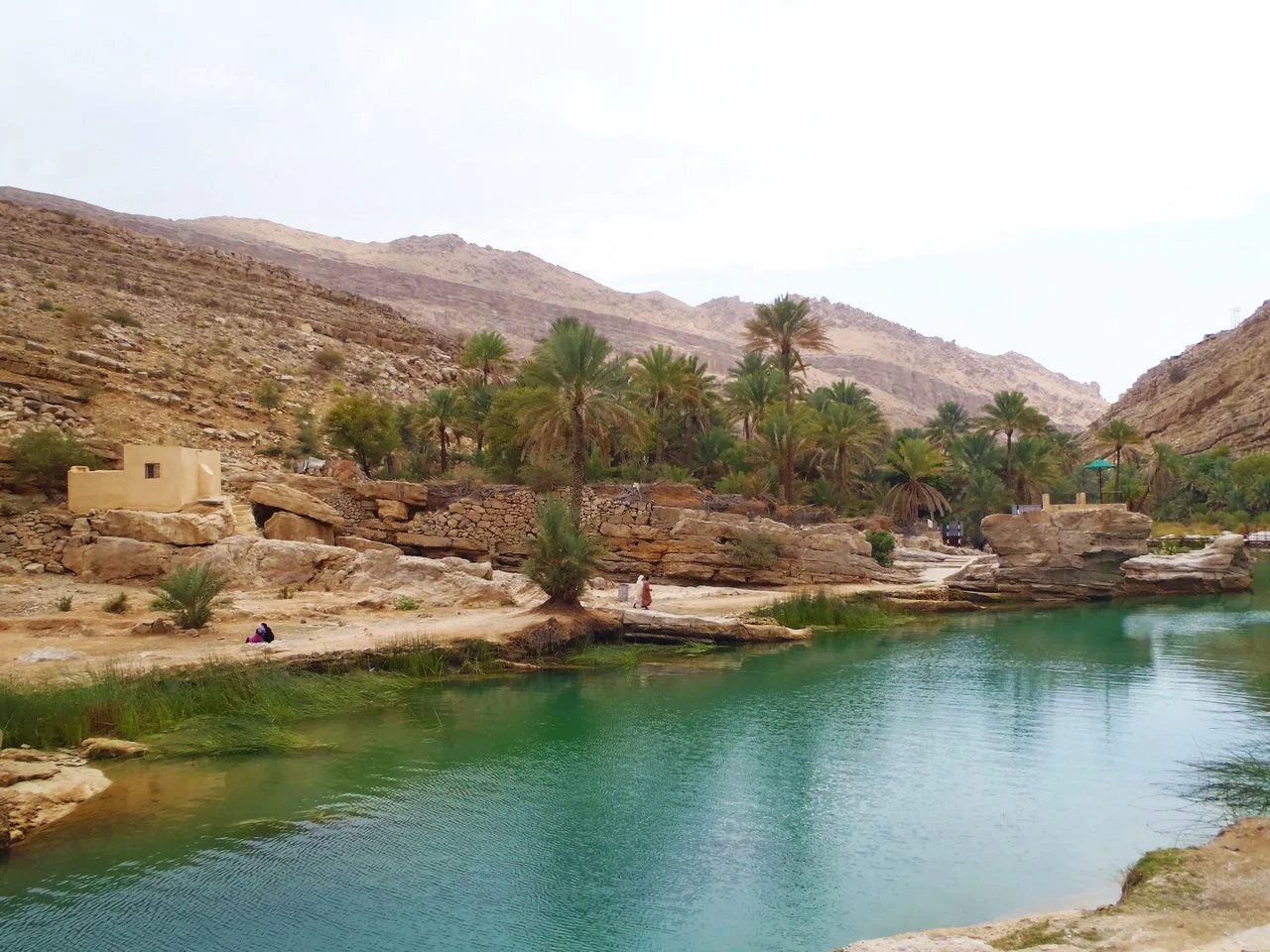
A wadi in Oman. Digital Aesthetica. CC BY-ND 2.0
Ode to Oman: My Personal Adventure
8 Reasons to Visit Oman
Oman is truly a feast of the senses—a remarkable getaway for anyone seeking a fulfilling adventure.
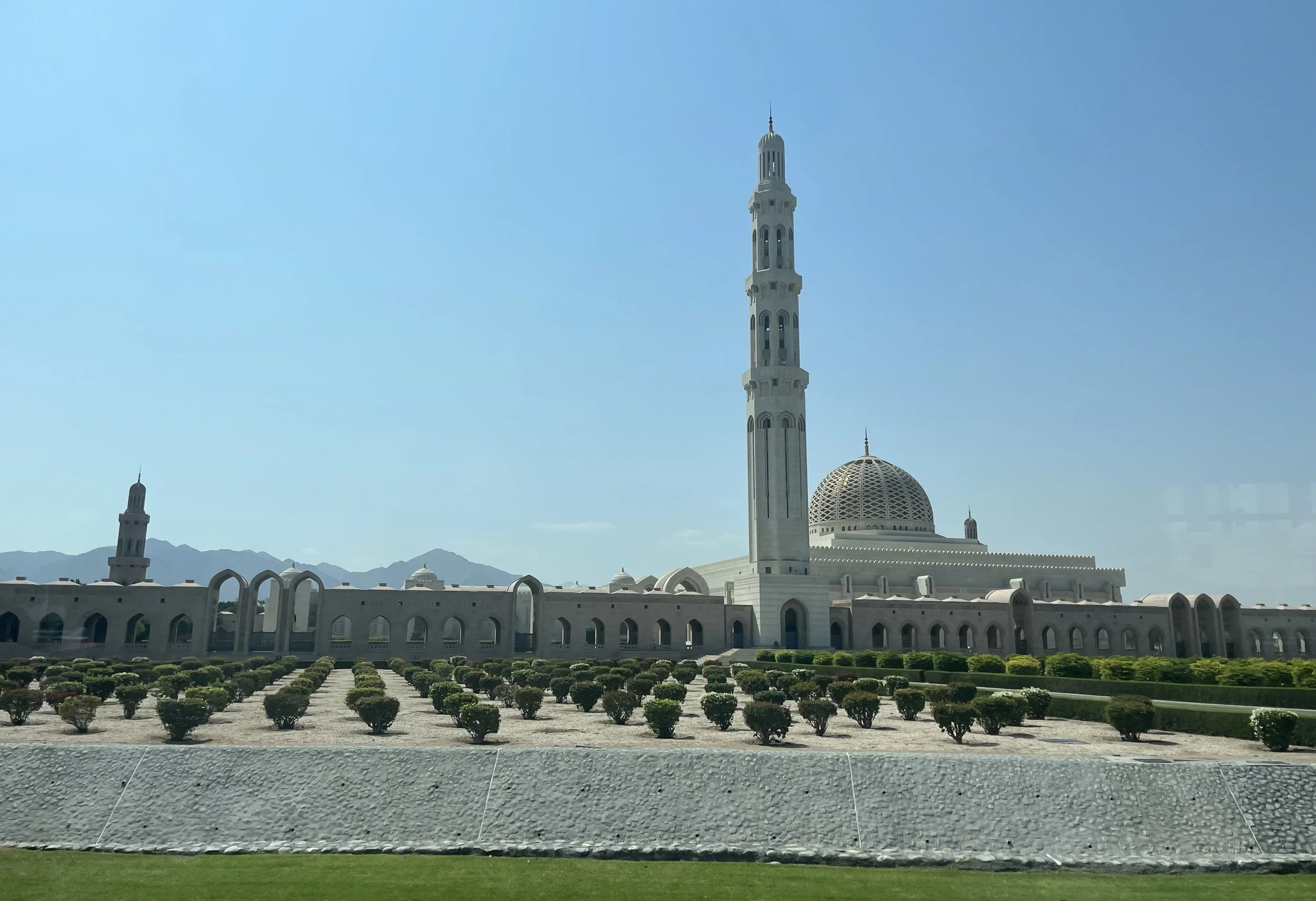
The Grand Mosque in Muscat, Oman. Madison Paulus
After returning from study abroad in Oman, I have a newfound admiration for the country’s history, culture, views and activities. The vitality of Omani culture despite outside influence is admirable and I could see it reflected everywhere I went. From the very first day, I felt welcomed and immersed within the Omani lifestyle. This trip was an incredible experience, inspiring me to share eight reasons why you should experience Oman.
1. Rich History
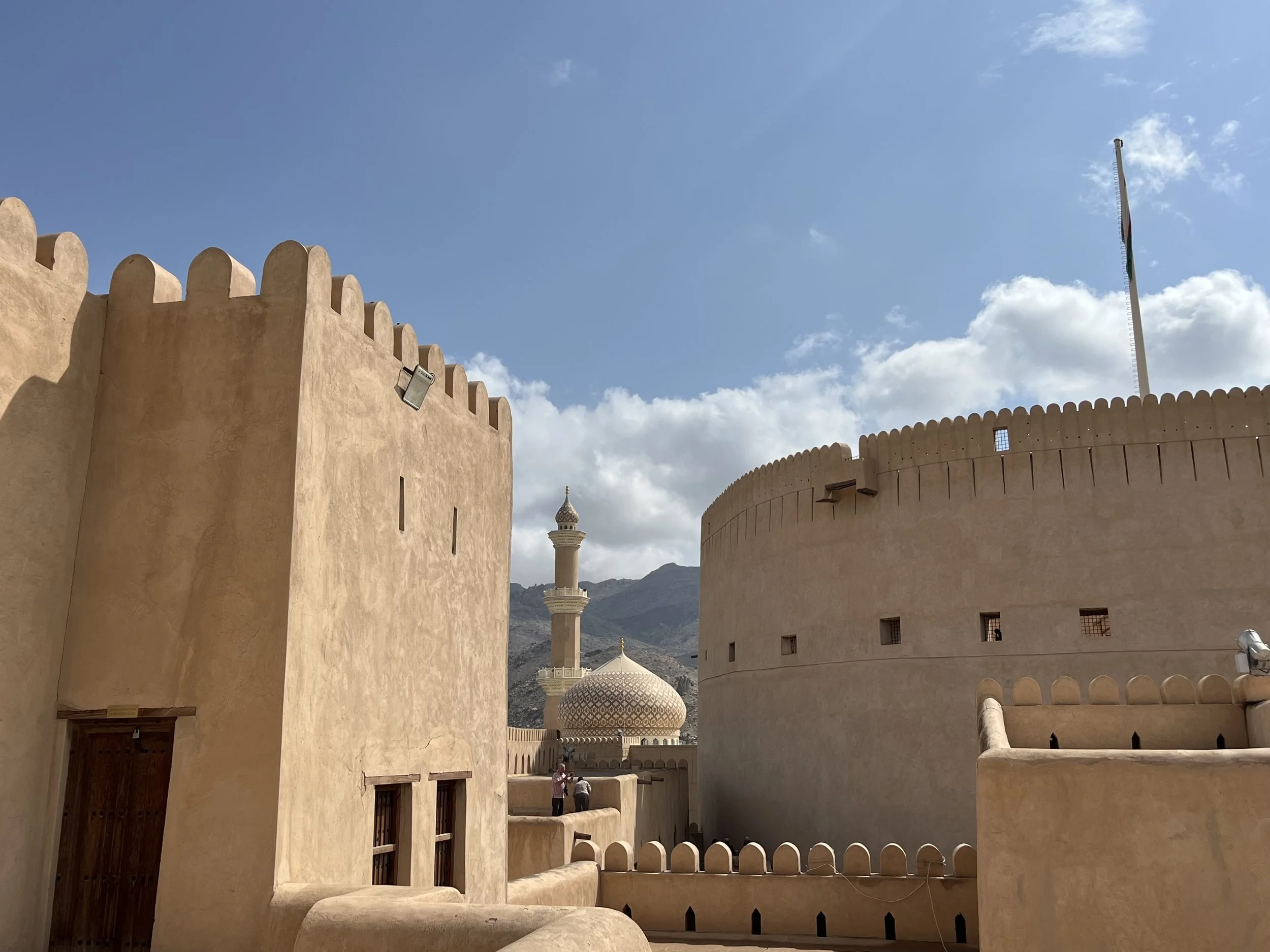
View of a mosque from the Nizwa Fort. Madison Paulus
Oman is the oldest independent nation in the region, brimming with about 1,000 well preserved historical sites. While civilization in Oman began around 100,000 years ago, many popular historical sites came about during Portuguese occupation between 1507 and 1650.
In Muscat, the capital of Oman, explorers can find several forts. The Muttrah Fort, which the Portuguese built in 1507 can be found at the heart of Muscat's coast. Here, travelers can gaze upon 500-year-old lookouts.
The Mutrah Fort serves as a vantage point for travelers as it is nearby several other must-see spots, including the Mutrah Market, Al Alam Palace and the National Museum of Oman. Many other castles and forts can be found strewn across Oman, including the Nizwa Fort and Jibreen Castle.
2. Fruitful Culture
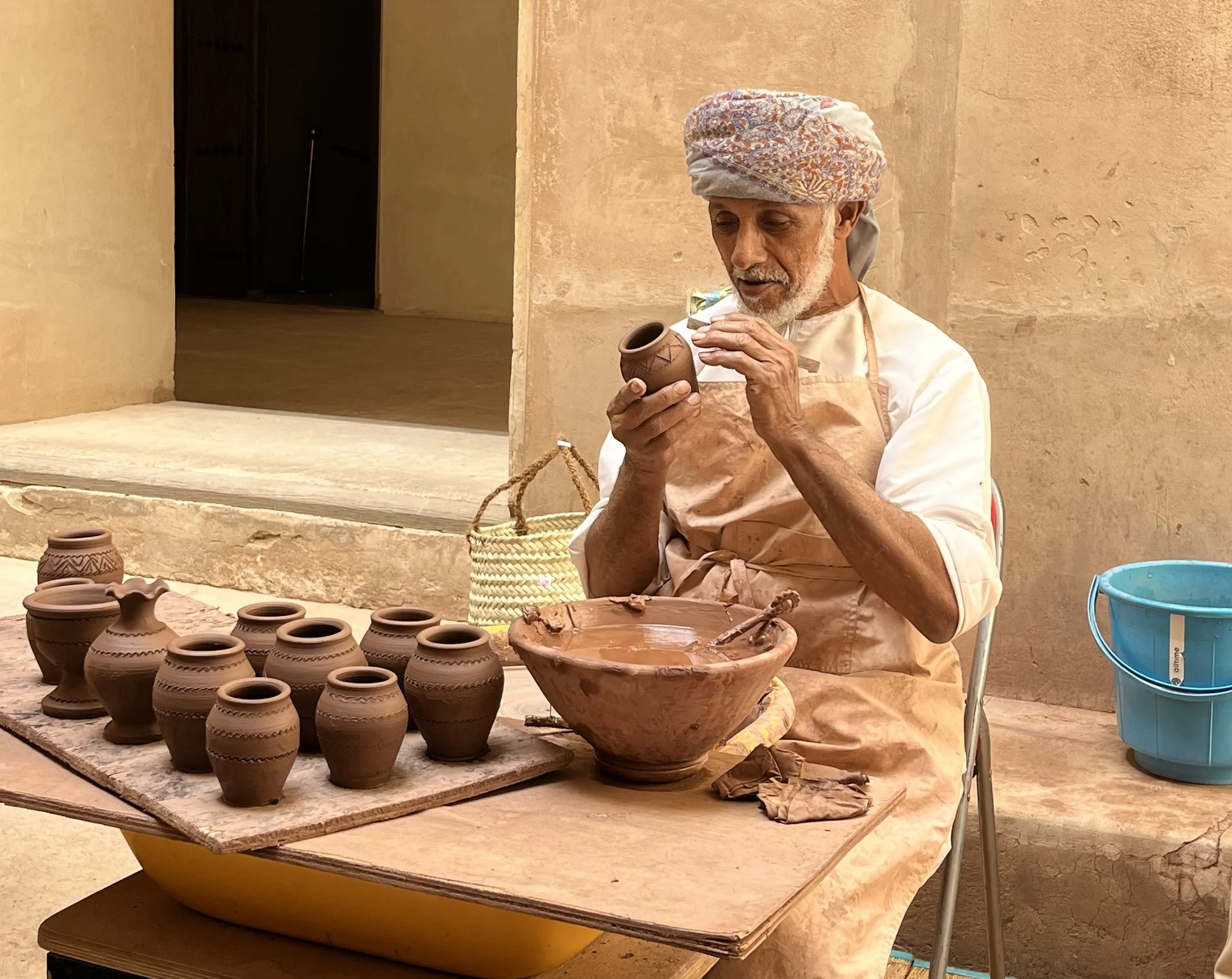
A man making pottery at the Jibreen Castle. Madison Paulus
Oman boasts an impressive blend of cultures. The Omani empire once ruled an area spanning from the east coast of Africa up to present-day Oman. Because of the vast territory and major role in trade, African, Arabian and Asian influences can be found embedded within Omani culture.
Home to more than 130 various types of traditional dances and music, Oman’s performance arts delight travelers and locals alike. Omanis are also expressive through their dress. Women can often be seen in vibrant clothing featuring intricate designs that are unique to each region. Men wearing dishdashas dot the streets, sometimes sporting traditional Khanjars (daggers) on special occasions.
Omani hospitality is another key feature of Omani culture. Omanis are known to be warm and welcoming to travelers, sure to offer friendly interactions and generous gifts for guests including coffee, dates and frankincense. For those searching for opportunities to immerse in Omani culture, there are many festivals open to travelers, including the Muscat Festival and the Salalah Festival.
3. Culinary Diversity
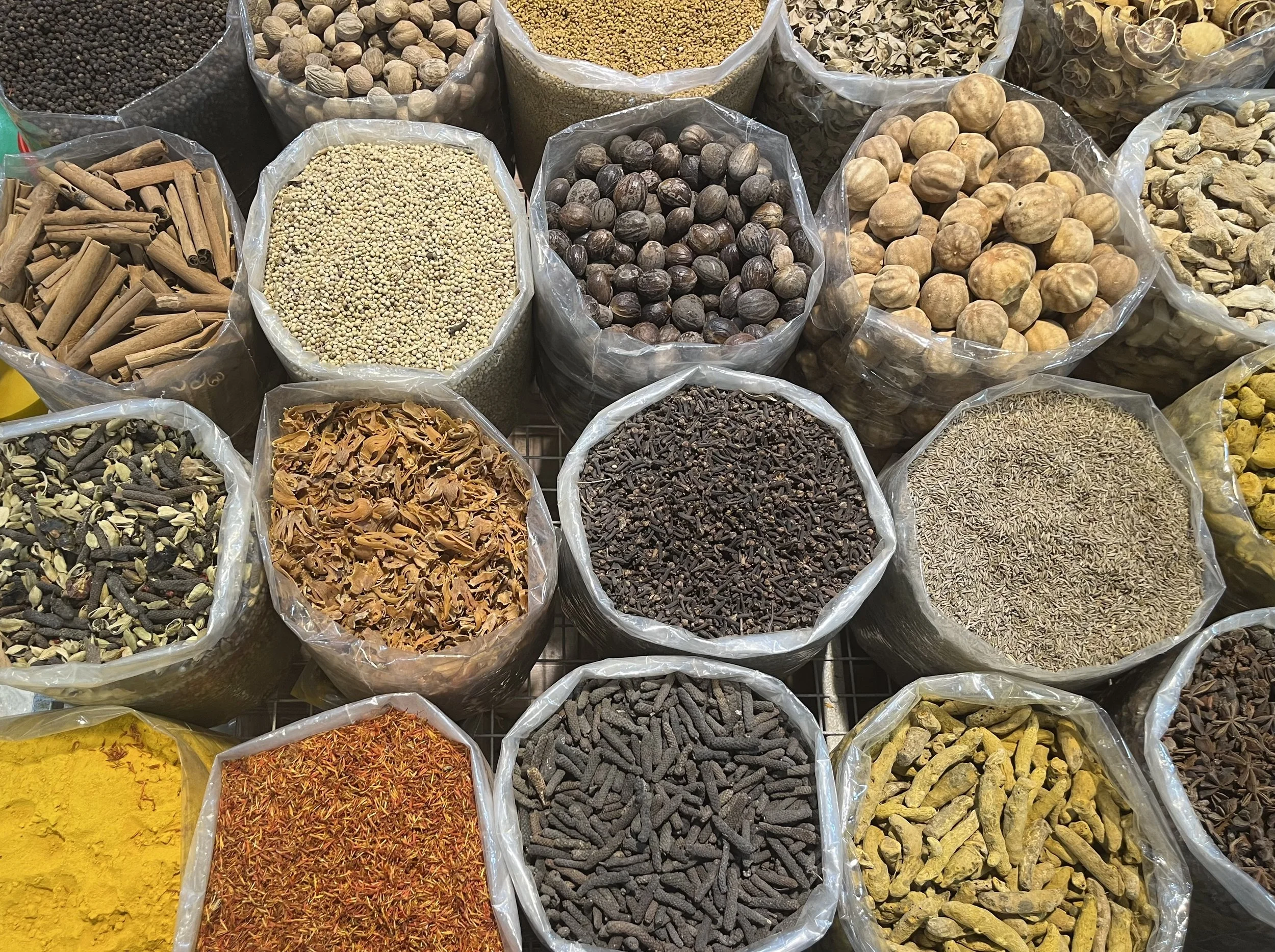
A variety of spices at the Nizwa Market. Madison Paulus
As with the culture, Omani food features Arabian, Asian and African influences. Some renowned Omani dishes include Shuwa, Rukhal bread and Halwa. Shuwa is a unique dish saved for special occasions. Meticulously prepared, Shuwa consists of meat cooked in a clay oven underground for up to two days, giving way to a tender, spice-filled delicacy.
Rukhal bread is a delightful addition that can be found accompanying any meal. Traditionally cooked over flaming palm leaves, Rukhal bread is round and thin, often served with honey or date syrup in the morning or sprinkled across meat and rice dishes throughout the rest of the day.
Halwa is a labor of love, often symbolic of Omani hospitality. A sticky, gelatinous treat, Halwa is usually made by combining water, ghee, corn flour, sugar and additional flavorings such as rose water or saffron in a large copper pot. Beyond the restaurants and markets, an ideal place where explorers can indulge in Omani cuisine is the Muscat Eat Food Festival.
4. Unique Commodities
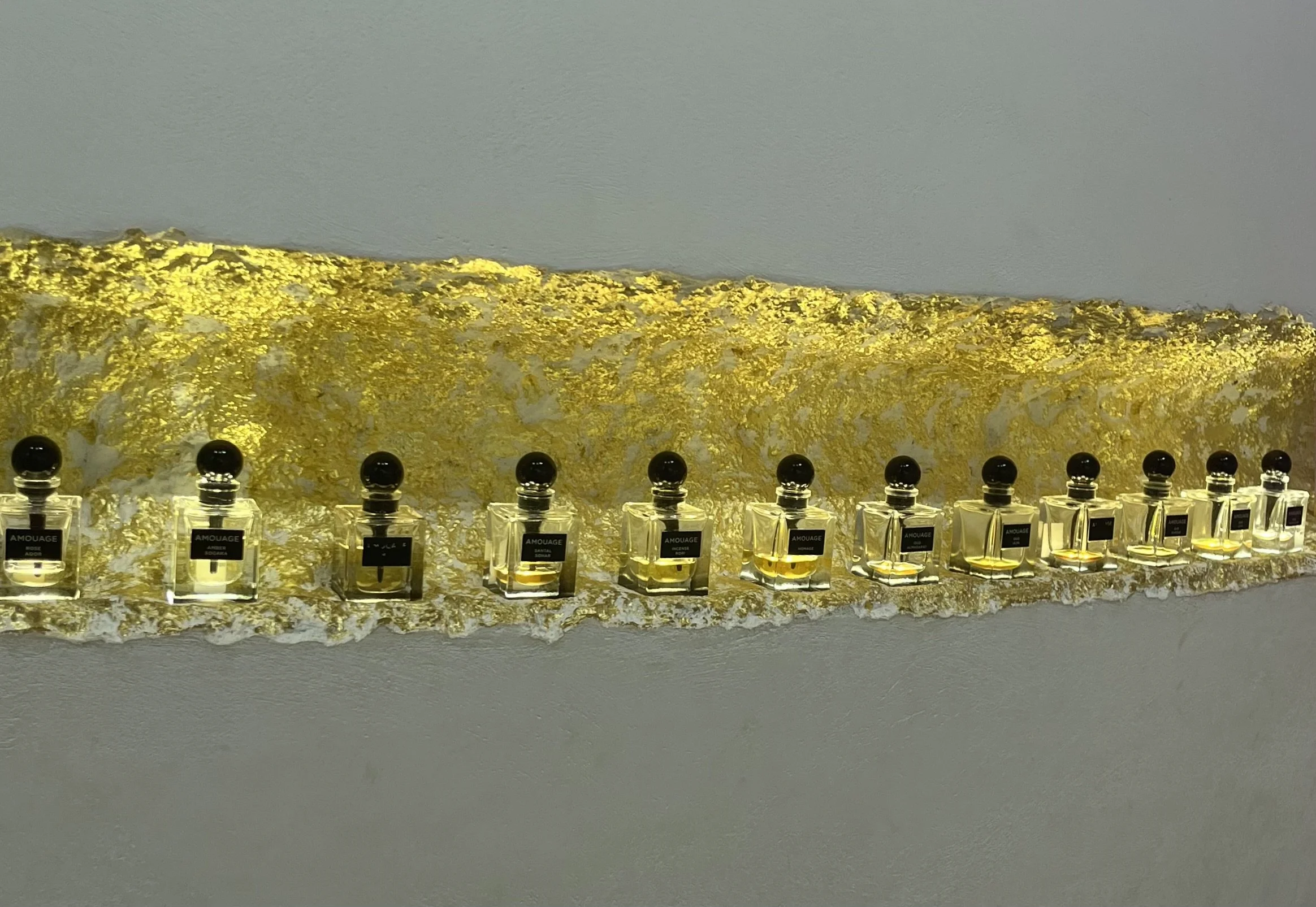
A display of Amouage perfume at the Mall of Oman. Madison Paulus
With an abundance of frankincense and other natural resources, Oman is home to many exceptional goods. Fragrances in particular are an Omani specialty, and Amouage is an exhibition of this expertise. A popular Omani luxury fragrance brand, Amouage draws from Oman’s natural wonders to create enchanting scents, incorporating locally sourced rock roses, ambergris and frankincense.
While the products aren't budget friendly for many people, travelers can tour the only Amouage factory in the world for free in Muscat, getting a behind-the-scenes look and while sampling their extravagant fragrances along the way.
If perfumes aren’t your thing, the smell of burning frankincense and oud can be experienced all over the country. For those who wish to bring the essence of Oman home with them, these products, along with traditional burners, can be found easily at shops and markets.
5. Vibrant Art
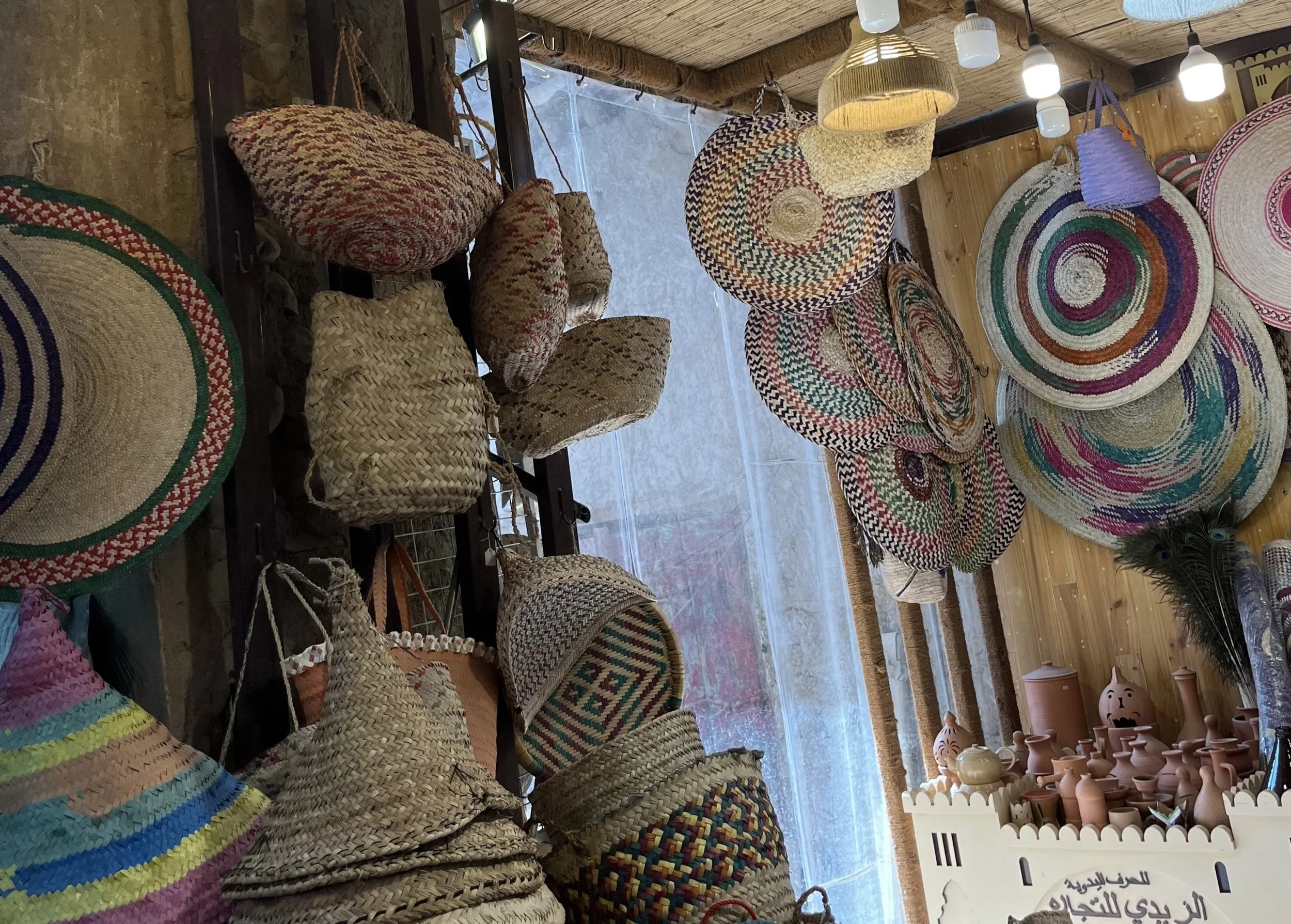
Hand-woven baskets on display at the Nizwa Market. Madison Paulus
Many art forms have been intertwined with Omani culture for thousands of years. Pottery is a 5,000-year-old tradition in Oman that is still present across the country. Holding great historical value, pottery has been integral in the lives of Omanis for thousands of years.
While pottery today is often decorative, its historical and cultural value has been maintained here. In the ancient Omani state of Bahla, explorers can buy pottery from local sculptures or even learn how to make their own at the Al Adawi factory.
Other intriguing Omani handicrafts include basket weaving and silversmithing. Hand-woven baskets made of date palm or other natural fibers can be found in markets across the country, and travelers can witness the process in action at the Nizwa Fort. Silver goods like khanjar (daggers) and jewelry can also be found throughout Oman’s markets, symbolic of Omani heritage and good fortune.
6. Comfortable Climate
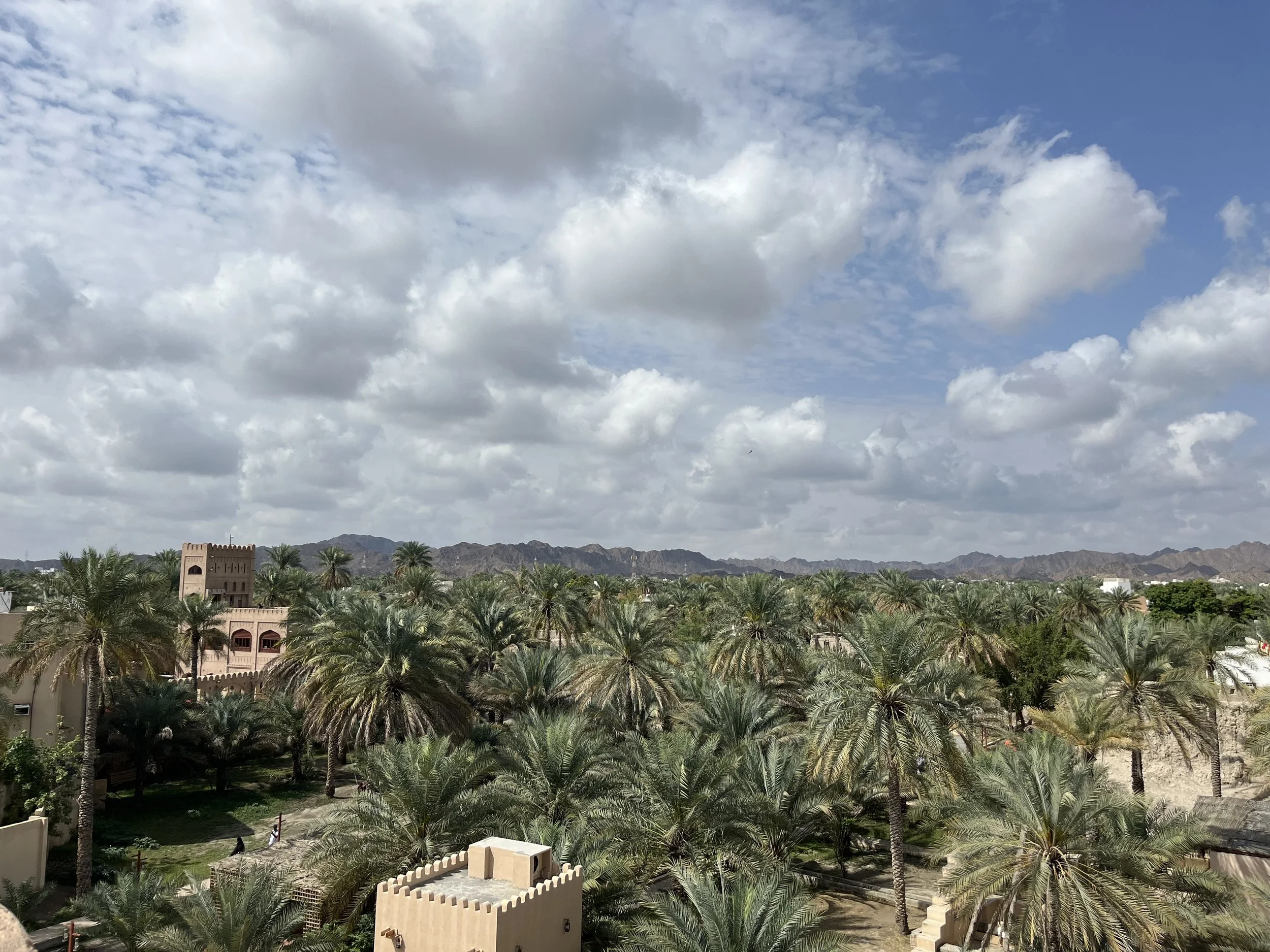
A view of the landscape from atop the Nizwa Fort. Madison Paulus
Oman’s weather and climate vary significantly by region, easily accommodating travelers’ preferences. With the interior's dry deserts surrounded by southwest summer monsoons and hot, humid coastlines, Oman offers a warm getaway whether you like sun or rain.
Because of this variation, Oman is a year-round destination, with northern Oman attracting many during the months of October through April, and the South drawing explorers most during July, August, and September, according to a presentation by Zahara Tours.
7. Natural Wonders
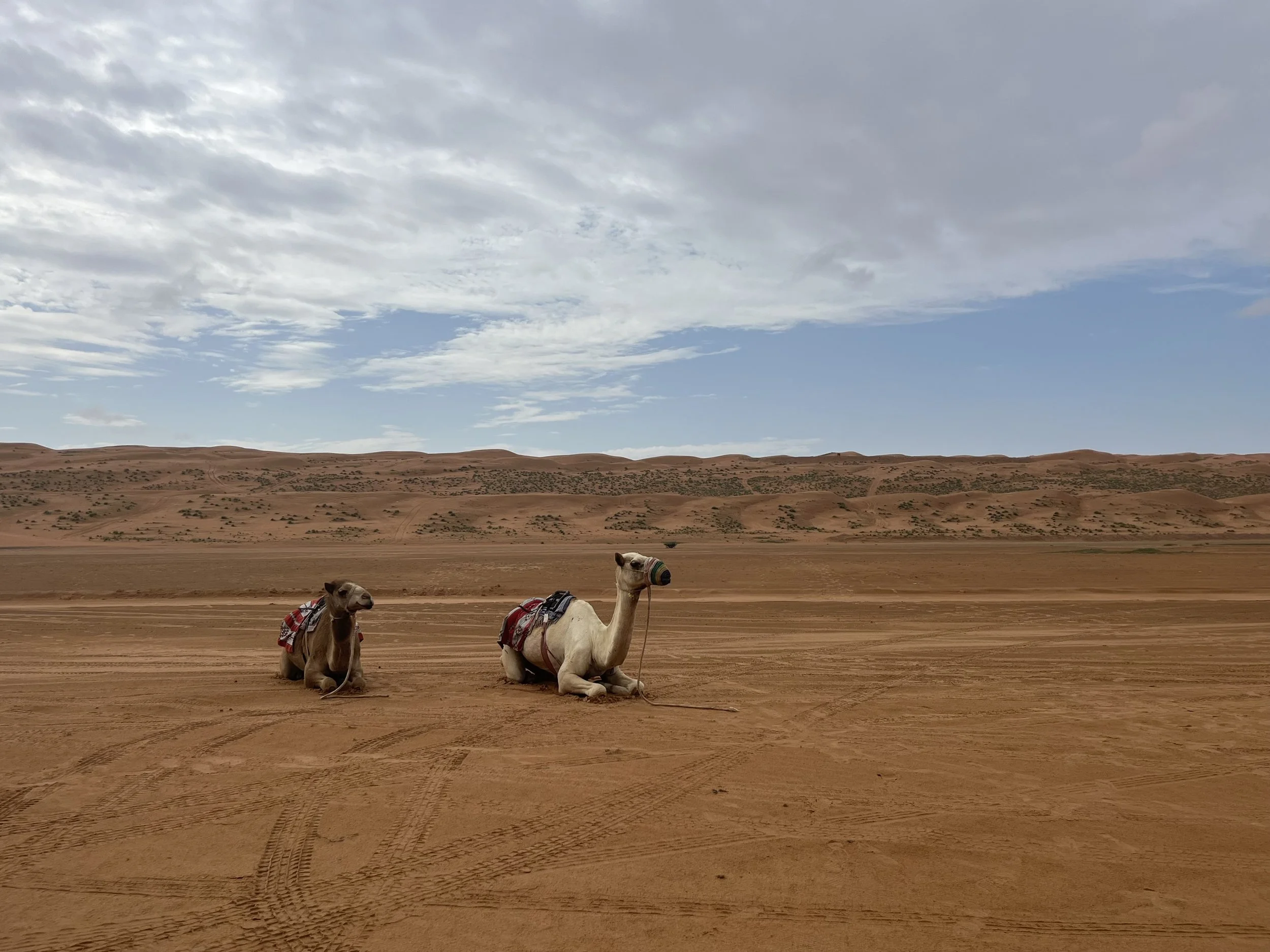
Camels sit in the sand outside the Arabian Oryx Camp. Madison Paulus
Oman’s ecosystems feature a huge diversity of plants and animals, from rock roses and apricots to turtles and camels. With 20 official nature reserves, travelers are offered a wide array of destinations to appreciate Oman’s natural beauty from the mountains to the sea.
Some iconic destinations for explorers to witness nature at its finest include the Al Jinz Turtle Reserve and Daymaniyat Island, where you can swim with whale sharks as they migrate south every summer.
With several caves beneath the earth and many wonders like waterfalls and valleys above, Oman’s astonishing ecology is situated in equally breathtaking natural landscapes.
8. Adventurous Activities
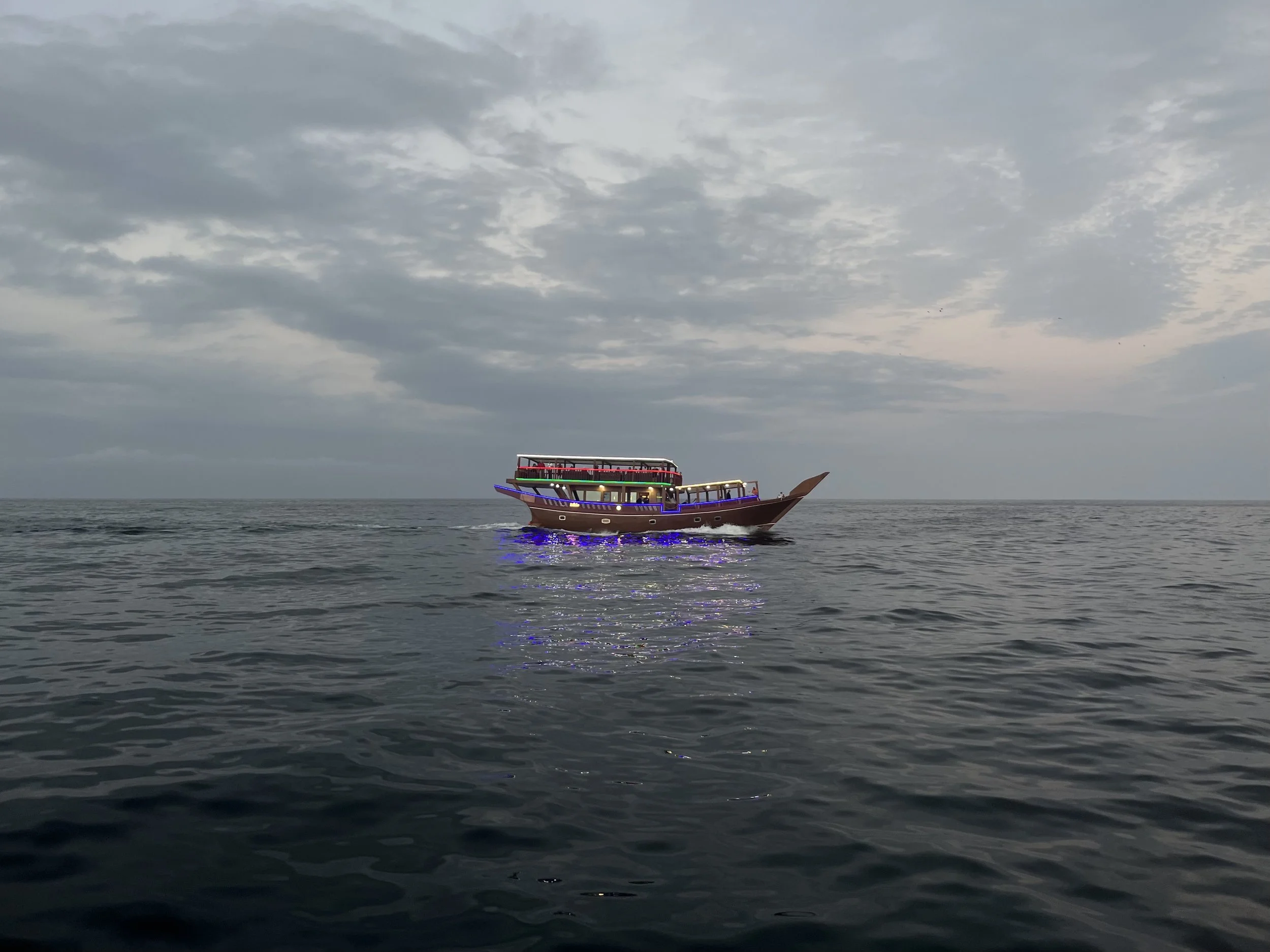
A Dhow boat sailing in the Gulf of Oman. Madison Paulus
Travelers itching for activity have countless options in Oman. Hikers will feel right at home, with many trails at varying levels of difficulty found throughout the Hajar and Musandam mountains.
Travelers can also explore the desert on camel-back or by riding on ATVs. The Arabian Oryx Camp is a perfect spot for either, in addition to offering Bedouin-style accommodations and authentic Arab cuisine.
For those who prefer to spend time in the water, Oman’s nearly 1,300 miles of coastline offers beaches where travelers can swim and snorkel through blue waters.

Madison Paulus
Madison is a student at George Washington University studying international affairs, journalism, mass communication, and Arabic. Born and raised in Seattle, Washington, Madison grew up in a creative, open-minded environment. With passions for human rights and social justice, Madison uses her writing skills to educate and advocate. In the future, Madison hopes to pursue a career in science communication or travel journalism.
A Literary Pilgrimage: Colombia with Gabriel García Márquez
A travel itinerary for bibliophiles, Gabo fans and adventurers alike

Author Gabriel García Márquez, “Gabo,” as an older man. Sebástian Freire. CC BY-SA 2.0.
Author Gabriel García Márquez, affectionately nicknamed “Gabo,” put his native country of Colombia on the literary map through his novels and short stories.
Critics lauded his novel Love in The Time of Cholera, a tale of romance between social classes, as one of the best love stories of the 20th century. His work One Hundred Years of Solitude, a multi-generational novel about a family from an isolated town, is considered the Bible of magical realism, a genre that describes fantastical events in an otherwise realistic tone.
Adventurous travelers and bibliophiles alike can experience the magic and romance of Colombia through García Marquez's eyes with an itinerary based on his life and literature.

A colorful street scene in Cartagena’s historic center. Joe Ross. CC BY-SA 2.0.
1. Cartagena
In an interview with actor and filmmaker Salvatore Basile, García Márquez said, “I would say that I completed my education as a writer in Cartagena.” With that in mind, Caribbean-flanked Cartagena is the ideal place to begin your Gabo-inspired tour of Colombia.
García Márquez lived in Cartagena for a year as a young man and kept a winter house in the city as an older man. He sets much of Love in The Time of Cholera in Cartagena. During his time in Cartagena, he was known for lingering on the plazas, waiting for something interesting to happen.
To experience the city from Gabo’s perspective, people watch at the lush, lively Plaza Fernandez de Madrid and historic, central Plaza Bolivar. Grab a drink at El Coro, the upscale cocktail bar in The Sofitel Santa Clara hotel, which García Márquez frequented. Visit Gabo’s marble-clad final resting place at La Merced monastery on the University of Cartagena’s campus.
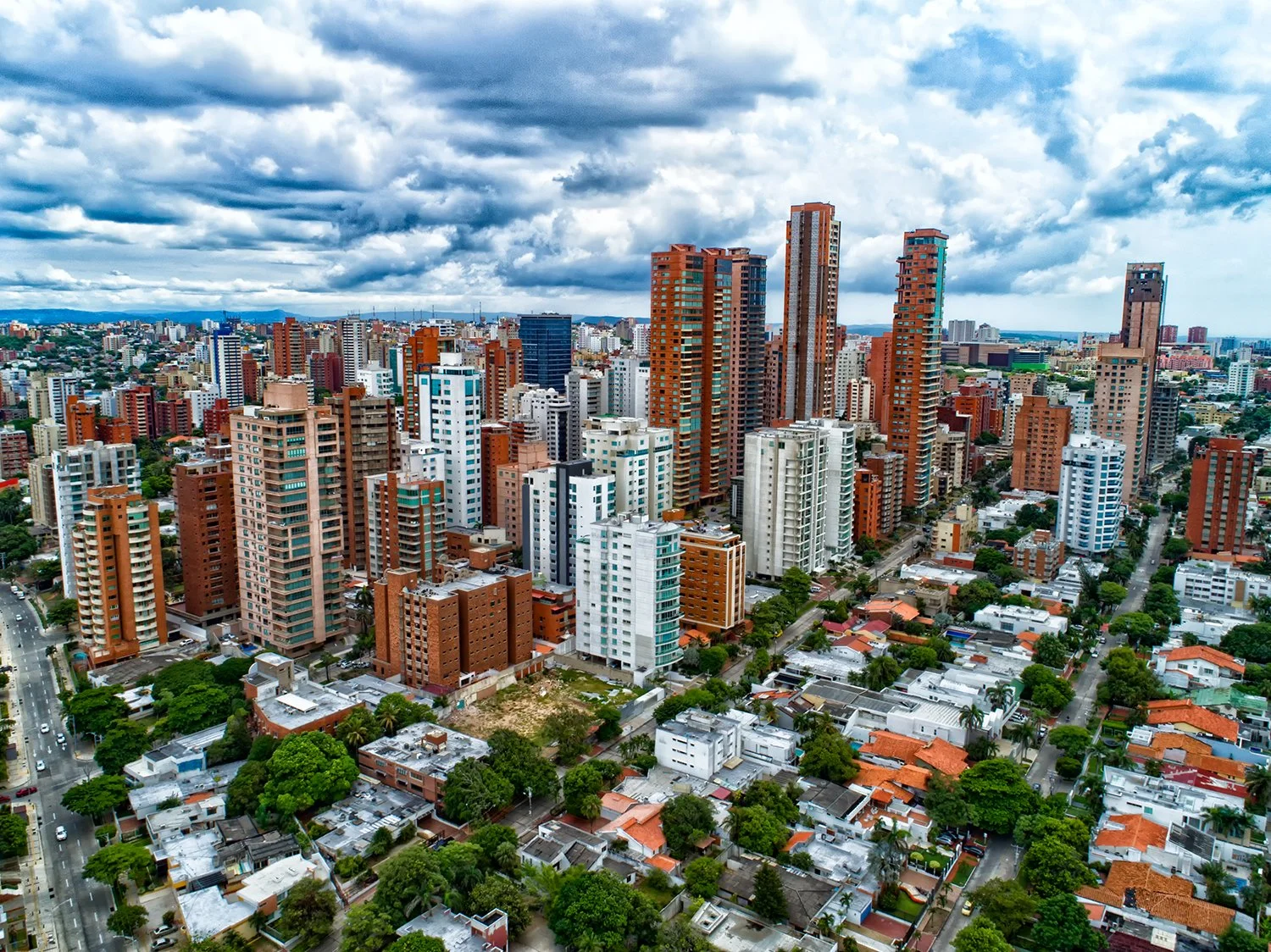
The orange-tinted cityscape of Barranquilla. Fernando Orozco. CC BY-NC-SA 2.0
2. Barranquilla
Following Gabo’s footsteps, travel from Cartagena to Barranquilla, a seaport known as Colombia’s “Golden Gate" because here the Caribbean meets the country’s major Magdalena River. Gabo lived here in the 1950s while he worked as a journalist.
While living in Barranquilla, García Márquez was a part of the Barranquilla Group, a collection of writers, journalists and philosophers who met Barranquilla in the mid-twentieth century. In addition to García Márquez, notable members include Álvaro Cepeda Samudio, Germán Vargas and Alfonso Fuenmayor. Allegedly, Gabo’s relationship with these men inspired the characters of the “four friends of Macondo” in One Hundred Years of Solitude.
Connect with Gabo and his Barranquilla Group friends at La Cueva, a bar where the Barranquilla Group of writers and journalists met. It continues to serve as a hub of cultural activity, serving traditional food like Butifarra ceviche and Cashew rice, as well as supporting Colombian literary magazines. Tour the peach-colored church, Iglesia Nuestra Senora del Perpetuo Socorro, where Gabo married his wife Mercedes Barcha.
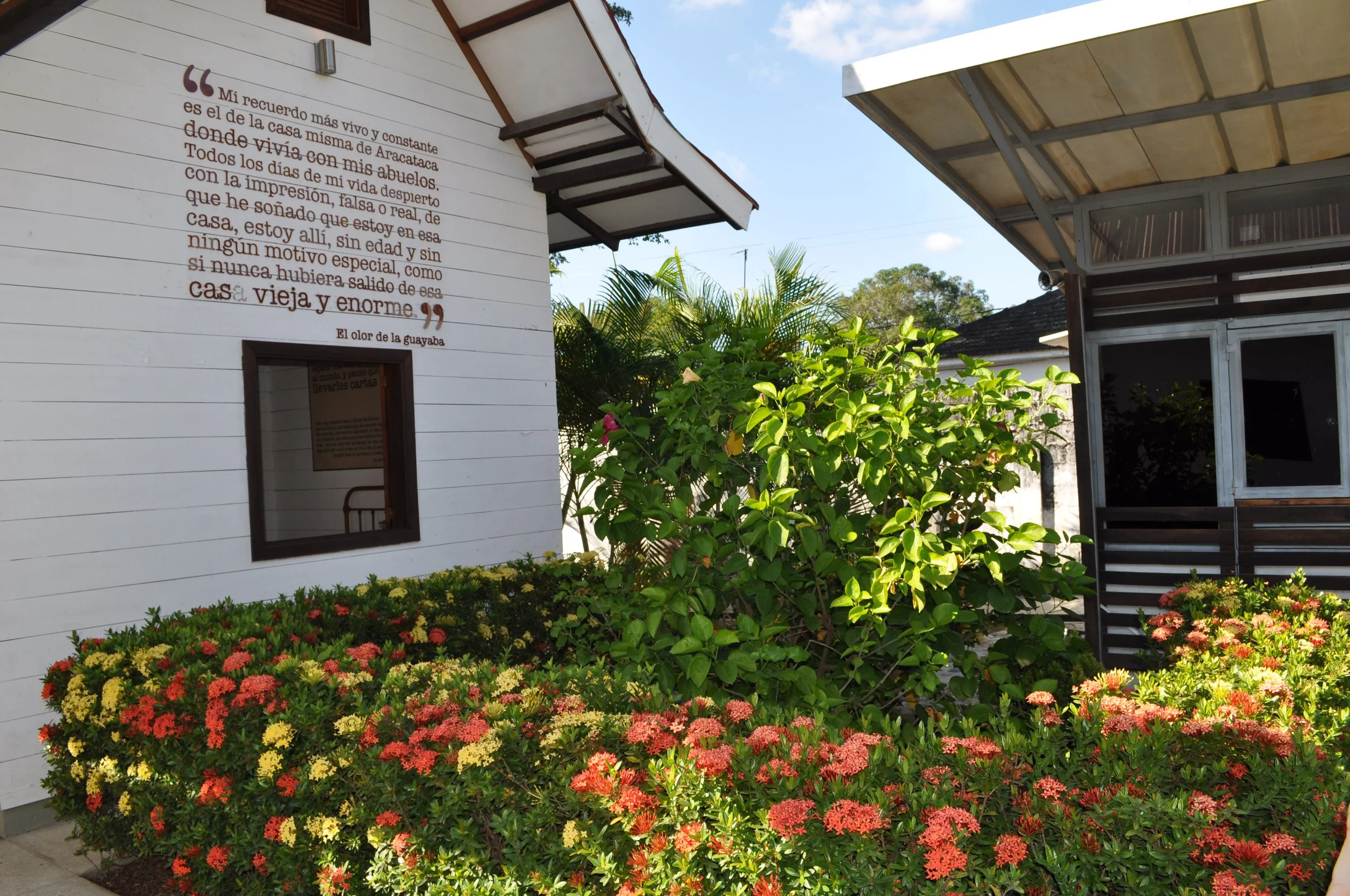
The Casa Museo Gabriel García Márquez, Gabo’s childhood home. Armando Calderón. CC BY-NC-ND 2.0.
3. Aracataca
After connecting with García Márquez’s early days as a writer in Barranquilla and Cartagena, go back to where it all began in Aracataca: Gabo’s steamy, sleepy and tropical hometown. Gabo’s success put Aracataca on the map, rejuvenating the town as small groups of literary tourists trickled in to see where a genius grew up. You can meander through the white house and its verdant garden where García Márquez lived until he was eight, Casa Museo Gabriel García Márquez.
In addition to being the locale of Gabo’s childhood, Aracataca inspired Macondo, the setting for One Hundred Years of Solitude. Stop for a photo opportunity in front of Aracataca’s bright, multicolored welcome sign, which includes an equally vivid Macando welcome sign in smaller letters.
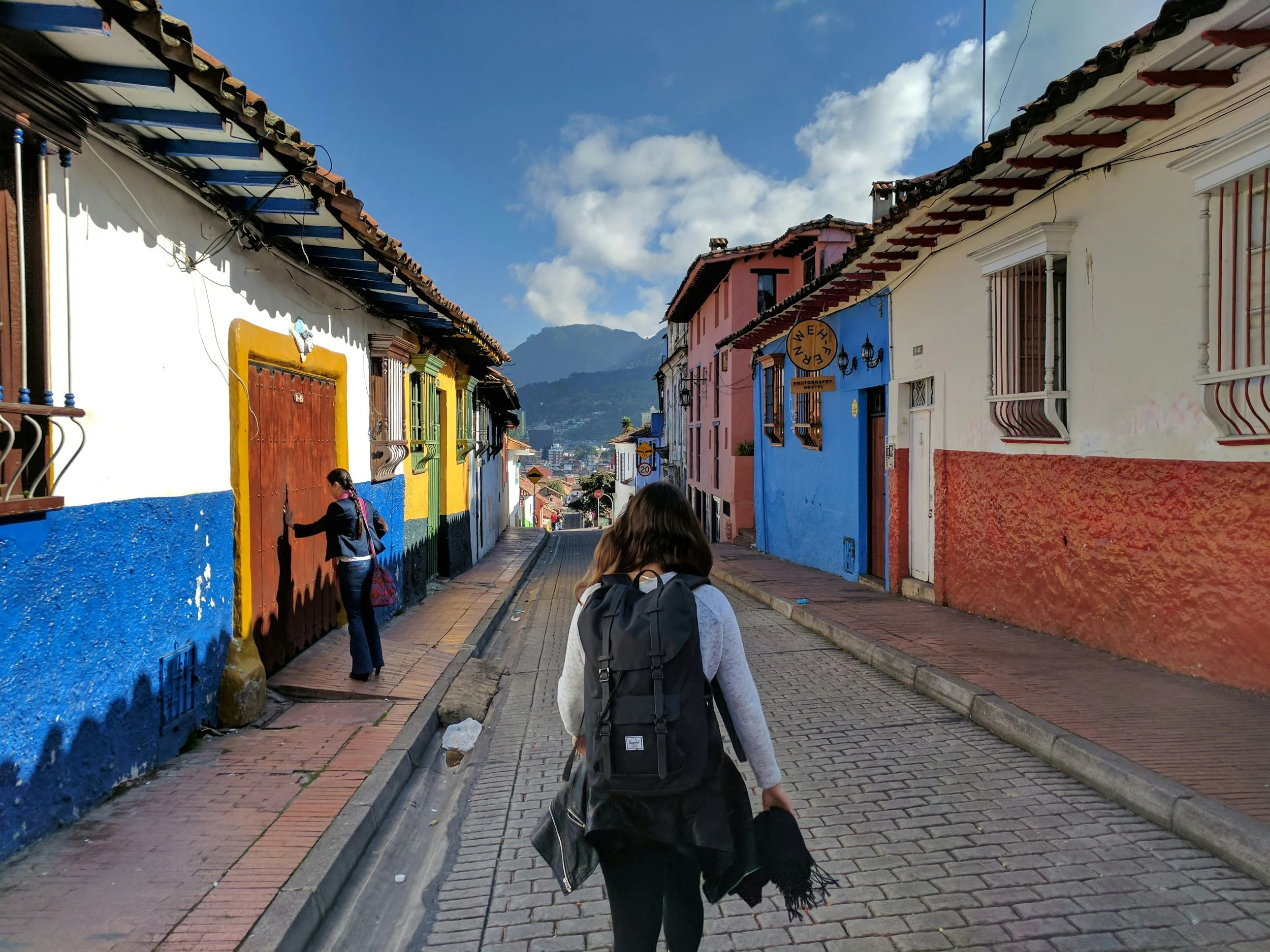
Walking the streets of La Candelaria neighborhood in Bogotá. Michael Barón. CC0.
4. Bogota
Conclude your tour of Gabo’s Colombia in mountainous Bogota. While not Gabo’s favorite city in Colombia, he called it “a remote, lugubrious city where an insomniac rain had been falling since the beginning of the sixteenth century” in his autobiography—it played a crucial role in his education.
García Márquez attended secondary school and earned a law degree in Bogota. He published his work in the city’s newspaper El Espectador. He also lived here temporarily with his wife later in his life, in the colonial neighborhood La Candelaria.
Learn more about his work and life at the Centro Cultural Gabriel García Márquez, a museum and hub of artistic activity in a circular building with its roof offering views of Bogota’s mountains and cityscape. Sip a coffee at Cafe Pasaje, an old-school coffee shop where Gabo allegedly had his java each day when he was a young journalist.

Annie O’Brien
Annie is a third-year student at George Washington University studying English, Creative Writing, and History. From Philadelphia, she is an avid reader, pop-culture enthusiast, and traveler. She’s always eager to talk about her adventures abroad and domestically, whether it's telling about the time she hitch-hiked in Bavaria or offering recommendations for the best bookstores in Key West. She hopes to become a published author one day. Enjoy more of her writing on her Substack.
Fairies and Folklore: The Magic of Scotland and England
From castles to coves, uncover destinations steeped in the mythological histories of Scotland and England.
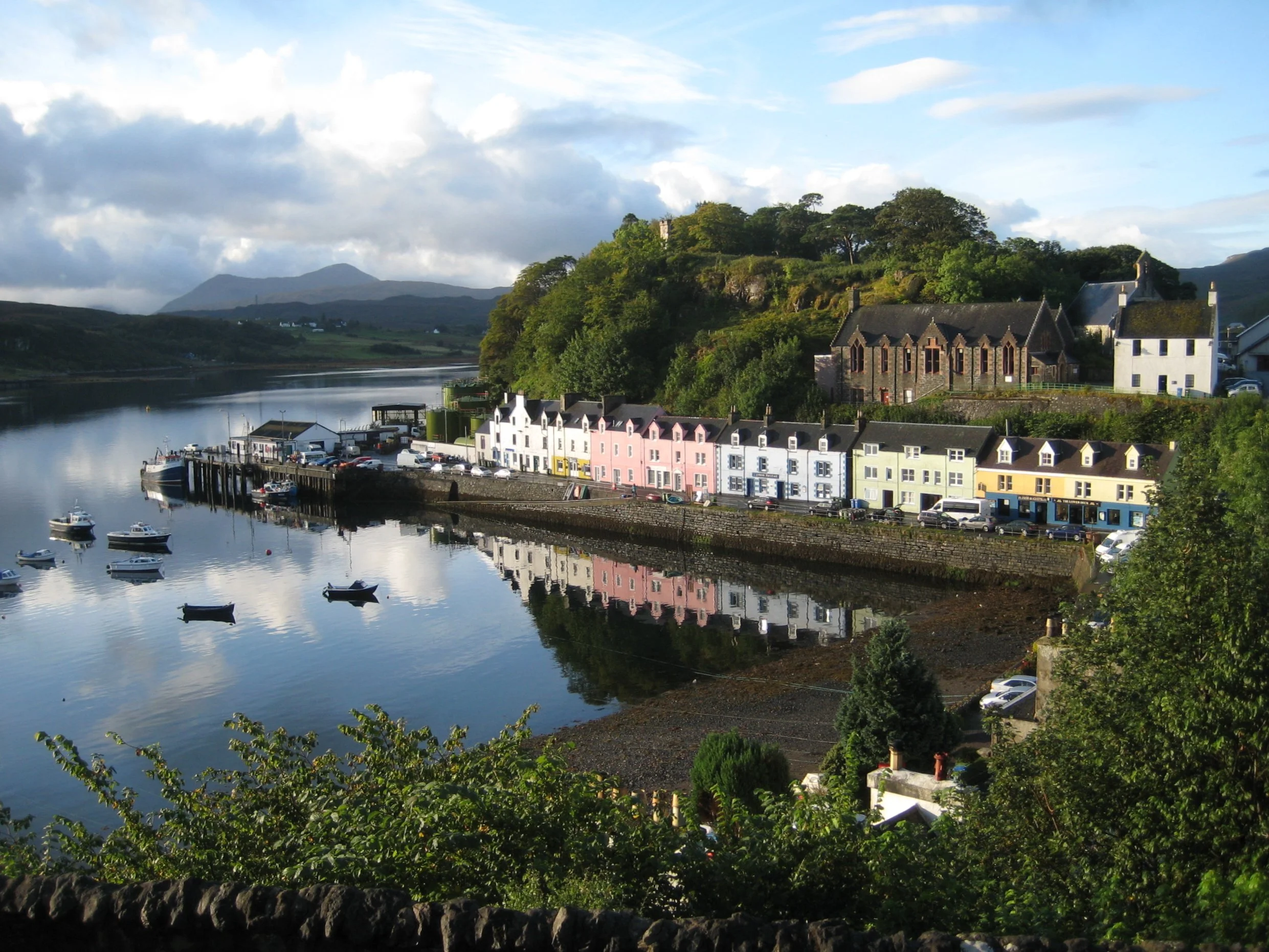
Portree, Isle of Skye’s capital city. CC BY 3.0
Whether your knowledge of fairies comes from nostalgic childhood tales or the well-informed worldbuilding of Tolkein, much of the folklore that has made its way into the popular imagination is embedded deep within the rolling hills of Scotland and England.
While each country has its variations of the myth, taking a tour through the whimsical high grassed countryside and rocky shores is a great way to take in some awe-inspiring views and understand the magic embedded in these countries.
Scotland
Located off of Scotland's northwest coast, the Isle of Skye is full of picturesque villages, cliffed shores and quaint fishing towns. But rather than only enjoying the colorful coastal houses on Portree, the island's capital, extend your adventure and visit various sights around the island boasting mythical pedigrees.
Fairy Pools
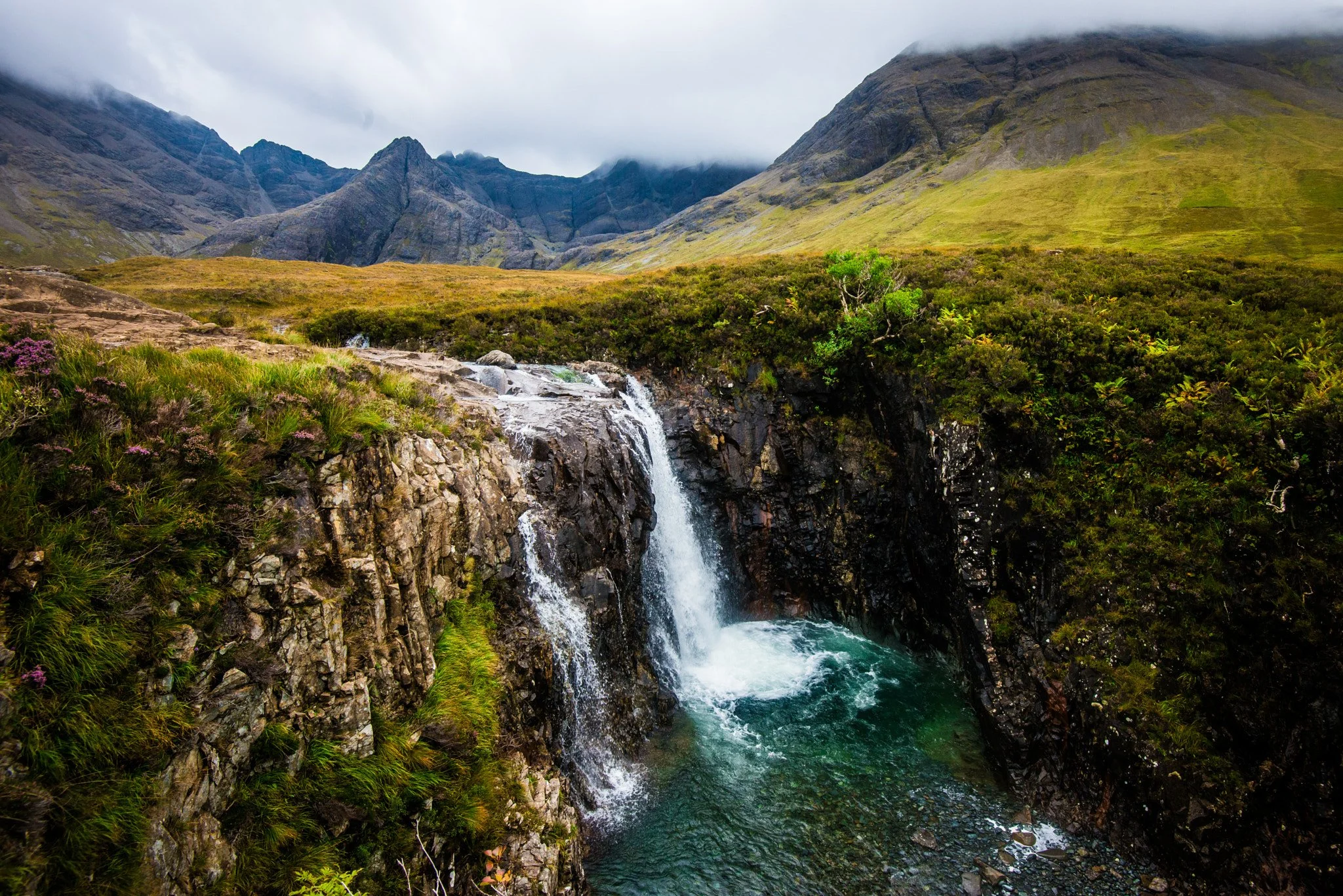
A waterfall at the Fairy Pools on the Isle of Skye. CC BY 3.0
A waterfall phenomenon in Glen Brittle, the falls are surrounded by sky-capped mountains and boast aqua-blue waters of astonishing clarity. Some claim if you’re lucky, you may spot a fae or two amongst the willowing grasses and purple flowers; if not, the red deer, sheep, and rabbits inhabiting the area will have to suffice.
The pool's name comes from the local legend that claims a Clan McLeod Chief married a fairy Princess. Additionally, the pools are said to attract selkies, a group of mythical creatures that spend the day on the coast as seals and then enjoy the pools at night after transitioning to human form.
Despite their charm, the Fairy Pools feature some brutally cold water temperatures, although it may be worthwhile to take a dip; as locals say, holding your head underwater for seven seconds is enough to bless you with the gift of eternal youth.
From the capital city of Portree, the Fairy Pools are a 35-minute drive and can be accessed through various tours operating on the island or of your own volition. The Fairy Pools walk is a 1.5-mile, easy hike to the pools from the parking lot.
Dunvegan Castle and Gardens
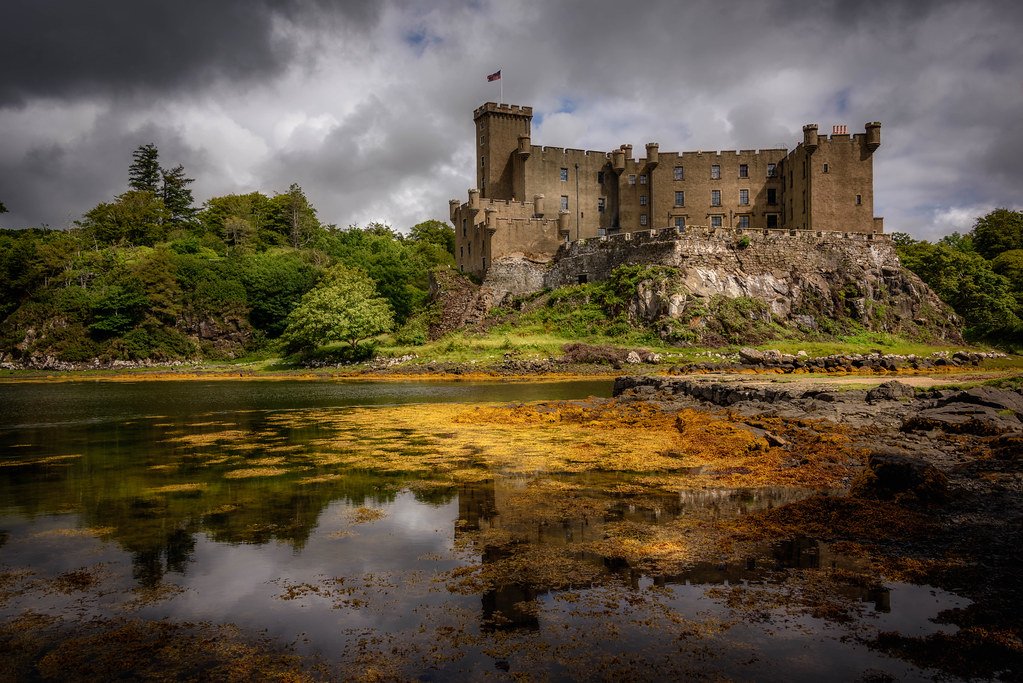
The Dunvegan Castle. CC BY-NC-ND 2.0 DEED
Open from March 29 to October 15, the Dunvegan Castle and Gardens is a medieval fortress dating back to the 1200s. Occupied by the same family for the last 800 years, the Hebridean castle is home to a few pieces of myth. On the Dunvegan property, one can walk across Fairy Bridge while exploring the grounds and even see the Fairy Flag, which is housed in the Castle.
The Fairy Flag is the prized silk scarf woven in the 4th century AD, either in Syria or Rhodes, and is said to possess miraculous powers instrumental in MacLeod’s battle victories. While there are two points of origin, a fairy origin and a crusader origin, the Fairy Bridge and Tower versions give the flag roots in folklore.
The Fairy Tower myth tells the tale of a restless MacLeod chief’s baby who was comforted one night by a fairy. The Fairy Bridge myth relates to the previously mentioned story of the MacLeod Chief and Fairy Princess; the story goes that the two parted ways on Fairy Bridge at Dunvegan, and the banner was his gift.
An astounding horticultural destination, Dunvegan boasts multiple gardens and woodland trails. The landscape and fauna are a wonder unto themselves. The gardens also feature lily ponds, gazebos and rare artifacts, such as a 17th-century sundial.
Located a 30-minute drive from Portree, the castle makes for an excellent excursion when visiting Scotland. While the Dunvegan Castle and Gardens offers visitor tours daily and make for a great day trip, the property's five holiday cottages allow visitors to enjoy an enchanting multi-day stay on the secluded property.
Fairy Glen
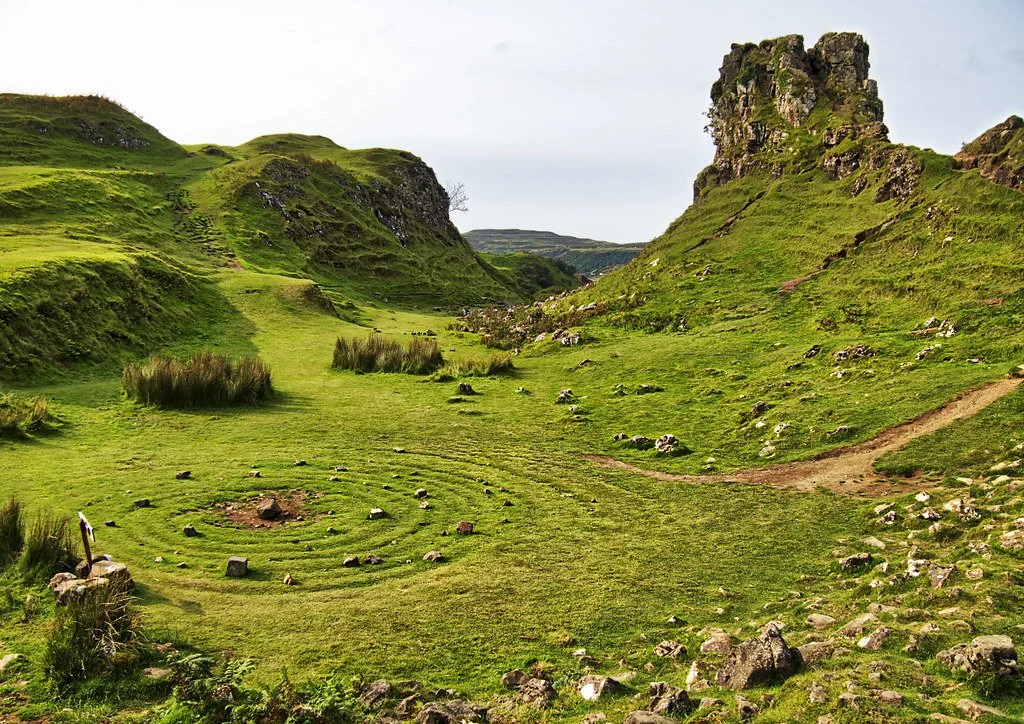
The labyrinth and peak at Fairy Glen on the Isle of Skye. CC BY NC-2.0
Protruding from the surrounding farmlands, Fairy Glen is a geographical landscape formed by an ancient landslide. The craggy formations and valleys are blanketed by a lush layer of green and are rumored to be home to the fae.
Climbing up Fairy Glen’s peak or walking beneath the cover of moss-engulfed trees will make anyone feel like they are walking amongst the faeries. Be sure to stop and make a wish at the stone labyrinth when you are making your way through.
Fairy Glen is about a 25-minute drive from Portree, and various tours include this location as a stop. From the destination's parking lot there is a one-mile walking circuit that showcases the grounds, but feel free to adventure on your own and enjoy this majestic landscape.
England
On the rugged Southwestern tip of England, Cornwall is home to many of the country's mythical and folktales. Cornwall has its own variety of fairies, the Piskeys, a lively and mischievous people who originated from tales of a Pygmy race in Cornwall during the Neolithic period. More than just fairies, Cornwall is rumored to be home to mermaids, giants, and various King Arthur myths.
Sennen Cove
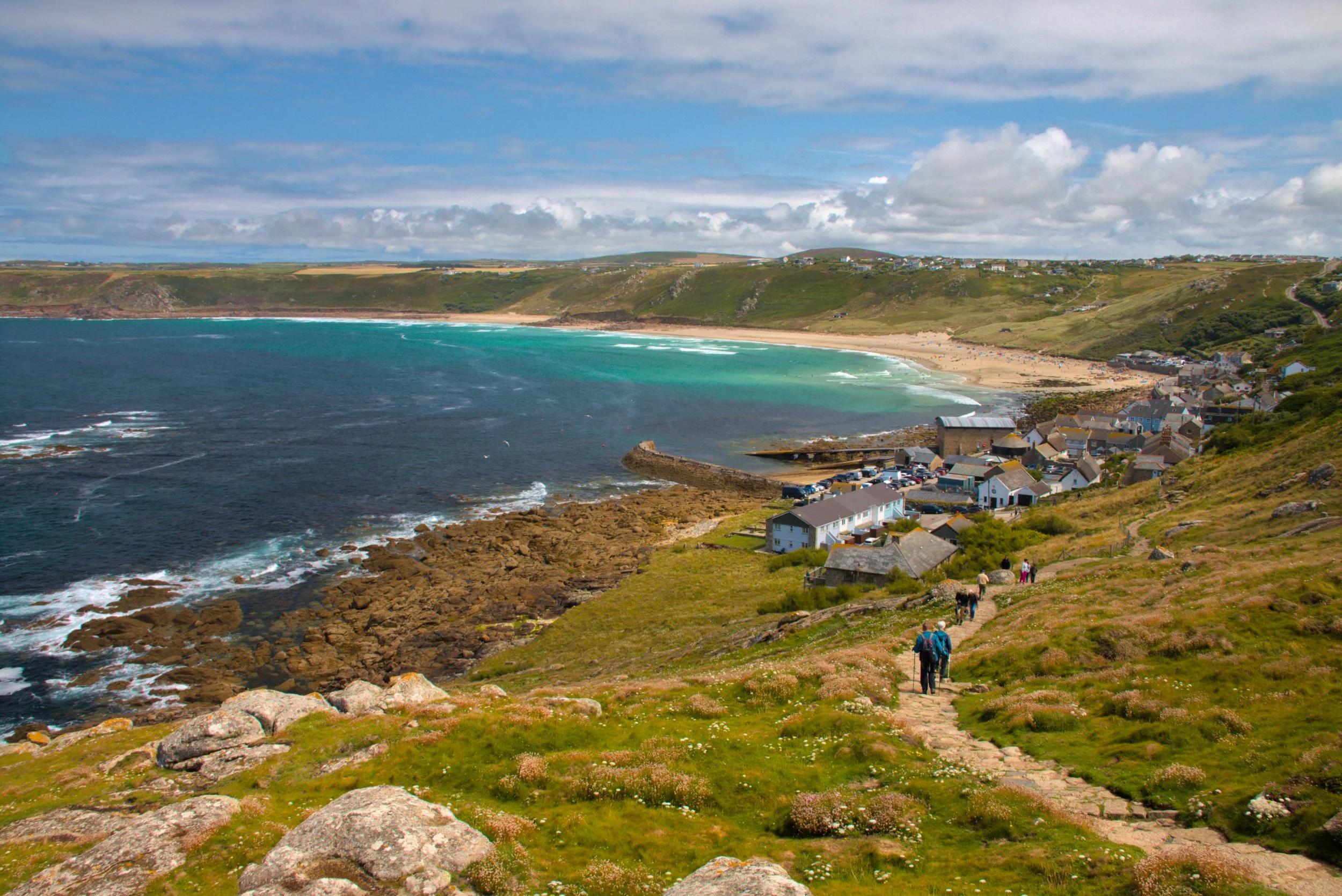
The coastline and surrounding shore at Sennen Cove. CC BY-SA 4.0 DEED.
England’s most westerly beach, Sennen Cove, is a white sand beach renowned for its excellent surfing conditions. In the early 20th century, American Anthropologist Walter Evan Wentz published "The Fairy Faith In Celtic Countries", conducting some of his research at Sennen Cove by speaking to locals about the dancing fairies. A study published at a similar time in the Journal of the Society for Psychic Research tells the story of Grace Penrose as written by E. Westlake. She speaks of miniature people in white dancing in the moonlight before being frightened and disappearing into a rock face along the shore.
To get to Sennen Cove, visitors can take a bus that leaves every two hours from Penzance or make the 20-minute drive themselves. Once at the Cove, you can enjoy Whitesands Bay, the stretch of white sand beach on the Cove’s coast. Overlooking the cove, stop at the Old Success Inn, a pub dating back to the 17th century, for lunch and drink. The Inn has a rich history in Sennen Cove and is rumored to be a site for mermaid sightings.
Elusive in nature, when visiting Sennen Cove, you may not stumble upon any fairies in the moonlight or catch a glimpse of mermaid tales ducking under the blue waves, but the Cove is perfect for a beach getaway anyway.
St. Michael’s Mount
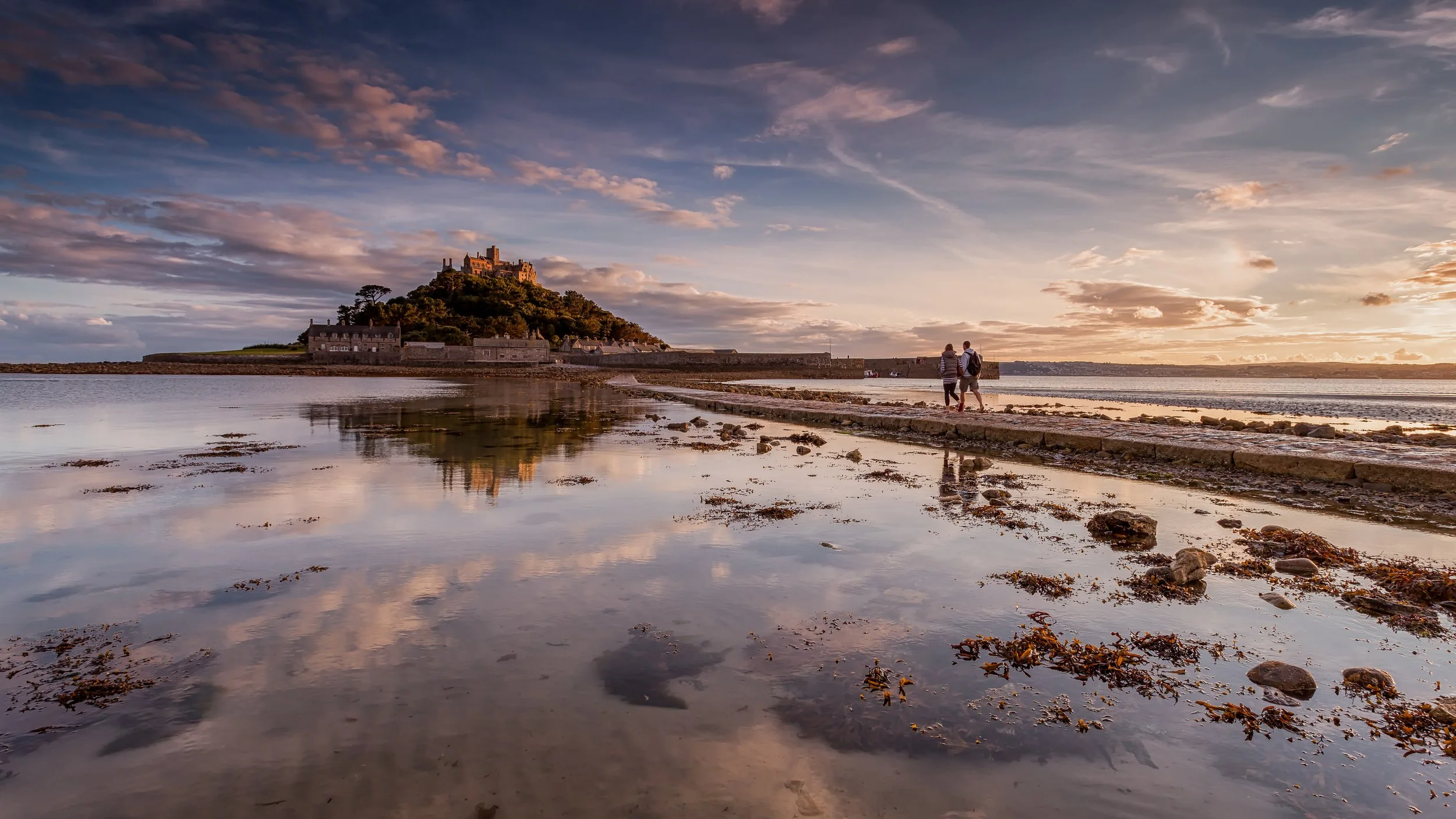
The castle and causeway leading up to St. Michael’s Mount. CC BY-SA 3.0 DEED
A tidal island in Cornwall’s Mount Bay, St. Michael’s Mount is home to one of England’s most famous legends. Rumors of mermaids luring sailors to the island’s shores date as far back as 495 AD, but even more prominent is the Cornish tale of Jack the Giant Killer. With the island as his home, the evil Cormoran was defeated by none other than Jack after a long reign of terror. Per the legend, when visiting, be sure to hike up the mountain and around the island in search of the giant's missing stone heart.
Outside of folklore, the site is also a religious destination. Archangel Michael was rumored to have guided sailors to safety at the current location of the castle’s entry. Named after that patron saint of fishermen, St. Michael’s causeway allows travelers and pilgrims alike to walk from the mainland to the island during low tide.
To reach the island, walking over the causeway is one option; however, if it happens to be high tide, from March 29 to October 31 there are boats running from Marazion Beach to the island. Riddled with history, the castle, church and surrounding gardens offer a fusion of folk and faith, making Mount St. Michael a beautiful, enchanting destination on a Celtic fairytale tour.
Nicola is studying English Literature at George Washington University, where she also reports for the student newspaper, The Hatchet. Nicola's passion for literature and writing has sparked an interest in exploring the broader context surrounding written texts. Researching and writing for Catalyst Planet allows her to investigate nuanced issues that intersect with her interests in art history, culinary practices, and cultural traditions.
Nicola is studying English Literature at George Washington University, where she also reports for the student newspaper, The Hatchet. Nicola's passion for literature and writing has sparked an interest in exploring the broader context surrounding written texts. Researching and writing for Catalyst Planet allows her to investigate nuanced issues that intersect with her interests in art history, culinary practices, and cultural traditions.
Nicola is studying English Literature at George Washington University, where she also reports for the student newspaper, The Hatchet. Nicola's passion for literature and writing has sparked an interest in exploring the broader context surrounding written texts. Researching and writing for Catalyst Planet allows her to investigate nuanced issues that intersect with her interests in art history, culinary practices, and cultural traditions. Nicola is studying English Literature at George Washington University, where she also reports for the student newspaper, The Hatchet. Nicola's passion for literature and writing has sparked an interest in exploring the broader context surrounding written texts. Researching and writing for Catalyst Planet allows her to investigate nuanced issues that intersect with her interests in art history, culinary practices, and cultural traditions.

Nicola Degregorio
Nicola is studying English Literature at George Washington University, where she also reports for the student newspaper, The Hatchet. Nicola's passion for literature and writing has sparked an interest in exploring the broader context surrounding written texts. Researching and writing for Catalyst Planet allows her to investigate nuanced issues that intersect with her interests in art history, culinary practices, and cultural traditions.
10 Best Places to Travel in the US this Spring
A guide to the most beautiful spots to experience in the springtime
Read MoreJourney through the Wind and Waterfalls of South America
A group of friends started a journey to Argentina, Chile, Bolivia, Uruguay, Paraguay and Southern Brazil in their old and rusty Land Rover. They encountered lots of winds, emptiness, pampas, bustling cities, animals, deserts and waterfalls—all wrapped up in just under 6 minutes. Enjoy the ride!
CONNECT WITH VINCENT URBAN
7 Tombs to Visit Besides the Great Pyramids
The Great Pyramids are probably the world’s most well-known tombs, but they are far from the only ones. These seven tombs are impressive and fascinating.
Read More5 Adventures in Borneo
Borneo, the third-largest island in the world, boasts an enriching culture and a variety of adventurous nature excursions.
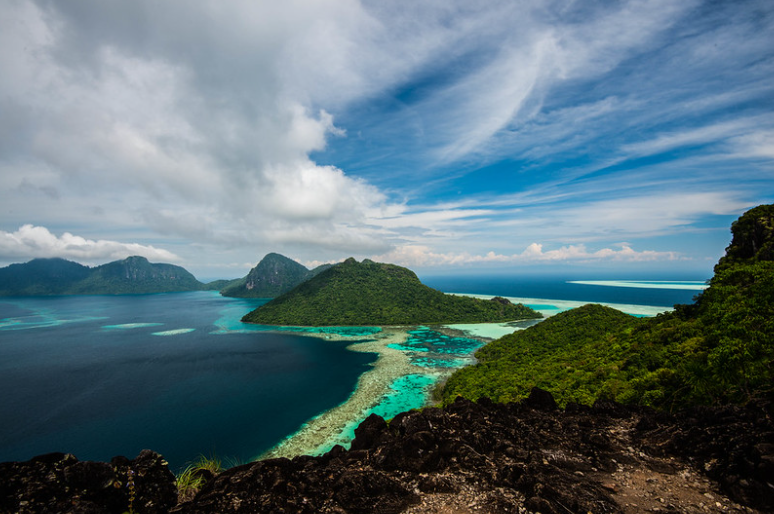
Bohey Dulang—Borneo. JohnJoDeery. CC by 2.0.
Borneo, an island located in the southwestern portion of the Pacific Ocean, is the third-largest island in the world, and the only one that is shared by three countries—Malaysia, Indonesia, and Brunei. The Malaysian part of the island consists of the two states Sabah and Sarawak, with Indonesia holding sway over five provinces in what its citizens Kalimantan and Brunei possessing the smallest section of land named after the country itself. As a part of the Greater Sunda Islands group, Borneo is bordered by two other islands, Sulawesi to the east and Sumatra to the west. The island of Borneo has approximately 292,000 square miles of territory in total, and harbors a significant population of 21.26 million people. Even divided, Borneo is an intriguing and obscure place that most travelers are not aware of; its hot and humid climate makes for an ideal tropical destination. From the soaring heights of Mount Kinabalu to the mysterious depths of the Mulu Caves, the island provides many opportunities for adventurers.
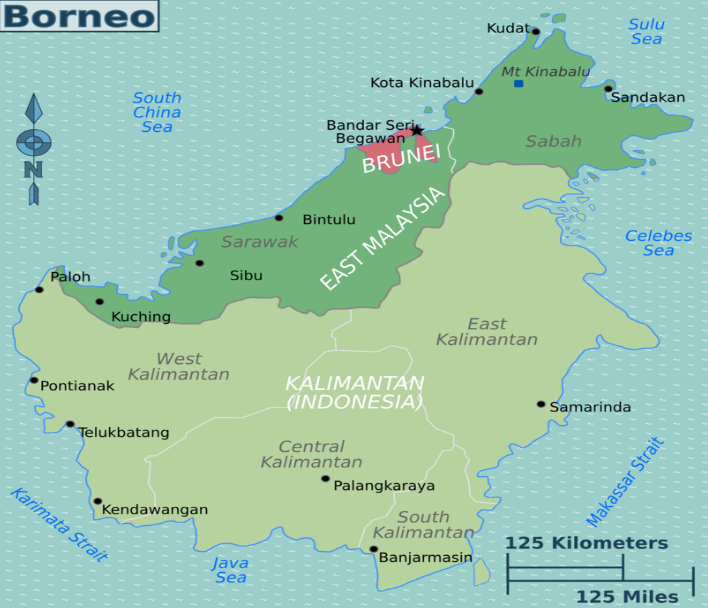
Map of Borneo. Peter Fitzgerald. CC by 2.0.
Sea Diving in Sipadan Island
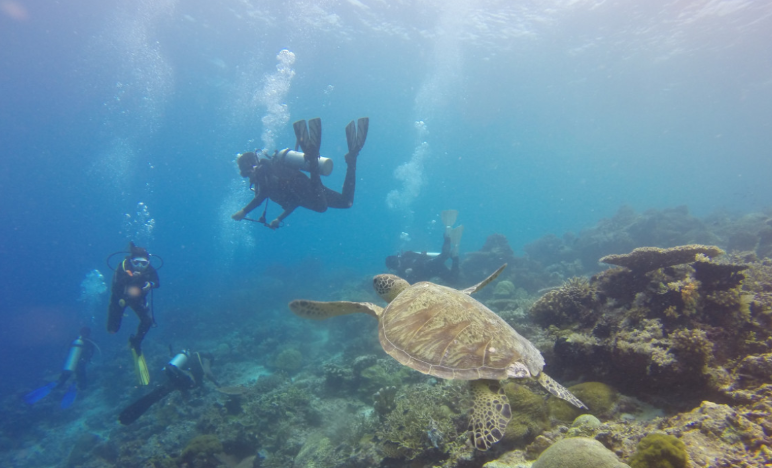
Scuba Diving in Sipadan Island. CC0.
Sipadan Island, located in the Celebes Sea and situated off the northeastern coast of Borneo, is renowned as one of the world's premier dive destinations, known especially for its marine biodiversity and pristine coral reefs. Diving in the waters surrounding Sipadan offers a scenic experience, where the coral gardens provide a backdrop to an incredible array of marine life. Schools of barracuda, jackfish and sea turtles are all present in these waters, so they’re easy to spot. The island's underwater landscape, featuring dramatic drop-offs and caverns, adds an element of excitement to the exploration. With its protected status as a national park under Sabah Parks, its limited dive permits and its no-fishing policy, Sipadan ensures a sustainable underwater environment, allowing divers to witness the beauty of the ocean.
Exploring the Ancient Mulu Caves
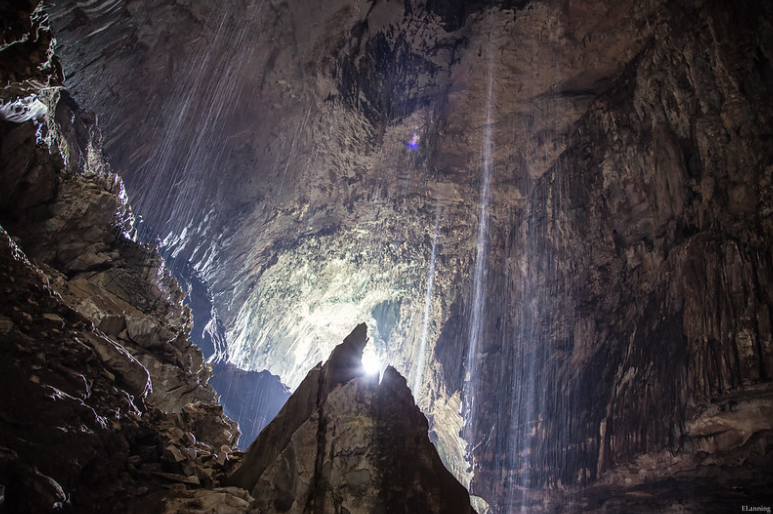
Caves of Mulu. Eric Lanning. CC by 2.0.
Exploring the Mulu Caves in Borneo involves a journey into the depths of one of the world's most fascinating landscapes. Situated in Gunung Mulu National Park, a UNESCO World Heritage Site, the Mulu Caves system is a network of limestone caverns, tunnels and chambers, shaped over millions of years. The expansive caves are full of stalactites and stalagmites, creating an otherworldly environment that transports visitors into a space of natural wonder. The Deer Cave, one of the largest subterranean passages globally, impresses with its vast chambers. Adventure-seekers can also participate in guided tours, which include crossing rope bridges and navigating through passages, providing a sense of exhilaration.
The World's Largest Floating Village in Brunei

At Kampong Ayer. Watchsmart. CC by 2.0.
Kampong Ayer, often referred to as the "The World’s Largest Floating Village," is a water town situated in the heart of Bandar Seri Begawan, the capital of Brunei. This settlement is one of the largest global stilted communities, consisting of intricately connected houses, schools, mosques and markets that rise above the Brunei River on wooden supports. The village has a history dating back centuries, with traditional wooden architecture and a lifestyle deeply rooted in the water. Approximately 13,000 people still reside in their traditional houses, and instead of using roads or cars as methods of transportation, water taxis take residents from one place to another. The water village showcases a unique way of life that one doesn’t see often, and it has endured for generations in Brunei.
Outdoor Adventures in Kalimantan
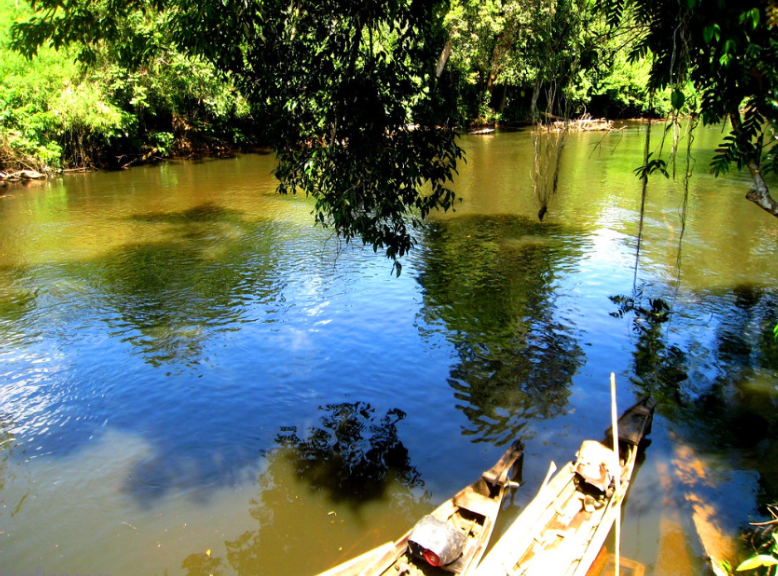
Batang Kawah River, West Kalimantan. DN.Zrr. CC by-NC-SA 2.0.
Kalimantan, the Indonesian portion of Borneo, is a treasure trove for outdoor enthusiasts seeking thrilling adventures and nature. The region is renowned for its dense rainforests, winding rivers and diverse wildlife, creating the opportunity for a variety of outdoor activities. Adventure seekers can embark on multi-day treks through the rainforests, seeing tropical flora and fauna and perhaps even getting the chance to discover orangutans. The rivers of Kalimantan offer opportunities for exciting activities such as white-water rafting, with rapids making the excursion more fun. For those seeking a more serene activity, cruising along the territory's scenic rivers on wooden boats provides a tranquil way to take in the breathtaking surroundings.
Hiking at Mount Kinabalu
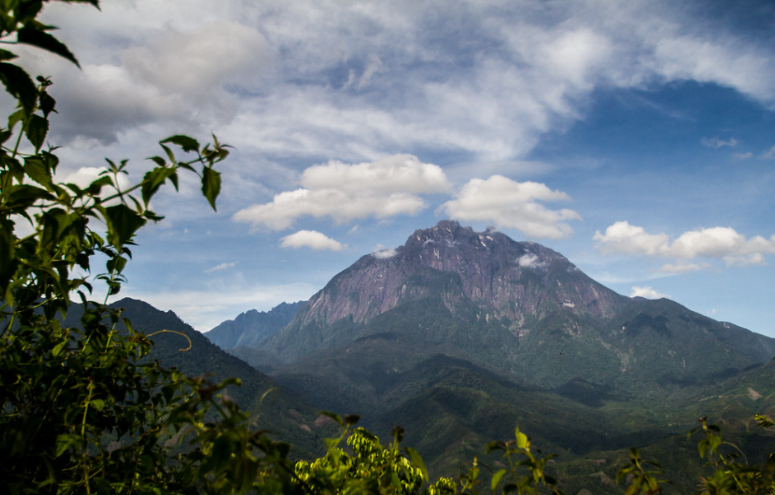
Mount Kinabalu, Borneo. Paul Williams. CC by-NC 2.0.
Hiking Mount Kinabalu is an experience that beckons adventurers to the landscapes of Borneo. It is a challenging hike and rigorous pace, and usually can last around two days. As Southeast Asia's highest peak, standing proudly at 4,095 meters (13,435 feet), Mount Kinabalu dominates the Malaysian state of Sabah. The ideal time period for completing this excursion is between March and April. The ascent begins in the foothills and takes hikers through the ecosystems, from rainforests to meadows. There are even different routes you can choose to partake in, including the Ranau and Kota Belud Trails. The journey reveals panoramic views and a variety of flora and fauna—including 5,000 types of plants, 326 different birds and over 100 mammal species all on this single mountain. Mount Kinabalu, because of its partially difficult trek, is a physical accomplishment that leaves a lasting impact, making it a must-see in Southeast Asia.

Riley Baker
Riley Baker is a first-year student at James Madison University majoring in Writing, Rhetoric, and Technical Communication. She enjoys elements of storytelling and creative writing and likes listening to music. In addition, she is interested in journalistic-style writing and editing, and intends to focus on writing articles about lesser known travel locations and impactful world topics.
Where to Travel in 2024
From the ancient wonders of Egypt to the futuristic allure of Dubai, CATALYST PLANET presents the top 25 destinations for your 2024 travel itinerary. Whether you crave thrilling adventures or cultural immersion, there is something here for every traveler.
Read MoreThe Peranakan: A Unique Southeast Asian Fusion Culture Rooted in Region’s Traditions
The Peranakan culture is defined by its multicultural roots that have long-lasting influences on the Malay Peninsula. From food to fashion, the Peranakan occupy a unique role in the region’s extensive history.
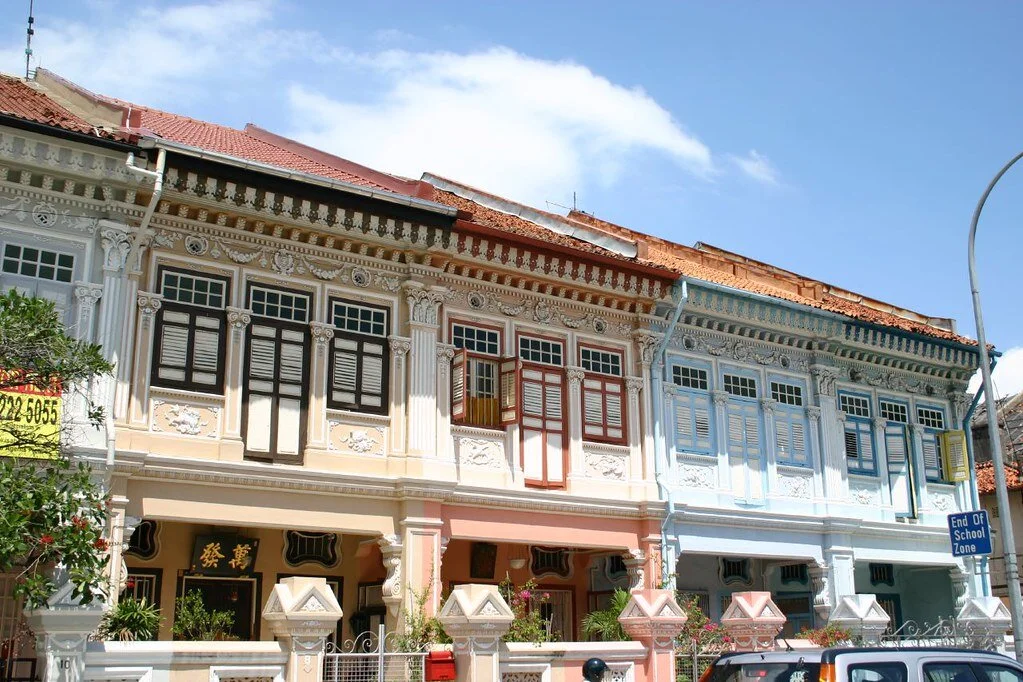
Peranakans heavily influenced the region’s architecture—the iconic shophouse being one of those contributions. Gildardo Saánchez. CC BY-NC-SA 2.0.
Along the Malacca Strait, an enduring and eclectic culture still survives. The Peranakan is a syncretic minority group mainly found on the Malay Peninsula. Peranakans are descendants of early multicultural unions; southern Chinese traders and settlers would marry local Malay, Thai and Javanese women. Though their origins go back over 600 years, Peranakan culture was at its most influential between the late 19th and 20th centuries. Out of this union came a unique fusion identity that birthed new languages like Baba Malay as well as terms like “babas” and “nyonyas” to describe Peranakan men and women.
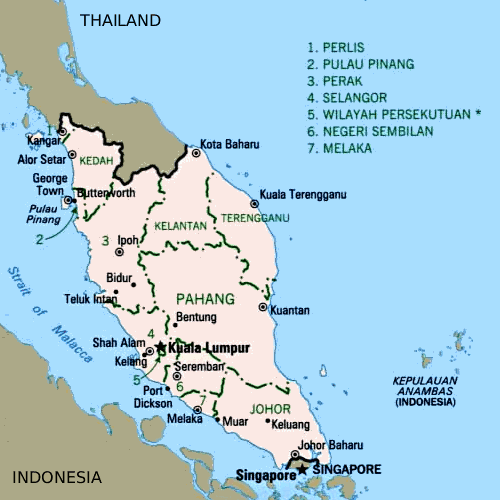
The Peranakan have roots in Indonesia, Malaysia, Singapore, Myanmar and even on the Thai island of Phuket. Jpatokal. CC SA 1.0.
In a 2009 study, former National University of Malaysia professor Lee Su Kim chronicled the niche position that Peranakans inhabited in the region. As children of mixed cultures, the Peranakan were multilingual and acted as intermediaries between different ethnic groups. During the colonial era, these skills entrenched Peranakans as a hierarchical elite. They acquired material wealth, were educated in British schools, and occupied roles such as diplomats and record-keepers.
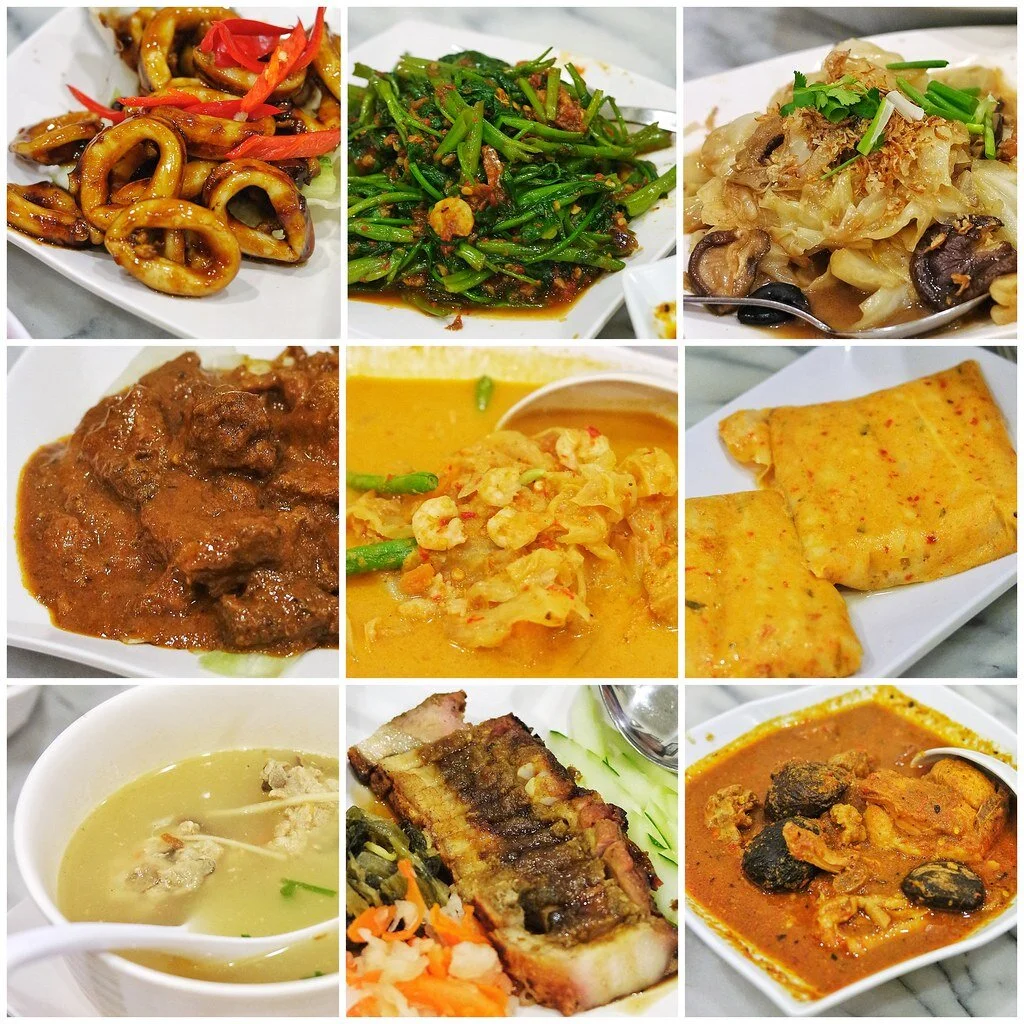
A medley of iconic Peranakan foods including rendang and stir-fry kangkong leaves with dehydrated mini shrimp. Tammi Kwok. CC BY 2.0.
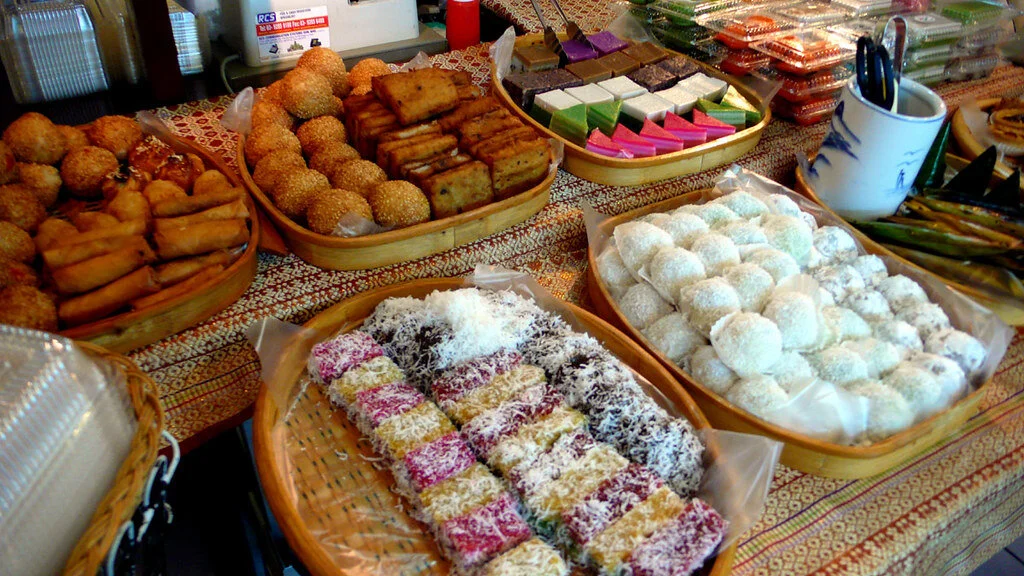
Baskets of desserts including the iconic nyonya kuih, coconut confections made from glutinous rice and pandan. Chotda. CC BY-NC-ND 2.0.
Despite being a minority, Peranakan culture has also infused itself into nearly every plate in the region. From iconic dishes like asam laksa (a spicy seafood noodle soup served with mint and ginger) to chendol (a shaved ice dessert slathered in coconut milk, palm sugar syrup, and other sweet treats), Peranakan cuisine—or Nyonya cooking—has created a unique palette that is representative of the region’s multiethnic populace. Not only is the cuisine widespread within the region, but also proof of the prolific trade that once flourished in the past.
In 2016, the Journal of Ethnic Foods published a study on the historical perspectives of Nyonya cuisine in Malaysia, finding that Peranakan cooking was simply an extension of the “cultural borrowing and cultural innovation through contact with local ingredients.” As a trading hub, Peranakan cuisine evolved to include Thai, Indian, Dutch, Portuguese and English cooking techniques.
Despite these rich contributions, the knowledge of Peranakan culture is fading. In a personal blog, Peranakan descendant Shahan Cheong details how the destruction of World War II all but obliterated history and routine along the Malacca Strait. Although pieces of Peranakan culture survive through architecture, styles of dress, food and decor, few living descendants can actively recount the story behind each historical artifact and site.
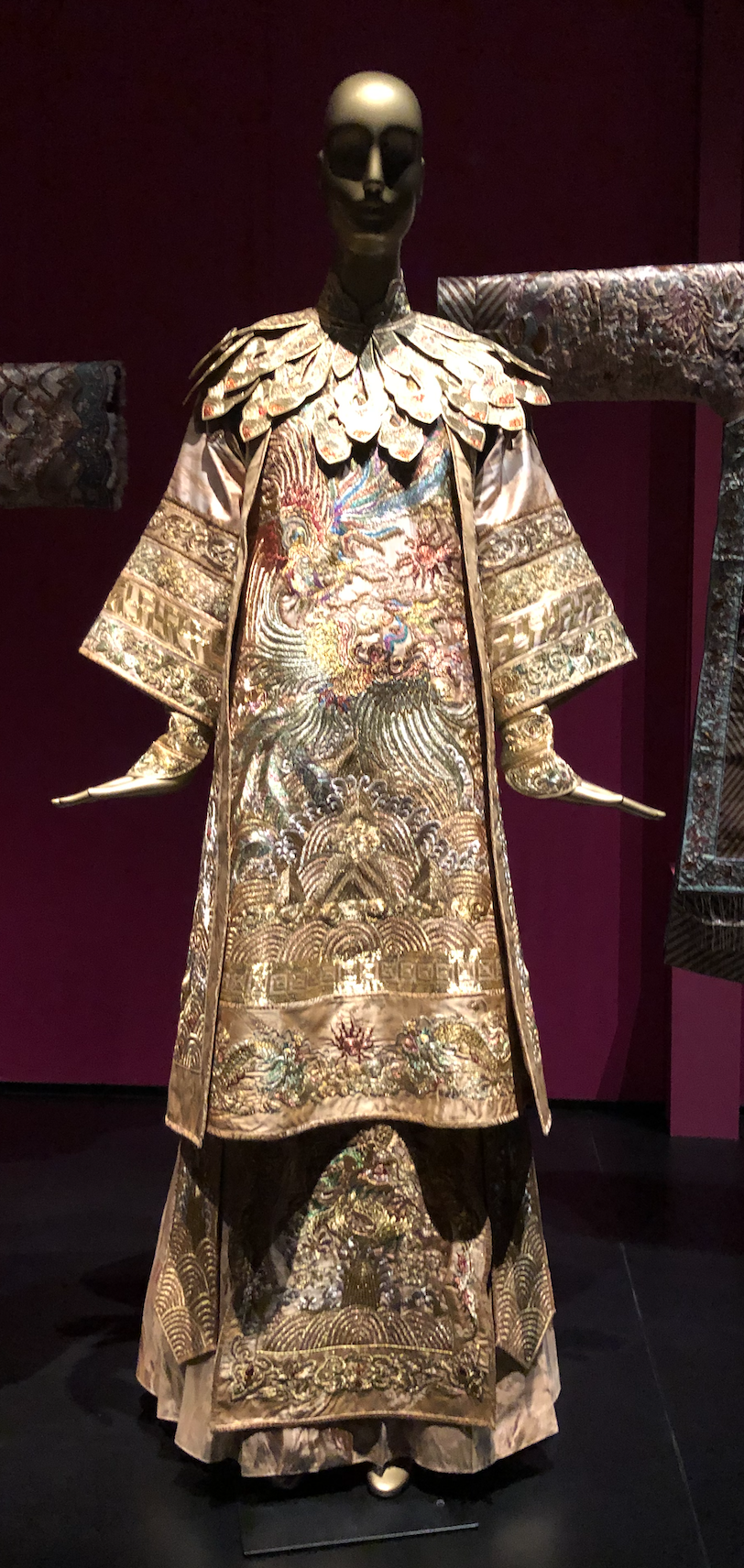
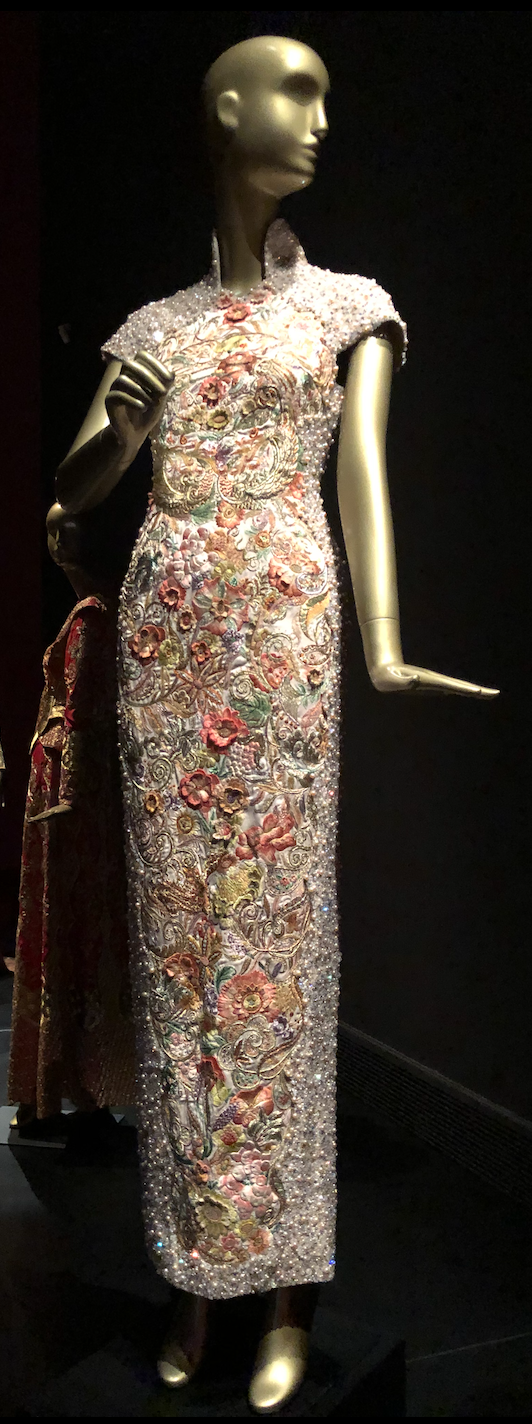
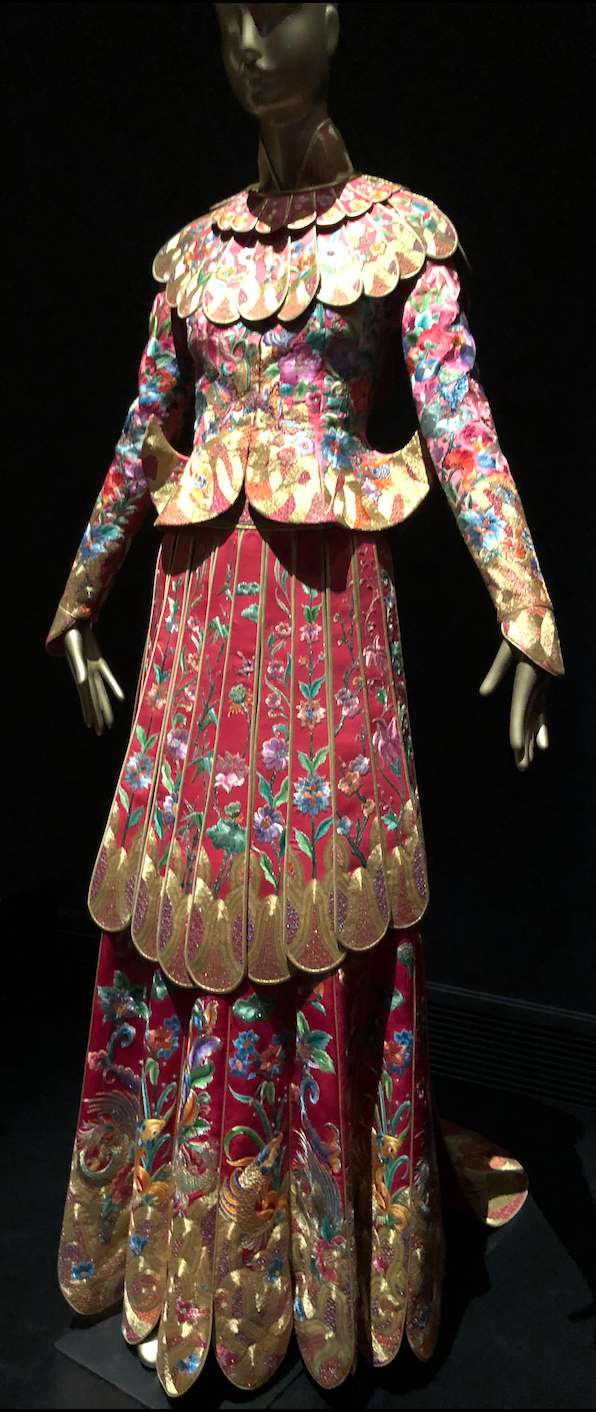
Guo Pei’s creations were loosely inspired by Peranakan fashion; they were showcased at the summer 2019 Asian Civilizations Museum exhibition in Singapore. Courtesy of Rhiannon Koh.
However, there have been efforts to revitalize Peranakan culture. In the summer of 2019, the Asian Civilizations Museum in Singapore housed pieces by renowned designer Guo Pei. Part of the exhibit showcased several dresses and wedding gowns emulating the beads and colors of Peranakan fashion. A few months later in November, Miss Malaysia-Universe donned a Peranakan-themed national costume to symbolize the beauty and multicultural heritage of Malaysia. In 2020, the New Straits Times ran a piece on the enduring legacy of Peranakan fashion; styles like the kebaya dress and the staple cotton sarong are still worn. Ultimately, historical records and other forms of art like cultural plays have been crucial in reviving dusty memories of the Peranakans’ grand past.

Rhiannon Koh
Rhiannon earned her B.A. in Urban Studies & Planning from UC San Diego. Her honors thesis was a speculative fiction piece exploring the aspects of surveillance technology, climate change, and the future of urbanized humanity. She is committed to expanding the stories we tell.
9 Ancient Stops Along the Silk Road
From China to Turkey, the shared cultural heritage and legacy of the Silk Road unites countries in the region to this day.
Read MoreUnraveling the Mysteries of Rapa Nui (Easter Island)
Uncover Rapa Nui's mysteries, sustainable allure, and colossal moai on Easter Island.
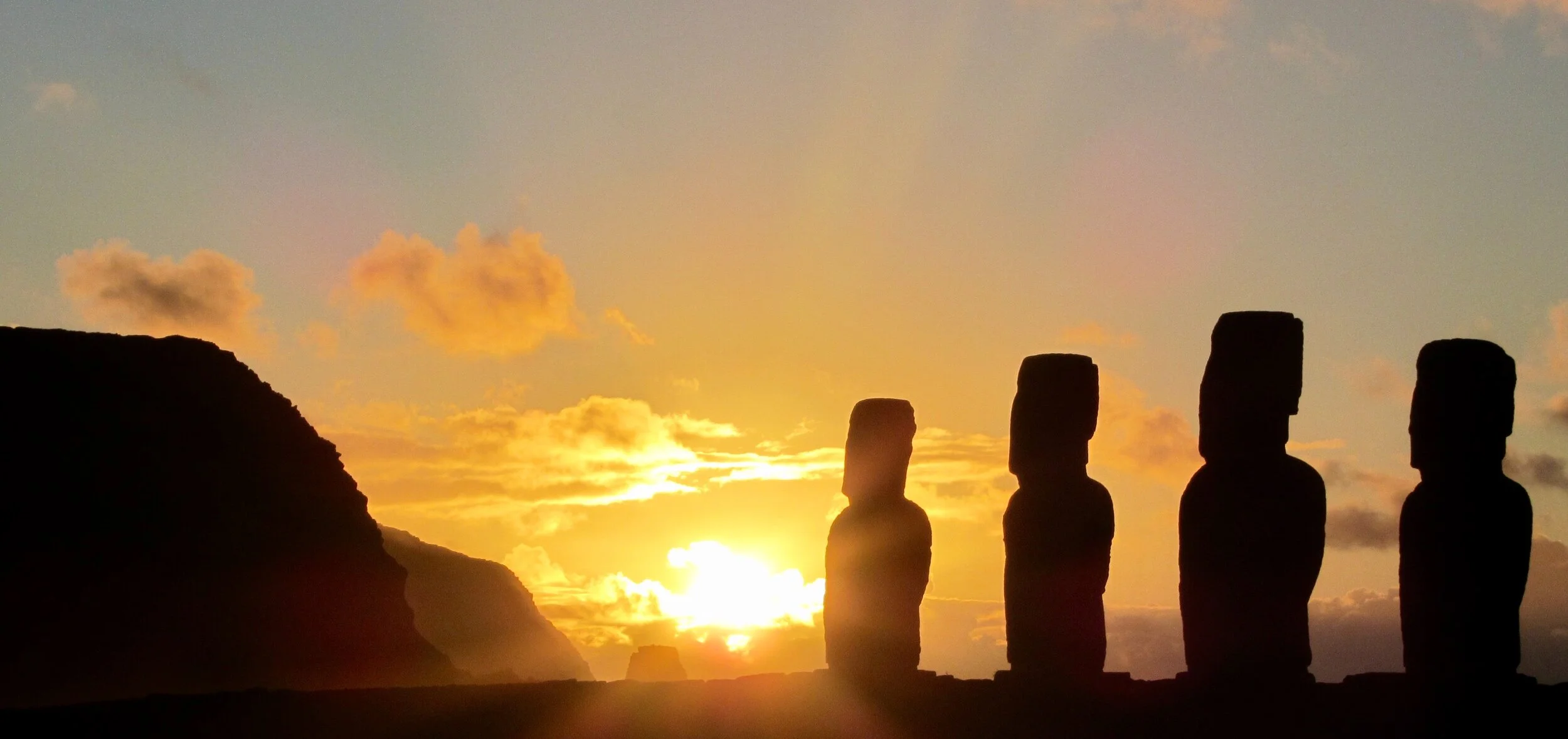
Some of Rapa Nui’s stone statues (moai) watch as the sun sets behind the island. Antonio Sánchez. Unsplash.
Rapa Nui is a remote Polynesian island located 2,200 miles off the coast of Chile that spans only 63 square miles. The island is also known as Easter Island, a name that comes from Dutch explorers who arrived there on Easter Sunday in 1722. Rapa Nui gets its distinct triangular shape from the lava beds of three extinct volcanoes and is home to just a few thousand permanent residents. Despite this small population, the island has managed to land itself on many travelers’ must-see destination lists. The island is home to hundreds of imperious humanoid statues whose mysterious past have captured the attention of more than 100,000 visitors a year.
Travel Highlights
Like many other island destinations, Rapa Nui has beaches to enjoy in addition to a broad range of places to spend the night. Given the island’s many environmental concerns such as rock erosion and rising sea levels, there has been considerable focus on working toward a sustainable tourist industry. As such, Rapa Nui has several ecolodges that are popular with travelers. There is an abundance of fresh seafood, places to snorkel and opportunities to hike (Rapa Nui is a UNESCO-designated national park, making up 42% of the island). While walking around, visitors may be able to spot some of the wild horses that roam freely across the island; there are remarkably few indigenous plants, however, with only 31 wild flowering plants. The island’s three extinct volcanoes (Rano Kau, Poike, and Terevaka) also offer a chance for a unique exploration experience.
The biggest draw of Rapa Nui is its moai. Most understand these statues as being representations of the ancestors of the Polynesian islanders who discovered the island over 1,000 years ago. Some moai have pukao, which are red ornaments that rest on some statues’ heads, and some moai sit on platforms. An ahu, where a number of these platforms can be found, was the traditional center for ceremonies on Rapa Nui. For visitors, the two most popular locations to see moai are at the Rano Raraku quarry and at the Ahu Tongariki. Although the average height of moai is 13 feet, these impressive sculptures can get as large as 80 tons and 33 feet tall. Archaeologists have determined that moai were originally made of basalt, trachyte and red scoria, but eventually moved to volcanic rock. The method of transportation for these especially large moai has sparked numerous theories and debates, with no plausible way for the statues to be moved from their place of creation to their final resting places with the resources available at the time.

A close-up photo of a giant moai set against the Rapa Nui hillside. Thomas Griggs. Unsplash.
The Mysteries of the Island
Nearly every part of Rapa Nui’s early history has been met with some dispute; even the date of the Polynesians’ arrival has major discrepancies. One archaeological dig determined that humans first made contact with the island around 1200 A.D. This date is contested, however, with others believing that Polynesians found the island as much as 400 years earlier. The inconsistencies in archaeological data and lack of concrete evidence has led to numerous excavations being run and an abundance of people hypothesizing about the island, especially in regards to the Rapa Nui people’s process of moving the moai and how the population declined so quickly. Most of the speculation is about the time before the Dutch first arrived on the island in 1722. While there are nuances to each historian’s hypothesis, there are a few major trends. There are those who believe that the Indigenous Rapa Nui were victims of circumstance and those who believe they were inadvertently the main cause of their own suffering. While the exact truth of the early Rapa Nui history remains unknown, here are some common beliefs:
For those who believe the Rapa Nui people were primarily victims of misfortune, there are mentions of a relatively sizable amount of wood being cut down, mostly to provide for the people and to transport the moai. Once the statues were in place, evidence suggests that additional changes were made in order to ensure they stayed upright. The complete destruction of large trees and foliage, however, can be mostly credited to invasive rats that feasted on the palm trees which once populated the island. As a dwindling Indigenous population continued to live on Rapa Nui, they were eventually confronted by a series of hostile visitors, all of whom contributed to their population becoming decimated. In 1722, the European explorers, beginning with a daylong visit from the Dutch, brought disease and strife to the Rapa Nui people. The continued arrival of European traders, explorers and other foreigners over the following decades contributed to the decline of the Rapa Nui people.
Others adhere more to a story of ecocide. In order to move the moai, the Rapa Nui cut an excessive amount of trees down. Given that there is a considerable amount of charcoal in the island’s soil, some archaeologists have considered the possibility that the Rapa Nui people set fire to grass once they ran out of wood, another potential contributor to ecocide. Without the trees to anchor the soil, the fertile ground got washed away, ultimately leading to a shortage of crops and eventual starvation. Some have speculated about cannibalism, but this theory is less popular. In terms of outside contact, the Rapa Nui people may have had a war with another Polynesian group in 1680 which would have contributed to a population decline as well. Foreign arrivals then brought an additional, crippling blow of disease and violence.
Rapa Nui, from 1722-Present
Once Rapa Nui became known to foreigners, it suffered a similar fate to many other islands in Polynesia. At times, the Europeans destroyed property and forced many natives off of Rapa Nui. There were other hostile visitors as well. Peruvian slave traders came to the island during the 19th century and took many Rapa Nui people away as slaves. Despite the native Rapa Nui population having about 3,000 people in 1860, by 1877 so many people had been taken or killed that their numbers dwindled to just 111 individuals.
Slavers and traders were not the only ones to come to Rapa Nui, and this heightened attention on the island eventually resulted in its current legal connection to Chile. Numerous missionaries came to the island as early as 1864, resulting in a shift toward Christianity for those who remained on Rapa Nui. This change made the island more welcoming in the eyes of many people from the mainland and prompted more interest from outsiders. The island’s annexation to Chile occurred in 1888, but the island was mostly left alone until 1903 when it was leased as a sheep farm for 50 years. During that time, the Chilean government applied an increasing amount of pressure on the Indigenous population such as confining them to one part of the island, Hanga Roa, and considering them the property of the state. By 1965 a governor was appointed to the island by the Chilean government, thus allowing the Rapa Nui people to become Chilean citizens.
In 2010, Rapa Nui’s Indigenous clans began a major push back against the Chilean government, citing many injustices from the past decades including poverty, forced ghettos and land ownership discrepancies. This resulted in extensive discussion, violence and standoffs between the Chilean government and Rapa Nui’s Indigenous clans. In August of 2010, several Rapa Nui natives occupied a resort on the island, saying that their land had been taken unwittingly from them and was becoming developed by the Chilean government. Chilean police then forcibly evicted them from the premises, an action which received backlash from the Indigenous community. While the relationship between the two groups has since de-escalated, the situation is not truly resolved.
Seeing the Mystery for Yourself
Visiting Rapa Nui can be done by booking a 5 ½-hour flight out of Santiago, Chile. About half of the island’s current population considers themselves to be native Rapa Nui, and although some of the original Polynesian language is still present, residents speak Spanish predominantly. Rapa Nui is an island steeped in mystery and isolation, making it an intriguing and far-off destination for travelers looking to learn about Polynesian culture, explore volcanoes, and above all, meet the 887 moai that are scattered across the island.

Phoebe Jacoby
Phoebe is a Media Studies major and Studio Art minor at Vassar College who believes in the importance of sharing stories with others. Phoebe likes to spend her free time reading, drawing, and writing letters. She hopes to continue developing her skills as a writer and create work that will have a positive outward effect.
5 Reasons to Visit Slovenia
This captivating yet unfamiliar country in the east of Europe is a hub of culture and nature—harboring mountains, lakes and castles.
Read MoreTravel Green in Warsaw
How Poland’s largest city is leading the sustainability revolution.
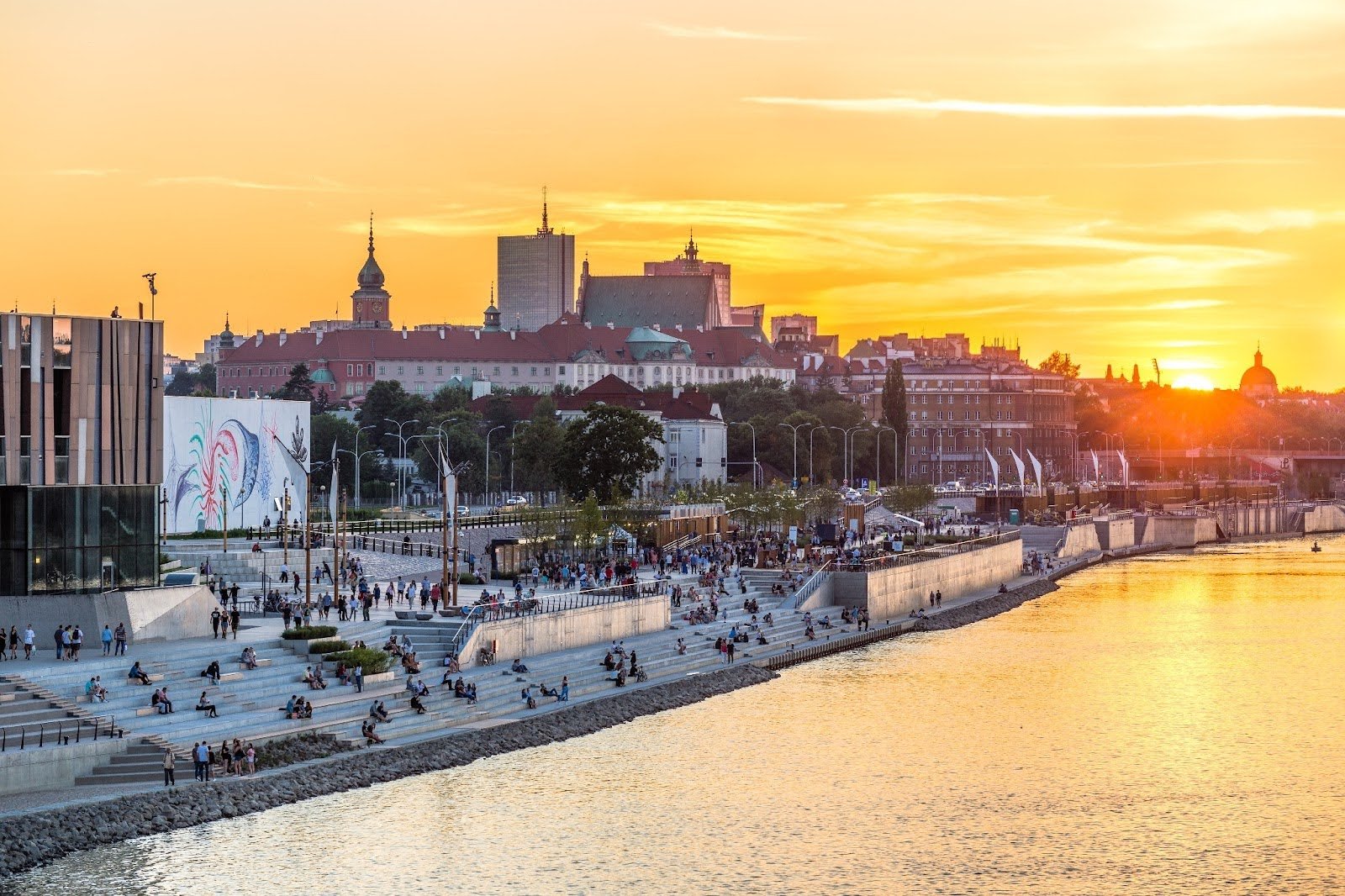
Vistula Boulevards at sunset. Photo courtesy of City of Warsaw
As I meandered through the storied streets of Warsaw, I was struck by the city's unwavering commitment to eco-friendly, sustainable tourism. In a world where the travel industry grapples with the challenges of preserving our planet while meeting the demands of curious visitors, Warsaw emerges as a shining beacon of hope. This Polish capital stands as a remarkable example, blending environmental responsibility seamlessly with the needs of travelers.
The Vistula River: A Tranquil Retreat Amidst Urban Life
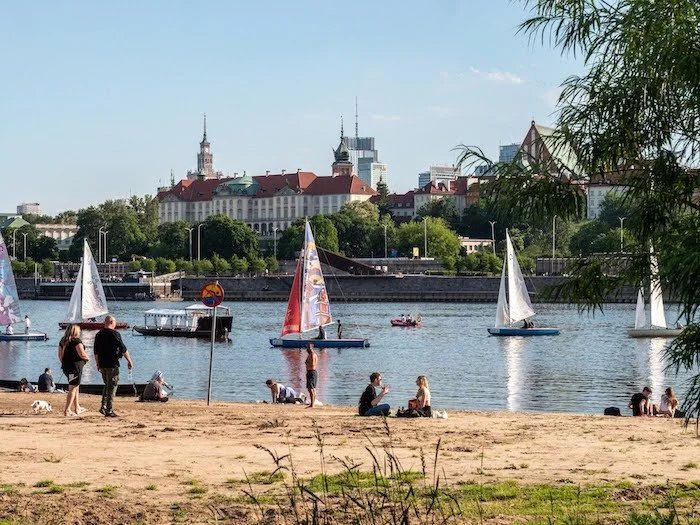
Vistula River beachfront. Photo courtesy of Lukasz Kopec City of Warsaw
Steps away from the bustling cityscape, I discovered a rarity not found in most urban settings—a soft golden sandy beach on the right bank of the Vistula River. The meticulously maintained sandy beaches beckoned me to take off my shoes and savor the sand between my toes. What a wonderful oasis for locals and travelers to unwind amid nature's embrace. Whether you're soaking up the sun, strolling along the riverbank or indulging in water sports, the city is preserving the river's ecosystem, ensuring harmony with the natural habitat.
Warsaw's Green Oasis: Nature Amidst the City
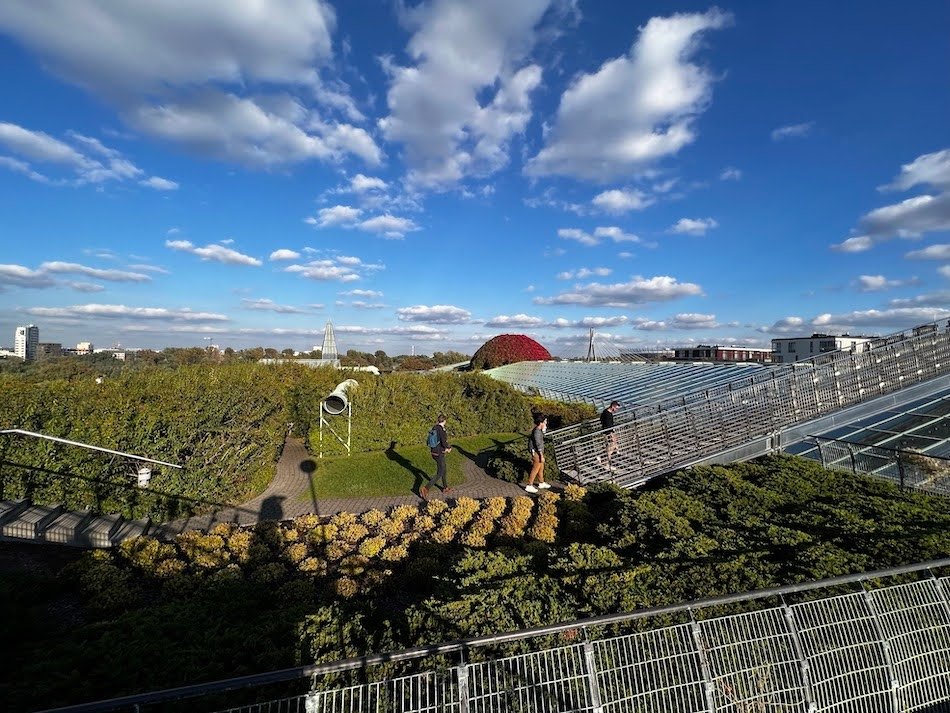
University of Warsaw Library Rooftop Garden. Photo Courtesy of Sharon Kurtz
Warsaw has dedicated almost a quarter of its urban landscape to lush green spaces, offering residents and visitors respite from the city's energetic pulse. The University of Warsaw Library's Rooftop Garden is a hidden treasure among these green gems. It is a haven of tranquility and a living laboratory, fostering biodiversity and environmental research.
Lazienki Park, the city's most famous green area, marries culture, nature and history. It hosts free open-air Chopin concerts during the summer, a not-to-be-missed experience for classical music enthusiasts. The park's rich history and majestic palace on the water create a fairytale-like ambiance.
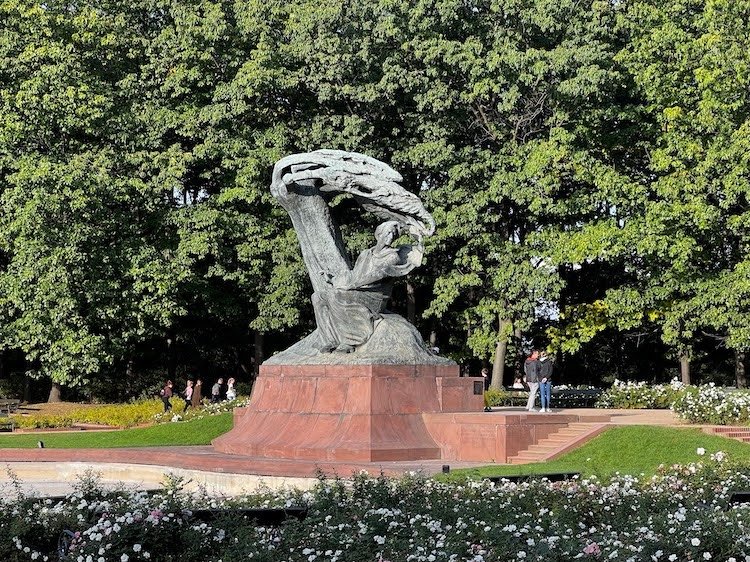
Lazienki Park Chopin Sculpture. Photo courtesy of Sharon Kurtz
Wilanow Park, in the city center, boasts magnificent gardens surrounding the Wilanow Palace, a glimpse into Poland's royal past. Nearby, the Saxon Garden, Warsaw’s oldest, holds echoes of its exclusive heritage. The garden's peaceful aura and the nearby Tomb of the Unknown Soldier created a space for me to rest on a shady bench and people-watch after a long day of sightseeing.
Fresh and Sustainable: Warsaw's Green Markets

Bio Bazar Market Vendor. Photo courtesy of Sharon Kurtz
Warsaw's commitment to sustainability extends to its thriving green markets, which actively promote eco-conscious practices and foster a vibrant connection between local farmers and consumers. Among these markets BioBazar, nestled within the historic Norblin Factory Complex, is a glowing testament to the city's dedication to sustainability.
BioBazar is more than a market; it's a living example of Warsaw's conservation-minded approach to shopping. Visitors can explore a bounty of locally sourced, organic, and environmentally friendly products here. The market emphasizes fair trade principles, ensuring that farmers receive a reasonable price for their goods, thus supporting local agriculture and strengthening the community.
Local farms sell their products directly to consumers, offering an array of delights that vary with the changing seasons. From organic meats and cheeses sourced from nearby farms to a delightful array of homemade baked goods, including beloved treats like Paczki (Polish doughnuts) and Pierogi (stuffed dumplings), to an assortment of soups, pickles and relishes, these markets encapsulate the essence of seasonal, locally sourced and earth-friendly living.
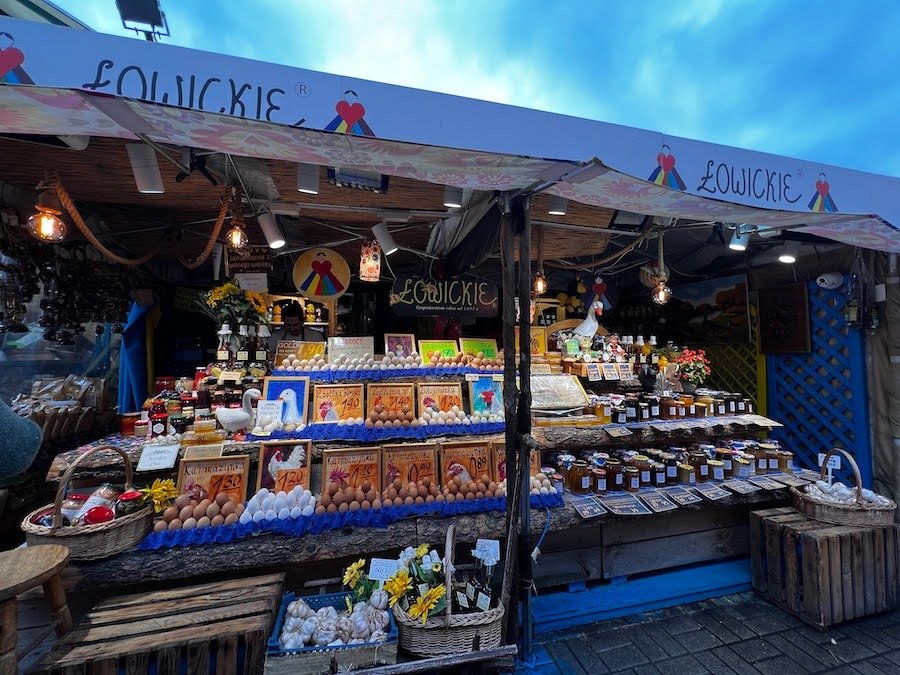
Lowickie market stall selling fresh eggs. Photo courtesy of Sharon Kurtz
By prioritizing seasonal products and the direct exchange between producers and consumers, Warsaw's green markets minimize the carbon footprint associated with long-distance transportation, ensuring that every item on the market's shelves is delectable and eco-friendly. The result is a thriving culinary and cultural experience that nourishes the body and nurtures the planet.
Repurposing Warsaw: An Architectural Renaissance
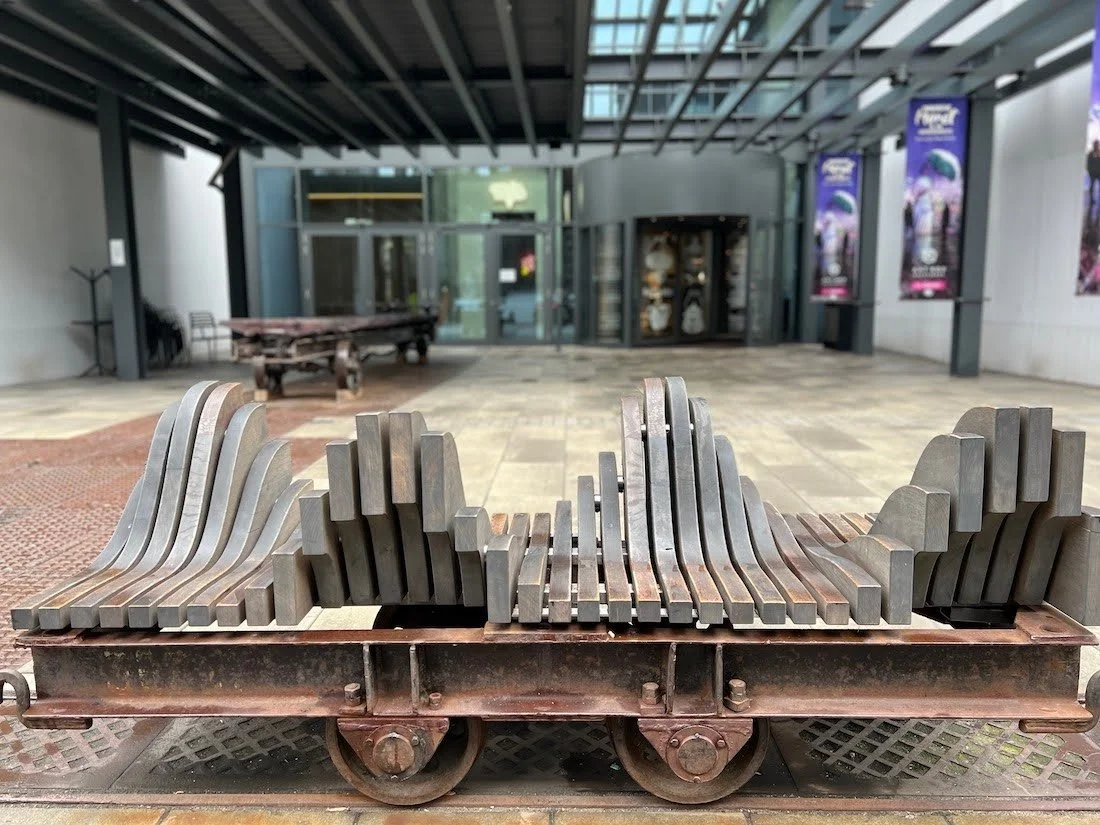
Noblin Factory Complex repurposed equipment bench. Photo courtesy of Sharon Kurtz
Warsaw's commitment to repurposing its architectural heritage is another testament to its sustainable and culturally rich ethos. It's not just about breathing new life into old structures; it's celebrating history and creativity.
In the heart of Warsaw, the Norblin Factory is a prime example of this dedication to repurposing. What was once an industrial complex has undergone a transformative journey, emerging as a multi-use center that seamlessly integrates residential, commercial and cultural spaces. The factory's original metal equipment and carts have been artfully preserved and repurposed, providing a fascinating blend of industrial history and contemporary art. I enjoyed witnessing metal carts turned into benches and old machinery adorning the space as art, bridging the gap between the past and the present.
In Warsaw's gritty and bohemian Praga District, the Neon Museum resides in an old weapons facility known as the Soho Factory. This unassuming structure, with its worn-out exterior, hides an enchanting secret. The factory's dull bricks are the backdrop for a captivating array of neon signs from the Cold War era. The Neon Museum is more than a repository of signs; it's a guardian of history, safeguarding the luminous artistry of a bygone era.

Neon Museum in the Praga District. Photo courtesy of Filip Kwiatkowski City of Warsaw
These neon signs, many of which were once symbols of a divided world, now coexist as cultural artifacts and artistic relics, reminding us of the past while illuminating the present. It's a tribute to the resilience of Warsaw's spirit and its creative vision of repurposing that brings the city's rich history to life.
Bee-Friendly Capital: Nurturing Pollinators in Warsaw
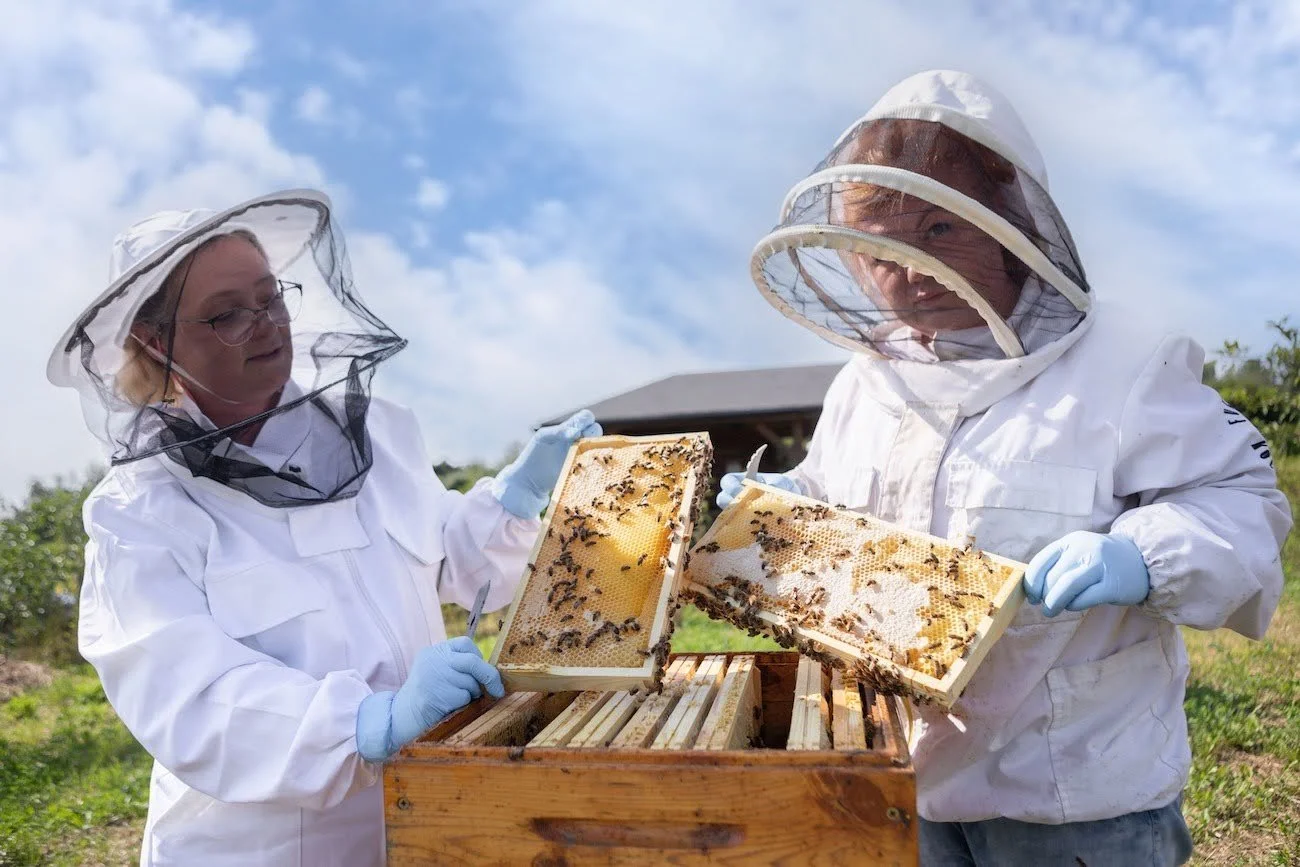
Educational Apiary Program in Wilanow. Photo courtesy of City of Warsaw
Warsaw is leading the way in protecting and embracing pollinators, particularly bees. The educational apiary program in Wilanow provides a chemical-free sanctuary where bees thrive, contributing to a healthy ecosystem.
Bee hives in city parks and on iconic buildings like the Palace of Culture and Science educate residents and raise awareness about the importance of these pollinators, enhancing a healthy ecosystem.
By ensuring the bees' well-being and producing pure honey, Warsaw again showcases its commitment to sustainability. This honey is a sweet testament to the city's eco-conscious efforts, offering residents and visitors a taste of their dedication—and Warsaw honey makes a delicious souvenir!
Hike and Bike Trails: Fun and Green Exploration
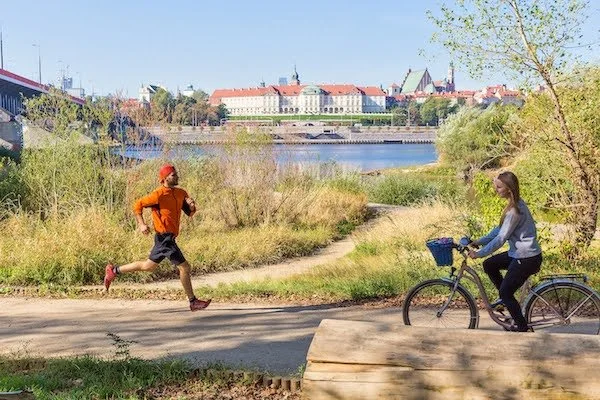
Vistula Riverfront Hike and Bike Path. Photo courtesy of City of Warsaw
Warsaw's network of hiking and cycling trails winds through parks and green areas and along the Vistula River, offering a chance to explore the city's natural beauty while reducing one's carbon footprint. The abundance of trails encourages alternative transportation, making Warsaw a greener and healthier city. Bike-sharing programs promote low-impact travel, providing convenient and efficient access to these trails.
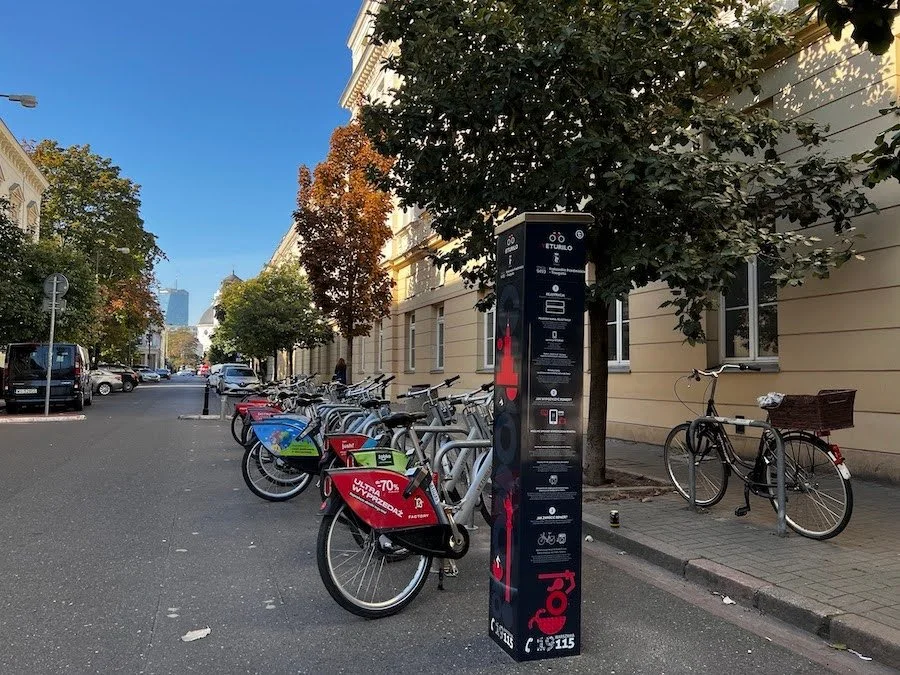
Bike sharing station in the city center. Photo courtesy of Sharon Kurtz
Art, Culture, and the Environment: Warsaw's Eco-Friendly Fusion

Street art and murals are everywhere. Photo courtesy of Sharon Kurtz
The city's vibrant art and cultural resurgence seamlessly intertwine with its renewable approach to tourism, enriching the natural beauty that draws visitors worldwide. I loved the dynamic street art everywhere. The city's art galleries and public installations celebrate local talent and champion sustainability in the arts, fostering a sense of community and profound cultural pride.
Cultural festivals further enhance Warsaw's artistic landscape, weaving a diverse tapestry of experiences for locals and travelers alike. Events like the Warsaw Summer Jazz Days and the Warsaw Film Festival attract international visitors, blending artistic expression with environmentally conscious practices.
Why you should visit
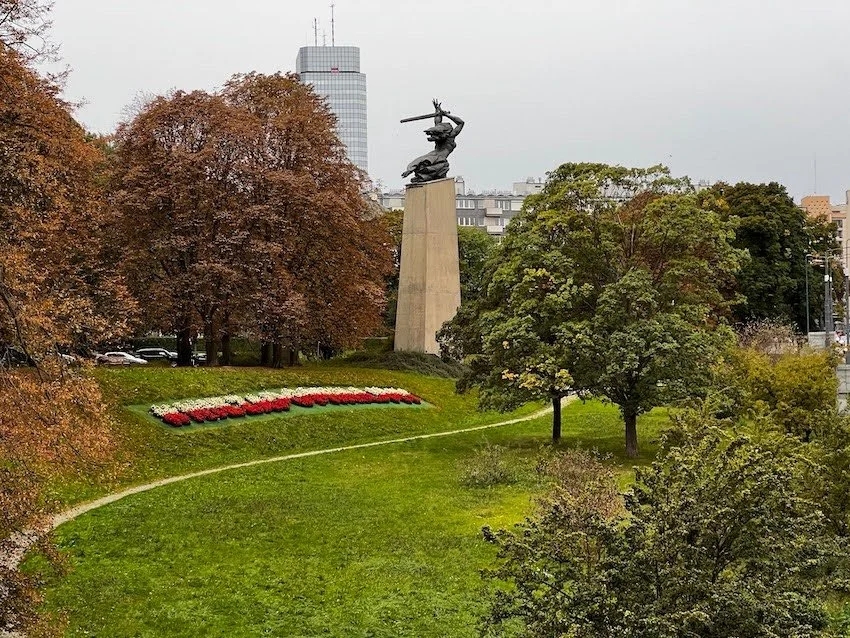
Green spaces are gems in Warsaw. Photo Courtesy of Sharon Kurtz
Whether you are a nature lover, a history enthusiast or simply seeking an adventure, Warsaw is a great place to visit, with myriad examples of its eco-friendly passion intertwined with its rich past and natural beauty.

Sharon Kurtz
Sharon Kurtz, an accomplished travel writer and award-winning photographer based in Austin, Texas, is dedicated to exploring the world and sharing her adventures through compelling storytelling. She intricately weaves together her love for travel and food, immersing readers in diverse cultures and flavors both at home and across the globe. Showcasing the beauty and attractions of each destination, she delves deep into local culture, traditions, and hidden gems, revealing the extraordinary in every place. Enjoy more of Sharon’s writing on her website, or follow her on Instagram.
7 Unique Wedding Traditions from Around the World
Beyond vows and wedding rings, these seven wedding customs exhibit international traditions of love.

A newly wedded couple. Min An. CC0.
Love is universal, but also multifaceted and varied. For couples that choose to get married, the universal yet unique nature of love translates into exciting wedding traditions around the world. Although some couples opt to create their own contemporary commemorations, many lovebirds look towards cultural customs when celebrating their big day. Whether during the ceremony, reception or pre-wedding festivities, global traditions persist and are honored in modern weddings. For centuries couples have developed and practiced these seven ways to display their affection and commitment on, around and after their wedding day.
1. Mehndi — India, Pakistan, Middle East, Africa

A bride displaying her Mehndi. Qazi Ikram Haq. CC0.
Mehndi, also referred to as Mehendi and/or Mehandi, is an intersection of celebration and art. Although its country of origin is unclear, this body art, made from dry, powdered leaves of the henna plant, is practiced in India, Pakistan, some countries in Africa and parts of the Middle East; many historians claim that Mehndi originated as a practice in India at least 5,000 years ago. It can be worn at Hindu, Sikh and Muslim weddings. The henna plant is incorporated into a paste, often dark brown or reddish brown in color, that is used to create intricate designs on the hands and feet of the bride. These beautiful designs, painted during a pre-wedding body painting ceremony, can include floral patterns, religious figures, the names of the bride and her partner, and even personal, sentimental details. Wearing Mehndi during a wedding is said to bring good luck and health to the couple’s marriage.
2. Cutting the Tie — Spain

A selections of ties.
Although cutting up an article of clothing on a person’s wedding day may seem alarming, this tradition, hailing from Spain, is conducted with entirely good intentions. In a post-wedding ceremony — during the reception — a groom's tie is cut up into tiny pieces by the groomsmen or close friends. The pieces of the tie are then extravagantly auctioned off to wedding guests in exchange for modest, or even large, sums of money. Despite guests only receiving a small sliver of fabric after gifting their own money, the purpose of auctioning off the tie is to give the groom and their partner one last monetary gift. Beyond representing financial abundance and luck, “cutting the tie” also represents the guests’ investment in and good intentions towards the couple.
3. The Symbolism of Red — China

Red wedding invitations. RDNE Stock Project. CC0.
Not attached to one specific element of the ceremony, the color red is often incorporated into weddings in China. The rise to popularity of the color red may have begun during the Ming Dynasty, over six hundred and fifty years ago. Red can be worn as the primary color of various garments — whether they be suits, dresses (the bridal gown is often called a qipao), jackets or veils, along with floral arrangements, candles, invitations and other decor. Perhaps the versatility and prominence of red can be attributed to its many meanings. Red can symbolize luck, joy, prosperity, happiness, honor, love, loyalty and even fertility.
4. Money Spray — West Africa
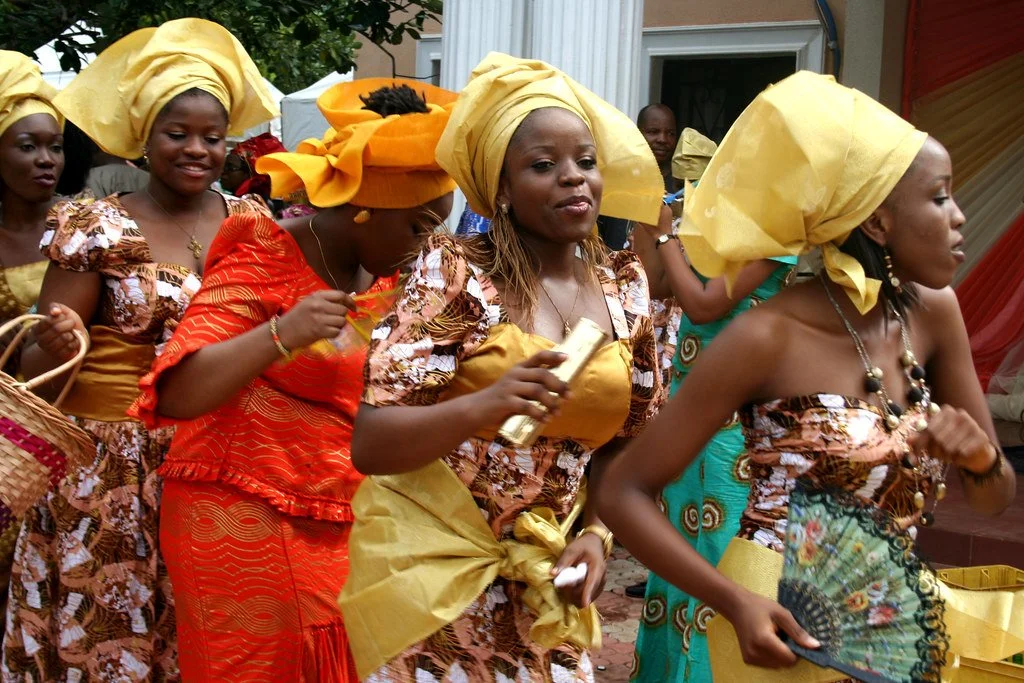
Nigerian Women wearing Iro and Buba Dance at a Wedding. Jeremy Weate. CC0.
This tradition is straight out of a couple’s dream. In this custom, which is popular in Nigeria and other parts of West Africa, but specifically originated with the Yoruba people in Nigeria’s Southwest, the newly-wedded couple is showered with money at their reception by family and friends. People dance and laugh while spraying the money, creating a palpable upbeat energy. During the reception and money spray, the newlyweds commonly wear traditional garments of the Yoruba people. Brides wear an Iro and Buba, a combination of draped and wrapped fabric on top of a blouse that is often colorful and/or patterned, and grooms wear an Agbada, an elegant loose-fitting robe. The subsequent money spray symbolizes good fortune and happiness for the couple that guests feel.
5. Claddagh Ring — Ireland

A Claddagh Ring. Royal Claddagh. CC BY 2.0.
The Irish tradition of wearing a Claddagh ring symbolizes a person’s relationship status and, more specifically, can visually depict their shift into marriage. The Claddagh ring is made up of hands grasping a heart adorned with a crown. Depending on the hand the ring is worn on and direction of the heart, different relationship statuses are depicted: wearing a Claddagh ring on the right hand facing outwards depicts a single status, while the right hand facing inwards indicates the person is in a relationship; the left hand facing outwards represents engagement, and the left hand facing inwards shows that the person is married. Claddagh rings can serve purely as the engagement and wedding rings, or can be worn in addition to international-style Western wedding and engagement rings. Commonly worn by brides, Claddagh rings can be passed down through generations of women in families.
6. Stefana — Greece

A floral Stefana bridal crown. Faylyne. CC BY 2.0.
Ornate and delicate, Stefana are crowns commonly worn during Greek Orthodox Wedding Ceremonies. Although Stefana were traditionally made of vines, branches and flowers, modern Stefana can be made of metal with gemstones. Stefana are worn by both partners during the wedding and, during the wedding ceremony, are connected by a ribbon or thread going from one person’s head to the other. The ribbon symbolizes the strong connection between the couple, and the crowns as a whole can symbolize unity, love, faith and loyalty. During a traditional Greek Orthodox Wedding ceremony, these crowns are also blessed by a priest.
7. Hapgeunrye, or Cup Drinking — Korea

An example of a Metal Cup Set. CC0.
In Korea, Hapgeunrye is a ceremony where the couple drinks from the same cup. The tradition, however, varies depending on the region and preferences of the couple. In some cases, the couple will drink from the same metal cup while in others the couple will drink from two halves of the same gourd. In both cases, the rite occurs during the wedding ceremony itself and the liquid drunk from the cup is often a type of liquor. This custom symbolizes the couple being united as one entity, recognizing their respect for each other and the harmony they hope will be fostered in their relationship.

Carina Cole
Carina Cole is a Media Studies student with a Correlate in Creative Writing at Vassar College. She is an avid journalist and occasional flash fiction writer. Her passion for writing overlaps with environmentalism, feminism, social justice, and a desire to travel beyond the United States. When she’s not writing, you can find her meticulously curating playlists or picking up a paintbrush.