The Essential Palestine Reading List

Dive into this collection that illuminates the rich tapestry of Palestinian history and culture.
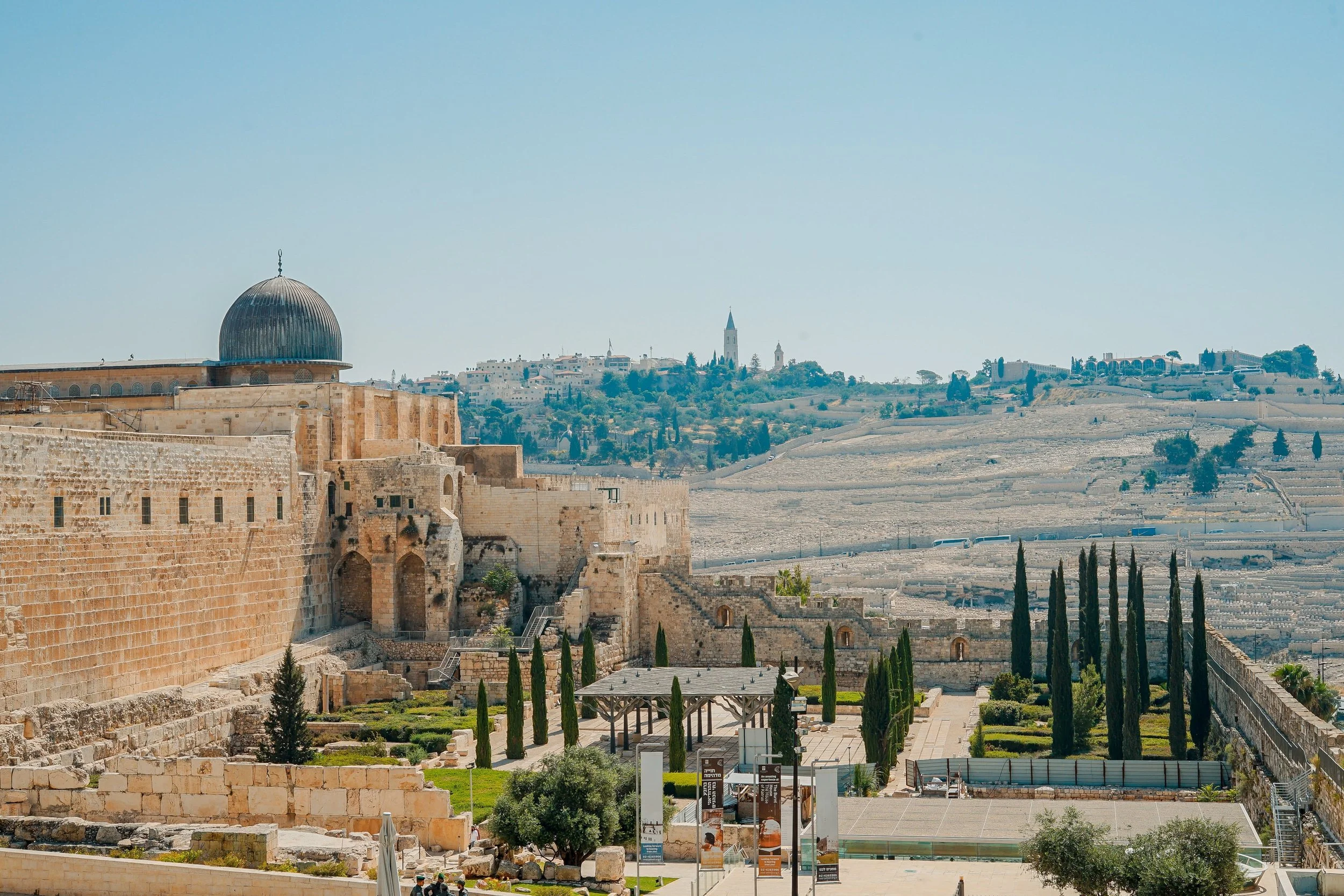
An aerial view of Palestine. CC0

Curated with a respect for the multifaceted narratives of the region, this collection encapsulates an array of perspectives, histories and lived experiences. Each title delves deep into the heart of Palestinian identity, the intricacies of the conflict and the resilient spirit of a people striving for justice and peace.

NON-FICTION

1. They Called Me a Lioness 

by Ahed Tamimi and Dena Takruri

Ahed Tamimi, an iconic Palestinian activist, garnered global attention for her fearless activism against the Israeli occupation. Her imprisonment as a teenager after confronting an Israeli soldier in her village of Nabi Saleh turned her into a symbol of Palestinian resistance. This compelling memoir offers a firsthand account of Tamini’s experiences and the ongoing struggle for justice in Palestine, providing profound insight into the realities Palestinians face under occupation.

2. The Ethnic Cleansing of Palestine 

by Ilan Pappé

In this seminal work, Ilan Pappé meticulously traces the events of the 1948 Palestinian exodus, revealing the hidden reality of forced displacement and the establishment of Israel. With unflinching detail, Pappé unearths harrowing stories of dispossession and illuminates the profound impact of this historical upheaval on the Palestinian people.

3. Love Is an Ex-Country 

by Randa Jarrar

In her memoir, Randa Jarrar fearlessly challenges stereotypes about Muslims and Palestinians. Embarking on a cross-country journey, Jarrar proudly embraces her queer, Muslim, Palestinian and unapologetically confident identity, offering a raw, authentic exploration of the intricacies of life.

4. The Iron Cage: The Story of the Palestinian Struggle for Statehood 

by Rashid Khalidi

Historian Rashid Khalidi masterfully dissects the intricate history of Palestinian nationalism and aspirations for statehood. With scholarly precision, Khalidi navigates through decades of political intrigue, chronicling the challenges, setbacks and enduring resilience of a people bent on self-determination and recognition on the world stage.

5. The Hundred Years' War on Palestine 

by Rashid Khalidi

Rashid Khalidi's meticulously researched book paints a vivid historical tapestry from the 1800s to the present in this unshrinking account of the assault on Palestinian society.

6. We Are Not Here to Be Bystanders 

by Linda Sarsour

Linda Sarsour's memoir portrays her journey from Brooklyn to becoming a powerhouse in activism, stirring profound reflections on solidarity and advocacy.

7. Except for Palestine 

by Marc Lamont Hill and Mitchell Plitnick

Marc Lamont Hill and Mitchell Plitnick's critique navigates the inconsistencies within progressive circles, urging universal consistency in advocating for all oppressed communities.

FICTION

1. Mornings in Jenin 

by Susan Abulhawa

Susan Abulhawa crafts a poignant, multigenerational narrative that traverses the emotional terrain of a Palestinian family's journey through displacement and loss. Through exquisite storytelling, Abulhawa offers a deeply moving portrayal of resilience amid a tumultuous landscape of conflict and highlights the enduring spirit of the Palestinian people.

2. The Tiny Journalist: Poems 

by Naomi Shihab Nye

Naomi Shihab Nye, the esteemed Palestinian-American poet, weaves poetic wonders inspired by Janna Jihad Ayyad, Palestine's youngest journalist. Ayyad, capturing anti-occupation protests at the age of seven using her mom's smartphone, becomes Nye's muse in this must-read collection.

3. You Exist Too Much 

by Zaina Arafat

Zaina Arafat's debut novel is a transcontinental tale which oscillates between the United States and the Middle East. A fresh voice in Palestinian-American literature, Arafat artfully dismantles Israel’s pinkwashing while unraveling the complexities of Palestinian society for diverse readers.

4. Enter Ghost 

by Isabella Hammad

Isabella Hammad's evocative narrative navigates modern-day Palestine, delving into the artist's struggles amid diaspora, displacement, and the shadow of occupation.

5. Evil Eye 

by Etaf Rum

Etaf Rum's exploration of womanhood as a Palestinian American is a profound journey through intergenerational trauma, clashes of culture and labyrinthian family dynamics.

6. Salt House

by Hala Alyan

Set in the aftermath of Israel’s conquest of the West Bank and Gaza in the 1967 Six-Day War, "Salt Houses" chronicles a Palestinian family's odyssey from their homeland to Kuwait, painting a poignant legacy of longing and displacement passed through generations.

7. Mother of Strangers 
by Suad Amiry

"Mother of Strangers" presents a cinematic love story against the backdrop of the Nakba in Jaffa, weaving themes of love, loss, and a nation's upheaval.


Raeann Mason

Raeann is a traveler, digital storyteller, and guide writer, with a degree in Mass Communication & Media from the Walter Cronkite School of Journalism. She is passionate about a/effective journalism and cultural exchange, and is an advocate of international solidarity and people's liberation. Her work at CATALYST PLANET focuses on reshaping the culture of travel and hospitality to be more ethically sound and sustainable


7 Unique Wedding Traditions from Around the World

Beyond vows and wedding rings, these seven wedding customs exhibit international traditions of love.

A newly wedded couple. Min An. CC0.

Love is universal, but also multifaceted and varied. For couples that choose to get married, the universal yet unique nature of love translates into exciting wedding traditions around the world. Although some couples opt to create their own contemporary commemorations, many lovebirds look towards cultural customs when celebrating their big day. Whether during the ceremony, reception or pre-wedding festivities, global traditions persist and are honored in modern weddings. For centuries couples have developed and practiced these seven ways to display their affection and commitment on, around and after their wedding day.

1. Mehndi — India, Pakistan, Middle East, Africa

A bride displaying her Mehndi. Qazi Ikram Haq. CC0.

Mehndi, also referred to as Mehendi and/or Mehandi, is an intersection of celebration and art. Although its country of origin is unclear, this body art, made from dry, powdered leaves of the henna plant, is practiced in India, Pakistan, some countries in Africa and parts of the Middle East; many historians claim that Mehndi originated as a practice in India at least 5,000 years ago. It can be worn at Hindu, Sikh and Muslim weddings. The henna plant is incorporated into a paste, often dark brown or reddish brown in color, that is used to create intricate designs on the hands and feet of the bride. These beautiful designs, painted during a pre-wedding body painting ceremony, can include floral patterns, religious figures, the names of the bride and her partner, and even personal, sentimental details. Wearing Mehndi during a wedding is said to bring good luck and health to the couple’s marriage.

2. Cutting the Tie — Spain

A selections of ties.

Although cutting up an article of clothing on a person’s wedding day may seem alarming, this tradition, hailing from Spain, is conducted with entirely good intentions. In a post-wedding ceremony — during the reception — a groom's tie is cut up into tiny pieces by the groomsmen or close friends. The pieces of the tie are then extravagantly auctioned off to wedding guests in exchange for modest, or even large, sums of money. Despite guests only receiving a small sliver of fabric after gifting their own money, the purpose of auctioning off the tie is to give the groom and their partner one last monetary gift. Beyond representing financial abundance and luck, “cutting the tie” also represents the guests’ investment in and good intentions towards the couple.

3. The Symbolism of Red — China

Red wedding invitations. RDNE Stock Project. CC0.

Not attached to one specific element of the ceremony, the color red is often incorporated into weddings in China. The rise to popularity of the color red may have begun during the Ming Dynasty, over six hundred and fifty years ago. Red can be worn as the primary color of various garments — whether they be suits, dresses (the bridal gown is often called a qipao), jackets or veils, along with floral arrangements, candles, invitations and other decor. Perhaps the versatility and prominence of red can be attributed to its many meanings. Red can symbolize luck, joy, prosperity, happiness, honor, love, loyalty and even fertility.

4. Money Spray — West Africa

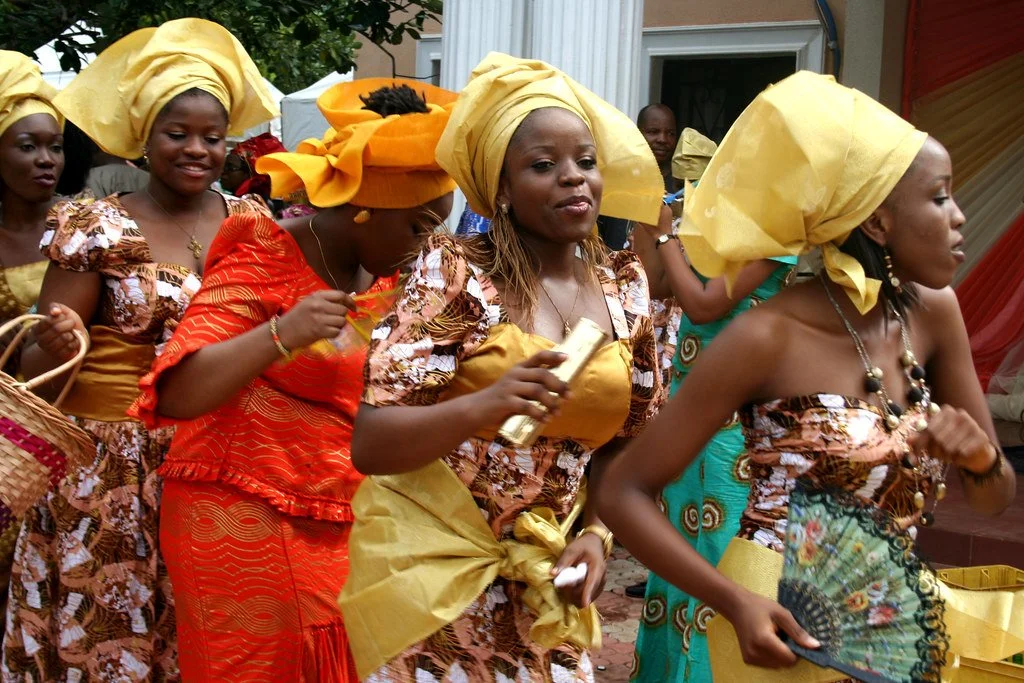
Nigerian Women wearing Iro and Buba Dance at a Wedding. Jeremy Weate. CC0.

This tradition is straight out of a couple’s dream. In this custom, which is popular in Nigeria and other parts of West Africa, but specifically originated with the Yoruba people in Nigeria’s Southwest, the newly-wedded couple is showered with money at their reception by family and friends. People dance and laugh while spraying the money, creating a palpable upbeat energy. During the reception and money spray, the newlyweds commonly wear traditional garments of the Yoruba people. Brides wear an Iro and Buba, a combination of draped and wrapped fabric on top of a blouse that is often colorful and/or patterned, and grooms wear an Agbada, an elegant loose-fitting robe. The subsequent money spray symbolizes good fortune and happiness for the couple that guests feel.

5. Claddagh Ring — Ireland

A Claddagh Ring. Royal Claddagh. CC BY 2.0.

The Irish tradition of wearing a Claddagh ring symbolizes a person’s relationship status and, more specifically, can visually depict their shift into marriage. The Claddagh ring is made up of hands grasping a heart adorned with a crown. Depending on the hand the ring is worn on and direction of the heart, different relationship statuses are depicted: wearing a Claddagh ring on the right hand facing outwards depicts a single status, while the right hand facing inwards indicates the person is in a relationship; the left hand facing outwards represents engagement, and the left hand facing inwards shows that the person is married. Claddagh rings can serve purely as the engagement and wedding rings, or can be worn in addition to international-style Western wedding and engagement rings. Commonly worn by brides, Claddagh rings can be passed down through generations of women in families.

6. Stefana — Greece

 A floral Stefana bridal crown. Faylyne. CC BY 2.0.

Ornate and delicate, Stefana are crowns commonly worn during Greek Orthodox Wedding Ceremonies. Although Stefana were traditionally made of vines, branches and flowers, modern Stefana can be made of metal with gemstones. Stefana are worn by both partners during the wedding and, during the wedding ceremony, are connected by a ribbon or thread going from one person’s head to the other. The ribbon symbolizes the strong connection between the couple, and the crowns as a whole can symbolize unity, love, faith and loyalty. During a traditional Greek Orthodox Wedding ceremony, these crowns are also blessed by a priest.

7. Hapgeunrye, or Cup Drinking — Korea

An example of a Metal Cup Set. CC0.

In Korea, Hapgeunrye is a ceremony where the couple drinks from the same cup. The tradition, however, varies depending on the region and preferences of the couple. In some cases, the couple will drink from the same metal cup while in others the couple will drink from two halves of the same gourd. In both cases, the rite occurs during the wedding ceremony itself and the liquid drunk from the cup is often a type of liquor. This custom symbolizes the couple being united as one entity, recognizing their respect for each other and the harmony they hope will be fostered in their relationship.


Carina Cole

Carina Cole is a Media Studies student with a Correlate in Creative Writing at Vassar College. She is an avid journalist and occasional flash fiction writer. Her passion for writing overlaps with environmentalism, feminism, social justice, and a desire to travel beyond the United States. When she’s not writing, you can find her meticulously curating playlists or picking up a paintbrush. 

5 Historical Epidemics that Changed the World

Disease outbreaks are inherent to a populous, globalized world.

Doctors and nurses in biohazard suits during the 1918 Spanish Flu epidemic. National Museum of Health and Medicine. CC0.

Pandemics have been a part of the human story since the agricultural revolution in 10,000 BC. Agriculture gave people the ability to create more food than they ever had before, which meant that the human population soared. People began packing together and settling down in large communities without modern sanitation, creating the ideal conditions for the spread of disease. As time went on, larger and larger communities established extensive trading networks with the ability to spread disease across continents. 

With each disease outbreak, humanity has developed better defenses and practices to help prevent catastrophic losses. However, as long as population sizes continue to rise and the global community becomes ever more interconnected, worldwide pandemics will always be something that humanity must contend with. 

This trend towards an increasingly populous and interconnected world is what fueled the global sweep of the COVID-19 pandemic. As Amesh Adalja, MD, a senior scholar at Johns Hopkins Center for Health Security said, “Viruses used to spread at the speed of a steamboat. Now, they can spread at the speed of a jet. In that sense, we’re more at risk.” The only way to adapt to the expanding threat of disease is to learn from the past and prepare for the trends of the future. Below is a list of some of the most devastating pandemics in history and how humanity’s response to disease changed because of them.

1. The Bubonic Plague 

14th Century CE

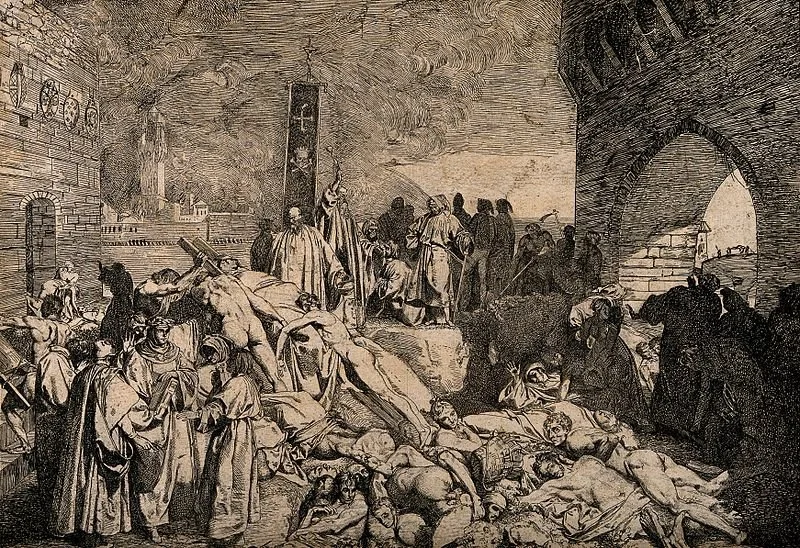
The plague of Florence, 1348. Boccacio’s Decam Wellcome. CC-BY-4.0.

Also known as the Black Death, the Bubonic Plague is the most notorious pandemic in history. It is believed to have killed between 30–50% of the European population in the 14th century, anywhere between 75 million and 200 million people. The Bubonic Plague is also thought to have killed 25 million people in Asia and Northern Africa at the time. The Black Death is known to have an incredibly high mortality rate, killing between 30-100% of those afflicted depending on the manner of infection. 

The Bubonic Plague spread globally as a result of the Silk Road, which connected the world through trade networks. Rodents carrying fleas infected with the plague were easy stow-aways in trading caravans and vessels. This is one of the first instances where globalization caused a deadly, widespread disease outbreak. 

At the time, the Black Death was thought to be the result of a combination of bad air, an imbalance in the body’s fluids or “humors,” and the wrath of God. Treatments included potions, fumigations, bloodletting, pastes, animal cures and religious cures. Persecution of minority groups was also common, particularly the Jewish population, who became a scapegoat for the suffering caused by the plague. Despite the outlandish and sometimes brutal practices of the 14th century, one method developed in the wake of the Black Death has proved incredibly effective: quarantine. Though, like today, many medieval citizens did not abide by quarantine practices, implementation of — to use a contemporary term — social distancing was one of the few effective practices to slow the spread of the Bubonic Plague.

2. Tuberculosis

7,000 BC – present day

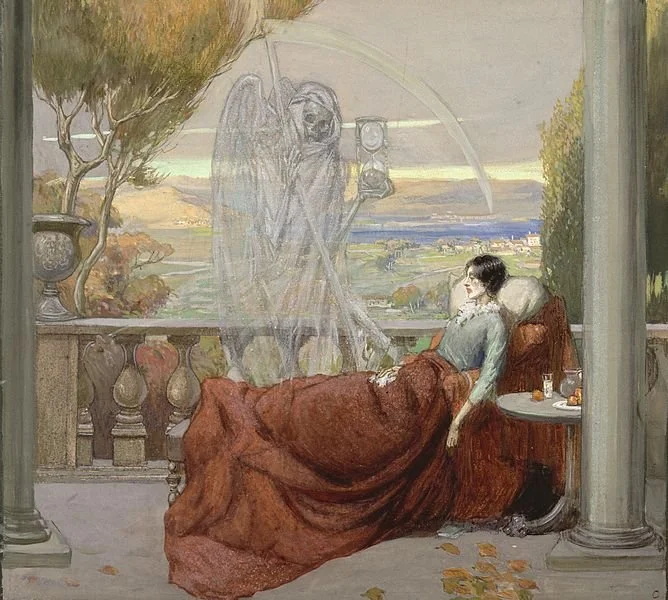
A sick woman lies on a balcony with death standing over her, representing tuberculosis. Richard Tennant Cooper. CC-BY-4.0.

The sheer scope of tuberculosis in human history is almost difficult to fathom. Tuberculosis in humans can be traced back 9,000 years to Atlit Yam, a city now under the Mediterranean Sea, where archeologists found the disease in the bodies of a mother and child buried together. Tuberculosis, which has gone by many names throughout time, including “the white death” in the 1700s and “consumption” in the 1800s, is one of humanity’s great enemies. According to the CDC, from the 1600s–1800s, Tuberculosis was responsible for 25% of all deaths. 

Today, vaccines and antibiotics are available to prevent and treat tuberculosis. These developments in tuberculosis treatments saved 74 million lives between 2000 and 2021. However, despite this breakthrough in modern medicine, a total of 1.6 million people died from tuberculosis in 2021 according to the World Health Organization. Over 80% of these deaths come from low and middle income countries. Modern medicine means that Tuberculosis is treatable, but these treatments are not universally accessible. In a globalized world, access to healthcare cannot be a first world luxury if outbreaks are to be prevented. 

3. The Columbian Exchange

1492–1800 CE

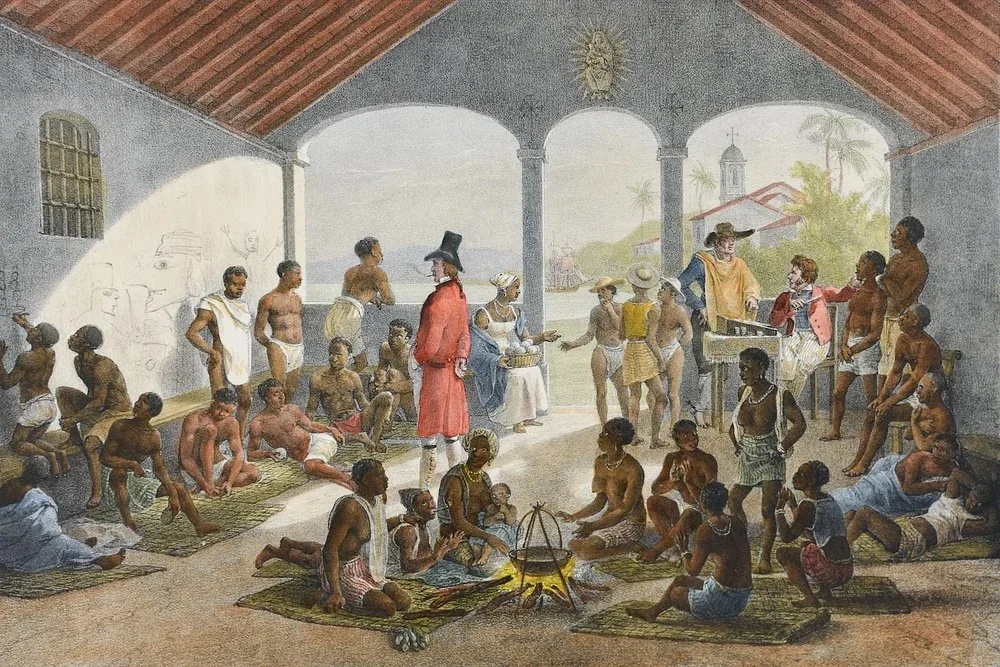
Spanish imperialists conquer the Americas. Wilfredor. CC-BY-SA.

The Columbian Exchange is a massive interchange of people, animals, plants, and diseases that took place between Eastern and Western Hemispheres after Columbus’ arrival in the Americas in 1492. This process introduced a number of foreign diseases that Native Americans had no immunity to, whose toll reached genocidal proportions, killing between 80–95% of Indigenous Americans within 100–150 years of Columbus’ first landing. Some of the diseases that plagued the Native Americans include smallpox, measles, influenza, chickenpox, the bubonic plague, typhus, scarlet fever, pneumonia and malaria. European imperialism is to blame for the catastrophic spread of disease to the Indigenous population.

4. The Spanish Flu

1918–1919 CE

Infected patients were isolated during the 1918 Spanish Flu pandemic. Jim Forest. CC-BY-NC-ND 2.0.

After WWI, global contact and poor sanitary conditions during the war caused a worldwide outbreak of the H1N1 influenza virus, known at the time as the Spanish Flu. 500 million people were infected, one third of the world’s population at the time. Of those infected, 50 million people died worldwide, including 675,000 people in the United States. 

This pandemic led to a number of medical innovations still in use today. One of which is the widespread use of masks to prevent the spread of disease. The Spanish Flu pandemic also led to innovations in vaccine technology and spurred our understanding of genes and the chemicals that encode them.

5. AIDS Epidemic

1981-1990s

Protestors march against the stigma caused by the AIDs epidemic. NIH History Office. CC0.

HIV originally jumped from chimpanzees to humans in the early ‘80s, most likely due to human hunters coming into contact with chimpanzee blood. As a result, 84 million people have been infected globally and 40 million people have died. The AIDS epidemic is notorious for the resulting stigmatization of the LGBTQ+ community, which were greatly, though not uniquely, affected by the disease. Epidemics throughout history, since the Bubonic Plague, have caused hysteria and scapegoating, a flaw in human nature that must be quelled. 

Since the 1980s incredible strides have been made in the treatment of HIV and AIDS. As of 2021, 38.4 million people were living with HIV without it progressing to AIDS (when deadly symptoms appear) due to modern treatments. The treatment for HIV is taking daily antiretroviral therapy (ART), which is a cocktail of different HIV medicines. This treatment can allow people to live with HIV for decades without it progressing to AIDS.


Sophia Larson

Sophia Larson is a recent graduate of Barnard College at Columbia University. She previously worked as the Assistant Editor on the 2021 book Young People of the Pandemic. She has also participated as a writer and editor at several student news publications, including “The UMass Daily Collegian” and “Bwog, Columbia Student News.”

5 Cryptids for Well-Traveled Lovers of the Macabre

Cryptids are creatures that have developed cult followings despite their dubious relationship with reality.

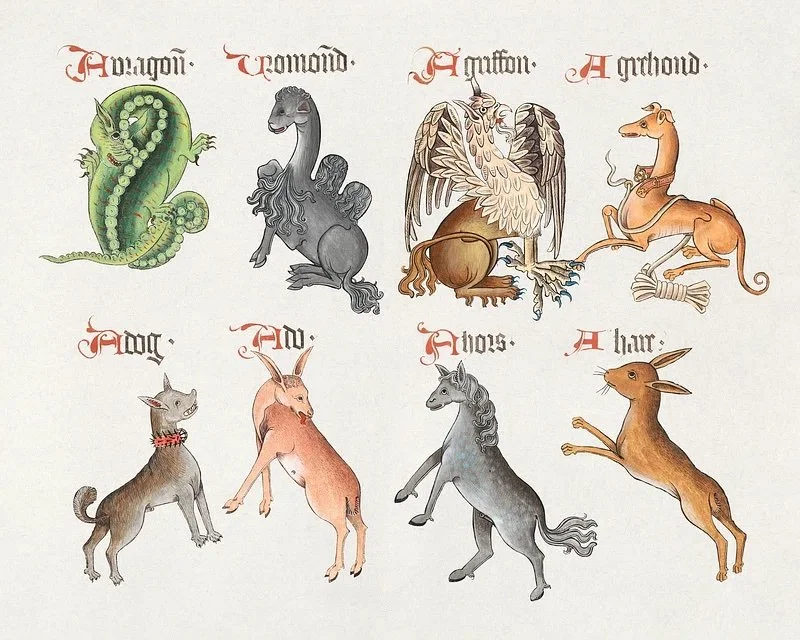
Helmingham bestiary and mythical creatures. Rawpixel. CC0.

Cryptids are creatures or animals that cryptozoologists believe exist in the wild, but whose present existence is unsubstantiated by science. Tales of such creatures can be found all around the world and are often the subject of modern folklore. Whether you or not you are a believer, cryptids are a point of fascination for anyone who relishes in the macabre.

1. The Mothman

Point Pleasant, West Virginia

The illusive mothman creature, with red eyes, wings, and a humanoid body. Steve Baxter. CC0.

In the small town of Point Pleasant, West Virginia, it is said that the infamous Mothman creature has haunted the woods and terrorized residents since 1966. First sighted by teenagers driving on State Route 62 near an abandoned National Guard Armory building, the creature is described as being six to seven feet tall with red eyes and wings like a moth. Since its first appearance in the public’s imagination the Mothman has reached mythical status, with statues, restaurants and other tourist attractions erected in its honor.

2. Chupacabra

Mexico and Southwestern United States

The chupacabra is said to feed on human and animal blood. Michael Snipes. CC-BY-SA 2.0

Chupacabras are said to be vampire-like creatures that are often blamed for attacks on goats, sheep and other domesticated animals. According to legend, the creature stands upright and resembles a large reptilian kangaroo. First reported in 1995, many believe the appearance of the Chupacabra in the collective imagination of Mexico and the Southwestern United states was highly influenced by the horror movies of the time. That being said, the Chupacabra continues to haunt the hearts and minds of the Great Basin.

3. J’ba FoFi

Democratic Republic of the Congo

The J’ba FoFi is a giant spider said to live in the Congolese jungle. Flickr. CC0.

The J'ba Fofi, also known as the Congolese Giant Spiders, are a type of large arachnid cryptid said to inhabit the forests of the Congo, hypothesized to be a new species of spider. The J’ba FoFi is said to hunt vertebrates rather than the insects its kind normally consume. The creature creates a network of webbing that operates as trip wires for approaching prey. They are said to burrow under trees and have large, yellow eggs. The existence of this giant spider, whether it is a yet-undiscovered species or simply a myth, remains unclear.

4. Loch Ness Monster

Scotland

Sighting of the Loch Ness monster. Ad Meskens. CC-BY-SA 3.0

One of the most famous cryptids in the world, the Loch Ness Monster is a creature said to inhabit Loch Ness in the Scottish Highlands. It is described as a large animal, with a long neck and often several humps protruding out of the water. Hypothesized to be the last descendant of an extinct species, potentially dating back to the time of dinosaurs, the existence of the Loch Ness Monster has never been confirmed. “Nessie,” as the behemoth is affectionately known to fans, has been the subject of sustained curiosity and numerous hoaxes, capturing the public’s attention despite the creature’s dubious link to reality.

5. Hibagon

Japan

The Hibagon is a Japanese, humanoid cryptid. John Doherty. CC0.

The Hibagon is a Japanese Bigfoot-like creature said to live on Mount Hiba, Hiroshima Prefecture. First sighted in 1970, the Hibagon is described as an ape-like being that walks upright and is approximately six feet tall. There have been many more sightings of the Hibagon since the ‘70s, causing a Hibagon craze that has become a fixture of the local tourist industry. The existence of such a creature remains unconfirmed.


Sophia Larson

Sophia Larson is a recent graduate of Barnard College at Columbia University. She previously worked as the Assistant Editor on the 2021 book Young People of the Pandemic. She has also participated as a writer and editor at several student news publications, including “The UMass Daily Collegian” and “Bwog, Columbia Student News.”

7 Books by LatinX Authors to Read This Hispanic Heritage Month

From literary classics to modern favorites, here is a list of must-read titles by LatinX authors in celebration of Hispanic Heritage Month.

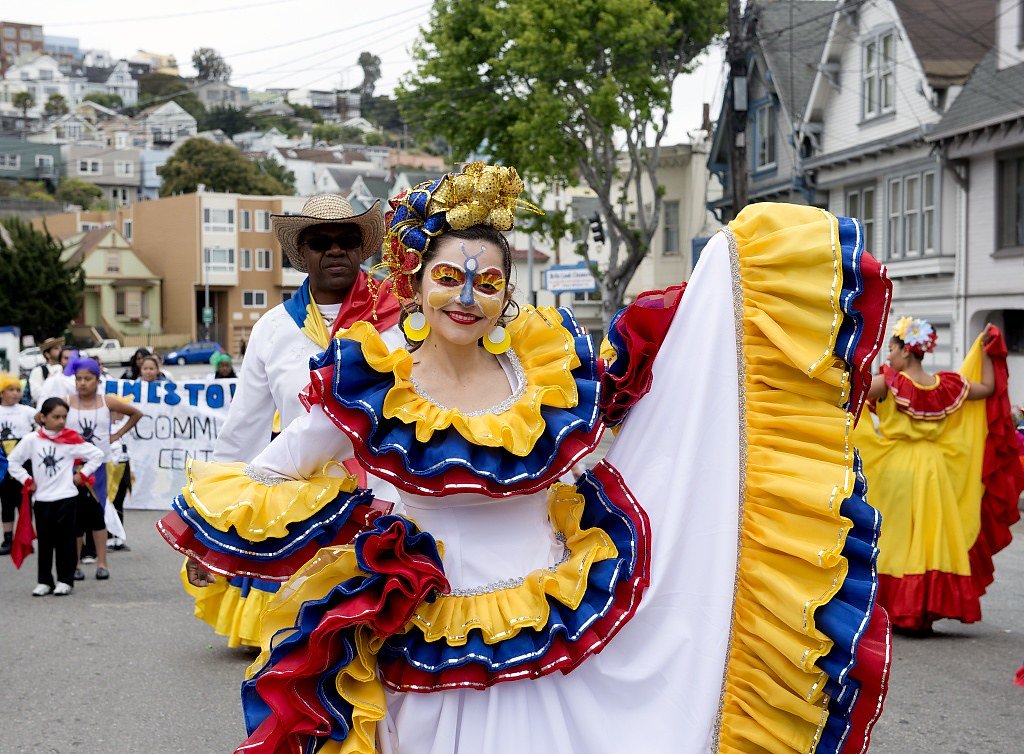
A traditional dancer performs at a Hispanic Heritage Month festival. GPA Photo Archive. CC0

With an incredibly rich history and huge variety of cultures, it is no surprise that Latin America has consistently produced world famous and award winning authors for decades. From historical fiction about the continent’s troubled colonial past to light-hearted stories about colorful local traditions, the diversity of Latin American literature spans time and space to offer incredible insights into life for bookworms and the average fiction reader alike. In celebration of September as LatinX Heritage Month, here are seven incredible books by LatinX authors to add to your reading list.

“Violeta” - Isabel Allende

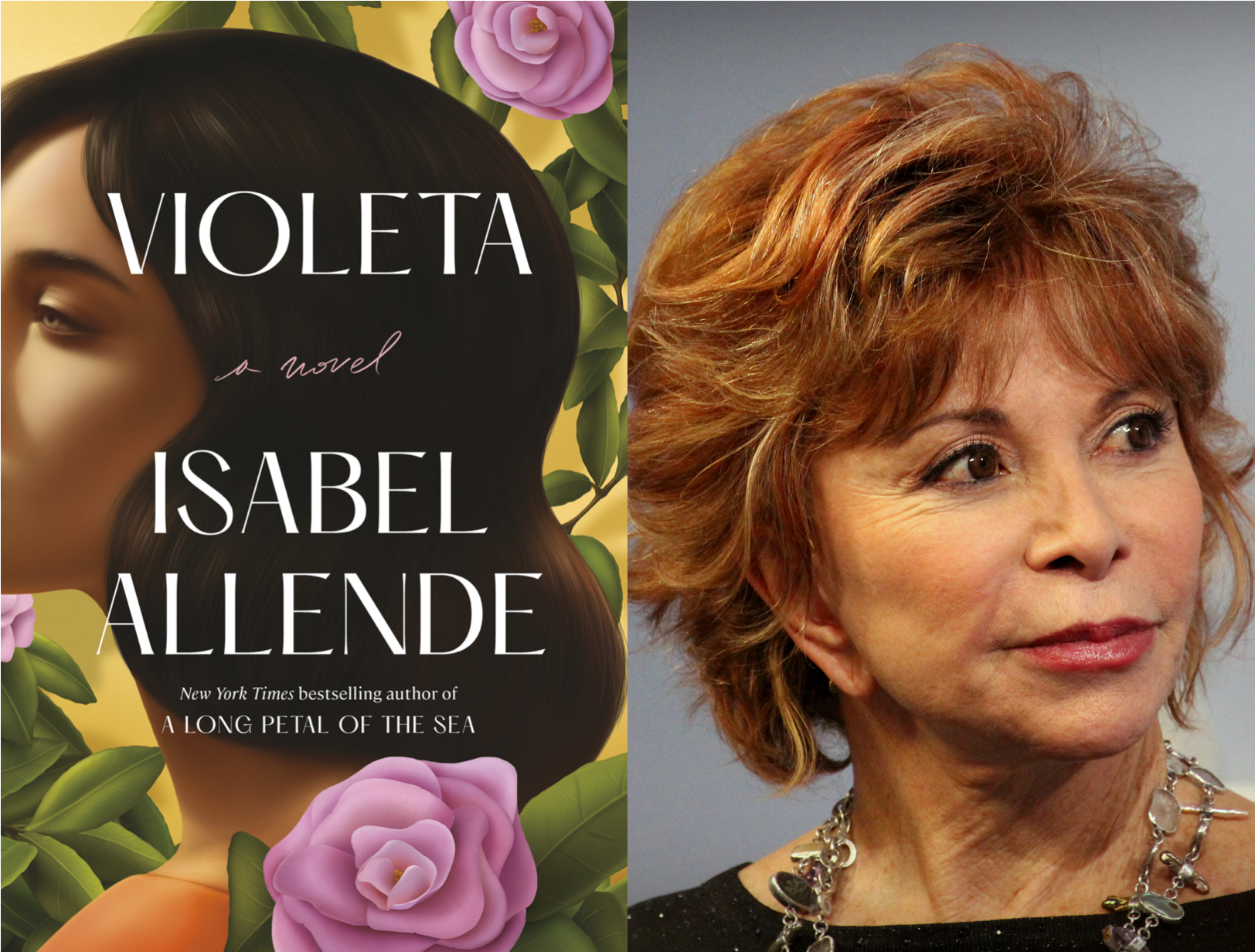
Left: Violeta. Goodreads. CC BY-SA 2.0 Right: Isabel Allende. Lesekreis. CC BY-SA 2.0

Multi-award winner Isabel Allende’s most recent novel follows the titular character from her birth to her death over a tumultuous century. Violeta is born during the Spanish Flu in 1920 and lives through the Great Depression, World War II and all the changes brought by the turn of the twenty-first century, while navigating family, romance and her own desires. Allende, arguably the first internationally successful female Chilean author, is known for writing in the “magic realism” style, weaving history with fiction and myth with reality to create engaging plotlines that find their roots in Hispanic culture, society, and politics. This novel is no different, and Violeta’s story, written in the form of a letter to the one person she loves the most, recounts 100 years of Chilean history through the eyes of a determined, humorous woman who, above all else, carries a deep love life.

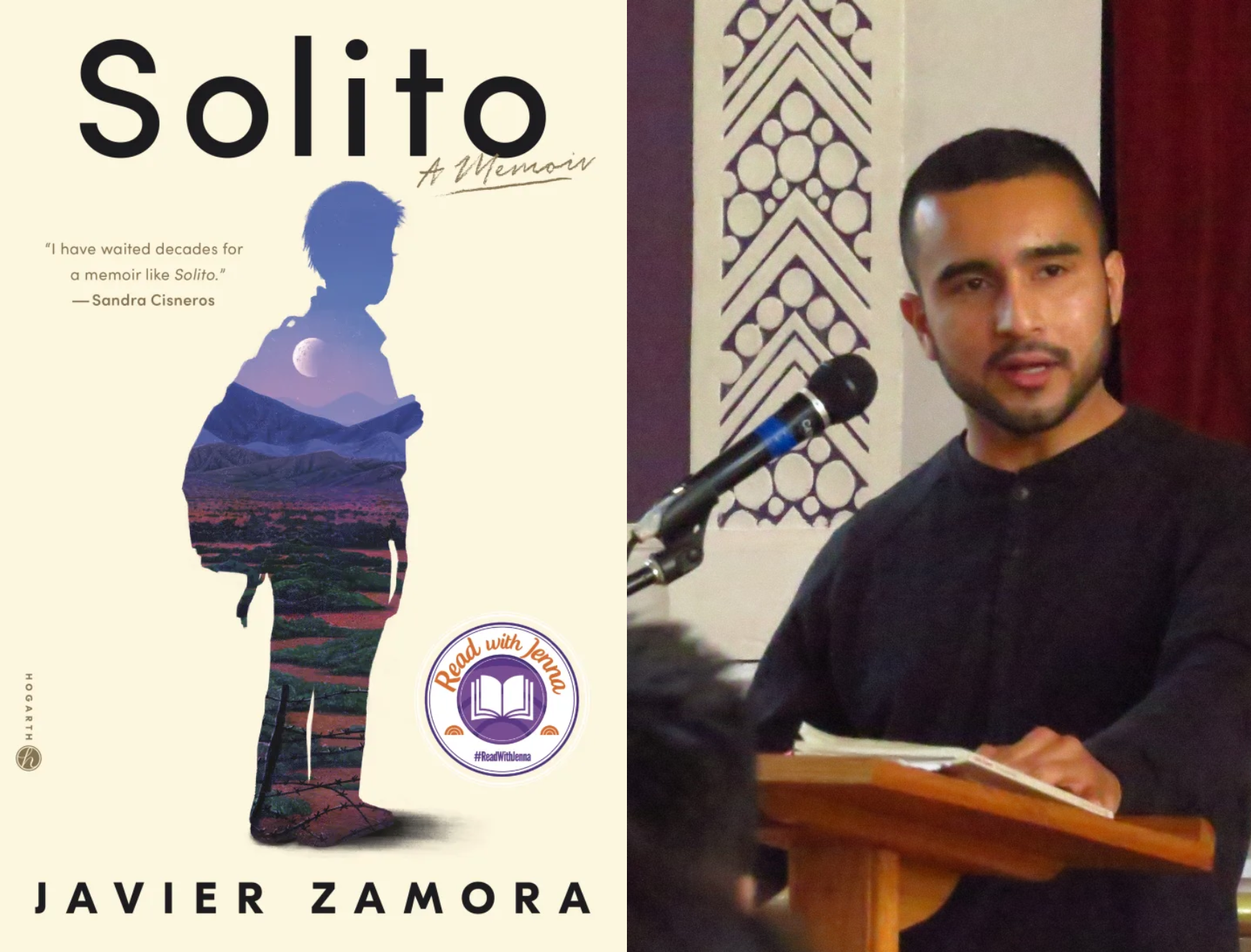
“Solito” - Javier Zamora

Left: Solito. NBCNews. CC BY-NC 2.0 Right: Javier Zamora. Dan Vera. CC BY-SA 2.0

A poet by trade, Salvadoran writer and activist Javier Zamora has collected his fair share of accolades, and is currently a Radcliffe Fellow at Harvard University. The New York Times bestseller “Solito” is his latest project having been published in 2022 and tells the heart wrenching story of Zamora’s perilous journey from El Salvador to the United States at only nine years of age. Leaving his extended family and childhood home behind, Javier travels almost entirely alone to reunite with his parents who had fled the country years earlier. He has no way of knowing about the seemingly insurmountable obstacles that will stand in his way, or the group of kind-hearted strangers who will come to treat him like one of their own. This biographical memoir is unlike either of Zamora’s earlier published works, and provides an incredible and intimate account of a story shared by millions of Central American migrants who have no choice but to flee their homes due to violence and political unrest.

“A Little Luck” - Claudia Piñero

Left: A Little Luck. Charco Press. CC BY-NC-ND 2.0 Right: Claudia Piñero. Secretaría de Cultura de la Nación. CC BY-NC 2.0

After the success of her earlier novel “Elena Knows,” Argentine novelist and finalist for the 2022 International Booker Prize Claudia Piñero has astounded her readers once again with this 2015 novel which has only recently been translated to English. Piñero has an incredible talent for exploring the depths of unbelievably tragedy and pain while offering her audiences brief moments of hope, and “A Little Luck” is no different. The novel follows Mary Lohan, a woman who fled the suburbs of Buenos Aires after an accident but has finally returned two decades later. While on the outside she in no way resembles her past self, she is very much still the same Mary, and as the past starts to resurface her present begins to crumble. “A Little Luck” is a beautifully crafted story about love, lies, unforgettable places, uninvited people, and most of all, the inescapable power of fate.

“The Brief Wondrous Life of Oscar Wao” - Junot Díaz

Left: The Brief Wondrous Life of Oscar Wao. Biblio. CC BY-NC-ND 2.0 Right. Junot Díaz. American Library Association. CC BY-NC-SA 2.0

Originally published in 2007, this novel won the Pulitzer Prize for Fiction in 2008, along with a host of other awards. Dominican-American author Junot Díaz penned this novel, during his time at MIT, where he continues to teach in the Creative Writing department. Díaz wrote several works while attending the prestigious university, but “The Brief Wondrous Life of Oscar Wao” remains his most well-known and celebrated title to this day. The novel follows the titular character, a lovable and overweight Dominican teenager living in New Jersey with his mother and sister. He wants nothing more than to become a world famous author, except for maybe finding true love, a dream that feels far out of reach given the curse that has afflicted his family for generations and has resulted in only ill-fated romances. With an incredibly skilled hand, Díaz guides his readers through the life of Oscar and his family, both past and present, while also touching on the brutal reign of Dominican dictator Rafael Trujillo.

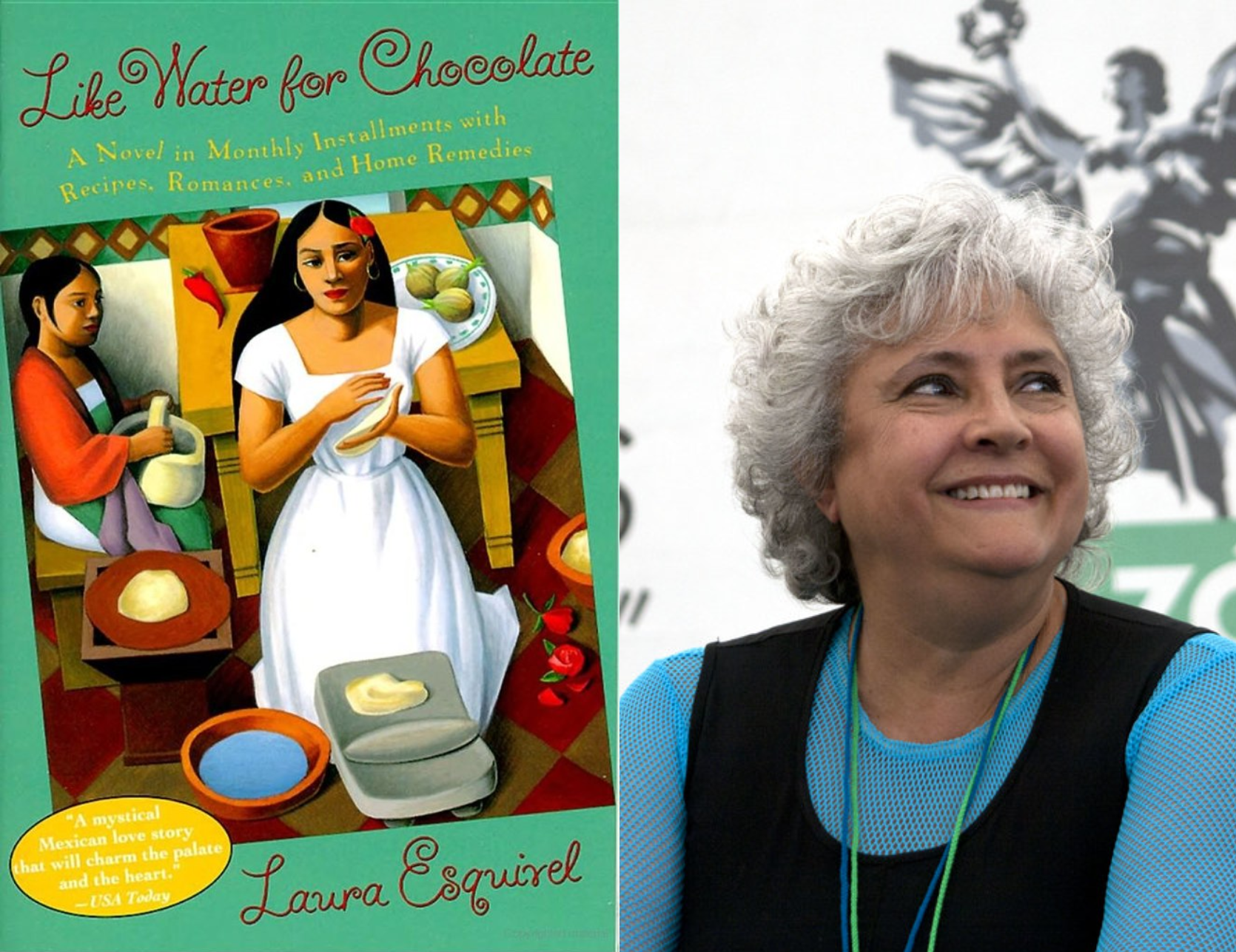
“Like Water for Chocolate” - Laura Esquivel

Left: Like Water for Chocolate. Grab The Lapels. CC BY-SA 2.0 Right: Laura Esquivel. Secretaría de Cultura de la Ciudad de México. CC BY-SA 2.0

This 1989 novel was translated into English in 1992, and immediately became a modern classic in the pantheon of Latin American literature. The title comes from a common idiom in Spanish-speaking countries, “como agua para chocolate,” which refers to an intense state of emotion, whether it be anger, excitement or even arousal. Mexican author and screenwriter Laura Esquivel chose this for the title of her first novel because of the many references to food and culinary culture throughout the story, which add to her detailed description of family life at the turn of the century in Mexico. The novel makes use of humor and magic to explore a bittersweet love story both relatable and fantastical, as well as its impact on the families at the center of the drama. Each chapter begins with a recipe filled with cleverly chosen words and descriptions which allude to upcoming character and plot developments, an aspect that was unfortunately largely lost when Esquivel wrote the screenplay for the 1992 movie adaptation.

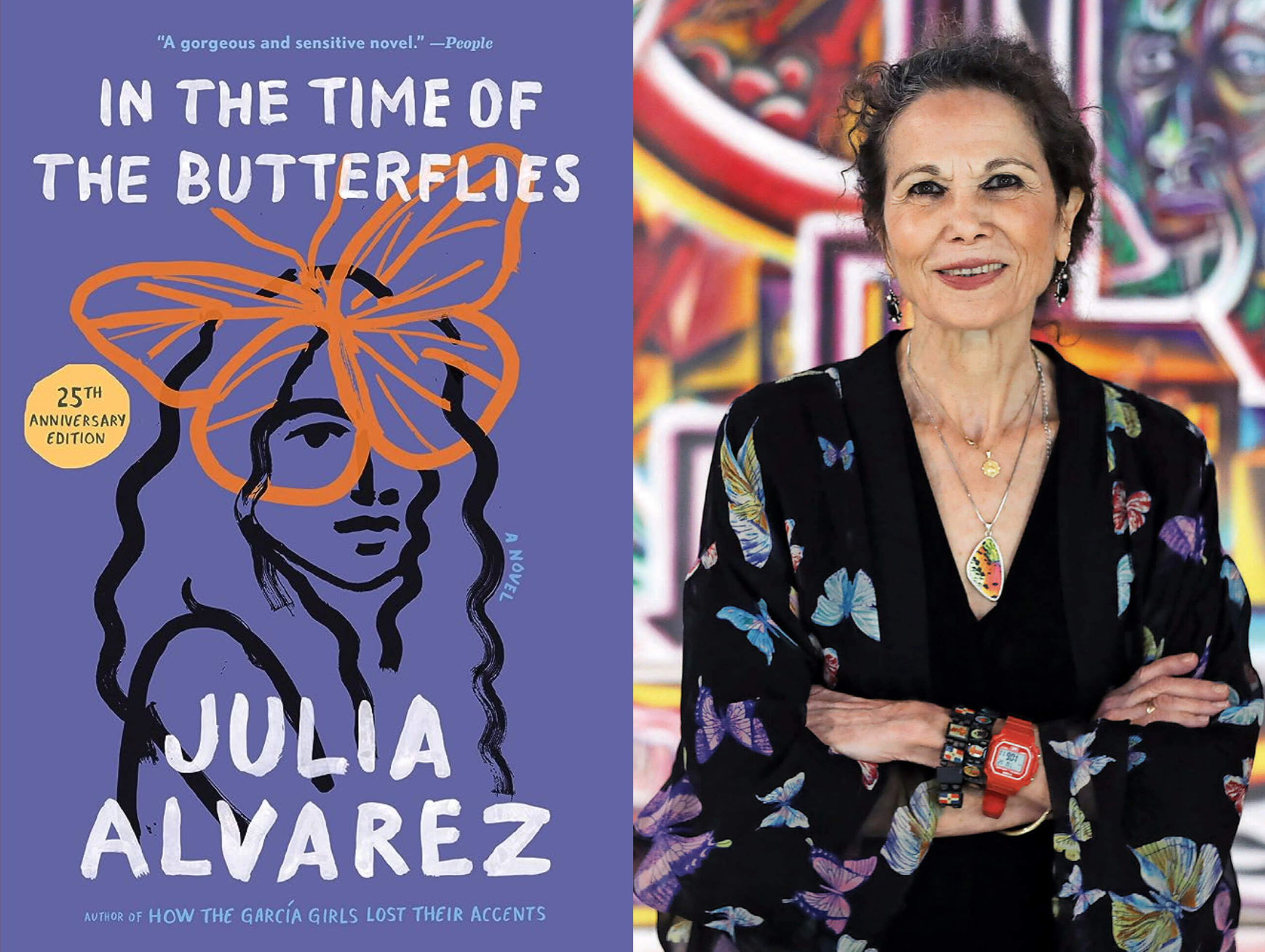
“In the Time of the Butterflies” - Julia Alvarez

Left: In the Time of the Butterflies. Amazon. CC BY-NC-ND 2.0 Right: Julia Alvarez. Julia Alvarez. CC BY-SA 2.0

Julia Alvarez is a Dominican-American essayist, poet, and novelist who is known for her ability to weave fact with fiction and craft irresistible plotlines that detail political and social events through the eyes of colorful and relatable characters. “In the Time of the Butterflies” is a perfect example of this, as a work of historical fiction with its foundations in the very real story of the Mirabal sisters, four young women who tirelessly fought for their country’s freedom under the dictatorship of Rafael Trujillo in the Dominican Republic during the 1900s. Known by Dominicans as “las mariposas” or “the butterflies,” the sisters were unfortunately assassinated in 1960 for their efforts to overthrow the government. Alvarez gives these characters a new life by imagining their time as teenagers, and how they came to be involved with revolutionary efforts before falling victim to the destructive regime. Through the voice of each sister, the story of their political involvement, victimization and deep love for each other slowly but surely come to light.

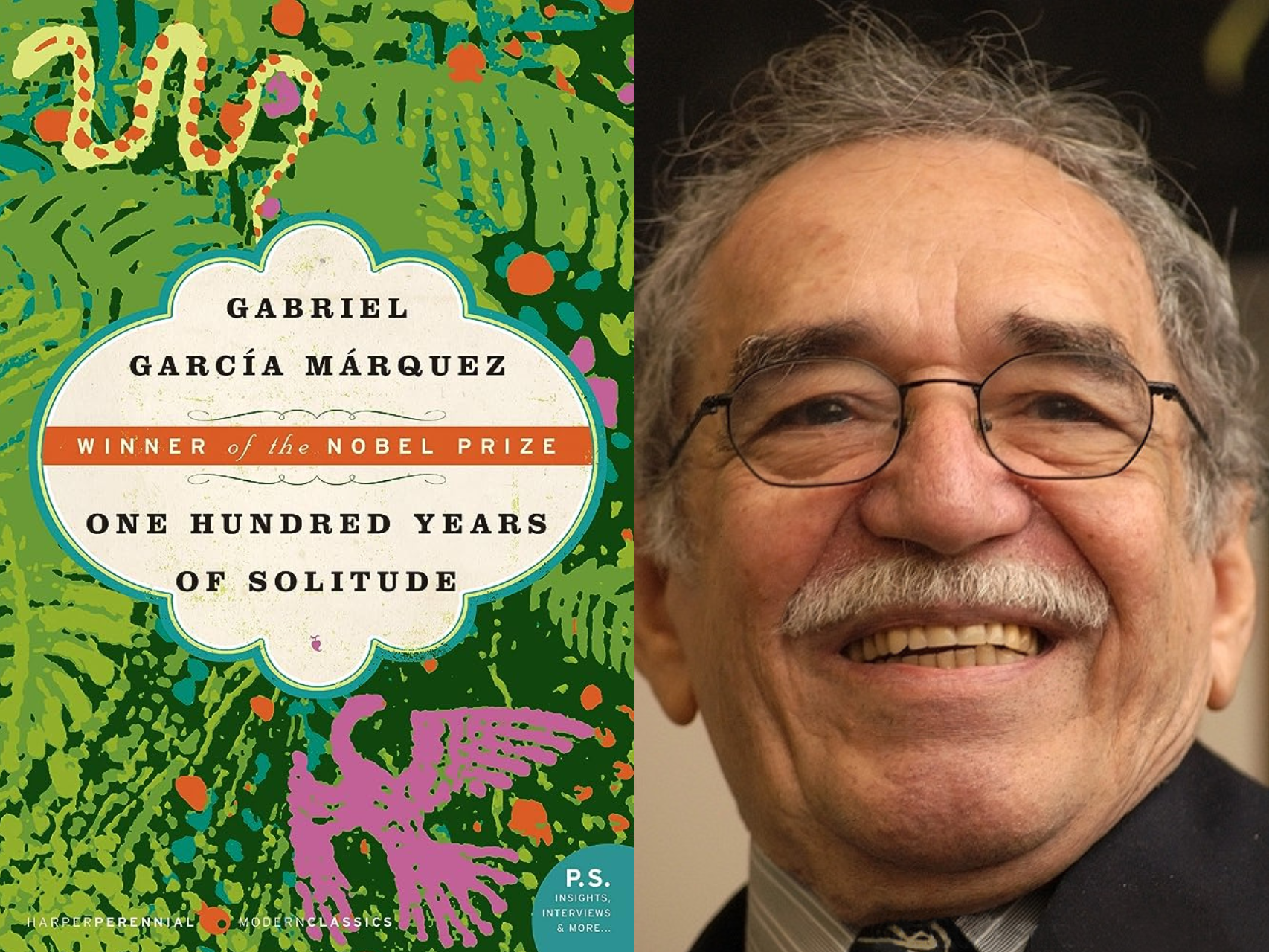
“100 Years of Solitude” - Gabriel García Márquez

Left: 100 Years of Solitude. Amazon. CC BY-NC-ND 2.0 Right: Gabriel García Márquez. Jose Lara. CC BY-SA 2.0

No list of Latin American literature is complete with this 1982 Nobel Prize-winning classic, and what many consider to be Gabriel García Márquez’s best work. The late Colombian novelist published this novel in 1967, chronicling seven generations of the Buendía family and the rural town of Macondo they built in Colombia between the 1820s and the 1920s. While separated from the rest of Colombian society by an imposing mountain range, Macondo is a microcosm of larger society with its troubles and its magic, although the key to all of the town’s secrets remain hidden in a coded book. Through its delicate blend of magic, reality, history, and tradition, Márquez presents an allegorical insight into the turbulent social and political atmosphere in Colombia during the post-colonial times, and the country’s development over the following century.


Tanaya Vohra

Tanaya is an undergraduate student pursuing a major in Public Health at the University of Chicago. She's lived in Asia, Europe and North America and wants to share her love of travel and exploring new cultures through her writing.

Manaus: Capital of the Amazon

My visit to the Amazon’s largest and most contradictory city.

City of Manaus. Dennis Jarvis. CC BY-SA 2.0

My first guide in Manaus explained that when people think about a city in the middle of the Amazon, they expect the city to be wild and see snakes crossing the streets. The reality of the Amazon’s largest city, located in Brazil’s Amazonas Province, is completely different. This past May I spent one of the most memorable weeks of my life in this province. During that time, I did go deep into the Amazon, where I saw a tree Boa, a large snake. But, I also visited a beautiful pink opera house, a fish market, antique bookstores, fancy restaurants, the Presidente Figueiredo Waterfalls, and even the Ponta Negra Beach, which was lined with tall buildings that seemed to be hotels, just like any beach town you’d find in the US.

Me, in the Amazon outside of Manaus. Jeremy Giles

This city of over two million people borders both the Rio Negro and the Amazon River, and is the access point to reach many communities deeper within the Amazon jungle. It is also one of Brazil’s largest industrial centers, including businesses that have nothing to do with the rainforest it borders. In my experience, Manaus is a city unlike any other, and thrives off defying expectations.

The History

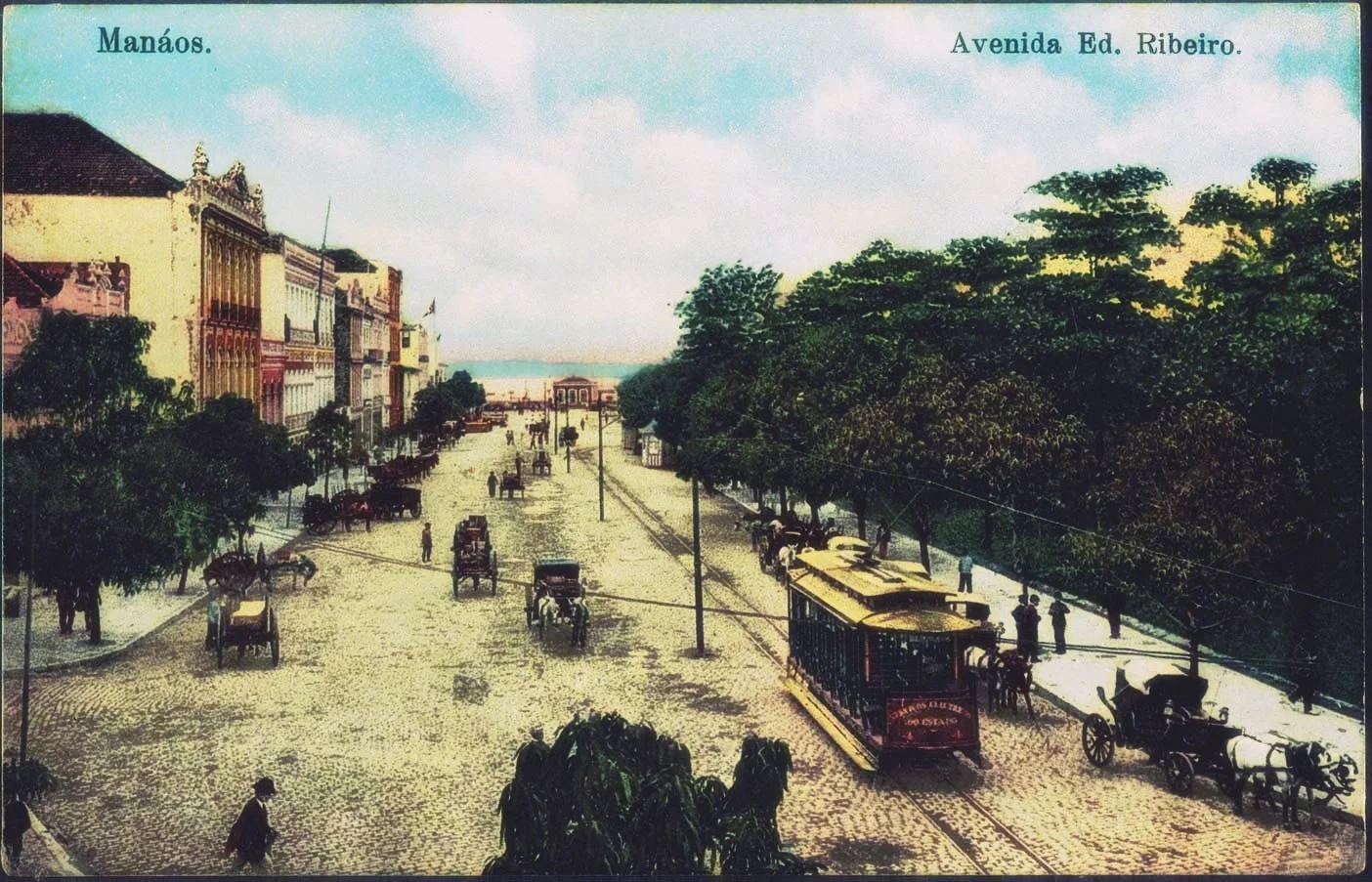
Manáos, Eduardo Ribeiro Avenue in 1909. National Library of Brazil, public domain.

Manaus was originally founded in 1669 as a Portuguese fort. By 1832, the fort grew into a town, and received its modern name, Manaus, meaning “mother of the gods,” from the indigenous Manaós tribe. Only 16 years later Manaus expanded into a city. Two years after that, it was officially declared the capital of the Amazonas province.

After the invention of cars in the late 1800s, Manaus became the center of the rubber boom due to the almost complete South American monopoly of rubber trees, which are native to the Amazon basin. This completely changed the city, as it became viewed as the gateway to the Amazon, and became home to many incredibly wealthy rubber barons. These ridiculously rich families had more money than things to spend it on, and began to focus on architecture, shipping materials all the way from Europe to build huge beautiful masterpieces, many of which still exist today.

By the early to mid 1900s the rubber boom had almost completely left Brazil, being replaced by rubber trees brought to Southeast Asia. This spelled financial ruin for Manaus, which sank into desperation. This poverty continued until 1967, when Manaus was named a duty free zone, making it cheap for companies to move there. This allowed Manaus to grow into the economic hub it is today, currently being a Brazilian access point for over 600 global companies.

The Amazonas Theatre

Amazon Theatre in Manaus. Rafael Zart. CC BY 2.0.

The Amazonas Theatre opened in 1897, carrying with it Manaus’ nickname “the Paris of the Tropics.” The opera theater was built almost entirely using materials imported from Europe, topped with a beautiful dome of Brazil’s flag.

At the time of its opening, the opera theater was in many ways a sign of all that was wrong in Manaus. It was built for Manaus’ uber-wealthy, using the money they made by exploiting the local population to harvest the rubber they sold abroad. Moreover, even the few who could enter the opera house valued the status it brought them more than the opera itself. The most expensive seats in the opera house were those that were the most visible to the public. Ironically, these spots actually had the worst view of the stage itself. 

Today, the opera house, which remains a top opera house in the world, has come a long way from its imperialistic origins. Most performances at the theater are free, and those that aren’t are very affordable. The performances feature both local artists and acts from around the world. Moreover, to encourage all to join, a large screen is often set up in the plaza in front of the opera house, allowing as many people to see the performances as possible.

The Ports

Manaus market from the river. archer10 (Dennis). CC BY-SA 2.0.

In many ways, the center of Manaus is its ports. Manaus is bordered by both the Rio Negro and the Amazon River, allowing for a large number of ships and ferries, both for tourists and locals. These boats can take you deeper into the Amazon or out of it entirely, allowing ocean freight ships to transport goods directly to Manaus.

In addition, much of Manaus’ culture and nature revolves around the ports. A little over a half hour by boat from Manaus’ ports is the meeting of the waters, a line where the Rio Negro meets the Amazon River. This line is clearly visible with the water looking different and being a clearly different temperature on either side of the line. 

On land, about a five minute walk from Manaus’ largest port is an amazing market “Mercado Municipal” that, every morning, is filled with different fresh fish, including some of the biggest fish in the world. My personal favorite of these huge fish is Tambaqui, a cousin of the Piranha and one of the most delicious meals I’ve ever had. The fish is so big that its ribs are visible and alone big enough for a meal. In fact, I’d go even further to say that, to me at least, the ribs are the best part.

Amazon Rainforest

The Amazon Rainforest, a few hours from Manaus. Jeremy Giles

While Manaus itself is a big city, much of the land around it is still forested and filled with natural wonders. If you go an hour or two downstream on the Rio Negro, you will be greeted by intensely green trees on both sides which, in the right conditions, are perfectly reflected by the black water below you. In the wet season this water will rise several meters, causing many of the trees to jut out of the water itself. Just to note, climate change has caused the water to rise more now than in the past, however, the water rising multiple meters is a natural phenomenon and one that actually helps the trees survive.

When you’re surrounded by the trees you may start to be greeted by animals almost immediately. Howler and spider monkeys can be seen leaping from tree to tree, sometimes carrying their babies, and boas can be found curled up on branches. The water itself is dotted with caiman and different kinds of fish. The lucky will get to see pink river dolphins breaching the water’s surface.

A waterfall at El Presidente Figueiredo. Jeremy Giles

There is plenty to see around Manaus and in Manaus on land as well. Most notably, about an hour and a half drive from Manaus are the Presidente Figueiredo waterfalls. These waterfalls are all stunning to look it, with fast moving water from the Rio Negro. However, they do vary in size. The first waterfall I was unable to approach because it was too big. The second one was small enough that I was able to climb behind it.

The Rio Negro, or Black River in English, gets its color from the decaying vegetation that falls into it. Beyond giving the river a wondrous dark hue, this decay causes the river to be relatively acidic. While it is perfectly okay for humans to swim in the water, the same cannot be said for mosquitoes, who almost completely avoid the river. This is amazing for Manaus, which borders the Rio Negro, as the city has relatively few mosquitos despite being in the middle of the Amazon.

The Technology Industry

President Lula visiting a motorcycle factory in Manaus. Brasil em Mapas Brazilmaps. CC BY 2.0

While much of Manaus’ economy does revolve around the Amazon, the tech industry is actually one of the city’s largest. Brazil’s largest research and development Institute, the Sidia Institute of Science and Technology, is based in Manaus. Moreover, Manaus is known for its extensive motorcycle industry, producing over 1.4 million motorcycles in 2022.

Manauara Shopping Center. Naldo Arruda. CC BY 2.0

I’ve spent the past few days trying to think of what, out of everything I saw, best represents Manaus. I believe I’ve found it, but, like everything else with the city, it’s not what you would expect. 

The Manauara Shopping mall is a huge and beautiful structure, with big glass windows lining the outside, seeming to connect the building to the world beyond its walls. It has more than 200 stores, which range from those selling wooden crafts and acai from the Amazon to big brands on national and international levels. The moment I remember most is when, after exploring the first three levels of the mall, my family decided to visit the basement food court. Going down the escalator, we saw the same glass windows from the front of the building, except this time, they were facing inwards. We walked towards a door under the hulking glass and through it outside into open space. I looked up and spiraling branches blanketed with green leaves towered above me, almost blocking my view of the night sky. I breathed in the air deeply, letting go of a tension I didn’t know I was holding. Looking back, in this moment, in a rainforest in the middle of a mall, I truly experienced Manaus most.


Jeremy Giles

Jeremy is a Writing Seminars and International Studies major at Johns Hopkins University. He is an avid writer and the Co-Founder of Writers’ Warehouse, Johns Hopkins’ first creative writing group. He is an advocate for Indigenous rights, and studies how Indigenous philosophies can be used to help prevent climate change. Using his writing, he hopes to bring attention to underrepresented voices in today’s world.

On the Table: Sharing food Around the World

The tradition of sharing meals is a custom that transcends national borders and bridges generational divides.

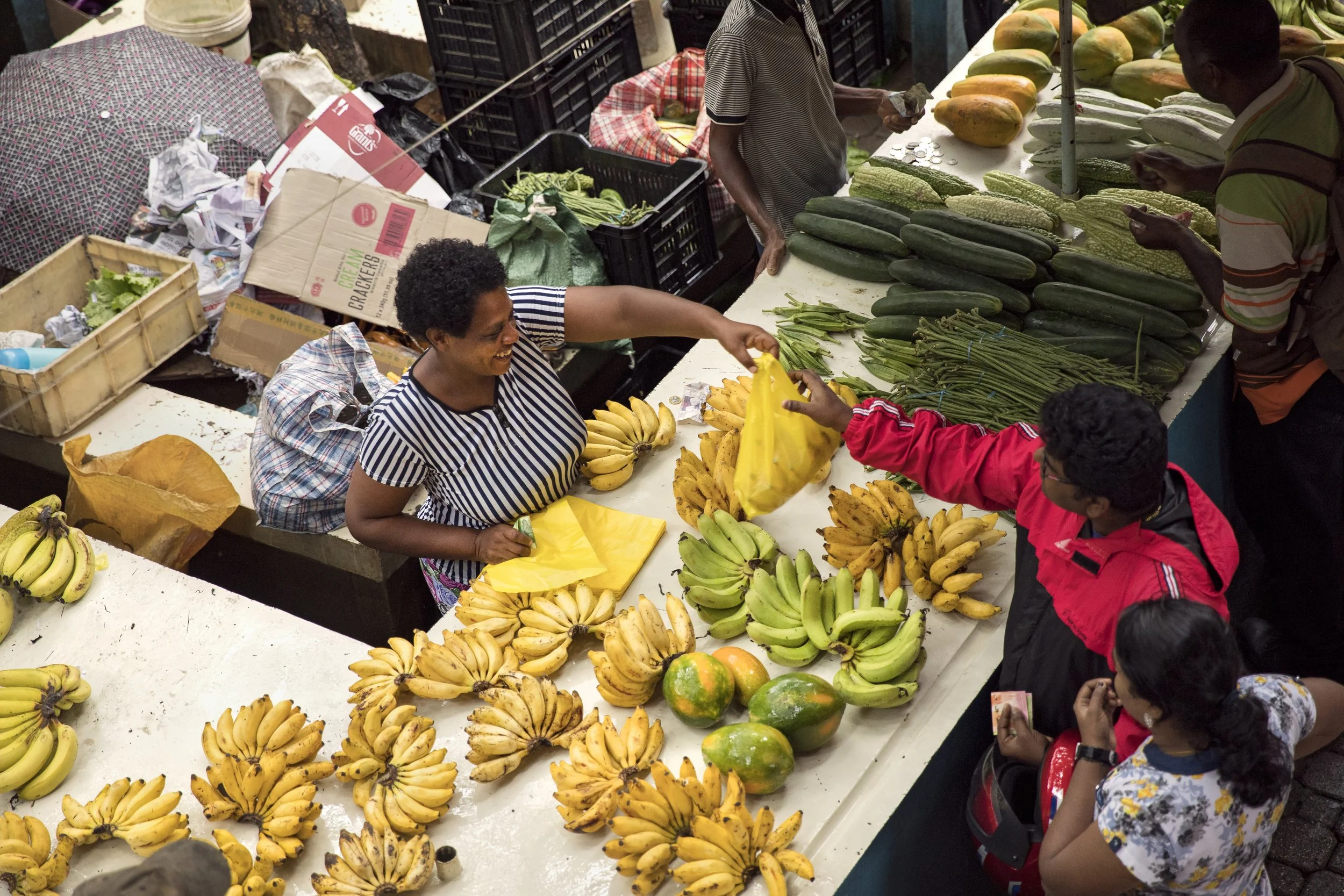
Marketplace in Seychelles. UN Women. CC BY-NC-ND 2.0

Breaking bread has long served as a sacred means of creating community and connection. In the 18th century, the term for a “good friend” in Dutch translated to a “table friend.” Today, such an exchange of friendship is still an elemental ingredient to mealtimes. The settings vary across the globe, from pre-set dinner tables to park picnic benches, floor mats to swiveling bar stools. About a quarter of the world’s population does not sit nightly at a table, but rather gathers around a mat or stands balancing on a wooden plank in the midst of the mud in a market. But, no matter the gathering space, one aspect remains core to nearly all eating traditions: the manner in which food is shared is a ritual that celebrates the communal over the individual. 

Sharing small bits of food is a human habit that anthropologists believe connects to a primal need to forge alliances through a sense of communal equality. Such a need has led to a kind of communal snacking culture, in which groups share nibbles of food. From spreads of hummus and babaganoush, to tapas of cheese and olives, to steamed buns of dim sum,  communal eating habits around the world exemplify how the best meals are always shared. 

Ethiopia

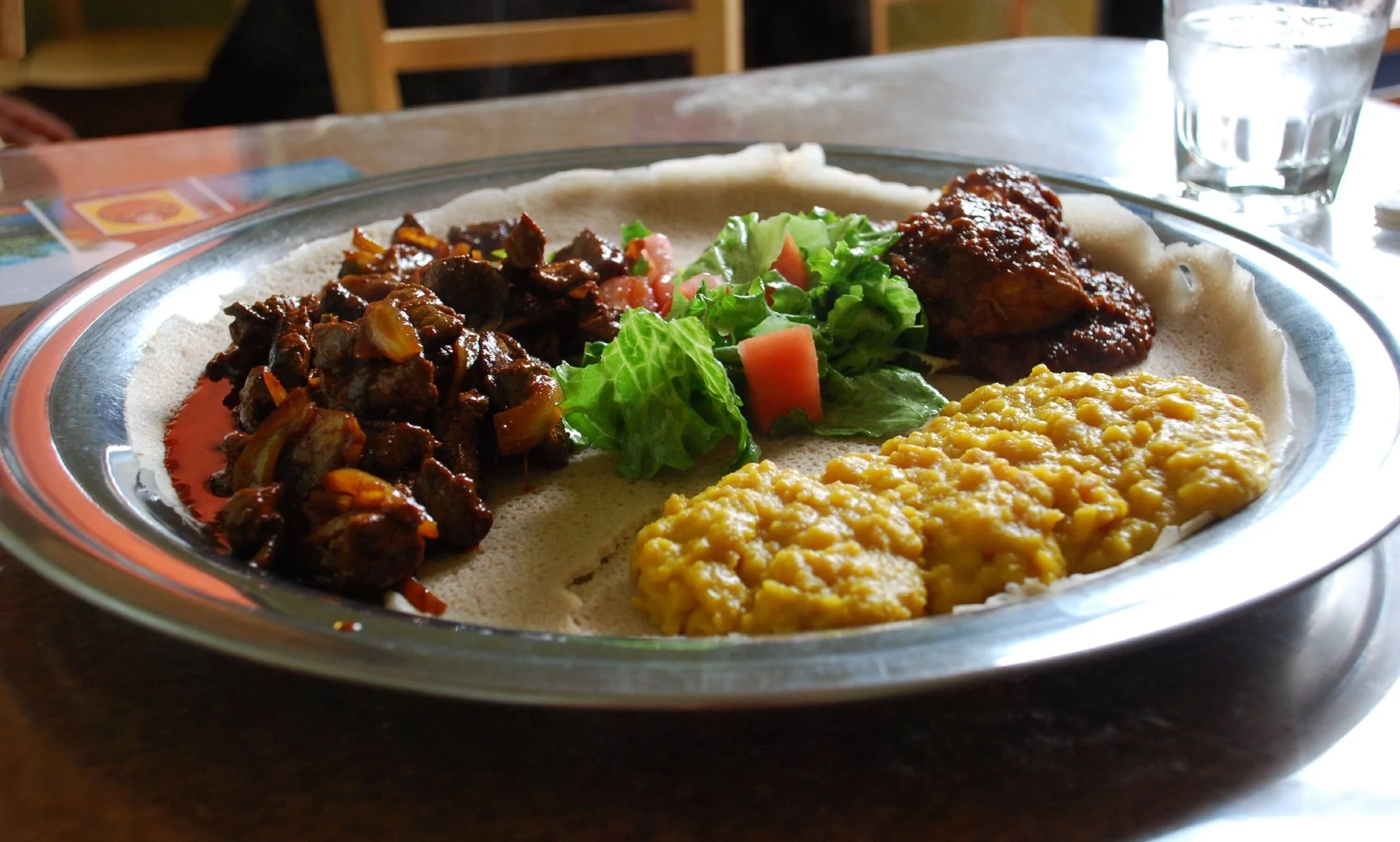
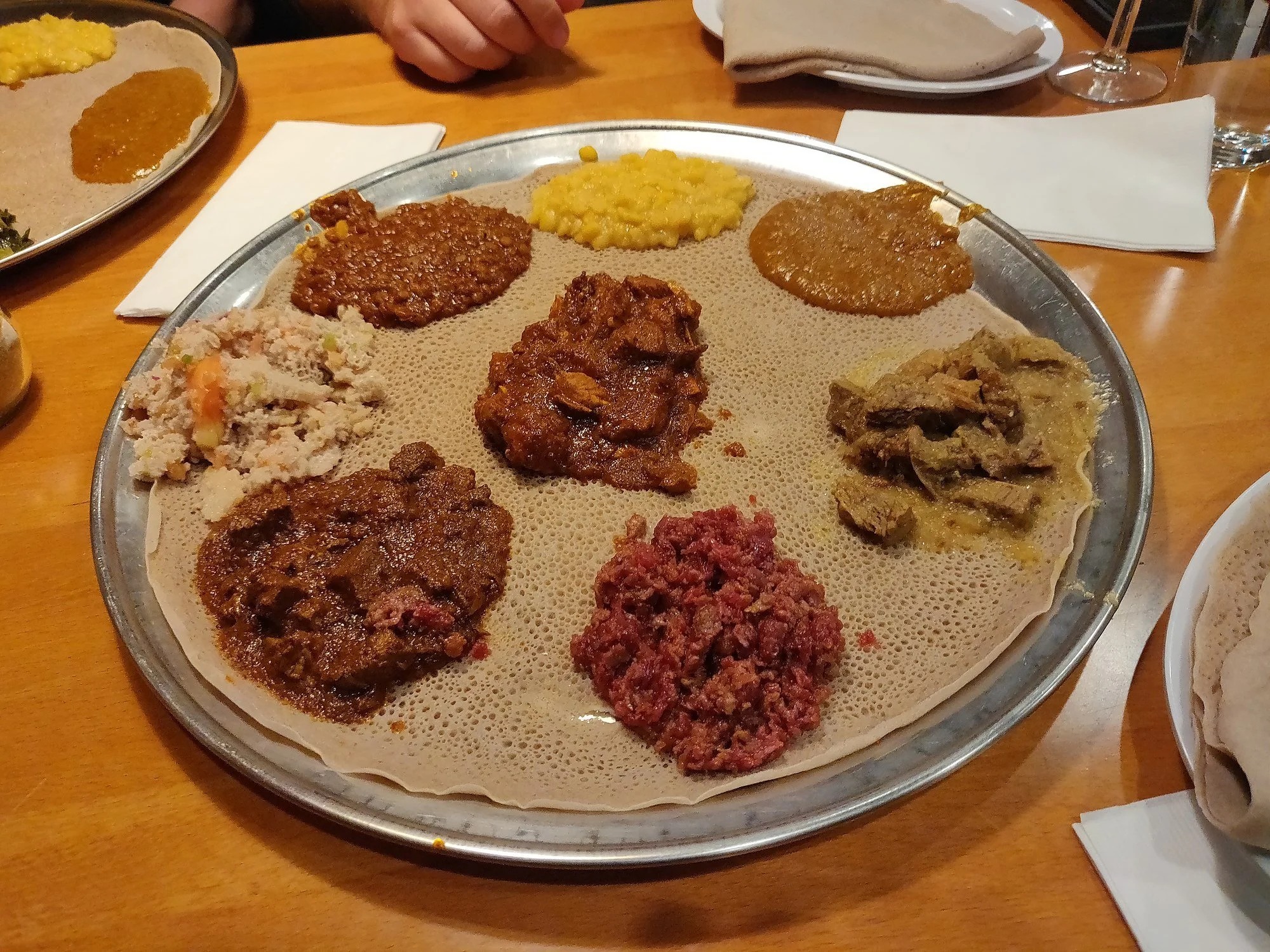
An Ethiopian dish. Malingering. CC BY-NC-ND 2.0

Communal eating is a central part of Ethiopian food culture and is aided with the use of Injera, a thin sourdough-risen flatbread with a spongy texture. Most Ethiopian meals are eaten with one’s hands and from a communal plate placed in the middle of the table. The left hand is considered unclean, and so the right hand is used for eating and ripping apart pieces of Injera to scoop up food. Traditionally, meals begin with the oldest at the table taking the first bite, a custom to indicate respect to elders.

The communal significance of food in Ethiopia is represented through a practice called the gursha: a form of hand-feeding, in which one will place a small morsel of food into another’s mouth. The gesture is usually first given to elders or guests at the meal and signifies a sign of respect, hospitality, and friendship.

Foods to try

Kitfo is a native Ethiopian dish made with raw beef. Similar to an American hamburger, kitfo uses Injera rather than a bun. The dish originates from the Gurage region of Ethiopia and is believed to have emerged from the Orthodox Christian tradition as a means of eating meat to break the fast after Lent.

France

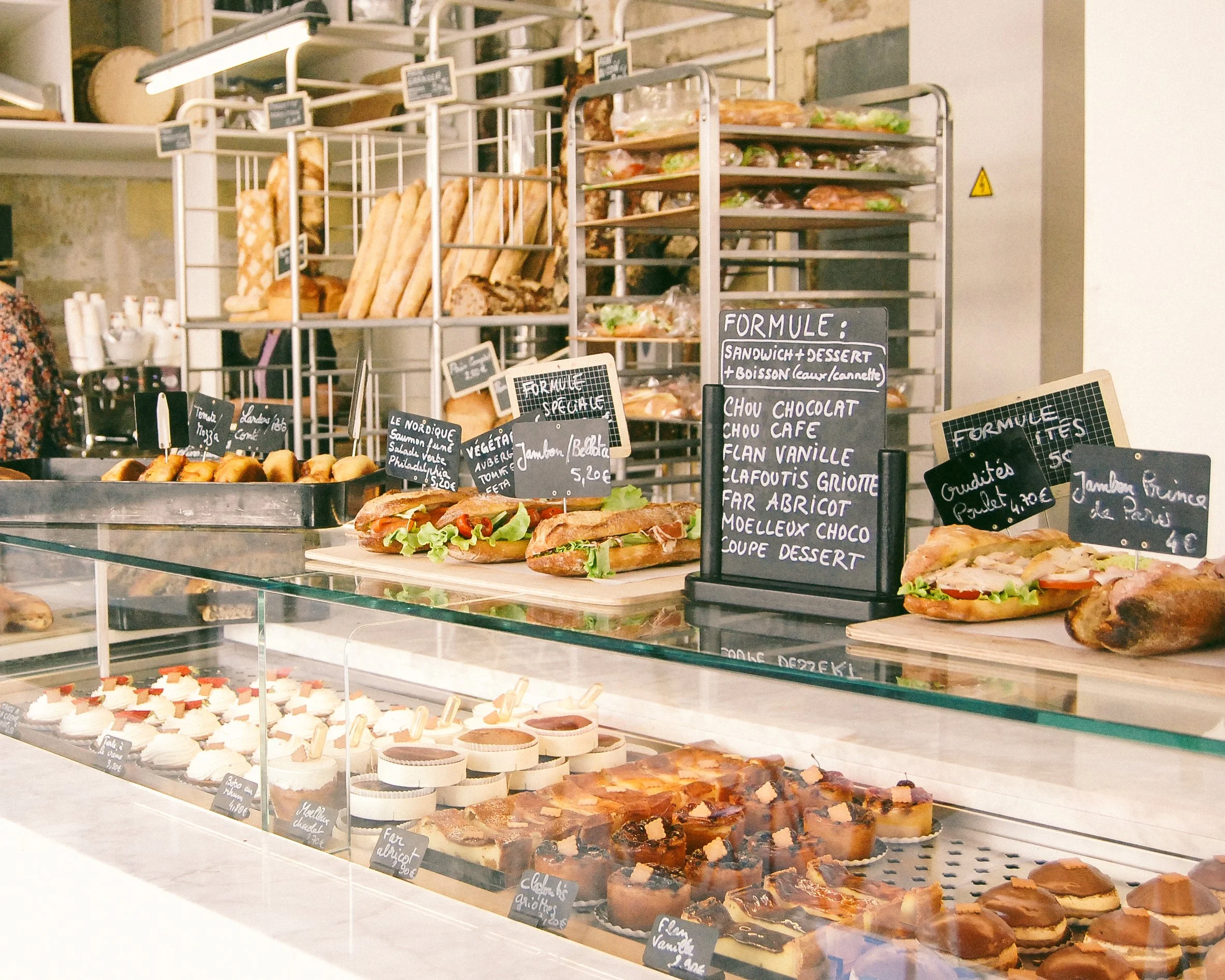
French bakery. Hannah Wilson. CC BY-ND 2.0

French food culture is defined by a sense of intention and relaxation, with meals often lasting for hours at a time. The care characteristic of French culinary culture is exemplified in its “gastronomic meal.” The meal, which became a part of UNESCO’s List of the Intangible Cultural Heritage of Humanity, refers to a kind of dining tradition in which a large meal is prepared to bring family together. Elements of the gastronomic meal include its use of fresh local ingredients, its careful selection of dishes that represent a diverse spread of the country’s regional cuisines, an emphasis on food and wine pairings, an aesthetic table setting, and group conversation throughout the dinner. The meal is often a foundational element to birthday and wedding celebrations and follows a set structure. Starting drinks, or apéritif, begin the meal, followed by up to four courses including a starter, a main dish of fish or meat with vegetables, and a sweet dessert paired with cheese. The meal typically ends with a drink referred to as digestif. Digestifs are characterized by a high alcohol content and rich flavor, and include liquors such as Génépi,  Cognac, Armagnac, and Calvados.

Foods to try

While French food is popularly characterized by its flaky baguettes, croissants, and delicate pastries, cuisine varies significantly depending on the region. Cheese and ciders are a popular part of dinners in Normandy, while ratatouille is a family staple in the country’s Mediterranean south. 

The Loire Valley boasts bountiful grapes, cherries and berries that are used to make rich liquors and sweet fruit tarts, while the Basque Country pairs fish and meats with spicy herbs and sauces.

Mexico

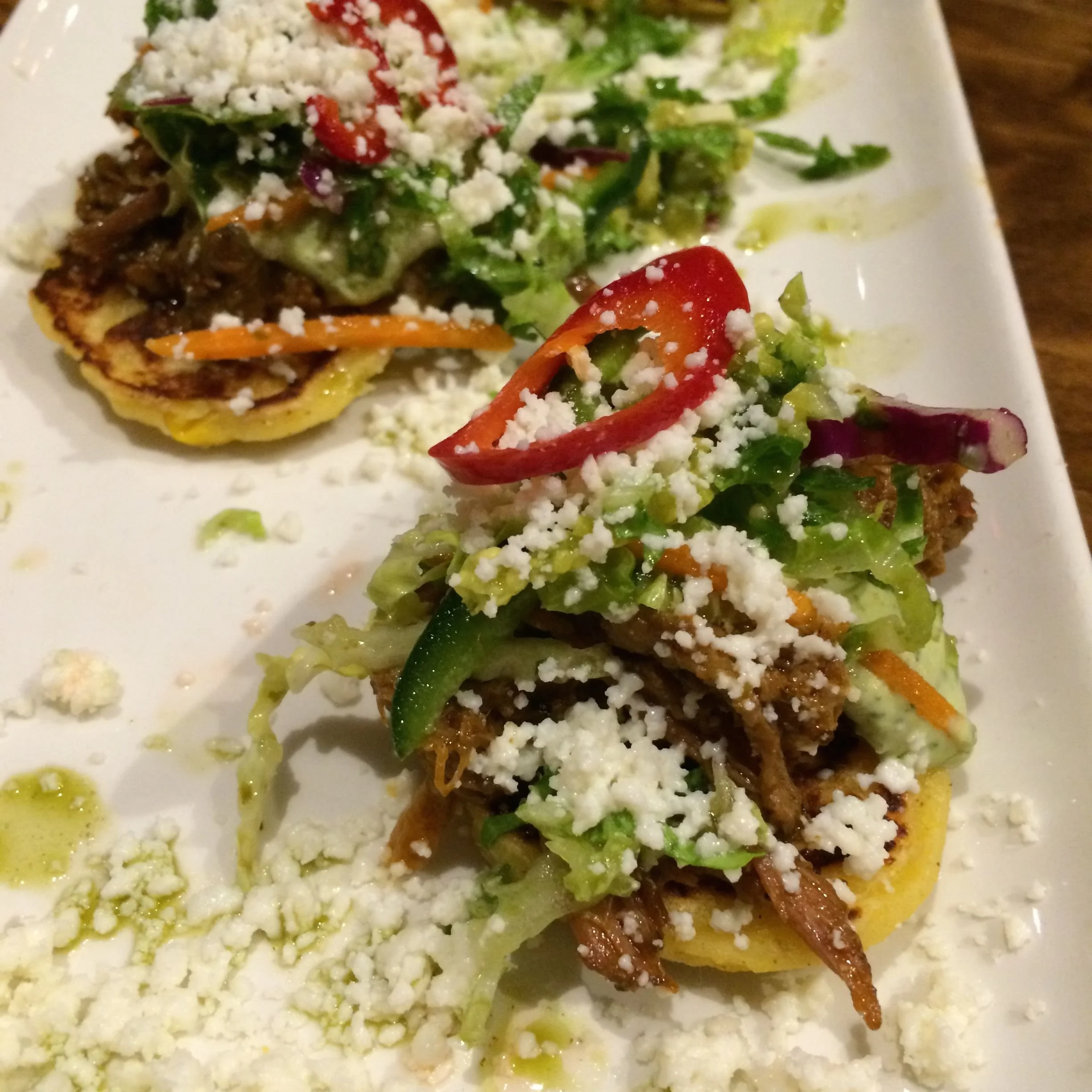
Mexican meal. VisitPlano. CC BY 2.0

In Mexico, community plays a central role in both the production and consumption of food.  In an interview, renowned Mexican chef Margarita Carrillo Arronte described Mexican food as “a women's thing.” Arronte’s statement highlights a cultural tradition in which communal cooking and the sharing of recipes serve as a means of bringing women together, and a conduit for intergenerational knowledge. Dating back to pre-colonial times, the majority of cooks in Mexico have been women. After the arrival of the Spanish in the 16th century, a mix of indigenous, African, and Spanish cooks worked in conquistadors’ kitchens, where they developed a unique culinary blend. Today, some of the top Mexican restaurants have been opened and run by women chefs, the likes of which include Alicia Gironella de Angeli, Patricia Quintana, Monica Patiño, Martha Ortiz Chapa and Carmen 'Titita' Degollado. The State of Michoacán is especially known for its rich culinary life that centers the talents of indigenous female cooks, a status that got the state selected as the host for the upcoming VII Gastronomy Forum, in October 2023.

In 2010, Mexican food was inscribed on UNESCO’s Representative List of the Intangible Cultural Heritage of Humanity, and recognized for its sense of community and collective participation. Local’s use of the milpa system allows for more sustainable farming practices. The system uses intercropping to allow for multiple species to grow in the same place. When it comes to eating practices, singular utensils such as grinding stones and mortars are used rather than forks and knives.
Foods to try

Corn is a prime ingredient of Mexican food, and serves as a base for a diverse range of dishes. Elote, or corn on the cob, is a typical Mexican street food drizzled in mayonnaise and lime juice, while atole uses corn as its base for a hot beverage that can be sweetened with vanilla, cinnamon, and guava. Mexican tamales which date back to the Aztecs, use corn masa as a dough that can be filled with beans, meats, chillies, or vegetables. The most popular use of corn comes in the form of tortillas, a thin pancake shaped flatbread that serves as a base for beans, meats, and fresh vegetables.

Korea

Kimchi. Hyunwoo Sun. CC BY-NC-ND 2.0

The philosophy of yak sik dong won, or “food is medicine,” lies at the heart of Korean cooking. Korean food culture revolves around a key sense of community and an appreciation of food as nourishment for the soul as well as the body. The sharing of banchan, or side dishes, serves as a key example of a communal eating culture. Banchan side dishes include vegetables, seafood, eggs, meats, and kimchi. Rich in fiber and probiotics, kimchi captures Korean culture’s understanding of food as medicine. The dish consists of fermented vegetables including cabbage and radish, mixed with seasonings such as ginger, garlic and spring onions.

Korean meals draw upon the concept of bapsang: the idea that a table is set up for shared enjoyment. Balance plays a key role in Korean meals, and spicy foods are often paired with more delicate and nuanced flavors, such as broths and rice.

Foods to try

Mandu is a popular Korean snack with traditional roots. Now a common example of Korean street food, the dumpling’s origins date back to the 14th century. It is believed that the Korean royal court frequently ate mandu that mimicked the shape of sea cucumbers as a way to represent the bounty of nature. The philosophy at the core of Mandu’s origins extends to its modern use as a staple of the Lunar New Year to represent future prosperity. The preparation of Mandu also incorporates the communal elements of Korean cooking, as families join together to fold the dough into craftful pouches for meats and vegetables.


Jessica Blatt

Jessica graduated from Barnard College with a degree in English. Along with journalism, she is passionate about creative writing and storytelling that inspires readers to engage with the world around them. She hopes to share her love for travel and learning about new cultures through her work.

5 Reasons to Visit Andorra

Here are some ways to enjoy the beauty and history of one of Europe’s smallest countries.

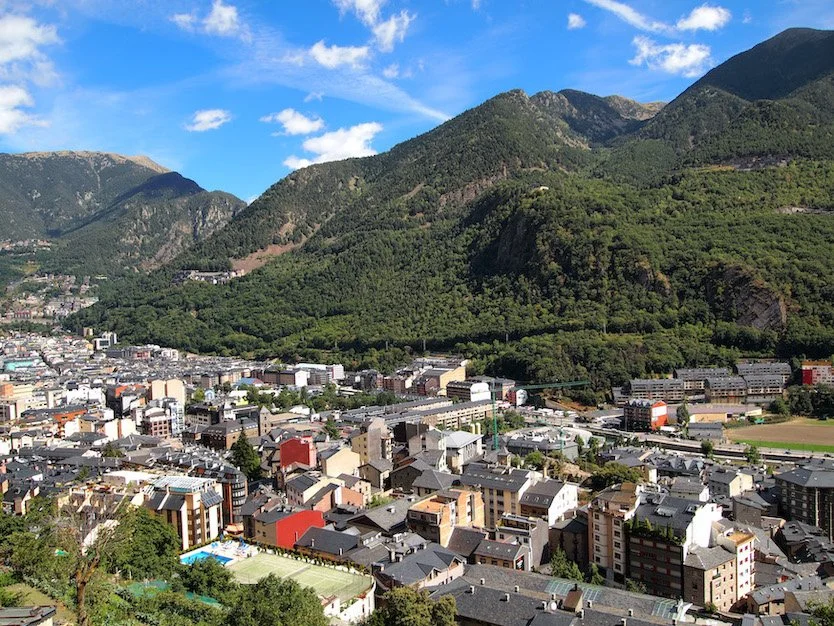
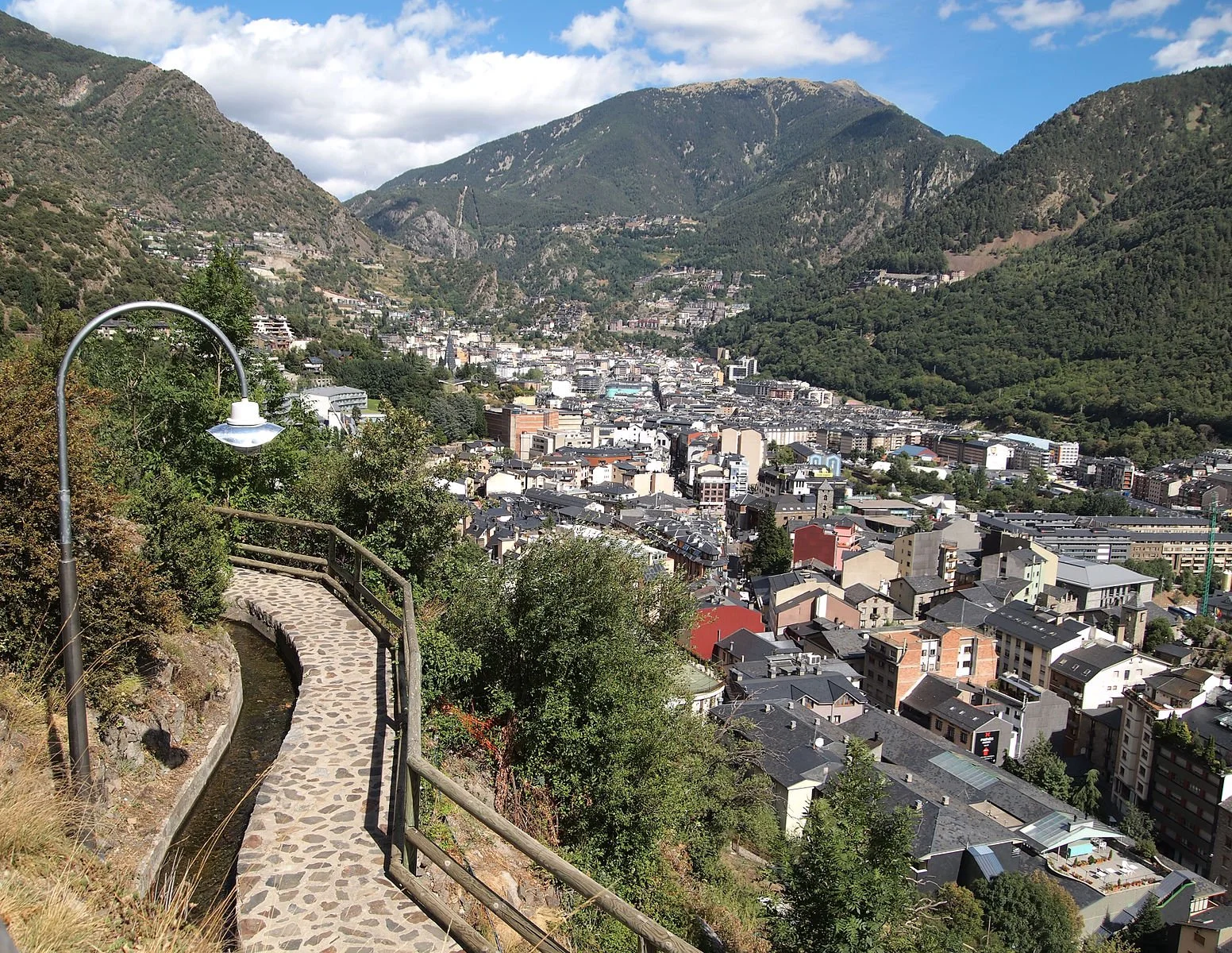
Andorra’s capital, Andorra la Vella. Tiia Monto. CC BY-SA 3.0.

Located between France and Spain, Andorra is a country of the Pyrenees mountains. The official language of Andorra is Catalan, yet many residents also speak Spanish, Portuguese, and French. With an area of 180 square miles and a population of fewer than 80,000 people, Andorra is one of the smallest countries in Europe. Though small, Andorra has much to offer, with sights and activities that make a visit well worth it. Here are five things to do when visiting Andorra.

1. Skiing

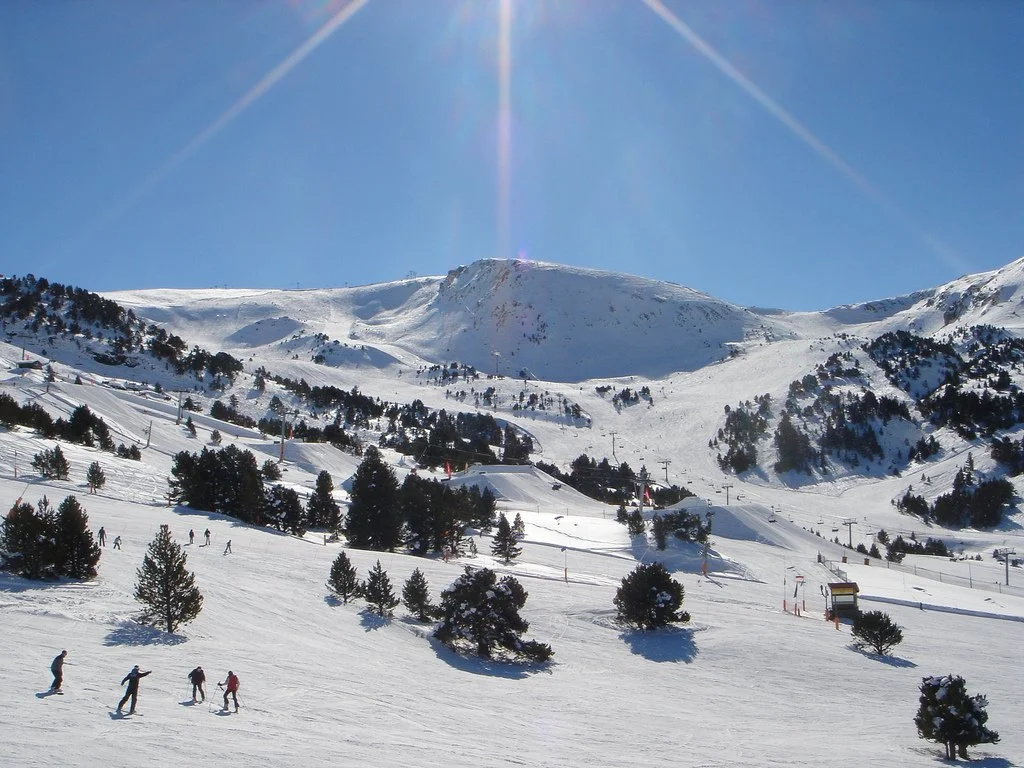
Grandvalira ski resort. Llull~commonswiki. CC BY-SA 2.0.

Due to its mountainous location, Andorra is home to great skiing locales. The country has three main ski areas, which are Grandvalira, Vallnord, and Ordino Arcalís. Grandvalira is the largest of the three resorts, with 130 miles of slope, most of that at the intermediate level. Vallnord has a ski lift connecting the villages of Arinsal and Pal, and you can try Speed Riding there, which is a mix of hand gliding and skiing. Ordino Arcalís is a smaller and less crowded resort. With its northern location, it produces the most snow of all of the resorts, and therefore has a longer ski season.

Exploring Andorra’s slopes is an unforgettable experience, but staying safe while adventuring is just as important. Whether you're carving through fresh powder or trekking its rugged trails, having the right travel insurance can give you peace of mind. SafetyWing offers affordable and flexible coverage, from emergency medical needs to comprehensive healthcare, all with built-in travel protection. No matter where your journey takes you, their Essential and Complete plans ensure you're covered every step of the way.

2. Visit the Mirador Roc del Quer

Mirador Roc del Quer. Roberto-g-rovi. CC BY 3.0.

At 6,417 feet, the Mirador Roc del Quer lookout provides a great view of the Pyrenees mountains. With 12 meters of the walkway being detached from the ground, it creates the illusion of walking through the scenic view. At the end of the Mirador Roc del Quer, there is a statue called “The Ponderer” by artist Miguel Ángel González. This statue depicts a man calmly sitting on a beam looking at the view, unbothered by the drop from where he is sitting. Whether it be for sightseeing or picture-taking, the Mirador Roc del Quer is worth visiting when in Andorra.

3. Tour La Casa de la Vall

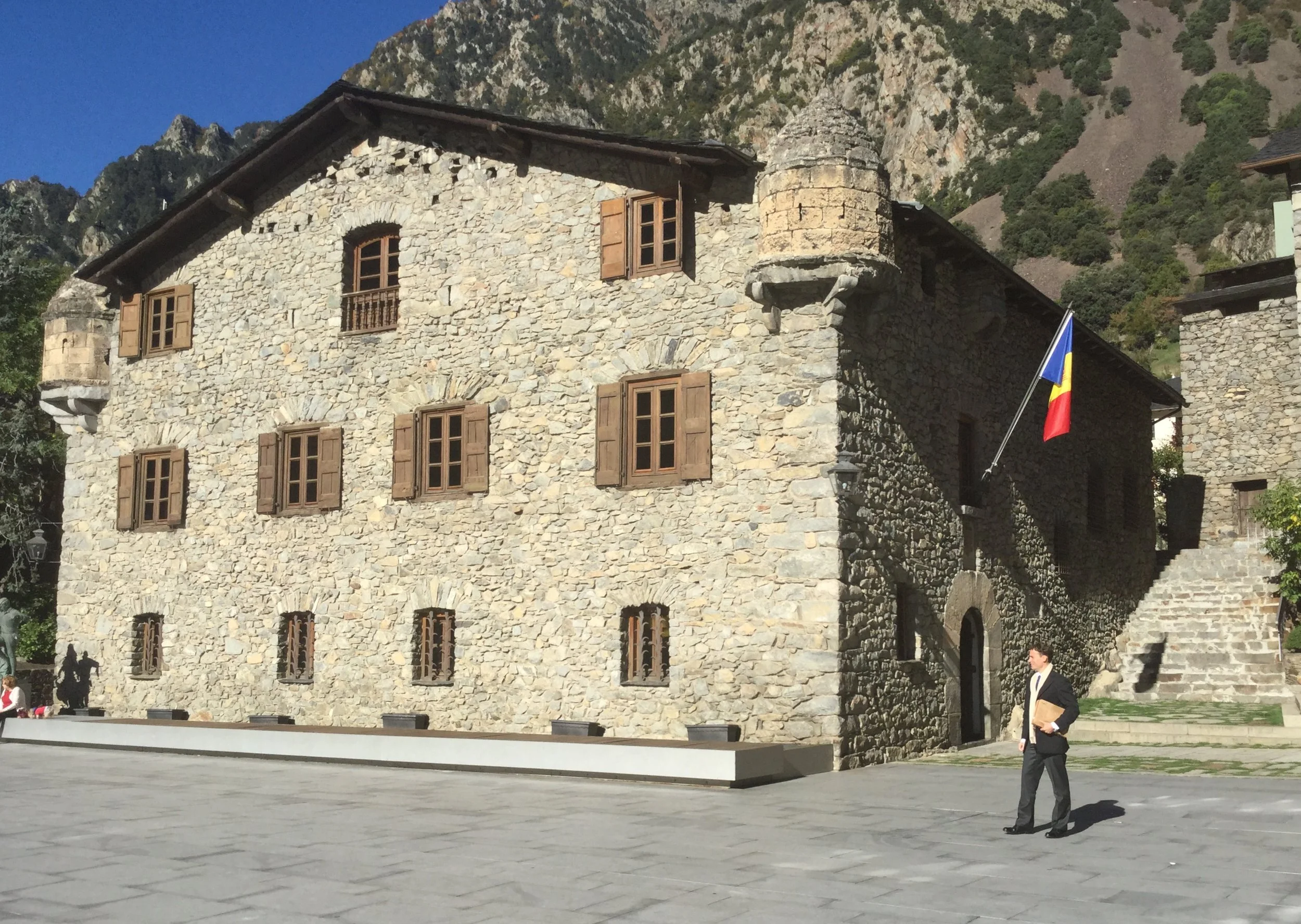
La Casa de la Vall. Zinneke. CC BY-SA 3.0.

Built in 1580, La Casa de la Vall was originally built as a manor house for the Busquets family. From 1702 until 2011, it served as headquarters for the Consell General, which is Andorra’s parliament. Today, it serves as a monument that is open to the public. The first floor once held the Criminal Court, as well as the Hall of Lost Steps, a room with walls made of 16th century paintings. This floor also holds the Cupboard of Seven Keys, which has a key to each of the seven Andorran parishes, along with significant historical documents. The second floor of La Casa de la Vall was once an attic, but it was renovated to become a multipurpose area, often used for exhibitions.

4. Hike Rec del Solà

Rec del Solà. Kulmalukko. CC BY-SA 3.0.

Within its mountains, Andorra offers many hiking opportunities. Beginning at the San Ermengol plateau, Rec del Sola is a five mile hiking trail connecting to the Rec del Obac trail. With an altitude of 1,122 meters, this trail passes through orchards and gardens, where local Andorrans grow vegetables. Towards the middle of the trail, there is a picnic area, where hikers can take a break and enjoy the view. Most of the trail is shaded from the sun, making it a great option for the summer season.

5. Visit the Museo Postal

Museo Postal. Kippelboy. CC BY-SA 3.0.

The Museo Postal, or Postal Museum, exhibits the history of Andorra’s postal services. By foot and by ski, the museum shows the complete history of delivery methods in Andorra over the years. There are 50,000 Andorran stamps displayed, along with exhibits that show how these stamps were made and the process of mail delivery in Andorra today. The museum offers guided tours to guests, but visitors can also explore on their own with an audio guide.


Alexandra Copeland

Alexandra is a student at The College of New Jersey studying psychology and journalism. She is a lover of coffee, dancing, and visiting new places. Being raised with her Greek culture has inspired her interest in cultural customs around the world. She is a passionate writer and hopes that her work will make an impact in the future.

Between the Cracks in Turkey: Exploring the Small Towns of the Crossroads of the World

Step off the beaten path and discover these six small towns in Turkey brimming with artifacts, natural wonders and rich history.

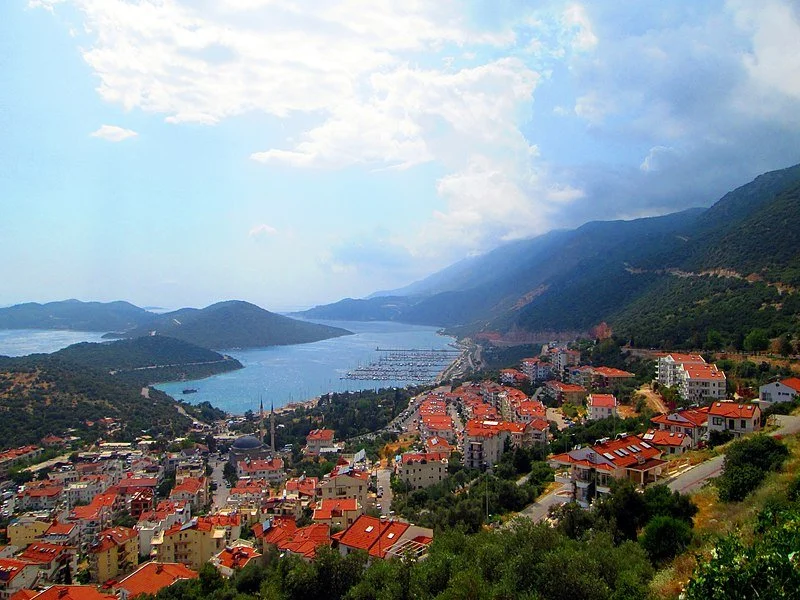
The beachtown of Kaş. Tutky Çetinel. CC BY 3.0.

One of the most renowned and well traveled cities in the world, Istanbul, peaked at 16 million tourists last year. The mosque- and artifact-riddled city attracts crowds that make it, for lack of a better word, a travel destination. Yet, some of Turkey’s most beautiful landscapes, edifices and history lie outside of its metropolis. Trek off the beaten path and journey to these six small towns in rural Turkey.

1. Safranbolu

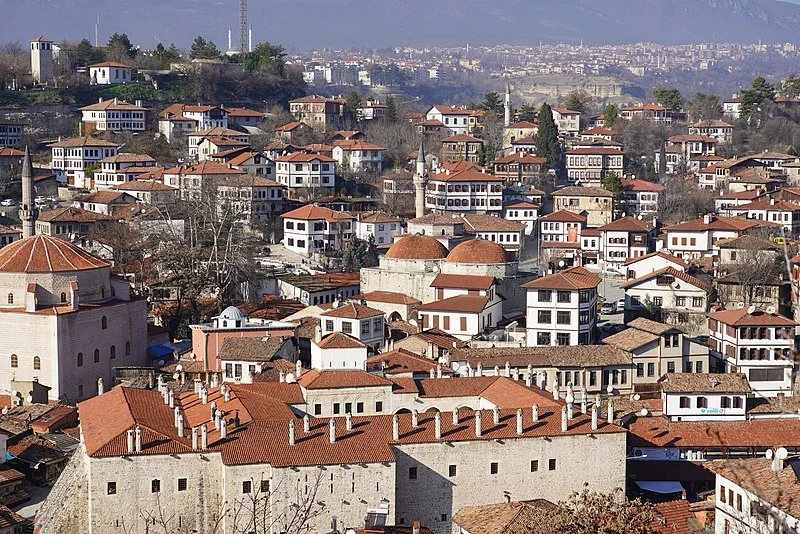
Overview of Safranbolu. Ray Swi-hymn. CC BY-SA 2.0.

Once a trading center, this historic town is now home to many artifacts scattered throughout its ~390,000 square miles and among its three historical districts: Cukur, Kirankoy and Baglar. Some of its characteristic antiquities found in the Old Town include tombs, baths, mosques, fountains, and houses. Dive further into exploration with Safronbolu’s Old Mosque, the Old Bath, and the Suleyman Pasha Medrese, an Islamic religious institution, built in the 14th century. This UNESCO World Heritage site is worth discovering.

2. Kas

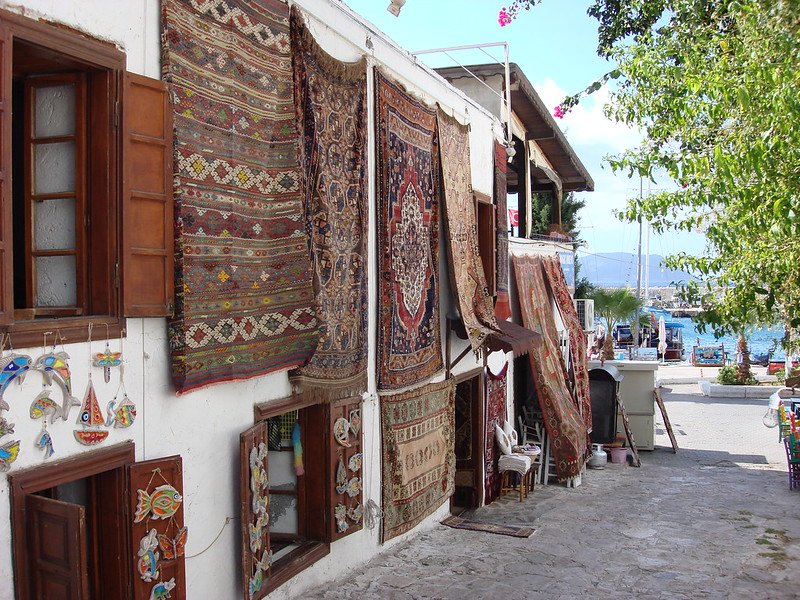
Rugs on a building in Kas. Julian Mason. CC BY 2.0.

This delightful beach town in Turkey’s Antalya Province doesn’t resemble the tourist-filled streets of the region’s eponymous city. Kas’s pleasant turquoise waters and lively color make the town stand out from Antalya’s busy, fast-paced life. While outdoor activities abound in this town — for example, canyoning is open to all travelers and day-long outdoor attractions like the Xanthos and Patara antique cities — a vibrant nightlife along the beautiful beaches awaits all visitors. Jazz clubs and rock bars alike welcome you to the wondrous city of Kas.

3. Iskilip

Rock tombs of Iskilip. Aerdemsenturk. CC BY-SA 4.0.

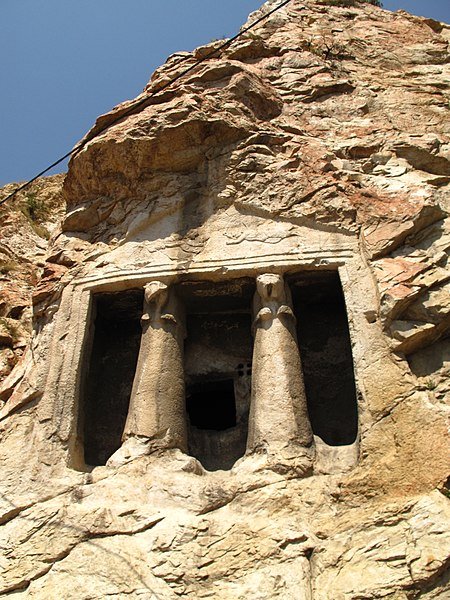
Just a 3-hour drive away from Ankara, Iskilip is another UNESCO heritage site on our list. This castle town’s epicenter is the Iskilip Castle, bordered by the town’s verdant mountains. While the Iskilip Castle is itself a site of historical importance, its base contains many Roman era tombs that are the real draw for many visitors. Iskilip is also a town of craftsmen; copper smiths, basket weavers, blacksmiths, cobblers, wood carvers and more set up shop in between houses, in houses, and everywhere in the town.

4. Midyat

Mor Sarbel Church. Senol Demir. CC BY 2.0.

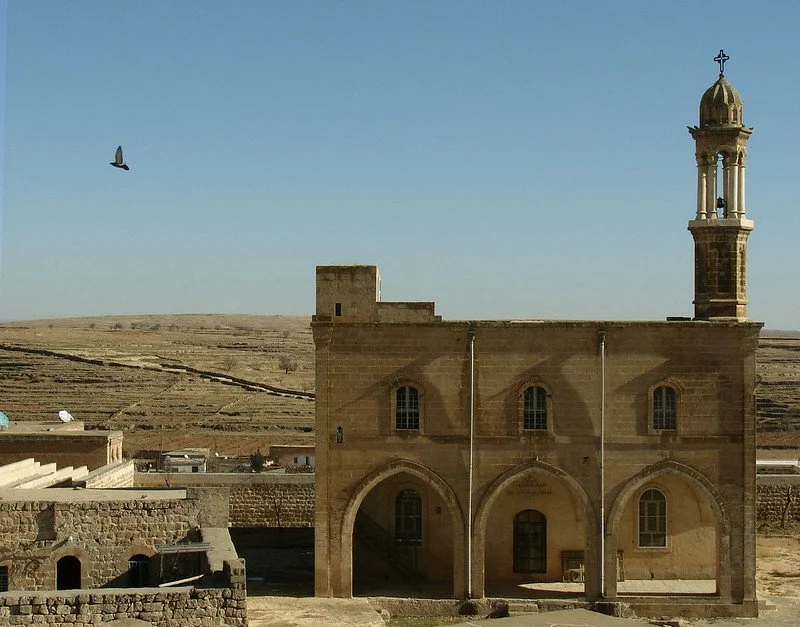
In between the narrow cobblestone streets of Midyat lie ~410,000 square miles of artifacts, a structural chronicle of the past. The town, an hour drive from the Mardin province, houses unique sand-colored buildings. Among them is a series of religious edifices like the Ulu Cami, or mosque, with its characteristic minaret that towers over the surrounding buildings, the Mor Barsarmo Kilise, a church, and the Syrian-Orthodox Mor Sarbel church. Perhaps interesting, however, is Matiate, the official name of Midyat’s underground sites. Matiate is the largest cave system in the world, and is worth exploring along with the other wonders of Midyat.

5. Amasya

Houses in Amasya. Cobija. CC BY-SA 4.0.

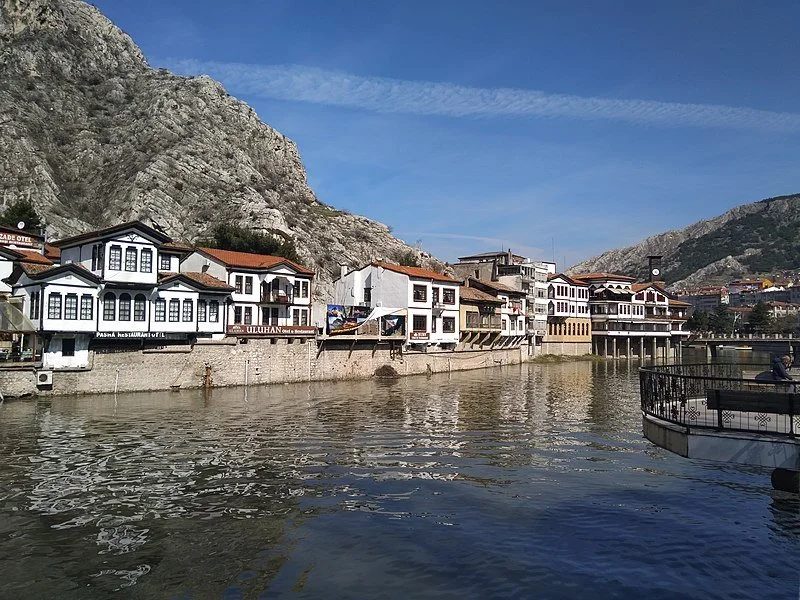
This small town, much like others in this list, is a site of historical gravity. Three historical structures frame and define Amasya. First, the Amasya Castle, located at the top of Mount Harsena, is the center of this riverside city. While the climb to reach the castle can be steep, the view of Amasya’s green river and quaint houses has no peers. Second, the Amasya Museum is home to 24,000 artifacts from Anatolia including great stoneworks credited to the Hittites, Romans, Byzantines and Ottomans. Lastly, the Pontic Kings’ Rock Tombs, sepulchers carved into limestone rock formations, remind visitors of the once great Hellenistic Kingdom of Pontus, a stalwart enemy of Rome. 

6. Camlihemsin

A river in Camlihemsin. Serra Kiziltas. CC BY-SA 4.0.

Located near the Black Sea region of Turkey, Camlihemsin  is the smallest of the towns listed here, with an area of ~340,000 square miles. Much of the appeal of this town is its flora and fauna: with stately trees and grass-covered mountains, the town is perfect for hiking and mountain climbing. Hilltops embraced by surrounding clouds beautify the landscape. Waterfalls such as the Palovit Selalesi, a frequent reward for long hikes, also grace the town. Of course, one particular large historical artifact — the Zilkale medieval castle located in Fırtına Valley — caters to nature-naysayers.


Su Ertekin-Taner

Su is a first year student at Columbia University majoring in creative writing. Her love for the power of words and her connection to her Turkish roots spills into her satire, flash fiction, and journalistic pieces among other genres. Su hopes to continue writing fearless journalism, untold stories, and prose inspired by her surroundings.

Uncharted Catwalks: Exploring Up and Coming Fashion Weeks

From Dubai to Shanghai, here are a handful of lesser known fashion events making waves in the industry.

Prabal Gurung shows his Fall/Winter collection at New York Fashion Week 2022. IMAXtree. CC BY-NC-ND 2.0

When the first official fashion week took place in 1943 in New York, the event captured countless imaginations and drew the most luxurious crowds. The circumstances of World War II had made it impossible for the American fashion media to travel to Paris and cover the shows happening there, but it just so happened that American fashion was beginning to make a name for itself on the global stage; this was its chance to make a splash. The top American designers were invited to put on shows during “Press Week” in Bryant Park, and thus began the tradition of seven small days jam packed with art, celebrity, models, and of course, fashion. Every year, prestigious brands showcase their upcoming collections for either the spring and summer, or fall and winter seasons in September and February respectively (collections are always shown a season ahead of time). During the month, fashion week events take place consecutively in the “Big Four” capitals of fashion — Milan, Paris, New York, and London — resulting in what industry insiders refer to as fashion month. As the international fashion industry continues to take the world by storm, however, fashion weeks are now taking shape all over the world, no longer limited to the traditional four cities. From Tokyo to Vancouver, Dakar to Bogota, over 100 such events occur every single year, showcasing design and fashion talent unique to each region and culture.

Berlin

Kristina Bobkova, a Ukrainian designer, shows her collection titled “Freedom on a Grand Scale” at Berlin Fashion Week. Anna Wender. CC BY-SA 2.0

Berlin Fashion Week has recently gained a reputation for hosting some of the most underrated fashion shows in the world, given the fame and repute of many of the designers who show during the event. Marc Cain and Laurèl aside, even musical celebrities like Lady Gaga have performed sets on Berlin’s runways. Originating in July 2007, the event takes place annually in front of the city’s iconic Brandenburg Gate and has become critically acclaimed for its ability to showcase up and coming designers. Additionally, Berlin’s fashion weeks tend to have themes such as “Fashion and Technology” or “Fashion and Sustainability” which promote social responsibility and introduce a sense of connectivity between fashion and other industries. This year, Berlin Fashion Week will take place from July 10 to 15, with certain shows and events available to the general public without invitation.

Shanghai

Models stand in couples during a presentation at Shanghai fashion Week. Shutterstock. CC BY-NC 2.0

Having emerged as a rising fashion capital in the east, China’s best and brightest designers are all on show at Shanghai Fashion Week. Seeing clothing and outfits that combine haute couture with grunge is common here, as styles from different eras, genres, and genders are mixed seamlessly to produce an almost ethereal collage of textures and materials. While world famous designers like Alexander Wang and Kenzo are mainstays at the event, a barrage of new names like SHUSHU/TONG and Di Du have been carving out a space for themselves as well. In addition to runway shows, this fashion week also hosts a trade fair, in which audiences can get a closer look at some of the designs, amongst other events to round out its offerings. The Fall/Winter shows at Shanghai Fashion Week are scheduled for late September and, as of now, are taking place in person despite the strict COVID-19 measures still in place.

São Paulo

Brazilian designer Ronaldo Fraga presents at São Paulo Fashion Week in 2017. Rolado Fraga. CC BY-NC-ND 2.0

Fashion week events have started popping up all over South America, but São Paulo Fashion Week is by far the most popular. First taking place in 1995, the event has grown to become a focal point of prestige and style outside of the Big Four. Although not global names just yet, many local Brazilian designers, of which Vitorino Campos and Patricia Bonaldi are just two examples, have taken the event by storm and received considerable positive attention from the fashion community. Notably, all of the runway shows that take place during the week are mandated to have at least 10% of their models come from Black or Indigenous backgrounds, thanks to a quota introduced in 2009. While definitely a step in the right direction, many have been calling for an increase in the quota to better reflect the 50% of Brazil’s population with African heritage. Although São Paulo Fashion Week has already come and gone this year, the 2024 offerings promise to be some of the most exciting yet.

Dubai

Models walk the runway at a show during Dubai Fashion Week. Emirates Woman. CC BY-SA 2.0

Given that Dubai is the birthplace of many of the Middle East’s biggest brands and labels, it should come as no surprise that newcomer Dubai Fashion Week is gaining impressive traction. First launched just earlier this year with its first iteration taking place in February, Dubai Fashion Week evolved out of the preexisting Arab Fashion Week, which has been around since 2015. Local designers like Hussein Bazaza and Dima Ayad impress celebrity audiences and critics alike, while internationally renowned brands like Jean Paul Gaultier and Moschino put on shows as guest designers. Because of its recent inception, Dubai Fashion Week is actively accepting applications from brands who would like to show their work, and is uniquely open to hosting designers from all over the world. This year, designers will show their Spring/Summer collections for 2024 between October 10 and 15 (the events are always a season ahead) in the city’s Design District, an area known for its eccentric zeitgeist and unique architecture.

Copenhagen

Models out and about at Copenhagen Fashion Week. Christian Vierig. CC BY-NC 2.0

An undeniable cult favorite, Copenhagen Fashion Week is the biggest such event in Northern Europe and is widely dubbed “the fifth global fashion week.” The very first fashion week in Copenhagen took place in 2006 when two pre-existing Danish clothing fairs, Dansk Modeuge and Dansk Herremodeuge, merged to create this edgy and colorful celebration of style. Uniquely, this event has always held sustainability in the fashion industry as its main focus, as its organizers look for ways to encourage fashion houses and manufacturers to keep the environment in mind during the design and creation processes. In fact, January of 2020 saw the event introduce a three-year Sustainability Action Plan which listed a number of sustainability benchmarks which brands had to achieve. This means brands as established as Ganni and as fresh as Latimmier will have to update their practices in line with the plan to host their shows during the week. The Spring/Summer 2024 iteration of Copenhagen Fashion Week is scheduled to take place from August 7 to 11 this year, with a total of 31 runway shows in addition to other events and presentations.

Tokyo

Street style is just as much of an attraction as the runway shows at Tokyo Fashion Week. Vogue. CC BY-SA 2.0

Tokyo Fashion Week has become synonymous with the epitome of street style, given the eclectic and oftentimes outrageous outfits featured both on and off the runways. While high fashion is certainly on the schedule during the Week, this fashion event is equally famous for the incredible streetwear fashion worn by audience members. With catwalks taking place in a number of equally picturesque and grungy locations around the city, acclaimed designers like Issey Miyake and Junya Watanabe showcase their designs alongside emerging local talent like Chika Kisada and Jotaro Saito. In fact, the Japan Fashion Week Organization launched a Brand Support Program just this past year to encourage and provide economic support for new talent in line with its goal of “being the gateway to global success for new designers.” Tokyo Fashion Week is returning for its Spring/Summer 2024 showings between August 28 and September 2 this year with a variety of shows and art installations for both invited audiences and the public.


Tanaya Vohra

Tanaya is an undergraduate student pursuing a major in Public Health at the University of Chicago. She's lived in Asia, Europe and North America and wants to share her love of travel and exploring new cultures through her writing.

5 Easiest Digital Nomad Visas To Qualify For

For a lifestyle of working while traveling the world, you will need to qualify for a visa and here are the best countries to do so.

Tropical drink and laptop. Samer Daboul. CC BY 2.0.

Picture this: you’re hustling hard in front of your laptop, but are surrounded by the serene music of waves crashing against the shore, the laughter of strangers and the quiet squawking of birds from a distance. Now wouldn’t that be the kind of life anyone would aspire to achieve?

Thanks to technology and the increasingly connected world, this ideal life is possible! If this is the kind of working situation that you’re envisioning, then becoming a digital nomad may be the perfect solution for you. 

Of course, to achieve this lifestyle, you’ll need to first have the right visas in place to legally work in the countries you visit. In this article, we’ll share the five easiest digital nomad visas to qualify for, so you can start planning your next adventure. 

Before we get into that, though, let’s first take a deeper dive into the intricacies of digital nomad visas. 

What is a digital nomad visa? 

A digital nomad visa is a type of visa that allows you to live and work in a foreign country for an extended period of time. These visas are specifically designed for remote workers, freelancers and entrepreneurs who want to work from anywhere. 

What’s the difference between a visa and a resident permit? 

A visa is a temporary permission to enter and stay in a country, whereas a resident permit is a long-term permission to reside in a country. Visas for digital nomads usually fall under the former category, as they are designed for relatively short-term stays.

Who can be a digital nomad? 

Anyone who has a job that can be done remotely can become a digital nomad! Some of the most popular digital nomad jobs include software development, writing, graphic design and online teaching. If location doesn’t matter in your line of work and you’re hungry for adventure, it may be time to look into the digital nomad lifestyle! 

How can you stay covered on the road?

Of course, traveling full-time comes with its own set of challenges—like making sure you’re covered when the unexpected happens. That’s where SafetyWing comes in. Their flexible, borderless insurance is designed for digital nomads, covering everything from emergency medical care to travel mishaps. Whether you're navigating Tokyo’s bustling streets or kicking back on a beach in Bali, you can focus on the experience, knowing you’re covered.

What are the easiest digital nomad visas to qualify for? 

If you’re itching to work while experiencing a brand new culture or discovering places that will etch themselves into your heart, here are five countries where you can easily be a digital nomad:

The Bahamas 

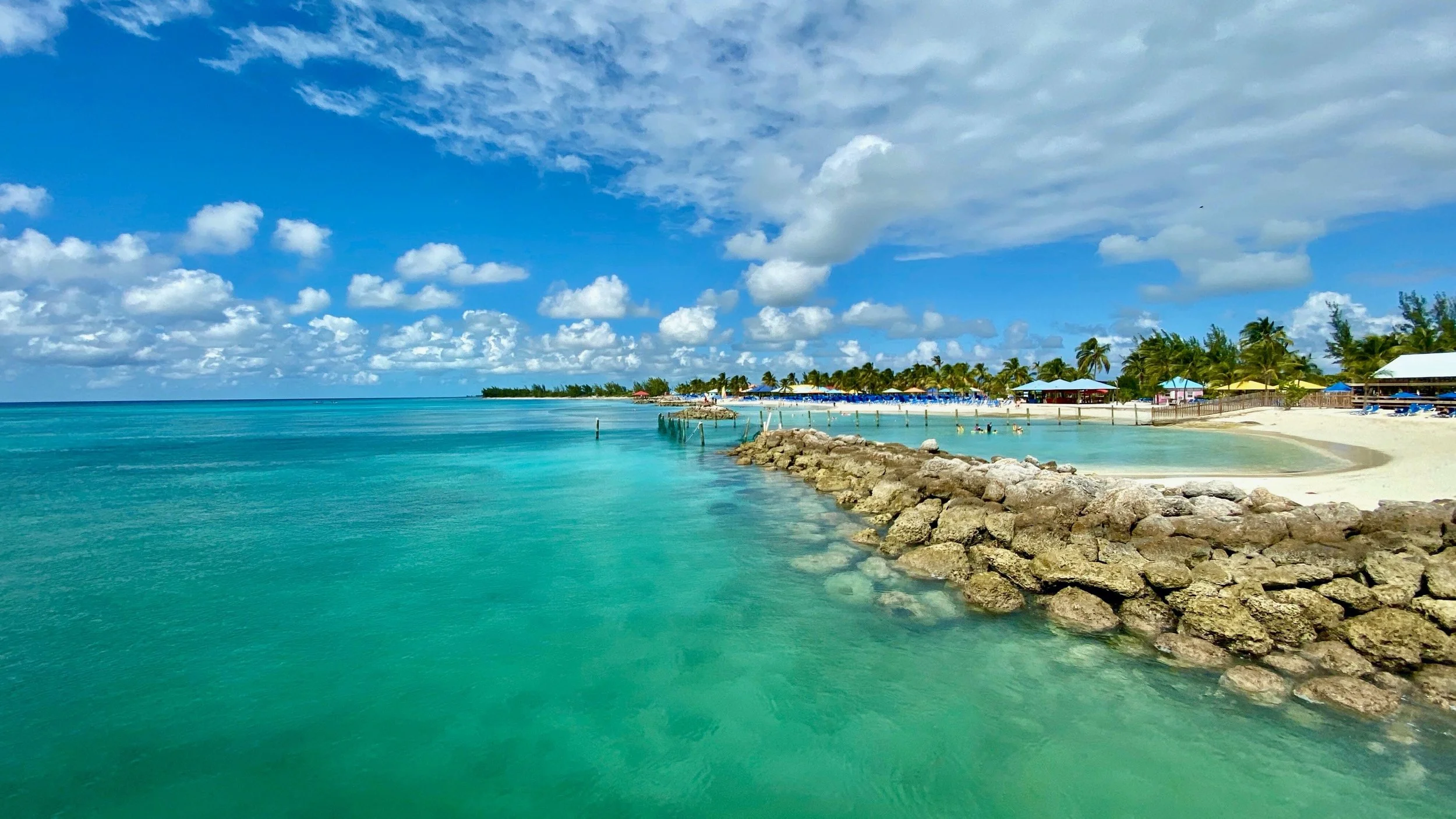
Beachside in Eleuthera, The Bahamas. iSAW Company. CC BY 2.0. 

The Bahamas offers a one-year digital nomad visa that is easy to qualify for. To be eligible, you need to prove that you have a job that can be done remotely and that you earn at least $50,000 per year. The application process is straightforward and you can expect to receive your visa within a few weeks.

The average cost of living in the Bahamas can vary depending on your location, but in general, you can expect monthly expenses to range from $2,000 to $3,000. Renting a one-bedroom apartment in a desirable area typically costs around $1,500 to $2,500 per month. 

Groceries and dining out can be slightly higher compared to other countries, with a monthly food budget averaging around $400 to $600. However, the stunning natural beauty, warm climate and vibrant culture make the Bahamas an enchanting place to call home while pursuing your digital nomad lifestyle.

For applications, visit Bahamas BEATS.

Malta 

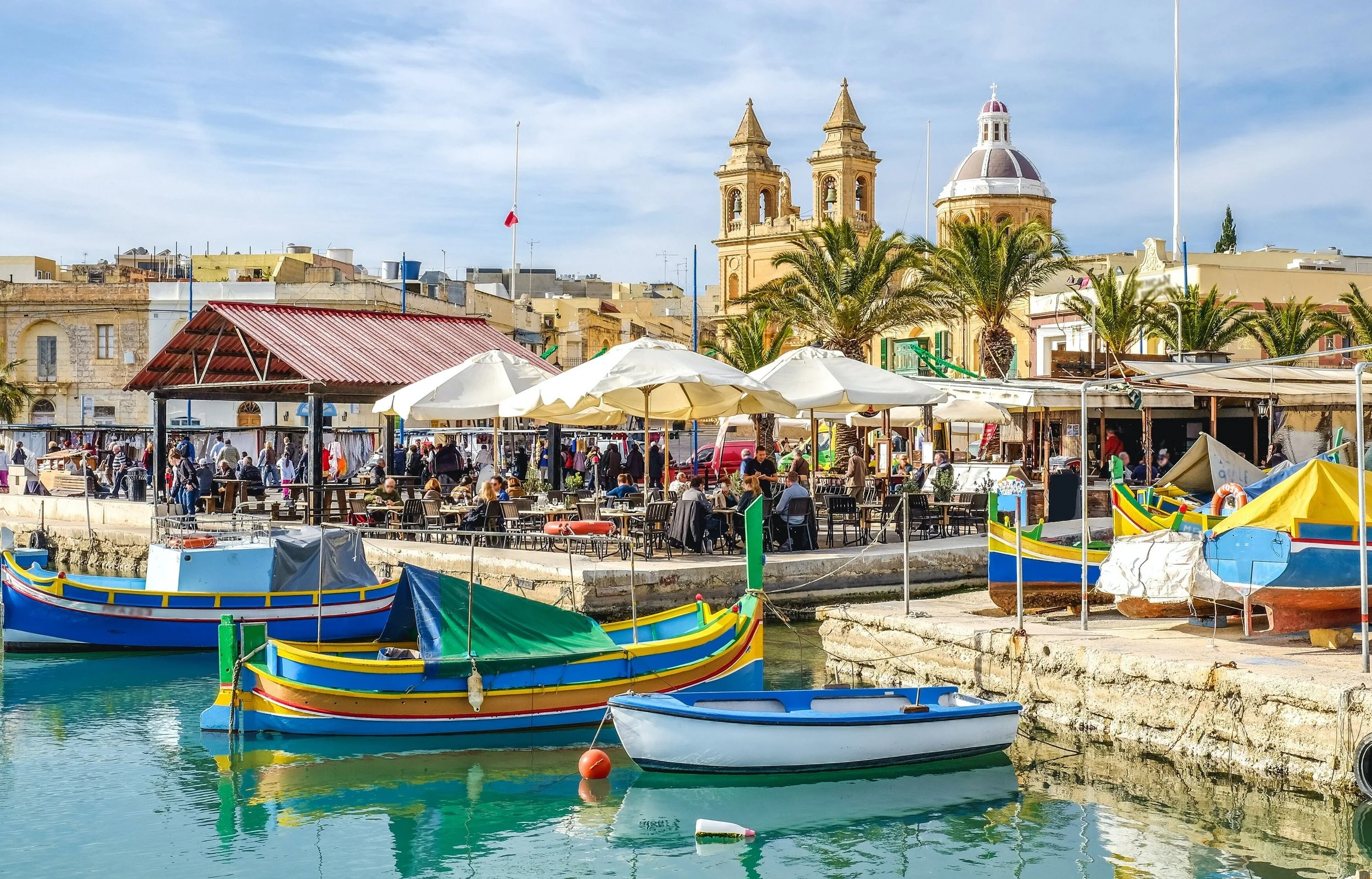
Docking port in Marsaxlokk, Malta. Calin Stan. CC BY 2.0. 

Malta’s digital nomad visa is valid for up to one year and is available to remote workers who can earn a minimum monthly income of 2,700 euros (about $3,000) or more. Malta is a popular destination for digital nomads because of its warm climate, beautiful beaches and high standard of living.

The cost of living in Malta can vary depending on your lifestyle and location, but on average, monthly expenses range from $1,350 to $2,000. Renting a one-bedroom apartment in a desirable area typically costs around $900 to $1,350 per month. Groceries and dining out are reasonably priced, with a monthly food budget averaging around $225 to $450.

Visit the Malta Immigration website for more information.

Colombia

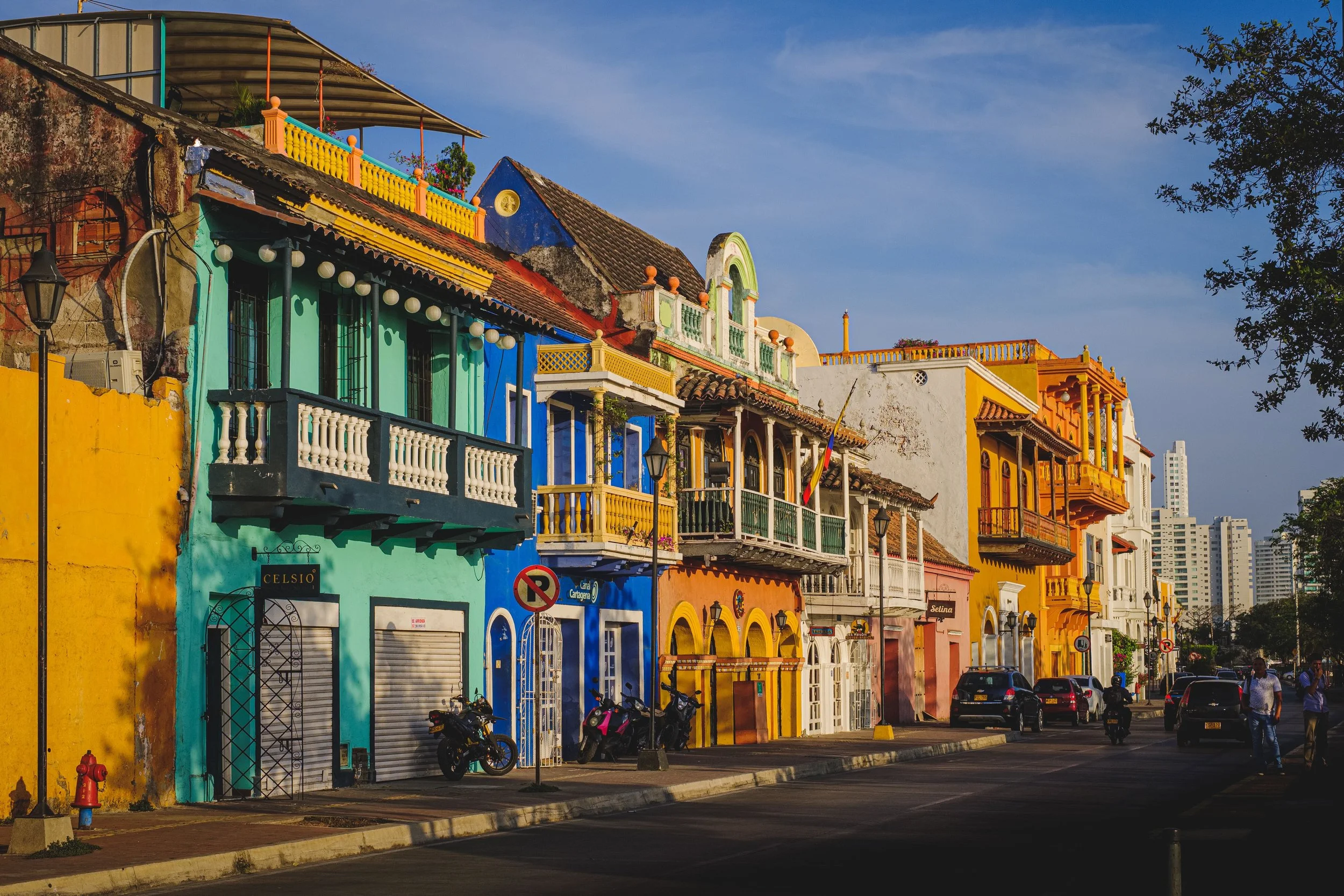
Colorful buildings in Cartagena, Colombia. Leandro Loureiro. CC BY 2.0. 

Colombia’s digital nomad visa is valid for up to two years and is available to remote U.S. workers for $177. Applicants must earn at least a minimum of $684 per month in order to qualify. The good news is that the application process is relatively simple, and you can expect to receive your visa within a few weeks.

Colombia is relatively affordable, making it an attractive destination for digital nomads. Monthly expenses can range from $700 to $1,200, depending on your location and lifestyle. Renting a one-bedroom apartment in popular cities like Bogota or Medellin typically costs around $400 to $700 per month. Groceries and dining out are reasonably priced, with a monthly food budget averaging around $150 to $300.

If you want to apply for a Colombian digital nomad visa, visit the country’s Cancilleria.

Is Colombia dangerous for digital nomads? 

While Colombia has a reputation for being dangerous, the country’s situation has significantly improved in recent years. As long as you take the necessary precautions, such as staying in safe neighborhoods and avoiding certain areas at night, you should be able to enjoy your time in Colombia as a digital nomad.

Malaysia

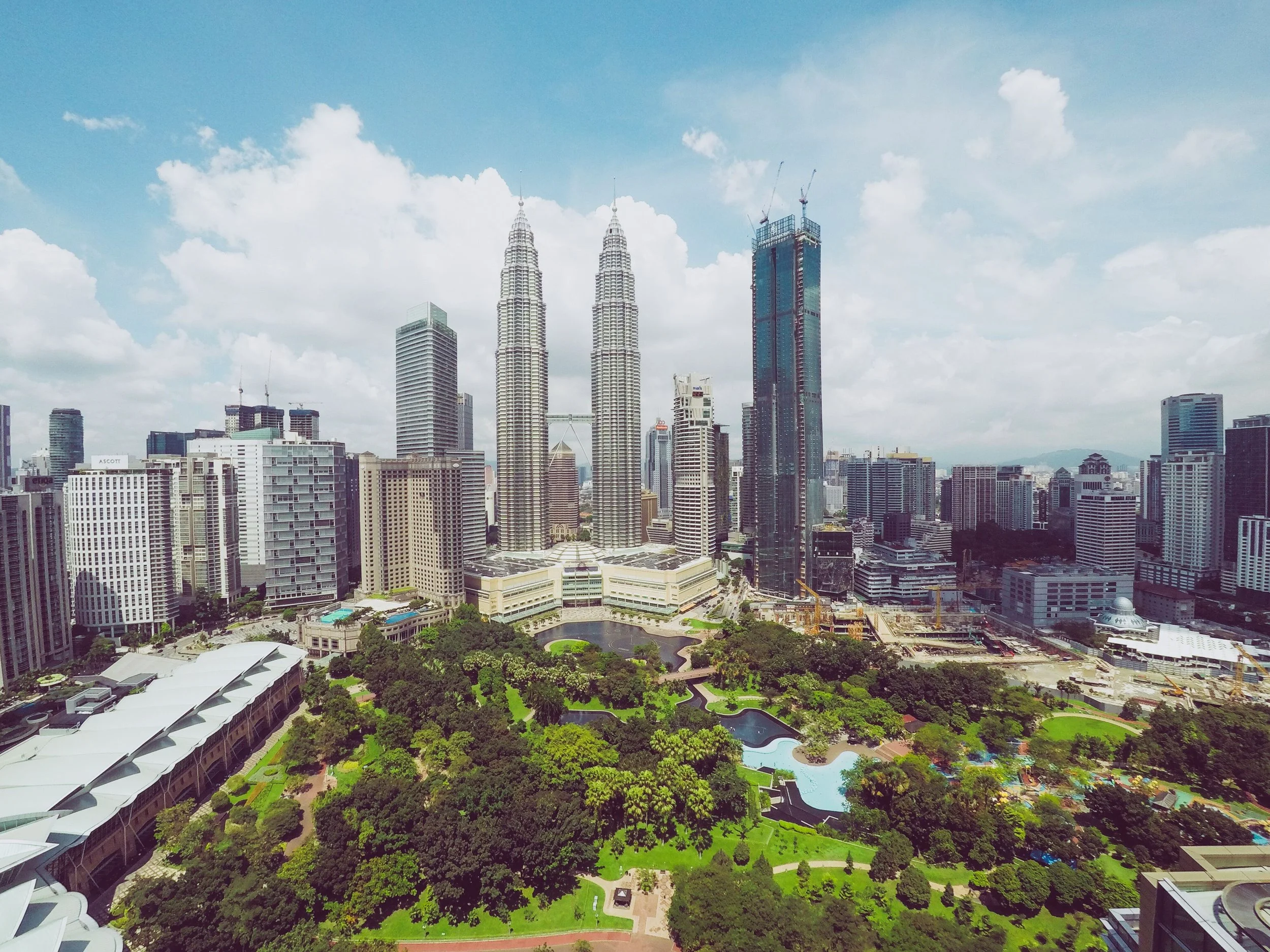
Kuala Lumpur, Malaysia. Sadie Teper. CC BY 2.0. 

Malaysia’s digital nomad visa is valid for three to 12 months and is renewable for another 12 months. This visa is available to remote workers who can earn at least 10,000 ringgit (roughly $2,400) per month. Malaysia is a popular destination for digital nomads because of its low cost of living, excellent infrastructure and diverse culture.

Monthly expenses can range from $600 to $1,200, depending on your location and lifestyle choices. Renting a one-bedroom apartment in major cities like Kuala Lumpur or Penang typically costs around $360 to $600 per month.

For applications, visit MDEC.

Hungary 

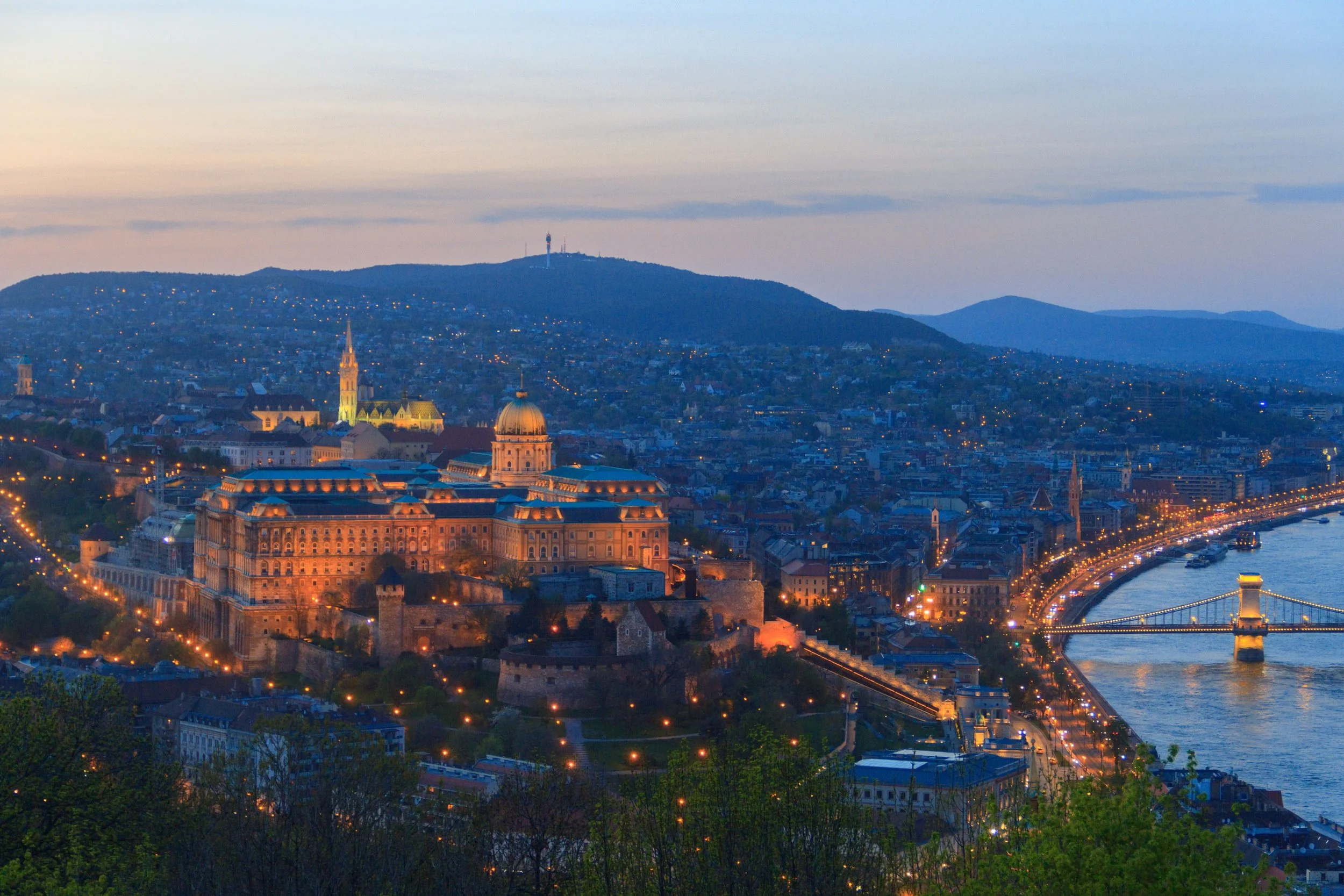
Budapest, Hungary. Henrique Ferreira. CC BY 2.0. 

Hungary’s digital nomad visa is valid for up to one year and is available to remote workers who can earn at least $2,000 per month. What draws digital nomads to this country is its beautiful architecture, rich history and low cost of living.

The average cost of living in Hungary can vary depending on the location but generally falls between $800 and $1,500 per month. Renting a one-bedroom apartment in cities like the capital Budapest typically costs around $500 to $900 per month. Groceries and dining out are affordable, with a monthly food budget averaging around $200 to $400.

To apply, you’ll need to get your White Card.

What are the best jobs for a digital nomad to have? 

The key to being a digital nomad is having a job that you can do remotely from anywhere in the world, and all you’ll need is a stable internet connection. Some of the most popular and well-paying jobs for digital nomads are freelance writer, content creator, web developer, online teacher or tutor, digital marketer and virtual assistant. 

While these are popular, there are many other jobs well-suited for aspiring digital nomads like you. Just remember to find a job that matches your skills and interests and build a strong network and reputation in your field to ensure a steady stream of work. 

U.S. Taxes and Digital Nomads 

It’s important to note that, as a United States citizen, you’re still liable for U.S. taxes even if you’re living and working abroad. This means that you must file a tax return every year and report your foreign income. Failure to do so can result in some hefty fines and penalties. 

It’s also worth noting that there are certain tax benefits available to U.S. citizens who live and work abroad, such as the Foreign Earned Income Exclusion and the Foreign Tax Credit. To ensure that you file your taxes correctly and take advantage of any available tax benefits, it is recommended that you work with an expat tax professional. 

If you’re worried about accessing your funds while abroad, there are several options available to you! A popular one is to use digital currency like USD Coin, a cryptocurrency pegged to the U.S. dollar, which can be easily transferred and converted into local currencies. To get started, simply send USD Coin from your U.S. account to your digital wallet, and you’ll be ready to make transactions in no time! 

Becoming a digital nomad sounds exciting and fulfilling, but finding the right digital nomad visa for you takes research, planning and effort. But if you equip yourself with the right mindset and resources, you can make your dreams of traveling to different places and experiencing various cultures while working a reality. 

Just remember that it is your responsibility to acquaint yourself with the tax laws and responsibilities of your home country. By being well-informed and prepared, you can embark on your new adventures with peace of mind, knowing that you have taken the necessary steps to handle any tax-related matters that may arise.


sign up for our newsletter

Myrtle Bautista

Myrtle is a journalism major, a social media marketer and is now exploring freelance writing. She's fond of anything related to health and wellness, and when she's not writing, you'll find her doing long-distance cycling, ultramarathons, hiking, or in a local cafe enjoying a good cold brew.

10 Coffee Recipes From Different Cultures

From Vietnamese egg yolk coffee to Italian chocolate espresso, discover how people around the world like their cup o’ Joe.

Different types of coffee. Rawpixel. CC0 1.0.

From lattés to cappuccinos to the standard grocery store roast, there is great variation in how individuals enjoy their coffee. To really see what’s out there, however, you will need to look beyond sovereign borders to the great international coffee traditions, some of which combine unlikely flavors. For example, Vietnamese “Cà Phê Trứng” combines eggs and coffee, while Scandinavian “kaffeost” is a mix of coffee and cheese. Here is a list of 10 different ways of making coffee from different cultures, along with recipes so you can enjoy them yourself, without hopping on a plane.

Frappé—Greece

Greek frappé. Paweł Marynowski. CC BY 2.0.

Originating in Thessaloniki, the Greek “frappé” is an iced coffee that is shaken to produce a foamy texture. The drink was created when Nestlé employee Dimitris Vakondios was unable to find hot water to make instant coffee during his break, so he decided to make it with cold water and shake it. Frappés are often consumed without extra flavorings, or “Skétos,” but can incorporate milk and sugar according to individual preferences. 
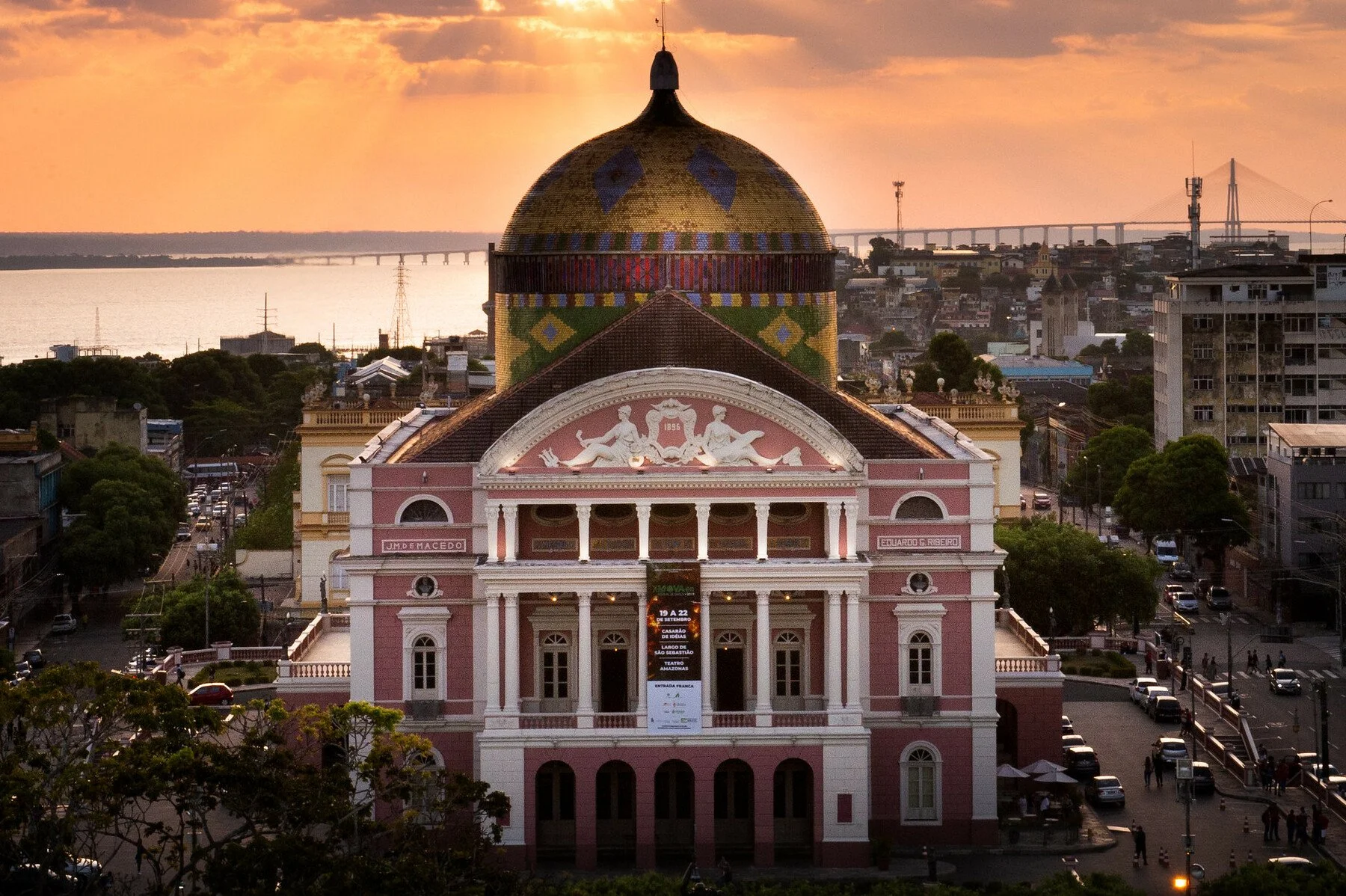
How to make a frappé:

  1. Add 2 teaspoons of instant coffee and 2-3 cups of cold water to a shaker, blender or frother. If you are looking for a sweeter flavor, also add 2 teaspoons of sugar. If using a shaker, shake for 30 seconds. If using a blender or frother, mix for 15 seconds.

  2. Add the blend to a glass with ice. You can stir in milk at this point if you would like to do so.

Yuanyang—China

Yuanyang coffee. Mx.Granger. CC BY-SA 2.0.

Translating to “Lovebirds Tea,” this Chinese beverage is a mix of two common drinks: Coffee and milk tea. The exact origin of Yuanyang is unknown, but the beverage is believed to have been created by a street vendor in Hong Kong, and it continues to be a popular drink in that city today.

How to make Yuanyang:

  1. Brew black tea in 4.5 cups of water. While your tea is steeping, brew 4.5 cups of coffee. There should be a one-to-one ratio between the coffee and tea.

  2. When the tea and coffee are finished brewing, pour them in a large bowl or carafe.

  3. Add ¾ cups of half and half milk to the mix, and add sugar if desired. Stir everything together.

  4. Serve.

Buna Tetu—Ethiopia

Buna Tetu ceremony. BryanBot. CC BY 2.0.

Coffee is believed to have originated in Ethiopia, and it continues to play a large role in the country’s culture. Buna Tetu is a coffee ceremony to celebrate important events and milestones. To ensure the coffee is available to guests at all times, it is typically served in three rounds, Abol, Tona and Buna. The coffee is served the strongest in Abol, and it loses strength every serving after.
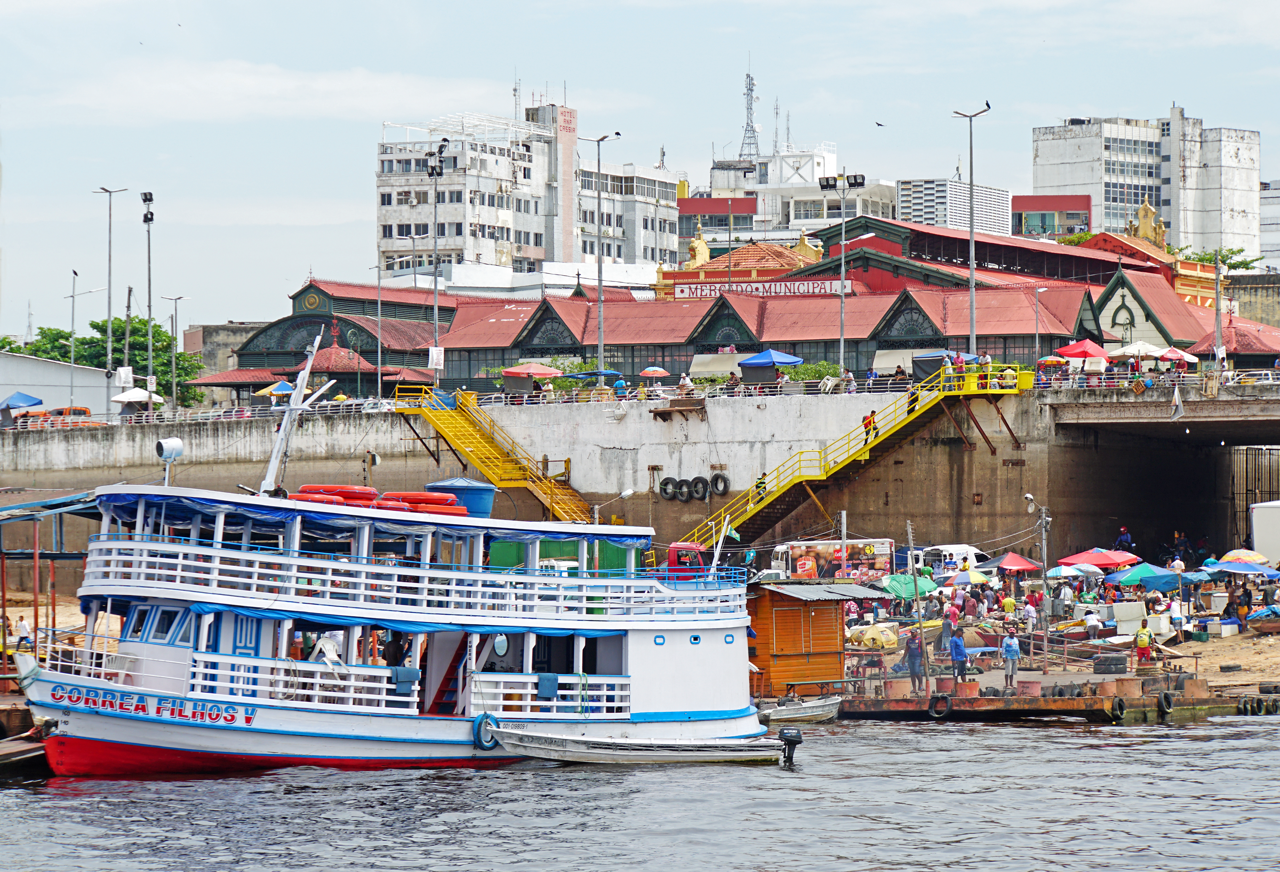
How to make Ethiopian coffee:

  1. Wash ⅛ cups of unroasted green Ethiopian coffee beans. Put the beans in a pan and roast them over a source of fire, moving the pan left and right by the handle to avoid burning the beans. Let cool once roasted.

  2. Use a grinder to grind the beans to a powder.

  3. Pour 2 cups of water into an Ethiopian coffee pot, or “Jebena.” Add coffee to Jebena.

  4. Let coffee cool, then enjoy with sugar, honey, salt or even butter.

Cà Phê Trứng—Vietnam

Cà Phê Trứng. Phương Huy. CC BY-SA 4.0.

Cà Phê Trứng, or Egg Coffee, was created by bartender Nguyen Giang in 1947 during a milk shortage in Vietnam. In place of milk, Giang used whipped egg yolks to create an airy consistency to the coffee. The beverage continues to be a popular drink in Hanoi, the city of its creation.

How to make Cà Phê Trứng:

  1. Put 2 egg yolks, ½ cup of sweetened condensed milk, and 1 teaspoon of vanilla extract into a mixing bowl. Whisk for 10 minutes to create a cake batter like consistency.

  2. Brew 2 ounces of ground French roast coffee in your desired method.

  3. Put half a cup of the coffee aside, and distribute the rest of the coffee into however many cups are served.

  4. Put 1 to 2 tablespoons of the whipped egg into each cup.

  5. Pour the remaining half cup of coffee into each of the cups. You can also add cocoa powder to the top of the beverage for extra flavor.

Café Touba—Senegal

Café Touba cart. George D. Manta. CC BY-SA 4.0.

Originating in the holy city of Touba, this way of making coffee was created as a peaceful protest against French rule, as the Senegalese declared that they would make more use of the drink that was claimed to energize the colonizer. This coffee combines spices such as ginger and nutmeg to create a unique flavor.

How to make Café Touba

  1. Gather a mix of spices, such as selim pepper, nutmeg, ginger, coriander seeds, cardamom, and black pepper.

  2. Coat the bottom of your pan with avocado oil and heat on medium. Lightly roast the selim pepper.

  3. Add the roasted selim pepper to a bowl or food processor with the cardamom (removed from its pods). Add the coriander seeds, ginger, and nutmeg to mix and grind. 

  4. Add more oil to your pan and toast ground spices.

  5. Brew your coffee in your desired method and add ½ teaspoon of the ground spices. Stir and brew for 30 seconds.

Kaffeost—Scandinavia

Leipäjuusto cheese. Veikk0.ma. CC BY 2.5.

Everyone knows about wine and cheese pairing, but have you ever thought about combining coffee with cheese? This recipe originated in northern Scandinavia, and is widely enjoyed in the Nordic countries today. This simple mix of ingredients creates a unique beverage that combines the bitterness of coffee and the saltiness of cheese.

How to make Kaffeost:

  1. Cut pieces of Leipäjuusto cheese into cubes and place at the bottom of a cup.

  2. Pour freshly brewed coffee into the cup immediately after.

Café de Olla—Mexico

Café de Olla. Protoplasmakid. CC BY-SA 4.0.

This Mexican coffee recipe translates to “Coffee in a pot,” as it traditionally would be made in a clay or enamel pot. This beverage is often consumed in the winter, and combines coffee, cinnamon and raw, dark sugar.

How to make Café de Olla:

  1. Place 4 cups of water, ⅓ cup of dark brown sugar (Piloncillo), and ½ a stick of cinnamon into a pot. Simmer until the sugar dissolves.

  2. Add brewed coffee and stir. 

  3. Cover the pot and let steep for 5 minutes.

Kopi Joss—Indonesia

Kopi Joss. Midori. CC BY-SA 2.0.

Originating in Yogyakarta, this Indonesian beverage is made with charcoal to help balance the natural acidity of coffee. Some describe the charcoal’s effect as giving a burnt-sugar caramel flavor to the coffee.

How to make Kopi Joss:

  1. Burn a piece of charcoal until it is red in color.

  2. Put 2 tablespoons of ground coffee and 2 tablespoons of sugar into a glass.

  3. Add hot water to the glass.

  4. Add the piece of charcoal to the beverage.

Flat White—Australia and New Zealand

Flat White. Alan Levine. CC0 1.0.

Now a popular drink in North America, the flat white was originally served in either Australia or New Zealand; some think it may have evolved in both. The beverage resembles a latté, however it lacks a foam layer on top to embolden the flavor.

How to make a flat white:

  1. Brew 2 shots of espresso into a cup.

  2. Steam milk in a pitcher at 131-154° F.

  3. Swirl milk in pitcher to create smoother consistency.

  4. Pour steamed milk into a cup of espresso in a circular motion.

Marocchino—Italy

Marocchino. Dhinal Chheda. CC BY 2.0.

Invented in Alessandria, Italy, Marocchino coffee combines the flavors of espresso and cocoa. It was influenced by a similar variety  called “bicerin coffee,” which was common in Turin. “Marocchino” means “Moroccan” in Italian, and this word is typically used to describe leather used to make fedoras, which are popular in Alessandria. The layer of cocoa in the coffee resembles this leather, giving the drink its name.

How to make marocchino coffee:

  1. Brew a shot of espresso into a cup.

  2. Froth 3-4 oz. of milk to create a light consistency.

  3. Sprinkle a layer of cocoa over the espresso.

  4. Spoon a layer of the frothed milk on top of the cocoa layer.

  5. Sprinkle cocoa powder on top of the milk. 

  6. This beverage is meant to be layered, but you can stir at the end to combine flavors.


Alexandra Copeland

Alexandra Copeland is a student at The College of New Jersey studying psychology and journalism. She is a lover of coffee, dancing, and visiting new places. Being raised with her Greek culture has inspired her interest in cultural customs around the world. She is a passionate writer and hopes that her work will make an impact in the future.

7 Spectacular Global Theatres Stealing the Show

From Elizabethan Theatre to Peking Opera, these are 7 diverse storytelling formats that create awe-inspiring fusion of entertainment and ritual.

Peking Opera, the Legend of the White Snake. JS Dust. CC BY 2.0.

Theater stands out as an extraordinary art form that embodies the vibrant cultures spanning the globe. It not only boasts the distinction of being the oldest form of artistic expression but also captivates audiences by showcasing the essence of life and tradition. In the days preceding the advent of television and the internet, theater reigned supreme as a source of entertainment, and every aspect of it, from costumes to stage design, holds immense cultural significance. Whether we delve into the realms of renowned Greek and Shakespearean theater or venture into the lesser-known stages of India's Kathakali and Indonesia's Wayang Kulit, each theatrical masterpiece offers a profound and memorable experience.
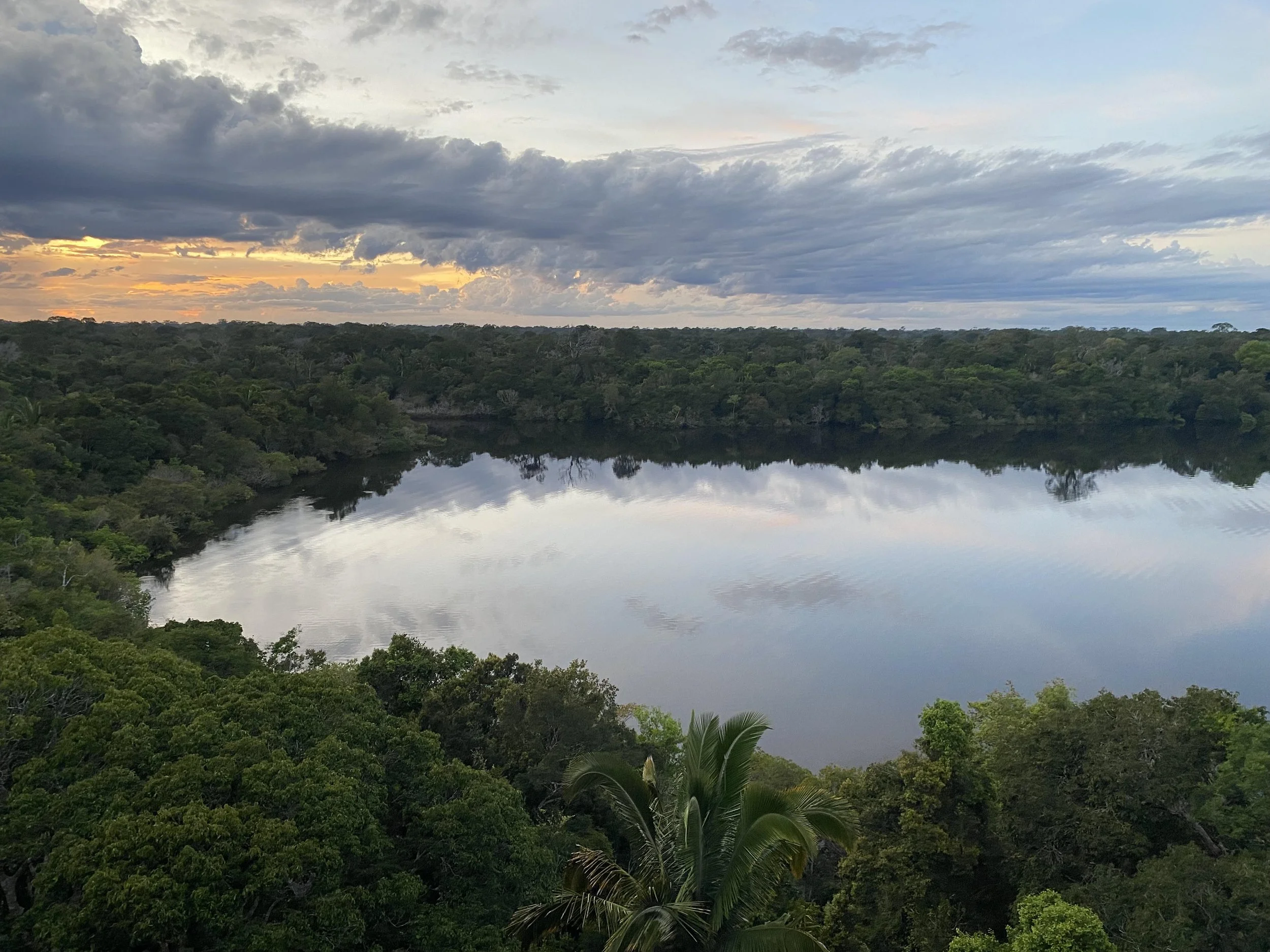
1. Noh Theatre—Japan

Classical Japanese musical performance of Noh theater at the festival.Jim Epler. CC BY 2.0.

When exploring Japanese stage art, one’s imagination is often filled with vivid images of menacing masks, ritualistic movements, and enigmatic dialogues. Yet, these elements merely scratch the surface of Japanese performing art. Among them were the two prominent forms, Noh and Kabuki. The very term “Noh”, derived from the Japanese language, embodies the essence of “talent” and “skill.” Emerging as one of Japan’s oldest performing arts, Noh’s formalization took shape in the late 14th century, with roots in the traditional Kagura dances, a reverent homage to the gods for bountiful harvests. In stark contrast to Western theater, Noh does not have explicit plotlines, offering an abstract emotional experience. A single overpowering emotion such as jealousy, rage, or sorrow dominates the central character, portrayed through highly stylized performances. Symbolistic aesthetics play a crucial role, with distinct masks representing various character archetypes—Gods, Warriors, Women, the Deranged, and Demons. Noh explores themes of love, loss, aging, and the supernatural. UNESCO acknowledged Noh as a valuable intangible cultural heritage in 2001, solidifying its significance.


While many Noh plays are lost in history, nowadays, there are still around 200 captivating pieces that continue to enthrall audiences. Among them, “Atsumori” as a classic. This poignant tale unveils the tragic fate of Taira no Atsumori, a young warrior slain by Kumagai no Jiro Naozane during the Genpei War. As Kumagai, now a monk, revisits the battlefield, he encounters Atsumori's ghost. The story of Atsumori's demise is retold by a villager, leading to a confrontation where Atsumori realizes the absence of true enemies. Derived from the renowned “Tales of Heike,” depicting the intense struggles between the Taira and Minamoto clans, “Atsumori '' captivates Noh audiences.

2. Kathakali—India

Kathakali performance.Aleksandr Zykov. CC BY-SA 2.0.

India’s vibrant Kathakali theater enchants the senses with its dazzling array of colors, intricate costumes, and captivating dance performances. Born on the shores of Kerala over 300 years ago, Kathakali weaves together elements of dance, dramatic storytelling, and mythological traditions. Drawing inspiration from the intricate temple sculptures of the 16th century, the dance sequences in Kathakali often portray the distinct square and rectangular positions characteristic of that art form. The very term “Kathakali” signifies the art of storytelling through dance drama, and the narratives themselves have been passed down through generations via oral tradition. These tales are often related to deities, demons, and other mysterious characters. 

Kathakali performance.Aleksandr Zykov. CC BY-SA 2.0.

To bring epic stories to life on stage, Kathakali performances are typically held outdoors on a bare stage, accompanied by seasoned musicians. The heartbeat of a Kathakali production lies in the rhythmic pulse of percussion instruments like the Chenda and the Maddalam, setting the stage for the unfolding drama. As the melodies intertwine with the beats, the actors, adorned in elaborate makeup, step into their roles — a process that takes several hours to complete. The distinctive makeup style enables the performers to communicate a range of emotions through codified facial expressions, meticulously synchronized with the sung verses known as “padams.” The music serves as the lifeblood, infusing each movement and gesture with depth and meaning.

One of the most beloved tales performed in Kathakali is “Nala Charitam,” derived from the Mahabharata. This epic story spans four nights, narrating the journey of King Nalan and his beloved Damayanthi. Advised by Sage Naradan, they face plots from Goddess Kali, leading to separation. However, a hunter rescues Damayanthi, while Nalan finds solace in Kosalam. With the assistance of Kesini, they reunite, reconcile misunderstandings, and rediscover happiness. 

3. Greek Tragedy—Greece

Ancient Greek theater in Delos. Bernard Gagnon. CC BY-SA 3.0.

Greek tragedy, one of the world’s most renowned ancient performance arts, finds its origins in the sacred rituals of Dionysus, the god of pleasure, fertility, wine-making, ecstasy, and theater. Spanning from the late 6th century BCE, Greek tragedies delved into the tragic downfall of heroes due to their inherent flaws, incorporating a mix of spoken and sung narration along with divine interventions. Accompanied by the Greek chorus, the dramatic actors engaged in dialogue, typically in iambic tetrameters, a poetic meter consisting of three iambic units (unstressed-stressed syllable pairs) per line. This rhythmic structure infused the lines with a sense of cadence and harmony. The theater was accessible to the public, as the cost was kept low through subsidies provided by the polis, or city-state. Performances took place outdoors, featuring a chorus and three actors who portrayed all the roles. These plays were often staged in competitive settings, allowing the audience to vote for their favorite, reflecting the preferences and tastes of both the Greek elite and ordinary citizens.

Renowned playwrights Aeschylus, Sophocles, and Euripides have left an enduring legacy with their masterpieces of Greek tragedy. One such opus is Sophocles’ “Oedipus Rex,” also known as “Oedipus the King.” This play, believed to have been performed between 430 and 426 BCE, stands as a pinnacle of achievement in classical Greek drama.The story revolves around the haunting concept of fate’s inevitability. Oedipus, the central character, finds himself bound by a prophecy that foretells his patricide and an incestuous union with his mother. Compelled by the prophecy, Oedipus is forced to abandon his home of Corinth, and unwittingly journey to Thebes. However, this pursuit comes with great suffering, as Oedipus inevitably faces hardship as a result. “Oedipus Rex” examines profound themes of fate and truth, captivating audiences with its exploration of human nature, forcing them to contemplate their inexorable destinies. 

4. Elizabethan Theater—United Kingdom

Inside Shakespeare's Globe Theatre. Andrew_j_w.CC BY-SA 2.0.

When discussing theater, the name that immediately springs to mind is none other than William Shakespeare. However, it was the vibrant cultural landscape of Elizabethan theater that set the stage for Shakespeare’s glorious triumphs. One of the most significant accomplishments of this era was the establishment of professional acting groups, which mirrored the structure of modern-day theater and captivated audiences with their mesmerizing performances.

Scene from Winedale Shakespeare Festival.Ajleon. CC BY 2.0.

Shakespeare, undoubtedly the shining star of Elizabethan theater, embarked on his theatrical journey at an open-air playhouse in Shoreditch. It was a time when public playhouses were just beginning to emerge in the then-bustling London. Not only was Shakespeare an exceptional playwright, but he also graced the stage as a talented actor. He joined a renowned theater company and remained loyal to them throughout his illustrious career. During his remarkable tenure at The Globe Theatre, an iconic London venue where Shakespeare’s King’s Men theater company took center stage starting in 1599, debuting an extraordinary collection of over 30 plays that continue to hold a prominent place in world literature. Among his unparalleled creations are timeless tragedies like “Hamlet” and “Macbeth,” which have endured the test of time, captivating audiences with their profound exploration of human nature and themes of suffering, equivocation and remorse.

The Tempest” embodies the essence of Shakespearean plays, blending tragedy, comedy and the transformative power of art to reflect the complexities of human existence within the grand collection of Elizabethan theater. The sorcerer Prospero, a master of illusion and manipulation, orchestrates a captivating tale of shipwrecks, revenge, and redemption on a mystical island. Amidst this magical turmoil, love blossoms, treachery unfurls, and forgiveness emerges triumphant. The play’s allure lies in its openness to diverse interpretations: is it an allegory of Shakespeare's farewell to the stage, or a reflection on European colonization of foreign lands?

5. Tango Theater—Argentina

Tango show in Buenos Aires. Audrey_sel. CC BY-SA 2.0.

Coming into its own in the late 19th century, Tango has its roots in the vibrant neighborhoods of La Boca in Buenos Aires and Montevideo, where a blend of European, African, and Argentine influences converged. This fusion of diverse cultures gave birth to a unique dance that tells stories of passion, longing, and resilience. In the heart of Buenos Aires, the Tango is more than just a dance; it is an art form that embodies the spirit of the city. From its early roots in small ensembles, such as the tango sextet, with piano, double bass, violins, to the larger tango orchestras, or guitars, drums, vocalists, and tango dancers, the Tango Theatre presents a diverse range of musical expressions. Here, the Tango comes alive, showcasing its elegance, sensuality, and emotional depth.

Tango’s journey is a testament to its enduring allure. Initially shunned by mainstream Argentine society as indecent, it found unexpected recognition and adoration in the upper-class circles of Paris, thanks to Argentine intellectuals who introduced it abroad. From there, the Tango quickly swept across Europe and the Americas. As it returned to its homeland, it evolved and transformed, reflecting the changing times and influences it encountered. Famous tango theaters, such as La Ventana in San Telmo, distinguishes itself from the rest by showcasing not only tango but also a rich array of folkloric music. This captivating show offers a well-rounded experience, featuring music and dance from various regions of the country. Many Tango folk styles, from the lively rhythms of chamame to the vibrant melodies of chacarera and Zamba, come  from provinces like Salta and Santiago del Estero in the northern interior. 

6. Wayang Kulit—Indonesia

Wayang kulit from Indonesien performed at Paris.Dalbera.CC BY 2.0.

In Indonesia, master puppeteers captivate audiences with mesmerizing stories in performances of Wayang Kulit, or shadow puppetry. Meticulously crafted from buffalo hide, the puppets boasted intricate designs that brought characters to life. Traditional oil lamps gave way to modern lighting, illuminating the stage and infusing the ancient spectacle with new magic. Inspired by Hindu epics, Ramayana and Mahabharata, the performances transported spectators to mythological times. Wayang Kulit gave birth to other art forms, including three-dimensional puppets and wooden figures manipulated by rods. Through witty actions, puppeteers conveyed social and political criticisms, creating a legacy of cultural significance. Passed down through generations, Wayang Kulit wove together indigenous myths, Indian epics, and Persian heroes, forming a rich tapestry of folklore and tradition.

Yogyakarta, Wayang Kulit. Arian Zwegers. CC BY 2.0.

The ancient Ramayana takes center stage in the Wayang Kulit tradition. In a distant land, Prince Rama and the beautiful Princess Sita find themselves exiled to the depths of the forest. Amid the wilderness, an evil and cunning demon king named Ravana set his wicked eyes upon the exquisite Sita, devising a sinister plan to possess her. Upon discovering Sita's abduction, Rama's heartache turned into fierce determination. With unwavering courage, he embarked on a perilous journey to rescue his beloved princess. This epic battle between good and evil has become a timeless legend, celebrated through the artistry of Wayang Kulit, captivating audiences with its riveting storylines and masterful puppetry.

7. Peking Opera—China

Havoc in Heaven Peking Opera. Chenwen. CC BY 2.5.

China boasts a diverse array of over 300 opera types, and among the most celebrated is Peking Opera. Regarded as the pinnacle of Chinese art, Peking Opera has a remarkable history spanning 160 years. This captivating art form combines singing, acting, recitation, and martial arts to bring stories of history, society, and everyday life to the stage. The music of Peking Opera sets the rhythm and atmosphere, while the elaborate costumes and symbolic makeup vividly depict the personalities of the characters. Peking Opera is an art that is carefully passed down through generations via master-student training, ensuring the preservation of China's cultural heritage. Alongside Greek tragedy and Indian Sanskrit opera, it stands as one of the ancient operas of the world. Breaking free from the limitations of time and space, Peking Opera employs a unique style that blends reality and illusion, captivating audiences with stunning performances. For an authentic experience of this renowned opera, the Liyuan Theatre, located in Beijing’s Qianmen Hotel, offers a luxurious setting for up to 1000 viewers. The theater features a traditional stage where actors adorned in exquisite makeup bring the stories to life, immersing the audience in the captivating world of Peking Opera. It is an opportunity to witness the richness of Chinese culture and indulge in the beauty of this cherished art form.

One of the most significant plays in the Peking Opera tradition, “The Drunken Concubine,” is set in the Tang Dynasty, and its plot revolves around Yang Yuhuan, a beloved concubine of Emperor Xuanzong and one of ancient China's Four Beauties. The opera portrays the poignant love between the emperor and Yang. Through heartfelt lyrics, Yang expresses her emotions, symbolically embedding them onto the moon, as it rises above the island. The opera's moon-themed lyrics make it especially fitting to enjoy during the Mid-Autumn Festival. Despite cultural barriers, Peking Opera continues to captivate audiences worldwide. “The Drunken Concubine” has been performed in various countries, including Russia, Austria, and North Korea, demonstrating the art form’s international appeal.

From China’s Peking Opera to Indonesia’s Wayang Kulit, these vibrant performance arts create a magnificent fusion of entertainment and ritual. While this article highlights the emblematic theaters of specific countries, it is merely a glimpse into the vast treasure trove of world theater. Regardless of language or cultural variances, the power of storytelling resonates universally in the realm of theater, captivating audiences with its emotive depth and captivating beauty.


Hope Zhu

Hope is a Chinese international student at Wake Forest University in North Carolina studying sociology, statistics, and journalism. She dreams of traveling around the globe as a freelance reporter while touching on a wide range of social issues from education inequality to cultural diversity. Passionate about environmental issues and learning about other cultures, she is eager to explore the globe. In her free time, she enjoys cooking Asian cuisine, reading, and theater.

5 Wildfires Around the World in 2023

The increasing temperatures and drier conditions created by climate change have caused bigger and more dangerous wildfires.

Wildfire. Rawpixel. CC0 1.0.

Wildfires are occurring more frequently, burning hotter and causing more destruction than ever before. In the US alone, the top five years for the largest acreage burned have occurred since 2007, with the top three all within the last eight years. Climate change causes warmer and drier atmospheric conditions, leading to more intense and longer-lasting wildfires. The years with the most burned acreage tend to also be the years of the warmest temperatures on record, suggesting the role of climate change-induced aridity in the intensity of these natural disasters. Here are examples of wildfires that have occurred in 2023 so far.

Chile - February 2023

Wildfire smoke in Chile. Lacasadeljotta. CC BY-SA 4.0.

Wildfires in south-central Chile led to 24 deaths and about two thousand injuries, burning over 800,000 acres of land. These fires arose from a phenomenon referred to as “La Nina,” which explains the occasional cooling of ocean temperatures, leading to rainier and colder conditions in the north as well as drier and warmer conditions in southern regions, such as Chile.

Spain - March 2023

Wildfire in Spain. Sergio Torres. CC BY-SA 4.0.

Fires originating in the province of Castellón marked the beginning of this year’s wildfire season for Spain. Forcing over 1,800 people to evacuate, the blaze spanned over 10,500 acres of land. Though these fires were destructive, the country experienced even more devastation last year, with about 500 wildfires and the burning of about 756,000 acres of land.

Russia - May 2023

Wildfire damage in Russia. Ivan Simochkin. CC BY-SA 3.0.

Wildfires in the Russian Ural Mountains and Siberia have led to at least 21 deaths and many injuries. These inferno covered 280,000 acres of land, destroying hundreds of homes. The cause of these fires was a heat wave likely caused by climate change, and the degree of destruction has been attributed to lack of resources and in and the sheer isolation of in the locations of these fires’ origins.

United States - June 2023

Smoke from California wildfires. Frank Schulenburg. CC BY-SA 4.0.

Like Spain, the United States experienced a brutal wildfire season in 2022, especially in western states. For example, fires in the state of Oregon burned over 400,000 acres of land in 2022 alone. So far in 2023, Oregon has experienced 18 wildfires and the burning of over 17,000 acres of land. Other US states, such as Arizona and California, have also had multiple wildfires recently.

Canada - June 2023

Forest fire in Canada. Stefan Doerr. CC BY-ND 3.0.

The Canadian province of British Columbia experienced its worst wildfire on record this June. The fire occurred in Donnie Creek, burning 2,063 square miles of land. The summer of 2023 is projected to be the worst wildfire season ever for Canada in terms of damage, as the country experiences warmer and drier conditions than usual.

In recent years, the most wildfire damage has occurred in the month of July, with an average of 1.7 million acres burned in this month between 2002 and 2020. With this statistic, it can be inferred that there will be even more destruction to come from wildfires in 2023. More than 80 percent of wildfires are caused by humans, often through cigarettes, campfires, and other common products and activities. Fires are becoming deadlier due to atmospheric conditions resulting from climate change, as drier and warmer temperatures make the environment more flammable and induce larger fires. Indeed, the wildfires in Chile, Spain, and Oregon were likely caused by human activity. With this information, it is important to spread awareness about wildfires and to be cognizant of possible environmentally-harmful behaviors.

Here are some ways you can help prevent wildfires:

Ensure that you properly extinguish your camp fire.

Douse your camp fire with a bucket of water twice, stirring it in between. Before leaving, check to make sure the ground is cold.

Avoid engaging in fire-related activities during dry conditions

Dry atmospheric conditions increase flammability. Avoid building fires, using fireworks, or engaging in any other fire-related activities on dry days.

Avoid driving or parking on dry grass.

The exhaust of one vehicle alone can exceed one thousand degrees. As dry grass is highly flammable, it is best to not park or drive in these areas.

Put used matches in a cup of water or closed container.  

Ensure that you are being conscious of how you dispose of your matches to avoid accidentally igniting them. Put used matches in a cup of water or a closed container (to starve any embers of oxygen) before disposing of them.

Another way of making an impact is to donate to wildfire relief organizations. Many organizations help revitalize areas that have been devastated by wildfires. 

Click here to donate to the American Red Cross Disaster Relief .

Click here to donate to the UN Crisis Relief.


Alexandra Copeland

Alexandra is a student at The College of New Jersey studying psychology and journalism. She is a lover of coffee, dancing, and visiting new places. Being raised with her Greek culture has inspired her interest in cultural customs around the world. She is a passionate writer and hopes that her work will make an impact in the future.

Eat for Under $15 at these 7 Global Cuisine Restaurants in NYC

Let your tastebuds travel without leaving the Big Apple.

Chinatown in New York City. Norbert Nagel. CC by 3.0.

Beyond its famous museums and fashion, New York City is recognized as the food capital of the United States. Every year foodies flock to the city’s restaurants for unique menus and interpretations of global cuisine. But this top-notch culinary environment typically comes—quite literally— with a price. New York restaurants are often criticized for their exorbitant prices. But fear not, there are plenty of restaurants in the city that offer authentic international cuisine for a reasonable price. Whether you are a college student on a budget or a lifelong fan of global cuisine looking for food made with a lot of love, these restaurants will leave both your stomach and your wallet happy.  
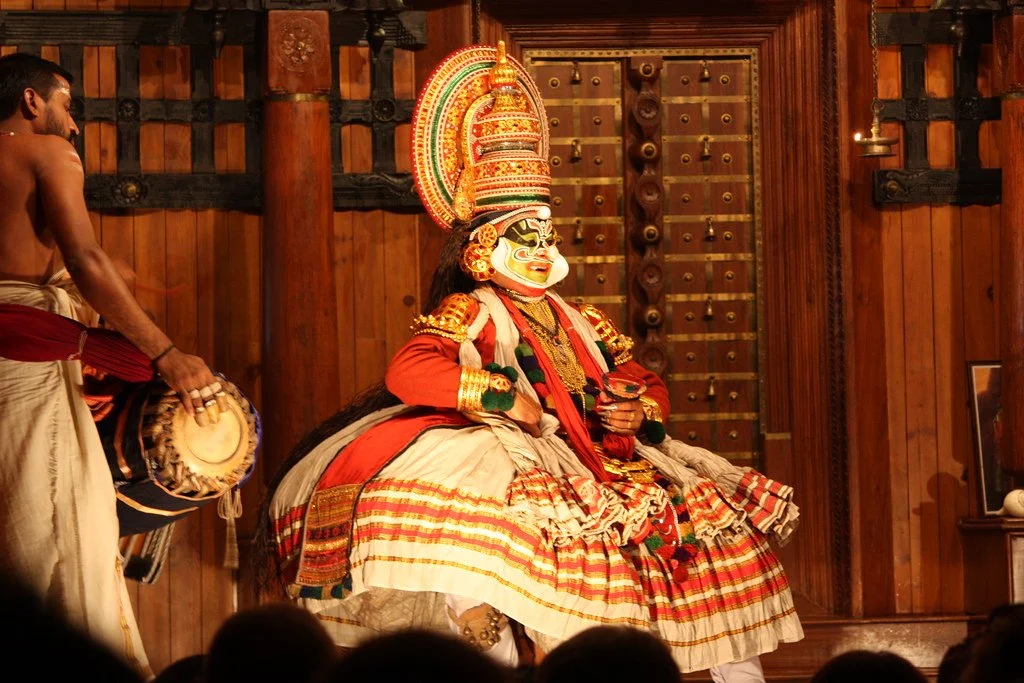
1. Super Taste

Hand-Pulled Noodles with Lamb. Jason Lam. CC by 2.0.

Located in the famous culinary neighborhood of Chinatown, Super Taste may be the most well-known restaurant on this list. If you find yourself craving Chinese food, Super Taste is a classic, must-go stop. The most notable dish on the menu is their hand-pulled noodles. These silky and addictive noodles can be paired with chicken, beef, or mutton at the customer’s request. But if you aren’t in the mood for noodles, the five for $10 pork and chive dumplings drenched in sweet-spicy chili oil are always a crowd pleaser. Although there is limited seating inside, Super Taste is perfect for on-the-go enjoying. Their menu can be found here
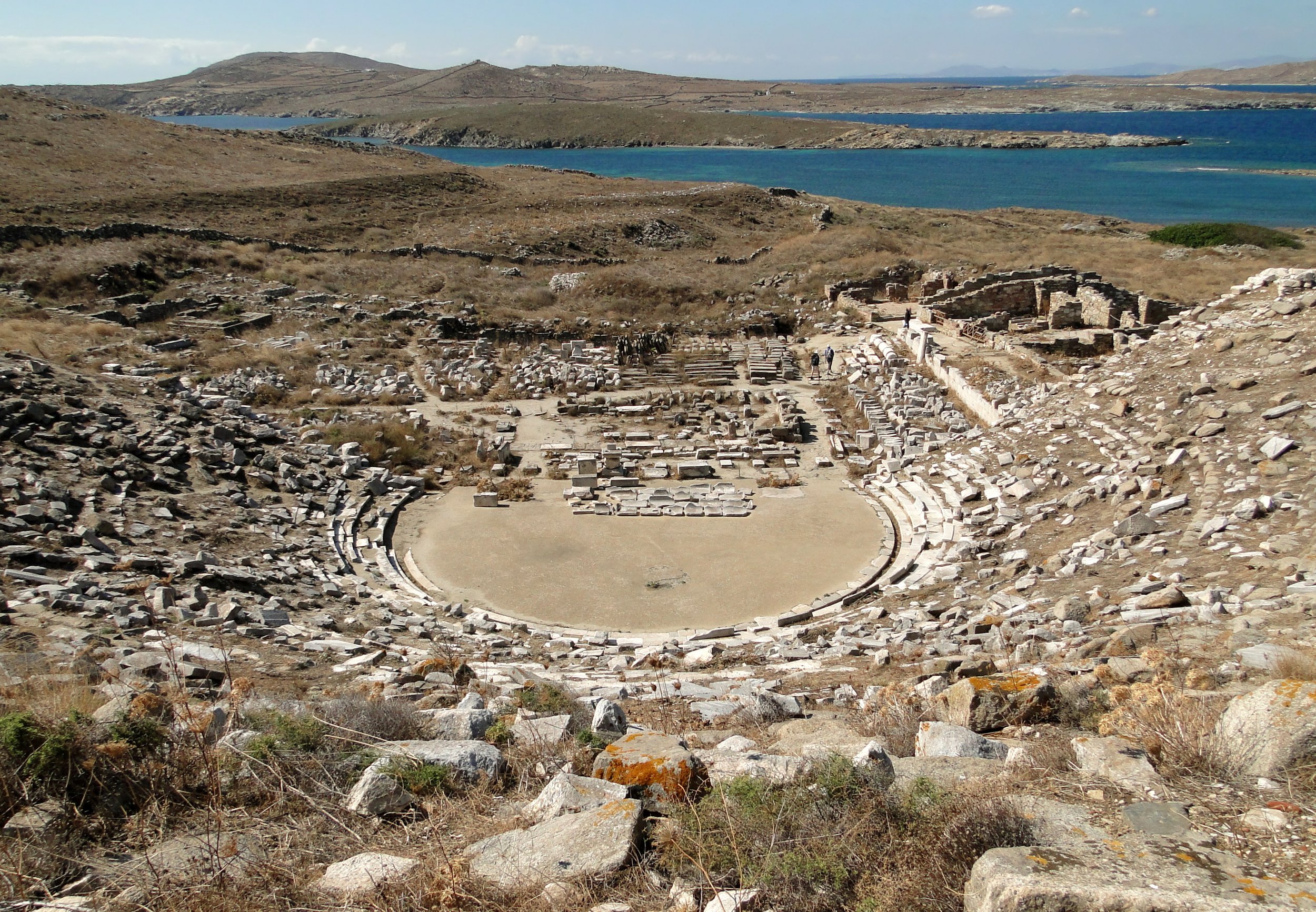
2. Pyza

Borscht topped with sour cream. Liz West. CC by 2.0.

Warm and delicious, Pyza serves Polish food so good it could be mistaken for a home-cooked meal. Located in Greenpoint, Brooklyn, this restaurant specializes in plates piled high with food that makes you feel like family. Its menu features traditional dishes like stuffed cabbage, tongue in horseradish sauce, and various types of pierogies. A stand-out dish is their chicken cutlet, breaded and paired with a dollop of sour cream. Their soups range from a reasonable $5-$8, so tuck in with a bowl of borscht and enjoy the homey atmosphere. Additional items and prices can be found here
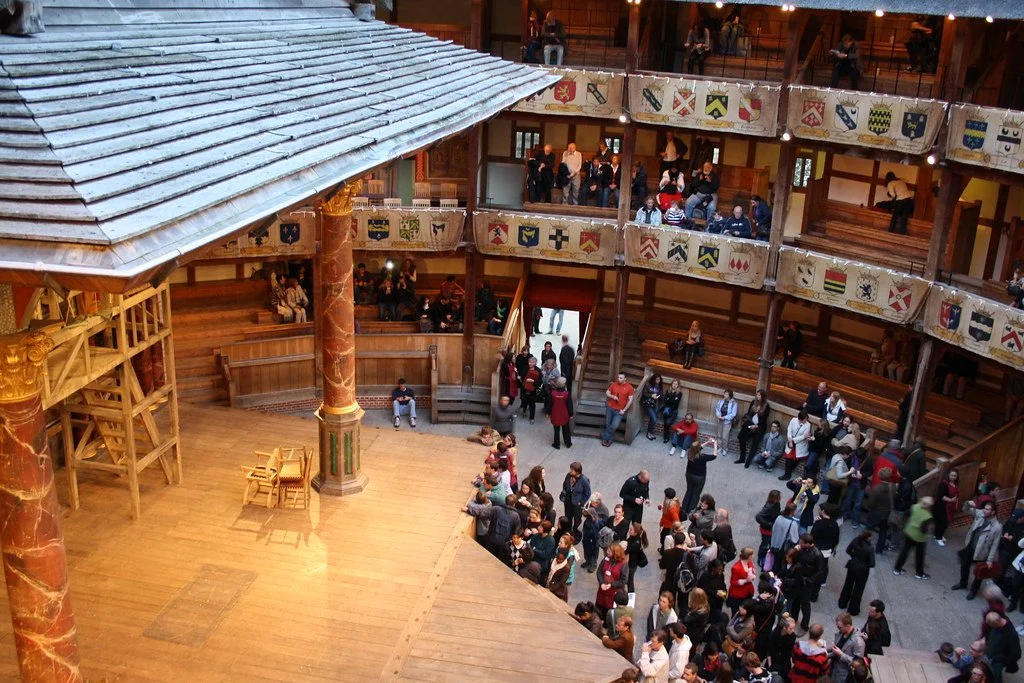
3. Birria-Landia

Brooklyn location of Birria-Landia. Andre Carrotflower. CC by 4.0.

This Mexican spot may differ from most foodies’ perceptions of a typical restaurant. Instead of a usual sit-down experience, Birria-Landia started as a single Jackson Heights food truck. The operation has since expanded to include additional trucks in the Lower East Side, the Bronx, Jackson Heights, and Williamsburg. Their specialty dish, birria, features tacos topped with fresh cilantro and salsa paired with a rich, smooth dipping broth. The meat of the tacos—often beef—is first marinated in mixtures of spices and dried chillies before being cooked low and slow in broth. This lengthy process creates mouth-watering and juicy tacos that can be enjoyed for only $4.50. In addition to their exceptional tacos, their consummé broths, tostadas, and quesadillas can be found here.

4. Kassim’s Bakery

Aalu Roti. Guarav Dhwaj Khadka. CC by 4.0.

Whether you prefer your dishes savory or sweet, there is something for everyone at this Queens restaurant. Kassim’s serves a wide variety of Caribbean lunch and dinner foods, but also offers a tasty variety of pastries and baked goods. One of the menu’s highlights is the selection of roti; each variation of the dish is under $10. Roti is a wheat flatbread that at Kassim’s is paired with beef, chicken, duck, goat, and pachownie (innards of lamb). After finishing a main dish, customers can explore Kassim’s dessert menu. Their cassava pone is perfect for those with a sweet tooth; cassava, also called yuca, has an edible root often used to make starchy desserts. More of Kassim’s sweet and savory treats can be found here.

5. Punjabi Grocery & Deli

Samosas paired with chutney. K Spoddar. CC by 4.0.

Can you claim to have visited New York if you didn’t find yourself in a deli at some point during the trip? Although it also doubles as a grocery store, this Lower East Side joint’s Indian food makes it stand out. Even better, the deli only serves vegetarian food, making it the perfect spot for travelers with this dietary restriction. At only 50 cents, Punjabi Deli might have the most affordable Samosas in the city. They also offer an assortment of rice dishes where customers can mix and match different vegetable options to create the perfect bowl for only $6 or $8, depending on if you want a small or large meal. The $2 chai is a perfect way to wash everything down. More exciting dishes and beverages can be found here

6. SVL Souvlaki Bar

Grilled kebabs. Glen Edelson. CC by 2.0.

From spanakopita to greek fries, SVL Souvlaki Bar combines tradition with innovation to create unique Greek food. They have two Queens locations, with one on Steinway Street and the other on Astoria Boulevard. Perhaps the most exciting aspect of this quick and fresh spot is their “build your own” options. You can customize salads and bowls, or even create entire plates filled with pita, kebabs, vegetables, and sauces. Their iconic SVL sauce combines sweet, tangy, and creamy flavors— it is the perfect way to top off any customized dish. Or, if the extent of customization is intimidating, you can always enjoy classic chicken souvlaki kebab for only $4.50. Even better, the Bar’s food is made with hormone-free meat and fresh produce. Read more about their ingredients, mission, and menu here

7. Bunna Cafe

Injera topped with assorted vegetables. Kurt Kaiser. CC by 2.0.

If you’re looking for more of a sit-down experience, Bunna Cafe is the perfect destination. They are a Black-owned and vegan Ethiopian restaurant located in Bushwick, Brooklyn. The restaurant’s family-style meal environment creates the perfect atmosphere for hearty food paired with good conversation. Scoops of vegetables are served in piles on injera, a fermented sourdough flatbread. Customers can select a variety of different sides, mixing to create new flavors and combinations. Or, if you’re dining alone, the $12 lunch special comes with individual scoops of four different items. Although, with such generous portions, you may want to bring a friend to share. Further details about their menu and strong variety of sides can be found here.


Carina Cole

Carina Cole is a Media Studies student with a Correlate in Creative Writing at Vassar College. She is an avid journalist and occasional flash fiction writer. Her passion for writing overlaps with environmentalism, feminism, social justice, and a desire to travel beyond the United States. When she’s not writing, you can find her meticulously curating playlists or picking up a paintbrush.