2024 Paris Olympics: Challenges, Protests and Controversies

From transportation and public safety concerns in Paris to discontent in Tahiti, the 2024 Paris Olympic Games are riddled with contention.

Looking up at the Eiffel Tower decorated with the olympic rings.

The Eiffel Tower with the logo of the Olympic Games. Ibex73. CC BY 4.0 via Wikimedia Commons

As the countdown to the 2024 Olympic Games in Paris reaches its final days, anticipation is building among the estimated 15 million visitors set to descend upon the city. However, this year’s games are not without their share of controversies. Unrest and protests have begun to surface, not just from within the borders of France but also among the vast number of international travelers and athletes. These contentious issues are casting a shadow over the upcoming Games, adding a layer of uncertainty and complexity to an event traditionally associated with unity and the celebration of athleticism.

Security Concerns, Congested Transportation, Unhoused Parisians

The opening ceremony, scheduled to take place in the open air along the historic Seine River, has raised a number of security concerns. These concerns are particularly acute because of the memory of the terrorist attacks in Paris in 2015. Furthermore, ongoing geopolitical unrest, notably the war between Gaza and Israel and Russia’s continued aggression towards Ukraine, adds to the apprehension. In anticipation of potential protests, the French government has reduced the number of tickets for the public from 600,000 to 300,000 and plans to deploy around 45,000 French police and security forces. During the opening ceremony, an additional 35,000 security agents are expected to be on duty alongside the military to safeguard against security threats. The recent stabbing of a French counter-terrorism soldier over a week before the games are set to begin has only increased tensions.

Along with security concerns come concerns over the expected additional congestion of the city’s already packed public transport system. Many Parisians believe the transportation is largely underprepared for the influx of tourists as they already deal with poor frequency of trains, overcrowding, and general uncleanliness. Those who are financially able are electing to leave the city for the period of the games, while others will be forced to turn to alternative modes of transport and access such as biking, walking or telecommuting. Those who are unable to consider alternative transportation will have to endure long commutes with few alternatives. In response to criticism over transportation concerns, the French president of the Ile-de-France region, Valérie Pécresse, made a statement to worried citizens, "Don't be afraid to walk a little, it's good for your health". 

The Olympics have also brought the plight of the city’s unhoused population to the forefront. The Olympic Village has been constructed in one of Paris’s most impoverished suburbs, an area where thousands of individuals reside in street encampments, shelters and derelict buildings. In a controversial move, the French government transported thousands of these unhoused individuals on buses to other French cities such as Marseille and Lyon. They were removed from the city under the pretext of promising housing elsewhere, only to find themselves living on unfamiliar streets far from their original homes. This action has drawn widespread criticism as it is in no way a permanent solution, but rather a means to conceal the city’s homelessness issue and present a more idyllic image of Paris. While the government denies any connection between this relocation and the Olympics, an email obtained by the New York Times and initially reported by L’Equipe reveals a government housing official stating the objective to “identify people on the street in sites near Olympic venues” and relocate them prior to the Games.

Water Sport Events

The Seine River, the chosen venue for the opening ceremony, will also host the triathlon and marathon swimming events. This decision has ignited controversy, as many Parisians view the river as polluted and unsafe. Swimming in the Seine has been illegal for over a century. In an effort to clean the river, Paris has invested $1.5 billion in infrastructure to prevent bacteria-laden wastewater from entering the river. Despite the clean up, experts are still uncertain if the river’s E. coli levels will be safe for swimming in time for the events, and no backup plan has been announced. In a show of confidence, President Emmanuel Macron and Paris Mayor Anne Hidalgo have vowed to swim in the river themselves to demonstrate its safety. Just this past Saturday, French Sports Minister Amélie Oudéa-Castéra took the plunge into the river.

In an unusual display of public anger, a distinctive form of protest seemed to be in the works for several weeks. Known colloquially as the ‘poop protest’, it called for citizens to deposit their waste into the Seine on June 23, 2024, strategically timed to coincide with the President’s original planned swim. Remarkably, an unidentified engineer had developed a website that calculates the exact moment for the waste drop-off, ensuring it aligns with the President’s swim based on the individual’s distance from the river. This protest concept was not merely a reflection of skepticism regarding the cleanliness of the Seine, but also a broader expression of French dissatisfaction with the President’s recent election gambit and the anticipated disruptions the Olympic Games are expected to bring to the city. The protestors seem to have been more bark than bite, however, because after Macron canceled his originally planned dip Oudéa-Castéra's swim took place nearly without incident; the Sports Minister slipped while getting in the water.

Meanwhile, in French Polynesia, Tahiti is set to host this year’s Olympic surfing events. Tahiti is a well-known destination for surfing competitions, and has been so for many years. The International Surfing Association (ISA) voiced its opposition to the construction of a new aluminum judges’ tower for the 2024 Olympics in Tahiti, amid concerns from locals and environmentalists about potential damage to the local coral reef. Despite the continued use of a wooden tower at Teahupo’o, one of the world’s most famous surf breaks, for the past 20 years, Olympic organizers and government leaders greenlit construction on a new tower due to safety concerns. The ISA had proposed more environmentally friendly solutions, such as building the tower on land and using digital cameras on the wooden tower, but these were rejected in favor of the new structure.

The controversy escalated from the first peaceful protest in October, with over 200,000 people signing an online petition against the tower and prominent surfers lending their support. An incident where a barge being used in the construction got stuck on the offshore reef further fueled local anger. Despite apologies from the president of French Polynesia, Moetai Brotherson, and assurances from Barbara Martins-Nio, general manager of the 2024 Paris Olympic committee based in Tahiti, that the barge incident was a mistake, the new tower was still deemed necessary for the competition. However, many locals, including the mayor of Taiarapu Ouest, stood by the belief that building the tower outweighed the costs. The protests failed, and the tower has since been completed.

As the 2024 Olympic Games in Paris approach, they carry the weight of numerous controversies and the hopes of millions of spectators, eager to participate in a global event of this magnitude for the first time since the COVID-19 pandemic. From security concerns and transportation issues to the treatment of the city’s unhoused population and environmental concerns, these Games are a testament to the complex interplay of sports, politics and society. Despite the controversies, the essence of the Olympics remains—unity, athleticism and global camaraderie. As the world tunes in, these Games will be a reminder of our shared love for sport and competition, and the collective challenges we need to address.


Julz Vargas

Julz is a student at Wellesley College studying Anthropology and Spanish. She grew up in Los Angeles, CA, and has studied all around the world in places such as Costa Rica, Greece, Iceland, and Spain. She is passionate about employing writing as a tool to explore human connection and diversity. Julz aspires to foster cross-cultural connections through community-based research, amplifying inclusive and diverse media about global cultures, foods, and people, to encourage individuals to engage more wholly with the world.
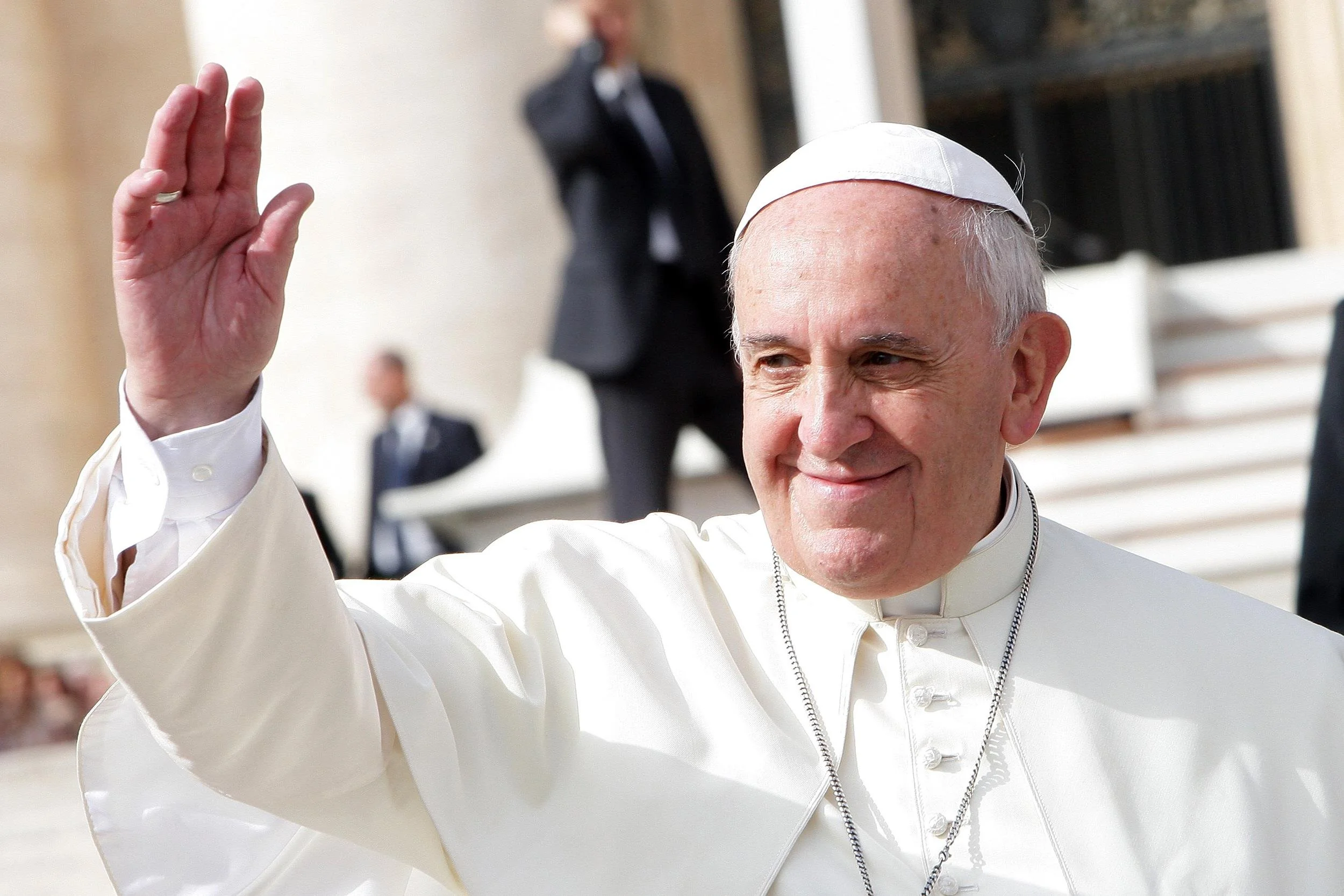

Sparking Outrage: The Pope and His Comments on the LGBTQIA+ Community

Despite his efforts to merge LGBTQIA+ and Catholic communities, Pope Francis tries to resolve tensions following a harmful name calling incident.

A close-up of the Pope smiling and waving

Pope Francis Waving. Long Thiên. CC BY-SA 2.0

There are around 1.2 billion Roman Catholics around the world today, united in a common Church defined in large part by its belief in the primacy of Saint Peter and in its head, the Pope, as his successor. Despite immense growth over its two millennia of history, the central tenet of Catholicism remains the same, as described in Matthew 22:37-39: “To love God with all your soul, heart, strength and mind [and] to love your neighbor as yourself—the Golden Rule, as many refer to it today.” 

Despite these ideals, and guided by conservative religious principles, the Catholic Church has often been hostile toward the LGBTQIA+ community. Recently, on May 28, Pope Francis extended a formal apology for his use of the word “fociaggine”, an offensive Italian slang word referring to the gay community. The Pope used the word behind closed doors in a private meeting with 250 Italian Bishops when asked about whether openly gay men should be admitted into seminaries (priesthood colleges). The press office director for The Holy See Matteo Bruni told the public that the Pope never intended to offend people or come across as homophobic, extending the Pope’s apologies to those that were hurt by the slur. 

Throughout its history, the relationship between LGBTQIA+ community and the Catholic Church has often been tense. In 1975, the Vatican issued a declaration stating that, “Homosexual acts are intrinsically disordered and can in no case be approved of.” Despite verbal support of the gay community, the Catholic Church itself does not officially recognize same-sex marriages. 

In 2013, Pope Francis responded, “Who am I to judge?” when asked about his stance on gay priests, opening the conversation on the gay community’s involvement with the Catholic Church. Pope Francis is thought of by many as revolutionary for the LGBTQIA+ community, with CNN noting that he, “has shifted the church’s tone and approach to gay people, refusing to take a judgemental stance, something that church institutions and leaders had often been accused of doing in the past.” The Pope’s decision to bless same-sex couples in 2023 was a landmark move for the community, the Vatican document opening “the possibility of blessings for couples in irregular situations and for couples of the same sex, [leaving decisions to] the prudent and fatherly discernment of ordained ministers.”

Although blessings were not formally allowed until 2023, some progressive priests conducted them unofficially for years prior. Ultimately, discrimination against the LGBTQIA+ community varies across dioceses and parishes. Some communities are very welcoming, within the Church policy limits, whereas others will quickly deny membership to those affiliated with LGBTQIA+. The Human Rights Campaign states that, “There have been recent instances of LGBTQIA+ employees in the United States being dismissed from Catholic schools and parishes following the celebration of a same-sex couple’s marriage.” In addition to the gay community, the transgender community is also discriminated against. The Vatican’s Congregation for the Doctrine of the Faith in September 2015 prevented a transgender man in Spain from serving as a godfather, barring transgender Catholics from serving as baptismal sponsors.

Over the decade of his papacy, Pope Francis has served as a beacon of hope for the LGBTQIA+ community, long used to hostility from organized religion. In early 2023, he called for the elimination of laws in many countries that criminalized homosexuality, stating that “being homosexual isn’t a crime.” The Vatican also announced in late 2023 that transgender people may be baptized as Catholics and serve as godparents under special circumstances. Although there has been progress for the LGBTQIA+ community in Pope Francis's Catholic Church, his recent comments serve as a reminder that these are recent, fragile developments that still leave much room for improvement.


Aanya Panyadahundi

Aanya is a student at the University of Michigan studying sociology and journalism on a pre-law path. She loves to travel the world whenever she can, always eager to learn more about the different cultures and societies around her. In her free time, she likes to play the violin, ski, and listen to podcasts

Thailand’s Progress Towards Marriage Equality

After years of advocacy, Thailand may become the first country in Southeast Asia to legalize same-sex marriage.

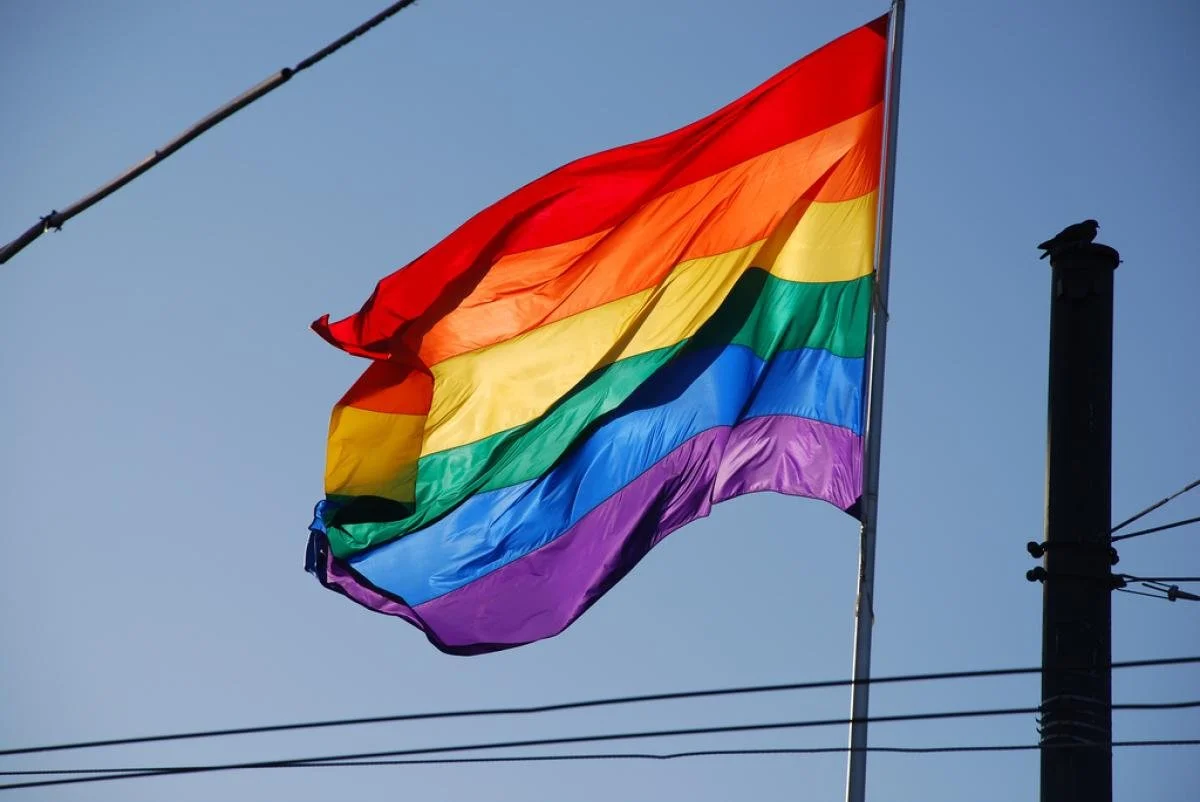
Close up of a rainbow pride flag waving in the wind.

A pride flag waving in the wind. Jamison Wieser. CC BY-NC-SA 2.0

Thirty-seven countries currently recognize same-sex marriage on a national level, and Thailand may soon become the 38th. On December 21, 2023, a package of bills including the Marriage Equality Act was introduced by the cabinet, and debates began in Thailand’s House of Representatives, the lower house of Thailand's legislature. This body resoundingly assented to marriage equality in late March, although it is not yet law.

The Marriage Equality Act would amend Thailand’s civil and commercial code, making many terms that refer to people gender neutral. If the bills pass the the Senate, and receive approval from the King, Thailand will become the third country in Asia and the first in Southeast Asia to legalize same-sex marriage.

Four hundred out of 415 members of the House of Representatives voted to pass the Marriage Equality Act on March 27, 2024. The Marriage Equality Act passed the first reading in the Senate with another overwhelming majority on April 2, 2024.

For decades, LGBTQIA+ laws in Thailand have not matched the country’s acceptance of LGBTQIA+ culture and travelers. Despite being home to many LGBTQIA+ spaces, such as bars and nightclubs, and serving as a destination for many to receive gender-affirming care, discrimination continues and many LGBTQIA+ rights in Thailand remain unprotected. 

While there has been progress in advancing LGBTQIA+ rights in Thailand with the passage of the Gender Equality Act in 2015, currently non-binary and transgender people’s identities are not recognized and LGBTQIA+ couples are unable to marry and struggle with adoption. 

The recorded history of the LGBTQIA+ community in Thailand dates back to the 14th century. These records include verbal accounts and murals depicting LGBTQIA+ relationships. However, in the 19th century, the criminalization of homosexuality and Victorian norms of propriety spread along with European colonialism in the region, although Thailand itself remained independent. 

This influence resulted in a cultural shift, as people began to equate sexuality with moral conduct and consider sexuality taboo. Despite this, Thailand has been famously receptive to LGBTQIA+ travelers, with the Thai Tourism Authority promoting Thailand as a “gay paradise”. 

As LGBTQIA+ visibility and activism have increased, Thai political figures have begun to follow suit, with the Pheu Thai party making marriage equality a main goal. Since taking office in 2023, the Pheu Thai party has been integral in moving Thailand toward equality for LGBTQIA+ people. 

The Marriage Equality Act will undergo its second and third Senate readings in July. If passed, it will be brought to the King for assent, and will then be established within 120 days, making Thailand a role model for the advancement of LGBTQIA+ rights.


Madison Paulus

Madison is a student at George Washington University studying international affairs, journalism, mass communication, and Arabic. Born and raised in Seattle, Washington, Madison grew up in a creative, open-minded environment. With passions for human rights and social justice, Madison uses her writing skills to educate and advocate. In the future, Madison hopes to pursue a career in science communication or travel journalism.

Fighting Femicide in Turkey

Turkey has long struggled to prevent violence against women, and Erdoğan’s withdrawal from the Istanbul Convention only worsened matters.

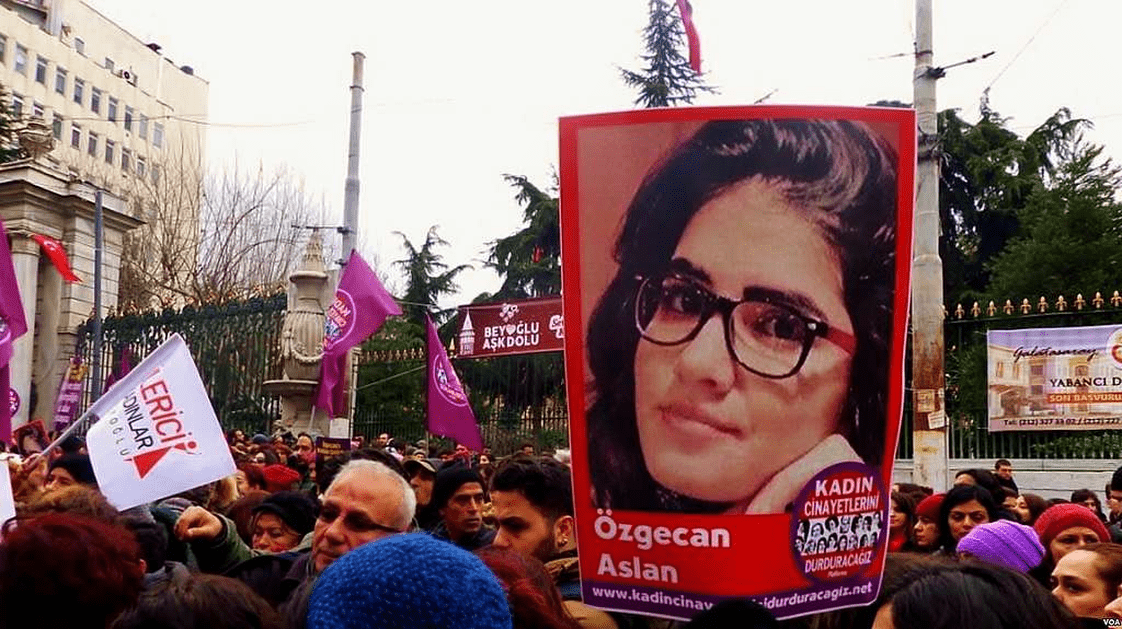
Large protest crowd gathered holding pink flags and a large sign showing the portrait of student Ozgecan Aslan.

Protests after the murder of Turkish student Özgecan Aslan. 2015. Hilmi Hacaloglu. CC0

Femicide is a massive problem for women in Turkey. According to data from the women’s rights group We Will Stop Femicide, 338 women were murdered by a man between March 2023 and March 2024. The same data reports that the large majority of these women were killed by a close male relation, with the most common motive being their refusal to marry or have a relationship with their murderers. 

The president of Turkey sitting in a suit on a chair in a press area in front of the Turkish flag.

Recep Tayyip Erdoğan at the 2017 G-20 Hamburg summit. Пресс-служба Президента Российской Федерации. CC-BY-4.0

In March 2021, Turkish President Erdoğan announced his decision to withdraw Turkey from the Istanbul Convention, itself named after Turkey's largest city. The convention obligates political parties to “develop laws, policies and support services to end violence against women and domestic violence.” It also included clauses aimed at protecting members of the LGBTQ+ community from violence. 

The decision was met with outrage and criticism from activist groups, lawyers and politicians. Following the decision, thousands took to the streets to protest. Amnesty International Secretary-General, Agnès Callamard, spoke against the decision, expressing her concern that “the withdrawal sends a reckless and dangerous message to perpetrators who abuse, maim and kill: that they can carry on doing so with impunity.” 

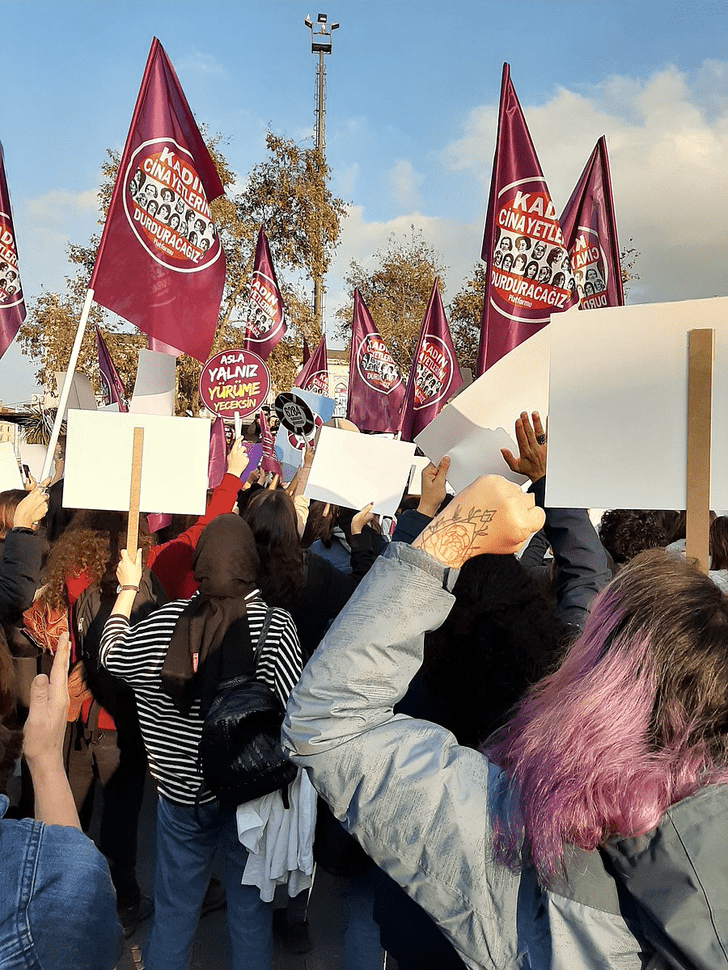
The backs of protestors holding signs and theirs fists up while holding large maroon flags at the International Day for the Elimination of Violence Against women protest.

International Day for the Elimination of Violence Against Women, 2019. Neslihan Turan. CC0 1.0

We Will Stop Femicide was founded in 2012 in response to the murder of an 18-year-old high school student, Münevver Karabulut, and has been one of the leading advocates of women’s rights in Turkey ever since. The group began an initiative to collect, analyze and publicize data on femicide in Turkey in response to claims from the government that no such data existed. They gather their data from cases reported to the public and cases reported directly to the group by associates of the victims. “Patriarchy is the reason behind the loss of so many lives,” the group states on its website. “The lack of efficient policies that secure equal existence and rights of women is also encouraging men who are prone to violence.”

A lawyer working with the women’s rights group We Will Stop Femicide, Esin İzel Uysal, stated that there has been a significant increase in femicides as a result of Turkey’s withdrawal from the Istanbul Convention, with authorities refusing to take action in the face of violations of women’s rights. As of 2024, almost 2,000 women have either been murdered by men or died under suspicious circumstances since Turkey’s withdrawal in 2021.

Women’s rights groups in Turkey such as We Will Stop Femicide continuously face opposition and oppression from the government. On December 2nd, 2021 the Intellectual and Property Rights Investigation Bureau of the Istanbul Public Prosecutor’s Office filed a lawsuit against We Will Stop Femicide aimed at shutting the group down, citing “illegal and immoral actions.” On September 13th, 2023, the court rejected the lawsuit. 

Women in Turkey continue to fight for their rights and their lives despite government opposition and police violence. In March 2024, thousands of women defied a ban against protests on International Women’s Day, seeking to draw attention to the rise of femicide in Turkey and voice their discontent with Turkey’s withdrawal from the Istanbul Convention. 

TO GET INVOLVED

We Will Stop Femicide: We Will Stop Femicide’s website lists several ways to support their cause, including producing visual materials for their social media and participating in the collection of data on violence against women.

Women for Women’s Human Rights: Another Turkish feminist group, WWHR initiated a Human Rights Education Program for women in 1995 that seeks to educate women about their rights and help them exercise those rights. Information about participation in the HREP program can be found here.


Rebecca Pitcairn

Rebecca studies Italian Language and Literature, Classical Civilizations, and English Writing at the University of Pittsburgh. She hopes to one day attain a PhD in Classical Archeology. She is passionate about feminism and climate justice. She enjoys reading, playing the lyre, and longboarding in her free time. 

Exiled Russian Pussy Riot Activist Sentenced for Ukraine Tweets

After a series of tweets criticizing Russia’s invasion of Ukraine, activist and girl band member Lucy Shtein was sentenced in absentia to six years in prison. 

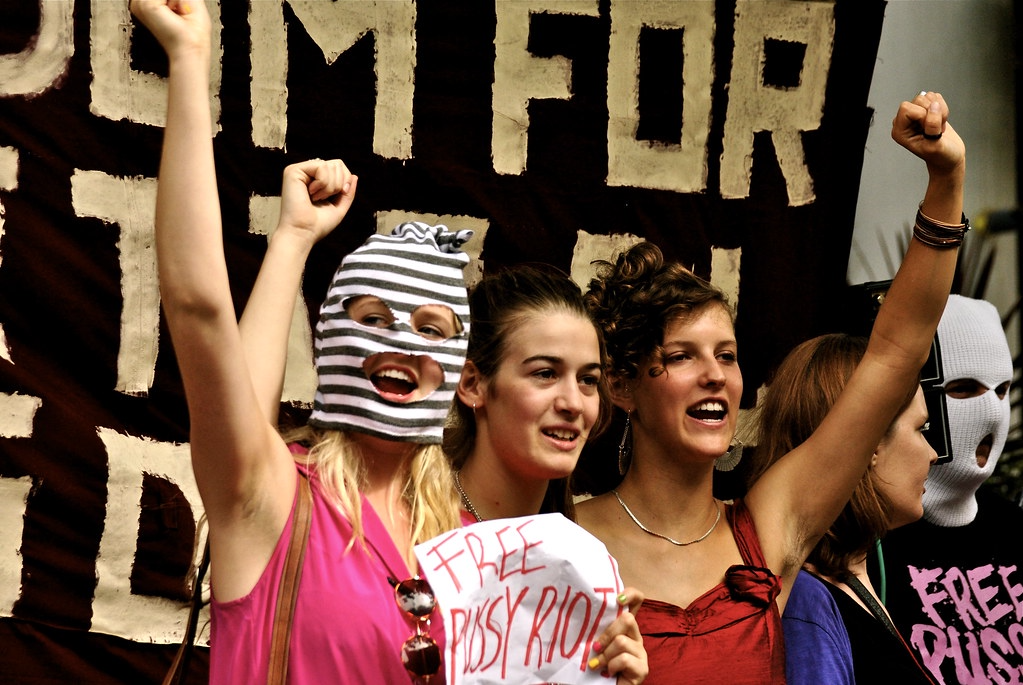
Three women, one wearing a ski mask, holding their fists in the air and yelling while holding "free pussy riot" sign.

Pussy Riot Global Day. Eyes on Rights. CC BY-NC-SA 2.0

The members of Pussy Riot, a Russian punk rock and performance art group, are no strangers to prosecution. Their political activism has landed them in legal trouble in the past. In 2012, the band briefly took over a cathedral in Moscow and performed a “punk prayer” by the church’s altar. The lyrics called for the Virgin Mary to expel Putin from Russia. As a result, three members of the group, Maria Alyokhina, Nadezhda Tolokonnikova and Yekaterina Samutsevich, were convicted of hooliganism, religious hatred and plotting to undermine social order and sentenced to serve two years of imprisonment in a penal colony, a decision that sparked worldwide protests. 

Two women in ski masks holding up a large banner that states "Free Pussy Riot"

Free Pussy Riot - Tel Aviv Israel. דוג'רית. CC BY-SA 4.0. 

On November 21st, 2023, Nadya Tolokonnikova, was arrested again, this time in absentia, for the charge of “insulting the religious feelings of believers.” The charge carried a maximum fine of about $3,400 (300,000 roubles), forced labor, and up to one year of imprisonment. In Russia, this law is often referred to informally as the “Pussy Riot Law,” and was written while the members were in court for their 2012 performance. The charges against Tolokonnikova were leveled in response to a 2022 performance art piece called “Putin’s Ashes” in which Tolokonnikova and eleven other women, all wearing balaclavas, set fire to a portrait of Putin.

Young woman, Nadya Tolokonnikova, standing on stage in front of small podium delivering an emotional speech.

Nadya Tolokonnikova. Steve Jurvetson. CC-BY-2.0. 

In March of 2024, Pussy Riot Member Lucy Shtein was sentenced in absentia to six years in prison for a tweet the activist and artist posted in March of 2022 criticizing Russia’s military activities in Ukraine. Commenting on a video allegedly of Ukrainian soldiers shooting the legs of Russian POWs, she stated that the Russian soldiers had come “to bomb other people’s cities and kill people.” Since launching its invasion of Ukraine, the Russian government has begun prosecuting citizens who speak out against the war. In 2022, the State Duma, the lower house of the Russian legislature, amended the criminal code to make it illegal to support an end to the war or to spread any information on Russia’s military activities that contradicts the official version presented by the Russian Ministry of Defense. As of 2023, there have been more than 19,700 detentions of citizens who participated in anti-war activities, and as of 2024, 929 cases have been filed against citizens under this law. The new law has been criticized as an attack on freedom of assembly, freedom of speech, political opposition and activism, and it was under this law that Shtein was sentenced. 

Shtein escaped from house arrest in Russia with her girlfriend and fellow Pussy Riot member Maria Alyokhina shortly after the invasion in Ukraine had begun, earning her a spot on the Ministry of Internal Affairs wanted list. Shtein had been accused of violating coronavirus restrictions and placed on indefinite house arrest after participating in rallies in support of opposition leader Alexei Navalny. Shtein and Alyokhina fled to Iceland, where they were granted citizenship in 2023. 

Despite being unable to return to their homeland, Pussy Riot members continue to tour internationally. On June 20th, 2024, Tolokonnikova will be opening an art exhibition entitled RAGE in Austria. In 2017, Maria Alyokhina wrote a memoir, "Riot Days," recounting her experiences with Russia’s criminal system. In 2024, the band adapted the memoir into a show described as “a mixture of concert, rally, theater and political happening” touring in Canada and Europe. 

TO GET INVOLVED 

Pussy Riot: You can support Pussy Riot here by buying their merchandise, or a ticket to one of their upcoming shows in Chicago, IL, US or Riddu Riddu, Lyngen, Norway.

Stand With Ukraine: The "Riot Days"tour raised funds for the children’s hospital Ohmatdyt in Kyiv, Ukraine. While the show is no longer on tour, you can still donate to the hospital.


Rebecca Pitcairn

Rebecca studies Italian Language and Literature, Classical Civilizations, and English Writing at the University of Pittsburgh. She hopes to one day attain a PhD in Classical Archeology. She is passionate about feminism and climate justice. She enjoys reading, playing the lyre, and longboarding in her free time. 

University Encampments and the Future of Free Speech

What the pro-Palestine encampments and the official responses to them mean for the future of protest.

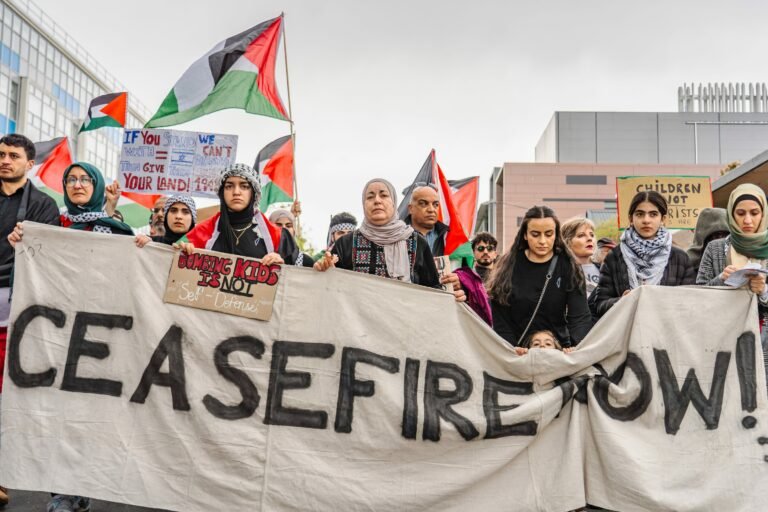
Protestors holding up a large "Ceasefire now" banner at a protest. Palestinian flags are raised in the background with other protest signs.

Protestors holding up a pro-Palestine “Cease Fire Now!” banner. Sword & Shield. CC BY 3.0 NZ

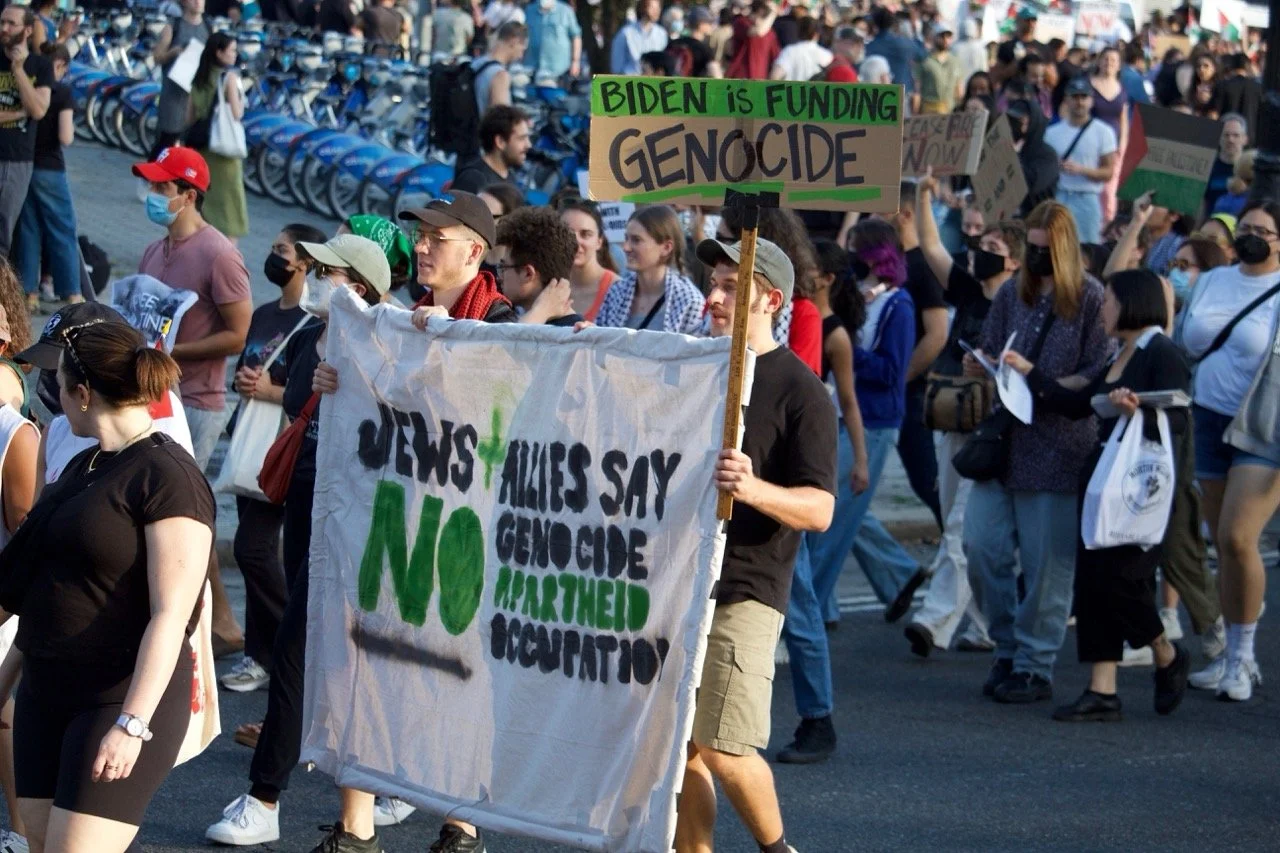
Will encampments continue to be an effective mode of protest? Palestine solidarity is growing worldwide, especially among college students. Inspired by protests at Columbia, students at numerous universities have established pro-Palestine encampments, urging the institutions to divest funds that support Israel, aiming to halt the mass killing in Gaza. Since October 7, thousands of Palestinians have been killed, and nearly half the population is suffering from malnutrition. Encampments sprang up at major universities worldwide, including McGill, Trinity, Oxford and the University of Tokyo. Robert Cohen, a professor at NYU, told ABC News that he considers encampments to be the biggest student movement of the 21st century. The varying responses globally reflect the nuanced nature of encampments, balancing concerns for student safety with protecting their right to freedom of speech. Some universities, such as Wesleyan University and Oxford University, are more tolerant of the encampments, allowing them to continue so long as they remained nonviolent and nondisruptive. Other schools, such as UCLA and UT Austin, have taken a different approach and alerted the police and attempted to remove encampments by force, leading to thousands of student arrests. Students at Brown University and UC Berkeley dismantled encampments after reaching agreements with officials to discuss divestment strategies. Pro-Palestine encampments and the varied responses to them have compelled students to reflect on the extent to which their right to freedom of speech is protected.

While “freedom of speech” is a broad term, the US Constitution's First Amendment specifies that it includes the right to peacefully assemble and the right to petition the government, but it has limits and cannot justify violence. According to FIRE (Foundation for Individual Rights and Expression), while police can dismantle encampments that disrupt class or block student traffic, they can not interfere or issue arrests out of personal bias. However, rights to freedom of speech vary by institution, especially between public and private schools. Private universities are not necessarily required to follow constitutional rights, and universities driven by religious or military interests may prioritize other values over freedom of speech. In the context of encampments, there doesn’t seem to be a large correlation between university type and response from officials. One pattern that has emerged is that most student arrests are occurring in urban areas like New York and Los Angeles. The media has wielded a dual influence, serving as both an inspiration for global encampments and a source of delegitimization. Across the internet, students are labeled as “entitled” and “immature,” facing criticism from professors, government officials and religious leaders who deride their anti-imperialist goals as unrealistic.

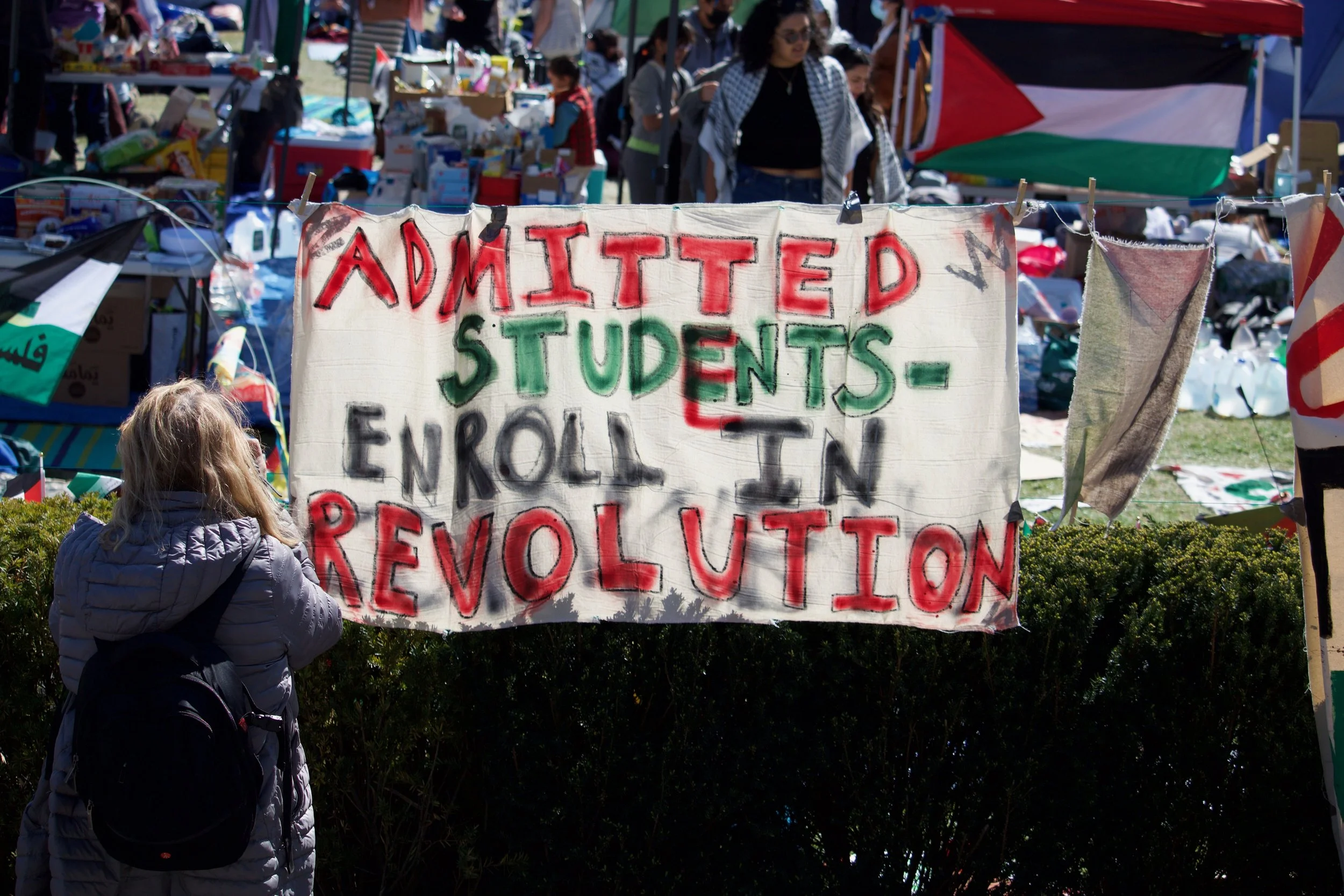
A large protest sign above the encampment that states "Admitted students- enroll in revolution"

Columbia Encampment Day After NYPD Raid. Pamela Drew. CC BY-NC 2.0

Some argue that history is repeating itself with the rise of pro-Palestine encampments. During the Vietnam War, students at universities worldwide urged institutions to cut ties with the military and ultimately end the war through pro-peace propaganda and counterculture lifestyles, most notably at UC Berkeley and Columbia. Students held abolitionist views toward the armed forces, viewing the military as systematically oppressive.

With semesters wrapping up and campuses quieting down, encampments are naturally disassembling, even if no agreements have been reached with universities. As November's election approaches, more members of Gen Z are eligible to vote. It remains unclear as to whether or not young voters will support Biden, as they criticize his support for the Israeli military, emphasizing a lack of unity amongst Democrats. Regardless of short-term and long-term outcomes, pro-Palestine encampments have demonstrated the role students can play in fostering dialogue and raising awareness, ultimately reshaping public opinion. Recent events have prompted discussions about whether or not students are protected by their First Amendment rights when establishing encampments, forcing us to reconsider the essence of free speech.

TO GET INVOLVED

UNRWA (United Nations Reliefs and Works Agency) is an organization that provides direct relief to Palestine refugees. Donate to provide humanitarian relief to those affected here.

Call on Congress and President Biden for an immediate cease-fire via moveon.org

Check out the Palestine Resource Guide, which provides updates on the latest news and resources pertaining to Palestine. Find a protest/event near you here.

Agnes Moser Volland

Agnes is a student at UC Berkeley majoring in Interdisciplinary Studies and minoring in Creative Writing, with a research focus on road trip culture in America. She currently writes for BARE Magazine and Caravan Travel & Style Magazine. She is working on a novel that follows two sisters as they road trip down Highway 40, from California to Oklahoma. In the future, she hopes to pursue a career in journalism, publishing, or research.

How Geoffrey Chaucer Inspired Pro-Migrant Literary Social Action in the U.K.

In the U.K., writers and refugees collaborate to end indefinite detention.

The United Kingdom’s immigration policy allows it to detain migrants indefinitely while the government resolves their immigration status. The U.K. is the only country in Western Europe with this law; other European nations have a maximum time limit to detain people, usually ranging from about a month in France to six weeks in Germany. In 2015, a group of writers and activists in the United Kingdom combined forces to create the Refugee Tales—a short story collection and an annual walk to raise awareness about indefinite detention for migrants in the U.K. The Refugee Tales seeks to put a 28-day time limit on immigration detention.

The walk mimics the style of fourteenth-century poet Geoffrey Chaucer’s “The Canterbury Tales.” In his poem, a diverse group travels from London to Canterbury, telling stories throughout the journey to entertain each other. The Refugee Tales takes a broader scope, engaging people worldwide for social change. 

As a part of the Refugee Tales, established writers partner with those impacted by the U.K.’s indefinite detention model. The writer transcribes their narratives. Those sharing their stories may work within the immigration system as social workers or interpreters. Oftentimes, they are migrants who have experienced indefinite detention. Writers share these stories with walkers during the evening—as Chaucer’s characters did with their tales—and compile them in short story collections, read them aloud in videos, and share them in news outlets. 

The written work created between author and refugee lies at the heart of the movement. Storytelling works to raise awareness about the problems migrants face on their journey to the U.K. and in these detention centers. 

Scottish author Ali Smith, who wrote “How to be Both” and won the Baileys Women’s Prize for Fiction, is the patron of The Refugee Tales. She described storytelling as “an act of profound hospitality.” Transcribing the stories refugees tell elicits “sympathy and empathy” from listeners. 

Smith wrote “The Detainee’s Tale,” telling of a young man who arrived in the U.K. as a victim of human trafficking. After escaping, he found a community at a church that advised him to reach out to the Home Office—the U.K.’s ministerial department responsible for security and immigration—for help.  

“You do it,” Smith writes as the young man says. “You write to the Home Office. They come. They arrest you. They put you in prison for six months because the passport you’ve got is the wrong kind.”

Many British literature scholars view Chaucer as the “Father of English poetry.” “The Canterbury Tales” is a staple in many British literature classes. Telling refugees’ stories in the style of a quintessential British text is a political statement, making these refugees a part of the cultural canon and saying they deserve a place in the United Kingdom.

TO GET INVOLVED:

The Walk: The Refugee Tales will host their annual walk this year from July 6-10 from Edenbridge in Kent to Westminster in London. You can buy tickets to participate in the walk. 

The Stories: For easier yet impactful involvement, listen to or purchase the books full of the U.K.’s refugees’ tales.


Annie O’Brien

Annie is a third-year student at George Washington University studying English, Creative Writing, and History. From Philadelphia, she is an avid reader, pop-culture enthusiast, and traveler. She’s always eager to talk about her adventures abroad and domestically, whether it's telling about the time she hitch-hiked in Bavaria or offering recommendations for the best bookstores in Key West. She hopes to become a published author one day. Enjoy more of her writing on her Substack.

Confronting Houselessness Crisis Worldwide

With the 2023 Supreme Court case of City of Grants Pass, Oregon v. Gloria Johnson circulating the headlines and threatening the rights of 653,104 unhoused people in the United States, understanding how other countries are addressing the issue of houselessness can help provide perspective.

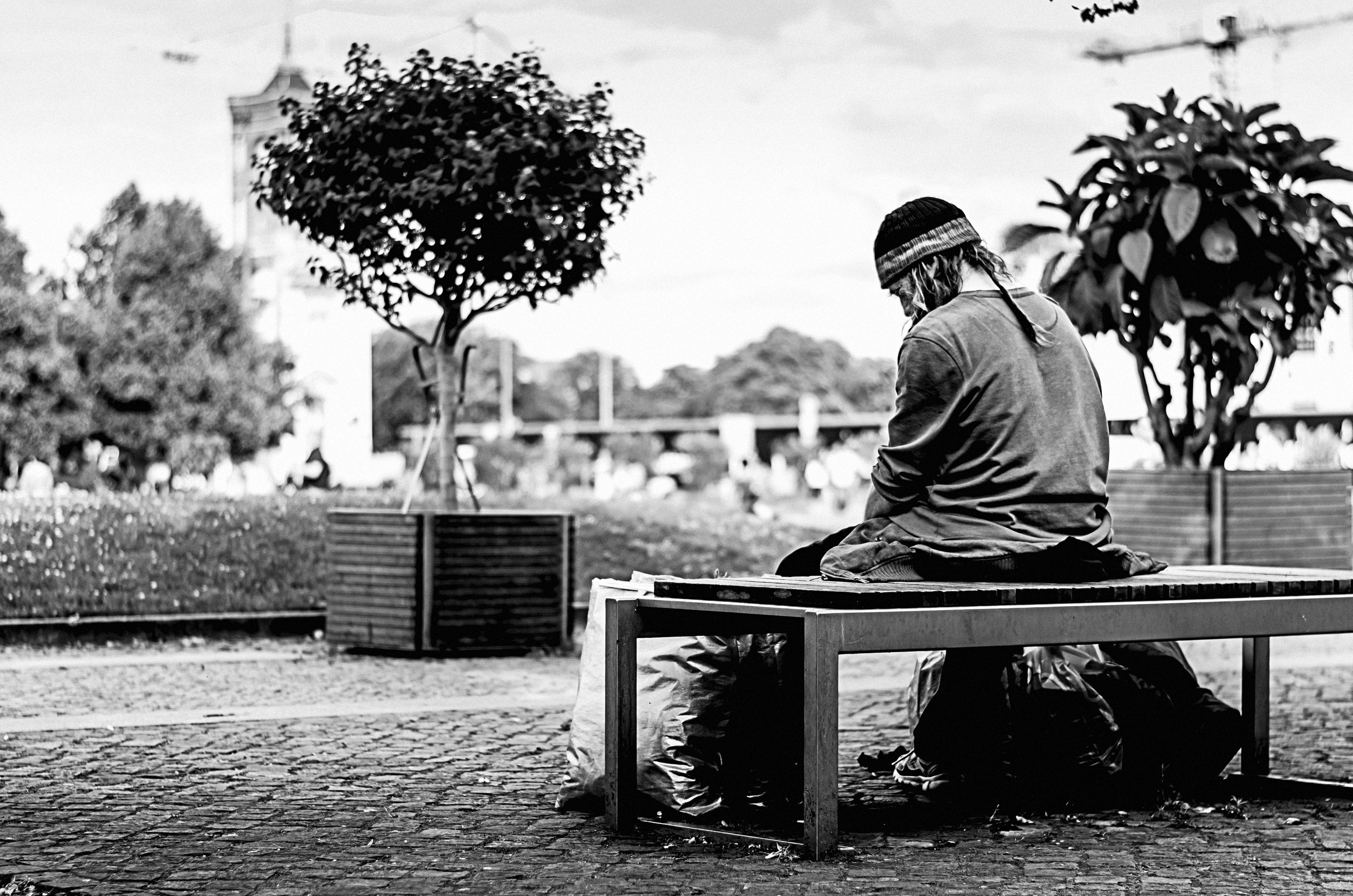
A black and white image in a city park of the back of a person sitting with their belongings on a bench

A person sits on a bench with their belongings. Grego. CC0 1.0

In 2020, the world denied an estimated 1.6 billion people the human right to adequate housing. Societies often stigmatize houselessness, leading to discrimination against unhoused people. This stigma often contributes to the criminalization of houselessness. 

Houselessness is criminalized when laws can punish people for partaking in life-sustaining activities in public spaces. Examples of these laws include prohibitions on panhandling or allowing the confiscation of personal property, often referred to as “sweeping.” 

The Supreme Court's decision in the City of Grants Pass, Oregon v. Gloria Johnson case will determine whether it is constitutional for states to fine or arrest people for sleeping outside, even when adequate shelter is unavailable. This comes at a time when houselessness is on the rise across the U.S., with a 12 percent increase between 2022 and 2023. Los Angeles and New York City are home to about a quarter of America's unhoused population. 

In the U.S., houselessness is a highly politicized issue. The 2020 Democratic platform endorsed a Housing First policy that prioritizes accessible permanent housing, stating that, “Having a stable and safe place to live is essential to helping a person tackle any other challenges.” In contrast, Republicans on the Joint Economic Committee released a report in 2022 criticizing Housing First policy for failing to “to address deeper problems that often drive homelessness”. The lawmakers proposed that Housing First policy be replaced with policy that prioritizes health and employment resources. The debate over solutions persists as houseless populations rise.

The City of Grants Pass, Oregon v. Gloria Johnson case is not the first time laws explicitly criminalizing houselessness have been on the global radar. In 2018, Hungary enacted a new constitutional provision that put houseless people sleeping in public spaces at risk of fines or arrest. Since the passage of this law, the number of houseless people in Hungary has not changed, with an estimated 30,000 houseless people in both 2018 and 2024

Hungary is far from the only country to combat houselessness with criminalization. Many governments have turned to this strategy, from the forced institutionalization of houseless children in Brazil to laws authorizing the arrest of people loitering in Sierra Leone and Nigeria. 

Other countries have taken a different route in tackling this crisis by increasing accessible housing and resources. Finland’s Housing First Policy focuses on providing people with housing and addressing underlying conditions and factors contributing to their houselessness. Since the Housing First policy began in 2008, the number of long-term houseless people in Finland decreased by more than 35 percent. Some policies combine punitive and welfare measures. The government in Tokyo, Japan has combined these strategies by punishing people for residing in public spaces while redirecting them to welfare resources.

Beyond policy, technological innovations present potential solutions for this issue. In India, Tvasta Manufacturing Solutions collaborated with Habitat for Humanity to create 3D-printed homes. These homes can be built in five days or less, are about 30 percent cheaper than traditional construction and create less waste. The 3D-printed homes industry is now present across the globe from Africa to Mexico

Beyond the world of policy and technology, everyday people can directly take action to help address houselessness. Destigmatization is an important step in addressing this issue. Experts recommend advocacy and creating public education campaigns to help people understand and empathize with unhoused people. Attending educational opportunities such as events hosted by the UN Working Group to End Homelessness is a great way to learn and engage with people fighting for the right to adequate housing.

For those looking to make an impact on a local scale, there are many volunteering opportunities with organizations such as CaringWorks or the National Coalition for the Homeless. With an estimated 1.6 billion people expected to be impacted by the housing crisis in 2025 and an estimated two billion people fearing climate-related displacement, the time to act is now.


Madison Paulus

Madison is a student at George Washington University studying international affairs, journalism, mass communication, and Arabic. Born and raised in Seattle, Washington, Madison grew up in a creative, open-minded environment. With passions for human rights and social justice, Madison uses her writing skills to educate and advocate. In the future, Madison hopes to pursue a career in science communication or travel journalism.

Miles4Migrants' Pledge to Reunite 70,000 Families

Through the donation of unused travel rewards, Miles4Migrants has leveraged $17 million worth of donated frequent flier miles to reunite vulnerable individuals affected by war, persecution or climate disaster with their families.

A group of people embracing in hugs and big smiles in a small town courtyard.

Courtesy of UNHCR.

Founded in 2016 by Seth Stanton, Nick Ruiz and Andy Freedman, Miles4Migrants (M4M) emerged as a philanthropic force dedicated to the cause of preventing families from being torn apart by displacement. With a resolute focus on leveraging donated frequent flyer miles and points, the non-profit organization strategically orchestrates flights, intricately navigating global airline alliances, airline routes and immigration regulations for families who have received legal approval for relocation. 

Donors are asked to commit a minimum of 1,000 to 47,500 points or miles, depending on the program. After pledging, the flight booking team at M4M will match the donated miles with an individual or family seeking asylum or with refugee status but who cannot afford airfare to relocate. The matching process looks at which itinerary will get the most out of a donation, which case will keep the most family members together on the same reservation, the fastest flight route, and the least booking friction for the donor. The matching process may take several weeks, and M4M will keep donors informed, providing the recipient's photo(s) and a story detailing how their contribution has made a difference. In addition to frequent flyer miles, donors can contribute travel vouchers and cash. Miles4Migrants presently accepts a wide range of vouchers, including those from Alaska Airlines, American Airlines, United Airlines, Delta Air Lines, Southwest Airlines, JetBlue, Allegiant Air and others.

Miles4Migrants has achieved remarkable feats since its inception, facilitating travel for an impressive 43,187 individuals spanning 98 countries. This commendable endeavor, valued at an astounding $17 million, has been made possible by redeeming an impressive 775 million miles, courtesy of generous donors.

The organization's recent appearance at the UNHCR Global Refugee Forum in Geneva underscored its commitment to an innovative and ambitious strategy. M4M’s Executive Director Glaydon de Freitas revealed a visionary multi-currency system, integrating money, frequent flyer miles, credit card points, and travel vouchers. This multi-faceted approach, coupled with M4M's expertise in flight booking and strategic partnerships with major airlines, ensures a cost-effective and efficient procurement of airline tickets.

During the forum, Miles4Migrants boldly pledged to reunite 70,000 forcibly displaced individuals with their families by 2030, with an initial goal of reuniting 10,000 families in the upcoming year. This resolute commitment aligns seamlessly with Global Compact On Refugee’s Roadmap 2030 on third-country solutions for refugees and the broader multi-stakeholder initiative to reunite at least 1 million refugee families by 2030.

To achieve these tremendous family reunification goals, Miles4Migrants has meticulously outlined specific strategies. These include identifying the most value-efficient flight options across all airlines, proactively mobilizing resources, utilizing a comprehensive database system for efficient tracking, providing post-booking support to NGO partners, and fostering crucial partnerships with airlines and corporations.

In fact, corporate partnerships and long-term sponsorships have emerged as linchpins in Miles4Migrants' operation. The Shapiro Foundation, led by President Ed Shapiro, stands as a keystone partner, generously committing to funding 500 flights in 2024, contributing significantly to the nonprofit's goal of reuniting 70,000 families by 2030. A recent collaboration with The Points Guy (TPG), a prominent name in the travel industry, further exemplifies the importance of corporate support. TPG became an official corporate sponsor and pledged to match cash donations of up to $15,000. At the end of its five-week campaign, TPG raised 5,561,479 miles (worth nearly $120,000), receiving more than $1,487 in flight vouchers, and—thanks to TPG and Lonely Planet matches—raised $30,275 in cash donations. Miles4Migrants said it was the second-highest number of miles contributed from any partner campaign and also one of the highest cash amounts it has been able to raise. The donations were enough to fly around 500 people to safety.

Get Involved

The call to action is clear—dormant travel rewards can catalyze change. Miles4Migrants implores individuals to consider donating unused frequent flyer miles, credit card points or travel vouchers to play a pivotal role in reuniting families and offer fresh starts to those in need. The organization encourages supporters to amplify its cause through social media, whether that be through sharing impactful stories, motivating friends and family to contribute unused rewards, or organizing local events to bolster collective efforts.


Raeann Mason

Raeann is a traveler, digital storyteller, and guide writer with a Mass Communication & Media degree from the Walter Cronkite School of Journalism. She is passionate about a/effective journalism and cultural exchange and advocates for international solidarity and people's liberation. Her work at CATALYST focuses on reshaping the culture of travel and hospitality to be more ethically sound and sustainable.

Turkey’s Last Remaining Armenian Village Puts its Culture on Display

Discover the poignant legacy of Turkey's Armenian community at Vakifli, the country's last remaining Armenian village, now home to its inaugural museum, inviting visitors to explore this cultural heritage.

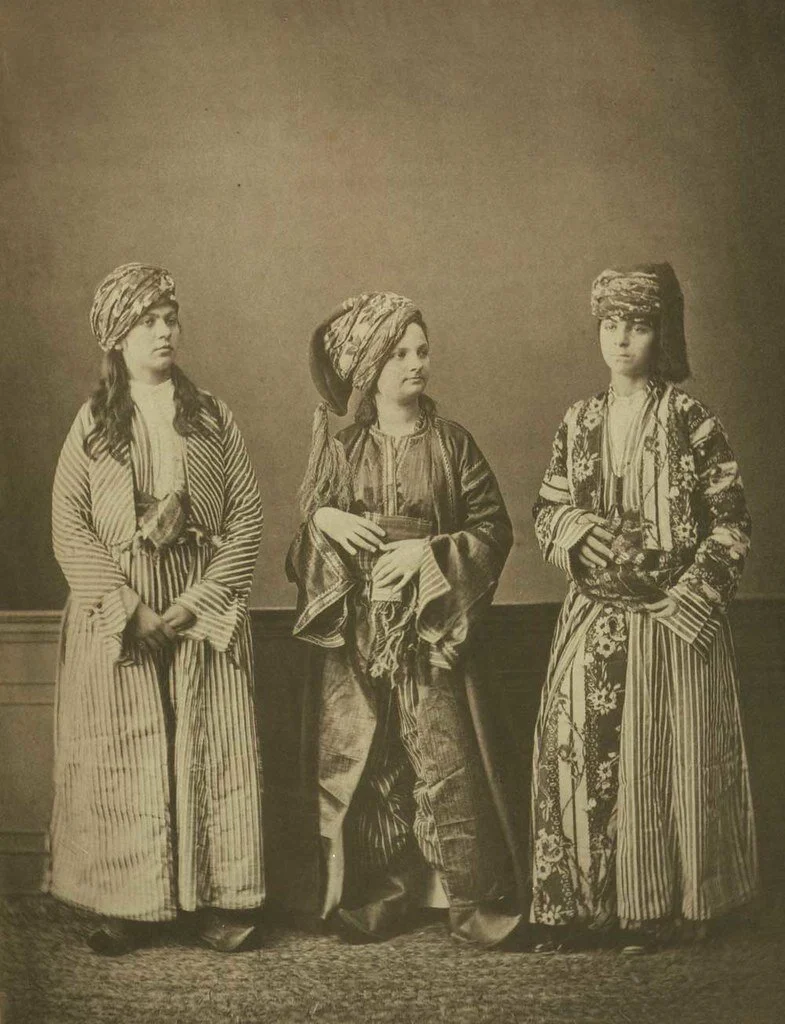
Kurdish, Armenian and Turkish women. Yeucelnabi. CC BY-ND 2.0

Most of Turkey’s Armenian population disappeared following Turkey’s leading role in the 1915 Armenian genocide. Even today, there is only one Armenian village left in the country. While Turkish-Armenians’ rich history has slowly started to wane, many community members have come forward to teach the world of their heritage. The last remaining village is Vakifli, located in Turkey’s southern Hatay province. Home to only about 100 people, it is a popular spot in the summer for those hoping to get in touch with their Armenian roots. Now the village’s first museum has opened, giving visitors more than enough reason to visit Vakifli.

History of the Armenian Genocide 

Armenians being deported. Narek781. CC BY-SA 2.0

Long before the term “genocide” was coined after the Nazis’ attempt to eradicate all Jews during World War II, the Turkish-Armenians suffered a similar fate with an estimated 1.5 million deaths. In 1915, the Ottoman Empire was in decline. At the time, over 2 million Armenians lived in Turkey; by 1922 there were fewer than 400,000. Before the Ottoman Empire’s collapse, the Christian Armenians were granted religious freedom but were subjected to higher taxes, lower wages and an overall lower standard of living.

In 1908, the Young Turk movement, mostly made up of junior army officers from the Ottoman Empire, took control of the empire in an attempt to “Turkify” the region. The group was led by a powerful triumvirate who called themselves the “Three Pashas.” During World War I, the Young Turks sided with Germany but were eventually defeated. According to The New York Times, , “Armenians were blamed for siding with the Russians” against the German-led Central Powers and were subsequently massacred under the rule of the “Committee of Union and Progress,” a political party representing the Young Turks. Harsh measures were launched against the Armenians, such as making it legal to arrest Armenians on the “sense” of them being a threat. Abandoned Armenian property was confiscated, mass deportations sent men off to labor camps to be worked to death, and “death marches” led Armenian women and children across the Syrian desert to their own concentration camps. Though the German government was reportedly “disgusted and horrified” by the Turkish government’s actions, the Three Pashas fled to Germany after the Ottoman Empire’s fall in 1918 and were given protection

To date, the Turkish government still does not acknowledge the events that occurred surrounding the genocide of Turkish-Armenians. Legal action is even used; mentioning the Turkish state’s role in the 1915 Armenian genocide is often met with arrests and prosecution

Vakifli Village 

Musa Dagh, where Turkish-Armenians successfully resisted Ottoman troops. anthiok. CC BY-NC-SA 2.0

The small village of Vakifli was established by Armenians who “successfully resisted the Ottoman army’s attacks” in 1915. 4,200 villagers were forced to retreat onto the nearby Musa Dagh (Mount Musa), “holding out for 53 days” before being rescued by Allied warships from Egypt. They were not able to return home until after the end of World War I.  Vakifli sits between the Mediterranean Sea and the Syrian border and is a beautiful and unique village with a dialect no Western Armenian can understand. The iconic church that sits in the middle of the village was restored in 1994 and reopened to visitors. Now, with decreased job opportunities and lower standards of living, many of the younger generation have moved to Istanbul, a city holding far greater opportunities. This leaves the older generation to continue to hold on to what remains of the village’s culture. Recently, Vakifli has attempted to diversify its economy by promoting ecotourism and organic farming.

The Launch of Their First Museum

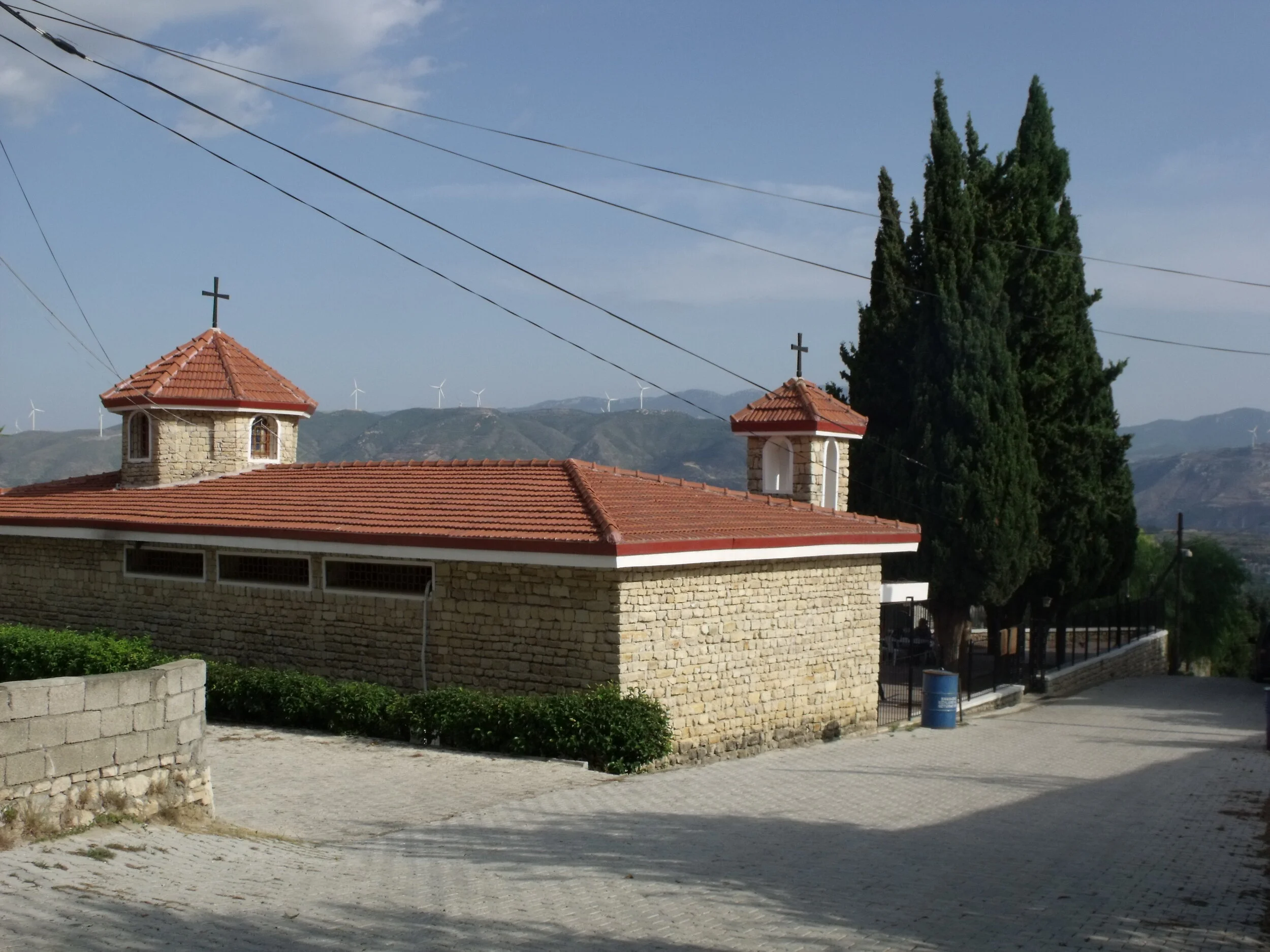
Vakifli church. Nurretingulay. CC BY-SA 3.0

While COVID-19 delayed the official opening of a museum celebrating Turkish-Armenian culture, even now the space is welcoming visitors. Filled with donated items such as audio recordings, photographs, traditional garb and one of the most popular exhibits - the wedding dress - the Vakiflikoy Museum shows visitors “how villagers speak,” along with their beliefs, holidays, food and traditions. Lora Baytar, the museum’s founder, and her husband hope that it gives Turkish-Armenian people a museum where they can preserve their history and culture for all the world to see.


Elizabeth Misnick

Elizabeth is a Professional Writing and Rhetoric major at Baylor University. She grew up in a military family and lived in Europe for almost half her life, traveling and living in different countries. She hopes to continue writing professionally throughout her career and publish her writing in the future.

Protests for Palestine and Israel Take Off Around the World

Countries across the world have taken to protest in response to the Israel-Hamas War.

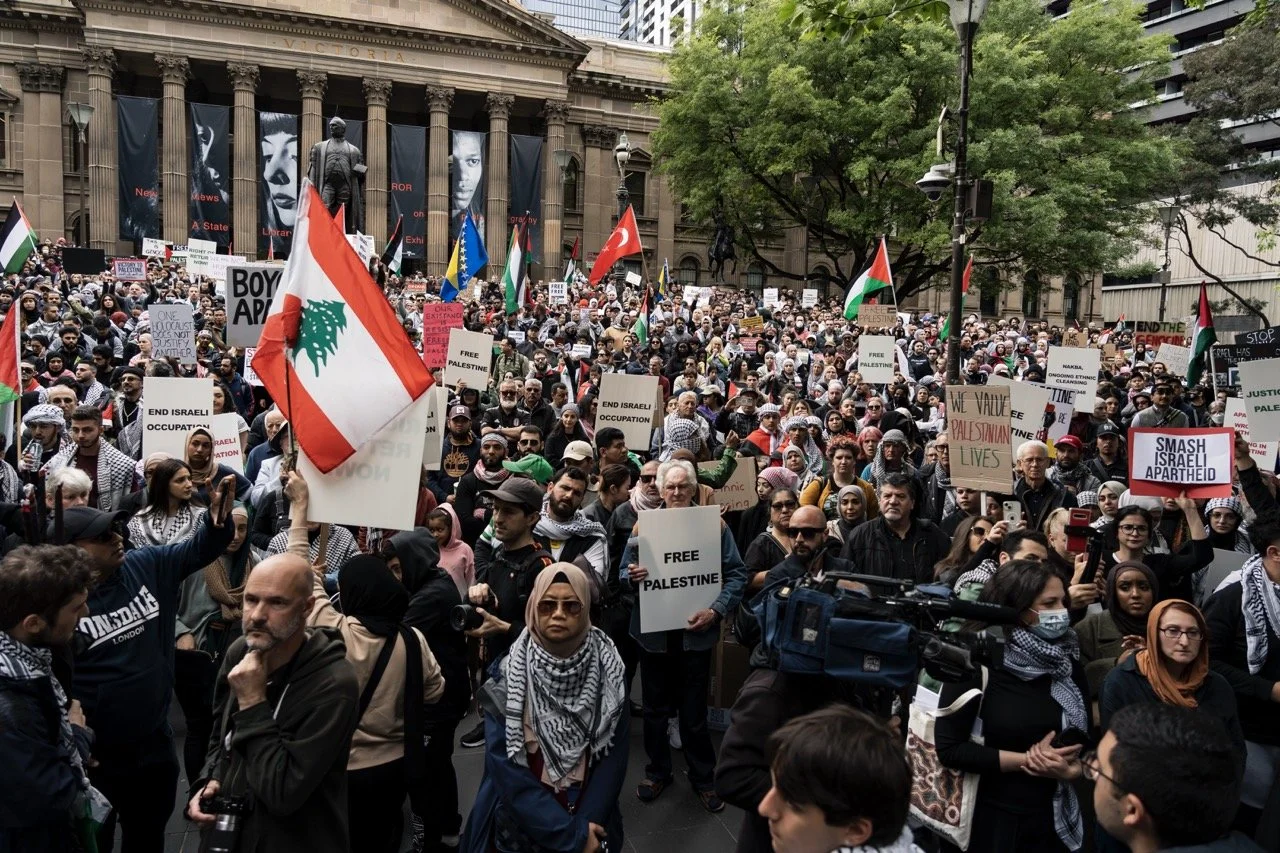
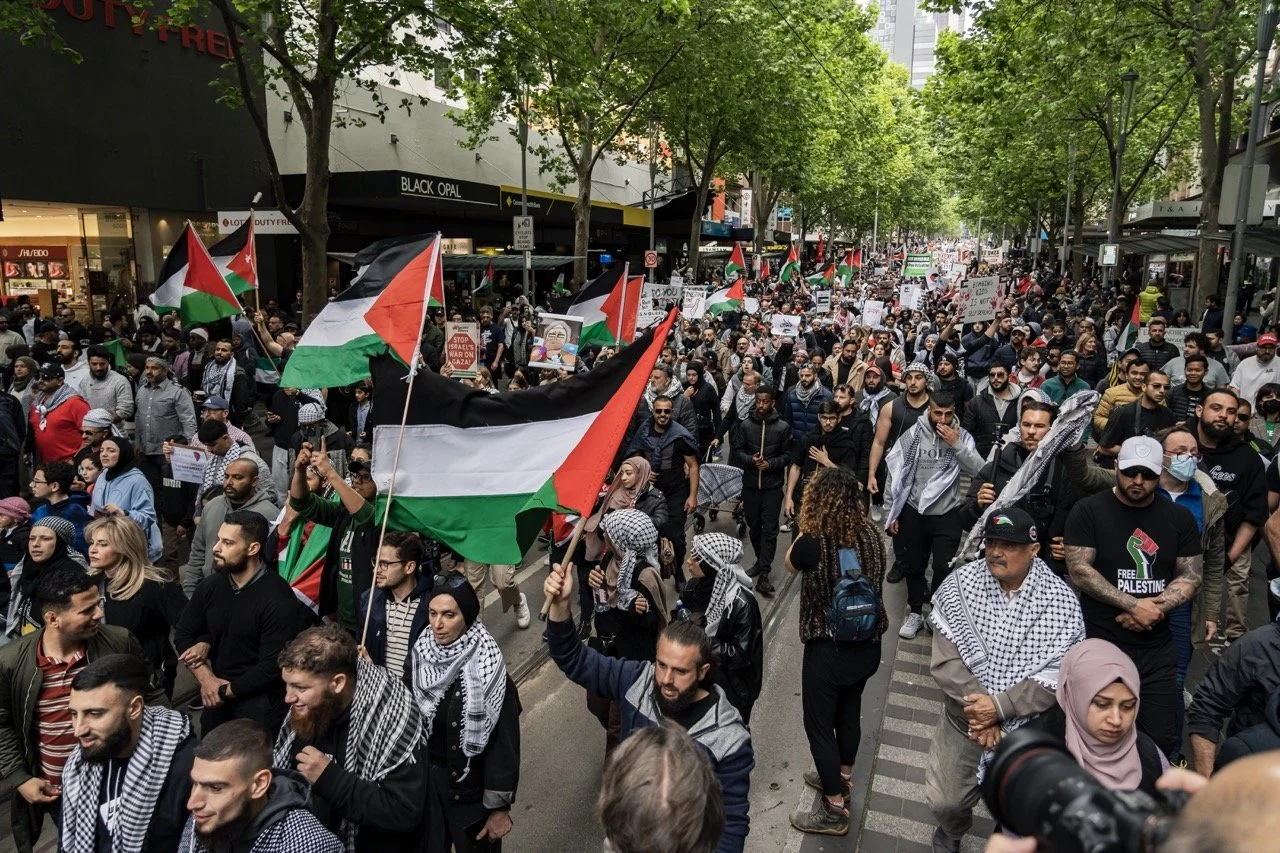
Protest for Palestine in Melbourne. Matt Hrkac. CC BY 2.0

On October 7, Hamas launched an unprecedented attack on Israel from the Gaza Strip that killed more than 1,200 people. Since the assault Israel has responded with a ground invasion that has resulted in the death of more than 11,000 people in the exclave. In light of the growing humanitarian crises in Israel and Palestine, protests supporting either side in the conflict erupted globally. 

In the Middle East, and particularly Egypt, pro-Palestinian rallies have broken out, expressing solidarity with the population of Gaza over the hostilities. A mass protest on October 20 resulted in the prosecution and detainment of at least 100 people at al-Azhar Mosque in Central Cairo. On October 29, thousands gathered in Islamabad, which became the largest pro-Palestine rally in Pakistan since the beginning of the war in October. Protests denouncing Israel’s aerial bombardment in Gaza have ramped up around the Middle East, particularly in Jordan. On October 13, riot police dispersed hundreds of protestors attempting to reach a border zone within the West Bank. Jordanian anti-riot police clashed with protesters again on October 18 after demonstrators planned to march to the Israeli embassy and were torching property along the way. In Africa, Israel has substantial support from the Ivory Coast and Kenya, but public sympathies have predominantly tilted toward the Palestinians.

Reactions to the war have varied across Europe. In Paris, hundreds gathered on October 12 to express solidarity with Palestinians and call for a ceasefire from Israeli strikes in Gaza. This demonstration resulted in police using tear gas and water cannons to control crowds. Across France there were around 40 other demonstrations, including one in Lyon with an estimated turnout of 5,000 people, according to French police who, again, used force to control the protest. Conversely, thousands marched in support of Israel. On October 9, a crowd gathered at Place du Trocadero for a march that rallied 20,000 people at an Eiffel Tower lit to resemble the flag of Israel. 

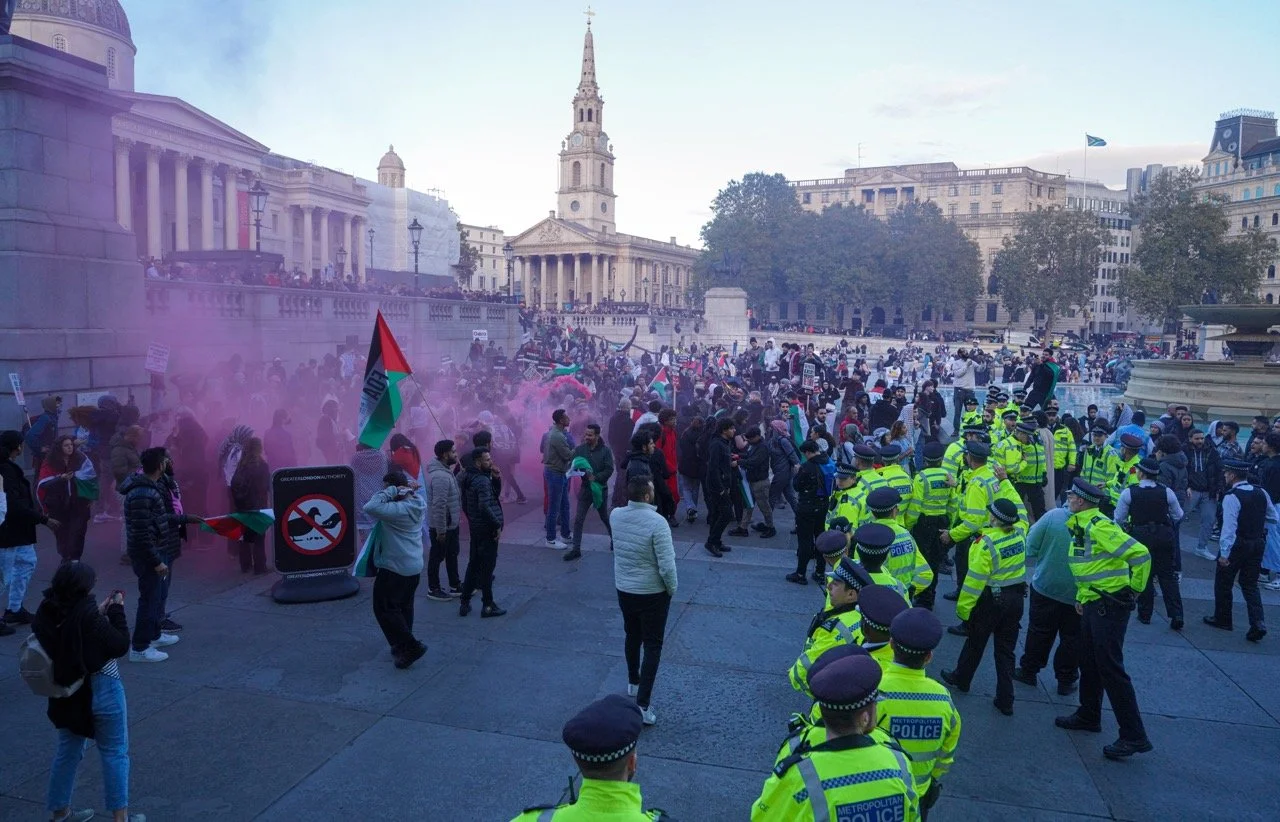
London has also experienced thousands of pro-Palestine protests. On October 21, nearly 100,000 protestors took to the streets of Central London to call for an end to Israel’s bombing of Gaza. Hundreds more gathered in Trafalgar Square on November 5 for a sit-in that brought Oxford Circus to a standstill. On November 11, hundreds of thousands of people gathered for what became the largest pro-Palestine protest in British history. Demonstrators also expressed support for Israel in Trafalgar Square in response to the pro-Palestine demonstration a day before. The rally filled Central London Square and included posters of those who are missing, calling for the release of hostages taken by Hamas in the initial attack. 

Palestine Solidarity Protestors in Trafalgar Square, London. Alisdare Hickson. CC BY 2.0

Similar to Europe, in the United States there has been widespread support for the Palestinian cause. A November 4 protest in Washington D.C. drew supporters from around the country with 300,000 people in attendance, making this the largest pro-Palestine mobilization in U.S. history. Other cities across the country have also demonstrated support for Palestine: hundreds marched in Boston on October 16, over 1,000 people attended a demonstration in Chicago on October 18 and a peaceful march on November 7 in New York City. Tens of thousands of demonstrators have crowded city streets to demand a ceasefire in Gaza, including Jewish advocacy groups. On October 27, thousands of Jews gathered in Grand Central Station to denounce the violence against Palestinians. The gathering was organized by the Jewish Voice for Peace organization, which held a second protest on November 6 at the Statue of Liberty, attended by hundreds. The group has been involved with cities across the country and has mobilized demand for a ceasefire in many other places: JVP-Philly, JVP-Seattle, JVP-BayArea and JVP-Triangle (Durham NC). In concentrated efforts, universities across the country have held protests. At Harvard University, more than 1,000 students rallied in Harvard Yard in support of Gaza on October 15. In Providence, around 500 Brown University students walked out of class on October 25 to support Palestine and a second walkout was held on November 8. On the evening of the 8th, a peaceful sit-in of about 20 Jewish students took place in Brown’s University Hall.

Jewish Allies for Palestine in NYC. Pamela Drew. CC BY 2.0 

Comparable to other global responses to the conflict, Asia has also experienced an influx of pro-Palestine support. In Indonesia and Malaysia, protests against Israel’s offensive in the Gaza Strip have erupted. In Jakarta, thousands gathered at the National Monument on November 5 to express solidarity and support with Gaza. In Kuala Lumpur, 15,000 people gathered on October 15 to condemn Israel’s attacks, including prominent politicians such as former prime ministers Muhyidden Yassin and Mahathir Mohamad. Much of Southeast Asia has been swept by solidarity for Palestinians, including Singapore, and in response to the ban on public rallies, activists have mobilized online to demonstrate their support. In New Delhi, two Muslim scholars used a WhatsApp display photo reading ‘I stand with Palestine’ to extend their support. Online mobilization has perhaps created a way to reach a broader audience. In India, pro-Israel rallies have been permitted; however, there has been a crackdown on Palestinian solidarity demonstrations.

In Latin and South America, protests have spread across most countries in support of the Palestinian cause, including Belize, Bolivia, Brazil, Chile and Venezuela. On November 4, pro-Palestine supporters gathered on Avenida Paulista in Sao Paulo for a demonstration. They held rolled clothes stained with red paint to represent children who have been lost to the violence. Outraged by the conflict, thousands gathered on October 25 at the outskirts of Santiago de Chile for a concert expressing solidarity with Palestinians. Support for Israel in South America in the form of protests or demonstrations appears to be minor; however, it may just be overwhelmed by the abundance of support for Palestine.

In Australia, pro-Palestine rallies in Sydney have called for the government to drop its support for Israel. On October 5, 20,000 people participated in a pro-Palestine rally that came after the one in Washington D.C., calling for a ceasefire of the hostilities. Protests in Australia have continued to be primarily pro-Palestine, with 15,000 marching through Sydney on  October 21 and other rallies held in Perth, Hobart and Brisbane. On November 7, a pro-Palestine protest of about 100 people blocked a busy intersection in Melbourne. The police subsequently used pepper spray on the activists and dragged them from the intersection in an attempt to get traffic moving again. Hundreds of people showed up to a protest the following day, preventing trucks from entering the operating area of an Israeli shipping line.

Melbourne Rally for Palestine. Matt Hrkac. CC BY 2.0

Even in the midst of polarized opinions, Jewish peace activists in the United States called for a ceasefire in Gaza and justice for Palestinians. 10,000 people, including Jews, marched on Capitol Hill on October 18, calling on the U.S. government to stop providing aid to Israel and acknowledging the conflict as a “sobering reminder” of Jewish history. Stark reminders of Jewish people lost to or missing in the conflict have taken shape in the form of “kidnapped” posters or empty Shabbat tables, representing the plight of the Israeli psyche and spreading awareness of those being held hostage. These kidnapped posters have subsequently been torn down by anti-Israel activists, quickly become its own form of protest, often characterized as antisemitic. An empty Shabbat table installation was created in Times Square to raise awareness for the 224 hostages being held by Hamas. An estimated 290,000 people gathered on November 14 in D.C. to demonstrate the solidarity of the Jewish community and in response to critics of the Israeli military.

Globally, people are demanding peace and justice through action. In spite of challenges towards a sustainable solution, global protests embody the collective hope for Israelis and Palestinians to coexist in peace and security.

TO FIND OUT WHERE TO JOIN PROTESTS

Jewish Voice for Peace - As the largest anti-Zionist organization in the world, this group identifies themselves as a political home for Jews on the left and a Jewish community with solidarity for the Palestinian cause. 

Palestine Solidarity Campaign - PSC is the biggest organization in the UK, dedicated to securing Palestinian rights and freedom for everyone in the region.

National Students for Justice in Palestine - The group supports over two hundred Palestine solidarity organizations on college campuses in the U.S. and Canada, promoting an agenda for Palestinian liberation.

ANSWER Coalition - As an acronym that stands for Act Now To Stop War and End Racism, the coalition has mobilized anti-war and peace movements for the people of Palestine.

Palestinian Feminist Collective - PFC is a group of Palestinian and Arab feminists committed to Palestinian liberation by addressing gendered and sexual violence.

Rabbis for Ceasefire - A group of Rabbis who have called for ceasefire to genocidal violence, calling on American representatives to demand immediate action.

Israeli-American Council - The IAC’s mission is to build a united community of Israeli-Americans to strengthen the Jewish identity. It is the United States’s largest Israeli-American organization.

The Jewish Federations of North America - Made up of 146 federations across North America, the group's mission is to protect and enhance the well-being of Jewish people through contributions to Jewish communities and Israel.


Mira White

Mira is a student at Brown University studying international and public affairs. Passionate about travel and language learning, she is eager to visit each continent to better understand the world and the people across it. In her free time she perfects her French, hoping to someday live in France working as a freelance journalist or in international affairs.

The Essential Palestine Reading List

Dive into this collection that illuminates the rich tapestry of Palestinian history and culture.

An aerial view of Palestine. CC0

Curated with a respect for the multifaceted narratives of the region, this collection encapsulates an array of perspectives, histories and lived experiences. Each title delves deep into the heart of Palestinian identity, the intricacies of the conflict and the resilient spirit of a people striving for justice and peace.

NON-FICTION

1. They Called Me a Lioness 

by Ahed Tamimi and Dena Takruri

Ahed Tamimi, an iconic Palestinian activist, garnered global attention for her fearless activism against the Israeli occupation. Her imprisonment as a teenager after confronting an Israeli soldier in her village of Nabi Saleh turned her into a symbol of Palestinian resistance. This compelling memoir offers a firsthand account of Tamini’s experiences and the ongoing struggle for justice in Palestine, providing profound insight into the realities Palestinians face under occupation.

2. The Ethnic Cleansing of Palestine 

by Ilan Pappé

In this seminal work, Ilan Pappé meticulously traces the events of the 1948 Palestinian exodus, revealing the hidden reality of forced displacement and the establishment of Israel. With unflinching detail, Pappé unearths harrowing stories of dispossession and illuminates the profound impact of this historical upheaval on the Palestinian people.

3. Love Is an Ex-Country 

by Randa Jarrar

In her memoir, Randa Jarrar fearlessly challenges stereotypes about Muslims and Palestinians. Embarking on a cross-country journey, Jarrar proudly embraces her queer, Muslim, Palestinian and unapologetically confident identity, offering a raw, authentic exploration of the intricacies of life.

4. The Iron Cage: The Story of the Palestinian Struggle for Statehood 

by Rashid Khalidi

Historian Rashid Khalidi masterfully dissects the intricate history of Palestinian nationalism and aspirations for statehood. With scholarly precision, Khalidi navigates through decades of political intrigue, chronicling the challenges, setbacks and enduring resilience of a people bent on self-determination and recognition on the world stage.

5. The Hundred Years' War on Palestine 

by Rashid Khalidi

Rashid Khalidi's meticulously researched book paints a vivid historical tapestry from the 1800s to the present in this unshrinking account of the assault on Palestinian society.

6. We Are Not Here to Be Bystanders 

by Linda Sarsour

Linda Sarsour's memoir portrays her journey from Brooklyn to becoming a powerhouse in activism, stirring profound reflections on solidarity and advocacy.

7. Except for Palestine 

by Marc Lamont Hill and Mitchell Plitnick

Marc Lamont Hill and Mitchell Plitnick's critique navigates the inconsistencies within progressive circles, urging universal consistency in advocating for all oppressed communities.

FICTION

1. Mornings in Jenin 

by Susan Abulhawa

Susan Abulhawa crafts a poignant, multigenerational narrative that traverses the emotional terrain of a Palestinian family's journey through displacement and loss. Through exquisite storytelling, Abulhawa offers a deeply moving portrayal of resilience amid a tumultuous landscape of conflict and highlights the enduring spirit of the Palestinian people.

2. The Tiny Journalist: Poems 

by Naomi Shihab Nye

Naomi Shihab Nye, the esteemed Palestinian-American poet, weaves poetic wonders inspired by Janna Jihad Ayyad, Palestine's youngest journalist. Ayyad, capturing anti-occupation protests at the age of seven using her mom's smartphone, becomes Nye's muse in this must-read collection.

3. You Exist Too Much 

by Zaina Arafat

Zaina Arafat's debut novel is a transcontinental tale which oscillates between the United States and the Middle East. A fresh voice in Palestinian-American literature, Arafat artfully dismantles Israel’s pinkwashing while unraveling the complexities of Palestinian society for diverse readers.

4. Enter Ghost 

by Isabella Hammad

Isabella Hammad's evocative narrative navigates modern-day Palestine, delving into the artist's struggles amid diaspora, displacement, and the shadow of occupation.

5. Evil Eye 

by Etaf Rum

Etaf Rum's exploration of womanhood as a Palestinian American is a profound journey through intergenerational trauma, clashes of culture and labyrinthian family dynamics.

6. Salt House

by Hala Alyan

Set in the aftermath of Israel’s conquest of the West Bank and Gaza in the 1967 Six-Day War, "Salt Houses" chronicles a Palestinian family's odyssey from their homeland to Kuwait, painting a poignant legacy of longing and displacement passed through generations.

7. Mother of Strangers 
by Suad Amiry

"Mother of Strangers" presents a cinematic love story against the backdrop of the Nakba in Jaffa, weaving themes of love, loss, and a nation's upheaval.


Raeann Mason

Raeann is a traveler, digital storyteller, and guide writer, with a degree in Mass Communication & Media from the Walter Cronkite School of Journalism. She is passionate about a/effective journalism and cultural exchange, and is an advocate of international solidarity and people's liberation. Her work at CATALYST PLANET focuses on reshaping the culture of travel and hospitality to be more ethically sound and sustainable

Amsterdam's Quest for a Safer Red-Light District

Propositions for legislative shifts strive for balance between tourism, public safety and the well-being of sex workers.

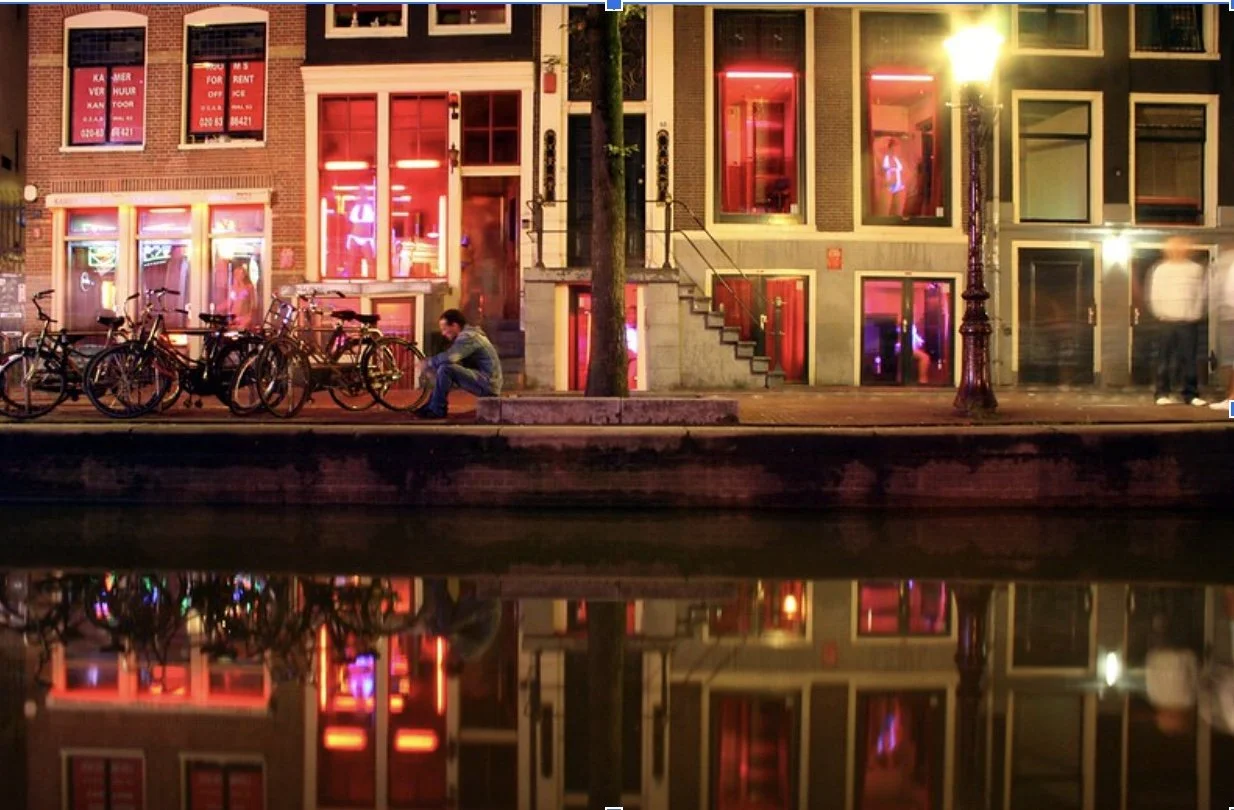
Red Light District Canal Street View. Alejandro Forero Cuervo. CC BY 2.0

For decades Amsterdam has been inundated by rowdy crowds of eager sightseeing tourists and a hotspot for visitors craving a subversive experience. The Netherlands’ progressive capital has long had a uniquely tolerant approach to often prohibited substances such as marijuana and psilocybin as well as toward the legalization of sex work. While the city openly celebrates this unique facet of its culture, the Dutch government has been forced to grapple with an influx of unruly visitors and an increasingly polluted, noisy, and at times unsafe Red Light district.

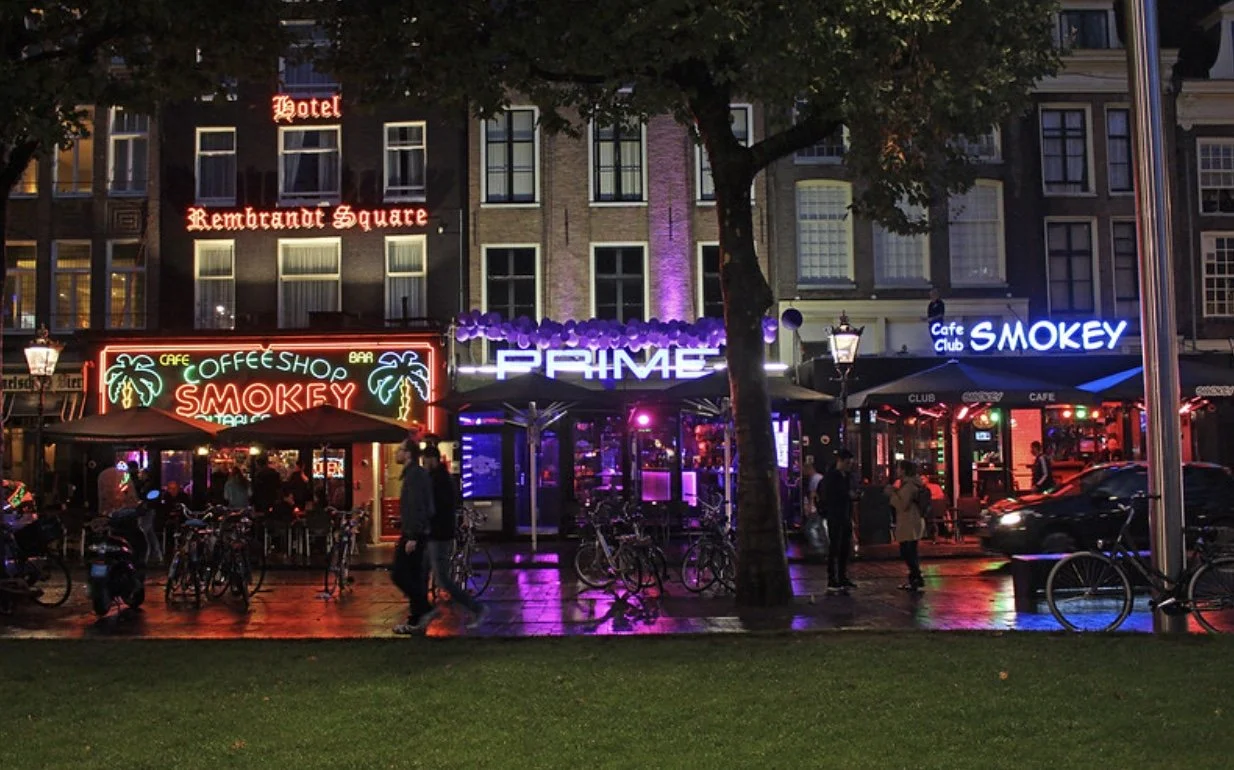
Amsterdam Smoke Shops. Travelmag.com. CC BY 2.0

In response to the district’s increasingly obstreperous environment, the city sought to address local residents’ noise and substance abuse concerns by proposing new regulations this past spring. The city has insisted on earlier closing times for bars (2 a.m., with no entry after 1 a.m.), stopped sex workers from working after 3 a.m., and banned the use of marijuana, alcohol, and other drugs in the streets. In response to the city’s regulatory shifts entrepreneurs, business owners and bartenders have been outspoken in frustration against the new policies, claiming little has changed in regards to the safety and cleanliness of the area. Sex workers have also voiced complaints over the restriction placed on the time they are allowed to work, expressing concern that the reduced hours have put them under financial pressure. This destitution can force them to accept clients they would normally reject. 

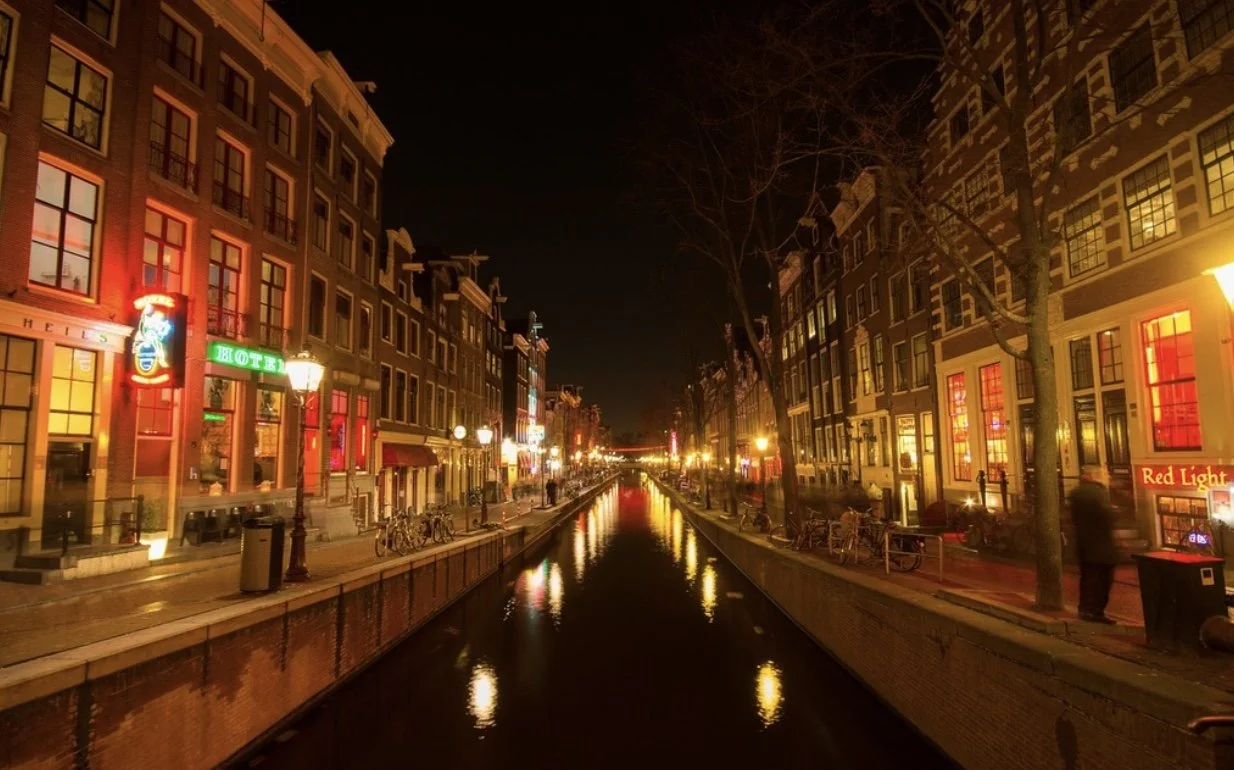
Canal View Red Light District. Pixabay.com. CC BY 1.0

To further alleviate the pressure on the Red Light district, Amsterdam's authorities are considering a more drastic approach: creating a new location for legal sex work in a different neighborhood. This new location would be in a suburban area, and many are referring to the proposed locale as a “suburban erotic center” The goal of the move is to spread out the demand and ease the burden on the current district. 

Since the legalization of sex work in the Netherlands in 2000 the country has been vigilant about enforcing a safe environment for individuals in the field, with regulations in place to combat human trafficking and other criminal behavior. For instance, sex work is illegal to practice in any space outside of a registered business (e.g. at home, in hotels, or in public spaces). In an attempt to protect and respect workers the city has banned tours of the Red Light district, required visitors to identify themselves with a valid form of ID, and set 21 as the minimum age for sex workers. 

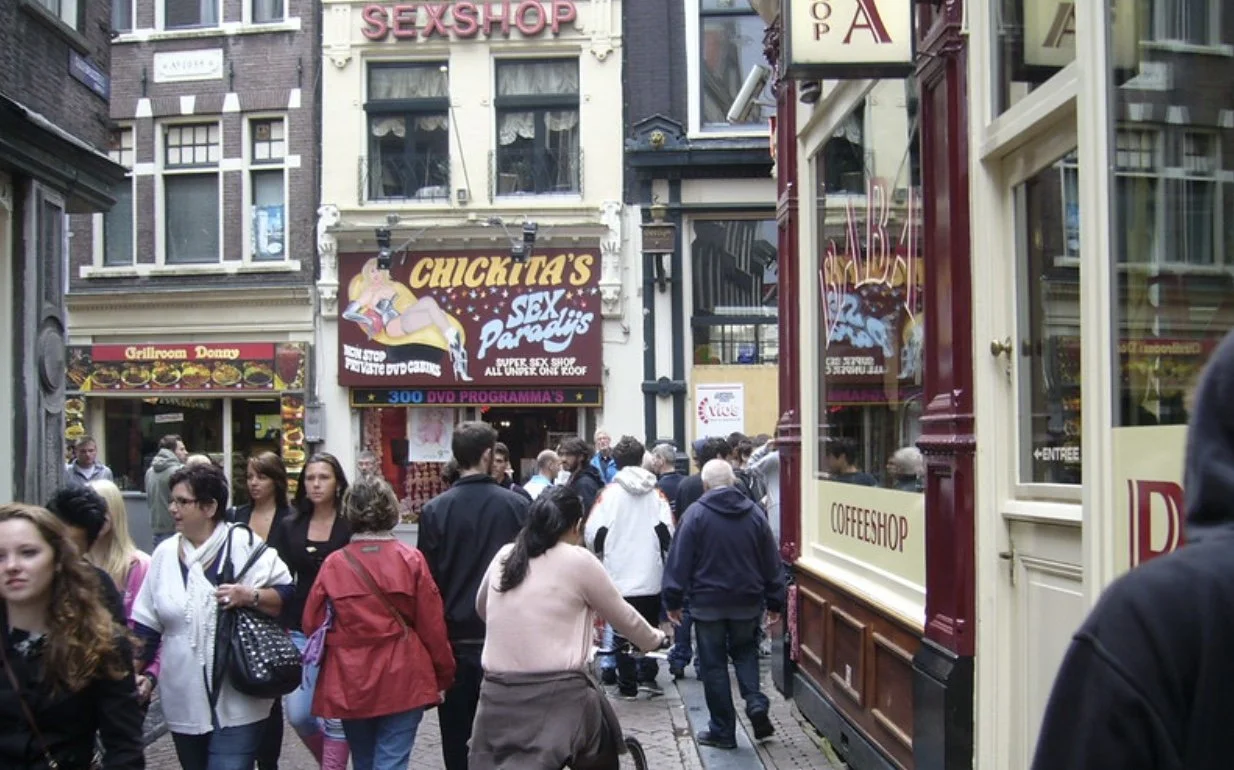
An Amsterdam Sex Shop. Rob Kievit. CC BY-SA 2.0 

The city’s proposition of a new epicenter for sex work is still in its early phases, but it would dramatically change the scope of Amsterdam’s tourism. With fewer than a million residents, the city hosts roughly 20 million visitors annually, and tourism is one of the leading markets for local businesses. Any major change to laws regarding sex work and the overall functioning of the district will inevitably lead to shifts in the travel industry. The question remains as to whether the new area created to host erotic work will fix the industry’s systemic problems and help protect workers, and if it will solve the issues of over-tourism and noise pollution. 


Avery Patterson

A rising junior at Vassar College in New York State, Avery is a Media Studies and French double major. She is an avid reader, writer, and traveler. She loves to immerse herself in new cultures and is an avid explorer who loves being in nature. She is passionate about climate and social justice and hopes to use her love of writing as a catalyst for positive change.

An LGBTQ+ Wedding in India Challenges Sikh Tradition

Criticism of a same-sex Indian wedding in Punjab inspires advocacy for LGBTQ+ rights.

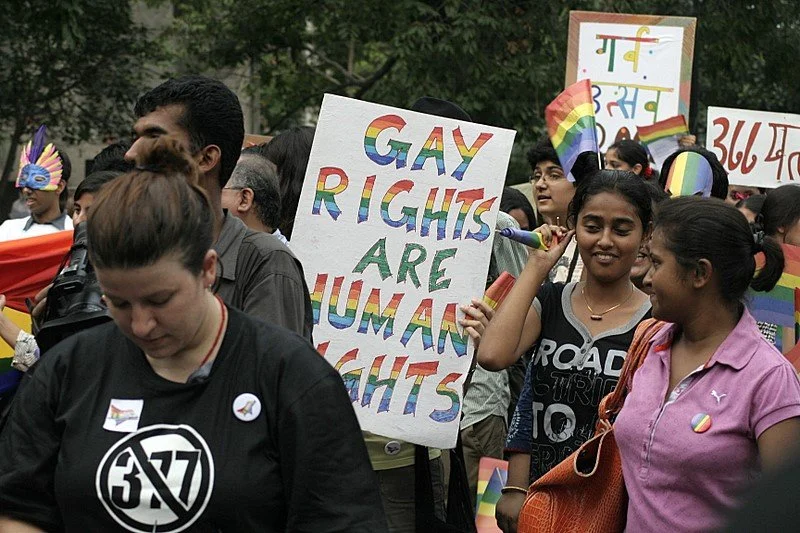
LGBTQ+ Protest in India. Ramesh Lalwani. CC BY 2.0

On 18 September, Dimple and Manisha — a same-sex couple — were married in a Sikh temple in the northern state of Punjab, India. Currently, same-sex marriages are not recognized by the Indian legal system because of the country’s laws that define marriage as the union between a man and woman. Because of this, the wedding has been declared, “unnatural and contrary to Sikh ethics,” by priest Giani Raghbir Singh, despite adherence to all the traditional Sikh rituals between a bride and groom. The event has made headlines in the northern state of Punjab, where it has resonated with those advocating for LGBTQ+ rights.

The wedding has been criticized by some religious leaders who believe that despite a commitment to Sikh traditions, the union is ultimately a “severe moral and religious violation.” This has sparked controversy with LGBTQ+ activists who, in the last decade, have made significant advances in extending LGBTQ+ rights. In 2018, India’s highest court overturned the criminalization of same-sex relations, a major milestone for the LGBTQ+ community that helped to reduce both legal and social discrimination. However, the central government still remains opposed to same-sex marriage, and is supported in this by many of the country’s major religious lobby groups — Hindu, Muslim, Christian and Sikh. Important Sikh religious leaders in the past have described homosexuality as, “against the Sikh religion,” and “totally against the laws of nature.”

Echoing these beliefs, Sikhism’s highest priest, Giani Raghbir Singh, found that the union between the two women was in violation of the religious code of conduct. Priest Hardev Singh, who conducted the marriage, has been removed from his position and may face more punitive measures for his involvement. However, Dimple, as a practicing Sikh, insisted he marry following Sikh rituals. The couple had a traditional wedding; Dimple dressed in traditional Sikh garb with customary flowers on his turban while Manisha wore a tunic, salwar bottoms, a silk scarf and red bangles. Because of the dedication of the couple to being married in a traditional Sikh ceremony, the reaction that they’ve received has left a bit of a blurred line between whether there is opposition to the LGBTQ+ community or traditions that it deviates from.

The overturning of section 377, a colonial-era law that categorized gay sex as an “unnatural offense,” was been most contested by religious groups. The judges involved in overturning this judgment have made statements reading that, “Criminalizing carnal intercourse is irrational, arbitrary, and manifestly unconstitutional,” while religious organizations have found the ruling to be shameful. Similar to India, Uganda has similar laws that date back to the colonial period. More recently, Ugandan president Yoweri Museveni signed the Anti-homosexuality act criminalizing same-sex conduct, which punishes offenders with life imprisonment or the death penalty for “aggravated homosexuality.” At All Saints’ Cathedral in Kampala, homosexuality is viewed as a sin that is against the “order of God.” Museveni, rooted in his Anglican faith, says the law prescribes rehabilitation for homosexuals to change their sexual orientation. Unlike Uganda, India appears to be more progressive in its approach to LGBTQ+ rights, especially in the marriage of Dimple and Manisha. Their wedding has not been deemed a felony, and although it is being investigated on the basis of religious violations that may invalidate the legitimacy of the marriage, the couple will not be condemned to prison or death.


Currently in the process of hearing arguments in favor of same-sex marriage, India has seen petitions regarding the Special Marriage Act of 1954. This act was amended to allow for marriage between couples from different castes or religions and petitioners have argued that it can be extended to LGBTQ+ citizens. However, the Modi government still argues that same-sex marriage represents an “urban elitist view” and has to keep in mind the views of religious denominations before making a decisive decision. The influence of religious traditions in India has been a significant factor contributing to the issues faced in the process of legalizing some LGBTQ+ rights, highlighting the indistinct line drawn between beliefs and social progress.


Mira White

Mira is a student at Brown University studying international and public affairs. Passionate about travel and language learning, she is eager to visit each continent to better understand the world and the people across it. In her free time she perfects her French, hoping to someday live in France working as a freelance journalist or in international affairs.

Indonesia's Most Dangerous Job: Mining in an Active Volcano

The mesmerizing sulfur-induced blue flames of Indonesia’s Mount Ijen attract hundreds of tourists every night, but mask one of the most dangerous jobs in the world: sulfur mining.

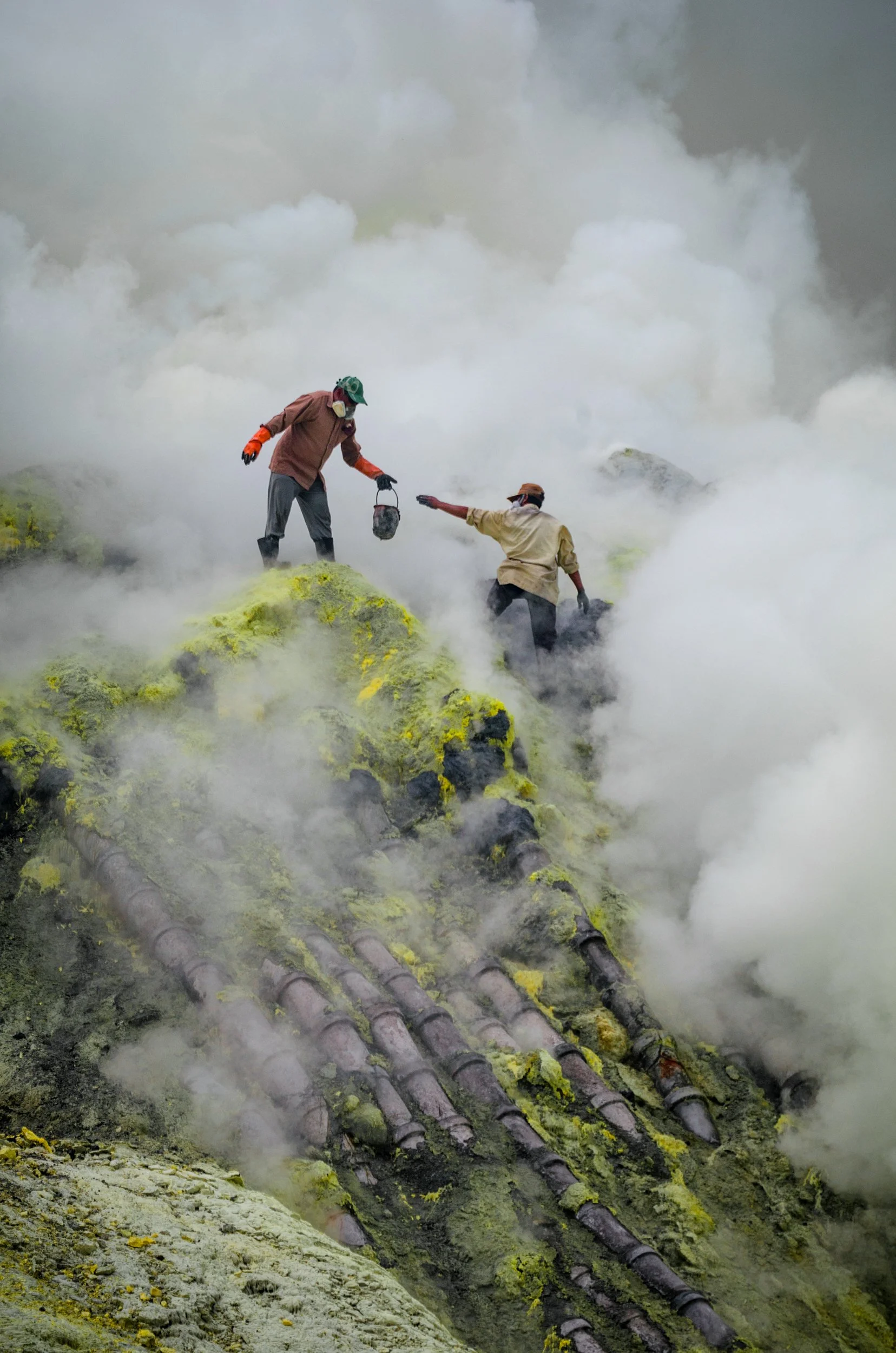
Sulfur miners of Mount Ijen. Candra Firmansyah. CC BY-SA 4.0. 

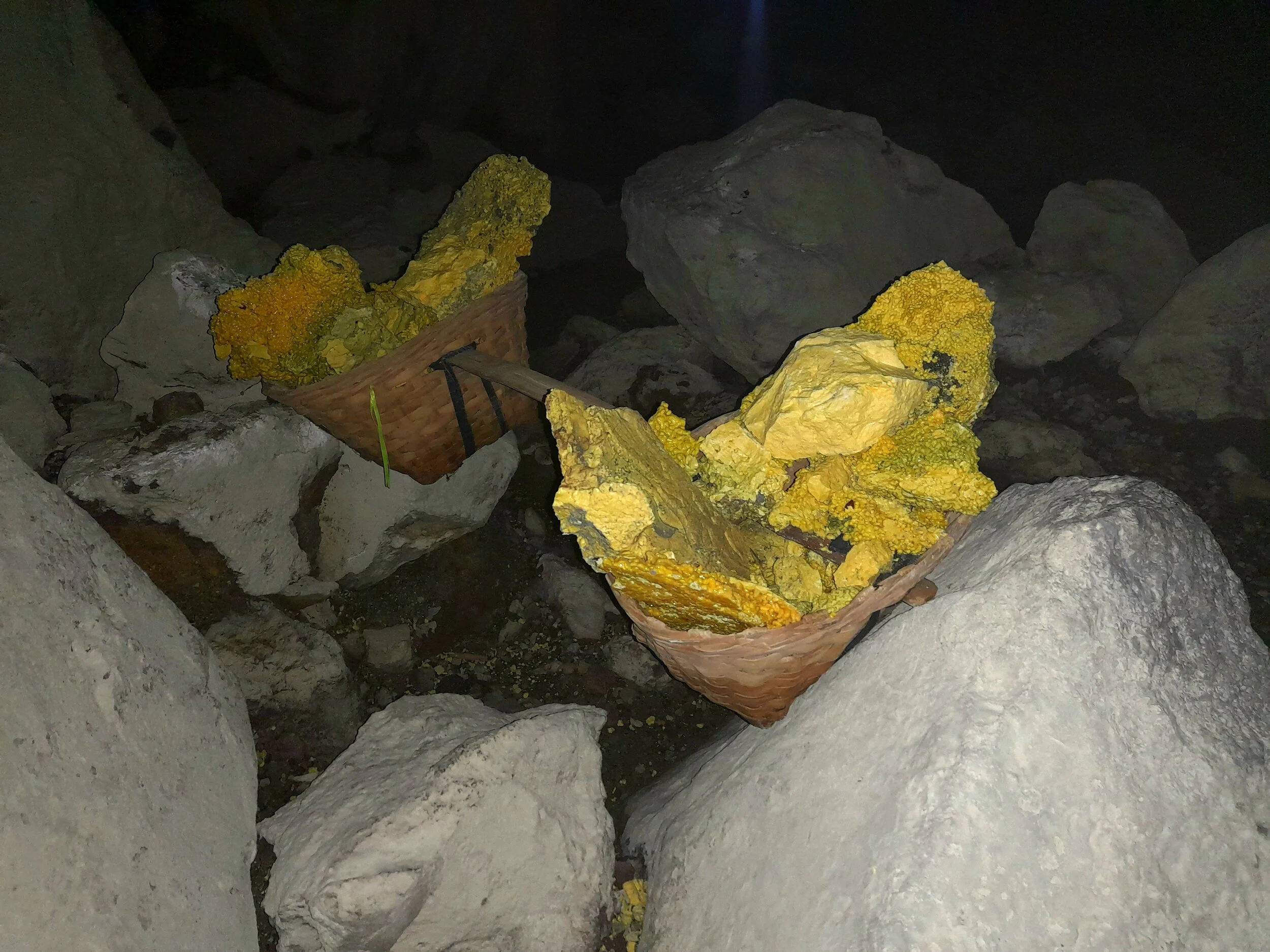
Sulphur-induced blue flames are nothing more than a mining by-product, but they have turned Indonesia’s Mount Ijen into a popular tourist attraction. Lured in by the magical phenomenon, I joined a tour group and hiked up the volcano in the hopes of getting a glimpse of the beautiful fire. But the shocking truth of what I discovered was far from magical. Sulfur miners were working in the crater. Slaving away among the fire and smoke, they wore no special clothing nor eye protection. Some did not even have gas masks. Watching the men was heart-rending, and made the blue flames seem completely insignificant. The reality of Mount Ijen is that sulfur miners work everyday in the most unforgiving environment in the world.
Blue flames at Mount Ijen. Thomas Fuhrmann. CC BY-SA 4.0.

Mount Ijen, in Indonesia, is an active volcano situated on East Java, the closest island to the holiday-maker hotspot of Bali. Possessing unique characteristics, the views at Mount Ijen are otherworldly. The volcanic crater holds the largest highly acidic lake in the world, which beams with a vibrant, almost inviting turquoise blue. Above the lake are vivid yellow rocks that have been stained as a result of sulfur gasses condensing.

Mount Ijen. Taylor Girhiny. Used with the author’s permission.

While spectacular to see, many dangers lurk in the volcano. Aside from the unpredictable volcanic eruptions, earthquakes are common and have been known to cause landslides in the crater. There was even an earthquake in 2020 that triggered a seiche-type tsunami in the acid lake. The seismic activity caused the mountain to belch poison gas and generated a three-meter wave that swept across the crater,, killing a sulfur miner.

Despite these dangers, the sulfur has drawn miners to the volcano since 1968 and has become a trade passed down through families ever since. Known locally as the ‘devil’s gold’, it is considered a commodity worth high risk. Not only do miners risk a quick death while mining, but they also experience long-term health issues and have an average life expectancy of just 50 years old.

In the dead of night, when the air is at its coolest, sulfur extraction commences. Miners start by hiking the 2000 feet incline, the equivalent of two eiffel towers, before descending into the crater. At this point, the sulfuric smell of rotten egg takes over, making it hard to breathe. Pipes that travel below the surface provide access to the sulfur. The miners use fire to heat the ground, causing the sulfur to liquidize and trickle through the pipework onto the ground outside. Left to cool and dry, the ‘devil’s gold’ takes shape in the form of rich, yellow crystalized rocks.

Melted sulfur crystallizing. Taylor Girhiny. Used with the author’s permission.

During the heating process, large clouds of harmful gas burst out from beneath the arid, rocky terrain. Each thick, opaque cloud swallows everything in its path, causing a complete whiteout. Unable to see even one meter in front of them, miners are left sightless until the miasma disperse. The atmosphere was so harsh that my throat tightened up and I was coughing after just 10 minutes in the crater. Daily exposure to these toxic fumes leaves miners with life-long respiratory issues. One miner, Udi, explained to me that his own father became blind due to repeated exposure to the fumes and, despite seeing the suffering in his family, has no choice but to follow the same line of work. 

Handmade carrier full of mined sulfur. Eva Adorisio.

Once the sulfur has been processed, it must be carried out of the volcanic crater. A steep path consisting of unsteady rocks is the only way out and, with no technology to aid in their efforts, miners must physically transport every piece of the precious material. They precariously balance up to 170 pounds of sulfur, more than their bodyweight, on their handmade shoulder carriers. Without proper back support, miners suffer back problems and often swelling in the shoulders.

Sulfur produced at Mount Ijen is sold on and used in a variety of products including detergents and cosmetics, and is even used to whiten sugar. According to Udi, one kilogram of sulfur is sold for 1000 Indonesian Rupiah ($0.065). If a miner sells a full load of sulfur that may have taken all night to produce, he will make 75,000 Rupiah (approximately $5). Surprisingly, this makes sulfur mining one of the better paid jobs in this remote area of Java. With high poverty rates, it is clear why locals risk their lives to sustain a livelihood.

Miner selling miniature baskets of sulfur as souvenirs for tourists. Eva Adorisio.

The shocking reality is that local men are putting their lives on the line for what most in the West would consider pocket money. Witnessing them work tirelessly in the most inhumane conditions is an inconceivable sight, yet has become a spectacle for tourists to gawk at. The promise of stunning blue flames may sound alluring, but in truth Mount Ijen is a merciless place that no one should have to call work.

In 2017, Ijen Assistance raised $15,000 for relief work in the region from a music video following Bas, a sulfur miner, and his family. 

Novo Amor & Lowswimmer - Terraform (official video)

TO GET INVOLVED

Providing aid after natural disasters, Islamic Relief has been working in Indonesia since 2000. After the earthquakes of 2006 and 2009, the organization responded immediately, distributing emergency supplies and later rebuilding a hospital and school. They also work to reduce the effects of poverty and have a variety of development projects across Indonesia.

Currently, there are no organizations working directly to improve the conditions for sulfur miners at Mount Ijen. Despite previous campaigns raising awareness and money, such as the ‘Terraform’ music video, miners continue to work in the same harsh conditions.


Eva Adorisio

Eva is an avid traveler and writer from Bristol, England. In her writing, she aims to show the true nature of what a place is really like. Her Italian roots have led to a love of food, culture and language. She also spends her time staying active out in nature and is always searching for the next adventure. 

Ink Under Fire: The Ongoing Struggle Against Literary Censorship

More books are being banned than ever before, posing a real threat to the universal right to freedom of expression.

A demonstrator holds up a sign against book bans in the US. Craig Bailey. CC BY-SA 2.0

For decades, authors have written about the banning of books and censoring of literature in the context of dystopian societies dominated by harsh autocratic rulers. In a world that values the free exchange of ideas and uses the written word as a means to express and share ideas, beliefs and knowledge, the act of banning books stands as a paradoxical and deeply contentious practice. Nevertheless, 2022 saw a record breaking 2,571 unique titles banned in the US alone, compared to just 566 in 2019, not to mention the handful of other countries around the world with much stronger and infamous censorship policies. Banning books raises questions about the limits of authority, the boundaries of creativity and in some cases, the very nature of truth itself — without literature, those in power can freely rewrite history.

Almost all recently banned books have been targeted due to their inclusion of LGBTQ+ characters or racial themes. Mark Mulligan. CC BY-SA 2.0

Unfortunately, it is not just books that have come under fire: Many library workers across the US and beyond have reported being harassed or even threatened with legal action and violence if they do not take certain titles off the shelves. While some books have been singled out due to racist language and themes — Mark Twain’s “The Adventures of Huckleberry Finn”, Toni Morrison’s “Beloved” and Ralph Ellison’s “The Invisible Man”, to name a few — the undeniable majority of complaints have come from conservatives who take issue with literature that touches on LGBTQ+ or contemporary racial justice topics. This latter category includes books like “Gender Queer” by Maia Kobabe, “The Hate U Give” by Angie Thomas and even the Pulitzer Prize-winning 1619 Project, which chronicles the legacy of American slavery. While some books have returned to the shelves after being banned, many have been put to the side indefinitely, setting dangerous restrictions on the types of history and social commentary available for public consumption. 

A display of books that have been banned over the past two years. Getty Images. CC BY-NC 2.0

Despite the obvious challenges this poses, writers have continued to find ways to defy unfair censorship laws and continue to publish their work. A recent example occurred when internationally renowned author Margaret Atwood published a new, fireproof edition of her award winning book “The Handmaid’s Tale”. First published in 1985, this novel has been banned in countries all over the world for reasons including its sexual content, prominent LGBTQ+ characters and anti-Christian themes. In a nod to the practice of book burning as a popular form of literary censorship, Atwood wrote in The Atlantic that trying to stop young people from reading “The Handmaid’s Tale” will, “only make them want to read it more,” and wished her critics luck. The special edition was auctioned off for $130,000 by Sotheby’s, the proceeds of which went to PEN America for their campaigns to fight literary bans.

82-year-old author Margaret Atwood aiming a flamethrower at her inflammable book, The Handmaid’s Tale. NPR. CC BY-NC-ND 2.0

Given the increased democratization of information due to the internet, Atwood’s words raise the crucial question of whether banning books is actually still an effective way to remove literature from the public sphere. In an effort to counter the effects of such bans, publishing houses, libraries and some academic institutions have compiled online databases of banned books to ensure that they are still available to the public. Another counter-movement saw PEN America join forces with National Youth Poet Laureate Amanda Gorman to challenge the banning of her inauguration poem “The Hill We Climb” at an elementary school in Florida. Even in the face of these efforts, however, the digital domain is still not safe from literary censorship. Just last year, a number of online library and reading apps used widely by students during the pandemic were targeted by parents who were uncomfortable with the titles available to their children; again, the reasons cited revolved around the inclusion of pro-LGBTQ+ themes and supposedly anti-religious content.

Banned books are made available to children at this school in the UK. St Benedict’s School. CC BY-NC 2.0

From the historic book burning bonfires to the rise of online censorship, the conflict over banned books reflects a struggle for control over narratives that challenge conventions and expand our understanding of the world. Literature has the power to challenge norms and provoke curiosity, but doing so has often put it at odds with those seeking to maintain the status quo. In a society driven by information and ideas, the censorship of literature raises a critical question: What does freedom mean if we are denied the opportunity to explore a diversity of perspectives, no matter how discomforting or provocative they may be?

Tanaya Vohra

Tanaya is an undergraduate student pursuing a major in Public Health at the University of Chicago. She's lived in Asia, Europe and North America and wants to share her love of travel and exploring new cultures through her writing.

Oppenheimer’s Critical Omission: The Relocation of Hispanic and Indigenous Populations

Intricate but incomplete, Christopher Nolan’s Oppenheimer disregards the true history of Hispanic and Indigenous populations in New Mexico.

Trinity Nuclear Test. U.S. National Archives and Records Administration. CC0.

A picturesque aquamarine sky hangs lazily above a dusty, deserted New Mexico landscape. Through a tangle of brush, a lanky Robert Oppenheimer, played by Irish actor Cillian Murphy, emerges on horseback. His eyes feast on the remote plains and he declares that besides a local boys’ school and “Indian” burial grounds, Los Alamos will be the perfect site to construct the world’s first atomic weapons.

These momentous decisions and moral quandaries are explored in Christopher Nolan’s Oppenheimer. Grossing $450 million in its first fourteen days at the box office, the 1940s period piece has cemented itself as a somewhat unlikely cultural icon. Gone are the days of Nolan’s slightly fantastical films — notably Inception (2010) and Interstellar (2014). Recently, the Academy Award-nominated director has been dipping his toes in the realism of period pieces, beginning with Dunkirk (2017) and continuing with Oppenheimer.
Nolan’s portrayal of Oppenheimer — based on the biography American Prometheus: The Triumph and Tragedy of J. Robert Oppenheimer by Kai Bird and Martin J. Sherwin — is deliberately layered. The audience travels alongside Oppenheimer over the course of his life for three hours. On one hand, Oppenheimer’s humanity is a gut punch: viewers experience his mistress’s death, his tumultuous marriage, and his gradual realization of the death and destruction his scientific creation has wrought. On the other, viewers gaze upon the physicist with disgust: the man was, as he infamously declared himself, a destroyer of worlds.

J. Robert Oppenheimer. U.S. National Archives and Records Administration. CC0.

The use of the first atomic bomb by the United States to defeat Japan and win World War II is one of the signal events of the modern era, arguably helping to prevent a land invasion of Japan that could have killed millions. Despite the magnitude of this technical and geopolitical accomplishment, the legacy of the destruction of Hiroshima and Nagasaki will forever cast a negative light on the United States government and the team of nuclear physicists involved in the development of the atomic bomb. While Nolan acknowledges this complex legacy, his portrayal of key elements of the Manhattan Project and the Los Alamos Laboratory obscures another historical moral quandary. The remote sandy vistas in Nolan’s cinematography smother the true story of Los Alamos and the Trinity nuclear test.

The reality, omitted from Nolan’s film, is that during the Manhattan Project the U.S. Government forcibly relocated Indigenous and Hispanic populations that resided in Los Alamos, New Mexico. Contrary to the movie’s dialogue, there were two dozen homesteaders and a ranch occupying the land that was taken by the government for the project, in addition to the school mentioned by Oppenheimer. The government seized the land and offered the owners compensation based on an appraisal of the land — an amount of compensation that the government itself thought was fit. Some homesteaders, however, objected to the compensation offered by the government, considering it far too little. Many in the Federal Government would eventually come to agree with them; in 2004, decades after the original compensation, Congress established a $10 million fund to pay back the homesteaders. 
Moreover, it was difficult for the homesteaders to object in the first place due to the language barrier. Most homesteaders spoke Spanish, while government officials often only communicated in English. Some families were even held at gunpoint as they were forced to leave with no explanation, due to the project’s secrecy. Livestock and other animals on property were shot or let loose. Livelihoods were destroyed along with these animals.

Los Alamos Colloquium of Physicists. Los Alamos National Laboratory. CC0.

The element of secrecy surrounding the Manhattan Project and the Trinity nuclear test disrupted the lives of families living directly on Los Alamos land. But, for the 13,000 New Mexicans living within a fifty mile radius of the Trinity test (in Jornada del Muerto, New Mexico), the nuclear explosion truly seemed to be the end of the world. Because the mushroom cloud was visible from up to 200 miles away from the test site, and no civilians knew tests were being conducted, fear erupted in concert with the explosion. 
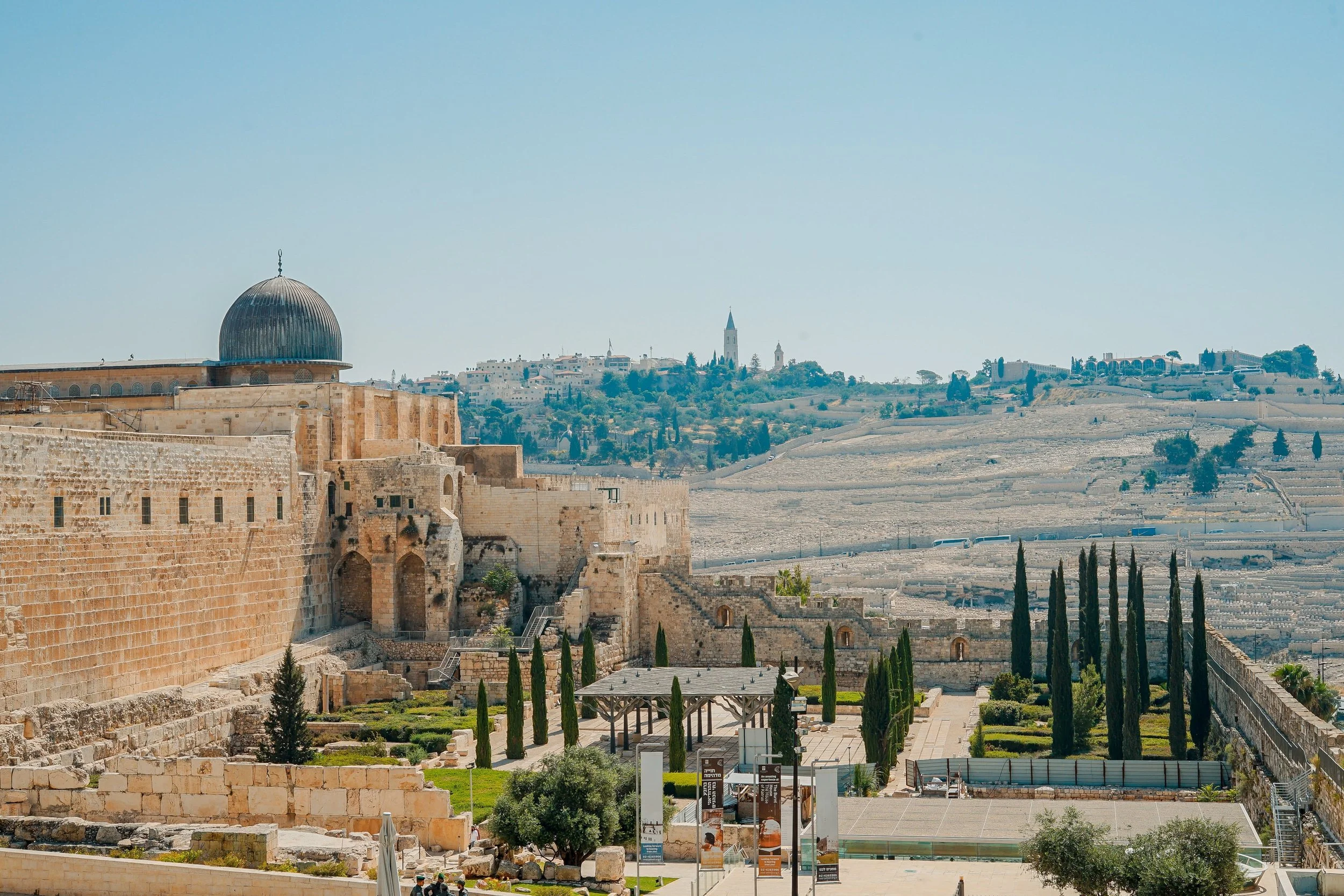
Nolan’s film not only fails to indicate that homesteaders on Los Alamos were forcibly relocated — it also fails to mention that civilians from northern to southern New Mexico were exposed to harmful radiation from the bomb. Radioactive fallout initially contaminated water and livestock, and in turn, civilians. There were no studies or treatment conducted on individuals exposed to radiation, which could have exposed the highly classified program. Those who were in the radius or downwind of the fallout became known as “downwinders,” and began to develop autoimmune diseases, chronic illness and cancer. 

Manhattan Project U.S. Map. Wikimedia Commons. CC by 3.0.

Eventually, the Hispanic American and Indigenous populations who lived in the area returned to Los Alamos to work for the project without knowing its true nature or extent. They returned as maids or as construction workers, often handling radioactive and contaminated materials without knowledge of the harm and risk of exposure. Many became economically dependent on a laboratory that posed environmental and health risks for the greater Los Alamos population. This led to struggles with physical and mental health that have continued to the present time. 

The legacy of the Manhattan Project, the Los Alamos Laboratory and the Trinity nuclear test hangs in a state of limbo. It transcends time — becoming the past, present and future for Hispanic and Indigenous populations in New Mexico. Nolan’s failure to acknowledge these populations’ displacement and unwitting contamination silences their narratives and obscures this unique patrimony. J. Robert Oppenheimer’s depiction as a thumbtack in sandy nothingness is historically inaccurate — Nolan’s cinematic depiction of desolation glosses over a more complex reality. Los Alamos was, and is, living and breathing.


Carina Cole

Carina Cole is a Media Studies student with a Correlate in Creative Writing at Vassar College. She is an avid journalist and occasional flash fiction writer. Her passion for writing overlaps with environmentalism, feminism, social justice, and a desire to travel beyond the United States. When she’s not writing, you can find her meticulously curating playlists or picking up a paintbrush.