
Explore coastal Indonesia with Etienne Calmelet, who journeyed to West Sumatra with AIESEC, the world’s largest student-run organization, which focuses on providing a platform for youth leadership development. Etienne’s video diary documents the four months he spent in the city of Padang, where he worked at a radio station and lived with a local family. Each day, Etienne was visited by dozens of locals who had never met a foreigner before.
Education of Girls in the Developing World & How Le Dessein Helps
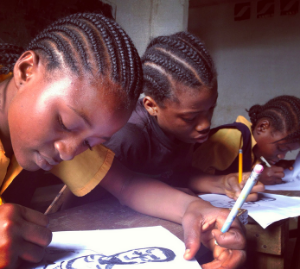
If women in the developing countries completed secondary education, 3 million children under the age of 5 would be saved every year.
This unfortunate statistic by the I.M.F. is just one the many plights young girls and women in general are facing in parts of Africa, Asia and Latin America.
Here are some more startling facts:
1) More than 115 million 6 to 12-year old children are not in school in the developing world; three-fifths of them are girls.
2) When a girl in the developing world receives seven or more years of education, she marries four years later and has 2.2 fewer children.
3) A woman with six or more years of education is more likely to seek prenatal care, assisted childbirth, and postnatal care, reducing the risk of maternal and child mortality and illness.
4) When women and girls earn income, they reinvest 90 percent of it into their families, as compared to only 30 to 40 percent for a man.
5) Today, the U.S. invests in its future by spending about $6,800 a year per primary student on public education. In Iran the figure is $156 per student per year, in India $64, in Laos $30, and in Rwanda, $30.
6) An extra year of primary school boosts girls’ eventual wages by 10 to 20 percent. An extra year of secondary school: 15 to 25 percent.
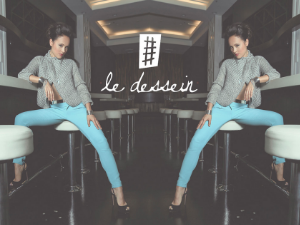
Young girls in developing nations have not been given the attention they highly deserve in education. Yet they have the undeniable power to help uplift their communities out of poverty through education and the earning power it will generate.
Through fashion, art, and socially responsible actions, we’ve designed a way to get involved. Le Dessein is a fashion line aimed at funding the education of underprivileged girls around the world by featuring their designs on our fashion. We then contribute 25% of our proceeds to the girls’ yearly school tuition.
The nature of our effort is not just monetary – our ultimate vision is to create independence and freedom through the empowerment of our girls. A critical component of this whole vision being self esteem – we were adamant on making sure that our girls would be intimately tied to the creation of the designs which would end up on garments. The success of their artistic journey through their participation and engagement would create a profound sense of OWNERSHIP, which is essential in affecting one’s self-esteem. Indeed, we wanted to demark ourselves from the traditional form of aid towards developing countries, which has consisted mainly of charity, and instead have “ownership” be the driving factor in maintaining this self-sustaining endeavor.
Creating an impact in these young girls’ lives will take collective effort from various committed parties. Inculcating the notion of “Ownership” though noble, can be an arduous task and required collaboration. And we’ve had the fortune and pleasure of being aligned with the More Than Me Foundation – “The More Than Me Foundation is on a mission to make sure education and opportunity, not exploitation and poverty, define the lives of the most vulnerable girls from the West Point Slum of Liberia.” Its motto is: “When she graduates, she will decide what comes next for her life.”
Indeed, for our girls, this is about reclaiming and redefining their own sense of self. For far too long, girls and women from the developing world have been subjected to a strongly patriarchal society – a society where their “value” was unilaterally decided by men – So “Ownership” to us is simply the final destination defined by an effort that consists of arming our girls and presenting them with opportunities susceptible to make this journey a worthy one.
Our fashion linehiis elegant and sophisticated and aims at serving a market that for too long has had to sacrifice quality and design for purpose and mission.
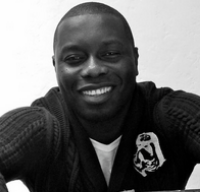
ERIC COLY
Eric is the founder and CEO of Le Dessien. Eric grew up in Dakar, Senegal, where he was influenced by his mother's passion, drive, and fashion sense at a young age. His mother would eventually inspire him to start Le Dessein. He attended UCLA Business School and began his career in investment banking.
The Peace Corps in Rwanda, Part 2
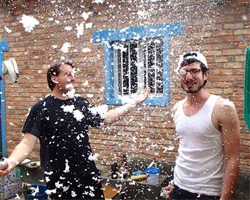
A Peace Corps Christmas in Rwanda
In my last update, I talked a bit about the path that led me to the Peace Corps and the basics of the three-month training program that was my day-to-day life. For a while, most of that remained unchanged. After returning from visiting my final site outside Nyungwe National Park, I was back to the grind of daily Kinyarwanda lessons; classroom management sessions, and any other miscellaneous bit of training that the Peace Corps deemed necessary for its education volunteers.
I mentioned in my first post how the community-based training program, while undeniably effective when it comes to integration and language acquisition, can quickly leave you desperate for just a small taste of the familiar. As soon as we had the chance, we all embraced that ideal wholeheartedly with the help of surprise birthday parties, pumpkin carving for Halloween, a massive collaborative Thanksgiving dinner, and most recently coming back together for Christmas and New Year’s celebrations.
Admittedly, some of the days have felt long and drawn out, but it’s amazing how fast the weeks have flown by. As I write this, my training has finished and I have been officially sworn in as an official Peace Corps Volunteer. After three months of training as a group, we are now scattered around the country in the communities that we will be working in for the next two years. The whole transition is a somewhat bittersweet. While I’m experiencing a freedom that I haven’t had for what seems like an eternity, it also means separating myself from the people, both in my host family and training group, that I’ve grown close to over the past months. In addition, as an education volunteer, I was installed on site during the holiday break. This meant that for a while there was little for me to do but hang out in the school offices or walk around and introduce myself (a bit of a challenge since most of the people in the community assume, at first glance, that I’m the same volunteer that has been working here the past two years).
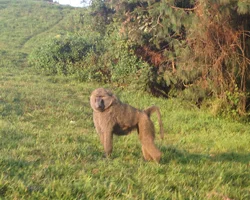
On top of the conflicts that come from simultaneous feelings of freedom, boredom, and missing friends, I’ve been finding that my site is in an unusual limbo of classic Peace Corps life and unexpected luxury. I can start my day with a bucket bath and hand washing a load of laundry, followed by browsing the web in my school’s modern offices. I can then head up a partially eroded hillside staircase past a couple troops of baboons and struggle to light a charcoal stove in order to cook dinner. I can lounge in my tile-floored house and watch a movie, only to be woken up in the middle of night to chase mice out of the room.
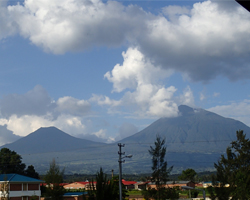
To be clear, none of these are meant as complaints; just the opposite. I was all set to be handling all these things and more, but my assignment here is most definitely not what I was expecting from the Peace Corps (in the best possible way). Just walking around the campus is an experience in itself, with forested hills stretching into the distance as far as the eye can see.
I cannot wait to get started with my work here, although that still seems to be a long way off. While the semester for the rest of my colleagues started last week, I’m here to teach at a school for conservation and environmental management that has the students completing internships around the country for their first month. As a result, I’ve got a nice, long, and quite possibly cabin fever-inducing chunk of time off before I can begin teaching in February.
Thankfully, I’ve been able to stave off boredom by traveling for the holidays, visiting friends and getting to see a bit more of Rwanda in the process. The festivities made it a little more like home with the help of cheap Christmas decorations bought in the capital, a tiny plastic tree, and a can or two of white foam marketed as ‘fake snow’ (a surprisingly good substitute for a white Christmas, once you get past the lingering soap smell in the air). But now the holidays have come and gone and everyone is getting to work for the New Year, so it’s back to site for me. With any luck I’ll be able to find some projects to pass the time and supply me with some good stories moving forward.
READ SCOTT'S FIRST UPDATE ON THE PEACE CORPS IN RWANDA.
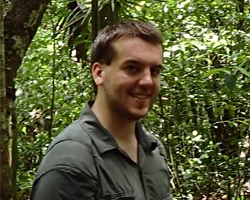
SCOTT JENKINS
Scott Jenkins grew up in Ridgewood, NJ and graduated from NYU in 2012 with a degree in Anthropology and Linguistics. His passion for travel, adventure, and helping others led him to apply to the Peace Corps in September of 2012. He was invited to teach in Rwanda, where he is currently serving for the next two years.
Solar Mamas — Why Poverty?
Are women better at getting out of poverty than men? The Barefoot College in India is a six-month program that brings together uneducated middle-aged women from poor communities all over the world, and trains them to become solar engineers. In this documentary from WHY POVERTY? meet Rafea, the second wife of a Bedouin husband from Jordan and watch her learn about electrical components and soldering without being able to read, write or understand English. Full documentary airs this Sunday 9 pm GMT in UK on BBC.
LEARN MORE AT WHY POVERTY
Watch Merit, A Clothing Company Helping Kids Go To College
Every 26 seconds in the United States a student drops out of high school. Merit is a clothing company who cares about changing that. Education is their cause, and 20% of all their revenues are dedicated to helping disadvantaged kids get to college. Read more about Merit through David Merrit, the founder's blog here.
VIDEO: Girl Skaters in Kabul
Curious about what's going on in skateboarding classes for girls in Kabul? Watch this. Skateistan is a Kabul-based NGO that has been encouraging youth through skateboarding and education since 2007. Since then, it has grown from a handful of students to more than 400 per week. More than 40% are girls, which is more than any other coed sport in Afghanistan. Go girls!
GIRL RISING
GIRL RISING—the innovative feature film about the power of education to change a girl —and the world. The film spotlights unforgettable girls like Sokha, an orphan who rises from the dumps of Cambodia to become a star student and an accomplished dancer; Suma, who composes music to help her endure forced servitude in Nepal and today crusades to free others; and Ruksana, an Indian "pavement-dweller" whose father sacrifices his own basic needs for his daughter's dreams. Each girl is paired with a renowned writer from her native country. Edwidge Danticat, Sooni Taraporevala Aminatta Forna and others tell the girls' stories, each in it's style, and all with profound resonance. These girls are each unique, but the obstacles they faced are ubiquitous. Like the 66 million girls around the world who dream of going to school, what Sokha, Suma, Ruksana and the rest want most is to be students: to learn. And now, And now, by sharing their personal journeys, they have become teachers. Watch Girl Rising, and you will see: One girl with courage is a revolution.
LEARN MORE AT GIRL RISING
CHANGE HEROES: The Trip that Changed the Way to Give
Back in 2009, Taylor Conroy took a trip to Kenya and Uganda in pursuit of a vacation and means of getting himself involved. Little did he know that this decision would cause for him to start a movement; Change Heroes -a friend-funding platform which gives anyone the tools they need to raise $10,000 and build a school, library, or water well anywhere in the developing world. In this video, Taylor talks about that initial, innocent trip, which caused his life, and the lives of thousands of others, to change for the better, forever.
CONNECT WITH CHANGE HEROES
VIDEO: The Kula Project Invests in Farmers to Help the People of Rwanda
The majority of farmers in developing nations like Rwanda are unable to generate enough income to feed and sustain their families. This is due to the lack of basic needs for success. The Kula Project invests in small-scale farmers in Rwanda to create sustainable communities.
CONNECT WITH KULA PROJECT
VIDEO: Changing Girls’s Lives at The More Than Me Academy in Liberia
The More Than Me Academy is on a mission to make sure education and opportunity, not exploitation and poverty, define the lives of the most vulnerable girls from the West Point Slum of Liberia. When she graduates, she will decide what comes next for her life.
CONNECT WITH MORE THAN ME
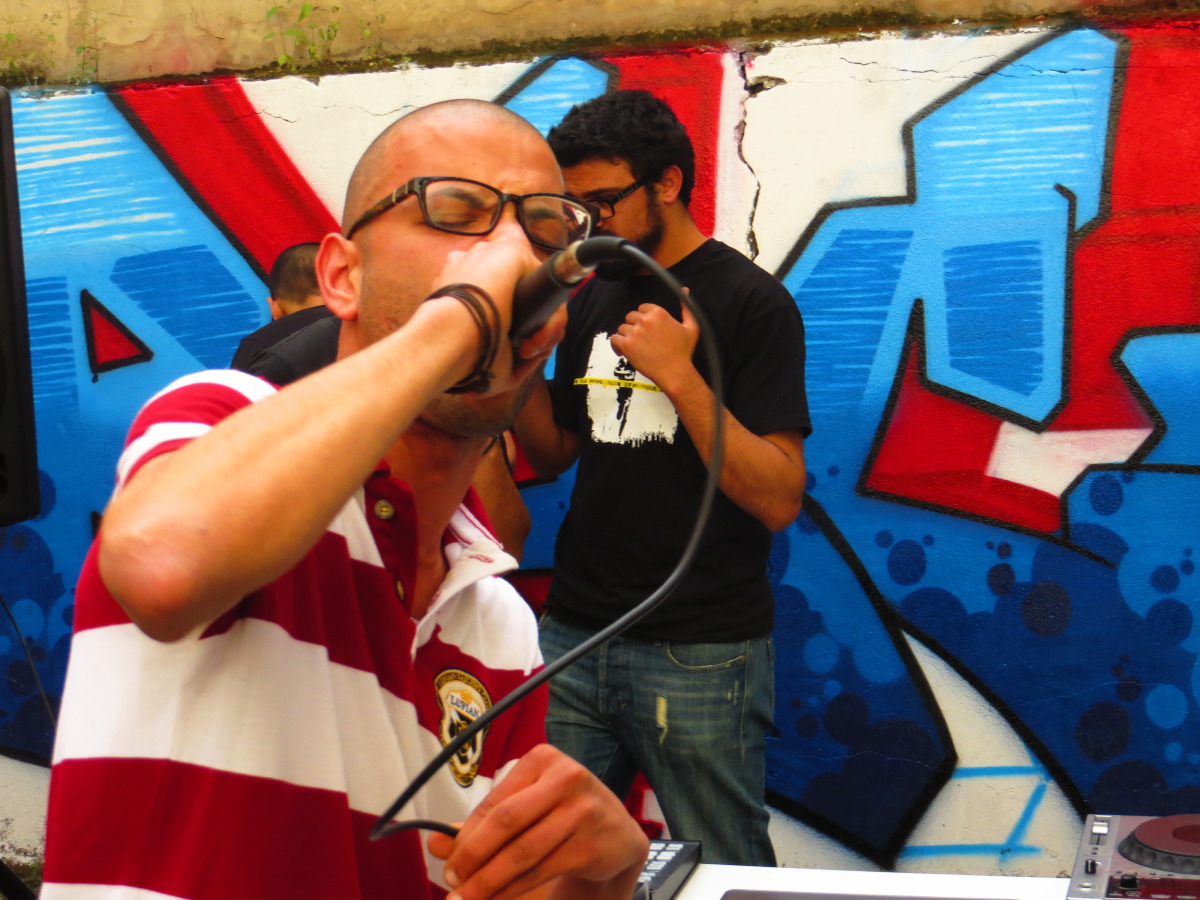
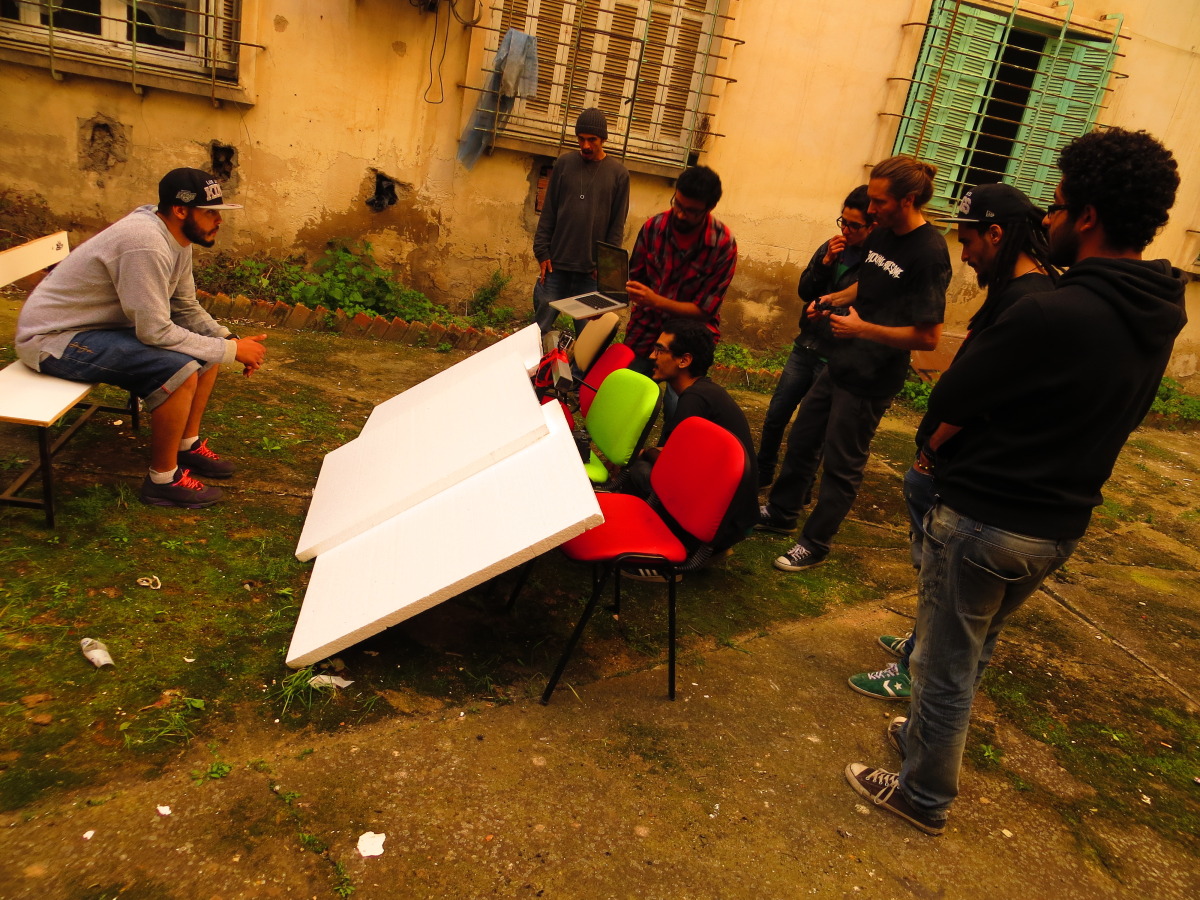
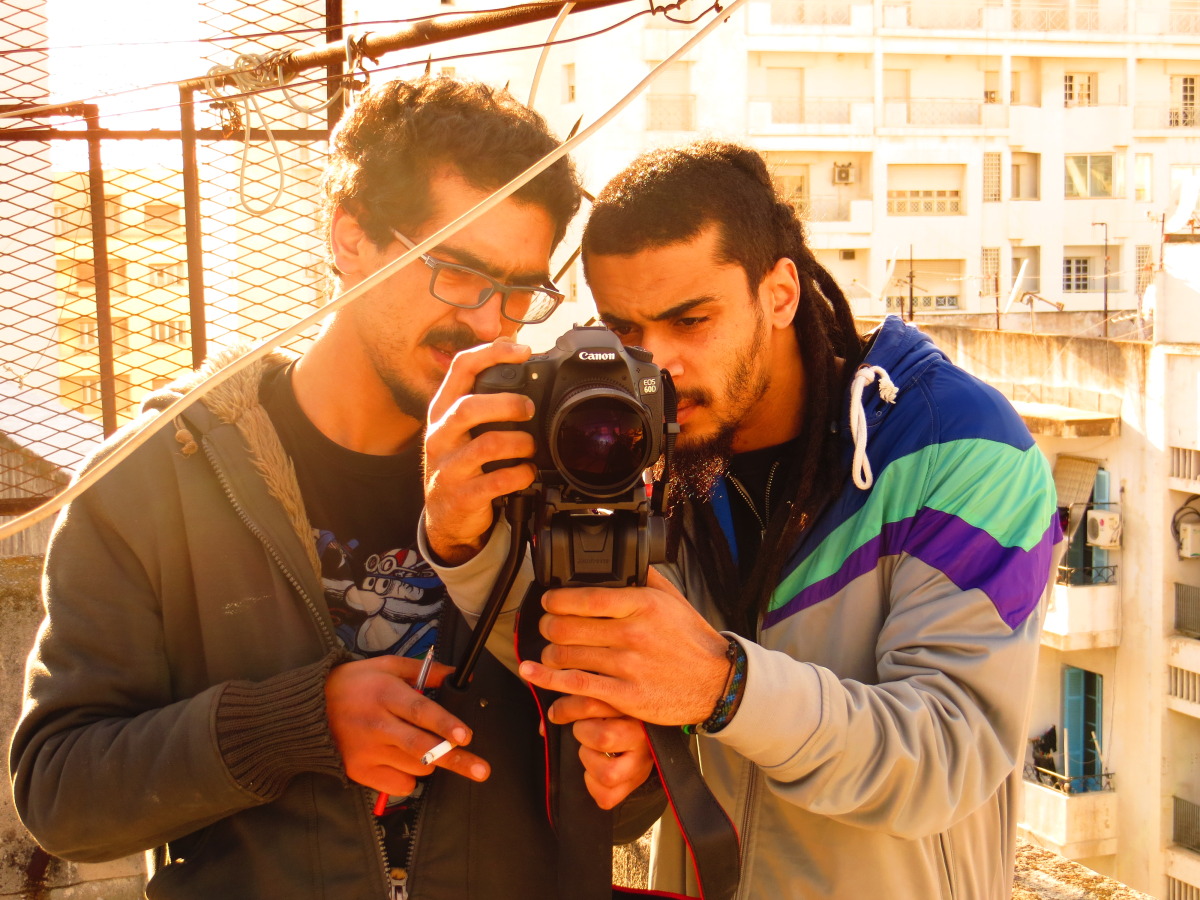
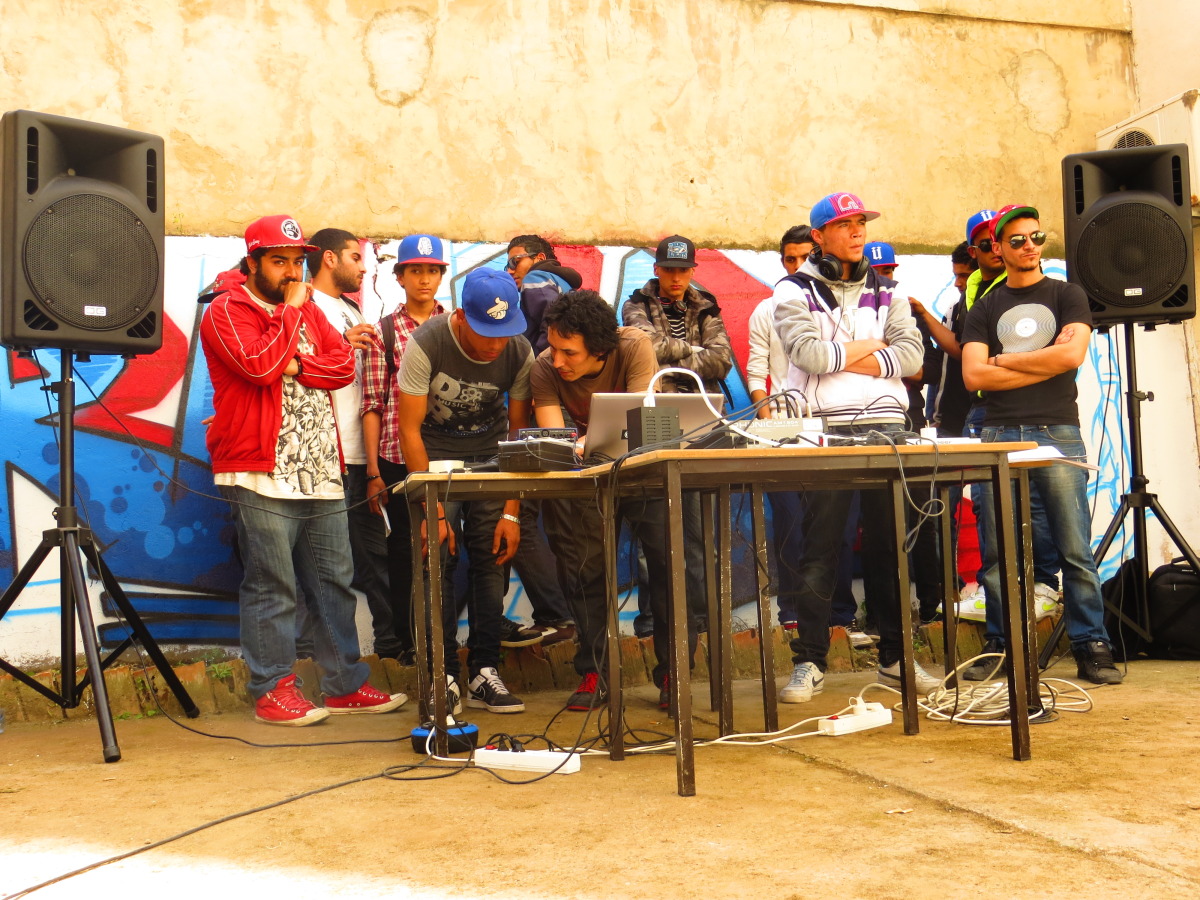
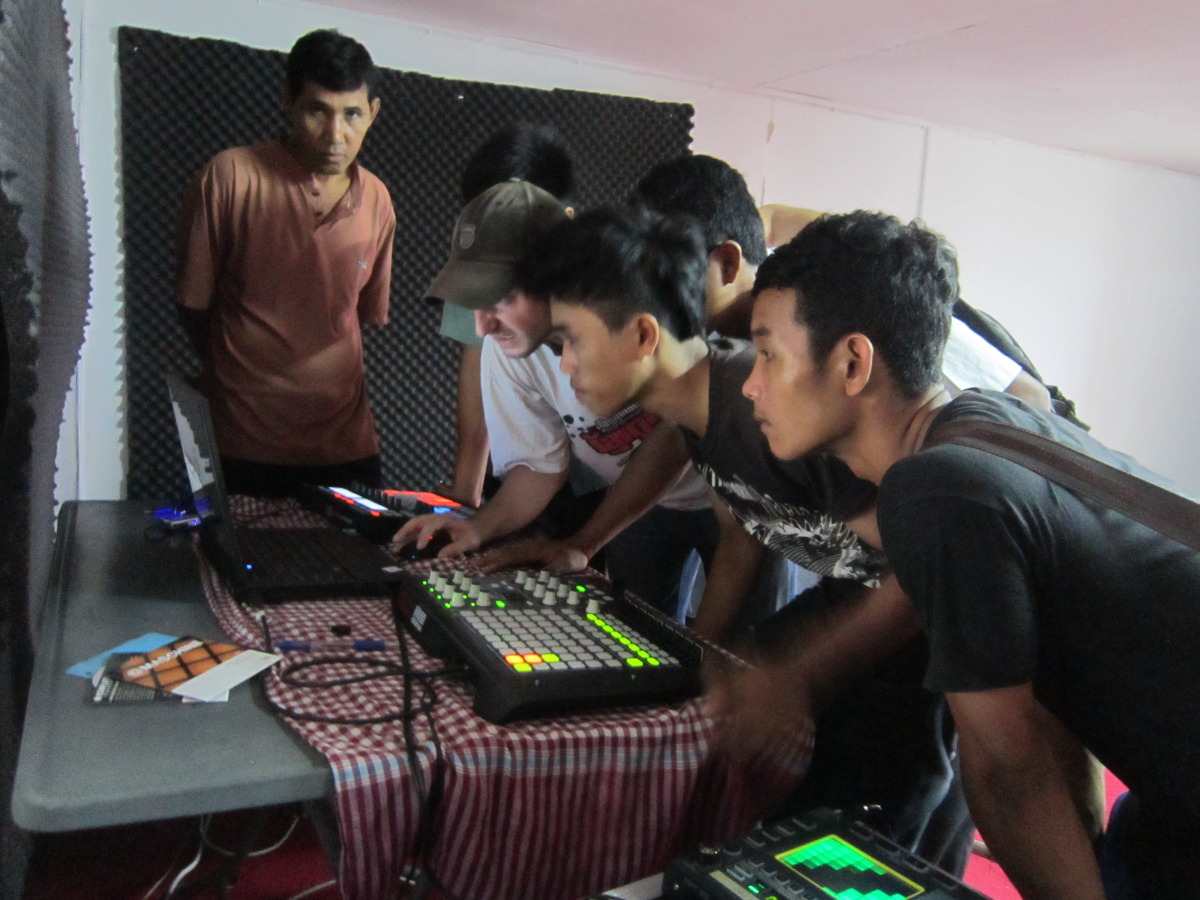
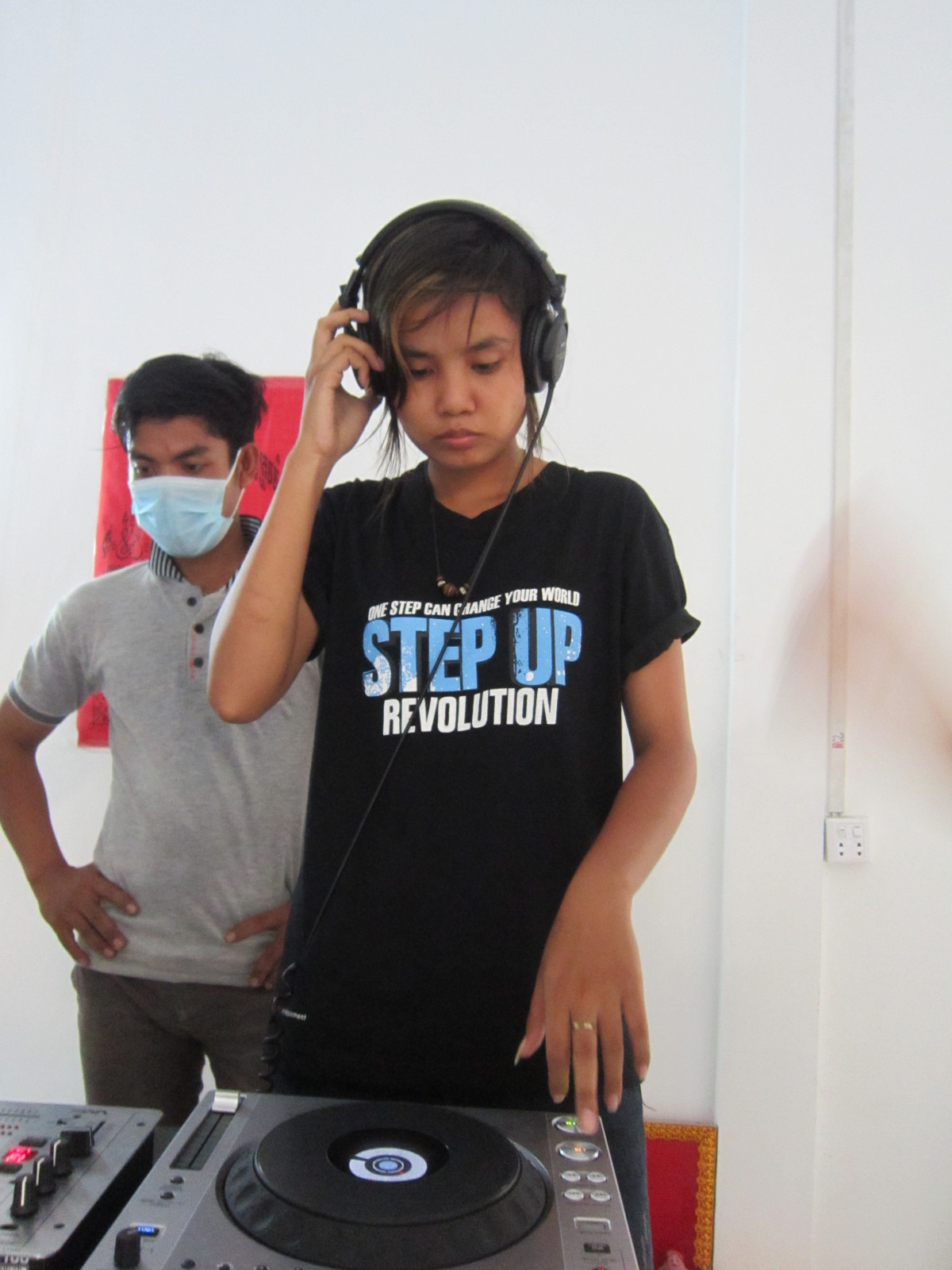
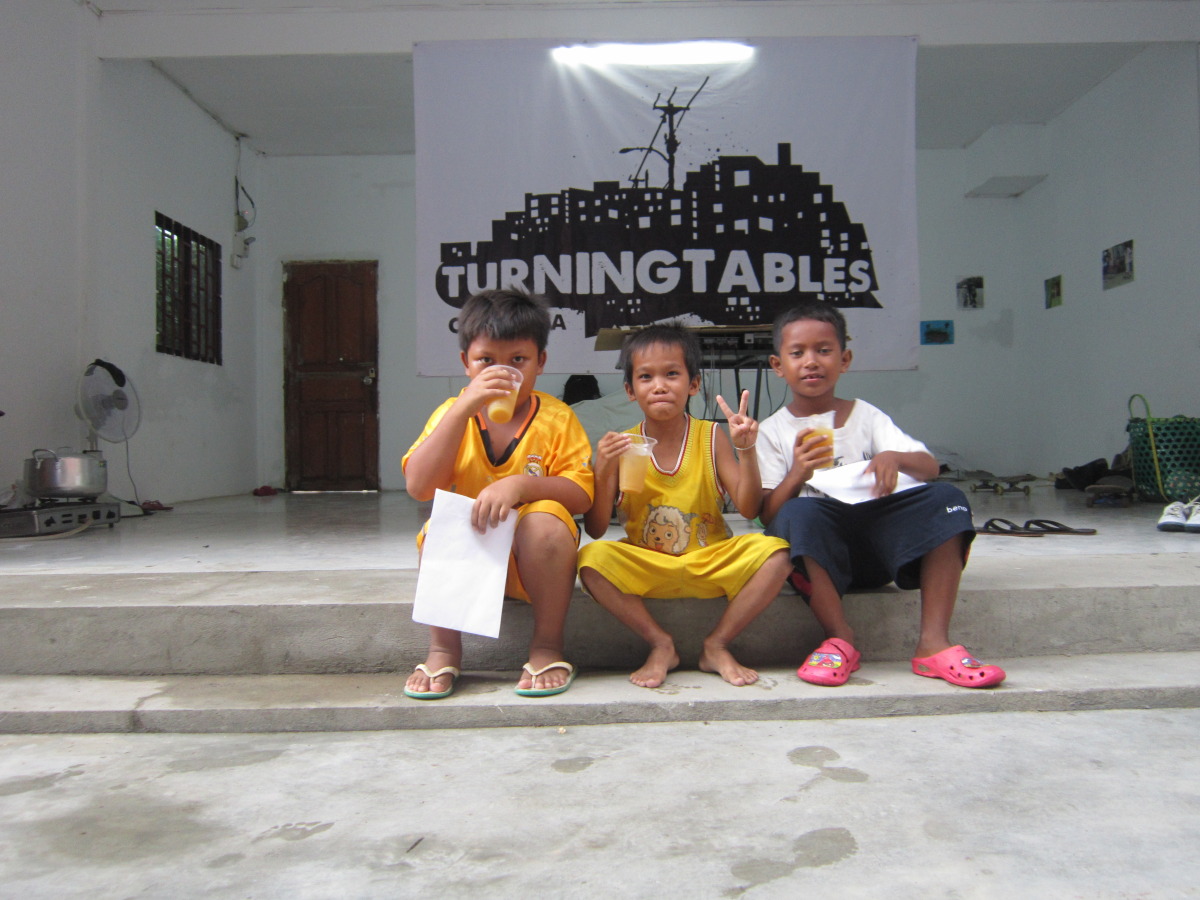
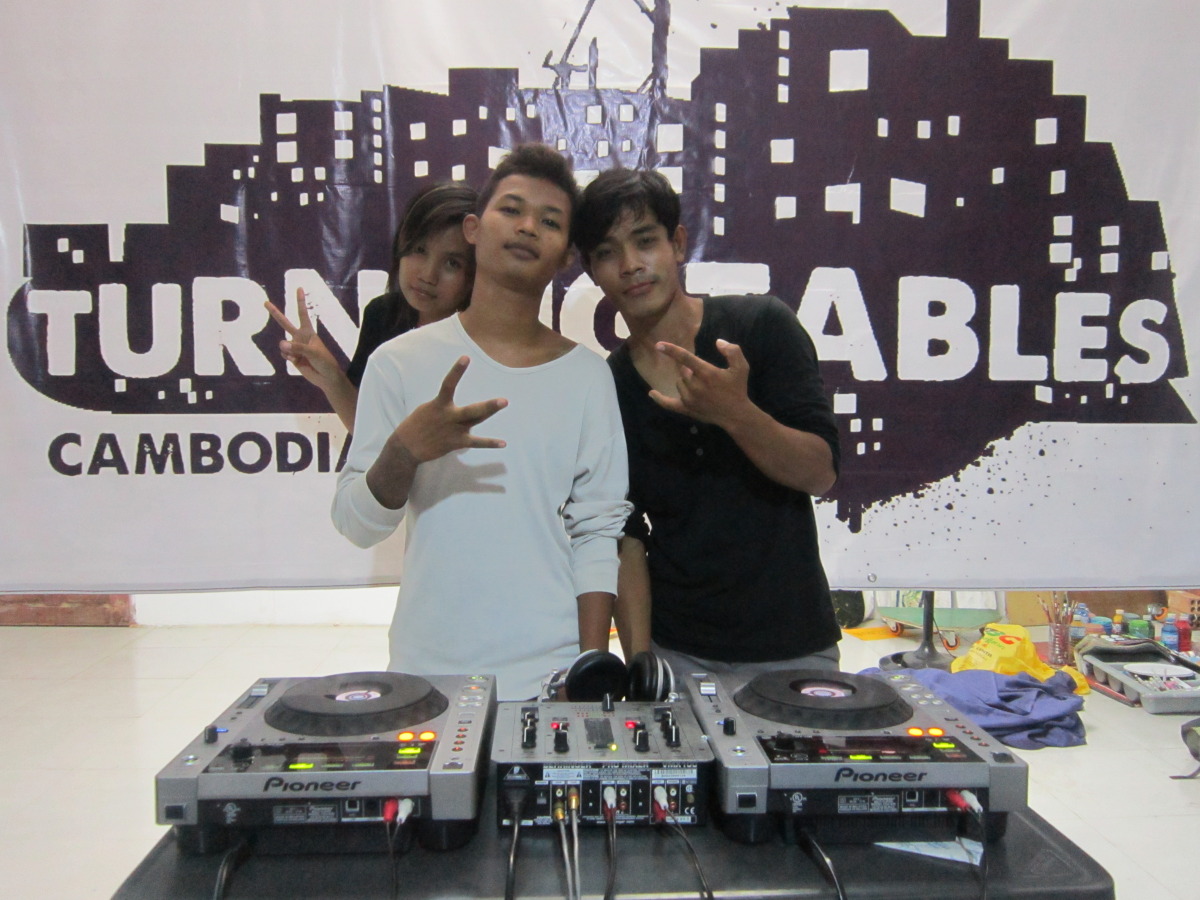
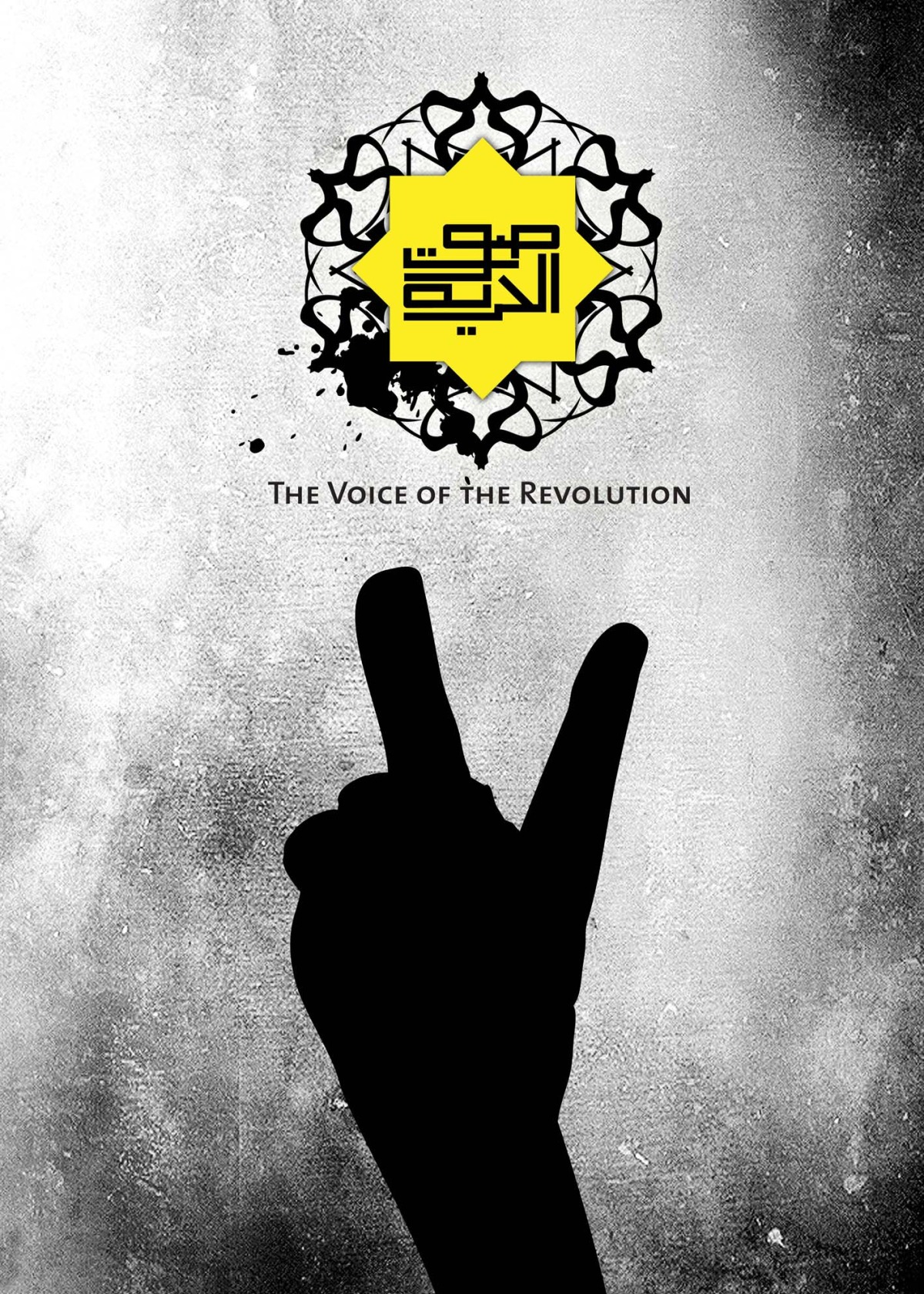
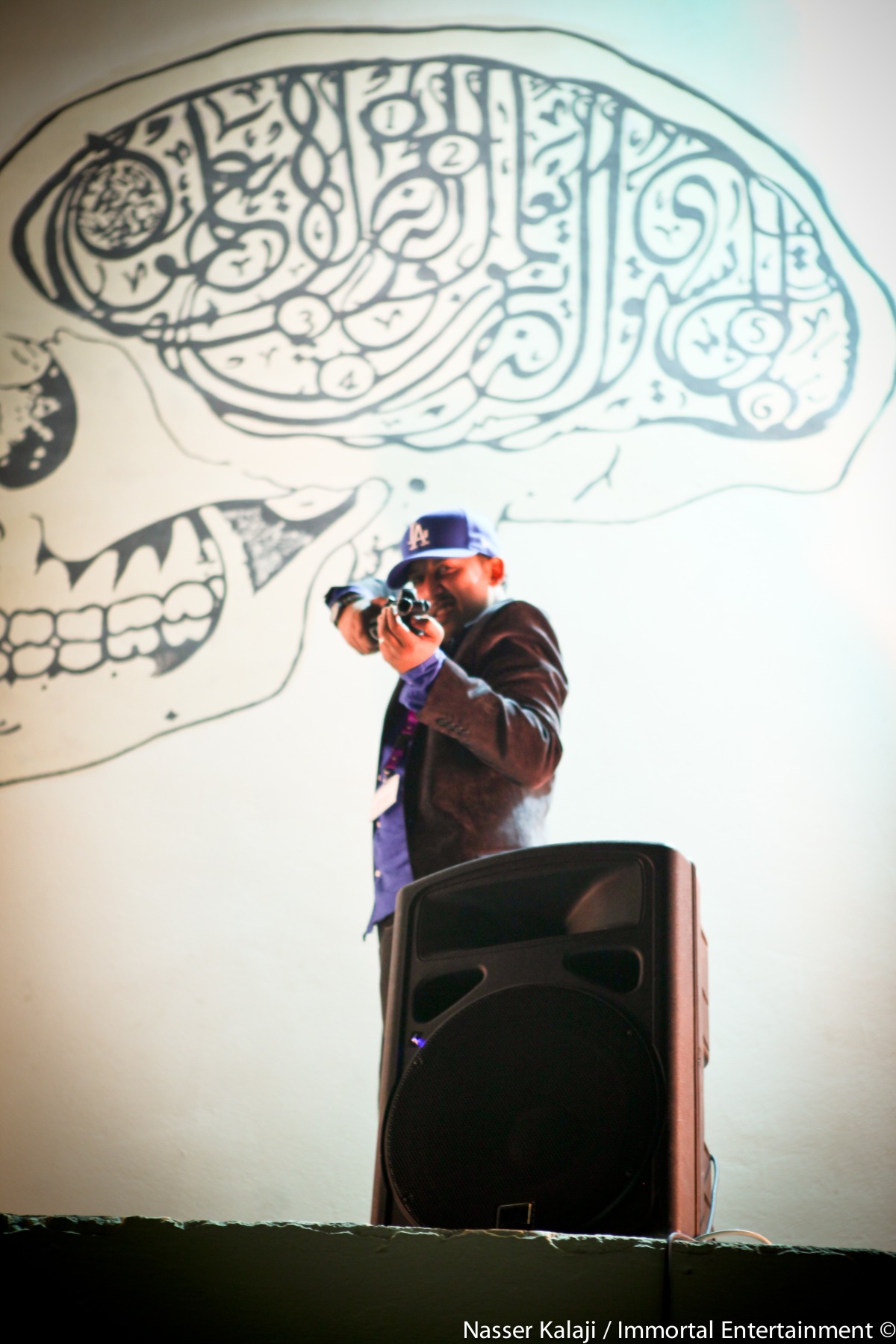
Turning Tables: A Voice for the Voiceless
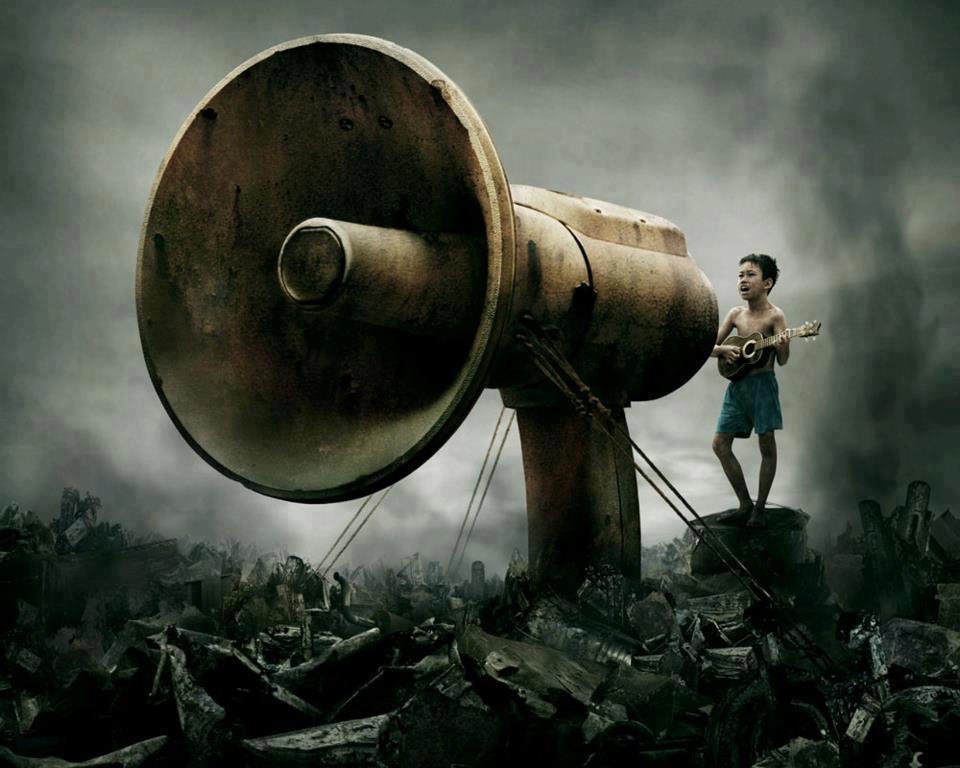
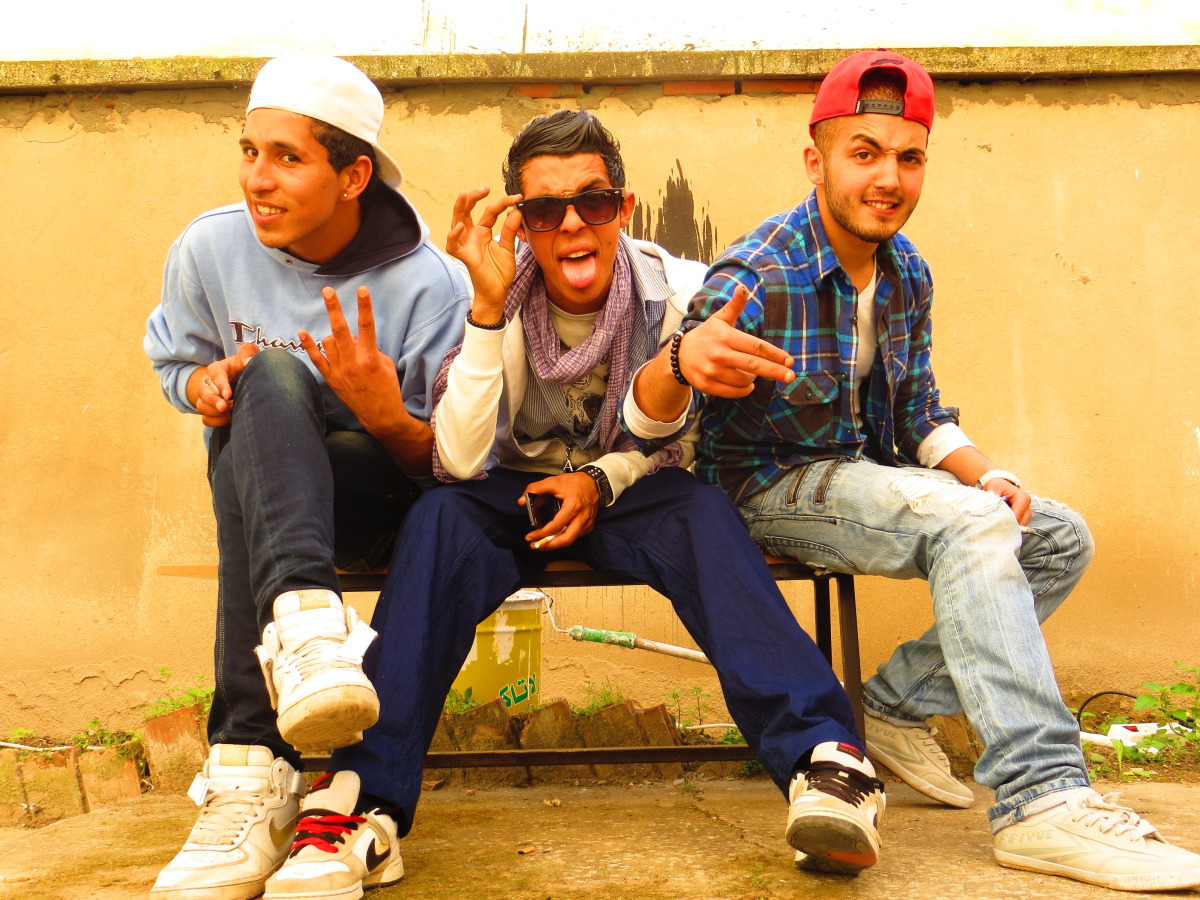
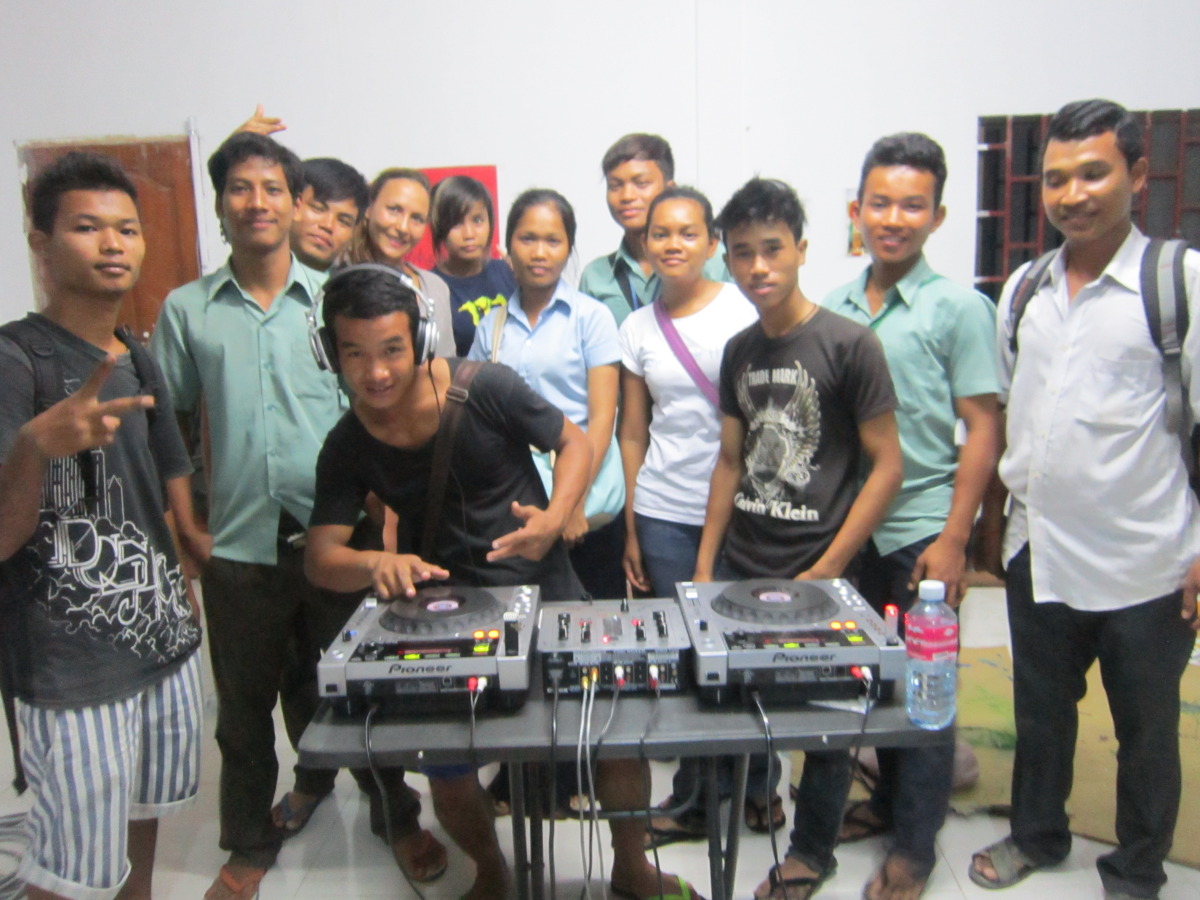
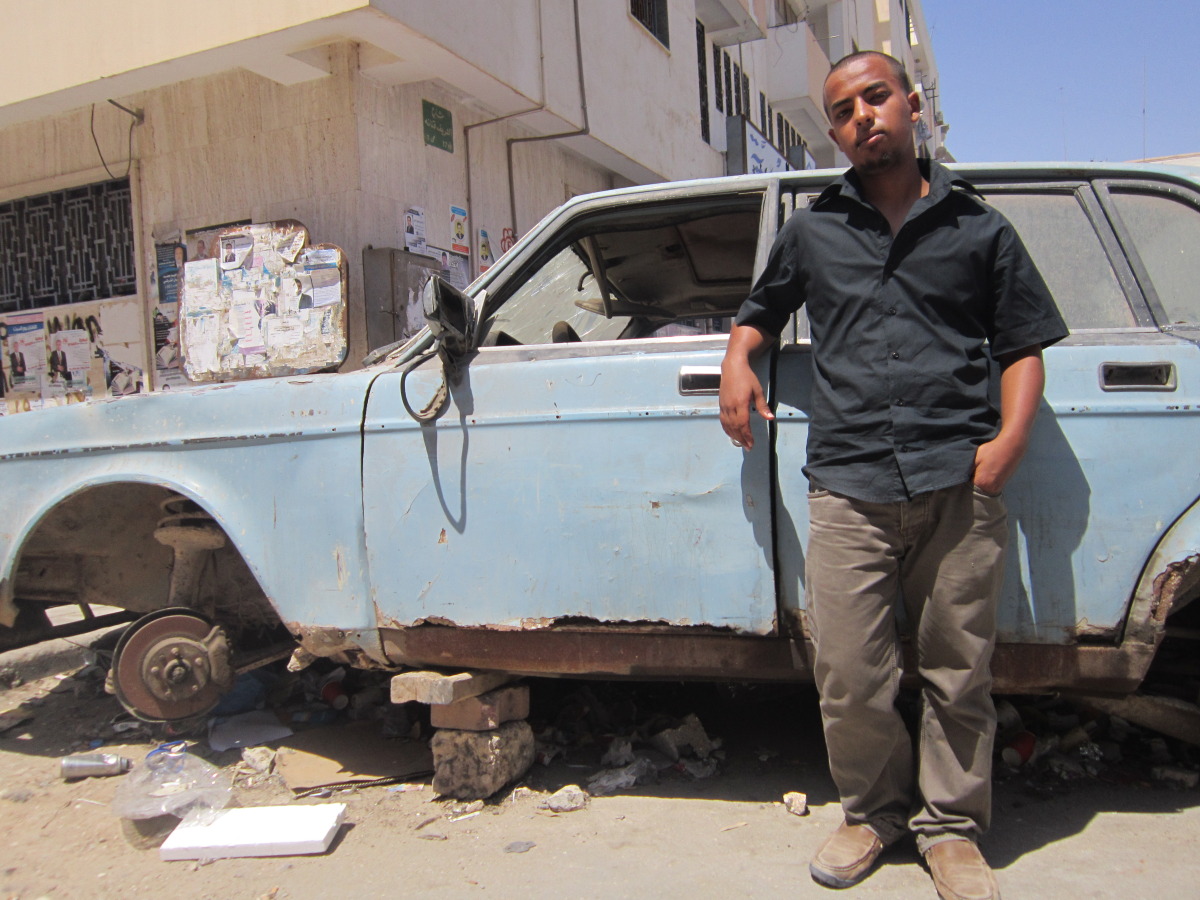
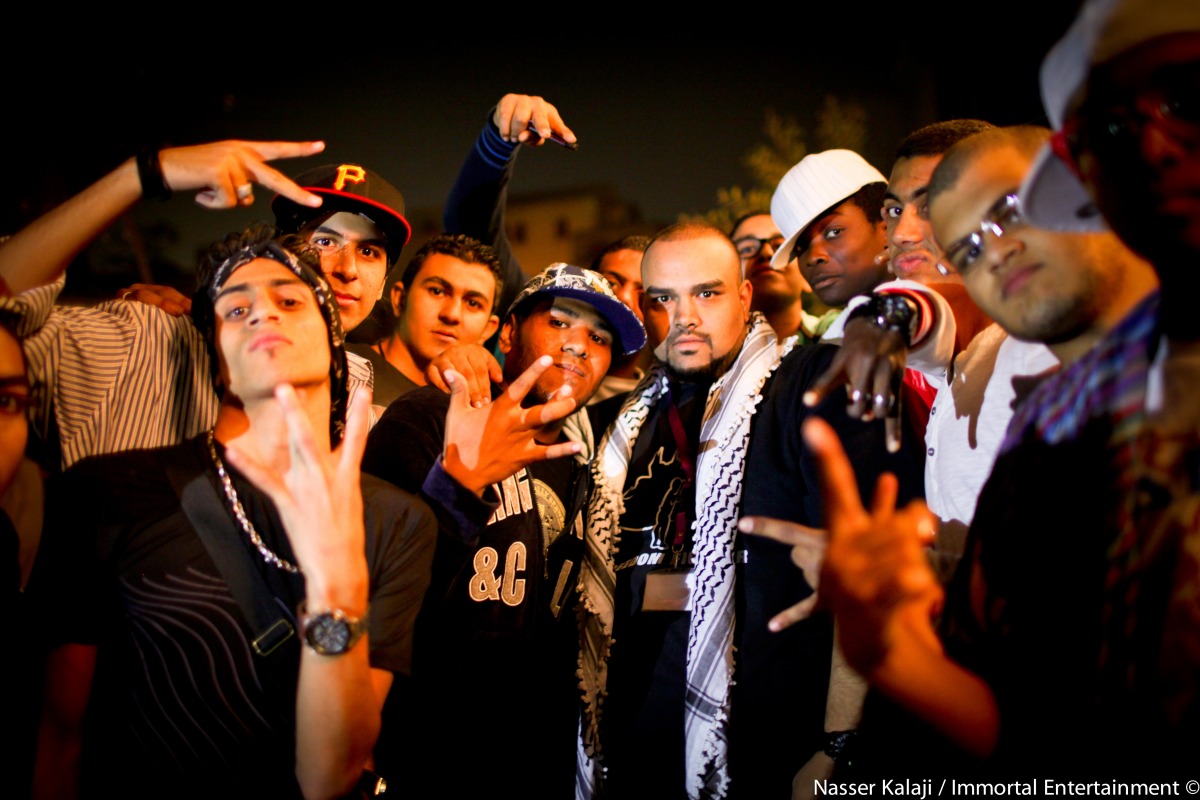
Turning Tables is an international NGO committed to establishing, and maintaining permanent musical production facilities for DJ’ing, rap, and beat making for marginalized youth in the Developing World. “The aim is to start a process of reflection and self-empowerment by giving youth a space where they can express their travesties, hopes, and dreams in a non-violent manner,” says Turning Tables Founder and Director Martin F. Jakobson.
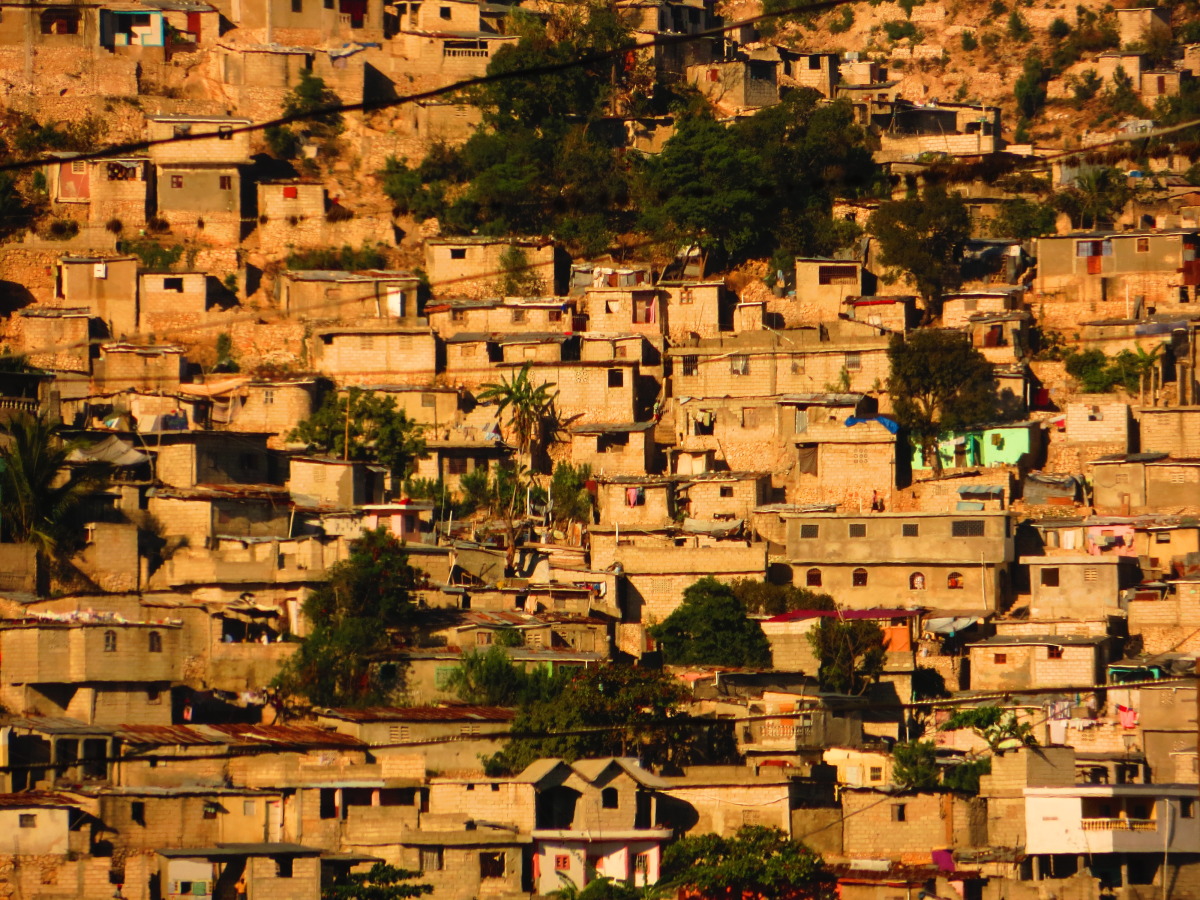
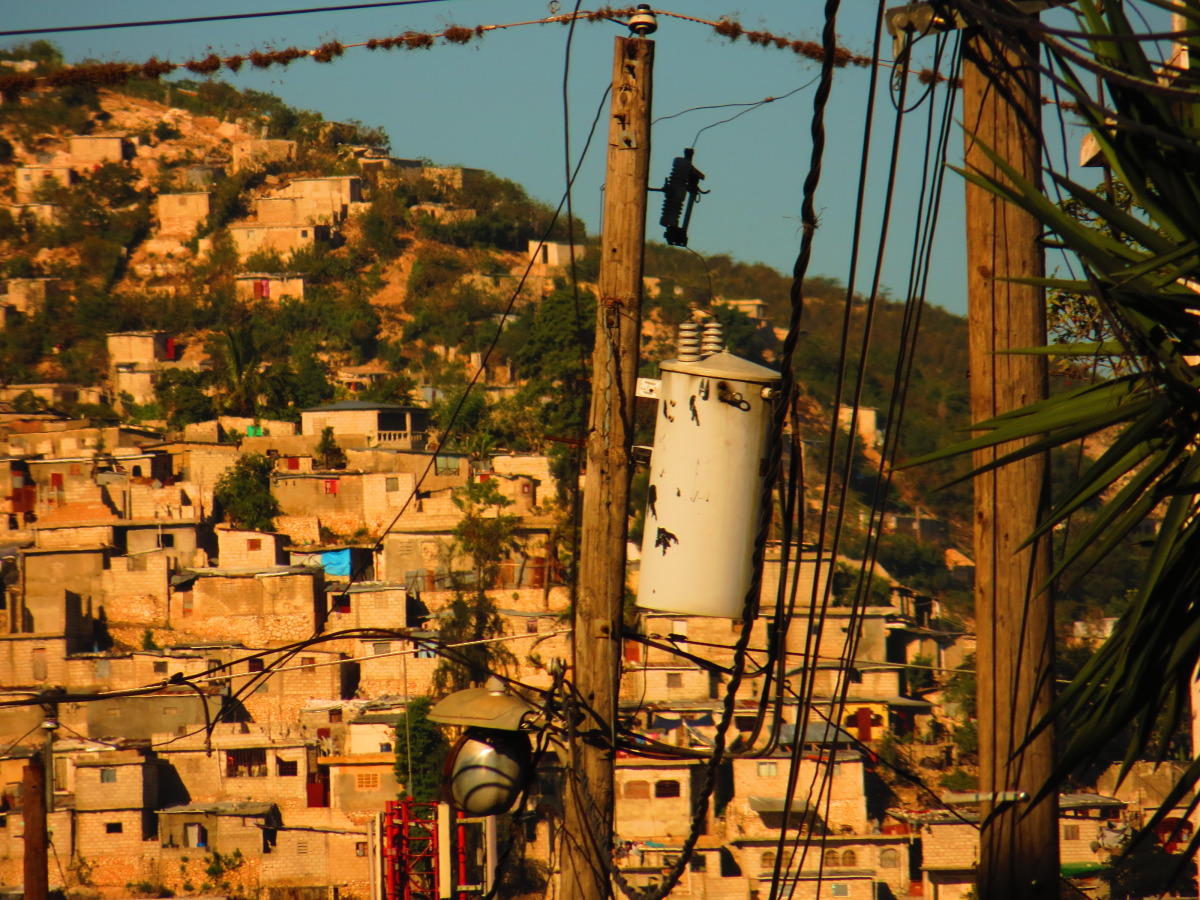
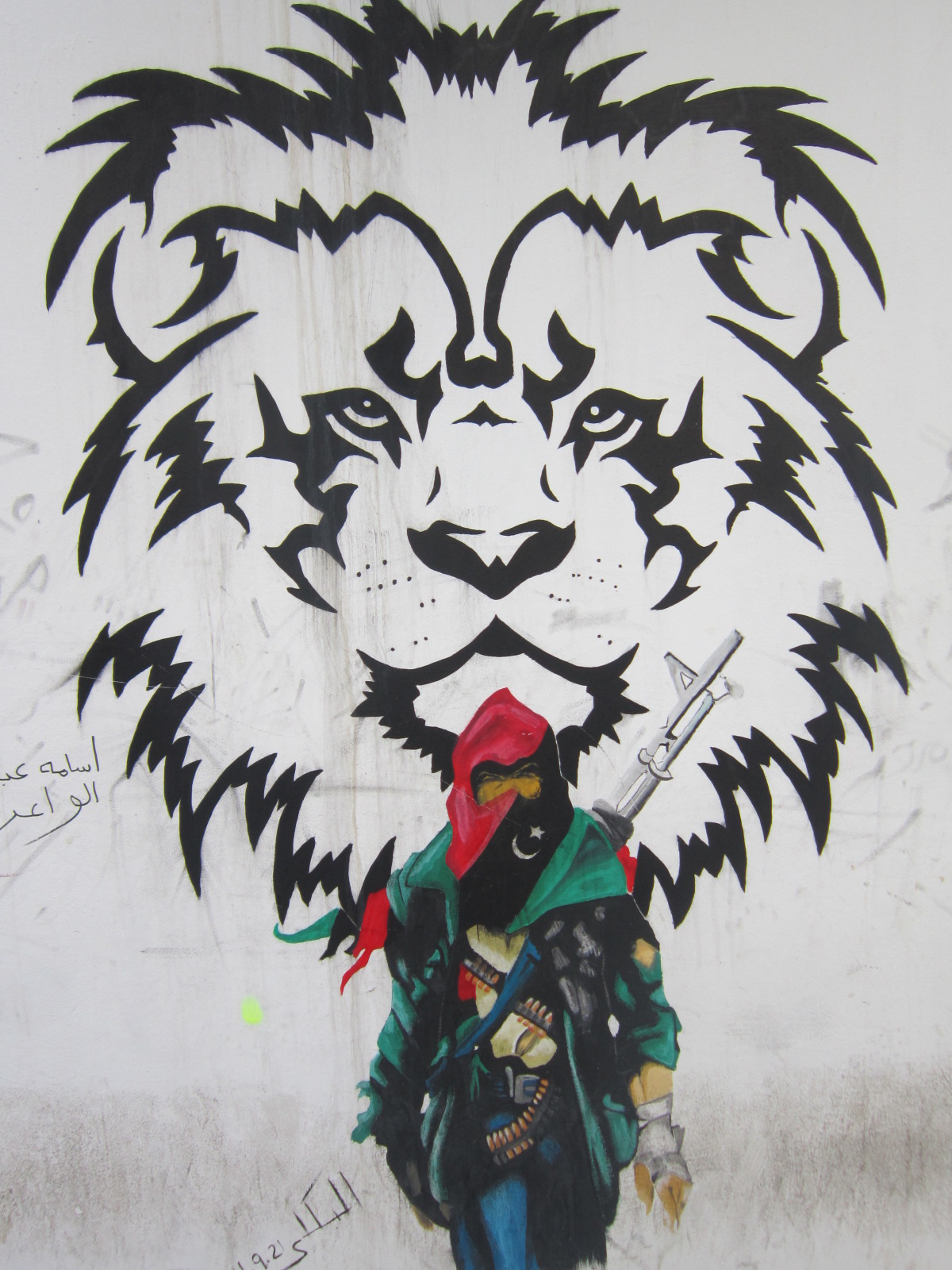
In 2009, Martin was living in Beirut, and began working in several Palestinian refugee camps across Lebanon. Since then, Turning Tables has expanded its work across the Middle East to Tunisia, Jordan, Libya and Cairo, alongside establishing a presence in Haiti and Cambodia.
Beyond merely conducting workshops to educate youth about musical production, the organization has branched into workshops video production and has collaborated with local music festivals to further enhance the youth’s experience, and empowerment. Turning Tables also commits itself to the training of local staff, to ensure their facilities remain operational with the intention of self-sufficiency down the road.
Currently, Turning Tables is conducting an international online fundraising campaign for Cambodian street youth, many of whom are former child prostitutes. “Our expectation is that, with the fundraising campaign, will be able to train about 800 vulnerable Cambodian kids for a year, and create a strong outreach program to reach more at-risk youth.” — Martin Jakobson (Founder + Director)
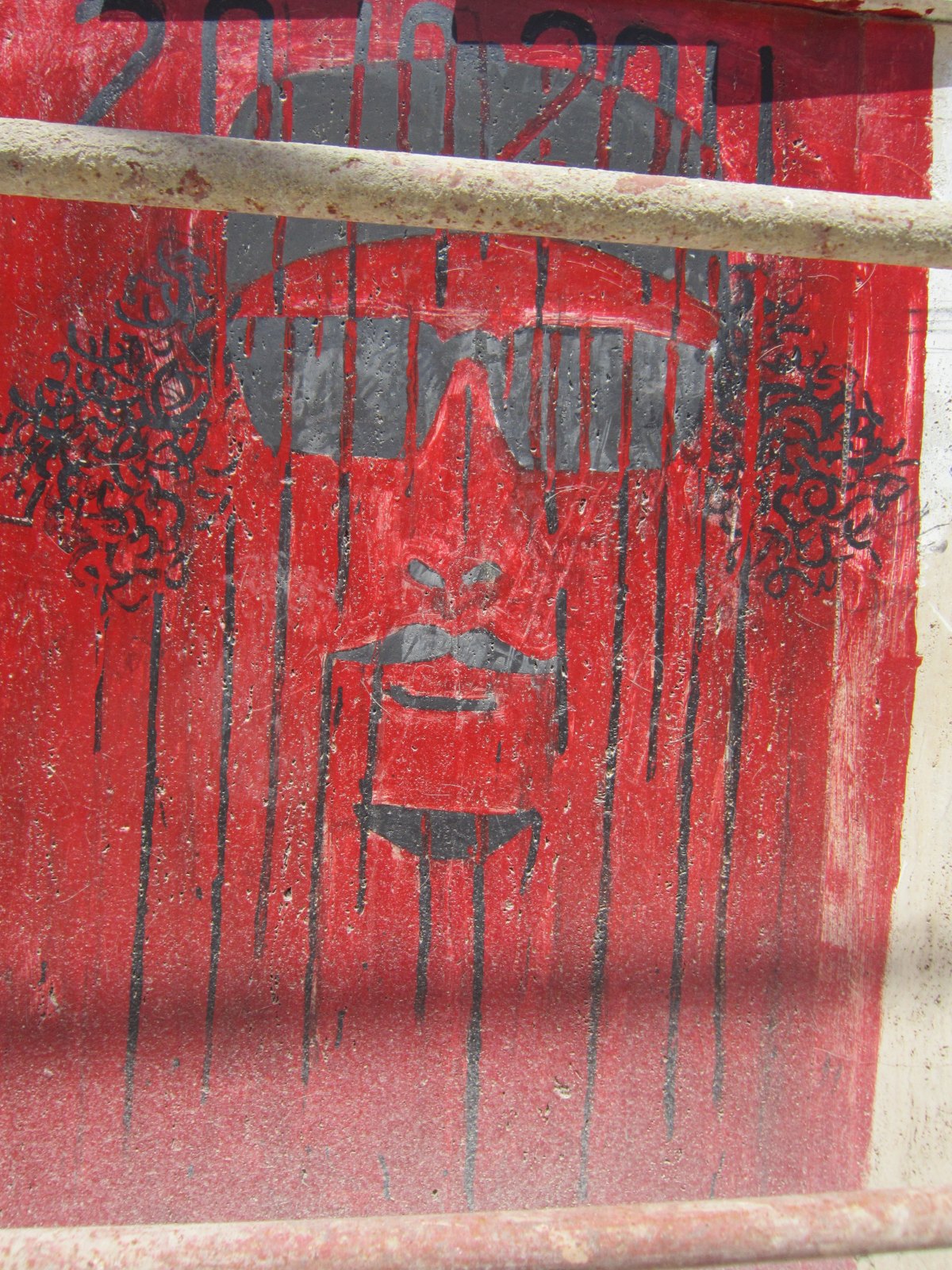
This photo essay takes you to Turning Tables on site locations of Tunisia, Haiti, Libya, Cambodia and Egypt, displaying the many areas, and countless youth who have been powered through their inspired mission. Connect with Turning Tables here, and check out their crowd funded effort for the Cambodian youth on indiegogo.
ANDREW BRIDGE is a global enthusiast with a passion for the road less traveled. As a frequent collaborator with World Hip Hop Market and Nomadic Wax, Andrew has worked with numerous socially conscious artists from around the world in the pursuit of inspiring cultural understanding and exchange through entertainment. This fascination with the world at large has taken him to over 20 countries (so far) through studying, volunteering, and writing about his travels, with no signs of slowing his globetrotting nature down. Connect with Andrew at @Bridgin_TheGap












100cameras
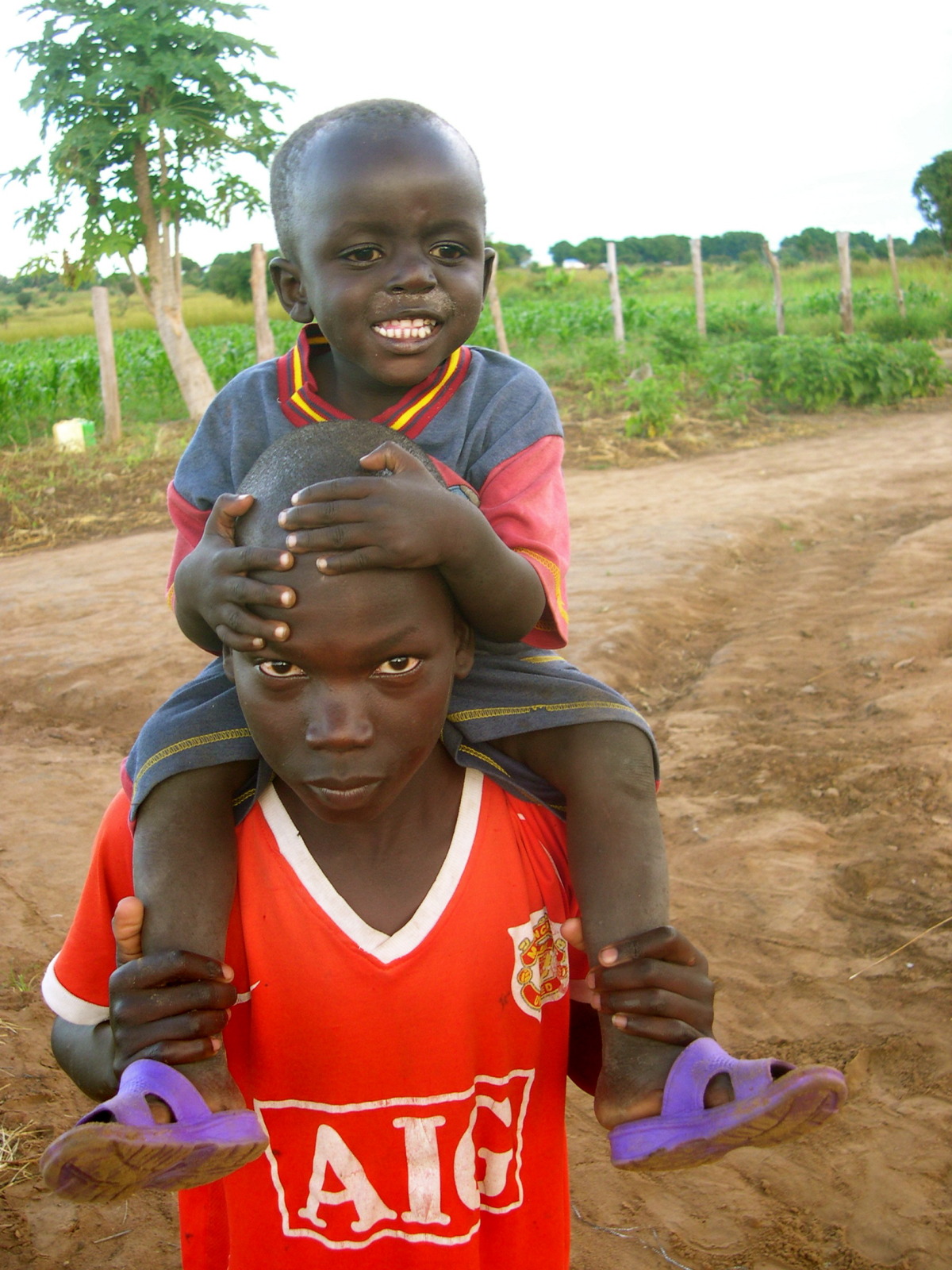
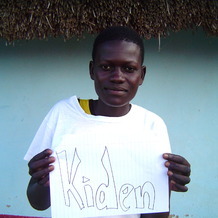
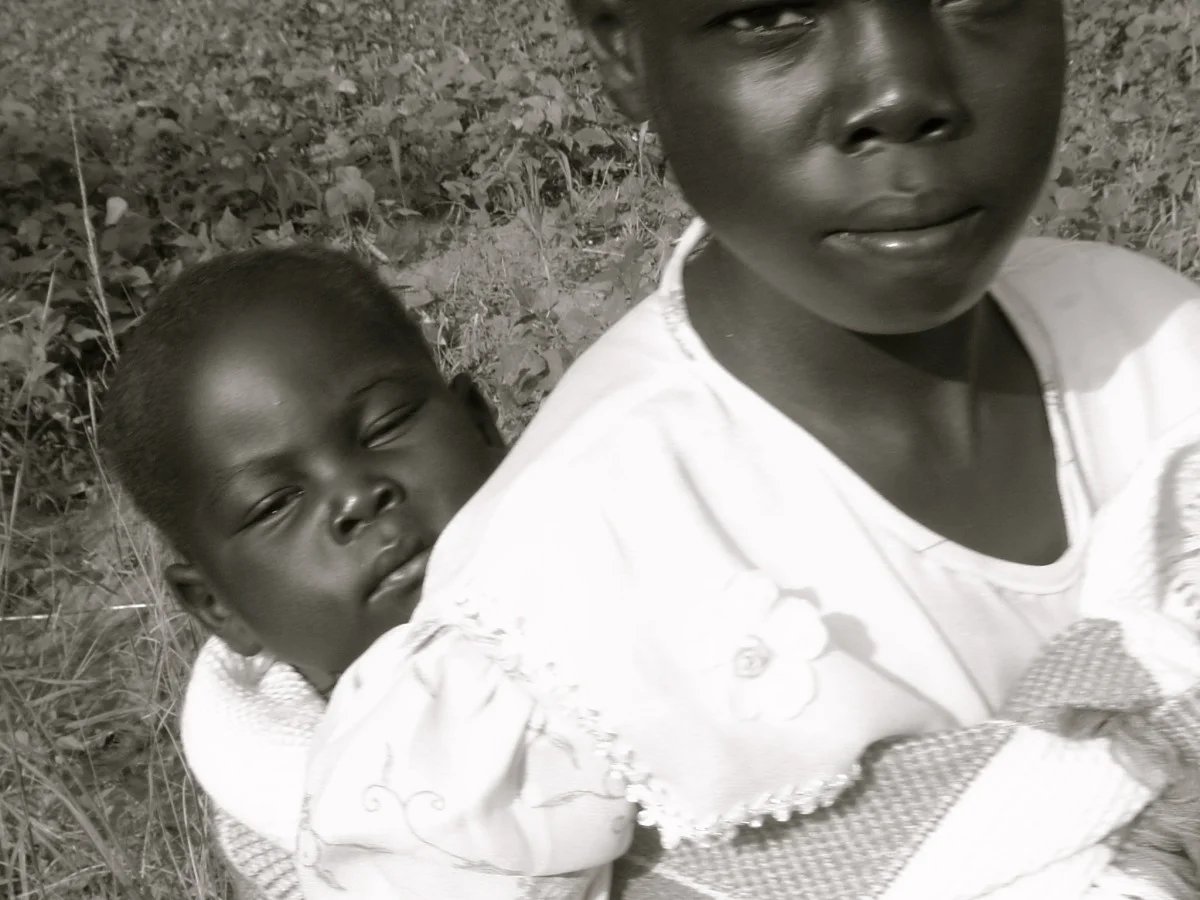
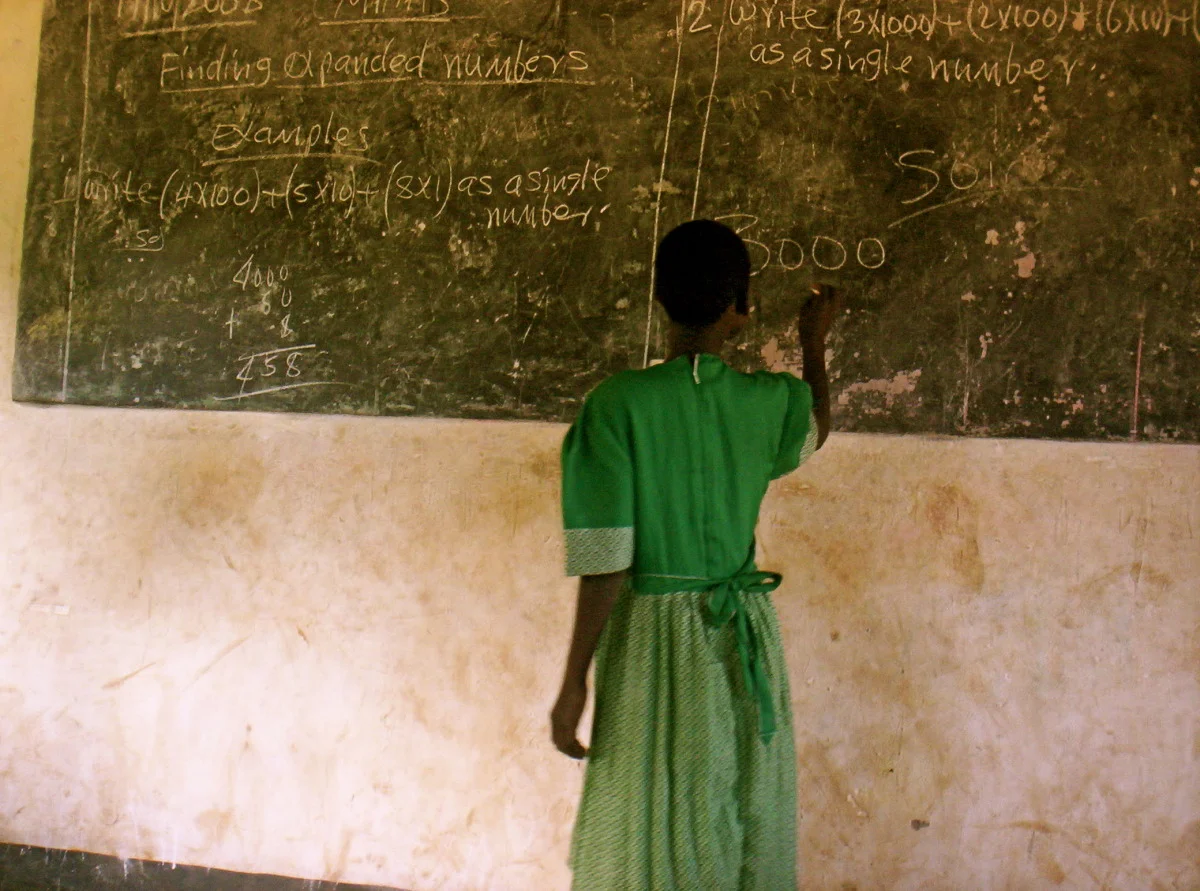
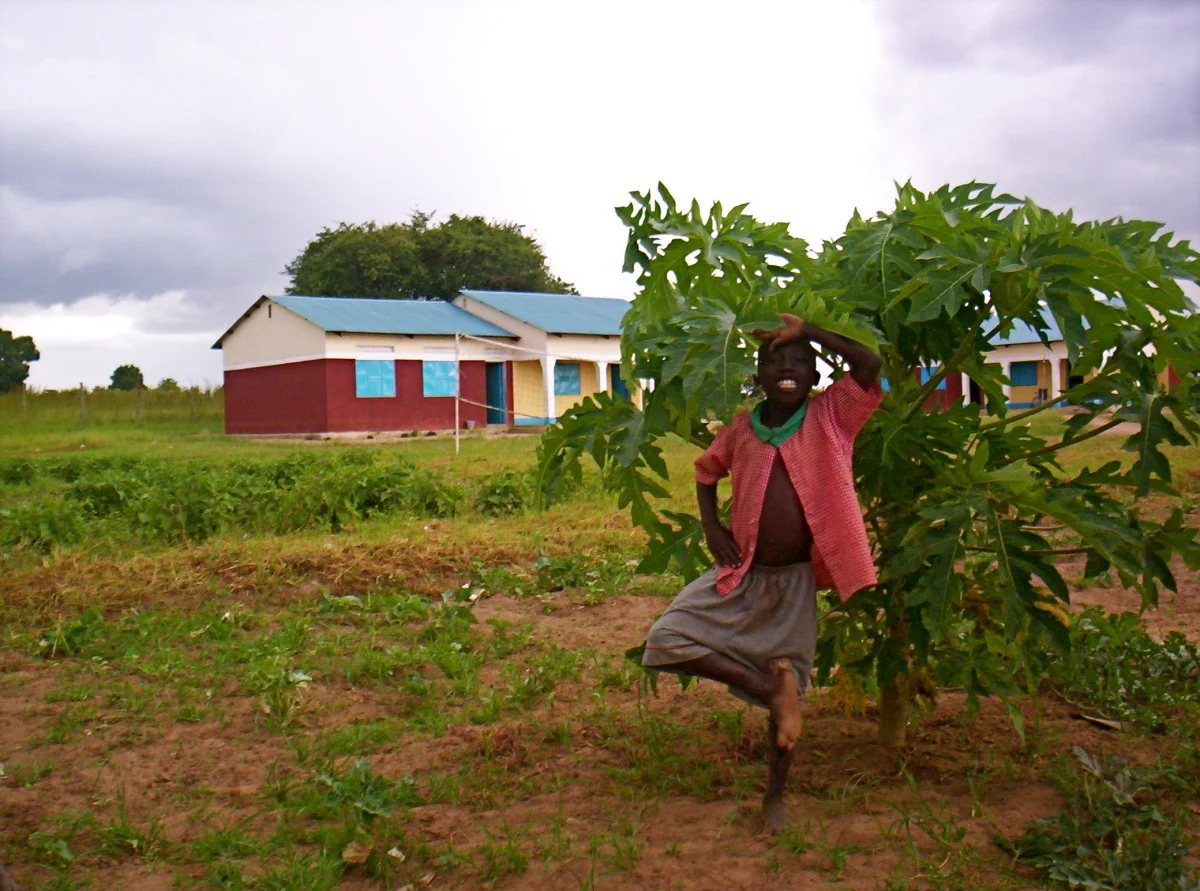
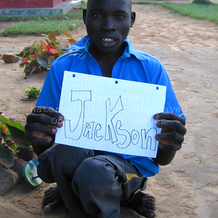
100cameras is an NGO that empowers marginalized children around the world to document their lives through photography, and thereby create positive change in their communities. 100% of the photography sales go back to the children’s communities. Here’s how it works: 100cameras gives a camera to Jackson in South Sudan. Jackson snaps a photo. Then you buy his photo on the 100cameras website. 100% goes back to Jackson and Jackson is empowered.
In 2008, 100cameras launched its first project at St. Bartholomew’s Orphanage in Kajo Keji, South Sudan that serves as a home to 80 children who lost their families during the brutal 21-year civil war. The orphanage was founded by IWASSRU (International Widows Association for Southern Sudanese Refugees in Uganda), a group of Sudanese war widows that banded together to care for refugee orphans. 100cameras funds lifeline supplies, such as protection and access to food, water, and medicine.
To date, the sale of the children’s photography has raised $17,000 that was used to build a fence around the campus, protecting them from the rebel forces in Sudan, and has provided critical maintenance for the truck that transports all food and medicine for the children. $17,000 is four times the average annual income in Sudan!
You can purchase a child's photograph on the 100cameras website and 100% of your purchase will go directly to IWASSRU to provide lifeline supplies and shelter.
This photo essay is a small selection of the more than 200 photographs of South Sudan taken by South Sudanese kids, as well as projects in other countries around the world.
Connect with 100cameras and purchase images of their kid photographers here. Check out their crowdfunding campaign going on now here at WEDIDIT.




Hoops4Hope
There are few elements across the spectrum of humanity that bind and connect us as people, no matter our age, race, or cultural background. They validate our bond as humans and in many cases, drive the most profound change that is occurring across the globe, bringing us together as a global community. The sport’s friendly competition does exactly this.
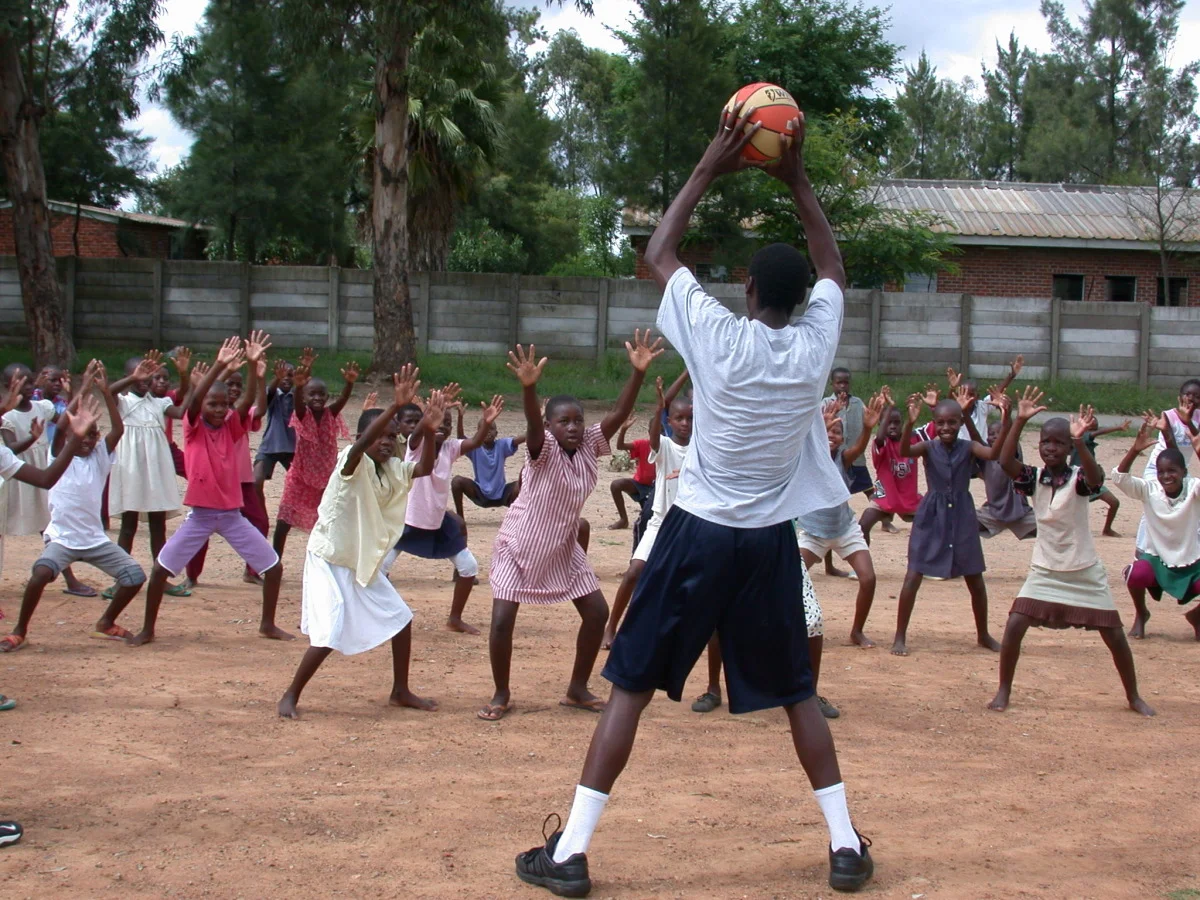
This is where Hoops 4 Hope (H4H) comes into play. Since 1995, H4H is an international non-profit organization, which has utilized the “power of sport to create sustainable long-term positive impact for youth, equipping them with the tools to manage the social, health and economic related challenges they face.” — Mark Crandall, H4H Founder & Director More
As the sister organization for Soccer 4 Hope, Hoops 4 Hope utilizes the medium of basketball to provide empowering sports programing to youth across Zimbabwe and South Africa. The organization’s mission is to educate youth with life skills necessary to survive; it has flourished in communities that struggle with poverty, unemployment, HIV/AIDS, violence, crime, substance abuse, and gender inequality.
Over its 18 years of existence, H4H has seen many of its youngsters receive sports scholarships to high schools, coaches being chosen for overseas cultural exchanges, and even have a Zimbabwean athlete now playing professionally in the Euro League. Furthermore, various H4H courts have been graced with visits from German Chancellor, Angela Merkel, along with NBA Star and member of the Chicago Bulls, Luol Deng, amongst many others.
This photo essay highlights Hoops 4 Hope as our NGO of the Week, taking you to the on-site project locations throughout Zimbabwe and South Africa, many of which were made possible through collaborations with local schools, shelters, and community organizations.
Connect with Hoops 4 Hope here.
ANDREW BRIDGE is a global enthusiast with a passion for the road less traveled. As a frequent collaborator with World Hip Hop Market and Nomadic Wax, Andrew has worked with numerous socially conscious artists from around the world in the pursuit of inspiring cultural understanding and exchange through entertainment. This fascination with the world at large has taken him to over 20 countries (so far) through studying, volunteering, and writing about his travels, with no signs of slowing his globetrotting nature down. Connect with Andrew at @Bridgin_TheGap